
 5D / 4N
9% OFF


Kashmir's Ghost Stories, Place by Place
The best-known haunted places in Kashmir are Pari Mahal, Hari Parbat Fort, Hari Niwas Palace and Gaw Kadal Bridge in Srinagar, St Mary’s Church in Gulmarg and Khooni Nala on the Jammu to Srinagar highway (NH-44). Of the 12 places in this guide, 8 stand on public ground you can reach in daylight. The other 4 are private, restricted or impossible to pin to an address. Most of the stories come from two sources. One is old Kashmiri folklore about spirits like the rantas and the daen. The other is the region’s recent past, when real tragedies and wartime fear produced rumours that outlived the events. For each place we give you the legend, what the record actually shows, and whether you can go.
Key Takeaways
- Start with Pari Mahal. It is the one haunted spot in Srinagar with gardens, a ticket counter and a view of Dal Lake from its terraces.
- Visit every site in daylight, roughly 9 am to 5 pm. Pari Mahal stays open later in summer, Hari Parbat shuts at 5:30 pm, and nothing on this list runs a night tour.
- Treat Gaw Kadal as a memorial. At least 50 people died there on 21 January 1990, and locals still mark the date.
- Drive NH-44 through Ramban in daylight. The real danger at Khooni Nala was shooting stones from the slopes above, not ghosts, and new twin tunnels now carry most traffic past it.
- Skip anywhere marked private or restricted. Hari Niwas Palace and the Udhampur quarters are government or army property with no public access.
Haunted Places in Kashmir at a Glance
Use this table to see where each place is and how close you can get before you read the stories.
| Place | Area | Where the story comes from | Can you visit? |
|---|---|---|---|
| Pari Mahal | Zabarwan hills, Srinagar | Fairy legend, cursed willow | Yes, ticketed, daytime |
| Hari Parbat Fort | Rainawari, Srinagar | Apparitions on the ramparts | Yes, daytime, closed Sundays |
| Hari Niwas Palace | Gupkar Road, Srinagar | ‘Jinxed’ palace since 1947 | No, view from the road |
| Gaw Kadal Bridge | Maisuma, central Srinagar | Memory of the 1990 firing | Yes, a public bridge |
| Bota Kadal house | Lal Bazar area, Srinagar | Abandoned family home | No fixed address |
| Abdullah Jinn house | Srinagar | A jinn that throws out shoes | No fixed address |
| Dal Lake | Srinagar | A figure seen on the water | Yes, by shikara |
| St Mary’s Church | Gulmarg | British-era soldiers’ spirits | Exterior, daytime |
| Parihaspora ruins | Pattan, Baramulla | Ruined 8th-century capital | Yes, open site |
| Gurez haunted tree | Gurez Valley, Bandipora | New-moon curse | Valley yes, tree unmarked |
| Khooni Nala | NH-44, Ramban | Woman in black asking for a lift | Drive-through only |
| Udhampur army quarters | Udhampur, Jammu region | Lights and noises at night | No, army property |
India
Kashmir
The legend, the real history and whether you can visit each place
Best Time
May - June
Select Package Type
Best Selling Packages


12 Haunted Places in Kashmir, Srinagar First, Then the Highway
The first seven places are in and around Srinagar. The list then moves out to Gulmarg, Baramulla and Gurez before ending on the Jammu side of the Banihal pass.
Explore Popular Destination In Kashmir
01
Pari Mahal
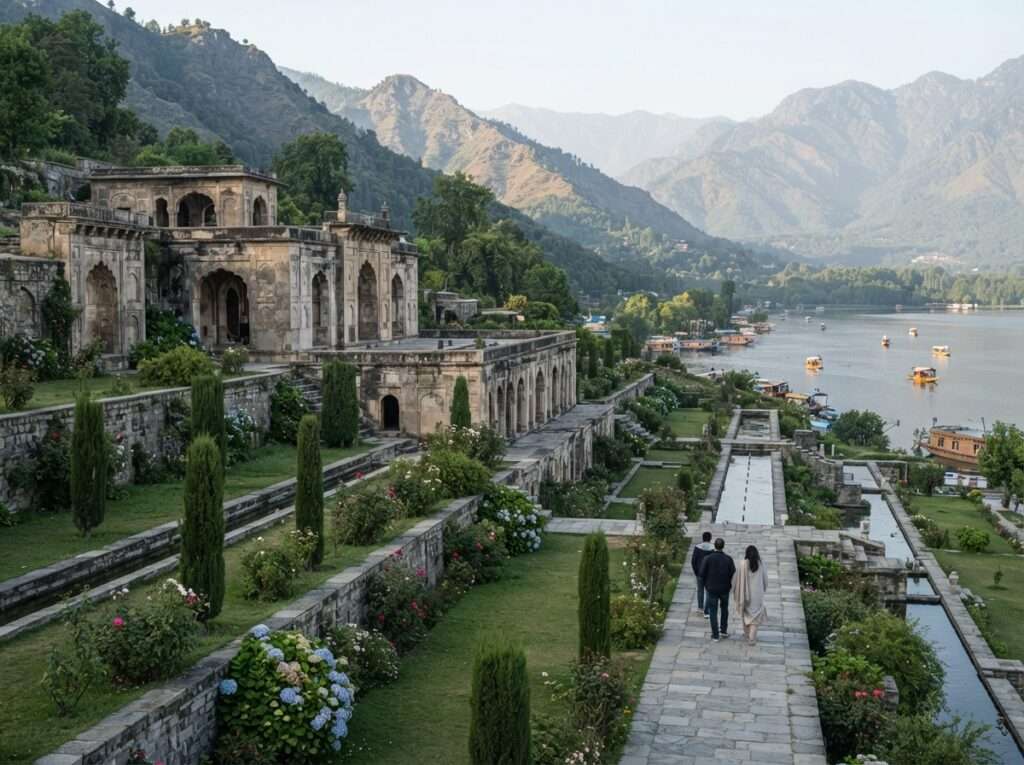
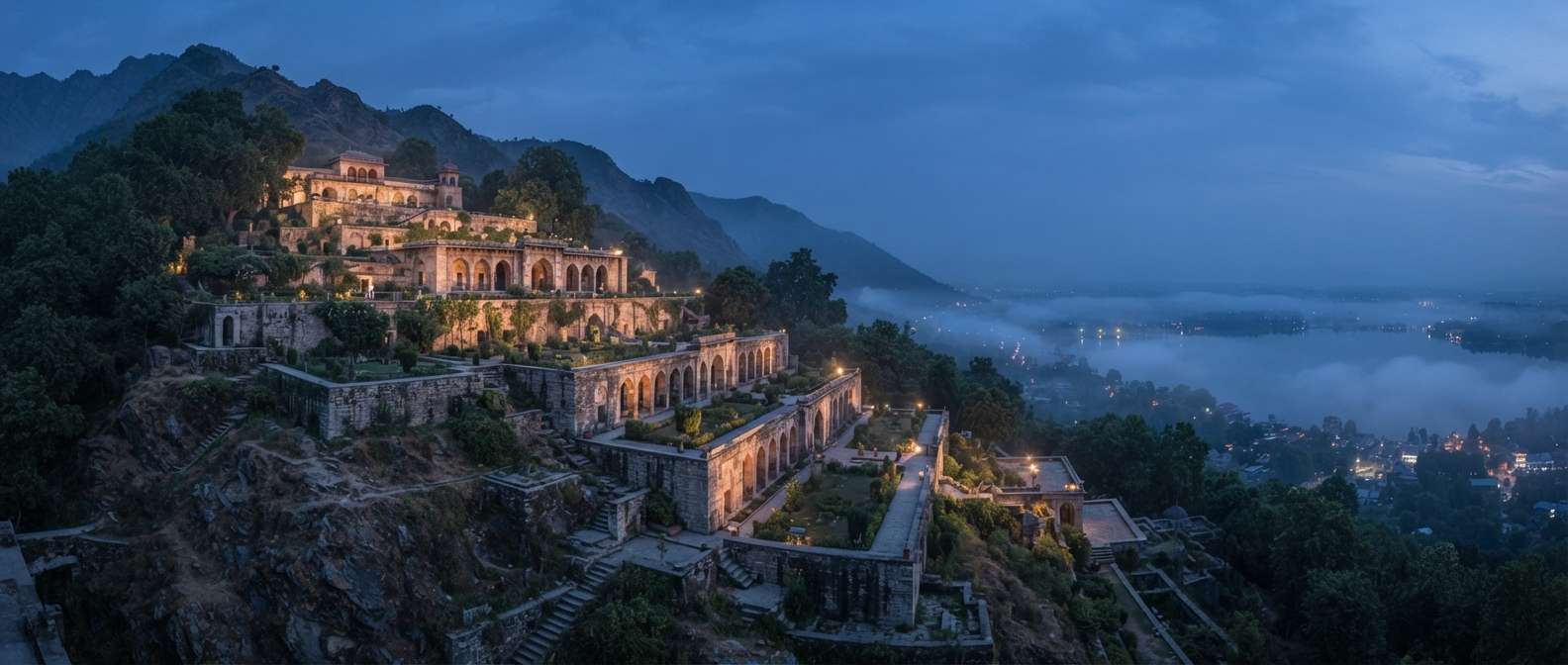
Pari Mahal is the place most Kashmiris name first, and it is the easiest to visit. The terraced garden sits on the Zabarwan slope above Chashme Shahi, looking down over the south-west side of Dal Lake. Dara Shikoh, the eldest son of Shah Jahan, built it in the mid-1600s for his Sufi teacher Mullah Shah Badakhshi, and the top terrace was used to teach astronomy and astrology (Live History India; Kashmir Life). The name itself is disputed. Some historians link it to a Begum named Pari, others say it began as Pir Mahal, the saint’s house. The legend grew out of that name. ‘Pari’ means fairy, and guides will tell you the fairies never left. The other story is about a cursed willow said to bring bad luck to anyone who walks under it. Visitors talk about whispers in the arched chambers and a feeling of being watched near the upper walls. The record is quieter but darker in its own way. Wikipedia notes the complex was later used as an interrogation centre, which is the kind of history that feeds a ghost story. Go in the last hour before closing. The light over the lake is the reason to come, ghosts or not.
Our Pari Mahal visitor guide has parking and photo tips.
| Location | Zabarwan range, above Chashme Shahi, Srinagar |
| Open to visitors | Yes, daytime only; seasonal hours, open later in summer than in winter |
| Entry | Small entry ticket at the gate |
| How to reach | Taxi or auto from Dal Lake Boulevard; no public bus goes up |
| Nearby | Chashme Shahi, Indira Gandhi Tulip Garden, Nehru Memorial Park |
Related Tour Packages


❮
❯
02
Hari Parbat Fort
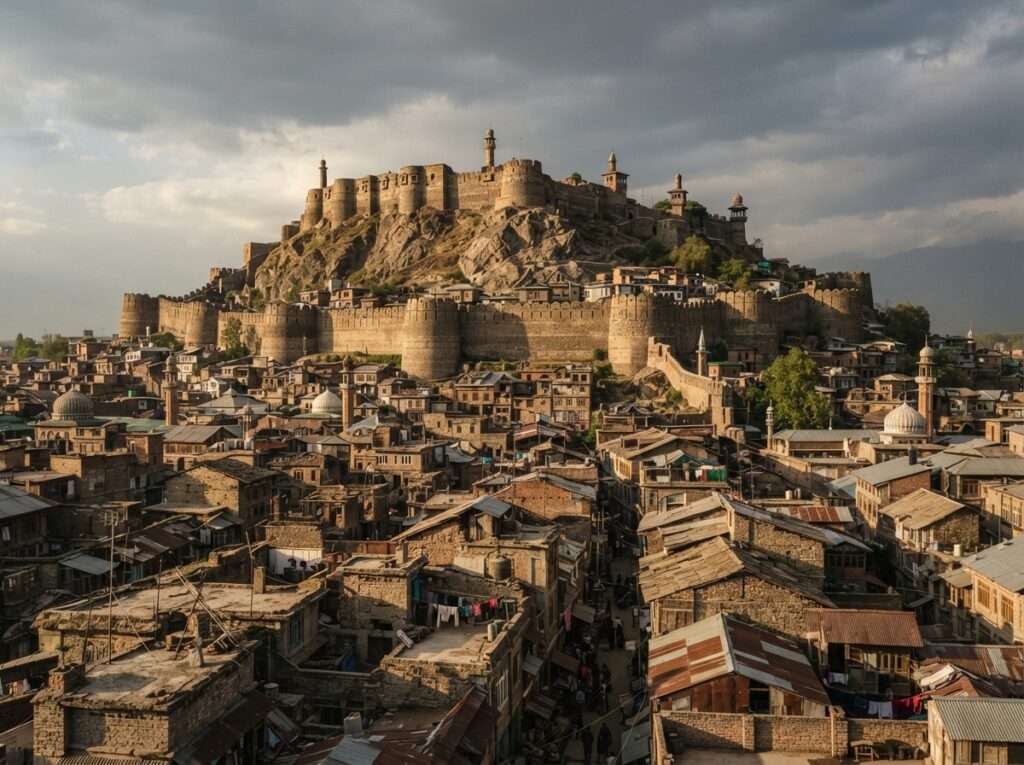
Hari Parbat is the hill that dominates Srinagar’s skyline from almost anywhere in the old city, with the Durrani-era fort along its crest. The walls below were raised by Akbar’s builders in the 1590s, and the hill is sacred to three faiths at once. The Sharika Devi temple, the shrine of Makhdoom Sahib and the gurdwara Chatti Patshahi all sit on its slopes. The fort spent most of the 1990s and 2000s shut to the public under CRPF occupation, and that is exactly when the stories took hold. Locals describe figures walking the ramparts after dark and voices carried on the wind from empty bastions. A closed fort above a city under curfew was always going to collect rumours. Today the Archaeological Survey of India maintains it and Greater Kashmir lists it as open from 9:30 am to 5:30 pm, closed on Sundays, with an entry ticket. Climb up from the Kathi Darwaza side in the morning and you get the clearest view of the Jhelum’s bends through downtown.
Read more in our Hari Parbat guide.
| Location | Hari Parbat hill above Rainawari and Kathi Darwaza, Srinagar |
| Open to visitors | 9:30 am to 5:30 pm, closed Sundays (Greater Kashmir) |
| Entry | Ticketed for the fort; the Sharika Devi temple on the slope is a working shrine open to devotees |
| Nearby | Makhdoom Sahib shrine, Chatti Patshahi gurdwara, Nigeen Lake |
Related Tour Packages


❮
❯
03
Hari Niwas Palace
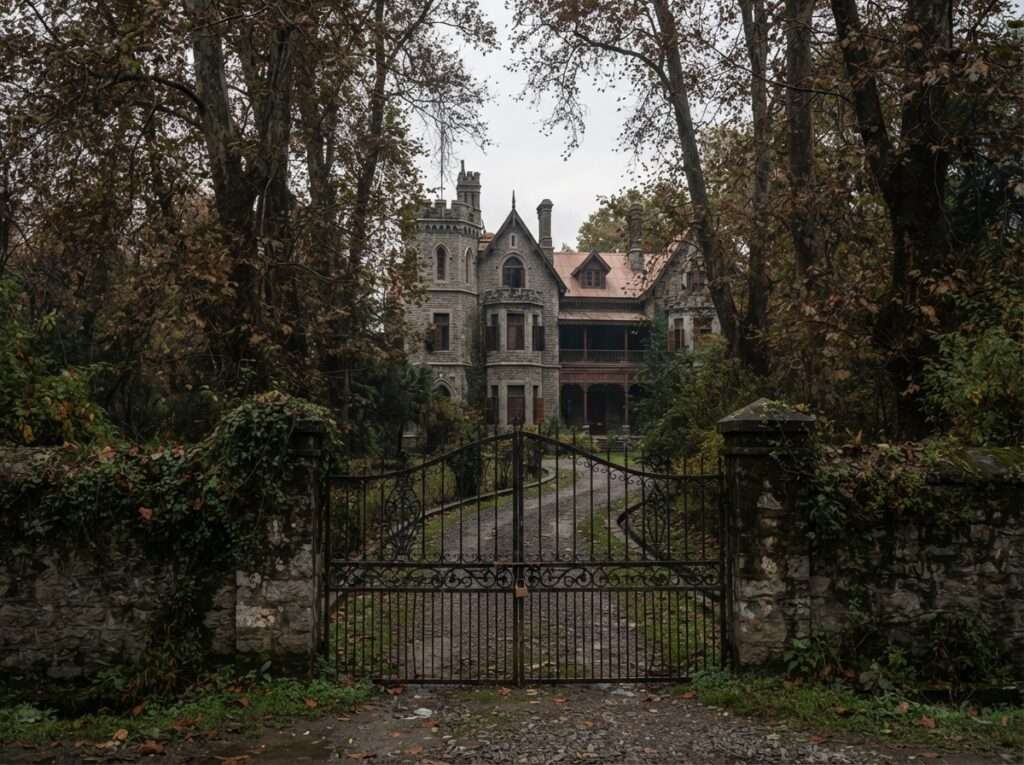
Hari Niwas is the one place on this list that Kashmir’s own press calls haunted. Outlook’s Naseer Ganai describes it as the oldest ghost in Kashmir, dating to 1947. Maharaja Hari Singh built the Gothic-style palace on Gupkar Road in the 1920s, reportedly after his priests warned that the ground belonged to a goddess. He fled Srinagar for Jammu during the tribal invasion of October 1947 and never came back to live here.
What followed is why people call it jinxed. Outlook records that the BSF ran it as an interrogation centre from 1990, and a 1993 Human Rights Watch report described beatings and electric shocks inside. Ghulam Nabi Azad moved in as chief minister in 2007 and lost power in 2008. In August 2019 Omar Abdullah was detained here after Article 370 was revoked. Most chief ministers since have refused to live in it (Kashmir Life, ‘A Jinxed Palace?’). It is government property with no public access, so the best you can do is see the gates from Gupkar Road on the way to Chashme Shahi.
| Location | Gupkar Road, Zabarwan foothills, Srinagar |
| Open to visitors | No; government property, view from the road only |
| Nearby | Chashme Shahi, Pari Mahal, Dal Lake Boulevard |
Related Tour Packages


❮
❯
04
Gaw Kadal Bridge
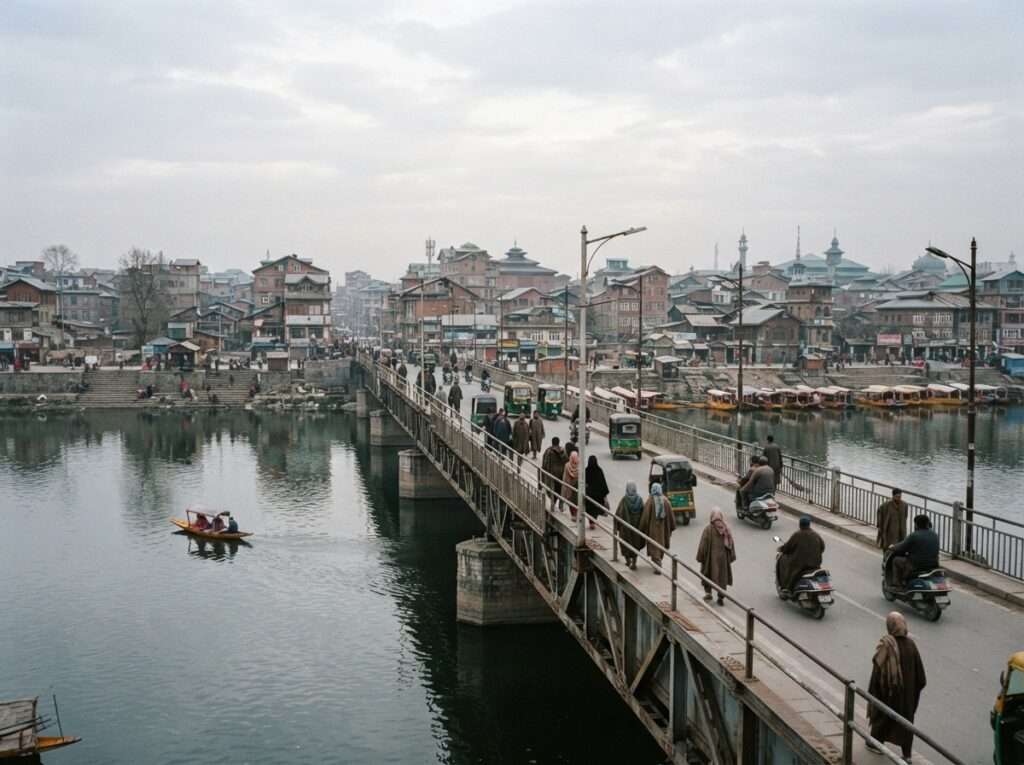
Gaw Kadal is a working bridge in Maisuma, near Lal Chowk in central Srinagar, and the story attached to it is history first. On 21 January 1990, CRPF personnel opened fire on a large crowd of protesters crossing the bridge. Outlook puts the dead at 51, Wikipedia gives a minimum of 50 including people who drowned, and official figures at the time put it between 21 and 28. Many still call it the worst single massacre in Kashmir’s recent history (The Kashmir Walla).
For years afterwards residents said they heard screams on the bridge at night, and some refused to cross it after dark. We include Gaw Kadal because readers search for it, but please treat it as a memorial. Parts of Srinagar observe a shutdown every 21 January. If you go, cross on foot in the day, look at the old wooden houses lining the river and keep your camera away from anyone’s face.
From here it is a short ride on to the old city and the Shah-e-Hamdan shrine on the Jhelum, which is covered in our places to visit in Srinagar guide.
| Location | Maisuma, near Lal Chowk, central Srinagar |
| Open to visitors | Yes, a public bridge; visit in daylight |
| Etiquette | Memorial site; avoid filming locals, expect closures on 21 January |
| Nearby | Lal Chowk, Amira Kadal, Khanqah-e-Moula (Shah-e-Hamdan) |
05
Bota Kadal Haunted House
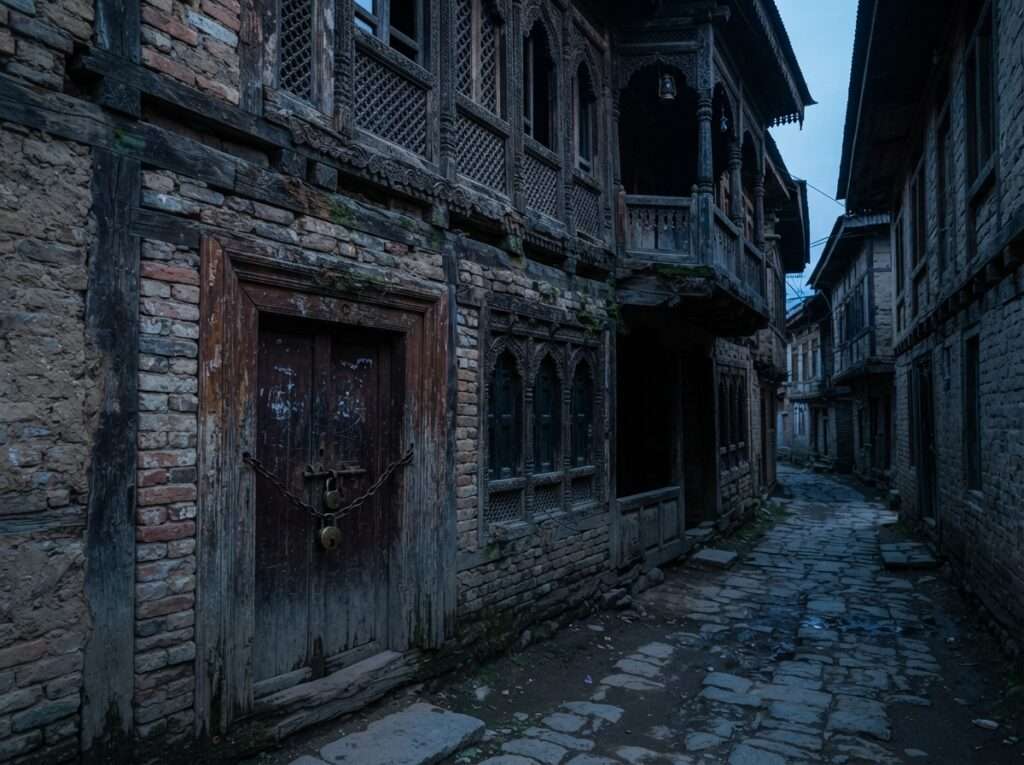
The Bota Kadal story is a Srinagar neighbourhood legend with no published record behind it, and we want to be upfront about that. The tale goes that a family lived in a large house near Bota Kadal, off Lal Bazar and met a tragic end, after which the house stood empty. Neighbours describe flickering lights in empty rooms, footsteps on the upper floor and a figure at the window. Srinagar’s older neighbourhoods are full of houses like this. Thousands of Kashmiri Pandit families left the city in 1990 and many homes were locked and never reopened, so an empty house with a sad story is a common sight here. Arshid Malik’s essay ‘The Haunted House’ in Kashmir Life (2013) captures that feeling better than any ghost tale. There is no address to visit and the buildings are private, so enjoy the walk along the river lanes and leave the empty houses alone.
| Location | Bota Kadal, near Lal Bazar, Srinagar |
| Open to visitors | No; private homes, no confirmed address |
| Nearby | Lal Bazar, Gil Sar lake, Hazratbal |
06
House of Abdullah Jinn
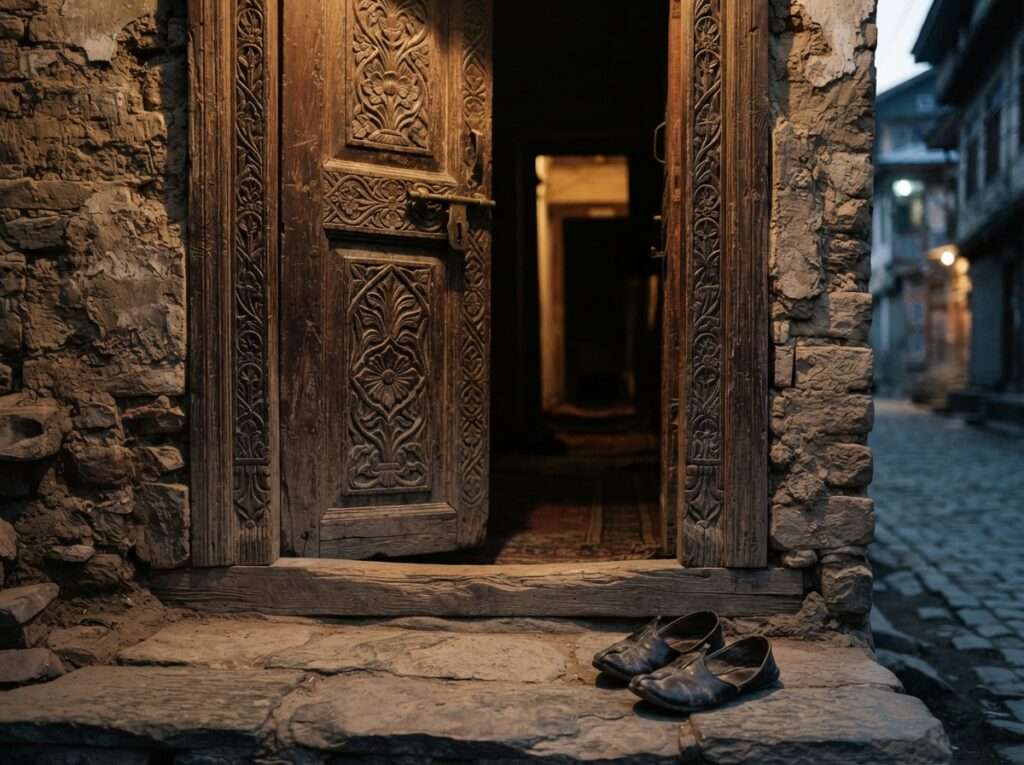
The house of Abdullah Jinn is the strangest story on the list and the hardest to trace. The legend says a jinn called Abdullah lives in a house in Srinagar. Anyone who walks in finds their shoes thrown back out of the door a little later, and people who stay too long fall ill. Some versions add screams from empty rooms.
Jinn stories are part of everyday Kashmiri life, and families often call a local peer or faqir to deal with a troublesome one rather than a priest or a doctor. No source we found gives a street or a family name for this house, so treat it as folklore rather than a destination. If the theme interests you, our section on Kashmir’s folklore spirits further down explains where the jinn sits beside the rantas, yach and daen.
| Location | Srinagar; no confirmed address |
| Open to visitors | No |
| Story type | Jinn folklore, single-source legend |
07
Dal Lake
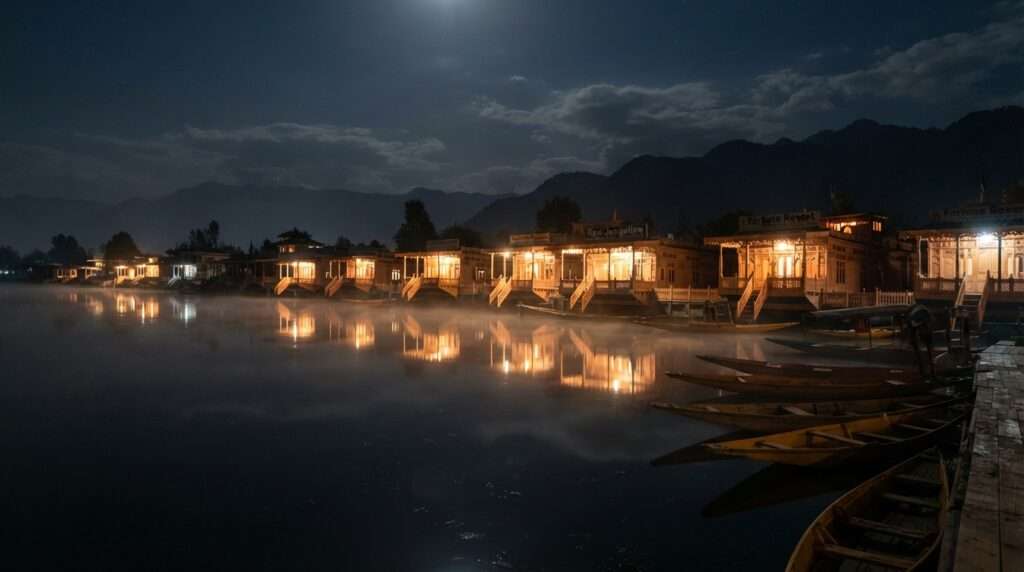
Dal Lake has two ghost stories, and both come from boatmen rather than books. The first is a pale figure that appears to float on the water at night between the houseboats and the open lake, then vanishes when a shikara rows towards it. The second belongs to the hill above the lake, where people living below the Shankaracharya temple talk about a woman’s crying carried down the slope after dark. Neither story has a documented origin, and we found no Kashmiri press report behind either one. What is certain is that the lake gets very quiet once the shikaras dock. Mist sits on the water on autumn and winter nights and the lights of the houseboats reflect in long lines, which is a good setting for a story.
Hear it the right way, from a shikara wala on an evening ride before dark, then climb to the Shankaracharya Temple the next morning for the view over all of it.
| Location | Srinagar, between the Boulevard and Nehru Park |
| Open to visitors | Yes; shikara rides run through the day |
| Best time | Sunset ride, back on shore before full dark |
| Nearby | Shankaracharya Temple, Nigeen Lake, Hazratbal |
08
St Mary's Church, Gulmarg
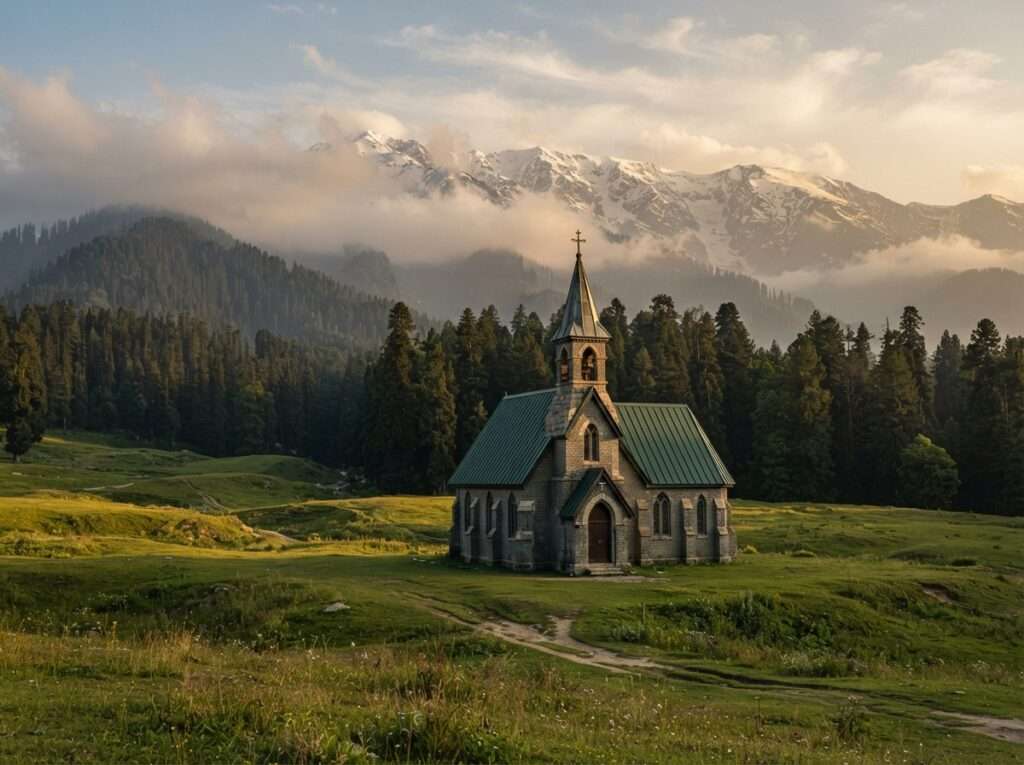
St Mary’s is a small grey-brick Victorian church with a green roof, built in 1902 for the British families who spent their summers in Gulmarg. It stands near the golf course, about 50 km from Srinagar. It fell silent for years and reopened in 2003, holding its first Christmas service in 14 years, and it belongs to the Church of North India’s Diocese of Amritsar (Wikipedia). Guides and pony-wallahs tell of the spirits of British soldiers, of hymns heard when the church is locked and shapes in old photographs. You will read online that these were soldiers killed in the Indo-Pak wars. That cannot be right. British units took no part in the fighting in Kashmir, and the last British troops left India in February 1948. The older version, about men from the colonial garrison, at least fits the dates.
See it on a clear morning before the gondola crowds, and pair it with our St Mary’s Church visitor page and the full Gulmarg travel guide.
| Location | Near the golf course, Gulmarg, Baramulla district |
| Open to visitors | Exterior any time in daylight; interior on service days |
| How to reach | About 50 km from Srinagar by road, around 1.5 hours |
| Nearby | Gulmarg Gondola, Baba Reshi shrine, Maharani Temple |
09
Parihaspora Ruins
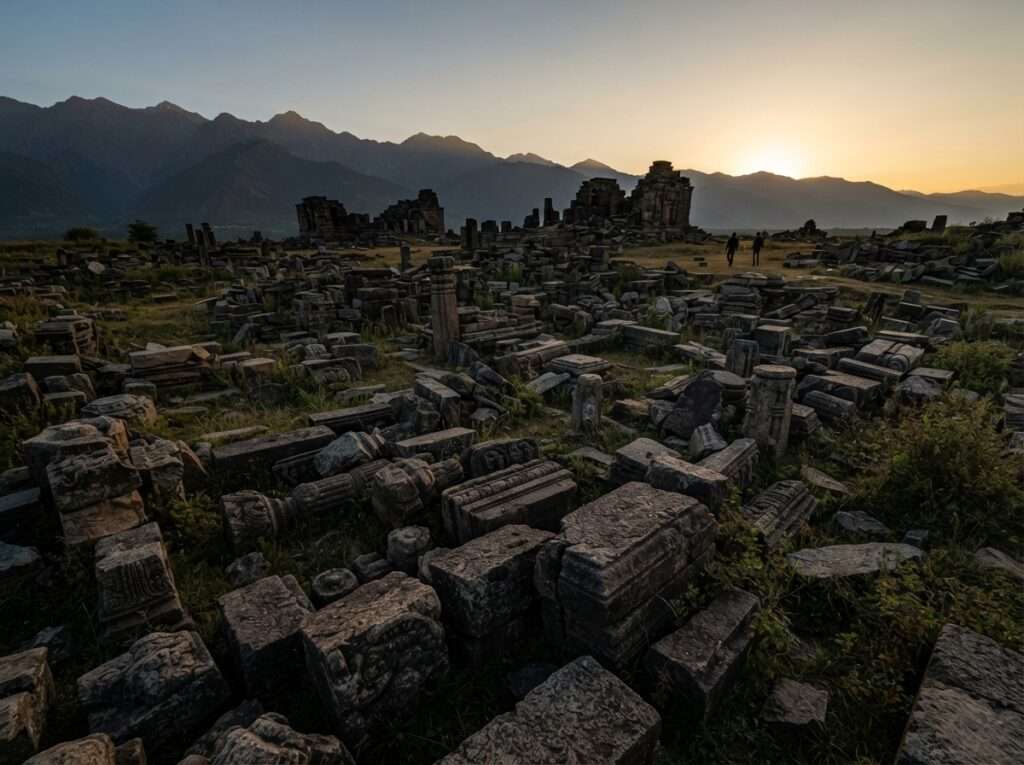
Parihaspora is a field of huge broken stone blocks on a plateau about 22 km north-west of Srinagar, near Pattan in Baramulla district. In the 8th century it was the capital of Lalitaditya Muktapida, one of Kashmir’s most powerful kings, whose reign modern historians date to around 724 to 760 CE. It served as his capital only briefly, and by the 12th century, when Kalhana wrote the Rajatarangini, it was already deserted and in ruins.
There is no single ghost here, which is the point. Villagers on the plateau have long avoided the ruins at night, and the empty grid of plinths at dusk explains why. It is the safest and most rewarding entry on this list for history lovers, with few visitors and open access. Outlook Traveller reports the site is being developed under the Swadesh Darshan 2.0 scheme, so expect new paths and signboards. Combine it with a drive to Gulmarg, since Pattan is an easy detour on the way out of Srinagar.
| Location | Near Pattan, Baramulla district, 22 km north-west of Srinagar |
| Open to visitors | Yes; open heritage site, daytime |
| How to reach | Taxi on the Srinagar to Baramulla road, about 45 minutes |
| Nearby | Pattan town, Gulmarg road, Shadipora confluence |
10
The Haunted Tree of Gurez
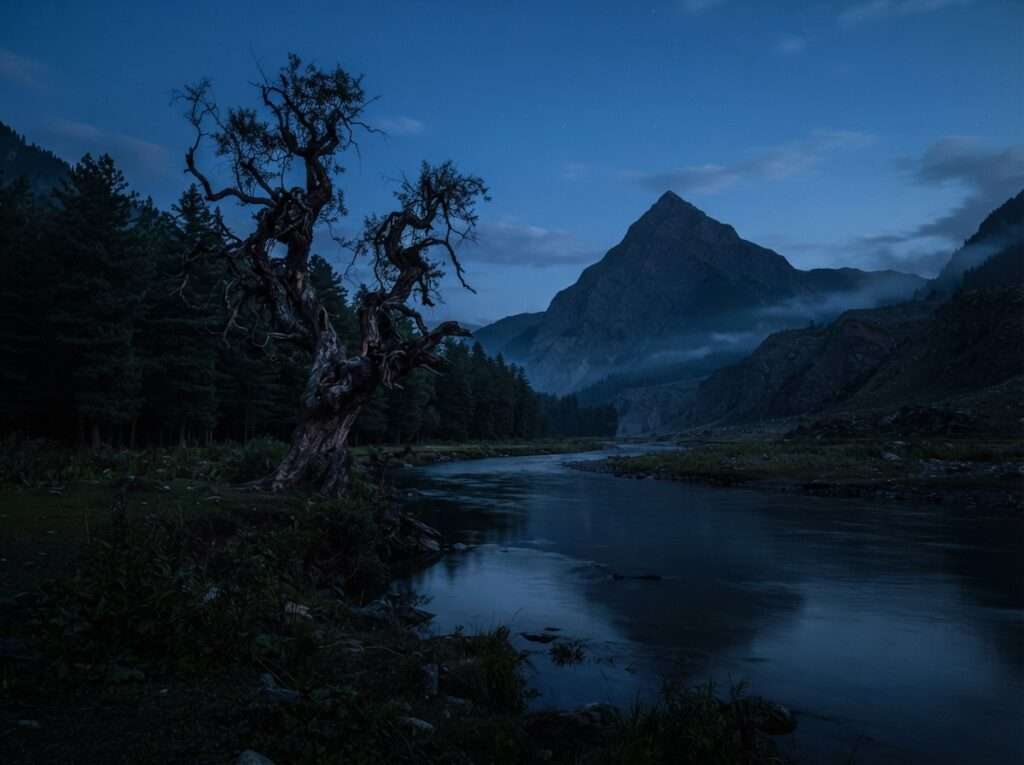
Gurez is a remote border valley on the Kishanganga river, about 123 km from Srinagar by the official district figure, reached over the Razdan pass. Its folklore includes a tree in the forest that villagers will not touch on the night of the new moon. Anyone who does, the story goes, falls ill or is possessed by the spirits living in it. Nobody points to one specific tree, and every village seems to have its own candidate. The valley’s better-known legend is about the poet-queen Habba Khatoon, who is said to have wandered here searching for her exiled husband. The pyramid-shaped peak above Dawar carries her name. Gurez is worth the trip for its wooden Dard villages alone, though the road over Razdan usually opens only from late May or June to October. Indian nationals carry government ID for checks.
Plan it with our Gurez Valley guide and the wider list of offbeat places in Kashmir.
| Location | Gurez Valley, Bandipora district |
| Open to visitors | Valley yes, roughly June to October; the tree is unmarked |
| How to reach | About 123 km from Srinagar via Bandipora and the Razdan pass |
| Documents | Government photo ID for Indian nationals at check posts; foreign nationals need prior permission from the authorities |
| Nearby | Habba Khatoon peak, Dawar, Tulail valley |
11
Khooni Nala, Jammu to Srinagar Highway
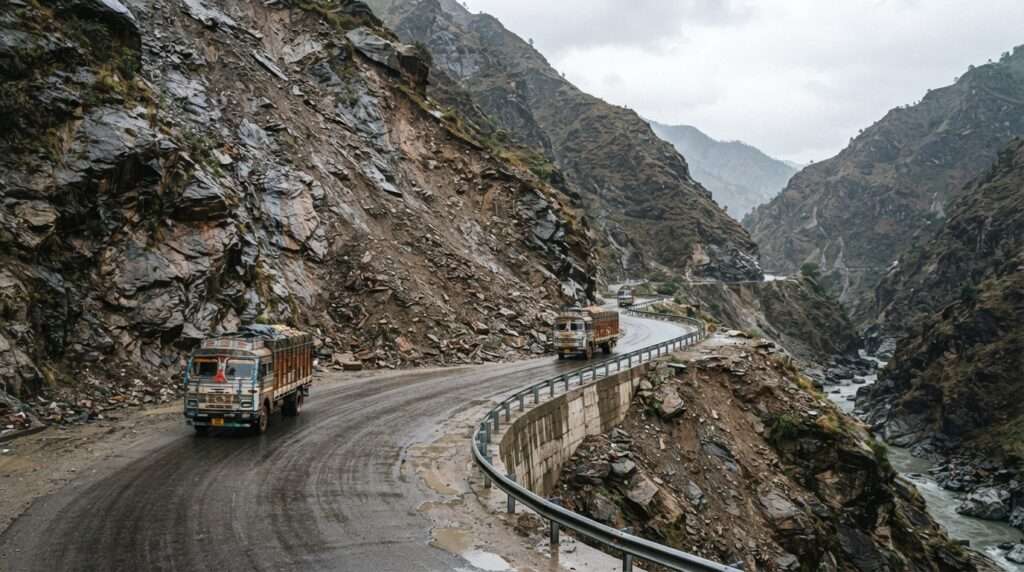
Khooni Nala, the ‘bloody stream’, is a gully on NH-44 in Ramban district, on the stretch between Ramban town and Banihal. It earned its name from accidents. Loose hillsides above the road send down boulders and ‘shooting stones’ after rain. In March 2020 a falling boulder at Khooni Nallah killed a sleeping truck driver and injured three people in a car at the same spot (Hindustan Times). In August 2025 the whole highway shut after shooting stones and slides in Ramban (The Tribune). In 2026 the Digdol to Panthyal twin-tube tunnels opened to bypass this slide zone, so most vehicles now pass Khooni Nala underground (Kashmir Observer). Drivers have their own explanation. The best-known story is a woman in a black saree carrying a baby who waves for a lift. Refuse her, the tale says, and you crash further down the road. Another version blames the spirit of a pregnant woman who died here. Truckers on the route will tell you both. The practical advice is far more useful. If you are routed over the old road, cross it in daylight, never stop under the slope, and check the J&K Traffic Police advisory before you set off.
Our list of the scariest roads in India covers the rest of this highway.
| Location | NH-44, between Ramban and Banihal, Ramban district |
| Open to visitors | Drive-through only; most traffic now uses the Digdol to Panthyal tunnels, and you should never stop in the old slide zone |
| Best time | Daylight, after checking the J&K Traffic Police advisory |
| Nearby | Ramban, Banihal, Patnitop |
12
Udhampur Army Quarters
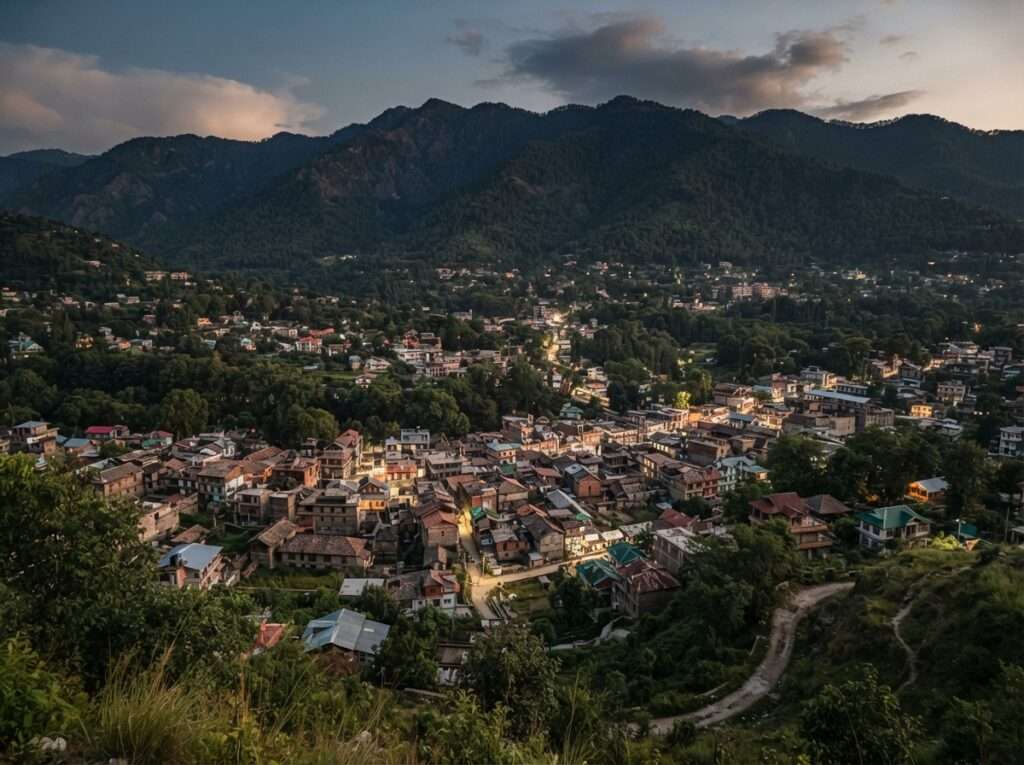
The Udhampur story is pure rumour, and older articles even placed it in Srinagar, which it is not. Udhampur is a garrison town in the Jammu region, about 65 km north of Jammu city and home to the Indian Army’s Northern Command. The tale is that an old block of army quarters is haunted, with lights and noises reported between 1 am and 3 am. We found no named source, no date and no address for this one. It is military property, so there is no access, and you should not try to photograph army installations anywhere in the region. Include Udhampur on a road trip for the right reasons.
The town sits on the way to Patnitop, and the Krimchi temples, a group of old stone shrines about 12 km away, make a much better stop.
| Location | Udhampur, Jammu region |
| Open to visitors | No; army property |
| Nearby | Krimchi temples, Patnitop, Ramnagar Fort |
Kashmir's Folklore Spirits: Rantas, Yach, Daen and Jinn
Kashmiri ghost stories rest on a small cast of spirits that grandmothers have used for generations to send children to sleep. Outlook’s 2022 feature on the Valley’s horror stories lists the main ones, and once you know them you will recognise them in almost every legend above.
| Spirit | What it is | Where it shows up |
|---|---|---|
| Rantas | A female humanoid creature of the forests and hills | Forest edges, mountain paths; also slang for a rebellious girl |
| Yach | A male spirit, mischievous more than evil, said to wear a red cap | Old houses and orchards; the Gurez tree and Bota Kadal tales |
| Daen | A witch who harms people and livestock | Village stories and accusations against women |
| Jinn | A being from Islamic tradition that can live in a house and be reasoned with | The Abdullah Jinn house; faith healers called to ‘settle’ one |
| Pari | A fairy, usually beautiful and harmless | Pari Mahal, which takes its popular name from it |
The yach and its red cap come from oral tradition rather than the Outlook piece, so read that detail as folklore. Notice where Kashmir’s spirits live. It is always at the edges. Forests, empty houses, river crossings and mountain roads are where the stories gather, which is why the list above looks the way it does.
When Ghost Rumours Swept the Valley: 1993, 2013 and 2017
Three times in recent memory Kashmir has lived through a ghost panic, and each one is better documented than any haunted house. They tell you more about fear in a conflict zone than about the supernatural.
| Year | Where | What people reported | What investigators found |
|---|---|---|---|
| Autumn 1993 | Across the Valley | Female ‘ghosts’ with long hair, iron claws and springs in their boots entering homes at night | Villagers called it ‘Operation Bhoot’ and blamed security forces; night patrols formed, then sightings stopped (Outlook) |
| September 2013 | Nowgam, Anantnag and south Kashmir | Stones hitting tin roofs at night; Haseena Begum died of cardiac arrest after one attack | Police said thieves were posing as ghosts; the issue reached the J&K Assembly (Outlook) |
| October 2017 | Kashmir and Jammu | Women’s braids cut while they slept | Police registered 105 FIRs in the Valley; a CID report later called the incidents an illusion (Outlook) |
The 2017 braid-chopping scare turned ugly. Vigilante groups armed with sticks and cricket bats beat up a man with schizophrenia in Srinagar and a deaf man in Budgam on suspicion of being chopper agents, as Outlook documents. Suhail A Shah’s report in Kashmir Life, ‘Ghosts of 90’s Back!’, describes the same pattern of night vigils and fear psychosis in Nowgam. None of these places is a tourist stop, and we have not listed them as one.
Legend vs Record: How Each Story Compares
This matrix sets the popular legend beside what published sources actually show, so you can decide which stories are worth the trip.
| Place | The popular legend | What the record shows | Strength of the story |
|---|---|---|---|
| Hari Niwas Palace | Jinxed since 1947 | Royal flight, interrogation centre, two CMs’ downfalls (Outlook, Kashmir Life) | Strong, well documented history |
| Gaw Kadal | Screams of the dead at night | 21 January 1990 firing, at least 50 killed | Real tragedy; legend secondary |
| Pari Mahal | Fairies and a cursed willow | Dara Shikoh’s 17th-century school of astronomy | History strong, legend light |
| St Mary’s Church | British soldiers’ ghosts | Built 1902, reopened 2003 | Dates fit a colonial version only |
| Khooni Nala | Woman in black asking for lifts | Deadly rockfall and accidents, 2020 and 2025 | Real danger; legend secondary |
| Bota Kadal, Abdullah Jinn, Udhampur | Haunted houses and quarters | No address, date or named source | Hearsay |
Places Remembered for Tragedy, Not Ghost Tours
Some lists online include Kunan Poshpora as a ‘haunted twin village’. We have removed it. On the night of 23 February 1991, women in the villages of Kunan and Poshpora in Kupwara district reported mass rape during an army search operation, a case that has been in the courts for more than three decades. Turning that into a ghost story insults the people who live there, and it lies far north in Kupwara, nowhere near the rest of this list.
The same reasoning applies to other massacre sites that appear on competitor lists. Gaw Kadal stays in this guide because it is a busy city bridge most visitors will cross anyway, and because knowing the date changes how you walk across it. If you visit any place linked to violence, go quietly, take no selfies, and do not ask residents to retell the story for your camera.
How to Plan a Daylight Folklore Walk in Srinagar
You can see four to six of these places in one unhurried day from a base near Dal Lake, depending on whether you add Gaw Kadal and Bota Kadal. This is the order that saves the most driving.
- Start at Pari Mahal by 9:30 am. Take a taxi up from the Boulevard and give yourself an hour on the terraces before the tour buses arrive.
- Drive down past the Hari Niwas gates on Gupkar Road. Look from the road only; stopping or filming outside government property invites questions from security staff.
- Cross to Hari Parbat by 11:30 am. Enter from the Kathi Darwaza side, carry ID and the ticket fee, and remember that Greater Kashmir lists it as closed on Sundays.
- Have lunch in the old city around Rajouri Kadal, then walk the river lanes to the Khanqah-e-Moula shrine on the Jhelum. Gaw Kadal, in Maisuma near Lal Chowk, and Bota Kadal, near Lal Bazar, are separate short taxi rides, so add them only if you have time.
- View Khanqah-e-Moula from its outer courtyard, since non-Muslim visitors are generally not allowed inside the main hall, and women of any faith are not allowed into it. Dress modestly, cover your head and shoulders, and ask before photographing at any shrine or of any person.
- Finish with a sunset shikara on Dal Lake around 5 pm. Ask your boatman for his version of the floating ghost and be back on shore by dark.
Hire a licensed local guide for the old-city part of the day. A guide who grew up in downtown will tell you the neighbourhood versions of these stories that no website carries, and will know which lanes are fine to walk on a given day. For a base close to all of it,
our Srinagar travel guide compares the Boulevard, Rajbagh and old-city stays.
Tips for Visiting Haunted Places in Kashmir Safely
- Go in daylight. Every public site here keeps daytime hours, and the roads to Gurez and through Ramban are not places to be after dark.
- Carry photo ID. Check posts on the Gurez road, near Hari Parbat and on NH-44 ask for it, and foreign nationals need extra clearance for Gurez.
- Keep cameras off security installations. Army camps, CRPF posts, bridges with pickets and Hari Niwas are off limits for photos.
- Dress for shrines. Several stops sit beside working mosques, shrines and temples, so cover shoulders and knees and carry a scarf.
- Check the highway before NH-44. The J&K Traffic Police post daily advisories, and the Ramban stretch closes after heavy rain.
- Watch the calendar. Shops in parts of downtown shut on 21 January for the Gaw Kadal anniversary.
- Treat the stories as stories. Nobody in Kashmir sells ghost tours. Locals share these tales over kahwa, not as entertainment for hire.
Families with children will enjoy Pari Mahal, Dal Lake and Parihaspora most. Leave Gaw Kadal and the highway legends for older teenagers who can hear the history behind them. If you are planning a longer trip,
our list of places to visit in Kashmir and the Kashmir travel hub cover the seasons and routes.
How We Wrote This Guide
We rebuilt this guide in October 2026. The legends come from published Kashmiri sources and from what guides, boatmen and drivers tell visitors today. Every date, toll and figure is taken from the source named beside it: Outlook (Naseer Ganai, ‘A Shadowy Hand: Kashmir’s Tryst With Horror’, 2022, updated 2024), Kashmir Life, The Kashmir Walla, Greater Kashmir, Hindustan Times, The Tribune, Outlook Traveller and Wikipedia. Where a story has no source at all, we say so. TravelTriangle makes no claim that any place is actually haunted.
We have also corrected errors that circulate widely online. Udhampur is in the Jammu region, not Srinagar. The Gaw Kadal firing happened on 21 January 1990. St Mary’s Church cannot be haunted by soldiers of the Indo-Pak wars, because British troops took no part in those wars.
Seeing Kashmir's Stories for Yourself
Kashmir’s haunted places are really a map of its history: a Mughal prince’s observatory, a maharaja’s abandoned palace, a bridge where real people died and a highway that still sends rocks onto the road. Come for the stories, stay for the places, and treat the tragic ones with care. Most of them fit into a day in Srinagar plus a drive to Gulmarg. If you would like that day built into a longer trip,
our Kashmir tour packages and Srinagar tour packages can be customised around it, and our list of haunted houses in India has more stories for the road.
FAQs
Frequently Asked Questions About Haunted Places in Kashmir
Short answers to what travellers ask most about Kashmir's ghost stories and visiting them safely.
Yes, Kashmir has many places with ghost stories attached, though none is proven to be haunted. The best known are Pari Mahal, Hari Parbat Fort, Hari Niwas Palace and Gaw Kadal Bridge in Srinagar, St Mary's Church in Gulmarg and Khooni Nala on NH-44. Most stories come from Kashmiri folklore about spirits like the rantas and daen, or from real tragedies during the conflict years. Eight of the 12 places in this guide can be visited in daylight.
Hari Niwas Palace in Srinagar has the strongest claim, because Kashmir's own press calls it jinxed. Outlook describes it as the oldest ghost in Kashmir, dating to 1947 when Maharaja Hari Singh fled. It later served as an interrogation centre, and chief ministers who lived there lost power. It is government property, so you can only see it from Gupkar Road. Among places you can enter, Pari Mahal is the most talked about.
Pari Mahal is linked to ghost stories, but nothing supports a real haunting. The name means fairy palace, and guides say fairies still live on its terraces, along with a cursed willow that brings bad luck. Its real history is a 17th-century school of astronomy built by Dara Shikoh for his Sufi teacher. It is open in daylight with a small entry ticket, and it has the best sunset view over Dal Lake.
Gaw Kadal is called haunted because of the massacre there on 21 January 1990. CRPF personnel fired on protesters crossing the bridge, and Outlook puts the dead at 51, while official figures at the time put it at 21 to 28. For years residents said they heard screams on the bridge at night. Today it is a busy public bridge in central Srinagar, and visitors should treat it as a memorial rather than a ghost spot.
The haunted reputation belongs mainly to Khooni Nala, a gully on NH-44 in Ramban district. Drivers tell of a woman in a black saree with a baby who asks for a lift and curses anyone who refuses. The real cause of the deaths is rockfall. A boulder killed a truck driver there in March 2020, and shooting stones closed the highway in August 2025. New twin tunnels opened in 2026 now bypass most of that stretch, but drive NH-44 in daylight and check the traffic advisory first.
The Jammu side has two places in local lore. Khooni Nala on NH-44 in Ramban district is the better known, tied to accidents and a woman in black. The Udhampur army quarters, about 65 km north of Jammu city, are rumoured to have lights and noises between 1 am and 3 am. That second story has no published source, and the quarters are army property with no access.
Srinagar has seven of the 12 places in this guide. They are Pari Mahal, Hari Parbat Fort, Hari Niwas Palace, Gaw Kadal Bridge, the Bota Kadal house, the house of Abdullah Jinn and Dal Lake. Pari Mahal, Hari Parbat, Gaw Kadal and Dal Lake are open to visitors in daylight. You can cover them in one day, starting at Pari Mahal in the morning and ending on a shikara at sunset.
The floating ghost of Dal Lake is a boatmen's story about a pale figure seen on the water at night that vanishes when a shikara rows towards it. We found no published source or origin for it, so it is best treated as lake folklore. You can hear the story from a shikara wala on a sunset ride. Mist on the lake in autumn and winter evenings explains much of its appeal.
A rantas is a female humanoid creature that, in Kashmiri folklore, lives in the forests and hills of the Valley. Elders used rantas stories to frighten children into sleeping, as Outlook's 2022 feature on Kashmiri horror notes. The word is also used as slang for a rebellious girl. Other spirits in the same tradition are the yach, a male spirit, and the daen, a witch.
No, plan every visit for daylight. Pari Mahal and Hari Parbat close their gates by early evening, and several sites sit near security installations where wandering after dark draws attention. The Ramban stretch of NH-44 and the Gurez road are dangerous at night because of rockfall and steep drops. Go between about 9 am and 5 pm, carry photo ID, and use a local guide in the old city.
You can photograph Pari Mahal, Hari Parbat's walls, Dal Lake, Parihaspora and the exterior of St Mary's Church freely. Do not photograph army camps, CRPF posts, Hari Niwas Palace or pickets on bridges, since that can lead to questioning. Ask before photographing inside any shrine or of local people, and avoid filming residents at Gaw Kadal, which is a memorial site.
Most Srinagar sites stay open in winter, but hours are shorter and snow can close the Pari Mahal road for a day or two. Gulmarg's St Mary's Church is reachable but often under deep snow from December to February. Gurez is cut off once the Razdan pass closes, usually from November to late May. NH-44 through Ramban sees more closures in winter and the monsoon, so check advisories daily.