
 8D / 7N
6% OFF


Nilaveli at a Glance: Where It Is and What to See
The best places to visit in Nilaveli are Pigeon Island National Park, 1 km off the beach, and Nilaveli Beach itself. North of the village are Red Rock Beach and the empty sand at Kuchchaveli. South, on the 16 km run to Trincomalee, you pass Velgam Vehera, Kanniya Hot Springs, Uppuveli, Fort Frederick and Koneswaram Temple. Nilaveli is a small Tamil fishing village in Trincomalee District on Sri Lanka’s east coast. Its beach is long, pale and shallow, and from April to September the sea is usually flat enough to swim straight out. Everything on this list is within 30 km. Two full days cover the lot, and a third lets you slow down.
Key Takeaways
- Go between April and September. The north-east monsoon brings rough seas from October to March, and boats to Pigeon Island can be suspended.
- Take the first boat to Pigeon Island, around 7.30 am, to snorkel with blacktip reef sharks and turtles before the day-trippers arrive.
- Budget about USD 20 (₹1,760) for an Indian passport holder’s park ticket, plus a per-group service charge and VAT, and a share of a boat that costs around LKR 15,000.
- Combine Fort Frederick, Koneswaram and the Maritime Museum in one half day. All three are within 1 km of each other, 14 km from Nilaveli.
- Fly into Colombo and allow 5 to 6 hours by road, or take the overnight train to Trincomalee and be on the beach by breakfast.
Distance from Nilaveli: all 12 places at a glance
| Place | Distance from Nilaveli | Time needed | Entry | Best for |
|---|---|---|---|---|
| Pigeon Island National Park | 1 km offshore, 10 to 15 min by boat | 3 to 4 hours | About USD 20 to 25 plus boat | Snorkelling, reef sharks, turtles |
| Nilaveli Beach | 0 km | 2 to 3 hours | Free | Swimming, sunrise |
| Red Rock Beach | A few km north | 1 to 2 hours | Free | Rock pools, photos |
| Kuchchaveli Beach | 19 km north | Half day | Free | Empty sand, resorts |
| Velgam Vehera | 7 km | 1 hour | Free | Ancient Buddhist ruins |
| Trincomalee War Cemetery | 8 km | 30 to 45 min | Free | Second World War history |
| Uppuveli Beach | 10 km south | 2 hours | Free | Cafes, dive shops, evenings |
| Kanniya Hot Springs | 12 km | 1 hour | Under LKR 100 | Seven warm wells |
| Fort Frederick | 14 km | 1 hour | Free | Colonial fort, spotted deer |
| Koneswaram Temple | 14 to 15 km | 1 to 1.5 hours | Free | Shiva temple on Swami Rock |
| Maritime and Naval History Museum | 14 km | 45 min | Small ticket | Naval history, Dutch Bay |
| Marble Beach | 27 km south | Half day | Small gate fee | Clear, calm water |
Sri Lanka
Sri Lanka
Pigeon Island, the beaches and the sights on the road to Trincomalee, with distances, fees and a 2-day plan
Best Time
April - September
Select Package Type
Best Selling Packages


12 Places to Visit in Nilaveli, From the Jetty to Marble Beach
Pigeon Island and the Nilaveli beaches come first, then the sights on the road south to Trincomalee, then Marble Beach beyond China Bay.
Explore Popular Destination In Sri Lanka
01
Pigeon Island National Park
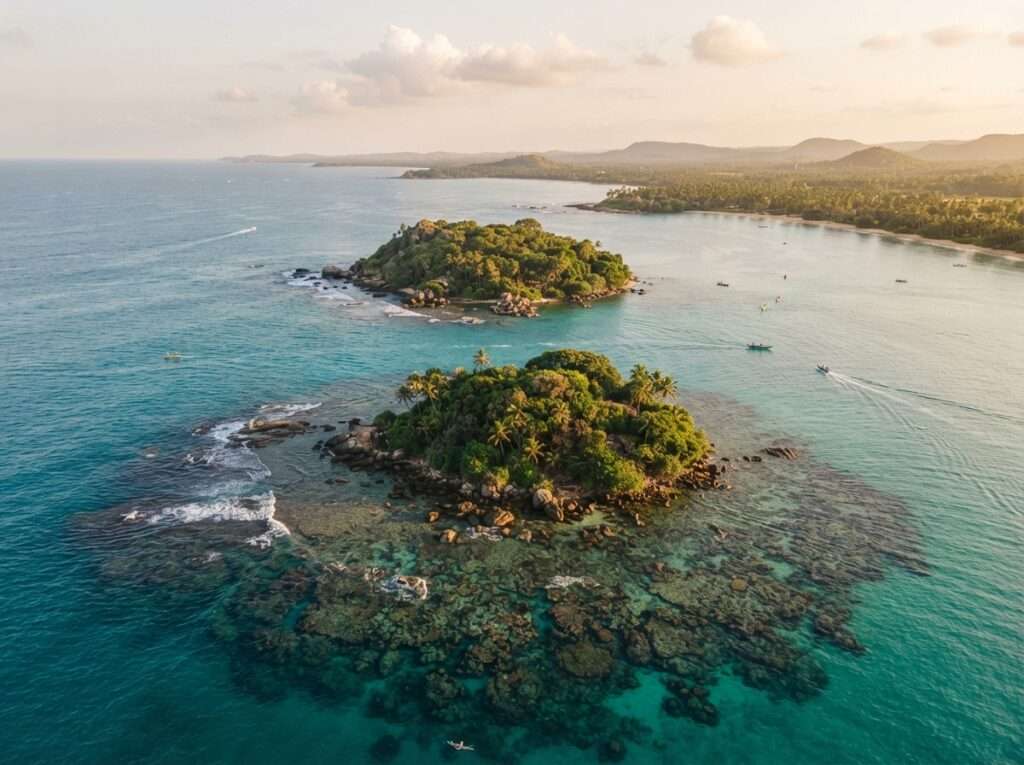
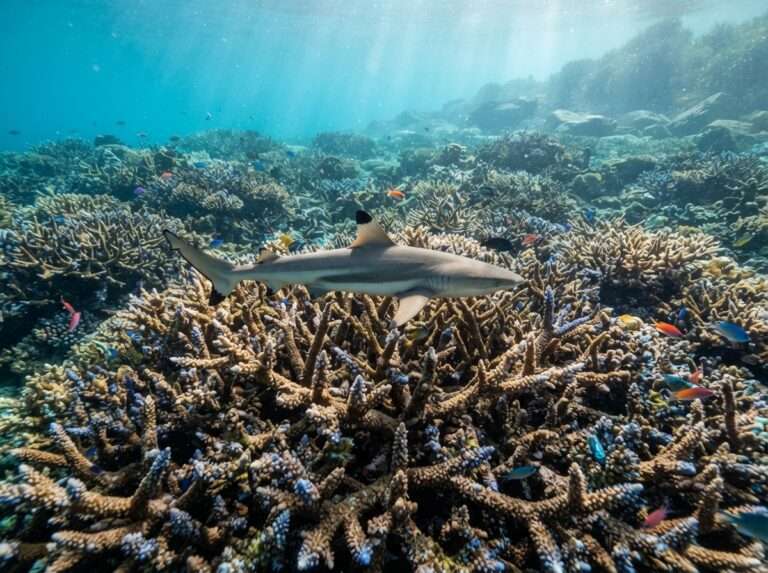
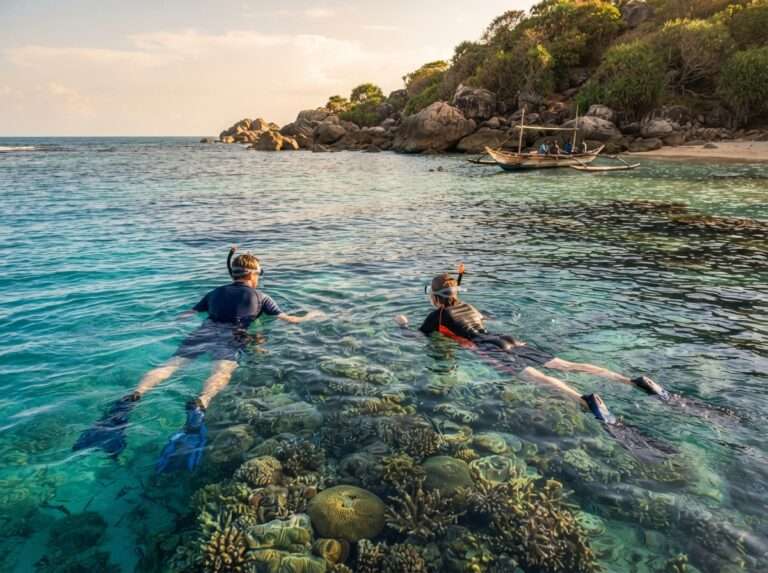
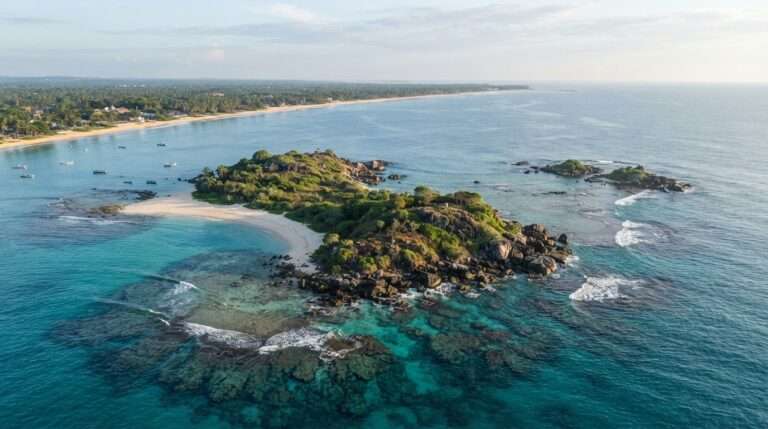
Pigeon Island is the reason most people come to Nilaveli. It is one of Sri Lanka’s three marine national parks, along with Hikkaduwa and Adam’s Bridge, about 1 km off the beach, and covers 471 hectares of reef and rock. It was declared a sanctuary in 1963 and a national park in 2003, and it takes its name from the rock pigeons that breed on the larger island. The Department of Wildlife Conservation (DWC) runs it.
The reef off the main island is mostly staghorn-type Acropora coral, and it is shallow enough to snorkel from the beach. Juvenile blacktip reef sharks patrol the shallows. They are small, shy and harmless, and you will usually see one within 20 minutes of getting in. Hawksbill and green turtles turn up regularly. The fish count here sits in the hundreds of species, so even a short swim is busy.
Buy your park ticket at the DWC hut on Nilaveli Beach, then pay the boatmen separately. The ride takes 10 to 15 minutes. Go on the first boat, around 7.30 am. By 10 am the sand fills with groups from Trincomalee and the water clouds up where people stand on coral. Bring your own mask if you can, wear a rash vest instead of sunscreen, and do not touch or stand on the reef.
For the full guide to the park, read our Pigeon Island National Park guide.
| Distance | About 1 km off Nilaveli Beach, 10 to 15 minutes by boat |
| Park fee | About USD 20 for SAARC adults (including India), USD 25 for other foreign adults, plus tax |
| Boat | Around LKR 15,000 for a 6 to 8 seat boat, return |
| Hours | About 7.30 am to 5.30 pm |
| Season | April to September. Boats can stop in rough monsoon seas |
| Best for | Snorkelling, reef sharks, turtles |
Related Tour Packages


❮
❯
02
Nilaveli Beach
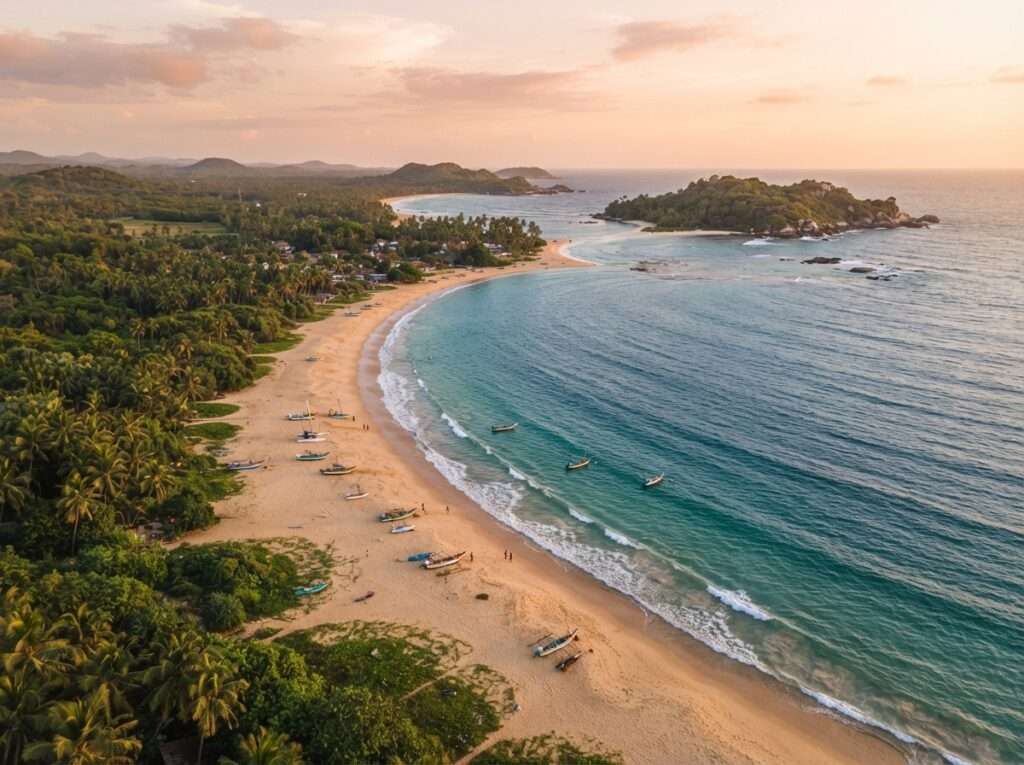
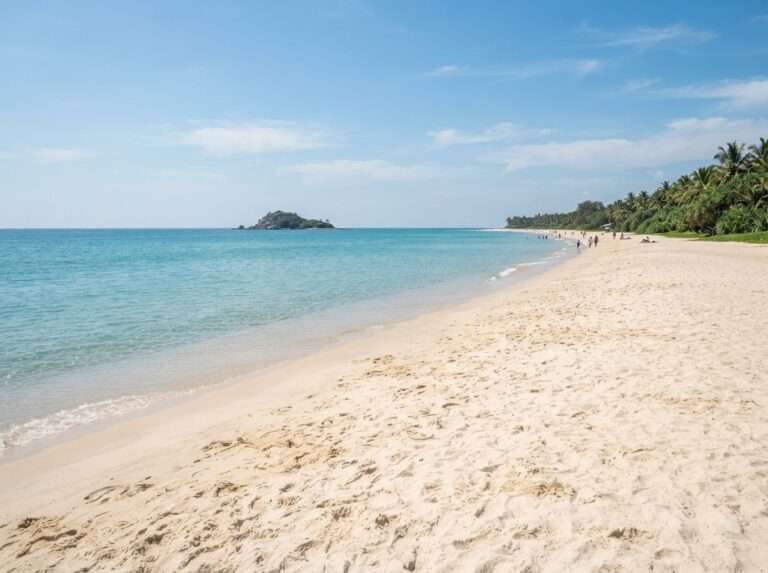
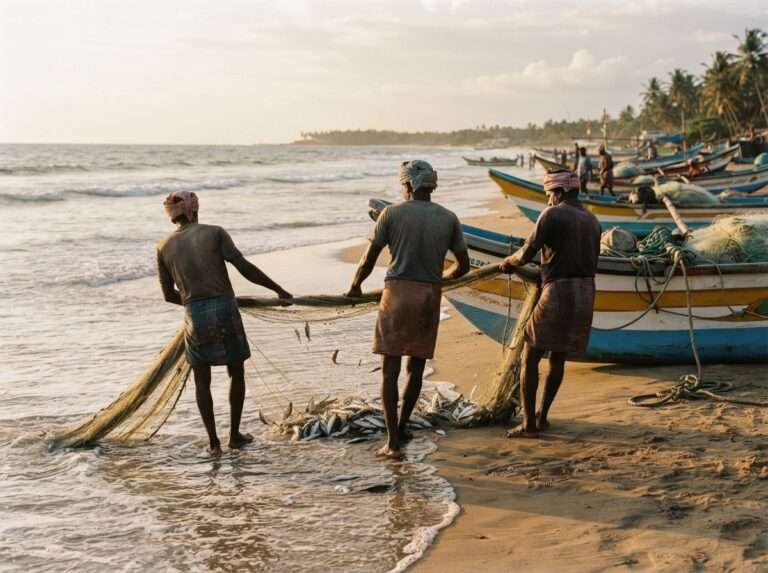
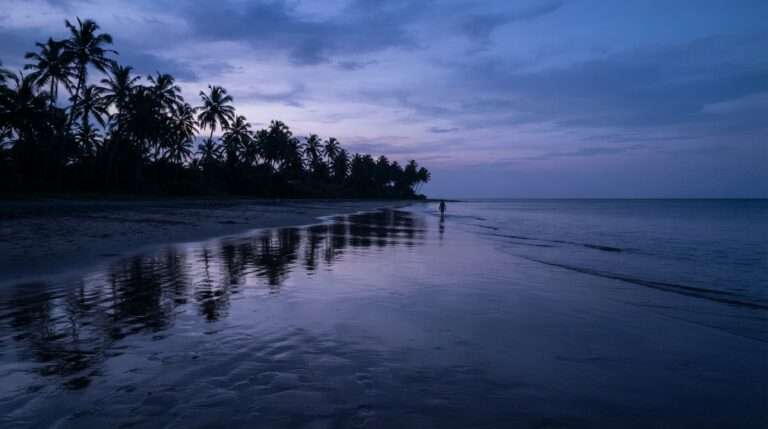
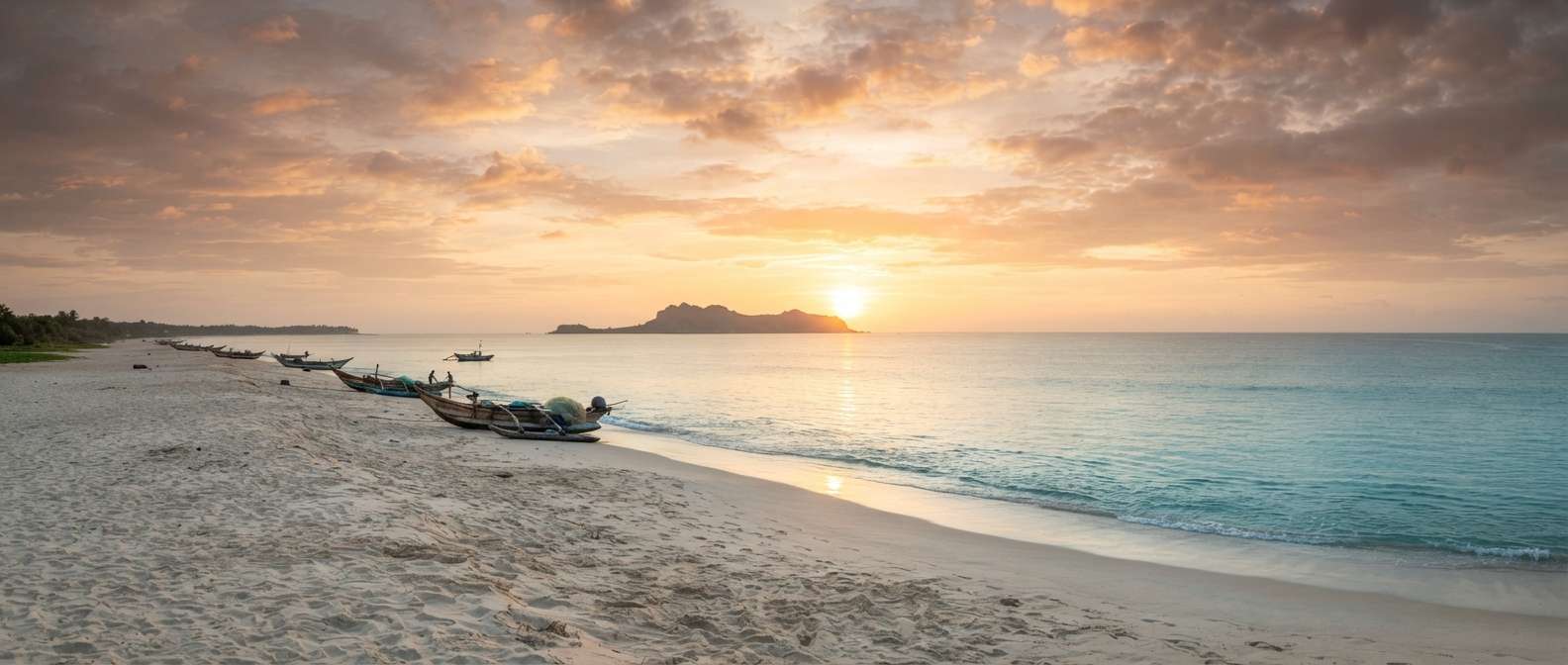
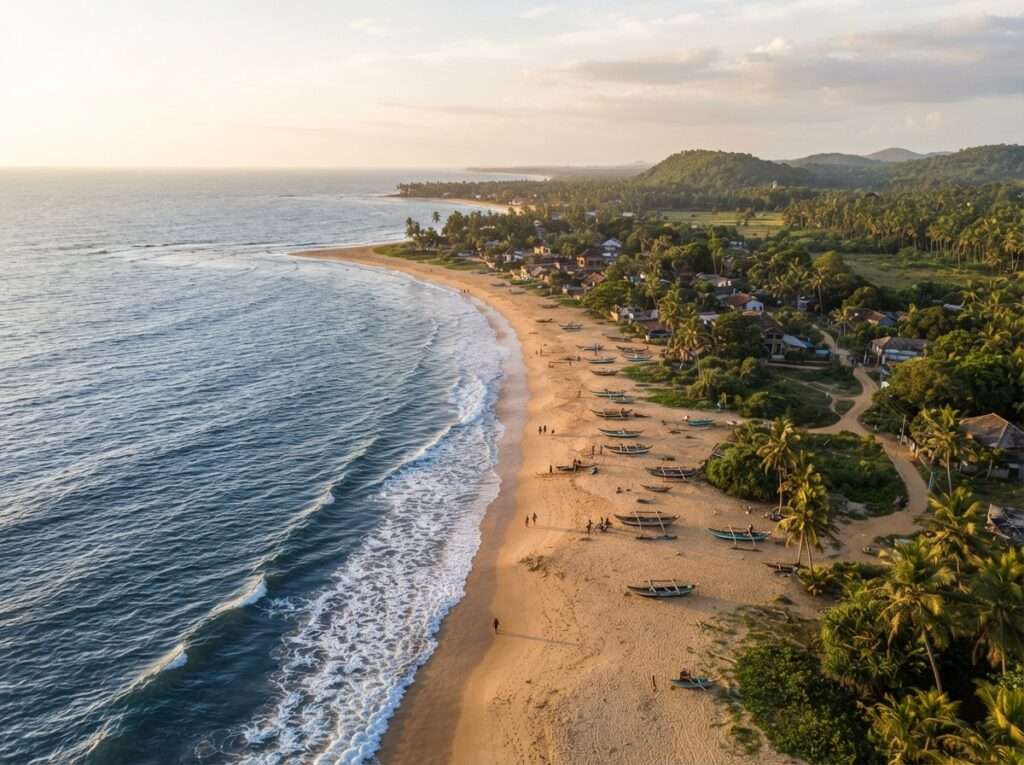
Nilaveli Beach is several kilometres of fine, pale sand facing east, with Pigeon Island floating on the horizon. It is quieter than Uppuveli. Fishing boats pull up at the northern end in the morning, and the southern stretch has the larger hotels. From April to September the water is calm, clear and shallow for a long way out, which makes it good for children and weak swimmers.
Get up for the sunrise. The sun comes up straight over the sea and lights Pigeon Island from behind, and the fishermen bring in the night’s catch at about the same time. Afternoons are hot, with little shade except under the hotel palms, so most people swim early and late and nap in between. There is no lifeguard on most of the beach. Swim where the hotels are and stay out after heavy rain or when the flags or locals say the current is up.
| Distance | 0 km, it is the village beach |
| Entry fee | Free |
| Time needed | 2 to 3 hours, or a whole lazy day |
| Water | Calm and shallow April to September |
| Best for | Swimming, sunrise, families |
Related Tour Packages


❮
❯
03
Red Rock Beach
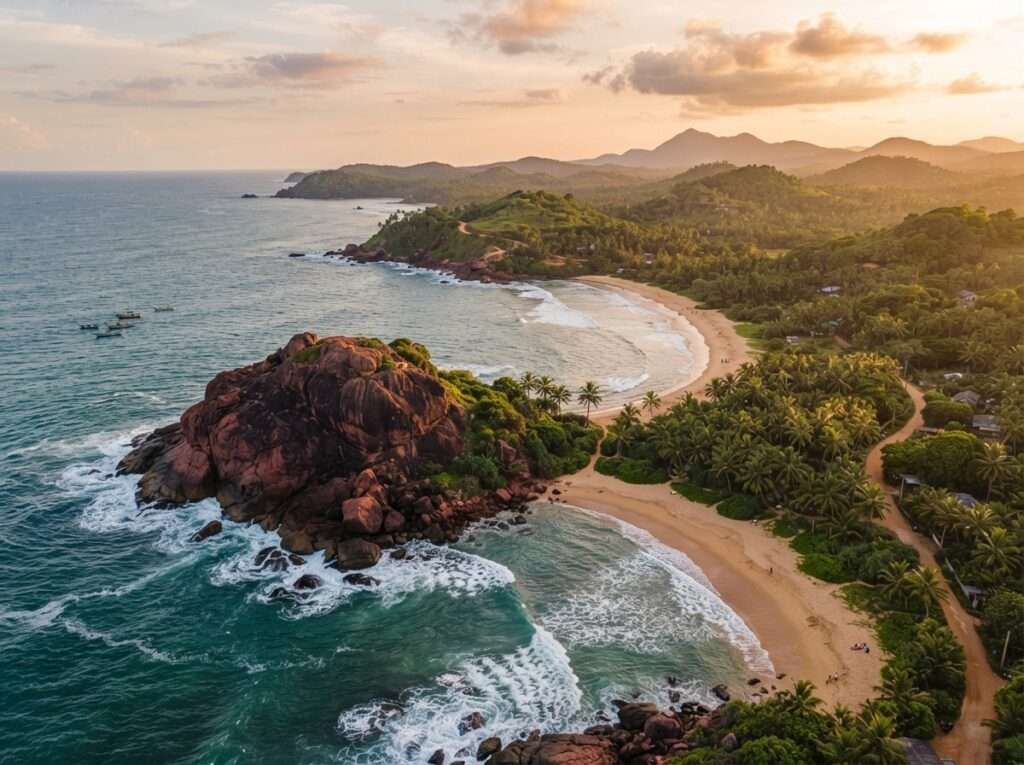
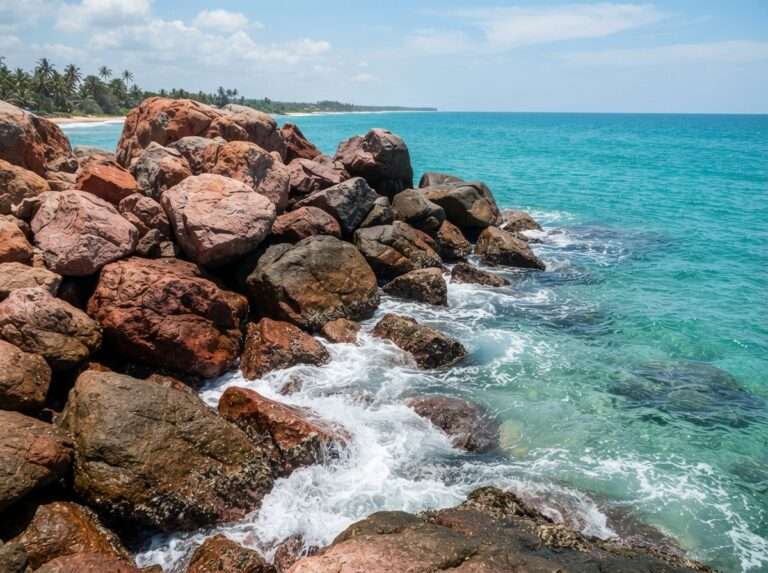
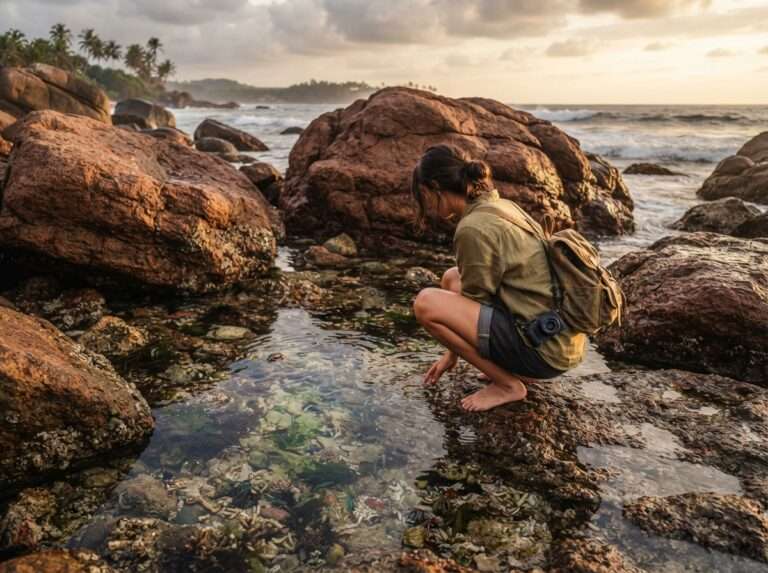
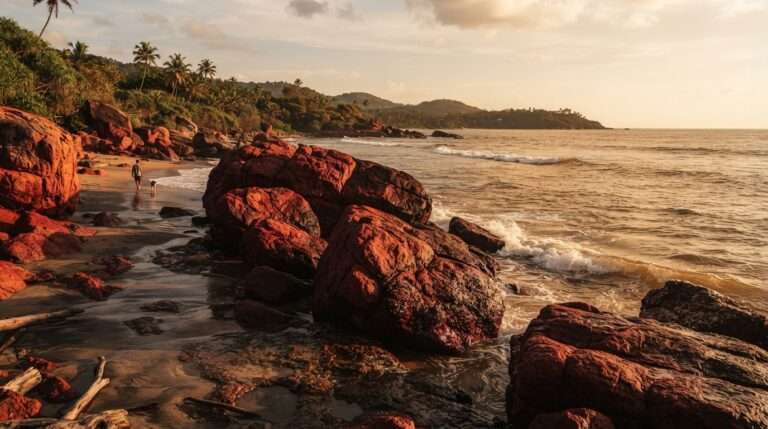
Red Rock Beach sits a short tuk-tuk ride north of the main Nilaveli strip, where the sand gives way to a cluster of rust-red and pink granite boulders at the water’s edge. The rocks are the attraction. At low tide small pools form between them, full of crabs and tiny fish, and the colour of the stone against the turquoise water makes this the most photographed corner of the Nilaveli coast.
It is a better place to wander than to swim. The rocks make entry awkward, and there are no facilities, so bring water. Go in the late afternoon when the low sun turns the boulders a deeper red, and pair it with a sunset drink back at your hotel. Ask your tuk-tuk driver for “Red Rock” and agree a waiting price for the return.
| Distance | A few km north of central Nilaveli |
| Entry fee | Free |
| Time needed | 1 to 2 hours |
| Facilities | None, carry water |
| Best for | Rock pools, photography, late afternoon |
Related Tour Packages


❮
❯
04
Kuchchaveli Beach
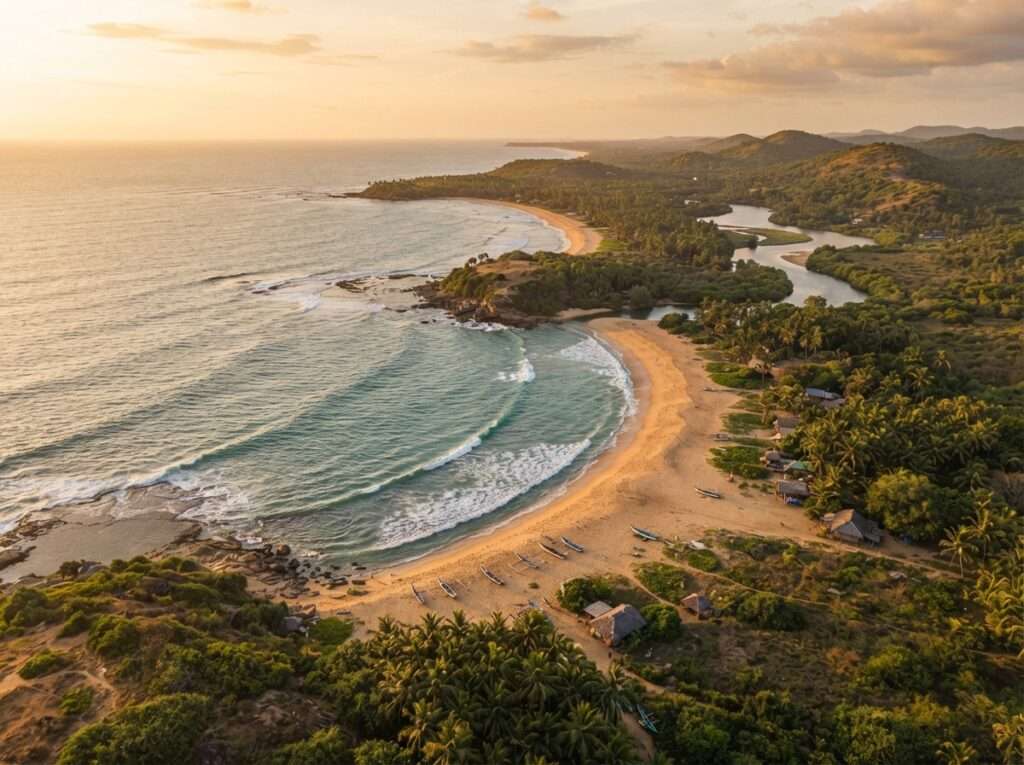
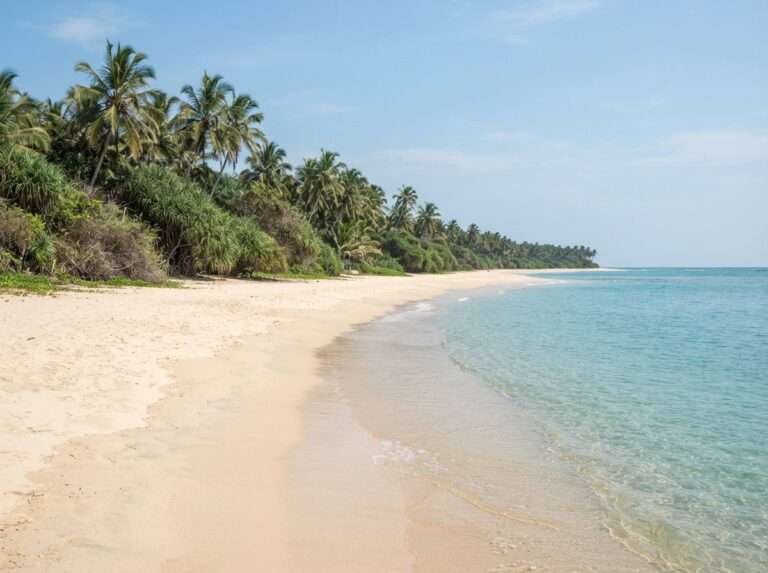

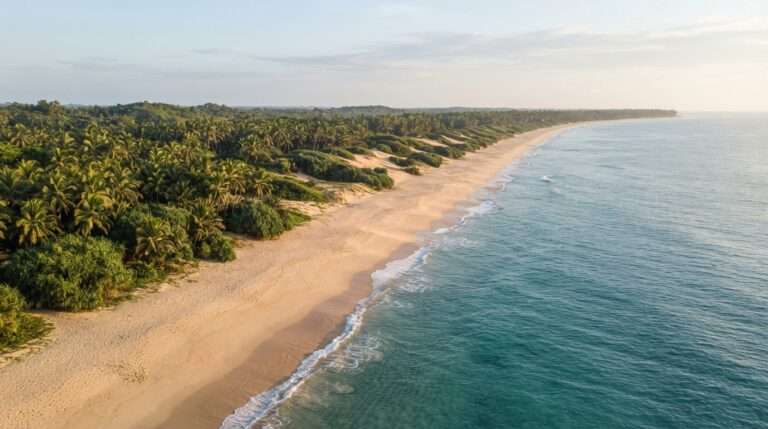
Kuchchaveli is 19 km north of Nilaveli, about 25 to 30 minutes by road, and it feels emptier still. The beach is long and backed by scrub and coconut palms, with a handful of upmarket resorts tucked behind the dunes and very little else. If Nilaveli feels busy in August, this is where to escape to.
The water is as calm as Nilaveli’s in season. A few resorts here run their own snorkel and dive trips to the reefs off the coast. Beyond Kuchchaveli the road continues to Thiriyai, home to Girihandu Seya, one of the oldest Buddhist stupa sites on the east coast, so a morning drive north can take in both.
| Distance | 19 km north, 25 to 30 minutes |
| Entry fee | Free |
| Time needed | Half day |
| Best for | Empty beach, resort stays, a quiet swim |
05
Velgam Vehera

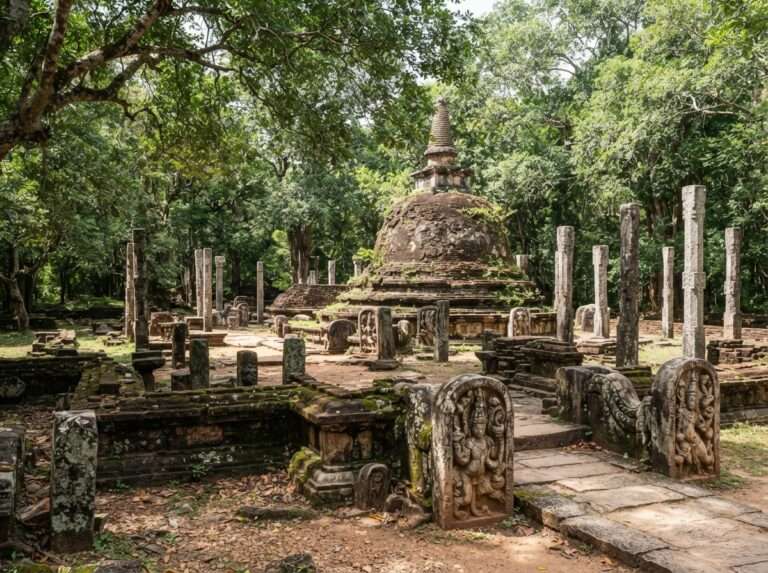

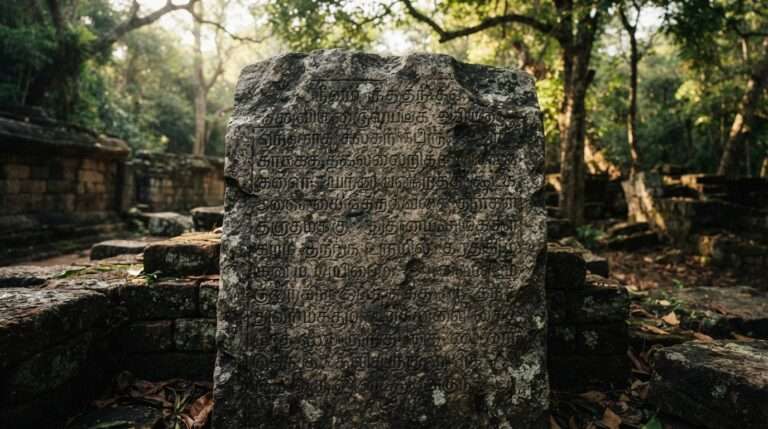
Velgam Vehera is an Anuradhapura-period Buddhist monastery about 7 km from Nilaveli, inland of the coast road. What makes it unusual is its Tamil history. When the Chola kings of South India ruled this region in the 11th century, they did not destroy the temple. They restored it and renamed it Rajarajaperumpalli, after Rajaraja I. Tamil inscriptions on the site record donations made during the reigns of Rajaraja and his son Rajendra, and they still use the older Sinhala name Velgam Vehera as well.
The ruins are spread under trees: stupa mounds, pillar stumps, guard stones and a small image house. It is quiet, and you may be the only visitors. Remove your shoes where signs ask you to, cover shoulders and knees, and go in the morning before the ground heats up.
| Distance | About 7 km, 15 to 20 minutes |
| Entry fee | Free, donations welcome |
| Time needed | About 1 hour |
| Dress | Shoulders and knees covered, shoes off in the shrine areas |
| Best for | History, Chola-era Tamil inscriptions |
06
Trincomalee War Cemetery
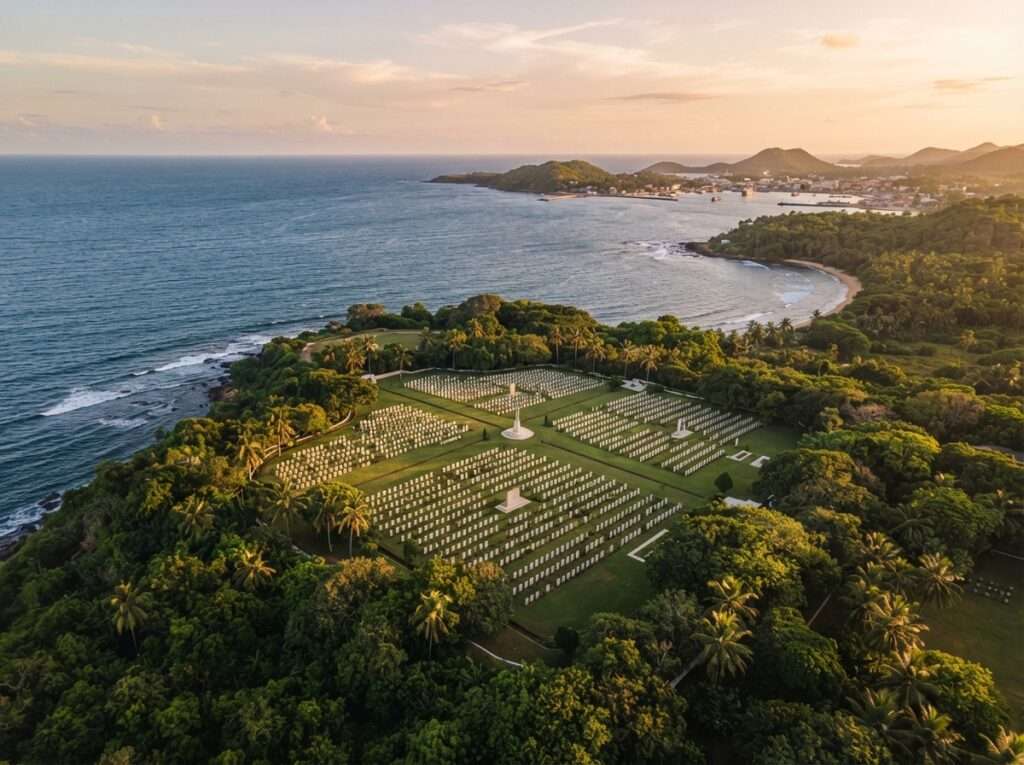
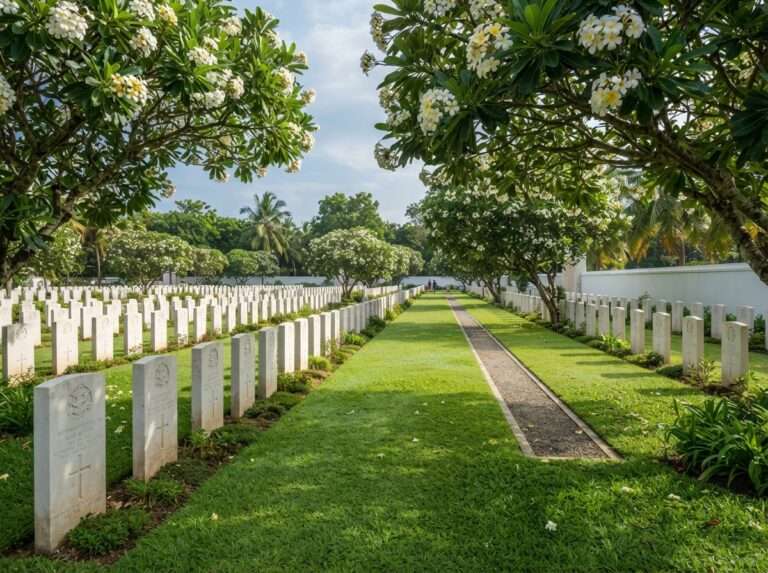
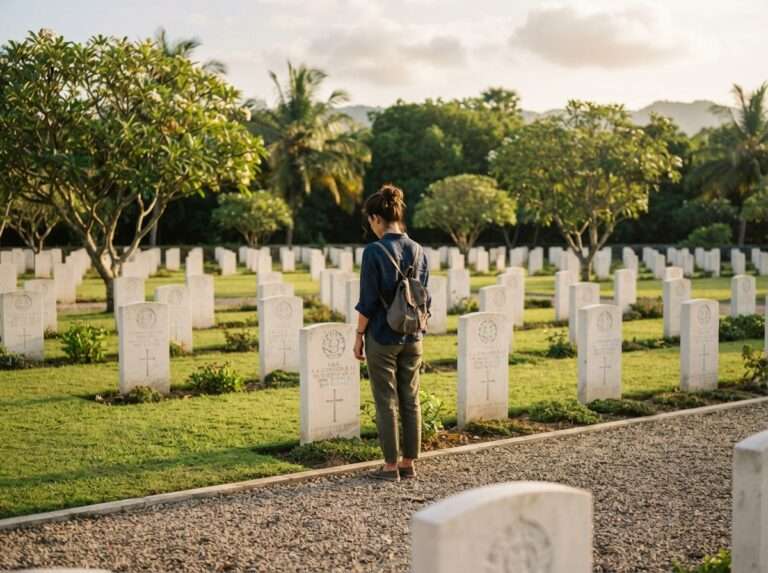
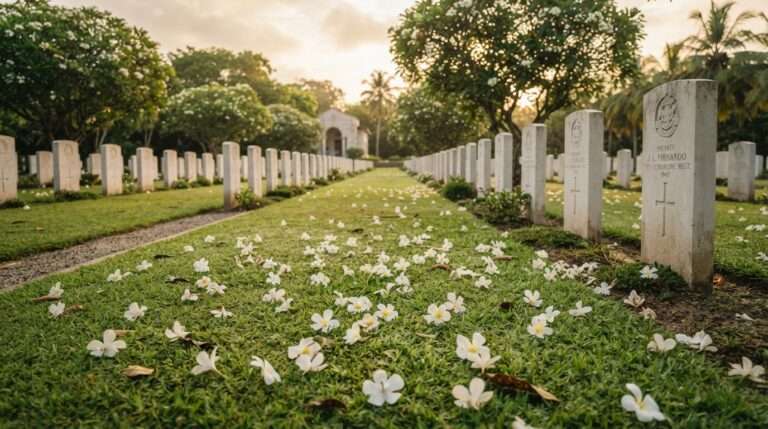
The Trincomalee War Cemetery lies on the Nilaveli Road about 8 km south of the village. It is maintained by the Commonwealth War Graves Commission (CWGC) and holds 314 identified casualties, all from the Second World War, when Trincomalee was a major Royal Navy base. Many died in the Japanese air raid on the harbour and China Bay airfield in April 1942.
The grounds are immaculate, with rows of white headstones under the trees, and a caretaker is usually on site. It takes 30 to 45 minutes and sits right on your route to Trincomalee, so it costs you almost no detour.
| Distance | About 8 km south on the Nilaveli Road |
| Entry fee | Free |
| Time needed | 30 to 45 minutes |
| Managed by | Commonwealth War Graves Commission |
| Best for | Second World War history, a quiet stop |
07
Uppuveli Beach
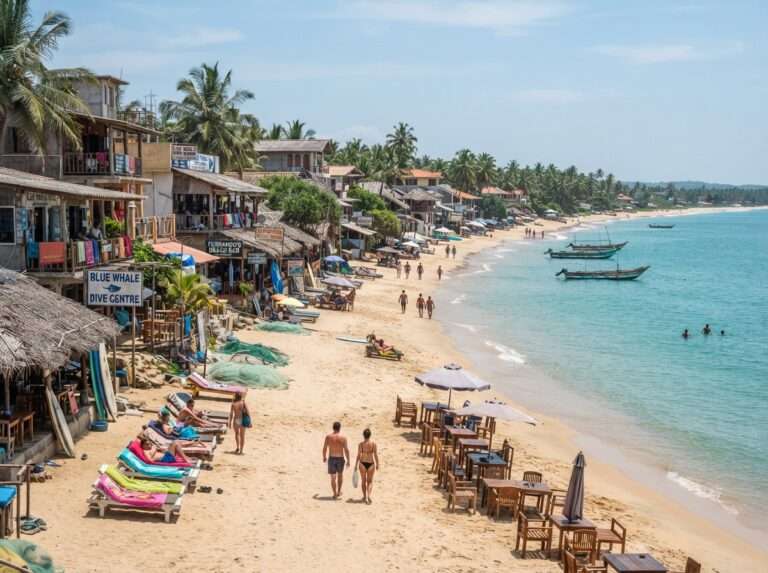
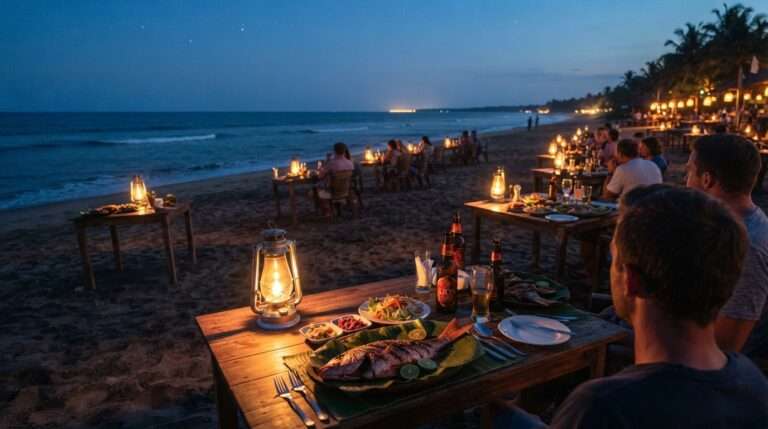
Uppuveli Beach is 10 km south of Nilaveli, just north of Trincomalee town, and it is the livelier of the two. Guesthouses, dive centres and beach cafes line the sand, and in the evening tables go out on the beach with grilled fish and cold drinks. If you are staying in quiet Nilaveli, Uppuveli is where you come for dinner.
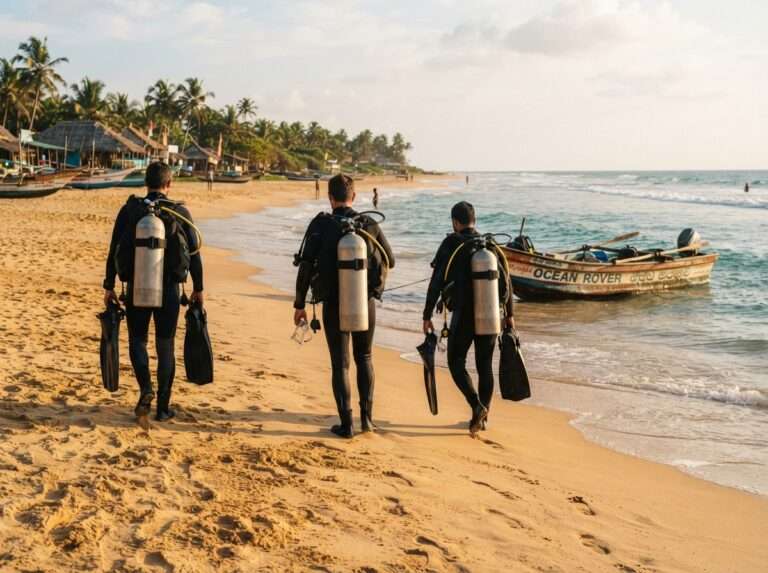
The swimming season is the same as Nilaveli’s, roughly April to September, when the sea is flat and clear. Outside those months it can be wild. Several dive shops here run trips to Pigeon Island and to wrecks and reefs off Trincomalee, which can be cheaper than arranging a dive from Nilaveli. For more on the town’s food scene, see our guide to cafes in Trincomalee.
| Distance | 10 km south, about 15 to 20 minutes |
| Entry fee | Free |
| Time needed | 2 hours, or an evening |
| Season | April to September for calm water |
| Best for | Cafes, dive shops, seafood dinners |
08
Kanniya Hot Springs
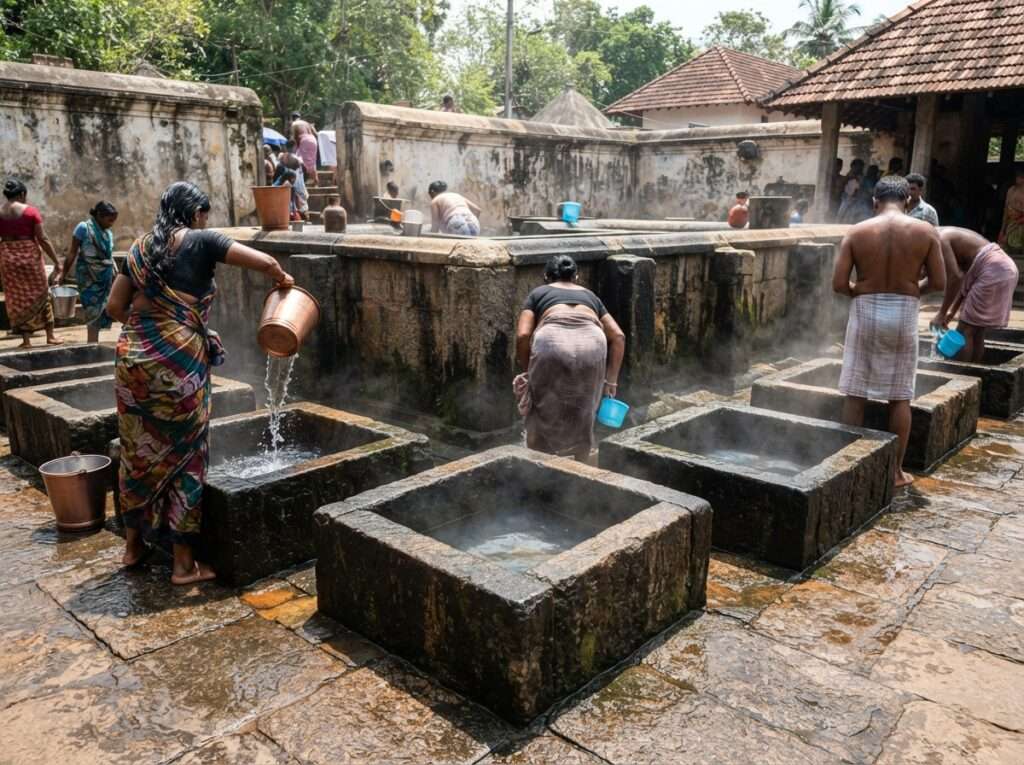
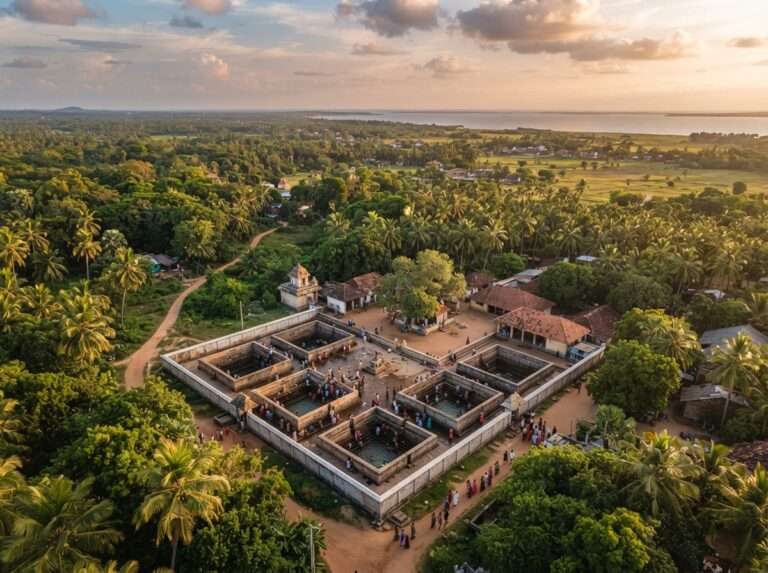
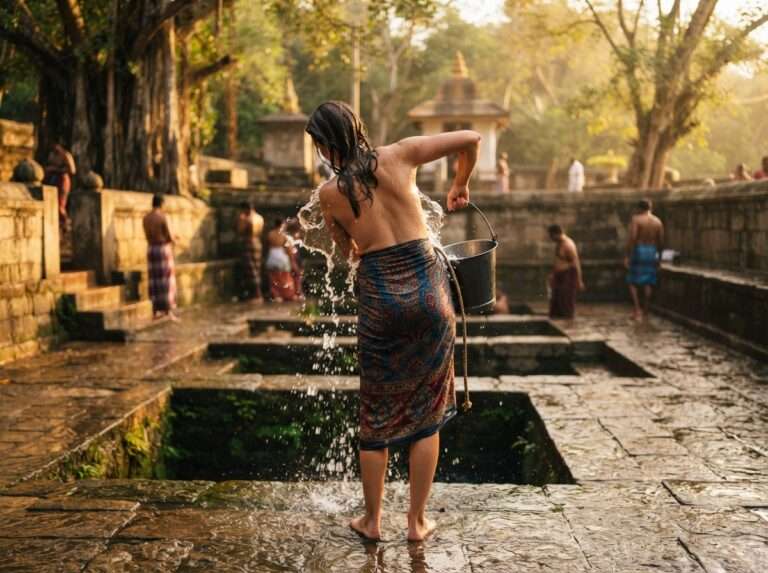
Kanniya Hot Springs is a walled courtyard of seven square wells, each only 3 to 4 feet deep, about 12 km from Nilaveli on the Anuradhapura road. The odd thing is that each well is a slightly different temperature, from barely warm to properly hot, even though they sit a few steps apart. You do not get in. You draw water with a bucket and pour it over yourself, which is what the pilgrims and local families do. Soap and shampoo are not allowed, to keep the wells clean.
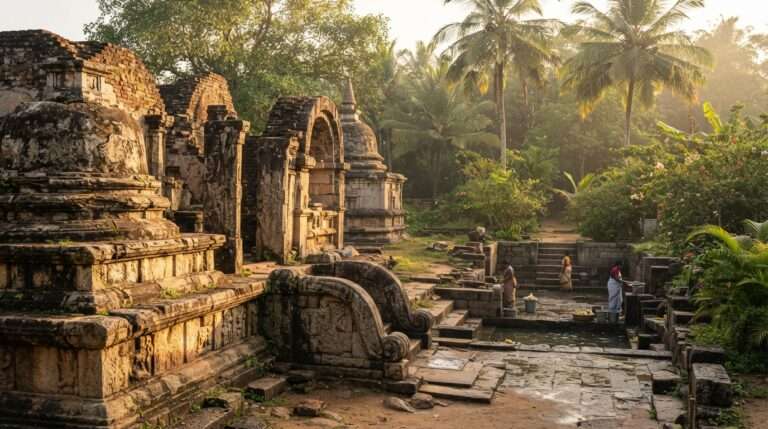
Hindu tradition links the springs to Ravana, and there are the remains of an old Buddhist monastery next to the wells. Come early or late in the day, when the stone is cooler underfoot. The ticket is a few rupees and there is a small car park a short walk from the wells.
| Distance | About 12 km, 20 minutes |
| Entry fee | Nominal, under LKR 100 for foreigners |
| Time needed | About 1 hour |
| What to bring | A change of clothes or a sarong, sandals |
| Best for | A quirky local ritual, families |
09
Fort Frederick
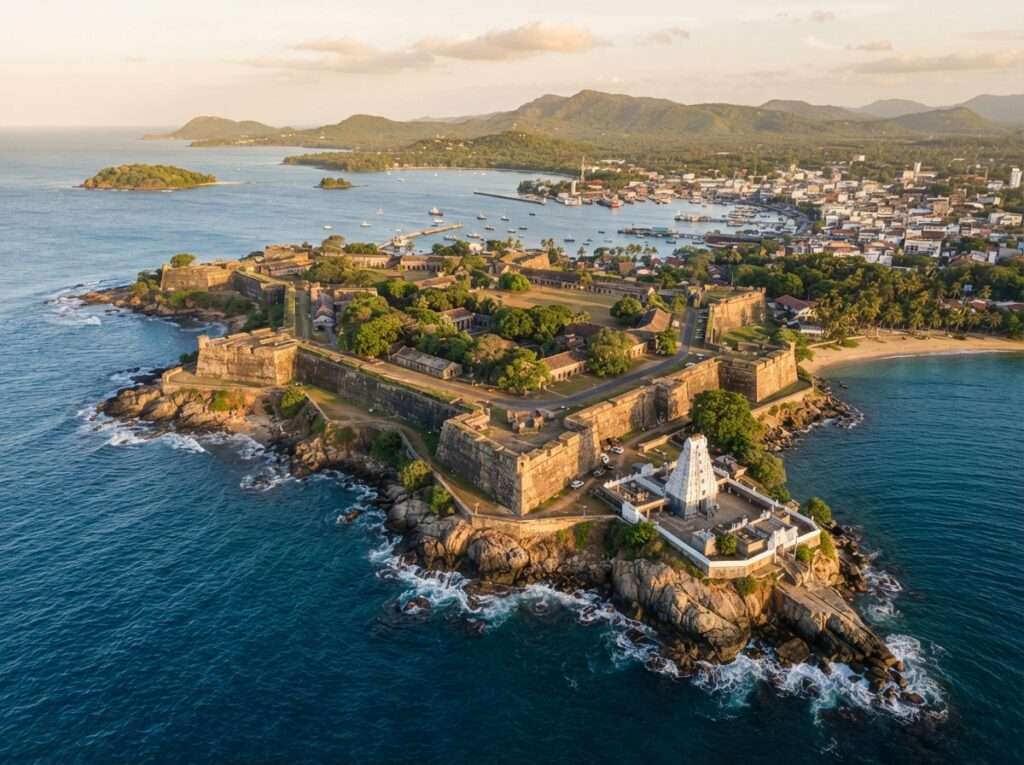
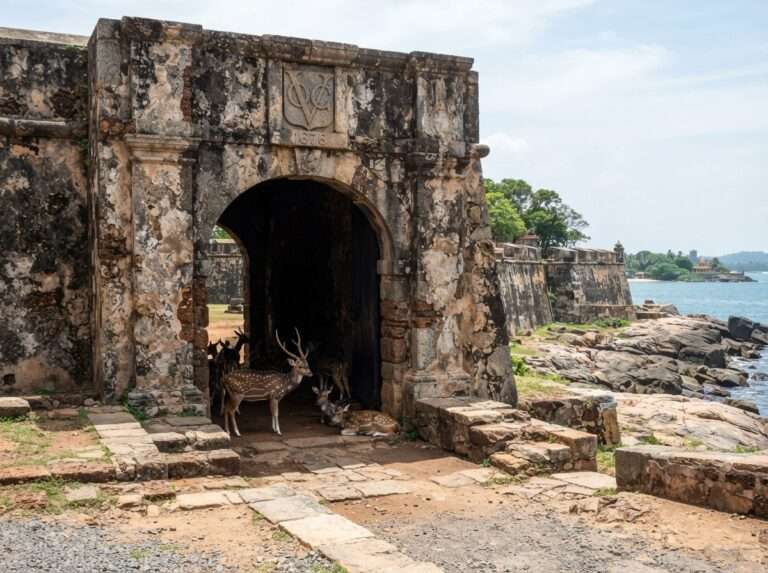
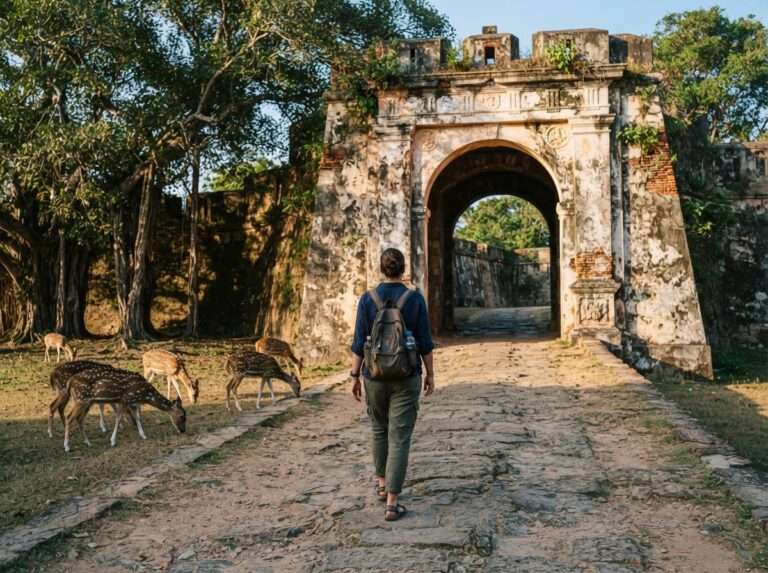
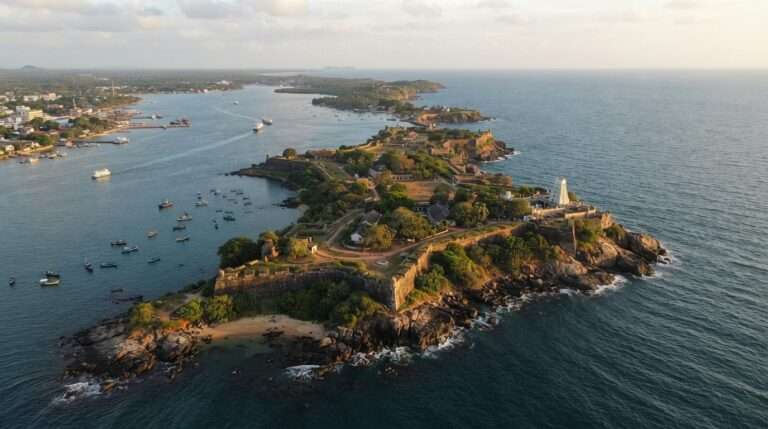
Fort Frederick sits on the rocky peninsula that closes off Trincomalee’s harbour, 14 km from Nilaveli. The Portuguese built the first fort here in 1624, using stone from the Hindu temple they had torn down on the headland. The Dutch took it in 1639 and rebuilt it, and the British captured it in 1795 and named it after Frederick, Duke of York.
It is still an active Sri Lanka Army base, but the road through it is open, and you drive or walk through the old gate to reach Koneswaram. Spotted deer wander freely inside, often standing in the shade of the gate itself. Gokanna Viharaya, a Buddhist temple, stands within the fort walls. Photos of military buildings are not allowed.
Read the full Fort Frederick guide for the gate and its inscriptions.
| Distance | 14 km, 25 to 30 minutes by tuk-tuk |
| Entry fee | Free |
| Time needed | About 1 hour |
| Rules | Active army base, no photos of military buildings |
| Best for | Colonial history, spotted deer |
10
Koneswaram Temple
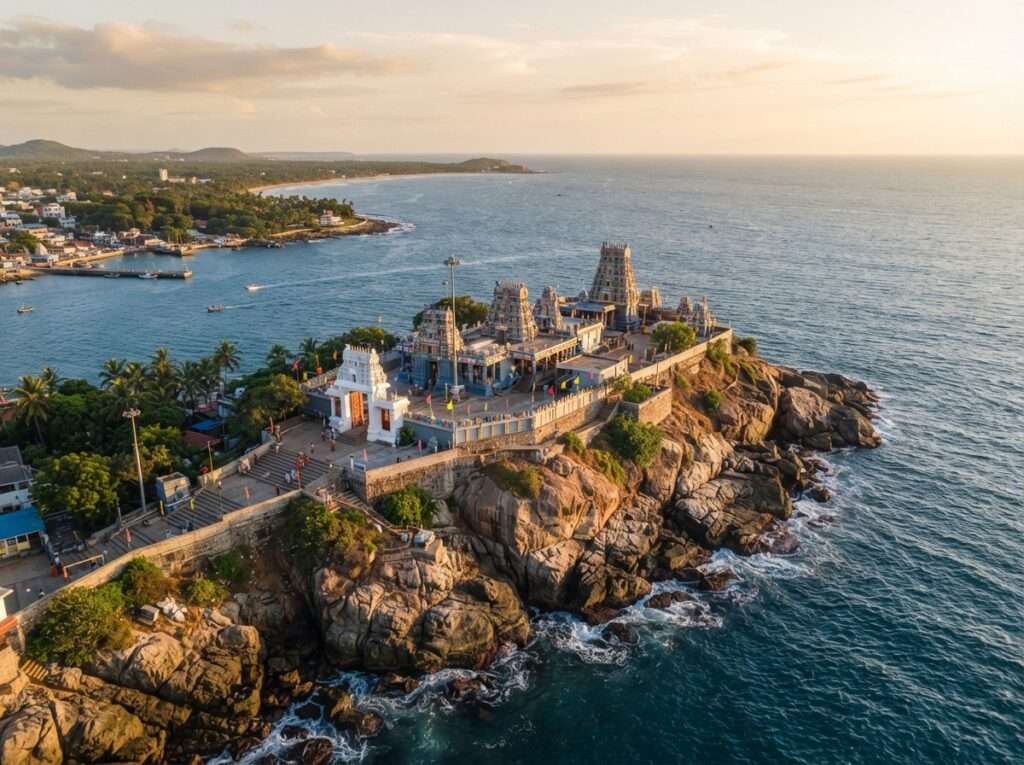
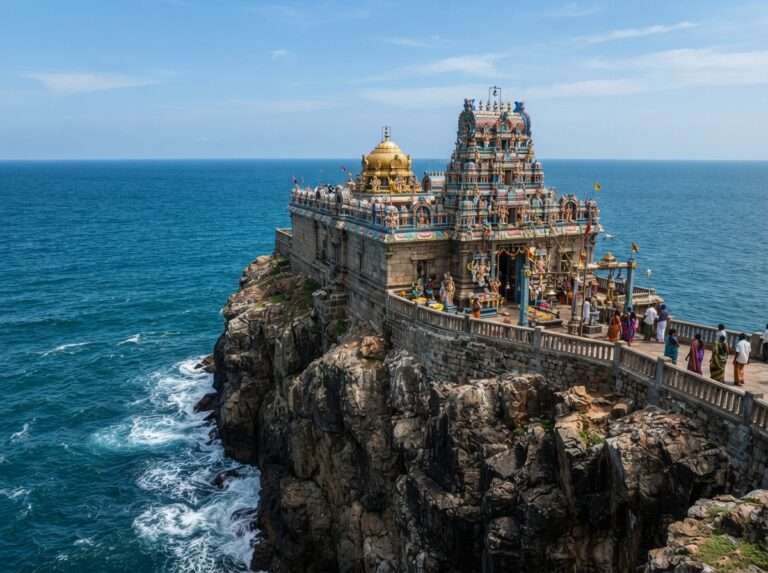
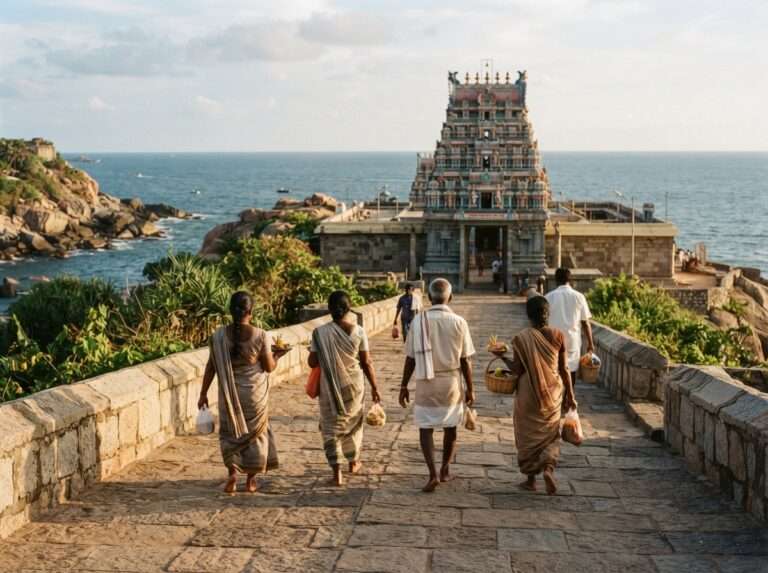
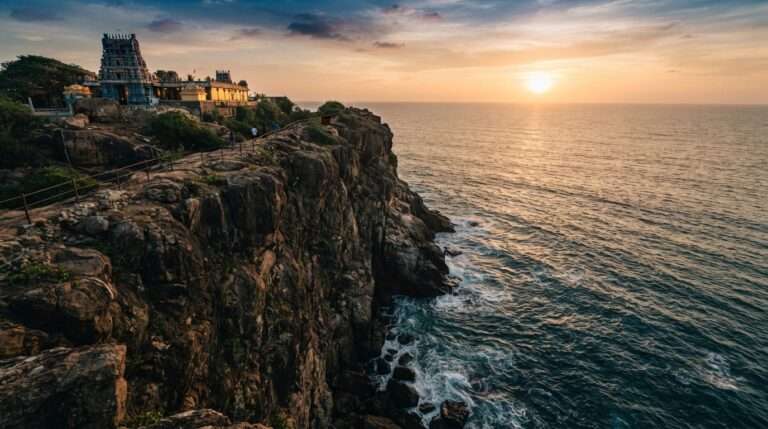
Koneswaram Temple stands at the very tip of Swami Rock, at the end of the road through Fort Frederick, with a sheer drop to the sea on three sides. It is a Shiva temple, one of the five ancient Pancha Ishwarams of Sri Lanka, and a pilgrimage site with a history going back more than 2,000 years. The Portuguese destroyed the original temple in the 17th century and pushed much of it into the sea. The present temple was rebuilt in the 1950s, and some of the old idols were later recovered by divers.
Walk behind the temple to the cliff edge known as Lover’s Leap. From here, between March and August, people sometimes spot whales and dolphins in the deep water below. Dress modestly, with shoulders and knees covered, and leave your shoes at the stall by the entrance. Pooja times vary, so morning and late afternoon are the safest bets.
Read more in our Koneswaram Temple guide.
| Distance | 14 to 15 km, through Fort Frederick |
| Entry fee | Free |
| Time needed | 1 to 1.5 hours |
| Dress | Covered shoulders and knees, shoes off |
| Best for | Pilgrimage, cliff views, Lover's Leap |
11
Maritime and Naval History Museum and Dutch Bay
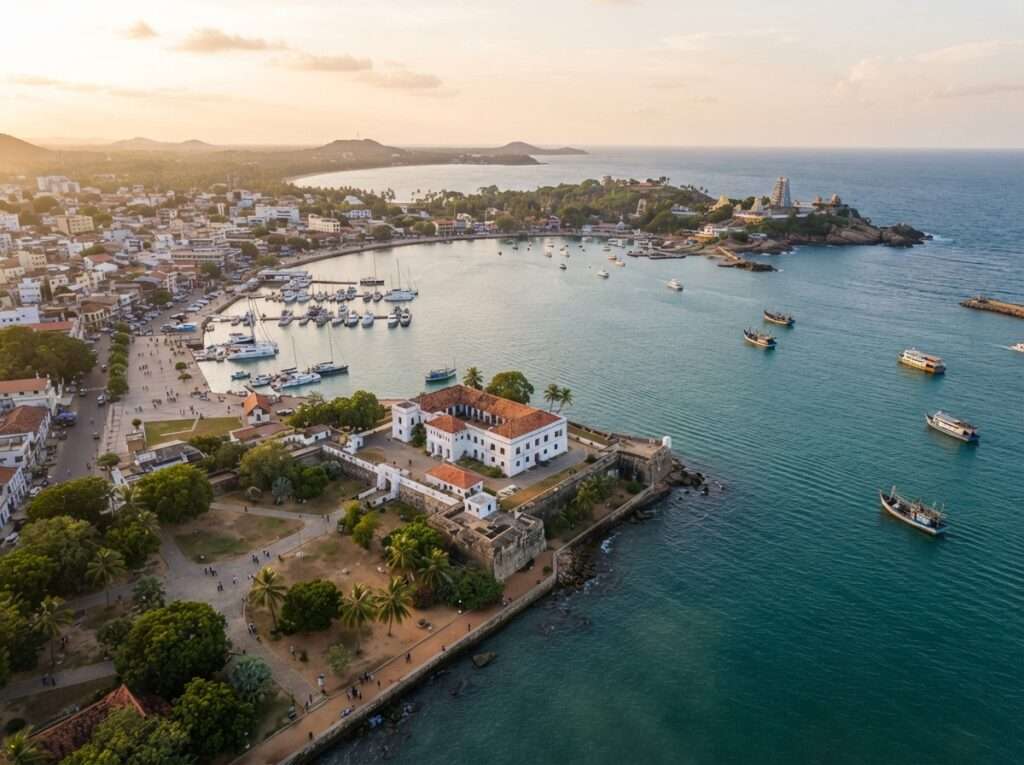
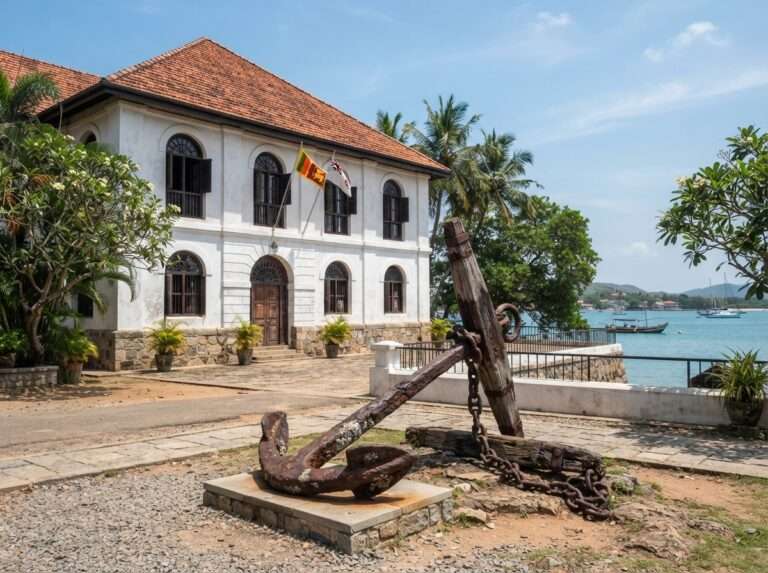
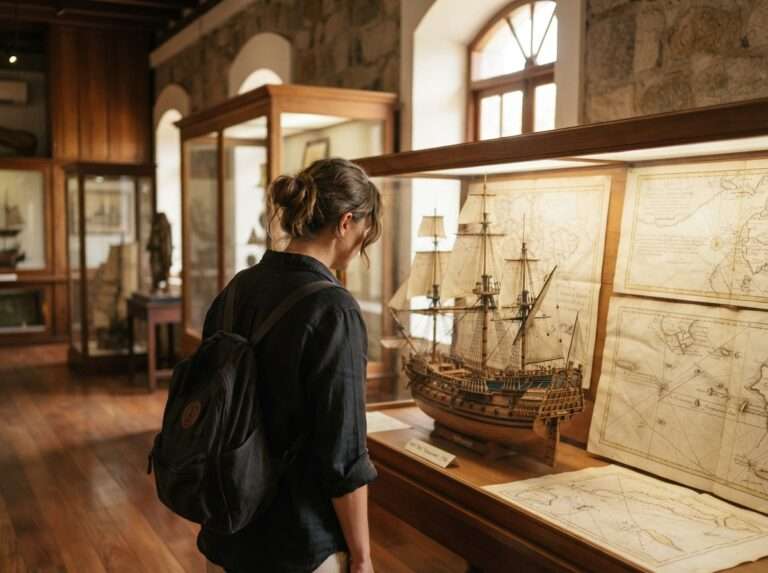
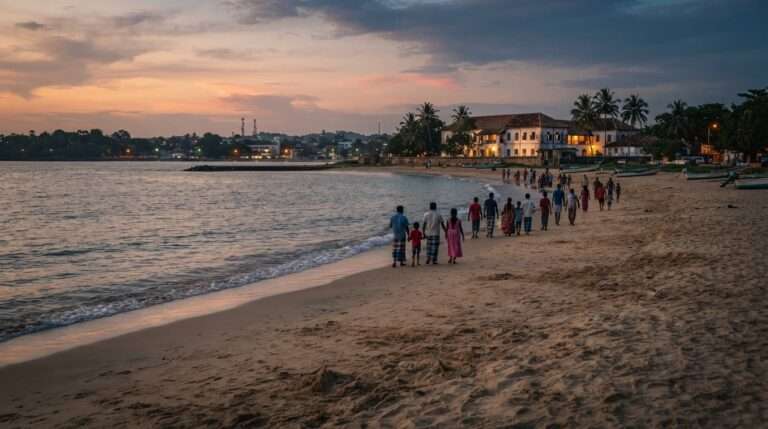
The Maritime and Naval History Museum is a short walk from Fort Frederick, in the former Dutch naval commissioner’s house, restored by the Sri Lanka Navy with help from the Netherlands government. Its rooms trace Trincomalee’s harbour from ancient traders through the Portuguese, Dutch and British, with ship models, old charts, anchors and a section on marine life. Allow 45 minutes, and check the closing day before you go. Several listings say it shuts on Tuesdays.
Step outside and you are on Dutch Bay, the curve of sand on the town side of the peninsula. It is busy with local families in the evening and a good place to finish a Trincomalee afternoon. For more town sights, see our list of places to visit in Trincomalee and the Trincomalee Beach guide.
| Distance | About 14 km, next to Fort Frederick |
| Entry fee | Small ticket, higher for foreigners than locals |
| Hours | About 9 am to 4 pm, often closed Tuesdays |
| Time needed | 45 minutes |
| Best for | Naval history, an evening on Dutch Bay |
12
Marble Beach
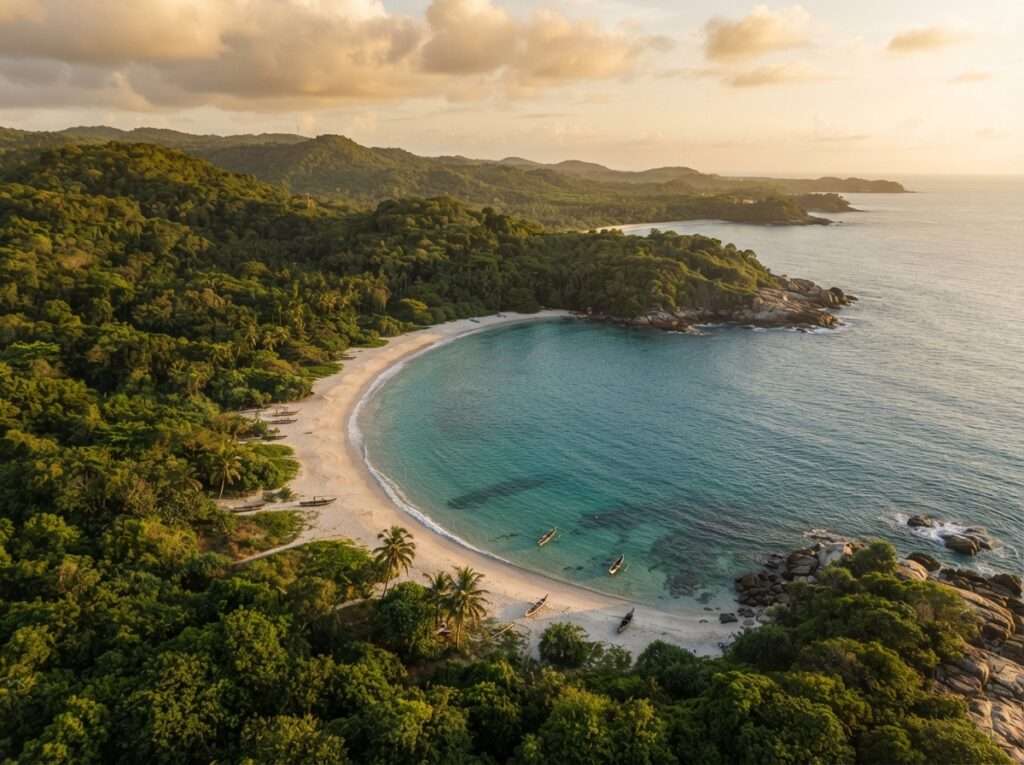
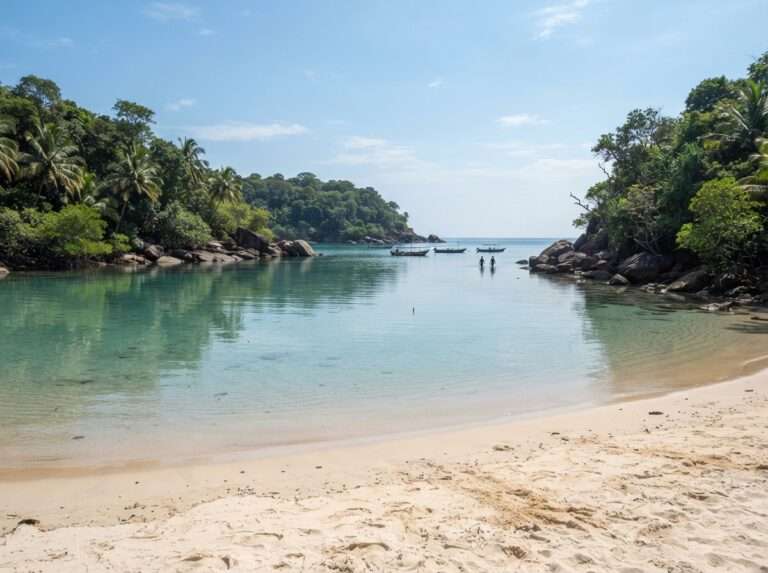
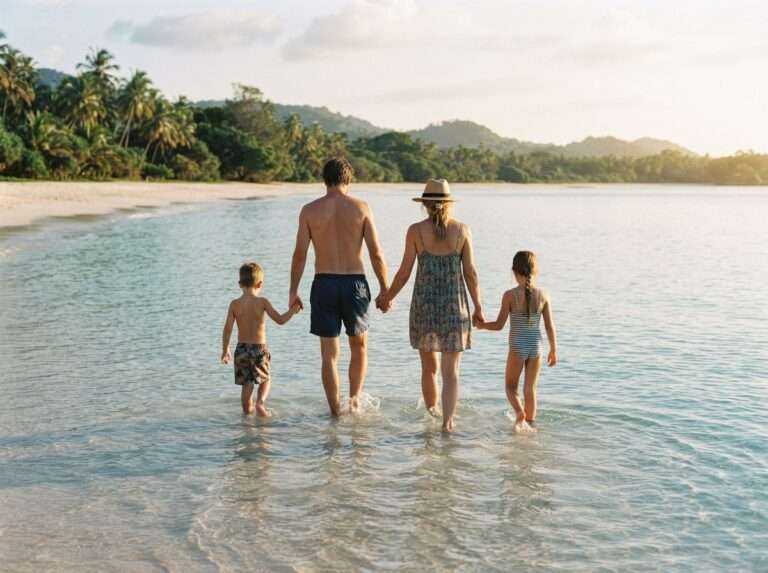
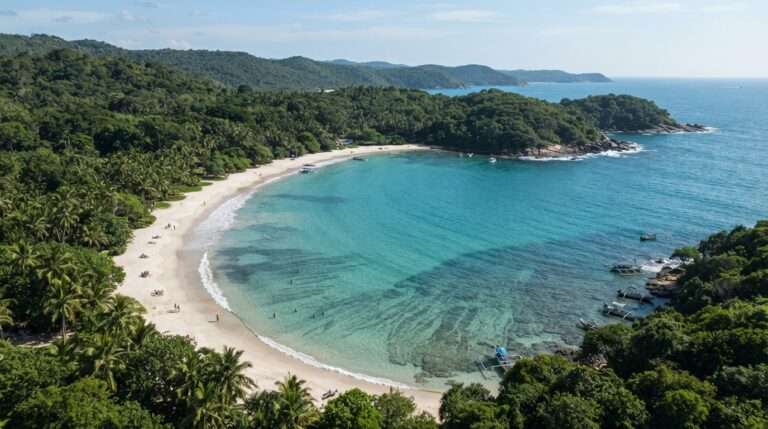
Marble Beach is 27 km south of Nilaveli, beyond Trincomalee and China Bay, about 40 minutes by road. The Sri Lanka Air Force runs it, which is why it is so clean. You show ID at the gate, pay a small fee and drive in. The bay is sheltered, the sand is soft and the water is so clear and still in season that people compare it to polished marble.
Go on a weekday. At weekends it fills with families from Trincomalee. The Air Force runs a small resort and a restaurant on the beach, so you can make a half day of it with lunch. It is the one place on this list that is worth the longer drive purely to swim.
| Distance | 27 km south, about 40 minutes |
| Entry fee | Small fee at the Air Force gate, ID needed |
| Time needed | Half day |
| Facilities | Restaurant and resort run by the Air Force |
| Best for | Calm, clear swimming, a weekday escape |
Top Things to Do in Nilaveli
Most of what you do in Nilaveli happens on or under the water. Here is how to spend the time between sights.
Snorkelling and Scuba Diving
Snorkelling at Pigeon Island is the headline, but it is not the only option. Dive centres in Nilaveli and Uppuveli run boat dives to reefs and wrecks off the Trincomalee coast, and several offer PADI beginner courses. The diving season matches the calm-sea months, April to September, and visibility is usually best from May to August. If you are new to it, read our guide to snorkelling in Sri Lanka and scuba diving in Sri Lanka.
Whale and Dolphin Watching
Trincomalee has one of the deepest natural harbours in the world, and the deep water comes close to shore. That brings blue whales, sperm whales and spinner dolphins within a short boat ride, mostly between March and August, with operators reporting the best sighting rates from March to May. Boats leave from Trincomalee harbour and Uppuveli early in the morning, and trips last 3 to 4 hours. Mirissa on the south coast runs the opposite season, November to April, so pick the coast that matches your dates.
Lagoon Boat Rides and Fishing Trips
Behind the beach strip, the lagoons and mangroves around Nilaveli are full of herons, kingfishers and egrets. Local boatmen run slow early-morning trips through them. You can also go out with fishermen at dawn on a traditional boat and bring back your catch for the hotel kitchen to grill. Ask your hotel to arrange either the day before.
Nilaveli for Couples
Nilaveli works well for couples precisely because there is so little to do after dark. Take the first boat to Pigeon Island together, have lunch with your feet in the sand, watch the sunset from Red Rock and book a candlelit table on the beach at your hotel. For a splurge night, the resorts at Kuchchaveli are the most secluded on the coast.
Nilaveli, Uppuveli or Kuchchaveli: Where Should You Base Yourself?
All three beaches share the same season and sea. The difference is what happens off the sand.
| Factor | Nilaveli | Uppuveli | Kuchchaveli |
|---|---|---|---|
| Distance to Trincomalee town | 16 km | 6 km | About 35 km |
| Distance to Pigeon Island boats | On the beach | 10 km | 19 km |
| Atmosphere | Quiet fishing village | Lively, cafes and bars | Remote, resort-only |
| Food options | Hotel restaurants, a few shacks | Many beach cafes | Resort dining |
| Best for | Pigeon Island, families | Nightlife, diving, budget stays | Couples, privacy |
| Downside | Few places to eat outside hotels | Busier beach | Far from everything |
Our pick for a first trip is Nilaveli for two nights. You are on the beach where the Pigeon Island boats leave, and Uppuveli is a 20-minute tuk-tuk ride away when you want dinner out.
2-Day Nilaveli Itinerary
This plan covers 11 of the 12 places without rushing, with Marble Beach saved for an optional third day. It assumes you sleep in Nilaveli and hire a tuk-tuk or car for day two.
| Time | Day 1: Nilaveli and the North | Day 2: The Road to Trincomalee |
|---|---|---|
| Early morning | Sunrise on Nilaveli Beach, then the 7.30 am boat to Pigeon Island | Velgam Vehera before the heat, then Kanniya Hot Springs nearby |
| Late morning | Snorkel the reef, back on shore by 11 am | Trincomalee War Cemetery on the coast road south |
| Lunch | Seafood at your hotel | Trincomalee town or Dutch Bay |
| Afternoon | Rest, or drive north to Kuchchaveli | Maritime Museum and Dutch Bay, then Fort Frederick |
| Sunset | Red Rock Beach | Koneswaram Temple and Lover’s Leap on Swami Rock |
| Evening | Dinner on the beach in Nilaveli | Dinner at Uppuveli on the way back |
Add a third day for Marble Beach in the morning and a whale-watching trip if you are visiting between March and August.
Best Time to Visit Nilaveli
The best time to visit Nilaveli is April to September, when the east coast is dry and the sea is calm. That is the reverse of Sri Lanka’s south and west coasts, which are best from December to March. From October to March the north-east monsoon brings most of the year’s rain to Trincomalee, the sea turns rough and boats to Pigeon Island can be suspended.
| Months | Weather | Sea | Good for |
|---|---|---|---|
| January to March | Rain easing, warm | Choppy, settling by March | Temples and history. Whales from March |
| April to May | Hot, dry | Calm and clear | Snorkelling, diving, whales |
| June to August | Hot, dry, breezy | Calm, best visibility | Peak beach season, Pigeon Island |
| September | Hot, mostly dry | Calm | Fewer crowds, last of the season |
| October to December | North-east monsoon, heavy rain | Rough | Avoid for beaches |
July and August are the busiest months, when Sri Lankan and European holidaymakers arrive. Book rooms early if you are coming then. May, June and September give you the same calm sea with fewer people.
How to Reach Nilaveli
Nilaveli is about 16 km north of Trincomalee, so the trick is getting to Trincomalee first.
By Car From Colombo
Colombo to Trincomalee is about 260 km, which takes 5 to 6 hours with a stop, and Nilaveli is another 20 minutes beyond. Most travellers hire a car with a driver for the whole trip, which lets you stop at Sigiriya or Dambulla on the way.
By Train
The Night Mail (train 7083) leaves Colombo Fort at 9.30 pm and reaches Trincomalee early the next morning, between about 5.30 and 6 am. There are no sleeper berths on this train, so book a first-class or reserved seat ahead. From Trincomalee station a tuk-tuk to Nilaveli takes about 25 minutes.
By Bus
Direct buses run from Colombo to Trincomalee and take about 7 hours. Local buses then run up the coast road to Nilaveli.
By Air
Cinnamon Air runs domestic flights from Colombo to Trincomalee’s China Bay airport, about 21 km from Nilaveli. It saves most of a day of driving, at a much higher price than road or rail.
From Kandy and Sigiriya
Kandy to Trincomalee is about 180 km, roughly 4 hours by car. From Sigiriya or Dambulla it is about 100 km, roughly 2 to 2.5 hours, which is why many travellers add Nilaveli to the end of a Cultural Triangle trip.
From India
Fly from Chennai, Bengaluru, Mumbai, Delhi or another Indian city to Bandaranaike International Airport (CMB) in Colombo, then follow one of the routes above. Indian passport holders need a tourist ETA, which is applied for online at eta.gov.lk and has been free since May 2026. Read our Sri Lanka visa guide for Indians for the steps.
How to plan a Nilaveli trip from India in 7 steps
- Pick your dates between April and September, when the east coast is dry and boats run to Pigeon Island.
- Apply for the free tourist ETA on eta.gov.lk at least a week before you fly.
- Book a flight from your nearest Indian city to Colombo (CMB).
- Choose your route east by car and driver, the Night Mail train or a Cinnamon Air flight to China Bay.
- Choose your base, Nilaveli for Pigeon Island and quiet or Uppuveli for cafes and easy town access.
- Plan Pigeon Island for your first morning, buying the ticket at the DWC hut on Nilaveli Beach.
- Withdraw Sri Lankan rupees in Colombo or Trincomalee and pack covered clothes for the temples.
Getting Around Nilaveli
Tuk-tuks are the easiest way to get around. They wait outside the larger hotels and on the main road, and a ride to Trincomalee town takes about 25 minutes. Agree the fare before you get in, or ask your hotel what a fair price is. For day two of the itinerary, hiring one tuk-tuk for the whole day is usually cheaper and simpler than paying ride by ride. Some guesthouses rent scooters, but you need an International Driving Permit endorsed in Sri Lanka to ride legally.
Where to Stay in Nilaveli
Most hotels in Nilaveli sit right on the beach, so even mid-range rooms are a few steps from the water.
| Type | What to expect | Examples |
|---|---|---|
| Beach resorts | Pool, beachfront restaurant, dive desk | Pigeon Island Beach Resort, Anilana Nilaveli, Nilaveli Beach Hotel |
| Mid-range hotels | Air-conditioned rooms, garden, short walk to the sand | Small hotels along the Nilaveli coast road |
| Guesthouses | Fan or AC rooms, home cooking, family-run | Village guesthouses inland of the beach |
| Splurge, further north | Secluded villas, private beach | Resorts in Kuchchaveli |
If you want a ready itinerary with hotels and transfers sorted, compare our Trincomalee tour packages.
Nilaveli Trip Cost From India
Costs below are per person for a 3-night Nilaveli stay as part of a wider Sri Lanka trip, sharing a room and a car. They are TravelTriangle estimates at November 2026 prices and exclude flights to Colombo.
| Item | Budget | Mid-range |
|---|---|---|
| Hotel, 3 nights (shared room) | ₹4,500 to ₹7,500 | ₹12,000 to ₹21,000 |
| Pigeon Island (park fee plus boat share) | From around ₹4,000 to ₹4,700 (two sharing a boat) | From around ₹4,000 to ₹4,700 (two sharing a boat) |
| Tuk-tuks and day hire | ₹2,000 to ₹3,000 | ₹3,000 to ₹4,500 |
| Food | ₹2,500 to ₹3,500 | ₹4,500 to ₹7,000 |
| Other entry fees and donations | Under ₹500 | Under ₹500 |
| Total, 3 nights | About ₹13,000 to ₹19,000 | About ₹24,000 to ₹38,000 |
Where to Eat in Nilaveli
Eat seafood. Prawns, cuttlefish, crab and whatever reef fish came in that morning are grilled or cooked in a Tamil-style curry at almost every hotel. Nilaveli itself has few restaurants outside the hotels, so for choice, go to Uppuveli in the evening, where beach cafes set tables on the sand. Try a plate of rice and curry at lunch and a kottu roti at night. Vegetarians are well served, since many of the local Hindu families eat vegetarian food on temple days.
Nilaveli Travel Tips
- Carry cash. ATMs are in Trincomalee town and Uppuveli, not on Nilaveli Beach, and boats, tuk-tuks and gate fees are cash only.
- Wear a rash vest and reef-safe sunscreen at Pigeon Island. Sunscreen damages the coral, and the sun on the water burns fast.
- Cover shoulders and knees for Koneswaram, Velgam Vehera and Gokanna Viharaya, and take your shoes off where asked.
- Watch for jellyfish late in the season and after storms. Ask your hotel before swimming.
- Do not photograph the army or navy areas around Fort Frederick and the harbour.
- Respect the tsunami memorials along the coast. The 2004 tsunami hit this shore hard, and many families here lost relatives.
- Book July and August rooms early. That is the busiest time on the east coast.
Sources
- Department of Wildlife Conservation, Sri Lanka, dwc.gov.lk (Pigeon Island National Park management and ticketing)
- Wikipedia, Pigeon Island National Park (1 km offshore, 471 ha, sanctuary 1963, national park 2003, blacktip reef sharks, turtles, north-east monsoon October to March)
- Wikipedia, Nilaveli (location in Trincomalee District, distance from Trincomalee)
- Wikipedia, Velgam Vehera (Chola restoration as Rajarajaperumpalli, Tamil inscriptions)
- Wikipedia, Kanniya Hot Springs (seven wells)
- Commonwealth War Graves Commission, Trincomalee War Cemetery (314 identified casualties, Nilaveli Road location)
- Wikipedia, Koneswaram Temple and Fort Frederick (history, Portuguese, Dutch and British periods)
- Amazing Lanka, Pigeon Island National Park (boat prices, 2025)
- Ada Derana, Night Mail train schedule notice (train 7083 times)
- Department of Immigration and Emigration, Sri Lanka, eta.gov.lk (ETA for Indian passport holders)
- OpenStreetMap routing (road distances from Nilaveli village, measured November 2026)
This guide is written and maintained by TravelTriangle’s Sri Lanka desk. Road distances on this page were measured from Nilaveli village on OpenStreetMap in November 2026. Park facts come from the Department of Wildlife Conservation and Wikipedia, cemetery details from the Commonwealth War Graves Commission, and train times from Sri Lanka Railways notices.
Plan Your Nilaveli Trip
Nilaveli is small, but it packs the best snorkelling on Sri Lanka’s east coast, a long calm beach and 2,000 years of history into a 30 km stretch. Go between April and September, spend at least two nights, and take the first boat to Pigeon Island.
If you want the route, hotels and transfers handled for you, browse our Sri Lanka tour packages and add Nilaveli as the beach end of your trip. For more ideas across the island, see our Sri Lanka tourism guide and our list of Sri Lanka tourist places.
FAQs
FAQs About Nilaveli
Quick answers on the best places, what Nilaveli is famous for, the best month, Pigeon Island costs, swimming safety, trip length, where to stay, whales, getting there from Colombo and the ETA for Indians.
The best places to visit in Nilaveli are Pigeon Island National Park, Nilaveli Beach, Red Rock Beach and Kuchchaveli to the north. On the road south to Trincomalee you have Velgam Vehera, the CWGC War Cemetery, Uppuveli Beach, Kanniya Hot Springs, Fort Frederick, Koneswaram Temple and the Maritime Museum. Marble Beach, 27 km away, is the best swimming beach in the area. All 12 fit into two or three days.
Nilaveli is famous for Pigeon Island National Park, one of Sri Lanka's three marine national parks, where you can snorkel with blacktip reef sharks and turtles 1 km off the beach. It is also known for its long, calm, pale-sand beach, which is one of the quietest on the east coast. Fresh seafood and its closeness to Trincomalee's temples and forts add to the draw.
The best time to visit Nilaveli is April to September, when the east coast is dry and the sea is calm and clear. June to August gives the best snorkelling visibility. From October to March the north-east monsoon brings heavy rain and rough seas, and boats to Pigeon Island can be suspended. This is the opposite of Sri Lanka's south coast, which is best from December to March.
Nilaveli is about 16 km north of Trincomalee town along the coast road, roughly 25 minutes by tuk-tuk. Uppuveli Beach and the Trincomalee War Cemetery sit between them. Fort Frederick and Koneswaram Temple are about 14 to 15 km from Nilaveli, and China Bay airport is about 21 km away.
Buy a park ticket at the Department of Wildlife Conservation hut on Nilaveli Beach, then hire a boat from the boatmen beside it. The ride takes 10 to 15 minutes. Indian and other SAARC adults pay about USD 20 and other foreign adults about USD 25, plus tax. A 6 to 8 seat boat costs around LKR 15,000 return, shared by the group. Go on the first boat, around 7.30 am.
Yes, Nilaveli Beach is safe for swimming from April to September, when the sea is calm and shallow for a long way out. There are no lifeguards on most of the beach, so swim near the hotels, avoid swimming after heavy rain, and ask locally about currents and jellyfish. From October to March the monsoon makes the sea rough and swimming is not advised.
Two full days are enough to see all the main places in Nilaveli. Spend day one on Pigeon Island, Nilaveli Beach and Red Rock, and day two on Velgam Vehera, Kanniya, Fort Frederick, Koneswaram and the Maritime Museum. Add a third day for Marble Beach or a whale-watching trip between March and August.
Stay in Nilaveli if you want a quiet beach and easy access to Pigeon Island, since the boats leave from Nilaveli Beach. Stay in Uppuveli if you want cafes, bars, dive shops and cheaper guesthouses, as it is only 6 km from Trincomalee town. The two are 10 km apart, so you can visit one from the other in 20 minutes.
Yes, whale-watching boats leave from Trincomalee harbour and Uppuveli, a short drive from Nilaveli. Blue whales, sperm whales and spinner dolphins are seen mostly between March and August, with operators reporting the best sighting rates from March to May. Trips start early and last 3 to 4 hours. Whales are sometimes spotted from Swami Rock at Koneswaram too.
Drive about 260 km to Trincomalee, which takes 5 to 6 hours, then continue 16 km north to Nilaveli. You can also take the Night Mail train, which leaves Colombo Fort at 9.30 pm and reaches Trincomalee between about 5.30 and 6 am, or a direct bus of about 7 hours. Cinnamon Air flies from Colombo to China Bay, 21 km from Nilaveli.
Indian passport holders need a tourist ETA (Electronic Travel Authorisation) to enter Sri Lanka, which covers Nilaveli. Apply online at eta.gov.lk before you fly. The fee for Indian tourists has been waived since May 2026, and the ETA allows a 30-day stay. Check the official site before travelling, as rules can change.
Yes, Nilaveli is worth visiting if you are in Sri Lanka between April and September. It has the best easy snorkelling on the east coast at Pigeon Island, a calm and uncrowded beach, and Trincomalee's temples and forts 20 minutes away. Outside that window the monsoon makes the sea rough, so the south and west coasts are a better choice from October to March.