4D / 3N
24% OFF
Best Selling Alleppey-Munnar Kerala Weekend Tour
- Hotel
- Meals
- Sightseeing
- Houseboat
- Cab Transfer
₹17,132
₹13,020 /pp
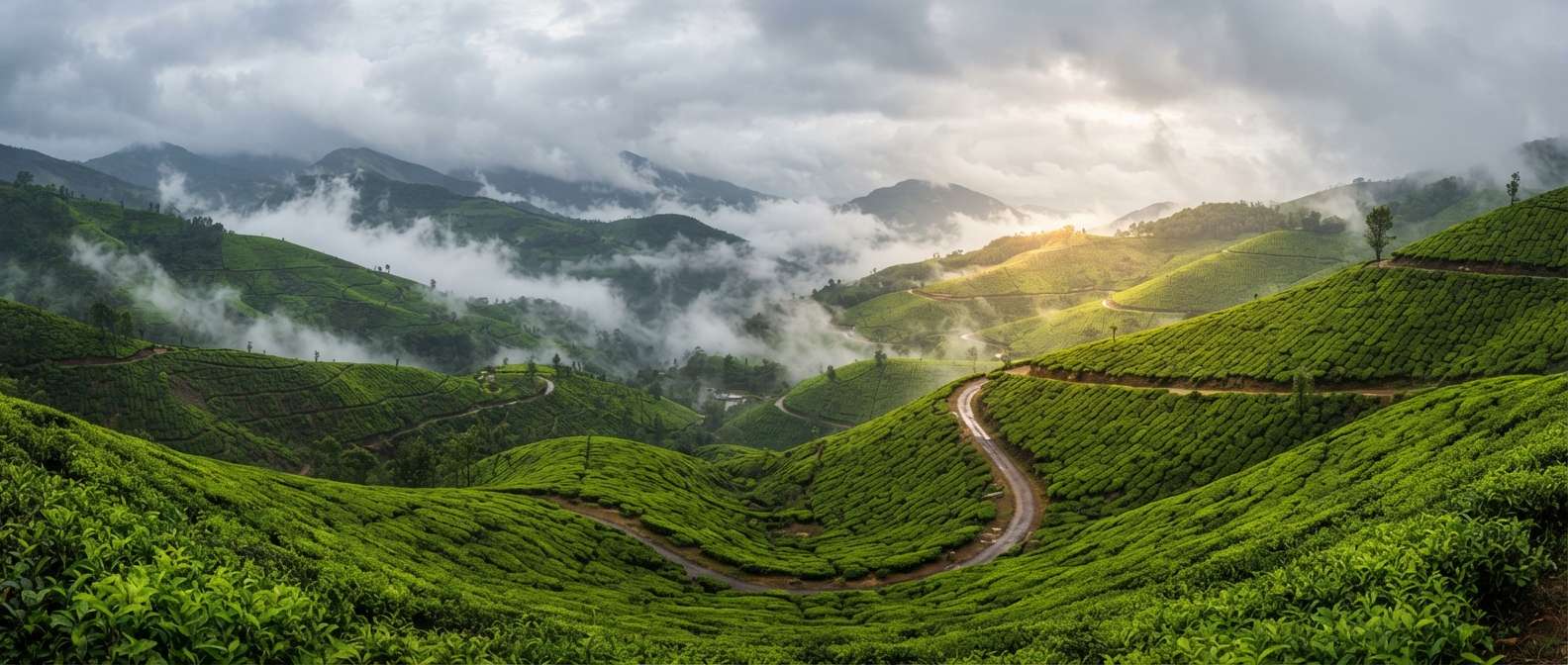


The best places to visit in Kerala during monsoon are Munnar, Wayanad, Athirappilly, Alleppey and Thekkady: tea hills and forests turn their greenest, waterfalls run at full force, and off-season rates and thin crowds make June to September the smartest time to go. Pack for rain, keep your plans flexible around the odd washed-out road, and monsoon Kerala rewards you with a side of the state most visitors never see.
Most people plan a Kerala trip for the dry winter and quietly write off the rains. That is a mistake. From June the South-West monsoon turns the whole state a deep, wet green: tea slopes disappear into cloud, the Athirappilly falls thicken into a brown roar, and a backwater houseboat with the rain drumming on the roof becomes the calmest afternoon of your year. Rooms cost less, the crowds thin out, and the Ayurveda resorts fill up because this is the season their therapies were built for. These 16 places to visit in Kerala during monsoon cover the hills, the coast, the backwaters and the waterfalls, with the practical detail for each and the two rain seasons to plan around. When you want to turn the list into a trip, our Kerala tour packages make the monsoon logistics easy.
Kerala gets two monsoons. The main South-West monsoon sweeps in from the Arabian Sea around the first week of June and lasts into September; the retreating North-East monsoon brings lighter, more scattered rain over October and November. Monsoon tourism in Kerala has grown around what those rains do to the land. Rivers and waterfalls that run thin in summer come alive, paddy fields and spice plantations glow, and the Western Ghats wear a permanent scarf of cloud. Because it is the off-season, resorts and houseboats drop their rates and the big sights are far quieter than in December. It is also the peak Ayurveda season, when the cool, humid air is considered ideal for treatment. For the month-by-month picture across the whole state, the best time to visit Kerala guide breaks it down. If you want a broader list of places to visit in Kerala across all seasons, that guide covers the year-round classics.
Sixteen places, grouped hills-to-coast, with the one thing monsoon travellers ask first: is it still worth it in heavy rain?
| # | Place | Region | Type | Best for | Good in heavy rain? |
|---|---|---|---|---|---|
| 1 | Wayanad | North (Western Ghats) | Hills, forest, falls | Nature, trekking, treehouses | Yes (skip risky treks) |
| 2 | Munnar | Central highlands | Tea hills | Couples, misty drives | Yes |
| 3 | Alleppey | Central backwaters | Backwaters | Houseboats, couples | Yes |
| 4 | Thekkady | Central (Periyar) | Wildlife, forest | Families, wildlife | Yes (safaris weather-permitting) |
| 5 | Athirappilly & Vazhachal | Central (Thrissur) | Waterfalls | Day trips, photography | View only, no wading |
| 6 | Varkala | South coast | Cliff beach | Solo, yoga, quiet | Partly (sea rough) |
| 7 | Kumarakom | Central backwaters | Lake, birds | Honeymoon, Ayurveda | Yes |
| 8 | Idukki | Central highlands | Dam, rainforest | Offbeat, nature | Yes |
| 9 | Bekal | North coast | Fort, beach | History, quiet | Partly (sea rough) |
| 10 | Vythiri | North (Wayanad) | Rainforest, treehouses | Honeymoon, eco-stays | Yes |
| 11 | Vagamon | Central highlands | Meadow hills | Couples, paragliding season aside | Yes |
| 12 | Fort Kochi | Central coast | Heritage quarter | Culture, walking, food | Yes |
| 13 | Ponmudi | South (near Trivandrum) | Hill station | Offbeat, drives | Yes (roads can close) |
| 14 | Marayoor | Central (near Munnar) | Sandalwood forest | Offbeat, nature walks | Yes |
| 15 | Nelliyampathy | Central (Palakkad) | Hill station | Offbeat, viewpoints | Yes (misty ghat road) |
| 16 | Kakkayam | North (near Kozhikode) | Dam, wildlife | Day trips, offbeat | View after rain eases |
The rest of the guide takes each one in turn, hills first, then coast and backwaters, then the offbeat corners worth a detour.
16 places from misty hills and full waterfalls to rainy backwaters, plus months, Ayurveda and tips
Best Time
June - September
Select Package Type


5 Days & 4 Nights
₹24,604 /@pp
GET FREE QUOTEAll 16 places in order, hills first, then coast and backwaters, then the offbeat corners, followed by the month-by-month guide, Ayurveda, traveller types, monsoon experiences, a sample itinerary and practical tips.
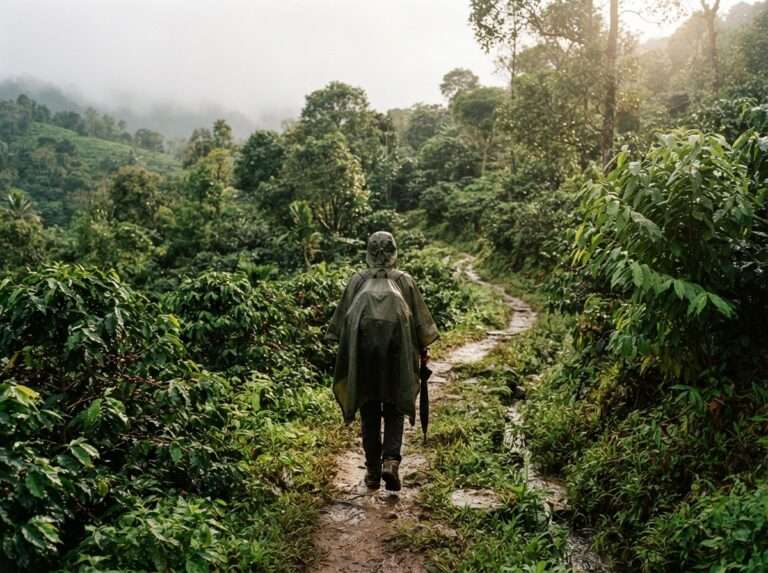
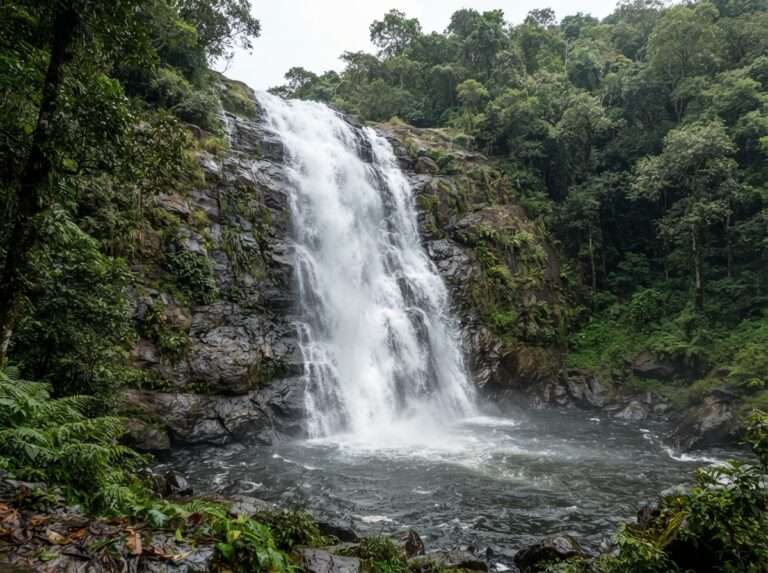
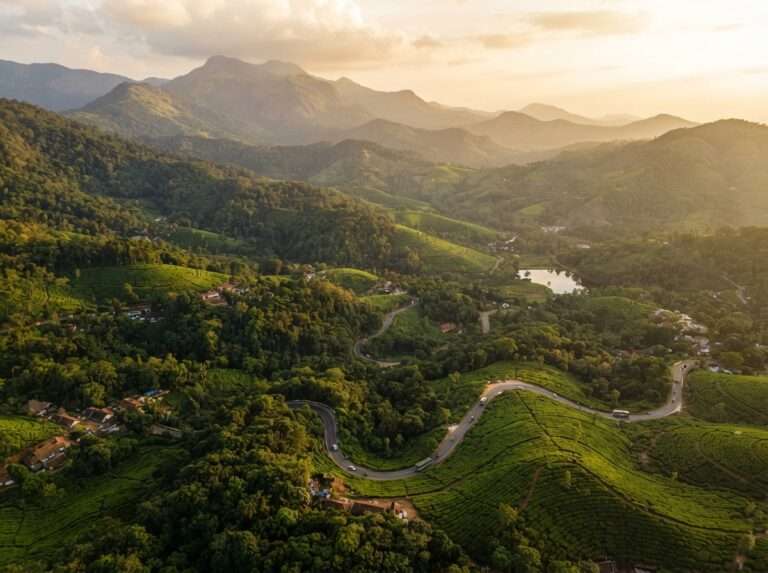
Wayanad is where the monsoon looks most like the postcards you did not expect: coffee and cardamom plantations dripping under low cloud, and waterfalls you can hear before you see. Soochipara (Sentinel Rock) falls run hard through the season, Chembra Peak hides its heart-shaped lake in mist, and the Edakkal Caves with their prehistoric carvings sit at the top of a slippery climb. Banasura Sagar, India’s largest earth dam, and Pookode Lake round out an easy two-day base. This is treehouse country, so book a room with a rain-view balcony. Save the high, exposed treks for a clear morning and stick to guided plantation walks when the rain sets in.


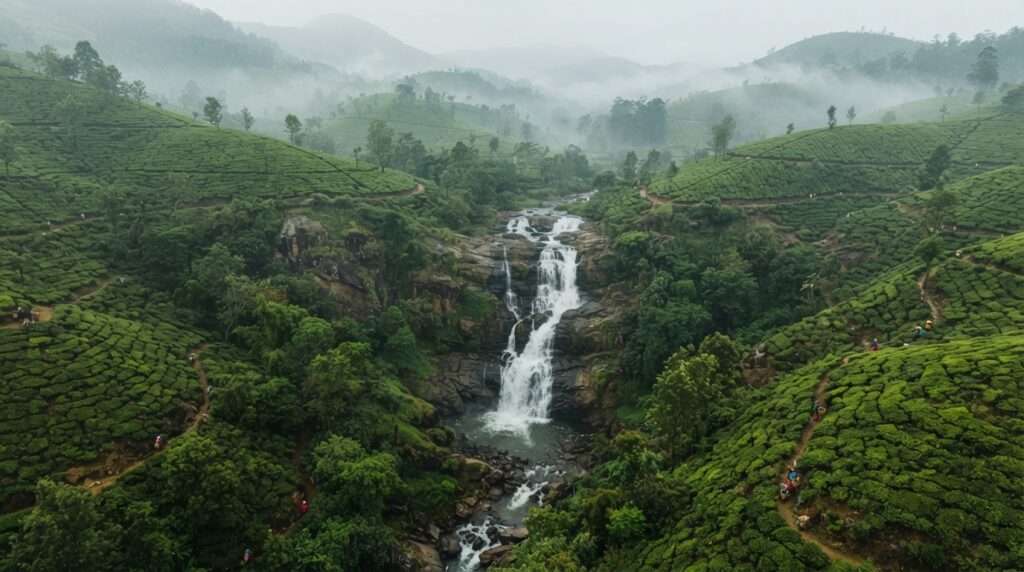
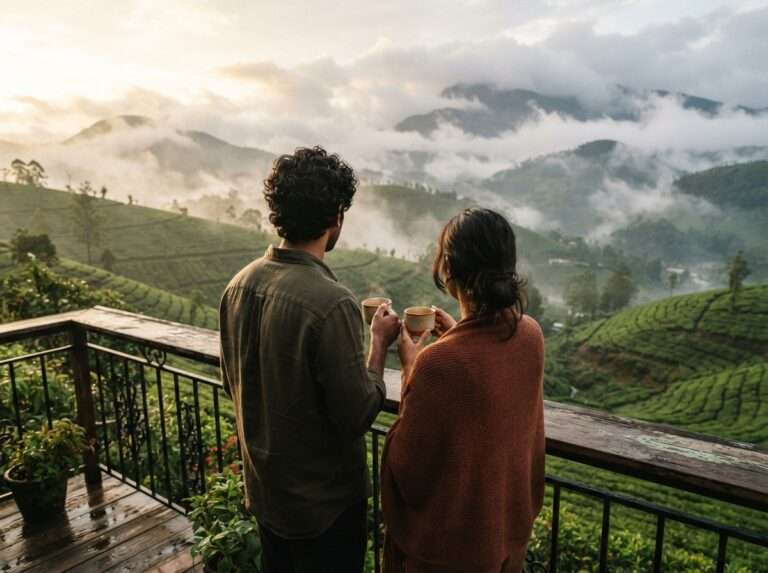
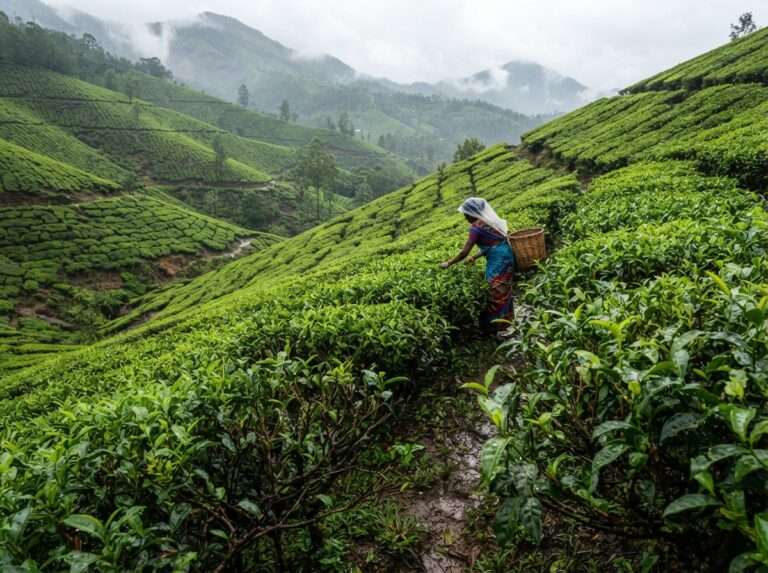
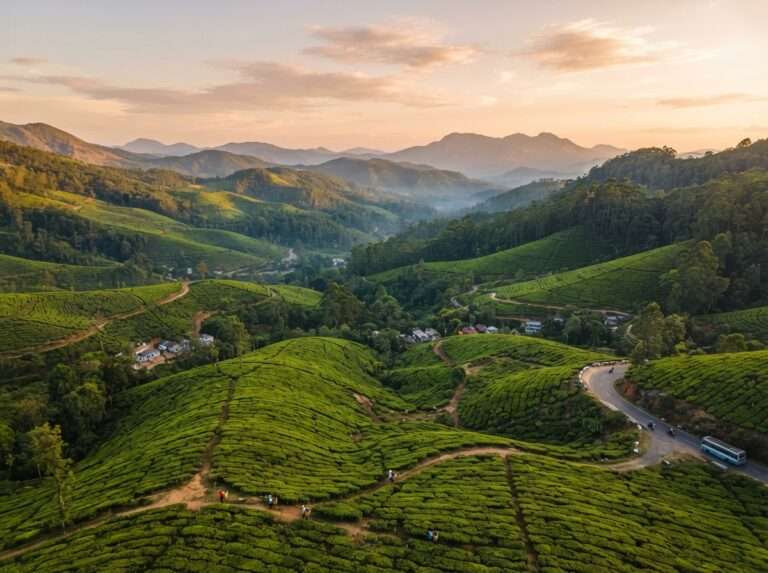
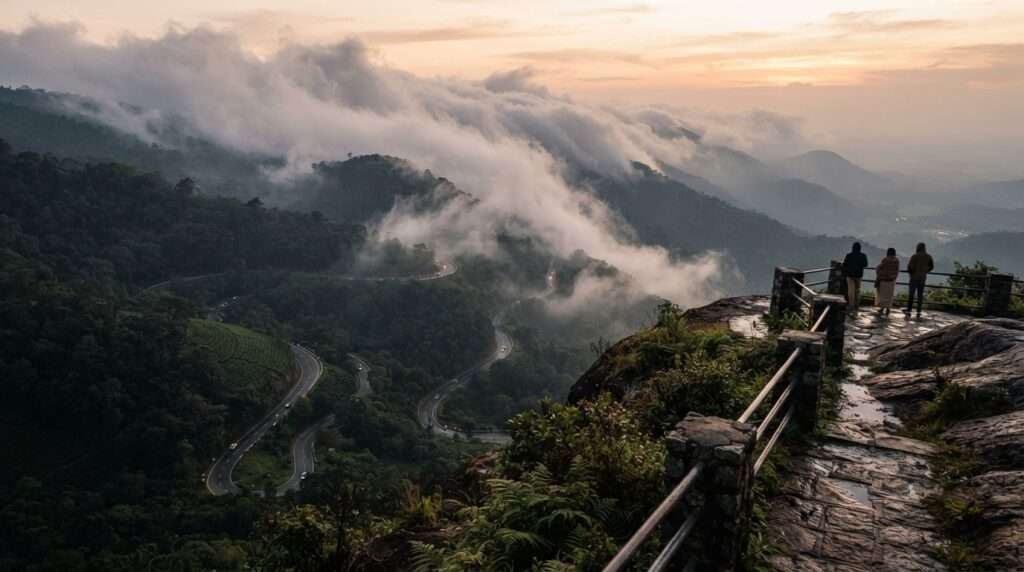
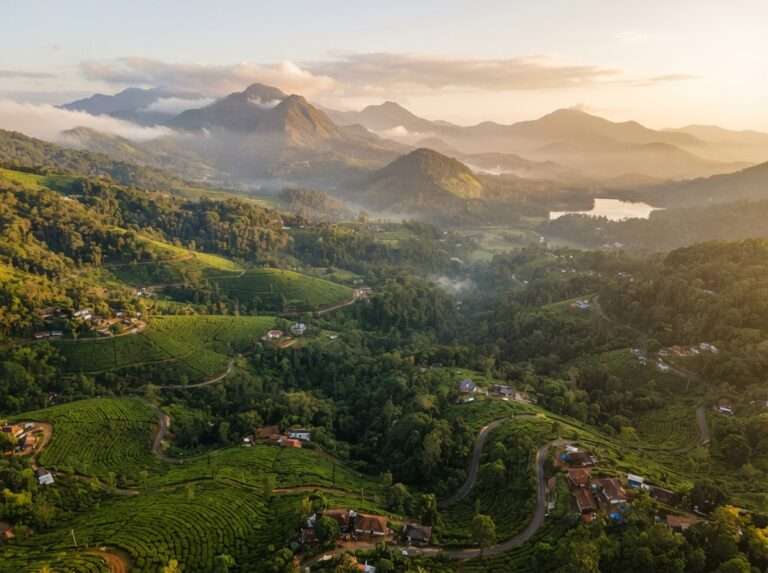
Munnar in the rain is the honeymoon shot everyone remembers. The tea estates go an electric green, the clouds sit low enough to walk through, and Attukad and the smaller roadside falls run full. Eravikulam National Park (home to the Nilgiri tahr) is normally open in the monsoon, since its calving closure falls in February and March (it can still shut on red-alert days), though the Rajamala slopes can vanish into cloud; Kundala Lake, Echo Point and the KDHP Tea Museum at Nallathanni are good rainy-day stops too. A hot cup of estate-fresh tea on a misted balcony is the whole point of coming now. For the wider area, the Munnar travel guide covers stays and drives in more detail.


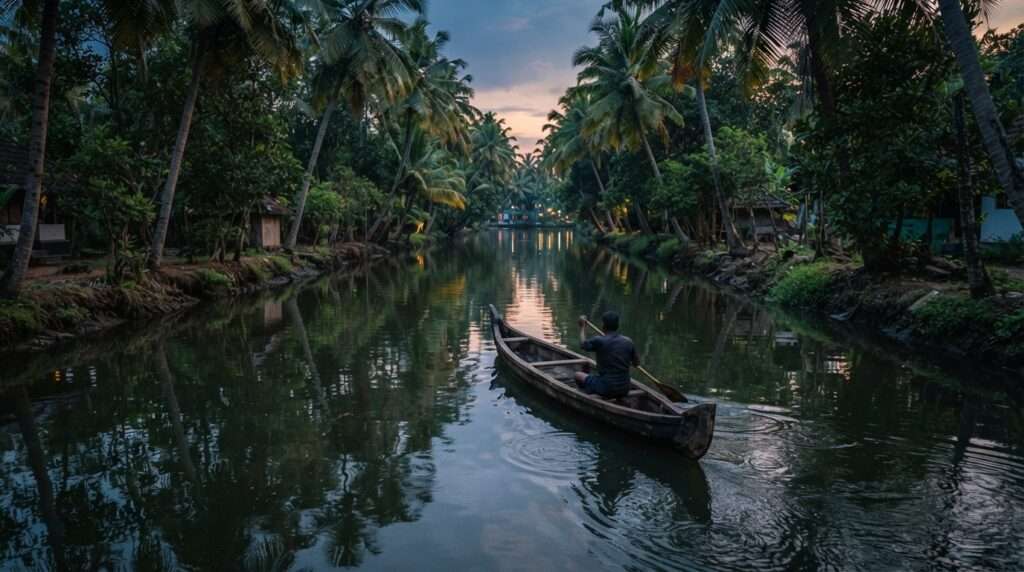
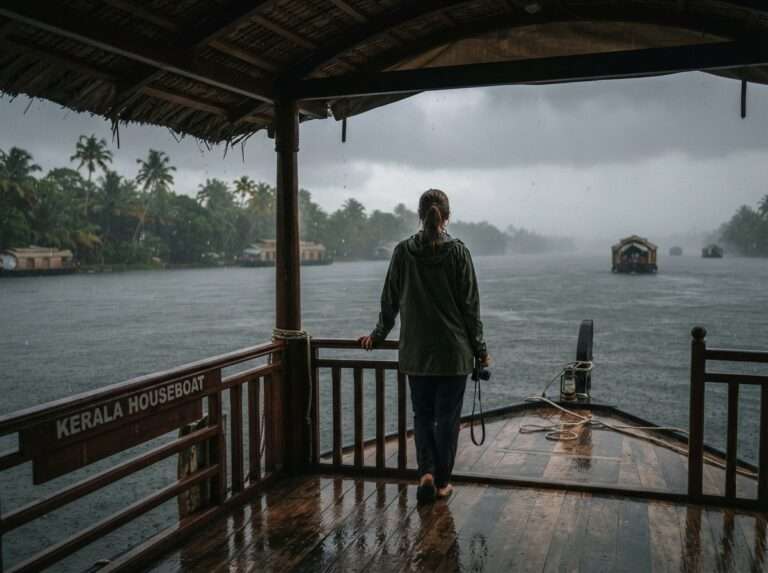
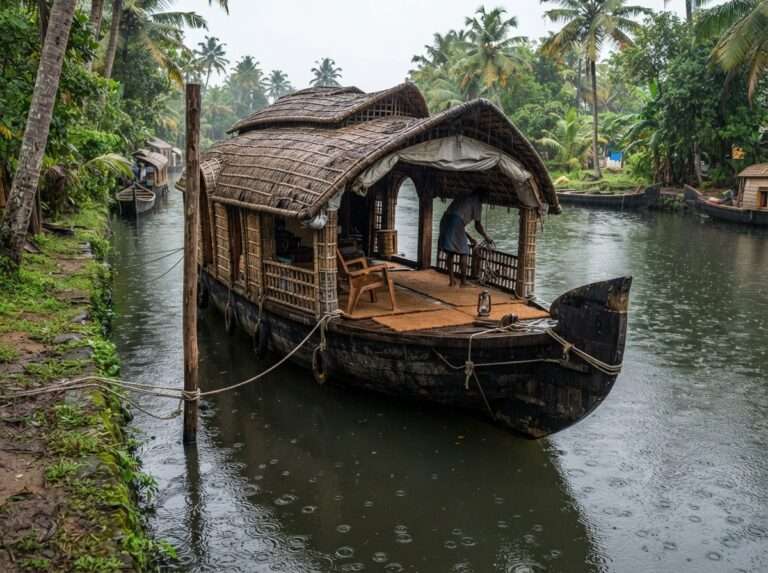
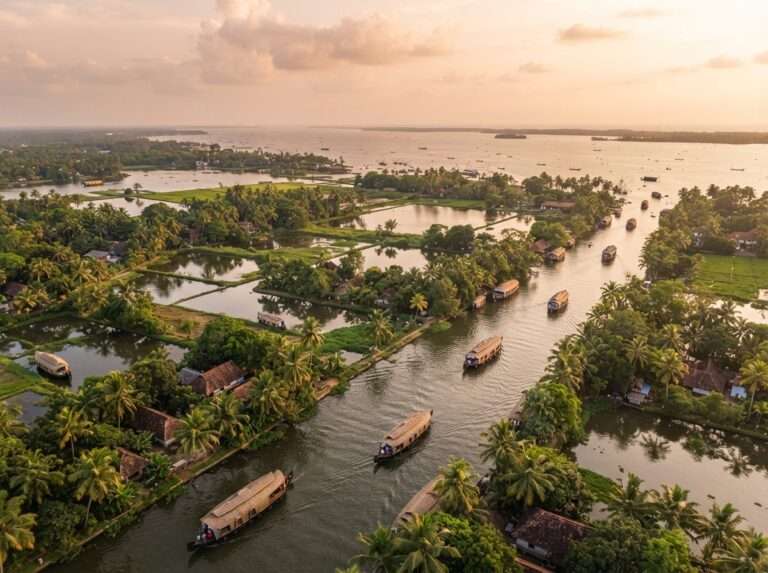
An overnight houseboat on the Alleppey backwaters is the single most photographed thing to do in monsoon Kerala, and rightly so. You drift across Vembanad Lake and its canals while the rain sheets down outside and the crew cooks karimeen (pearl spot fish) bought from a passing canoe. Village walks between showers, canoe rides down narrow channels, and long lazy afternoons on deck fill the rest. Backwaters are among the safest monsoon choices because you are on calm inland water, not the open sea. Couples and photographers get the most out of it.


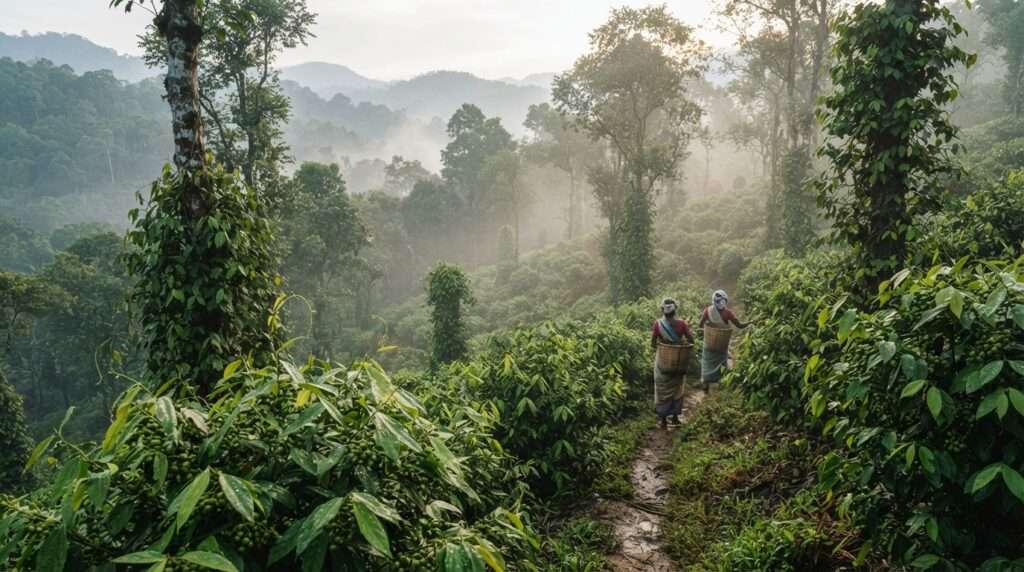
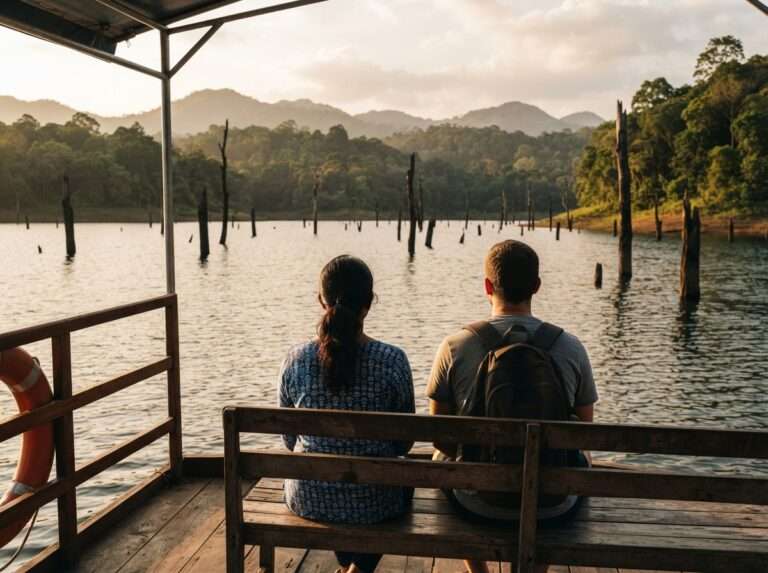
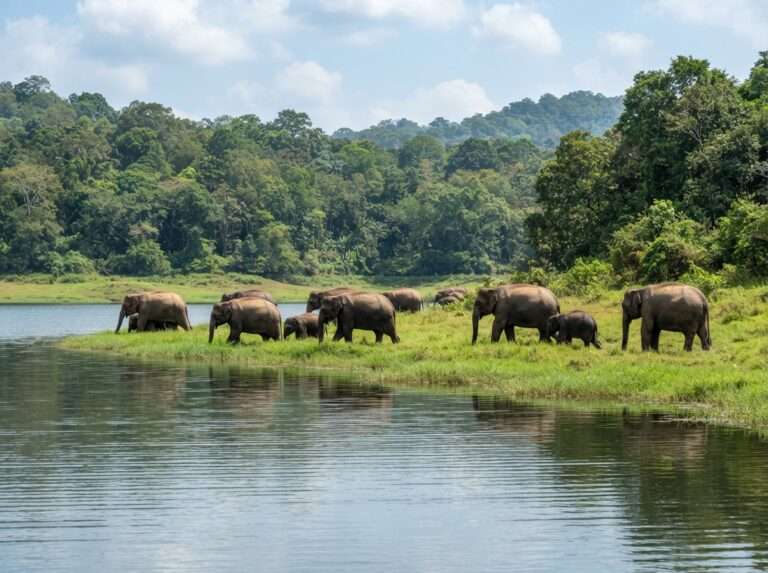
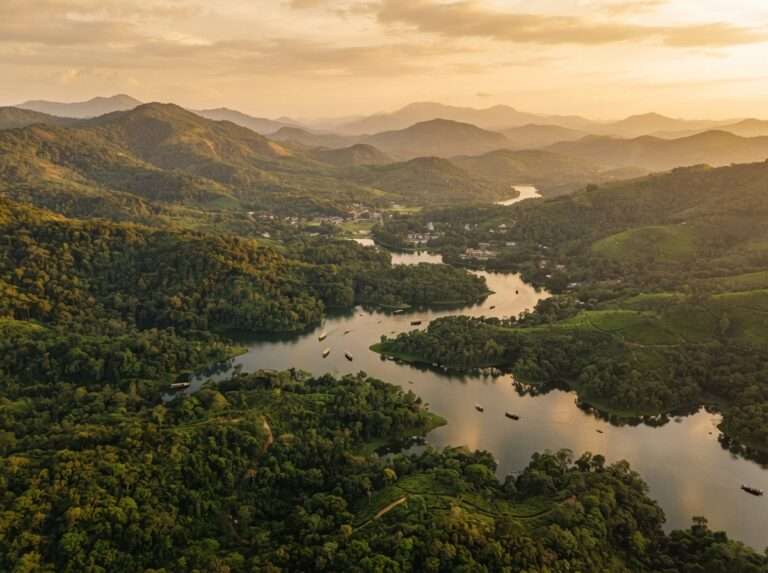
Thekkady, gateway to the Periyar Tiger Reserve, turns greener and calmer once the rains arrive and the day-trip buses thin out. Boat cruises on Periyar Lake run when the weather allows, and you have a real chance of elephants and sambar at the water’s edge. Off the water, the Kumily spice market smells of wet cardamom and pepper, and guided plantation walks are a fine rainy-day fallback. Safaris are weather-dependent in heavy rain, so keep a flexible morning. The Thekkady travel guide has more on timings and stays.
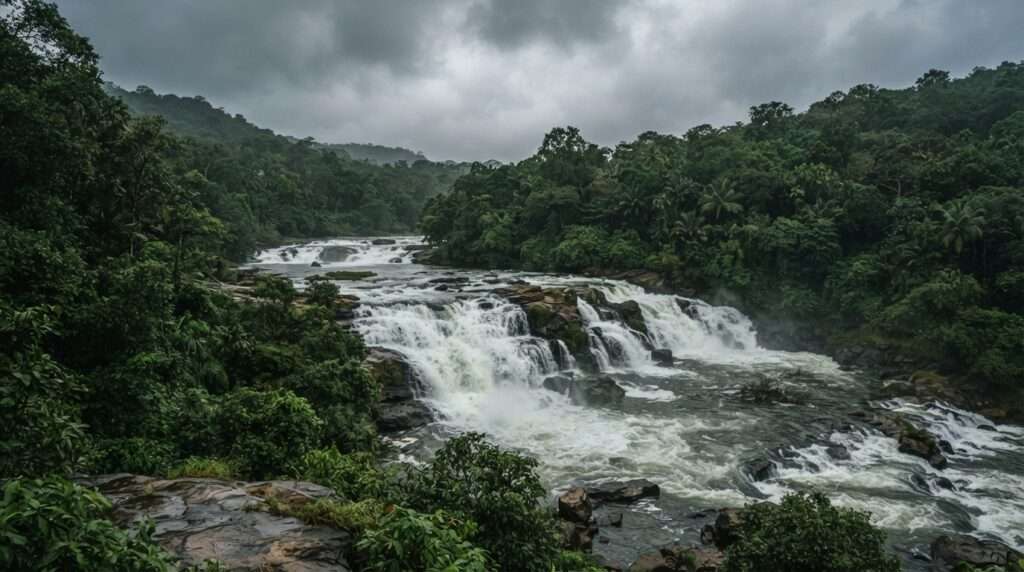
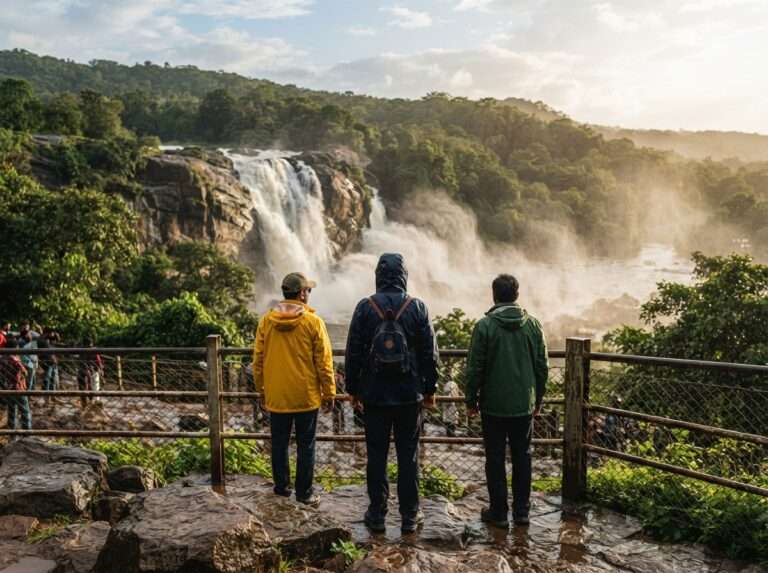
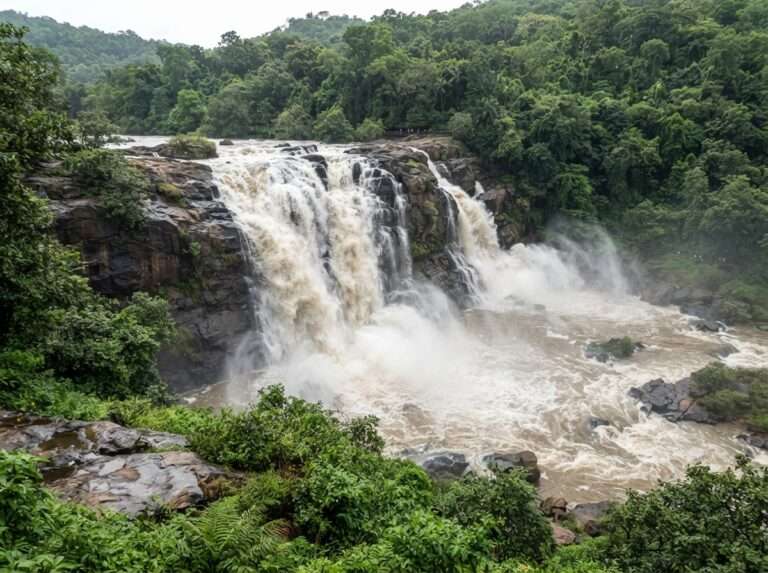
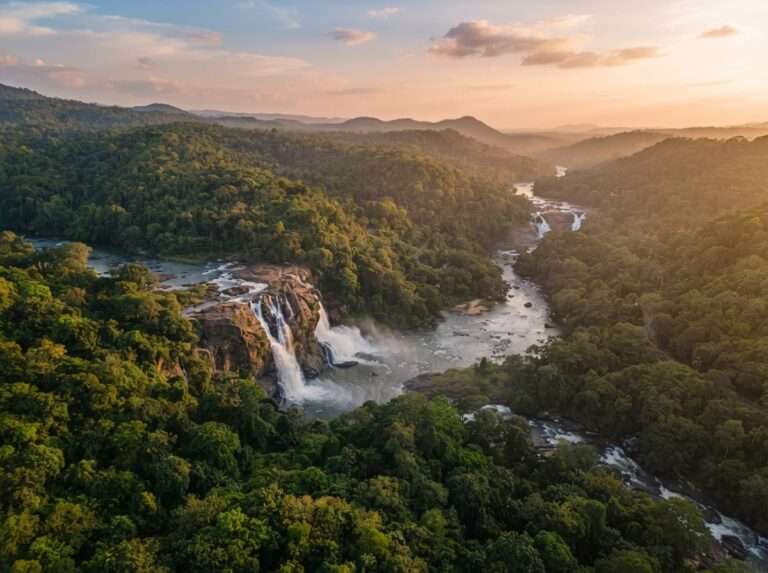
If you see one waterfall in monsoon Kerala, make it Athirappilly. Often called the Niagara of India, it drops around 80 feet (about 25 m) on the Chalakudy river and thunders through the rains with a spray you feel from the viewpoint. Vazhachal, a broader set of rapids, sits roughly 5 km downstream. This is a day trip from Kochi or Thrissur through rainforest that scarlet-macaws and hornbills call home. One firm rule for the season: admire the falls from the marked viewpoints only. The rocks are lethal when wet and the plunge pools are off-limits in spate.
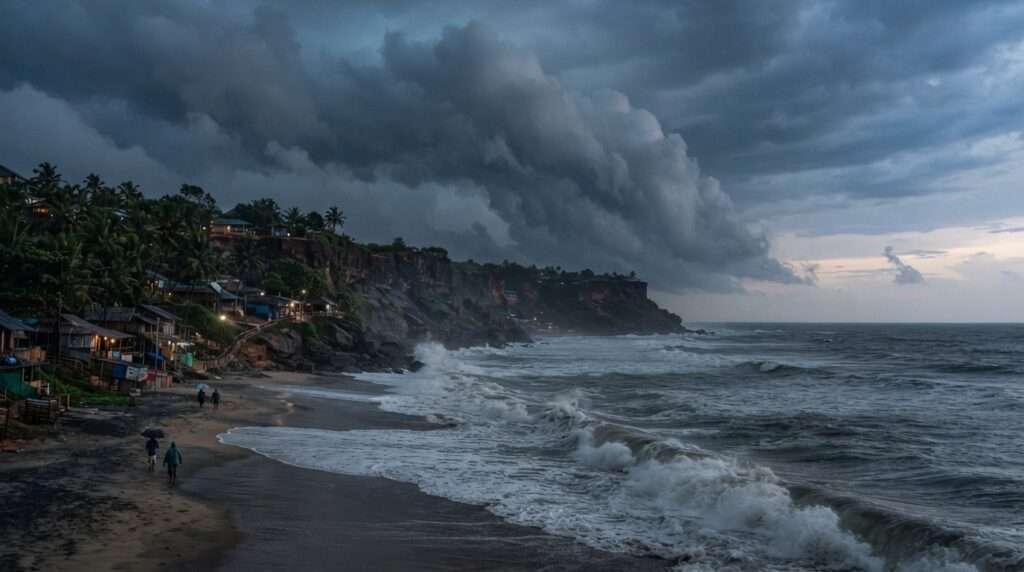
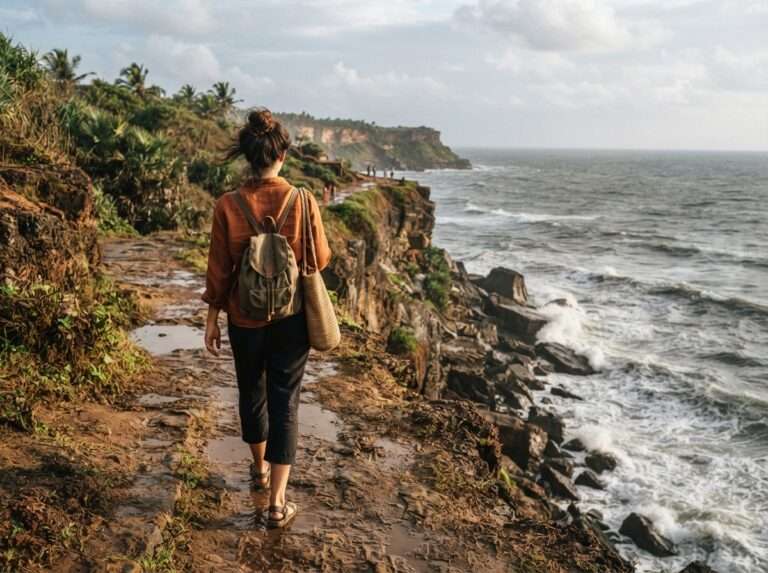
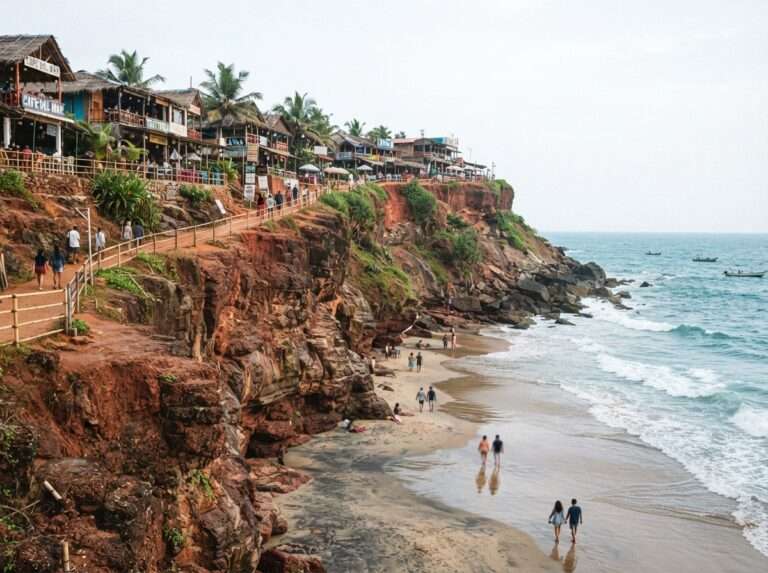
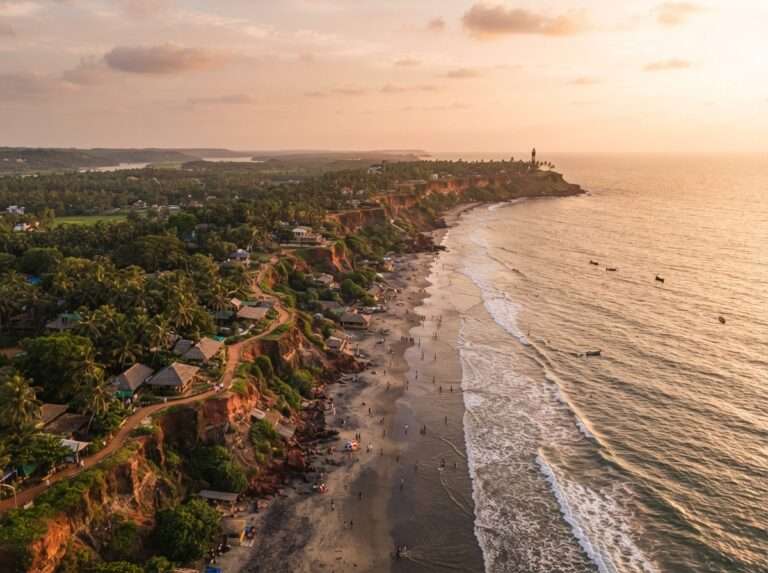
Varkala trades the backwater calm for drama: a red laterite cliff with cafes along the top and a beach below, all washed clean by the rain. The sea gets rough in the South-West monsoon so swimming is often off, but the cliff walk, the clifftop yoga shalas and the Ayurveda centres are exactly why solo travellers and couples come now. Papanasam beach, Kappil backwater and the old Anjengo lighthouse make easy half-days. If you want a livelier coast, Kovalam is a couple of hours south with a similar monsoon mood and more beachfront resorts.
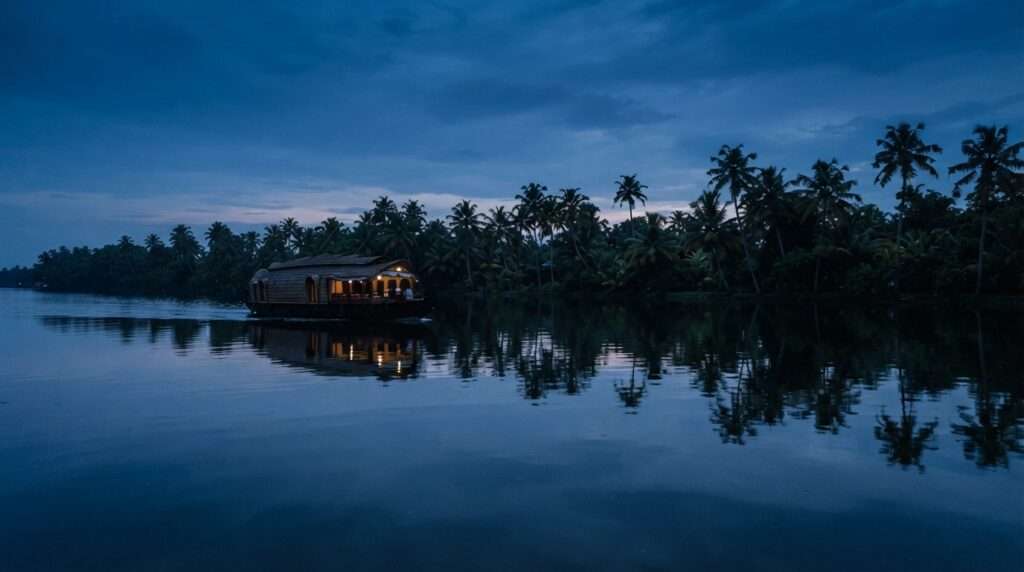

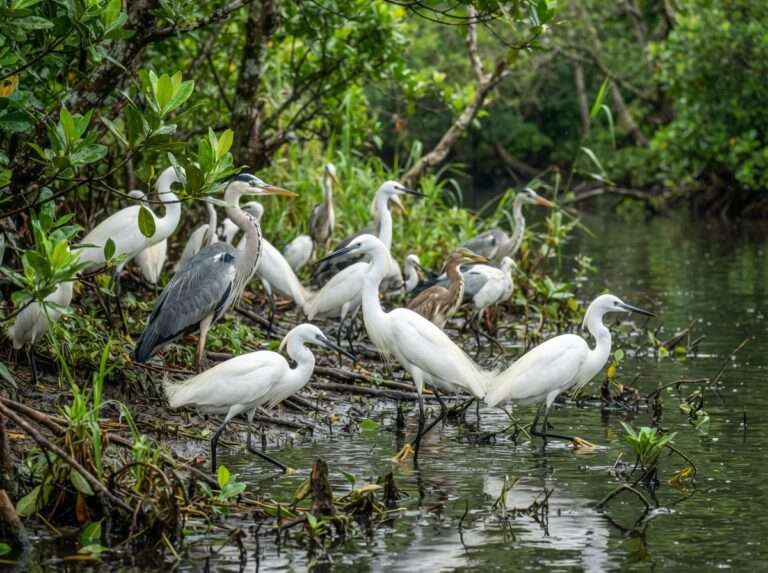
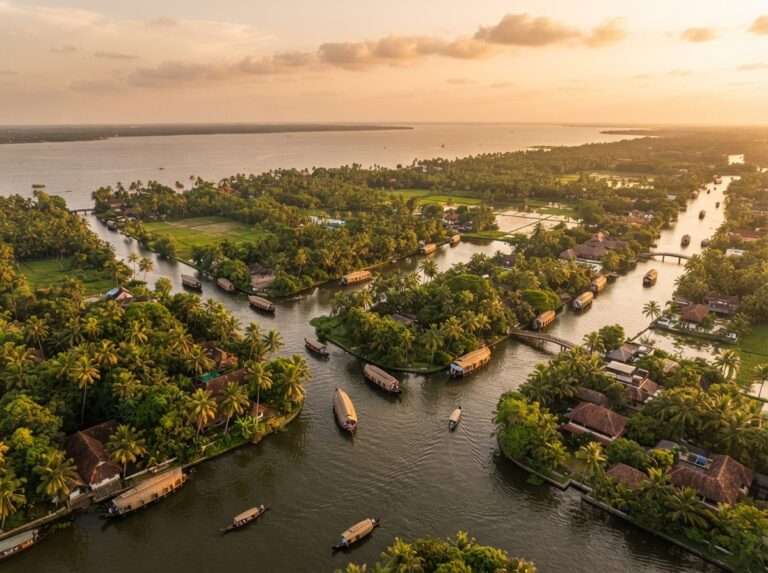
Kumarakom is the calmer, more polished side of Vembanad Lake, and it is built for the rains. Resorts here lean into wellness, so a monsoon stay usually means a houseboat cruise, birdwatching at the Kumarakom Bird Sanctuary between showers, and a full Ayurveda programme. Migratory birds arrive later in the year, but resident herons, egrets and kingfishers keep the waterline busy through the season. It is a honeymoon favourite for a reason; for package ideas, see our Kerala honeymoon packages. If you want a lesser-known backwater, Ashtamudi Lake near Kollam offers the same calm with fewer boats.
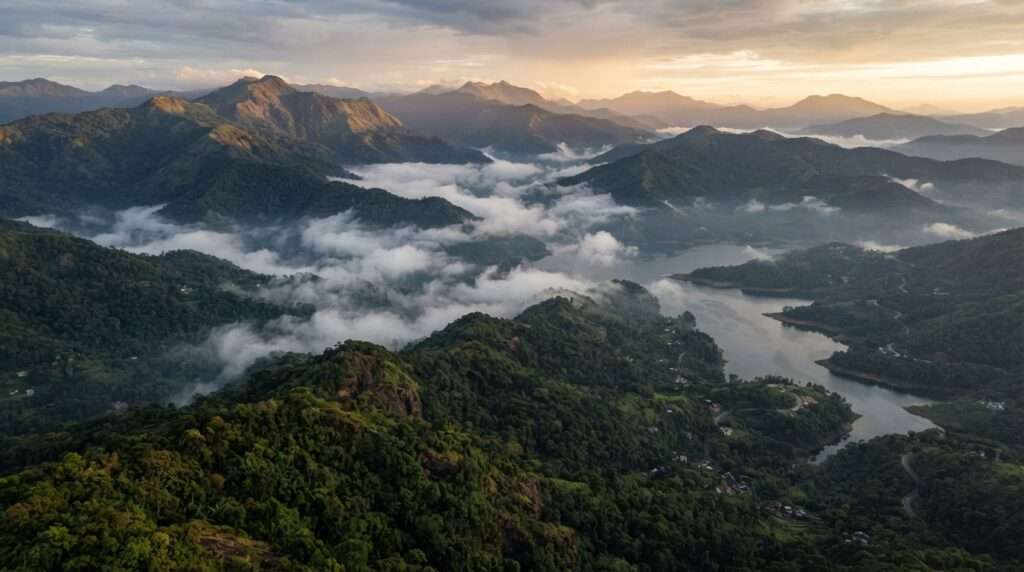
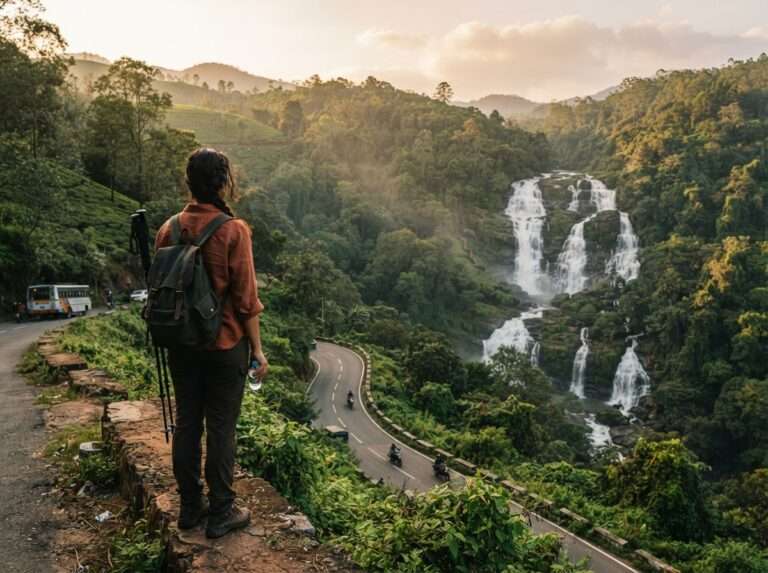
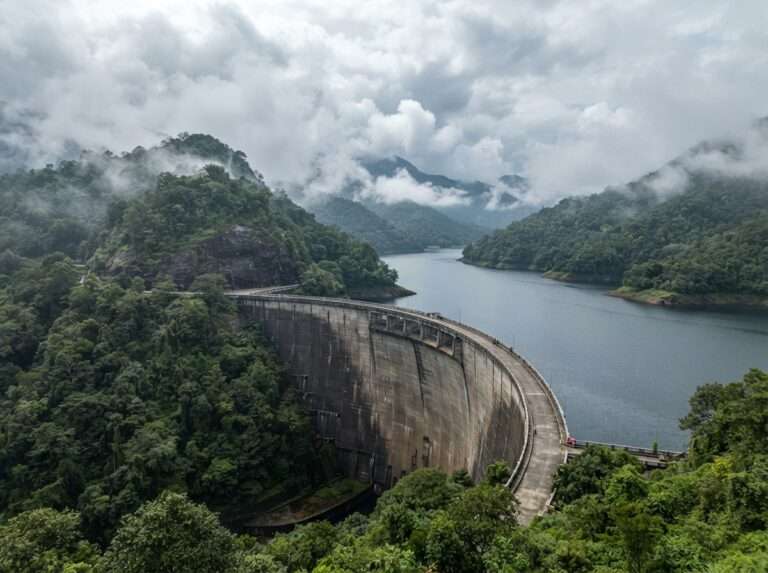
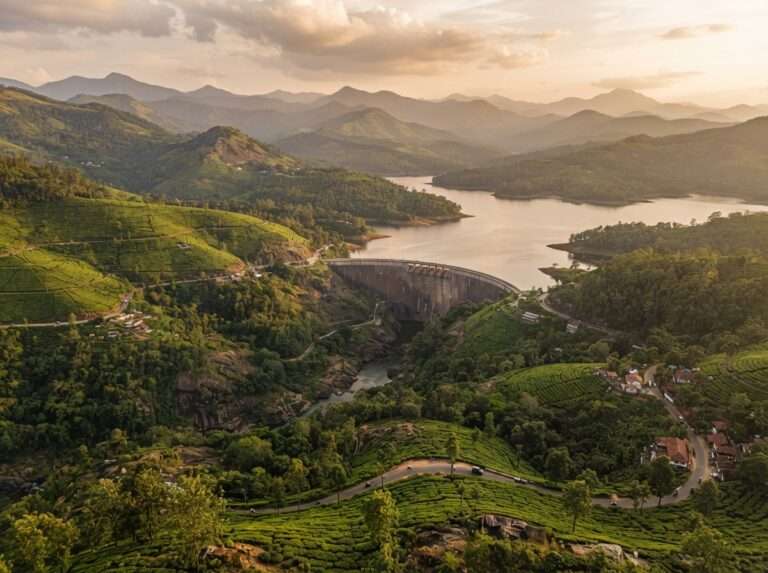
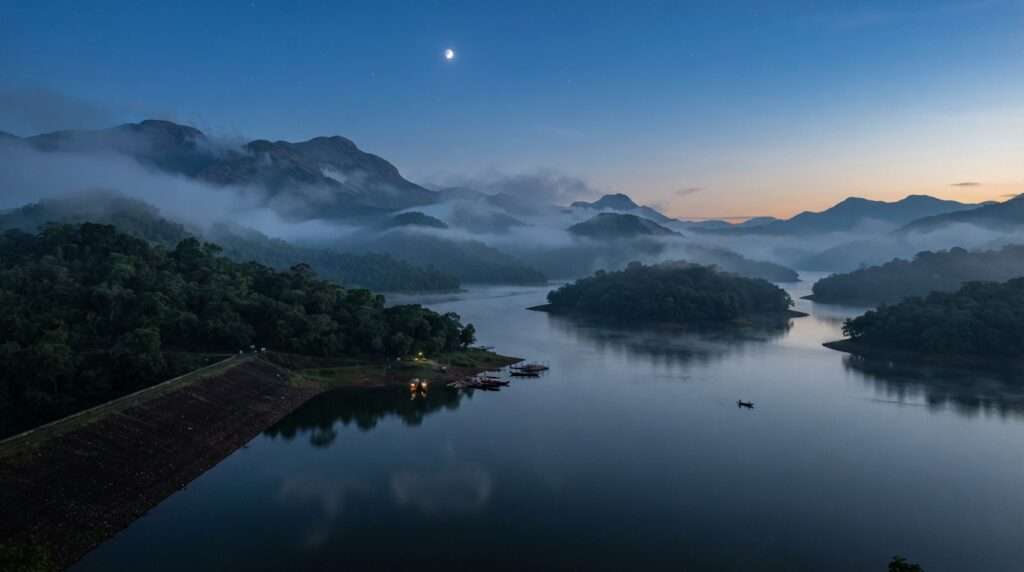
Idukki is for travellers who like their hills empty. The famous Idukki Arch Dam curves between forested ridges, Cheeyappara steps down the ghat road in a series of falls, and Anamudi, the highest peak in South India at 2,695 m, rises nearby inside Eravikulam. Hill View Park and short forest trails around Painavu fill an easy day, and the whole district smells of wet spice. The arch dam viewing is seasonal, so confirm access before you drive up. Come here for solitude, cardamom country and clouds that never quite lift.
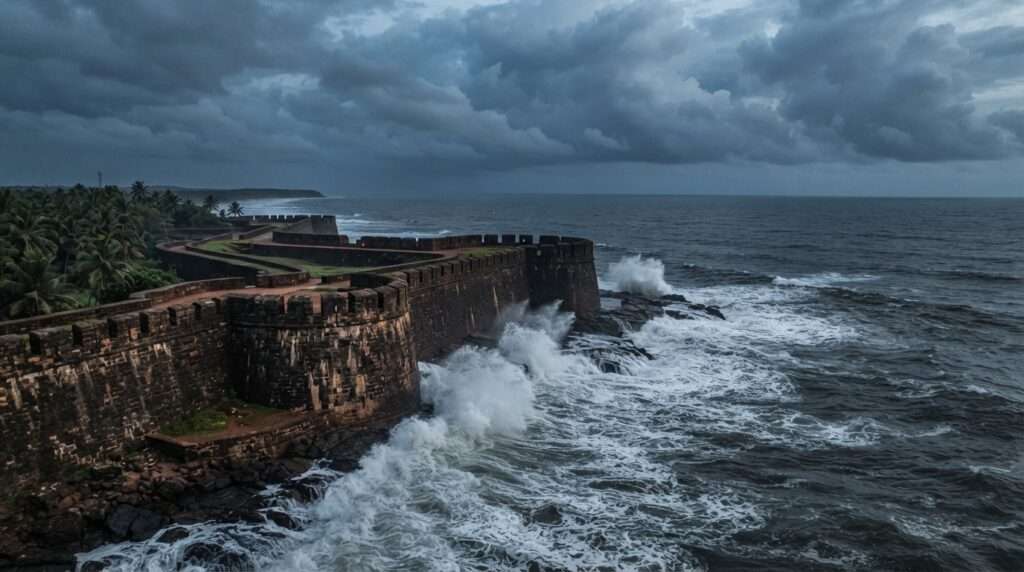
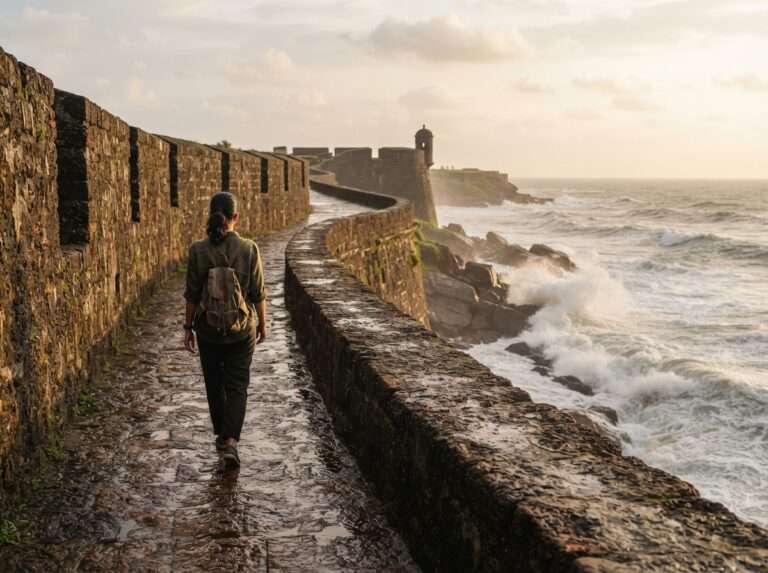
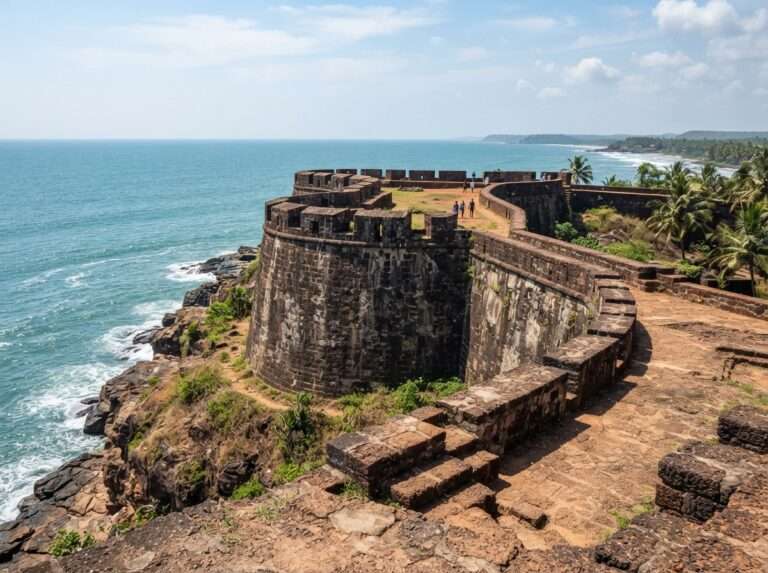
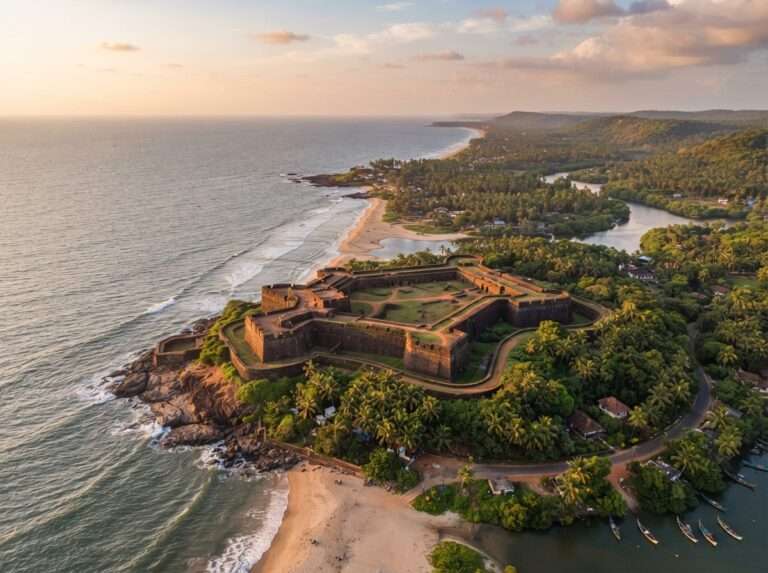
Up in the far north, Bekal Fort makes a fine wet-weather walk: a huge laterite keyhole on a headland with the Arabian Sea crashing grey below and the ramparts empty of crowds. Bekal and Kappil beaches are for strolling rather than swimming in monsoon, and the fort’s sea-facing wall at dusk is the shot to wait for. History lovers and anyone chasing a quiet coast do well here. Pair it with the Malabar towns and the Theyyam-season shrines a little further south around Kannur.
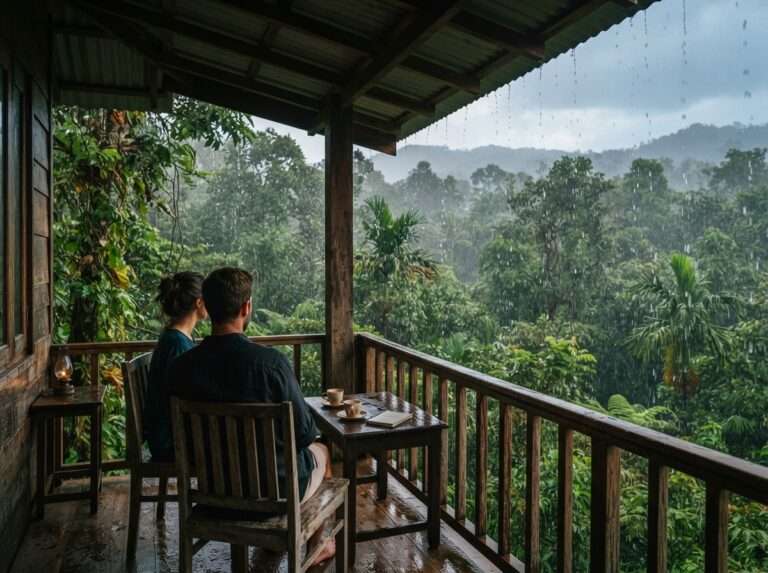

Vythiri, in the Wayanad hills, is the address for a rainforest treehouse with the monsoon roaring in the canopy around you. It is a short hop from Chembra Peak, the Lakkidi viewpoint and Soochipara falls, and the resorts here run nature walks, birdwatching, ziplining over Karlad Lake and the 900 Kandi glass bridge. Because it leans eco and wellness, it draws honeymooners and travellers who want to sit still and listen to the rain. Book ahead in season, as the good treehouses are few and fill fast.
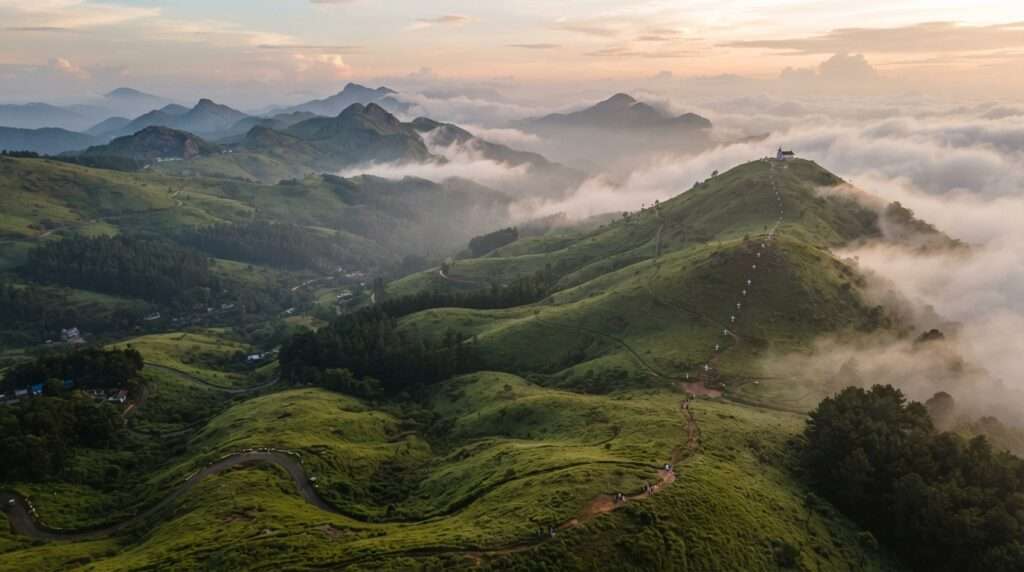
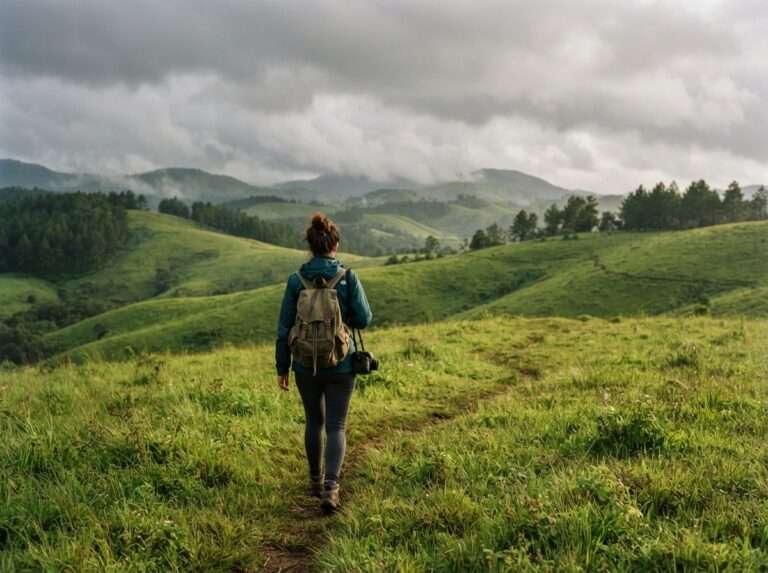
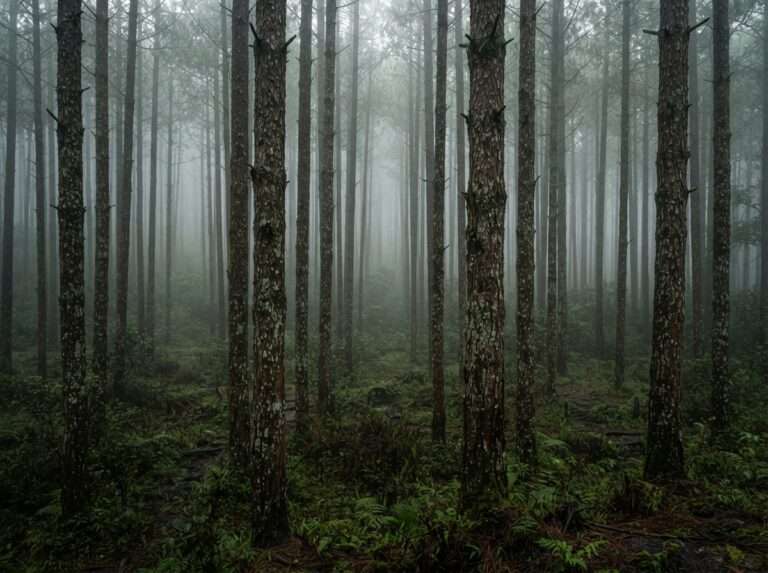
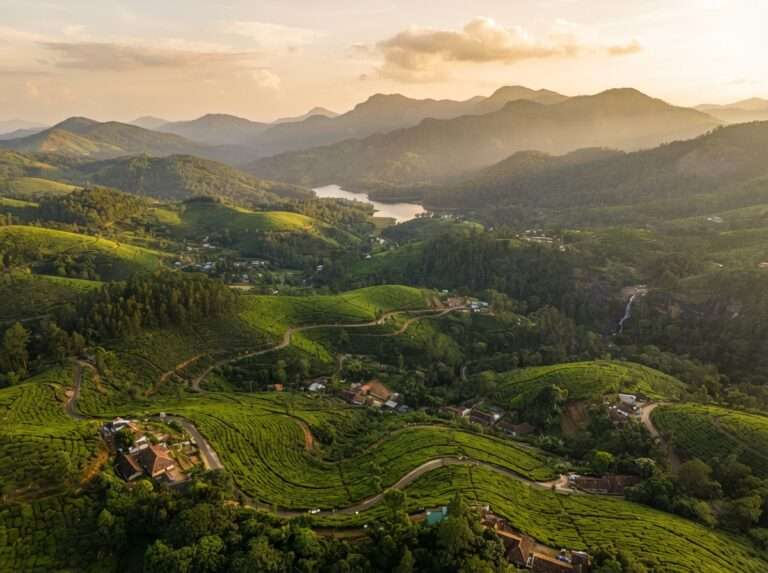
Vagamon is the quiet hill station between Idukki and Kottayam that most first-timers miss. In monsoon its rolling meadows and pine forest turn a soft, wet green and the whole plateau smells of rain on grass. The paragliding it is known for pauses in the heavy-wind monsoon weeks, but the meadow walks, the pine valley, Marmala waterfall and the misty Kurisumala slopes more than make up for it. It is an easy, low-key add-on to a Munnar or Thekkady trip, and one of the calmest couples’ escapes in the state right now.
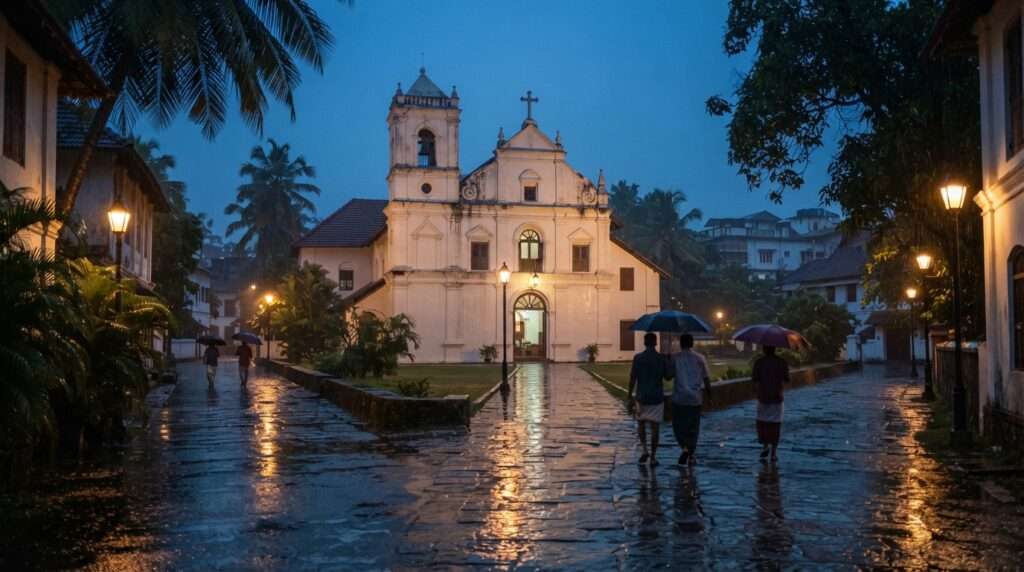
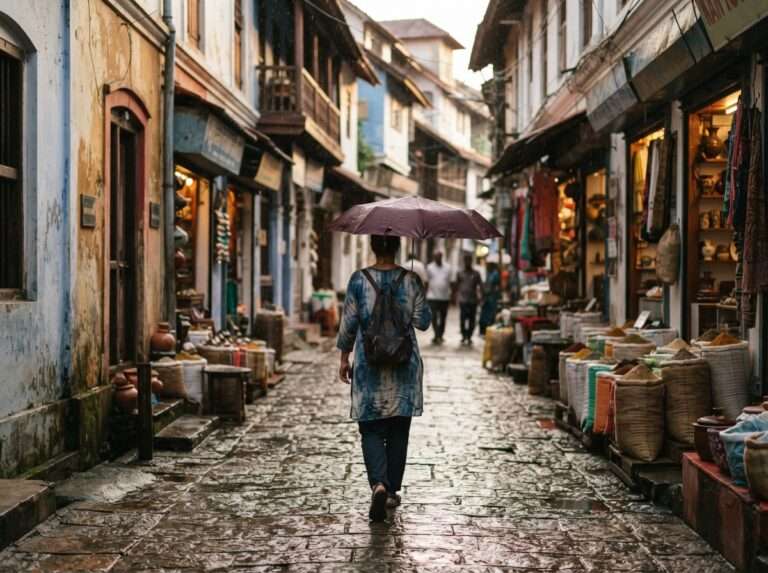

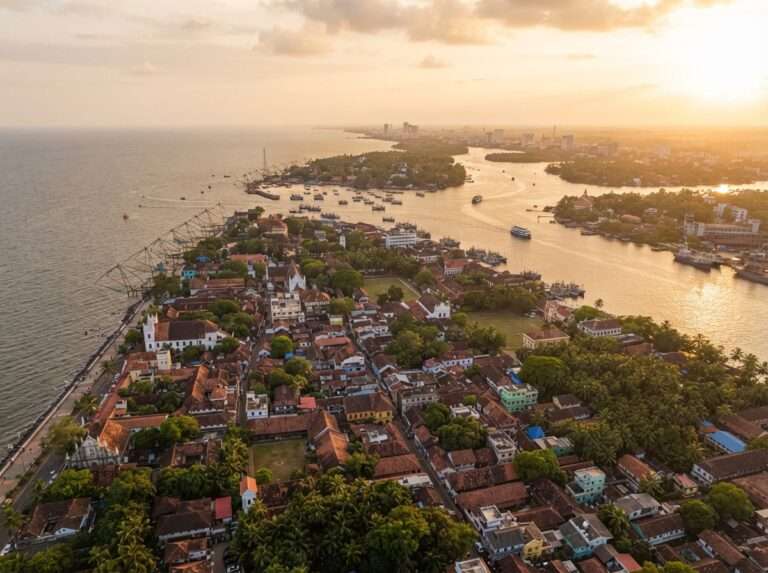
Not every monsoon day belongs in the hills. Fort Kochi is made for grey-sky wandering: the Chinese fishing nets silhouetted against a stormy harbour, the 1503 St Francis Church, the Mattancherry palace murals and the spice-scented lanes of Jew Town, all a short walk apart and all fine in the rain. Duck into a cafe when it pours, catch a Kathakali show in the evening, and eat your way through Malabar cooking. Kozhikode, a few hours north, deepens that food trail with its famous biryani and halwa if you have the days.
If you have extra days, four quieter places reward the detour. They see a fraction of the traffic the big hill stations get, and monsoon is when they look their best.
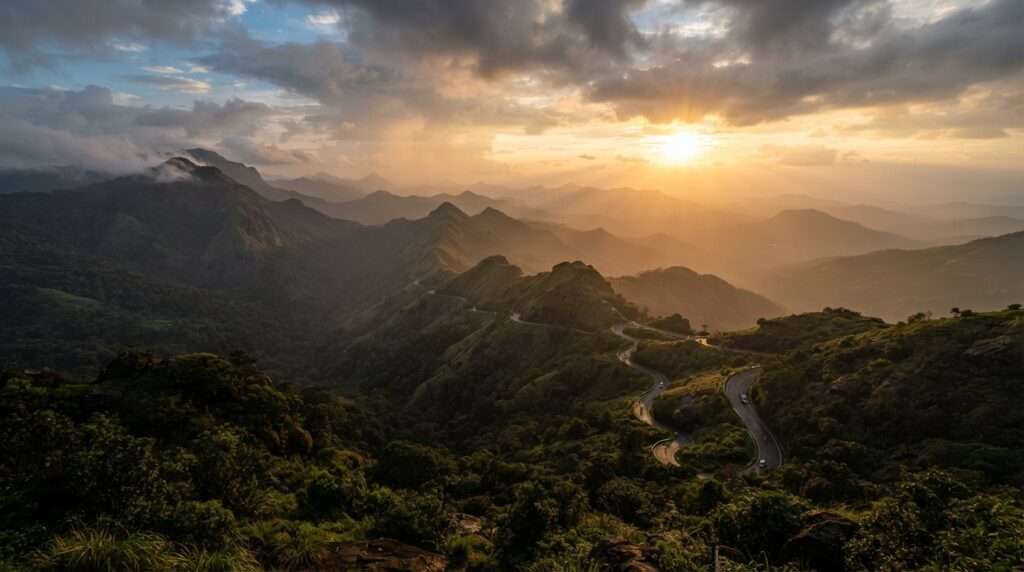
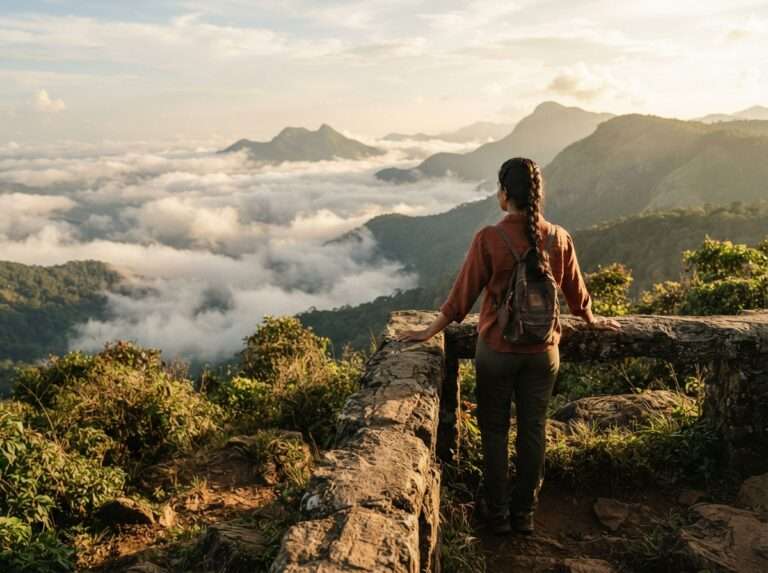
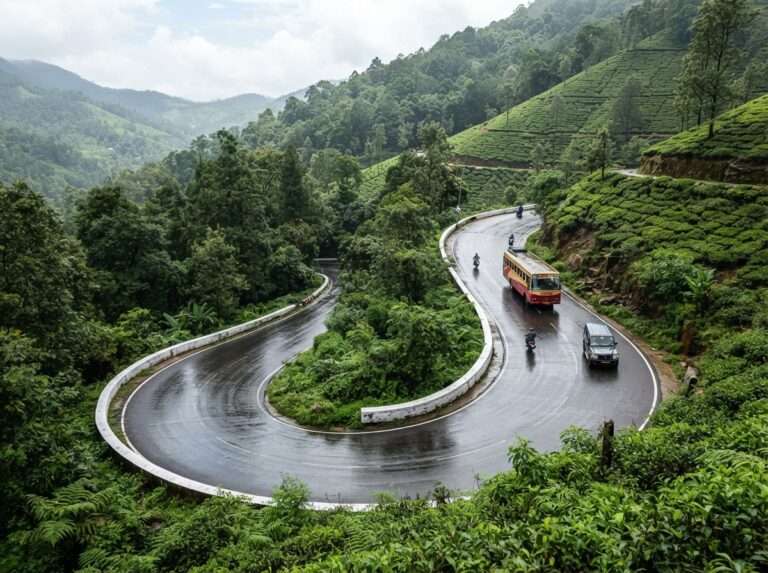
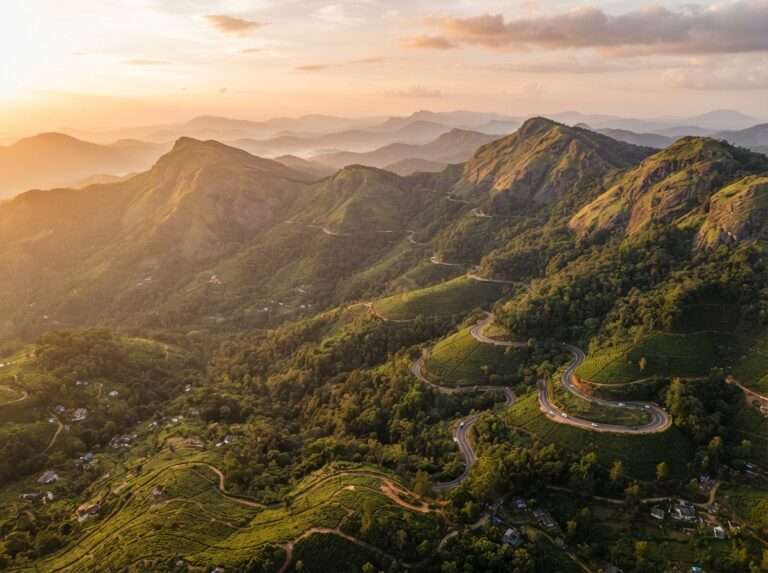
Ponmudi, about 55 km from Thiruvananthapuram, is a compact hill station whose hairpin road climbs into tea and evergreen forest. In the rains the Golden Valley by the Kallar river and the small Meenmutty falls nearby run full, and the sunsets, on the clear evenings you get, are the reason people make the drive. The ghat road can close briefly after heavy rain, so check locally before heading up.
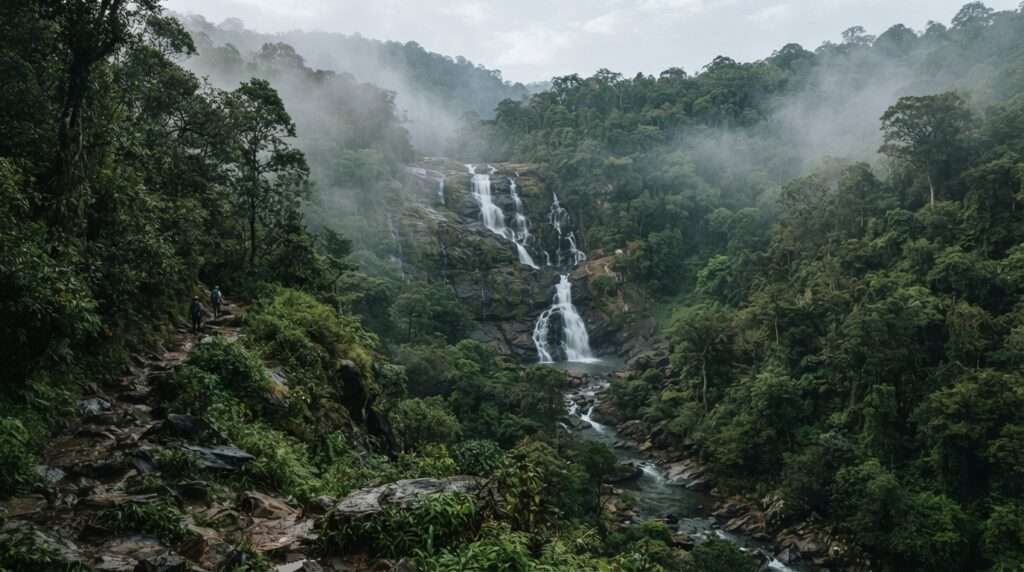
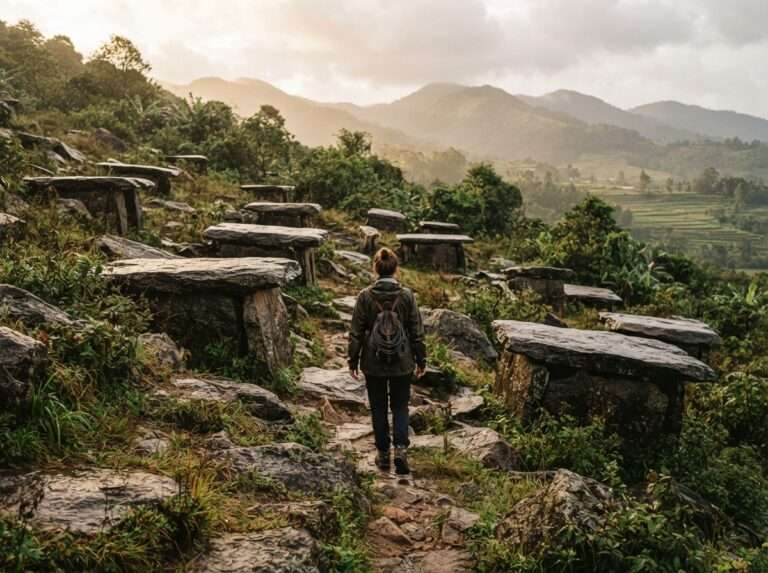
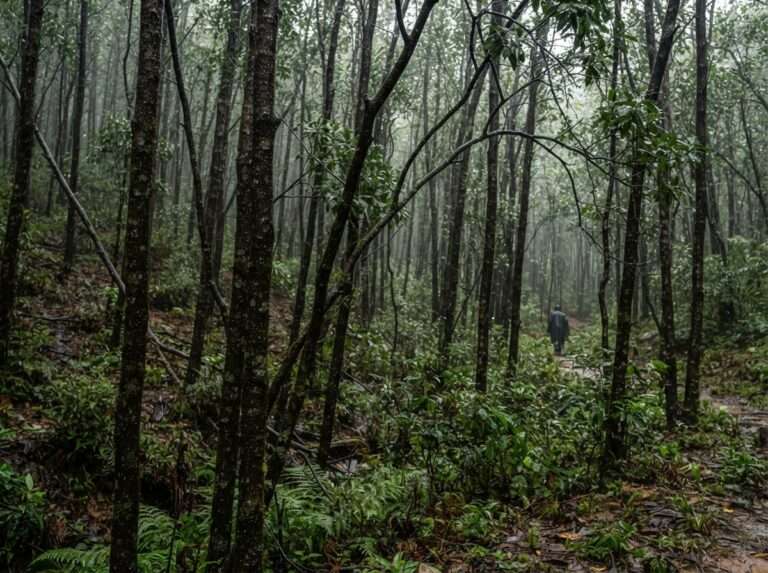
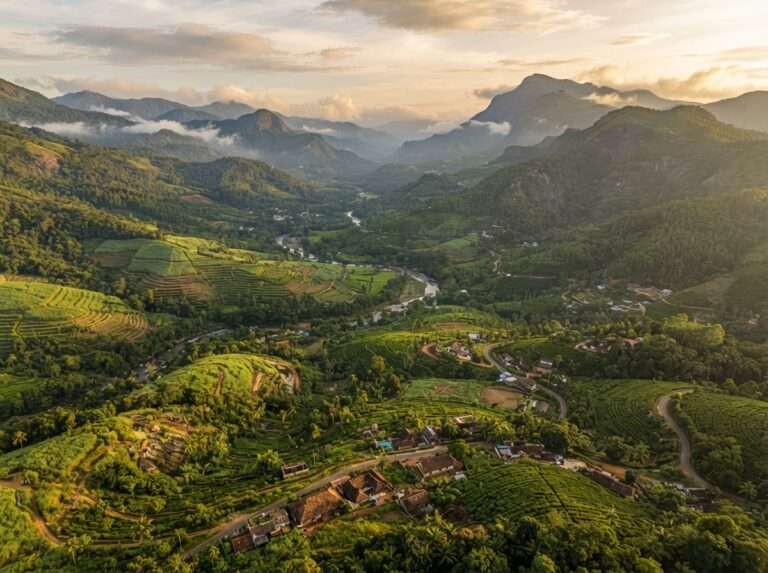
Marayoor, near Munnar, is the only place in Kerala with natural sandalwood forests, and walking those groves in fine monsoon drizzle is a rare, sharp-scented thing. Add the Muniyara dolmens, the Thoovanam falls and the Marayoor jaggery country, and you have an easy, uncrowded day trip out of Munnar that most tour groups never make.
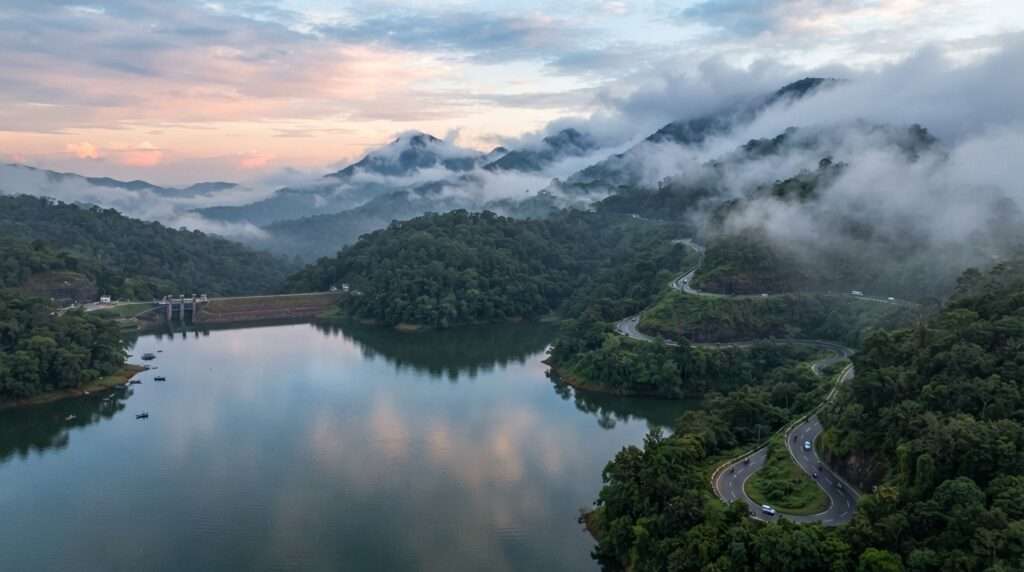
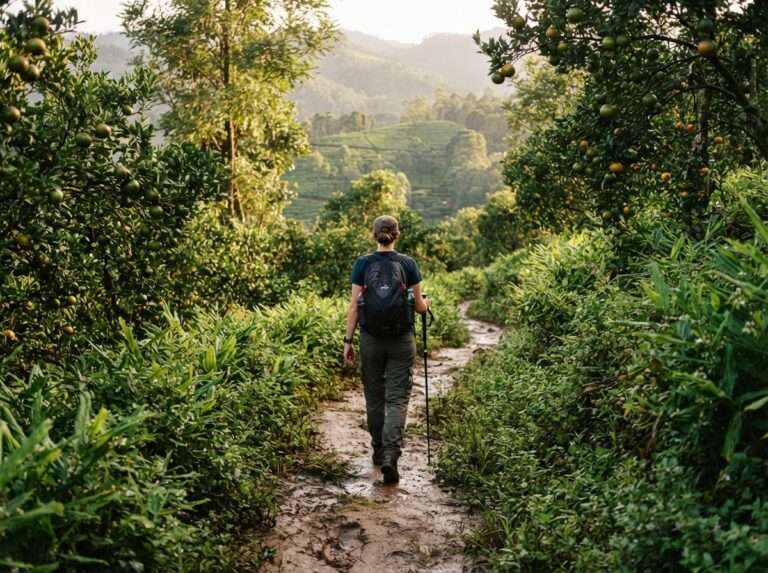
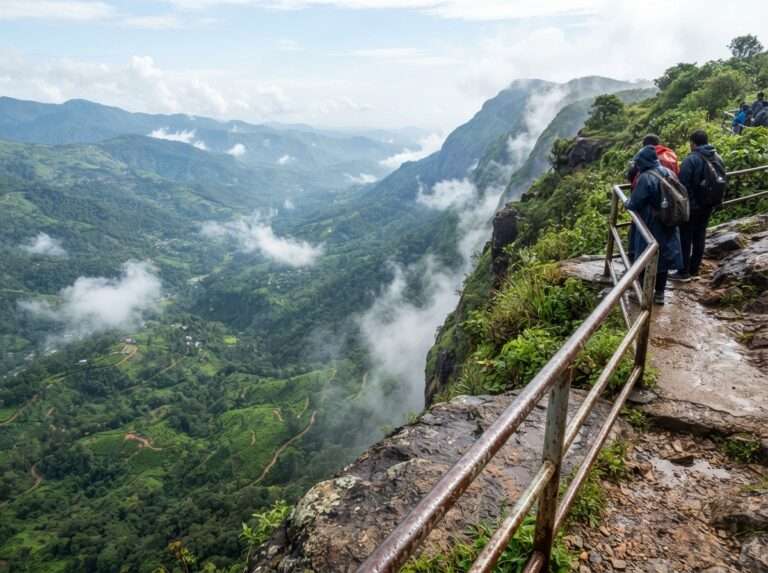
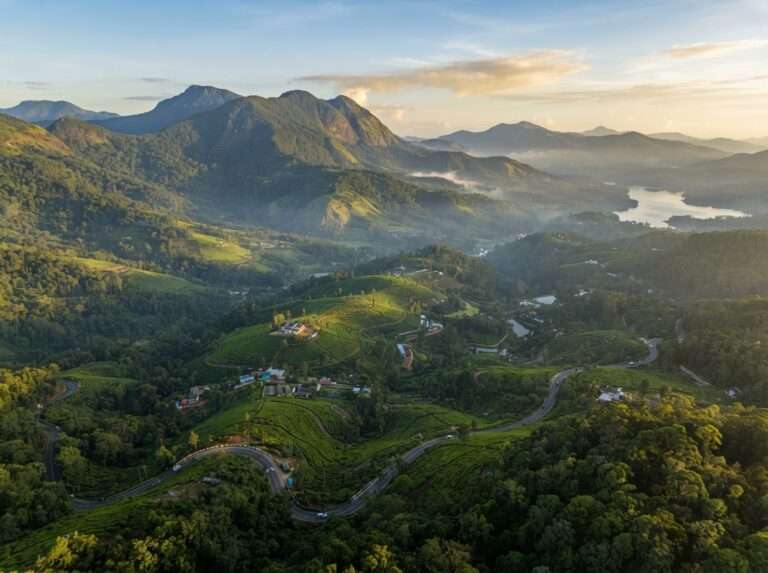
Nelliyampathy, up a famously scenic ghat road from Nenmara in Palakkad, is orange-orchard and cardamom-estate country that spends the monsoon wrapped in cloud. Pothundy Dam on the way up is a picnic favourite, and the Seetharkundu viewpoint drops away into green when the mist parts. The forty hairpin bends are slow in the wet, so start early and drive carefully.
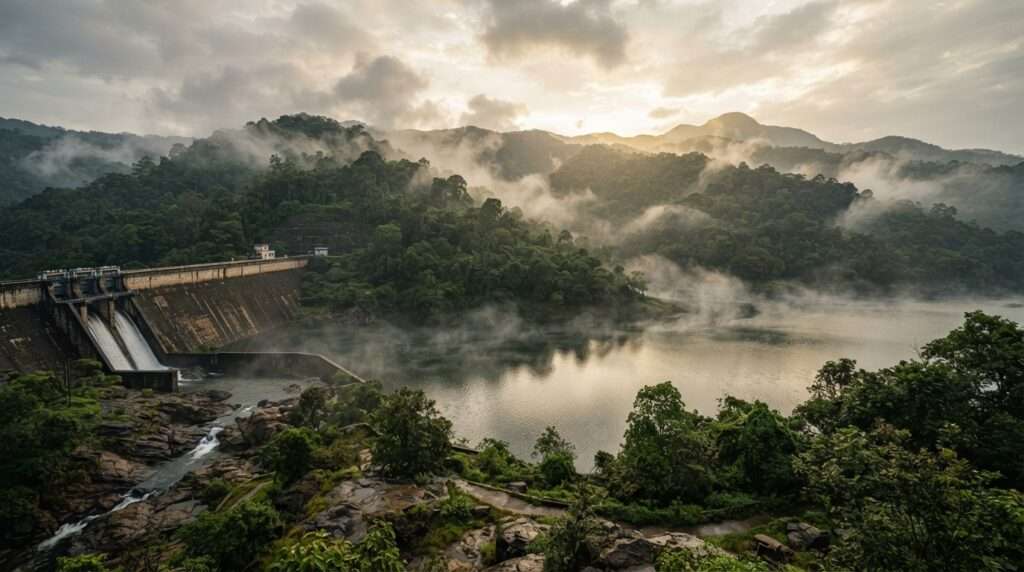
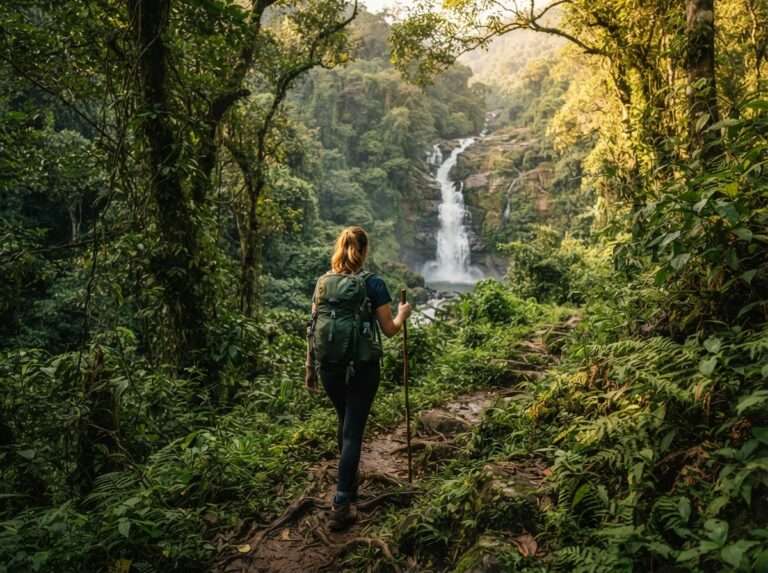
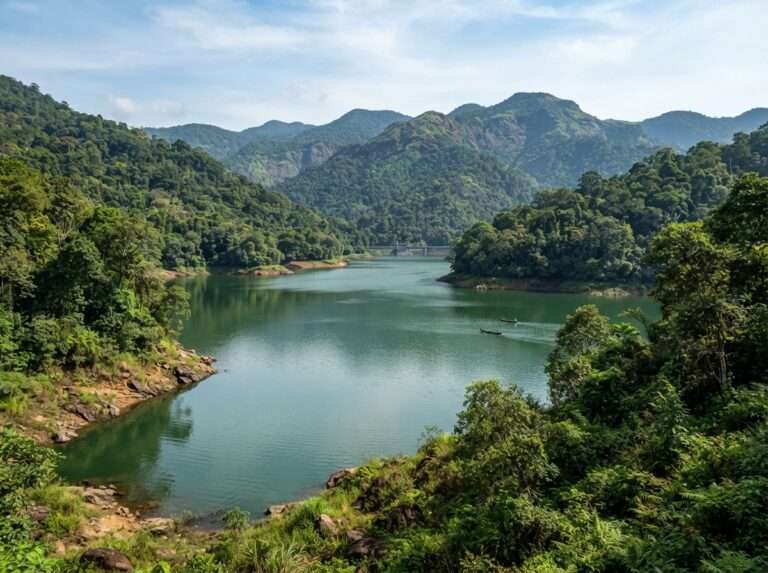
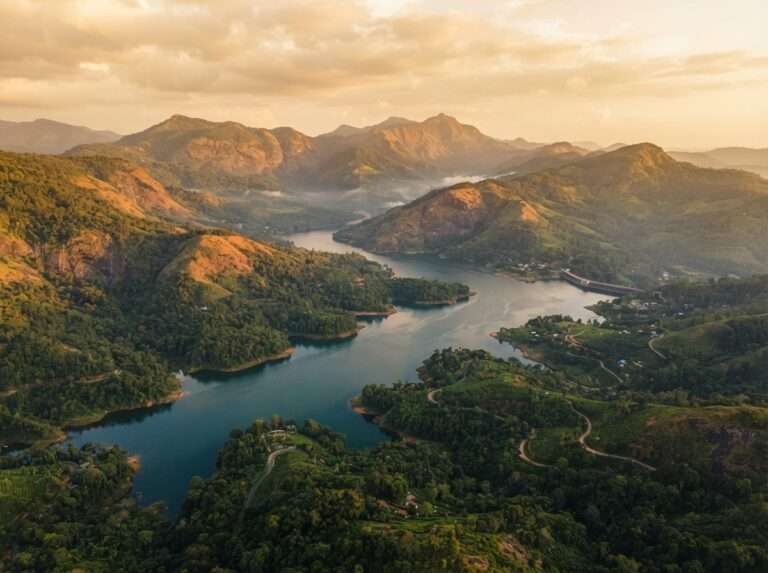
Kakkayam, near Kozhikode on the edge of the Malabar Wildlife Sanctuary, is a dam-and-forest pocket of the Western Ghats that comes into its own once the heaviest rain eases. Hidden waterfalls, the reservoir and trekking trails into the sanctuary make it a fine day out for anyone already in the Malabar north. Go when the downpour lets up rather than in the thick of a storm.
The monsoon is not one long block of rain. Early June is dramatic and wet, August pairs the greenery with the Onam festival, and by October the rain turns lighter and more forgiving. Here is how the season breaks down for a traveller.
| Month | Rain | Best for |
|---|---|---|
| June | Heavy (monsoon onset) | Waterfalls at full force, lowest rates, greenest hills; keep plans flexible |
| July | Heavy | Ayurveda (Karkidakam begins), misty Munnar and Wayanad, quiet backwaters |
| August | Heavy, easing late | Onam festival and snake-boat races, lush landscapes, backwater cruises |
| September | Moderate, tapering | Comfortable hill trips, still-full falls, thinning rain |
| October to November | Lighter (retreating monsoon) | Gentler rain, good all-rounder, coast becomes viable again |
There is a reason Kerala’s Ayurveda resorts are busiest when it rains. In tradition, the cool, damp monsoon air opens the pores and calms the body, which makes it the ideal window for detox and rejuvenation therapies. The Malayalam month of Karkidakam, roughly mid-July to mid-August, is the classic season for Karkidaka Chikitsa: a supervised course of massages, herbal steam, medicated diets and rest. Wayanad, Kumarakom, Kovalam and the resorts around Kottayam run structured monsoon packages that range from a three-day reset to a two-week programme. If wellness is the point of your trip, this is the season to book it, and our Kerala tour packages can bundle an Ayurveda stay into a wider monsoon itinerary.
If you are matching the trip to who you are travelling with, start here, then read the full entries above for the detail.
| Traveller type | Best places | What to expect |
|---|---|---|
| Couples | Munnar, Kumarakom, Vythiri | Misty tea roads, romantic houseboat stays, private rain-view dining |
| Families | Thekkady, Athirappilly, Wayanad | Forest safaris, waterfall viewpoints, easy nature walks and picnics |
| Adventure seekers | Wayanad, Idukki, Vagamon | Guided treks, ziplining, camping and cool-weather hikes |
| Wellness travellers | Kumarakom, Kovalam, Wayanad | Karkidakam Ayurveda courses, yoga, herbal therapies |
| Solo and quiet-seekers | Varkala, Bekal, Ponmudi | Cliff and fort walks, empty coasts, slow cafe mornings |
A week is enough to link a waterfall, the hills and the backwaters in one loop with no backtracking, with drives of roughly two to four hours between bases. Here is a route that works from a Kochi arrival.
| Days | Base | Highlights |
|---|---|---|
| 1 | Athirappilly | Drive in from Kochi (about 2 hours) to the falls in full spate and the Vazhachal rainforest; overnight near the falls or in Thrissur |
| 2 to 3 | Munnar | Tea estates in the mist, Attukad falls, Kundala Lake, estate-fresh tea (about 4 hours from Athirappilly) |
| 4 to 5 | Thekkady | Periyar boat cruise (weather allowing), spice-plantation walk, Kumily market (about 3 to 4 hours from Munnar) |
| 6 to 7 | Alleppey / Kumarakom | Overnight houseboat on the backwaters, an Ayurveda session to finish; Kochi airport is about 2 hours away |
Prefer not to juggle drivers and houseboat bookings in the rain? A customised Kerala monsoon tour package can chain any of these bases with transport, weather-flexible stays and Ayurveda built in.
Travel light on the land, too. Kerala has banned single-use plastics, so carry a refillable bottle and avoid littering in the backwaters and forests. Choose eco-lodges and community homestays, and hire local guides for treks and plantation walks; they know which routes stay safe when the rain closes the usual paths. For more ideas on where to base yourself, the Kerala tourism guide maps out the regions in full.
Green hills, full waterfalls, empty backwaters and the best Ayurveda season of the year: that is the case for visiting Kerala in the rains, and these 16 places are where it plays out best. Pack for the wet, keep your plans loose, and you get a greener, cheaper, quieter version of God’s Own Country that most visitors never see. When you are ready to build it into a trip, our Kerala tour packages can shape the route, the stays and the timing around the monsoon.
Quick answers on safety, the best month, waterfalls, houseboats, Ayurveda, packing and costs
Yes, Kerala is safe to visit during the monsoon if you plan sensibly. The bigger towns, backwaters, hill resorts and heritage sites run as normal. The main risks are slippery treks, swollen rivers and the odd landslip on ghat roads, so check the forecast, avoid river swimming and waterfall pools, and keep a day of slack in your plans. Most travellers have a smooth, green trip.
It depends on what you want. June and July are the wettest and greenest, with waterfalls at full force and the lowest rates. August brings the Onam festival and snake-boat races. September and the retreating monsoon of October to November are lighter and the easiest for first-timers, with plenty of green still left. For a balance of rain and comfort, aim for late August to October.
Kerala gets two. The main South-West monsoon arrives from the Arabian Sea around early June and lasts into September; it is the heavy, classic monsoon. The retreating North-East monsoon then brings lighter, more scattered rain over October and November. The South-West spell is greener and wetter, while the North-East spell is gentler and easier to travel in.
Munnar and Wayanad for misty tea and forest hills, Athirappilly and Soochipara for waterfalls in full spate, Alleppey and Kumarakom for backwaters in the rain, and Thekkady for green wildlife country. Add Vythiri for a rainforest treehouse, Fort Kochi for heritage that looks better wet, and Vagamon or Ponmudi if you want somewhere quieter. All 16 are mapped in the table above.
Both are excellent; the choice is about mood. Munnar is tea country, more polished, better for a romantic couples' trip with easy drives and estate stays. Wayanad is wilder and more spread out, with caves, waterfalls, treehouses and plantations, and it suits nature lovers and small families. If you can, do both on one loop; if you must pick one, choose Munnar for scenery and Wayanad for adventure.
Yes, this is exactly when they run at their strongest. Athirappilly, Soochipara, Meenmutty, Attukad, Cheeyappara and Thoovanam all thicken through June to September, which is the main reason waterfall lovers come now. That same force makes them dangerous up close, so view them from the marked points, keep off wet rocks, and never wade into a plunge pool in spate.
Yes, and many travellers say the rains are the best time for it. Backwater houseboats run through the season, and drifting across Vembanad Lake with the rain on the roof and fresh karimeen cooking in the galley is one of the calmest experiences in Kerala. Because you are on sheltered inland water rather than the open sea, it is also one of the safest monsoon choices.
In the Kerala tradition, yes. The cool, humid monsoon air is considered ideal for the body to absorb therapies, which is why the season, and especially the Malayalam month of Karkidakam (roughly mid-July to mid-August), is the classic time for Karkidaka Chikitsa. Resorts in Wayanad, Kumarakom, Kovalam and around Kottayam run structured detox and rejuvenation packages from a few days to two weeks.
For the right traveller, it is the best season. Monsoon tourism in Kerala means the greenest landscapes of the year, waterfalls in full flow, far fewer crowds, off-season room rates and the peak Ayurveda window. The trade-off is rain, the odd washed-out road and rough seas on the coast. If you want beaches and guaranteed sun, choose winter; if you want green, value and calm, choose the monsoon.
Pack quick-dry clothes, a light rain jacket or poncho, waterproof or grippy footwear, and a dry bag to protect your phone and camera. Add insect repellent for the forest lodges, a power bank for patchy hill power, and a small umbrella. Leave heavy denim at home; it never dries. Sandals with good grip beat smooth-soled shoes on wet stone and jetty steps.
Usually, yes. Monsoon is the off-season, so hill resorts, backwater houseboats and Ayurveda centres often drop their rates, and the big sights are far less crowded than in December. You get the same tea hills, backwaters and waterfalls, greener than ever, for less money. Book flexible stays and keep a little buffer in the budget for a rearranged day if the weather turns.
Real reviews from real travelers who booked with us.
View All Reviews