6D / 5N
8% OFF
6D / 5N
8% OFF
Romantic Bangkok And Phuket Honeymoon Tour
- Hotel
- Meals
- Sightseeing
- Airport Transfer
- Cruise
₹19,022
₹17,500 /pp


Thailand is the country known as the Land of White Elephants. The nickname comes from an old Thai tradition in which rare white elephants were treated as sacred symbols of a king’s power, prosperity, and Buddhist merit. Kings collected them, and owning many marked a great and righteous reign.
Key Takeaways
White Elephants in Thailand
Best Time
November - February
Select Package Type


| Question | Answer |
| Which country? | Thailand (the Kingdom of Thailand) |
| Why the name? | White elephants were sacred symbols of a king’s power and Buddhist merit |
| Are they albino? | No. Pale, pinkish skin and specific royal-household traits, not albinism |
| How many are left? | No official count; around 30 are commonly cited, mostly in Thailand and Myanmar |
| National animal? | The elephant; the white elephant is a national royal symbol |
| Where to see them? | Royal Elephant National Museum (Bangkok), Ayutthaya, and ethical parks near Chiang Mai |
The name is older than modern Thailand itself. In the kingdoms of Sukhothai and Ayutthaya, a white elephant was seen as a gift from the heavens, and any that were found belonged to the king by right. They were never worked or sold. Instead they were bathed, blessed, and paraded on the most important state occasions.
Two ideas sit behind this reverence. The first is Buddhist. Tradition holds that Queen Maya, the Buddha’s mother, dreamed of a white elephant entering her side on the night she conceived him, so the animal became linked with purity and the arrival of a great being. In Buddhist belief a chakravartin, or universal righteous monarch, is said to possess a precious white elephant among his treasures. A Thai king who owned white elephants was therefore telling the world that his rule was blessed and legitimate.
The second idea is plain royal power. The number of white elephants in a ruler’s stable became a public scoreboard of his prestige. More elephants meant a greater reign. That is why Thai monarchs actively hunted for them, and why European travellers, struck by the sight of elephants treated like princes, began calling Siam the Land of White Elephants. Across South Asia the same nickname is searched in local languages, from the Bengali সাদা হাতির দেশ to the Hindi सफेद हाथियों की भूमि (safed hathiyon ki bhumi).
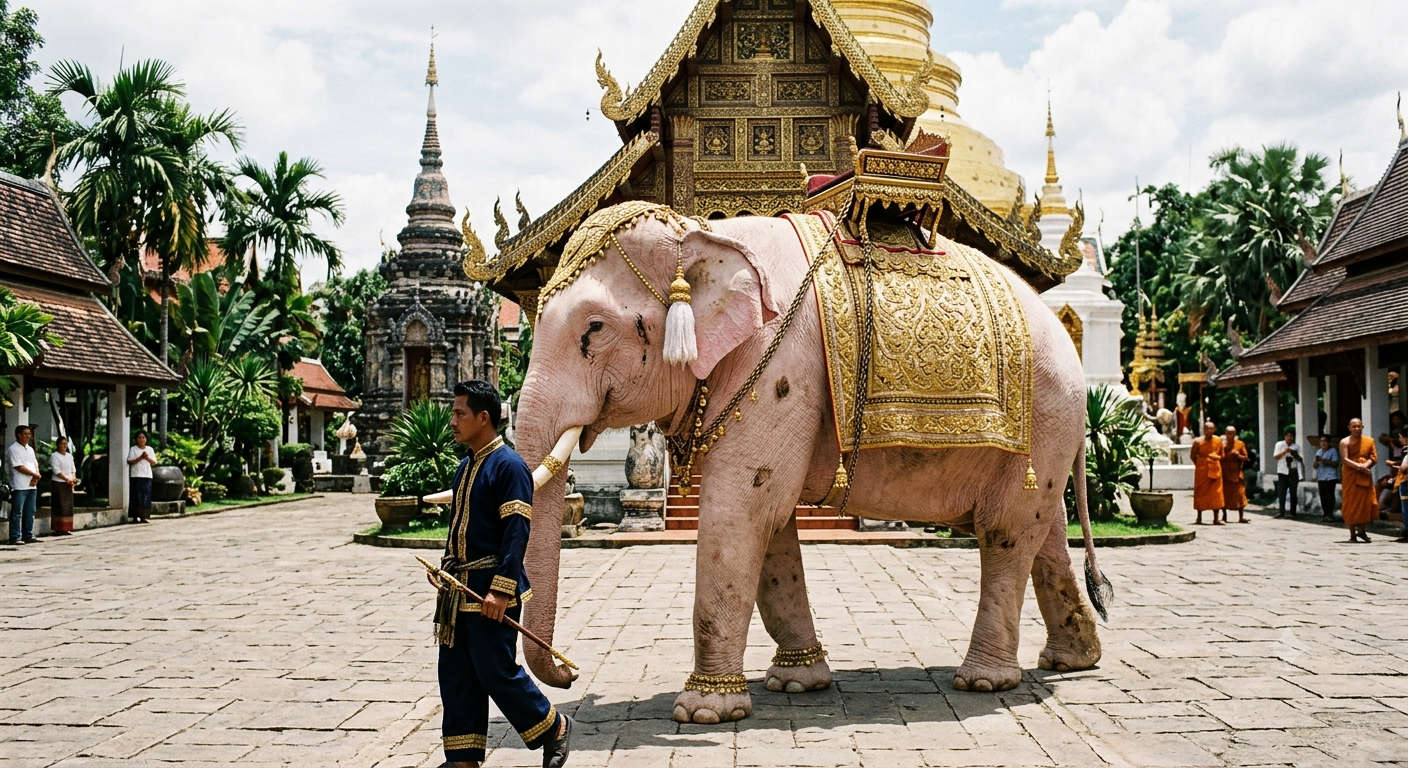
Here is the honest answer most people get wrong. A Thai white elephant is not albino, and it is usually not actually white. It is an ordinary Asian elephant born with a set of pale features that the royal household looks for. These can include pinkish or reddish-brown skin that turns a soft pink when wet, pale eyes, pale toenails, fine light-coloured hair, and a pale palate. Officials from the Bureau of the Royal Household still inspect a candidate against a traditional checklist of these traits before the animal is recognised as royal.
So a “white” elephant is really a rare colour variation, graded by custom rather than biology. That rarity is exactly what made it precious.
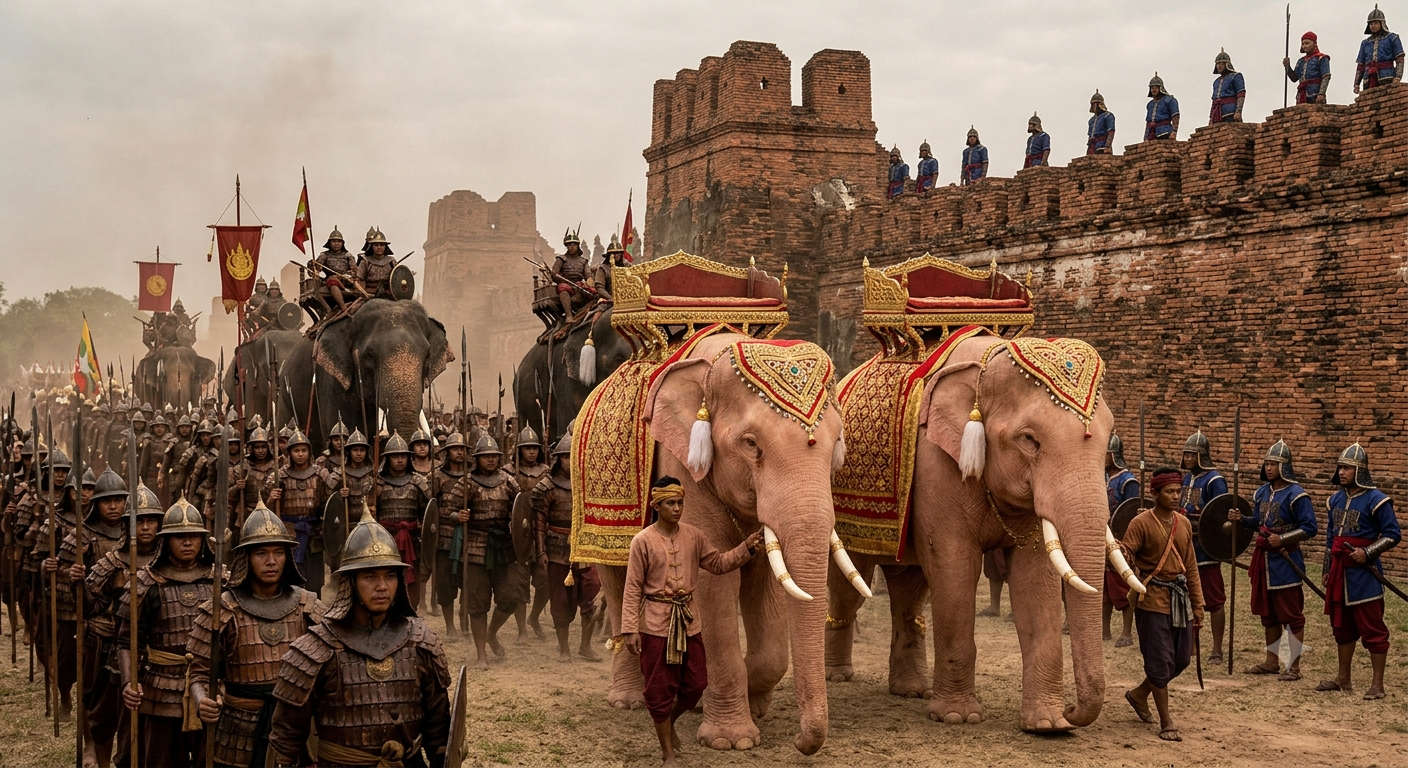
White elephants were valued so highly that they started a war. In 1563 King Bayinnaung of Burma demanded that King Maha Chakkraphat of Ayutthaya hand over two of his prized white elephants. The Siamese refused, and the Burmese invaded. The conflict is remembered as the War of the White Elephants, one of the clearest signs of just how much political weight these animals carried.
The tradition outlasted the war. Any white elephant found in the kingdom was, and formally still is, presented to the reigning monarch. It becomes crown property, given a title and a place in the royal stables rather than a working life. This is also where the English phrase “white elephant”, meaning a costly possession that is more burden than benefit, is thought to come from. The story goes that a displeased king would gift a sacred white elephant to a courtier he wished to ruin. The animal could not be refused, put to work, or given away, yet it cost a fortune to feed and house.
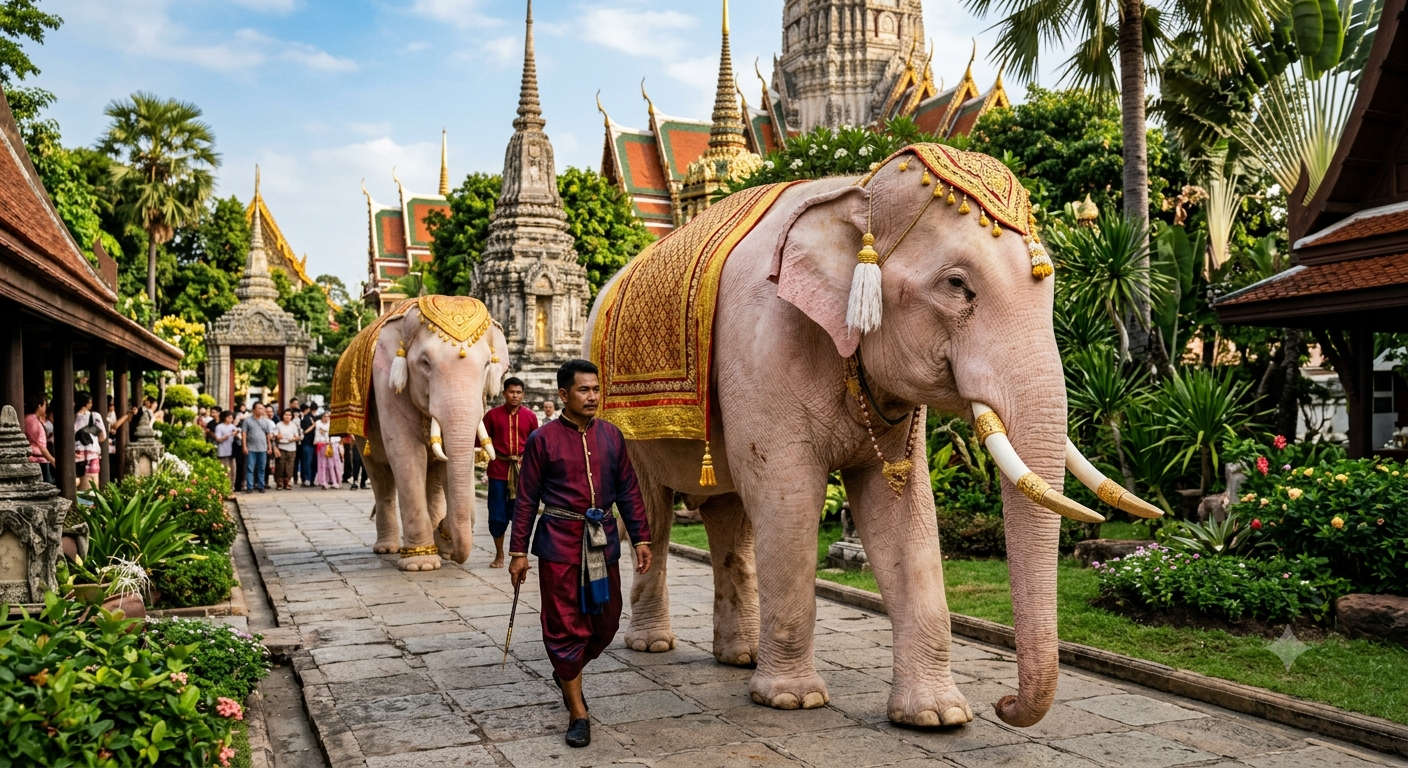
There is no official worldwide census of white elephants, but the figure most often quoted is around 30 alive today, nearly all of them in Thailand and Myanmar. In Thailand they are concentrated in the royal herd. King Bhumibol Adulyadej, who reigned from 1946 until his death in 2016, assembled the largest royal collection of modern times, with around ten white elephants held in the royal stables at its peak. Because every recognised white elephant automatically belongs to the crown, they are counted, titled, and cared for rather than left in the wild.
This is why anyone who asks “how many white elephants are left” rarely finds a clean number. The animals are genuinely rare, the definition is traditional rather than scientific, and no single body publishes a global tally.
Thailand is the primary answer, but it is not the only Southeast Asian country tied to elephants in its royal history. Here is how the three compare.
| Country | Link to the name | Why |
| Thailand (Siam) | The Land of White Elephants (primary answer) | White elephants were sacred royal property, appeared on the national flag until 1917, and still fly on the Royal Thai Navy ensign. |
| Myanmar (Burma) | Historic rival claim | Burmese kings once held the title “Lord of the White Elephant” and still keep revered white elephants today. |
| Laos | “Land of a Million Elephants” (Lan Xang) | The old kingdom Lan Xang meant “a million elephants”, a related but different elephant title referring to elephants in general. |
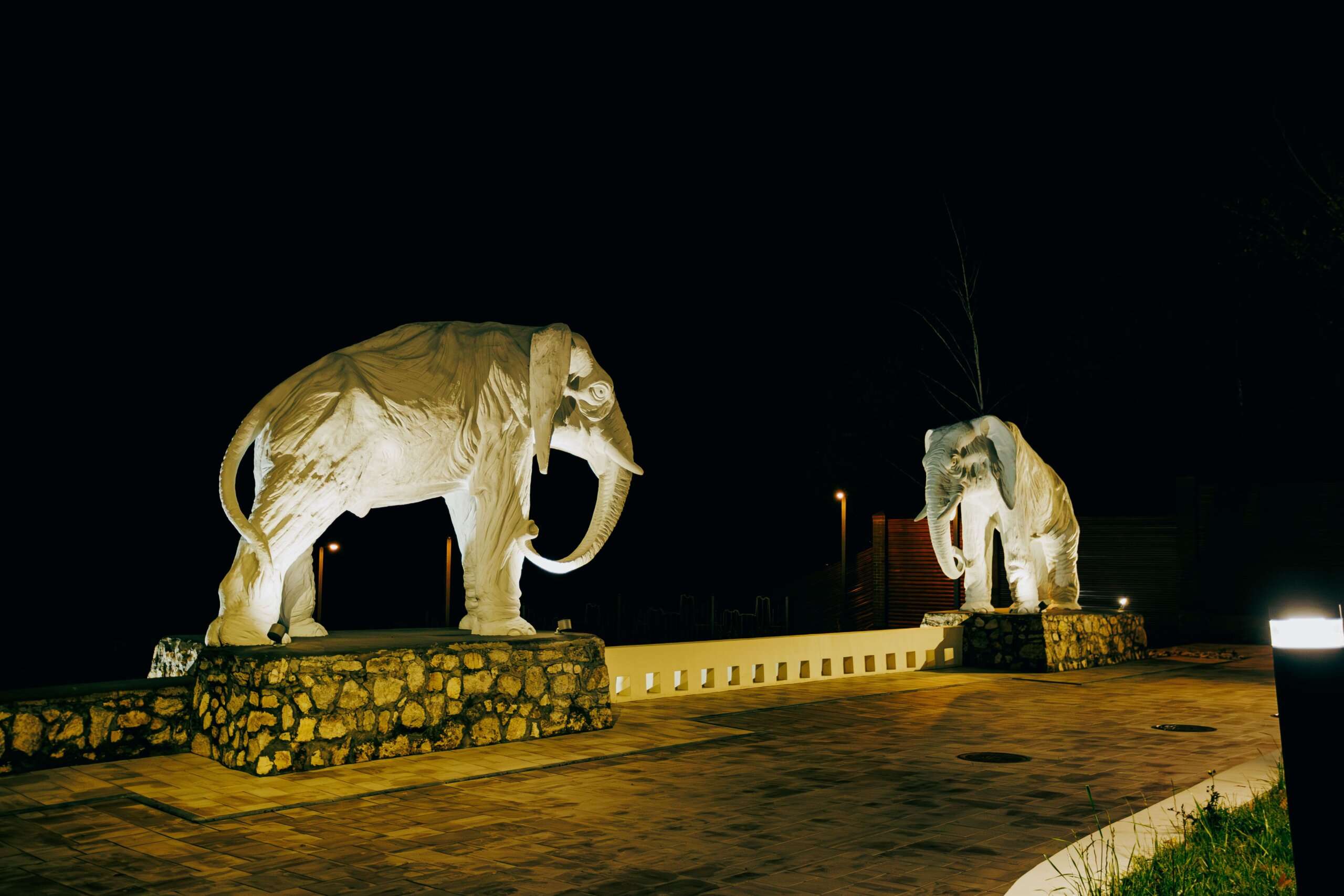
The white elephant is stitched into Thailand’s national identity. From about 1855 until 1917, the national flag of Siam was a white elephant on a plain red field. King Vajiravudh (Rama VI) replaced it with today’s five-striped tricolour in 1917, but the elephant did not disappear. A white elephant on red still flies as the ensign of the Royal Thai Navy. The elephant is also Thailand’s national animal, and the country marks National Thai Elephant Day every 13 March in its honour. When people call Thailand the Land of White Elephants, they are pointing at a symbol the country has never really put down.
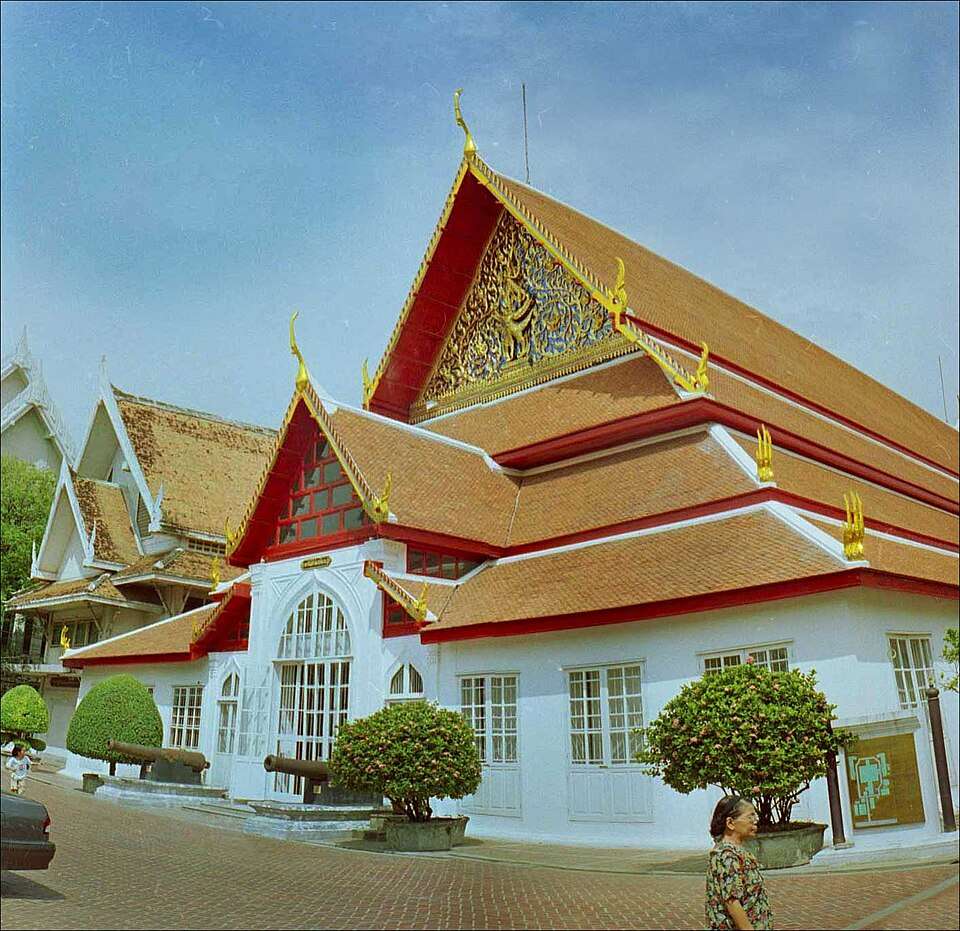
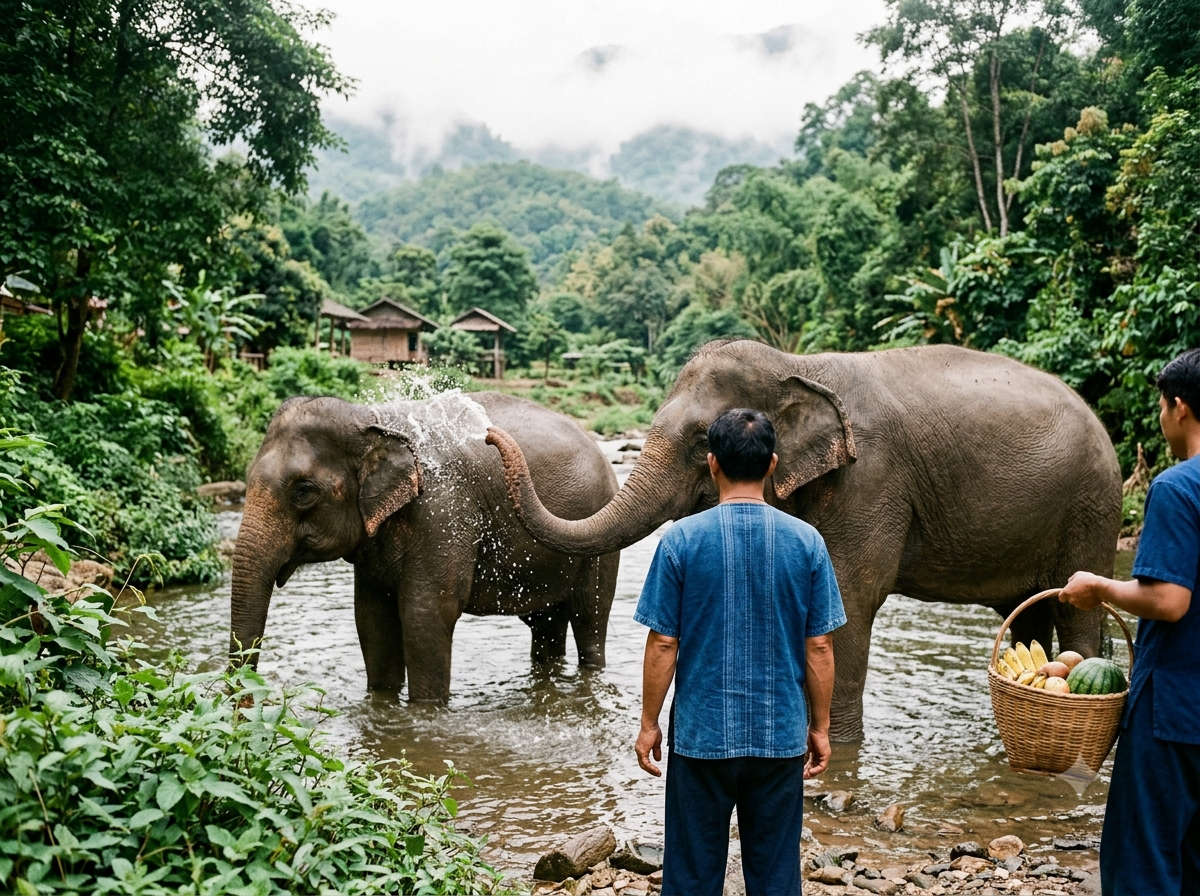
You will not find white elephants roaming freely, because the recognised ones are royal property. You can still get close to the tradition, and to Thailand’s elephants in general, at a handful of respectful places. Choose venues that let you observe and learn rather than ride, since riding is now widely discouraged on welfare grounds.
| Place | Where | What you will see |
| Royal Elephant National Museum | Dusit, Bangkok | Former royal stables that once housed the king’s white elephants, now a small museum on the tradition. |
| Ayutthaya Elephant Kraal | Ayutthaya, about 80 km north of Bangkok | The historic royal corral where wild elephants were once rounded up for the crown, near the old temple city. |
| Ethical sanctuaries near Chiang Mai | Northern Thailand | No-riding parks where you can watch, feed, and learn about rescued Asian elephants. |
Ayutthaya rewards a full day: pair the old kraal with the ruins of the royal capital, and read our guide to the country’s best temples in Thailand before you go.
White elephants are why a whole country carries a nickname: rare, sacred, royal, and rooted in centuries of Thai belief. Understand them and you understand something real about Thailand, from its old flag to its temples to its living traditions. If the story leaves you wanting to see this side of the country for yourself, our Thailand tour packages and Thailand travel guide are a good place to start planning a respectful, elephant-friendly trip.
Thailand. The Kingdom of Thailand earned the name because its kings prized rare white elephants as sacred symbols of royal power and Buddhist merit. Owning many was proof of a great reign, and the animals still hold official rank in the royal household. Neighbouring Myanmar shares a historic claim, but Thailand is the country the phrase points to.
Because white elephants were treated as gifts from the heavens and belonged to the king by right. A Buddhist legend links the white elephant to the birth of the Buddha, and in Buddhist tradition a righteous universal monarch is said to own one. So a Thai king with many white elephants was signalling that his rule was blessed, legitimate, and powerful.
There is no official global count, but the figure most often cited is around 30, nearly all of them in Thailand and Myanmar. In Thailand they belong to the royal herd rather than living in the wild. King Bhumibol Adulyadej held the largest modern royal collection, with roughly ten in the royal stables at its height.
Neither, usually. A Thai white elephant is not albino and is rarely truly white. It is an Asian elephant with pale features the royal household grades by tradition: pinkish skin that turns soft pink when wet, pale eyes, pale toenails, and fine light hair. It is a rare colour variation, not a separate species.
They stand for royal power, prosperity, good fortune, and Buddhist merit. Because they were seen as heaven-sent, any white elephant found became crown property and was blessed, titled, and cared for rather than worked. Their number reflected a king’s prestige, which is why Thai monarchs collected them.
It was a 1563 conflict between Burma and the Siamese kingdom of Ayutthaya. The Burmese king Bayinnaung demanded two of King Maha Chakkraphat’s white elephants, and when Siam refused, Burma invaded. The war shows how much political and spiritual weight these animals carried in the region.
From this same tradition. A sacred white elephant could not be worked, sold, or refused, yet it cost a fortune to keep. Legend says a Siamese king would gift one to a courtier he disliked, quietly ruining him with the upkeep. That is how "white elephant" came to mean a grand possession that is more burden than benefit.
Myanmar (Burma) is the closest rival: its kings once held the title Lord of the White Elephant and still keep revered white elephants today. Laos is linked through its old kingdom Lan Xang, which meant "land of a million elephants", though that refers to elephants in general rather than white ones.
Thailand. This question often appears as a multiple-choice quiz with Korea, Japan, and Tanzania as options, but the answer is always Thailand, thanks to its royal white-elephant tradition.
You cannot see the royal white elephants freely, since they are crown property. You can visit the Royal Elephant National Museum in Bangkok, the historic Ayutthaya Elephant Kraal, and no-riding sanctuaries near Chiang Mai to learn about the tradition and meet Thailand’s elephants up close.
Real reviews from real travelers who booked with us.
View All Reviews