5D / 4N
19% OFF
5D / 4N
19% OFF
Andaman Family Holiday For 4 Nights 5 Days
- Hotel
- Meals
- Sightseeing
- Transfers
₹23,574
₹18,990 /pp
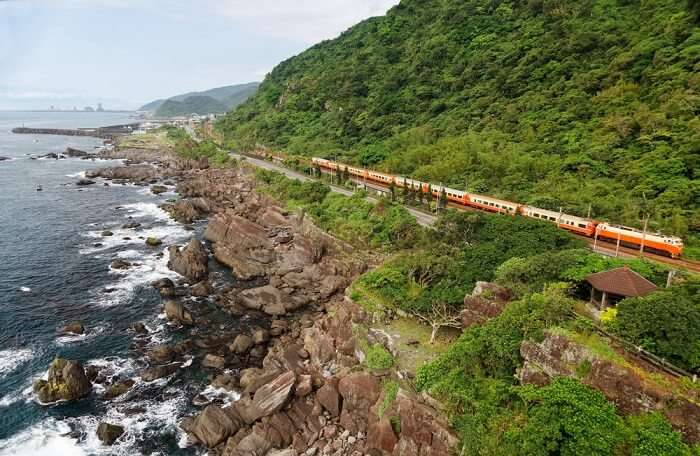


Yes, the Andaman & Nicobar Islands are set to get their first-ever railway line: a 240 km broad-gauge line from Port Blair (officially Sri Vijaya Puram) to Diglipur, in the far north of the archipelago. Indian Railways has cleared the roughly Rs 2,413.68 crore project for its “uniqueness and strategic importance,” and once built it would shrink a journey that today takes 10 to 12 hours by road down to about three hours by train. Here is exactly what the project is, why the islands have never had a railway, where it stands now, and how you can still reach Diglipur in the meantime.
Key takeaways
Top Andaman Packages you Must Explore
Best Time
October - May
Select Package Type


| Detail | Figure |
| Route | Port Blair (Sri Vijaya Puram) to Diglipur, North Andaman |
| Length | Approx. 240 km |
| Gauge | Broad gauge (1,676 mm) |
| Estimated cost | Rs 2,413.68 crore |
| Rail travel time | About 3 hours (vs 10 to 12 hours by road today) |
| Status | Cleared by Indian Railways; not yet under construction (mid-2026) |
| Why it matters | First railway in the islands; strategic value, Diglipur is ~300 km by sea from southern Myanmar |
| Who it serves | Islanders, defence forces, and the 4 lakh+ tourists who visit Andaman each year |
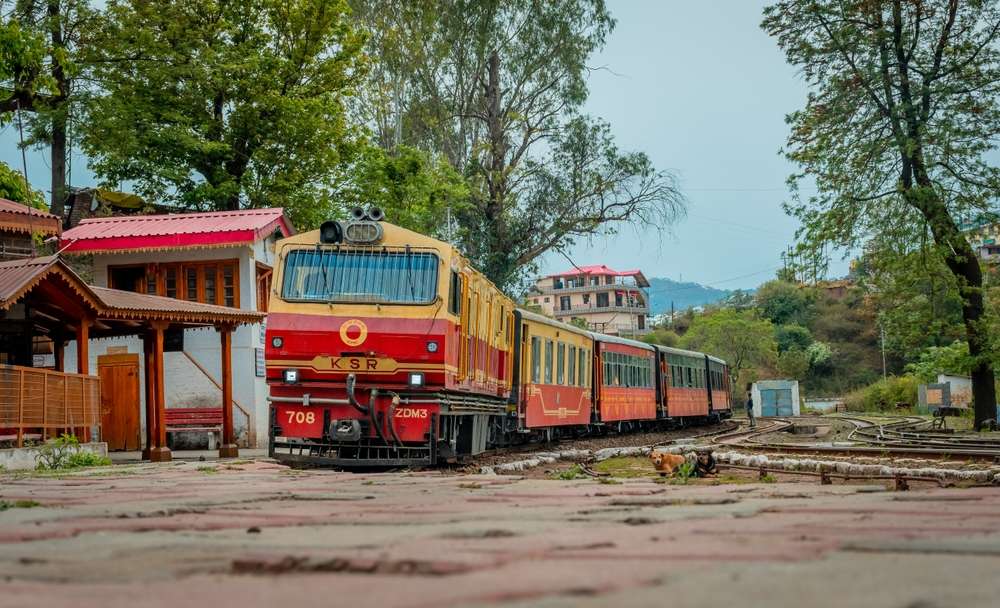
The project is a single broad-gauge railway line connecting the islands’ capital, Port Blair, renamed Sri Vijaya Puram on 13 September 2024, with Diglipur, the largest town in North Andaman. At roughly 240 km, it would be the only railway anywhere in the Andaman & Nicobar Islands and one of the very few railway lines in the country built almost entirely on an island chain.
Andaman today runs on just two kinds of long-distance transport: aircraft and boats. There is no train, no metro and no expressway. The proposed line is designed to change that for the islands’ busiest north-to-south corridor, the same route the Andaman Trunk Road (ATR) struggles to serve in a single comfortable day.
Because the islands are narrow and mountainous, the alignment is planned largely along the coast, carried on bridges and embankments where the terrain demands it. That coastal routing is also why the line is being talked about as a tourist draw in its own right. Passengers would get long stretches of sea-and-forest views from the window, the kind of scenery that, on the mainland, people travel to the Konkan or the Nilgiris specifically to see. Our writers who have driven the ATR can confirm the corridor is genuinely spectacular, and a rail line would open it to anyone who finds the bus or ferry tiring.
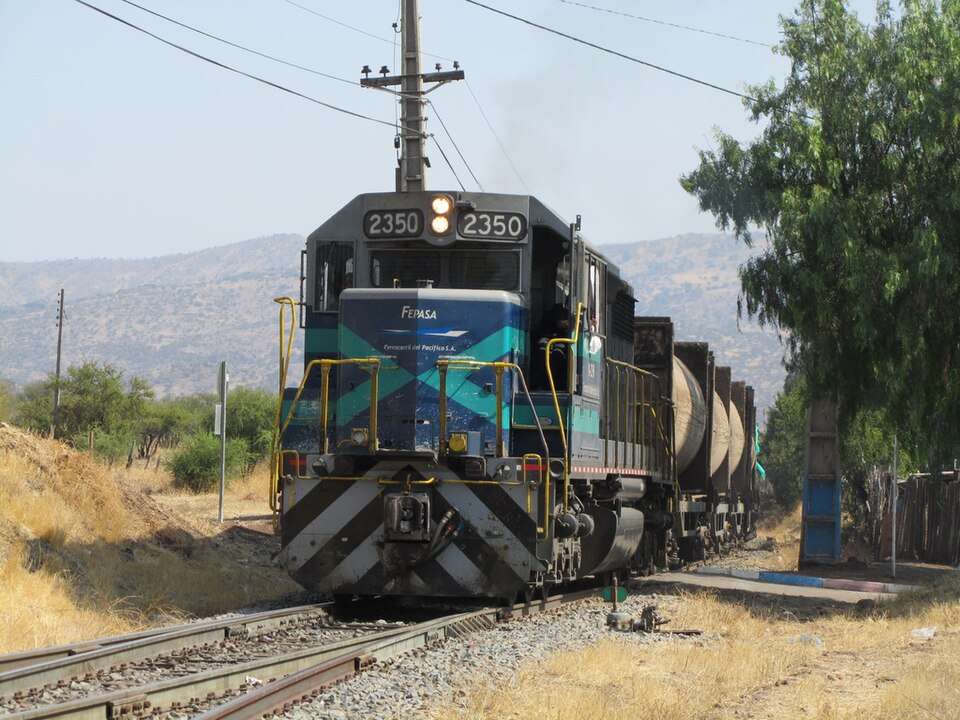
There is no railway station in the Andaman Islands, and no railway station in Port Blair either. If you search for a Port Blair railway station you will not find one, because the islands have never had a train. That is exactly what the proposed Port Blair to Diglipur line would change.
So what is the nearest railway station to Andaman? Because the islands sit far out in the Bay of Bengal, well off India’s east coast, the nearest railway stations are all on the mainland. The three main railheads travellers use are Chennai, Kolkata (Howrah) and Visakhapatnam. From any of them you cover the sea gap by air or by ship, never by rail. Here is how the three compare:
| Nearest mainland railway station | Distance to Port Blair (by sea) | How you finish the trip |
| Chennai (Chennai Central / MAS) | ~1,330 km | Fly in about 2 hours, or sail about 2.5 to 3 days on the government ship |
| Kolkata (Howrah / Kolkata) | ~1,255 km | Fly in about 2 hours 20 minutes, or sail about 2.5 to 3 days |
| Visakhapatnam (Visakhapatnam Jn / VSKP) | ~1,200 km | Sail on the periodic Vizag ship (about 2.5 days); flights are limited, usually one-stop |
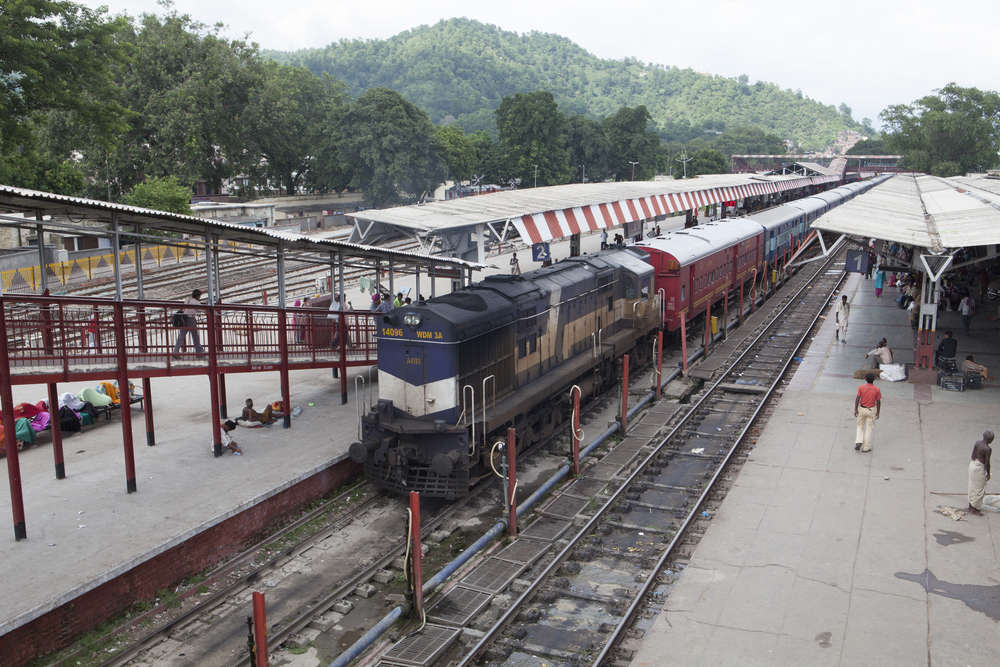
In other words, any train journey towards Andaman ends at the coast. The islands themselves are reached only by plane or boat, and once you land at Port Blair the onward leg to Diglipur still takes a full day by road or ferry. Closing that internal gap is the whole point of the planned Port Blair to Diglipur railway, which we cover in detail below, though even then you would still fly or sail to reach Port Blair first.
Three reasons, all of them practical:
What changed is the lens. Indian Railways’ Planning and Finance directorates cleared the line not on profit but because it is, in their words, “unique, away from the mainland, and has tourism potential,” and because of its strategic value to the defence forces. Diglipur sits only about 300 km by sea from the southern coast of Myanmar, which makes fast, reliable surface movement to the north of the island chain a national-security asset, not just a tourism convenience.
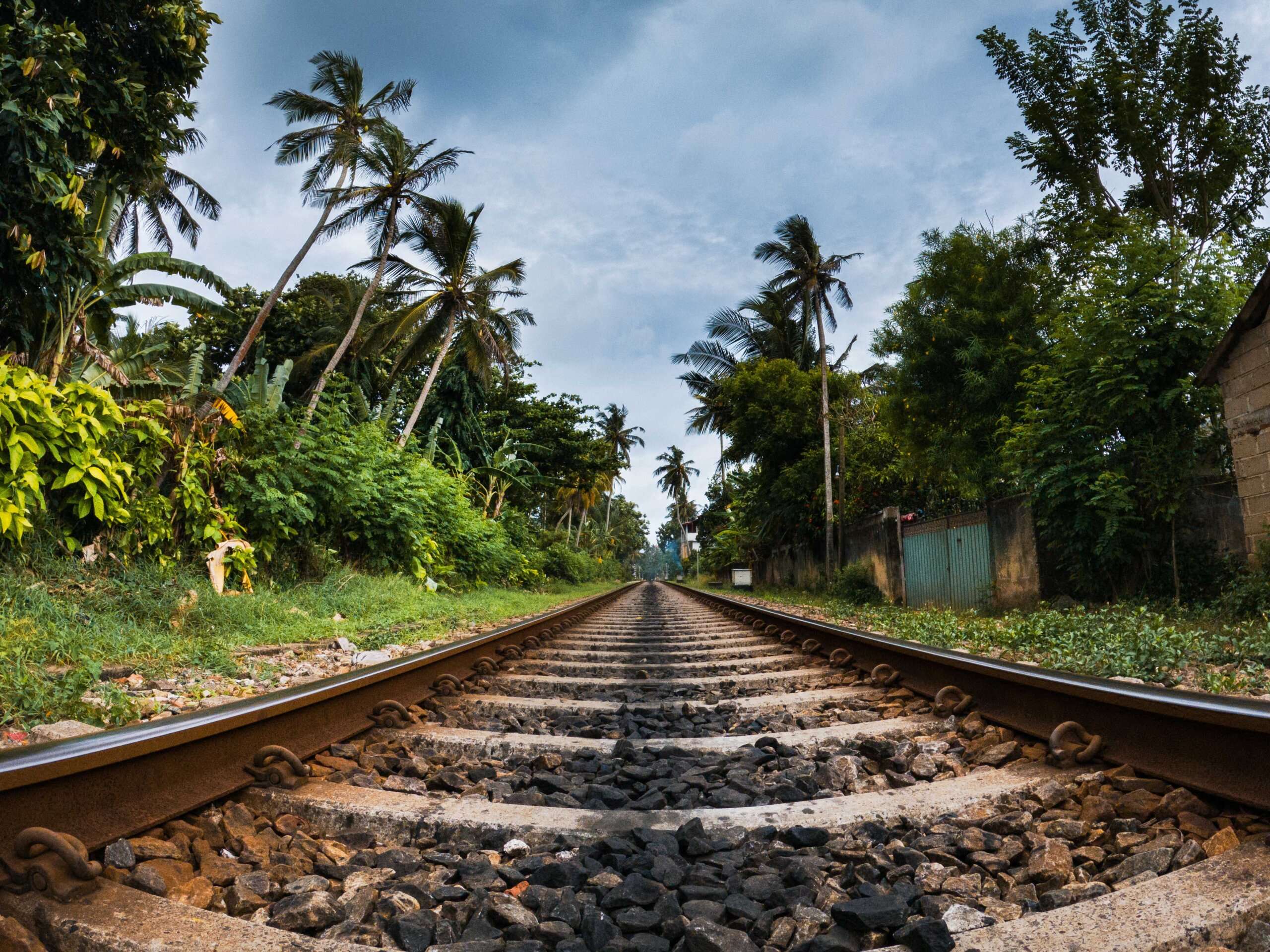
The Port Blair to Diglipur line has one of the longer on-again, off-again histories of any railway in India. The short version:
| Year | What happened |
| Earlier proposals | An Andaman rail link is floated and examined by a Railway Convention Committee, then rejected on cost grounds. |
| 2010 | Then-Railway Minister Mamata Banerjee announces a Port Blair to Diglipur line in Parliament. |
| After 2010 | The project is shelved (“dumped”) twice as the negative return rate keeps stalling sanction. |
| 2018 | Indian Railways gives an in-principle green signal to the 240 km broad-gauge line, citing uniqueness, strategy and tourism rather than profit. |
| 2024 | Port Blair is officially renamed Sri Vijaya Puram (gazette, September 2024), giving the line’s southern terminus its new name. |
| 2026 | The project remains approved in principle but is not yet under construction; surveys and clearances continue. |
In other words, the political will and the in-principle clearance exist, but a confirmed construction start and an opening date do not yet. We will update this section the moment Indian Railways or the A&N administration announces a contract award or groundbreaking.
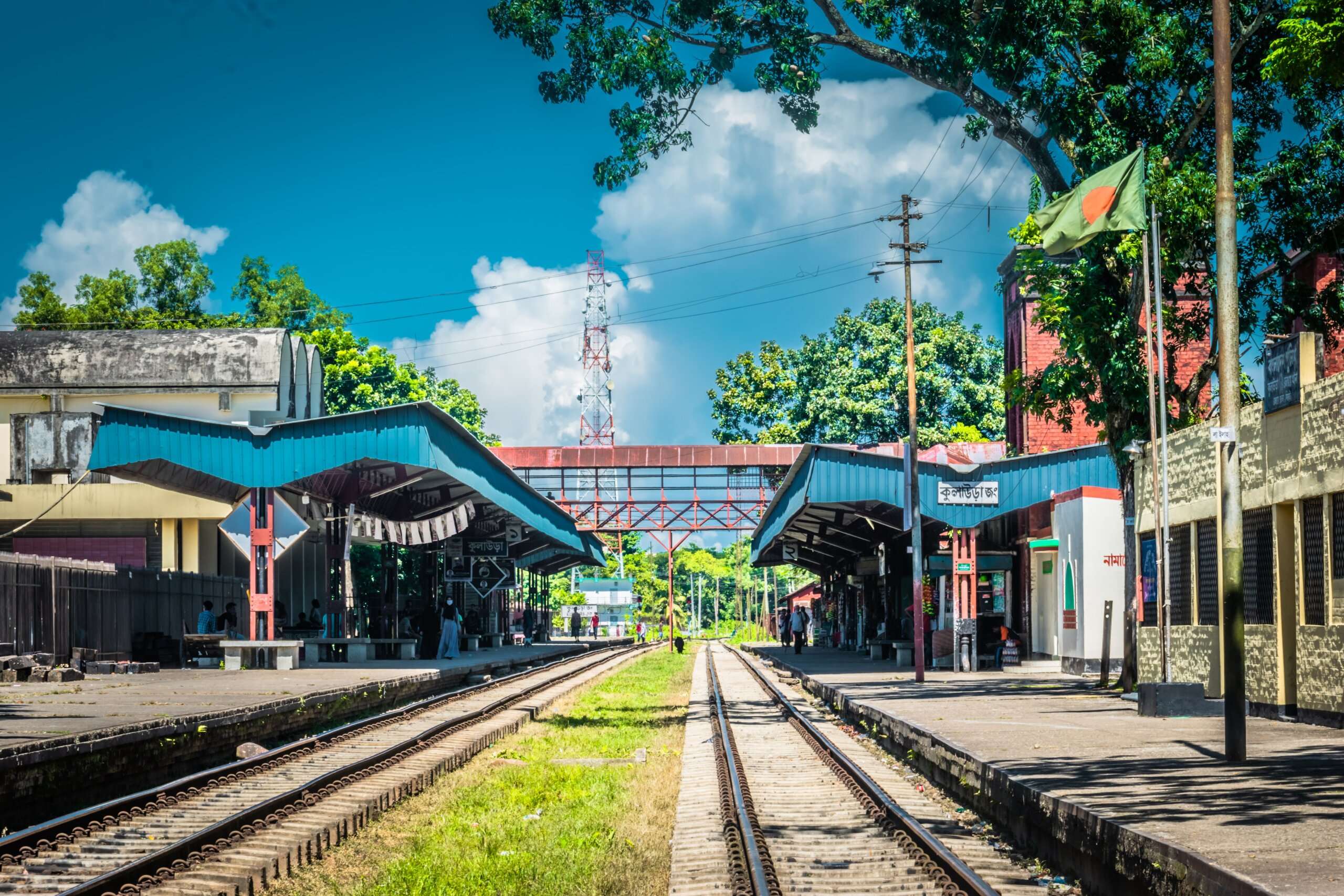
Until the line opens, every traveller heading from Port Blair to Diglipur uses one of four options. Here is how the proposed train compares with what actually runs today:
| Mode | Journey time | Indicative cost | Frequency | Experience |
| Proposed train | ~3 hours | To be announced | Planned regular service | Coastal sea-and-forest views; smooth, weather-resilient |
| Road (ATR bus/cab) | 10 to 12 hours | Govt bus ~Rs 300 to 400 per person; private cab far higher | Daily; buses leave Port Blair around 4:30 AM | Long but scenic; travels in convoy through the Jarawa reserve; tiring |
| Government ferry | 8 to 9 hours | Low, government-subsidised | Not daily; tickets open only 1 to 2 days before sailing | Direct Port Blair to Rangat to Diglipur; can be rough; hard to book |
| Helicopter (Pawan Hans) | ~1 hour | Government rate, limited | Select days, weather-dependent | Fastest, but seats prioritise officials, islanders and medical travel |
| Air to Andaman, then north | ~2 hr flight to IXZ, then road/ferry | Flight fare varies by season | Multiple daily flights to Port Blair | Only gets you to Port Blair; the north leg still takes 8 to 12 hours today |
The takeaway is stark. The railway would do in three hours what currently eats an entire day by road or sea, and it would do it on a fixed schedule that does not depend on ferry availability or helicopter priority lists. For North Andaman tourism, meaning Saddle Peak, the Ross & Smith twin islands and the Kalipur turtle beaches, that is potentially transformational.
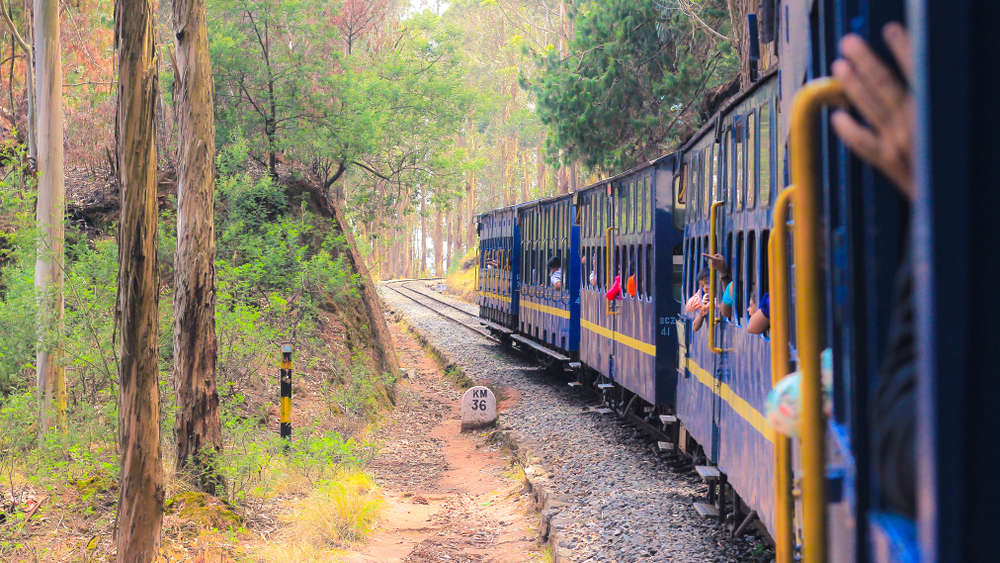
The reason a three-hour train doesn’t already exist comes down to engineering as much as economics. A railway across the Andamans has to solve problems most mainland lines never face:
None of these is a deal-breaker on its own, but together they explain both the high per-kilometre cost and why the government weighs the line on strategic value rather than a profit-and-loss sheet. They are also why a realistic build, once it starts, will be measured in years, not months.
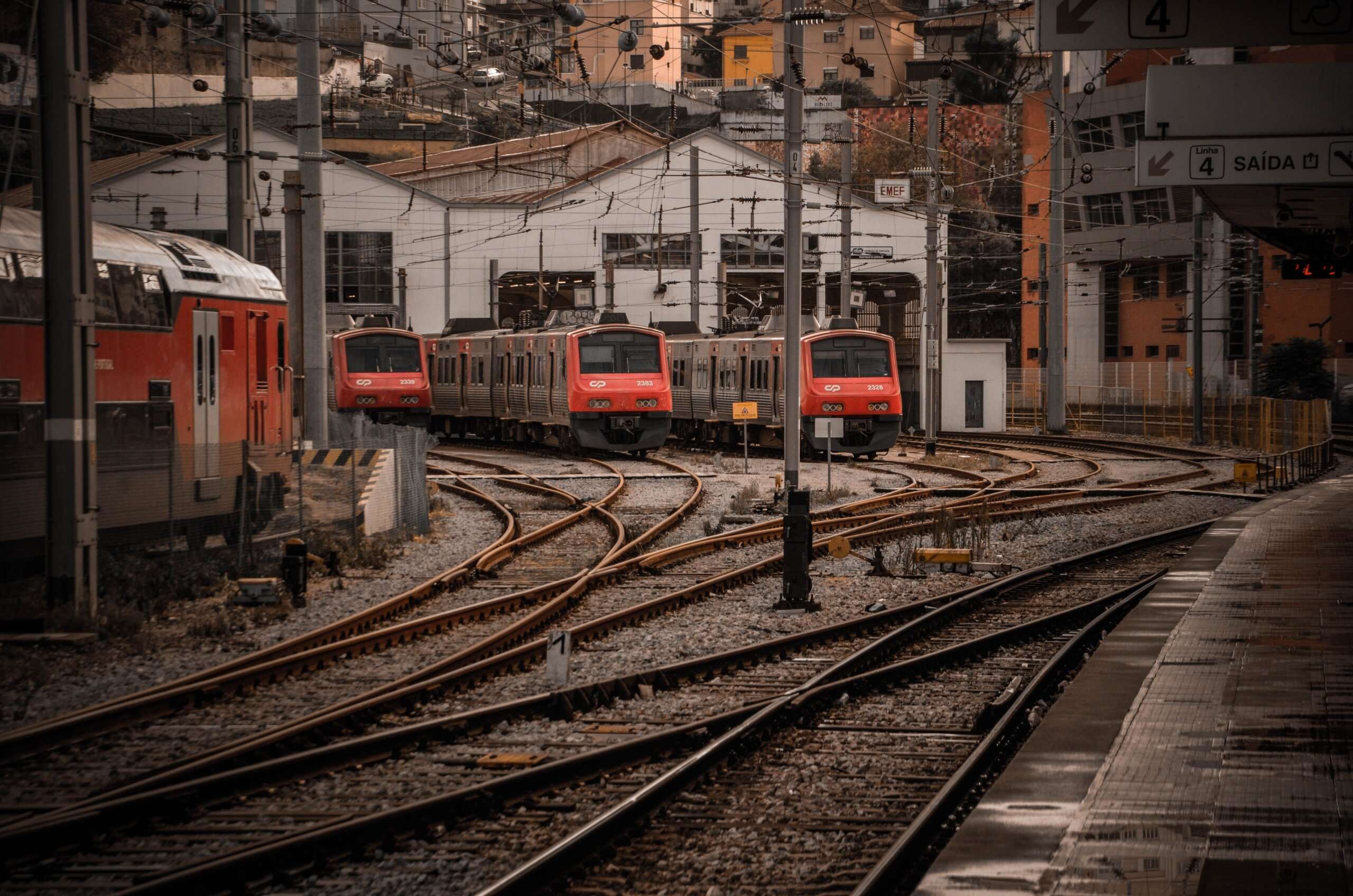
Right now, most Andaman itineraries stop at Havelock (Swaraj Dweep) and Neil (Shaheed Dweep) because going further north costs a precious day each way. A three-hour train would put North Andaman within easy reach of a standard week-long trip, and that changes what a holiday here can include.
The far north opens up
Diglipur is the gateway to some of the archipelago’s most underrated sights: Saddle Peak (732 m, the highest point in the islands), the Ross & Smith twin islands joined by a natural sandbar, and the Kalipur turtle-nesting beaches, where four sea-turtle species nest between roughly November and March. A faster journey makes all of this realistic for ordinary visitors rather than only the very determined.
Easier for sea-sick travellers
A genuine practical win: travellers prone to sea-sickness who dread the long ferry, and those who find the 10 to 12 hour bus exhausting, would finally have a smooth land option for the north. A train is far gentler than a small-vessel crossing in open water.
More balanced tourism
Today Andaman’s tourist footfall, more than four lakh visitors a year, concentrates heavily on Port Blair and Havelock. Spreading some of that demand north would ease pressure on the busiest islands and bring income to North Andaman communities. To plan a trip that already includes the north, our team’s full Andaman tour packages are a useful starting point.
The train is years away. Here is how to get to North Andaman right now, the way our writers actually do it:
Honestly: approved, not yet built. The 240 km line has Railway Board clearance on strategic and tourism grounds, but as of mid-2026 there is no confirmed construction contract or public opening date. You will sometimes see the line described in older press notes as roughly 350 km, or the present-day road run quoted at about 14 hours; the operational alignment is about 240 km and the road trip today is closer to 10 to 12 hours, which is what we use throughout this page. Big island infrastructure in Andaman has a track record of slipping, so treat any “trains by 20XX” headline with caution. If you are planning a trip in the next few years, plan around road, ferry and air, not the train. We track official announcements and will refresh this page when there is a contract award or groundbreaking. For the practical logistics in the meantime, see our how to reach Andaman guide.
The Andaman & Nicobar Islands’ first railway, the 240 km Port Blair to Diglipur line, is a genuine, government-approved project that would turn a punishing day-long trip into a three-hour ride and open up the islands’ beautiful far north. It just isn’t running yet, and won’t be for some years. If the north is on your wish list, the smart move is to plan a trip now around the ferries, flights and road that already work, and let the train be the reason you come back. To start planning, browse our Andaman tour packages, or read our full Andaman travel guide and Port Blair city guide for the practical details.
No. There is no railway station anywhere in the Andaman & Nicobar Islands, including Port Blair, because the islands have never had a train. The nearest railway stations are on the mainland at Chennai, Kolkata (Howrah) and Visakhapatnam, and from there you reach Port Blair by air (about two hours) or by government ship (about two to three days). India's first island railway, the 240 km Port Blair to Diglipur line, has been approved but is not yet built.
Not yet. The islands currently have no operational railway; long-distance travel is only by air and by boat. India's first railway line in the Andamans, a 240 km broad-gauge line from Port Blair (Sri Vijaya Puram) to Diglipur, has been cleared by Indian Railways but is not yet under construction as of 2026.
The line will run about 240 km from Port Blair (Sri Vijaya Puram), the islands' capital in the south, to Diglipur, the main town in North Andaman. It is planned largely along the coast on bridges and embankments, broadly following the same north-to-south corridor as the Andaman Trunk Road.
About three hours. That compares with roughly 10 to 12 hours by road on the Andaman Trunk Road and 8 to 9 hours on the direct government ferry today, so the train would save the best part of a full day.
The estimated cost is Rs 2,413.68 crore, according to Indian Railways' internal survey. The line carries a negative rate of return of about -9.64%, which is why it was shelved for years before being approved on strategic and tourism grounds rather than commercial ones.
Indian Railways cleared it for its "uniqueness and strategic importance." Diglipur is only about 300 km by sea from the southern coast of Myanmar, so fast, reliable surface transport to North Andaman has real defence value. Officials also cite the line's tourism potential and the fact that it is unique and away from the mainland.
It was announced in Parliament in 2010 by the then Railway Minister, Mamata Banerjee, after earlier proposals had been examined and rejected. The project was shelved twice before Indian Railways gave it an in-principle green signal in 2018.
There is no confirmed opening date. As of mid-2026 the project is approved in principle but not under construction. Travellers should plan around road, ferry and air for the foreseeable future; we will update this page when a construction start or opening date is officially announced.
Three reasons: the islands are remote and were historically a strategic and penal outpost rather than a commercial hub; the terrain is hilly, forested and crosses the protected Jarawa reserve; and the line loses money on paper (a -9.64% rate of return), so sanction stalled for decades before strategic and tourism value carried it through.
Potentially, yes. A three-hour train would open up North Andaman, including Saddle Peak, the Ross & Smith twin islands and the Kalipur turtle beaches, to ordinary week-long itineraries, and it would give sea-sick travellers a smooth land alternative to the long ferry. The coastal alignment is also expected to offer striking sea-and-forest views.
Fly to Port Blair (Veer Savarkar International Airport, IXZ), then head north by government bus (about 10 to 12 hours via the Andaman Trunk Road, leaving around 4:30 AM in convoy through the Jarawa reserve) or by the direct government ferry (about 8 to 9 hours, but it doesn't sail daily). A rarely available Pawan Hans helicopter covers it in about an hour.
Yes. Port Blair was officially renamed Sri Vijaya Puram on 13 September 2024. It remains the capital of the Andaman & Nicobar Islands and the southern terminus of the proposed railway line; you will see both names used.
No. The Restricted Area Permit for Indian citizens was abolished in 2018, so Indians can travel freely to the main Andaman islands including Diglipur. Some tribal and Nicobar areas remain off-limits, and foreign nationals still have separate registration requirements.
Real reviews from real travelers who booked with us.
View All Reviews