
"A big thank you to Pearl Andaman Tours And Travels for making our Andaman & Nicobar vacation a wonderful and memorable experience. Everything was taken care of very well, from the bookings and activities to…"
Quick Overview of Andaman Weather in June 2026
Andaman weather in June 2026 at a glance: warm and wet, with highs around 29 to 30C, lows around 26 to 27C, roughly 340mm of rain over about 19 days, humidity near 84% and rough seas, all at the year’s lowest prices and quietest beaches. June is the start of the southwest monsoon, so it is a genuine trade-off rather than a clear yes or no.
Quick verdict. Yes for budget and solitude, no for guaranteed water sports. Choose June if you want value, lush green islands and calm crowds. Avoid it if your trip depends on scuba or fixed island-hopping dates, because rough seas thin the ferry schedule and pause water sports. When you are ready to plan around the weather, browse Andaman tour packages built for flexible June dates.
andaman
Andaman
Best Andaman Holiday Packages to Explore in June 2026
Best Time
October - May
Select Package Type
Best Selling Packages
7 Reasons to Visit Andaman in June
If the trade-off works for you, June rewards the right traveller. These are the genuine upsides of going in the monsoon written straight, with the caveats where they matter.
June in Andaman: the quick version
- Weather: highs of 29 to 30C, lows of 26 to 27C, about 340mm of rain across roughly 19 days, humidity near 84%.
- Sea and ferries: rough seas from the southwest monsoon mean reduced, weather-dependent ferries. Always keep a buffer day.
- Cost: the cheapest month of the year to fly, stay and book a package, with real room to negotiate in advance.
- Water sports: scuba, snorkelling, sea-walking and jet ski run only on calmer days. Mangrove kayaking often still runs.
- Plan: stick to Port Blair and Havelock, front-load land sights, and keep water activities for clear windows.
Why June feels the way it does
June is the start of Andaman’s southwest monsoon, which the India Meteorological Department recorded reaching the islands on 16 May 2026. That single fact shapes the whole month. Days are warm and humid near 29 to 30C, showers are frequent and heavy, the water turns choppy and the ferry timetable thins out. It is also exactly why hotels and flights sit at their cheapest and the famous beaches are at their quietest.
June Temperature, Rainfall & Sea Conditions

Temperature
June stays consistently warm, with highs around 29 to 30C and lows around 26 to 27C. The islands sit close to the equator, so the gap between day and night is small and there is never a cold snap. The discomfort here is humidity near 84%, not heat, so light cotton is all you need.
Rainfall
June delivers roughly 340mm of rain across about 19 days, which means showers are the rule rather than the exception. The pattern is tropical. Intense bursts pass within an hour or two rather than settling into all-day grey, so a well-planned day still has dry windows for sightseeing.
Sea conditions
The sea is what most affects your itinerary. The southwest monsoon pushes rough water and swell from mid-May into September, so inter-island ferries run a reduced schedule and individual sailings can be cancelled at short notice when conditions turn. Underwater visibility drops to roughly 10 to 15 m and dive operators run only on calmer days.
Here is the month in one table.
| June metric (Port Blair / Andaman) | Typical value | What it means for you |
|---|---|---|
| Average high | ~29-30°C | Warm, sticky days; light cotton only |
| Average low | ~26-27°C | Barely cools at night — no warm layers needed |
| Rainfall | ~340 mm | Heavy by Indian standards; among the wettest months |
| Rainy days | ~19 days | Expect rain most days, often in short bursts |
| Humidity | ~84% | Muggy; quick-dry clothing helps a lot |
| Sea condition | Rough (SW monsoon) | Choppy crossings; some sailings cancelled |
| Underwater visibility | Reduced (~10-15 m) | Diving runs only on calmer days |
| Ferries | Reduced / weather-dependent | Build a buffer day into any island plan |
Is June a Good Time to Visit Andaman? An Honest Verdict
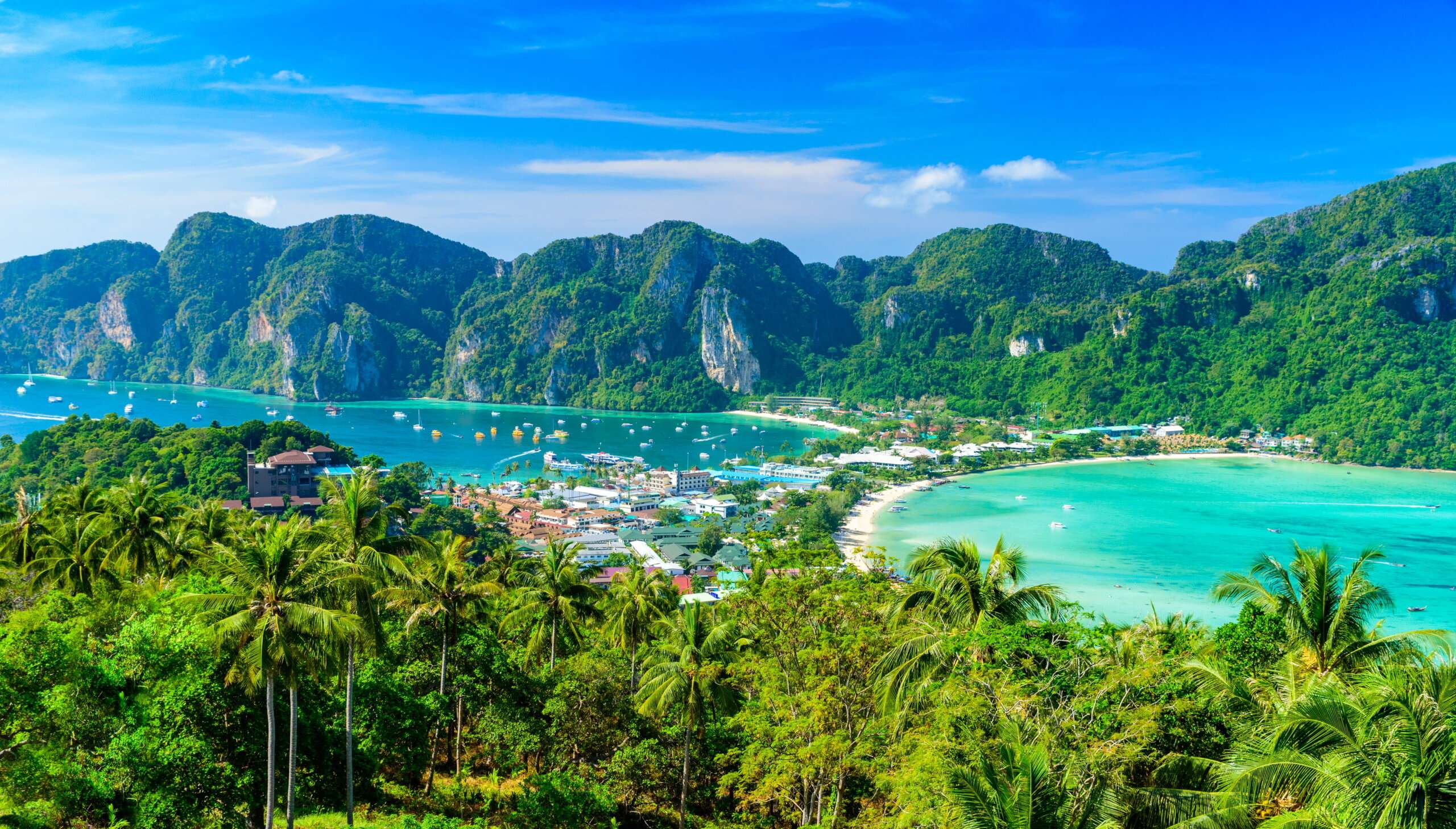
The honest answer depends entirely on what you want from the trip. June is a real trade-off, not a clear yes or no, so weigh it against your priorities rather than the brochure photos.
June is a good time if you want:
- The lowest prices of the year: hotels and flights sit well below peak-season rates, and advance-booked packages are at their most negotiable.
- Near-empty beaches: Radhanagar, Elephant and the Port Blair sights are calm and uncrowded next to the November-to-February rush.
- Lush, green islands: the monsoon turns the forests their richest green, and the dramatic skies are excellent for photography.
- A flexible, slower trip: you can absorb a cancelled ferry or a rained-out morning without it ruining the plan.
June is the wrong time if:
- Your trip depends on diving: scuba and water sports run only on calmer days and can be suspended for stretches.
- You have fixed, non-negotiable dates: reduced and weather-cancelled ferries make tight island-hopping schedules risky.
- You want guaranteed beach-and-snorkel weather: rough seas restrict swimming on the wettest days.
Set side by side with peak season, the choice gets clear.
| Factor | June (monsoon) | Peak season (Nov-Feb) |
|---|---|---|
| Weather | Warm 29-30°C, heavy rain, humid | Warm 24-30°C, dry, sunny |
| Sea & ferries | Rough; reduced/cancelled sailings | Calm; full ferry schedule |
| Water sports / scuba | Calmer-day only; can suspend | Runs reliably; best visibility |
| Crowds | Very low – quiet beaches | High – peak holiday rush |
| Prices | Lowest of the year | Highest of the year |
| Best for | Budget, solitude, slow travel | Diving, island-hopping, families |
| Photography | Dramatic green & stormy skies | Bright blue, postcard light |
Explore Popular Destination In Andaman
01
The beaches are far less crowded


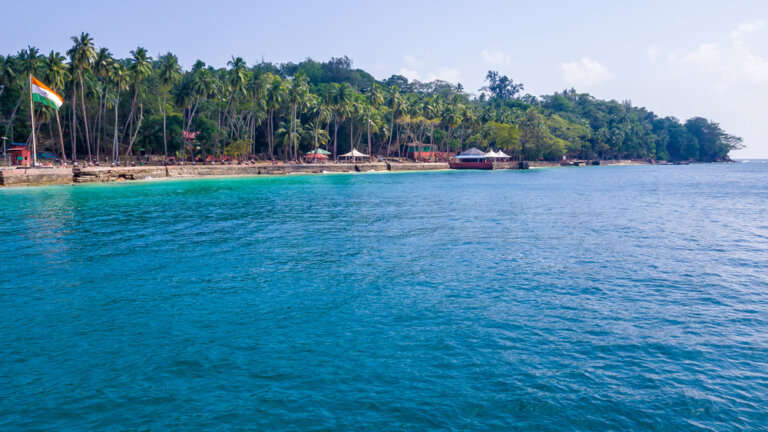

Radhanagar, Elephant Beach and the Port Blair coast that fill up in peak season are quiet in June. You get the kind of empty-beach photos and unhurried walks that are almost impossible to find from November to February.
02
Genuine deals on stays and activities


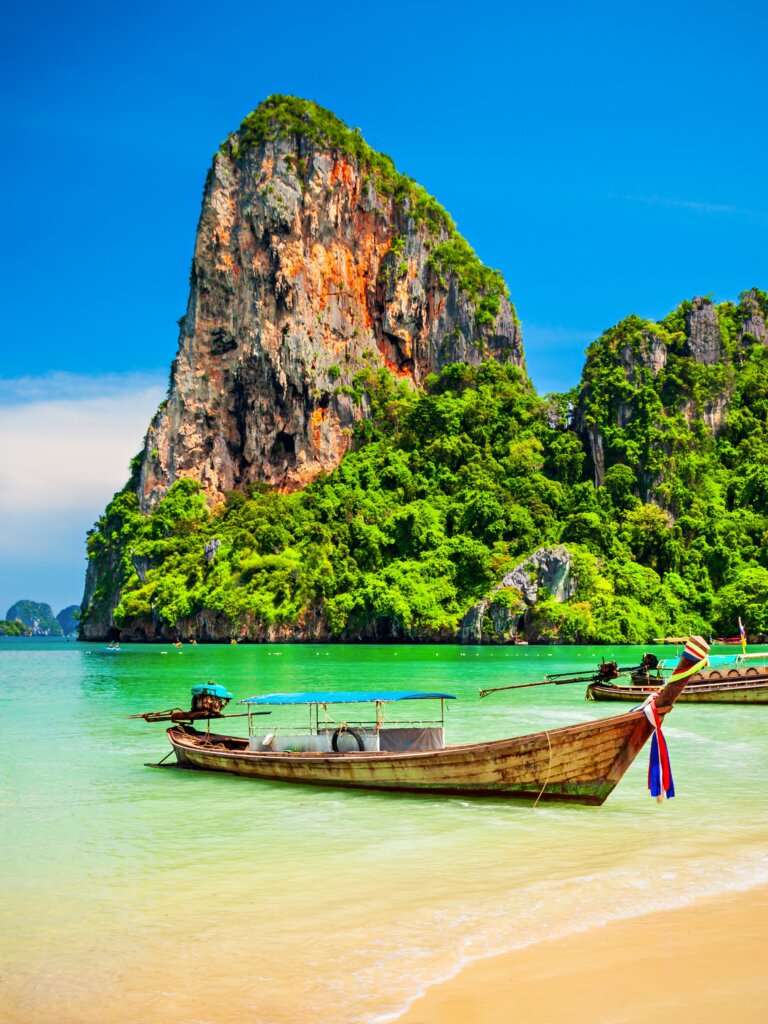
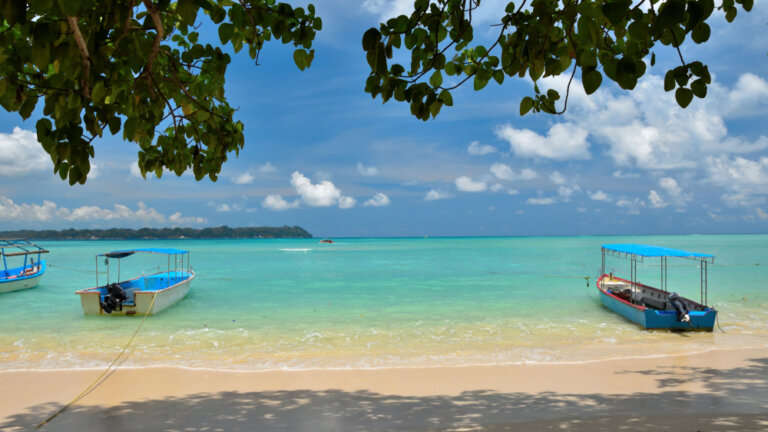
June is off-season, so accommodation and many activities are priced to attract the few travellers who come. Advance-booked packages are at their most flexible, and you can often upgrade your stay for what a basic room costs in peak months. That makes June a strong-value window to plan an Andaman family trip around the summer school break.
03
The town scene stays lively
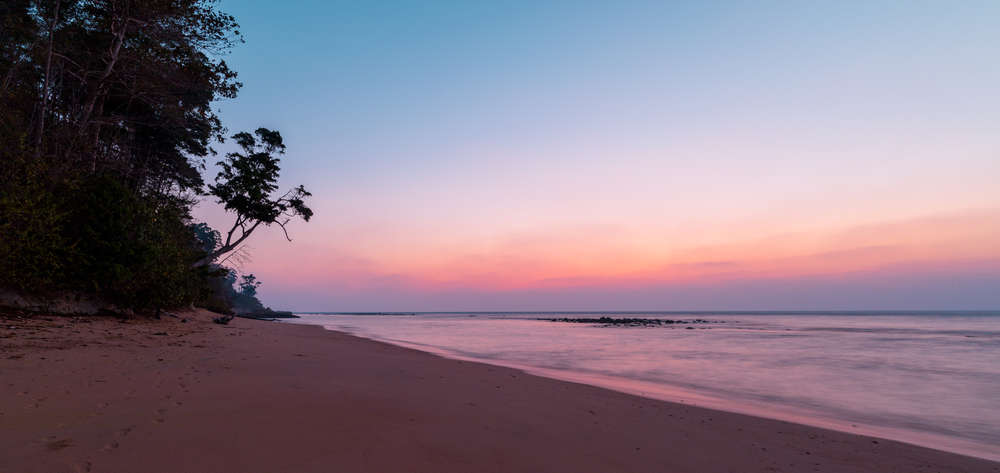

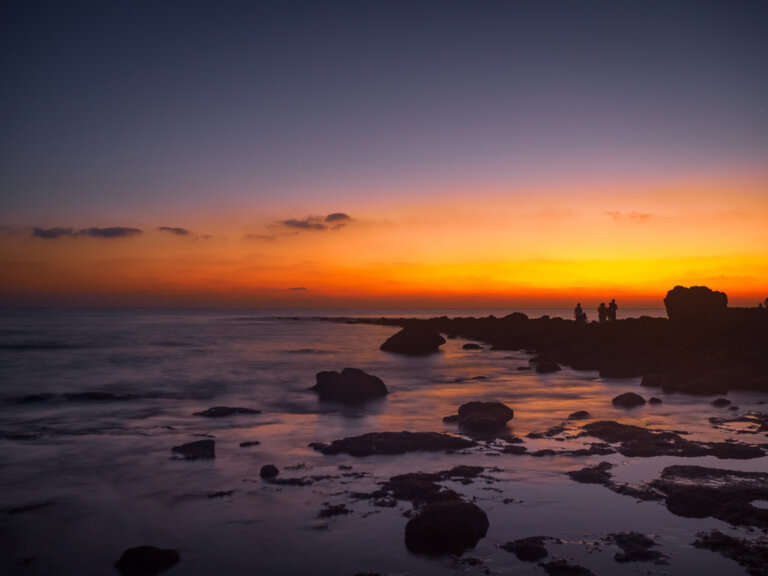

Port Blair and Havelock keep their cafes, beach shacks and evening scene running through the monsoon. Rain rarely shuts down the indoor side of island life, so evenings stay easy and social.
04
The forests are at their greenest
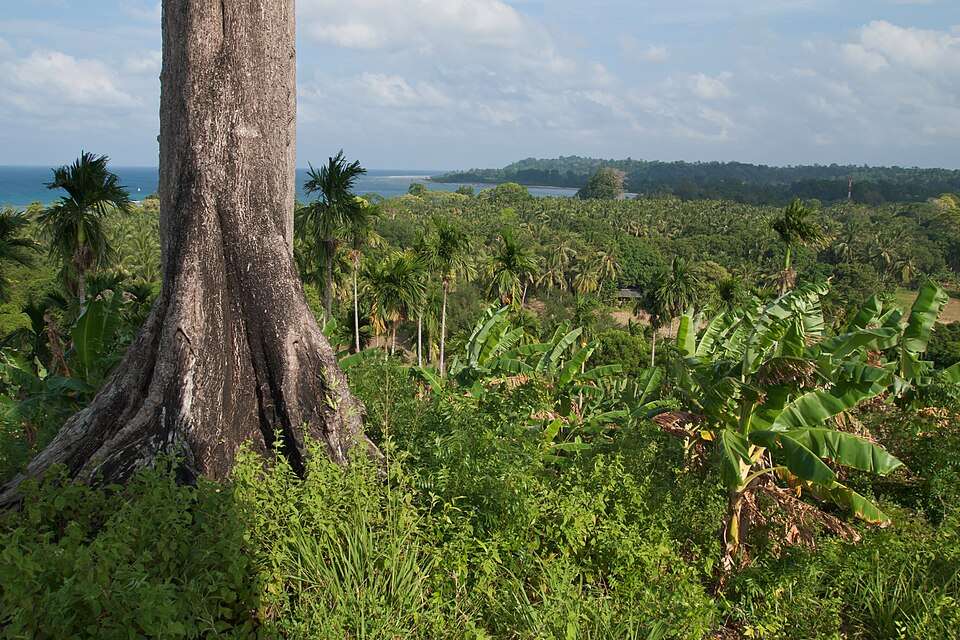
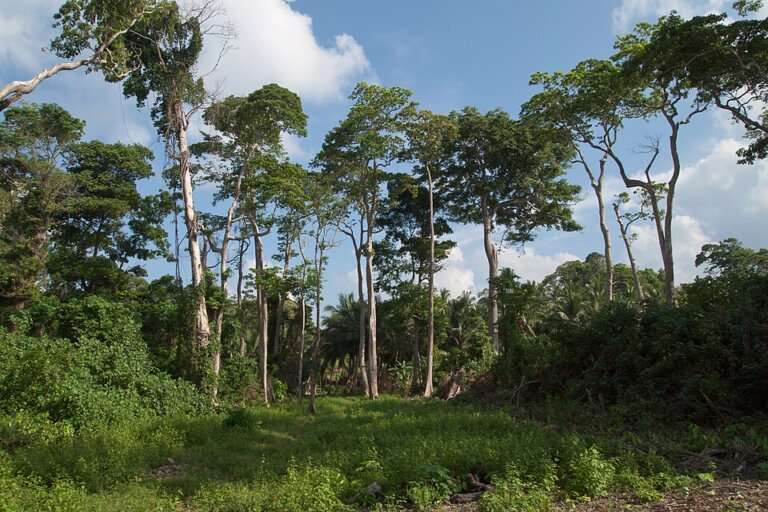


The monsoon turns the islands’ rainforests vivid green. Short nature walks and viewpoints are spectacular. Do note that steep treks and forest trails can close or turn slippery in heavy rain, so check conditions locally and stick to maintained, lower-risk routes.
05
Hotel tariffs are low, especially booked ahead




This is the cheapest time of year to stay in the Andamans. Booking early locks in the best monsoon rates and gives you room to choose better-located or higher-category hotels within the same budget.
06
Water sports run, but only on calm days (the honest version)
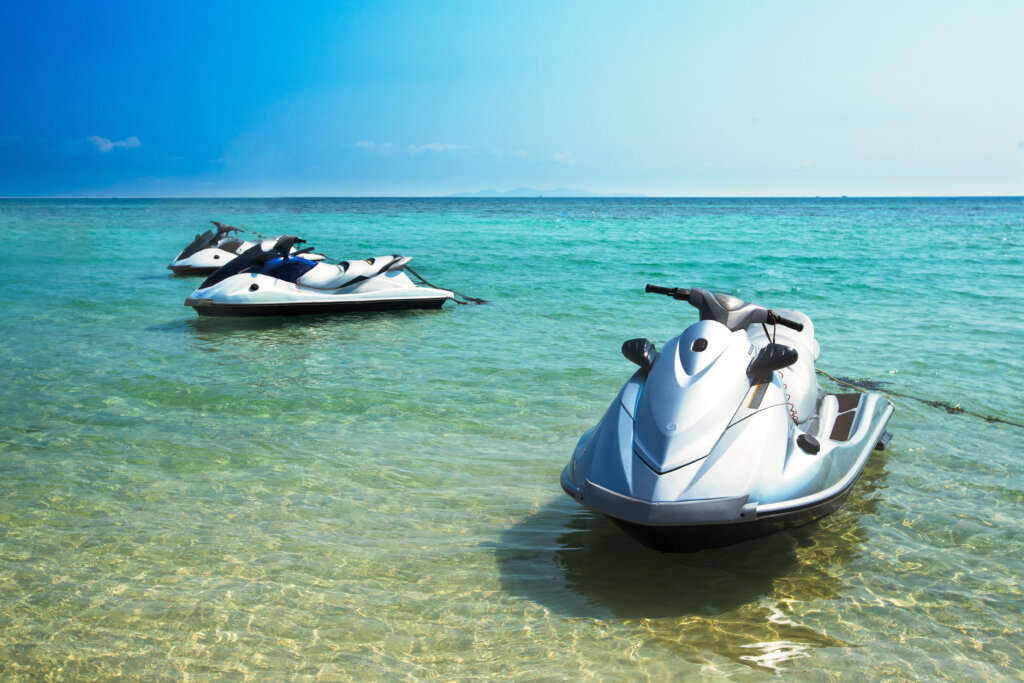



You can still dive, snorkel, sea-walk and try parasailing in June, but these are weather-dependent and operators pause them on rough-sea days. Underwater visibility also drops to around 10 to 15 m. Treat water sports as a bonus if conditions allow, not a guaranteed fixture, and never book a June trip solely for scuba. If diving is the point of your trip, travel between November and April instead.
07
Land sightseeing carries on normally
The monsoon barely touches land-based sightseeing. The Cellular Jail, the museums and Chidiya Tapu run as usual, and these make reliable, weather-proof anchors for any June itinerary. See the rainy-day plan below.
What’s Open & Closed in Andaman in June
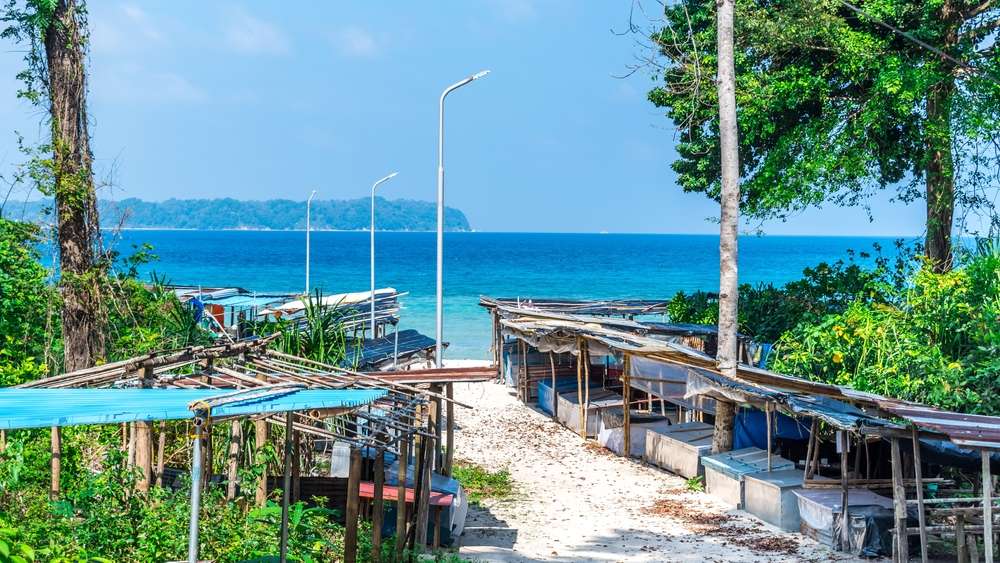
Open and reliable (weather-proof)
- Cellular Jail and the light-and-sound show: Port Blair’s headline sight runs through the monsoon.
- Museums: the Samudrika Naval Marine Museum, the Anthropological and the Fisheries museums are ideal rainy-day picks.
- Chidiya Tapu and land viewpoints: coastal sunset points and short walks stay accessible between showers.
- Beaches: open and beautiful; swimming is simply restricted on the roughest days.
- Mangrove kayaking: one of the few water activities that often keeps running in June, because sheltered creeks near Port Blair and Havelock stay calmer than the open sea. Confirm locally on the day.
Reduced, weather-dependent or closed
- Inter-island ferries: a reduced schedule, with individual sailings cancelled when seas turn rough. Always keep a buffer day.
- Scuba diving, snorkelling and parasailing: run only on calmer days and can be suspended for stretches.
- Sea walk, jet ski and glass-bottom boat: these open-sea rides are weather-dependent and are usually suspended on rough-sea days, so treat them as clear-window bonuses rather than fixtures.
- Steep treks and forest trails: close or become slippery and unsafe in heavy rain.
- Some boat-access excursions: small-craft trips and outings like Jolly Buoy pause or close when conditions are unsafe.
Rainy-day strategy
For a wet afternoon, the Samudrika Naval Marine Museum is one of the best indoor picks in Port Blair, and the Cellular Jail can absorb a full half-day. Plan land sights for the rainiest mornings and keep the flexible water activities for clear windows.
Ferry & Travel Disruptions to Expect in June

The single most important planning fact for June is that the sea controls your schedule. The southwest monsoon means inter-island ferries between Port Blair, Havelock (Swaraj Dweep) and Neil (Shaheed Dweep) run a reduced, weather-dependent timetable, and both government and private operators can cancel sailings at short notice when conditions are unsafe. Flights into Port Blair can also see monsoon delays.
Four rules for smoother travel
- Keep at least one buffer day after your last island before flying home: never schedule an island-to-airport ferry on your departure day.
- Book ferries with flexibility rather than tight, fixed-date hops: if a sailing is cancelled, you want room to rebook.
- Confirm ferry and activity status the night before and the morning of travel: conditions change fast in the monsoon.
- Favour fewer islands, mainly Port Blair and Havelock: and minimise the number of separate crossings.
Andaman in June on a Budget: How Much You Save
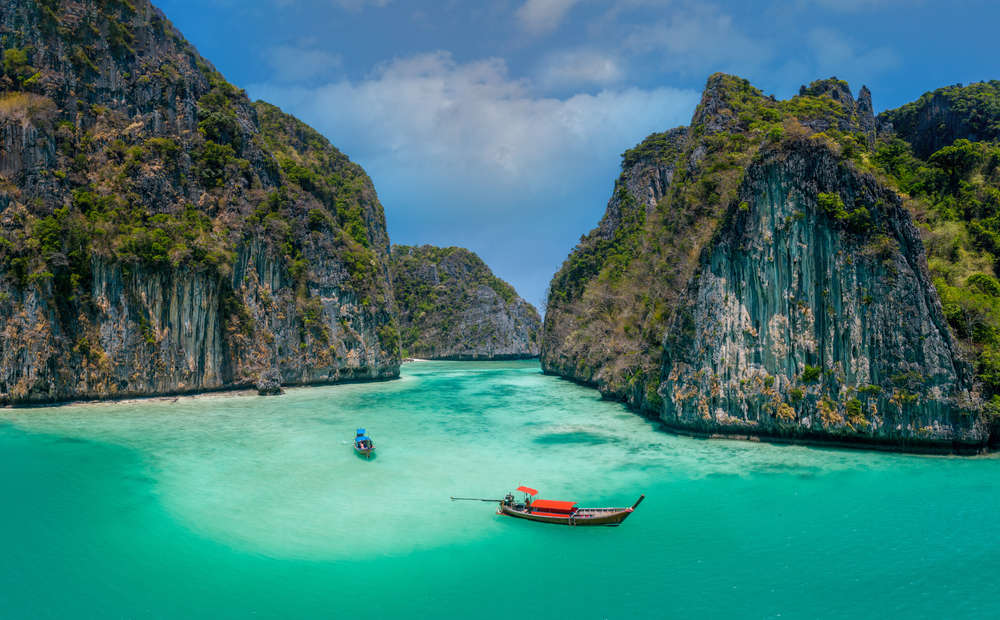
June is the cheapest month to visit the Andamans, which is its strongest single selling point. Because it is off-season, hotels, flights and packages all drop from their peak-season highs, and there is real room to negotiate on advance bookings. Travellers consistently report stretching the same budget much further in June: a sea-facing or higher-category room for what a standard room costs in December, and noticeably lower airfares into Port Blair.
Exact savings vary by property, airline and how far ahead you book, so treat June as the value window rather than chasing a fixed discount number.
How to Plan an Andaman Trip in June (Step by Step)

A June trip succeeds or fails on planning, not luck. These steps build an itinerary that bends with the weather instead of breaking on it.
- Book flights first. June fares are low, and advance booking secures both the price and your preferred dates.
- Pick monsoon-resilient islands. Port Blair and Havelock cover the headline sights and have the most reliable connections and indoor backups.
- Build in a buffer day. one spare day means a cancelled ferry or a washed-out morning never threatens your flight home.
- Front-load land sightseeing. anchor each day with weather-proof options like the Cellular Jail, museums, town and food, and keep beaches and scuba for clear windows.
- Travel flexibly between islands. choose flexible ferry tickets, confirm sailings the night before, and favour fewer crossings over an ambitious multi-island route.
- Pack for the monsoon. quick-dry clothes, a compact rain jacket, dry bags for electronics and waterproof footwear turn the rain into a non-issue.
- Book a customisable package. have agents structure the trip around weather-flexible dates and cancellation room. It is the simplest way to plan a June trip that can absorb a cancelled ferry. See flexible Andaman tour packages.
What to Pack for Andaman in June

June packing is about staying dry and comfortable in heat and humidity, not staying warm. The essentials:
- Light, quick-dry cotton clothing: humidity is near 84%, so fast-drying fabrics beat heavy ones.
- A compact, packable rain jacket and a small umbrella: for the daily showers.
- Dry bags or zip-lock pouches: to protect phones, cameras and documents on wet boat rides.
- Waterproof sandals or quick-dry shoes: trails and streets get wet and muddy.
- Strong sunscreen and insect repellent: the sun still bites between showers, and humidity brings mosquitoes.
- Basic medication and any prescriptions: pharmacies are limited on the smaller islands.
The Verdict on Andaman in June
Andaman in June is a deliberate trade. You accept monsoon rain, rough seas and reduced ferries, and in return you get the year’s lowest prices, the greenest islands and beaches almost to yourself. It is an excellent choice for budget and slow travellers who can stay flexible, and the wrong choice if your trip lives or dies on scuba, snorkelling or fixed dates. Plan around the weather, keep a buffer day, and the monsoon becomes a feature rather than a flaw. For the wider picture across every month, the Andaman travel guide has the full seasonal breakdown, and you can compare it with Andaman in August and Andaman in December.
FAQs
FAQs: Andaman in June 2026
June is a good time if you want low prices, green landscapes and empty beaches, and a poor time if you need guaranteed water sports or fixed island-hopping dates. It is the start of the southwest monsoon, so expect 29 to 30C, heavy rain on about 19 days, rough seas and reduced ferries, in exchange for the cheapest rates of the year and very few crowds. Plan flexibly and June rewards budget and slow travellers.
Expect warm, humid, wet weather: average highs around 29 to 30C and lows around 26 to 27C, with humidity near 84%. The southwest monsoon reached the Andamans on 16 May 2026, so June brings frequent heavy showers and rough seas. Temperatures stay steady day and night, so the discomfort is humidity rather than heat. Light cotton clothing is all you need.
June is one of the wettest months, with roughly 340mm of rain spread across about 19 days (climate-data.org records 333mm; weather-and-climate.com 342mm over 19 rainy days). The rain usually comes in heavy bursts that pass within an hour or two rather than all-day downpours, so a well-planned day still has dry windows for sightseeing. Carry a rain jacket and dry bags and the rain rarely derails a trip.
Yes, the sea is rough in June because the southwest monsoon brings swell from mid-May into September. Inter-island ferries between Port Blair, Havelock and Neil run a reduced, weather-dependent schedule, and individual sailings can be cancelled at short notice. Always keep a buffer day before your flight home and confirm sailings the night before and the morning of travel.
You can, but only on calmer days. Monsoon seas and reduced underwater visibility (around 10 to 15 m) mean dive and snorkel operators run weather-dependent and pause activities when conditions are rough. Treat water sports as a bonus if the sea allows, not a guarantee. If diving is the main purpose of your trip, travel between November and April instead, when seas are calm and visibility is best.
Mangrove kayaking often still runs in June, because the sheltered creeks near Port Blair and Havelock stay calmer than the open sea, which makes it one of the few reliable water activities of the month. Sea walk, jet ski, glass-bottom boat rides and parasailing are open-sea activities that operators suspend on rough-sea days, so treat them as clear-window bonuses and confirm status the morning of.
Andaman is generally safe to visit in June, and the islands are peaceful with very low crime. The main risks are weather-related: rough seas, ferry cancellations and slippery monsoon trails. Stay safe by keeping a buffer day, following operator advice on water activities, avoiding steep treks in heavy rain, and confirming ferry status before you travel. Routine land sightseeing carries no unusual risk.
Land sightseeing runs normally. The Cellular Jail, the Port Blair museums and Chidiya Tapu are all open and make reliable rainy-day plans, and mangrove kayaking usually runs on sheltered creeks. Beaches stay open, with swimming restricted only on the roughest days. What is reduced or weather-dependent: inter-island ferries, scuba, snorkelling, sea-walking, jet ski and parasailing, plus steep forest treks that close or turn unsafe in heavy rain.
June is the cheapest month to visit, because off-season demand pushes hotel, flight and package prices to their yearly lows and leaves real room to negotiate on advance bookings. Exact savings depend on the property, airline and how early you book, so treat June as the value window rather than a fixed discount. Booking early secures both the lowest rate and your preferred dates.
A 5 to 6 day trip is the most popular length and works well in June, giving you time for Port Blair, Havelock and a buffer day against ferry or flight delays. In the monsoon it is better to cover fewer islands well than to attempt an ambitious multi-island route, because every crossing depends on the weather. Build the itinerary around flexible dates.
June can be a strong-value honeymoon window if you prize privacy and price over guaranteed water sports. Quiet beaches, low tariffs and easy hotel upgrades suit couples who want a slow, romantic trip and can stay flexible around the weather. If snorkelling, scuba or a fixed island-hopping plan is central to the honeymoon, the calmer November-to-April window is the safer choice.
Pack light, quick-dry cotton clothing for the heat and 84% humidity, plus a compact rain jacket and umbrella for daily showers. Bring dry bags or zip-lock pouches to protect phones and cameras on wet boat rides, waterproof or quick-dry footwear for muddy paths, and strong sunscreen and insect repellent. Add any personal medication, as pharmacies are limited on the smaller islands.
The best June picks are weather-proof: the Cellular Jail and its light-and-sound show, the Samudrika Naval Marine Museum and other Port Blair museums, Chidiya Tapu for sunsets, and the beaches of Havelock and Port Blair between showers. Mahatma Gandhi Marine National Park and similar boat-access sights are possible on calmer days. Anchor each day with an indoor option so rain never empties your itinerary.