5D / 4N
19% OFF
5D / 4N
19% OFF
Andaman Family Holiday For 4 Nights 5 Days
- Hotel
- Meals
- Sightseeing
- Transfers
₹23,574
₹18,990 /pp


There are 9 national parks in the Andaman & Nicobar Islands: seven across the Andaman group and two on Great Nicobar. Together they protect roughly 1,217 sq km of rainforest, mangrove, coral reef and open sea. They run from Campbell Bay, about 426 sq km of Great Nicobar rainforest, down to South Button Island, which at just 0.03 sq km is the smallest national park in all of India. This guide names every one of the nine: where each park sits, how big it is, what wildlife it shelters, which ones you can actually visit, and the permits and season you need for the trip.
Key Takeaways
Top Andaman & Nicobar Packages you Must Explore
Best Time
October - May
Select Package Type


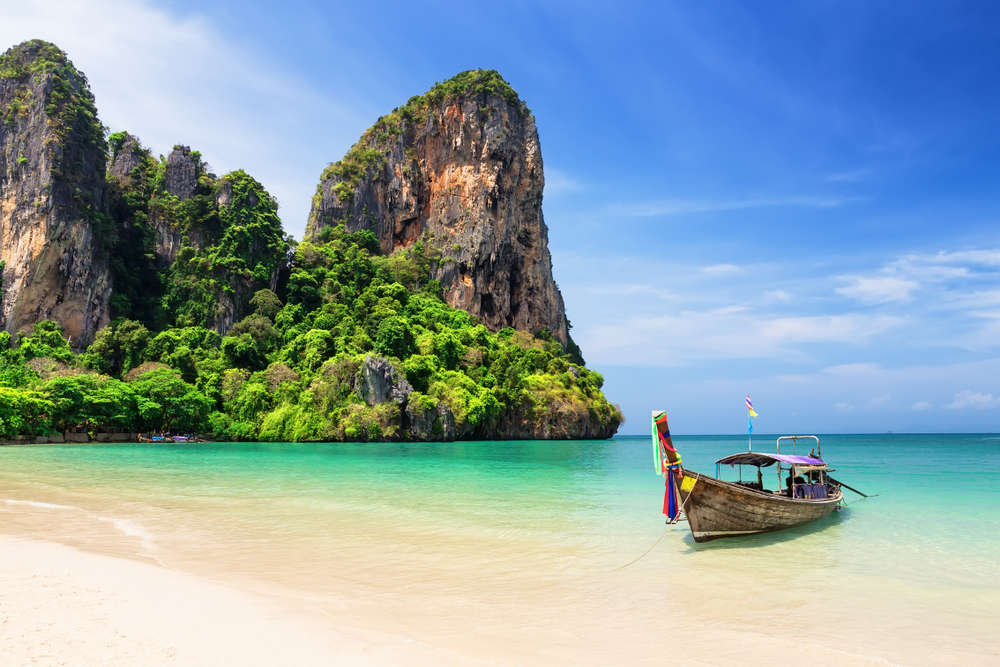
There are 9 national parks in the Andaman & Nicobar Islands. Seven lie in the Andaman group: Mahatma Gandhi Marine, Mount Manipur (formerly Mount Harriet), Saddle Peak, Rani Jhansi Marine, and the three Button Island parks (North, Middle and South). Two sit on Great Nicobar: Campbell Bay and Galathea. Alongside the parks, the territory holds 96 wildlife sanctuaries and one biosphere reserve, the Great Nicobar Biosphere Reserve, per the A&N Forest Department.
The nine parks, in brief:
Andaman Nicobar mein kitne national park hai? The Andaman and Nicobar Islands have a total of 9 national parks—7 in the Andaman group of islands and 2 on Great Nicobar Island. In addition, the archipelago is home to 96 wildlife sanctuaries.
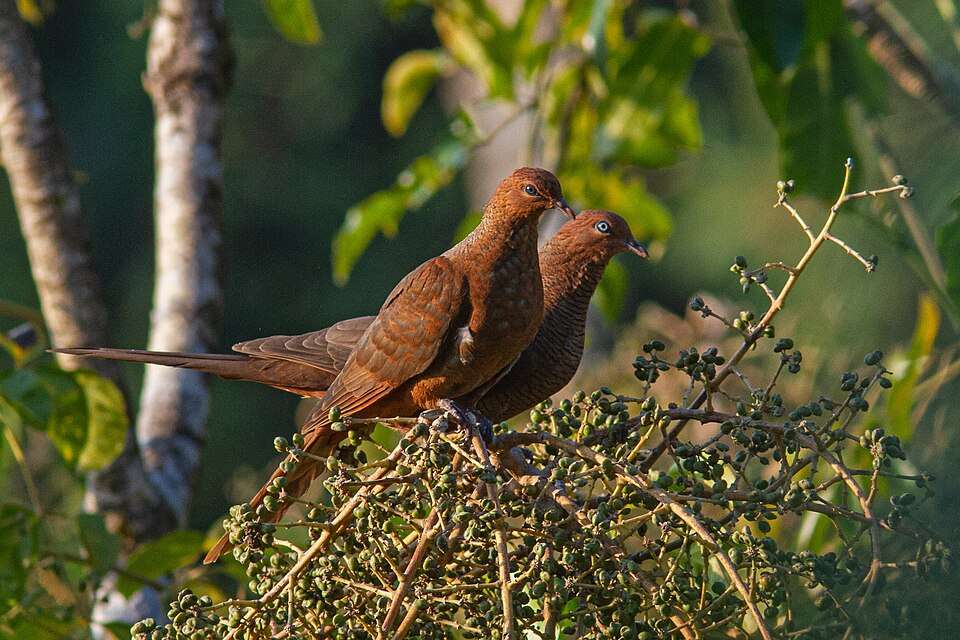
All nine parks at a glance. Areas and establishment years are compiled from the A&N Forest Department and the Wildlife Institute of India; the nine parks together cover about 1,216.95 sq km.
| # | National Park | Location | Area (sq km) | Established | Signature wildlife | Best for |
| 1 | Mahatma Gandhi Marine | Wandoor, South Andaman | ~281.5 | 1983 | Coral, sea turtles, dugong | Snorkelling, glass-bottom boats |
| 2 | Mount Manipur (ex-Mount Harriet) | South Andaman | ~46.6 | 1987 | Andaman wild pig, endemic birds | Trekking, birdwatching |
| 3 | Saddle Peak | Diglipur, North Andaman | ~32.5 | 1987 | Saltwater crocodile, wild pig | Trekking (A&N’s highest point, 732 m) |
| 4 | Rani Jhansi Marine | Ritchie’s Archipelago | ~256.1 | 1996 | Coral, dugong, turtles | Diving at permitted fringe sites |
| 5 | North Button Island | Ritchie’s Archipelago | ~0.44 | 1987 | Coral reefs, dugong | Marine biodiversity |
| 6 | Middle Button Island | Ritchie’s Archipelago | ~0.64 | 1987 | Coral reefs, reef fish | Marine biodiversity |
| 7 | South Button Island | Ritchie’s Archipelago | ~0.03 | 1987 | Coral, turtles (India’s smallest NP) | Snorkelling, diving |
| 8 | Campbell Bay | Great Nicobar | ~426.2 | 1992 | Saltwater croc, megapode, Nicobar pigeon | Research access (tribal reserve) |
| 9 | Galathea | Great Nicobar | ~110 | 1992 | Leatherback turtle, megapode, crab-eating macaque | Research access (southernmost NP) |
The Andaman & Nicobar Islands have 9 national parks, known for their rich marine life, dense forests, and rare wildlife species. Each park offers a unique glimpse of the region’s incredible biodiversity and natural beauty.
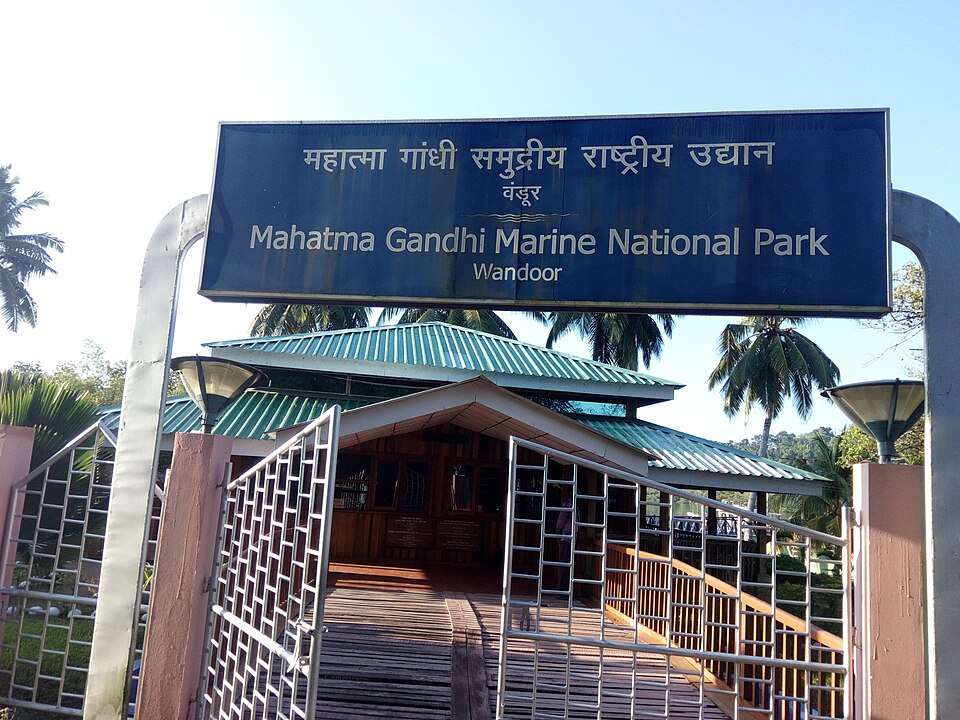
Established in 1983 off Wandoor in South Andaman, Mahatma Gandhi Marine National Park spans roughly 281.5 sq km of sea, islands and fringing coral, making it one of India’s premier marine parks. It is the most visited park on this list, because two of its islets, Jolly Buoy and Red Skin, are open for snorkelling and glass-bottom boat trips that drift over live coral, reef fish, sea turtles and the occasional dugong. The two islets alternate by roughly six-month seasons so the reef can recover, and both are strict no-plastic zones. Boats leave from Wandoor jetty, about 30 km from Port Blair, on permitted day trips, and you buy a Forest Department permit at the jetty before you sail.
Renamed from Mount Harriet National Park on 17 October 2021, in tribute to the freedom fighters once imprisoned on the islands, Mount Manipur National Park covers about 46.6 sq km in South Andaman. Established in 1987, it climbs one of the higher points in the South Andaman district through tropical evergreen forest that shelters Andaman wild pig, saltwater crocodile in the creeks below, and a long list of endemic birds. It is one of the best birding spots in the islands. A forest trail links it toward Madhuban, and the viewpoint over the harbour is a classic. Reach it by road and ferry from Port Blair, and carry a Forest Department entry ticket.

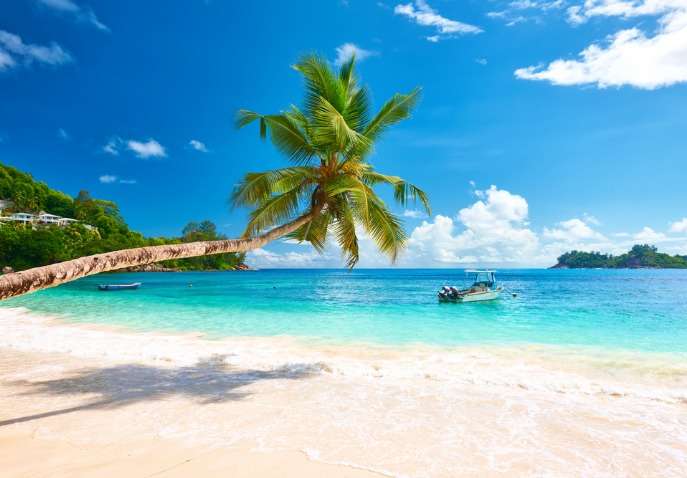

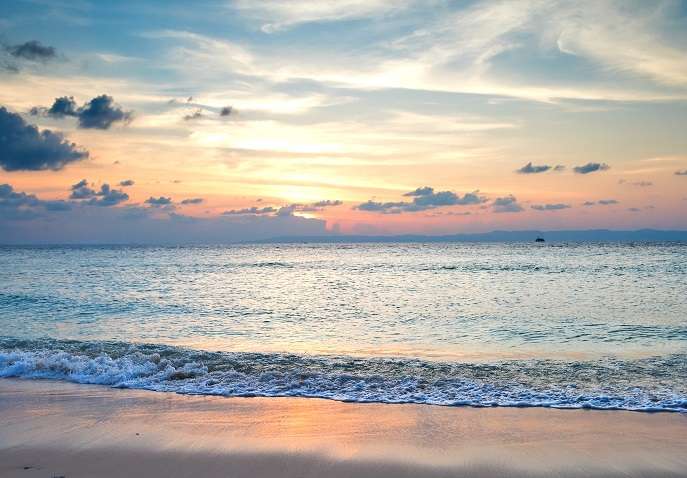

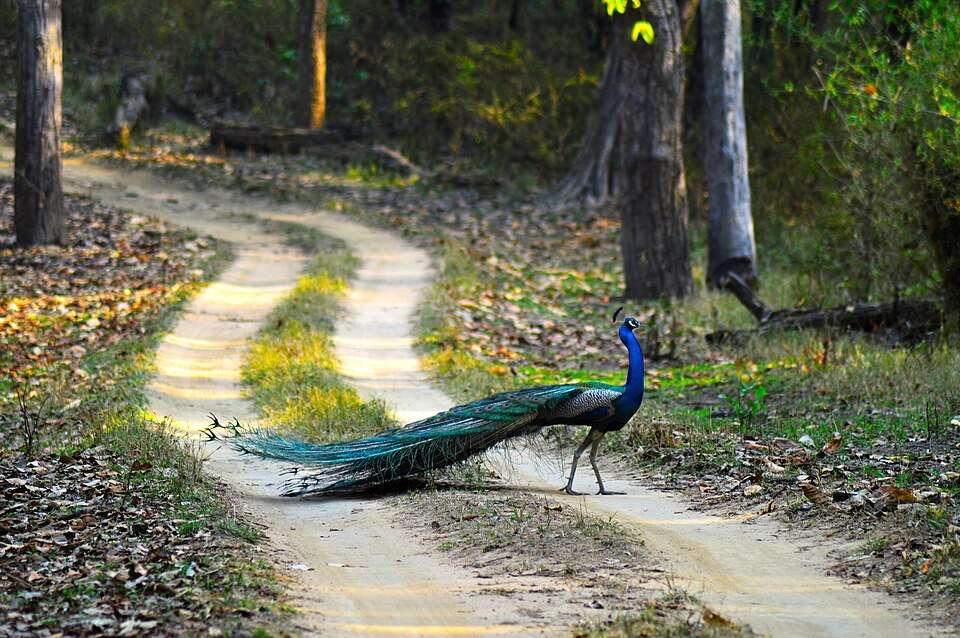
Saddle Peak National Park, established in 1987, protects roughly 32.5 sq km of tropical rainforest around Saddle Peak near Diglipur in North Andaman. At 732 m, Saddle Peak is the highest point in the entire Andaman & Nicobar territory, and the climb to the top is the headline experience: a guided forest trek through dense canopy, streams and orchids. Wildlife includes the Andaman wild pig, saltwater crocodile in the coastal creeks, and endemic birds and reptiles. The trek starts near Lamiya Bay and needs a Forest Department permit and, ideally, a local guide.


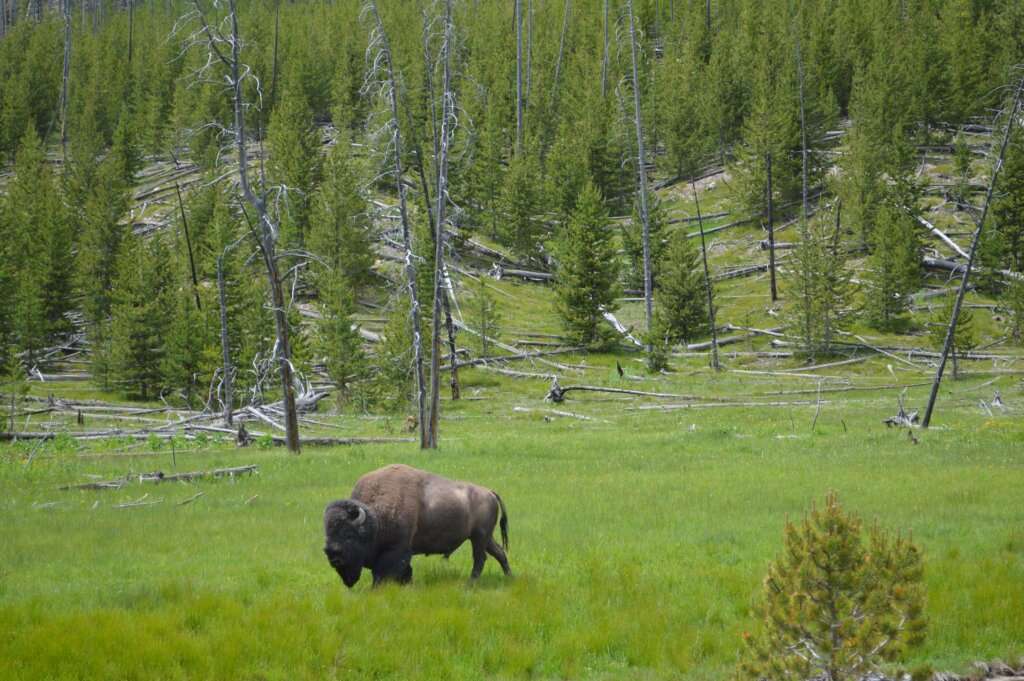
Established in 1996, Rani Jhansi Marine National Park covers about 256.1 sq km of islands and reefs in Ritchie’s Archipelago, east of South Andaman. This is the water around Havelock (Swaraj Dweep), Neil (Shaheed Dweep) and Henry Lawrence Island, and it holds one of the richest coral systems in the country, with dugong, sea turtles and reef fish. The core marine zones are restricted to protect the reef. Permitted snorkelling and diving happen at fringe sites around Ritchie’s Archipelago, booked through licensed dive operators on Havelock and Neil. There is no single ticket gate; access is via operator trips that already carry the necessary clearances.
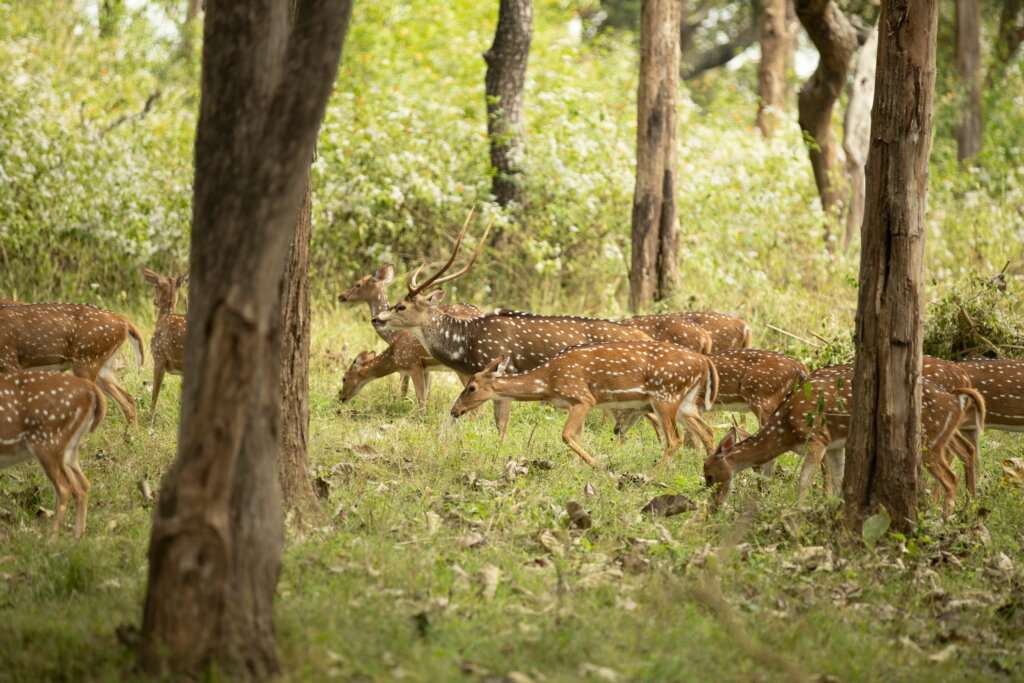
North Button Island National Park, established in 1987, is the northernmost of the three tiny Button Island parks in Ritchie’s Archipelago, covering roughly 0.44 sq km of forested island ringed by coral. Uninhabited and tightly protected, it is prized by divers for clear water, healthy reef and the chance of spotting dugong grazing on seagrass. You don’t land on the park itself. It is experienced from the water on permitted dive and boat trips run from Havelock and Neil, where operators hold the access clearances.
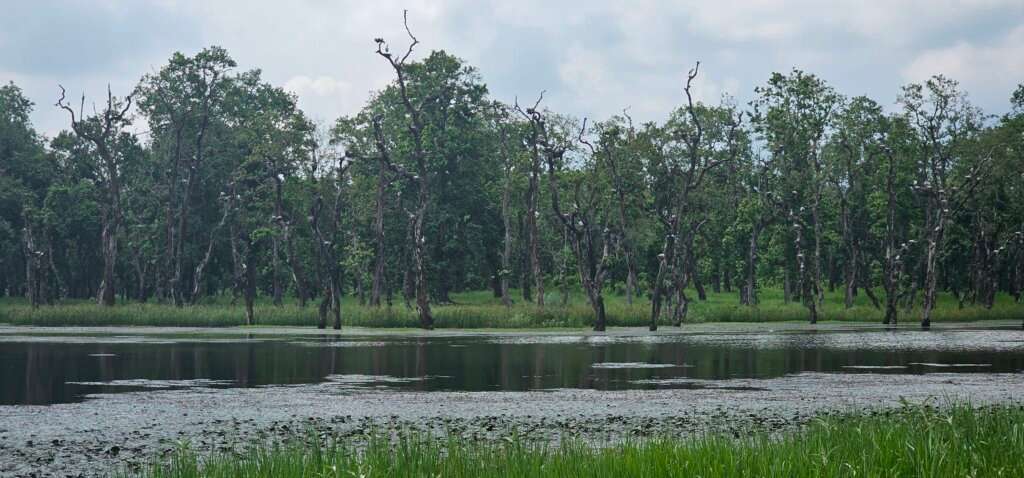
Middle Button Island National Park, established in 1987, is the central park of the Button trio: about 0.64 sq km of uninhabited forested island and surrounding reef in Ritchie’s Archipelago. Like its neighbours it exists mainly to protect coral and marine life rather than to be walked on, so it is a dive-and-snorkel destination reached by boat from Havelock or Neil. Expect coral gardens, reef fish and quiet water. Landing is not generally permitted, and trips run only in the calm November to mid-May season.
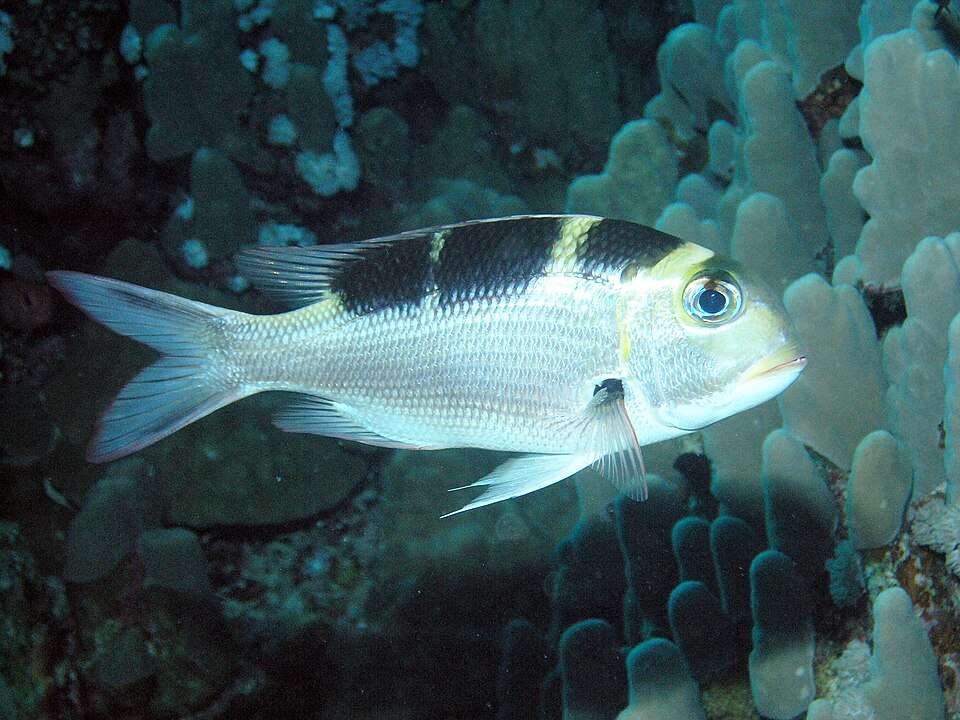
South Button Island National Park, established in 1987, is the smallest national park in India, just 0.03 sq km. Despite the size it is a star dive and snorkel site: a single small forested island circled by a shallow coral lagoon known for clear visibility, a resident population of dugong and turtles, and easy reef life close to the surface. It is reached on permitted day trips from Havelock and Neil, where you snorkel or dive from the boat rather than landing. Calm seas from November to mid-May make it accessible.
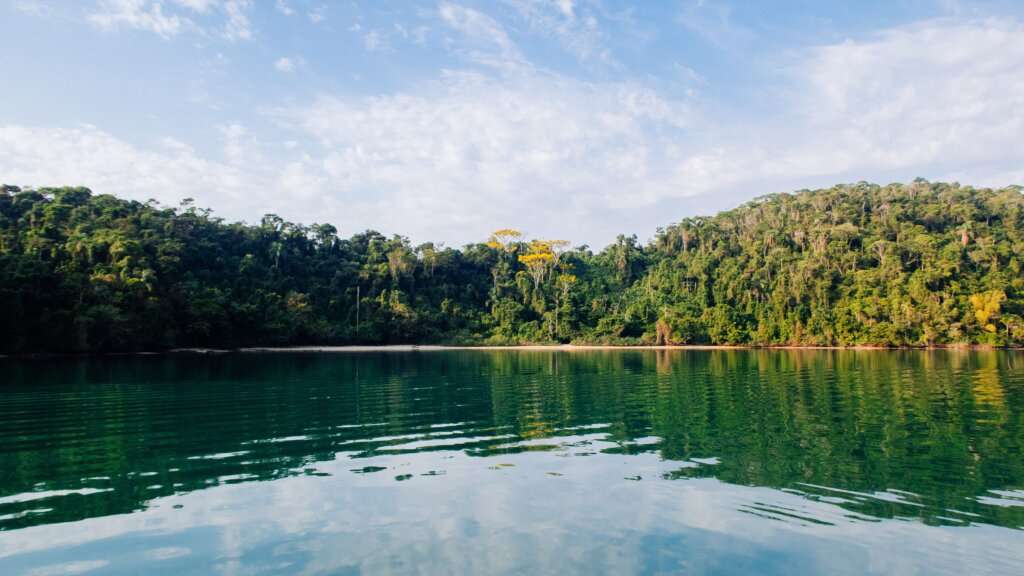
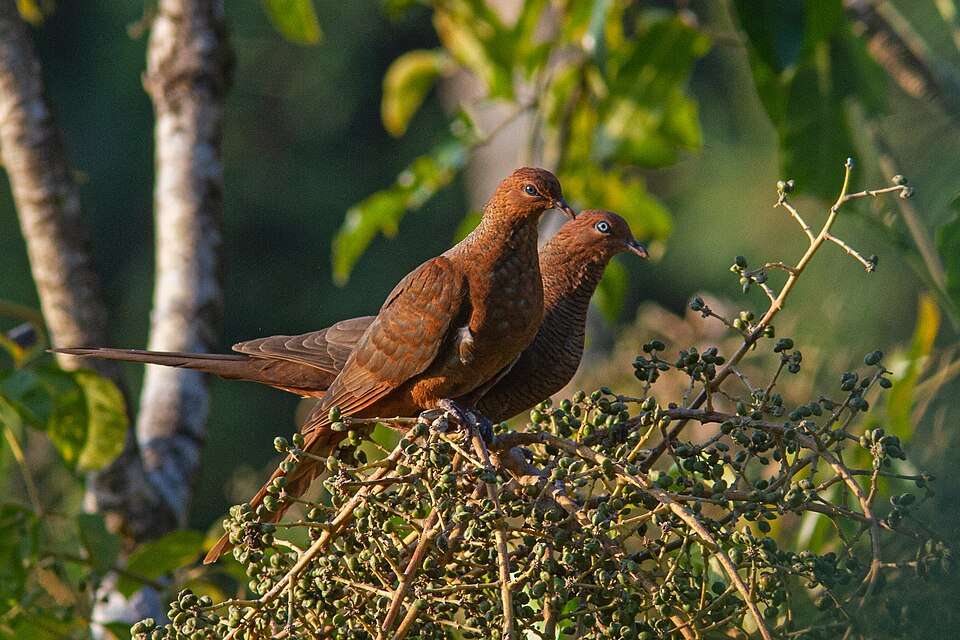
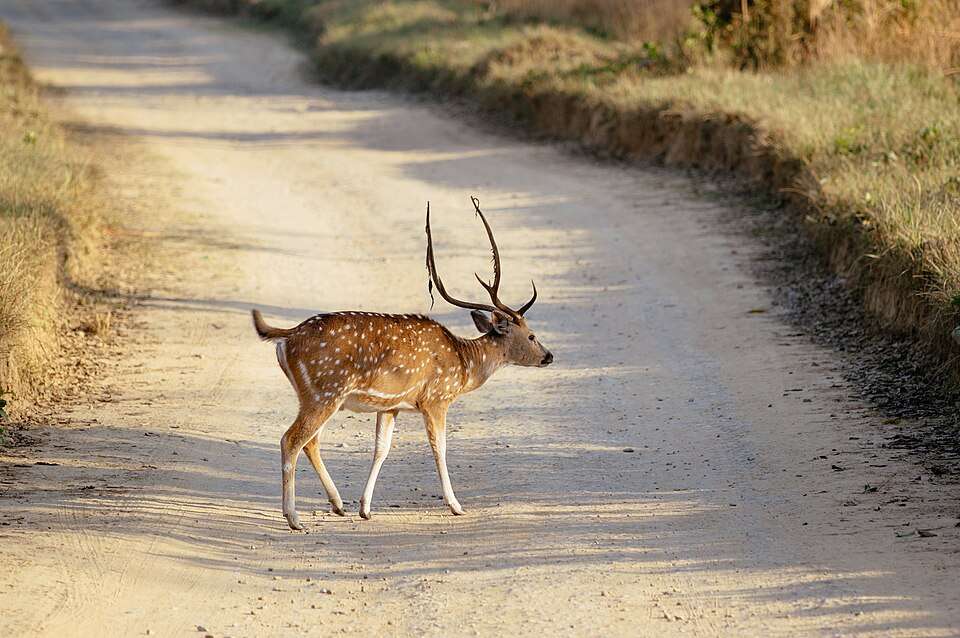
Campbell Bay National Park, established in 1992, covers about 426.2 sq km of northern Great Nicobar. It is the largest park on this list and one of the last great lowland rainforests in India. It shelters the saltwater crocodile, the Nicobar megapode, the long-tailed (crab-eating) macaque, the Nicobar pigeon and giant robber crabs, all within the Great Nicobar Biosphere Reserve. There is an important catch: the Nicobar group is a tribal reserve. Visiting tribal reserved areas is prohibited and general tourism is not permitted, so Campbell Bay is effectively closed to ordinary travellers and open only for research with special government clearance. Read about it for completeness, not as a place to plan a holiday around.
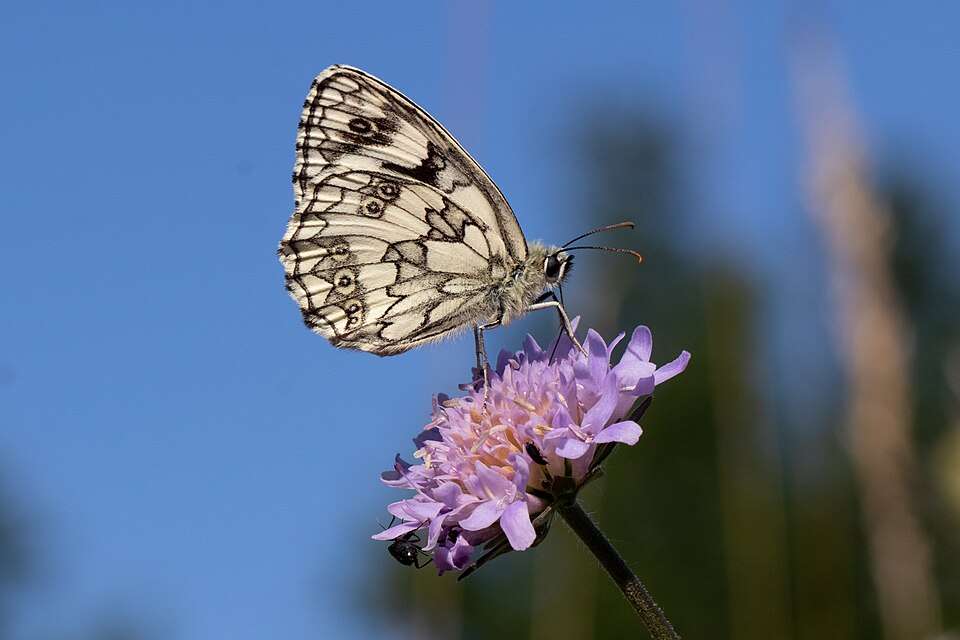
Galathea National Park, established in 1992, lies in southern Great Nicobar and is the southernmost national park in India: about 110 sq km of rainforest and the rivers running down to Galathea Bay, one of the world’s most important leatherback turtle nesting beaches (nesting runs roughly November to April). It also protects the Nicobar megapode and saltwater crocodile. One point of confusion is worth clearing up. In January 2021 the Galathea Bay Wildlife Sanctuary and the park’s eco-sensitive zone were de-notified for the Great Nicobar development project, but the National Park itself remains notified, which is why the territory’s count is still 9, not 8. Like Campbell Bay, it sits in the Nicobar tribal-reserve zone and is not open to tourism.
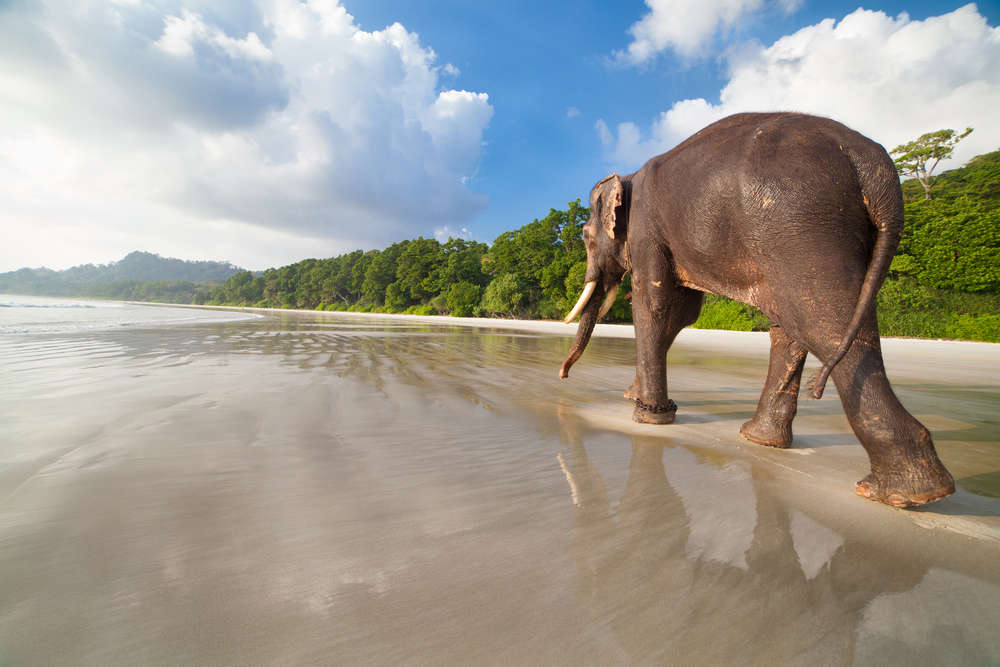
Visiting an Andaman national park takes a little planning. Most are marine parks reached by boat, and the two Nicobar parks are off-limits. Here is how to do it in six steps:
1. Pick a park you can actually visit: stick to the Andaman group. The most accessible are Mahatma Gandhi Marine (Wandoor), South Button, Saddle Peak and Mount Manipur. The two Nicobar parks (Campbell Bay and Galathea) are closed to tourism.
2. Sort permits: Indian nationals no longer need the Restricted Area Permit (RAP) for the main Andaman islands. The RAP is also relaxed for most foreign nationals across about 30 islands, but citizens of China, Pakistan and Afghanistan are exceptions and should check the current rule.
3. Buy the Forest Department entry permit: every park needs a Forest Department entry ticket, usually bought at the range office or, for marine parks, the departure jetty. Carry a government photo ID.
4. For marine parks, book a permitted boat trip: Mahatma Gandhi Marine leaves from Wandoor jetty; the Button Islands and Rani Jhansi sites are reached on licensed dive and boat trips from Havelock and Neil.
5. For land parks, plan the trek: Saddle Peak and Mount Manipur are walked. Go with a local guide, start early, and confirm the trail is open in the season you are visiting.
6. Respect the rules: the marine parks are no-plastic zones. Stay on permitted routes, don’t touch or remove coral, and follow your operator’s marine-park briefing.
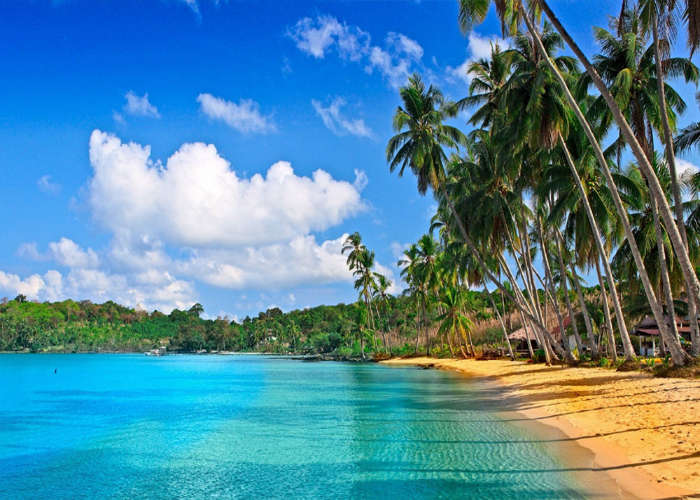
The best window for all of Andaman’s national parks is November to mid-May, the dry season, when seas are calm and underwater visibility is at its best for the marine parks. December to April is the sweet spot for snorkelling and diving at South Button, the Button Islands and Mahatma Gandhi Marine. The southwest monsoon, roughly June to September, brings rough seas and frequent suspension of marine trips, and Jolly Buoy and Red Skin generally close, so it is the weakest time for the water-based parks. The rainforest trails of Saddle Peak and Mount Manipur stay green and dramatic through the rains. If turtles are the goal, leatherback nesting at Galathea Bay peaks November to April, though that park itself is not open to tourists.
Andaman & Nicobar’s nine national parks pack an outsized share of India’s marine wildlife into a small archipelago, from the smallest park in the country at South Button to the rainforests of Great Nicobar. For most travellers the realistic itinerary is the Andaman-group marine and trekking parks, built around Wandoor, Havelock and Diglipur. When you are ready to put it together, browse our Andaman tour packages, or read the wider Andaman travel guide to plan the rest of the trip around them.
There are 9 national parks in the Andaman & Nicobar Islands: 7 in the Andaman group and 2 in Great Nicobar in the Nicobar group. They range from Campbell Bay (about 426 sq km of Great Nicobar rainforest) to South Button Island, which at 0.03 sq km is the smallest national park in India. The territory also holds 96 wildlife sanctuaries and one biosphere reserve.
The Andaman and Nicobar Islands have 96 wildlife sanctuaries, one biosphere reserve (Great Nicobar Biosphere Reserve), and 9 national parks. These figures are based on data from the Andaman and Nicobar Forest Department.
Yes. Every national park requires a Forest Department entry permit, usually bought at the range office or the departure jetty for marine parks. Indian nationals no longer need the Restricted Area Permit (RAP) for the main Andaman islands, and the RAP is also relaxed for most foreign nationals, except citizens of China, Pakistan and Afghanistan. The Nicobar parks sit in tribal reserves and are not open to tourism.
November to mid-May, during the dry season, when seas are calm and underwater visibility is highest. December to April is ideal for snorkelling and diving at the marine parks. The June to September monsoon brings rough seas that often suspend marine trips, so it is the weakest window for the water-based parks.
South Button Island National Park, in the Andaman & Nicobar Islands, is the smallest national park in India, just 0.03 sq km. It is a single tiny forested island ringed by a shallow coral lagoon, and despite its size it is one of the most rewarding snorkelling and diving sites in the archipelago, with resident dugong and turtles.
Yes, the marine parks are built for it. Mahatma Gandhi Marine National Park (Jolly Buoy and Red Skin islets) offers snorkelling and glass-bottom boat trips from Wandoor, while South Button, the Button Islands and Rani Jhansi sites are popular dive spots reached on permitted trips from Havelock and Neil. You snorkel or dive from the boat rather than landing on the protected islands.
The seven Andaman-group parks are open to permitted visitors, most accessibly Mahatma Gandhi Marine, South Button Island, Saddle Peak and Mount Manipur. The two Nicobar parks, Campbell Bay and Galathea on Great Nicobar, lie within a tribal reserve and are closed to general tourism, open only for research with special government permission.
Real reviews from real travelers who booked with us.
View All Reviews