5D / 4N
19% OFF
5D / 4N
19% OFF
Andaman Family Holiday For 4 Nights 5 Days
- Hotel
- Meals
- Sightseeing
- Transfers
₹23,574
₹18,990 /pp
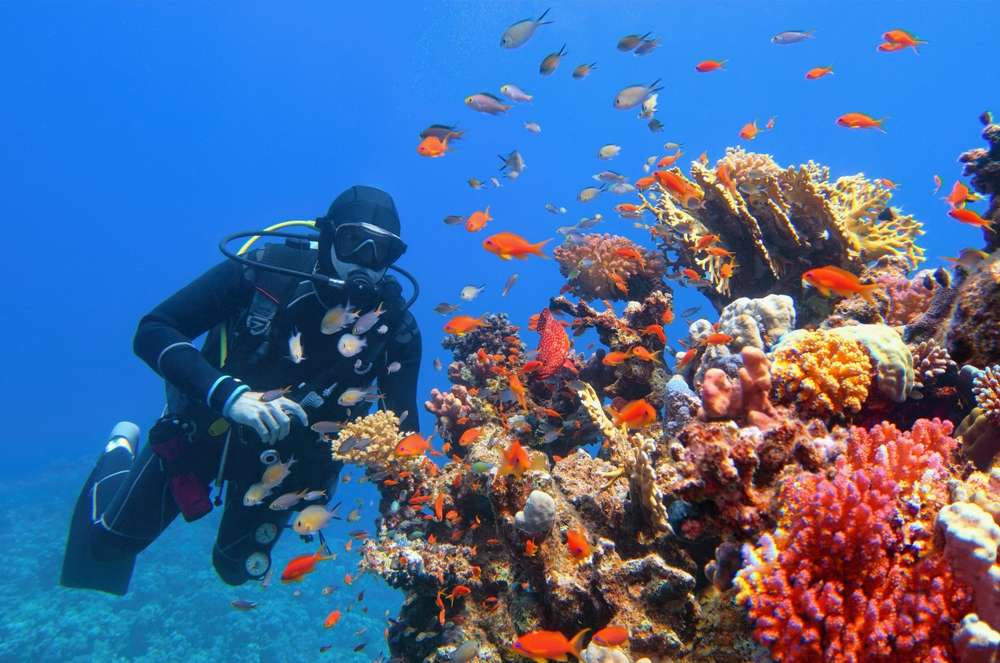


Scuba diving in Andaman starts at about Rs 3,500 for a first guided dive and runs up to roughly Rs 40,000 for a full PADI certification course. You do not need to know how to swim to try it, the water is warm all year, and the best visibility runs from October to May. The Andaman Islands sit on some of the clearest reef in India, with soft-coral walls, resident turtles and the occasional reef shark a short boat ride from Havelock and Neil. This guide covers what a dive actually costs, the 15 sites worth your air, how to pick the right experience, when to go, and the safety rules that matter.
Key Takeaways
Top Andaman Packages you Must Explore
Best Time
October - May
Select Package Type


Divers ask two things: where are the fish, and can I handle the site. The table below answers both at a glance, then each cluster gets the detail. Sites are grouped by the island you launch from, because that is how you will actually book them. Havelock (officially Swaraj Dweep) holds the deep, famous sites; Neil (Shaheed Dweep) has gentle coral gardens; and Port Blair puts a beginner reef within a day trip.
| Dive site | Launch from | Level | Known for |
| Nemo Reef | Havelock | Beginner / DSD | Clownfish, macro life, calm shallows |
| The Wall | Havelock | Open Water | Vertical drop-off draped in soft coral |
| Aquarium | Havelock | Beginner | Dense reef fish in 6 to 12 m |
| The Lighthouse | Havelock | Beginner / night | Easy reef, the go-to night dive |
| Turtle Bay | Havelock | Beginner | Green and hawksbill turtles |
| Barracuda City | Havelock | Intermediate | Schooling barracuda |
| Dickson’s Pinnacle | Havelock (offshore) | Advanced | Seamount, pelagics, big schools |
| Johnny’s Gorge | Havelock (offshore) | Advanced | India’s signature dive: rays, sharks, groupers |
| Jackson’s Bar | Havelock (offshore) | Advanced | Current dive, trevally and tuna |
| Whitehouse Rock | Havelock / Neil | Open Water+ | Boulder reef, groupers, morays |
| Mac Point | Neil Island | Beginner | Coral garden, rare dugong sightings |
| Seduction Point | Neil Island | Beginner / Int. | Staghorn coral, gentle current |
| K Rock (Margaret’s Mischief) | Neil Island | Intermediate | Boulder swim-throughs |
| Snake Island | North Bay (Port Blair) | Beginner | Day-trip reef near the capital |
| Barren Island | Off Middle Andaman | Advanced / liveaboard | India’s only active-volcano dive |
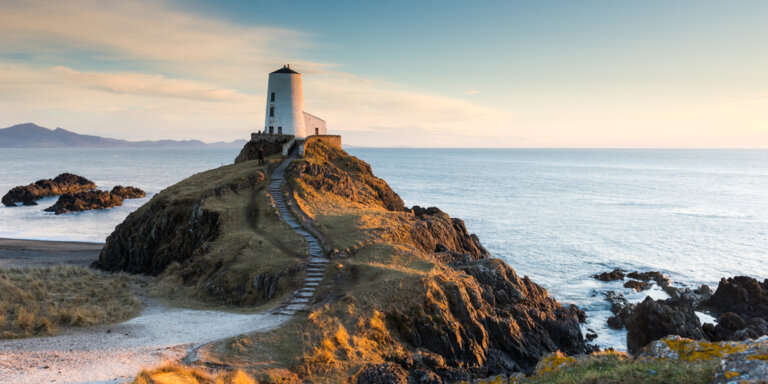
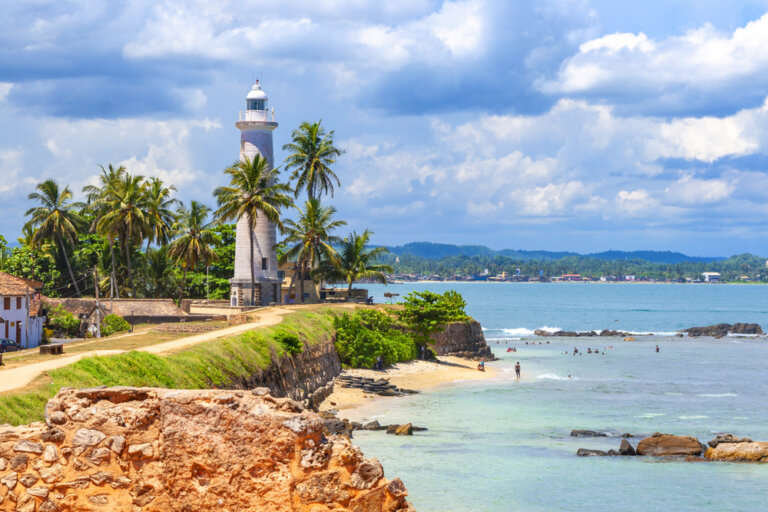
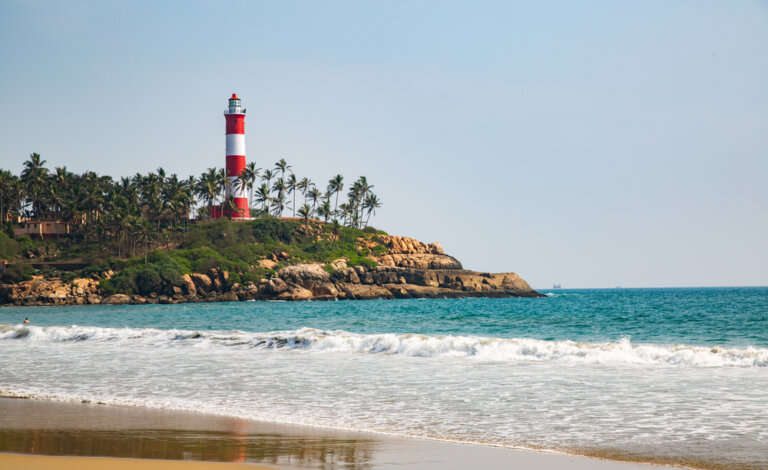
If you only dive one island, make it Havelock. The reefs here run from ankle-deep-easy to genuinely advanced, and the dive shops clustered around Beach No. 3 and Beach No. 5 send two boats out most mornings. Havelock is a three to four hour ferry from Port Blair, and it is where the certification courses, the famous offshore sites and the best-run centres all live. Here is each site in turn, roughly easiest first.
Nemo Reef. This is where most people’s first breath underwater happens. It is a shallow, sheltered patch of reef in around 6 to 10 metres, thick with clownfish nosing out of their anemones, and the calm conditions are exactly what a nervous first-timer needs. Almost every Havelock Discover Scuba Dive starts here, and it is gentle enough for children on the 10-plus programmes.
The Aquarium. A shallow reef in 6 to 12 metres so dense with fish that the name is not marketing. Snappers, fusiliers, angelfish and butterflyfish move over hard coral in numbers that make it a photographer’s warm-up. Another beginner favourite, and often paired with Nemo Reef on a two-dive morning.
The Lighthouse. An easy reef right off Havelock that doubles as the island’s standard night dive. After dark the whole cast changes: lionfish hunt in your torch beam, parrotfish sleep wrapped in mucus cocoons, and hermit crabs and octopus come out to work the reef. Depths stay beginner-friendly, which is why night dives here feel safe rather than nervy.
Turtle Bay. Lives up to its name. Green and hawksbill turtles graze the seagrass beds in easy, shallow water, and the odds of a close, unbothered turtle encounter are as high as anywhere in the islands. Calm conditions make it a strong second or third dive for beginners still finding their buoyancy.
Barracuda City. A step up into the intermediate band. The draw is the schooling barracuda that hang in silver walls in the mid-water, along with trevally and the occasional reef shark passing through. Some current, more depth, and the kind of big-fish action that hooks people into wanting a certification.
The Wall. The site Open Water students remember for the rest of their diving lives. It is a vertical drop-off that falls from about 12 metres straight down into the blue, its face carpeted in soft coral, sea fans and feather stars. Diving a wall teaches you to trust your buoyancy fast, and the sheer scale of it is what turns a course graduate into a diver.
Johnny’s Gorge. The best-known dive in India, and the reason serious divers fly to Andaman at all. It is a submerged ridge sitting around 25 to 30 metres that concentrates big animals: stingrays and blue-spotted rays on the sand, reef sharks cruising the edge, giant groupers, snapper schools and, on a good day, an eagle ray. This is an advanced, offshore, current-prone site that needs a boat and an Advanced Open Water card or a logged-dive check.
Dickson’s Pinnacle. A seamount that rises from the deep and acts like a magnet for pelagic life. Big schools stack up in the current, and the topography, with its swim-throughs and drop-offs, keeps advanced divers busy. Depths and current put it firmly in the Advanced Open Water bracket. Offshore, boat-only, and weather-dependent.
Jackson’s Bar. A proper current dive for experienced divers who want the reef to come to them. You drift the bar while trevally, tuna and jacks hunt in the flow, and the action can be relentless when the current runs. Advanced certification and good buoyancy control are non-negotiable here.
Whitehouse Rock. Dived from either Havelock or Neil, this is a boulder reef where groupers, moray eels and sweetlips shelter in the cracks between big rocks. Sitting in the Open Water and up range, it is a good bridge site for a freshly certified diver stepping beyond the shallow beginner reefs.
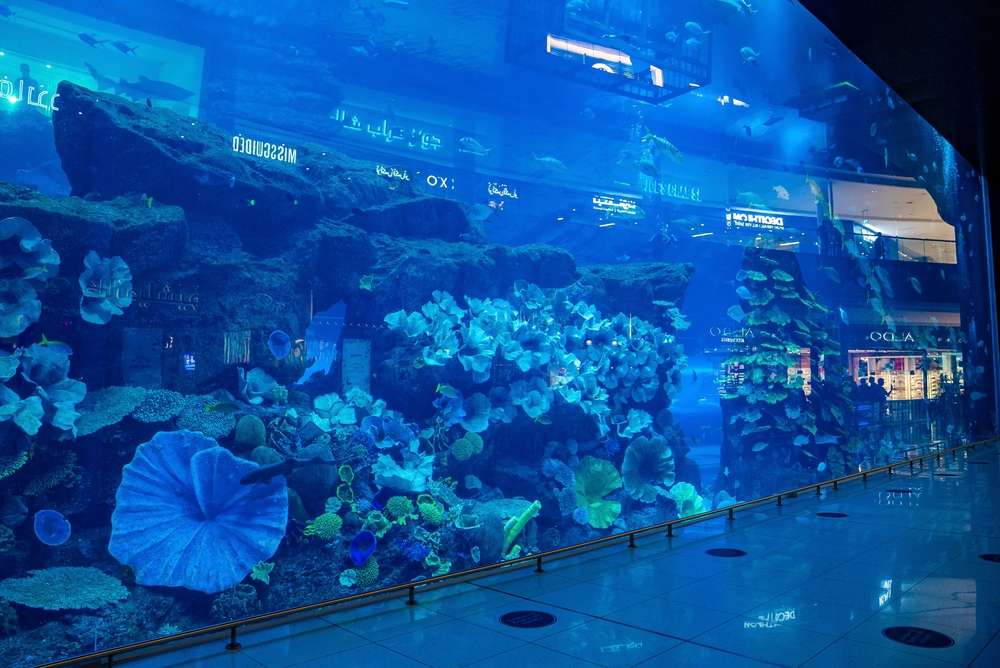
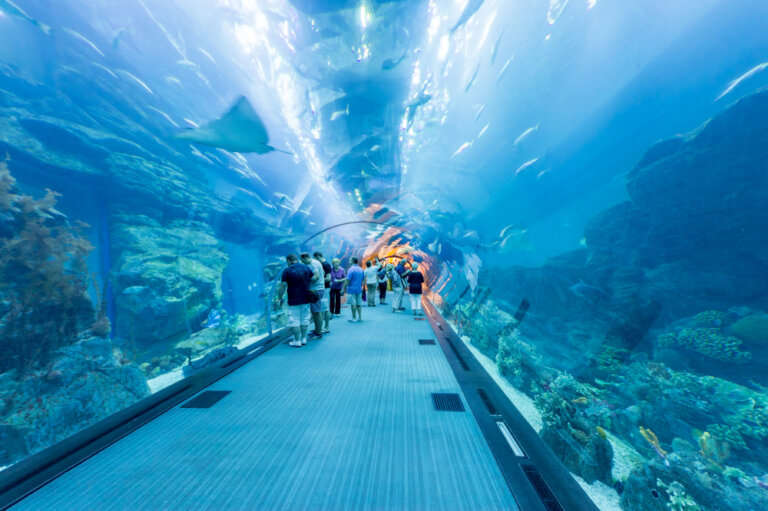
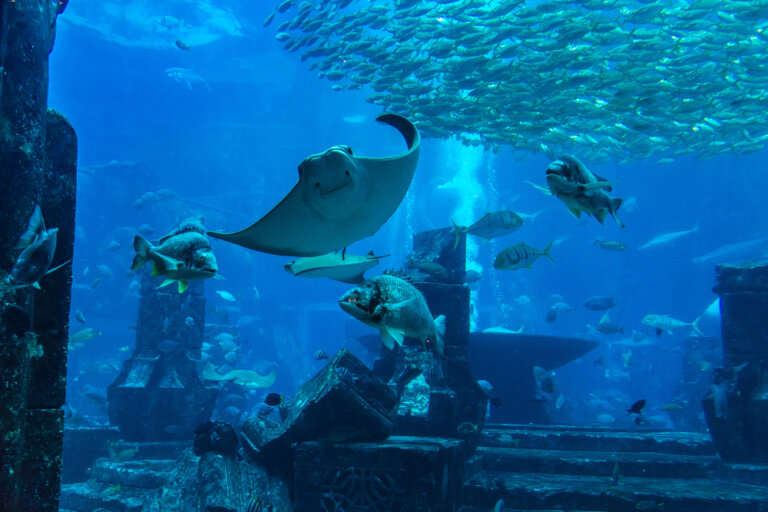
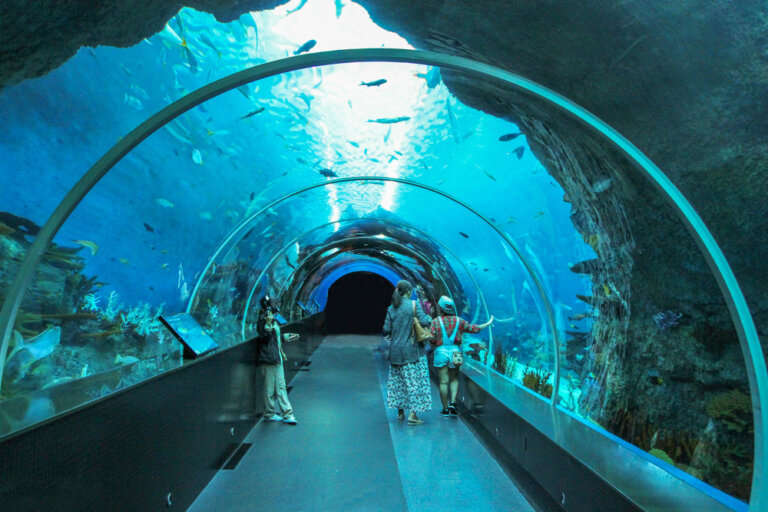
Neil is the calmer, prettier alternative about an hour by ferry from Havelock, and a lot of divers now split their trip across both islands. The reefs here are shallower and softer, which makes Neil ideal for beginners who want more than one gentle dive and for underwater photographers chasing coral over adrenaline. The pace on Neil is slower in every sense, and the shorter boat rides mean more time actually in the water and less time bouncing over swell to get there.
Mac Point. A broad, sloping coral garden best known for its rare dugong sightings. Treat any dugong as a lucky bonus rather than a plan, because they are shy and infrequent, but the reef itself, with its coral heads and reef fish in gentle conditions, is a lovely, low-stress dive in its own right.
Seduction Point. Fields of staghorn and table coral in a light current that suit improving beginners and anyone working on buoyancy. Turtles and reef fish are regulars, and the shallow, unhurried profile makes it a favourite for a relaxed second dive of the day.
K Rock (Margaret’s Mischief). The dive shops use both names for this cluster of boulders off Neil. It offers swim-throughs, overhangs and reef fish in the intermediate range, with just enough structure to keep a certified diver interested without demanding advanced skills.

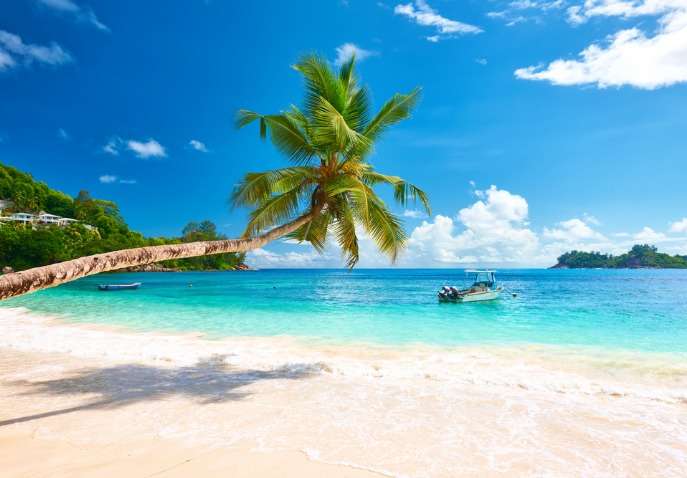


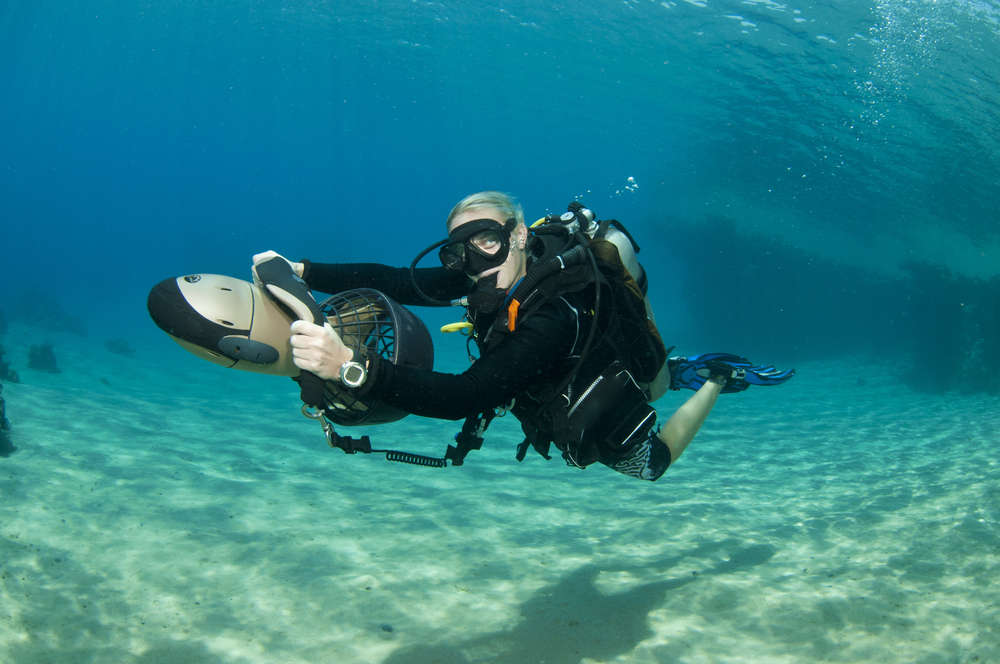
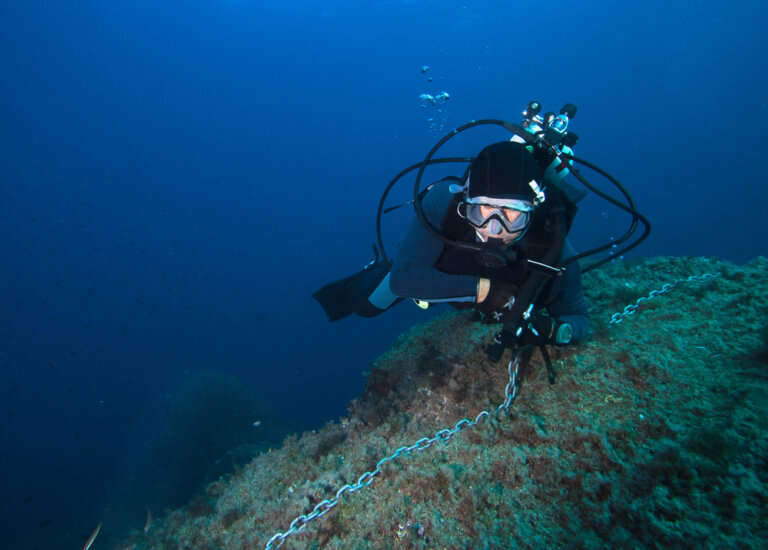
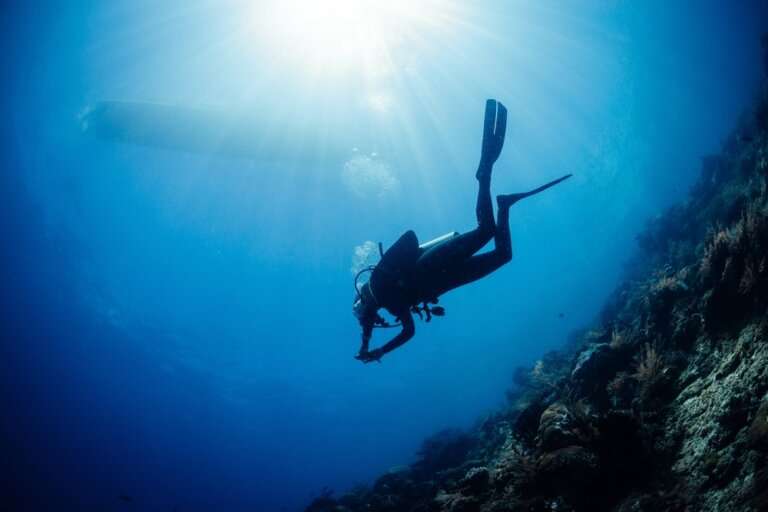
Snake Island. You do not have to reach Havelock to dive. Snake Island, off North Bay near Port Blair, is a beginner-friendly reef in calm, shallow water that you can dive on a day trip straight from the capital. That makes it the easiest first dive for anyone on a short itinerary or a layover in Port Blair, and it is booked as a guided Discover Scuba Dive with no experience needed.
Barren Island. Far out to the northeast lies India’s only active volcano and its most surreal dive. Black volcanic sand meets vivid, fast-growing coral, the visibility can be extraordinary, and the water sometimes carries a faint whiff of sulphur. Barren is an advanced, permit-controlled liveaboard trip rather than a casual booking, so it needs planning, experience and a dedicated boat charter. We have covered the logistics in full in our Barren Island guide, so plan that one as its own expedition.


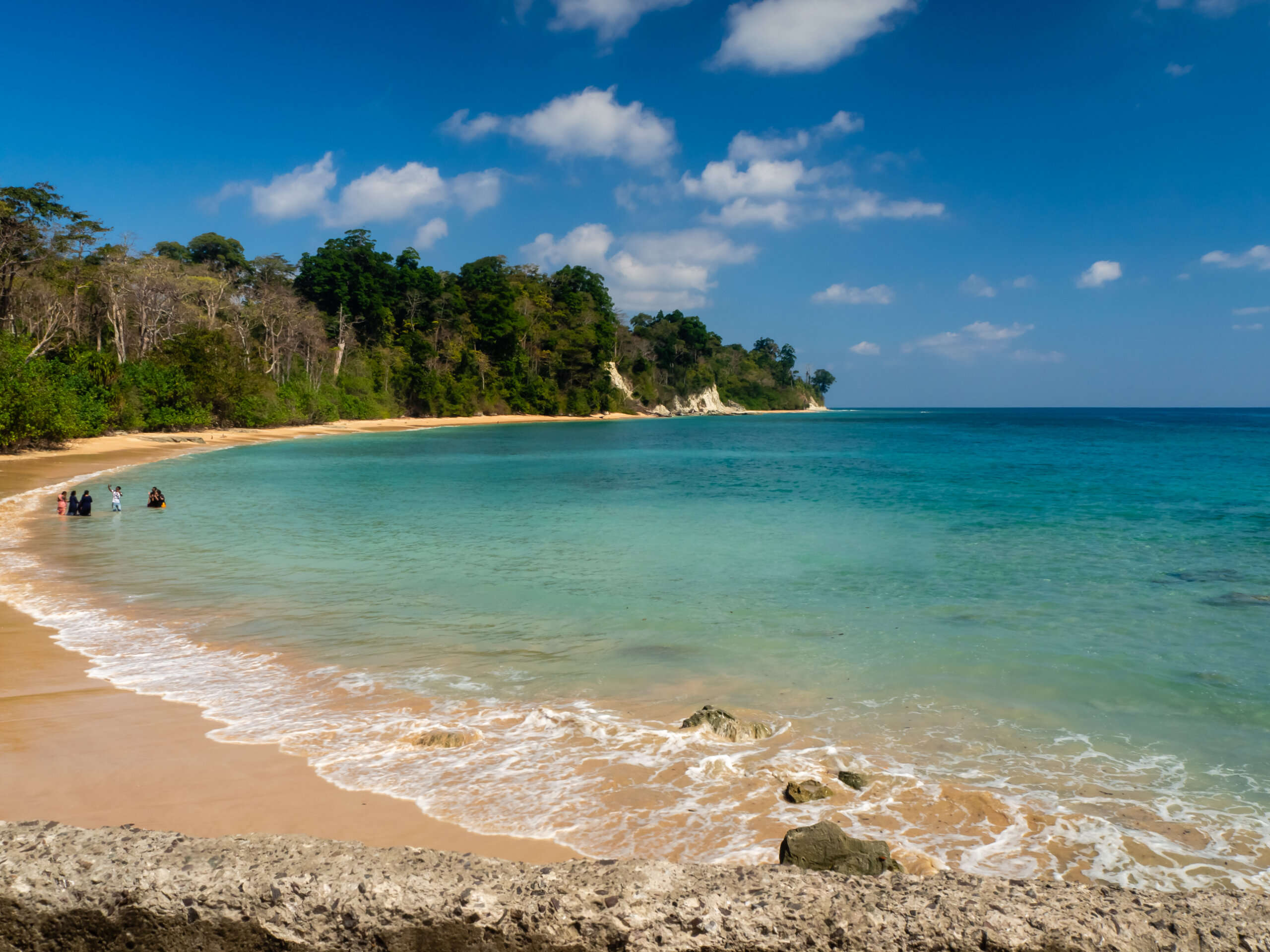
Your dive base decides which sites you can reach, so pick it before you book flights. All three islands run reputable operators, but they serve different divers.
Havelock (Swaraj Dweep) is the answer for most people. It has the widest choice of dive centres, all the PADI courses, and exclusive access to the marquee offshore sites like Johnny’s Gorge and Dickson’s Pinnacle. Reach it by government or private ferry from Port Blair, a ride of roughly three to four hours depending on the boat. Book the ferry in advance in peak season, because the fast catamarans sell out.
Neil Island (Shaheed Dweep) sits about an hour beyond Havelock and suits divers who prefer shallow coral gardens, calmer conditions and a quieter island. Many travellers now dive a day or two at each, hopping Havelock to Neil by the inter-island ferry.
Port Blair is where you land, and it works as a dive base only if your trip is short. A day-trip Discover Scuba Dive at Snake Island off North Bay lets you dive without committing the time to reach Havelock, which is handy on a two or three day visit.
A practical rule of thumb: for a first taste dive, anywhere works. For a certification course or the famous advanced sites, base yourself on Havelock and give it at least three full days.
Here is the honest money picture. A first taste dive is cheap; a certification is an investment that pays off across a lifetime of diving anywhere in the world. Prices below are 2026 rates from working Havelock operators and move a little by season and centre.
| Experience | Duration | Price (per person) | Do you earn a licence? |
| Discover Scuba Dive, shore | ~30 to 40 min underwater | Rs 3,500 | No |
| Discover Scuba Dive, boat | Half day | Rs 6,500 to 6,799 | No |
| Certified fun dive (per dive) | Per dive | Rs 2,500 to 6,500 | Needs existing cert |
| PADI Open Water Diver | 3 days | Rs 28,000 | Yes, lifetime cert |
| PADI Advanced Open Water | 2 to 3 days | Rs 24,000 | Yes, lifetime cert |
| PADI Rescue Diver | 3 to 4 days | On request | Yes, safety cert |
| PADI Divemaster | 2 to 4 weeks | On request | Yes, first pro rating |
A few things worth knowing before you pay. The shore Discover Scuba Dive at around Rs 3,500 is the best-value first taste, but the boat version at Rs 6,500 to 6,799 reaches better reef and usually gives you longer underwater. Fun-dive prices drop sharply when you book a package of several dives instead of paying per dive, so if you are certified and staying a few days, ask for a multi-dive rate. The full certification ladder runs Rs 6,000 to 40,000 depending on how far you take it, from a single try dive to a professional Divemaster rating.
What the Discover Scuba Dive price buys. For roughly Rs 3,500 to 6,799 you get a short land or pool briefing, all the gear, one guided dive with an instructor beside you, and usually 30 to 40 minutes of actual bottom time. There is no exam and no licence at the end; it is purely an experience. If you do two in a day, ask for a combined rate.
What the PADI Open Water course buys. The Rs 28,000 covers three days of theory, confined-water skills and four open-water training dives, the full gear, and the internationally recognised certification card that lets you dive to 18 metres anywhere in the world without a guide. This is the single best-value thing a keen beginner can spend money on in Andaman.
What Advanced Open Water and beyond buys. For around Rs 24,000, Advanced Open Water adds five adventure dives, including deep and navigation, and extends your limit to 30 metres so you can dive Johnny’s Gorge and Dickson’s Pinnacle. Rescue Diver and the professional Divemaster rating sit above that; prices for those two are quoted by the dive centre, so ask when you enquire.
One money-saving note: certification-course fees usually include your training dives, so if you plan to get certified, do not also pay separately for fun dives on the same days. And a Discover Scuba Dive credit can often be applied toward an Open Water course if you decide to continue, so mention it before you sign up.
If you want the fine print on government reef and marine-park entry fees rather than dive-shop rates, our Andaman scuba diving entry fees page breaks those down separately. And if you would rather have the dives, transfers and stay bundled into one trip, browse our
Andaman scuba diving packages to compare operator-vetted options with prices locked in advance.
The single most common mistake is booking the wrong thing. A total first-timer does not need a course, and a certified diver should not waste money on a guided taste dive. Match yourself to one row below.
| Option | Swimming needed? | Time | Max depth | Best for | From |
| Discover Scuba Dive | No, fully guided | Half day | ~12 m | Total first-timers, kids 10+, nervous divers | Rs 3,500 |
| Certified fun dive | Yes, you are certified | Per dive | 18 to 30 m | Anyone already carrying a licence | Rs 2,500 |
| PADI Open Water | Basic water comfort | 3 days | 18 m | Anyone who wants a lifelong licence | Rs 28,000 |
| PADI Advanced Open Water | Open Water first | 2 to 3 days | 30 m | Deep, wreck and night specialities | Rs 24,000 |
Read it like this. If you have never breathed underwater and you are on a short trip, book a Discover Scuba Dive and enjoy it with zero pressure. If Andaman is the start of a diving habit, spend the three days on an Open Water course instead, because the same money that buys two or three guided dives buys you a licence you can use in Thailand, the Maldives or the Red Sea for the rest of your life. Already certified? Skip straight to fun dives at the advanced sites, where your card actually pays off.
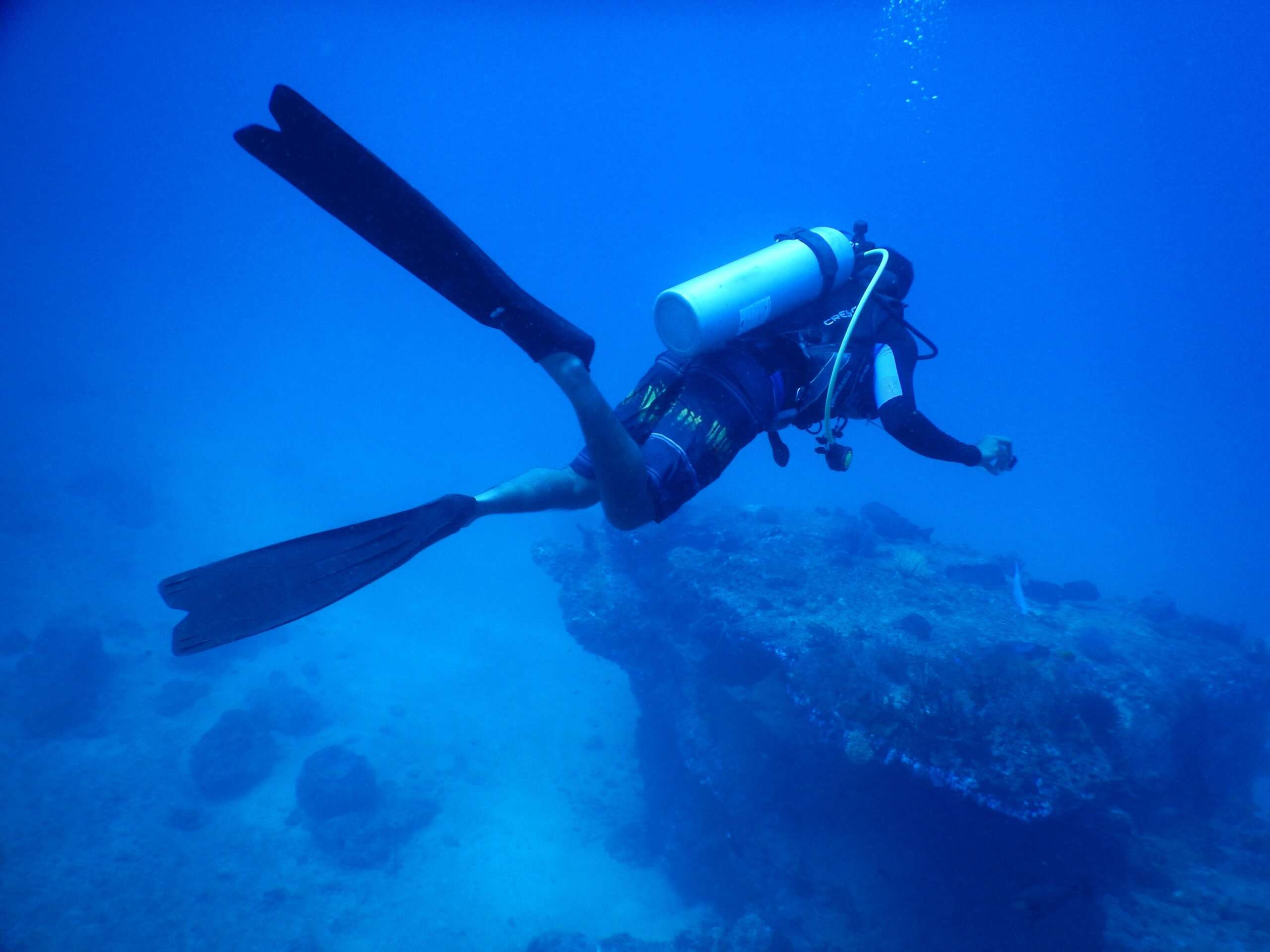
Booking is simple if you do it in the right order. Follow these six steps and you will not get stuck paying tourist-trap rates at the jetty.
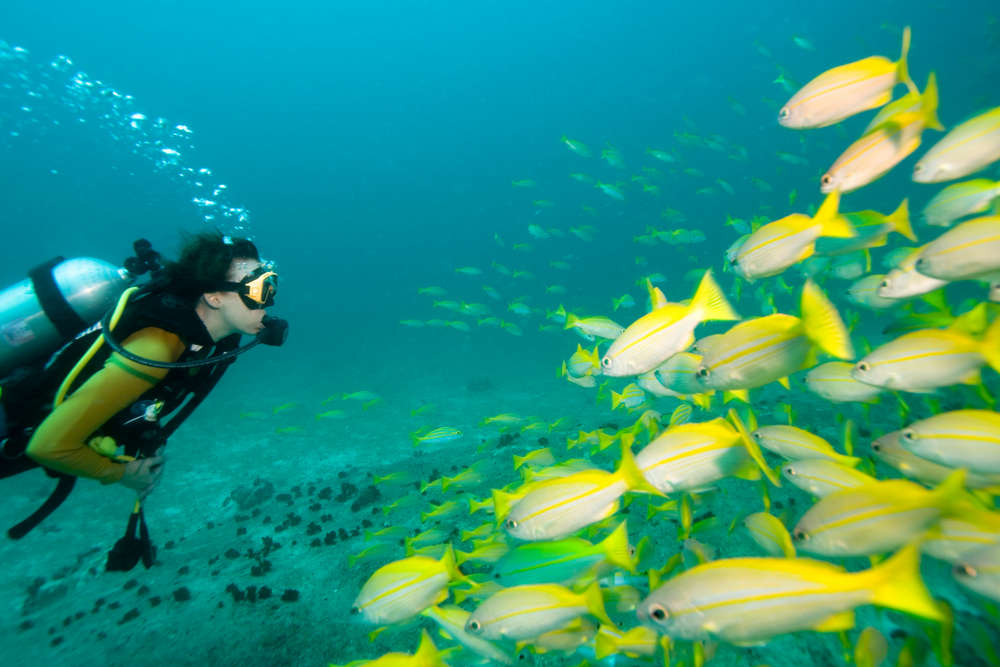
The Andaman Sea is warm all year, sitting around 27 to 30 degrees, so cold is never the issue. Visibility and sea state are. The window that matters runs October to May, and it splits into two moods.
| Season | Months | Sea condition | Visibility | Verdict |
| Peak | November to February | Calm, glassy mornings | 15 to 30 m | Best overall, book ahead |
| Shoulder | October, March to May | Mostly calm | 12 to 25 m | Great, fewer crowds, warmer |
| Monsoon | June to September | Rough, swelly | Reduced | Boat dives often suspended |
November to February is the sweet spot: flat seas, the clearest water of the year and the highest odds of the offshore sites running. March to May stays excellent and quieter, with slightly warmer water. October is a genuine shoulder gamble as the monsoon pulls out, so keep a spare day in the plan. Through the June to September monsoon, expect rough seas, thinner visibility and frequently cancelled boat dives; a few sheltered shore sites near Havelock may still run, but do not build a trip around diving in those months.
Month by month, it breaks down like this. November and December bring the freshest post-monsoon water and reliable offshore access, though the seas can still have the odd swell early in November. January and February are peak dive season, with the flattest conditions, the best 25 to 30 metre visibility and the busiest dive shops, so this is the window to book ahead. March and April warm up and thin out the crowds while conditions stay excellent, which many regulars consider the best value time to go. May is the last comfortable month before the monsoon builds. If you are chasing the advanced Johnny’s Gorge and Dickson’s Pinnacle sites specifically, weight your trip toward December to March, when the offshore boats run most consistently.
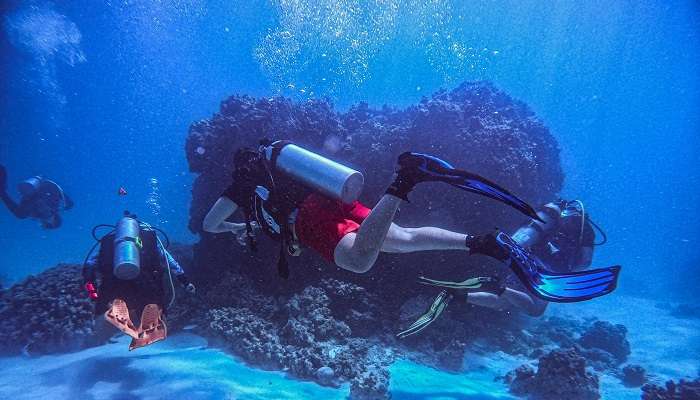
Scuba diving in Andaman is safe when you dive with a certified operator and answer the medical questions truthfully. Reef operators here run PADI or SSI standards, brief you thoroughly, and keep a guide within arm’s reach on every Discover Scuba Dive. The rules below are the ones that actually keep you well.
The dive centre provides the technical gear, so you travel light. What you bring is comfort and after-dive kit.
What the operator provides
Mask, snorkel, fins, wetsuit, BCD, regulator, weights and tank all come with your dive or course. On a DSD, the instructor also carries a spare air source and manages your weighting, so you arrive with nothing but yourself.
What to bring yourself
Andaman’s reefs are part of the Andaman Sea coral triangle fringe, and the biodiversity shows the moment you drop below the surface. What you meet depends on the site and your depth, but the cast is reliably rich.
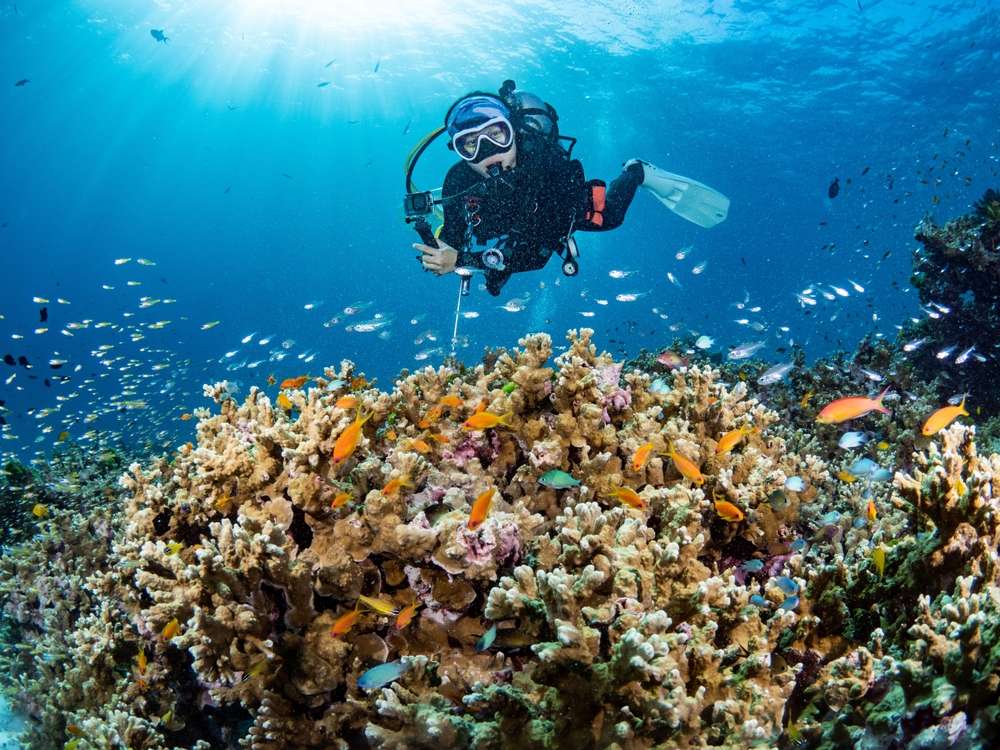
On the shallow beginner reefs like Nemo Reef, the Aquarium and Mac Point, expect clouds of reef fish in every colour the crayon box has: parrotfish crunching coral, angelfish and butterflyfish drifting in pairs, sergeant majors, snappers and the clownfish that give Nemo Reef its name. Hard-coral gardens, brain corals and staghorn thickets carpet the bottom, and it is common to share the water with green and hawksbill turtles grazing without a care.
On the walls and boulder sites like The Wall and Whitehouse Rock, the scenery shifts to soft coral, sea fans, feather stars and the crevices where moray eels, groupers and lobster hide. Look into the blue and you may catch fusilier schools being harried by trevally.
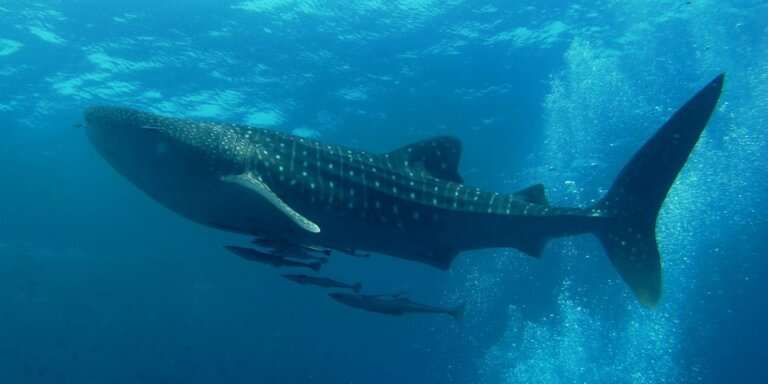
On the advanced offshore sites like Johnny’s Gorge, Dickson’s Pinnacle and Jackson’s Bar, the big animals arrive: reef sharks, stingrays and blue-spotted rays, giant groupers the size of a suitcase, barracuda walls, tuna and, on a lucky day, an eagle ray or a manta passing through. Barren Island adds the strangeness of coral growing on black volcanic sand.
Two things worth remembering. First, this is a living reef, so touching coral, chasing turtles or feeding fish damages the very thing you paid to see; keep your hands to yourself and your fins off the bottom. Second, macro-lovers should slow down on the shallow sites, where nudibranchs, shrimp, pipefish and seahorses reward anyone who stops rushing.
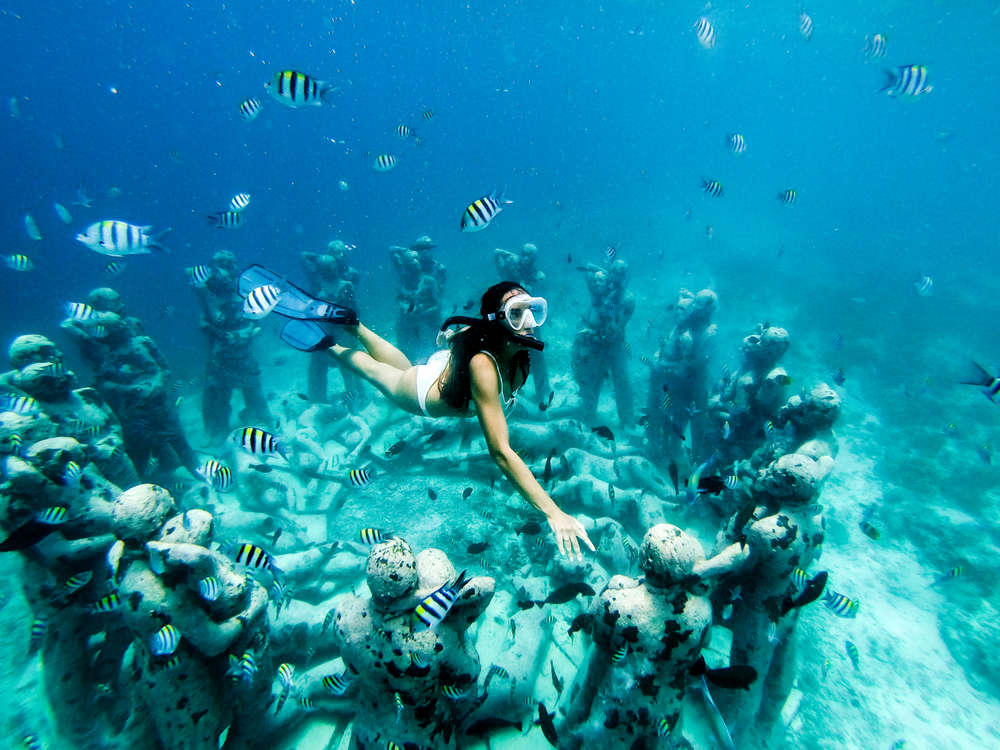
If a full dive feels like too much, or a member of your group cannot dive for medical reasons, Andaman’s snorkelling is genuinely world-class and far cheaper. Elephant Beach on Havelock and the reefs off Neil put vivid coral and turtles within a mask-and-snorkel of the surface, no certification and no tank required. Many travellers do both: a Discover Scuba Dive for the diver, snorkelling for everyone else. Our guide to snorkelling in Andaman covers the best spots and prices in detail. Snorkelling is also the sensible choice if you are pregnant, have an ear or sinus issue, or simply want the reef without the depth.
Your instructor matters more than your dive site. Andaman has excellent centres and a few that cut corners, so a little care up front keeps a safe sport safe.
Booking through a vetted trip is one way to skip the guesswork, because the operators are checked in advance and the dives, transfers and stay are lined up so nothing falls apart on the day.
If you have never dived, the fear of the unknown is usually worse than the dive. Here is what a Discover Scuba Dive in Havelock actually feels like, start to finish, so you arrive knowing what to expect.
The briefing. You meet your instructor on the beach or the boat and run through the basics on land: how to breathe slowly through the regulator, how to clear water from your mask, how to equalise your ears, and the few hand signals that matter. It takes 15 to 20 minutes and it is calmer than it sounds.
The shallows. You wade or descend into chest-deep water and practise breathing underwater for the first time, plus one or two skills, until it feels normal. Most people’s nerves melt here, the moment they realise the regulator just works.
The descent. Holding your instructor’s hand or a guide line, you go down slowly, equalising your ears every metre or so. If your ears hurt, you stop and signal, and you never push past a block. Reaching the reef at 8 to 12 metres, with fish all around, is the moment people remember for years.
The dive. You glide over the reef for 20 to 40 minutes while your instructor manages your buoyancy and points out turtles, clownfish and coral. There is nothing to do but breathe slowly and look. Underwater photos, if you booked them, get taken here.
The ascent and after. You come up slowly, climb out, and spend the boat ride back grinning. Give yourself a rest, rehydrate, and do not book a flight for at least 18 to 24 hours. Many people finish their first dive already asking about the Open Water course.
A little logistics planning makes the diving part effortless. Here is the practical frame most divers work to.
How many days. For a single taste dive folded into a beach holiday, one dive day is enough. For a PADI Open Water course, block at least three clear dive days plus a buffer, and remember the 18 to 24 hour no-fly gap after your last dive, so plan a non-diving final day before you fly home. A relaxed dive-focused trip is five to seven days on the islands.
Getting there. You fly into Veer Savarkar International Airport in Port Blair, the only airport, with direct flights from Chennai, Kolkata, Delhi, Bengaluru and Hyderabad. From Port Blair, ferries run to Havelock and Neil; book the fast private catamarans in advance during peak season because they fill up. Inter-island ferries connect Havelock and Neil directly if you want to dive both.
Permits. Indian nationals do not need a permit for the main tourist islands including Port Blair, Havelock and Neil. Foreign nationals no longer need the old Restricted Area Permit for these islands, though rules can change, so check the current position before you travel. Some outer islands and marine parks charge separate entry or activity fees.
Where to stay. Havelock has the widest choice, from backpacker huts near the dive shops to beach resorts on Radhanagar. Staying close to your dive centre saves early-morning transfers. To build the whole trip, dives, stays, ferries and transfers in one place, our Andaman scuba diving packages bundle the dives with a vetted operator, and the wider Andaman travel guide covers ferries, islands and seasons across the whole trip.
Andaman is the easiest place in India to fall for diving. You can breathe underwater for the first time at Nemo Reef for the price of a nice dinner, or walk away three days later with a PADI licence and a plan to dive the world. Pick your experience, go between October and May, and dive with a certified operator, and the rest takes care of itself. When you are ready to line up the dives, transfers and stay in one place, browse our Andaman scuba diving packages, or start with the wider Andaman travel guide to build the trip around your dives.
October to May is the best time, and November to February is the peak. In those months the sea is calm, water temperature sits around 27 to 30 degrees, and visibility reaches 15 to 30 metres. The June to September monsoon brings rough seas and frequently suspended boat dives, so avoid planning a diving trip around it.
No. A guided Discover Scuba Dive is open to non-swimmers because a certified instructor stays with you and controls your buoyancy and depth the whole time. You do need basic water comfort and a short swim test if you sign up for a full PADI certification course rather than a one-off try dive.
Discover Scuba Dive generally suits ages 10 to 60. You should not dive if you are pregnant, have an uncontrolled heart, lung, sinus or ear condition, or cannot equalise pressure in your ears. Anyone over about 45 is usually asked for a fitness declaration, and a heavy cold is reason enough to postpone.
Nemo Reef off Havelock is the classic beginner site: shallow, sheltered and full of clownfish, so it builds confidence quickly. The Aquarium and Turtle Bay near Havelock, and Snake Island off Port Blair for short trips, are equally gentle first dives. All are booked as guided Discover Scuba Dives that need no experience.
A shore Discover Scuba Dive starts at about Rs 3,500, and a boat DSD runs Rs 6,500 to 6,799. Certified fun dives cost Rs 2,500 to 6,500 per dive, cheaper in multi-dive packages. A PADI Open Water course is around Rs 28,000 and Advanced Open Water around Rs 24,000, with the full ladder spanning Rs 6,000 to 40,000.
No certification is needed for a Discover Scuba Dive, which is a fully guided introductory experience. You only need a licence if you want to fun-dive independently or go to the deeper, advanced sites like Johnny’s Gorge or Dickson’s Pinnacle. If you plan to keep diving, a three-day PADI Open Water course is the better value.
A PADI Open Water course takes three days, and Advanced Open Water adds two to three more. Build in at least one extra buffer day for weather, and remember the 18 to 24 hour no-fly gap after your final dive. So a comfortable certification trip is four to five days on the islands, not counting travel.
Yes, when you dive with a certified PADI or SSI operator. First-timers do a guided Discover Scuba Dive with an instructor within arm’s reach, a full briefing, and a shallow depth limit of around 12 metres. The main risks come from hiding a medical condition or ignoring an ear that will not equalise, both of which are avoidable.
A guided Discover Scuba Dive stays shallow, usually around 8 to 12 metres, which is where the reef life is brightest anyway. A PADI Open Water certification takes you to 18 metres independently, and Advanced Open Water extends the limit to 30 metres so you can reach the deeper offshore sites. Your instructor sets a safe depth for your experience on every dive.
For most travellers, yes. Andaman offers the best-value reef diving in India: warm, clear water, healthy coral, resident turtles and marquee sites like Johnny’s Gorge, all for a first dive that costs about as much as a nice dinner. Even a single Discover Scuba Dive is memorable, and if you get certified here you leave with a licence you can use worldwide.
Havelock (Swaraj Dweep) is the best base overall, with the widest range of sites from beginner reefs to the famous advanced dives at Johnny’s Gorge, Dickson’s Pinnacle and Jackson’s Bar. Neil Island suits gentle coral-garden dives, and Port Blair works for a quick day-trip dive at Snake Island if your trip is short.
Yes, and most travellers do. Diving pairs naturally with island-hopping between Port Blair, Havelock and Neil, plus beaches, snorkelling and water sports. The simplest way is to fold dives into a planned itinerary so transfers, stays and dive slots line up, rather than arranging each piece at the jetty on the day.
Real reviews from real travelers who booked with us.
View All Reviews