5D / 4N
19% OFF
5D / 4N
19% OFF
Andaman Family Holiday For 4 Nights 5 Days
- Hotel
- Meals
- Sightseeing
- Transfers
₹23,574
₹18,990 /pp
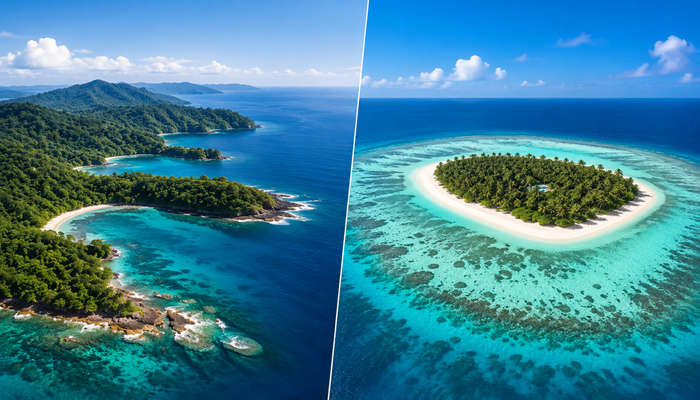


Andaman is the better pick for first-timers who want adventure, history and a bit of nightlife, with easy flight access and no special permit for Indian travellers. Lakshadweep suits couples and divers chasing secluded lagoons, but if you want that mix of beaches, activity and easy access on a single booking, an Andaman honeymoon trip is the simpler one to plan.
Andaman vs Lakshadweep is the decision almost every Indian island-holiday shortlist comes down to: two tropical archipelagos, two very different trips. Andaman sits in the Bay of Bengal, with 500-plus islands, forested interiors, and a layered colonial history. Lakshadweep is a cluster of 36 coral islands in the Arabian Sea, smaller, quieter, and harder to reach. Neither is ‘better’ in the abstract. One is better for you once you weigh access, permits, budget and what you actually want to do. This guide lays the two side by side, at a glance first, then dimension by dimension, and ends each section with a clear next step to book with confidence.
Andaman vs Lakshadweep explore these packages
Best Time
November - May
Select Package Type


Here is the full comparison in one view. Skim the table, then read the verdict directly below it.
Are they the same place? No. Andaman (and Nicobar) and Lakshadweep are two separate union territories on opposite coasts of India: Andaman in the Bay of Bengal to the east, Lakshadweep in the Arabian Sea to the west. Andaman is bigger, easier to reach and more developed; Lakshadweep is smaller, quieter and permit-controlled.
| Dimension | Andaman | Lakshadweep |
| Where it is | Bay of Bengal (east) | Arabian Sea (west) |
| Islands open to tourists | Havelock, Neil, Port Blair, Ross and more | Agatti, Bangaram, Kavaratti, Minicoy, Kadmat, Kalpeni |
| Best time to visit | Nov to May (driest Nov to Apr) | Oct to Mar (driest Dec to Apr) |
| Ideal trip length | 5 to 7 days | 3 to 5 days |
| Avg budget (per person) | ~INR 25,000 to 45,000 (mid-range) | ~INR 35,000 to 60,000 (mostly package-only) |
| Entry permit | None for Indian nationals | Mandatory for all non-residents |
| Getting there | Flights to Port Blair from most metros | Only Agatti airport; flights via Kochi |
| Water sports | Scuba, sea-walk, snorkel, jet-ski | Lagoon snorkel, scuba, kayaking, glass-boat |
| Nightlife and shopping | More developed (Port Blair, Havelock) | Minimal, by design |
| Crowd level | Moderate to busy in peak season | Low, capped low-footprint tourism |
| Best for | First-timers, adventure, families, history | Couples, divers, slow secluded escapes |
If you only read one section, read this one.
Which is better, Andaman or Lakshadweep? For most travellers, Andaman is better: more variety, easier flights, and no permit for Indian nationals. Choose Lakshadweep only if secluded lagoons and near-zero crowds matter more to you than choice and access.
Which is cheaper, Andaman or Lakshadweep? Andaman is cheaper. A comfortable mid-range Andaman trip runs about INR 25,000 to 45,000 per person, while Lakshadweep usually starts higher (roughly INR 35,000 to 60,000) because supply is limited and most visits are package-only.
Choose Andaman if…
Choose Lakshadweep if…
Still on the fence? Browse Andaman tour packages and Lakshadweep tour packages side by side. Both can be customised to your dates, budget and pace.
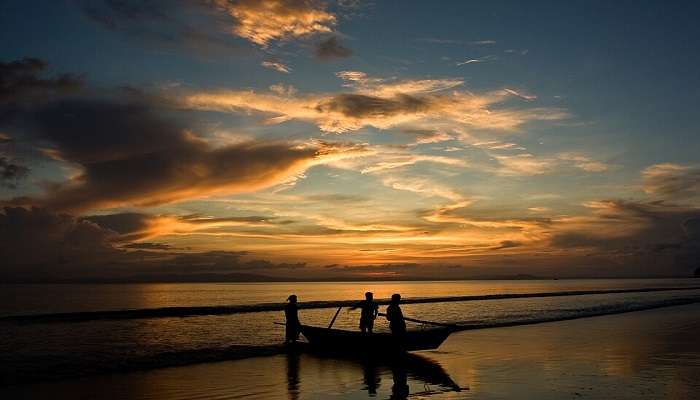
The two archipelagos are built differently. Andaman is a chain of 500-plus islands, the peaks of a submerged mountain range, with forested hills, mangrove creeks and long beaches. Havelock (Swaraj Dweep) is the headline island, and Radhanagar is regularly rated among Asia’s best beaches; Kalapathar and Elephant Beach round out the set. Neil Island (Shaheed Dweep) is the quieter neighbour, a short ferry away, with Bharatpur and Laxmanpur beaches for gentler swimming and snorkelling. Lakshadweep is the opposite scale: 36 low-lying coral islands ringed by shallow turquoise lagoons in the Arabian Sea, of which only about ten are inhabited and a handful open to tourists, among them Agatti, Bangaram, Kadmat, Kavaratti and Kalpeni. Its draw is the water itself: flat, glass-clear lagoons and reef walls that are among the healthiest in the country.
For the full island-by-island breakdown, see our guides to places to visit in Andaman and places to visit in Lakshadweep.
| Andaman | Lakshadweep | |
| Sea | Bay of Bengal | Arabian Sea |
| Islands | 500+ (some Nicobar areas restricted) | 36 islands (~10 inhabited) |
| Terrain | Forested hills, mangroves, historic sites | Coral atolls, reefs, shallow lagoons |
| Signature beaches | Radhanagar, Kalapathar, Elephant | Agatti and Bangaram lagoons, Kadmat |
| Marine life | Strong coral; scuba at Havelock and Neil | Pristine lagoons; top-tier reef snorkelling |
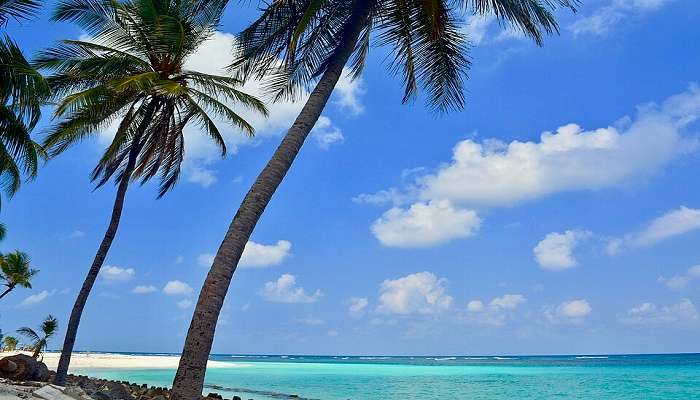
Both islands are warm and tropical year-round (roughly 23 to 32 degrees C), so the real planning lever is rainfall, not temperature. Andaman is markedly wetter. Port Blair averages around 3,000 mm of rain a year, driven by a strong southwest monsoon from May to September and a cyclone window in October and November. Lakshadweep is drier overall, with roughly 1,500 to 2,000 mm of rainfall. Aim for November to May in Andaman (driest November to April) and October to March in Lakshadweep (driest December to April). Avoid the monsoon on both, when heavy seas suspend ferries and most water sports.
If your dates fall in the shoulder months, Lakshadweep dries out a little earlier and holds calmer lagoon conditions. Andaman’s bigger draw, Havelock diving, is at its best from roughly December to April.
| Climate factor | Andaman (Port Blair) | Lakshadweep |
| Temperature | 23 to 32 degrees C year-round | 23 to 32 degrees C year-round |
| Annual rainfall | ~3,000 mm (heavy) | ~1,500 to 2,000 mm |
| Monsoon | May to Sep (SW); cyclones Oct to Nov | May to Sep |
| Best / driest season | Nov to May (driest Nov to Apr) | Oct to Mar (driest Dec to Apr) |
| Peak window | Dec to Mar | Dec to Apr |
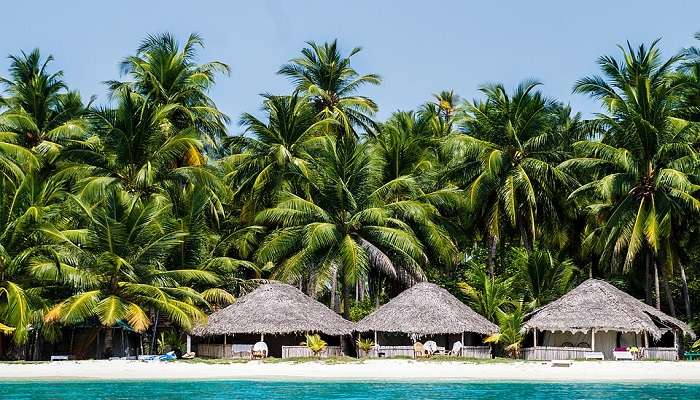
Andaman rewards a slightly longer trip because the highlights are spread across islands that need ferry hops: Port Blair for history, Havelock for beaches and diving, and Neil for a quieter day. Five to seven days is the comfortable range. Lakshadweep is more compact and most itineraries are island- or resort-based, so three to five days covers it well. On cost, Andaman is generally the more flexible and affordable of the two, while Lakshadweep is more expensive because supply is limited and most travel is package-based.
Figures are per person for the on-ground trip (stay, local transfers, activities), excluding flights to the gateway city. The actual cost depends on the season, group size, and how much diving you add.
For current, customisable pricing on either island, compare live Andaman packages and Lakshadweep packages.
| Budget tier (per person) | Andaman | Lakshadweep |
| Budget | ~INR 18,000 to 28,000 | ~INR 30,000 to 40,000 |
| Mid-range | ~INR 28,000 to 45,000 | ~INR 40,000 to 60,000 |
| Premium | ~INR 50,000 and up | ~INR 70,000 and up |
Andaman
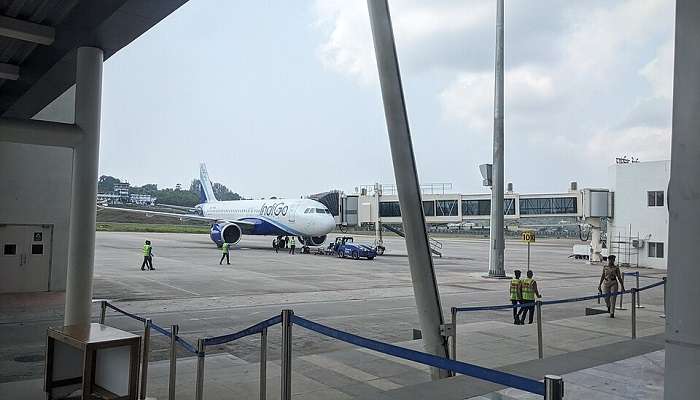
Port Blair’s Veer Savarkar International Airport has direct flights to Chennai, Kolkata, Delhi, Bengaluru, and other metros, and passenger ships sail from Chennai, Kolkata, and Visakhapatnam. Indian nationals do not need any special permit to visit the main islands; you simply fly in. Tribal reserves and some protected areas remain off-limits or need separate approval, and a few zones have rules for foreign nationals, but for the standard Havelock, Neil and Port Blair circuit, access is straightforward.
Lakshadweep
Lakshadweep is harder to reach by design. Agatti is the only airport, served by flights routed through Kochi, and ships also run from Kochi. Crucially, an entry permit is mandatory for every non-resident Indian and foreign visitor, and most visitors travel on pre-arranged packages through registered operators who handle the permit. Build in extra lead time: the permit, the single air route, and limited room inventory all reward booking well in advance.
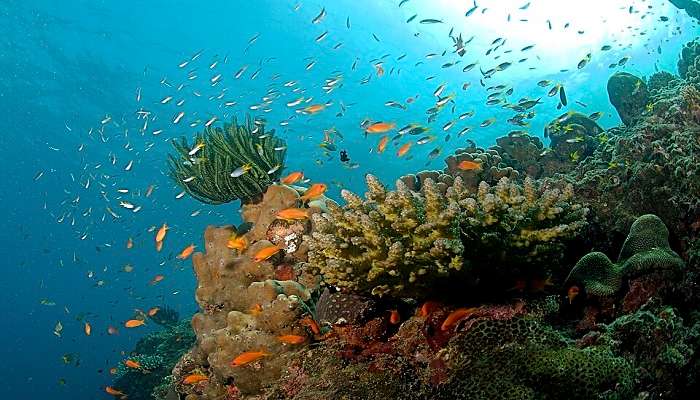
Andaman is the more varied playground: scuba diving and sea-walking at Havelock and Neil, snorkelling at Elephant Beach, jet-ski and parasailing, glass-bottom boat rides for non-swimmers, plus land-side history at the Cellular Jail (Kala Pani) and its evening light-and-sound show, and the day trip to Ross Island. Lakshadweep is a specialist: world-class lagoon snorkelling and scuba, kayaking and glass-bottom boats, but very little beyond the water. That calm is the point.
On shopping, Andaman’s markets carry pearls, shells, cane and coconut crafts and Nicobari mats; Lakshadweep’s specialities are coconut products, tuna and fish-based items from Agatti, Kavaratti and Minicoy. Andaman wins on range, Lakshadweep wins on calm.
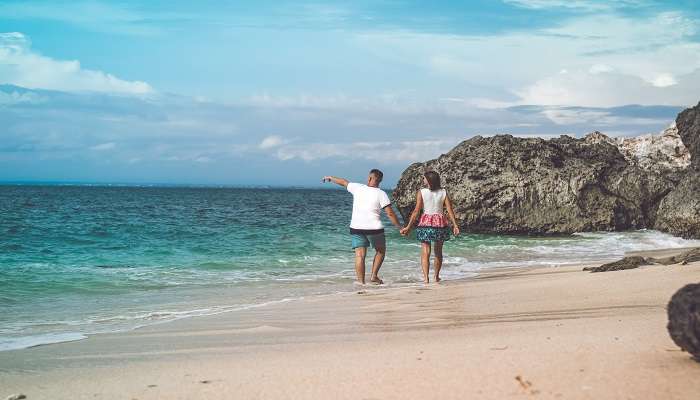
For honeymooners, the choice comes down to privacy versus variety. Lakshadweep edges ahead for pure seclusion: quiet lagoon resorts on Agatti and Bangaram, almost no crowds, and long uninterrupted days by the water. Andaman suits couples who want romance plus things to do: a sunset at Radhanagar, a dive course together, candlelit dinners in Havelock, and an easier trip to plan at short notice. If your idea of a honeymoon is total quiet, lean toward Lakshadweep. If it is a mix of beach time and shared adventure, the Andaman Islands deliver more.
Compare curated Andaman honeymoon packages and Lakshadweep honeymoon packages to see what fits your dates.
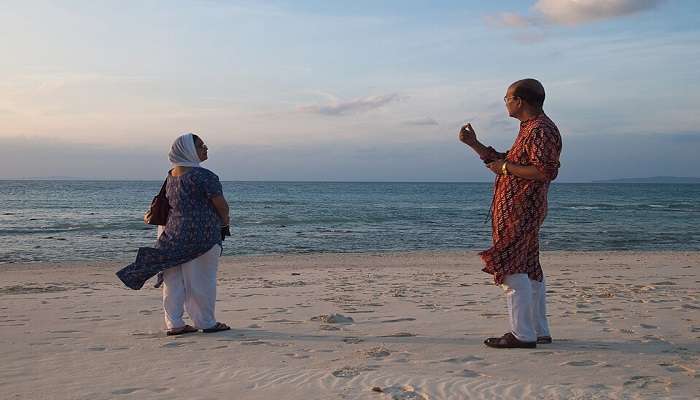
For a family trip with children, Andaman is the more practical choice. It has a wider spread of hotels and restaurants, gentler activities for mixed ages (glass-bottom boats, Elephant Beach snorkelling, the Cellular Jail show), easier flight access and on-island medical and transport infrastructure. Lakshadweep can absolutely work for older kids who love the water, but the single air route, permit process and limited dining make it better suited to couples and divers than to families with young children.
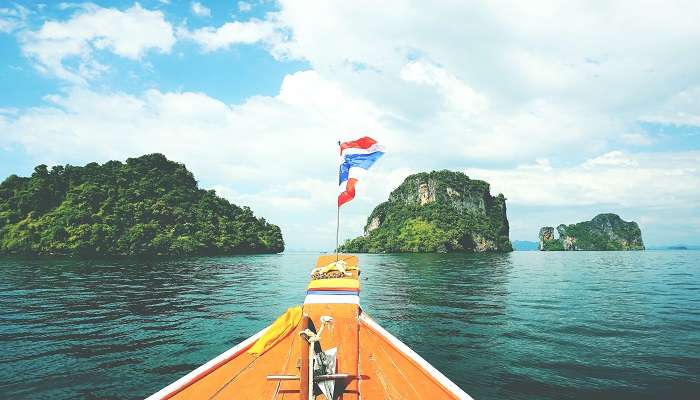
Yes, but plan it as two legs, not one hop. The islands sit on opposite coasts (Bay of Bengal versus Arabian Sea) with no direct island-to-island route, so a combined trip routes back through the mainland: typically Lakshadweep via Kochi, then a mainland flight to Port Blair for the Andaman Islands (or the reverse). Allow 10 to 14 days to do both justice, and book the Lakshadweep permit and Agatti flights first, since those are the tightest constraints.
How to Plan a Combined Andaman + Lakshadweep Trip
A travel expert can stitch this into a single plan. Start from our Andaman tour packages or Lakshadweep tour packages and ask for a combined Andaman and Lakshadweep itinerary.
Comparing other Indian Ocean options? See our companion guide, Lakshadweep vs Maldives, and the full Andaman tourism guide for everything to plan an Andaman trip end to end.
Both islands are genuinely worth the trip. They just answer different briefs. Pick Andaman for variety, easy access and a first-timer-friendly mix of adventure and history. Pick Lakshadweep for quiet lagoons, top-tier snorkelling and a slower, more exclusive escape.
Once you have decided, the easiest next step is a customisable plan tailored to your dates and budget. Start with Andaman tour packages or Lakshadweep tour packages.
Andaman is better for most first-time travellers. It gives you more variety (beaches, adventure and history), easier flight access from every major city, no permit for Indian nationals, and a wider range of stays. Lakshadweep is better if you specifically want secluded lagoons, calm-water snorkelling and near-zero crowds, and you are happy with a mandatory permit and single-airport access. Choose Andaman for variety and ease, Lakshadweep for exclusivity and quiet.
Lakshadweep is the more private, romantic choice, with quiet lagoon resorts on Agatti and Bangaram and almost no crowds. Andaman suits couples who want romance plus things to do: Radhanagar sunsets, a shared dive course and lively Havelock evenings, all easier to book at short notice. Choose Lakshadweep for total seclusion, Andaman for a mix of beach time and adventure.
Andaman is the more family-friendly destination. It has a broad spread of hotels and restaurants, gentle activities for mixed ages such as glass-bottom boats and Elephant Beach snorkelling, direct flights from most metros, and on-island transport and medical support. Lakshadweep can work for older, water-loving kids, but its single air route, permit process and limited dining make it better suited to couples and divers.
No, they are two separate union territories on opposite coasts of India. Andaman and Nicobar sits in the Bay of Bengal (east), with 500-plus forested islands and a strong historical pull. Lakshadweep lies in the Arabian Sea (west) and is a cluster of 36 small coral islands known for lagoons. Andaman is bigger, easier to reach and more developed; Lakshadweep is smaller, quieter and permit-controlled.
Yes, but plan two legs rather than one hop. There is no direct route between the islands, so you route back through the mainland (typically Lakshadweep via Kochi, then a flight to Port Blair for Andaman). Allow 10 to 14 days, book the Lakshadweep permit and Agatti flights first, and ask a travel expert to combine both into one customised itinerary.
Andaman is generally cheaper and more flexible. It has more hotels and flight options across budgets, so a comfortable mid-range trip runs lower per person. Lakshadweep tends to cost more because supply is limited and most visits are package-based, which pushes the entry price up. If budget is the deciding factor, Andaman usually gives more trip for the money.
For Andaman, Indian nationals need no special permit for the main islands (some protected and tribal areas remain restricted, and a few rules apply to foreign nationals). For Lakshadweep, an entry permit is mandatory for all non-residents, Indian and foreign alike. It is usually arranged by your registered tour operator, so allow extra lead time when booking.
Plan 5 to 7 days for Andaman so you can cover Port Blair, Havelock and Neil without rushing the ferry hops, and 3 to 5 days for Lakshadweep, which is more compact and resort-based. If you want to combine both islands into one trip, set aside 10 to 14 days to allow for the mainland connection between them.
Both are among the safer destinations in India for travellers, including solo women and families. Andaman has well-established tourist infrastructure, hospitals in Port Blair and a regular police presence on the main islands. Lakshadweep is a low-crowd, permit-controlled territory where tourism runs through registered operators, so movement is closely managed and calm. On both, the real safety rule is the sea: dive and snorkel only with certified operators, respect ferry cancellations in rough weather, and avoid the open water during the monsoon.
For Andaman, book 4 to 8 weeks ahead in peak season (December to April) to lock Havelock stays and inter-island ferries, which sell out first. For Lakshadweep, start earlier, ideally 6 to 10 weeks out, because the mandatory permit, the single Agatti air route and limited resort inventory are all tight. If you plan to combine both islands, begin with the Lakshadweep permit and Agatti flights, then build the Andaman leg around them.
Real reviews from real travelers who booked with us.
View All Reviews