4D / 3N
17% OFF
Manali-Kasol Tour Package by Cab for Himachal (4D/3N) - At A Glance
- Hotel
- Meals
- Sightseeing
- Entry Tickets
- Cab Transfer
₹12,688
₹10,500 /pp


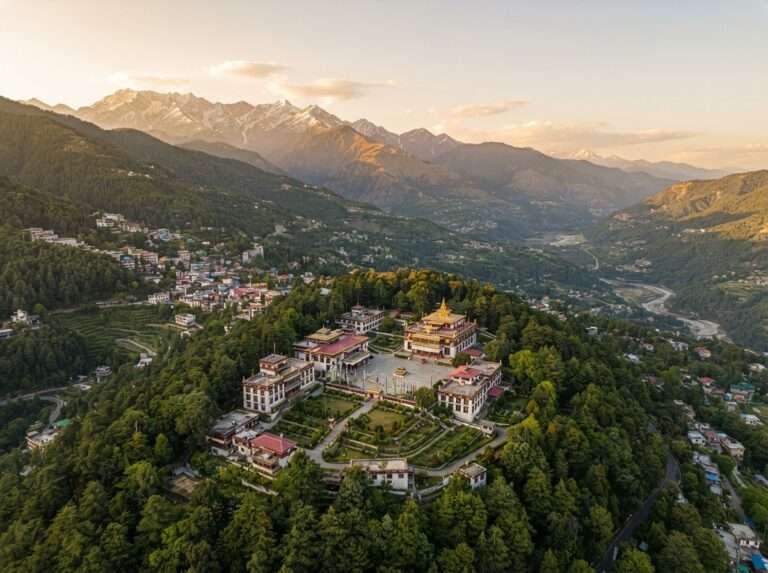
The best places to visit in McLeodganj cluster within a few kilometres of one small square, which is why this Tibetan hill town punches so far above its size. Locals call it Little Lhasa: it has been home to the Dalai Lama and the Tibetan government-in-exile since 1960, so a monastery, a momo stall and a Himalayan trailhead often sit on the same street. Below are the 33 best places to visit in McLeodganj for 2026, from the Dalai Lama temple you can walk to in two minutes to the Triund ridge you climb in a morning. Each entry tells you where it sits, how far it is from town and when to go.
Key takeaways
Best places to visit in Mcleodganj
Best Time
March - June
Select Package Type

3 Days & 2 Nights
₹9,043 /@pp
GET FREE QUOTE

9 Days & 8 Nights
₹36,484 /@pp
GET FREE QUOTE

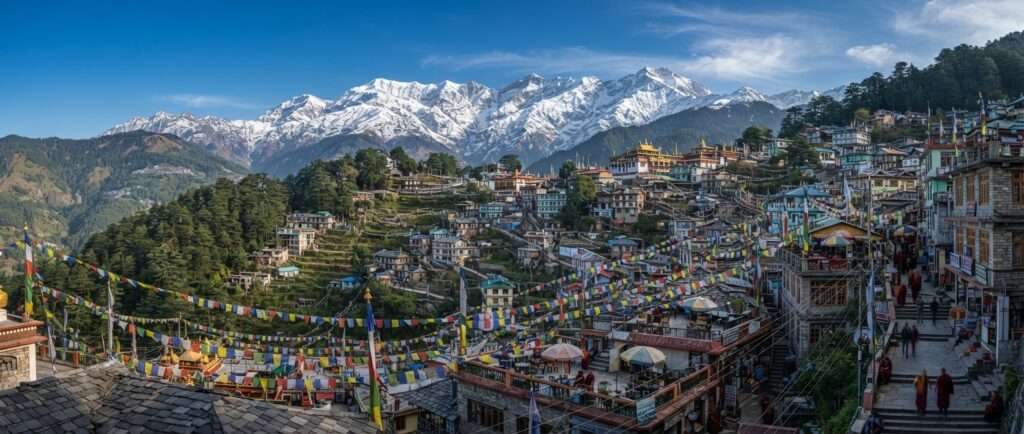
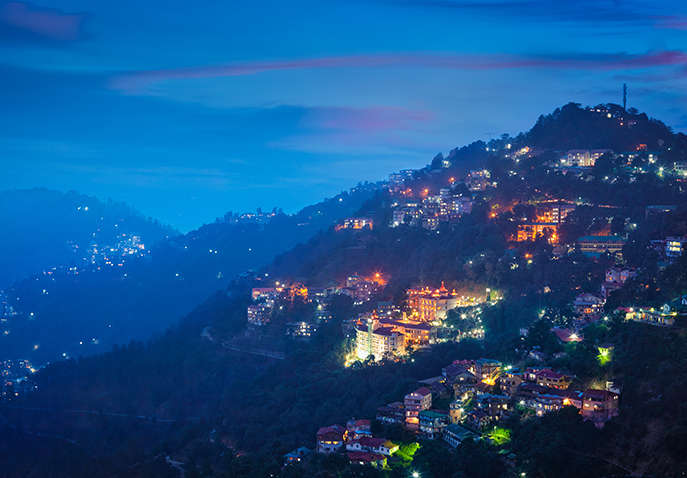
McLeodganj was a sleepy British hill suburb of Dharamshala until 1960, when the Dalai Lama settled here after leaving Tibet. That single fact reshaped the town. Prayer flags now run between deodar branches, the smell of Tibetan bread drifts out of Jogiwara Road, and monks in maroon robes share the pavement with trekkers heading for the ridge. You are in the Kangra valley of Himachal Pradesh, at roughly 2,082 m, with the Dhauladhar range rising like a wall right behind the town. The result is a place that works on two levels at once: a living centre of Tibetan Buddhism, and one of the best trekking bases in the western Himalayas. The list below is grouped so you can see that split, starting with the walkable core.
One table, 33 places, five columns. No other guide gives you the distance-from-town and best-season for every spot in one place, so shortlist here first, then read the section that fits your trip. Distances are approximate by road from McLeodganj square.
| Place | Type | Distance from McLeodganj | Ideal season | Entry / note |
| Tsuglagkhang Complex | Temple complex | In town, 2 min walk | All year | Free |
| Namgyal Monastery | Monastery | In town | All year | Free |
| Kalachakra Temple | Temple | In town, walkable | All year | Free |
| Tibetan Museum | Museum | 2 km | Mar to Jul | Nominal (closed Sat, Mon) |
| Tibetan Market | Bazaar | In town | All year | Free |
| Bhagsu Falls & Bhagsunath Temple | Waterfall, temple | 2 km | Mar to Jun | Free |
| Shiva Cafe | Cafe, viewpoint | 3 km (above Bhagsu) | Mar to Jul | Free |
| Dharamkot | Village, viewpoint | 2 km | Sep to Jun | Free |
| Tushita Meditation Centre | Retreat | Dharamkot, ~3 km | Mar to Jun | Course fee |
| Dal Lake | Lake | 3 km | May to Oct | Free |
| Tibetan Institute of Performing Arts | Cultural institute | 2 km | Mar to Aug | Rs 50 |
| Dharamshala Skyway (ropeway) | Cable car | Lower terminal ~8 km | All year | Ticketed |
| Naddi View Point | Viewpoint | 4 km | Apr to Oct | Free |
| Sunset Point | Viewpoint | 3 km (Naddi) | Oct to Feb | Free |
| Guna Devi Temple | Temple, short trek | 4 km + trek | Oct to Dec | Free |
| St. John’s Church in the Wilderness | Church | 3 km (Forsyth Ganj) | Oct to Feb | Free |
| Nechung Monastery | Monastery | 3 km | Oct to Feb | Free |
| Dhamma Sikhara Vipassana Centre | Retreat | 8 km / Dharamkot | Oct to Feb | Course (donation) |
| Norbulingka Institute | Art institute | 8 km (Sidhpur) | All year | Free |
| Gyuto Monastery | Monastery | ~9 km (Sidhbari) | Oct to Feb | Free |
| Naam Art Gallery | Gallery | Sidhbari side | All year (closed Mon) | Rs 10 |
| Kangra Art Museum | Museum | ~10 km (Dharamshala) | All year (closed Mon) | Nominal |
| Triund | Ridge trek | 9 km trek | Mar to Jun, Sep to Nov | Free (camping charge) |
| Gallu Devi Waterfall & trailhead | Waterfall, trek | 3 km | Mar to Jul | Free |
| Kareri Lake | High-lake trek | Multi-day trek | May to Jul, Sep to Nov | Free |
| Indrahar Pass | High-pass trek | Trek, 4,342 m | May to Jun | Free |
| Thatharana Trek | Day trek | Day trek | Mar to Jul | Free |
| Minkiani Pass | Trek | Multi-day trek | Mar to Jun | Free (avoid monsoon) |
| Kangra Fort | Fort | 28 km | Sep to Nov | Rs 100 (approx) |
| Baglamukhi Temple | Temple | Kangra side | All year | Free |
| Masroor Rock-Cut Temples | Heritage temples | ~50 km | Oct to Mar | Rs 25 (approx) |
| Maharana Pratap Sagar (Pong Dam) | Lake, birding | ~100 km | Oct to Feb | Free |
| Dhauladhar Range | Mountain range | Backdrop and treks | Sep to Mar | Free |
Approximate figures for shortlisting. Confirm exact distances, timings and entry fees when you plan, and note that trek routes and camping rules change with the season and local orders.
If you only have a day, spend it here. Everything in this cluster is within about 2 km of the main square, most of it on foot, and it is the reason people come: the seat of Tibetan Buddhism in India, the market, the waterfall and the town's own cafe culture.
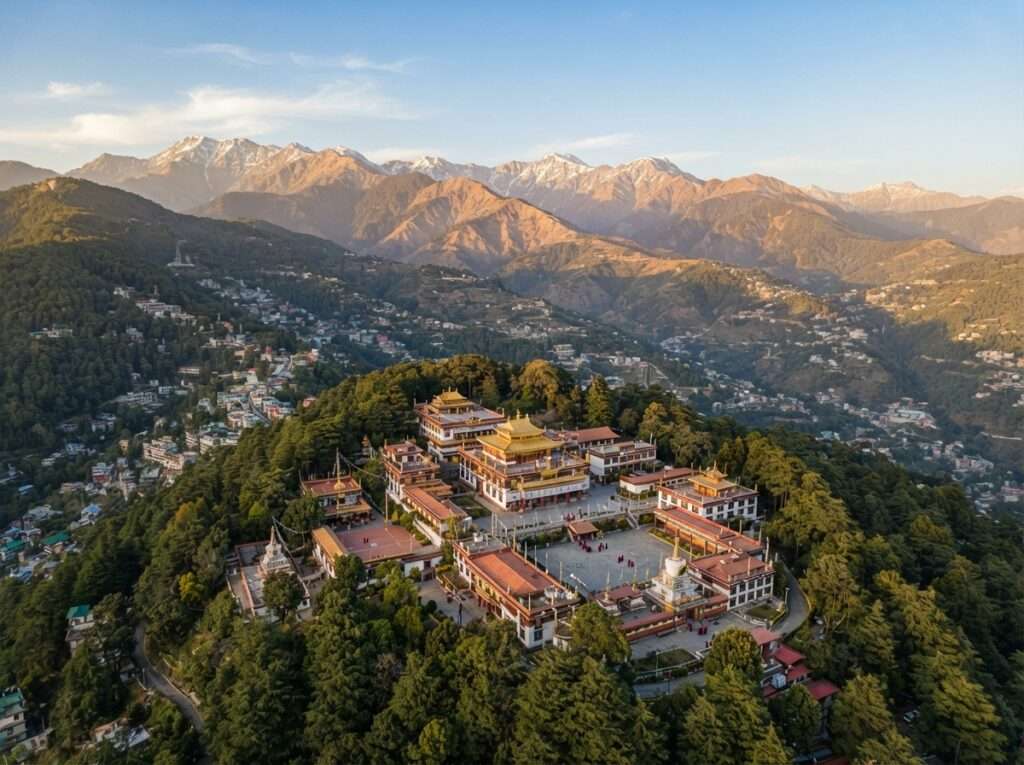
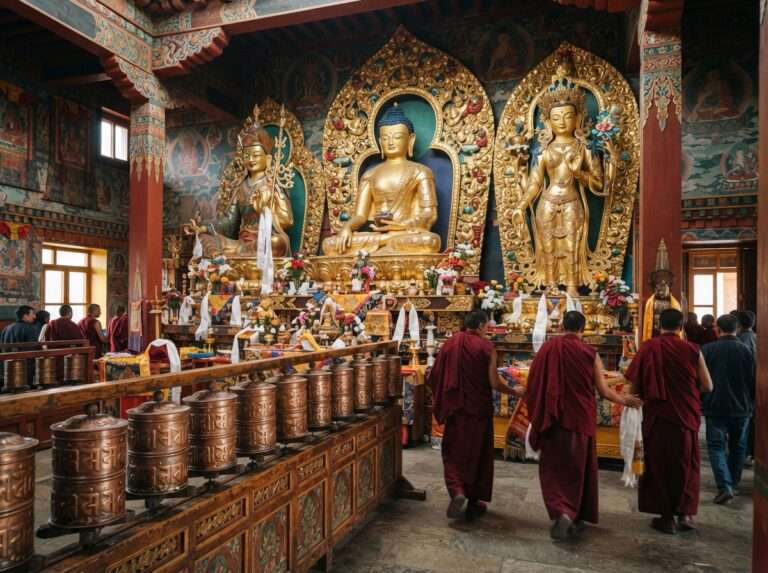
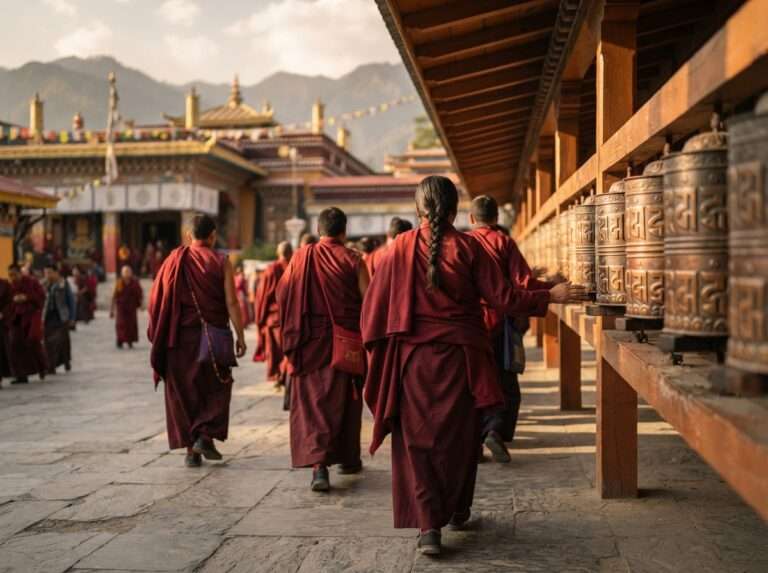
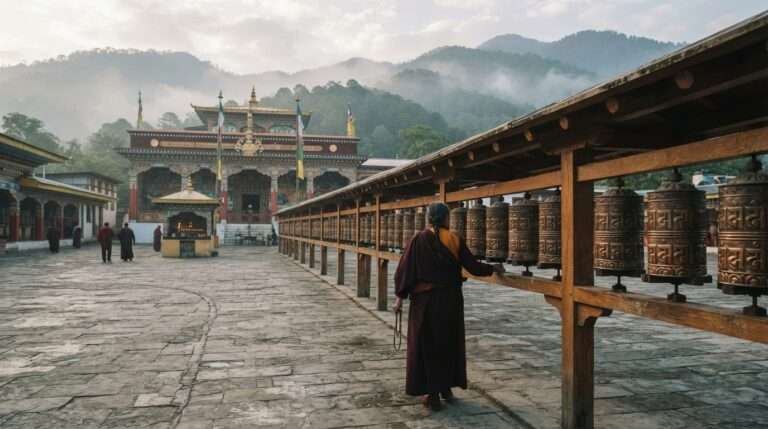
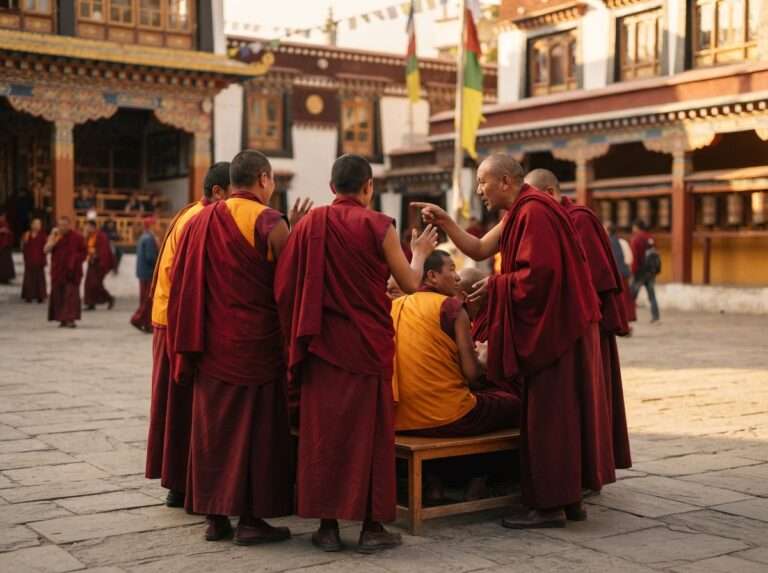
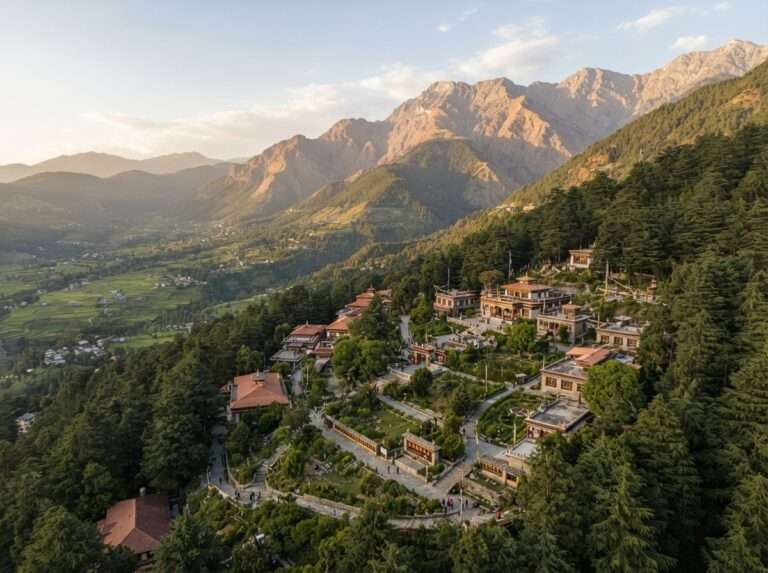
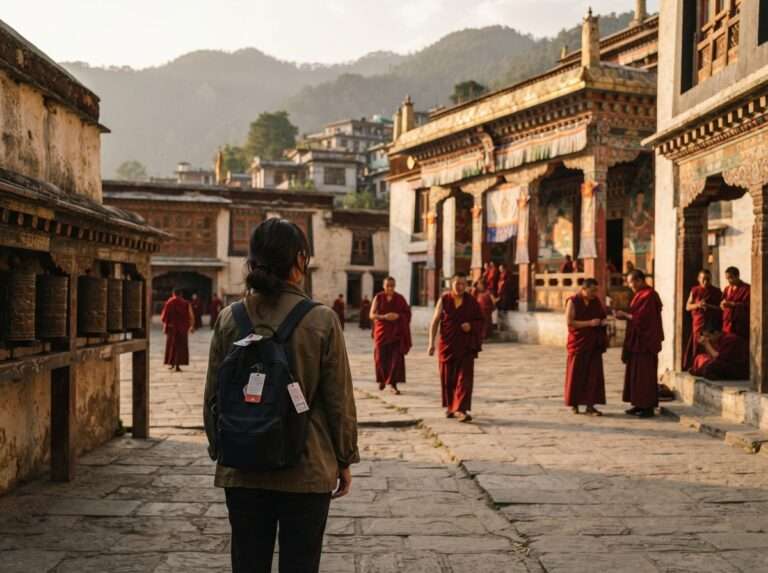
This is the heart of McLeodganj and the spiritual centre of the Tibetan world in exile. The complex holds the main temple and the Dalai Lama’s residence, all a two-minute walk from the bus stand (the Tibet Museum moved out to the Central Tibetan Administration complex at Gangchen Kyishong in 2022). Come in the afternoon, when you can catch monks debating in the courtyard, palms clapping to punctuate each argument. The gilded Buddha, Avalokiteshvara and Padmasambhava statues inside are the showpieces, though photography is restricted in the main shrine and prayer hall, so the quieter pleasure is the kora, the clockwise walk pilgrims make around the building, spinning the prayer wheels as they go. Entry is free.


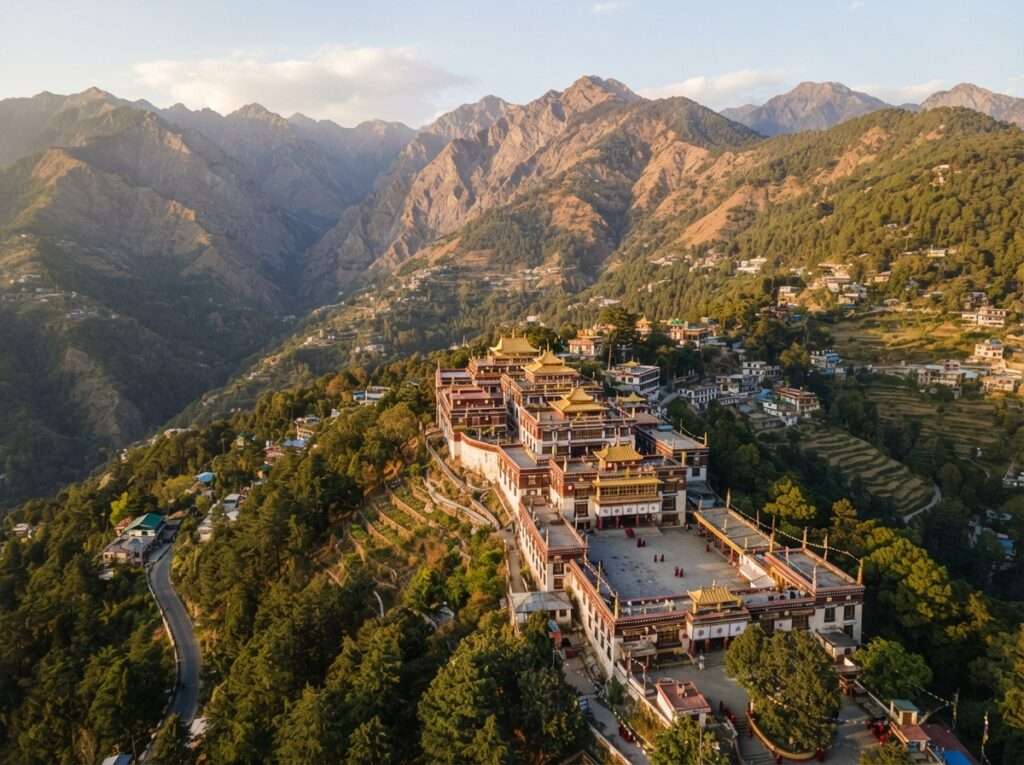
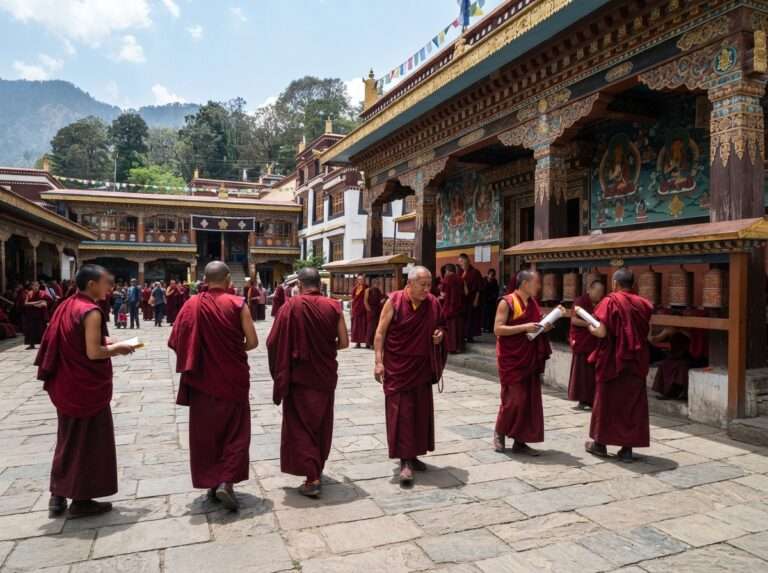
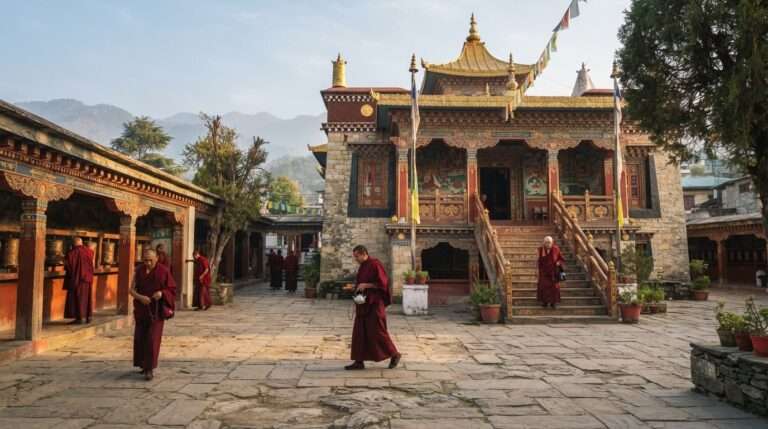
Inside the Tsuglagkhang precinct, Namgyal is the personal monastery of the Dalai Lama and the largest Tibetan temple outside Tibet. Around 200 monks study here, and if your visit lines up with a teaching or a puja the chanting fills the whole courtyard. It is a working monastery, not a museum, so keep to the marked areas and step in quietly. Free to enter.




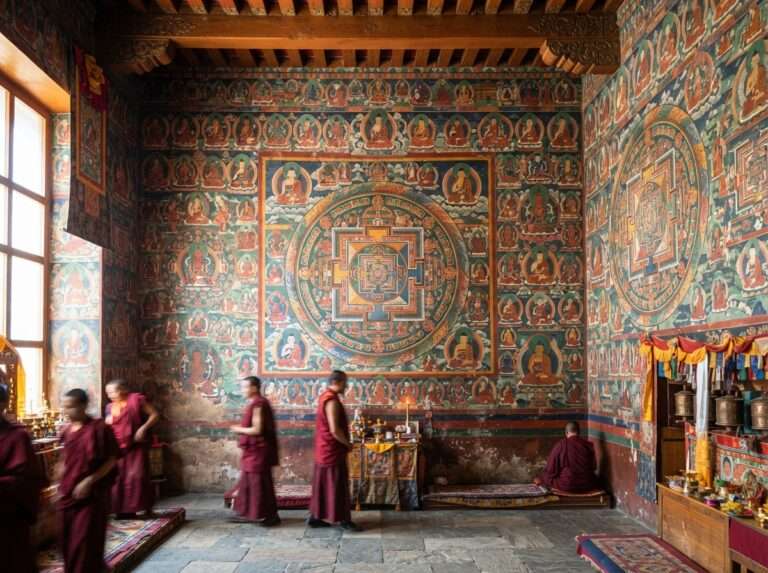
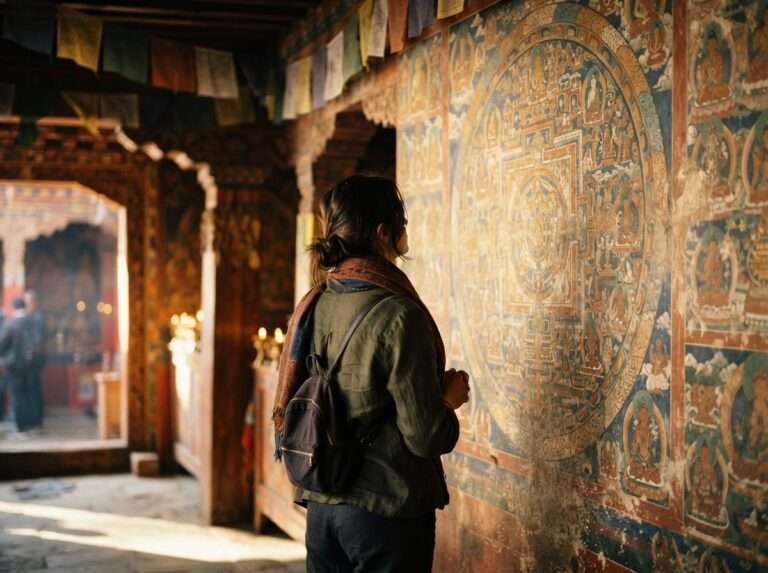
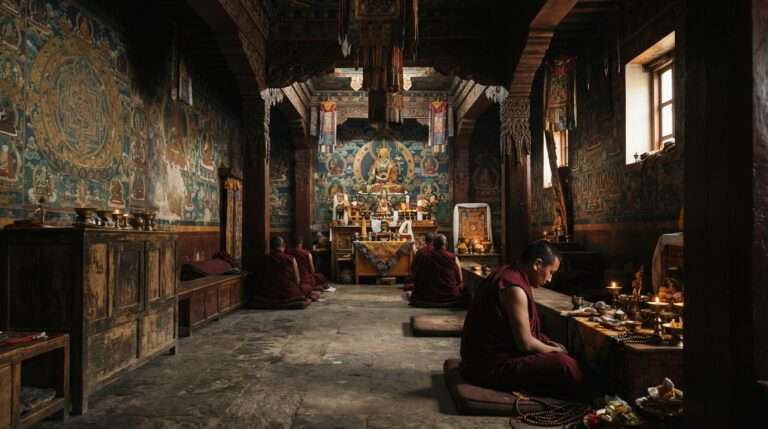
Right beside the main temple, the Kalachakra shrine is worth the extra five minutes for its walls, which are covered floor to ceiling in brightly painted murals of the Kalachakra mandala and its deities. It is small, it is often overlooked in the rush to the big Buddha next door, and that is exactly why it stays calm. Free.


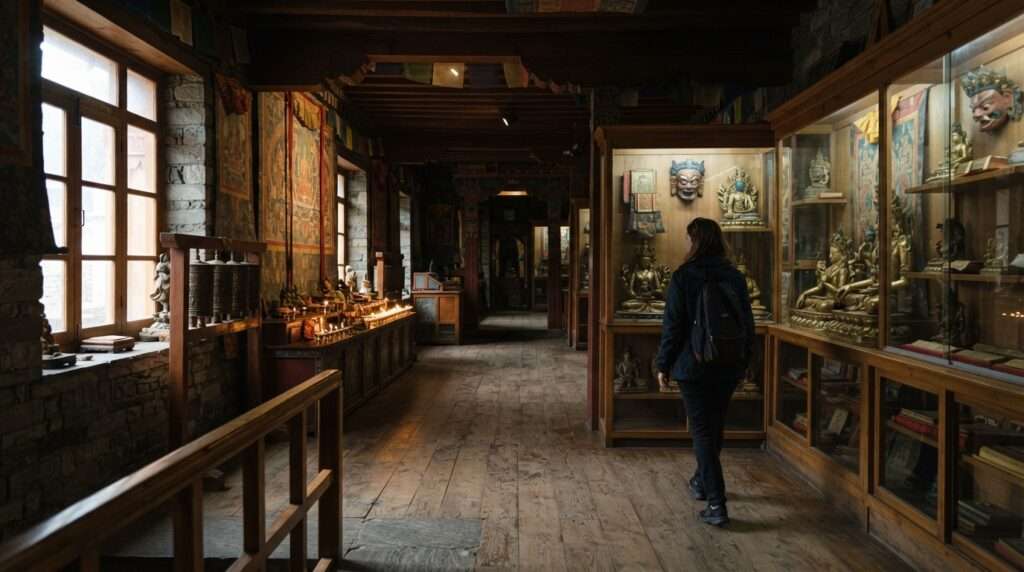
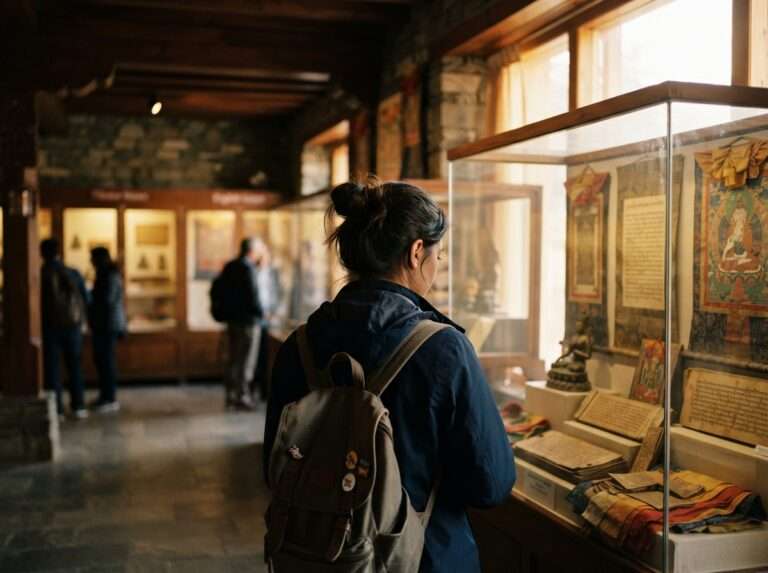
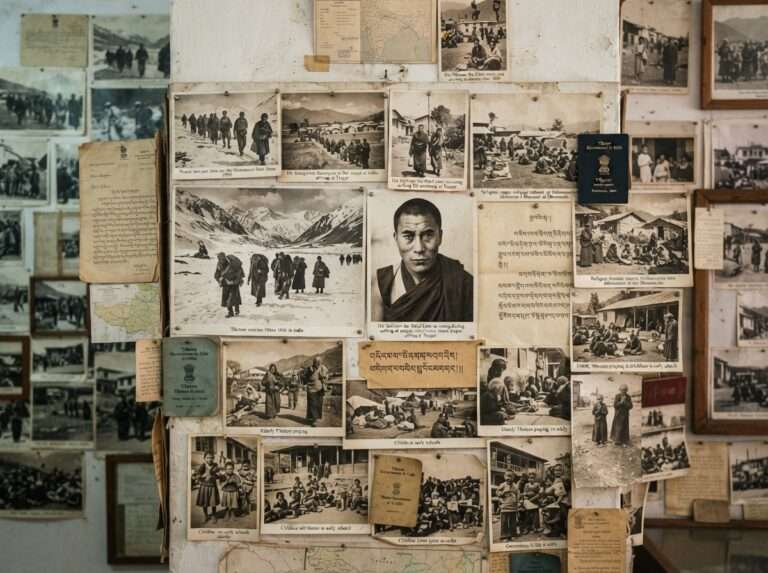
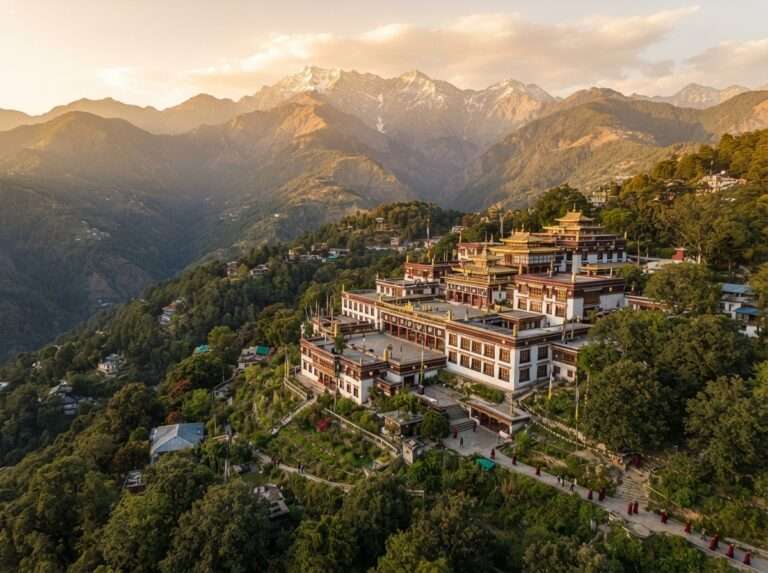
Now housed in the Central Tibetan Administration complex at Gangchen Kyishong, about 3 km from McLeodganj (it moved there in 2022), this compact museum tells the story of Tibet’s occupation and the exile through photographs, documents and personal accounts. It is a sober counterweight to the prayer flags and cafes, and about an hour here changes how you read the rest of the town. Open roughly 9 am to 5 pm with a midday lunch break, closed on Saturdays and CTA holidays.
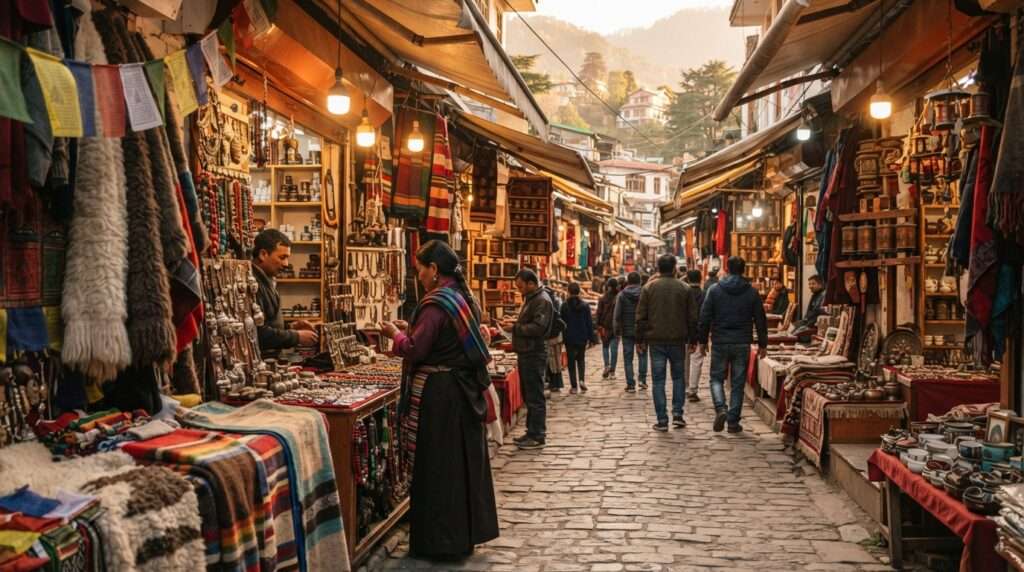
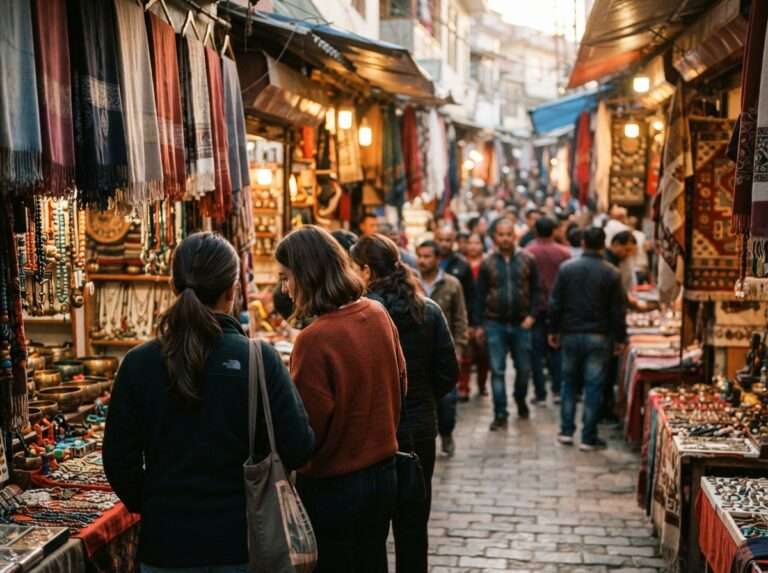
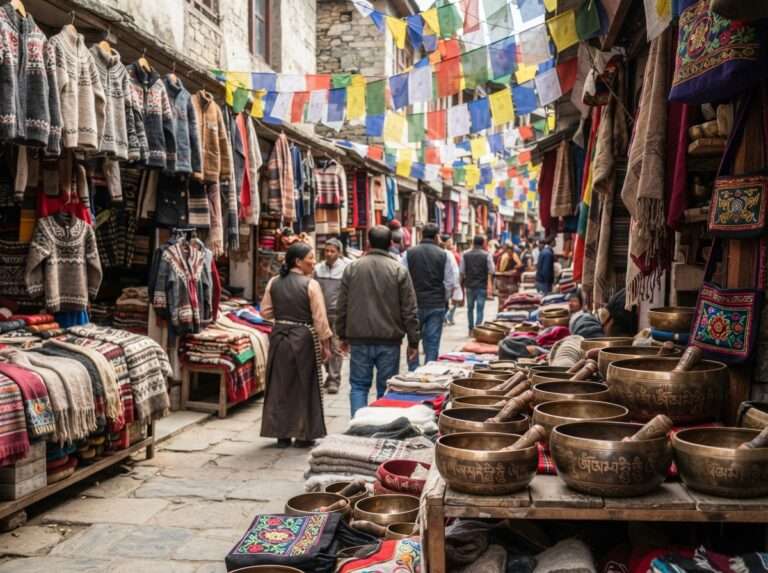
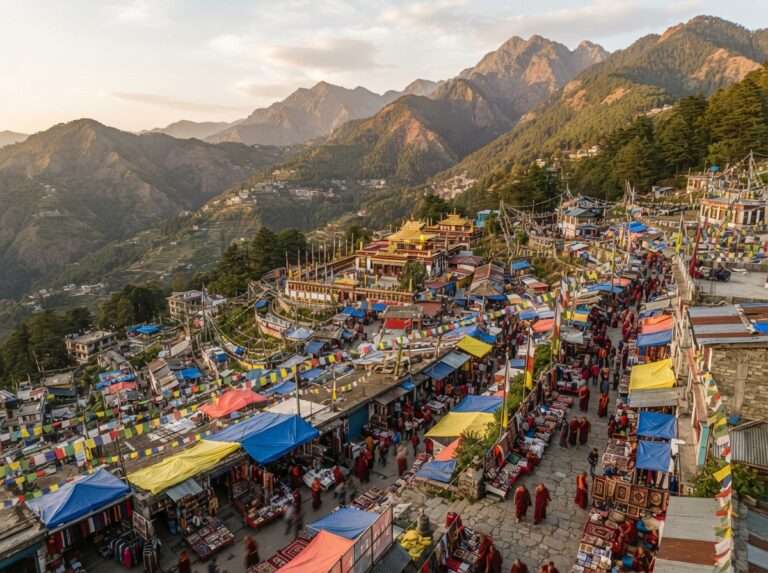
The lanes around Jogiwara Road and Temple Road are where you buy singing bowls, prayer flags, turquoise jewellery and hand-knitted woollens, and where you eat your first plate of steaming momos and a bowl of thukpa. Prices are negotiable, so bargain gently rather than hard, and keep an eye on your bag in the crush. Best in the late afternoon when the light softens and the stalls fill up.
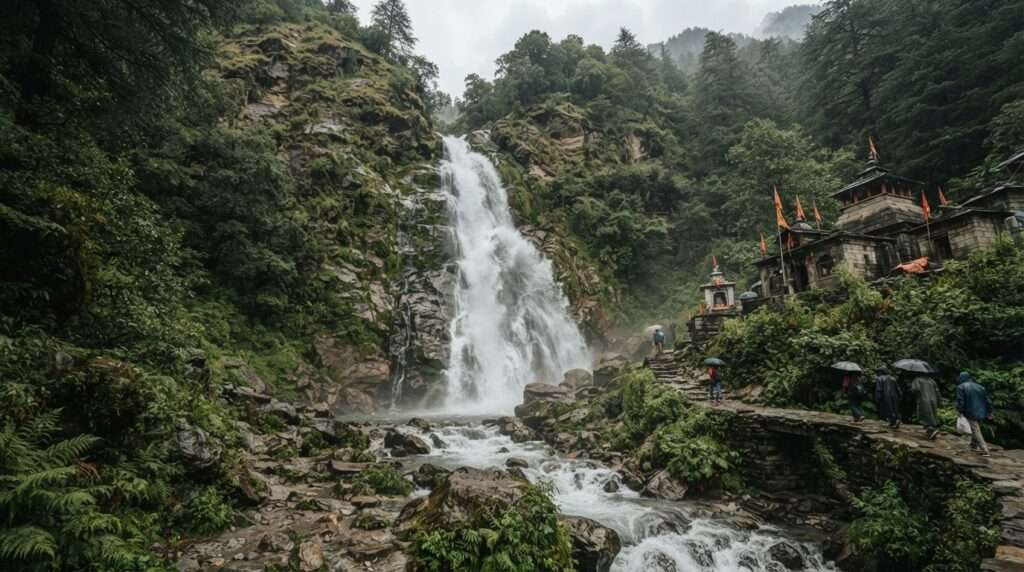
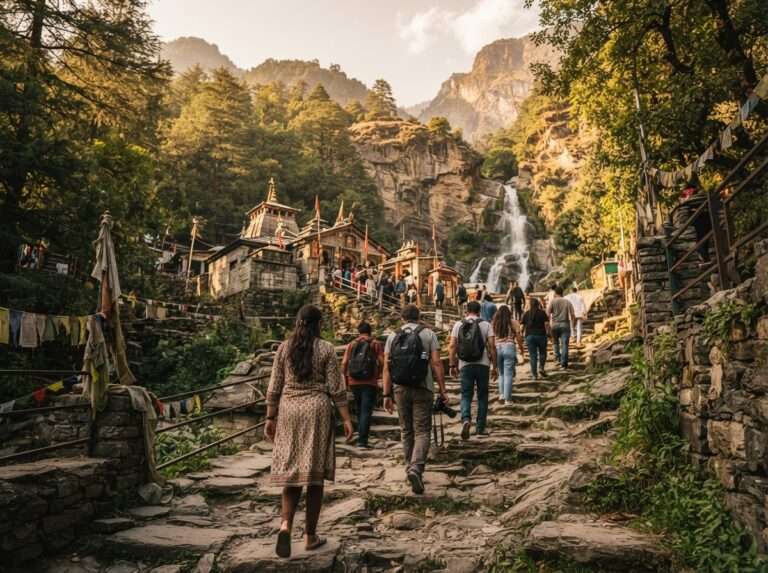
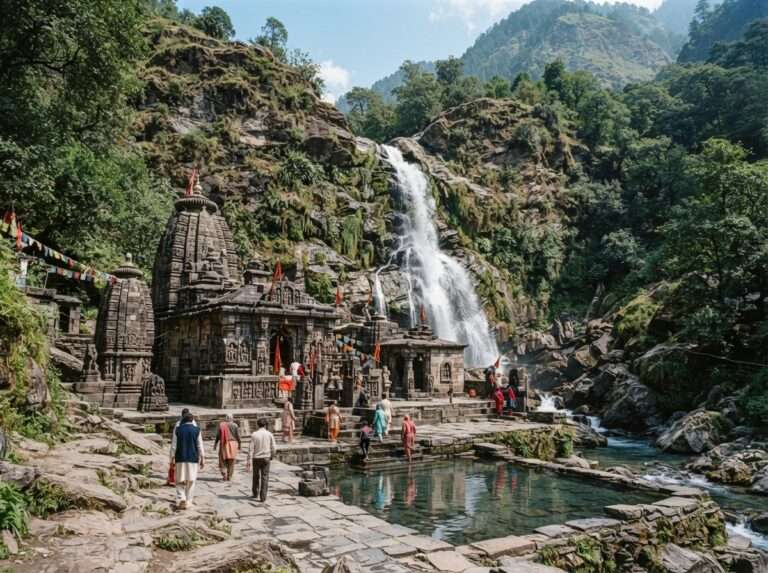
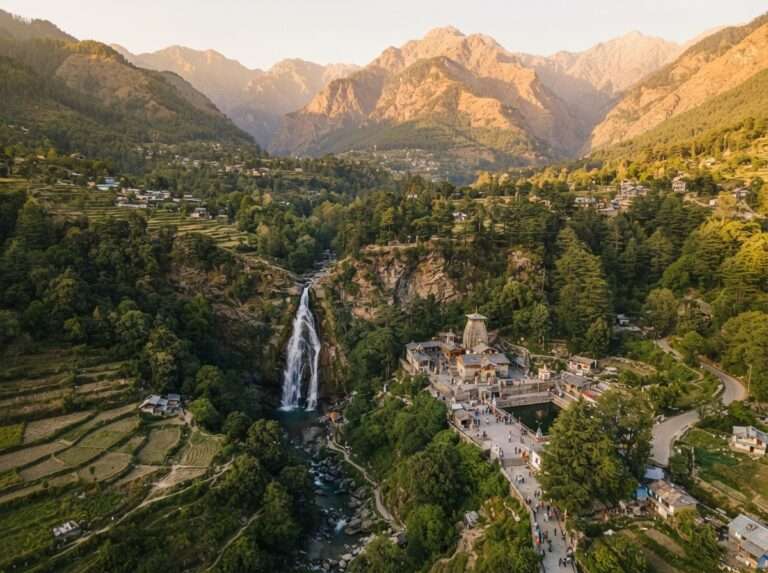
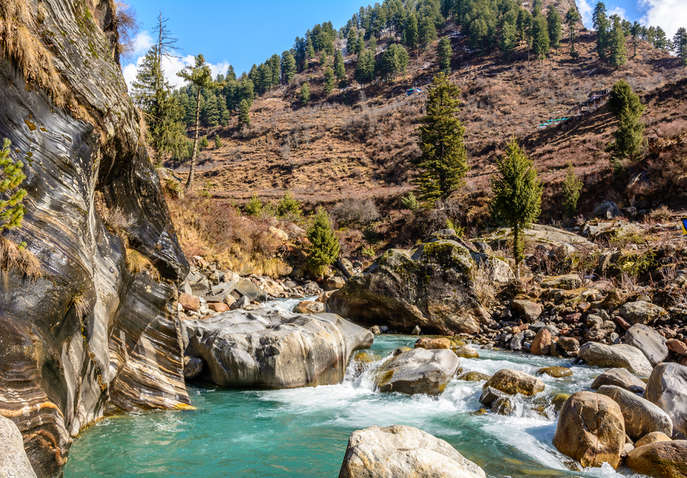
A 2 km stroll or short cab from the square brings you to Bhagsu village, where the old stone Bhagsunath temple sits just below a waterfall that runs hardest right after the monsoon. In summer people wade in the pools; in winter the spray freezes on the rocks. The walk up passes the cafe strip, so pair it with a slow lunch. Free, open through the day.
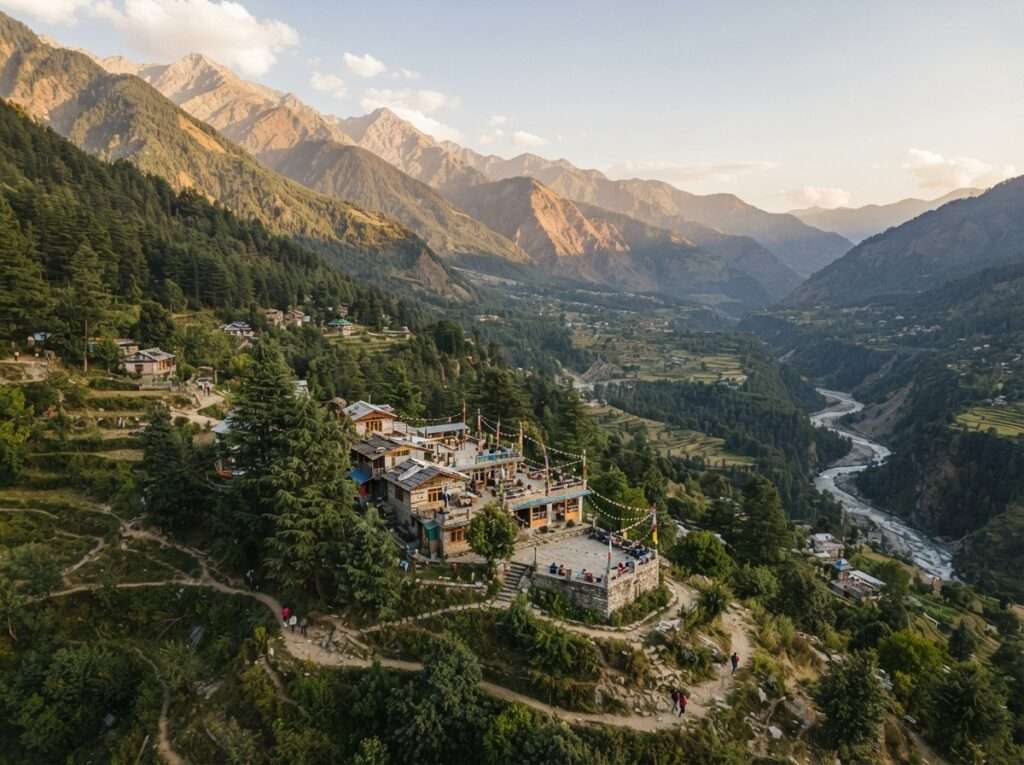
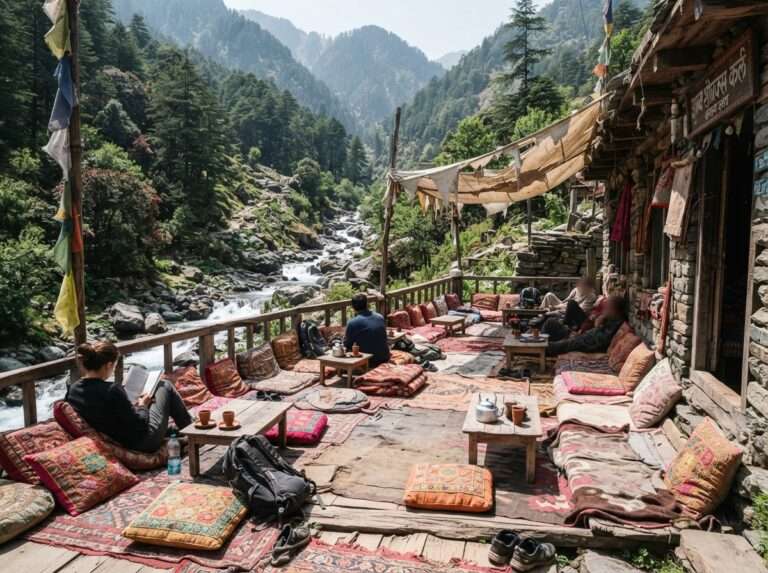
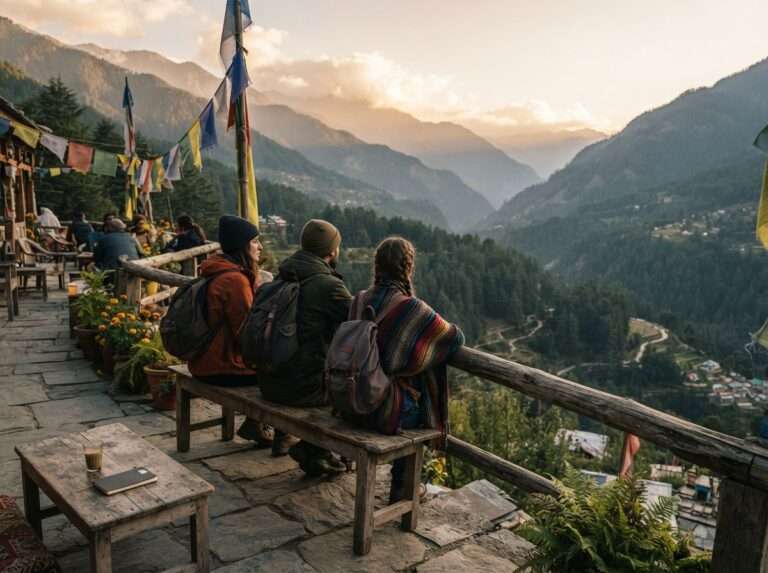
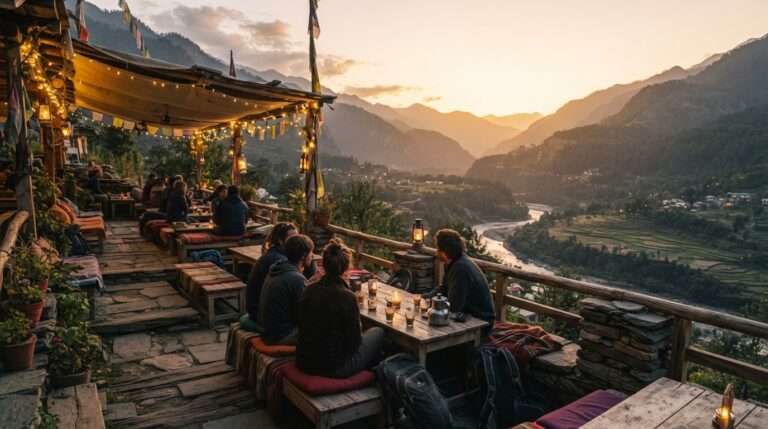
Climb the rocky path above Bhagsu Falls, about 20 minutes on foot, and you reach Shiva Cafe, a scruffy, cushion-strewn hangout perched by the upper stream. The food is Italian and Israeli-leaning, the crowd is trekkers and long-stay travellers, and the point is the view straight down the valley. It gets busy at sunset, so go earlier if you want a good spot on the terrace.
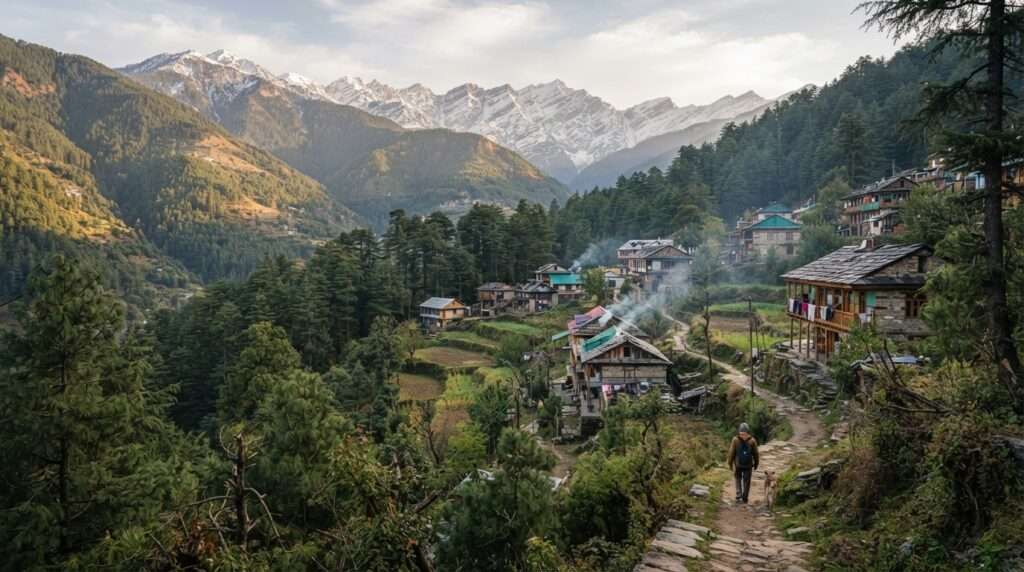
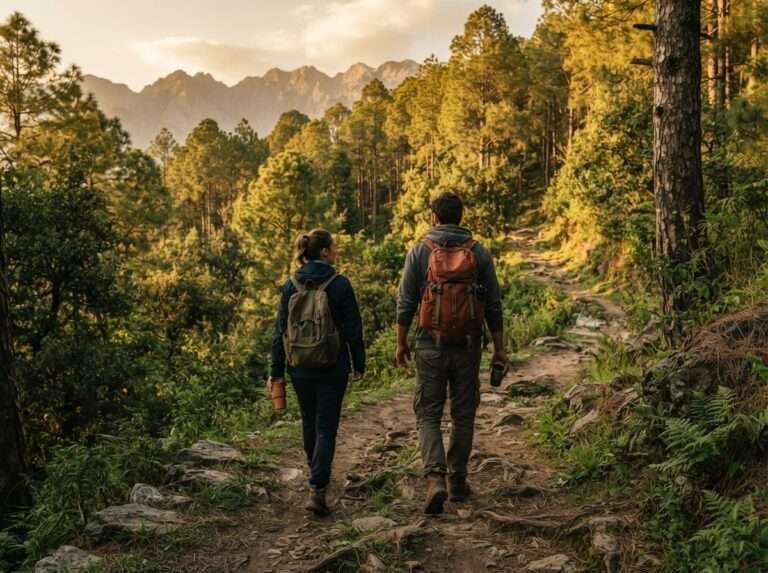
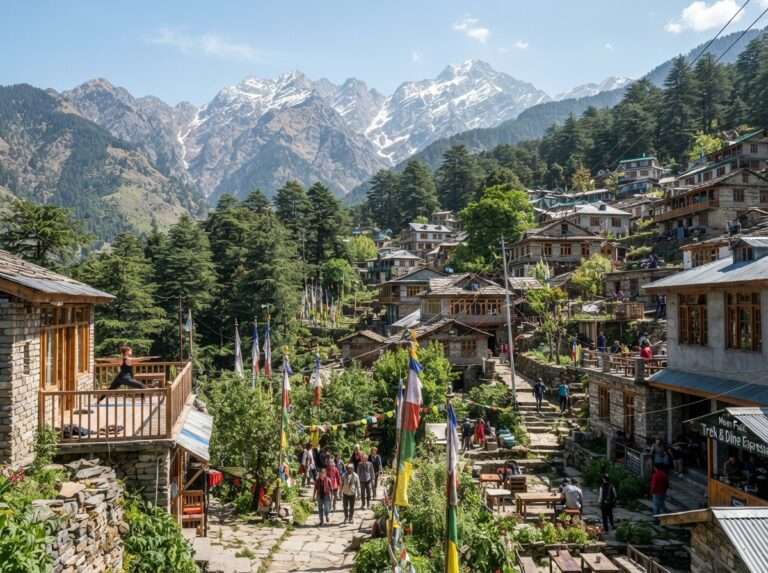
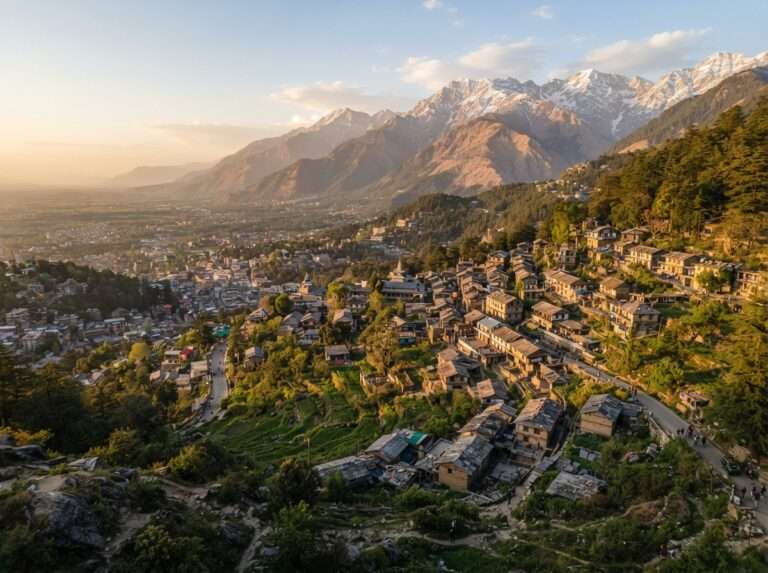
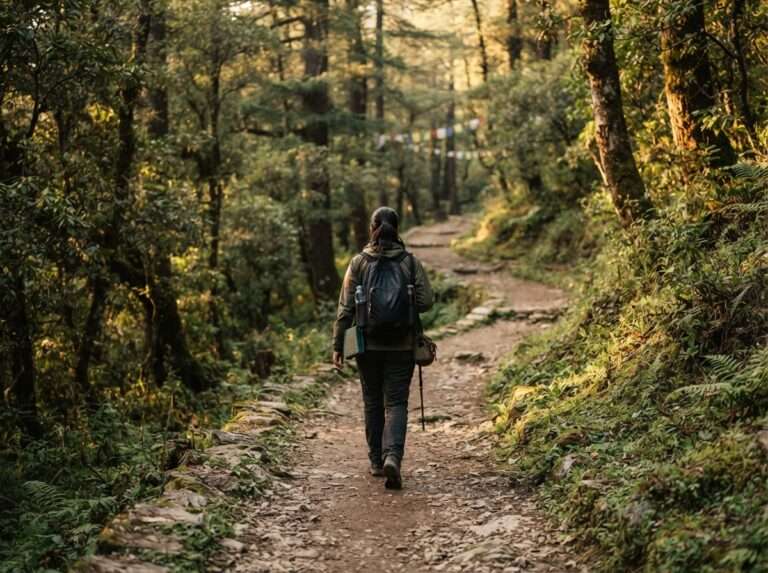
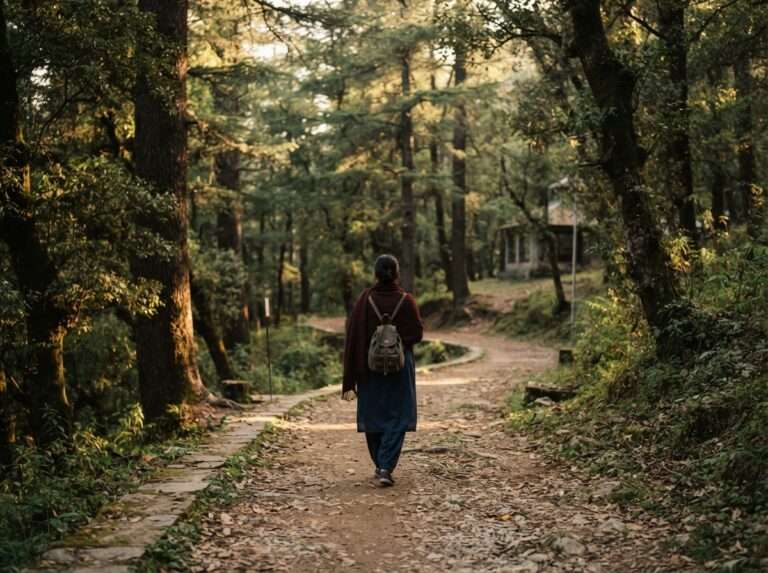
About 2 km uphill, Dharamkot is the laid-back forest village that draws long-stay travellers, yoga students and Triund-bound trekkers. There are no big sights here, and that is the appeal. You walk pine trails, drink coffee with a Dhauladhar backdrop, and start the Triund trek from the top of the village. Best from September to June.
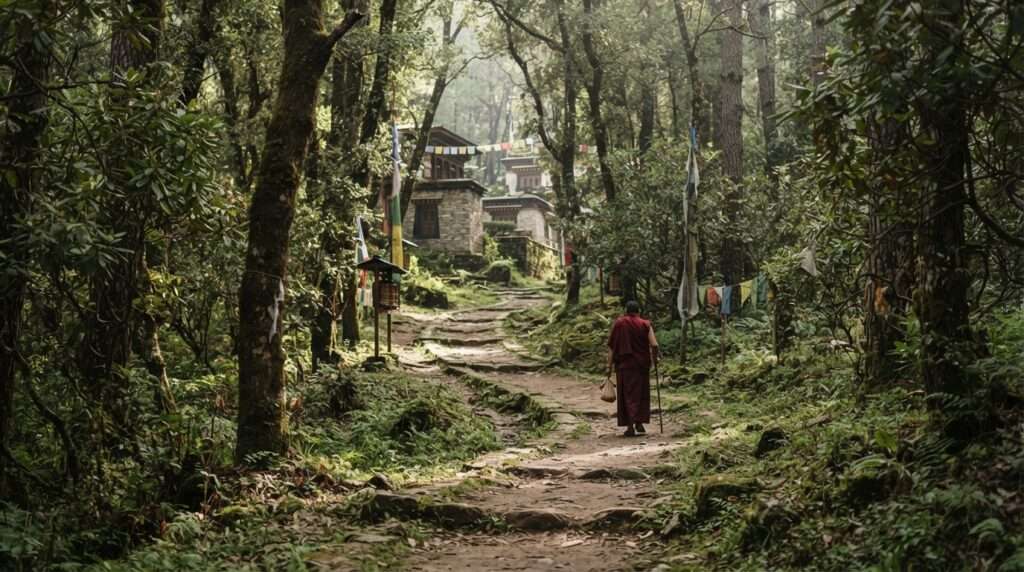
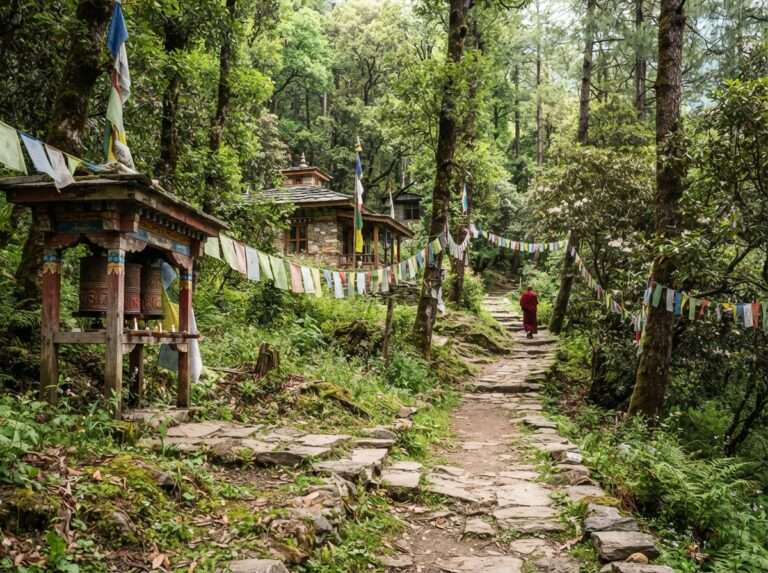
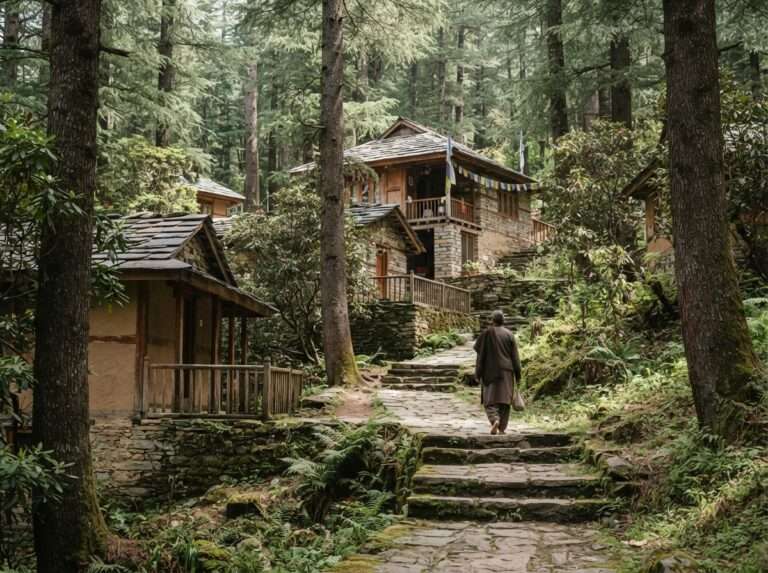
Set in the woods above Dharamkot, Tushita runs introductory and longer courses in Tibetan Mahayana Buddhism, including popular ten-day silent retreats that book out weeks ahead. Even if you are not enrolling, the forested grounds are open at set hours and make for a genuinely still hour. Courses carry a fee; check dates and rules before you turn up.
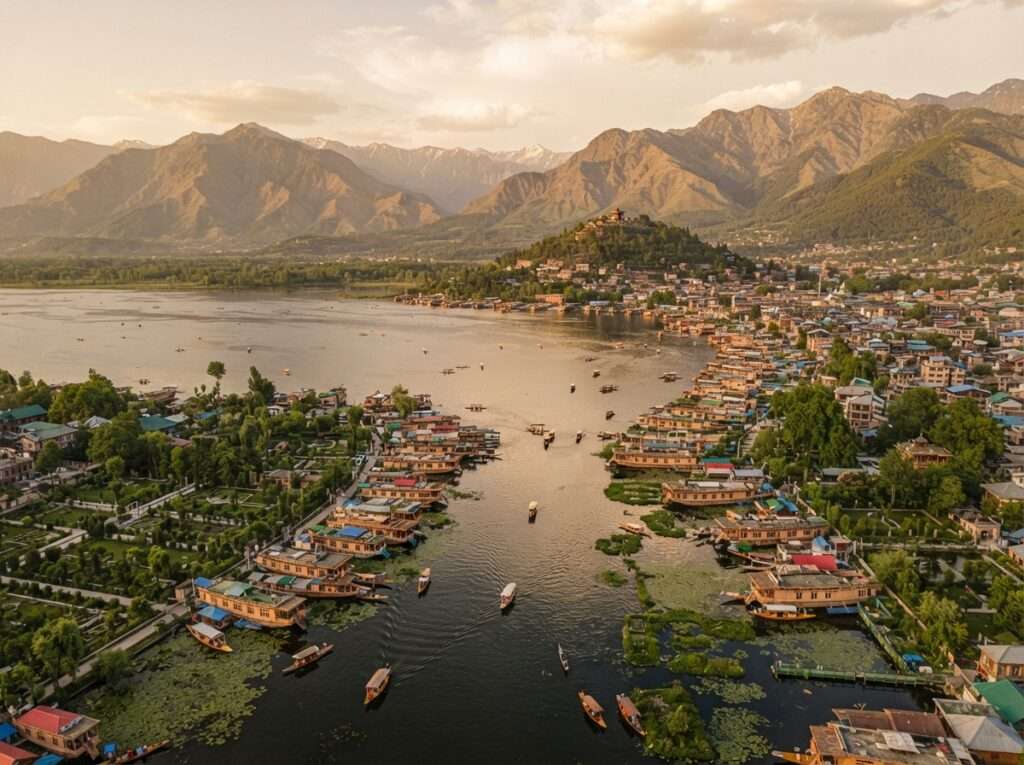
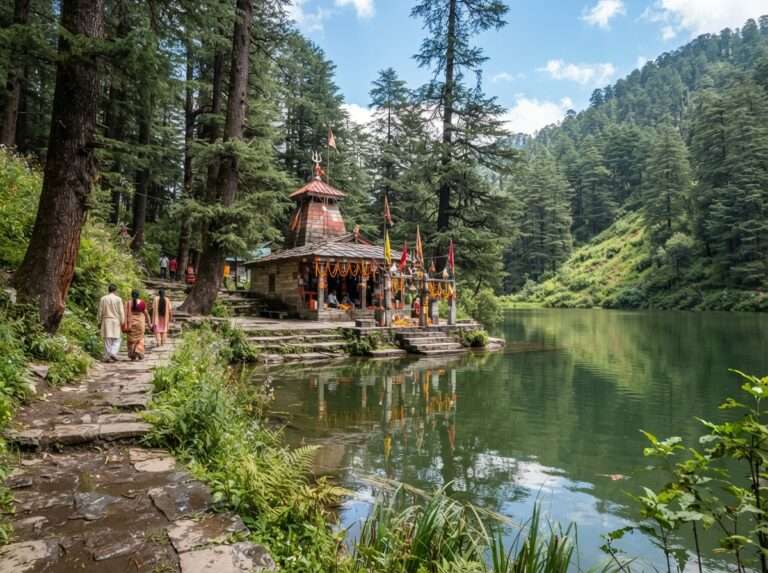
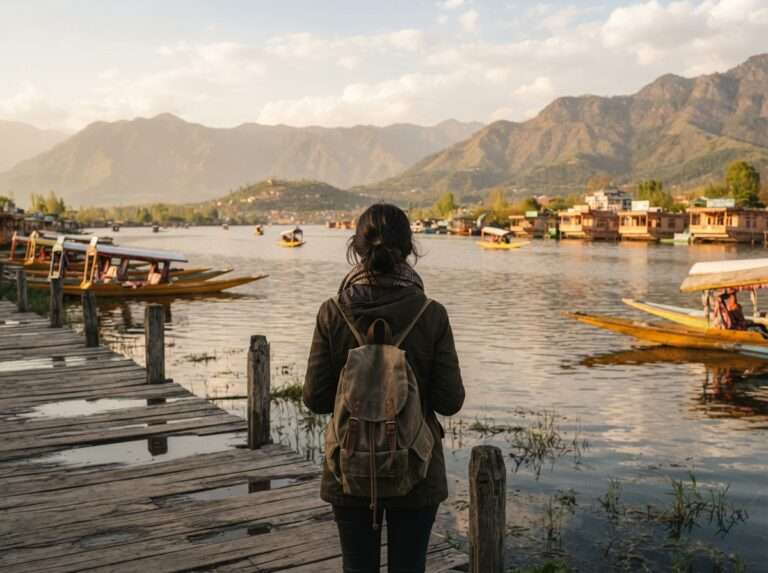
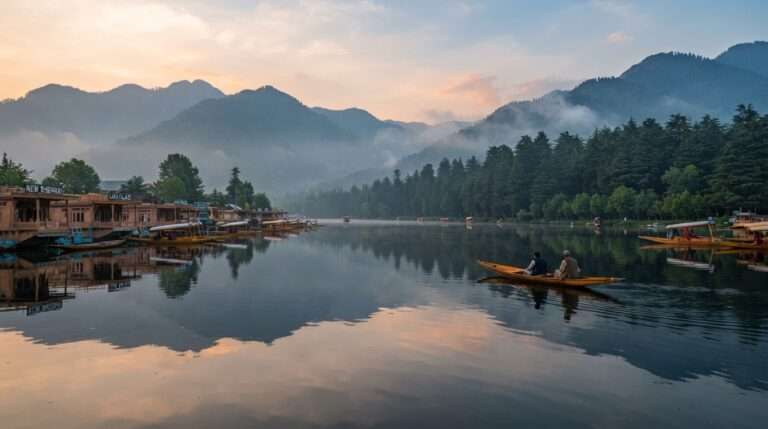
Not the Kashmir one. This is a small, deodar-ringed lake about 3 km from McLeodganj toward Naddi, with a little Shiva temple on its bank and a low-key fair held here each September. It is a 20-minute stop rather than a half-day, best paired with the TIPA institute and Naddi just up the road. Calm and free.
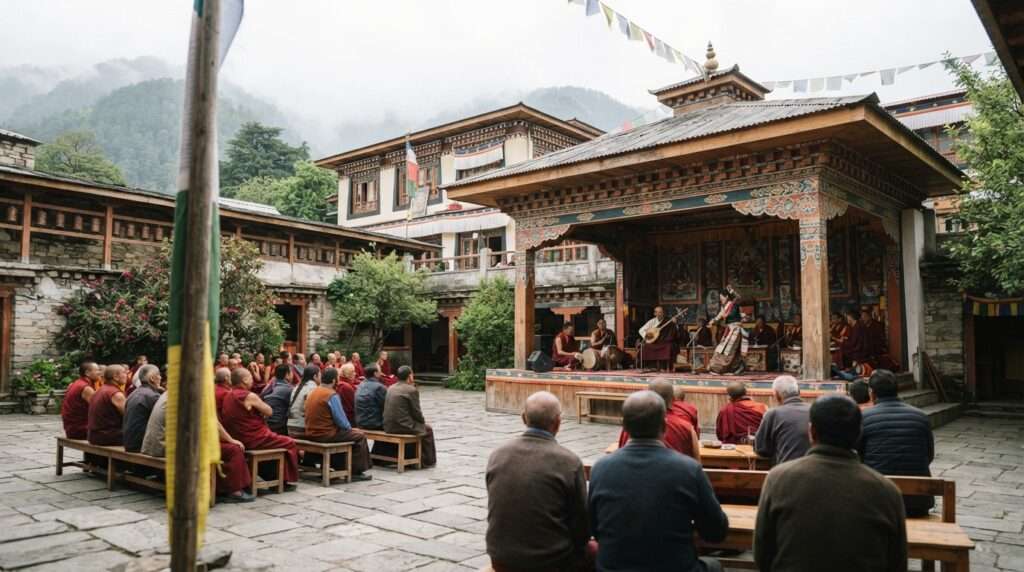
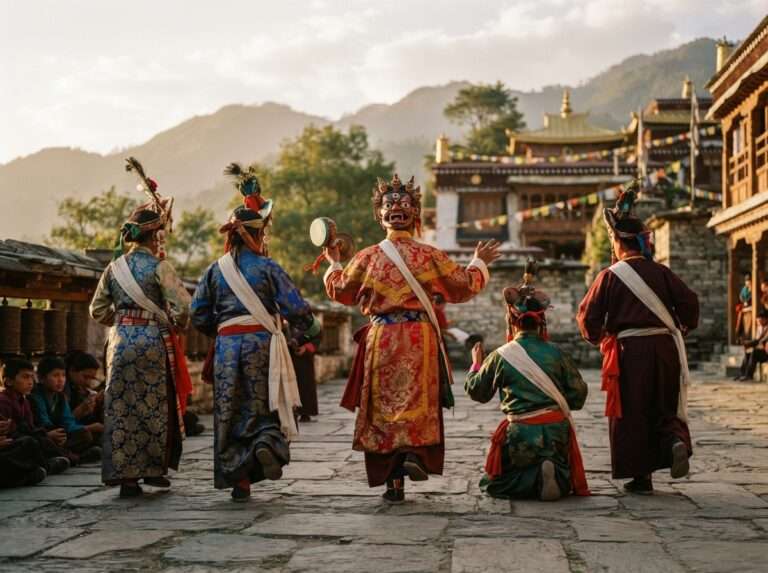
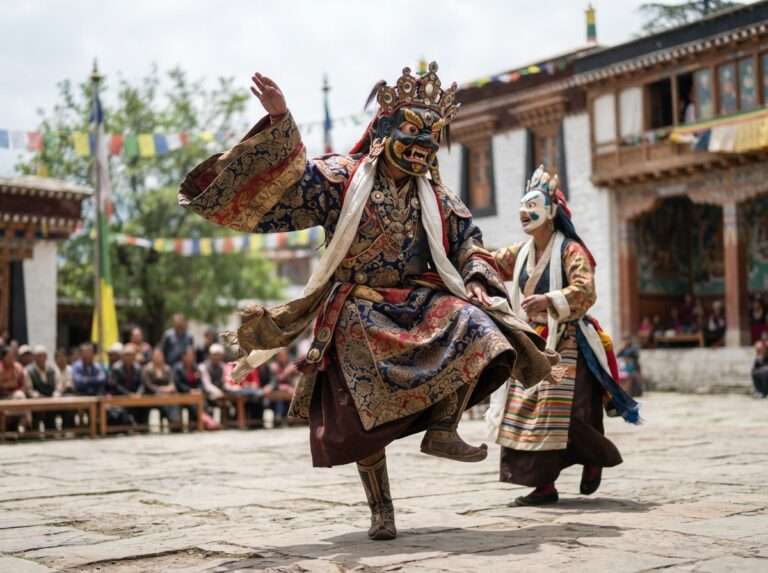
Founded by the Dalai Lama in 1959 to keep Tibetan opera, music and dance alive, TIPA is where you can catch a lhamo performance or, if you time it right, the spring Shoton opera festival. On an ordinary day you might still hear students rehearsing. About 2 km from town, a small entry fee of around Rs 50.
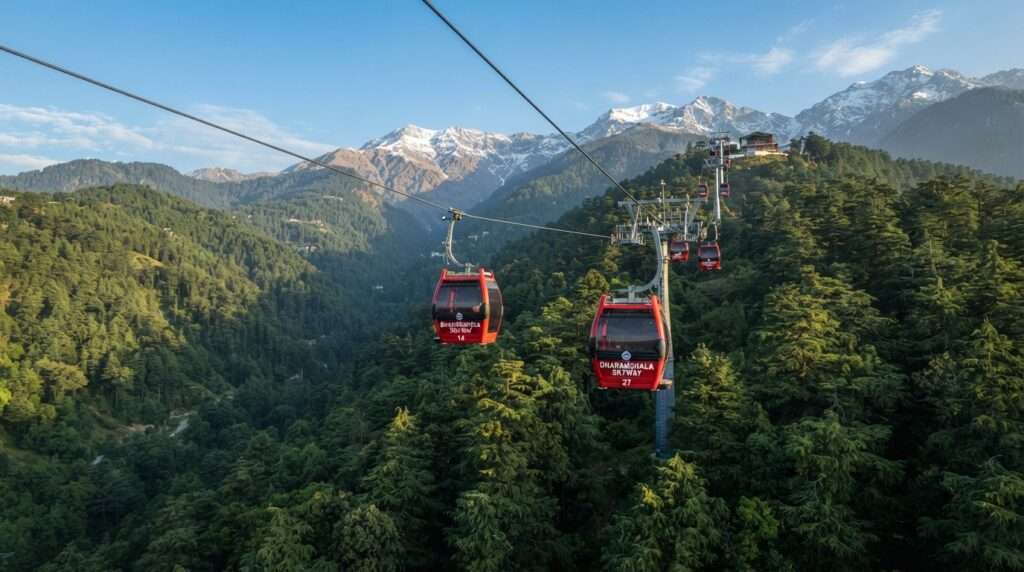
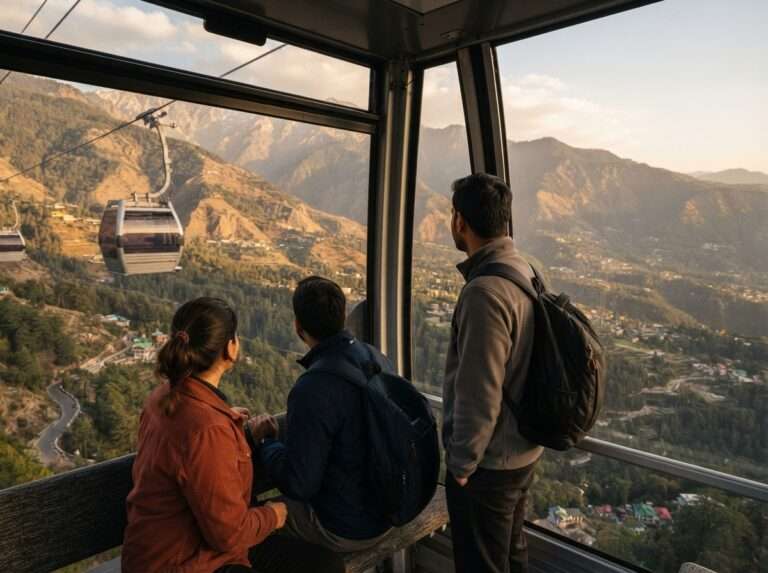
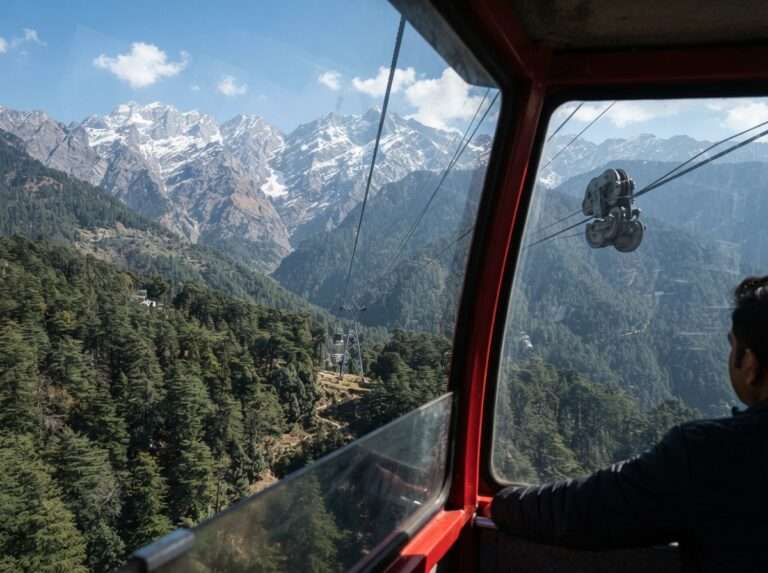
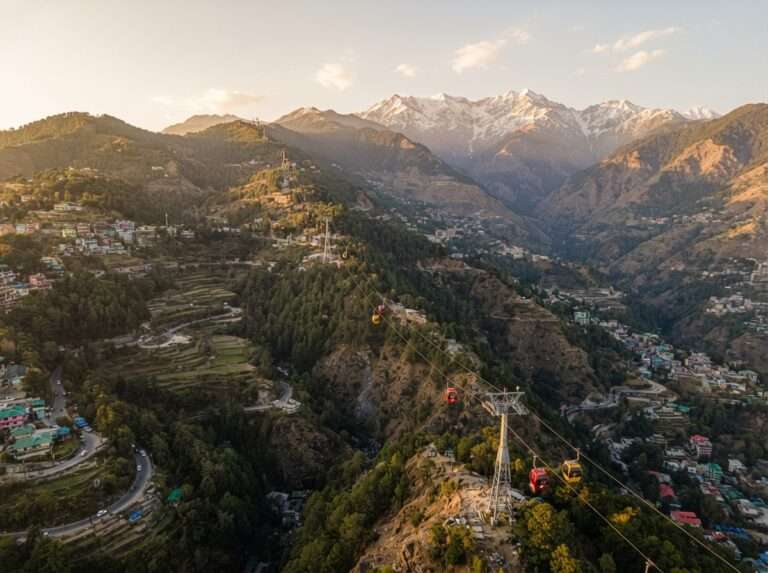
The town’s newest headline attraction, opened in 2022, is the Dharamshala Skyway cable car that runs between lower Dharamshala and McLeodganj in about nine to ten minutes, floating over deodar forest and terraced fields with the Dhauladhar filling the window. It is the easiest big view in the whole area and a hit with families and anyone short on time. Buy tickets at the terminal; confirm hours before you go.
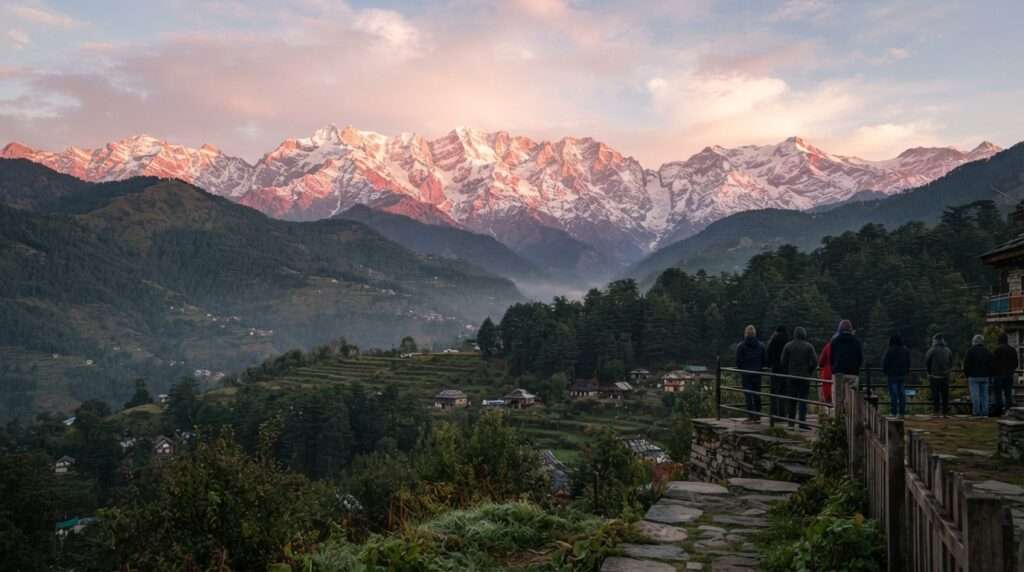
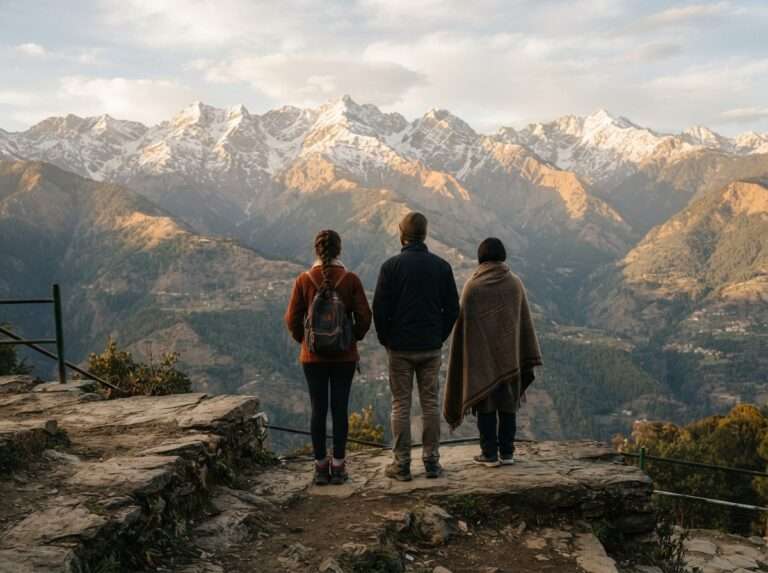
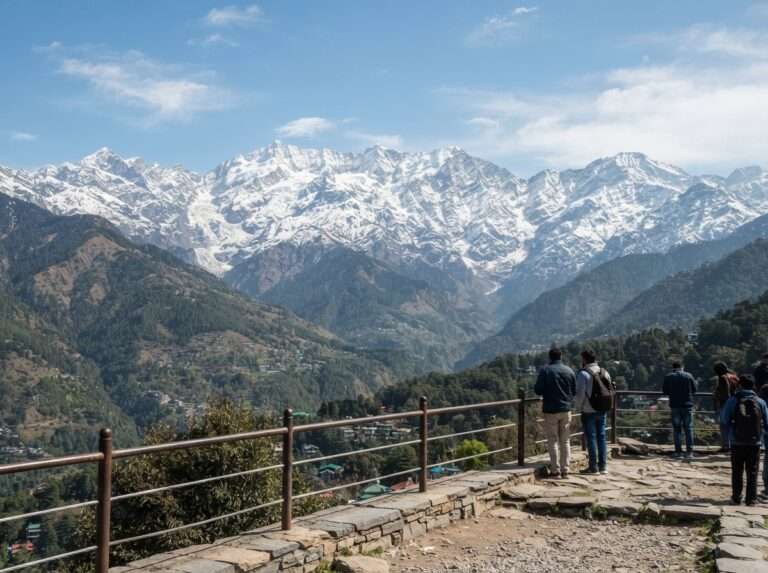
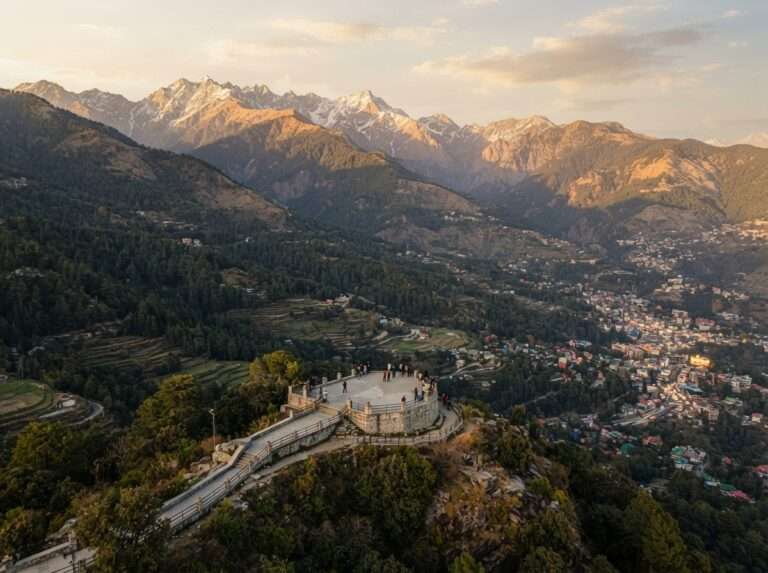
About 4 km past Dal Lake, Naddi gives you the biggest, most head-on view of the snow-capped Dhauladhar range anywhere near town. Come at sunrise for the pink light on the peaks or at sunset for the golden hour, and there are a few cafes to wait it out. Best April to October when the road and views are clear.
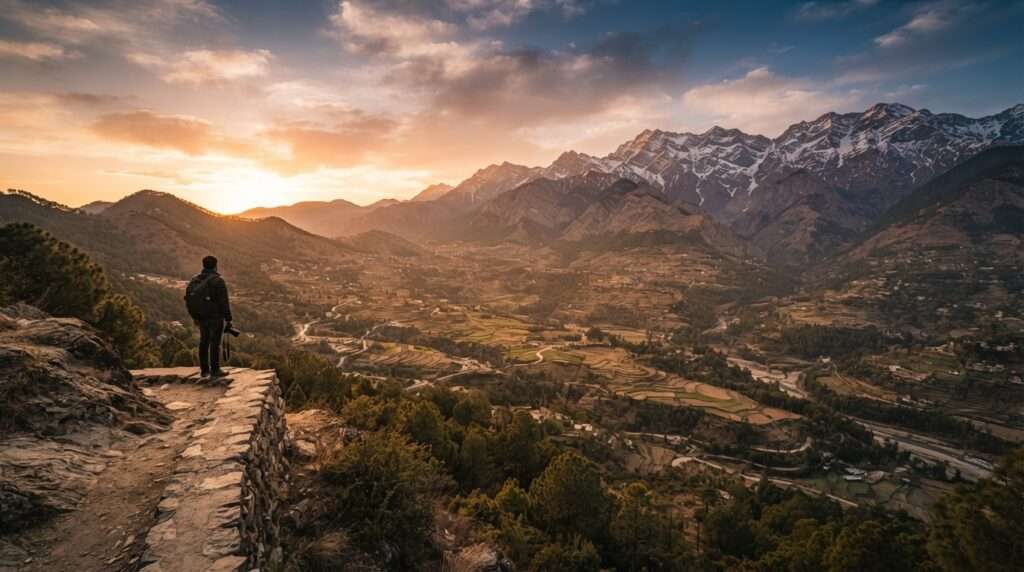
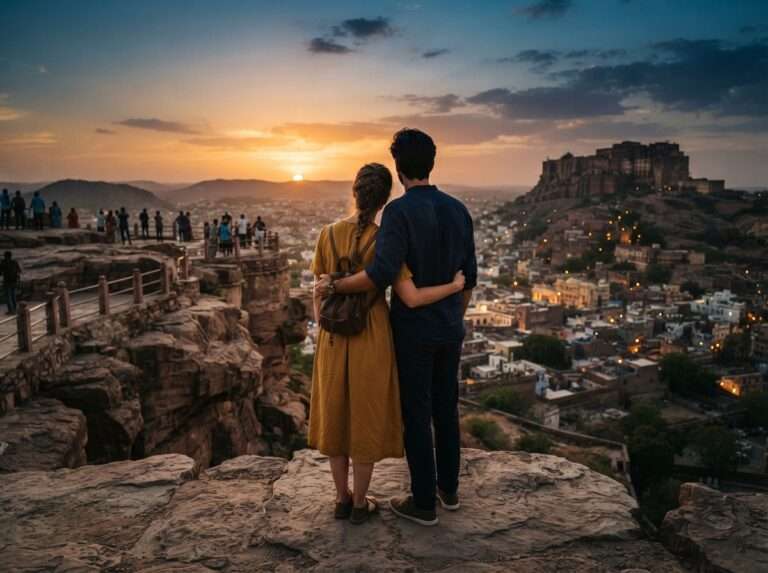
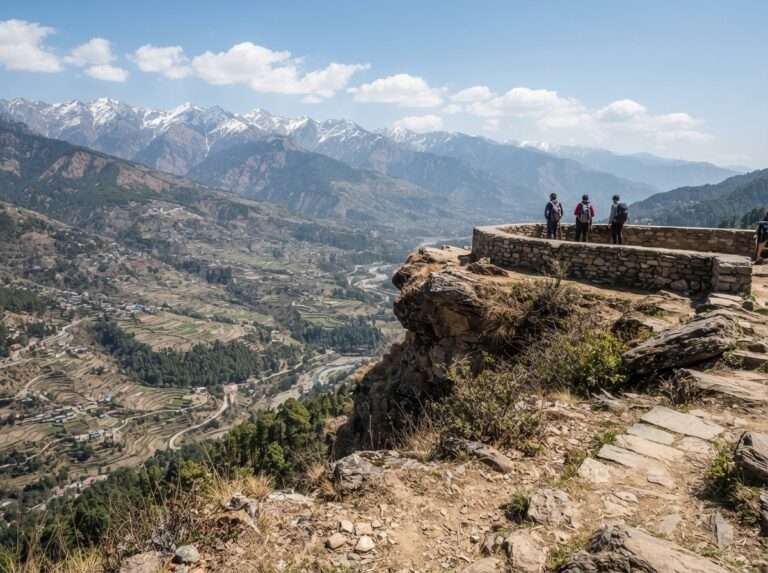
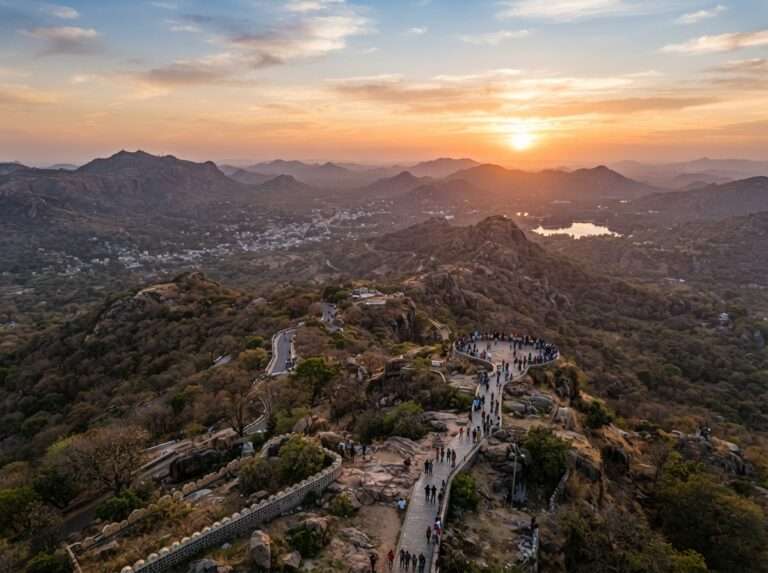
A short walk on from Naddi village, this is the spot locals name for the evening: an open ledge that catches the last light spilling over the Kangra valley and the Dhauladhar. Bring a jacket, because the temperature drops the moment the sun goes. Free, and quiet if you skip weekends.
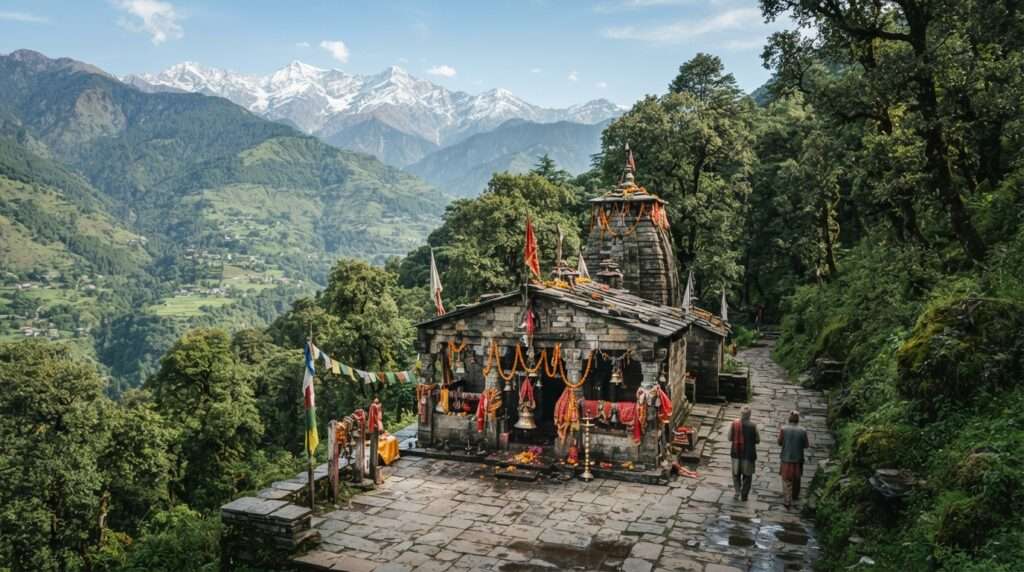
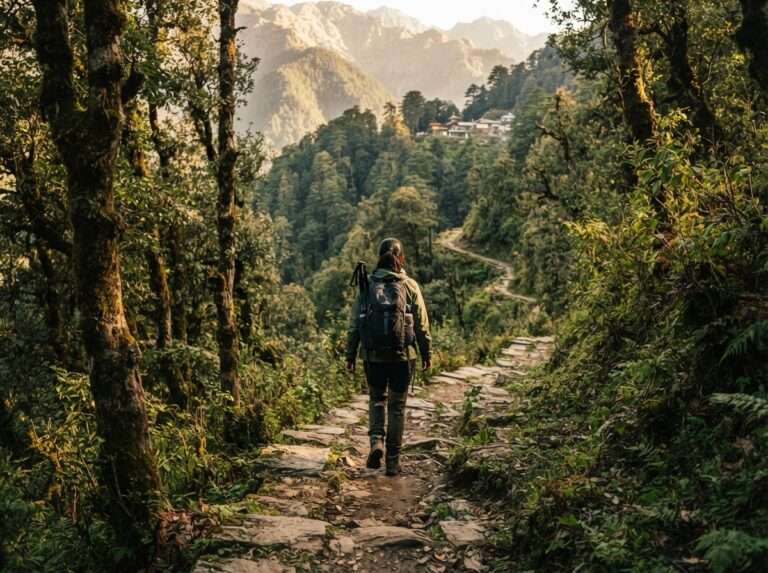
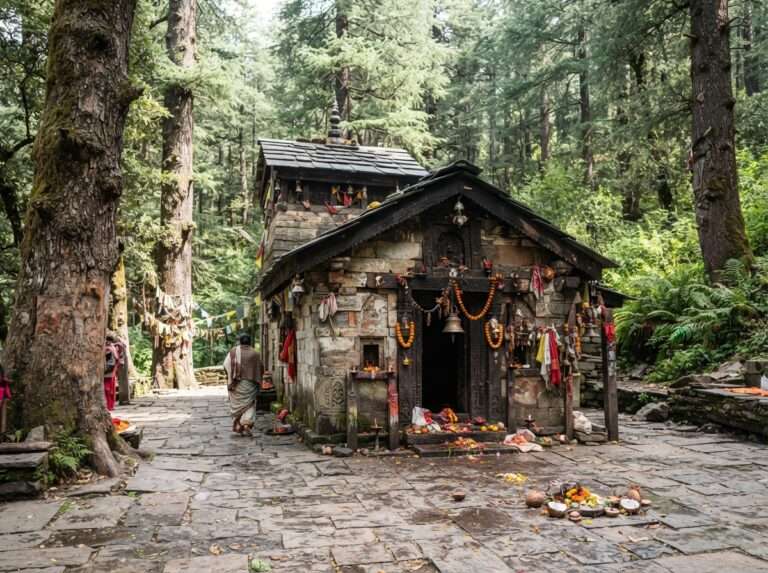
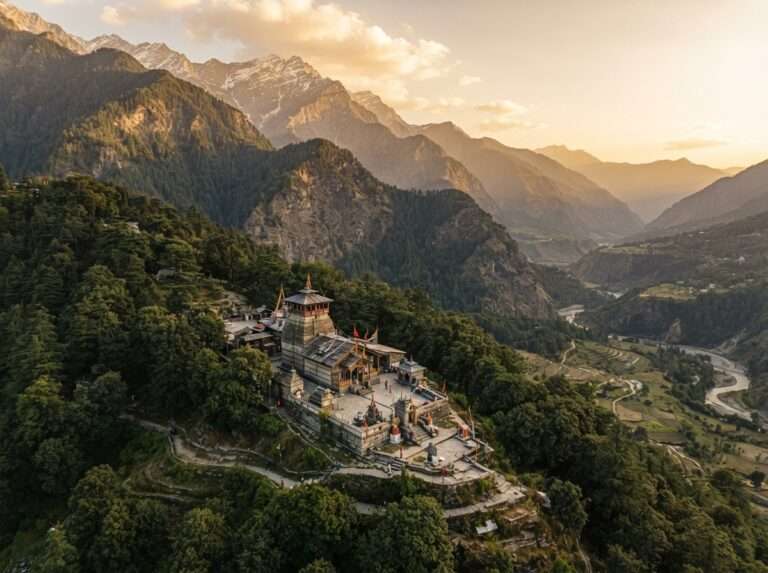
A forest temple to the goddess Kali, reached by a pretty 3 km walk through oak and deodar from the Naddi side. The shrine itself is simple; the reward is the path and the Kangra valley views that open up along it. Go October to December for clear air, and wear proper shoes for the last stretch.
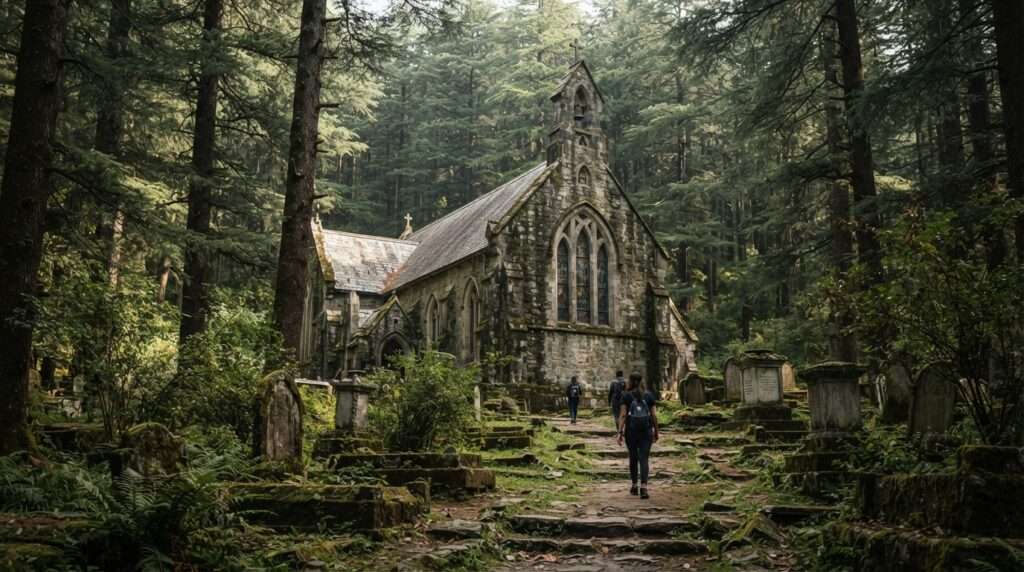
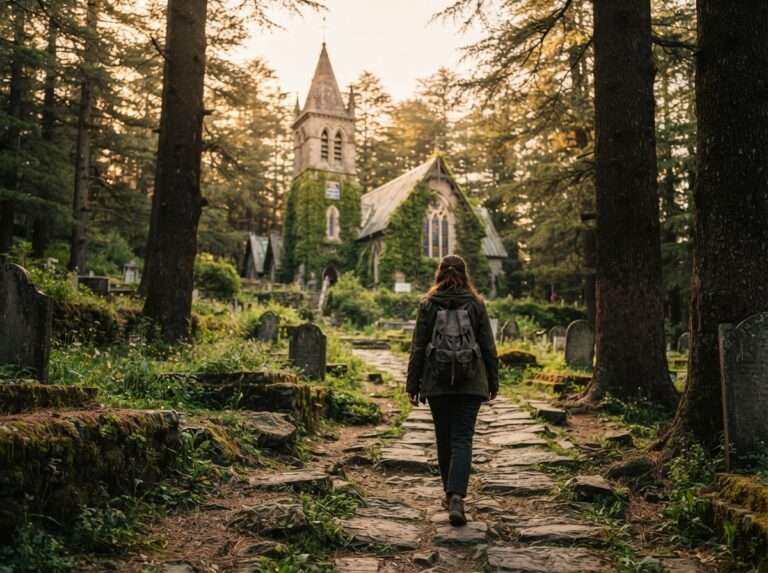
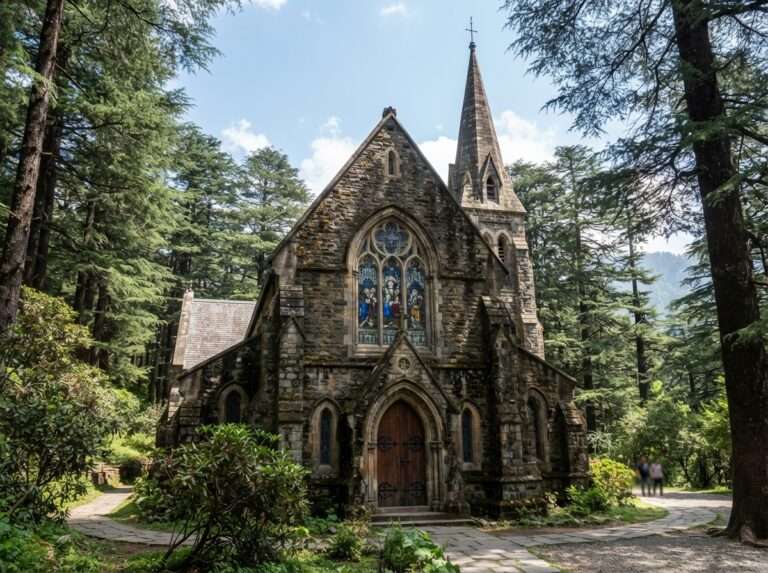
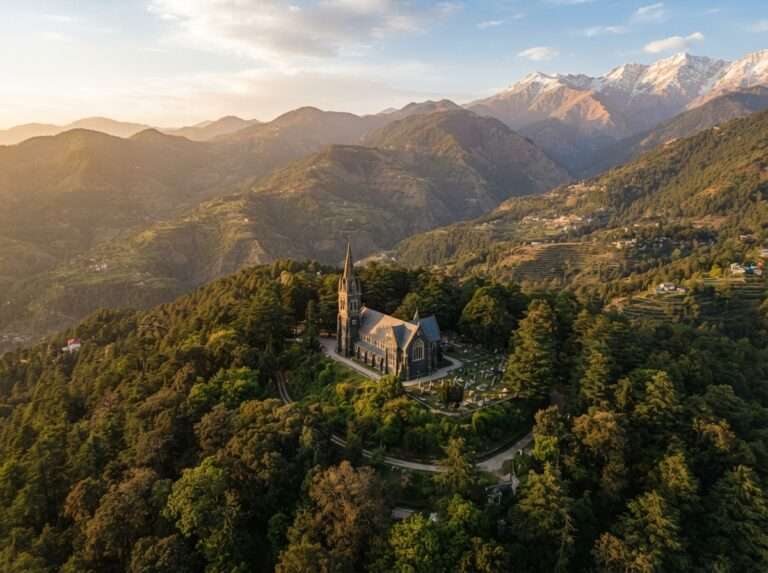
Down in Forsyth Ganj, this neo-Gothic stone church from 1852 stands in a grove of deodars, with Belgian stained-glass windows and the grave of Lord Elgin, a British Viceroy, in its yard. It survived the 1905 Kangra earthquake that flattened much of the area, which adds to its slightly haunted calm. Open roughly 7 am to 7 pm, free.
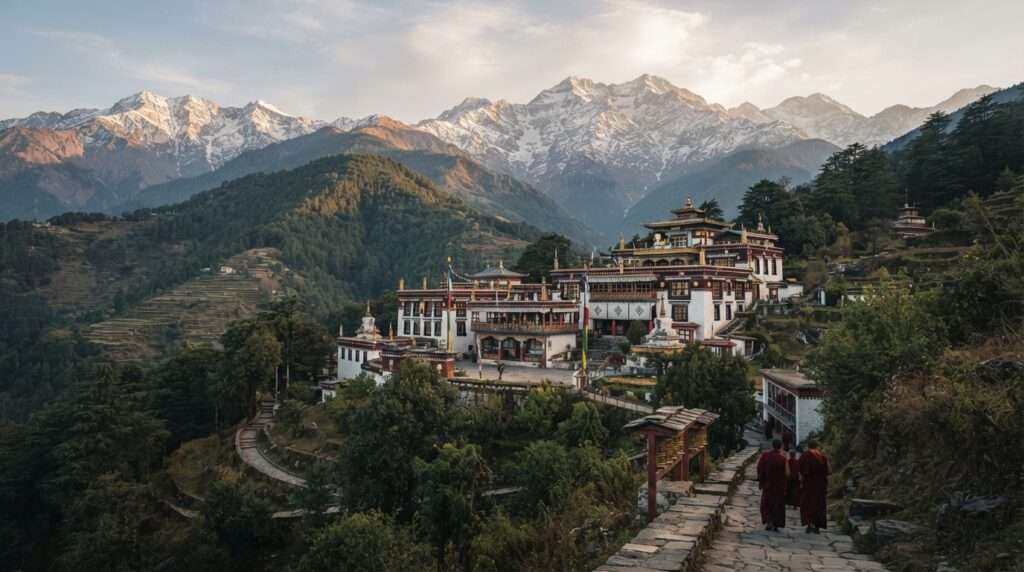
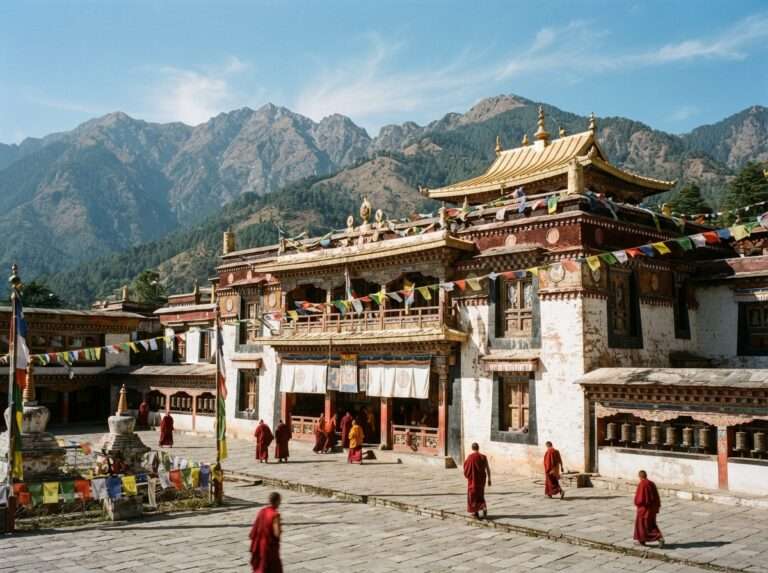
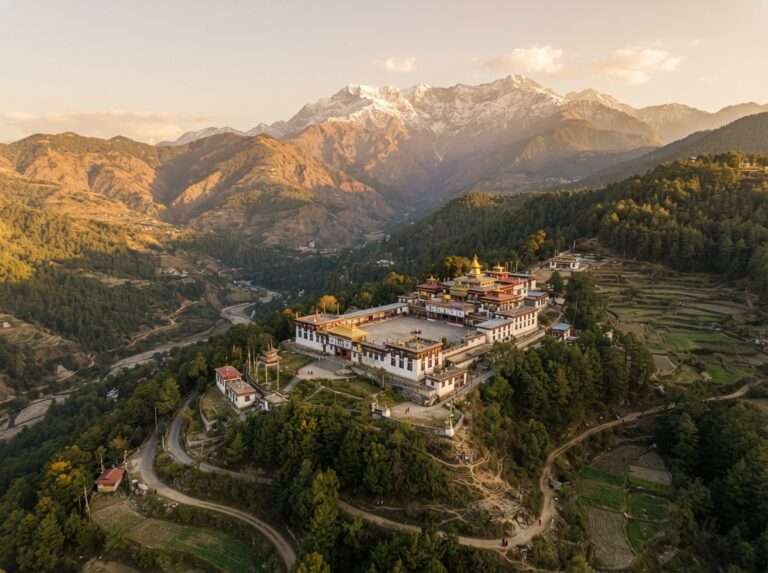
The seat of the Tibetan State Oracle, Nechung sits about 3 km out at Gangchen Kyishong, below the Library of Tibetan Works and Archives, and sees far fewer visitors than the main temple. That makes it one of the better places to actually sit and watch monastic life without a crowd, with the Dhauladhar as a backdrop. Open around 7 am to 6 pm.
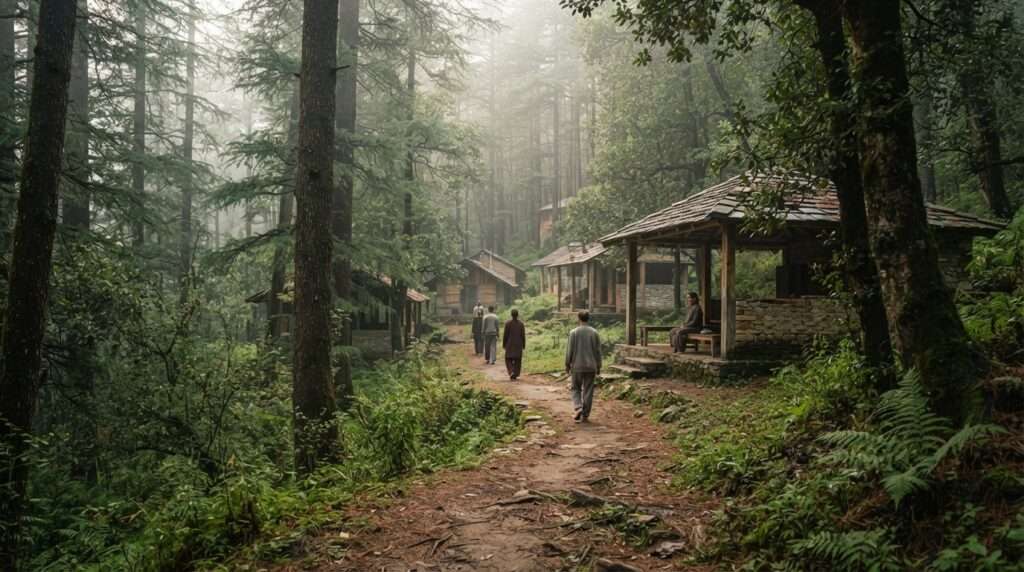
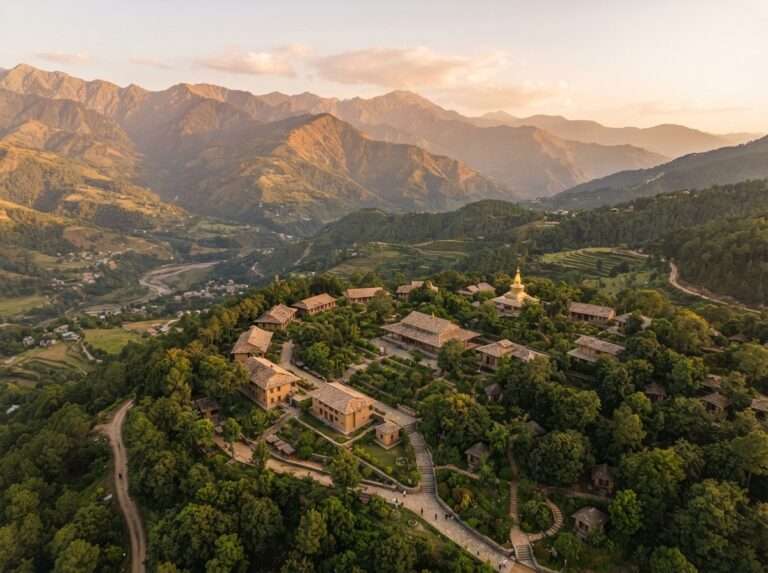
Up in the Dharamkot woods, Dhamma Sikhara runs the classic ten-day Vipassana courses in the tradition of S.N. Goenka, on a donation basis. It is silent, strict and not a drop-in sight, so treat it as a commitment rather than a stop. Sessions run to a fixed timetable; apply well in advance.
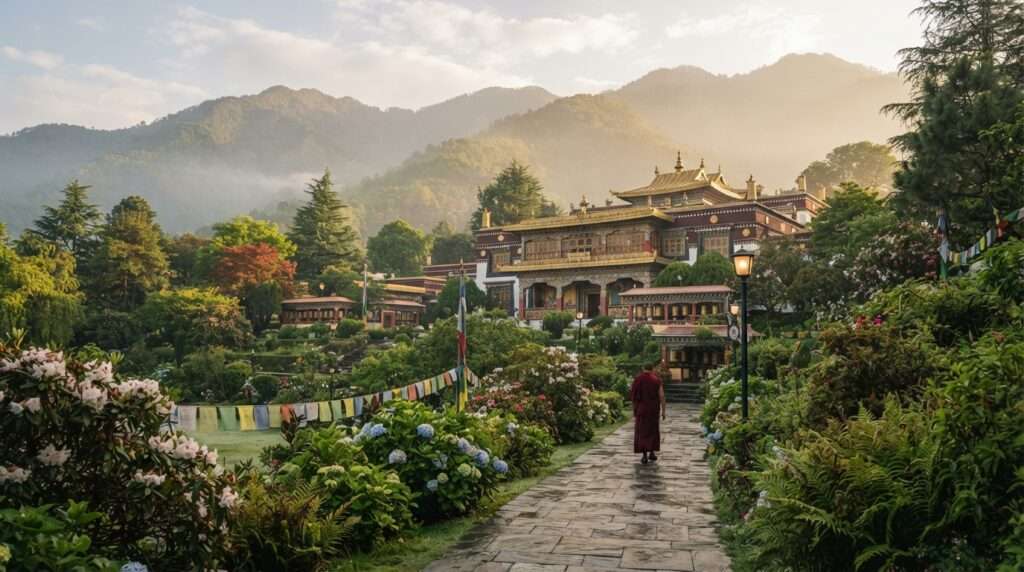
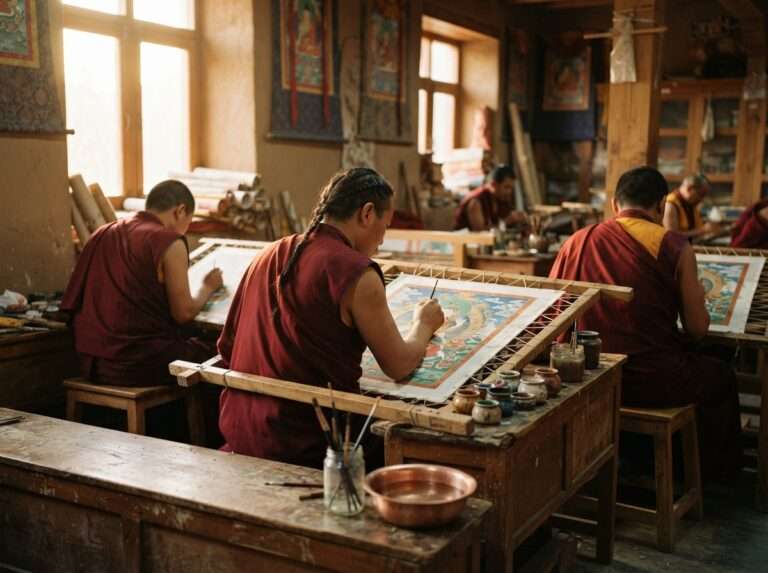
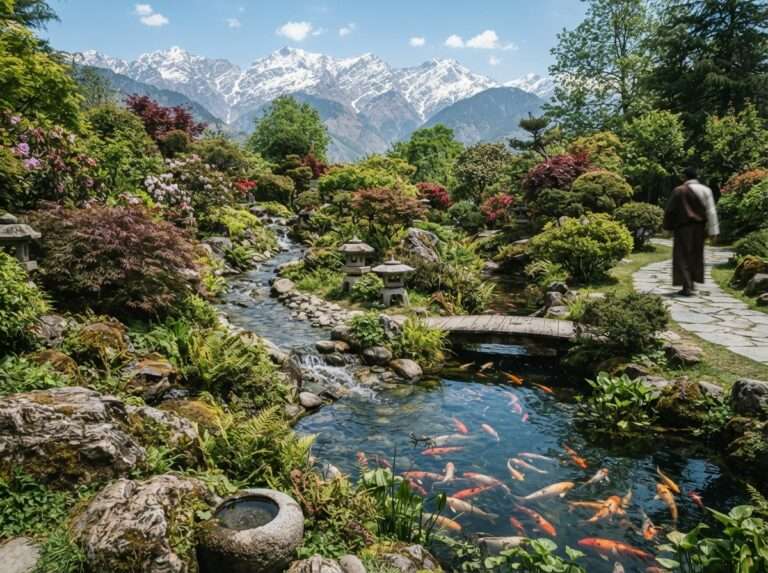
Named after the Dalai Lama’s summer palace in Lhasa, Norbulingka near Sidhpur is a working centre for Tibetan arts, where you can watch thangka painters, wood-carvers and metalworkers at their benches. The Japanese-influenced gardens, with their streams and koi ponds under the Dhauladhar, are reason enough to come. About 8 km out, with a small entry fee of around Rs 50 to Rs 100 for Indian visitors to walk the grounds.
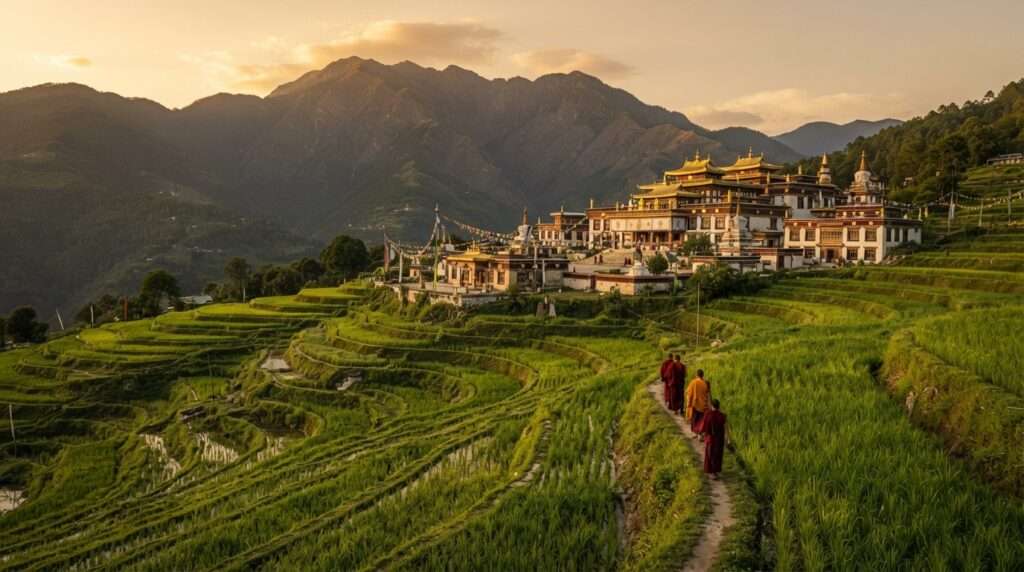
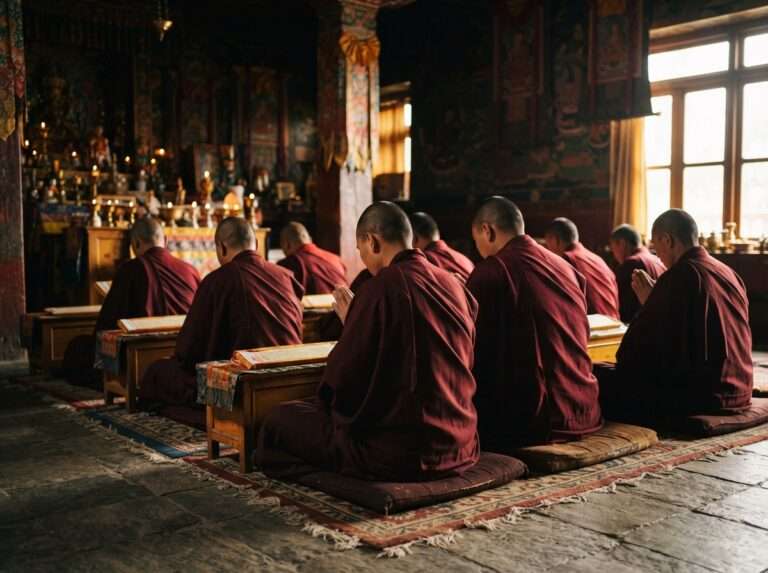
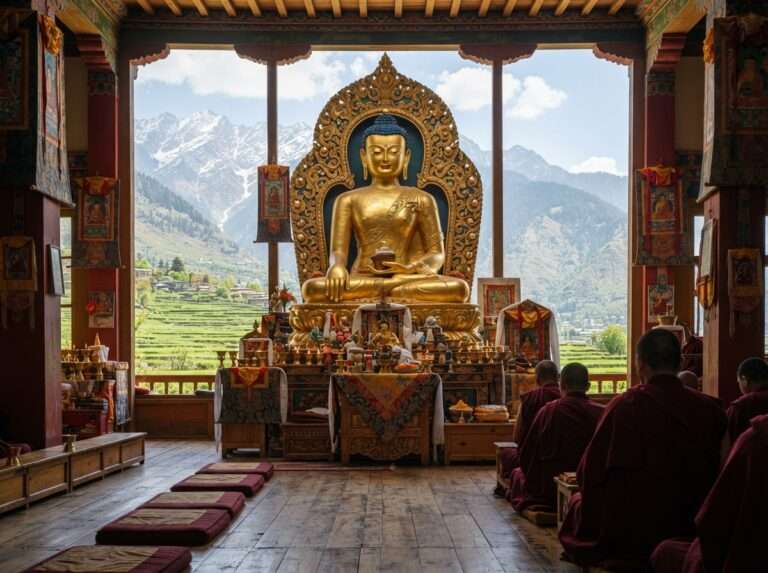
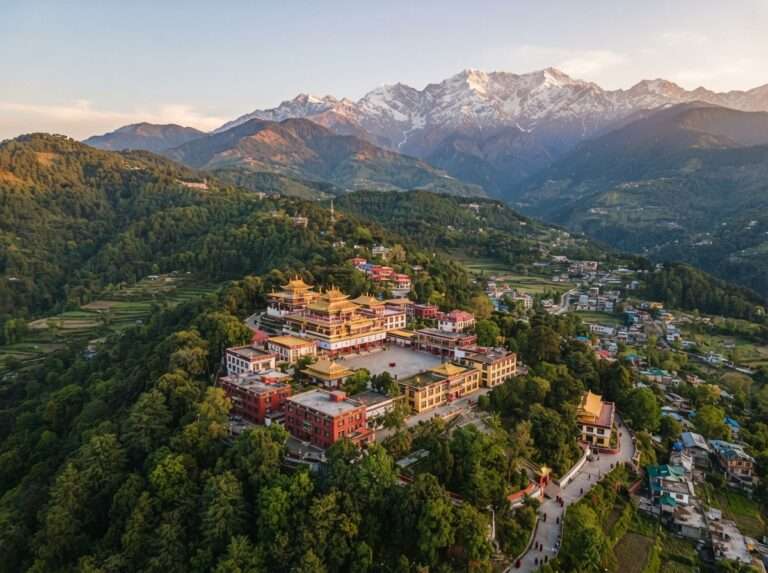
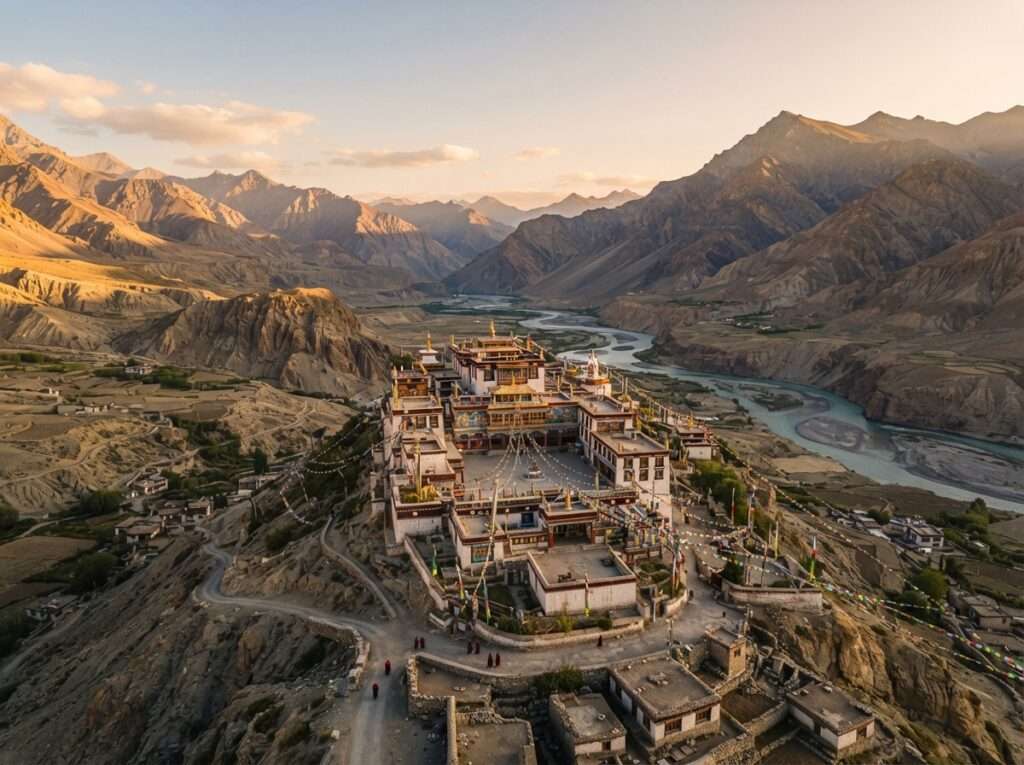
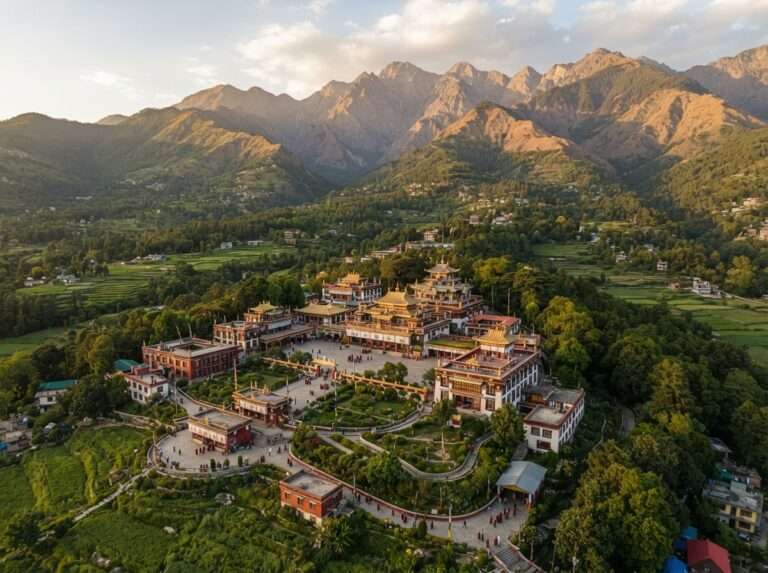
At Sidhbari, roughly 13 km from McLeodganj by road (about 8 to 9 km from Dharamshala), Gyuto is the vast tantric monastery famous for its deep multiphonic chanting and for housing the Karmapa. The main hall, with its huge golden Buddha framed by the mountains, is one of the most photogenic interiors in the valley, and the setting among rice terraces is a change from the town monasteries. Free.
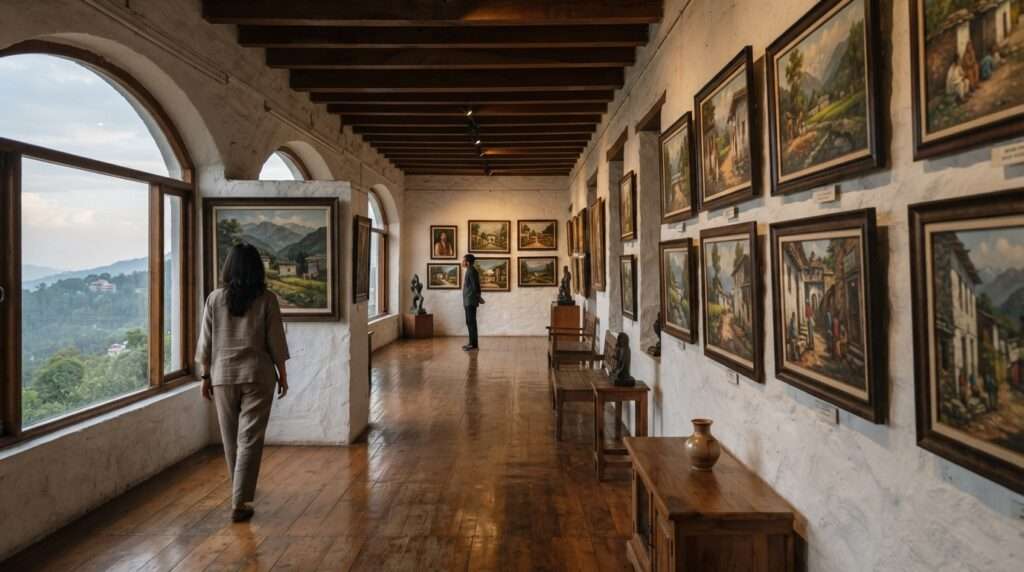
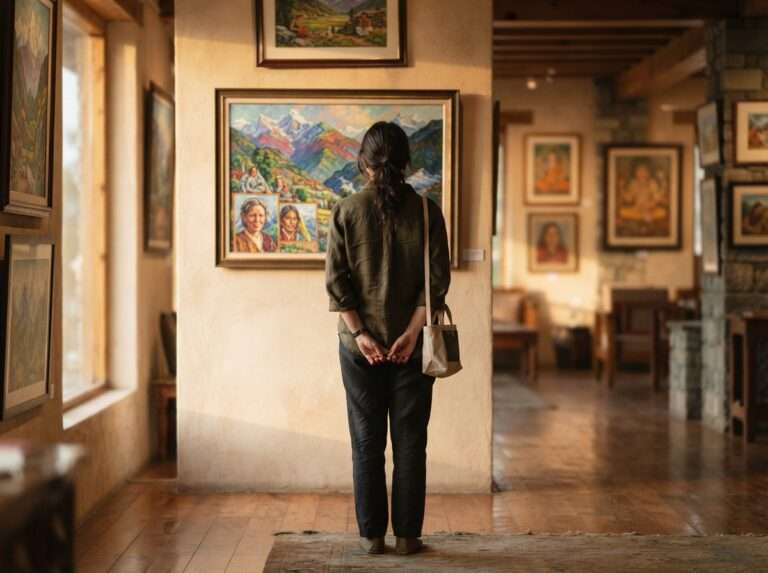
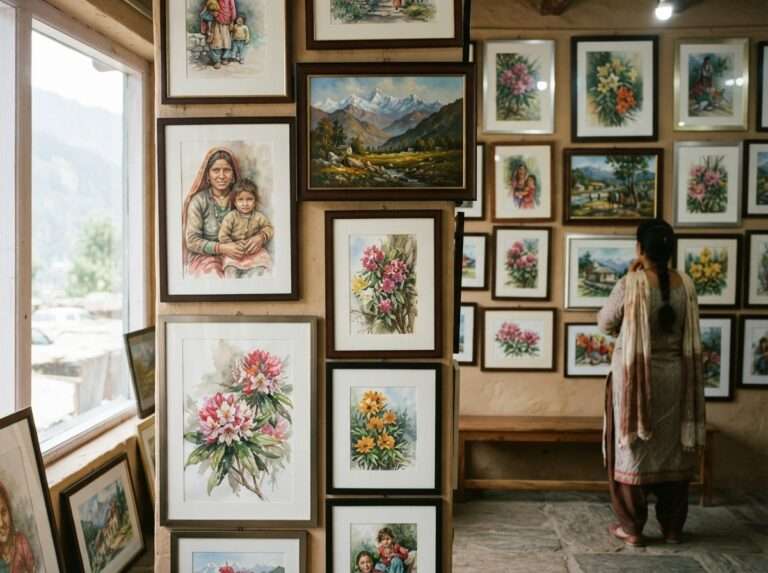
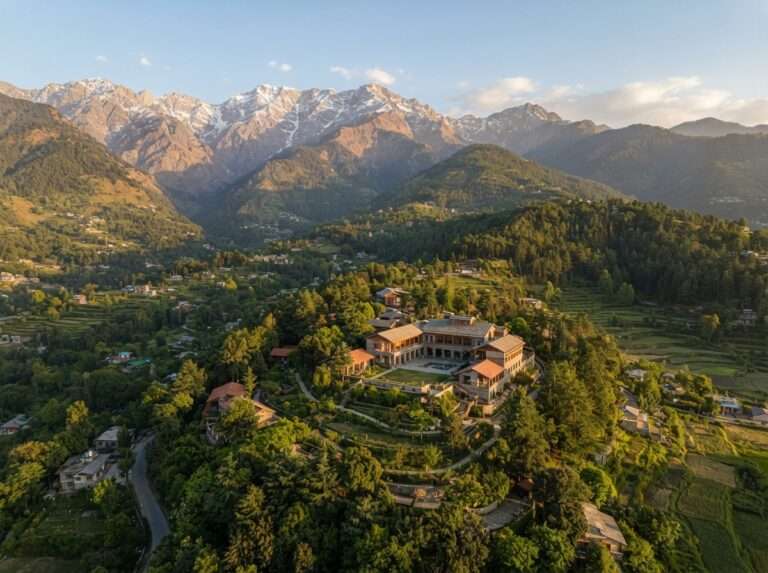
A small Sidhbari gallery showing watercolours and acrylics by Elizabeth Buschmann and oils by the late Alfred Hallett, it is a quiet, unexpected art stop between monastery visits. Prints are on sale, entry is a token Rs 10, and it closes on Mondays. Open roughly 10 am to 7:30 pm.
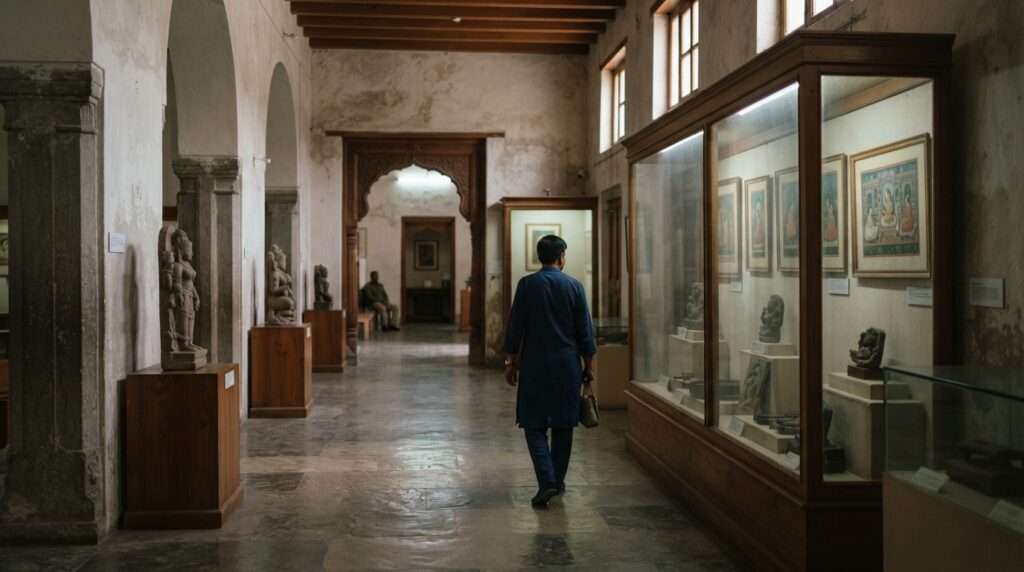
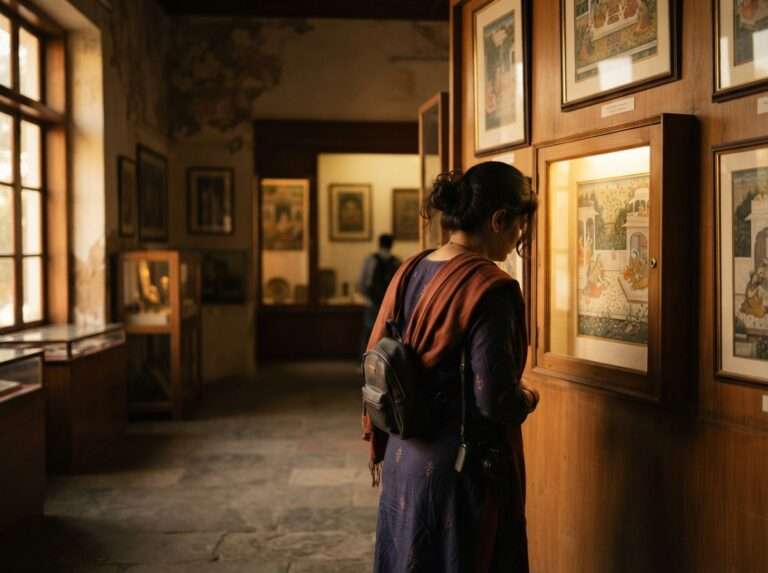
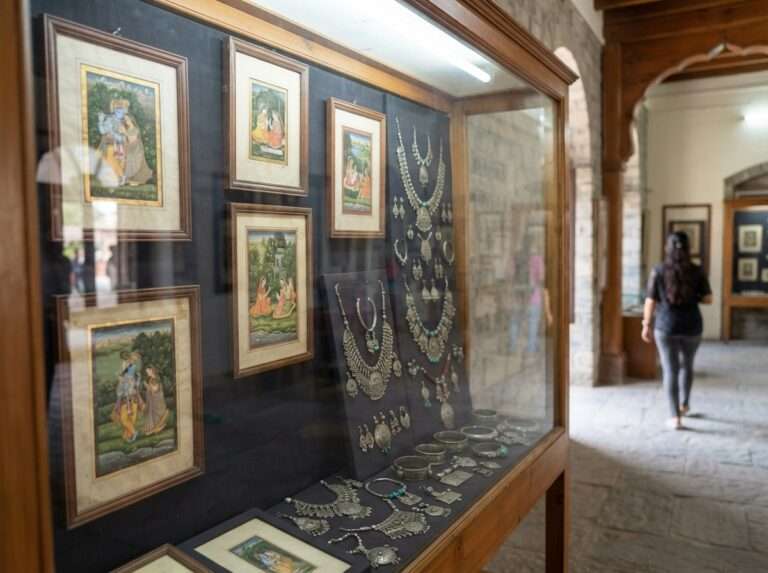
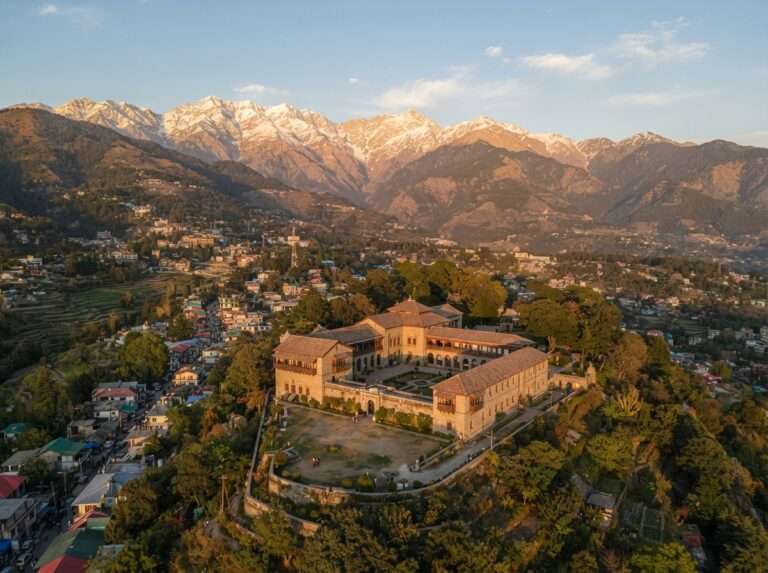
In Kotwali Bazaar down in Dharamshala, this museum gathers Kangra-school miniature paintings, coins, pottery and tribal jewellery from the region, a proper look at the valley’s art before Tibet arrived. Distinct from the Tibetan Museum in town, it is worth an hour if you are already in Dharamshala. Closed Mondays, nominal entry.
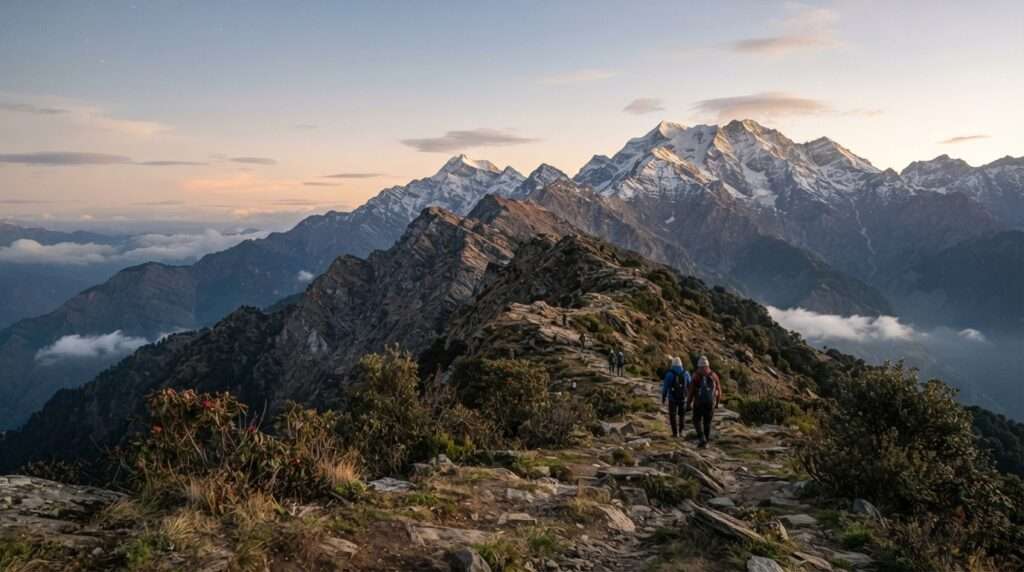
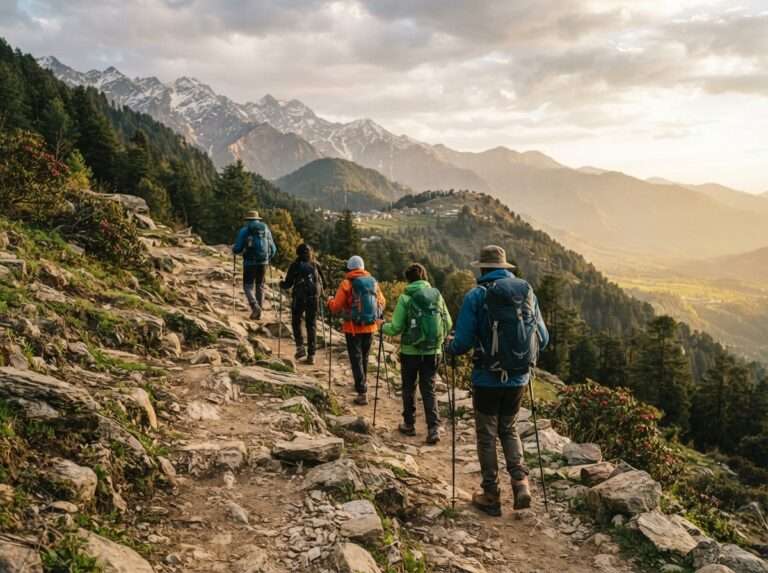
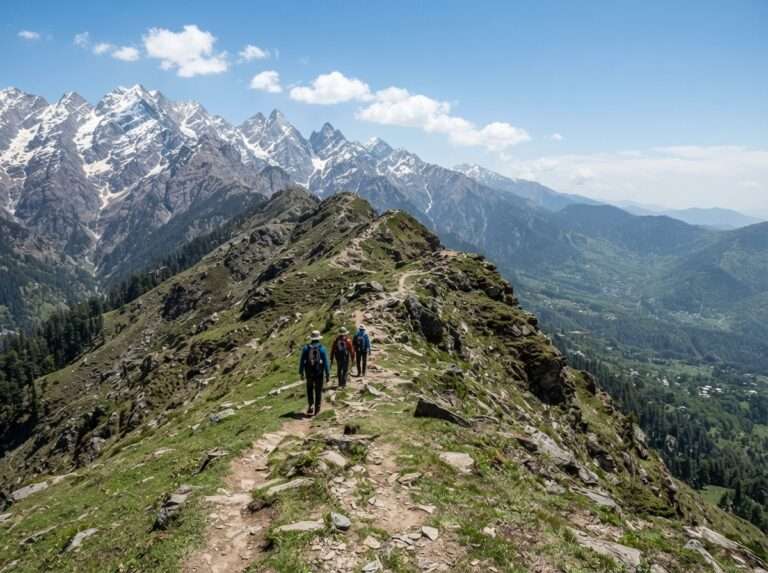
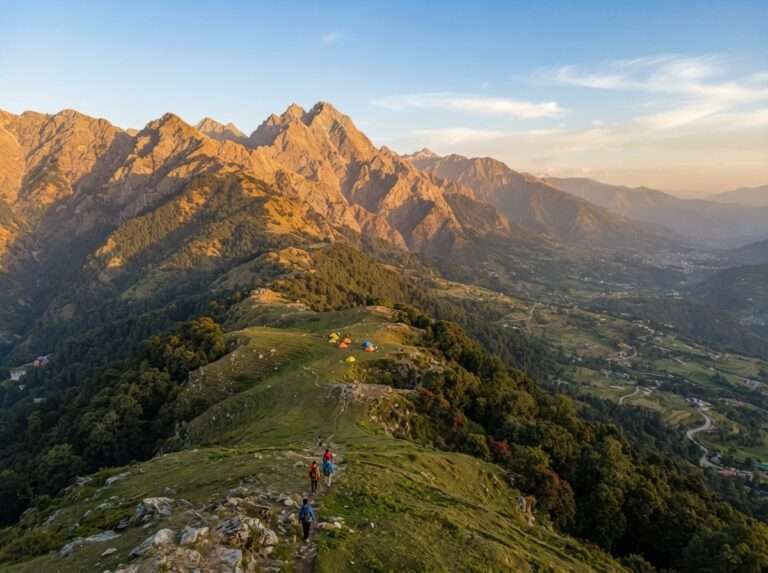
The signature McLeodganj trek, and rightly so. It is about a 5 to 6 km climb from the Gallu Devi trailhead above Dharamkot to the Triund ridge at roughly 2,875 m (closer to 9 km if you start all the way down at McLeodganj square), doable in three to four hours by anyone reasonably fit. The reward at the top is a full front-row line-up of the Dhauladhar peaks. You can camp overnight (a charge and, in some seasons, a permit apply) or hike back the same day. Go March to June or September to November; avoid the monsoon slip.
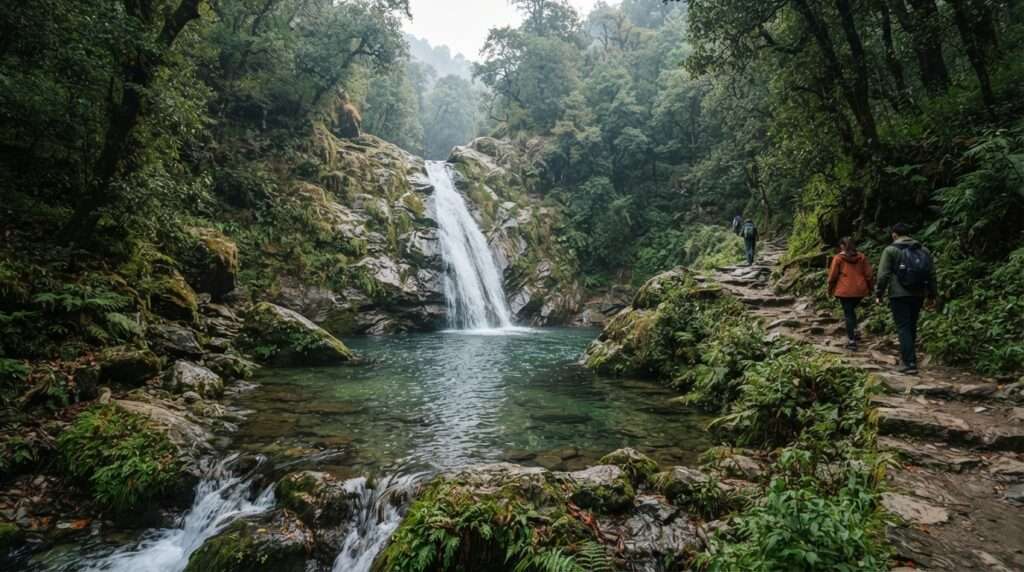
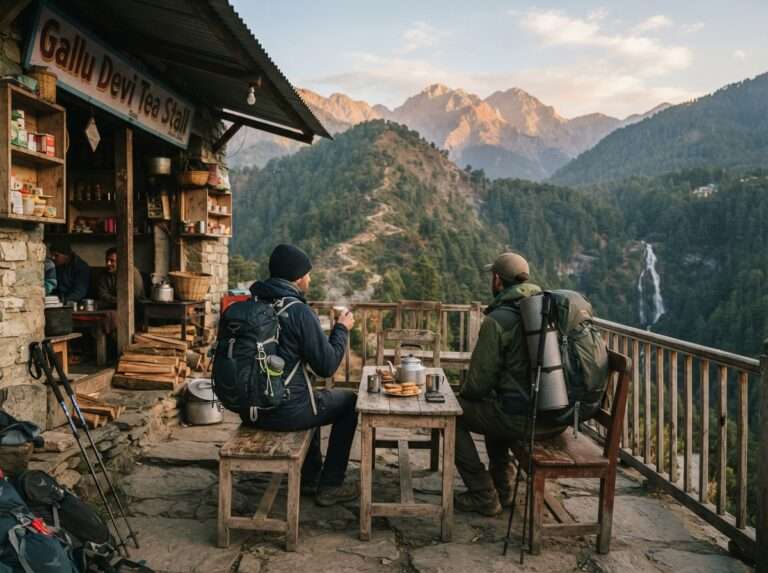
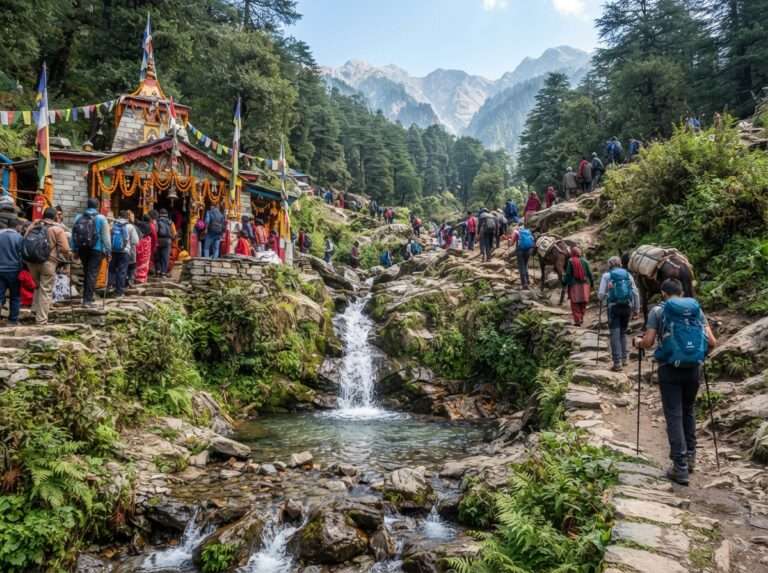
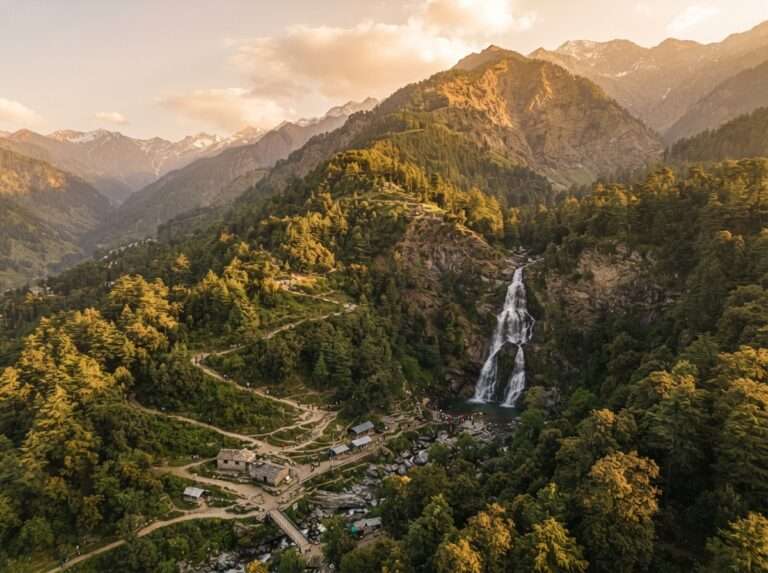
Above Dharamkot, the Gallu Devi temple marks the start of the Triund trek, and just off it a short scramble leads to a small waterfall and pools that make a fine half-day if you are not going all the way up. It is where cafes fuel up trekkers at dawn. About 3 km from town, free.
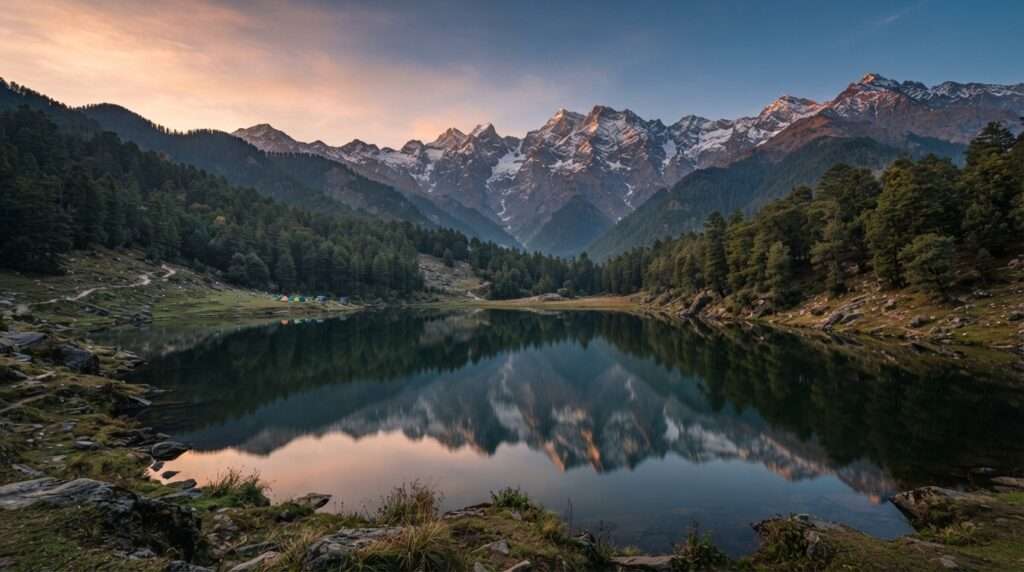
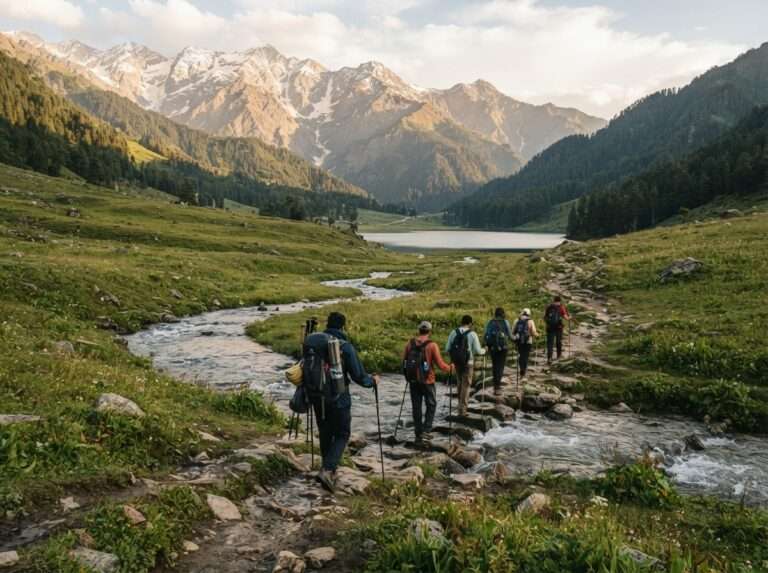
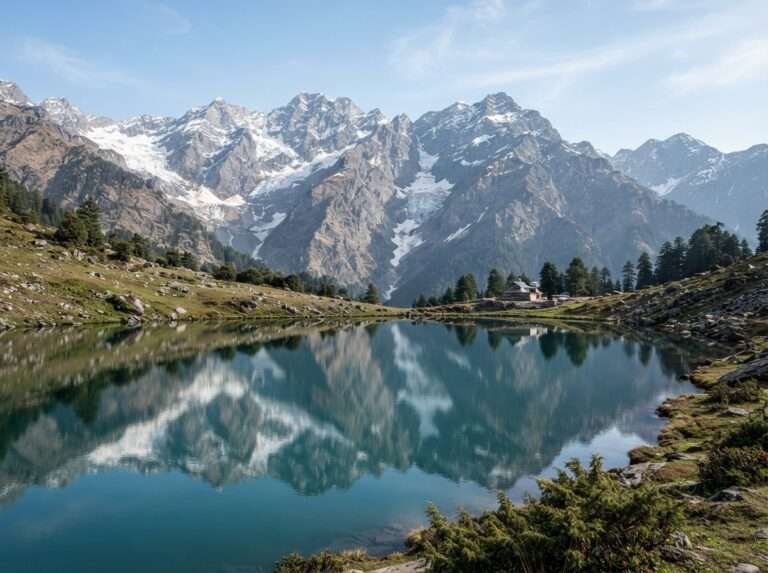
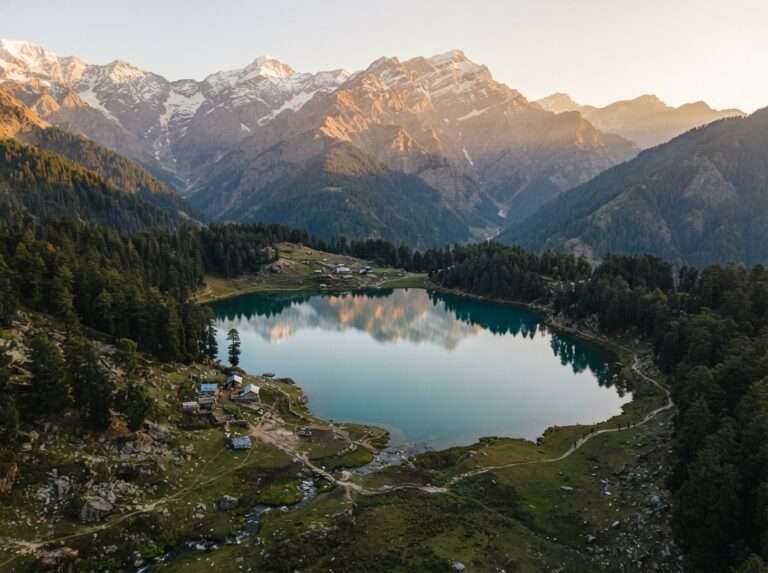
A high, glacier-fed freshwater lake reached by a demanding two to three day trek through Kareri village, with meadows, river crossings and a shepherd-camp feel. The water is clear enough to mirror the peaks on a still morning. This is a genuine trek, not a stroll, so go with a guide and proper kit. Best May to July and September to November.
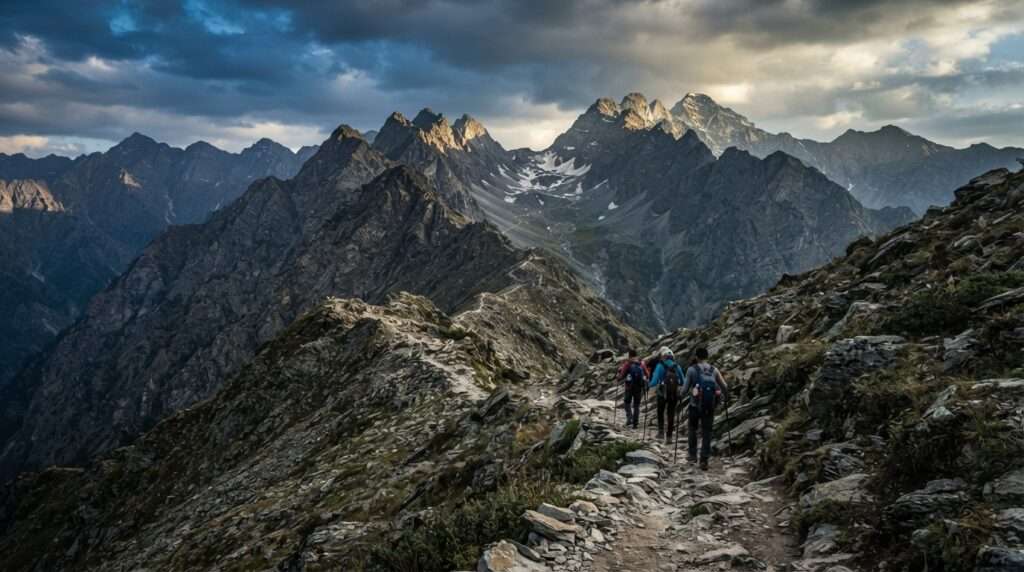
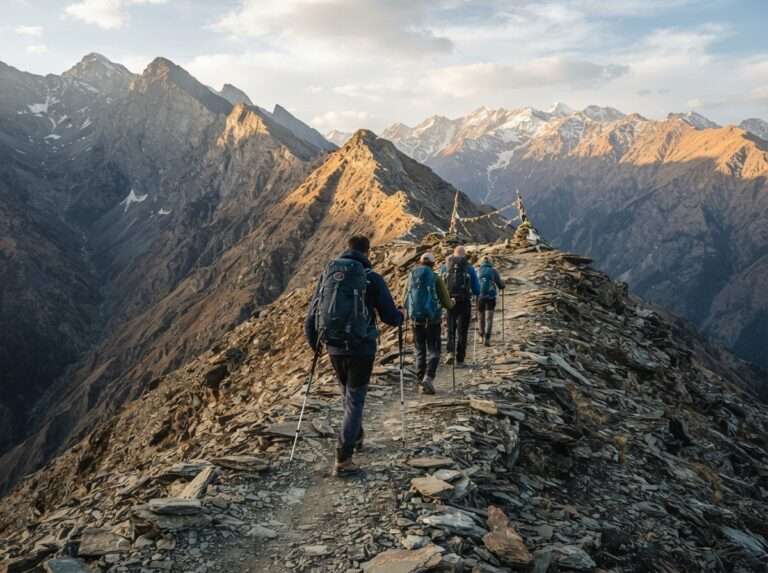
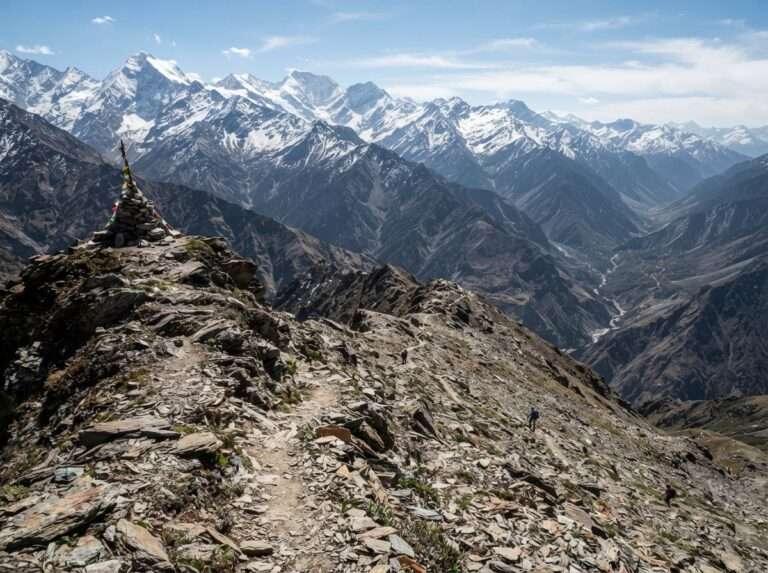
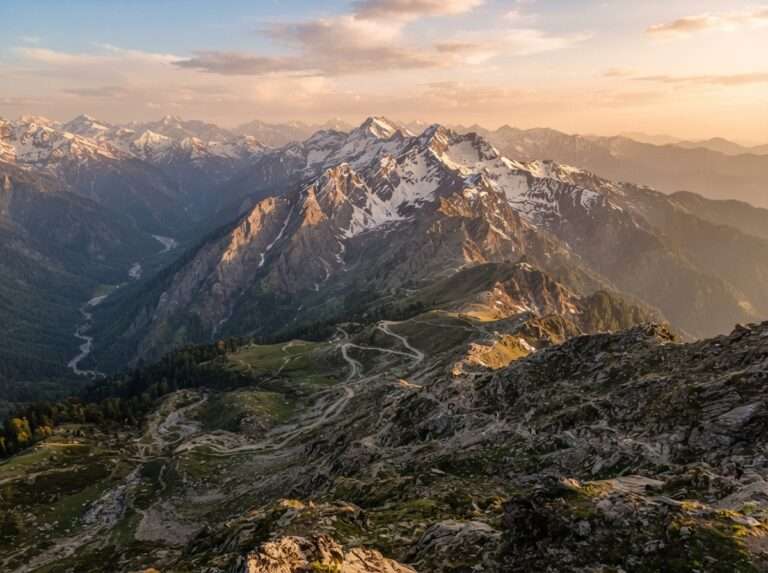
For experienced trekkers, Indrahar Pass at 4,342 m is the big one, a multi-day crossing of the Dhauladhar with sweeping views into the Chamba side and fields of alpine flowers in early summer. It needs acclimatisation, a guide and a weather window, and it is best attempted in early summer (May to June) or the post-monsoon autumn (September to November). Not for a casual day out.
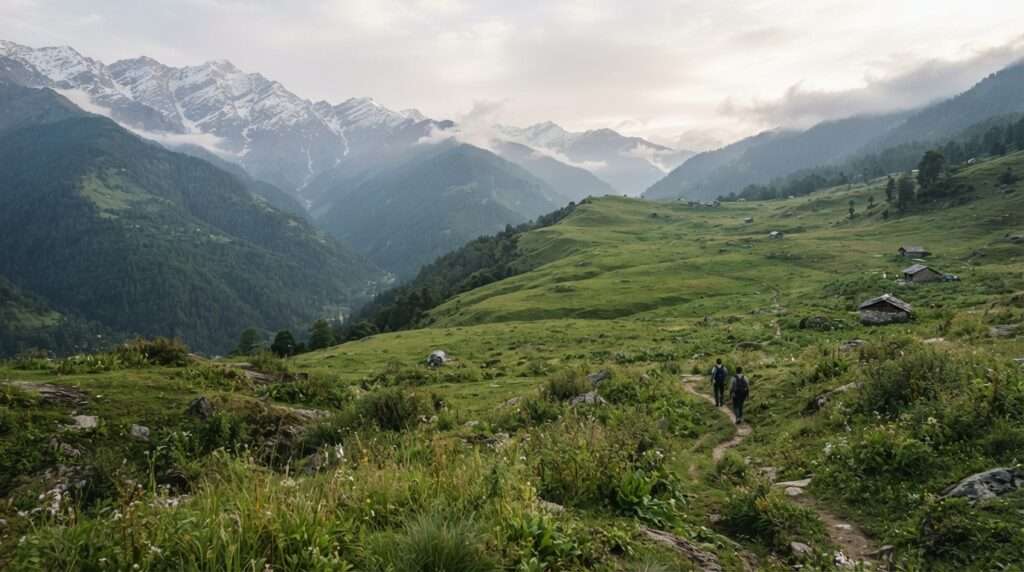
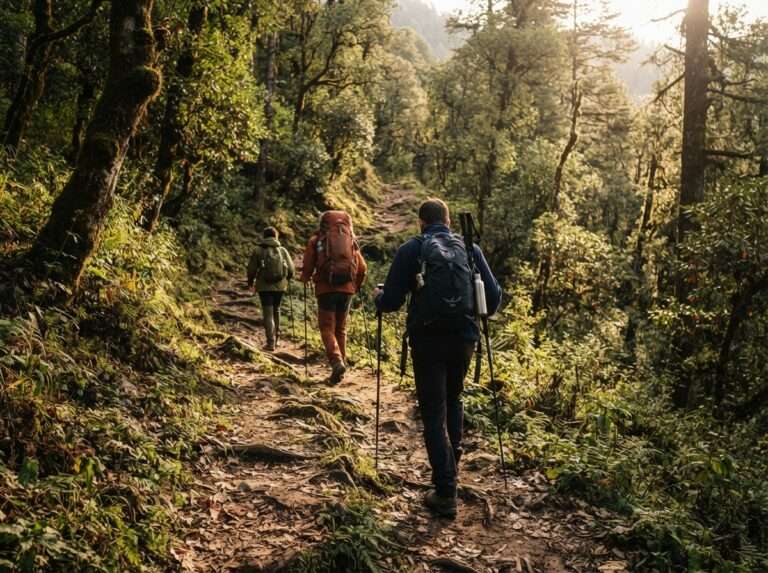
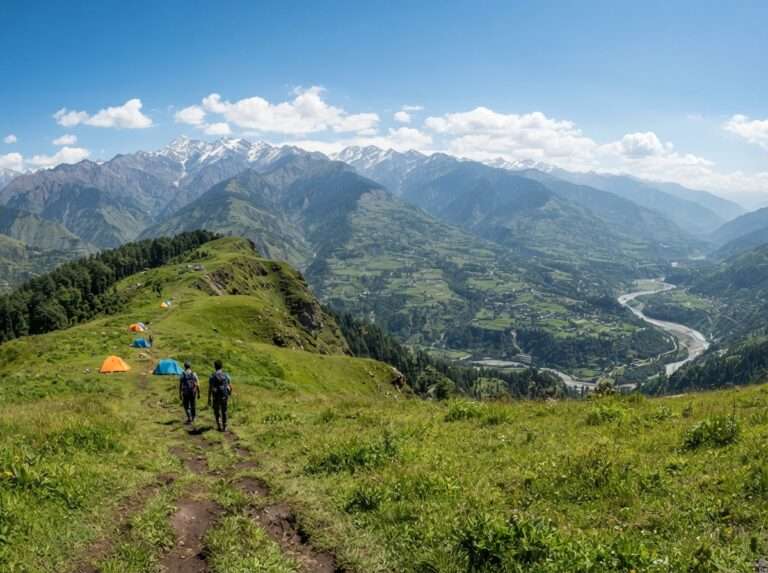
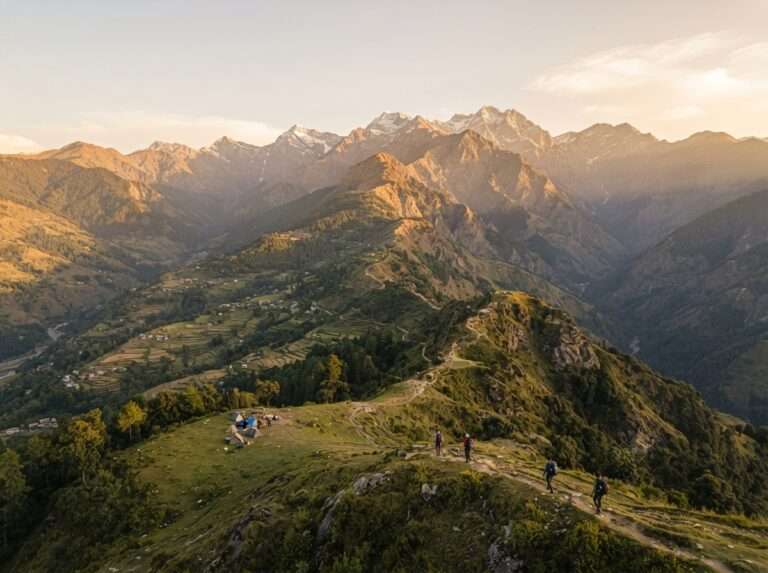
A quieter alternative to Triund, the Thatharana trek climbs through forest to a meadow with a near-360-degree sweep of the Kangra valley. It sees a fraction of Triund’s foot traffic, which is its whole selling point. A long day trek, best March to July.
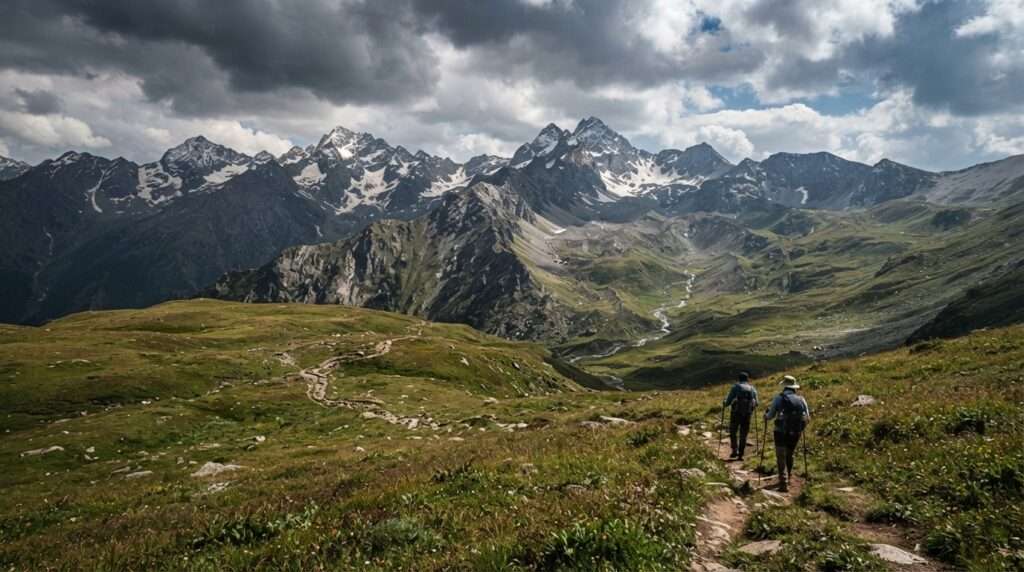
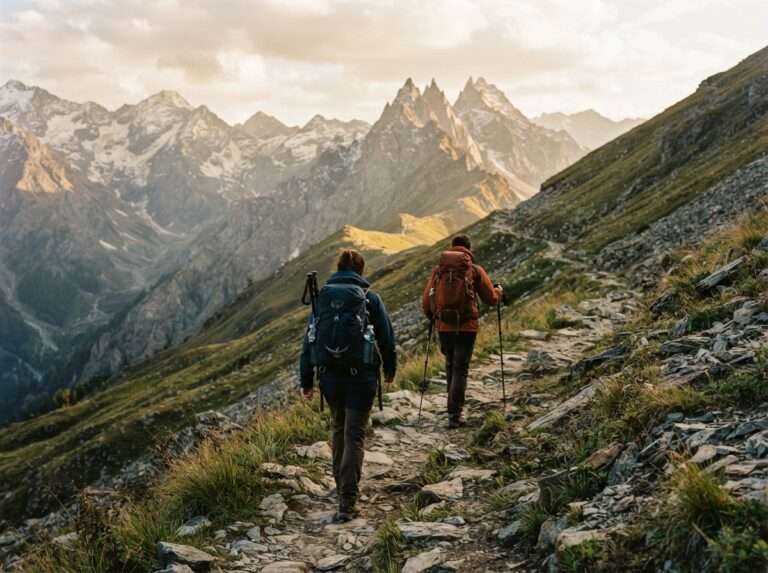
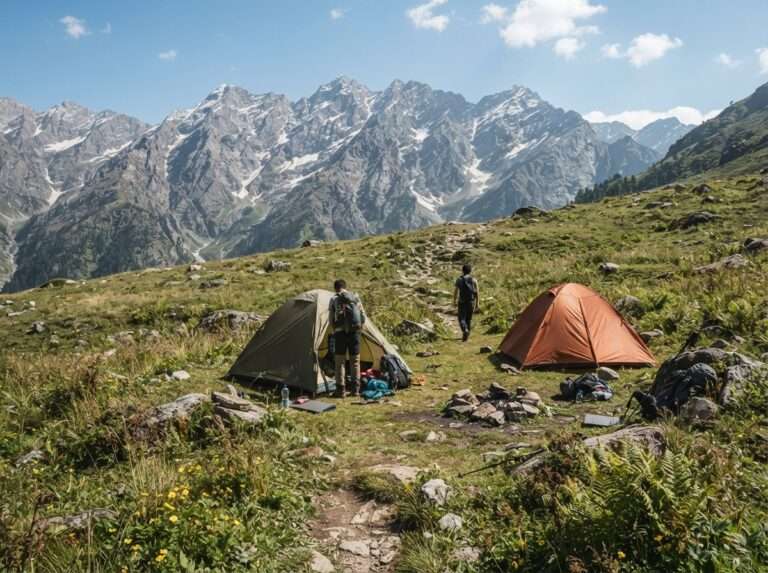
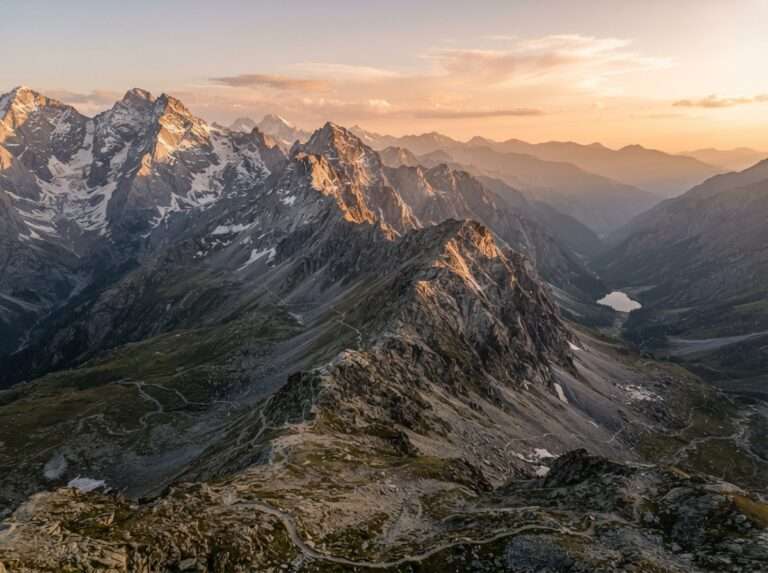
A tougher, less-trodden pass trek that links up with the Kareri area and rewards you with high meadows and remote camping. The trail gets slippery and risky in the monsoon, so keep it to the March-to-June and post-monsoon windows and take a guide who knows the route.
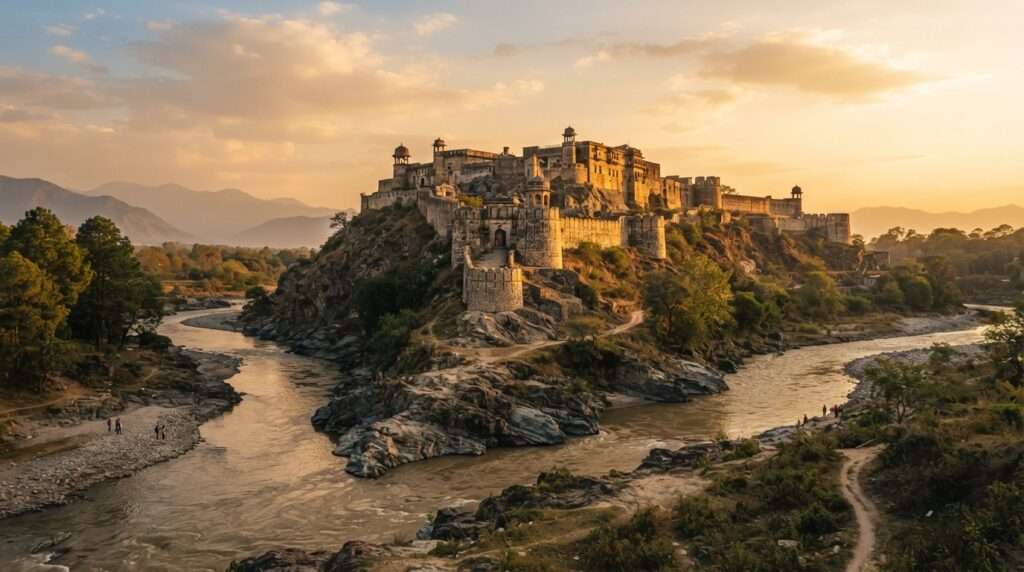
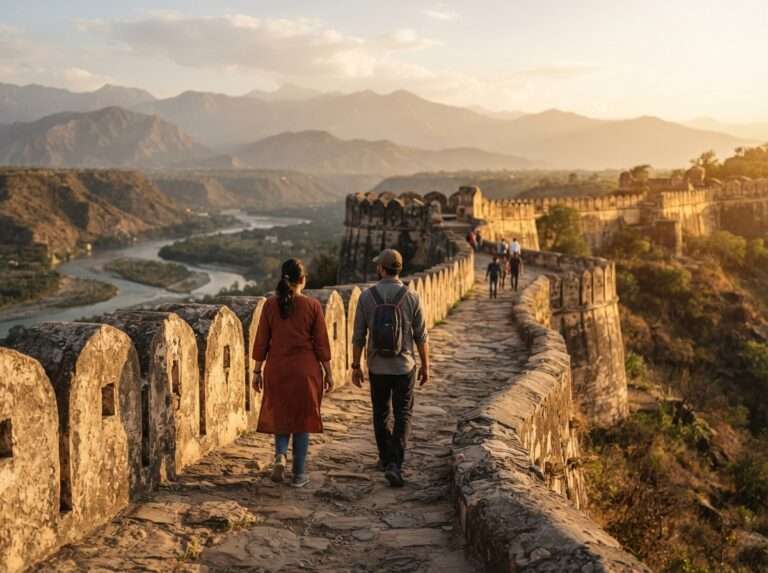
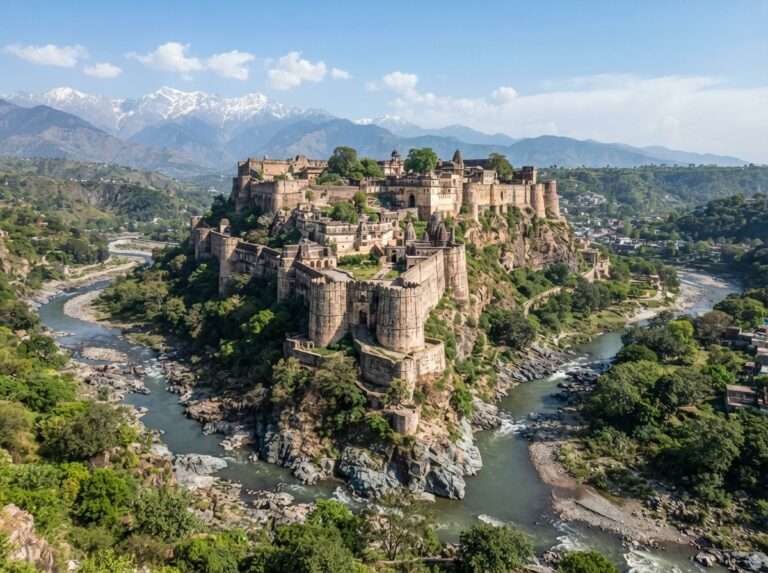
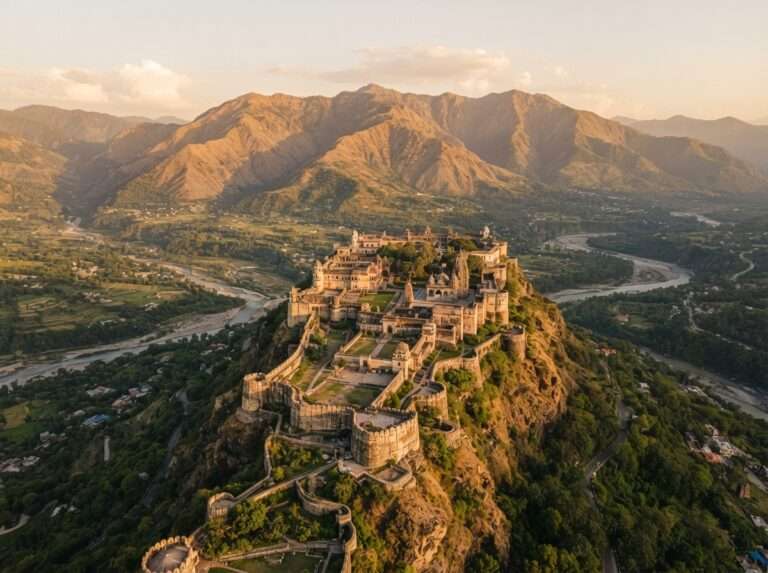
About 28 km toward Kangra, this is one of the oldest and largest forts in the Himalayas, built by the Katoch dynasty and layered with the marks of the invasions it survived. From the ramparts you look down on the meeting of the Manjhi and Banganga rivers. Allow half a day with the drive; open around 9 am to 5:30 pm, entry around Rs 25 for Indian visitors (Rs 250 to 300 for foreign nationals).
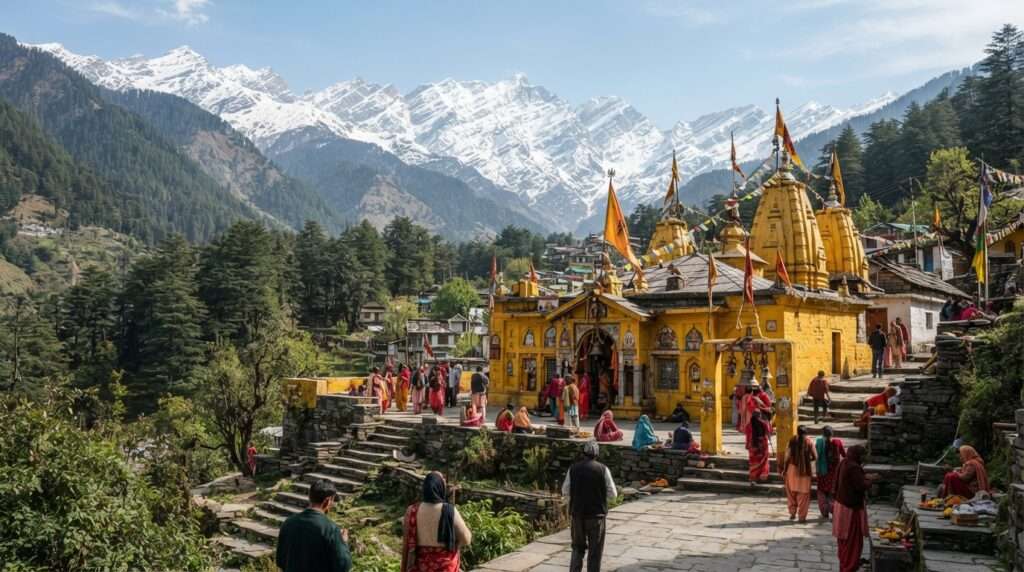
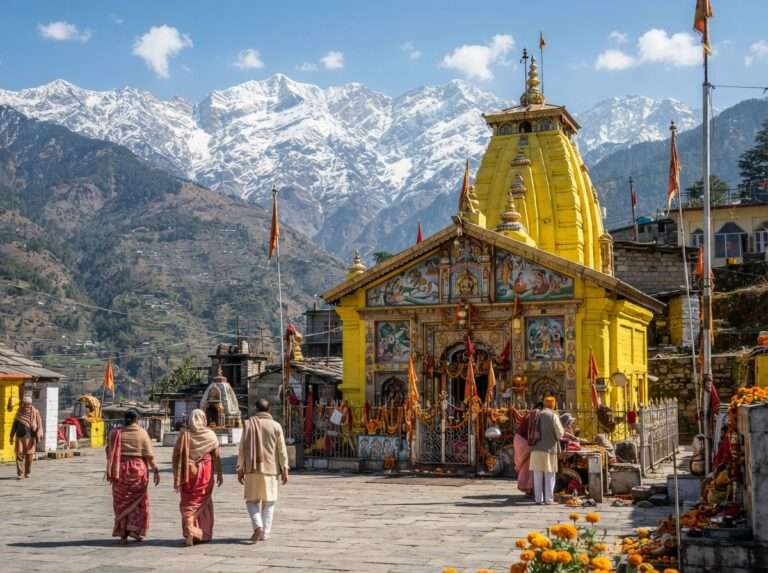
On the Kangra side, this bright-yellow temple to the goddess Baglamukhi draws pilgrims who come for the havan and yajna rituals believed to grant protection and wishes. Set against the snow line, it is a splash of colour and a window on local devotion. Open through the day, free.
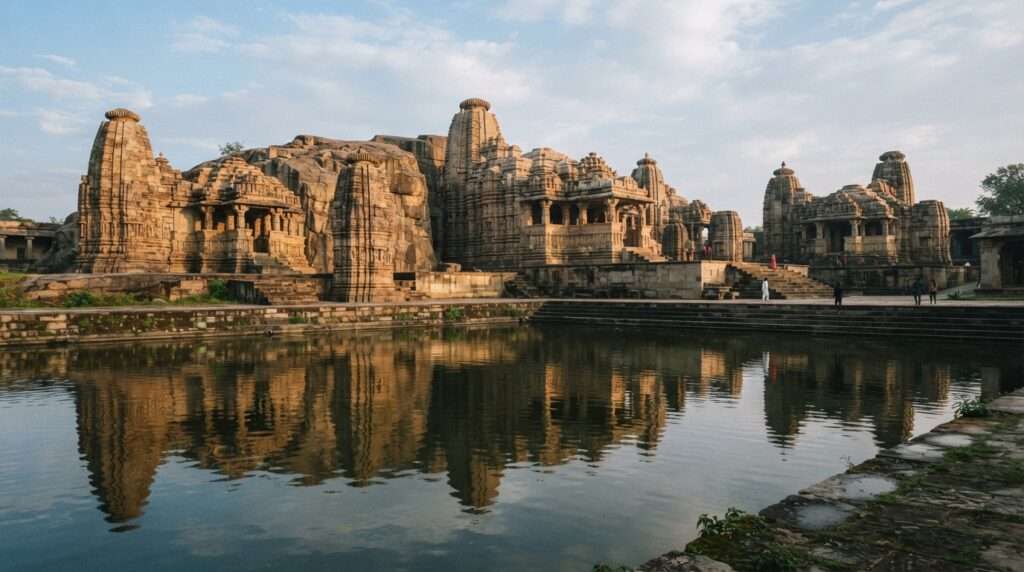
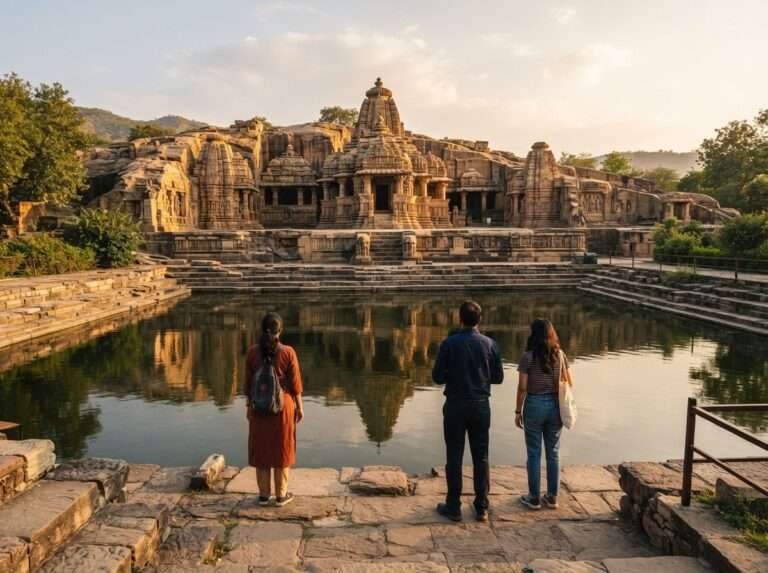
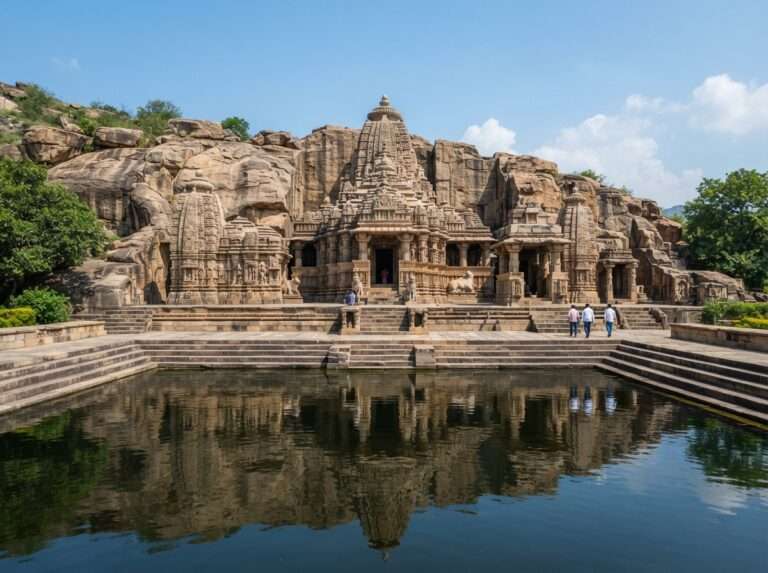
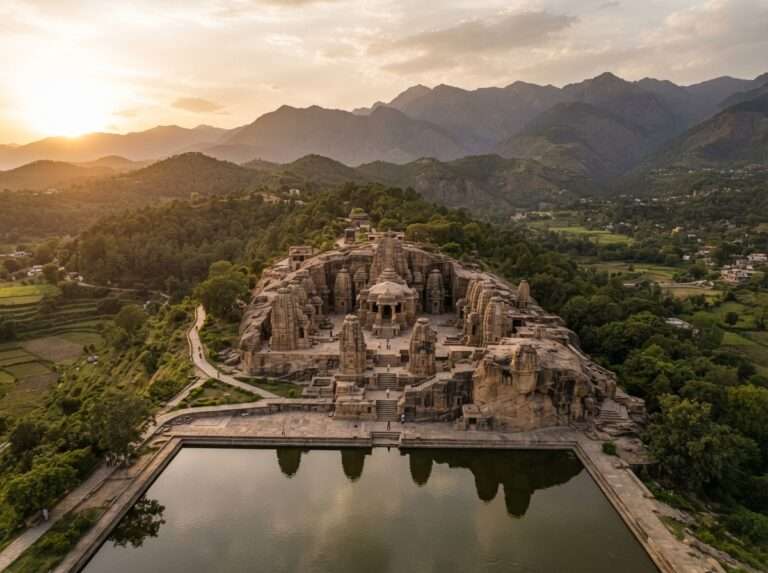
The valley’s most underrated site: a cluster of monolithic rock-cut temples carved from a single sandstone ridge in the eighth century, in a Nagara style often compared to Ellora, with a reflecting pond in front. It is about 50 km out, so make a day of it. Open roughly 6 am to 6 pm, entry around Rs 25.
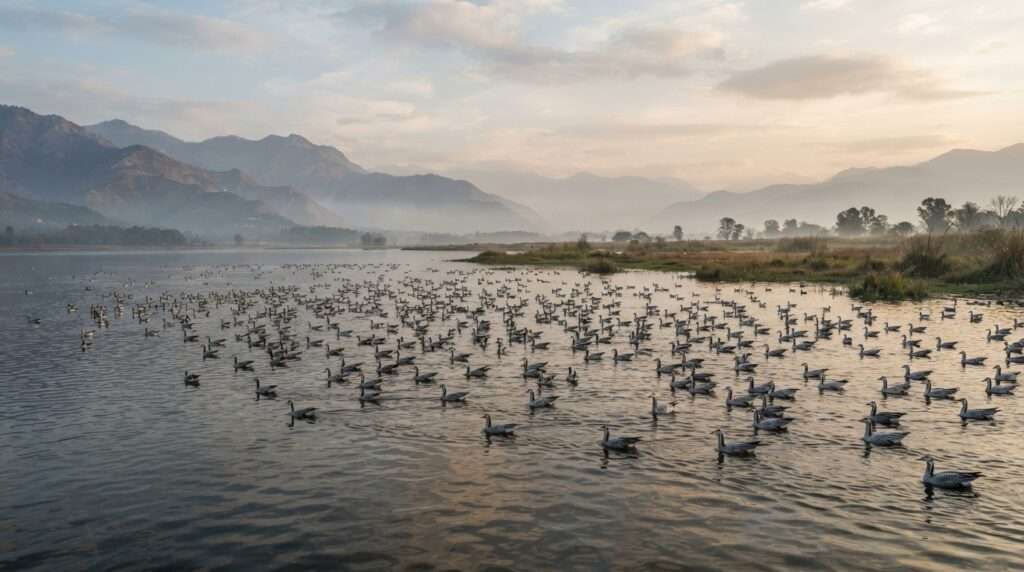
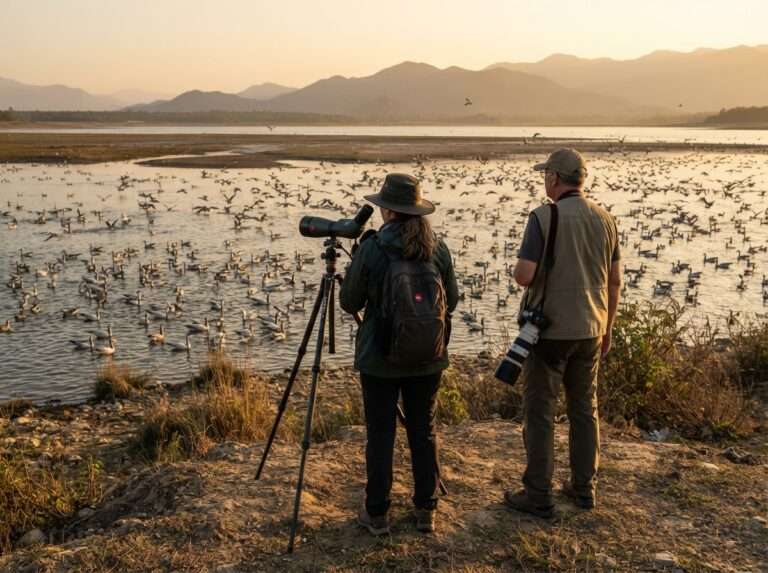
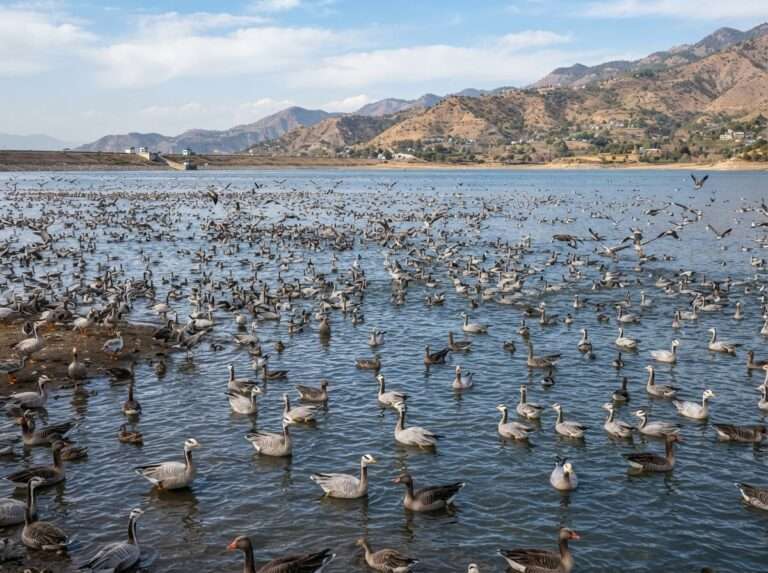
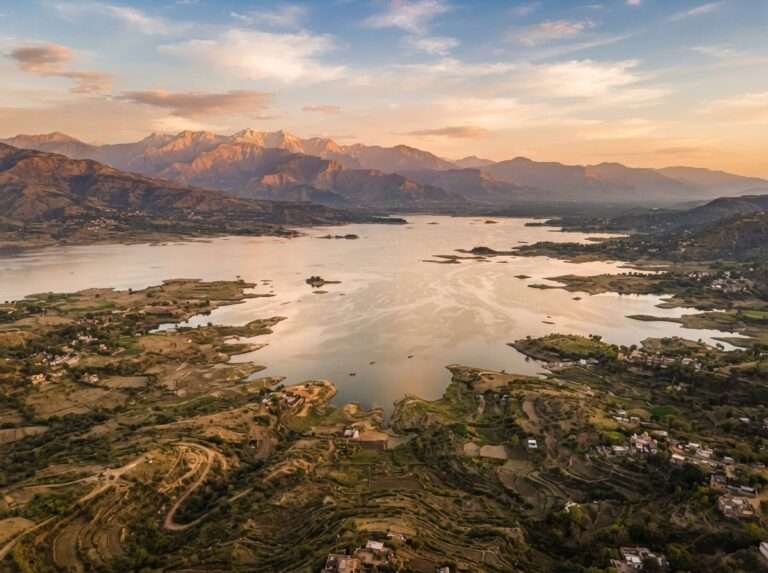
This large reservoir on the Beas, about 100 km away, is a Ramsar wetland that fills each winter with thousands of migratory birds, from bar-headed geese to northern pintails. It is a birdwatcher’s and boater’s day out rather than a quick stop, best October to February when the flocks are in.
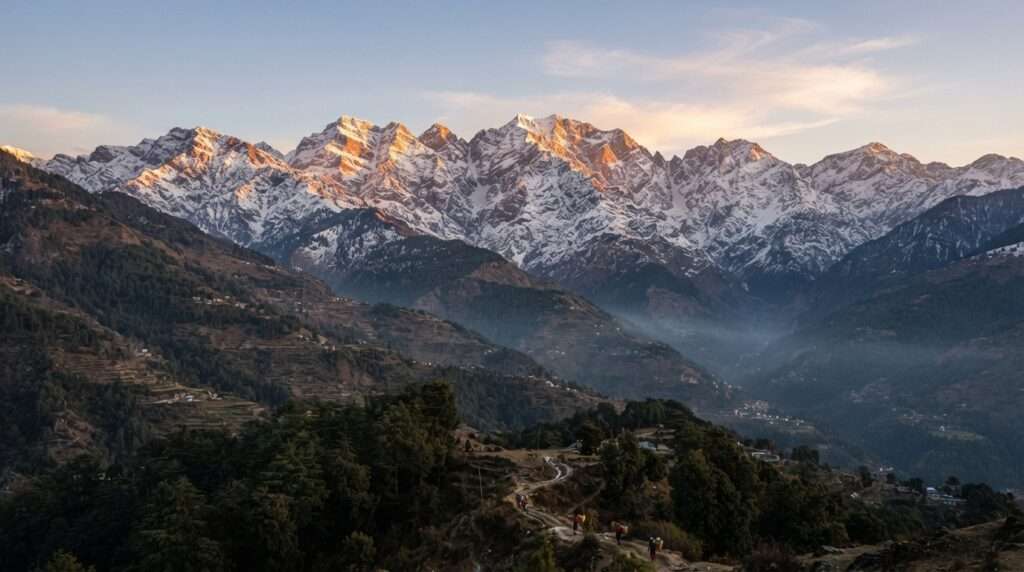
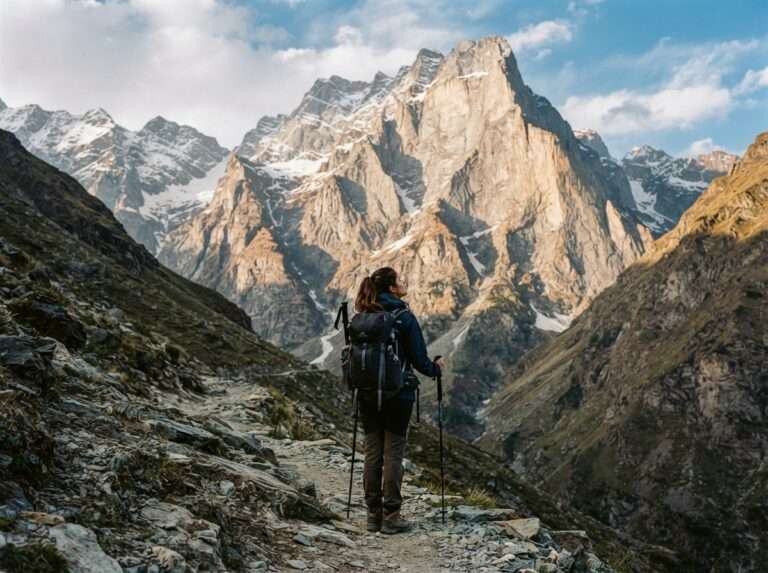
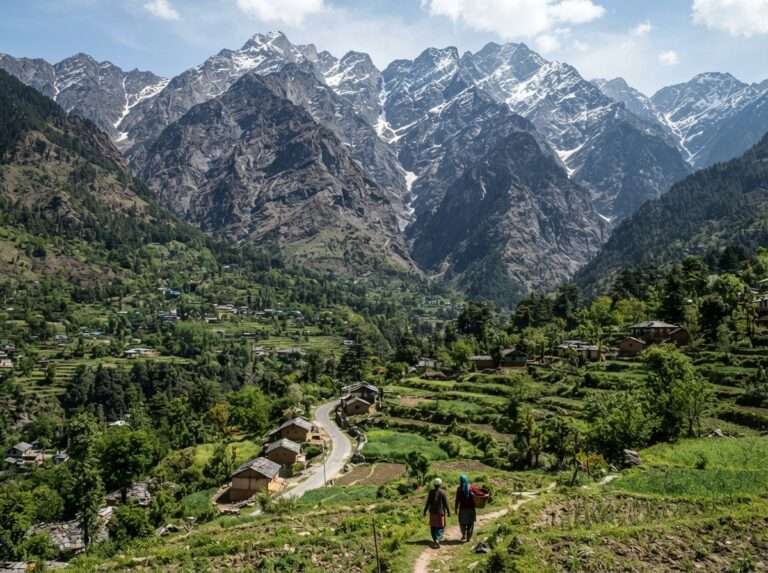
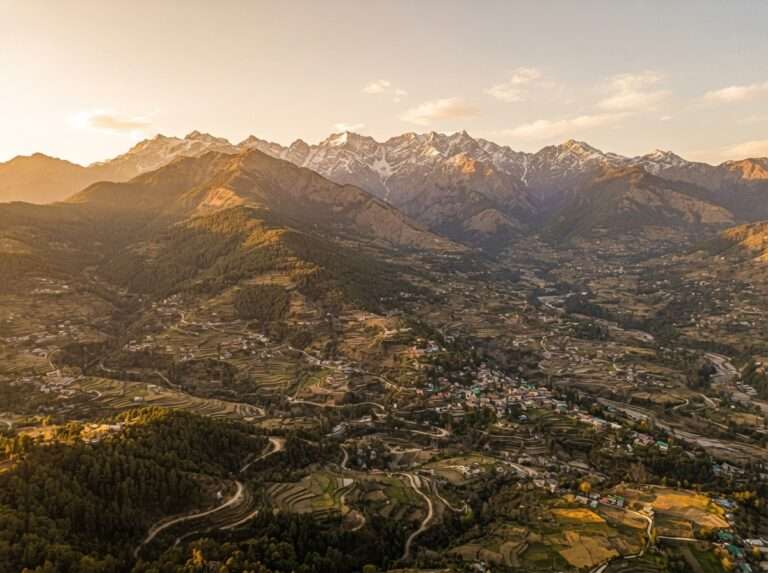
Not a single spot but the whole backdrop to your trip, the Dhauladhar is the abrupt wall of the Lesser Himalayas that rises straight out of the Kangra valley behind McLeodganj. Every viewpoint and trek on this list is really a way of getting closer to it. Clearest September to March, snow-dusted through winter.
Once you have done the headline places, these quieter corners are where regulars send you.
Same town, very different trips depending on who you are with.
Most people treat Dharamshala and McLeodganj as one trip, because they are barely 9 km apart on the same hillside, McLeodganj sitting above and Dharamshala below. If you are planning them as a pair, add the Dharamshala-side sights to everything above: the HPCA cricket stadium (one of the highest in the world, with the Dhauladhar behind the pavilion), the War Memorial in its cedar park, and the Kunal Pathri temple. Two to three days lets you cover both towns without rushing.
McLeodganj is about 475 km from Delhi in the Kangra valley of Himachal Pradesh.
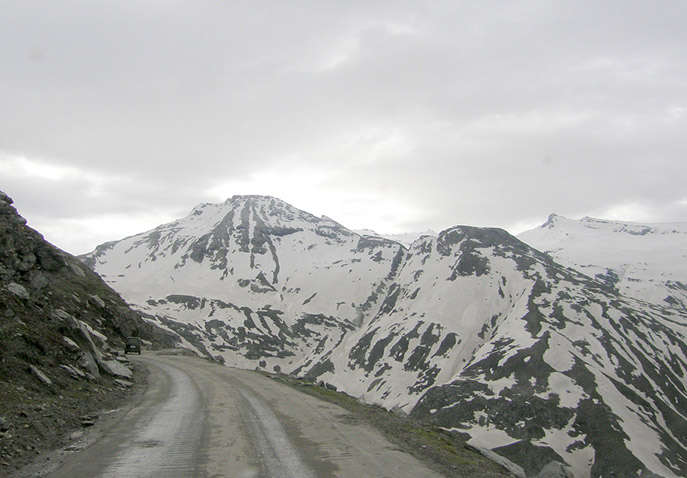
McLeodganj is a September-to-June town. March to June is warm and green, with daytime highs around 25 C, and it is the best window for the Triund and Kareri treks. October to February turns crisp, with the Dhauladhar under snow and town temperatures dropping toward 5 to 9 C; December and January can bring light snowfall to the town itself. Skip July and August, when the monsoon makes the trails slippery and the views vanish behind cloud.
The best places to visit in McLeodganj reward a slow trip: two to three days lets you sit in the monasteries, walk to a waterfall and still climb to Triund for the view that stays with you. When you are ready to turn this list into a booked itinerary, browse our McLeodganj tour packages for customisable trips that fold in the treks, the Tibetan sights and the day drives at your own pace.
McLeodganj is famous as Little Lhasa, the home of the Dalai Lama and the Tibetan government-in-exile since 1960. That mix of Tibetan Buddhist monasteries, a lively market, waterfalls and Himalayan trekking trails, all set against the Dhauladhar range, is what draws travellers here from across the world.
Two days is enough to cover the essentials: day one for the town core (the Dalai Lama temple, Tibetan Market, Bhagsu Falls and Dharamkot), day two for Naddi, Dal Lake and either the Skyway ropeway or a short trek. Add a third day if you want to hike up to Triund and camp overnight.
Three to four days is ideal. Spend one day on local sightseeing, one on the waterfalls, cafes and monasteries around Dharamkot, one on the Triund trek or a Naddi day, and, if you have it, a fourth for a day trip to Kangra Fort or Masroor.
The top sights are the Tsuglagkhang complex (Dalai Lama temple), Namgyal Monastery, the Tibetan Market and Museum, Bhagsu Falls, Dharamkot, Dal Lake, Naddi View Point, the Dharamshala Skyway ropeway, and the Triund trek. Add Norbulingka and Gyuto Monastery if you have more time.
The Triund trek is rated easy to moderate. It is about a 5 to 6 km climb from the Gallu Devi trailhead to the ridge at roughly 2,875 m (closer to 9 km from McLeodganj square), and a reasonably fit walker completes it in three to four hours. The last kilometre, the '22 curves', is the steep part. Carry water and layers, and go March to June or September to November.
Yes. The Dhauladhar peaks behind the town are snow-covered through winter, and McLeodganj itself usually gets light snowfall in December and January. That is the coldest stretch, with temperatures around 5 to 9 C in town and colder at night, so pack heavy woollens if you visit then.
September to June. March to June is warm and best for trekking; October to February is crisp and often snowy, ideal if you want winter scenery. Avoid July and August, when the monsoon brings heavy rain, slippery trails and clouded-over views.
McLeodganj is only about 9 km uphill from Dharamshala on the same hillside, roughly a 20 to 30 minute drive. Most travellers treat the two as a single trip and cover the sights of both towns together.
Yes, McLeodganj is widely considered safe for solo travellers, including women, with a large, friendly long-stay community of trekkers, yoga students and volunteers. Use the usual sense you would anywhere: stay in reviewed guesthouses or hostels, and avoid secluded trails and lanes alone late at night.
The town core is small and best explored on foot. For longer hops to Naddi, Dharamkot, Dal Lake or the day trips, use local taxis or shared autos, and you can rent a private car with a driver for a full day of sightseeing.
McLeodganj has a strong cafe scene. Popular spots include Nick's Italian Kitchen, Tibet Kitchen, Carpe Diem, Moonpeak Espresso, Woeser Bakery, the Illiterati books-and-coffee cafe on the Dharamkot road, and Shiva Cafe above Bhagsu Falls for the view. Try the local momos, thukpa and Tibetan bread while you are here.
The Tibetan Market is the place for singing bowls, prayer wheels and flags, turquoise and coral jewellery, thangka prints, hand-knitted woollens and Buddha statues. Bargain politely, and look along Jogiwara Road and Kotwali Bazaar for the widest choice of handicrafts and souvenirs.
Real reviews from real travelers who booked with us.
View All Reviews