4D / 3N
24% OFF
Best Selling Alleppey-Munnar Kerala Weekend Tour
- Hotel
- Meals
- Sightseeing
- Houseboat
- Cab Transfer
₹17,132
₹13,020 /pp


Kerala has one inscribed UNESCO World Heritage Site: the Western Ghats, added to the list in 2012 as a serial natural property of 39 components spread across four states (Kerala, Tamil Nadu, Karnataka and Maharashtra). Kerala’s stretch takes in parts of the Agasthyamala, Periyar, Anamalai (Annamalai) and Nilgiri clusters, including Periyar Tiger Reserve, Eravikulam and Silent Valley national parks. No fort, palace or temple in Kerala is separately inscribed. Mattancherry Palace sits on UNESCO’s tentative list, and Vadakkunnathan Temple has been proposed, but neither is a full World Heritage Site yet. Everything else on this page is heritage by history, not by UNESCO listing.
Kerala keeps its history out in the open. Along a single coast of roughly 590 km you can stand inside a fort a Kannada dynasty raised in the 1650s, a church where Vasco da Gama was first buried, a palace the Portuguese built and the Dutch renamed, and a synagogue lane that traded pepper for four hundred years. These 16 heritage places in Kerala span Dravidian temples, colonial forts, Travancore palaces and one UNESCO-listed mountain range, and most of them are still in daily use. This guide gives you the district, the type, the era and the practical detail for each, plus the circuits that string them together. When you are ready to build a trip around them, our Kerala tour packages make it easy.
Sixteen sites, sorted roughly north to south, with the one detail most people search for: is it actually a UNESCO site, and what is it.
| Heritage site | District | Type | Era / built | UNESCO status |
|---|---|---|---|---|
| Western Ghats (Sahyadri) | Statewide | Natural range | Ancient | Inscribed (2012) |
| Bekal Fort | Kasaragod | Fort | c. 1650 | Not listed |
| Thalassery Fort | Kannur | Fort | 1708 (British) | Not listed |
| Pazhassi Raja’s Tomb | Wayanad | Memorial + museum | 19th c. | Not listed |
| Edakkal Caves | Wayanad | Rock-art cave | Neolithic | Not listed |
| Kappad Beach | Kozhikode | Historic beach | 1498 landing | Not listed |
| St Francis Church | Ernakulam (Fort Kochi) | Church | 1503 | Not listed |
| Mattancherry (Dutch) Palace | Ernakulam (Kochi) | Palace + murals | 1555 | Tentative list |
| Chinese Fishing Nets | Ernakulam (Fort Kochi) | Living heritage | 14th c. | Not listed |
| Thrikkakkudi Rock-Cut Temple | Pathanamthitta | Rock-cut temple | Early medieval | Not listed |
| St Mary’s Forane Church | Kottayam (Kuravilangad) | Church | Ancient (rebuilt) | Not listed |
| Krishnapuram Palace | Alappuzha (Kayamkulam) | Palace + museum | 18th c. | Not listed |
| Poonjar Palace | Kottayam | Palace + museum | c. 15th c. | Not listed |
| Padmanabhaswamy Temple | Thiruvananthapuram | Temple | Ancient | Not listed |
| Napier Museum | Thiruvananthapuram | Museum | 1880 | Not listed |
| Anchuthengu (Anjengo) Fort | Thiruvananthapuram | Fort | c. 1695 (English) | Not listed |
The rest of this guide takes each one in the same order, top to bottom, so you can plan a clean north-to-south run.
One UNESCO listing, 16 heritage sites from Kasaragod to Thiruvananthapuram
Best Time
October - March
Select Package Type


5 Days & 4 Nights
₹24,604 /@pp
GET FREE QUOTESixteen heritage sites from the Western Ghats and Bekal Fort down to Anchuthengu Fort, followed by offbeat heritage spots, four heritage circuits, a 7-day heritage trip plan, living heritage, the best time to visit and practical tips.
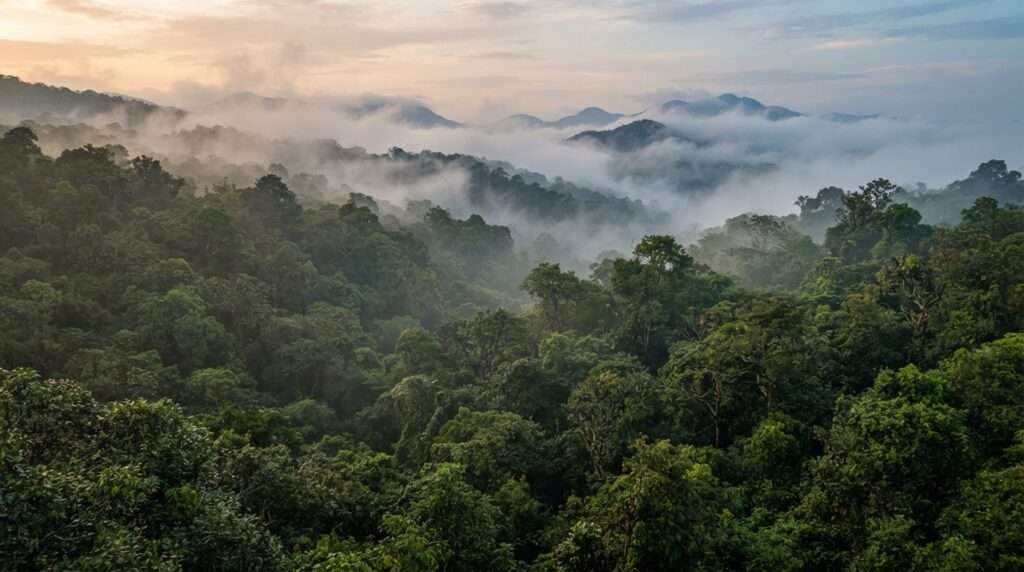
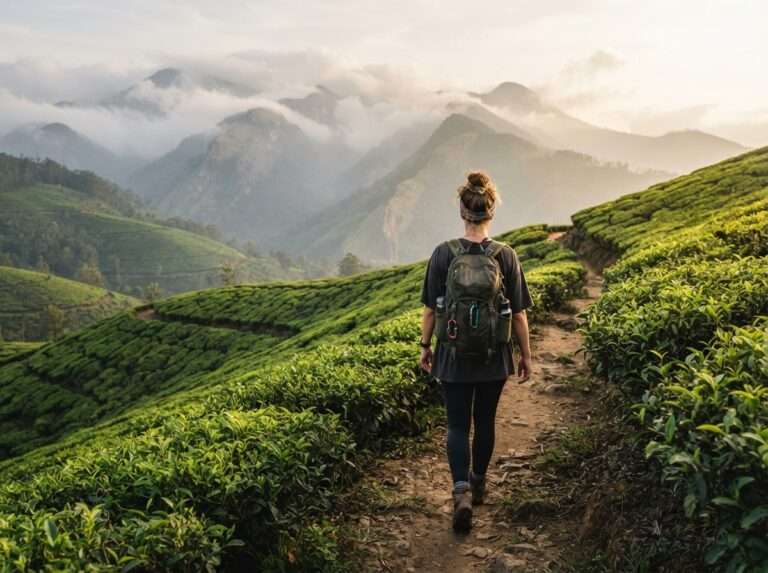
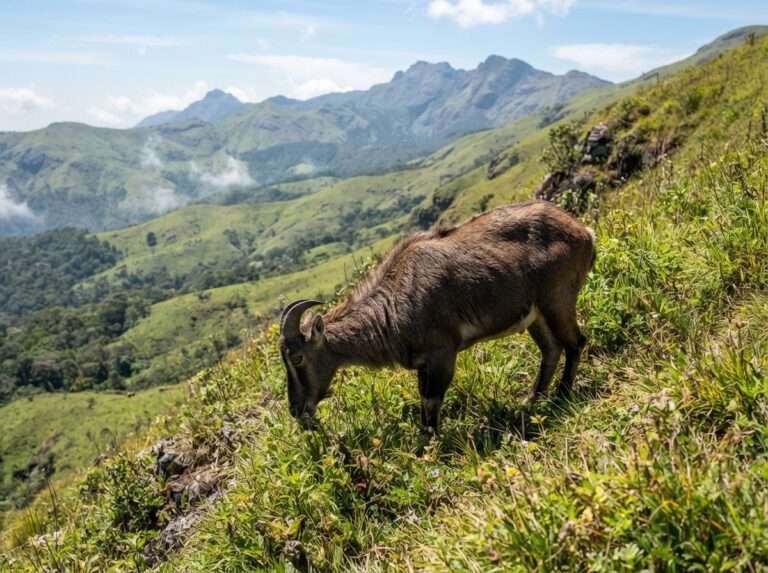
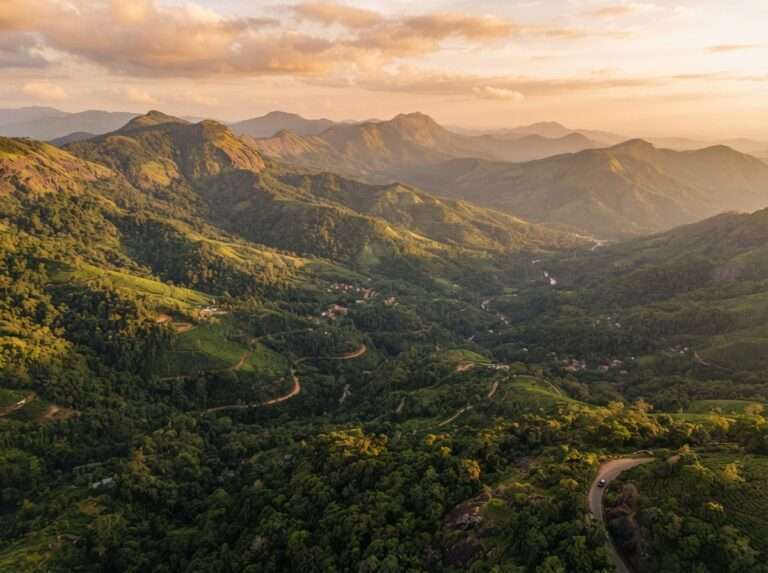
Start with the site that carries the UNESCO tag. The inscribed Kerala components are best met at Eravikulam National Park above Munnar’s tea slopes, the Periyar Tiger Reserve near Thekkady, or Silent Valley National Park in Palakkad, all part of the serial property. Winter mornings are cool enough for a jacket at 1,600 m, which surprises first-time visitors. Note that Eravikulam usually closes from February to March for the Nilgiri tahr calving season, so plan Munnar visits for October to January or from April. Treat the range as the natural spine that every other heritage site on this list grew up around, from spice ports on the coast to the hill temples inland.


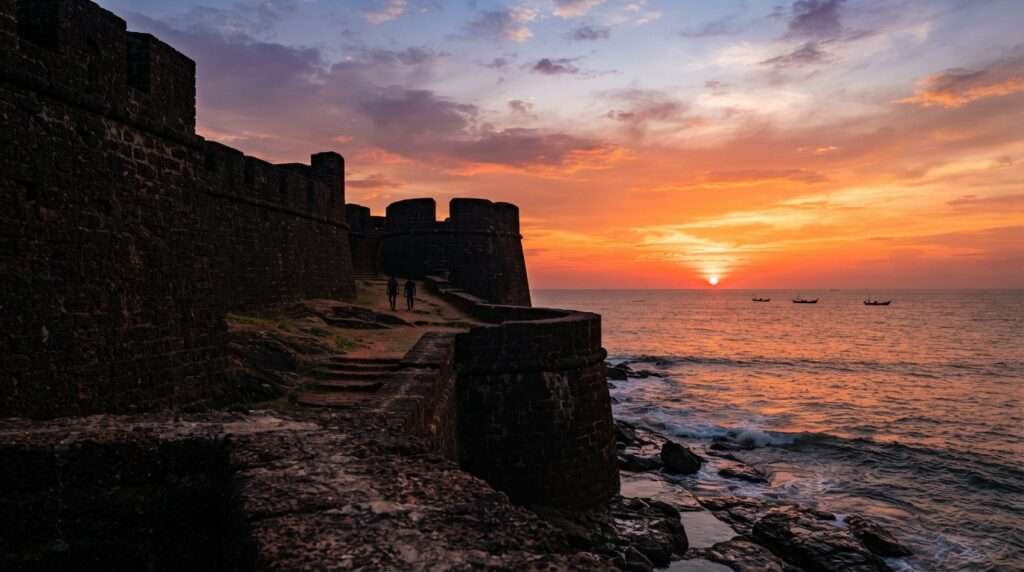
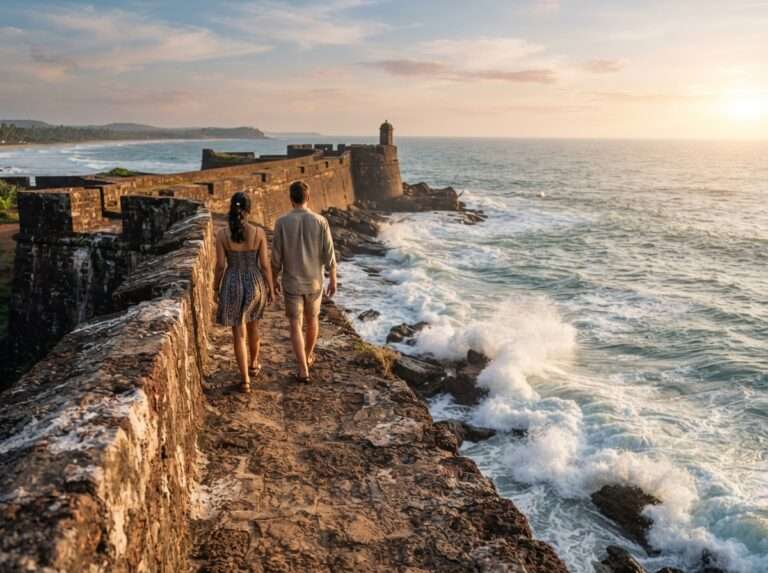
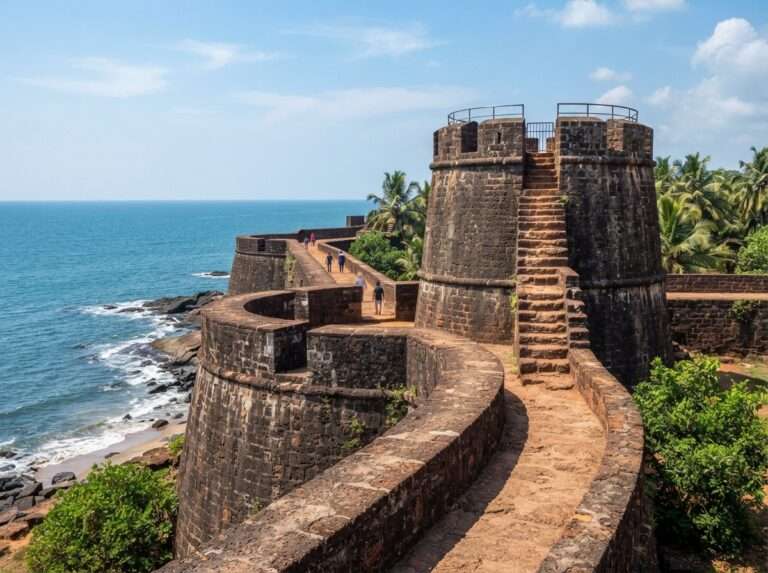
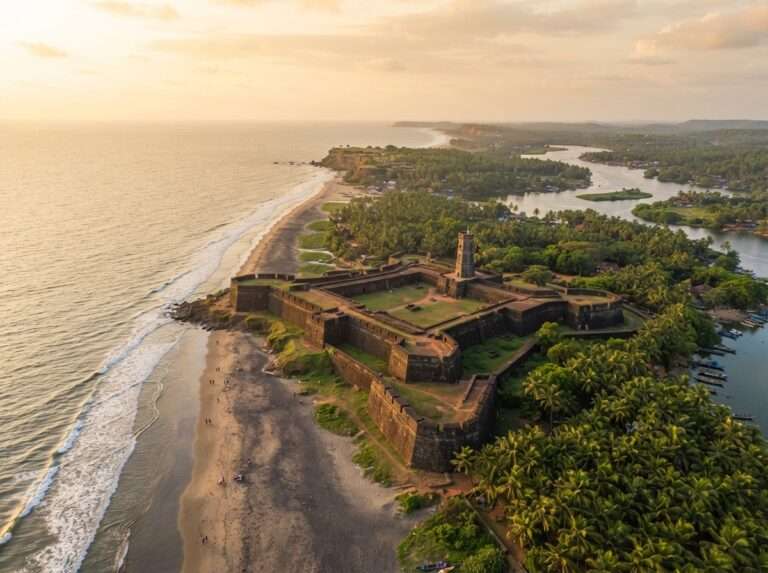
Bekal is the largest fort in Kerala, a 40-acre keyhole of laterite built around 1650 by the Ikkeri Nayaka ruler Sivappa Naik. It has no palace inside, just ramparts, an observation tower and a water tank, because it was always a garrison rather than a royal home. Walk the sea-facing wall at sunset and you will recognise the spot from the song sequence in the film Bombay. It opens 8 am to 5:30 pm and sits right off the Kasaragod highway, an easy first stop coming down from Mangaluru.


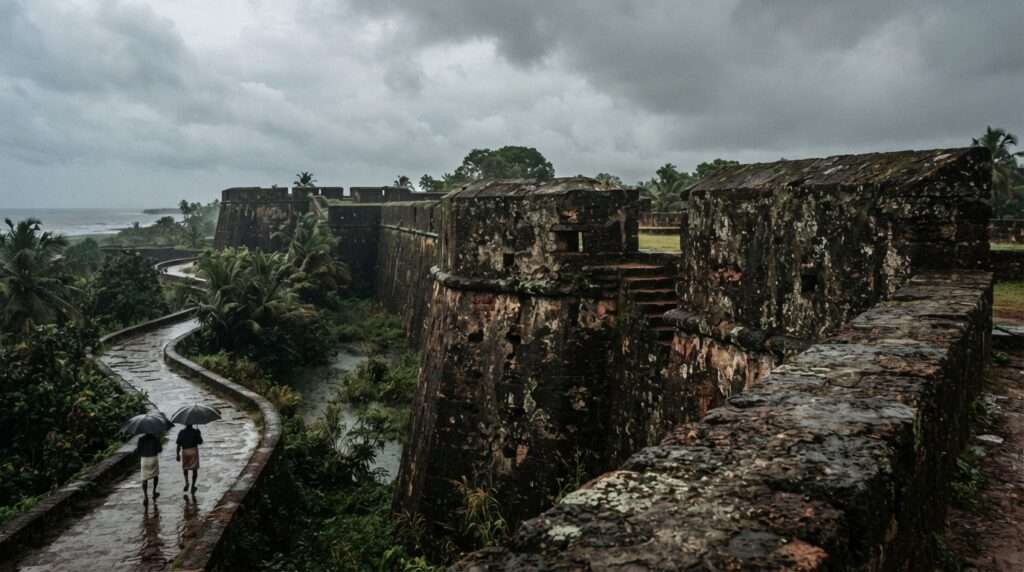
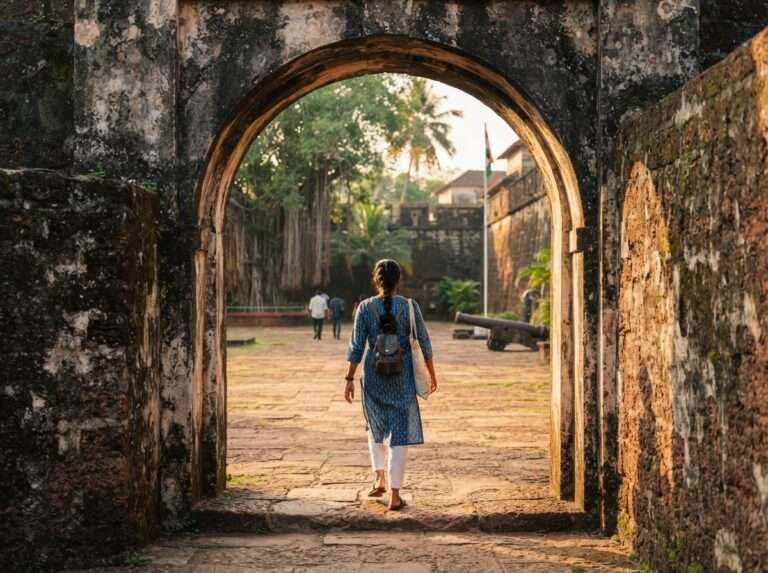
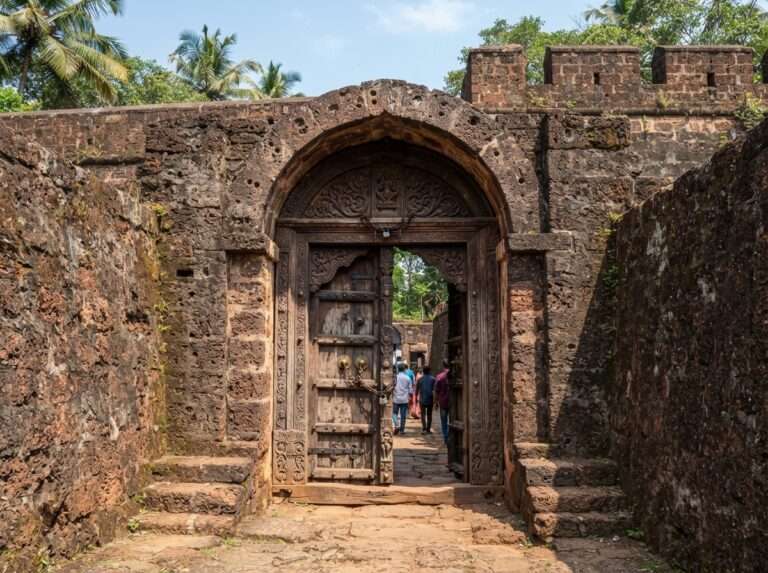
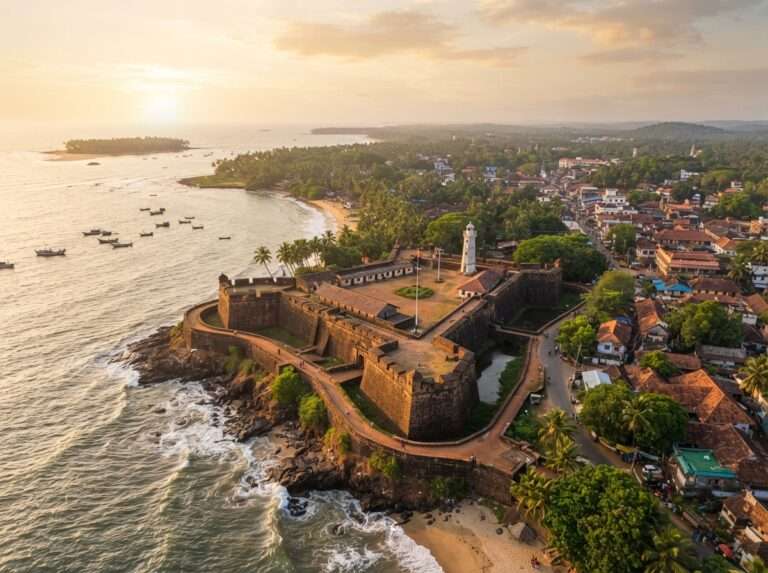
The English East India Company raised Thalassery (Tellicherry) Fort in 1708 to guard its pepper and cardamom trade on the Malabar coast. It is a compact square of thick laterite with carved doors and secret tunnels said to run to the sea. The town around it is often called the cradle of Indian cricket and circus, so the fort makes a good anchor for a half-day of Malabar history. Open roughly 8 am to 6 pm, and free to enter.


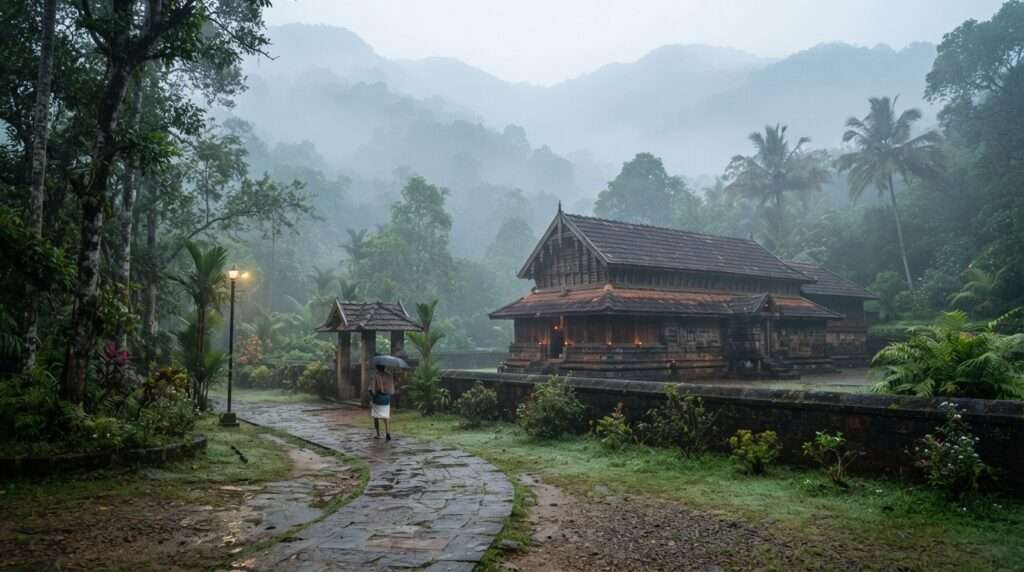
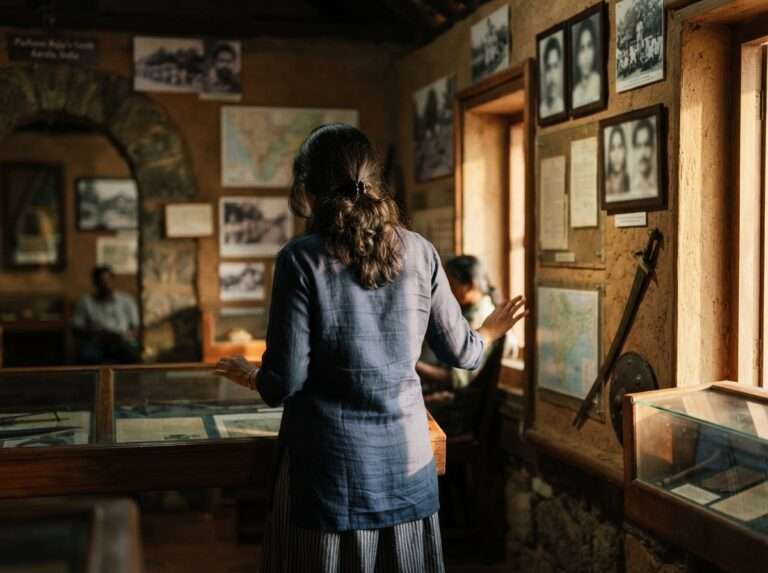
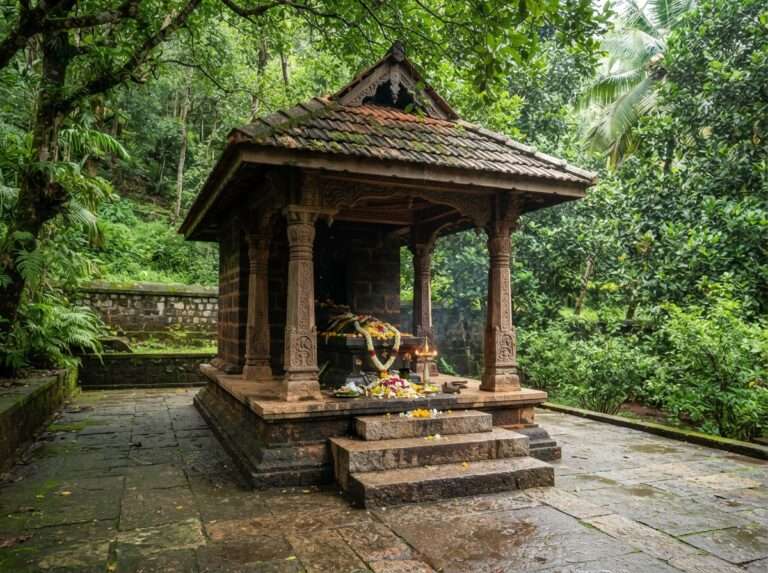
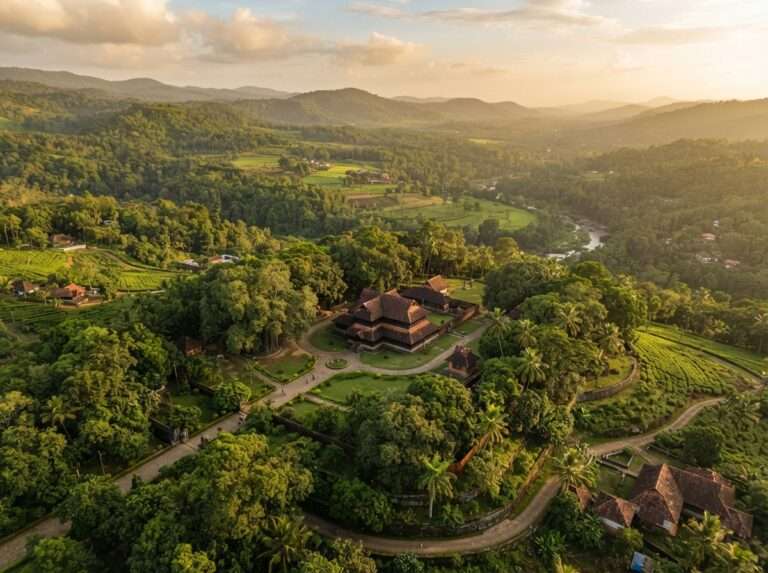
At Mananthavady you will find the memorial to Kerala Varma Pazhassi Raja, the “Lion of Kerala,” who fought a long guerrilla war against the British before his death in 1805. The site pairs his tomb with a small museum on his life and the Wayanad resistance. It is a quieter, more sober stop than the forts, and it explains a lot of the Malabar resistance story the coastal sites gloss over.
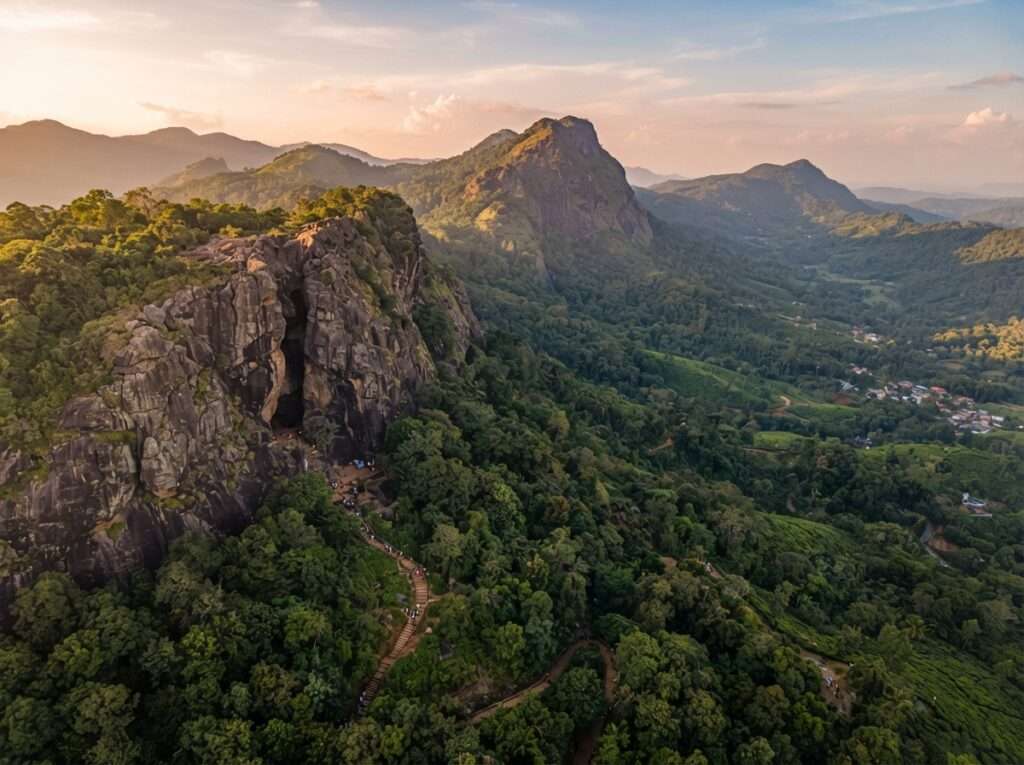
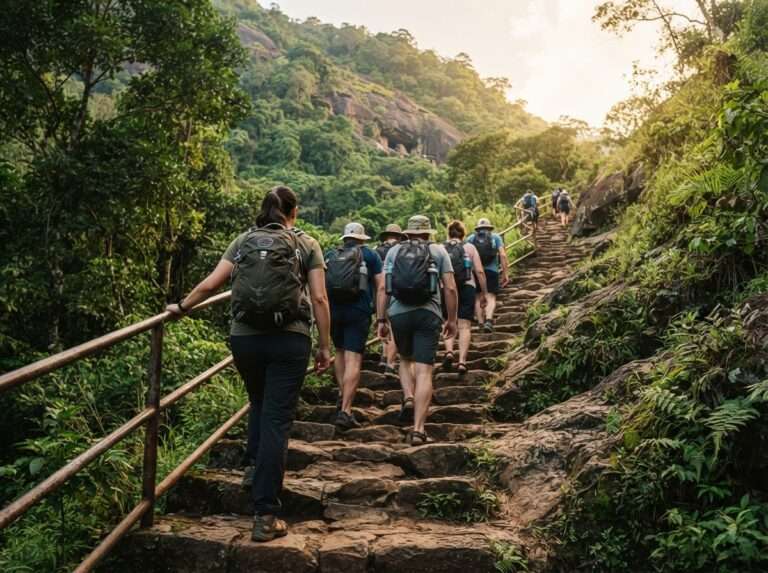
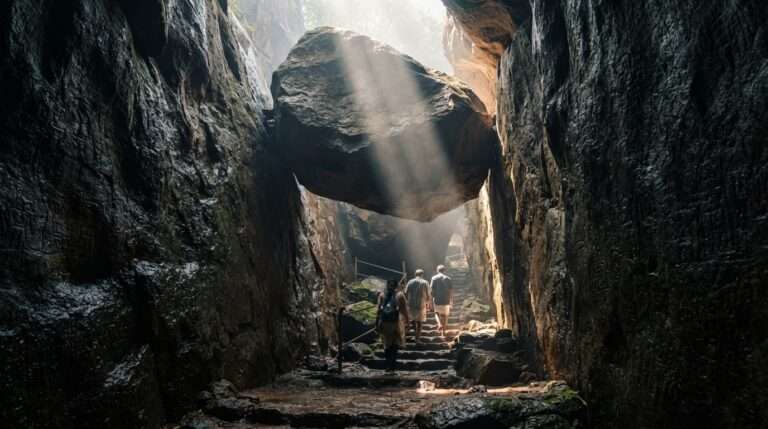
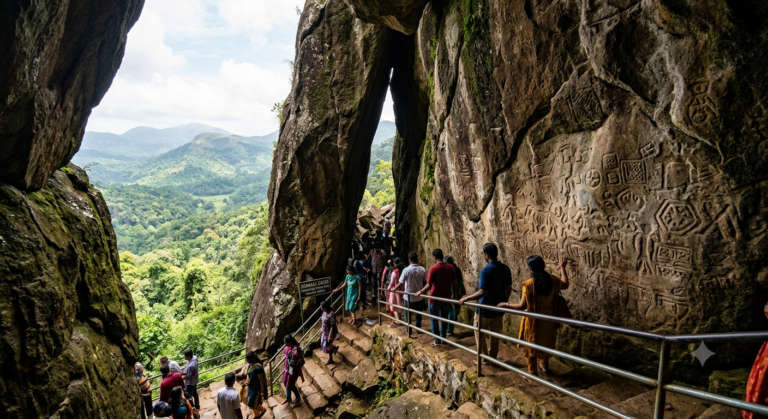
Edakkal is not really a cave but a cleft where a boulder fell across a fissure at about 1,200 m, and its walls carry petroglyphs some archaeologists date to the Neolithic. British officer Fred Fawcett recorded them in 1890. The carvings of human figures, animals and symbols are among the oldest rock art in South India. Getting there means a steep 45-minute climb, so wear proper shoes and arrive in the morning.
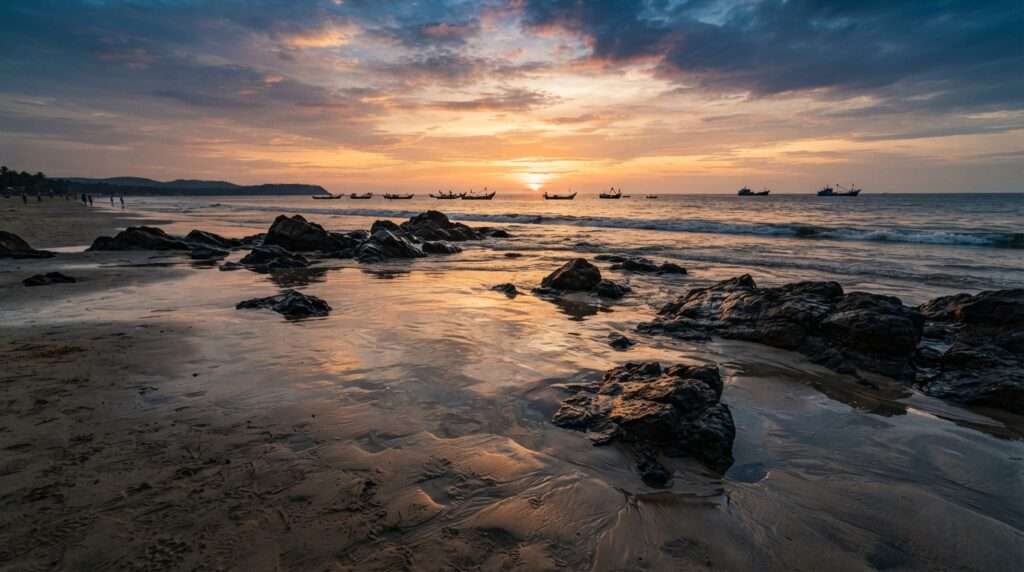

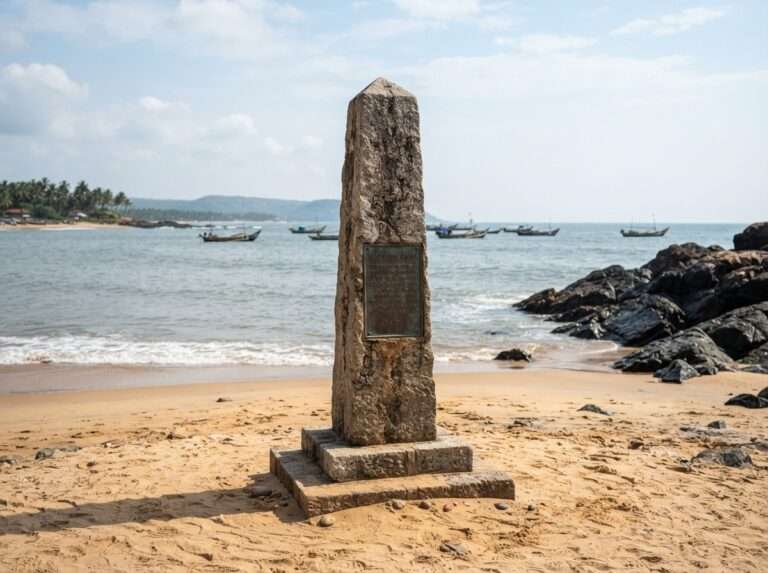
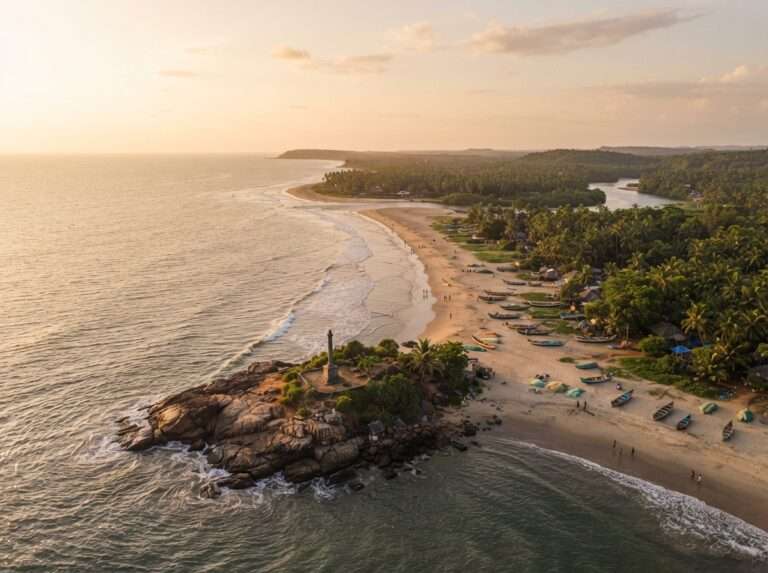
Kappad’s draw is a single date. On 20 May 1498 Vasco da Gama came ashore here with a small party, the first sea route from Europe to India, and a stone monument on the sand marks the landing. The beach itself is calm and rocky rather than a swimming beach, but standing where the spice trade turned global is the draw. It is about 16 km north of Kozhikode town and makes a natural pairing with the city’s old trading quarter. Kappad also holds the international Blue Flag certification for clean, well-managed beaches, first awarded in 2020.
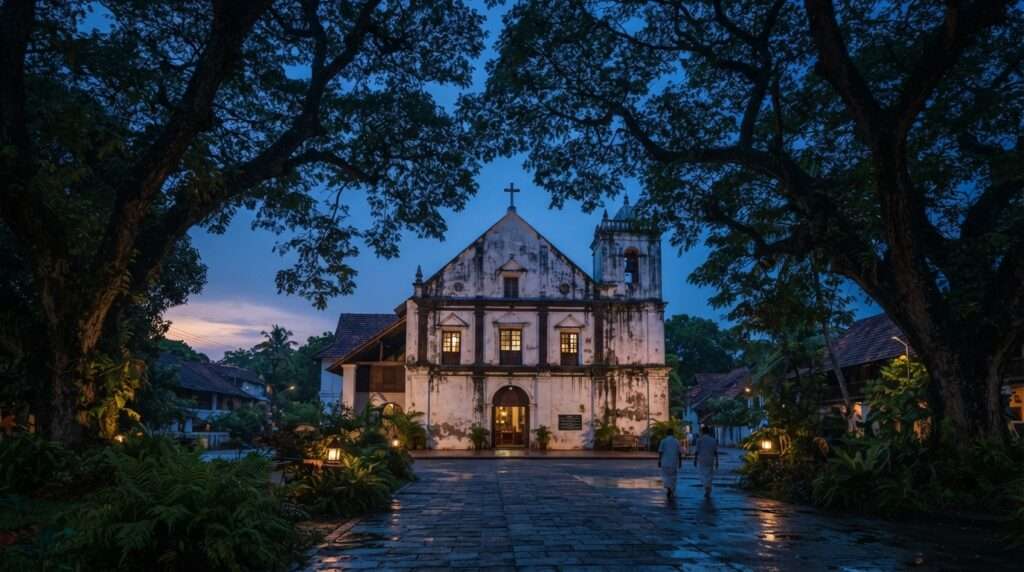
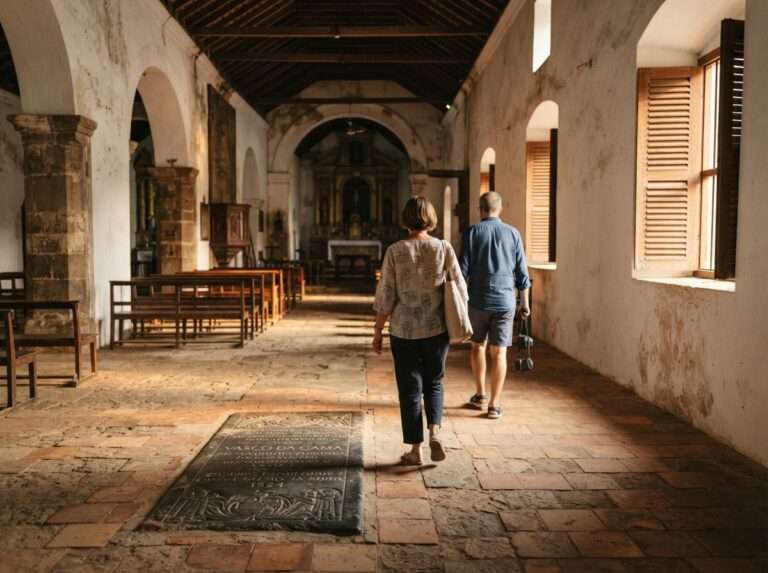
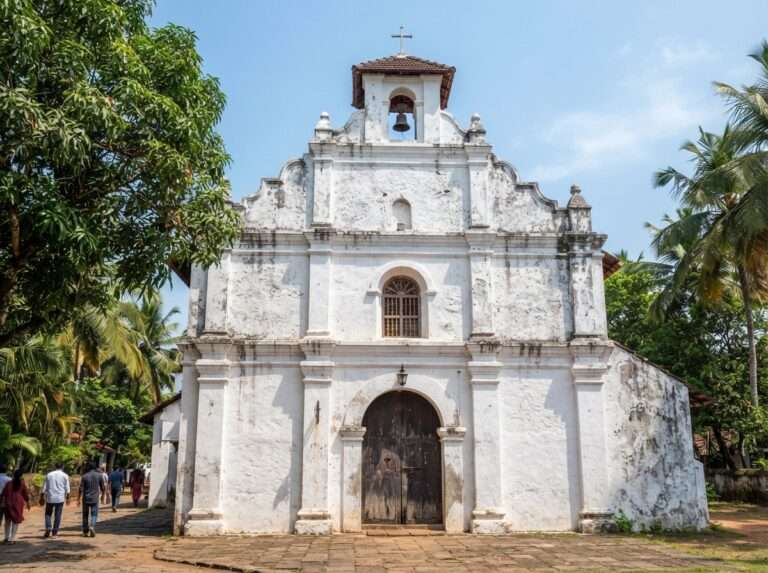
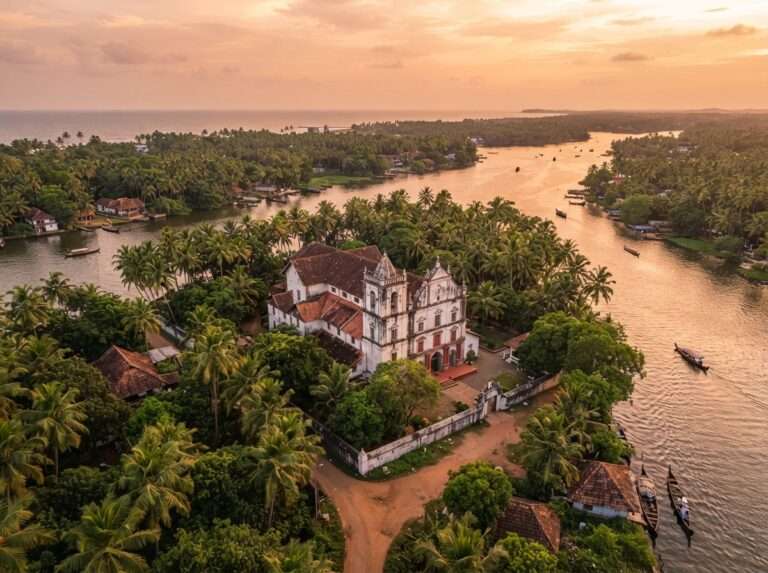
Built in 1503, St Francis is the oldest European church in India. Vasco da Gama died in Kochi in 1524 and was first buried here; his gravestone is still set in the floor, though his remains were later moved to Lisbon. The building has changed hands from Portuguese Catholics to the Dutch Reformed to the Anglicans, and each left a mark. It is a short walk from the Fort Kochi waterfront; dress modestly as services still happen.
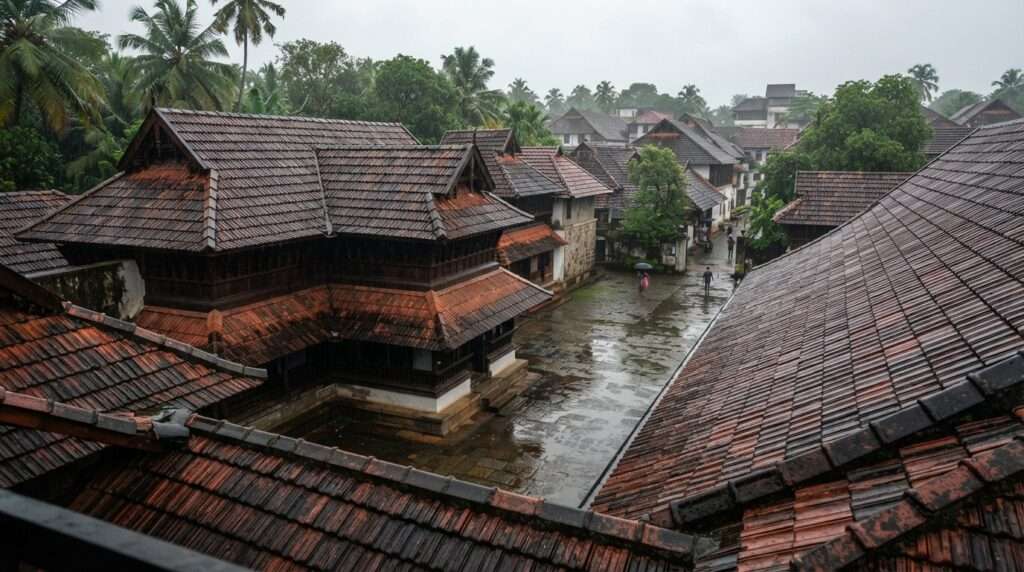
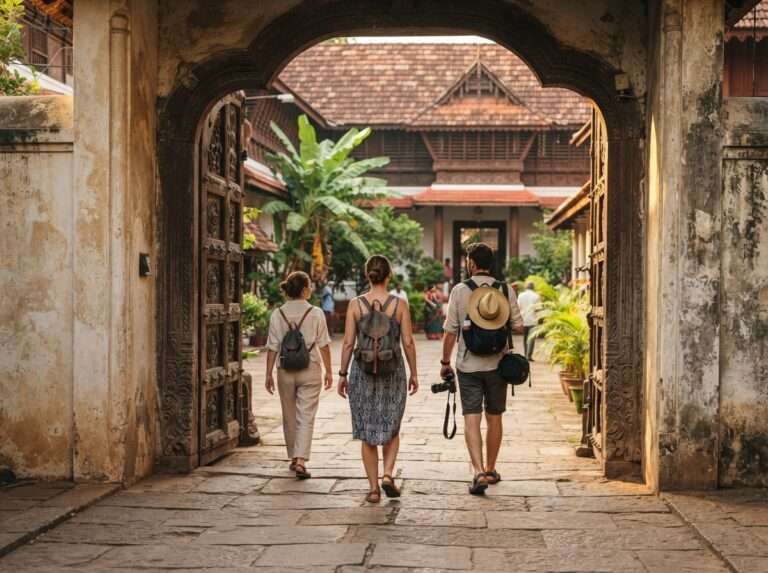
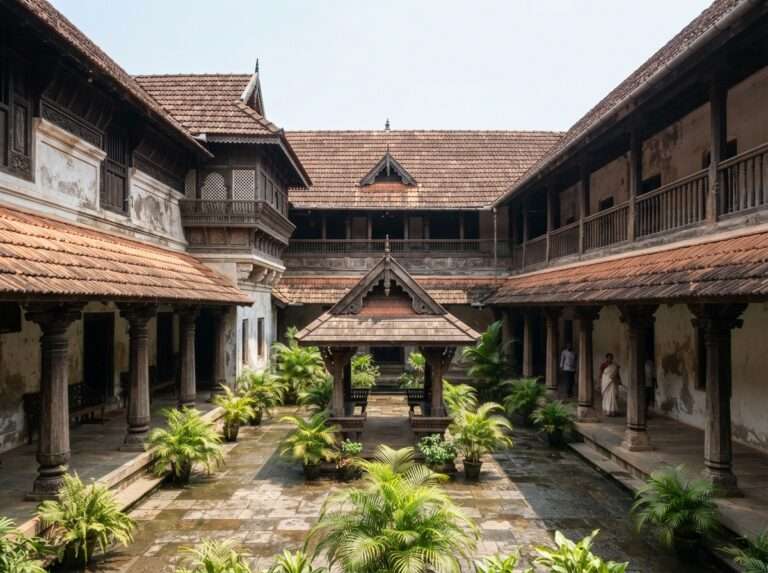
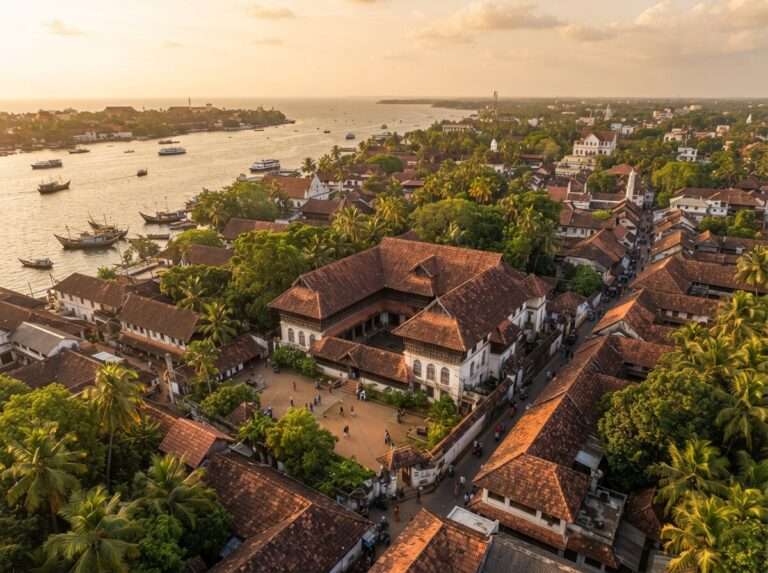
The Portuguese built this palace in 1555 and gave it to the Raja of Kochi; the Dutch renovated it in 1663, which is how it picked up the “Dutch Palace” name it never really earned. Inside are some of the finest Hindu temple murals in India, covering scenes from the Ramayana across low-ceilinged rooms. Mattancherry Palace is on UNESCO’s tentative list, not the full register, so call it a candidate rather than a World Heritage Site. Open 10 am to 5 pm, closed Fridays; photography of the murals is not allowed.
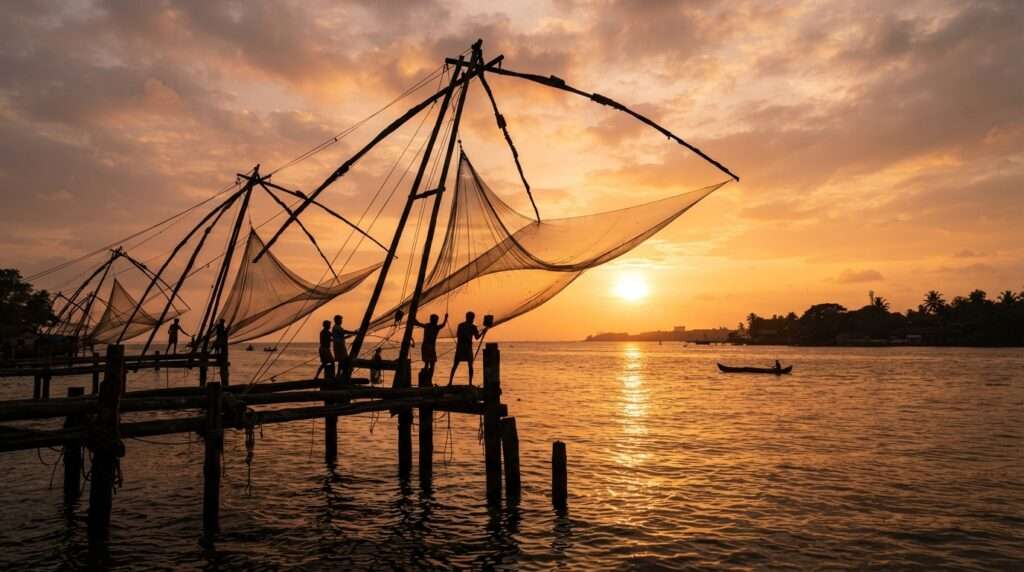
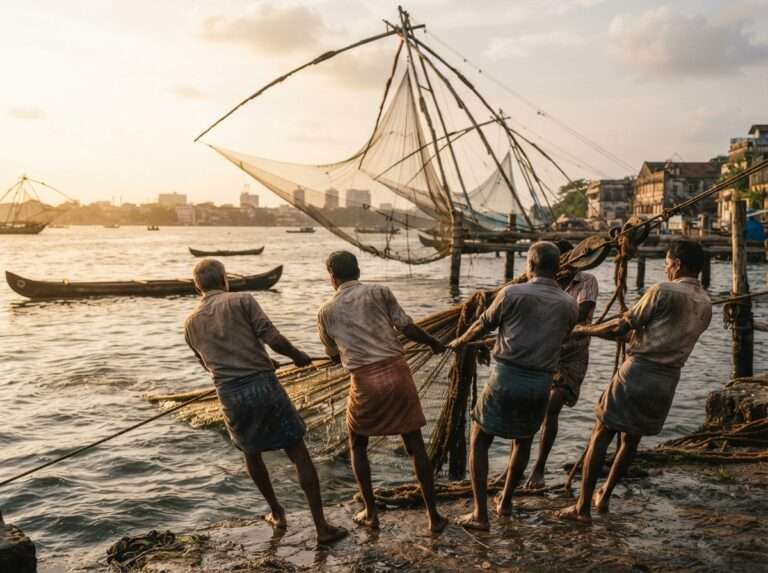
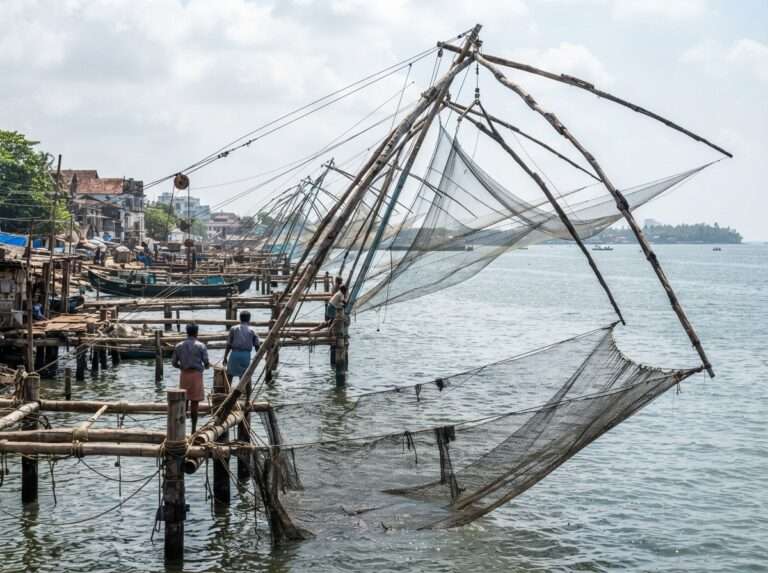
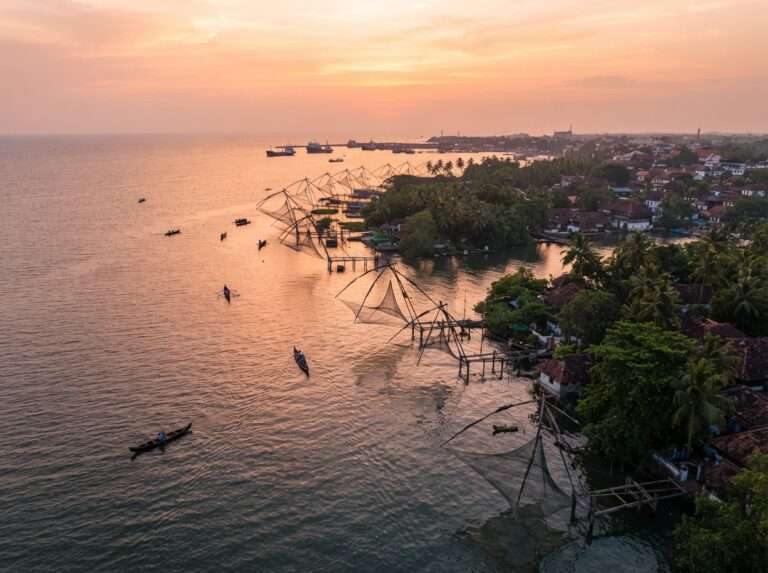
The cantilevered fishing nets strung along the Fort Kochi shore are the most photographed object in Kerala, and they are heritage in the truest sense: still worked by hand, as they have been for roughly six hundred years. Local tradition traces them to traders from the court of Kublai Khan, which is where the “Chinese” name comes from. Come at high tide near sunset to watch four men swing a net up out of the water on its teak-and-bamboo frame. You can buy the catch on the spot and have a nearby stall cook it.
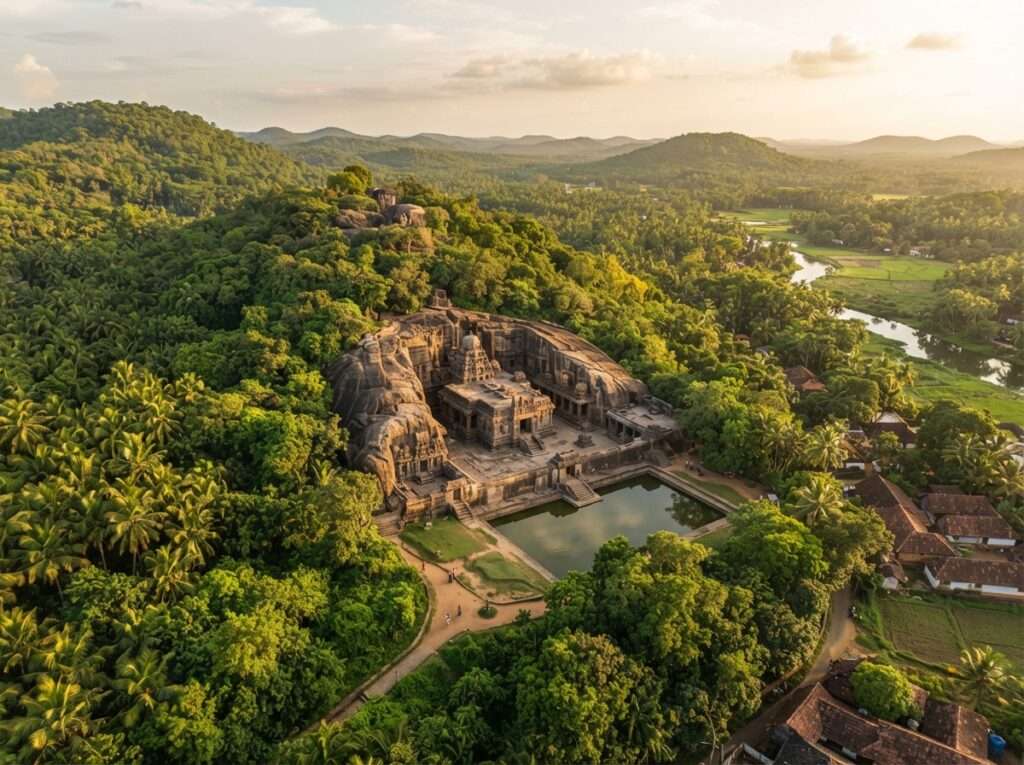
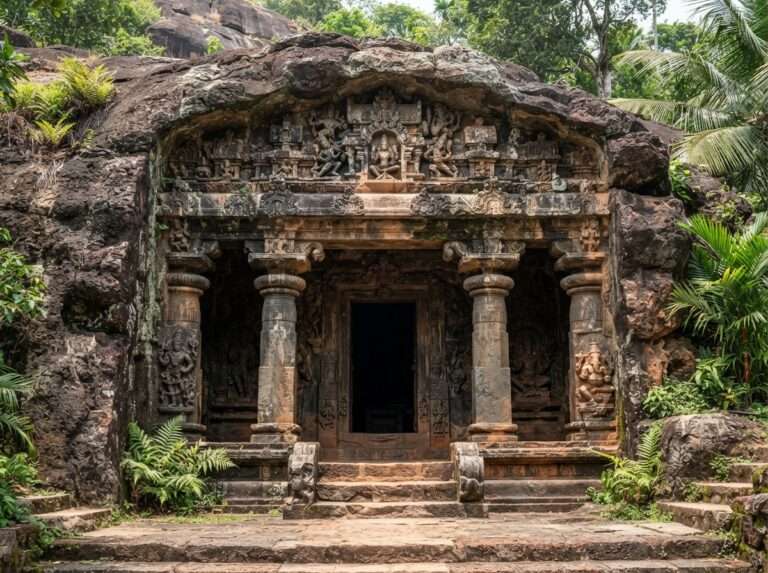
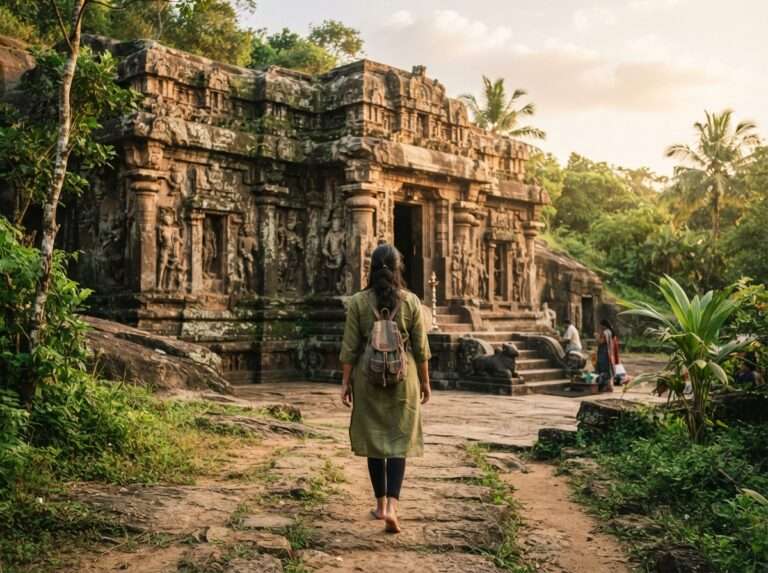
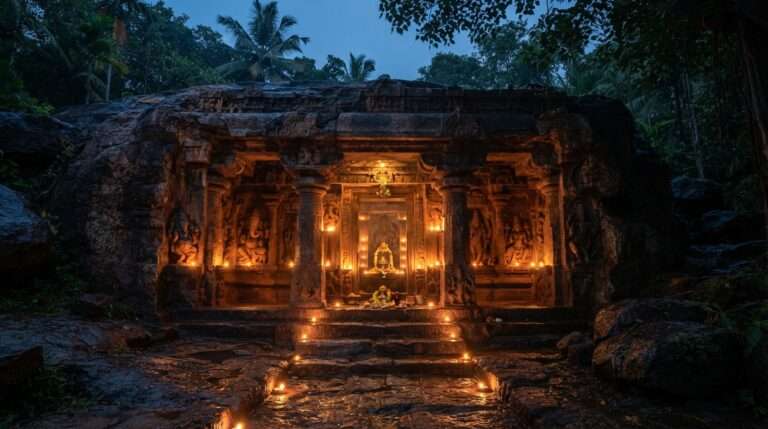
At Kaviyoor near Thiruvalla, the Thrikkakkudi cave temple is cut straight into a single rock face and shelters a Shivalinga in a small carved chamber. It is protected by the archaeology department and rarely crowded, which is exactly its appeal for anyone tired of queues at the big shrines. The rock-cut technique here is early medieval and closer to the temple architecture of the Pallavas than to Kerala’s later wooden style, making it a genuine oddity on this coast.
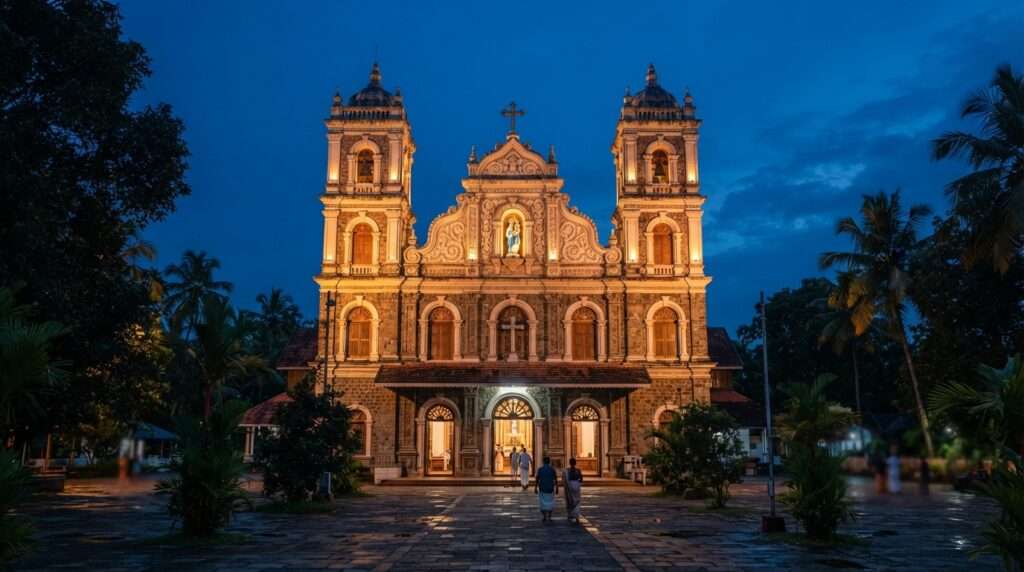
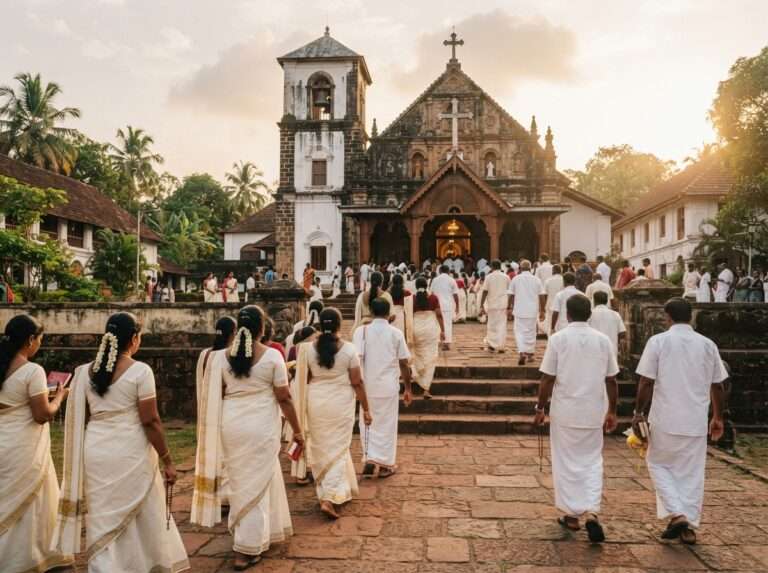
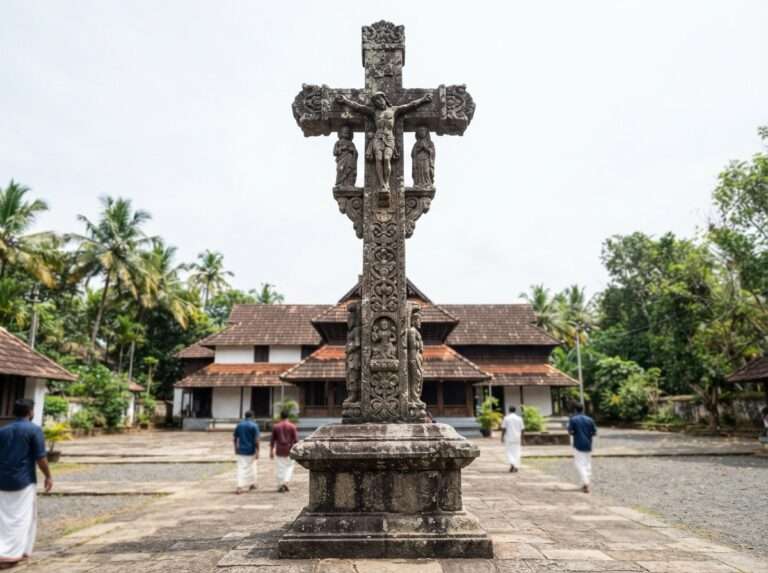
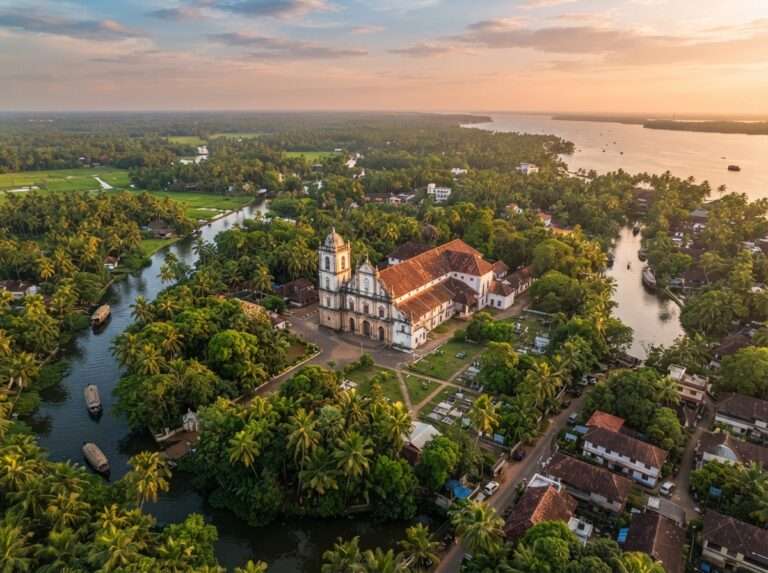
Kuravilangad in Kottayam district holds one of the oldest Marian churches in India, linked by tradition to the earliest Saint Thomas Christians. A tall granite open-air cross stands in the compound, and the church keeps a following among Syro-Malabar Catholics that stretches back centuries. It is a working parish rather than a monument, so visit around service times to see it alive; the compound is generally open from early morning to evening.
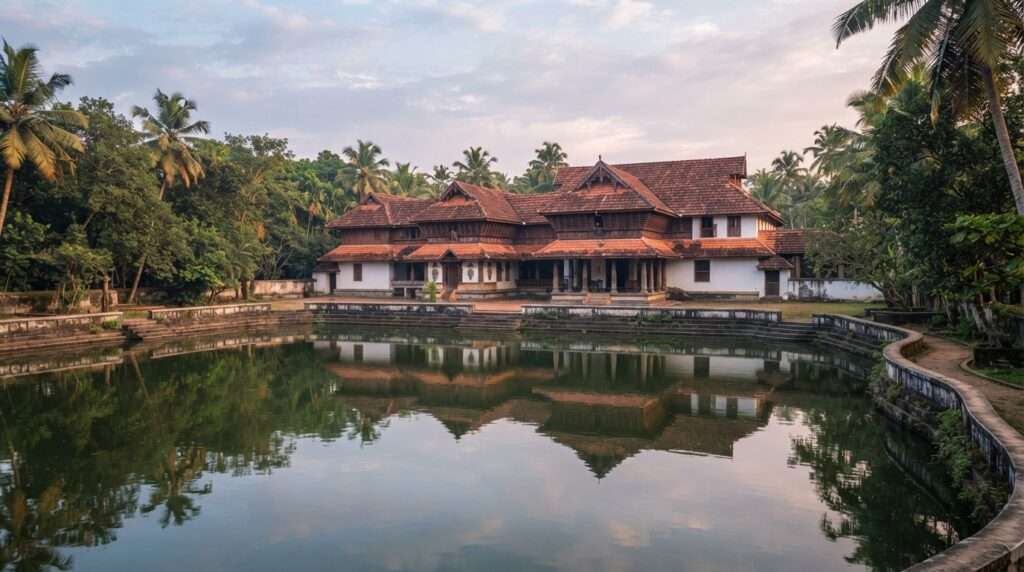
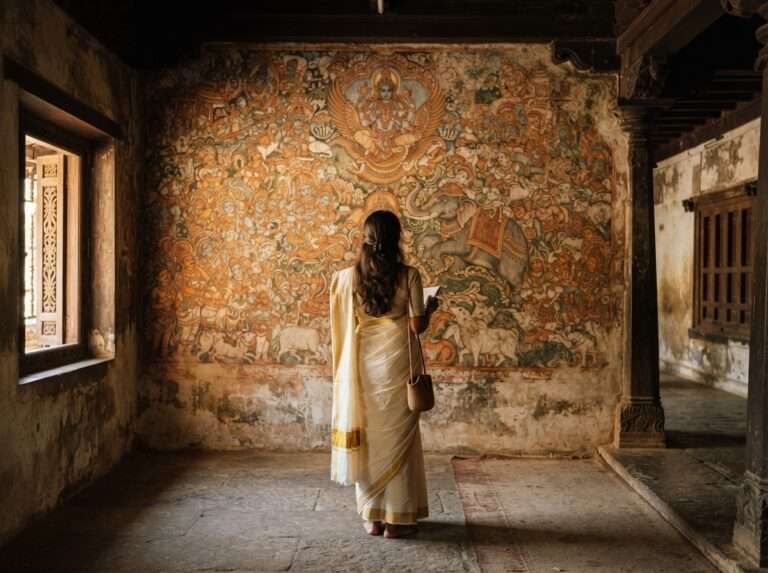
This double-storeyed palace near Kayamkulam in Alappuzha district was built in the 18th century in classic Kerala style, all sloping tiled roofs, gables and inner courtyards. Its showpiece is the Gajendra Moksham, one of the largest single-panel murals in Kerala. The palace now works as an archaeological museum with bronzes, coins and sculptures, and it is easy to fold into a backwaters trip around Kayamkulam and Alappuzha.
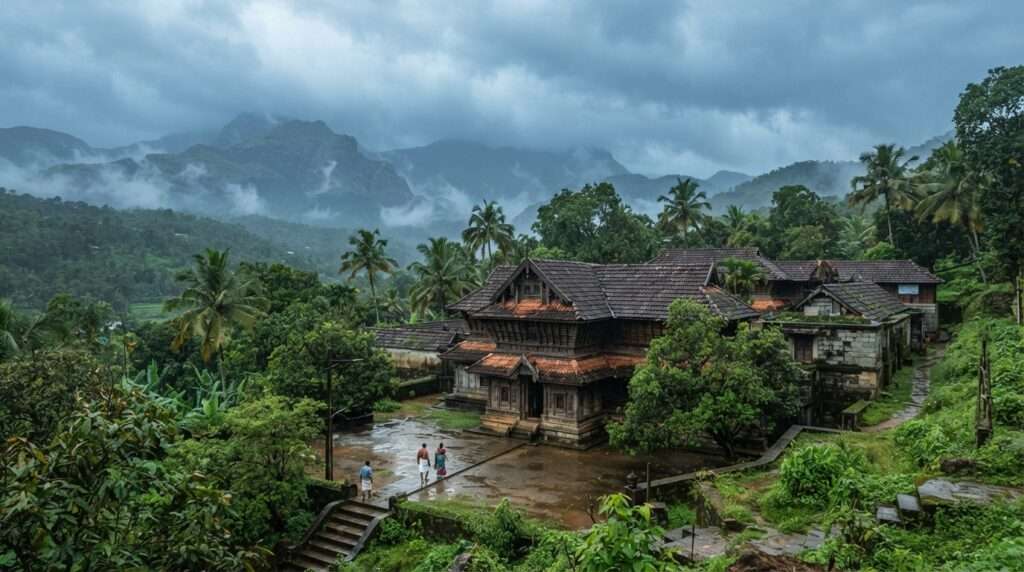
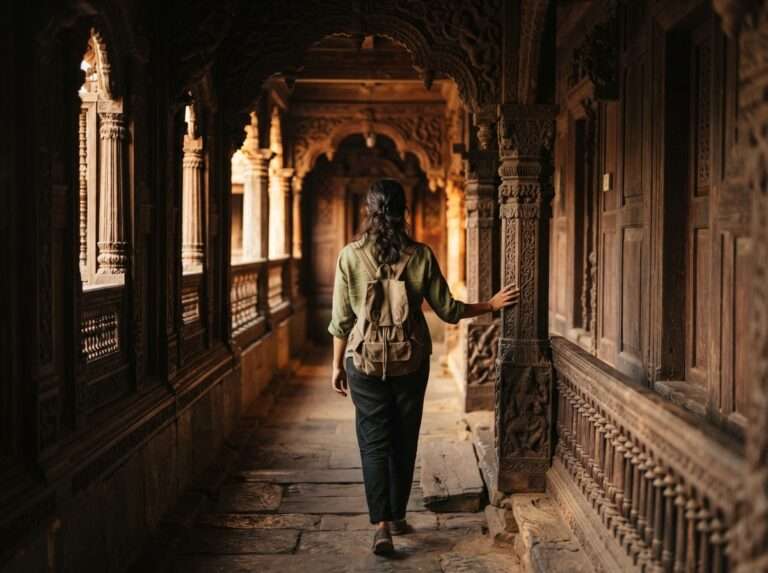
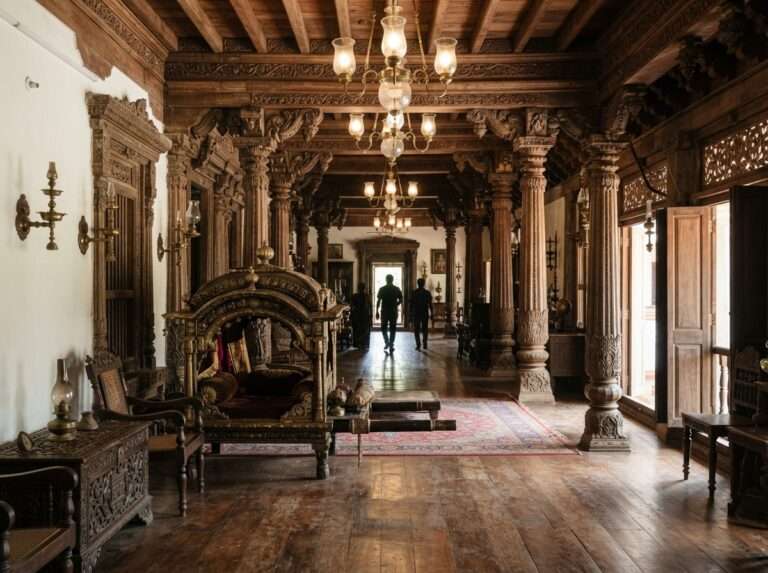
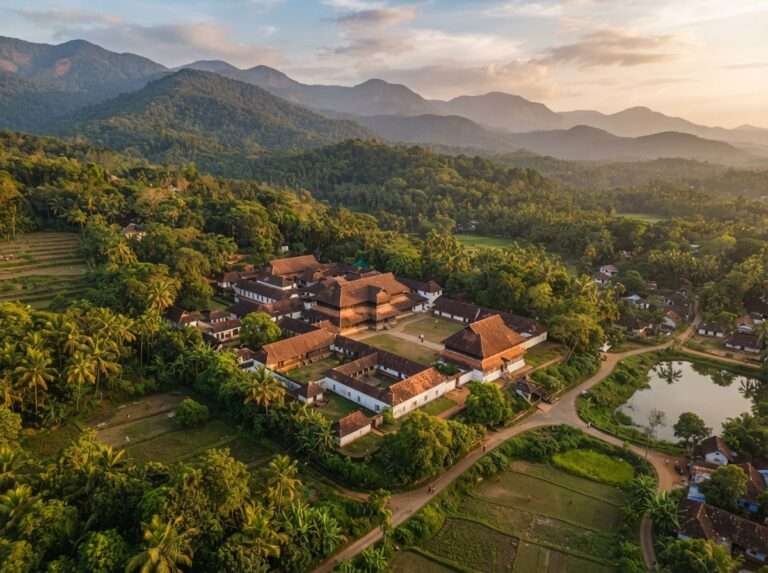
The Poonjar royal family, a branch of the old Pandya line, built this palace in the Kottayam highlands, and parts of it are said to be around six centuries old. The wooden halls hold a magpie collection: royal furniture, a carved wooden boat, palanquins, chandeliers, weapons and sculptures. It sees far fewer visitors than the Kochi palaces, so you often have the rooms to yourself. It sits on the road up towards the hills, which makes it a good pause between the plains and the Ghats.
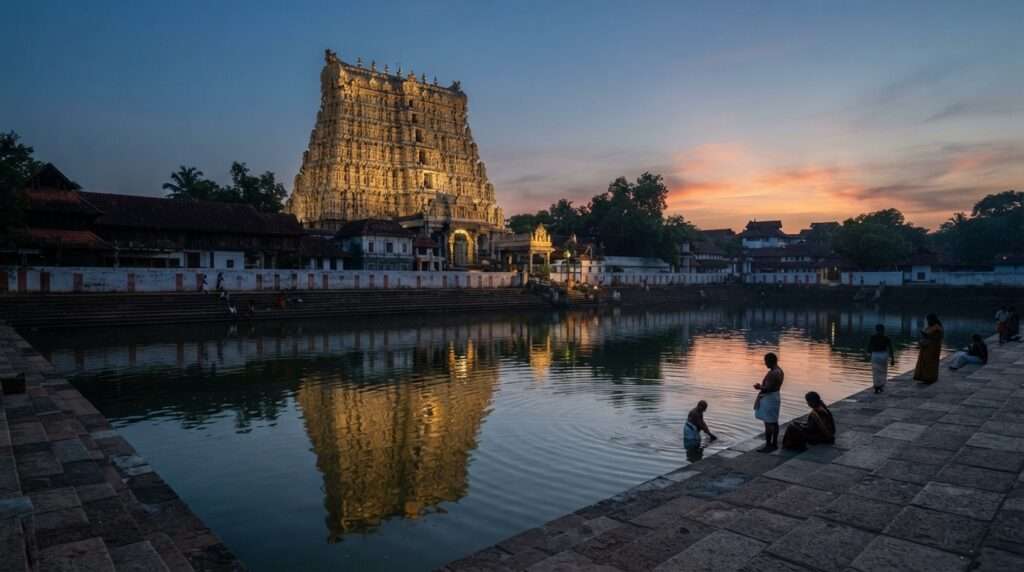
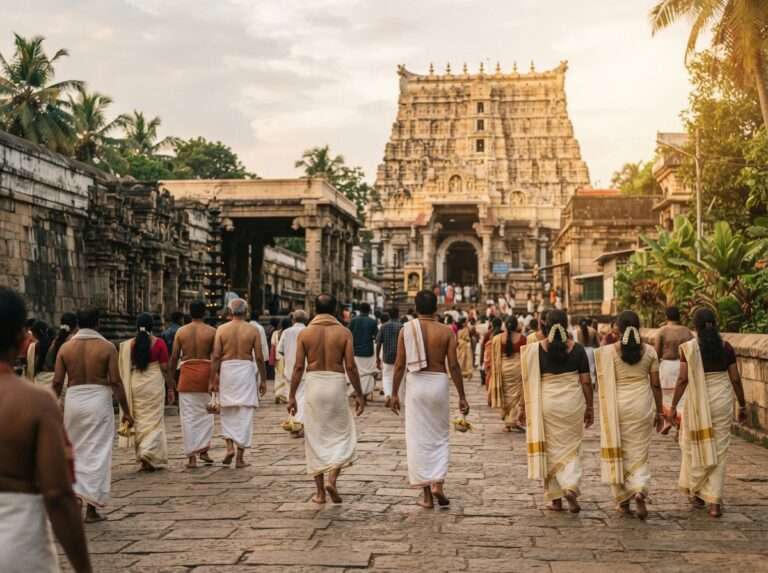
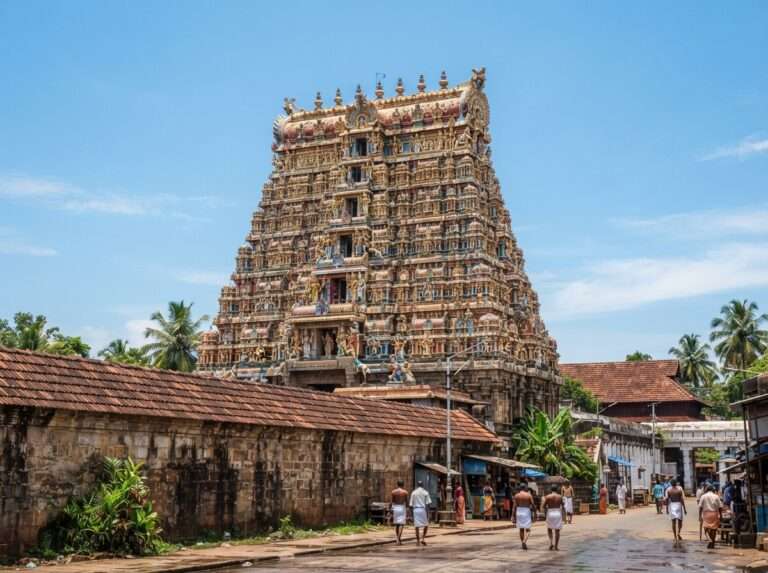
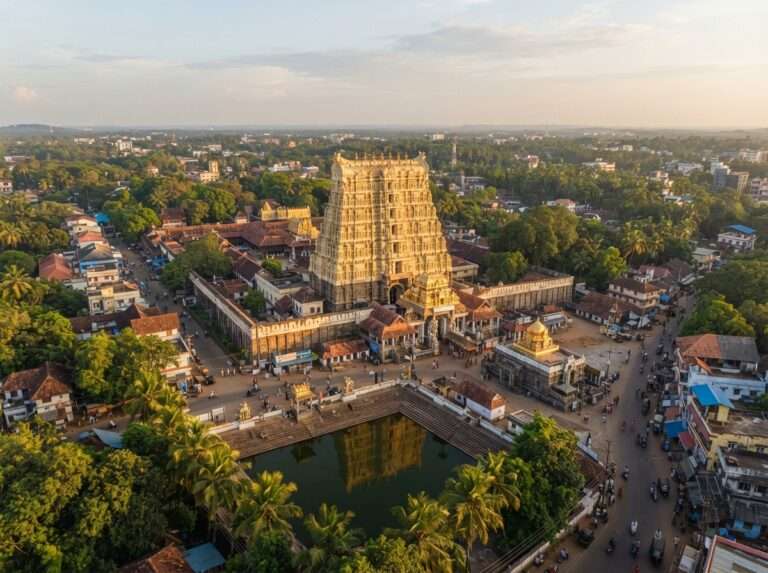
The Sree Padmanabhaswamy Temple in the state capital is dedicated to Lord Vishnu reclining on the serpent Anantha, and its Dravidian-Kerala architecture and gold-clad interiors are famous well beyond India. It drew world attention when sealed vaults were opened in 2011. Entry is for Hindus only and the dress code is strict: men wear a mundu with no shirt above the waist, women a sari, set-mundu, skirt and blouse or half-sari (dhotis can be hired at the entrance to wrap over trousers or churidar). Darshan runs in fixed morning and evening slots, so check timings before you go.
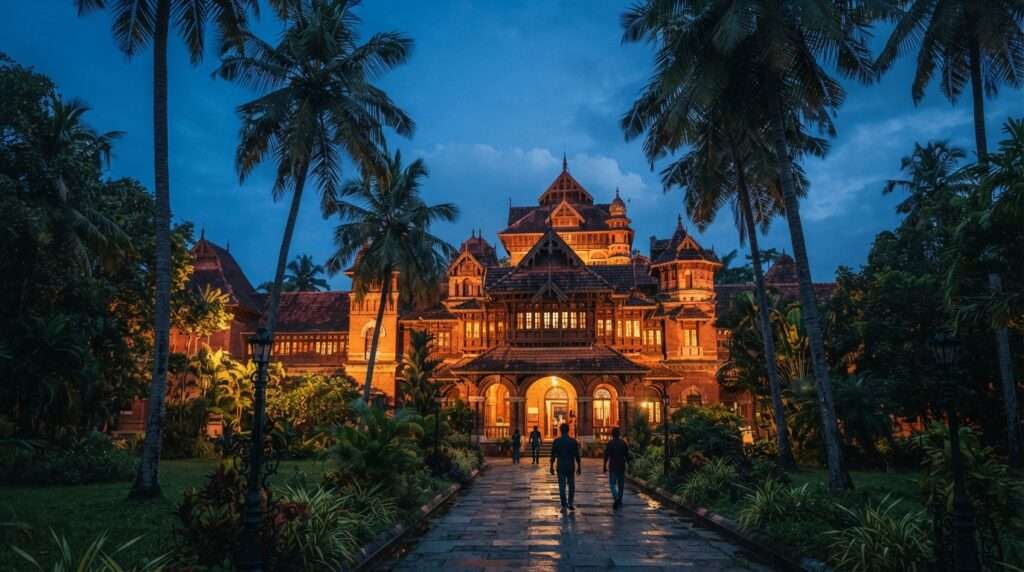
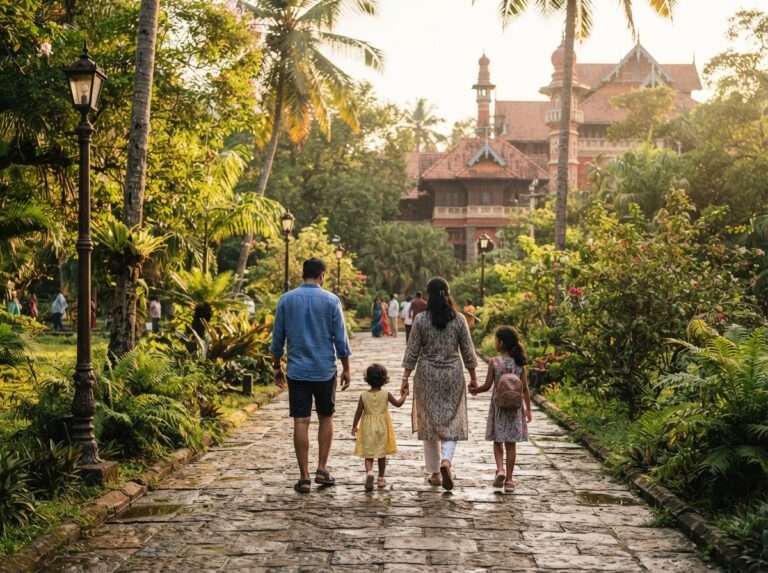
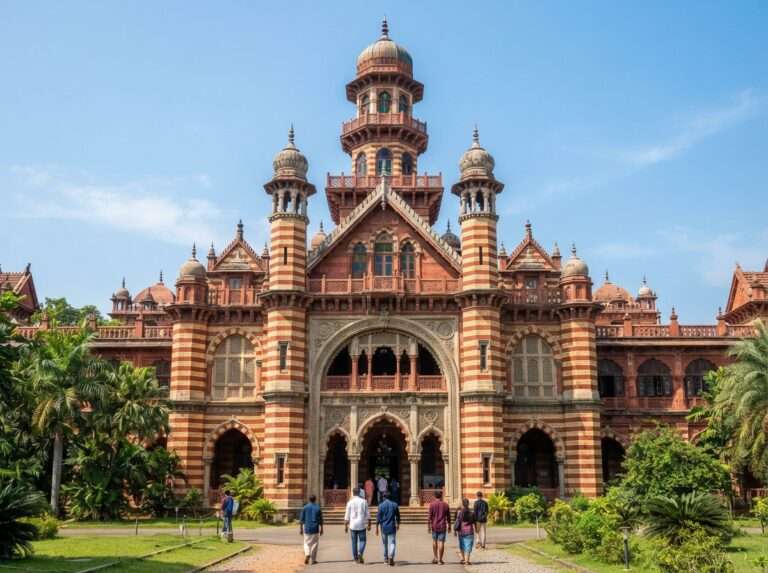
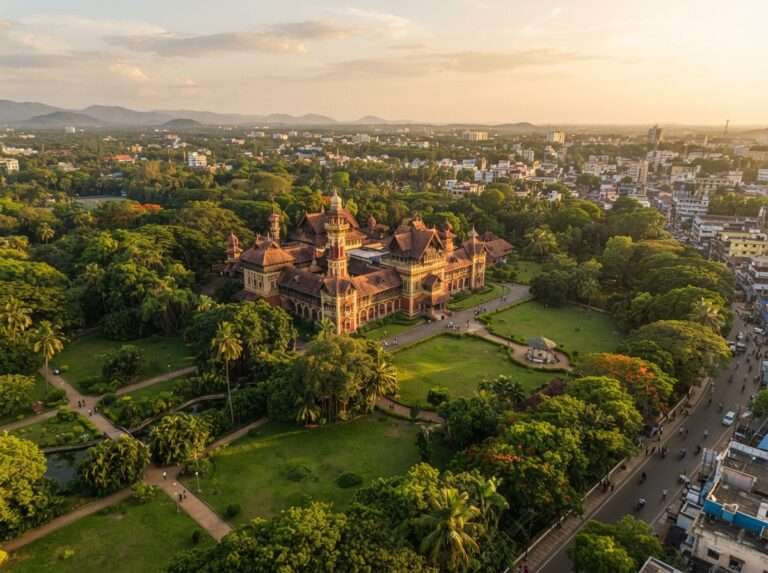
Napier Museum is worth seeing for the building before you even go in. Completed in 1880 in an Indo-Saracenic style with a natural ventilation system that keeps it cool without air conditioning, it holds bronze idols, ancient ornaments, a temple chariot and ivory carvings, while Raja Ravi Varma’s paintings hang in the Sree Chitra Art Gallery in the same compound. It sits inside a garden complex with the zoo and art gallery, so it is an easy family morning. Open 10 am to 4:45 pm, with a later 1 pm start on Wednesdays, closed Mondays.
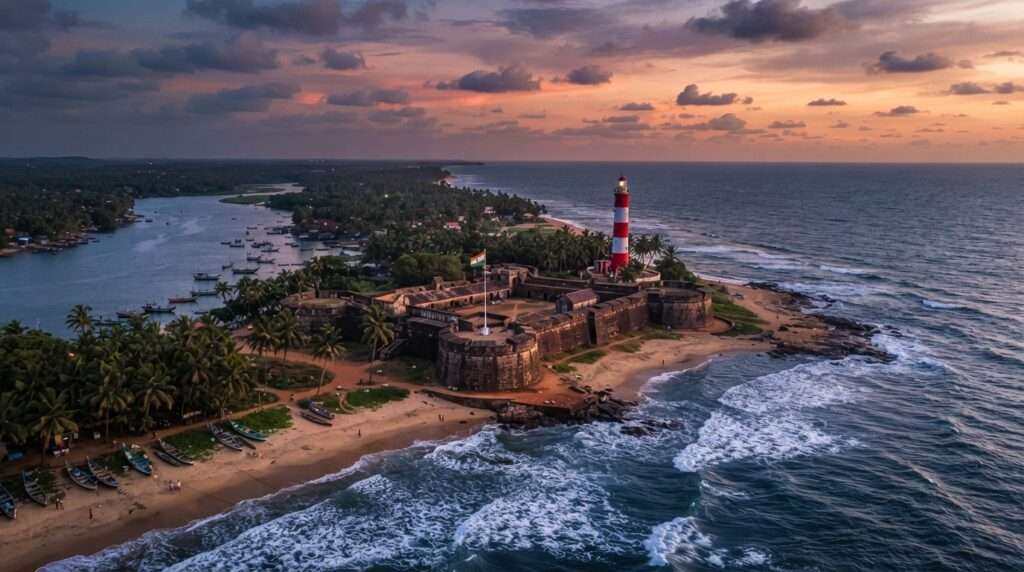
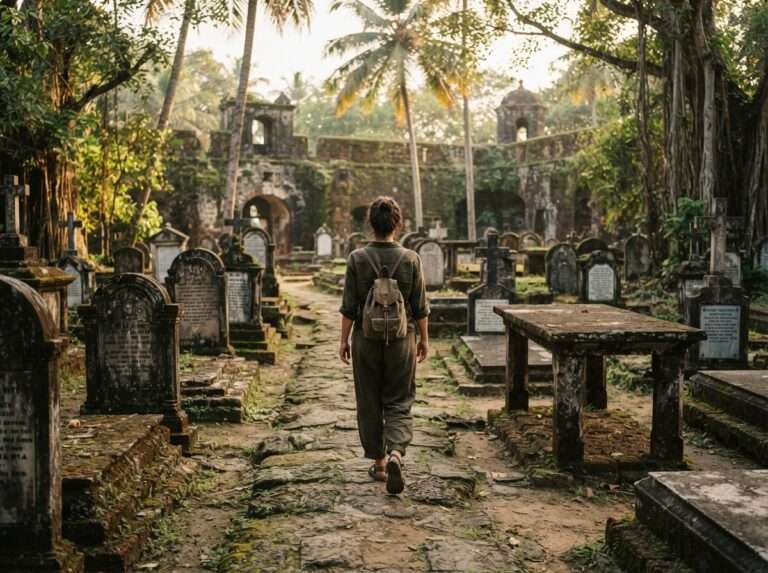
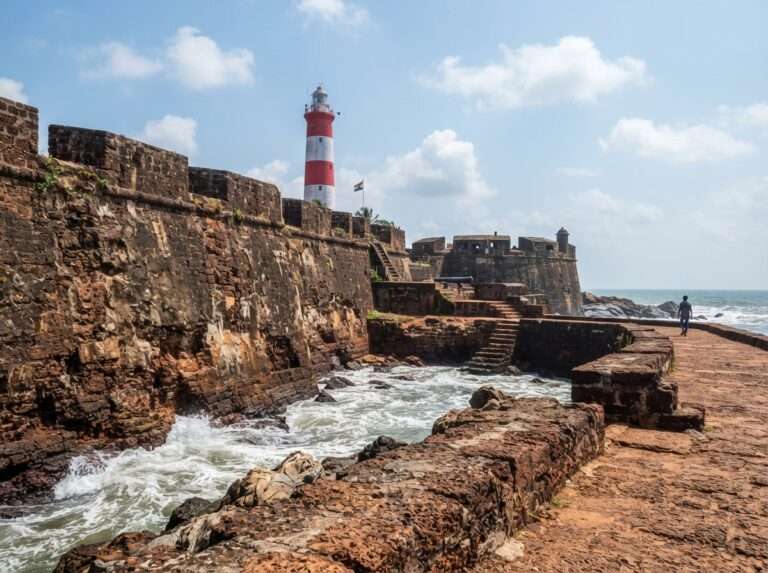
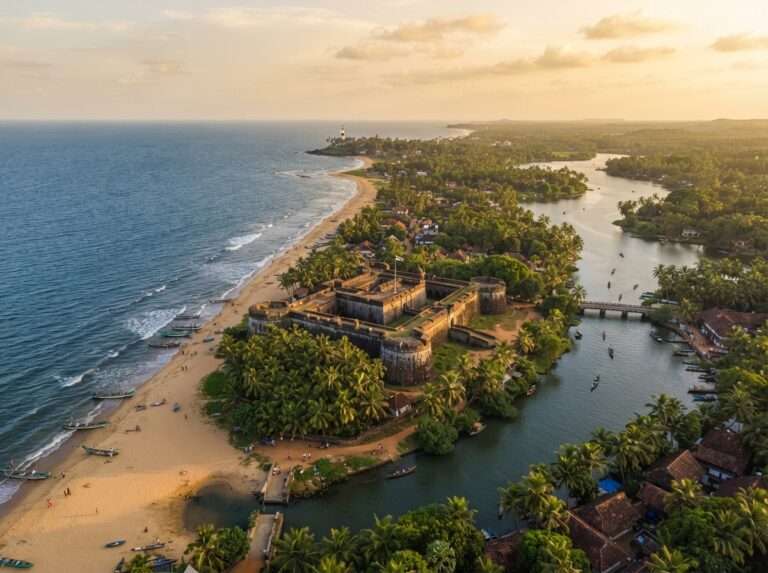
Anchuthengu, anglicised to Anjengo, was one of the English East India Company’s earliest footholds on the Kerala coast, fortified in the mid-1690s to protect the pepper trade. The sea-battered laterite walls, an old cemetery and a nearby lighthouse are what remain, about 36 km north of Thiruvananthapuram. It is a low-key, wind-blown site that rewards anyone interested in how the colonial coast was carved up. Open roughly 8 am to 5 pm, and it pairs well with the Anchuthengu backwaters and Varkala, about 12 km up the coast.
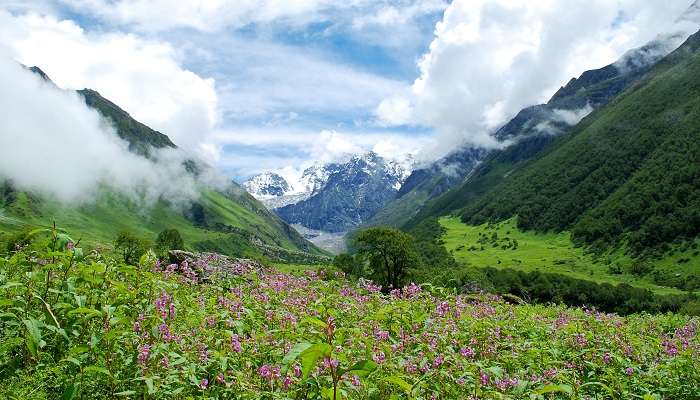
The Western Ghats run for 1,600 km down India’s west coast, and UNESCO inscribed the whole chain as a single serial site in 2012 for its biodiversity, one of the eight “hottest” hotspots on the planet. Kerala’s share is not one park but several: forests of the Agasthyamala cluster in the south, the Periyar and Anamalai (Annamalai) clusters that spill across the Kerala-Tamil Nadu border, and Silent Valley in the Nilgiri cluster. This is the reason people call Kerala a UNESCO destination, and it is the only listing that is technically true. If you want the full picture of the hills, the Kerala tourism guide covers Munnar, Thekkady and Wayanad in depth. On the ground, the inscribed parts are protected forests such as Periyar Tiger Reserve, Eravikulam National Park above Munnar and Silent Valley; the Munnar tea estates and the Edakkal caves sit in the same hills but outside the UNESCO boundary.
If you have extra days, five more sites reward the effort.
Kuthiramalika Palace in Thiruvananthapuram, the “Palace of Horses,” is named for the 122 wooden horse brackets carved under its eaves; King Swathi Thirunal, a composer-king, built it and it still holds royal instruments and Travancore art. The Nilambur Teak Museum in Malappuram is billed as the world’s first teak museum, tracing the teak trade that once shipped Kerala timber across the world. Thirunelli Temple, deep in the Wayanad forest, is over a thousand years old and draws pilgrims to the Papanasini stream beside it. Aranmula in Pathanamthitta is famous for the Aranmula Kannadi, a handmade metal mirror made by a secret process, and for its Onam snake-boat race on the Pamba. Aryankavu in Kollam, an old Sastha temple on the Ghats pass into Tamil Nadu, rounds out the list.
Two more entities belong on any serious heritage map. The Paradesi Synagogue in Kochi’s Jew Town, built in 1568, is the oldest active synagogue in the Commonwealth, its floor laid with hand-painted Chinese tiles no two of which match. And at Kodungallur, the Cheraman Juma Masjid is traditionally dated to 629 CE, which would make it the oldest mosque in India; it sits on the ancient Muziris trade route where Rome, Arabia and China once met the Malabar coast.
These sites cluster into four natural routes. Pick the belt that matches where you land.
A week is enough to cover one and a half belts comfortably. Here is a route that works from a Kochi arrival.
Prefer to hand the logistics to someone else? A customised Kerala tour package can chain any of these circuits with drivers, permits and heritage-stay hotels built in.
Kerala’s heritage is not only in stone. Kathakali, the state’s classical dance-drama, is performed nightly for visitors in Fort Kochi, alongside short Mohiniyattam recitals, while Theyyam, the fierce ritual art of the Malabar north, runs in village shrines around Kannur and Kasaragod from roughly November to May, peaking December to March. The Thrissur Pooram in April or May is the largest temple festival in Kerala, a thunder of caparisoned elephants, chenda drums and fireworks. Onam, the harvest festival, brings flower carpets, the grand sadya feast and the Aranmula and Alappuzha snake-boat races. Timing a trip to catch one of these turns a heritage tour into something you feel rather than photograph.
For forts, palaces and outdoor sites, October to February is the clear winner: dry, breezy and cool enough to walk ramparts at midday. Museums and temple interiors work in any season, so the monsoon from June to September is fine for indoor heritage and comes with lush surroundings and lower rates. March to May is hot and best kept to early mornings and air-cooled museums. For a month-by-month breakdown across the whole state, see the best time to visit Kerala guide.
| Season | Months | Best for |
|---|---|---|
| Winter | Oct to Feb | Forts, beaches, walking tours, photography (peak season) |
| Monsoon | Jun to Sep | Museums, temple interiors, green landscapes, off-season rates |
| Summer | Mar to May | Early-morning sightseeing, indoor museums, quieter sites |
For heritage stays, Fort Kochi’s colonial homestays, palace-style resorts near Alappuzha and Tripunithura, and forest lodges in Wayanad and Thekkady all put you within reach of the sites. Sort accommodation and transport together with a Kerala tour package, or browse more ideas on the places to visit in Kerala page.
Sixteen sites, one UNESCO listing, and four circuits that fan out from the coast into the hills: that is the shape of heritage travel in Kerala. Whether you have a long weekend in Fort Kochi or a full fortnight tracing forts from Kasaragod to Thiruvananthapuram, the history is close to the road and easy to reach. When you are ready to turn this list into an itinerary, our Kerala tour packages can build the route, the guides and the heritage stays around exactly the sites you want to see.
Quick answers on UNESCO status, forts, Kochi, timing, trip length and permits
Kerala has one inscribed UNESCO World Heritage Site: the Western Ghats, added in 2012 as a serial natural property. Kerala’s portion covers parts of the Agasthyamala, Periyar, Anamalai and Nilgiri clusters, including Silent Valley National Park. No monument, fort or temple in Kerala is separately inscribed. Mattancherry Palace is on UNESCO’s tentative list and Vadakkunnathan Temple has been proposed, but neither is a full World Heritage Site yet.
Not as inscribed sites. The only listed World Heritage property in Kerala is the natural Western Ghats. Mattancherry Palace sits on the tentative list, which is a candidate stage, not a confirmed listing, and Vadakkunnathan Temple has been proposed. So it is accurate to say Kerala has one UNESCO site (the Western Ghats) and a couple of monuments still hoping to join it.
The headline sites are the Western Ghats, Bekal Fort, Fort Kochi with St Francis Church and Mattancherry Palace, the Chinese fishing nets, Padmanabhaswamy Temple, Napier Museum, Edakkal Caves and Kappad Beach. Together they cover forts, palaces, temples, churches and one UNESCO-listed mountain range, spread from Kasaragod in the north to Thiruvananthapuram in the south.
Fort Kochi is the single richest patch of history in Kerala. Within a few walkable streets you have the oldest European church in India (St Francis, 1503), a 16th-century palace with famous murals (Mattancherry), the centuries-old Chinese fishing nets and the 1568 Paradesi Synagogue. It condenses the Portuguese, Dutch, Jewish and Chinese threads of Kerala’s past into one quarter.
Kerala has several well-preserved forts open to visitors. The main ones are Bekal Fort in Kasaragod (the largest, at 40 acres), Thalassery Fort in Kannur, Anchuthengu (Anjengo) Fort near Thiruvananthapuram, St Angelo Fort in Kannur and Palakkad Fort, popularly called Tipu’s Fort but built by his father Hyder Ali in 1766, in central Kerala. Bekal and Thalassery are the two most rewarding for a first heritage trip.
Kochi packs in St Francis Church, Mattancherry (Dutch) Palace, the Chinese fishing nets on the Fort Kochi shore, the Paradesi Synagogue in Jew Town and the Hill Palace museum at Tripunithura, the largest archaeological museum in Kerala. Most of the Fort Kochi sites are within walking distance of each other, which makes the city the easiest heritage base in the state.
St Francis Church in Fort Kochi (1503) is the oldest European church in India. Among temples, Thirunelli in Wayanad and Padmanabhaswamy in Thiruvananthapuram are counted among the oldest. And the Cheraman Juma Masjid at Kodungallur, traditionally dated to 629 CE, is regarded as the oldest mosque in India, tied to the ancient Muziris trade route.
October to February is the best window: dry, breezy weather that suits forts, beaches and walking tours. The June to September monsoon works well for museums and temple interiors and comes with green surroundings and lower rates. Whenever you go, check the Monday closures at most museums and palaces and the Friday closure at Mattancherry Palace.
Plan on 6 to 10 days to do it justice. A week covers one and a half belts comfortably, for example Fort Kochi plus the Malabar forts, or Fort Kochi plus the Travancore palaces down south. Ten days lets you link the north coast, central Kochi and the southern capital without rushing between long drives.
Yes. Most forts, palaces and museums are open, easy to walk and genuinely interesting for children, especially Bekal Fort’s ramparts, the Chinese fishing nets in action and the Napier Museum garden complex with its zoo. Local guides are good at turning the history into stories, and the sites are close enough together to keep travel days short for younger travellers.
No special permit is needed for the sites on this list; most charge a small entry fee at the gate. The one access rule to note is at Padmanabhaswamy Temple, which admits only Hindus and enforces a strict dress code. Photography is restricted inside a few sites, including the Mattancherry murals, so check the signage before you shoot.
Yes. A customised heritage tour saves you the logistics of drivers, timings and heritage-stay hotels across sites that are often hours apart. TravelTriangle can string the forts, palaces and temples into one route and match it to your dates and budget. Browse the options in our Kerala tour packages to build a trip around the sites you most want to see.
Real reviews from real travelers who booked with us.
View All Reviews