4D / 3N
17% OFF
4D / 3N
17% OFF
Manali-Kasol Tour Package by Cab for Himachal (4D/3N) - At A Glance
- Hotel
- Meals
- Sightseeing
- Entry Tickets
- Cab Transfer
₹12,688
₹10,500 /pp
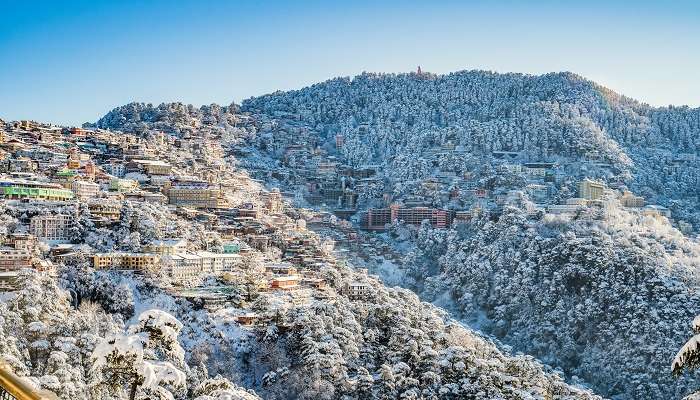


Snowfall in Shimla usually starts in the last week of December, peaks through mid-to-late January, and lingers into February, with the higher points at Kufri and Narkanda whitening first. That single line answers what most people search for, but the real question is timing: come too early and you get bright, dry afternoons with no snow, come at the right window and the whole town turns white. This guide gives you the month-by-month prediction, the temperature you will actually feel, the honest odds of snow in any given week, and the exact places, from Kufri to offbeat Rohru, where the cover is deepest. Everything here is framed for the 2026-27 winter and cross-checked against IMD records.
Key Takeaways
Best Time
December - January
Select Package Type
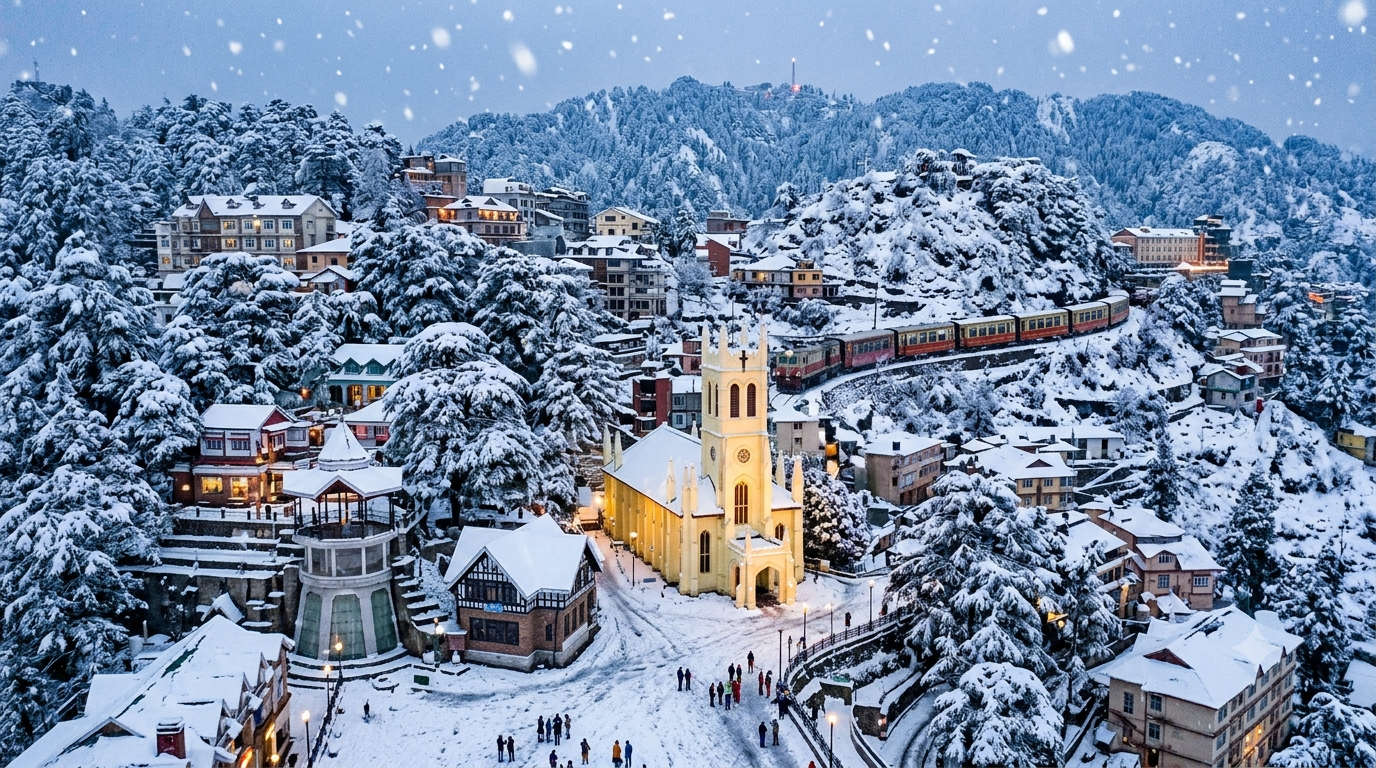
The sweet spot is the last week of December through the third week of January. That is when Shimla town has the highest chance of fresh snow, the ski slopes at Kufri and Narkanda are open for snow play, and the winter atmosphere on Mall Road is at its best. If you want near-certain snow rather than a chance of it, favour the second and third weeks of January, when western disturbances are most active over the western Himalaya and cold air is locked in.
Early December is a gamble in the town itself. The high peaks may already be white, but Shimla’s own first snow often waits until Christmas. February still delivers regular snow and thinner crowds, which makes it the quiet traveller’s pick. By mid-March the snow is retreating to the higher slopes, though Narkanda and Hatu Peak can hold cover into early spring.
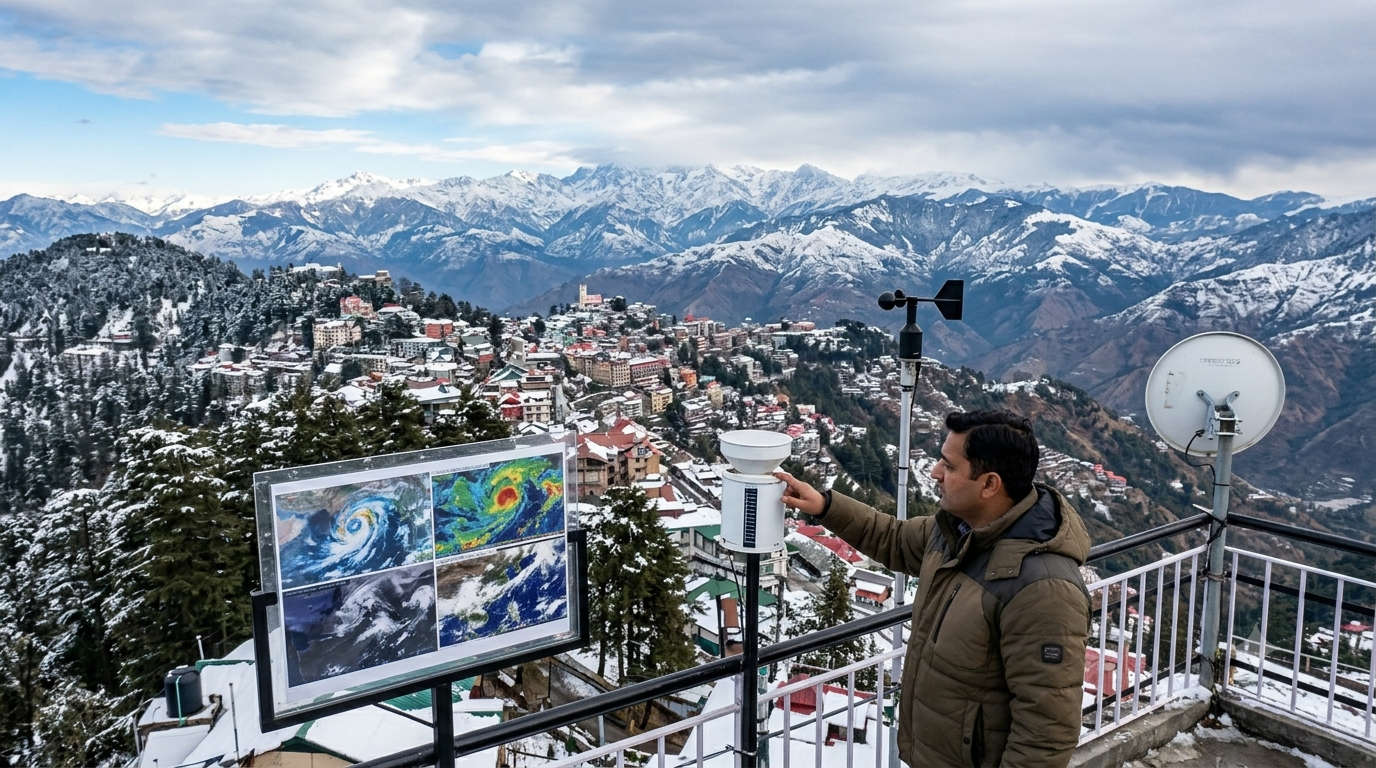
Shimla does not get snow on a fixed calendar date. Its snowfall is driven by western disturbances, the eastward-moving weather systems that pull moisture over the western Himalaya between December and March. When one lines up with cold enough air, Shimla gets snow, sometimes for a few hours, sometimes for a couple of days. Between these systems the sky clears and the sun is warm enough to melt roadside snow within a day or two.
Because of this, the useful forecast window is short. The India Meteorological Department’s Shimla centre issues reliable snow guidance roughly 5 to 7 days ahead, and that is the read to book on. A general pattern holds most years: the first light snow at the high points arrives from mid-December, the town’s first proper fall lands in the last ten days of December, and the heaviest, most dependable snow runs from early to late January. Anyone asking about a guaranteed date is asking the wrong question. Watch IMD’s Shimla forecast at mausam.imd.gov.in in the week before you travel and keep your plans flexible by a day or two.
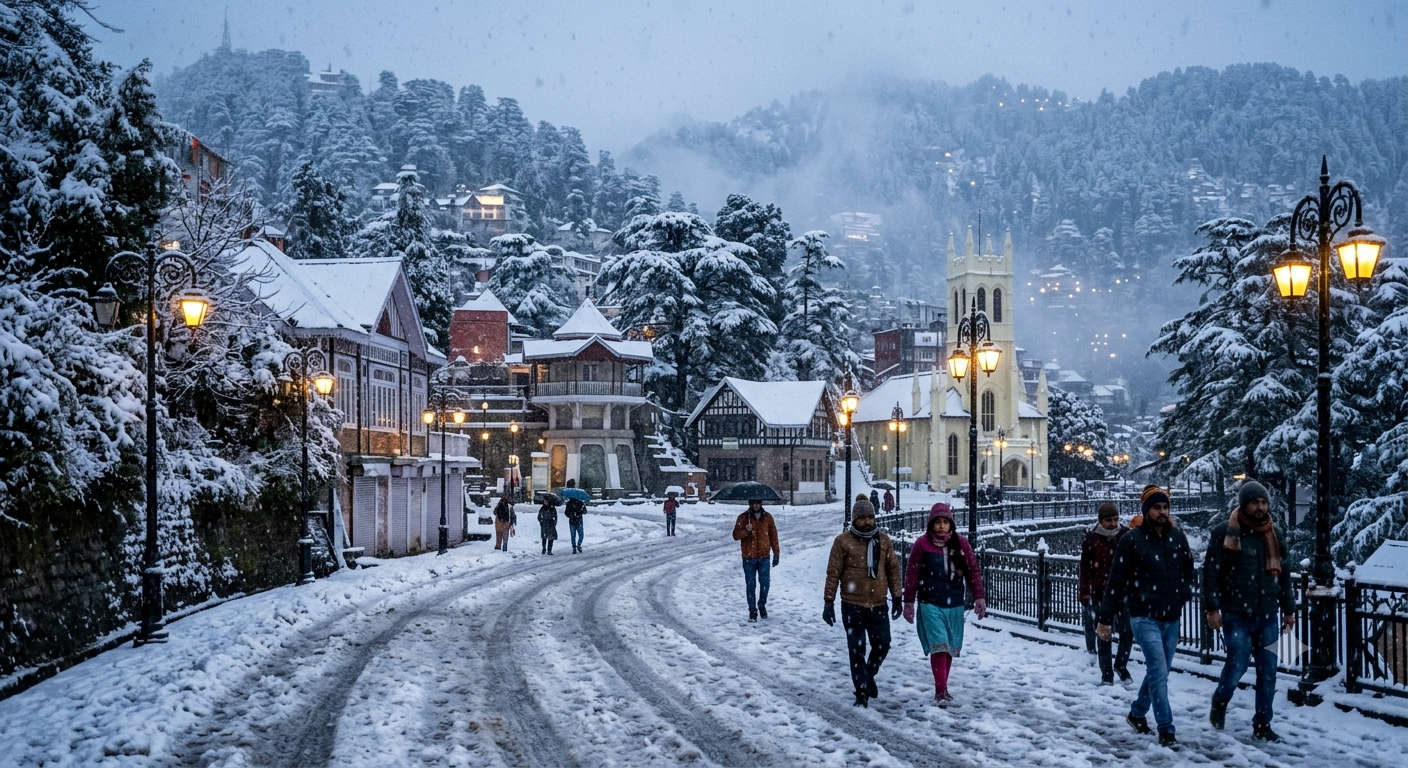
Here is how the season typically builds. Use it to pick your window, then confirm the specific week against the IMD forecast closer to your trip.
| Month | Snow likelihood in town | Typical conditions | Best for |
| November | Low | Mostly dry and clear, rare dusting only at the highest peaks late in the month | Crisp sightseeing without crowds |
| December | Moderate to High | First town snow usually in the last 10 days, often around Christmas and New Year | Holiday-season snow, festive atmosphere |
| January | Very High (peak) | Heaviest and most reliable snow, repeated spells, freezing nights | Guaranteed snow, skiing at Kufri and Narkanda |
| February | High | Regular snow, cover holds at altitude, fewer tourists | Snow with smaller crowds |
| March | Low to Moderate | Tapering, town snow rare but Narkanda and Hatu Peak still hold cover early in the month | Late-season snow at high points |
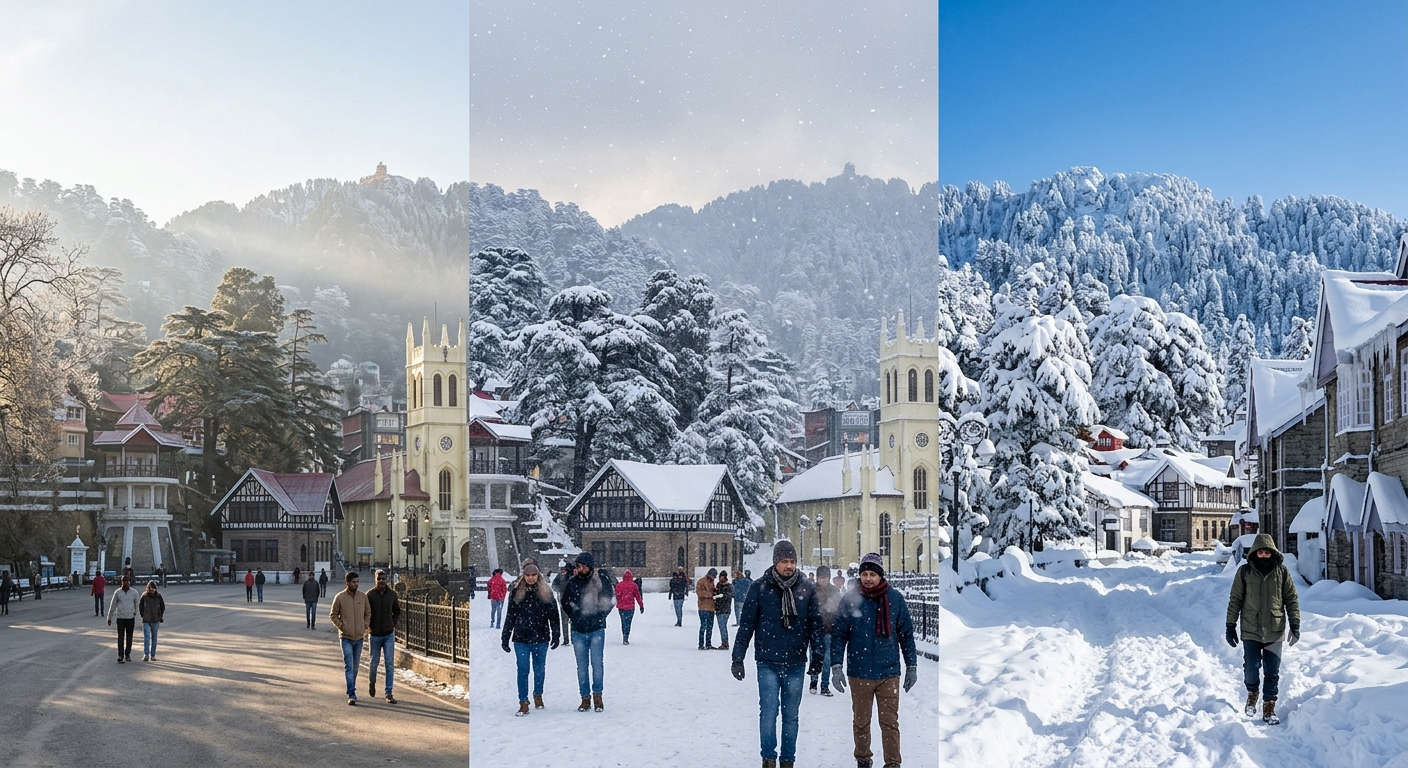
Numbers matter more than adjectives when you are packing. These are the min and max bands Shimla town typically sees through the cold months, in line with IMD climate records. It always feels colder after dark because cold air settles in the valleys, and Kufri runs a few degrees below the town.
| Month | Max (day) | Min (night) | Notes |
| November | 15 to 18 degC | 5 to 8 degC | Cold mornings, pleasant afternoons, snow unlikely in town |
| December | 9 to 12 degC | 1 to 3 degC | Freezing nights by month end, first snow likely late Dec |
| January | 8 to 10 degC | minus 1 to 2 degC | Coldest month, sub-zero nights common, peak snow |
| February | 10 to 13 degC | 1 to 3 degC | Still cold, regular snow, days warming slowly |
| March | 14 to 17 degC | 4 to 7 degC | Snow retreating to high slopes, days mild |
If you are chasing snow, the takeaway is simple. Aim for the January window, when daytime highs sit around 8 to 10 degC and nights drop below freezing, the exact conditions that keep snow on the ground rather than melting it off.
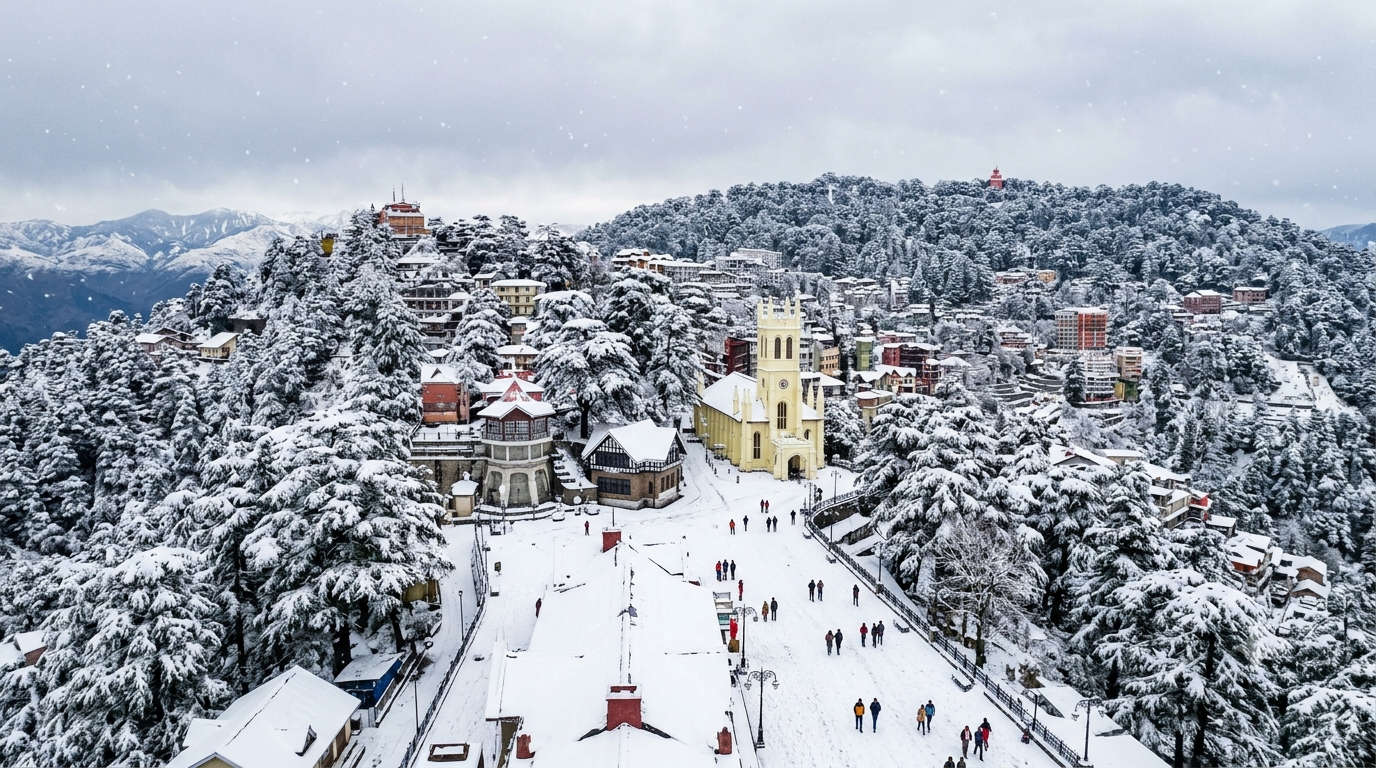
Yes, Shimla receives snow almost every winter, but how much and exactly when varies year to year. In a strong season the town sees several good spells between late December and February. In a weak or delayed season the first real snow can slip to January and total cover is thinner. What stays dependable are the high points: Kufri, Fagu, Narkanda and Hatu Peak sit high enough that they whiten in nearly every winter, and earlier than the town. So if snow is non-negotiable, plan around January and keep one day free to drive up to Kufri or Narkanda, where you are far more likely to find fresh cover even in a lean year.
Shimla town gets its share, but the deepest, earliest and most reliable snow is a short drive away. Here are the spots worth planning around, from the famous slopes to genuinely offbeat corners.
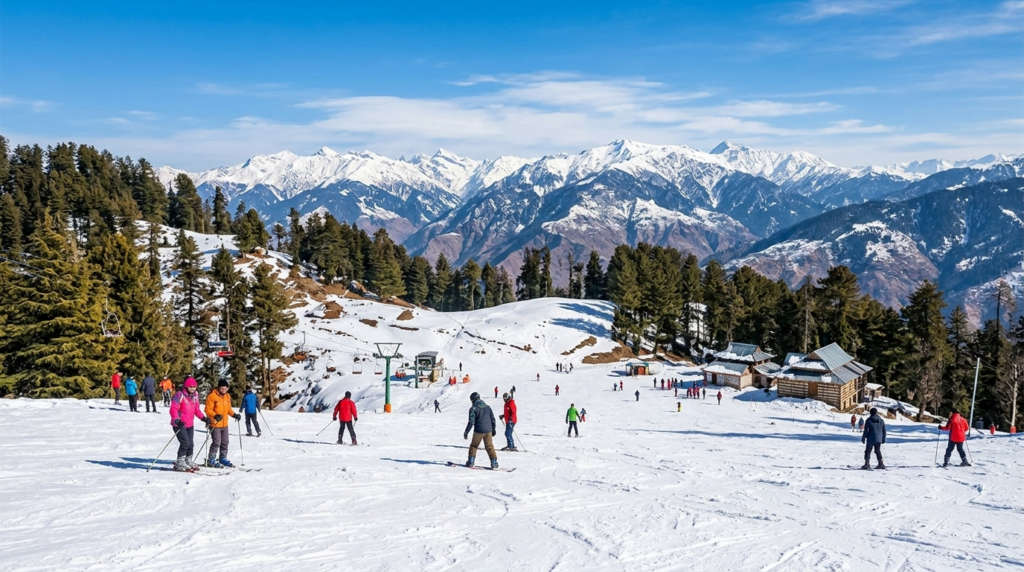
Kufri is the first place near Shimla to receive snow and the busiest for snow play. Sitting at about 2,720 m, it holds the heaviest cover from late December into January, and local operators run beginner skiing, tobogganing, snowboarding and horse riding once the slopes are good. The panoramic views of snow-capped ranges are the payoff for the crowds. Go early in the day to beat the rush from Shimla.
Location: Kufri, Shimla district. Top activities: skiing, snowboarding, tobogganing, horse riding. Distance from Shimla: 16 km.


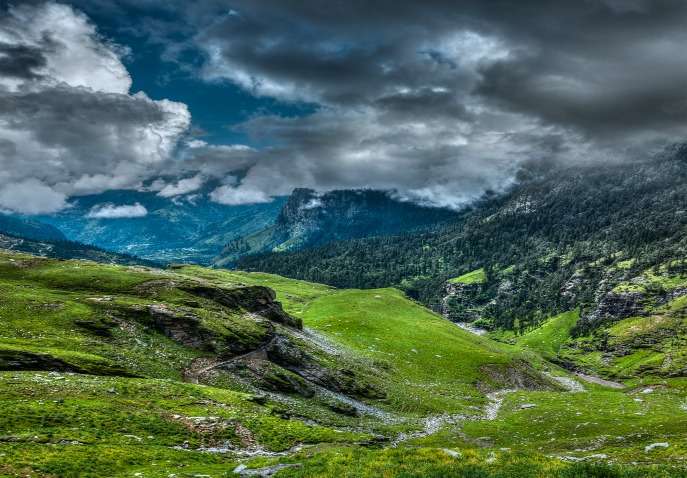
.jpg)

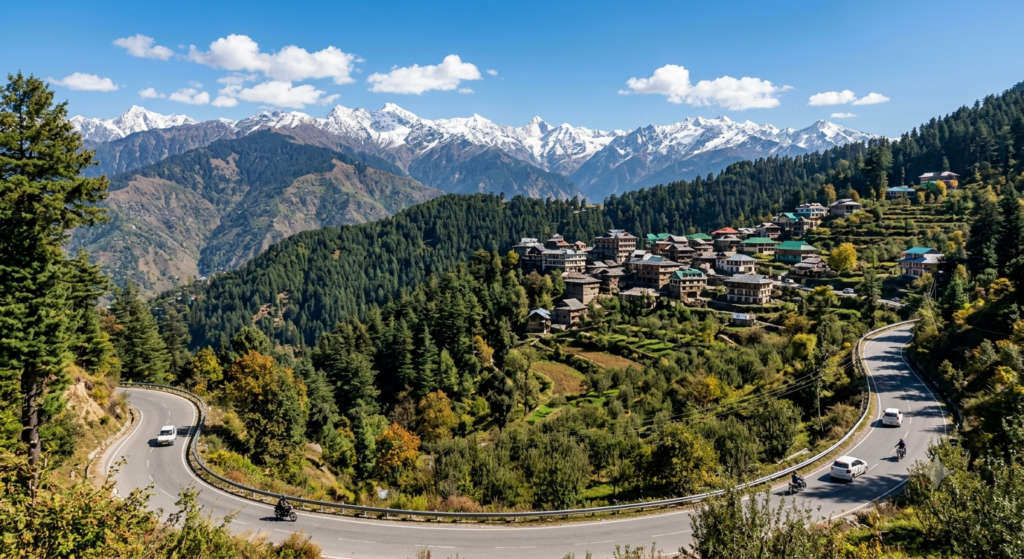
Higher and colder than Kufri, Narkanda sits around 2,700 m and holds snow longest, often into March. When the season is good it turns into a proper little ski destination, with open slopes and dense snow-laden deodar peaks. The nearby Hatu Peak, at roughly 3,400 m, is among the first spots in the region to whiten. Narkanda rewards the longer drive with far thinner crowds than Kufri.
Location: Narkanda, Shimla district. Top activities: skiing, snow trekking, Himalayan Nature Park. Distance from Shimla: 65 km.


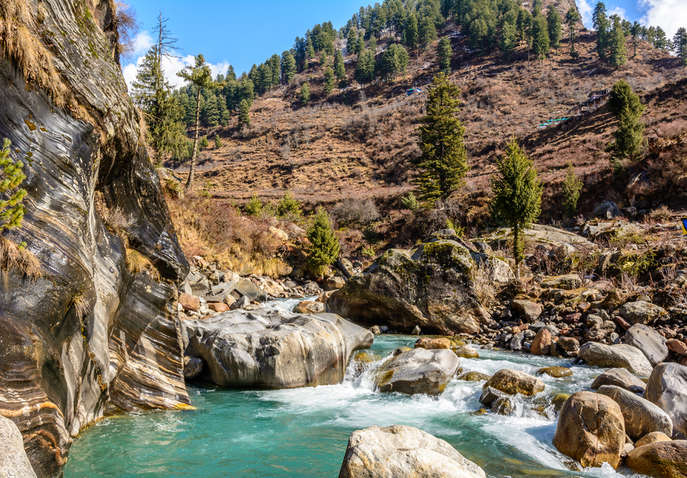
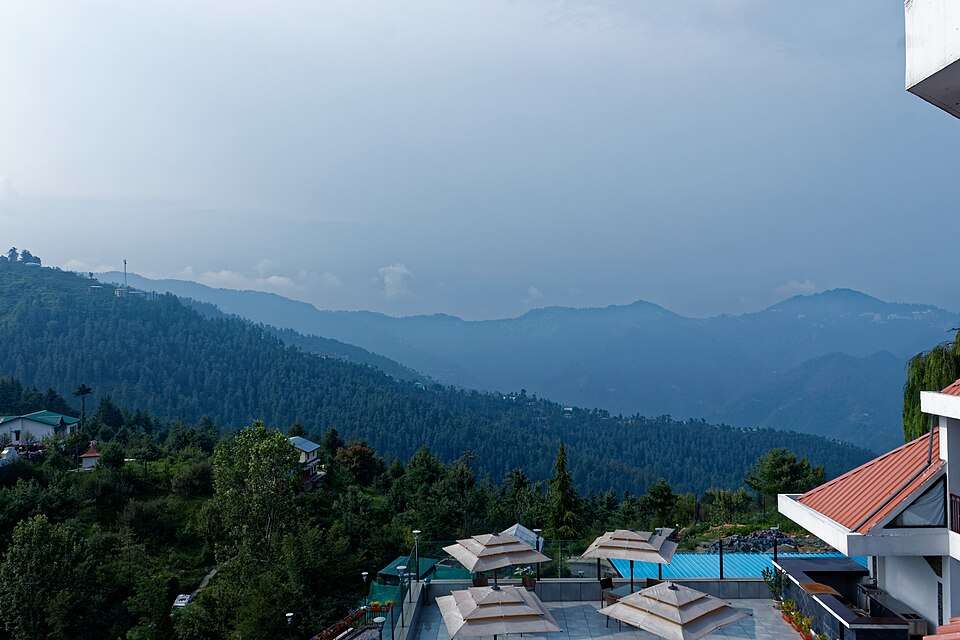
A quiet town ringed by oak and pine and set beside a reserve forest, Mashobra gets its charm from January and February snow without Kufri’s crowds. It suits travellers who want the white landscape and a few adventure activities but prefer calm over commotion. Pair it with a stop at the Presidential Retreat area for the views.
Location: Hindustan-Tibet Road, near Shimla. Top activities: snow walks, trekking, rappelling. Distance from Shimla: 13 km.


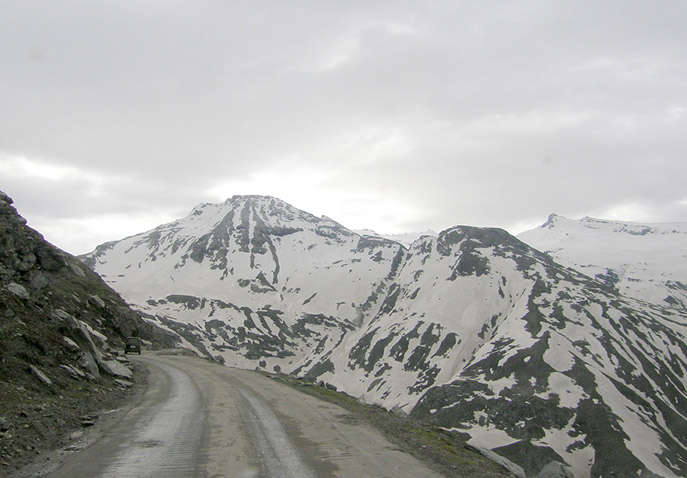


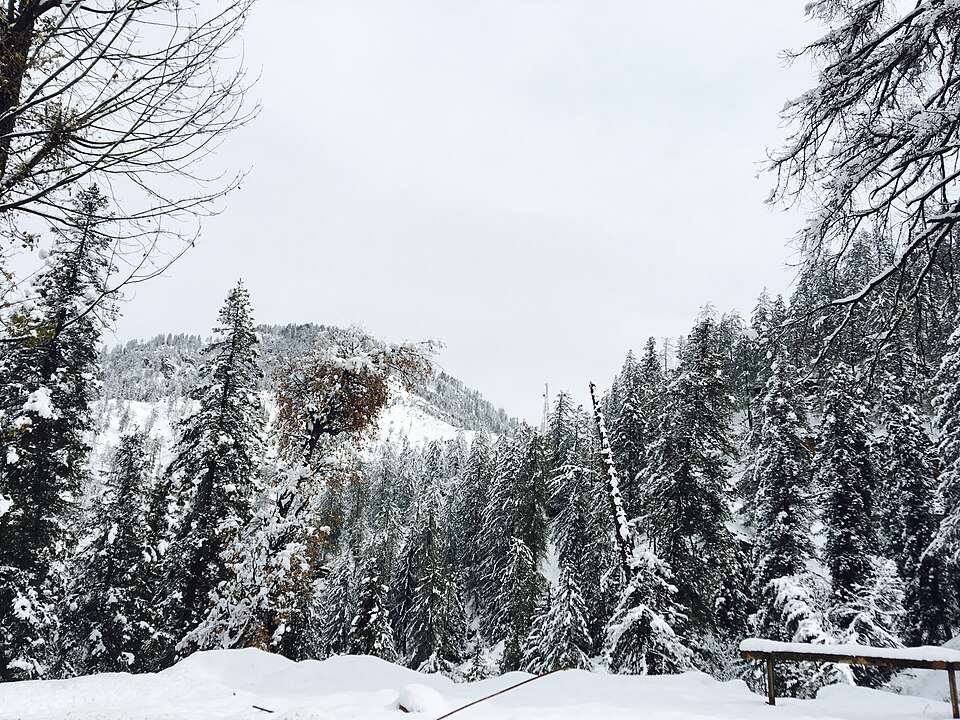
This is the offbeat pick. Rohru sits on the banks of the Pabbar river, known for apple orchards and trout, and it sees snow with almost none of the tourist traffic of Kufri. The reward is a snow-laden valley to yourself, plus temples like Hatkoti and Mahasu Devta nearby. It is a long drive, so treat it as an overnight rather than a day trip.
Location: Rohru, Shimla district. Top activities: snow views, apple country, riverside walks. Distance from Shimla: 110 km.
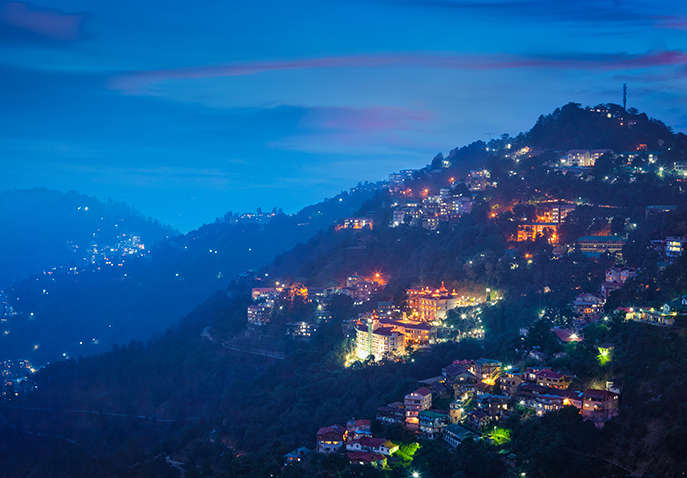


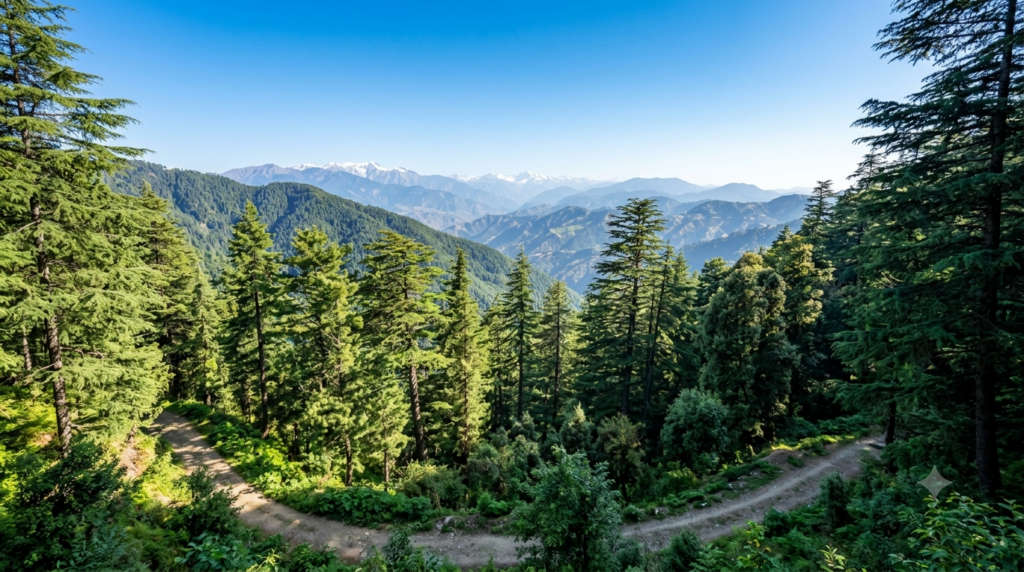
A genuine hidden corner, Kiala Forest is part of the Shimla Reserve Forest Sanctuary. Snow here is occasional rather than guaranteed, so plan around the January peak and count yourself lucky if the dense trees are under fresh cover. It is a picnic-and-birdwatching spot for people who want quiet over spectacle, and no competitor guide even mentions it.
Location: Kotkhai valley, Shimla district. Top activities: picnicking, birdwatching, short treks. Distance from Shimla: 10 km.
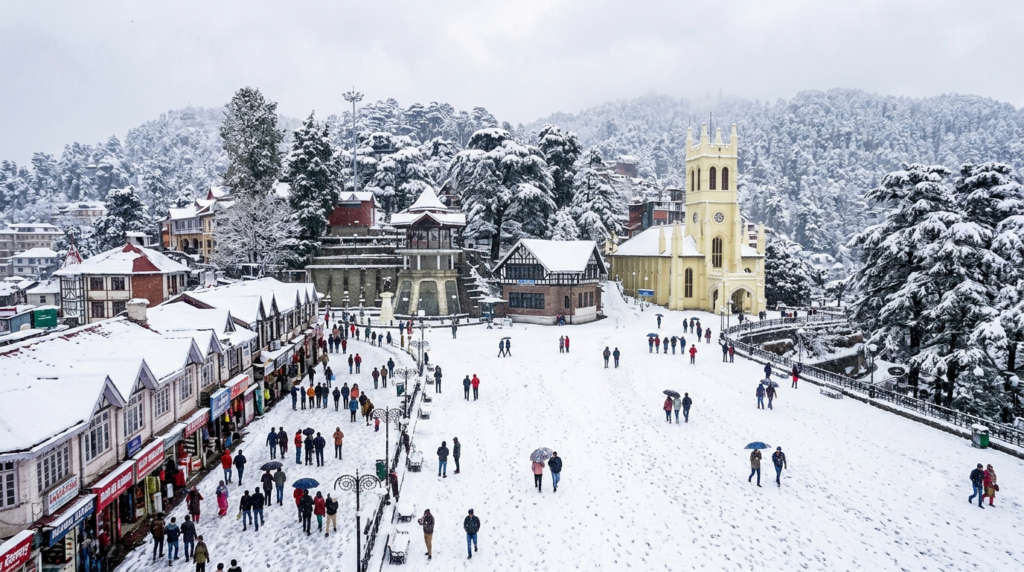
You do not always have to leave town. Mall Road and the open Ridge get their own snow in the season’s better spells, and there is nothing quite like walking the strip with the ranges white around you and a coffee in hand. Snow here is lighter than at Kufri and melts faster, so catch it in the evening or morning after a fresh fall. Jakhoo Hill above the town is another easy add for a snowy viewpoint.
Location: The Mall, central Shimla. Top activities: shopping, dining, heritage walks. Distance from Shimla: town centre.
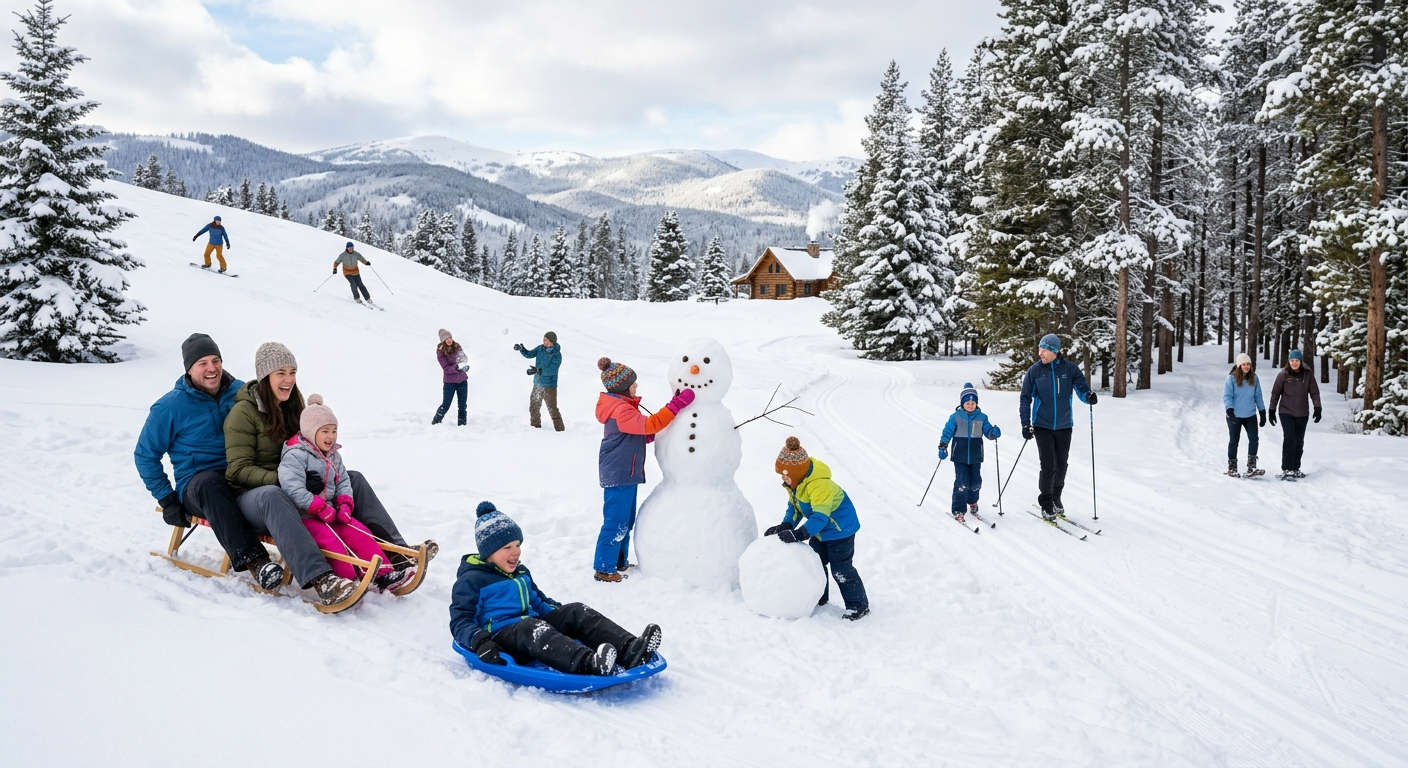
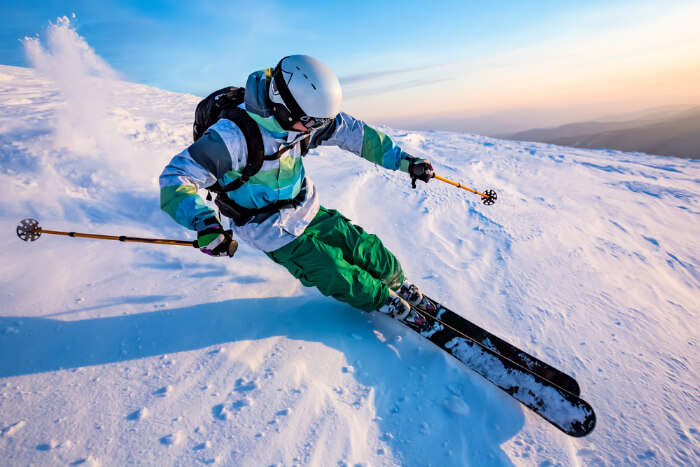
The snow is the reason to come, so make the most of it. Kufri and Narkanda are the hubs for anything on skis, while the town has its own winter set-pieces.
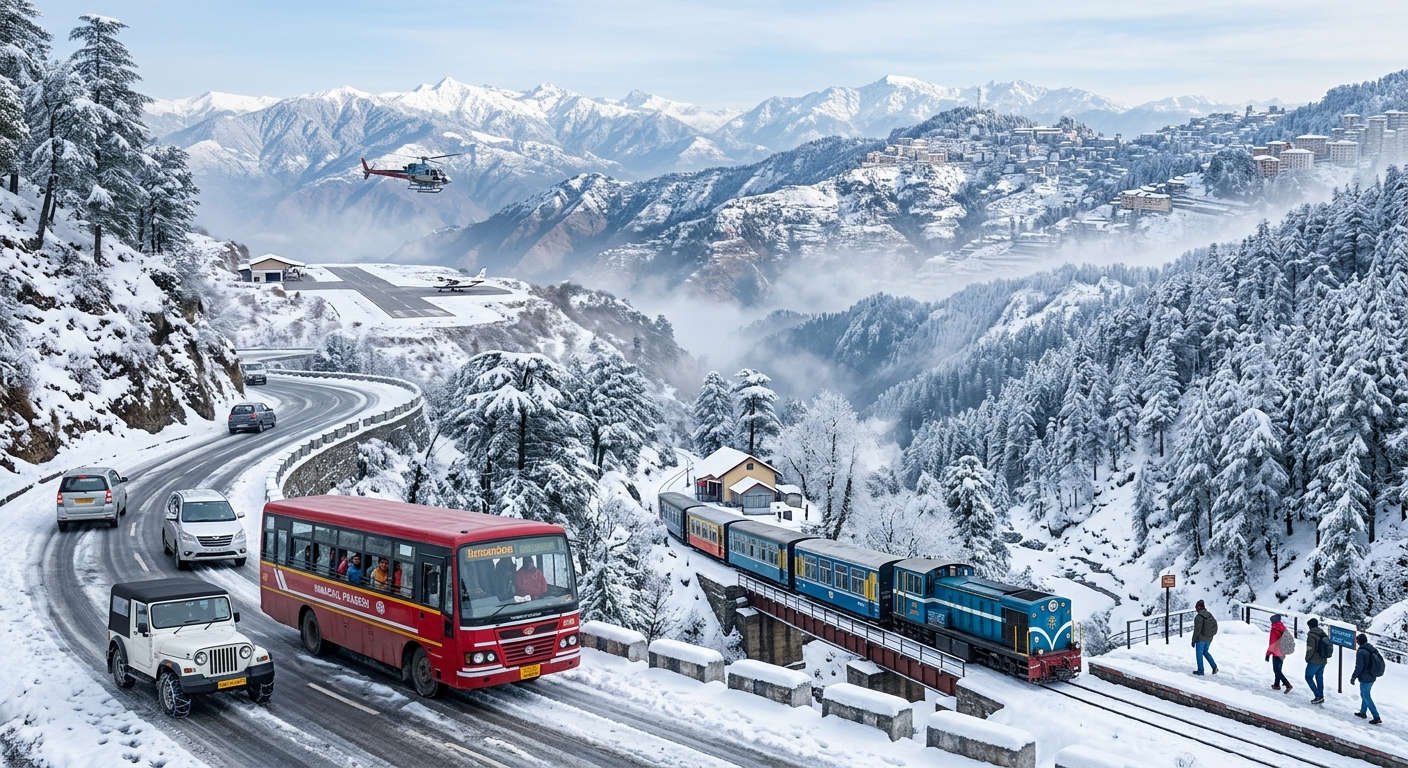
Getting to Shimla in the snow season is straightforward, but weather can slow the last stretch, so build in a buffer. Here are the three ways in, plus the toy train that is a winter experience in itself.
By air
Shimla’s own airport at Jubbarhatti is about 22 km from town but has very limited, weather-dependent flights. The dependable option is Chandigarh airport (IXC), roughly 113 km away, from where it is a 3.5 to 4 hour drive up NH5. In heavy snow spells the mountain leg can take longer, so avoid tight same-day connections.
By rail
The nearest broad-gauge railhead is Kalka, about 90 km by road. From Kalka you can either drive up or take the Kalka-Shimla toy train, a UNESCO World Heritage narrow-gauge line that climbs roughly 96 km through more than 100 tunnels to Shimla in about 5 to 6 hours. In winter, arriving by the toy train through snow-dusted pine is one of the best ways to reach the hills.
By road
Shimla is about 113 km from Chandigarh and 343 km from Delhi. From Delhi the drive runs 7 to 8 hours via NH44 to Chandigarh and then NH5 up to Shimla. Regular Volvo and HRTC buses run the route. If you are driving yourself in the snow window, carry the right tyres and check road status, because sudden falls can make the ghat sections slippery.
A snow trip is only as good as your preparation. A few practical notes from the road:
शिमला में बर्फबारी आमतौर पर दिसंबर के आखिरी हफ्ते से शुरू होती है और जनवरी के मध्य तक अपने चरम पर पहुँचती है। सबसे ज़्यादा और सबसे पहले बर्फ कुफरी (16 किमी) और नरकंडा (65 किमी) में पड़ती है, क्योंकि ये दोनों जगहें 2,700 मीटर से ऊपर हैं। शिमला शहर में पहली अच्छी बर्फबारी आमतौर पर क्रिसमस और नए साल के आसपास होती है, जबकि जनवरी में बर्फबारी सबसे पक्की और भारी रहती है।
अगर आप पक्की बर्फ देखना चाहते हैं तो जनवरी के दूसरे या तीसरे हफ्ते में यात्रा की योजना बनाएँ। यात्रा से 5 से 7 दिन पहले मौसम विभाग (IMD) की शिमला वेबसाइट mausam.imd.gov.in पर पूर्वानुमान ज़रूर देखें, क्योंकि बर्फबारी पश्चिमी विक्षोभ पर निर्भर करती है और तारीख पहले से तय नहीं होती। थर्मल कपड़े, वाटरप्रूफ जूते और दस्ताने साथ ले जाना न भूलें।
Snowfall in Shimla is one of North India’s most dependable winter experiences, as long as you time it for the late-December to January window and keep a day free for the high points at Kufri and Narkanda. Get the timing right and the town, the toy train and the slopes all deliver. When you are ready to turn this into a real trip, browse Shimla tour packages or the wider Himachal tour packages, both fully customisable around the snow season, and read our Himachal travel guide for the rest of the planning.
You may also like: Shimla in Winter | Best Places to Visit in Shimla in December | Snowfall in Manali
Shimla town most reliably sees snow between the last week of December and mid-February, with January the peak month. The high points at Kufri and Narkanda, both above 2,700 m, whiten earlier, often from mid-December. Light early-season snow is possible but not dependable, so plan around the January window for the surest cover.
Yes, Shimla receives snow almost every winter, though the quantity and exact timing vary. In a strong season there are several good spells from late December through February. In a weak or delayed year the first real snow can slip into January. The high points near town, such as Kufri, Fagu and Narkanda, are far more dependable than the town itself.
January is the coldest month, with daytime highs around 8 to 10 degC and nighttime lows that regularly drop below freezing, to about minus 1 to 2 degC in town and lower up at Kufri. It is also the peak snow month, which is why it is the most popular time for a snow trip despite the cold.
The most reliable spots are Kufri (16 km) and Narkanda (65 km), both of which get early, deep snow and open slopes for skiing and snow play. Mashobra (13 km) and offbeat Rohru (110 km) offer snow with far fewer crowds, and Mall Road, The Ridge and Jakhoo Hill get their own cover in the season's better spells.
Main roads usually stay open, but mountain and ghat sections turn slippery after a fresh fall and can close briefly during heavy spells. If you are driving yourself, carry suitable tyres, check road status before setting out and avoid night driving in the snow. Many travellers prefer a local driver or a package cab for the winter roads.
Yes, with sensible care. Keep everyone warm and dry, stick to the gentler, well-used paths rather than steep icy slopes, and plan outdoor time around the warmer midday hours. Kufri's toboggan runs and the town's flat stretches are family-friendly. Carry any regular medication, as mountain weather can change quickly.
The India Meteorological Department's Shimla centre gives the most reliable read, roughly 5 to 7 days ahead, at mausam.imd.gov.in. Local news and hotel operators are useful for on-the-ground confirmation once you are close to your dates. Because Shimla snow depends on western disturbances, a week-out check is far more useful than any long-range guess.
Prioritise waterproof snow boots with grip, thermals, a windproof outer jacket, gloves, a woollen cap and warm socks. Add sunglasses for the glare off fresh snow, a power bank, lip balm and moisturiser for the dry cold, and any regular medication. Ordinary sneakers and cotton layers are not enough for sub-zero nights.
Both are excellent, with a difference in feel. Manali sits higher and generally gets colder and heavier snow, with Solang and Rohtang as the big draws. Shimla is easier to reach, more walkable and pairs a snowy hill town with the toy train and Mall Road. For a first snow trip with easy access, Shimla is the simpler pick, while Manali rewards those chasing the deepest snow.
Beginner skiing and snowboarding at Kufri and Narkanda, tobogganing and sledging for families, ice skating at Shimla's open-air rink, snow trekking around Mashobra and Narkanda, and horse riding at Kufri up to Mahasu Peak. Most snow sports run once the cover is good, usually from late December through January.
Real reviews from real travelers who booked with us.
View All Reviews