8D / 7N
6% OFF


The Most Ethical Way to See Elephants in Sri Lanka
The most ethical way to see elephants in Sri Lanka is to watch them live their own lives: wild in a national park such as Udawalawe or Minneriya, or recovering at a genuine rehabilitation centre like the Udawalawe Elephant Transit Home, where you observe from a platform and never touch, bathe or ride them. Sri Lanka is home to roughly 6,000 wild Asian elephants, the single subspecies Elephas maximus maximus (the Sri Lankan elephant, the largest of the Asian elephants). It is the easiest country in the world to see them. But the word ‘sanctuary’ gets stretched here, so this guide separates the three that genuinely put the animal first, the wild parks where you see elephants free, and the famous attraction, Pinnawala, that deserves an honest look before you decide.
Key takeaways
- Choose observe-only. A real sanctuary lets you watch; it never offers rides, bathing or chained photo ops.
- The Udawalawe Elephant Transit Home is the standout: orphaned calves are rehabbed and released back to the wild, and you watch from a viewing platform.
- Udawalawe National Park is the most reliable place to see wild elephants, with 600 to 700 of them, open 6am to 6pm all year.
- Time it for the Minneriya Gathering (July to September) to see hundreds of elephants at one reservoir, one of Asia’s great wildlife spectacles.
- Skip rides everywhere. Riding, bathing-on-demand and performances rely on breaking an elephant’s spirit, and no welfare-led operator offers them.
Sri Lanka
Sri Lanka
Three real sanctuaries, five wild parks, and an honest look at Pinnawala
Best Time
December - April
Select Package Type
Best Selling Packages


Your Ethical Elephant Guide, Section by Section
What makes an experience ethical, the three genuine sanctuaries, the best national parks for wild elephants, an honest take on Pinnawala, a side-by-side ethical checklist and parks table, how to plan the trip, and the FAQs.
Explore Popular Destination In Sri Lanka
01
Udawalawe Elephant Transit Home
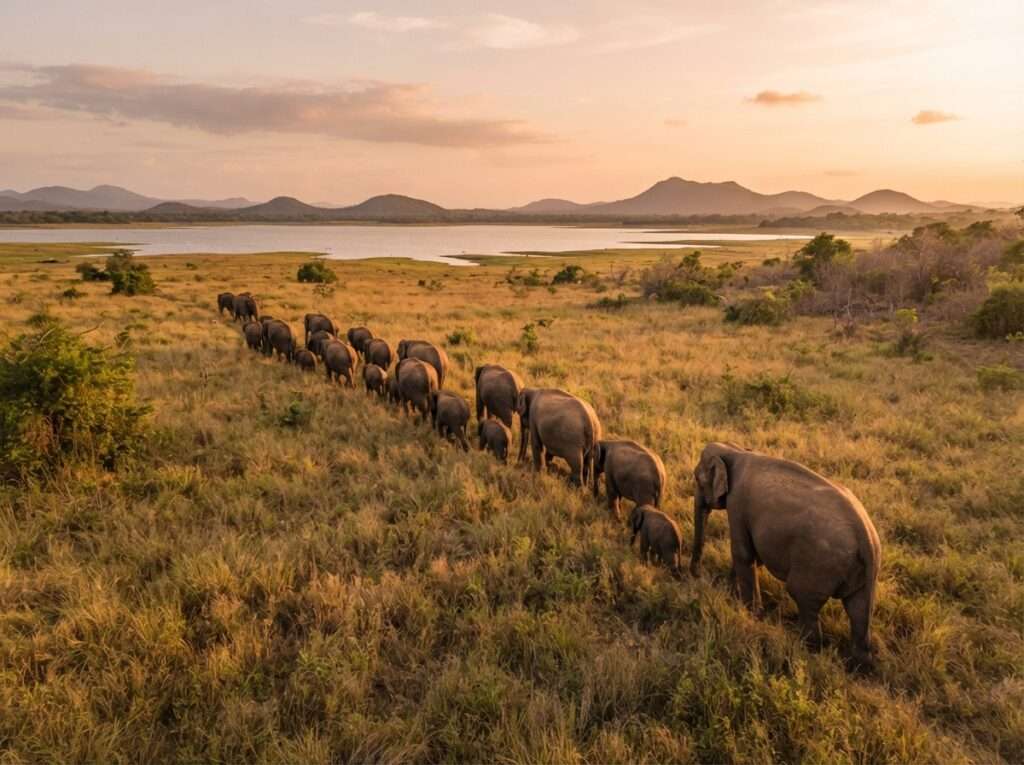
If you only have time for one true sanctuary, make it this one. The Transit Home sits on the edge of Udawalawe National Park and is run by Sri Lanka’s Department of Wildlife Conservation. Its job is narrow and brilliant: take in orphaned and injured calves, raise them with as little human bonding as possible, then release them back into the wild once they can fend for themselves. Hundreds of elephants have gone back to the forest through this programme.
You don’t meet the calves. You watch them from a raised viewing platform during the scheduled milk-feeds, which run a few times through the day, and that distance is the whole point. There is no touching, no bathing and no riding, because the aim is to keep these animals wild. It is the clearest example in the country of a place that chose the elephant over the photo op.
Related Tour Packages


❮
❯
02
Millennium Elephant Foundation, near Kegalle
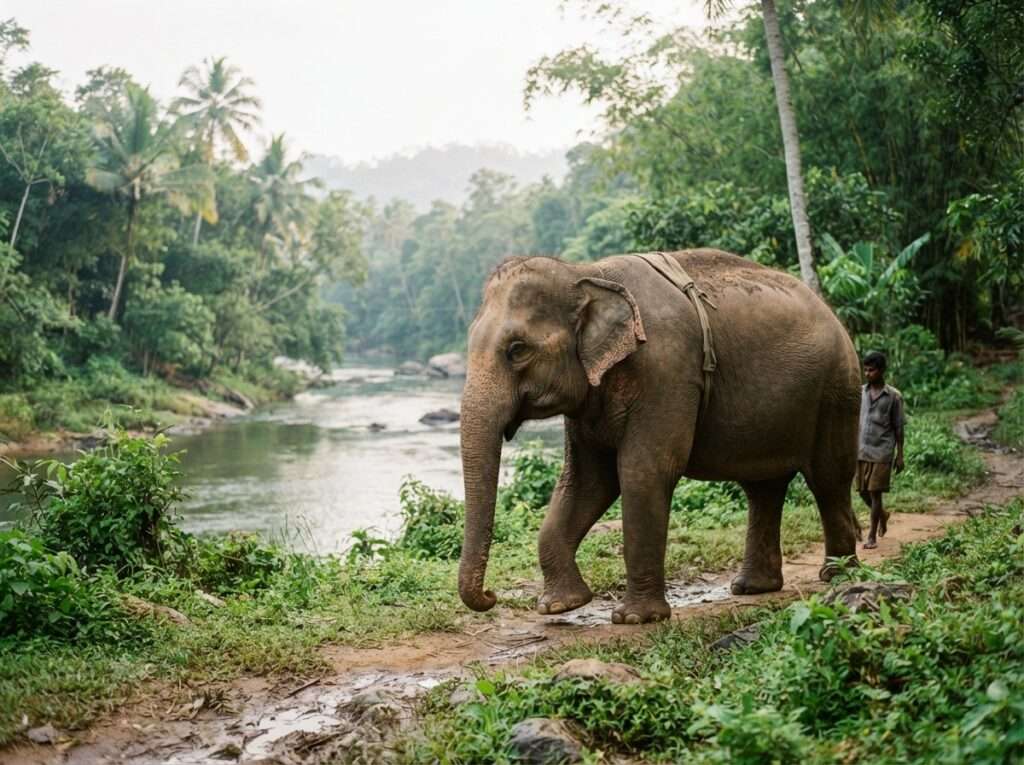
The Millennium Elephant Foundation is a long-running non-profit near Kegalle that cares for elderly, rescued and retired captive elephants, several of them former working or temple animals. It is the kind of place that has visibly moved with the ethics of the industry: it ended elephant-back riding and now frames visits around walking alongside a small resident herd. Be clear-eyed about the rest, though: the programme still includes hands-on elements such as helping to wash and feed the elephants, which some welfare groups say falls short of a strict observe-only standard, so it sits a notch below the Transit Home. A chunk of what you pay goes into veterinary care and a mobile clinic that treats wild elephants hurt in the human-elephant conflict.
It isn’t a wild release centre, and it doesn’t pretend to be. It is honest about being a care home for elephants that can no longer survive alone, which is exactly why it belongs on this list and the ride camps don’t.
Related Tour Packages


❮
❯
03
Elephant Freedom Project, near Rambukkana
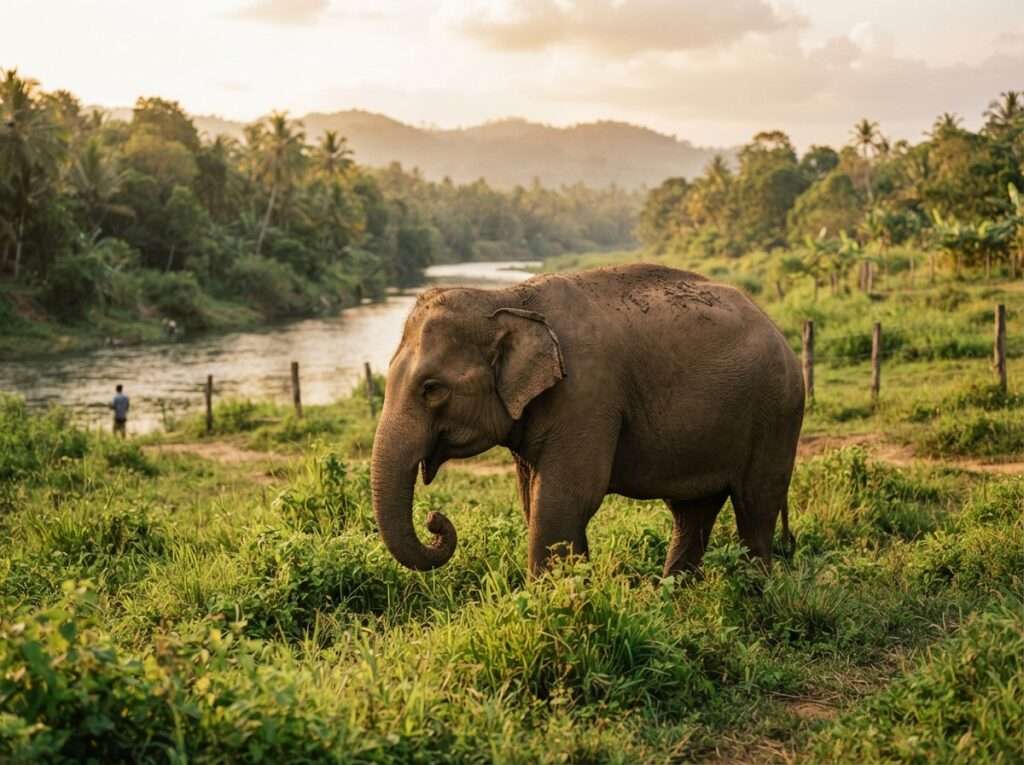
The Elephant Freedom Project is a small, family-run rescue near Rambukkana built on a strict no-riding policy and working towards chain-free keeping. Be honest about where it is on that journey: like most Sri Lankan rescues it still tethers its elephants overnight while it raises funds for a secure night enclosure, and a mahout carries a stick for safety on walks. It rents elephants out of the riding and logging trade and lets them live without a saddle or a performance schedule. Visits are hands-light and purpose-built around the animal: you help prepare their food and walk with them to the river, then step back and let them bathe themselves while a mahout stays close for safety.
On Tripadvisor, reviewers repeatedly call projects like this ‘the only truly ethical’ way to be near a captive elephant in Sri Lanka. Treat that as traveller sentiment rather than an official ranking, but the direction of travel is clear: small, transparent, rescue-first operations are where responsible visitors now spend their money.
Related Tour Packages


❮
❯
04
Udawalawe National Park
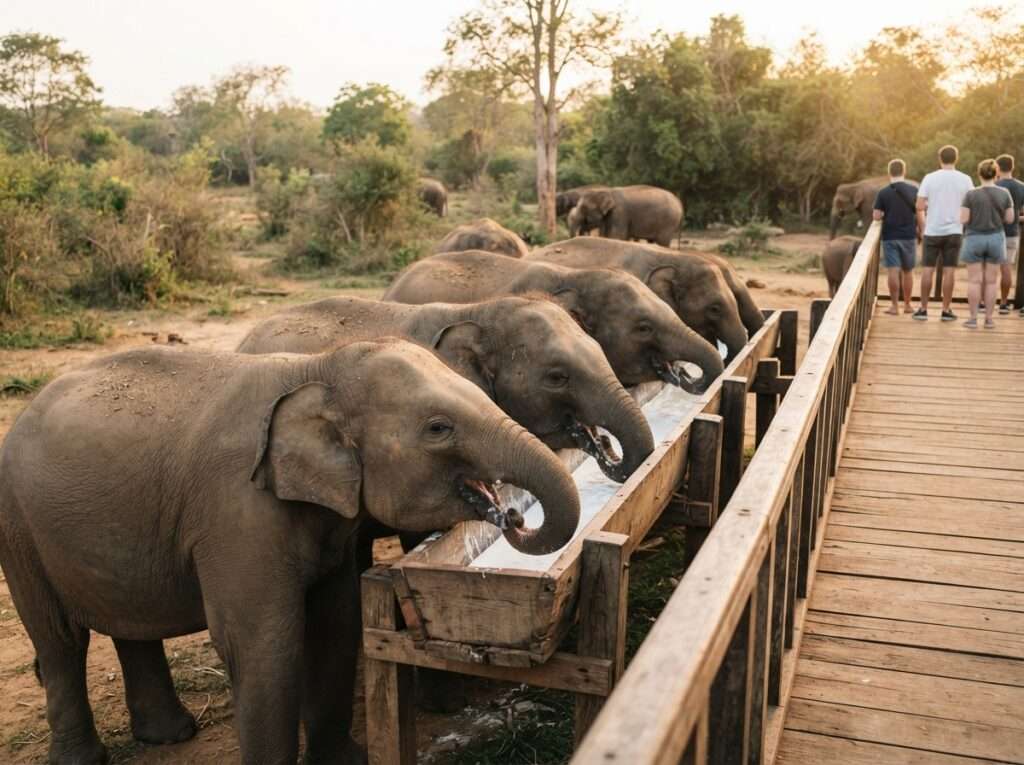
Seeing an elephant wild and unbothered is, honestly, the most ethical experience of all, no enclosure, no chain, no human schedule. These are the parks that deliver it, and TravelTriangle’s wider guide to national parks for a Sri Lanka safari goes deeper on each one.
Established in 1972 and covering around 30,821 hectares of grassland and scrub around a reservoir, Udawalawe is the most dependable elephant-viewing in the country. Between 600 and 700 elephants live here, and because the terrain is open you see them almost every drive, often whole families with calves at the water’s edge. The park is open 6am to 6pm and it rewards a visit at any time of year, which makes it the easy choice if you only have one safari in you.
05
Minneriya National Park and The Gathering
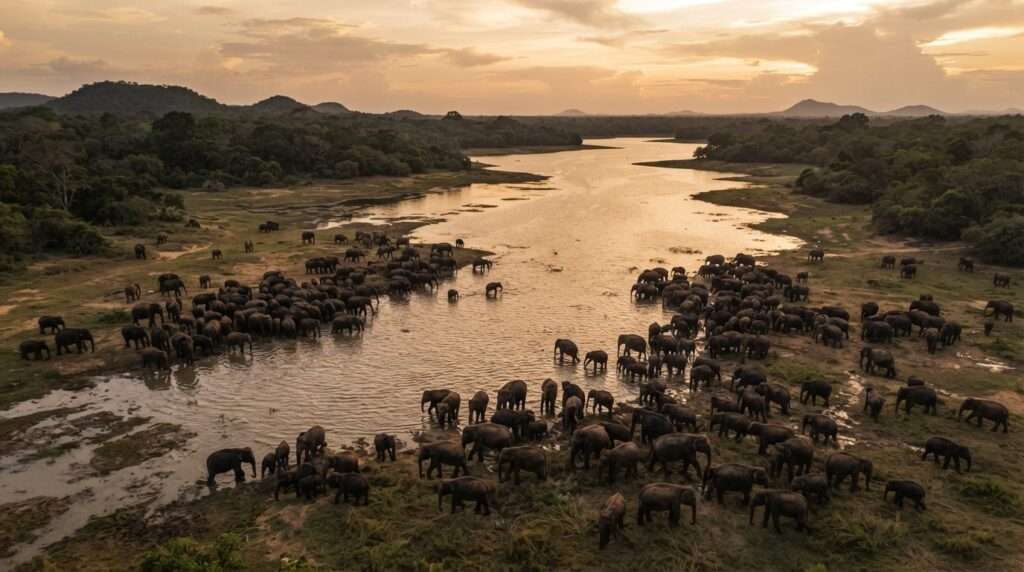
Minneriya is home to the event every wildlife traveller should try to catch. From roughly July to September, as the surrounding waterholes dry up, hundreds of elephants converge on the grasslands around the Minneriya Tank reservoir to feed and socialise. This is ‘The Gathering,’ one of the largest seasonal congregations of Asian elephants anywhere, and you watch it from a jeep at a respectful distance. In recent years, though, unseasonal water releases have at times flooded the Minneriya grassland and scattered the herds, so check current conditions with your guide; when the tank is high, the elephants often shift to Kaudulla or Hurulu Eco Park instead.
06
Kaudulla National Park
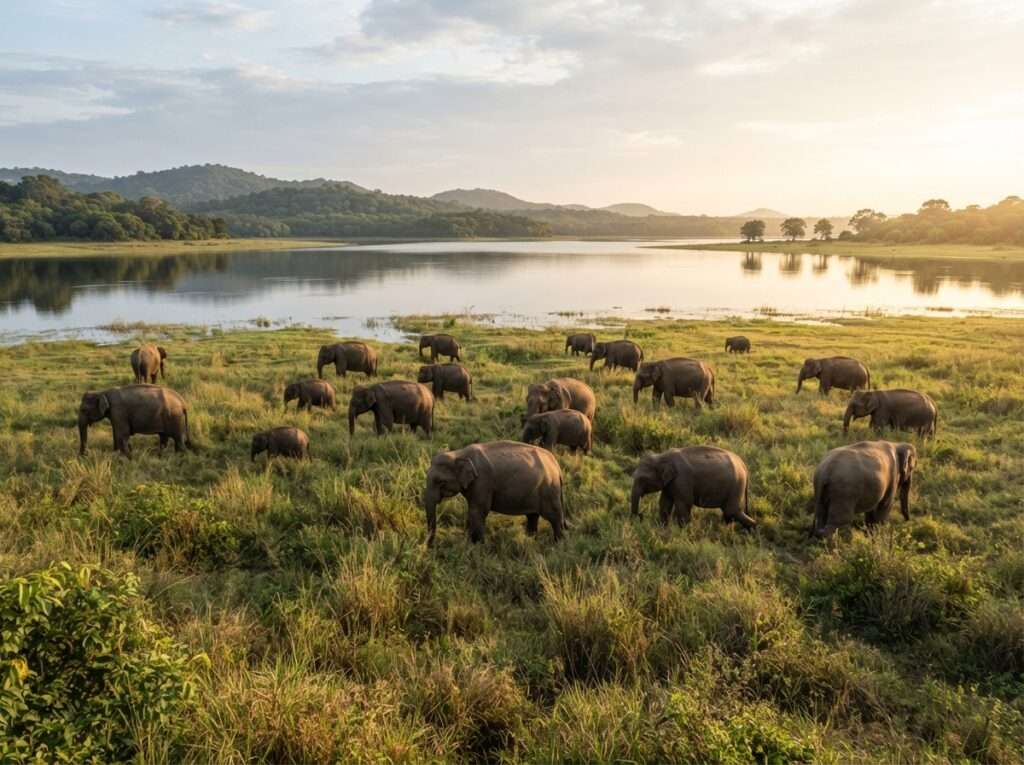
Kaudulla sits a short drive north of Minneriya and shares the same elephant herds, which rotate between the two reservoirs depending on where the water and grass are best. As Minneriya dries out later in the season, roughly August into December, the elephants often shift to Kaudulla, so a good guide will read the conditions and take you to whichever park the herd has chosen that week. Pairing the two gives you the best odds of catching The Gathering at full strength. And when unusually high water floods both reservoirs, the herds often move on to nearby Hurulu Eco Park, a dry-zone biosphere reserve that guides keep as a third fallback.
07
Yala National Park
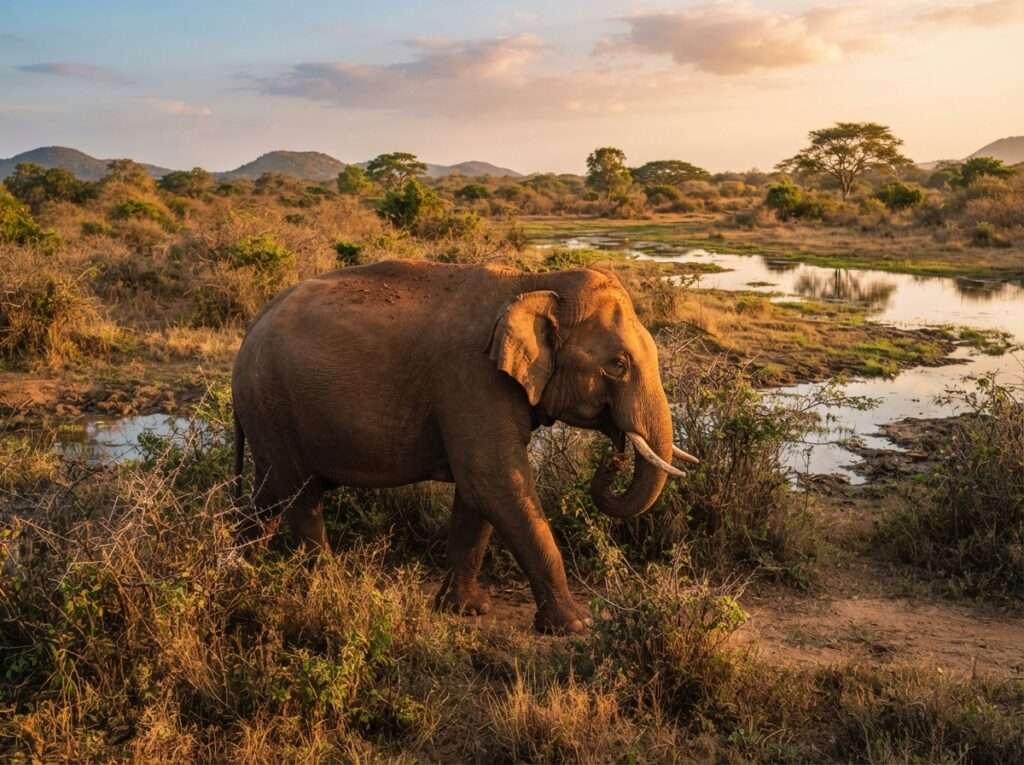
Yala, on the southeast coast, is famous for its leopards, but it also holds roughly 300 to 350 elephants alongside sloth bears, crocodiles and a huge bird list. The dry season, broadly February to July, is the best window, as shrinking water sources pull animals into the open and the odds of a sighting climb. It gets busy, so an early-morning drive beats the midday crowds.
08
Gal Oya National Park
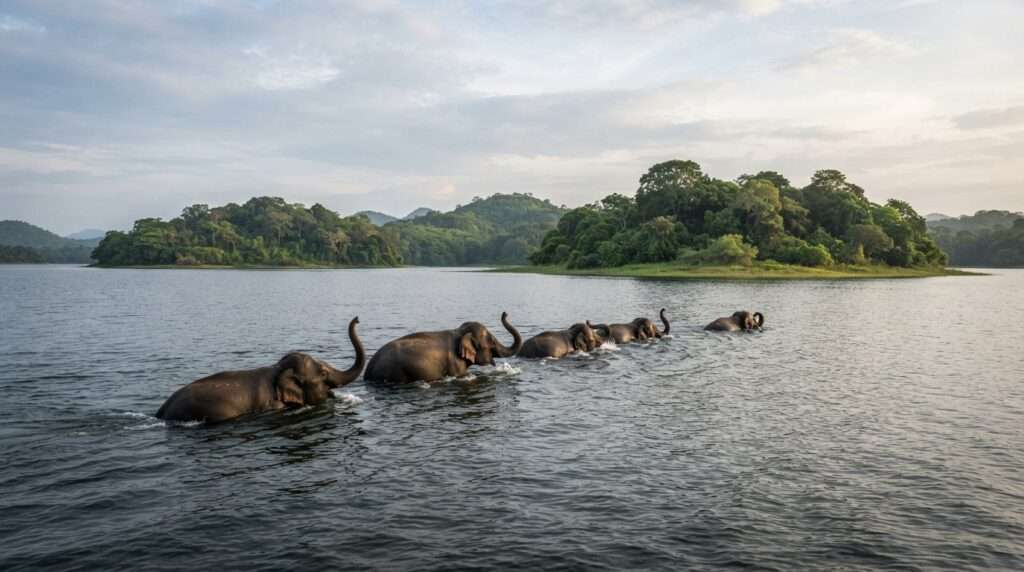
Gal Oya, in the island’s southeast, is the one park where you can watch elephants swim between islands, seen from a boat safari on the Senanayake Samudraya reservoir rather than a jeep. It is quieter and wilder than the headline parks, which is part of the appeal, and the drier months give you the calmest water and the best chance of that swimming-elephant moment. If you want a safari that doesn’t feel like a traffic jam, this is it.
What Makes an Elephant Experience Ethical?
Before you book anything, use a simple rule: the elephant should be the point, not the prop. A welfare-first experience is built around the animal’s needs, not the visitor’s bucket list. Here is what that looks like on the ground.
- You observe, you don’t interact. No touching, no feeding by hand, no bathing sessions, no selfies with a chained elephant.
- No riding, ever. An elephant’s spine is not built to carry a saddle and riders, and the training to make one accept it is brutal.
- No chains and no bullhooks. Free-roaming space and barriers, not a short chain and a metal hook, are the sign of a real rescue.
- Rescue, rehabilitation or release is the mission. The good places exist to return elephants to the wild, or to retire ones that can’t be released.
- Keep your distance in the wild. In the parks, stay in the vehicle, hold around 50 metres, and let the herd set the terms.
If an operator leads with ‘ride an elephant’ or ‘bathe a baby,’ close the tab. Those experiences market themselves as sanctuaries while running on the same old cruelty.
Pinnawala Elephant Orphanage: The Honest Take
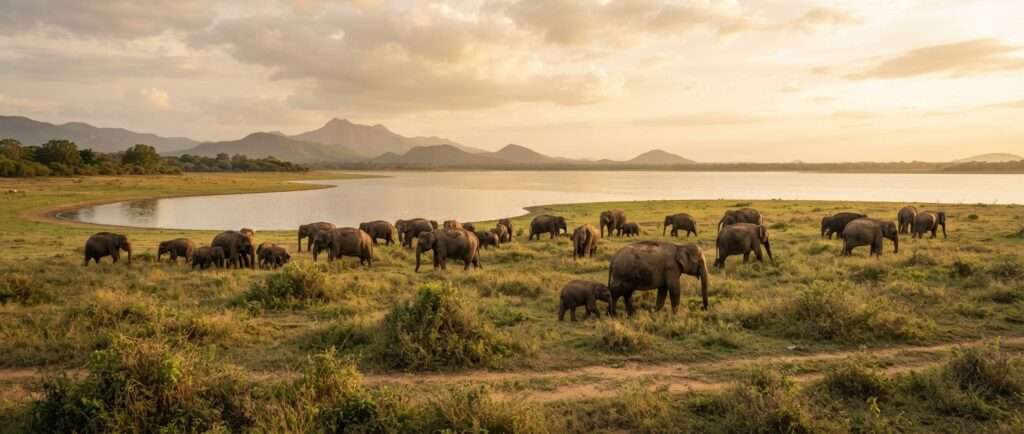
Pinnawala is the name most travellers already know. Founded in 1975 near Kegalle and home to around 71 elephants, it runs daily from 8:30am to 5:30pm, and its twice-daily walk down to the Maha Oya river to bathe is one of the most photographed scenes in Sri Lanka. For many families it is also the first elephant most children ever see up close. You can read the practical detail on TravelTriangle’s Pinnawala Elephant Orphanage page.
Here is the part the glossy listicles skip. Welfare groups and a growing number of responsible-travel operators criticise Pinnawala for keeping elephants on chains and for close-contact photo and feeding sessions, and point to the ring of private elephant-ride camps that has grown up around it, though the orphanage itself does not run rides. It is a state-run attraction and a captive-breeding operation, not a rewilding sanctuary, so judge it on those terms. If you do go, you can keep it kinder: watch the river bathing from a distance, skip any paid feeding or close-contact photo stall inside, and ignore the private elephant-ride camps that tout for business along the approach road rather than inside the state-run orphanage itself. Many thoughtful travellers now choose the Transit Home at Udawalawe instead, and that is where first-timers are best pointed.
Ethical vs. Unethical: How to Read an Elephant Experience
Use this at the ticket counter. If the column on the right describes what’s on offer, walk away.
| What to check | Ethical (choose this) | Red flag (avoid) |
|---|---|---|
| Riding | No riding of any kind | Saddled elephant-back rides |
| Contact | Observe from a distance / platform | Hands-on bathing, feeding, selfies on demand |
| Restraint | Free-roaming space, barriers | Short chains, bullhooks |
| Purpose | Rescue, rehab, release or genuine retirement | Performances, shows, breeding-for-tourism |
| In the wild | Stay in the vehicle, hold ~50m | Guides who bait or crowd the herd |
| Money trail | Funds go to veterinary and conservation work | Pay-per-touch, pay-per-ride extras |
Wild-Elephant Parks at a Glance
| Park | Elephants | Best months | The draw |
|---|---|---|---|
| Udawalawe | 600-700 | Year-round | Most reliable sightings, open grassland, families with calves |
| Minneriya | Up to several hundred | Jul-Sep | The Gathering at the reservoir |
| Kaudulla | Shares Minneriya herds | Aug-Dec | Backup for The Gathering when water shifts |
| Yala | 300-350 | Feb-Jul | Elephants plus leopards and big birdlife |
| Gal Oya | Resident herds | Dry months | Swimming elephants seen by boat safari |
How to Plan Your Ethical Elephant Trip
Most elephant highlights sit in the central and southeastern interior, so they slot neatly into a wider island loop. Pinnawala, the Millennium Elephant Foundation and the Elephant Freedom Project all cluster near Kegalle, on the main road between Colombo and Kandy, which makes them an easy half-day stop on the way up to the hills. Udawalawe and Yala pair with the south coast, while Minneriya and Kaudulla belong with the Cultural Triangle around Sigiriya and Polonnaruwa.
For Udawalawe and Yala, book the first morning safari. For the Minneriya and Kaudulla Gathering, go in the late afternoon instead, when the herds move out onto the drying reservoir grassland. Either way, choose a guide who keeps a respectful distance, and don’t push for a closer shot. For dates, aim for July to September if The Gathering is your priority, and the February-to-July dry season for Yala. If you’d rather hand the logistics to someone who can line up welfare-led operators, TravelTriangle’s Sri Lanka tour packages can build the elephant days into a full itinerary, and the Sri Lanka travel guide covers the rest of the trip. For more on the island’s wider reserves, see our things to do in Sri Lanka and Sri Lanka travel tips.
The Bottom Line
Seeing an elephant in Sri Lanka is easy. Seeing one well, in a way that leaves the animal better off, takes one decision: pick the places that let elephants be elephants. Lead with the Udawalawe Transit Home and the wild parks, support the small rescue-first projects near Kegalle, go into Pinnawala with your eyes open, and say no to every ride. Do that, and the gentle giants you came for will still be here for the next traveller too. When you’re ready to turn this into a real trip, our Sri Lanka tour packages can build these elephant days into a full island itinerary.
FAQs
FAQs About Ethical Elephant Sanctuaries in Sri Lanka
What travellers ask before planning an ethical elephant trip around Sri Lanka
The Udawalawe Elephant Transit Home is widely considered the most ethical. Run by the Department of Wildlife Conservation, it rehabilitates orphaned calves and releases them back into the wild, and visitors only watch the feeds from a platform. There is no touching, bathing or riding, which is exactly what keeps the elephants wild. Small rescue projects near Kegalle, such as the Elephant Freedom Project, follow a similar no-ride, no-chain model.
You can still find elephant rides at some camps, but you should not take one. An elephant's back is not built to carry a saddle and riders, and the training used to make a wild animal accept it involves prolonged chaining and pain. Every welfare-led operator in Sri Lanka has dropped rides. If a place offers elephant-back rides, that alone tells you it is not a genuine sanctuary.
Pinnawala is a popular state-run attraction rather than a rewilding sanctuary, and welfare groups criticise its use of chains and its close-contact feeding and photo sessions, as well as the private elephant-ride camps that operate around it, though the orphanage itself does not offer rides. It does care for orphaned and injured elephants, so it is not clear-cut. If you visit, watch the river bathing from a distance and skip any paid feeding, riding or photo add-on. Many travellers now choose the Udawalawe Transit Home instead.
The most reliable place is Udawalawe National Park, where 600 to 700 elephants live and sightings are near-certain year-round. For sheer numbers, Minneriya hosts The Gathering of hundreds of elephants from July to September. Yala and Gal Oya add elephants to a wider wildlife mix, and the Udawalawe Transit Home lets you watch rescued calves. Together these give you a genuine, ride-free way to meet elephants.
Sri Lanka has one subspecies, the Sri Lankan elephant, Elephas maximus maximus, which is the largest of the Asian elephants. Contrary to a common myth, the island does not have Indian or Sumatran elephants living in the wild; those are separate subspecies found elsewhere in Asia. Sri Lankan males are also unusual in that most of them are tuskless.
Yes. The Asian elephant is listed as Endangered on the IUCN Red List, and Sri Lanka's wild population is estimated at roughly 6,000. The biggest threat is the human-elephant conflict, as farmland expands into migration routes. Choosing observe-only experiences and parks that fund conservation is one practical way visitors can help protect them.
The Gathering peaks from roughly July to September, during the dry season, when shrinking waterholes draw hundreds of elephants to the grasslands around the Minneriya Tank. If water levels shift, the herds often move to nearby Kaudulla National Park, so book a guide who will take you to whichever reservoir the elephants have gathered at that week.
Pinnawala is around 90 km northeast of Colombo, roughly a two to two-and-a-half hour drive. The easiest options are a private taxi or a ride-hailing car; by public transport you can take a bus or train towards Kandy and change at Kegalle or Rambukkana. For step-by-step directions and current fares, see our Pinnawala how-to-reach guide.