
"A big thank you to Pearl Andaman Tours And Travels for making our Andaman & Nicobar vacation a wonderful and memorable experience. Everything was taken care of very well, from the bookings and activities to…"
Ross Island: History, Ruins & Natural Beauty in One Island
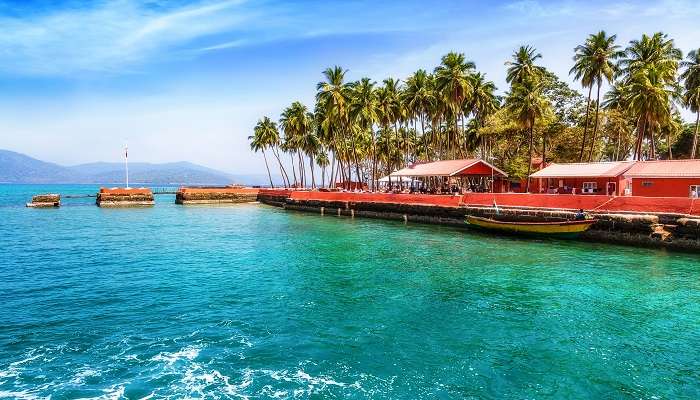
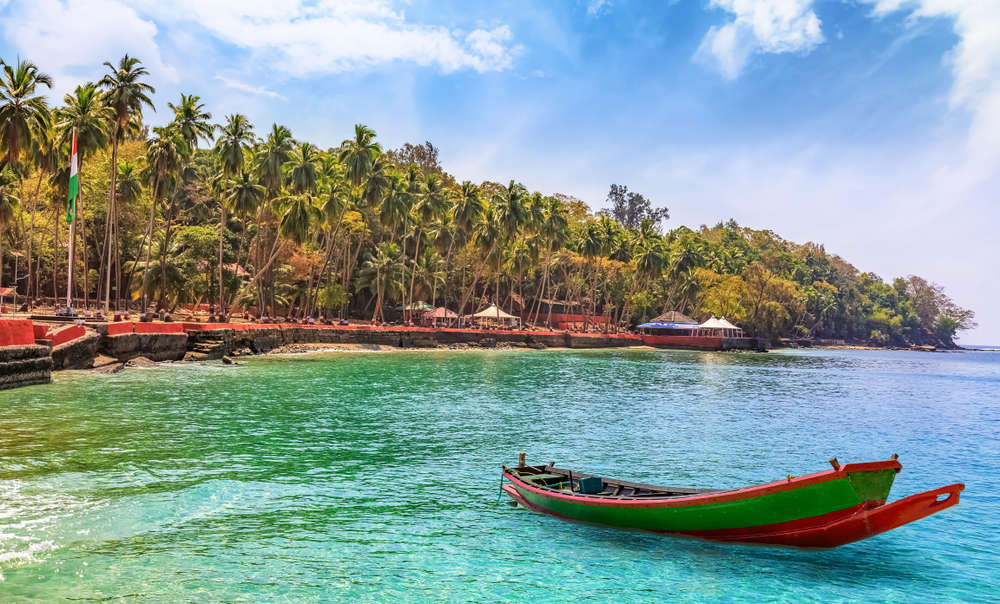
Ross Island sits about 2–3 km east of Port Blair, a 15–20 minute boat ride from the Rajiv Gandhi Water Sports Complex (Aberdeen Jetty), and a visit costs roughly ₹50 entry plus ₹300–500 for the round-trip ferry. Once the British administrative headquarters of the Andaman and Nicobar Islands — grand enough to be called the “Paris of the East” — it is today a compact open-air ruin reclaimed by banyan roots, where spotted deer and peacocks wander between a roofless church, a colonial bakery and a swimming pool slowly filling with jungle. Renamed Netaji Subhas Chandra Bose Dweep in 2018, it pairs naturally with North Bay Island on a half-day trip and hosts an evening Light & Sound Show that walks you through its history. Here is everything you need to plan the visit.
Ross Island in Andaman
Andaman
Top Andaman Honeymoon you Must Explore
Select Package Type
Best Selling Packages
Ross Island At A Glance
| Detail | What to know |
|---|---|
| Official name | Netaji Subhas Chandra Bose Dweep (renamed 30 Dec 2018; still widely called Ross Island) |
| Location | 2–3 km east of Port Blair; 11.675°N, 92.763°E, Bay of Bengal |
| Getting there | 15–20 min boat from Rajiv Gandhi Water Sports Complex (Aberdeen Jetty), Port Blair |
| Entry fee | ₹50 adults (9+ yrs), ₹25 children; camera ₹10, video ₹50 (Forest Dept counter rates) |
| Ferry (round trip) | ₹300–500, usually combined with North Bay Island |
| Time needed | 2–4 hours (half day) |
| Best time | October–March; mornings for the day visit, sunset for the Light & Sound Show |
| Closed day | Wednesday is often paused/restricted — confirm the day’s schedule before you go |
| Managed by | Indian Navy (INS Jarawa) — no accommodation, day visits only |
Why Ross Island Is Worth Half A Day
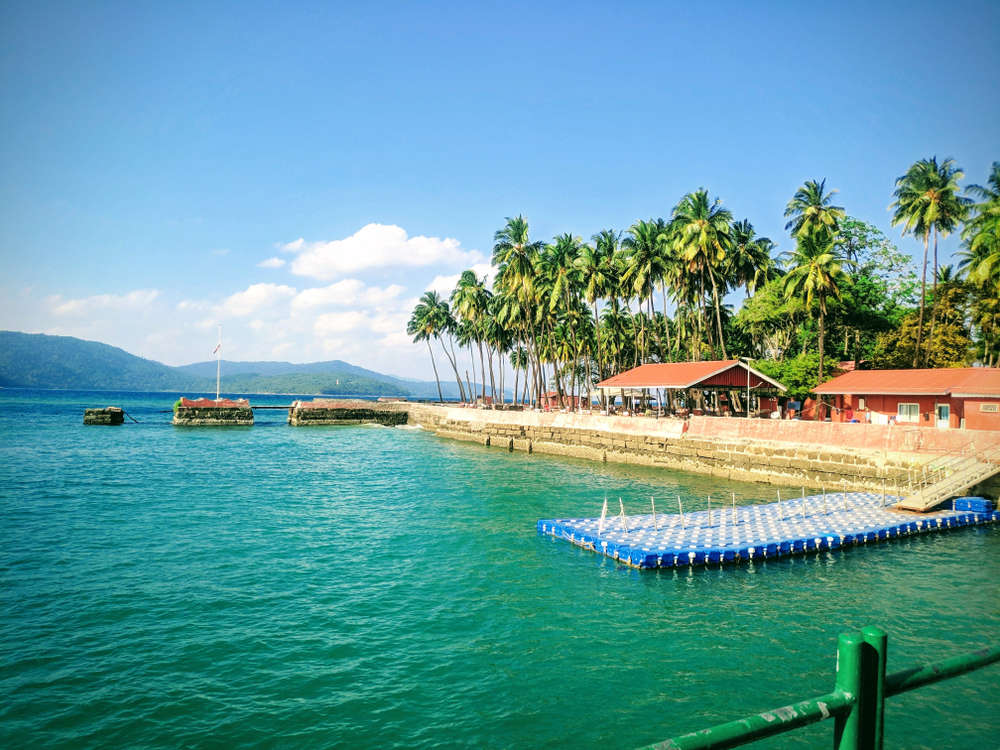
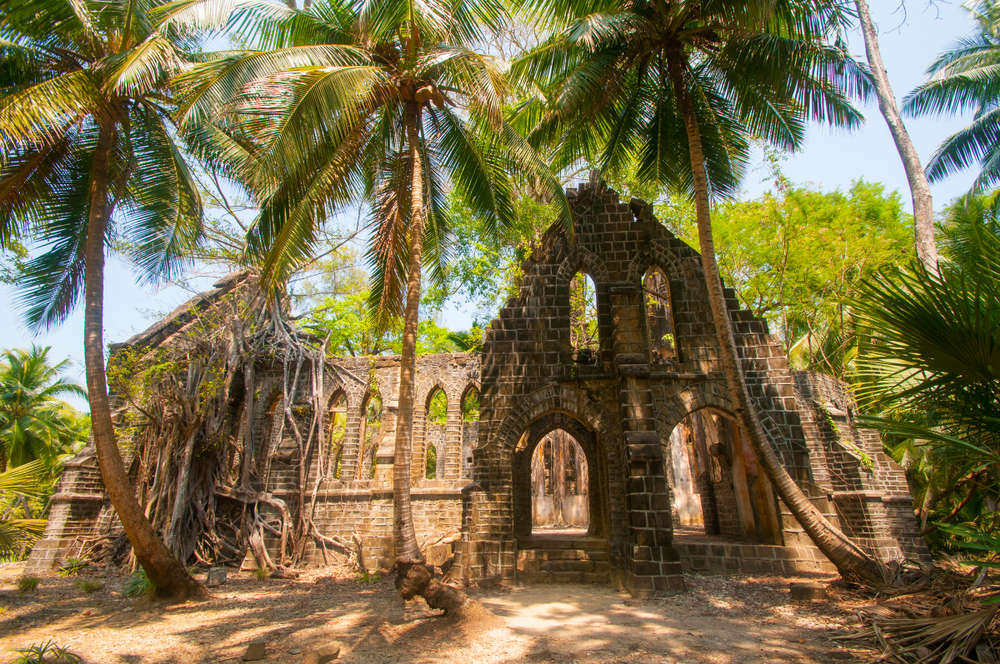
Most ruins are fenced off and labelled. Ross Island is the opposite — you walk straight through it. The headquarters of an entire island territory was abandoned in the 1940s and left to the forest, so what survives is a colonial town being slowly pulled apart by giant ficus and banyan roots: walls held together by timber-thick roots, a Presbyterian church open to the sky, the shell of the Chief Commissioner’s bungalow, a bakery, a bazaar, a printing press and a swimming pool now green with moss.
It is also unexpectedly alive. A resident herd of spotted deer and a population of peacocks move freely across the lawns and ruins, used enough to visitors to come close — which makes the island a favourite with families and photographers. Paved paths loop the small island in under an hour at a stroll, with sea views opening at Ferrar Beach on the far side. Add the small museum and the evening sound-and-light show and a flat, walkable history lesson fills a comfortable half day out of Port Blair.
The History Of Ross Island
Ross Island was named by the British after marine surveyor Daniel Ross (1780–1849), who charted these waters. Its modern story begins in 1858, when the British shifted a penal settlement to Port Blair in the aftermath of the 1857 uprising. Captain J. P. Walker landed on 6 March 1858 with 773 convicts, and Ross Island was chosen as the administrative nerve centre for the whole penal colony — the officers’ island, kept deliberately separate from the prisoners held across the harbour at the Cellular Jail.
Over the next eighty-odd years it grew into a self-contained colonial town. The hilltop carried the Government House and the Chief Commissioner’s residence; below them sat a Presbyterian church, a bazaar, a bakery, a printing press, a secretariat, a hospital, troop barracks, a tennis court, a cemetery and even a swimming pool — comforts that earned it the nickname “Paris of the East.” An earthquake in 1941 shook the settlement, and in 1942 Japanese forces occupied the island during the Second World War, turning the Government House into the admiral’s residence and building the concrete bunkers that still dot the shoreline. Netaji Subhas Chandra Bose visited the occupied island from 29 to 31 December 1943 and hoisted the Indian tricolour at the Government House.
After the war the British largely abandoned Ross Island, and by 1945–46 the administration had moved to the mainland of Port Blair. The Indian Navy now administers the island through the shore base INS Jarawa; there is no civilian settlement and no overnight stay. On 30 December 2018, Prime Minister Narendra Modi renamed it Netaji Subhas Chandra Bose Dweep in honour of the freedom fighter (per the Government of India announcement), though most ferry tickets, signboards and travellers still use the name Ross Island.
What To See On Ross Island
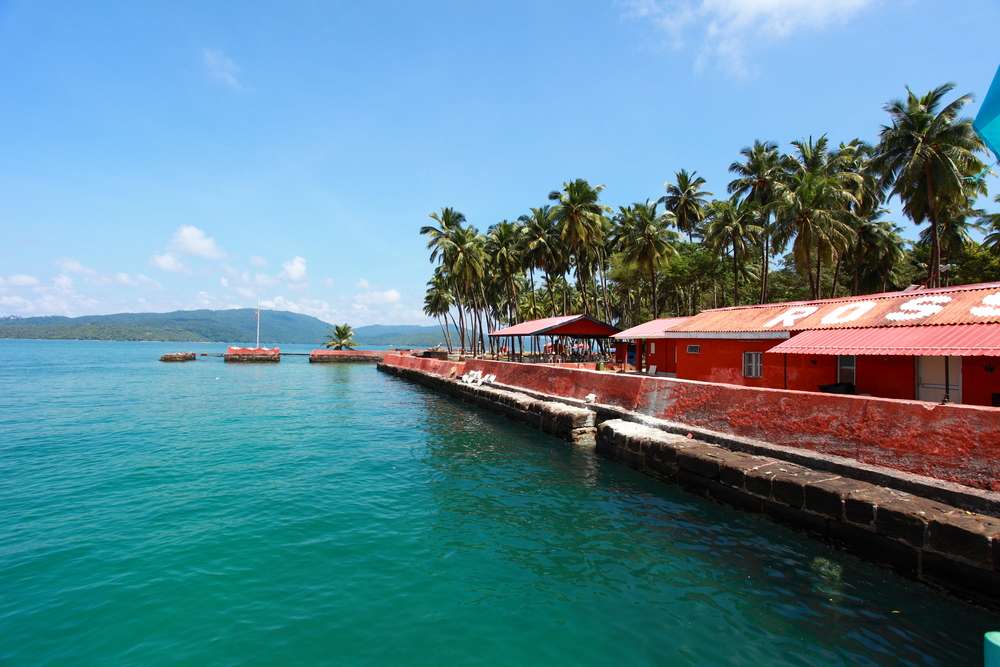
The whole island is the attraction, but five things are worth slowing down for:
| Sight | What it is | Worth knowing |
| Colonial ruins | Presbyterian church, bakery, bazaar, printing press, hospital and the Chief Commissioner’s bungalow | The roots-and-ruins church is the single most photographed spot on the island |
| Government House & swimming pool | The hilltop administrative residence and a colonial-era pool | Where Bose hoisted the flag in 1943; the pool is now overgrown |
| Smritika Museum | A small museum of antiques and photographs run by the Navy | 10–15 minutes; good for the back-story before you walk the ruins |
| Japanese bunkers | WWII concrete fortifications along the coast | Free to walk up to; low ceilings, watch your head |
| Deer, peacocks & Ferrar Beach | Resident wildlife and a quiet beach on the island’s far side | Don’t feed the deer; Ferrar Beach is for sea views, not swimming |
The Ross Island Light And Sound Show
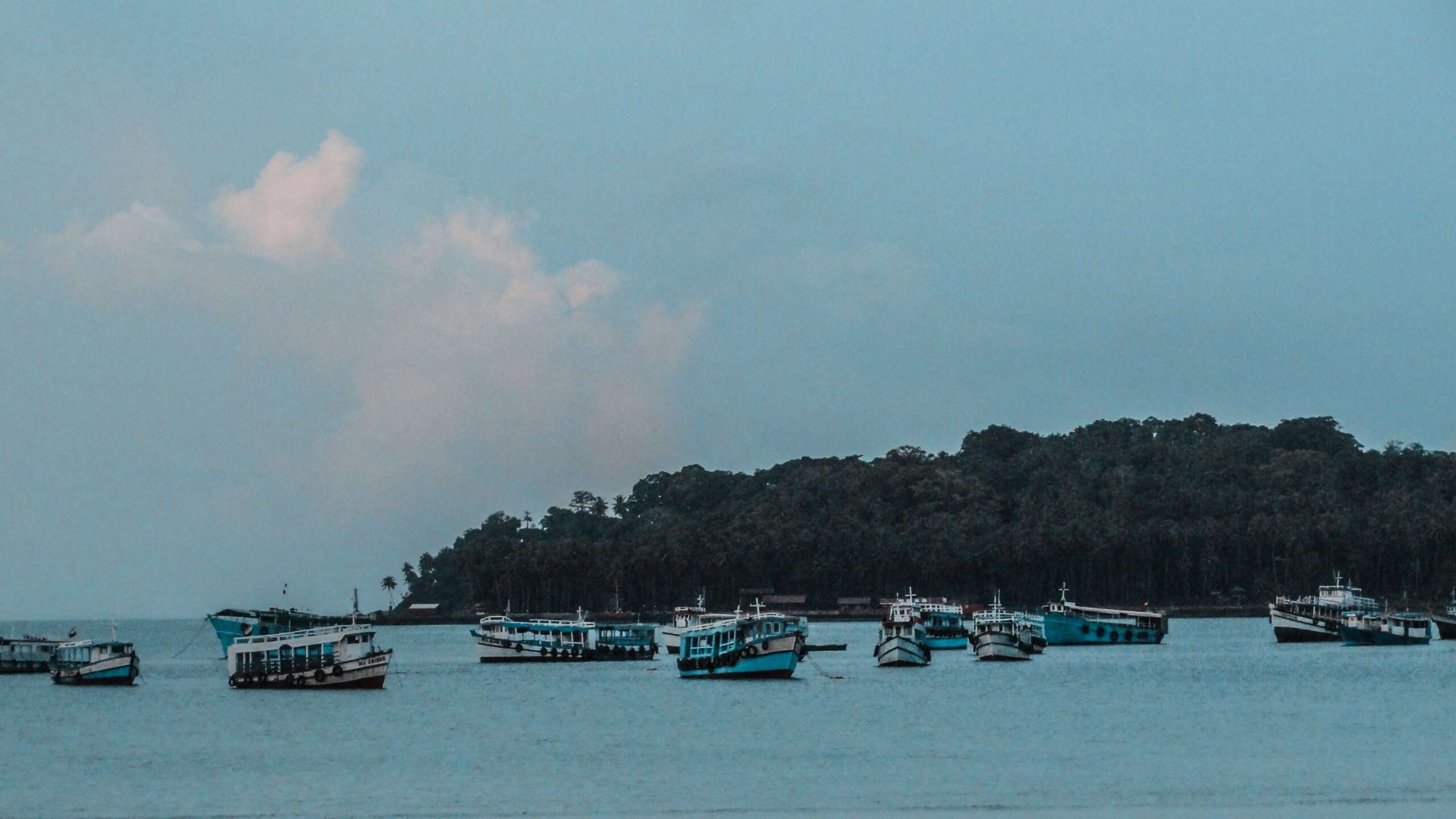
Separate from the daytime visit, Ross Island runs an evening Light & Sound Show that narrates the island’s colonial and wartime history across the lit-up ruins. It is a different ticket and a different boat from the day trip — you sail across in the late afternoon, watch the show after dusk, and return on the same boat. Plan it as an evening activity, not as an add-on to a morning Ross + North Bay tour.
| Detail | What to expect |
| Boat departs | 4:00–4:30 PM from Rajiv Gandhi Water Sports Complex (reach 45–60 min early) |
| Show starts | 5:15–5:45 PM (tied to sunset); runs about an hour |
| Return | Same boat after the show, back at the jetty by ~7:00 PM |
| Language | Hindi and English on alternating days — ask which language is scheduled when you book |
| Cost | ₹300–400 show ticket + ≈₹450–475 boat transfer per person (indicative) |
| Booking | Book about 3 days ahead with a photo ID; seats are limited and sell out in peak season |
| Closed | Held on select evenings only — confirm the current schedule before you commit a night to it |
If you only have one Ross Island slot, here is how our writers would call it. The daytime visit gives you the ruins, the museum and the wildlife at your own pace; the show is the better pick if you are travelling with first-time visitors who want the history told to them. And if your itinerary has room, do the day trip and keep the show for a separate evening.
Tickets, Fees & Costs
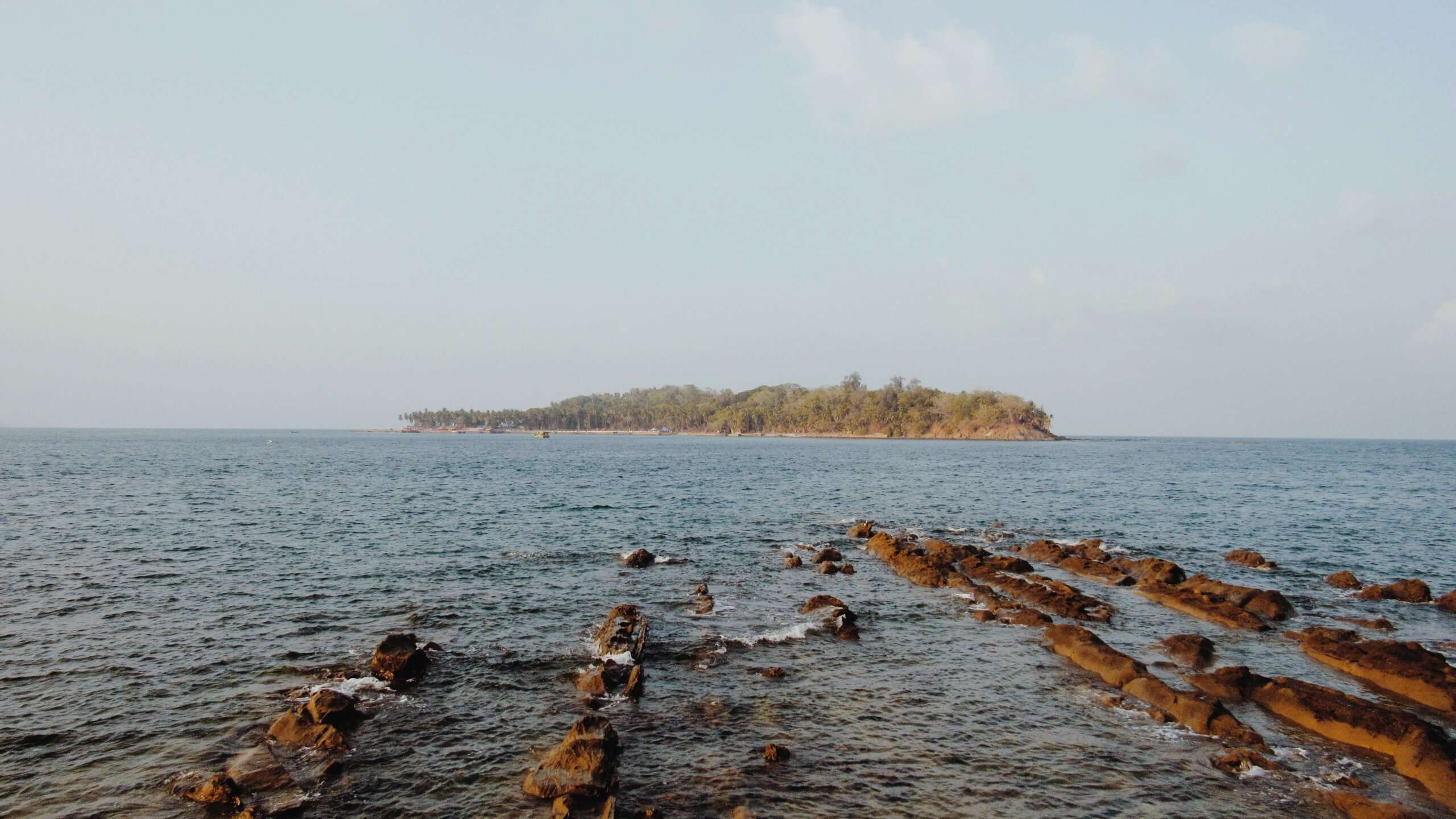
Ross Island has two cost layers. One is the Forest Department entry fee you pay on the island; the other is the ferry or boat fare you pay at the jetty. Here is the full picture for a day visit:
| Item | Approx. cost | Notes |
| Entry fee — adult (9+ yrs) | ₹50 | Paid at the island counter |
| Entry fee — child | ₹25 | Under-9s often free; confirm at the counter |
| Still camera | ₹10 | Per camera; phones usually not charged |
| Video camera | ₹50 | Per device |
| Ferry / boat — round trip | ₹300–500 | Usually a combined Ross + North Bay government boat |
| Light & Sound Show (evening) | ₹300–400 + ₹450–475 boat | Separate ticket and boat; book ~3 days ahead |
A typical daytime Ross + North Bay outing therefore works out to roughly ₹400–650 per adult all-in, before any water sports you add at North Bay. Fees are revised periodically, so treat these as planning figures and confirm the day’s rates at the Water Sports Complex counter.
How To Reach Ross Island From Port Blair
All boats to Ross Island leave from the Rajiv Gandhi Water Sports Complex (also called Aberdeen Jetty) in central Port Blair — not from the main Haddo or Phoenix Bay passenger jetties used for Havelock and Neil. Here is the step-by-step:
- Get to Port Blair first. Fly into Veer Savarkar International Airport (IXZ); the Water Sports Complex is a 10–15 minute drive from the airport or the town centre.
- Buy the Ross + North Bay boat ticket. Book at the Water Sports Complex counter (open ~9:00 AM–3:00 PM) or through a tour operator. The day’s first boat is usually around 8:30 AM and the last leaves by mid-afternoon.
- Reach the jetty at least 45–60 minutes early. Boarding involves life jackets and a short safety briefing, and morning slots fill up in peak season.
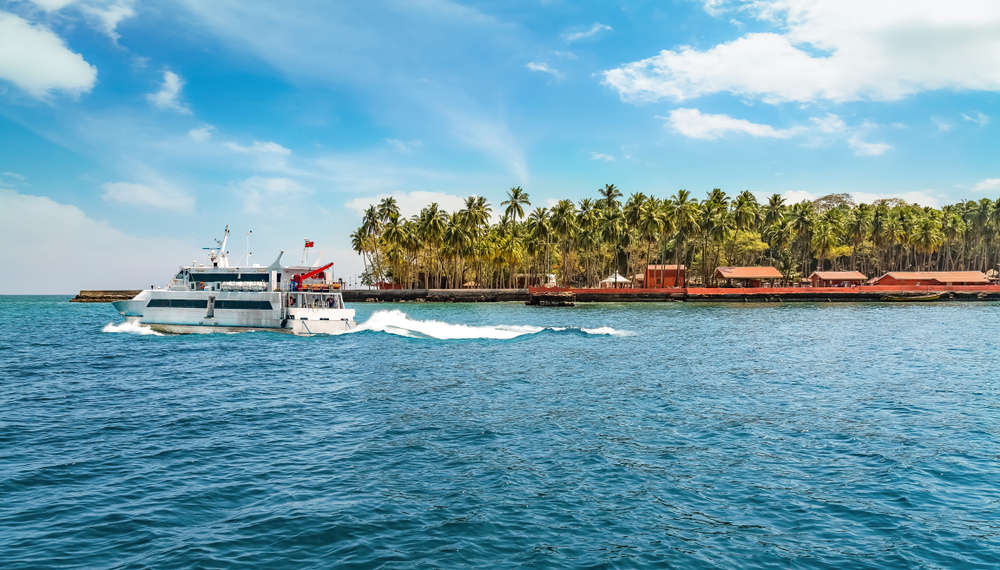
- Cross to Ross Island. The boat ride takes 15–20 minutes across the harbour. Most government boats club Ross Island with North Bay Island on the same outing.
- Pay the entry fee and walk the loop. Allow 1.5–2 hours on the island for the ruins, the Smritika Museum, the bunkers and the deer; the paved circuit is flat and easy.
- Catch your return boat. Confirm your pickup time before you wander off — boats run to a schedule and won’t wait. If you want the Light & Sound Show, that is a separate evening boat and ticket.
Day Visit vs Light And Sound Show: Which To Choose
If you have to pick one Ross Island experience, this is the trade-off our readers weigh up:
| Factor | Daytime visit | Light & Sound Show |
| When | Morning–early afternoon | Late afternoon into evening |
| What you get | Walk the ruins, museum, bunkers, deer & beach at your pace | History narrated across the lit ruins, seated |
| Pairs with | North Bay Island (same boat, snorkelling/water sports) | A standalone evening; dinner in Port Blair after |
| Cost (approx.) | ₹400–650 all-in per adult | ₹750–875 per adult (show + boat) |
| Best for | Photographers, families, history walkers | First-timers who want the story told, fewer-walk days |
| Booking | Same-day at the counter usually fine | Book 3 days ahead with photo ID |
Best Time To Visit Ross Island
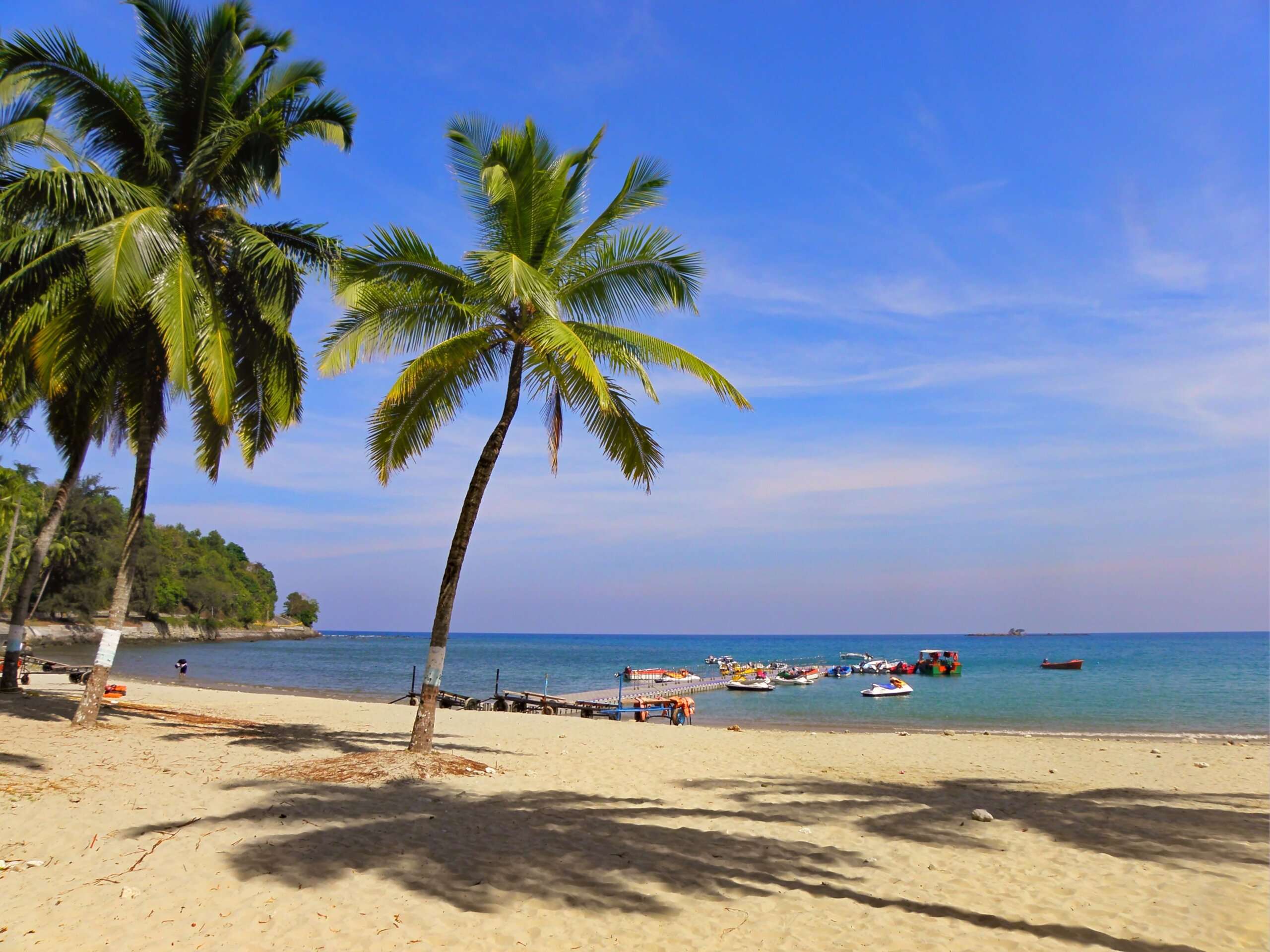
Ross Island is an outdoor, walk-everywhere site, so weather decides the experience. The dry, cooler window from October to March is the clear pick.
| Season | Months | What it’s like |
| Peak (best) | Oct–Mar | Pleasant 20–30°C, low rain, calm sea, clear boat crossings — ideal for the walk and the show |
| Shoulder | Apr–May | Hot and humid (can top 35°C); go early morning and carry water |
| Monsoon | Jun–Sep | Heavy rain and rough seas; boats can be cancelled at short notice |
Within a day, go in the morning for the cooler temperatures and the best light on the ruins, or book the evening Light & Sound Show for the sunset crossing. Avoid the middle of a clear afternoon — there is little shade once you leave the museum.
Combining Ross Island With North Bay & Port Blair
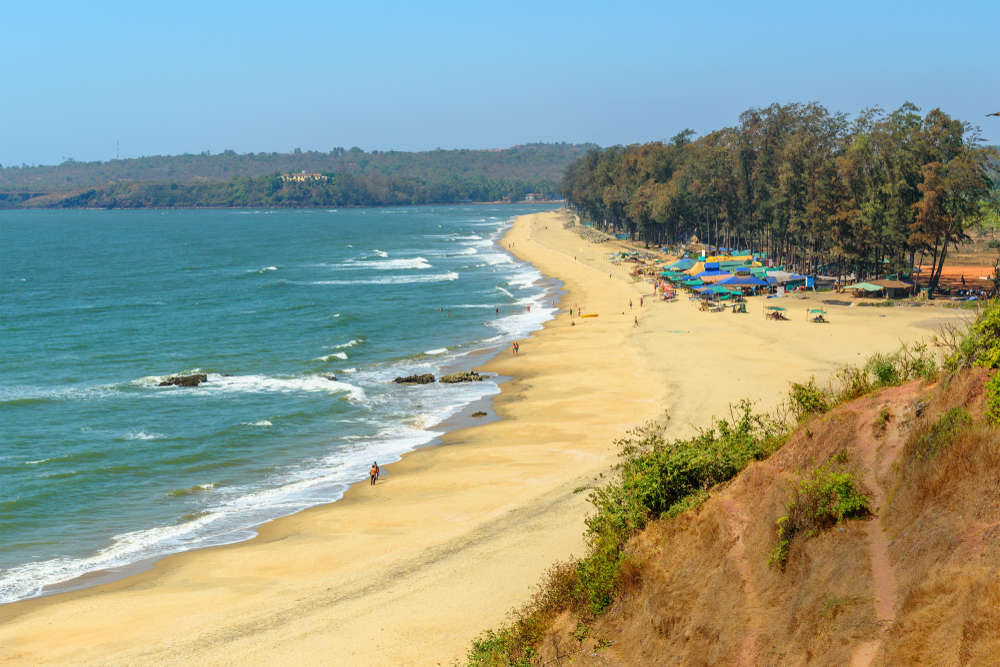
Ross Island is rarely a trip on its own. The same government boat that drops you here continues to North Bay Island, the snorkelling and water-sports stop with India’s coral-viewing glass-bottom boats and sea-walk — so the standard half-day is Ross Island for history first, North Bay for the water second. Back in Port Blair, the Cellular Jail National Memorial (the prison Ross Island’s officers once oversaw) and its own evening light-and-sound show round out the historical picture, and Corbyn’s Cove is the nearest town beach.
If you are still shaping the wider trip, our Andaman travel guide maps out the islands, the best time to go and how many days you need, and our Andaman tour packages let you fold Ross Island, North Bay and the Cellular Jail into a customisable Port Blair leg without piecing the boats together yourself.
Practical Tips For Visiting
- Carry cash. Counter fees and small purchases are cash-first; there are no reliable ATMs on the island.
- Wear comfortable shoes and a hat. You are on your feet on uneven paths with limited shade — sunscreen and a water bottle help.
- Don’t feed or chase the deer and peacocks. They are habituated but wild; keep a respectful distance, especially with children.
- Time your return boat. Boats leave on a fixed schedule and will not wait — note your pickup slot before exploring.
- No overnight stay. The Navy administers the island and there is no accommodation; base yourself in Port Blair.
- Check the day’s schedule. Wednesday is often the paused day for the Ross–North Bay boats, and the show runs on select evenings only.
Planning Your Visit
Ross Island packs a surprising amount into a half day — a whole colonial capital being reclaimed by the forest, eight decades of history from penal colony to wartime occupation to independence, and tame deer wandering the ruins of a swimming pool. Go in the morning for the walk or book the evening show for the story, pair it with North Bay, and keep your return-boat time handy.
FAQs
Frequently Asked Questions
Ross Island (officially Netaji Subhas Chandra Bose Dweep) lies about 2–3 km east of Port Blair in the Bay of Bengal, at roughly 11.675°N, 92.763°E. You reach it by a 15–20 minute boat ride from the Rajiv Gandhi Water Sports Complex (Aberdeen Jetty) in central Port Blair — it is one of the closest island excursions to the town.
It was the British administrative headquarters of the entire Andaman and Nicobar penal colony from 1858, lavish enough to be nicknamed the "Paris of the East." Today it is famous for its colonial ruins overrun by banyan roots, the resident spotted deer and peacocks, its WWII Japanese bunkers, and the evening Light & Sound Show that tells the island's story.
On 30 December 2018 it was officially renamed Netaji Subhas Chandra Bose Dweep (Island), honouring the freedom fighter who hoisted the Indian flag here in 1943. The old name, Ross Island — after British surveyor Daniel Ross — is still used on most tickets and signboards, so you will hear both.
Entry is about ₹50 for adults (9+ years) and ₹25 for children, with ₹10 for a still camera and ₹50 for a video camera, paid at the island counter. The round-trip boat fare is roughly ₹300–500, usually as a combined Ross Island + North Bay ticket. Budget around ₹400–650 per adult all-in for a daytime visit; confirm current rates at the counter.
Take a boat from the Rajiv Gandhi Water Sports Complex (Aberdeen Jetty) — not the main Havelock/Neil jetties. Buy the Ross + North Bay ticket at the counter (open ~9 AM–3 PM) or through an operator, reach the jetty 45–60 minutes early for the safety briefing, and the crossing takes 15–20 minutes. The first boat is usually around 8:30 AM.
Government boats to Ross Island and North Bay run on most days, but Wednesday is the day most commonly paused or restricted for maintenance. Because schedules change seasonally, confirm the day's running at the Water Sports Complex counter or with your operator before planning a Ross Island day around it.
Allow 2–4 hours. About 1.5–2 hours on the island itself covers the ruins, the Smritika Museum, the Japanese bunkers, Ferrar Beach and the deer at an unhurried pace, plus the boat crossings either side. If you are clubbing it with North Bay on the same outing, plan a full half day.
The show is an evening event: the boat usually leaves the Water Sports Complex around 4:00–4:30 PM, the show begins about 5:15–5:45 PM (tied to sunset) and runs roughly an hour, and you return on the same boat by about 7 PM. Expect around ₹300–400 for the show plus ₹450–475 for the boat per person, with Hindi and English on alternating days. Book about 3 days ahead with a photo ID.
No. The island is administered by the Indian Navy through the shore base INS Jarawa, there is no civilian settlement and no accommodation, and visits are daytime-only (or the ticketed evening show). Stay in Port Blair, which has hotels across every budget and is a 15–20 minute boat ride away.
The Andaman Ross Island is Indian government land administered by the Indian Navy via INS Jarawa, with the Andaman Forest Department managing visitor entry. (Note: there is also an unrelated Ross Island on the Willamette River in Portland, USA — they are entirely different places, which is a common online mix-up.)
Yes — especially paired with North Bay Island on a half-day from Port Blair. The combination of walkable colonial ruins, WWII history, free-roaming deer and peacocks, and an easy flat circuit makes it one of the most rewarding short excursions in the Andamans, and the evening Light & Sound Show adds the full back-story for first-time visitors.
Comfortable walking shoes, a hat, sunscreen and a water bottle for the uneven, low-shade paths; cash for the counter fees and small buys; and a camera (₹10 fee). There are no reliable ATMs and limited food on the island, so eat in Port Blair and carry a snack. Keep a respectful distance from the deer and peacocks.