
 8D / 7N
6% OFF


Sri Lanka's sweet side, from milk rice to wattalapam
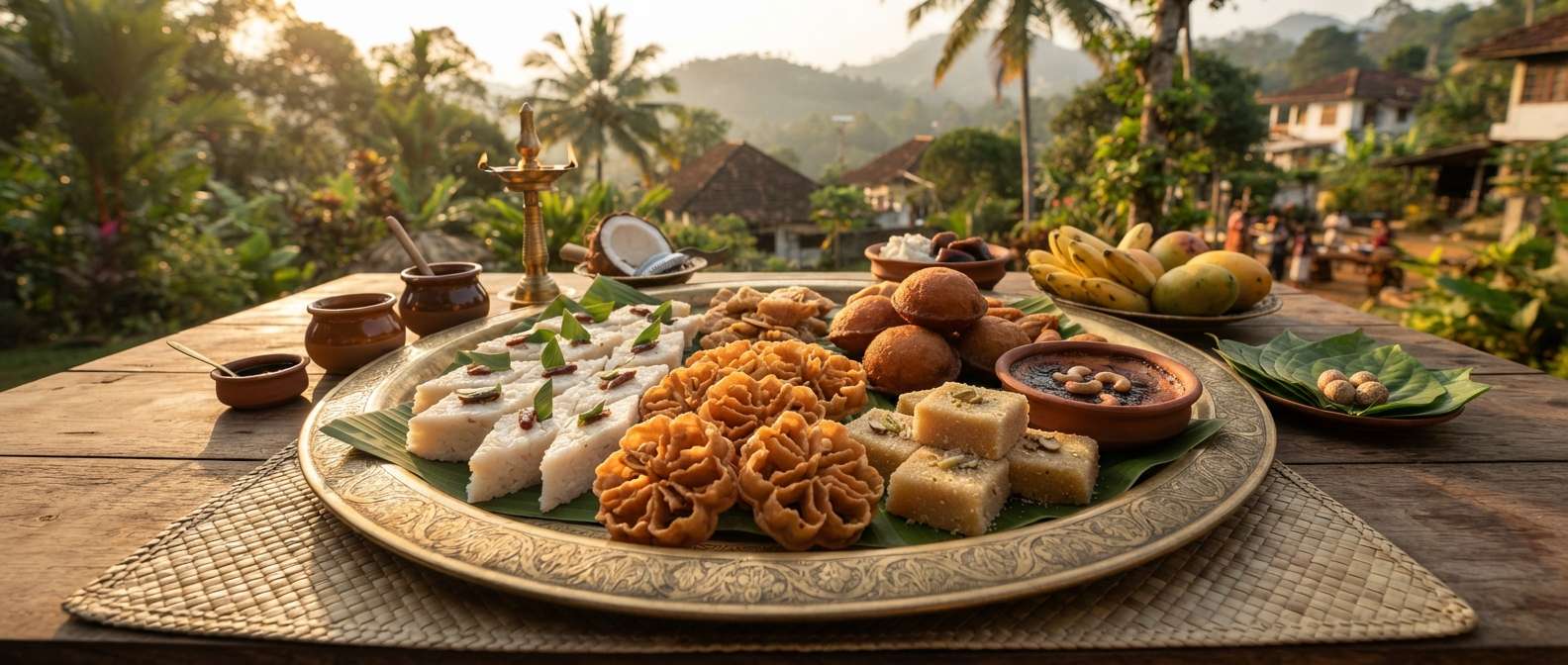
Sri Lanka runs on sugar in a way its fiery rice-and-curry reputation never prepares you for. The island’s sweets lean on two homegrown sweeteners that give them a flavour you will not find anywhere else: kithul treacle, the dark syrup tapped from the flower of the kithul (fishtail) palm, and jaggery, the unrefined palm or coconut sugar set into blocks. Layer in coconut milk, rice flour, cashews and spices like cardamom and clove, and you get everything from a wobbly steamed pudding to a crisp, lace-thin fritter. Most of these appear at the Sinhala and Tamil New Year in April, when kitchens across the country fry, steam and roll sweets for days.
Key takeaways
- Start with the simplest sweet, milk rice (kiribath), is the one Sri Lankans eat first at New Year and on every auspicious day.
- Learn a handful of names and you will recognise half the New Year table: kokis, kevum, konda kavum, aluwa and athirasa, nearly all built on a rice-flour base.
- Two desserts you order in restaurants rather than make at home: wattalapam (a Malay-origin Ramadan pudding) and the southern favourite, curd with kithul treacle.
- Best time to taste the full range: buy them fresh in April around Avurudu, or year-round at sweet counters in Colombo, Kandy and Galle.
Sri Lankan sweets & desserts at a glance
Seventeen of the most famous Sri Lankan sweets, what each one is made of, and the occasion it belongs to.
| Sweet | Type | Key ingredients | When it is eaten |
|---|---|---|---|
| Kiribath | Milk rice | Rice, thick coconut milk, salt | First meal of New Year, auspicious days |
| Kokis | Fried crisp | Rice flour, coconut milk, egg | Sinhala & Tamil New Year |
| Kevum | Oil cake | Rice flour, kithul treacle | New Year, temple festivals |
| Konda Kavum | Topknot oil cake | Rice flour, treacle | New Year, ceremonies |
| Aluwa | Diamond-cut sweet | Rice flour, treacle/jaggery, cashew | New Year, weddings |
| Athirasa | Fried jaggery cake | Rice flour, jaggery | Avurudu, special occasions |
| Aasmi | Lace-like fritter | Rice flour, coconut milk, syrup | Festivals, weddings |
| Wattalapam | Steamed pudding | Coconut milk, jaggery, egg, cardamom | Ramadan, celebrations |
| Milk Toffee (Kiri Aluwa) | Fudge/toffee | Condensed milk, sugar, cashew | Anytime, festive gifting |
| Kalu Dodol | Dark set sweet | Rice flour, jaggery, coconut milk | Festive, southern specialty |
| Thala Guli | Sesame balls | Sesame seeds, jaggery, cardamom | Snack, hill country |
| Peni Walalu | Honey rings | Urad flour, treacle syrup | Festive, sweet stalls |
| Bibikkan | Dense coconut cake | Coconut, semolina, jaggery, spices | Christmas, festive |
| Lavariya | Sweet string hoppers | String hoppers, coconut, jaggery | Breakfast, tea-time |
| Helapa | Leaf-wrapped steamed sweet | Kurakkan flour, treacle, coconut | Snack, tea-time |
| Aggala | Rice-flour balls | Rice flour, coconut, treacle, pepper | Evening tea snack |
| Curd & Kithul Treacle | Dairy dessert | Buffalo curd, kithul palm syrup | After-dinner dessert |
Sri Lanka
Sri Lanka
Try Srilankan Sweets
Best Time
December - March
Select Package Type
Best Selling Packages


The 17 famous Sri Lankan sweets & desserts
Each of the 17 sweets with what it is made of and when it is eaten, then the New Year sweets, how to tell kavum from kokis, a milk-toffee recipe, and where to buy them.
Explore Popular Destination In Sri Lanka
01
Kiribath (milk rice)
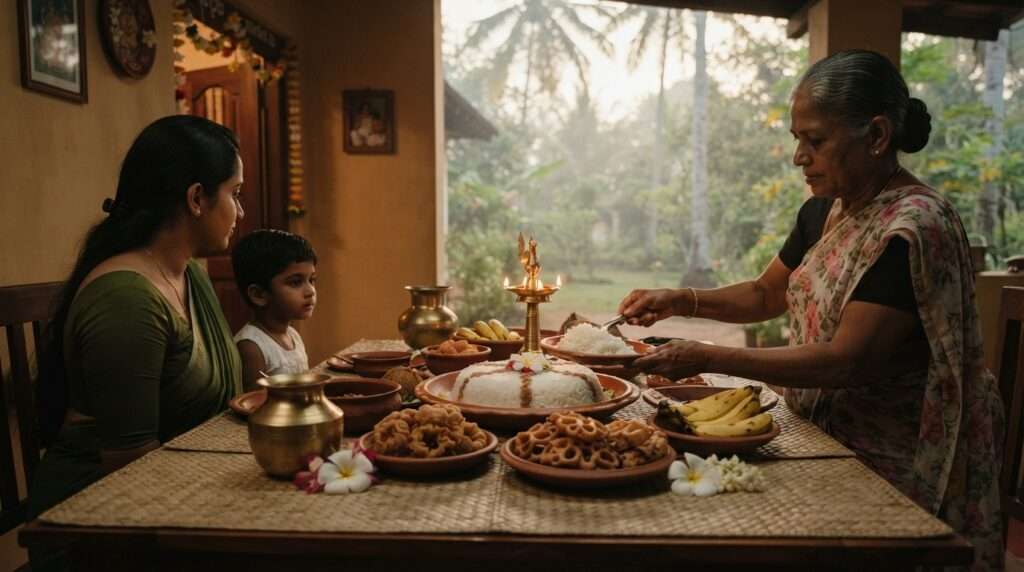
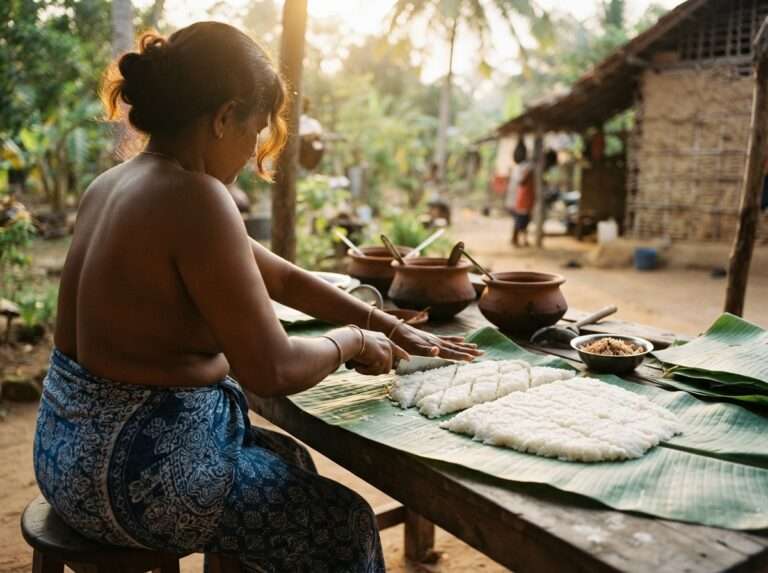
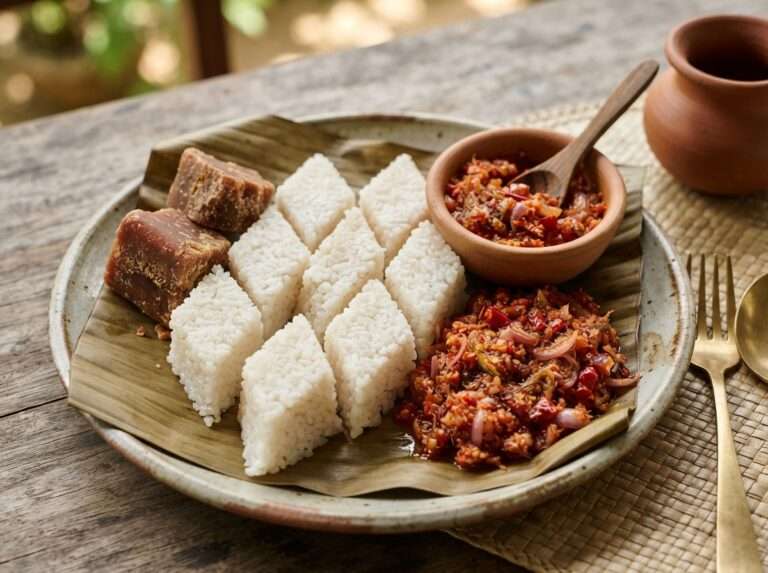

If a Sri Lankan can only show you one thing from their kitchen, it is this. Kiribath is rice cooked down with thick coconut milk and a little salt, then pressed flat and cut into diamonds. It is the first food eaten at the Sinhala and Tamil New Year and on the first morning of each month, and it turns up at weddings, birthdays and housewarmings as a sign of a good start. Barely sweet on its own, it is served with jaggery, ripe banana or a fierce chilli sambol called lunu miris.
Related Tour Packages


❮
❯
02
Kokis
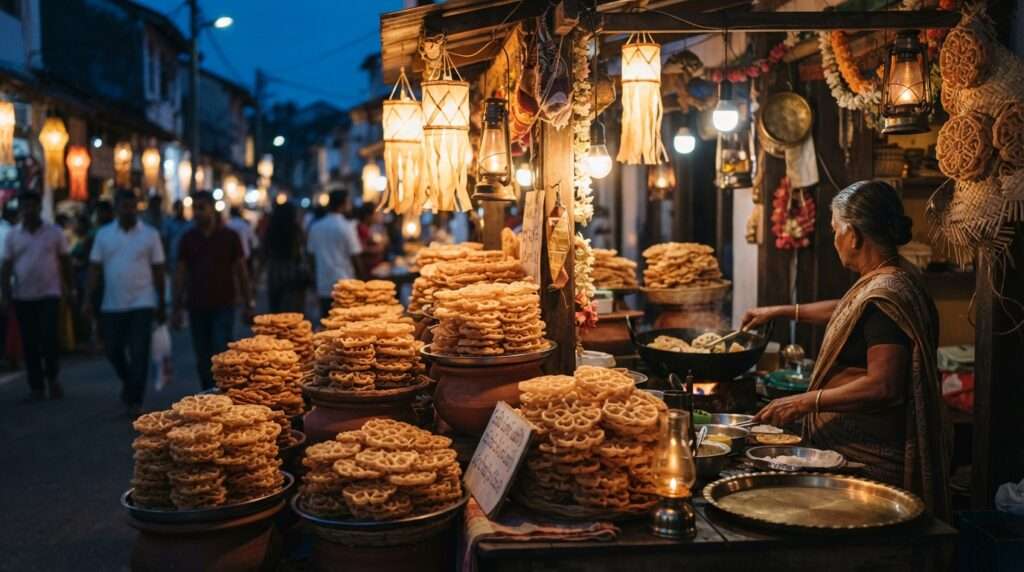
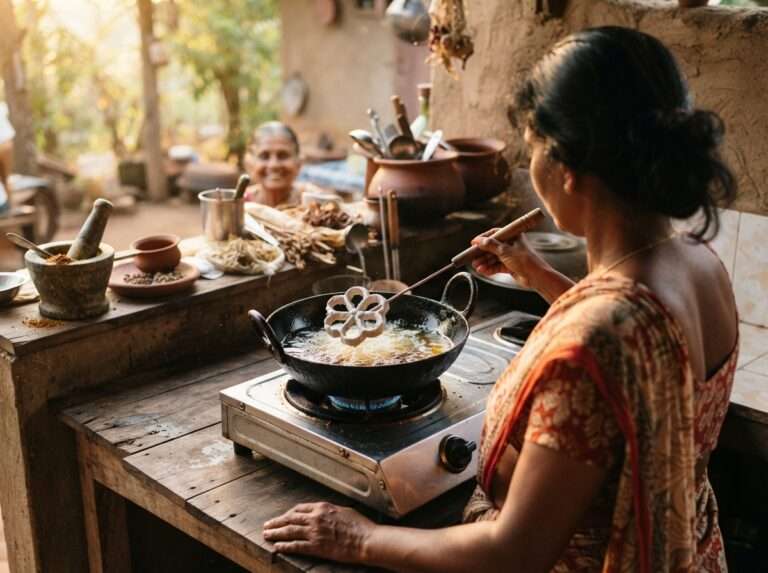
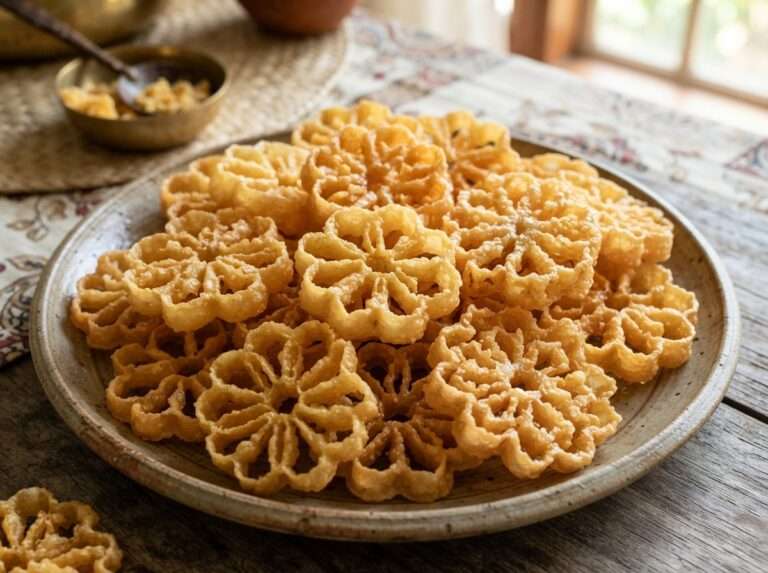

Crisp, golden and shaped like a flower or a snowflake, kokis is the showpiece of the New Year table. A thin batter of rice flour, coconut milk and egg is clung to a hot metal mould, dipped into oil, and shaken free the moment it sets. The name is a Dutch inheritance, and getting the batter to drop cleanly off the mould is the test every home cook quietly competes over.
Related Tour Packages


❮
❯
03
Kevum (oil cake)
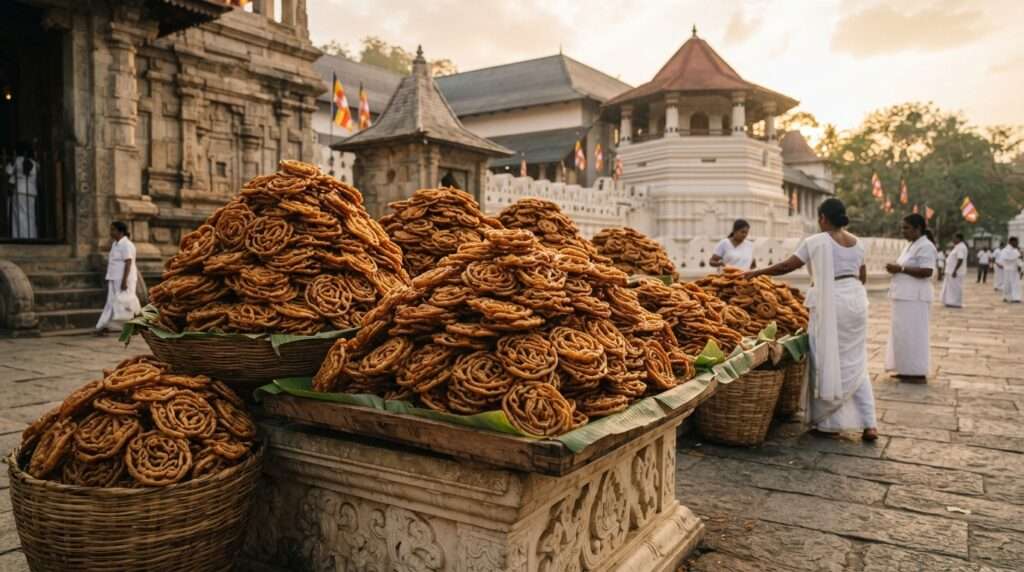

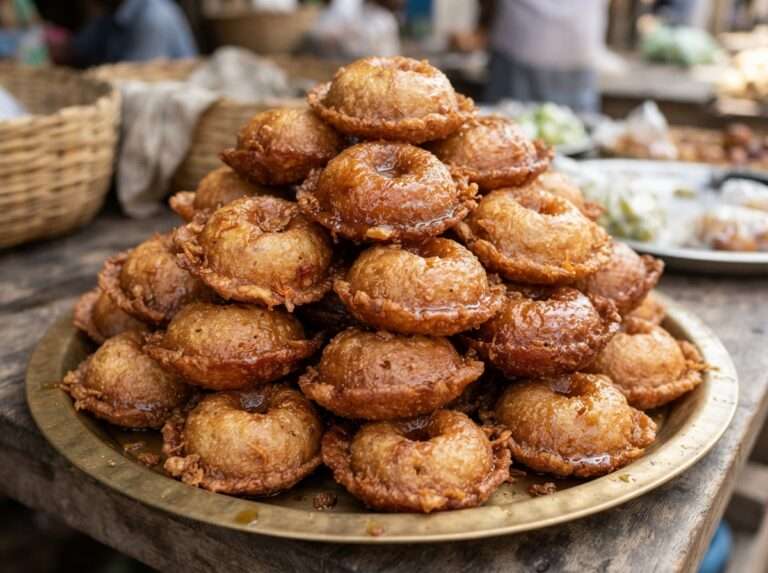

Kevum, or kavum, is the sweet most people picture when they think of Avurudu. It is a small deep-fried cake of rice flour and kithul treacle, crisp at the edges and soft and syrupy in the middle. The batter is spooned into a wok of hot oil where it puffs into a rough dome. You will see mountains of it stacked outside temples and in market stalls through April.
Related Tour Packages


❮
❯
04
Konda Kavum (topknot oil cake)
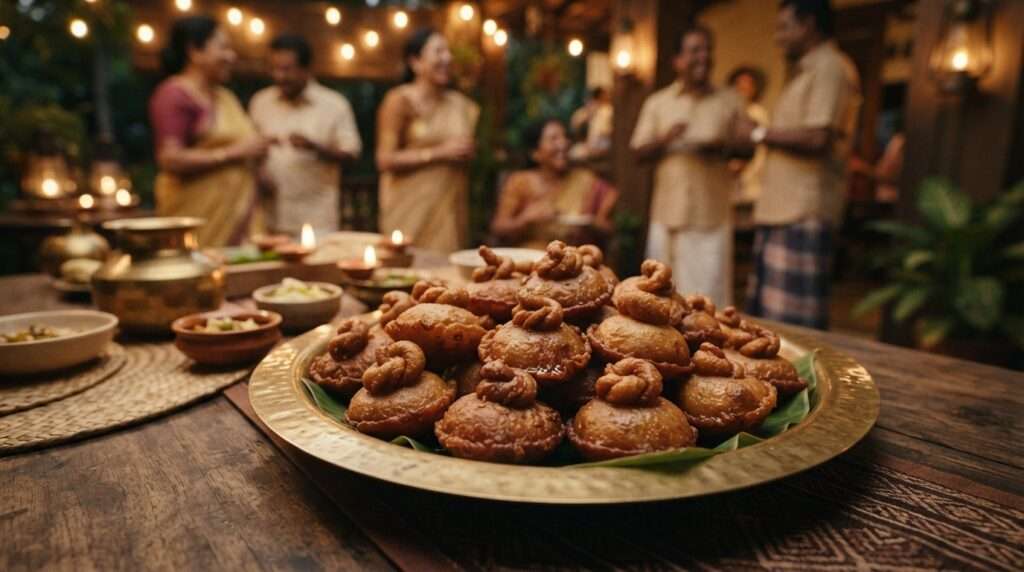
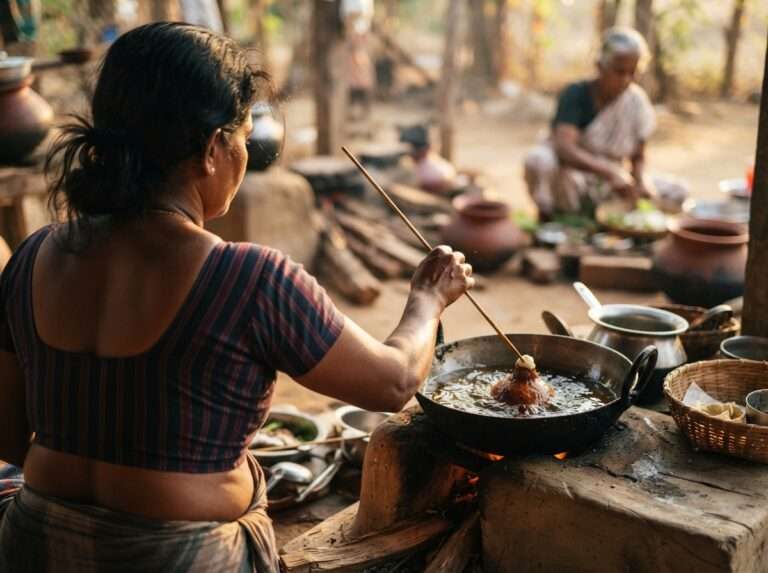
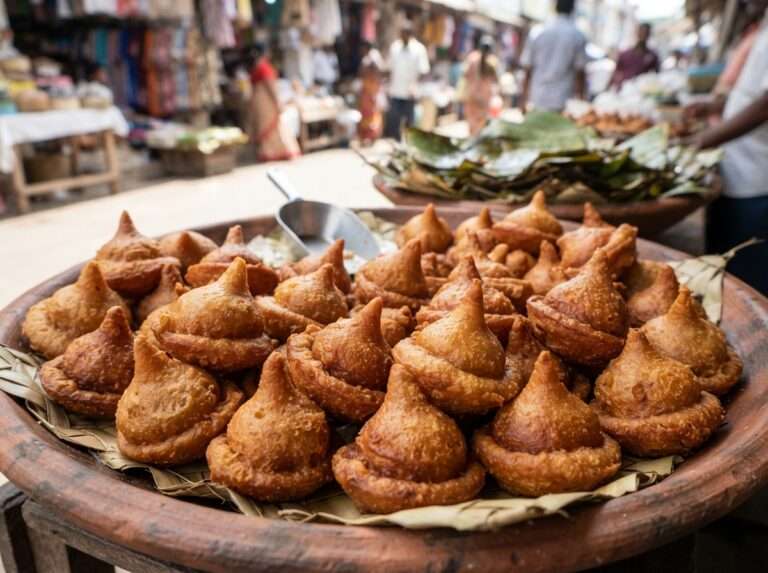

A close cousin of kevum with a party trick. As the cake fries, the cook teases the batter up with a skewer so it sets with a little peak, or konda, on top. The body is the same sugar-and-treacle batter dropped into hot oil, but the raised tuft marks it out as the celebratory version made for festivals and big family gatherings.
05
Aluwa
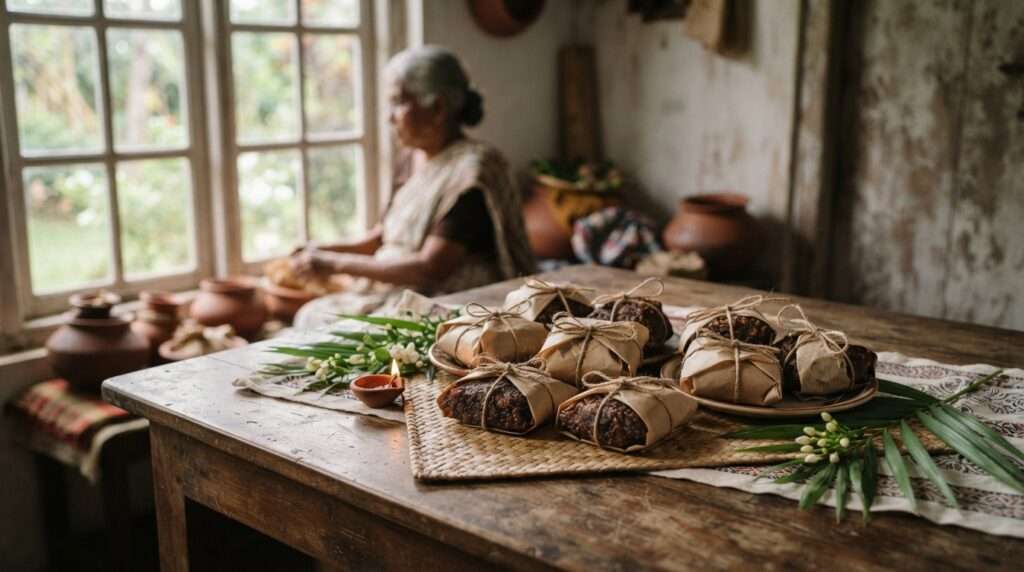
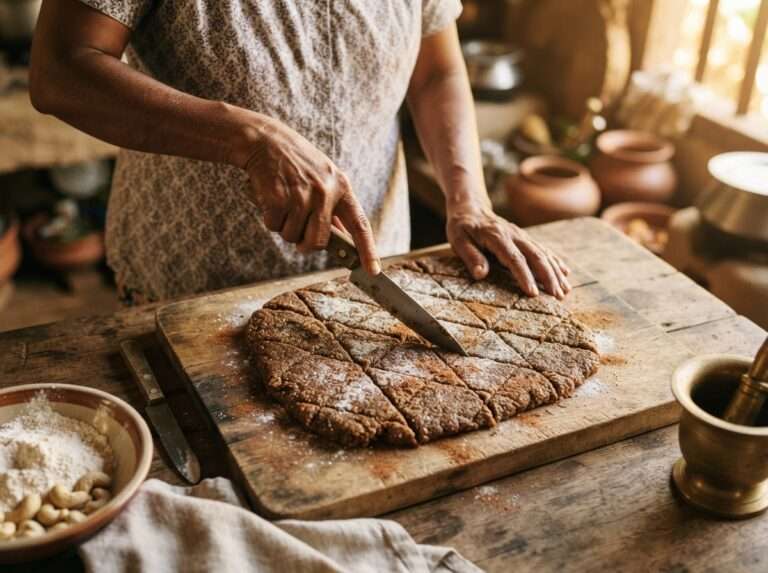
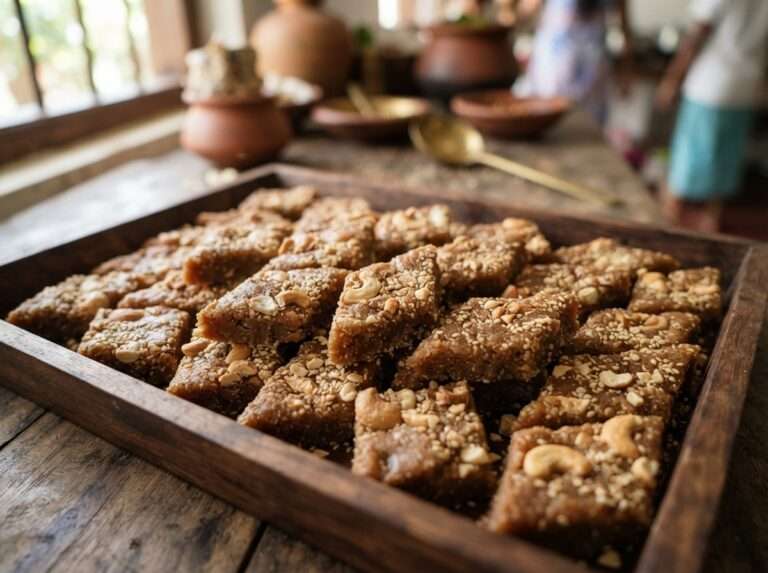

Aluwa is a soft, diamond-cut sweet built on rice flour with treacle or jaggery and a scatter of cashew. Semolina and cashew versions are common too, and the whole slab is usually cut into neat rhombus pieces before serving. It keeps well, which is why it is a New Year gift and a fixture at Tamil and Sinhala celebrations alike.
06
Athirasa
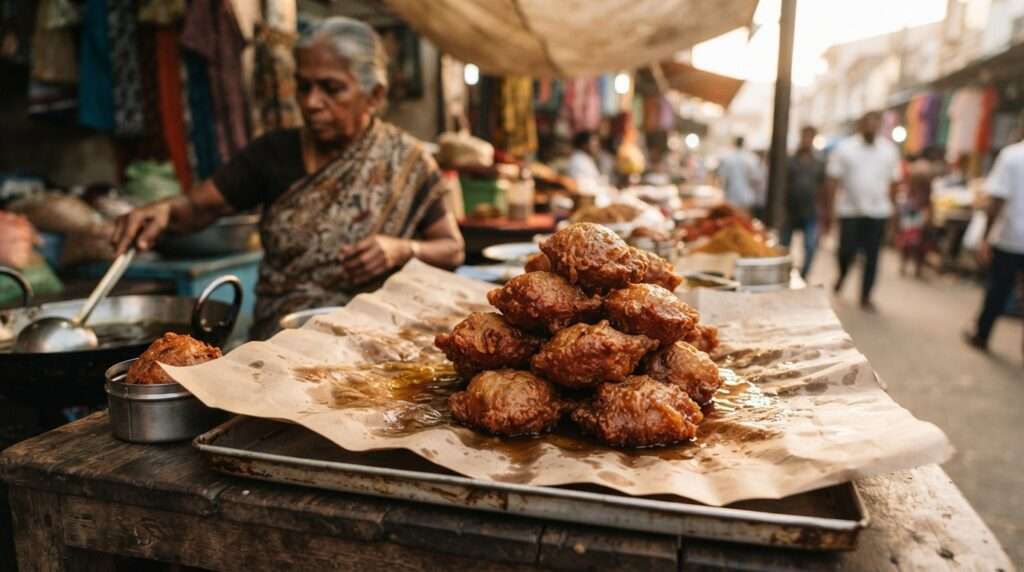
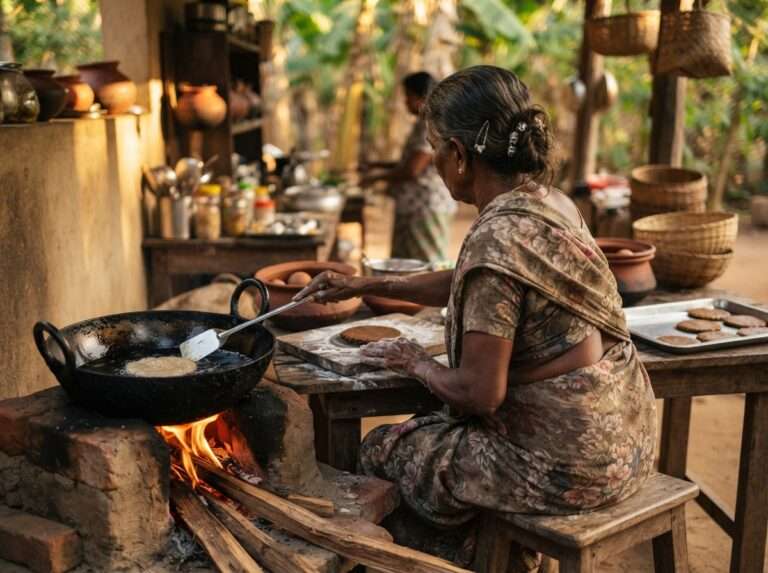
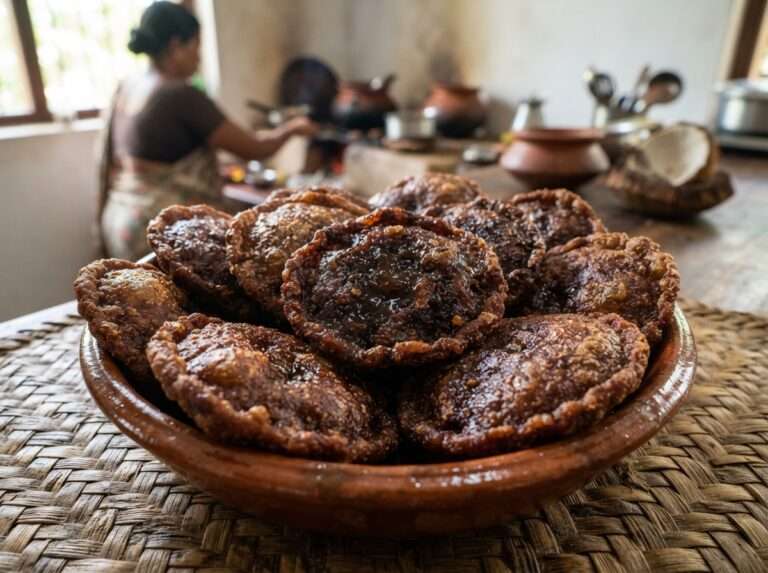

The name roughly means extremely tasty, and athirasa earns it. A dough of rice flour and jaggery is flattened into discs and deep-fried until dark and chewy, with a slightly sticky centre. It is an Avurudu sweet above all, made for the New Year and for occasions that call for something richer than an everyday snack.
07
Aasmi
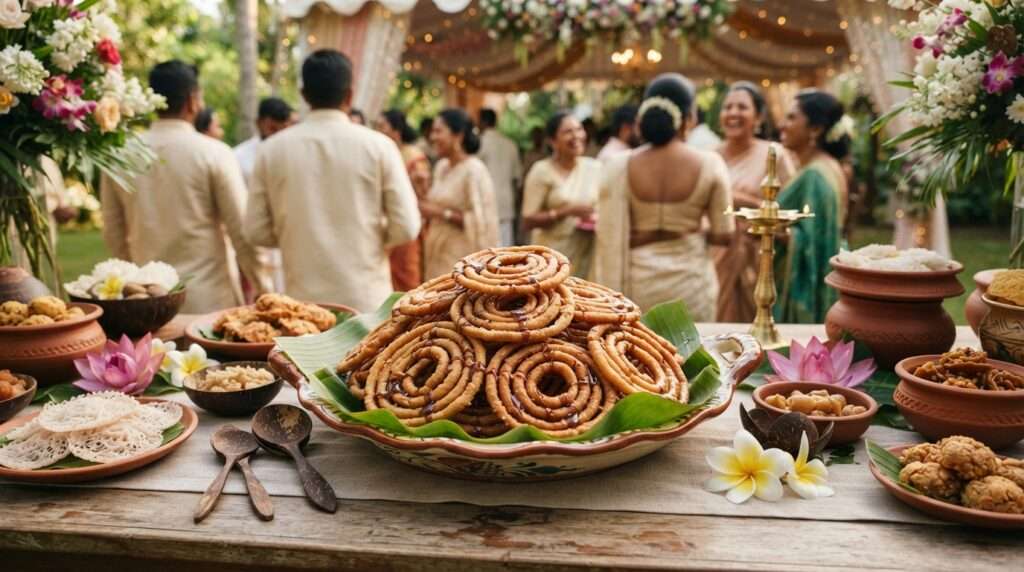
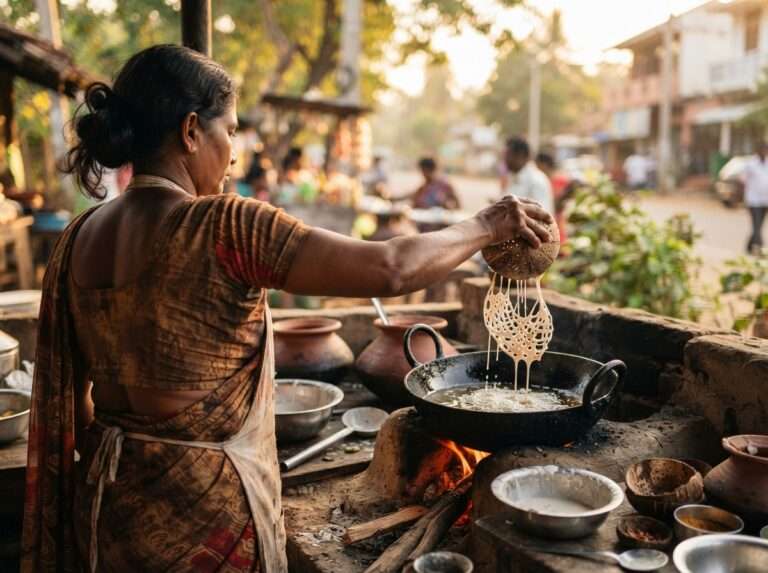
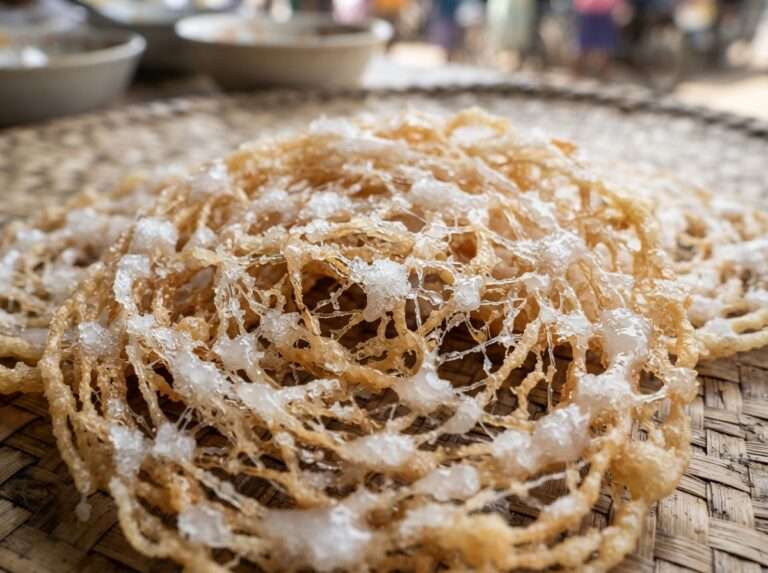

Aasmi is the one that makes cooks nervous. A batter of rice flour and coconut milk, often lifted with a little cinnamon-leaf juice, is drizzled through a punctured coconut shell into hot oil so it fries into a crisp, lace-like web. The finished tangle is then laced with a thick sugar syrup. It takes a steady hand, which is why it appears at weddings and the biggest festivals rather than on a weekday.
08
Wattalapam
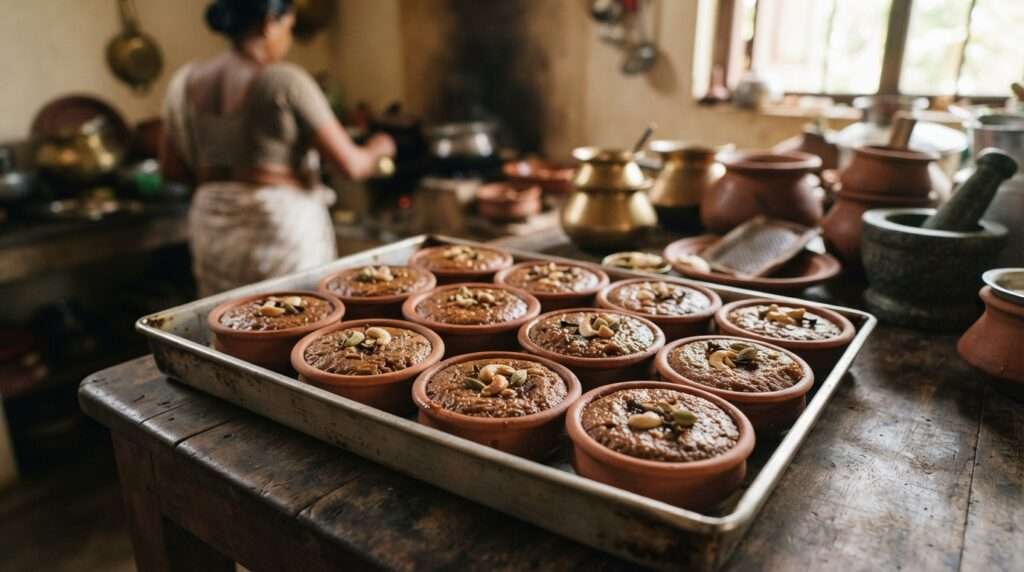

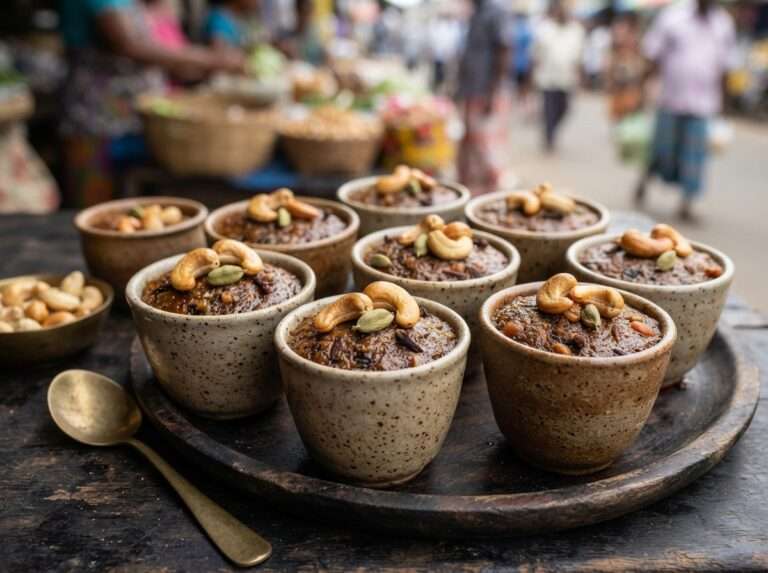

Also spelt watalappan, this is the island’s great steamed pudding: coconut milk and eggs set with dark jaggery and perfumed with cardamom, clove and nutmeg, then topped with cashew. It came to Sri Lanka with Malay settlers and is traditionally made for Ramadan, though it now closes meals across every community. Think of a caramel custard with the sugar swapped for smoky palm jaggery.
09
Milk Toffee (Kiri Aluwa)
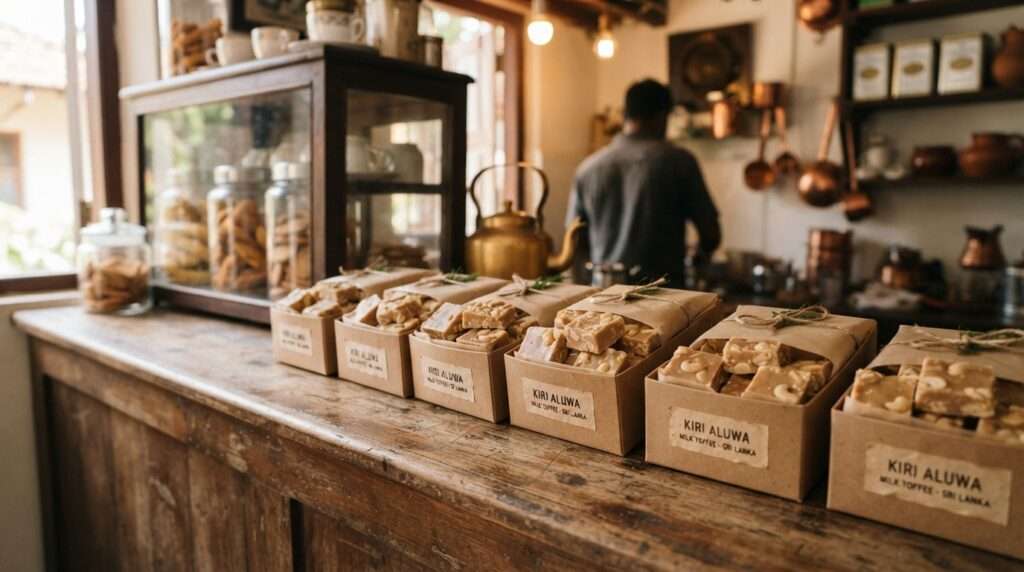
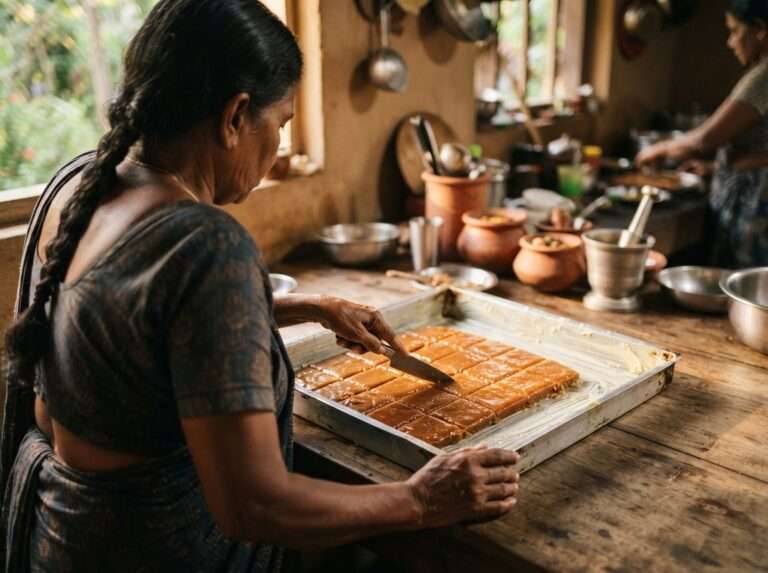
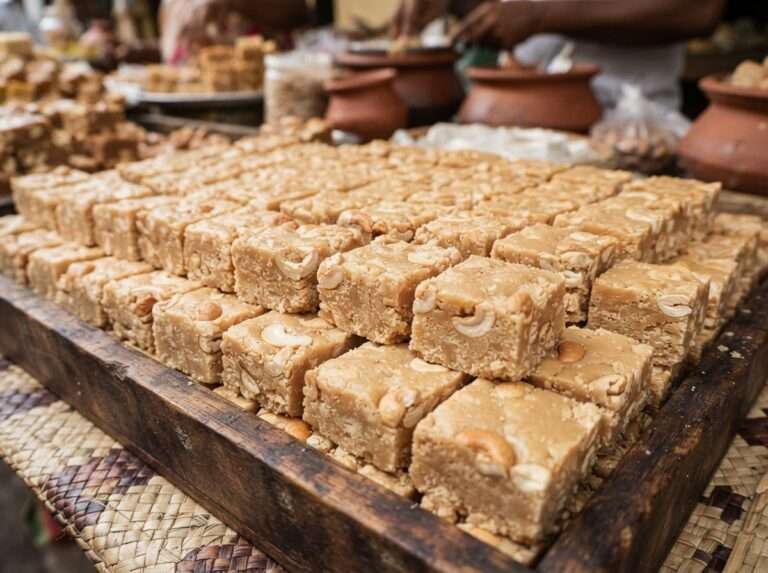

Sri Lanka’s answer to fudge. Condensed milk, sugar and a little cashew are cooked down until the mixture pulls away from the pan, then poured out, cooled and cut into squares. Cardamom is the usual flavouring. It is sold in tea shops and supermarkets year-round, boxed as a gift, and it is the sweet most visitors end up carrying home. A simple recipe for it is further down this guide.
10
Kalu Dodol
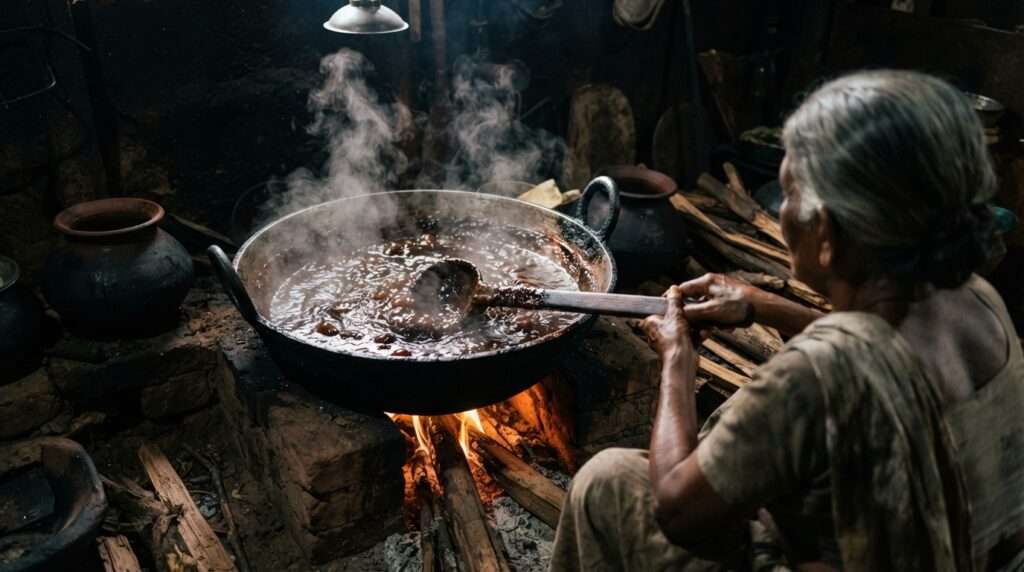
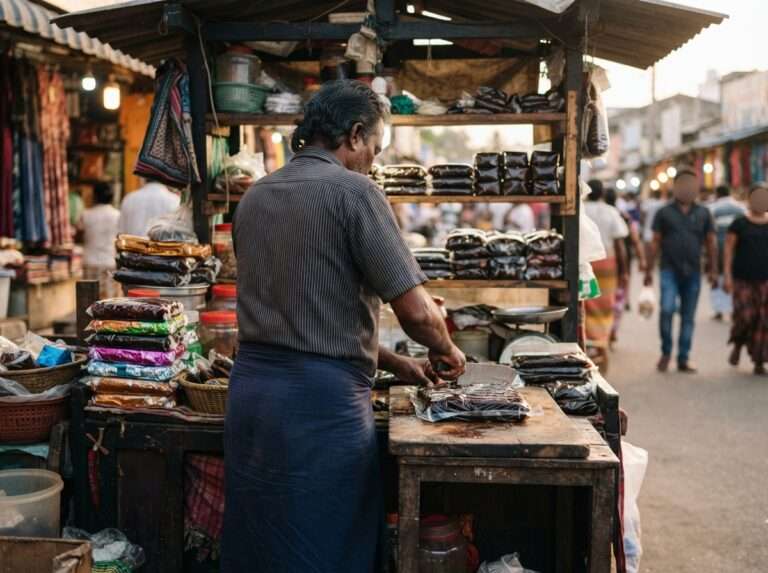
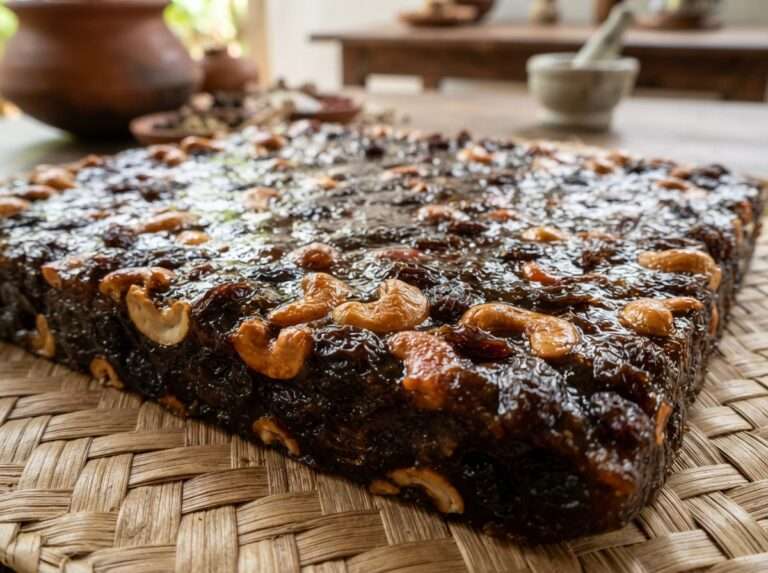

A dark, dense, almost jelly-like sweet from the south, kalu dodol simmers rice flour, jaggery and thick coconut milk for hours until it turns glossy and near-black, with cashew and raisins folded through. The town of Hambantota is famous for it, and vacuum-packed slabs from there travel the length of the country as edible souvenirs.
11
Thala Guli
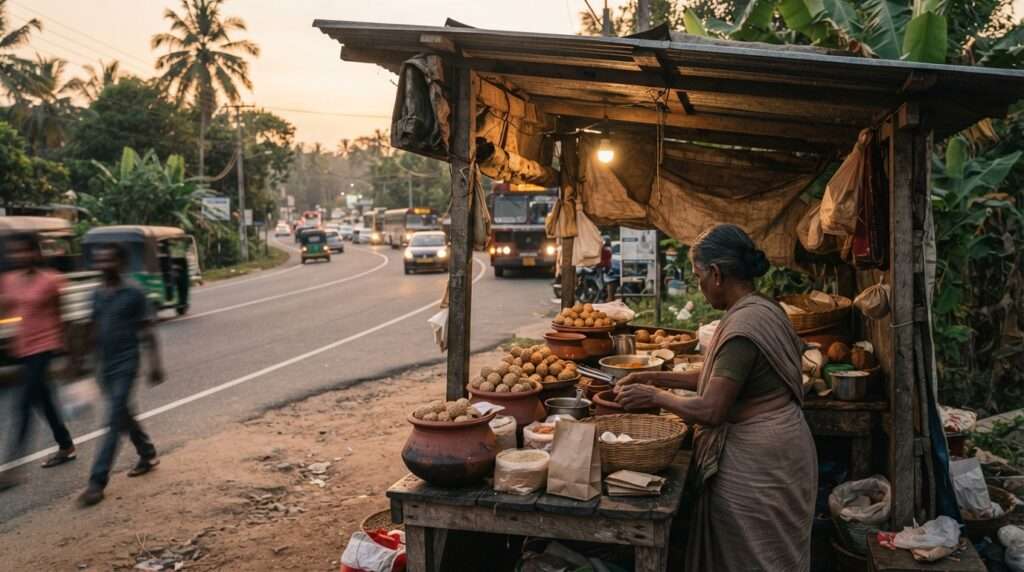
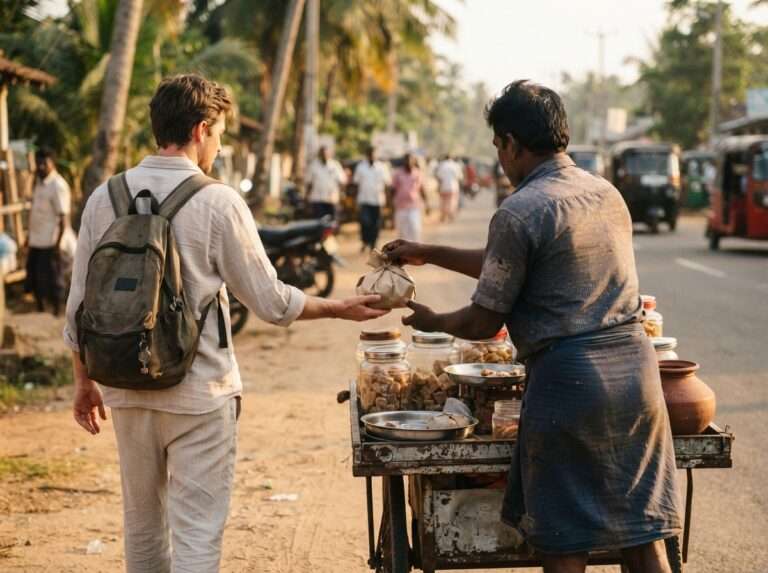
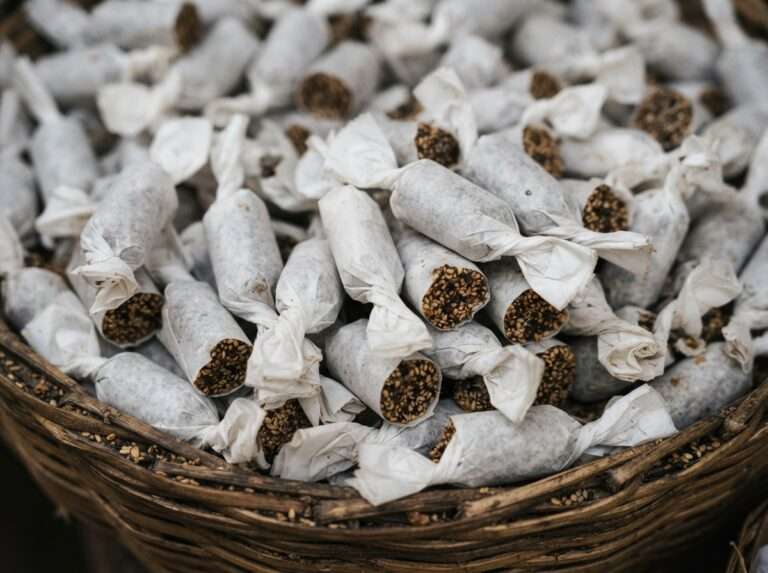

These little sesame balls are a roadside classic across the island, most famous around Warakapola on the Colombo-Kandy road. Roasted sesame seeds are pounded with jaggery or treacle and a touch of cardamom, then rolled tight and often wrapped in paper twists. They are chewy, nutty and intensely sweet, a classic thing to buy from roadside vendors as you travel between towns.
12
Peni Walalu (Undu Walalu)
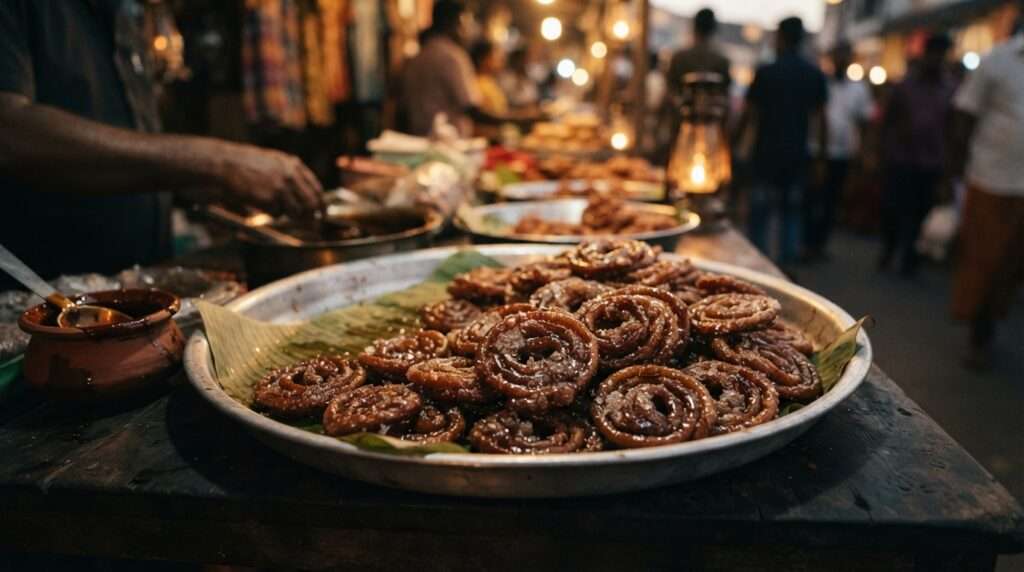
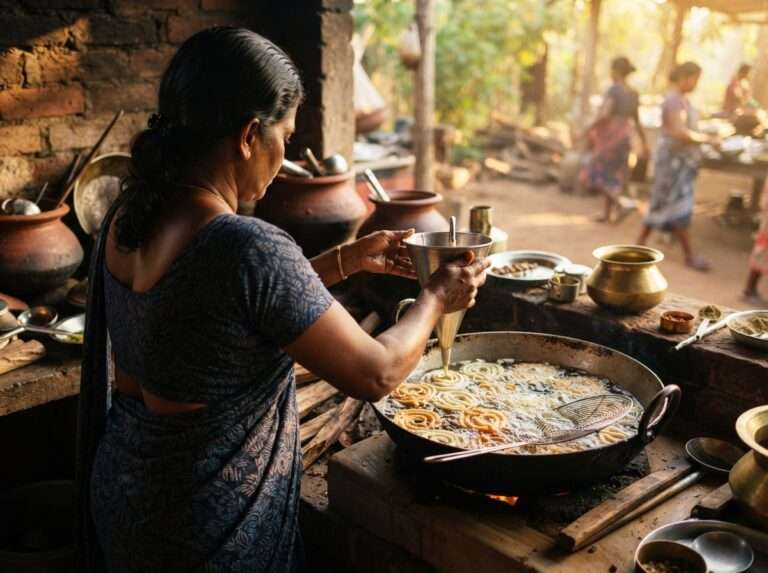
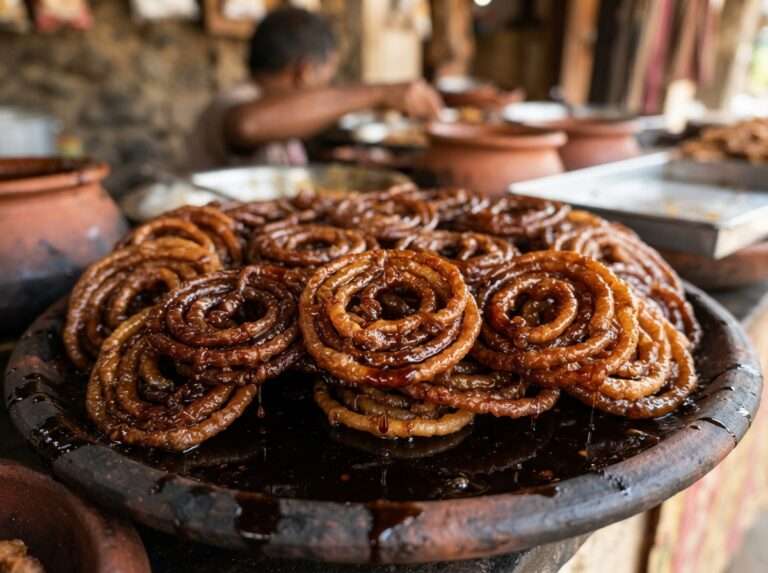

Peni walalu, the honey rings, are coils of urad-flour batter piped into hot oil and then soaked in treacle syrup until they drip. They are rich, sticky and unapologetically sweet, which is exactly why children make a beeline for them at festival stalls. The name simply means honey rings for anyone who trips over the pronunciation.
13
Bibikkan
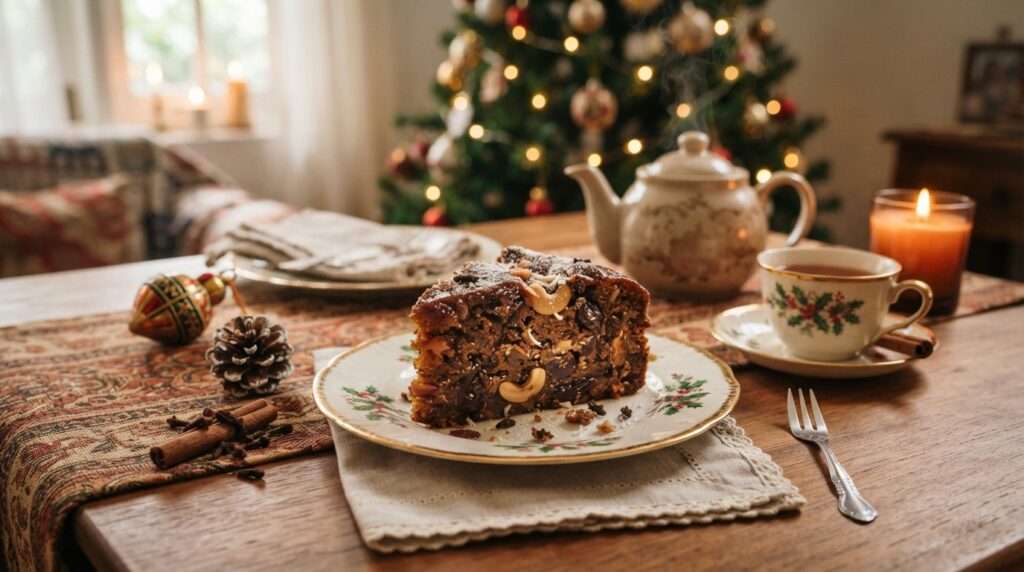
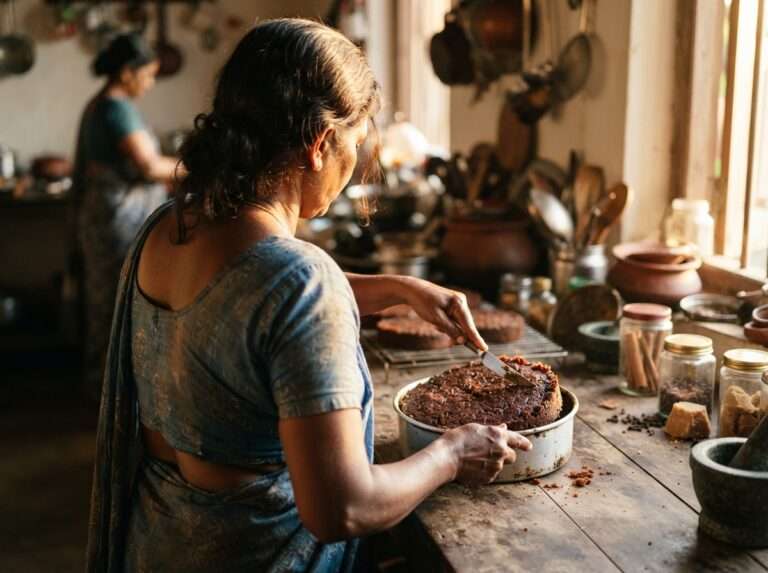
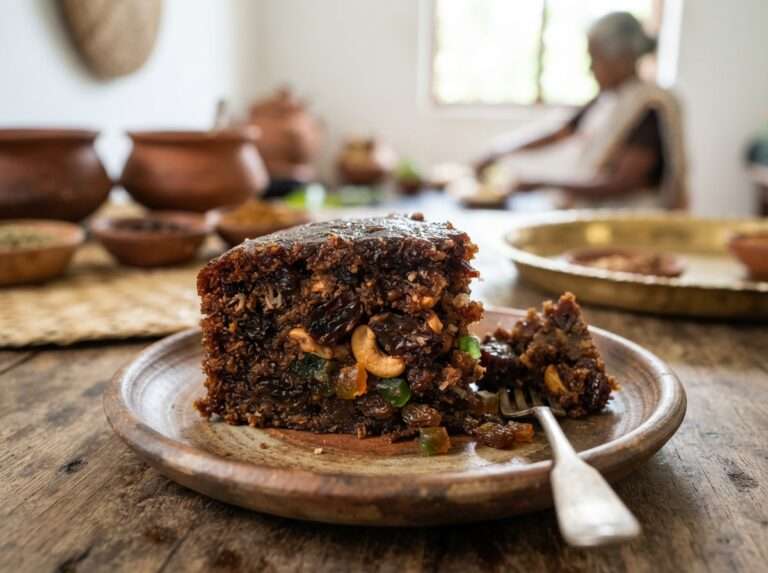

Bibikkan is a moist, chewy coconut cake with a little salt to keep it honest. Shredded coconut and roasted semolina are bound with eggs and jaggery, then loaded with dates, cashew, candied winter melon and a warm mix of clove, cardamom, fennel, cinnamon and ginger. It leans festive and is especially associated with Christmas in Sri Lankan Burgher kitchens.
14
Lavariya
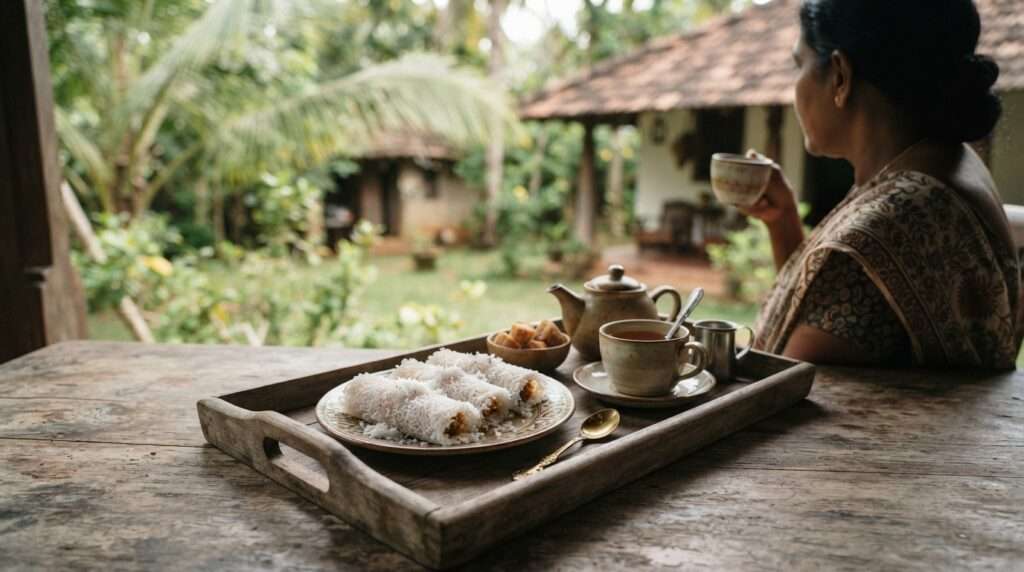
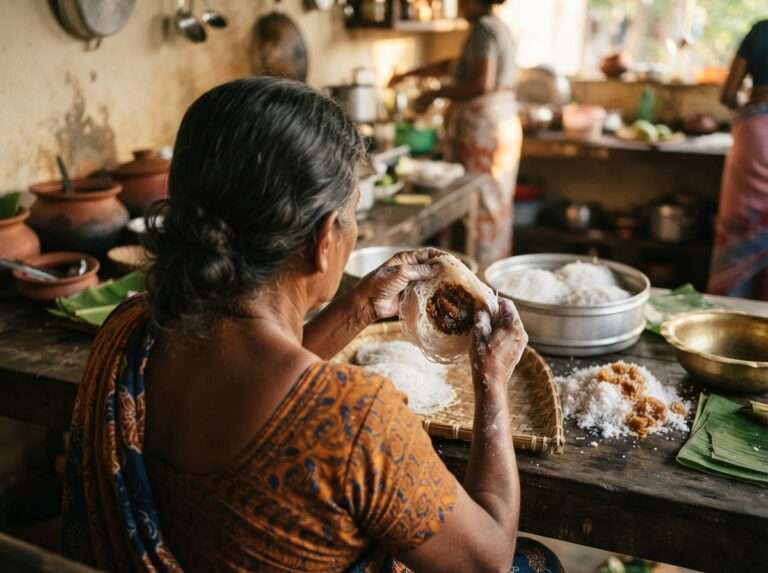
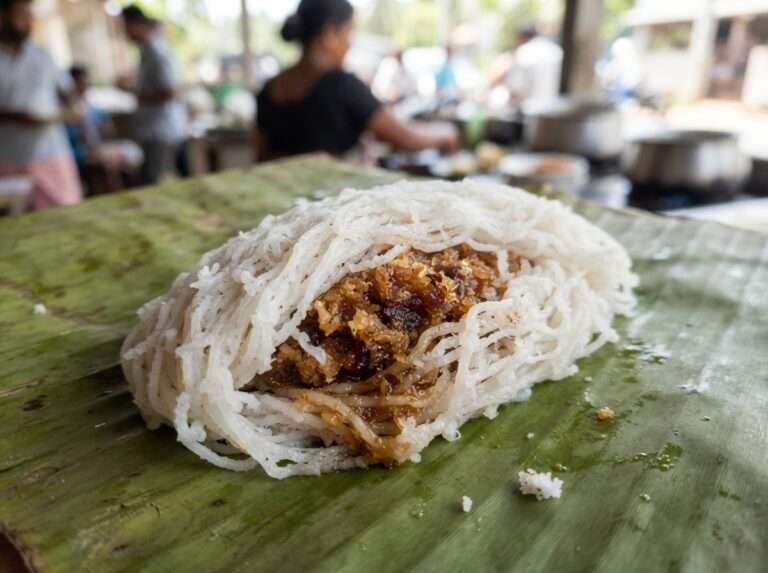

Lavariya takes a savoury staple and sweetens it. A nest of steamed string hoppers (idiyappam) is wrapped around a filling of coconut cooked with jaggery, so you get soft rice strands outside and a sweet, fragrant centre. It is eaten at breakfast or with afternoon tea, and it is a neat example of how Sri Lankan cooks turn one dish into many.
15
Helapa
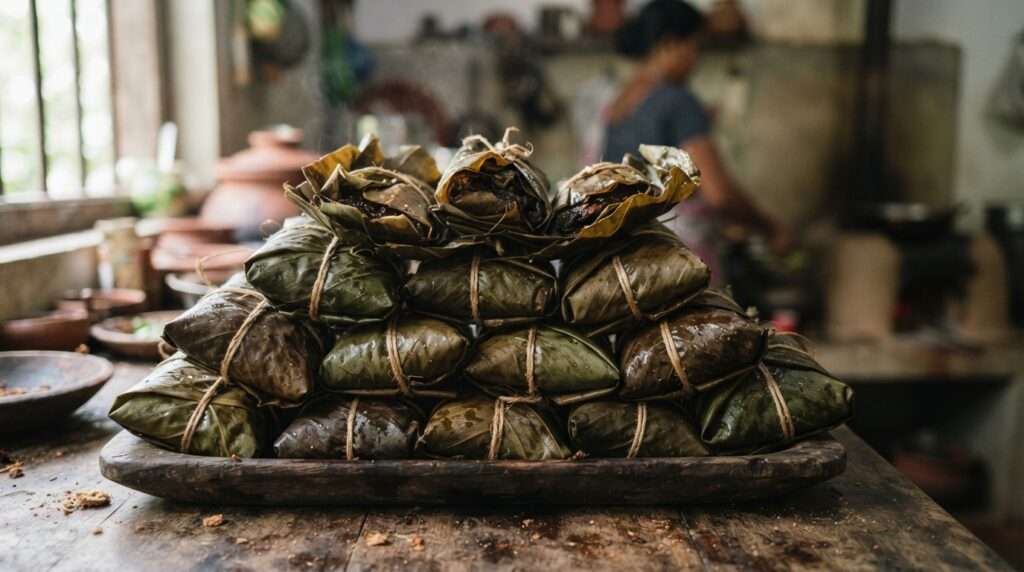
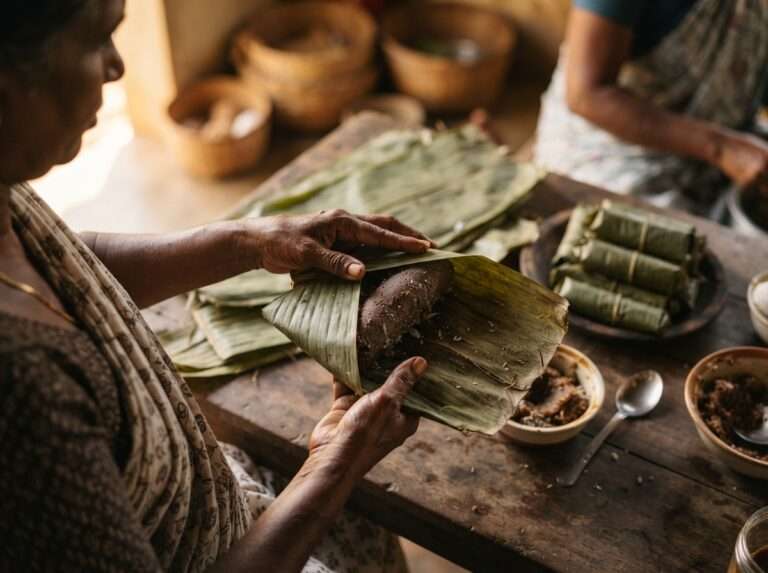
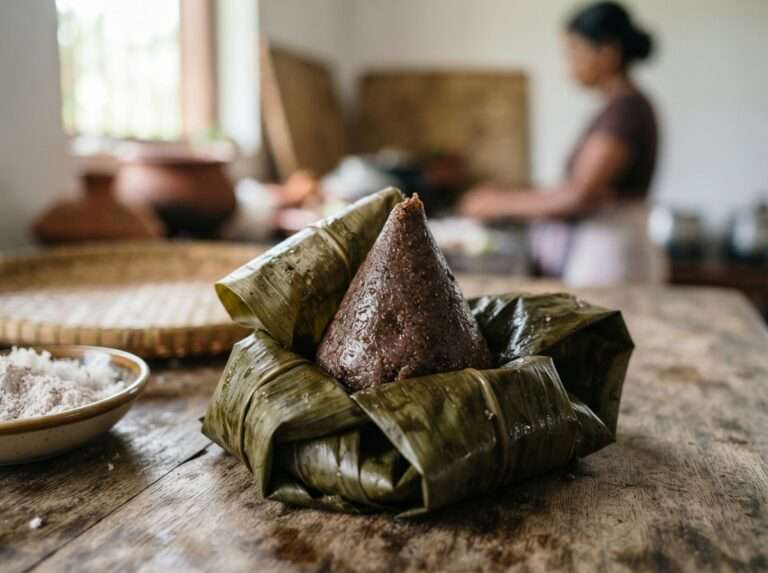

Helapa is a steamed sweet you unwrap. A thick dough of kurakkan (finger millet) flour, rice flour, treacle, grated coconut and cardamom is folded inside a fragrant kanda leaf and steamed until firm. You peel back the leaf to eat it, and the leaf lends a faint herbal note. It is a tea-time snack more than a celebration sweet.
16
Aggala
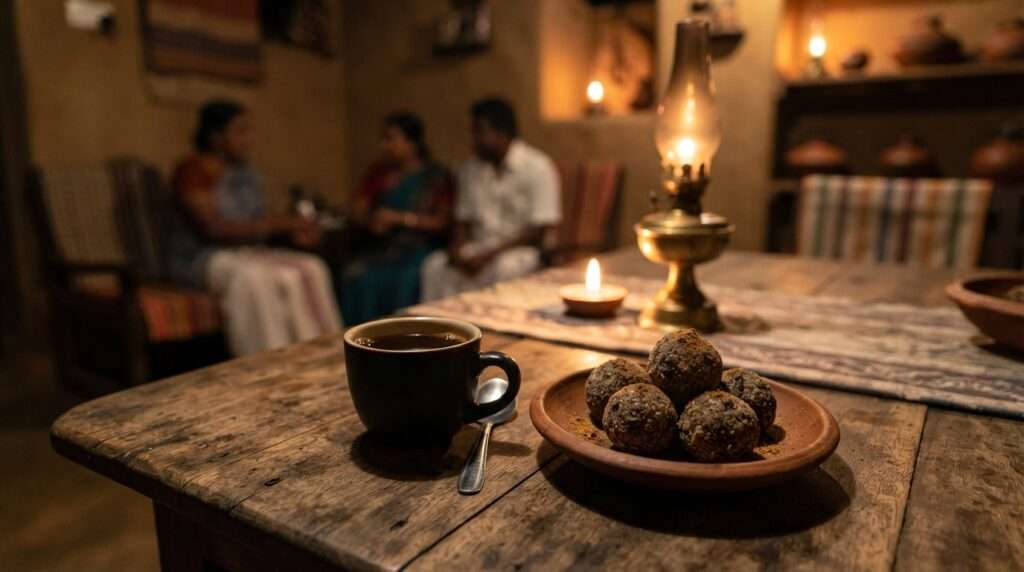
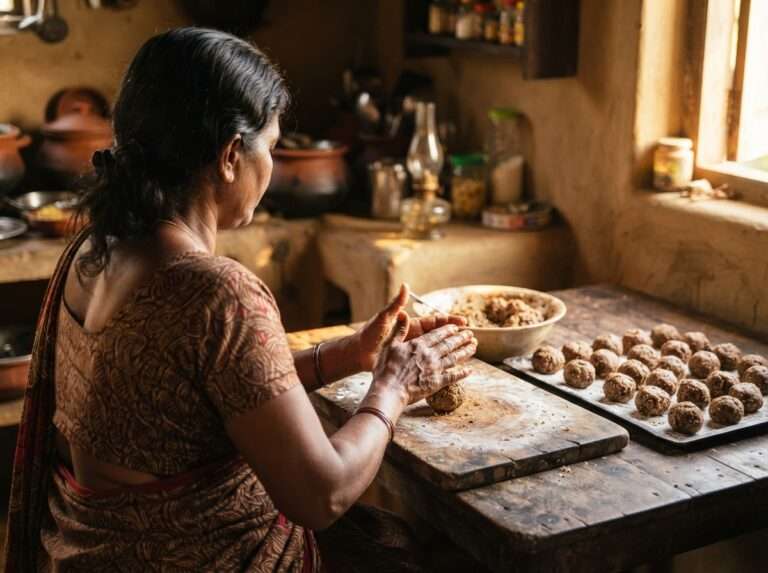
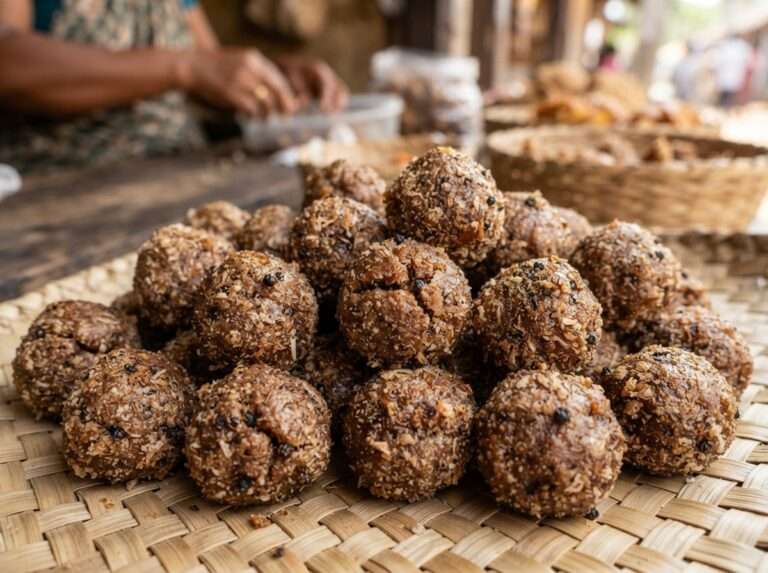

Aggala are small roasted rice-flour balls bound with coconut, treacle and sometimes a surprising hit of black pepper. They are rolled, roasted until browned, and eaten as an evening snack with tea. The pepper is what makes them memorable: sweet first, then a gentle warmth that creeps up on you.
17
Curd & Kithul Treacle

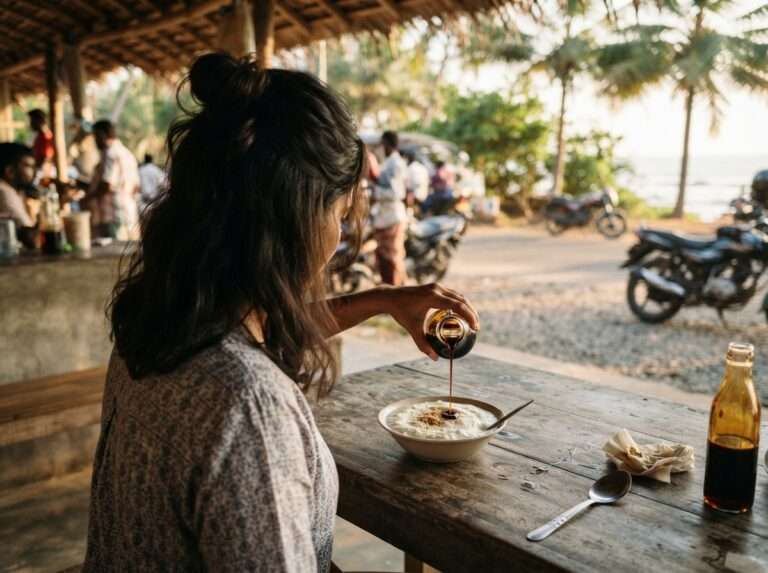
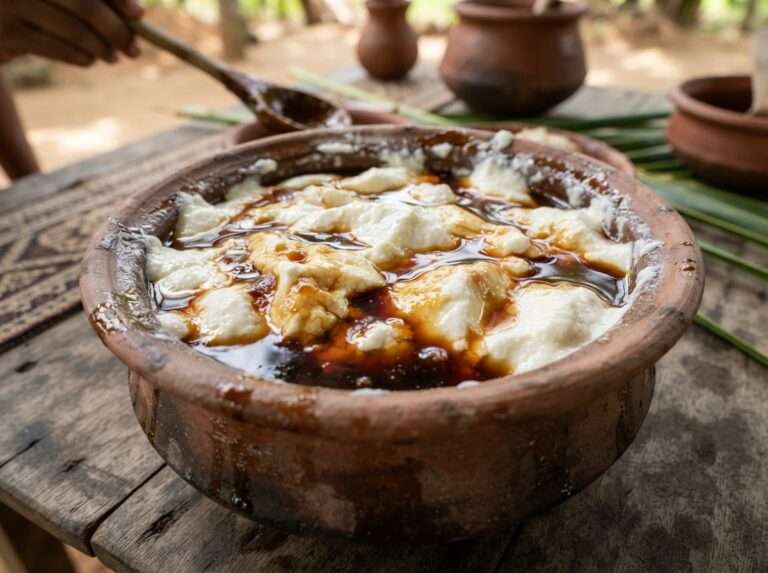

The simplest dessert on this list and, for many travellers, the best. Thick buffalo-milk curd set in a clay pot is spooned into a bowl and flooded with kithul treacle, the dark syrup tapped from the flower of the kithul (fishtail) palm. That is it. The curd is tangy and cool, the treacle smoky and sweet, and you will meet it at the end of almost every meal along the southern coast. For the record, kithul treacle is this palm syrup, not a dairy product, and it is the same sweetener that goes into kevum, aluwa and helapa.
Sweets for the Sinhala & Tamil New Year (Avurudu)
Most of these sweets reach their peak in April, during Avurudu, the Sinhala and Tamil New Year. The table is built around a core group: kiribath eaten at the first auspicious moment, then kokis, kevum, konda kavum and athirasa fried in batches the day before, with aluwa set and cut alongside. Making them is a household event, with aunts and grandmothers running the wok while the smell of treacle and hot oil fills the street. If you want to taste the full range at its freshest, plan a trip around early April; our guide to festivals in Sri Lanka lays out the dates and customs.
Kavum vs kokis vs aluwa: how to tell these New Year sweets apart
Three sweets confuse almost every first-time visitor because they share a rice-flour base and all appear together at Avurudu. Here is the quick way to separate them.
| Sweet | Shape & texture | Made with | Giveaway |
|---|---|---|---|
| Kevum / kavum | Rough dome, crisp outside, soft syrupy centre | Rice flour + kithul treacle, deep-fried | Looks like a little fried bun; konda kavum has a peak on top |
| Kokis | Flat, flower or snowflake shape, thin and crunchy | Rice flour + coconut milk + egg, moulded then fried | Shaped on a metal mould; shatters when you bite it |
| Aluwa | Soft, flat diamonds, not fried | Rice flour + treacle/jaggery + cashew, set and cut | Comes in neat diamond pieces; chewy, not crisp |
How to make Sri Lankan milk toffee (kiri aluwa) at home
Milk toffee is the easiest Sri Lankan sweet to make outside the island, and the one most people want the recipe for. This is the standard home method; it takes about 25 minutes plus cooling.
- Grease a shallow tray or line it with parchment, and chop a small handful of cashews.
- In a heavy pan over medium heat, combine one tin (about 400 g) of condensed milk with roughly the same volume of sugar and a splash of milk.
- Stir constantly as it melts together, then keep stirring so the bottom never catches. It will slowly thicken and darken to a pale caramel.
- After 15 to 20 minutes the mixture will start pulling away from the sides of the pan in a mass. That is your cue. Stir in the cashews and a pinch of ground cardamom.
- Pour it straight into the greased tray and spread it level with the back of a spoon.
- While it is still warm, score the surface into squares or diamonds with a knife.
- Let it cool fully, then snap along the score lines. Store in an airtight tin.
Where to try and buy Sri Lankan sweets
You do not have to cook to eat well here. Sweet counters in Colombo, Kandy and Galle carry boxed milk toffee, aluwa and kalu dodol year-round, and vacuum-packed kalu dodol from Hambantota makes the sturdiest souvenir. The widest spread appears in the run-up to Avurudu in April, when temporary stalls sell kevum, kokis and peni walalu by the kilo. For curd and kithul treacle, order it as dessert at any rest-stop along the southern coast. If you would rather have the whole trip planned around the food, our Sri Lanka tour packages can build in market visits and tastings, and the Sri Lanka travel guide covers the regions each sweet comes from. For more on where to eat across the island, see our guide to the best food in Sri Lanka.
Before you go
Sri Lankan sweets are less about refined sugar and more about two flavours the island makes its own: the smoke of kithul treacle and the caramel depth of palm jaggery. Start with kiribath and curd-and-treacle to understand the base notes, then work your way through the fried New Year sweets. If a trip timed to Avurudu sounds like the right excuse, plan it with our Sri Lanka tour packages.
Craving more? Compare notes with our guides to Thai desserts, Mexican desserts and Brazilian desserts.
FAQs
Sri Lankan Sweets & Desserts: Frequently Asked Questions
Kiribath, or milk rice, is the most culturally important. It is the first food eaten at the Sinhala and Tamil New Year and on auspicious days, and it appears at weddings and housewarmings. For a pure dessert, wattalapam (a steamed jaggery-and-coconut pudding) and milk toffee (kiri aluwa) are the best known, and kokis is the sweet most associated with New Year celebrations.
Wattalapam is a steamed pudding made from coconut milk and eggs set with dark palm jaggery, then spiced with cardamom, clove and nutmeg and finished with cashew. The jaggery gives it a smoky caramel flavour, like a caramel custard made with unrefined palm sugar. It has Malay roots and is traditionally prepared during Ramadan, though it is now eaten across all communities.
Kiribath is eaten first at the auspicious moment. Alongside it come the fried sweets, kokis, kevum and konda kavum (oil cakes), athirasa and peni walalu, plus aluwa cut into diamond pieces. They are usually made at home in big batches the day before, and families exchange plates of them with neighbours and relatives through the New Year period in April.
Both are fried New Year sweets, but they look and feel completely different. Kavum (or kevum) is a soft, domed oil cake of rice flour and kithul treacle, crisp outside and syrupy inside. Kokis is a flat, flower-shaped crisp made on a metal mould from a rice-flour, coconut-milk and egg batter, and it shatters when you bite it. Konda kavum is simply a kavum with a raised peak on top.
Milk toffee, called kiri aluwa in Sinhala, is Sri Lanka's version of fudge. Condensed milk and sugar are cooked down with cashew and cardamom until the mixture thickens, then poured out, cooled and cut into squares. It is sold in tea shops and supermarkets year-round, boxed as a gift, and it is the sweet most visitors take home.
Most are vegetarian, and many are naturally vegan because they are built on rice flour, coconut milk, jaggery and kithul treacle rather than dairy. Kevum, aluwa, athirasa, thala guli and kalu dodol are typically egg- and dairy-free. The exceptions are kokis, wattalapam and bibikkan, which contain eggs, milk toffee, which uses condensed milk, and curd with treacle, which is dairy. Always check at the counter if you have a strict restriction.
Kiribath, kokis, kevum, konda kavum, aluwa and athirasa are tied to the Sinhala and Tamil New Year in April. Wattalapam is traditionally made for Ramadan. Bibikkan, the dense coconut cake, is associated with Christmas in Burgher households. Many sweets double as offerings at temple festivals throughout the year.
Kiribath is rice cooked with thick coconut milk and a little salt, then pressed and cut into diamonds. It is eaten as the first meal of the Sinhala and Tamil New Year, on the first day of each month, and at auspicious moments like weddings, birthdays and housewarmings. It is only lightly salted, so it is served with jaggery, banana or a spicy lunu miris sambol.
Sweet counters in Colombo, Kandy and Galle sell milk toffee, aluwa and kalu dodol year-round, and Hambantota is the place for vacuum-packed kalu dodol. The widest choice appears at temporary stalls around Avurudu in April. Curd and kithul treacle is best ordered as dessert along the southern coast. To taste the full range with tastings built in, browse our Sri Lanka tour packages.