6D / 5N
8% OFF
6D / 5N
8% OFF
Romantic Bangkok And Phuket Honeymoon Tour
- Hotel
- Meals
- Sightseeing
- Airport Transfer
- Cruise
₹19,022
₹17,500 /pp
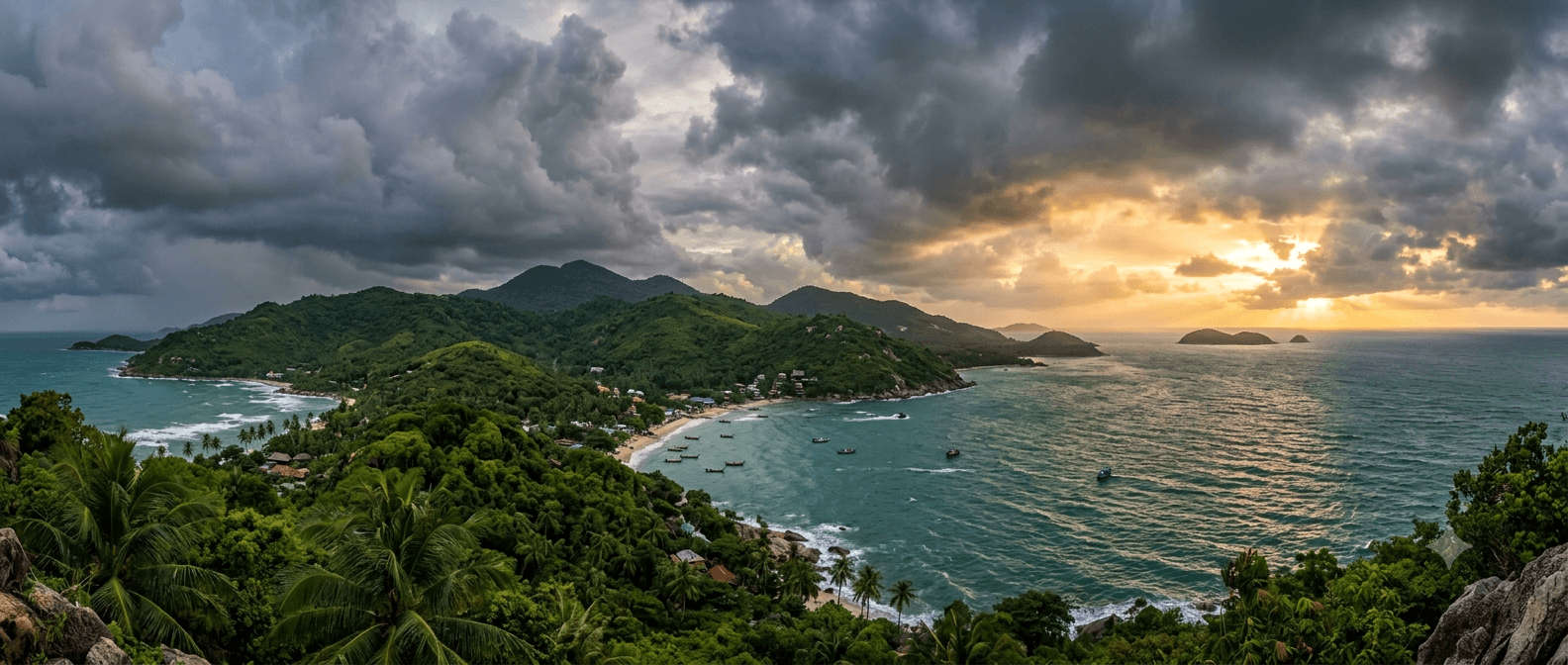


Yes, Thailand is worth visiting in June, as long as you pick the right coast. June falls inside the southwest monsoon, which sounds worse than it feels on the ground. The rain usually comes in short afternoon bursts, prices fall by roughly a third, and the crowds thin right out. The catch is that the weather is regional. The Gulf islands of Ko Samui, Ko Pha Ngan and Ko Tao get the lightest rain and the calmest seas of any beach in the country, while the Andaman coast around Phuket and Krabi turns rough and wet. Go north to Chiang Mai and Pai instead and you land in green season, when the waterfalls run hardest and the hills are at their greenest. Here is where to go, what the weather actually does region by region, and where to spend versus where to save.
Key Takeaways
Thailand in June
Best Time
November - February
Select Package Type


If you read nothing else, read this table. It sorts the country into the four regions that behave very differently in June, so you can match the trip you want to the weather you will actually get.
| Region | What June is like | Best for | Go or skip |
| Gulf islands (Ko Samui, Ko Pha Ngan, Ko Tao) | Lightest coastal rain (~130 mm), calm seas, warm (~32C) | Beaches, diving, island-hopping | GO |
| Northern Thailand (Chiang Mai, Pai, Doi Inthanon) | Green season, ~109 mm over ~13 rainy days, lush, strong waterfalls | Nature, culture, cooler air | GO |
| Bangkok & Central (Ayutthaya, Kanchanaburi) | Hot (~33C), short afternoon showers (~111 mm) | City, temples, food, shopping | GO with an umbrella |
| Andaman coast (Phuket, Krabi, Khao Lak) | Heaviest rain (200 mm plus), rough seas, red-flagged beaches | Spa and indoor stays only | SKIP for beaches |
A quick-answer summary. Full figures and sources are in the weather section below.
June is the heart of the southwest monsoon. That single weather system explains everything about the month: it pushes wet air onto the west-facing Andaman coast, so Phuket and Krabi take the brunt of the rain, while the Gulf coast on the east side stays comparatively sheltered and dry. Humidity sits high across the country, usually 75 to 85 percent, and daytime highs hold in the low 30s Celsius. The important thing to understand is that monsoon rain here is not a grey all-day drizzle. It tends to arrive as a heavy burst in the afternoon or evening, lasts an hour or two, then clears, which is why mornings are your window for anything outdoors.
| Region | Avg high | Rainfall (June) | Rainy days | Sea and swimming |
| Gulf islands | ~32C | ~130 mm | ~14 | Calm, good for swimming and diving |
| Northern Thailand | ~32C day, ~24C night | ~109 mm | ~13 | Inland: rivers and waterfalls at full flow |
| Bangkok & Central | ~33 to 34C | ~111 mm | ~15 | Inland: short, heavy afternoon downpours |
| Andaman coast | ~29 to 31C | ~204 to 226 mm | ~15 to 16 | Rough, red flags, swimming often unsafe |
June averages based on Thai Meteorological Department climate normals, cross-checked with Rough Guides and Thailand Highlights. Figures rounded.
Read the two coasts side by side and the whole June strategy falls out of it. The Andaman coast gets almost double the rain of the Gulf and loses its beaches to rough water and lifeguard red flags. The Gulf, one short flight or ferry away on the other side of the peninsula, stays swimmable. That east-versus-west split is the single most useful fact in this guide, and it is the one most travellers get wrong.
June is a good time to visit Thailand if you point yourself at the Gulf coast or the north, and a frustrating one if your heart is set on Phuket’s beaches. On the plus side, this is low season, so you get cheaper flights, cheaper hotels, thinner crowds at the temples and, up north, the greenest landscapes and fullest waterfalls of the year. On the minus side, the Andaman beaches are genuinely not the place to be, and a rare tropical storm can disrupt ferries. The honest one-line answer: come in June for the Gulf islands, green-season Chiang Mai, or a value-priced Bangkok city break, and save Phuket and Krabi for the dry months of November to April.
The place list below is ordered the way the weather wants it, not the way habit wants it. The Gulf islands lead because they are the June beach answer. The green-season north comes next, then culture-heavy Bangkok and Central Thailand. The Andaman coast sits at the end with a note on why to save it for later.
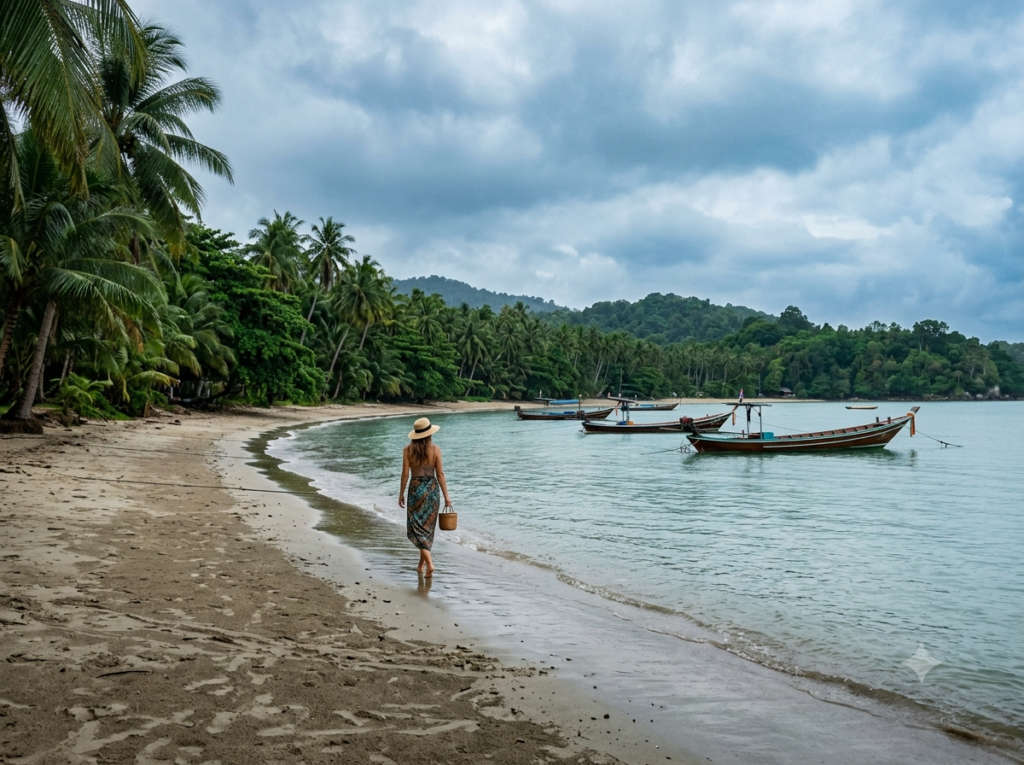
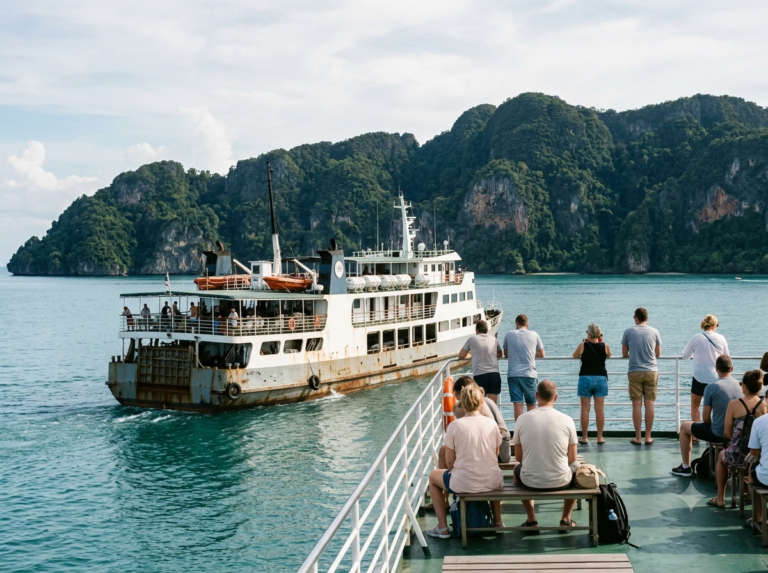
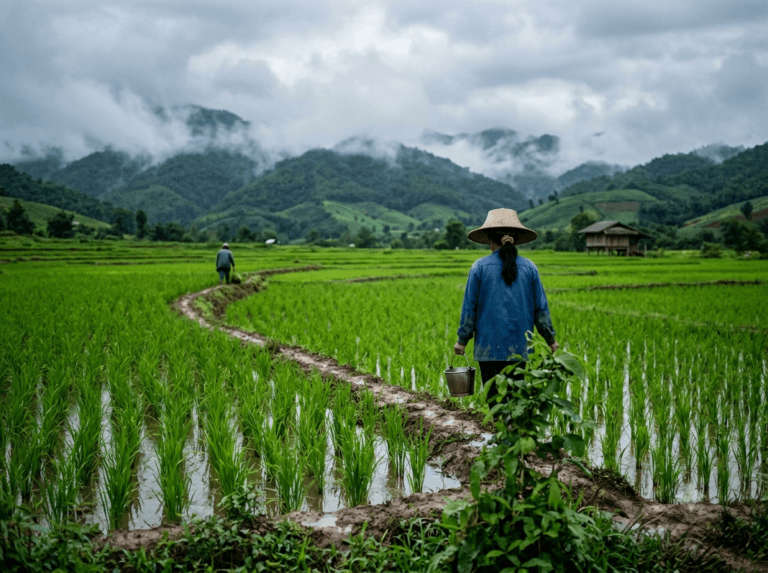
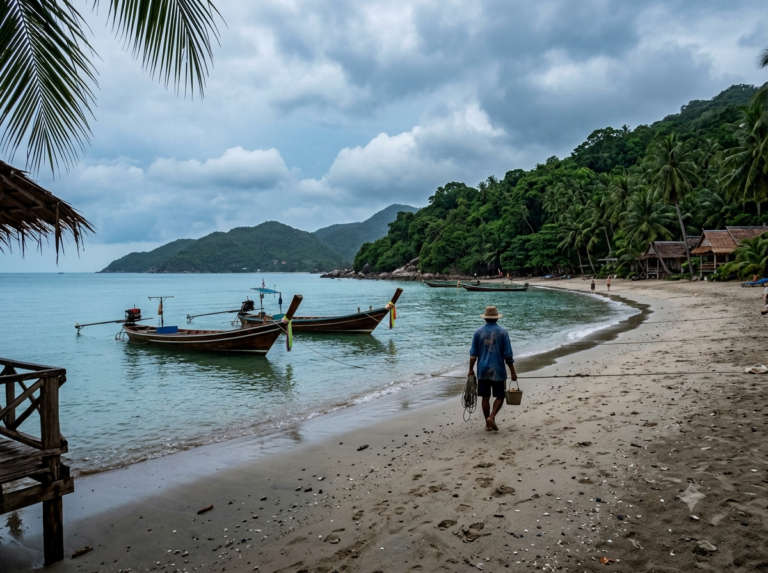
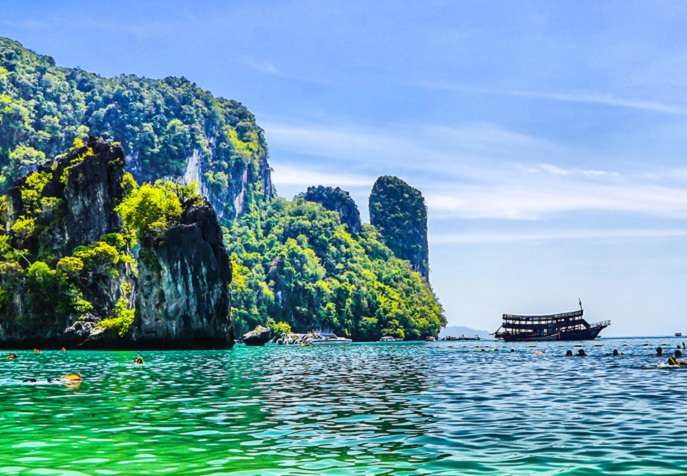
This is where you go for a beach holiday in June. Sitting on the sheltered eastern side of the peninsula, the Gulf islands dodge the worst of the southwest monsoon and keep the calmest, clearest water in the country this month. Ko Samui pairs an easy airport with beaches like Chaweng and Lamai, big resorts and small fan-cooled bungalows, and the Ang Thong Marine Park a boat ride away. Ko Pha Ngan is quieter and greener, and its Full Moon Party still runs through the low season. Ko Tao, an hour further out, is one of the cheapest places in the world to learn to scuba dive, and June visibility around the coral is still good.
| Best for | Beaches, diving, island-hopping, honeymoons |
| June weather | Warm (~32C), calm seas, lightest coastal rain in the country |
| Don't miss | Ang Thong Marine Park, a Ko Tao dive course, the Ko Pha Ngan Full Moon Party |
| Getting there | Fly to Samui, or fly Surat Thani then catch the Lomprayah or Seatran ferry |



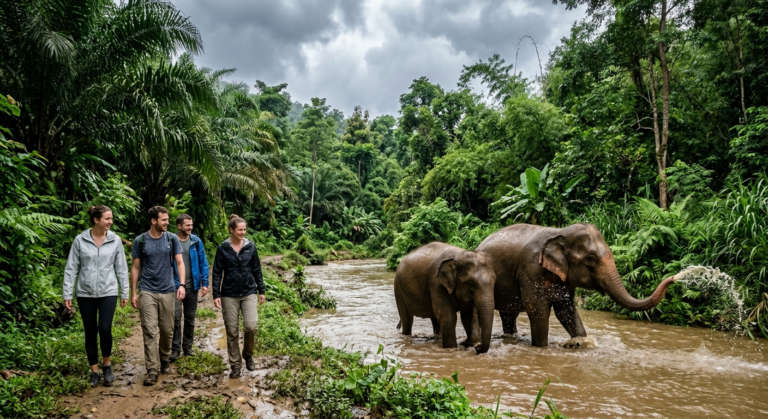
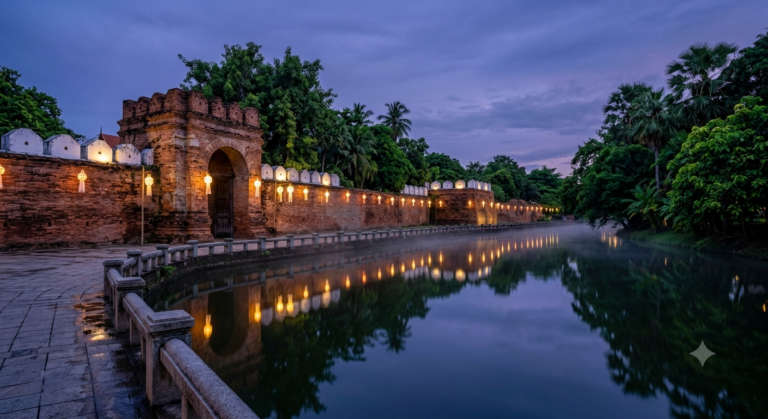
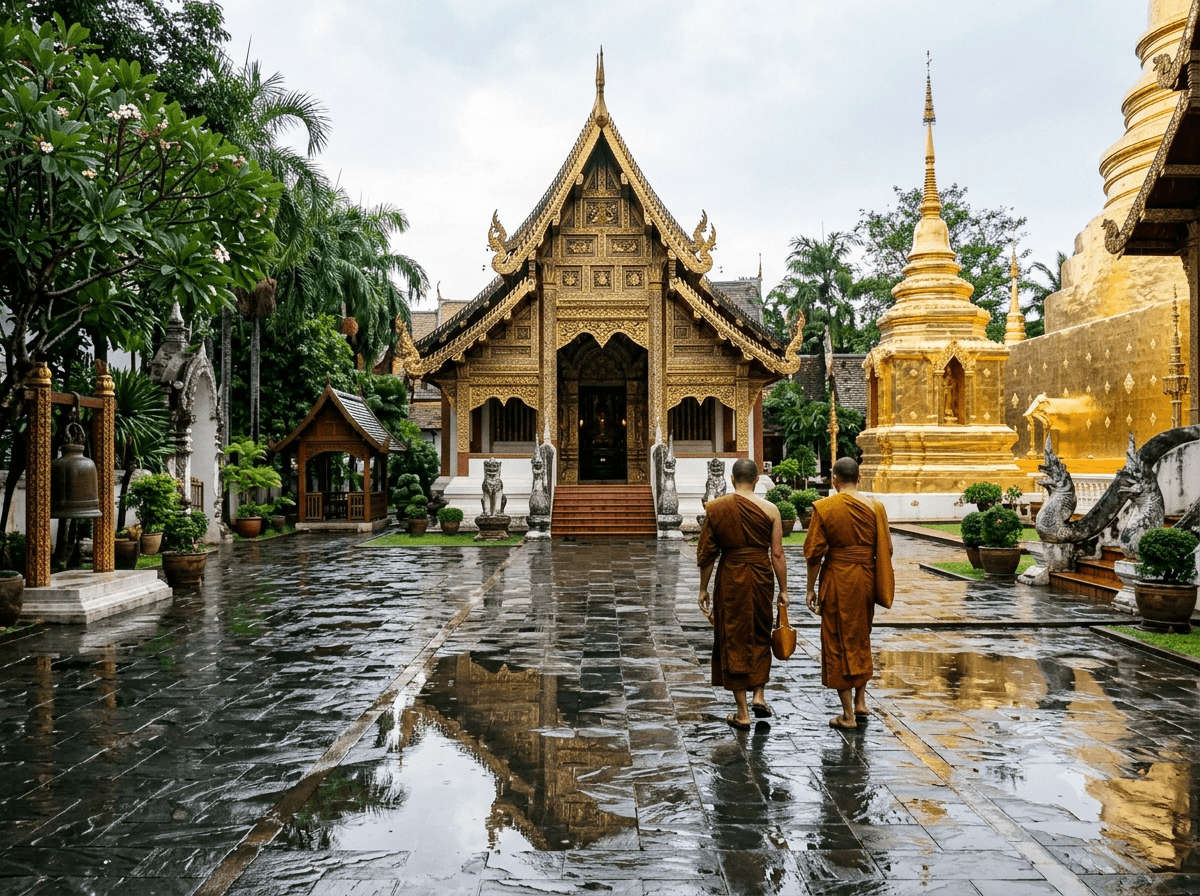
Chiang Mai in June is the north at its lushest. The rain that people fear turns the hills a deep green and fills the moat-ringed old city with a calm the high season never has. You can temple-hop around Wat Phra Singh and Doi Suthep in the cooler mornings, take a cooking class or an ethical elephant-sanctuary day when the afternoon clouds build, and pay low-season rates at guesthouses that are booked solid in December. It is also the natural base for Pai and Doi Inthanon.
| Best for | Temples, food, nature, cooler air, budget travel |
| June weather | ~32C days, ~24C nights, green and comparatively cool, ~13 rainy days |
| Don't miss | Doi Suthep at dawn, a Thai cooking class, Sunday Walking Street |
| Getting there | Direct flights from Bangkok (about 80 minutes) and several Indian metros seasonally |


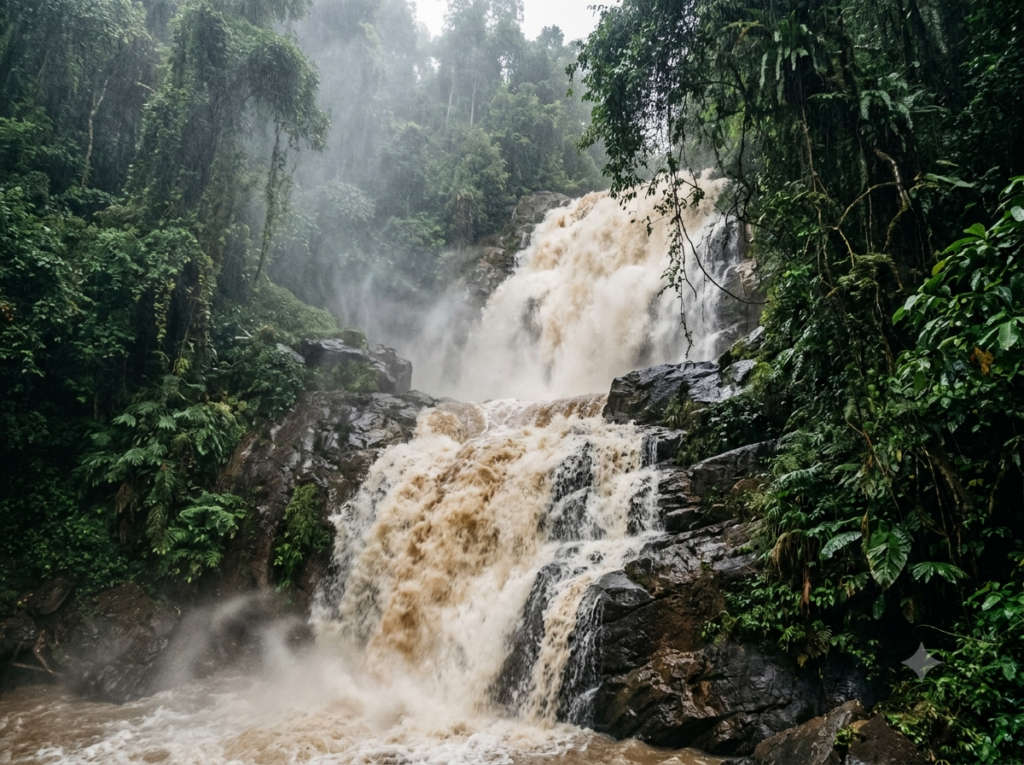
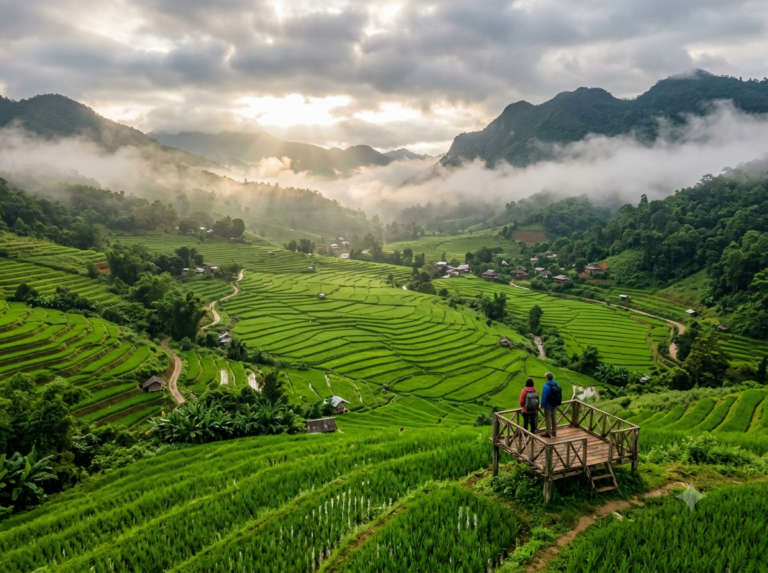
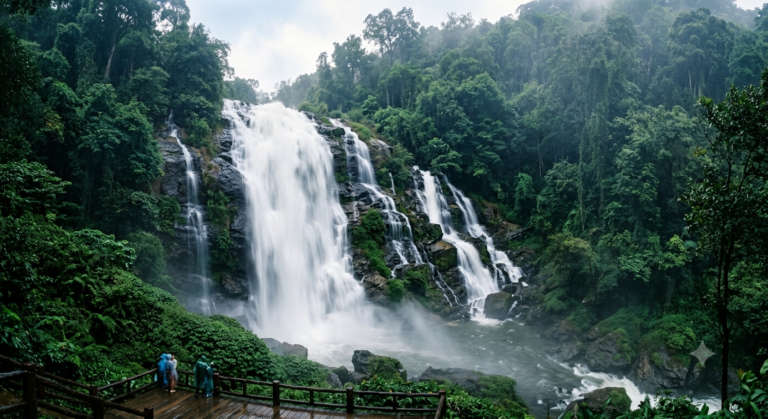
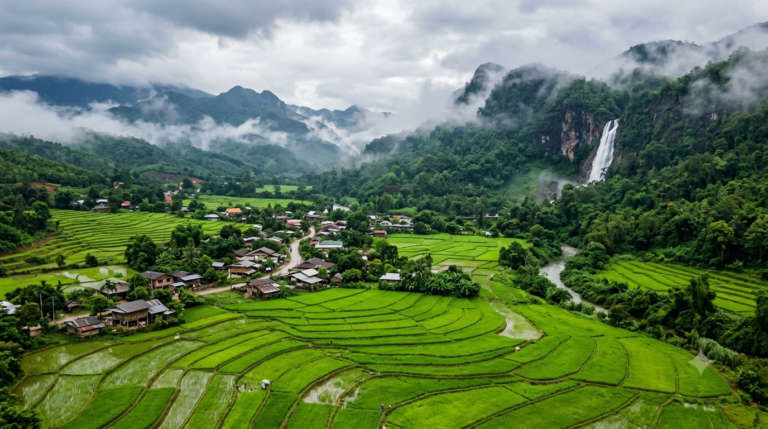
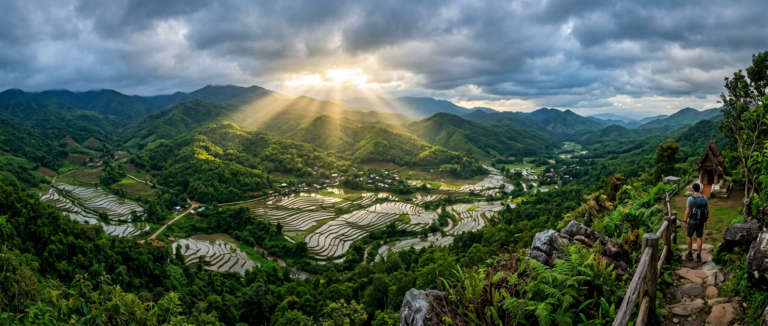
If you want the monsoon working for you rather than against you, this is it. Pai, a winding three-hour drive northwest of Chiang Mai, is a small valley town of hot springs, rice paddies at their greenest, and waterfalls like Mo Paeng running hard. Doi Inthanon, Thailand’s highest peak, is cool enough to need a light layer at the summit, and its waterfalls, Wachirathan chief among them, are at their most powerful in the wet months. Mornings are clearest for the viewpoints.
| Best for | Waterfalls, viewpoints, road trips, cooler mountain air |
| June weather | Cooler than the lowlands, lush, waterfalls at their strongest |
| Don't miss | Mo Paeng and Pam Bok falls, Pai Canyon at sunset, Wachirathan on Doi Inthanon |
| Getting there | Minivan or self-drive from Chiang Mai (Pai ~3 hrs, Doi Inthanon ~2 hrs) |
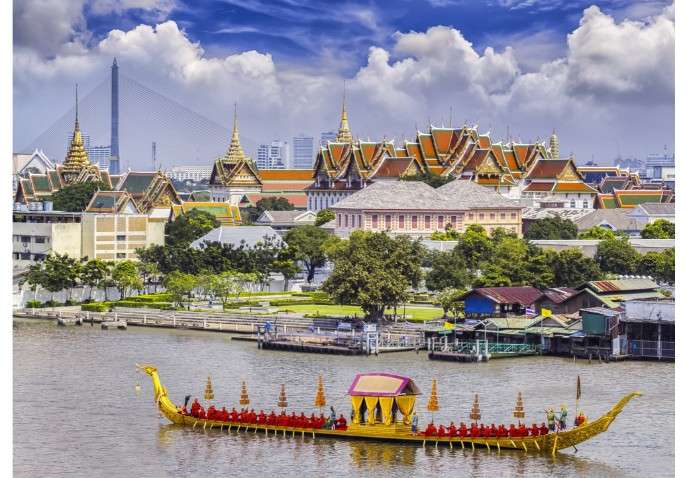
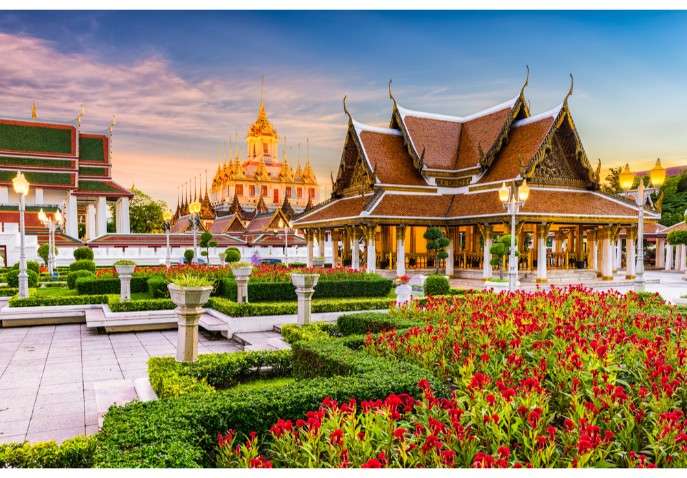


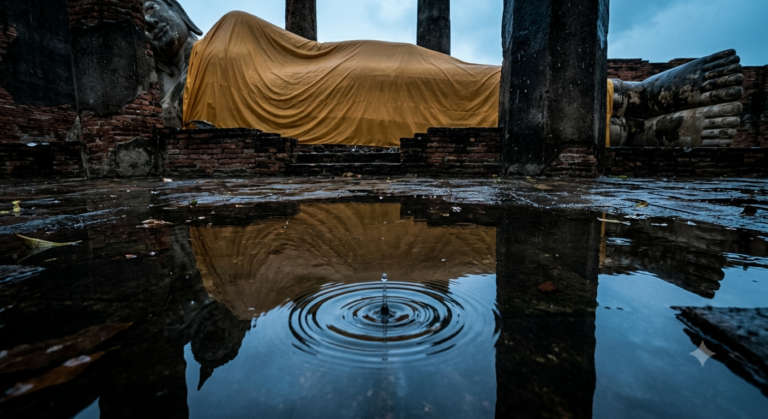
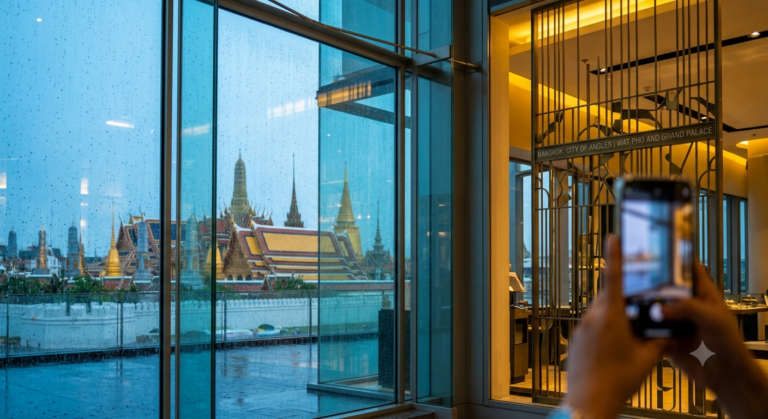
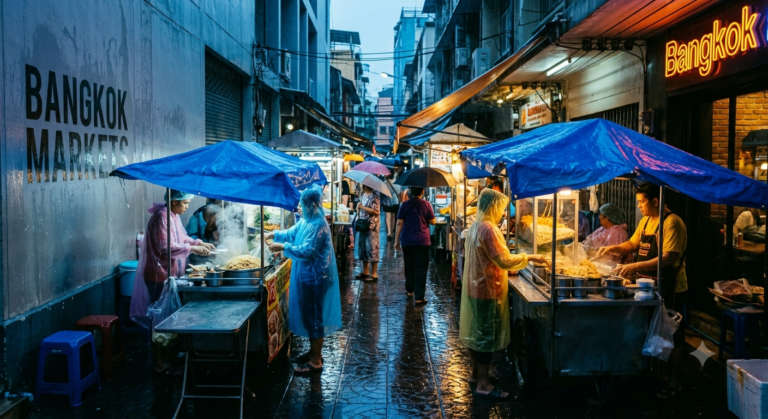
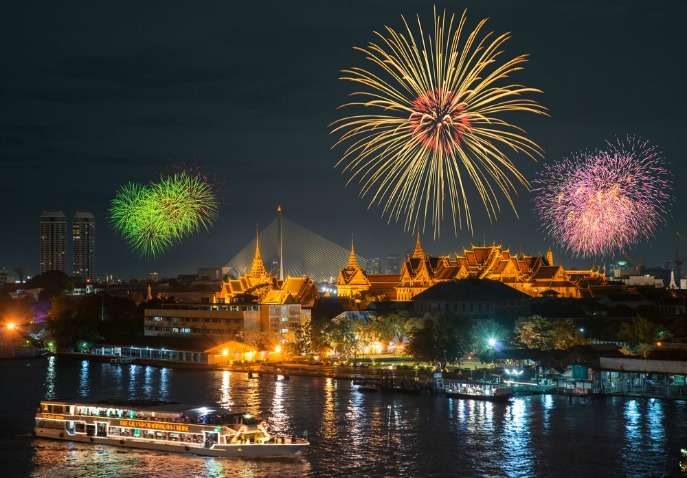
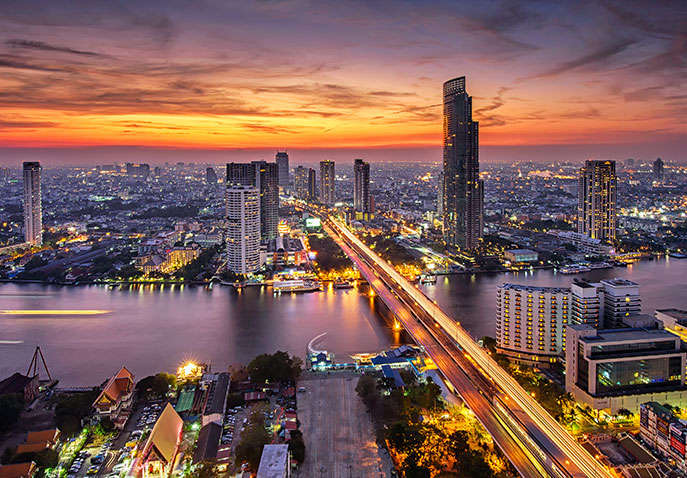
Bangkok is a strong June call precisely because it is a city, not a beach. The showers here are short and heavy, usually in the late afternoon, and the sights that matter most (the Grand Palace, Wat Pho, the malls, the food markets) either shrug off rain or are indoors. Low season means better hotel rates and shorter queues. An hour north, the old capital of Ayutthaya makes an easy day trip, its brick temple ruins looking their most atmospheric under monsoon skies. This is where the historic Wat Yai Chai Mongkhon and its reclining Buddha sit.
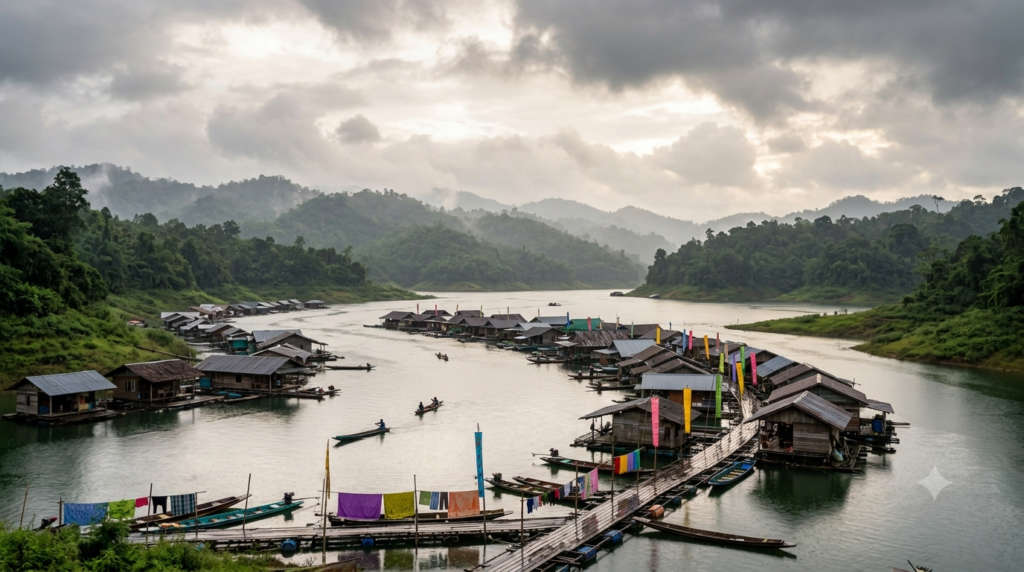
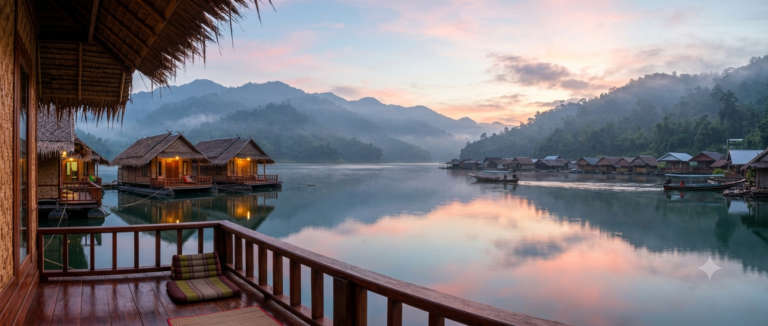
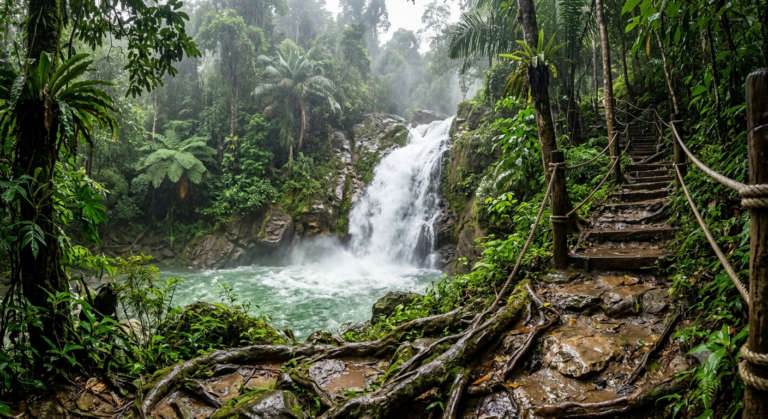
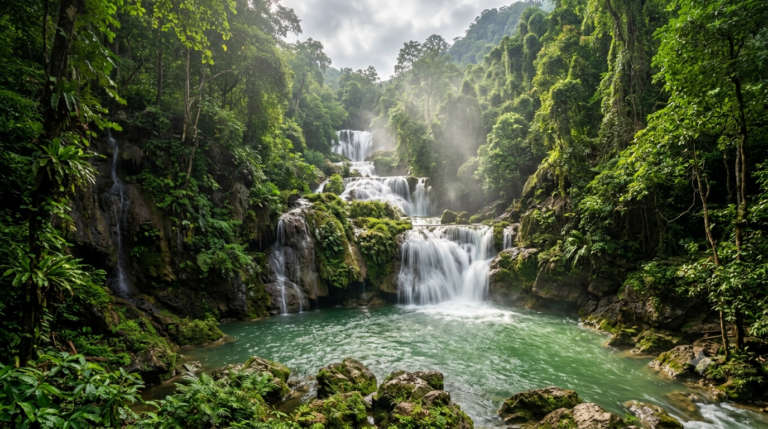
West of Bangkok, Kanchanaburi is another place the rains reward. The seven-tiered Erawan Falls, backed by emerald pools, run fullest in the wet season, and the trail up through the national park is one of the country’s best short hikes. Nearby, Khao Laem Lake offers quiet houseboat stays and floating villages against hill scenery. Both make a good two-day escape from the capital when the beaches are out of play.
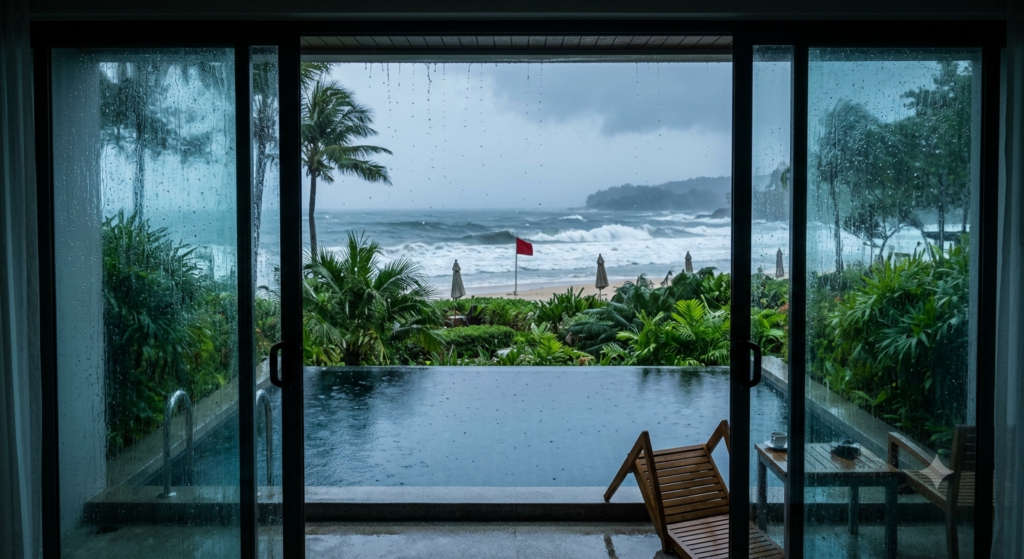
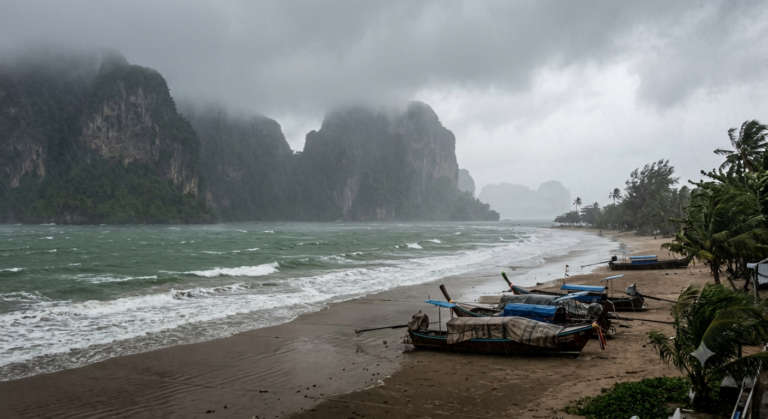
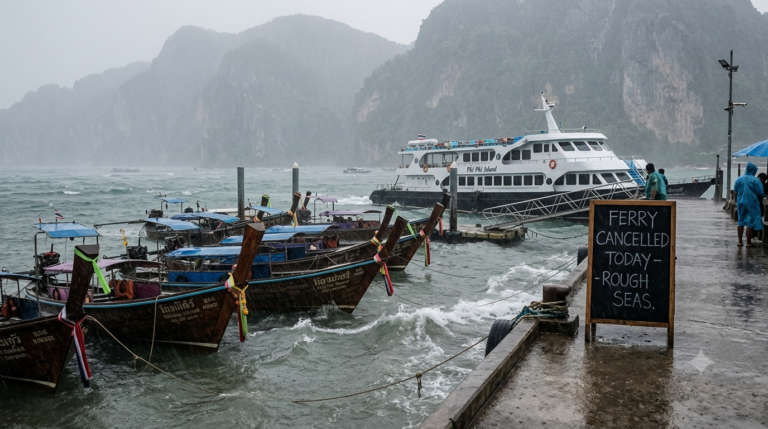
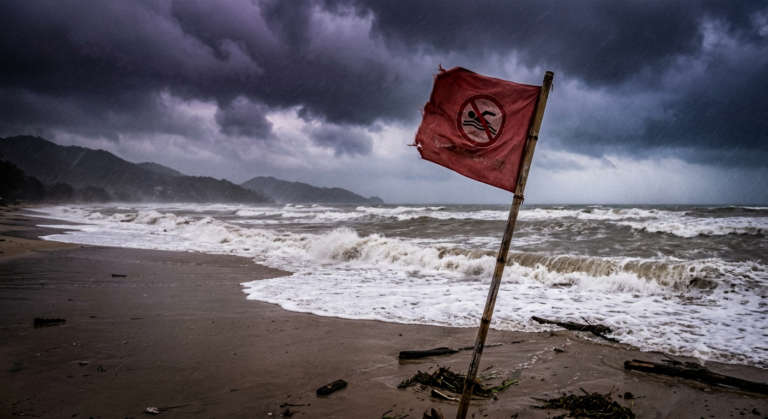
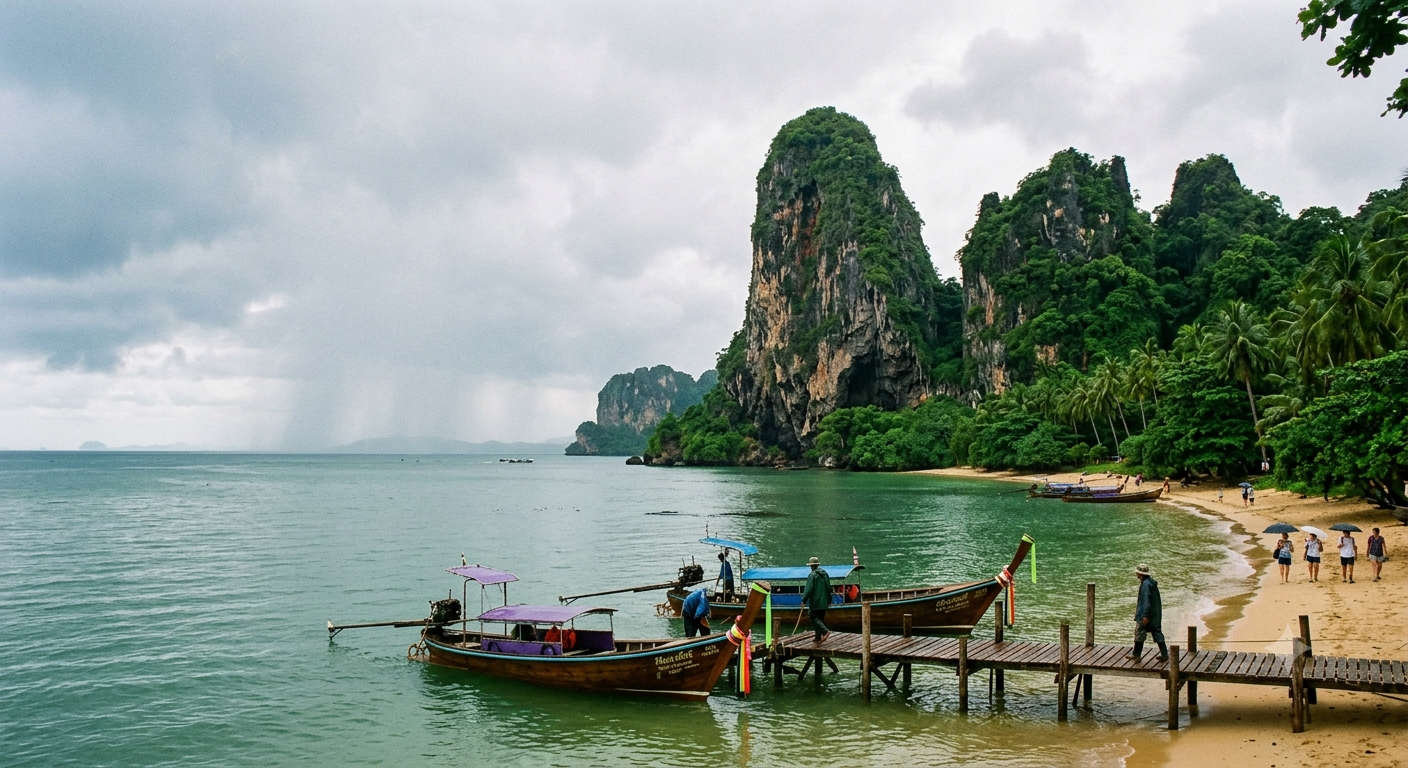
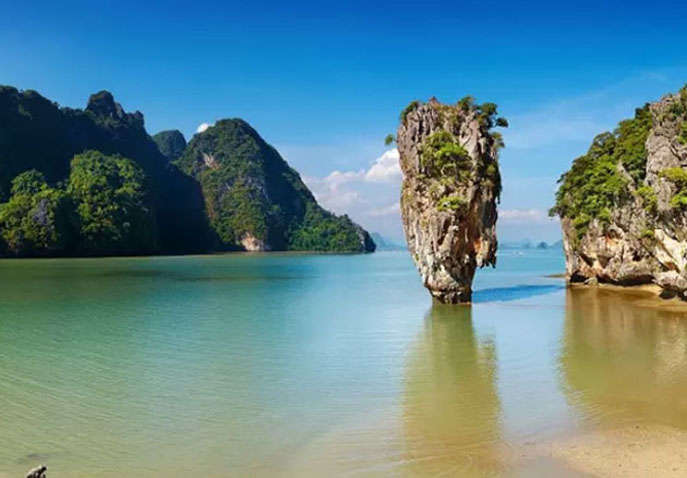
Phuket and Krabi are Thailand’s most famous beaches, and June is the one time of year to skip them. On the exposed western side of the peninsula, the southwest monsoon drives 200 mm or more of rain, whips up the sea, and puts red flags on the sand at Patong, Kata and Ao Nang. Swimming is often genuinely unsafe, and the drownings that make the news here cluster in the monsoon months. Ferries to Phi Phi and the islands are frequently cancelled. If you have your heart set on the Andaman, come back between November and April. In June, that same holiday works far better on the Gulf side.
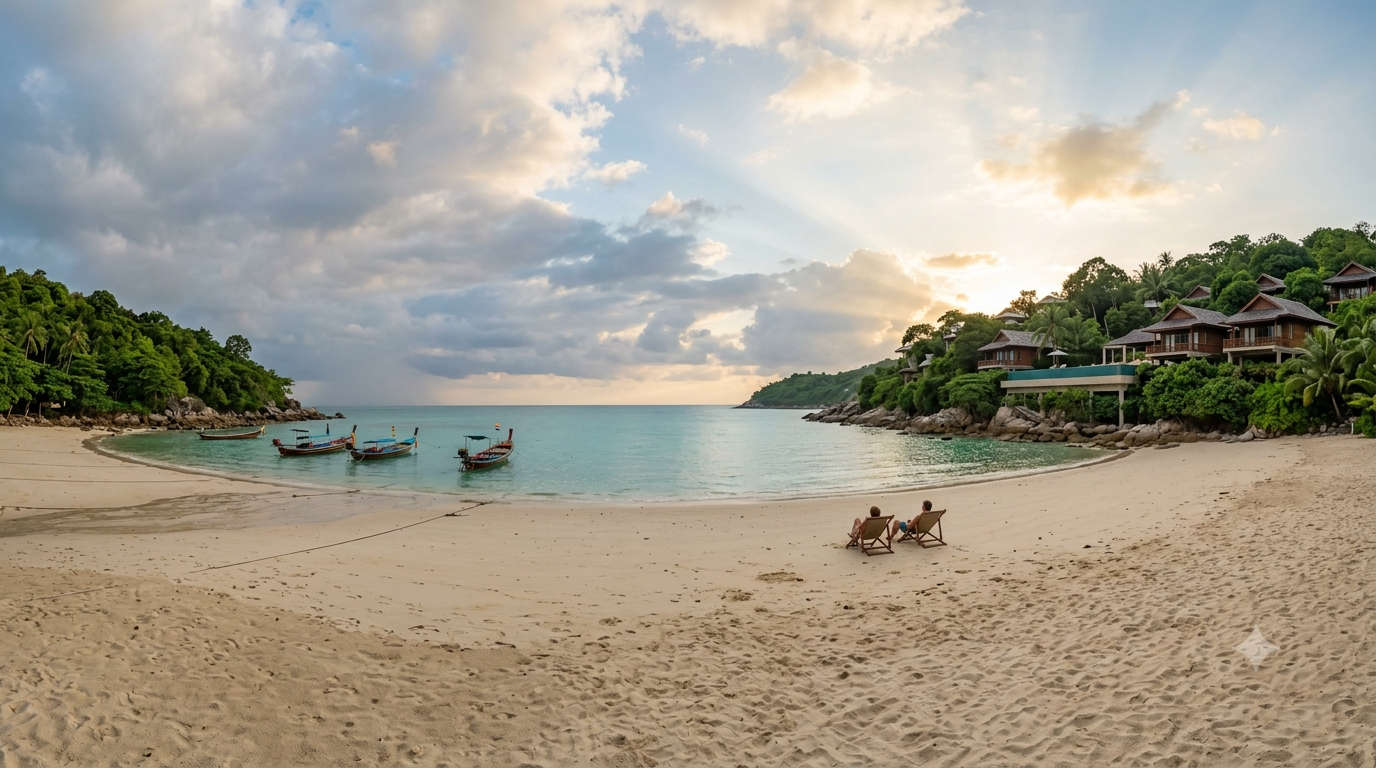
June is low season, and that is the quiet argument for going. Away from the two-week Songkran and the December-to-February rush, the temples of Chiang Mai and the beaches of Ko Samui are far less crowded, and you are dealing with fellow travellers rather than tour-bus convoys. The savings are real. International flights, island resorts and tour rates typically run around 20 to 40 percent below the high-season peak, and hotels that are impossible to book in December often have their best rooms open in June. If you are flexible on which coast you visit and you are happy to plan around afternoon rain, June buys you a materially better trip for less money.
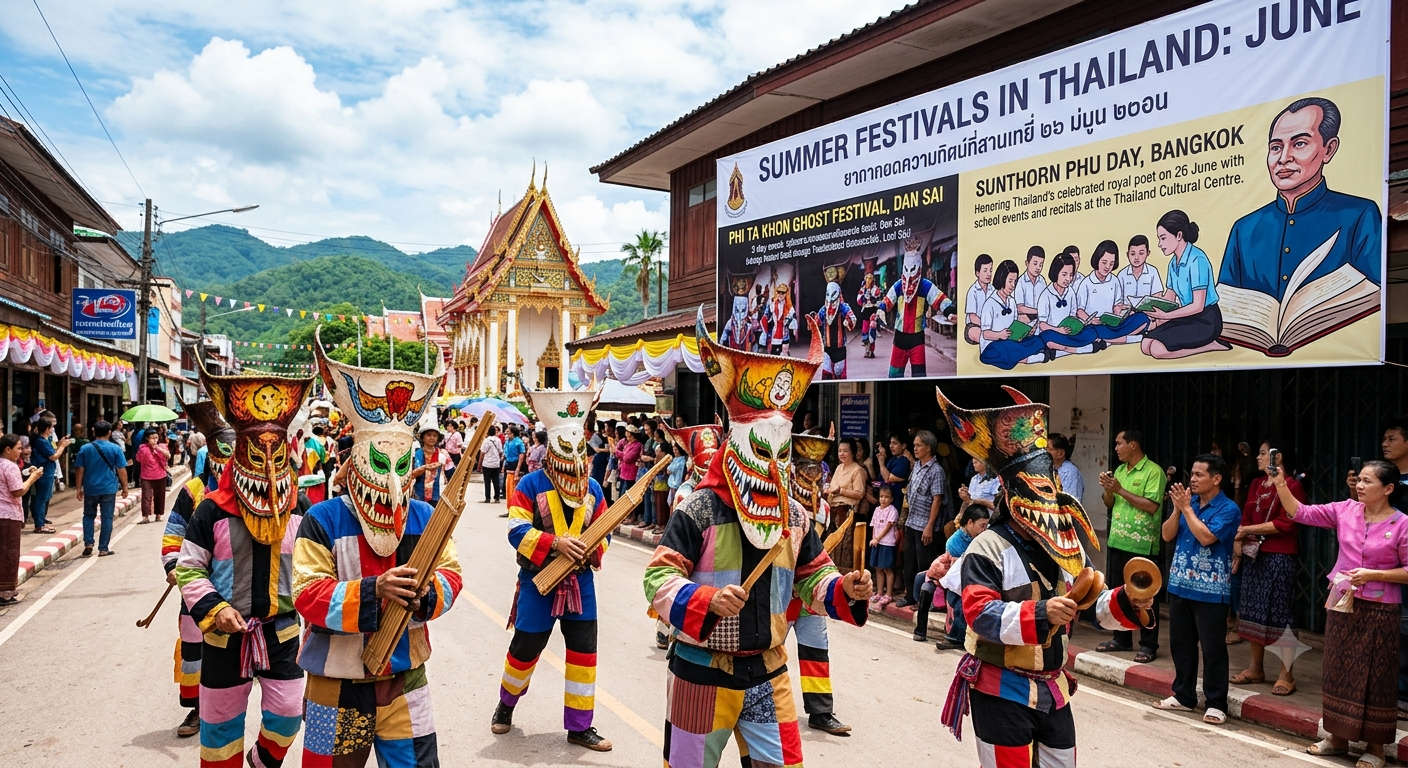
June is quieter than the festival-heavy months, but two events are worth routing around.
Phi Ta Khon Ghost Festival, Dan Sai
Held in the small town of Dan Sai in Loei province, Phi Ta Khon is one of Thailand’s most photogenic festivals. Locals in hand-painted masks and patchwork costumes parade as playful spirits over three days, in a celebration tied to a Buddhist tale of the prince Vessantara’s return. The exact dates are set locally each year against the lunar calendar and usually land in late June, so confirm the current year’s dates with the local tourism office before you plan around it.
Sunthorn Phu Day
On 26 June, Thailand honours Sunthorn Phu, its most celebrated royal poet, with recitals and school events, notably at the Thailand Cultural Centre in Bangkok. It is a low-key cultural day rather than a spectacle, but a nice window into how Thailand treats its literary heritage if you happen to be in the capital.
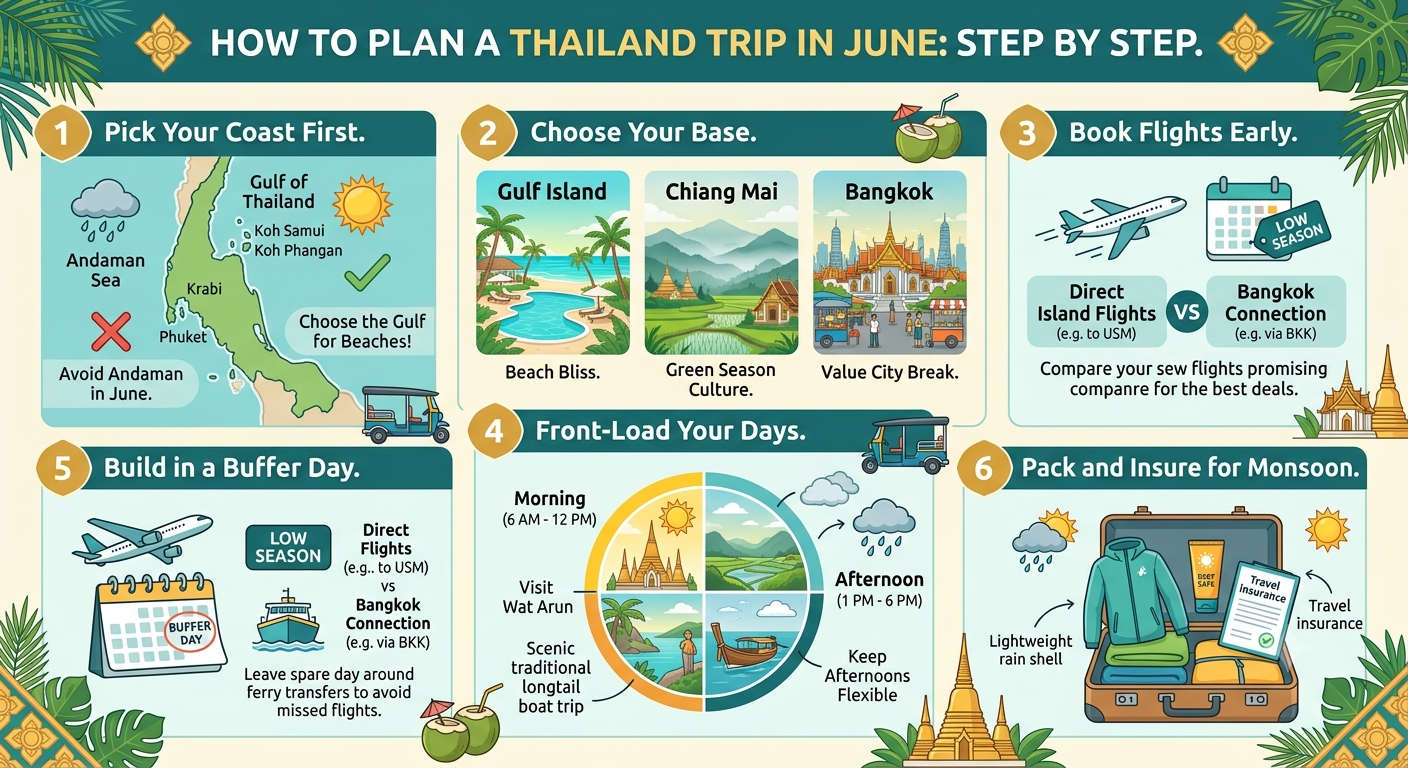
A June trip rewards a little planning around the weather. Here is the order that works.
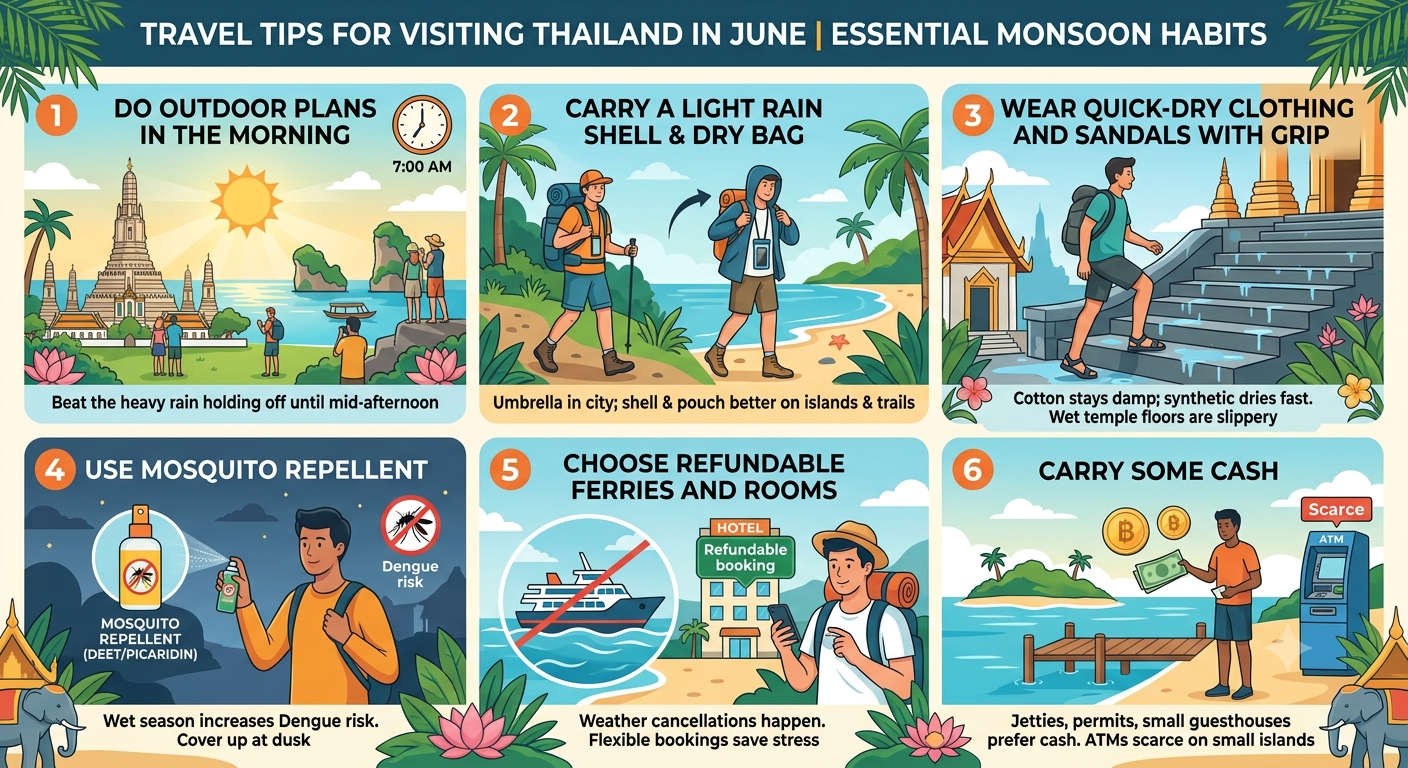
A few monsoon-specific habits make June much easier:
June is one of Thailand’s most underrated months, as long as you follow the weather rather than the postcard. Choose the Gulf islands for beaches, the green-season north for waterfalls and culture, and Bangkok for a value city break, and you get a quieter, cheaper, greener country than the winter crowds ever see.
When you are ready to turn this into a real trip, browse customisable Thailand tour packages or read the wider Thailand travel guide for month-by-month planning. Comparing seasons? See our companions on Thailand in May and Thailand in July.
Yes, if you choose the right region. June is a good month for the Gulf islands (Ko Samui, Ko Pha Ngan, Ko Tao), which get the calmest seas and lightest rain, and for the green-season north around Chiang Mai. It is a poor month for the Andaman beaches at Phuket and Krabi, which are rough and wet. As low season, it also brings cheaper prices and fewer crowds.
June is the southwest monsoon, with daytime highs in the low 30s Celsius and humidity of 75 to 85 percent. Rain tends to fall in short, heavy afternoon bursts rather than all day. The Andaman coast is the wettest at over 200 mm, the Gulf islands are the driest of the beaches at around 130 mm, and Bangkok and the north sit in between at roughly 110 mm.
No. Monsoon rain in Thailand usually arrives as a heavy downpour in the afternoon or evening that lasts an hour or two, then clears. Mornings are often bright, which is why locals and seasoned travellers schedule outdoor activities early. All-day rain does happen occasionally, mostly on the Andaman coast, but it is the exception rather than the rule.
The Gulf islands are the best part of Thailand to visit in June for a beach holiday, thanks to calm seas and the lightest coastal rain. For nature and culture, the green-season north (Chiang Mai, Pai, Doi Inthanon) is superb, with waterfalls at their fullest. Bangkok works well for a city break. Avoid the Andaman coast for beach time this month.
Not for the beaches. In June the southwest monsoon makes Phuket's west-coast beaches rough and often red-flagged for swimming, and island ferries are frequently cancelled. It can still work for a spa-and-resort break at low-season prices, but if you want beach and water time in June, the Gulf islands are a far better choice. Save Phuket for November to April.
Yes. Ko Samui, Ko Pha Ngan and Ko Tao sit on the sheltered eastern side of the peninsula and enjoy the calmest, clearest water in the country in June, with the lightest rain of any beach region. It is a reliable month for swimming, diving off Ko Tao, and island-hopping to Ang Thong Marine Park, all at low-season rates.
Yes. June is low season, so international flights, hotels and tours generally run about 20 to 40 percent below the December-to-March peak, and premium resorts that sell out in high season often have rooms available. Combined with thinner crowds at the major sights, this is the main reason budget-conscious and honeymoon travellers choose June.
Yes, on the Gulf side. Swimming and island-hopping are safe and enjoyable around Ko Samui, Ko Pha Ngan and Ko Tao, where the sea stays calm. On the Andaman side (Phuket, Krabi, Phi Phi), swimming is often unsafe with red-flag warnings and cancelled ferries. Always follow the beach flags and local lifeguard advice.
Pack for warm, wet, humid weather: a light rain shell or packable poncho, quick-dry clothes, sandals with grip, and a dry bag or waterproof pouch for your phone. Add reef-safe sunscreen, insect repellent for the wetter dengue season, and a power bank, since island connectivity and power can be patchy. Refundable bookings help with weather changes.
Yes, and it can be excellent value. For a June honeymoon, base yourselves on the Gulf islands, where Ko Samui and Ko Pha Ngan offer calm seas, private-pool villas and low-season rates that are far higher in winter. Pair the beach with a few days in green-season Chiang Mai for a mix of romance, nature and culture without the peak-season crowds.
Real reviews from real travelers who booked with us.
View All Reviews