5D / 4N
19% OFF
5D / 4N
19% OFF
Andaman Family Holiday For 4 Nights 5 Days
- Hotel
- Meals
- Sightseeing
- Transfers
₹23,574
₹18,990 /pp
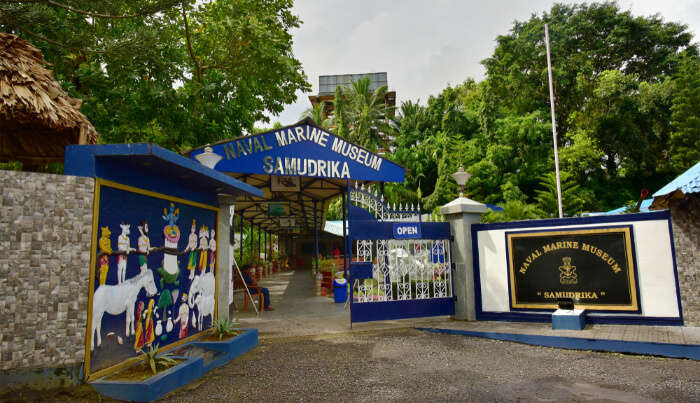


The best museums in Andaman are all in Port Blair (officially Sri Vijaya Puram), the islands’ capital — and most of them sit within a few kilometres of each other in the Haddo area. The headline stop is the Cellular Jail National Memorial, but the real surprise is the cluster around it: the Navy-run Samudrika Naval Marine Museum, the Anthropological Museum with its rare tribal artefacts, the Fisheries Museum aquarium, the Forest Museum, the Zoological Survey of India gallery and the Science Centre. Most charge only a token entry fee — between free and about Rs 100 — and several share the same closed day (Mondays), so a little planning lets you do the lot in a half-day. Below is every museum worth your time, with its location, timings, entry fee and what’s actually inside.
Top Andaman Packages you Must Explore
Best Time
October - May
Select Package Type


Explore the 7 best museums in Andaman, from the historic Cellular Jail to the fascinating Samudrika Naval Marine Museum, with highlights, timings, entry fees and visitor tips for each.
The seven museums most visitors actually see, where they are, roughly when they open, the entry fee and what each is best for. Fees and timings are indicative – island institutions keep flexible hours, so confirm on the day.
| Museum | Area (Port Blair) | Typical hours | Entry fee | Best for |
| Cellular Jail National Memorial | Atlanta Point | Tue–Sun 9 AM–12:30, 1:30–4:45 PM; closed Mon | ~Rs 30 (₹100 foreigners); L&S show ~Rs 300/150 | Freedom-struggle history, Light & Sound show |
| Samudrika Naval Marine Museum | Haddo | 9 AM–12, 2–5 PM; closed Mon & national holidays | ~Rs 50 | Marine life, corals, blue-whale skeleton |
| Anthropological Museum | Middle Point | 9 AM–5:30 PM; closed Mon & public holidays | ~Rs 20 (₹150 foreigners) | Andaman & Nicobar tribal culture |
| Fisheries Museum (Aquarium) | Delanipur | ~9 AM–3 PM | ~Rs 5 | 350+ marine species, small aquarium |
| Forest Museum | Chatham Island, Haddo | 8 AM–12, 2:30–5 PM; closed Sun | ~Rs 2 | Timber, wood crafts, forestry history |
| Zoological Survey of India Museum | Haddo (Horticulture Rd) | ~9 AM–5 PM | Free | Preserved fauna, fossils, skeletons |
| Regional Science Centre | Near Science Park | ~10 AM–6 PM; closed Mon | Nominal | Interactive science, island geology |
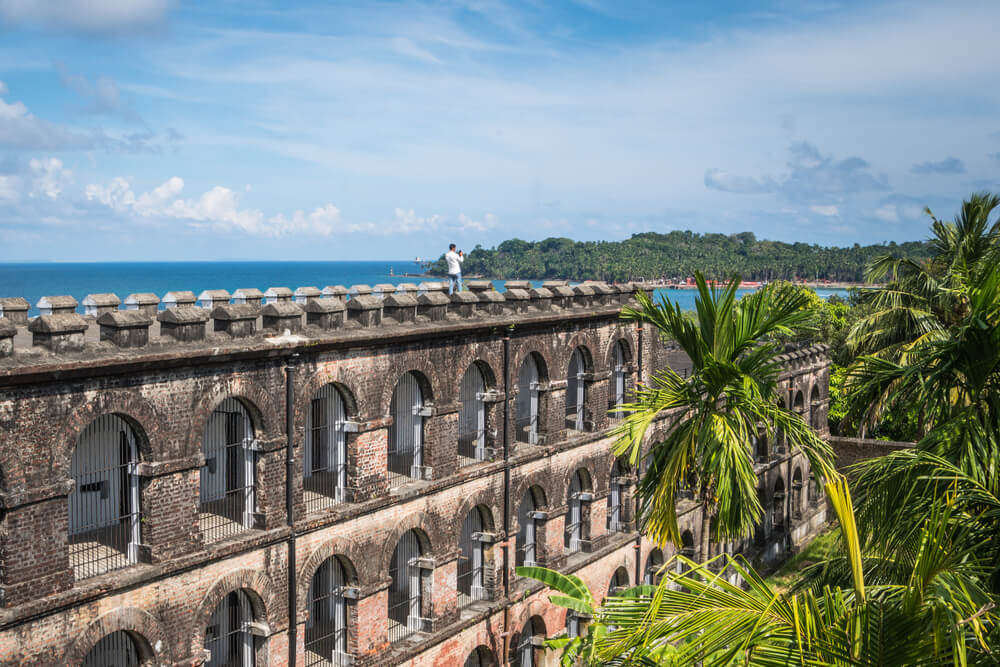
Two things trip up almost every first-time visitor, and most online lists get them wrong too. First, the Cellular Jail is not a ‘Kala Pani Museum’ – it is the National Memorial, the actual colonial-era prison where freedom fighters were jailed, with a small museum gallery inside it. ‘Kala Pani’ (black water) is the nickname for the punishment of being transported here, not the name of a separate museum.
Second, the Samudrika Naval Marine Museum and the Fisheries Museum are two different places. Samudrika is the Navy-run museum in Haddo with the blue-whale skeleton and the big marine-ecosystem galleries; the Fisheries Museum (often called the Aquarium) is a separate, smaller building in Delanipur, near the Andaman Teal House, focused on live and preserved fish and corals. Plenty of guides merge the two – they aren’t the same, and you can visit both.
Get those two straight and the rest of this guide and your visiting plan falls into place.
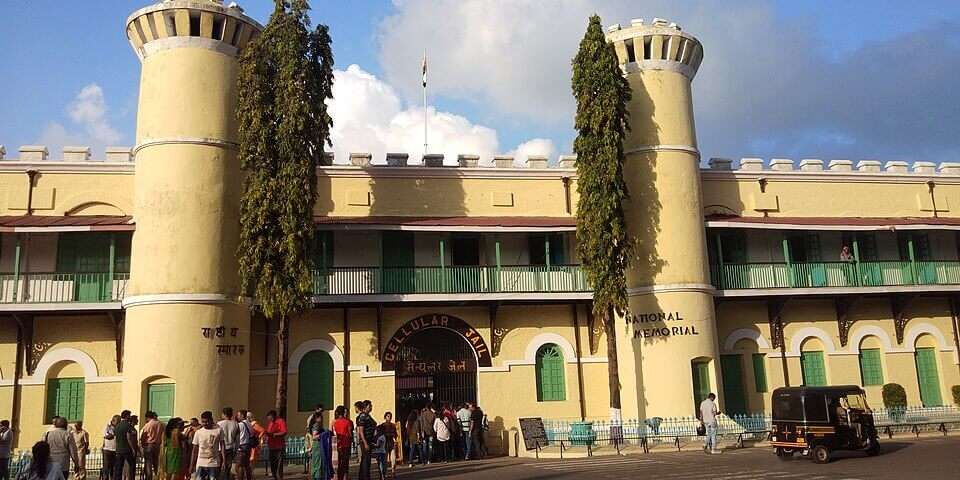
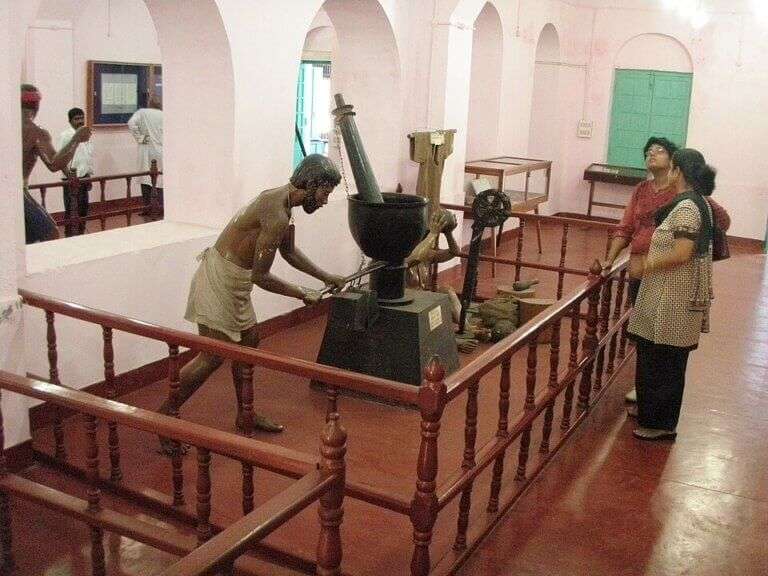
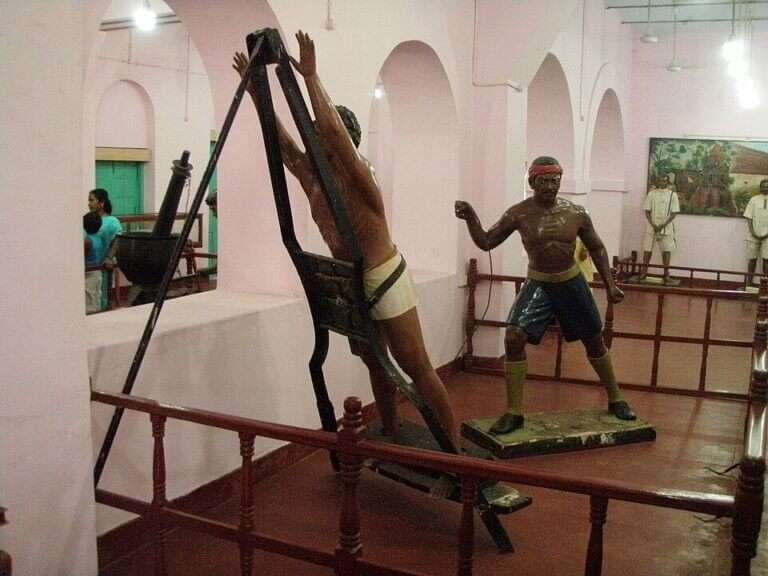
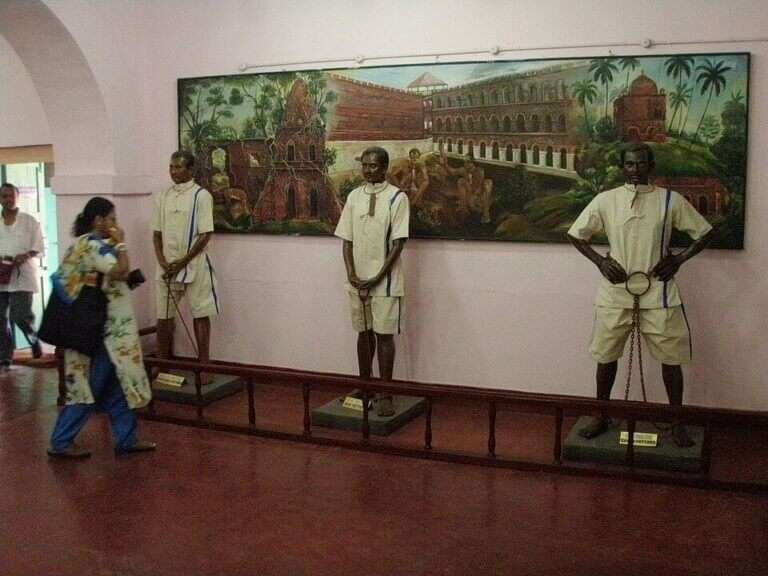
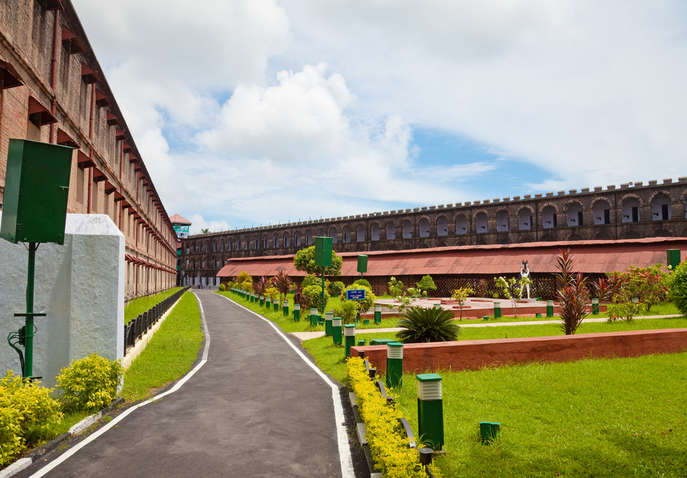
This is the most important historical site in the Andamans and the reason most people put ‘museums’ on their Port Blair list at all. Built by the British between 1896 and 1906, the Cellular Jail held India’s freedom fighters in solitary ‘cells’, among them Vinayak Damodar Savarkar, Batukeshwar Dutt and Yogendra Shukla. Three of the original seven wings survive (the rest were damaged during the WWII Japanese occupation), along with the gallows, a small museum gallery and an art gallery. The unmissable part is the evening Light & Sound show, which tells the jail’s story through the voice of the old peepal tree in the courtyard.
You’ll find it at Atlanta Point in central Port Blair. It’s open Tuesday to Sunday, 9 AM–12:30 PM and again 1:30 PM–4:45 PM, and closed on Mondays and government holidays. Entry is around Rs 30 for Indians and about Rs 100 for foreign nationals, plus a small camera charge. The evening Light & Sound show is ticketed separately at roughly Rs 300 per adult and Rs 150 per child, with separate Hindi and English slots each evening; buy early in peak season, because it sells out. This is the stop for freedom-struggle history, and the most moving hour of any Port Blair trip.
For the full history, ticket details and show timings, see our dedicated guide to the Cellular Jail in Andaman.
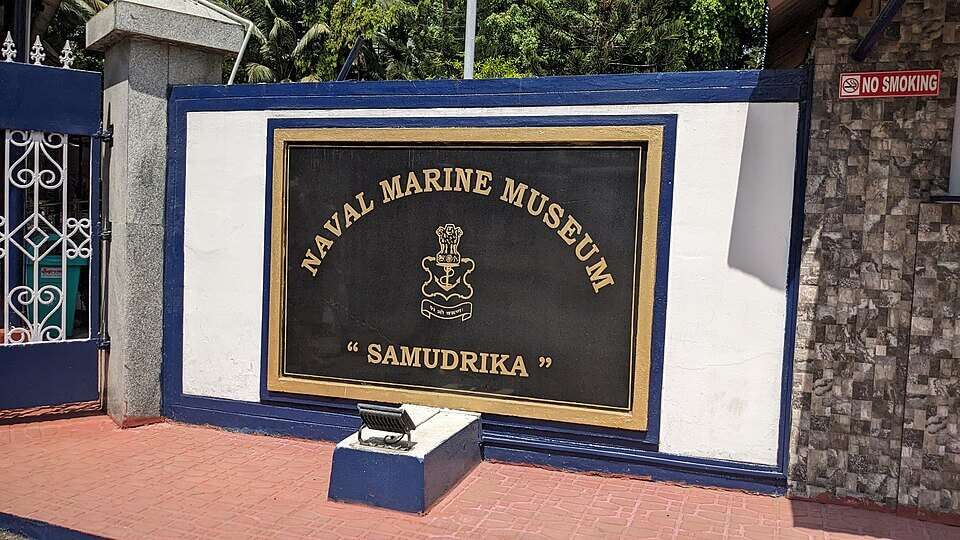
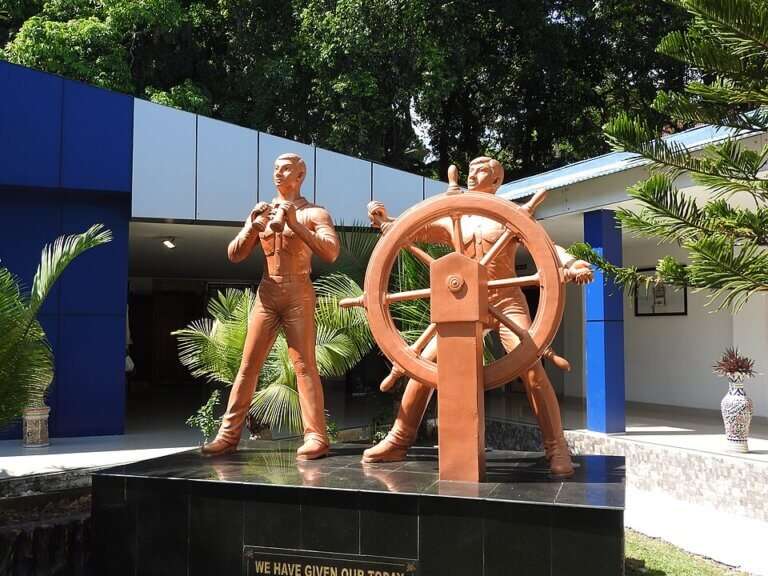
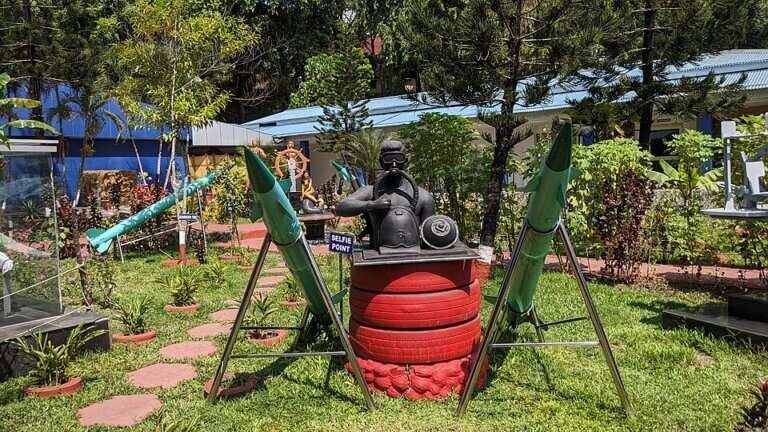
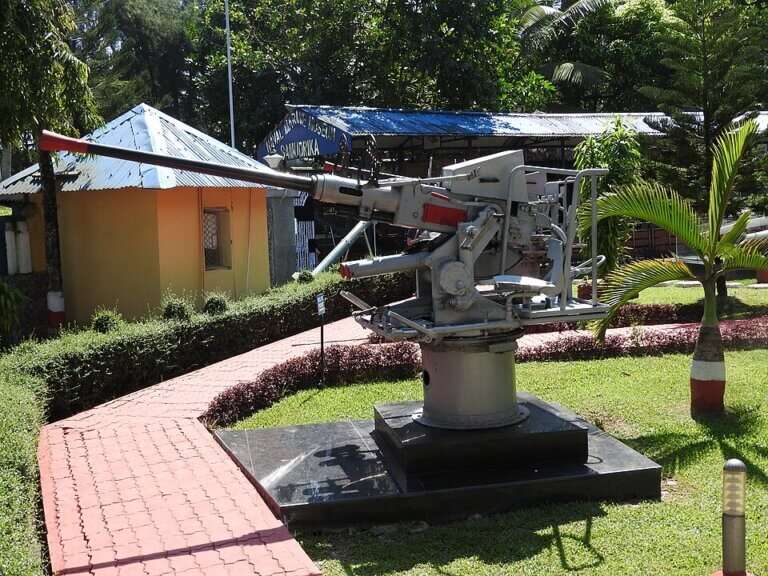
Run by the Indian Navy, Samudrika is the best place to understand the marine world you’ll be snorkelling and diving in. Five themed galleries cover the islands’ geography, people, archaeology, marine life and a shell collection, with displays on coral reefs, mangroves and the local ecosystem. The showpiece is the skeleton of a blue whale recovered from the Nicobar group, and there’s a small aquarium and a landscaped garden in the complex. It’s an easy, air-conditioned hour and a good primer before you head to the reefs.
It sits in Haddo, about 2 km from the Aberdeen Bazaar centre, and opens 9 AM–12 noon and 2 PM–5 PM with a lunch break in between; it’s closed on Mondays and national holidays. Entry runs around Rs 50 per person, plus a small camera charge. Come here for marine life and corals, and for a quick natural-history overview before you start island-hopping.



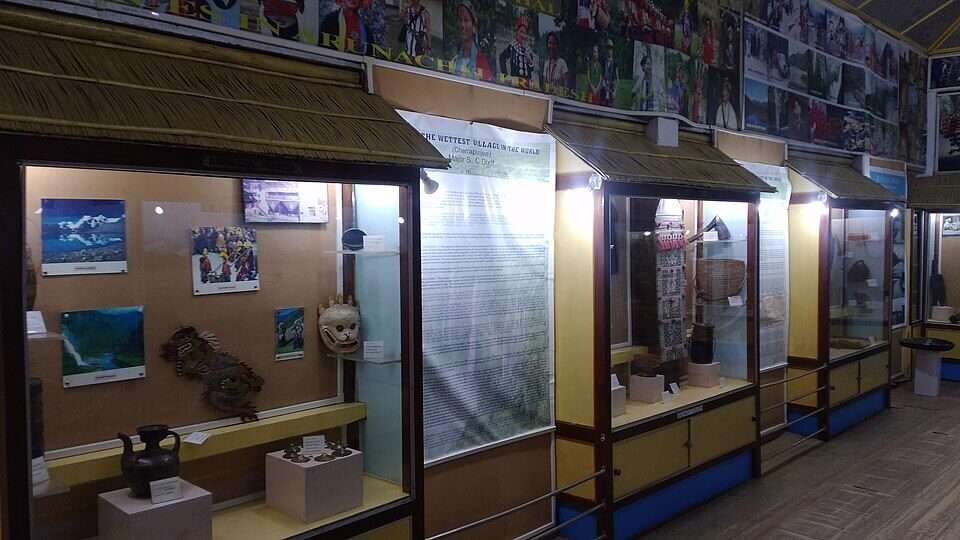
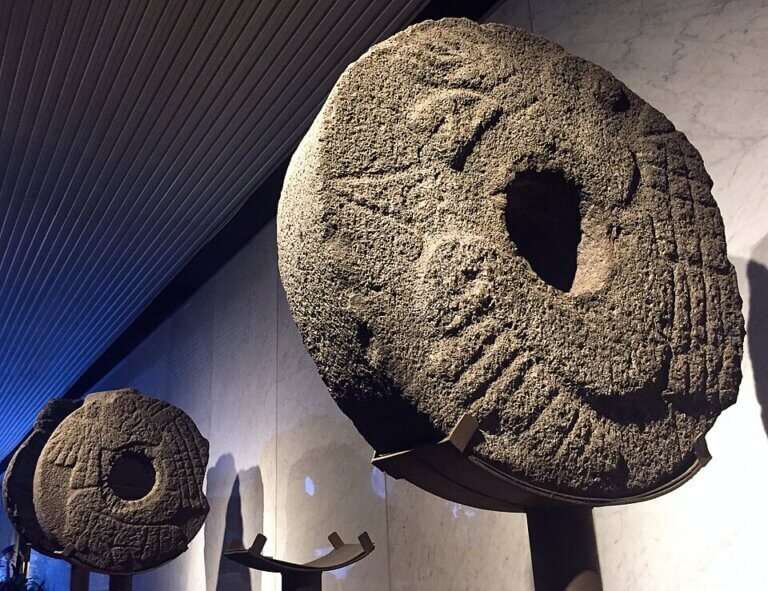
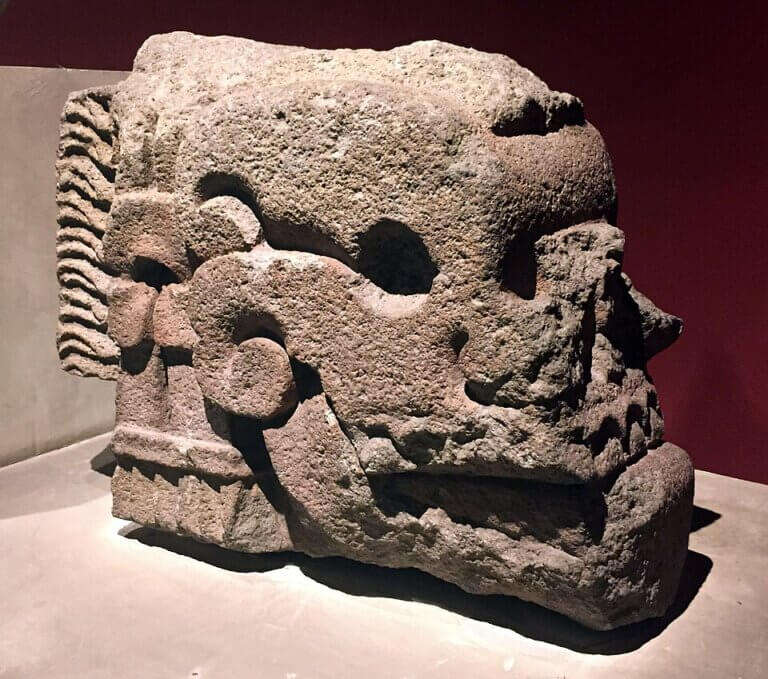
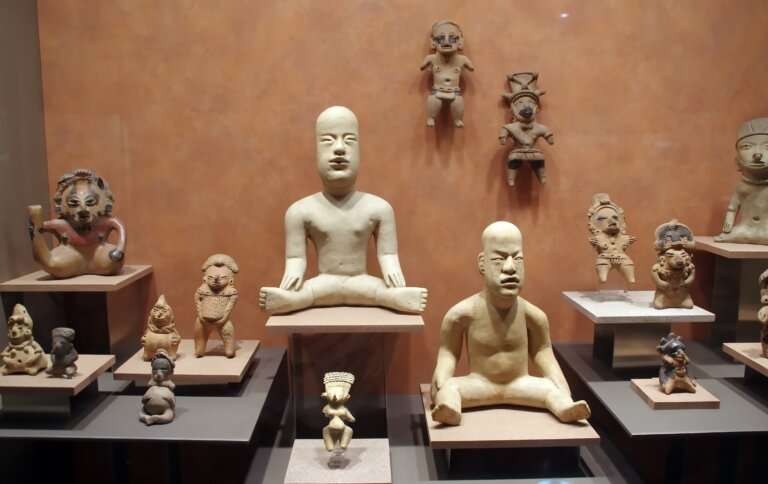
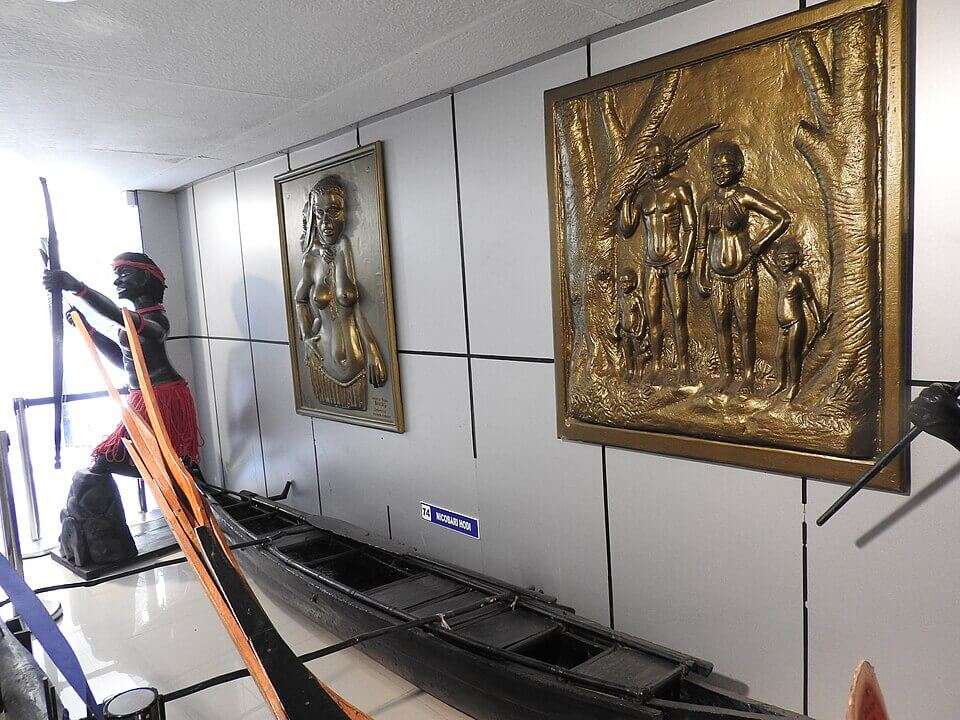
The Anthropological Museum (also called the Zonal Anthropological Museum) is the most culturally significant museum on the islands. It documents the four Negrito tribes of the Andamans the Great Andamanese, Onge, Jarawa and Sentinelese and the Mongoloid Nicobarese and Shompen of the Nicobar group, through tools, weapons, hunting gear, clothing, models of dwellings and rare photographs. Some of the communities shown, like the Sentinelese, remain almost entirely uncontacted, which makes this one of the very few windows into their way of life. Photography of certain exhibits is restricted, so follow the signs.
It’s at Middle Point in central Port Blair, open 9 AM–1 PM and 1:30 PM–4:30 PM (some listings run it through to about 5:30 PM), and closed on Mondays and public holidays. Entry is around Rs 20 for Indians and about Rs 150 for foreign nationals, with concessions for students and free entry for young children. Come here if you want to understand the islands’ indigenous tribes – it’s the single most educational stop in Port Blair.


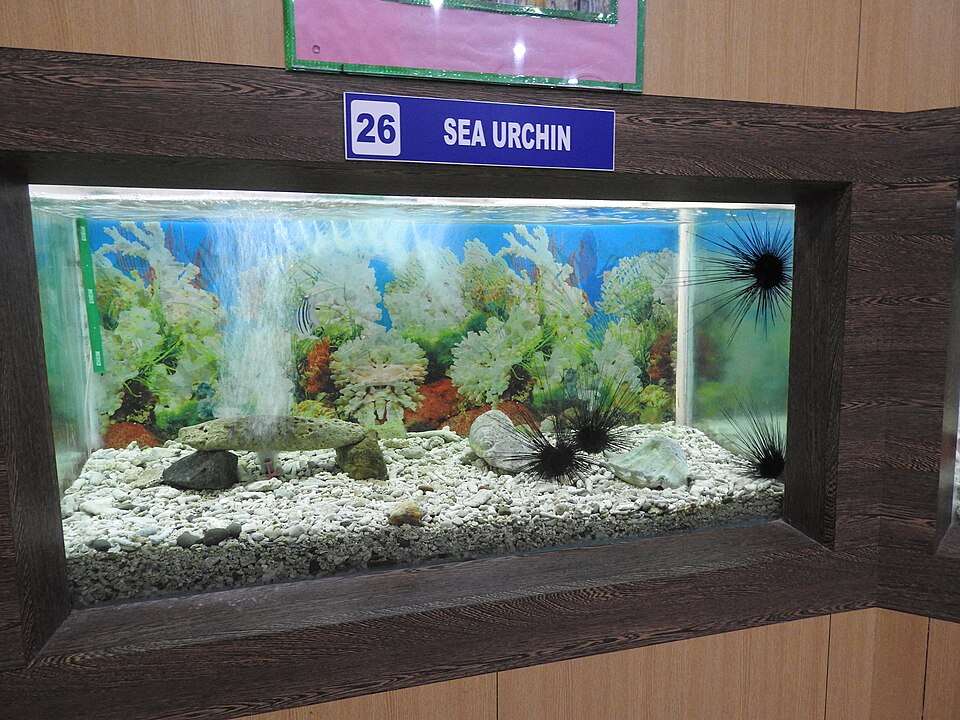
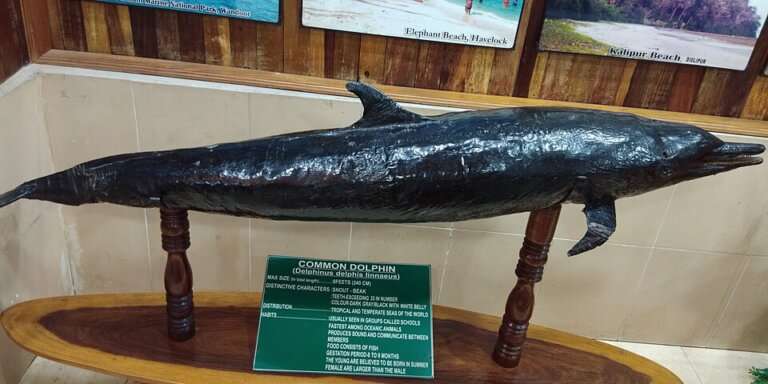
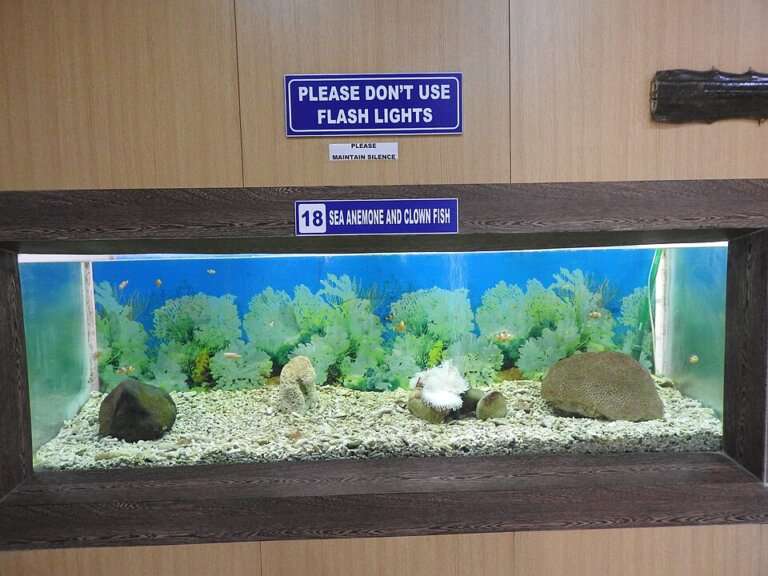
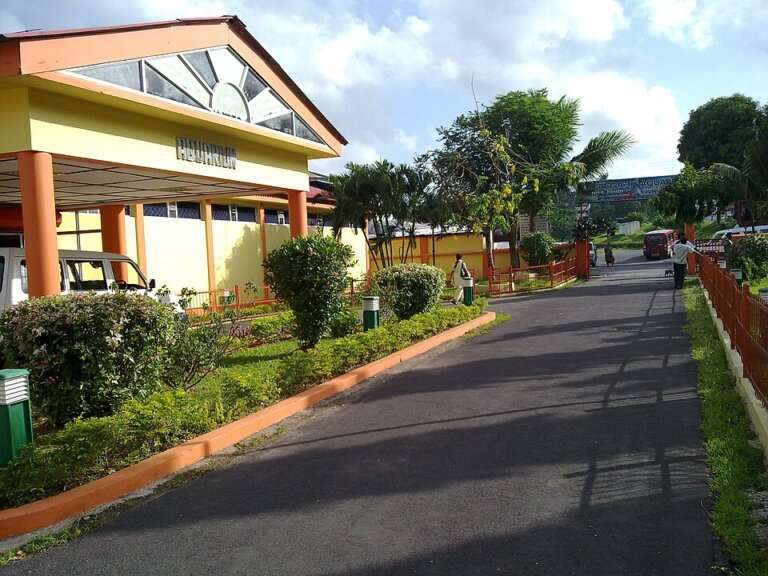
Not to be confused with Samudrika, the Fisheries Museum, widely known as the Aquarium, is a compact museum near the Andaman Teal House in Delanipur. It holds more than 350 species of marine life found across the Bay of Bengal and the wider Asia-Pacific, displayed as preserved specimens and in small tanks: reef fish, corals, shells, starfish, sea snakes and the odd preserved shark. It’s modest and a little old-fashioned, but cheap and quick, and children tend to love the live tanks. It’s in Delanipur, near the Teal House, open roughly 9 AM–3 PM, with entry around Rs 5 for adults and a few rupees for children. It’s a fast, budget-friendly aquarium stop, especially with kids.
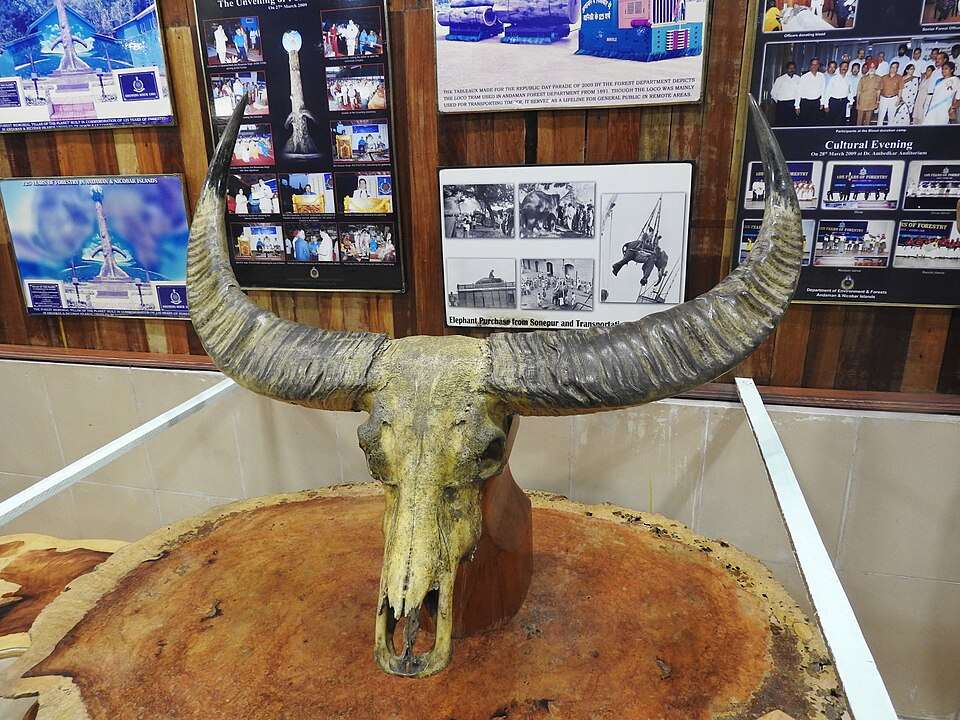
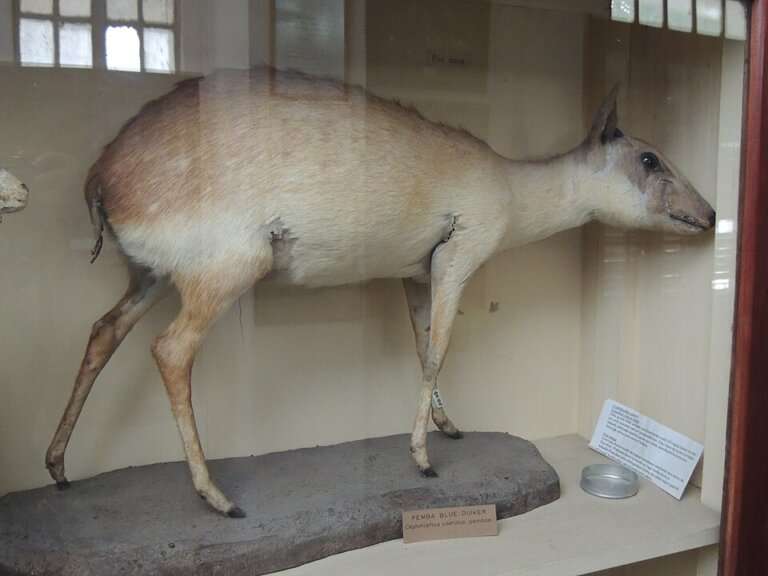
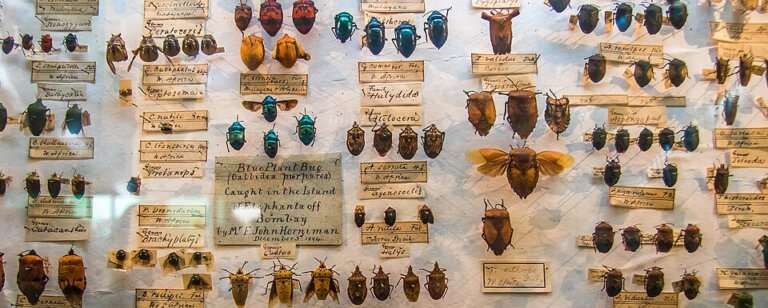
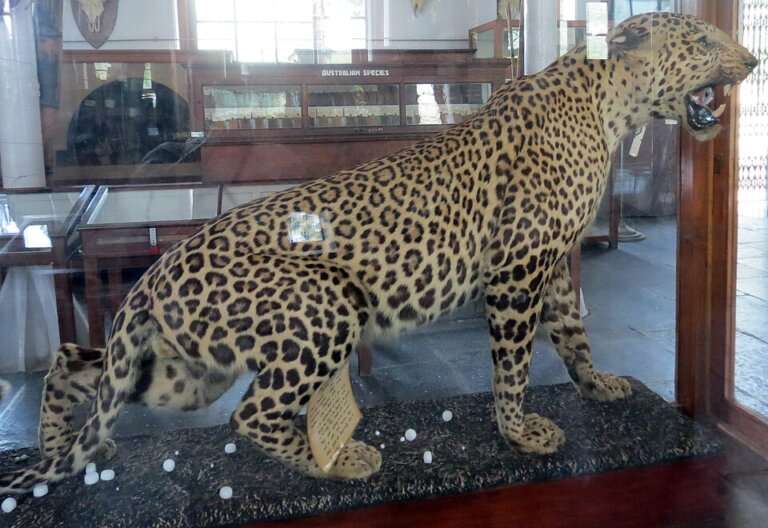
Tucked beside Asia’s oldest saw mill on Chatham Island (connected to Port Blair by a road bridge), the Forest Museum is run by the Andaman & Nicobar Forest Department and tells the story of the islands’ timber and forestry. Exhibits include polished cross-sections and crafted pieces in the islands’ prized woods padauk, gurjan, satinwood, marble wood and other native timbers, plus tools, photographs and models of forest life. Pair it with a look at the historic Chatham Saw Mill next door. It’s on Chatham Island in Haddo, open 8 AM–12 noon and 2:30 PM–5 PM, and closed on Sundays the one major museum that closes on Sunday rather than Monday. Entry is around Rs 2 per person. It’s one for wood and forestry buffs, and an easy add-on to the Haddo cluster.
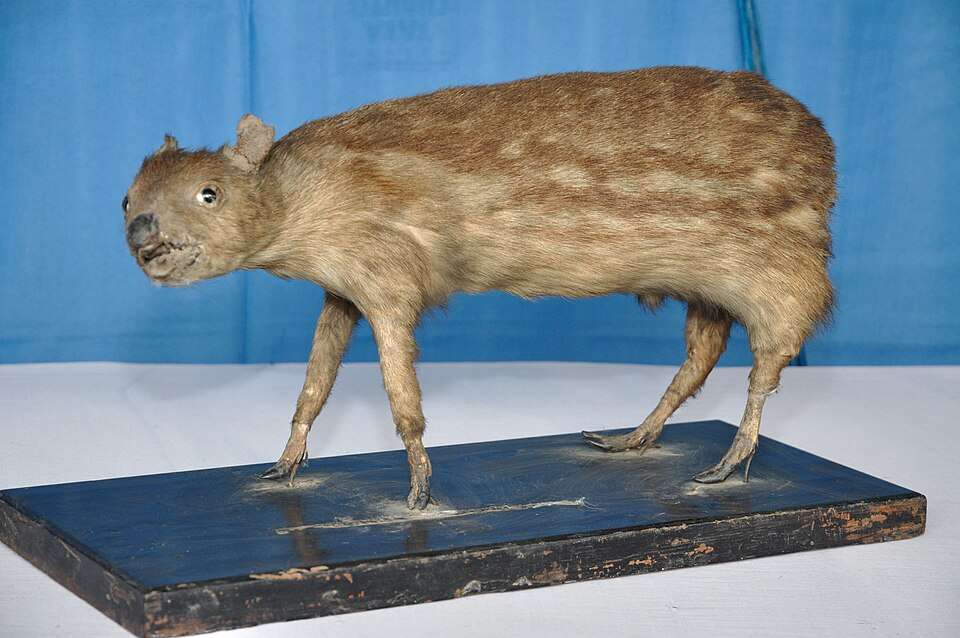
The Zoological Survey of India’s regional museum in Haddo is a small but genuinely interesting natural-history gallery, and it’s free. The collection covers the fauna of the Andaman & Nicobar Islands – preserved marine creatures, corals, starfish, mollusc shells, reptiles, birds, skeletons and fossils and is a favourite with families because there’s no ticket and plenty for children to point at. It’s at 11 Horticulture Road in Haddo, open roughly 9 AM–5 PM (a little later on Sundays), and entry is free. It’s a no-cost, family-friendly natural-history stop right next to Samudrika.
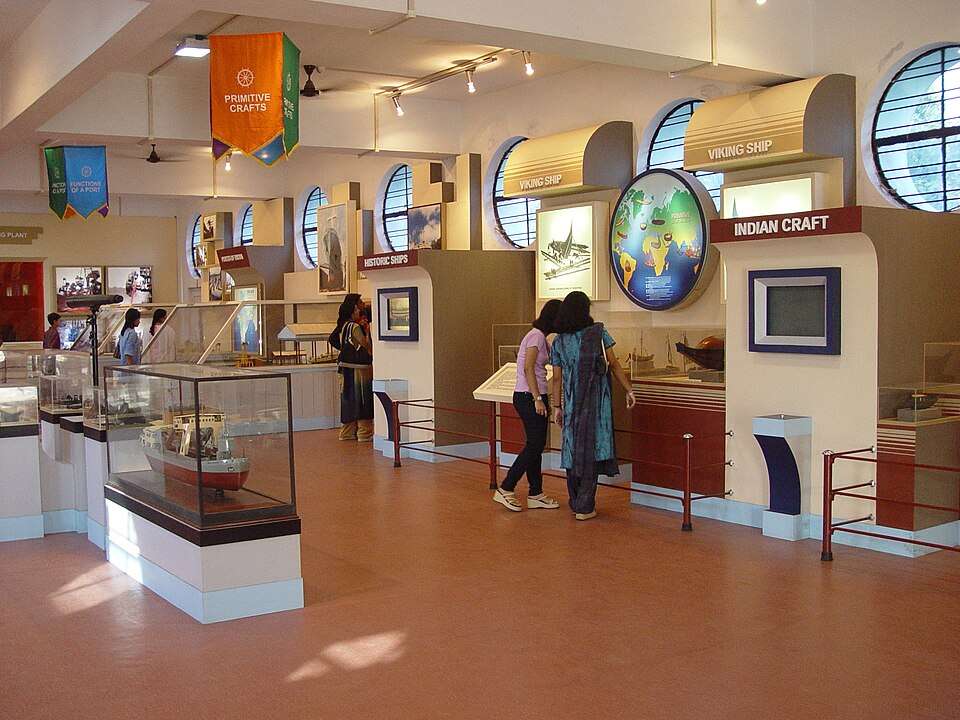
Opened in 2003 and part of the national network of science museums, the Regional Science Centre is the most hands-on museum on the islands, built for curious kids and anyone interested in how the Andamans were formed. Interactive galleries cover island geology and the archipelago’s volcanic origins (including Barren Island, India’s only active volcano), ocean science, and general science and technology, with plenty of buttons to press and exhibits to play with. You’ll find it near the Science Park in Port Blair, open around 10 AM–6 PM and closed on Mondays, with a nominal entry fee. It’s one for families with children, and for anyone curious about the islands’ volcanic, under-the-sea origins.
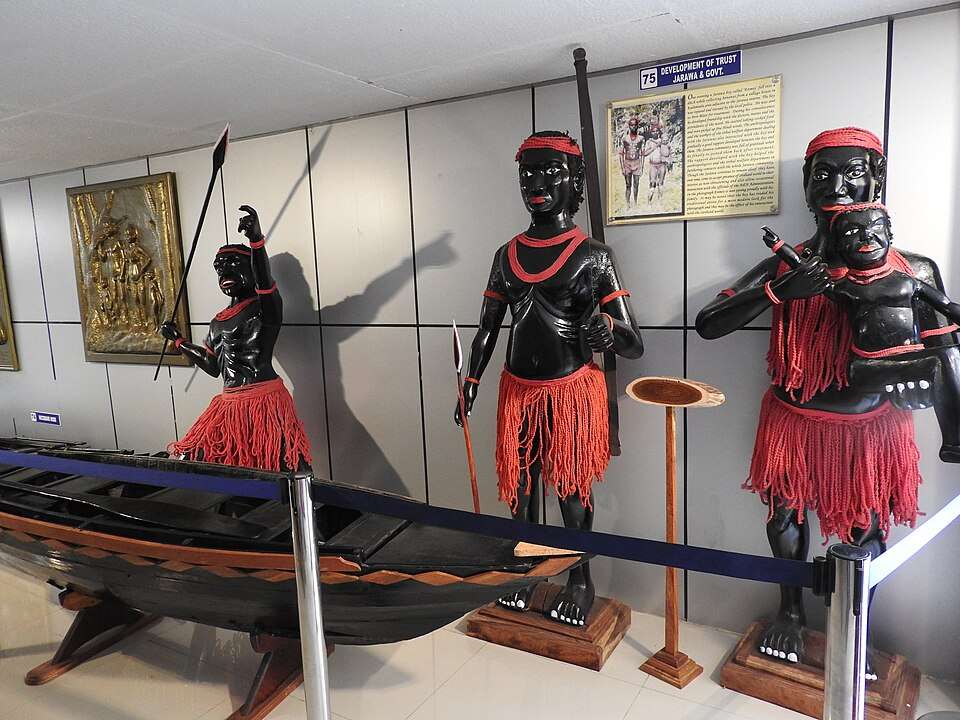
Short on time? Match your interest to the museum that delivers it best. This is the decision most visitors get wrong, trying to do all seven when two or three would suit them better.
| If you’re most interested in… | Go to | Why | Roughly how long |
| Freedom-struggle history | Cellular Jail National Memorial | The real prison + the Light & Sound show | 2–3 hrs (incl. show) |
| The islands’ tribes & culture | Anthropological Museum | Rare artefacts from the Andaman & Nicobar tribes | 45–60 min |
| Marine life & corals | Samudrika Naval Marine Museum | Blue-whale skeleton + ecosystem galleries | 45–60 min |
| A quick aquarium with kids | Fisheries Museum (Aquarium) | Live tanks, 350+ species, very cheap | 30–45 min |
| Wood, timber & forestry | Forest Museum, Chatham | Native woods + Asia’s oldest saw mill next door | 30–45 min |
| Free natural history | ZSI Museum, Haddo | Preserved fauna & fossils, no ticket | 30 min |
| Hands-on science for kids | Regional Science Centre | Interactive geology & ocean-science galleries | 1 hr |
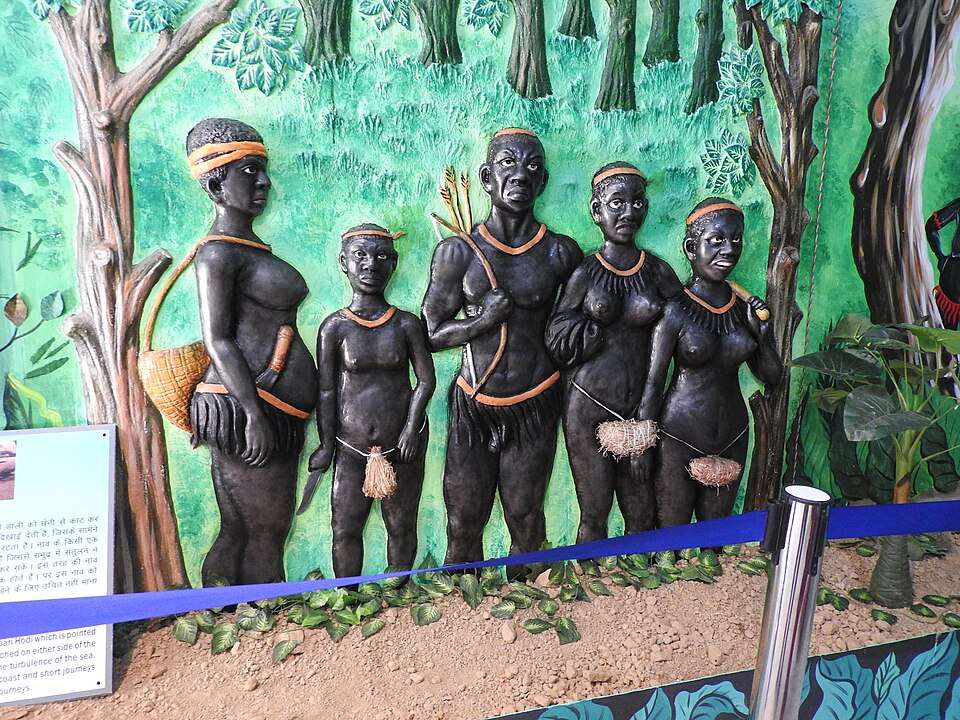
Because most of these museums cluster in Haddo and central Port Blair and share the Monday closure, you can see the best of them in a single half-day. Here’s the order that wastes the least time.
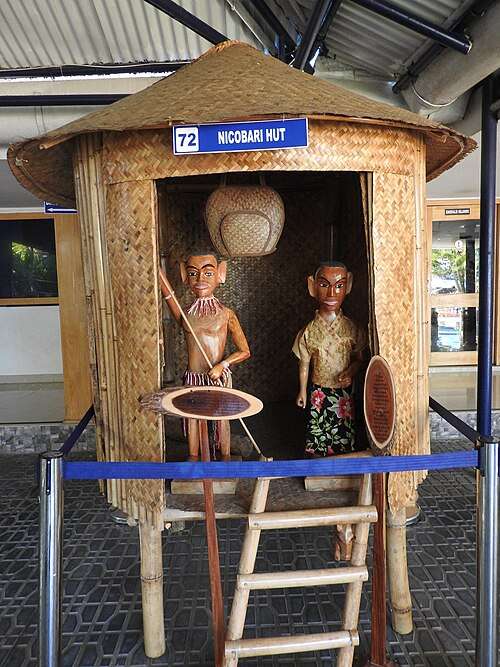
The museums are open year-round and, being indoors, they’re a smart rainy-day option – but the best time to visit Andaman overall is October to May, the dry season, when ferries to Havelock (Swaraj Dweep) and Neil (Shaheed Dweep) run reliably. Since almost everyone flies in and out of Port Blair, the museums are the natural thing to do on your arrival or departure day, when you’re in the capital anyway and don’t want to start an island ferry.
Most people settle into the same efficient rhythm. Land in Port Blair, do the Cellular Jail and a museum or two on day one, sail to Havelock and Neil for the beaches and water sports, then keep your last Port Blair morning free for anything you missed. That way the museums bookend the trip without eating into beach time.
Planning the wider trip? See our guides on things to do in Port Blair, places to visit in Andaman, how to reach Andaman and the best time to visit Andaman.
Andaman’s museums are small, cheap and clustered in Port Blair and far more rewarding than that makes them sound. Lead with the Cellular Jail and its Light & Sound show, add the Anthropological Museum for the islands’ tribes and Samudrika for the marine world, and you’ve covered the essentials in an afternoon. Pick a day that isn’t Monday, carry small cash, and let the museums frame your first or last day in the capital. When you’re ready to turn this into a trip, browse our customisable Andaman tour packages to build an itinerary that pairs a Port Blair museum morning with the beaches of Havelock and Neil.
Port Blair has around seven museums worth visiting: the Cellular Jail National Memorial, the Samudrika Naval Marine Museum, the Anthropological Museum, the Fisheries Museum (Aquarium), the Forest Museum, the Zoological Survey of India Museum and the Regional Science Centre. The Cellular Jail is the must-see for history, the Anthropological Museum is the best for tribal culture, and Samudrika is the best for marine life. All are in or near Port Blair.
Most Port Blair museums open around 9–10 AM, break for lunch (roughly 12–2 PM), and close by 5–5:30 PM. The Cellular Jail runs about 9 AM–12:30 and 1:30–4:45 PM. Crucially, most close on Mondays — but the Forest Museum closes on Sundays instead. Always confirm timings locally, as island institutions keep flexible hours.
Entry fees are very low. The Cellular Jail costs around Rs 30 for Indians (about Rs 100 for foreigners), the Samudrika museum about Rs 50, the Anthropological Museum about Rs 20, the Fisheries Museum about Rs 5 and the Forest Museum about Rs 2; the ZSI Museum is free. The Cellular Jail Light & Sound show is separate, at roughly Rs 300 per adult and Rs 150 per child. Most counters are cash-only, with a small extra camera fee.
The Cellular Jail is a national memorial - the actual colonial-era prison where India's freedom fighters were held - with a museum gallery and an art gallery inside it. It's the headline 'museum' stop in Port Blair, famous for its evening Light & Sound show. 'Kala Pani' is the nickname for the punishment of being transported here, not a separate museum, despite what some guides suggest.
They are two different museums. The Samudrika Naval Marine Museum is the larger, Navy-run museum in Haddo, with five galleries and the famous blue-whale skeleton. The Fisheries Museum - usually called the Aquarium - is a smaller, separate building in Delanipur near the Andaman Teal House, focused on live and preserved fish, corals and shells. You can visit both; they're often confused but are not the same place.
The Cellular Jail National Memorial, without question. It's the actual prison where freedom fighters like V.D. Savarkar and Batukeshwar Dutt were jailed in solitary cells, and the evening Light & Sound show brings its story to life. For tribal and cultural history, the Anthropological Museum is the next essential stop.
The Anthropological Museum documents the indigenous tribes of the Andaman & Nicobar Islands - the Great Andamanese, Onge, Jarawa, Sentinelese, Nicobarese and Shompen - through tools, weapons, clothing, models of dwellings and rare photographs. Several of these communities remain uncontacted, so it's one of very few windows into their way of life. It's open roughly 9 AM–5:30 PM and closed on Mondays.
Yes. The Fisheries Museum aquarium (live tanks, 350+ species), the free ZSI Museum (preserved fauna and fossils) and the hands-on Regional Science Centre (interactive geology and ocean-science exhibits) are all family-friendly and cheap. The Samudrika museum's blue-whale skeleton is also a hit with children. The Cellular Jail's history may suit older kids more than toddlers.
Yes - they're small and clustered in Port Blair, so a half-day covers the best of them. A good plan is the Haddo group (Samudrika, ZSI and the Forest Museum) in the morning, the Anthropological Museum or the Aquarium mid-morning, then the Cellular Jail in the afternoon and its Light & Sound show in the evening. Avoid Mondays, when most are closed.
Most Port Blair museums - including the Cellular Jail, Samudrika and the Anthropological Museum - are closed on Mondays. The Forest Museum on Chatham Island is the main exception, as it closes on Sundays rather than Mondays, and the free ZSI Museum is generally open daily. If Monday is your only day in Port Blair, those two are your best options.
Almost all of Andaman's museums are in Port Blair (Sri Vijaya Puram) on South Andaman, and most cluster in the Haddo area - Samudrika, the Forest Museum (Chatham Island) and the ZSI Museum are all close together. The Cellular Jail is at Atlanta Point, the Anthropological Museum at Middle Point, and the Fisheries Museum aquarium in Delanipur. The outer islands, Havelock and Neil, don't have museums.
Yes - it's the highlight of any Port Blair museum visit. The show narrates the jail's history through the voice of the old peepal tree in the courtyard, and runs in Hindi and English slots each evening. Tickets are around Rs 300 for adults and Rs 150 for children, and it sells out on busy days, so book when you arrive at the jail or through your tour operator.
Real reviews from real travelers who booked with us.
View All Reviews