5D / 4N
19% OFF
5D / 4N
19% OFF
Andaman Family Holiday For 4 Nights 5 Days
- Hotel
- Meals
- Sightseeing
- Transfers
₹23,574
₹18,990 /pp
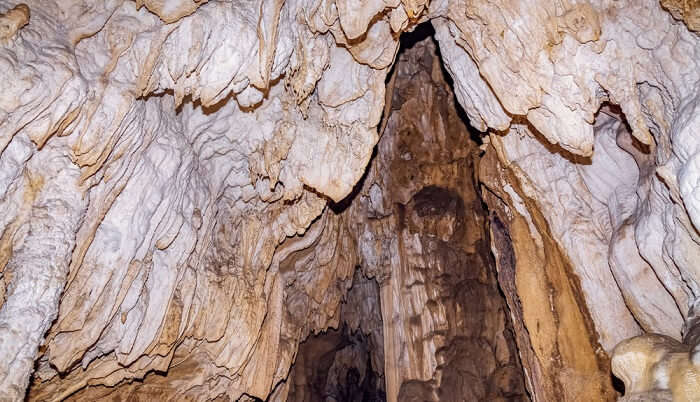


The limestone caves in Andaman are million-year-old stalactite and stalagmite formations on Baratang Island, roughly 100 km north of Port Blair in the Middle Andaman, and reaching them is half the adventure. You travel by road through the Jarawa Tribal Reserve in a government convoy, cross the Middle Strait by ferry, then ride a small boat through tidal mangrove creeks from Nilambur jetty before a short jungle trek to the cave mouth. The formations were built grain by grain from calcium carbonate over geological time. This 2026 guide covers how to reach the caves, the convoy timings, charges, the best time to visit and exactly what to expect once you are underground.
Top Andaman Packages you Must Explore
Best Time
October - May
Select Package Type
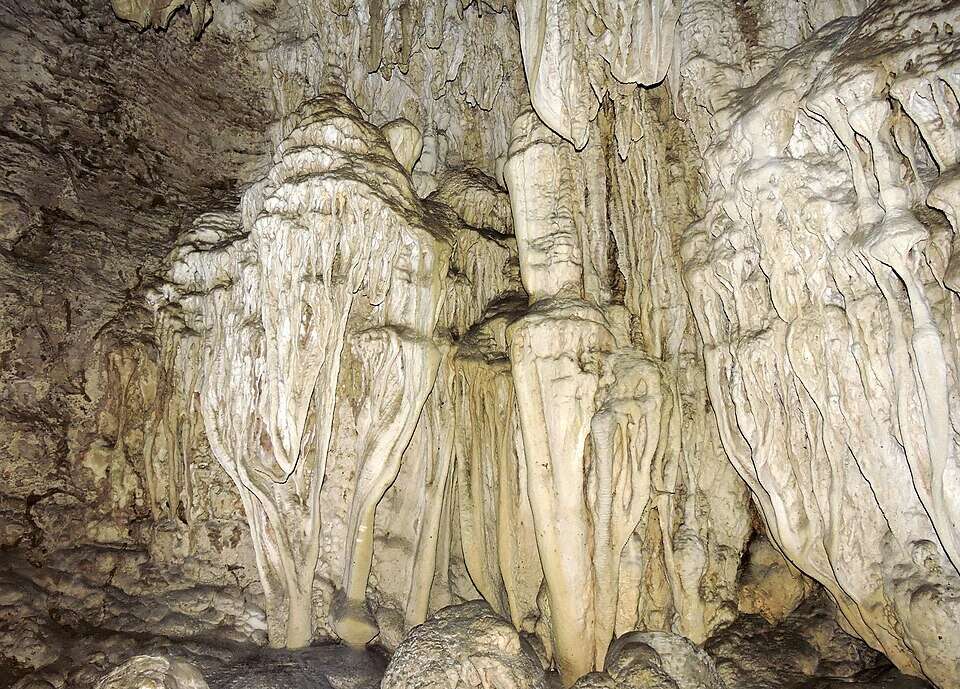
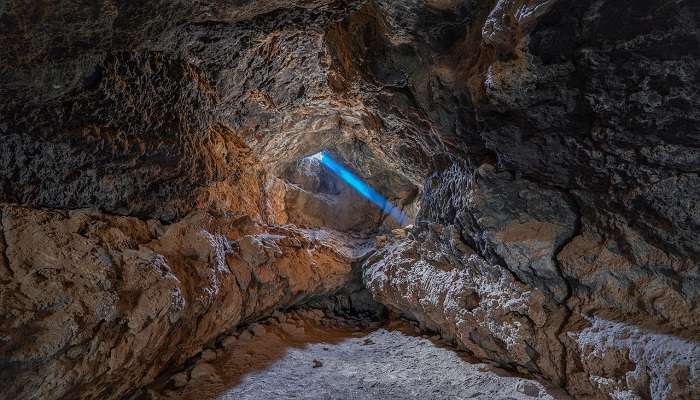
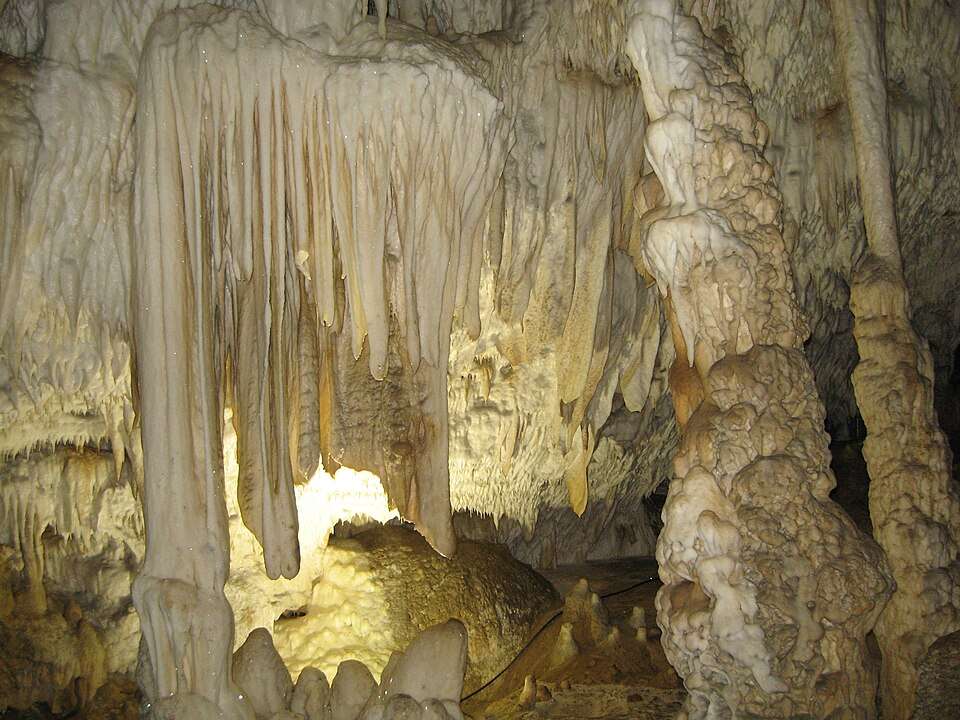
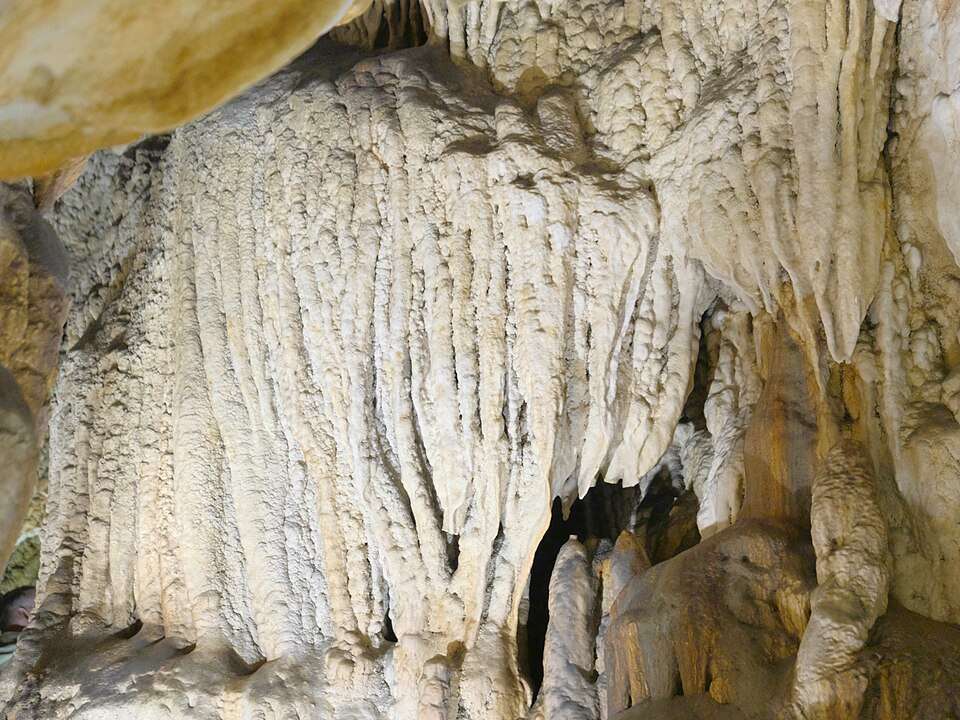
The limestone caves on Baratang are natural formations that took millions of years to build. Mineral-rich water seeping through the rock leaves behind calcium carbonate; as each drop evaporates it deposits a trace of stone. Over geological time those deposits grow downward from the ceiling as stalactites and upward from the floor as stalagmites, and where they meet they form full columns. The walls carry rippling, wave-like sheets called flowstones that look almost carved by hand.
The caves lie inside dense tropical jungle on an island that is also home to the Jarawa tribe, mud volcanoes and thick mangrove forests. The chambers are still active and slowly changing shape year on year, so no two visits look exactly alike. The Andaman administration opened the route to tourism to spread visitors beyond Havelock and Neil, and Baratang’s caves are now one of the most distinctive day trips in the islands.
“Chuna Pathar Ki Gufa” (चूना पत्थर की गुफा) is simply the Hindi name for these caves – chuna pathar means limestone and gufa means cave. If you search or ask a local operator for chuna pathar ki gufa, you are asking about the very same Baratang limestone caves described here. Hindi-speaking travellers will hear this name far more often than the English one.
There is no separate ticket gate for the cave itself. What you pay for is the journey – the forest permit and the boat ride through the mangrove creeks. Most travellers do this as part of a day-trip package, but here are the typical standalone figures for the 2026 season.
| Item | Detail (2026) |
| Cave entry fee | No separate ticket for the cave. You pay a Forest Dept permit + boat charge. |
| Forest / permit charge | ~Rs 50 per person (Indian nationals); carry a govt photo ID. |
| Boat ride (Nilambur creeks) | Roughly Rs 700-900 per person on a shared speed boat; ~Rs 4,500-7,000 for a private boat. |
| Convoy departures (Jirkatang) | First convoy early morning, then mid-morning and midday slots; aim for the first. |
| Time inside the caves | ~30-45 minutes of walking and viewing. |
| Full round trip from Port Blair | ~10-12 hours door to door — plan a full day. |
Because the caves sit inside the Jarawa Reserve and depend on tides for the boat leg, the exact convoy times and permit rates are set by the Andaman & Nicobar administration and Forest Department and can change season to season – confirm the day before you travel via the official Andaman & Nicobar Tourism portal or your operator.
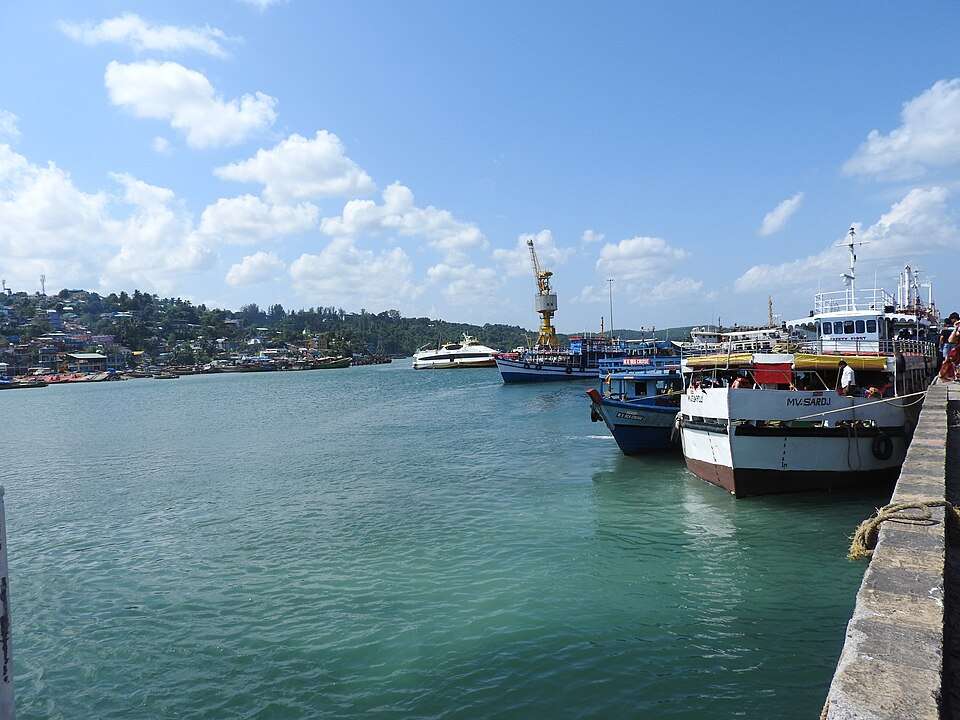
The caves are about 100 km from Port Blair, and the trip is a sequence of road, convoy, ferry, boat and trek. Day trips run daily and are usually bundled with the Mud Volcano and a mangrove boat ride, so most people leave Port Blair very early — around 3 to 4 AM – to catch the first government convoy.
Step By Step
You cannot fly directly to Baratang – there is no airport, and only VIPs are granted helicopter access. The realistic options are joining a Baratang day-trip package from Port Blair or arranging a private cab plus boat. For a hassle-free, permit-sorted version of this trip, browse Andaman tour packages that include the Baratang convoy and boat ride.
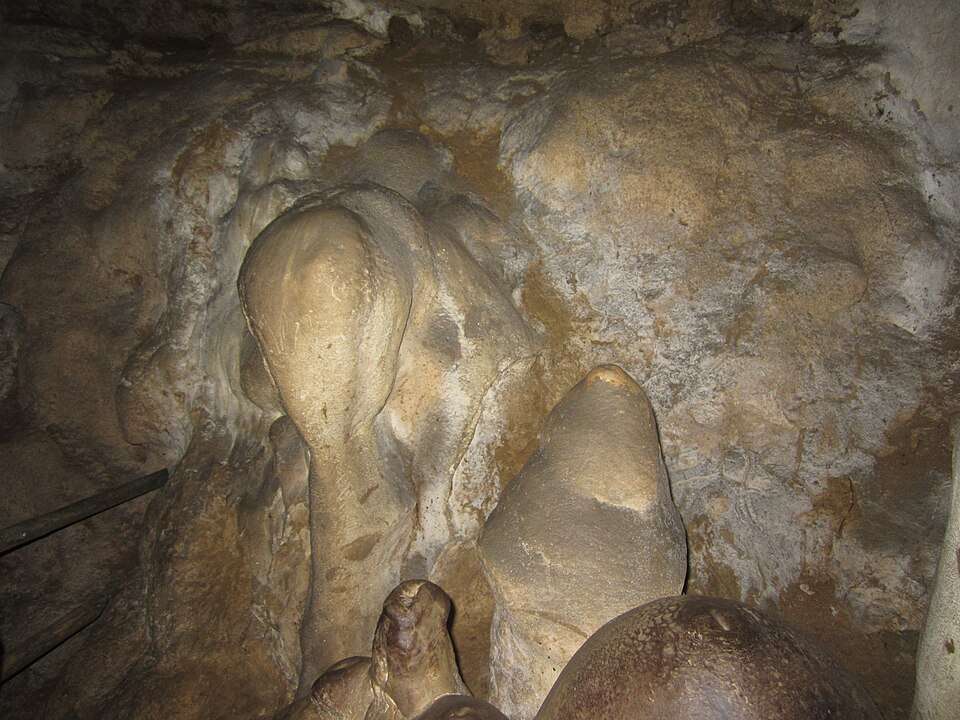
The best time to visit the limestone caves in Andaman is October to May, with November to February the most comfortable window – pleasant temperatures, calm seas and low rainfall. Because the boat leg through the mangrove creeks depends on the tide and on settled weather, the route is the safest and most reliable in these months.
Avoid the monsoon, roughly June to September, when heavy rain and rough seas regularly suspend the convoy and the boat crossing. All cave exploration has to finish in daylight, so whatever the season, start early and keep the trip to a single full day.
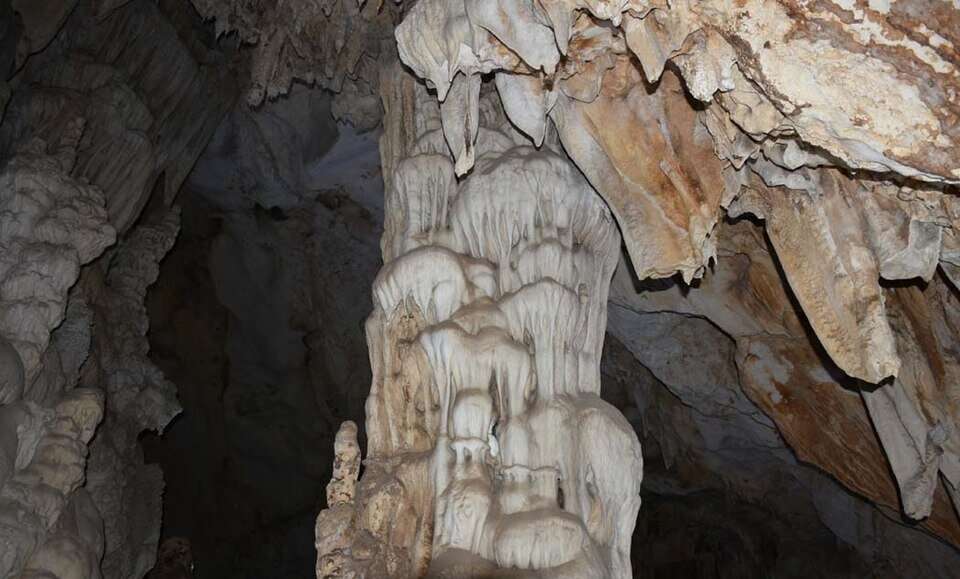
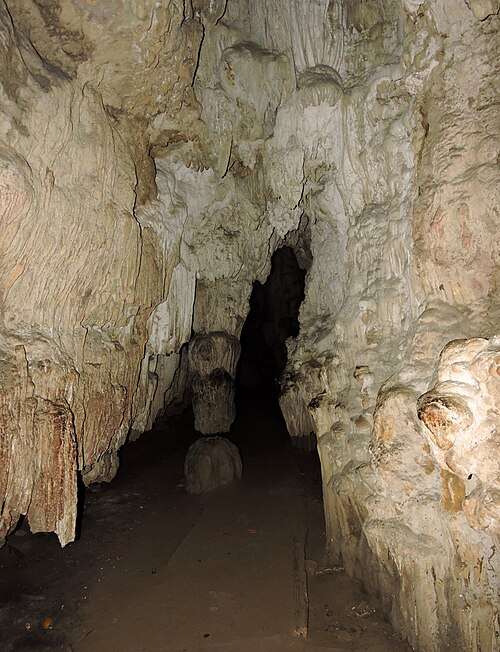
Once inside, a guide leads you through low, winding chambers lit by shafts of natural light and torches. The headline sights are the speleothems, the umbrella term for cave formations: stalactites hanging like stone icicles, stalagmites rising from the floor, and the occasional column where the two have fused over millennia. Guides love to point out shapes the formations resemble, from a crocodile to a human profile.
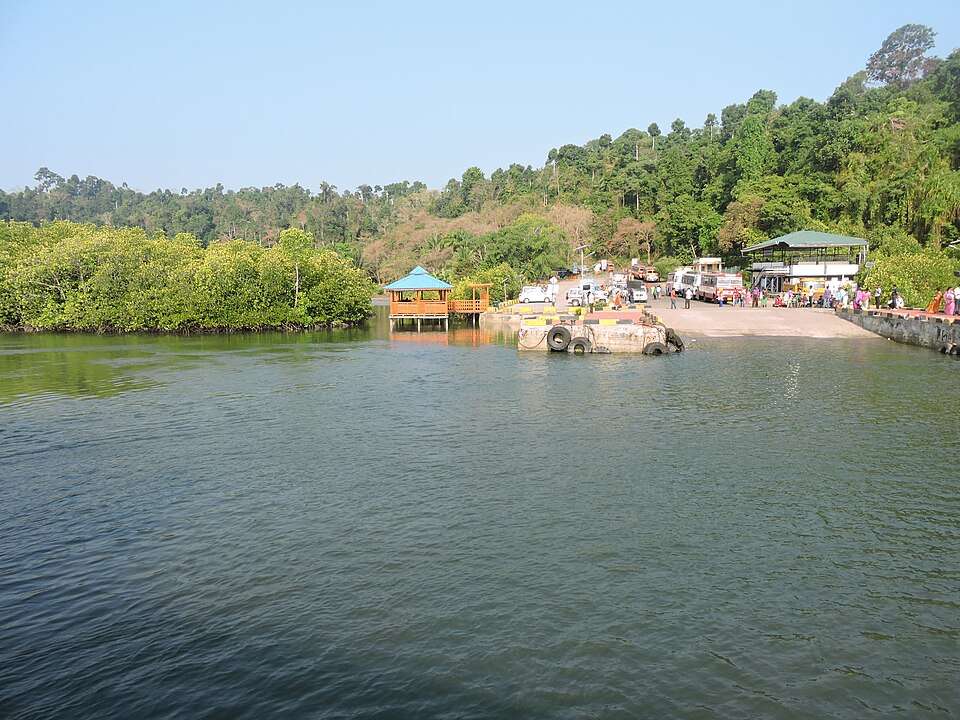
Since reaching Baratang takes most of a day, it makes sense to combine the caves with the other sights clustered around the same route.
The limestone caves in Andaman reward an early start and a full day: a convoy through the Jarawa Reserve, a boat ride through silent mangrove creeks, and a short trek to chambers that have been forming since long before the islands were charted. Get the timing and permits right and it is one of the most memorable days in the Andamans. Ready to go? Explore tailor-made Andaman tour packages that fold the Baratang caves into a complete island itinerary, or read our wider Andaman travel guide to plan the rest of your trip.
Related reading: Baratang Island • Best Places To Visit In Andaman • Honeymoon In Andaman • Cruise To Andaman
There is no separate entry ticket for the cave itself. You pay a small Forest Department permit of around Rs 50 per person and a boat charge of roughly Rs 700-900 per person on a shared speed boat through the mangrove creeks (a private boat costs more). Most visitors do the trip as part of a Baratang day-trip package that already bundles these costs.
Access runs on the early-morning government convoys from the Jirkatang checkpost, so day trips leave Port Blair around 3-4 AM to catch the first convoy. You spend roughly 30-45 minutes inside the caves, but the full round trip from Port Blair takes about 10-12 hours - plan a complete day.
Drive about 2.5 hours to Jirkatang, cross the Jarawa Tribal Reserve in a government convoy, take the ferry across the Middle Strait to Nilambur jetty, ride a small boat through the mangrove creeks, then trek roughly 1-1.5 km to the cave entrance. You cannot fly directly to Baratang.
Chuna pathar ki gufa is the Hindi name for the Baratang limestone caves - chuna pathar means limestone and gufa means cave. It refers to exactly the same caves; you will hear local operators and Hindi-speaking travellers use this name interchangeably with 'limestone caves in Andaman.'
They form over millions of years as mineral-rich water seeps through the rock and deposits calcium carbonate. Each evaporating drop leaves a trace of stone, building stalactites down from the ceiling, stalagmites up from the floor and, eventually, joined columns. The formations are still growing, so the caves slowly change shape over time.
No. The walk from the boat jetty to the caves is only about 1-1.5 km on a marked jungle path and is manageable for most fitness levels. The trail can get muddy after rain, so wear proper shoes. The cave passages themselves are low and narrow in spots, which can feel tight for claustrophobic visitors.
Yes, you can photograph the caves and the scenic mangrove boat ride. Bring a camera that handles low light and avoid harsh flash on the formations. However, photographing the Jarawa tribe anywhere along the convoy route is strictly illegal - keep cameras away during the reserve crossing.
October to May is the best time, with November to February the most comfortable for calm seas and pleasant weather. Avoid the monsoon (June to September), when rough seas and heavy rain often suspend the convoy and the boat ride to the caves.
The limestone caves are on Baratang Island in the Andaman & Nicobar Islands, about 100 km north of Port Blair in the Middle Andaman, reached via the Andaman Trunk Road and the Jarawa Reserve convoy.
The Mud Volcano sits close to the cave jetty and is almost always combined with the caves on day trips. Parrot Island and Baludera Beach are nearby for those who stay overnight, and the mangrove creek boat ride itself is a highlight of the route.
Yes. The route passes through the Jarawa Tribal Reserve, so a forest permit is issued and a background check on travellers is carried out before the convoy. Carry a valid government photo ID. Travel is only allowed in the escorted convoy, not independently.
No. Baratang has no airport and cannot be reached by air - only VIPs are occasionally granted helicopter access. The only practical way for tourists is the road-and-boat route from Port Blair via the government convoy.
No. Interaction with, photographing, or offering anything to the Jarawa tribe is prohibited and carries penalties. The convoy moves through their reserve quickly and without stopping to protect the community.
They are among the few naturally formed limestone cave systems in India, dating back millions of years, set deep inside protected jungle on Baratang. The combination of a Jarawa-reserve convoy, a mangrove-creek boat ride and active, still-growing stalactite formations makes the trip unlike any other in the islands.
Real reviews from real travelers who booked with us.
View All Reviews