5D / 4N
19% OFF
5D / 4N
19% OFF
Andaman Family Holiday For 4 Nights 5 Days
- Hotel
- Meals
- Sightseeing
- Transfers
₹23,574
₹18,990 /pp
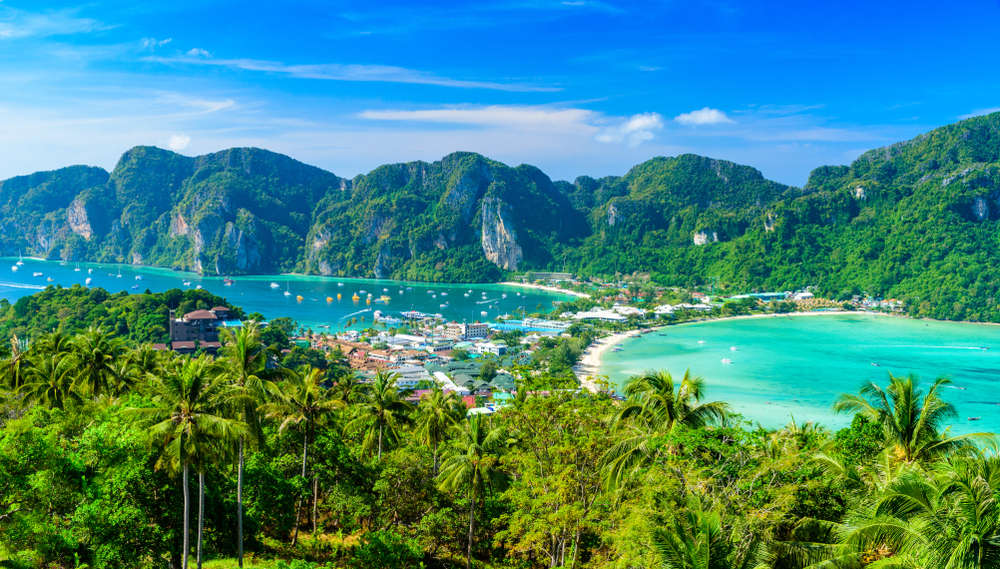


Trekking in Andaman means walking shaded jungle trails to hidden beaches, limestone caves and the islands’ highest peak – not the high-altitude climbs the mainland is known for. Almost every route sits close to sea level in tropical evergreen forest, so an Andaman jungle trek rewards stamina and tolerance for heat and humidity far more than acclimatisation. This guide compares the 6 best treks for 2026, from the easy 30-minute walk up Munda Pahad at Chidiya Tapu to the demanding 8-kilometre haul up 732-metre Saddle Peak – each with distance, duration, difficulty, best time and permit details so you can match a trail to your fitness and your dates. The trekking season runs October to May, when seas are calm and forest trails stay open; the June–September monsoon closes most of them.
How we verified this guide: Trail seasons, permit rules and the Saddle Peak figures below were checked against the Andaman & Nicobar Forest Department, the North & Middle Andaman administration’s Saddle Peak listing, and India Meteorological Department season data, then cross-referenced with the registered local guides who run these routes and with TravelTriangle travellers who have walked them. Place names follow the official 2024 updates. Distances and timings vary with the exact trailhead and conditions, so treat them as planning ranges and confirm fees at the Forest Department counter on the day.
Top Andaman Packages you Must Explore
Best Time
October - May
Select Package Type


Six trails, easiest to hardest. Skim the table to shortlist by how much time you have and how fit you are, then read the full route notes below.
| Trek | Region | Distance | Duration | Difficulty | Best time |
| Munda Pahad, Chidiya Tapu | South Andaman | ~2 km return | 30–45 min | Easy | Oct–May |
| Elephant Beach, Swaraj Dweep | Havelock | ~2 km one way | 30–45 min | Easy | Oct–May |
| Baratang Limestone Caves | Middle Andaman | ~1 km walk + boat | 20–30 min walk | Easy | Oct–May |
| Alfred Caves, Diglipur | North Andaman | ~1.5 km forest & stream | 1–2 hrs | Moderate | Nov–Apr |
| Mount Manipur–Madhuban | South Andaman | ~16 km return | 6–8 hrs | Hard | Nov–Apr |
| Saddle Peak, Diglipur | North Andaman | ~8 km one way | 4–6 hrs up | Hard | Nov–May |
Figures are planning ranges sourced from the Forest Department, the official Saddle Peak listing and on-ground guides; exact distances shift with the trailhead you start from.
Each route below opens with the basics - distance, duration, difficulty, best time, how to reach, and any permit or fee - then what the trail is actually like to walk.
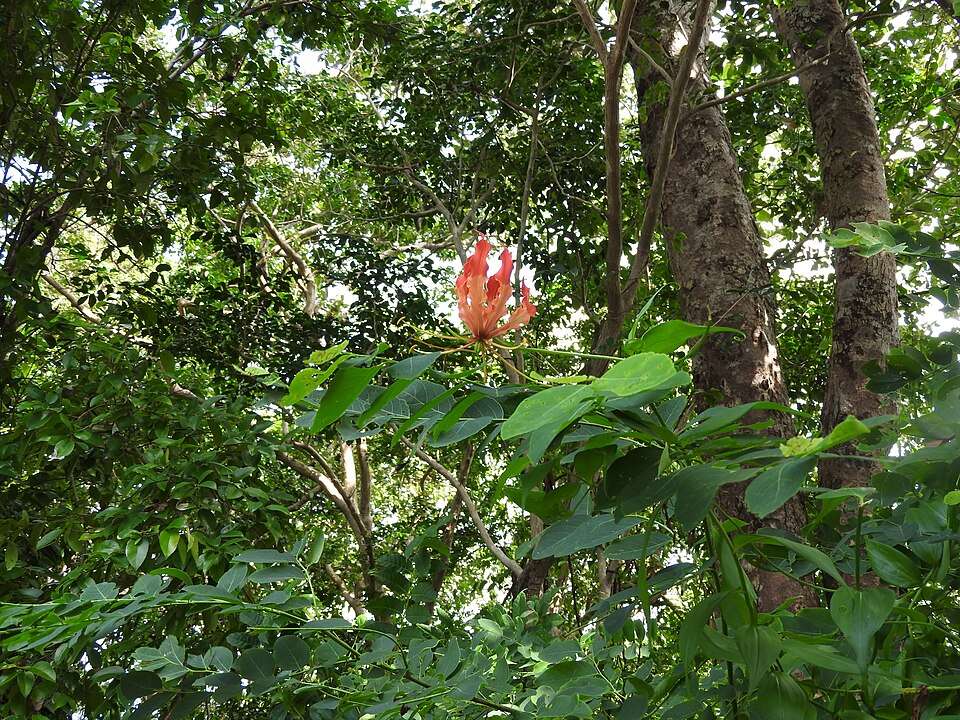
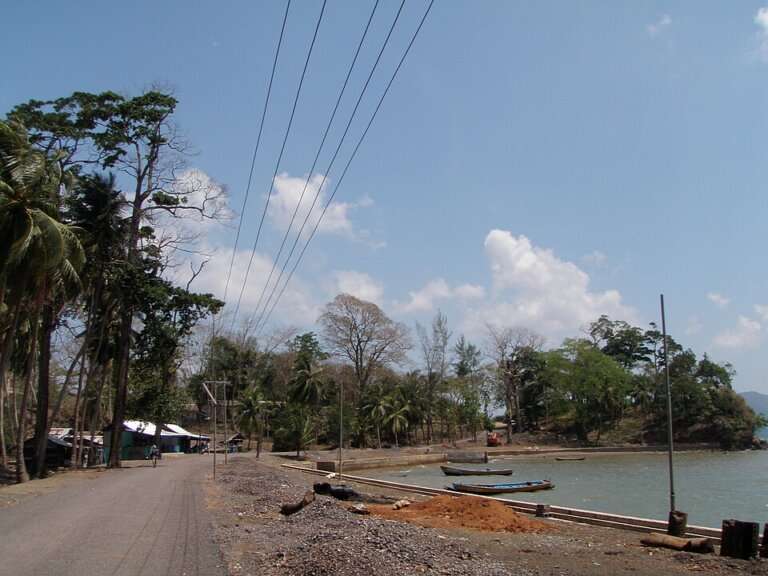
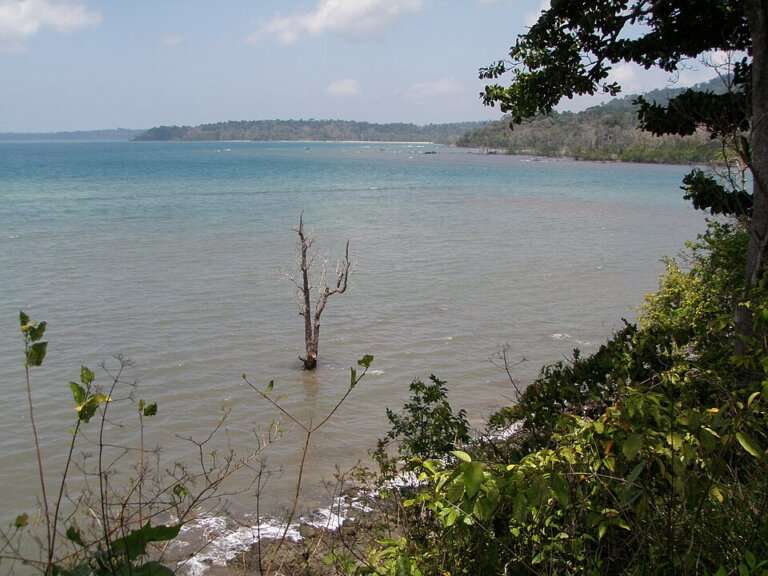
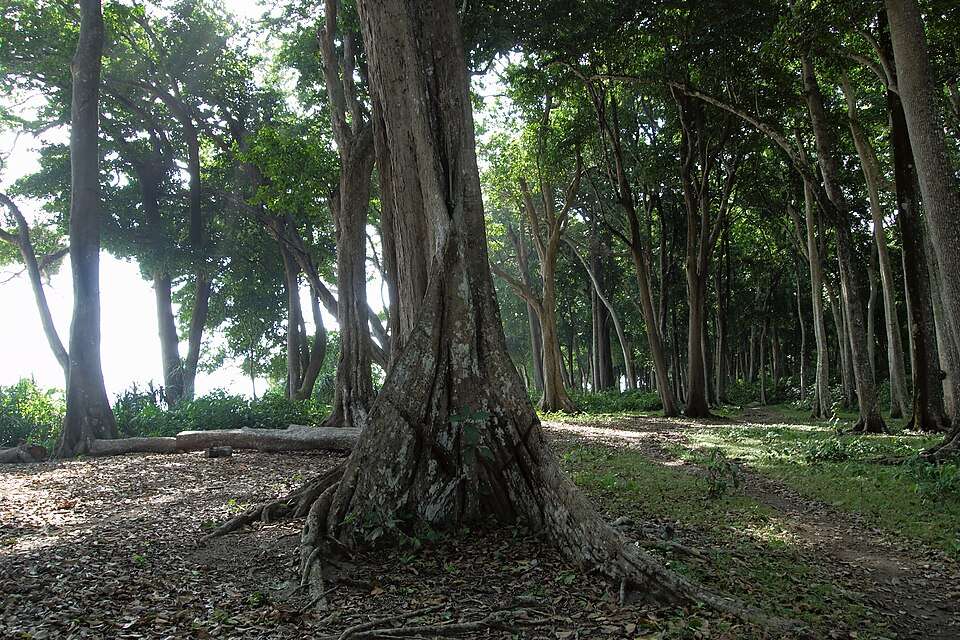
Distance / Duration: ~2 km return · 30–45 minutes
Difficulty: Easy – suitable for first-timers and families
Best time: October–May; late afternoon for sunset
How to reach: ~25 km / about an hour by road south of Sri Vijaya Puram (Port Blair)
Permit/fee: No special permit for the viewpoint trail; carry a valid ID
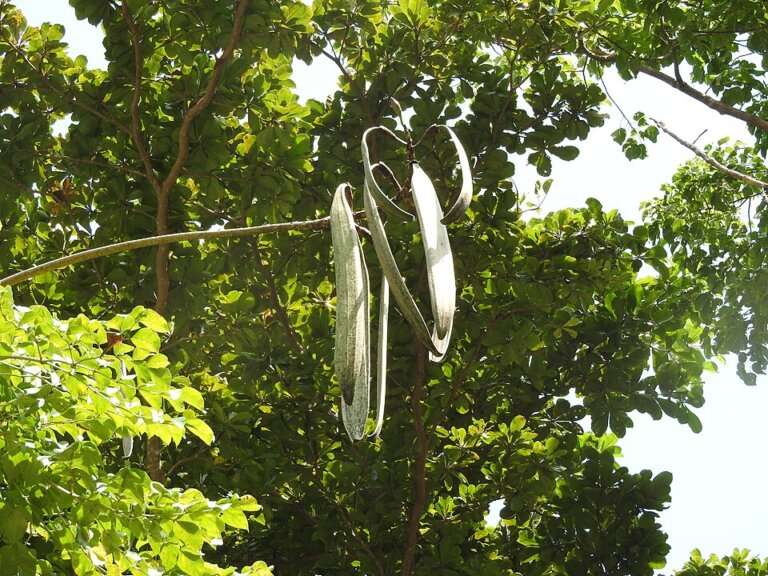
Chidiya Tapu is known as Bird Island, home to more than 46 species of endemic and migratory birds, and Munda Pahad – locally called Black Mountain – is its short headland climb. The trail runs through coastal evergreen forest to a viewpoint over the Bay of Bengal, and it is the most reliable sunset spot near the capital. Because the walk is short and well-defined, it is the trek we recommend most often for a first Andaman jungle trek, for families, or for anyone easing into the heat. Start late in the afternoon, carry water and a torch for the walk back, and keep to the marked path near the cliff edge.
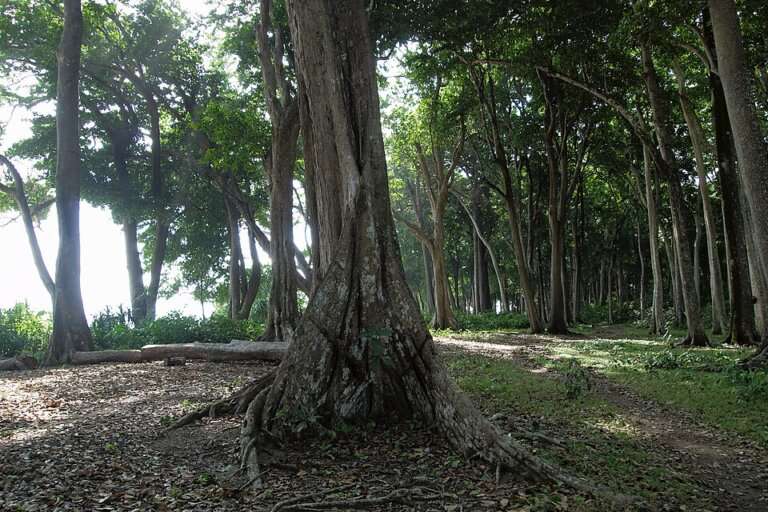
Distance / Duration: ~2 km one way · 30–45 minutes each way
Difficulty: Easy — flat but often muddy; can flood after rain
Best time: October–May; mornings for calmer water
How to reach: Swaraj Dweep (Havelock) by ferry from Sri Vijaya Puram; trailhead is signposted off the Radhanagar road
Permit/fee: No trekking permit; a local fee may apply at the trail entry
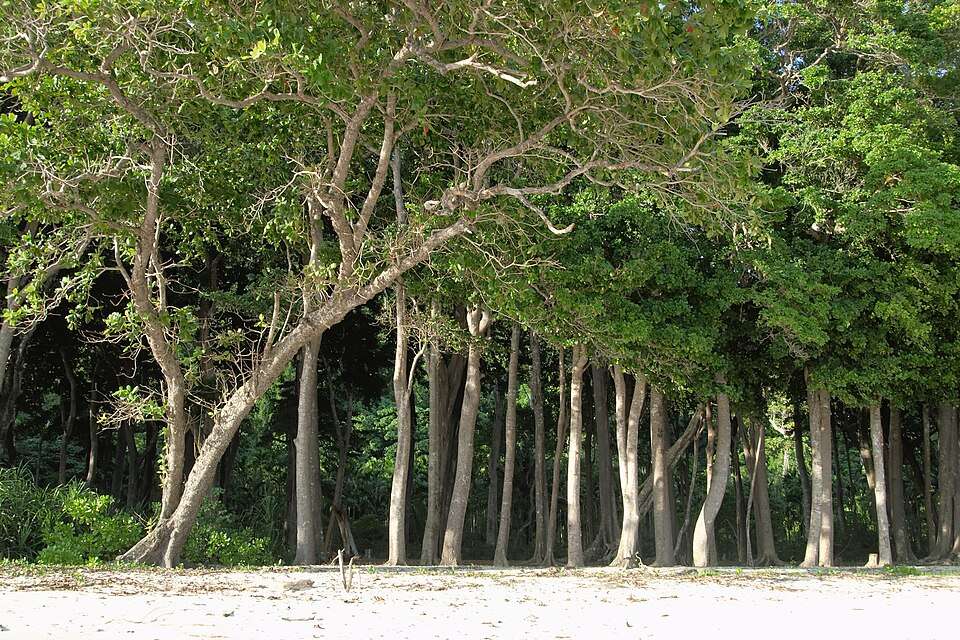
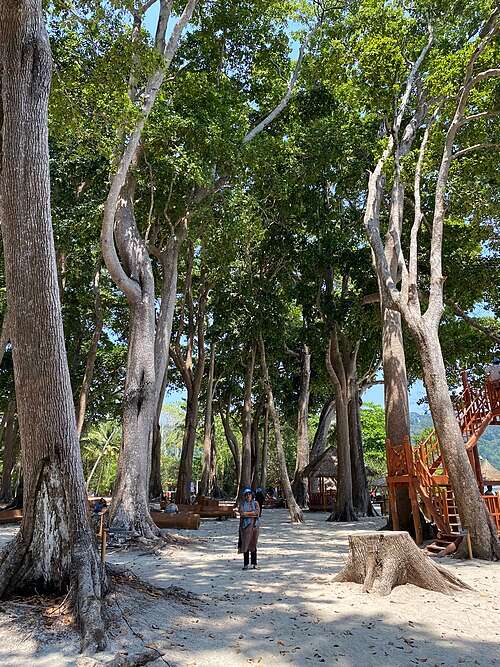
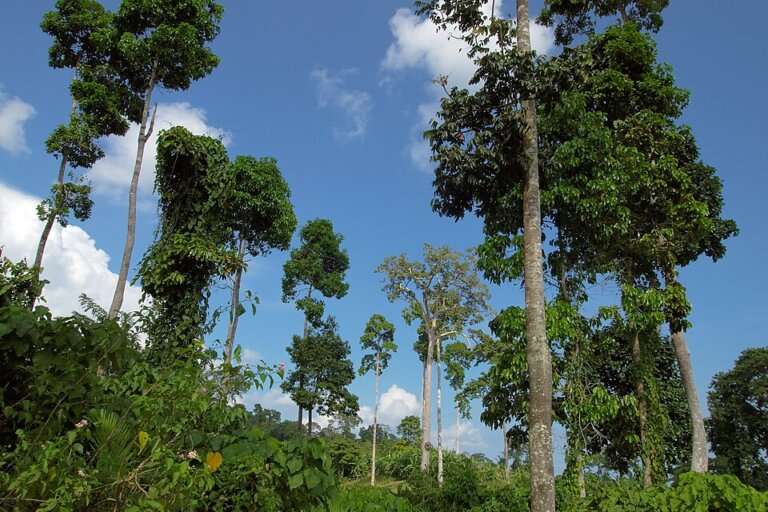
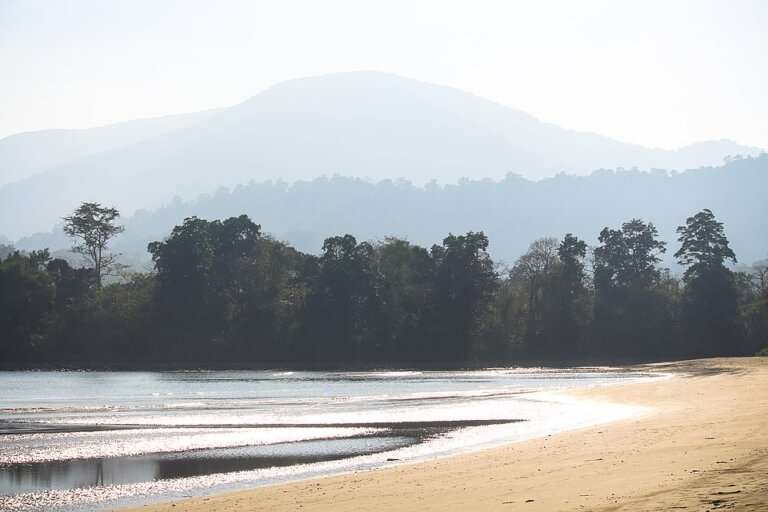
On Swaraj Dweep – the official name for Havelock since 2018 – a short forest trail is the walking alternative to the boat ride out to Elephant Beach. The path cuts through dense jungle and a patch of mangrove before opening onto one of the best snorkelling beaches in the islands, with a shallow house reef just offshore. The walk is flat and easy, but the forest floor turns to thick mud after rain and can be partly submerged at high water, so wear shoes you don’t mind soaking and ask locally whether the trail is passable that day. Pair it with snorkelling and you have a half-day out from Havelock.





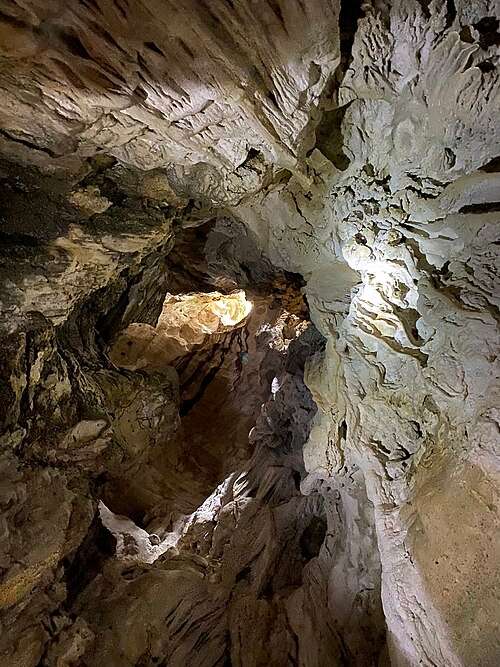
Distance / Duration: ~1 km walk after the boat · 20–30 minutes on foot
Difficulty: Easy walk, but a full-day, early-start trip
Best time: October–May; book the morning vehicle convoy
How to reach: Road convoy from Sri Vijaya Puram (~100 km, ~3 hrs) through the Jarawa reserve, then a speedboat through a mangrove creek to the trailhead
Permit/fee: Convoy timing and reserve rules are set by the administration; boat and entry fees apply at Baratang
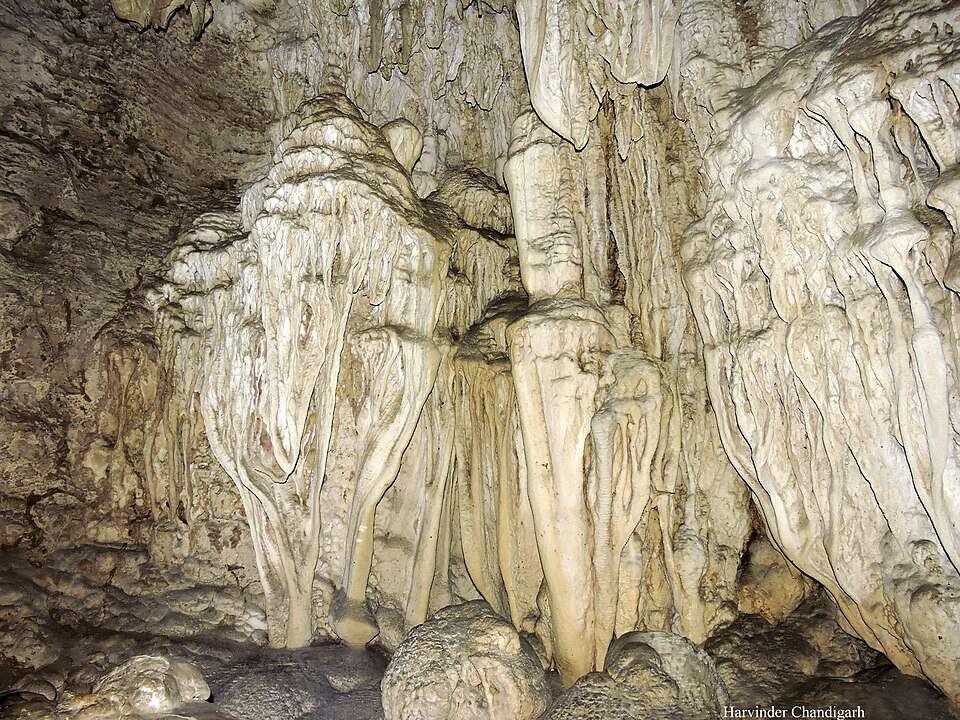
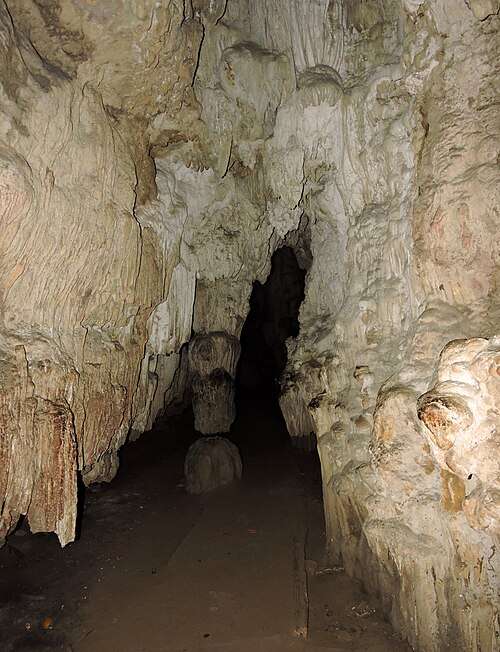
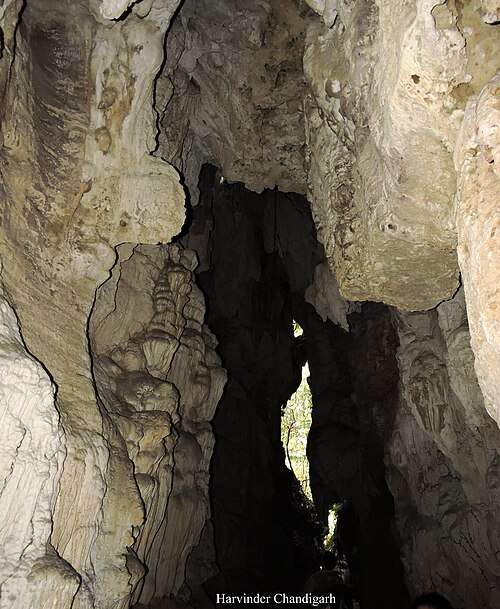
The limestone caves of Baratang, in Middle Andaman, are reached by one of the most varied journeys in the islands: an escorted road convoy that crosses the Jarawa tribal reserve, then a speedboat ride through a narrow mangrove creek, and finally a short walk across a stretch of forest and farmland to the caves. The walking itself is easy and brief, but the day starts before dawn to catch the first convoy, so it suits travellers who want the experience of the route as much as the caves. Photography of the Jarawa reserve is prohibited; follow the convoy and boat-operator instructions throughout.


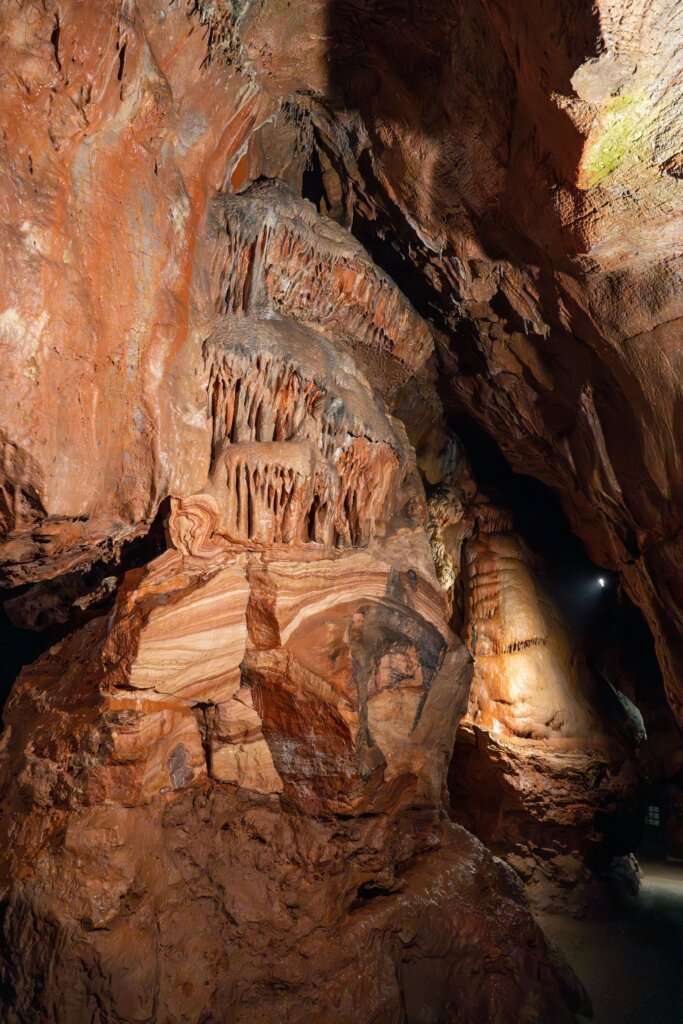

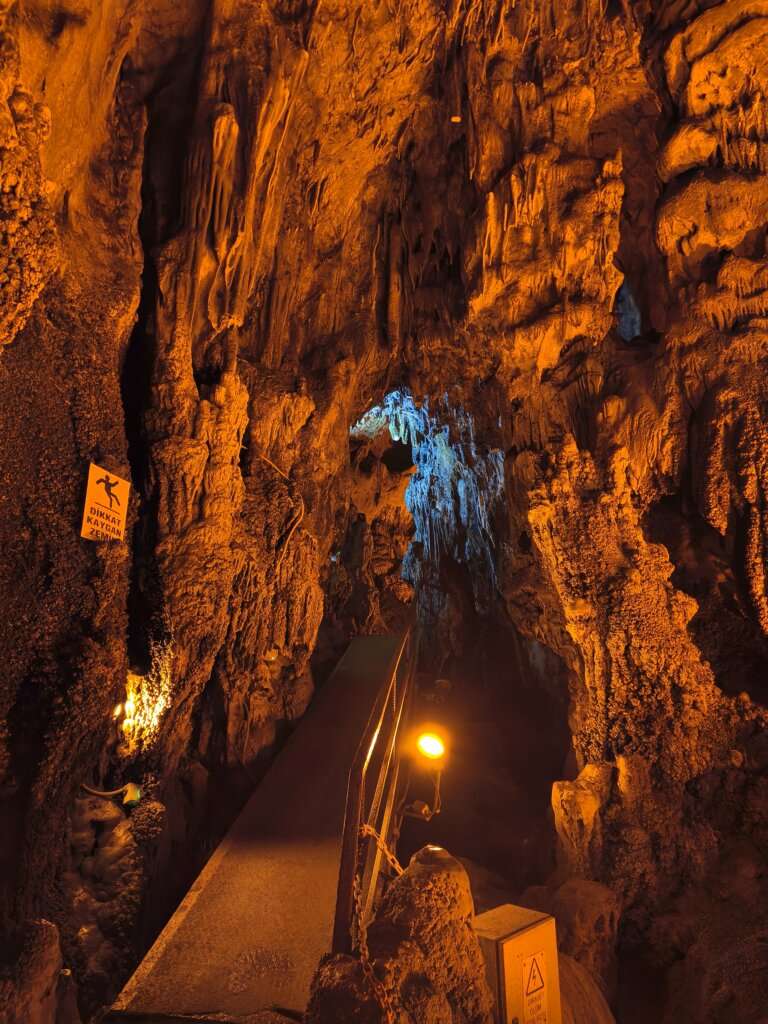
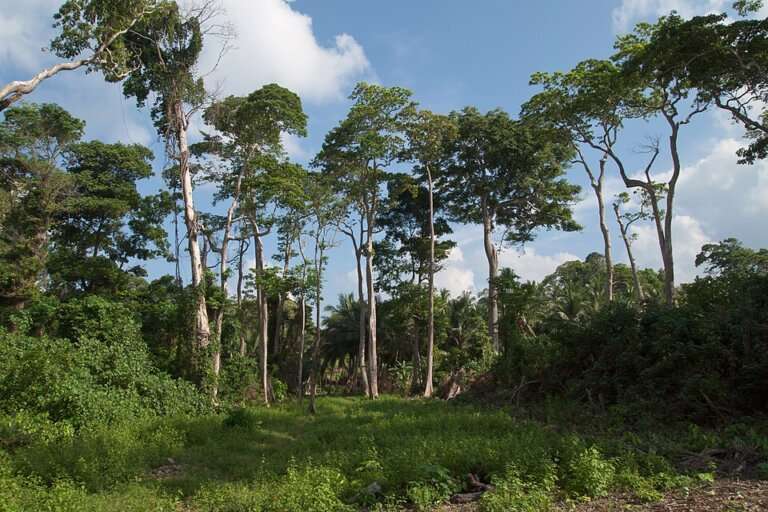
Distance / Duration: ~1.5 km of forest and stream crossings · 1–2 hours
Difficulty: Moderate — uneven ground, water crossings, a local guide is advised
Best time: November–April, once streams are low; avoid right after rain
How to reach: From Diglipur town in North Andaman, then a short drive and forest approach
Permit/fee: Forest Department area; hire a registered local guide and check current entry rules
Near Diglipur in North Andaman lies a cluster of limestone caves, the best known reached on a short but genuinely wild trek through forest and across shallow streams. The caves shelter swiftlets and stay far quieter than Baratang, which is part of the appeal. The route is unmarked in places and the stream crossings are slippery, so a registered local guide is strongly recommended rather than going alone, and the trek is best left until the streams drop after the monsoon. Carry shoes with grip, a torch, and enough water for two hours in humid forest.
Distance / Duration: ~16 km return · 6–8 hours
Difficulty: Hard — long, undulating forest trail; for fit, experienced walkers
Best time: November–April, in the cooler, drier window
How to reach: Ferry from Sri Vijaya Puram (Port Blair) to Bamboo Flats, then road up to Mount Manipur; the trail descends to Madhuban beach
Permit/fee: Protected forest area; a registered local guide is strongly recommended for the full route
Mount Harriet was officially renamed Mount Manipur on 17 October 2021, in honour of Manipuri freedom fighters held there during the colonial era, and it remains one of the best-known long treks in the islands. The trail runs through dense evergreen forest from the hilltop down to Madhuban beach, with long-tailed views over the coastline and a real chance of spotting deer, butterflies and the occasional elephant trail. At around 16 kilometres there and back, this is the hardest of the popular day treks and the one most worth a guide and an early start. Carry plenty of water, electrolyte, and a packed lunch – there are no shops on the route.
Distance / Duration: ~8 km one way · 4–6 hours up (allow 8–10 hours round trip)
Difficulty: Hard — steep, root-tangled rainforest climb; good fitness required
Best time: November–May; start at first light to be down before dusk
How to reach: From Diglipur, North Andaman, to the Lamiya Bay / Kalpong trailhead inside Saddle Peak National Park
Permit/fee: Forest Department permit from the Diglipur Forest Office; entry around INR 50 per person for Indians; park gate open 06:00–16:30
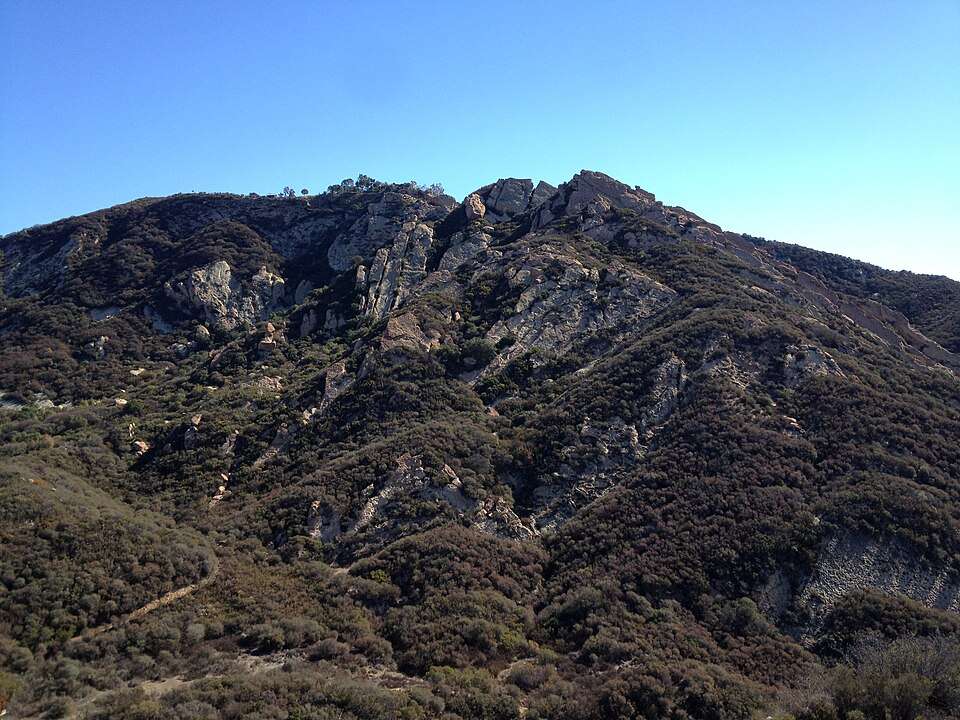
At 732 metres, Saddle Peak is the highest point in the Andaman & Nicobar archipelago, and the climb through Saddle Peak National Park – a national park since 1979 and part of the North Andaman Biosphere Reserve – is the most demanding trek in the islands. The roughly 8-kilometre ascent from the Lamiya Bay side rises through thick tropical rainforest alive with endemic birds and butterflies, opening to views over the Kalpong river and the sea on a clear day. You will need a Forest Department permit from the Diglipur Forest Office, and the park gate runs 06:00–16:30, so an early start is essential to summit and return in daylight.
For a full route breakdown, trail conditions and the Diglipur logistics, see our Saddle Peak trek guide.
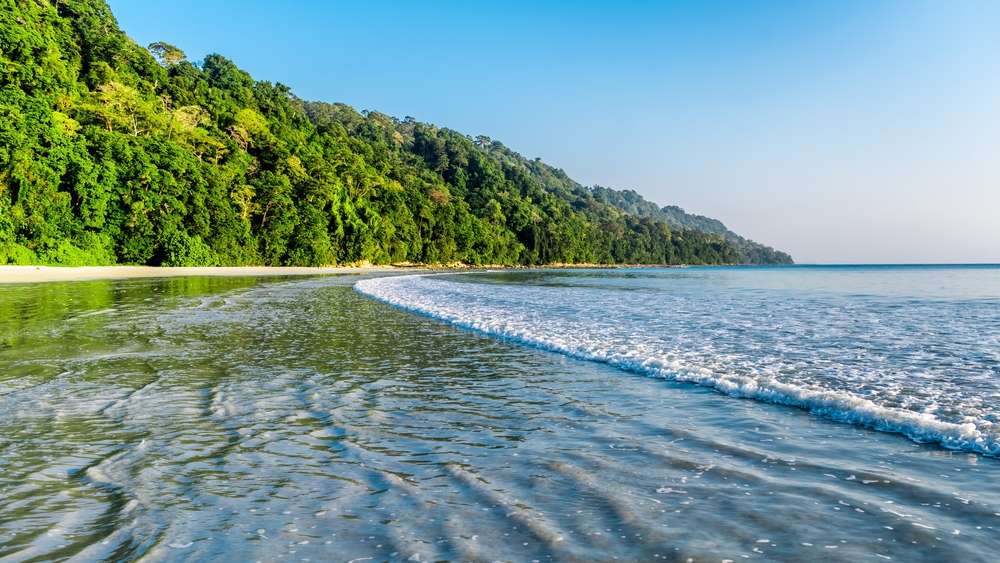
If you only do one trek, match it to what you have – time, fitness and what you want to see.
| You want… | Best pick | Why |
| A short, easy walk or a family outing | Munda Pahad · Elephant Beach | Under an hour, flat, no technical sections |
| Caves and an unusual journey | Baratang · Alfred Caves | Boat-and-walk routes to limestone caves |
| A serious physical challenge | Saddle Peak · Mount Manipur–Madhuban | Long, steep, full-day treks for fit walkers |
| The best birdlife and forest | Chidiya Tapu · Saddle Peak | Bird Island and the biosphere rainforest |
| A sunset to finish on | Munda Pahad, Chidiya Tapu | The reliable late-afternoon viewpoint near the capital |
Most short coastal and viewpoint trails need no special trekking permit, just a valid photo ID and common sense. The protected-forest treks are different. Saddle Peak National Park requires a Forest Department permit, issued at the Diglipur Forest Office, with entry of around INR 50 per person for Indian nationals and a park gate open 06:00–16:30. A registered local guide is strongly recommended — and genuinely worth it — on the longer and less-marked routes such as Saddle Peak, the Mount Manipur–Madhuban trail and Alfred Caves, though it is not a blanket legal requirement on every trail. Foreign nationals should also check the latest Restricted Area Permit and protected-area rules before travel. For the current, itemised charges, see the official
Trekking in Andaman entry fees page, and confirm the figure at the Forest Department counter on the day, as fees are revised periodically.
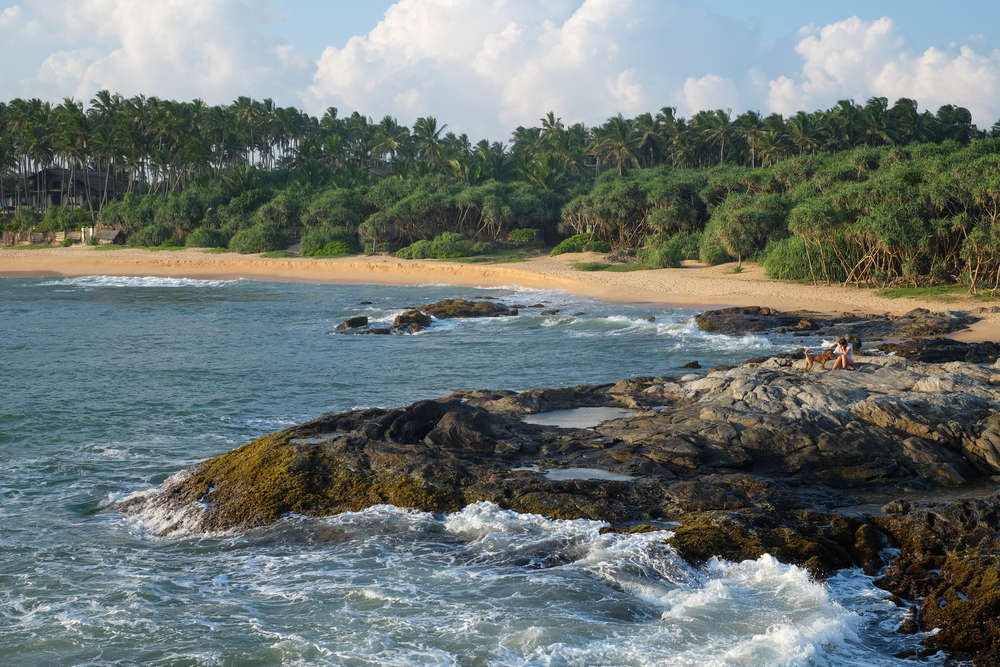
The trekking season is October to May. November to April is the sweet spot drier air, calmer seas for the ferry legs, and open forest trails, and it is the only sensible window for the long climbs up Saddle Peak and Mount Manipur. The June–September monsoon brings heavy rain, leeches and rough crossings, and most protected-forest trails close or become unsafe. Whatever the month, start treks early to beat the midday heat and humidity.
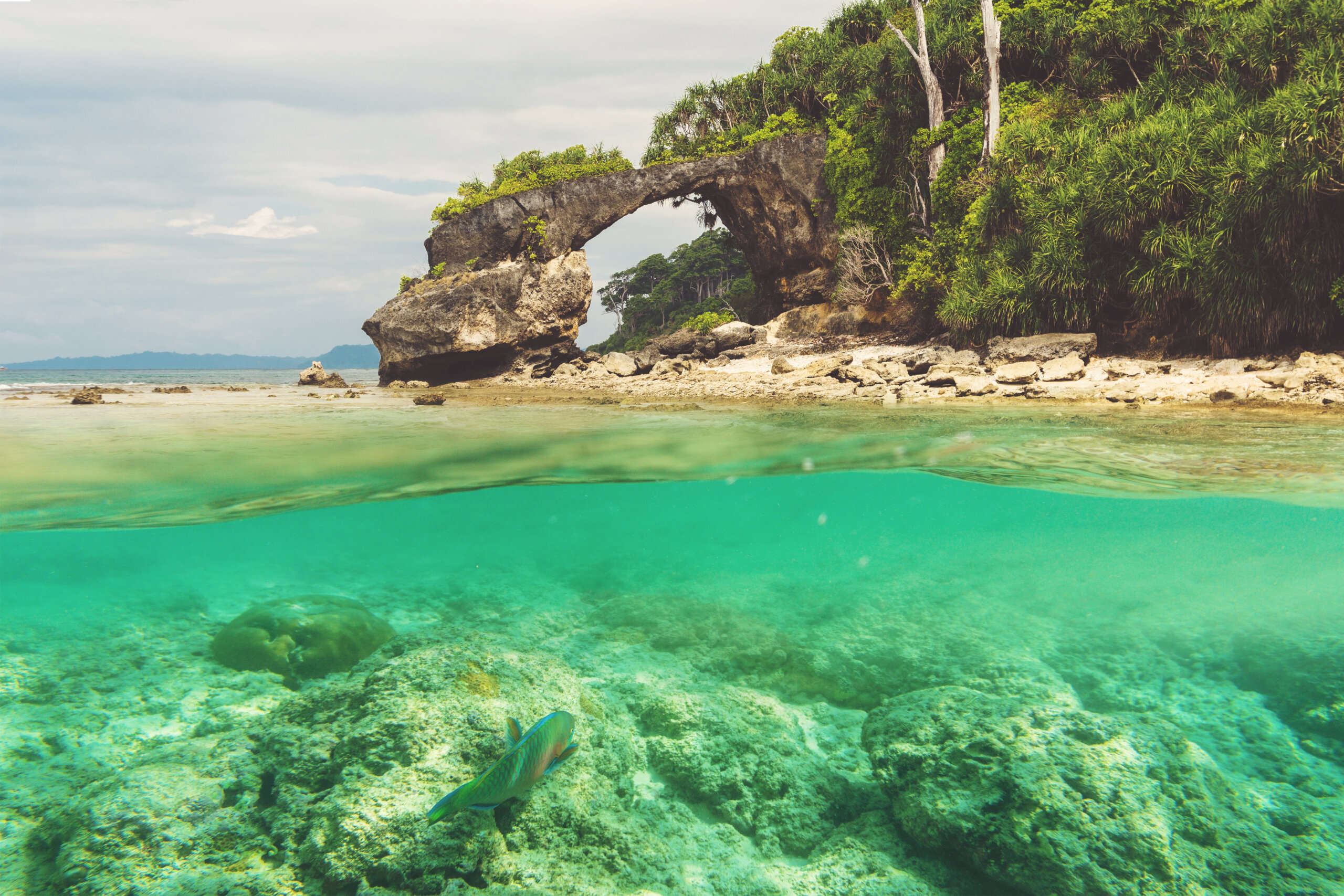
Sri Vijaya Puram – the official name for Port Blair since 13 September 2024 – is the arrival hub and the base for the South Andaman treks at Chidiya Tapu and Mount Manipur, both within an hour or two of the city. Swaraj Dweep (Havelock), for the Elephant Beach trail, is a 1.5–2 hour ferry from the capital. Baratang is reached by the morning road convoy through the Jarawa reserve. Diglipur, the base for Saddle Peak and Alfred Caves in North Andaman, is the farthest – roughly a 10–12 hour road journey or a connecting ferry from Sri Vijaya Puram — so most trekkers stay overnight in Diglipur before an early start. For ferry bookings, island distances and where to stay, our
Andaman travel guide maps out the routes between Sri Vijaya Puram, Swaraj Dweep, Baratang and Diglipur.
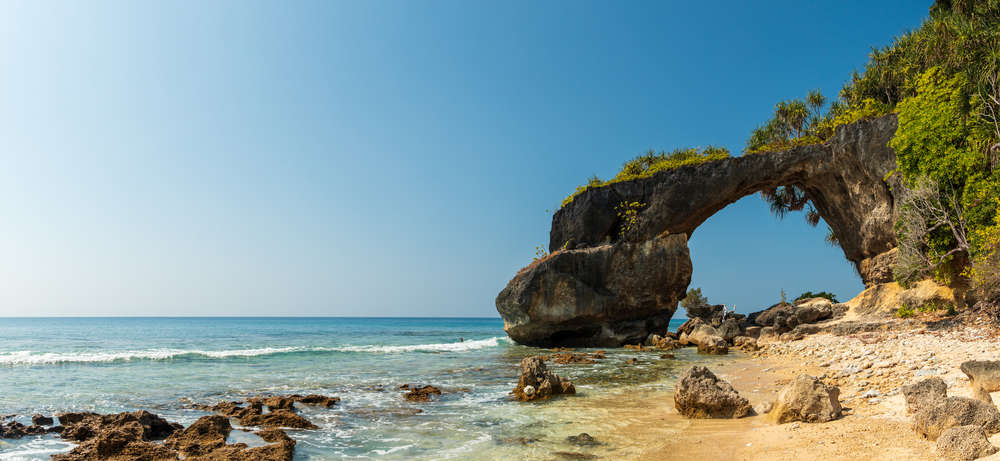
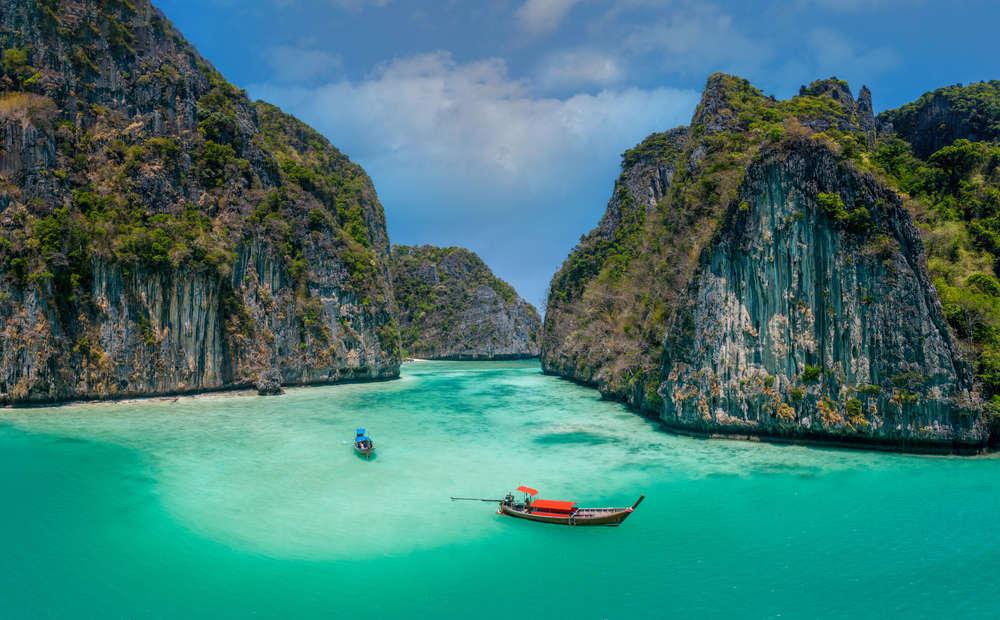
Andaman’s best trekking is about jungle, caves, birdlife and one real summit, all within the calm October–May season — from a 30-minute sunset walk at Chidiya Tapu to the full-day haul up Saddle Peak. Pick the trail that fits your fitness and dates, sort your permit and a local guide for the longer routes, and pack for tropical forest rather than mountain cold. When you are ready to put it all together — ferries, stays and treks combined with snorkelling and the islands’ other activities — browse our Andaman tour packages and a planner will shape a customised itinerary around the treks you want. You can also pair your trek with the islands’ water sports and snorkelling for a full adventure trip.
October to May is the trekking season, and November to April is ideal - drier weather, calmer seas for the ferry legs, and open forest trails. The long climbs up Saddle Peak and Mount Manipur are best in this window. The June–September monsoon brings heavy rain, leeches and rough crossings, and most protected-forest trails close or turn unsafe.
No - most Andaman treks are short, low-altitude jungle and coastal walks that first-timers manage easily, such as Munda Pahad at Chidiya Tapu or the Elephant Beach trail. Fitness matters more than experience because of the heat and humidity. Only the full-day Saddle Peak and Mount Manipur–Madhuban routes demand good stamina and are better with a guide.
A registered local guide is strongly recommended on the longer and less-marked routes - Saddle Peak, Mount Manipur–Madhuban and Alfred Caves - for navigation and safety, but it is not a blanket legal requirement on every trail. Short, well-defined walks like Munda Pahad and Elephant Beach can be done without one. A Forest Department permit is required for Saddle Peak National Park.
Saddle Peak in Diglipur is the toughest. At 732 metres it is the highest point in the archipelago, and the roughly 8-kilometre climb through steep rainforest takes 4–6 hours up and a full 8–10 hours round trip. The ~16-kilometre Mount Manipur–Madhuban trail is the next hardest. Both are full-day treks for fit, experienced walkers.
Munda Pahad at Chidiya Tapu - a ~2-kilometre, 30–45 minute walk to a sunset viewpoint near Sri Vijaya Puram - is the easiest and most family-friendly. The forest trail to Elephant Beach on Swaraj Dweep is similarly short and flat. Both are good first treks before attempting anything longer.
Most short coastal and viewpoint trails need no special trekking permit, only a valid photo ID. Saddle Peak National Park requires a Forest Department permit from the Diglipur Forest Office, with entry of around INR 50 per person for Indians and a gate open 06:00–16:30. Foreign nationals should check the latest Restricted Area and protected-area rules before travel.
Yes. Chidiya Tapu - Bird Island - has more than 46 species of endemic and migratory birds, and the Saddle Peak rainforest is rich in endemic birds, butterflies and reptiles. Mount Manipur's forest holds deer and butterflies. Keep to marked paths, move quietly, and never feed or disturb wildlife inside the protected parks.
Camping inside the protected national parks and reserve forests is restricted, so most Andaman treks are done as day trips with an overnight stay in the nearest town - Diglipur for Saddle Peak, the capital for the South Andaman trails. If an operator offers a multi-day trek, confirm exactly where the overnight is permitted before you book.
Largely no. The short trails near towns have basic amenities at the trailhead, but the longer routes - Saddle Peak, Mount Manipur–Madhuban and Alfred Caves - have no shops, taps or toilets on the trail. Carry all your own water, food and supplies, and plan to be self-sufficient for the whole walk.
Reasonably fit. Saddle Peak is a steep, root-tangled rainforest climb of about 8 kilometres one way, 4–6 hours up and 8–10 hours round trip, in heat and humidity. You don't need technical skills, but you do need stamina and sturdy footwear. Start at first light, carry plenty of water, and go with a guide if you are unsure.
Yes, the islands are safe and the trails are non-technical, but the risks are heat, humidity, slippery ground, leeches and getting lost on unmarked routes. Trek in the October–May season, start early, carry water and a torch, and take a registered guide on the longer forest treks. Tell someone your plan and turnaround time before you set off.
There is no fixed rule, but the short, easy trails such as Munda Pahad and Elephant Beach suit children roughly 10 and over and active older travellers. The full-day Saddle Peak and Mount Manipur–Madhuban climbs are demanding and best left to fit teenagers and adults. Match the trek to the person rather than to a number.
Real reviews from real travelers who booked with us.
View All Reviews