5D / 4N
19% OFF
5D / 4N
19% OFF
Andaman Family Holiday For 4 Nights 5 Days
- Hotel
- Meals
- Sightseeing
- Transfers
₹23,574
₹18,990 /pp
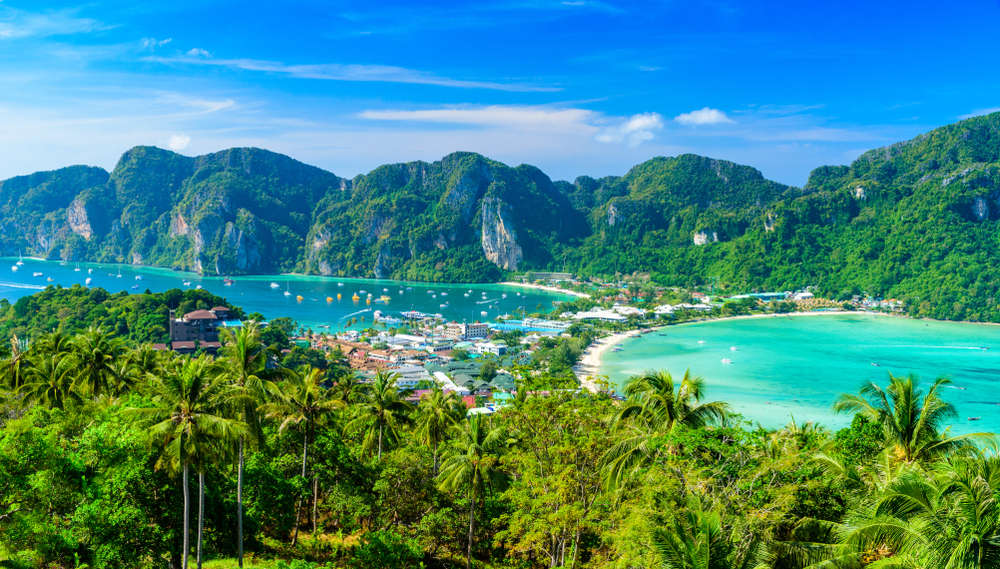


Andaman in August 2026 in one line: warm and very wet, with highs around 29 to 31C, roughly 350 to 450mm of rain across about 19 wet days, humidity at its yearly peak near 85% and rough seas, all at the lowest prices and quietest beaches of the year. August is peak southwest monsoon, so it is a genuine trade-off, not a simple yes or no.
Quick verdict. Yes for budget and solitude, no for guaranteed water sports. Go in August if you want value, dramatic green islands and near-empty beaches. Skip it if your trip hinges on scuba or fixed island-hopping dates, because rough seas thin the ferry schedule and pause open-sea activities. When you are ready to plan around the weather, browse Andaman tour packages built for flexible August dates.
Andaman in August: the quick version
Top Andaman Packages you Must Explore
Best Time
October - May
Select Package Type


August rewards a land-first plan. These five hold up whatever the sea is doing, and most sit indoors or on solid ground, so a squall costs you nothing.
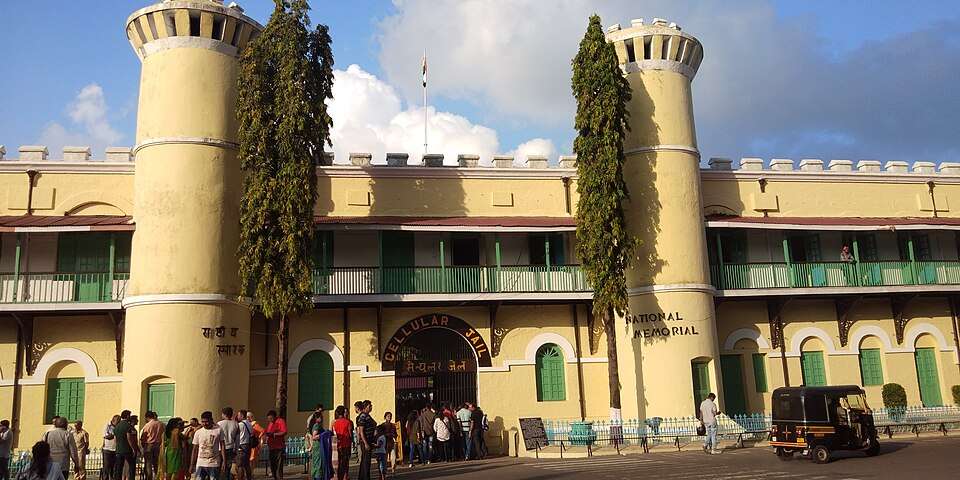
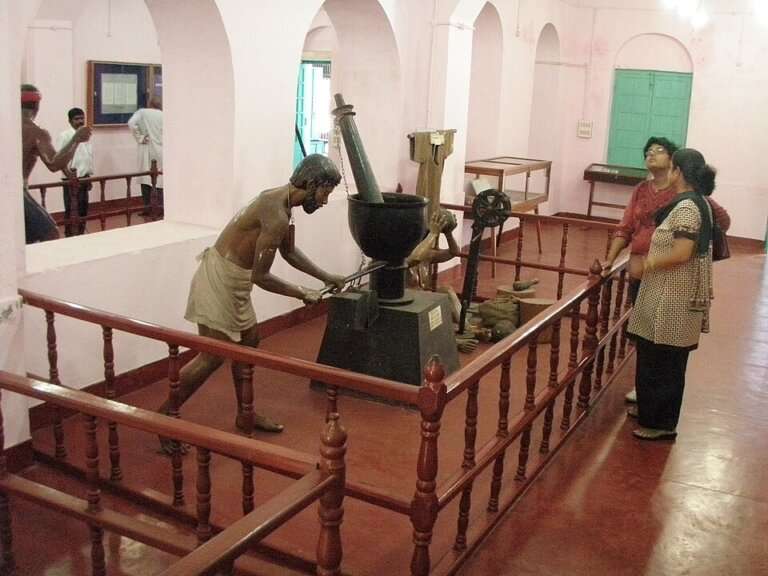
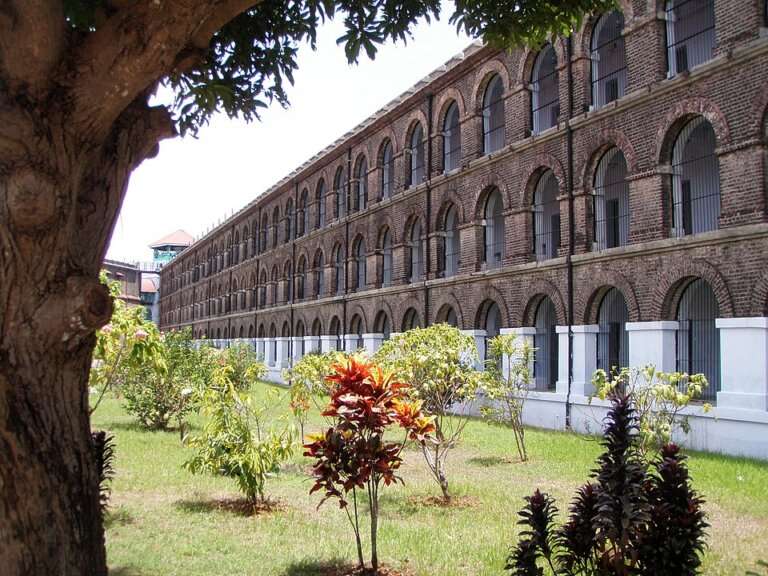
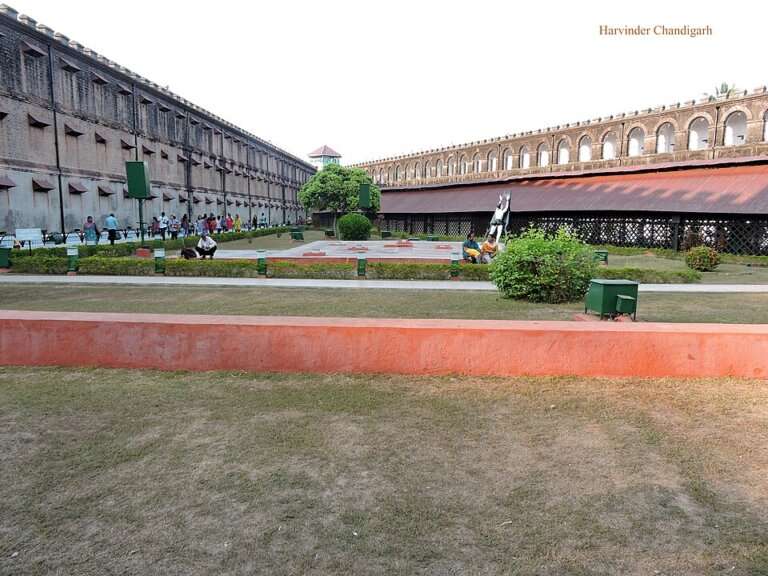
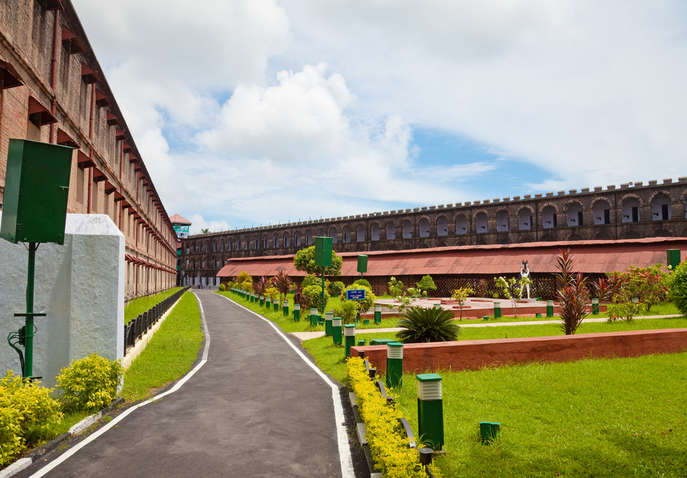
The 1906 colonial prison is Port Blair’s headline sight and it runs all year, rain or shine. Come back after dark for the Light and Sound show, which is especially worth timing around 15 August for the Independence Day commemorations. Read the full Cellular Jail guide before you go so the history lands.
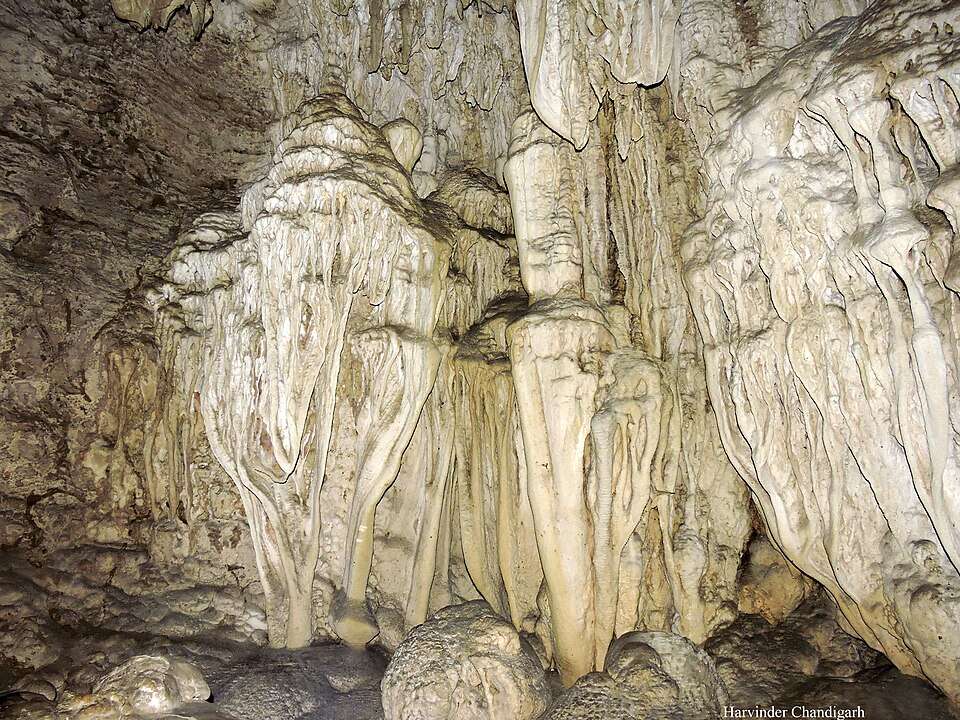
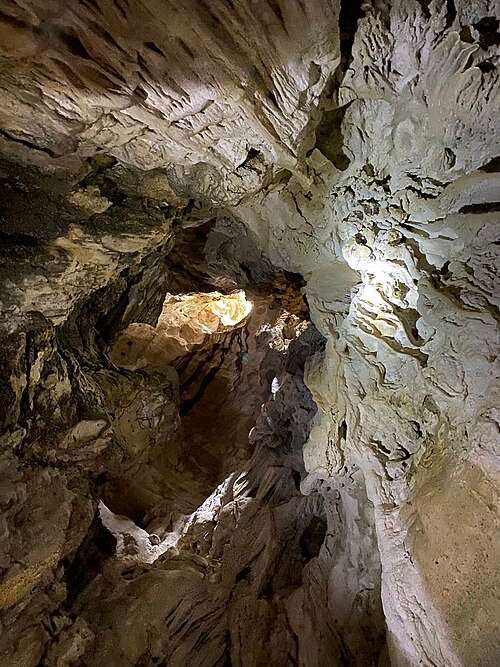

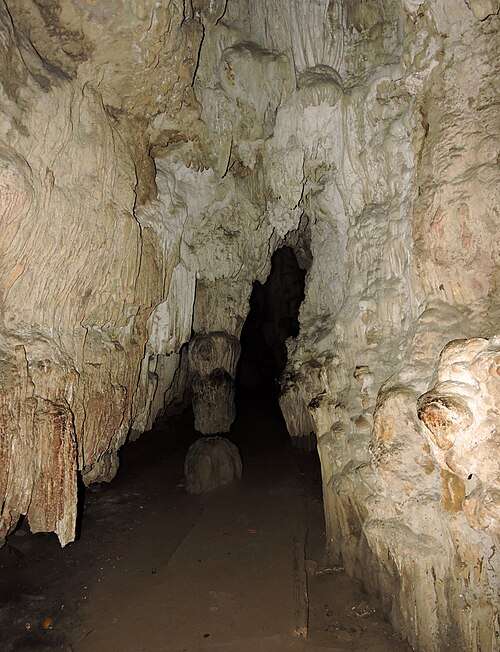
In North Andaman, the Baratang limestone caves are reached by a mangrove-creek boat ride that stays doable through the monsoon because the route is sheltered, followed by a short muddy forest trail. Pair the trip with Saddle Peak, the archipelago’s highest point, when the skies clear. Both are weather dependent, so check conditions locally and keep grippy footwear on for the trail.

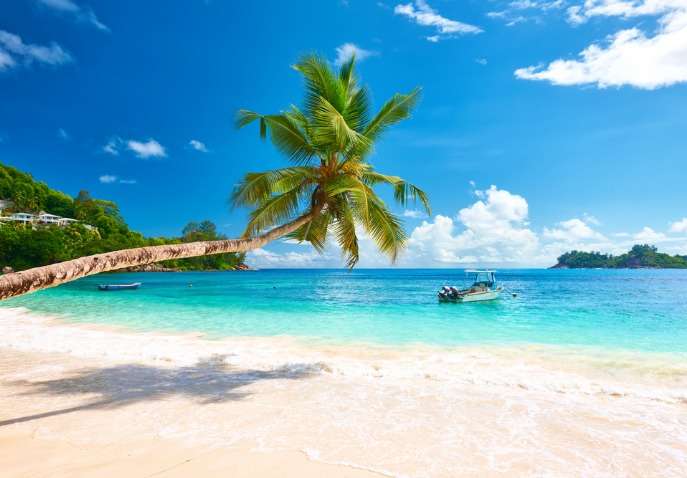


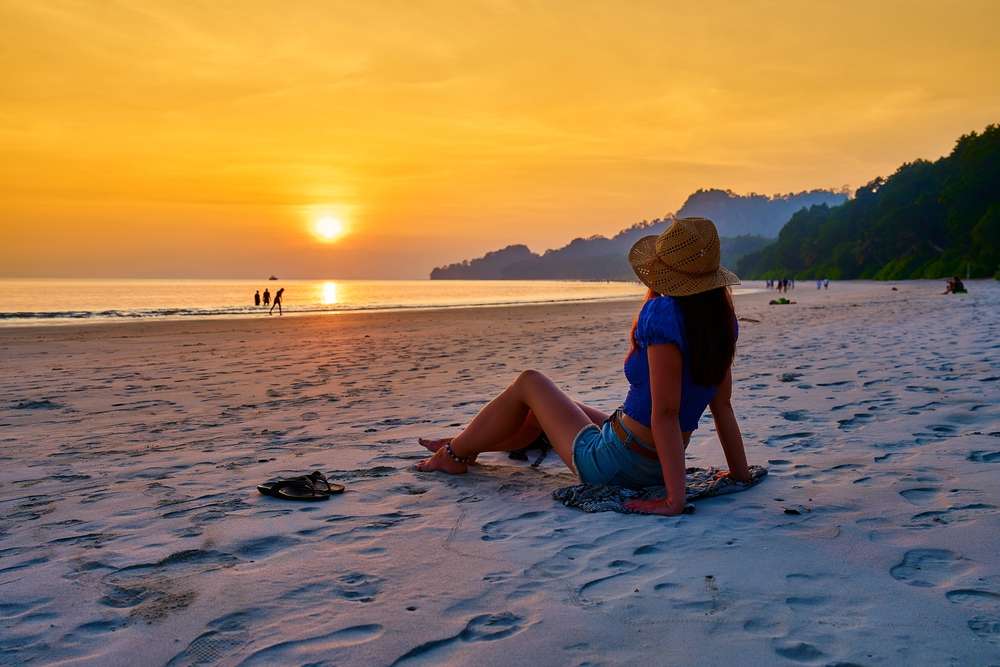
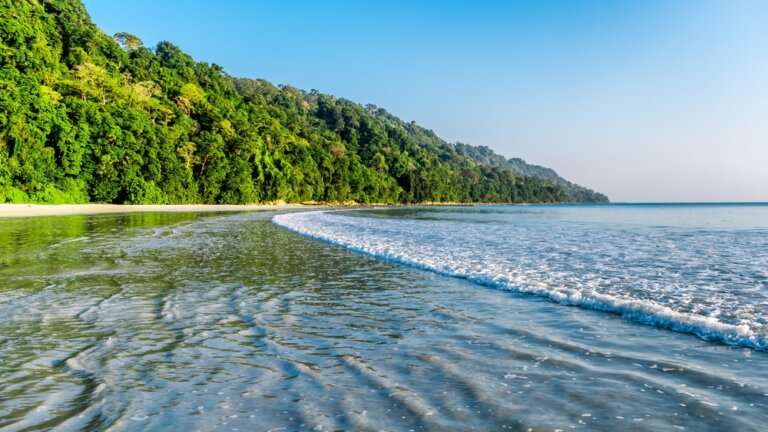
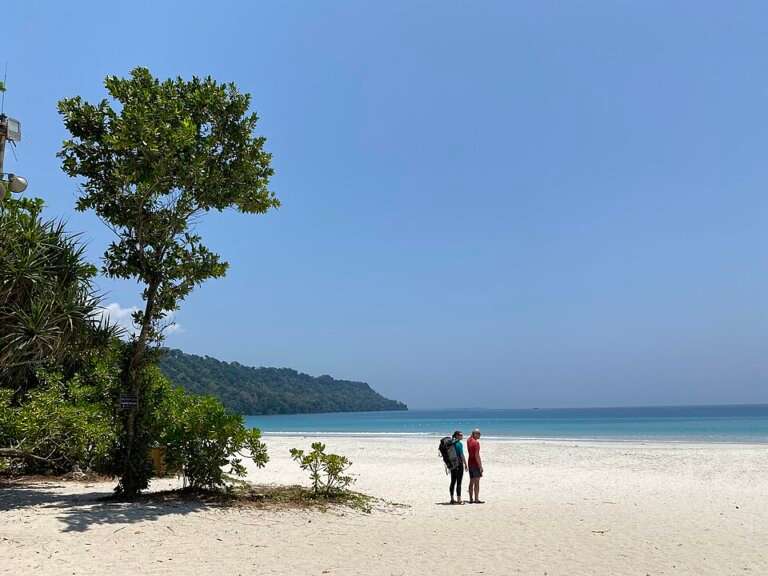
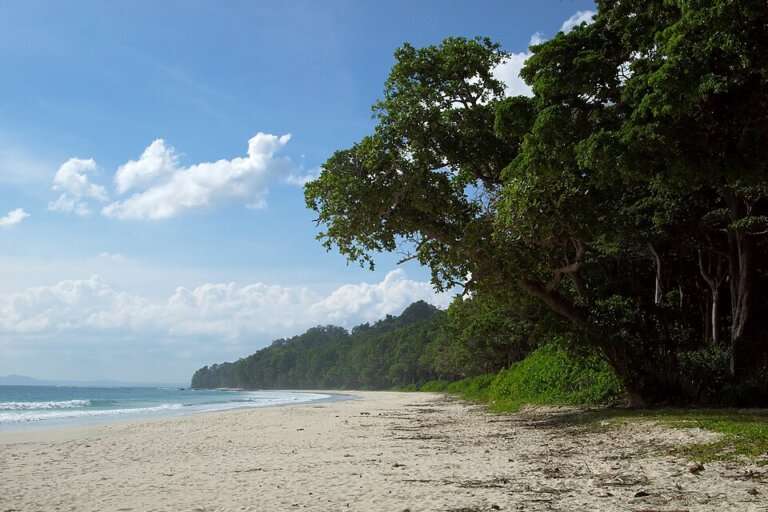
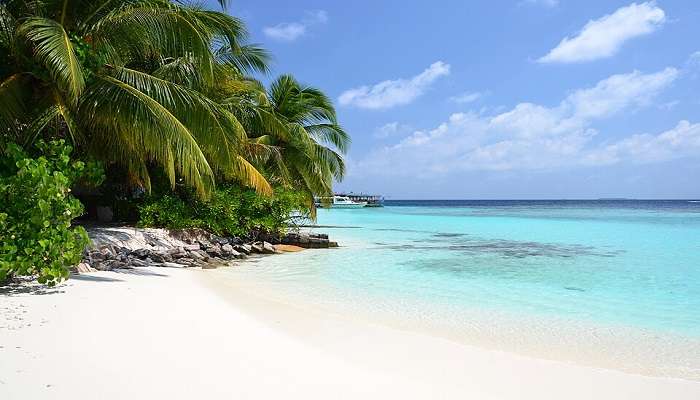
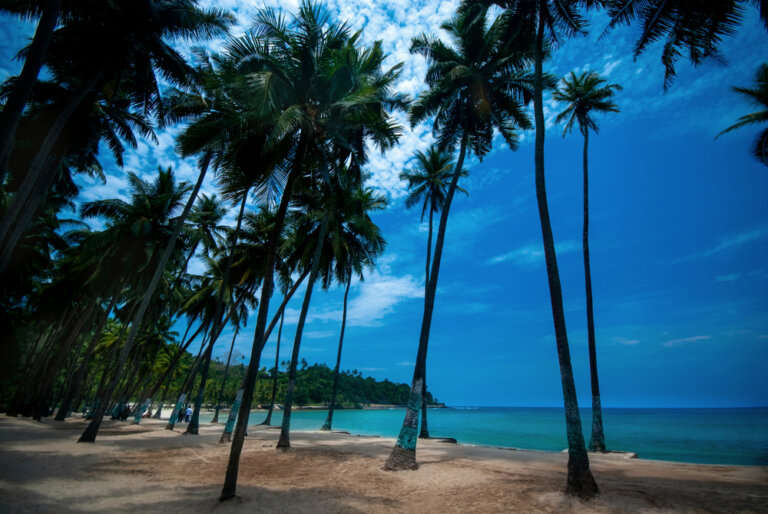
Havelock’s Radhanagar is the wide, pale-sand curve most people picture when they think Andaman, and in August you often get it close to empty. Swimming is governed by lifeguard flags and sea conditions, so treat it as a walking-and-photography beach on rough days rather than a swim stop. Late afternoon light, after the day’s heaviest showers pass, is the sweet spot.


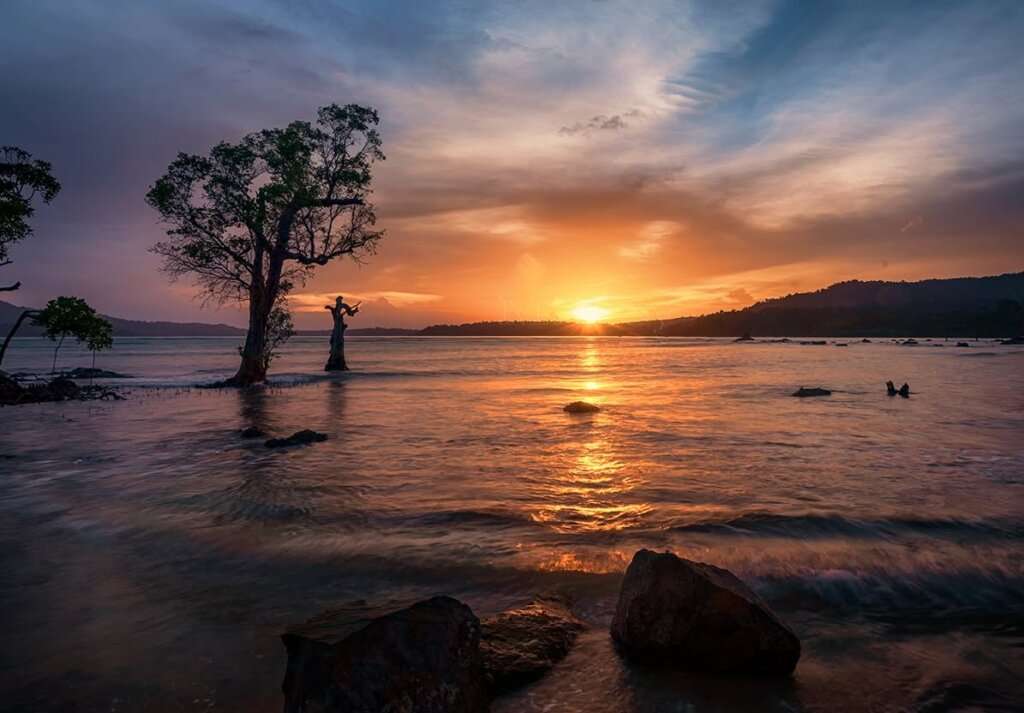
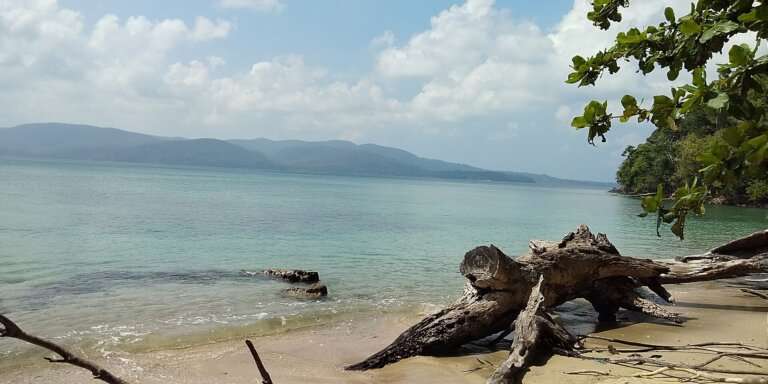
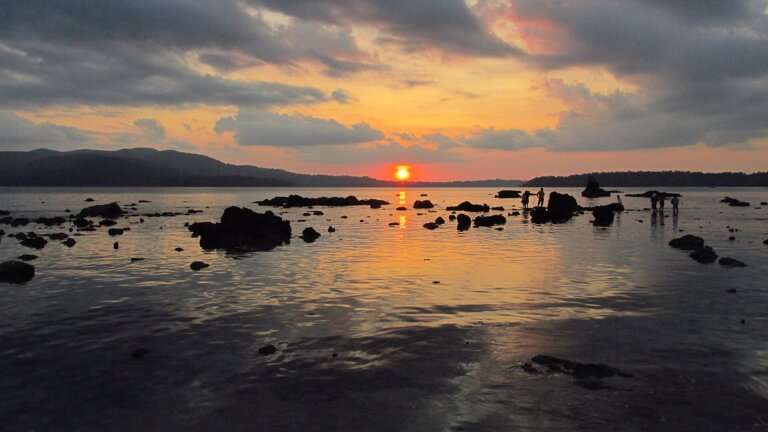
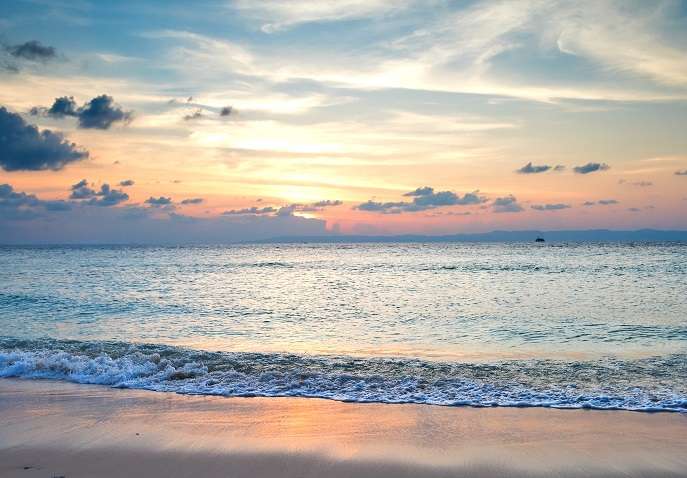
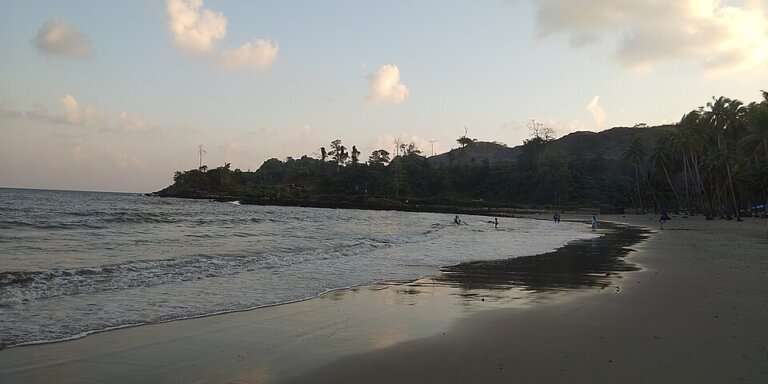
Chidiya Tapu, about half an hour south of Port Blair, is the reliable evening pick, a low-key headland for sunsets and short coastal walks between showers. The monsoon is also prime birding season here: the forest is at its greenest and quietest, and the tree line draws parakeets, sea eagles and kingfishers. Bring a light rain layer and go early or late for the best sightings.
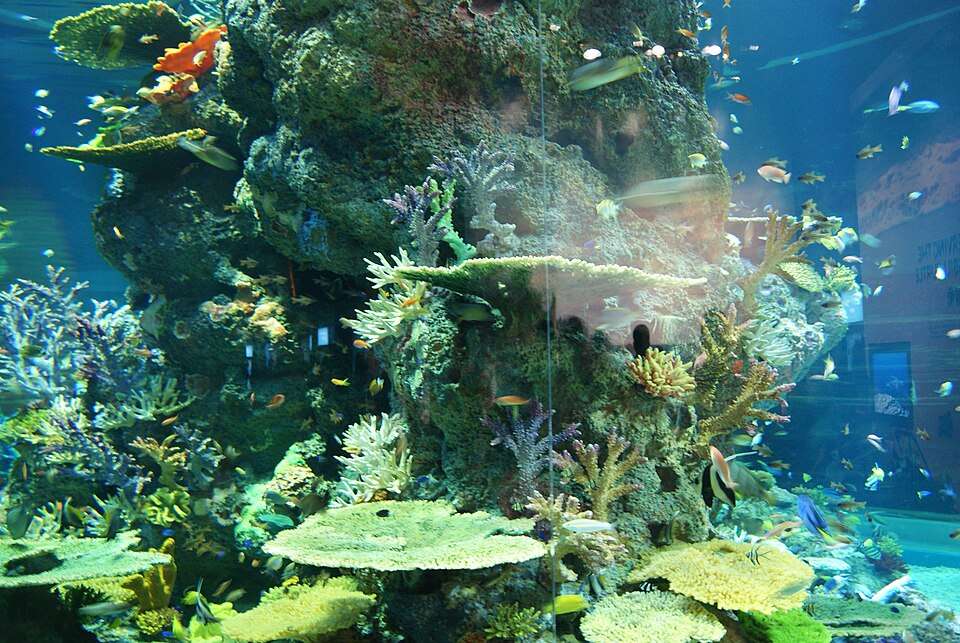
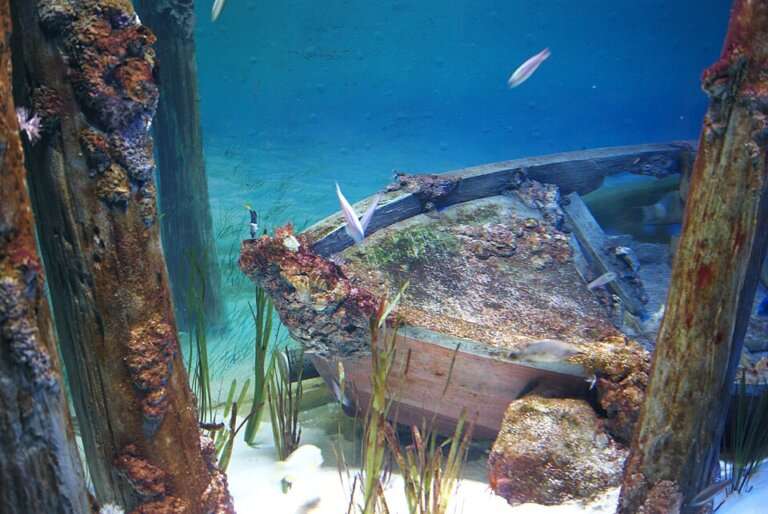
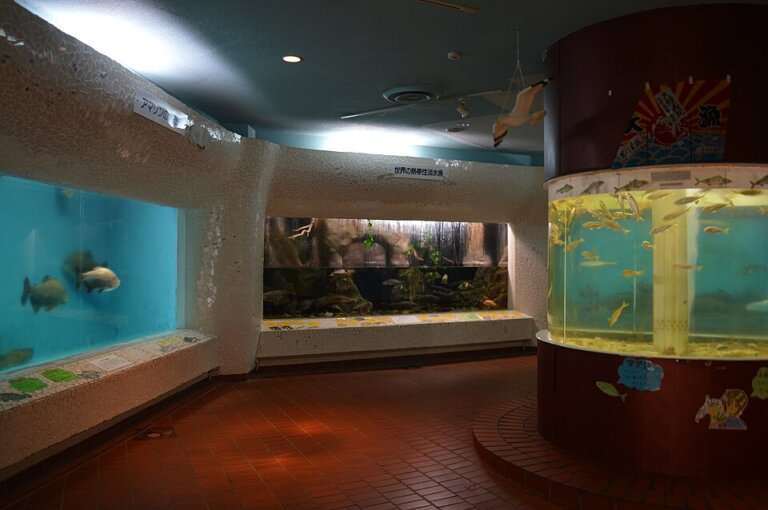
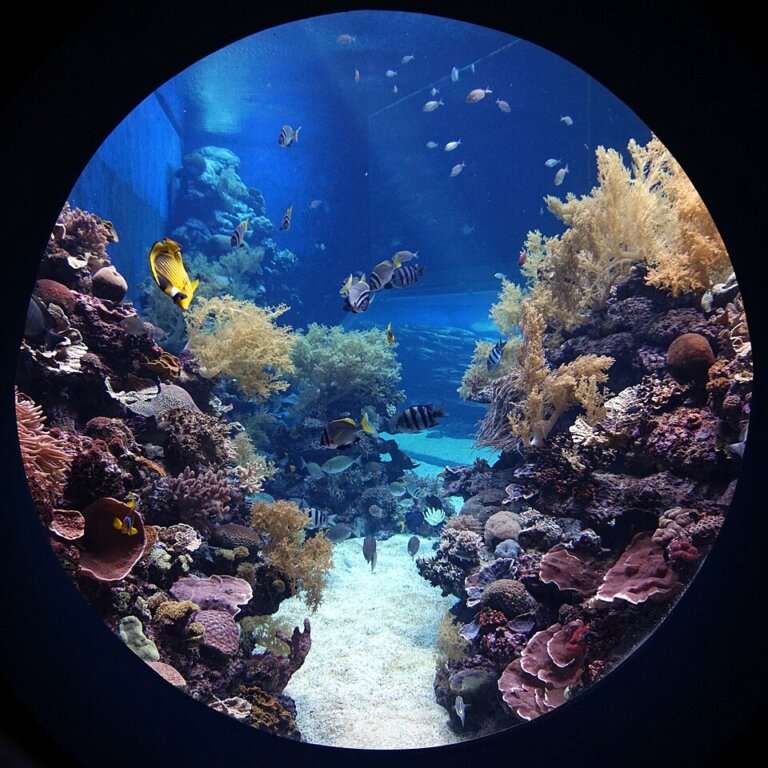
The compact Marina Park and Aquarium in Port Blair is a genuine wet-afternoon anchor. It displays preserved sea creatures, corals and a whale skeleton, and a small video fee applies if you want to film. It will not fill a whole day, but it slots neatly around a downpour before dinner.

A monsoon evening is made for a long seafood dinner. Port Blair’s restaurants and shacks serve fresh catch straight off the day’s boats, with Red Snapper a local staple and long-running spots like New Lighthouse Restaurant good for grilled fish. It is entirely indoor, so the weather never touches it.
August sits deep in the southwest monsoon, so the headline is heat plus humidity plus rain, not extreme temperatures. Days are warm rather than scorching, nights barely cool, and the real story is the sea. Here is the month in one table.
| August metric (Port Blair / Andaman) | Typical value | What it means for you |
| Daytime high | 29 to 31C | Warm, not scorching; light cotton only |
| Night-time low | 25 to 27C | Mild, humid nights; no warm layers needed |
| Sea temperature | ~28C | Warm water but a rough surface |
| Monthly rainfall | 350 to 450 mm | Heavy; among the wettest months of the year |
| Rainy days | ~19 days | Rain on most days, usually in spells not all day |
| Humidity | ~85% | The year’s peak; muggy, so quick-dry clothing helps |
| Sea and swell | Rough (peak monsoon) | Open-sea water sports run only on calm days |
The pattern is tropical. Rain tends to arrive in heavy squalls that pass within an hour or two, broken by bright humid spells, rather than settling into all-day grey. That is exactly why land sightseeing keeps working in August even when open-sea activities stall.
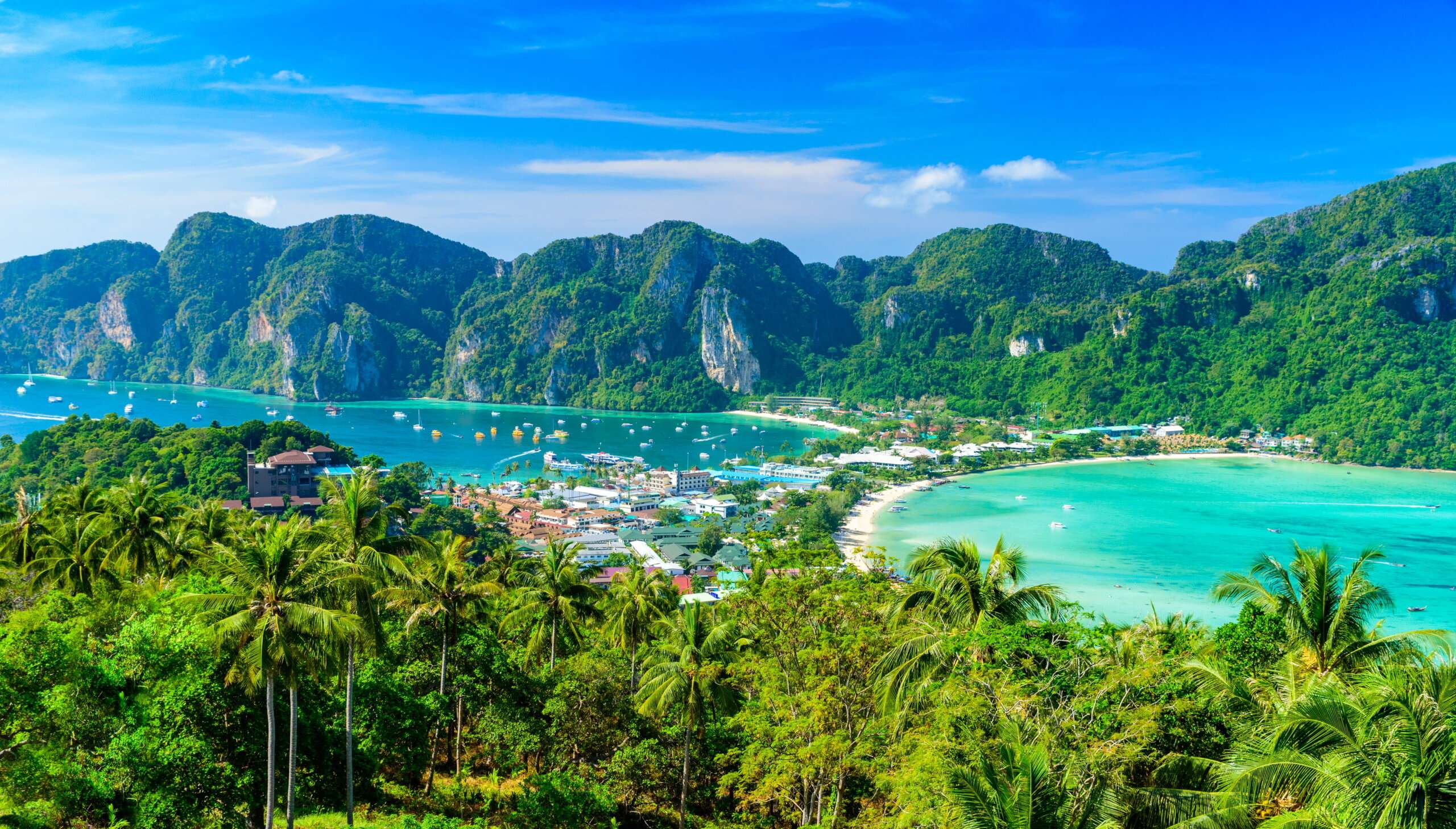
The honest answer depends on what you want from the trip. August is the extreme value end of the Andaman calendar: cheapest and emptiest, but the most weather-dependent. Weigh it against your priorities rather than the brochure photos.
Choose to go in August if:
Skip August (or pick another month) if:

The single most useful planning fact for August is that the sea controls your schedule, not the rain. Land sights stay open. Anything on open water becomes conditional. Here is where things actually stand.
Open and reliable all month
Weather-dependent or closed
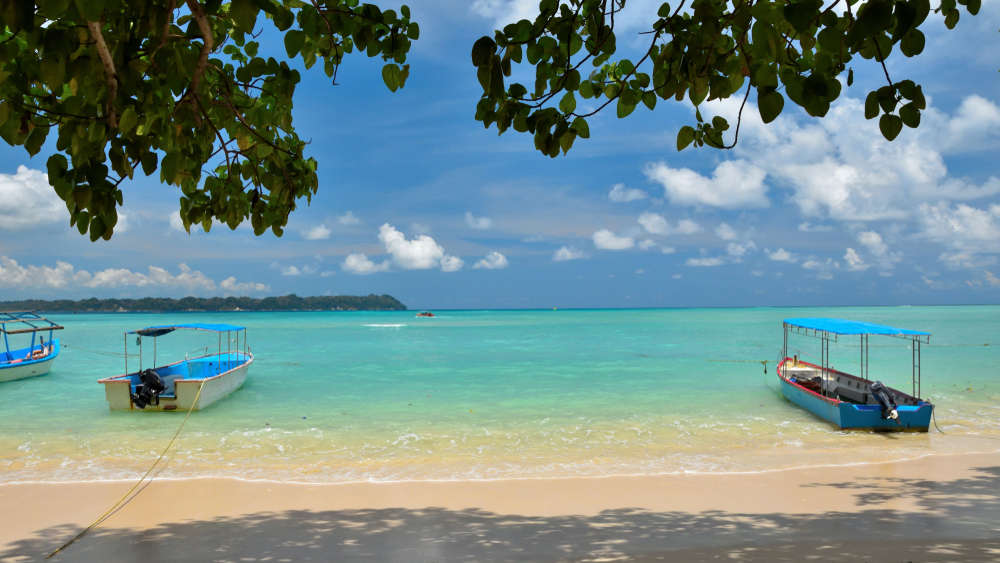
August is the cheapest month to visit the Andamans, and that is its strongest single selling point. Because it is deep off-season, hotels, flights and packages all drop from their peak-season highs, and there is real room to negotiate on advance bookings.
Where the savings show up
Exact discounts vary widely by property, airline and how far ahead you book, so treat August as the value window rather than chasing a fixed percentage. Travellers consistently report stretching the same budget much further than in peak season. For couples, a quiet monsoon window can make a strong-value Andaman honeymoon, and it suits a flexible Andaman family trip around the summer break too.
What to pack for the monsoon
August packing is about staying dry and comfortable in heat and humidity, not staying warm. The essentials:
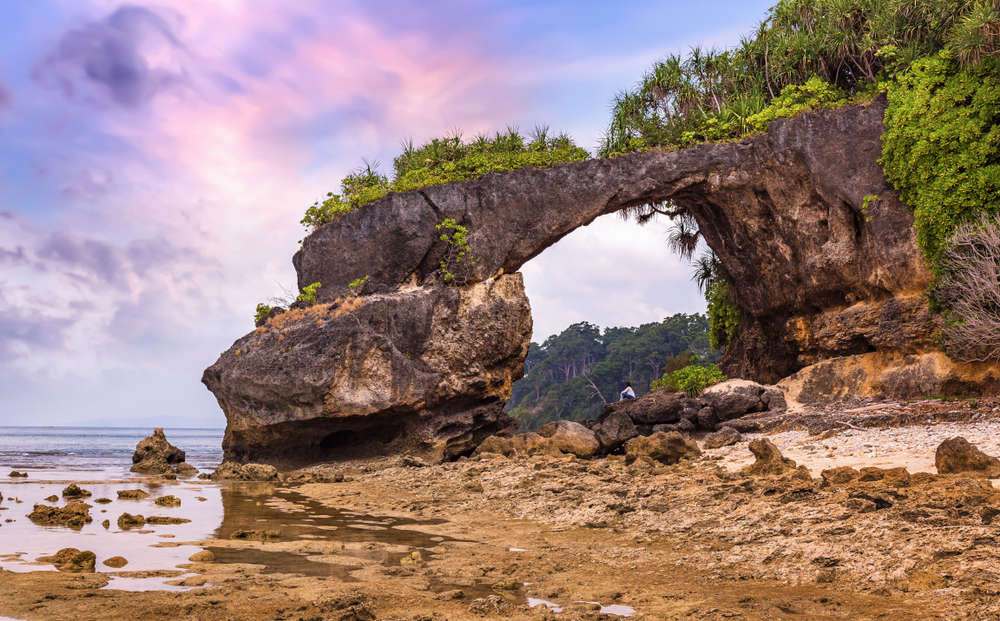
Getting there does not change much in the monsoon, but the last leg between islands does. Plan the arrival with a little slack.
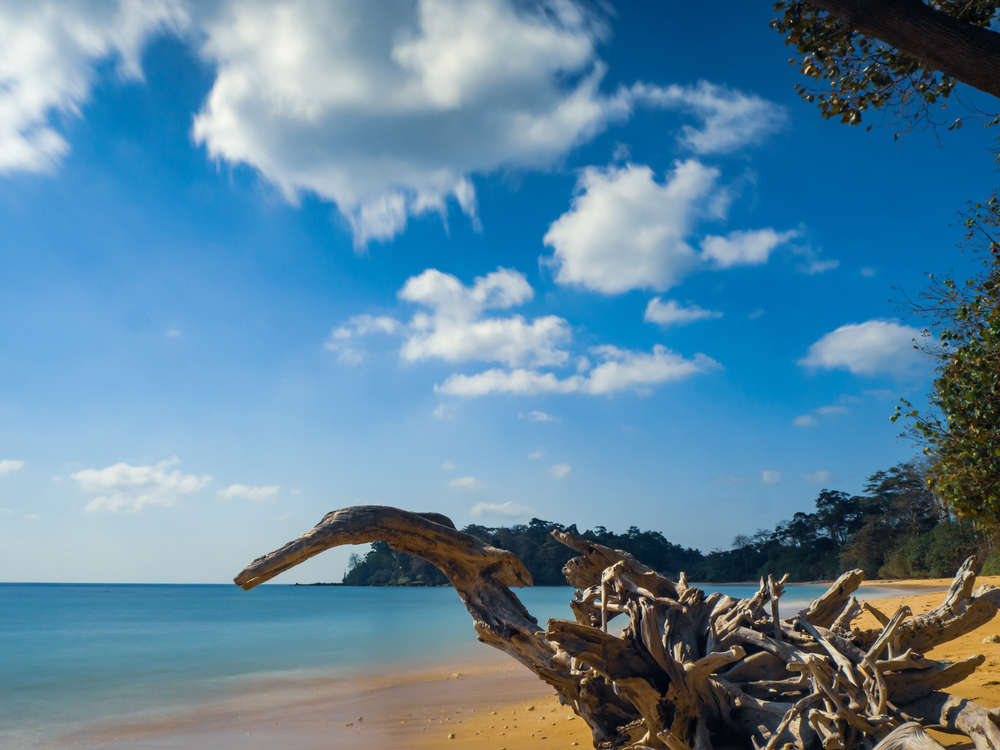
If August’s trade-off is not for you, the shoulder and peak months tell a different story. Andaman in June is the other early-monsoon option, similarly cheap with slightly calmer early-season seas. Andaman in October is the shoulder sweet spot, with the monsoon easing, seas settling and prices still below peak. And Andaman in December is peak season: calm seas, reliable ferries and the best diving, at the year’s highest prices and crowds. For the full seasonal picture across every month, the Andaman travel guide has the complete breakdown.
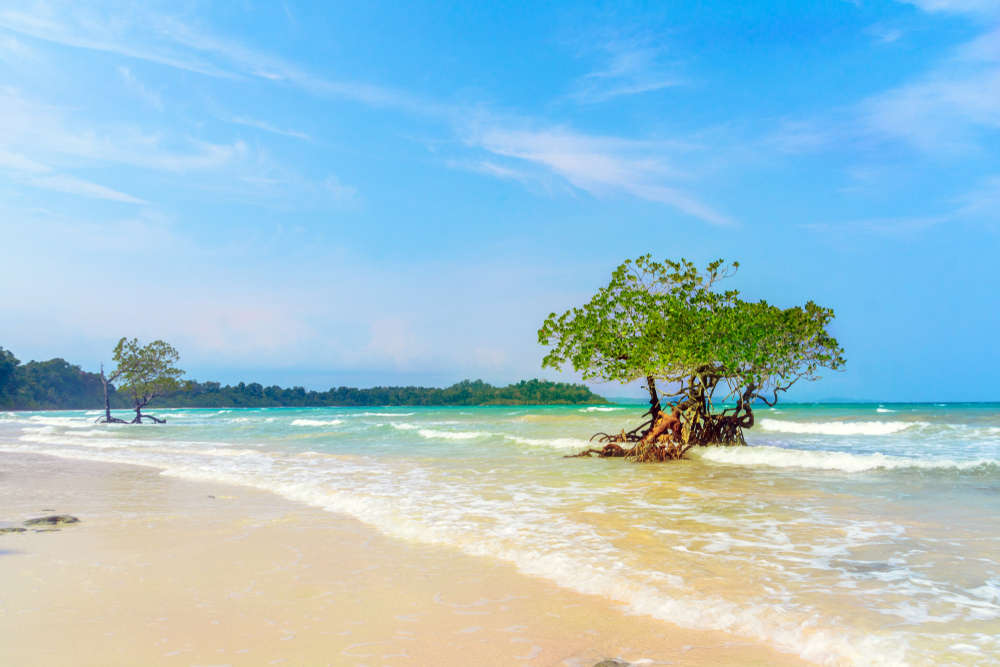
Andaman in August is a deliberate trade. You accept monsoon rain, rough seas and reduced ferries, and in return you get the year’s lowest prices, the greenest islands and beaches almost to yourself. It is an excellent choice for budget and slow travellers who can stay flexible, and the wrong choice if the trip lives or dies on scuba, snorkelling or fixed island-hopping dates. Plan land-first, keep a buffer day, hold water activities for clear windows, and the monsoon becomes a feature rather than a flaw.
Yes, with caveats. August is peak southwest monsoon, so you get frequent rain, high humidity and rough seas, but also the lowest prices of the year, very few crowds and lush green landscapes. It is a good choice for budget-minded, flexible travellers happy with land sightseeing, and a poor one if your trip depends on calm-water scuba, guaranteed ferries or beach swimming.
August daytime highs sit around 29 to 31C and night-time lows around 25 to 27C, with humidity peaking near 85%, the most humid month of the year. The sea is a warm ~28C but rough on the surface. It is warm and muggy rather than hot, with rain on most days, so pack for showers, not for cold.
August is among the wettest months, with roughly 350 to 450mm of rain across about 19 rainy days. The rain usually comes in heavy spells and squalls broken by bright, humid spells rather than all-day downpours, which is why land sightseeing keeps working even though open-sea activities often stall.
The sea is rough in August because it is peak monsoon, so scuba diving, snorkelling, sea walks, jet ski and parasailing all run only on calm-weather days and are frequently paused. If diving is the main reason for your trip, August is risky. The calm season, roughly November to May, is far more reliable for water activities.
Often yes, and it is one of the few genuinely monsoon-specific highlights. Mangrove kayaking runs on sheltered creeks near Port Blair and Havelock that stay calmer than the open sea, and some operators run a bioluminescence night-kayak when the water is clear and skies allow. It is weather-dependent, so treat it as a clear-window bonus and confirm with your operator on the day.
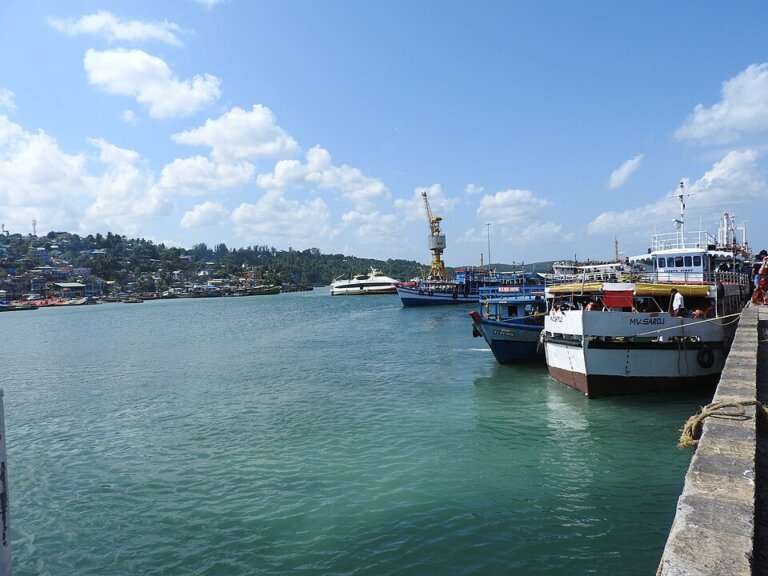
Yes, inter-island ferries between Port Blair, Havelock (Swaraj Dweep) and Neil (Shaheed Dweep) operate through the monsoon, but individual departures can be cancelled on rough-sea days, and operators run reduced or altered schedules. Always confirm your sailing one to two days ahead and keep a buffer day so a cancellation does not threaten your return flight.
Effectively yes. August falls in the deep off-season, so hotel rates and flights drop to their lowest of the year and crowds are minimal. Exact discounts vary widely by property and how you book, but the direction is clear: a budget traveller gets far more for their money in August than in the December peak.
Yes, booking a few weeks ahead is worth it even in the off-season. Advance booking locks in the lowest August fares on flights and hotels and gives you room to negotiate on package upgrades, and it secures your inter-island ferry seats, which run reduced monsoon schedules. Choose flexible or cancellable options where you can, so a rough-sea day does not leave you stuck.
Usually not. Elephant Beach is reached by boat from Havelock, and those crossings are typically suspended in rough monsoon seas, so plan on missing it in August. Radhanagar Beach stays open for walks and photography, with swimming governed by lifeguard flags. Save the Elephant Beach snorkelling trip for the calm season between November and May.
Open and reliable: Cellular Jail and its Light and Sound show, the Samudrika and Anthropological museums, Marina Park and Aquarium, Chidiya Tapu, the Baratang caves, Corbyn's Cove and city sightseeing. Weather-dependent or closed: scuba and water sports (calm days only), Elephant Beach and some North Bay and Ross Island boat trips, and Jolly Buoy Island, which is closed during the monsoon and reopens around November.
Yes, August travel is safe for ordinary sightseeing as long as you respect the sea. Stick to land-based and indoor sights on stormy days, follow lifeguard flags before swimming, avoid rough-water boat trips, and check schedules before any ferry. The main risks are weather disruption and cancelled sailings rather than personal safety.
Around 5 to 6 days works well in the monsoon. That gives you Port Blair's all-weather sights plus one or two island hops to Havelock or Neil, with enough slack to absorb a rain day or a cancelled ferry. Build in a buffer day in Port Blair before you fly home rather than planning a tight, back-to-back schedule.
Pack a quick-dry rain jacket or compact umbrella, waterproof or grippy footwear for muddy trails, a dry-bag or waterproof pouch for your phone on boat days, light breathable quick-drying clothes for the humidity, and mosquito repellent plus any regular medication, since pharmacies are limited on the smaller islands.
For calm seas, reliable ferries and the best diving, plan for roughly November to May, with the December to February peak offering the steadiest conditions and October a quieter shoulder-season alternative as the monsoon eases. August is the opposite end of that trade-off, cheapest and emptiest, but weather-dependent.
Real reviews from real travelers who booked with us.
View All Reviews