4D / 3N
17% OFF
4D / 3N
17% OFF
Manali-Kasol Tour Package by Cab for Himachal (4D/3N) - At A Glance
- Hotel
- Meals
- Sightseeing
- Entry Tickets
- Cab Transfer
₹12,688
₹10,500 /pp
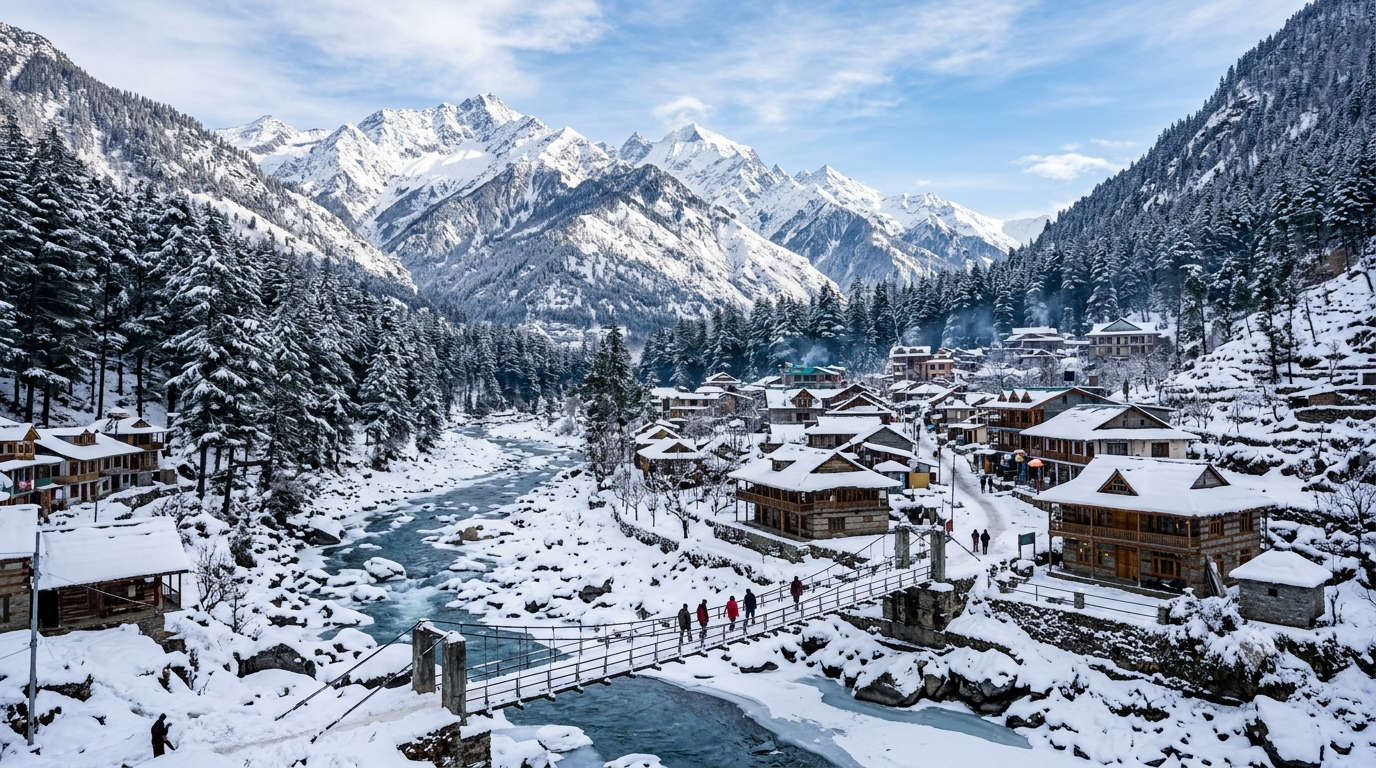


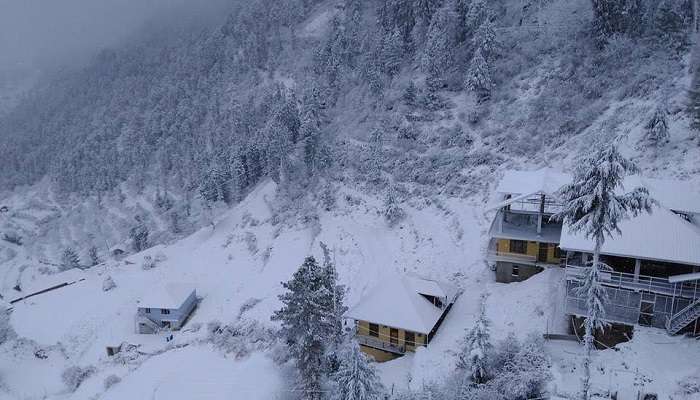
Kasol in winter is quieter, cheaper and a good deal colder than the summer version most backpackers know, and if you time it right, you will catch snow. From late December through February the Parvati Valley trades its crowds for empty cafes, half-price rooms and frost on the deodar trees. Snow in Kasol town itself is a maybe rather than a promise. Climb a little higher to Tosh, Pulga or the Kheerganga trail and it becomes far more dependable. This guide gives you the real month-by-month temperatures, the villages where snow actually settles, a 2 to 3 day itinerary, what a trip costs, and whether Kasol or Manali is the smarter call for December snow.
Kasol in Winter
Best Time
March - June
Select Package Type

3 Days & 2 Nights
₹9,043 /@pp
GET FREE QUOTE

9 Days & 8 Nights
₹36,484 /@pp
GET FREE QUOTE.jpg?tr=w-600,h-300)

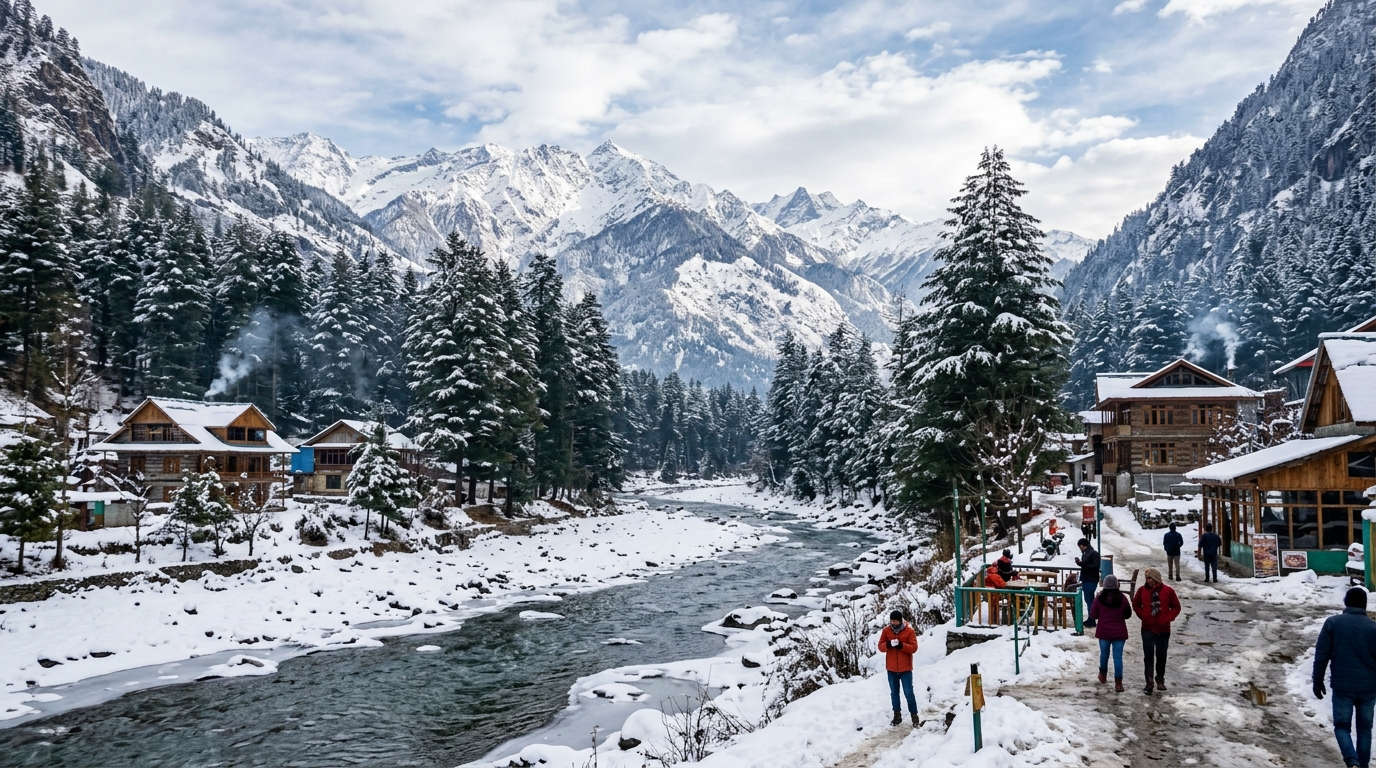
Yes, if cold and quiet appeal to you more than crowds and nightlife. Snow arrives reliably from late December to February, with January the safest bet. Snow in the town itself is occasional, but the nearby high villages and the Kheerganga trail hold it far more dependably. You get off-season room rates, near-empty cafes and clear mountain light, in exchange for sub-zero nights and the odd blocked road.
Want the exact snow timing and the spots that get it first? See our companion guide on when and where it snows in Kasol. This page stays focused on planning a winter trip: months, weather, things to do, itinerary and cost.
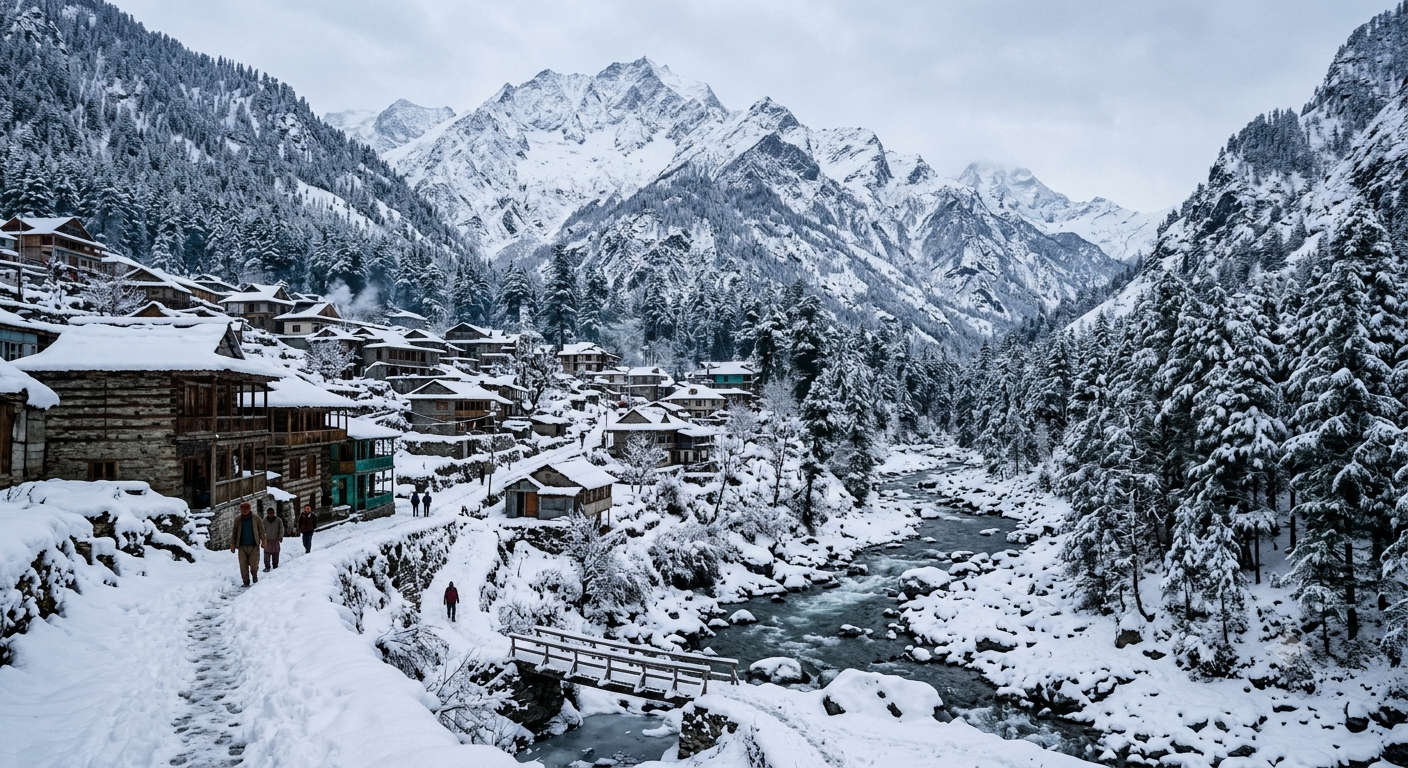
The figures below are averages for Kasol town, which sits at roughly 1,640 m on the valley floor. The trekking villages people actually go to for snow (Tosh, Kheerganga, Grahan) sit 800 to 1,400 m higher and run noticeably colder, with nights well below freezing. Valley readings draw on weather-atlas and weather-and-climate records; higher-village and cold-snap lows are corroborated by MakeMyTrip and Thrillophilia December data.
| Month | Day (C) | Night (C) | Snow chance | What to expect |
| November | 15 to 18 | 4 to 7 | Low | Crisp and clear; first snow dusts the high peaks late in the month. |
| December | 9 to 15 | -2 to 4 | Moderate | First town flurries usually mid to late month; high villages more reliable. |
| January | 8 to 14 | -5 to 2 | High | Coldest and snowiest month (around 3 snow days on record); brief road closures possible. |
| February | 10 to 16 | 0 to 5 | Moderate to high | Snow tapers, days lengthen; a strong late-season window with fewer risks. |
Read the table as a valley baseline. On a clear December afternoon the town can feel almost mild in the sun, then drop to freezing within an hour of sunset. In the villages above Barshaini, subtract a few degrees at every reading.
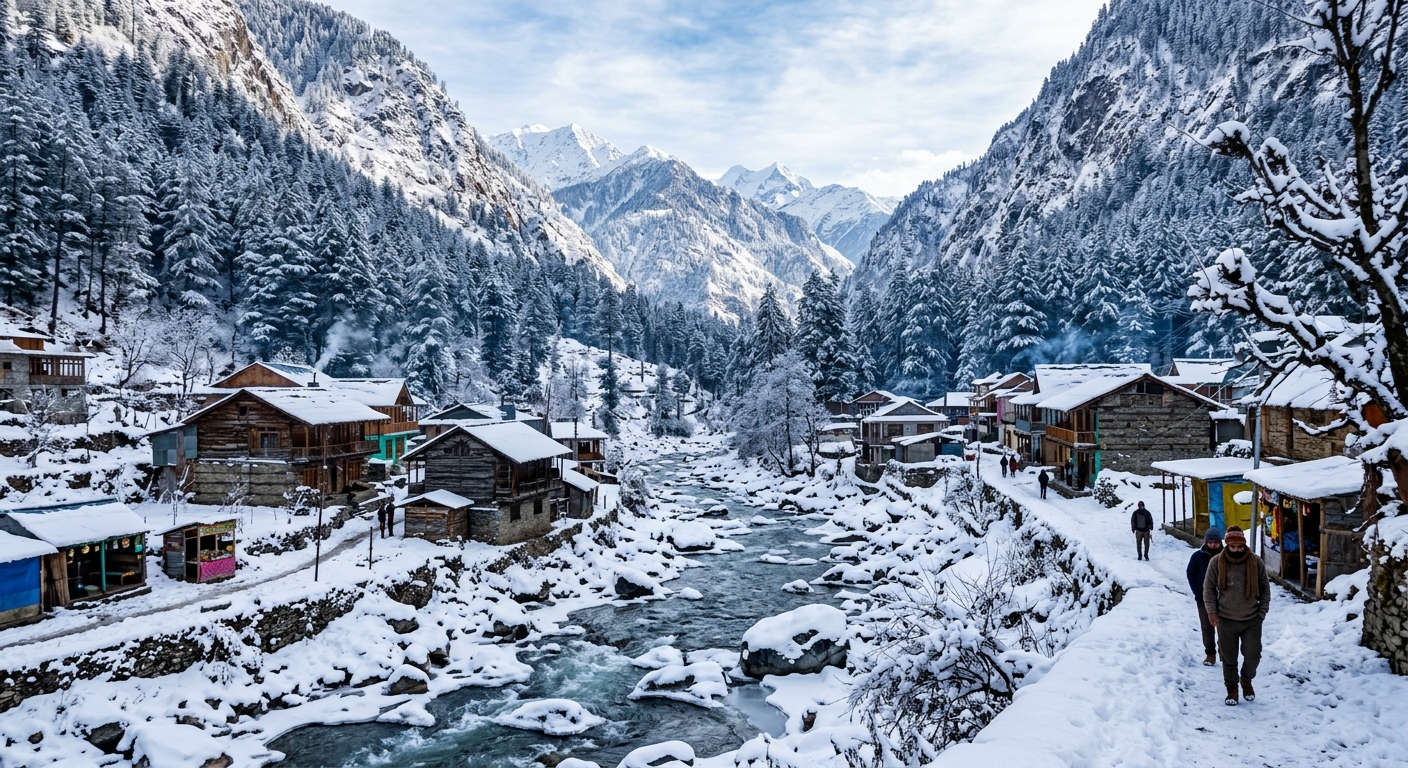
December is when the valley turns properly wintry. Days stay pleasant in the sun, roughly 9 to 15C, while nights slide below freezing on the coldest evenings. Town snow tends to hold off until mid to late December, so an early-month trip is more about frost, bonfires and empty cafes than deep snow. Rooms run at a heavy discount for most of the month because it is off-season, and locals have more time to talk.
The exception is the Christmas and New Year window. Prices climb and the popular cafes fill up for that one week as city travellers arrive for a snow-chance getaway, so book ahead if you are travelling around 24 December to 2 January. Kheerganga is still walkable early in the month with a guide, and Manikaran’s hot springs feel their best when the air is near freezing.
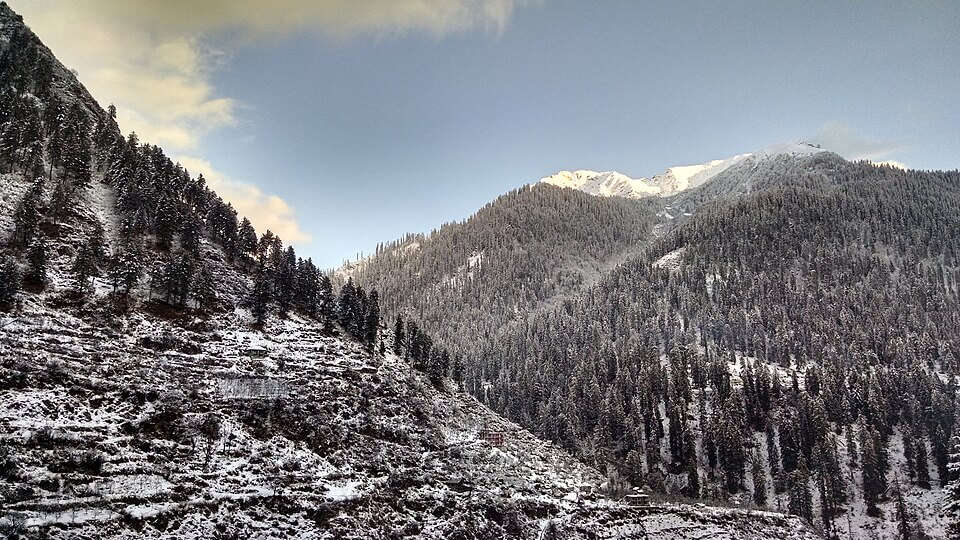
January is the coldest and snowiest month, and the most reliable one for actually seeing snow. Valley days sit around 8 to 14C; nights commonly touch zero and dip several degrees below during cold spells. Weather records show it as the snowiest month of the year for Kasol, with snow settling on the town more than once and holding for days in the higher villages.
This is also the emptiest month. You will find the fewest tourists, the deepest room discounts and the quietest trails. The trade-off is real cold and occasional disruption: a heavy fall can close the road up to Barshaini and Tosh for a day, and some village guesthouses and higher pathways shut for the season. Travel with a buffer day, keep plans flexible, and do not attempt Kheerganga without a local guide once fresh snow is down.
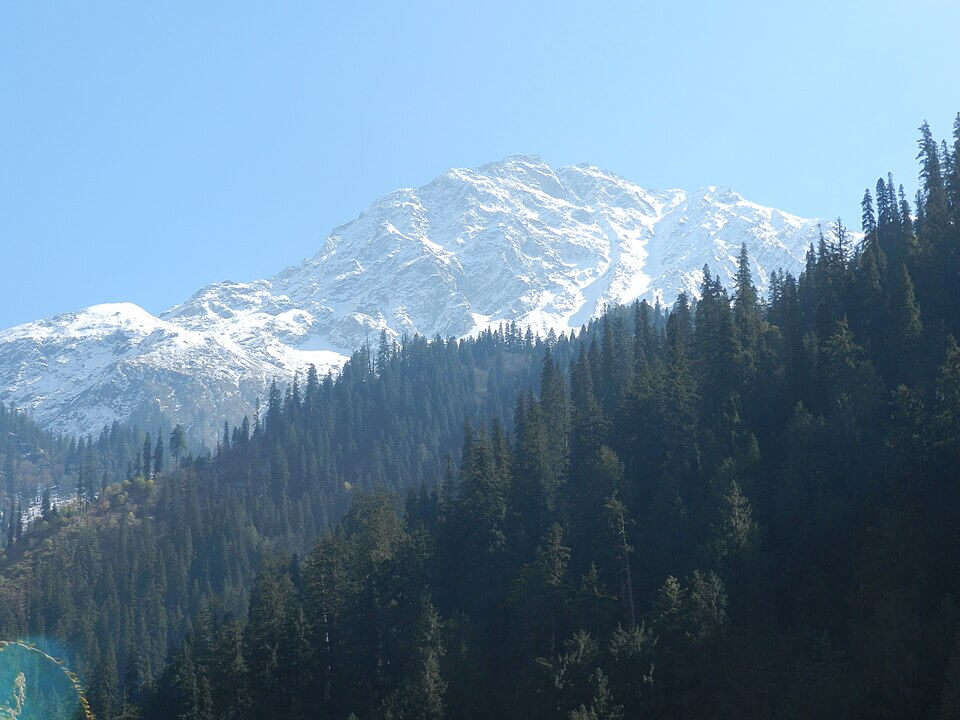
February is the smart shoulder pick. Snow chances stay moderate to high early in the month, then taper as it ends, while the days grow longer and the sun feels stronger, roughly 10 to 16C. You still get a solid shot at snow in the first half without January’s harshest nights or its higher closure risk. If you want winter scenery with a slightly gentler edge, aim for the first two weeks of February.
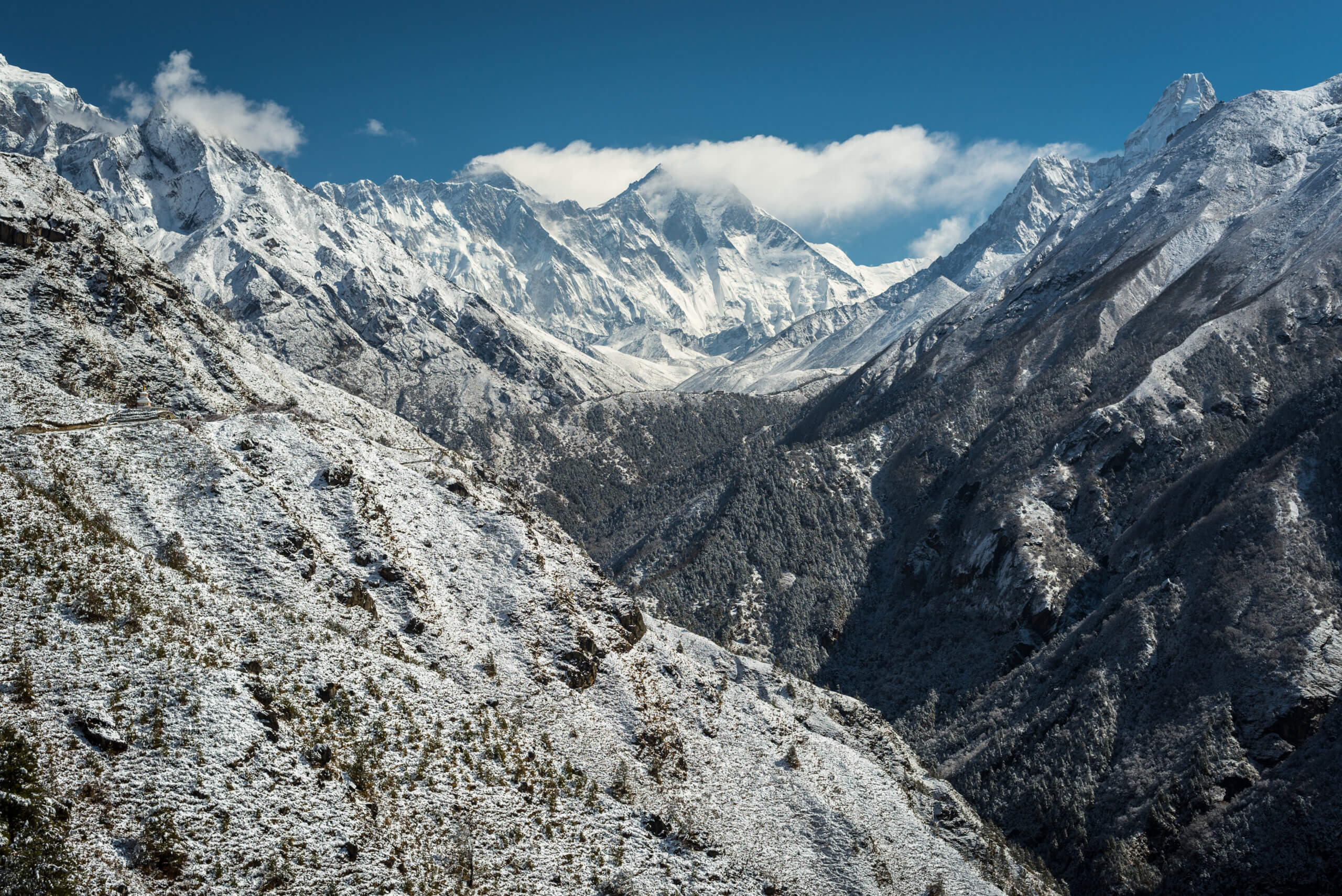
Here is the honest version most guides skip: Kasol town itself gets snow, but not on demand. For a near-certain white landscape in peak winter, you climb. All of these sit above the town and hold snow earlier and longer.
Trek to Kheerganga. The signature Parvati Valley trek climbs to about 3,050 m over roughly 10 km, ending at a hot spring with a view. It is doable in December with the right gear, but harder and slipperier in January and February. Carry a windproof jacket, woollen gloves and socks, and hire a local guide once fresh snow is down. See our full round-up of treks near Kasol for shorter winter options too.
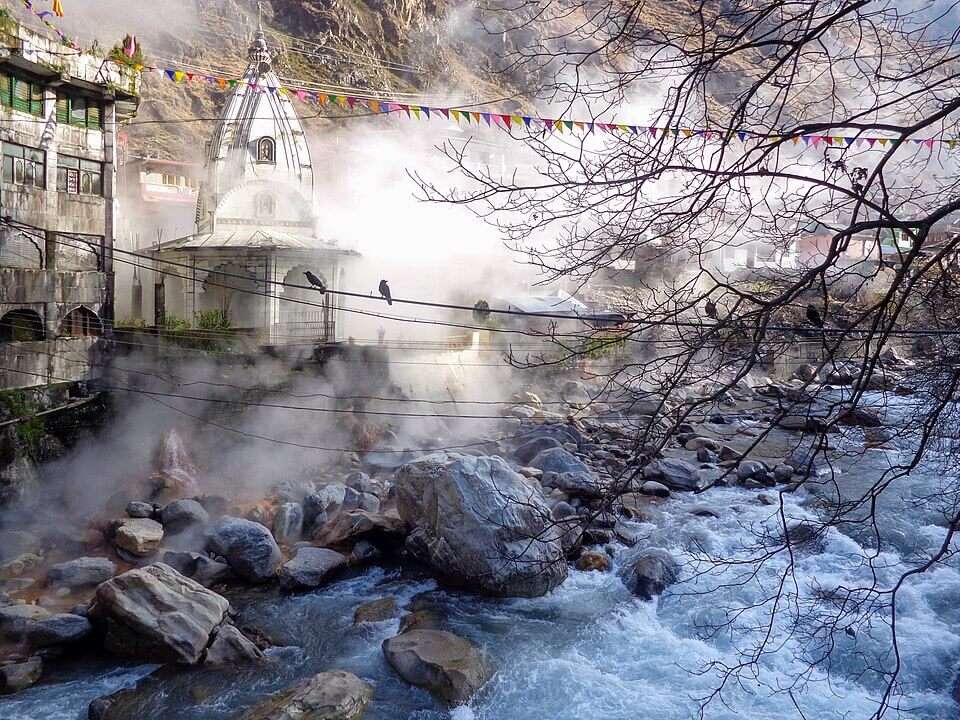
Soak in the Manikaran hot springs. About 4 km from Kasol on the banks of the Parvati, Manikaran Sahib pairs a Sikh gurudwara with natural geothermal springs. The free langar (community meal) and a hot soak are at their most welcome when the air is near freezing. More ideas in our guide to .things to do in Manikaran
Go cafe hopping. Winter is peak cafe weather here. Jim Morrison Cafe, Bhoj, Evergreen, Stone Garden, Little Italy, Moon Dance and Mama Cafe stay open through the season with hot Israeli plates, filter coffee and wood fires. Our list of the best cafes in Kasol has the full map.
Camp by the river, or play in the snow. Riverside camping beside the Parvati runs even in winter for the hardy, with bonfires against the cold; see camping in Kasol. Up in Tosh or on the Kheerganga trail, the simple pleasures win: building a snowman, a short snow walk, and landscape photography in the low winter light that photographers travel here for.
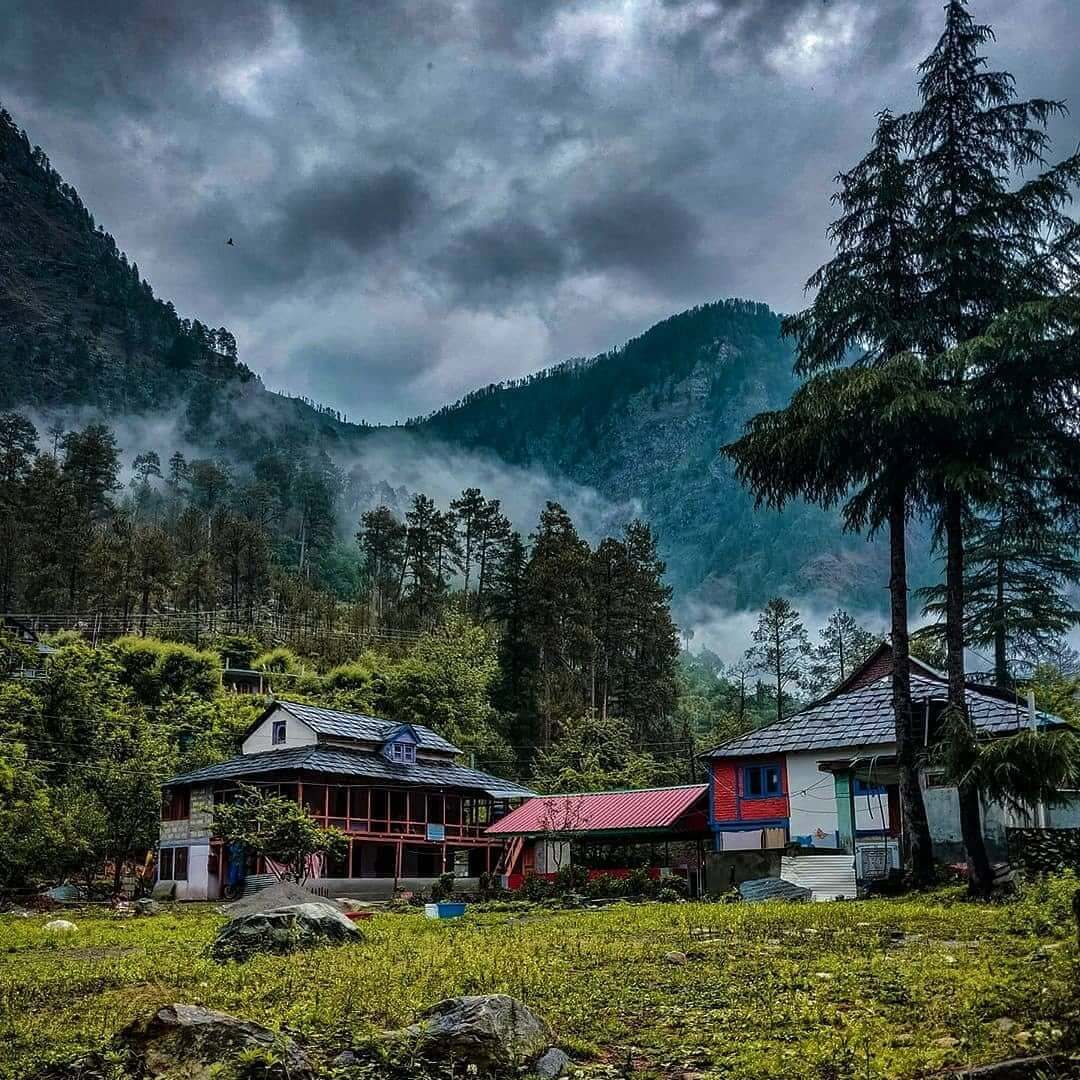
Beyond the snow villages, a few short trips break up a winter stay. Distances are from Kasol.
For a wider Parvati Valley plan, our guide to places to visit in Kasol maps the rest.
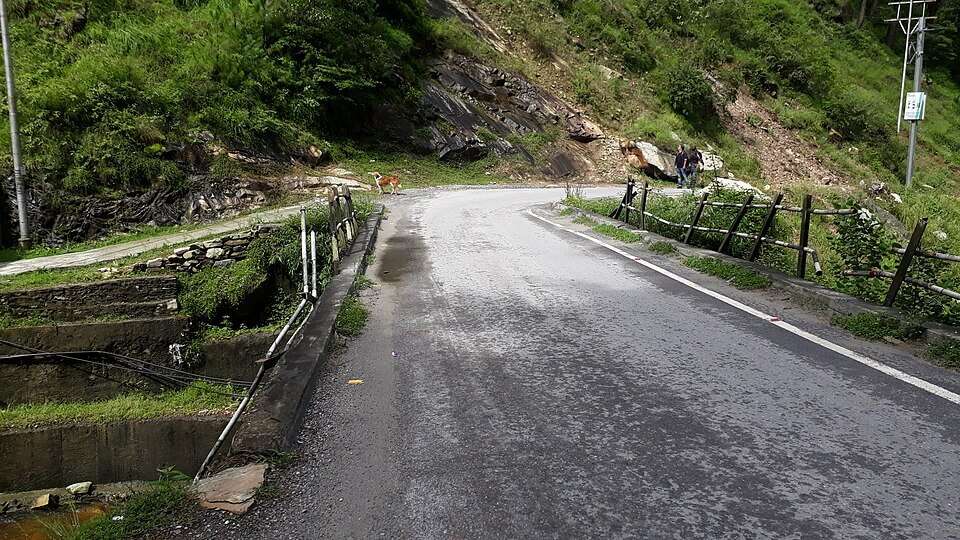
Reaching Kasol in winter is straightforward to the town itself. The higher village roads are the ones that close after heavy snow. Here is the route, step by step:
Are the roads safe? The Bhuntar to Kasol road is reliable through winter and cleared promptly. Delays and closures happen above the town, on the Barshaini and Tosh stretch, after fresh snow. Travel in daylight, keep a spare day in your plan for January, and check conditions locally the morning you move up-valley. From Delhi, the full road journey runs around 12 to 14 hours depending on stops and weather.
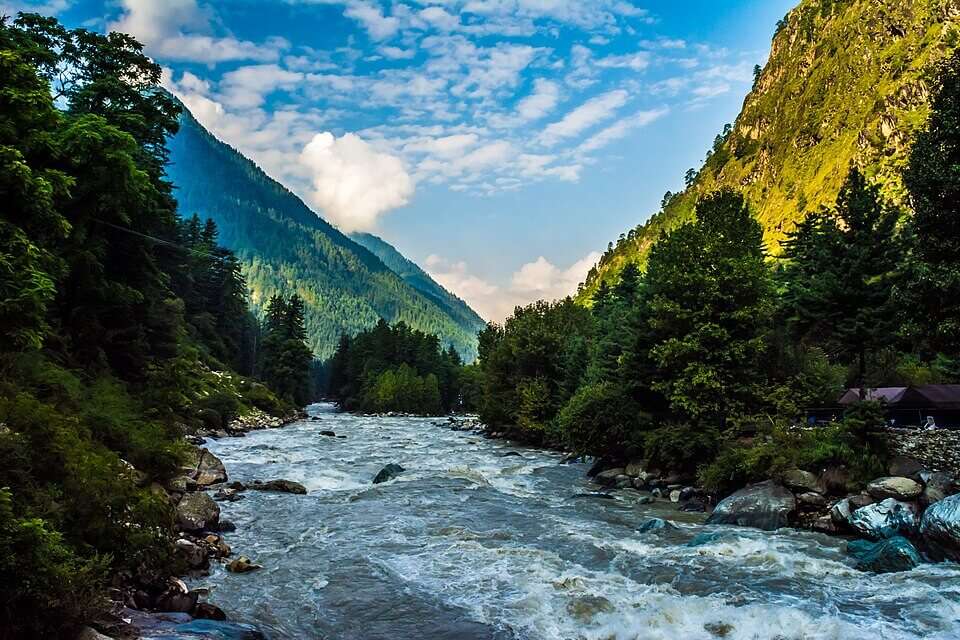
This plan balances town comfort with one real snow day. Stretch it to 3N/4D if you want to add an overnight at Kheerganga.
| Day | Plan |
| Day 1 | Arrive Bhuntar, drive up to Kasol, settle into a riverside guesthouse. Afternoon walk along the Parvati, then a slow cafe dinner as the temperature drops. |
| Day 2 | Snow day. Drive to Barshaini and up to Tosh (or walk to Pulga’s Fairy Forest) for snow and valley views; hot lunch in a Tosh cafe; back to Kasol by dusk. |
| Day 3 | Morning at Manikaran: the hot springs, the gurudwara langar and the market. Return to Kasol, or start the drive out. Add a night if trekking Kheerganga. |
What a winter trip costs (per person, rough bands for a 3-day trip):
If you would rather not stitch the logistics together in peak cold, a curated Kasol tour package bundles transport, stay and a local driver who knows which roads are open.
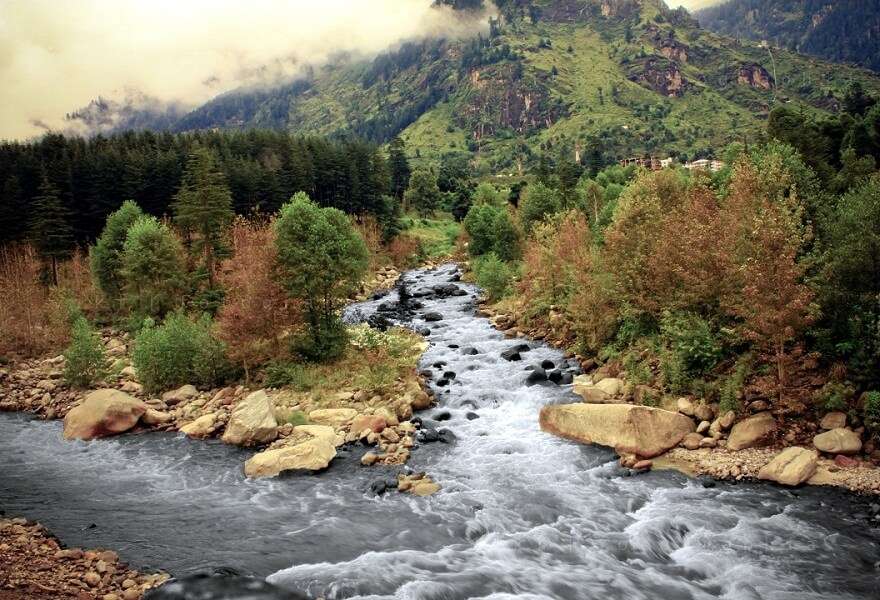
Both sit in the Kullu-Manali belt, both get snow, and travellers often choose between them for a December trip. The short version: Manali is the easier, busier, more certain snow; Kasol is the quieter, cheaper, more offbeat one where you climb a little for the real snow.
| Factor | Kasol | Manali |
| Snow reliability | Occasional in town; reliable in Tosh/Kheerganga/Solang-style villages above | More reliable in town and at Solang/Atal Tunnel |
| Crowds | Quiet, backpacker-calm even in December | Busy, especially Christmas to New Year |
| Cost | Cheaper stays and food | Pricier in peak season |
| Access | Bhuntar + valley cab; upper roads close first | Bigger road network, cleared faster |
| Vibe | Cafes, treks, slow days | Malls, activities, family tourism |
Pick Kasol if you want calm, cafes and a short climb to snow. Pick Manali if you want guaranteed snow in town and more to do with kids or a group.

Kasol in deep winter is cold, and phone signal and ATMs are patchy above the town. Pack for self-sufficiency:
On safety: check road and weather conditions the morning you plan to go up-valley, and keep a buffer day in January. Do not trek Kheerganga alone once snow is down; hire a local guide and start early. Watch for altitude on the higher trails, keep hydrated, and turn back if a path is iced over. Sensible caution, not fear, is all winter here asks of you.
Kasol in winter rewards the traveller who plans a little and packs warm: late December to February for snow, January for the surest fall, and a short climb above town when you want guaranteed white. Line up a buffer day, book over the holidays, and you will find one of the calmest, most affordable snow escapes in Himachal. When you are ready to go, browse our Kasol tour packages or read the wider Himachal travel guide to build the rest of your trip.
Yes, but not on demand. Town snow usually starts mid to late December and can be light or short-lived. For a near-certain white landscape, head to the higher villages: Tosh, Pulga, Kalga and Grahan, or the Kheerganga trail, all of which hold snow earlier and longer than the valley floor. Early December leans frosty rather than snowy, while the last week often brings the first proper falls.
In the town, December days run about 9 to 15C with nights from around 4C down to -2C on cold evenings. January is colder: days of about 8 to 14C and nights that touch zero or drop several degrees below. The trekking villages above Barshaini are colder still at every reading. Weather stations and travel sources disagree on exact lows, so treat these as a valley baseline.
Climb above the town. Tosh (about 20 km, 2,400 m), Pulga and its Fairy Forest, Kalga and Tulga near Barshaini, Grahan (a 3-hour trek), and Kheerganga (about 3,050 m) all hold snow more reliably than Kasol itself. Barshaini is the road-head that gets you to most of them. In January and February, snow in these spots is close to a sure thing.
It depends on what you want. Manali gives more reliable in-town snow, easier access and more to do, but it is busier and pricier in December. Kasol is quieter, cheaper and more offbeat, though you usually climb to Tosh or Kheerganga for guaranteed snow. Choose Kasol for calm and cafes, Manali for certain snow and family activities.
The Bhuntar to Kasol road stays open and is cleared through most of winter, so reaching the town is reliable. The stretch above town to Barshaini and Tosh is what closes first after heavy snow, sometimes for a day. Travel in daylight, keep a spare day in January, and check conditions locally before heading up to the snow villages.
January. It is both the coldest and the snowiest month, with the lowest nights, the deepest room discounts and the fewest tourists. If you want the strongest chance of snow and do not mind real cold and the odd blocked road, January is the month. For a gentler winter with good snow odds, aim for the first half of February instead.
Yes in December with the right gear and a local guide, and it is still possible in January, but harder. The roughly 10 km trail climbs to about 3,050 m and turns slippery once snow is down. Carry a windproof jacket, gloves and proper boots, start early, and never attempt it solo after fresh snow. In deep winter, some travellers stop at Rudra Nag rather than push to the top.
Yes, by Kasol's quiet standards. The week of roughly 24 December to 2 January is the one spell when city travellers arrive for a snow-chance break, so cafes fill and room prices climb. Outside that window, December and January are among the emptiest, calmest months to visit. Book ahead if your dates fall over the holidays; otherwise you will have the valley largely to yourself.
Base yourself in Kasol town or just across the river in Chalal for the cafes and easy transport, where guesthouses run at heavy winter discounts. For a snowier, quieter stay, book a night up in Tosh or Kalga, but confirm the place is open, since some village guesthouses shut for the coldest weeks and the road up can close briefly after heavy snow.
Layer up: thermals, fleece and an insulated windproof jacket for sub-zero nights, plus waterproof boots with grip, woollen gloves, socks and a beanie. Bring a power bank, offline maps and enough cash for a few days, because signal and ATMs thin out above the town. Add sunscreen and lip balm; winter sun reflecting off snow burns more than you expect.
Yes, if you value quiet over buzz. You trade crowds and nightlife for empty cafes, half-price rooms, clear mountain light and a genuine chance of snow in the villages above town. The cold is real and a road may close for a day in January, but for slow travel, photography and affordable Himalayan snow, winter is one of the best times to be in the Parvati Valley.
Three days is the sweet spot: one to arrive and settle, one snow day up at Tosh or Pulga, and one for Manikaran's hot springs before you leave. Add a fourth day if you want to trek and overnight at Kheerganga. In January, build in a buffer day in case a heavy fall delays the road up to the snow villages.
Real reviews from real travelers who booked with us.
View All Reviews