4D / 3N
17% OFF
4D / 3N
17% OFF
Manali-Kasol Tour Package by Cab for Himachal (4D/3N) - At A Glance
- Hotel
- Meals
- Sightseeing
- Entry Tickets
- Cab Transfer
₹12,688
₹10,500 /pp


The best places near Manali start barely 5 km from the mall road and run out past the 4,590 m Kunzum Pass, so you can build a trip around a lazy half-day picnic or a five-day drive into Spiti. This guide maps 35 places near Manali by real distance, from Solang Valley and Sethan at 12 to 14 km, to Kasol at 75 km and Jibhi at 100 km. For each one you get how far it is, roughly how high, what it is good for and the season that actually works, so you can plan the drive instead of guessing at it.
Key takeaways
Places Near Manali
Best Time
March - June
Select Package Type

3 Days & 2 Nights
₹9,043 /@pp
GET FREE QUOTE

.jpg?tr=w-600,h-300)

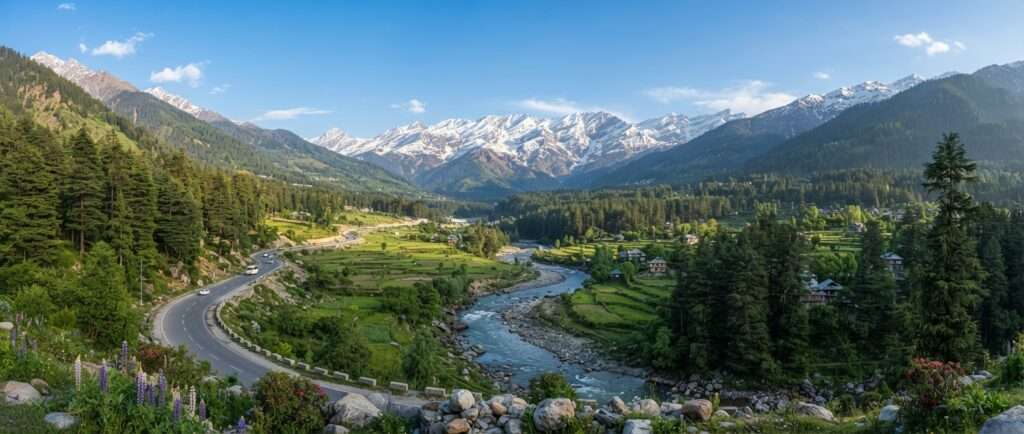
If you only read one thing, read this table. It lists every spot below by distance from Manali, with its rough altitude, who it suits and the season to pick. No other guide puts the whole shortlist in one place, so use it to sort a day trip from a two-day drive at a glance.
| Place | Distance | Altitude | Best for | Best season |
| Himvalley Amusement Park | 4.5 km | ~2,000 m | Families, kids, rides | Mar to Oct |
| Nehru Kund | 6 km | ~2,020 m | Quick roadside stop | All year |
| Arjun Gufa | 5 km | ~2,100 m | History, short walk | Mar to Nov |
| Jagat Sukh | 6 km | ~1,900 m | Old temples, quiet | All year |
| Sethan | 12 km | ~2,700 m | Igloo stays, snowboarding | Dec to Mar |
| Solang Valley | 14 km | ~2,560 m | Adventure sports, snow | All year |
| Kothi | 14 km | ~2,500 m | Camping, quiet views | Apr to Oct |
| Patalsu Peak (via Solang) | ~15 km | ~4,800 m | Beginner summit trek | May to Oct |
| Hampta Pass (Jobra base) | 16 km | 4,270 m pass | 2 to 4-day trek | Jun to Sep |
| Rahala Waterfalls | 16 km | ~2,500 m | Waterfall stop | Mar to Oct |
| Bhrigu Lake (Gulaba base) | 22 km | 4,300 m lake | Alpine-lake trek | May to Oct |
| Gulaba | 22 km | ~3,000 m | Snow play in winter | Dec to Mar |
| Naggar | 21 km | ~1,760 m | Castle, art, heritage | All year |
| Beas Kund (Solang base) | 24 km | 3,650 m | Short high trek | Jun to Sep |
| Jana Waterfall | 32 km | ~2,100 m | Falls, local food | Mar to Oct |
| Marhi | 35 km | ~3,300 m | Rohtang-road halt | Jun to Oct |
| Deo Tibba Base Camp | 35 km | peak 6,001 m | Tough trek, meadows | Jun to Sep |
| Sissu (via Atal Tunnel) | 40 km | ~3,120 m | Lahaul day trip | May to Oct |
| Kullu | 40 km | ~1,220 m | Rafting, paragliding | All year |
| Parvati Valley (entry) | 50 km | ~1,100 m up | Backpacking base | Mar to Jun |
| Bhuntar | 50 km | ~1,100 m | Airport, valley base | All year |
| Rohtang Pass | 51 km | 3,978 m | Snow, permits needed | Jun to Oct |
| Great Himalayan NP | ~60 km | 1,500-4,500 m | Wildlife, trekking | Apr to Jun |
| Pandoh Dam & Lake | 70 km | ~900 m | Rafting, lake views | All year |
| Kasol | 75 km | ~1,580 m | Cafes, backpackers | Mar to Jun |
| Manikaran | 80 km | ~1,760 m | Hot springs, Gurudwara | All year |
| Malana | 85 km | ~2,650 m | Offbeat village trek | Apr to Jun |
| Tosh | 90 km | ~2,400 m | Slow mountain village | Mar to Jun |
| Kheerganga (Barshaini base) | 95 km | ~2,960 m | Hot-spring trek | Apr to Jun |
| Jibhi | 100 km | ~1,600 m | Offbeat homestays | Mar to Nov |
| Mandi | 110 km | ~800 m | Temples, town break | All year |
| Prashar Lake | ~110 km | ~2,730 m | Sacred lake, camping | Apr to Nov |
| Kunzum Pass | 125 km | 4,590 m | Spiti gateway, summer | Jul to Sep |
| Tattapani | ~155 km | ~650 m | Hot springs, rafting | Oct to Apr |
| Kangra | 210 km | ~730 m | Fort, temples, tea | All year |
Distances are approximate road or trailhead figures and can shift with tunnel routing and landslide diversions. Check current road status before a high-altitude drive.
Everything here is close enough for a half-day or full-day out, with time to be back in Manali by evening.
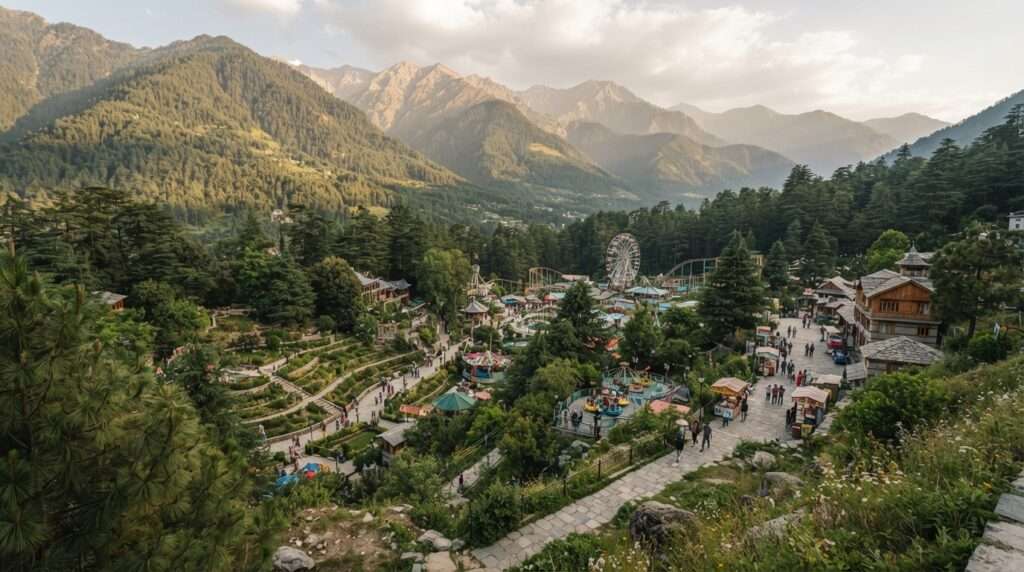
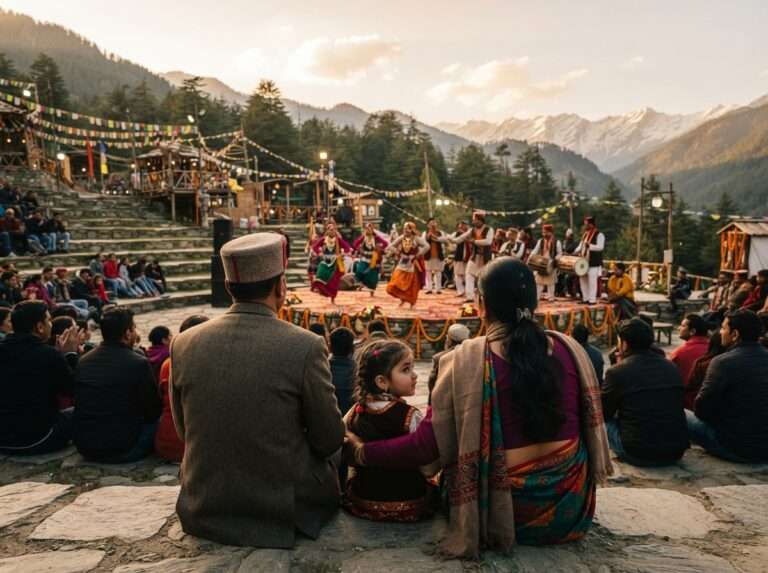
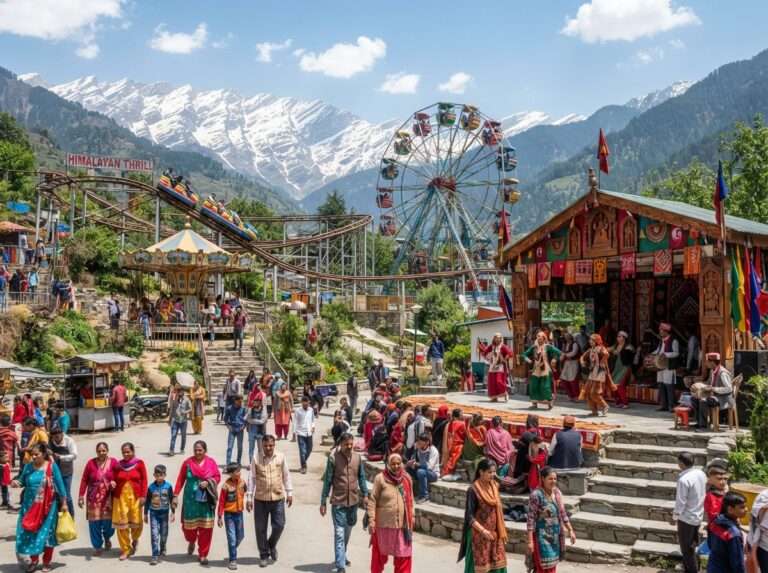
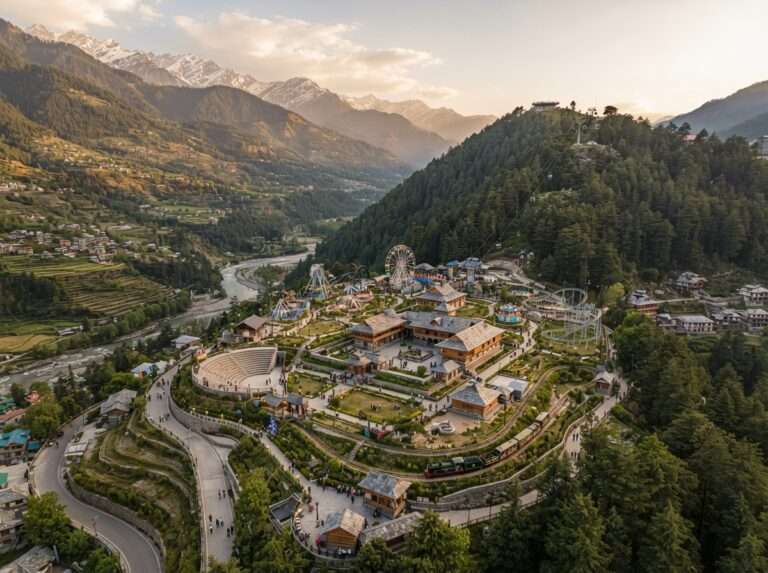
The closest outing on this list sits barely 4.5 km from town and is built for families. Kids get joy rides and boating, and there are staged Punjabi bhangra and Himachali nati performances through the day. It is the easy answer when you are travelling with young children and do not want a long drive.


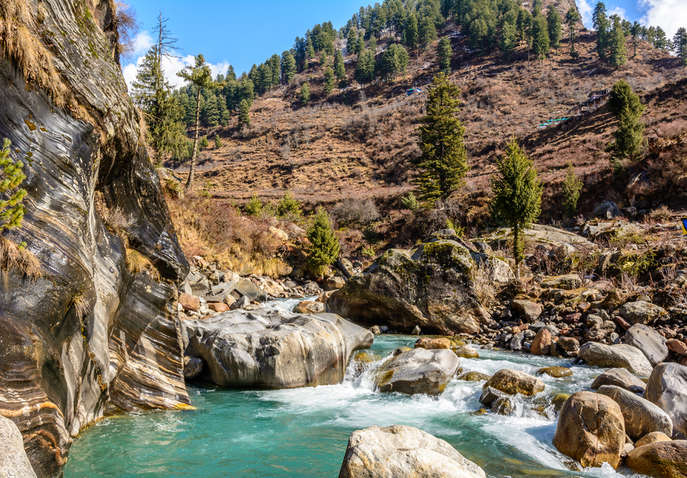
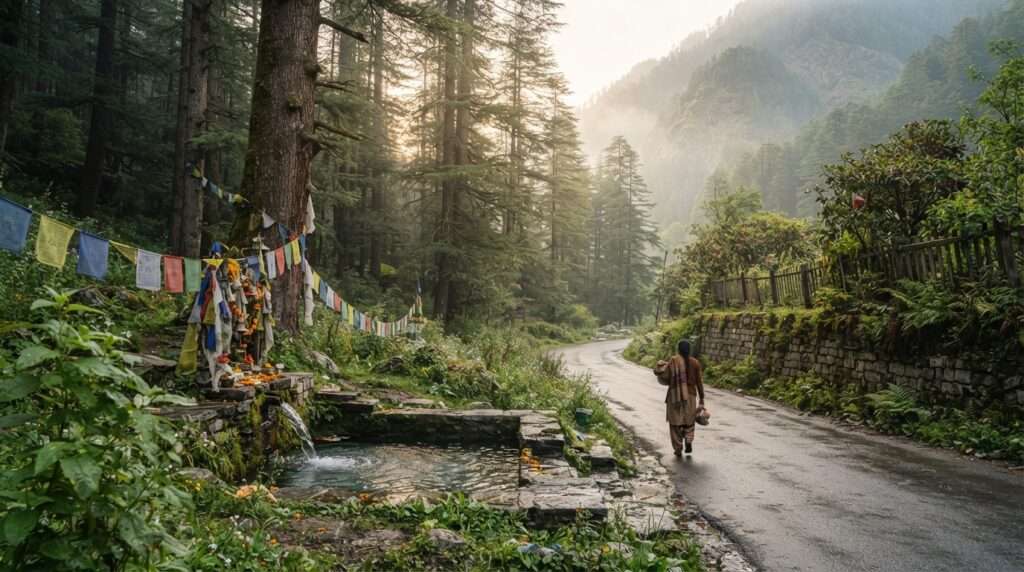
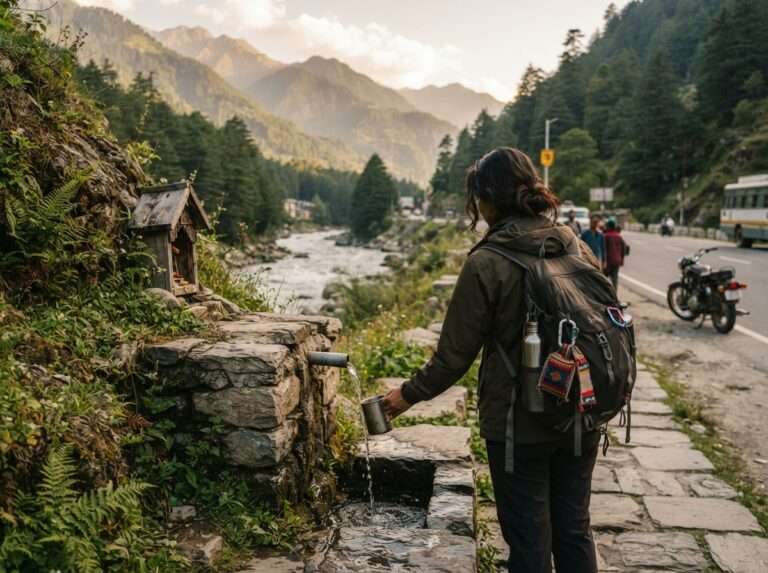
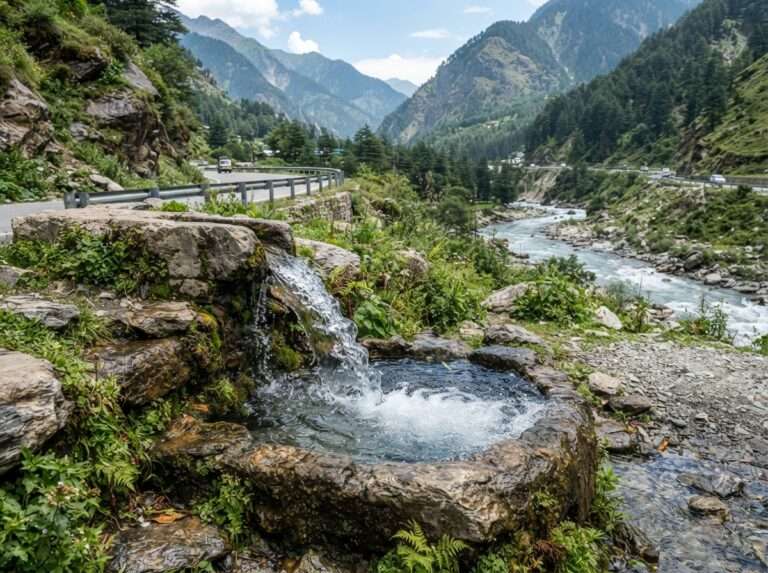
A cold natural spring on the Manali to Keylong road, fed by water from Bhrigu Lake and named after Jawaharlal Nehru, who is said to have drunk from it. It is a five-minute stop rather than a destination, but it makes a nice pause on the way up towards Solang or Rohtang.




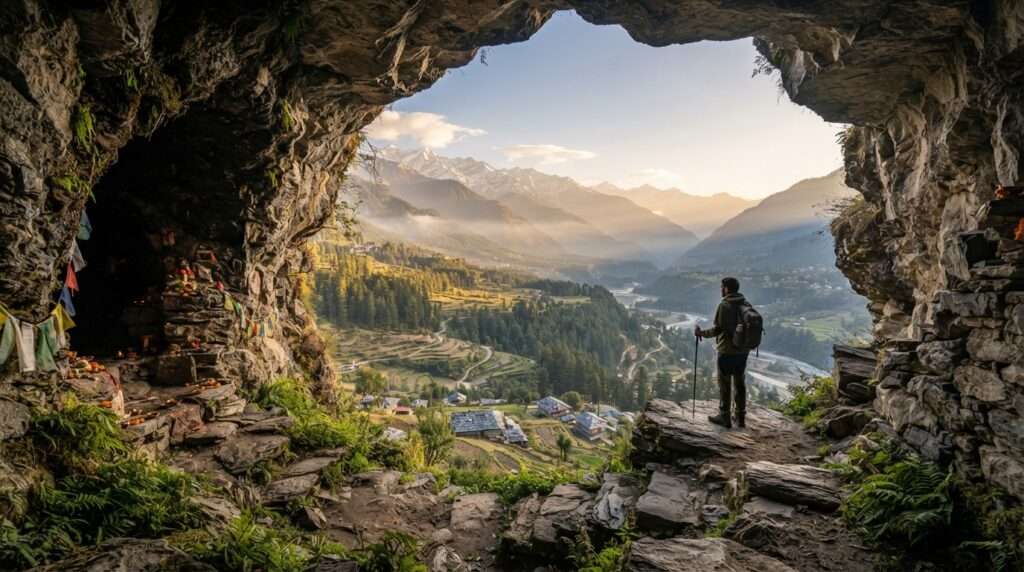
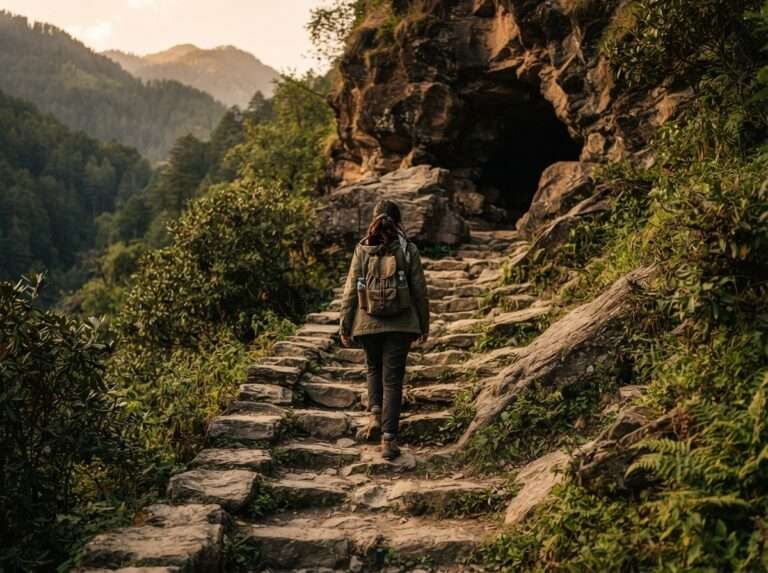
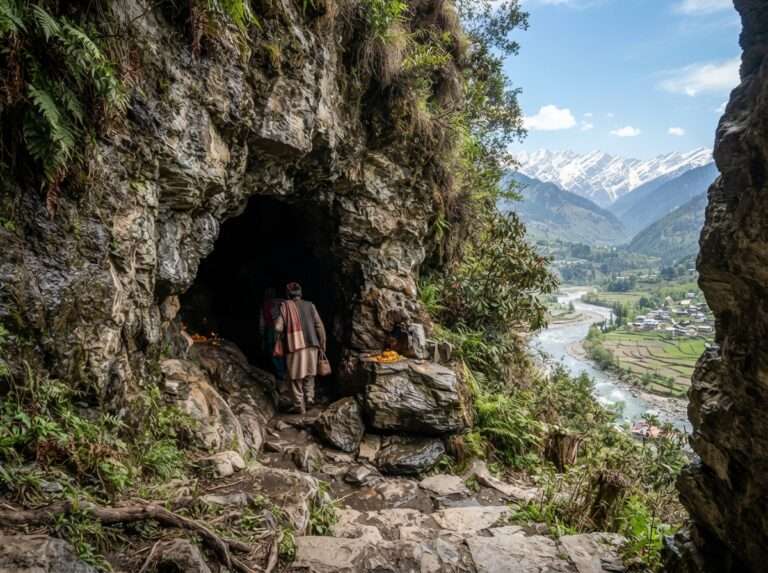
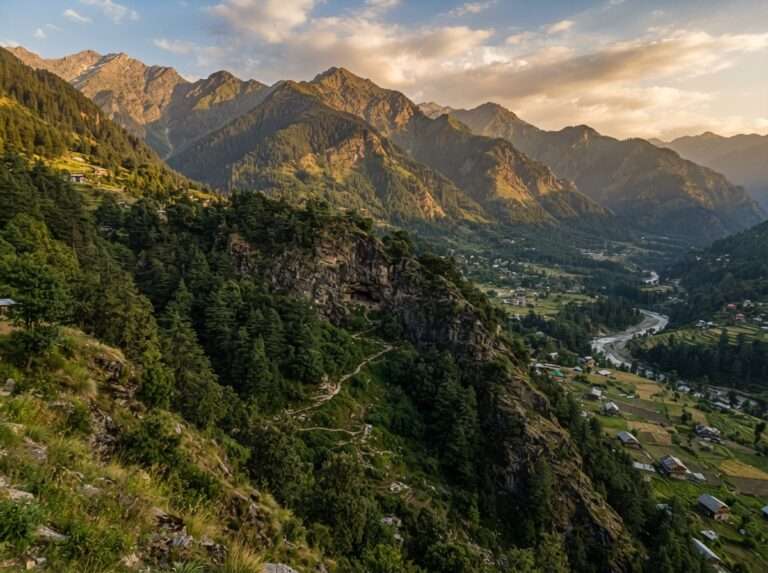
A cave near Prini village, linked in local legend to Arjun of the Mahabharata doing penance here. The walk up is short and the reward is a quiet view over the Beas and the ranges beyond. Good for a slow morning if you like a bit of story with your scenery.
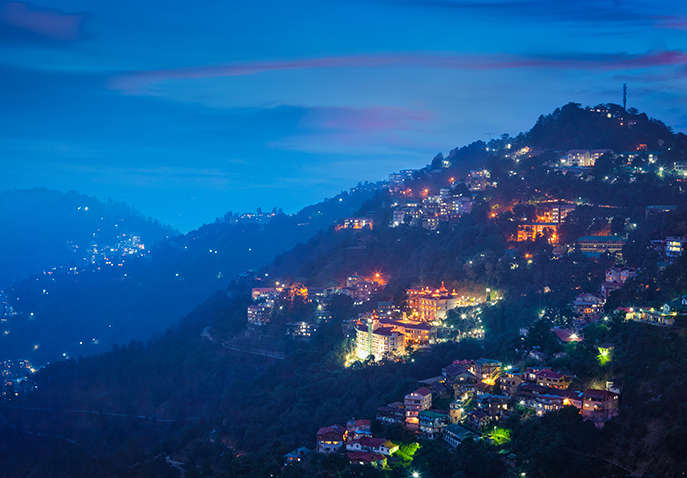


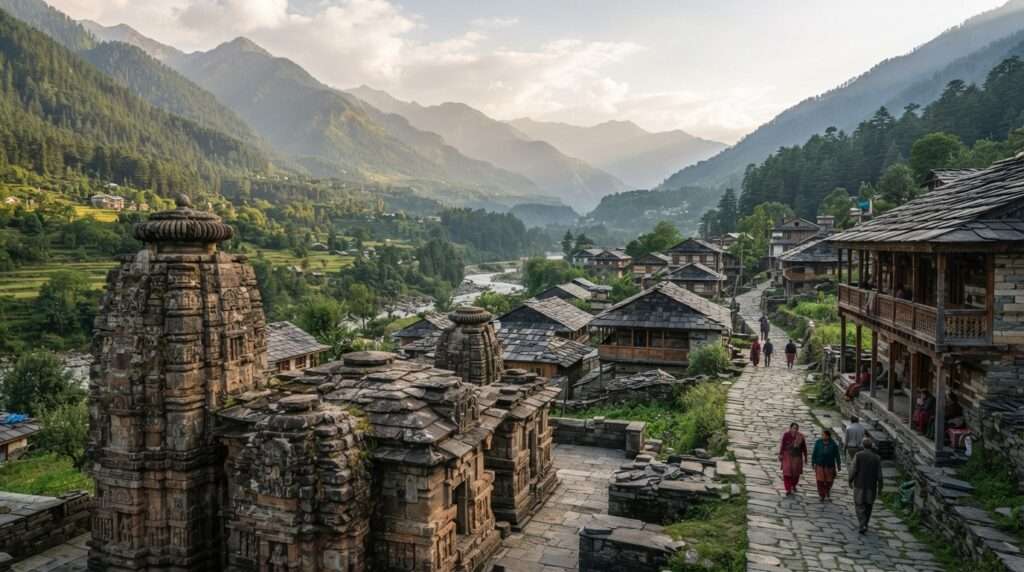
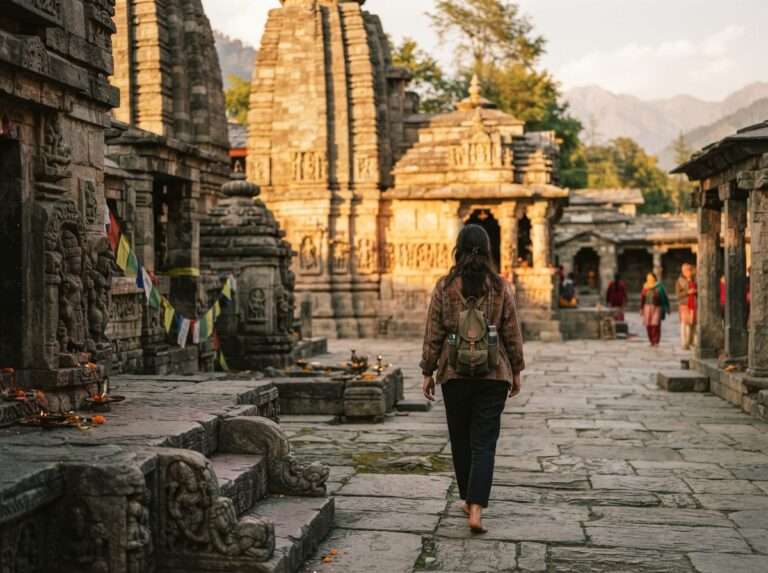
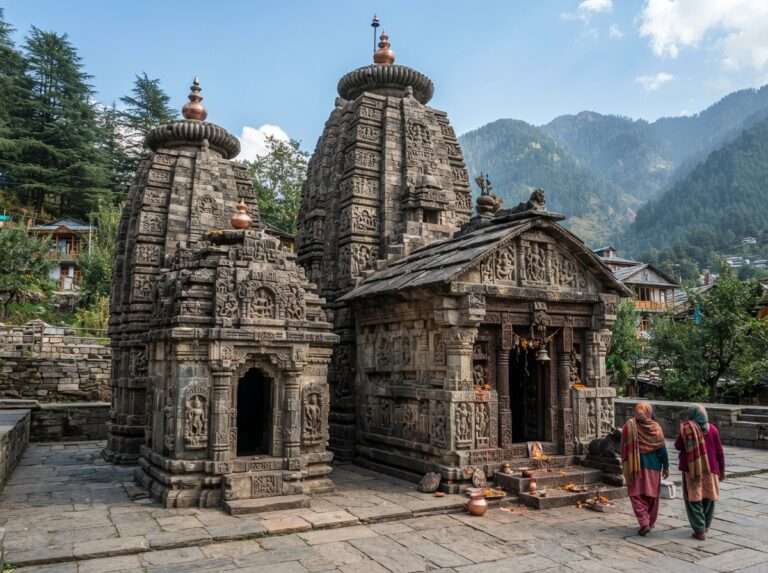
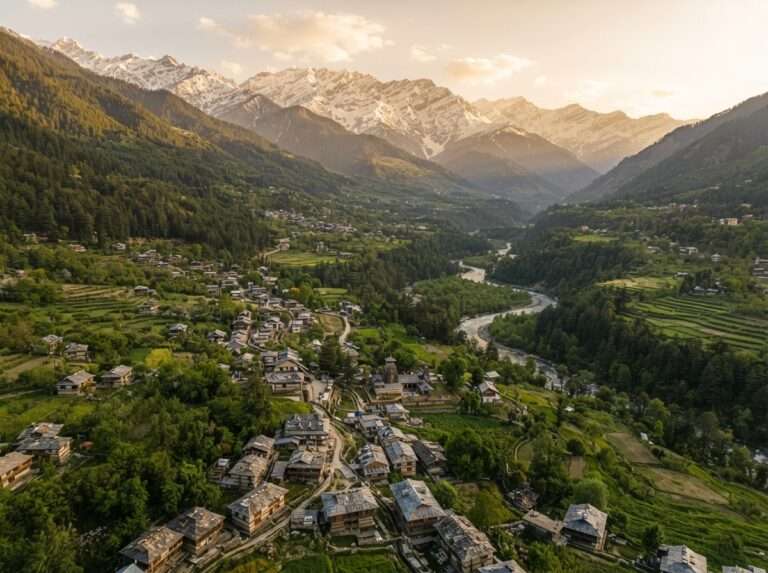
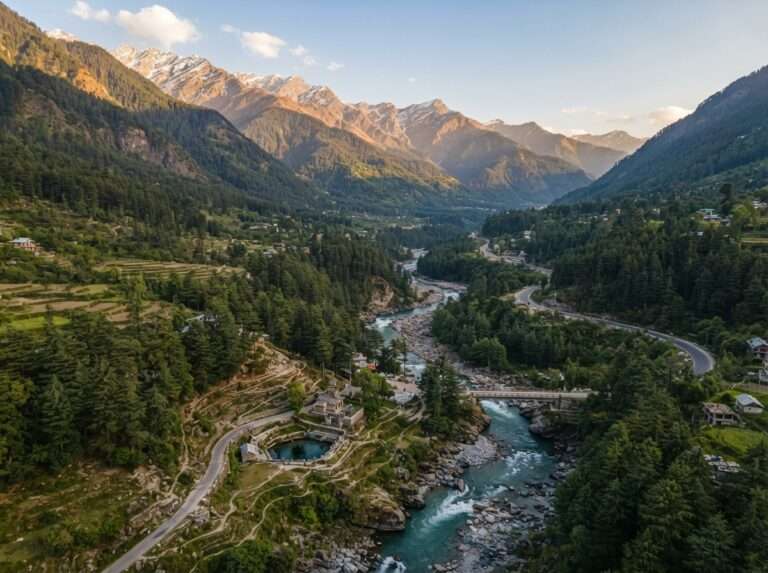
The old capital of Kullu before Naggar, now a small village with two ancient stone temples, the Gauri Shankar and the Sandhya Devi. It gets almost no tour-bus traffic, which is exactly why it is worth the six-km hop from Manali.
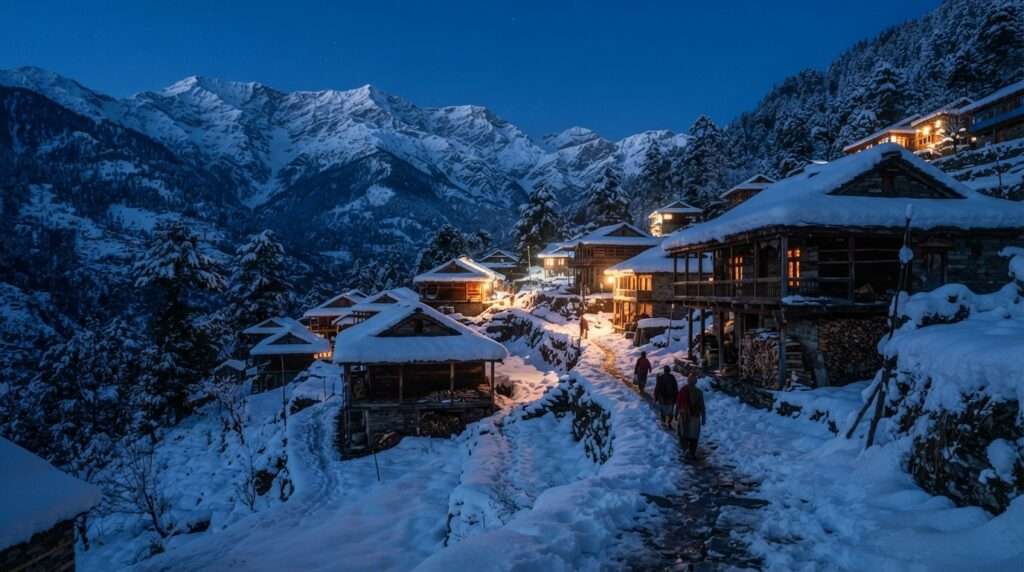
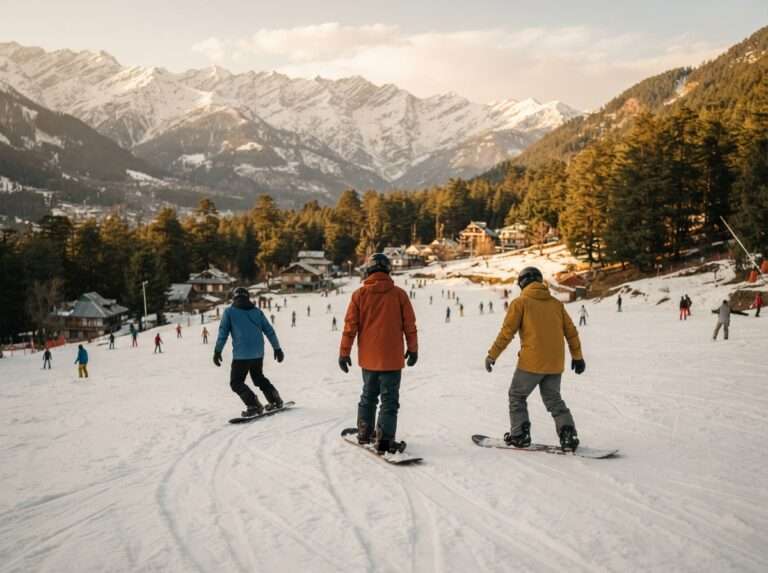
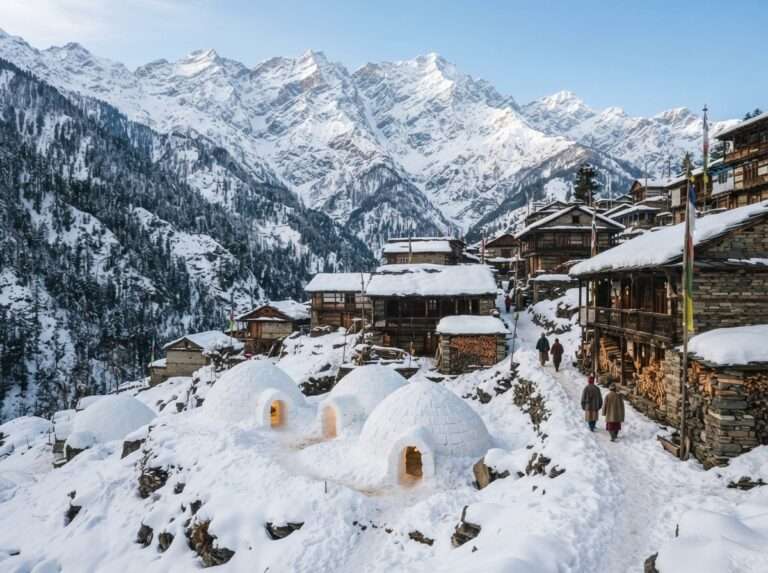
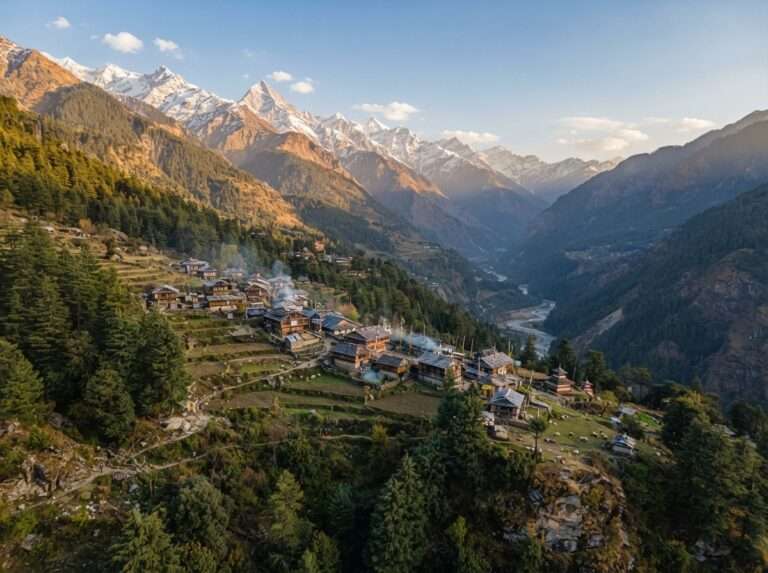
A Tibetan-origin hamlet at about 2,700 m that has quietly become Manali’s winter-sports base. From late December it runs igloo stays and beginner snowboarding, and in summer it is a launch point for the Hampta area. If you want snow without the Rohtang crowds, come here.
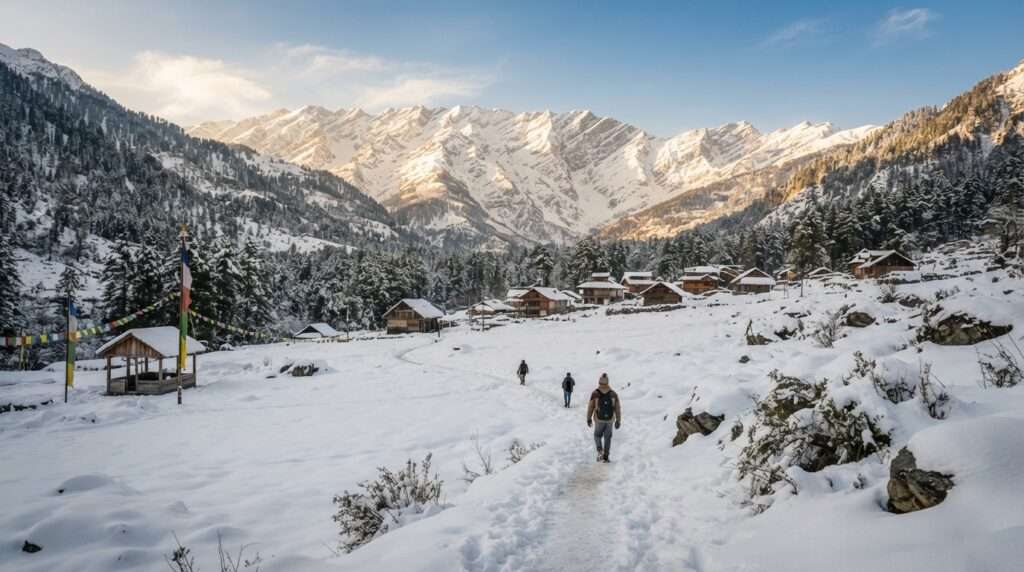
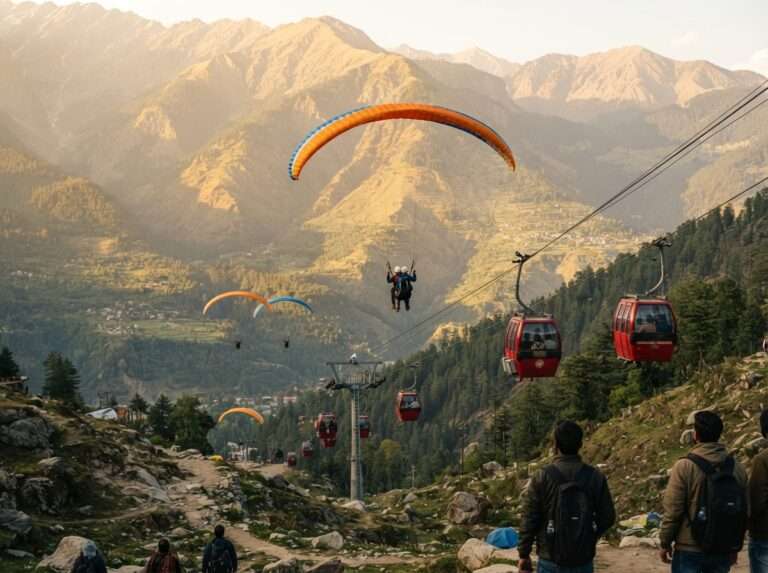
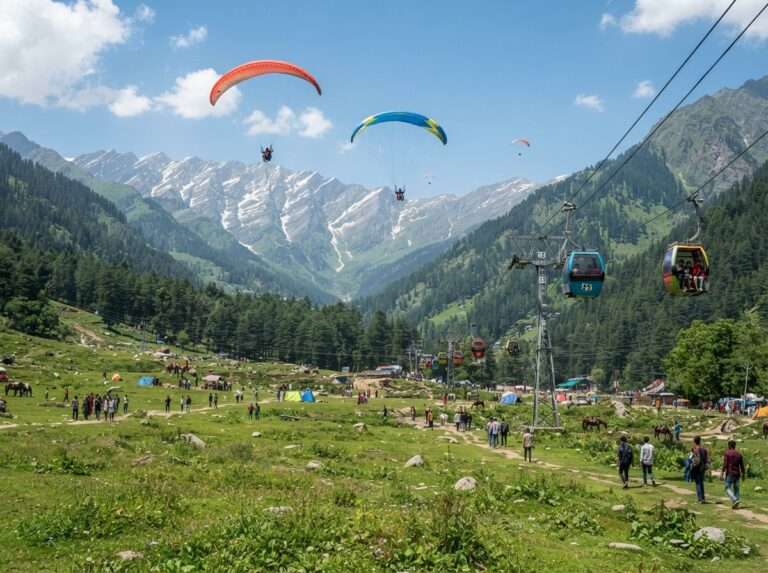
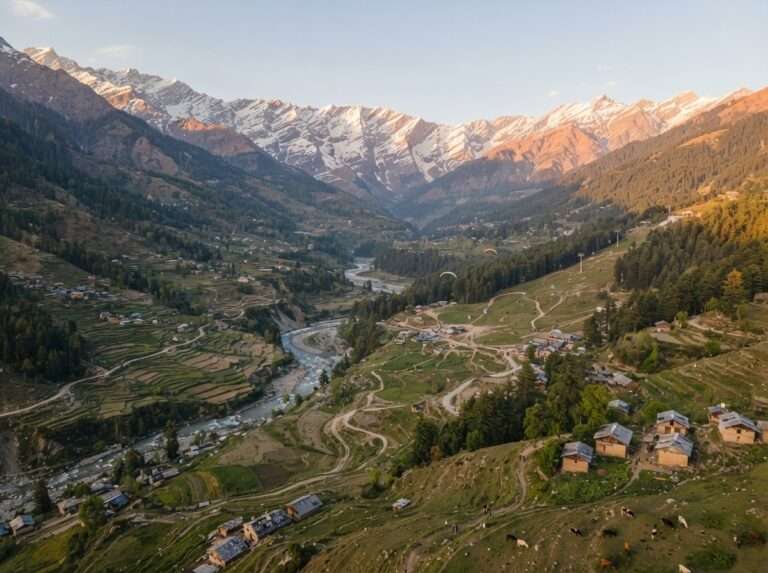
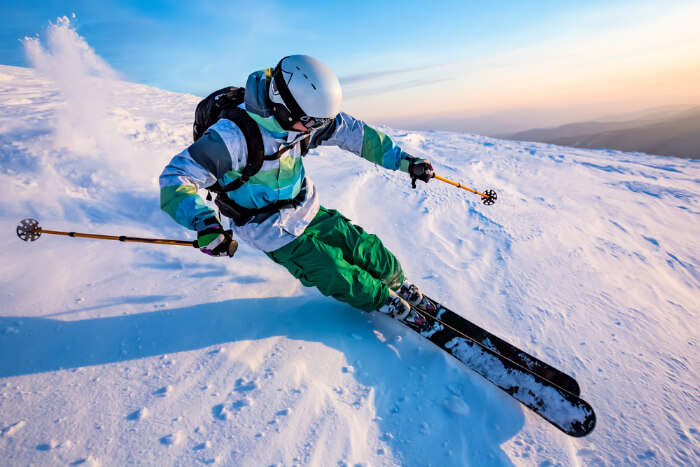
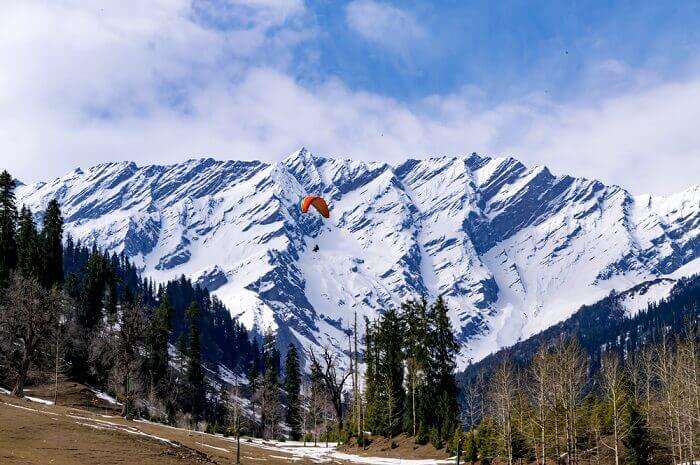
The single most popular day trip from Manali, and for good reason. In winter it is skiing and sledging; in summer it is paragliding, zorbing and the ropeway. It gets busy, so start early. Read our full Solang Valley guide for timings and rates.
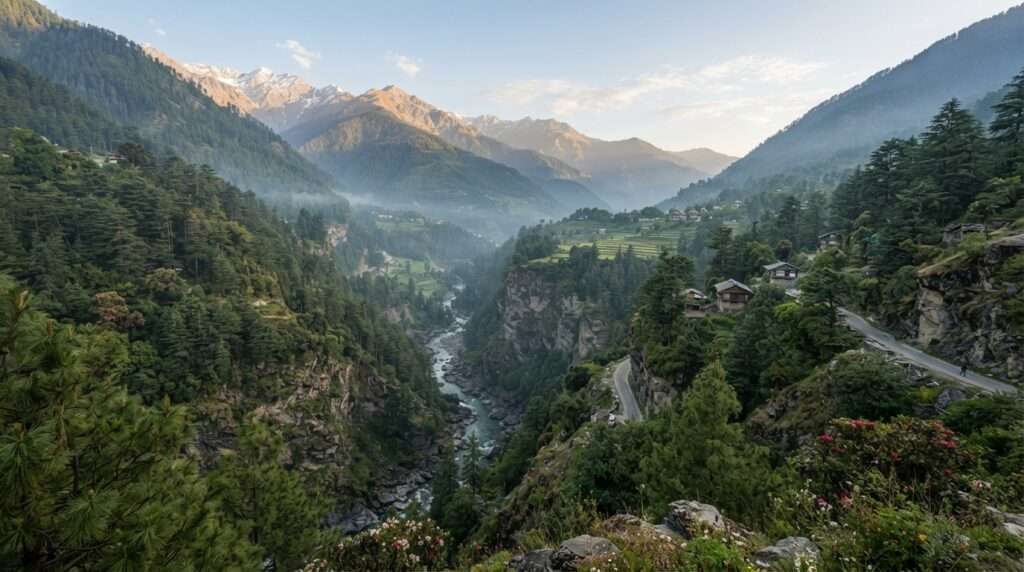
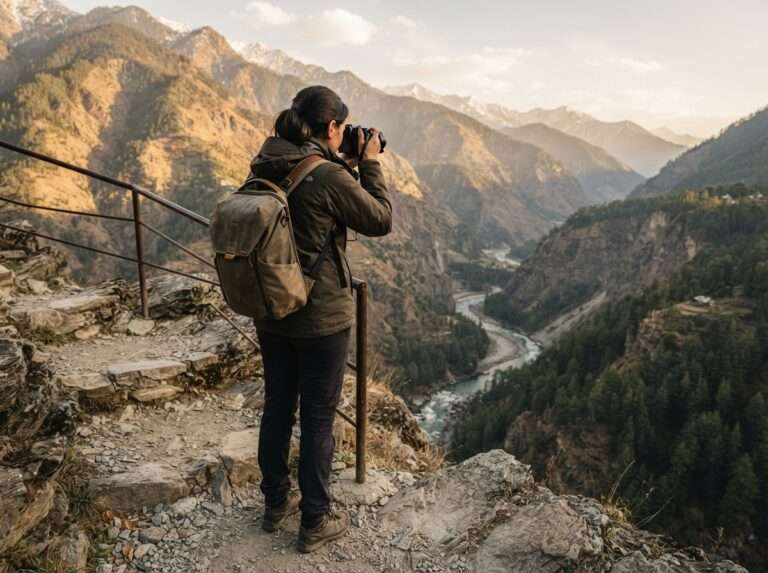
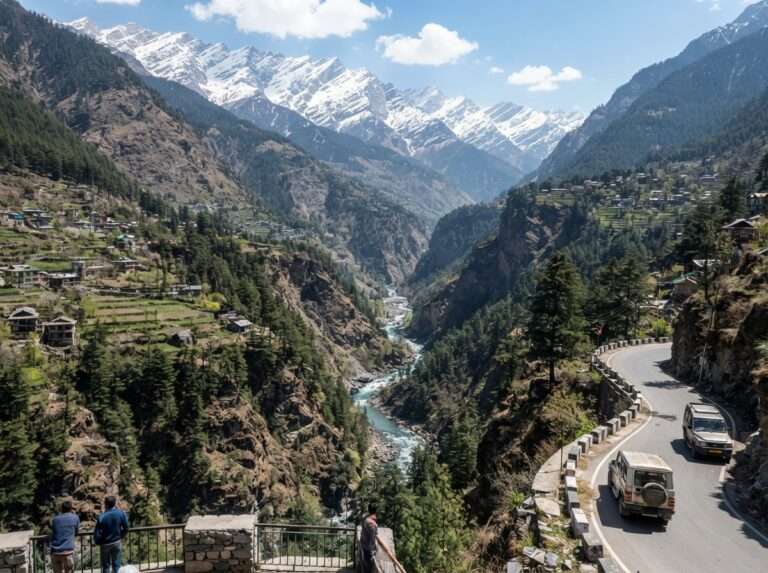
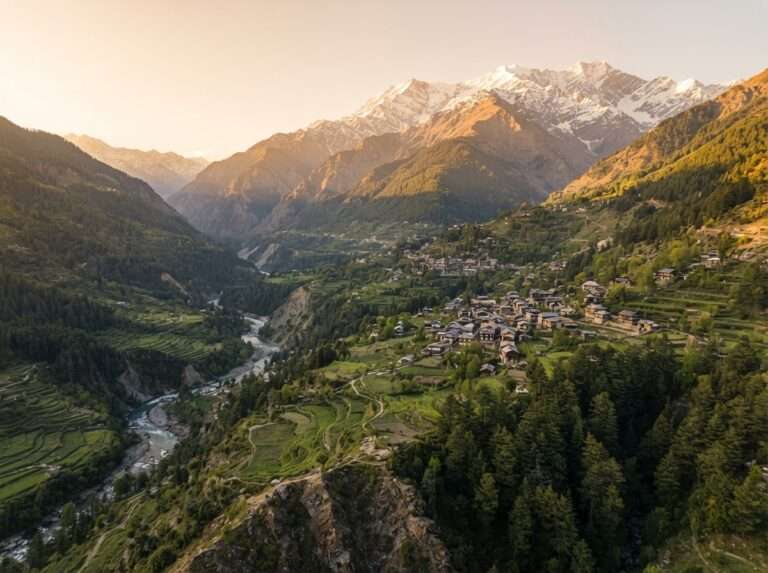
A small village on the Rohtang road that looks straight into a deep gorge cut by the Beas. It is a favourite camping and photography stop, and because most travellers blow past it on the way to Rohtang, mornings here are calm.
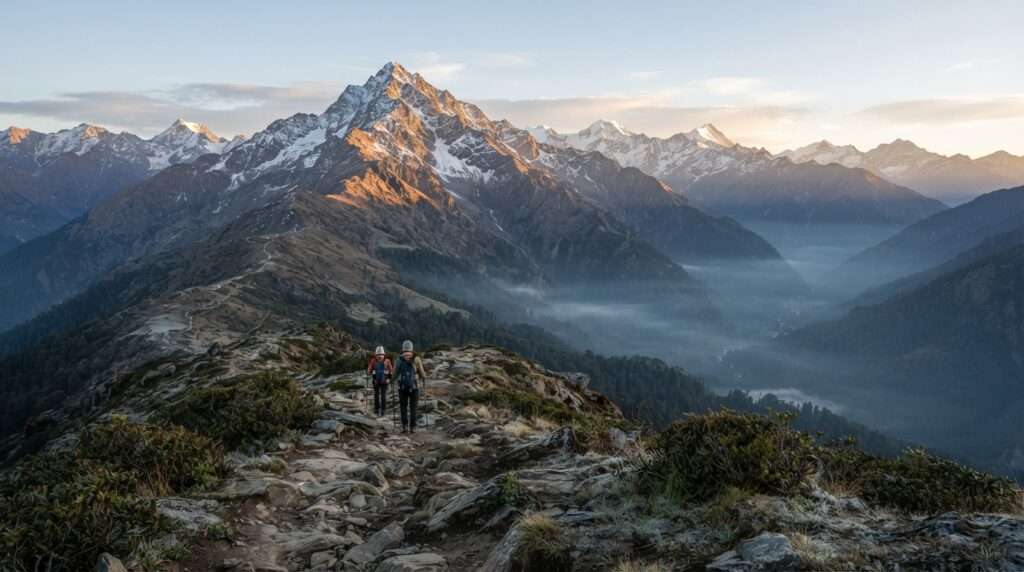
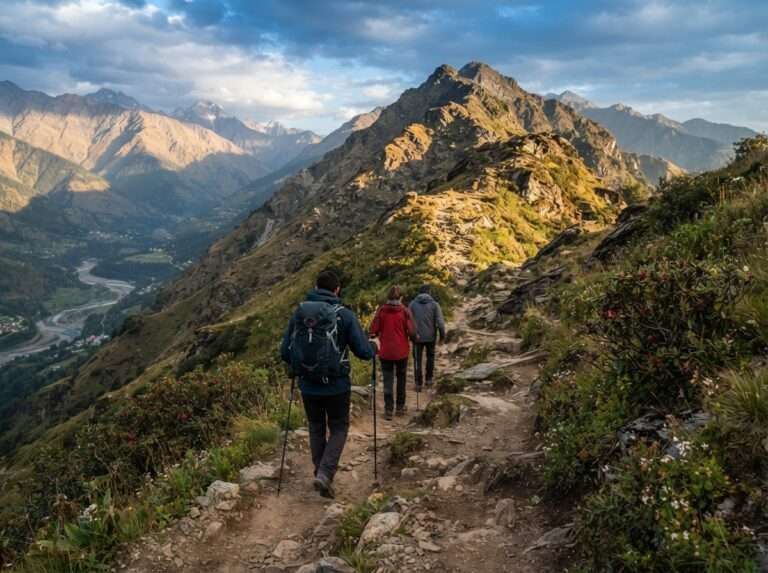
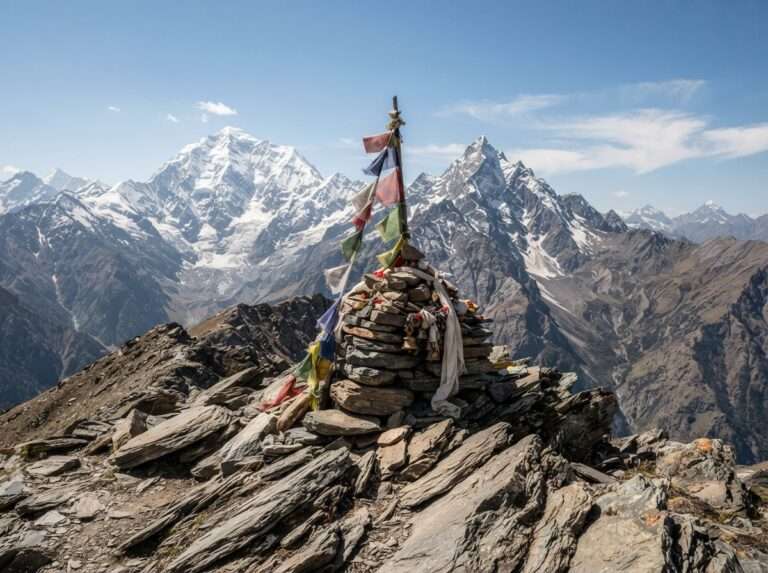
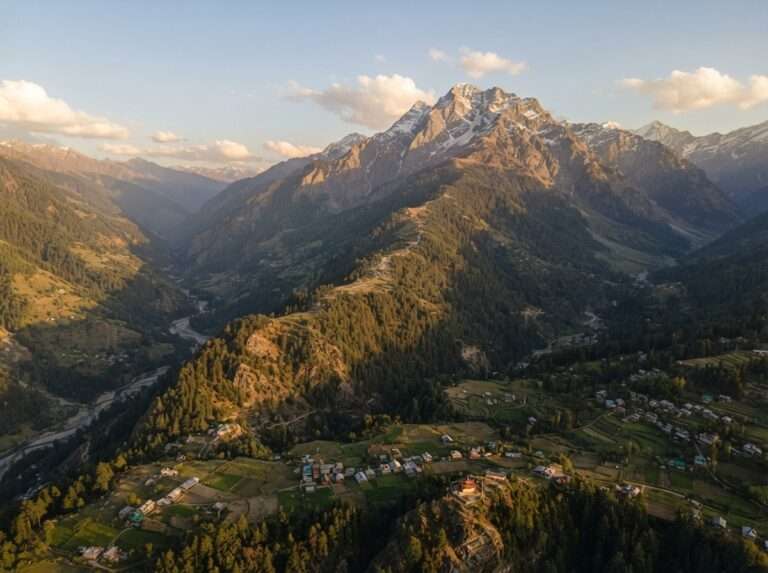
A beginner-friendly summit trek that starts near Solang village and climbs to roughly 4,220 m, with a straight-on view of Hanuman Tibba and Friendship Peak from the top. It is a hard day hike rather than a stroll, but no technical skill is needed, which makes it a popular first Himalayan summit.
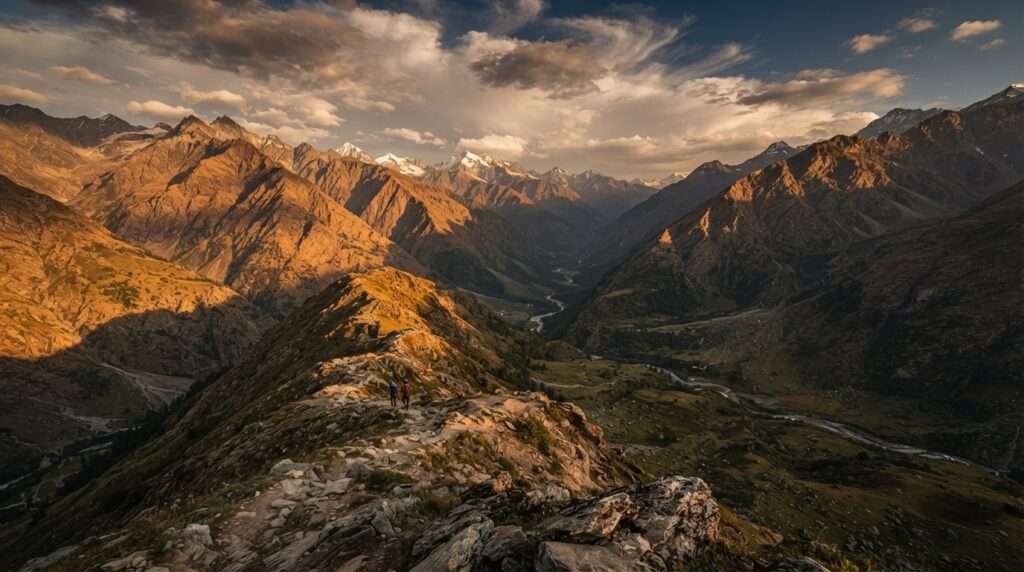
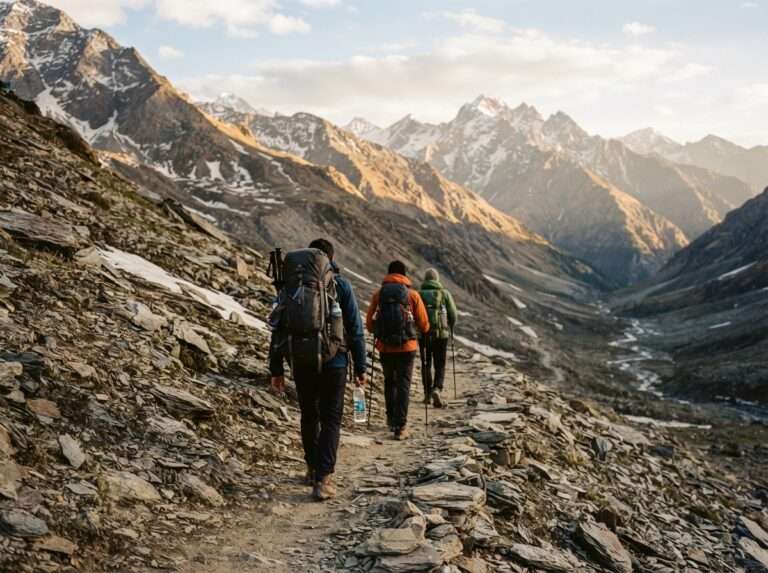
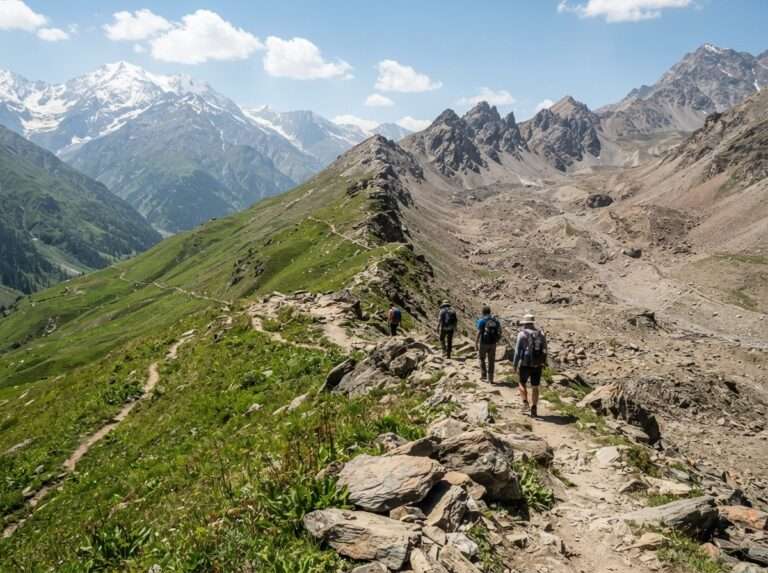
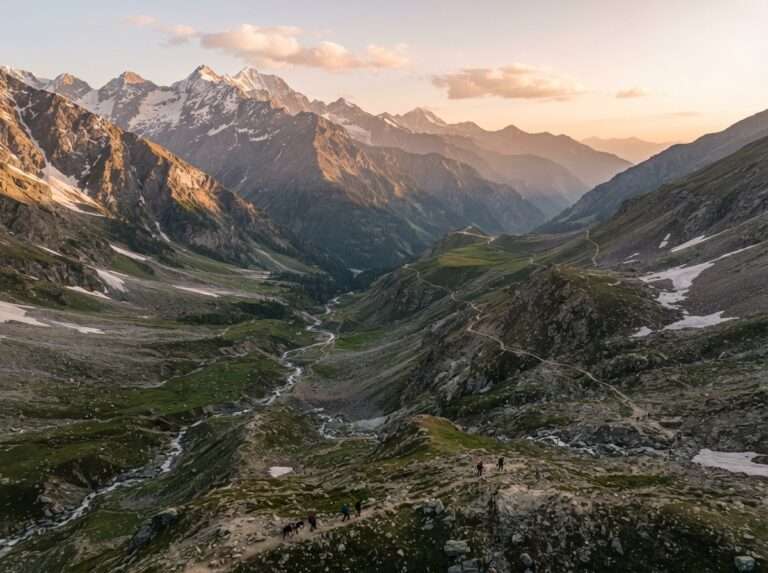
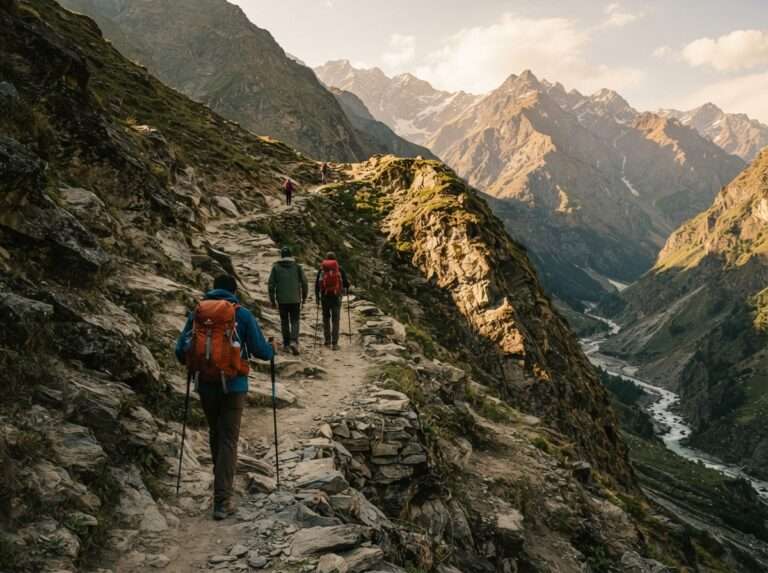
One of the best short treks in the region. The trail crosses the 4,270 m Hampta Pass from the green Kullu side into the stark, brown Lahaul side in a single dramatic day, and most people do it over three to four days from the Jobra roadhead. See the Hampta Pass trek guide before you book.
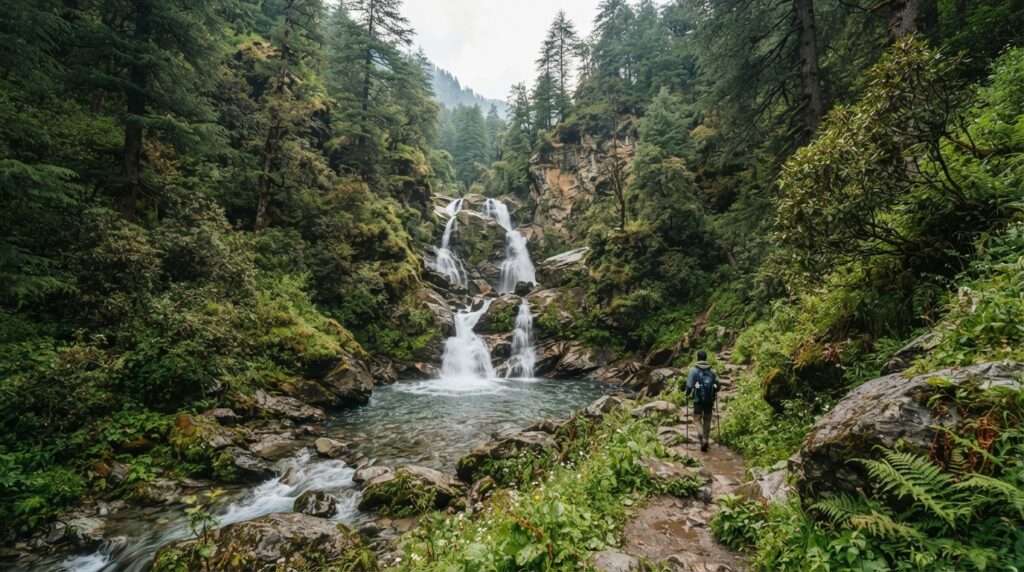
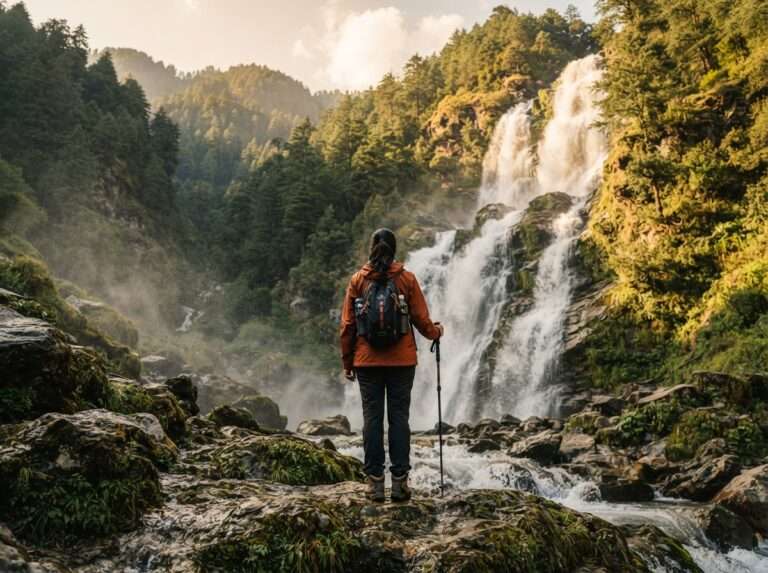
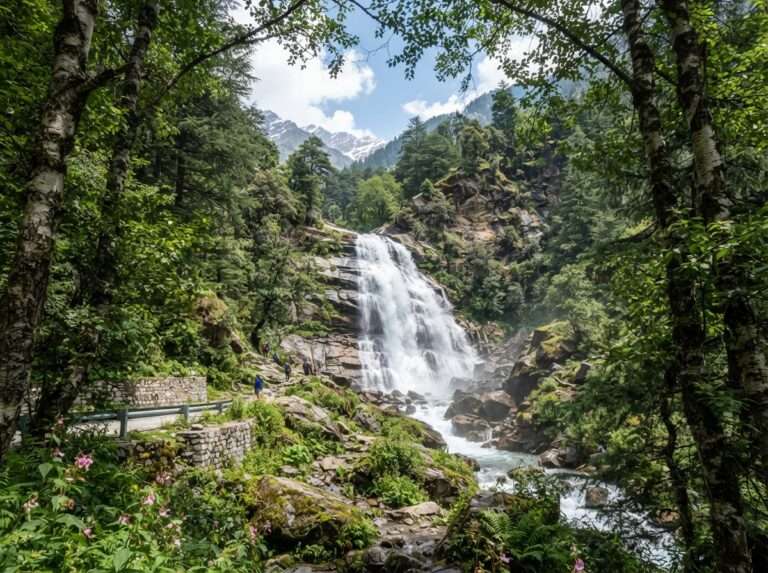
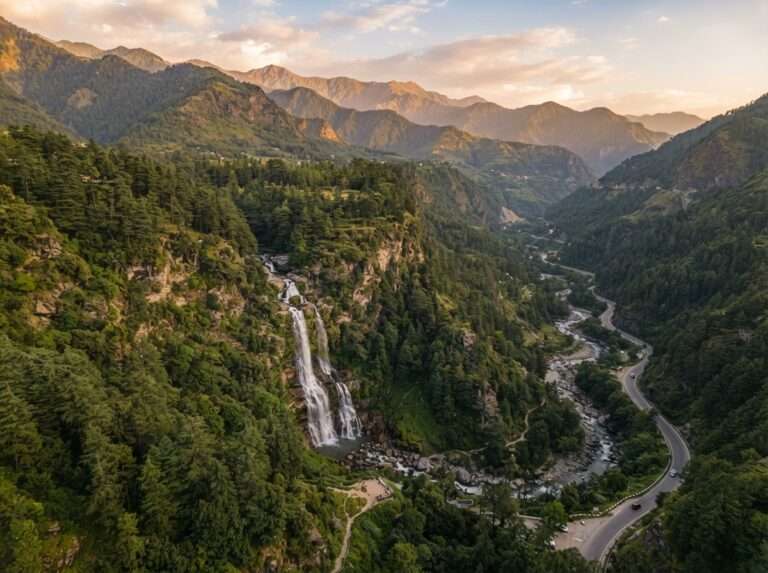
A wide cascade on the climb towards Rohtang, at about 2,500 m, framed by silver birch and deodar. It runs strongest from March to October when the snow above is melting. Like Kothi, it is a stop rather than a destination, but a pretty one.
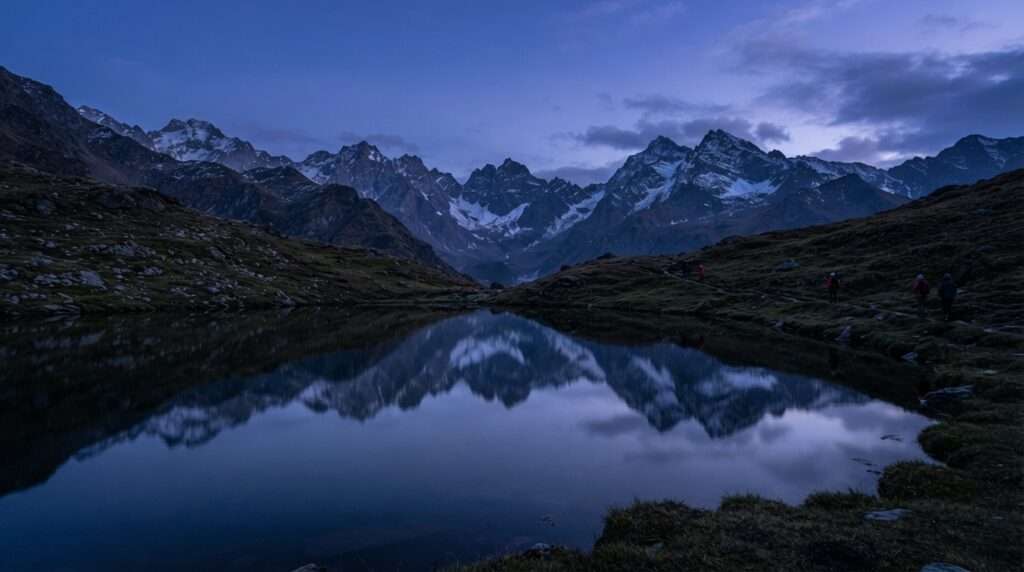
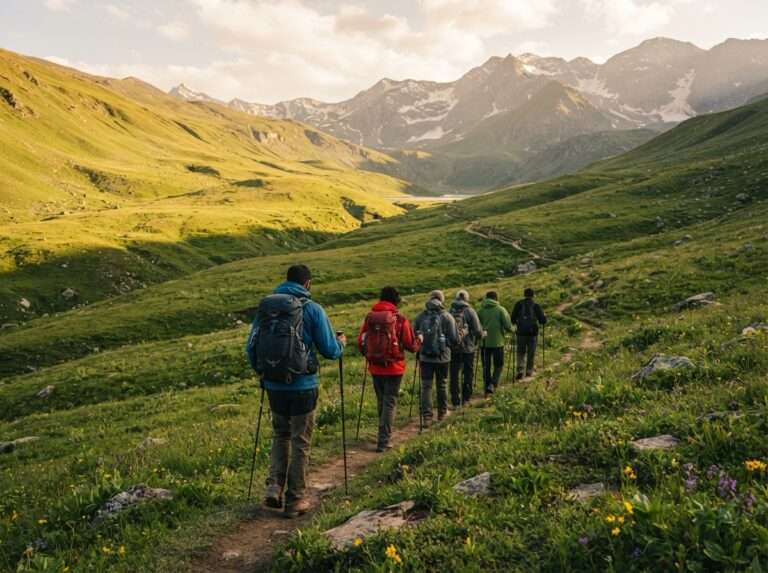
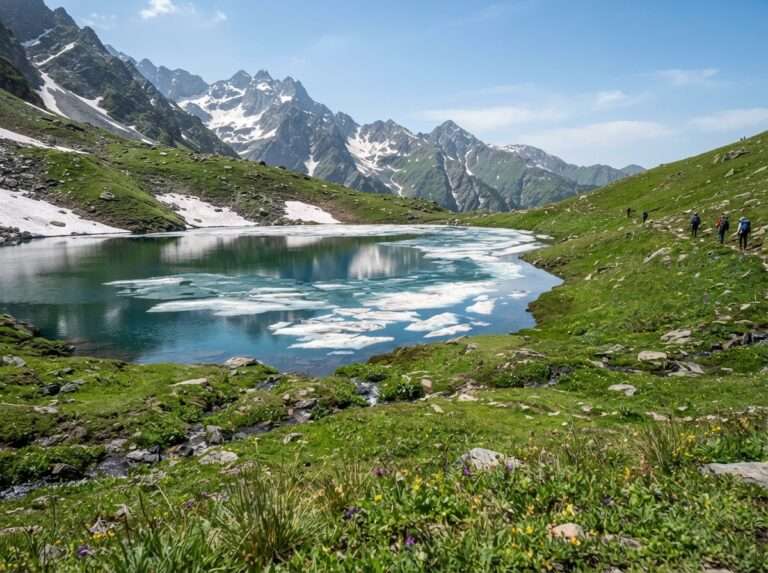
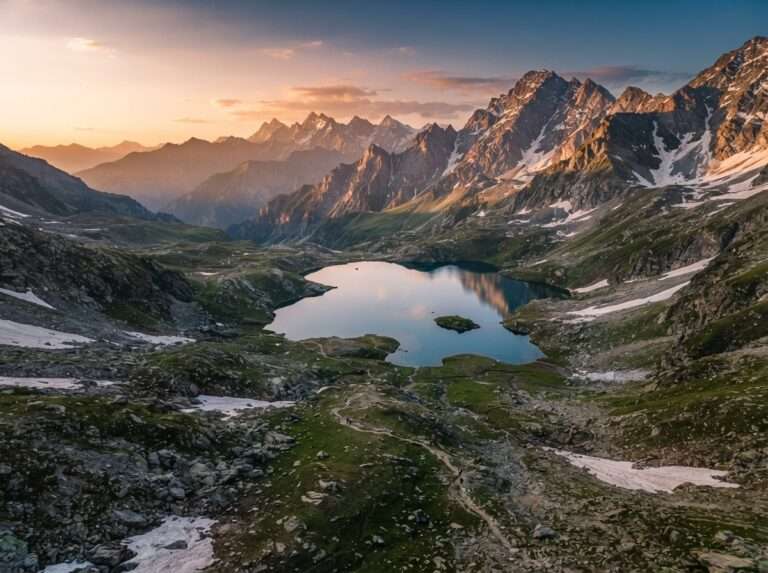
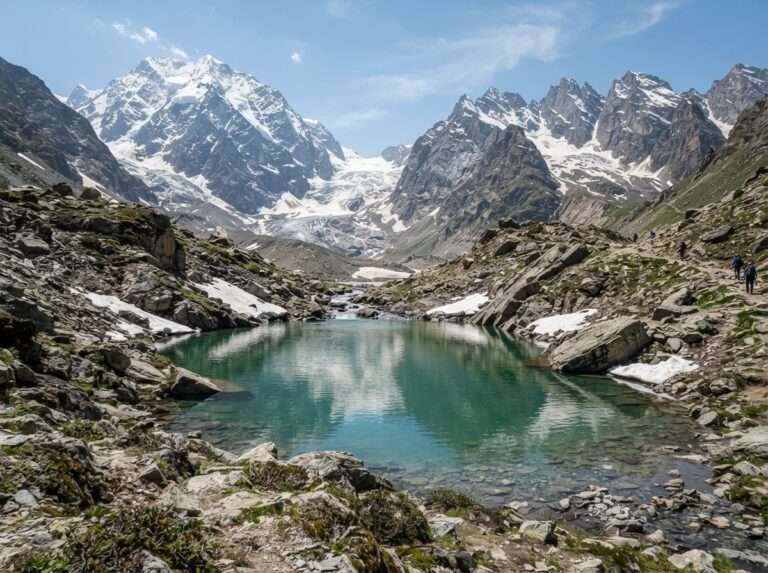
A high alpine lake at 4,300 m, reached on a two to three-day trek from Gulaba. The meadows on the way are some of the greenest in Himachal in June and July, and the lake stays partly frozen well into early summer. This is Reema’s pick for a first proper alpine-lake trek.
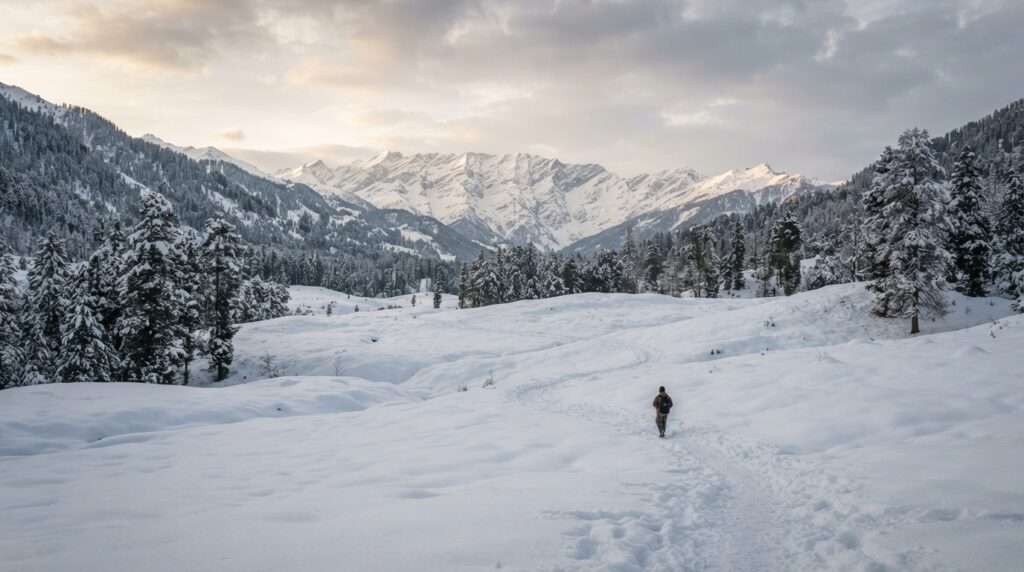
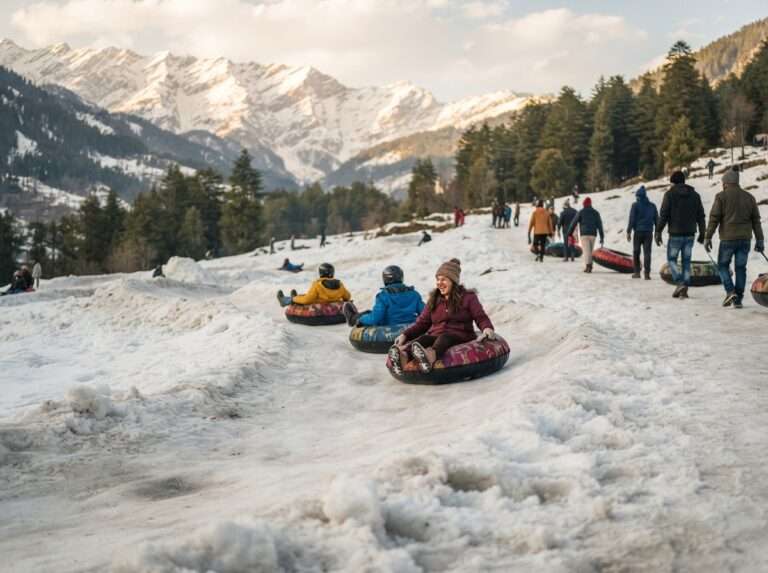
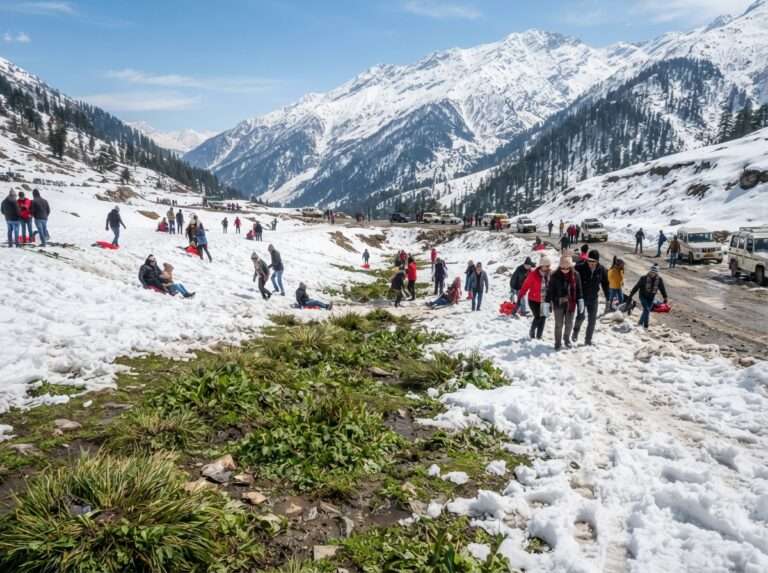
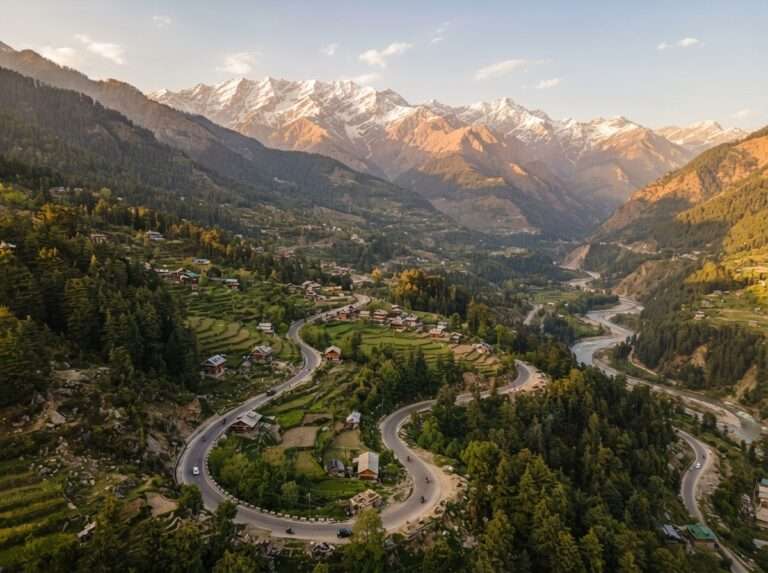
When Rohtang is shut, Gulaba is where Manali’s snow tourists end up, with tube rides and snow play from December to March. In summer it is simply the trailhead for Bhrigu Lake and a green meadow stop on the Rohtang road.
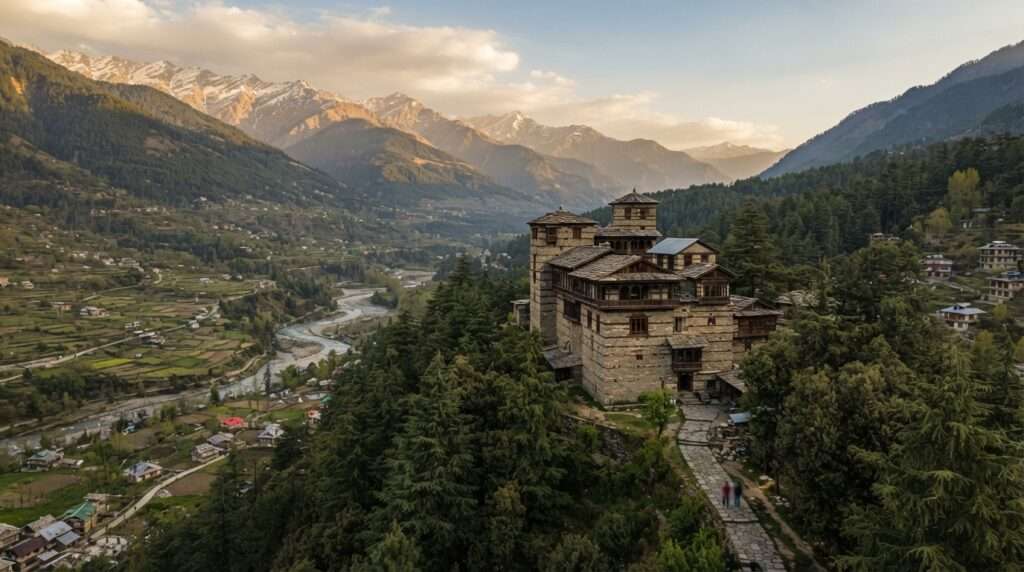
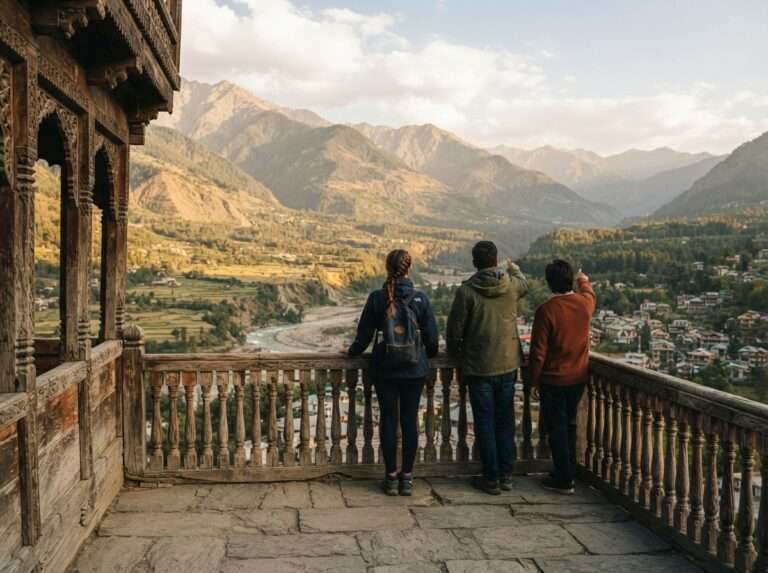
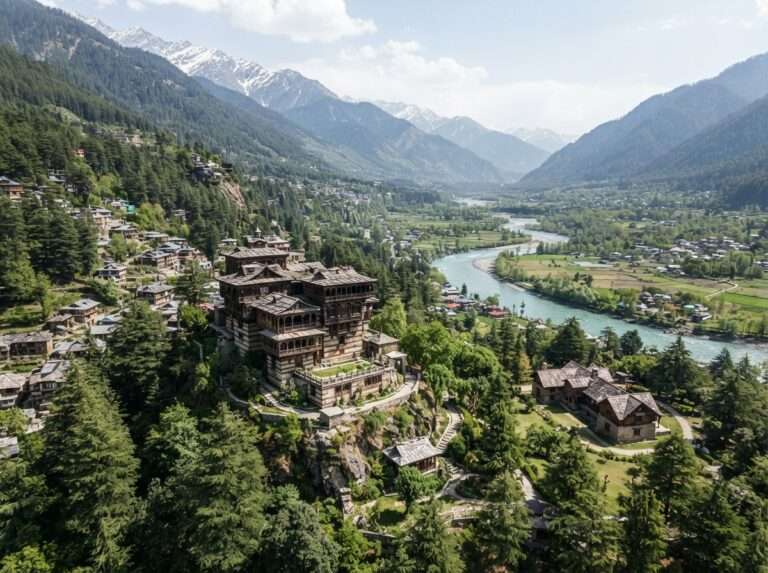
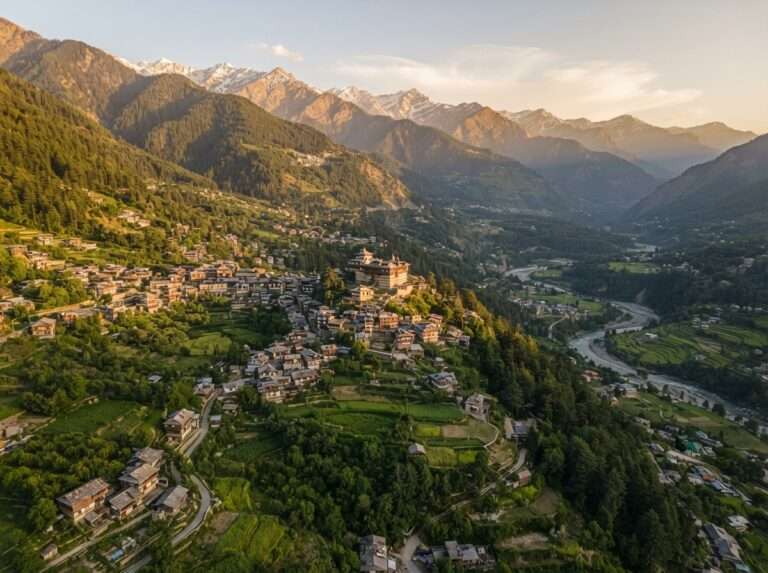
A heritage town above the Beas built around the 500-year-old Naggar Castle, now a hotel, and the Nicholas Roerich art gallery. It suits a slow afternoon of old architecture, mountain views and a meal at the castle. It pairs well with the Manali temples circuit.
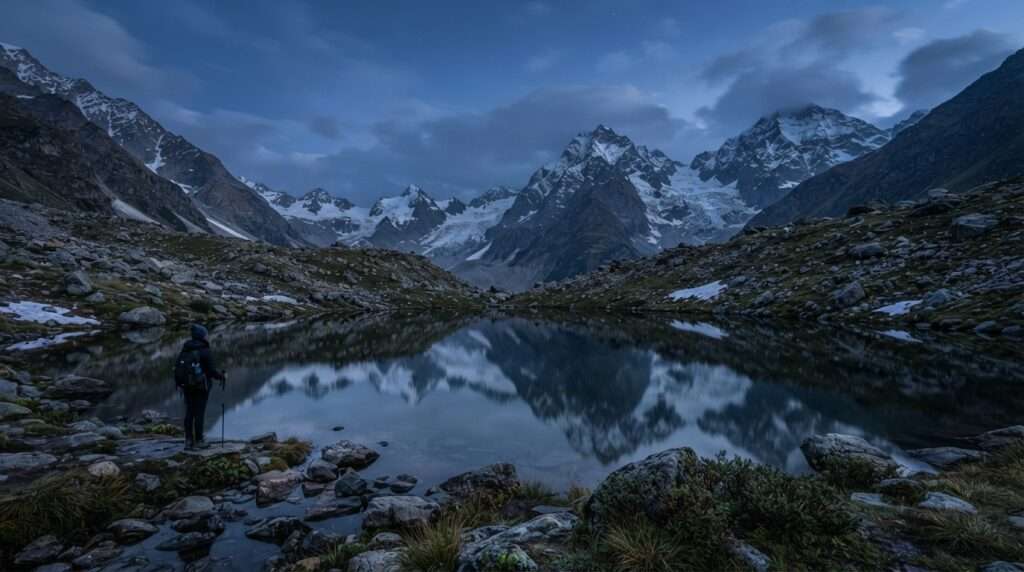
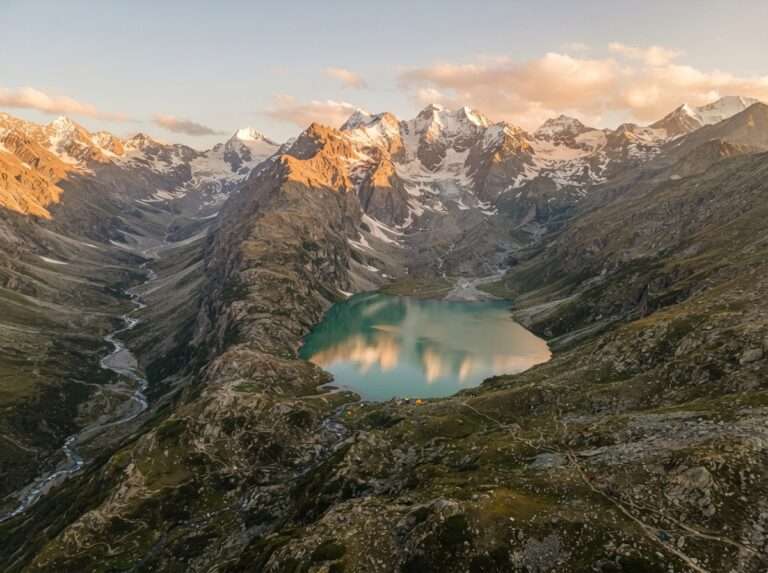
A glacial lake at 3,650 m that is the source of the Beas river, sacred to locals and reached on a short but steep trek from the Dhundi roadhead past Solang. It is a doable weekend trek for reasonably fit walkers and sits below the Hanuman Tibba and Seven Sisters peaks.
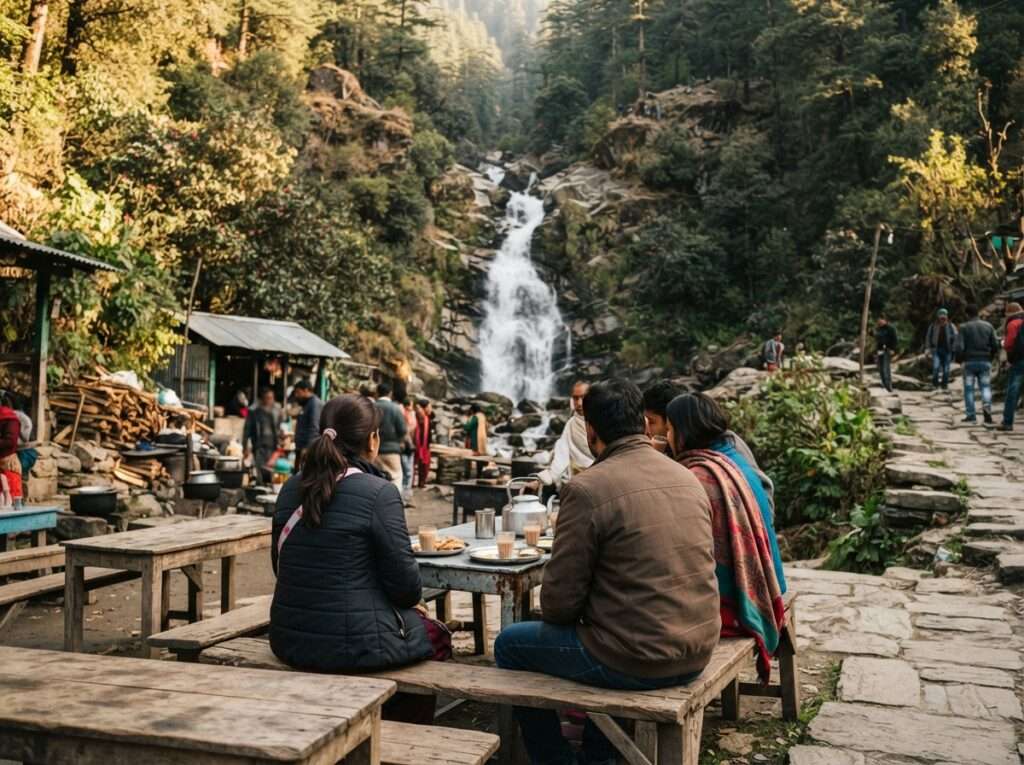
These need most of a day, and several are better as an overnight if you want to slow down.
A 30-foot fall near Naggar, set among apple orchards and pine, with a cluster of dhabas at the base that serve trout and local siddu. It makes a great half-day loop combined with Naggar.
The midway halt on the old Rohtang road, a string of roadside dhabas at about 3,300 m surrounded by rolling green in summer and deep snow in winter. Most people stop here for tea and Maggi on the way up, but the meadows are worth a proper walk.
The base-camp trek to the 6,001 m Deo Tibba peak passes through some of the finest flower meadows near Manali, especially around Chhika and Seri. The summit is for mountaineers, but the base-camp trail is achievable for fit trekkers over four to five days.
Since the Atal Tunnel opened, Sissu in the Lahaul valley is a genuine day trip, about 1.5 hours from Manali. You get a very different, drier landscape, the Sissu waterfall and a calm reservoir, all without crossing Rohtang. It has become one of the most rewarding easy drives from Manali.
The valley’s namesake town, best known for river rafting on the Beas, paragliding at Dobhi and the week-long Kullu Dussehra in October. It is lower and warmer than Manali, so it works even when the higher spots are cold.
The turn-off at Bhuntar opens into the Parvati Valley, the backpacking heart of Himachal that runs up through Kasol, Manikaran and Tosh to Kheerganga. Treat it as its own multi-day trip rather than a single stop. Here is the full Parvati Valley guide.
Mostly known as the site of the Kullu-Manali airport and the gateway to the Parvati Valley, Bhuntar is a practical base rather than a sight in itself. If you are flying in or heading to Kasol, you will pass through here.
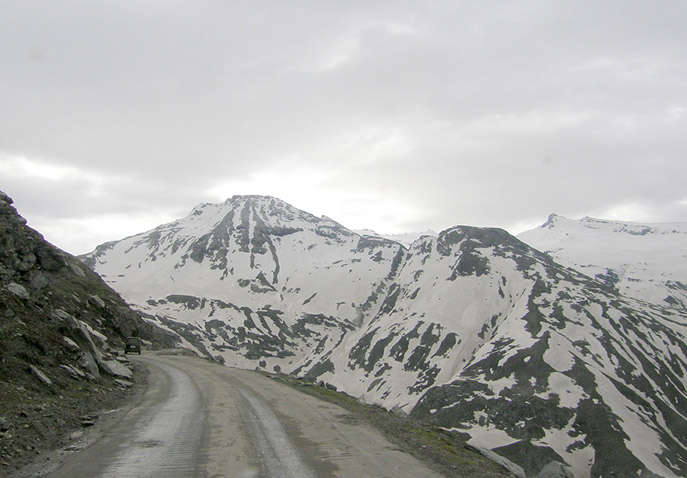
The classic high-mountain drive from Manali, topping out at 3,978 m amid glaciers and snowfields. It is open only from about June to October and needs an online permit and set entry quota, so book ahead. Since the Atal Tunnel, many travellers skip the pass for Lahaul, which keeps Rohtang itself a little quieter. Full details in our Rohtang Pass guide.
A UNESCO World Heritage site in the Kullu district, rich in birdlife and home to the Himalayan tahr and, rarely, the snow leopard. The core zone is trek-only, entered from Sainj or Gushaini, so plan a guided multi-day walk rather than a drive-through.
The reservoir on the Beas near Mandi, with a calm blue lake above the dam and white-water rafting stretches below it. It is an easy, low-altitude stop on the drive in or out of Manali, and good for anyone who wants water without a trek.
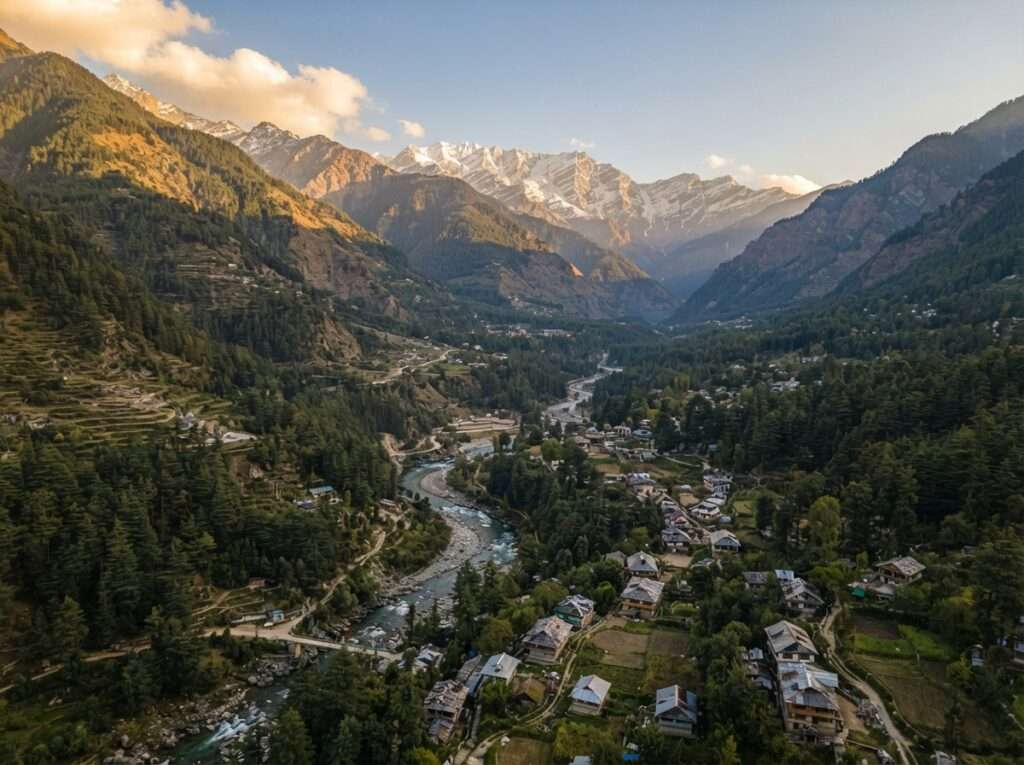
Plan at least an overnight for these. The Parvati cluster in particular deserves two or three days.
The backpacker capital of the Parvati Valley, on the banks of the Parvati river at about 1,580 m, famous for its Israeli cafes, riverside camps and relaxed pace. Use it as a base for Malana, Tosh and the Kheerganga trek. It is busiest March to June.
Four km up the valley from Kasol, Manikaran is a pilgrimage town known for its boiling hot springs and the shared Gurudwara and Shiva temple, where the langar is cooked in the spring water. It is both a spiritual stop and a warm soak after a cold day.
An ancient, famously insular village above the Parvati Valley with its own dialect and customs, reached by a steep two-hour trek. Visitors are asked not to touch certain temples and structures, so read up on the local rules before you go. The mountain views along the way are the real draw.
The last village at the head of the Parvati Valley, at about 2,400 m, with guesthouses looking straight onto snow peaks. It is where backpackers go to slow right down for a few days. The road ends at Barshaini and you walk the final stretch up.
The most popular short trek in the Parvati Valley climbs roughly 12 km from Barshaini to a hot spring at about 2,960 m, with a temple and wide meadow at the top. It is a long but doable day up, or an easy overnight camp. Check current camping and access rules before you set out, as they change with the season.
A quiet village in the Banjar valley of Tirthan, all wooden homestays, trout streams and pine forest, far less crowded than the Parvati side. It pairs with the nearby Jalori Pass and Serolsar Lake for a genuinely offbeat few days.
Called the Varanasi of the hills for its 80-odd stone temples, Mandi is a real Himachali town on the Beas, worth a stop for its Shivratri fair and old-town architecture. It is low and warm, so it works year-round.
A sacred lake at about 2,730 m with a distinctive three-storey pagoda temple and a floating island that shifts around the water. The last stretch is a rough drive followed by a short walk, and the camping up top is superb on a clear night.
The 4,590 m gateway between Lahaul and Spiti, open only from about July to September. From the top you look across to the Chandra Bhaga range and can detour to Chandratal Lake. This is the far end of what counts as near Manali, and it belongs in a Spiti trip rather than a day plan.
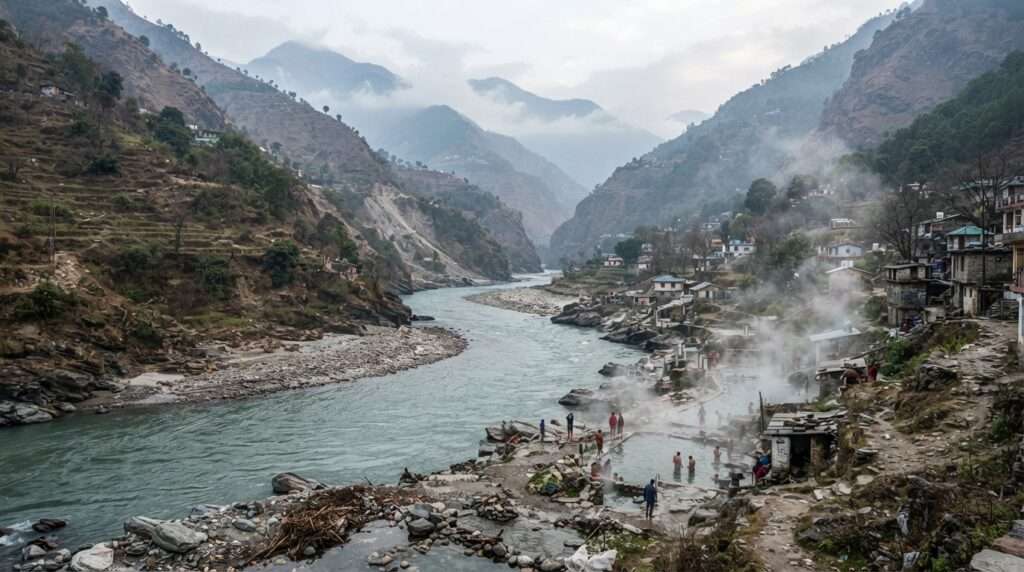
Past 150 km these are full expeditions from Manali, but they round out the region and are worth the drive if you have the days.
A riverside spot on the Sutlej famous for its sulphur hot springs and river rafting, down at only 650 m near Karsog. Because it is so low, it is at its best in winter when the higher hills are frozen. It is a long drive, so club it with a Shimla-side loop rather than a single push from Manali.
The Kangra valley, anchored by the 4th-century Kangra Fort, the Masroor rock temples and the tea gardens around Palampur, is a full day’s drive west of Manali. It is a stretch to call it near, but it is one of the most rewarding two to three-day add-ons in the state.
Looking specifically for hill stations near Manali, such as Shimla, Kufri or Chail? Those sit a little outside this weekend-getaway shortlist, so we have kept them in a dedicated guide to hill stations near Manali.
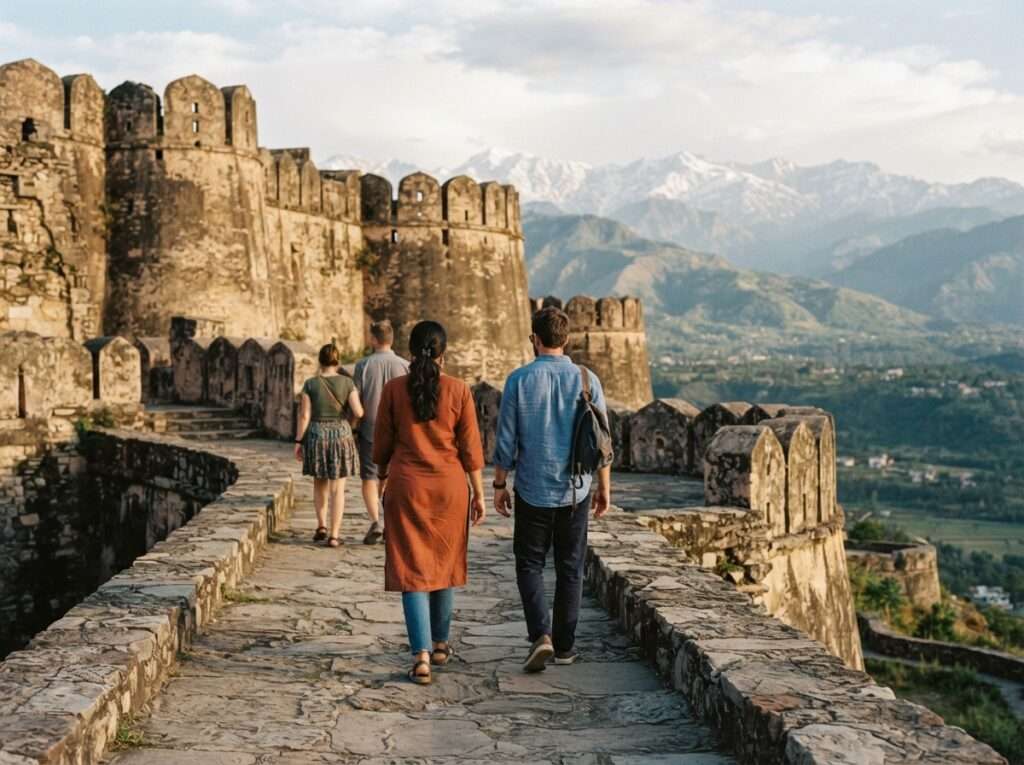
April to June is the safest all-round window because the valleys are green, the high passes start reopening and almost every place on this list is reachable. October to February is for snow, when Solang, Sethan, Gulaba and Marhi turn white and the igloo stays open in Sethan. July to September brings the monsoon, which is when Himachal sees most of its landslides, so if you travel then, stick to lower spots like Kullu, Naggar and Kasol and keep your plans flexible.
A few places break these rules. Rohtang Pass and Kunzum Pass only open from roughly June to October, and Kunzum can stay shut into July after a heavy winter. Tattapani, down at 650 m, is actually best in winter when Manali itself is freezing.
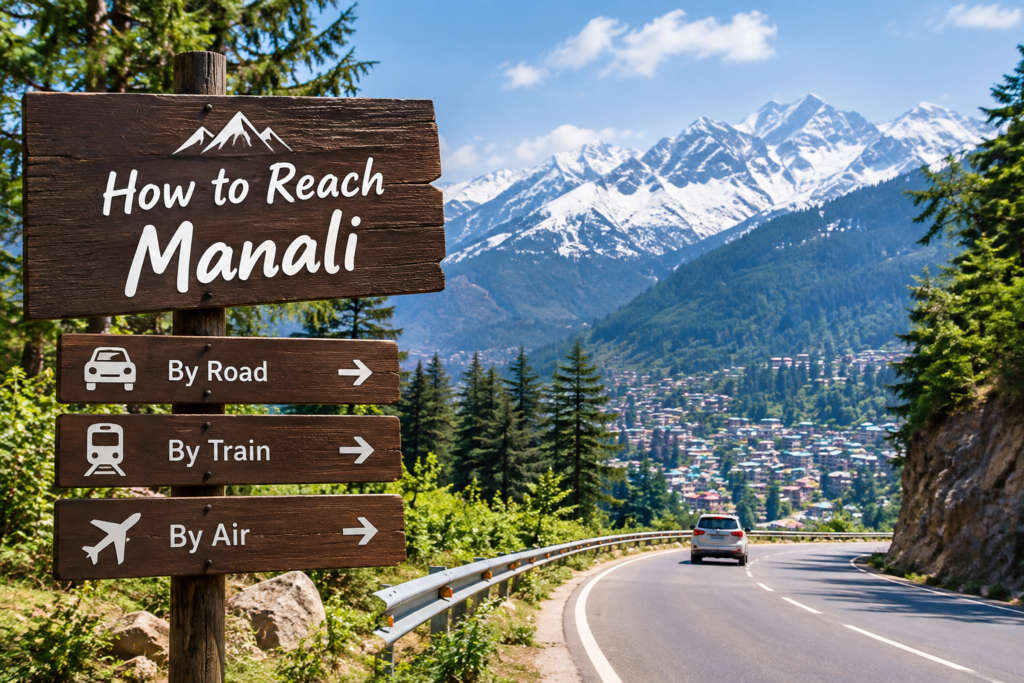
Manali has no airport or railway station of its own, so almost everyone routes through Bhuntar or Chandigarh and finishes the last stretch by road.
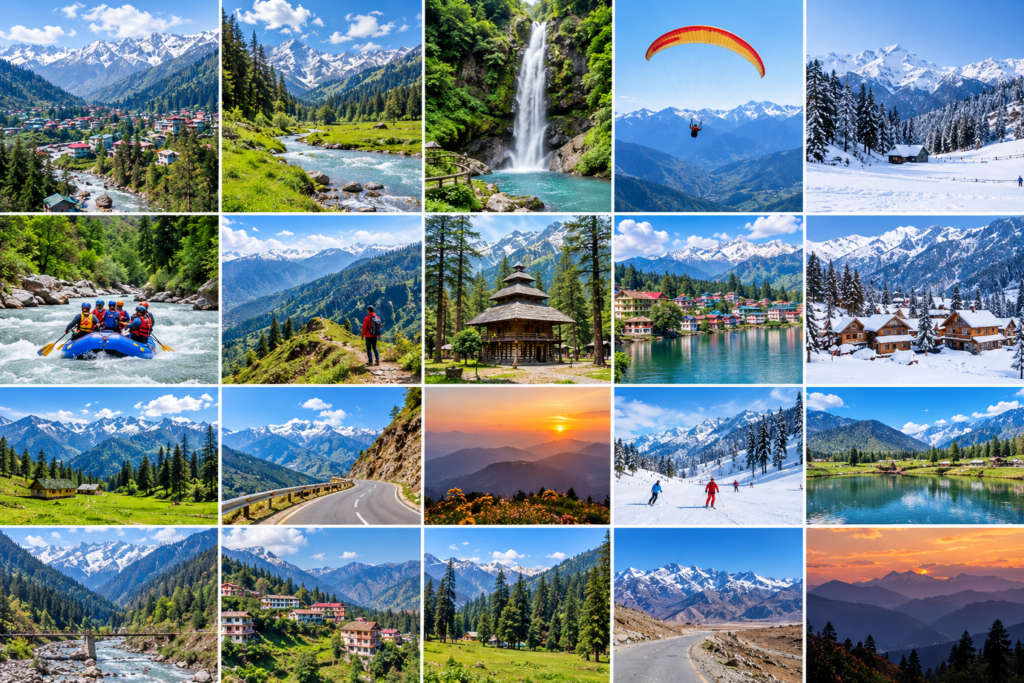
Not every spot suits every trip. Here is the quick way to match the list above to who you are travelling with.
| Travelling as | Pick these | Why |
| Couples | Naggar, Solang, Jibhi, Tosh | Quiet castle stays, cable-car views and slow homestays away from the crowds |
| Families | Himvalley Park, Solang, Kullu, Pandoh | Rides, ropeways, rafting and low-altitude stops that suit kids and elders |
| Friends | Kasol, Tosh, Sethan, Solang | Riverside camps, cafes, snowboarding and adventure sports for a group |
| Solo and backpackers | Kasol, Malana, Jibhi, Kheerganga | Cheap stays, easy company and offbeat treks that reward slow travel |
| Trekkers | Hampta Pass, Bhrigu Lake, Beas Kund, Deo Tibba | The best 2 to 5-day treks starting within 25 km of Manali |
The trick with Manali is to match distance to the days you actually have: a couple of spots under 25 km for a short break, the Parvati cluster or Lahaul for a longer one. Sort the table by season first, then by how far you want to drive, and the itinerary writes itself. When you are ready to lock it in, our Himachal tour packages bundle the stays, transfers and permits so you can spend the time on the road, not on logistics.
For couples, Naggar, Jibhi and Tosh are the standouts. Naggar has heritage-castle stays and valley views, Jibhi offers quiet wooden homestays by a trout stream, and Tosh is a slow mountain village at the head of the Parvati Valley. Solang adds a shared cable-car ride if you want a little adventure together.
Stick to lower, easy-access spots. Himvalley Amusement Park at 4.5 km is built for kids, Solang Valley has a ropeway and gentle snow play, Kullu offers mild rafting, and Pandoh Dam is a calm lake stop. All sit below the high passes, so they suit young children and older travellers who are not comfortable at altitude.
Kasol and Tosh in the Parvati Valley are the classic group trip, with riverside camps and cafes. Add Sethan for snowboarding in winter and Solang for paragliding and adventure sports in summer. The Kheerganga trek from Barshaini is a favourite day-trek add-on for a fit group, done in a single long day since overnight camping there was banned in July 2024.
June is peak season, when the high passes reopen. Rohtang Pass and Sissu become drivable, the Bhrigu Lake and Hampta Pass treks are in their best window, and Solang is at its liveliest for adventure sports. Book Rohtang permits well ahead, as the daily quota fills fast.
May is green and pleasant, just before the monsoon. Solang, Naggar, Kasol and Jana Waterfall are all at their best, and the lower treks like Patalsu and Beas Kund are opening up. It is a good month for first-time visitors because the weather is stable and most roads are clear.
Two to three days covers the close-in spots such as Solang, Sethan, Naggar and Kullu. Give the Parvati Valley two to three days of its own (Kasol, Tosh and the day-long Kheerganga trek do not fit into a single day), and add a day for Lahaul via the Atal Tunnel. A full week lets you fold in a trek like Hampta Pass or a Spiti run over Kunzum.
The four best short treks all start within 25 km of Manali: Hampta Pass (three to four days, crossing into Lahaul), Bhrigu Lake (two to three days to a 4,300 m alpine lake), Beas Kund (two days to the source of the Beas), and Patalsu Peak (a hard day summit near Solang). Kheerganga, in the Parvati Valley, is the easiest of the lot, though it is now a day trek only since overnight camping there was banned in July 2024.
Kasol is about 75 km from Manali by road, roughly a 2.5 to 3-hour drive via Bhuntar and up the Parvati Valley. Most travellers use it as a base for Manikaran (4 km on), Tosh and the Kheerganga trek rather than as a single day trip.
For fewer crowds, head to Sethan (12 km), Jana Waterfall (32 km), Sissu in Lahaul (40 km), Malana (85 km) and Jibhi (100 km). Jagat Sukh, the old Kullu capital just 6 km out, is another spot that tour buses skip entirely.
From December to February the reliable snow spots are Solang Valley, Sethan, Gulaba and Marhi, all within 35 km. When Rohtang is closed for winter, Gulaba becomes the main snow-play point, and Sethan runs igloo stays and beginner snowboarding.
Rohtang Pass requires an online permit with a set daily vehicle quota, so book before you travel. Kunzum Pass, on the Spiti side, does not need a Rohtang-style permit but is only open from about July to September. Foreign nationals should check current Inner Line requirements for the Spiti and Lahaul routes.
Yes. The Great Himalayan National Park, a UNESCO World Heritage site, lies about 60 km away in the Kullu district. Its core zone is trek-only and entered from Sainj or Gushaini, so plan a guided multi-day walk to spot Himalayan wildlife rather than a drive-through visit.
On a two-day weekend, stay within about 100 km. That is enough for one cluster, say Solang with Sissu through the Atal Tunnel, or Naggar and Kullu, or a Parvati Valley run up to Kasol, but not all of them at once. Anything past 120 km, like Kunzum Pass, Tattapani or Kangra, needs three days or more to be worth the drive.
April to June is the best all-round window, with green valleys, reopening passes and stable weather. October to February is for snow lovers, when Solang and Gulaba turn white. Avoid peak monsoon, from July to early September, on the high roads, as Himachal sees most of its landslides then.
For a day trip and back by evening, choose Solang Valley, Sethan, Naggar, Gulaba, Kothi, Jana Waterfall or Sissu via the Atal Tunnel. All sit within 40 km and need only a few hours of driving, leaving plenty of time on the ground.
Real reviews from real travelers who booked with us.
View All Reviews