4D / 3N
17% OFF
4D / 3N
17% OFF
Manali-Kasol Tour Package by Cab for Himachal (4D/3N) - At A Glance
- Hotel
- Meals
- Sightseeing
- Entry Tickets
- Cab Transfer
₹12,688
₹10,500 /pp
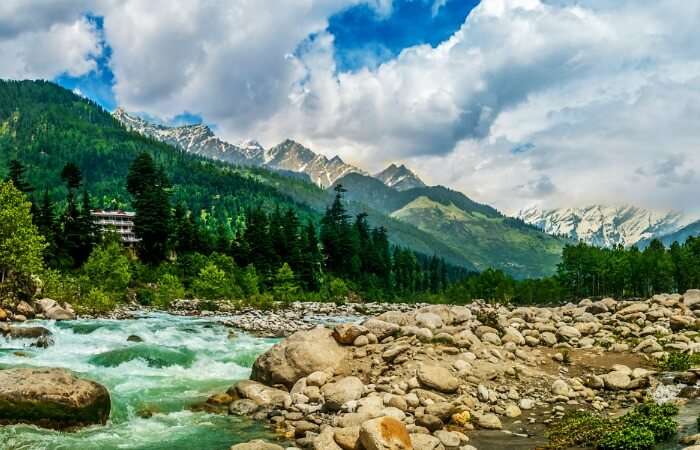


The best places to visit in Manali run from the cedar-shaded Hidimba Devi Temple and the cafes of Old Manali to the snow bowl of Solang Valley, the 3,980 m Rohtang Pass and, since 2020, the Atal Tunnel that cut the drive into Lahaul from over four hours to about fifteen minutes. Most travellers need 3 to 4 days to do the town and its surroundings justice. To save you the guesswork, we have pruned the sprawl down to 25 places that are genuinely worth your time in and around Manali, and put the distance, entry fee, timings and best season for each into a single table you can scan before you plan a day. Everything below reflects the 2026 season.
Key Takeaways
Places To Visit In Manali
Best Time
March - June
Select Package Type

3 Days & 2 Nights
₹9,043 /@pp
GET FREE QUOTE

9 Days & 8 Nights
₹36,484 /@pp
GET FREE QUOTE.jpg?tr=w-600,h-300)

No other Manali guide puts the practical numbers in one place, so we built it. Use this table to shortlist a day’s stops by distance and season, then jump to the full write-up for any place below. Distances are measured from Mall Road in central Manali. Fees and timings are indicative for the 2026 season and can change with the weather, so confirm at the counter for paid sights.
| # | Place | Type | Distance from Manali | Entry fee | Timings | Best season |
| 1 | Hidimba Devi Temple | Temple | 2 km | Free | 8 am to 6 pm | All year |
| 2 | Mall Road | Market street | In town | Free | Open all day | All year |
| 3 | Old Manali | Cafe quarter | 3 km | Free | Cafes till ~11 pm | Mar to Jun |
| 4 | Manu Temple | Temple | 3 km | Free | 5 am to 9 pm | All year |
| 5 | Vashisht Village & Hot Springs | Village, springs | 3 km | Free | Springs 7 am to 10 pm | All year |
| 6 | Club House | Recreation | 2 km | ~Rs 30 to 50 | 10 am to 8 pm | All year |
| 7 | Van Vihar | Nature park | On Mall Road | ~Rs 20 to 30 | 9 am to 6 pm | Mar to Jun |
| 8 | Museum of Himachal Culture & Folk Art | Museum | 1 km | Rs 10 | 8 am to 8 pm | All year |
| 9 | Gadhan Thekchhokling Gompa (Tibetan Monastery) | Monastery | 1.5 km | Free | 6 am to 7 pm | All year |
| 10 | Nehru Kund | Natural spring | 6 km | Free | Daylight hours | Apr to Oct |
| 11 | Solang Valley | Adventure hub | 14 km | Free (rides paid) | 9 am to 5 pm | Dec to Feb, Apr to Jun |
| 12 | Atal Tunnel | Landmark drive | ~25 km | Free to drive | Open ~24 hrs (weather) | May to Oct |
| 13 | Sissu | Lahaul village | ~40 km | Free | Daylight hours | Jun to Sep, snow Dec to Feb |
| 14 | Rohtang Pass | Mountain pass | 51 km | Permit ~Rs 550 + green tax | Open ~May to Nov, closed Tue | May to Jun, Sep to Oct |
| 15 | Gulaba | Snow point | 20 km | Vehicle permit | Daylight hours | Dec to Mar |
| 16 | Kothi | Gorge village | 16 km | Free | Daylight hours | Apr to Oct |
| 17 | Jogini Falls | Waterfall trek | 3 km + short trek | Free | Daylight hours | Apr to Jun, Sep to Oct |
| 18 | Rahala Falls | Waterfall | 16 km | Free | Daylight hours | May to Oct |
| 19 | Naggar (Castle + Roerich Gallery) | Heritage village | 21 km | Gallery ~Rs 50 | Gallery 9 am to 5 pm, Mon closed | Mar to Jun, Sep to Nov |
| 20 | Jagatsukh | Temple village | 6 km | Free | Daylight hours | All year |
| 21 | Sethan | Offbeat, igloos | 12 km | Free | Daylight hours | Dec to Feb, May to Oct |
| 22 | Beas Kund Trek | Alpine trek | From Solang (14 km) | Free | Multi-day trek | May to Oct |
| 23 | Hampta Pass Trek | Crossover trek | From Jobra (~18 km) | ~Rs 500 permit | Multi-day trek | Jun to Sep |
| 24 | Bhrigu Lake Trek | Alpine lake trek | From Gulaba (~22 km) | Free | Multi-day trek | May to Oct |
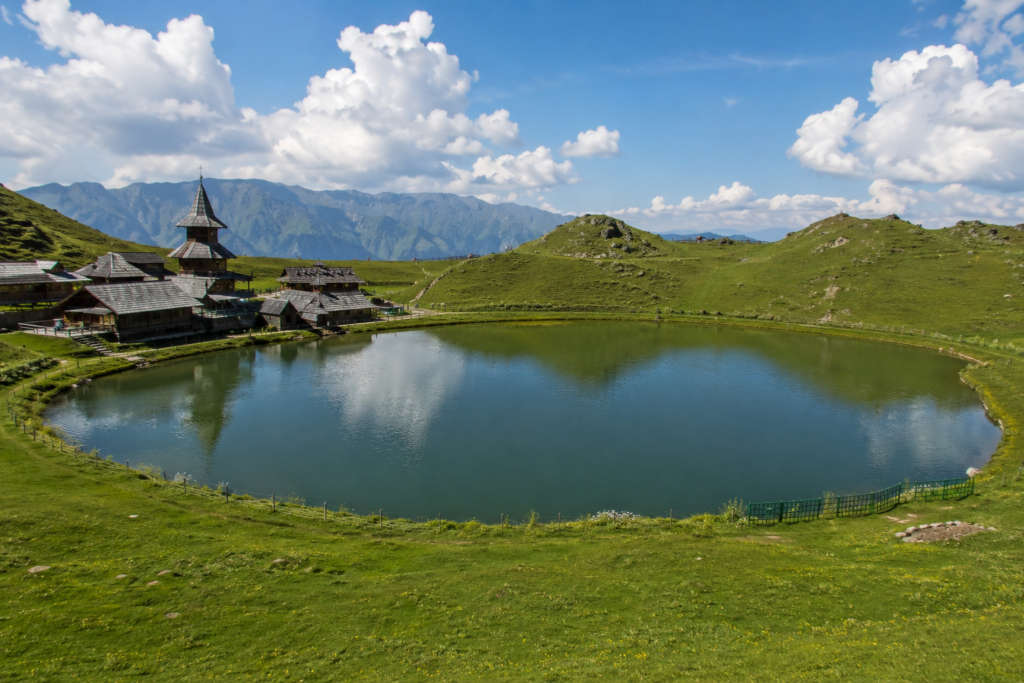
| 25 | Parashar Lake | Sacred lake excursion | ~110 km via Mandi | Free | Daylight hours | Mar to Jun, Sep to Nov |
These are the sights inside Manali or within a short drive, the ones you can pick off across two unhurried days without chasing high passes. Start with the temples and the old town, then work outward.
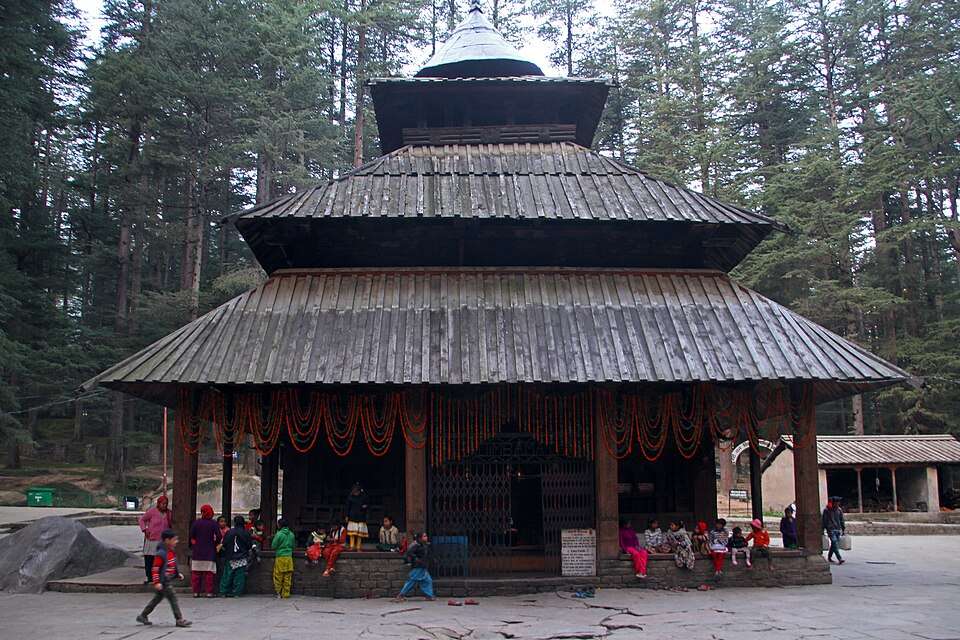
The Hidimba Devi Temple is the image most people carry away from Manali: a four-tiered wooden pagoda from 1553, its roof rising out of a cedar forest called Dhungri about 2 km from Mall Road. It honours Hidimba, the wife of Bhima from the Mahabharata, and the doorway is carved with animals and dancers worn smooth by four centuries of hands. Go early, before 10 am, because the yak-and-angora-rabbit photo crowd builds fast by mid-morning. Entry is free and the temple stays open 8 am to 6 pm through the year. A short walk away sits the smaller Ghatotkacha shrine dedicated to Hidimba’s son.


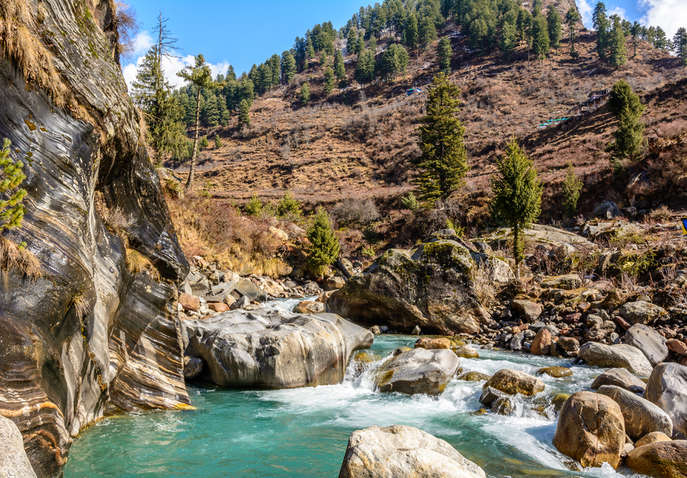
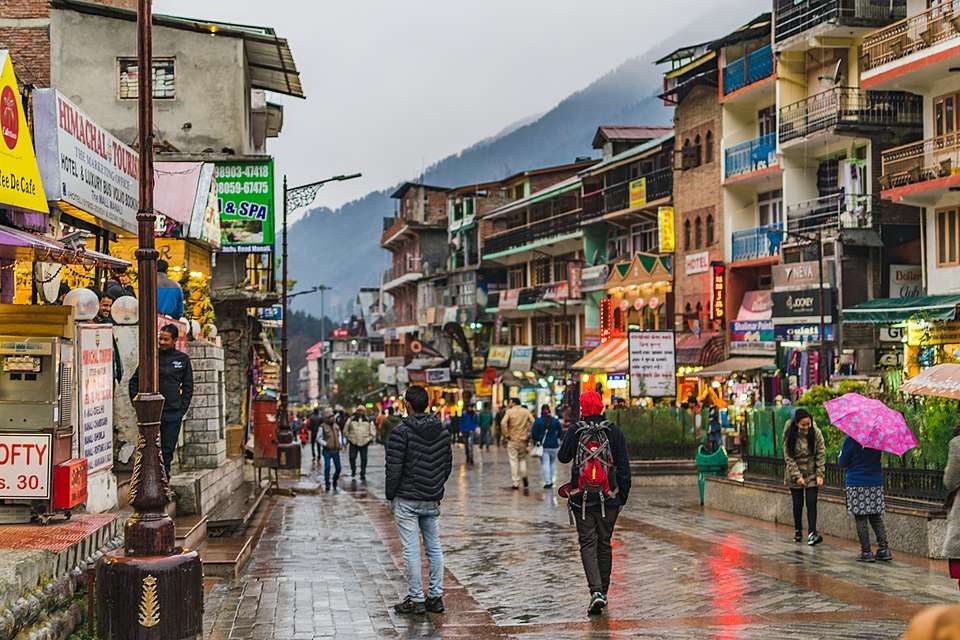
Mall Road is where Manali gathers after dark. It is a pedestrian-friendly stretch of Tibetan handicraft stalls, shawl and cap shops, bakeries and the town’s oldest restaurants, running the length of the central bazaar. Come here for kullu shawls, pahadi caps, roasted apricots and a plate of siddu, and to book onward taxis or paragliding slots from the agencies that line it. It costs nothing, stays lively till late, and is the natural base to stay near since almost everything in this guide is measured from it.


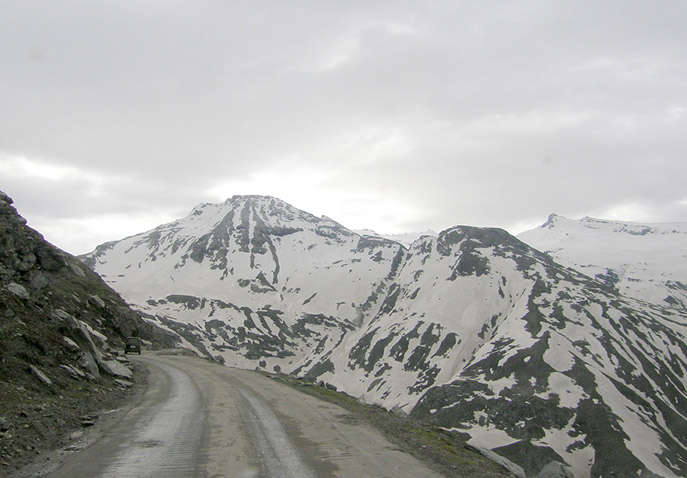


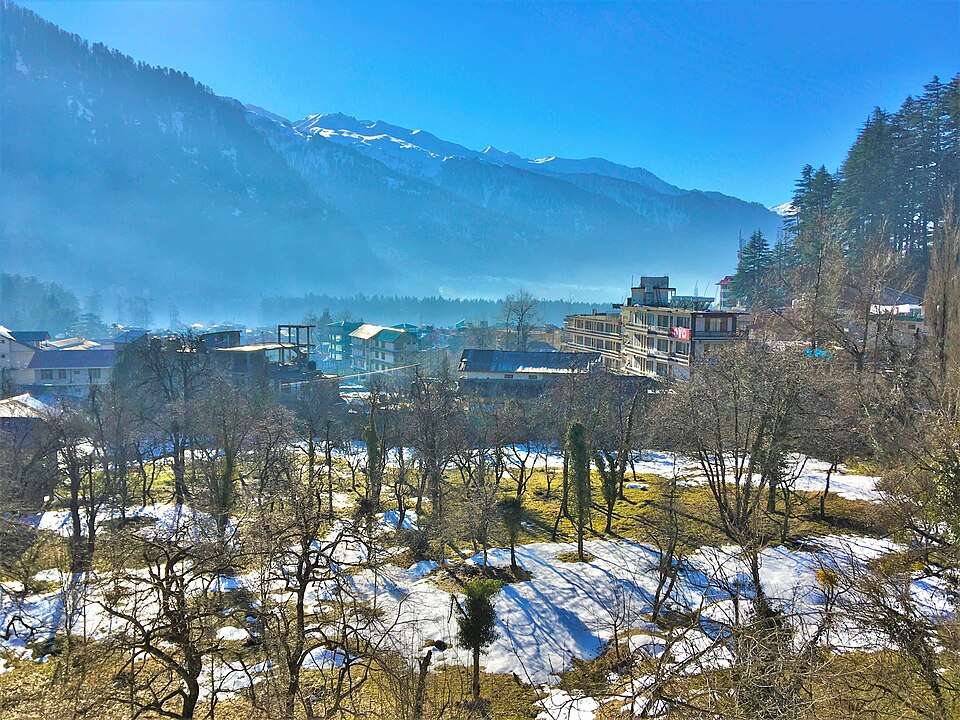
Cross the Manalsu bridge from the main town and the mood shifts. Old Manali is the cafe-and-guesthouse quarter, about 3 km from Mall Road, where apple orchards back onto German bakeries, reggae cafes and slow breakfasts that run past noon. It is where backpackers and long-stay travellers settle in. Spring and early summer are the best window; several cafes shutter in deep winter. Walk up to the Manu Temple at the top of the village while you are here.


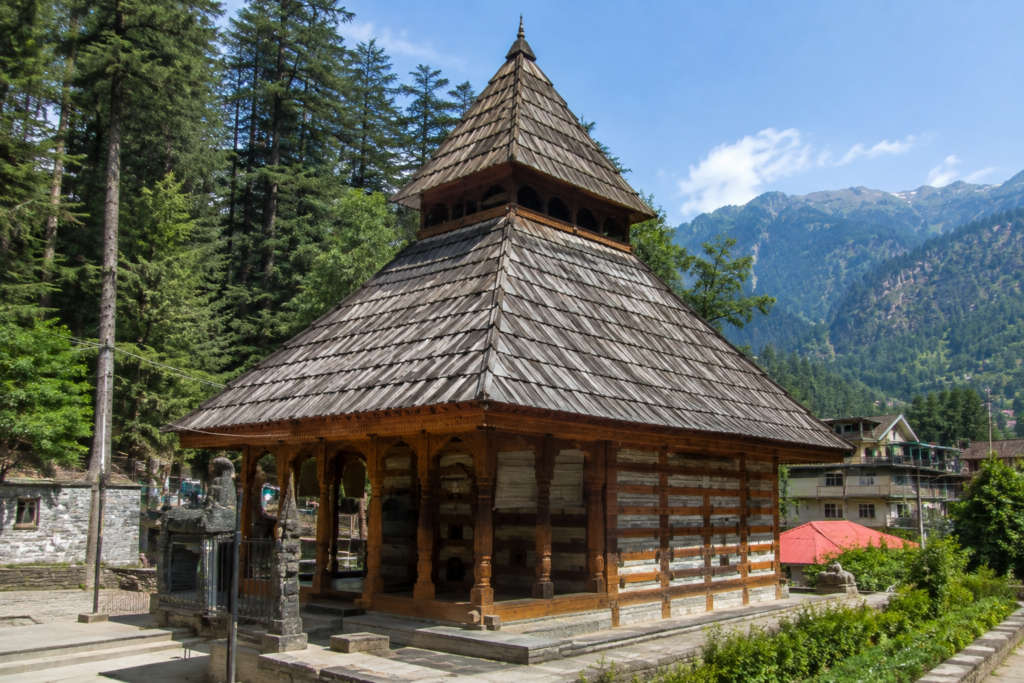
At the head of Old Manali, about 3 km from Mall Road, the Manu Temple is believed to mark the spot where the sage Manu meditated, making it one of very few temples in India dedicated to him. The stone-and-wood shrine is modest, but the climb through the old village lanes to reach it, past wooden balconies and drying corn, is the real draw. It is open roughly 5 am to 9 pm and entry is free.
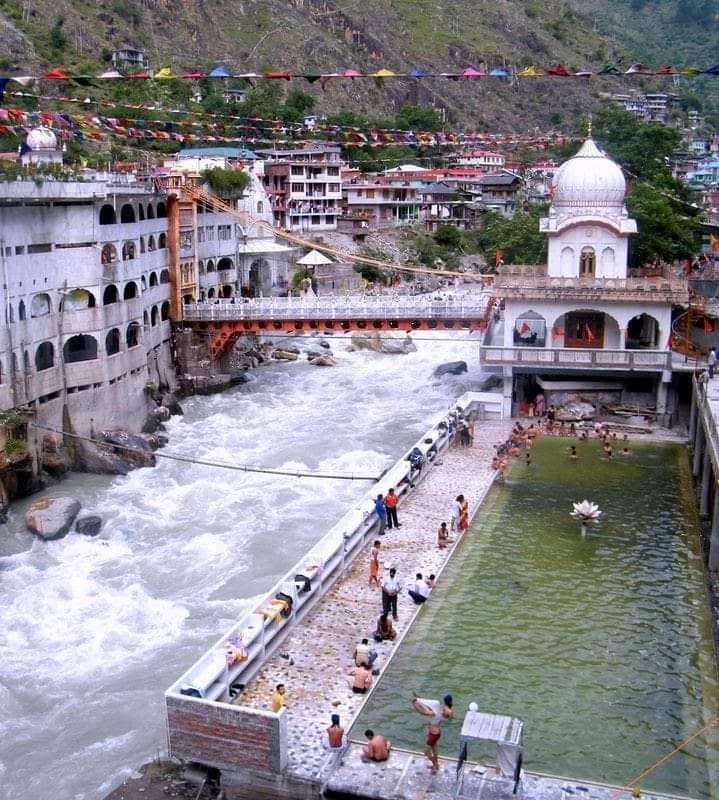
Three kilometres north of Manali, across the Beas, Vashisht is an old stone village built around natural sulphur hot springs. Pilgrims come for the Vashishtha and Ram temples and to soak in the steaming public baths, which are free and separated for men and women, generally open 7 am to 10 pm. The village has also become a quiet cafe alternative to Old Manali, and the trailhead for Jogini Falls starts here.
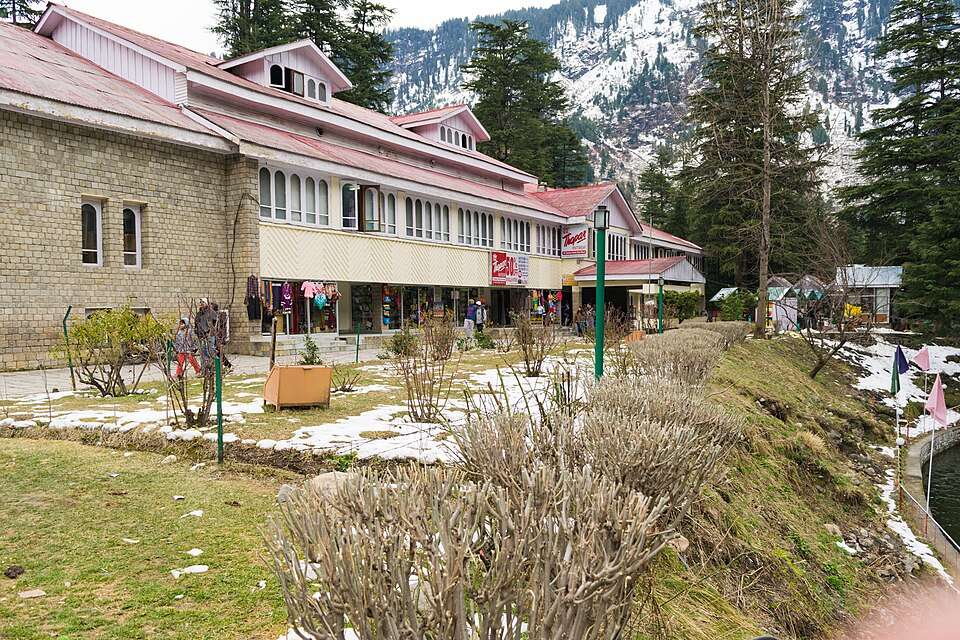
Set on the Manalsu nala about 2 km from Mall Road, the Club House is Manali’s old-school recreation centre run by HPTDC. Indoor games, a small skating rink, a library and a couple of cafes make it a reliable rainy-afternoon or with-kids option. Entry is a nominal ticket, roughly Rs 30 to 50, and it is open 10 am to 8 pm. Pair it with a riverside walk along the nala.
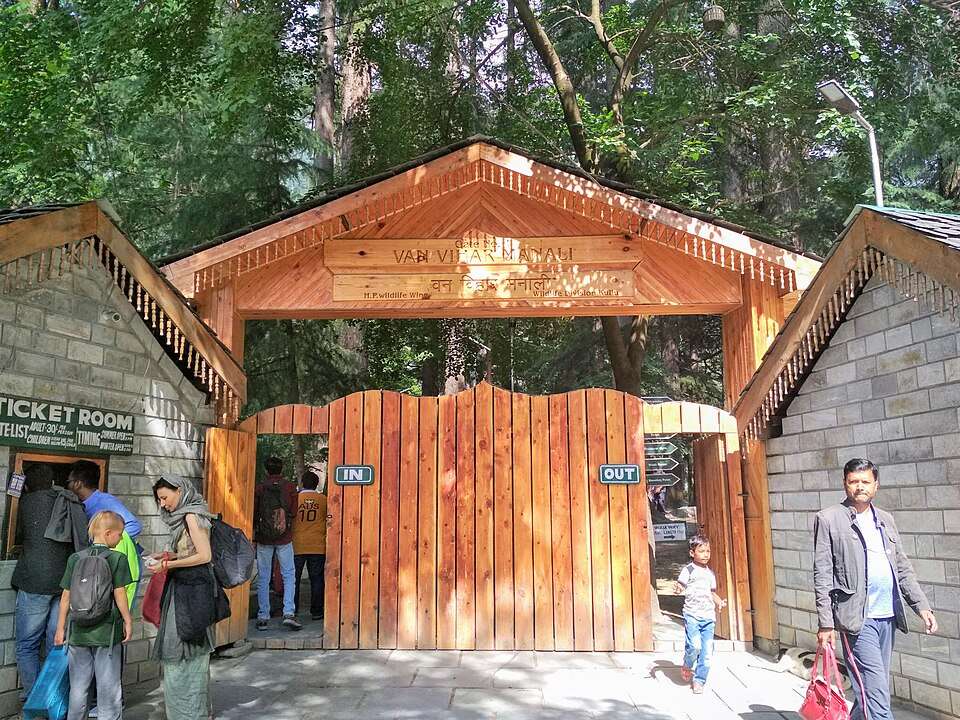
Right off Mall Road, Van Vihar is a small deodar-shaded nature park with a boating pond and easy walking paths, the greenest breather in the middle of town. It suits families and anyone wanting 20 minutes of calm between shopping runs. A small entry ticket, around Rs 20 to 30, gets you in, and it is open through the day till about 6 pm.
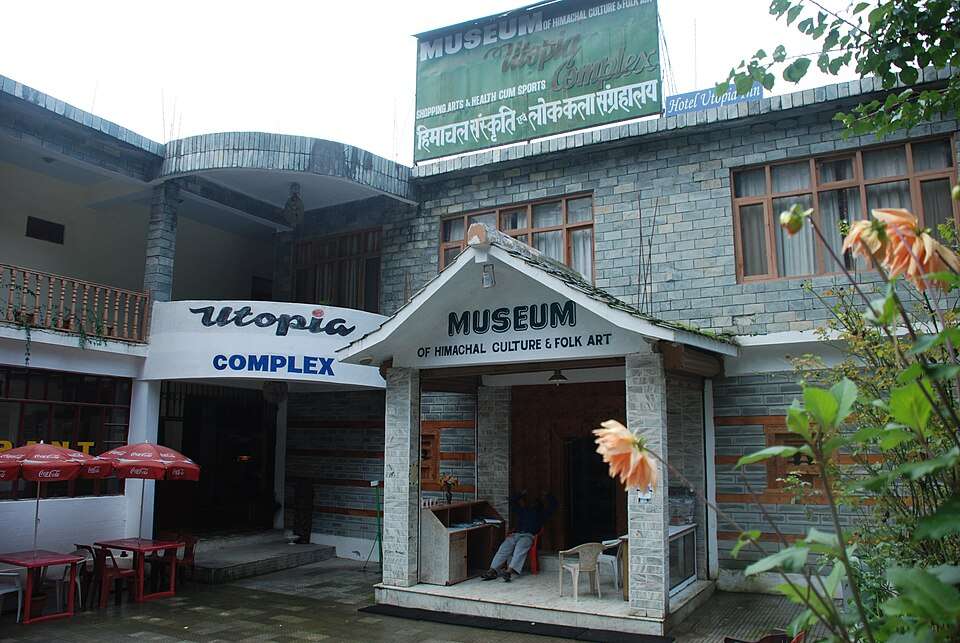
A short walk from the Hidimba temple, this compact museum is the best quick primer on Himachali life: traditional wooden architecture models, temple carvings, household tools, costumes and musical instruments. It is cheap and genuinely useful before you head into the villages, with a nominal ticket of about Rs 10 to 30 and hours of 8 am to 8 pm through the year.
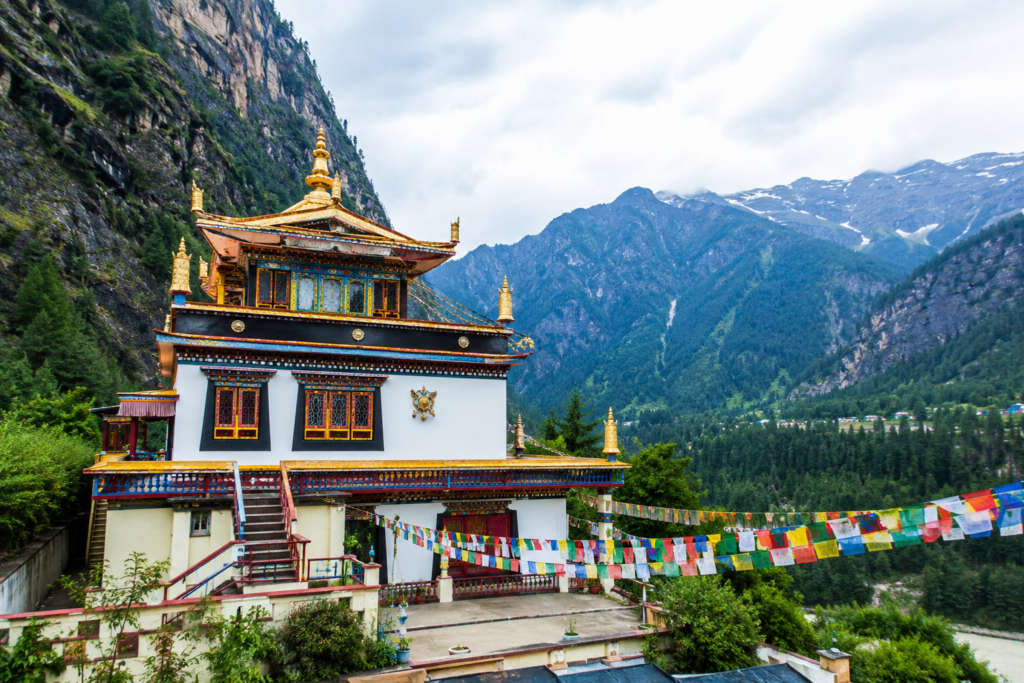
Manali’s Tibetan community centres on this yellow-roofed gompa near Mall Road, built in 1969 by Tibetan refugees. Inside sits a large gilded Sakyamuni Buddha, and the walls carry bright thangka murals; a carpet-weaving unit and craft stalls at the gate fund the monastery. It is peaceful, free to enter and open through daylight hours. The nearby Himalayan Nyingmapa temple, with its gold-faced Buddha, is worth pairing with it.
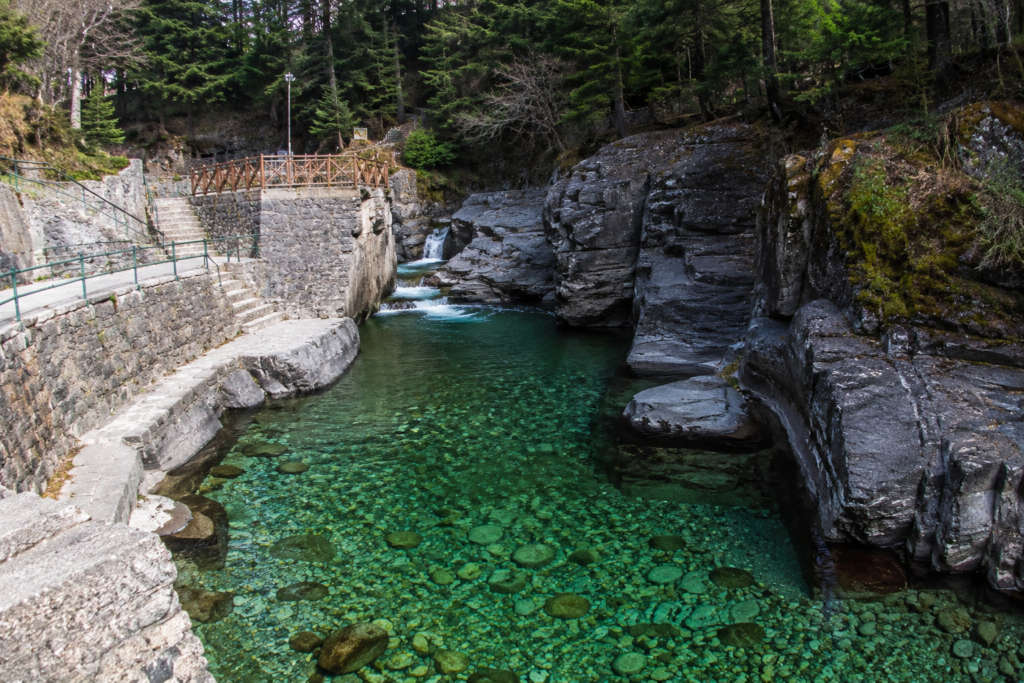
About 6 km out on the Manali to Keylong road, Nehru Kund is a clear natural spring fed from the Bhrigu Lake glacier, named for Jawaharlal Nehru who is said to have stopped to drink here. It is a brief roadside halt rather than a destination, but a scenic one, and a natural photo stop on the way to Solang or Rohtang. There is no fee.
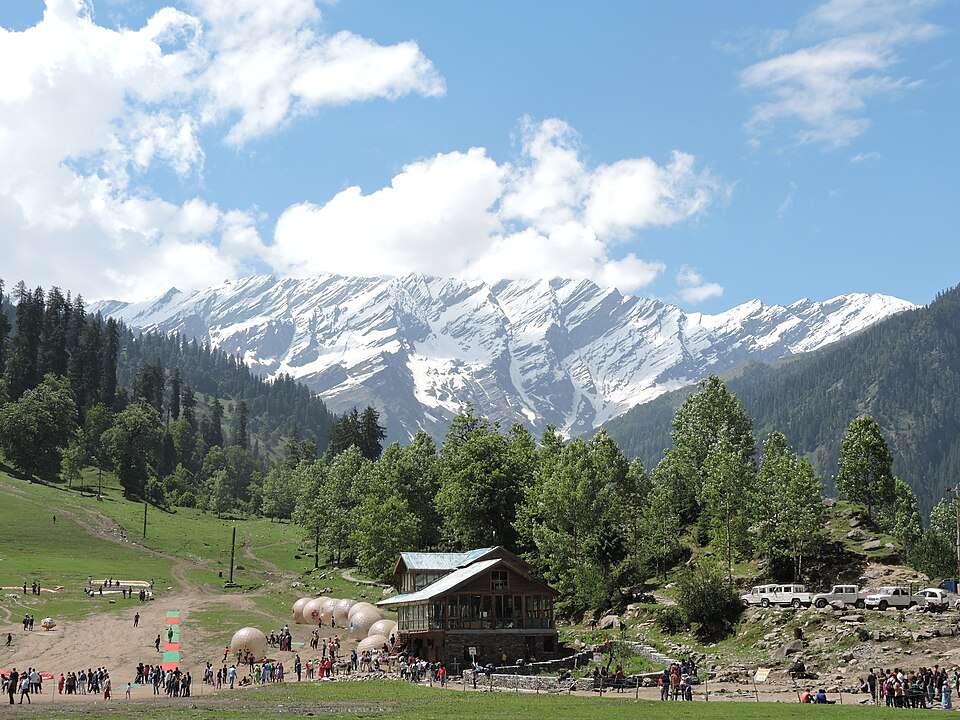
This is the run north of town that most people come to Manali for. It threads Solang Valley, the new Atal Tunnel into Lahaul, and the old Rohtang road, and it is where the snow, the adventure sports and the biggest views are. Two of these, Atal Tunnel and Sissu, are the newest additions and the reason this guide replaces the older Manali lists that still leave them out.
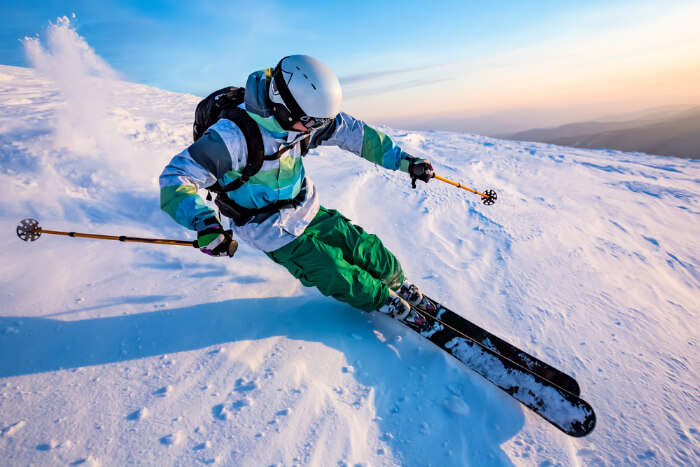
Fourteen kilometres up the valley, Solang is Manali’s adventure playground. In winter it is a beginner ski slope and a snow-play field; from spring to early summer it is one of India’s most popular paragliding spots, with tandem flights, a cable-car ropeway, zorbing and quad bikes. Activity counters run roughly 9 am to 5 pm; entry to the meadow is free and you pay per ride. Go early, both for lighter crowds and because paragliding winds are best in the morning. Expect to budget separately for each activity.
Opened in October 2020, the Atal Tunnel is the headline drive out of Manali and the single biggest thing missing from most older guides. At 9.02 km it is among the longest highway tunnels above 10,000 ft in the world, tunnelled under the Rohtang massif to connect Manali with the Lahaul valley in about 15 minutes, a stretch that used to take four hours over the pass. The south portal is roughly 25 km from Manali. There is no ticket to drive through, though you should keep to the posted speed limit and avoid stopping inside. Cross it and a whole new set of places, Sissu and beyond, opens up as an easy day trip.
Fifteen minutes past the tunnel’s north portal, Sissu is the postcard Lahaul village: a flat green meadow under sheer brown ridges, the Chandra river running through it, and a slim waterfall dropping off the far cliff. A small artificial lake by the highway has made it a favourite quick stop, about 40 km from Manali all told. Summer brings green fields and the falls in full flow; in deep winter it turns to snow. It is free, and pairs naturally with the Atal Tunnel drive for a half-day out.
At 3,980 m on the Manali to Keylong highway, Rohtang Pass is the classic high-altitude Manali experience: snow walls into June, glacier views and a properly thin-air, top-of-the-world feeling 51 km from town. Since the Atal Tunnel took the through-traffic, Rohtang is a scenic dead-end worth doing for its own sake. You need an online permit from the official rohtangpermits.nic.in portal, daily numbers are capped, and the pass is closed on Tuesdays for maintenance and through the snowbound winter. It usually opens around mid-May and stays open till the first heavy snow around November. Carry an ID, book the permit a day ahead, and start early.
About 20 km up the Rohtang road, Gulaba is the snow point people head to when Rohtang itself is shut or permit-capped. Through winter and spring it holds reliable snow for sledging and snow play, with far fewer formalities. Vehicles still need a permit for this stretch. It is the practical snow fallback for a day when the high pass is closed.
Sixteen kilometres from Manali at the foot of the Rohtang climb, Kothi sits above a deep gorge cut by the Beas, with the snow peaks lined up behind it. It is a common photo halt and picnic stop on the way up, and a base for the Beas Kund side of the valley. There is no fee; come for the gorge view and the quiet.
From Vashisht, a 2 km walk through apple orchards and pine leads to the Jogini Falls, a multi-tier cascade with a small shrine at the base and a pool you can dip your feet in. It is one of the most rewarding short hikes around Manali, doable in a morning, and free. Wear grippy shoes for the last rocky stretch and go in the drier months when the trail is safe.
On the old Rohtang road about 16 km from Manali, just past Kothi, the Rahala Falls tumble down in white ribbons where the road begins its serious climb. It is a roadside stop rather than a hike, fed by melting snow and fullest from late spring into summer. Free, and an easy add-on to a Rohtang or Gulaba day.
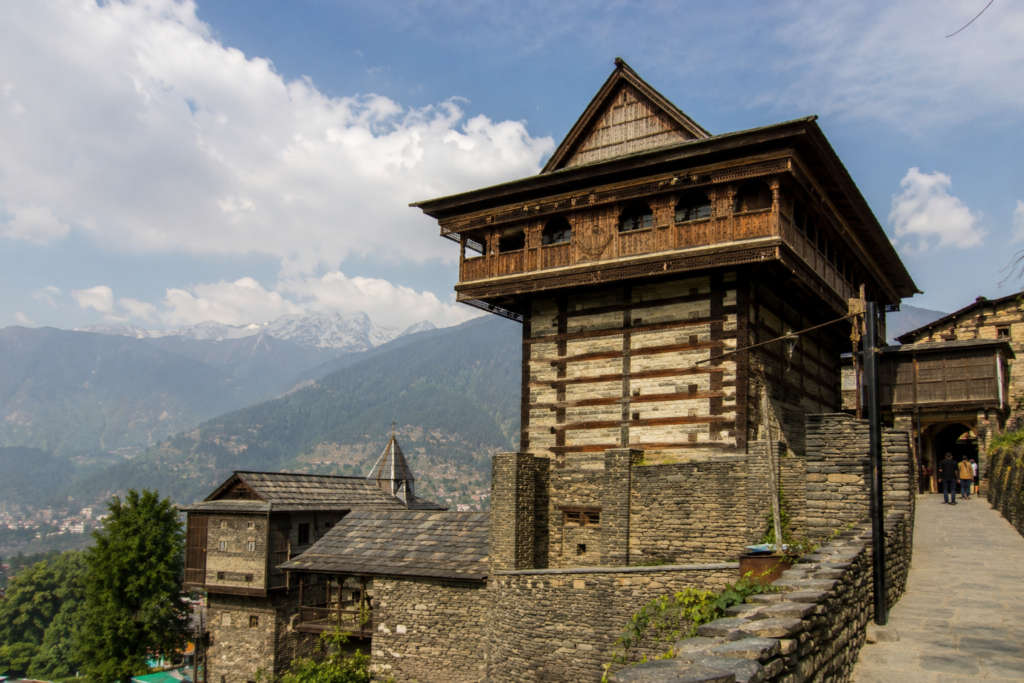
Turn south down the valley instead of north and the crowds thin out fast. This is the Naggar and Jagatsukh side, older and quieter, plus the offbeat pockets that reward a traveller willing to drive a little further. We have kept this list to spots that are genuinely near Manali and left out the far Parvati Valley detours that pad most guides.
Twenty-one kilometres south along the left bank of the Beas, Naggar was the old capital of Kullu and is the richest heritage stop near Manali. The 15th-century Naggar Castle, a stone-and-timber fort now run as an HPTDC heritage hotel, looks straight across the valley. A short climb above it is the Nicholas Roerich Art Gallery, the former home of the Russian painter, with his luminous Himalayan canvases and the Urusvati institute he founded. The gallery charges a small ticket, around Rs 50, is open about 9 am to 5 pm and is usually closed on Mondays. Give Naggar a slow half-day and eat at the castle cafe.
Six kilometres from Manali on the Naggar road, Jagatsukh was the ancient capital of the region before Naggar, and it still holds two old shikhara-style stone temples, the Gauri Shankar and the Shiva temple, that most visitors drive straight past. It is a short, free, uncrowded stop for anyone interested in the valley’s older architecture, and the trailhead for the Deo Tibba side.
A tiny Buddhist hamlet 12 km from Manali at about 2,700 m, Sethan has quietly become the valley’s winter star. From roughly December to February it hosts igloo stays and snow-sport camps, and it is the launch point for the Hampta Pass trek in the warmer months. It stays refreshingly empty compared with Solang. Come for a snowshoe day or an overnight in an igloo; there is no entry fee, just book the camp ahead.
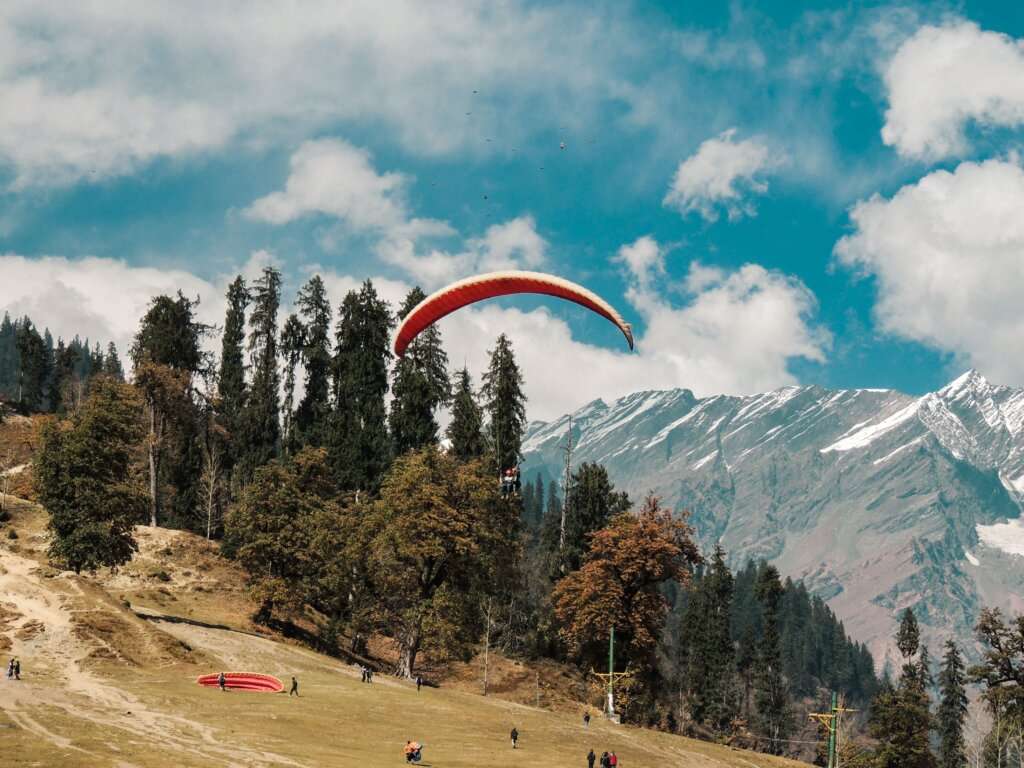
Beyond the sights, Manali is one of north India’s busiest adventure bases, and these are the activities worth planning a slot for rather than leaving to chance. Most are concentrated around Solang and the Beas, and most run best in the shoulder months.
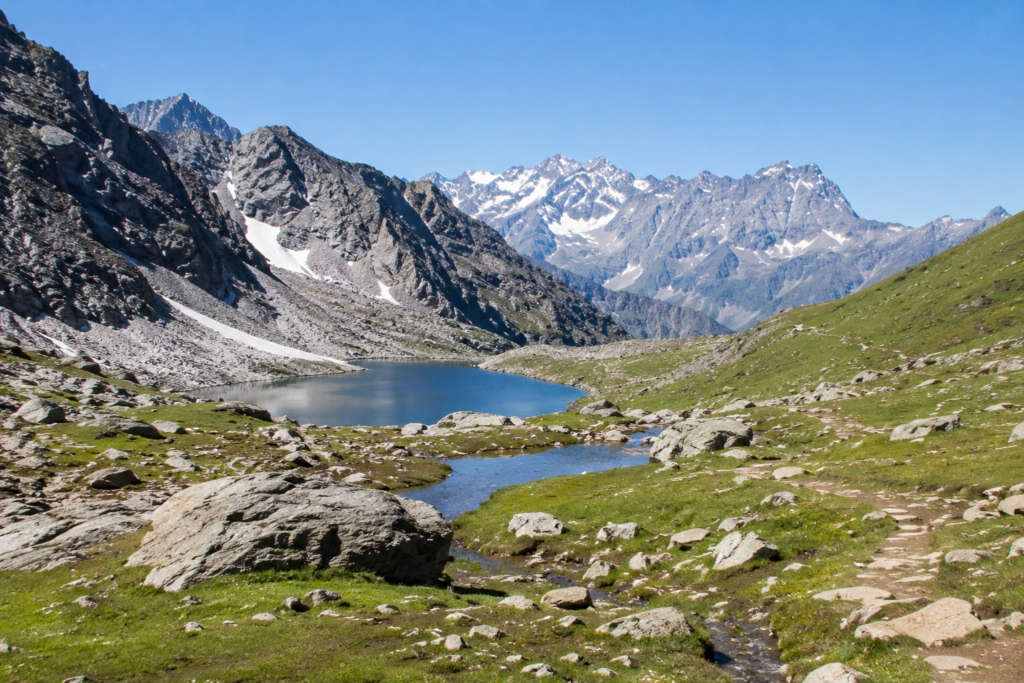
If you have the days and the legs, three alpine treks start almost at Manali’s doorstep. All run in the snow-free months and all need basic acclimatization first.
A short, popular two-to-three-day trek from Solang to the glacial lake that is the source of the Beas, sitting under Hanuman Tibba at about 3,700 m. It is the gentlest of the three and a good first Himalayan trek, best done May to October when the meadows are clear.
The Hampta Pass is a dramatic crossover trek, roughly four to five days, that climbs from the green Kullu side over a 4,270 m pass and drops into the stark desert of Lahaul, one of the most striking landscape flips in the Himalayas. It starts from Jobra near Sethan and runs June to September; a small permit applies for the protected stretch.
A steep two-to-three-day climb to a high alpine lake at about 4,300 m above Gulaba, named for the sage Bhrigu and ringed by snow well into summer. It rewards the effort with wide ridge-line views and is best attempted May to October.
25. Parashar Lake
For travellers with a spare day and their own vehicle, Parashar Lake is the standout longer drive from Manali: a sacred glacial lake at about 2,730 m in the Mandi hills, roughly 110 km away via Mandi, with a slowly drifting island on its surface and a three-storey pagoda temple to the sage Parashar on its bank. The last stretch is a rough hill road, so it is a full day out and best kept for the clear months from March to June and after the monsoon. There is no entry fee.
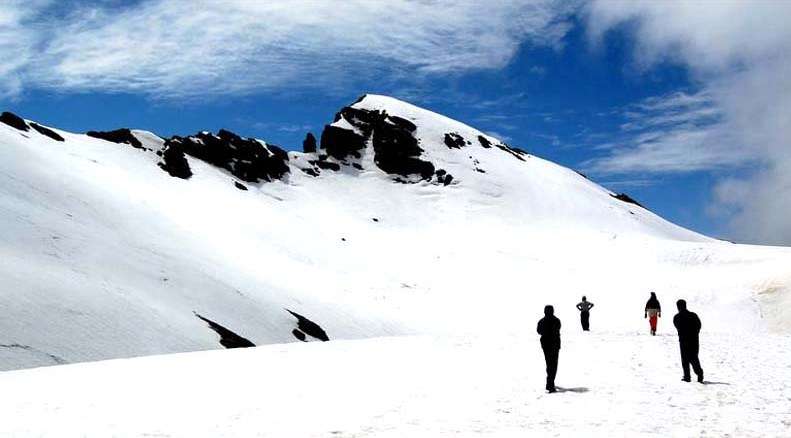
Manali is a genuine all-season destination, and the right window depends entirely on what you want from it. Here is the honest breakdown.
On timing: 3 to 4 days is the practical minimum, enough for the in-town sights, one Solang or Atal Tunnel day and one Rohtang or Naggar day. Give it 5 to 6 days if you want to add a trek, a Lahaul overnight or a slower pace. Two days, the old FAQ answer many guides still carry, only scratches the surface.
Manali packs temples, snow, adventure and quiet heritage villages into one compact valley, which is exactly why it rewards a little planning over a rushed weekend. Line up your days by the table above, keep the season in mind, and leave room for one drive that is not on any list. When you are ready to turn this into a booked trip, our Manali tour packages bundle stay, cabs and the Solang and Rohtang days into one customisable itinerary, and the wider Himachal tour packages cover the full circuit if you want to add Shimla or Spiti.
For more Manali planning, see our guides to Rohtang Pass, snowfall in Manali, and how to reach Manali, or browse the full Himachal travel guide.
The essential Manali sights are the Hidimba Devi Temple, Mall Road, Old Manali, Solang Valley and Rohtang Pass, with the Atal Tunnel and Sissu on the Lahaul side now firmly on the list. Add Vashisht hot springs, the Naggar Castle and Roerich Gallery, and Jogini Falls if you have a third and fourth day. This guide covers 25 places worth your time, ranked and mapped by distance and season.
Plan 3 to 4 days for a first trip. That is enough for the in-town temples and markets on day one, a Solang or Atal Tunnel day, and a Rohtang or Naggar day, with a little slack for weather. Stretch it to 5 or 6 days if you want to add a multi-day trek such as Hampta Pass, an overnight in Lahaul, or a slower, cafe-heavy pace in Old Manali.
Most of Manali's best-known sights cost nothing to enter: the Hidimba Devi Temple, Manu Temple, Mall Road, Old Manali, the Vashisht hot-spring baths, the Tibetan monastery, Nehru Kund, Jogini and Rahala falls, Jagatsukh and Sissu are all free. You mainly pay for activities (paragliding, skiing, ropeway) and for a few ticketed spots like the museum, Club House, Van Vihar and the Roerich Gallery.
The Hidimba Devi Temple is free. Entering Solang Valley is free too; you pay per activity, so a paragliding flight, ropeway ride or zorbing roll is charged separately on site. Rohtang Pass needs a paid online permit of roughly Rs 550 plus a green tax and congestion charge, booked through the official rohtangpermits.nic.in portal. Confirm the current 2026 rates before you travel.
The south portal of the Atal Tunnel is about 25 km from Manali, a 45-minute to one-hour drive up the valley. The tunnel itself runs 9.02 km through the mountain, and Sissu sits about 15 minutes beyond the north portal, roughly 40 km from Manali in total. Both make an easy half-day trip together, and there is no charge to drive through the tunnel.
From December to February you will find reliable snow at Solang Valley, Gulaba and Sethan, and often in Manali town itself in a good year. Rohtang Pass is snowbound and closed in winter, so Gulaba becomes the go-to snow point. Sissu on the Lahaul side, reachable through the Atal Tunnel, also turns fully white. For snow play and skiing, head to Solang or Gulaba early in the day.
March to June brings pleasant weather, blossoming orchards and prime paragliding, and is the busiest season. December to February is for snow, igloo stays and the lowest rates, though Rohtang is shut. Late September to November is the quiet sweet spot with golden valleys and thinner crowds. Avoid peak monsoon, July to mid-September, when landslides can block the high roads.
Yes. Every vehicle heading to Rohtang Pass needs an online permit issued through the official rohtangpermits.nic.in portal, and the daily number of permits is capped to protect the fragile environment. The pass is also closed on Tuesdays for maintenance and through the snowbound winter. Book a day ahead, carry a valid ID, and start early to make the most of the limited window. Gulaba needs no such permit and is the easy fallback.
For quieter corners, drive south to Naggar for its castle and the Nicholas Roerich Art Gallery, or to the old temple village of Jagatsukh. Sethan, 12 km away, is a peaceful Buddhist hamlet famous for winter igloos. Across the Atal Tunnel, Sissu in Lahaul stays refreshingly uncrowded. For a full day out, the sacred Parashar Lake in the Mandi hills rewards the long drive.
Manali is a major adventure base. Solang Valley offers paragliding, a ropeway, zorbing, quad bikes and, in winter, skiing and snowboarding at Solang and Gulaba. The Beas around Pirdi and Kullu has Grade II and III river rafting through the summer. For longer efforts, the Beas Kund, Hampta Pass and Bhrigu Lake treks all start close to town. Book activity slots a day ahead in peak season.
Very much so. Families do well with Solang's easy snow play and rides, the Club House, Van Vihar and the gentle temple circuit, while the short distances keep days manageable with kids. Honeymooners gravitate to Old Manali's cafes, the Naggar heritage stay, snow at Solang and the drive through the Atal Tunnel to Sissu. Both suit a customisable 4 to 5 day trip built around a central Manali base.
Manali has no airport or railway station of its own. The nearest airport is Bhuntar (Kullu), about 50 km away, and the nearest broad-gauge railhead is Chandigarh; most travellers drive or take an overnight Volvo bus from Delhi or Chandigarh up NH3. From the bus stand near Mall Road, everything in this guide is a short taxi ride away. See our detailed guide on how to reach Manali for routes, fares and timings.
Real reviews from real travelers who booked with us.
View All Reviews