6D / 5N
8% OFF
6D / 5N
8% OFF
Romantic Bangkok And Phuket Honeymoon Tour
- Hotel
- Meals
- Sightseeing
- Airport Transfer
- Cruise
₹19,022
₹17,500 /pp
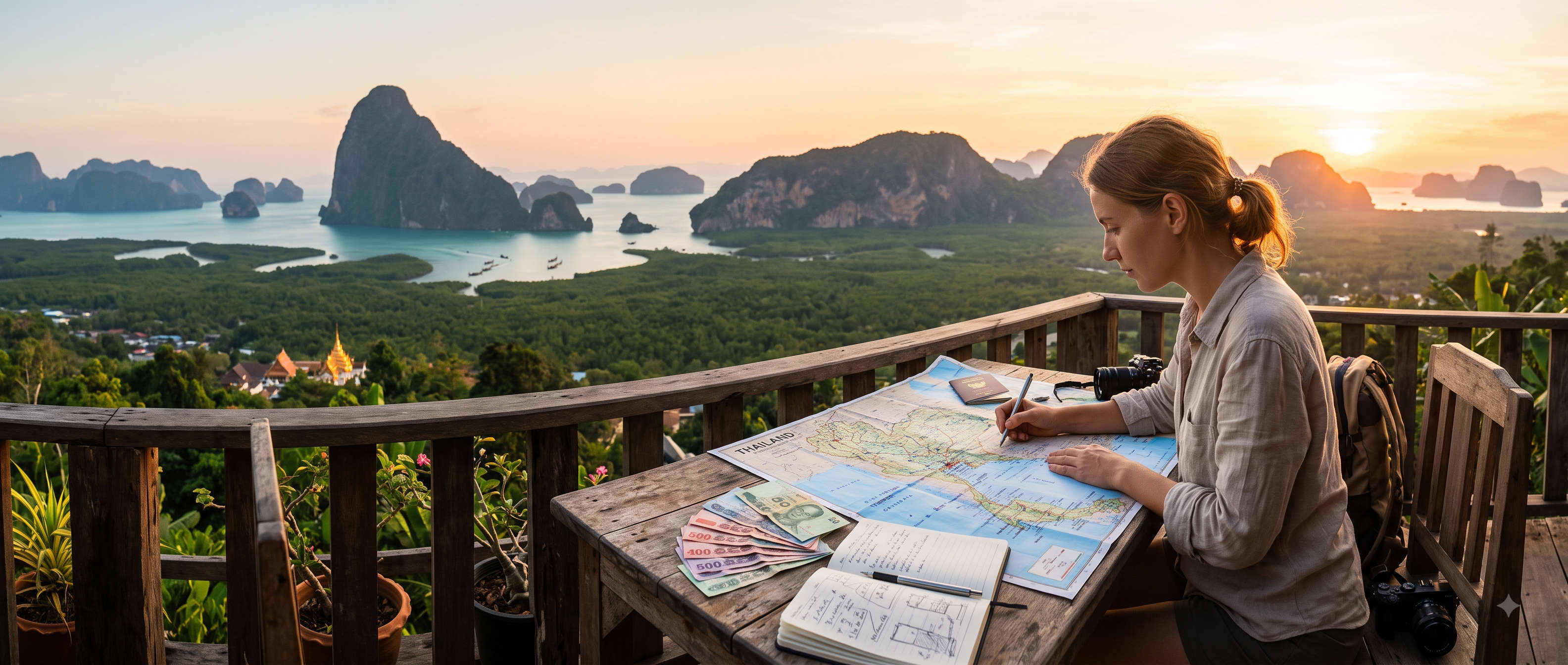


The best Thailand travel tips for 2026 are the practical ones: Indian passport holders can now enter visa-free for up to 60 days, everyone must file the free online arrival card (the TDAC) before landing, the currency is the Thai baht and the country runs largely on cash, and the smart months to go are November to February. Thailand is one of the easiest, safest and best-value first trips abroad for an Indian traveller, and a comfortable mid-range day costs less than you would spend in Goa in peak season. The 25 tips below cover visa, money in rupees, scams, safety, etiquette, getting around and food, so you land knowing exactly what to do.
Key takeaways
Thailand Travel Tips
Best Time
November - February
Select Package Type


One table before the detail. Every figure below is explained further down, and the rupee amounts use an approximate rate of Rs 2.85 to 1 baht. Check the live rate before you exchange.
| What | The quick answer |
| Visa (Indian passport) | Visa-free up to 60 days for tourism under the current exemption. Passport valid 6 months. |
| Arrival card | TDAC, free, filed online within 72 hours before arrival. Official site only. |
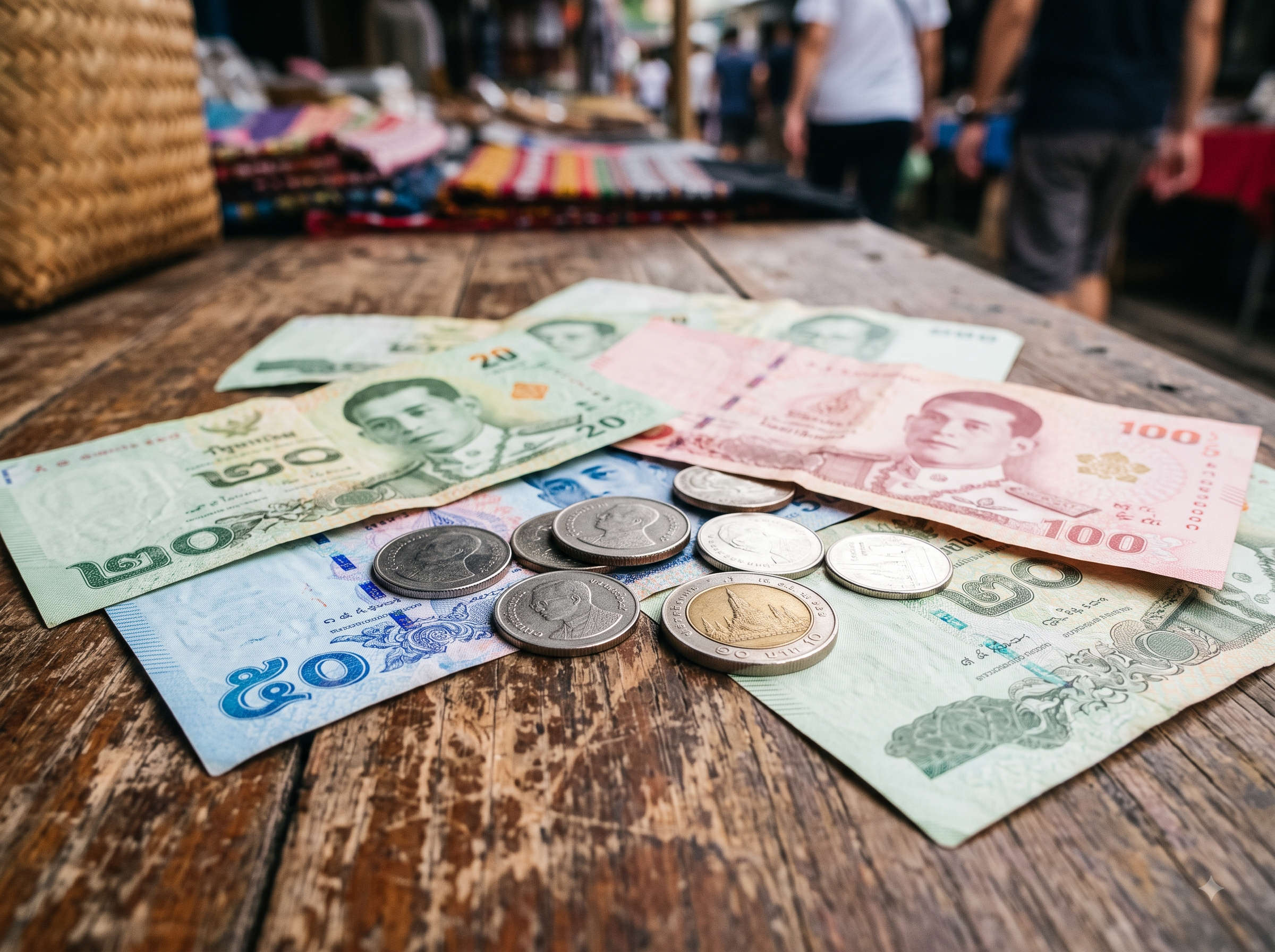
| Currency | Thai baht (THB). 1 THB is about Rs 2.85. Cash-first country. |
| Best time | November to February (cool and dry). March to May is hot; June to October is the monsoon. |
| Flight time from India | About 4 to 4.5 hours to Bangkok from Delhi, Mumbai, Kolkata, Bengaluru, Chennai and Hyderabad. |
| Daily budget (mid-range) | About 1,400 to 2,100 THB (Rs 4,000 to Rs 6,000) per person, per day. |
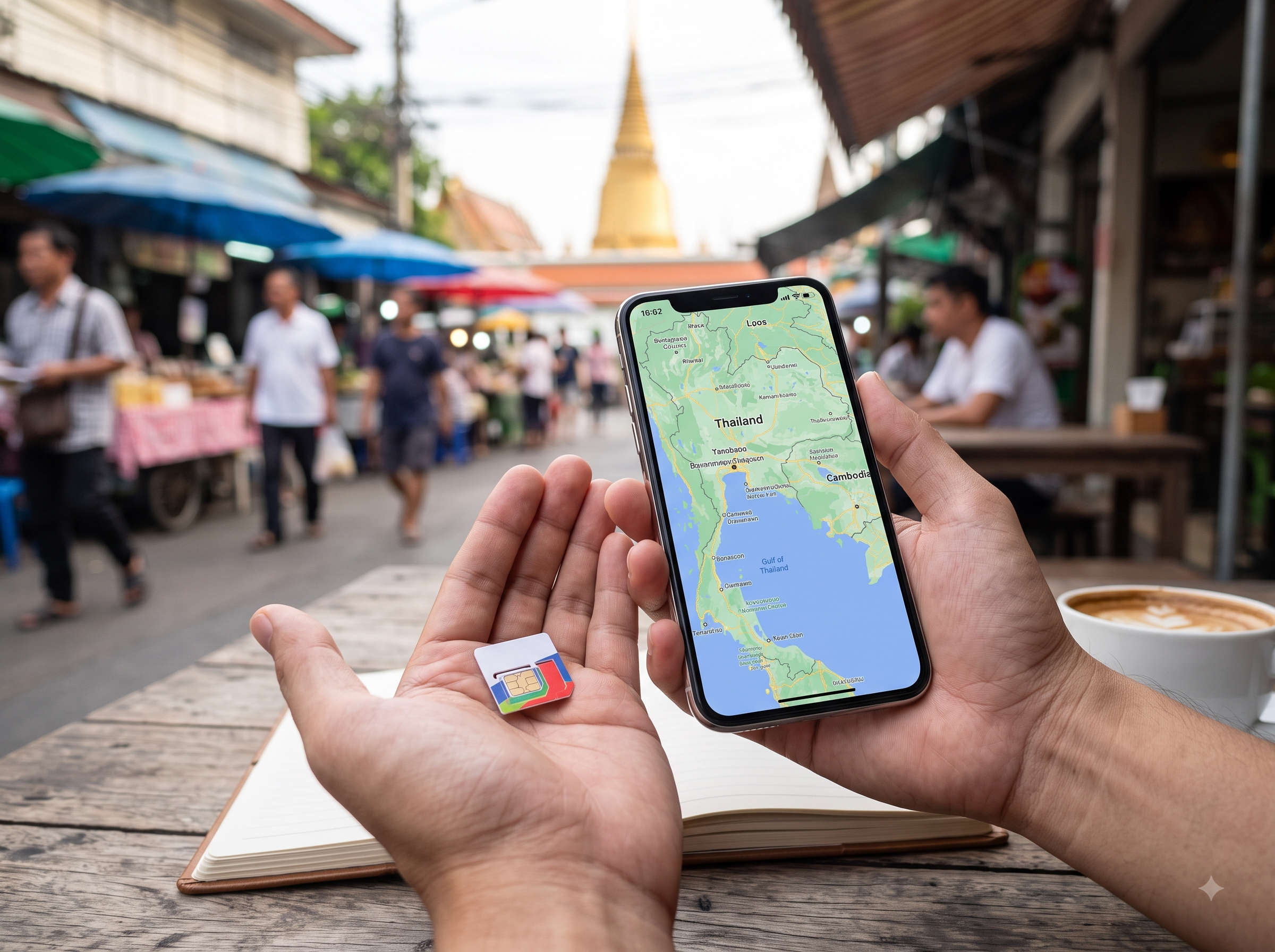
| Local data | Tourist SIM (AIS, TrueMove, dtac) or an eSIM (Airalo). Grab and Google Maps run the whole trip. |
| Power socket | 220V, plug types A, B and C. Indian type-C plugs fit most sockets; carry a universal adaptor. |
| Tap water | Do not drink it. Bottled water is cheap and everywhere. |
| Emergency | Tourist Police 1155 (English-speaking), general emergency 191, ambulance 1669. |
| Language | Thai. English is common in tourist areas. A few Thai words go a long way. |
Yes. Thailand is one of the safest destinations in Asia for tourists, including solo and first-time travellers and women travelling alone. Violent crime against visitors is rare. What you will actually meet is petty scams, overpriced taxis and the odd pushy tout, and those are annoyances, not dangers. Travel with the same street sense you would use in any big Indian city and you will be fine.
Visa and entry: what Indian passport holders need
This is the part every other ‘Thailand travel tips’ guide skips, because they are written for US and UK passports. Here is the version for an Indian passport.
Planning the trip end to end is easier once the paperwork is clear. If you would rather have flights, hotels and transfers handled for you, browse Thailand tour packages from India and customise from there.
Money in Thailand: baht, cash and what it costs in rupees
Here is what everyday things actually cost, so you can budget in rupees before you go. Rupee figures use roughly Rs 2.85 to 1 baht.
| Item | Typical cost (THB) | Approx (Rs) |
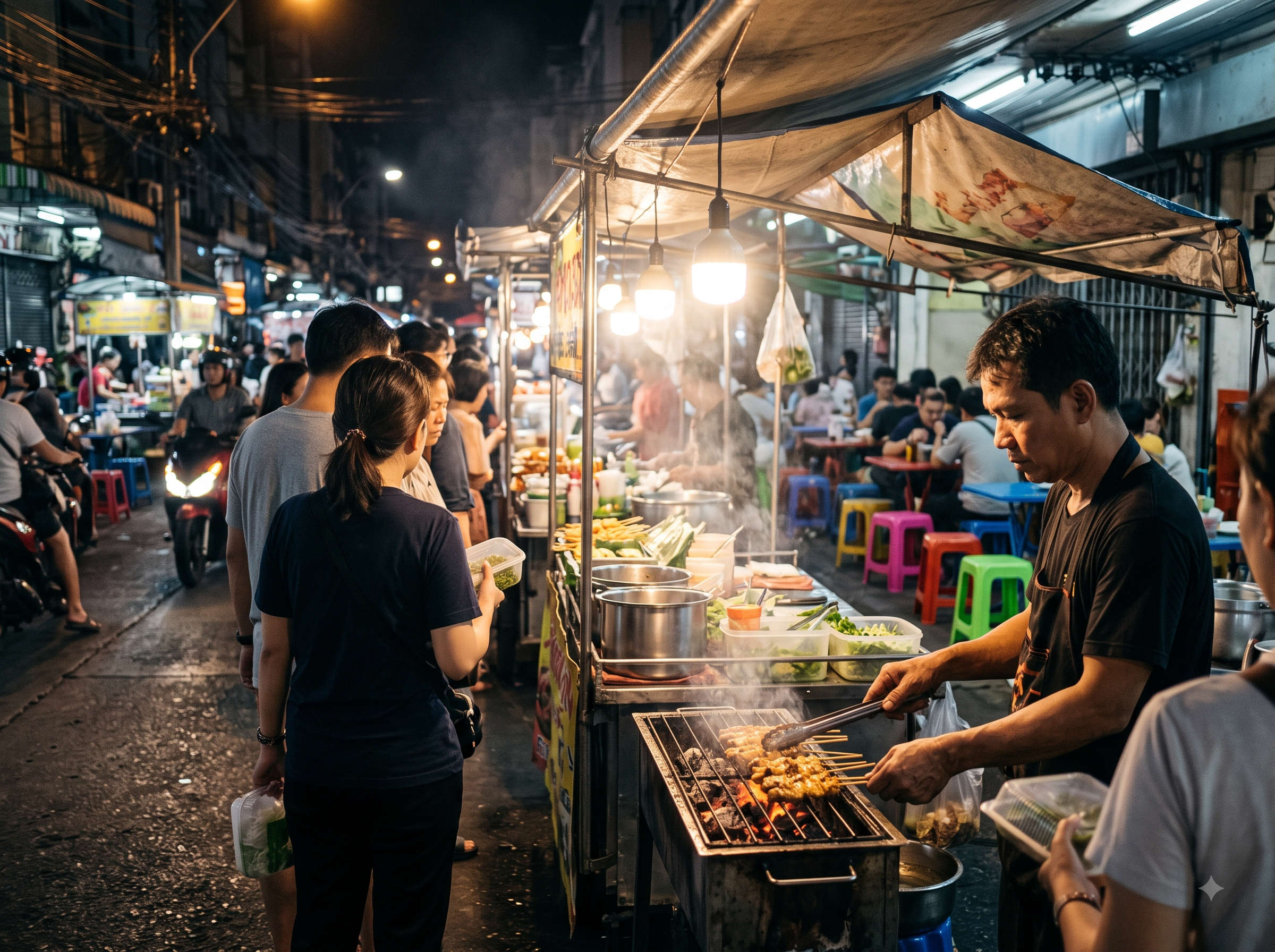
| Street food meal | 50 to 80 | 140 to 230 |
| Casual restaurant meal | 150 to 300 | 430 to 850 |
| Local beer (large) | 70 to 120 | 200 to 340 |
| BTS Skytrain ride (Bangkok) | 17 to 47 | 50 to 135 |
| Short Grab car ride | 80 to 150 | 230 to 430 |
| Budget guesthouse (night) | 500 to 900 | 1,400 to 2,600 |
| Mid-range hotel (night) | 1,200 to 2,500 | 3,400 to 7,100 |
| Island ferry (one way) | 300 to 700 | 850 to 2,000 |
| Full-day island-hopping tour | 1,000 to 1,800 | 2,850 to 5,100 |
| Tourist SIM (8 to 15 days) | 300 to 600 | 850 to 1,700 |
| One-hour Thai massage | 250 to 400 | 700 to 1,150 |
As a rule of thumb, a backpacker can travel on about 1,000 THB a day, a comfortable mid-range trip runs 1,400 to 2,100 THB, and you can spend a lot more on islands and cocktails without trying. The tables below and our
Thailand shopping guide break the money side down further if you plan to bring things home.
| Style | Per day (THB) | Per day (Rs) | What it covers |
| Backpacker | 800 to 1,100 | 2,300 to 3,150 | Hostels, street food, public transport, a few paid sights |
| Mid-range | 1,400 to 2,100 | 4,000 to 6,000 | Private room, mix of restaurants and street food, Grab, tours |
| Comfort | 3,000+ | 8,500+ | Four-star hotels, private transfers, diving, nicer islands |
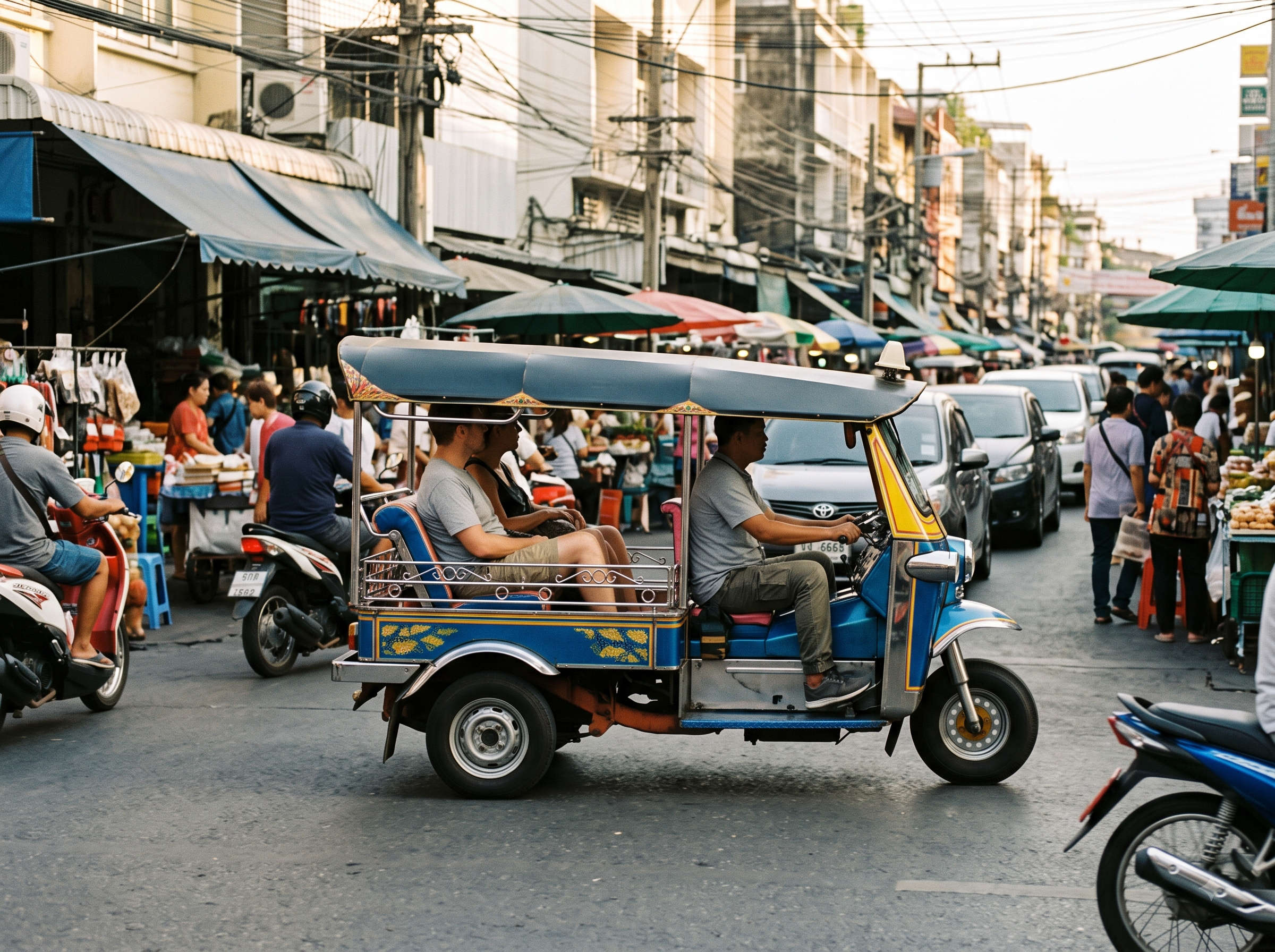
You will probably meet one or two of these. None of them is dangerous, and all of them fall apart the moment you know the script.
| The scam | How it works | How to dodge it |
| ‘It’s closed today’ | A friendly stranger near the Grand Palace or a temple says it is shut for a holiday or a ceremony, then offers a tuk-tuk tour instead. | It is open. Walk to the official entrance and check for yourself. Ignore anyone who approaches you outside. |
| Tuk-tuk shop run | A cheap 20 THB tuk-tuk tour that keeps stopping at a jewellery or tailor shop where the driver earns commission. | Skip the too-cheap tour. Agree the exact route and price first, or just use Grab. |
| Jet-ski damage | You rent a jet-ski, and on return the operator points to old scratches and demands thousands of baht. | Photograph and video the machine from every angle before you ride, or skip jet-skis altogether. |
| Taxi ‘no meter’ | An airport or tourist-area taxi refuses the meter and quotes a flat, inflated fare. | Insist on the meter, or book a Grab. At the airport use the official public taxi queue. |
| Dual pricing / overcharge | A tout quotes a foreigner price for a tour, taxi or entry that locals never pay. | Check the going rate, agree the number before you get in or start, and walk away if it feels off. |
The sweet spot is November to February, when most of the country is cool and dry. March to May is very hot, and June to October is the monsoon, though rain usually comes in short heavy bursts rather than all-day downpours. The catch is that the two coasts run on opposite seasons, so read the table before you lock in islands.
| Region | Nov to Feb | Mar to May | Jun to Oct |
| Bangkok and central | Best: cool and dry | Very hot and humid | Warm with afternoon rain |
| North (Chiang Mai, Pai) | Best: cool, clear nights | Hot, hazy burning season Mar to Apr | Green, some rain |
| Andaman coast (Phuket, Krabi) | Best: calm, sunny seas | Hot, still good early on | Wettest, rough seas |
| Gulf coast (Koh Samui, Phangan) | Good, some Nov rain | Best: hot and dry | Drier than the Andaman |
For a month-by-month read, including where to go when the weather turns, see our guide to
visiting Thailand in November and the rest of the monthly series on the Thailand tourism hub.
Pack light and pack smart. You will live in shorts, cottons and sandals, and you can buy anything you forget cheaply at any market. The things worth carrying from India are reef-safe sunscreen, a modest set of clothes for temples that covers shoulders and knees, a reusable water bottle, any regular medicines with their prescription, and a universal adaptor. Leave heavy fabrics and formal wear at home.
If this is your first time, here is the order to do things in. The whole plan takes an evening.
Prefer to hand the logistics to someone who does this every day? Compare Thailand tour packages and tell the agent your dates, budget and the islands you want.
Thailand rewards the traveller who arrives prepared, and now you are. Sort the visa-free entry and the TDAC, carry baht, go in the cool season, and treat the scams as trivia rather than threats, and the rest of the trip takes care of itself. If you would rather spend your energy on the beaches and the street food than on the planning, our team can build the whole trip around your dates and budget. Start with Thailand tour packages from India, or read more in the Thailand travel guide.
Yes. Thailand is one of the safest countries in Asia for visitors, including women travelling alone and first-timers. Violent crime against tourists is rare, and your real risks are petty scams and motorbike accidents rather than anything sinister. Use Grab at night, keep an eye on your drink, buy travel insurance, and save the Tourist Police number 1155. With ordinary big-city sense you will feel very comfortable.
Under the current exemption, Indian passport holders can enter Thailand visa-free for tourism for up to 60 days, so you do not arrange a visa in advance. Your passport must be valid six months, and immigration may ask for a return ticket and proof of funds. You must also file the free TDAC arrival card online before you fly. Confirm the live rule on the Royal Thai Embassy or e-Visa site, as it has changed more than once since 2023.
The TDAC, or Thailand Digital Arrival Card, is the online form that replaced the old paper arrival slip. Almost everyone arriving by air must file it, it is free, and you complete it within 72 hours before your flight on the official government immigration website. Beware copycat sites that charge a fee for the same free form.
For a comfortable mid-range trip, budget about 1,400 to 2,100 THB a day per person, which is roughly Rs 4,000 to Rs 6,000, covering a private room, a mix of restaurants and street food, local transport and the odd tour. Backpackers manage on around Rs 3,000 a day. On top of that, return flights from India usually run in the Rs 15,000 to Rs 35,000 range depending on the city and season. Thailand is one of the best-value overseas trips from India.
November to February is the best all-round window, with cool, dry weather across most of the country and the calmest seas on the popular Andaman islands. March to May is very hot, and June to October is the monsoon, though the rain often comes in short bursts. If you are travelling mid-year, favour the Gulf coast around Koh Samui, which stays drier than Phuket and Krabi.
Thailand runs largely on cash. Cards work in malls, mid-range hotels and bigger restaurants, but street food, markets, ferries, tuk-tuks and small guesthouses want baht. Withdraw a few thousand baht at a time to offset the flat 220 THB foreign-card ATM fee, keep small notes handy, and always choose to be charged in baht rather than rupees at machines.
The classics are the 'it's closed today' line near the Grand Palace that steers you to a shop tuk-tuk, the too-cheap tuk-tuk tour that stops at commission jewellery and tailor shops, the jet-ski 'you damaged it' claim, and taxis that refuse the meter. None is dangerous. Photograph rentals before you ride, insist on meters or use Grab, and check any attraction's opening hours yourself.
Easier than most people expect. Look for the yellow-and-red 'jay' sign, which marks strict vegetarian and vegan food. Bangkok's Phahurat district, the city's Little India, is full of Indian and Jain-friendly restaurants, and Sukhumvit and the islands have plenty of options too. Ask for 'jay' or 'mangsawirat', and say no fish sauce, which is hidden in many otherwise vegetarian Thai dishes.
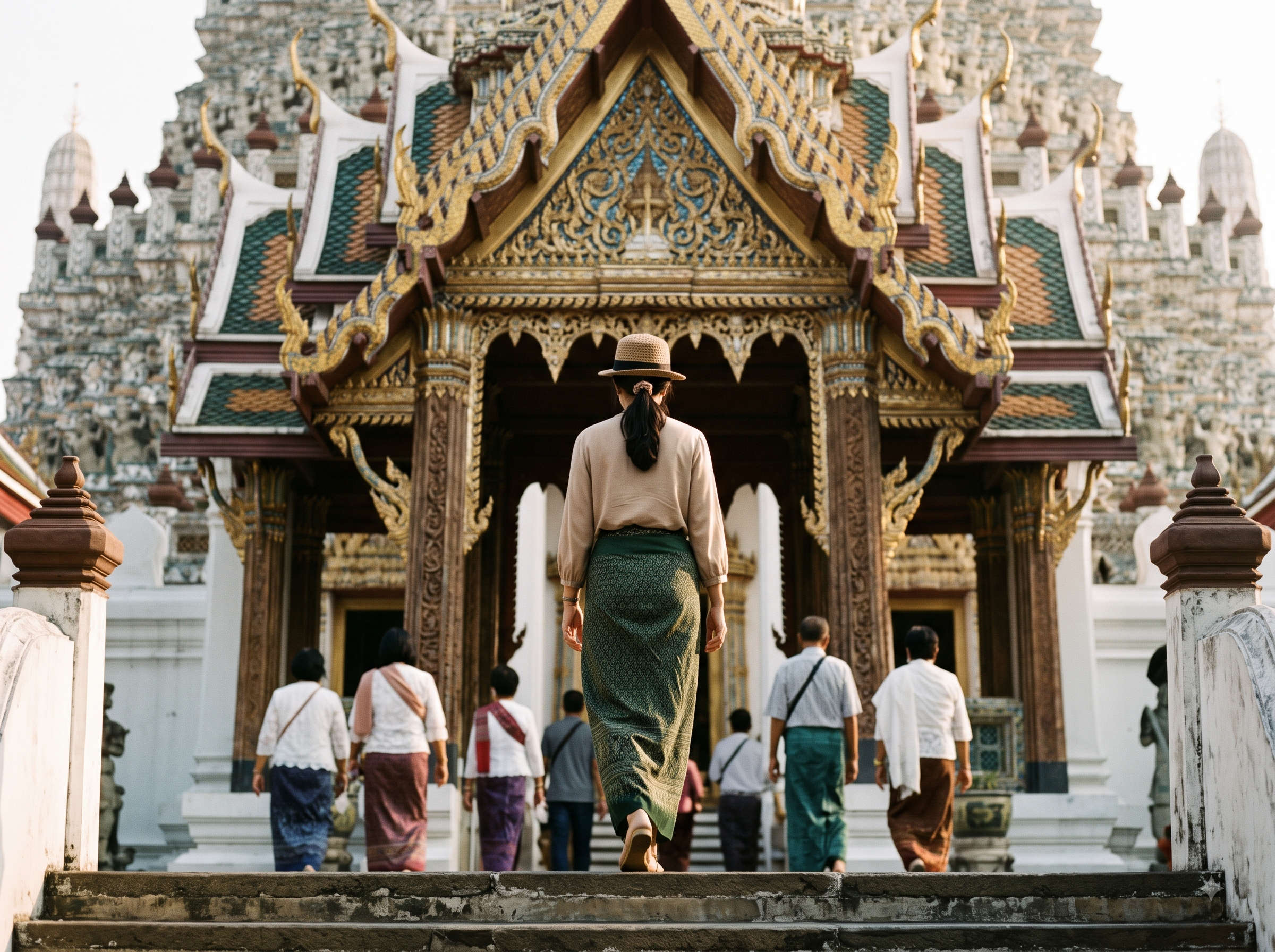
Three things matter most. Treat the monarchy with respect, because insulting the royal family is a serious crime and you should never step on or deface money that carries the King's image. Dress modestly and remove your shoes at temples, and women must not touch monks. And mind the body: do not touch anyone's head or point your feet at people or Buddha images. A smile and a small wai greeting go a long way.
For a first trip, seven to ten days is the sweet spot. That is enough for Bangkok plus one beach area such as Phuket, Krabi or Koh Samui without rushing. Add three or four days if you want to fit in the north around Chiang Mai. With only five days, pick one region and stay put rather than spending the trip in transit.
Real reviews from real travelers who booked with us.
View All Reviews