4D / 3N
24% OFF
Best Selling Alleppey-Munnar Kerala Weekend Tour
- Hotel
- Meals
- Sightseeing
- Houseboat
- Cab Transfer
₹17,132
₹13,020 /pp
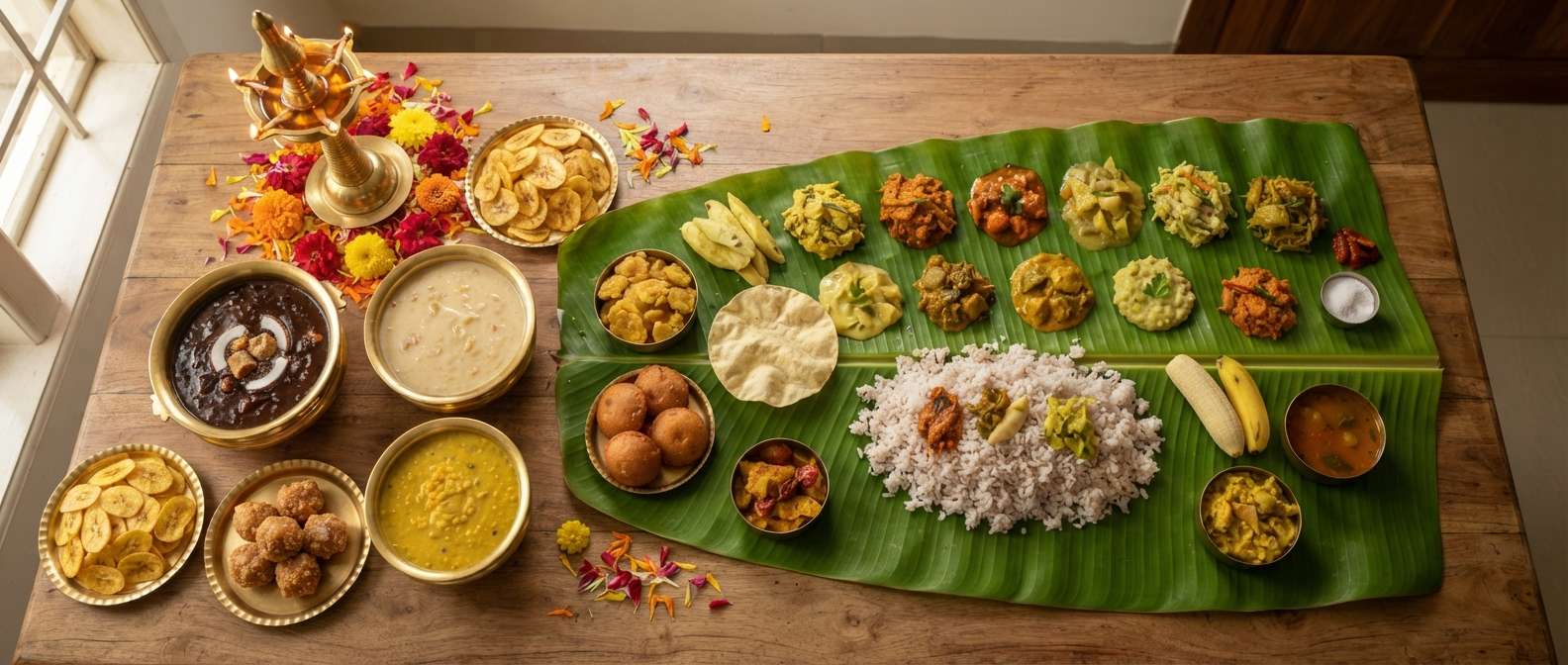


The most famous Kerala sweets are payasams and pradhamans (slow-cooked puddings of rice, coconut milk and jaggery), fried treats like Unniyappam and Neyyappam, and steamed Kozhukatta. Ada Pradhaman is widely called the king of Kerala sweets and anchors every Onam Sadya. What sets these desserts apart is the pantry behind them: coconut in three forms, dark jaggery instead of white sugar, and Nendran banana, used both ripe and raw. Below are 15 traditional Kerala sweets with their Malayalam names, what each tastes like, when it is eaten, and where a traveller can actually find it. Plan a Kerala food trail around them and you eat very well.
15 traditional desserts with Malayalam names, festival links and where to try them
Best Time
October - February
Select Package Type


5 Days & 4 Nights
₹24,604 /@pp
GET FREE QUOTEKerala sweets are the traditional desserts of Kerala, built around coconut, jaggery, rice and banana rather than the milk-and-khoya base of North Indian mithai. They fall into a few families: payasams and pradhamans (warm puddings), appams (Unniyappam, Neyyappam and other sweet fritters), steamed sweets like Kozhukatta, and halwas and dried sweets you can carry home. Most are tied to a festival or temple. Ada Pradhaman and Palada Payasam belong to Onam, Neyyappam to Vishu and Navaratri, and Achappam to Christmas. If someone asks you the single most famous one, the answer is Ada Pradhaman, the dish Malayalis themselves call the king of Kerala sweets.
Here is the whole list in one view, with the Malayalam name, the main ingredients, the occasion it is linked to, and whether it is easy to eat vegan.
| Sweet | Malayalam | Key ingredients | Occasion | Vegan-friendly |
| Ada Pradhaman | അട പ്രഥമൻ | Rice ada, jaggery, coconut milk | Onam | Yes |
| Palada Payasam | പാലട പായസം | Rice ada, milk, sugar | Onam | No (milk) |
| Parippu Pradhaman | പരിപ്പ് പ്രഥമൻ | Moong dal, jaggery, coconut milk | Onam Sadya | Yes |
| Chakka Pradhaman | ചക്ക പ്രഥമൻ | Jackfruit, jaggery, coconut milk | Onam, summer | Yes |
| Elaneer Payasam | ഇളനീർ പായസം | Tender coconut, milk, sugar | Festive, summer | No (milk) |
| Unniyappam | ഉണ്ണിയപ്പം | Rice flour, jaggery, banana | Onam, temple offering | Often (oil) |
| Neyyappam | നെയ്യപ്പം | Rice flour, jaggery, ghee | Vishu, Navaratri | No (ghee) |
| Kozhukatta | കൊഴുക്കട്ട | Rice flour, coconut, jaggery | Kozhukatta Perunnal | Yes |
| Achappam | അച്ചപ്പം | Rice flour, egg, sugar | Christmas, weddings | No (egg) |
| Mutta Maala | മുട്ടമാല | Egg yolk, sugar syrup | Malabar feasts, Eid | No (egg) |
| Banana Halwa | വാഴപ്പഴം ഹൽവ | Nendran banana, sugar, ghee | Year-round | No (ghee) |
| Sharkara Varatti | ശർക്കര വരട്ടി | Banana, jaggery | Onam, snack | Yes |
| Pazham Pori | പഴം പൊരി | Nendran banana, flour batter | Tea-time, monsoon | Yes |
| Avalose Unda | അവലോസ് ഉണ്ട | Roasted rice, coconut, jaggery | Snack, Christmas | Yes |
| Kalathappam | കലത്തപ്പം | Rice, jaggery, coconut | Malabar tea-time | Often |
Milk-based payasams travel poorly. If you want something to carry home, jump to sweet souvenirs to bring home further down.
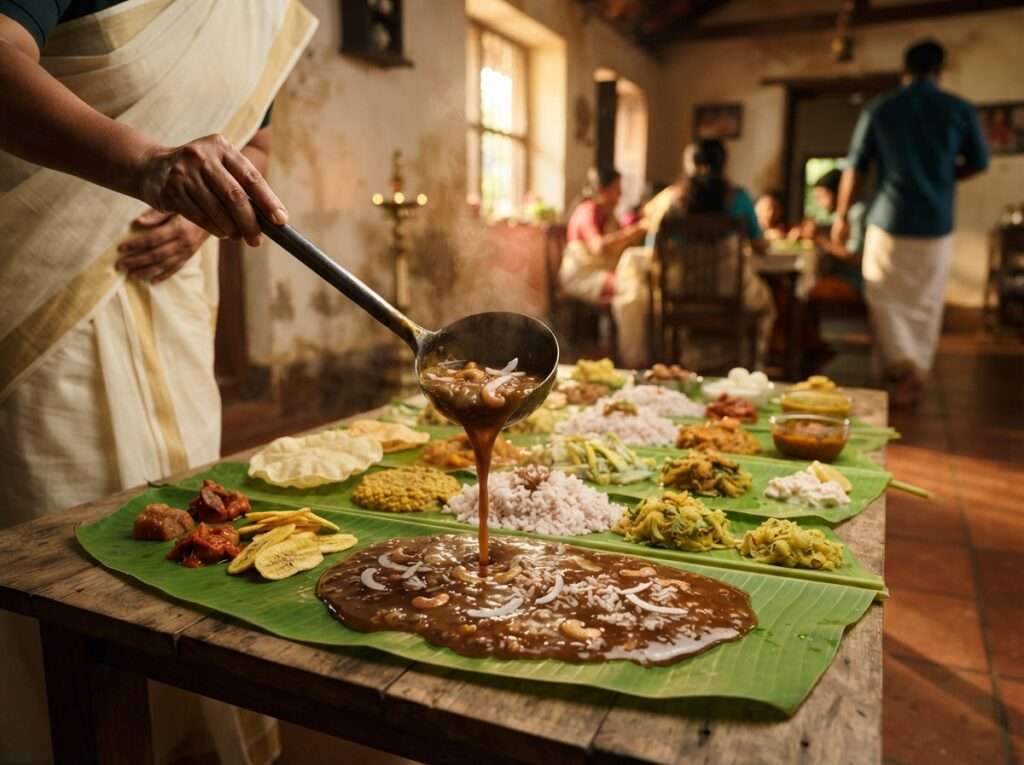
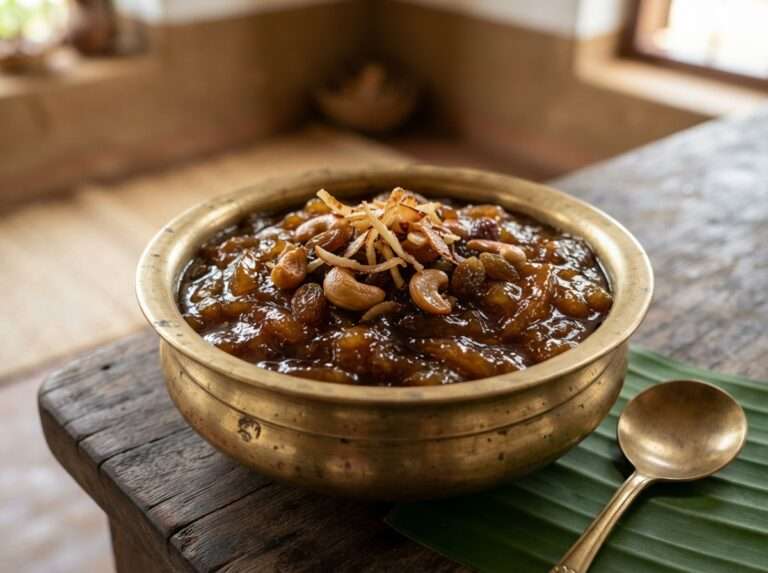
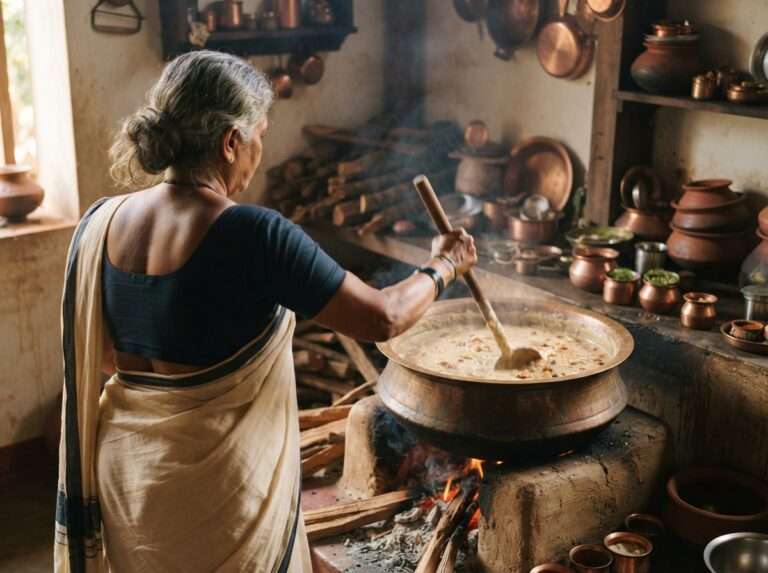
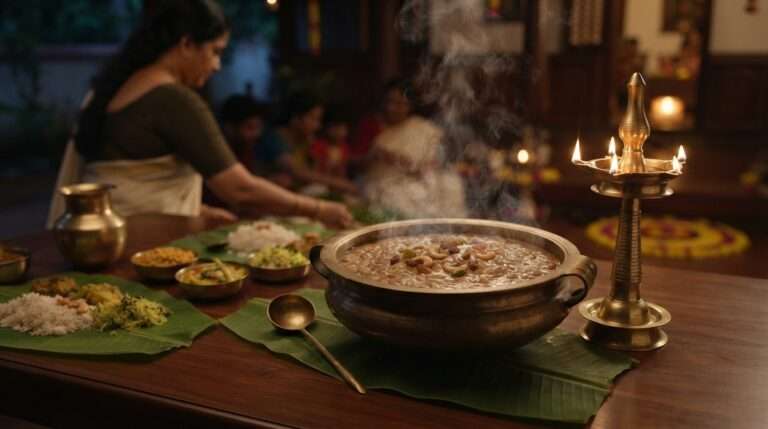
This is the one to eat first. Ribbons of rice ada are simmered slowly in jaggery and thick coconut milk until the whole thing turns glossy and dark, then finished with fried coconut slivers, cashews and raisins. It is the richest of the payasams that close an Onam Sadya, and Malayalis rank it above everything else, which is why it earns the king of Kerala sweets title. It uses coconut milk rather than dairy, but the cashews, raisins and coconut bits are traditionally fried in ghee, so ask for a coconut-oil version if you are vegan. A serving for two runs about ₹190 to ₹320 at a Kochi payasakada.


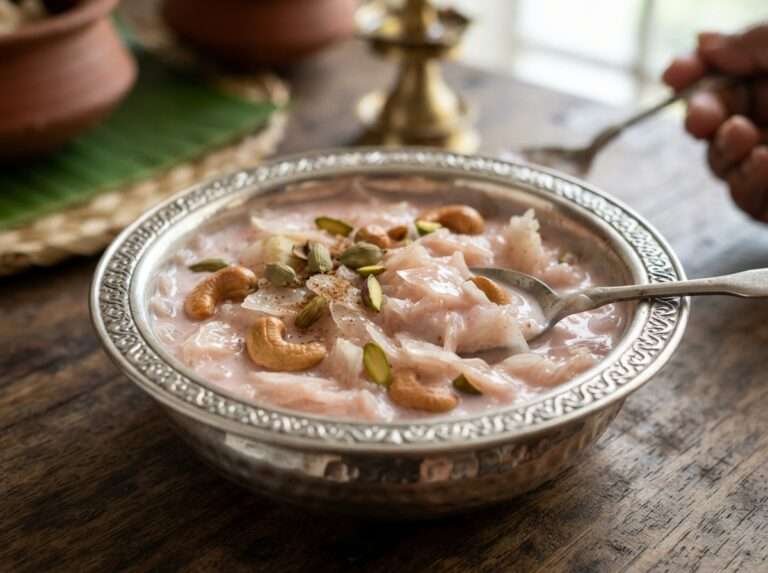
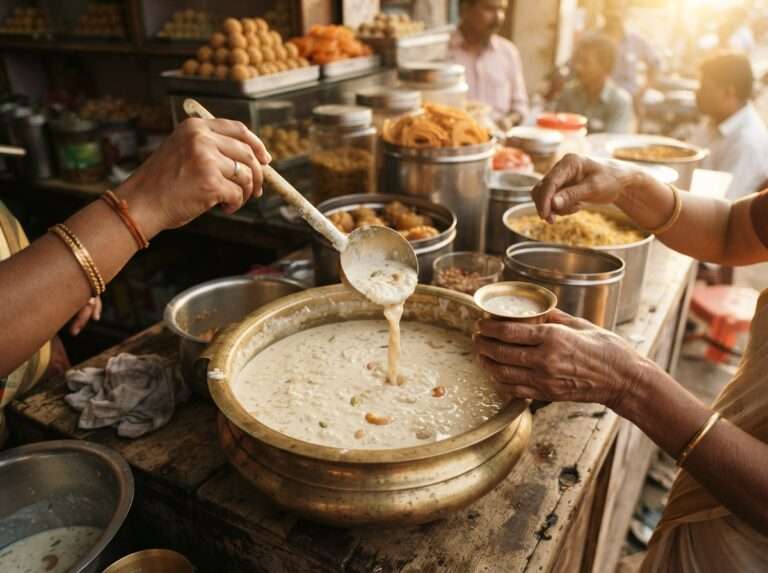
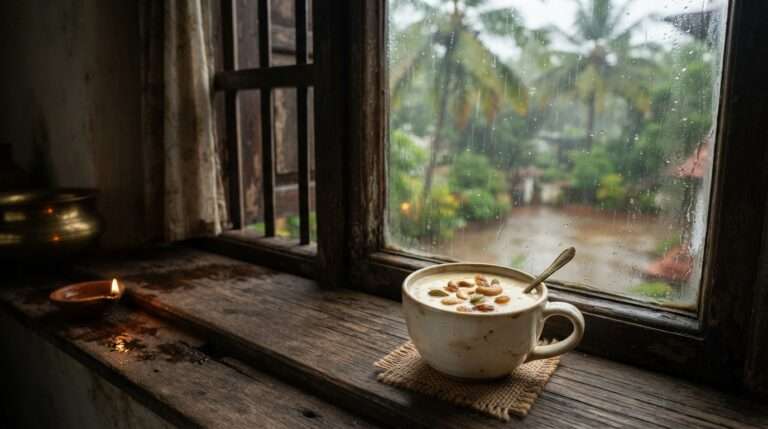
Where Ada Pradhaman is dark and coconutty, Palada Payasam is pale and milky. Wafer-thin rice ada is cooked down for hours in milk and sugar, scented with cardamom and topped with cashews, until it thickens to a soft, pudding-like set. Getting it right is a patience test, and a good one is a badge of honour on the Onam table. Look for it at Thrissur mithai counters and Palakkad payasam shops, around ₹150 to ₹250 for two.


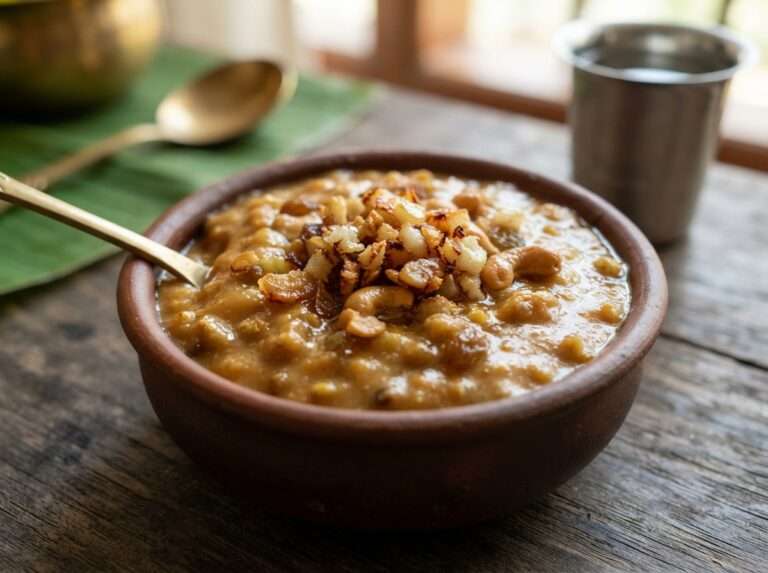
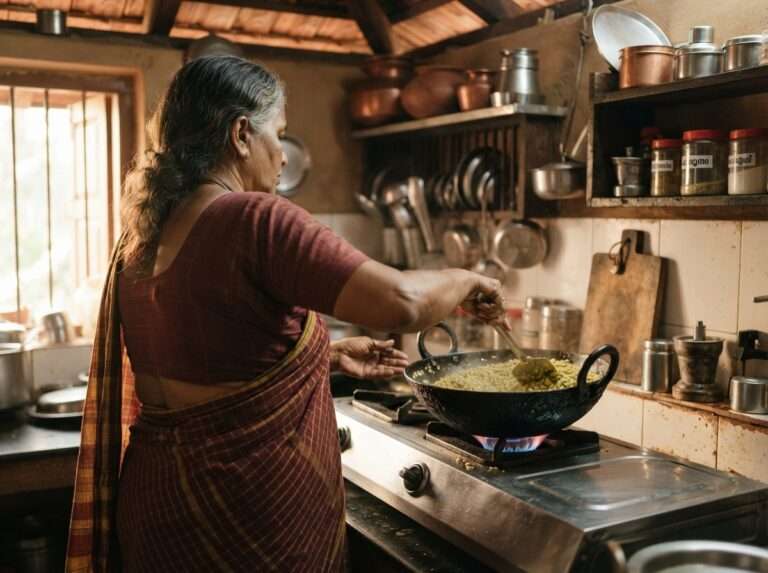
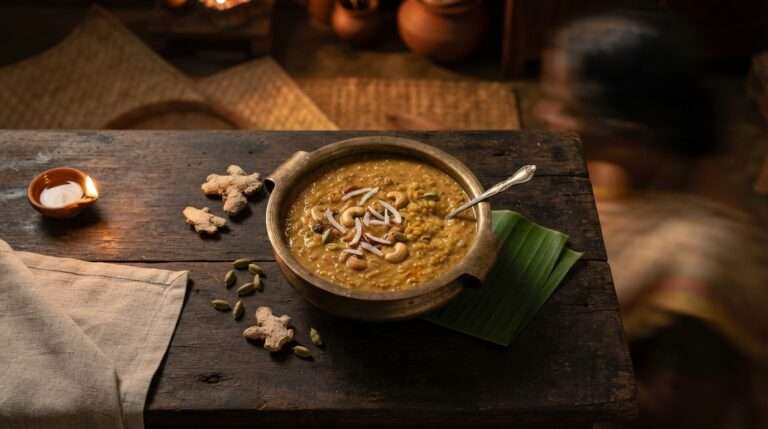
A core Onam Sadya payasam that many English lists skip. Roasted moong dal is cooked with melted jaggery and coconut milk into a nutty, caramel-brown pudding, then perfumed with dry ginger and cardamom and topped with ghee-fried coconut bits. It is lighter than Ada Pradhaman but just as festive. Ask for it by name at any traditional sadya, especially during Onam.


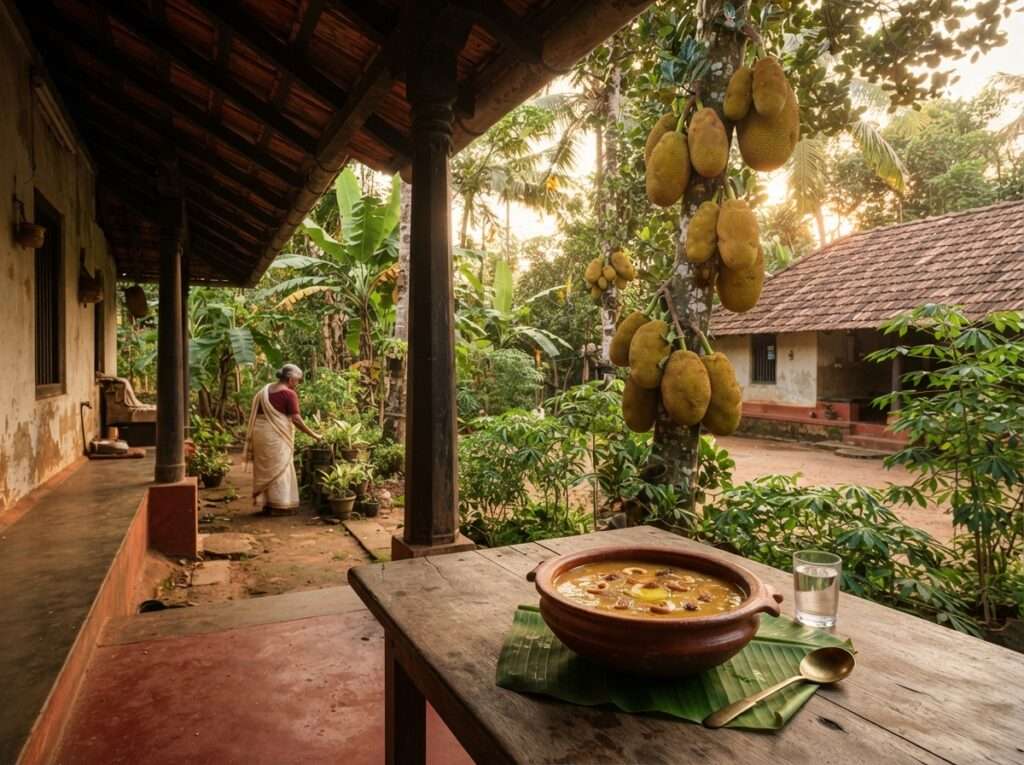
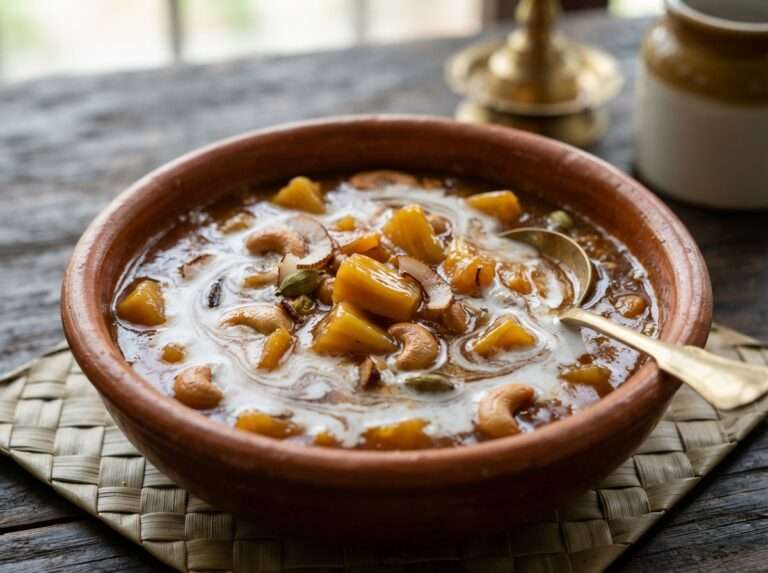
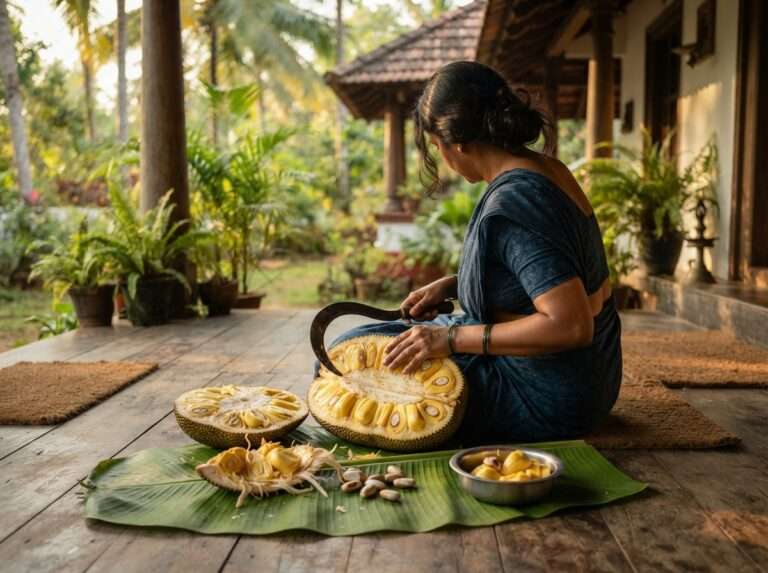
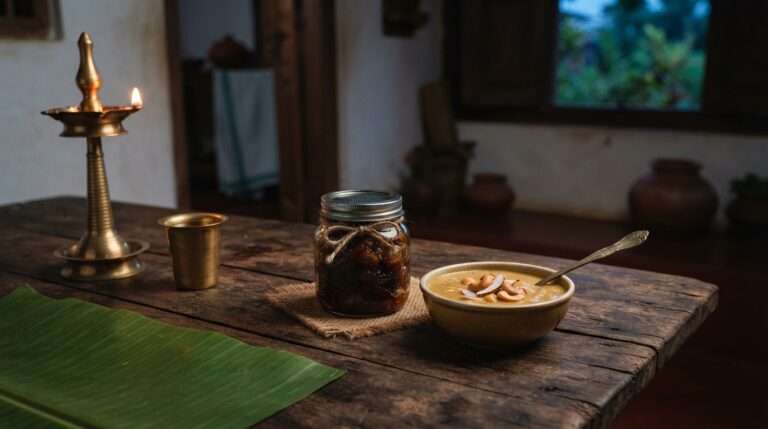
Kerala’s jackfruit obsession turns into dessert here. Ripe jackfruit is reduced to a preserve called chakka varatti, then loosened into a payasam with jaggery and coconut milk. The flavour is deep and almost toffee-like, and because the preserve keeps, families make this well past jackfruit season. It appears at Onam and through the summer months.
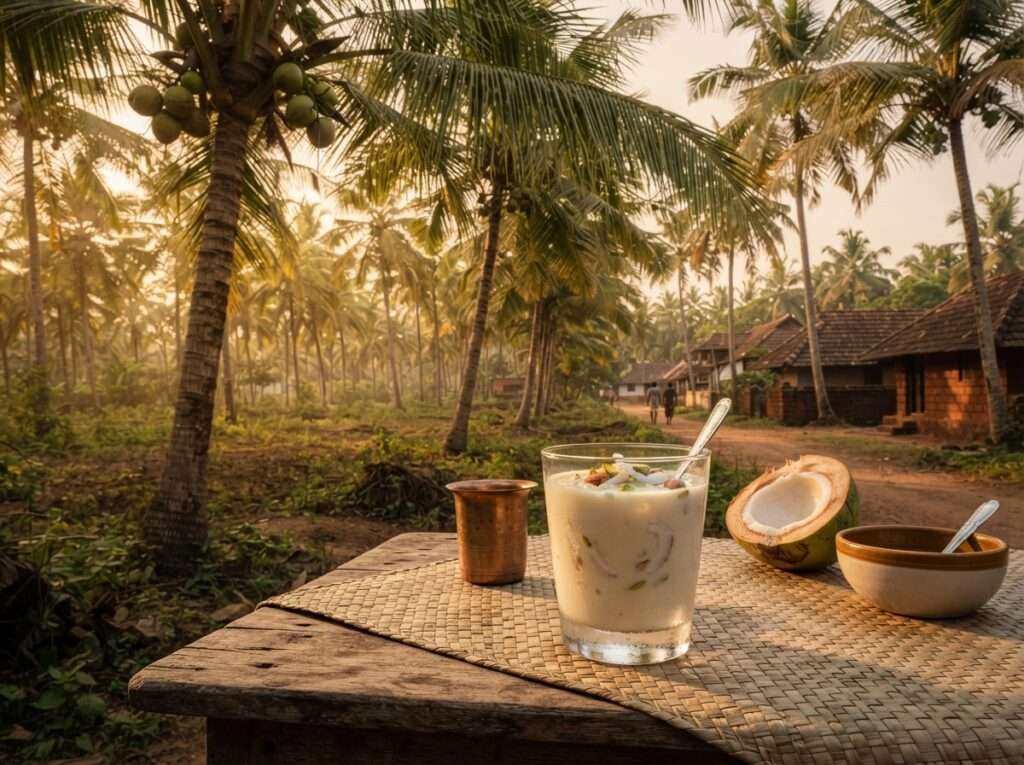
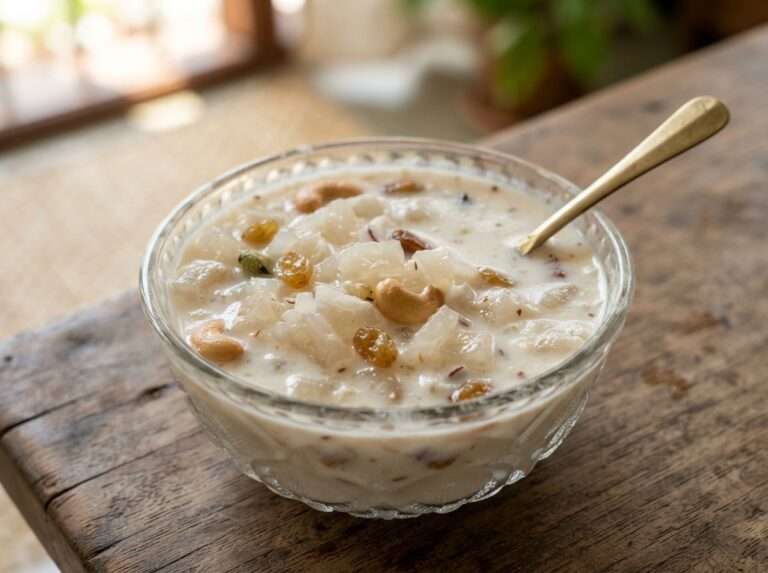
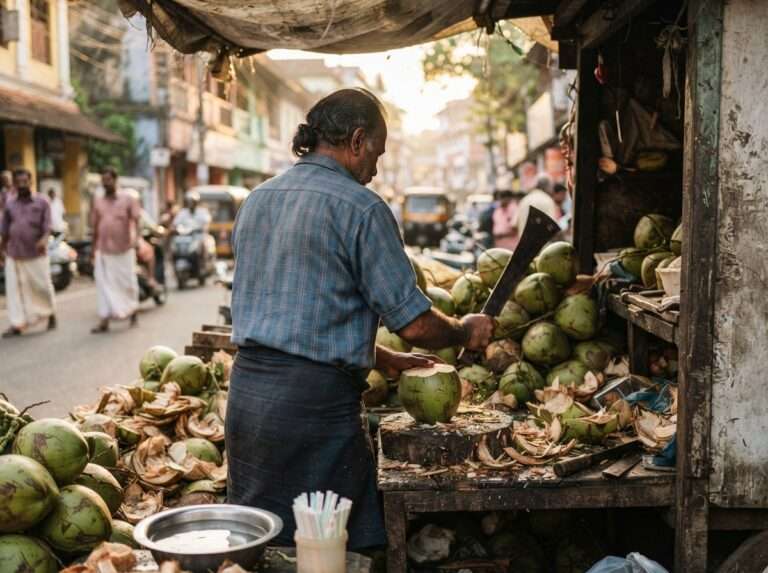
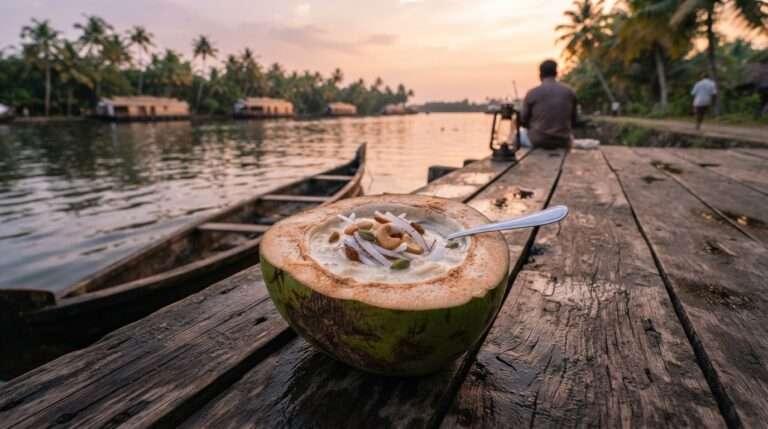
The lightest sweet on this list. Soft tender-coconut flesh is folded into a chilled base of milk and just enough sugar, sometimes set slightly with agar. It tastes clean and cooling rather than heavy, which is why people order it after a big meal or in the heat. Payasam shops in Kochi and Kottayam make good versions, roughly ₹200 to ₹350 for two.
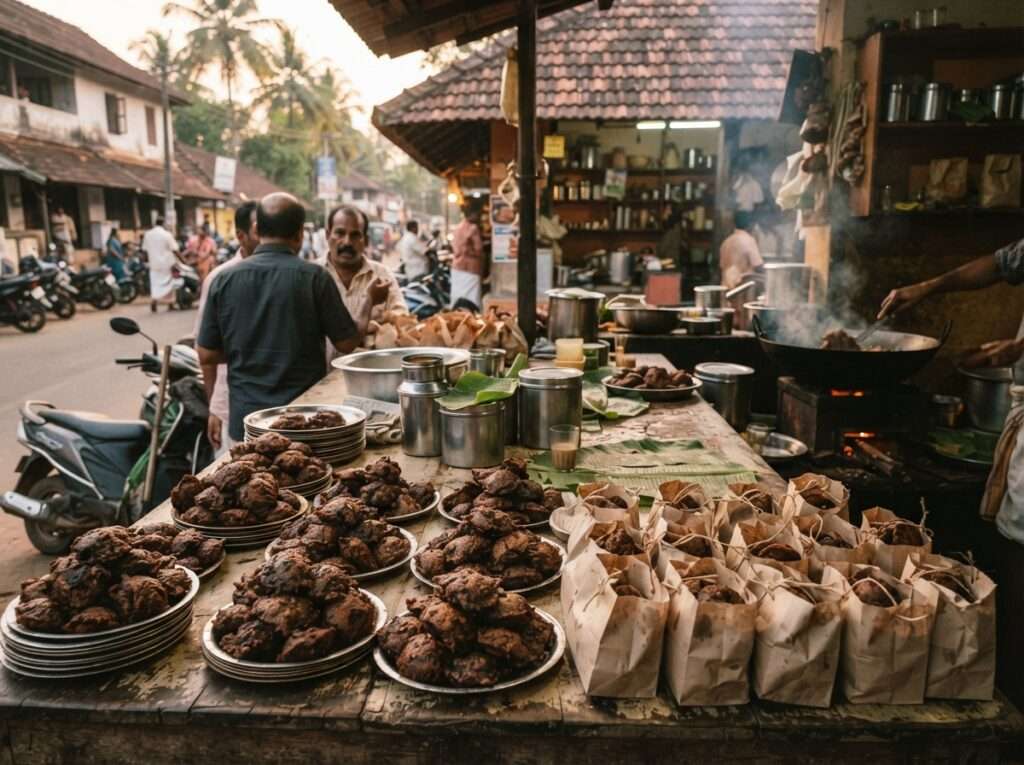
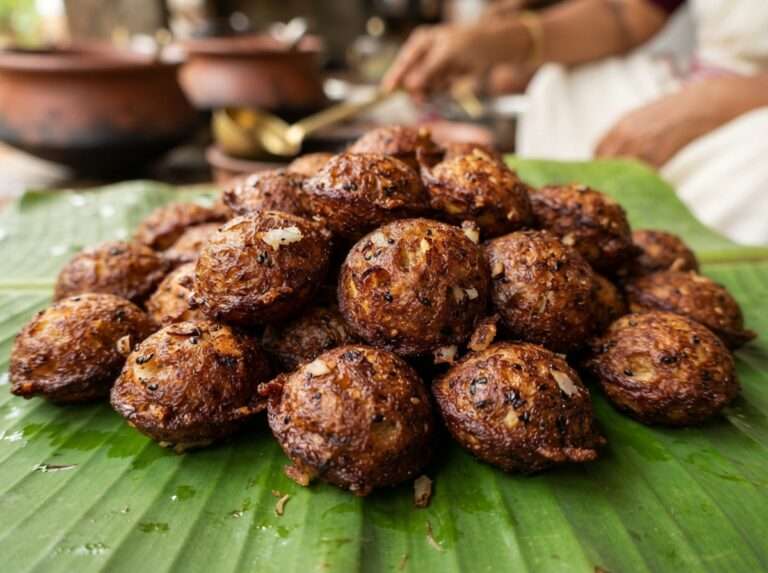
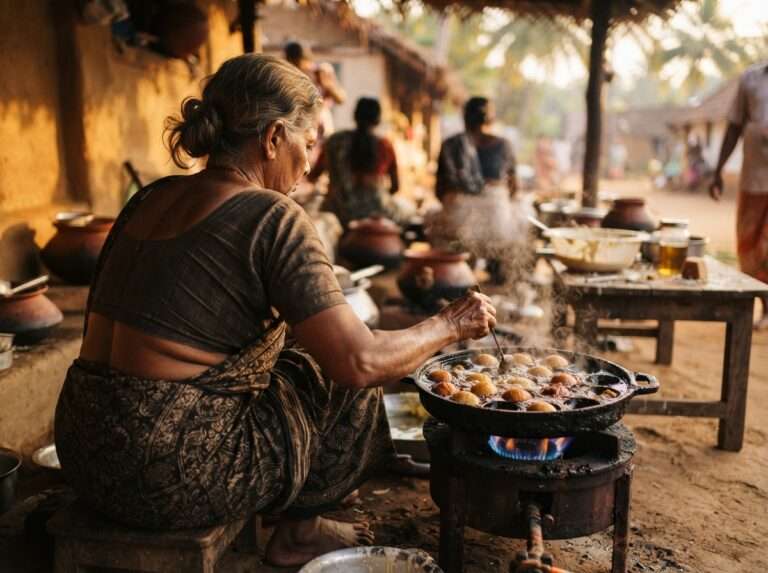
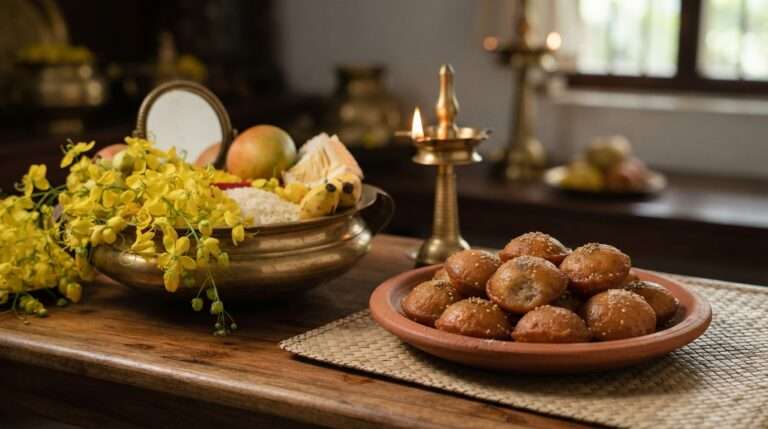
Small, dark, round fritters of rice flour, jaggery and mashed banana, fried in a special dimpled pan until crisp at the edges and soft in the middle. They are a common temple offering, a Vishu favourite and a fixture at Onam, and they keep well enough to be sold by the bagful at tea stalls. A plate for two is cheap, often ₹20 to ₹150 depending on where you buy.
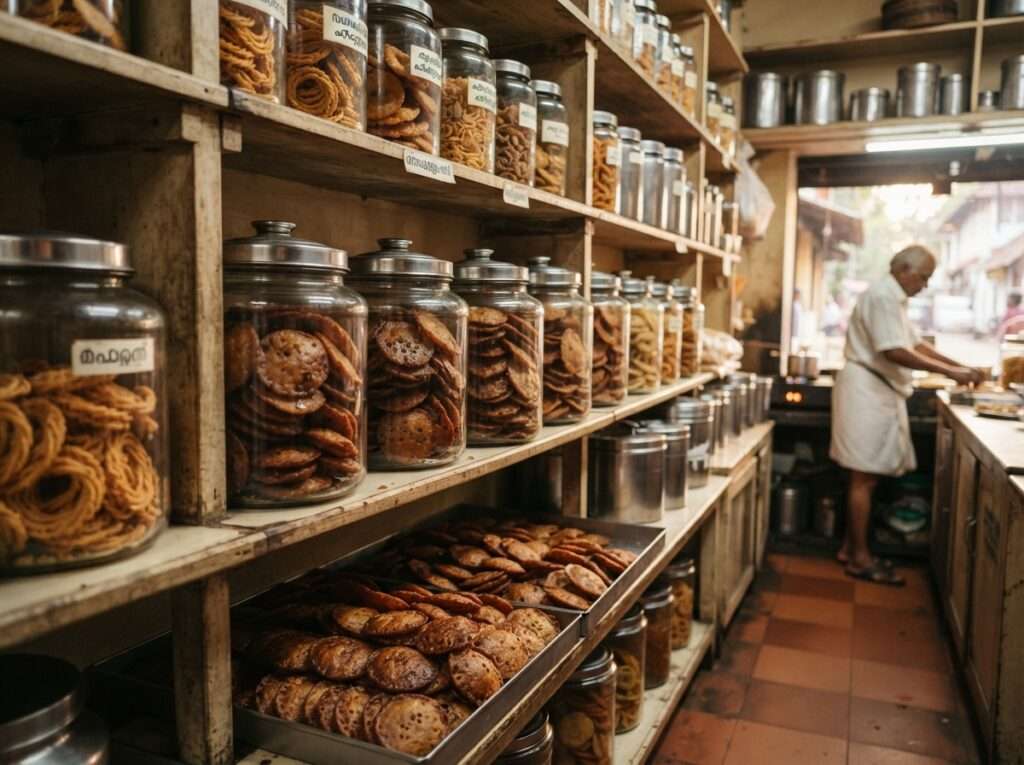
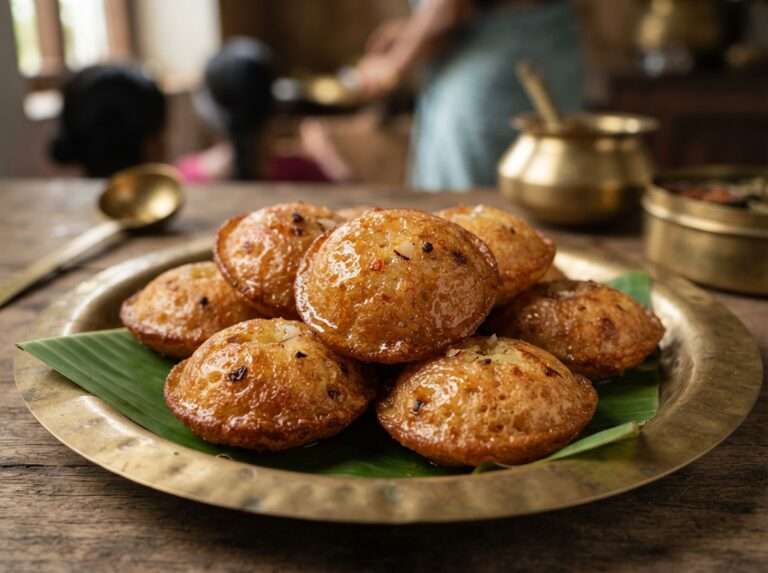
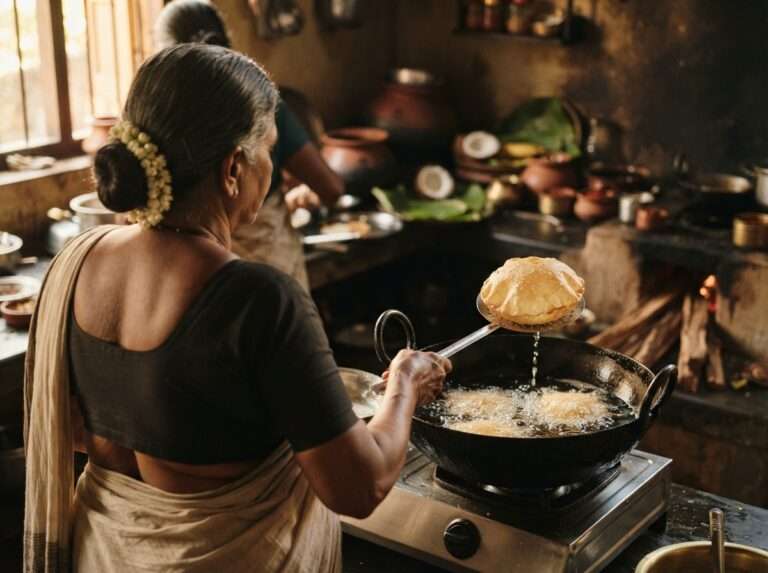
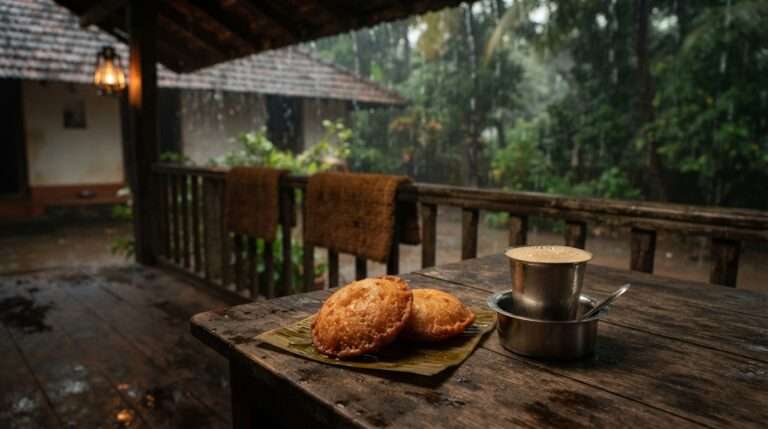
Close cousin to Unniyappam, but richer, because it is fried in pure ghee. Sweetened rice-flour batter puffs into little cakes that are crisp outside and pillowy inside, with a clear ghee aroma. It is a popular temple offering and festival sweet, and an everyday tea-time snack the rest of the year. Expect ₹30 to ₹100 for two.
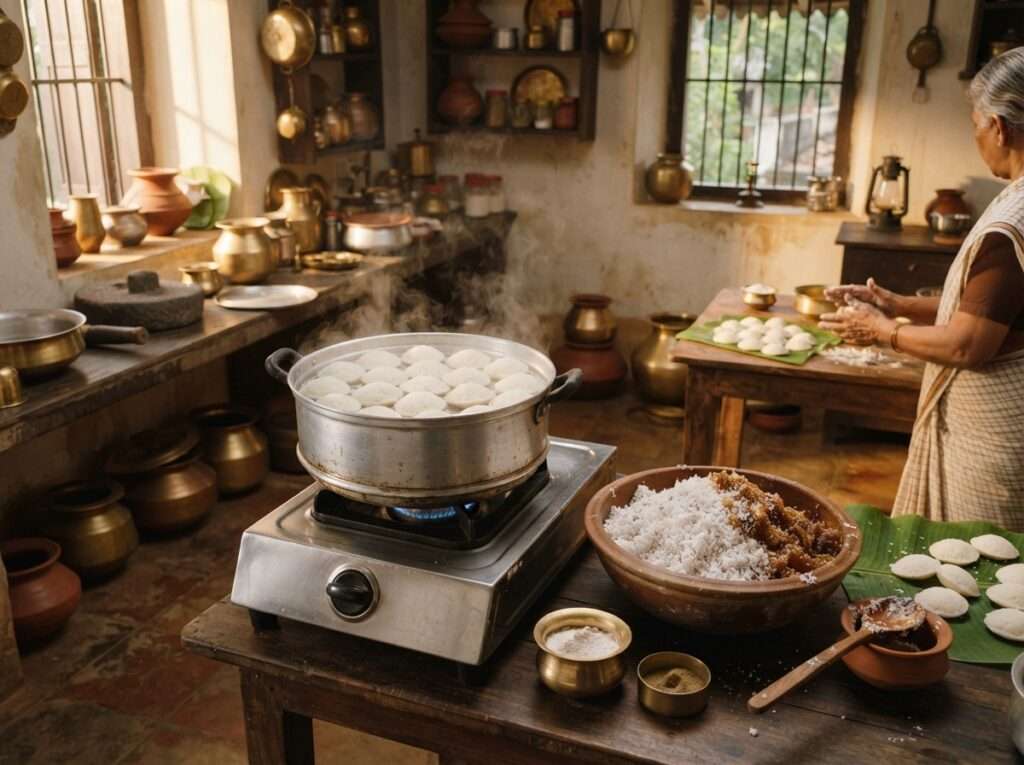
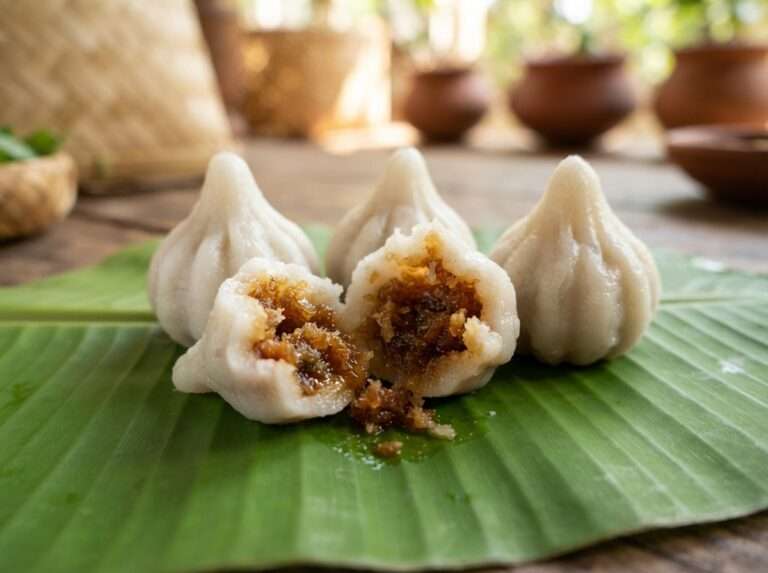
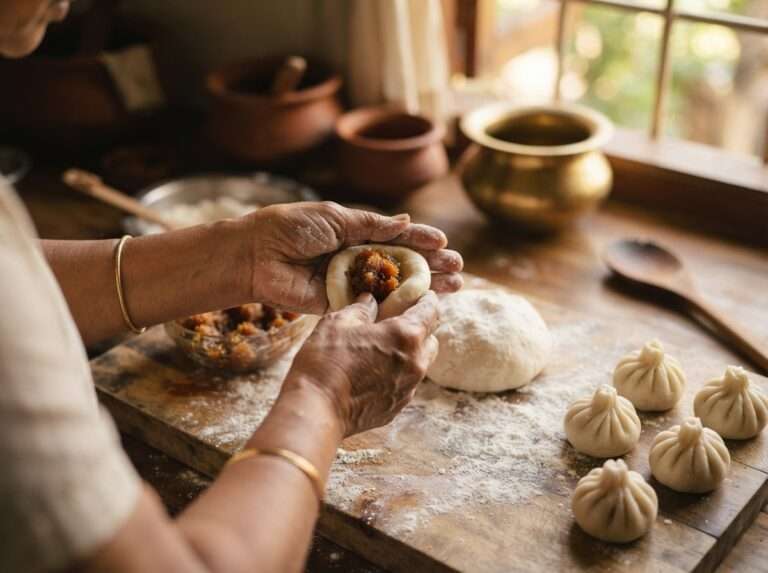
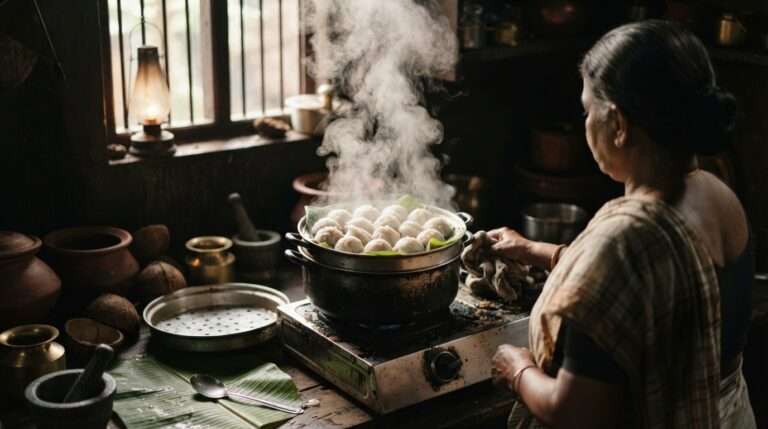
Kerala’s answer to modak. A soft rice-flour shell is steamed around a filling of grated coconut and jaggery, so it is not fried at all. It has its own feast day, Kozhukatta Perunnal, in the Syrian Christian calendar, and it is a standard home-kitchen sweet with tea. Being steamed and dairy-free, it is naturally vegan.
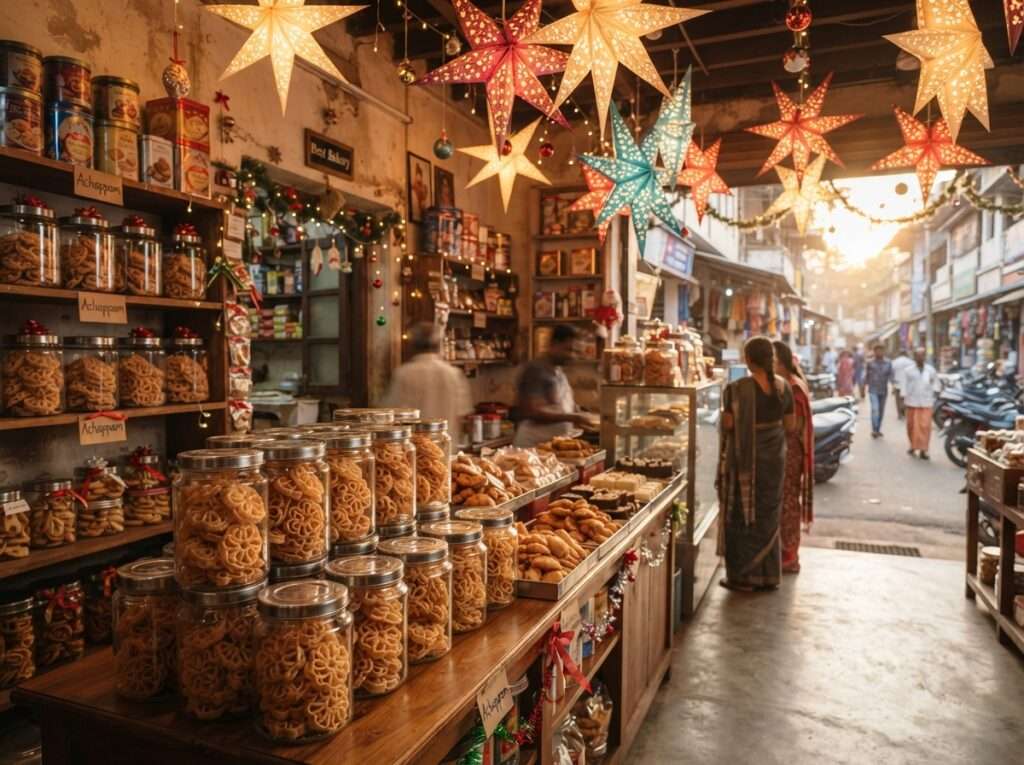
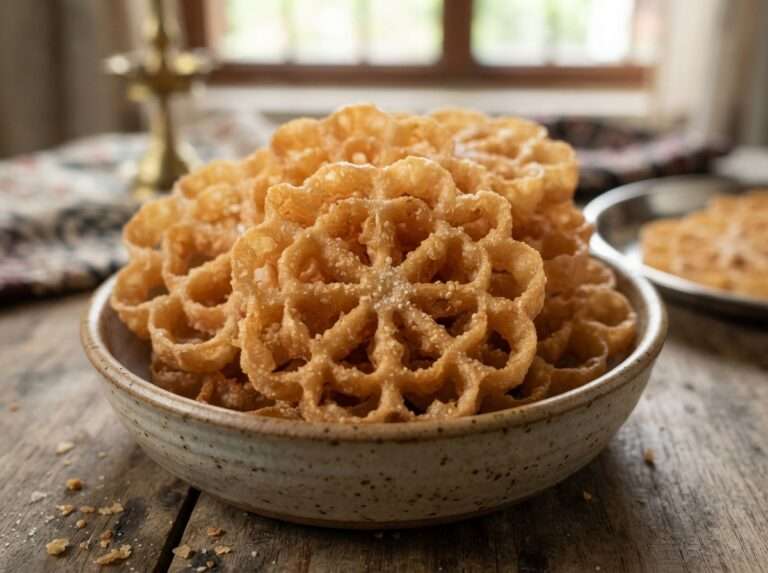
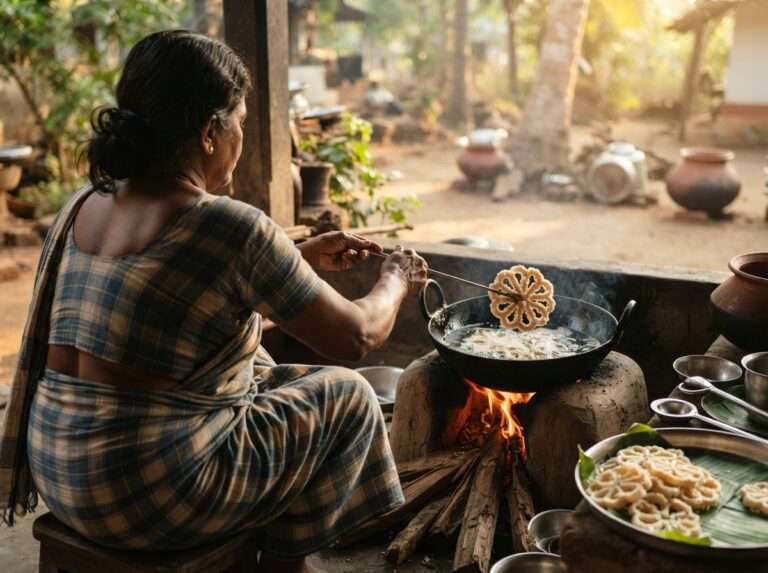
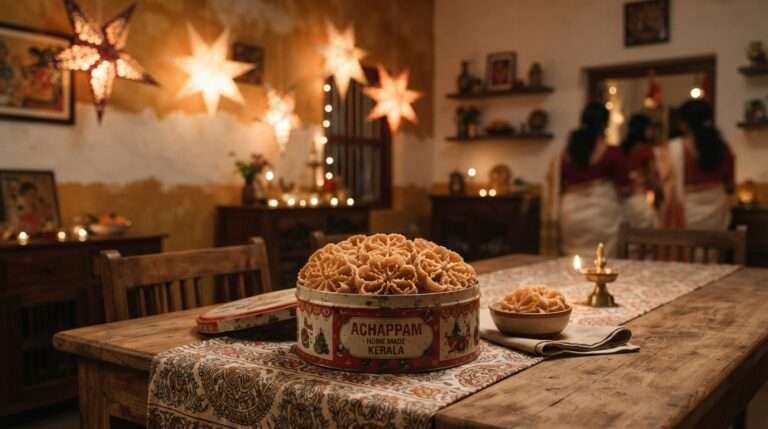
The rosette-shaped crisp you will see stacked in every Kerala bakery around Christmas. A thin batter of rice flour, coconut milk, sugar and usually egg (eggless versions are common) is set on a hot flower-shaped iron and deep-fried until it snaps. Also called Rose Cookie or Achu Murukku, it is mildly sweet, sturdy and made for gifting. It is one of the best sweets to buy boxed, at roughly ₹50 to ₹100 a pack.
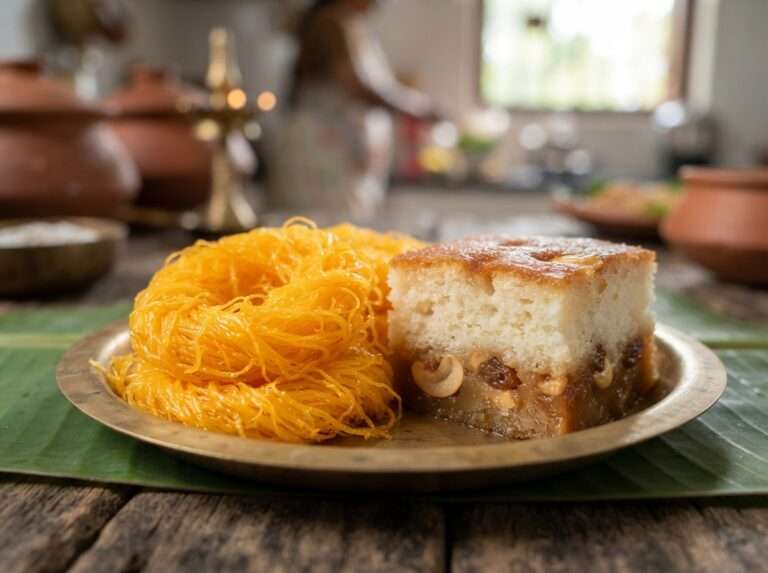
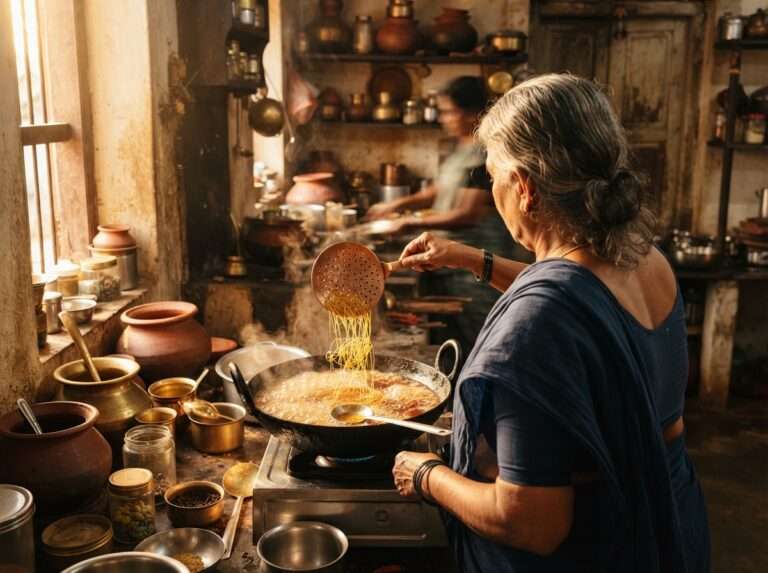
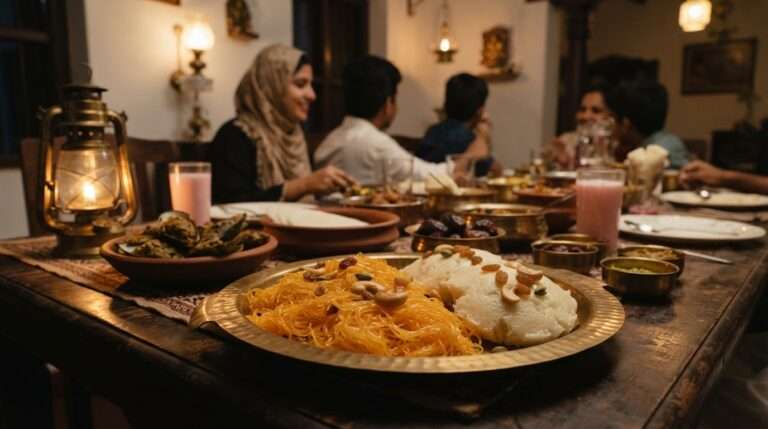
A Malabar speciality that surprises first-timers. Egg yolks are drizzled in fine threads into hot sugar syrup to make a golden ‘egg garland’, traditionally served with Pinjanathappam, a soft steamed cake made from the leftover egg whites. It is a festive Kozhikode sweet, especially at weddings and Eid tables in the north of the state. Clearly not vegetarian, but a genuine regional classic worth seeking out.
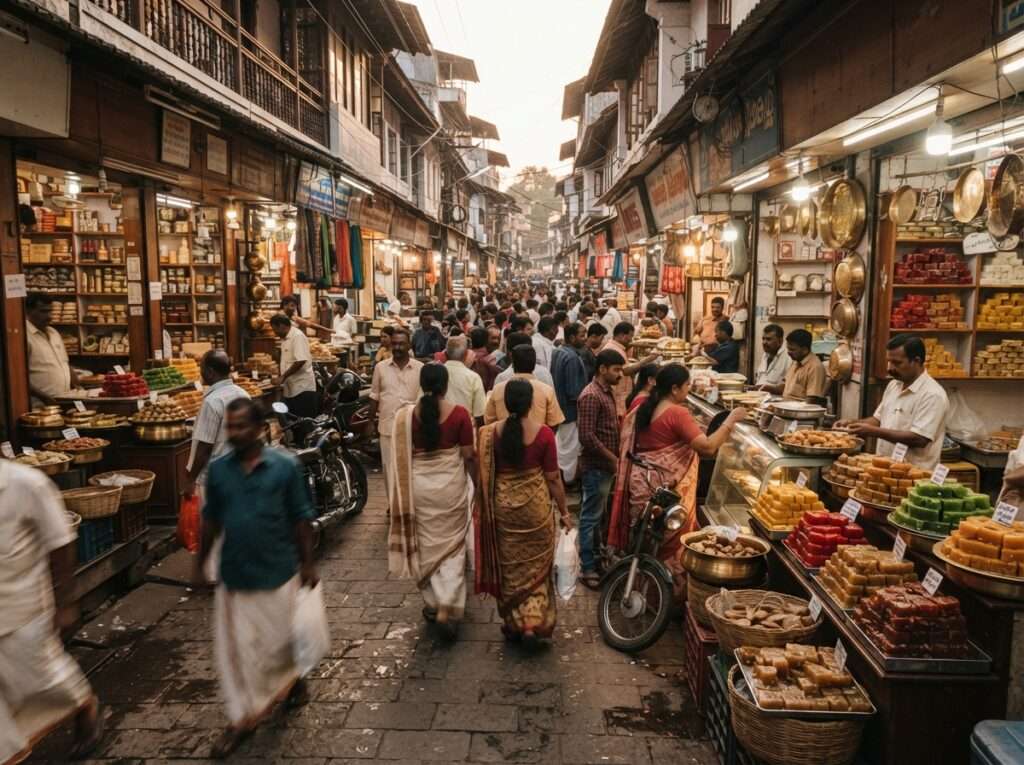
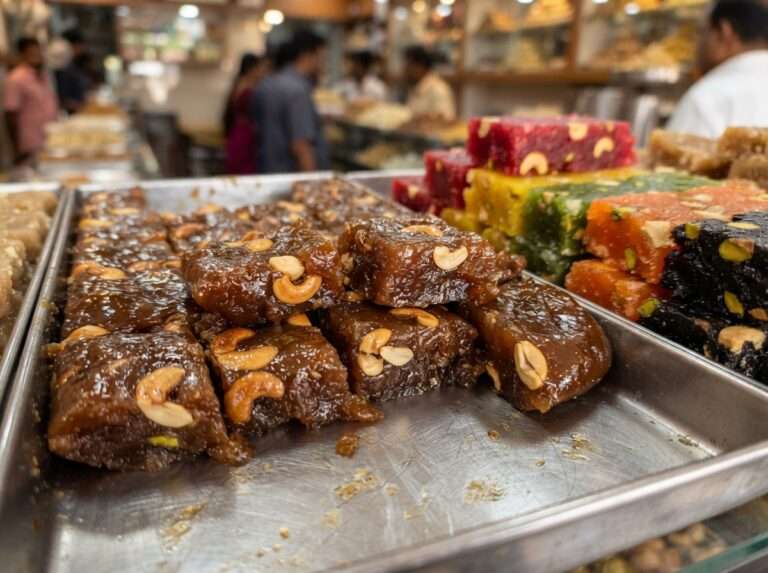
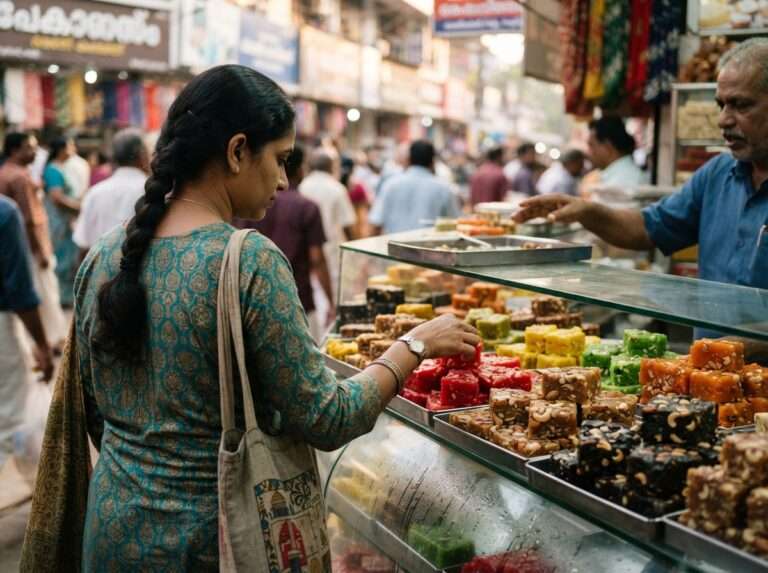
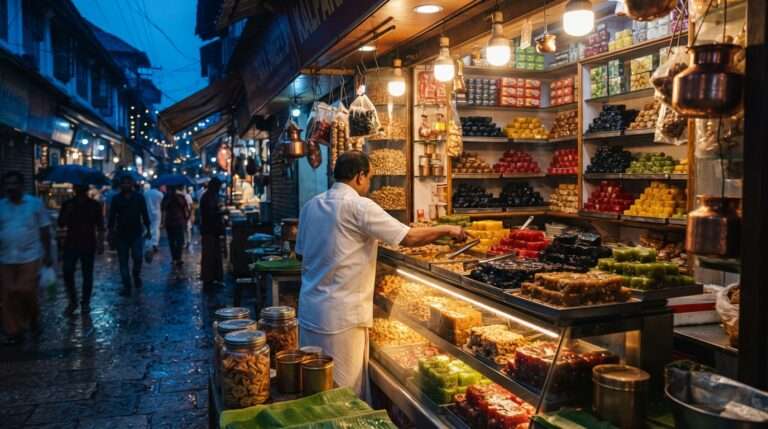
Kozhikode is halwa country, and the banana version is its softest. Ripe Nendran banana is cooked down with sugar and ghee, spiked with cardamom and almonds, until it turns glossy and just chewy. Kozhikode’s old halwa bazaars sell it by weight in dozens of shades. It boxes well for travel, usually ₹200 to ₹400 for two.
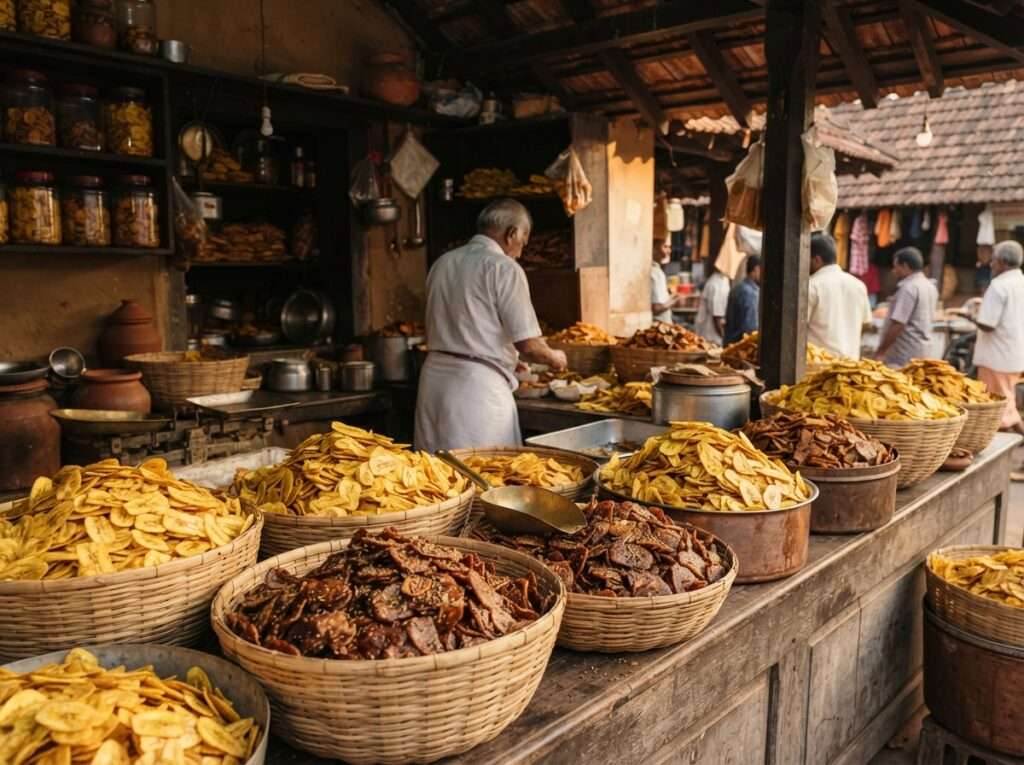
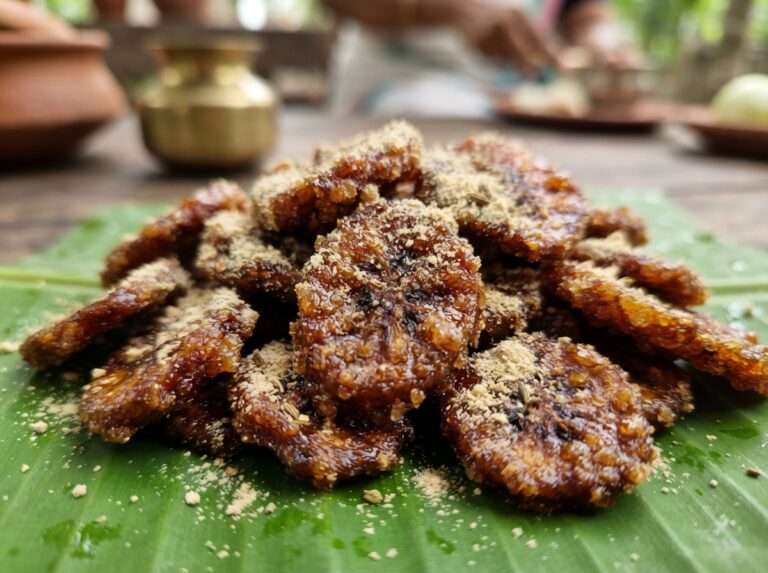
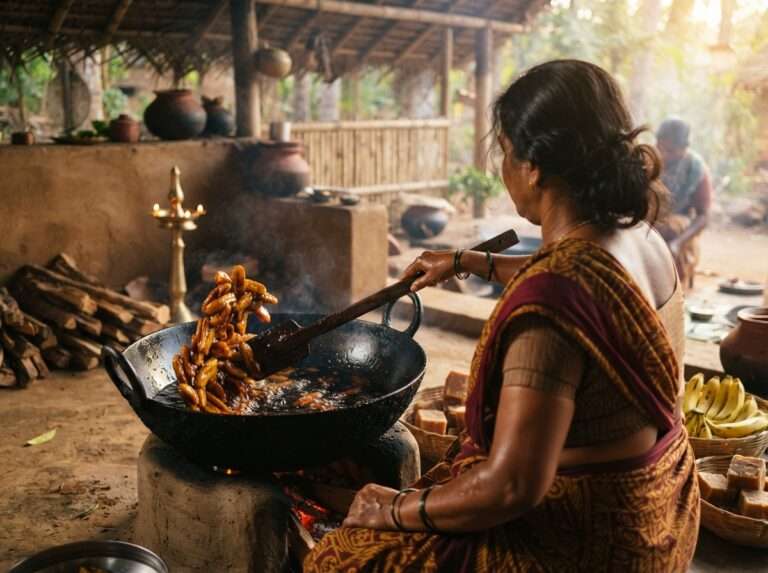
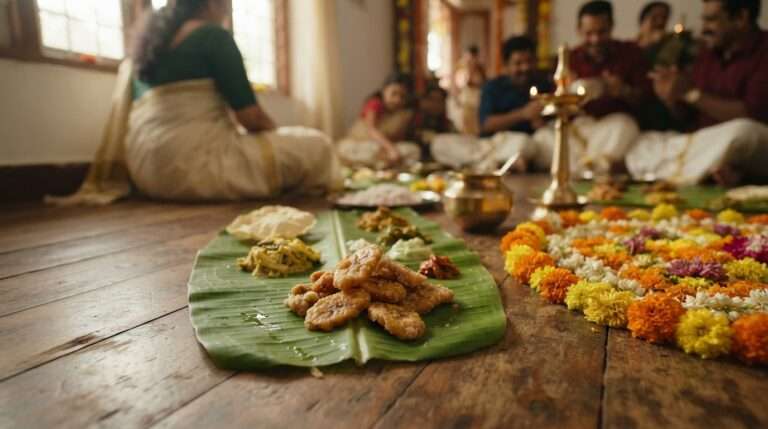
Also called Sharkara Upperi, these are the jaggery-coated banana chips that go on every Onam Sadya. Thick slices of raw, green Nendran banana are fried, then tossed in molten jaggery with dry ginger and cardamom so each piece sets in a crackly dark coat. It is a sweet and a snack at once, and because it is dry and sugared it travels beautifully.
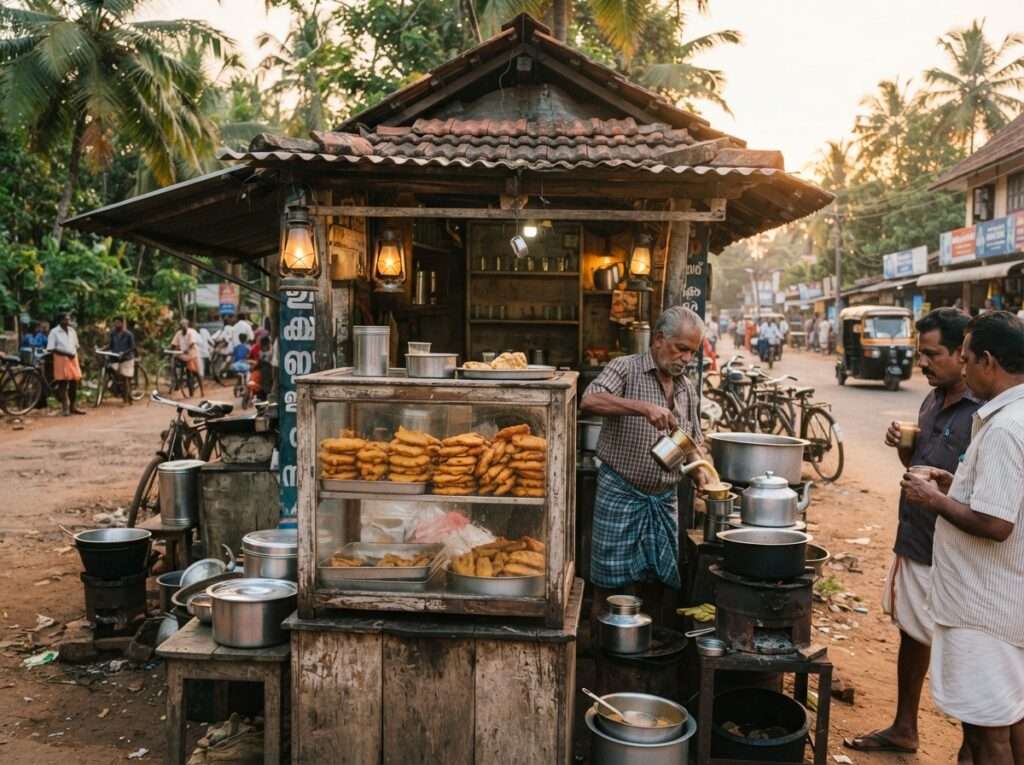
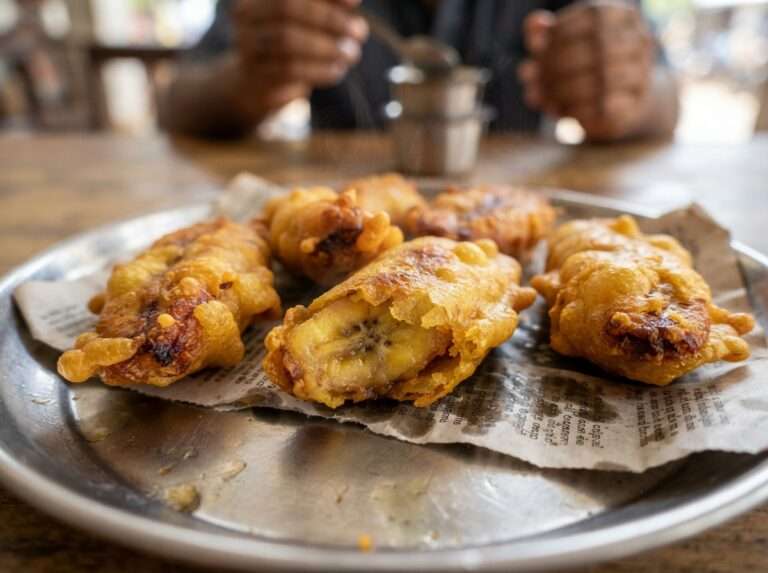
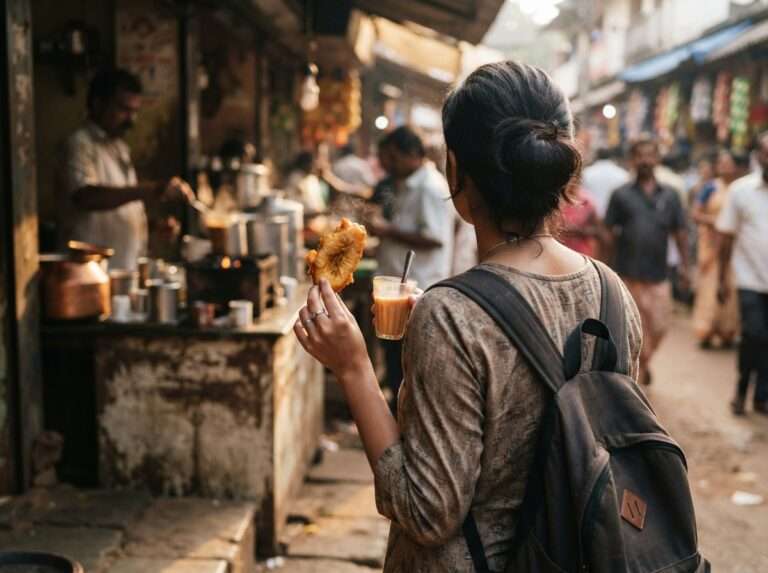
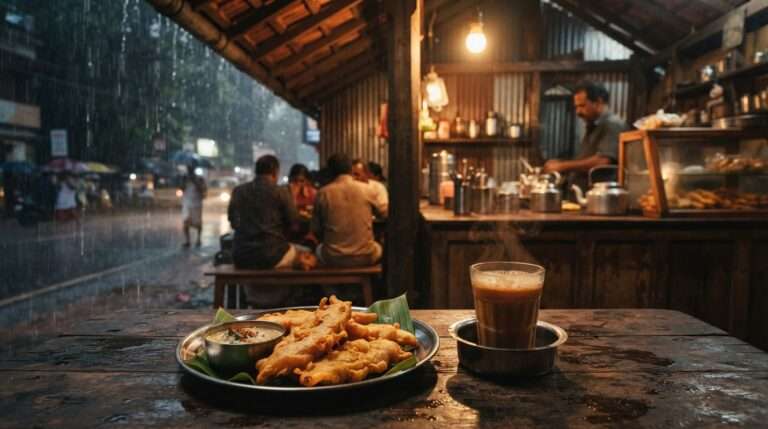
The classic Kerala tea-time bite. Ripe Nendran banana is sliced, dipped in a lightly sweet flour batter and fried until the edges caramelise. It is at its best hot, straight from a bakery counter on a rainy evening, and it is naturally vegan. Every chaya kada in the state makes it.
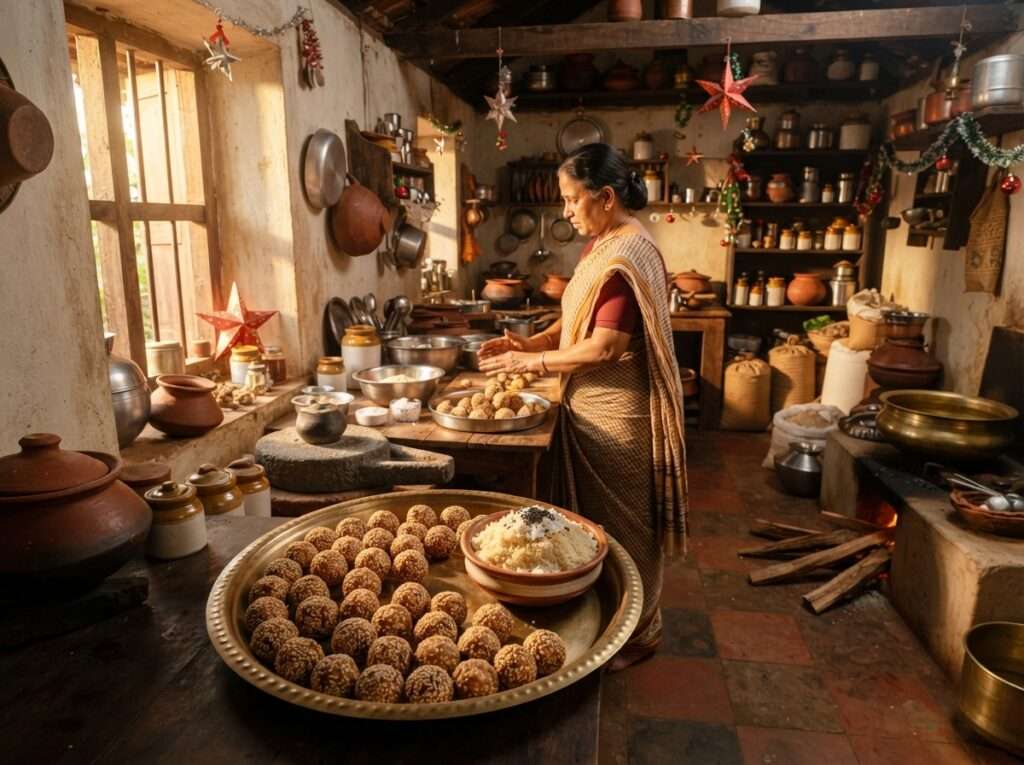
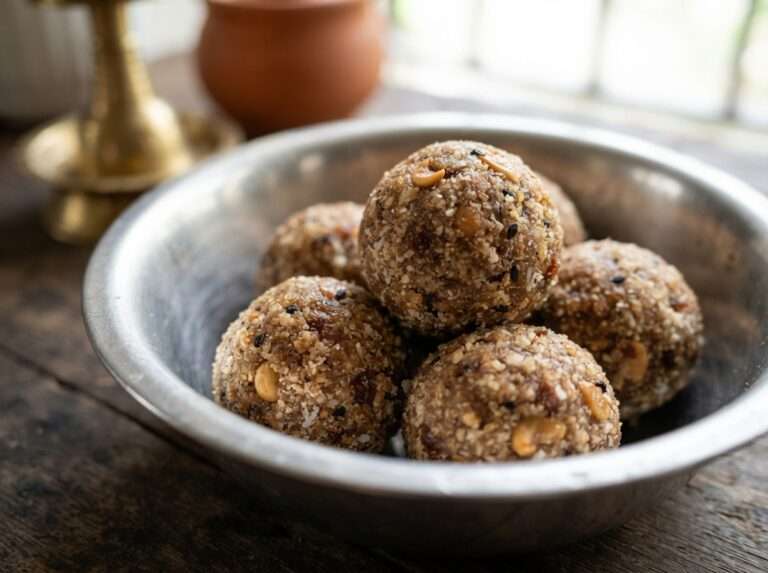
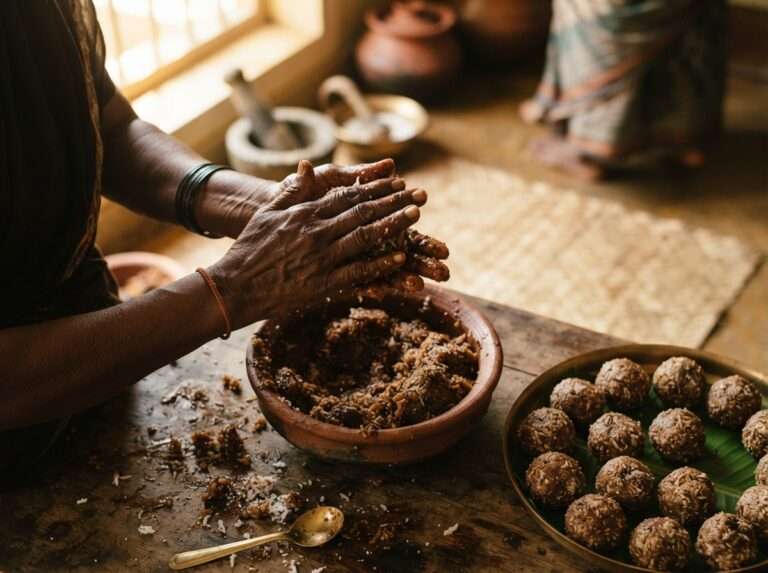
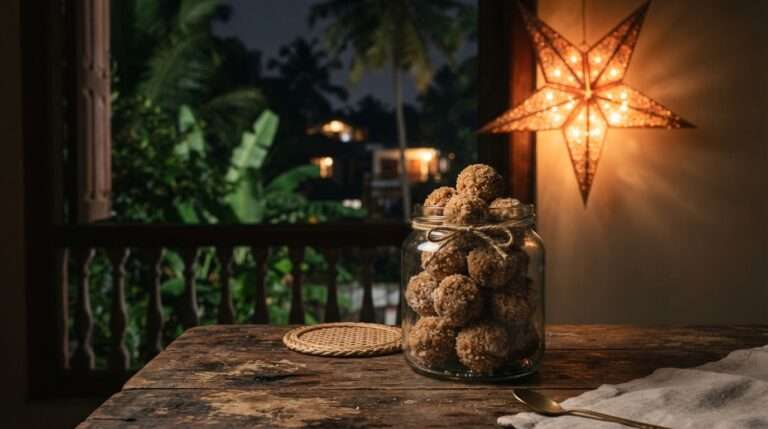
Roasted rice flour and grated coconut are bound with jaggery and rolled into firm little balls. There is a loose powdered version too, Avalose Podi, eaten with banana. It is a Syrian Christian snack, popular around Christmas, and it keeps for days, which makes it a smart thing to pack.
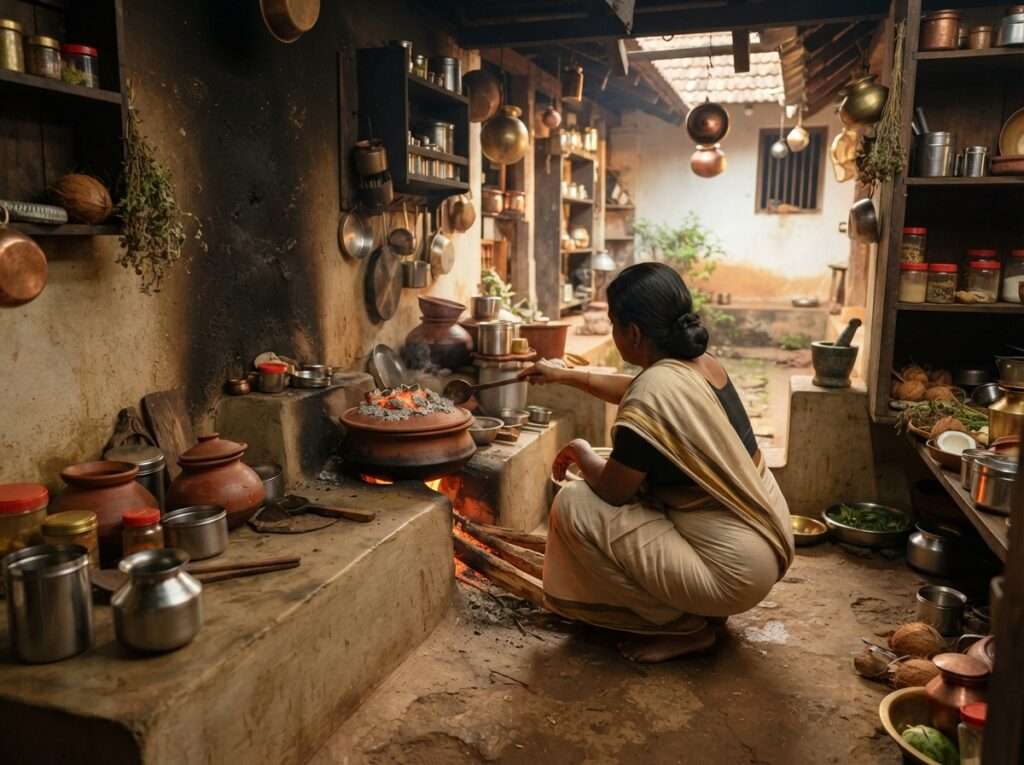
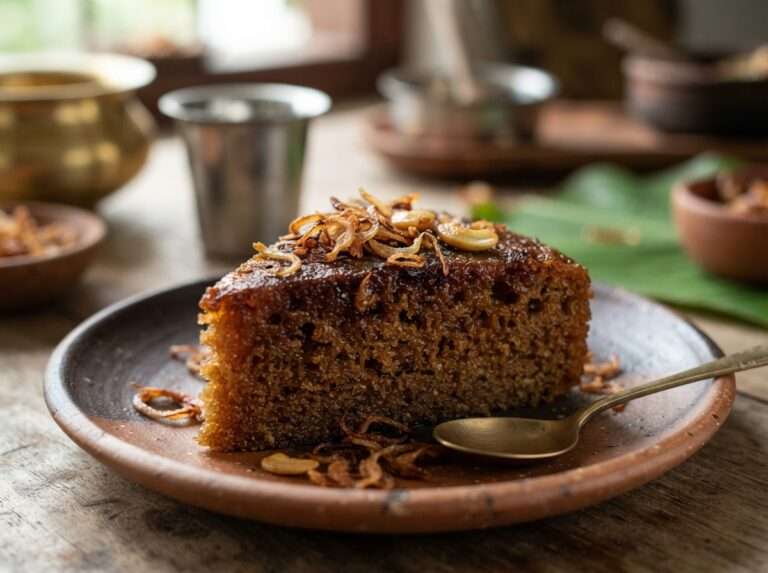
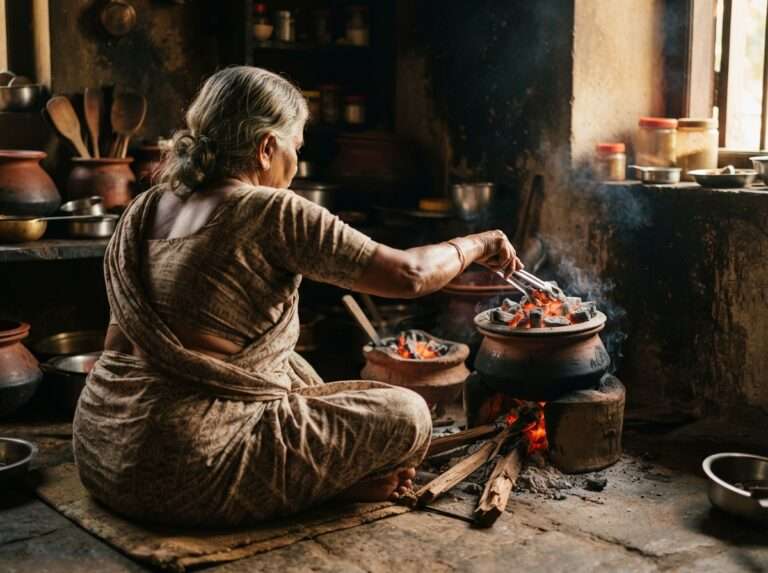
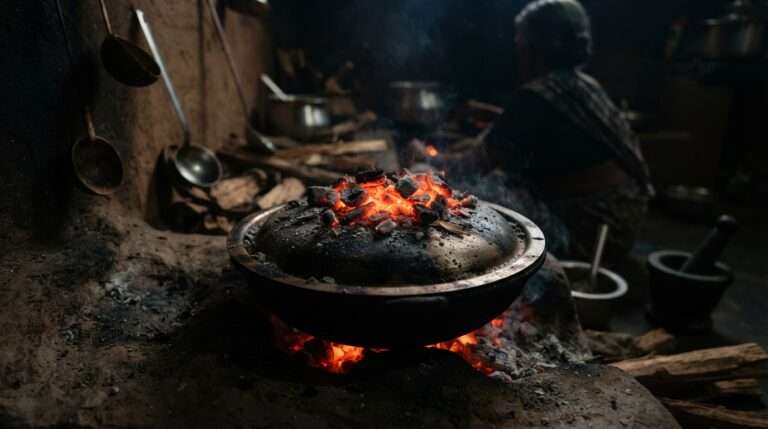
A Malabar rice cake cooked slowly in a covered pot (kalam) or uruli with hot coals heaped on the lid and a low flame below, so the outside caramelises while the inside stays moist. Rice, jaggery and coconut go into the batter, sometimes with fried shallots and cumin for a savoury-sweet edge. It is a north-Kerala tea-time favourite you rarely see on tourist menus, so ask at a local bakery.
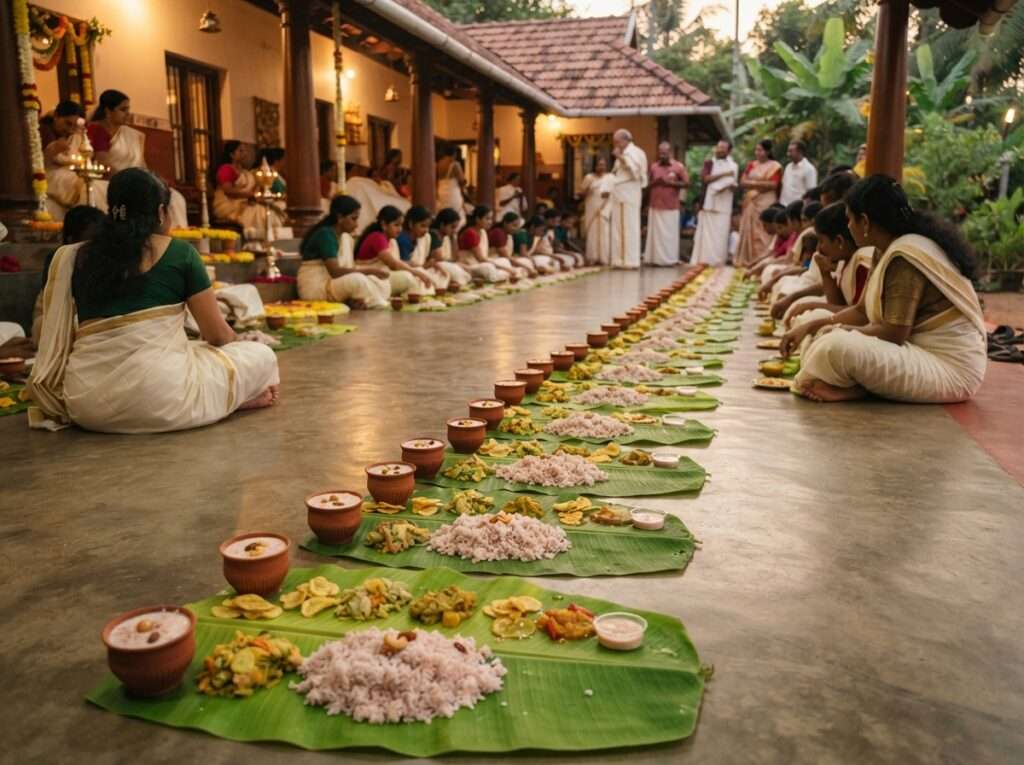
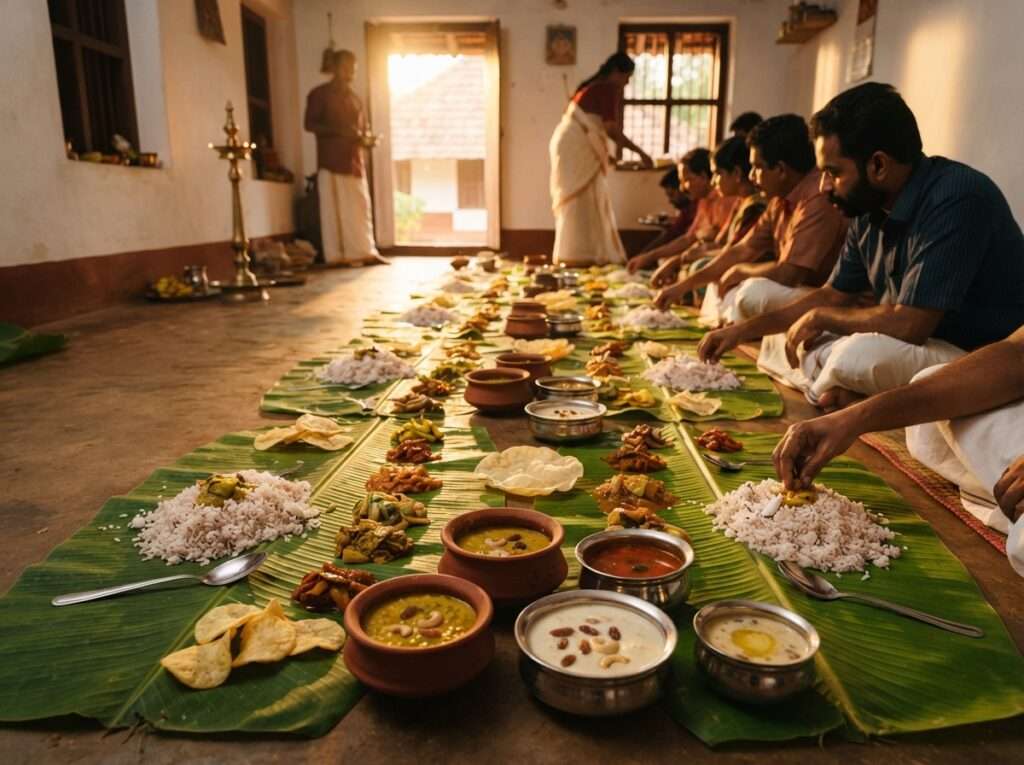
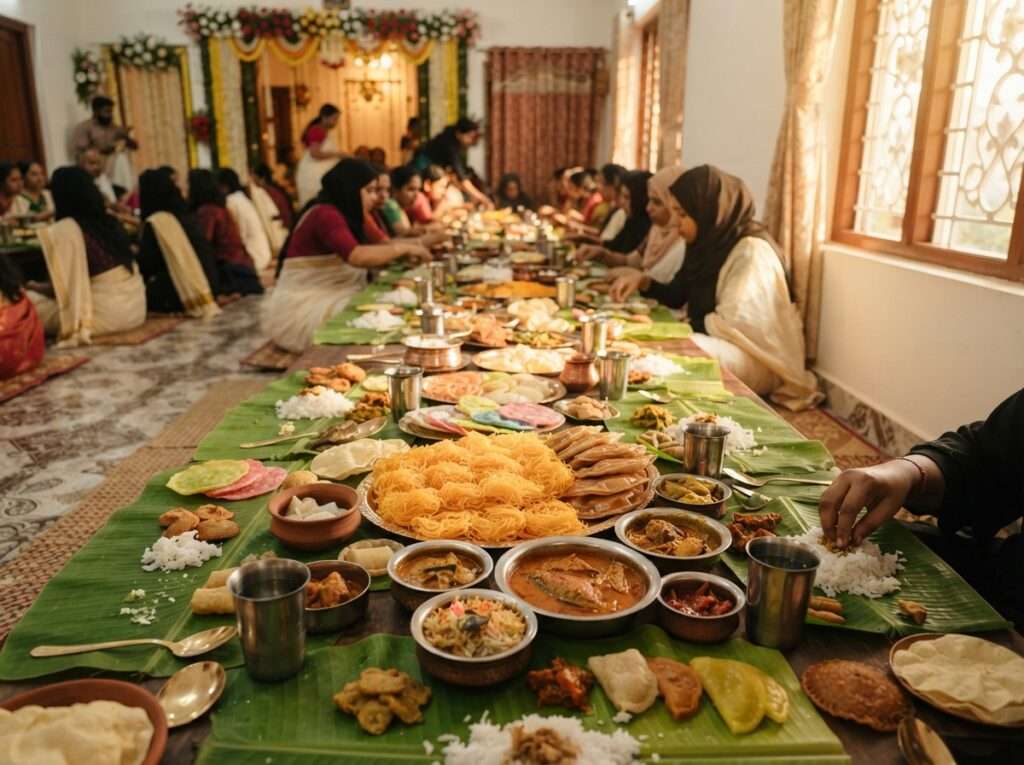
Onam, in August or September, is the single best time to eat Kerala sweets, because the Sadya feast ends on payasam. A traditional lunch often serves two or three, usually Ada Pradhaman, Parippu Pradhaman and Palada Payasam, in an order that varies by region and household. Sharkara Varatti and Unniyappam sit on the same banana leaf as savoury-sweet extras, and in Thiruvananthapuram the sadya often adds Boli, a soft yellow sweet flatbread eaten mashed into warm palpayasam. If you can only plan one food trip, plan it around Onam and read our wider Kerala cuisine guide for the full Sadya spread.
Diwali is quieter in Kerala than in the north, but it is real, and demand for mithai climbs through October and November. Bakeries lean on the crowd-pleasers that keep well, such as Rava Laddoo, boxed halwa and Sharkara Varatti, alongside pan-Indian laddoos and barfis for the festival. If you are visiting in the Diwali window, sweet shops in Kochi and Thrissur are your best bet for a fresh, giftable box.
Sweets in Malayalam are madhura palahaarangal (മധുര പലഹാരങ്ങൾ), literally ‘sweet snacks’. If you are searching in Malayalam, മധുര പലഹാരങ്ങൾ പേര് means ‘names of sweet snacks’, which is exactly what the at-a-glance table above gives you. A few useful words on the ground: payasam (പായസം) for the milk or coconut puddings, pradhaman (പ്രഥമൻ) for the jaggery-and-coconut-milk ones, and appam (അപ്പം) for the fried and steamed cakes. To find a sweet shop, ask ‘madhura palahaara kada evideyaanu?’ (where is the sweet shop?).
You have four reliable options, from most to least authentic.
Travelling between towns to eat is half the fun. A customised Kerala tour package can string Kochi, Thrissur and Kozhikode into one food-first route.
Skip the milk-based payasams for travel and choose the dry, sturdy sweets instead. These survive a flight and keep for days.
Kerala is unusually easy for vegans, because so many classics were built on coconut milk and jaggery long before dairy dominated dessert. Ada Pradhaman, Parippu Pradhaman and Chakka Pradhaman use coconut milk instead of dairy, though the traditional garnish (and often the roasting) uses ghee, so ask for them made with coconut oil. Kozhukatta is steamed and dairy-free, Pazham Pori and Sharkara Varatti use no milk at all, and Ela Ada (ഇല അട), rice-and-coconut dumplings steamed in banana leaf, is vegan by default. Ask for the coconut-milk, coconut-oil version and you will eat well without dairy.
Six steps to build a food-first trip around Kerala’s sweets.
These three words trip up almost every visitor. The short version: pradhaman is a Kerala payasam made specifically with jaggery and coconut milk, while a plain payasam can be milk-and-sugar based, and kheer is the North Indian cousin, usually milk-and-sugar based and often served chilled.
| Dessert | Sweetener | Base | Served |
|---|---|---|---|
| Payasam | Sugar or jaggery | Milk or coconut milk | Warm |
| Pradhaman | Jaggery | Coconut milk | Warm |
| Kheer | Sugar | Milk | Often chilled |
Kerala’s sweets are a map of the state in miniature: coconut from the coast, jaggery from the palms, banana and jackfruit from every backyard, all turned into payasams, fried appams and halwas that change from Thrissur to the Malabar north. Start with Ada Pradhaman, work through the payasams, and carry home the dry ones. When you are ready to eat your way across God’s Own Country, browse a customisable Kerala tour package and build the route around the sweets.
Quick answers on famous sweets, Onam and Vishu desserts, Malayalam names, vegan options and souvenirs
The most famous Kerala sweets are Ada Pradhaman, Palada Payasam, Unniyappam, Neyyappam, Banana Halwa and Chakka Pradhaman (jackfruit payasam). Ada Pradhaman is the best known, since it is the richest of the payasams that close an Onam Sadya and is often called the king of Kerala sweets.
Ada Pradhaman is widely regarded as the king of Kerala sweets. It is a slow-cooked pudding of rice ada, jaggery and thick coconut milk, finished with fried coconut and cashews, and it is the dish an Onam feast builds up to.
An Onam Sadya usually ends with two or three payasams: Ada Pradhaman, Parippu Pradhaman and Palada Payasam. Sharkara Varatti (jaggery banana chips) and Unniyappam are served alongside on the same banana leaf as sweet extras.
Vishu, the Malayalam new year in April, is associated with Unniyappam, the jaggery-and-banana fritters offered after the Vishukkani, along with payasams and Neyyappam. Many families in central Kerala also make Vishu Katta, a rice-and-coconut-milk cake eaten for breakfast on Vishu morning with jaggery syrup.
Both are Kerala puddings, but pradhaman is a specific style made with jaggery and coconut milk, which gives it a dark, caramel colour, as in Ada Pradhaman. A plain payasam can instead be milk-and-sugar based and paler, like Palada Payasam.
Payasam is the South Indian, largely Kerala and Tamil, dessert made with rice, dal or vermicelli in milk or coconut milk and served warm. Kheer is the North Indian version, usually milk-and-sugar based and often served chilled.
Sweets in Malayalam are madhura palahaarangal (മധുര പലഹാരങ്ങൾ), meaning sweet snacks. Puddings are payasam (പായസം) or pradhaman (പ്രഥമൻ), and fried or steamed cakes are appam (അപ്പം), as in Unniyappam and Neyyappam.
Buy from traditional sweet shops in Kozhikode, Thrissur and Kochi, or from sealed-pack counters at Kerala airports. Choose dry, sturdy sweets like Sharkara Varatti, Achappam, Avalose Unda and boxed banana halwa, which travel far better than milk payasams.
Most are vegetarian, and an unusually high number are naturally vegan. Ada Pradhaman, Parippu Pradhaman, Chakka Pradhaman, Kozhukatta, Pazham Pori and Sharkara Varatti use coconut milk and jaggery rather than dairy. Milk payasams like Palada, and egg sweets like Achappam and Mutta Maala, are not vegan.
Yes. Many traditional sweets already swap refined sugar for jaggery or coconut sugar, and some shops offer versions sweetened with dates or millets. Steamed sweets like Kozhukatta and coconut-based payasams are lighter choices than ghee-fried or heavily reduced halwas.
Milk-based payasams last only two to four days and are best eaten fresh. Ghee, jaggery and dry-fruit sweets such as halwa, Sharkara Varatti, Achappam and Avalose Unda keep for a week or more in a sealed, food-grade box, which makes them the practical souvenirs.
Real reviews from real travelers who booked with us.
View All Reviews