6D / 5N
8% OFF
6D / 5N
8% OFF
Romantic Bangkok And Phuket Honeymoon Tour
- Hotel
- Meals
- Sightseeing
- Airport Transfer
- Cruise
₹19,022
₹17,500 /pp
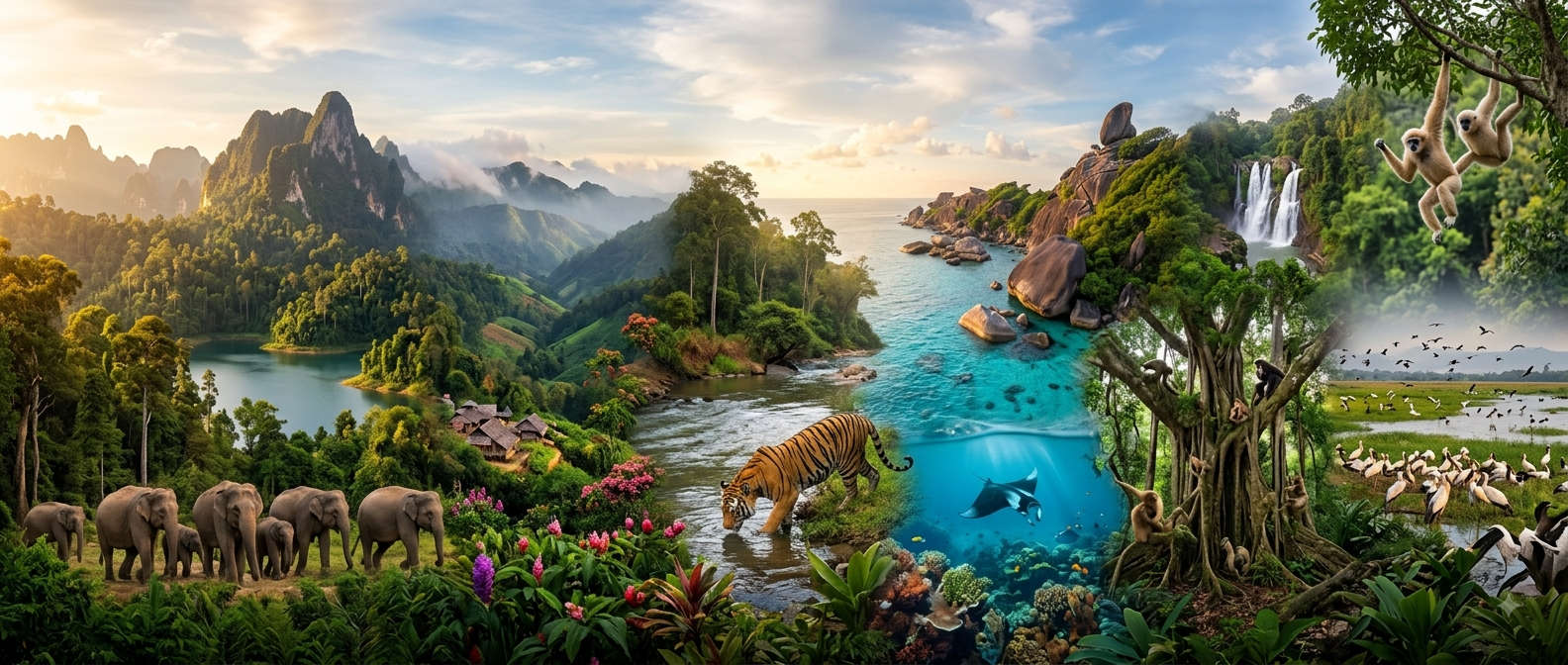


An ethical animal sanctuary in Thailand is a rescue centre where you watch and help rather than ride, bathe or pose with the animals. That one rule separates a genuine sanctuary from a trekking camp, and it is the thread running through all 12 places below. The most famous of them, Elephant Nature Park near Chiang Mai, has rescued more than 100 elephants and lets them roam free across a river valley. Entry to the best-run centres starts at roughly 2,500 THB (about ₹7,100) for a day visit. Some, like Boon Lott’s in Sukhothai, are overnight-only. This guide ranks the 12 most credible ethical sanctuaries, tells you what each one actually costs and how to reach it, and shows Indian travellers how to fit a half-day visit into a Thailand trip.
Key takeaways
Wildlife Sancturies in Thailand
Best Time
November - February
Select Package Type


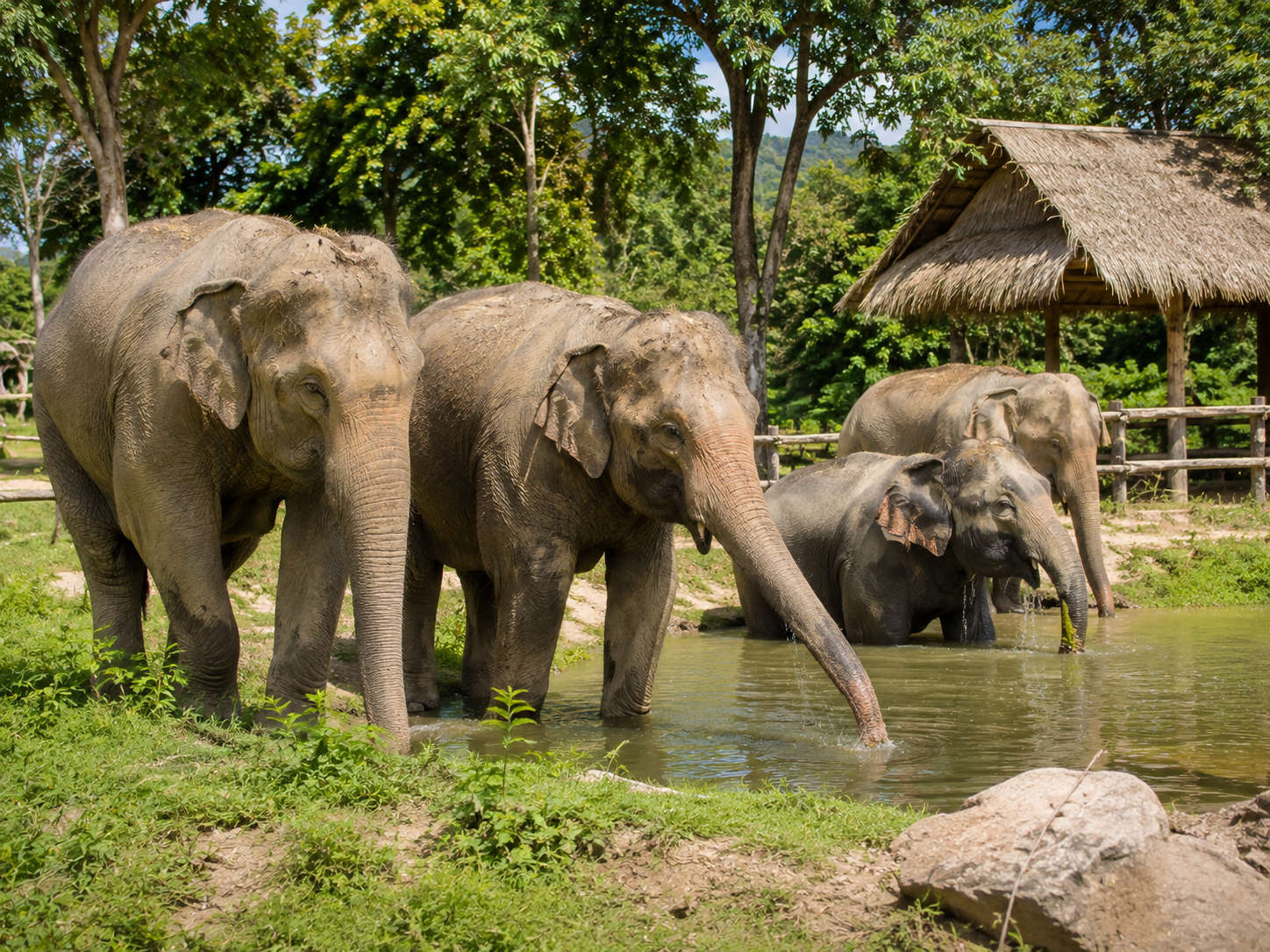
The word “sanctuary” is not regulated in Thailand, so a place can call itself one while still offering rides and circus-style shows. That is exactly why you need a checklist rather than a name. Use these six tests. A genuine sanctuary passes all of them.
If a website leads with elephant rides, bathing packages or a show, close the tab. Those are the red flags every centre on this list was chosen to avoid.
Costs are indicative starting prices for the standard visit and are converted at roughly ₹2.85 per Thai Baht. Confirm the exact fare on each sanctuary’s booking page before you travel.
| Sanctuary | Location | Animals | Visit type | Cost from (THB / ₹) | Ethical model |
| Elephant Nature Park | Chiang Mai | Elephants, dogs, cats, buffalo | Half / full day, overnight | 2,500 / ₹7,100 | Observation, roam-free |
| Phuket Elephant Sanctuary | Phuket | Elephants | Half day (AM/PM) | 3,000 / ₹8,600 | Canopy-walkway viewing |
| Samui Elephant Sanctuary | Koh Samui | Elephants | Half day | 3,000 / ₹8,600 | Observation only |
| Elephants World | Kanchanaburi | Elephants | Full day, overnight | 2,500 / ₹7,100 | “We work for them” |
| Into the Wild | Chiang Mai | Elephants | Overnight (2D/1N) | 5,800 / ₹16,500 | Jungle, hands-off |
| Boon Lott’s (BLES) | Sukhothai | Elephants | Overnight only | 6,000 / ₹17,100 per night | Roam-free reserve |
| Burm & Emily’s (BEES) | Chiang Mai | Elephants, dogs, cats | Overnight, volunteer | On request | Retirement, no tourists riding |
| Wildlife Friends (WFFT) | Phetchaburi | Elephants, gibbons, macaques, otters | Half / full day | 1,100 / ₹3,150 (adult) | Rescue, no contact |
| Gibbon Rehabilitation Project | Phuket | Gibbons | Drop-in (donation) | Free / donation | Release-focused, no handling |
| Lanta Animal Welfare | Koh Lanta, Krabi | Dogs, cats | Free tour, dog walks | Free / donation | Rescue and rehoming |
| Soi Dog Foundation | Phuket | Dogs, cats | Free guided tour | Free / donation | Rescue, sterilisation |
| Rescue Paws | Hua Hin | Dogs, cats | Volunteer (book ahead) | Free / donation | Community rescue |
The list runs elephants first (the reason most people search), then the multi-animal and dog-and-cat rescues that make Thailand's welfare scene broader than any single species. Every entry below is hands-off and open to visitors, with the practical details you need to plan a visit.
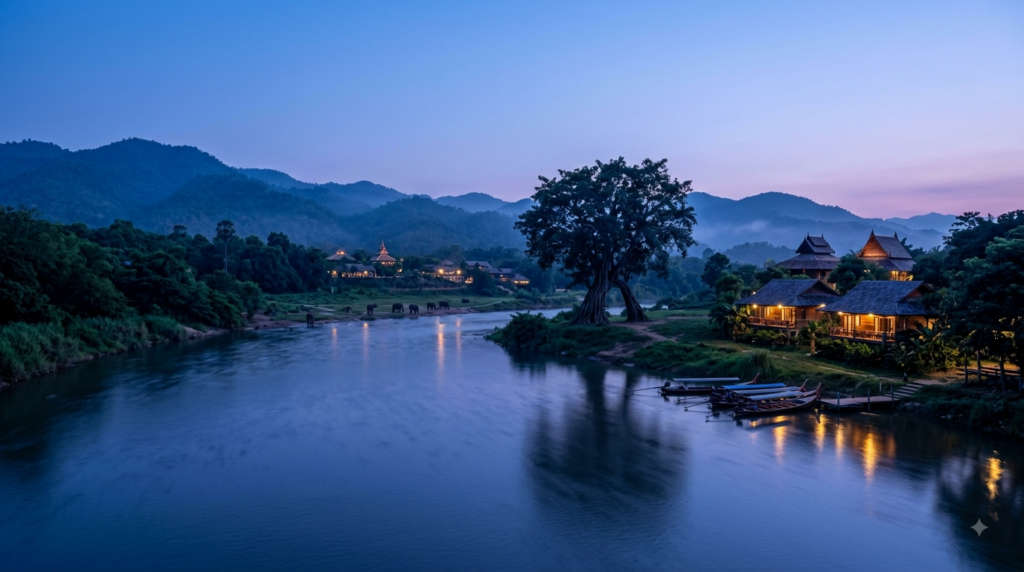
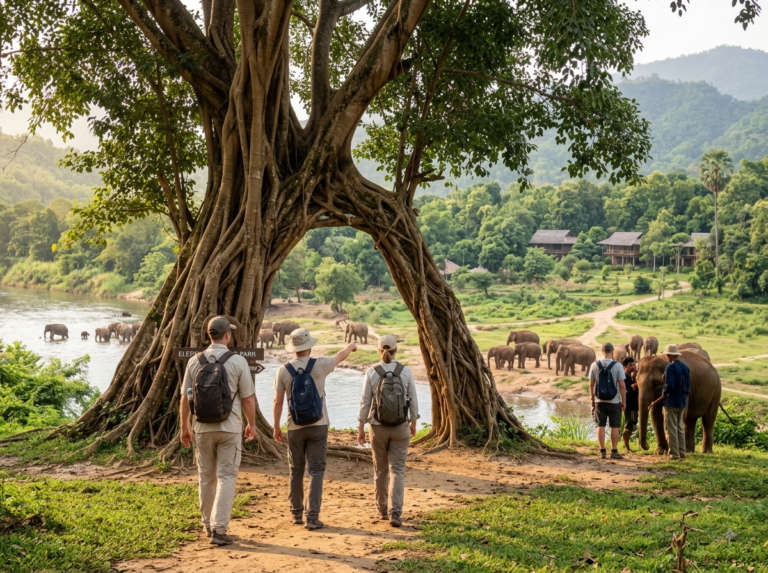
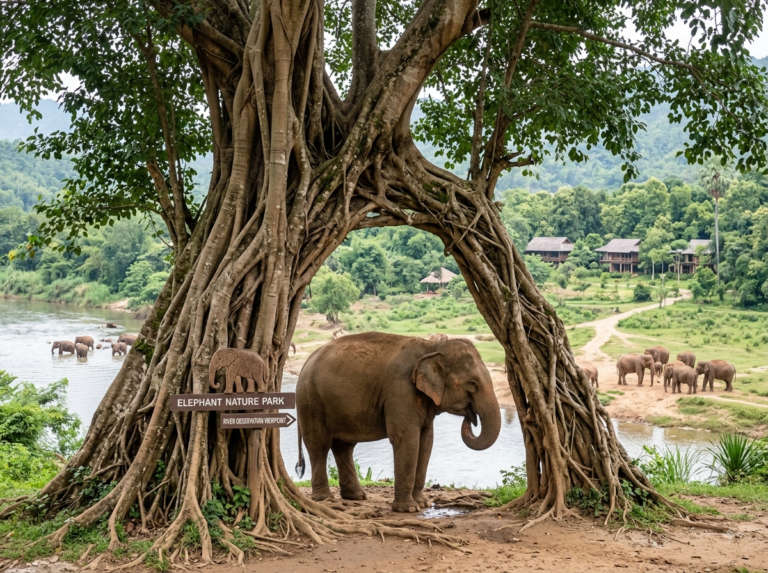
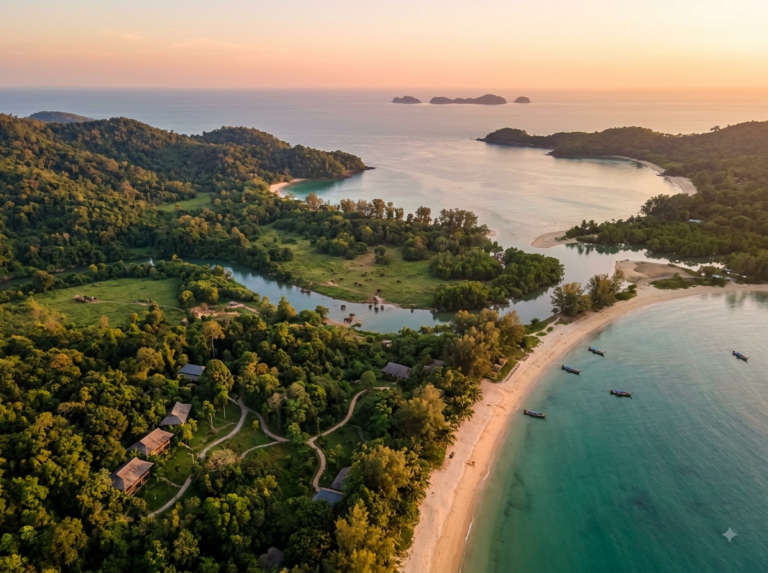
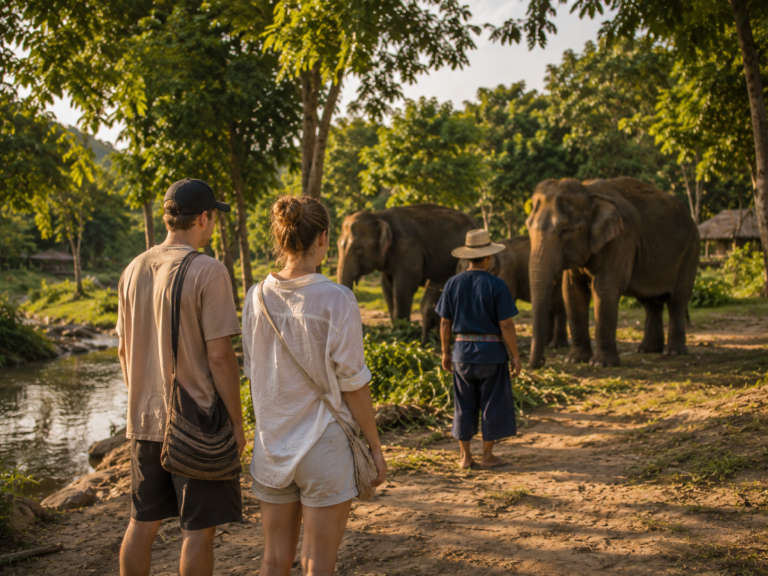
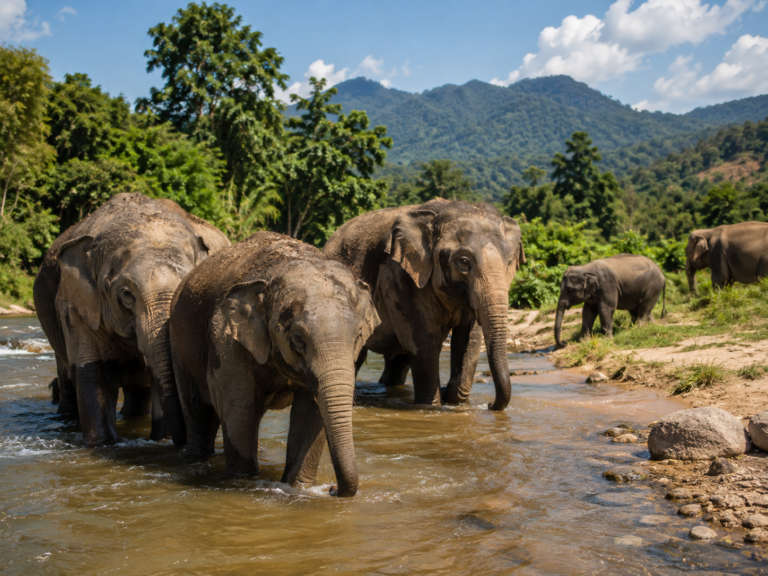
This is the sanctuary that started the movement. Founder Sangduen “Lek” Chailert began buying elephants out of the logging and trekking trade in the 1990s, and the park now shelters more than 100 of them alongside hundreds of rescued dogs, cats and buffalo across a green river valley an hour north of Chiang Mai. You spend the day watching herds graze and mud-bathe on their own terms, and you help prepare their food. There are no rides, and the park ended tourist bathing in 2020. It books out fast, so reserve two to four weeks ahead. It is the single easiest ethical visit to slot into a first Thailand trip.
| Location | Kuet Chang, about 60 km north of Chiang Mai city |
| Hours | Daily, single-day visits 7 am to 5 pm |
| Cost | From about 2,500 THB (₹7,100) for a day visit; overnight and week-long volunteer stays cost more |
| Animals & visit | Elephants, dogs, cats, buffalo; observe, feed, walk with the herd. No riding, no bathing |
| Book | elephantnaturepark.org, well in advance |


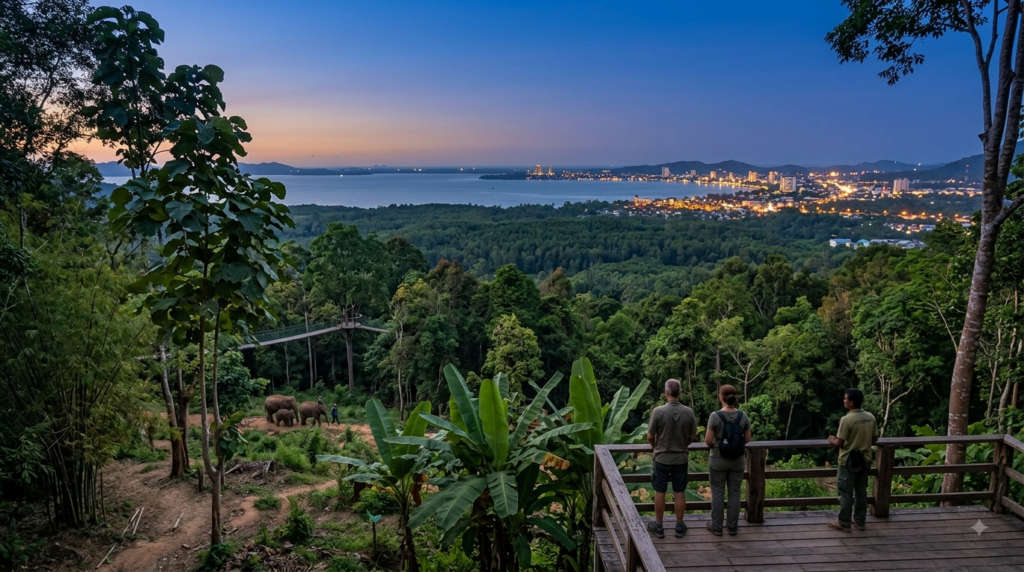
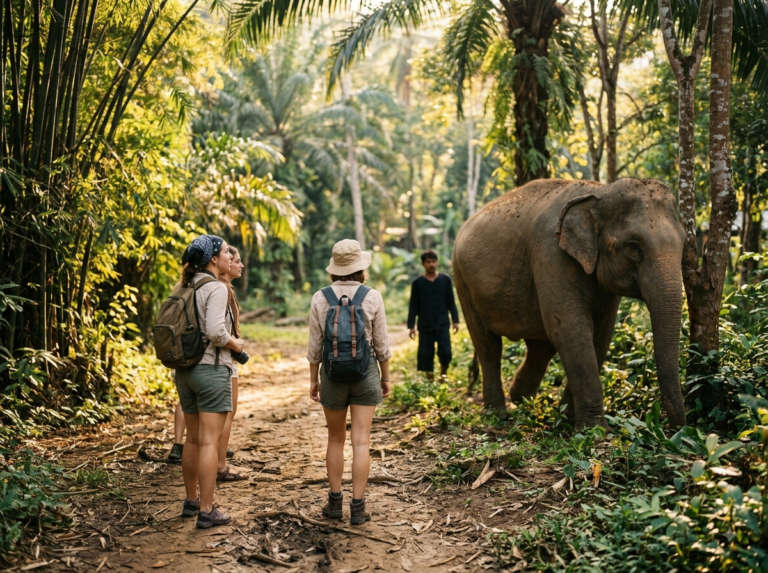
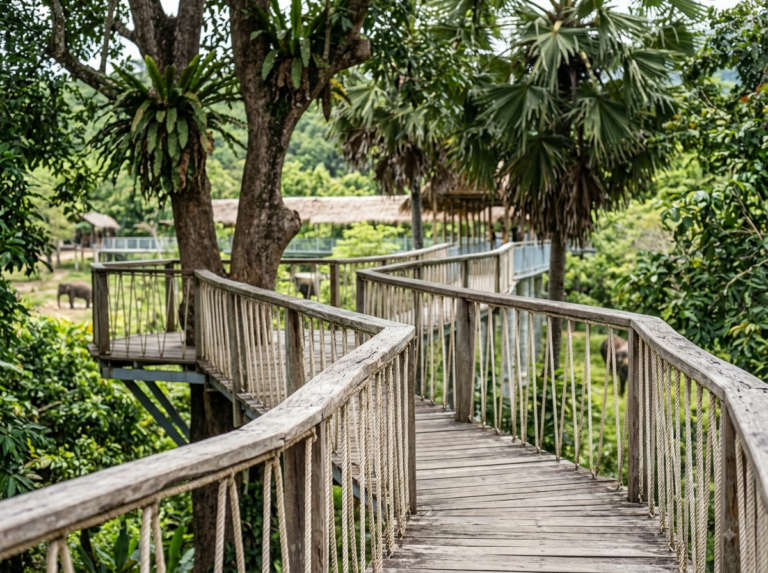
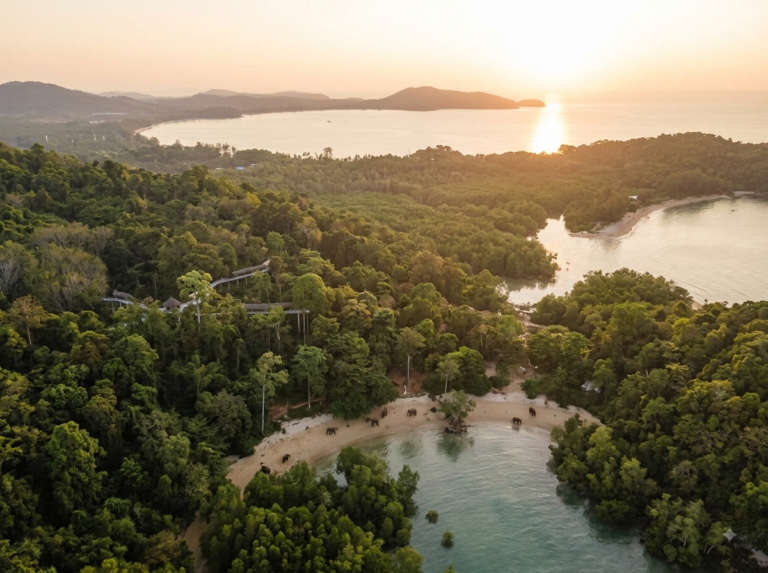
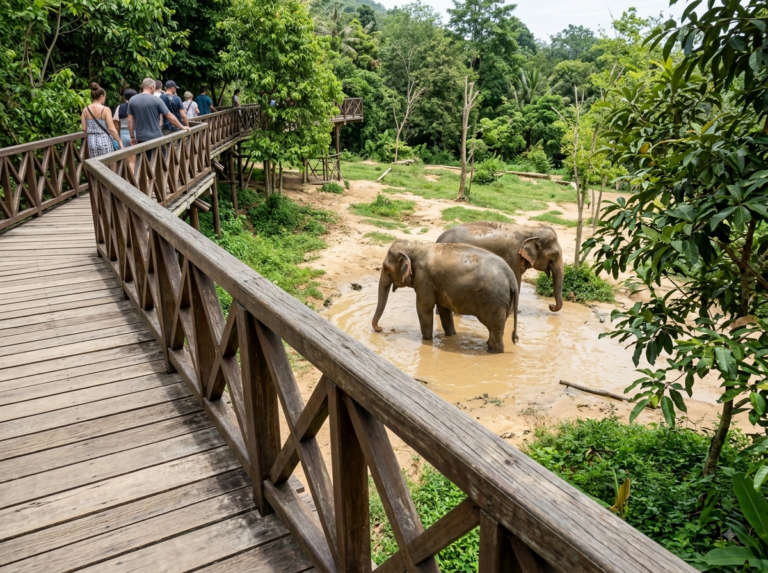
Phuket’s first ethical elephant home, opened in 2016, gave old working elephants a place to retire near the island’s north. You watch from a raised canopy walkway as the elephants forage and soak in the lagoon below, which keeps a respectful distance without cages. Morning and afternoon half-day slots include hotel pickup and a vegetarian-friendly lunch, so it slips neatly into a beach holiday. If you are already staying in Phuket, this is the obvious pick.
| Location | Paklok, north Phuket, near the Gibbon Rehabilitation Project |
| Hours | Two half-day sessions, morning and afternoon |
| Cost | Around 3,000 THB (₹8,600), includes transfer and lunch |
| Animals & visit | Rescued elephants; canopy-walkway viewing, no touching or bathing |
| Book | phuketelephantsanctuary.org |




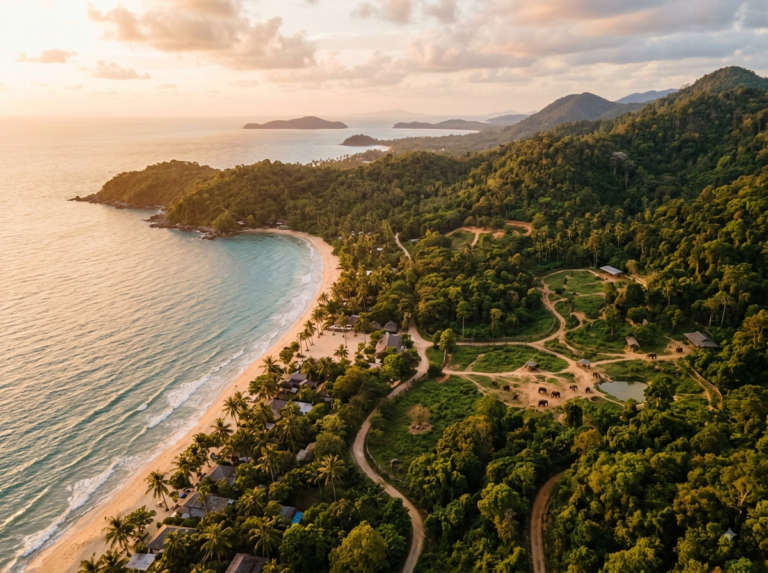
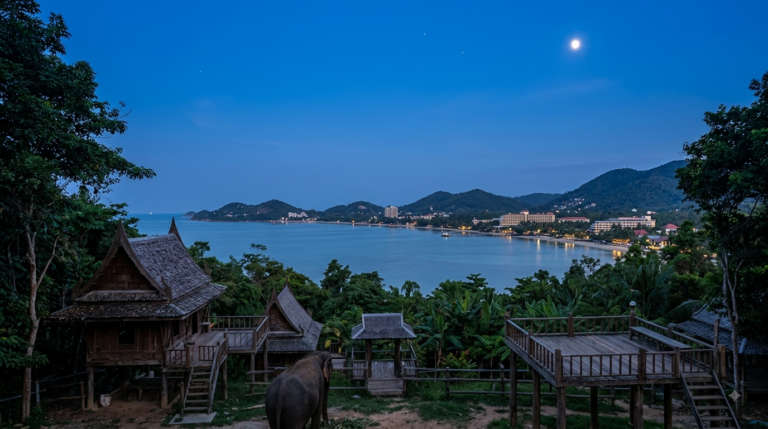
The first ethical sanctuary on Koh Samui, opened in 2018 with backing from Lek Chailert’s Save Elephant Foundation, gives former trekking and logging elephants a forested home in the island’s hills. Visits are observation-only from viewing platforms, so you see the animals bathe and roam without joining them. For anyone island-hopping the Gulf coast, it is the ethical choice that does not need a mainland detour.
| Location | Bophut hills, Koh Samui |
| Hours | Half-day morning and afternoon sessions |
| Cost | Around 3,000 THB (₹8,600) with transfer and lunch |
| Animals & visit | Rescued elephants; platform viewing, feeding by permission, no riding |
| Book | samuielephantsanctuary.org |



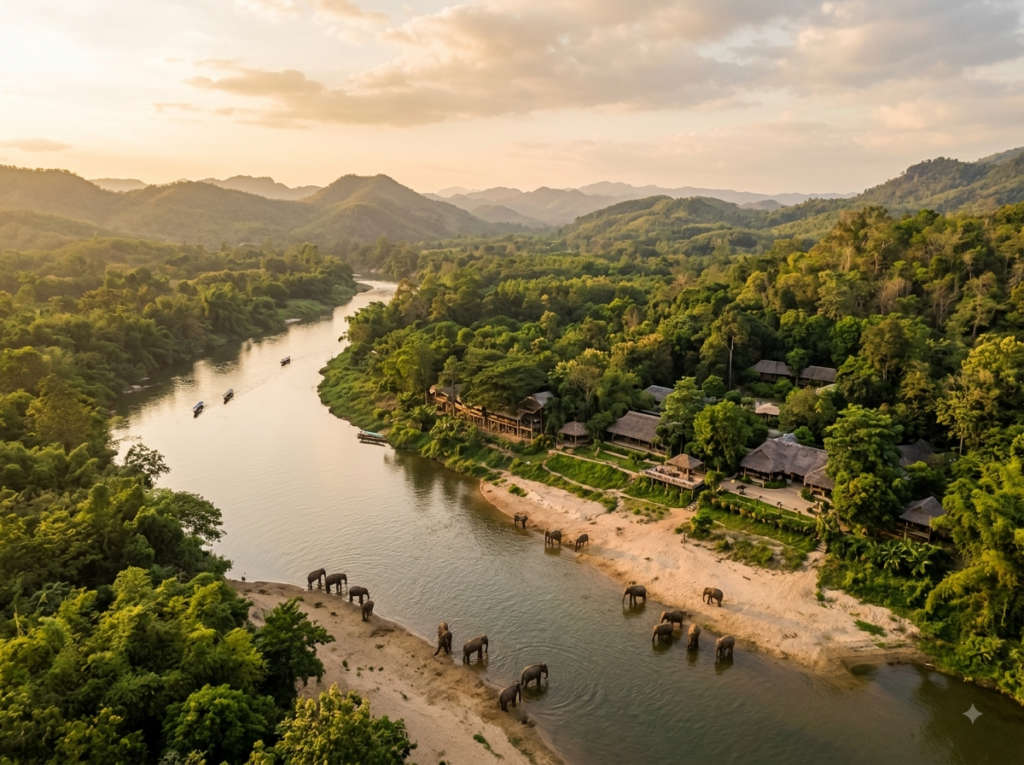
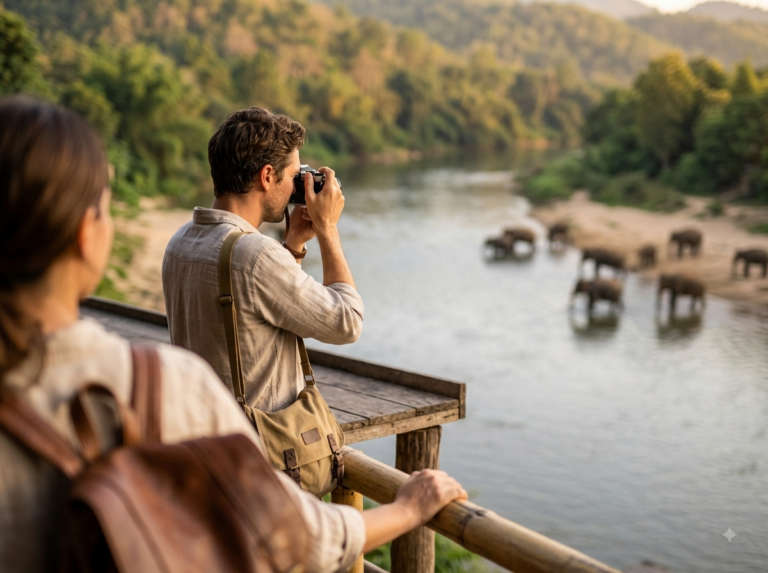
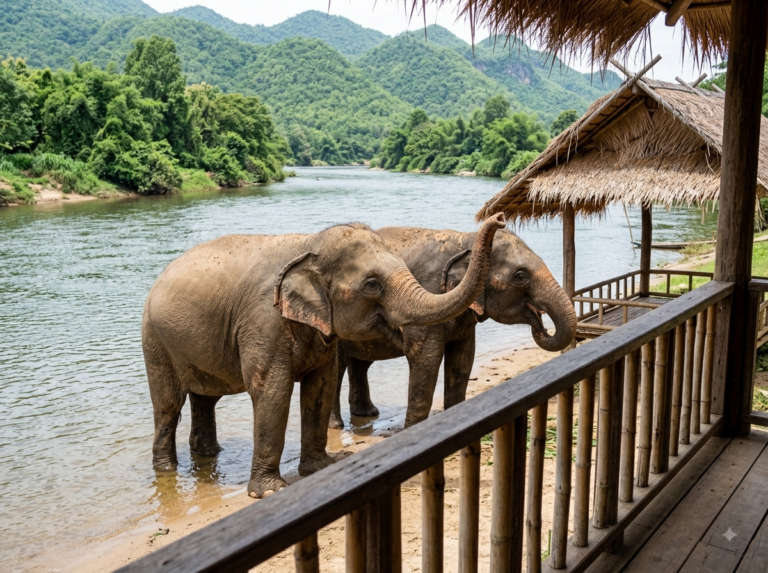
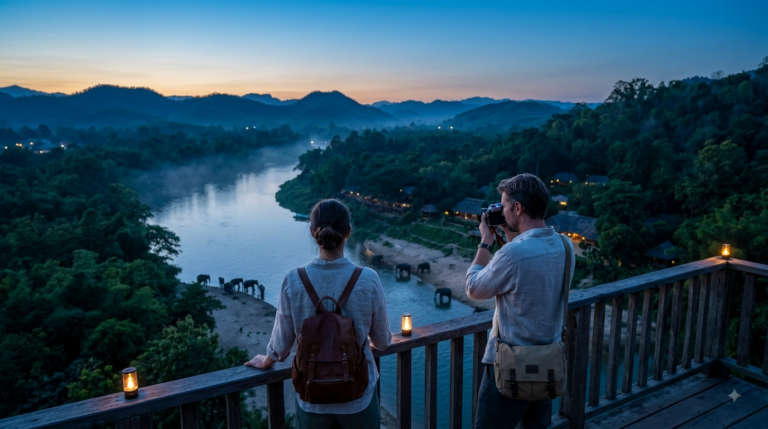
Its motto, “we work for them, not the other way around,” sums up the day: you cut sugarcane, mix rice-and-banana balls and prepare mud for a herd of old and rescued elephants beside the River Kwai. It is a two to three hour drive west of Bangkok, which makes it the most practical ethical day trip for anyone based in the capital rather than the north. Full-day and overnight options both run.
| Location | Sai Yok, Kanchanaburi, roughly 130 km from Bangkok |
| Hours | Full-day programme, plus overnight stays |
| Cost | From about 2,500 THB (₹7,100) for a day |
| Animals & visit | Elephants; feed, prepare food and medicine, observe river bathing (elephants only) |
| Book | elephantsworld.org |
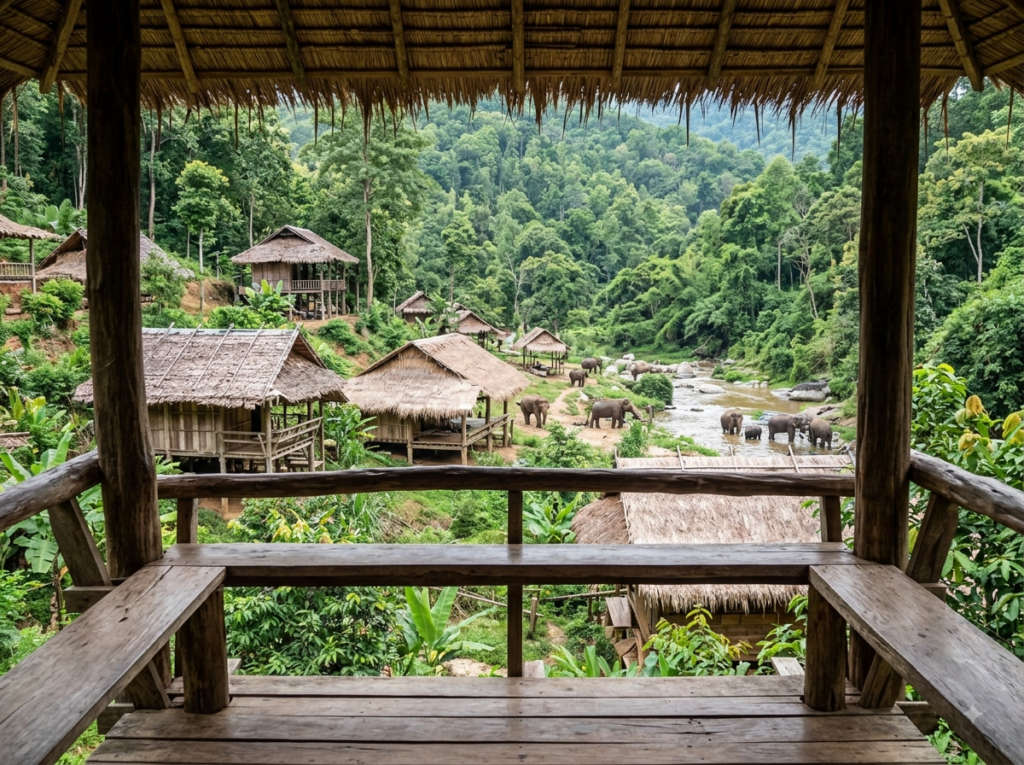
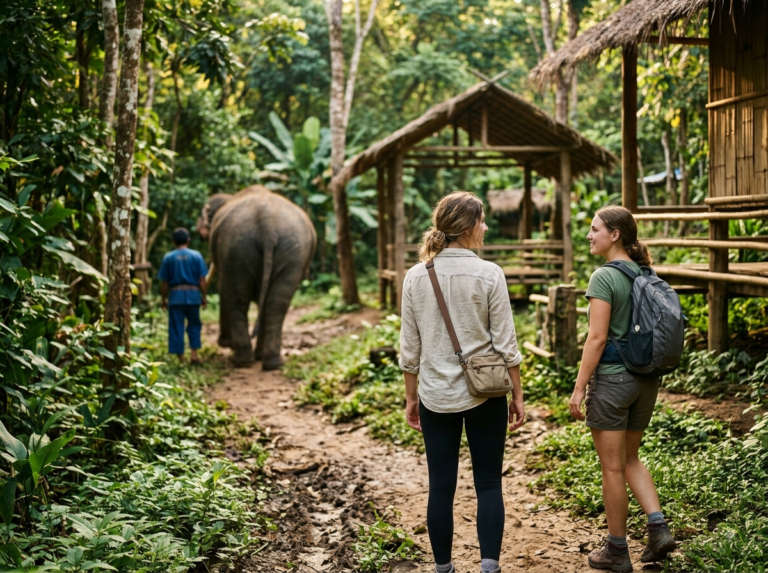
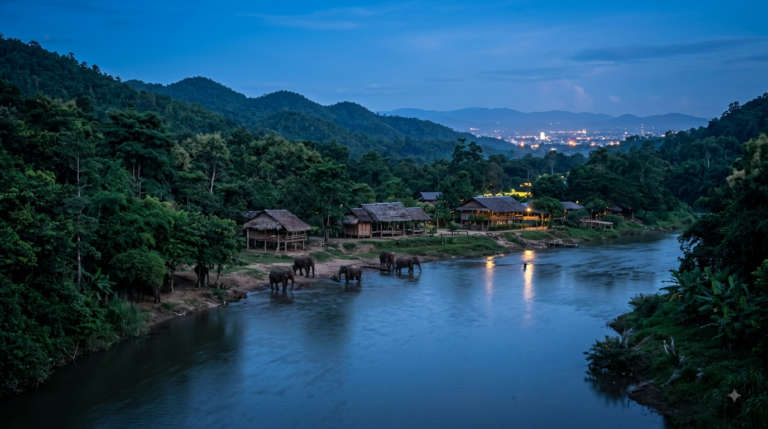
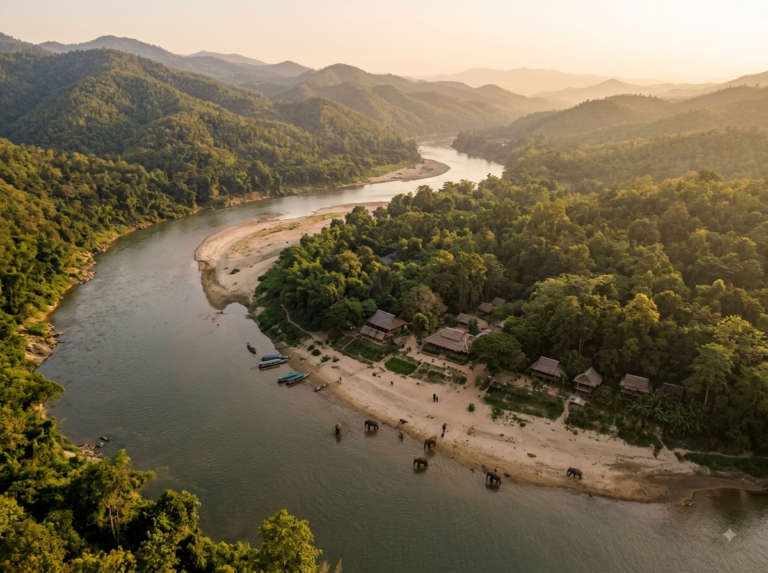
For travellers who want quiet over crowds, this small family-run camp in the forest west of Chiang Mai keeps a handful of elephants and caps visitor numbers. The signature trip is an overnight where you hike to find the herd, sleep in a simple jungle hut and wake to the elephants foraging nearby. It is more effort to reach than the big parks, and that is the point.
| Location | Forest west of Chiang Mai, transfer arranged on booking |
| Hours | Single-day and 2-day / 1-night trips |
| Cost | 2D/1N from about 5,800 THB (₹16,500) |
| Animals & visit | Small elephant herd; trekking to observe, no riding, hands-off |
| Book | intothewildelephantcamp.com |
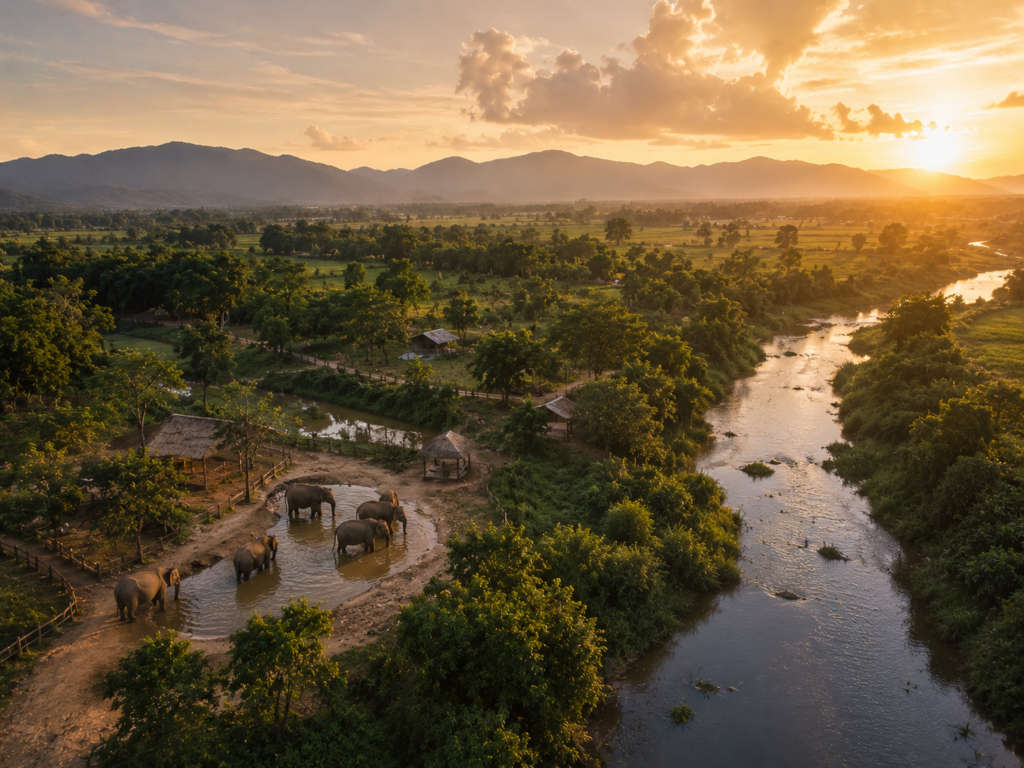
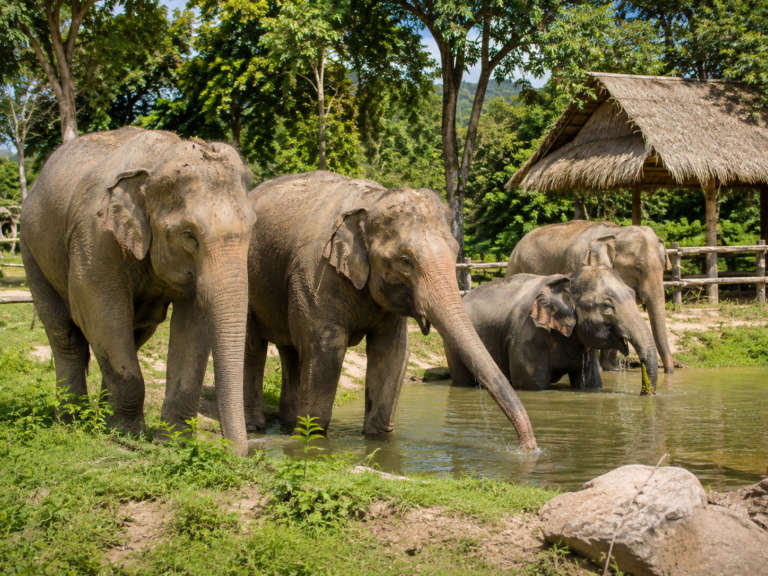
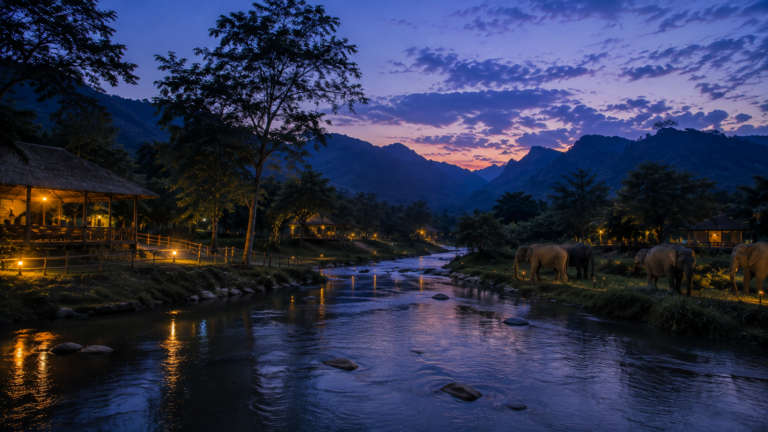
BLES is the purist’s choice. Spread over roughly 600 forested acres near Sukhothai, it takes only a few overnight guests at a time and lets its rescued elephants live in near-total freedom, with no rides, no shows and no day-tripper crowds. Bookings open months ahead and go quickly. If you want the least commercial elephant experience in Thailand and can commit to an overnight, this is it.
| Location | Baan Na Ton Jan, Sukhothai province |
| Hours | Overnight stays only, by advance booking |
| Cost | 6,000 THB (₹17,100) per night, includes meals and transfer |
| Animals & visit | Free-roaming rescued elephants; observation only |
| Book | blesele.org, months ahead |
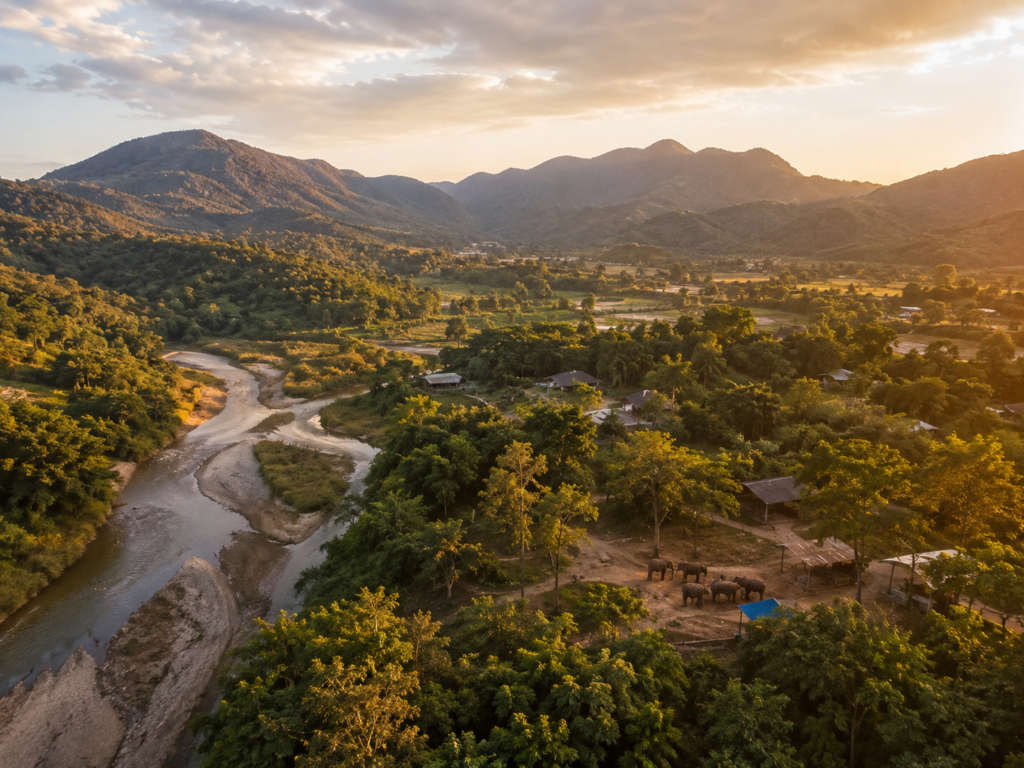
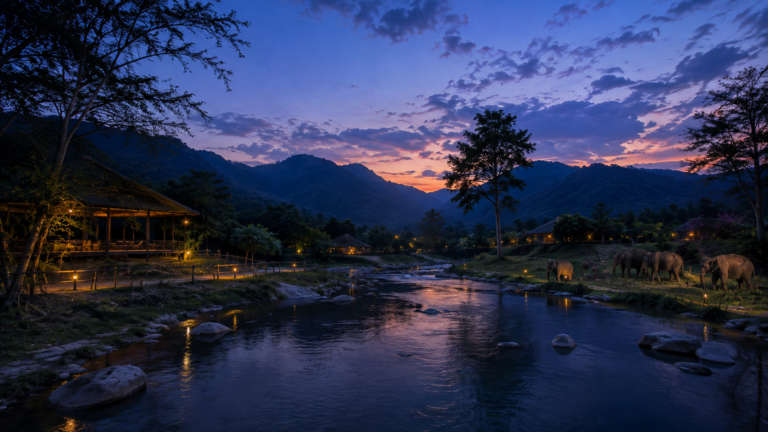
BEES is a retirement home in the Mae Chaem valley for elderly, injured and rescued elephants, run alongside a dog and cat rescue. There is no day-tripping and no riding; instead, week-long volunteer stays have you harvesting bananas, planting grass and cleaning enclosures so the animals can simply be left alone. Choose it if you want to give time rather than take photos.
| Location | Mae Chaem district, about 3 hours from Chiang Mai |
| Hours | Volunteer stays, advance booking required |
| Cost | On request; weekly volunteer packages |
| Animals & visit | Elderly and rescued elephants, dogs, cats; volunteer work, no riding |
| Book | bees-elesanctuary.org |
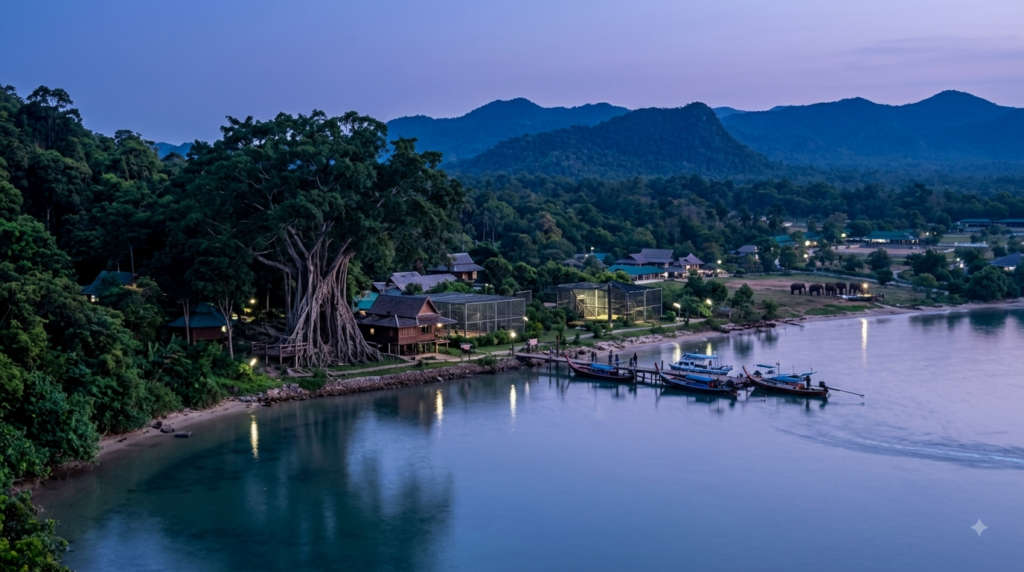
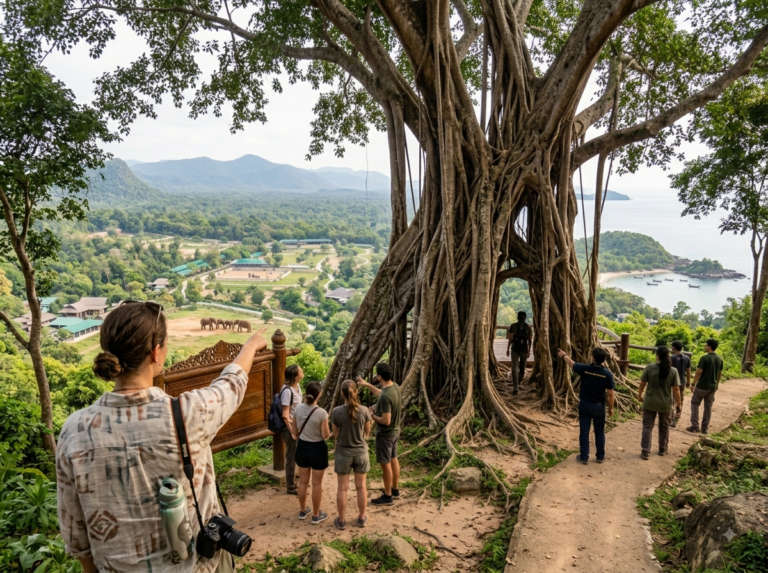
WFFT is the broadest rescue on this list. Between Bangkok and Hua Hin, it runs an elephant refuge plus a wildlife hospital caring for gibbons, macaques, langurs, otters, bears, big cats and birds pulled from the illegal trade. Ethical tours keep you behind the enclosures, watching rehabilitation rather than handling animals. It is the best single stop if you want to see Thailand’s wider wildlife, not only elephants.
| Location | Tha Yang, Phetchaburi, about 2.5 hours from Bangkok |
| Hours | Daily, last entry around 4 pm |
| Cost | 1,100 THB (₹3,150) adult, 900 THB (₹2,565) child for a day visit |
| Animals & visit | Elephants, gibbons, macaques, otters, bears, birds; observe, no contact |
| Book | wfft.org |
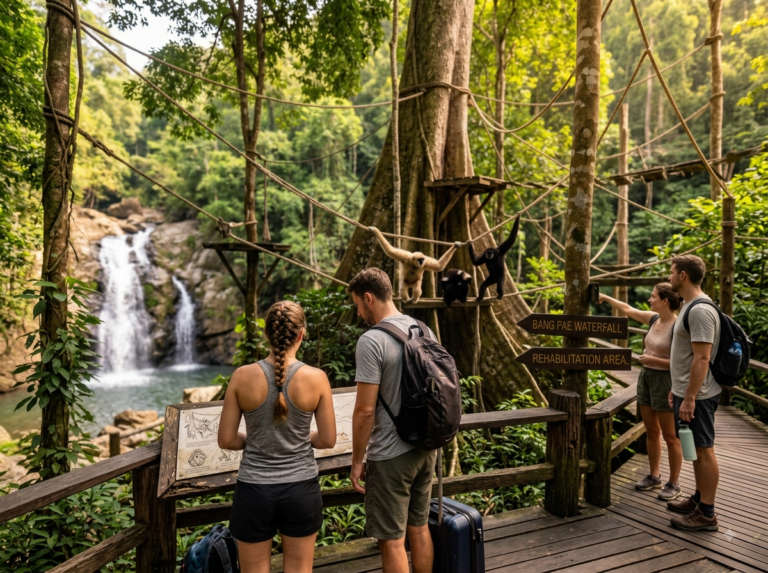
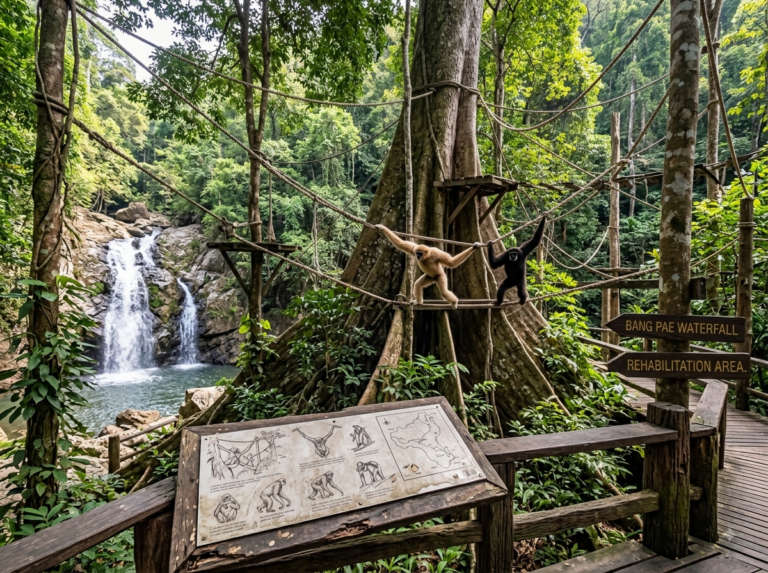
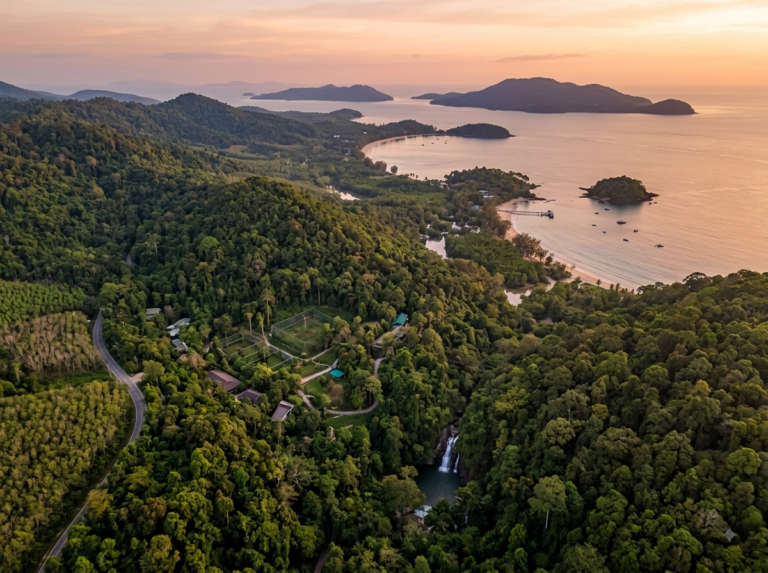
Poaching for the pet and photo-prop trade nearly wiped white-handed gibbons out of Phuket. This small centre inside the Khao Phra Thaeo forest takes in rescued gibbons, rehabilitates them and releases them back into the wild, which means you hear far more than you touch. Entry is free, it runs on donations, and it sits a short drive from Phuket Elephant Sanctuary, so the two pair naturally into one ethical morning.
| Location | Khao Phra Thaeo, Paklok, north Phuket |
| Hours | Roughly 9 am to 4:30 pm, Sunday to Friday |
| Cost | Free; donations fund the releases |
| Animals & visit | Rescued gibbons; viewing and education, no handling |
| Book | gibbonproject.org (drop-in) |
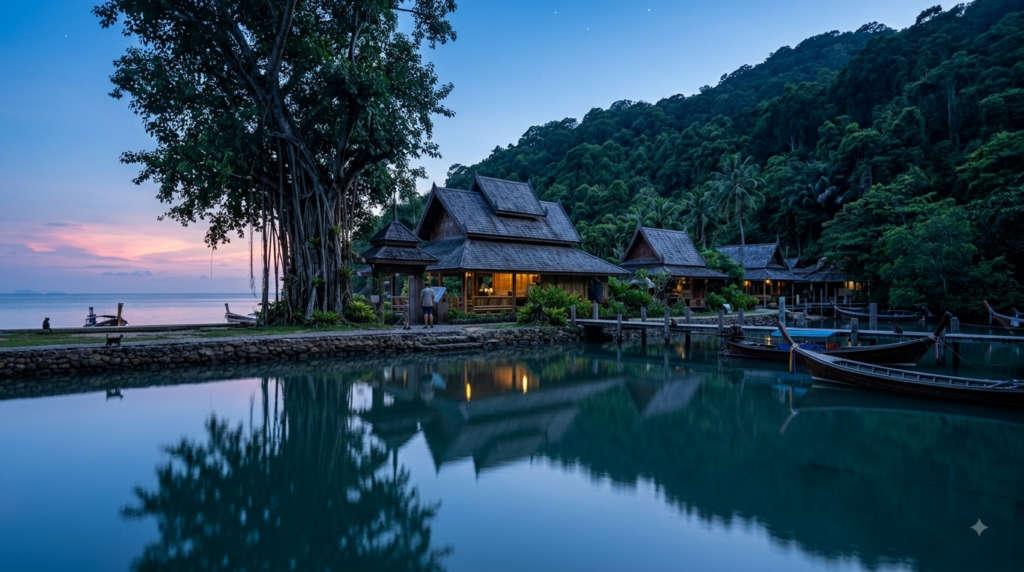
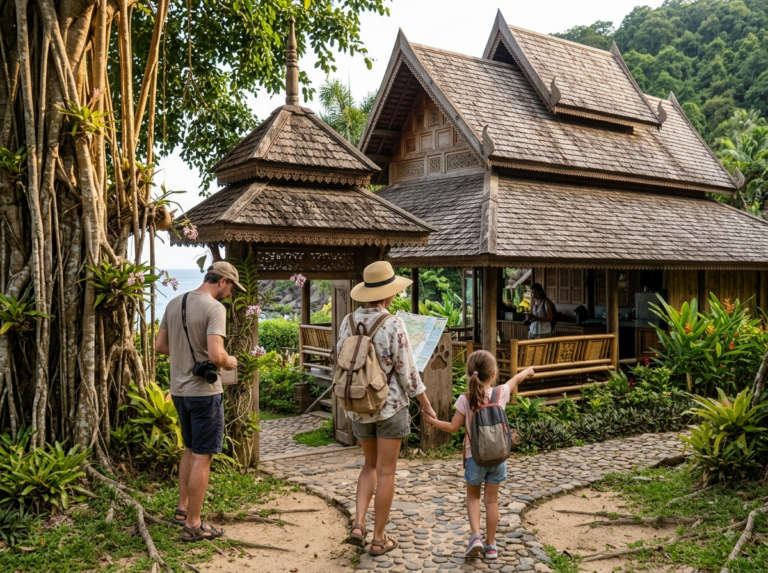
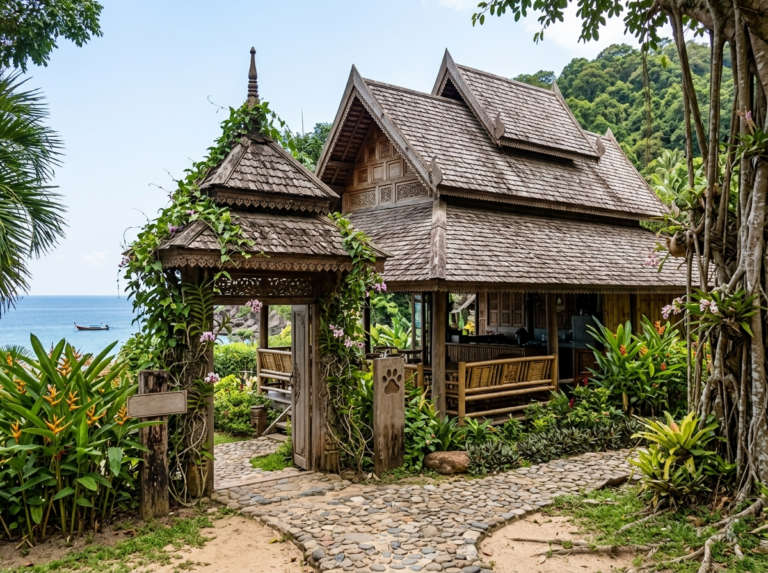
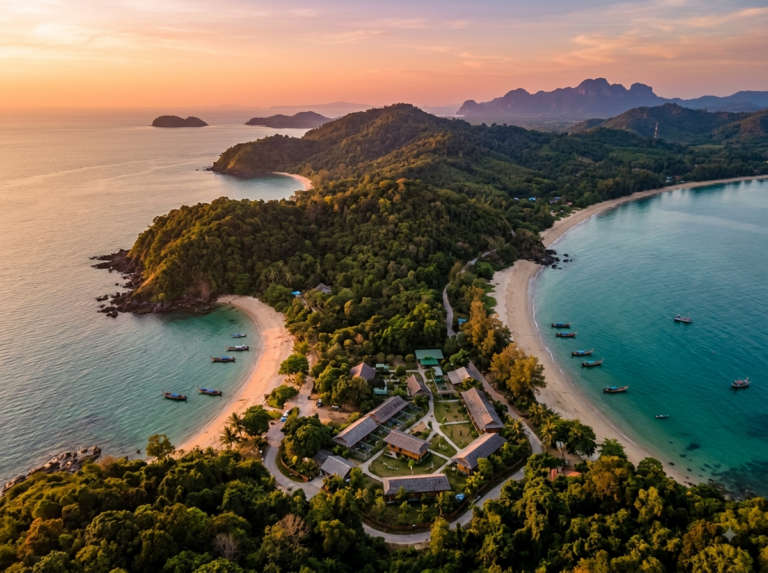
On the laid-back island of Koh Lanta, this clinic and shelter has treated tens of thousands of the region’s stray dogs and cats. A free guided tour shows how rescue and rehoming work, and you can join a supervised dog walk or spend an hour in the cat house. It is one of the easiest and most rewarding stops to add to a Krabi or Lanta beach trip.
| Location | Saladan, Koh Lanta, Krabi |
| Hours | Daily, roughly 9 am to 5 pm |
| Cost | Free; donations and dog-walking welcome |
| Animals & visit | Dogs and cats; tour, dog walks, cat cuddling |
| Book | lantaanimalwelfare.com |


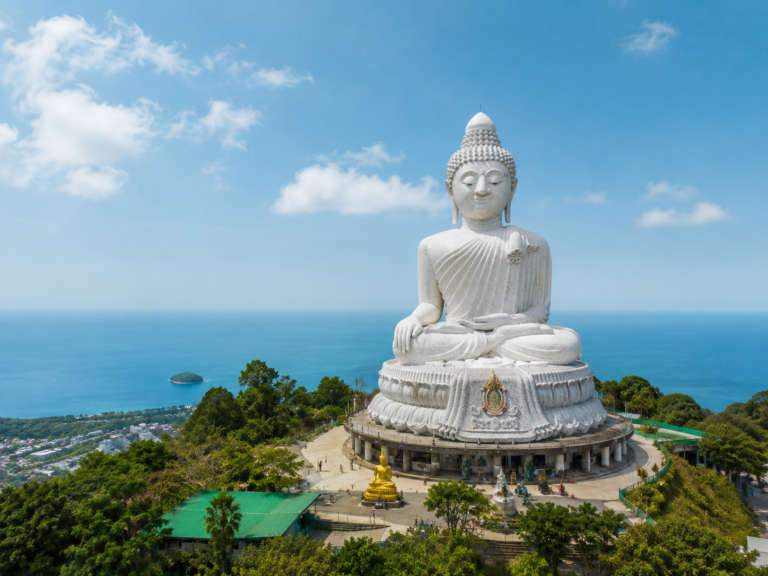

Soi Dog is one of Asia’s largest street-animal charities, best known for its work sterilising and rescuing Thailand’s stray dogs and cats and for fighting the dog-meat trade. Its Phuket shelter runs free guided tours where you meet the rescues and see the veterinary and adoption programmes. Many visitors leave as “virtual” dog walkers or foster sponsors.
| Location | Mai Khao, north Phuket, near the airport |
| Hours | Guided tours on weekday mornings; booking advised |
| Cost | Free; runs on donations and sponsorship |
| Animals & visit | Dogs and cats; guided shelter tour, no unsupervised handling |
| Book | soidog.org |
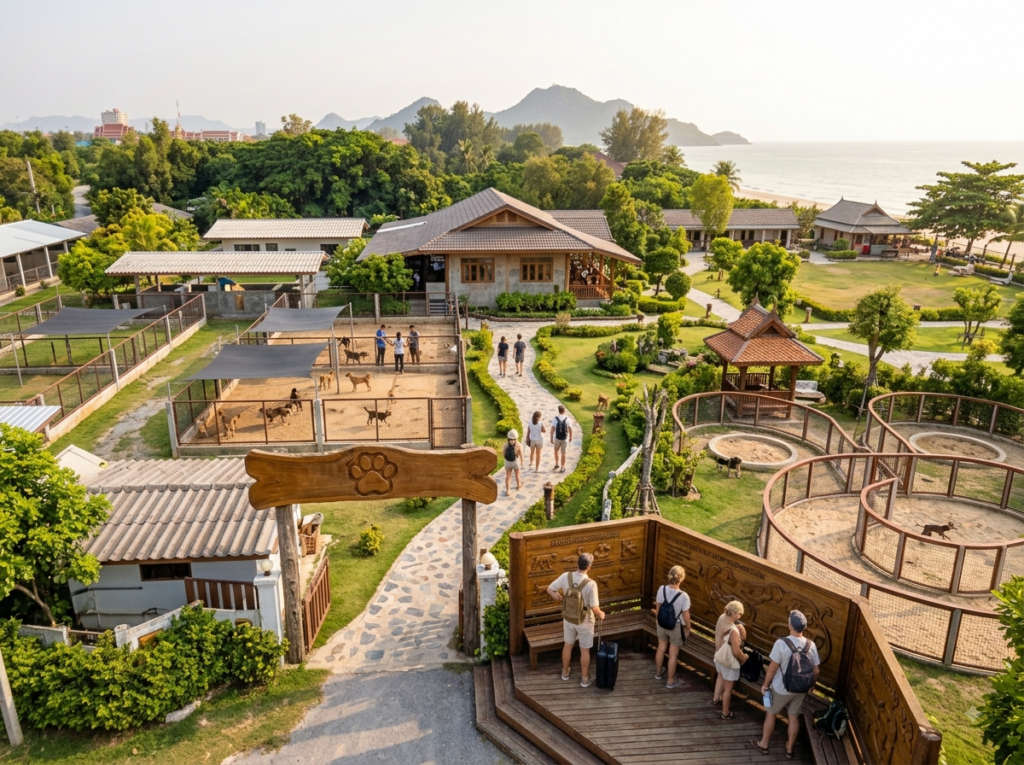
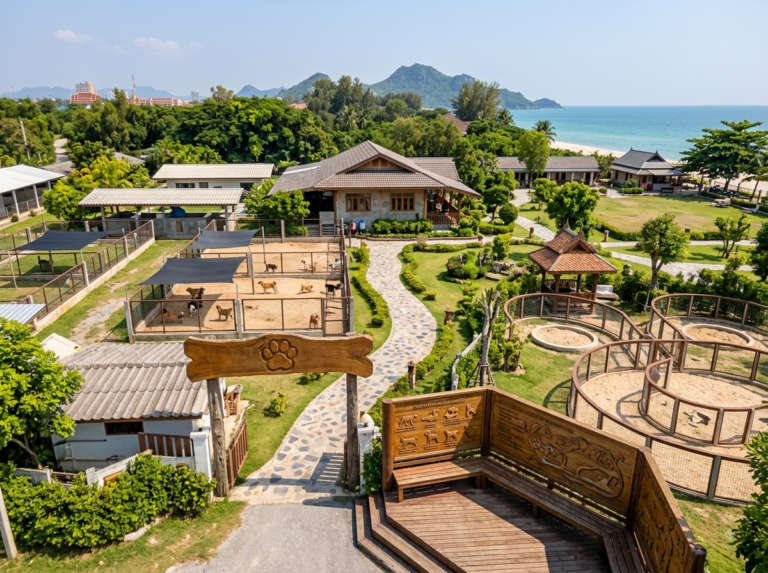

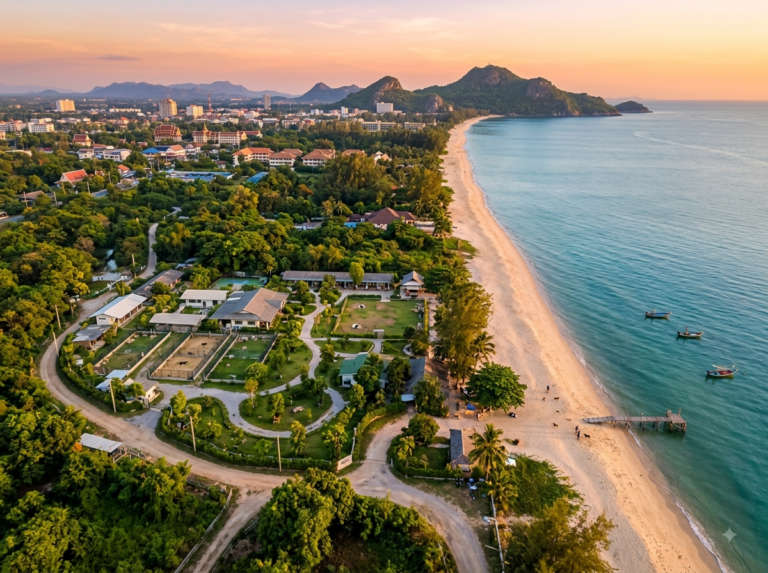
A small, volunteer-driven rescue near Hua Hin, Rescue Paws feeds, sterilises and rehomes the beach town’s street dogs and cats. It is not a drop-in attraction; you arrange a visit in advance and pitch in, whether that is a feeding run, a shelter shift or fostering. For an animal lover on a Hua Hin weekend, it is a genuine way to help.
Two more worth knowing: Elephant Hills in Khao Sok pairs an ethical elephant camp with rainforest tented camps for a longer wildlife trip, and Krabi Elephant Sanctuary offers hands-off half-days for travellers based on the Andaman coast.
| Location | Nong Kae, Hua Hin, Prachuap Khiri Khan |
| Hours | By appointment, advance booking required |
| Cost | Free; donations and volunteer time |
| Animals & visit | Dogs and cats; feeding runs, fostering, volunteering |
| Book | rescuepawsthailand.org |
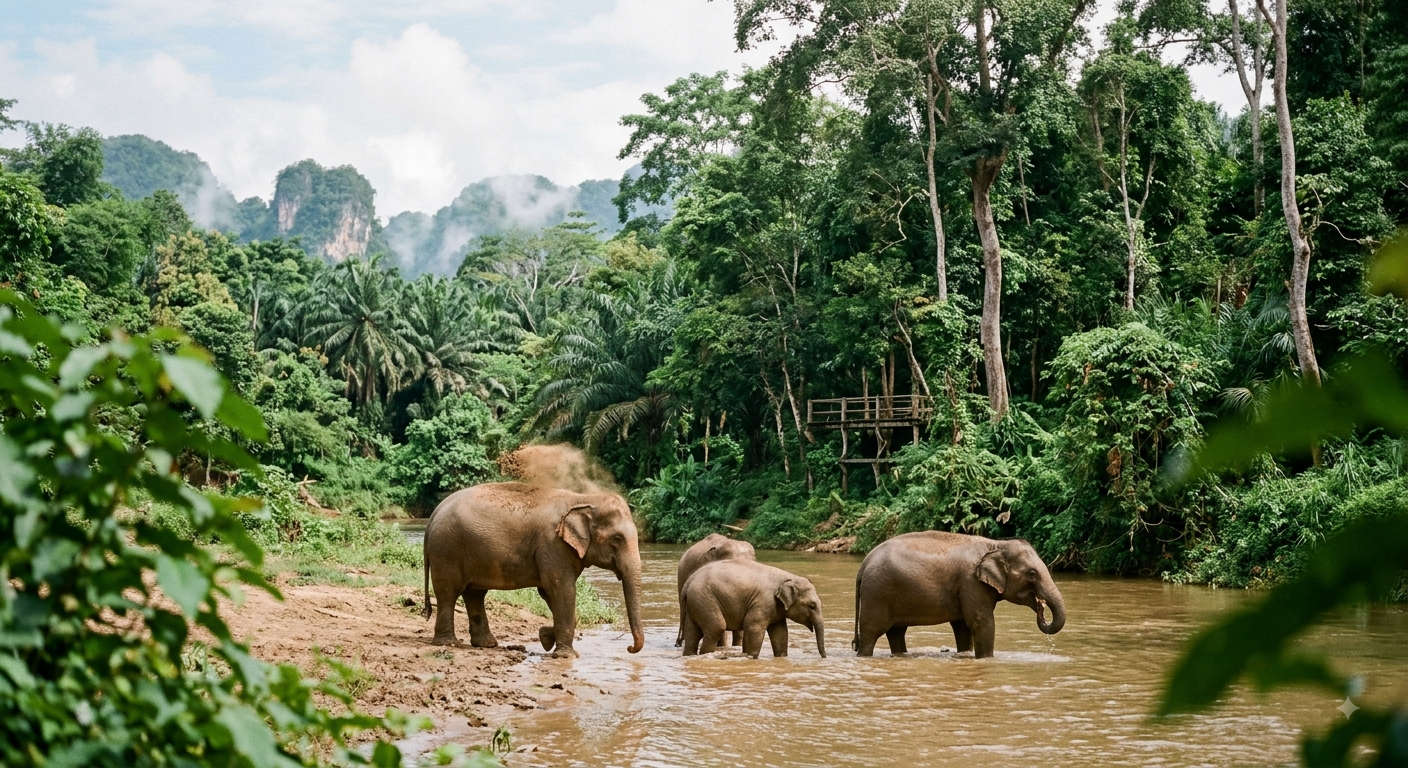
A half or full-day ethical elephant visit runs from about 2,500 to 3,000 THB (₹7,100 to ₹8,600), and that usually covers hotel transfer, a guide and a vegetarian-friendly lunch. Overnight and multi-day stays at the smaller reserves, like Boon Lott’s or Into the Wild, cost more because they include accommodation and food. Dog and cat rescues such as Lanta, Soi Dog and Rescue Paws are free to visit and live on donations, so carry some cash to give. Here is the booking sequence that avoids disappointment.
Booking, step by step:
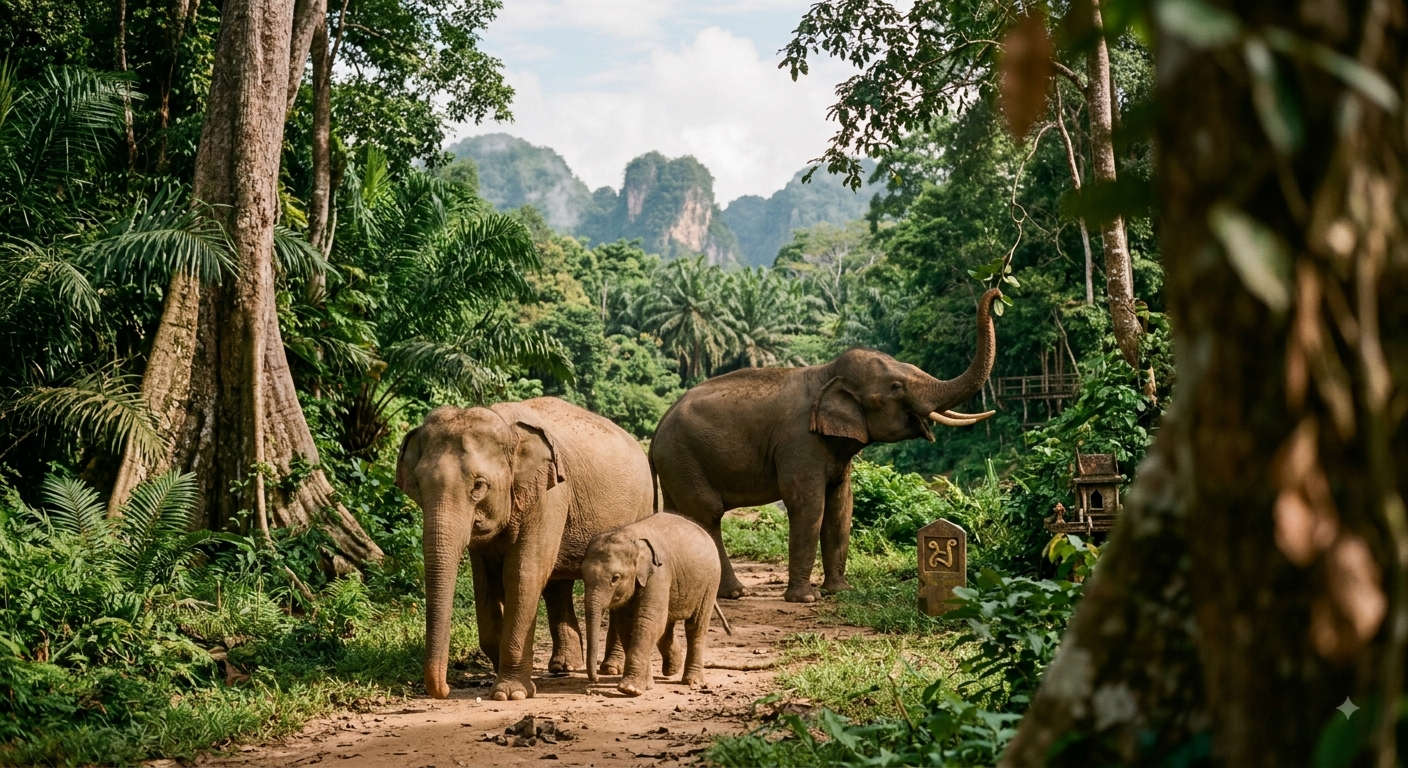
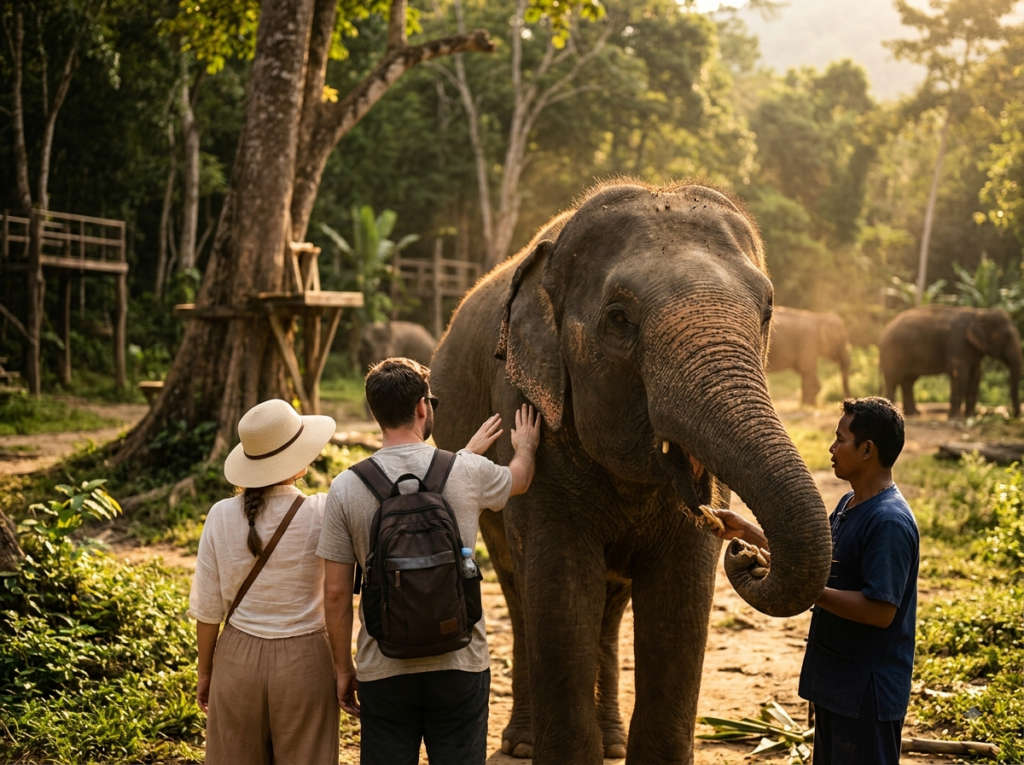
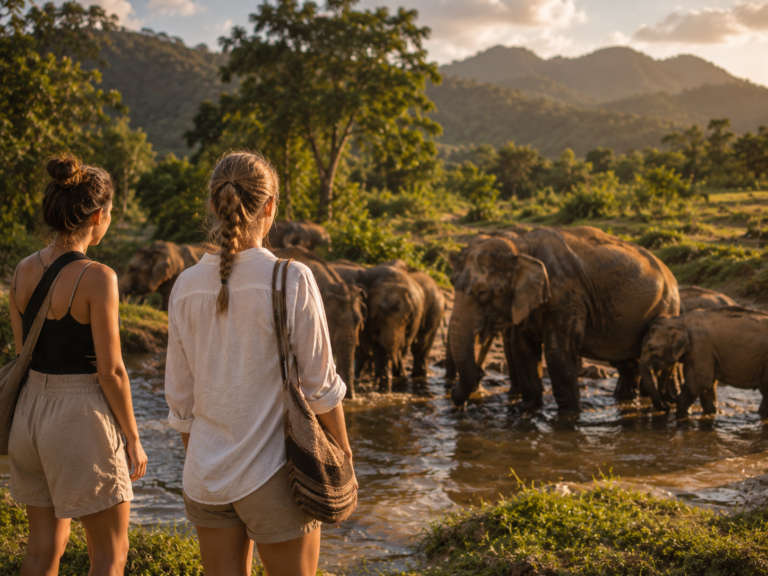
A typical half-day at an ethical elephant sanctuary starts with a hotel pickup, a short briefing on each animal’s rescue story, then time preparing food (chopping sugarcane, rolling banana-and-rice balls) and walking alongside the herd as it grazes. You may watch the elephants mud-bathe or soak in a river, but you stay on the bank; the animals do it on their own, not on cue. Lunch is usually a Thai buffet with vegetarian options. Nobody rides, and nobody scrubs an elephant for a photo. If a place offers those, it is not on this list for a reason.
The best window is November to February, Thailand’s cool, dry season, when trails are firm and the animals are active in comfortable weather. March to May gets hot but visits still run. The June to October green season brings afternoon rain and lush forest; mornings are usually clear and prices can dip, though a few forest camps limit access after heavy rain. Book the first session of the day year-round: it is cooler for the animals and quieter for you.
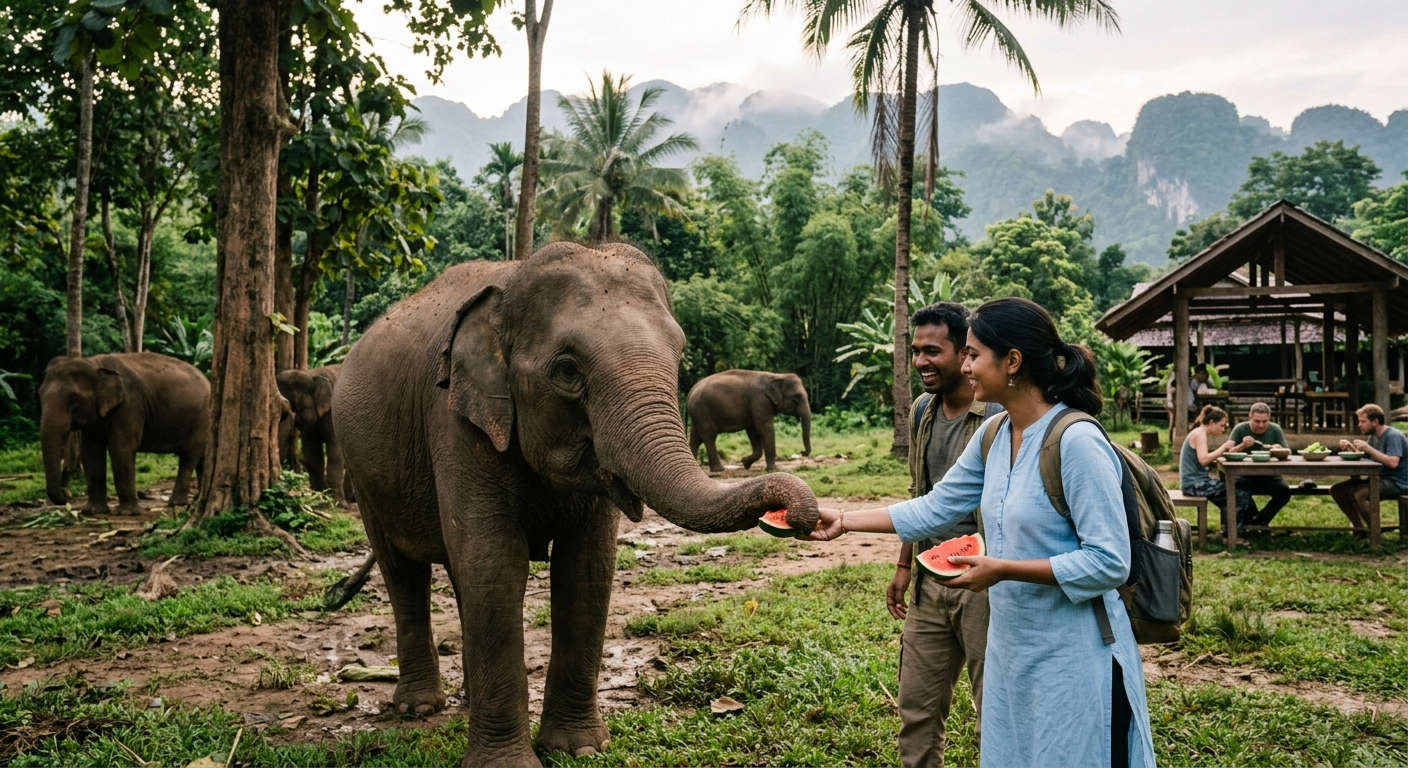
Thailand is one of the easiest international trips from India for an animal-focused holiday, and a sanctuary day slots in without much fuss.
If you would rather have the flights, transfers and sanctuary day arranged for you, browse our Thailand wildlife tour packages or the wider Thailand travel guide to plan the rest of the trip.
Thailand went from riding camps to real rescue centres in barely a decade, and the 12 sanctuaries above are the ones that made the shift for the right reasons. Pick by base city, check it against the six ethical tests, and book direct. When you are ready to turn it into a full trip, our Thailand wildlife tour packages bundle the flights, stays and a sanctuary day so you can spend your time watching elephants roam, not sorting logistics.
A half or full-day visit at an ethical elephant sanctuary costs about 2,500 to 3,000 THB (₹7,100 to ₹8,600) per person, usually including hotel transfer, a guide and lunch. Overnight reserves such as Boon Lott's cost more, from around 6,000 THB (₹17,100) a night with meals. Dog and cat rescues like Soi Dog and Lanta Animal Welfare are free to visit and rely on donations.
Use six tests: no riding, no bathing with the animals, no chains or bullhooks, no shows or tricks, plenty of space with small visitor groups, and a clear rescue-and-rehabilitation mission. The word “sanctuary” is not regulated in Thailand, so check the centre's own website against these points. If it sells rides, bathing packages or performances, it is not ethical.
No. Every sanctuary in this guide has banned riding. An elephant's spine is not designed to carry a seat and passengers, and the training used to make elephants accept riders is harsh. Ethical centres let you watch, feed and walk beside the elephants instead, which is safer for you and far better for them.
Elephant Nature Park near Chiang Mai is the most established and the easiest first choice, with more than 100 rescued elephants roaming free. Phuket Elephant Sanctuary is the best pick if you are on the islands, and Boon Lott's in Sukhothai is the most exclusive, overnight-only option. All three are hands-off and observation-first.
No, which is why the leading centres stopped it. Group bathing forces elephants through the same routine many times a day and is stressful for them. Elephant Nature Park ended tourist bathing in 2020, and other ethical sanctuaries have followed. At a genuine sanctuary you watch the elephants bathe themselves from the bank.
November to February is ideal: cool, dry weather with active animals and firm trails. March to May is hot but visits run as normal. The June to October green season brings afternoon rain and lush forest, with clear mornings and sometimes lower prices, though a few forest camps limit access after heavy downpours. Book the first session of the day whenever you go.
For a day trip from Bangkok, choose Elephants World in Kanchanaburi (about 2.5 to 3 hours west) or Wildlife Friends Foundation in Phetchaburi (about 2.5 hours south). Both are ethical, hands-off and set up for full-day visits, so you can leave the city in the morning and be back by evening.
Yes. Khao Yai and Kaeng Krachan national parks offer wild elephant, gibbon and bird sightings, and Khao Sok has rainforest and lakes. These are protected wild habitats, not visitor-contact centres, so sightings are never guaranteed and you keep your distance. Sanctuaries are the reliable way to see rescued animals up close and ethically.
Yes. Observation-first sanctuaries like Elephant Nature Park, Phuket Elephant Sanctuary and Wildlife Friends are well suited to families, with easy walking, feeding activities and vegetarian lunches. Keep younger children close during feeding, follow the guide's spacing rules, and pick a half-day rather than a strenuous overnight trek for small kids.
Book ahead. Popular centres such as Elephant Nature Park, Phuket Elephant Sanctuary and Samui Elephant Sanctuary sell out their daily slots, so reserve two to four weeks in advance and months ahead for overnight-only reserves like Boon Lott's. Some dog and cat rescues take drop-ins, but even they prefer a heads-up so a guide is free.
Real reviews from real travelers who booked with us.
View All Reviews