6D / 5N
8% OFF
6D / 5N
8% OFF
Romantic Bangkok And Phuket Honeymoon Tour
- Hotel
- Meals
- Sightseeing
- Airport Transfer
- Cruise
₹19,022
₹17,500 /pp
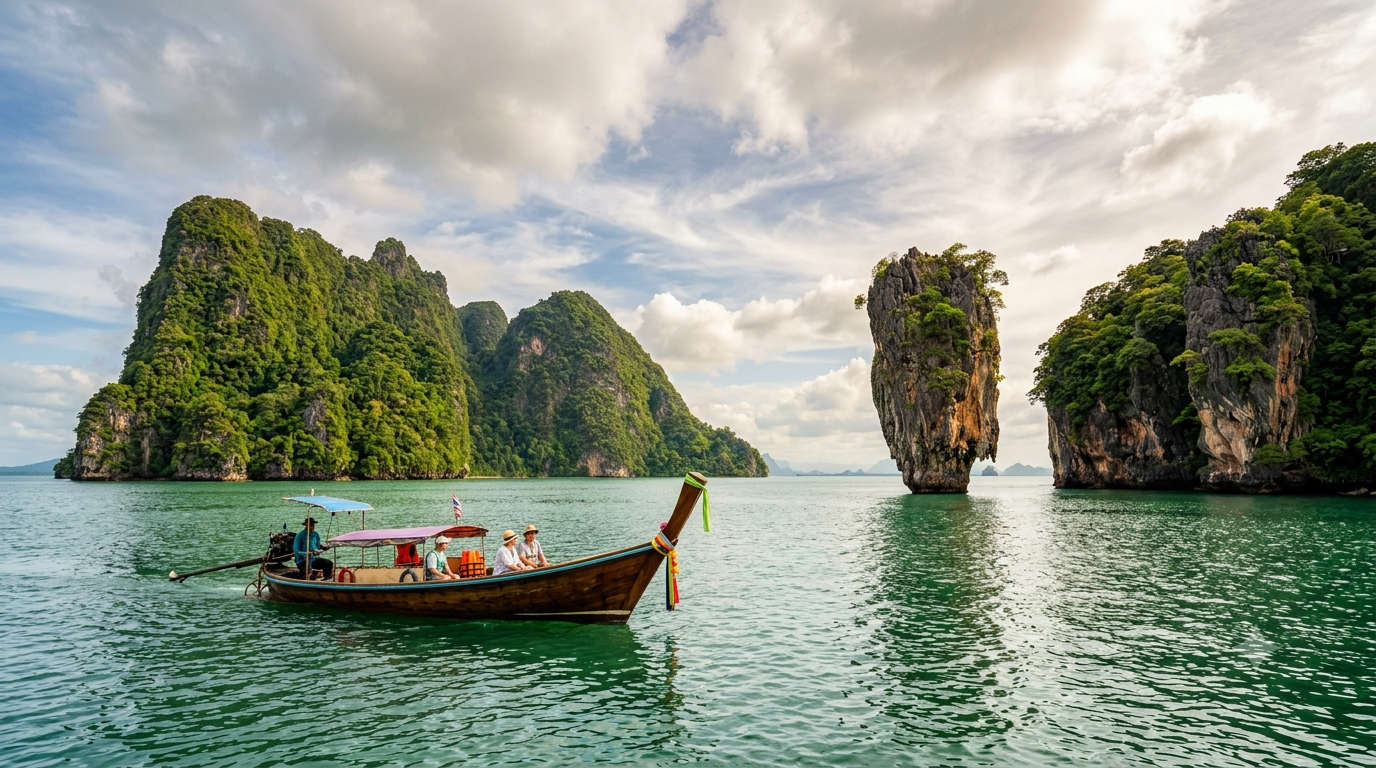


Yes, September is a good time to visit Thailand, as long as you choose the right coast. This is the tail end of the southwest monsoon, which makes it the greenest, cheapest and least crowded month of the year. The catch is geography. In September the Andaman coast (Phuket, Krabi, Phi Phi) is at its wettest, while the Gulf islands (Koh Samui, Koh Phangan and Koh Tao) sit in their driest, calmest window. Get that one decision right and September rewards you with half-price resorts, near-empty beaches and emerald rice terraces up north. Below you will find the region-by-region weather, the 11 places that actually work this month, September’s festivals, and what a trip costs from India in rupees and baht.
Thailand in September
Best Time
November - February
Select Package Type


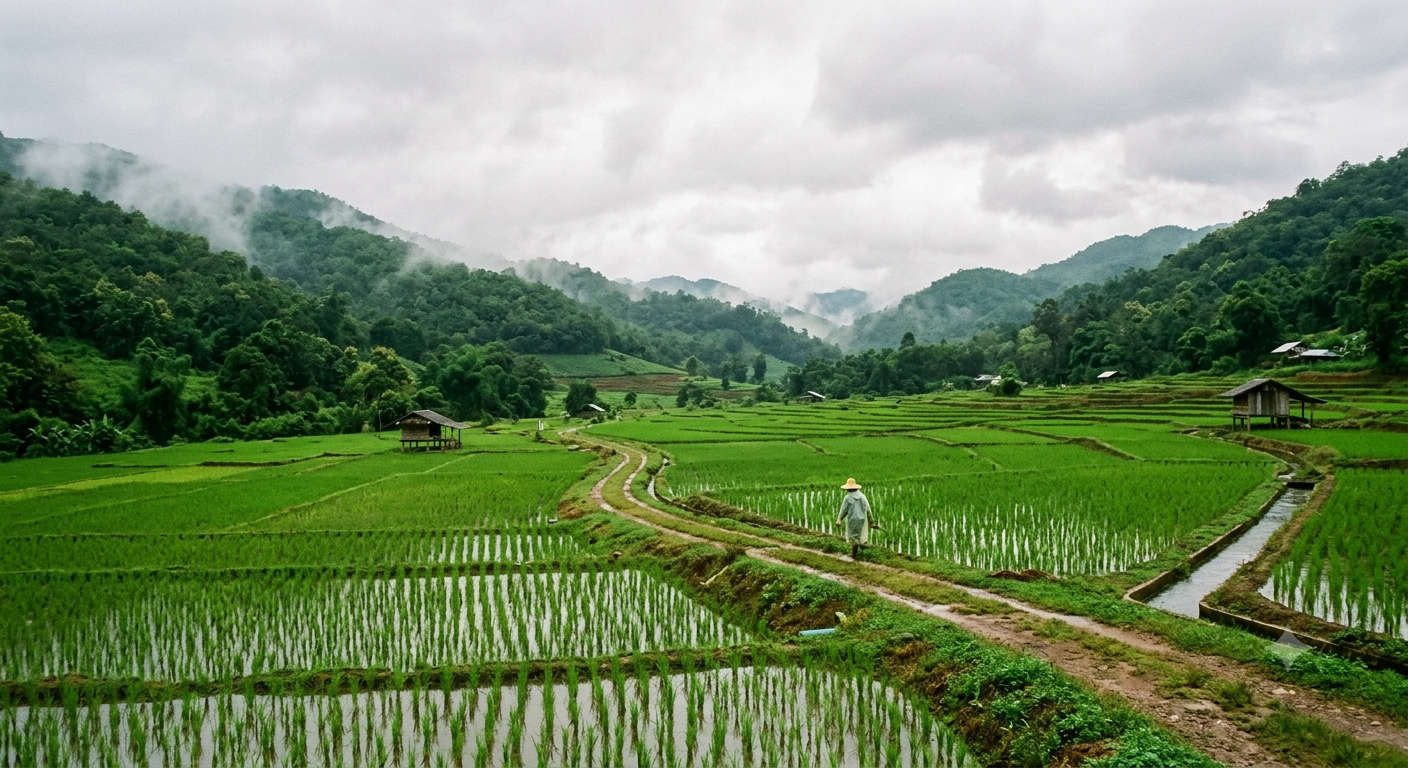
September is one of the best-value months to visit Thailand, and it is a good time if you plan around the rain rather than against it. School holidays are over, European summer crowds have gone home, and hotels drop into green-season rates. The trade-off is weather: this is the wettest stretch of the year for much of the country, but the rain tends to arrive as a heavy afternoon shower that clears within an hour or two, not a grey all-day drizzle.
For an Indian traveller the maths is simple. Flights from Delhi, Mumbai and Bengaluru are cheaper than in the December peak, resorts on the Gulf islands run 30 to 50 percent below high-season prices, and popular sights are quiet. If you want the full picture across the year, our guide to the best time to visit Thailand sets September in context. The one rule that decides whether your trip feels like a bargain or a washout is which coast you book, so start there.
Thailand does not have one September weather pattern; it has several. The southwest monsoon soaks the Andaman coast and the north, while the Gulf of Thailand runs a later, milder wet season that does not really build until October. That single fact is why Koh Samui can be sunny in the same week Phuket is rained out. Here is how the main regions compare.
| Region | Typical temp (C) | Rainfall (approx) | Rainy days | Sea and verdict |
| Gulf islands (Koh Samui, Koh Phangan, Koh Tao) | 25-32 | 120-150 mm | 12-14 | Calmest, driest islands. GO |
| Hua Hin and Cha-Am (mainland Gulf) | 25-33 | 100 mm | 10-12 | Driest mainland beach. GO |
| Bangkok and Central plains | 25-33 | 300 mm | 18-20 | Short afternoon showers. GO with rain |
| North (Chiang Mai, Pai, Chiang Rai) | 22-31 | 200-230 mm | 16-18 | Green season, afternoon rain. GO |
| Andaman (Phuket, Krabi, Phi Phi) | 25-31 | 300-400 mm | 20-22 | Wettest, rough seas. AVOID for beaches |
The takeaway is a decision rule you can carry the whole trip. Want a Thai island in September? Go Gulf, not Andaman. The Gulf islands see roughly half the Andaman’s rainfall and calm, swimmable water, while Phuket and Krabi face the year’s heaviest rain, rough seas, red-flag swimming days and reduced speedboat services on the Phi Phi and island-hopping routes. The north is wet but lovely: showers land in the afternoon, mornings are cool and clear, and the rice terraces are at their greenest. Bangkok and the central plains are rainy on paper, but the city is easy to enjoy between downpours because the trains, malls and temples keep you dry.
| Region | September verdict | Go for |
| Gulf islands (Samui/Phangan/Tao) | GO, best beaches | Sun, diving, Full Moon Party |
| Hua Hin / Cha-Am | GO | Easy beach break from Bangkok |
| North (Chiang Mai/Pai/Chiang Rai) | GO | Green rice terraces, cool mornings, best value |
| Bangkok and Central | GO with rain | Temples, markets, malls, cheapest hotel rates |
| Andaman (Phuket/Krabi/Phi Phi) | WAIT / AVOID for beaches | Only if you want it lush, cheap and do not mind rain |
This list is built around the September weather split, so it leads with the Gulf islands and the green-season north and treats the wet Andaman coast honestly. Use the quick-answer table to scan, then read the notes on each place below it.
| Place | Region | September weather | Best for |
| Koh Samui | Lower Gulf | Dry, warm, calm sea | Resorts, families, easy island life |
| Koh Phangan | Lower Gulf | Dry, calm | Full Moon Party, quiet north beaches |
| Koh Tao | Lower Gulf | Good visibility underwater | Cheap diving and snorkelling |
| Hua Hin | Mainland Gulf | Driest mainland beach | Family beach break near Bangkok |
| Chiang Mai | North | Green, afternoon showers | Temples, elephants, cool weather |
| Pai | North | Lush, misty mornings | Waterfalls, hot springs, slow travel |
| Chiang Rai | North | Green, showery | White Temple, tea hills |
| Bangkok | Central | Warm, short downpours | City, food, markets, cheap hotels |
| Ayutthaya | Central | Green, humid | UNESCO ruins day trip |
| Khao Yai and Khao Sok | Central / South | Full waterfalls, wildlife | Rainforest, national parks |
| Krabi | Andaman | Wettest, rough sea | Lush, cheap, only if flexible |
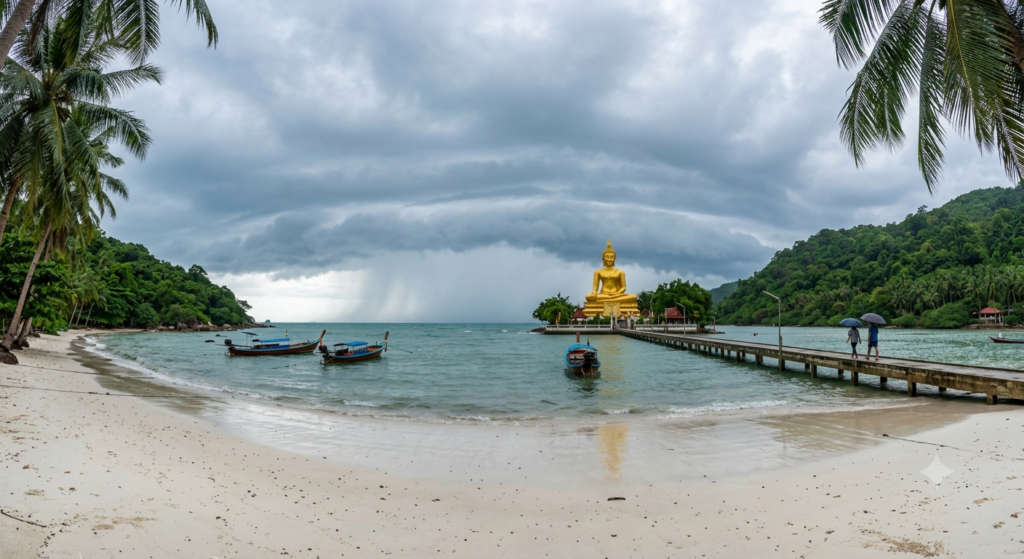
Koh Samui is the single best beach answer for September. The Gulf’s later monsoon means the island stays mostly dry and swimmable while the Andaman coast floods, and its own airport (USM) lets you skip the long ferry crossing. Base yourself around Chaweng or the quieter Bophut, where the Friday Fisherman’s Village night market is the best evening out on the island. Day trips run to the Ang Thong Marine Park lagoons when the sea is calm, and green-season room rates on four-star resorts can drop by a third. It is the easy, comfortable pick if this is your first Thai island.


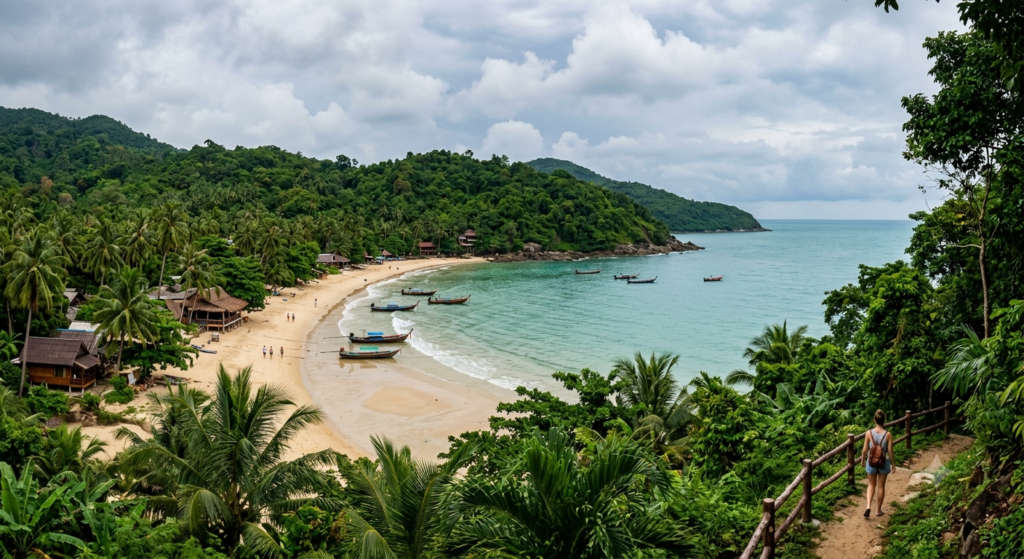
A 30-minute ferry from Samui gets you to Koh Phangan, which is far more than its party reputation. September’s full moon falls around the 26th, so the Haad Rin Full Moon Party lands mid-trip if you want it. Skip it and the island is quiet and green: the Than Sadet waterfalls run full after the rains, and the Thong Nai Pan beaches on the northeast are some of the calmest in the Gulf this month. It pairs naturally with Koh Samui and Koh Tao into a three-island week.
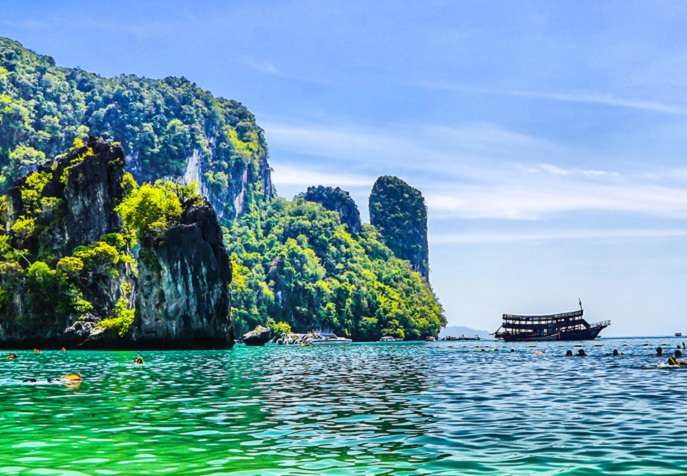


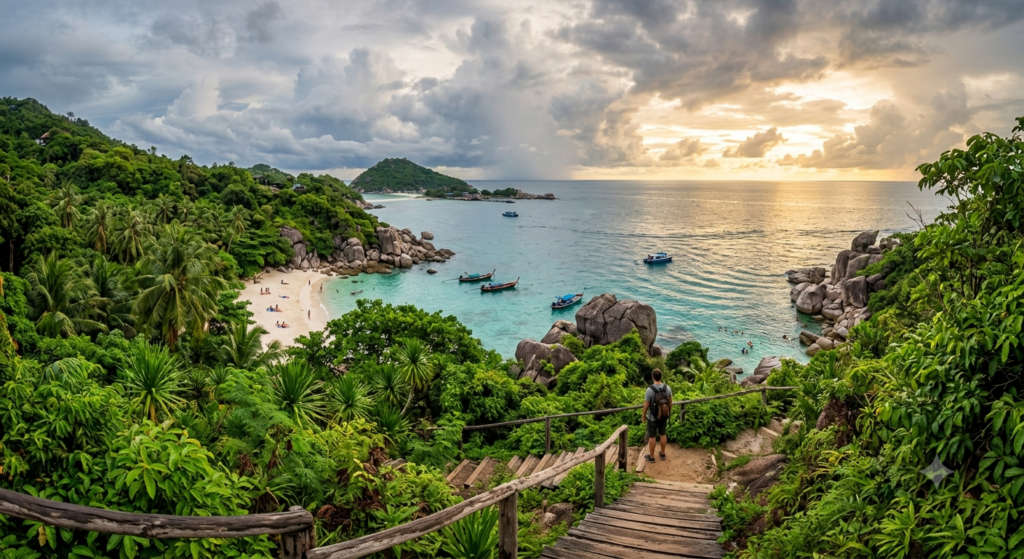
Koh Tao is the best-value place to learn to dive in Thailand, and September conditions are good, with warm water and decent visibility on the Gulf side. A three-day PADI Open Water course runs about THB 9,000 to 11,000 (roughly Rs 26,000 to 31,000), which is cheaper than almost anywhere else in Asia. Even if you only snorkel, the reefs off Shark Bay and Sairee are easy to reach. Reach it by ferry from Koh Samui or Chumphon on the mainland. Book the earlier boat in unsettled weather, as afternoon sailings are the first to be cancelled.

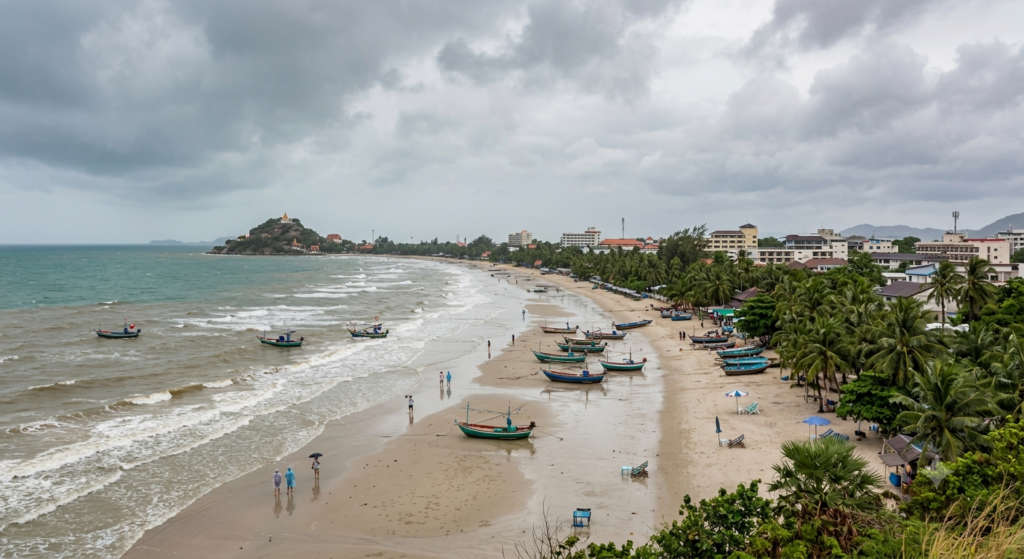
If you want a beach but do not want to fly to an island, Hua Hin is the answer. This royal-resort town on the mainland Gulf is the driest beach within easy reach of Bangkok, about a three-hour drive south. It suits families and slower trips: a long flat beach, the buzzing Hua Hin night market, the arty weekend Cicada Market, and vineyards and waterfalls in the hills behind town. Trains from Bangkok make it an easy, low-stress add-on if the capital is your entry point.
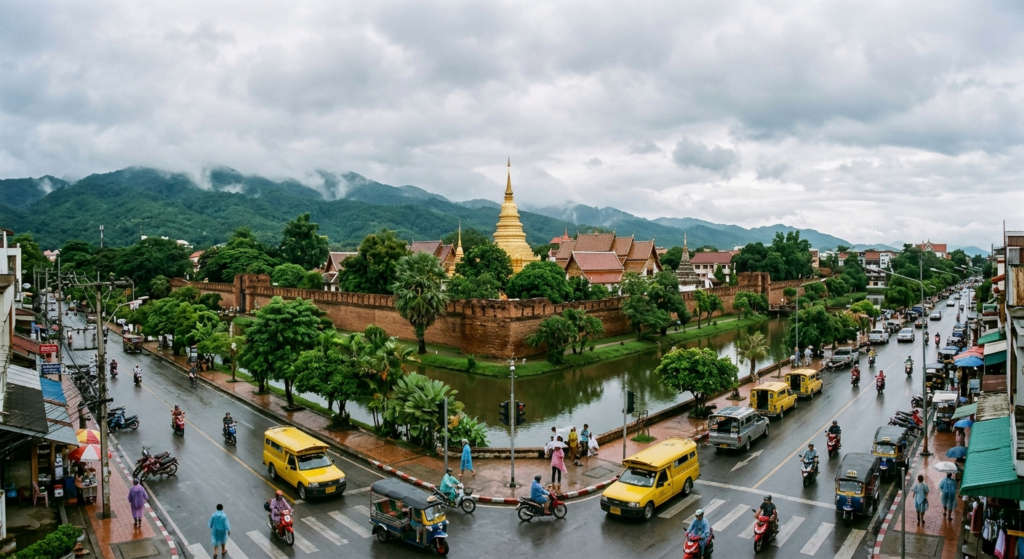
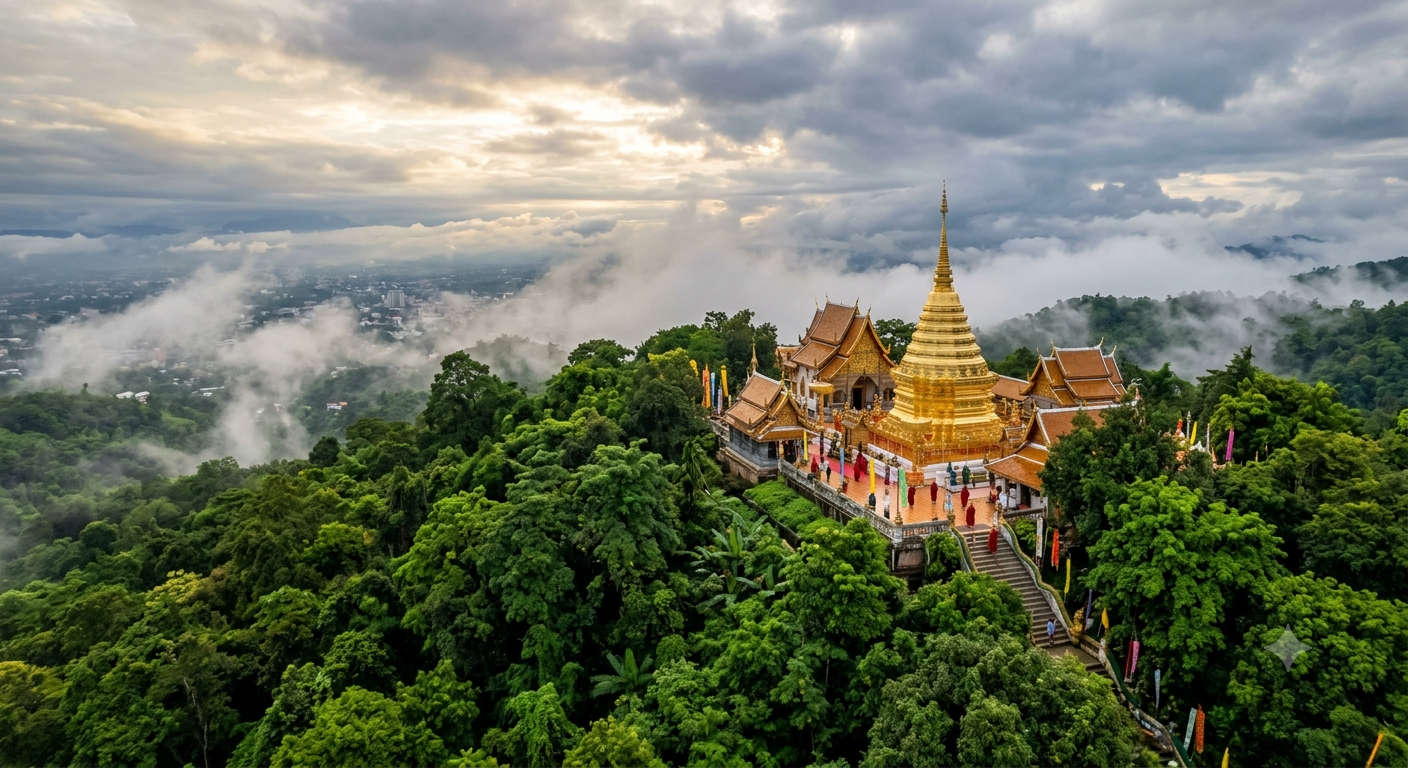
The north is in its green season, and Chiang Mai is its heart. Rain here is usually a sharp afternoon shower, leaving cool, clear mornings that are perfect for temple-hopping around the old city and the hilltop Doi Suthep. It is also the base for visiting an ethical elephant sanctuary, where the focus is feeding and observing rather than riding. The Sunday Walking Street market fills the old town with food and crafts, and green-season rates make the boutique guesthouses a bargain. Read our roundup of top experiences in Thailand for more ideas up north.
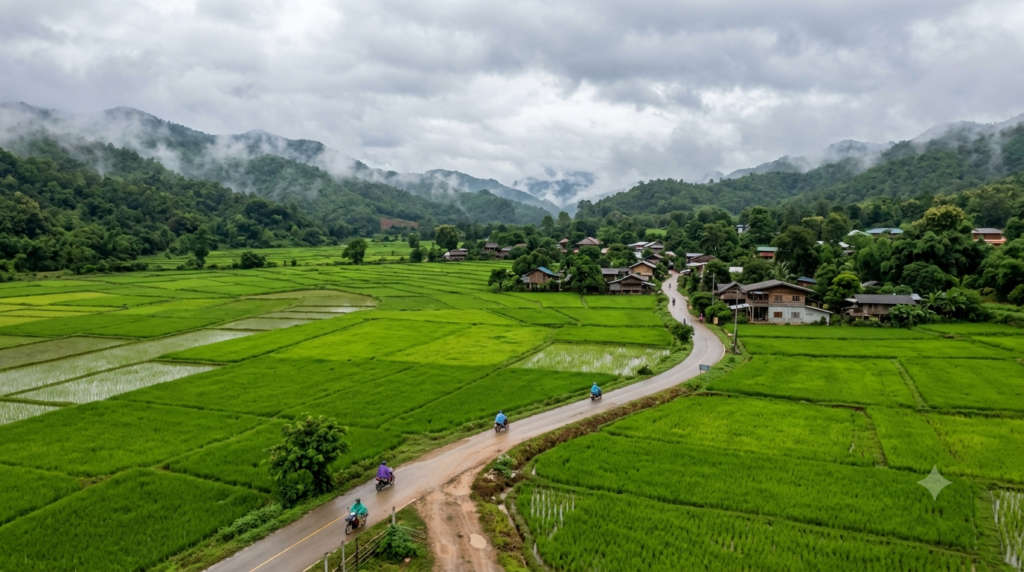
Three hours northwest of Chiang Mai, up a famously winding mountain road, Pai is at its best in the green season. The rice fields glow, the Pam Bok and Mo Paeng waterfalls are full, and the hot springs are a fine way to spend a wet afternoon. It is a small, slow town built for hammock time and sunset viewpoints. The drive is the one caveat: the road has hundreds of curves, so take motion-sickness tablets and travel by daylight.
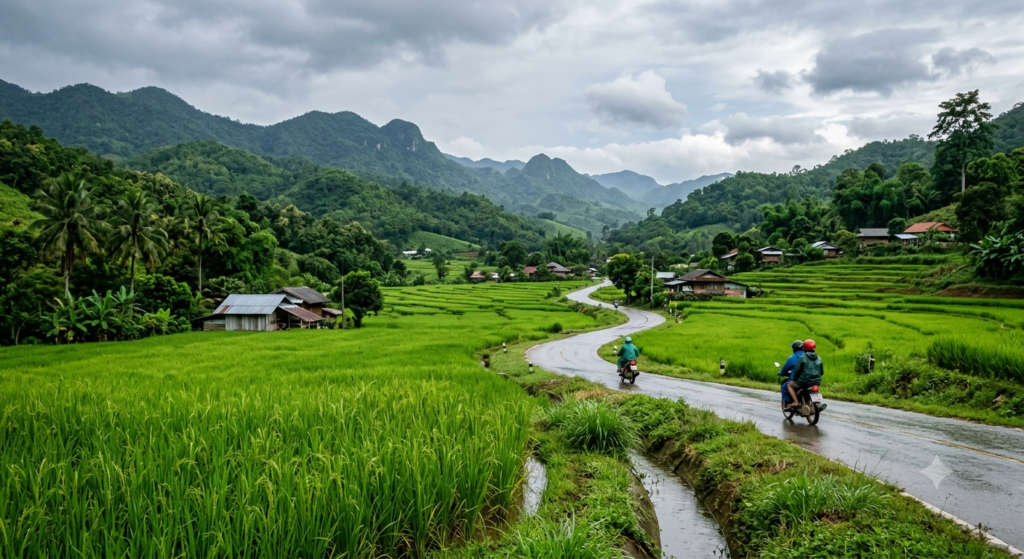
Further north again, Chiang Rai trades crowds for two of Thailand’s most striking modern temples: the white Wat Rong Khun and the cobalt Blue Temple. September keeps the surrounding tea and coffee hills a deep green, and the town is a launch point for the Golden Triangle where Thailand, Laos and Myanmar meet. It works as a two-day extension from Chiang Mai, either by bus or a scenic self-drive.
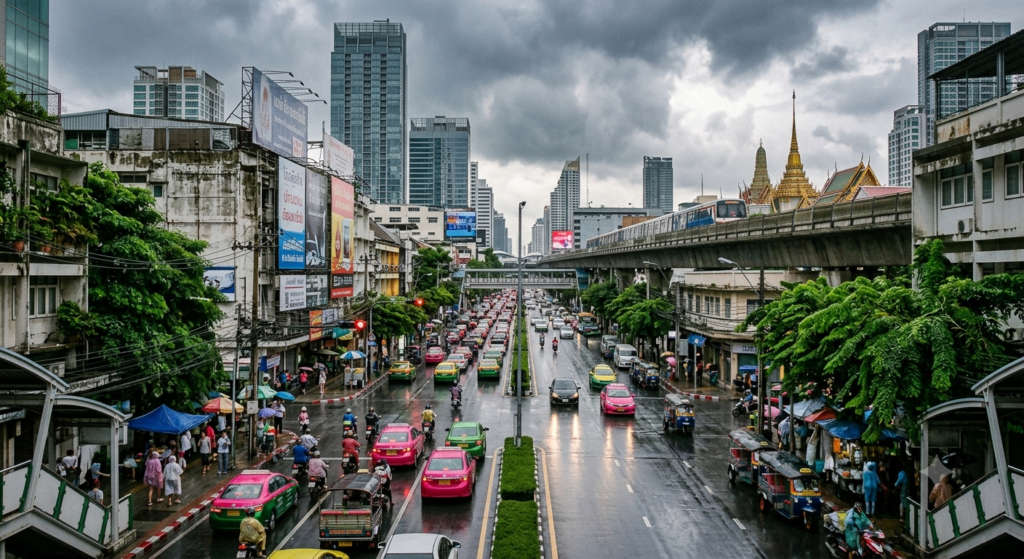
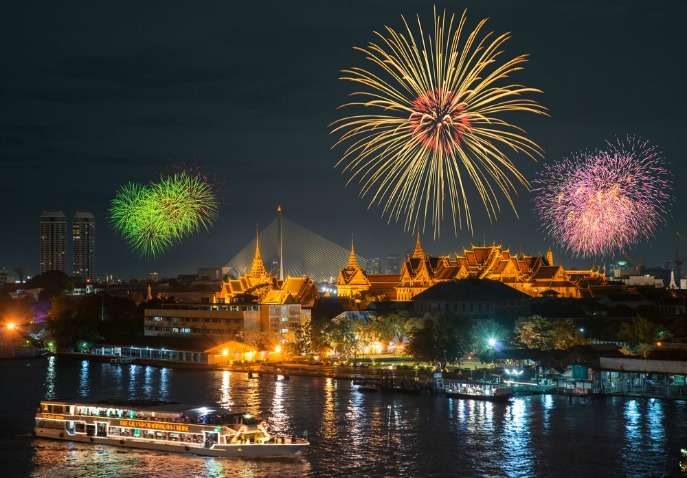
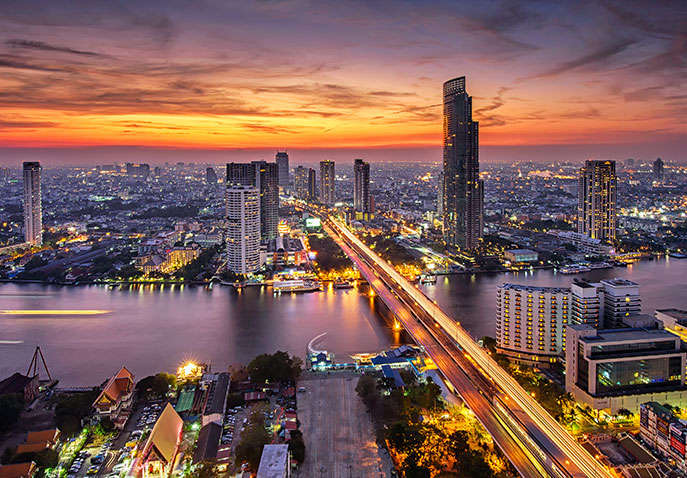
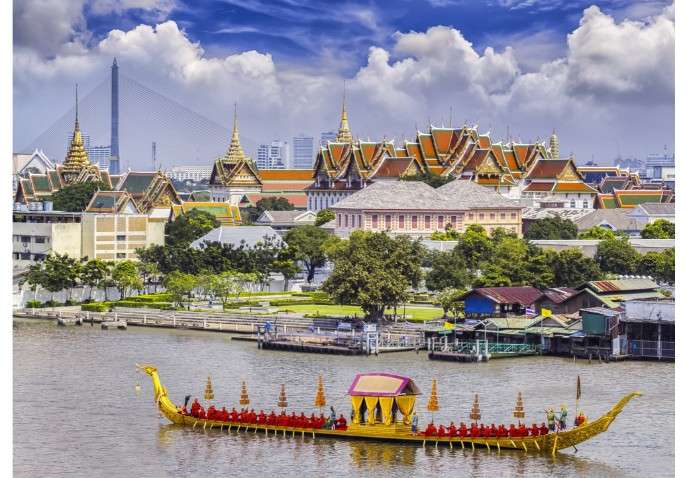
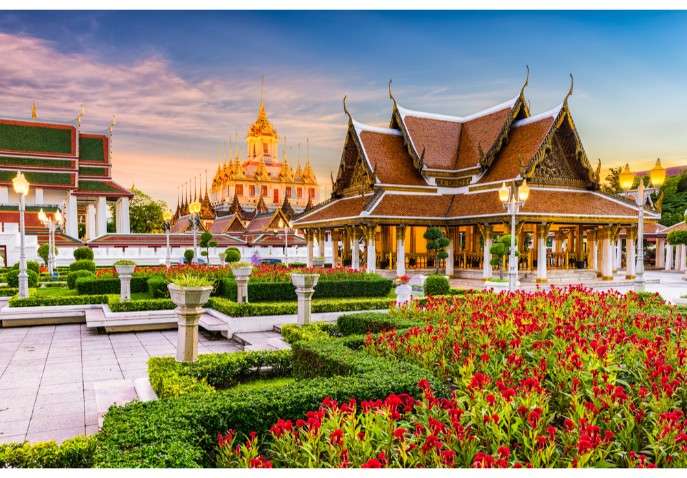
Bangkok is a September winner precisely because it does not depend on the beach. Yes, it rains, but the showers are short and the city is built to shrug them off: the BTS Skytrain and MRT keep you above the flooded streets, and the malls, temples and markets are all indoor-friendly. This is the month of the cheapest hotel rates of the year, so you can trade up to a riverside room. Fit in the Grand Palace, Wat Arun across the river, and the vast Chatuchak Weekend Market, which runs Saturday and Sunday. When a downpour hits, that is your cue for a rooftop bar or a Thai massage.
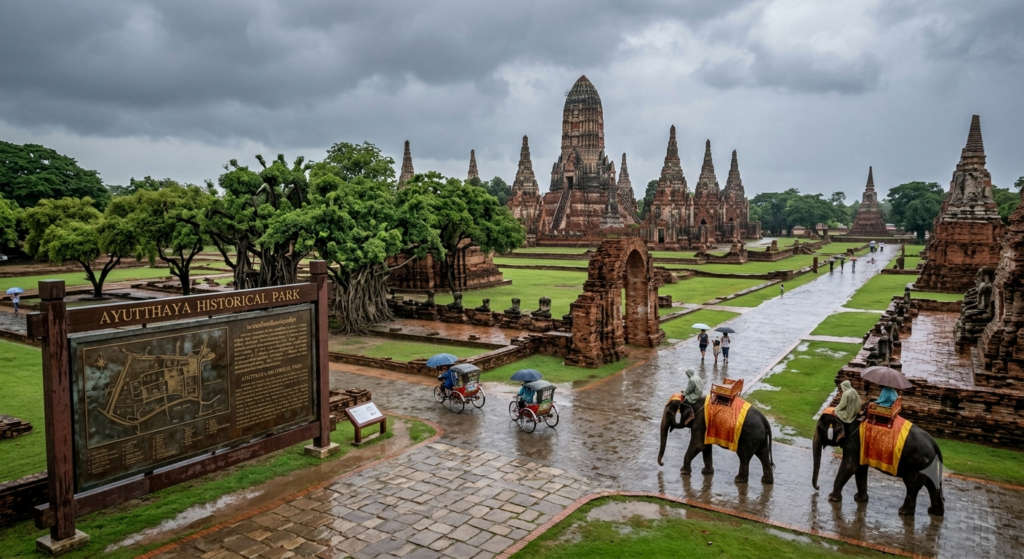
An hour and a half north of Bangkok, the old capital of Ayutthaya is an easy day trip and looks its best in the green season, when moss and grass soften the brick temple ruins. Hire a bicycle or a tuk-tuk to loop the UNESCO-listed island of temples, Wat Mahathat with its famous Buddha head in a tree among them. Go early to beat both the heat and the afternoon shower, and you are back in Bangkok by dinner.
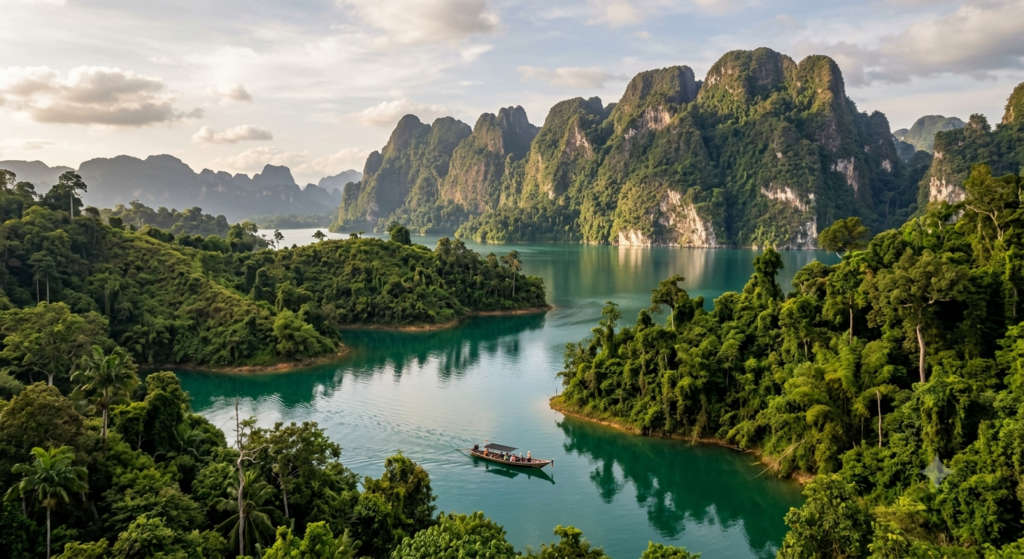
September is the peak season for Thailand’s jungles, because the rain is exactly what makes them come alive. Khao Yai National Park, about two and a half hours from Bangkok, has its waterfalls at full flow and better odds of spotting wild elephants and gibbons. Further south, Khao Sok is the standout: its rainforest is one of the oldest on earth, and a night in a floating raft bungalow on the emerald Cheow Lan Lake is the kind of thing you plan a whole trip around. Both reward the traveller who is happy to swap beach time for the wild.
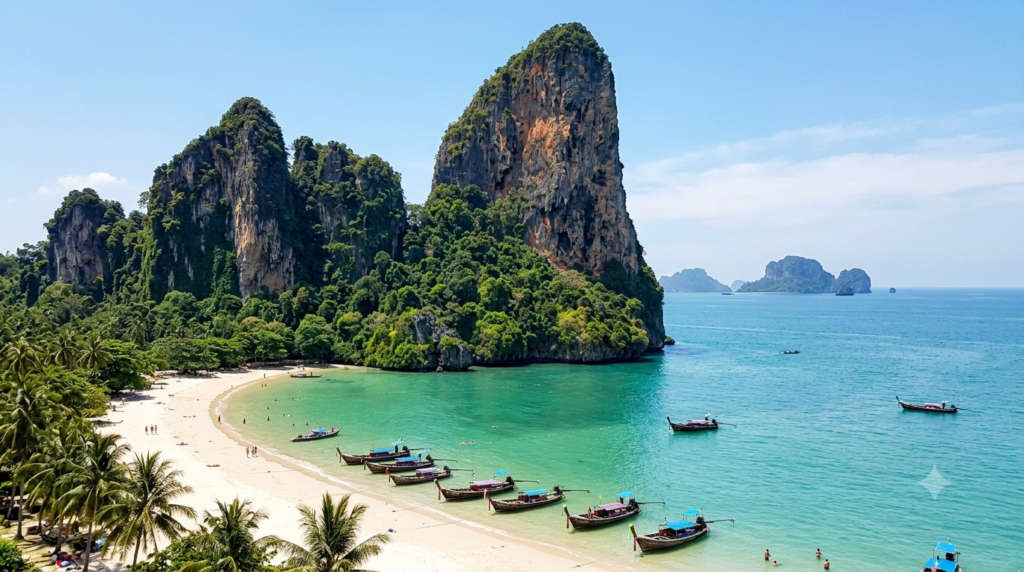
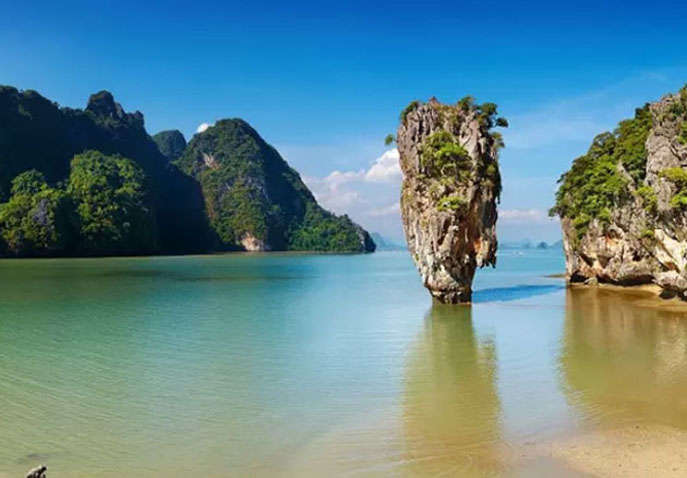
Krabi is on the Andaman coast, which is why it sits last on a September list rather than first. This is its wettest month, with rough seas, frequent rain and reduced boat services out to Phi Phi and the islands, so it is the wrong choice if a calm beach is the point of your trip. That said, it is not off-limits: prices are at rock bottom, the limestone cliffs and mangroves of Ao Nang are greener than ever, and land-based days of rock climbing, hot springs and cave temples still work. Come to Krabi in September only if you are flexible on the water and value a cheap, lush, crowd-free trip over guaranteed beach weather.
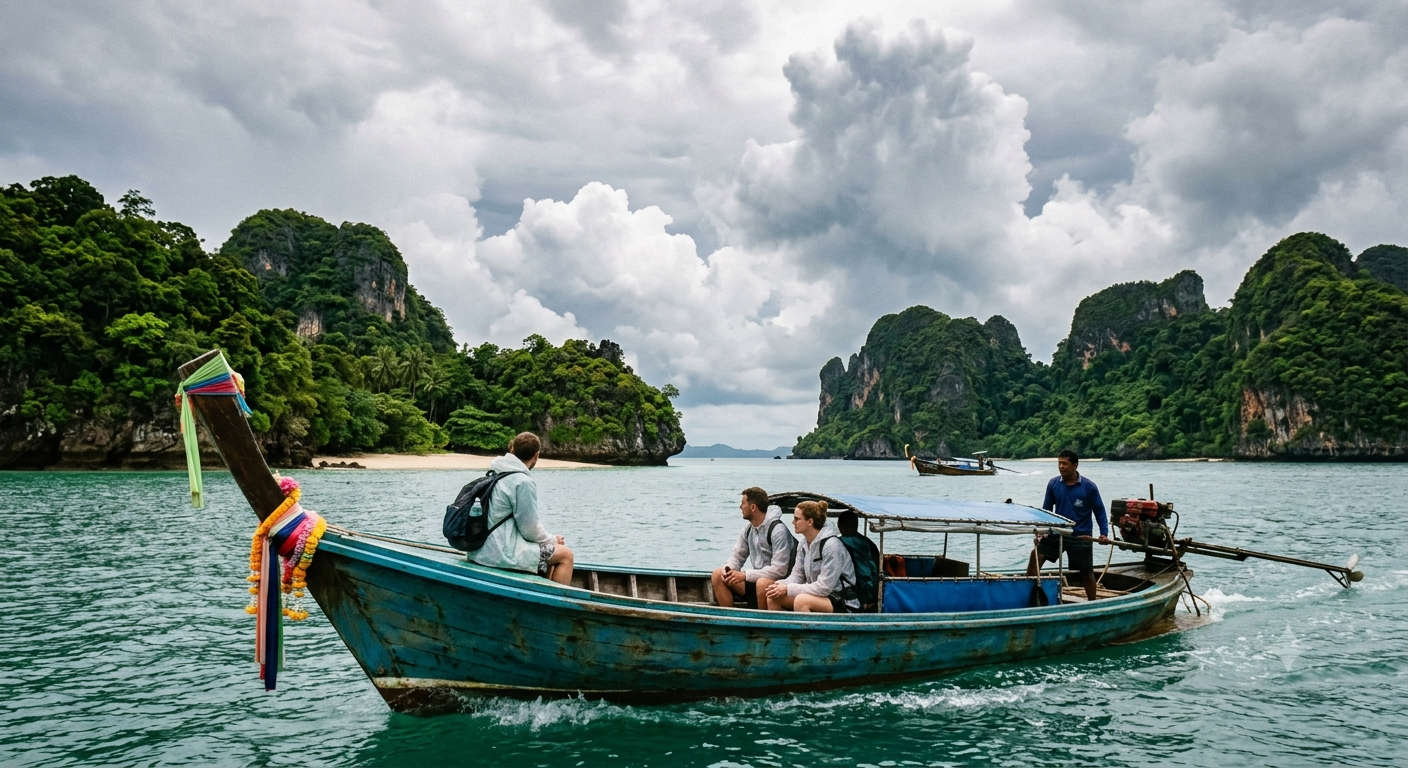
The trick in September is to mix outdoor plans with a rainy-afternoon fallback so a shower never derails the day. These activities are chosen to suit the month rather than fight it.
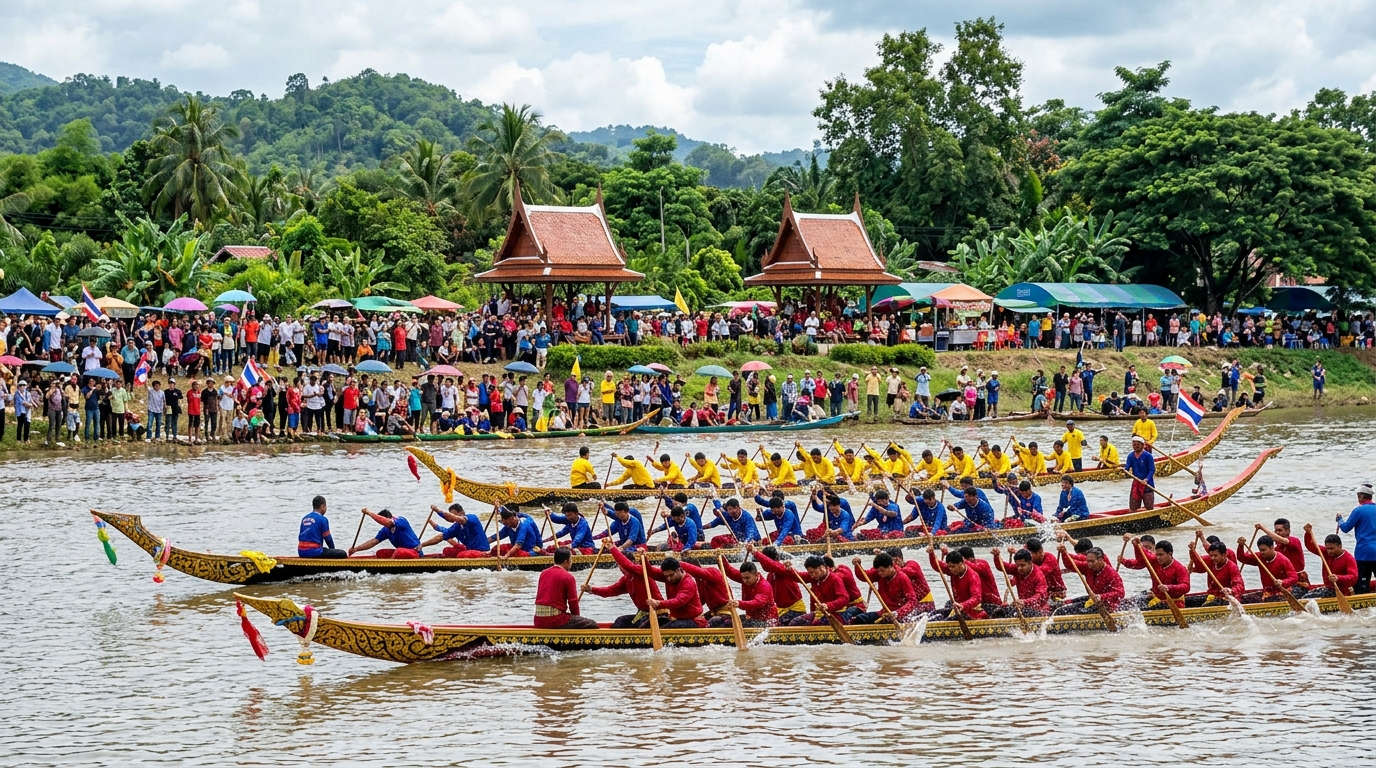
September is quieter on the festival calendar than the November Loy Krathong season, but it has one genuinely distinctive event and one famous beach party, both worth planning around.
The Phuket Vegetarian Festival, also called the Nine Emperor Gods Festival, is the standout. Held over roughly nine days in the ninth lunar month, which in 2026 falls around 20 to 29 September, it fills Phuket town with street processions, white-clad devotees and a strict vegan street-food scene. It is intense and not for the squeamish, but it is one of the most striking cultural events in the country and it is unique to this window.
On the Gulf, the Koh Phangan Full Moon Party at Haad Rin beach runs to the lunar calendar, and the September full moon falls around the 26th. It ties in neatly with the month’s Gulf-island recommendation. Around mid-September the Chinese-Thai community also marks the Mid-Autumn or Moon Festival with mooncakes and lantern displays in the older quarters of Bangkok and other towns. September also sits inside Vassa, the Buddhist rains retreat, which lends temples a calm, low-key, reflective atmosphere all month.
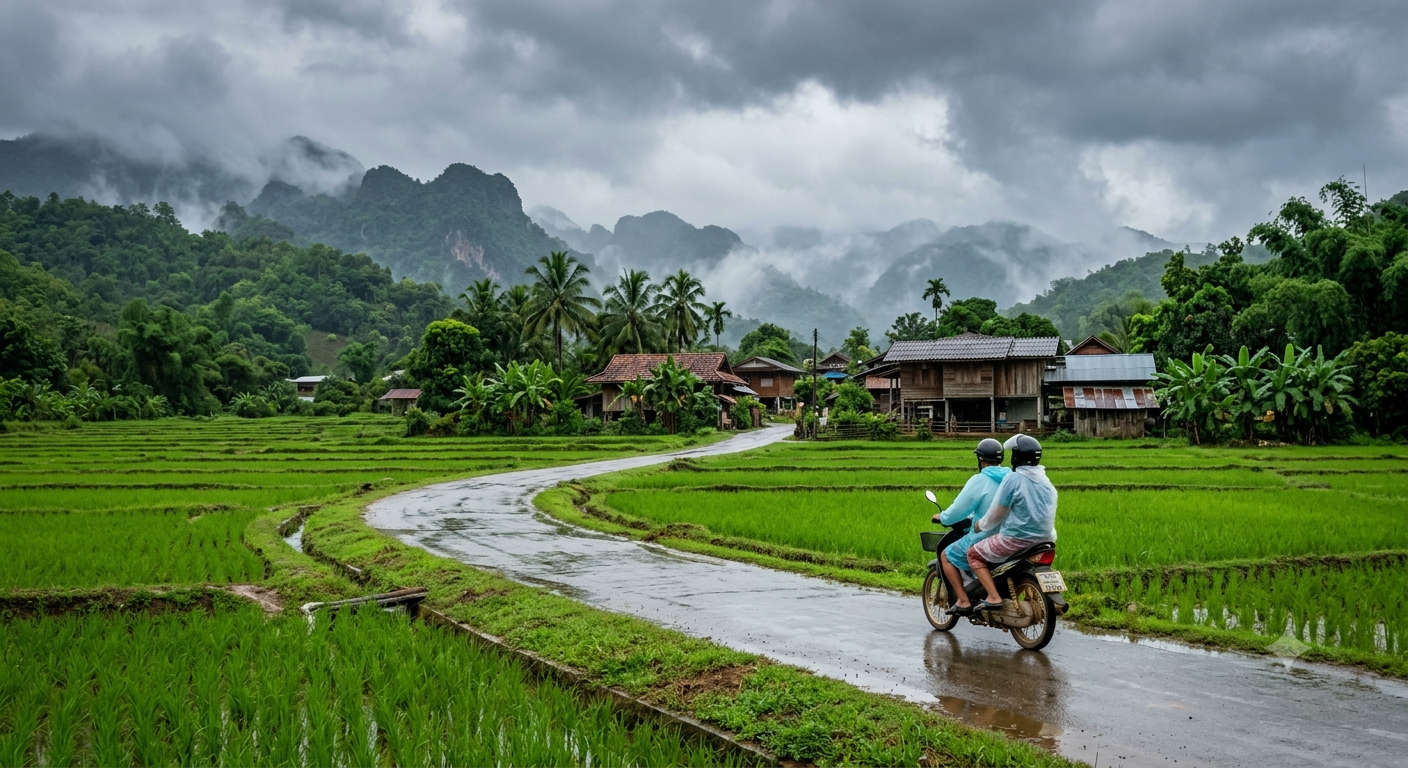
September is the value sweet spot. Green-season room rates fall well below the December peak, and off-season flights from India follow. At roughly Rs 2.85 to the baht, a mid-range dinner runs THB 250 to 500 (about Rs 700 to 1,450), and a Gulf ferry seat is THB 600 to 1,000 return. Here is a realistic per-person budget for a 6-day trip.
| Item (per person) | Budget | Mid-range |
| Return flights, India to Bangkok (September) | Rs 12,000-18,000 | Rs 18,000-26,000 |
| Stay per night (green-season rate) | Rs 1,500-2,800 | Rs 3,500-7,000 |
| Food and water per day | Rs 700-1,200 | Rs 1,500-2,500 |
| Local transport per day | Rs 400-800 | Rs 800-1,500 |
| Gulf ferry, return | Rs 1,500-2,500 | Rs 2,000-3,500 |
| Approx 6-day total (per person) | Rs 45,000-60,000 | Rs 65,000-95,000 |
You can go lower with hostels and street food, or higher with a beach resort, but the point stands: the same island costs noticeably less in September than in December. If you would rather have the flights, transfers, ferries and hotels bundled and priced up front, browse our Thailand tour packages, which are fully customisable by coast and duration.
September is warm, humid and showery, so pack light but rain-ready. The goal is to stay dry in a sudden downpour without hauling a heavy umbrella around all day.
September is not a month to avoid Thailand; it is a month to be smart about where you point yourself. Choose the Gulf islands or the green north, keep beach days on the Andaman coast for another trip, and you get lower prices, thinner crowds and a country at its lushest. When your dates are set, our customisable Thailand tour packages can bundle the flights, ferries and green-season hotels so the coast-by-coast planning is handled for you.
Yes, September is a good, high-value time to visit Thailand if you plan around the rain. It is the greenest, cheapest and least crowded month of the year, with resort rates 30 to 50 percent below the December peak. The one rule that matters is coast choice: head to the Gulf islands or the northern hills, which stay pleasant, and save the Andaman beaches of Phuket and Krabi for the dry season.
No, not usually. September is the wettest month across much of Thailand, but the rain typically comes as a heavy afternoon burst that clears within an hour or two rather than a grey all-day drizzle. Mornings are often bright, which is why locals plan outdoor sightseeing early and keep an indoor fallback, such as a temple, museum or spa, for the afternoon.
The Gulf, without question. The Gulf of Thailand runs a later monsoon than the Andaman coast, so in September the Gulf islands of Koh Samui, Koh Phangan and Koh Tao are comparatively dry, calm and swimmable. The Andaman side, meaning Phuket, Krabi and Phi Phi, is at its wettest, with rough seas and reduced boat services. For a September beach trip, book the Gulf.
Among the islands, the lower Gulf, and specifically Koh Samui, Koh Phangan and Koh Tao, is the driest and calmest option in September. On the mainland, Hua Hin and Cha-Am get the least rain of any beach town within easy reach of Bangkok. If you want the surest sun for a September beach holiday, one of these is your best bet.
Yes, Koh Samui is one of the best places in Thailand in September. Because the Gulf's rainy season arrives later, Samui stays mostly dry and calm while the Andaman coast floods. It has its own airport so you avoid a long ferry, green-season resort deals are excellent, and it links easily by short ferry to Koh Phangan and Koh Tao for an island-hopping week.
For a beach-focused trip, yes, it is better to wait. Phuket and Krabi sit on the Andaman coast, which is at its wettest in September, with rough seas, frequent rain and reduced speedboat services to the islands. You can still visit for a cheap, lush, crowd-free trip with land-based activities like rock climbing and cave temples, but do not expect reliable beach or island-hopping weather.
Significantly. September is green season, so hotels drop 30 to 50 percent below their December to February peak, off-season flights from India are lower, and popular sights are quiet. A 6-day trip from India lands in the range of about Rs 45,000 to Rs 95,000 per person including return flights, depending on whether you travel on a budget or mid-range level.
Pack for warmth, humidity and short heavy showers. Bring a light rain shell or poncho, quick-dry and cotton clothing, waterproof sandals, and a dry bag for electronics on boats. Add reef-safe sunscreen and a hat for the sun between showers, a power bank and offline maps for patchy island coverage, and some cash in baht for ferry and market counters.
Indian passport holders currently get visa-free entry to Thailand for tourism for up to 60 days. You do still need to complete the free online Thailand Digital Arrival Card (TDAC) before you arrive, and carry proof of onward travel and funds if asked. Rules can change, so confirm the latest requirement on the official Thai immigration portal before you fly.
The headline event is the Phuket Vegetarian Festival, or Nine Emperor Gods Festival, held over roughly nine days in the ninth lunar month, around 20 to 29 September in 2026, with street processions and a big vegan food scene. On the Gulf, the Koh Phangan Full Moon Party falls around 26 September 2026, and the Chinese-Thai Mid-Autumn Moon Festival is marked in mid-September.
Six to eight days is a comfortable first September trip. A common split is two to three days in Bangkok for city and temples, then three to four days on a Gulf island for the beach. Add a couple of days if you want to include Chiang Mai and the green-season north, which is easily worth it and pairs well with the islands.
On the Gulf side, yes. Koh Tao and Koh Samui offer warm water and decent visibility in September, and Koh Tao in particular is one of the cheapest places in the world to get PADI certified, with Open Water courses around THB 9,000 to 11,000. Andaman diving out of Phuket and the Similans is not the season, as seas are rough and many liveaboards pause.
Real reviews from real travelers who booked with us.
View All Reviews