4D / 3N
17% OFF
4D / 3N
17% OFF
Manali-Kasol Tour Package by Cab for Himachal (4D/3N) - At A Glance
- Hotel
- Meals
- Sightseeing
- Entry Tickets
- Cab Transfer
₹12,688
₹10,500 /pp
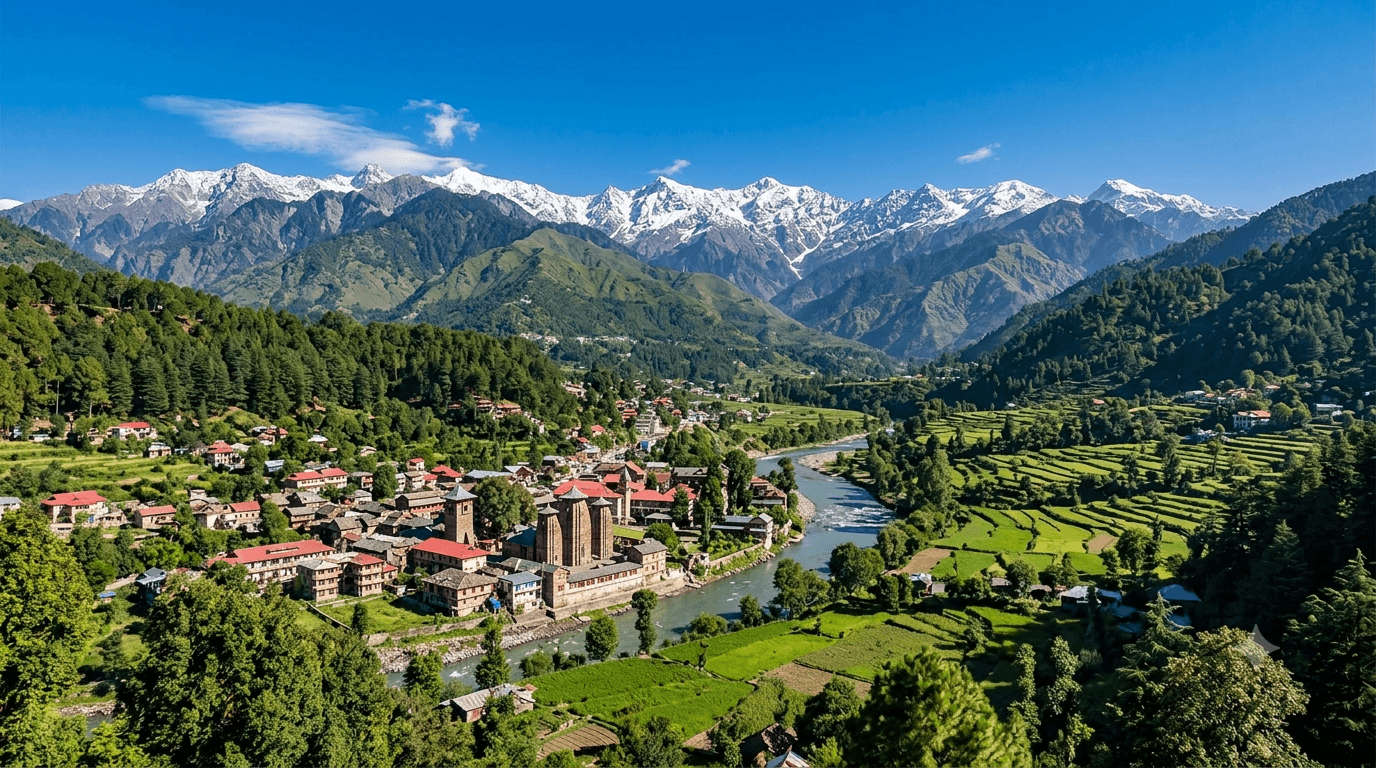


Chamba, the thousand-year-old temple town on the banks of the Ravi in Himachal Pradesh, hides 18 genuinely worthwhile places to visit inside a district most travellers blow past on the way to Dalhousie. This guide covers all 18, from Khajjiar’s cedar-ringed meadow and the 10th-century Laxmi Narayan temple group to the high-altitude Manimahesh Lake and the offbeat Sach Pass, with timings, entry fees and the months that actually suit each one. The town sits at about 926 m [DEV ⚠️ EDIT: sources say ~996 m (en.wikipedia.org/wiki/Chamba,_Himachal_Pradesh) — correct before publish], stays mild from March to June, and rewards a two or three day base rather than a day trip. If you just want to decide what to see and when, start with the quick-reference table, then read the detail for the spots that fit your trip.
Key takeaways
Best Time
March - June
Select Package Type

3 Days & 2 Nights
₹9,043 /@pp
GET FREE QUOTE

.jpg?tr=w-600,h-300)

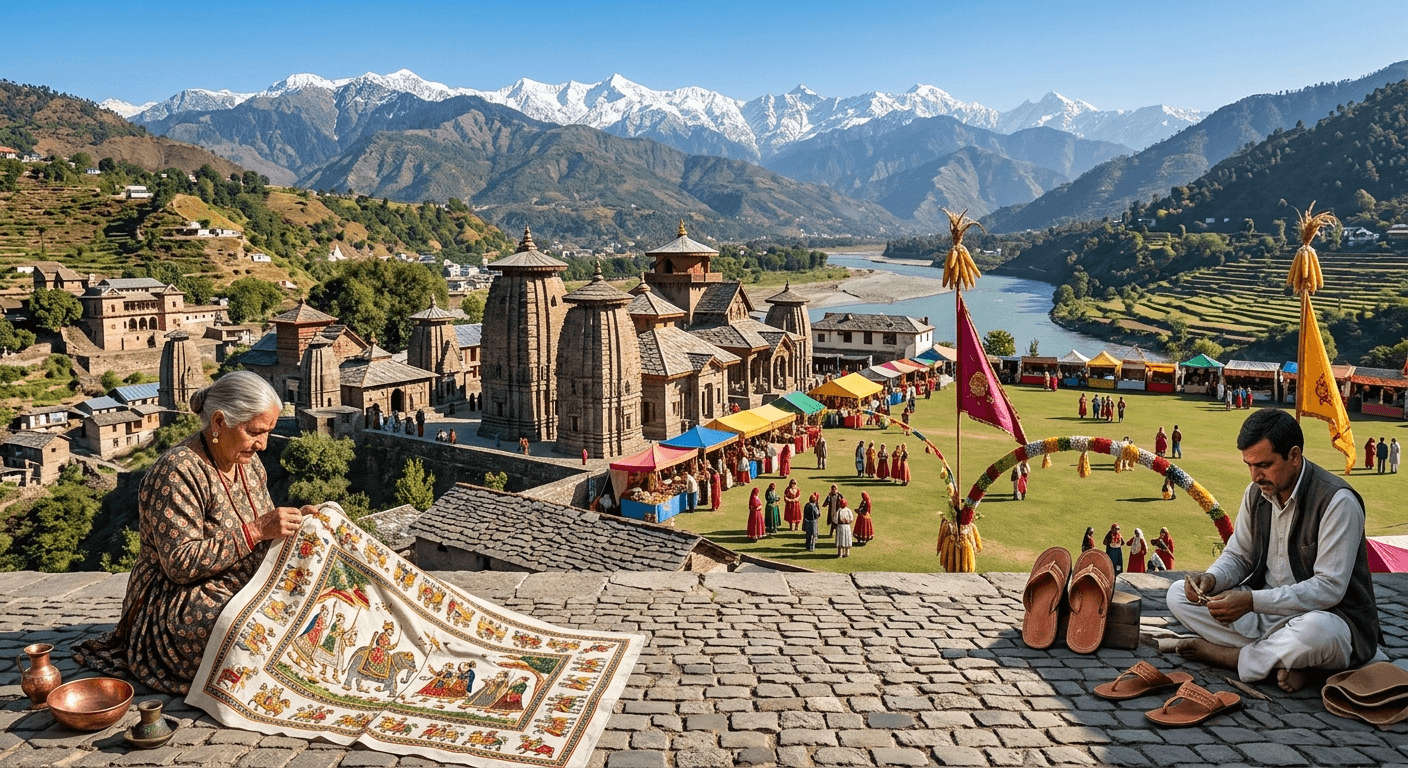
Chamba is famous for its cluster of carved stone shikhara temples, the best known being the 10th-century Laxmi Narayan group, and for the week-long Minjar Mela fair held every Shravana on the Chaugan. It gave the world the hand-embroidered Chamba Rumal, a GI-tagged double-satin-stitch handkerchief, and it is the base for the sacred high-altitude Manimahesh Lake pilgrimage. The green Khajjiar meadow nearby, often called mini Switzerland, is its most photographed corner.
One geography note before you book: this guide is about Chamba in Himachal Pradesh. It is not the small hamlet of Chamba near Mussoorie in Uttarakhand, which is a different place entirely.
The quick-answer table. Every place below has its own section with the full detail.
| Place | Best for | Timings | Entry fee |
| 1. Khajjiar | Meadow, mini Switzerland | Open all day | Free (activities paid) |
| 2. Kalatop Wildlife Sanctuary | Forest walks, birding | Daylight hours | INR 250 |
| 3. Chamunda Devi Temple | Valley views, Kali shrine | Early morning on | Free |
| 4. Chamera Lake | Boating, scenery | Approx 9 AM to 5 PM | Free; boating INR 500 |
| 5. Laxmi Narayan Temple | Ancient temple group | Morning and evening | Free |
| 6. Manimahesh Lake | High-altitude pilgrimage | Yatra Aug to Sep | Free |
| 7. Bhuri Singh Museum | Pahari miniature art | 10 AM to 5 PM, Mon closed | INR 40 (Indian) |
| 8. Akhand Chandi Palace | Royal architecture | 10 AM to 6 PM | Free |
| 9. Rang Mahal | Handicraft emporium | 10 AM to 5 PM, Sun closed | Free |
| 10. Chaugan | Town promenade, Minjar venue | Open all day | Free |
| 11. Hari Rai Temple | 11th-century Vishnu shrine | Morning and evening | Free |
| 12. Church of Scotland | Dressed-stone church | Approx 6 AM to 7 PM | Free |
| 13. Champavati Temple | Nagara stone shrine | Morning and evening | Free |
| 14. Sui Mata Temple | Hilltop shrine, town legend | Daylight hours | Free |
| 15. Sach Pass | Biking, high pass drive | Open ~Jun to Oct | Free |
| 16. Tundah Wildlife Sanctuary | Offbeat wildlife | Daylight hours | Free (permit advised) |
| 17. Chamba Bazaar | Rumal, chappals, shawls | 9 AM onwards | Free |
| 18. Bharmour | Chaurasi temples, Manimahesh base | Temple daylight hours | Free |
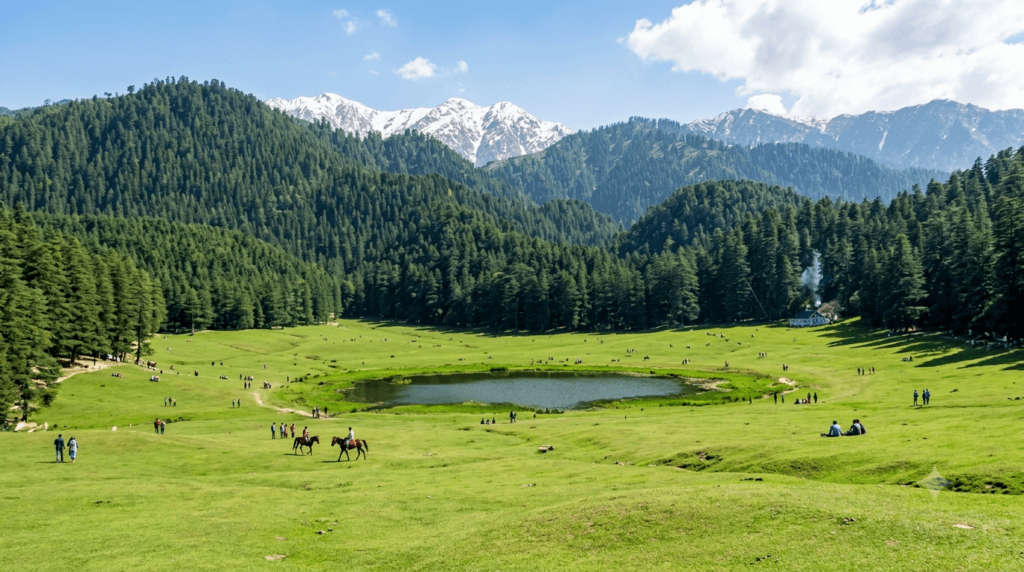
Khajjiar is the postcard everyone comes for: a wide saucer of grass ringed by deodar cedars, with a small silted lake in the middle and the Dhauladhar ridge behind it. It sits about 22 km from Chamba town, roughly an hour by taxi, at around 1,920 m. Locals run horse rides, zorbing and short paragliding hops on the meadow, and there is a working shrine at one edge. Come on a weekday morning before the day-trippers from Dalhousie arrive.
| Detail | Info |
| Distance from Chamba | About 22 km, ~1 hour by road |
| Timings | Meadow open all day |
| Entry fee | Free; horse rides and activities charged separately |
| Ideal time | March to June; snow December to February |


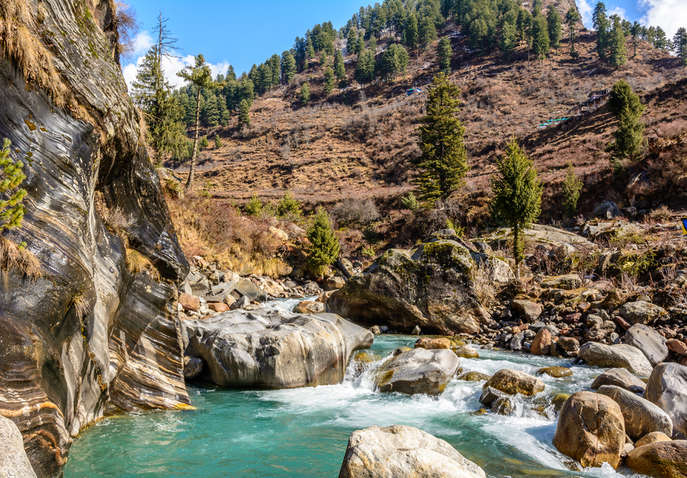
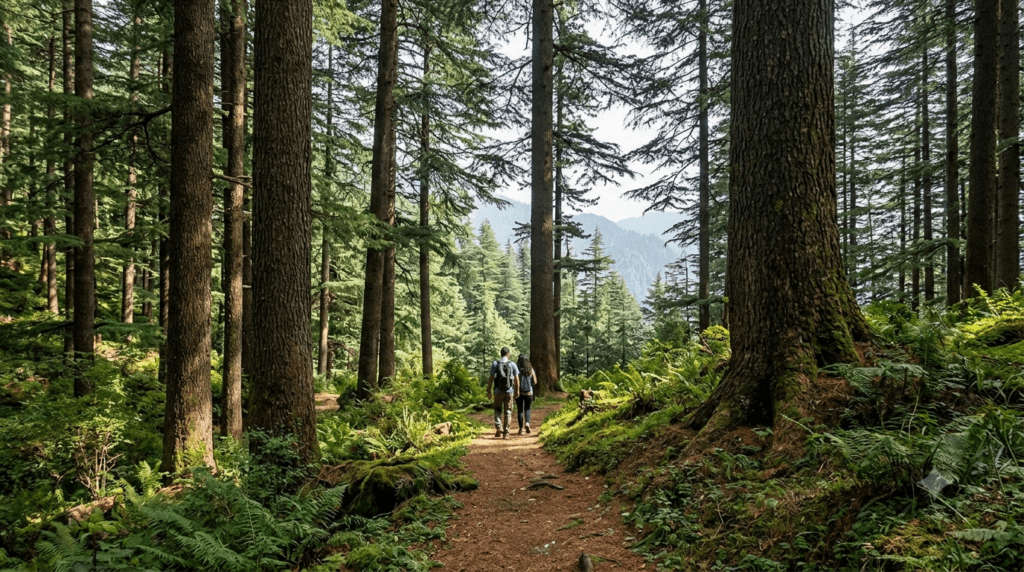
Kalatop covers about 31 sq km of dense deodar and oak between Khajjiar and Dalhousie, and it is the easiest real forest walk in the district. The gentle track from the gate to the Kalatop forest rest house is a couple of hours return, and you have a decent chance of kalij pheasant, Eurasian jay and, higher up, glimpses of the Pir Panjal. Carry water; there is nothing to buy inside.
| Detail | Info |
| Distance from Chamba | About 28 km via Dalhousie |
| Timings | Daylight hours |
| Entry fee | Around INR 250 per person |
| Ideal time | March to June, and October |




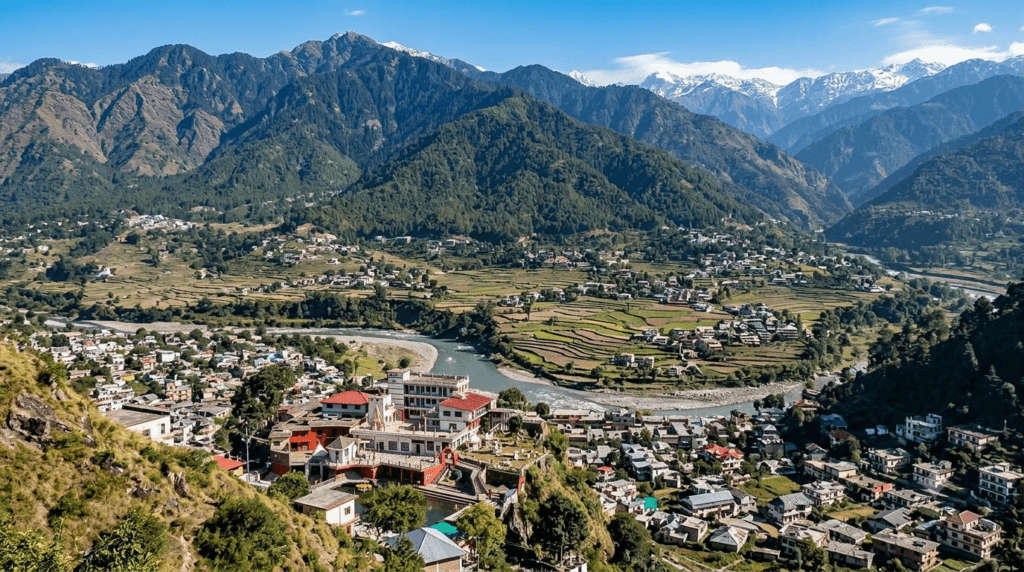
This is not the larger Chamunda Devi near Kangra; Chamba has its own, a roughly 300-year-old wooden temple to the goddess Chamunda perched on a ridge above the town. The reward is the climb and the view: the whole Chamba valley and the Ravi laid out below, best in the clear light of early morning. The carved wooden ceiling inside is worth a minute even if you are not there to pray.
| Detail | Info |
| Location | Ridge above Chamba town |
| Timings | Opens early morning |
| Entry fee | Free |
| Ideal time | Clear mornings, March to June |


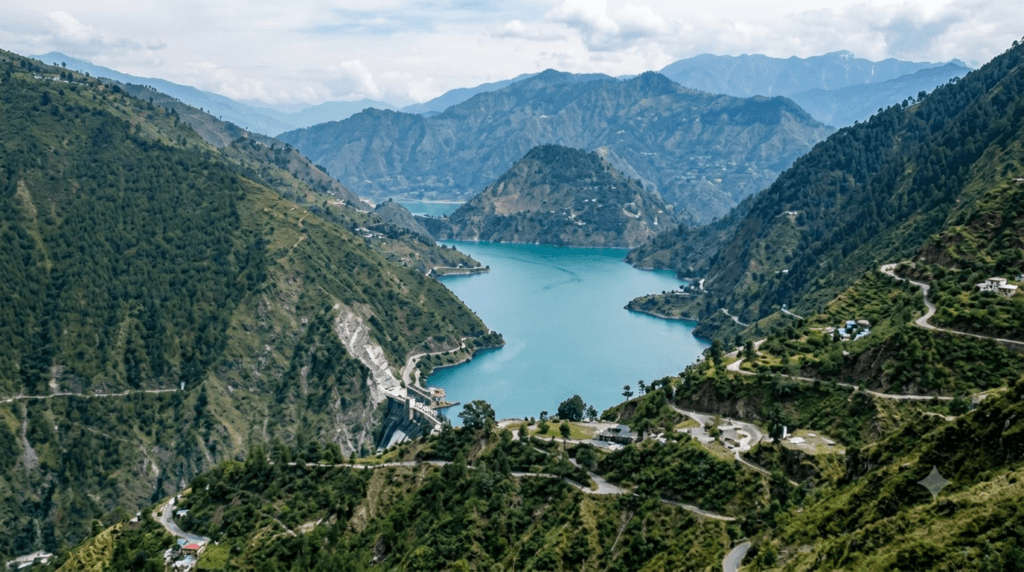
Chamera is the reservoir held back by the Chamera Dam on the Ravi, a broad blue-green sheet of water about 25 km from Chamba on the Dalhousie side. The Himachal tourism boat point runs pedal and speed boats, and the drive down to the water through terraced slopes is half the pleasure. It is warmer than the town, so it makes a good mid-morning stop rather than a sunset one.
| Detail | Info |
| Distance from Chamba | About 25 km toward Dalhousie |
| Timings | Roughly 9 AM to 5 PM for boating |
| Entry fee | Free to visit; boating around INR 500 per person |
| Ideal time | March to June |
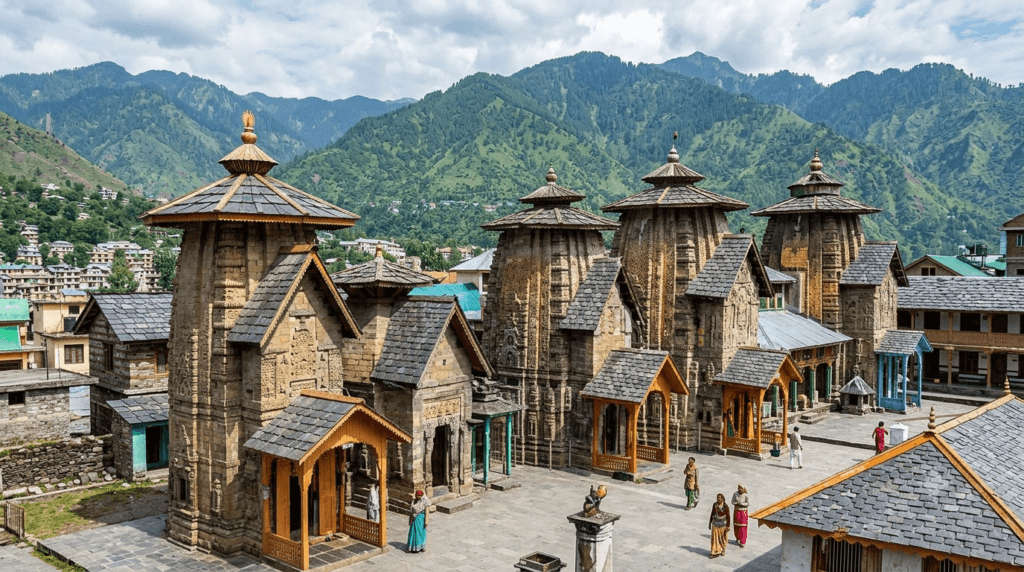
The Laxmi Narayan complex is the single most important thing to see in Chamba: a row of six stone shikhara temples begun by Raja Sahil Varman in the 10th century, dedicated mainly to Vishnu and Shiva. Look for the brass Garuda image at the entrance and the wheel-topped spires carried up from the plains stone by stone. It sits right in the old town, so pair it with Rang Mahal and the Chaugan on foot. For the town’s other temples, our Chamba’s temples reward a slow half-day on foot. If one of them pulls you in, we have deeper write-ups on the Champavati Temple and other town shrines.
| Detail | Info |
| Location | Old Chamba town |
| Timings | Roughly 6:30 AM to 12:30 PM and 2:30 PM to 8:30 PM |
| Entry fee | Free |
| Ideal time | Year round; mornings are calmest |
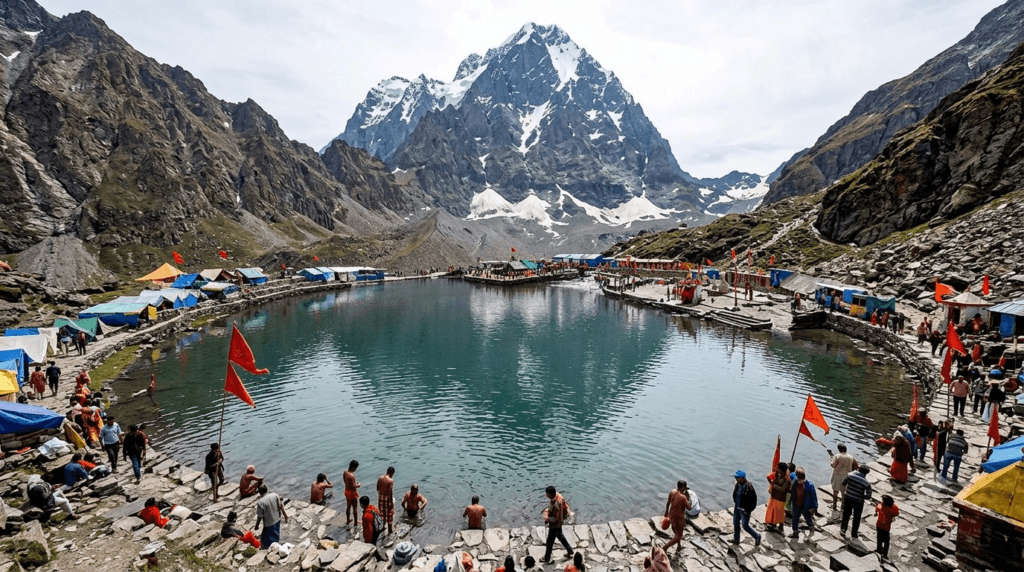
Manimahesh is a glacial lake at roughly 4,080 m at the foot of Manimahesh Kailash, held by Shaivites to be as sacred as Lake Mansarovar. You do not drive here. The pilgrimage starts beyond Bharmour at Hadsar and climbs about 13 km on foot (ponies and porters are available), and it peaks during the Manimahesh Yatra on Janmashtami in August or September, when thousands make the trek. Outside the yatra the trail is quieter but the weather turns fast, so go with a guide and warm layers.
| Detail | Info |
| Access | Trek from Hadsar, beyond Bharmour |
| Altitude | About 4,080 m |
| Entry fee | Free |
| Ideal time | Yatra window, August to September |
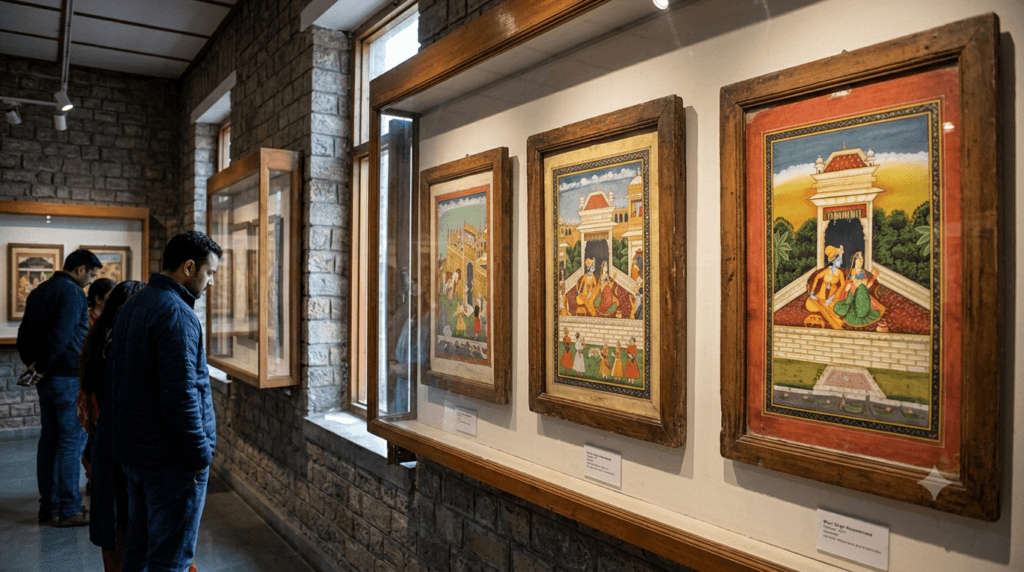
Founded in 1908 and named after Raja Bhuri Singh, this is one of the best small museums in the hills. Its core is Pahari miniature painting from the Basohli, Kangra and Chamba schools, alongside the embroidered Chamba Rumals, carved temple doors, copper-plate grants, coins, royal costumes and old musical instruments. Give it a proper hour; the labelling is good and it explains half of what you see elsewhere in town.
| Detail | Info |
| Location | Near the Chaugan |
| Timings | 10 AM to 5 PM, closed Mondays and gazetted holidays |
| Entry fee | Around INR 40 (Indian), INR 100 (foreign); camera fee extra |
| Ideal time | Any day it is open; good rainy-day option |
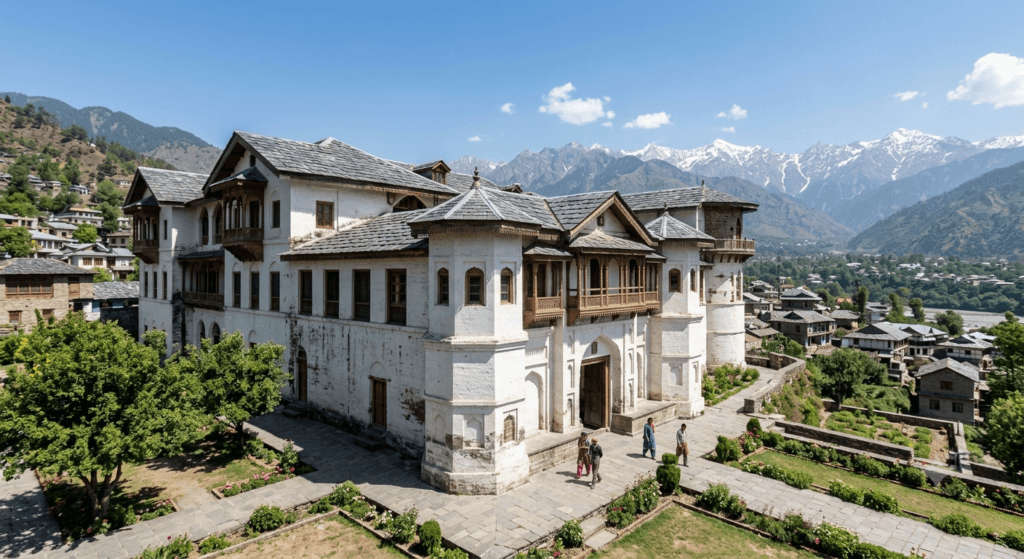
The Akhand Chandi Palace was the seat of the Chamba rajas, built in the 18th century by Raja Umed Singh and later reworked in a mix of British and Mughal lines. It stands on the slope above the Chaugan, and while parts now house public offices, the facade and the position, looking down over Rang Mahal and the Laxmi Narayan spires, are the point. It is a short uphill walk from the town centre.
| Detail | Info |
| Location | Above the Chaugan |
| Timings | Roughly 10 AM to 6 PM (grounds) |
| Entry fee | Free |
| Ideal time | Combine with a town temple walk |
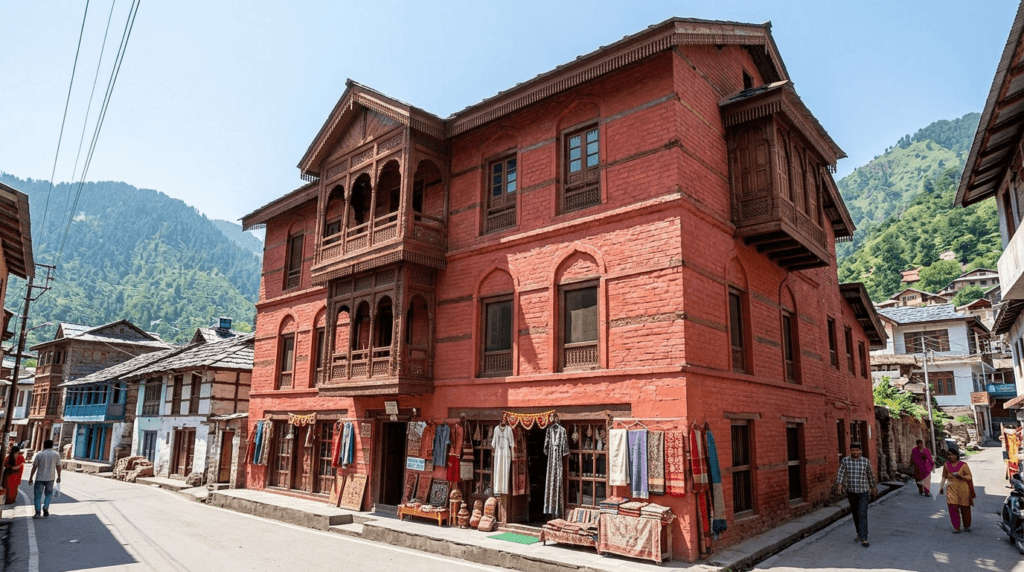
Rang Mahal, the old red palace in the upper town, was also raised under Raja Umed Singh and once stored the royal grain and treasure. Today it houses a Himachal Emporium where you can watch and buy Chamba Rumal work, chappals and metalware, which makes it the most useful stop for anyone shopping seriously. The surviving wall paintings inside are worth asking to see.
| Detail | Info |
| Location | Upper Chamba town |
| Timings | 10 AM to 1 PM and 2 PM to 5 PM, closed Sundays |
| Entry fee | Free |
| Ideal time | Pair with Bhuri Singh Museum |
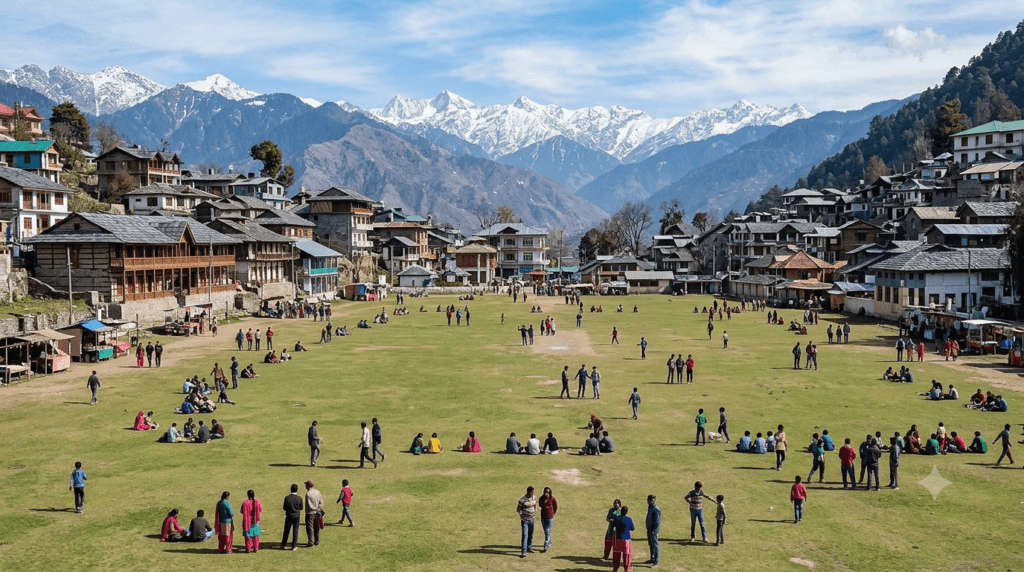
The Chaugan is the flat green promenade that is the heart of Chamba, six connected grounds where the town walks in the evening and where the Minjar Mela is staged each monsoon. It is not a monument so much as the stage on which the town happens, and it is the best place to feel the pulse of the place after the temples close. For more on the town itself, see our guide to Chamba town.
| Detail | Info |
| Location | Central Chamba |
| Timings | Open all day |
| Entry fee | Free |
| Ideal time | Evenings; Minjar Mela in Shravana |
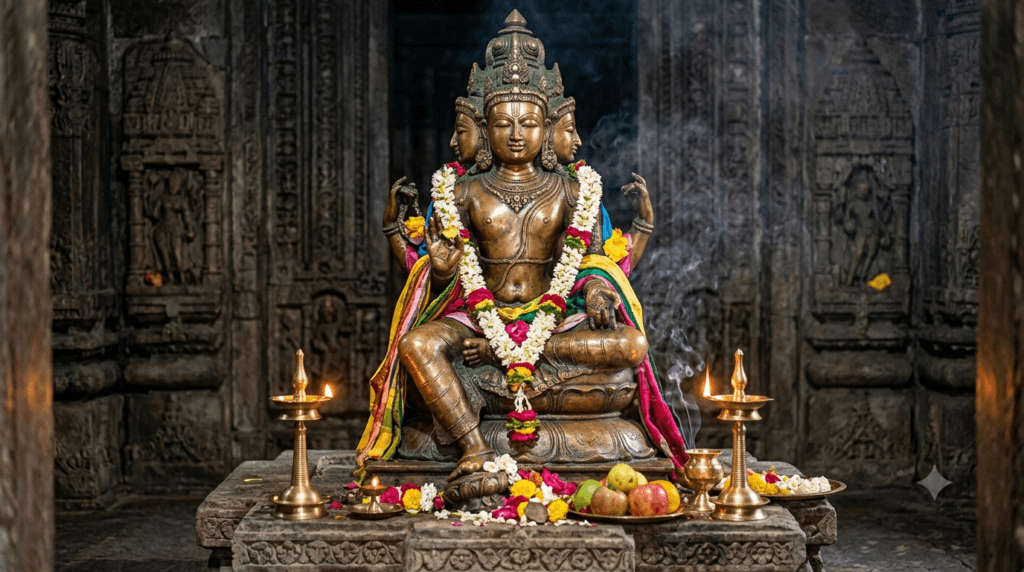
Hari Rai (also written Hariraya) is an 11th-century shikhara temple at the edge of the Chaugan, and its treasure is a rare bronze Chaturmurti, a four-faced Vishnu cast in the Chamba workshops. It draws big crowds on Vaikuntha Ekadashi. It is a two-minute walk from Laxmi Narayan, so most people see the two together.
| Detail | Info |
| Location | Beside the Chaugan |
| Timings | Morning and evening darshan |
| Entry fee | Free |
| Ideal time | Year Round |
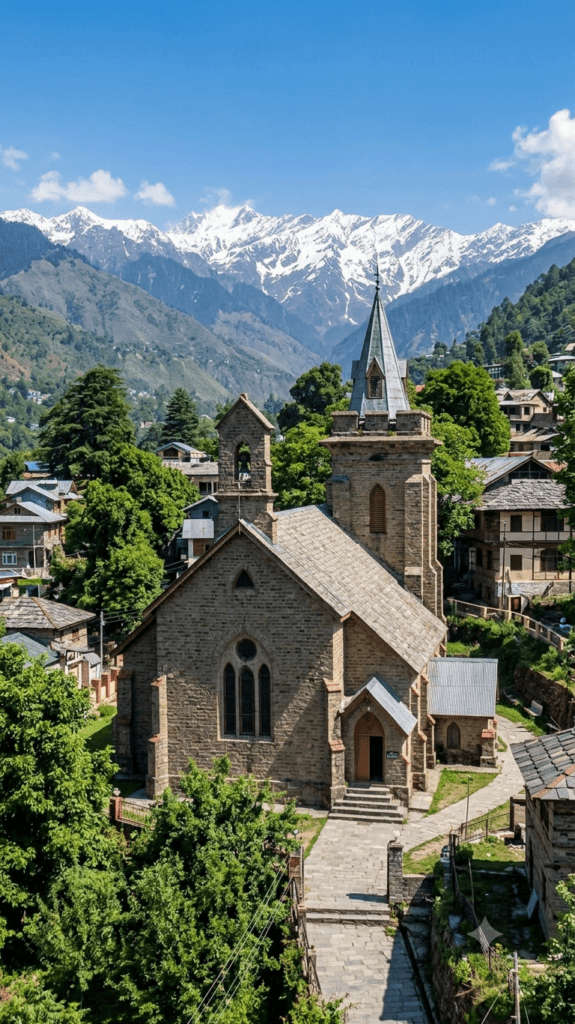
A surprise in a temple town: a grey dressed-stone church with gothic arched windows, built between 1899 and 1905 under Raja Sham Singh and gifted to the Church of Scotland mission. It sits near the Chaugan and takes ten minutes, but the stonework and the incongruity make it a favourite photo stop. Services still happen on Sundays.
| Detail | Info |
| Location | Near the Chaugan |
| Timings | Roughly 6 AM to 7 PM |
| Entry fee | Free |
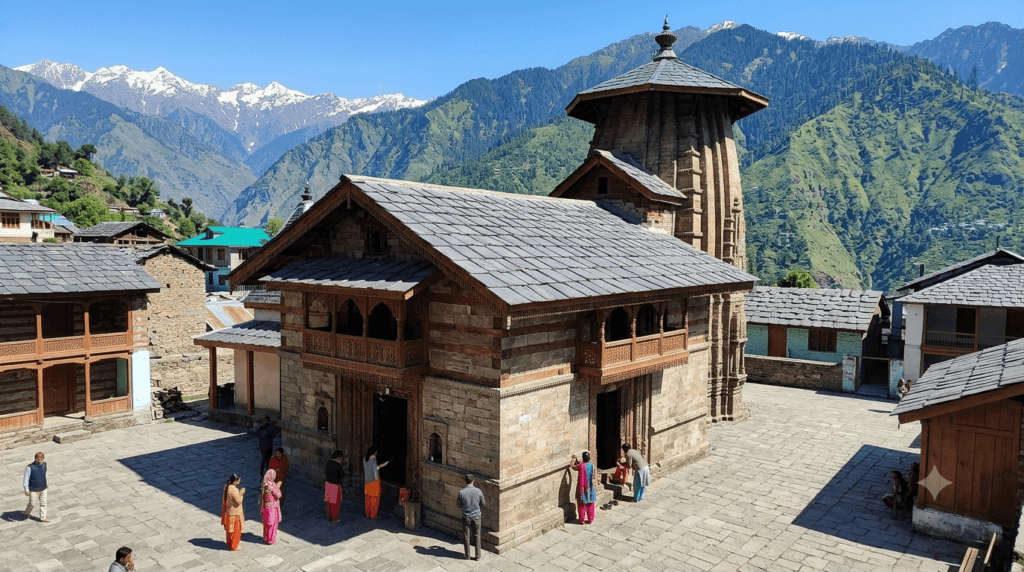
Champavati is the temple Raja Sahil Varman built for his daughter Champavati, whose name the town carries. It is a fine Nagara-style stone shrine with detailed carving and a shikhara that echoes the temples of Nepal, and it is quieter than Laxmi Narayan just up the lane. We have a dedicated Champavati Temple guide if you want the full history.
| Detail | Info |
| Location | Old Chamba town |
| Timings | Morning and evening |
| Entry fee | Free |
| Ideal time | Year round |
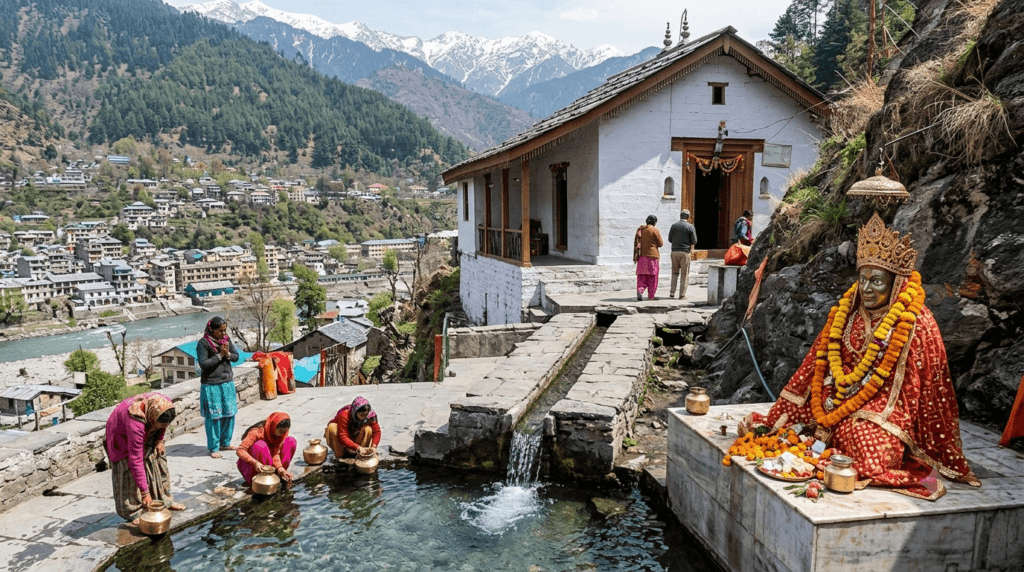
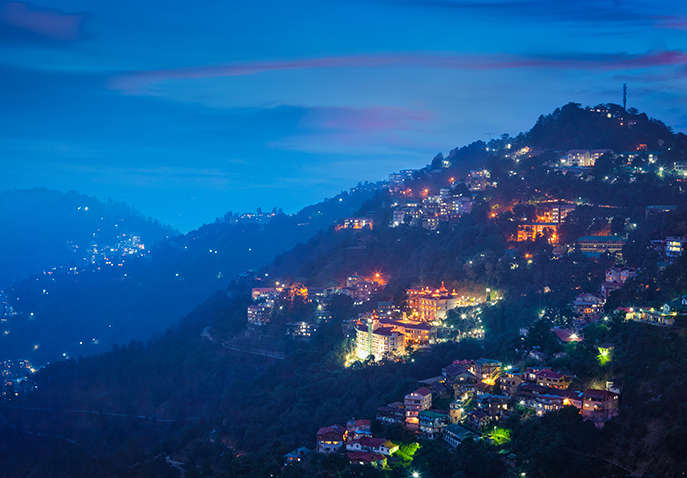
Sui Mata honours Rani Sunayana, remembered locally as Sui, the queen who by legend gave her life so that Chamba would never go thirsty. A painted stair path climbs the hillside above the town to her shrine, telling the story panel by panel, and every spring the Sui Mata Mela remembers her with a procession of women and girls. It is the most Chamba of all the temples, and most visitors miss it.
| Detail | Info |
| Location | Hillside above Chamba town |
| Timings | Daylight hours |
| Entry fee | Free |
| Ideal time | Spring, around the Sui Mata Mela |
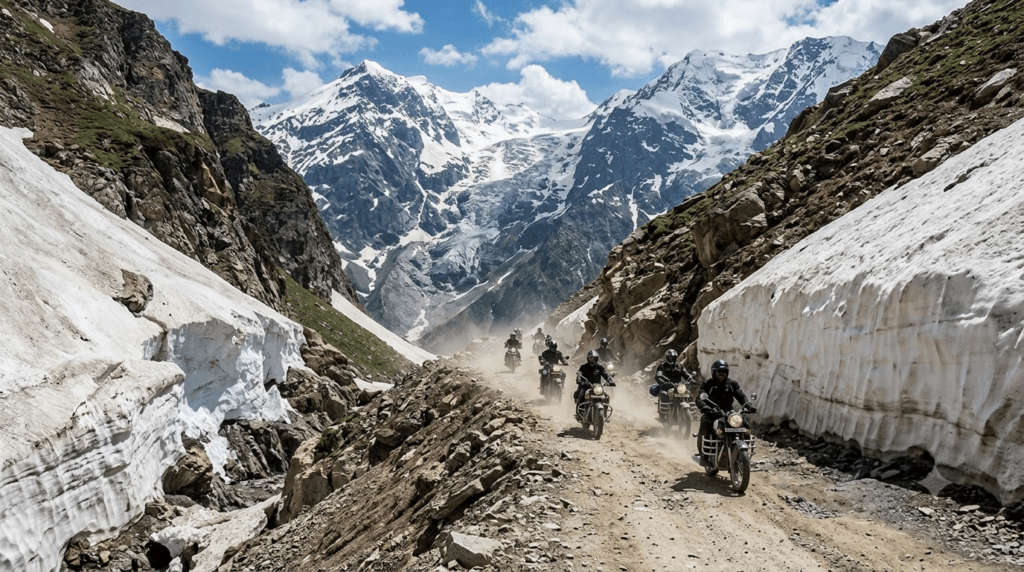
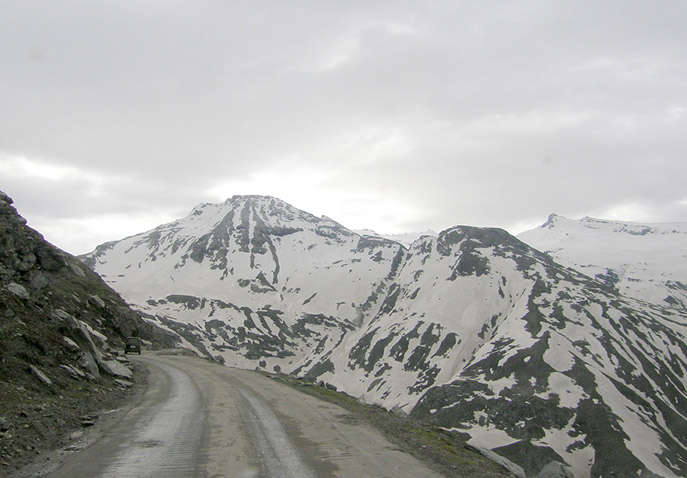
Sach Pass is the rugged high crossing at roughly 4,420 m that links the Chamba valley with remote Pangi, and it is squarely for adventure riders and hardy drivers, not casual sightseers. The road is rough, the drop-offs are real, and it opens only in the short summer window once the snow clears. If you ride, it is one of the great offbeat passes in Himachal; if you do not, admire it from the photos.
| Detail | Info |
| Access | Chamba to Pangi road |
| Altitude | About 4,420 m |
| Entry fee | Free; 4x4 or a capable bike needed |
| Ideal time | Roughly June to October, snow permitting |
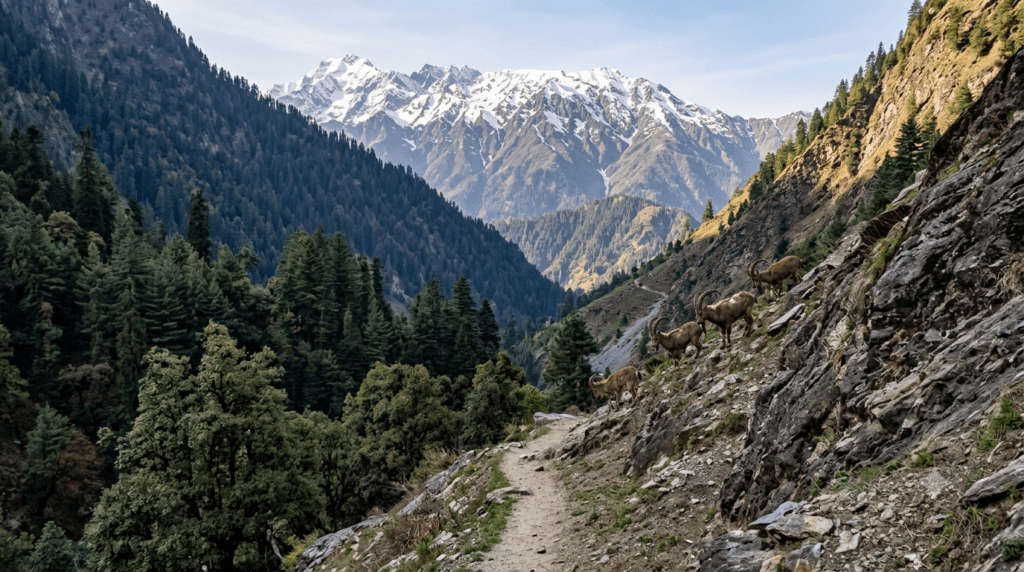
Tundah is a high, little-visited sanctuary in the Bharmour direction, protecting musk deer, Himalayan black bear, ghoral and a long list of pheasants across steep forest and alpine meadow. There is no ticketed safari circuit here; it is for walkers and naturalists who arrange access through the forest office. Pair it with a Bharmour or Manimahesh trip rather than as a stand-alone day out.
| Detail | Info |
| Location | Bharmour region |
| Timings | Daylight hours |
| Entry fee | Free; forest permit advised |
| Ideal time | Summer months |
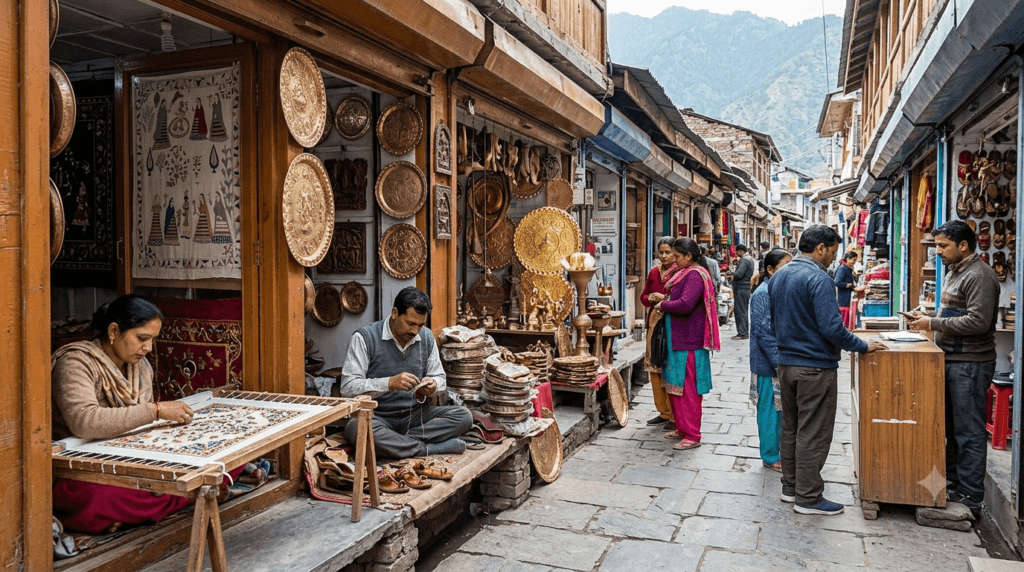
The Chamba bazaar is where the district’s crafts actually change hands: the embroidered Chamba Rumal, soft leather Chamba chappals, wool shawls, Kangra-school miniatures, hammered metalware and the local Kangra tea. Prices are better than at any hill-station tourist stall, and the makers are often behind the counter. Bargain gently and buy the Rumal from a shop that can tell you which stitch it is.
| Detail | Info |
| Location | Chamba town centre |
| Timings | From about 9 AM |
| Entry fee | Free |
| Ideal time | Late morning |
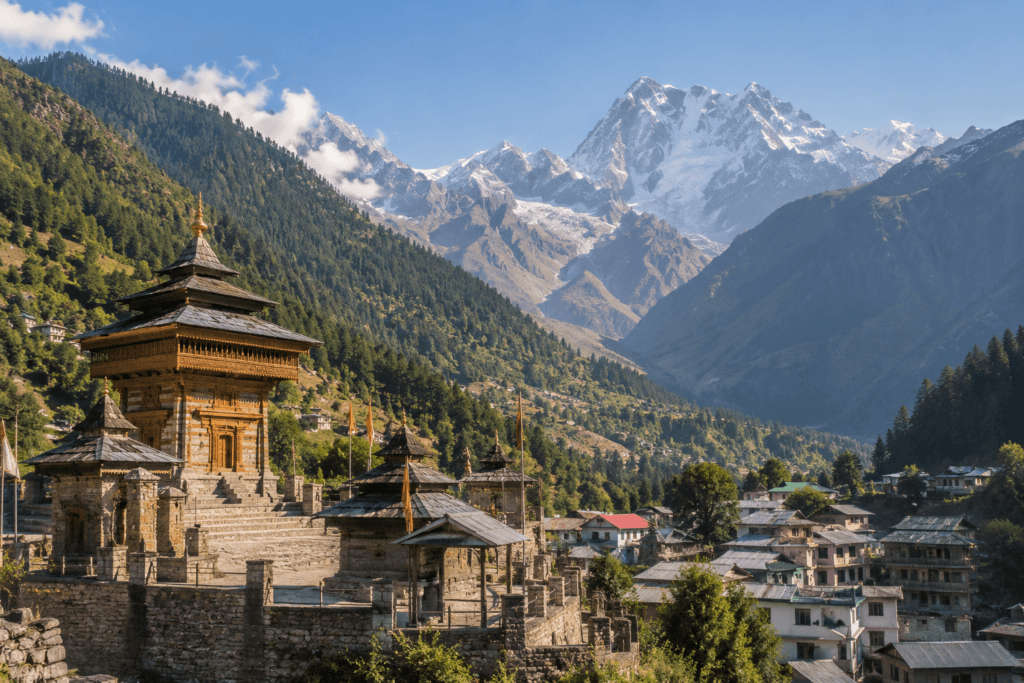
Bharmour, about 65 km up the Budhil valley from Chamba, was the kingdom’s first capital, Brahmpura, and it holds the Chaurasi, a compound of eighty-four stone temples from the 7th to 10th centuries clustered around a single courtyard. It is also the road-head for the Manimahesh trek, so pilgrims and trekkers pass through in numbers each yatra. Even without the trek, the Chaurasi and the tribal Gaddi culture make Bharmour the best day trip out of Chamba.
| Detail | Info |
| Distance from Chamba | About 65 km, 2.5 to 3 hours |
| Timings | Temple complex daylight hours |
| Entry fee | Free |
| Ideal time | May to October; yatra season is busiest |
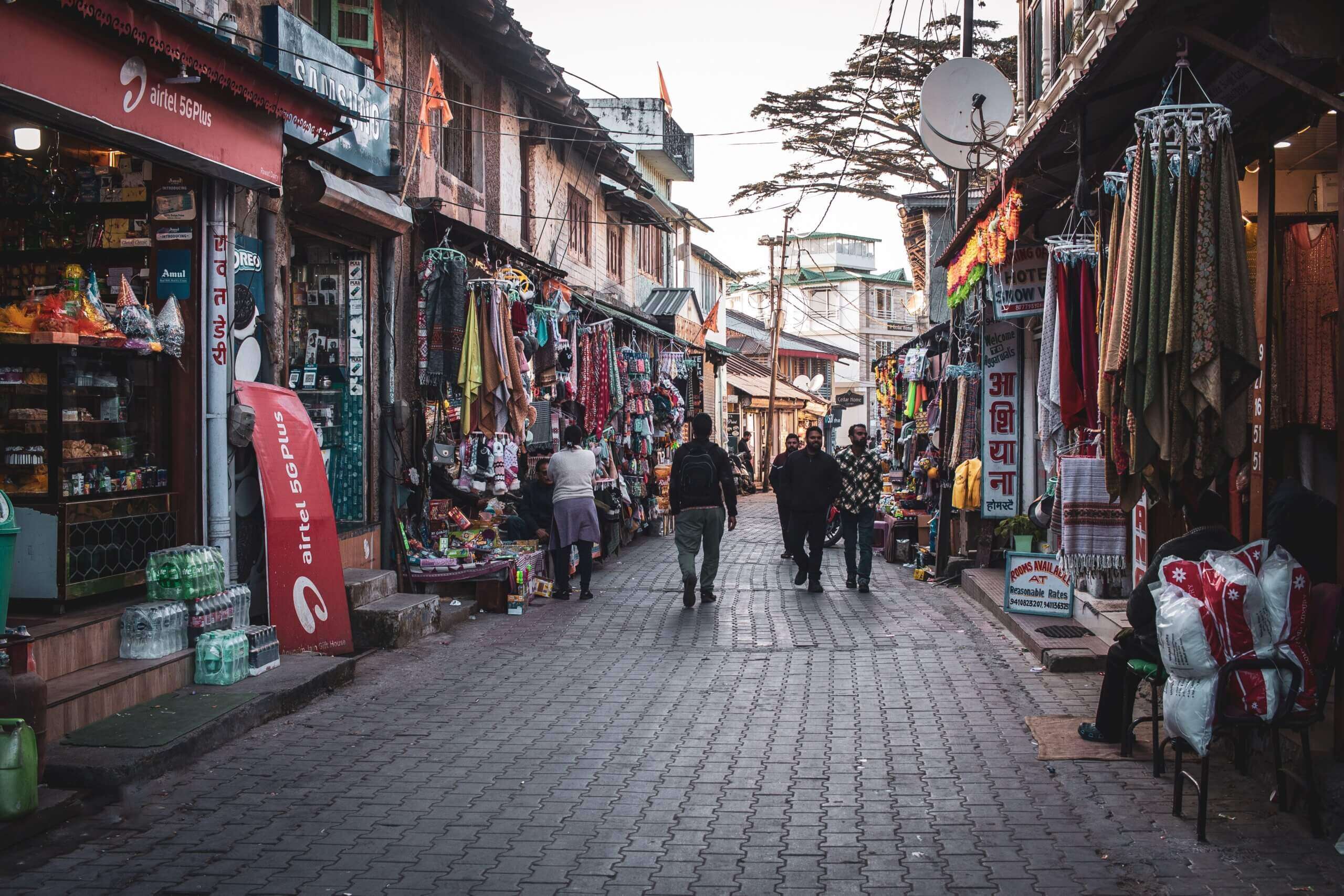
Chamba punches far above its size on crafts, and two of them are reason enough to keep space in your bag. The Chamba Rumal is a GI-tagged embroidered handkerchief worked in a fine double-satin stitch that looks the same on both faces, traditionally showing Krishna scenes; a good piece is a genuine heirloom, not a souvenir. The soft leather Chamba chappal is the everyday classic, hand-stitched and often embroidered. Add wool shawls, Kangra-school miniatures, hammered brass and copper, and the local Kangra tea. Buy the Rumal and metalware at the Rang Mahal emporium or a known bazaar shop, and watch the price drop the further you get from the meadow at Khajjiar.
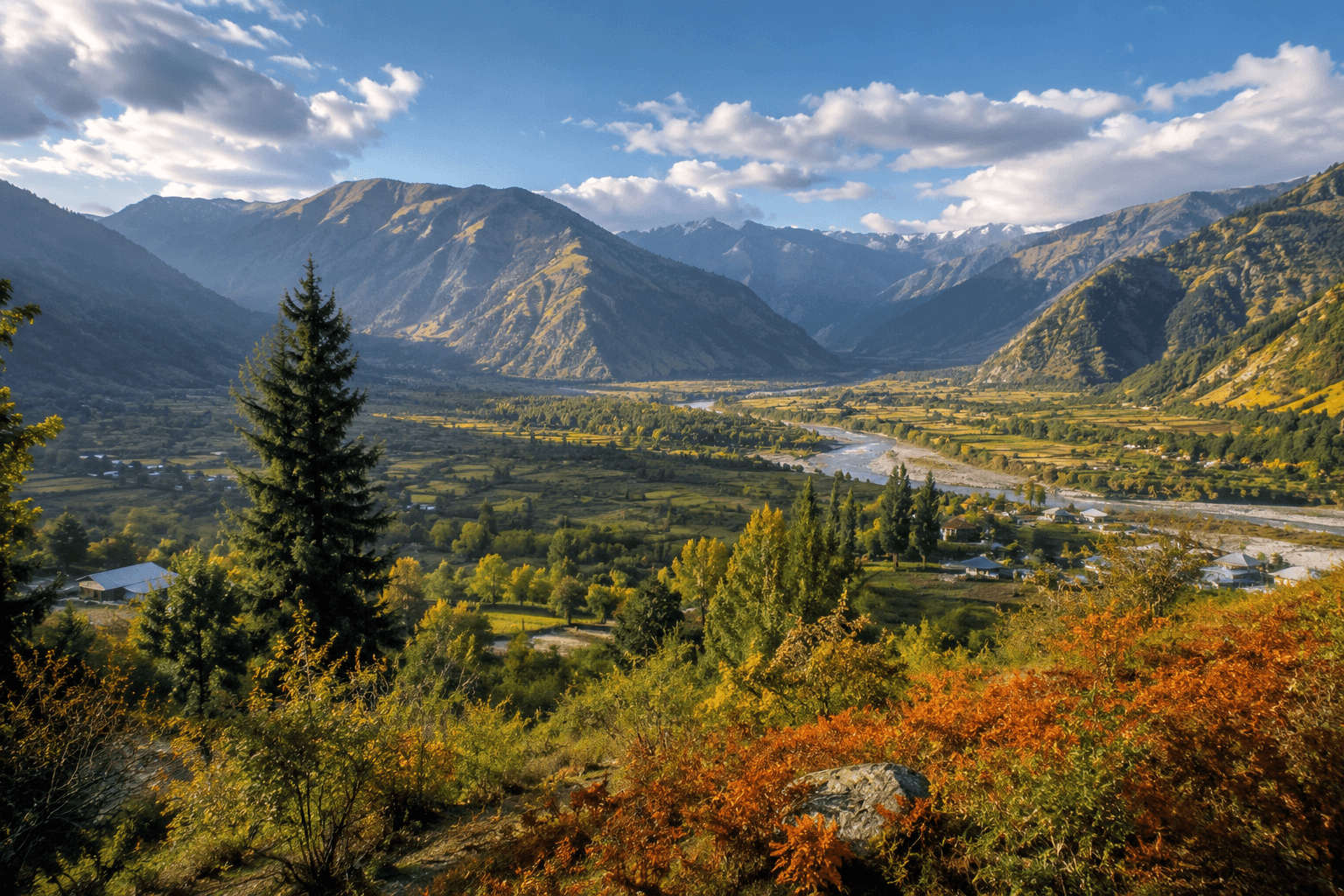
The short answer: March to June for warm days, green valleys and every road open, which is why it is peak season. The monsoon from July brings the Minjar Mela and the Manimahesh Yatra but also landslip risk on the higher roads. Autumn is crisp and clear. Winter turns the town cold and the high passes shut, though the snowfall around Chamba is a draw in its own right from late December.
| Season | Months | Weather | Good for |
| Summer | March to June | Pleasant, 15 to 30 C | Sightseeing, Khajjiar, families |
| Monsoon | July to Sept | Wet, green, some road risk | Minjar Mela, Manimahesh Yatra |
| Autumn | Oct to Nov | Crisp and clear | Photography, quiet trips |
| Winter | Dec to Feb | Cold, snow up high | Snow, low crowds |
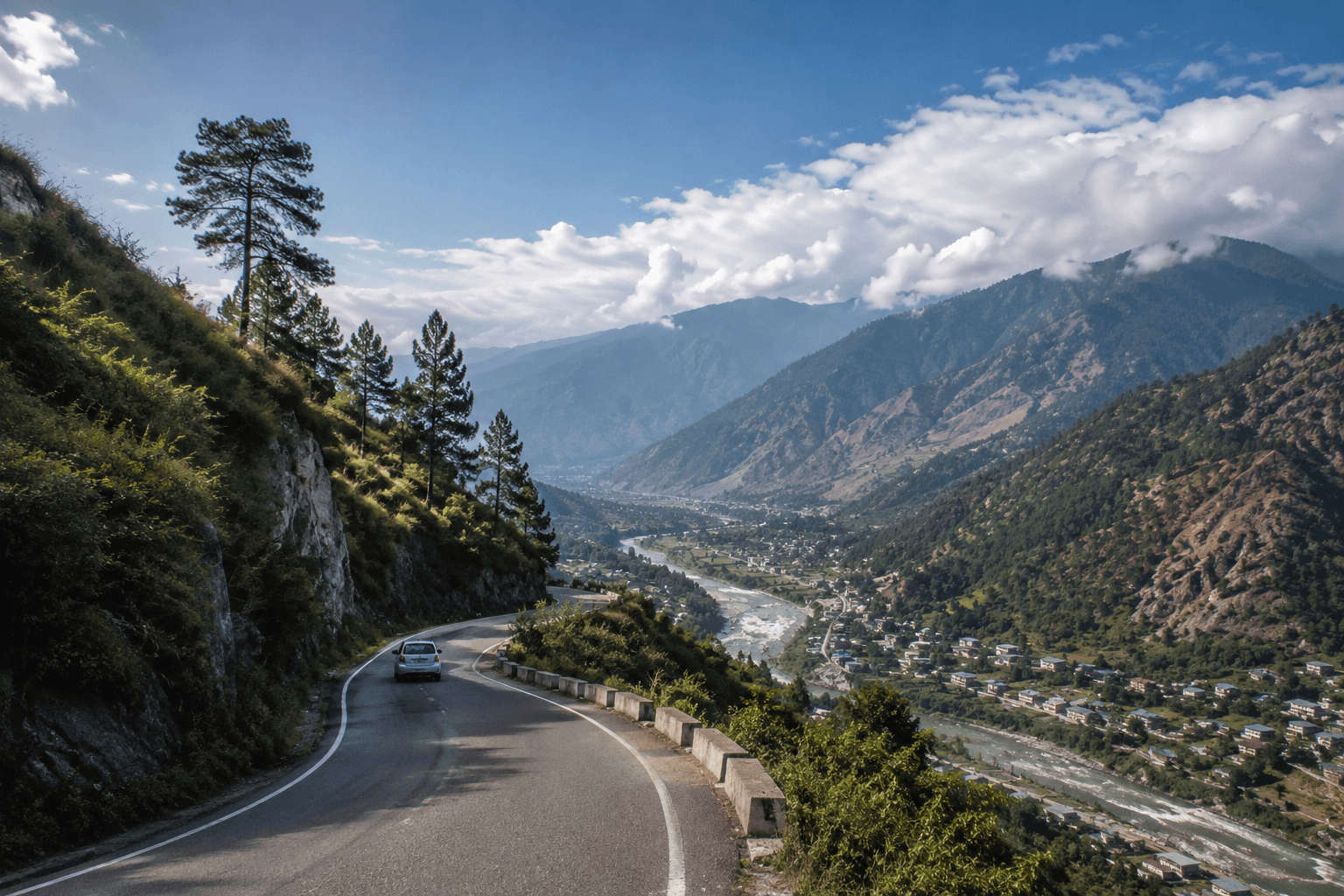
Chamba has no airport or railway of its own, so the last stretch is always by road. Most people come up from Pathankot, which has the nearest railway station and the nearest usable airport, both about 120 km and four to five hours away by taxi or bus.
| Mode | Details |
| By air | Nearest airports: Pathankot (~120 km) and Kangra-Gaggal (~180 km). Onward by taxi or bus. |
| By rail | Nearest railhead: Pathankot (~120 km). Broad-gauge from Delhi, Amritsar and beyond. |
| By road | Overnight HRTC and Volvo buses from Delhi ISBT Kashmere Gate (~570 km, 12 to 13 hrs); regular buses from Pathankot, Dalhousie and Shimla. |
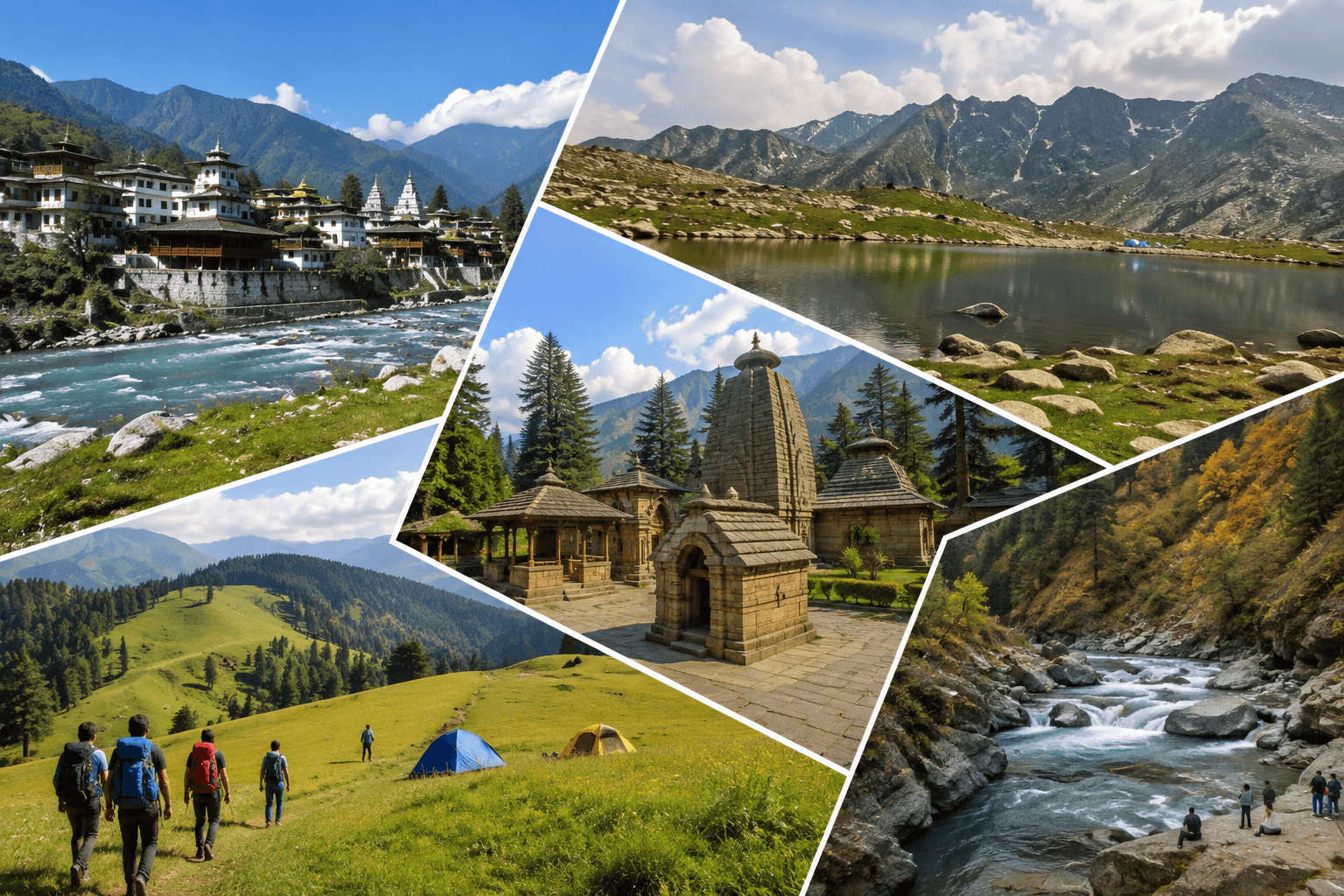
A quick decision aid if your days are limited.
| If you want… | Go to | Time needed | Best season |
| Easy scenery and photos | Khajjiar, Chamera Lake | Half to full day | March to June |
| History and temples | Laxmi Narayan, Bhuri Singh, Champavati | Half day on foot | Year round |
| A pilgrimage or trek | Manimahesh via Bharmour | 2 to 3 days | Aug to Sep |
| Offbeat adventure | Sach Pass, Tundah Sanctuary | Full day plus | Jun to Oct |
| Crafts and shopping | Chamba Bazaar, Rang Mahal | 2 to 3 hours | Any |
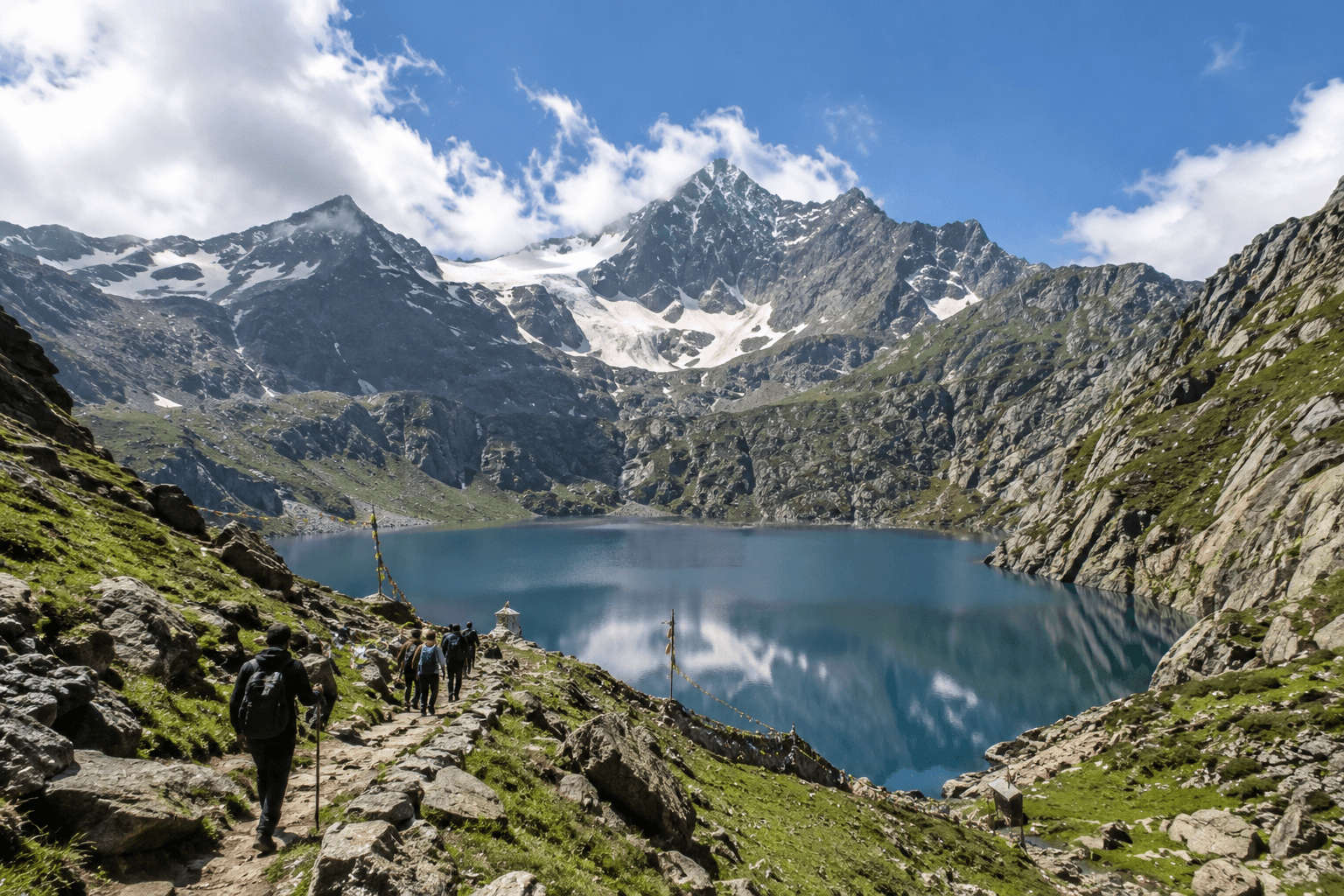
The one part of a Chamba trip that needs real planning is the Manimahesh pilgrimage. Here is the sequence most yatris follow.
Chamba rewards travellers who slow down. Give it two or three unhurried days, walk the old town temples in the morning light, drive out to Khajjiar and Chamera, and if the mountains are calling, add the Manimahesh trek from Bharmour. For more ideas on the ground, browse our guide to things to do in Chamba, and when you are ready to turn it into a real trip, our customisable Chamba tour packages and the wider Himachal travel guide cover the routes, stays and costs. Chamba is not on the way to anywhere, and that is exactly why it is worth the detour.
Chamba is famous for its 10th-century stone shikhara temples, especially the Laxmi Narayan group, for the week-long Minjar Mela fair, for the GI-tagged Chamba Rumal embroidery, and as the base for the sacred Manimahesh Lake pilgrimage. The nearby Khajjiar meadow, nicknamed mini Switzerland, is its most photographed sight.
March to June is the best time to visit Chamba: the weather is mild, the valleys are green and every road is open. Come in August or September for the Manimahesh Yatra, October to November for crisp clear skies, and December to February if you want snow and small crowds.
Two to three days cover Chamba well. Spend one day on the town temples, Bhuri Singh Museum and the Chaugan, and a second on Khajjiar and Kalatop. Add a third day for a Bharmour day trip or, if you plan the Manimahesh trek, budget two extra days for that alone.
They serve different tastes. Dalhousie is a tidy colonial-era hill station built for relaxing; Chamba, an hour further on, is a living temple town with far more history and craft. Many travellers base in one and day-trip to the other, since Khajjiar and Chamera Lake sit between them.
Chamba has no airport or railway, so you finish by road. The nearest railhead and airport are both at Pathankot, about 120 km and four to five hours away. Overnight HRTC and Volvo buses run from Delhi, about 570 km, and regular buses connect Pathankot, Dalhousie and Shimla.
Chamba was earlier called Champa or Champavati, after the daughter of Raja Sahil Varman, the ruler who moved his capital here from Bharmour in the 10th century and built the Champavati Temple in her memory.
Minjar Mela is Chamba's signature week-long fair, held on the Chaugan every Shravana (July or August) when the maize and paddy come into shoot. People wear silk tassels called minjar to mark the ripening crop, and the fair ends with a colourful procession to the Ravi. It is the best time to see the town at full tilt.
No. This guide is about Chamba, the district and temple town in Himachal Pradesh. There is a separate, much smaller Chamba in Uttarakhand near Mussoorie and Tehri, which is a different destination with its own attractions.
Khajjiar is about 22 km from Chamba town, roughly an hour by taxi through Kalatop forest. It also sits about 24 km from Dalhousie, which is why most itineraries string Chamba, Khajjiar and Dalhousie together.
It takes effort. You drive from Chamba to Bharmour and Hadsar, then trek about 13 km on foot to the lake at roughly 4,080 m. Ponies and porters are available at Hadsar. Most people go during the August to September yatra; outside it, take a guide and warm gear as the weather changes fast.
Buy the embroidered Chamba Rumal and the soft leather Chamba chappal first; both are local specialities. Wool shawls, Kangra-school miniature paintings, brass and copper metalware and Kangra tea are also worth carrying home. The Rang Mahal emporium and the town bazaar are the best places to buy.
Chamba town itself gets occasional light snow in the coldest weeks, while the higher points like Khajjiar, Kalatop and Sach Pass see proper snow from late December to February. If snow is the goal, plan for January and check road conditions before heading up.
Real reviews from real travelers who booked with us.
View All Reviews