"It was Kerala trip with the team. Over all it was good and reasonable experience but there are some areas or improvements 1. Tour manager and driver both are good but they have coordination problem…"
The One Rule That Decides Your Sri Lanka Snorkeling Trip
Snorkeling in Sri Lanka comes down to one simple rule: the island has two coasts with opposite seasons. From November to April the west and south are calm and clear, so Hikkaduwa, Unawatuna and Mirissa come into their own. From May to September the sea flattens on the east, and Pigeon Island near Trincomalee becomes the best reef swim in the country. Get the coast right and you can float over live coral straight off the beach, watch green turtles graze in waist-deep water, or share the shallows with harmless blacktip reef sharks. This guide covers 15 spots across both coasts, what you will see underwater, what it costs, and how to snorkel safely across Sri Lanka.
Key takeaways
- Pick your coast by season: west and south November to April, east coast May to September.
- Snorkel straight off the beach: Hikkaduwa, Polhena and Unawatuna all have reefs a short swim from the sand.
- Budget: about LKR 1,000 to 1,500 a day for gear and roughly LKR 13,000 for Pigeon Island entry (foreign adult).
- Go early at Pigeon Island: the reef and the boats get crowded by late morning, so start at the jetty by 8 am.
- Best for beginners: Polhena, Pasikudah and Weligama stay shallow and calm, the safest water for kids and nervous swimmers.
Sri Lanka
Sri Lanka
Best Time
December - April
Select Package Type
Best Selling Packages
What This Guide Covers
The two-monsoon rule that picks your coast, the 15 best snorkeling spots on the west, south and east coasts, what you will see underwater, the calmest spots for beginners and kids, what it costs, and how to snorkel safely and responsibly.
Explore Popular Destination In Sri Lanka
01
Hikkaduwa
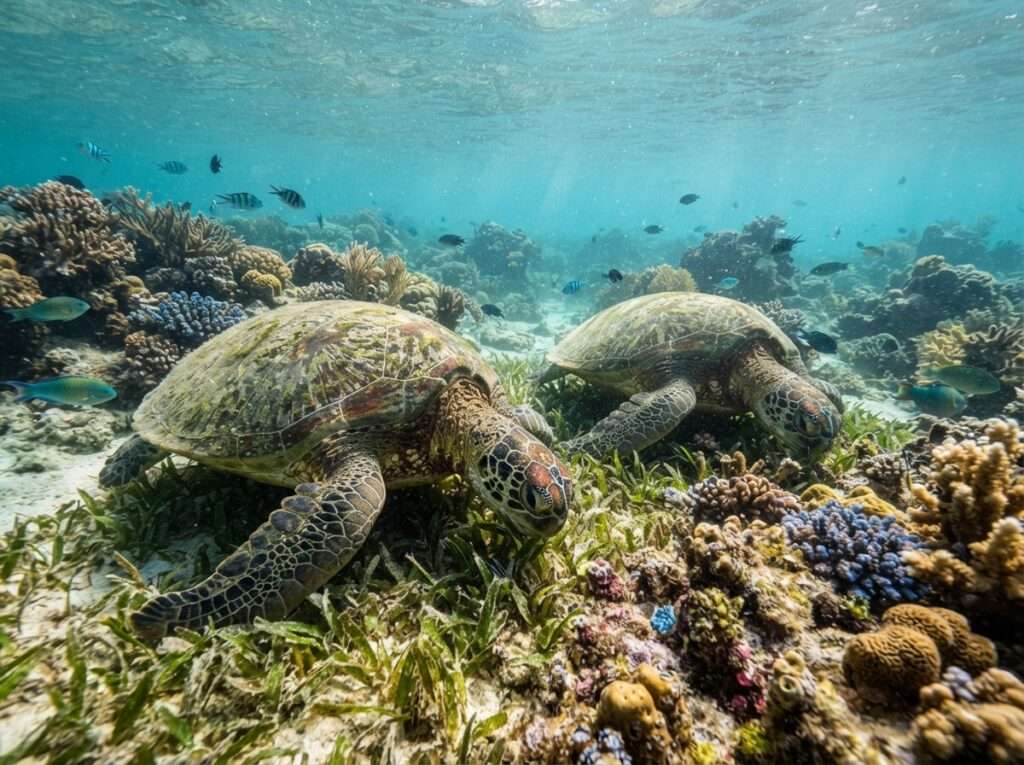
The south coast’s most popular snorkel town sits about 98 km from Colombo, roughly a two-hour drive. Swim out from the beach inside the Hikkaduwa Marine Sanctuary and you are over live coral within a few fin kicks, which is why it suits first-timers who would rather skip a boat. Green turtles graze on the seagrass close to shore, and dive shops along Galle Road run PADI courses in season, roughly November to April, if you want to go deeper. For a full day-by-day breakdown of the reef, the turtle spots and glass-bottom-boat options, see our dedicated Hikkaduwa snorkeling guide.
| Coast | West & south coast |
| Best season | November to April |
| Access | Shore swim |
02
Unawatuna
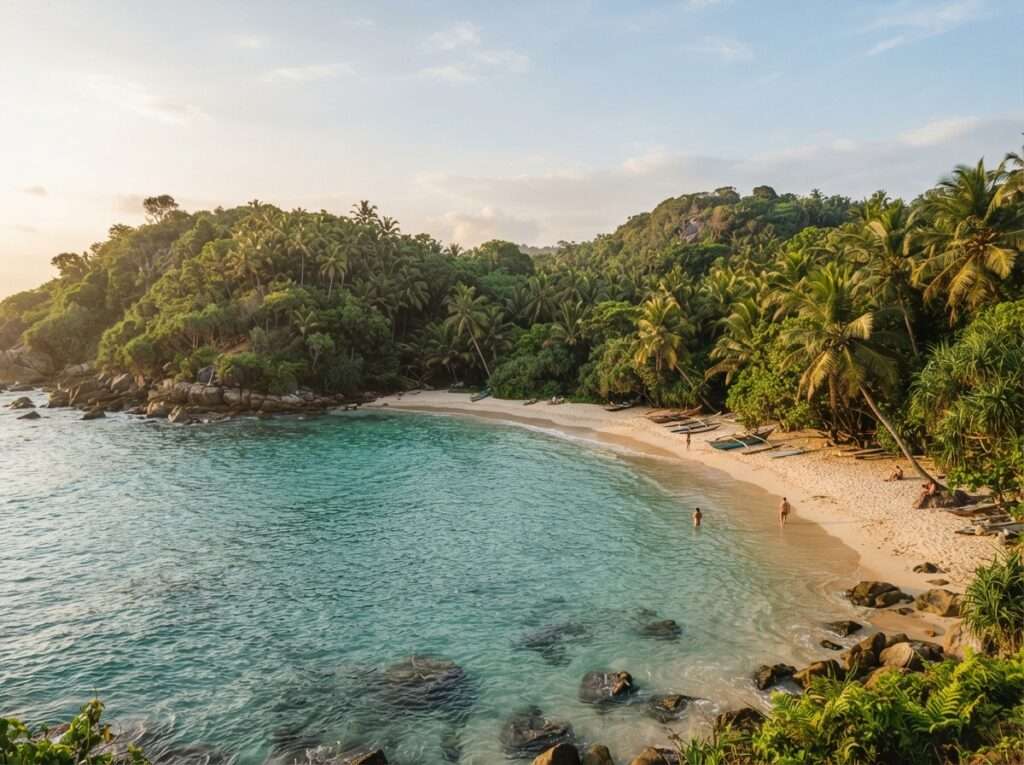
A sheltered bay just south of Galle, best snorkelled at Rock Island and the quieter cove at Jungle Beach, about a 15- to 20-minute walk northwest of the main bay. The water is shallow and protected, with colourful reef fish over the rocks and the odd turtle. Easy to reach, easy to swim, and a sensible first stop for families finding their fins.
| Coast | West & south coast |
| Best season | November to April |
| Access | Shore swim |
03
Mirissa
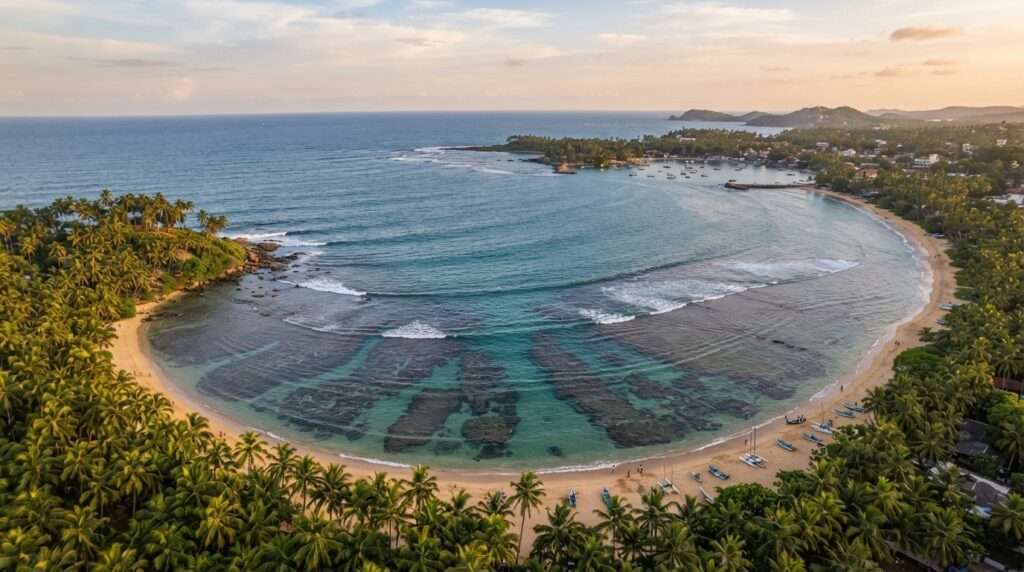
Better known for whale watching, since blue whales pass offshore between December and April, but the bay also has reef patches for easy snorkelling and about five dive sites nearby for all levels. The Poseidon training centre runs PADI courses at fair rates. Combine a morning whale boat with an afternoon snorkel and you have one of the south coast’s best days in the water.
| Coast | South coast |
| Best season | November to April |
| Access | Boat and shore |
04
Weligama
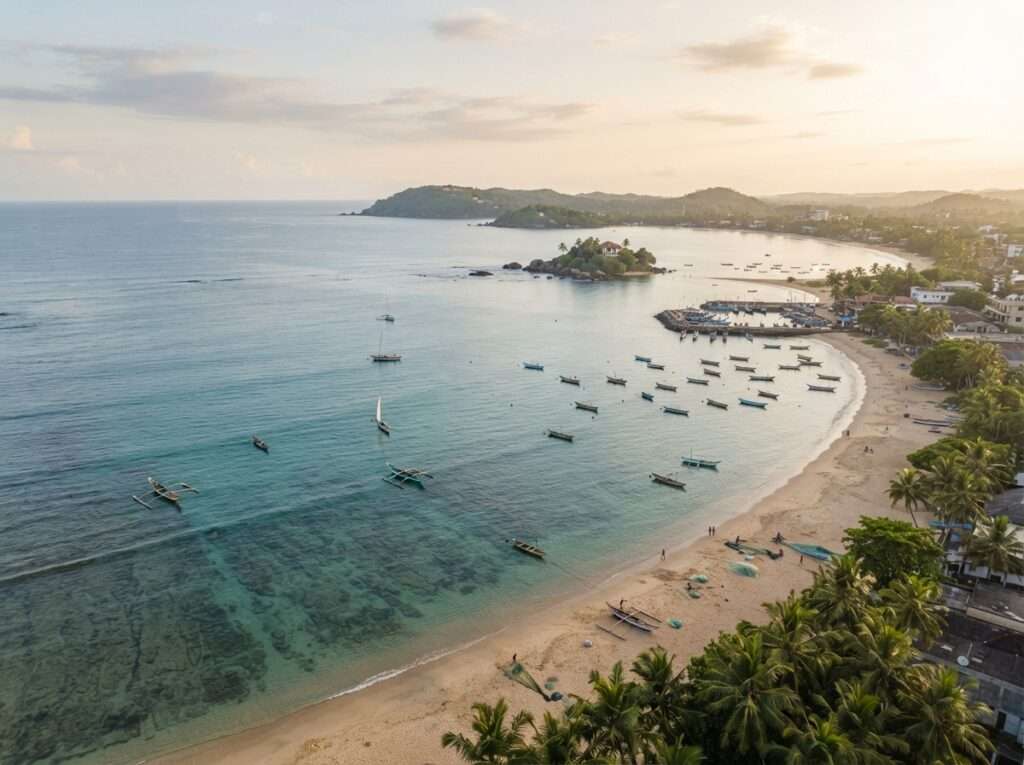
A wide, shallow bay 30 km east of Galle, famous as a beginner surf beach. It is a surf bay first, so the sandy bottom means visibility is modest inshore, but on a calm morning it stays shallow and forgiving, and boat operators run short trips out to clearer reef patches when you want more. Gentle and rarely crowded underwater.
| Coast | South coast |
| Best season | November to April |
| Access | Shore (beginner-friendly) |
05
Polhena Reef
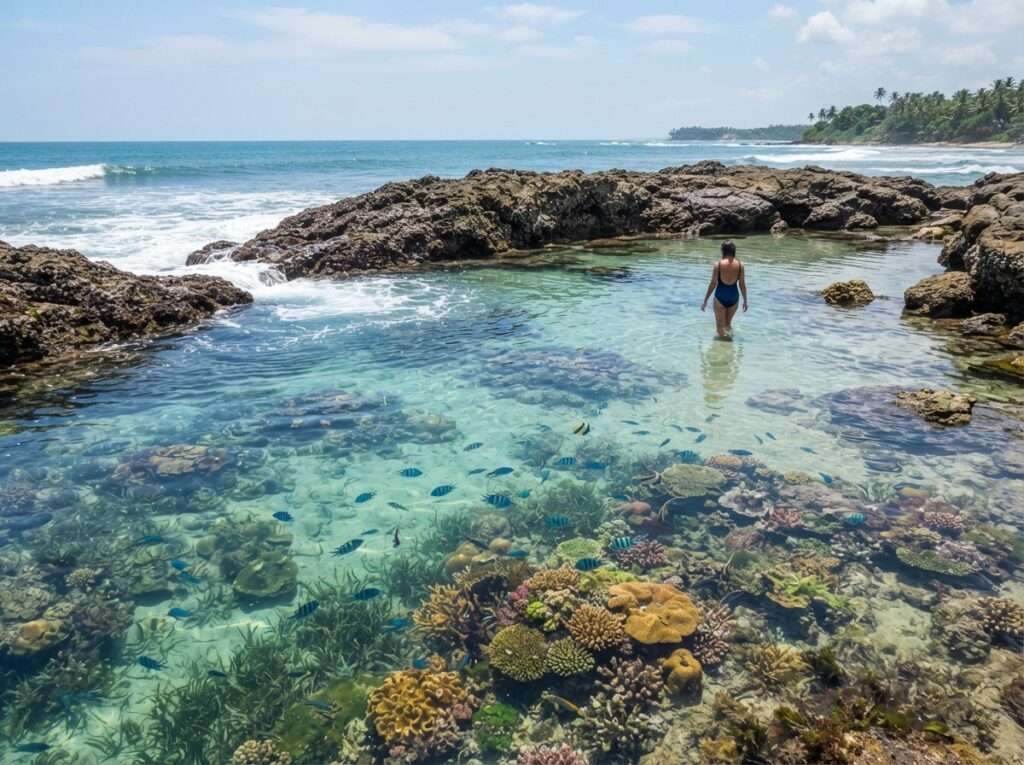
Just outside Matara, Polhena is a natural reef pool sheltered by an outer reef, so the water stays flat even when the open sea is rough. Green turtles feed here most mornings and a local conservation project helps protect them. This is one of the calmest entry-level spots on the whole island, and you can wade in from the beach without a boat.
| Coast | South coast |
| Best season | November to April |
| Access | Shore swim (reef pool) |
06
Koggala
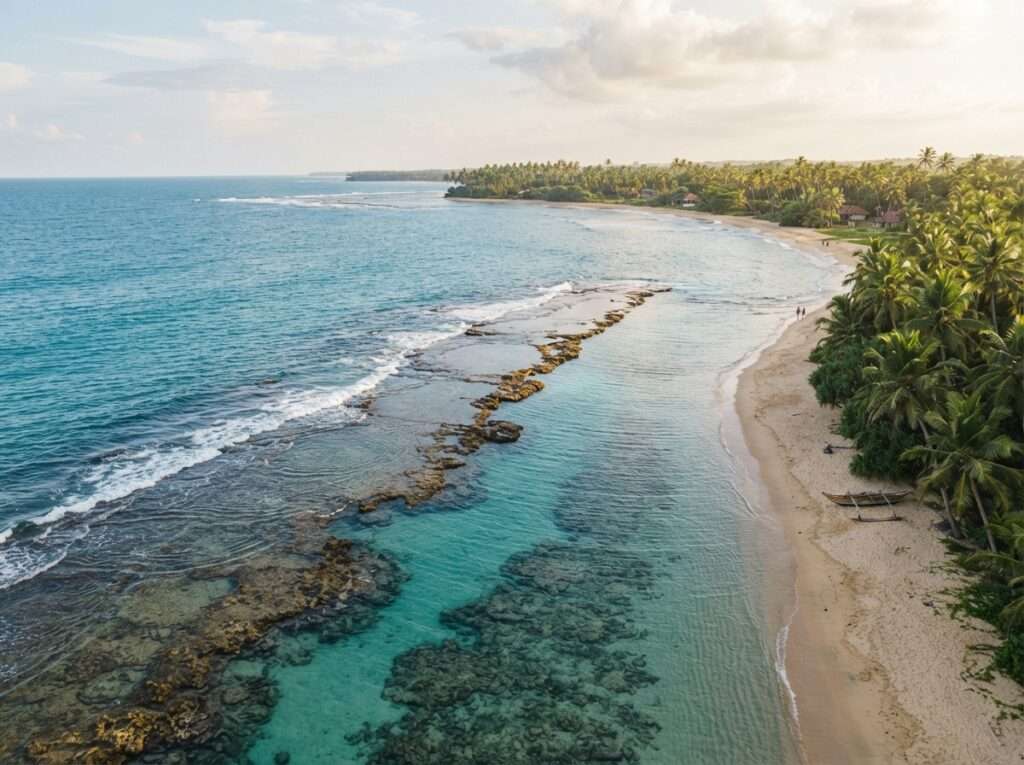
A quiet strip between Galle and Weligama that most travellers drive straight past. The inshore water is clear and the reef rewards anyone willing to go where the crowds do not. Pair it with a Koggala Lake stilt-fishing stop and you have a slow, local half-day away from the busier beaches.
| Coast | South coast |
| Best season | November to April |
| Access | Shore swim |
07
Galle
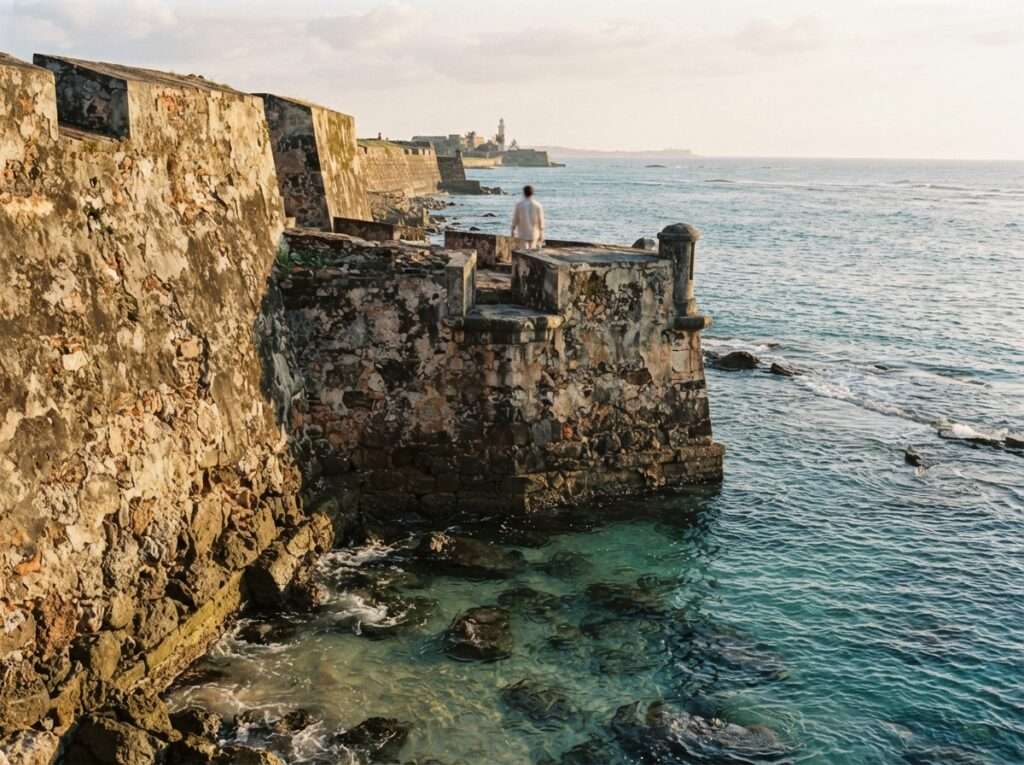
Off the historic fort, the SS Rangoon wreck lies in about 32 m of water. The wreck itself is a dive rather than a snorkel, but the shallower reef around the harbour has good visibility and plenty of fish for surface swimmers. A handy option if you are basing yourself in Galle and want a short swim between fort walks.
| Coast | South coast |
| Best season | November to April |
| Access | Shore reef / wreck dive |
08
Colombo
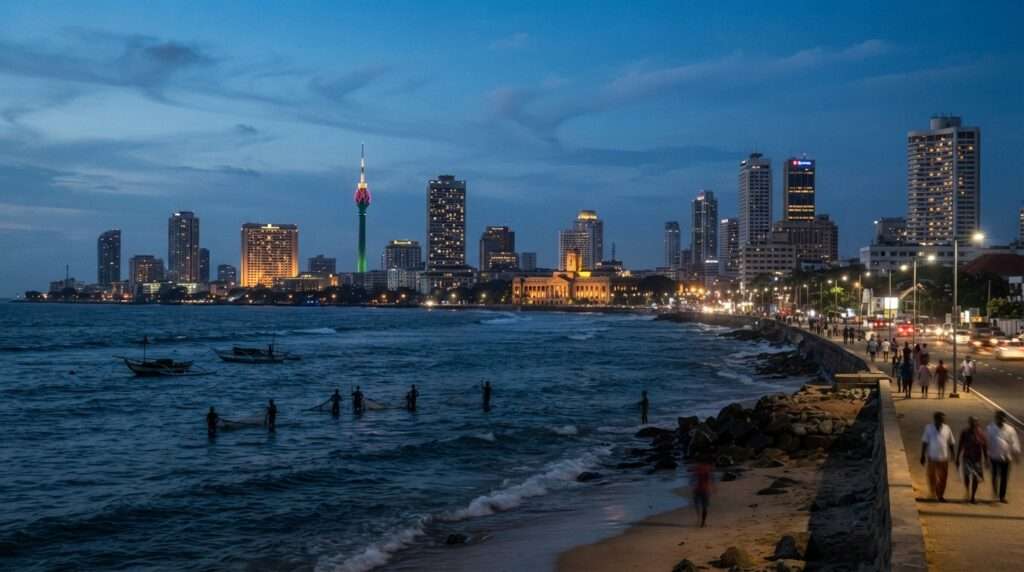
Even the capital has something below the surface, though this is dive territory rather than a beach snorkel. The Taprobane East wreck lies in deep water, roughly 25 to 32 m down, so it is an advanced scuba dive for certified divers rather than a surface swim. If you only snorkel, treat Colombo as a city stop and save your reef time for the coasts.
| Coast | West coast |
| Best season | November to April |
| Access | Scuba only (deep wreck) |
09
Negombo
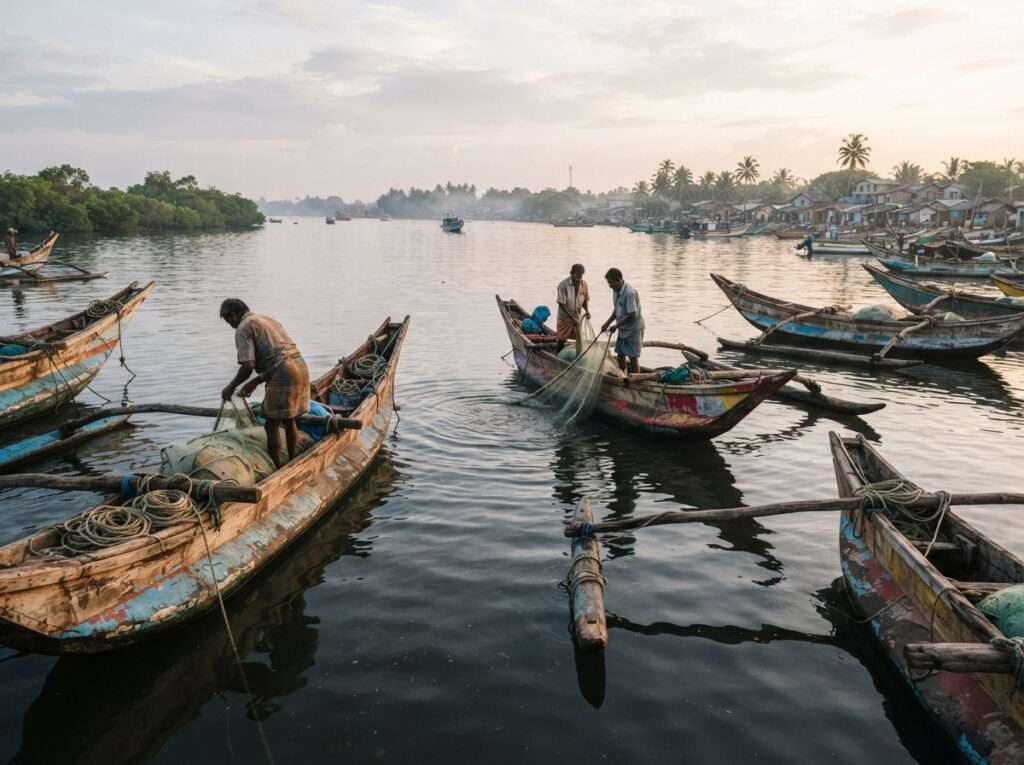
About a 15-minute drive from the airport (Negombo is only around 10 km away), which makes it an easy first or last day in the water. Operators run roughly two-hour boat trips out to patches of coral where clownfish shelter in anemones and reef fish gather. Nothing dramatic, but clean, clear and convenient if you are short on time.
| Coast | West coast |
| Best season | November to April |
| Access | Boat trip |
10
Kalpitiya and the Bar Reef
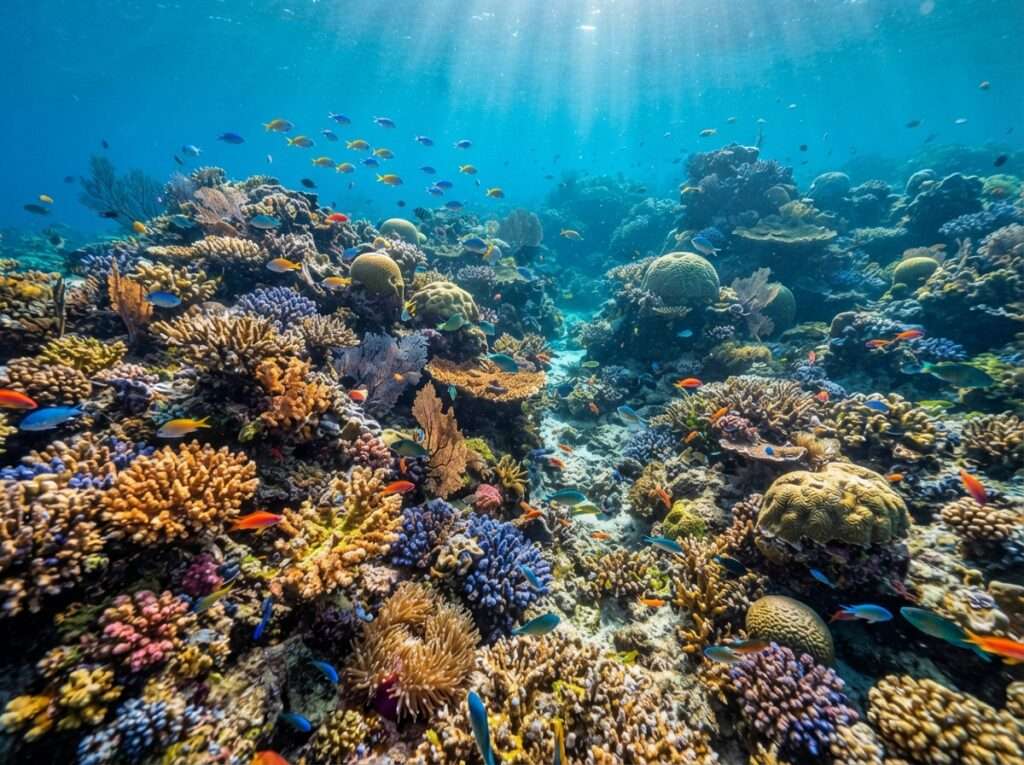
On the northwest coast in Puttalam district, the Bar Reef Marine Sanctuary is the largest and most biodiverse coral reef in Sri Lanka, about an hour offshore by boat. Expect reef sharks, manta rays and the occasional turtle over a reef that dwarfs the inshore spots. This is a boat trip, not a beach swim, and the calm window runs roughly December to April. Book through a Kalpitiya operator who runs the Bar Reef route specifically.
| Coast | Northwest coast |
| Best season | December to April |
| Access | Boat trip |
11
Kirinda and the Basses Reefs
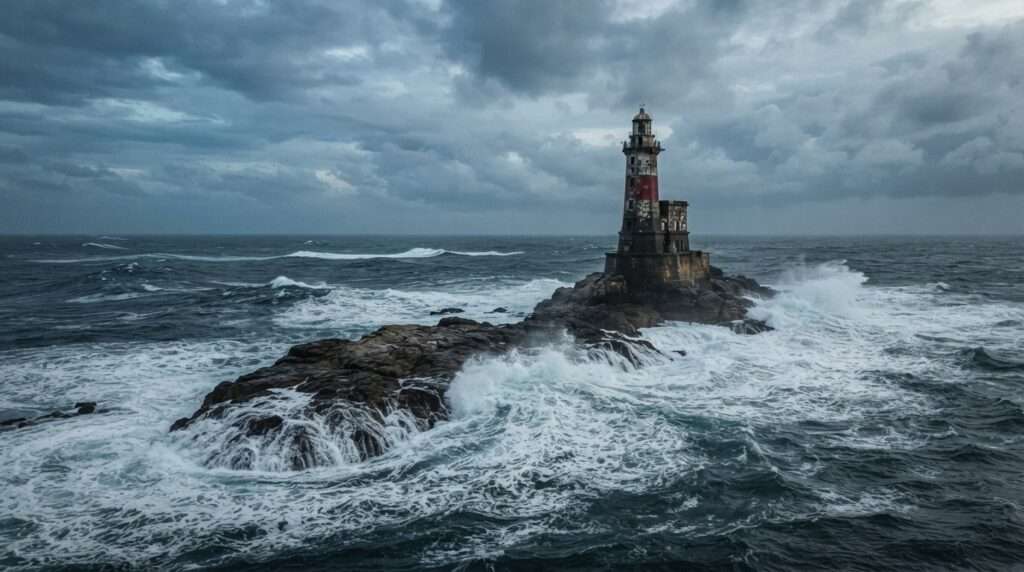
A fishing village near Tissamaharama on the deep south coast, and the launch point for the Great and Little Basses reefs. The Great Basses lies about 12 to 13 km offshore and the Little Basses much farther up the coast, all in open ocean with strong swells and currents, so these wreck-strewn reefs are really an advanced scuba destination, and the sea only calms enough to visit in the short window of March and April. Trips are run by dive operators along the south coast who launch from Kirinda harbour. One for very experienced divers and strong ocean swimmers chasing the big stuff, not a casual snorkel.
| Coast | Deep south coast |
| Best season | March to April |
| Access | Advanced scuba |
12
Pigeon Island
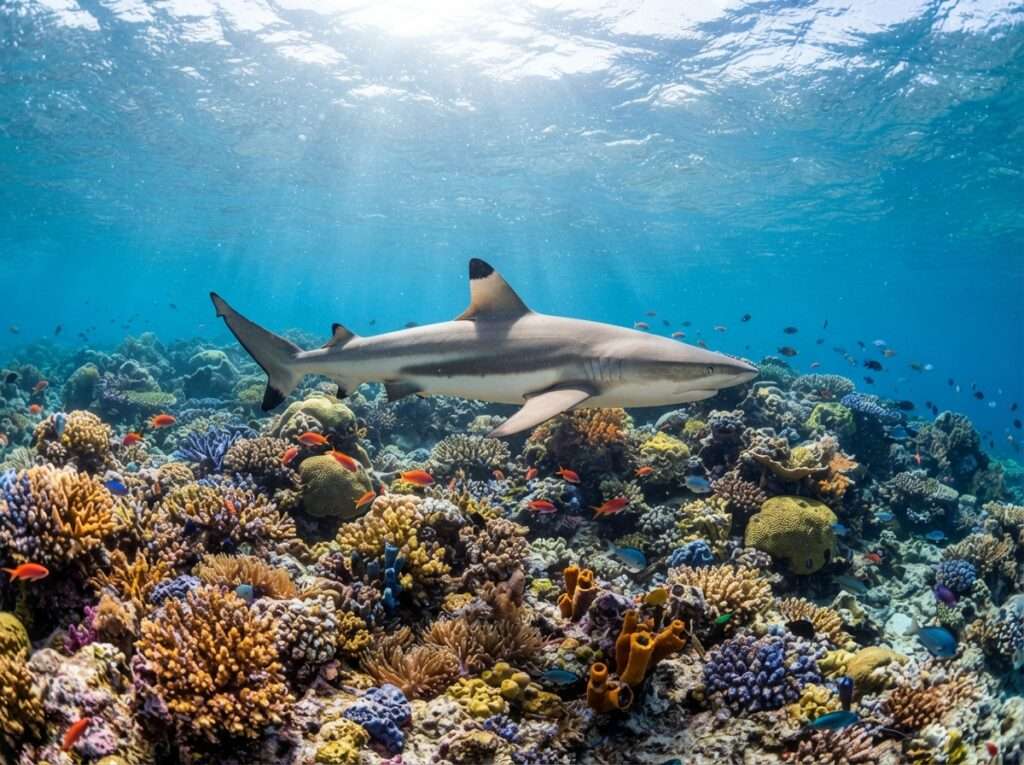
A small island inside a national marine park, a 15-minute boat ride from Nilaveli jetty. The shallow reef holds more than 100 coral species and around 300 reef-fish species, and blacktip reef sharks cruise the shallows close enough to watch from the surface. You pay a park entry fee (see the cost section below) and the reef gets busy by late morning, so take the first boat out. On a clear May-to-September day this is the single best reef swim in Sri Lanka.
| Coast | East coast |
| Best season | May to September |
| Access | Boat + park entry |
13
Nilaveli
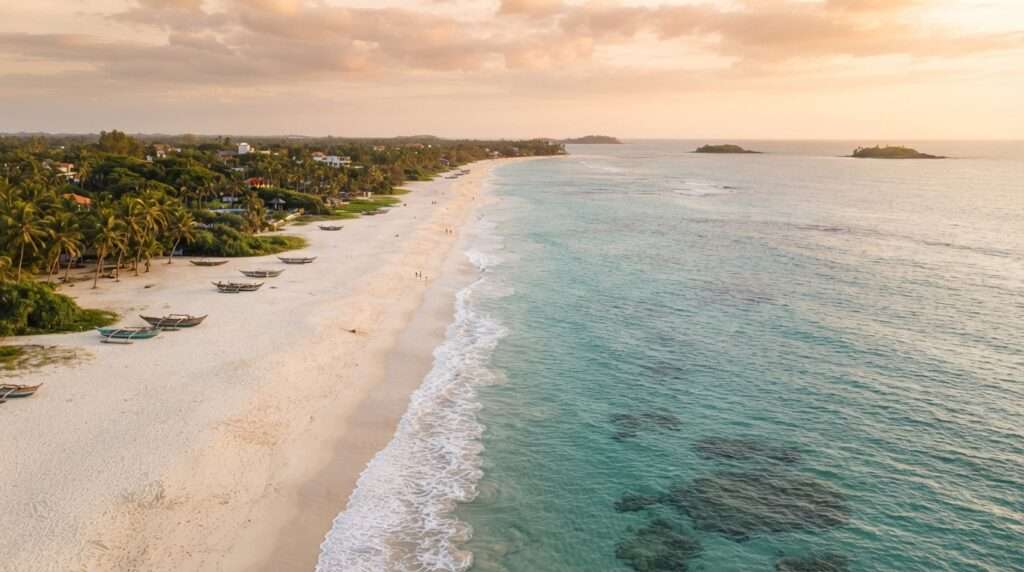
The long white beach north of Trincomalee that serves as the launch point for Pigeon Island. The near-shore water is calm and clear in season, so it is worth a relaxed swim before or after the island trip. Most beach resorts here can arrange gear and a boat straight from the sand.
| Coast | East coast |
| Best season | May to September |
| Access | Shore swim |
14
Trincomalee
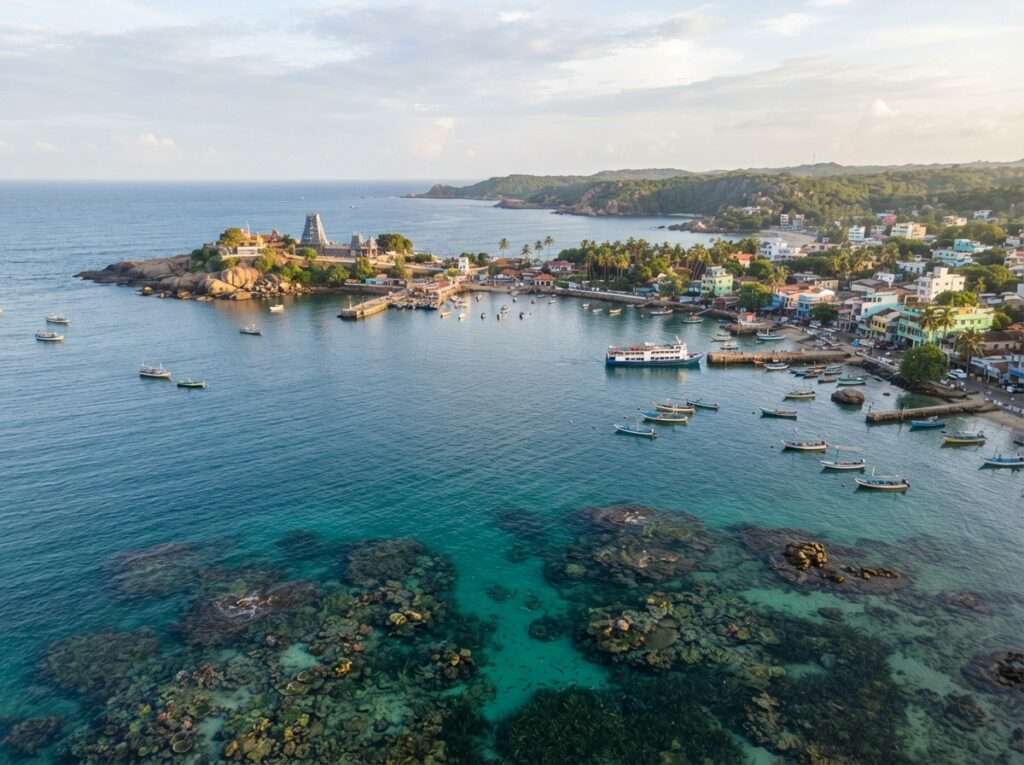
The main harbour town of the east coast and the gateway to the whole Nilaveli and Pigeon Island reef system. The coral gardens here hold anemones, nudibranchs and bright reef fish, and the bay is one of the first places to open up when the east-coast season starts in May. Base yourself in Trinco and the best reefs are a short drive north.
| Coast | East coast |
| Best season | May to September |
| Access | Boat and shore |
15
Pasikudah
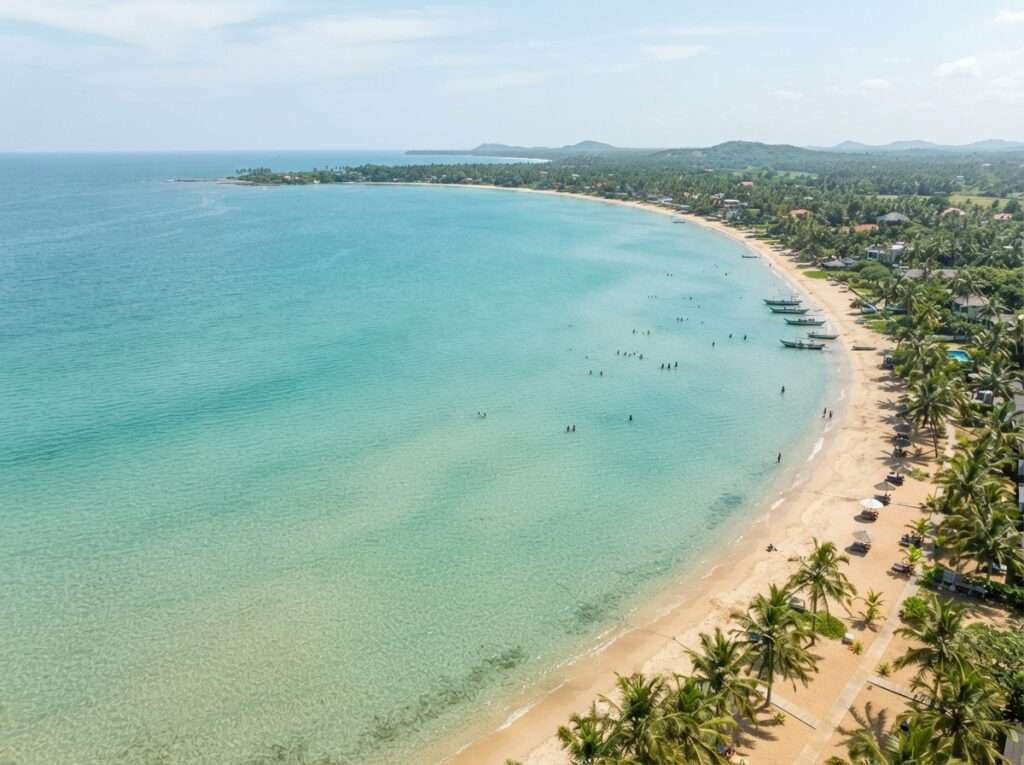
In Batticaloa district, Pasikudah is a long, shallow bay where you can wade a surprising distance out before the water reaches your chest. That makes it one of the safest spots in the country for children and nervous swimmers, and several resorts run snorkel trips straight off the beach. Gentle, warm and ideal for a first look underwater.
| Coast | East coast |
| Best season | May to September |
| Access | Shore (beginner-friendly) |
When to Snorkel in Sri Lanka: The Two-Monsoon Rule
The most common planning mistake is treating Sri Lanka as if it has one best season. It does not. The southwest monsoon runs roughly May to September and churns up the west and south coasts, which is exactly where Hikkaduwa, Polhena, Mirissa and Unawatuna sit. The northeast monsoon does the same to the east coast from about October to January. So the question is never when to visit Sri Lanka, it is which coast you want, because the two sides run on opposite clocks. Match your dates to the table below and you get flat water and good visibility. Ignore it and you get surf and silt.
| Coast / region | Best months | Why it works | Key spots |
|---|---|---|---|
| West and south coast | November to April | Southwest monsoon is off; calm, clear water | Hikkaduwa, Unawatuna, Mirissa, Polhena, Weligama, Galle, Koggala, Colombo, Negombo |
| Northwest (Kalpitiya) | December to April | Dry, settled sea for the offshore Bar Reef run | Bar Reef, Kalpitiya |
| East coast | May to September | Northeast monsoon is off; flat, glassy sea | Pigeon Island, Nilaveli, Trincomalee, Pasikudah |
| Deep-south Basses reefs | March to April | Short calm window between monsoons only | Kirinda, Great and Little Basses |
What You'll See Underwater
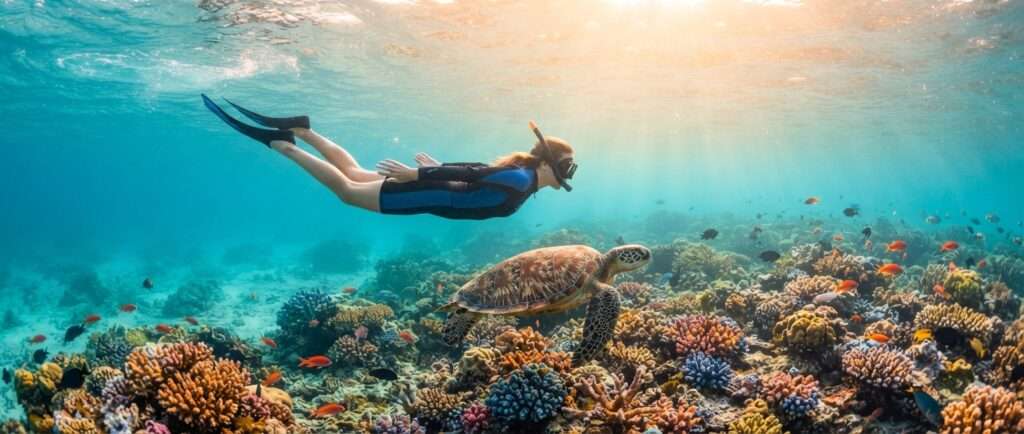
Sri Lanka’s reefs punch above their size. Green and hawksbill turtles are the headline act, and you can reliably find them grazing the seagrass at Hikkaduwa, Polhena and Unawatuna, often in water shallow enough to stand in. Over the coral you will see parrotfish crunching at the reef, butterflyfish and angelfish in pairs, and clownfish darting in and out of anemones at the sandier spots like Negombo.
The east coast adds bigger company. At Pigeon Island, blacktip reef sharks patrol the shallows (they are shy and no threat to snorkellers), giant clams sit wedged in the coral, and the fish count runs into the hundreds of species. Out at the Bar Reef off Kalpitiya you have a real chance of manta rays and larger reef sharks, and the wreck sites at Galle and the Basses reefs draw schools of fish and the occasional moray eel peering from the metal. Visibility on a settled in-season day runs well past 10 metres on the better reefs.
Best Spots for Beginners, Kids and Non-Swimmers
You do not need to be a strong swimmer to snorkel in Sri Lanka, you just need the right spot. The safest water is where an outer reef or a long shallow shelf keeps the sea flat. Polhena is the standout: its reef pool barely has a current, so children and first-timers can float face-down and watch turtles without being pulled anywhere. Pasikudah on the east coast is just as gentle, with a wade-out shallow bay, and Weligama’s sandy inner bay is forgiving too.
A few habits make it safe for weak swimmers. Use a flotation vest or a pool noodle, which every decent operator can lend you. Go on a calm morning before the wind picks up. Keep a buddy within arm’s reach, and start at a spot where you can stand up if you need to. Inner-reef Hikkaduwa, Polhena and Pasikudah all pass that test. Save boat-only reefs like the Bar Reef and the Basses for confident swimmers.
What Snorkeling in Sri Lanka Costs
Snorkelling here is cheap by any standard. If you bring your own mask and fins, most beach spots cost nothing beyond getting there. Rental and guided trips are modest, and the only real expense is the Pigeon Island national-park entry, which carries a foreign-visitor rate. The figures below are typical in-season prices to budget around; confirm the exact park fee at the Nilaveli ticket counter on the day, since national-park rates change with tax and season.
| What | Typical cost | Notes |
|---|---|---|
| Snorkel gear rental (mask, snorkel, fins) | about LKR 1,000 to 1,500 per day | From beach shops and most resorts |
| Guided boat snorkel tour (per person) | about LKR 2,500 to 6,000 | Varies by spot and boat size |
| Pigeon Island boat (round trip, shared) | about LKR 2,000 | From the Nilaveli jetty |
| Pigeon Island park entry, foreign adult | about LKR 13,000 | Children roughly half; payable in LKR or USD |
| Pigeon Island park entry, Sri Lankan | far lower local rate | Bring ID |
The cheapest snorkelling of all is off the beach at Polhena, Unawatuna and Hikkaduwa, where you can swim the inshore reef for the price of gear rental and nothing else.
How to Snorkel Safely and Responsibly
Most trips pass without a hitch, but a few rules keep it that way. Never snorkel alone, and always ask locals or your boatman about currents before you get in, especially on the west and south coasts near the edge of the monsoon when rip currents build fast. Weak swimmers should wear a flotation vest. Check the sea state in the morning rather than trusting yesterday’s calm, and stay inside the marked or sheltered areas at busy spots like Pigeon Island where boats are moving.
The reefs are fragile, so snorkel like a guest. Do not touch, stand on or kick the coral; a single careless fin can kill growth that took years. Keep your distance from turtles and reef sharks, never chase or crowd them, and do not feed the fish. Wear a rash guard or reef-safe sunscreen instead of the usual chemical kind, which bleaches coral. Take every scrap of rubbish back out with you, and note that Pigeon Island bans single-use plastics: wildlife officers check bags at the Nilaveli jetty and hold back plastic bottles and polythene before you board, so decant your water into a reusable bottle first. Look after these reefs and they will keep rewarding the snorkellers who follow.
Plan Your Sri Lanka Snorkeling Trip
Pick your coast by the calendar, bring reef-safe sunscreen, and you have some of the most accessible reef snorkelling in South Asia waiting a short swim from the sand. Whether you start with the turtles at Hikkaduwa or the sharks at Pigeon Island, it is an easy trip to build a whole holiday around. When you are ready to put it together, browse our Sri Lanka beach tour packages or explore wider Sri Lanka tour packages to fold snorkelling into a longer island itinerary.
FAQs
Snorkeling in Sri Lanka: Frequently Asked Questions
Quick answers on reefs, costs, beginners and kids, turtles, sharks and the Pigeon Island fee.
Yes, and plenty of them. The island has fringing reefs along the south and west (Hikkaduwa, Polhena, Unawatuna), the large offshore Bar Reef near Kalpitiya, and the protected reef at Pigeon Island on the east coast, which alone holds over 100 coral species. Most are shallow enough to snorkel straight from a boat or the beach.
Yes. Hikkaduwa is one of the easiest shore-entry spots in Sri Lanka. You can walk in from the beach inside the marine sanctuary and reach live coral and grazing green turtles within a few minutes' swim. A glass-bottom boat is optional if you would rather stay dry, but it is not needed to see the reef.
Very little. Gear rental runs about LKR 1,000 to 1,500 a day, and a guided boat trip is roughly LKR 2,500 to 6,000 per person depending on the spot. The one bigger cost is Pigeon Island national-park entry, around LKR 13,000 for a foreign adult plus about LKR 2,000 for the shared boat. Shore spots like Polhena and Hikkaduwa cost nothing beyond gear.
Absolutely, as long as you pick a sheltered spot. Polhena's reef pool, Pasikudah's shallow bay and the inner reef at Hikkaduwa stay calm and shallow enough that you can stand up. Use a flotation vest, go on a calm morning and keep a buddy close, and non-swimmers can comfortably watch the reef from the surface.
Yes. The gentlest spots for kids are Polhena, Pasikudah and Weligama, where the water is shallow and the current is weak. Fit them with a child-size mask and a flotation aid, keep them within arm's reach, and stick to the morning calm. Most operators at these beaches are used to taking families.
Yes, easily. Beach shops and resorts at every major spot rent masks, snorkels and fins for roughly LKR 1,000 to 1,500 a day, and boat tours usually include gear in the price. If you snorkel often, bringing your own mask guarantees a clean fit, but you do not need to pack anything to get in the water here.
It depends what you want. Many of Sri Lanka's best reefs, like Hikkaduwa, Polhena and Pigeon Island, are shallow enough that snorkelling shows you the coral, turtles and reef sharks without any training or certification. Scuba takes you deeper to the wrecks off Galle and the Basses reefs. For most travellers, snorkelling delivers the headline sights with far less cost and fuss.
You do not need a personal permit, but Pigeon Island is a national park, so you pay an entry fee at the Nilaveli ticket counter, around LKR 13,000 for a foreign adult (children roughly half) plus about LKR 2,000 for the shared boat across. Rates change with tax and season, so confirm the current figure on the day. Local Sri Lankan rates are far lower.
Yes. Green turtles graze the seagrass in shallow water at Hikkaduwa, Polhena and the Dalawella end of Unawatuna, and you can often watch them from a metre or two away. Keep your distance, never touch or chase them, and do not block their path to the surface to breathe. Early morning is the most reliable time to find them feeding.
There are, but the ones snorkellers meet are harmless. Blacktip reef sharks patrol the shallows at Pigeon Island and are shy of swimmers, and reef sharks turn up at the Bar Reef off Kalpitiya. Sri Lanka has no history of snorkeller shark incidents at these reefs. Watch them calmly, keep your distance, and they will go about their business.