5D / 4N
19% OFF
5D / 4N
19% OFF
Andaman Family Holiday For 4 Nights 5 Days
- Hotel
- Meals
- Sightseeing
- Transfers
₹23,574
₹18,990 /pp
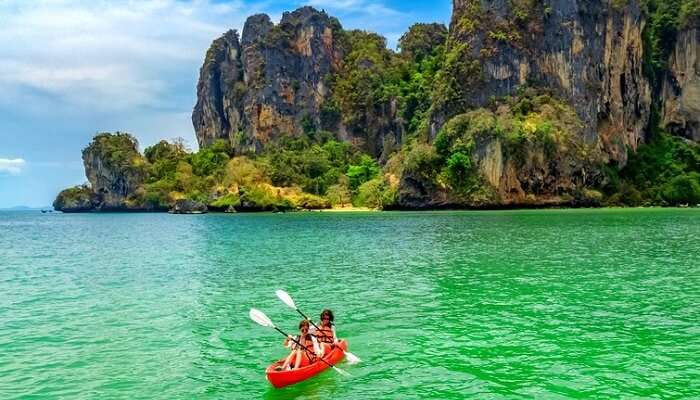


Kayaking in Andaman comes in two main forms. There is calm daytime mangrove kayaking through narrow forest creeks, which is beginner-friendly and needs no swimming skill. And there is bioluminescent night kayaking, where you paddle in near-total darkness and every stroke lights the water with a blue-green glow from plankton. Havelock Island (Swaraj Dweep) is the main hub for both, with Port Blair and Neil Island (Shaheed Dweep) as alternatives. Expect to pay roughly ₹2,500 to ₹3,500 per person for either, with sessions running about 1.5 to 2.5 hours. One thing decides a bioluminescence trip: darkness. The glow is brightest around the new moon, in the calm November-to-February window, often on a pre-dawn slot. This guide covers the types of kayaking, the best places, what each costs, the best time to go, who can do it, and a step-by-step way to book the bioluminescence trip so you do not waste a moonlit night on it.
Key takeaways
Choose Kayaking in Andaman in These Packages
Best Time
October - May
Select Package Type


| Detail | What to know |
| Two main types | Mangrove kayaking (calm, daytime) and bioluminescent night kayaking (new-moon nights) |
| Main hub | Havelock Island (Swaraj Dweep). Also Port Blair and Neil Island (Shaheed Dweep) |
| Session length | 1.5 to 2.5 hours on the water, plus a short safety briefing |
| Indicative cost | ₹2,500 to ₹3,500 pp for mangrove or bioluminescence; some night tours up to about ₹5,500 |
| Best season | October to May; November to February is best for calm seas and bright bioluminescence |
| Bioluminescence timing | Darkest nights, near the new moon, often a pre-dawn or post-sunset slot. Never guaranteed |
| Swimming needed? | No. Life jackets provided; you do not need to know how to swim |
| Minimum age | Commonly 8 to 10 years with a guide (confirm with the operator) |
| Experience needed | None. Guides give a short paddling briefing before you start |
| Permits | Indian nationals need none for the main islands; some remote areas need forest permits |
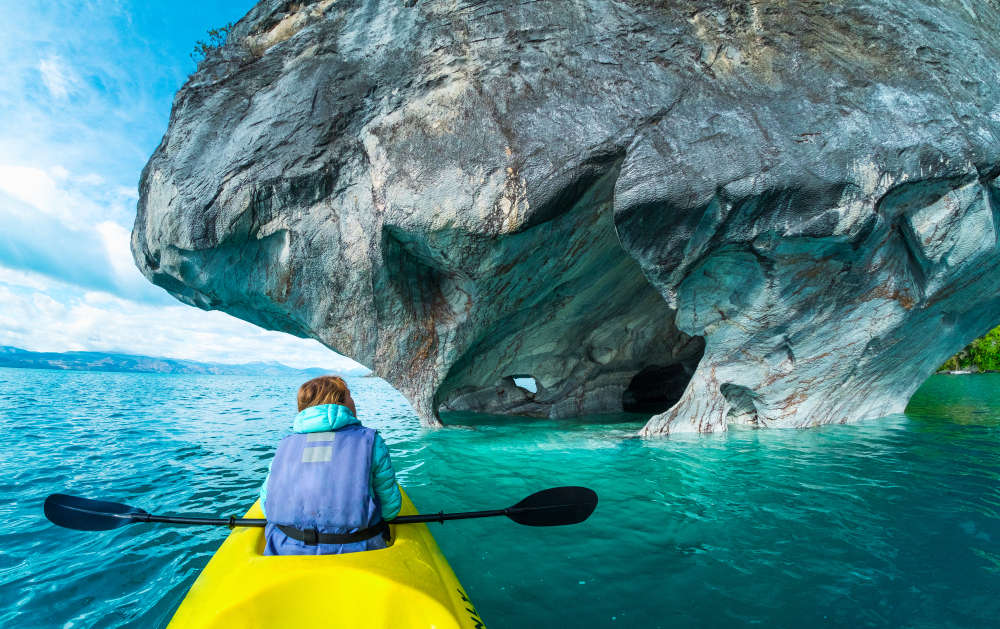
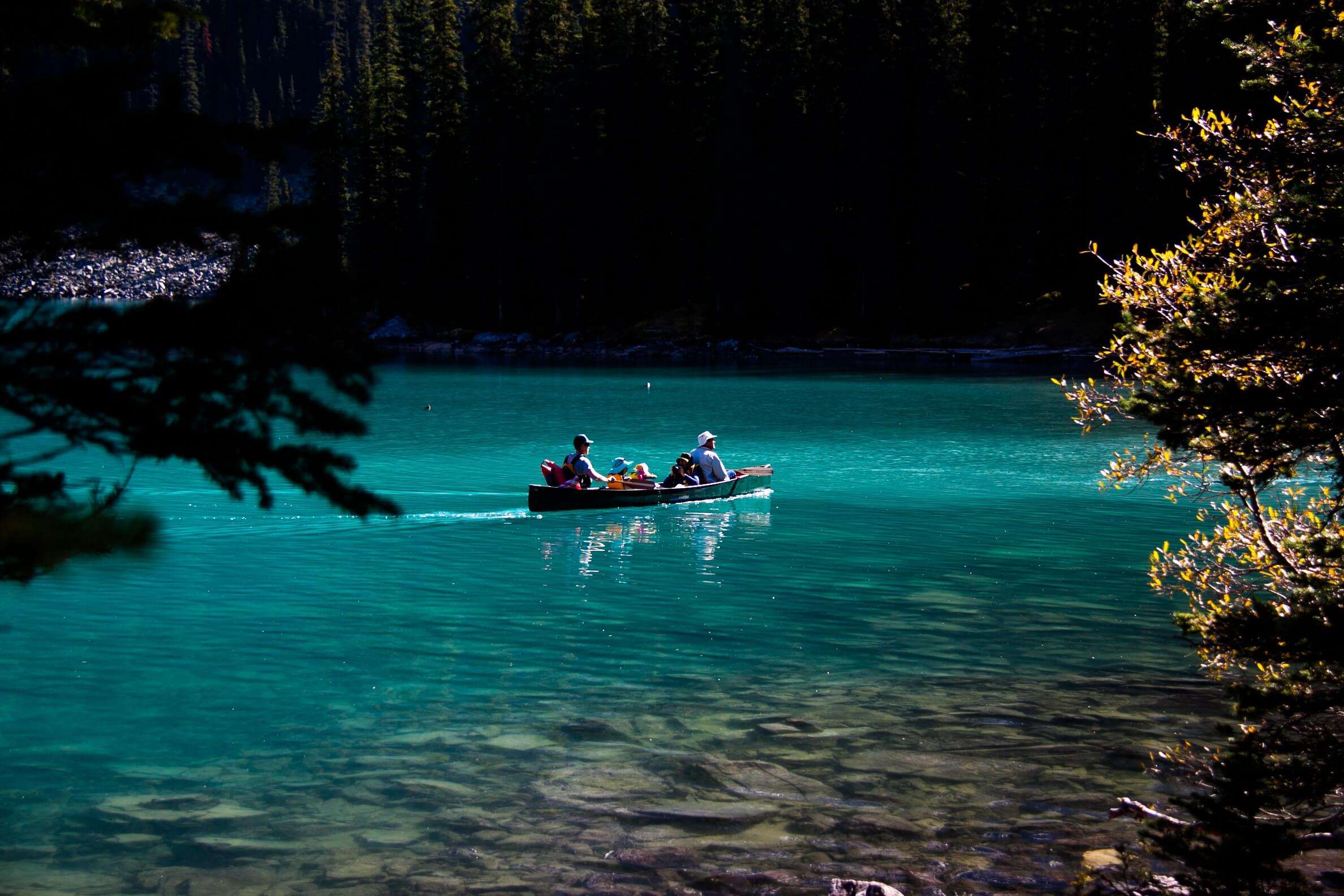
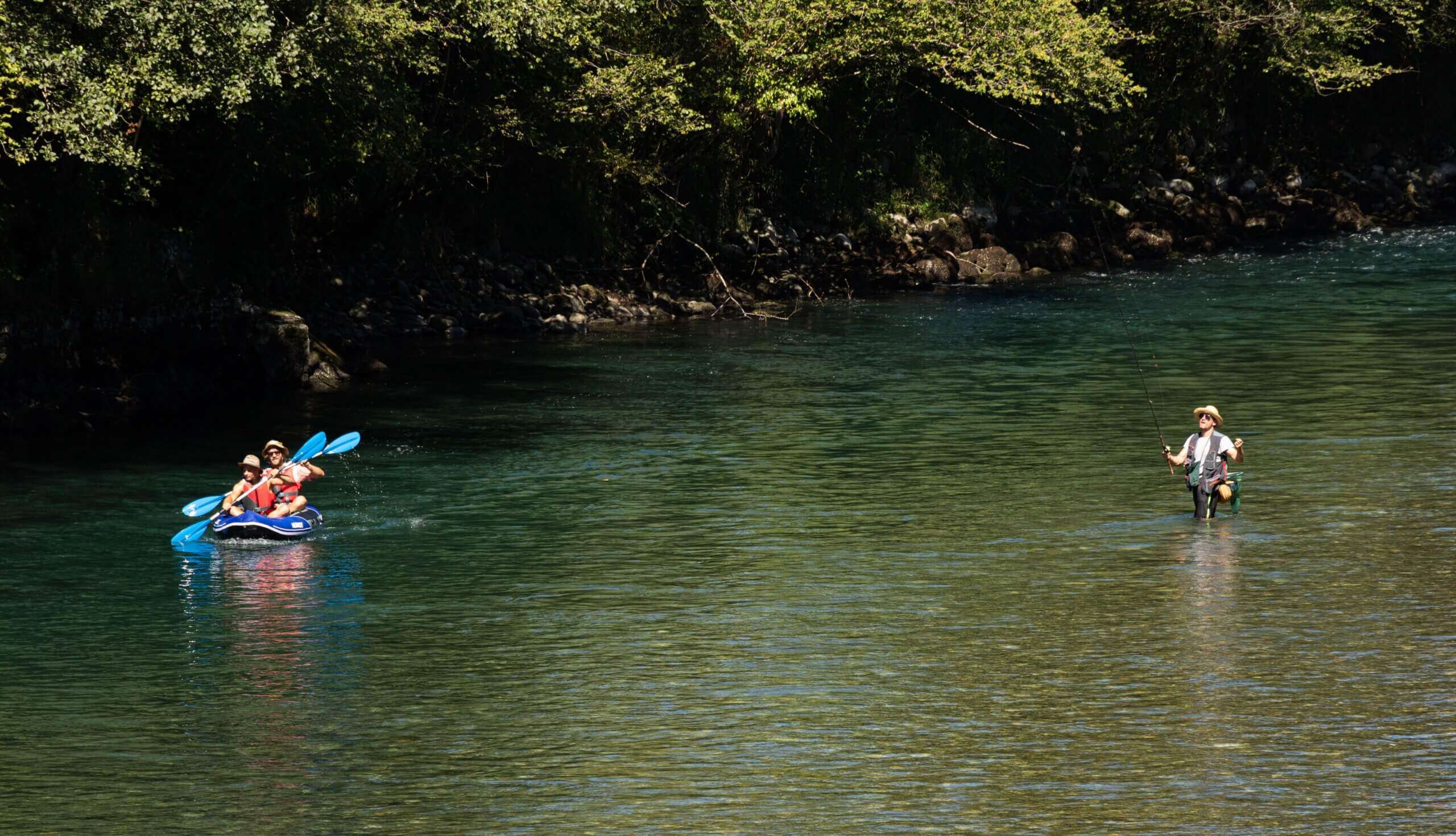
This is the gentle, photogenic version most people picture. You glide through narrow channels walled by mangrove roots, in water so sheltered it barely ripples, while the guide points out the forest, the birds and the occasional fish. It runs in daylight, and morning slots are usually calmest. It needs no experience and no swimming ability, so it suits families and first-timers. Most operators seat beginners and children in a stable tandem (double) kayak with a guide, and a session lasts around 1.5 to 2.5 hours.
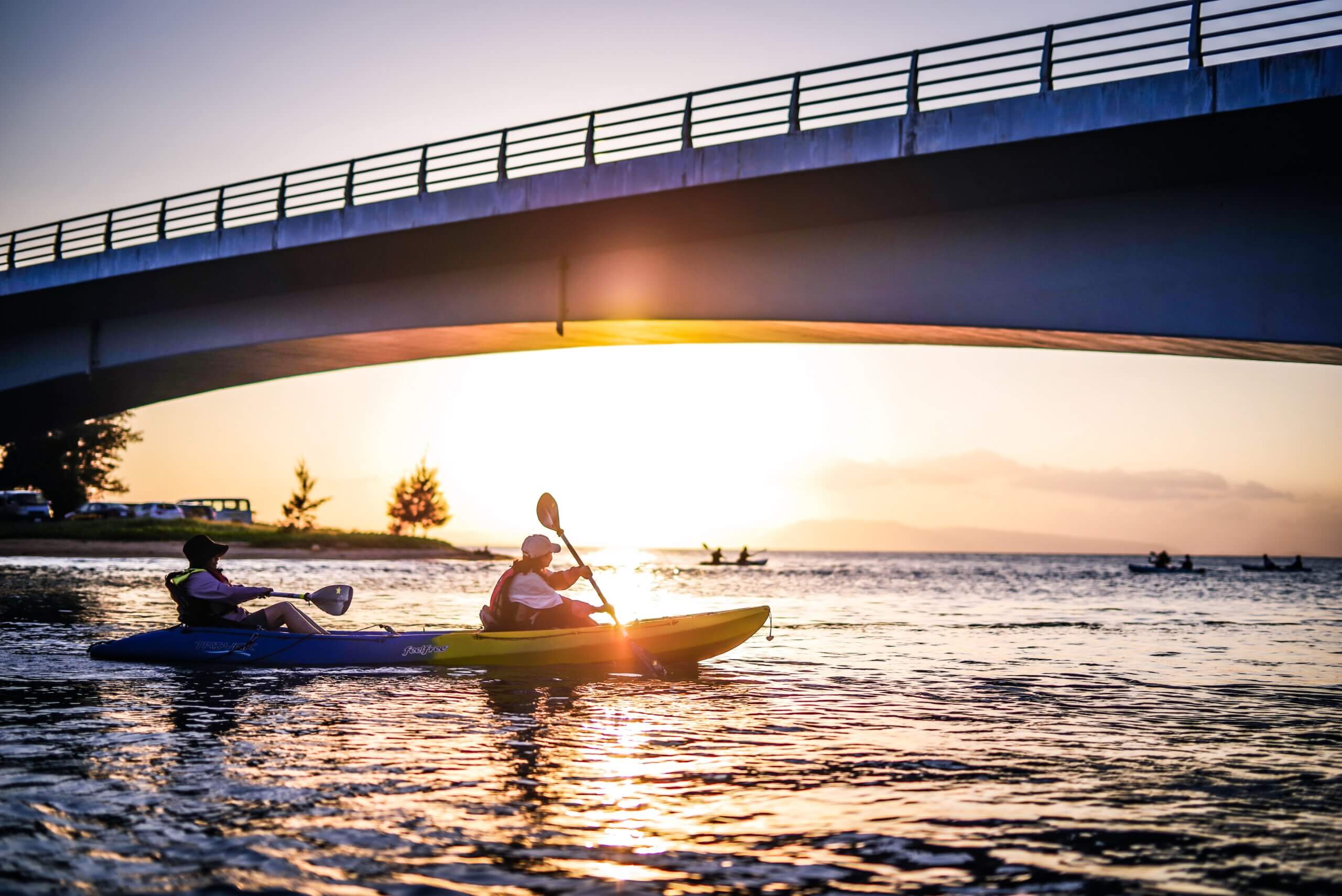
This is the trip the Andamans are famous for. On a dark, near-moonless night you paddle out and the water around your kayak lights up blue-green wherever it is disturbed: your paddle, your hand, the wake of the boat. The glow comes from bioluminescent plankton (dinoflagellates), not from anything man-made, which is why it is a natural phenomenon and never guaranteed. Because it depends on darkness, operators run it close to the new moon and often on a pre-dawn slot (roughly 3:30 to 6 am) or shortly after sunset, when the sky is darkest. It is the single most magical thing you can do on the water here, but only if you get the moon and the season right.
Sea kayaking, sometimes called coastal kayaking, is the third type: a handful of operators run open-water and beach-hopping paddles along sheltered coastlines, sometimes paired with a snorkelling stop. These are less common than mangrove and bioluminescence trips and they are weather-dependent, so they run on calm seas only. For the broader picture of everything you can do on the water, see our guide to water sports in Andaman.
| Factor | Mangrove kayaking (day) | Bioluminescent kayaking (night) |
| What you see | Mangrove forest, calm creeks, birds, daylight scenery | Blue-green glowing water around the kayak |
| When | Daytime, usually morning slots | Dark, near-new-moon nights; often pre-dawn (~3:30 to 6 am) |
| Reliability | Reliable any clear day | Natural and not guaranteed; needs darkness plus plankton |
| Best months | Oct to May | Nov to Feb (calm seas, brightest glow) |
| Difficulty | Easy; total beginners welcome | Easy paddling, but in the dark; stay with the guide |
| Photos | Easy, bright photos | Very hard to photograph; experience it with your eyes |
| Indicative cost | ₹2,500 to ₹3,500 pp | ₹2,500 to ₹3,500 pp (some up to ₹5,500) |
| Best for | Families, first-timers, easy mornings | Couples, once-in-a-trip bucket-list nights |
The honest answer for most travellers: do the mangrove trip as your safe, guaranteed paddle, and add the bioluminescence trip only if your dates fall near a new moon between November and February. If there is a bright moon, skip the night trip. You will pay for a paddle in the dark and see little glow.
Five spots carry almost all the kayaking in the Andamans. Here they are ranked the way most travellers should think about them, from the reliable main hub to the off-beat north. The summary table comes first, then each place gets its own detail below.
| Place | Best for | Indicative cost (pp) | Notes |
| Havelock Island (Swaraj Dweep) | Mangrove plus bioluminescence | ₹2,500 to ₹3,500 | The main, best-run hub for both day and night kayaking |
| Neil Island (Shaheed Dweep) | Calm day kayaking | ₹1,000 to ₹5,500 | Quieter, beginner-friendly water; some operators run new-moon night trips |
| Port Blair | Mangrove plus night kayaking | ₹3,000 to ₹3,500 | Convenient on arrival or departure days; new-moon night slots run here too |
| Baratang | Off-beat mangrove kayaking | Varies | Remote limestone-cave region ~100 km north; a full day out, few operators |
| Ross Island (Netaji Subhas Chandra Bose Island) | Short heritage paddle | Varies | Small former British island ~2 km east of Port Blair; day trips only |
Neil Island (Shaheed Dweep) is the quiet, beginner-friendly alternative to Havelock, and it is where a lot of first-timers actually enjoy their first paddle because the water is so calm and the crowds are thin. Day kayaking here glides past the shallow, glassy shoreline near Laxmanpur Beach, and many operators combine the session with a snorkelling stop over the nearby coral, so you get two activities in one morning. The island’s landmark Natural Bridge (Howrah Bridge, a coral-rock arch) is close to the launch beaches, which makes for an easy pre- or post-paddle walk at low tide. A handful of operators also run bioluminescent night kayaking near the new moon, though Havelock stays the more reliable choice for the glow. Day sessions typically start lower than Havelock, from about ₹1,000 per person, with night trips running up to around ₹5,500; treat these as indicative and confirm on the day. If your itinerary already includes Neil for the beaches, adding a calm morning kayak is one of the easiest wins on the whole trip.
Havelock (Swaraj Dweep) has the most operators, the best-protected mangrove creeks and the most reliable bioluminescence sightings, which is why nearly every serious kayaking trip in the Andamans is based here. The daytime mangrove paddle threads sheltered forest channels that barely ripple, and the same island runs the best-organised bioluminescent night trips on dark, near-new-moon nights. It is also the island you are most likely already visiting for scuba diving and snorkelling, so slotting in a kayak session (morning mangrove, or a new-moon night) takes almost no extra planning. Expect ₹2,500 to ₹3,500 per person for either. For the island itself, see our Havelock Island guide.
Port Blair is the practical choice for arrival and departure days, when you have a few hours but not a full island-hop. Operators run mangrove paddles in the creeks around the capital, and new-moon night kayaking slots run here too. The mangrove-fringed water around Chidiya Tapu (Bird Island), about 25 km south of the city, and the sheltered stretch near Corbyn’s Cove are the spots you will hear named most often. Sessions here typically cost ₹3,000 to ₹3,500 per person. It is the least scenic of the three main bases, but it is the one you can do without changing islands.
Baratang sits roughly 100 km north of Port Blair, a 2.5 to 3 hour road journey that crosses the Jarawa Tribal Reserve by timed convoy. It is known for limestone caves and a mud volcano rather than as a mainstream kayaking spot, and its mangrove creeks see far fewer paddlers, so this is off-beat territory for travellers heading deep north (Mayabunder and beyond). Do not plan a Baratang kayak as a quick hop from Port Blair. It is a full day out, and you should book any north-Andaman paddle through a licensed local operator who handles the convoy timing and forest permissions.
You will see articles claim that Baratang and Ross Island are 2 km east of Port Blair. That conflates two very different places. Ross Island, officially Netaji Subhas Chandra Bose Island since 2018, is the small former British administrative island about 2 km east of Port Blair, reached by a short boat ride and suited to a brief heritage day trip. Baratang, as above, is roughly 100 km north. Keep the two separate when you plan, or you will budget a half-hour hop for what is really a full day.
The blue-green light comes from bioluminescent plankton, microscopic dinoflagellates that emit light when the water around them is disturbed. Dip a paddle, trail a hand, or watch the kayak’s wake, and the movement triggers the glow. Because it is a living, natural phenomenon, its intensity changes night to night and it is never guaranteed. A good operator will tell you honestly that conditions were not right rather than promise a show.
Bioluminescence is faint, so it only reads against a genuinely dark sky. A bright moon washes it out completely. That is why operators schedule trips around the new moon, the few nights each month when the moon is dark, and often on a pre-dawn slot, roughly 3:30 to 6 am, or shortly after sunset before the moon rises. If your travel dates land on a full or bright moon, the night trip is not worth booking that week.
The glow can appear across much of the dry season, but November to February is the reliable window: calm seas, the highest plankton activity and the clearest, darkest nights. October and March are fair shoulder months. During the south-west monsoon, roughly June to September, rough seas and cloud make night kayaking impractical.
After a short safety briefing and life-jacket fitting, you paddle out in a small guided group, usually with a lead guide and a tail guide keeping everyone together. There is little to no artificial light, and that is the point, so you follow the guide and stay close. Sessions run about 1.5 to 2 hours on the water. Bring nothing you cannot afford to drop. Phones rarely capture the glow, so most people simply watch it. It is calm, slow paddling, not a workout.
| Experience | Indicative cost (pp) | Typical duration | Included |
| Mangrove kayaking (day) | ₹2,500 to ₹3,500 | 1.5 to 2.5 hours | Guide, kayak, life jacket, briefing |
| Bioluminescent night kayaking | ₹2,500 to ₹3,500 (up to ₹5,500) | 1.5 to 2 hours | Guide, kayak, life jacket, headlamp or torch |
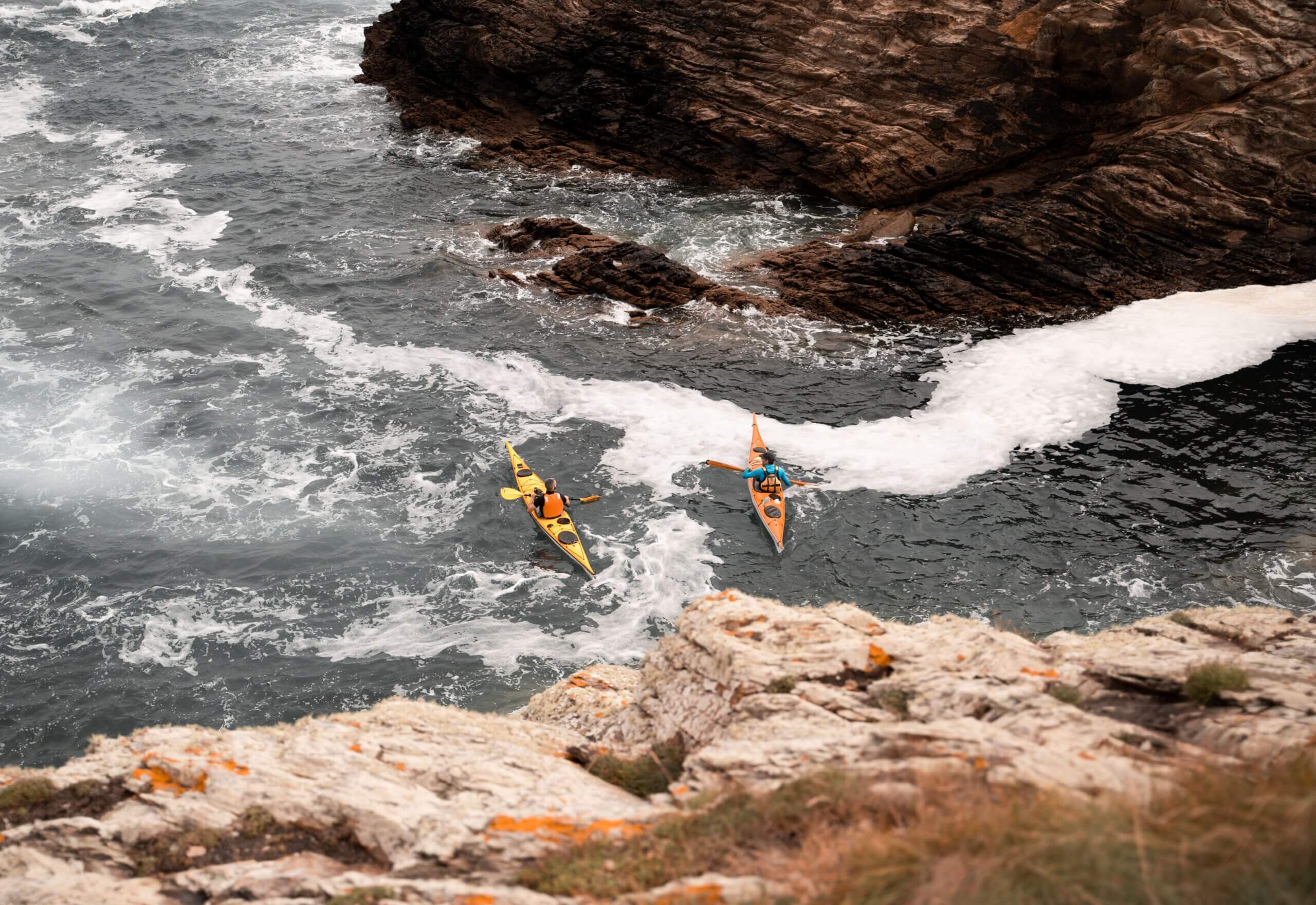
| Sea / coastal kayaking | ₹2,500 to ₹4,000 | 2 hours | Guide, kayak, life jacket; sometimes a snorkel stop |
| Kayaking as part of a package | Bundled | Varies | Often cheaper per activity when booked in a tour |
If you plan to do several water activities, booking kayaking inside a wider Andaman package usually works out cheaper per activity than paying a la carte. See water sports tour packages for Andaman.
| Season | Months | What it is like for kayaking |
| Peak winter | Nov to Feb | Best overall: calm seas, comfortable temps; brightest bioluminescence near the new moon |
| Warm shoulder | Mar to May | Hotter and more humid; mangrove kayaking fine, bioluminescence less reliable |
| Early season | Oct | Seas settling after the monsoon; good for day kayaking, variable nights |
| Monsoon | Jun to Sep | Rough seas and rain; kayaking, especially at night, is largely suspended |
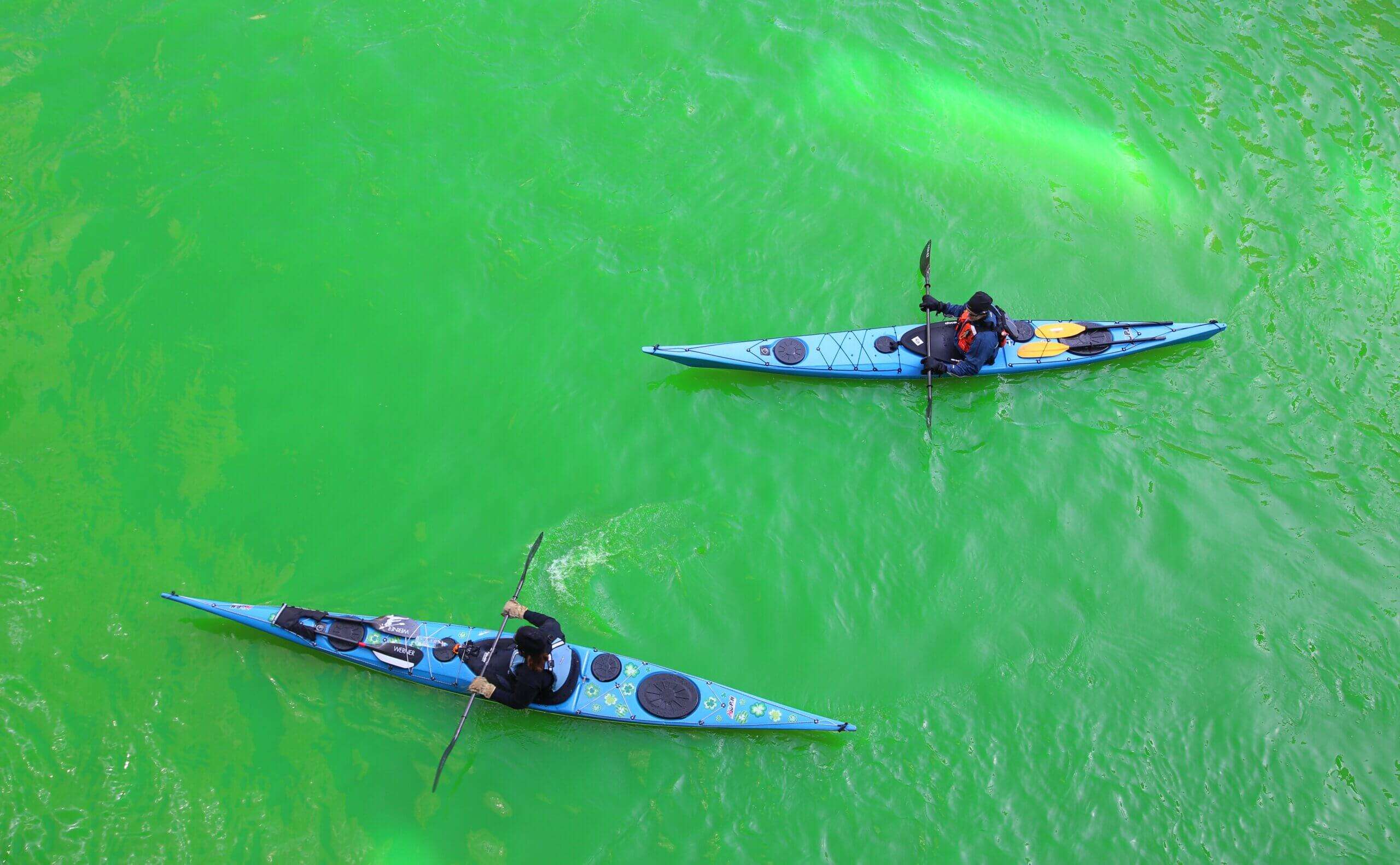
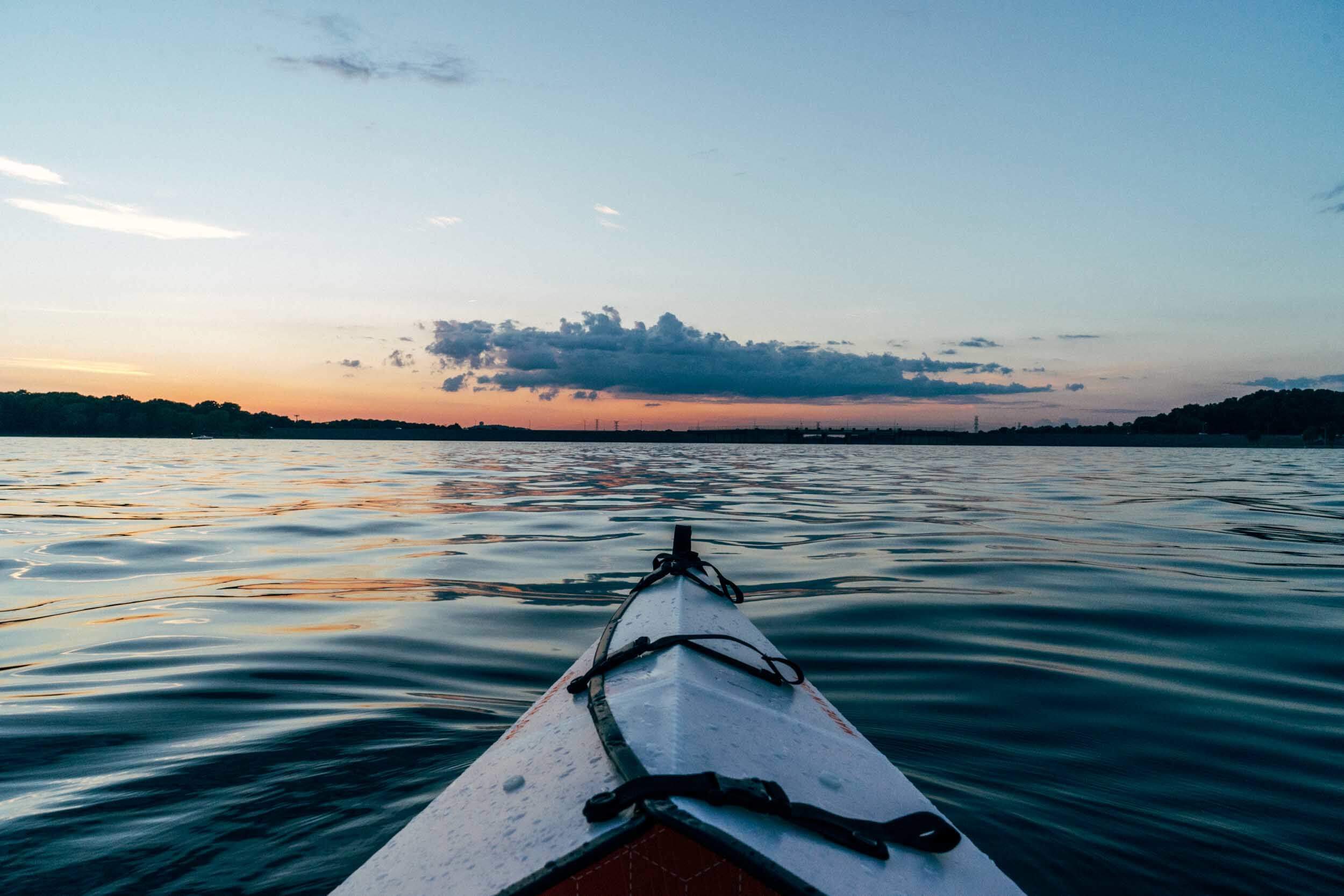
Kayaking here is beginner-friendly and, with a licensed operator, low-risk. A few honest caveats matter.
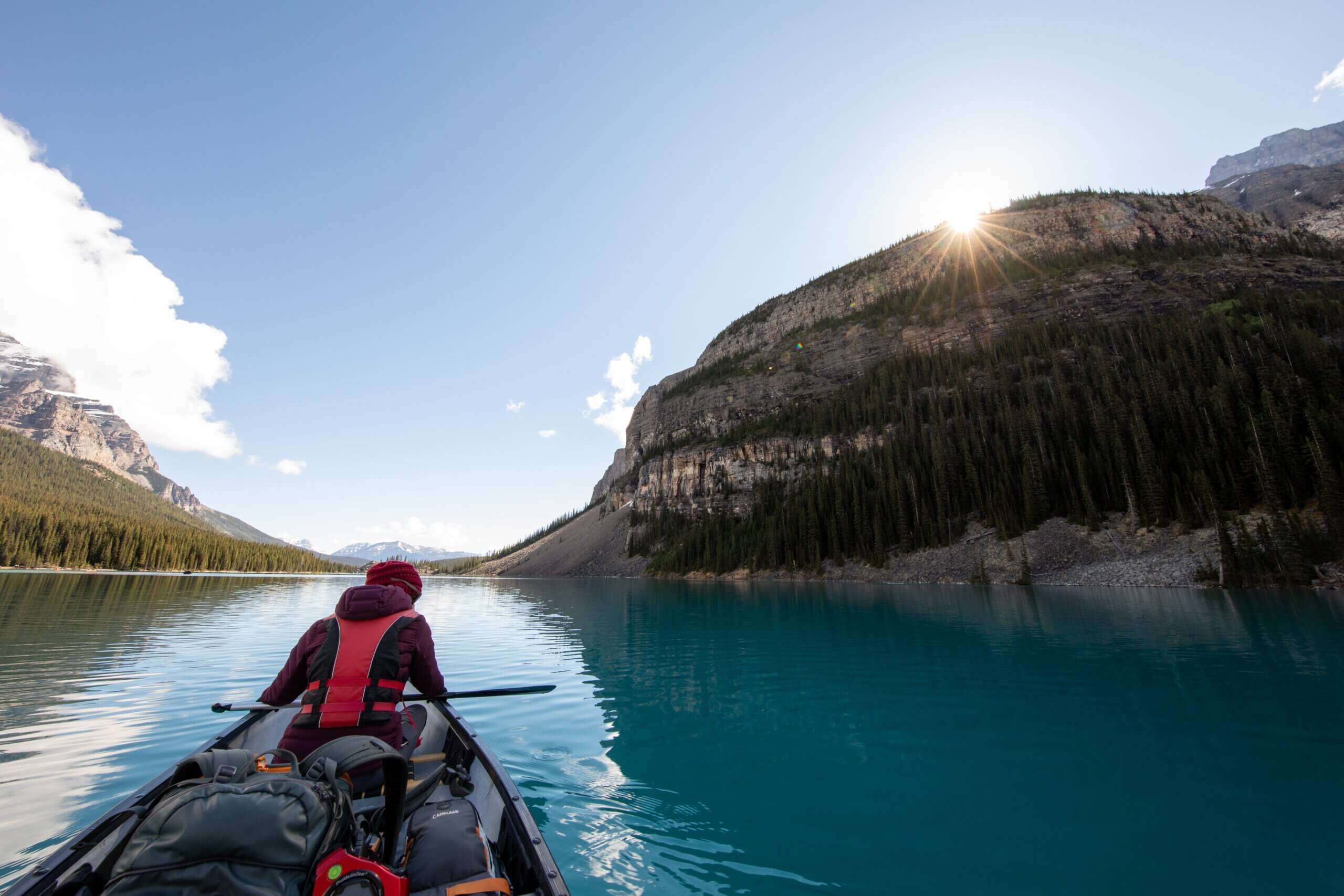
Kayaking slots neatly into a standard 5 to 7 day Andaman itinerary: a mangrove session on a Havelock morning, and, if the moon cooperates, a bioluminescence night on the same island. Because the night trip hinges on the moon, the season and the weather all lining up, it is far easier to slot into a planned, customisable trip than to chase on the day.
Get the mangrove paddle and the new-moon night right and kayaking becomes the quiet highlight of an Andaman trip: a calm forest creek by day and a glowing sea by night, both for the price of a single excursion. If you would rather have the islands, the ferries and the activity timing handled around the right moon, TravelTriangle can build it into a fully customisable Andaman tour package so your bioluminescence night lands on a dark sky, not a bright one.
Havelock Island (Swaraj Dweep) is the best place for kayaking in Andaman. It has the most operators, the calmest mangrove creeks and the most reliable bioluminescence sightings, so both daytime mangrove kayaking and bioluminescent night kayaking are best done here. Port Blair and Neil Island (Shaheed Dweep) are good alternatives, especially on arrival or departure days, but Havelock is the main hub.
Expect roughly ₹2,500 to ₹3,500 per person for either a mangrove day kayak or a bioluminescent night kayak, with some night tours running up to about ₹5,500. Sessions last around 1.5 to 2.5 hours and usually include the kayak, a life jacket, a guide and a short briefing. Booking kayaking inside a wider Andaman water-sports package often works out cheaper per activity. Treat these as indicative 2026 ranges and confirm with the operator.
Bioluminescent kayaking is a night paddle where the water glows blue-green wherever it is disturbed: your paddle, your hand, the kayak's wake. The light comes from bioluminescent plankton (dinoflagellates) that emit light when moved. It is a natural phenomenon, so it is never guaranteed. It only shows against a dark sky, which is why operators run it close to the new moon, often on a pre-dawn or post-sunset slot, mainly between November and February.
November to February, on nights close to the new moon. Bioluminescence is faint and a bright moon washes it out, so the darkest nights of the month give the best show. These months also bring calm seas and the highest plankton activity. October and March are fair shoulder months; during the June to September monsoon, night kayaking is largely suspended due to rough seas.
No. You do not need to know how to swim. Operators provide life jackets and a trained guide stays with the group throughout, and non-swimmers regularly do both mangrove and bioluminescence kayaking. You also do not need any paddling experience; guides give a short briefing on how to use the kayak before you set off.
Yes, with a licensed operator and the basic precautions. Kayaking happens in sheltered water with life jackets and guides, and beginners and non-swimmers do it routinely. Stay with your group, wear the life jacket, follow the guide's route, avoid kayaking 1 to 2 days after heavy rain, and heed any crocodile-warning signs near creeks. Pregnant travellers or anyone with heart or mobility issues should check with the operator and a doctor first.
No. Kayaking in Andaman is aimed squarely at first-timers. Every trip opens with a short paddling briefing that covers how to hold the paddle, how to steer and what to do if you tip, and a guide stays with the group the whole time. The mangrove creeks and sheltered bays are calm, flat water, so beginners and families are the norm rather than the exception. If you have never sat in a kayak, start with a daytime mangrove session.
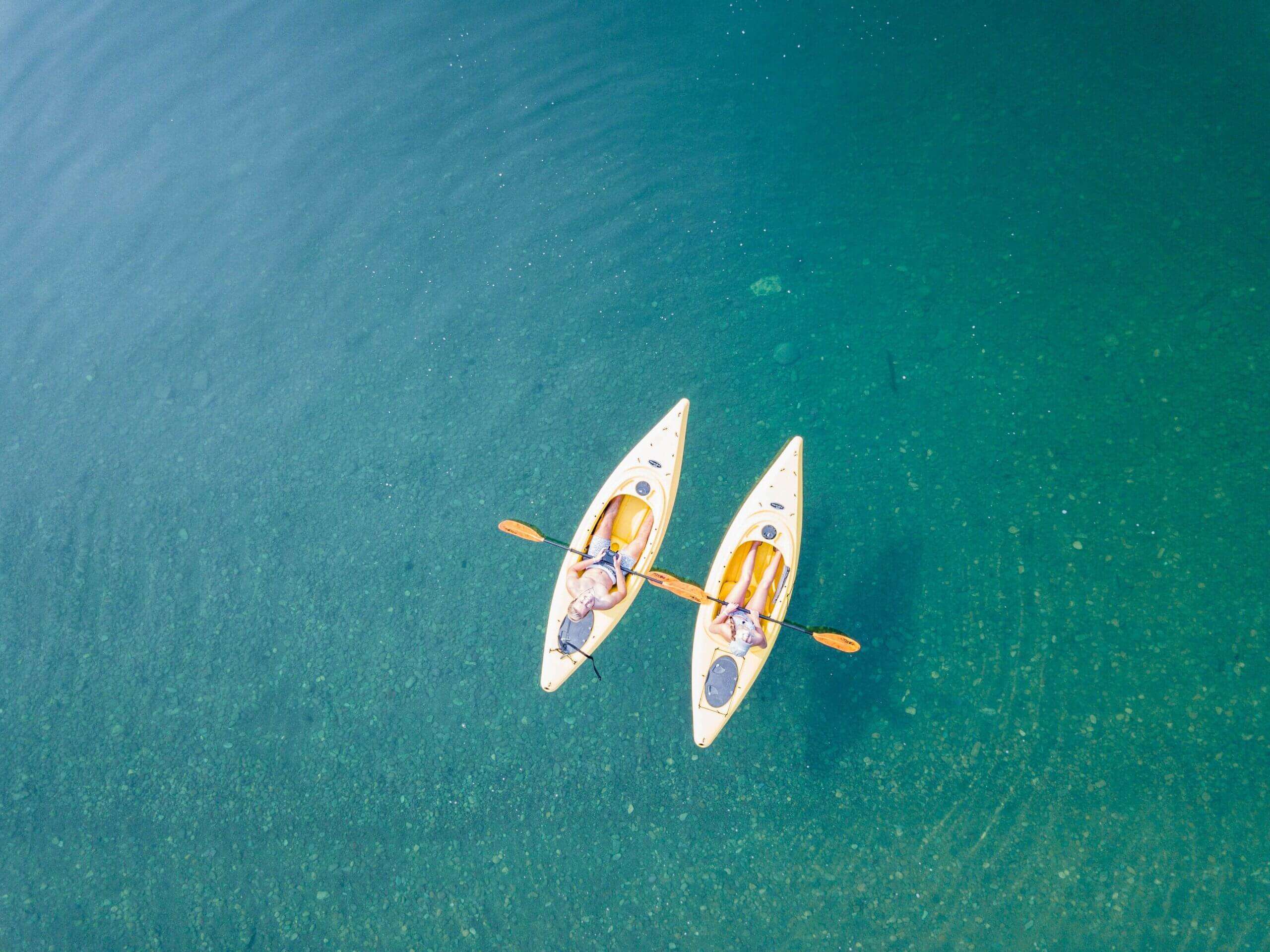
Yes. Most Andaman operators use stable two-person tandem (double) kayaks, and they are the default for beginners, couples and children, who typically share with a parent or a guide. Single kayaks are available too if you would rather paddle solo. A tandem is the easier, steadier choice for a first trip or a night paddle, since one person can rest while the other keeps the boat moving. Ask the operator which they run when you book.
Capsizes are rare in the calm, sheltered water these trips use, and because you are always in a life jacket with a guide close by, a tip-over means a quick, low-risk righting rather than an emergency. Stay calm, hold on to the kayak, and the guide will help you back in. Operators do set sensible weight and health limits for safety, so if you are a larger paddler or have a medical condition, mention it when you book and they will seat you appropriately (often in a tandem).
Usually yes. Most operators take children from about 8 to 10 years old, accompanied by a parent and a guide, in a shared or tandem kayak. Daytime mangrove kayaking suits families best because the water is calm and the trip is short. The pre-dawn timing of bioluminescence trips makes them less practical for young children. Always confirm the minimum age and any conditions when you book.
A typical kayaking session lasts about 1.5 to 2.5 hours on the water, plus a short safety briefing beforehand. Mangrove day trips and bioluminescence night trips are both in this range. Remote or combined trips (for example, kayaking paired with a snorkelling stop) can run a little longer. Bioluminescence slots are scheduled around darkness, so they often start at unusual hours.
No. Bioluminescence is a natural phenomenon produced by living plankton, so its brightness varies night to night and it cannot be guaranteed. The two biggest factors are darkness (a near-new-moon night) and calm, plankton-rich water. A reputable operator will tell you honestly if conditions are not favourable rather than promise a show. Booking on the right dates, November to February near the new moon, gives you the best odds.
Wear quick-dry clothes you do not mind getting wet, and bring a change of clothes. For day trips add reef-safe sunscreen, a hat and sunglasses; for pre-dawn night trips add a light layer. Carry only a waterproof pouch with keys and a little cash, and leave valuables and good cameras behind, since phones rarely capture the glow anyway. Carry enough cash, as Havelock and Neil have limited ATMs.
Indian nationals do not need any special permit for kayaking on the main islands (Port Blair, Havelock or Swaraj Dweep, Neil or Shaheed Dweep). Foreign nationals no longer need a Restricted Area Permit for these main islands either, though some remote areas still require forest or other permits. Reputable operators handle any permissions needed for their routes, which is another reason to book through a licensed local guide rather than going it alone.
They are different trips. Mangrove kayaking is a calm, reliable daytime paddle through forest creeks, ideal for families and first-timers and possible any clear dry-season day. Bioluminescence kayaking is a bucket-list night experience but only works on dark, near-new-moon nights in the November to February window. The ideal plan is to do the mangrove trip for certain and add the bioluminescence trip only if your dates fall near a new moon.
It is best avoided. During the south-west monsoon (roughly June to September), rough seas, strong currents and heavy rain make kayaking, especially at night, unsafe and often suspended. Creeks also run unstable for a day or two after heavy rainfall. The reliable kayaking season is October to May, with November to February the best months for calm water and bright bioluminescence.
Real reviews from real travelers who booked with us.
View All Reviews