4D / 3N
24% OFF
Best Selling Alleppey-Munnar Kerala Weekend Tour
- Hotel
- Meals
- Sightseeing
- Houseboat
- Cab Transfer
₹17,132
₹13,020 /pp
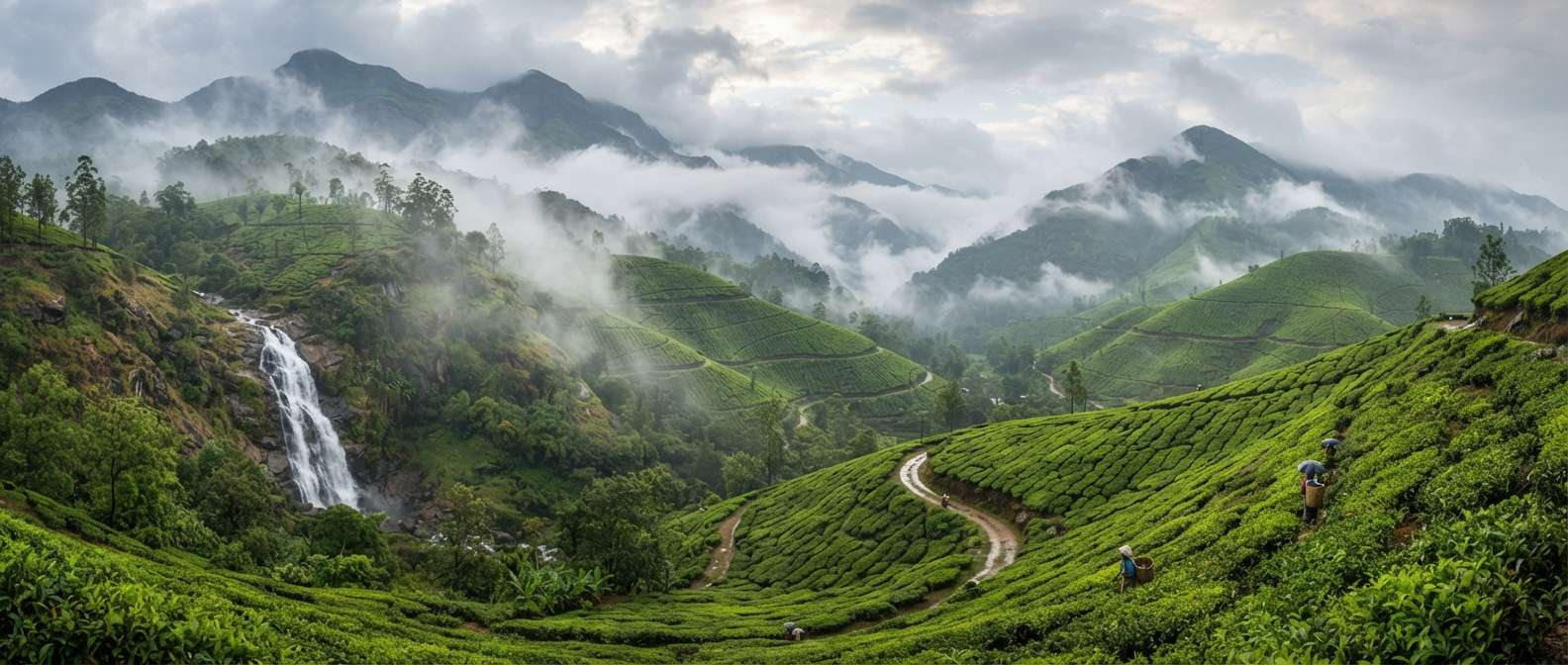


Yes, July is a good time to visit Kerala, as long as you come for the monsoon and not for the beach. July is the heart of the southwest monsoon, so you get frequent, heavy rain, the greenest hills of the year, waterfalls running at full force, calm backwaters and hotel rates that fall roughly 20 to 30 percent below peak season. Crowds thin out and Ayurveda resorts consider these the best treatment months.
Skip July only if your plan is sunbathing or long sea swims. The Arabian Sea gets rough, some coastal stretches fly red flags, and a handful of hill treks close on high-alert rain days. Plan around the showers rather than expecting to avoid them and Kerala in July rewards you with scenery the dry season never shows.
Best Time
November - February
Select Package Type


5 Days & 4 Nights
₹24,604 /@pp
GET FREE QUOTEJuly rain in Kerala is real, but it is not the same everywhere. The southern coast around Trivandrum gets the heaviest downpours, the central backwaters see moderate showers that come and go, and the far north stays comparatively lighter. Hill stations are cooler and mist over almost daily. The showers are usually short and hard rather than all-day grey, so most travellers plan sightseeing for mornings and keep afternoons flexible.
| Region | Where | Rain in July | Temp | Best for |
| Southern coast | Kovalam, Varkala, Trivandrum | Heavy | 25-30C | Short beach walks, cliff cafes |
| Central backwaters | Alleppey, Kumarakom, Kochi | Moderate | 25-30C | Houseboats, backwater cruises |
| Hill stations | Munnar, Wayanad, Thekkady | Frequent, cooler | 18-24C | Tea gardens, waterfalls, treks |
| Northern coast | Kannur, Bekal, Kasaragod | Lighter | 25-30C | Forts, quiet beaches, drives |
Couples get quiet resorts, misty tea-garden walks and honeymoon rates well below the winter price. Families find fewer queues at wildlife parks and waterfalls, though very young children need close watching near slippery ledges. Budget travellers land the year’s lowest room rates and shared houseboat deals. Photographers and Ayurveda seekers arguably get the most out of it, because low cloud, full waterfalls and the traditional monsoon treatment season all peak now. If your group is set on a pure beach holiday, a winter trip suits you better.
Here are the 15 places that hold up best in the July rain, ranked by how well they reward a monsoon visit. Use this table to shortlist, then read the detail below each one. Full itineraries, costs and where to stay follow further down.
| # | Place | Region / district | Best for | July rain | Days |
| 1 | Munnar | Idukki hills | Tea gardens, mist | Frequent | 2-3 |
| 2 | Wayanad | Northern Ghats | Waterfalls, forests | Cool and wet | 2-3 |
| 3 | Athirapally | Thrissur | Waterfalls | Full flow | 1 |
| 4 | Alappuzha (Alleppey) | Central backwaters | Houseboats | Light to moderate | 1-2 |
| 5 | Thekkady | Idukki | Wildlife, Periyar | Moderate | 2 |
| 6 | Kumarakom | Kottayam | Birds, backwaters | Moderate | 1-2 |
| 7 | Kovalam | Thiruvananthapuram | Beaches, surf | Moderate to heavy | 1-2 |
| 8 | Varkala | Thiruvananthapuram | Cliffs, cafes | Intermittent | 1-2 |
| 9 | Idukki | Western Ghats | Dams, spice hills | Frequent | 2 |
| 10 | Ponmudi | Thiruvananthapuram | Trekking, mist | Frequent | 1-2 |
| 11 | Nelliyampathy | Palakkad | Offbeat plantations | Moderate | 1-2 |
| 12 | Ashtamudi Lake | Kollam | Quiet backwaters | Moderate | 1-2 |
| 13 | Kannur | North coast | Beaches, culture | Lighter | 1-2 |
| 14 | Bekal | Kasaragod | Fort, coast | Intermittent | 1 |
| 15 | Mararikulam | Near Alleppey | Quiet beach village | Light | 1-2 |
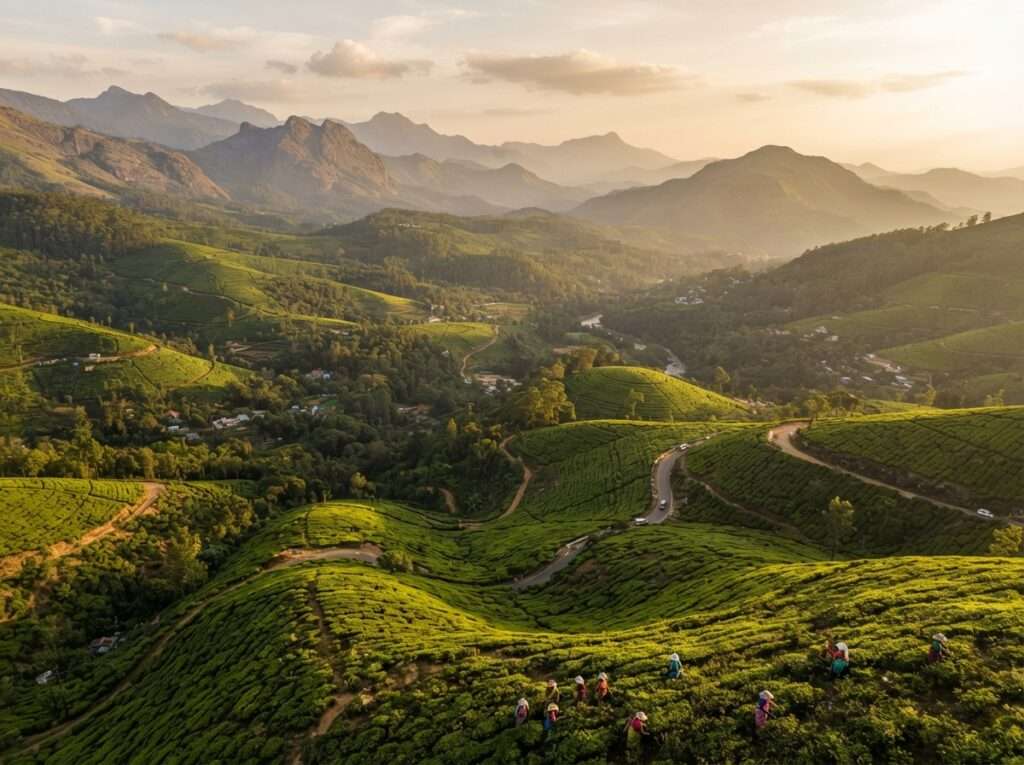
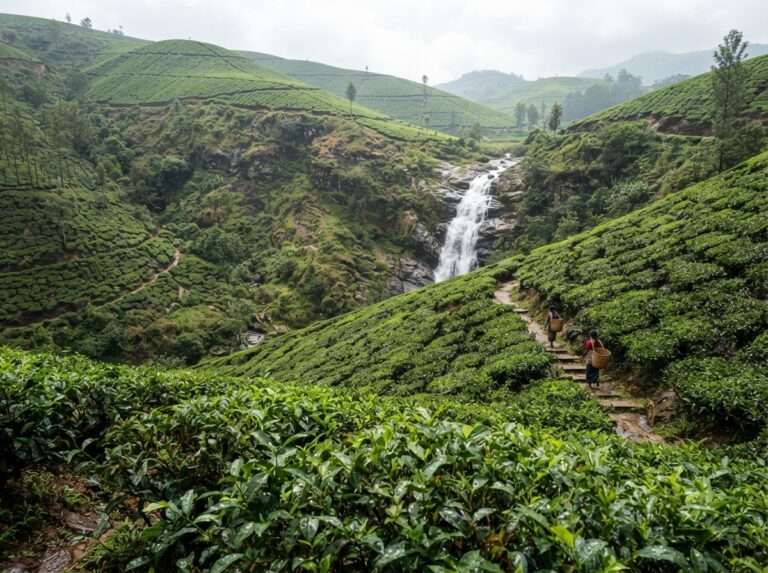
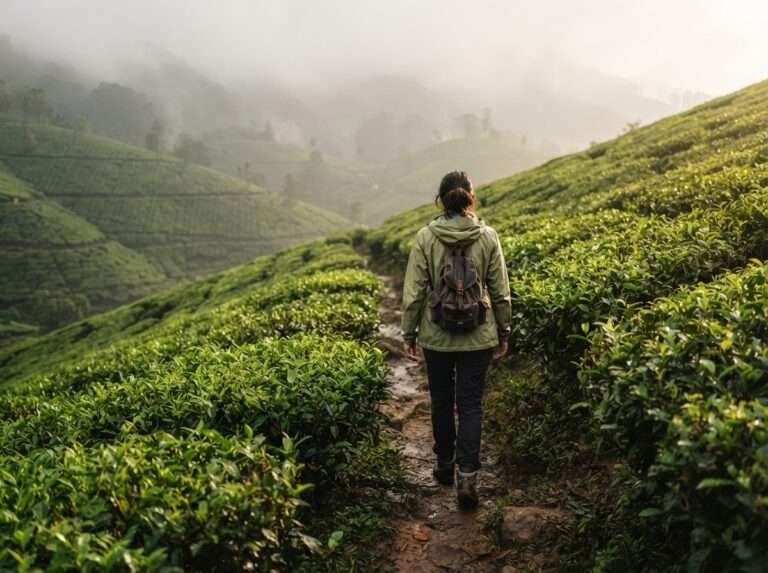
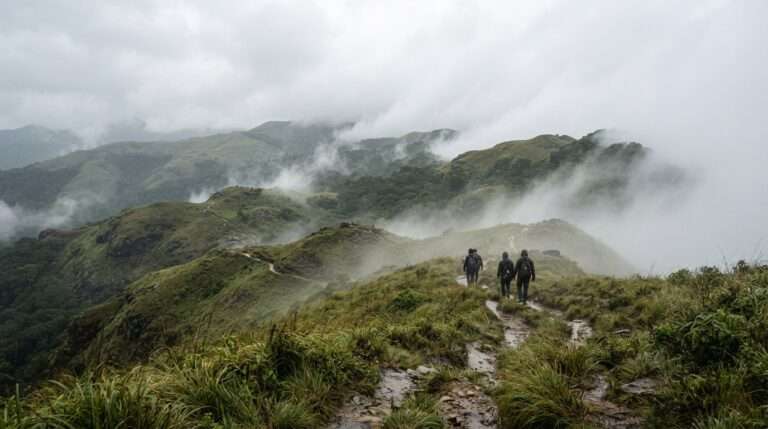
Munnar is the reason a lot of people brave the July rain, and it earns it. At around 1,600 metres the tea gardens glow an almost unreal green, cloud pours through the valleys, and seasonal waterfalls appear on hillsides that are dry by December. Temperatures sit around 18 to 24°C, so a light fleece is genuinely useful. Ride out to the Eravikulam area, walk a tea estate, and time treks for the morning before the heavy cloud rolls in. Give it two to three days and carry waterproof shoes.


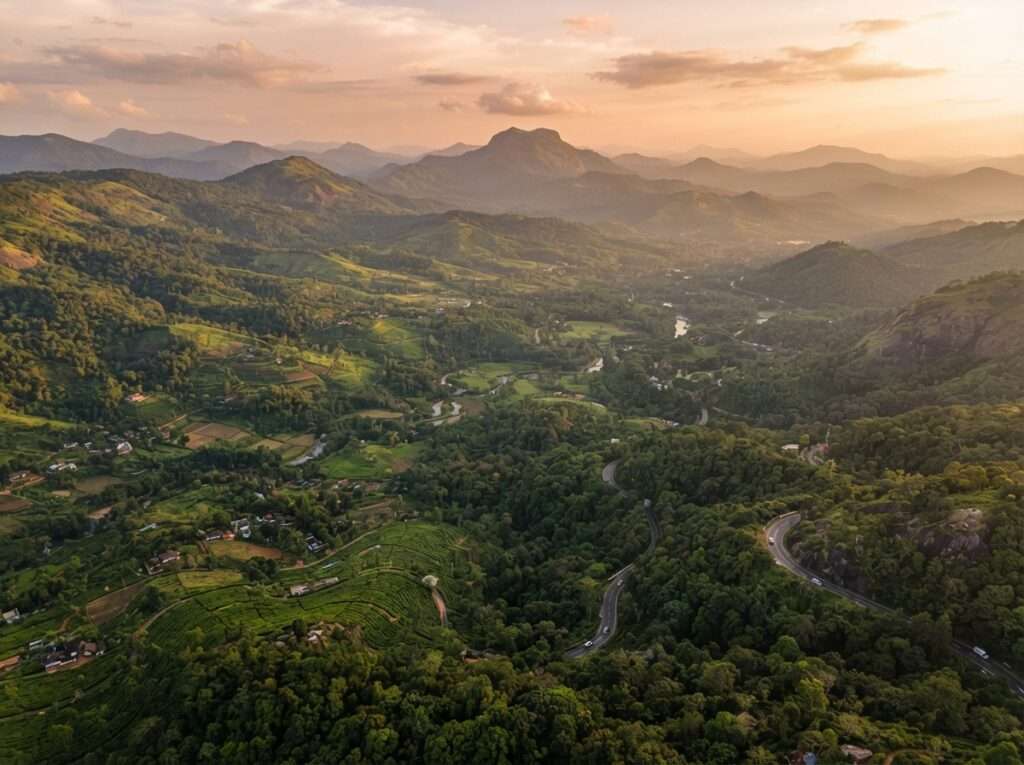
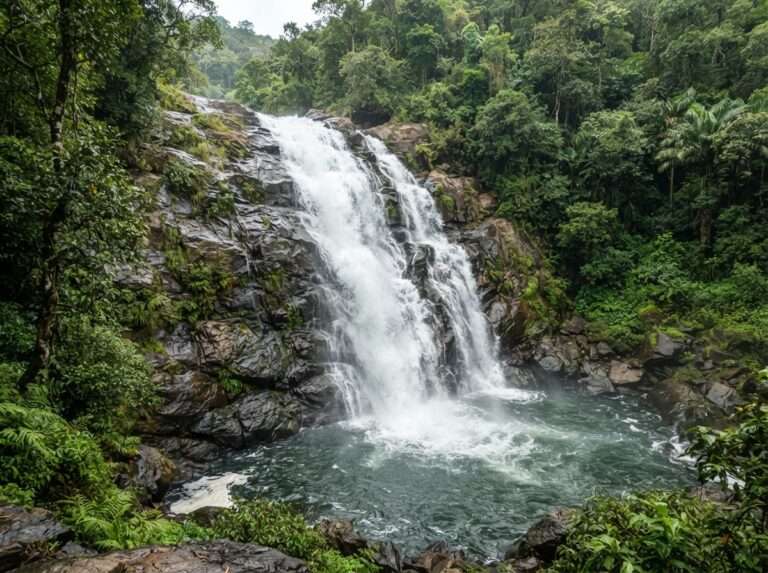

Wayanad turns wild in the monsoon. Soochipara waterfall runs hard (Meenmutty is usually closed by the Forest Department through the monsoon for safety), Pookode Lake sits under low mist, and the forests around the wildlife sanctuary smell of wet earth and cardamom. It runs cool and wet, roughly 20 to 25°C, so pack for damp days. This is trekking and rafting country, but check local guidance first, because the district sees landslide advisories in heavy spells. Two to three days lets you split time between the falls, Edakkal Caves and a plantation stay. Waterfalls, Edakkal and trekking spots can close at short notice on heavy-rain alert days (entry is also capped and the caves shut on Mondays), so check with the Wayanad DTPC the day before. The Chembra Peak trek and the bamboo rafting at Kuruva Island are usually closed by the Forest Department through the monsoon, so plan on waterfalls, viewpoints and plantation walks rather than those two.


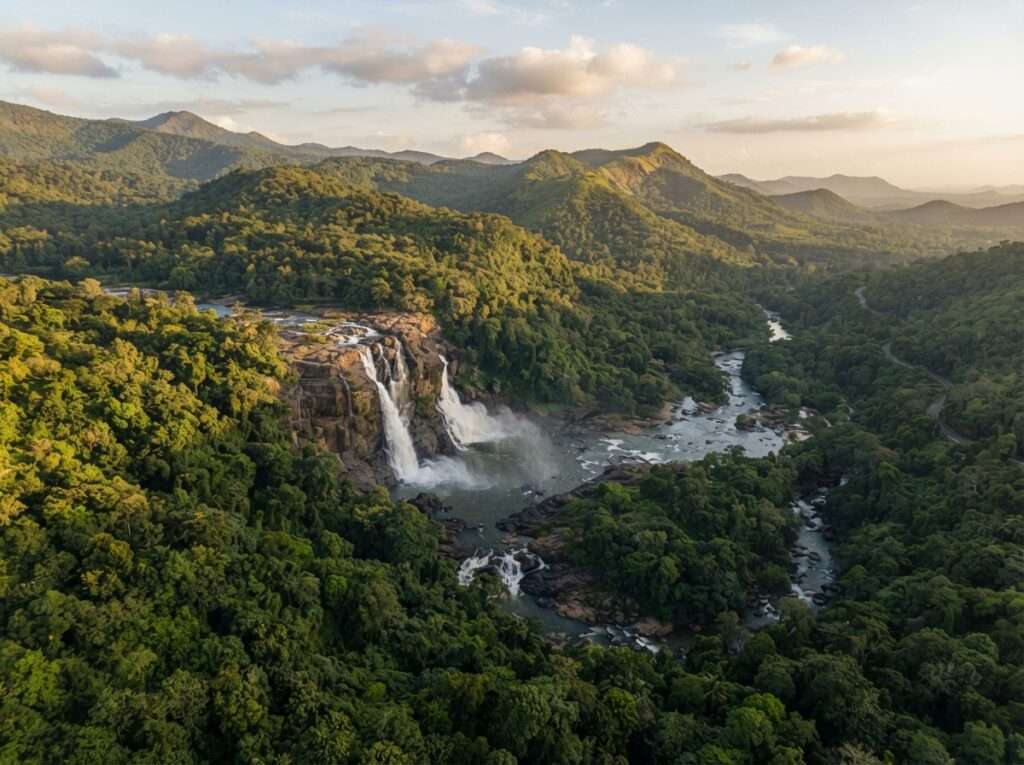
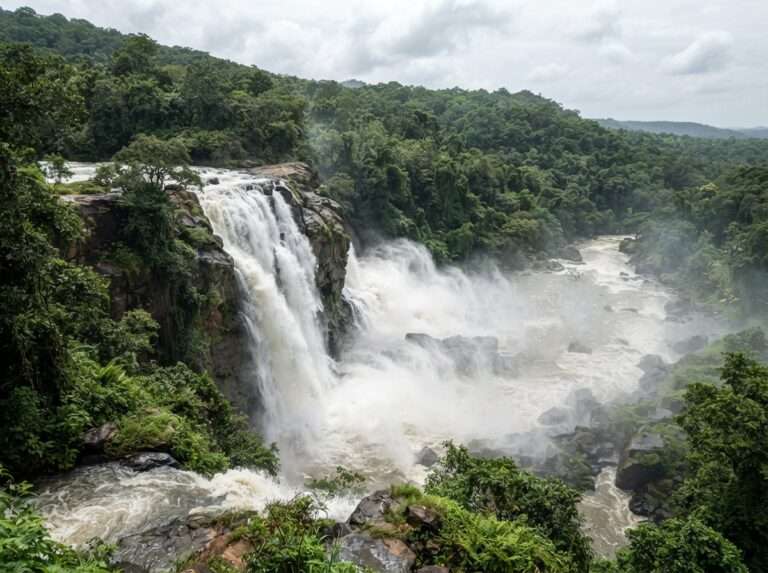
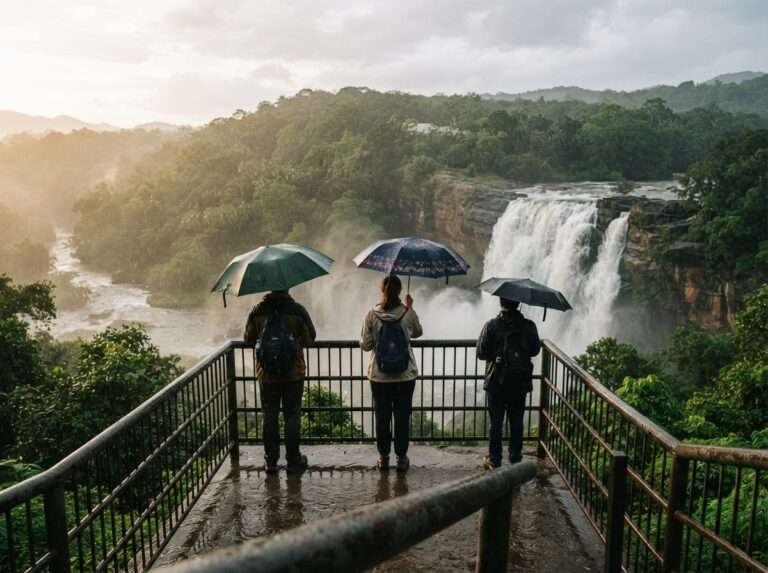
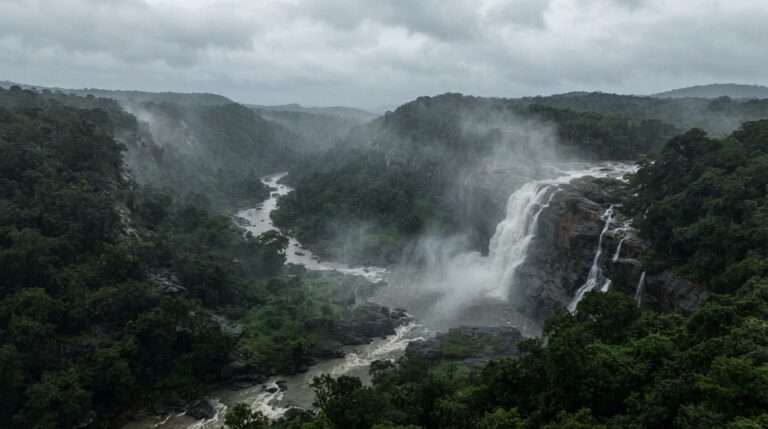
If you see one waterfall in July, make it Athirapally. Kerala’s widest fall, sometimes called the Niagara of India, is at its thundering best now, throwing spray across the whole gorge, with Vazhachal a short drive on. It is an easy day trip from Kochi or Thrissur and pairs well with a backwater night after. The rocks near the water get dangerously slick, so keep back from the edge and skip the climb down on high-flow days. One day is plenty. If you pass through Thrissur around mid-July, time it for Aanayoottu, the elephant-feeding ritual held at the Vadakkunnathan Temple on the first day of the Malayalam month of Karkidakam. The feeding takes place in the outer temple grounds, where visitors of all faiths gather to watch; only the inner temple is restricted to Hindus, with a traditional dress code (mundu for men, no shirts).


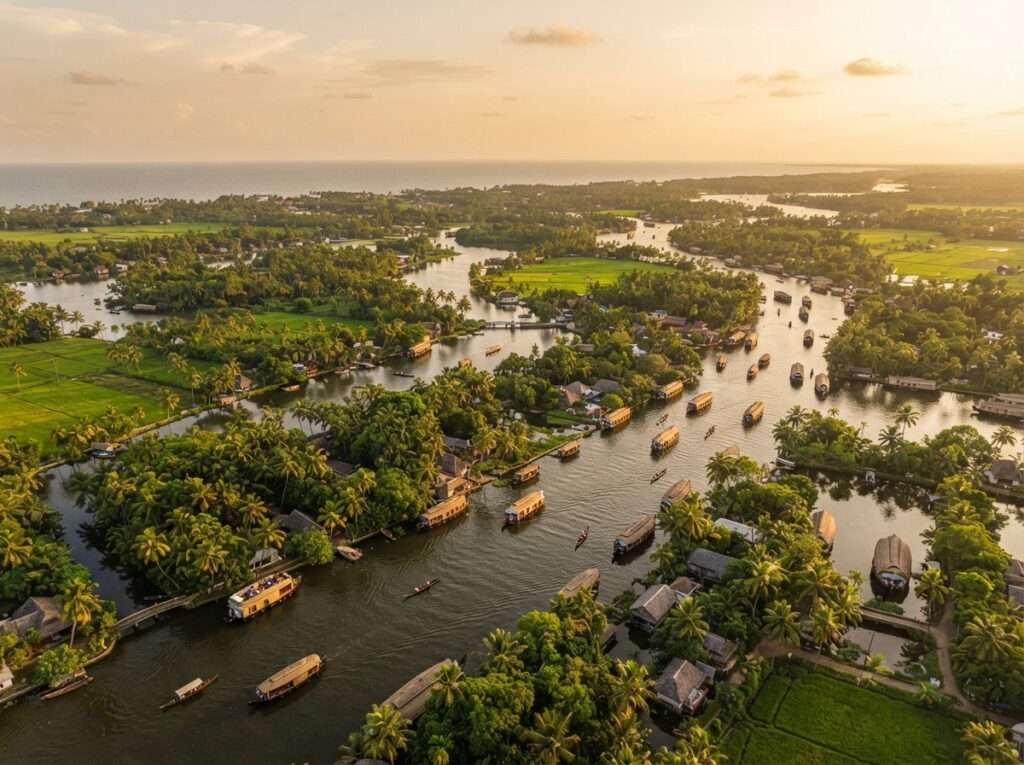
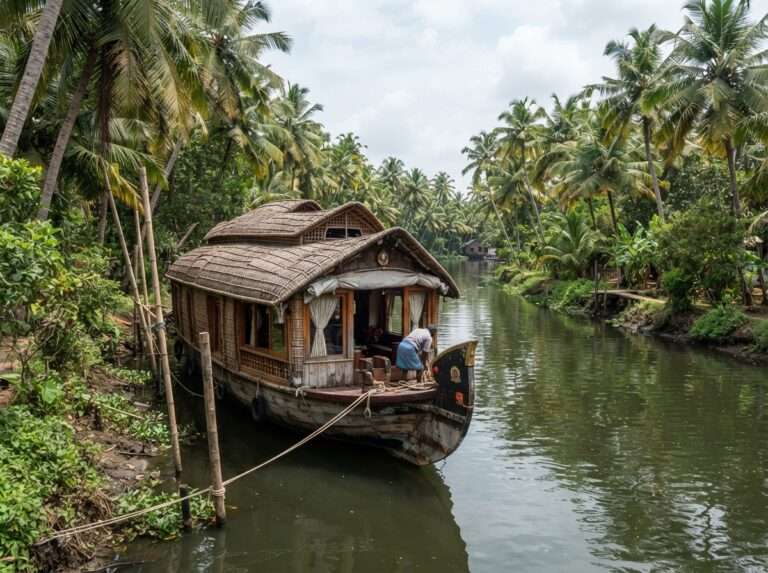

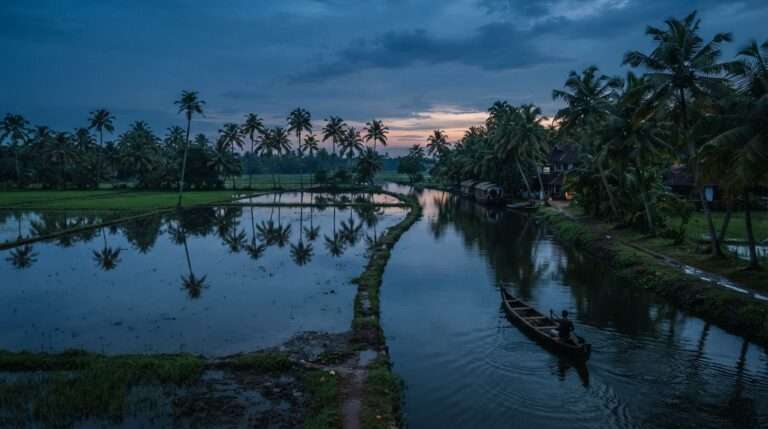
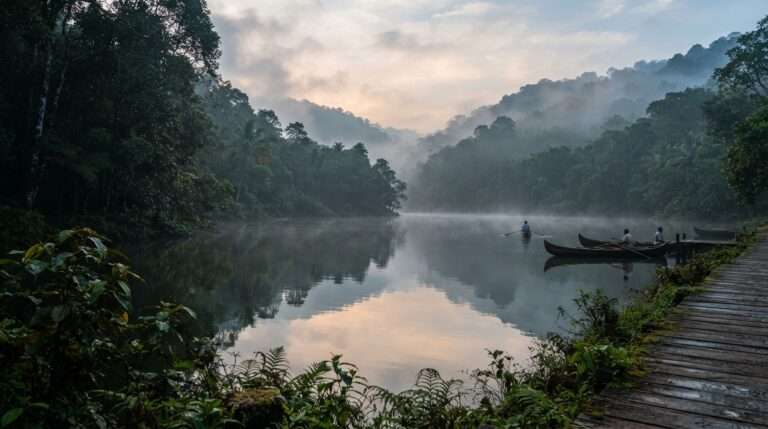
Alleppey is where the monsoon actually helps you. The canals stay calm, the paddy fields flood emerald, and an overnight houseboat with rain drumming on the roof is one of the great July experiences. The Champakkulam Moolam snake-boat race nearby, one of Kerala’s oldest, opens the boat-race season on the Moolam day of the Malayalam month of Mithunam, which lands in late June or early July (29 June in 2026, and expected around mid-to-late June in 2027), so a very early July trip may only just miss it. Confirm the date locally before planning around it. Book the boat a few days ahead and carry a dry bag. One to two days.
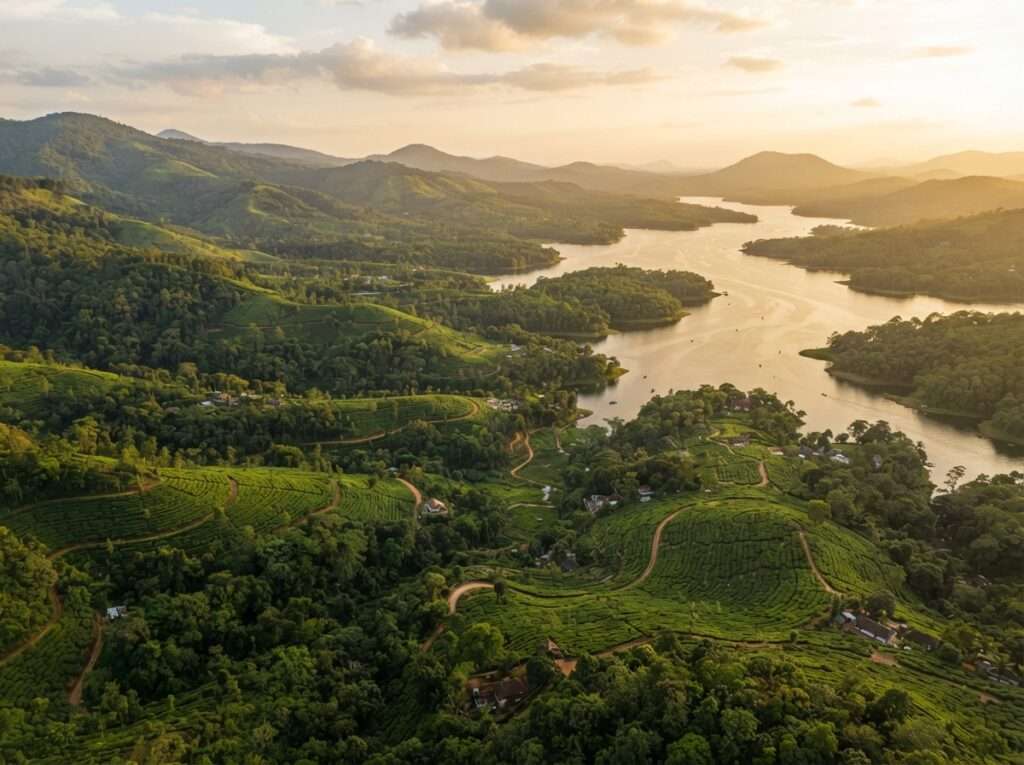
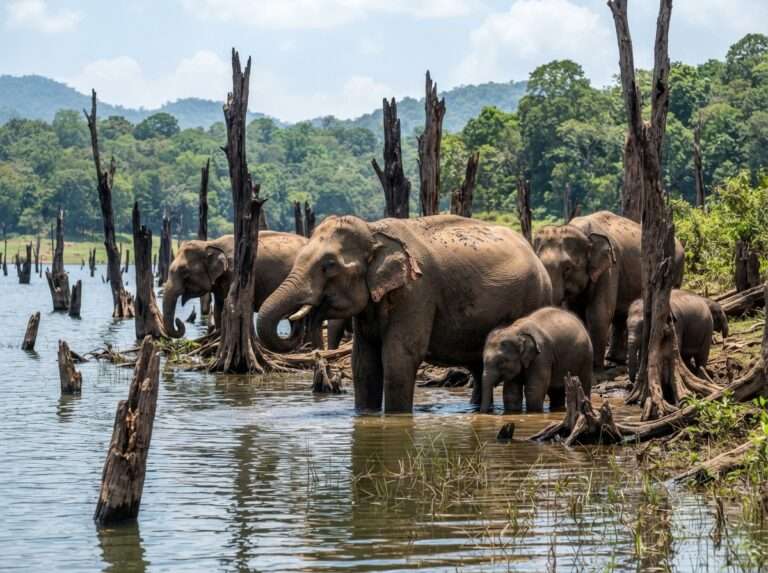

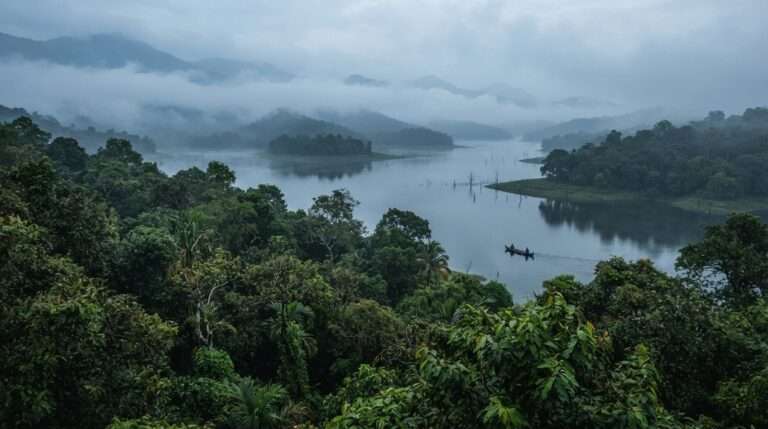
Thekkady and the Periyar reserve are lush and quiet in July, with far thinner crowds than winter. The forest is dense and dripping, elephants and gaur come to the waterline, and a bamboo raft or a guided walk feels genuinely remote. Rain is moderate here at 23 to 28°C. Boat rides on Periyar Lake run on most days but can pause in heavy weather, so keep the schedule loose. Two days covers a boat safari, a spice-garden visit and a forest walk.
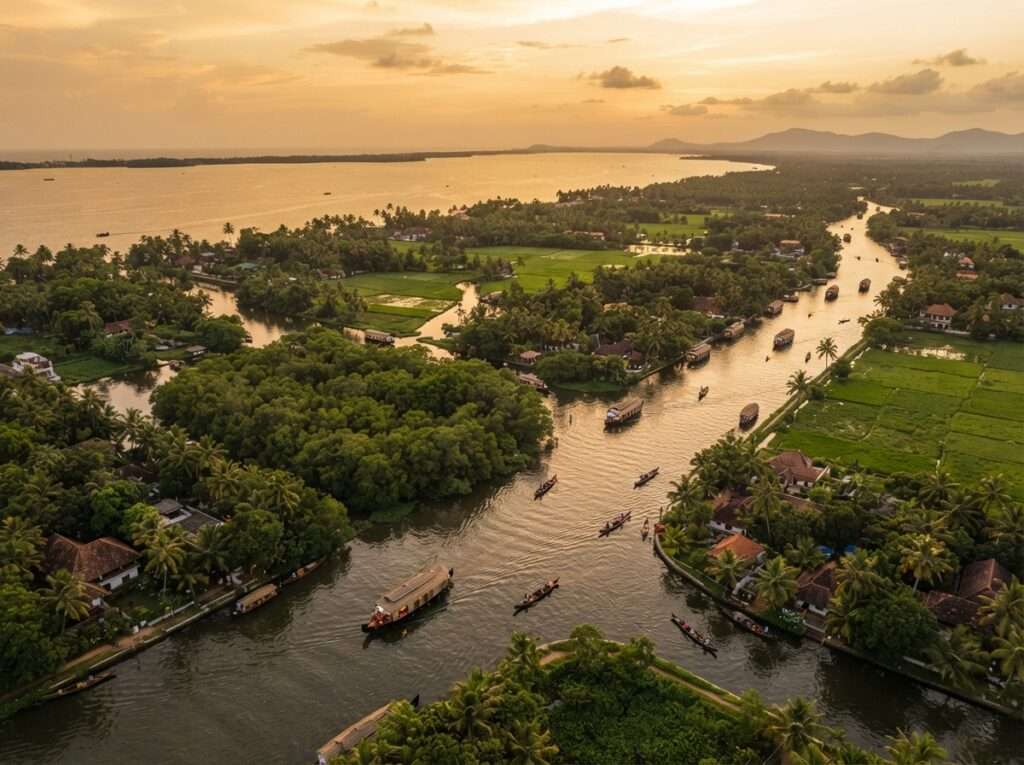
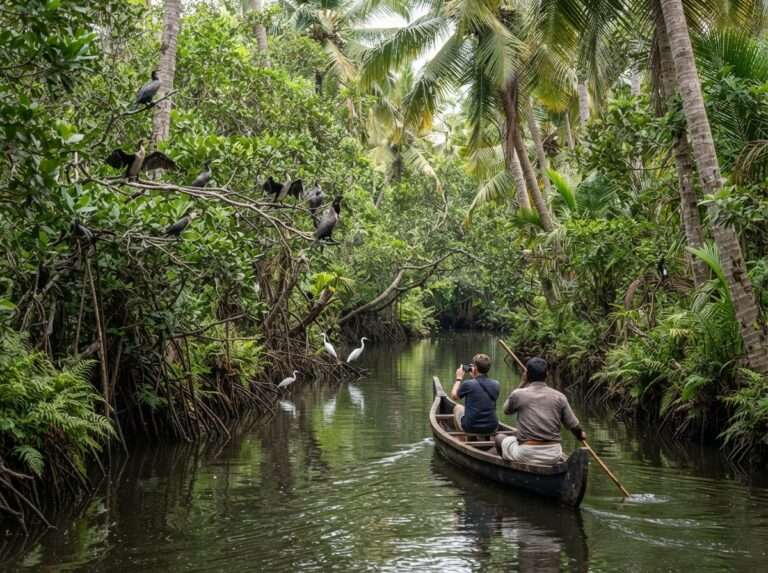

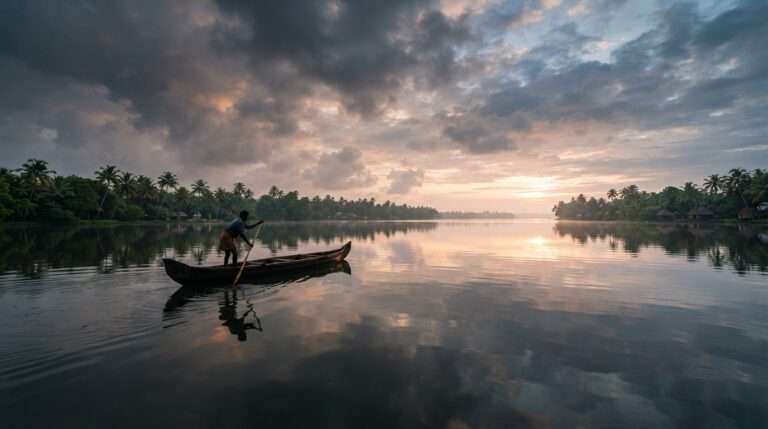
Kumarakom is the slower, calmer backwater alternative to Alleppey, set on Vembanad Lake near Kottayam. The bird sanctuary is greenest now, the resorts drop to shoulder-season rates, and an early morning cruise through light rain is about as peaceful as Kerala gets. Expect moderate showers and 25 to 29°C. Carry insect repellent for the lakeside evenings. One to two nights, ideally in a resort with its own jetty.
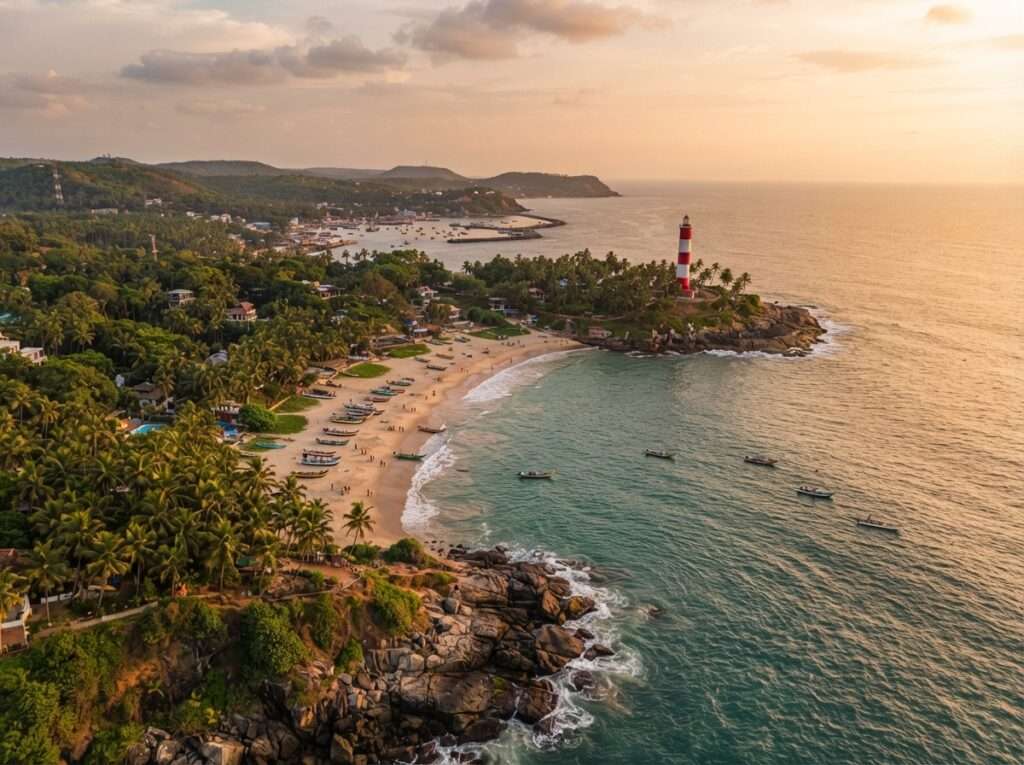
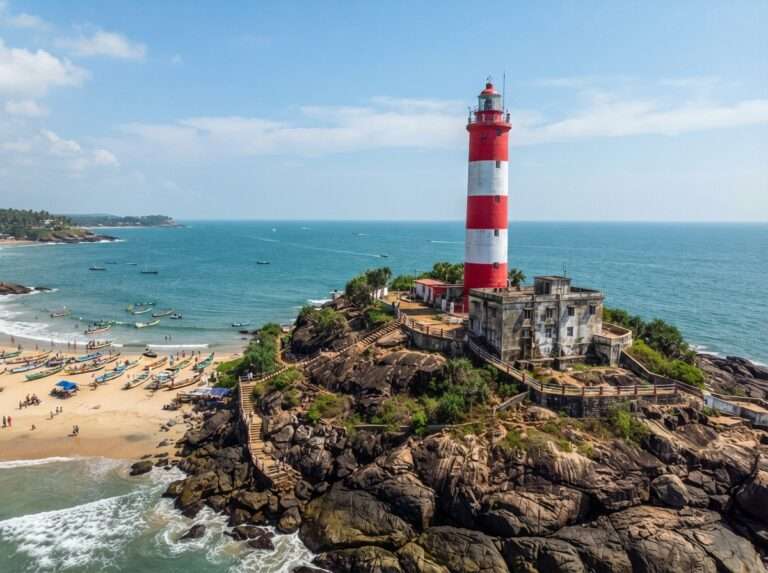
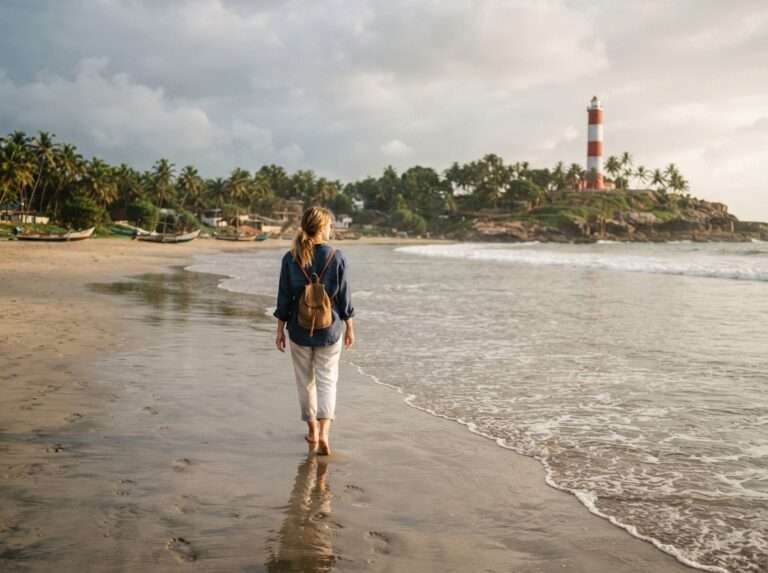
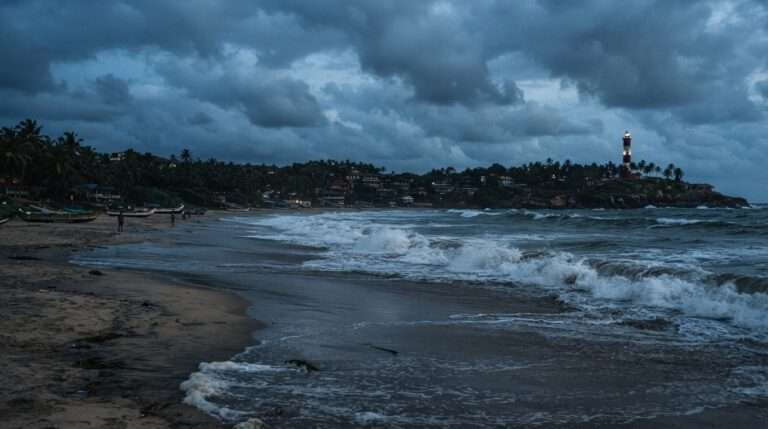
Kovalam still works in July if you treat it as a walking-and-watching beach rather than a swimming one. Lighthouse, Hawa and Samudra beaches empty out, the light between showers is superb, and it is only about 16 km from Trivandrum. The sea gets rough, so respect the flags and stay out of the water on red-flag days. Come for sunrise strolls, seafood and an Ayurveda session at a cliff resort. One to two days. Note that Kerala’s annual monsoon trawling ban (roughly 9 June to 31 July) keeps mechanised trawlers in harbour, so the seafood in July comes from smaller traditional boats and the catch can be thinner and pricier.
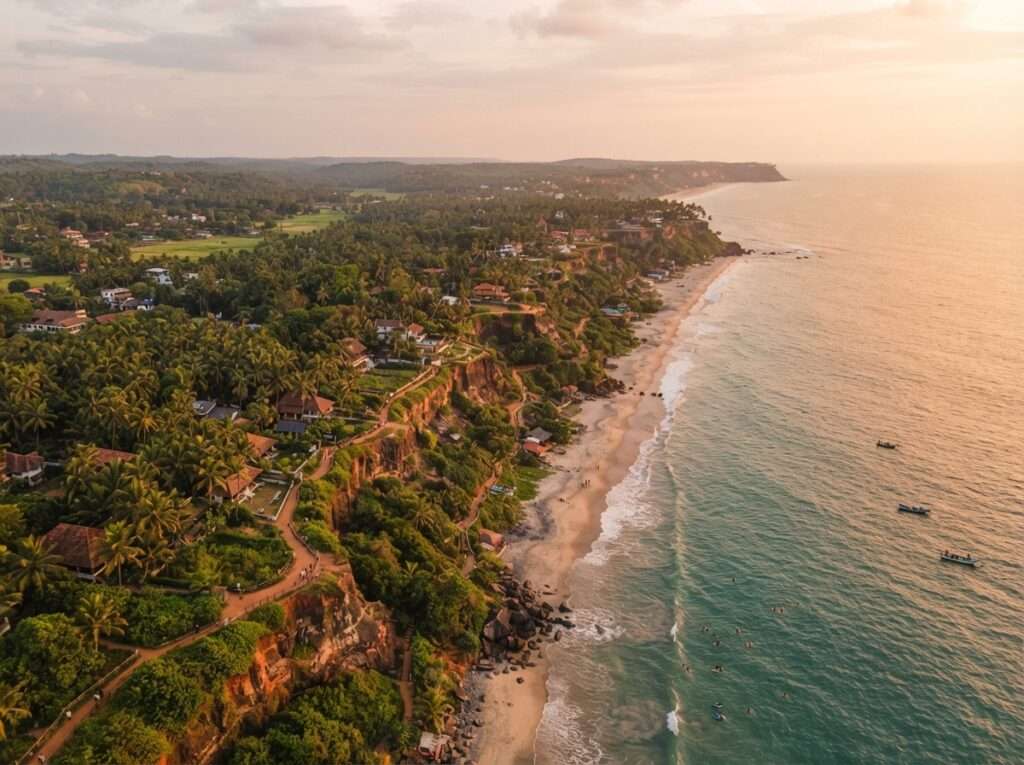
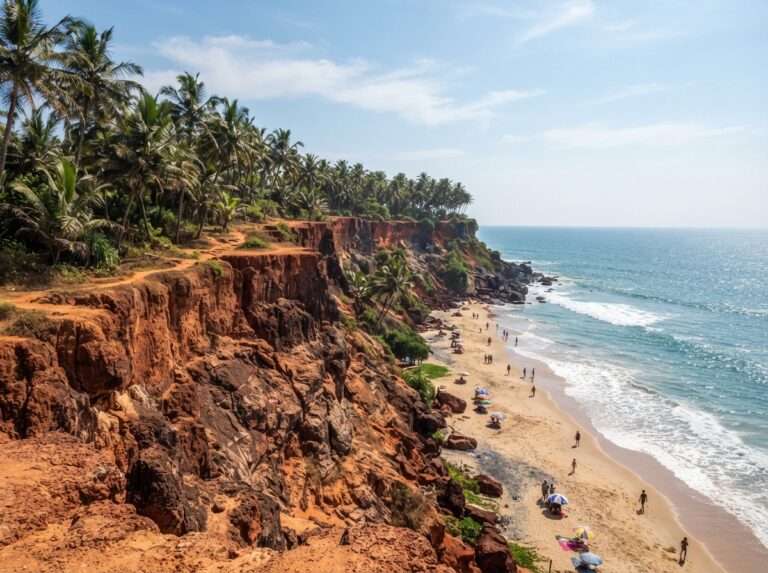
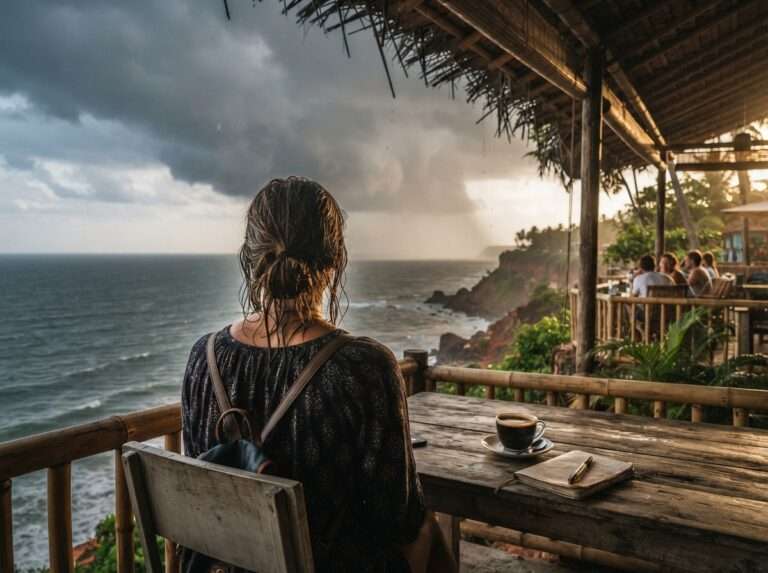
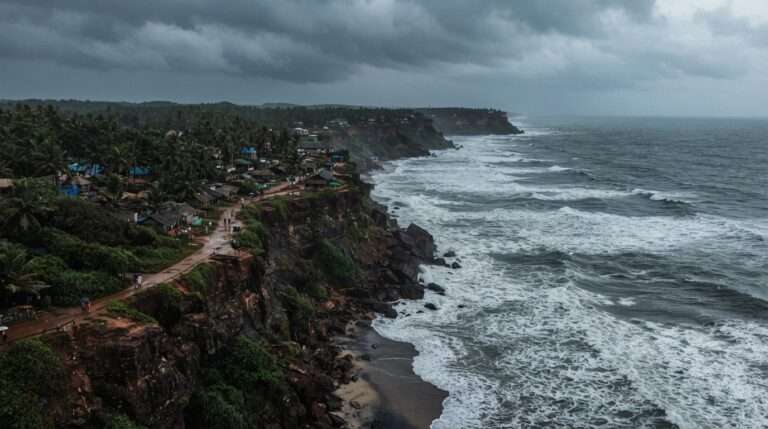
Varkala is the more scenic of the southern beach towns, built along a red-laterite cliff above the Arabian Sea. In the monsoon the cafes stay open, the crowds vanish, and watching a squall roll in from a cliff table with a coffee is the whole point. Papanasam Beach sits below the cliff, and the ancient Janardhana Swamy Temple stands on the higher ground just inland. Swimming is risky in heavy rain, so keep it to the shallows on calm mornings. One to two days pairs neatly with Kovalam.
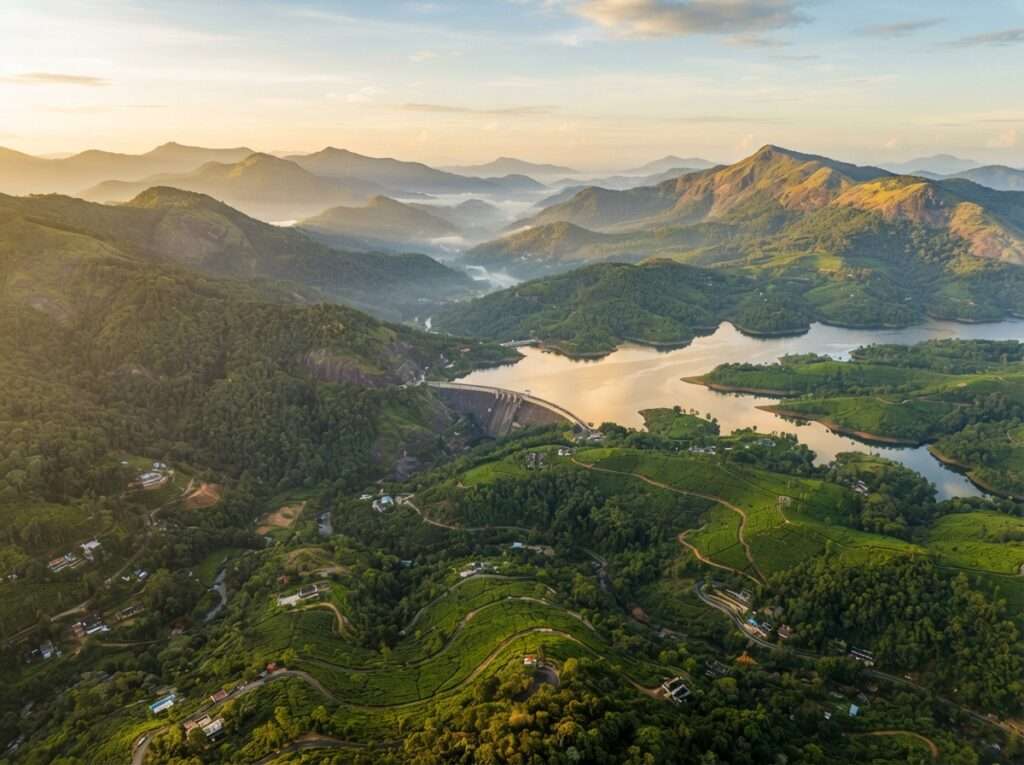
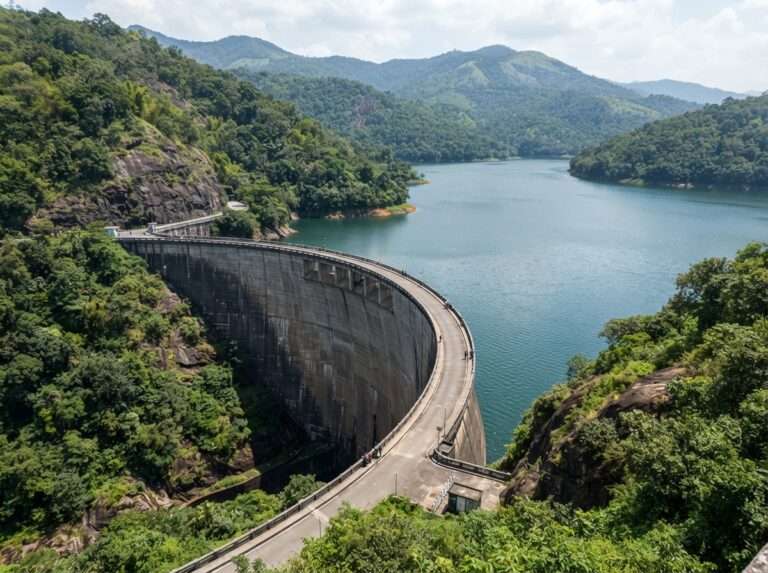
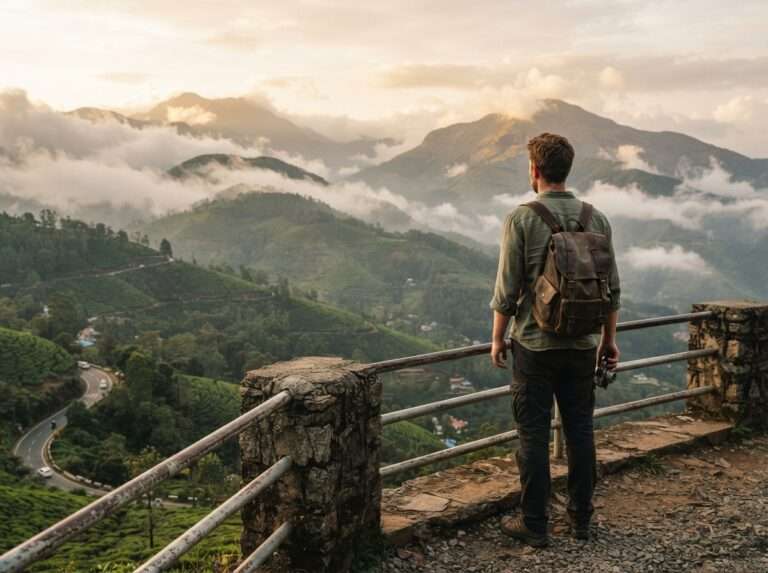
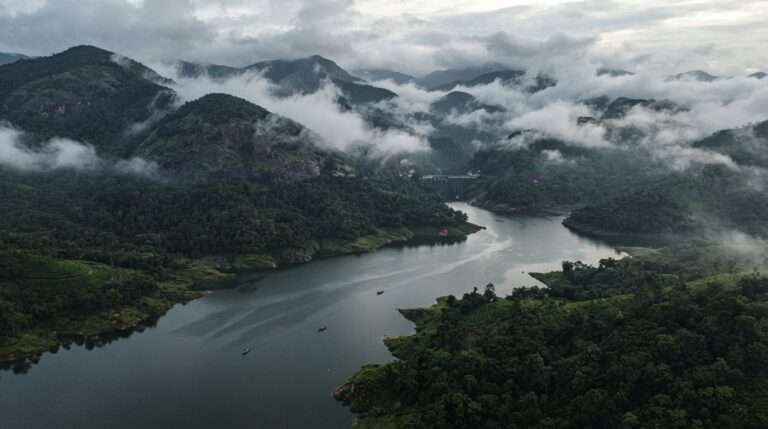
Idukki is the raw, dam-and-forest interior of the Western Ghats, and the monsoon is when it looks its most dramatic. The arch dam, the reservoirs and the spice hills are all wrapped in cloud, and the drives between viewpoints are half the experience. Rain is frequent at 18 to 25°C. Check weather alerts before any trek and wear proper grip, because trails turn to mud fast. Two days, easily combined with Munnar or Thekkady since all three share the district.
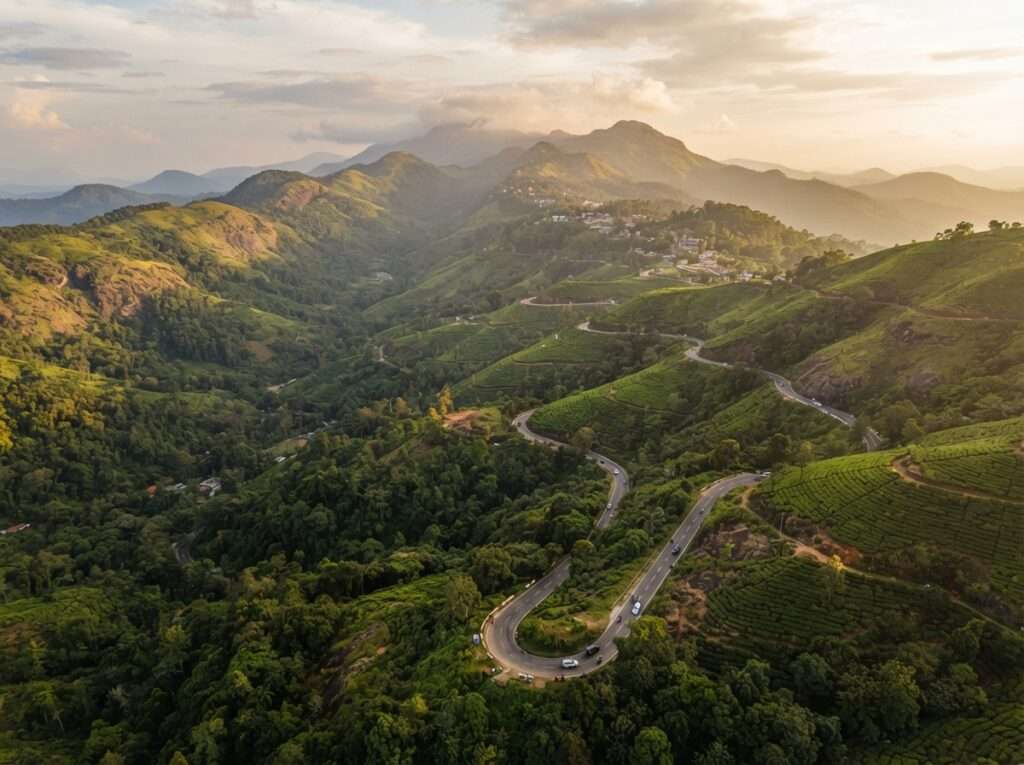
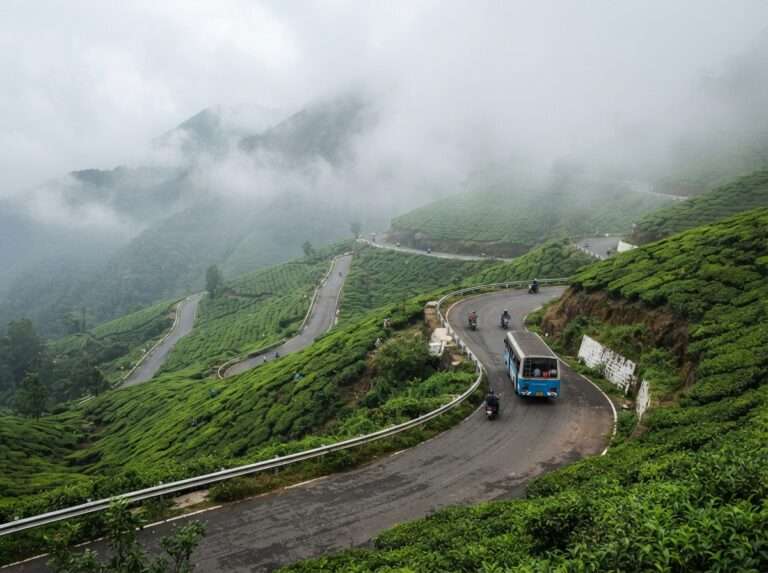
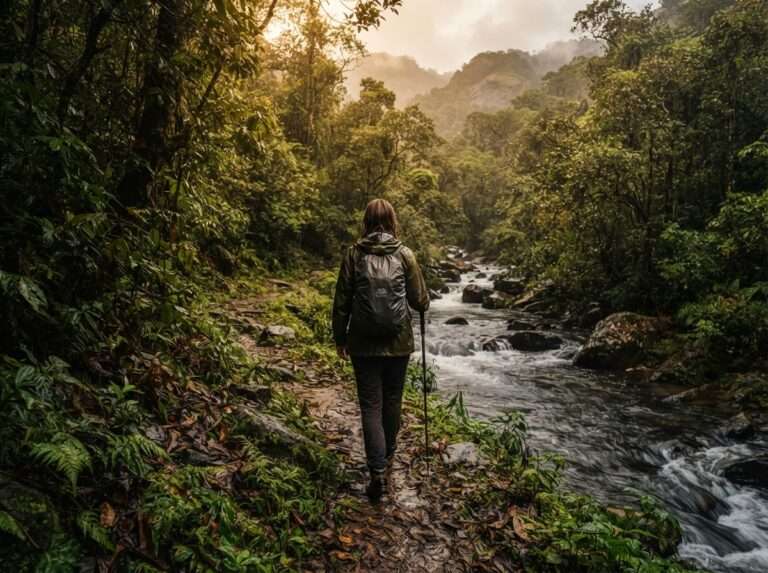
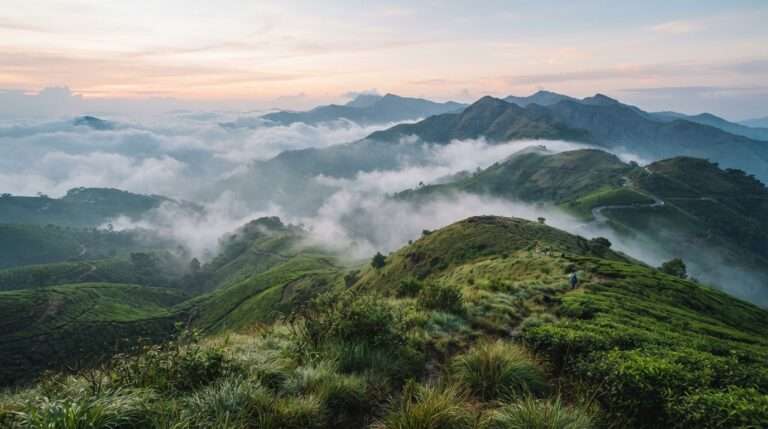
Ponmudi is a small hill station about 55 km from Trivandrum that most itineraries miss, which is exactly its appeal in July. The hairpin road climbs through tea slopes into thick mist, and short trails lead to streams running high with rain. It sits around 18 to 24°C with frequent showers. Go early, because afternoon cloud can close the views entirely. One or two days, best as an add-on to a Trivandrum or Kovalam leg.
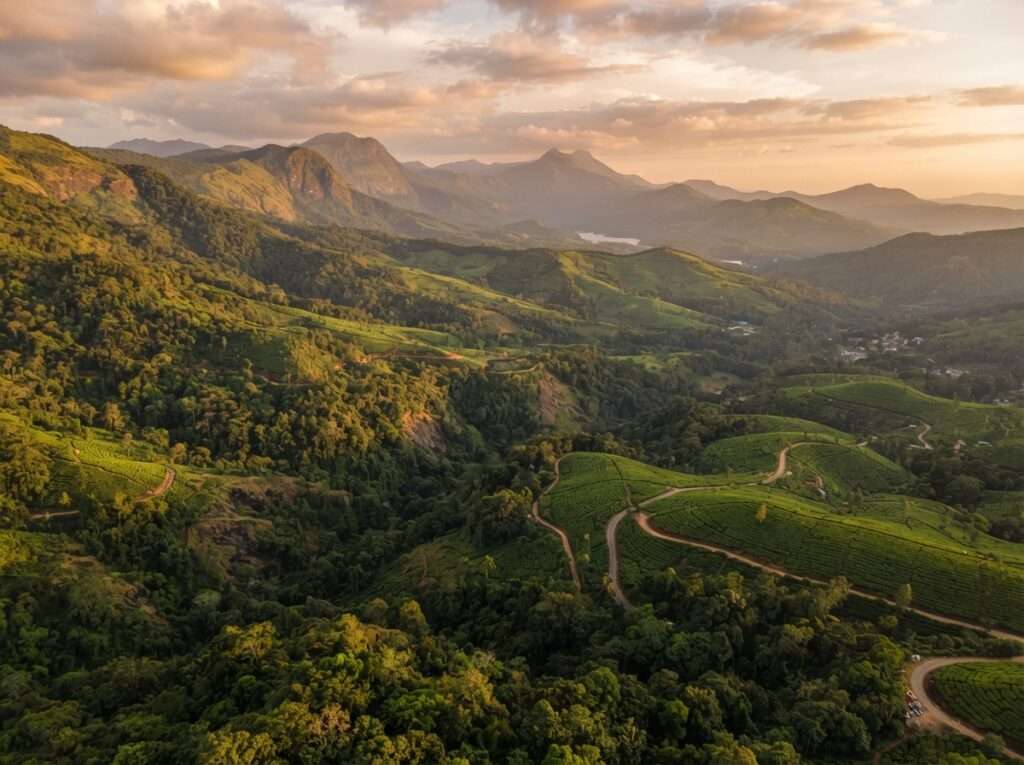
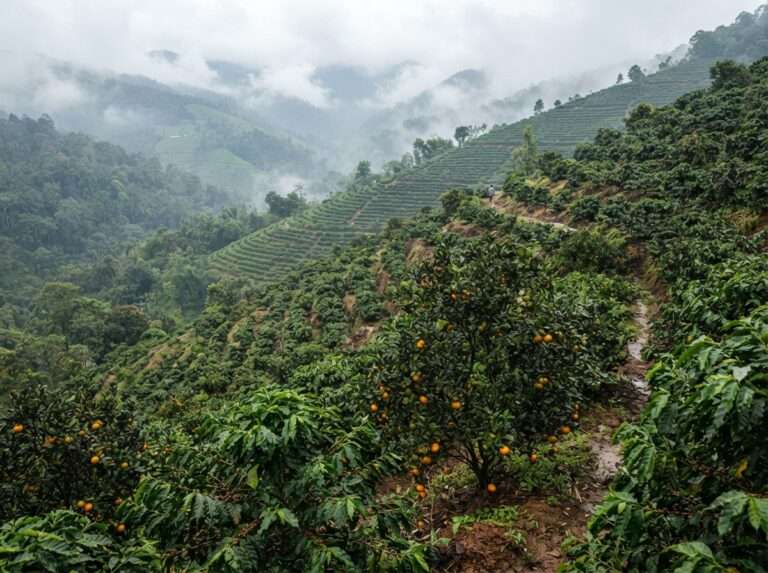
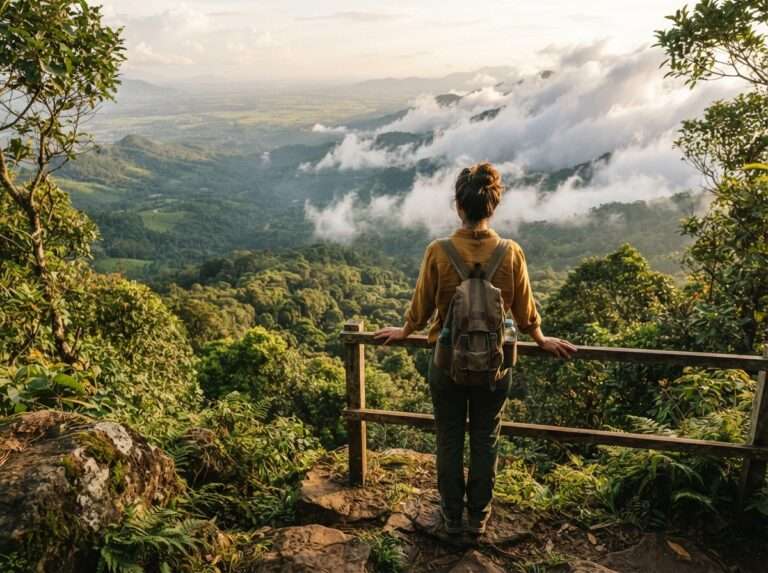
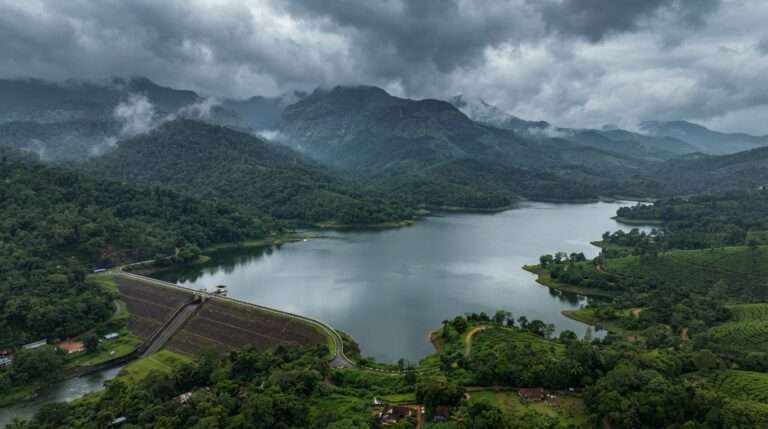
Nelliyampathy, in Palakkad at roughly 900 to 1,000 metres (rising to about 1,500 metres at Padagiri, its highest peak), is the offbeat cousin of Munnar, with tea, coffee and orange plantations and far fewer visitors. Pothundy Dam on the way up is a good stop, and the forest viewpoints drift in and out of cloud all day. Rain is moderate and it stays cool at 18 to 24°C. The approach road is narrow and slick in the wet, so a driver who knows the ghat is worth it. One to two days.
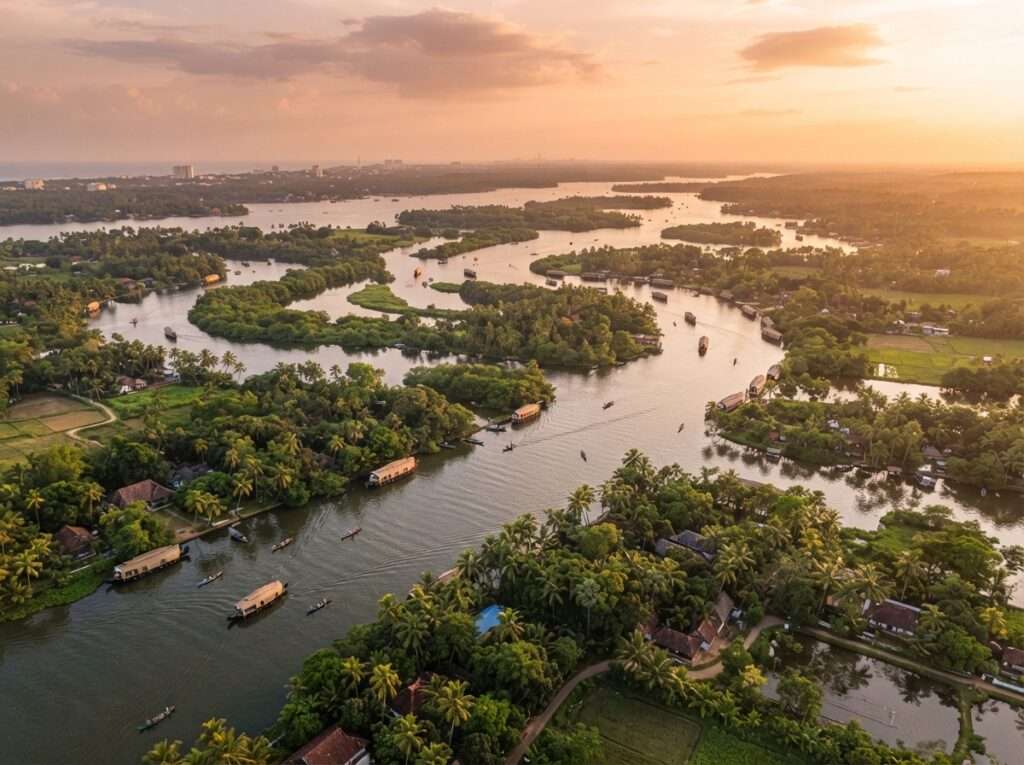
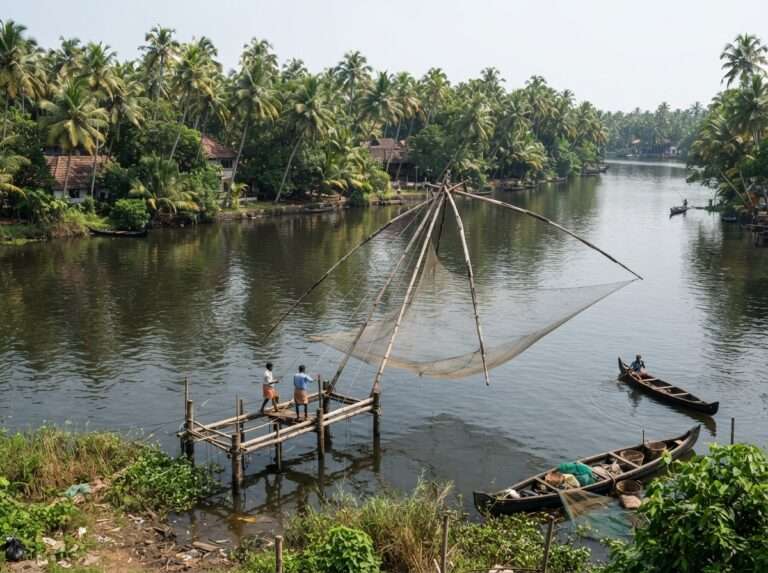
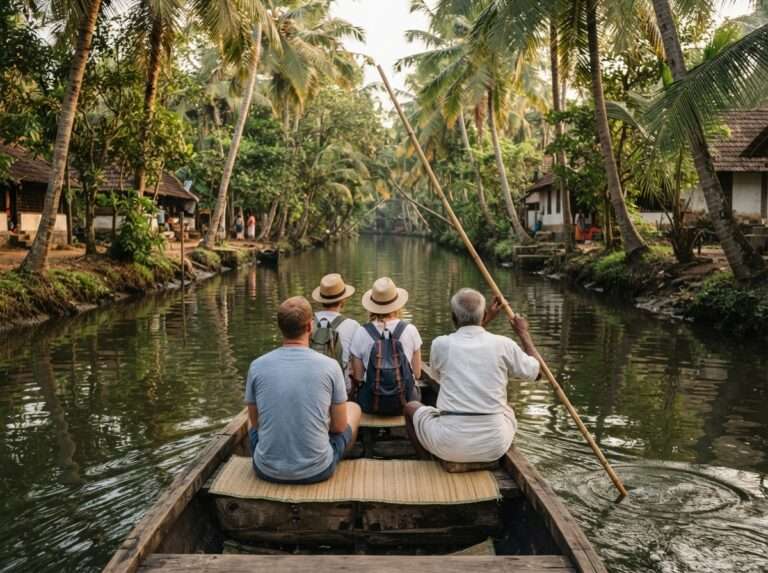
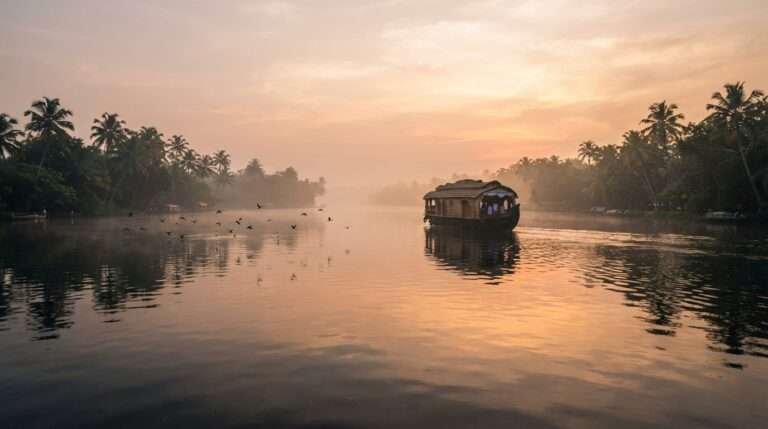
Ashtamudi in Kollam is Kerala’s second-largest lake and a quieter backwater base than the Alleppey circuit. The palm-fringed channels stay calm through the rain, houseboats and village-canoe trips run, and birdlife is easy to spot at dawn. Expect moderate rainfall at 25 to 30°C. It also makes a natural first or last night if you are flying in or out of Trivandrum. One to two days at a lakeside stay.
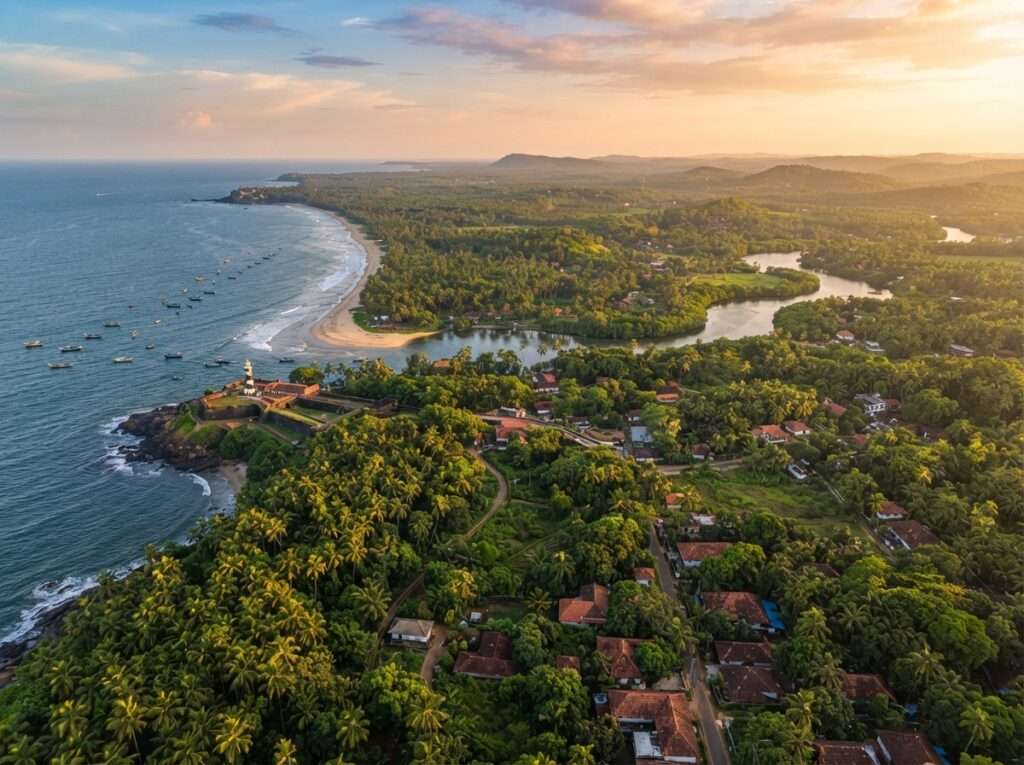
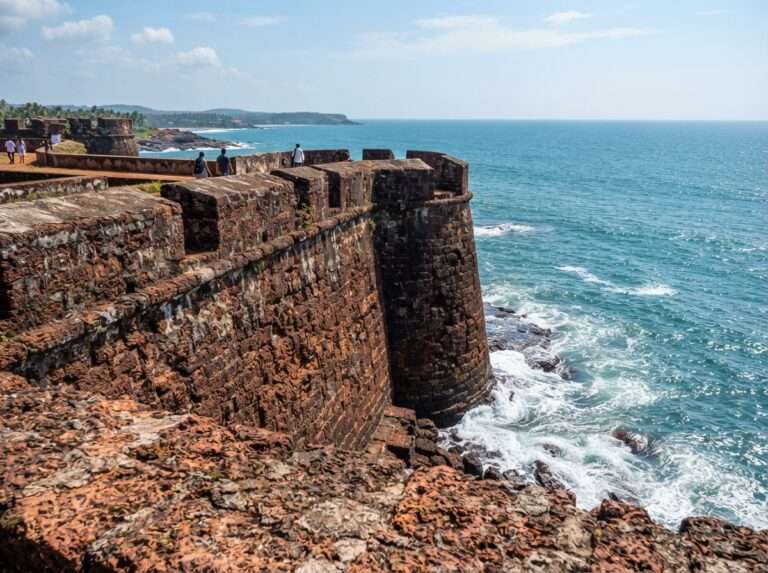
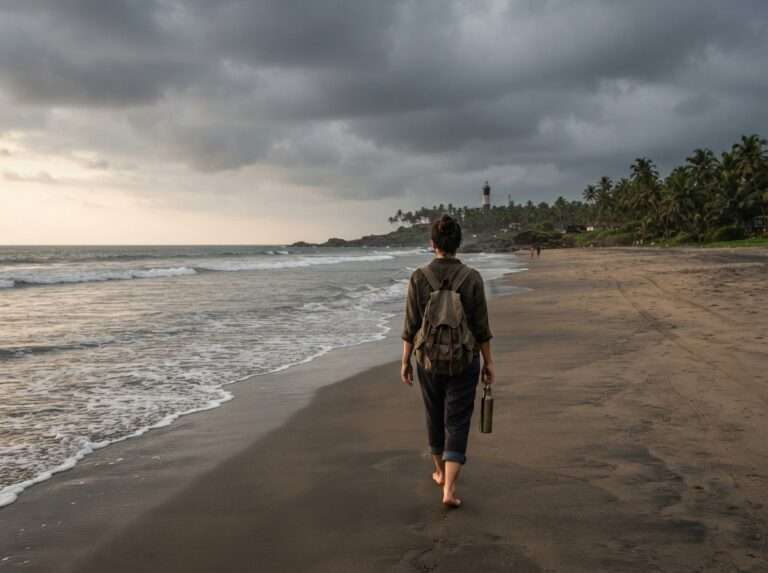

Kannur in the north gets some of the heaviest July rain in the state, well above the southern coast, so come for drama and culture rather than a drier escape. Payyambalam Beach is broad and near-empty, St Angelo Fort gives sea views between showers, and the handloom weaving and Theyyam heritage add depth few beach towns have (live Theyyam performances mostly run from about November to May, so July visitors will rarely catch one). Roads are wet, so drive with care and keep sightseeing to the morning. One to two days.
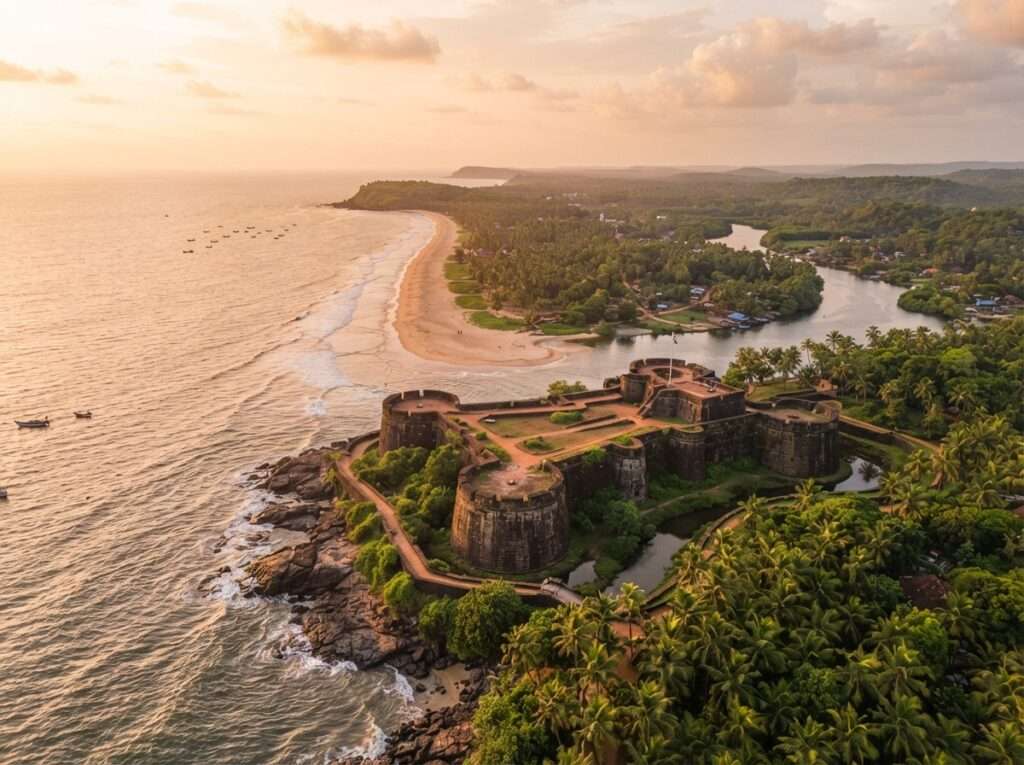
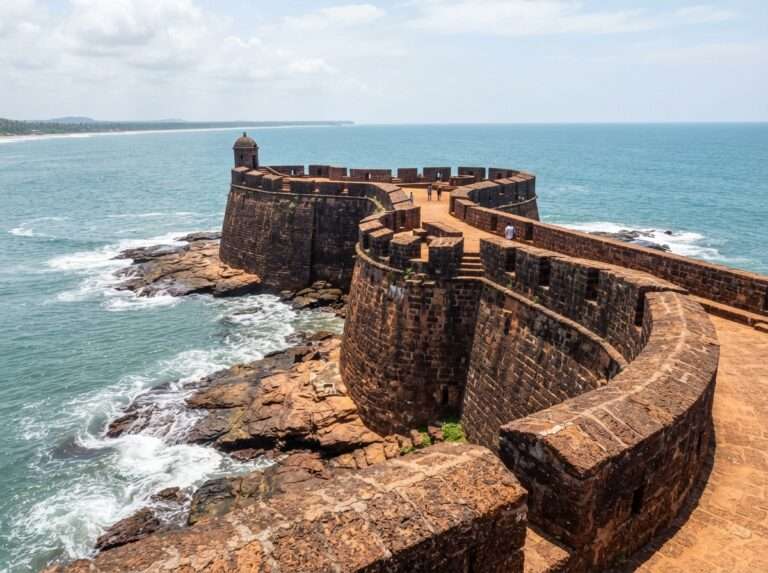
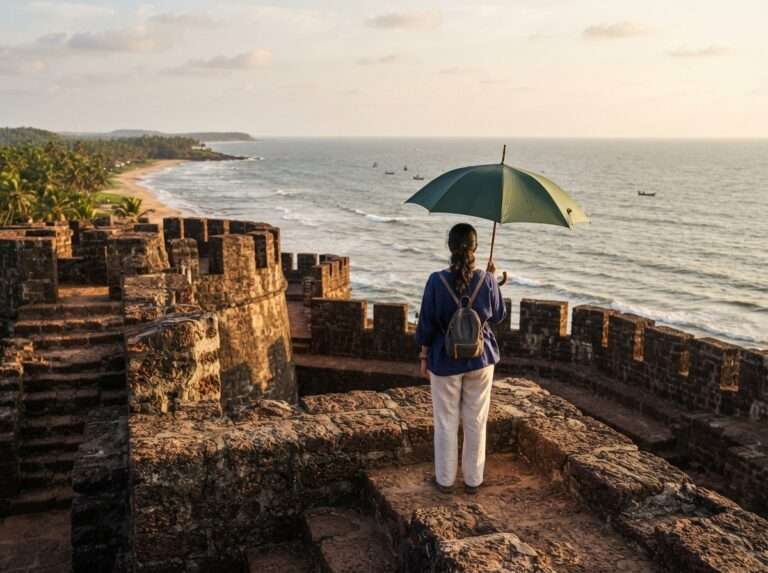
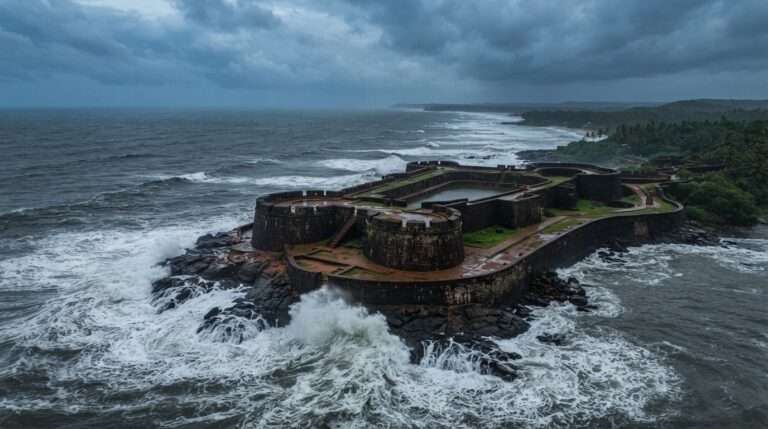
Bekal, in the far north of Kasaragod, is built around Kerala’s largest fort, a great laterite curve jutting into the sea. In the monsoon the ramparts against a grey, churning ocean are genuinely cinematic, and the crowds are almost nil. The fort steps get slippery, so wear grip and carry an umbrella. It suits history-minded travellers and photographers more than swimmers. One day, or a night if you are working your way down the coast.
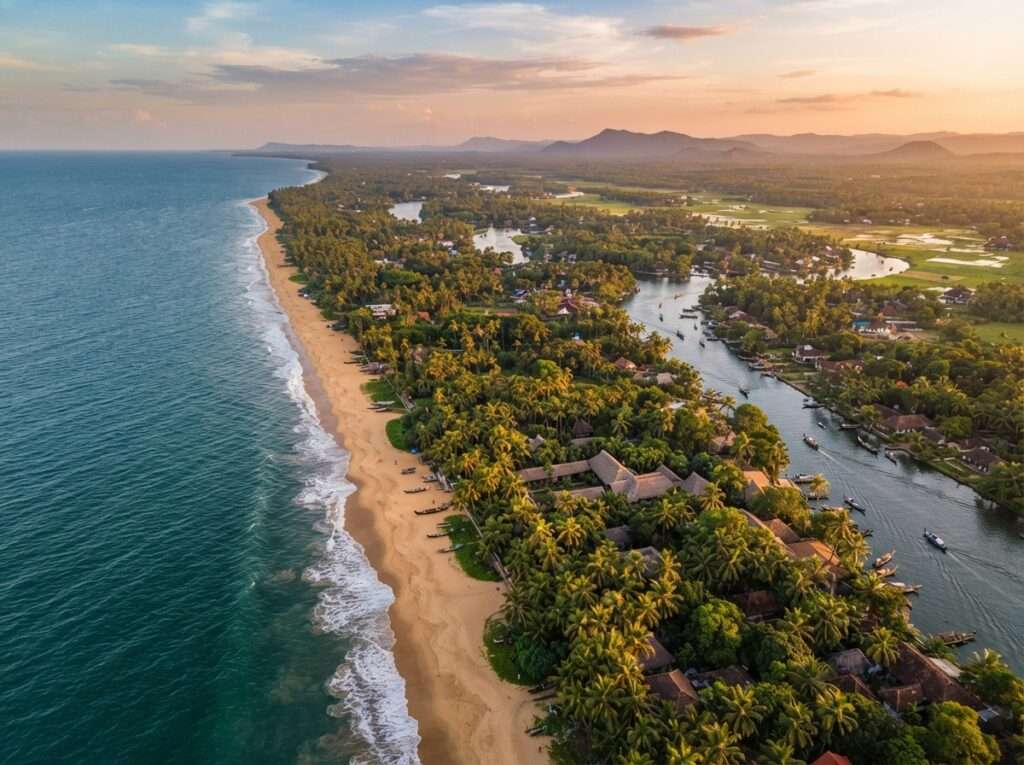
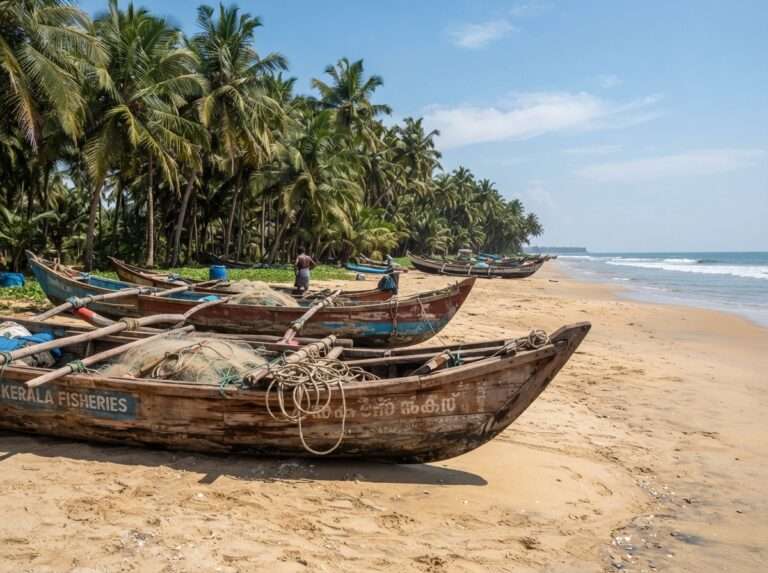

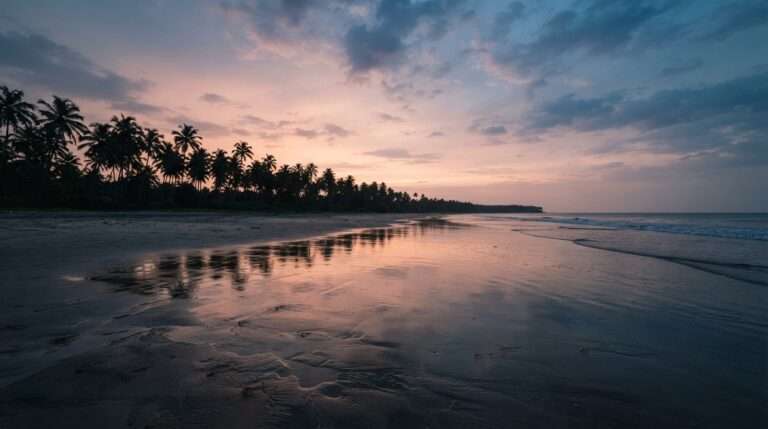
Mararikulam, or Marari, is the fishing-village beach near Alleppey that people go to when they want to do nothing at all. In July the shoreline is unspoiled and quiet, the fishing boats still head out between squalls, and the beach resorts run soft monsoon rates. Rain is light here at 25 to 30°C. Bring mosquito repellent for the evenings and treat it as a slow bookend to a backwater trip. One to two nights.
These routes are built for the monsoon: hills and waterfalls at their peak, calm backwaters, and beaches kept short. Distances are real, so do not try to add a fourth region to a short trip.
3 nights: Two nights in Munnar, then one night on the backwaters (Alleppey or Kumarakom), about 4 to 5 hours’ drive away. The classic short monsoon trip. Wayanad is too far north (8 to 10 hours from the backwaters) to pair with a 3-night trip.
5 nights: Two nights in Munnar, one in the wildlife country of Thekkady (about 3 hours away), then two on the backwaters (Alleppey or Kumarakom).
7 nights: Three nights in Munnar, one in Thekkady, two on the backwaters (Alleppey or Kumarakom) and a final night on the quiet beach at Marari, about 30 minutes from Alleppey, with an optional day trip to Athirapally from Kochi. Expect about 14 to 16 hours of driving across the week (more in heavy rain, and 4 to 5 hours extra for Athirapally); save Kovalam and Varkala for a separate southern trip or add two extra nights for them. If Wayanad is your hill pick, base the trip in the north instead (fly into Kozhikode and pair it with Kannur or Bekal).
For more route ideas across seasons, see our full Kerala itinerary guide.
Match the stay to the region and the rain. In the hills (Munnar, Wayanad, Ponmudi, Nelliyampathy, Idukki), pick homestays or resorts with hot water and a covered common area for the wet afternoons. On the backwaters (Alleppey, Kumarakom, Ashtamudi), a houseboat night or a riverside resort with its own jetty is the whole experience. On the coast (Kovalam, Varkala, Marari, Bekal, Kannur), beach resorts give direct access and a restaurant for the rain, while cottages are simpler and cheaper.
Budget stays start from about Rs 800 a night, mid-range resorts sit in the middle, and full-service luxury runs up to around Rs 15,000 a night, all lower than peak season. Most properties offer family rooms, honeymoon add-ons and group discounts in the monsoon.
If you would rather have the stays, transfers and houseboat handled together, browse our Kerala tour packages.
By air: Kochi (COK), Trivandrum (TRV) and Kozhikode (CCJ) connect to all major Indian cities and stay operational through the monsoon. Pick the airport nearest your first stop, Kochi for the backwaters and Munnar, Trivandrum for the southern beaches, Kozhikode for Wayanad.
By train: The main railheads are Ernakulam, Thiruvananthapuram, Alappuzha, Kannur and Kozhikode, all well served from across India and a comfortable way to travel in the rain.
By road: Highways are scenic but slick in July, and hill roads especially so. Hire a driver who knows the ghat sections rather than self-driving. Within Kerala, KSRTC buses are cheap and reliable, private buses run frequently, and taxis are easy to arrange for hill routes. Track the forecast and keep hill drives to daylight.
July is the cheapest time to see Kerala. Room rates fall 20 to 30 percent, and the same trip that costs a premium in December sits comfortably in mid-range budgets now. Here is what a monsoon trip typically runs.
| Item | Typical July cost |
|---|---|
| Per person, 3 nights | Rs 8,000 to Rs 12,000 |
| Couple, 3 nights | Rs 15,000 to Rs 20,000 |
| Family of 4, 3 nights | Rs 25,000 to Rs 35,000 |
| Houseboat (2 people, per night) | From around Rs 7,500 (private, 1 bedroom) |
| Budget hotel (per night) | From Rs 800 |
| Luxury resort (per night) | Up to Rs 15,000 |
| Food (per meal, per person) | Rs 200 to Rs 600 |
| Local transport (per day) | Rs 500 to Rs 1,500 |
| Trekking / activities | Rs 500 to Rs 2,000 |
The cheapest way to travel is to lean on KSRTC buses, budget hotels and a shared houseboat rather than a private charter.
A few things make the difference between fighting the monsoon and enjoying it:
July is Kerala at its greenest and its cheapest, and once you plan around the rain rather than against it, the waterfalls, tea hills and calm backwaters more than pay you back. Start with the hills, add a backwater night, and keep the coast for slow mornings. When you are ready to turn this into a real trip, you can browse and customise Kerala tour packages or read up on the best time to visit Kerala across the year.
Yes, if you want the monsoon rather than the beach. July brings the greenest landscapes of the year, waterfalls at full flow, calm backwaters, thin crowds and hotel rates about 20 to 30 percent below peak season. It is also the traditional Ayurveda treatment season. The trade-off is heavy, frequent rain and a rough sea, so it suits couples, photographers, budget travellers and nature lovers more than pure beach-and-swim holidaymakers.
Yes. July is the peak of the southwest monsoon, so rain is frequent and can be heavy, especially along the southern coast around Trivandrum. Central Kerala gets moderate showers and the far north stays lighter. The rain usually comes in short, hard bursts rather than all-day drizzle, so most people plan outings for the mornings and keep afternoons flexible.
The hills and waterfalls shine most: Munnar, Wayanad, Athirapally, Thekkady and Idukki. For the backwaters, Alleppey, Kumarakom and Ashtamudi stay calm and scenic. If you want coast with lighter rain, head north to Kannur and Bekal. Kovalam and Varkala work for walks and cliff cafes rather than swimming.
Yes, and many travellers rate July as Munnar's most beautiful month. The tea gardens are at their greenest, mist fills the valleys and seasonal waterfalls appear across the hills. Expect cool weather around 18 to 24C and frequent showers, so carry a light jacket and waterproof shoes, and time treks for the morning before the heavy cloud sets in.
A rain shell or umbrella, quick-dry clothes, non-slip shoes and a light jacket for the hills. Add mosquito repellent, a power bank and a dry bag for your phone, camera and documents. Light cottons work for the coast, but you will want that extra layer in Munnar, Wayanad and the other hill stations where evenings turn cool.
The southwest monsoon usually reaches Kerala in early June and runs through September, with July among the wettest months. Individual showers are often short and intense rather than continuous, so a typical July day mixes downpours with bright, clear spells. Check the forecast the night before and build your plans around the mornings.
Generally yes, with sensible precautions. Stick to guided or well-marked trails, wear proper grip, and avoid steep or slippery paths and swollen streams after heavy rain. Wayanad and parts of the high ranges occasionally see landslide advisories in intense spells, so check local guidance on the day and keep your plans flexible rather than fixed.
Yes. The backwaters around Alleppey, Kumarakom and Ashtamudi stay calm in the monsoon and houseboats run with normal safety measures. Many travellers say a rainy overnight cruise is the highlight of a July trip. Book a few days ahead, since the best boats still fill up, and carry a dry bag for the open decks.
The beaches stay open and are wonderfully quiet, but swimming is often unsafe because the Arabian Sea turns rough in the monsoon. Watch for red flags at Kovalam and Varkala and stay out of the water on high-surf days. Treat the coast as a place for early-morning walks, seafood and cliff cafes rather than long swims.
Three to seven days depending on how much ground you want. Three nights covers one hill station and the backwaters. Five nights adds Thekkady and its wildlife. Seven nights lets you combine the hills, backwaters and a coastal stretch, with an optional day at Athirapally. In the monsoon it is better to go deep on two or three regions than to rush across the whole state.
Budget roughly Rs 8,000 to Rs 12,000 per person for three nights, or Rs 15,000 to Rs 20,000 for a couple, thanks to off-season rates that run 20 to 30 percent lower. A houseboat night for two is about Rs 4,000 to Rs 7,000, budget rooms start near Rs 800, and meals run Rs 200 to Rs 600 each. Sharing a houseboat and using KSRTC buses keeps costs lowest.
Both are excellent, and the choice comes down to scenery. Pick Munnar for sweeping tea gardens, mist and higher, cooler air. Pick Wayanad for waterfalls, forests, caves and wildlife. If you have the days, a seven-night trip can take in both. If you must choose one, Munnar edges it for first-timers and Wayanad for anyone who wants more trekking and forest.
Real reviews from real travelers who booked with us.
View All Reviews