5D / 4N
19% OFF
5D / 4N
19% OFF
Andaman Family Holiday For 4 Nights 5 Days
- Hotel
- Meals
- Sightseeing
- Transfers
₹23,574
₹18,990 /pp
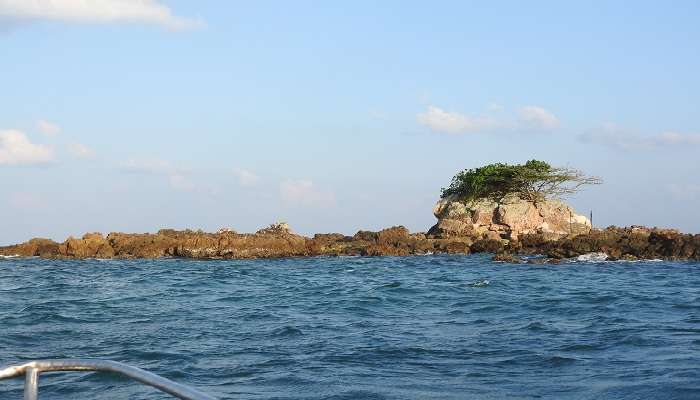


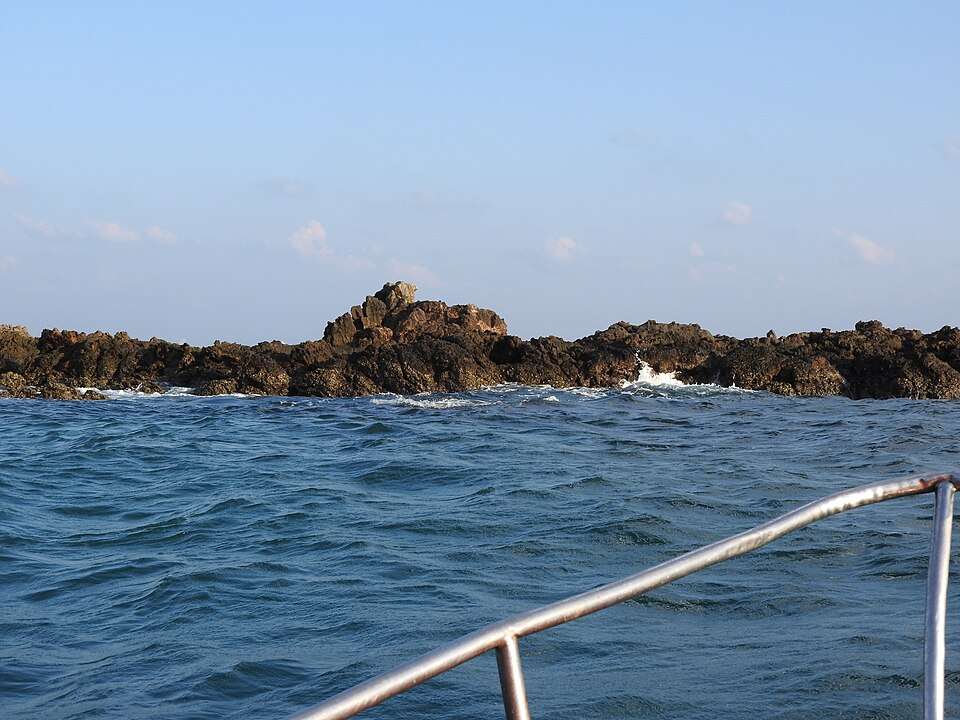
Snake Island is a small, uninhabited rocky islet about 800 metres off Corbyn’s Cove near Port Blair, and it is one of the most beginner-friendly scuba and snorkel dive sites in the Andaman Islands. You do not land on it. The whole experience happens in the water around its shallow fringing reef, reached by boat with a registered dive operator. The reef sits 4 to 12 metres deep, calm and clear enough that first-timers and non-swimmers can dive here under one-on-one instruction. It takes its name from the banded sea kraits on the reef, which are venomous but leave divers alone. Below you get the costs, the permit rules, the best months, the marine life you will actually see, and exactly how to reach it.
Key Takeaways
Top Andaman Packages you Must Explore
Best Time
October - May
Select Package Type


| Detail | What to know |
| Location | About 800 m off Corbyn’s Cove, roughly 8 km from Port Blair (officially Sri Vijaya Puram), South Andaman |
| Main activities | Scuba diving and snorkelling over a shallow fringing reef, 4 to 12 metres deep |
| Named for | Banded sea kraits that live on the reef (venomous but non-aggressive) |
| Access | By boat from the Corbyn’s Cove side, 15 to 60 minutes depending on the vessel |
| Permit | Required, and arranged by your dive operator as part of the trip |
| Best season | December to May, with the calmest seas December to April |
| Cost from | About INR 2,300 to 3,500 for a first Discover Scuba Dive |
| Good for | Non-swimmers via a Discover Scuba Dive, and families via snorkelling |
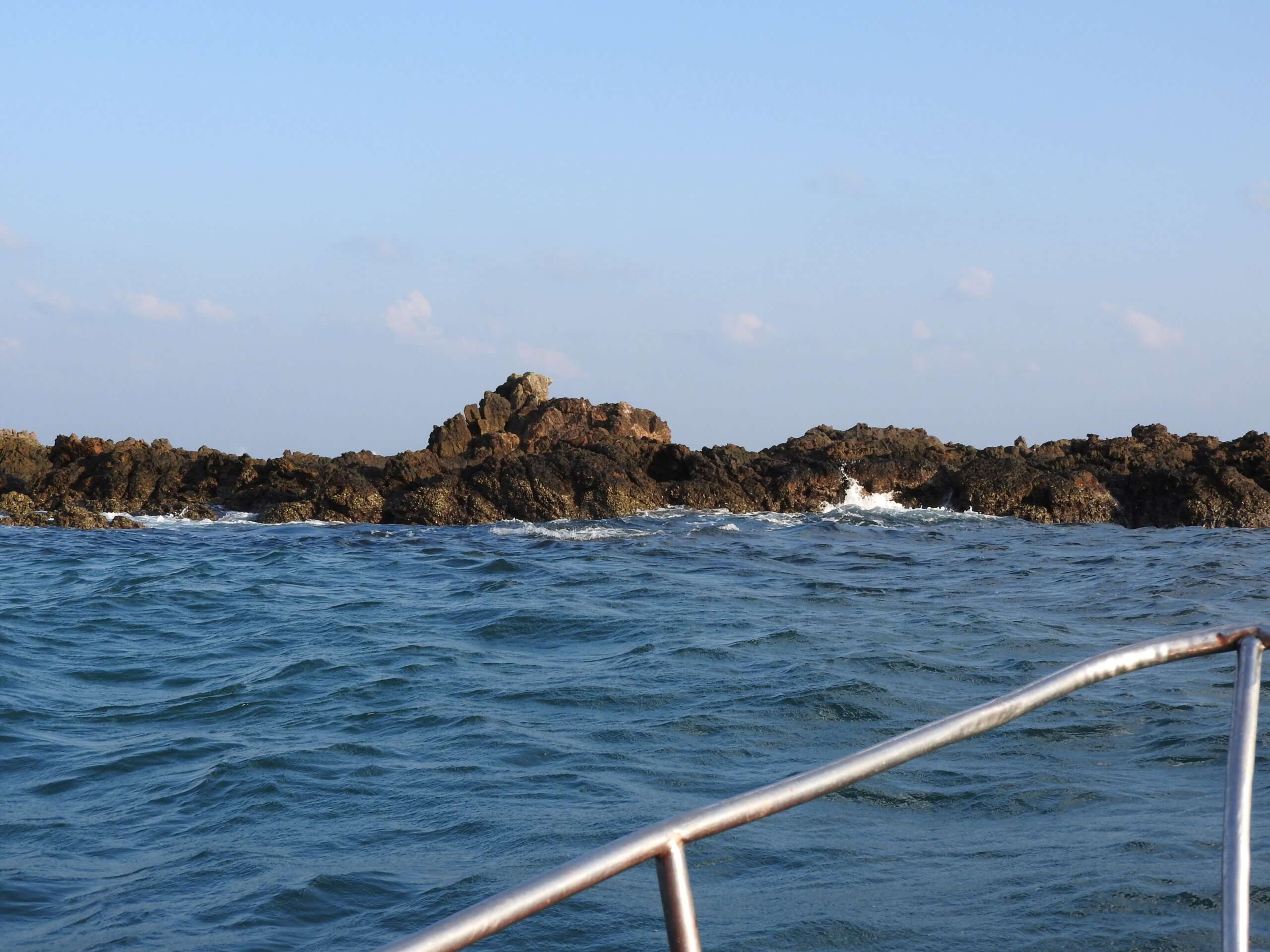
Snake Island lies about 800 metres offshore from Corbyn’s Cove, which is itself only around 8 km from the centre of Port Blair, now officially named Sri Vijaya Puram. That short hop makes it one of the closest dive sites to the Andaman capital, and the reason so many divers slot it in on their first or last day in the islands.
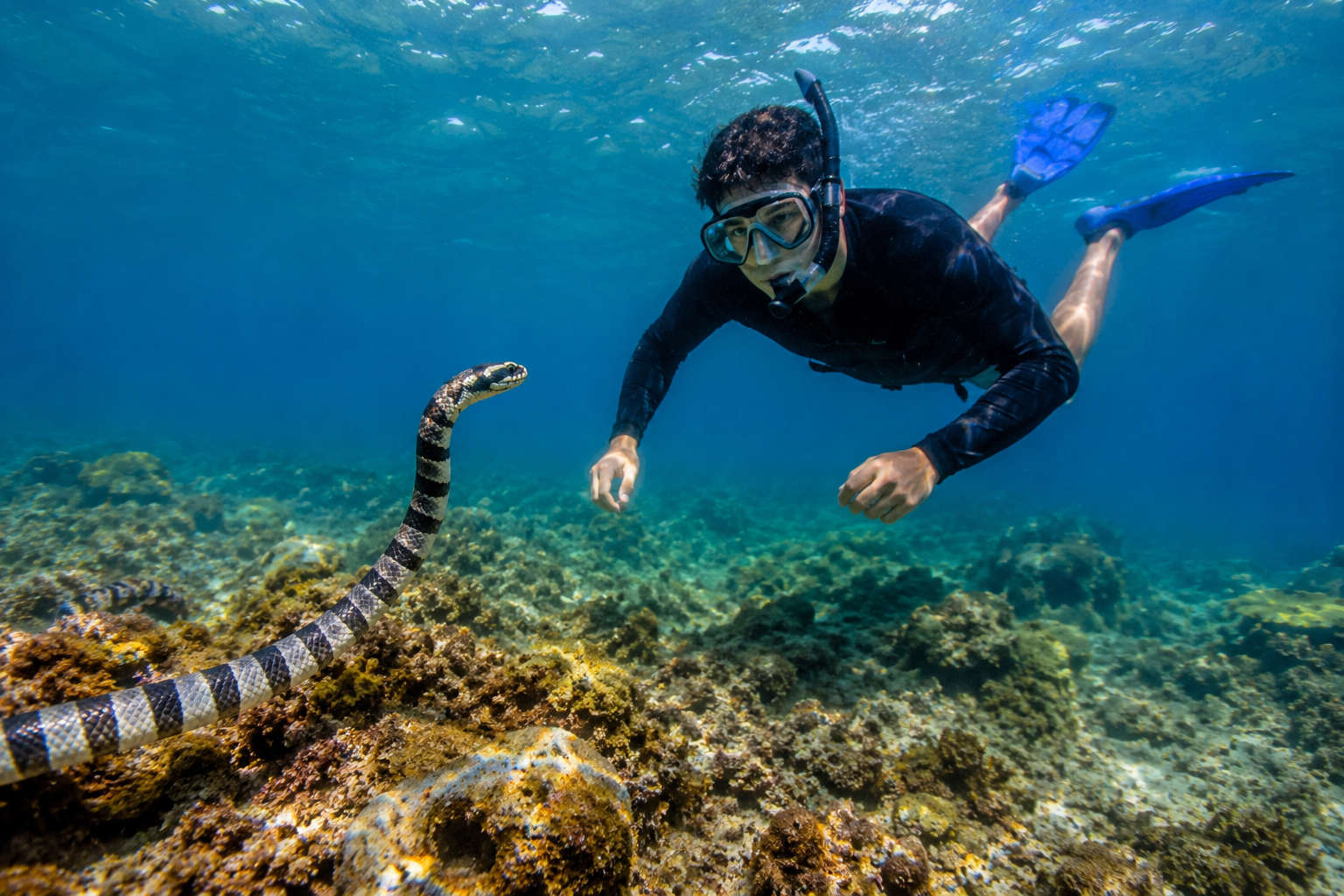
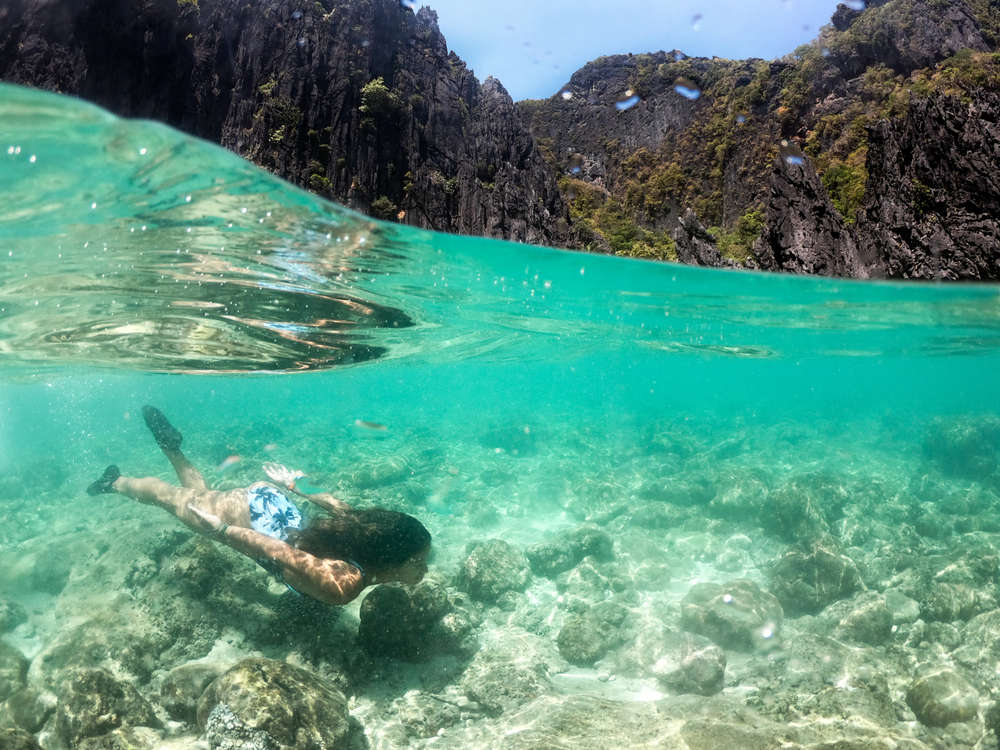
The name is literal. Banded sea kraits, a type of venomous but non-aggressive sea snake, live around the reef. They give the island its name and do turn up on dives, but they keep to themselves and pose no real threat to anyone who keeps a respectful distance. They are also just one part of a busy shallow-reef community. On a good morning you will see butterflyfish, parrotfish, triggerfish and lionfish, schools of snappers, the occasional ray, and now and then a sea turtle gliding past. For more reef sites across the islands, our guide to scuba diving in Andaman maps out where each one sits.
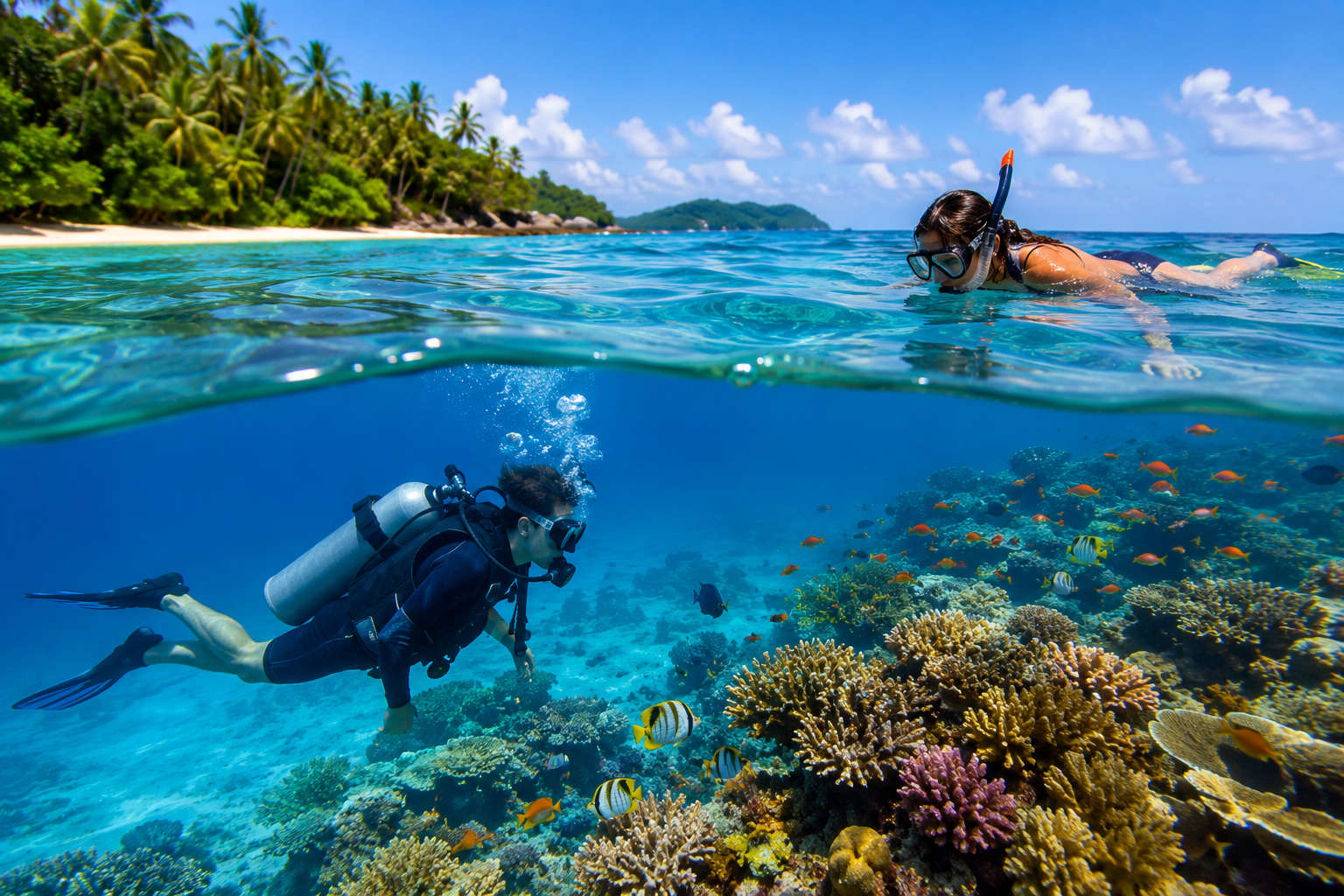
The reef runs shallow, 4 to 12 metres, which is exactly what makes Snake Island so forgiving for beginners. A Discover Scuba Dive, often shortened to DSD, needs no certification and no ability to swim. A certified instructor descends with you one on one and controls the dive from start to finish, so your only job is to breathe slowly and look around. Certified divers can do a normal fun dive on the same reef, and stronger swimmers sometimes pair it with a nearby wreck or a deeper boat dive for variety.
You can also stay on the surface. Snorkelling here is cheaper than diving and works well for families and anyone who would rather float and watch the reef than go under. Whether you dive or snorkel, most trips run as a boat dive from the Corbyn’s Cove side; a few operators offer shore-style entry, but the boat is the norm.
Indicative costs, which vary by operator, by boat versus shore entry, and by season:
| Option | Indicative cost (per person) | Good for |
| Discover Scuba Dive (no certificate needed) | About INR 2,300 to 6,500 | First-timers and non-swimmers |
| Snorkelling | Cheapest option | Families, surface reef viewing |
| Certified fun dive | About INR 2,500 to 6,500 per dive | Already-certified divers |
| Combo / boat packages | Up to about INR 10,000 | Multiple dives, transfers included |
Prices move around a fair bit, so treat these as bands rather than fixed rates and confirm the current figure when you book. Packages that bundle the dive with transfers and a hotel usually work out cheaper than paying for each piece on its own.
Quick way to decide based on where you stand:
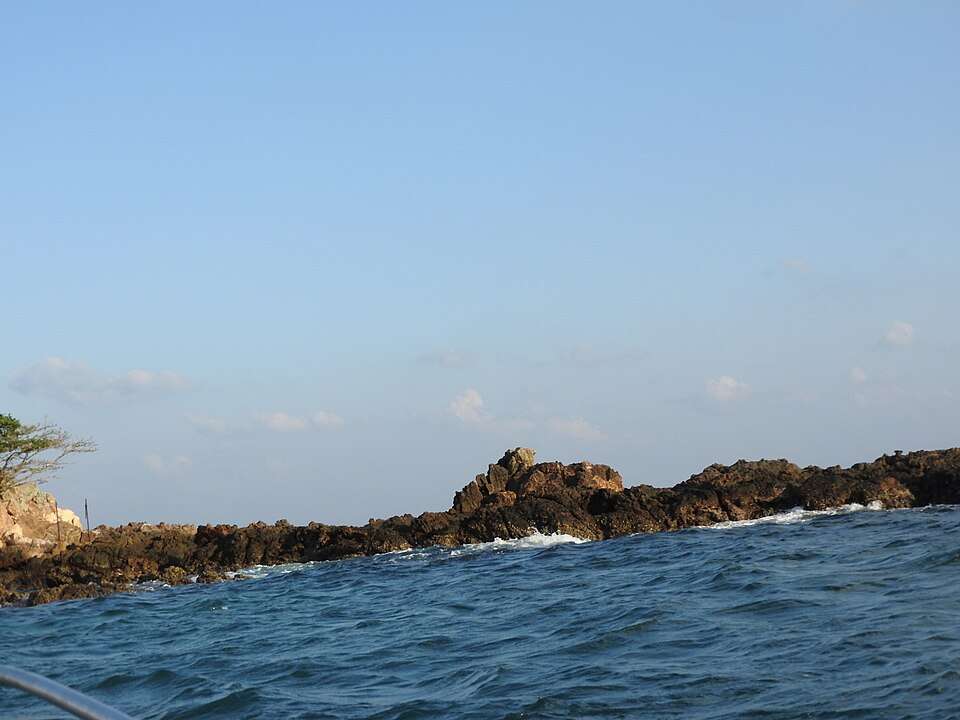
Everything at Snake Island revolves around the water. Scuba diving is the headline draw and the reason most first-timers make the trip, while snorkelling covers everyone who prefers to stay at the surface, children included. The boat ride out from Corbyn’s Cove is worth the camera on its own, with clear water and the Port Blair coastline behind you. Corbyn’s Cove itself doubles as a launch point for jet ski and other water sports, so it is easy to build a half-day around the dive.
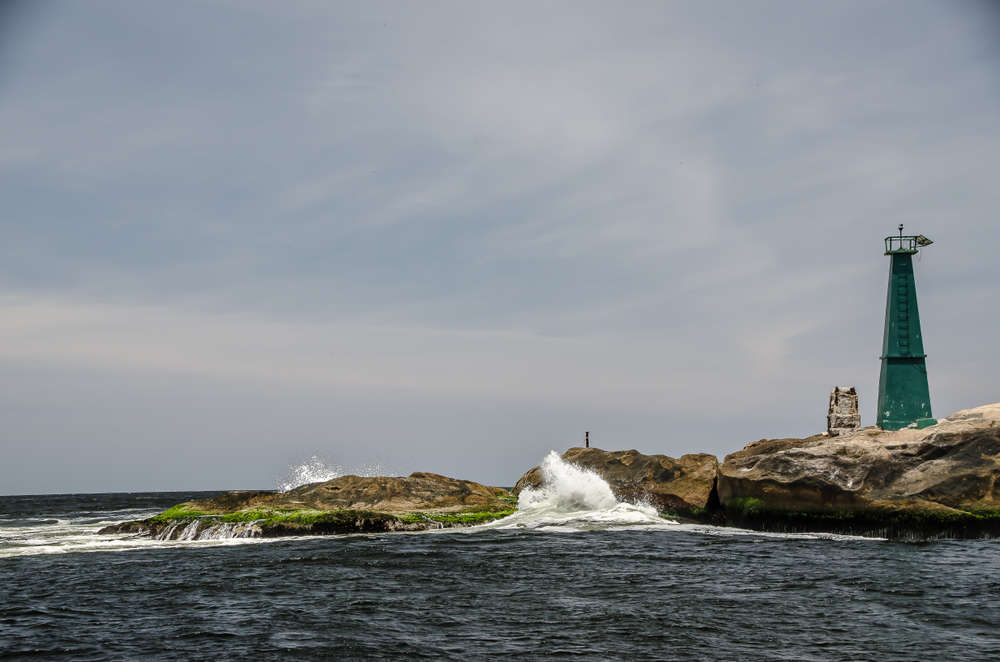
You never land on Snake Island. The terrain is hostile and it sits inside a protected zone, so access is restricted to the water around it. Your operator arranges the permit as part of the trip, and in practice you usually just show a valid photo ID. Indian nationals do not need a Restricted Area Permit for the Andamans; foreign nationals register with immigration on arrival at Port Blair.
On safety, the sea kraits are non-aggressive as long as you leave them alone. The things that actually matter are the ones you control: dive only with a PADI or SSI affiliated centre, sit through the full briefing, check your gear, and stick with a low instructor-to-diver ratio. Do not dive with a cold, and leave 18 to 24 hours between your last dive and any flight out.
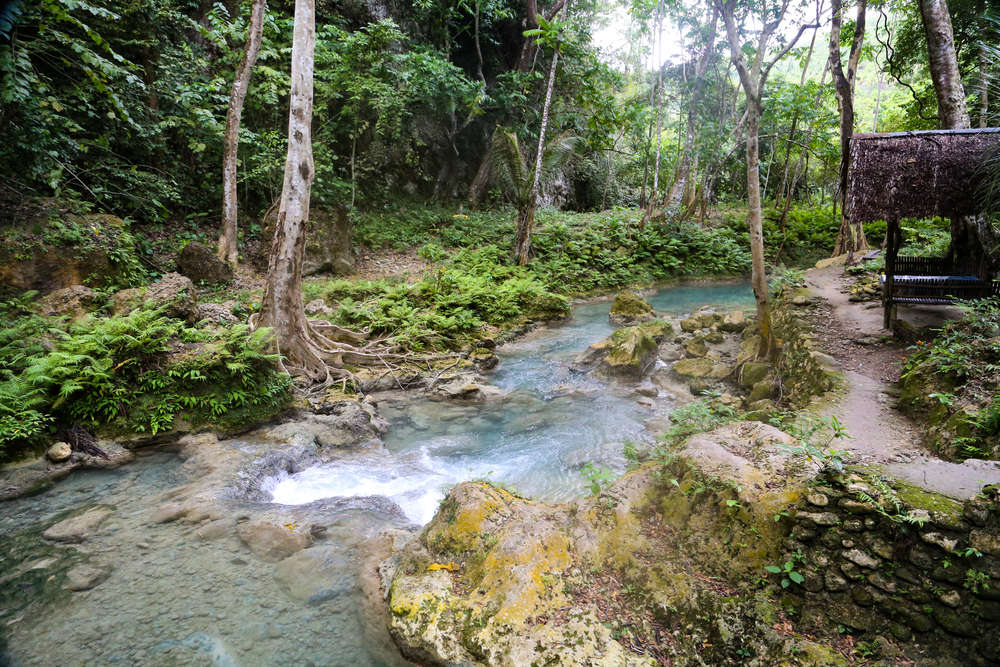
December to May is the window, when the sea is calm and visibility is at its best. December to April is the peak, with the clearest water; October and November are reliably good; early May is a fine shoulder period, though conditions can turn rough by the end of the month. Avoid June to September, when the monsoon brings rough seas, low visibility and frequent cancellations. On any given day, morning dives usually get the clearest water before the wind picks up.
Because Snake Island is a half-day trip, most people pair it with another spot near Port Blair. Here is how the closest options compare for divers and snorkellers:
| Place | From Port Blair | Best for |
| Corbyn’s Cove Beach | About 8 km | Launch point; palm-fringed beach with jet ski and water sports |
| North Bay Island | 15 to 20 min by boat | Sister snorkel and scuba site; sea walk and glass-bottom boat rides |
| Ross Island (Netaji Subhas Chandra Bose Dweep) | About 20 min by boat | Colonial ruins in the jungle; short ferry access |
| Jolly Buoy Island | Wandoor, then boat | Pristine snorkel reef inside the marine park (seasonal, plastic-free) |
| Red Skin Island | Wandoor, then boat | Snorkel alternative to Jolly Buoy in the same marine park |
| Elephant Beach (Havelock) | Ferry from Port Blair | Popular shallow snorkel reef if you head to Havelock |
| Cinque Island | Longer boat charter | Advanced dive site with clear water for experienced divers |
| Wandoor and MG Marine National Park | About 25 to 30 km | Richer reefs and glass-bottom trips at Mahatma Gandhi Marine National Park |
If you want the sea-walk-and-glass-bottom mix rather than a dive, North Bay is the easy add-on. For untouched snorkel reefs, Jolly Buoy and Red Skin inside the marine park are the standouts, though the two open on alternating seasons to protect the coral. Chidiya Tapu, a short drive down the coast from Corbyn’s Cove, is worth it for the sunset if you have an evening free. Our list of places to visit in Port Blair covers the rest.
One planning note: slot Snake Island early in your Andaman itinerary rather than on your last day, so you are not flying out within 18 to 24 hours of a dive.
Snake Island is the easy, beginner-friendly dive off Port Blair: a half-day on a shallow, sheltered reef that welcomes non-swimmers through a Discover Scuba Dive and families through snorkelling, best done December to May with a certified operator. If you would rather have the dive, hotel and transfers arranged in one go, browse our Andaman tour packages or read the wider Andaman travel guide to build the rest of your trip around it.
Banded sea kraits, a type of venomous but non-aggressive sea snake, live around its reef. They give the island its name but pose no real threat to divers who keep a respectful distance, and they are just one part of a rich shallow-reef community that also includes reef fish, rays and turtles.
Snake Island is a small, uninhabited rocky islet about 800 metres off Corbyn's Cove Beach, near Port Blair (Sri Vijaya Puram) in South Andaman. Corbyn's Cove is only around 8 km from Port Blair city, which makes Snake Island one of the closest dive sites to the Andaman capital.
You do not land on the island itself. The terrain is hostile and it sits in a protected zone, so access is restricted. The experience is entirely in the water around it: scuba diving and snorkelling over the reef, reached by boat with a registered dive operator.
Yes. Snake Island is a protected area, so a permit is required to dive there, but your dive operator arranges it as part of the trip, so you rarely deal with it directly. Indian nationals do not need a Restricted Area Permit for the Andamans; foreign nationals register with immigration on arrival at Port Blair. Carry a valid photo ID.
By boat from the Corbyn's Cove side, with a registered dive operator who arranges the boat and permit. The crossing takes roughly 15 to 60 minutes depending on the boat type, with a high-speed boat quicker and a regular dive boat slower. You go out, dive or snorkel, and return the same day.
No. For a Discover Scuba Dive you need neither a certification nor the ability to swim. A certified instructor descends with you one on one and controls the dive throughout. The reef is shallow, about 4 to 12 metres, which makes Snake Island one of the most beginner-friendly dive sites in Andaman.
As an indicative range, a first-time Discover Scuba Dive costs roughly INR 2,300 to 6,500 per person and a single fun dive for certified divers about INR 2,500 to 6,500, with combo and boat packages running higher. Prices vary by operator, boat versus shore entry and season, so confirm the current rate when you book.
December to May is the season, when the sea is calm and visibility is best; avoid the June to September monsoon, when trips are often suspended. Underwater you can expect butterflyfish, parrotfish, triggerfish and lionfish, schools of snappers, rays, the occasional sea turtle, and the non-aggressive sea kraits the island is named for.
The banded sea kraits are real sea snakes and they are venomous, but they are not aggressive and mostly keep to the reef rather than approaching divers. Keep your distance, do not touch them, and they pose no real threat. Diving with a certified operator on a shallow, sheltered reef makes Snake Island one of the safer beginner sites in Andaman.
Yes, it is one of the best beginner dive sites in Andaman. The reef is a shallow 4 to 12 metres, and a Discover Scuba Dive needs no certification or swimming ability because a certified instructor descends with you one on one and controls the whole dive. Families with children often pick snorkelling here for the same reason.
Real reviews from real travelers who booked with us.
View All Reviews