
 5D / 4N
9% OFF


Why Summer Is the Best Season to Visit Kashmir
The best months for Kashmir in summer are May to July, when Srinagar warms to about 24 to 30°C by day and the meadows of Gulmarg, Pahalgam and Sonmarg turn deep green after the snowmelt. This is the season of shikara rides on Dal Lake, gondola runs to snow that survives into June, and easy treks through valleys that are locked under ice for half the year. Below you will find the exact best-time window, a month-by-month temperature table for May through September, the valleys actually worth your days, and what to pack so the cool evenings do not catch you out.
This guide is built from Srinagar weather records, the Gulmarg Gondola’s published phases and the routes our Kashmir trip planners book every summer, and the temperatures, timings and access notes below are re-checked each season.
Key Takeaways
- Go May to July for warm days and full-bloom meadows. September is quieter with crisp evenings and thinner crowds.
- Expect 24 to 30°C days in Srinagar and single-digit nights at altitude, so carry a light fleece even in July.
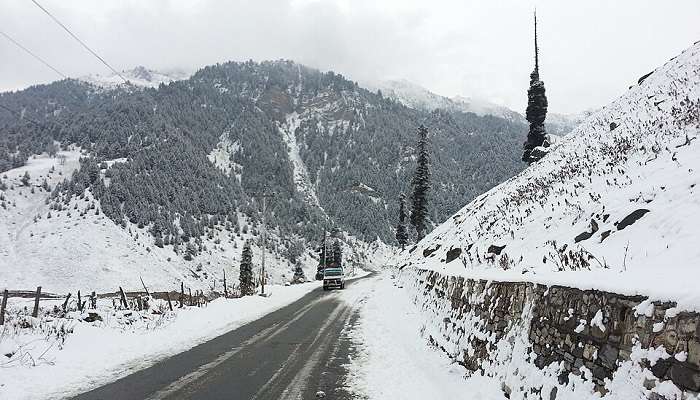
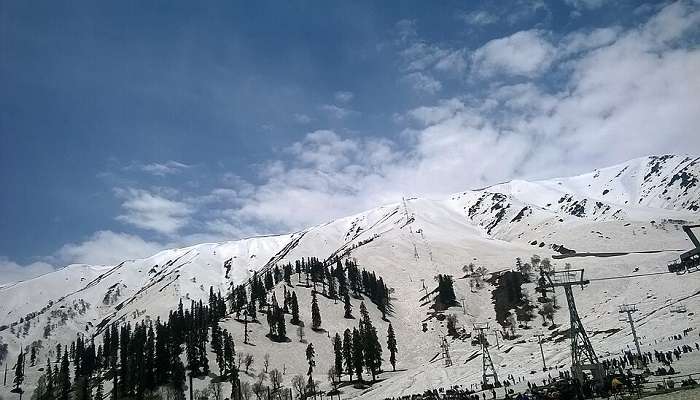
- Ride the Gulmarg Gondola to Apharwat and you can still touch snow into June, and reach Sonmarg’s Thajiwas glacier on an easy walk or by pony.
- Base yourself on a Dal or Nigeen Lake houseboat in Srinagar for Gulmarg and Sonmarg day trips, and give Pahalgam its own two nights.
- Budget 6 to 7 days to cover Srinagar, Gulmarg, Pahalgam and Sonmarg without rushing.
India
Kashmir
Best Time, May to September Temperatures, Top Valleys and Packing Tips
Best Time
May - July
Select Package Type
Best Selling Packages


Best Time to Visit Kashmir in Summer
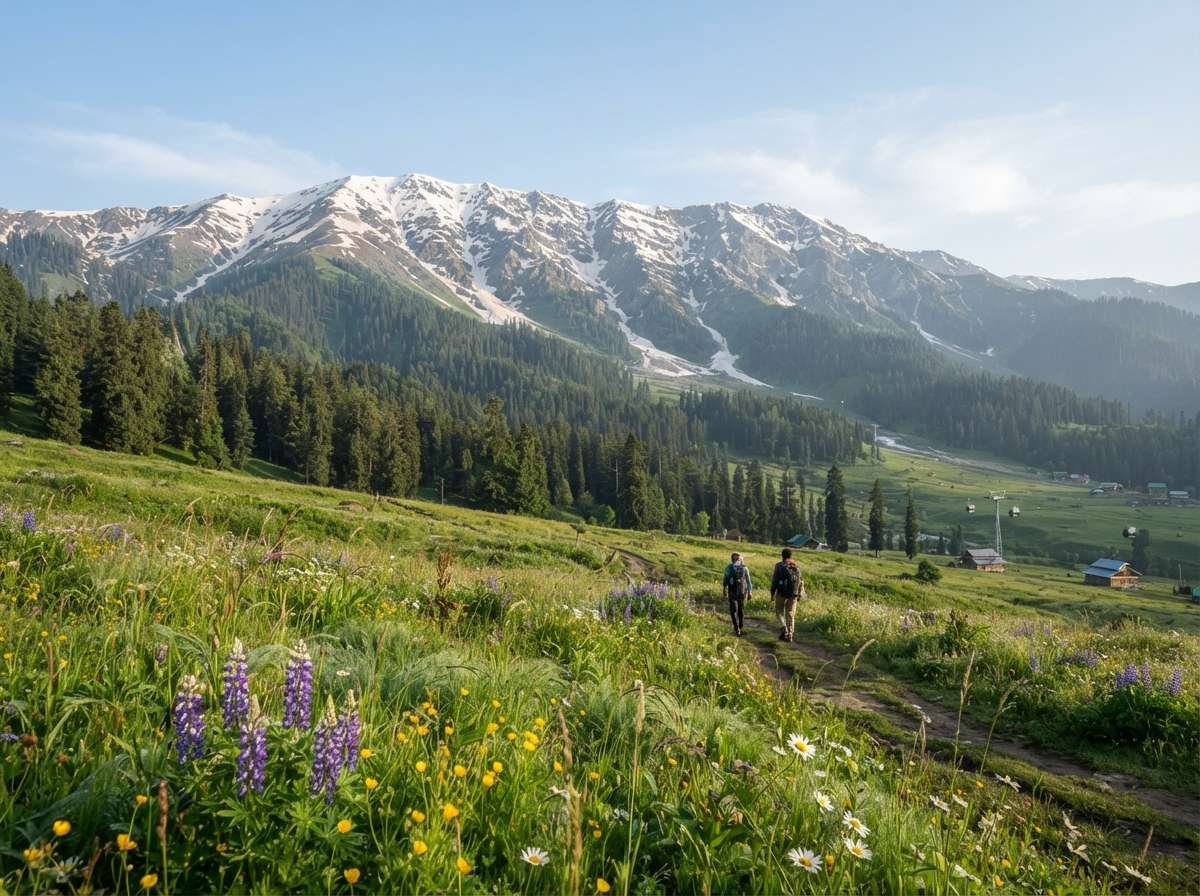
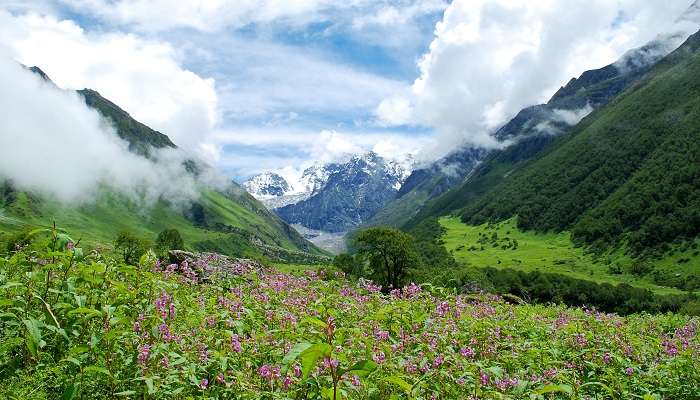
The best time to visit Kashmir in summer is May to July. Days are warm, the high mountain roads have reopened after winter, and the valleys are at their greenest. May and early June are the sweet spot: flowers are out, and snow still lingers at Gulmarg’s Apharwat and Sonmarg’s Thajiwas, so you get spring blooms and snow on the same trip. July is the warmest, busiest stretch. Late August into September brings fewer visitors, cooler evenings and the first turn of autumn colour, which suits travellers who want the scenery without the peak-season rush.
If you are weighing summer against the snow season or a broader month-by-month view for the whole year, our guide to the best time to visit Kashmir covers every season in detail. For summer specifically, the table below shows how each month actually feels on the ground.
Kashmir Summer Weather and Temperature (May to September)
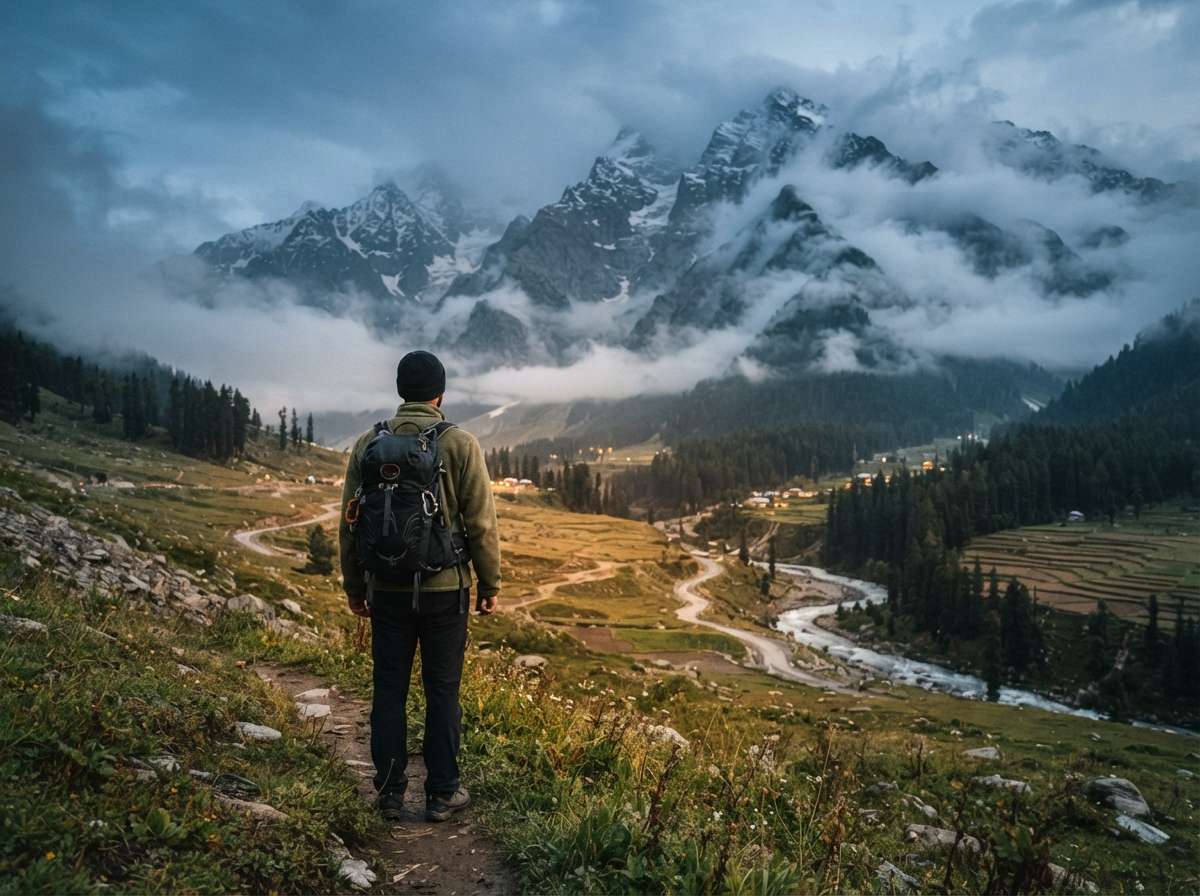
Summer in Kashmir is mild, not hot. Srinagar sits around 24 to 30°C through the day and drops to around 9 to 13°C at night early and late in the season. The hill valleys run several degrees cooler because they sit higher: Gulmarg is at about 2,650 metres, Pahalgam near 2,200 metres, and Sonmarg around 2,800 metres. That altitude gap is why a warm afternoon in Srinagar can turn into a cold evening in the meadows, and why snow survives at the highest points long after the valley floor has thawed.
| Month | Avg day (°C) | Avg night (°C) | Snow at high points | Crowd level | What to pack |
|---|---|---|---|---|---|
| May | 22 to 26 | 9 to 12 | Yes, Apharwat and Thajiwas | Building | Light layers, fleece, a light jacket |
| June | 27 to 30 | 13 to 16 | Patches at Apharwat and Zero Point | Peak | Cottons, a fleece for evenings |
| July | 29 to 31 | 17 to 19 | Glaciers only | Peak | Cottons, light rainwear for showers |
| August | 28 to 30 | 17 to 19 | Glaciers only | High | Cottons, rainwear, sun protection |
| September | 26 to 29 | 10 to 13 | None until late month | Moderate | Layers, a warm jacket for nights |
Figures are Srinagar-valley averages. Gulmarg, Pahalgam and Sonmarg run roughly 4 to 8 degrees cooler because they are higher, so treat these as your warmest baseline for the trip.
Two practical reads from the table. First, nights are cold relative to the days right through summer, so a fleece earns its place in the bag even in July. Second, if seeing snow matters to you, come in May or June and head up to Apharwat by gondola or to the Thajiwas glacier at Sonmarg, where the ice holds long after the valleys have greened.
Top Places to Visit in Kashmir in Summer
These are the valleys and towns that summer in Kashmir is actually about. For a wider list that runs beyond the summer season, see our full guide to places to visit in Kashmir. The quick table below is the fast answer, then each place gets the detail underneath.
| Place | Altitude | From Srinagar | Star attraction | Best for |
|---|---|---|---|---|
| Srinagar | 1,585 m | Arrival hub | Dal Lake, shikara, Mughal Gardens | Lakes, houseboats, gardens |
| Gulmarg | 2,650 m | 50 km | Gulmarg Gondola to Apharwat | Cable car, meadows, golf |
| Pahalgam | 2,200 m | 90 km | Betaab and Aru valleys, Lidder river | Treks, rafting, family days |
| Sonmarg | 2,800 m | 80 km | Thajiwas glacier, Zero Point | Glacier, pony rides, snow |
| Doodhpathri | 2,730 m | 42 km | Open meadows and pine | Quiet day trip, picnics |
| Yusmarg | 2,400 m | 47 km | Rolling meadows, Nilnag lake | Offbeat calm, short walks |
| Gurez Valley | 2,400 m | 123 km | Habba Khatoon peak, Kishanganga | Remote, uncrowded scenery |
Srinagar and Dal Lake
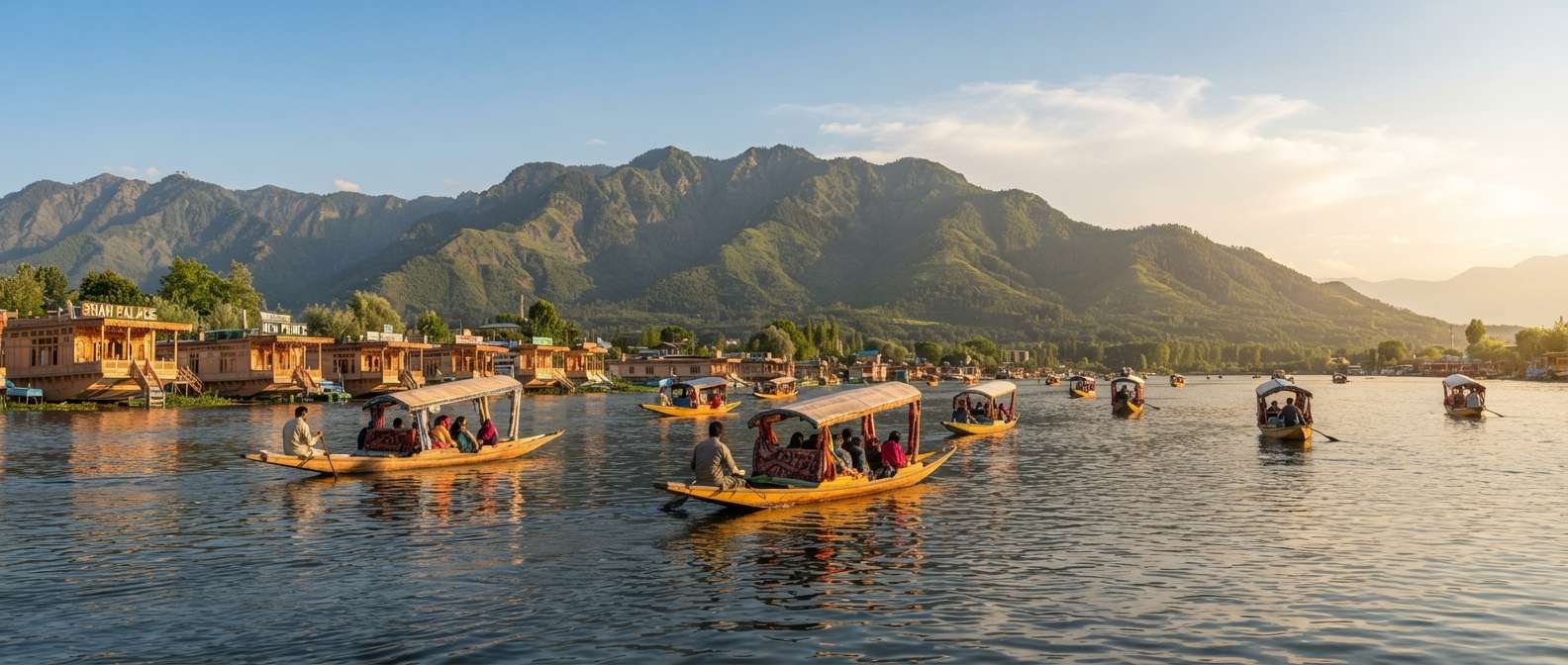
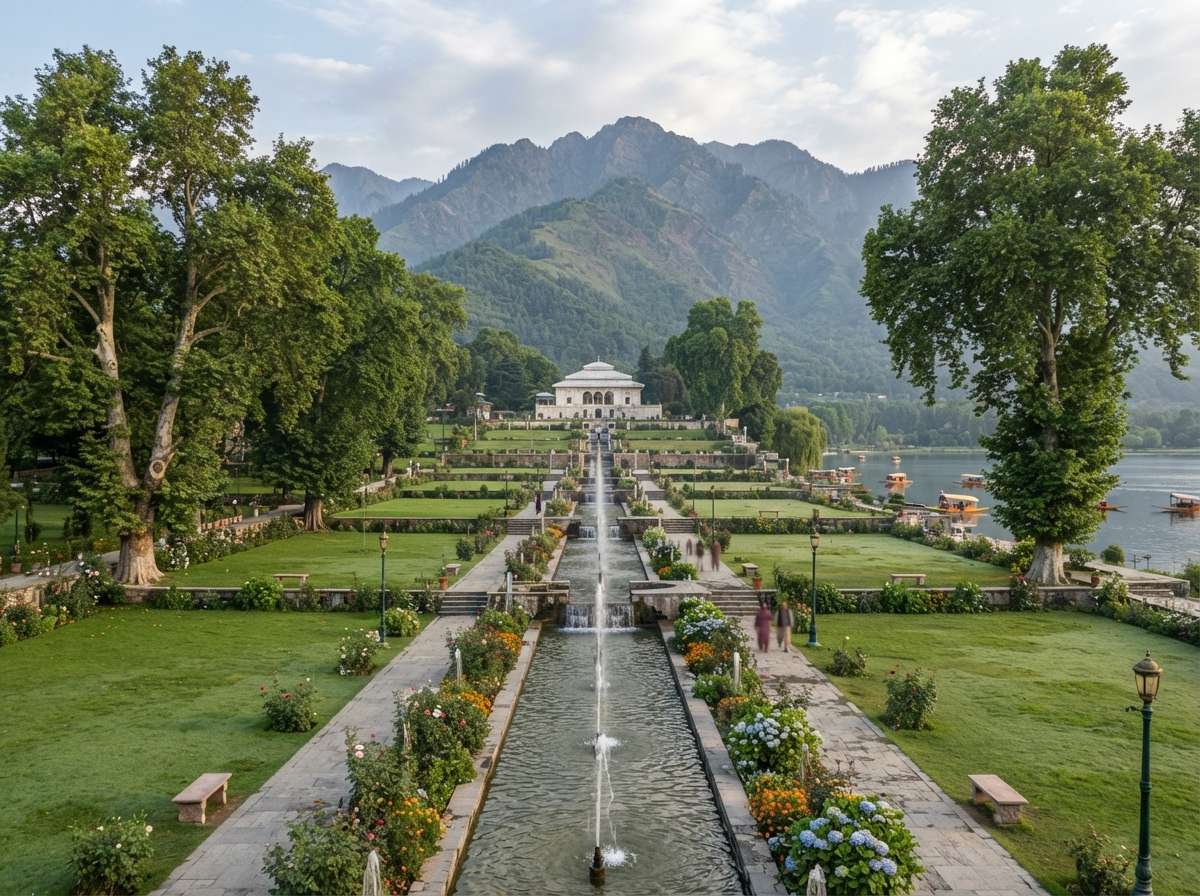
Most trips begin and end in Srinagar, and it earns more than a night. Take a shikara across Dal Lake in the late afternoon when the light softens, and stay on a carved wooden houseboat on Dal or the quieter Nigeen Lake for the experience the city is known for. Set aside a morning for the Mughal Gardens, Nishat Bagh and Shalimar Bagh, laid out in terraces above the water with the mountains behind. It is an easy, low-altitude base for day trips to every valley below. See the Srinagar travel guide for routes and stays.
Gulmarg
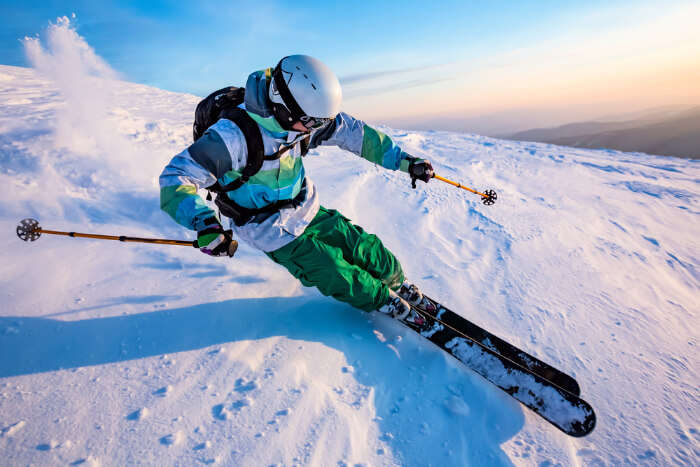
Gulmarg is the meadow that becomes a golf course in summer and a ski field in winter. The headline is the Gulmarg Gondola, one of the highest cable cars in the world: Phase 1 lifts you to Kongdoori, and Phase 2 climbs to Apharwat at around 3,980 metres, where snow lingers into June and you can stand in it while the valley below is green. The 18-hole course is among the highest anywhere. Ride, walk the meadow, or simply take the gondola for the view. Plan it with the Gulmarg guide.
Pahalgam
Pahalgam sits where the Lidder river runs fast and cold, and it is the base for the summer’s best short trips. Betaab Valley and Aru Valley are both a short drive out, green-floored and ringed by pine and peak. Outside cabs cannot run these internal sightseeing trips, so hire a Pahalgam taxi union vehicle at the fixed tariff from the local stand for Aru, Betaab and Chandanwari. Baisaran, the meadow above town often called mini Switzerland, has stayed closed to visitors since the April 2025 attack, so check its status with the Pahalgam administration before planning a pony ride up. The Lidder is where river rafting runs in summer, and the gentler stretches suit families. It is the most all-round base for a few unhurried days.
Plan around the Amarnath Yatra too. Through July and August the pilgrimage routes out of Pahalgam (via Chandanwari) and Sonmarg (via Baltal) bring heavy security, convoy timings and extra traffic, so book stays early and expect slower road days in those weeks.
Sonmarg
Sonmarg, the meadow of gold, is the closest you get to real snow in summer without a serious trek. Walk the easy, roughly 3 kilometre trail or ride a pony up to the Thajiwas glacier, where ice survives through the warm months, or continue toward Zero Point on the Leh road for high-alpine views. Zero Point lies beyond Zoji La on the Ladakh side, and Srinagar cabs are not allowed past Sonmarg on that run, so hire a local Sonmarg taxi union vehicle at the stand. It is also the gateway for the Ladakh crossing over Zoji La. As a day trip from Srinagar it is long but worth it, and staying a night lets you start the glacier walk early before the crowds.
Sonmarg is also the starting point of the Kashmir Great Lakes trek, the region’s signature multi-day alpine lakes route, which runs only from about July to September and is best booked with an established trek operator.
Doodhpathri and Yusmarg
If you want the meadows without the coaches, these two deliver. Doodhpathri, the valley of milk, is a wide sweep of grass split by shallow streams, an easy 42 kilometre drive from Srinagar and ideal for a slow picnic day. Yusmarg is smaller and quieter still, with gentle walks to Nilnag lake and open pasture where shepherds still bring their flocks. Neither has heavy infrastructure, which is exactly the point.
Gurez Valley (offbeat)
For travellers who have seen the classics and want somewhere few reach, Gurez is the pick. Set near the Line of Control about 123 kilometres north of Srinagar, it opens only in the warmer months once the Razdan Pass clears. The Kishanganga river runs through it, the pyramid-shaped Habba Khatoon peak watches over the valley, and the villages keep an older rhythm. Check road status before you go, as access depends on conditions. Indian nationals need no special permit, only a valid photo ID to register at the army checkpoints, while foreign nationals need prior permission from the Bandipora district administration.
Best Things to Do in Kashmir in Summer
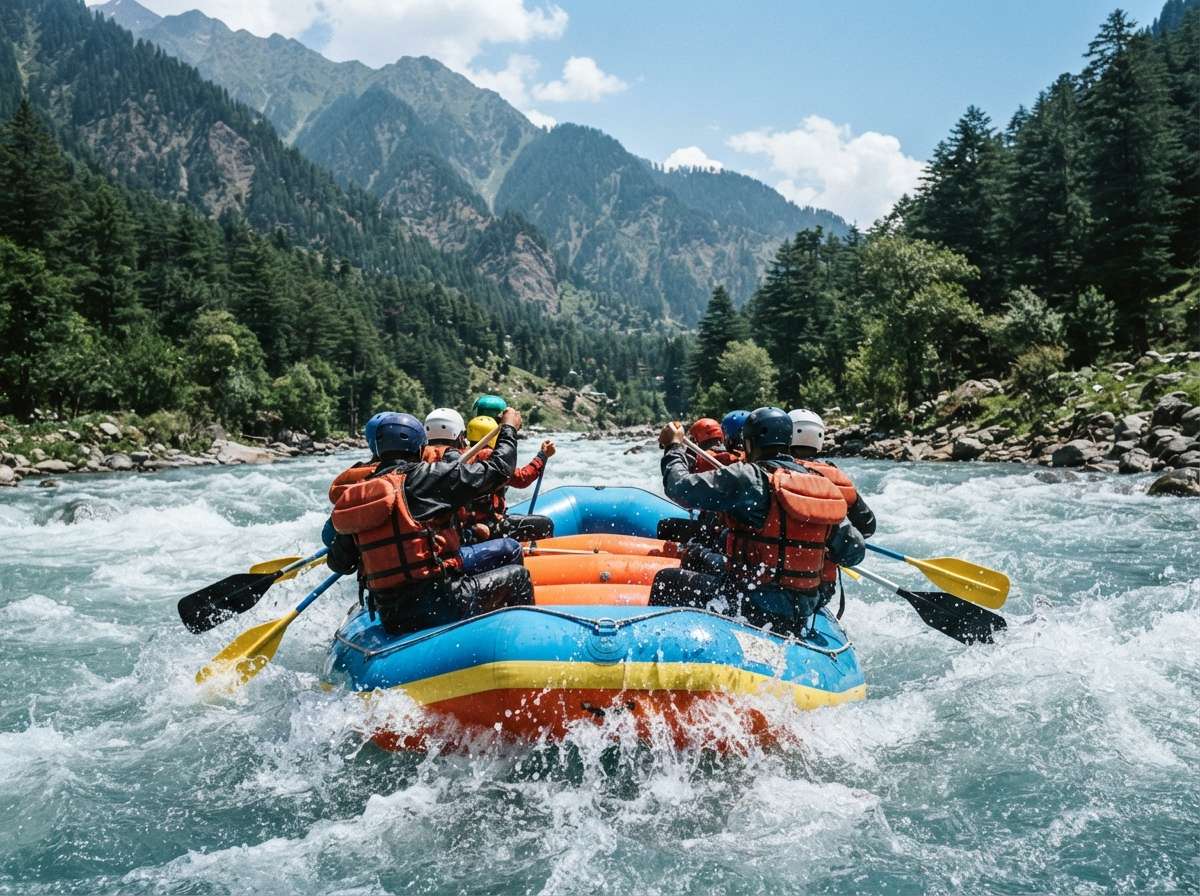
Summer opens up the experiences that define a Kashmir trip. This is the season for water, meadows and snow all at once. Rates below are typical summer ballparks. Shikara, pony and rafting rates are set locally, so treat them as a guide and confirm on the day; Gulmarg Gondola tickets are booked online in advance through the official J&K Cable Car Corporation portal rather than bought at the counter.
| Experience | Where | When it is best | Typical cost |
|---|---|---|---|
| Shikara ride | Dal and Nigeen lakes, Srinagar | Late afternoon, all summer | Around Rs 600 to 800 per hour |
| Houseboat stay | Dal and Nigeen lakes, Srinagar | All summer | Varies by category, book ahead |
| Gulmarg Gondola | Gulmarg to Kongdoori and Apharwat | May to July for snow up top | Phase 1 and Phase 2 ticketed separately |
| Meadow trek | Aru and Lidderwat, Pahalgam | June to September | Guide and pony hired locally |
| River rafting | Lidder river, Pahalgam | Summer flow, May to August | By stretch and length |
| Pony ride | Thajiwas glacier, Sonmarg; Pahalgam valley trails | All summer | Fixed by the pony union, confirm on site |
| Golf | Gulmarg and Pahalgam courses | May to September | Green fees at the club |
A shikara ride at dusk and a houseboat night are the two things almost every traveller remembers most, so build the trip around Srinagar’s lakes and let the valleys fill the days in between.
How to Plan a Kashmir Summer Trip
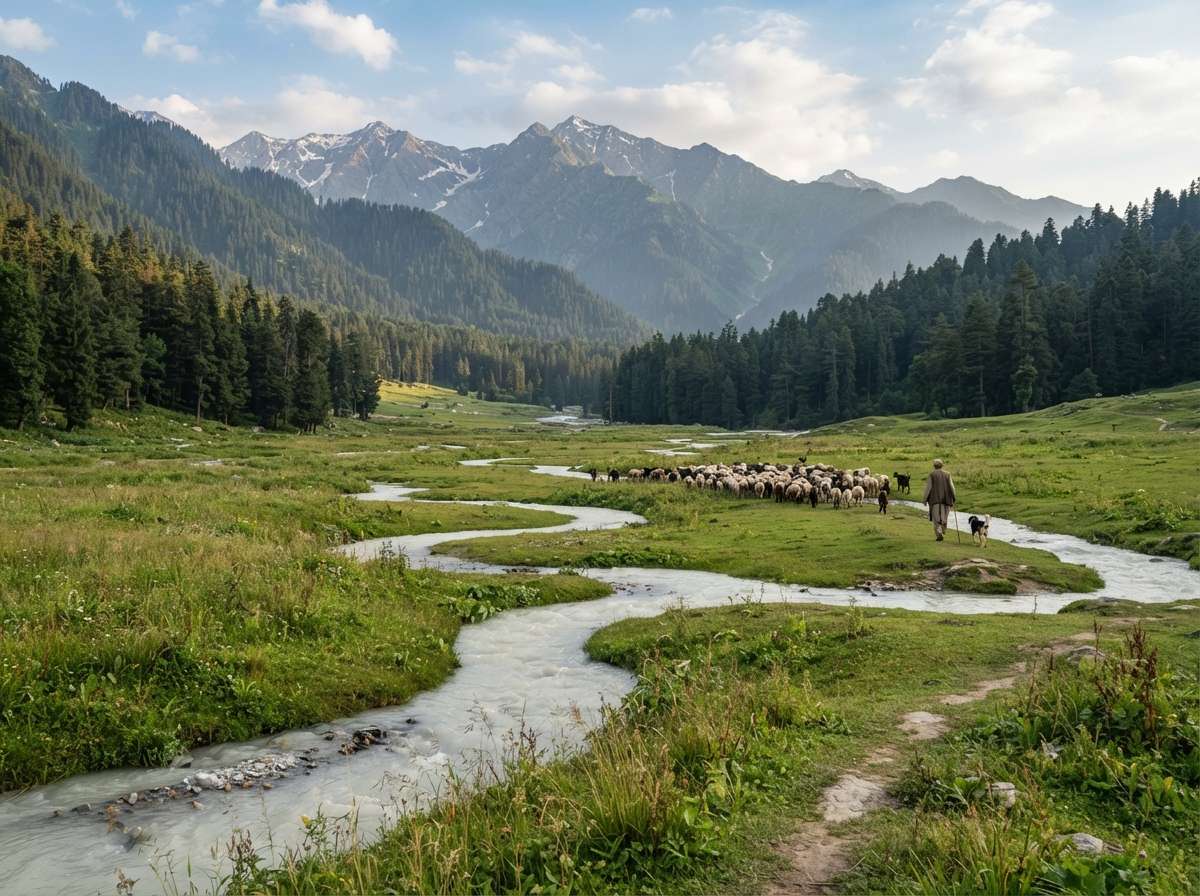
A 6 to 7 day summer trip covers the four marquee bases comfortably. Here is the sequence that wastes the least time on the road.
- Fly into Srinagar (airport code SXR), which is well connected to Delhi, Mumbai and other metros. From the airport it is a short drive to the lakes.
- Spend your first one to two nights on a Dal or Nigeen Lake houseboat, take a shikara ride, and cover the Mughal Gardens before you head out.
- Day-trip or overnight to Gulmarg (50 kilometres) for the gondola to Apharwat, allowing extra time in peak season for the Phase 2 queue.
- Move to Pahalgam (90 kilometres from Srinagar, or about 140 to 150 kilometres and 4.5 to 5.5 hours if you overnighted in Gulmarg) for two nights to cover Betaab Valley, Aru Valley and rafting on the Lidder (Baisaran has been closed to visitors, so check its status locally).
- Drive back to Srinagar and stay the night, then take a separate full day to Sonmarg (80 kilometres from Srinagar) for the Thajiwas glacier and Zero Point, starting early to beat the traffic. Pahalgam to Sonmarg is around 170 kilometres one way through Srinagar (some 340 kilometres there and back), so never try both on the same day; either base in Srinagar or stay a night in Sonmarg.
- Book a customisable summer itinerary through Kashmir tour packages if you would rather have transfers, stays and permits arranged. Families can start from the Kashmir family packages and couples from the Kashmir honeymoon packages.
What to Pack and Travel Tips for Summer
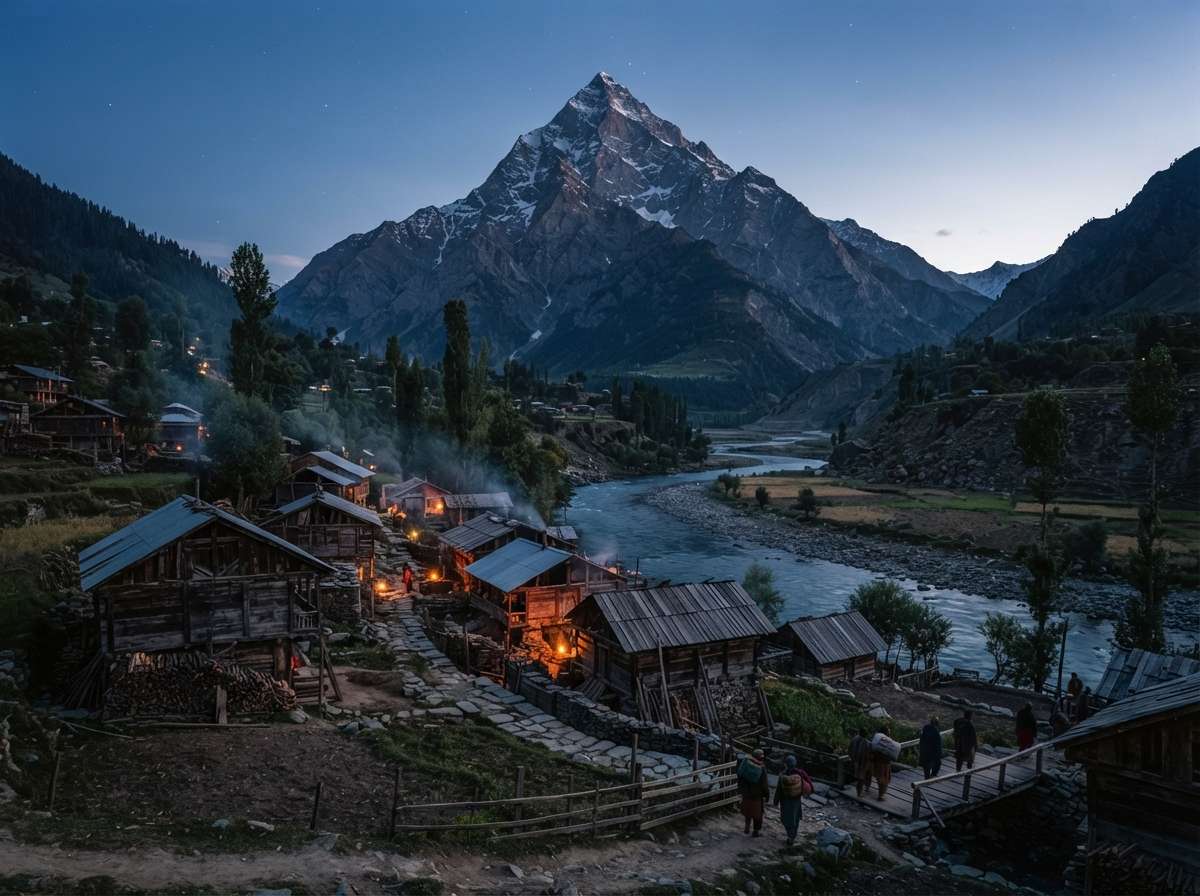
Pack for two climates in one bag: warm afternoons in the valley and cold evenings in the meadows. Bring cottons and light layers for the day, a fleece and a light jacket for the nights, and light rainwear because July and August see occasional showers. Add sunscreen and sunglasses (the high-altitude sun is strong), comfortable walking shoes for the valleys, and a power bank, since network coverage thins out once you leave Srinagar. Prepaid SIM cards issued outside Jammu and Kashmir do not work in the Union Territory, so bring a postpaid connection or buy a local SIM on arrival. Carry some cash for pony stands, shikara and rafting counters where card payment is not reliable.
A few tips that save trips. Book houseboats and Gulmarg gondola slots ahead in June and July, the busiest weeks. Keep buffer time on valley days because a single stretch of road works can add an hour. And check current road and permit status for Gurez and the Sonmarg to Ladakh road, which depend on weather. For the full destination overview, stays and seasonal notes, use the Kashmir tourism guide.
Planning Your Summer in Kashmir
Summer is the Valley at its most generous: green meadows, open roads, and snow you can still reach if you time it for May or June. Get the season and the bases right and the rest falls into place. When you are ready to turn this into a real itinerary with stays, transfers and permits sorted, browse customisable Kashmir tour packages and shape the trip around the days you have.
FAQs
Kashmir in Summer: Frequently Asked Questions
Weather, snow, crowds, safety and planning answers for a May to September trip
May to July is the best window. May and early June combine spring blooms with snow still lying at Apharwat and Thajiwas, while July is the warmest and greenest. Late August and September are calmer with cooler evenings, which suits travellers who want the scenery without peak-season crowds.
Yes. Snow survives at the highest points well into summer. In May and June you can reach it easily at Gulmarg's Apharwat via the gondola and at Sonmarg's Thajiwas glacier on foot or by pony. By July most valley-floor snow is gone and only the glaciers and highest ridges still hold it, so come early in the season if snow is a priority.
In Srinagar, expect roughly 22 to 26°C by day in May, 27 to 30°C in June, and 29 to 31°C in July, with nights dropping to single digits early in the season and mid-teens by July. The hill valleys of Gulmarg, Pahalgam and Sonmarg run several degrees cooler at any given time because they sit higher.
July and August are the warmest, when Srinagar days reach around 29 to 31°C. Even then the heat is mild by Indian plains standards, and evenings stay comfortable. There is no genuinely hot month in the Valley, which is a large part of why it fills up as a summer escape.
Very much so. Summer is when the valleys are green, the mountain roads are open, and the full range of experiences is available at once: shikara rides, houseboat stays, gondola runs to snow, meadow treks and river rafting. It is the most reliable season for weather and access across Srinagar, Gulmarg, Pahalgam and Sonmarg.
Summer is the main tourist season and the standard routes around Srinagar, Gulmarg, Pahalgam and Sonmarg see heavy, well-managed visitor traffic. As with any trip, follow local advice, stick to established routes, and check current conditions for remote areas like Gurez, high passes and individual meadows (Baisaran near Pahalgam has stayed closed to visitors since 2025) before you set out. Booking through a verified operator adds a layer of on-ground support.
Six to seven days cover the four marquee bases without rushing: one to two nights in Srinagar for the lakes and gardens, a day for Gulmarg, two nights in Pahalgam for its valleys, and a full day to Sonmarg. If you want to add an offbeat valley like Doodhpathri or Gurez, allow eight to nine days.
Pack cottons and light layers for warm days, a fleece and a light jacket for cold evenings at altitude, and light rainwear for occasional summer showers. Add sunscreen, sunglasses, comfortable walking shoes and a power bank, and carry some cash for pony, shikara and rafting counters where cards are not always accepted.
Srinagar for Dal Lake, shikara rides and the Mughal Gardens, Gulmarg for the gondola to Apharwat, Pahalgam for the Betaab and Aru valleys, and Sonmarg for the Thajiwas glacier. For quieter days add Doodhpathri, Yusmarg, or the remote Gurez Valley in the far north.
There are occasional showers, most often in July and August, but summer is not a heavy monsoon season in the Valley the way it is across much of India. Rain tends to be short, and it rarely disrupts a well-planned itinerary. Light rainwear and a flexible plan for valley days are enough to handle it.
June and July are the busiest weeks, especially at Gulmarg's gondola and on Dal Lake, so book houseboats and gondola slots ahead. May is a little quieter, and late August into September is noticeably calmer while the weather is still good, which is the sweet spot if you want to avoid the peak crush.
The simplest route is a flight into Srinagar airport (SXR), which connects to Delhi, Mumbai and other major cities, followed by road transfers to the valleys. You can also come by rail: the Vande Bharat now runs from Jammu and Katra to Srinagar over the Chenab bridge line, so the last leg no longer has to be by road. A customisable package handles the flights, transfers and stays end to end if you would rather not arrange them yourself.