6D / 5N
8% OFF
6D / 5N
8% OFF
Romantic Bangkok And Phuket Honeymoon Tour
- Hotel
- Meals
- Sightseeing
- Airport Transfer
- Cruise
₹19,022
₹17,500 /pp
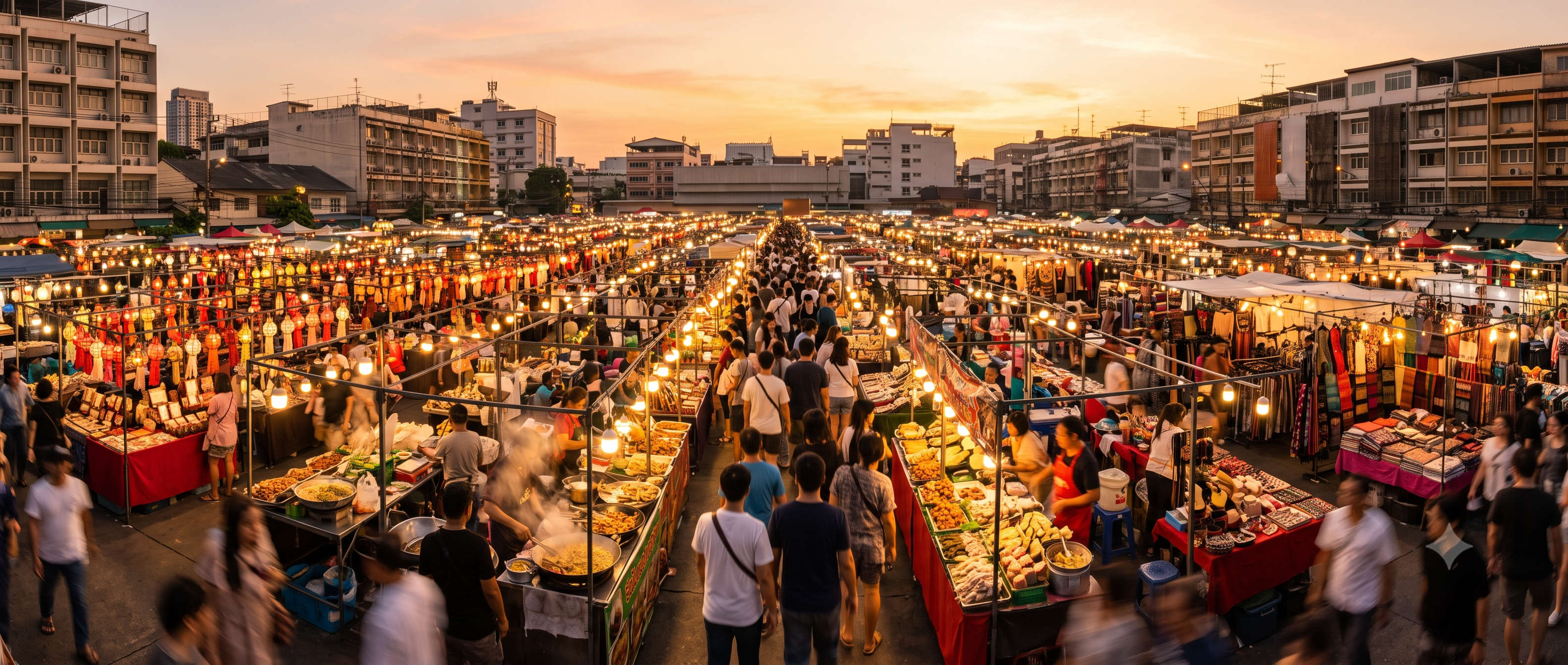


The best things to buy in Thailand are Thai silk, Benjarong porcelain, coconut oil, herbal balms and dried tropical fruit, and you can carry most of them home for under Rs 1,500 each. Shopping in Thailand runs the full range, from the weekend sprawl of Chatuchak with its 15,000 stalls to the air-conditioned luxury of Bangkok’s IconSiam, so the real question is never whether you will find something. It is what to buy, where the price is fair, and how to haggle without overpaying. This guide answers all three. You get a quick at-a-glance table, a 25-item what-to-buy list with THB and rupee prices, a city-by-city breakdown of the best markets, and a practical how-to-shop section covering bargaining, the 7% tourist VAT refund and duty-free.
Thailand Shopping
Best Time
November - February
Select Package Type
Five shopping cities, five very different moods. Bangkok is the all-rounder, Chiang Mai the handicraft capital, Phuket and Pattaya lean beach-town and nightlife, and Krabi and Khao Lak are for slow, small-market browsing. Use this table to decide where to spend your shopping hours.
| City | Best for | Signature markets | Vibe | Budget or luxury |
| Bangkok | Everything: silk, handicrafts, fashion, gadgets | Chatuchak, Central World, IconSiam, Chinatown | Chaotic and complete | Both |
| Chiang Mai | Handicrafts, celadon, wood carving, silverware | Sunday Walking Street, Warorot, Night Bazaar | Artisan and relaxed | Budget |
| Phuket | Beachwear, souvenirs, weekend-market finds | Phuket Weekend Market, Central Festival | Touristy and buzzy | Both |
| Pattaya | Fashion, floating-market crafts, night bazaars | Central Festival, Pattaya Night Bazaar | Loud and late | Budget to mid |
| Krabi | Local pearls, casual fashion, fresh produce | Krabi Walking Street, Maharaj Market | Small-town and easy | Budget |
| Khao Lak | Handicrafts, beach basics, local markets | Bang Niang Market | Quiet and local | Budget |
Here is the master list, sorted so you can scan it in ten seconds. Prices are typical market ranges. You will pay more in malls and at the airport, and less if you bargain well at Chatuchak or a night market. Rupee figures are converted at roughly Rs 2.85 to the baht, so treat them as a guide rather than a fixed rate.
| Item | Best known for | Where to buy | Price (THB) | Price (Rs) |
| Thai silk | Glossy, tight-weave scarves and fabric | Jim Thompson, Chatuchak, Isan villages | 500 to 5,000+ | 1,425 to 14,250+ |
| Thai loincloth / sarong | Versatile printed cotton (pha khao ma) | Any market | 100 to 400 | 285 to 1,140 |
| Bespoke tailoring | 24 to 48 hour suits and shirts | Bangkok, Pattaya tailor rows | 3,000 to 15,000 | 8,550 to 42,750 |
| Benjarong porcelain | Royal five-colour hand-painted ware | Narai Phand, Chatuchak, Chiang Mai | 300 to 3,000 | 850 to 8,550 |
| Celadon ceramics | Jade-green crackle-glaze pottery | Chiang Mai, Chatuchak | 150 to 2,000 | 430 to 5,700 |
| Wood carvings & teak | Elephants, Buddha panels, bowls | Chiang Mai, Chatuchak | 100 to 2,000 | 285 to 5,700 |
| Elephant-print goods | Pants, bags, cushion covers | Every market | 100 to 500 | 285 to 1,425 |
| Wickerwork & rattan | Baskets, bags, mats | Chatuchak, local markets | 80 to 800 | 230 to 2,280 |
| Jewellery & gemstones | Silver, sapphires, rubies | Yaowarat (Chinatown), certified dealers | 300+ | 850+ |
| Scented candles | Soy and lemongrass home scents | Chatuchak, malls | 150 to 800 | 430 to 2,280 |
| Coconut oil | Cold-pressed, for cooking and skin | Supermarkets, markets | 80 to 350 | 230 to 1,000 |
| Herbal & Tiger Balm | Muscle and headache relief | Pharmacies, 7-Eleven | 40 to 200 | 115 to 570 |
| Ya Dom inhaler | Menthol nasal inhaler | Pharmacies, 7-Eleven | 20 to 60 | 60 to 170 |
| Essential oils & incense | Lemongrass, jasmine, sandalwood | Spa shops, markets | 150 to 1,500 | 430 to 4,275 |
| Thai skincare & snail cream | Sheet masks, brightening creams | Watsons, Boots, malls | 100 to 800 | 285 to 2,280 |
| Herbal spa products | Herbal compress balls, scrubs | Spa retail counters | 100 to 600 | 285 to 1,710 |
| Curry paste & spices | Green, red and massaman pastes | Supermarkets, markets | 50 to 300 | 145 to 850 |
| Dried tropical fruit | Mango, jackfruit, durian chips | Supermarkets, airport | 80 to 400 | 230 to 1,140 |
| Thai tea & coffee | Orange Thai tea, ground coffee | Supermarkets | 100 to 500 | 285 to 1,425 |
| Snack packs | Bento squid, seaweed, crispy pork | Supermarkets, 7-Eleven | 30 to 200 | 85 to 570 |
| Muay Thai gear | Authentic gloves and shorts | Specialist shops, Chatuchak | 500 to 3,000 | 1,425 to 8,550 |
| Leather goods | Bags, wallets, belts | Night markets | 300 to 2,000 | 850 to 5,700 |
| Streetwear & tees | Cheap trend fashion | Platinum Mall, Pratunam | 100 to 500 | 285 to 1,425 |
| Electronics & gadgets | Accessories, cases, drones | MBK, Pantip Plaza | Varies | Varies |
| Antiques & lacquerware | Collectible decor, boxes | River City, Chatuchak | Varies | Varies |
The categories below tell you which of these are actually worth the suitcase space, and what separates a good buy from a tourist trap.
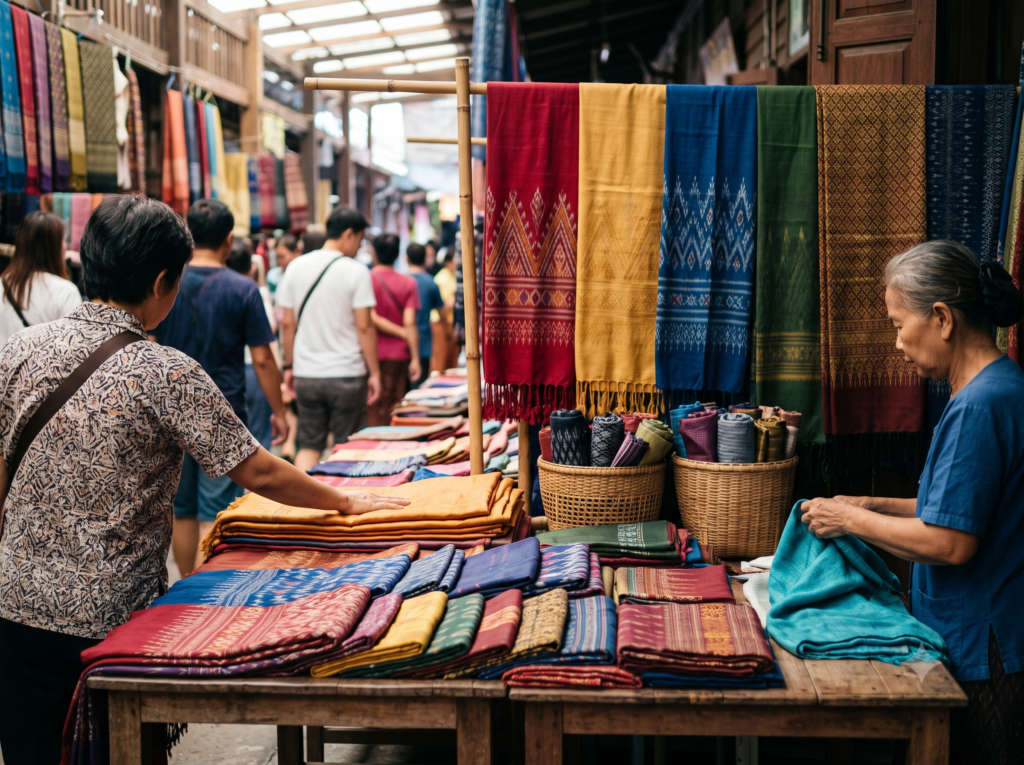
Thai silk is the classic buy and the one most people get wrong. Real silk has an uneven, slightly nubby weave and a warm sheen that shifts colour as you tilt it. Jim Thompson is the trusted brand name if you want a certified scarf or cushion cover, while the Isan villages in the northeast and the aisles of Chatuchak sell handloom silk for a fraction of the boutique price. Rub a corner between your fingers: polyester feels slick and cold, silk feels soft and grippy. Bangkok and Pattaya also run famous tailor rows where a bespoke suit or a stack of shirts can be cut and stitched in a day or two, which is a genuinely good deal if you allow time for one fitting.
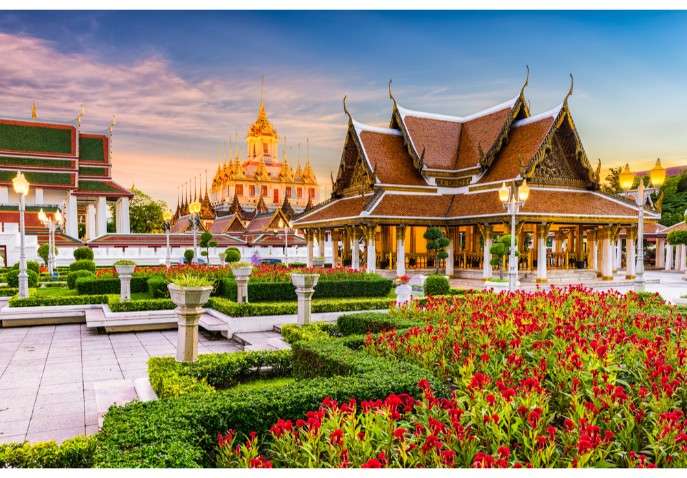



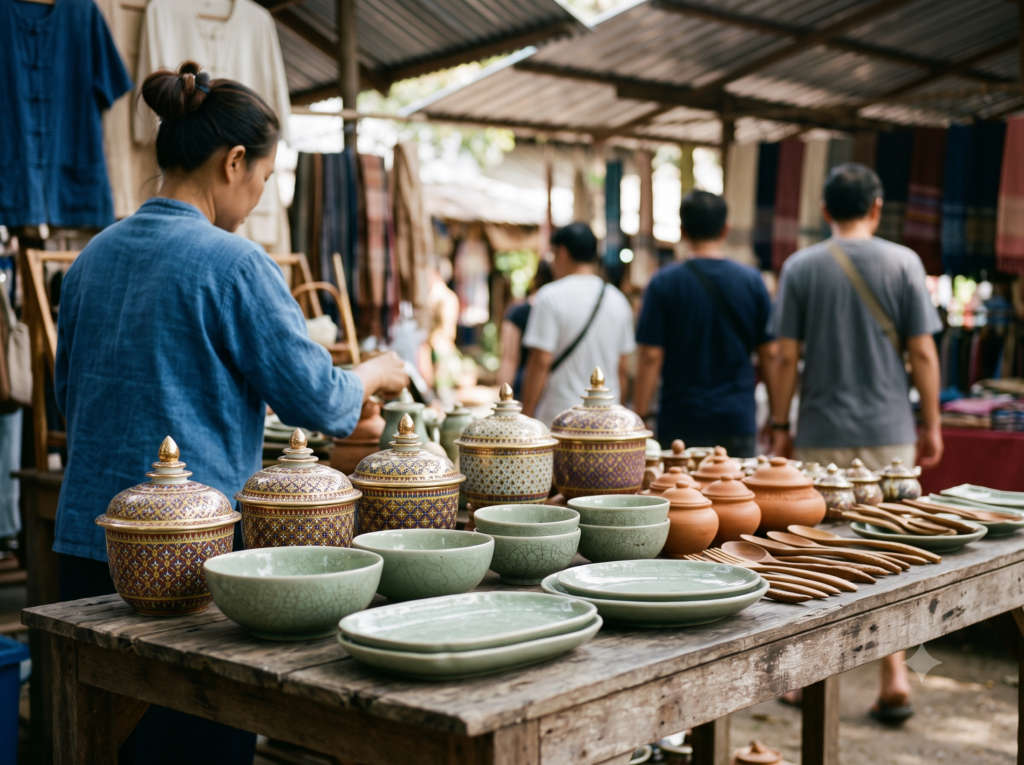
This is where Chiang Mai earns its reputation. Benjarong is the showpiece: hand-painted porcelain in five colours, edged with gold, once made only for the royal court. Celadon is its quieter cousin, a jade-green stoneware with a fine crackle glaze that travels well because it is thick and sturdy. Wood carvings run from palm-sized elephants to full teak panels, and the northern night bazaars are full of silverware, lacquer boxes and woven rattan. If you want one keepsake that says Thailand without shouting it, a small Benjarong bowl or a celadon tea set is hard to beat.


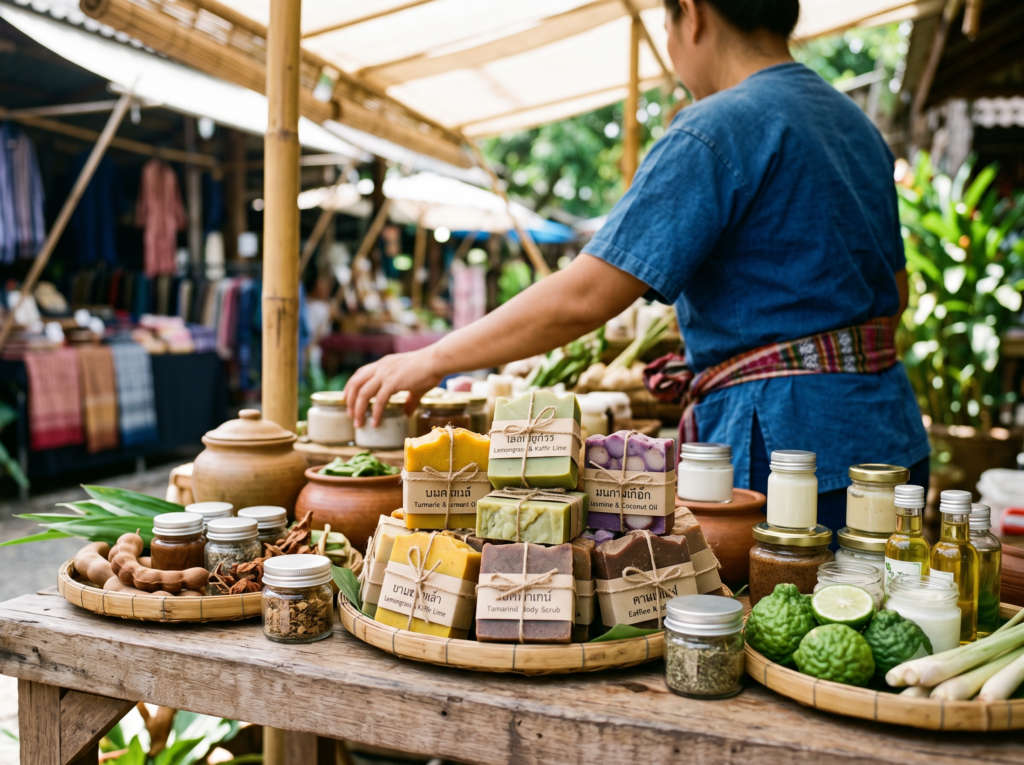
Thailand’s pharmacy and spa aisles are a souvenir goldmine that first-timers walk straight past. Cold-pressed coconut oil costs a few hundred baht and lasts months. Tiger Balm and the local herbal balms are cheaper than anywhere back home, and the little Ya Dom menthol inhalers, which every Thai keeps in a pocket, cost loose change and make great stocking-fillers. Add lemongrass and jasmine essential oils, herbal compress balls from the spa counters, and the Korean-style Thai skincare (sheet masks and snail creams from Watsons or Boots) and you have a whole gift bag for under Rs 3,000.


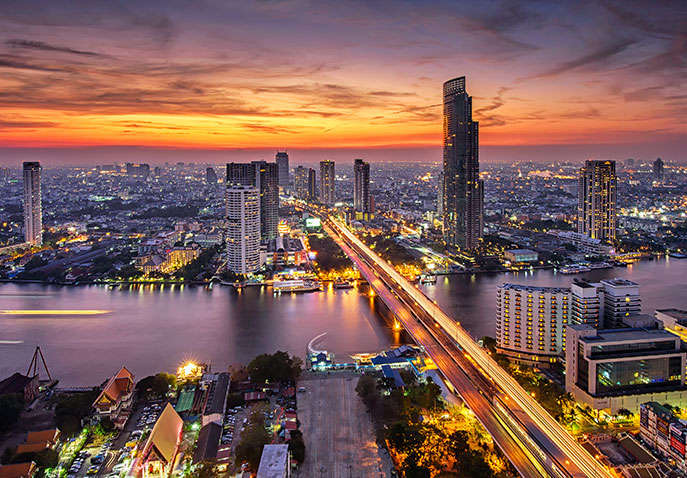


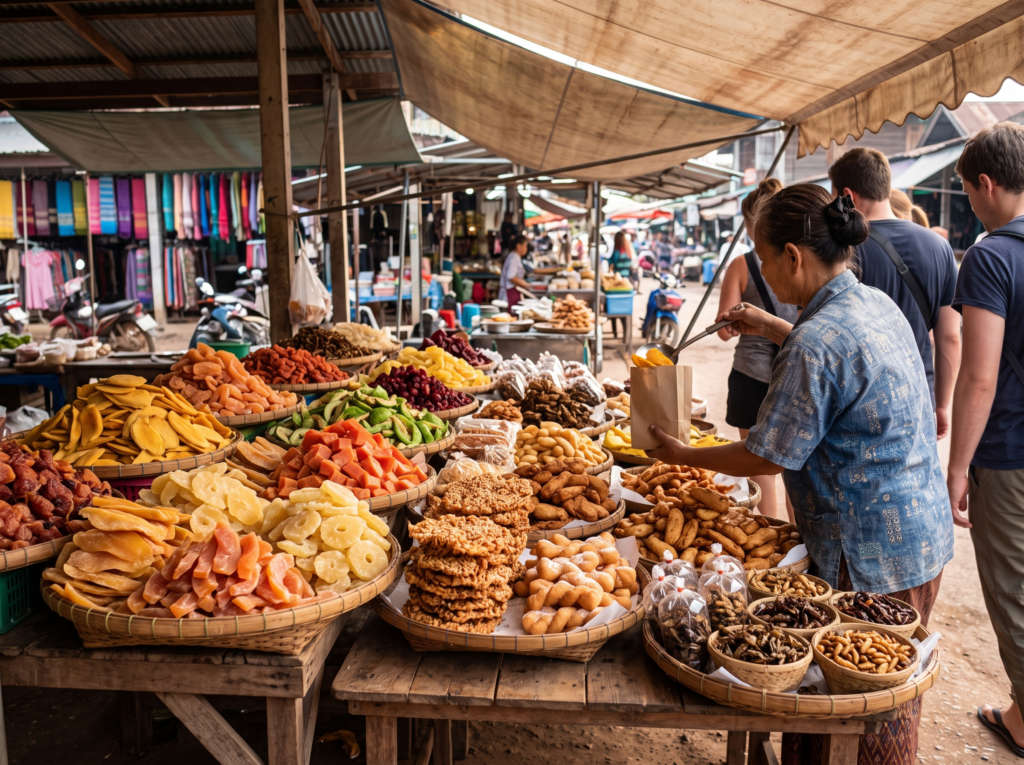
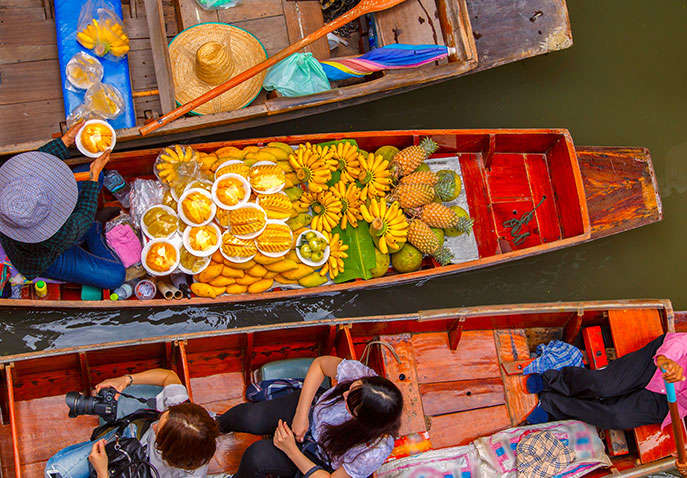
Curry paste is the most useful thing you can bring home. A vacuum pack of green, red or massaman paste costs under a hundred baht and turns a weeknight dinner into something that actually tastes like Bangkok. Stock up on dried mango and jackfruit, the famous durian chips, packets of orange Thai tea and pre-ground coffee, and the supermarket snack wall (Bento squid, seaweed crisps, crispy pork). These are light, cheap and clear customs easily, which makes them the smartest gifts per kilo of luggage.


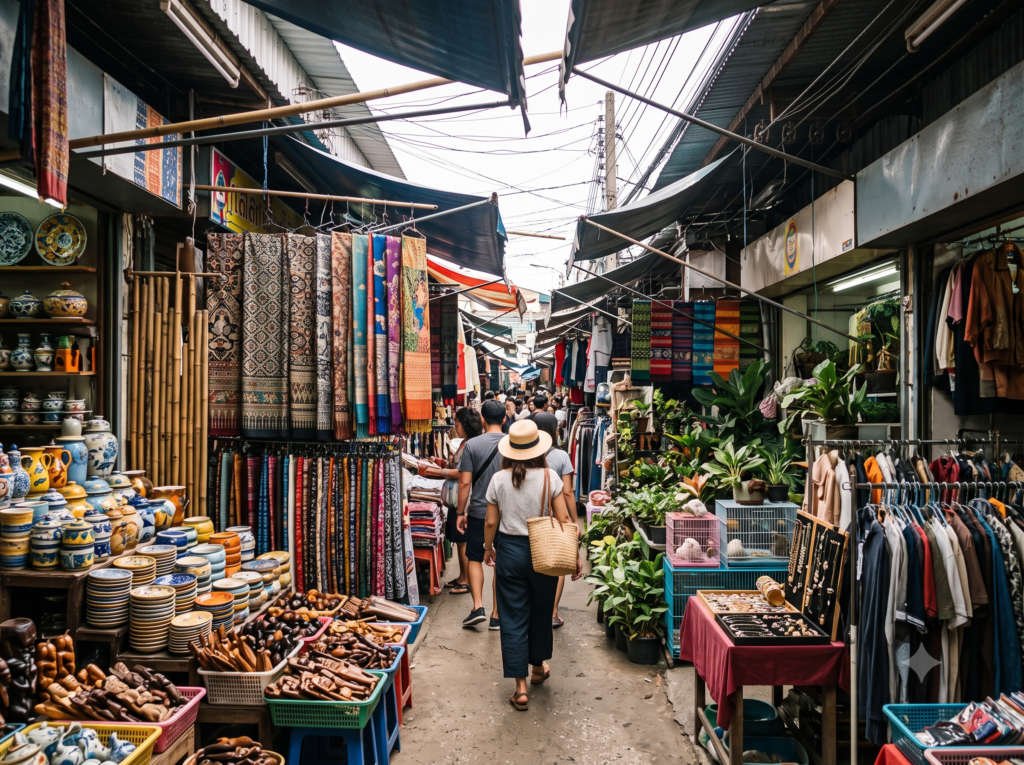
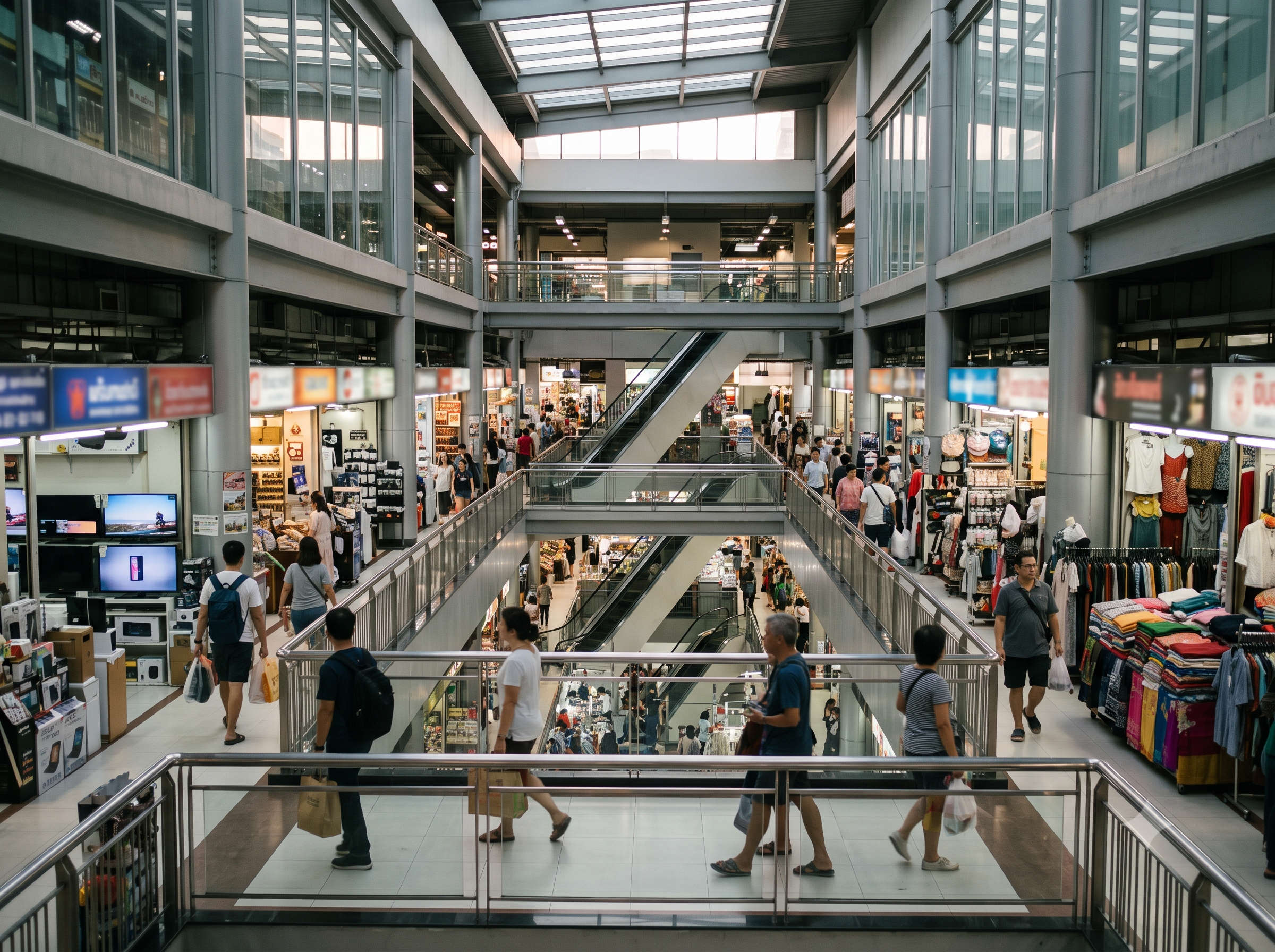
For clothes and accessories, Bangkok’s Platinum Fashion Mall and the Pratunam district are wholesale-cheap if you buy a few pieces. Leather bags and wallets at the night markets are solid value once you bargain. Muay Thai fans should pick up real gloves and shorts from a specialist shop rather than a souvenir stall. And if you want electronics, MBK Center and Pantip Plaza are the go-to spots for accessories, cases and drones, though always test before you pay and be wary of anything priced too good to be true.
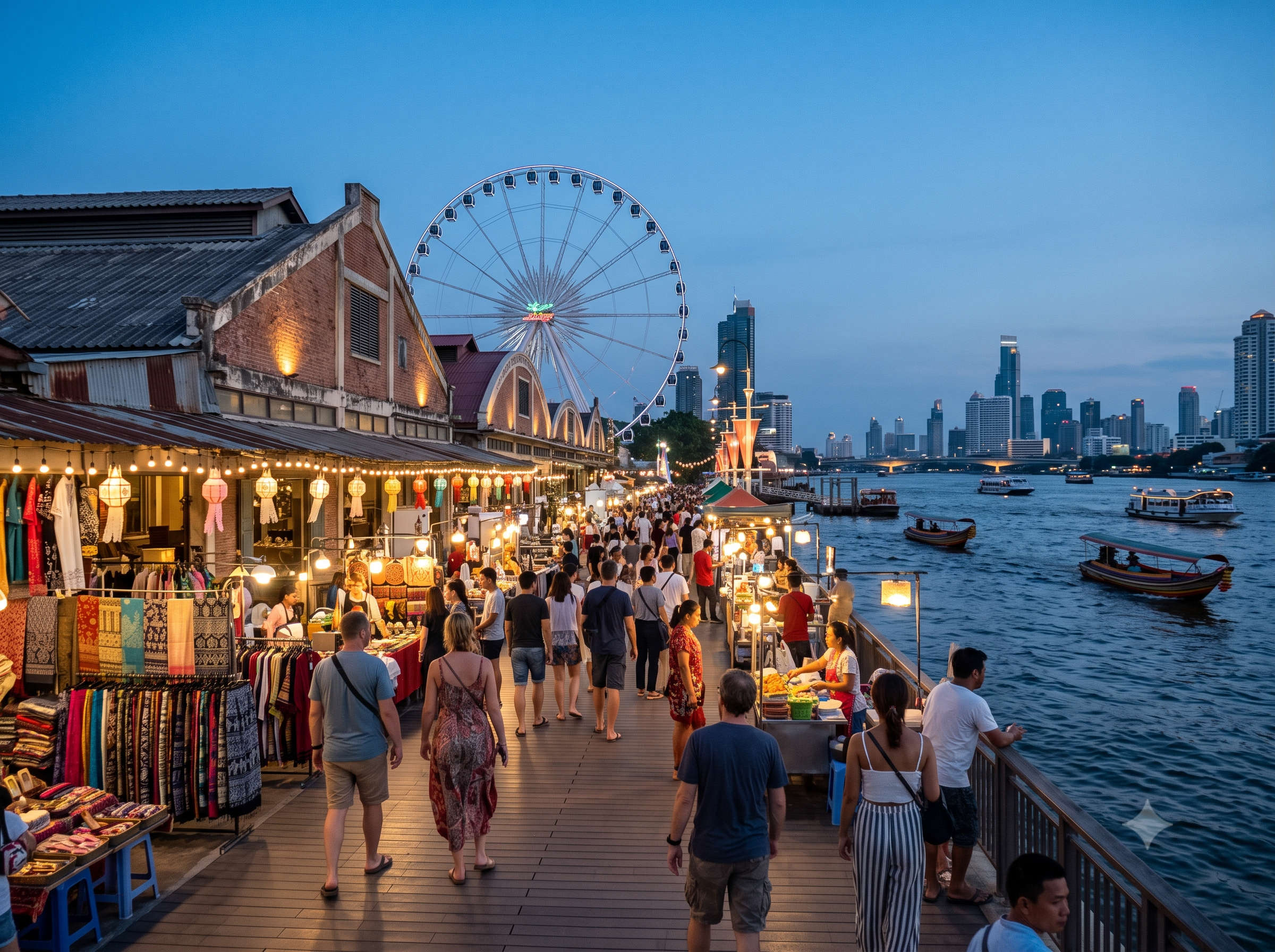
The baht is the only currency you will use, and at roughly Rs 2.85 to one baht the mental maths is easy: knock off a third and you are close. A THB 300 sarong is about Rs 850, a THB 1,000 silk scarf about Rs 2,850. Carry some cash, because markets and street stalls rarely take cards, but malls, department stores and big supermarkets all accept Visa and Mastercard.
Here is a realistic per-person shopping budget for a week, on top of your trip cost:
| Shopper type | What it covers | Budget (THB) | Budget (Rs) |
| Light / gifts only | Snacks, balms, a scarf, small souvenirs | 1,500 to 3,000 | 4,300 to 8,550 |
| Comfortable | The above plus ceramics, spa buys, some fashion | 3,000 to 5,500 | 8,550 to 15,700 |
| Serious shopper | Silk, tailoring, gemstones, decor pieces | 6,000 to 15,000+ | 17,000 to 42,750+ |
Two money tips that save real cash. First, withdraw baht from an ATM or exchange at the licensed SuperRich counters rather than at the airport, where rates are poorest. Second, keep your bigger purchases at shops that run the tourist VAT refund, because 7% back adds up once you are buying silk or electronics.
You already know what to buy. This is where to buy it. The city sections below name the markets and malls worth your time, and what each one does best.
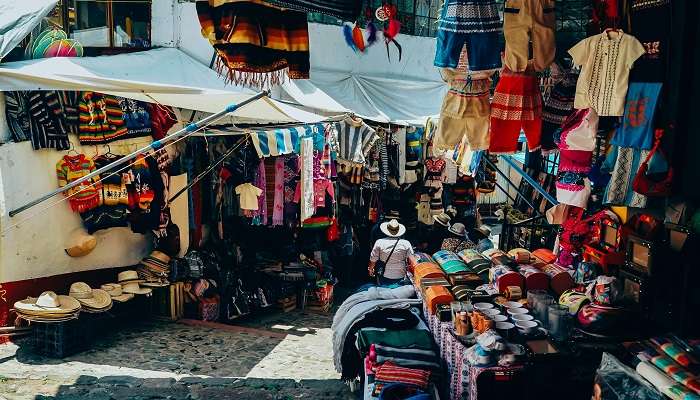
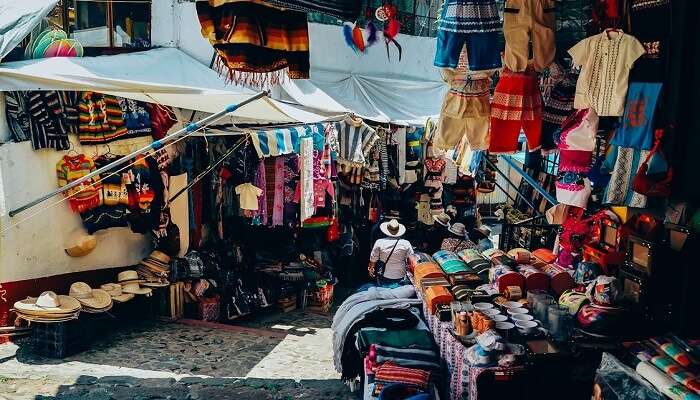
Bangkok is the deep end. If you only shop in one city, make it this one, and give Chatuchak a full morning.
The handicraft capital of the north, and the best place in the country for artisan work at honest prices.
Phuket mixes beach-town souvenir stalls with full-size malls, so you can do both in an afternoon.
Loud, late and cheap. Pattaya is best after dark, when the night bazaars come alive.
Small-town and unhurried, Krabi is more about a relaxed evening browse than a serious haul.
Quiet and local, Khao Lak is not a shopping destination in itself, but its markets are pleasant and cheap. Bang Niang Market, busiest on its market days, sells handicrafts, jewellery, handmade bags and souvenirs. Nang Thong Supermarket covers basics and snacks to carry home, and Khuk Khak Fresh Market is the spot for street food between beach days.
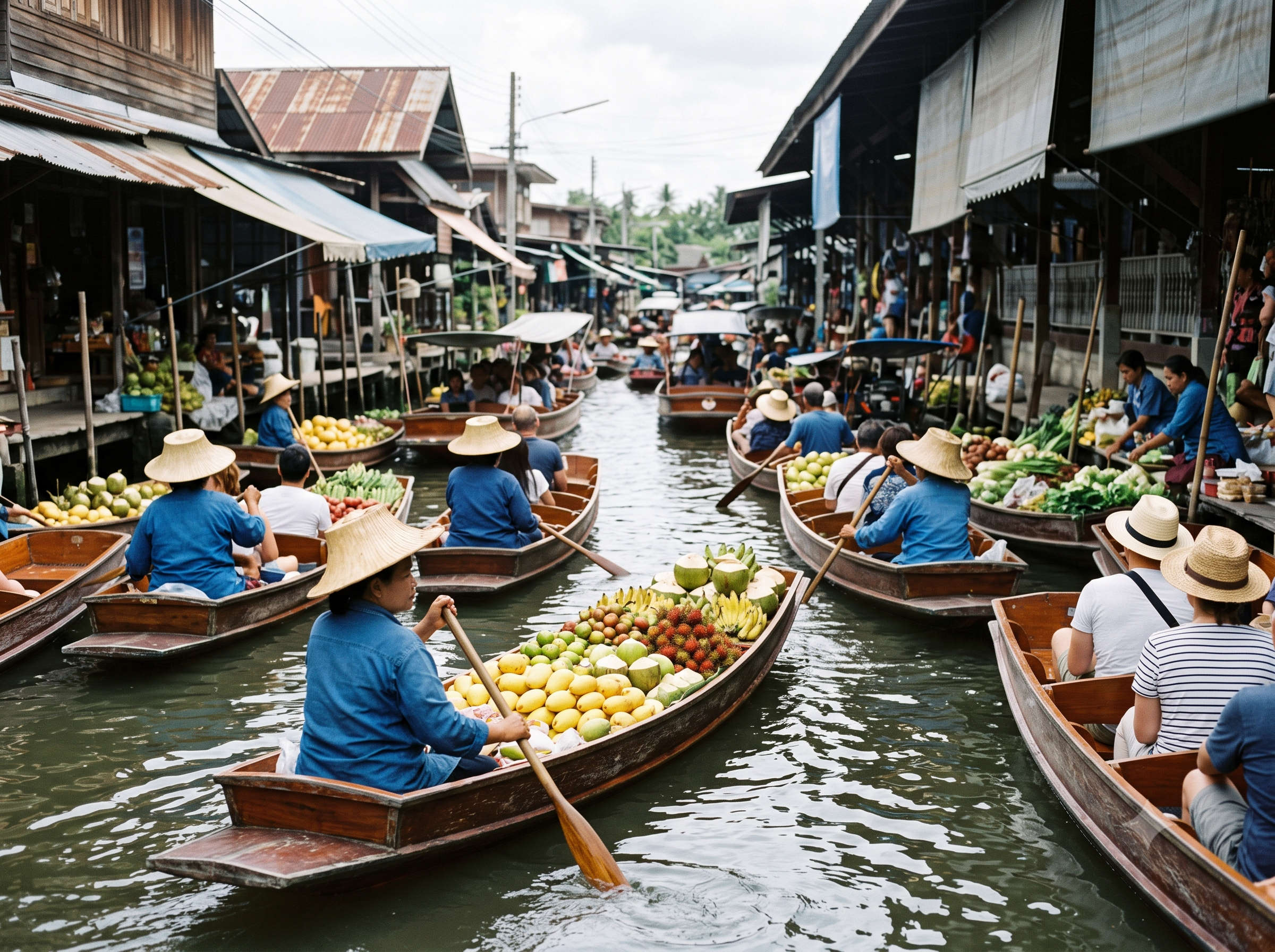
Haggling is expected at markets, street stalls and night bazaars, and off-limits in malls, department stores and fixed-price shops. The rhythm is simple. The first price is the tourist price, so open at about 40% below it, stay friendly, and settle somewhere around the middle. Buying two or three pieces from one stall earns a better rate than buying one. And the oldest trick still works: if the number will not move, start to walk away, and the real price often follows you out of the stall.
Thailand charges 7% VAT, and tourists can claim it back on goods they carry home. To qualify you generally need to spend at least THB 2,000 in a single store on the same day, and at least THB 5,000 in total across your trip, buying only from shops that display the blue ‘VAT Refund for Tourists’ sign. Ask for the refund form (a P.P.10) and keep the receipts. At the airport, show the goods and forms at the Customs desk before check-in, then collect your refund at the VAT counter after immigration. On a silk-and-electronics haul, that 7% is worth the ten extra minutes.
King Power runs the main duty-free network, and prices on spirits, cosmetics and branded goods can beat the malls, so compare before you commit. Carry cash for markets, since most stalls will not take a card, but use cards at malls and supermarkets to avoid drawing down all your baht. One honest warning: the fake handbags, watches and DVDs are everywhere and cheap, but they are counterfeit, customs can seize them, and the quality rarely lasts. Spend on the real handicrafts instead.
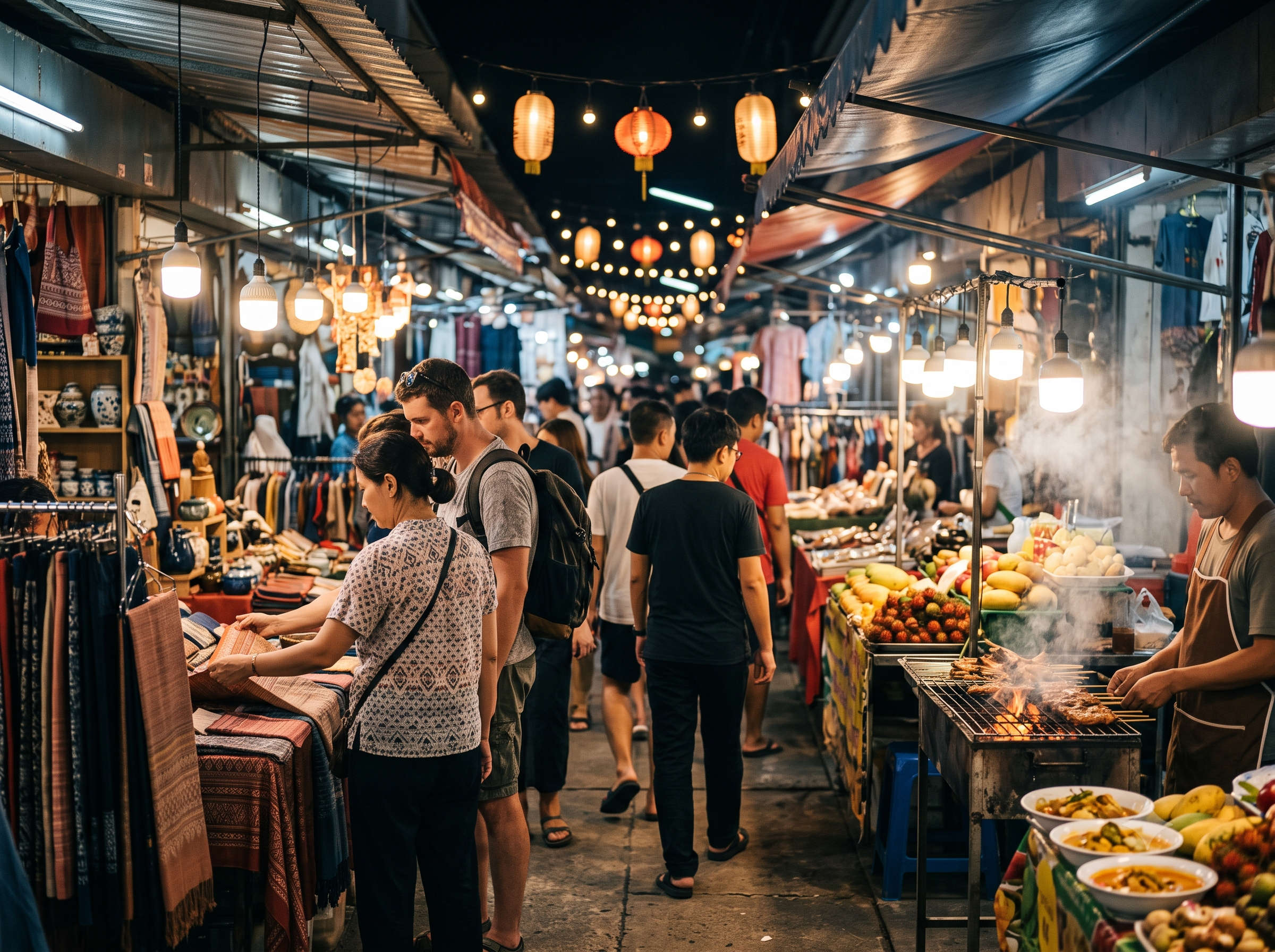
Thailand rewards the shopper who knows what to look for. Buy the silk, the ceramics and the herbal balms, bargain in the markets, and claim your VAT at the airport, and you will come home with better gifts for less money than almost any other trip in the region. When you are ready to build the trip around it, browse our Thailand tour packages or start with the Thailand travel guide to plan your route between the markets.
Thailand is famous for Thai silk, Benjarong and celadon ceramics, hand-carved teak, silver jewellery and gemstones, and its spa and herbal products like coconut oil, Tiger Balm and essential oils. On the food side, curry paste, dried mango, durian chips and orange Thai tea are the souvenirs travellers reorder most. Most of these are found across the country, with Bangkok and Chiang Mai offering the widest choice.
The best value buys are small and useful: herbal balms and Ya Dom inhalers for loose change, coconut oil and curry paste for under a hundred baht, snack packs and Thai tea from any supermarket, and elephant-print sarongs and cotton bags from the markets. A whole bag of genuinely nice gifts is easy to put together for under Rs 3,000 if you stick to these.
For gifts and souvenirs only, budget around THB 1,500 to 3,000 (about Rs 4,300 to 8,550) per person for a week. A comfortable haul that adds ceramics, spa products and some fashion runs THB 3,000 to 5,500 (roughly Rs 8,550 to 15,700). If you plan to buy silk, tailoring or gemstones, set aside THB 6,000 or more, since those single items carry the biggest price tags.
Yes. Thailand's 7% VAT is refundable to tourists on goods taken out of the country. You generally need to spend at least THB 2,000 in one store on the same day and THB 5,000 in total, buying only from shops that display the 'VAT Refund for Tourists' sign. Ask for the refund form, keep your receipts, and claim at the airport Customs desk and VAT counter before you fly. Verify the current thresholds on arrival, as the scheme rules can change.
Bargaining is expected at markets, street stalls and night bazaars, but not in malls or fixed-price stores. A fair approach is to open at about 40% below the first quote and settle near the middle. Stay polite and smiling, buy a few items together for a better rate, and be ready to walk away, which often brings the price down on its own.
Chatuchak Weekend Market is the best all-round market in Bangkok and the whole country. Its roughly 15,000 stalls cover handicrafts, ceramics, antiques, clothing, plants and street food, and prices are keen if you bargain. Go early on a Saturday or Sunday morning to beat the heat and the crowds. For fashion, Platinum Fashion Mall and the Pratunam district are cheaper for bulk buys, and IconSiam is the pick for a smart, air-conditioned day.
The most popular edible souvenirs are dried mango and jackfruit, durian chips, orange Thai tea and pre-ground coffee, vacuum-packed curry pastes, and supermarket snacks like Bento squid, seaweed crisps and crispy pork sticks. They are light, inexpensive and clear customs easily. Buy packaged, sealed products rather than anything fresh, and you can carry a whole box of gifts without weighing down your luggage.
It depends on the item. Local Thai specialities like silk, ceramics, spa products and handicrafts are cheaper and better in Thailand than what you would pay for imports back home, and the same is true of many gadgets and cosmetics. Everyday branded fashion and electronics are broadly similar once you account for the exchange rate, and imported luxury goods are not necessarily cheaper. Buy what Thailand makes, and you will come out ahead.
Skip counterfeit handbags, watches and DVDs. They are cheap and everywhere, but they are illegal, customs can seize them, and they fall apart quickly. Avoid buying ivory or any wildlife or coral products, which are banned. Note also that taking antique or genuine Buddha images out of Thailand needs an export licence, so buy decorative reproductions rather than antiques unless you have the paperwork.
Malls and department stores typically open from around 10 am to 10 pm daily. Chatuchak runs mainly on Saturdays and Sundays, night markets and walking streets come alive in the evening from roughly 5 pm, and Chiang Mai's Sunday Walking Street is a weekly evening event. Fresh markets open early morning. Confirm days and hours locally, as some markets are seasonal or run only on set days.
Real reviews from real travelers who booked with us.
View All Reviews