5D / 4N
19% OFF
5D / 4N
19% OFF
Andaman Family Holiday For 4 Nights 5 Days
- Hotel
- Meals
- Sightseeing
- Transfers
₹23,574
₹18,990 /pp
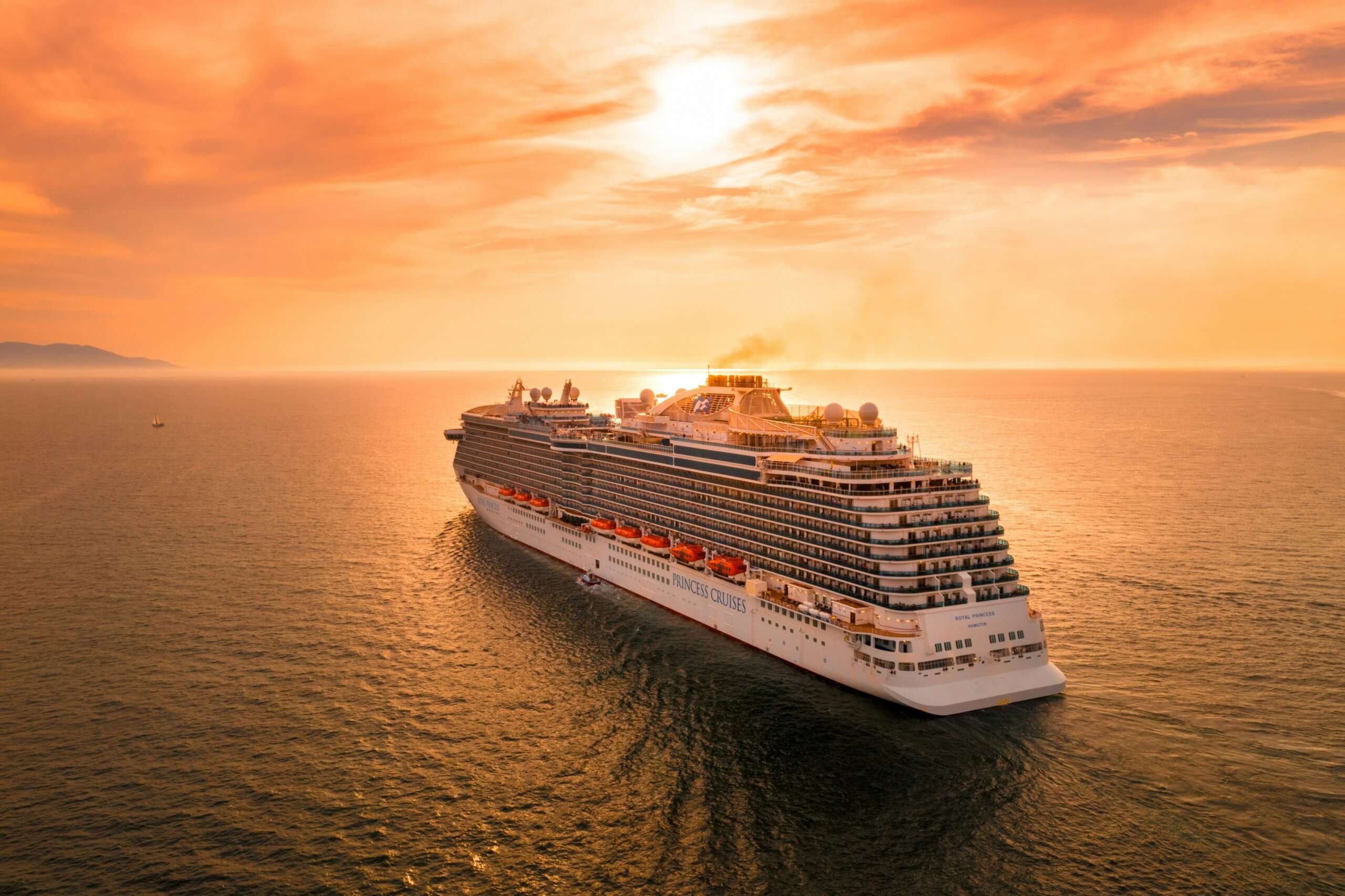


Yes, you can visit Andaman in September — but go in knowing it is the tail end of the southwest monsoon, not the postcard-blue season. Expect daytime temperatures of 24–30°C, roughly 358 mm of rain across the month, and seas that are still choppy in the first fortnight before settling down. The trade-off is real value: hotel, flight and Andaman tour package rates run well below peak, the islands are green and uncrowded, and by the last week the sun is back for hours at a stretch. The catch is logistics — some ferries, marine-park boats and offshore island trips don’t run reliably until the sea calms around mid-month. This guide gives you the honest weather, what is open versus closed, ferry reality and off-season costs so you can decide and plan with no surprises.
Explore Andaman in September in These Affordable Packages
Best Time
October - May
Select Package Type


| Factor | September reality |
| Weather | Tail of SW monsoon; 24–30°C; ~358 mm rain; cloudy with bright spells |
| Rain pattern | 14–16 rainy days early Sept → 8–10 by late Sept; showers in bursts, not all day |
| Sea & water sports | Rough first half; calmer second half; scuba/snorkelling run with lower visibility |
| Ferries | Reduced early month; fuller private + govt schedule resumes ~mid-September |
| Crowds | Lowest of the year — off-season, easy availability |
| Cost | Cheapest window; packages and hotels well below Nov–Feb peak |
| Best for | Budget trips, lush-green photography, couples wanting quiet, Port Blair + Havelock circuits |
| Not ideal for | Guaranteed water sports, Barren Island/marine-park boat trips, tight fixed schedules |
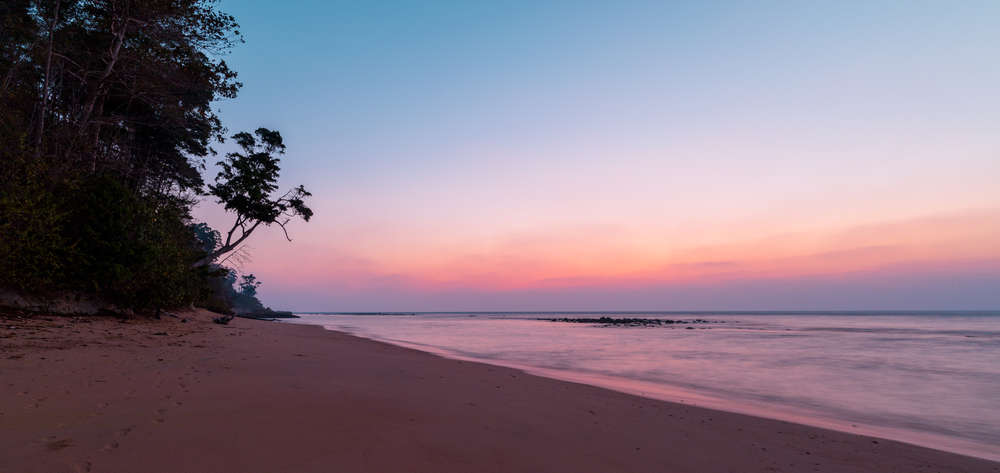
September is when the southwest monsoon begins to retreat from the Andaman Sea. The month splits clearly in two. The first half carries the heavier, more frequent showers and rougher seas; the second half dries out fast, often delivering several consecutive bright days by the final week. Temperatures stay comfortable throughout — around 29°C by day and 24°C at night — but humidity is high, so it feels warm and sticky between showers.
| Period in September | What to expect |
| 1–10 Sept (early) | 14–16 rainy days’ pace; heaviest showers; sea swell still 2–3 m; some ferries/boats cancelled on bad days |
| 11–20 Sept (mid) | Showers ease; full ferry timetable typically resumes; beaches usable; scuba improving |
| 21–30 Sept (late) | 8–10 rainy days’ pace; long sunny spells; calmest seas of the month; best window to travel |
Rainfall averages about 358 mm for the month, but it arrives in sharp bursts rather than continuous downpour, so most days still offer usable sightseeing hours. If your dates are flexible, weight your trip toward the last ten days. For a full month-by-month comparison across the year, see our best time to visit Andaman guide.
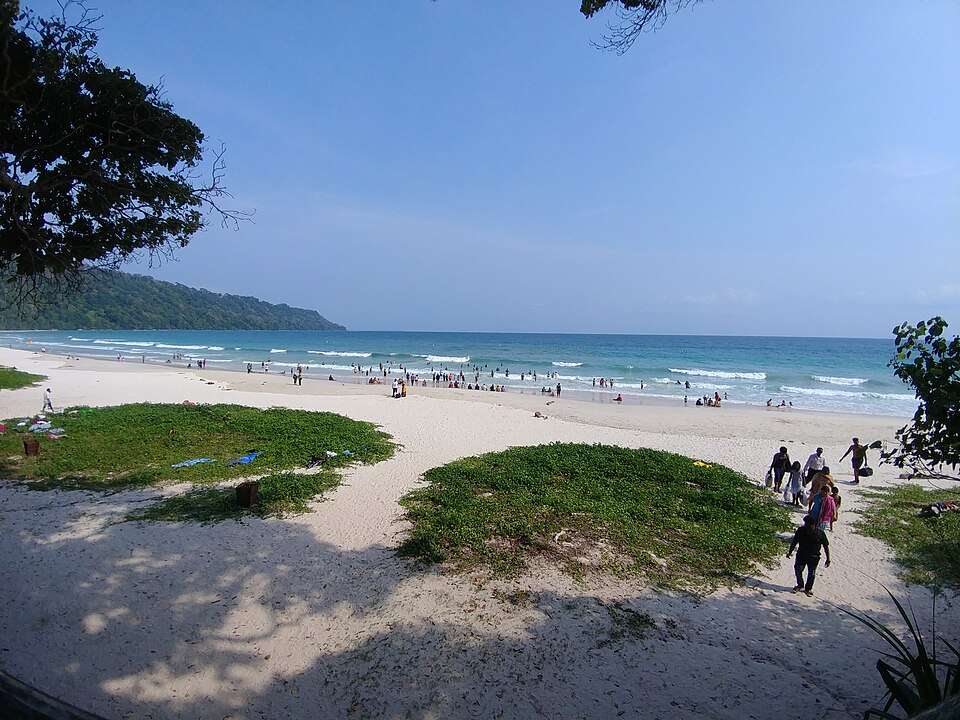
September is a value-and-greenery month, not a water-sports month. Here is the straight trade-off our writers weigh before booking off-season dates.
Reasons to go in September
Reasons to think twice
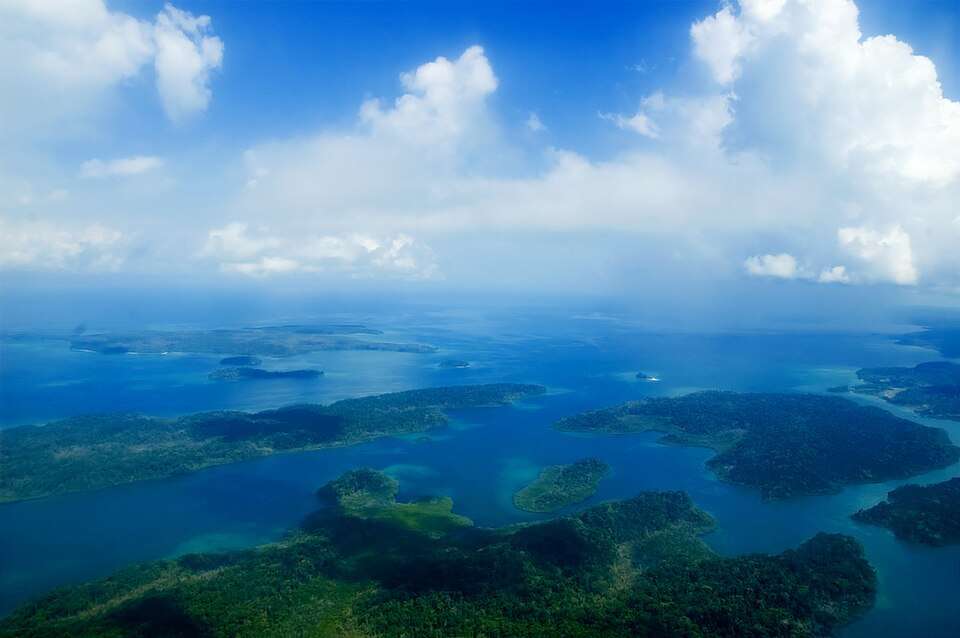
If your dates can flex by a few weeks, the month you choose changes the trip a lot. Here is how September sits against the months on either side.
| Factor | August | September | October |
| Rain | Heaviest of the year | Easing; dry second half | Largely dry; monsoon over |
| Sea / water sports | Roughest; many activities off | Improving; partial | Calm; full water sports return |
| Crowds | Very low | Very low | Rising — season starts |
| Prices | Lowest | Low | Climbing toward peak |
| Best for | Bargain + monsoon mood | Budget + green + quiet | First of the good-weather months |
Going either side of September? Read our companion guides to Andaman in August and Andaman in October before you lock dates. In short: pick August or September to save money and skip crowds, and October if calm seas and water sports matter more than price.
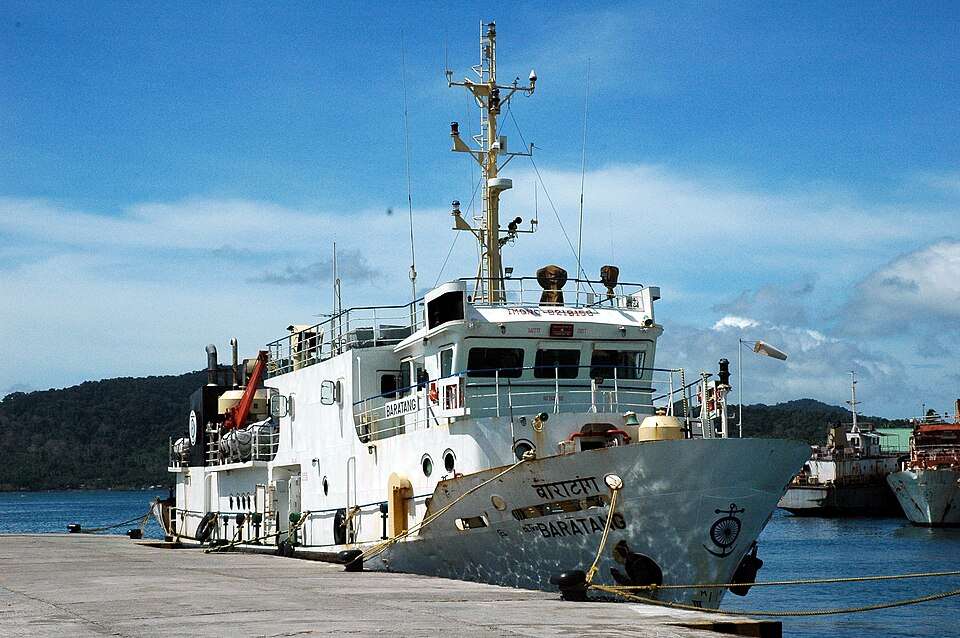
Inter-island travel — Port Blair to Swaraj Dweep (Havelock) and Shaheed Dweep (Neil) — is the part of an Andaman trip most affected by September weather. Two systems run in parallel, and in monsoon you want to understand both.
| Ferry type | September reliability | Notes |
| Government ferry (STARS portal) | Most weather-resilient; runs when private boats pause | Cheaper (~₹300–700); limited tourist quota; book ~2 days ahead; basic comfort |
| Private catamarans (Makruzz, Nautika, Green Ocean) | Faster but cancellable on rough-sea days | AC, assigned seats; Nautika’s catamaran handles the heaviest swell; some routes reduced/suspended in monsoon |
The full private-ferry timetable thins out in early September and returns to near-normal around mid-month as the sea calms. A few rules our writers stick to in monsoon. Keep at least one buffer day before your return flight, and never schedule a ferry on the morning of departure. Book both a private and a backup government slot where you can, and confirm the previous evening, because cancellations are weather-driven and announced late. Indian travellers need no permit for the main tourist islands; foreign nationals should carry passport details for hotel Form-C registration.
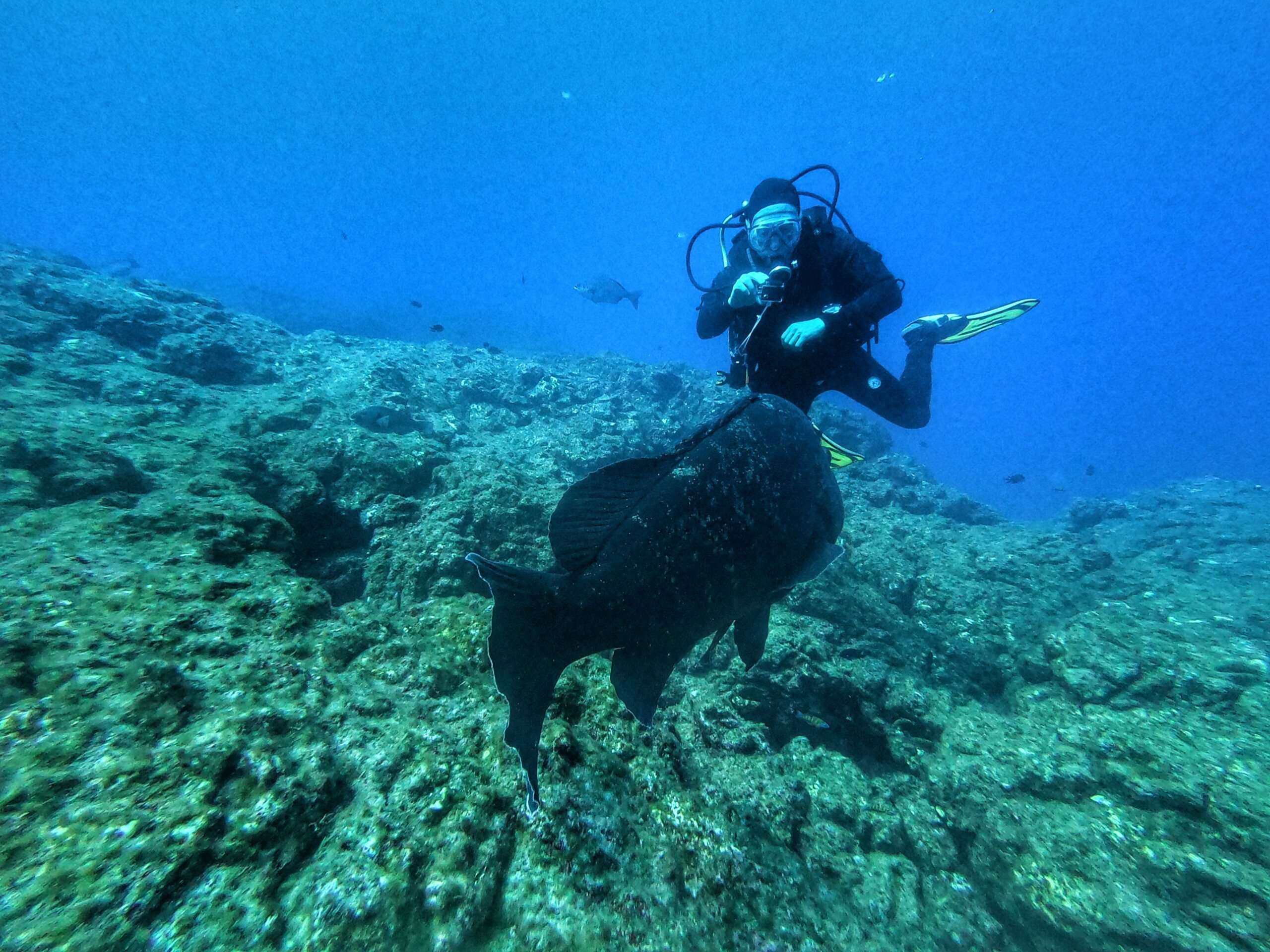
This is where the live brochures mislead. Not everything advertised year-round actually runs in monsoon. Set expectations with this table before you build an itinerary.
| Activity / sight | September status |
| Scuba diving (Havelock/Neil) | Open — dive centres run year-round; lower visibility; storm days cancelled |
| Snorkelling, sea walk, kayaking | Mostly open on calmer days; mangrove kayaking is well-suited to monsoon |
| Cellular Jail & Light and Sound Show | Open (closed Mondays & national holidays) |
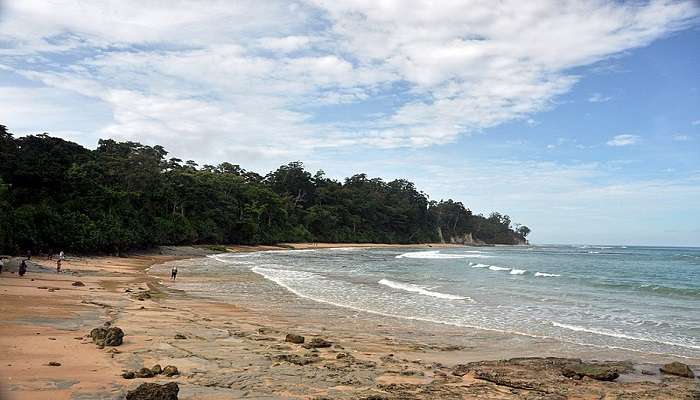
| Radhanagar, Kalapathar, Corbyn’s Cove beaches | Open for walks; swim only where flags allow |
| Baratang limestone caves & mud volcano | Usually runs (convoy + boat); choppier creek ride |
| Chidiya Tapu bird-watching & sunset | Open — one of the best monsoon-friendly outings |
| Jolly Buoy / Red Skin (Marine National Park boats) | Closed — boats generally suspended in monsoon (reopen ~Nov) |
| Barren Island active volcano (sea trip) | Suspended — rough open-sea crossing not operated in monsoon |
| Ross & Smith Islands (North Andaman) | Weather-dependent; long journey; check locally before committing |
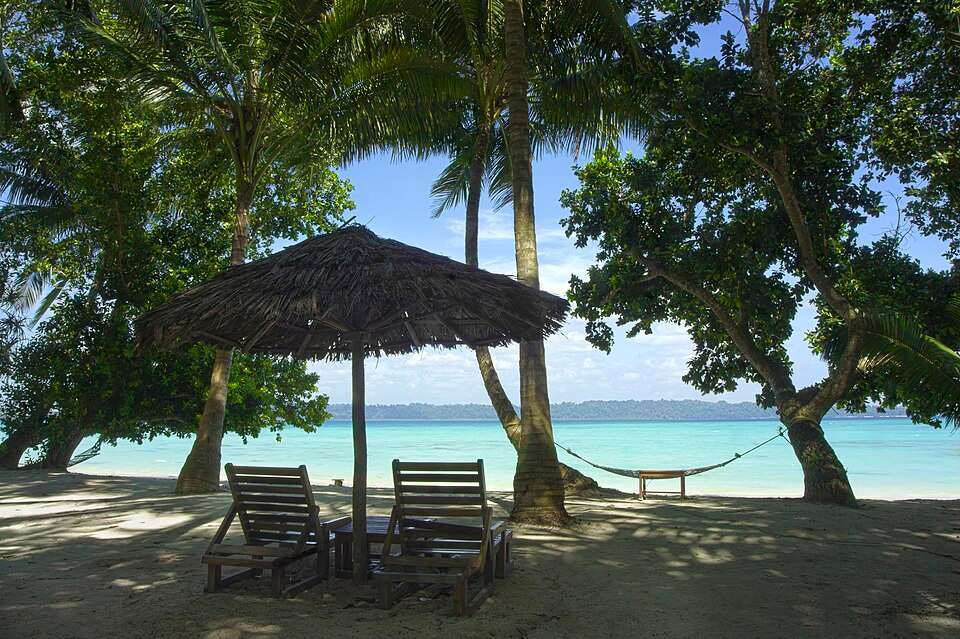
Rather than a generic checklist, these are the experiences that genuinely work around monsoon weather — picked because they tolerate cloud, rain and a rougher sea. For the full year-round list, see our complete guide to things to do in Andaman.
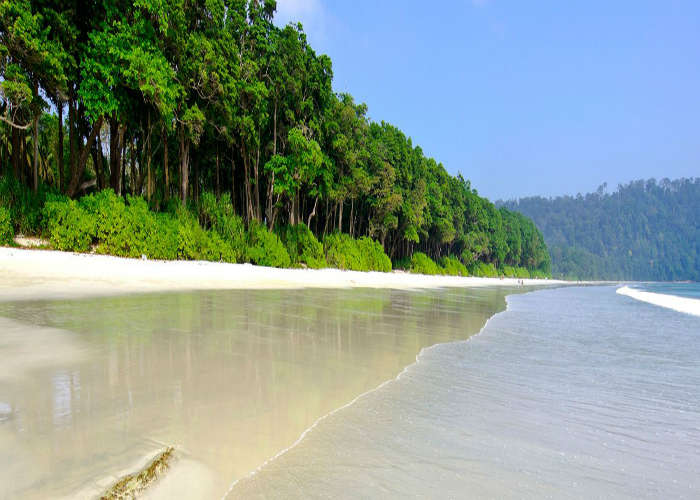
Radhanagar Beach — rated Asia’s best beach by TIME in 2004 — is at its quietest in September. Long grey-and-silver light, no crowds at sunset, and dramatic post-rain skies. Kalapathar and Vijaynagar beaches nearby reward early-morning walks between showers.
Havelock and Shaheed Dweep (Neil) dive centres operate through September. Visibility is lower than peak season, but a calm window often opens, especially late in the month. Beginners can still do a try-dive in 10–12 m; book flexible dates so you can move to a clear-sea day.
Mangrove and bioluminescence kayaking suit monsoon well because they happen in sheltered, calmer water rather than open sea. A guided creek paddle around Havelock is one of the most reliable wet-season activities.
The national memorial at Sri Vijaya Puram (Port Blair) is fully indoor-friendly, and the evening Light and Sound Show narrates the freedom-struggle history of the jail. It runs every evening except Mondays and national holidays; current tickets are around ₹300 for adults and ₹150 for children (5–11), with under-fives free. Confirm the day’s English/Hindi slot at the counter, and check our Cellular Jail entry fees page for the latest.
About 25 km from Port Blair, Chidiya Tapu records 240+ bird species and stays good in monsoon, when the forest is alive and the sunset point is empty. Carry a rain cover for your camera.
A day trip from Port Blair via the convoy road and a mangrove-creek boat ride to India’s limestone caves — and, nearby, an active mud volcano. The creek ride is choppier in monsoon but still runs. Start early to clear the convoy timing.
Keep a rainy half-day for the Samudrika Marine Museum, the Anthropological Museum, the historic Chatham Saw Mill, and shopping for shell and wood craft at Aberdeen Bazaar — all comfortable wet-weather options.
Want the broader list of islands and viewpoints to slot in on dry spells? Browse our roundup of places to visit in Andaman.
September is the cheapest month to visit, which is its single strongest argument. Off-peak demand drops hotel tariffs, flight fares and package prices well below the December–February high season, and you rarely need to book months ahead. The indicative per-person bands below are for a 5–6 day Port Blair + Havelock + Neil trip excluding flights; confirm live rates when you book.
| Tier | Per person (5–6 days, ex-flights) | What it covers |
| Saver | ₹14,000–22,000 | 3-star/guesthouse stays, government + shared ferries, group sightseeing |
| Comfort | ₹24,000–40,000 | 4-star stays, private cabs, AC private ferries, a couple of activities |
| Premium | ₹55,000+ | Beach resorts (e.g. Radhanagar/Neil), private transfers, curated experiences |
Because rates are soft and availability is open, September is the easiest month to get a fully customised trip without paying a peak premium. You can compare and tailor current Andaman tour packages and have an itinerary built around the weather window rather than a fixed departure.
September rewards travellers who value low prices, empty beaches and green islands over guaranteed sunshine — especially in its drier, calmer second half. Plan for monsoon logistics, keep a buffer day, and you get one of the best-value windows of the year. When you are ready, compare and customise current Andaman tour packages or read the wider Andaman travel guide to shape an itinerary around September’s weather.
Yes, with the right expectations. September is the tail end of the monsoon — temperatures sit at 24–30°C, rain eases through the month, prices are the lowest of the year and crowds are minimal. It is excellent for a budget, green and quiet trip, but it is not the ideal month for guaranteed water sports or offshore island excursions. Weight your dates toward the last ten days for the best weather and calmest seas.
Expect warm, humid days around 29°C and nights near 24°C, with about 358 mm of rain. The first half of the month has more frequent showers and rougher seas; the second half dries out, often with long sunny spells by the final week. Rain usually comes in short bursts rather than all-day downpours, so most days still have usable sightseeing hours.
Yes, but with disruption. Government ferries via the STARS portal are the most weather-resilient and cheapest. Private catamarans (Makruzz, Nautika, Green Ocean) are faster and more comfortable but can be cancelled on rough-sea days, especially early in the month. The fuller schedule resumes around mid-September. Build buffer days and avoid taking a ferry on your departure morning.
Yes. Dive centres in Havelock and Neil operate year-round, including September. Underwater visibility is lower than in peak season and the occasional storm day is cancelled, but calm windows open regularly, especially late in the month. Book flexible dates so you can dive on a clear-sea day, and beginners can still do a guided try-dive in 10–12 m of water.
Offshore and open-sea trips are the main closures. Jolly Buoy and Red Skin in the Mahatma Gandhi Marine National Park generally suspend boat operations in monsoon (reopening around November), and Barren Island volcano sea trips do not run. Far-north excursions such as Ross & Smith Islands are weather-dependent. Beaches, Cellular Jail, Chidiya Tapu, Baratang and the Port Blair museums stay open.
September is the cheapest month. For a 5–6 day Port Blair–Havelock–Neil trip excluding flights, budget roughly ₹14,000–22,000 per person for a saver trip, ₹24,000–40,000 for a comfortable mid-range trip, and ₹55,000+ for premium beach-resort stays. Off-season demand keeps hotel, flight and package rates well below the November–February peak, and you rarely need to book far ahead.
Five to six days is the practical sweet spot, and the buffer matters more in monsoon. That gives you Port Blair, Swaraj Dweep (Havelock) and Shaheed Dweep (Neil) with a spare day to absorb a ferry cancellation or a washed-out activity. If you want North Andaman (Diglipur, Ross & Smith), add two to three days and accept the weather is less predictable up there.
It depends on your priority. August is cheaper and quieter but the wettest and roughest. October is the first dependable good-weather month with calm seas and full water sports, but prices and crowds start rising. September sits between them — cheaper than October, drier and calmer than August, especially in its second half. Choose September for value and quiet, October for guaranteed water sports.
Pack a light rain jacket and compact umbrella, quick-dry clothing, dry bags or zip-lock pouches for electronics and documents, grippy quick-dry footwear for slippery jetties, reef-safe sunscreen, mosquito repellent and basic medicines. Keep some cash on hand because card and UPI networks can drop during heavy rain on the smaller islands.
Not the whole day. Early September averages 14–16 rainy days and late September only 8–10, but the rain usually falls in sharp bursts rather than continuously. Most days still offer several dry hours for sightseeing, and the last week of the month often brings long sunny spells as the monsoon retreats.
Indian citizens do not need a permit for the main tourist islands (Port Blair, Havelock/Swaraj Dweep, Neil/Shaheed Dweep). Foreign nationals no longer need the old Restricted Area Permit for these islands but must carry passport details for hotel Form-C registration. Some tribal and restricted areas remain off-limits to all tourists year-round.
It can be, if you value privacy and savings over guaranteed beach-and-water-sports weather. Couples get empty beaches, low resort rates and a green, moody setting, which suits a relaxed, indoor-and-walks honeymoon. If snorkelling, scuba and island-hopping are central to your plans, late September or October onward is a safer bet.
Real reviews from real travelers who booked with us.
View All Reviews