4D / 3N
24% OFF
Best Selling Alleppey-Munnar Kerala Weekend Tour
- Hotel
- Meals
- Sightseeing
- Houseboat
- Cab Transfer
₹17,132
₹13,020 /pp
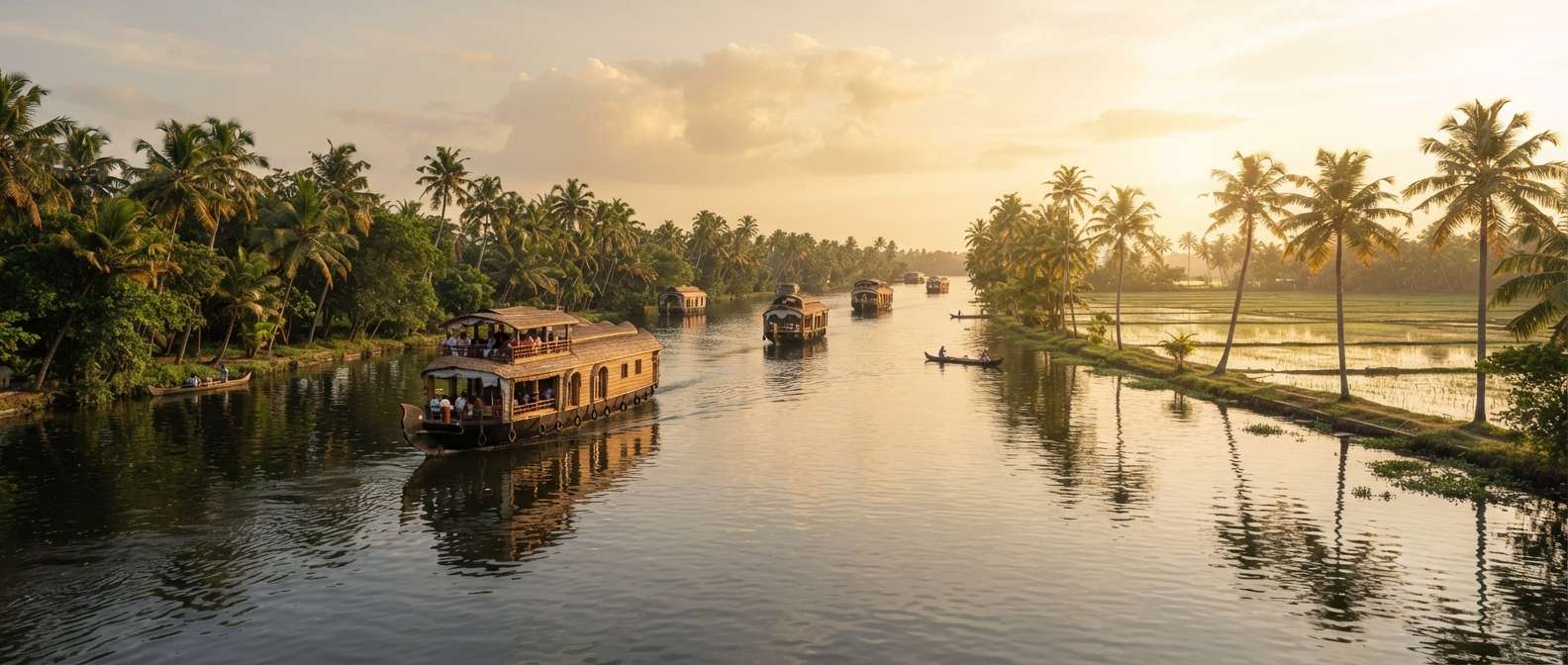


There are around 34 lakes in Kerala, and they are the reason the state feels like it runs on water rather than roads. They split into two families. Some are freshwater lakes that pool in the Western Ghats, fed by hill streams. The rest are “kayals,” the brackish backwater lagoons that trade water with the Arabian Sea. The biggest of them, Vembanad, is the longest lake in India, and its houseboat routes are what made Alleppey and Kumarakom household names. The smallest freshwater lake is Pookode in Wayanad, and near Chalakudy sits Vynthala, the only naturally formed oxbow lake in South India. This guide walks through 15 lakes worth your time, when to go, and how to string them into one trip.
If you only skim one thing, make it this. Here are the answers people ask most about the lakes of Kerala, in one place.
| Question | Quick answer |
|---|---|
| How many lakes does Kerala have? | Around 34 notable lakes and kayals (backwater lagoons) |
| Largest lake | Vembanad, also the longest lake in India (about 96 km end to end) |
| Largest freshwater lake | Sasthamcotta, the “Queen of Lakes” in Kollam |
| Smallest freshwater lake | Pookode, in Wayanad |
| Southernmost freshwater lake | Vellayani, in Thiruvananthapuram |
| Only natural oxbow lake | Vynthala, the only naturally formed oxbow lake in South India |
| Best time to visit | September to March (dry, calm water, clear hill views) |
| Lake | District | Type | Best known for | Best time |
|---|---|---|---|---|
| Vembanad | Alappuzha / Kottayam / Ernakulam | Backwater (kayal) | Houseboats, snake boat races | Nov – Mar |
| Ashtamudi | Kollam | Backwater (kayal) | Kollam to Alleppey cruise, birdlife | Sep – Mar |
| Periyar | Idukki (Thekkady) | Reservoir | Wildlife boat cruises | Oct – Mar |
| Sasthamcotta | Kollam | Freshwater | Largest freshwater lake, temple | Aug – Mar |
| Vellayani | Thiruvananthapuram | Freshwater | Southernmost freshwater lake, boat races | Sep – Mar |
| Pookode | Wayanad | Freshwater | Smallest freshwater lake, pedal boats | Oct – May |
| Punnamada | Alappuzha | Backwater (kayal) | Nehru Trophy Snake Boat Race | Aug (race), Nov – Feb |
| Kayamkulam Kayal | Alappuzha / Kollam | Backwater (kayal) | Quiet houseboat stretches | Nov – Feb |
| Paravur | Kollam | Backwater lagoon | Coast-meets-lake boating | Sep – Feb |
| Akkulam | Thiruvananthapuram | Backwater lagoon | Boating, lakeside park for kids | Oct – Feb |
| Veeranpuzha | Ernakulam (Kochi) | Backwater (kayal) | Northern Vembanad houseboats | Sep – Mar |
| Vynthala | Thrissur (near Chalakudy) | Natural oxbow | Only natural oxbow lake in South India | Jun – Aug |
| Anayirangal | Idukki (near Munnar) | Reservoir | Tea estates, wild elephants | Sep – Jan |
| Vadakkechira | Thrissur | Heritage tank | Birdlife, city heritage | Oct – Feb |
| Mananchira | Kozhikode | Freshwater tank | Heritage square, musical fountain | Oct – Mar |
The list below runs roughly from the big backwater names down to the quieter hill and city lakes. Every entry has how to get there, when to go and what to actually do once you arrive.
15 backwater kayals, hill lakes and city tanks from Thiruvananthapuram to Kozhikode
Best Time
September - March
Select Package Type


5 Days & 4 Nights
₹24,604 /@pp
GET FREE QUOTEThe list below runs roughly from the big backwater names down to the quieter hill and city lakes. Every entry has how to get there, when to go and what to actually do once you arrive
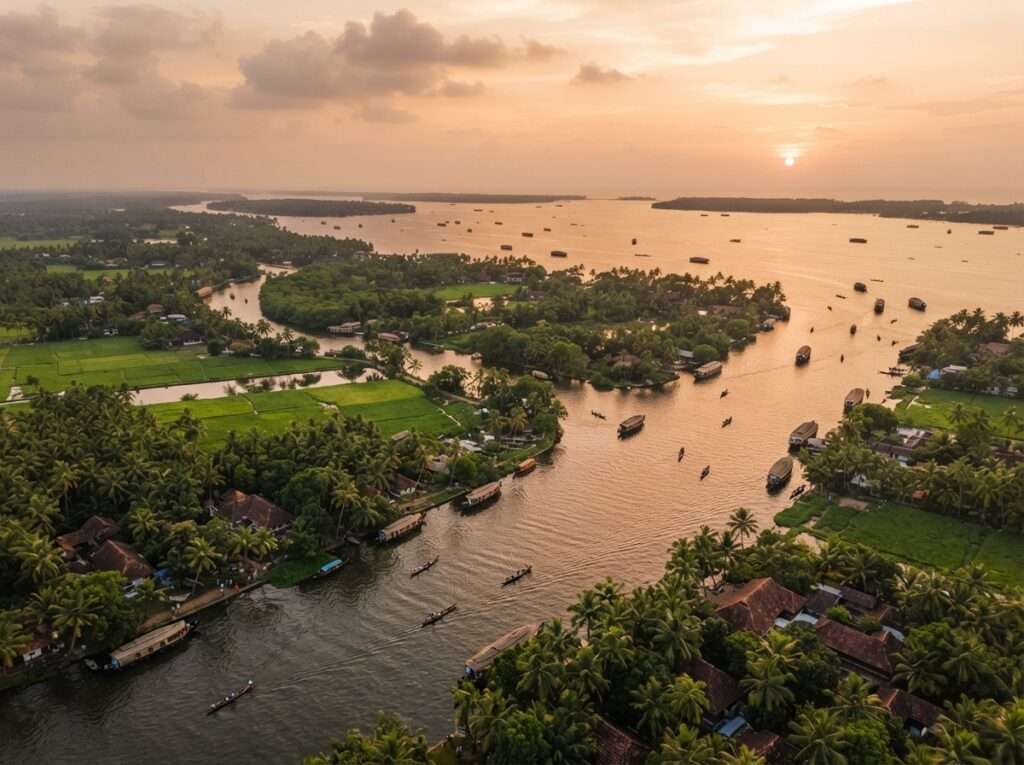
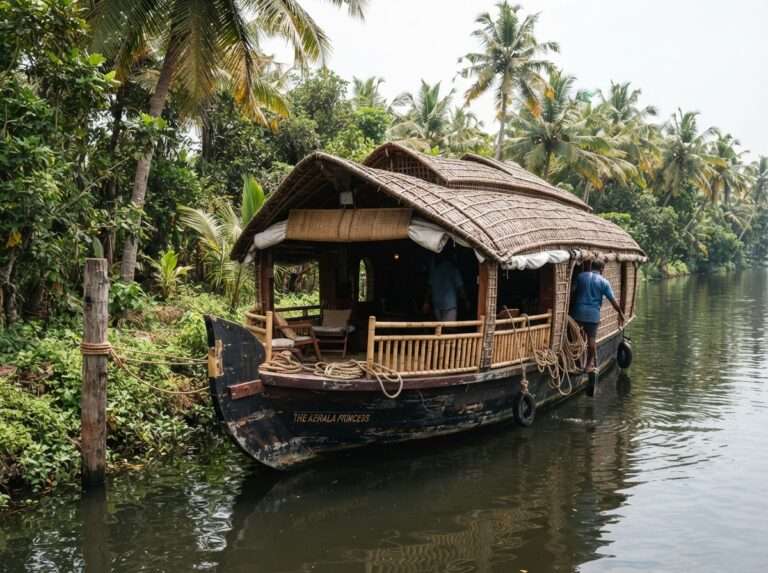
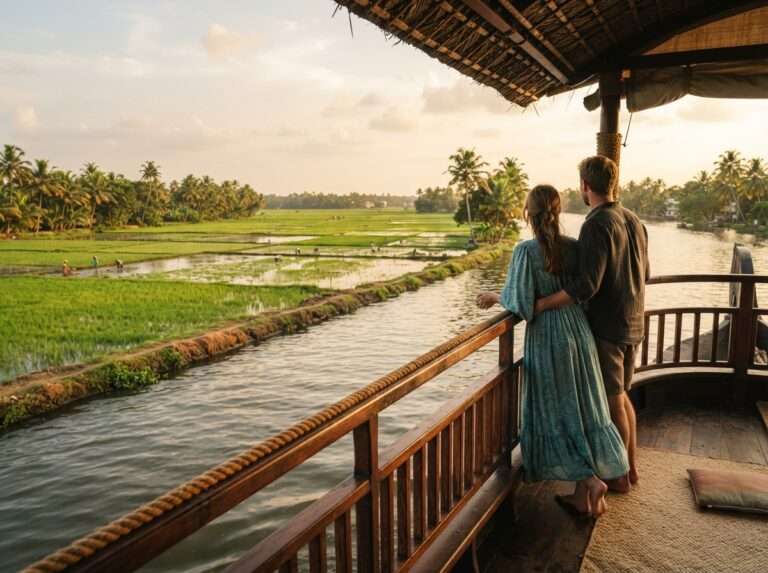
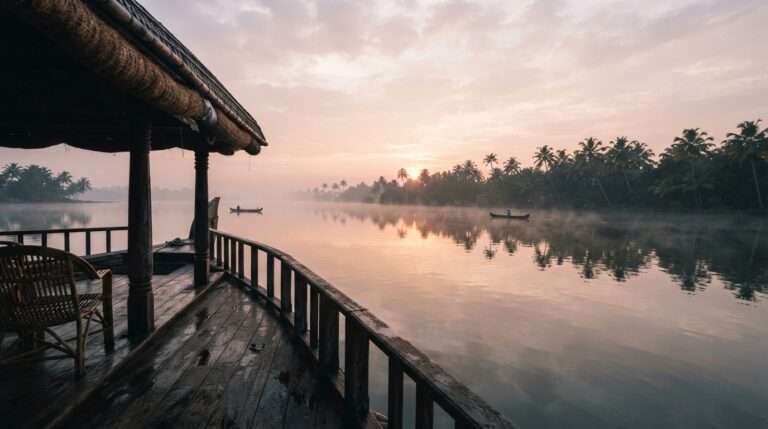
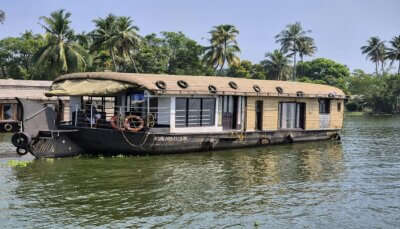
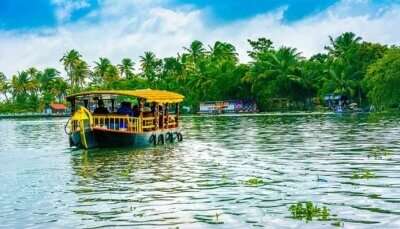
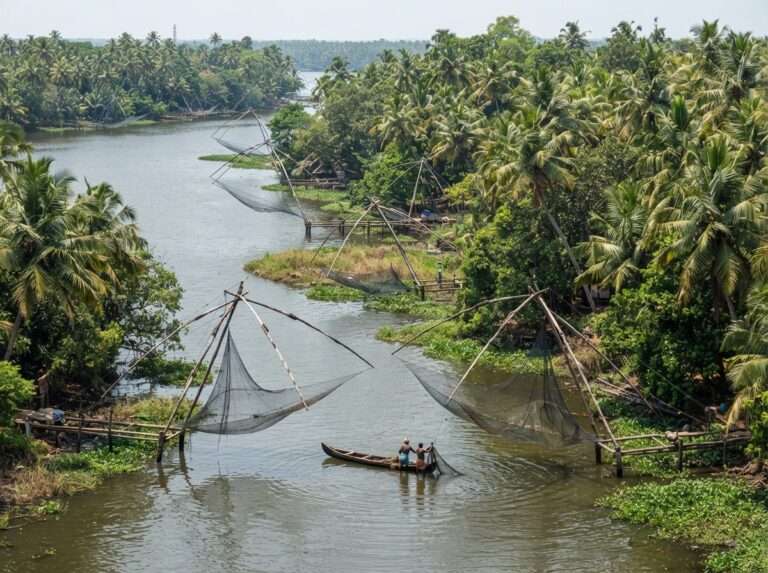
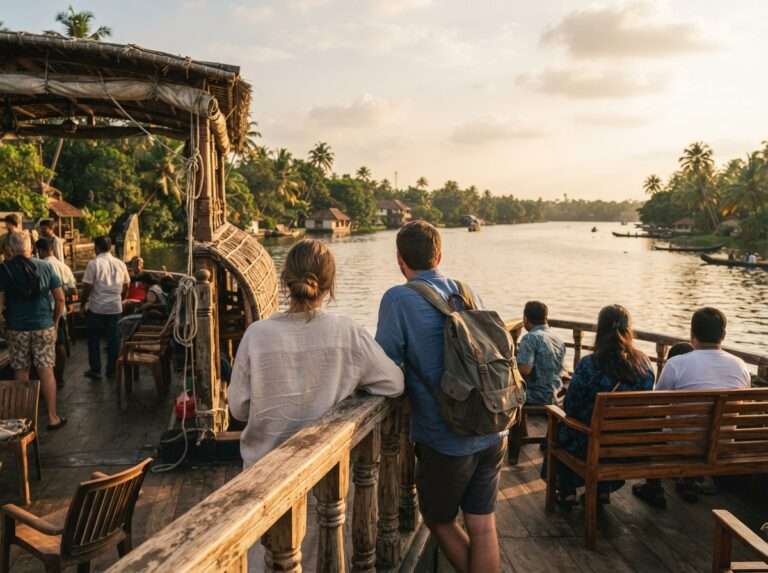
This is the one most people picture when they think of Kerala. Vembanad is the longest lake in India, spreading across Alappuzha, Kottayam and Ernakulam, and it is the water the houseboats sail on. An overnight kettuvallam out of Alleppey or Kumarakom is the classic experience, drifting past paddy fields that sit below the waterline. Come during Onam (August to September) for the snake boat races. The nearest airport is Cochin International, and Kottayam is the handiest railhead for the Kumarakom side.


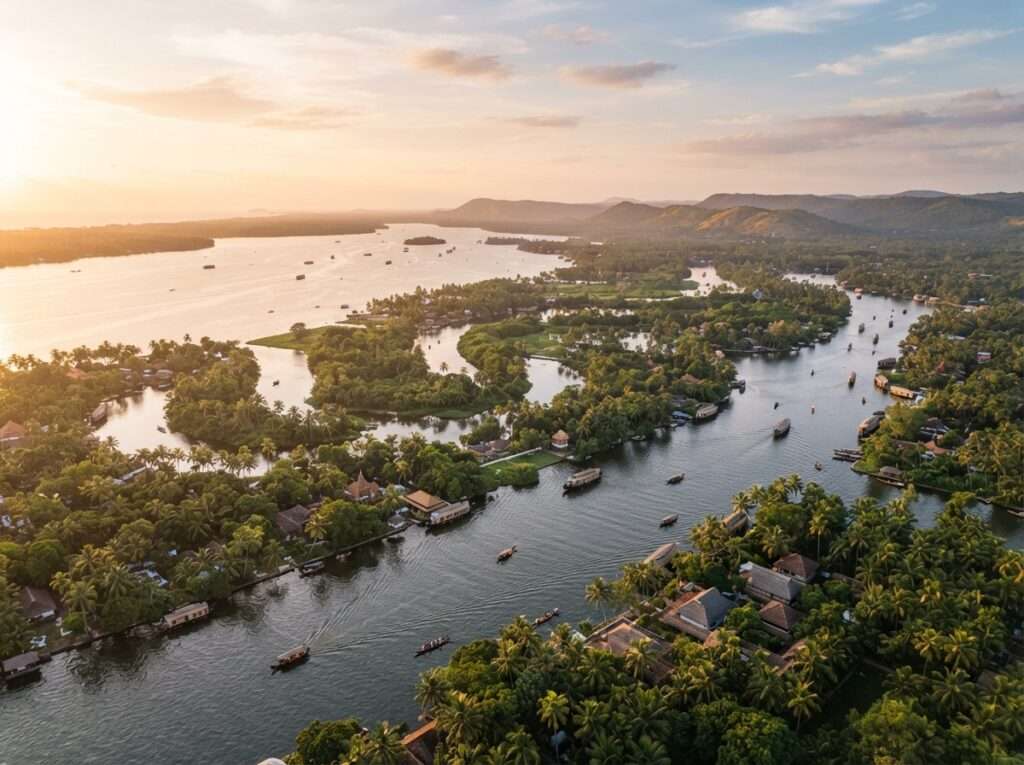
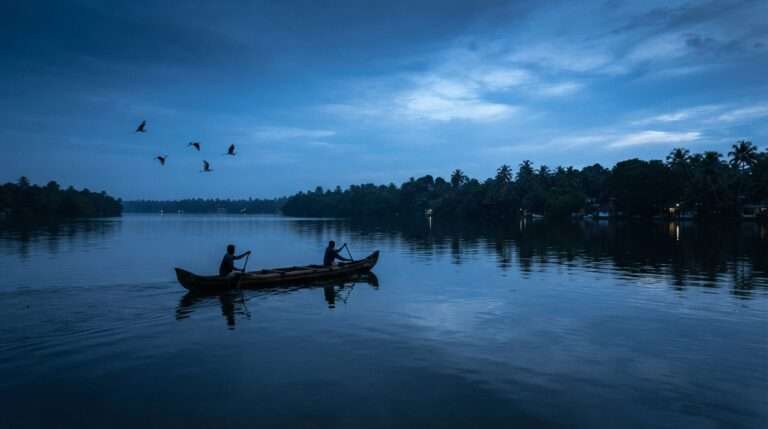
Ashtamudi, in Kollam, is Kerala’s second-largest lake and a Ramsar-listed wetland with roughly 100 fish species and 60 kinds of birds. Its eight-branched shape (the name means “eight coned”) gives it far more shoreline than its size suggests. The eight-hour Kollam to Alleppey boat is the longest backwater cruise in the state and a calmer, cheaper alternative to a private houseboat. Fly into Trivandrum, or Kollam for domestic hops, and Kollam Junction is the nearest station. September to March is the window.


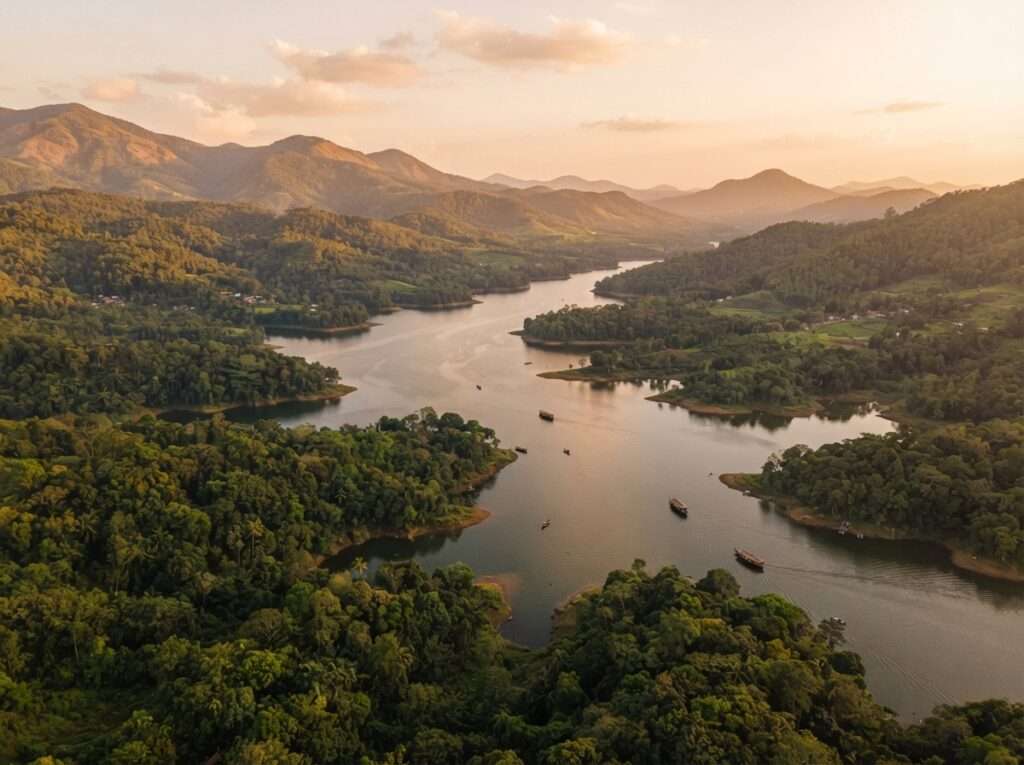
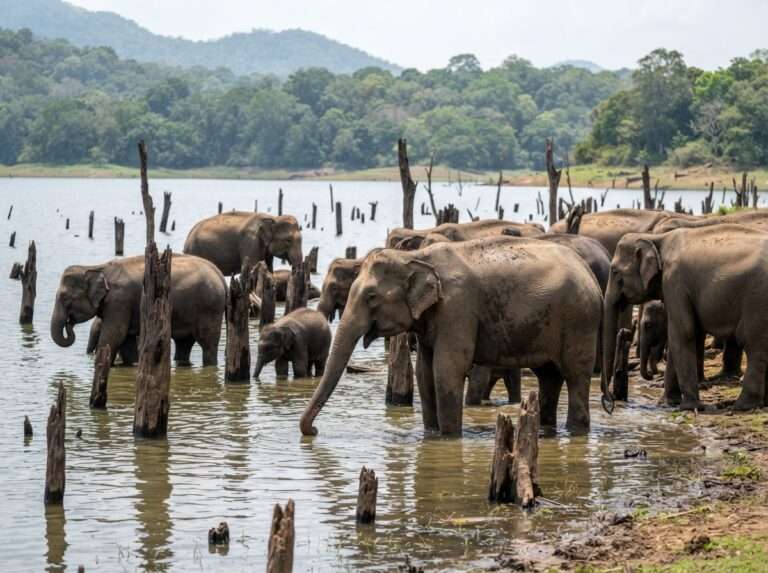
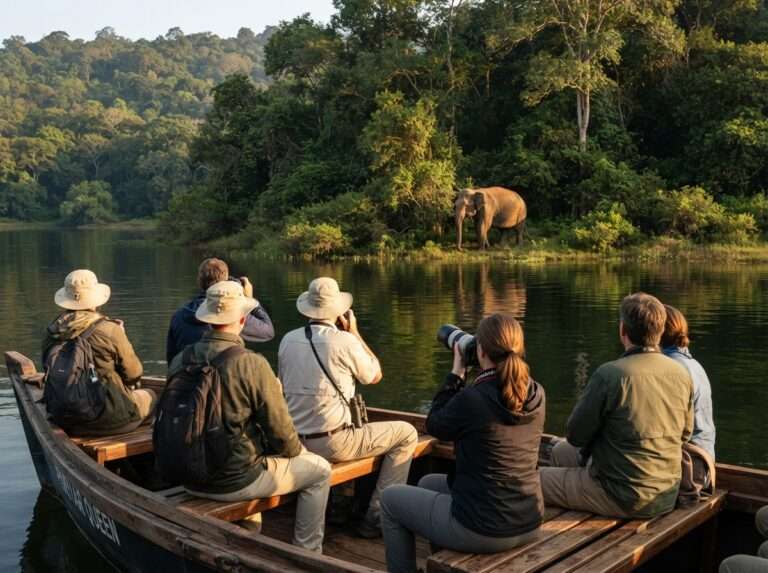
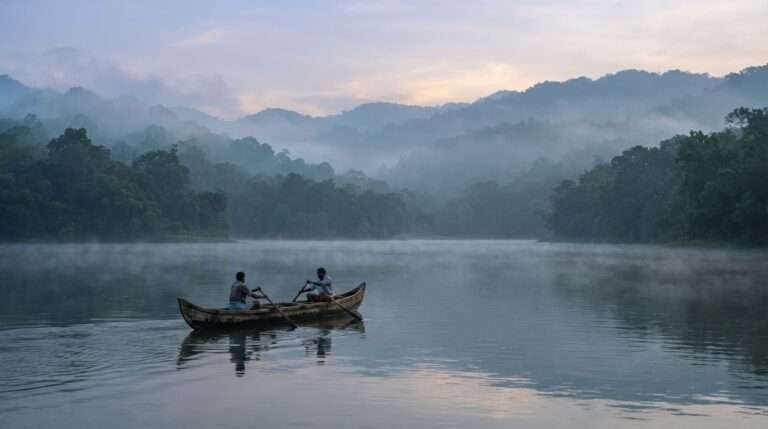
Periyar is a reservoir inside the Periyar Tiger Reserve at Thekkady, created by the old Mullaperiyar dam. The draw here is not swimming or houseboats but the wildlife: a morning boat cruise regularly turns up elephants, sambar and, if you are lucky, a tiger coming down to drink. Book the government boat early, since slots sell out. October to March gives the best sightings. Cochin International is the nearest airport, Kottayam the nearest major railhead, and you can pair it with a Munnar leg easily.


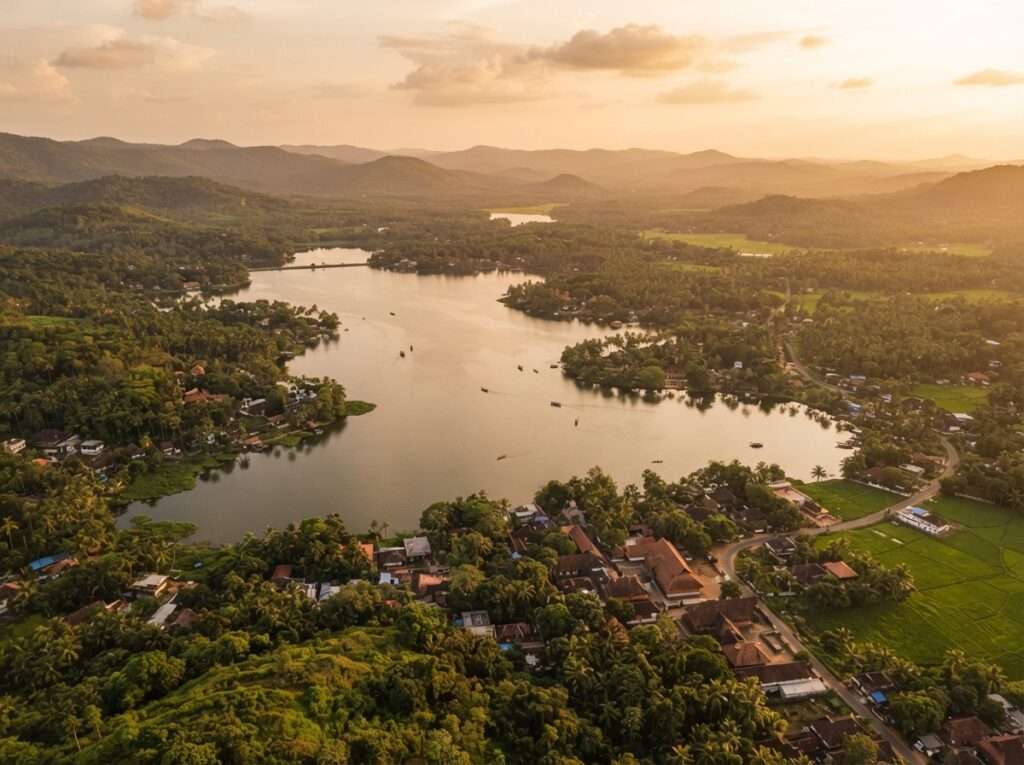
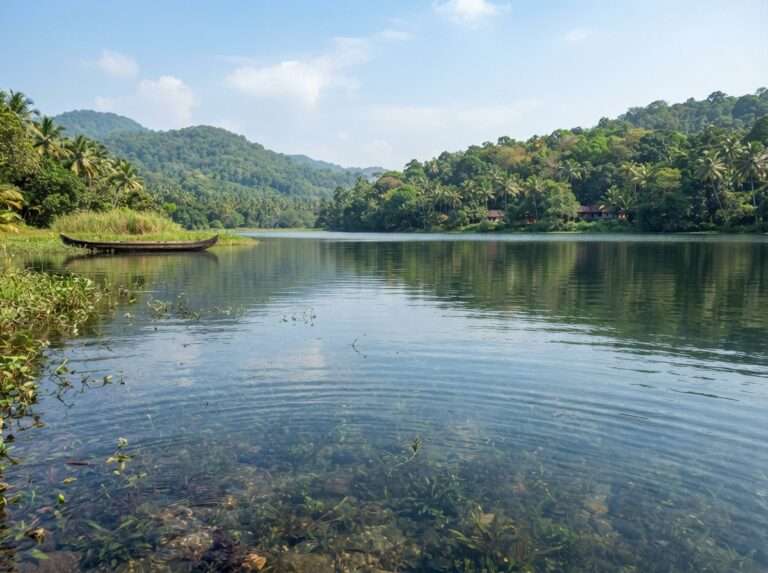
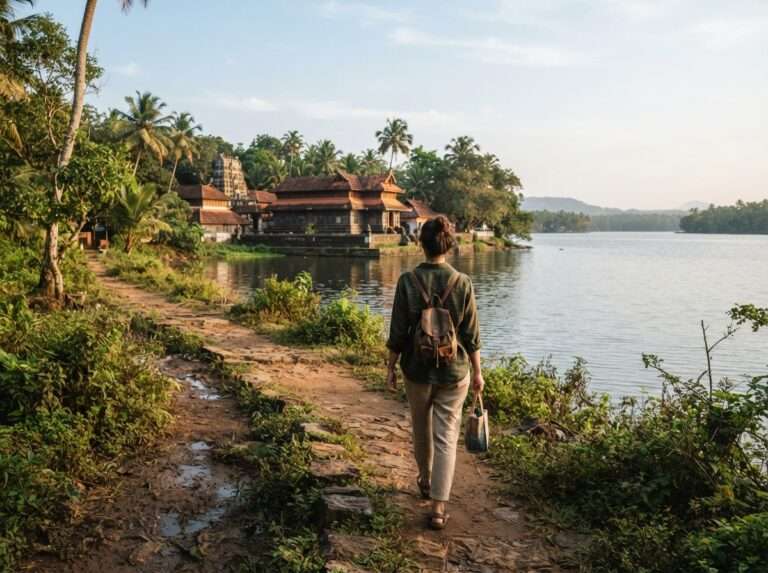
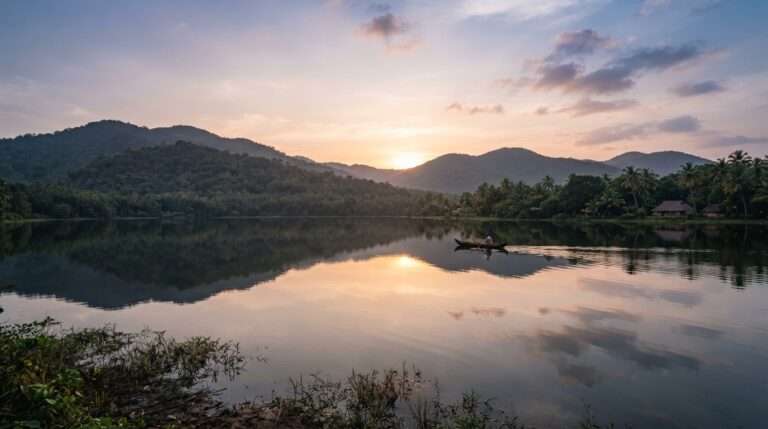
Locals call Sasthamcotta the Queen of Lakes, and it earns the title as Kerala’s largest freshwater lake and a Ramsar site. It supplies drinking water to much of Kollam, so the water stays clean and clear. There are no motorboats churning it up, which makes it the calm counterpoint to the busier backwaters. The ancient Sastha temple on its bank is worth the short walk. Best months run August to March. Fly into Trivandrum, take the train to Kollam Junction, then drive out.
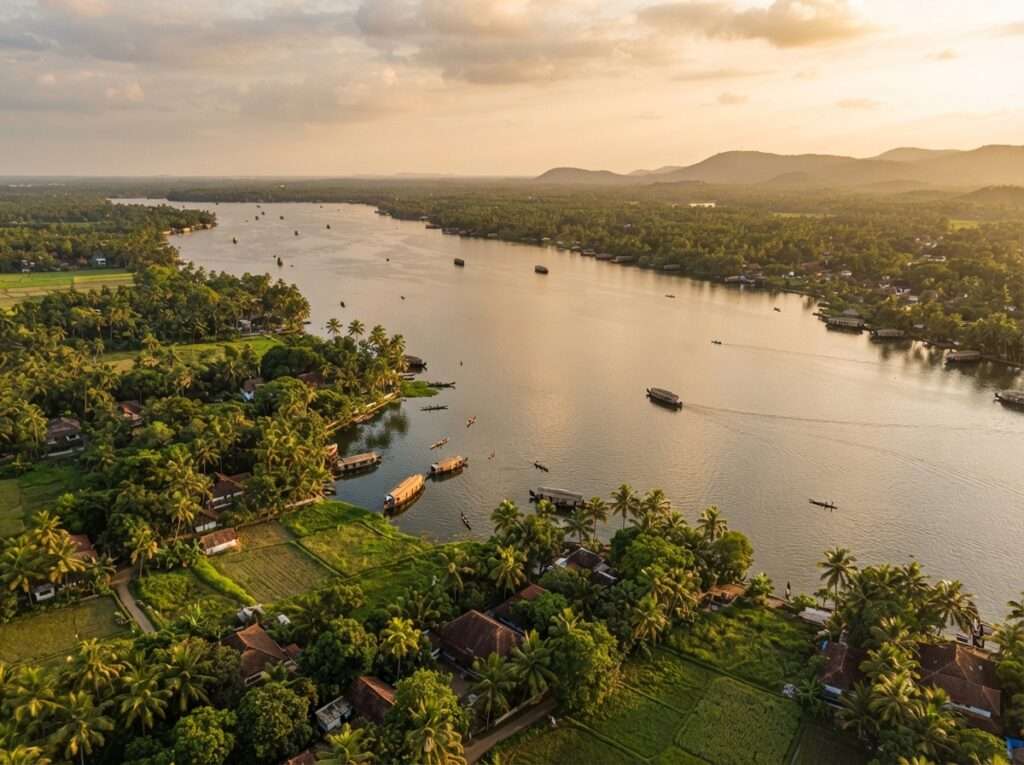
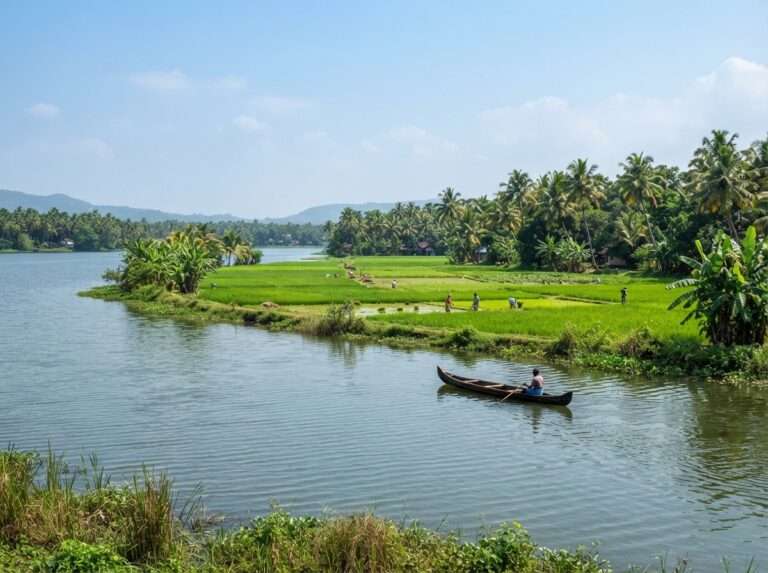
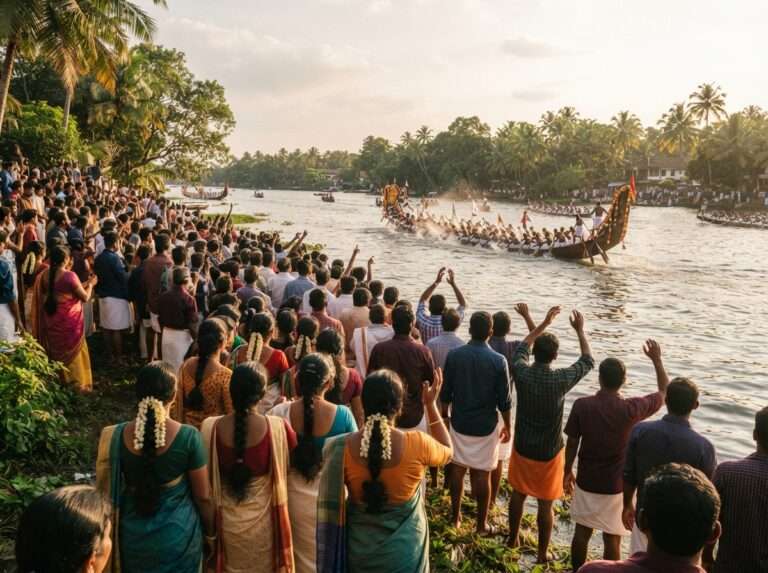
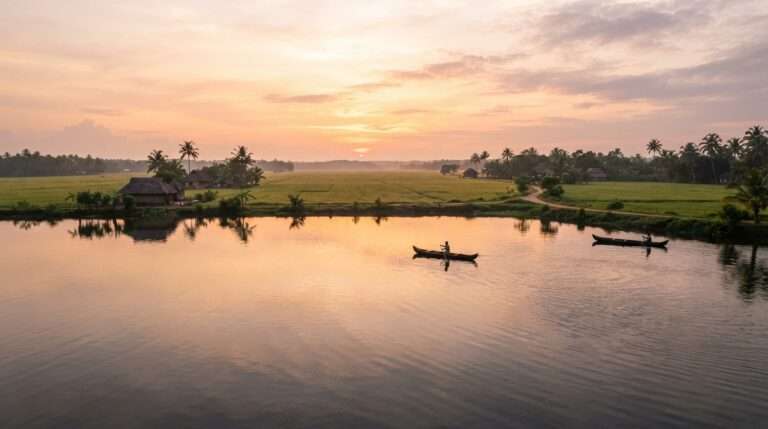
Vellayani is the southernmost of Kerala’s major freshwater lakes, about 7 km inland from Kovalam, and one of the largest freshwater bodies in Thiruvananthapuram district. It is a working lake, ringed by farms, and it hosts its own boat race during Onam that draws big local crowds without the tourist crush of Alleppey. Sunrise over the water, with paddy on the far bank, is the shot to get. September to March is ideal. Trivandrum airport and Thiruvananthapuram Central are both close.
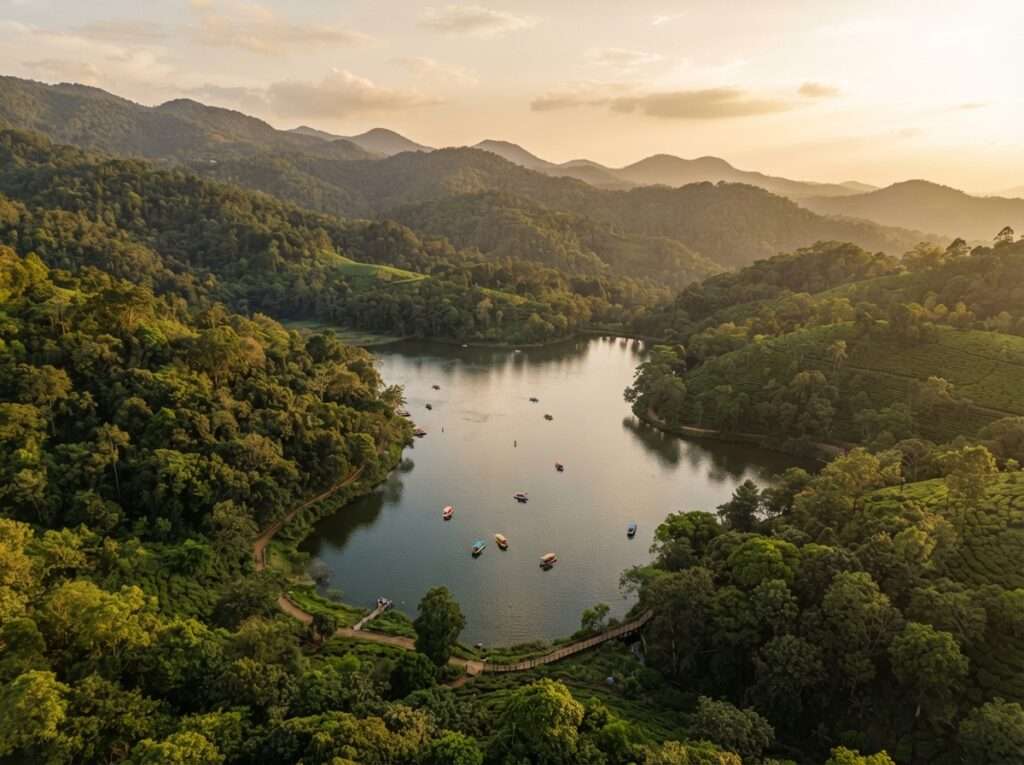
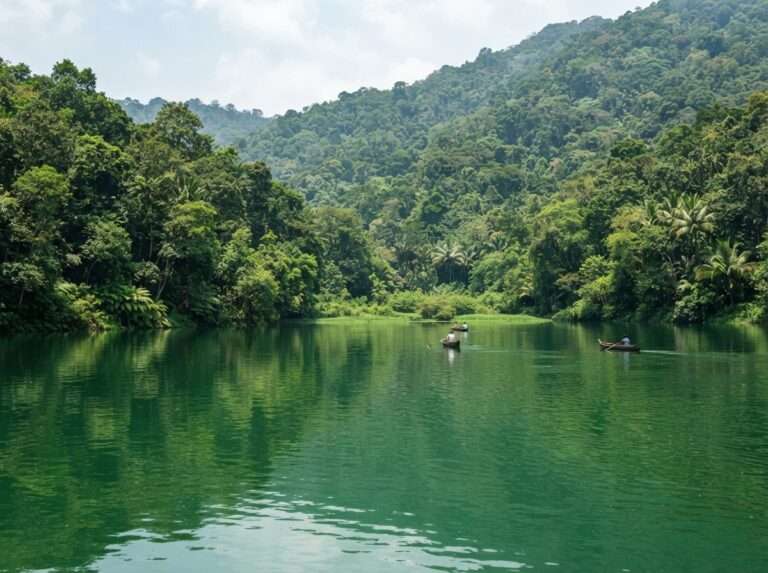
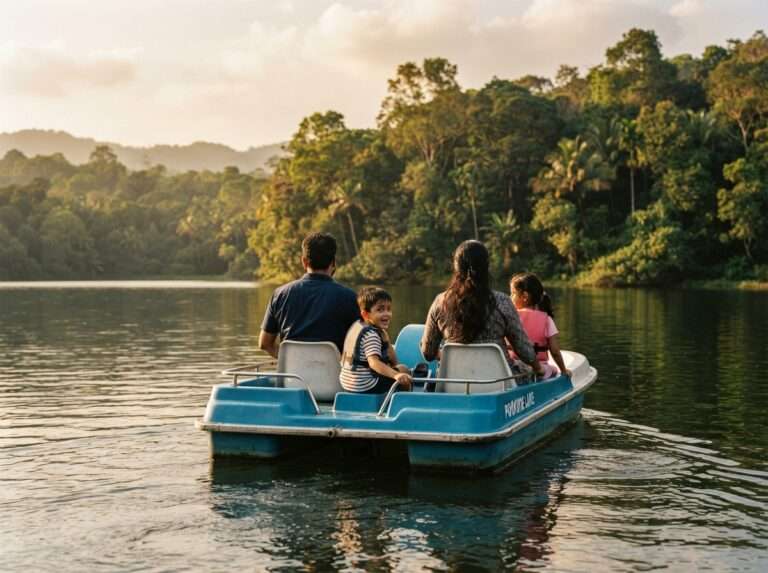
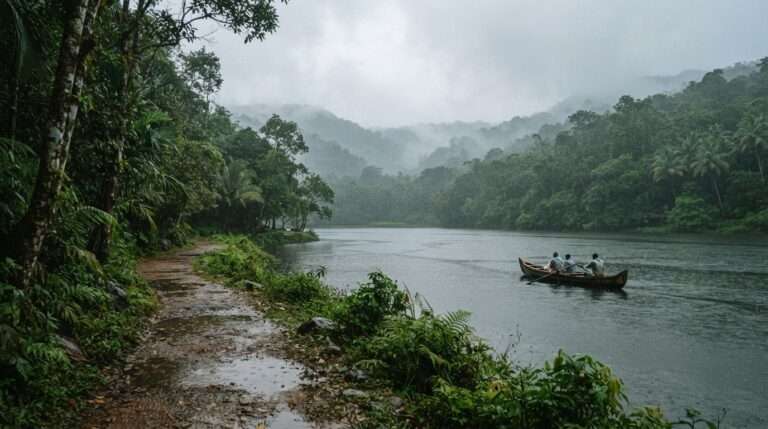
Up in the Wayanad hills, Pookode is Kerala’s smallest freshwater lake, sitting in a bowl of evergreen forest at around 770 metres. It is compact enough to walk around in under an hour, and pedal boats let you get out onto the green water. There is a small freshwater aquarium and a spice-and-handicraft market by the entrance. A modest ticket covers entry and boating. October to May is comfortable; the monsoon turns the surrounding forest impossibly green but the paths get slick. Calicut is the nearest airport.
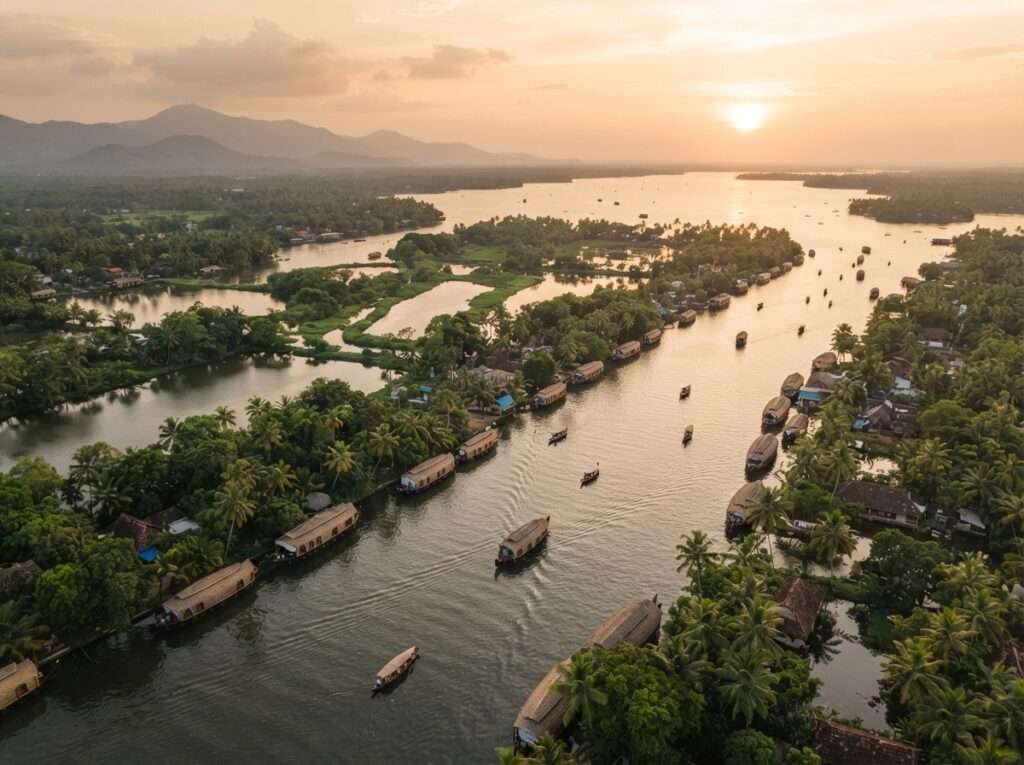
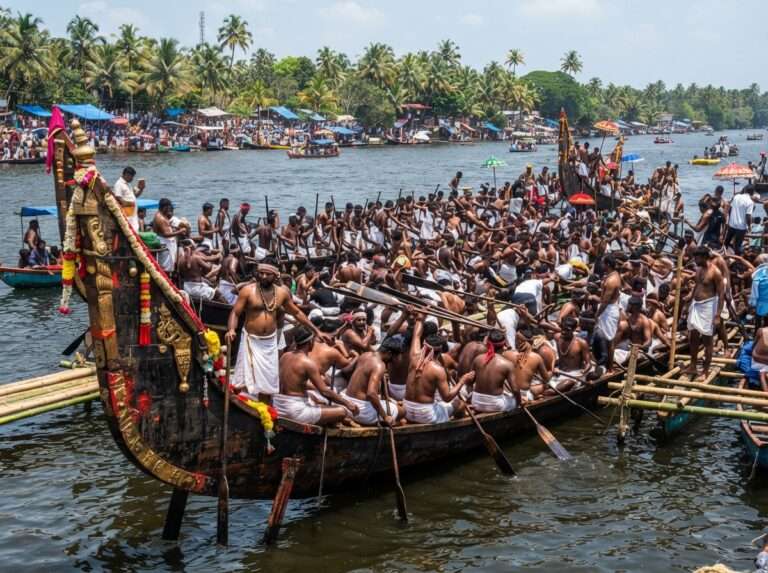
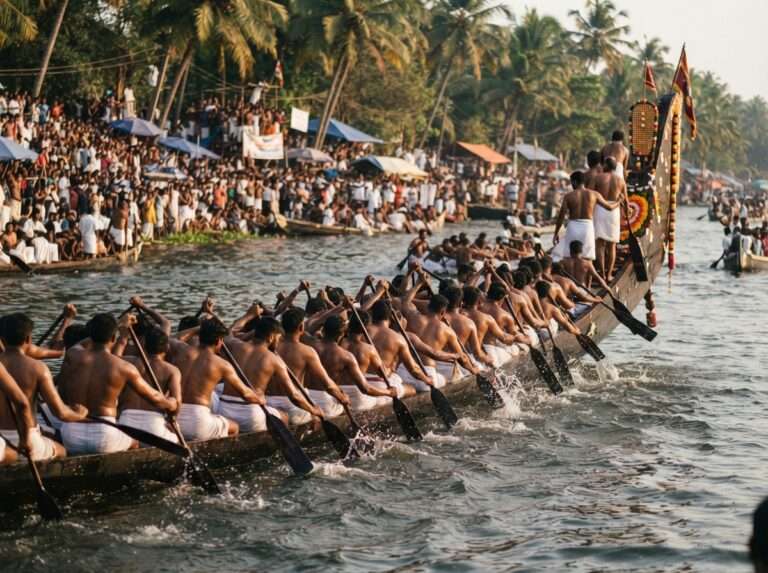
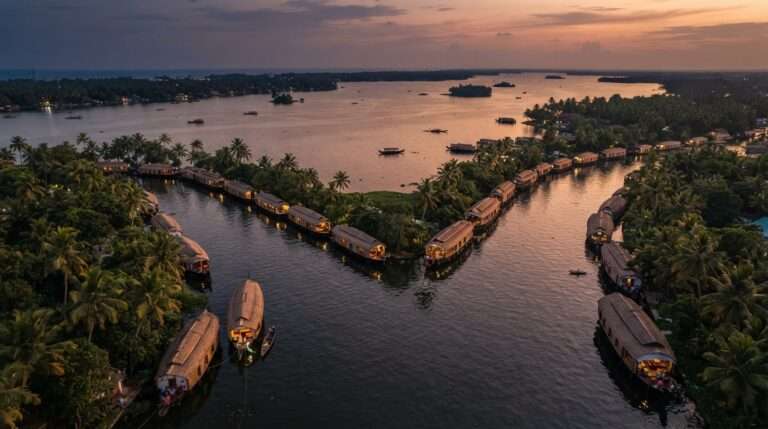
Punnamada, the northern arm of the Vembanad system near Alleppey, is where the Nehru Trophy Snake Boat Race is rowed every August. Even on an ordinary day it is a lovely, wide stretch to cruise, and many Alleppey houseboats moor here. If you can time your trip to the race, do it: over a hundred rowers per boat, drums, and a finish line thick with spectators. The rest of the year, November to February is calmest. Reach it via Cochin airport and Alappuzha station
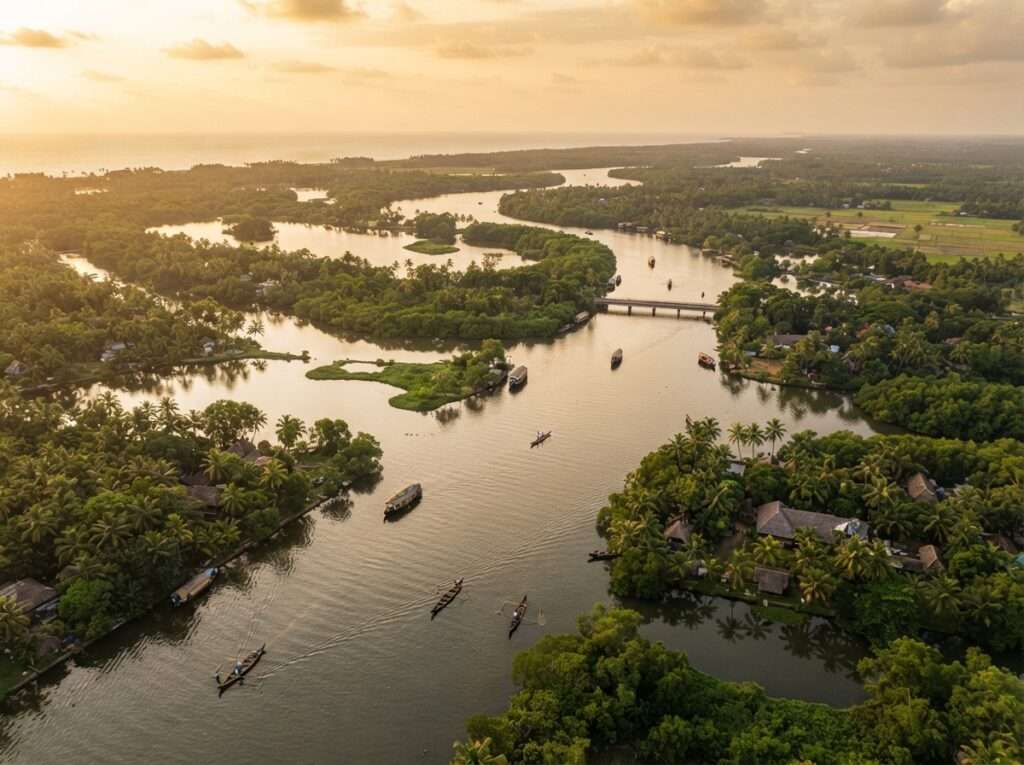
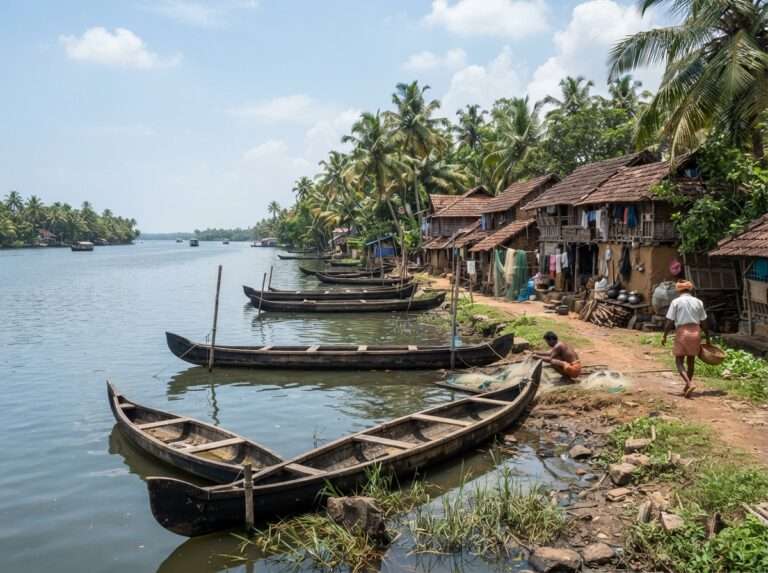
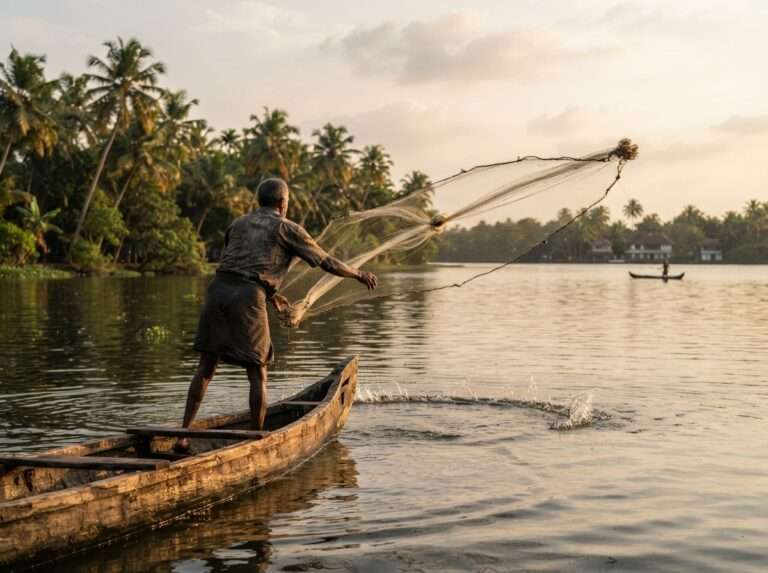
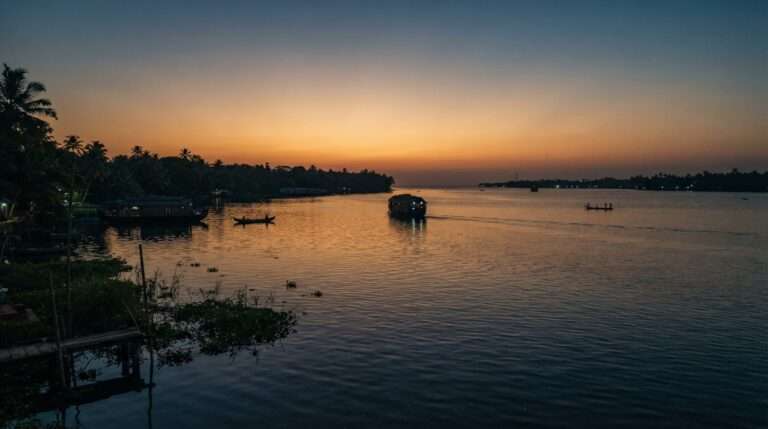
Kayamkulam Kayal is a long, quiet backwater between Alleppey and Kollam that most package tours skip, which is exactly its appeal. It runs close to the Arabian Sea, so you get lagoon on one side and a thin ribbon of coast on the other. Fishing hamlets line the banks, and staying until dusk rewards you with a glowing horizon over the water. It also sits near the Amritapuri ashram. November to February is best. Cochin is the nearest airport, Alappuzha the nearest railhead.
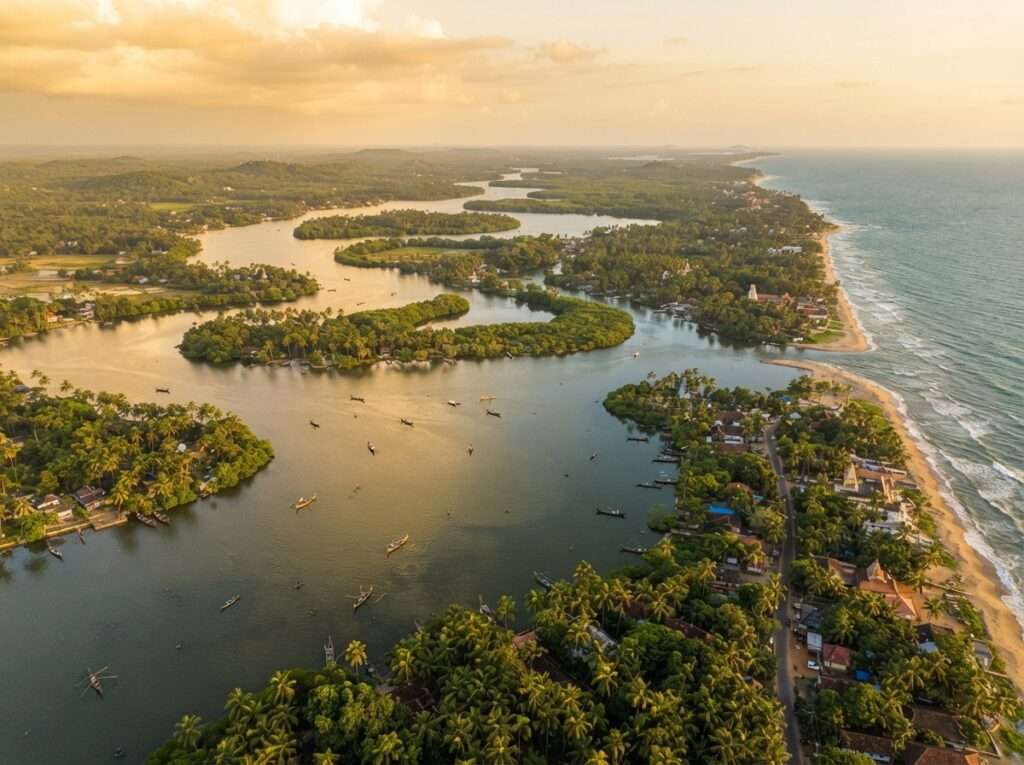
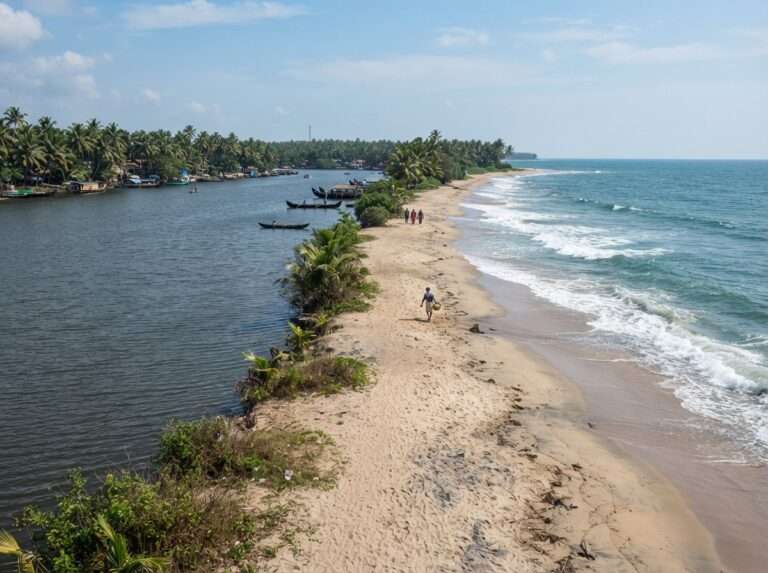
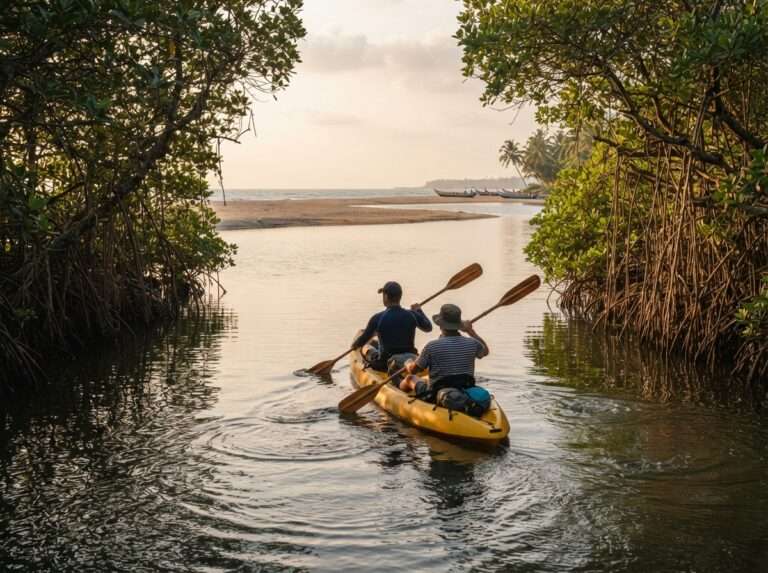
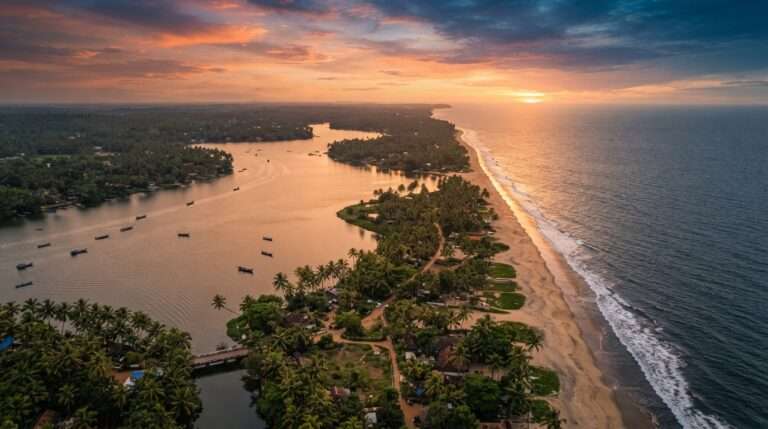
Paravur, near Kollam, is a coastal lagoon where the lake and the Arabian Sea almost touch, separated by a slim sandbar. It is an up-and-coming spot rather than a crowded one, good for a short country-boat ride from the Priyadarshini Boat Club. The mix of estuary, backwater and beach in one place is unusual even for Kerala. Go between September and February. Fly into Trivandrum, take the train to Kollam Junction, then drive the short hop north.
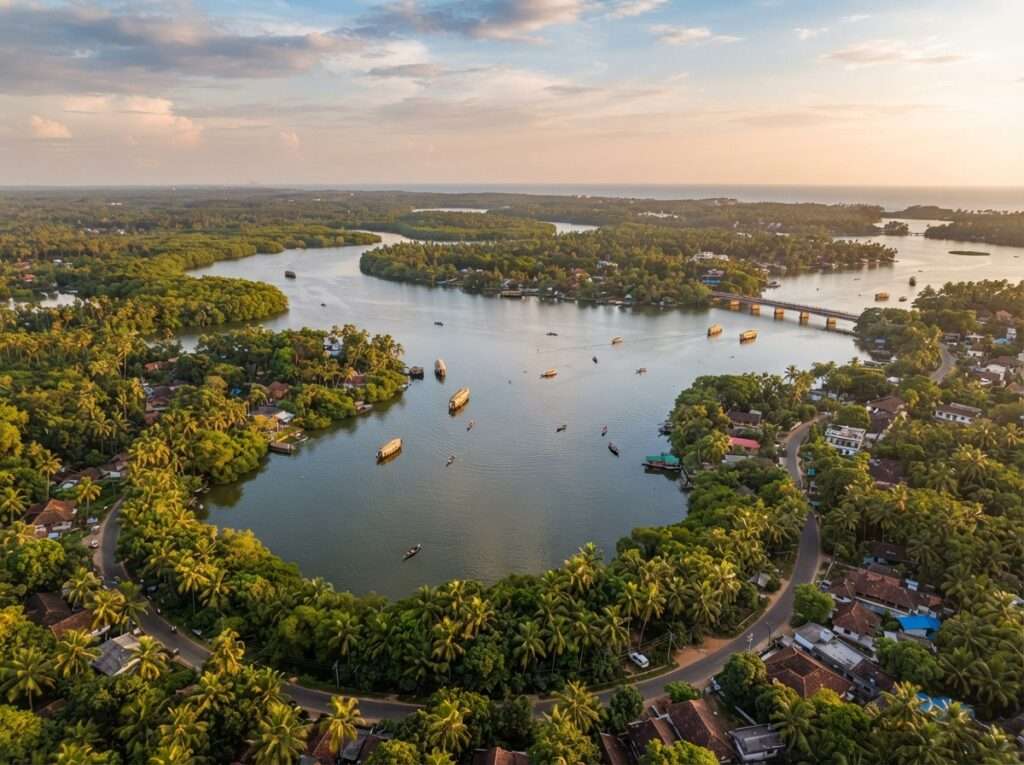
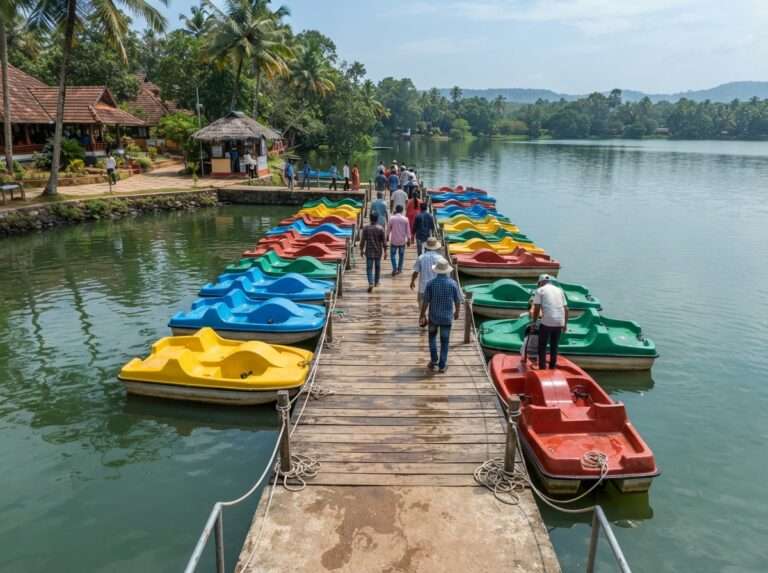
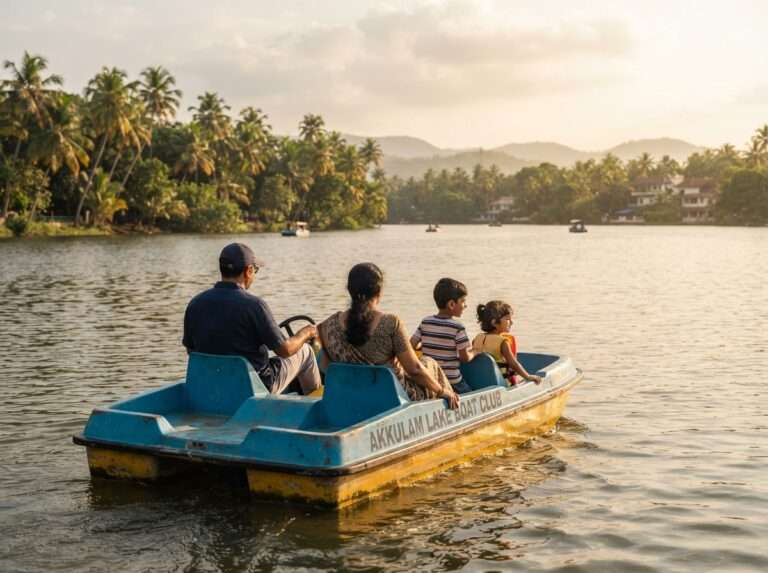
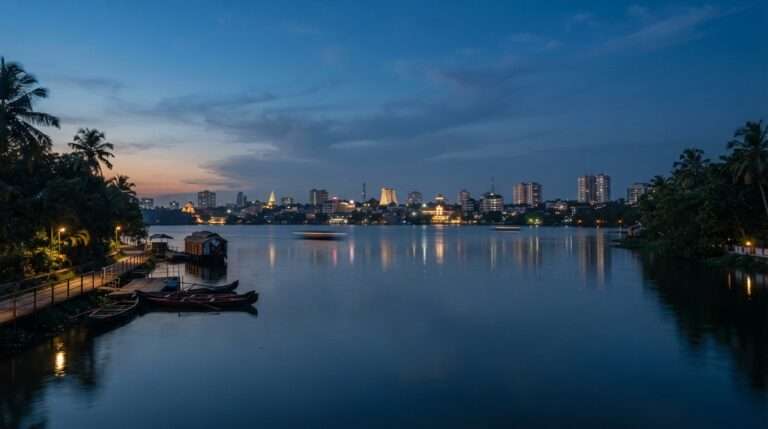
Akkulam is an offshoot of the Veli backwaters on the edge of Thiruvananthapuram, and it is the easy family pick. There is a tourist village with a boat club, a children’s park and a pool, so it works for an afternoon with kids rather than a full expedition. Pedal and row boats potter about the calm water. October to February is pleasant. It is a short drive from Trivandrum airport and Thiruvananthapuram Central, which makes it a simple add-on to a city stay.
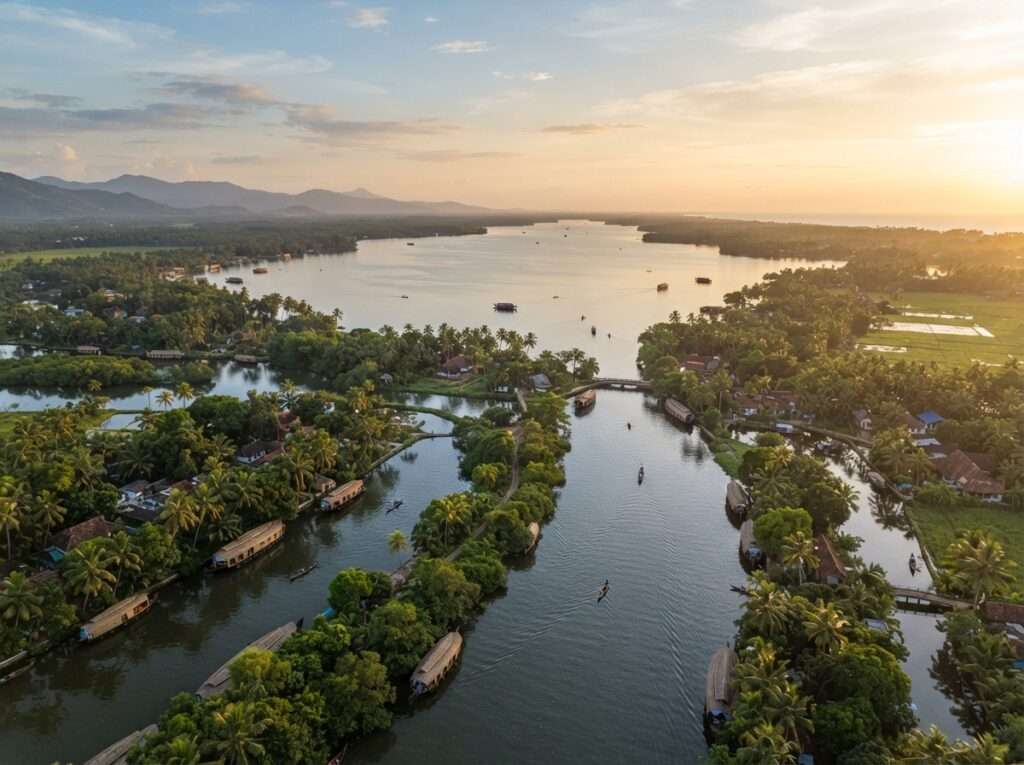
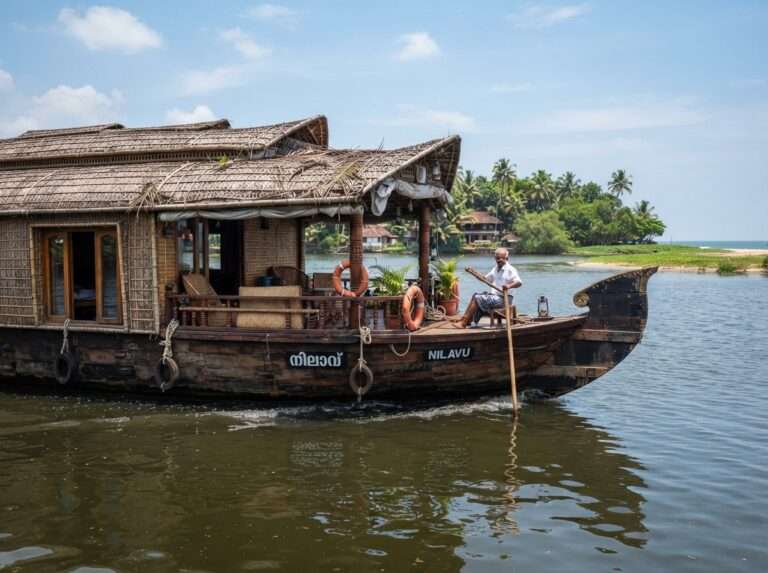
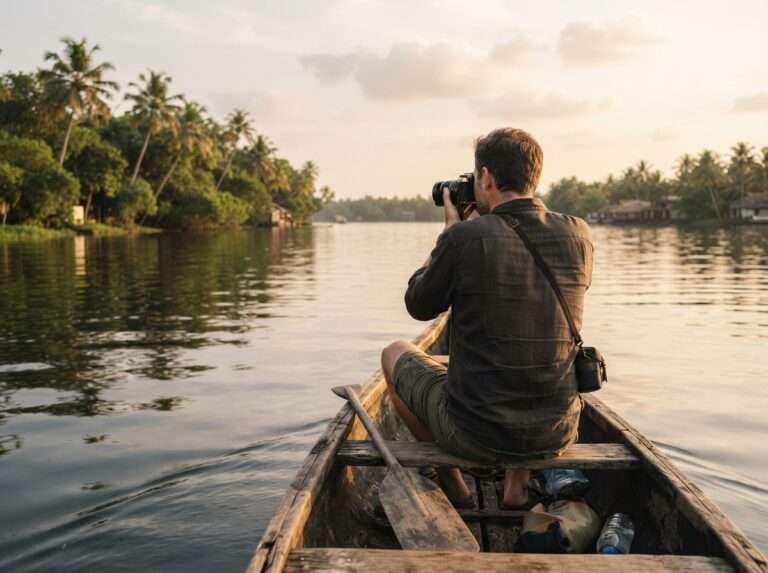
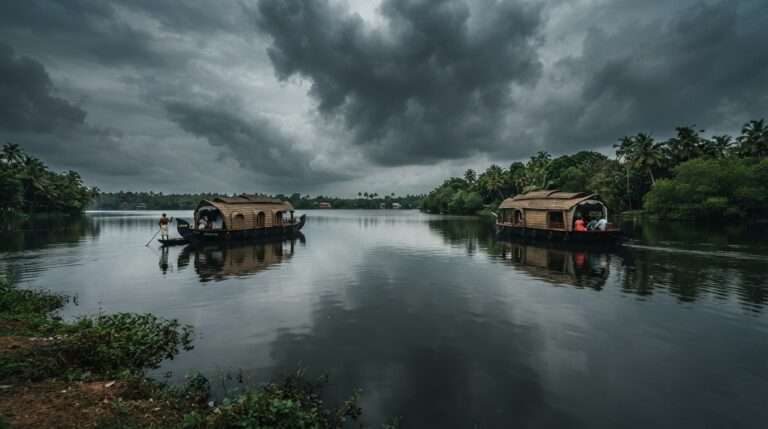
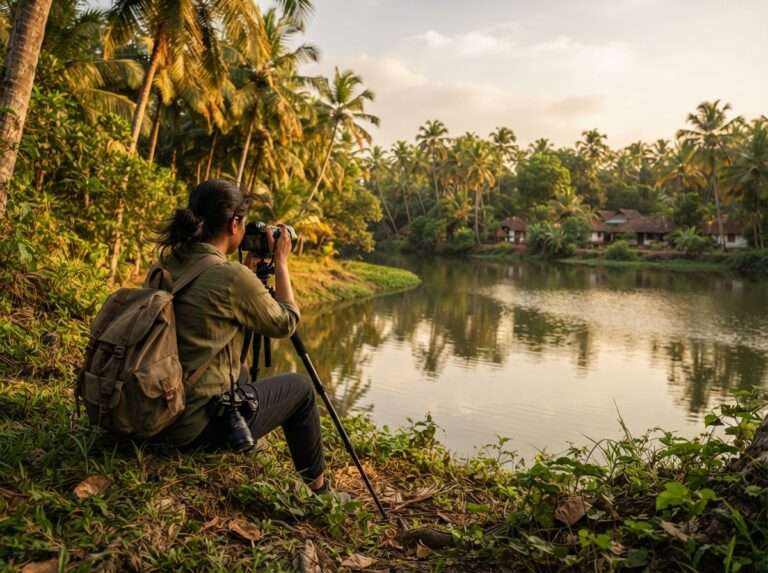
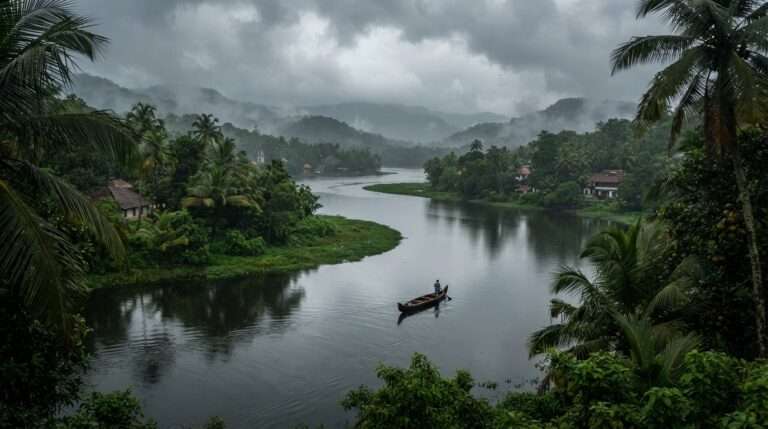
Veeranpuzha is effectively the northern extension of Vembanad around Kochi, a brackish lagoon running parallel to the coast. It carries the same houseboat and canoe traffic as the Alleppey stretch but with fewer crowds, which photographers appreciate. The light in the early monsoon, with heavy cloud over still water, is a favourite among local shooters. September to March suits most travellers. Cochin International is minutes away, and Edappally is the closest station.
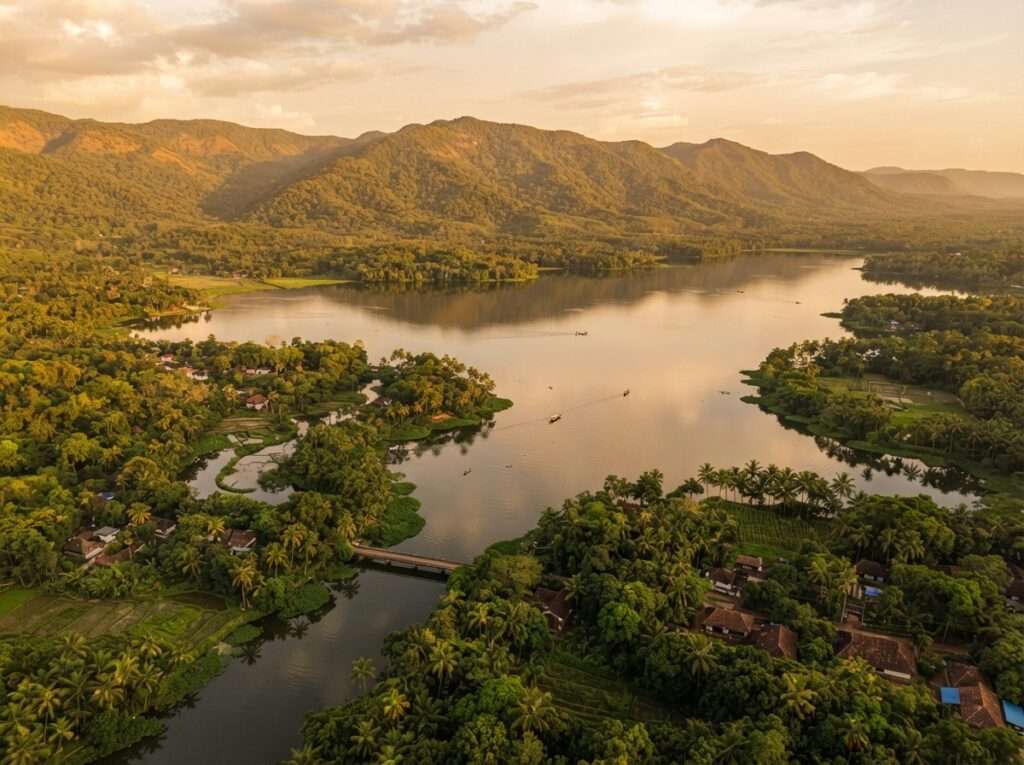
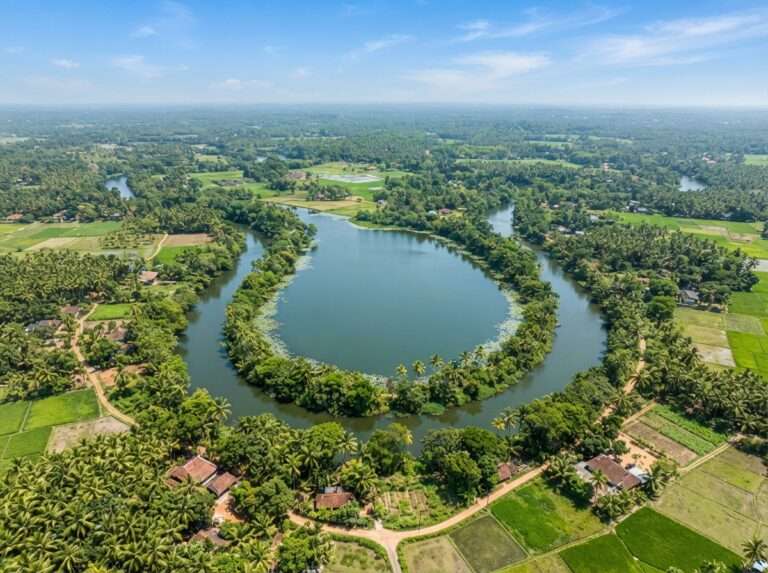
Vynthala, near Mala in Thrissur district and about 10 km from Chalakudy, is the quiet star of this list: the only naturally formed oxbow lake in South India. It curves in a horseshoe where an old river bend was cut off and left to loop on its own. Much of it has been reclaimed over the decades, so what remains is small, and it is not set up for mass tourism; treat it as a detour for photographers and anyone who likes a geographical oddity. June to August, when the water is high, shows the loop at its best. Cochin airport and Chalakudy station are both close.
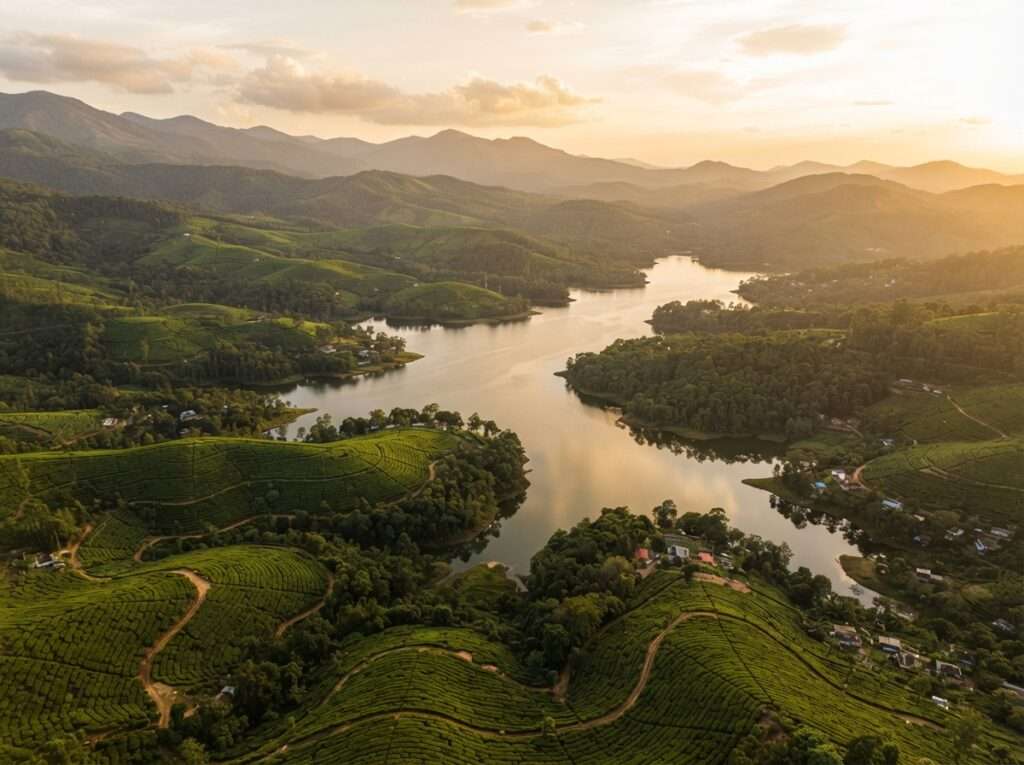
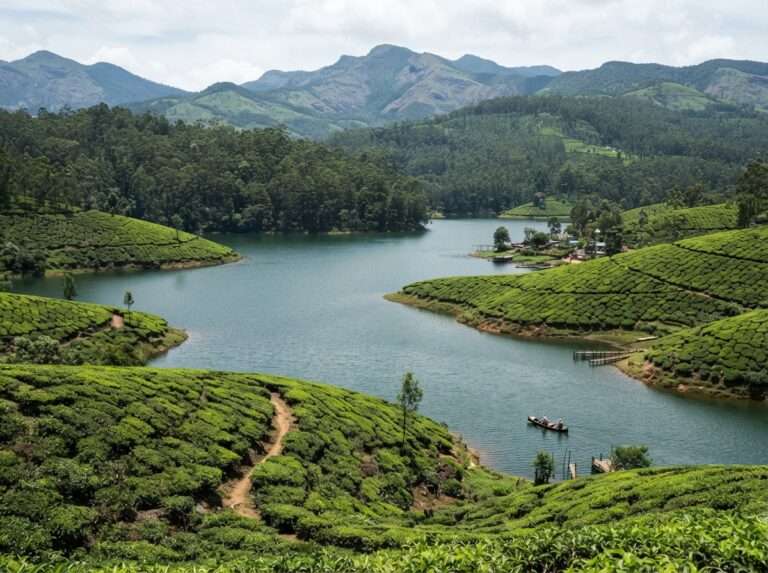
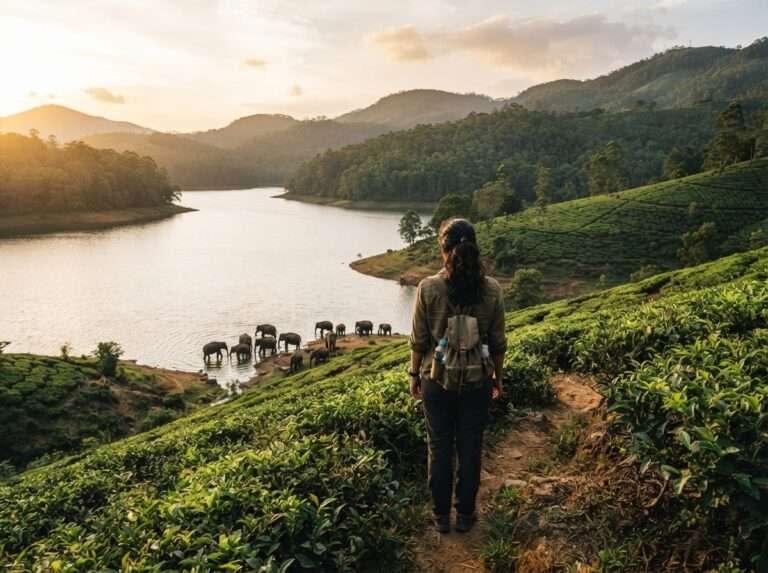
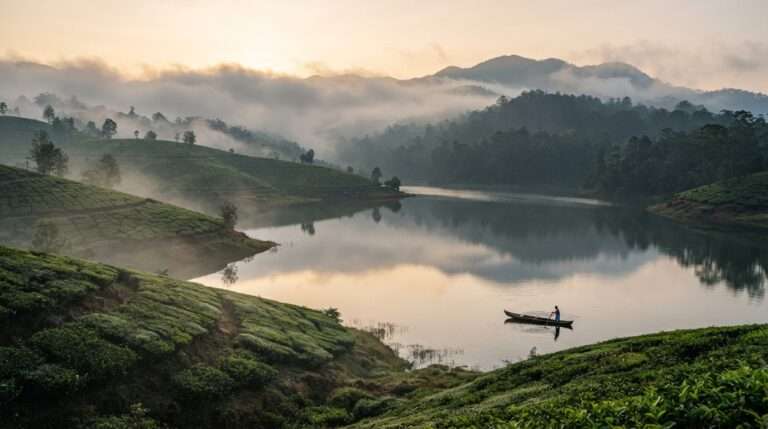
Anayirangal, about 21 km from Munnar, is a reservoir ringed by tea plantations and forest, and its name translates to “where elephants descend.” Herds do come down to drink, so early morning and late evening are worth the wait, from a safe distance. The mist rolling over the tea slopes and the still water below is the reason to make the drive. September to January is the season. Reach it via Cochin airport; pair it with a Munnar hill leg and you can knock out two lakes and the tea country in one loop.
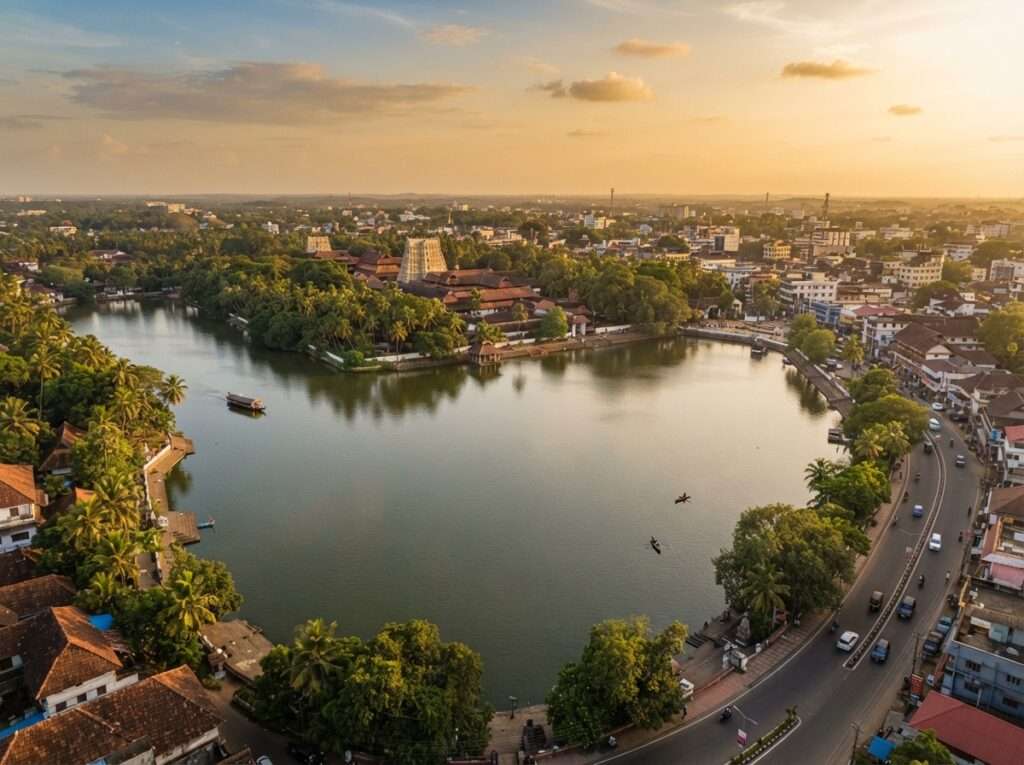
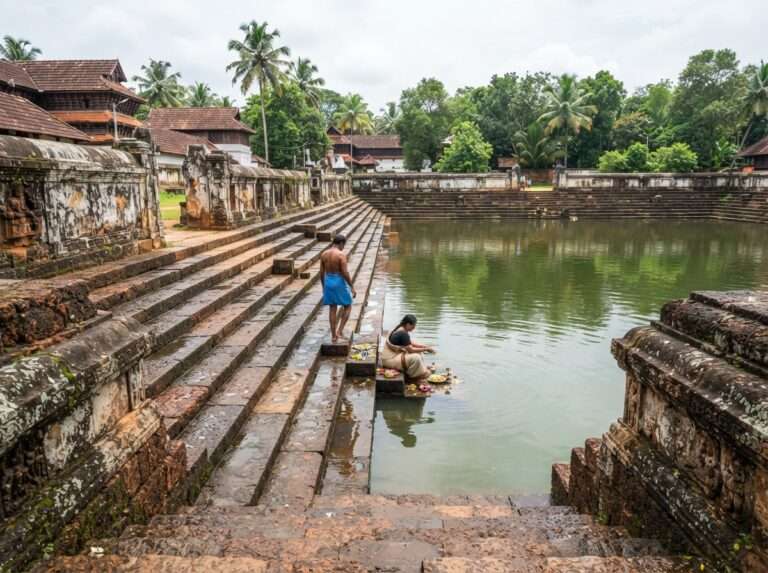
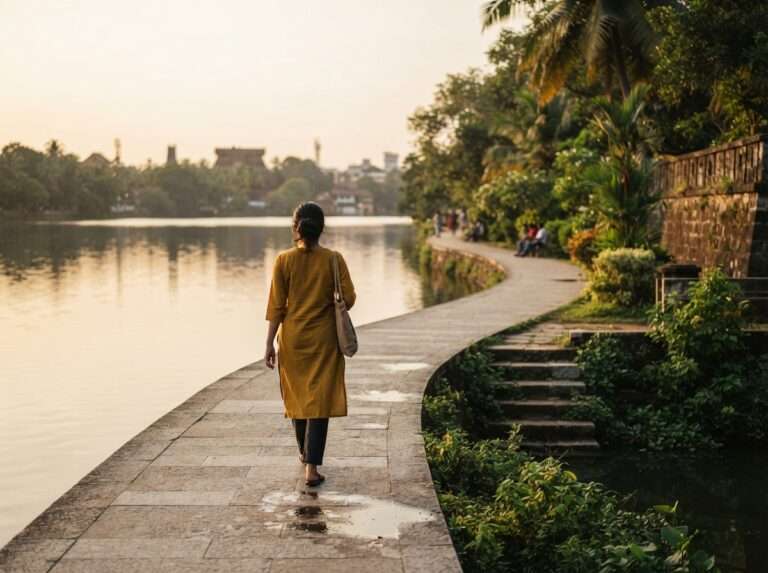
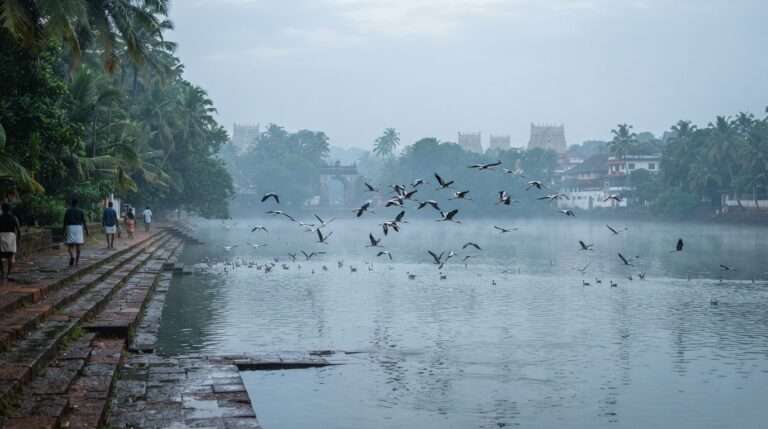
Vadakkechira is a heritage temple tank in the heart of Thrissur, more pond than lake but a genuine part of the city’s civic life for centuries. It has been landscaped into a walkable green space, and it pulls in migratory birds through the cooler months. It is a gentle stop rather than a headline sight, easy to fold into a Thrissur temple-and-culture day. October to February is comfortable. Cochin is the nearest airport and Thrissur has its own major railway station.
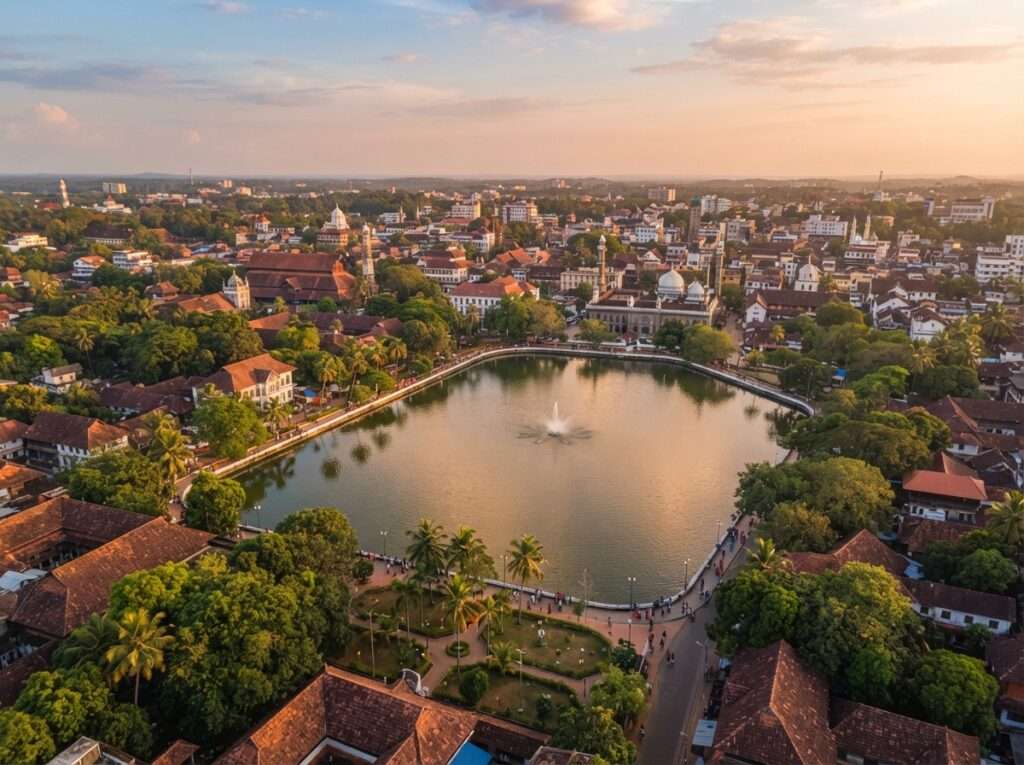
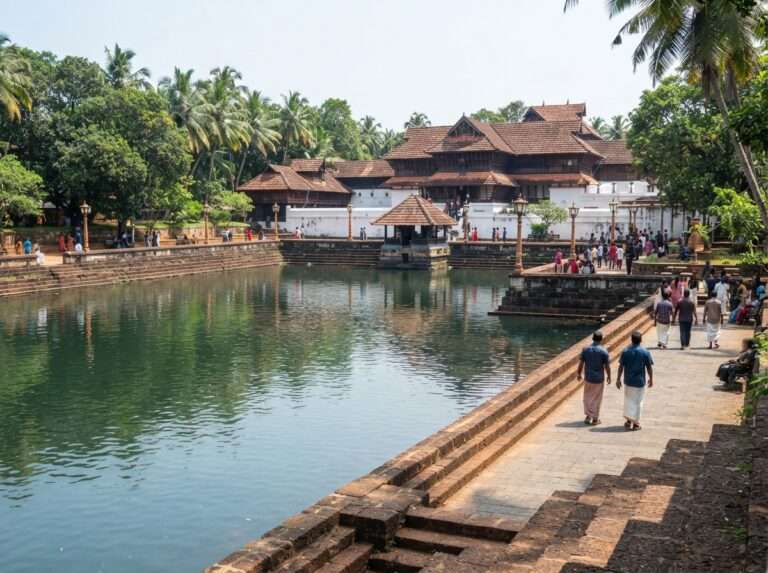
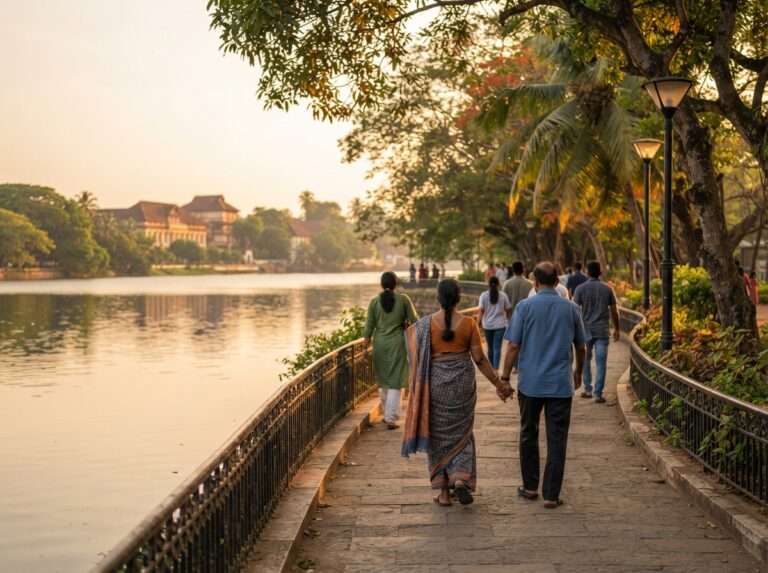
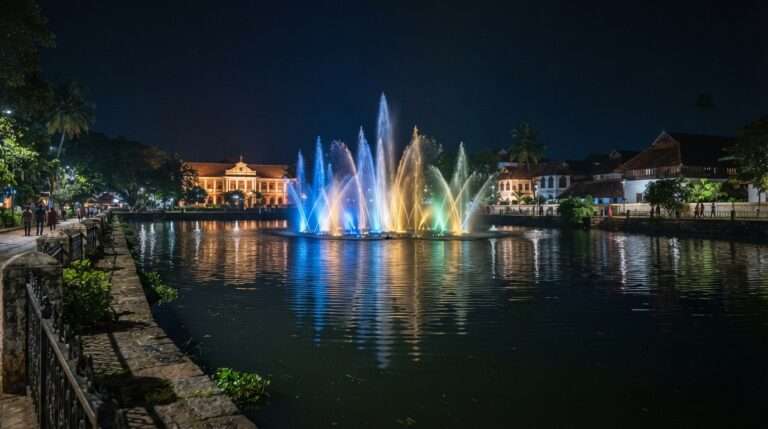
Mananchira sits right in the centre of Kozhikode, a freshwater tank fed by natural springs and once the private pond of the Zamorin rulers. Today it anchors Mananchira Square, a heritage park with an open-air stage and a musical fountain, so it is as much a public square as a lake. It is the easiest lake here to reach on foot from a city hotel. Evenings, when the fountain runs, are the time to come. Calicut International airport and Kozhikode station are both close.
Kerala’s lakes come in two kinds, and knowing which is which helps you plan. Freshwater lakes such as Sasthamcotta, Pookode and Vellayani are inland, hill- or spring-fed, and unsalted; they are usually calmer and quieter, and a few double as drinking-water sources. A “kayal” is a backwater lagoon, brackish because it mixes river water with the sea. Vembanad, Ashtamudi, Kayamkulam and Punnamada are all kayals, and they are the ones that carry the famous houseboats. Locals often use “lake,” “kayal” and “backwater” interchangeably, but the split is simple: hill freshwater versus coastal brackish. Kerala’s backwater network as a whole is one of India’s largest, threaded together by 44 rivers.
September to March is the sweet spot for almost every lake here: the monsoon has passed, the water is calm, and the hills are clear. For the full run of seasons and festivals, see the best time to visit Kerala guide. The headline activity is an overnight houseboat on Vembanad, Ashtamudi or Kayamkulam, where dinner and sunrise happen on the water. Beyond that, take the eight-hour Kollam to Alleppey cruise for a cheaper backwater fix, pedal-boat the hill lakes at Pookode and Vellayani, and time August for the snake boat races on Punnamada and Vembanad. Birdwatchers should head for the Ramsar wetlands at Ashtamudi and Vembanad in winter, and wildlife-first travellers should book the Periyar boat cruise for elephants and, occasionally, a tiger.
Here is a simple way to link several lakes into one trip without backtracking.
Step 1. Fly into Kochi (Cochin International). It is the most central airport for the backwater belt and the hill lakes alike.
Step 2. Start on Vembanad. Book an overnight houseboat from Alleppey or Kumarakom; browse routes and prices on the Kerala tour packages page.
Step 3. Drop south to Kollam for Ashtamudi and the eight-hour Kollam to Alleppey cruise, plus a side trip to Sasthamcotta.
Step 4. Swing through Thiruvananthapuram for Vellayani and Akkulam, then read up on where else to go via the places to visit in Kerala list.
Step 5. Head to the hills. Pookode sits up in Wayanad, while Anayirangal and the Munnar tea country, plus the Periyar cruise at Thekkady, round out the trip.
Step 6. Book for September to March for calm water. If the Nehru Trophy Snake Boat Race is on your list, aim for August instead.
Kerala’s lakes give you two very different trips in one state: slow, sociable nights on the backwaters, and quiet, clear mornings on the hill lakes. Pick a couple of each, go between September and March, and you will see why water, not roads, is how this place is best explored. When you are ready to turn the trail into a booking, compare houseboat and hill itineraries on our Kerala tour packages page, or start with the Kerala travel guide for the full picture.
Quick answers on the largest, smallest and only oxbow lake, houseboats, boating and the best time to go
Kerala has around 34 notable lakes and kayals. They divide into freshwater lakes fed by the Western Ghats and brackish backwater lagoons that connect to the Arabian Sea. The state's wider backwater network is fed by many of Kerala's 44 rivers, which is why water is such a defining feature of Kerala travel.
Vembanad is the largest lake in Kerala and the longest lake in India, running around 96 km across Alappuzha, Kottayam and Ernakulam districts. It is the heart of the houseboat tourism that made Alleppey and Kumarakom famous, and it hosts the snake boat races held during the Onam season.
Sasthamcotta, in Kollam district, is the largest freshwater lake in Kerala. Nicknamed the Queen of Lakes, it is a Ramsar-listed wetland and supplies drinking water to much of Kollam, so its water stays notably clean and clear.
Pookode Lake in Wayanad is Kerala's smallest freshwater lake. Set in evergreen hill forest, it is compact enough to walk around in under an hour and offers pedal boating and a small freshwater aquarium.
Chembra, near Meppadi in Wayanad, has Kerala's famous heart-shaped lake. It sits high on the Chembra Peak trek and is best seen after a short guided climb, usually as part of the day's trekking permit.
Vellayani, in Thiruvananthapuram district, is the southernmost of Kerala's major freshwater lakes, lying about 7 km from Kovalam. It is one of the largest freshwater bodies in the district and holds its own boat race during Onam.
There is no single answer, but travellers consistently rate Vembanad, Ashtamudi, Sasthamcotta, Vellayani and Pookode among the most scenic. Vembanad and Ashtamudi win for backwater cruising, while Pookode and Sasthamcotta stand out for calm, clear freshwater settings in the hills.
Vynthala, near Chalakudy, is the only naturally formed oxbow lake in South India. It curves in a horseshoe where an old river bend was cut off, and it is a quiet detour rather than a developed tourist site, best photographed when the water is high.
September to March is the best time to visit Kerala's lakes. The monsoon has cleared, the water is calm, and the hills around lakes like Pookode and Anayirangal are at their greenest. For the snake boat races, plan for August during the Onam season.
The classic houseboat lakes are the kayals: Vembanad (from Alleppey and Kumarakom), Ashtamudi (from Kollam), Kayamkulam and Punnamada. Vembanad is the most popular for an overnight kettuvallam, while Ashtamudi's eight-hour Kollam to Alleppey cruise is a good-value alternative.
Yes. Options range from overnight houseboats and shikara rides on the backwaters to pedal and row boats on hill lakes such as Pookode and Vellayani, and government wildlife-cruise boats on Periyar. Most backwater lakes are best enjoyed by boat rather than by swimming.
Most natural lakes and backwaters are free to view, and you only pay for boating. Ticketed spots such as Pookode Lake (entry plus boating) and the Periyar boat cruise charge a small fee, and houseboat rates depend on the operator and length of trip. Confirm current rates on site before you book.
Real reviews from real travelers who booked with us.
View All Reviews