8D / 7N
6% OFF


March in Sri Lanka: Peak Dry Season on the South and West
March is one of the best months to visit Sri Lanka. It sits right at the end of the island’s December-to-March high season, so the south and west coasts are dry and sunny, the seas off Bentota and Mirissa are calm, and the Cultural Triangle is at its least humid all year. Daytime temperatures run around 31°C to 32°C on the coast and lowlands, while the hill country stays cool at roughly 20°C. Add peak dry-season leopard safaris in Yala and the peak blue-whale season off the south coast, and you have a short, bright window before the first rains arrive in late April. Here is exactly what to expect, where to go, and how to plan the trip.
Key Takeaways
- Expect 31°C to 32°C on the south and west coasts and the Cultural Triangle, and cool 20°C days in the hill country. March is peak dry season for Colombo, Bentota and Galle.
- Go now for calm seas and whale watching off Mirissa, and for the best dry-season leopard safaris in Yala.
- Skip the east coast (Trincomalee, Nilaveli) for swimming. Its season runs May to September.
- Budget 5 to 7 days for a classic loop: south-coast beaches, the Cultural Triangle, and the Kandy to Ella tea train.
- Medin Poya falls on 2 March 2026, and crowds and prices ease after mid-month, so late March is the value sweet spot.
Sri Lanka
Sri Lanka
Weather by region, best places, a 5-day route and whether March is a good time to visit in 2026
Best Time
December - April
Select Package Type
Best Selling Packages


Is March a Good Time to Visit Sri Lanka?
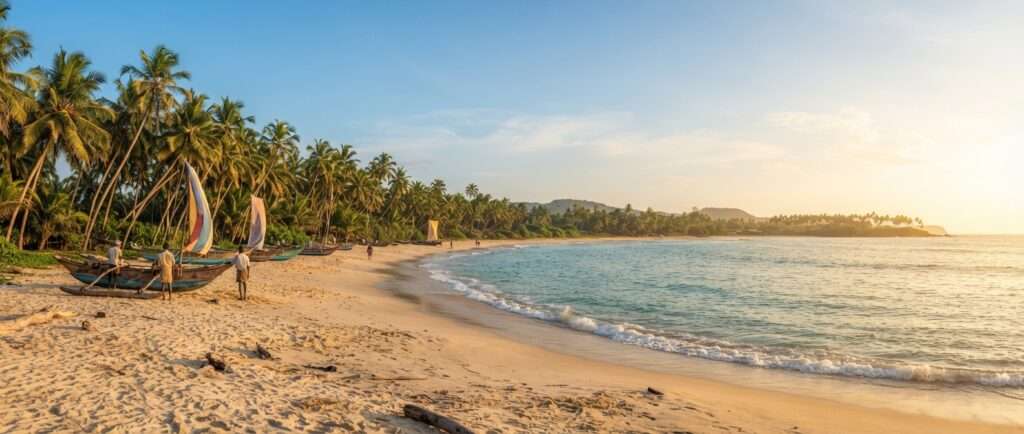
Yes. March is one of the best months to visit Sri Lanka, especially for the south and west. It is the last full month of the main dry season before the southwest monsoon sets in, so Colombo, Bentota, Galle, Mirissa and the Cultural Triangle all stay dry, sunny and warm. The hill country around Kandy, Nuwara Eliya and Ella is cool and clear, which makes March a strong month for the scenic train and for walking. The one caveat is the east coast: Trincomalee and Nilaveli are only starting to come good, and their real season does not begin until May, so plan beach time on the south and west instead.
If you want the full seasonal picture across the year, our Sri Lanka best time to visit guide breaks it down month by month.
Sri Lanka Weather in March: Temperatures by Coast
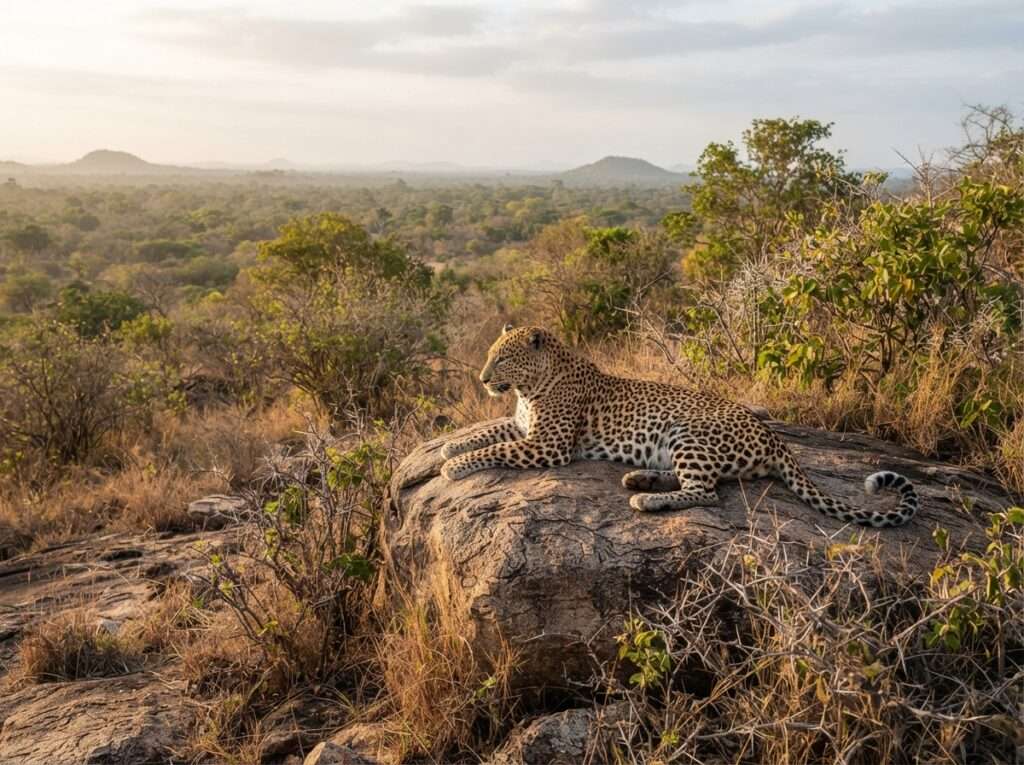
March is hot, bright and mostly dry across the south, west and the Cultural Triangle, and noticeably cooler up in the hills. On the coast you can count on about 9 hours of sun a day and sea temperatures near 28°C. Humidity sits around 72% to 75% on the coast, drops to roughly 60% in the Cultural Triangle (its driest, least sticky month), and feels fresh in the hill country. Rain is light and mostly late in the month: Colombo averages around 136 mm across about 9 short afternoon showers as the first inter-monsoon begins to build, so mornings stay reliable for sightseeing.
Here is March at a glance, region by region.
| Region | Avg high | Avg low | Sea & rain | March in a line |
|---|---|---|---|---|
| South & west coast (Colombo, Bentota, Galle, Mirissa) | 31-32°C | 24-25°C | Calm, clear sea ~28°C; occasional late-month shower | Peak dry beach season; best coast in March |
| Southeast & Yala (Tissamaharama) | 32-34°C | 24°C | Very dry, low humidity | Hot and parched; prime dry-season safari |
| Cultural Triangle (Sigiriya, Dambulla, Polonnaruwa, Anuradhapura) | 33-34°C | 23-24°C | Dry; humidity ~60% (lowest of year) | Climb and explore ruins before midday heat |
| Hill country (Kandy, Nuwara Eliya, Ella) | 20-22°C (Kandy ~30°C) | 10-12°C | Cool, crisp, misty mornings; light rain | Fresh and green; pack a warm layer |
| East coast (Trincomalee, Nilaveli) | 30-32°C | 25°C | Seas still settling; not yet calm | Drying out but pre-season; swim elsewhere |
Figures are typical March climate norms. Pack light cotton and linen for the coast and lowlands, and a warm layer for cool hill-country evenings that can dip toward 10°C.
Best Places to Visit in Sri Lanka in March
March opens up almost the whole island, so this is the month to pair dry south-coast beaches with the Cultural Triangle and the cool hills. These eight places make the strongest March itinerary.
Bentota
Start on the southwest coast. Bentota has wide, calm beaches that are at their best in March, with warm 28°C water and gentle surf ideal for swimming, jet-skiing and a river safari on the Bentota Ganga. It is an easy first or last stop less than two hours south of Colombo, and the quiet beachfront is a good place to ease into the trip. For the full line-up of water sports in Sri Lanka, the southwest coast is where the calm March seas make them easiest.
Mirissa
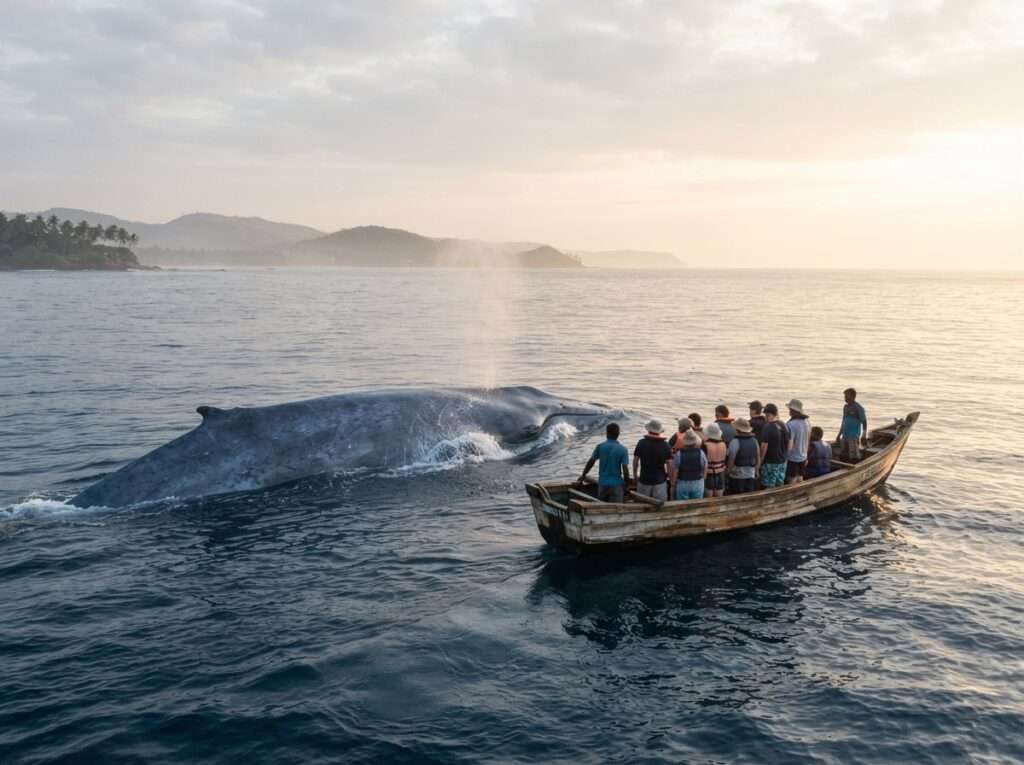
A little further south, Mirissa is the whale-watching capital of Sri Lanka, and March is one of the peak months. Boats leave around 6:30 am for the deep water off the south coast, where blue whales and sperm whales pass through, often alongside spinner dolphins. The beach itself is a relaxed crescent of palms, good for sundowners after a morning at sea. Book the boat the day before, as the early slots fill fast in high season.
Galle
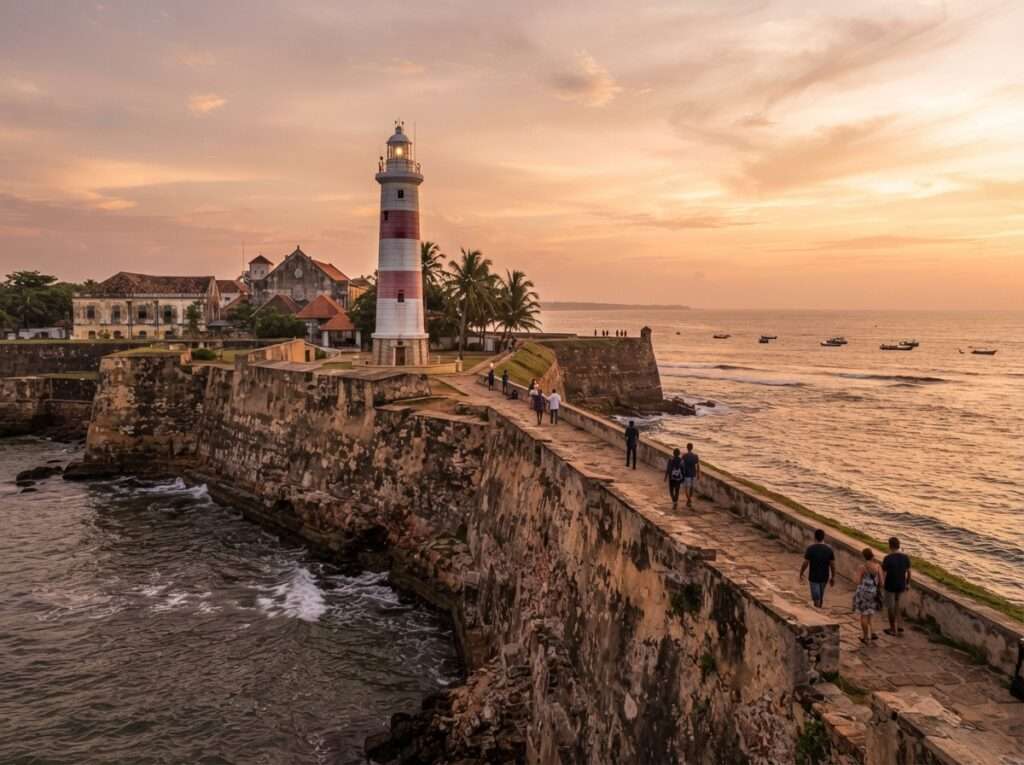
Galle Fort is a UNESCO World Heritage Site and the most atmospheric town on the coast. You can walk the 17th-century Dutch ramparts at sunset, wander lanes of colonial townhouses, cafes and boutiques, and watch the ocean from the lighthouse. It sits neatly between Bentota and Mirissa, so it slots into any south-coast run. March’s dry, clear light is perfect for photographing the ramparts.
Ella
Up in the hills, Ella is the postcard of tea-country Sri Lanka. Walk out to the Nine Arch Bridge to watch the train curve across it, hike Little Adam’s Peak for an easy hour-long climb with big views, and enjoy evenings cool enough for a jacket. March’s clear skies make the ridge walks and the famous train ride far more rewarding than in the wet months.
Nuwara Eliya
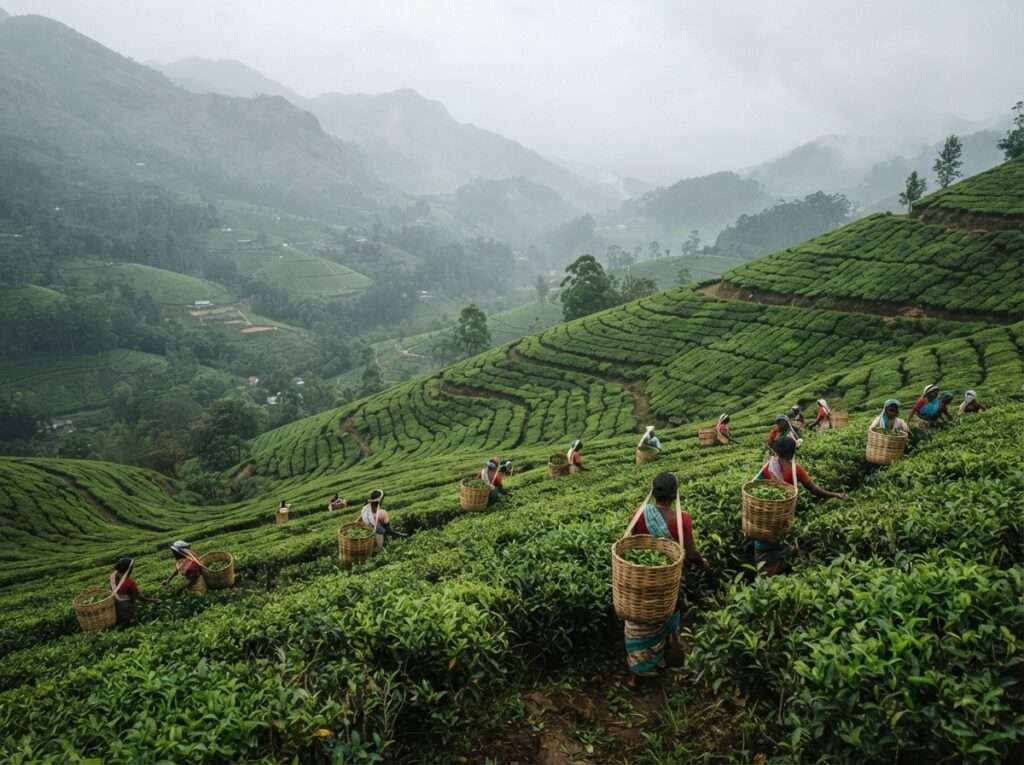
Known as ‘Little England’, Nuwara Eliya is the heart of the tea country at 1,900 m, where days are a fresh 20°C and nights can drop to 10°C. Tour a working estate, taste a fresh Ceylon brew, and stroll Gregory Lake and the colonial-era gardens. It is also the gateway to the early-morning Horton Plains walk out to World’s End. For more on the estates, see our guide to the tea plantations of Sri Lanka.
Kandy
Kandy is the cultural capital and home to the Temple of the Sacred Tooth Relic, the most important Buddhist site in the country. Time the evening puja, walk around Kandy Lake, and use the city as the launch point for the scenic train up to Ella. In March the weather is pleasant rather than hot, around 30°C by day, which makes the temple visits and the botanical gardens at Peradeniya comfortable.
Sigiriya & the Cultural Triangle
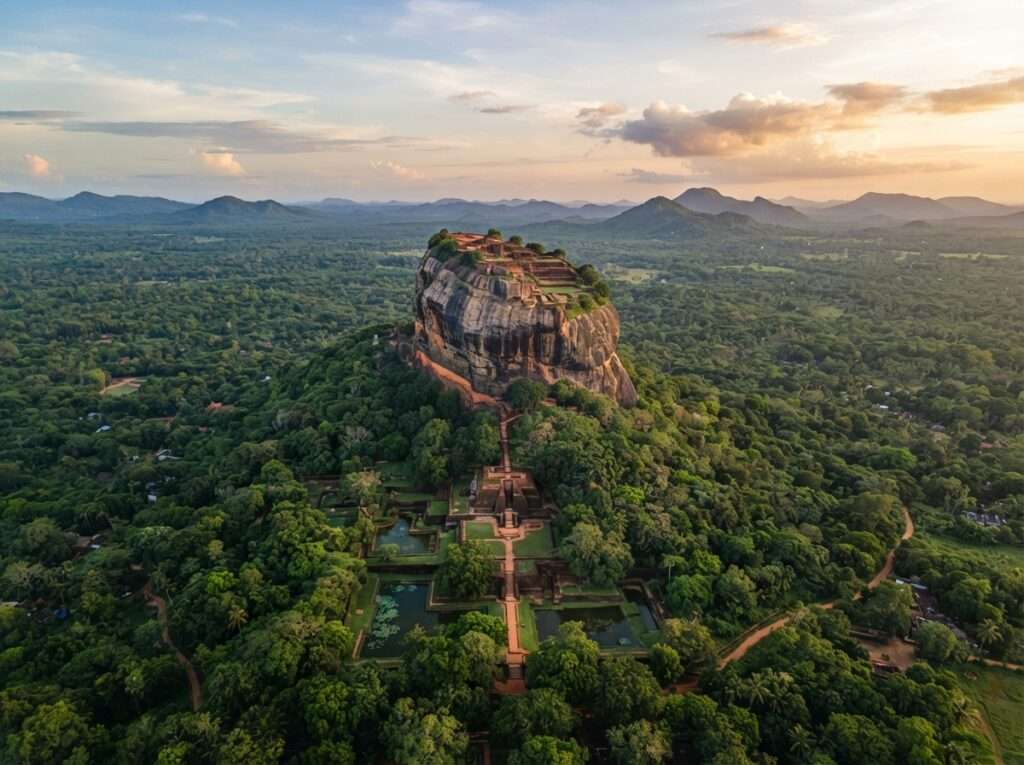
Sigiriya, the fifth-century rock fortress, anchors the Cultural Triangle along with the cave temples of Dambulla and the ancient capitals of Polonnaruwa and Anuradhapura. March is the driest, least humid month here, so climb Sigiriya or nearby Pidurangala early, before the midday heat builds past 33°C. Polonnaruwa’s ruins and Dambulla’s painted caves are best cycled or explored in the cooler morning hours. This is the richest history on the island, packed into a compact loop.
Yala National Park
Yala is Sri Lanka’s most famous national park and the best place in the country to see a wild leopard. March falls in the dry season, when water is scarce and animals gather around the remaining waterholes, so sightings of leopards, elephants, sloth bears and crocodiles are at their best. Go on a dawn or late-afternoon jeep safari out of Tissamaharama. For more wildlife ideas, see our roundup of the national parks in Sri Lanka.
Best Things to Do in Sri Lanka in March
March weather unlocks the experiences the island is known for. These are the ones worth building the trip around.
- Watch whales off Mirissa. March is a peak month for blue and sperm whales on the south coast. Take the early boat for the calmest sea.
- Track leopards in Yala. Dry-season safaris in March give you the best odds of a big-cat sighting in the whole year.
- Ride the Kandy to Ella train. One of the world’s great rail journeys, winding through tea estates and tunnels. Clear March skies make the views. Book a reserved seat ahead.
- Climb Adam’s Peak at dawn. The pilgrimage season runs through March under clearer skies, though weekends and poya days are very busy. Start around 2 am to reach the summit for sunrise.
- Float over Sigiriya in a hot-air balloon. The ballooning season runs from November to April, and March’s calm, dry dawns are ideal for a flight over the Cultural Triangle.
- Surf and dive the south coast. Weligama is a gentle learn-to-surf beach, while Hikkaduwa’s reef is good for snorkelling and diving in the clear March water.
- Taste tea in Nuwara Eliya. Tour an estate, see the plucking and processing, and taste a fresh single-estate Ceylon.
Sri Lanka Itinerary for March: 3, 5 and 7-Day Routes
Because March is dry almost everywhere except the east, you can combine coast, culture and hills in one clean loop. Pick the length that fits your trip.
Short on time (3 days). Stay on the south coast: Colombo to Bentota or Hikkaduwa for the beach, Galle Fort for an afternoon, and a morning whale-watching boat from Mirissa before you head back.
The classic week (5 days). The route below is the one most first-timers take in March. It is fast-paced and covers a lot of ground, so if you want a gentler trip, add a day or two using the seven-day loop below.
- Day 1: Arrive in Colombo, drive to the Cultural Triangle. Land at Bandaranaike airport and transfer to Sigiriya or Dambulla. Settle in for an early start the next day.
- Day 2: Sigiriya and Dambulla. Climb Sigiriya rock at dawn before the heat, then visit the Dambulla cave temples. A sunrise hot-air balloon flight is a good alternative to the dawn climb, as both run at first light, so pick one.
- Day 3: Kandy. Drive south to Kandy, see the Temple of the Sacred Tooth Relic and the Peradeniya gardens, and catch the evening puja.
- Day 4: Tea train to Ella or Nuwara Eliya. Take the scenic morning train through the tea country; for Nuwara Eliya, alight at Nanu Oya station, about a 25 to 30 minute drive below the town. The train reaches Ella in the afternoon, so take an evening walk out to the Nine Arch Bridge and save Little Adam’s Peak for an early start.
- Day 5: South coast and depart. It is a long travel day down from the hills, so build in the time: Ella to the south coast is roughly 4 hours, then another 3 hours up to Colombo. Plan it as a direct transfer to the airport rather than a sightseeing day; a final beach morning or a whale-watching boat really needs you to finish the trip on the south coast instead of the hills, or to add a sixth day.
The full loop (7 days). Add a dawn leopard safari in Yala after the hills, plus an extra day on the south-coast beaches around Unawatuna and Mirissa, and work in Polonnaruwa or Anuradhapura in the Cultural Triangle. For more route ideas across seasons, see our Sri Lanka itinerary guide.
Festivals, Crowds and Costs in March
March is a quietly busy month for culture. Medin (Madin) Full Moon Poya Day falls on 2 March 2026, a Buddhist public holiday when temples are busy with observance, alcohol sales pause for the day, and many restaurants serve only vegetarian meals as meat and fish sales are restricted. Eid al-Fitr, marking the end of Ramadan, is expected around 20 or 21 March 2026, subject to the moon sighting. The Adam’s Peak pilgrimage season also runs through March before it closes on Vesak in May, so the sacred mountain is busy with pilgrims; weekends and poya days such as Medin Poya draw the biggest crowds, so climb on a weekday for a quieter ascent.
On crowds and cost, March is the tail of the December-to-March high season. The first half of the month still carries peak-season footfall on the south coast and in the hills, but numbers and room rates ease noticeably after mid-March while the dry weather holds. That makes late March a genuine value window: high-season sunshine at shoulder-season prices.
What to Pack for Sri Lanka in March
March asks you to pack for two climates at once: hot coast and cool hills.
- Light, breathable cotton and linen for the coast, lowlands and the Cultural Triangle.
- A warm layer or fleece for Nuwara Eliya and Ella evenings and a pre-dawn Adam’s Peak climb, where it can drop near 10°C.
- Reef-safe sunscreen, a hat and sunglasses for the 9 hours of strong daily sun.
- Swimwear and quick-dry clothes for the calm south and west seas.
- Modest clothing that covers shoulders and knees for temples such as the Temple of the Tooth and Dambulla, where you will also need to remove shoes and hats before entering. Keep any Buddha tattoos covered, as displaying them is an offence in Sri Lanka.
- A light rain layer for the occasional late-month afternoon shower.
- Sturdy shoes for the Sigiriya and Adam’s Peak steps, plus insect repellent for safaris and parks.
- A power bank, your passport and your Sri Lanka ETA/visa approval.
Planning Your March Trip
March gives you the best of Sri Lanka in one go: dry, sunny coasts, the island’s least-humid culture circuit, cool green hills, and peak whale and leopard watching, all before the April rains. Build around a 5 to 7-day loop, keep the beaches on the south and west, and save the east for another season. When you are ready to lock in dates, browse our Sri Lanka tour packages and have a trip planner tailor a March route to your pace.
FAQs
Sri Lanka in March: Frequently Asked Questions
Quick answers on March weather, sea conditions, whale watching and how long to stay
On the coast and in the lowlands, March temperatures run from about 24°C at night to 31°C or 32°C by day, with the Cultural Triangle and Yala a degree or two hotter. The hill country is much cooler, with highs around 20°C to 22°C in Nuwara Eliya and Ella and nights that can fall to 10°C. Sea temperatures stay near a warm 28°C.
Very little on the south and west, which are in their dry season. Colombo averages around 136 mm over roughly 9 short afternoon showers as the first inter-monsoon starts to build late in the month, so mornings stay reliably dry for sightseeing. The Cultural Triangle is at its driest, and the hills see only light, passing rain.
The coast is warm and fairly humid, around 72% to 75%, but it is comfortable with the sea breeze. The Cultural Triangle has its lowest humidity of the year, near 60%, which makes climbing Sigiriya and exploring the ruins far more pleasant. The hill country feels fresh and dry.
The south and west coasts, without question. Bentota, Hikkaduwa, Galle, Weligama and Mirissa are all in peak dry season with calm, swimmable seas. The east coast around Trincomalee and Nilaveli is only starting to settle in March and does not reach its best until May to September.
Yes, on the south and west coasts the sea is calm, clear and around 28°C, ideal for swimming, snorkelling and learning to surf. Save the east coast for the May-to-September window, when its seas calm down.
Mirissa on the south coast is the main hub, and March is one of the peak months for spotting blue whales and sperm whales, often with pods of dolphins. Boats leave early, around 6:30 am, for the calmest water, so book the day before during the busy high season.
It is one of the best. The south and west coasts are dry, sunny and warm through March, with calm seas for swimming and water sports. For a pure beach trip, base yourself between Bentota and Mirissa.
Yes. March is the last full month of the main dry season for the south, west and Cultural Triangle, with cool, clear weather in the hills and excellent dry-season safaris in Yala. The only area still waiting for its season is the east coast.
Five to seven days is ideal and lets you combine the south-coast beaches, the Cultural Triangle and the Kandy-to-Ella tea train without rushing. With only three days, stay on the south coast; with a full week, add a Yala safari and more beach time.
Yes, Sri Lanka is generally safe for travellers, including families and solo visitors. Take the usual precautions in crowds, respect temple dress codes, and be sea-aware on any beach with surf. Indian and most other nationalities need an ETA (electronic travel authorisation) before arrival.