4D / 3N
17% OFF
Manali-Kasol Tour Package by Cab for Himachal (4D/3N) - At A Glance
- Hotel
- Meals
- Sightseeing
- Entry Tickets
- Cab Transfer
₹12,688
₹10,500 /pp


The best places to visit in Bir Billing are the Billing take-off site, the monasteries of the Tibetan colony (Chokling, Sherabling and Tsering Jong), the hidden Gunehar and Bangoru waterfalls, the Chaugan tea gardens, Rajgundha and Barot valleys, and the ancient Baijnath temple.
Bir Billing sits in Himachal’s Kangra valley, split between two settlements: Bir, a Tibetan colony at about 1,400 metres, and Billing, the meadow 14 km uphill at 2,400 metres that gives the place its name. It is India’s paragliding capital and Asia’s highest take-off site, but the flying is only half the trip. Between two flights you can walk a 100-foot waterfall, drink single-estate tea, and watch monks debate in a 900-year-old monastic tradition. Most travellers give it three days. Here is where to spend them.
Bir Billing at a glance
Places to Visit in Bir Billing
Best Time
March - June
Select Package Type
The top places to visit in Bir Billing are the Billing paragliding take-off site, the Chaugan landing ground and sunset point, the Bir Tibetan Colony, Chokling Monastery, Palpung Sherabling Monastery, Tsering Jong Monastery, Deer Park Institute, Dharmalaya Institute, the Bir Tea Factory, the Chaugan tea gardens, Gunehar village and waterfall, Bangoru waterfall, Rajgundha valley, Barot valley, Baijnath temple and Palampur. The list below covers all sixteen, plus where to shop and how to reach.
| Place | Type | Why go | Time needed |
| Billing take-off site | Adventure | Asia’s highest paragliding launch, 2,400 m | Half day |
| Chaugan landing & sunset point | Viewpoint | Watch gliders land; best sunsets in Bir | 1-2 hrs |
| Bir Tibetan Colony | Culture | Monasteries, cafes, handicrafts, momos | Half day |
| Chokling Monastery | Spiritual | Golden stupa, Nyingma murals | 1 hr |
| Palpung Sherabling | Spiritual | Forest monastery, 13 km, Kagyu seat | Half day |
| Tsering Jong Monastery | Spiritual | Quiet, behind Chaugan tea gardens | 45 min |
| Deer Park Institute | Learning | Classical Indian wisdom, talks | 1 hr |
| Dharmalaya Institute | Learning | Eco-living, mud architecture | 1-2 hrs |
| Bir Tea Factory | Experience | See tea processing, buy fresh leaf | 1 hr |
| Chaugan tea gardens | Nature | Walkable green rows below Billing | 1 hr |
| Gunehar village & waterfall | Trek | 1.5 km walk to a 100-ft fall | Half day |
| Bangoru waterfall | Trek | 5 km from Bir; forest hike | Half day |
| Rajgundha valley | Trek | Offbeat shepherd valley over Billing | 1-2 days |
| Barot valley | Nature | Uhl river, trout, deodar forest | Day trip |
| Baijnath temple | Heritage | 1204 AD Nagara-style Shiva temple | 1 hr |
| Palampur | Day trip | Tea capital of north India | Day trip |
Explore the 16 best places to visit in Bir Billing, plus why it's famous, where to shop, the best time to visit and how to reach the valley in Himachal's Kangra region.
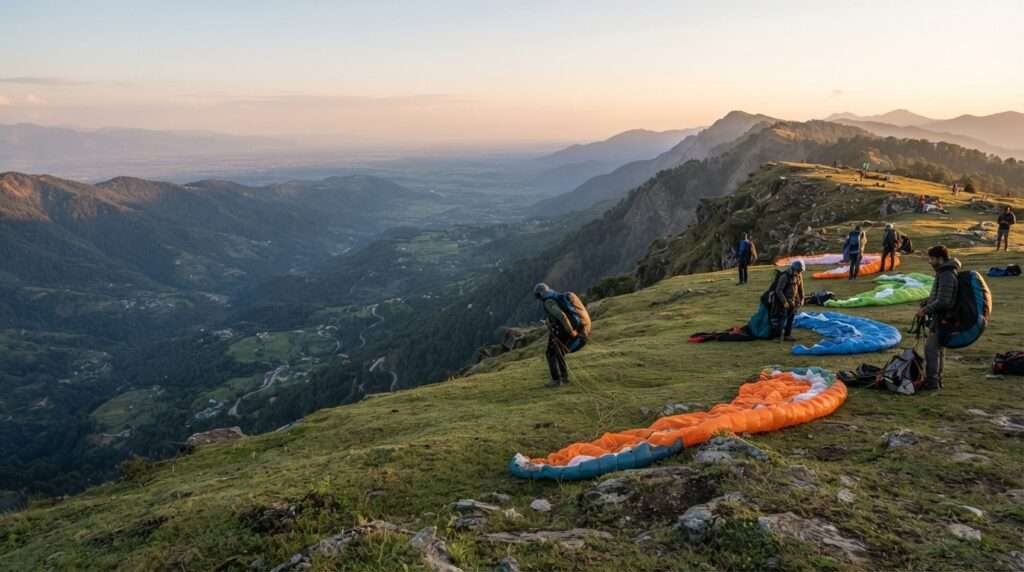
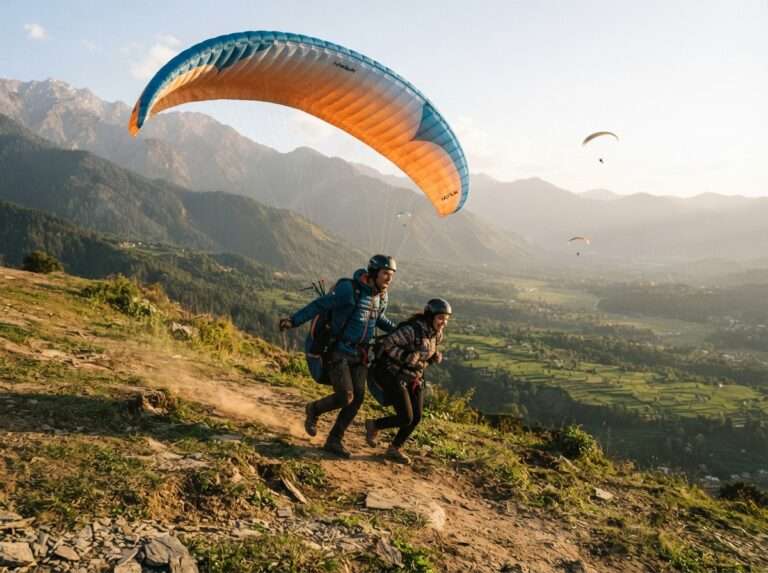
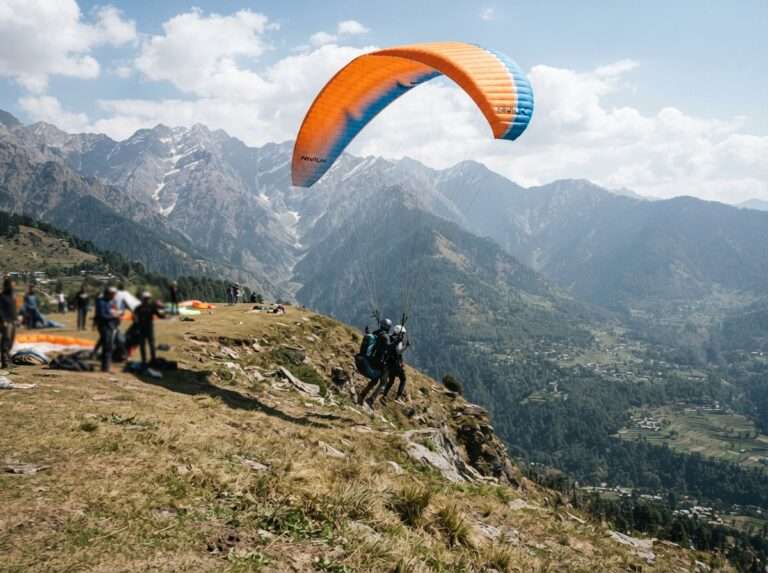
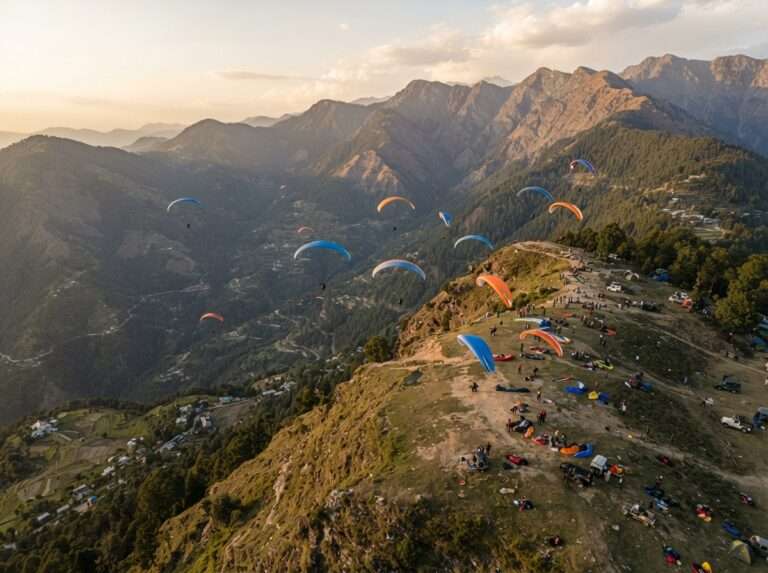
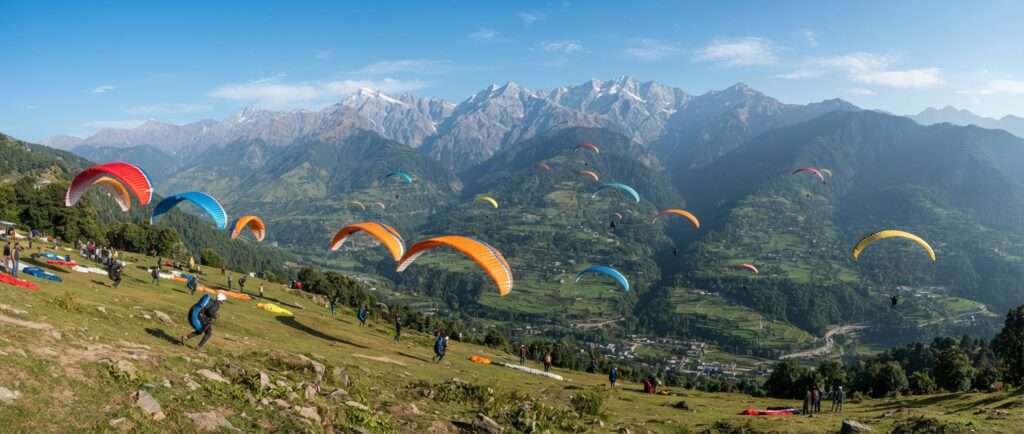
This is why most people come. Billing is a grassy meadow 14 km above Bir at 2,400 metres, and it doubles as Asia’s highest paragliding take-off point. You run a few steps downhill, the wing fills, and the ground drops away over the Dhauladhar range. A tandem flight lasts anywhere from 15 minutes to about 45, and you land back down in Bir. Book the first slot after the site opens (around 9 am); the air is smoothest before midday and cancellations climb once the wind picks up. For the full safety and operator rundown, read our Bir Billing paragliding guide.
| Best Time to Visit | Mid-September to November and March to May; morning air is calmest |
| How to Reach | 14 km uphill from Bir by road; operators run shared jeeps to the launch |
| Famous For | Asia's highest paragliding take-off (2,400 m), tandem flights over the Dhauladhar |
| Entry Fee | Tandem paragliding roughly Rs 2,500 to Rs 6,000 per person |



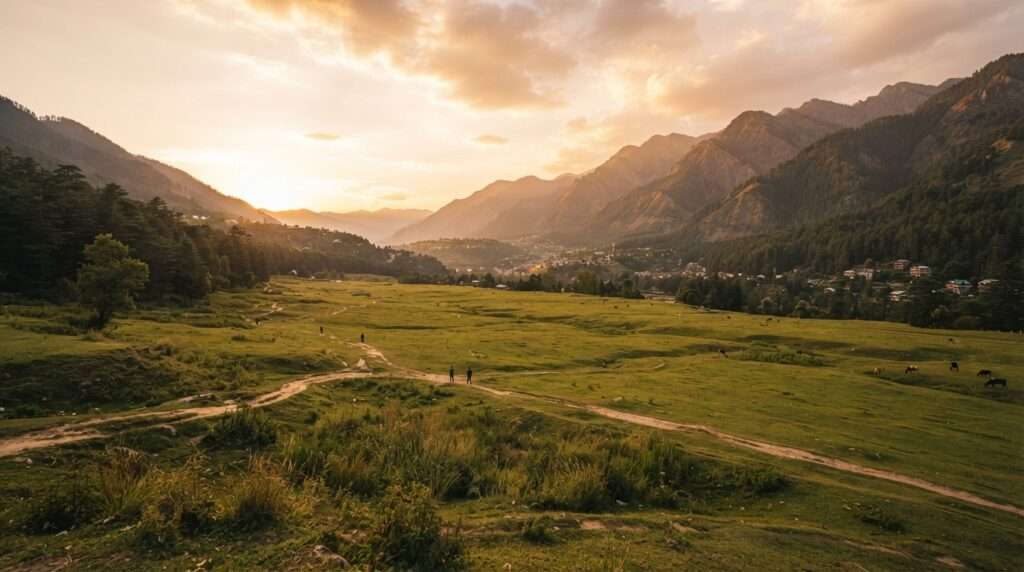
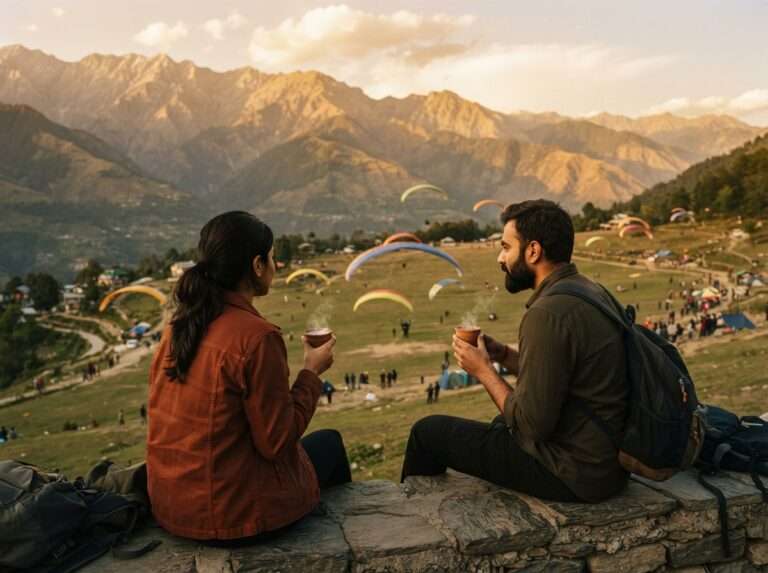
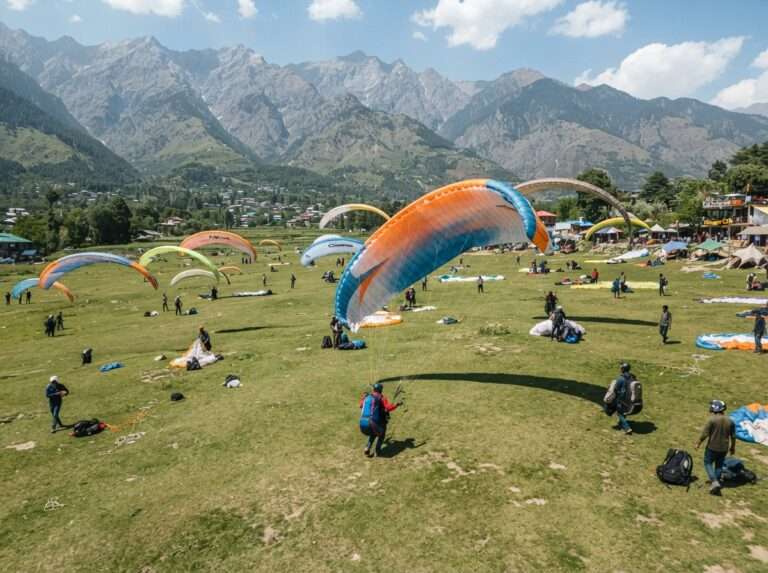
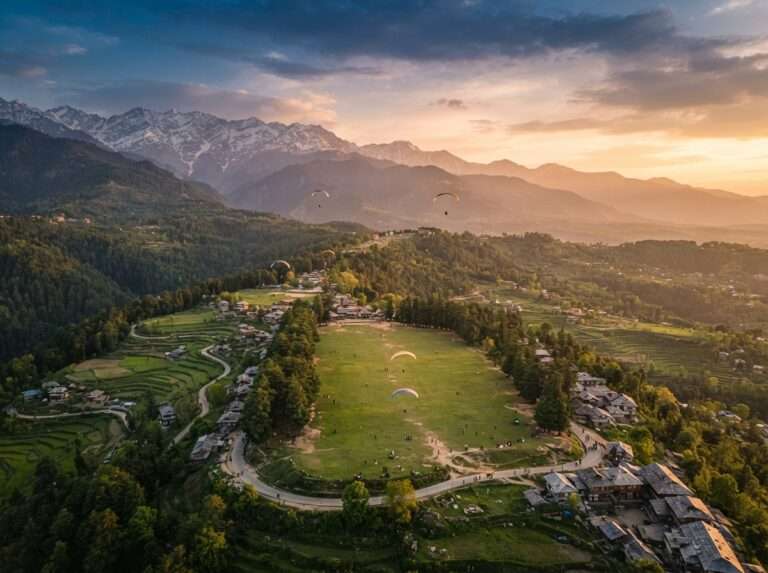
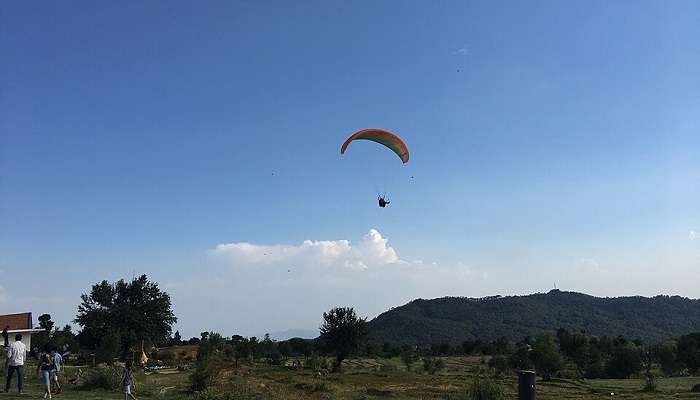
The wide, flat meadow at Chaugan in Bir is where every glider comes down, and by late afternoon it turns into the best free show in town. Locals and travellers drift in with chai to watch wing after wing settle onto the grass against the mountains. Stay for the sunset. Because the ground is open and faces the valley, it is the spot photographers pick over any other in Bir.
| Best Time to Visit | Late afternoon to sunset, all year |
| How to Reach | In Bir village (Chaugan), walkable from the Tibetan colony |
| Famous For | Paragliding landing ground, sunset views, photography |
| Entry Fee | Free |


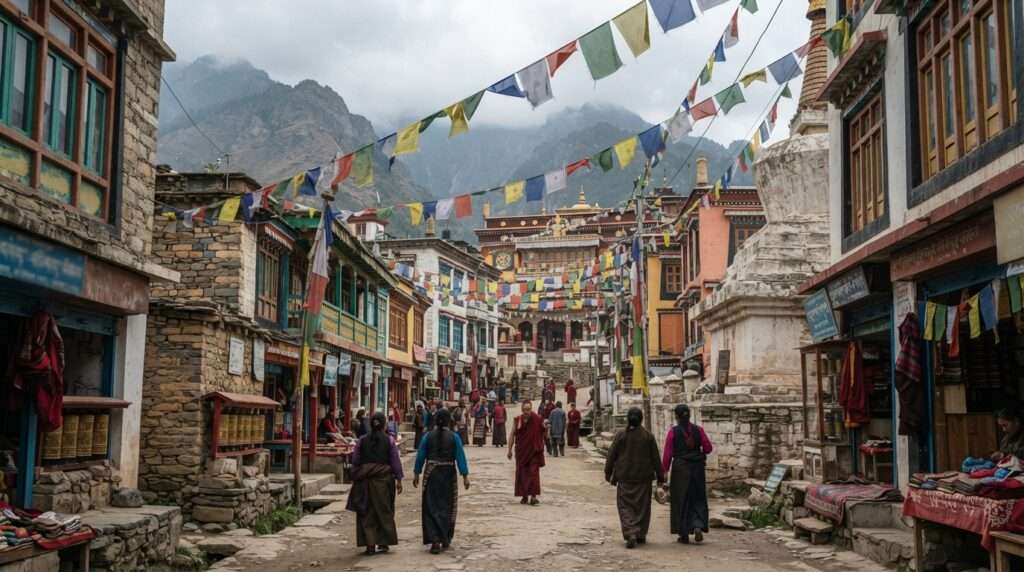
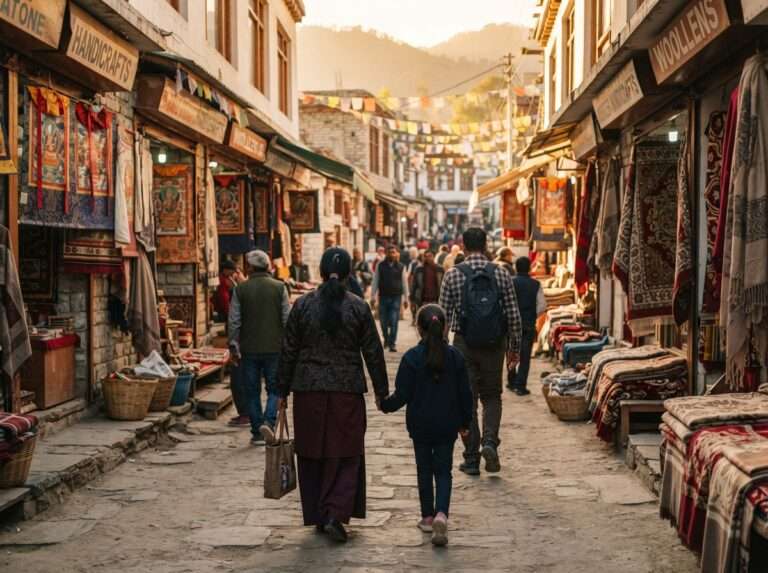
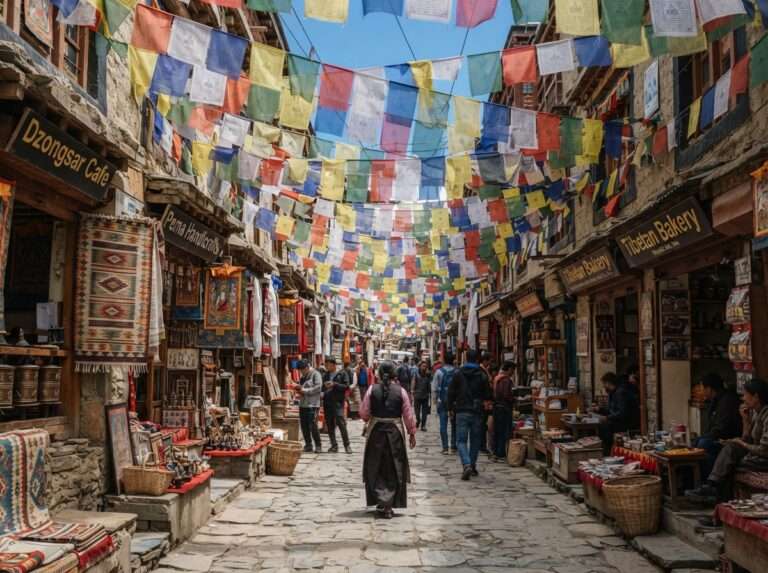
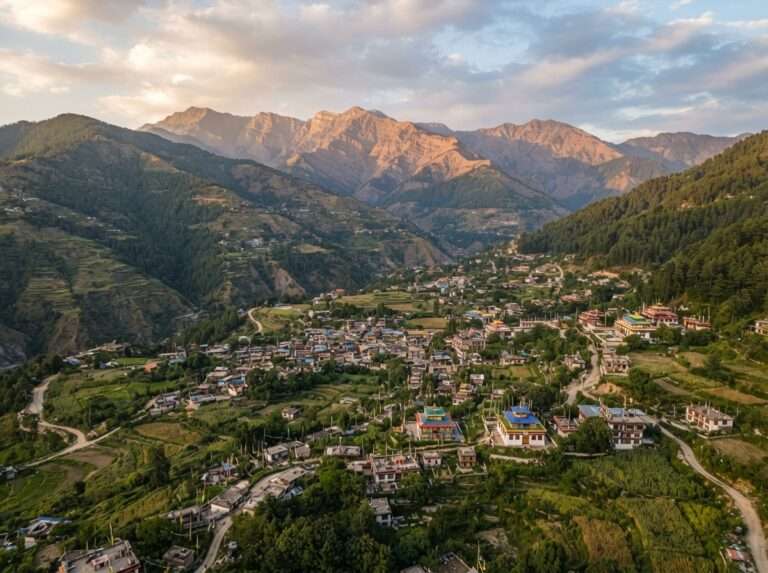
Bir was resettled by Tibetan refugees in the 1960s, and the colony (also called Chaugan) is still the heart of the village. Walk it slowly. You will pass prayer-flag lanes, a handful of monasteries, cafes serving thukpa and hand-thrown momos, and small shops selling incense, thangka prints and woollens. It is the easiest place to feel the Tibetan-Buddhist culture that shapes everything here.
| Best Time to Visit | Any time of day; mornings and evenings are liveliest |
| How to Reach | Central Bir; the main settlement of the village |
| Famous For | Tibetan-Buddhist culture, monasteries, cafes, handicrafts |
| Entry Fee | Free |


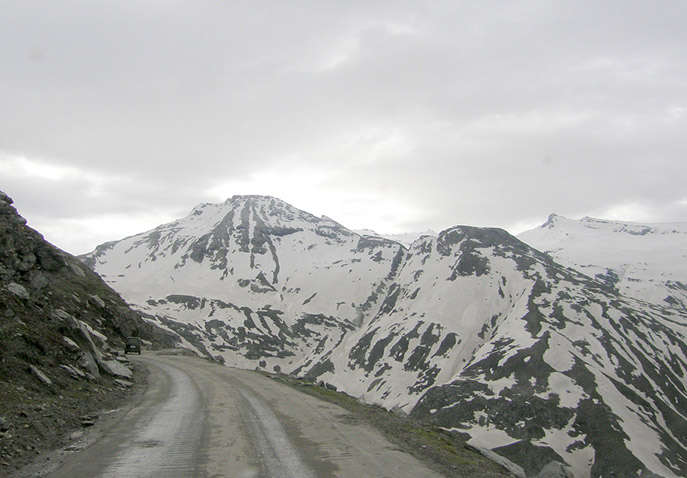


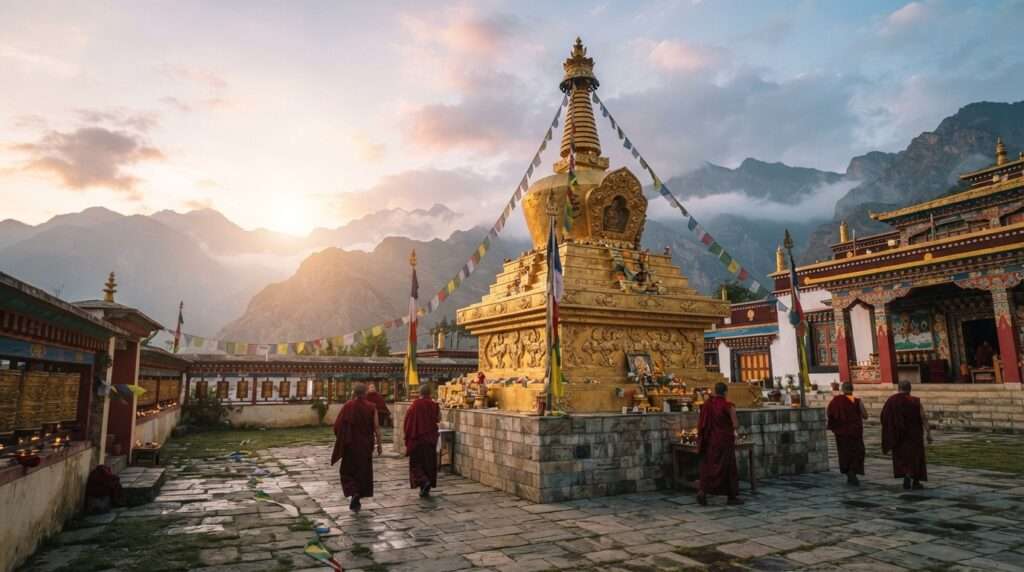
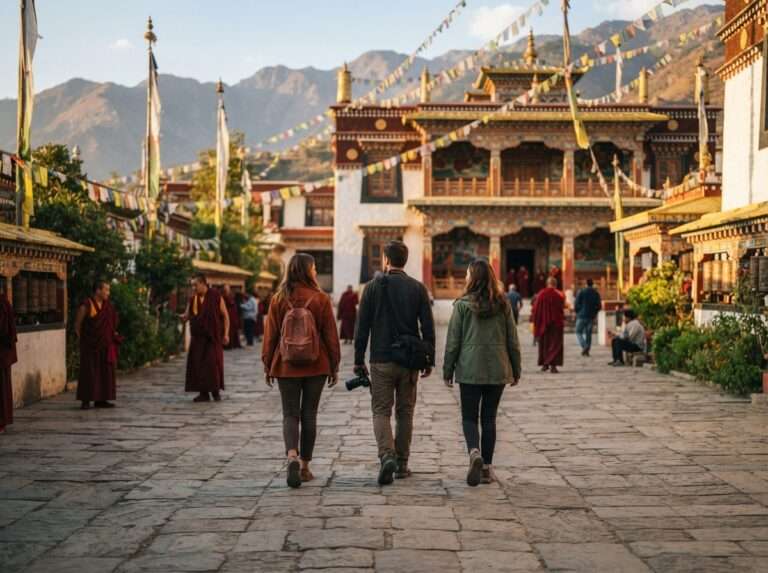
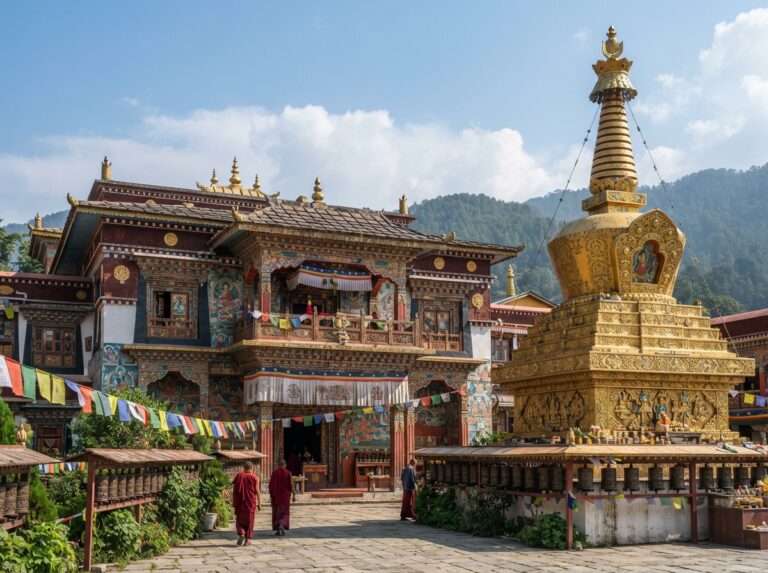
Set in Bir Colony on Monastery Park Road, Chokling belongs to the Nyingma school and is instantly recognisable by its tall golden stupa and richly painted prayer hall. Step inside for the murals and the low hum of chanting; it is open through the day, roughly 6 am to 7 pm. Mornings are quiet and photographs come out best in the early light.
| Best Time to Visit | Early morning for quiet and the best light |
| How to Reach | Monastery Park Road, Bir Colony |
| Famous For | Golden stupa, Nyingma-school murals, prayer hall |
| Entry Fee | Free; open roughly 6 am to 7 pm |


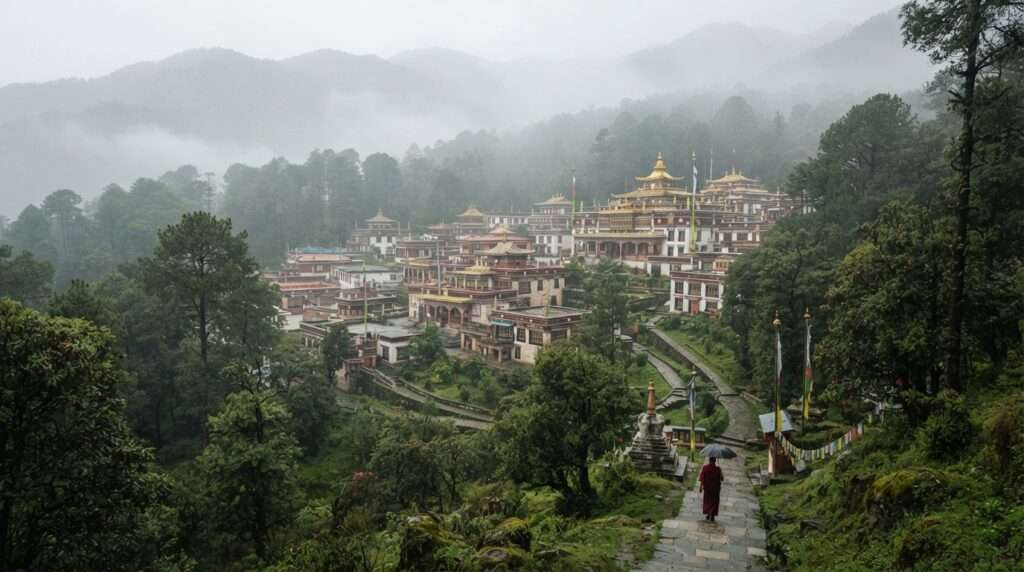
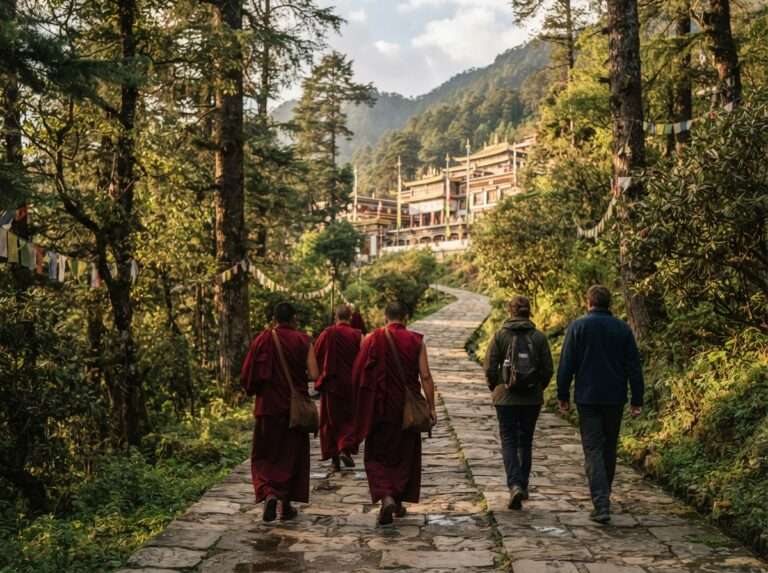
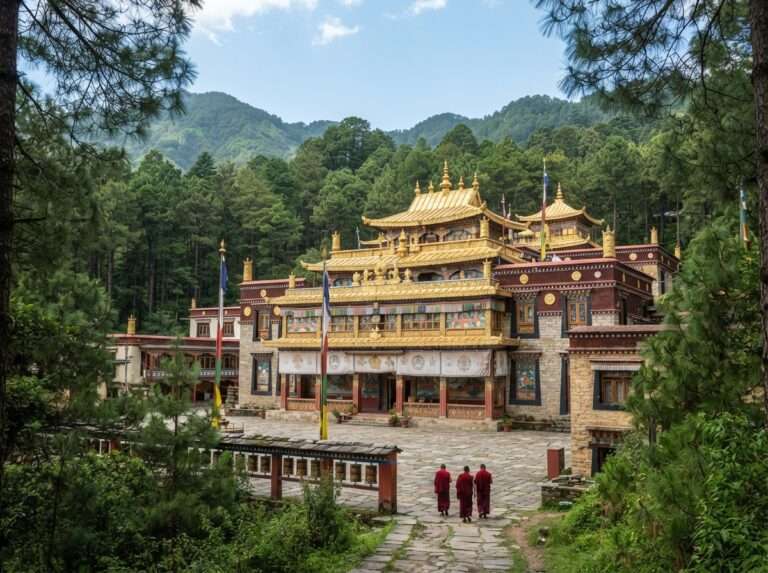
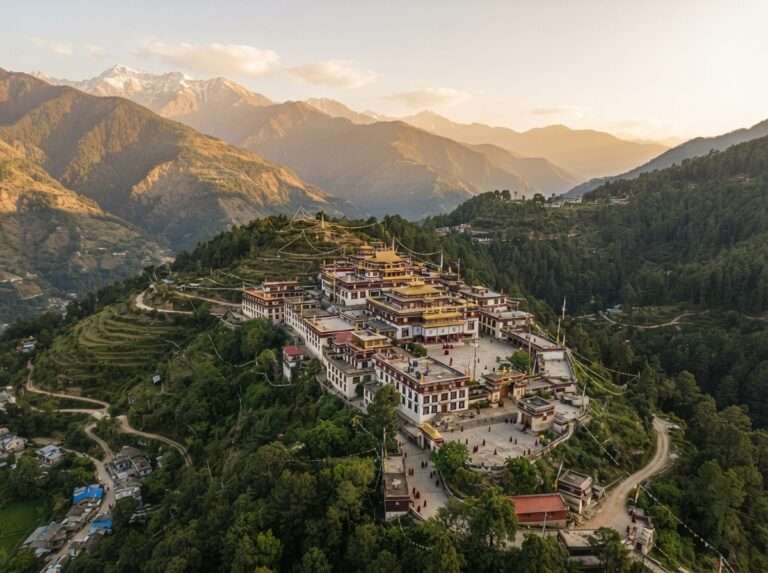
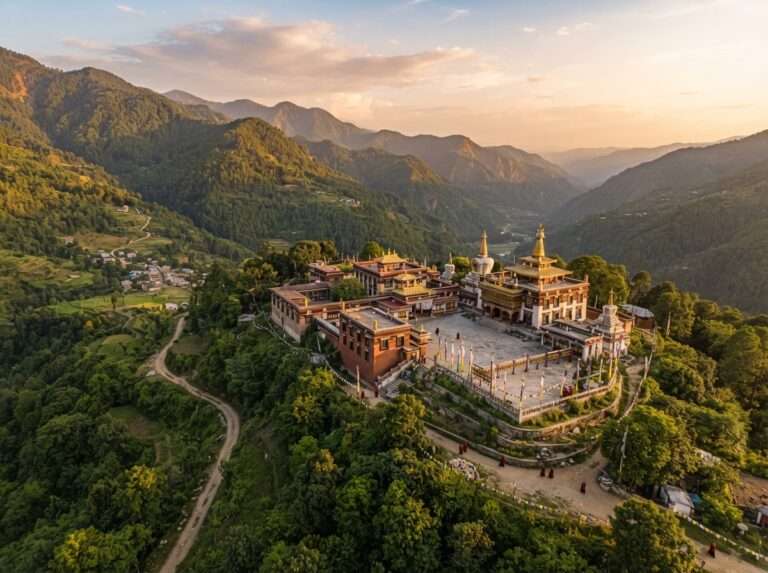
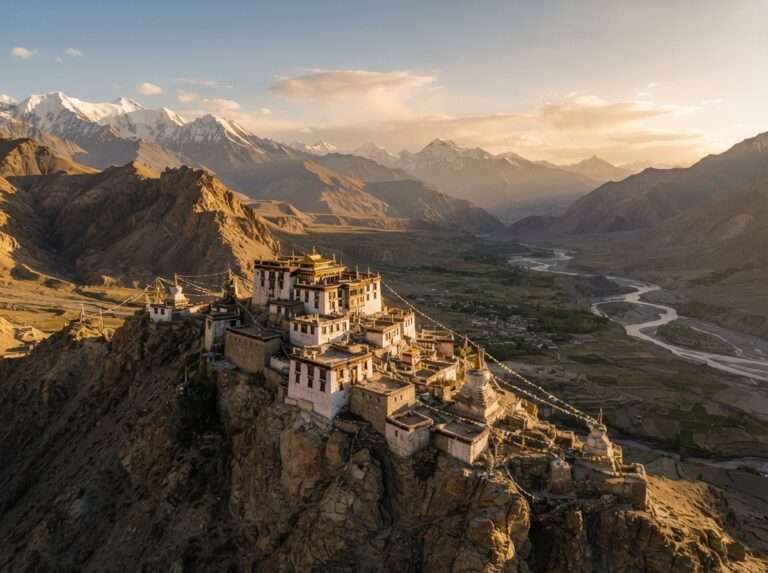
About 5 to 6 km from Bir, tucked into the Bhattu forest, Sherabling is the grandest monastery in the area and a major seat of the Kagyu lineage. The complex spreads across quiet, wooded grounds with a golden temple, a stupa and resident monks who study and debate here. It is worth the short drive out; the forest setting alone justifies the trip, and the monastery keeps a museum and a small cafe.
| Best Time to Visit | Daytime; a half day allows time for the grounds |
| How to Reach | About 13 km from Bir by road, in the Bhattu forest |
| Famous For | Kagyu-lineage seat, golden temple, forest setting, museum |
| Entry Fee | Free |
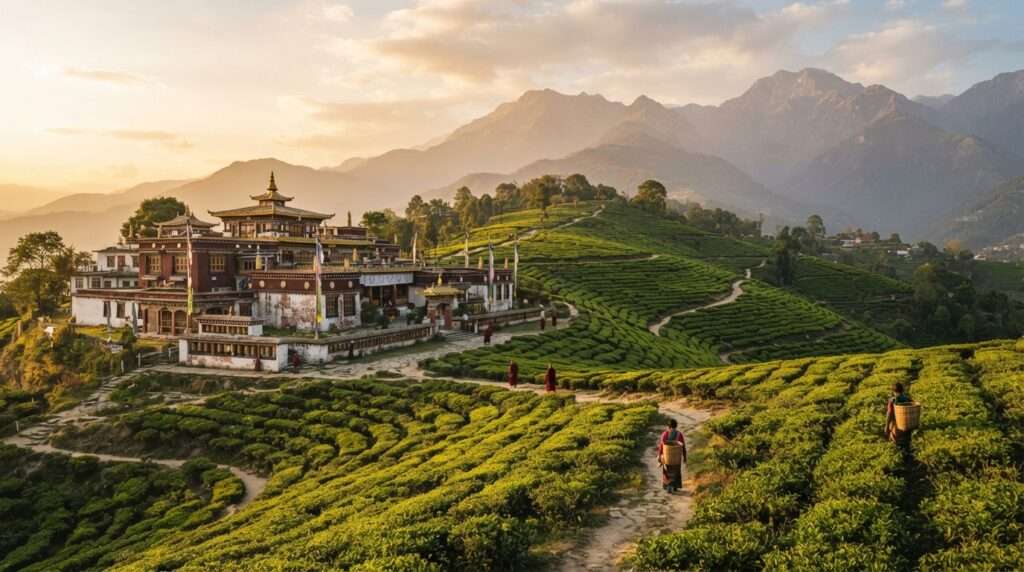
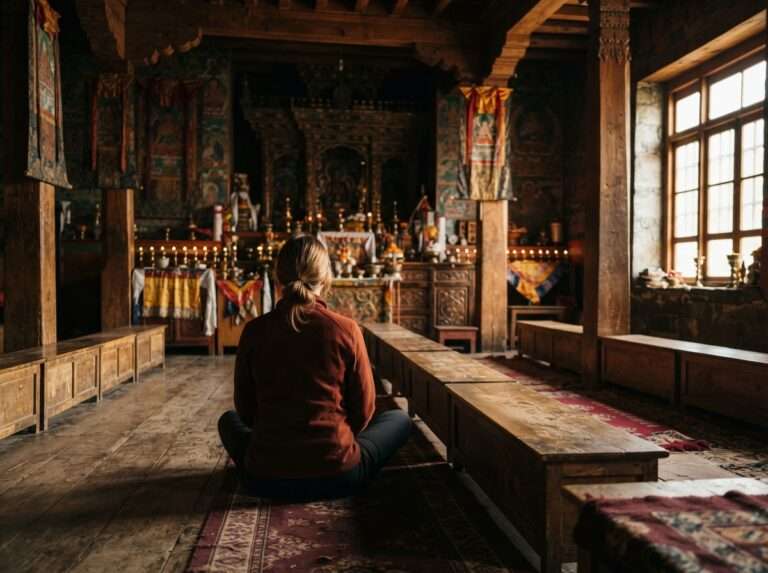
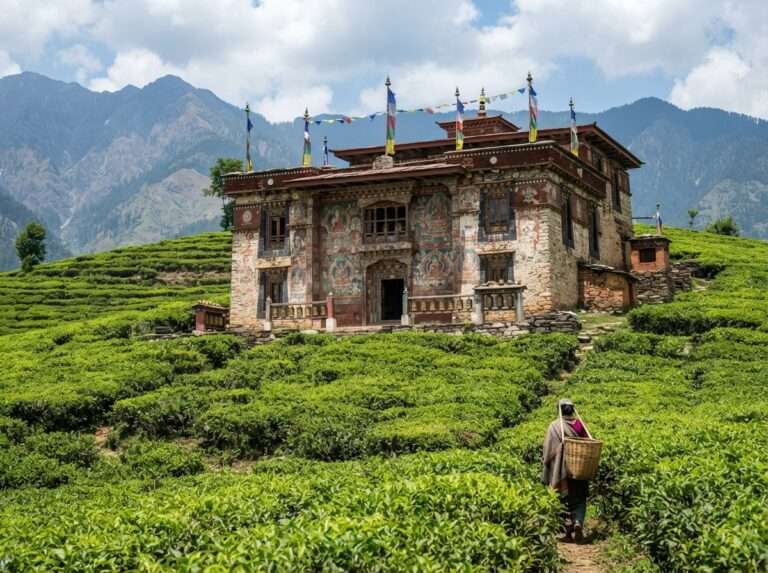
Smaller and far less visited, Tsering Jong sits behind the Chaugan tea gardens near the Bir landing site. Come here when the bigger monasteries feel busy. The rituals, the wall art and the plain quiet make it the kind of place you sit in for twenty minutes and leave calmer. Open roughly 9 am to 5 pm.
| Best Time to Visit | When larger monasteries are crowded; daytime |
| How to Reach | Behind the Chaugan tea gardens, near the Bir landing site |
| Famous For | Quiet rituals, wall art, an unhurried atmosphere |
| Entry Fee | Free; open roughly 9 am to 5 pm |
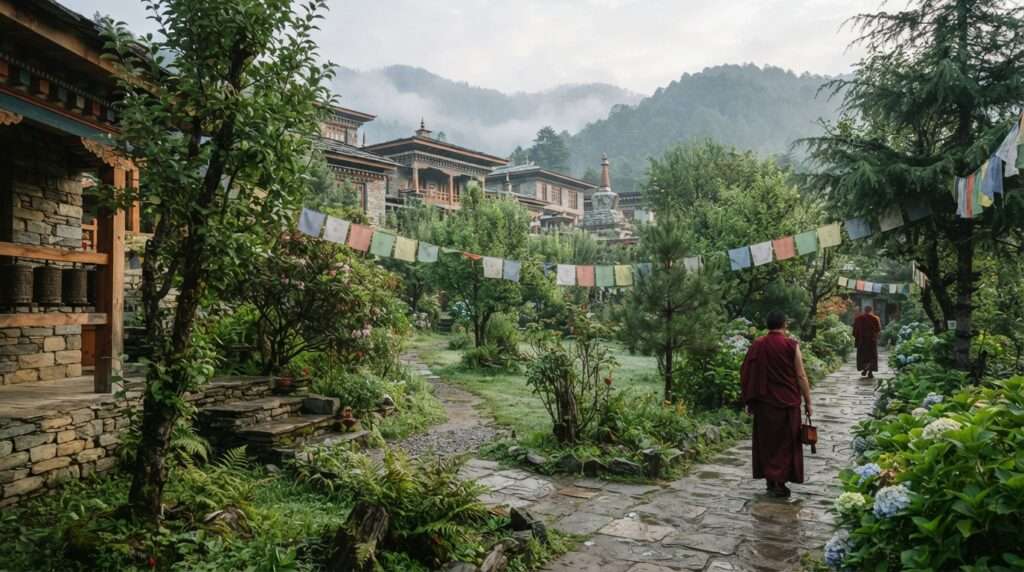

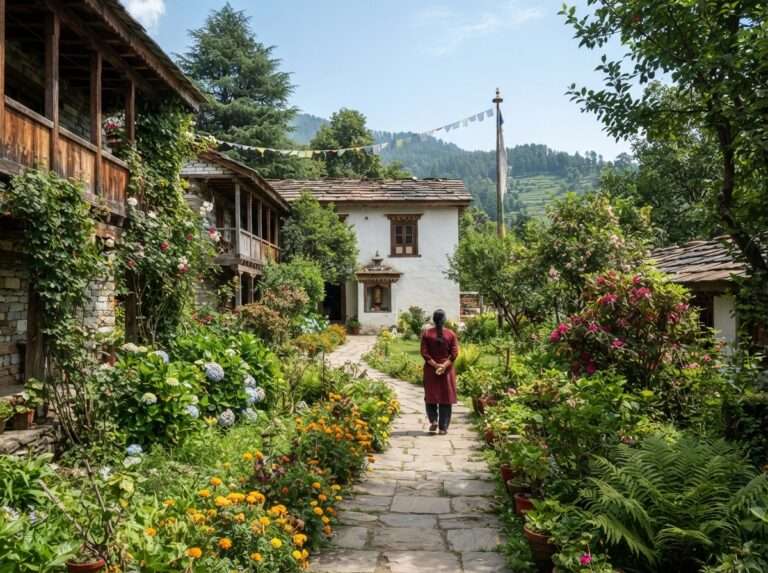
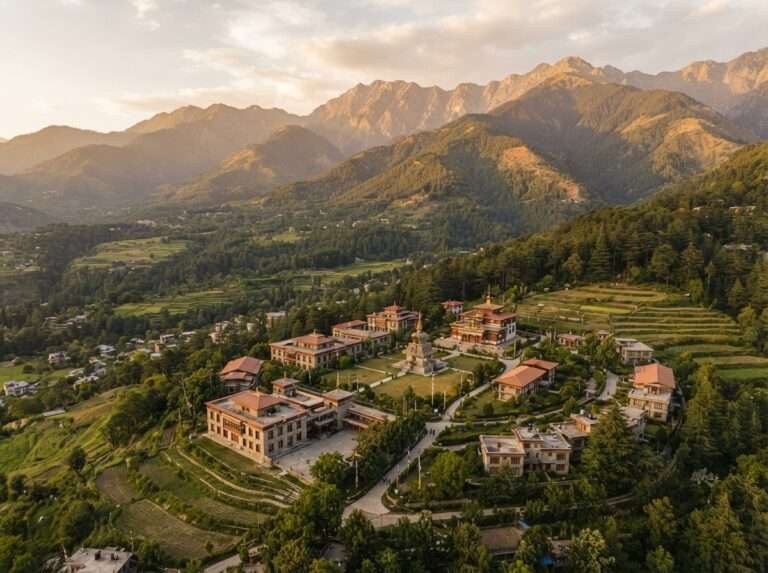
Deer Park is not a park; it is a centre for the study of classical Indian wisdom traditions, run in a calm campus in Bir Colony. Drop in for a talk, a meditation session or just the library and garden. Public timings are usually 9 am to noon and 2 to 6 pm. It suits anyone curious about Buddhist philosophy who wants more than a photo stop.
| Best Time to Visit | During public timings; 9 am to noon and 2 to 6 pm |
| How to Reach | Bir Colony |
| Famous For | Study of classical Indian wisdom traditions, talks, library |
| Entry Fee | Free |
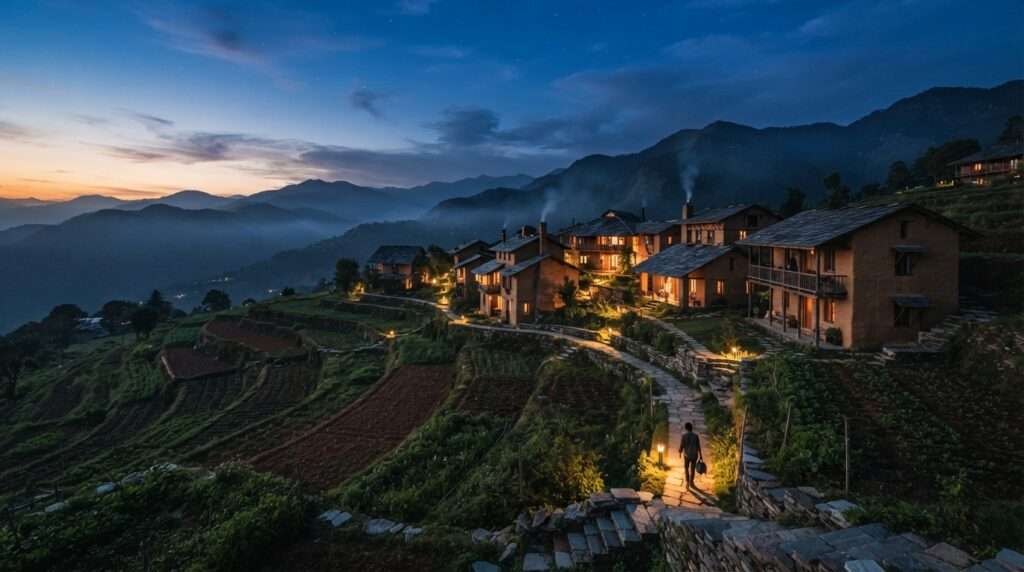
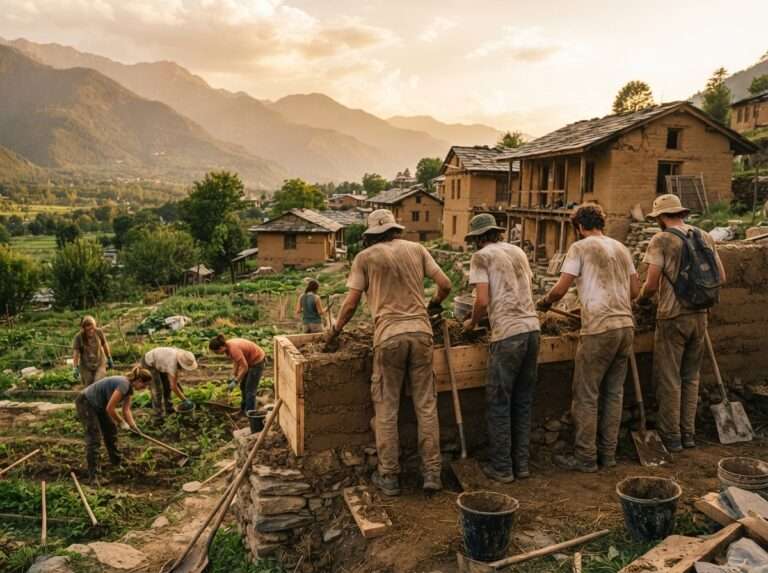
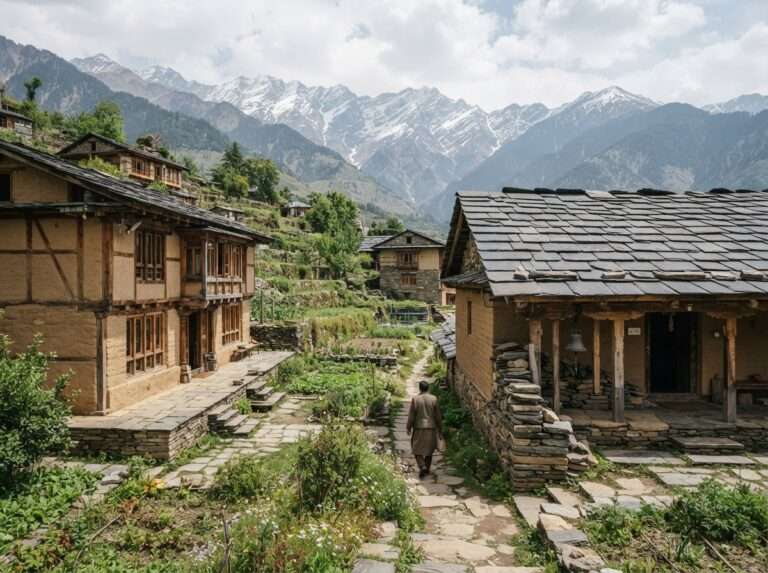
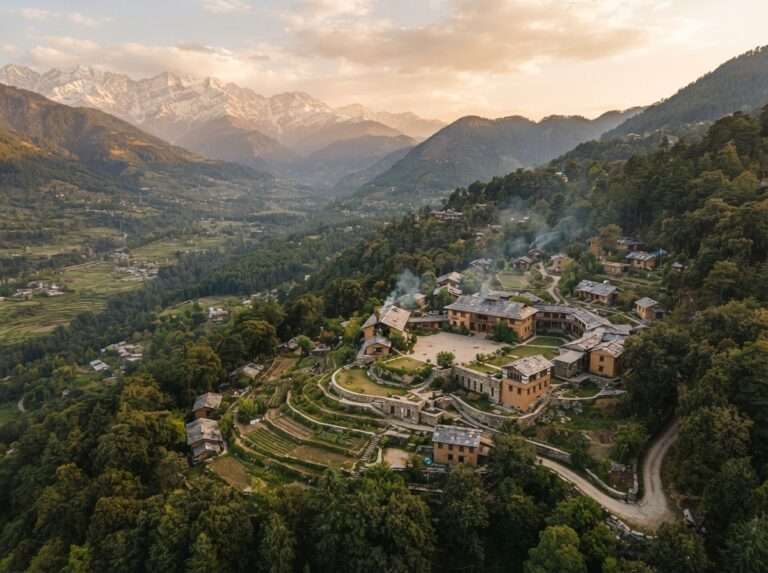
A short way out at Dhanari (Keori), Dharmalaya teaches sustainable living and compassionate ecology, and its mud-and-slate campus is a lesson in local architecture on its own. Casual drop-in visits are not allowed; guided campus visits and Q&A sessions run by prior appointment only (request at least a week ahead), and some visitors volunteer for weeks on the farm and building projects. Arrange your visit before you go.
| Best Time to Visit | During visitor windows; around 11 am to noon and 2 to 4 pm |
| How to Reach | Dhanari (Keori), a short way out of Bir |
| Famous For | Sustainable living, mud-and-slate eco architecture, volunteering |
| Entry Fee | Free; call ahead |
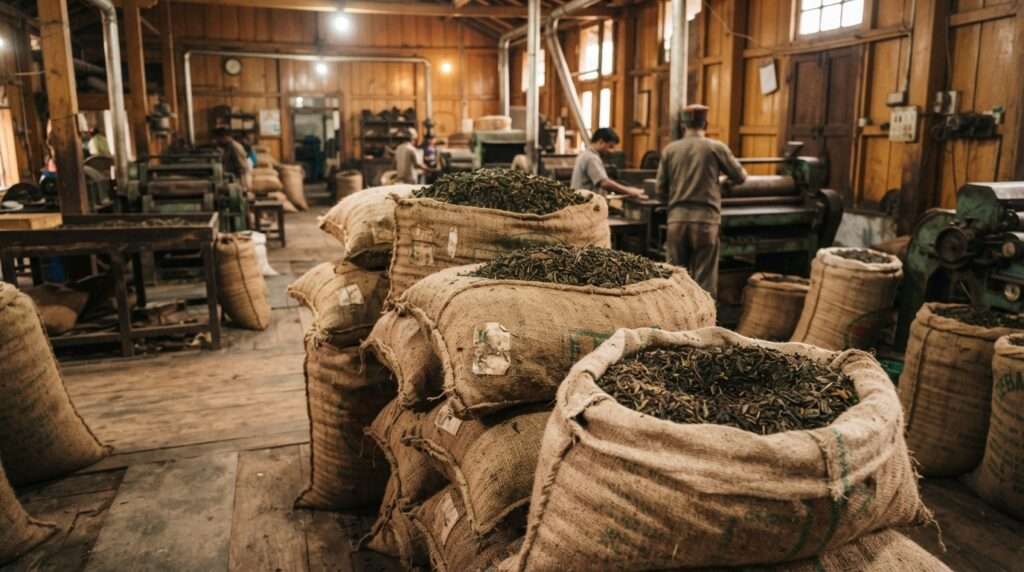
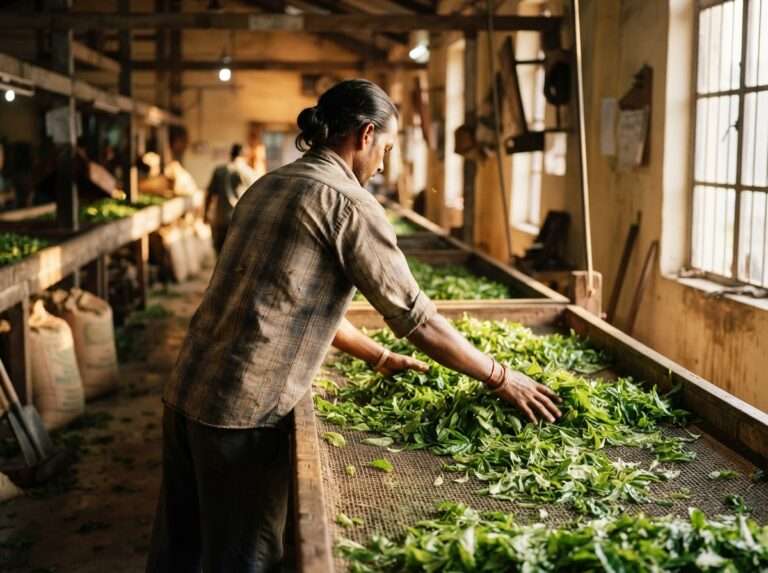

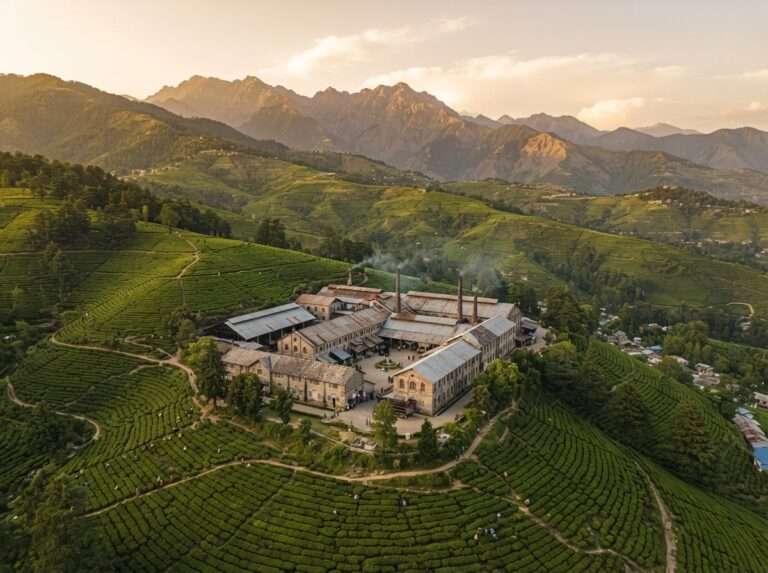
Just off Bir Bazaar Road, the tea factory lets you follow a leaf from plucking to packing. A short walkthrough shows the withering, rolling and drying, and you can buy fresh Kangra-valley tea at the source for less than you would pay in a city shop. It is a good rainy-hour stop, open through the day to about 6 pm.
| Best Time to Visit | Daytime; a good rainy-hour stop |
| How to Reach | Just off Bir Bazaar Road |
| Famous For | Tea processing walkthrough, fresh Kangra-valley tea at source |
| Entry Fee | Free; open to about 6 pm |
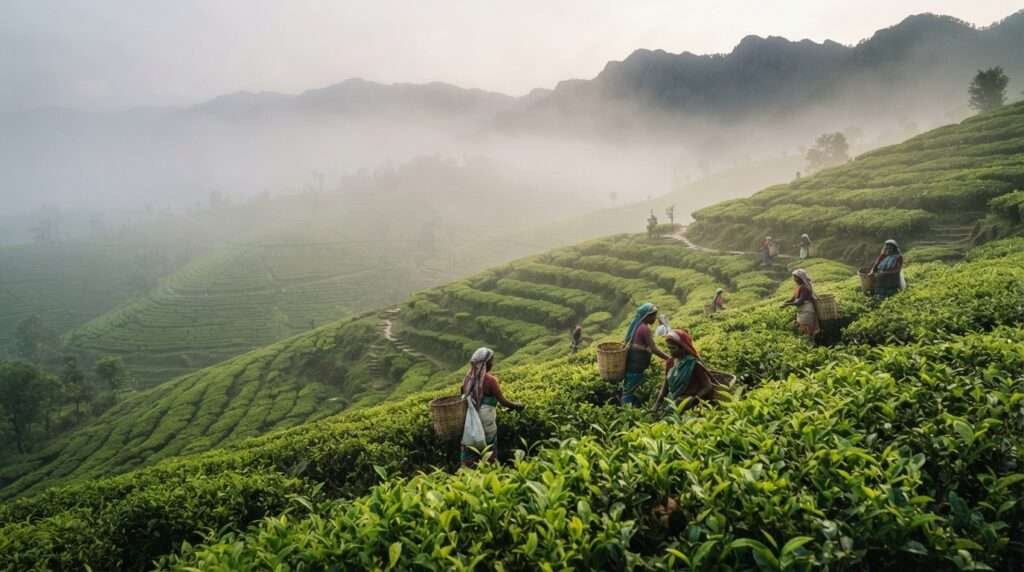
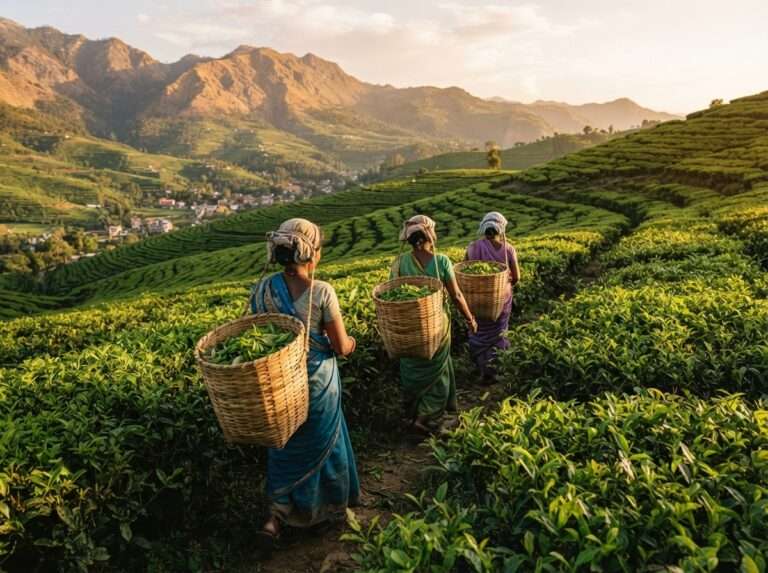
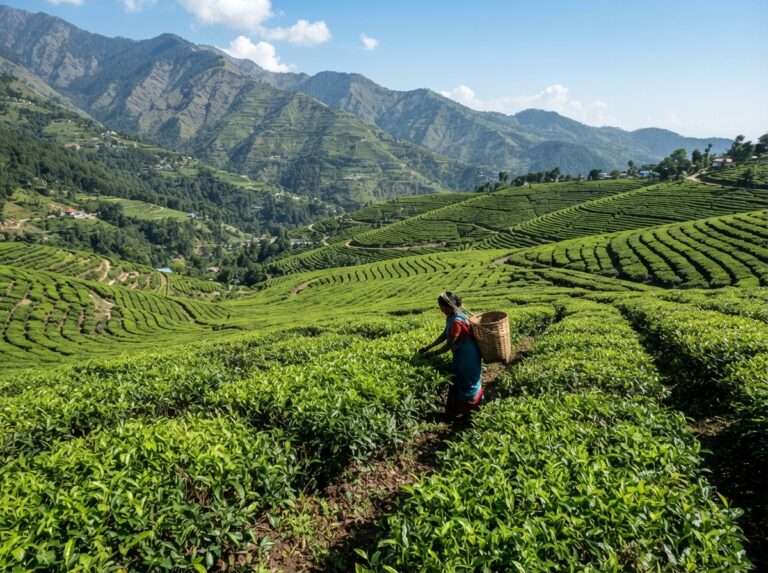
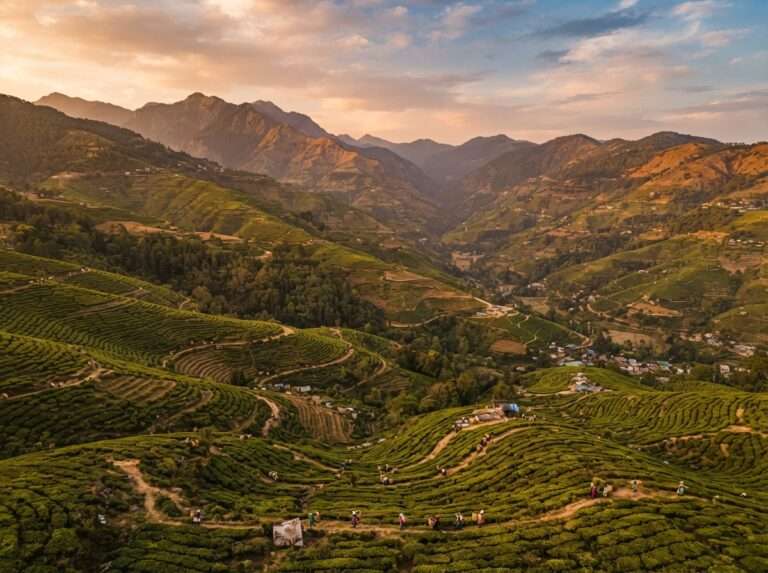
The green rows below Billing are not just scenery; the Kangra valley has grown tea since the British planted it in the 1850s, and the Chaugan gardens are the closest patch to walk. Wander the paths in the morning when the light is soft and the pickers are out. Pair it with the tea factory next door for a half-day around tea.
| Best Time to Visit | Morning, when the light is soft and pickers are out |
| How to Reach | Below Billing at Chaugan, beside the Bir Tea Factory |
| Famous For | Walkable Kangra-valley tea gardens dating to the 1850s |
| Entry Fee | Free |
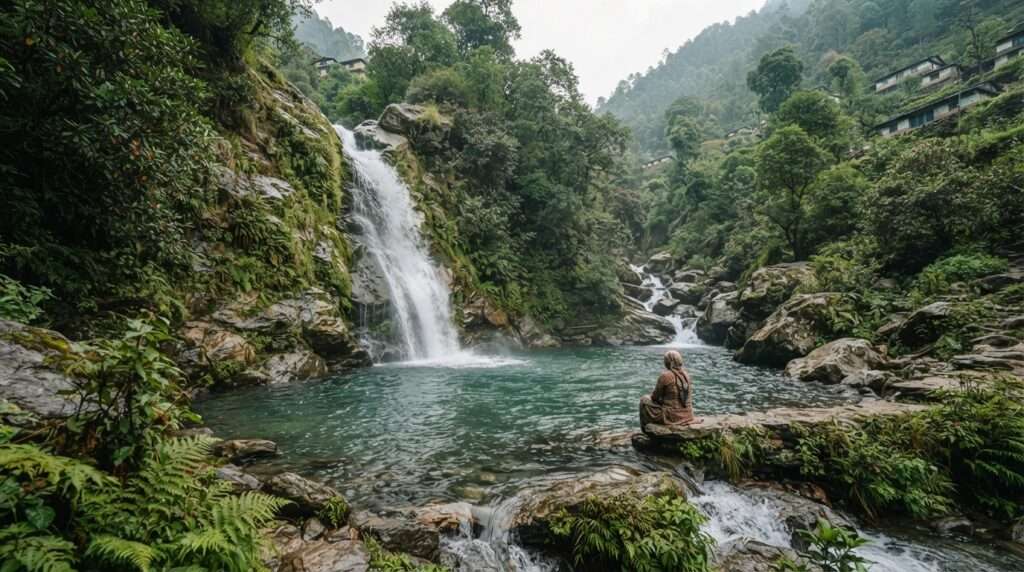
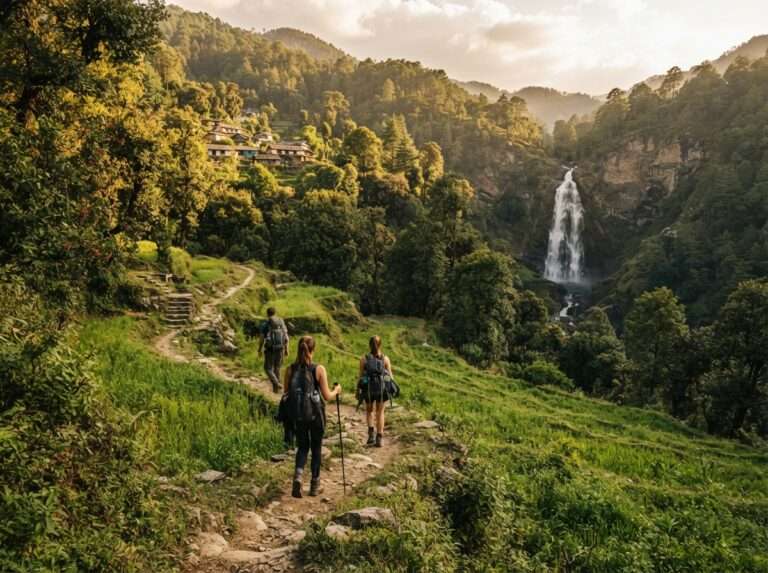
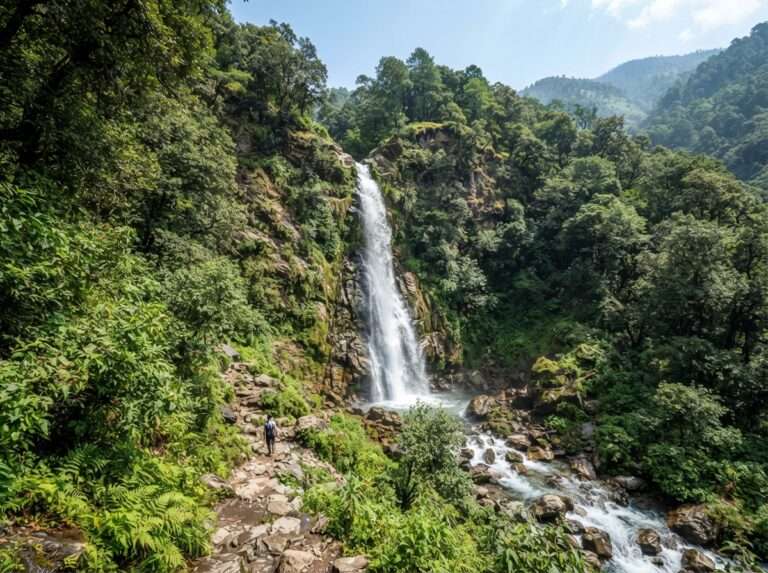
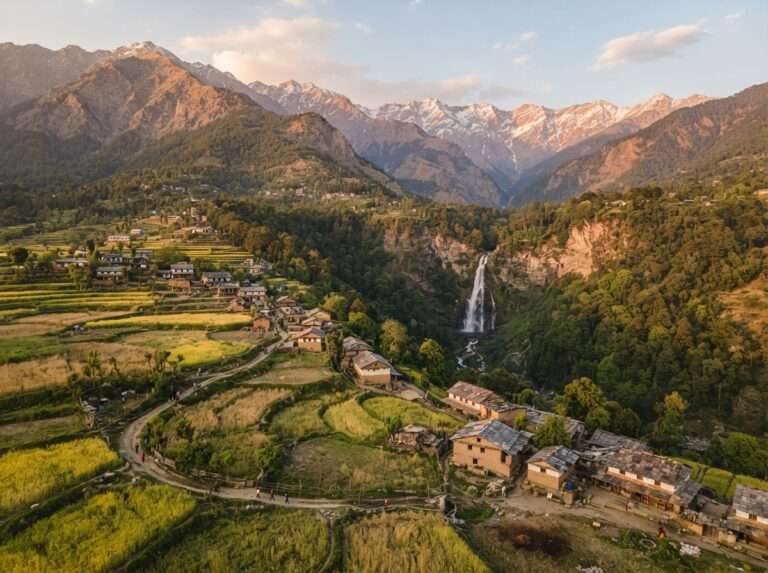
Gunehar is a small village about 1.5 km from Bir, and the walk out to its hidden 100-foot waterfall is one of the nicest easy treks in the area. The trail runs through fields and forest and takes under an hour each way. Go after the monsoon (September to November) when the fall is full but the path has dried out. Carry water; there are no shops past the village.
| Best Time to Visit | After the monsoon, September to November |
| How to Reach | About 1.5 km from Bir; under an hour on foot each way |
| Famous For | Hidden 100-foot waterfall, easy fields-and-forest trek |
| Entry Fee | Free |
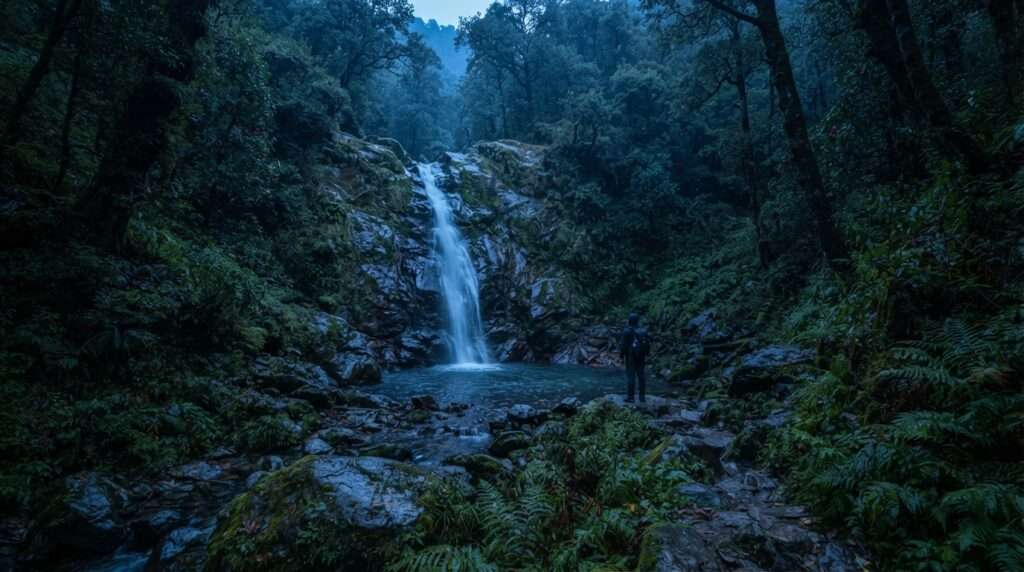
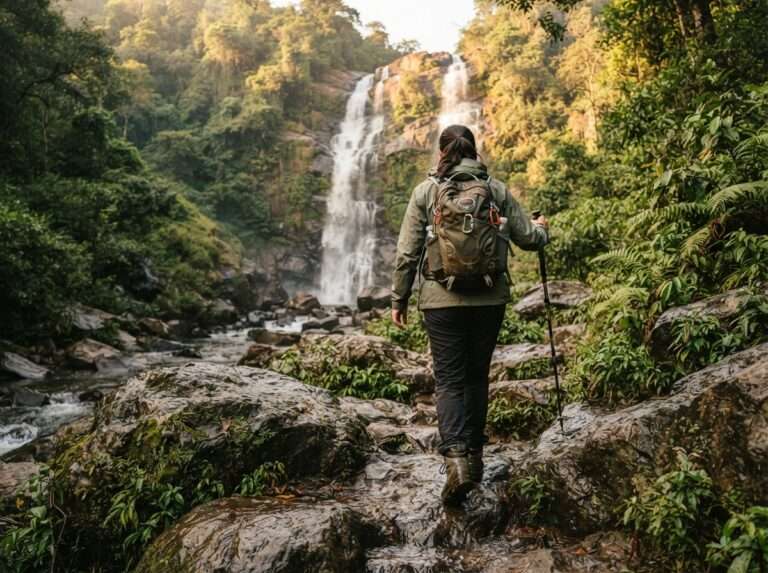
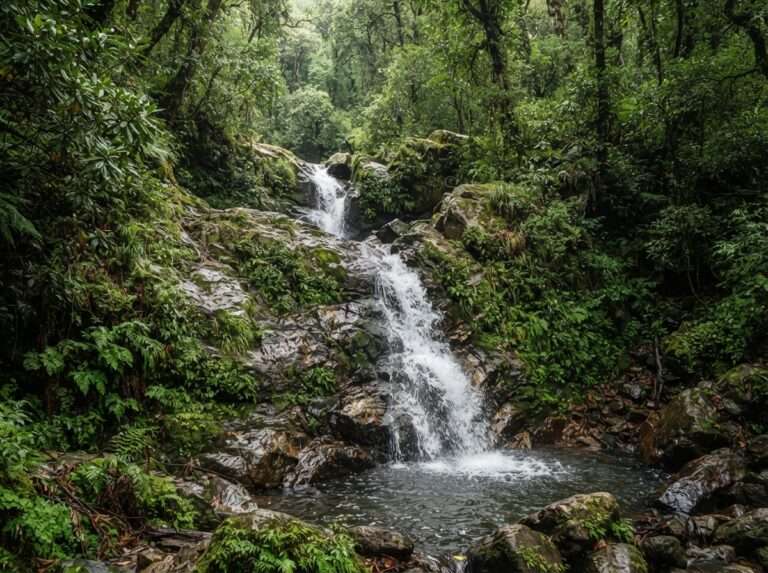
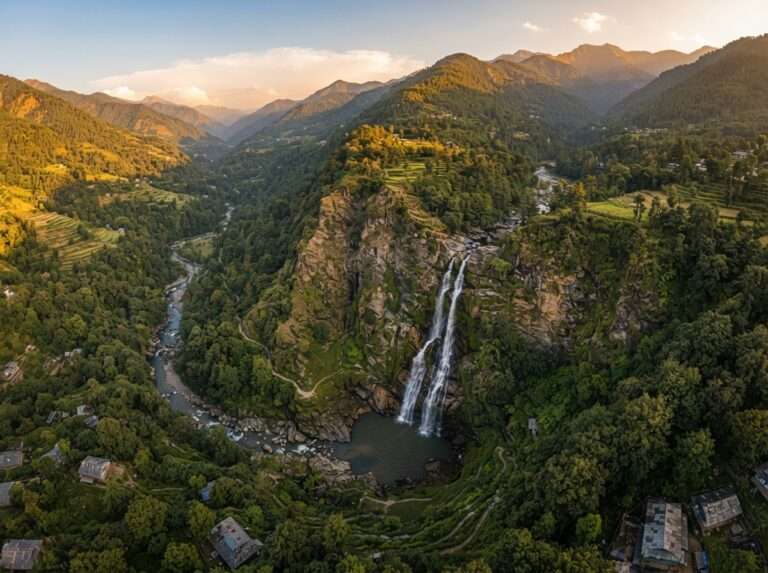
Bangoru sits about 5 km from Bir (roughly 4.5 km from the Tibetan colony). You can drive most of the way along the Bir-Billing road to a roadhead near Bangoru and finish with a short 10 to 20 minute walk, or reach it on foot from Gunehar village, a further 1.5 km that takes about an hour through the trees. It is quieter and wilder than Gunehar’s fall. Wear grippy shoes for the last stretch over wet rock, and skip it during heavy rain when the trail gets slick.
| Best Time to Visit | Post-monsoon; avoid heavy rain when the trail is slick |
| How to Reach | About 5 km from Bir, usually on foot via Gunehar village |
| Famous For | Quieter, wilder forest waterfall |
| Entry Fee | Free |
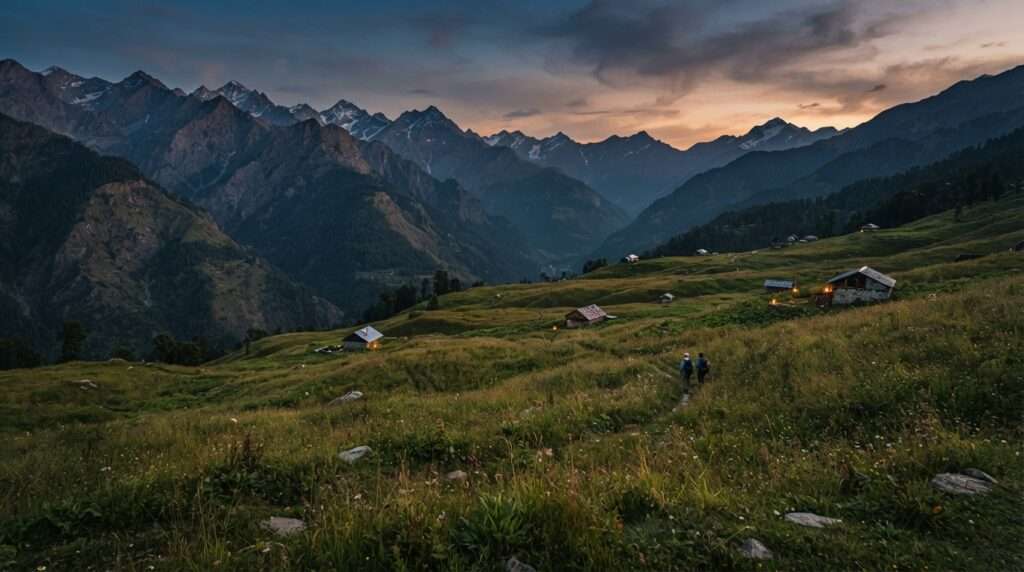
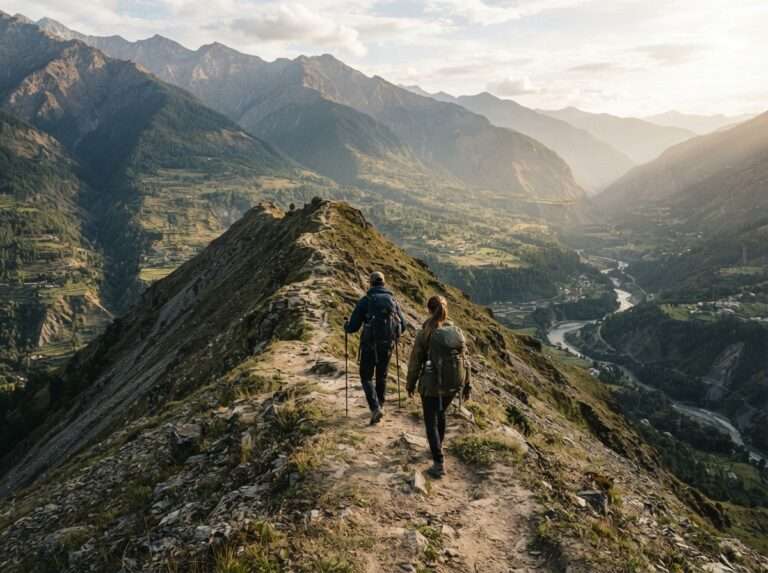
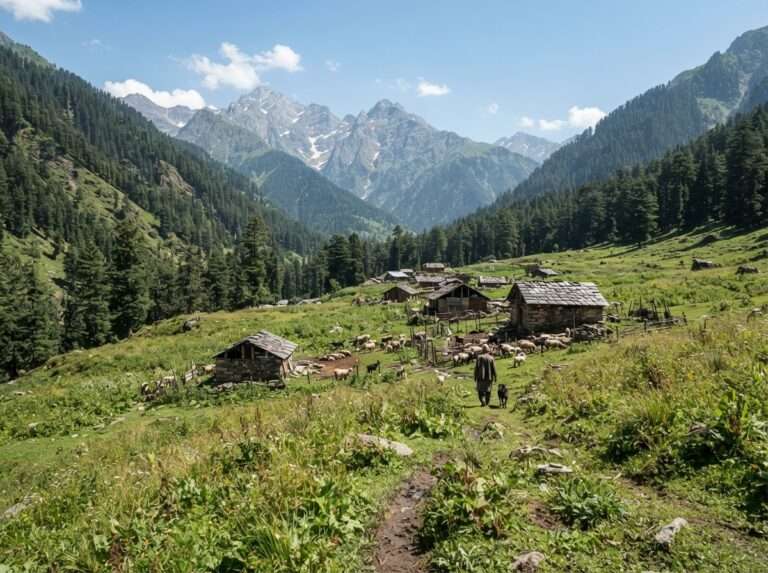
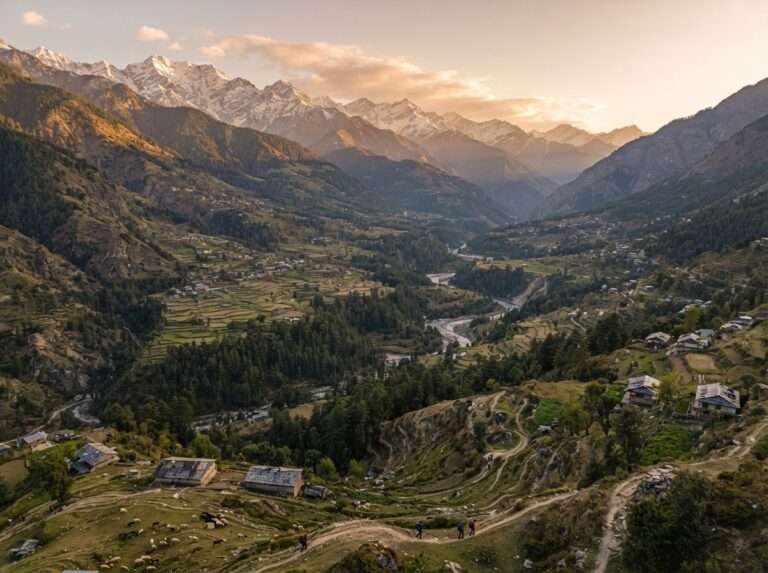
For anyone who wants to trade the crowds for shepherds and pine, Rajgundha is a remote valley reached on the popular Billing-to-Rajgundha trek over the ridge above the take-off site. A motorable road now connects Billing to Rajgundha (and reaches it from Barot via Badagran), so taxis and SUVs can drive in, but it still rewards an overnight stay: think homestays, open meadows and quiet. Plan it as a one or two-day add-on, on foot over the ridge or by road.
| Best Time to Visit | Trekking season; plan it as a 1-2 day add-on |
| How to Reach | Billing-to-Rajgundha trek over the ridge above the take-off site |
| Famous For | Offbeat shepherd valley, homestays, open meadows |
| Entry Fee | Free; hire a local guide |
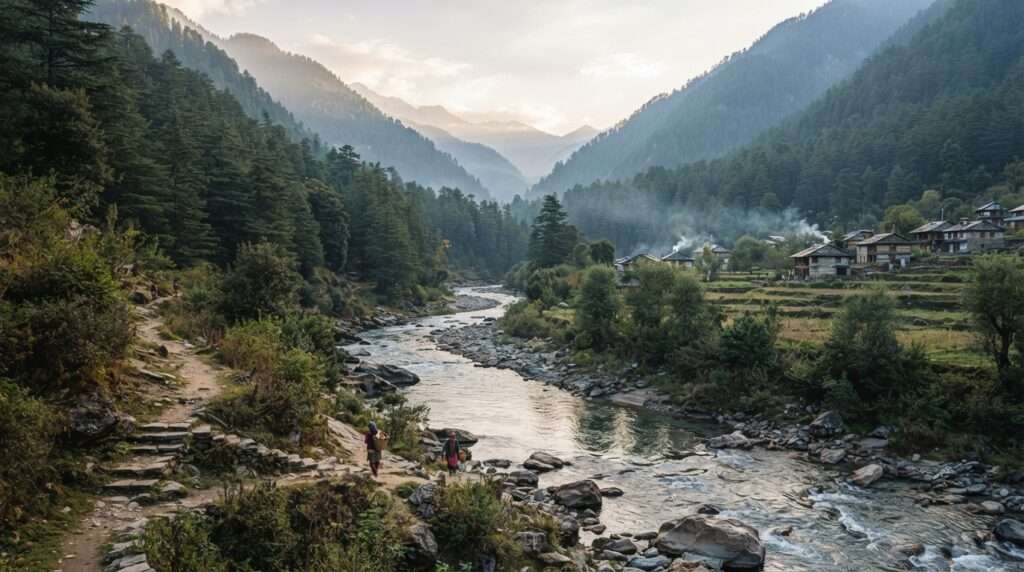
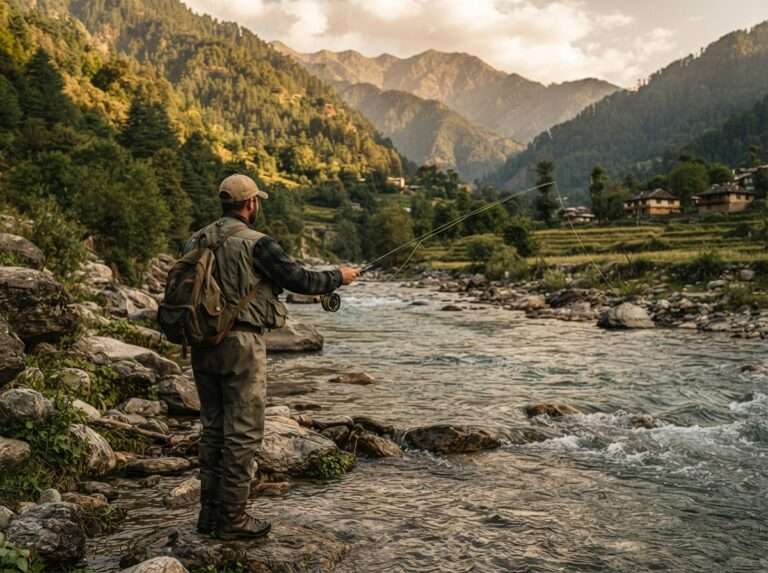
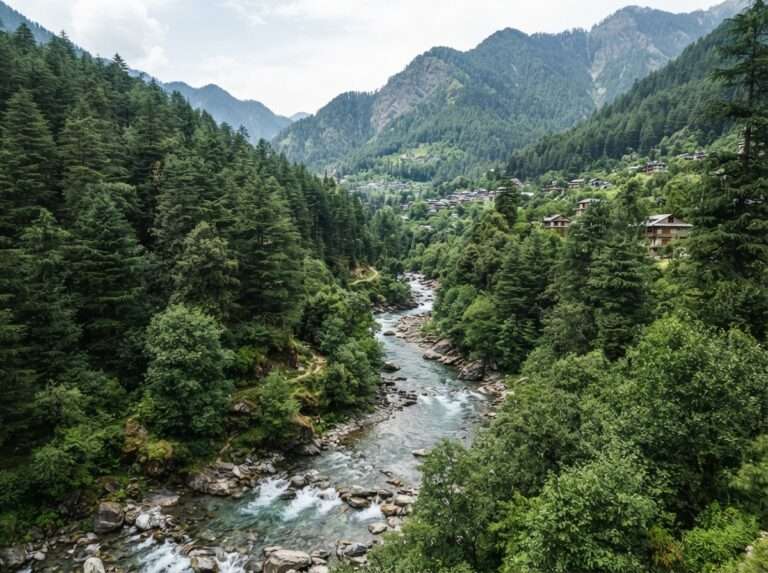
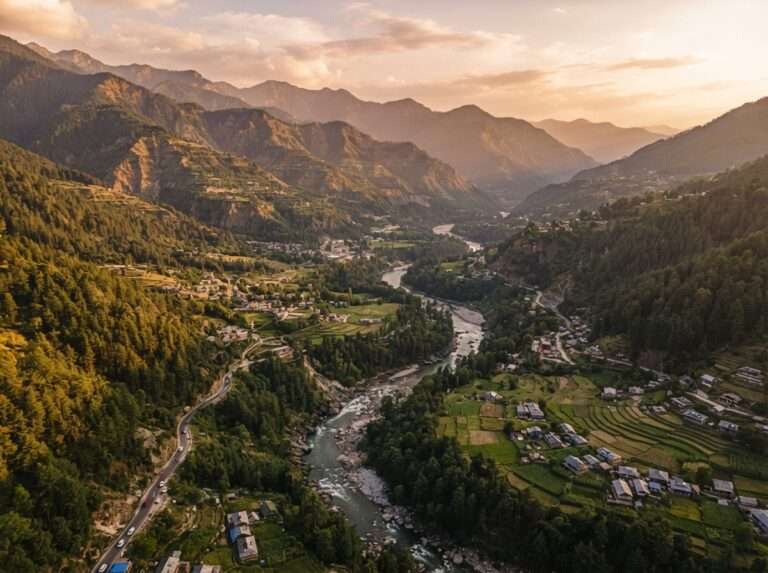
Barot lies in Mandi district, an easy day trip from Bir along the Uhl river through thick deodar forest. It is calm, green and known for trout; you can fish the Uhl (angling permits are cheap and arranged locally), camp by the water, or walk to the Nargu wildlife sanctuary trailheads. Open country all day, it is the offbeat counterweight to Bir’s paragliding buzz.
| Best Time to Visit | Day trip in the flying/trekking season |
| How to Reach | Mandi district, an easy day trip from Bir along the Uhl river |
| Famous For | Uhl river trout fishing, camping, deodar forest, Nargu sanctuary |
| Entry Fee | Free; angling permits cheap and arranged locally |
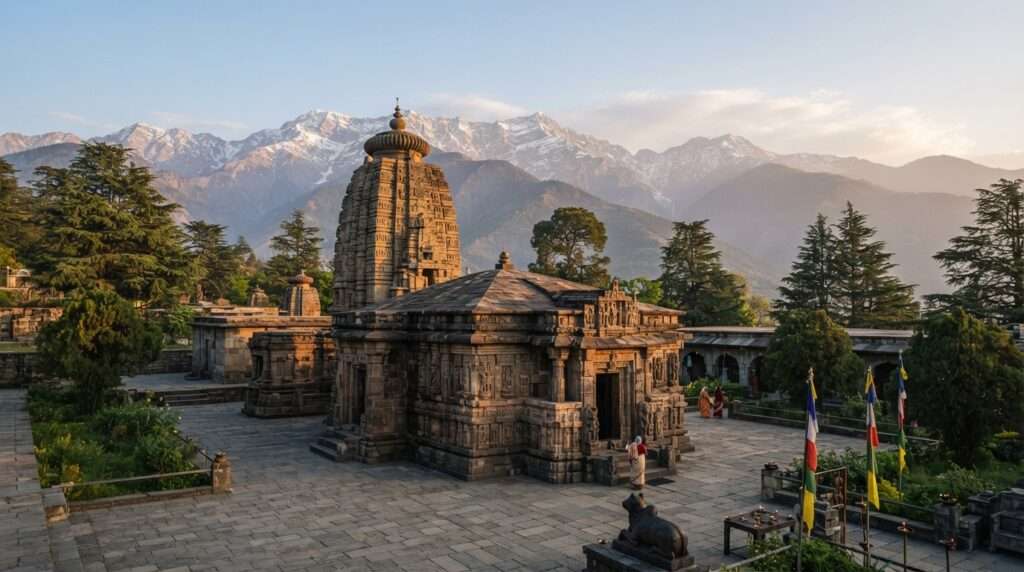
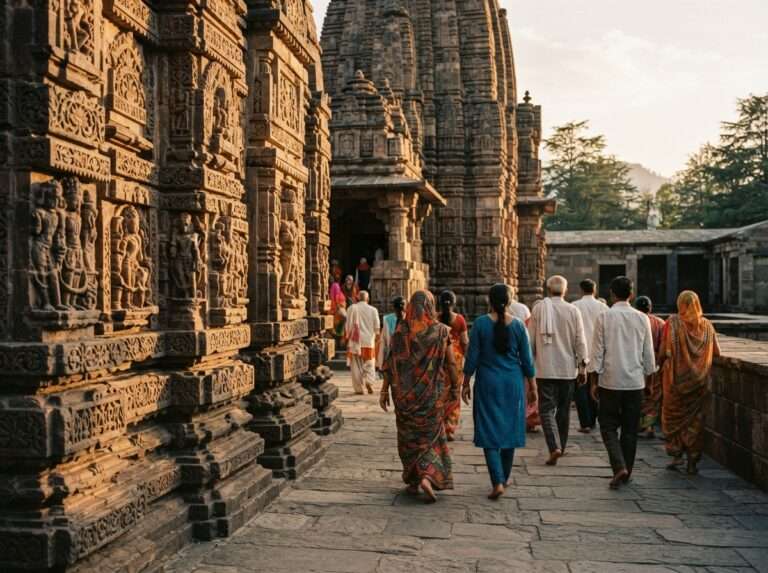
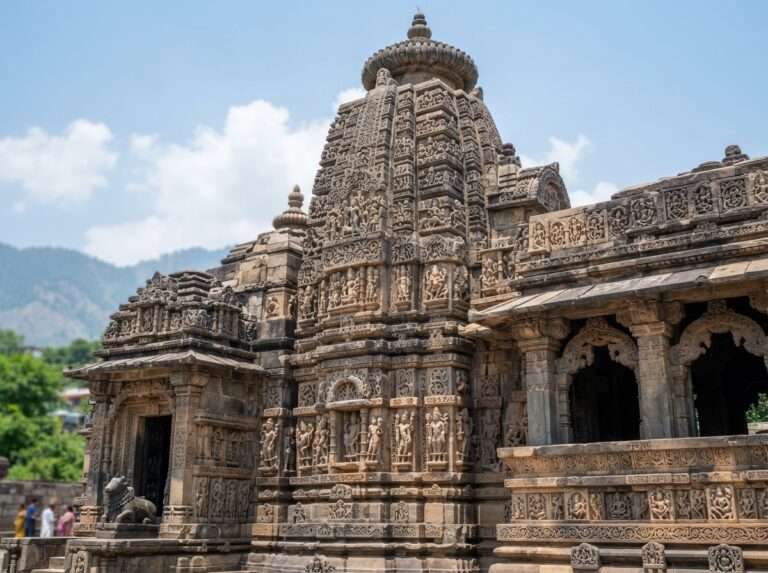
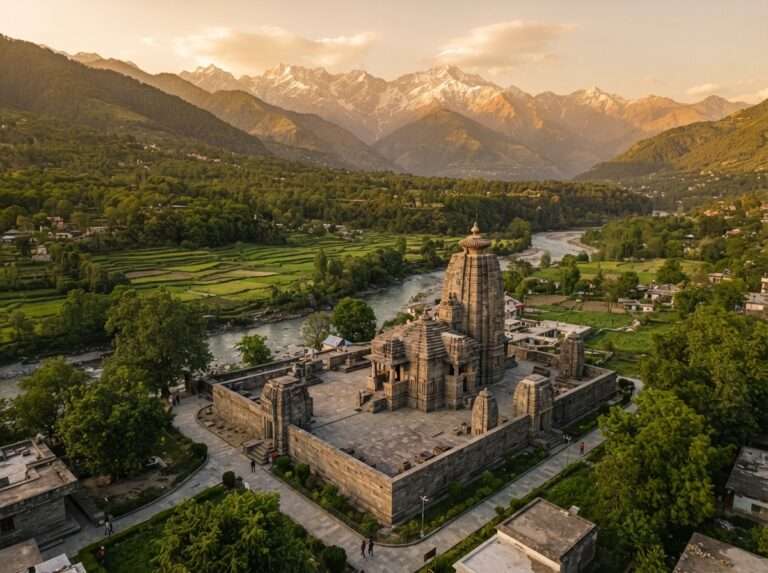
About 16 km from Bir at Baijnath, this stone temple was built in 1204 AD by two merchants, Ahuka and Manyuka, and is dedicated to Shiva as Vaidyanath, the ‘lord of physicians’. Revered by many devotees as a Vaidyanath jyotirlinga, it is one of Himachal’s finest surviving Nagara-style shrines, and the carving on the outer walls repays a slow look. Open early morning to evening; visit on the way to or from Palampur.
| Best Time to Visit | Early morning to evening; combine with Palampur |
| How to Reach | About 16 km from Bir at Baijnath |
| Famous For | 1204 AD Nagara-style Shiva temple, revered as a Vaidyanath jyotirlinga |
| Entry Fee | Free |
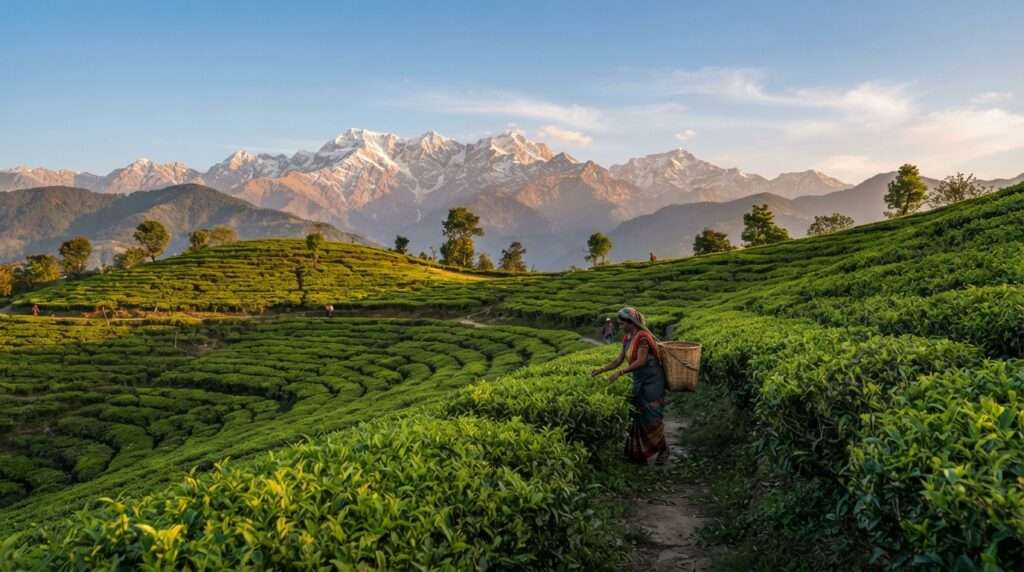
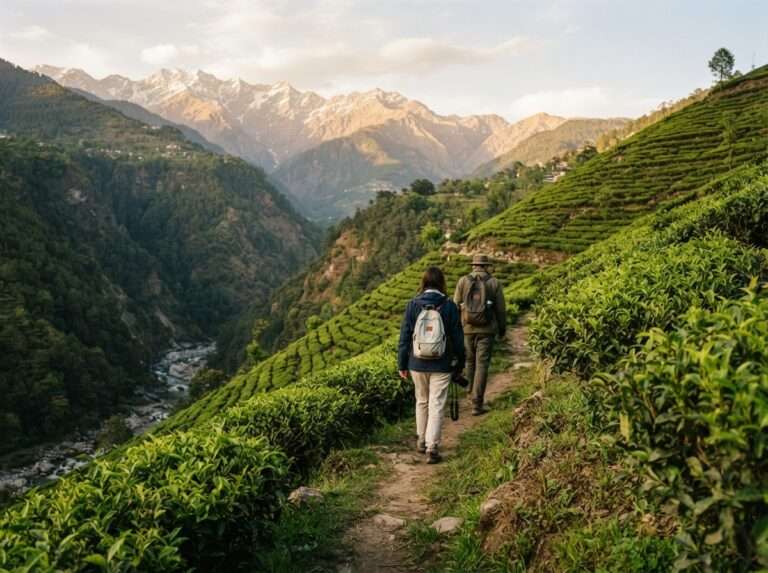
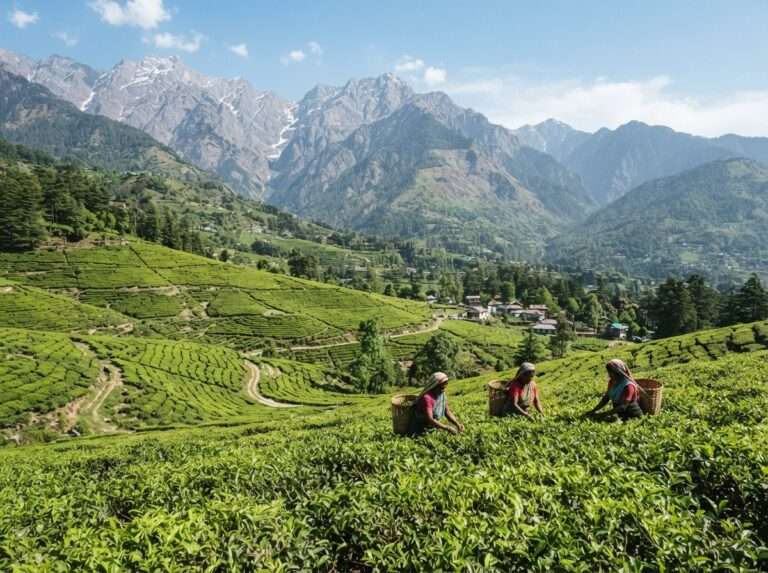
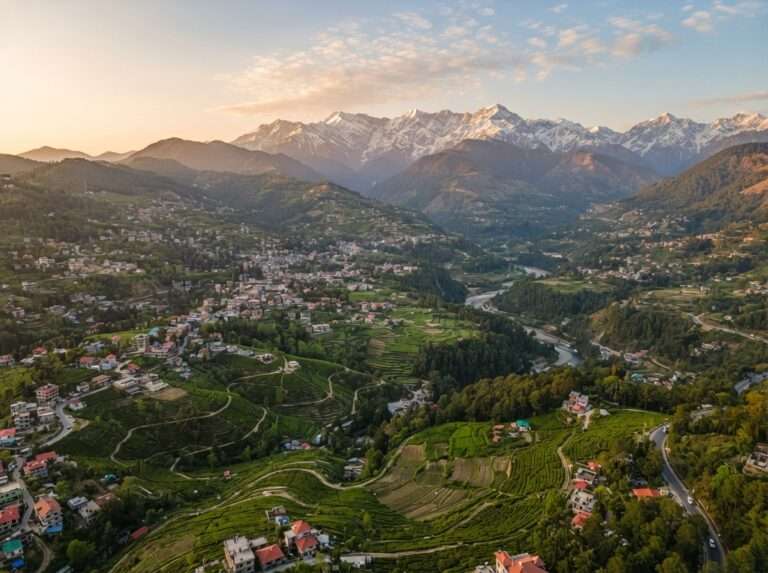
Roughly 30 km from Bir, Palampur is the ‘tea capital of north India’, a town of tea estates and colonial bungalows framed by the Dhauladhar. It makes a relaxed day out: the Neugal Khad gorge, the tea gardens, and Chamunda Devi temple nearby. Pair it with Baijnath and you have a full sightseeing day beyond the valley. For a longer stay, browse our Himachal tour packages.
| Best Time to Visit | Relaxed day trip in spring or autumn |
| How to Reach | Roughly 30 km from Bir |
| Famous For | Tea capital of north India, Neugal Khad gorge, Chamunda Devi temple |
| Entry Fee | Free |
Bir Billing is famous as India’s paragliding capital and Asia’s highest paragliding take-off site, with the launch meadow at Billing sitting at 2,400 metres.
Its reputation went global in October 2015, when Bir Billing hosted the first Paragliding World Cup ever held in India, drawing well over 100 pilots from more than 40 countries. Steady thermals, a wide safe landing meadow at Chaugan and long flying windows in spring and autumn make it one of the most reliable flying sites in the world, second only in take-off height to a handful of spots. Beyond the flying, it is known for its Tibetan monasteries, Kangra-valley tea and the green Dhauladhar backdrop.
The place to shop is Bir Bazaar on Bir Road, a compact market of shops and eateries open through the day to about 8 pm. Come in the evening.
What is worth carrying home is specific to Bir: Tibetan handicrafts and thangka prints from the colony shops, singing bowls and incense, hand-knitted woollens and Himachali caps, and fresh Kangra-valley tea straight from the Bir Tea Factory. Between the stalls you will find cafes doing Tibetan food, so plan the bazaar around a plate of momos and a walk rather than a quick errand.
Go between mid-September and November or from March to May. Autumn is the sweet spot: clear skies, dependable thermals and the fullest waterfalls just after the rains, which is exactly why the flying peaks in October and November. Spring is nearly as good and greener. Avoid the July-September monsoon, when paragliding is largely suspended and mountain trails turn slippery. Winter (December to February) is cold and clear but flights run only on calm days.
Bir Billing is compact and easy to plan: two days covers a flight, the monasteries and a tea-garden walk. Fly in spring or autumn when the winds are stable, avoid the monsoon, and book your paragliding slot ahead on peak weekends. When your dates are set, browse our Himachal tour packages to build Bir into a Kangra trip.
The top places are the Billing paragliding take-off site, the Chaugan landing and sunset point, the Bir Tibetan Colony and its monasteries (Chokling, Sherabling, Tsering Jong), the Gunehar and Bangoru waterfalls, the Chaugan tea gardens and Bir Tea Factory, Rajgundha and Barot valleys, Baijnath temple and Palampur. Three days cover the highlights comfortably.
Bir Billing is famous as India's paragliding capital and Asia's highest paragliding take-off site, with the launch meadow at 2,400 metres. It hosted the first Paragliding World Cup in India in October 2015. It is also known for its Tibetan monasteries, Kangra-valley tea gardens and Dhauladhar mountain views.
A standard tandem flight usually costs between Rs 2,500 and Rs 3,500 per person, while longer flights of 30 to 45 minutes run about Rs 4,500 to Rs 6,000. Prices tend to rise a little during the October-November peak. Confirm the current rate and what a video costs directly with your operator before flying.
The best months are mid-September to November and March to May. Autumn brings clear skies, strong thermals and full waterfalls, which is why paragliding peaks in October and November. The July-September monsoon is best avoided, as flying is largely suspended and trekking trails get slippery.
Three days are enough to fly, explore the Tibetan monasteries and tea gardens, and fit in one waterfall trek without rushing. If you want to add Rajgundha or Barot valley, or day trips to Baijnath and Palampur, stretch it to four or five days.
The nearest airport is Gaggal (Kangra), about 68 km away with flights from Delhi and a 2.5-hour drive on. The nearest broad-gauge railhead is Pathankot, about 140 km away, linked by the Kangra Valley toy train to Ahju (3 km from Bir). By road, Bir is roughly 500 km from Delhi by overnight bus.
Plenty. Walk the Gunehar and Bangoru waterfall trails, visit Sherabling and Chokling monasteries, tour the Bir Tea Factory and Chaugan tea gardens, trek to Rajgundha valley, day-trip to Barot for trout fishing, and shop for Tibetan handicrafts in Bir Bazaar. Camping, mountain biking and star-gazing in Billing are also popular.
Bir Bazaar on Bir Road is the main market, open through the day to about 8 pm. Look for Tibetan handicrafts and thangka prints, singing bowls, hand-knitted woollens and Himachali caps, and fresh Kangra-valley tea from the Bir Tea Factory. The colony cafes make it an easy evening stroll.
Real reviews from real travelers who booked with us.
View All Reviews