
"Firstly the hotel provided by the travel agent in athirapally was not good, the rooms were not in a good condition, old furniture and very small. The driver provided by the agent was not able…"
Kerala's Winter, November to February, in Brief
Winter is the best time to visit Kerala. Between November and February the northeast monsoon has pulled back, the humidity drops, and the coast settles into warm, dry days around 22 to 32°C while the hills of Munnar and Wayanad cool to the low 20s by day and near 10°C at night. This is Kerala’s peak tourist season, and it is when the backwaters, the tea country and the beaches are all at their easiest to travel. Below is what the season actually feels like month by month, the 11 places worth your time, the festivals only winter brings, and how to plan around the December crowds.
Key Takeaways
- Winter runs November to February. December and January are the coolest months, with January the driest; February is warm, uncrowded and the sweet spot for a quieter trip.
- Expect 22 to 32°C on the coast and backwaters, and 10 to 25°C in the hills, with cold nights in Munnar. Showers taper off through November and early December; January and February are the driest months.
- Go now if you can: the Oct to Feb window is peak season, so book houseboats and hill-station stays two to four weeks ahead, especially for the December 20 to January 5 rush.
- Winter-only draws include migratory birds at Kumarakom (Nov to Feb), the Cochin Carnival at Fort Kochi (late December, climaxing on New Year’s Day), and clear-sky wildlife safaris at Periyar.
- The 11 places below cover hills, backwaters, beaches and heritage, so you can build one loop instead of a there-and-back trip.
Winter in Kerala at a glance
| Season | Months | Weather | Best for | What to skip |
|---|---|---|---|---|
| Peak tourist season | November to February (some count Oct to March) | Warm, dry coast 22-32°C; cool hills 10-25°C; low humidity | Backwater cruises, tea-hill treks, beaches, wildlife, festivals | Peak-rate December 20 to January 5 if you want it quiet |
India
Kerala
Month-wise weather, 11 places at their best, winter festivals and how to beat the December rush
Best Time
November - February
Select Package Type
Best Selling Packages
What is the winter season in Kerala, and which months?
Kerala’s winter is short and mild. It begins as the northeast monsoon (the retreating monsoon that brings Kerala its October and early-November showers) finishes, and it runs through roughly the middle of February. Most travellers treat November to February as winter, and Kerala Tourism itself frames the cool, comfortable stretch after the northeast monsoon as lasting into mid-February. If you want a wider window, October to March all sit within the pleasant dry season.
Because Kerala is tropical and close to the equator, do not expect a north-Indian winter. The state does not get cold so much as it gets comfortable. The defining change is not temperature but humidity: the sticky air of the monsoon lifts, the skies clear, and days become dry and bright. That is exactly why the season query matters more than any single number. People search for winter in Kerala because they want to know whether it will be pleasant, not whether it will snow.
Kerala winter weather and temperature (month by month)
Coastal Kerala stays warm all winter, with daytime highs in the high 20s to low 30s and nights around 20 to 23°C. The high ranges are where you actually feel the cold: Munnar and the Kannan Devan hills drop into single digits on the coldest January nights, and mist sits in the valleys until mid-morning. The figures below are climate norms from Kerala Tourism and IMD data.
| Month | Coast and backwaters | Hills (Munnar / Wayanad) | Rainfall | What it feels like |
|---|---|---|---|---|
| November | 24-32°C | 14-27°C | Northeast-monsoon showers easing | Green and fresh; humidity dropping week by week |
| December | 23-31°C | 10-25°C | Mostly dry | Sunny and mostly dry; the start of peak season |
| January | 22-31°C | 8-24°C | Dry | Coolest and clearest; misty hill mornings, cold nights |
| February | 23-32°C | 12-28°C | Dry, warming | Still comfortable, thinner crowds, prices ease |
For a fuller breakdown of every season across the year, see our guide to the best time to visit Kerala.
Why winter is Kerala's peak season
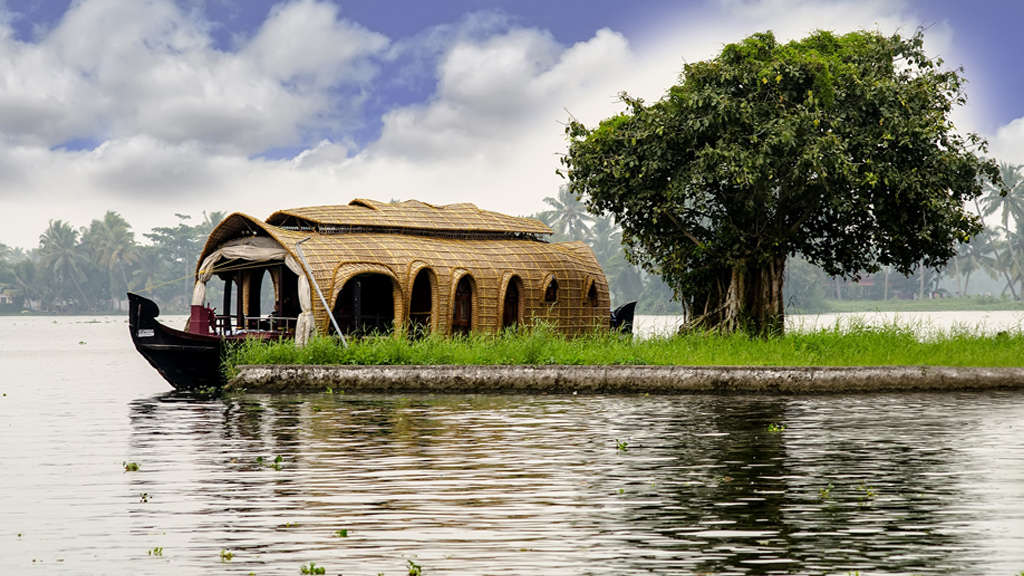
Winter lines up every reason people come to Kerala into the same few months. The backwaters are calm and cruise-friendly, so a night on a houseboat is smooth rather than damp. The hill trails around Munnar and Vagamon are dry and safe to walk, without the leeches and slips of the monsoon. The beaches at Kovalam and Varkala are swimmable, and the sea is at its gentlest. Wildlife days are pleasant too: the cool, clear mornings make a Periyar boat safari comfortable, with elephants, gaur and sambar regularly seen along the lake edge.
The trade-off is company. Winter is when domestic and international travellers arrive together, so the last ten days of December and the first week of January are the busiest and priciest of the year. If you would rather have the same weather with fewer people, aim for late January or February, when the crowds thin and tariffs come off their holiday peak.
11 best places to visit in Kerala in winter
Winter is the one season when Kerala's hills, backwaters, beaches and heritage towns are all in good form at once. Here are the 11 places worth building a trip around, grouped by what they do best.
| Place | Type | Winter highlight | Ideal stay |
| Munnar | Hill station | Tea estates, cold mornings, Eravikulam National Park | 2 nights |
| Wayanad | Hill station | Clear-sky treks, Soochipara Falls, wildlife | 2 nights |
| Vagamon | Hill station | Pine forests, meadows, quiet paragliding slopes | 1 night |
| Alleppey | Backwaters | Overnight houseboat on calm canals | 1 night |
| Kumarakom | Backwaters | Migratory birds at the sanctuary (Nov-Feb) | 1-2 nights |
| Thekkady | Wildlife | Periyar lake boat safari, spice plantations | 1-2 nights |
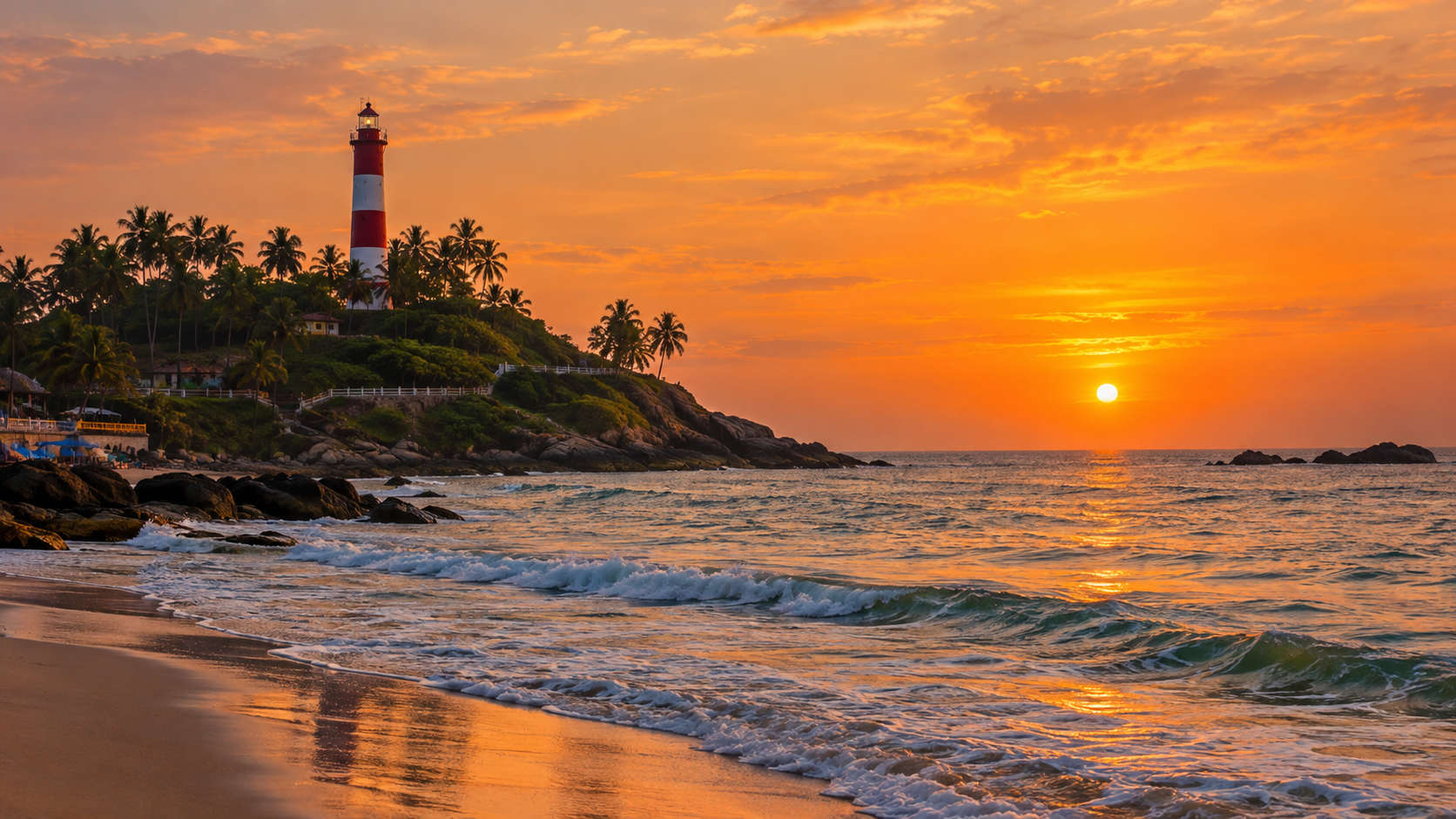
| Kovalam | Beach | Swimmable sea, lighthouse sunsets | 1-2 nights |
| Varkala | Beach | Red cliffs, cafes, gentle winter surf | 1-2 nights |
| Marari | Beach | Quiet fishing-village sands near Alleppey | 1 night |
| Bekal | Beach / fort | Sea fort, empty northern beaches | 1 night |
| Fort Kochi | Heritage | Cochin Carnival, colonial streets, art | 1-2 nights |
Explore Popular Destination In Kerala
01
Hill stations: Munnar, Wayanad and Vagamon
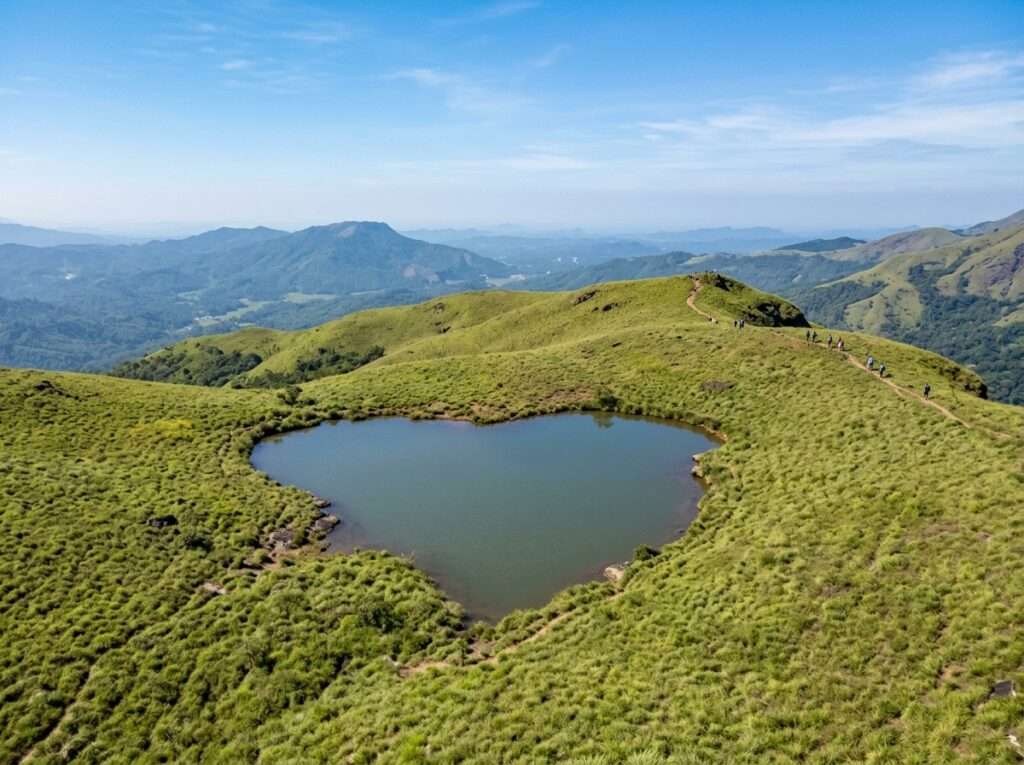
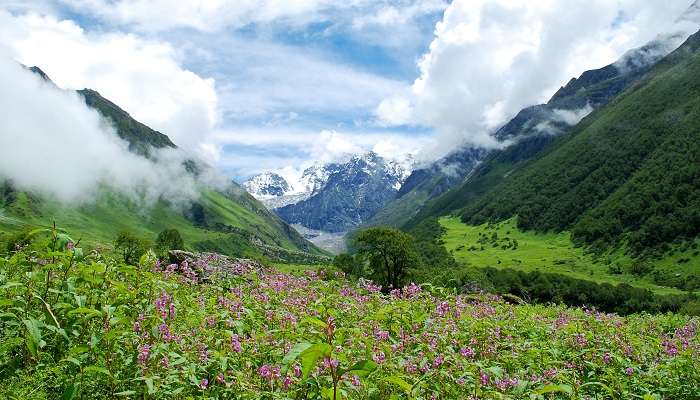
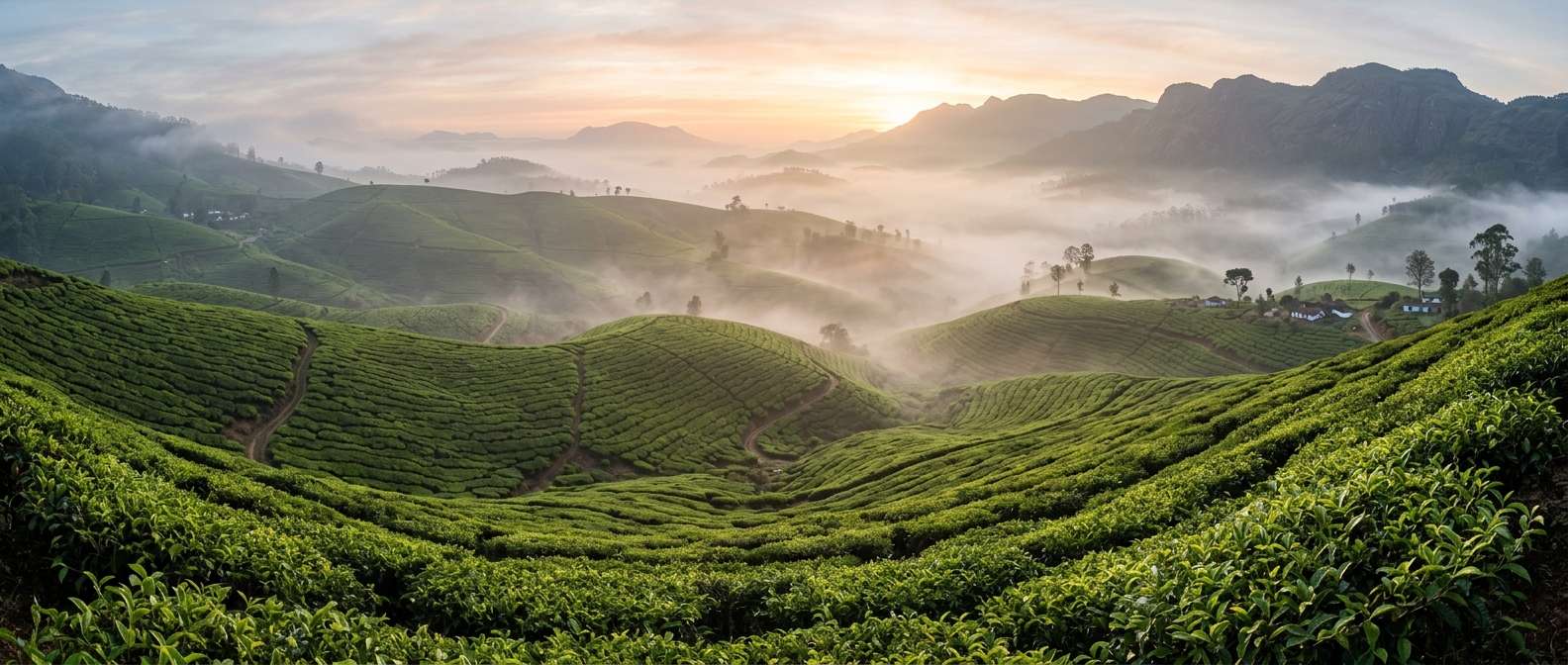
Winter is when the high ranges earn their reputation. Munnar wakes up under mist, the tea slopes hold a light frost on the coldest January mornings, and Eravikulam National Park is the place to see the Nilgiri tahr. Wayanad trades tea for spice country and forest, with clear-sky treks to Soochipara Falls and Chembra Peak. Vagamon is the quiet third option, all pine groves and grassy meadows, good for a slow night away from the Munnar traffic.
02
Backwaters: Alleppey and Kumarakom
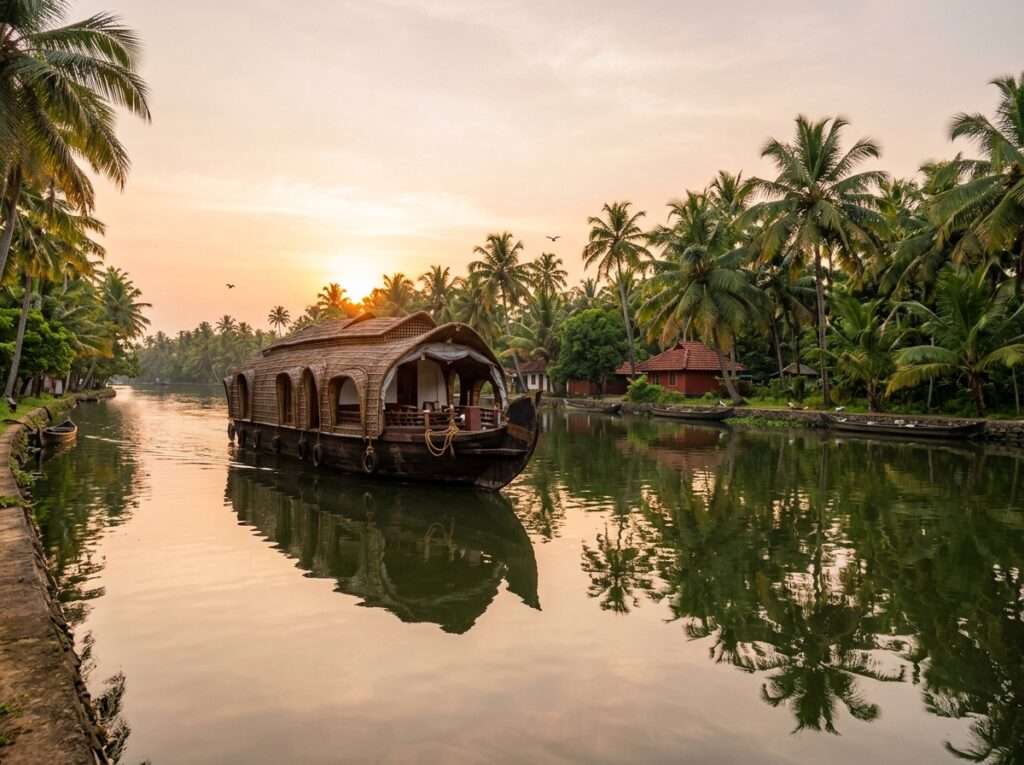
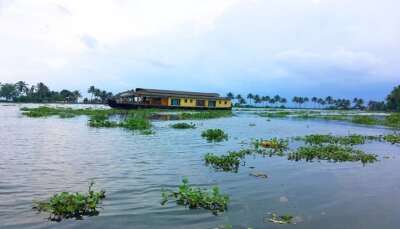
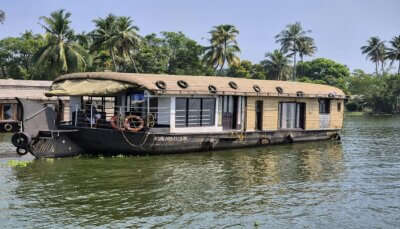
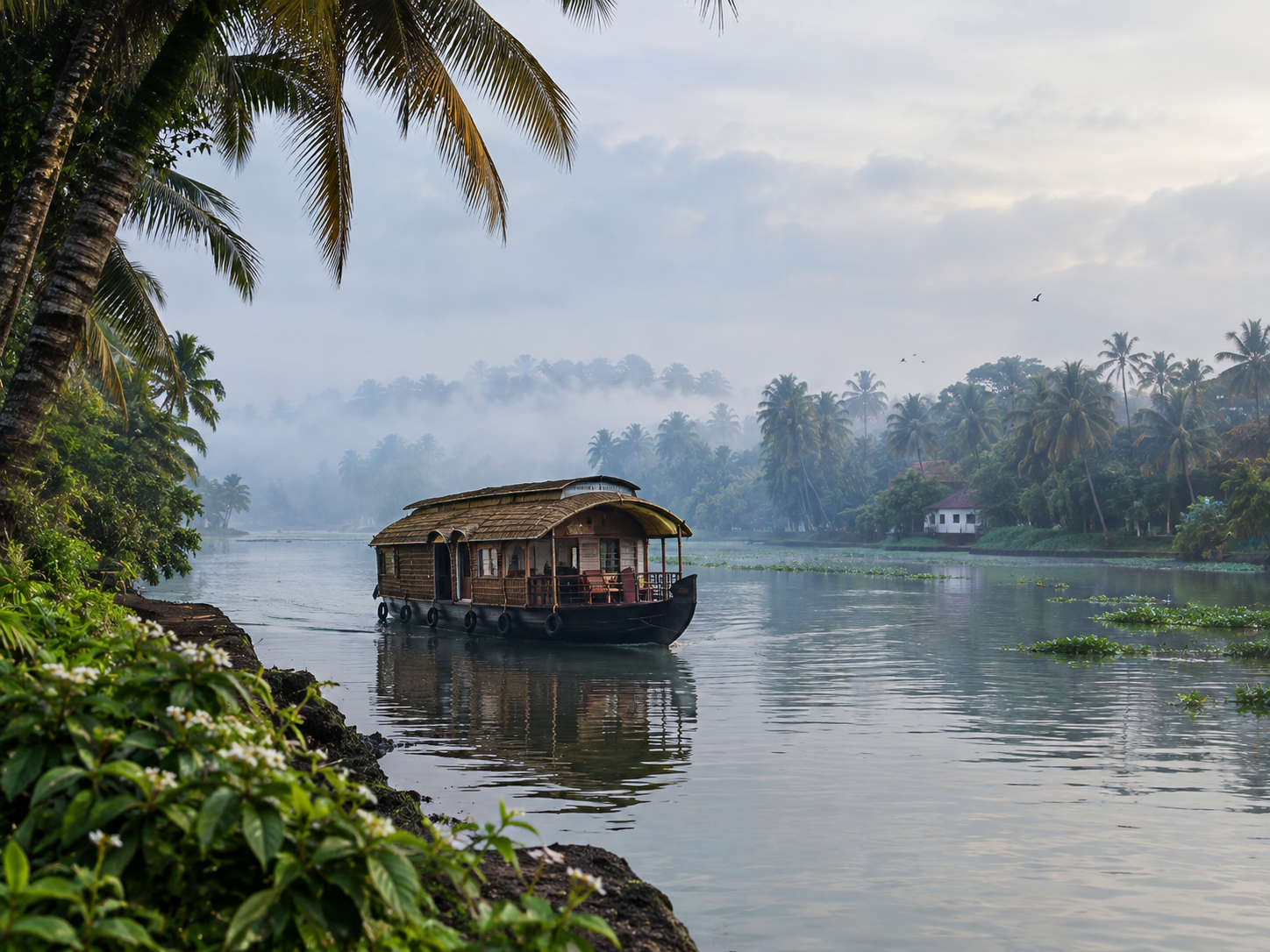
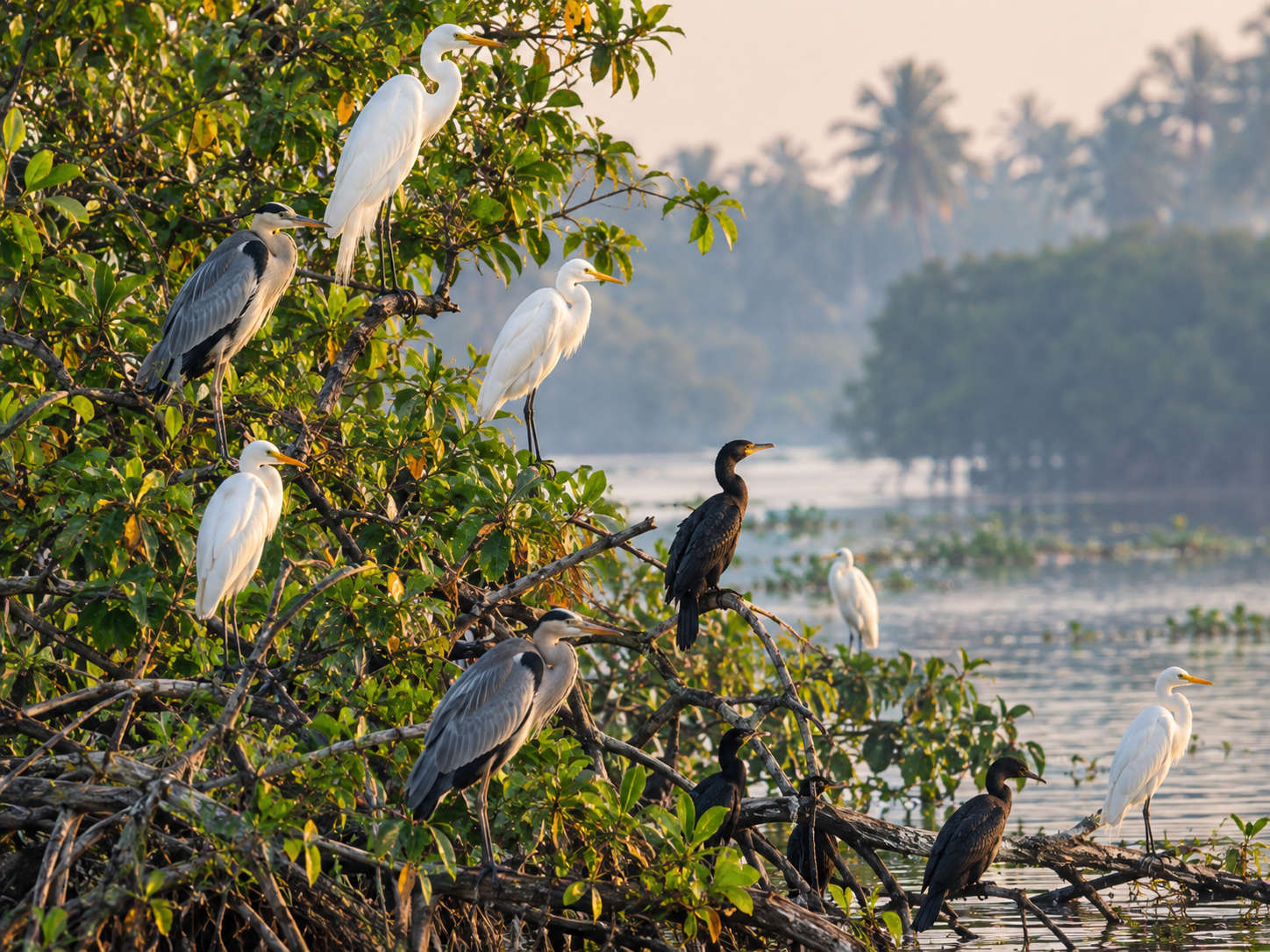
A houseboat night is the classic Kerala winter experience, and it is at its best now because the water is calm and the evenings are dry. Alleppey is the hub for overnight cruises through Punnamada and the Kuttanad canals. Nearby Kumarakom, on Vembanad Lake, adds the season’s signature wildlife draw: its bird sanctuary fills with migratory species between November and February.
03
Wildlife and beaches: Thekkady, Kovalam, Varkala, Marari and Bekal
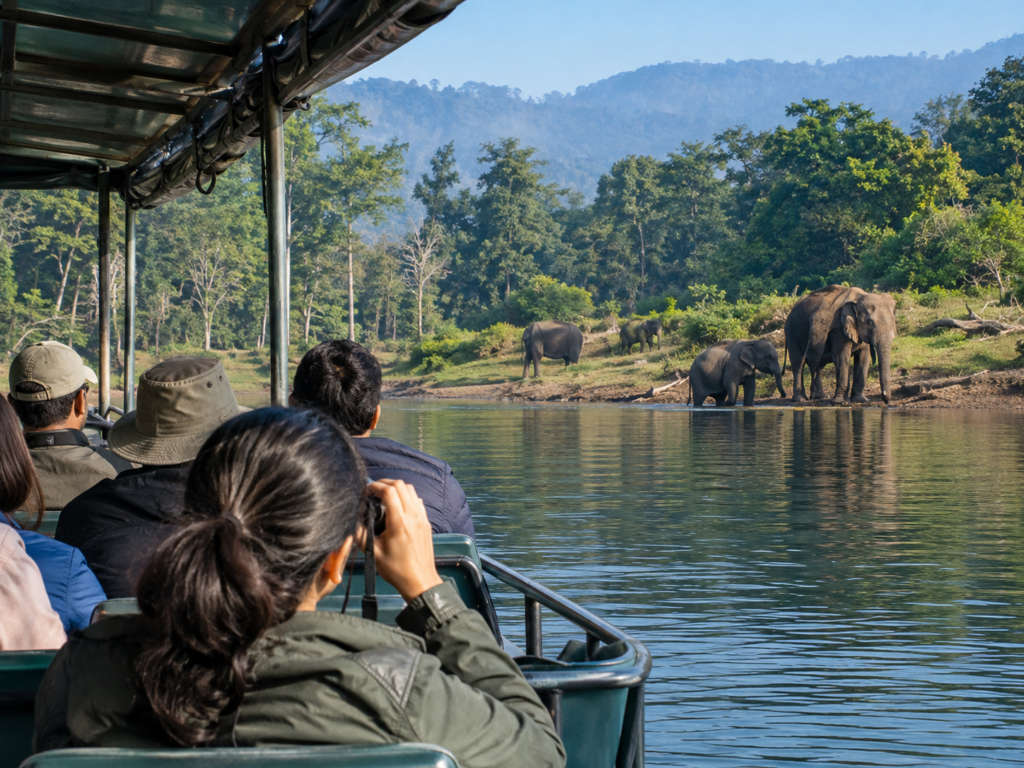
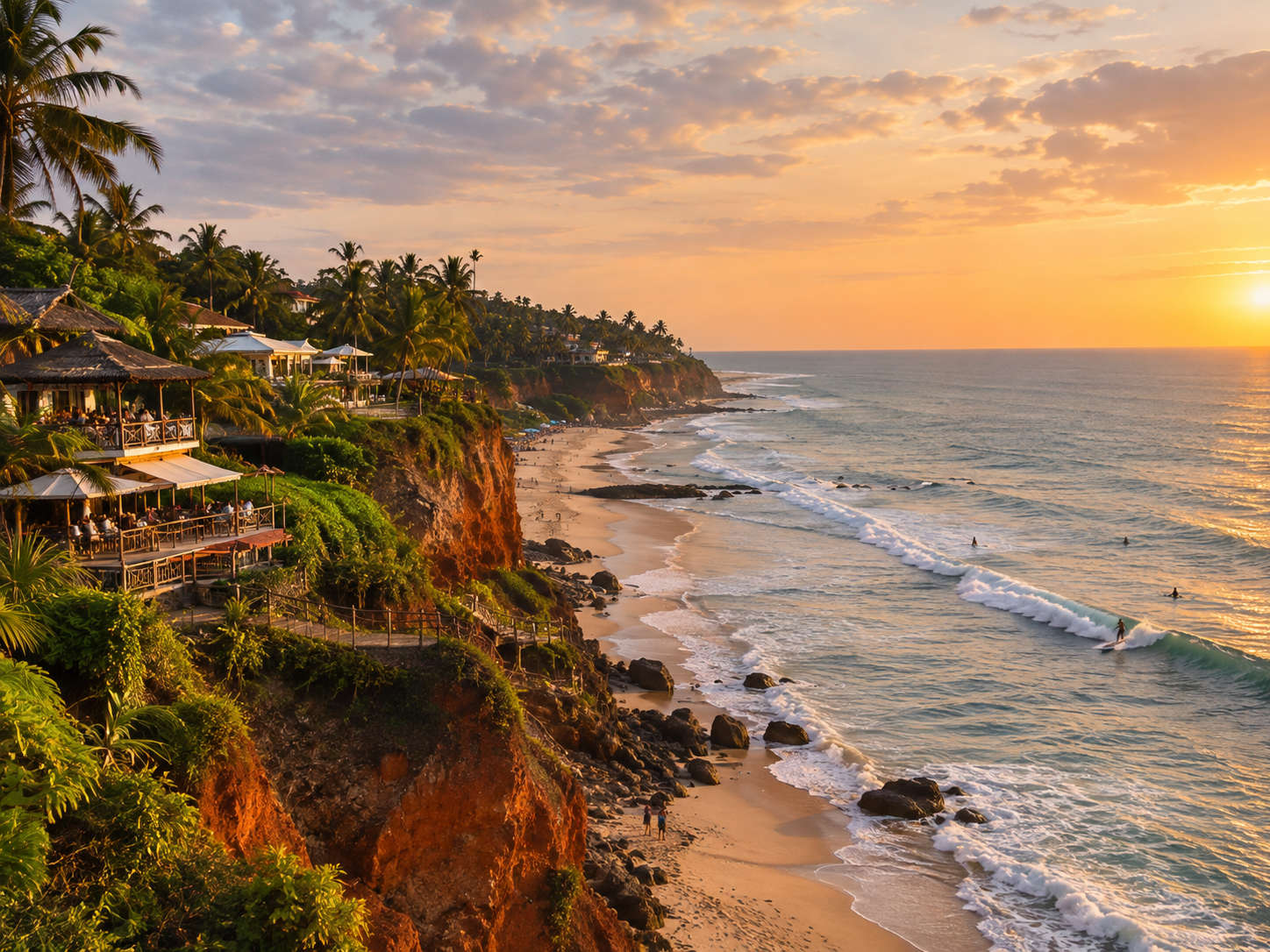
Thekkady’s Periyar Wildlife Sanctuary runs boat safaris across the lake, and winter’s clear air makes elephant and bison sightings more likely. On the coast, Kovalam has swimmable, lifeguarded beaches and lighthouse sunsets, while Varkala pairs red cliffs with clifftop cafes and a gentle winter break for beginner surfers. For quiet, Marari near Alleppey and Bekal in the far north give you long, near-empty sands.
04
Heritage: Fort Kochi
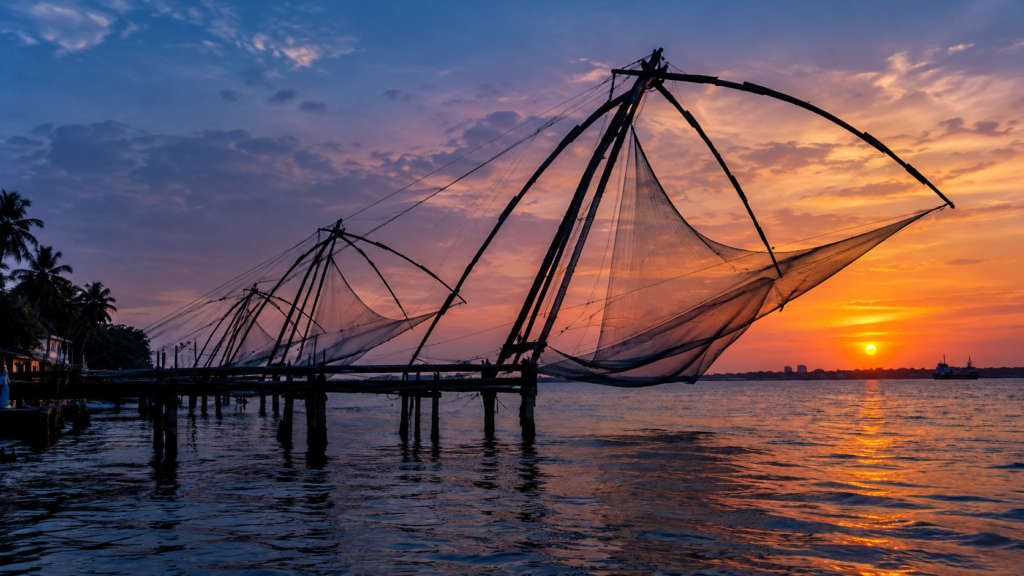
Fort Kochi is the winter culture stop. Its Chinese fishing nets, colonial lanes and Jew Town antique shops are walkable in the cool weather, and the town is the stage for the Cochin Carnival over the New Year. It is also the base for exploring the rest of Kochi.
Must-do winter experiences and wildlife safaris
A few experiences are worth timing specifically for winter, because the season is what makes them work.
- Birdwatching at Kumarakom: between November and February, the Kumarakom Bird Sanctuary on Vembanad Lake draws migratory birds from the Himalayas and Siberia, alongside resident egrets, herons, darters and teals. Early morning is best.
- A Periyar lake boat safari at Thekkady: cool, clear mornings make the early boat trips comfortable, and elephants, gaur and sambar are regular sightings along the lake edge, with a tiger a rare stroke of luck. Sightings peak later, from March to May, when the water drops.
- An overnight houseboat cruise from Alleppey: winter’s calm backwaters make for a smooth night afloat through the Kuttanad paddy country.
- Tea and spice plantation walks around Munnar and Thekkady: cool days make the estate hikes and cardamom-and-pepper plantation tours comfortable rather than sweaty.
- Beginner surf and beach time at Kovalam and Varkala: the sea is at its gentlest, so December and January are good months to take a first lesson.
Kerala winter festivals and events
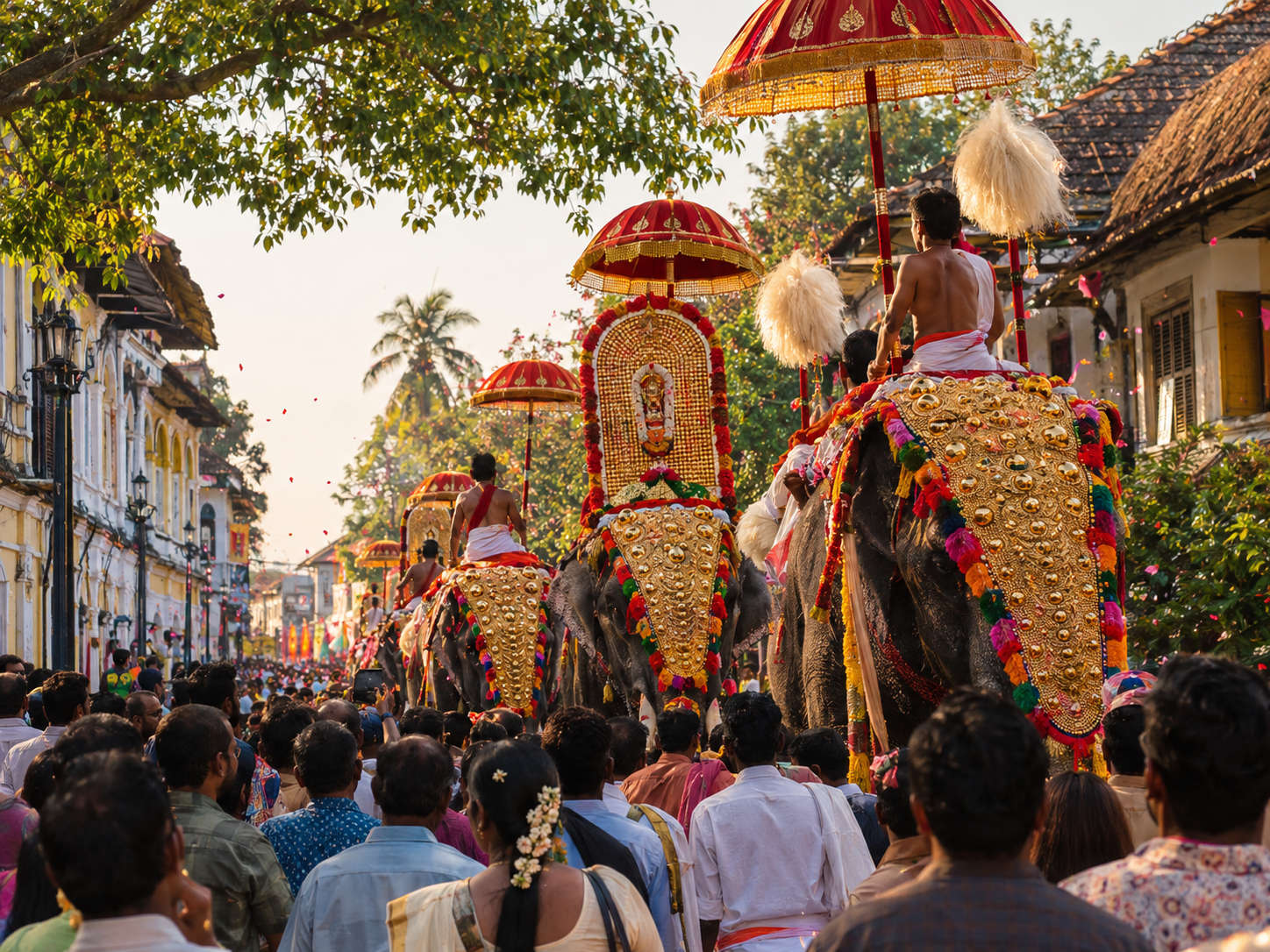 Winter carries some of Kerala’s most distinctive events, and a few of them happen nowhere else on the calendar. Fort Kochi is the centre of the season. The Cochin Carnival takes over its streets through the last stretch of December and climaxes on New Year’s Day, when a giant effigy called Pappanji is burned at midnight on December 31 and a decorated elephant procession moves through the old town. In the same weeks, when it is running, the Kochi-Muziris Biennale turns Fort Kochi, Mattancherry and Ernakulam into a sprawling contemporary-art show. It runs on a two-year cycle, so check the current calendar before you plan around it: the sixth edition ran from December 2025 to March 2026.
Elsewhere, mid-January brings Makaravilakku at the Sabarimala temple, one of the largest pilgrim gatherings of the year, and the Theyyam ritual season runs from October to May across northern Kerala, where temple performers in towering costumes dance through the night. Christmas and New Year are celebrated warmly all along the Christian coast. One thing to know: Onam and Thrissur Pooram, Kerala’s most famous festivals, fall in autumn and spring respectively, not in winter, so do not plan a winter trip expecting them.
| Event | Where | When |
| Christmas and New Year | Statewide, strongest on the Christian coast and Fort Kochi | December 24 to January 1 |
| Cochin Carnival | Fort Kochi | Last ten days of December, climax on January 1 ⚠️ EDIT: source says carnival begins ~Dec 14 (last two weeks of December), not last ten days; climax Jan 1 + Pappanji Dec 31 ✅ verified (keralatourism.org/event/cochin-carnival) |
| Kochi-Muziris Biennale | Fort Kochi, Mattancherry, Ernakulam | Biennial; sixth edition Dec 2025 to Mar 2026 (confirm current cycle) ⚠️ EDIT: 6th edition Dec 2025–Mar 2026 ✅ verified; biennial → NO edition runs winter 2026-27. Remove or reword before publish (next edition ~late 2027) (biennialassociation.org/kochi-muziris-biennale-6) |
| Makaravilakku | Sabarimala temple | Mid-January (around January 14) ✅ verified Jan 14 = Makara Sankranti (newsonair.gov.in) |
| Theyyam season | Northern Kerala (Kannur, Kasaragod) | October to May ✅ verified Oct–May (keralatourism.org) |
Winter in Kerala month by month: November to February
Each winter month has its own character. Here is how to choose, with pointers to our dedicated month guides where they go deeper.
November: The greenest month, just after the rains, with humidity still easing off. Fewer crowds and lower rates than December, though the odd late shower is possible early in the month. A good time for the hills and the backwaters before peak season sets in.
December: Sunny, mostly dry and the busiest month (a stray northeast-monsoon shower is still possible in the south early on), and the heart of the festival season with the Cochin Carnival and Christmas. Book early: the last ten days are the priciest of the year. For a full December plan, see our guide to the places to visit in Kerala in December.
January: The coolest and clearest month, with cold Munnar nights and misty mornings. The New Year rush fades after the first week, leaving crisp, quiet travel for the rest of the month. Read our dedicated guide to Kerala in January for a month-specific itinerary.
February: The quiet winner. The weather is still dry and comfortable, the peak-season crowds have gone, and tariffs have eased, which makes February the best value month of the winter. One catch: Eravikulam National Park in Munnar usually closes from February 1 to March 31 for the Nilgiri tahr calving season, so see the tahr in January if it is on your list. It is the ideal choice if you want peak-season conditions without peak-season prices or queues.
Where to stay, what to eat and how to plan
Where to stay
Winter is high season, so book two to four weeks ahead, and earlier for the December-January peak. For a hill stay, The Windflower Resorts and Spa in Munnar sits among tea and forest. On the backwaters, KTDC’s Waterscapes and the lake resorts around Kumarakom put you right on Vembanad Lake. For a coastal splurge, The Leela Kovalam is a cliffside five-star over the Arabian Sea. Rates rise sharply over Christmas and New Year, so lock in early. Confirm current tariffs when you book.
What to eat
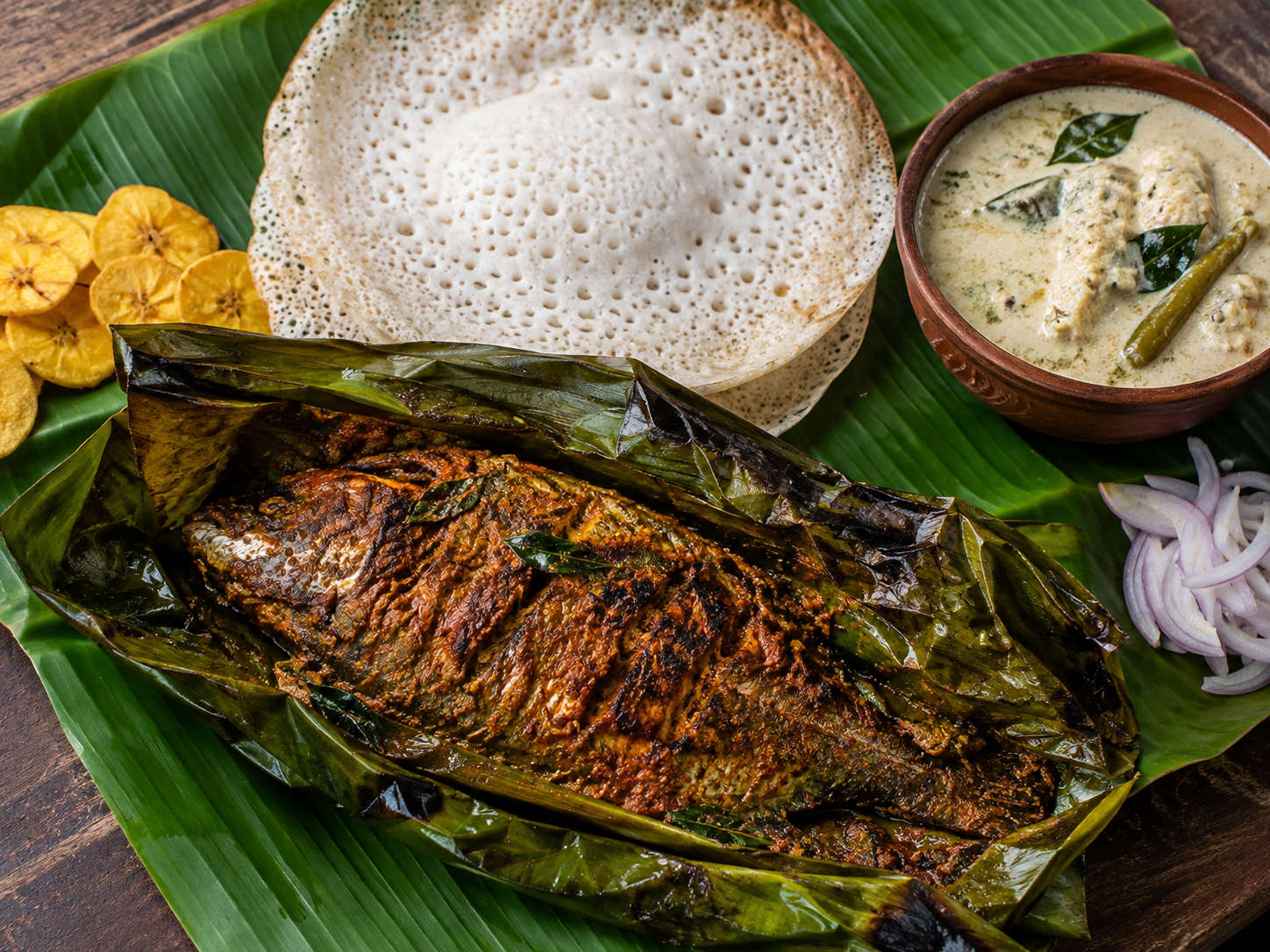
Winter is harvest and fishing season, so the produce and seafood are at their freshest. Look for karimeen pollichathu (pearl spot fish grilled in banana leaf), appam with stew, and a traditional sadya served on a banana leaf. The high ranges are India’s spice country, so Munnar and Thekkady are also the places to buy cardamom, cinnamon, cloves, nutmeg and pepper straight from the plantations.
Family and solo travellers
Winter suits both. Families get calm seas, easy houseboat nights and safe hill walks; see our roundup of places to visit in Kerala with family. Solo travellers get comfortable weather for long backwater and plantation days, and the wellness resorts run their programmes right through the season.
Winter travel tips
- Plan and pre-book. Peak season fills houseboats and hill stays fast, especially December 20 to January 5.
- Pack for two climates: light cottons for the coast and backwaters, a light woollen or fleece for cold Munnar and Wayanad nights, plus swimwear and trekking shoes.
- Fly into the airport nearest your route: Kochi (COK) for the centre, Trivandrum (TRV) for the south, and Kozhikode (CCJ) for the north, all with direct flights from several major Indian metros. Kannur (CNN) is the closest airport for Theyyam country, while Mangaluru (IXE), just across the Karnataka border, is the nearest for Bekal.
Planning your winter trip
Winter is the easiest and most rewarding time to see Kerala, with dry days, cool hills and calm backwaters lining up between November and February. Pick February if you want the same weather with fewer people. When you are ready to turn this into a real plan, you can browse customisable Kerala tour packages and shape the route, stays and pace around your own dates.
FAQs
Frequently Asked Questions About Winter in Kerala
Quick answers on winter months, temperatures, crowds, packing, houseboats and birdwatching
Winter in Kerala runs from November to February, the cool, dry stretch after the northeast monsoon pulls back. Some travellers stretch the pleasant season from October to March. December and January are the coolest, with January the driest, while February is warm and much quieter.
The coast and backwaters stay warm, roughly 22 to 32°C by day and around 20 to 23°C at night, with low humidity. The hills are cooler: Munnar and Wayanad sit around 10 to 25°C by day and can drop into single digits at night in January.
Yes. Winter is Kerala's peak tourist season for good reason. The rains are over, humidity is low, the backwaters are calm and the beaches are swimmable. The only downside is the crowds and higher tariffs over Christmas and New Year, which you can avoid by travelling in late January or February.
The high ranges around Munnar, including Devikulam and the Kannan Devan hills, are the coldest. On the coldest January nights the temperature can fall close to freezing, and mist lingers in the valleys until mid-morning. The coast, by contrast, never really gets cold.
Pack light cotton clothes for the warm coast and backwaters, plus a light woollen or fleece for cold evenings in Munnar and Wayanad. Add swimwear and flip-flops for the beaches, and proper shoes if you plan to trek. A light rain layer is useful in early November.
Yes. The last ten days of December and the first week of January are the busiest and priciest of the year, driven by Christmas, New Year and the Cochin Carnival. Book two to four weeks ahead. For month-specific plans, see our December and January guides linked above. February is the quieter, better-value alternative.
Yes, and winter is the best time for them because the backwaters are calm and the evenings are dry. It is also peak season, so pre-book your houseboat, ideally a couple of weeks ahead and earlier for the December-January window, to avoid last-minute unavailability.
Yes. The Kumarakom Bird Sanctuary on Vembanad Lake is the place to go. Between November and February it draws migratory birds from the Himalayas and Siberia, including ducks such as teals and a range of waders, alongside resident egrets, herons and darters. Arrive early in the morning for the best sightings.
Very much so. The calm seas, gentle houseboat cruises, safe hill walks and wildlife safaris all suit children and older travellers, and the comfortable weather means long days out without the monsoon rain or summer heat. Just book early over the December-January peak.
Winter is comfortable and widely offered for Ayurvedic treatments such as warm oil massages, and most resorts run programmes right through the season. Traditionally, though, the monsoon months are considered the classical time for intensive Panchakarma therapies, so if a full detox is your goal, ask the centre which season it recommends.