
 8D / 7N
6% OFF


Your Guide To Diving Sri Lanka's Two Coasts
Scuba diving in Sri Lanka works all year, as long as you follow the weather to the right coast. From November to April the calm, clear water is on the south and west, around Hikkaduwa, Unawatuna and Weligama. From May to October the east coast takes over, with Trincomalee, Pigeon Island and the famous HMS Hermes wreck off Batticaloa. A single fun dive starts at roughly LKR 8,000 (about 2,500 rupees), and you do not need a licence to start: most centres run a supervised try-dive for complete beginners. Below are the 12 best dive sites on the island, when to visit each, what you will see underwater and what it costs.
Key takeaways
- Dive the south and west (Hikkaduwa, Unawatuna) from November to April; dive the east (Trincomalee, Pigeon Island) from May to October.
- Start from about LKR 8,000 for a certified fun dive, or LKR 10,000 to 18,000 for a beginner try-dive with no licence needed.
- Go to Trincomalee and Pigeon Island in May and June for the clearest water of the year, often past 30 metres of visibility.
- Beginners and non-swimmers can do a supervised Discover Scuba dive; a full PADI Open Water course takes 3 to 4 days.
- Leave HMS Hermes off Batticaloa for last: it sits 45 to 58 metres down and is a technical dive for experienced divers only.
Sri Lanka’s 12 Best Dive Sites At A Glance
Match a dive site to your travel dates first. Coast decides the season, because the south-west and east run on opposite monsoons. The sites below are mapped in full further down the page.
| Dive site | Coast | Best season | Best for | Signature draw |
|---|---|---|---|---|
| Unawatuna | South | Nov to Apr | Beginners, courses | Reefs plus the Galle shipwrecks |
| Hikkaduwa | South-west | Nov to Apr | Beginners, snorkel-divers | Coral sanctuary and turtles |
| Trincomalee & Pigeon Island | East | May to Oct | All levels | Marine park, reef sharks |
| Pasikudah | East | May to Oct | Easy reef dives | Coral gardens and a boiler wreck |
| Batticaloa (HMS Hermes) | East | May to Sep | Technical divers only | World-class aircraft-carrier wreck |
| Kalpitiya & Bar Reef | North-west | Nov to Apr | Intermediate | Sri Lanka’s largest reef, mantas |
| Mirissa | South | Nov to Apr | Beginners, whale season | Dive plus whale watching in one trip |
| Weligama | South | Nov to Apr | Beginners | Gentle bay, Yala Rock, caves |
| Kirinda & Great Basses | South-east | Mar to Apr only | Advanced | Remote reef, big fish, strong current |
| Colombo (Gorgonian Gardens) | West | Nov to Apr | Intermediate | City wrecks and gorgonian reef |
| Taprobane Reefs | South | Nov to Apr | Intermediate | Coral domes, rays, schooling fish |
| Bull Dog Reef | North-west | Nov to Apr | Photographers | Macro life and moray eels |
Sri Lanka
Sri Lanka
Best Scuba Diving In Sri Lanka 2026: 12 Top Dive Sites, Costs & Season
Best Time
May - September
Select Package Type
Best Selling Packages


Why Sri Lanka Is A Diving Trip Worth Taking
An island sitting in warm Indian Ocean water, Sri Lanka packs a lot of variety into a short coastline: shallow coral gardens you can learn on, deep wrecks from two World Wars, and reefs where turtles and reef sharks are a near-daily sighting. Water temperatures stay around 26 to 30 degrees Celsius year-round, so a thin wetsuit is plenty. Diving is also cheap by Asian standards, and because the two monsoons hit opposite coasts, there is always a side of the island in season. A few reasons it stands out:
- Wreck diving to match anywhere in South Asia, led by the HMS Hermes aircraft carrier off Batticaloa.
- Reef life that suits beginners and photographers alike: turtles, moray eels, lionfish, rays and the odd reef shark.
- A long, established scene of PADI and SSI dive centres, so courses, rental gear and guides are easy to find.
- Year-round diving somewhere on the island, so you plan around the coast rather than the calendar.
Best Time To Dive: East Coast vs West Coast
This one fact decides your whole trip. Sri Lanka has two monsoons that soak opposite coasts at opposite times, so you pick the coast that is in its dry season for your dates. From November to April the south and west are calm and clear, with the sharpest visibility from December to February. From May to October that weather flips to the east, where Trincomalee and Pigeon Island see the clearest water of the year in May and June. For the wider picture, see our guide to the best time to visit Sri Lanka, and if you are diving over the holidays, our guide to Sri Lanka in December covers the peak south-coast window.
Here is how the diving year breaks down, month by month.
| Month | Where to dive | Conditions |
|---|---|---|
| January | South & west | Peak season, calm and very clear water |
| February | South & west | Peak season, excellent visibility |
| March | South & west | Still strong; brief Great Basses window opens in the south-east |
| April | South & west (shoulder) | Good early in the month; best time for Great Basses |
| May | East | East coast opens; Trincomalee and Pigeon Island superb, visibility often past 30 m |
| June | East | Peak east coast; clearest water for the HMS Hermes wreck |
| July | East | Strong east-coast season |
| August | East | Reliable east-coast diving |
| September | East | East season winding down |
| October | Shoulder | Both coasts in transition; diving is limited |
| November | South & west | South-west reopens and improves |
| December | South & west | Peak begins; calm, clear and busy |
12 Best Dive Sites In Sri Lanka, Coast By Coast
The 12 dive sites worth planning a trip around, grouped from the south-west coast round to the east, each with its marine life, depth, cost and nearest town, plus seasons, certification, costs and how to start.
-
Unawatuna (South Coast)
-
Hikkaduwa (South-West Coast)
-
Trincomalee & Pigeon Island (East Coast)
-
Pasikudah (East Coast)
-
Batticaloa, HMS Hermes (East Coast)
-
Kalpitiya & Bar Reef (North-West Coast)
-
Mirissa (South Coast)
-
Weligama (South Coast)
-
Kirinda & Great Basses Reef (South-East Coast)
-
Colombo, Gorgonian Gardens (West Coast)
-
Taprobane Reefs (South Coast)
-
Bull Dog Reef (North-West Coast)
Explore Popular Destination In Sri Lanka
01
Unawatuna (South Coast)
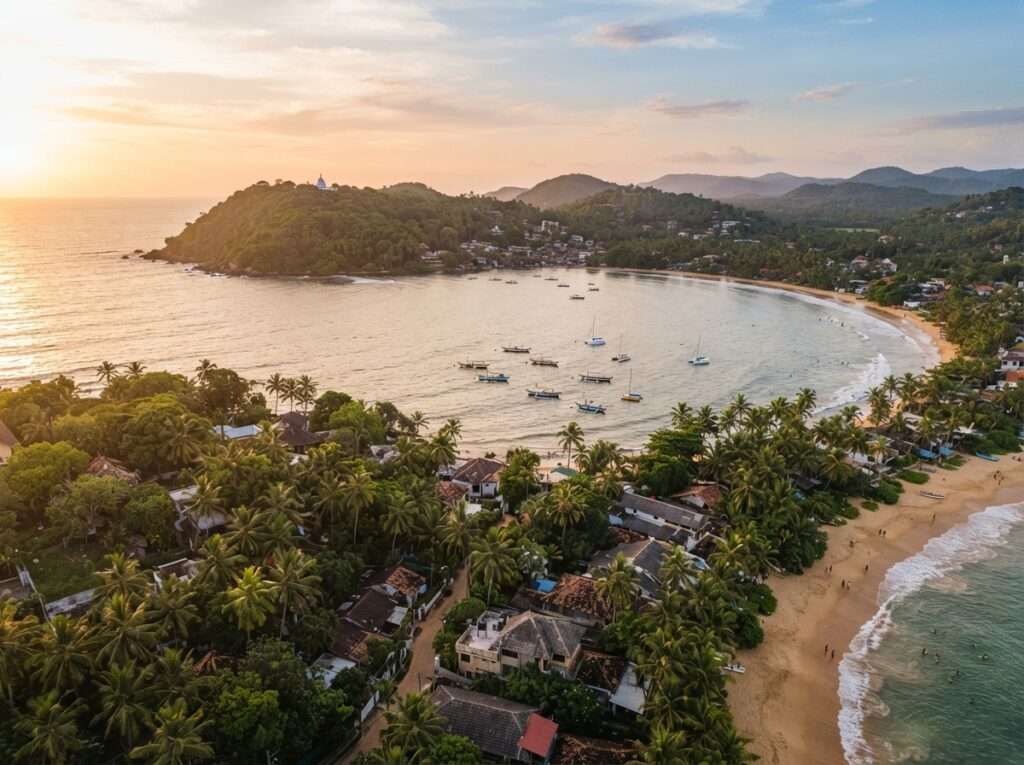
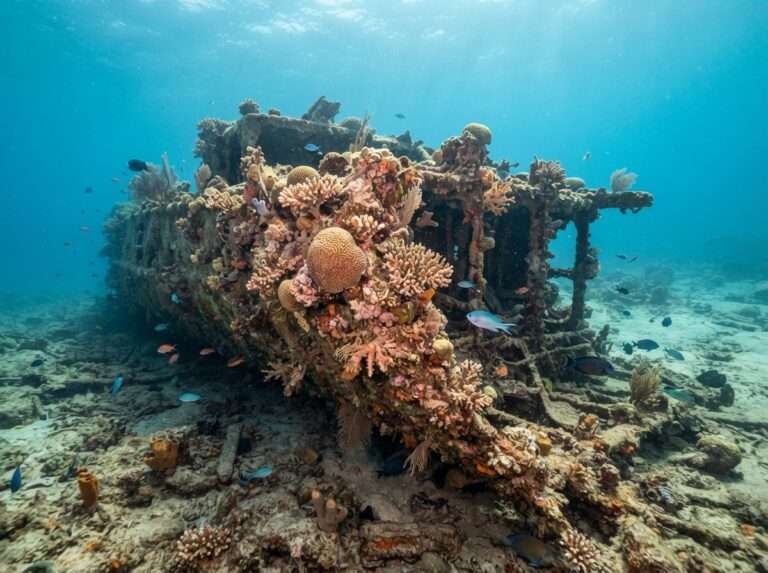
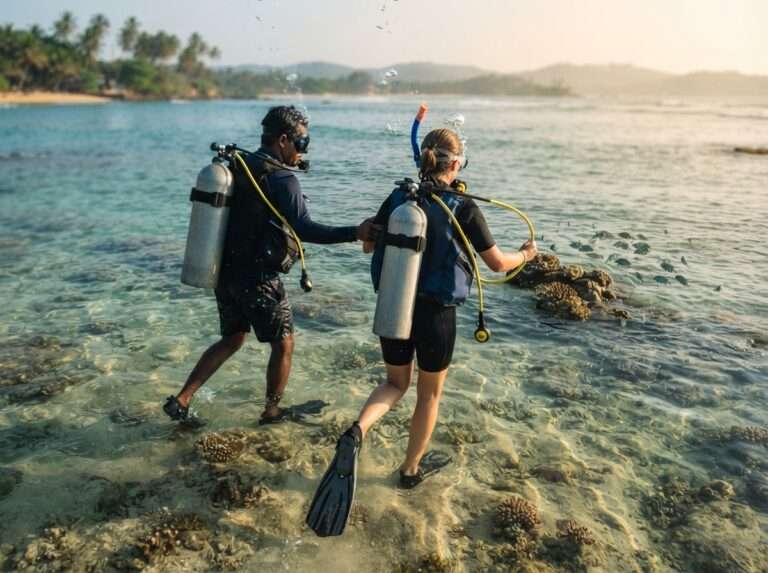
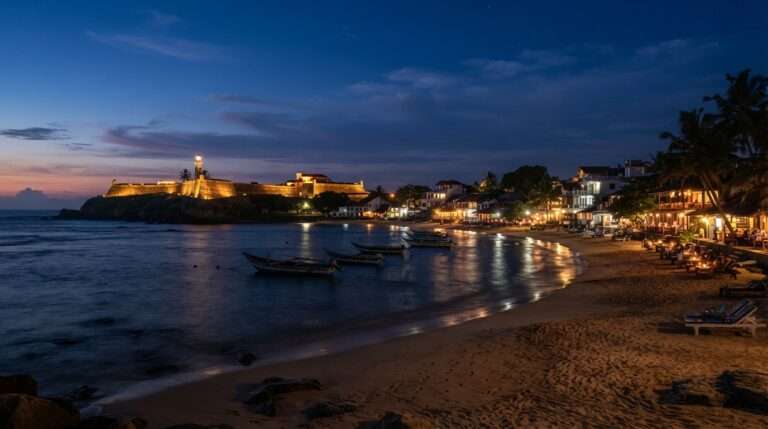
Unawatuna is where most people take their first breath underwater in Sri Lanka. The bay sits just past Galle, and the dive centres here run everything from a supervised try-dive to a full certification course. Offshore you can work up to the Galle shipwrecks, including the Rangoon and the Ralagala, plus reef sites like Goda Gala Diyamba. The water is forgiving and shallow close in, which is exactly what a nervous beginner wants.
| Marine life | Reef fish, turtles, moray eels, the odd reef shark |
| Depth range | About 5 to 30 m, shallow reef close to shore |
| Typical fun dive | LKR 10,000 to 18,000 (around 3,000 to 5,500 rupees) |
| Nearest town | Galle, about 6 km; roughly 2 hours from Colombo |
Related Tour Packages


❮
❯
02
Hikkaduwa (South-West Coast)
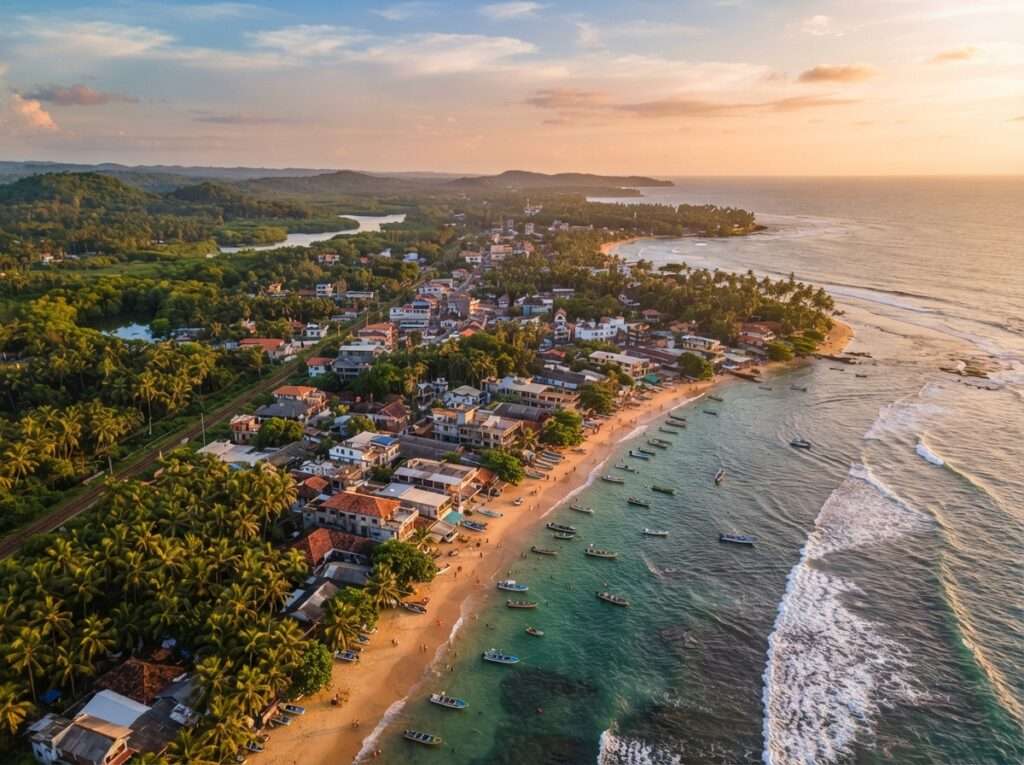
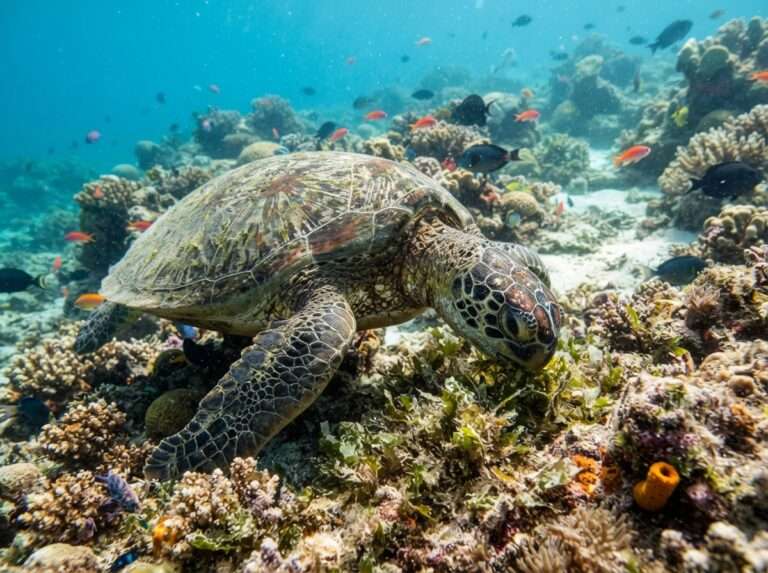
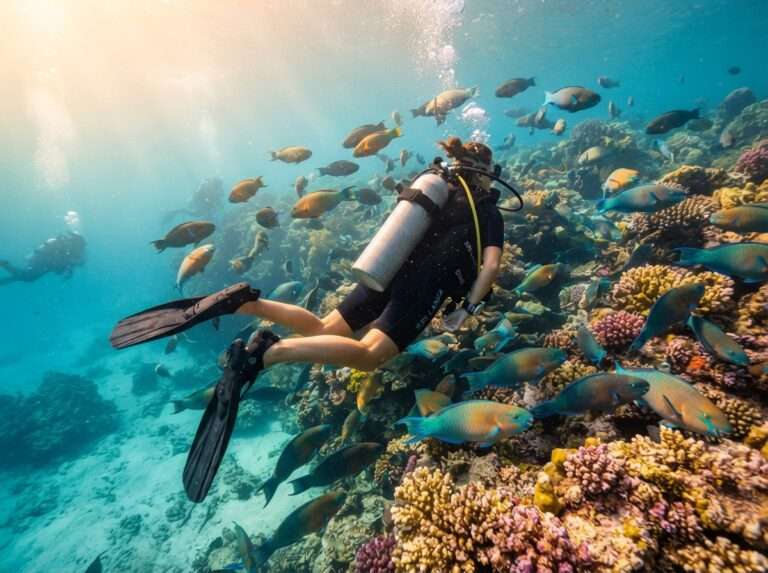
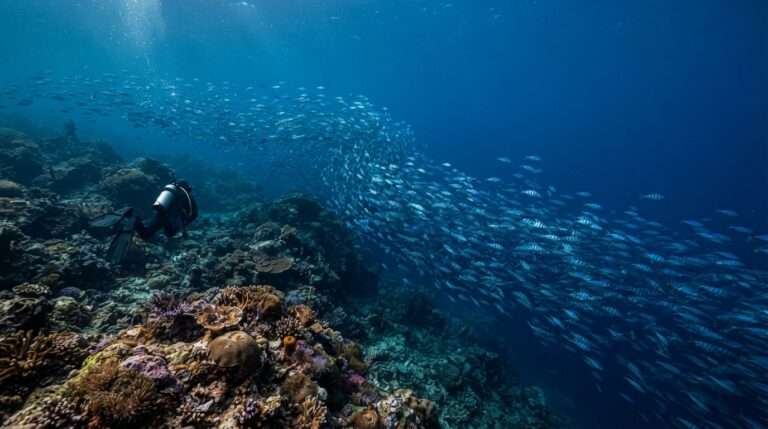
Hikkaduwa built its name on a shallow coral sanctuary you can almost snorkel into, which makes it one of the gentlest places on the island to learn. Green turtles come in to feed close to shore, and the sheltered reef is full of parrotfish and angelfish. Barracuda Reef, a little further out, steps things up with bigger schooling fish for divers who already have a few logged dives.
| Marine life | Green turtles, parrotfish, barracuda, soft corals |
| Depth range | About 5 to 20 m |
| Typical fun dive | LKR 8,000 to 15,000 (around 2,500 to 4,500 rupees) |
| Nearest town | Hikkaduwa; about 100 km and 90 minutes from Colombo |
Related Tour Packages


❮
❯
03
Trincomalee & Pigeon Island (East Coast)
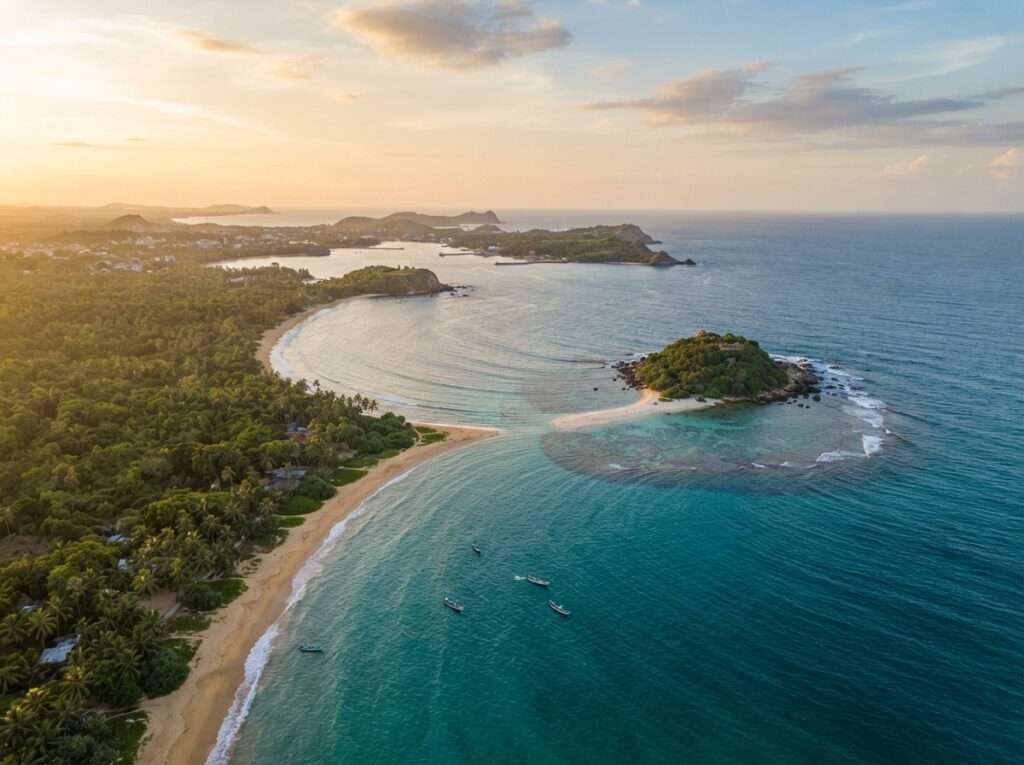
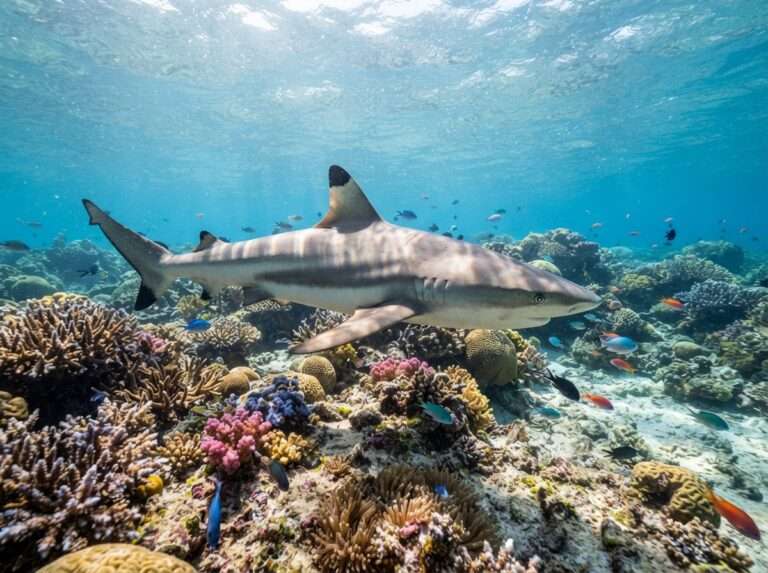
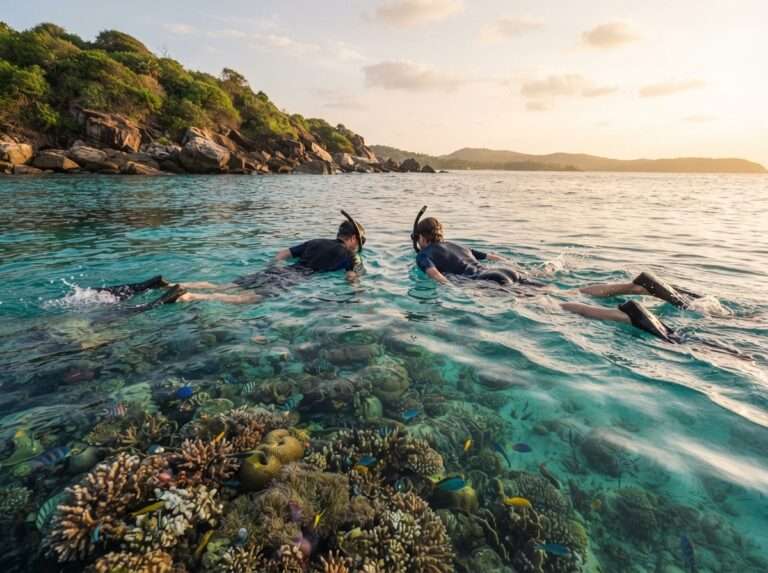
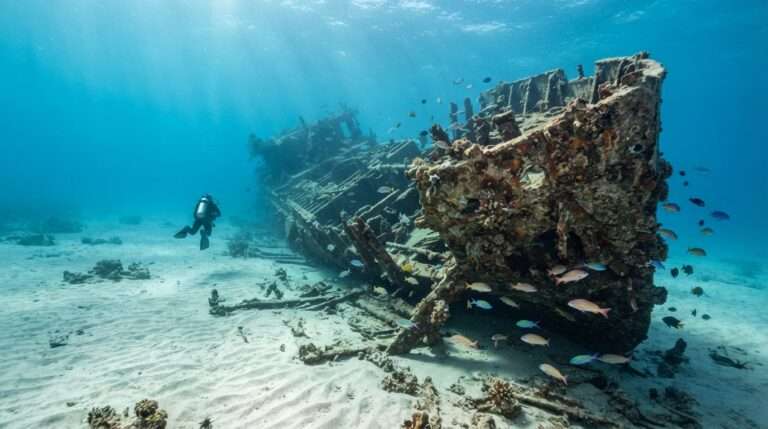
When the south-west is being rained on, Trincomalee is at its best. Pigeon Island, a marine national park a short boat ride off Nilaveli, has the island’s finest shallow reef, where blacktip reef sharks, green and hawksbill turtles and giant moray eels are regular sightings. The Irakkandy wreck and the reef off Swami Rock round out a few days of diving. May and June bring the clearest water of the whole year here.
| Marine life | Blacktip reef sharks, turtles, moray eels, lionfish |
| Depth range | About 5 to 25 m |
| Typical fun dive | LKR 10,000 to 20,000 (around 3,000 to 6,000 rupees) |
| Nearest town | Nilaveli and Trincomalee; about 260 km, 5 to 6 hours from Colombo |
Related Tour Packages


❮
❯
04
Pasikudah (East Coast)
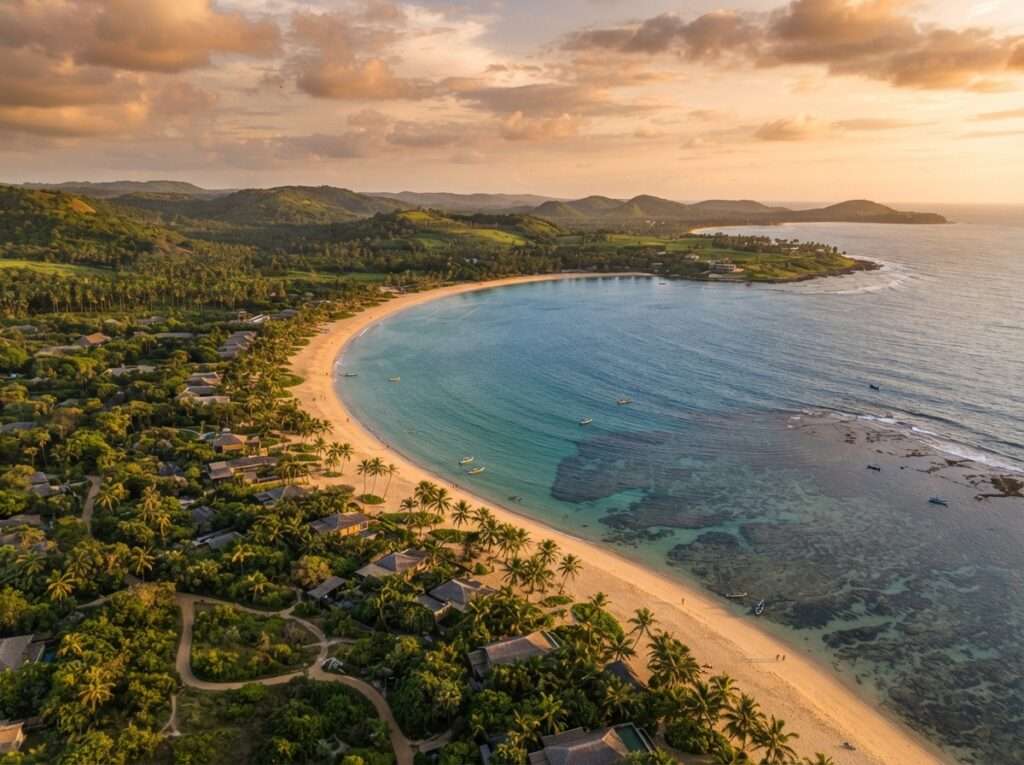
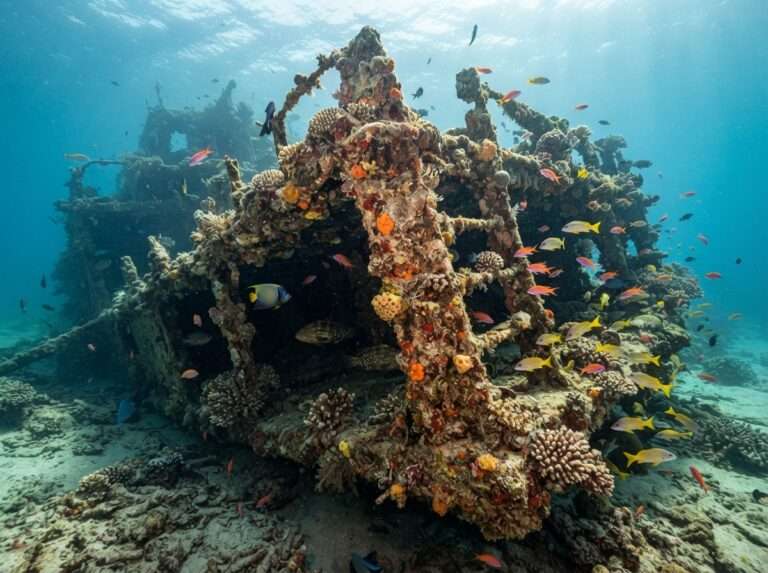
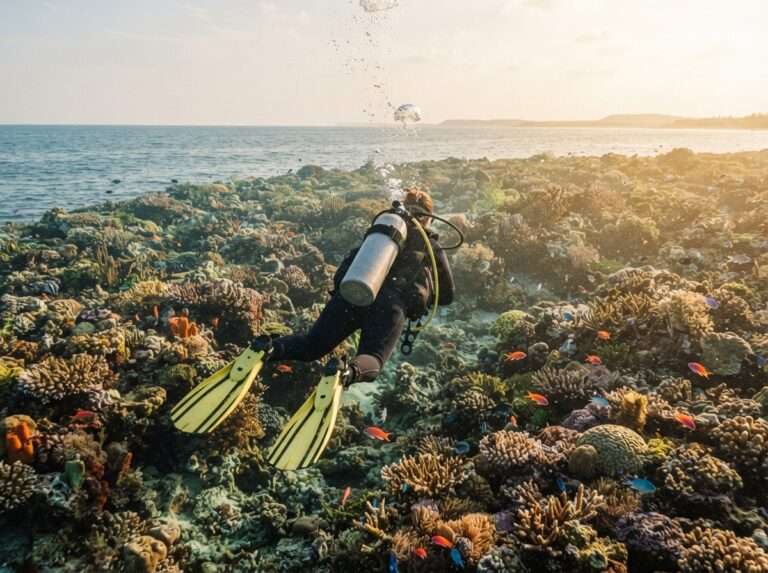
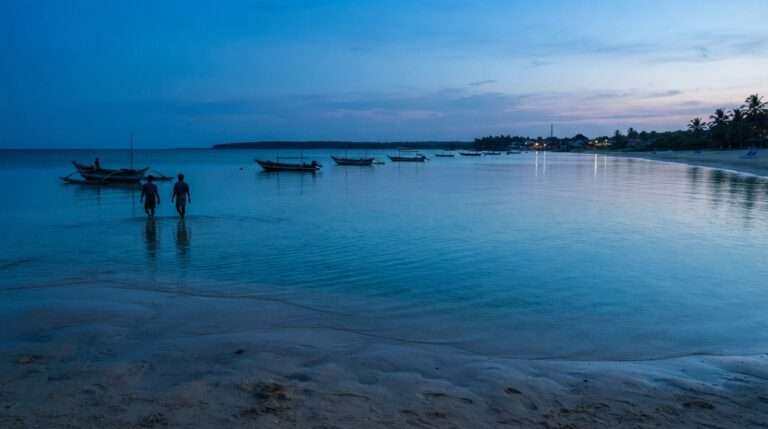
Pasikudah is best known for its shallow, flat bay, and the diving matches that easy mood. Coral gardens sit in calm water close to the beach, and a little offshore lies the British Sergeant, a wartime boiler wreck that has become an artificial reef. It pairs well with Trincomalee on an east-coast trip from May to October.
| Marine life | Reef fish, rays, resident life on the British Sergeant wreck |
| Depth range | About 8 to 25 m |
| Typical fun dive | LKR 10,000 to 20,000 (around 3,000 to 6,000 rupees) |
| Nearest town | Pasikudah, near Batticaloa; about 300 km east of Colombo |
05
Batticaloa, HMS Hermes (East Coast)
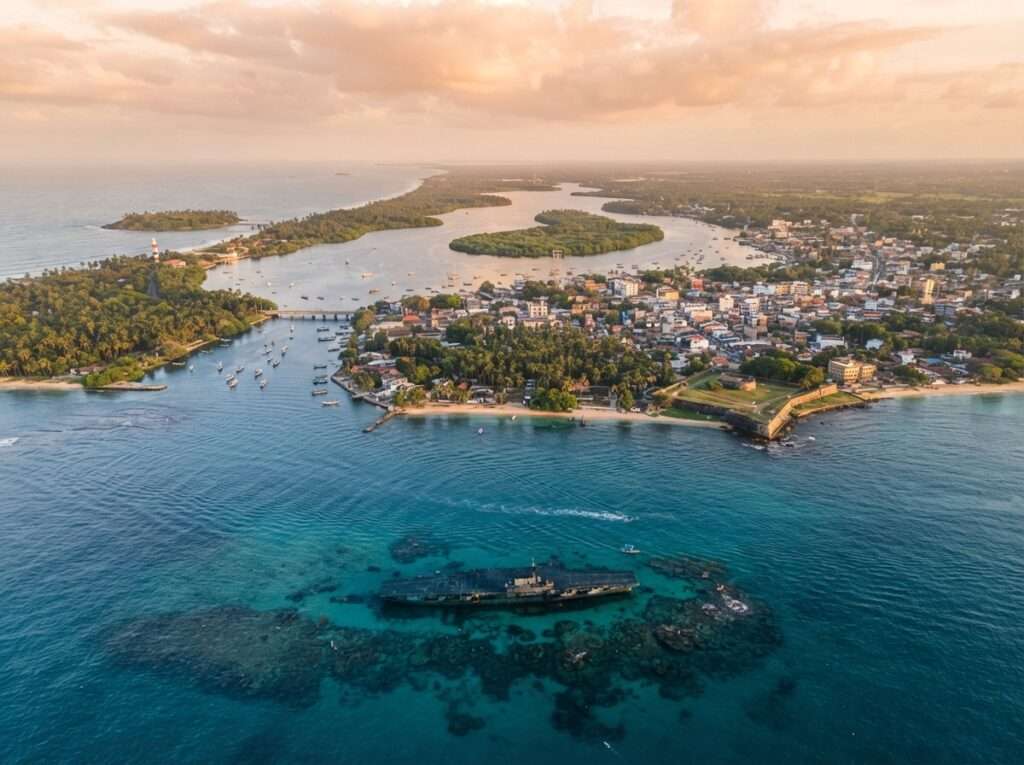
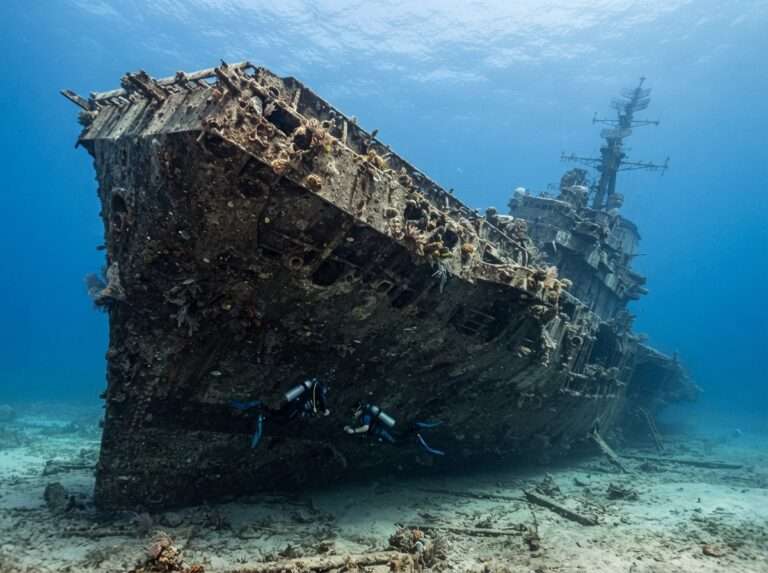
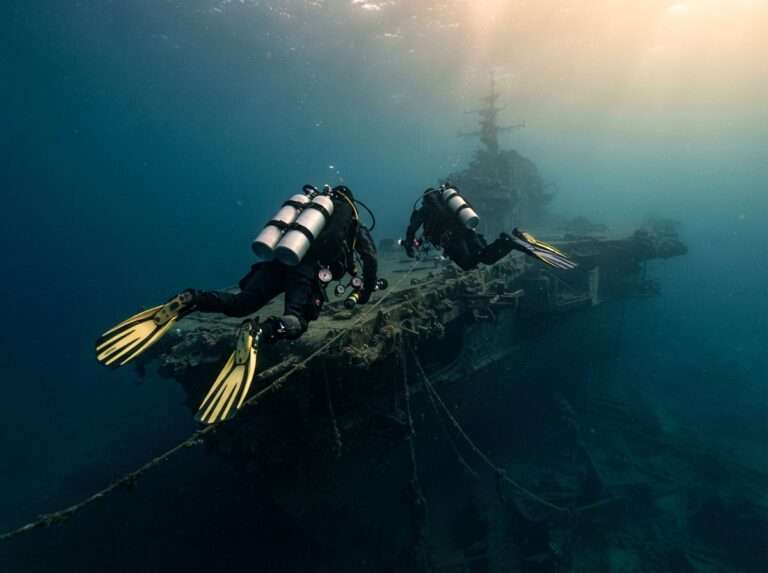
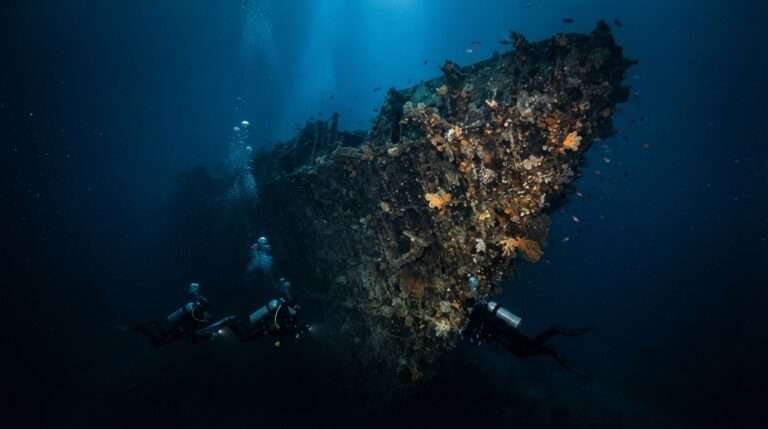
This is the dive that divers plan whole trips around, and it is strictly for those with technical training. HMS Hermes, the first purpose-built aircraft carrier in the world, was sunk by Japanese aircraft on 9 April 1942 and now lies on her port side about eight nautical miles off Batticaloa. The wreck sits roughly 45 to 58 metres down, so it is well beyond recreational limits. One note to clear up: HMAS Vampire went down the same morning, but it was never found and rests far too deep to dive, so Hermes is the wreck you come for. Visibility is best in June and July.
| Marine life | Huge wreck structure, schooling fish, batfish |
| Depth range | About 45 to 58 m; technical divers only |
| Typical dive | Operator-quoted technical charter; tech certification required |
| Nearest town | Batticaloa; best dived May to September |
06
Kalpitiya & Bar Reef (North-West Coast)
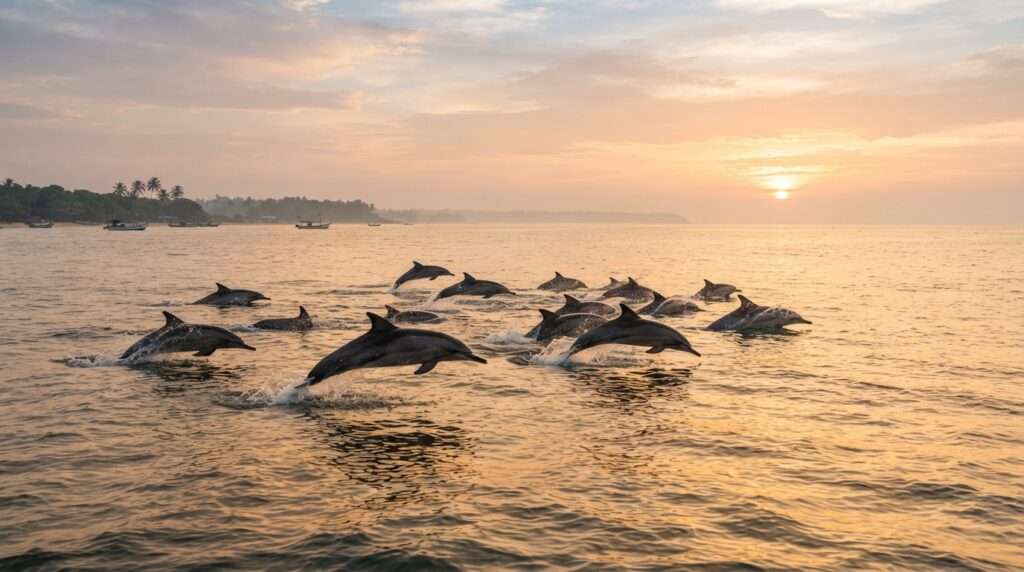
Kalpitiya is the wild card of Sri Lankan diving. Its highlight is Bar Reef, the largest and one of the most intact reef systems in the country, spread across a protected marine sanctuary. In season you can share the water with reef sharks and the occasional manta ray, and this stretch of coast is also famous for dolphins and seasonal whale sharks spotted from the boat. It rewards divers who want a wilder, less polished scene.
| Marine life | Reef sharks, manta rays, seasonal whale sharks, dolphins from the boat |
| Depth range | About 5 to 25 m |
| Typical fun dive | LKR 10,000 to 20,000 (around 3,000 to 6,000 rupees) |
| Nearest town | Kalpitiya; about 3 hours north of Colombo |
07
Mirissa (South Coast)
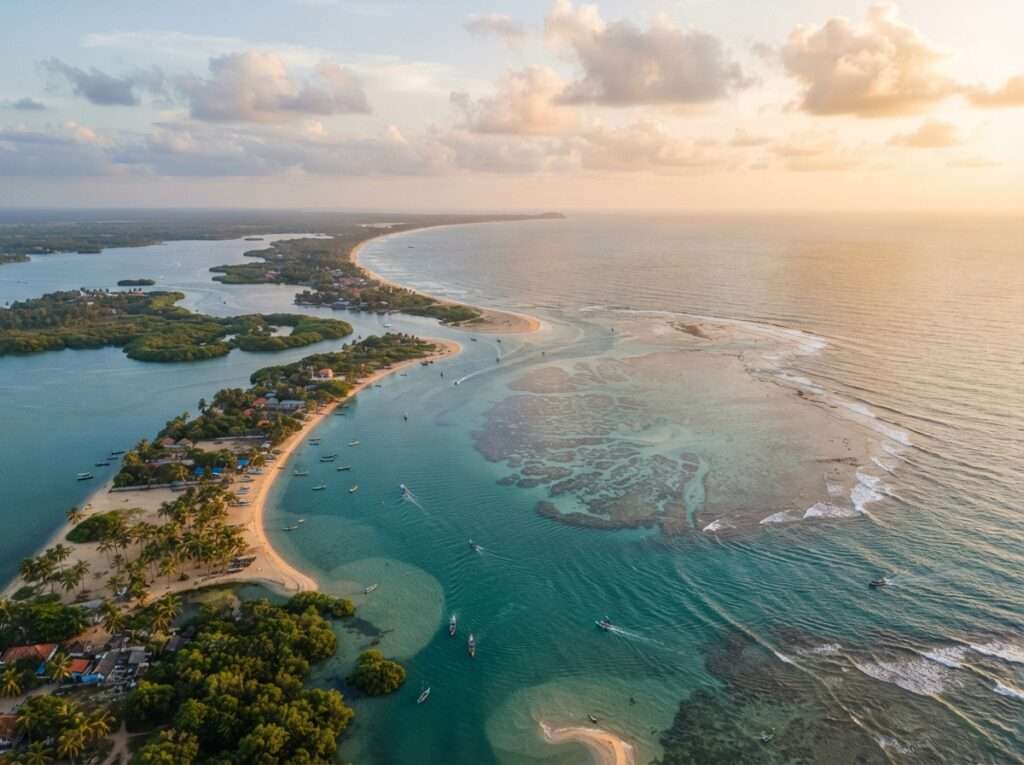
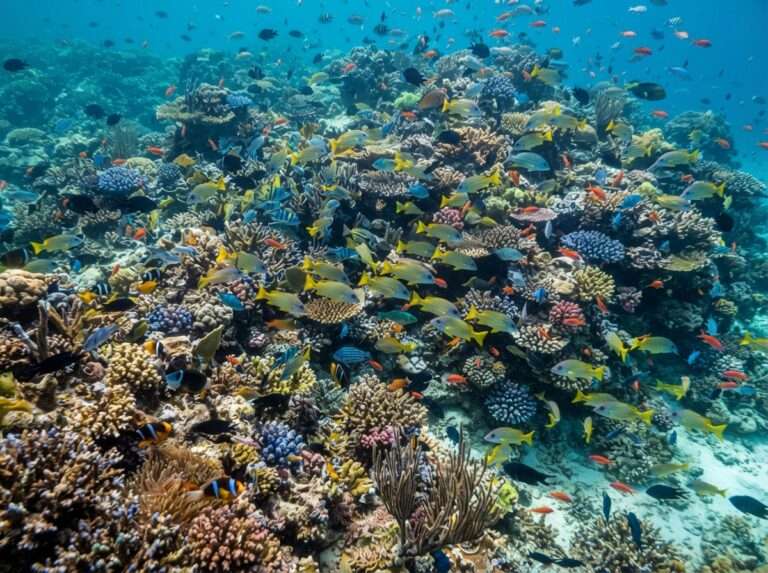
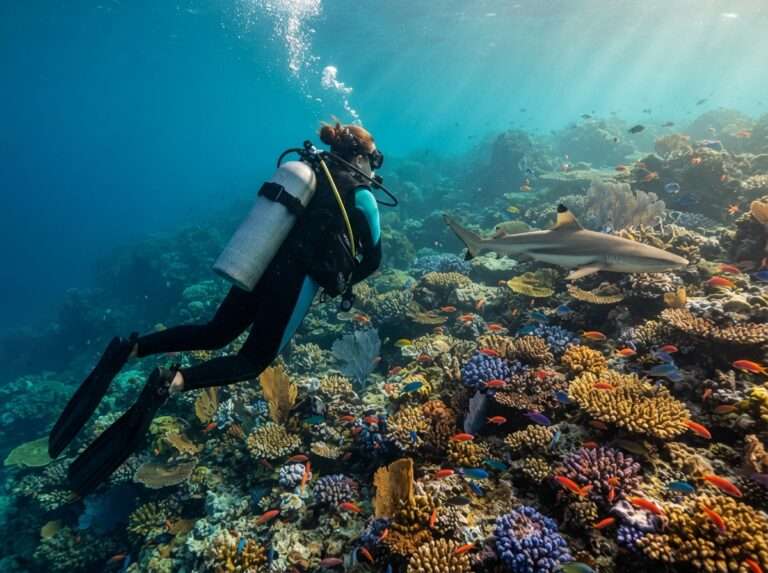
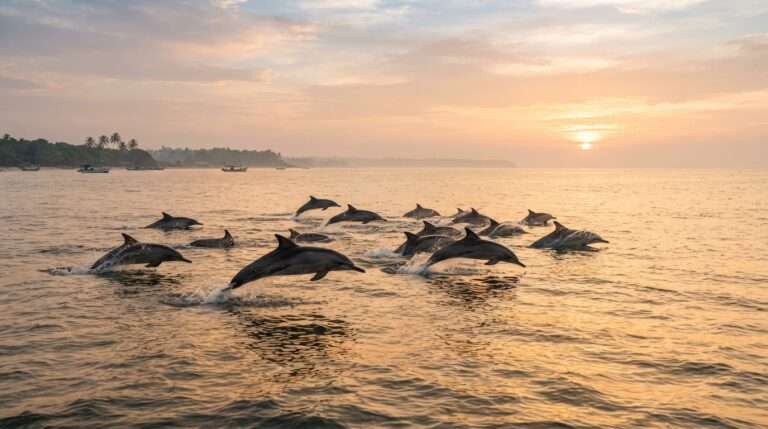
Mirissa is the one place where you can dive in the morning and go whale watching from the same harbour. The reefs just offshore suit beginners and improvers, and from roughly November to April the boats head out past the dive sites in search of blue whales and spinner dolphins. It is a tidy way to combine two of Sri Lanka’s best ocean experiences on one trip.
| Marine life | Reef fish, rays, whales and dolphins from the boat in season |
| Depth range | About 6 to 20 m |
| Typical fun dive | LKR 8,000 to 15,000 (around 2,500 to 4,500 rupees) |
| Nearest town | Mirissa; about 150 km, under 3 hours from Colombo |
08
Weligama (South Coast)
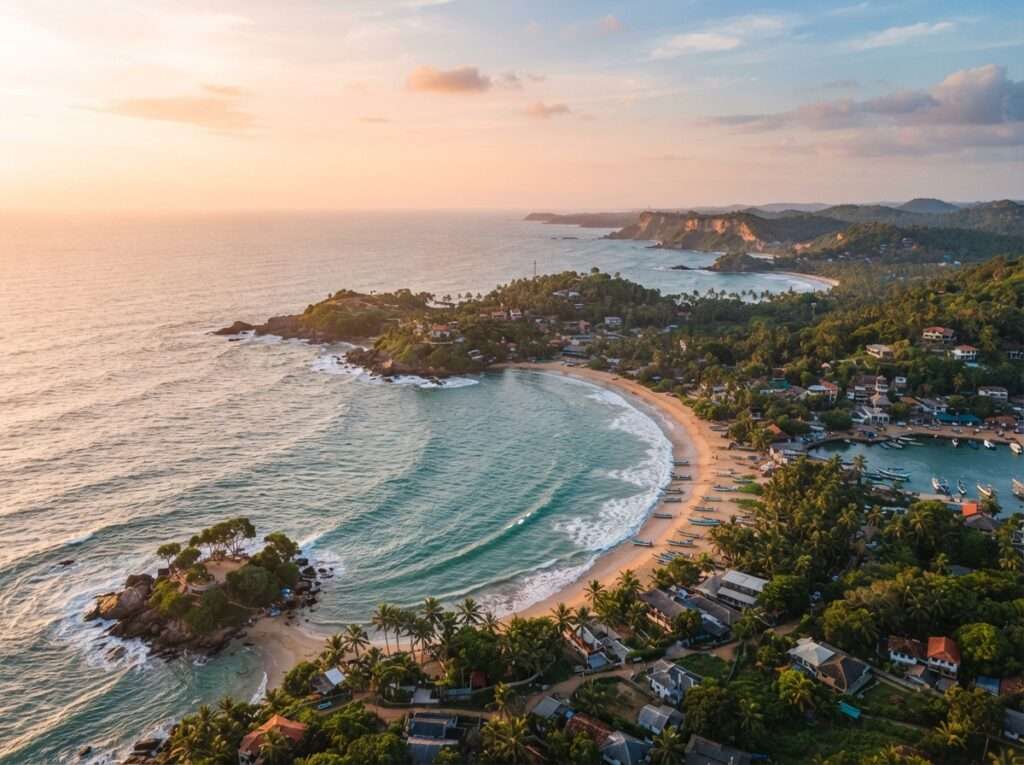
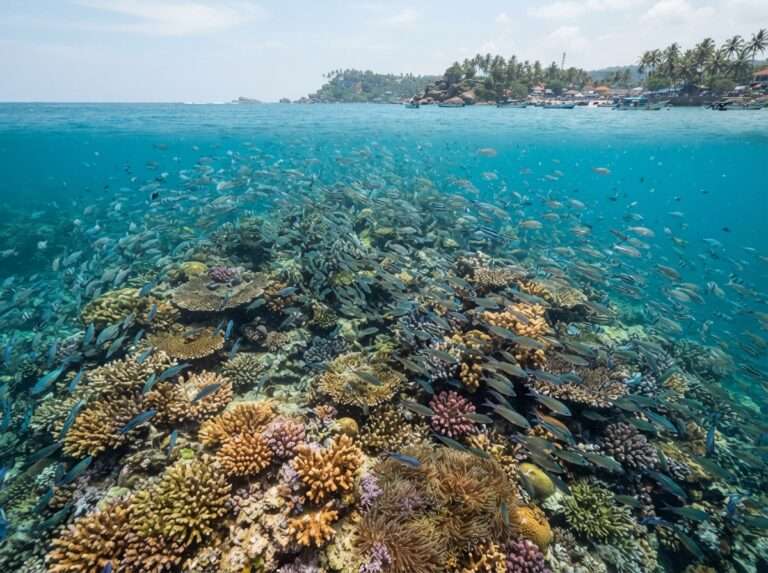
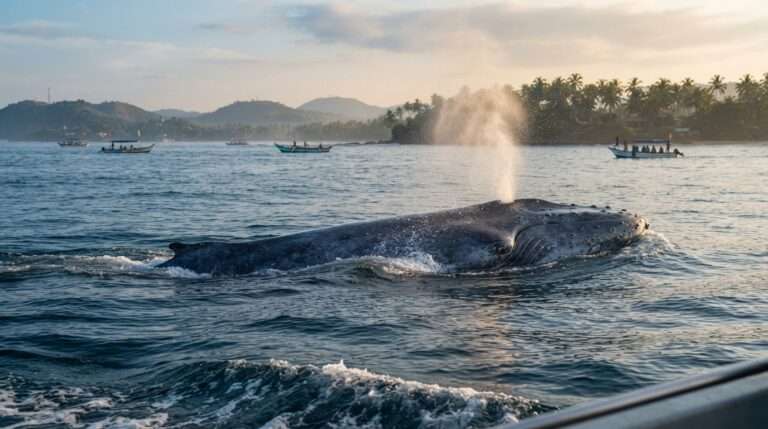
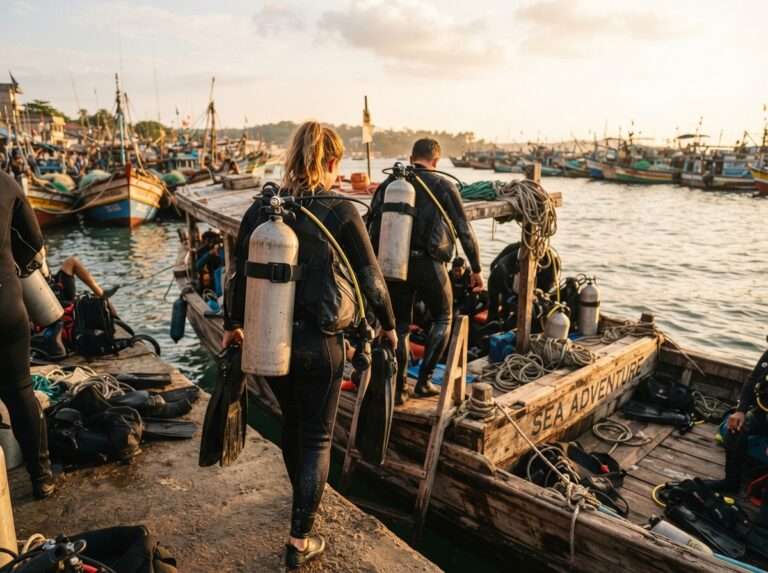
Weligama’s wide, sheltered bay is best known as a learn-to-surf beach, and the diving is just as gentle. Yala Rock, a set of granite formations about 15 metres down, draws coral and fish into easy-to-read structure, and there are small swim-through caves nearby for divers who want a little more. It is a short hop west of Mirissa, so the two work well together.
| Marine life | Reef fish, soft corals, the odd ray around Yala Rock |
| Depth range | About 6 to 18 m |
| Typical fun dive | LKR 8,000 to 15,000 (around 2,500 to 4,500 rupees) |
| Nearest town | Weligama; about 2 hours from Colombo |
09
Kirinda & Great Basses Reef (South-East Coast)
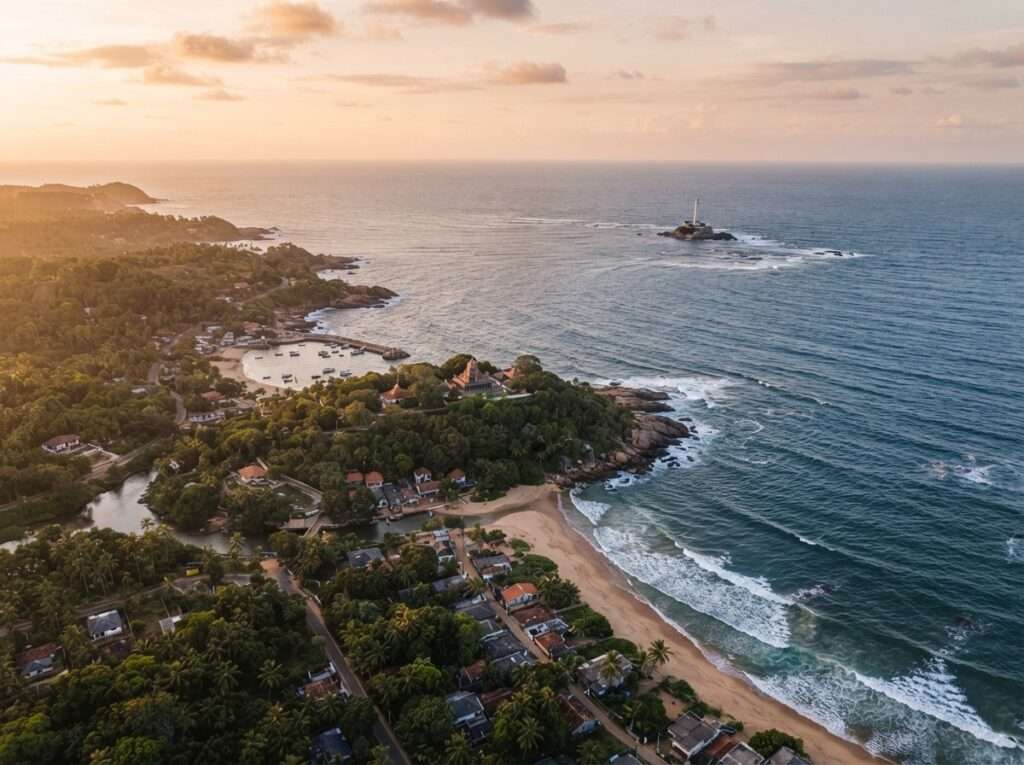
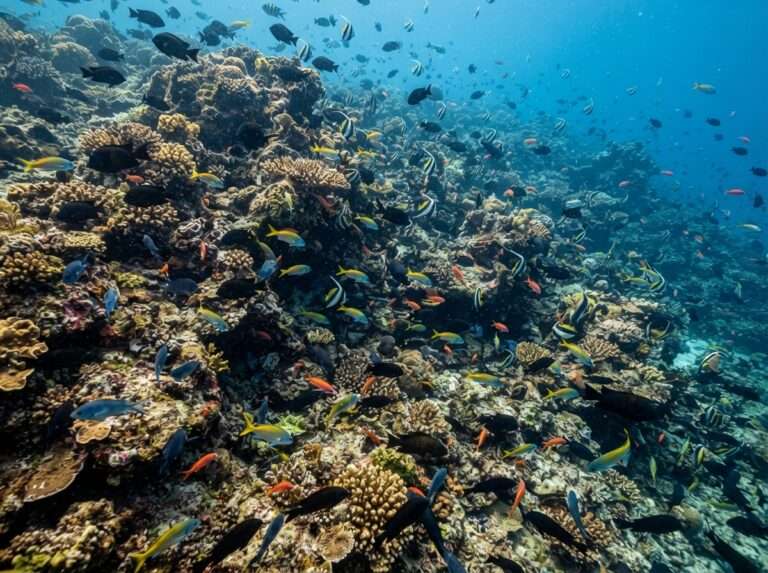
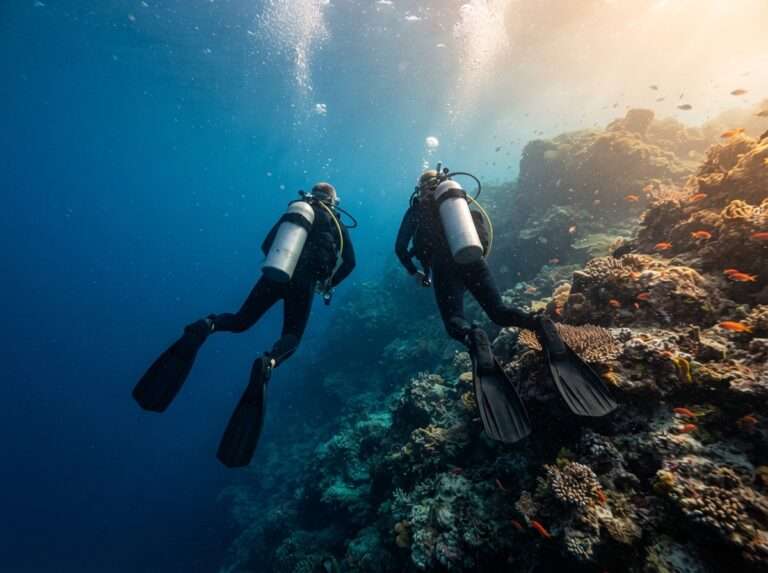
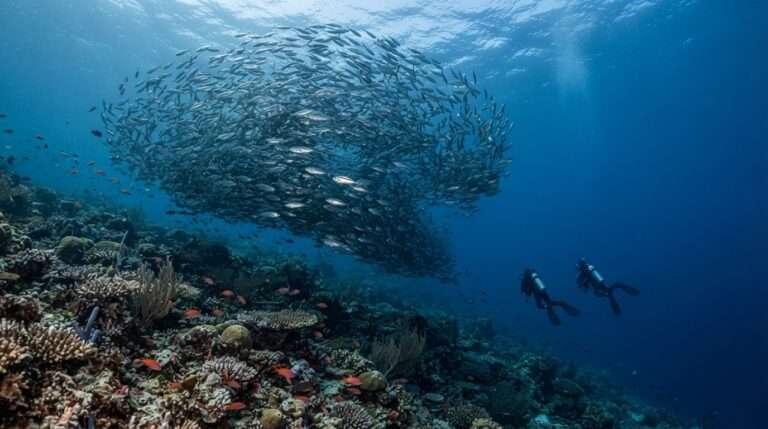
Great Basses is the dive the experienced talk about. A remote reef off Kirinda, near Yala, it is only diveable for a short window in March and April when the currents calm down, and even then it demands confidence in the water. The payoff is big: strong fish life, dramatic terrain and a genuine sense of being somewhere few divers reach. Treat it as an advanced trip, not a casual day out.
| Marine life | Big schooling fish, groupers, strong pelagic action |
| Depth range | About 10 to 25 m; strong currents, advanced only |
| Typical dive | Operator-quoted expedition; March to April window only |
| Nearest town | Kirinda, near Tissamaharama and Yala |
10
Colombo, Gorgonian Gardens (West Coast)
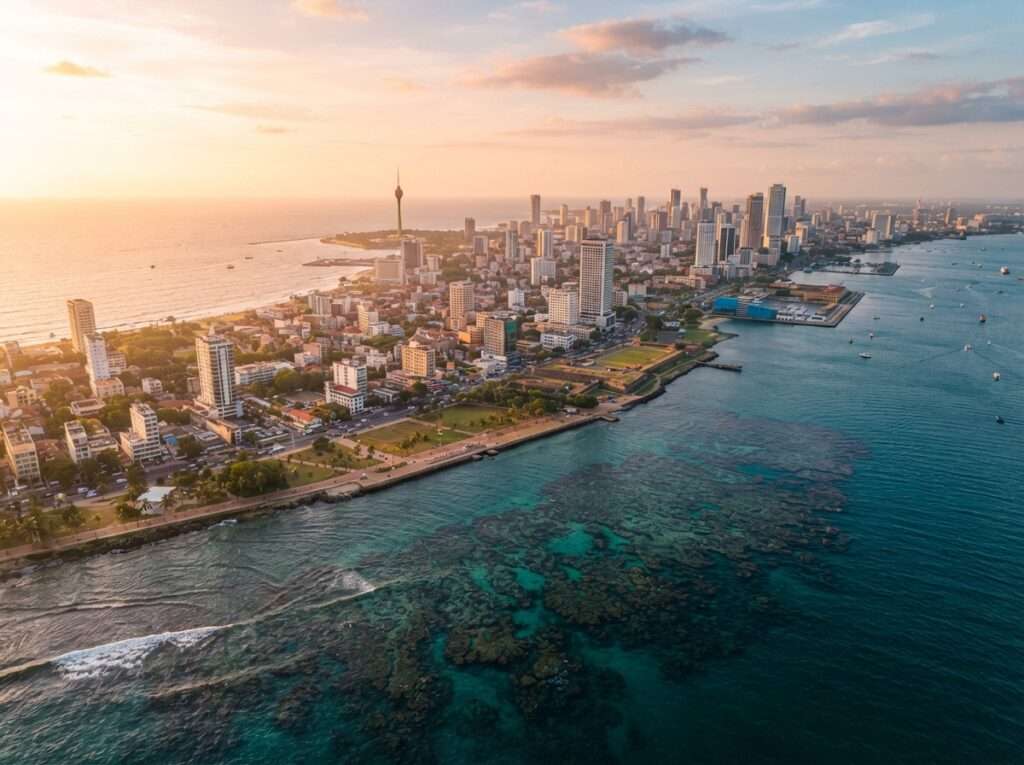
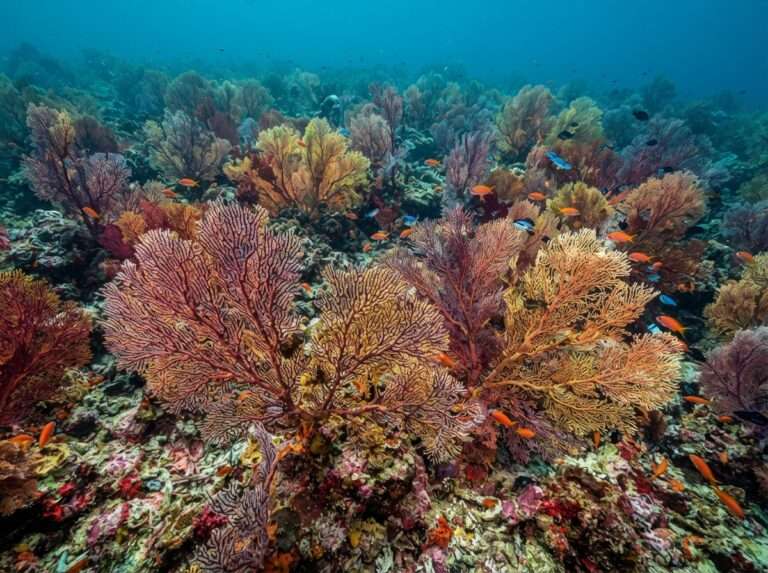
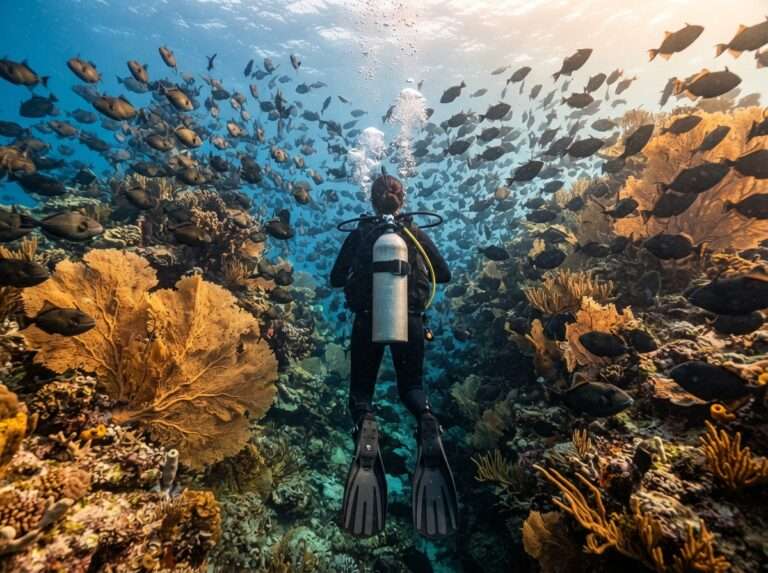
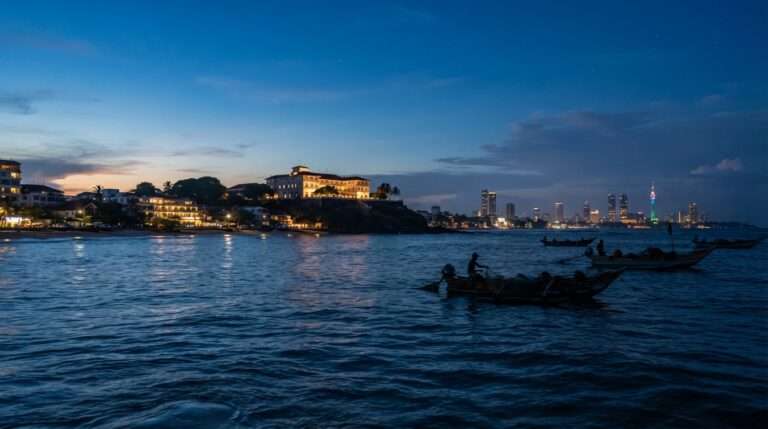
You do not have to leave the capital to dive. Off Colombo and nearby Mount Lavinia sits a cluster of wrecks and reef, including the Gorgonian Gardens, where the seabed is carpeted with fans of gorgonian coral and triggerfish patrol in the current. There are cargo and older wrecks within reach of a boat, which makes it a handy option if the city is your base.
| Marine life | Gorgonian corals, triggerfish, wreck life, schooling fish |
| Depth range | About 15 to 35 m |
| Typical fun dive | LKR 10,000 to 20,000 (around 3,000 to 6,000 rupees) |
| Nearest town | Colombo and Mount Lavinia; best November to April |
11
Taprobane Reefs (South Coast)
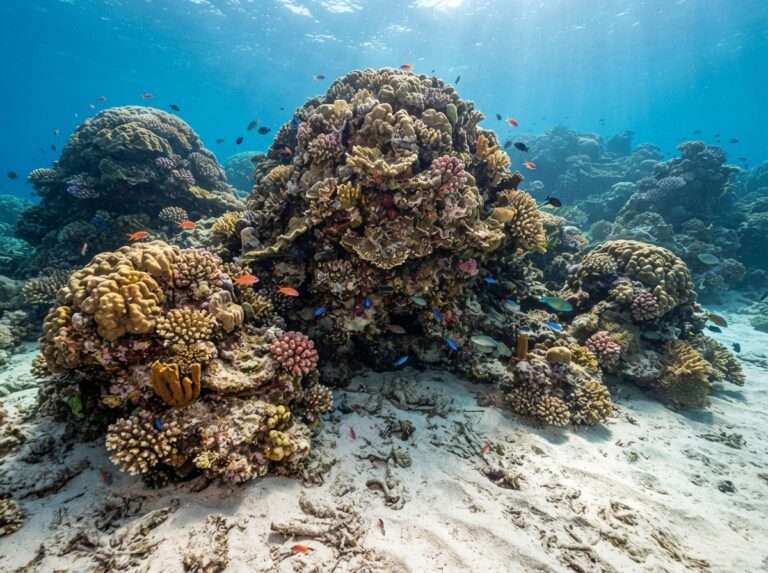
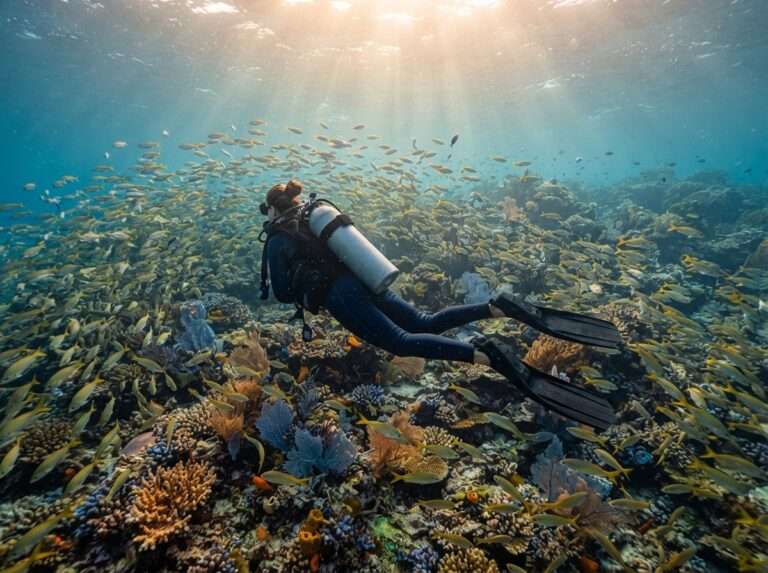
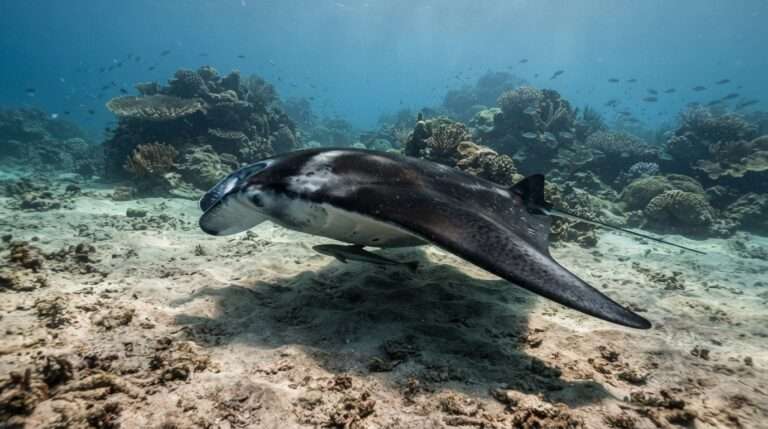
Off the south coast near Weligama, the Taprobane Reefs are a quieter alternative to the busier beginner sites. Large coral domes rise from the seabed, with rays gliding over the sand and clouds of schooling fish around the structure. It suits a diver who already has the basics and wants reef time without a crowd.
| Marine life | Rays, schooling fish, hard-coral domes |
| Depth range | About 10 to 25 m |
| Typical fun dive | LKR 10,000 to 18,000 (around 3,000 to 5,500 rupees) |
| Nearest town | Near Weligama and Mirissa on the south coast |
12
Bull Dog Reef (North-West Coast)
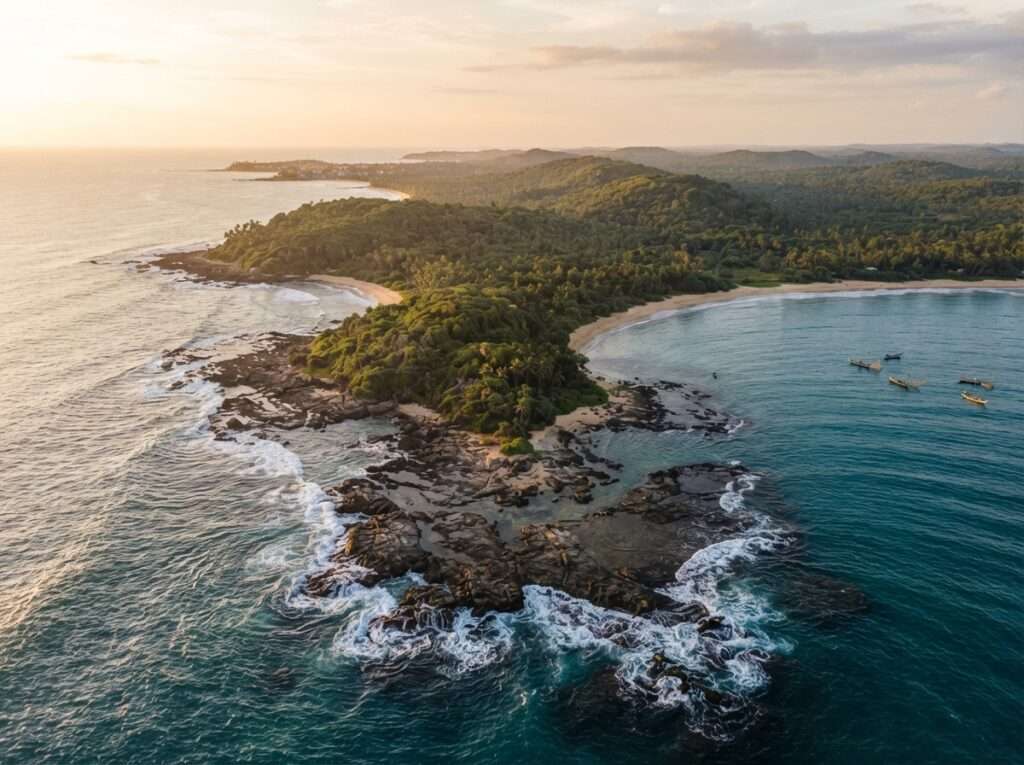
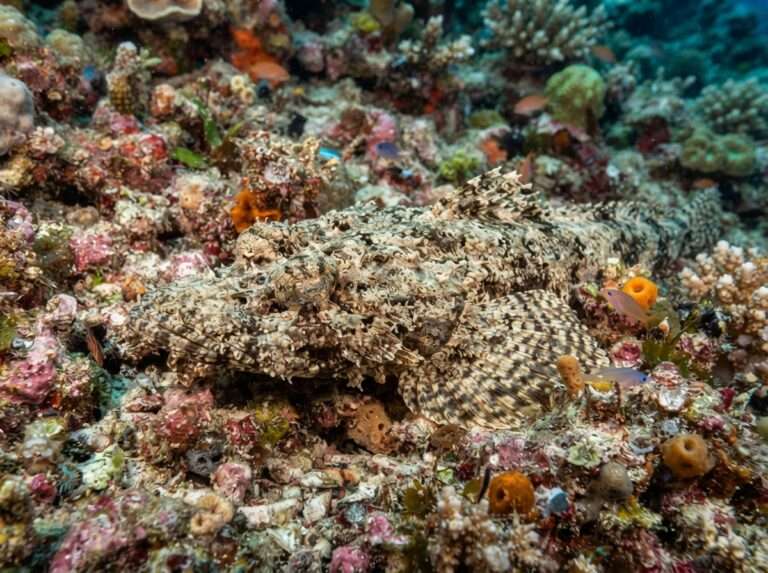
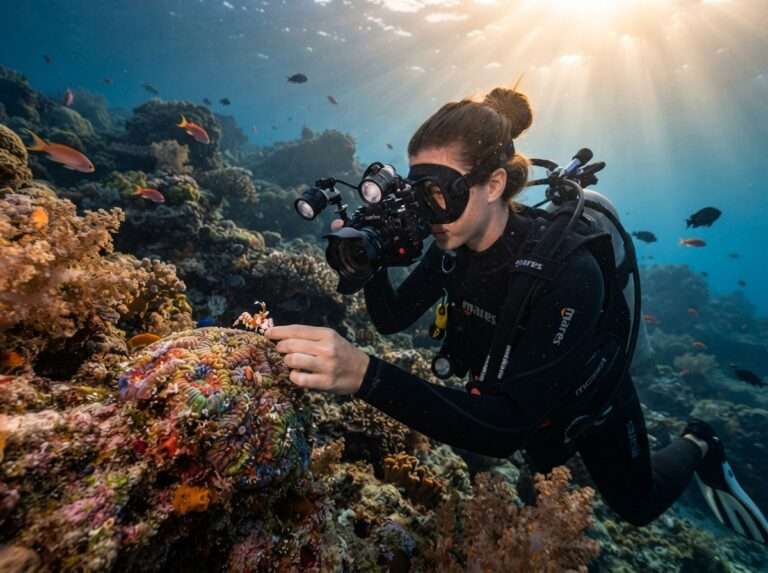
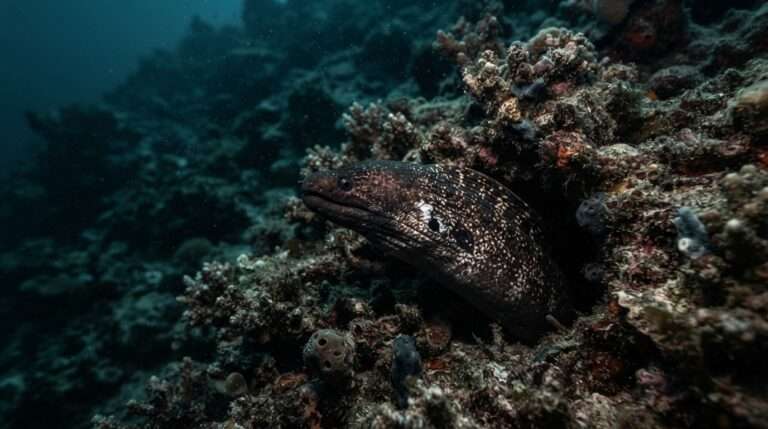
Bull Dog Reef, off Kalpitiya, is a favourite with underwater photographers. The reef is dense with macro life and oddities, from crocodilefish and panther flounders to white-eared moray eels and the occasional Napoleon wrasse. Bring a camera and a slow, patient pace; this is a site for looking closely rather than covering ground.
| Marine life | Crocodilefish, moray eels, Napoleon wrasse, macro critters |
| Depth range | About 10 to 22 m |
| Typical fun dive | LKR 10,000 to 20,000 (around 3,000 to 6,000 rupees) |
| Nearest town | Kalpitiya; best November to April |
Diving Conditions: Visibility, Water Temperature & Difficulty
Sri Lanka is an easy place to dive once you are on the right coast. Water temperatures stay warm all year, roughly 26 to 30 degrees Celsius, so a 3 mm wetsuit is usually all you need. Visibility is where the season really shows: in peak months the south-west clears to 15 to 25 metres, and the east coast around Trincomalee can push past 30 metres in May and June. In the off-season the same sites turn green and surgy, which is why timing matters more here than almost anywhere. Most reef sites are shallow and gentle enough for beginners; the wrecks and Great Basses are the exceptions that need real experience.
Certifications & Beginners: PADI, Discover Scuba & Non-Swimmers
You do not need a licence to dive in Sri Lanka for the first time. Almost every centre offers a Discover Scuba session, a supervised shallow dive with an instructor that lasts an afternoon and needs no prior training. If you want to dive independently, the PADI Open Water course takes 3 to 4 days and certifies you to 18 metres. The minimum age is 10 for Open Water and Junior Open Water, while introductory try-dives are often available from around age 8, depending on the centre. Non-swimmers can still do a guided try-dive, though you should be comfortable in water; a full course expects a basic swim test.
How To Start Scuba Diving In Sri Lanka: Step By Step
- Pick your coast by season: south and west from November to April, east from May to October.
- Decide your level: a Discover Scuba try-dive if you are uncertified, or a 3 to 4 day PADI Open Water course if you want to dive independently.
- Choose a reputable PADI or SSI dive centre, check the gear and recent reviews, and book ahead in peak season.
- Clear the basics: fill the medical questionnaire and, for a course, complete a short swim and comfort check.
- Start shallow on a gentle reef such as Hikkaduwa or Unawatuna before moving to deeper boat dives.
- Build up gradually, and leave HMS Hermes off Batticaloa and Great Basses for after you have advanced or technical training.
Marine Life You'll See Underwater
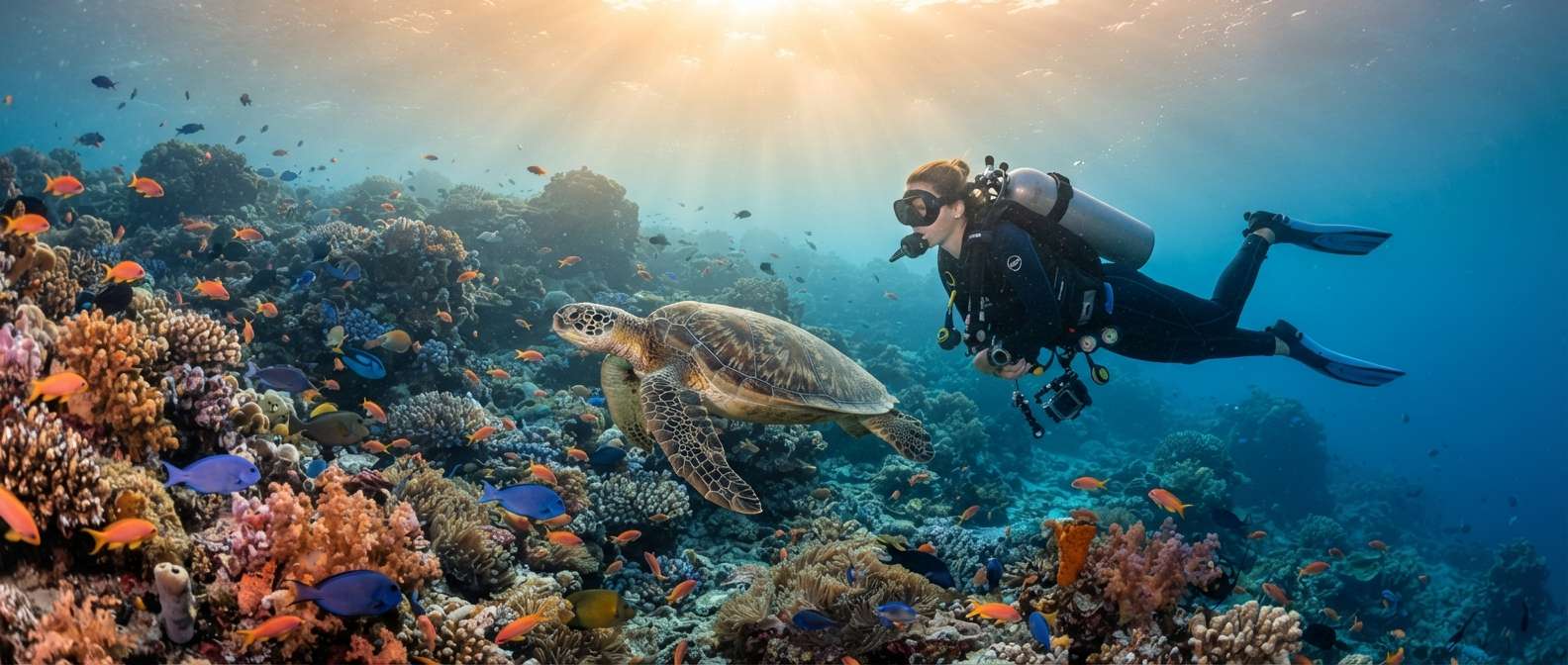
Most dives here deliver classic warm-water reef life: green and hawksbill turtles, parrotfish, angelfish, clownfish, lionfish, moray eels and the occasional octopus. Reef sharks, mostly harmless blacktips, patrol the marine park at Pigeon Island, while rays glide over the sand at sites like Taprobane and Pasikudah. The north-west around Kalpitiya is the place for bigger animals, with manta rays, dolphins and seasonal whale sharks logged from the boat.
If reef life rather than depth is your thing, you may also enjoy snorkelling in Sri Lanka, which reaches many of the same shallow reefs.
Dive Schools & Operators
The main dive hubs all have established, long-running centres: Hikkaduwa and Unawatuna on the south-west, Nilaveli and Trincomalee on the east, and Kalpitiya in the north-west. Look for a PADI or SSI affiliation, well-maintained rental gear, and small group sizes, and book ahead over December to February and May to June when the good centres fill up. If you would rather have the diving, stays and transfers arranged for you, our Sri Lanka scuba diving packages bundle certified dives and reef trips into a wider island itinerary.
Divers based near the capital can also use our city guide to scuba diving in Colombo, and there is a dedicated guide to scuba diving in Bentota on the west coast.
How Much Does Scuba Diving In Sri Lanka Cost?
Diving in Sri Lanka is affordable next to most of Asia, though prices swing with the centre, the site and the season. As a rough guide, a beginner try-dive runs about LKR 10,000 to 18,000, a single fun dive for certified divers starts near LKR 8,000, and a full PADI Open Water course sits around LKR 55,000 to 90,000, with budget centres starting lower. The figures below are indicative 2026 ranges; always confirm with the centre, as multi-dive packages bring the per-dive price down sharply.
| Experience | Cost (LKR) | Approx. (INR) | Notes |
| Discover Scuba (try-dive, no licence) | 10,000 to 18,000 | 3,000 to 5,500 | One supervised dive, about half a day |
| Single fun dive (certified) | 8,000 to 15,000 | 2,500 to 4,500 | Boat or shore, gear often included |
| Two-tank boat dive (certified) | 15,000 to 25,000 | 4,500 to 7,500 | Two dives in one trip |
| PADI Open Water course | 55,000 to 90,000 | 17,000 to 27,000 | 3 to 4 days; budget centres from ~40,000 |
| 10-dive package (certified) | from ~60,000 | from ~18,000 | Best per-dive value |
| HMS Hermes technical charter | Operator-quoted | Varies | Technical certification required |
Indian rupee figures are approximate, converted at roughly LKR 1 to 0.30 rupees; check the live rate and the centre’s own price list when you book.
Try-Dive, Course Or Snorkel? How To Choose
Not sure which way into the water is right for you? This quick comparison lines up the main options by who they suit, what they need and what they cost.
| Option | Who it suits | Certification | Typical cost | Where |
| Discover Scuba (try-dive) | First-timers, nervous beginners | None needed | LKR 10,000 to 18,000 | Unawatuna, Hikkaduwa |
| PADI Open Water course | Want to dive independently | Earns the licence | LKR 55,000 to 90,000 | Hikkaduwa, Unawatuna |
| Fun diving | Already certified | Open Water or higher | LKR 8,000 to 25,000 per dive | Island-wide |
| Wreck / technical diving | Experienced, tech-trained | Advanced or technical | Operator-quoted | Batticaloa, Great Basses |
| Snorkelling | Non-divers, families, kids | None needed | Low, gear hire only | Pigeon Island, Hikkaduwa |
Planning Your Sri Lanka Dive Trip
The short version: let the season choose your coast, then pick your sites. Travelling over the European winter puts you on the south-west for easy reef dives at Hikkaduwa and Unawatuna; travelling mid-year sends you east to Trincomalee, Pigeon Island and, for the experienced, the HMS Hermes wreck. Sort your level and a reputable centre, and the rest is simple.
When you are ready to turn it into a trip, browse our Sri Lanka scuba diving packages or the wider range of Sri Lanka tour packages to pair your dives with the beaches, hill country and wildlife parks. For more of the coast, see our guide to the best beaches in Sri Lanka.
FAQs
Scuba Diving In Sri Lanka: Frequently Asked Questions
Quick answers on cost, seasons, certification, safety and the HMS Hermes wreck.
A single fun dive for a certified diver starts at roughly LKR 8,000 to 15,000 (about 2,500 to 4,500 rupees), while a beginner try-dive runs about LKR 10,000 to 18,000. A full PADI Open Water course costs around LKR 55,000 to 90,000 over 3 to 4 days, with budget centres starting lower. Multi-dive packages bring the per-dive price down, so ask the centre about a 5 or 10-dive deal if you plan to dive often.
Yes. Most centres run a supervised Discover Scuba dive for complete beginners, with an instructor beside you in shallow water the whole time, so no experience is needed. Non-swimmers can usually take part in a guided try-dive, though you should be comfortable in water. The gentle, shallow reefs at Hikkaduwa and Unawatuna are the easiest places to start.
Not to begin. You can do an introductory Discover Scuba dive with no licence at all. If you want to dive independently, you can take the PADI Open Water course on the island, which takes 3 to 4 days and certifies you to 18 metres. Certified divers should bring their card and logbook to join fun dives at any centre.
It depends on the coast. The south and west, including Hikkaduwa, Unawatuna and Mirissa, are best from November to April, with the clearest water from December to February. The east coast, including Trincomalee and Pigeon Island, is best from May to October, with visibility often past 30 metres in May and June. There is good diving somewhere on the island in almost every month.
On most reef dives you will see green and hawksbill turtles, parrotfish, angelfish, lionfish, moray eels and the occasional octopus. Blacktip reef sharks patrol the marine park at Pigeon Island, and rays are common over sandy sites. Around Kalpitiya in the north-west you have a chance at bigger animals, including manta rays, dolphins and seasonal whale sharks from the boat.
Yes, you just switch coasts with the season. When the south-west monsoon makes the south and west rough from May to October, the east coast is calm and clear. When the north-east monsoon hits the east from November to April, the south and west are at their best. Only the short shoulder weeks in October can be awkward on both coasts.
The PADI Open Water and Junior Open Water courses start at age 10. Introductory try-dives are often available from around age 8, depending on the centre and the child's confidence in water. Younger children can usually try pool-based bubblemaker sessions. Always check the specific age and swim requirements with the dive centre before you book.
For first-timers and reef diving, Hikkaduwa and Unawatuna on the south-west coast are the easiest and most established. For the clearest water and marine-park reefs, head to Trincomalee and Pigeon Island on the east coast in May and June. Experienced divers come for the HMS Hermes wreck off Batticaloa and the remote Great Basses reef near Kirinda.
No. HMS Hermes lies about 45 to 58 metres down off Batticaloa, which is well beyond recreational diving limits, so it is a technical dive for experienced, tech-certified divers only. Beginners should build up through reef dives and a certification course first. The clearest conditions on the wreck are in June and July.
It depends on what you want. Scuba lets you reach the wrecks, deeper reefs and bigger marine life, but needs at least a try-dive briefing. Snorkelling is free-and-easy, costs little and works well for families and non-swimmers at shallow sites like Pigeon Island and the Hikkaduwa coral sanctuary. Many visitors do both on the same trip.