5D / 4N
19% OFF
5D / 4N
19% OFF
Andaman Family Holiday For 4 Nights 5 Days
- Hotel
- Meals
- Sightseeing
- Transfers
₹23,574
₹18,990 /pp
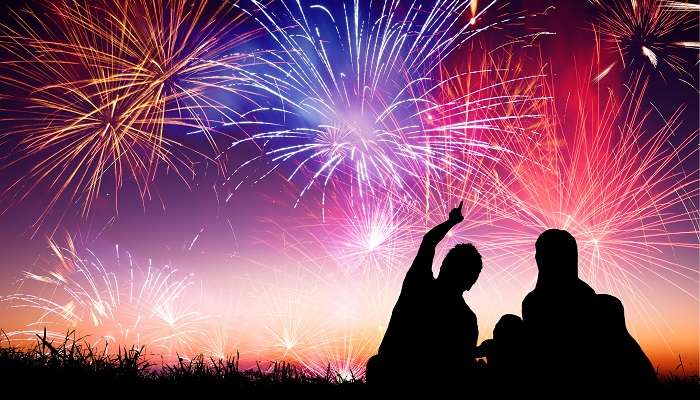


The Andaman and Nicobar Islands pack a surprising amount of festival life into a scatter of remote islands. The headline event is the Island Tourism Festival, a 10-day cultural carnival in Port Blair each January, but the calendar runs all year: Tamil Pongal in mid-January, Bengali Durga Puja in October, Christmas across Christian-majority Nicobar, Eid in the Muslim quarters, and tribal feasts the outside world rarely sees. This guide lists every major festival with its real month, venue and meaning, so you can time a trip around the one you want to witness. In Hindi, travellers search these as अंडमान निकोबार के त्योहार (Andaman Nicobar ke tyohar).
Key Takeaways
Enjoy The Famous Festivals of Andaman And Nicobar Islands in These Packages
Best Time
October - May
Select Package Type


| Festival | Typical month | Where | What happens |
| Island Tourism Festival | Early-mid January (~10 days) | ITF Ground, Port Blair | Folk dance, live music, food fair, water sports, film screenings |
| Pongal | January 13-16 (Thai Pongal Jan 14) | Tamil areas, Port Blair | Four-day Tamil harvest festival, kolam art, sweet pongal |
| Subhash Mela | Around January 23, week-long | Port Blair | Marks Netaji Subhas Chandra Bose’s birth anniversary |
| Vivekananda Jayanti | January 12 | Port Blair, schools | Swami Vivekananda’s birth anniversary, youth events |
| Holi | March (full-moon day of Phalgun) | Port Blair, north Indian settler areas | Colours, water play, community gatherings |
| Panguni Uthiram | April 1, 2026 | Tamil temples | Tamil temple festival, processions |
| Eid | Shifts (Eid-ul-Fitr ~ spring) | Muslim quarters, Port Blair | Community prayers, feasts |
| Andaman Beach Festival | Recent editions late April | Corbyn’s Cove, Port Blair | Beach carnival, water sports, stalls |
| Monsoon Festival | Mid-July | Corbyn’s Cove, Port Blair | Live music and food through the rains |
| Onam | August-September | Malayali community | Kerala harvest festival, sadhya feast |
| Janmashtami | August-September | Temples, Port Blair | Krishna’s birth, night prayers |
| Durga Puja & Kali Pooja | October-November | Bengali quarter, Port Blair | Pandals, idols, lights (Kali Pooja on Diwali night) |
| Diwali | October-November | Islands-wide | Festival of lights, lamps, fireworks |
| Nicobari Ossuary Feast (Pig Festival) | Varies (tied to mourning cycle, full moon) | Nicobar group (restricted) | Homage to the departed, nightlong circular dance |
| Christmas & New Year | December 25 / January 1 | Nicobar, Car Nicobar, Port Blair | Carols, church services, feasts |
| Lakshadweep & Andaman Festival | Winter | Alternates between the archipelagos | Joint dance, music and food fairs |
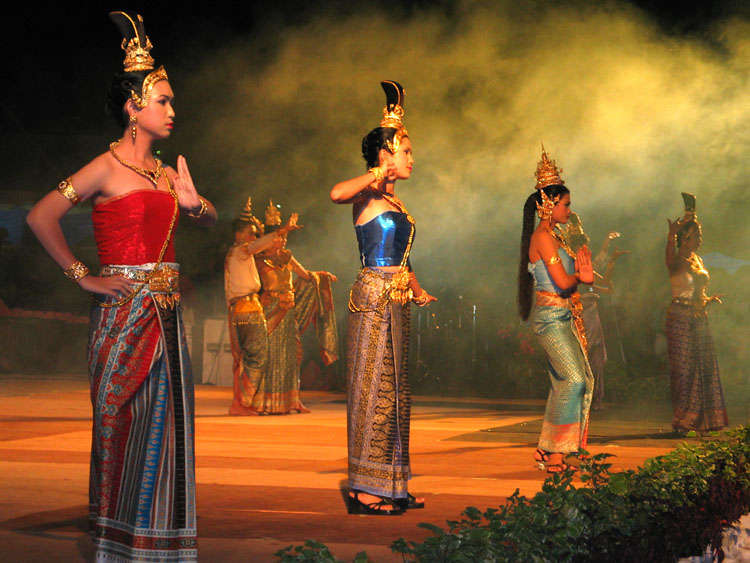
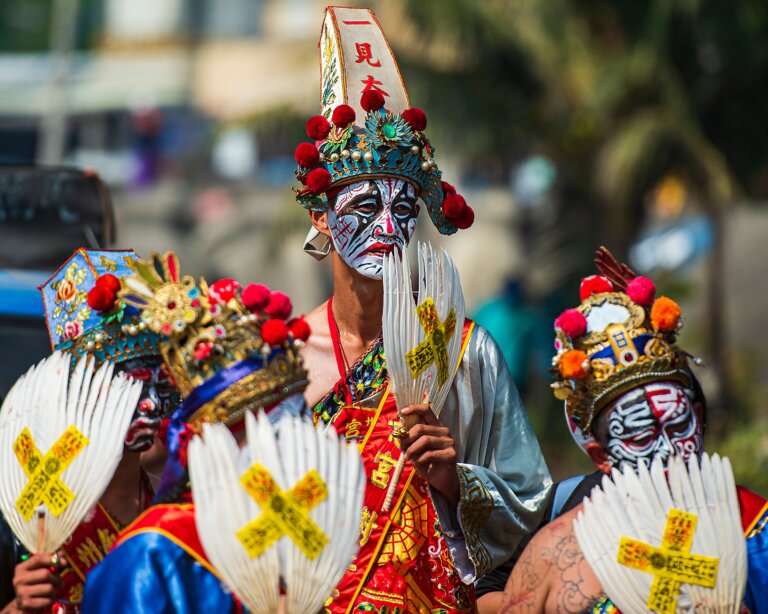
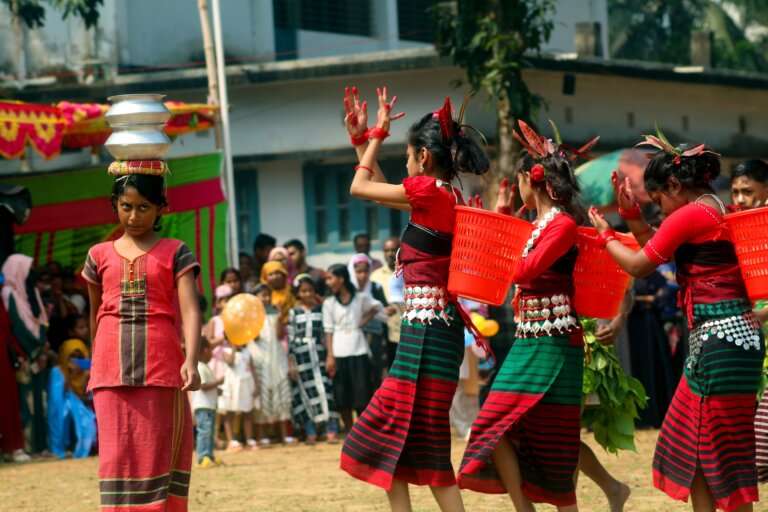
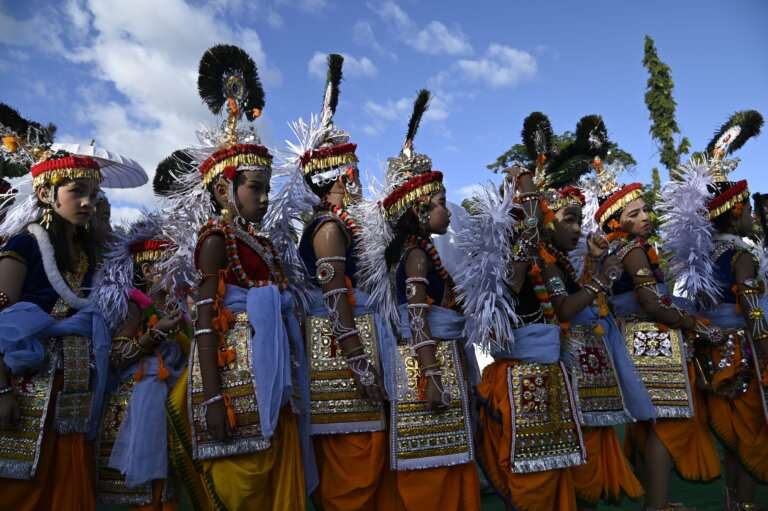
This is the festival worth planning a trip around. The Andaman and Nicobar Administration started it in the late 1980s at the Gymkhana Ground to showcase local tribal culture, and renamed it the Island Tourism Festival in 1994. It now runs for about 10 days each January at the ITF Ground on VIP Road, Port Blair. The 2026 edition ran from January 5 to 15. The next edition is expected in early-to-mid January; the administration confirms the exact window each season, so check before you book flights.
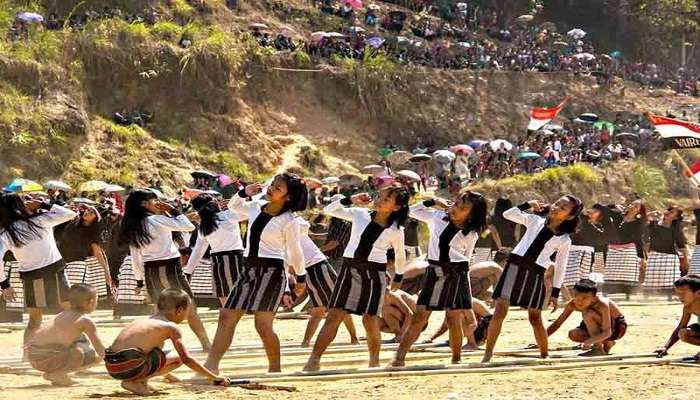
What fills those 10 days: folk troupes from across the islands and the mainland, live music every evening, a flower show, a dog show, and a food fair where you can eat your way through island and regional cooking. Two sub-events are worth arriving for on their own. The Food Festival puts island seafood and pan-Indian stalls side by side, and short film screenings run on some evenings. Down at the water, the demos are the highlight: parasailing, scuba, canoe races and the Nicobari Hodi race, an outrigger-canoe sprint that is your one accessible window onto Nicobari culture.
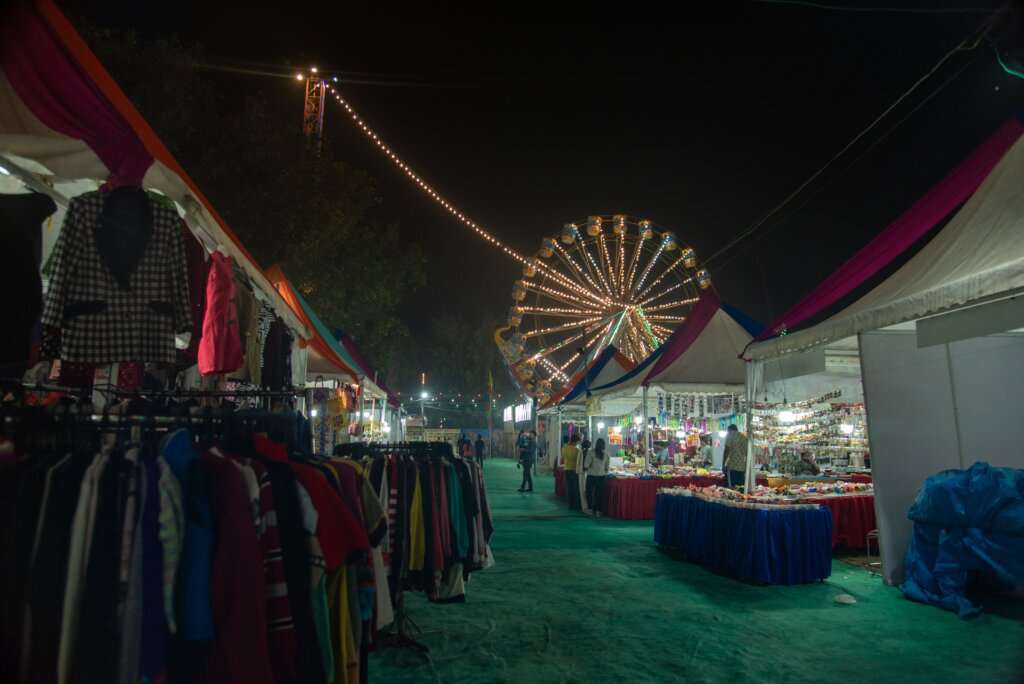
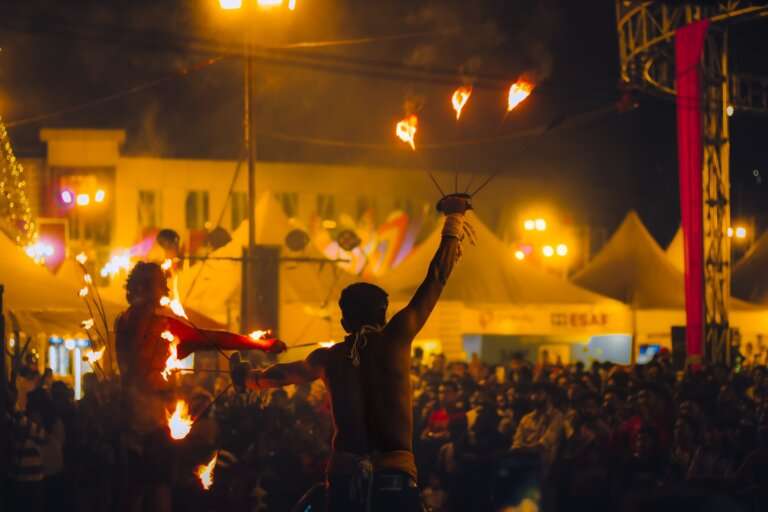
Held in Port Blair around January 23, Subhash Mela marks the birth anniversary of Netaji Subhas Chandra Bose, whose Indian National Army raised the tricolour on these islands in 1943. The week-long fair carries real historical weight here that it does not elsewhere in India, with cultural programmes, stalls and exhibitions. Coming days after the Island Tourism Festival, it is easy to fold into the same January trip.

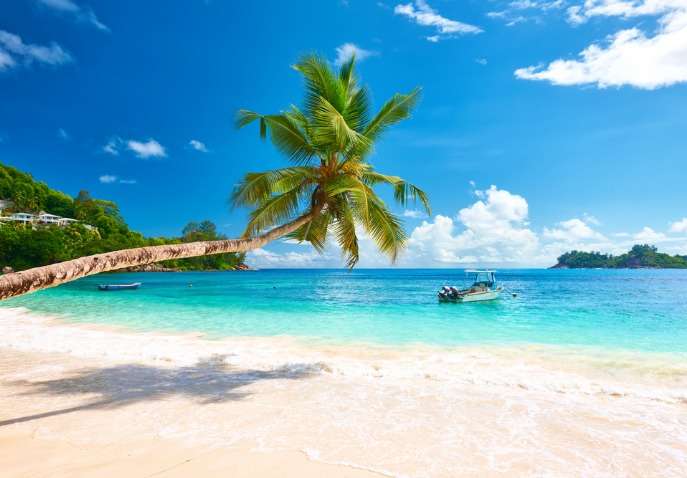

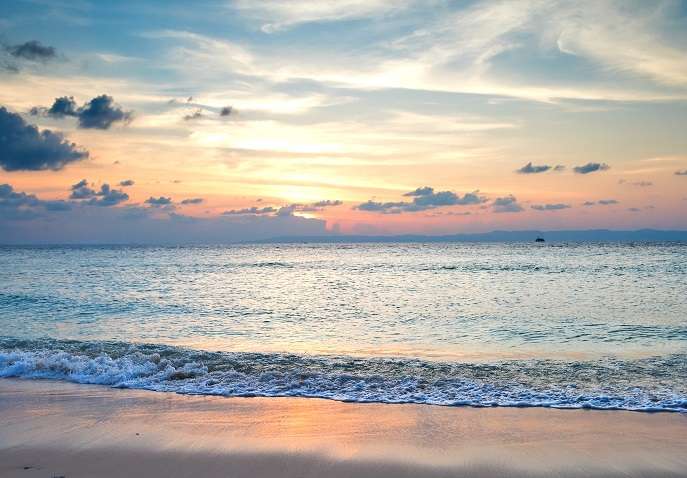

If you visit in the rains, the Monsoon Festival (also called the Monsoon Tourism Festival) runs in mid-July at Corbyn’s Cove Beach in Port Blair. It is a smaller, local-flavoured affair, live music and food stalls through the wet season, and a reminder that the islands do not shut down just because the skies open.


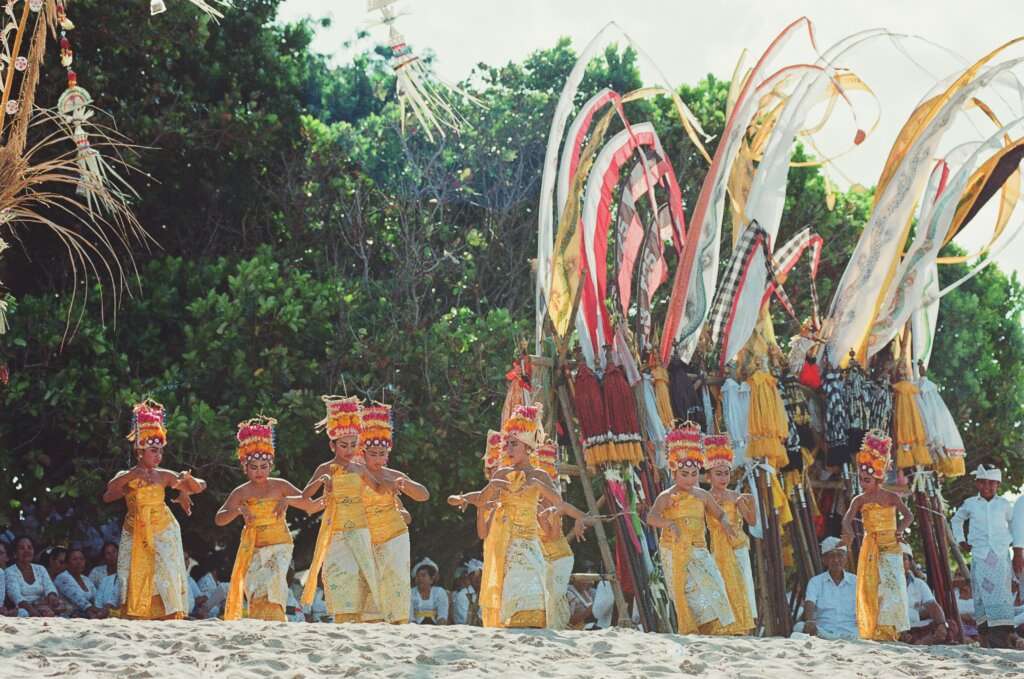
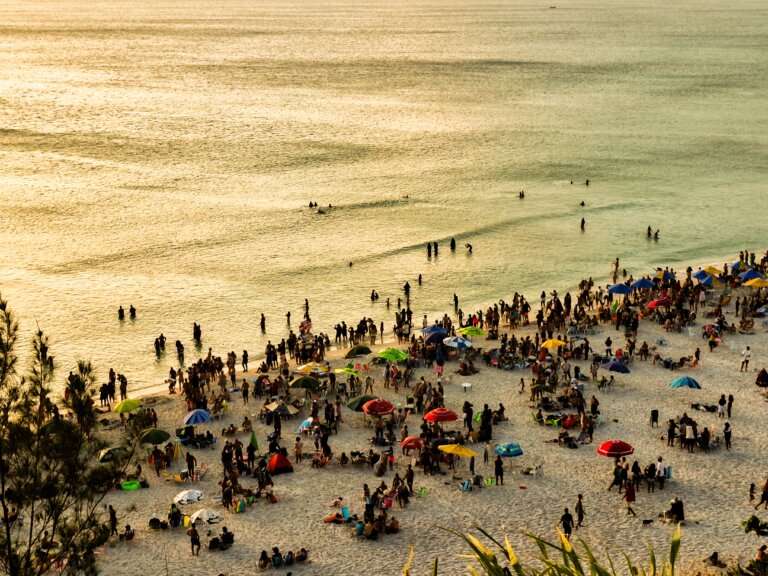
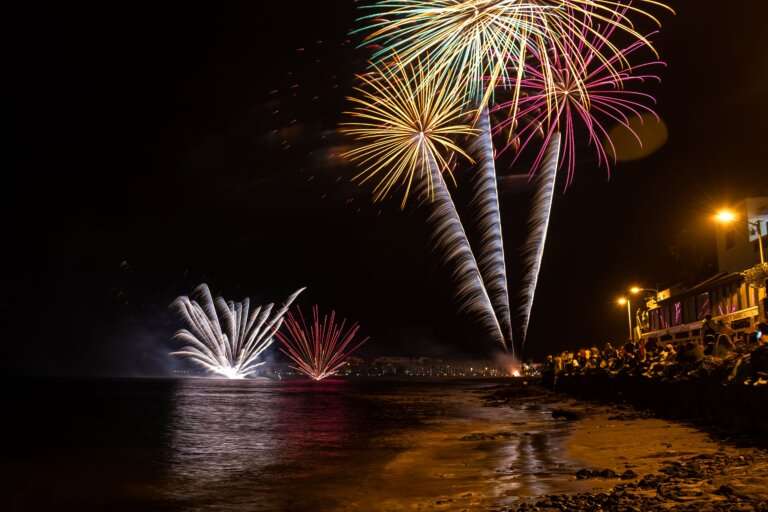
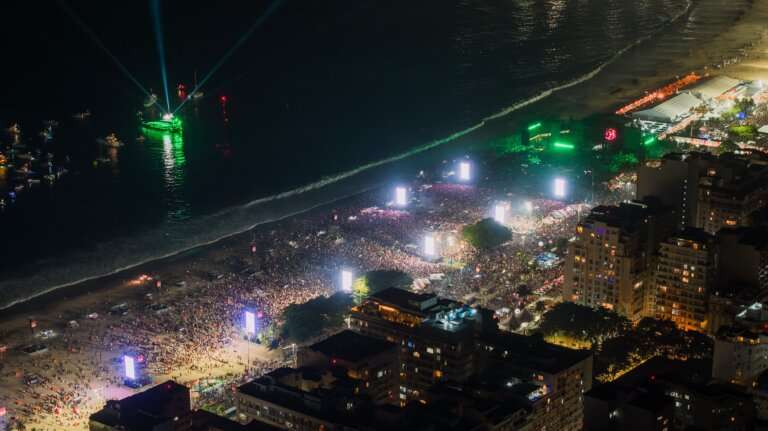
A beach carnival at Corbyn’s Cove with water sports, cultural sets and food stalls. The dates float from year to year, recent editions have run in late April, so treat it as a bonus if it lines up with your trip rather than a fixed date to plan around.
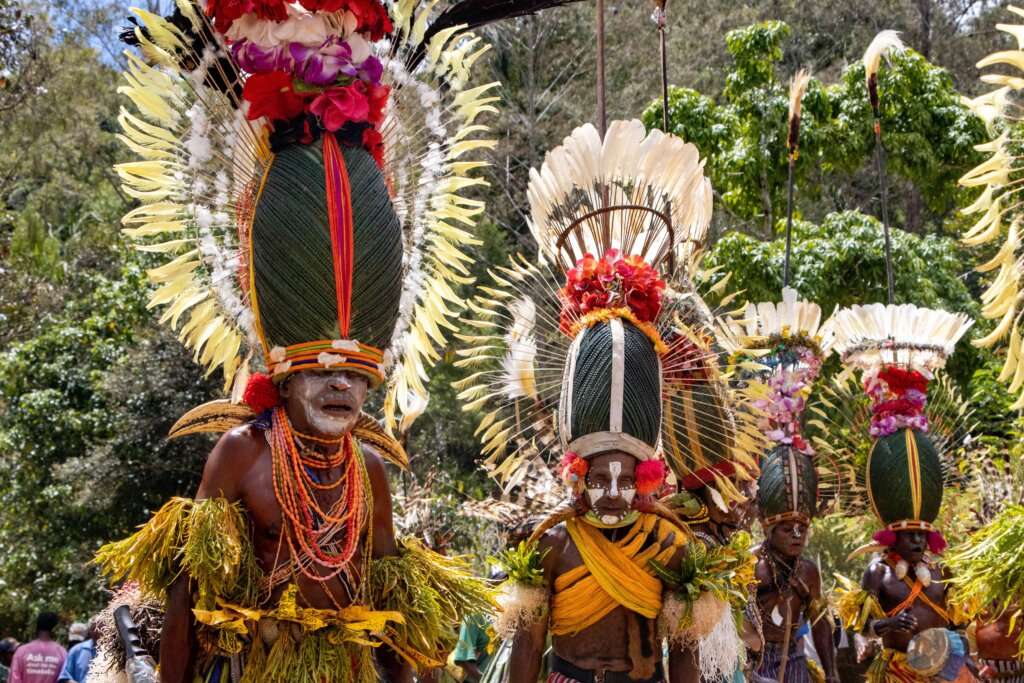
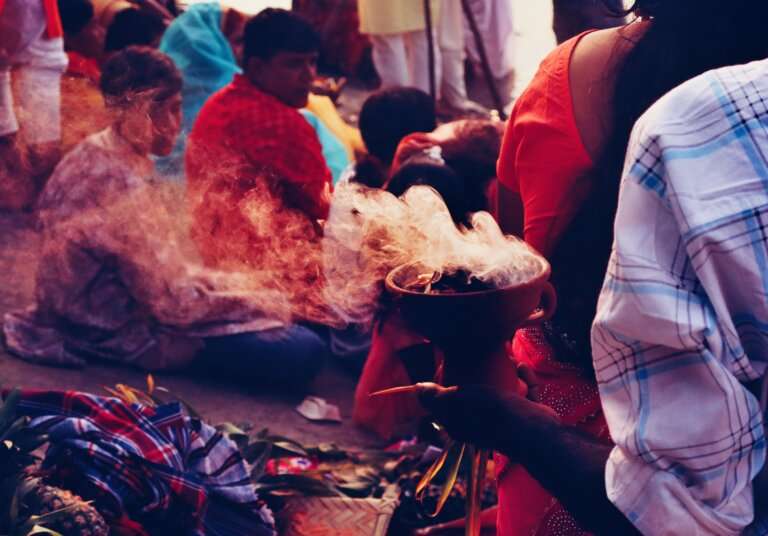
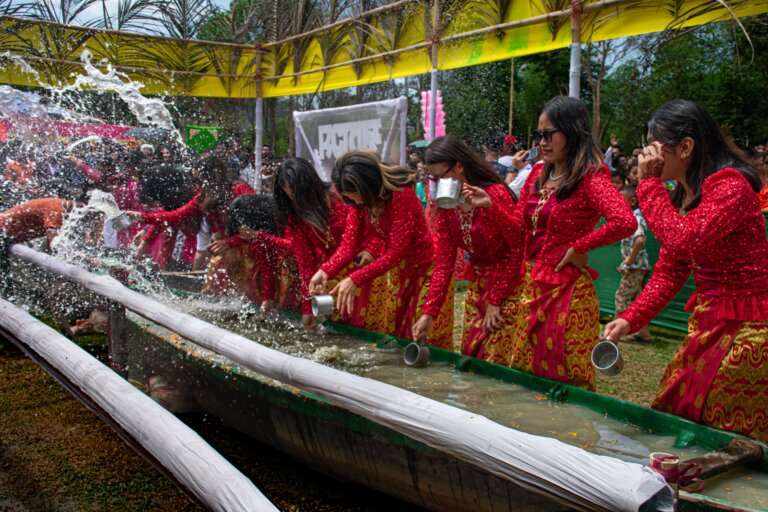
A winter cultural festival that alternates between India’s two island groups, Lakshadweep and the Andaman and Nicobar Islands. Expect joint dance performances, music and food fairs that put the two archipelagos’ traditions side by side. Because the venue rotates, confirm whether the year you are travelling is an Andaman-hosted edition.
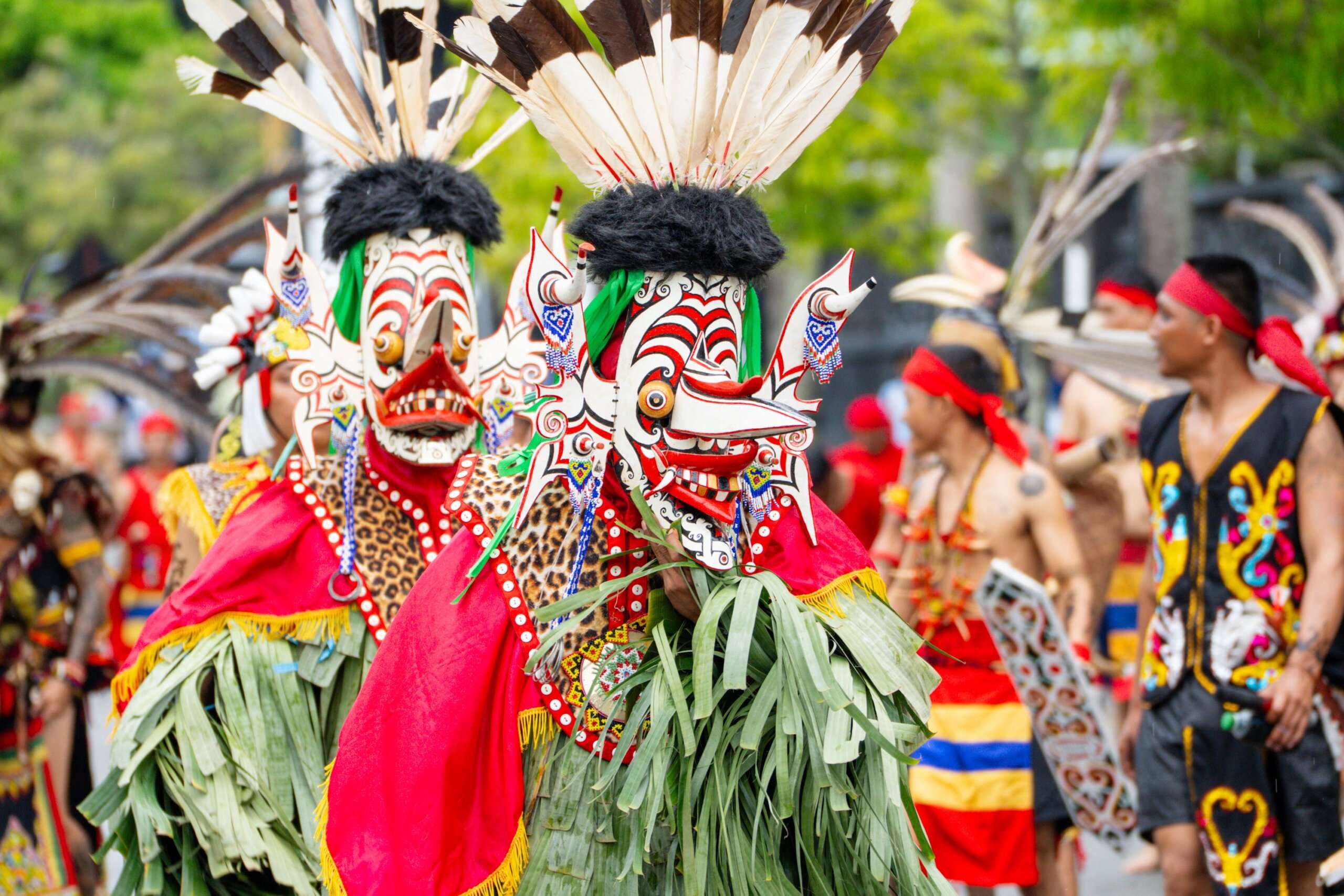
Settlers from across India have made the islands home, and each community brought its calendar. The result is that almost every major Indian festival is celebrated somewhere in Port Blair, often more intimately than on the mainland.
Durga Puja & Kali Pooja (दुर्गा पूजा)
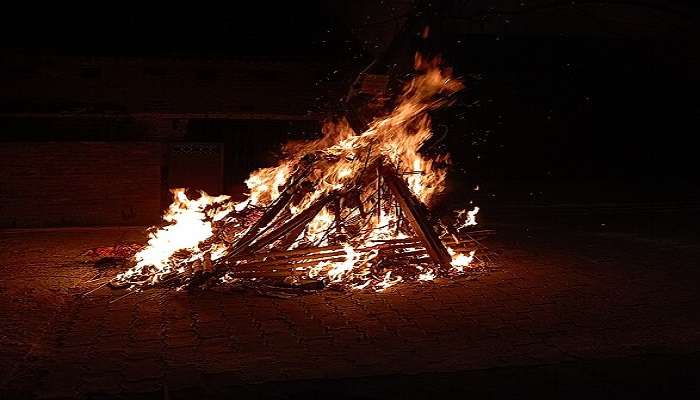
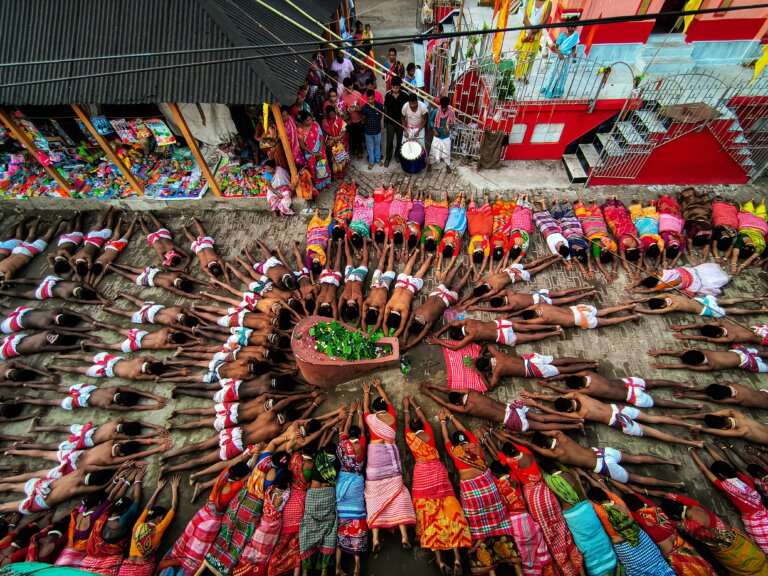
Port Blair has a large Bengali community, and Durga Puja is their high point. For five days in October (the 2026 main days fall October 16 to 21), pandals go up across the Bengali quarter with elaborate idols, dhaak drumming and community meals. A few weeks later, on the new-moon night that coincides with Diwali, the same community marks Kali Pooja with lamps and night-long worship. Together they make October and November the second-busiest festival stretch after January.
Diwali
The festival of lights lands in October or November (early November in 2026) and is celebrated islands-wide. Homes and markets across Port Blair fill with oil lamps and fairy lights, and the evening brings sweets, small fireworks and family visits.
Holi
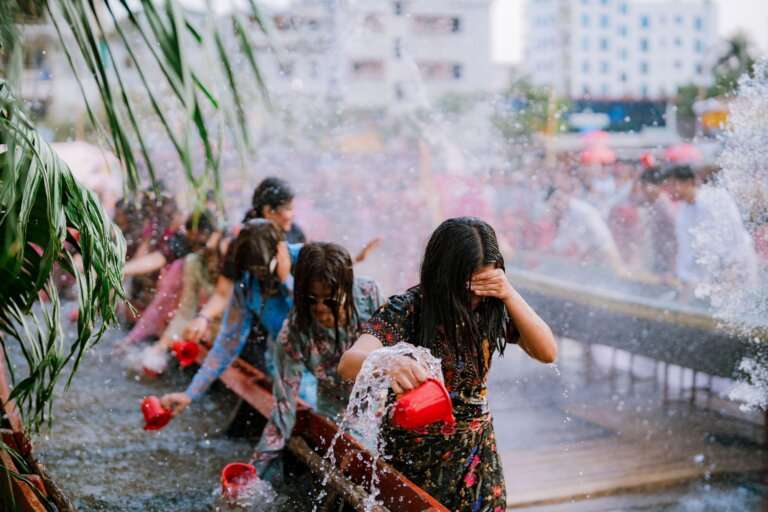
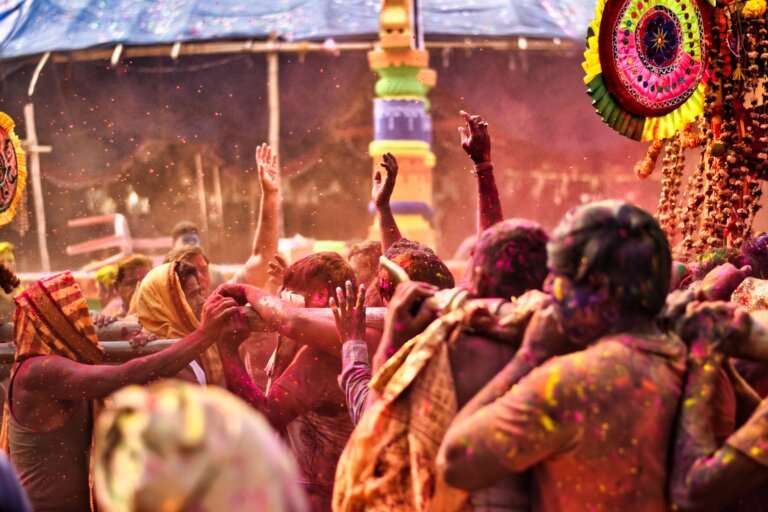
Holi arrives on the full-moon day of Phalgun in March and is a genuine event in Port Blair’s north Indian settler neighbourhoods, not a passing mention. Streets fill with colour and water, drums come out, and community groups host gatherings. If you are on the islands in early March, expect a lively, colour-soaked morning.
Pongal & Panguni Uthiram
The islands have a sizeable Tamil population, so Pongal is a real fixture. The four-day Tamil harvest festival runs January 13 to 16, with the main Thai Pongal day on January 14, marked by kolam floor art and the sweet rice dish that gives the festival its name. Later in the year, Panguni Uthiram (on April 1 in 2026) brings temple processions to the Tamil temples. [EDIT: 2026 Tamil calendar – Bhogi Jan 14, Thai Pongal Jan 15, four days Jan 14-17 (dailycalendartamil.com). Body says Jan 13-16 / Thai Pongal Jan 14 = one day early. Update to “January 14 to 17, with the main Thai Pongal day on January 15” before publish. Original left intact above.]
Onam & Janmashtami
The Malayali community celebrates Onam over August and September with the flower-carpet pookalam and a grand vegetarian sadhya feast. Around the same window, Janmashtami fills the temples for Krishna’s birth, with night prayers and bhajans.
Eid
Port Blair’s Muslim quarters mark both Eid-ul-Fitr, at the end of Ramadan, and Eid-ul-Adha with community prayers and shared feasts. The dates move each year with the Islamic lunar calendar, so check the current year before you travel.
Christmas & New Year
This is where the islands surprise first-time visitors. The Nicobar group, including Car Nicobar, is predominantly Christian, so Christmas and New Year are among the biggest celebrations on the islands. Expect carol services, midnight mass, feasts and week-long festivities. Port Blair joins in too, and the New Year holiday overlaps neatly with the run-up to the January festival season.
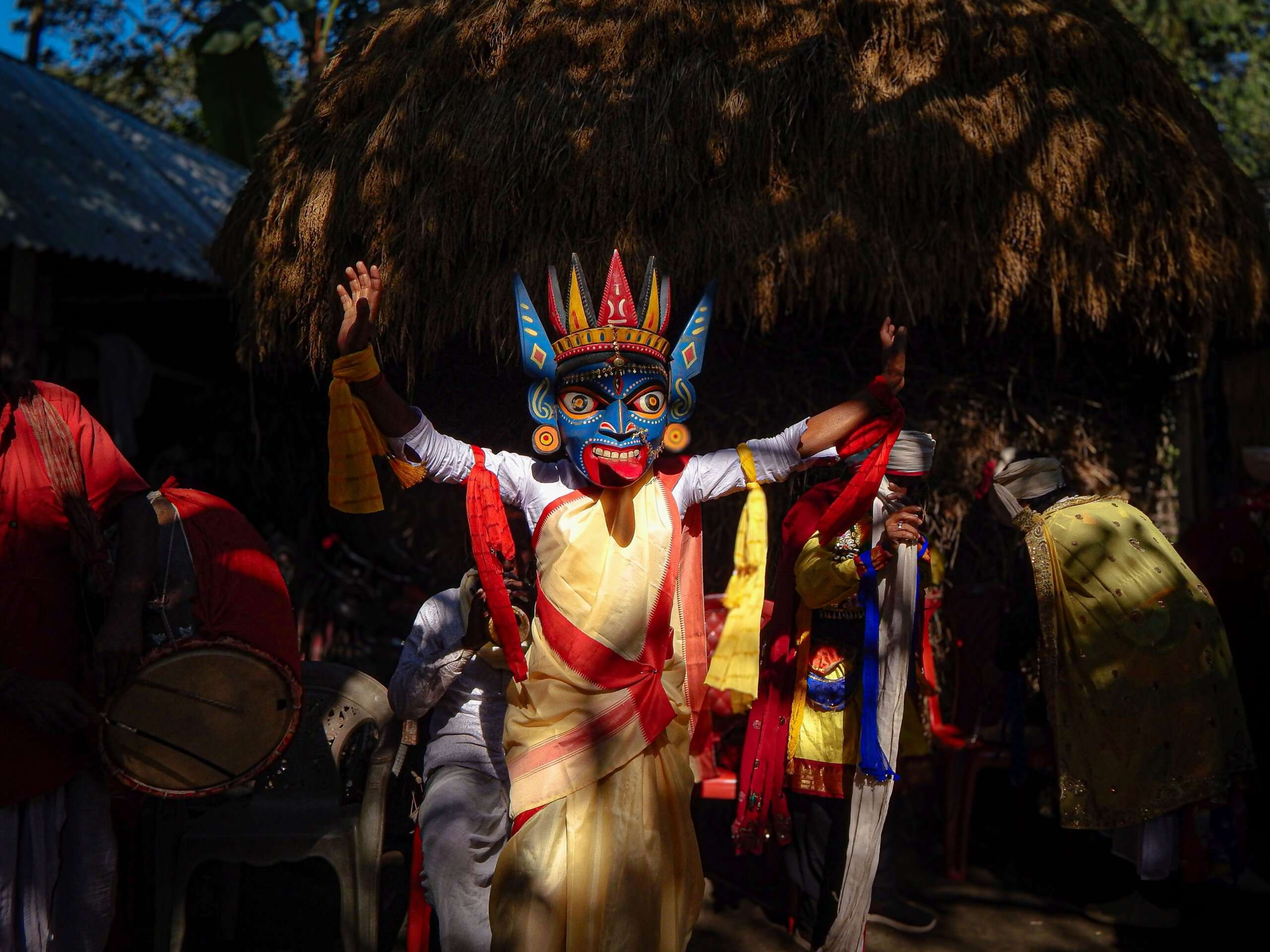
This is the layer no other guide covers, and the reason is worth stating plainly. The Nicobar group is a protected tribal area. You cannot visit to watch these festivals, and that restriction is exactly why they stay authentic. Here is what the Andaman and Nicobar Administration’s own records describe.
The Ossuary Feast (Pig Festival)
The most important festival of the Nicobarese is the Ossuary Feast, often called the Pig Festival. It is a rite of remembrance: the family pays homage to the soul of a departed head of the household, with exhumation rituals, communal feasting and pigs offered and shared. It is held on a full-moon night so there is enough light for the dancing, which goes on through the night. Dancers form a circle, arms across each other’s shoulders, and move together under the coconut palms. Because it is tied to a family’s mourning cycle rather than a fixed calendar date, there is no single day to plan around.
The Nicobari Hodi Canoe Race
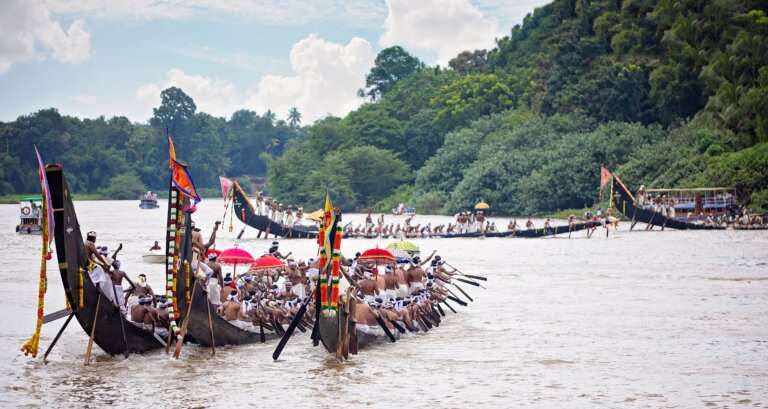
The Hodi is a traditional Nicobari outrigger canoe, and racing them is both sport and celebration. This is the one Nicobari tradition you can actually witness: Hodi races and Nicobari dances are staged as a special feature of the Island Tourism Festival in Port Blair each January, alongside canoe races and parasailing. If Nicobari culture is what draws you, the January festival is your window.
Five steps to build a trip around the festival you want to see:
| If you want… | Go for | Best months | Base yourself in |
| The biggest cultural carnival | Island Tourism Festival + Subhash Mela | January | Port Blair |
| Religious festivals & pandal-hopping | Durga Puja, Kali Pooja, Diwali | October-November | Port Blair (Bengali quarter) |
| A quiet, offbeat, rainy-season trip | Monsoon Festival | July | Port Blair (Corbyn’s Cove) |
| Christmas and New Year abroad-at-home | Christmas celebrations | Late December | Port Blair (Nicobar is restricted) |
| A glimpse of indigenous culture | Nicobari Hodi race & dances | January (at the ITF) | Port Blair |
The festivals of the Andaman and Nicobar Islands reward travellers who time their trip well: January for the Island Tourism Festival and its Nicobari Hodi races, October for Bengali Durga Puja, December for a Nicobar-style Christmas. Pick the celebration that pulls you, confirm the dates, and build the beaches around it. When you are ready to turn it into a real trip, browse our Andaman tour packages or read the full Andaman travel guide to plan the islands beyond the festival.
The Island Tourism Festival is the biggest. It is a 10-day cultural carnival held each January at the ITF Ground on VIP Road, Port Blair, with folk dance, live music, a food fair, water sports and film screenings. The 2026 edition ran from January 5 to 15. For the Christian-majority Nicobar group, Christmas is the biggest celebration of the year.
It runs for about 10 days in early-to-mid January. The 2026 edition was held January 5 to 15 at the ITF Ground, Port Blair. The Andaman and Nicobar Administration announces the exact dates each season, usually by December, so confirm the current year's window on the official tourism site before booking.
Almost all of them. Port Blair hosts the Island Tourism Festival, Subhash Mela, Pongal, Durga Puja and Kali Pooja, Diwali, Holi, Eid, Onam, Janmashtami, Christmas and New Year, plus the Monsoon Festival at Corbyn's Cove. The capital's mixed settler communities mean the festival calendar runs all year.
It is the most important festival of the Nicobarese tribe, a rite of remembrance for a departed head of the family. It involves communal feasting, pigs offered and shared, and nightlong circular dancing under a full moon. It is held in the Nicobar group, which is a restricted tribal area, so it is not a tourist event. You can see Nicobari Hodi canoe races and dances at the Island Tourism Festival instead.
The islands' festivals (अंडमान निकोबार के त्योहार) mirror the mainland Hindu, Muslim and Christian calendars because most residents are settlers from across India: Diwali, Holi, Durga Puja, Eid, Christmas and Pongal are all widely celebrated. The one distinctly local set is the Island Tourism Festival and the indigenous Nicobari feasts.
January. The Island Tourism Festival, Pongal, Subhash Mela and Vivekananda Jayanti all fall within a few weeks, so a single January trip can take in several festivals. October and November are the second-busiest stretch, with Durga Puja, Kali Pooja and Diwali.
Yes, for the mainstream festivals. Visitors are welcome at the Island Tourism Festival, Durga Puja pandals, Diwali, Christmas events and the beach festivals. The exception is the indigenous Nicobari tribal festivals: the Nicobar islands are a protected tribal area and are off-limits to tourists, so you experience Nicobari culture through the staged Hodi races and dances in Port Blair.
Religious festivals (Diwali, Holi, Durga Puja, Eid, Pongal) follow the standard Hindu, Islamic and Tamil calendars for the year, so any national festival calendar gives the date. For the Island Tourism Festival and Beach Festival, which are set locally, check the official Andaman and Nicobar tourism calendar, as the administration confirms those dates each season.
The big organised festivals are centred on Port Blair, so Havelock (Swaraj Dweep) and Neil (Shaheed Dweep) are quieter during festival season. Resorts there often mark Christmas, New Year and Diwali with their own events, but for the full festival experience you will want to be in or near Port Blair.
Real reviews from real travelers who booked with us.
View All Reviews