5D / 4N
19% OFF
Andaman Family Holiday For 4 Nights 5 Days
- Hotel
- Meals
- Sightseeing
- Transfers
₹23,574
₹18,990 /pp


There are 9 national parks in the Andaman & Nicobar Islands: seven across the Andaman group and two on Great Nicobar. Together they protect roughly 1,154 sq km of rainforest, mangrove, coral reef and open sea. They run from Campbell Bay, about 426 sq km of Great Nicobar rainforest, down to South Button Island, which at just 0.03 sq km is the smallest national park in all of India. This guide names every one of the nine: where each park sits, how big it is, what wildlife it shelters, which ones you can actually visit, and the permits and season you need for the trip.
Key Takeaways
All nine parks at a glance. Areas and establishment years are compiled from the A&N Forest Department and the Wildlife Institute of India; the nine parks together cover about 1,154 sq km.
National Parks in Andaman & Nicobar: Quick Facts
| # | National Park | Location | Area (sq km) | Established | Signature wildlife | Best for |
|---|---|---|---|---|---|---|
| 1 | Mahatma Gandhi Marine | Wandoor, South Andaman | ~281.5 | 1983 | Coral, sea turtles, dugong | Snorkelling, glass-bottom boats |
| 2 | Mount Manipur (ex-Mount Harriet) | South Andaman | ~46.6 | 1987 | Andaman wild pig, endemic birds | Trekking, birdwatching |
| 3 | Saddle Peak | Diglipur, North Andaman | ~32.5 | 1987 | Saltwater crocodile, wild pig | Trekking (A&N’s highest point, 732 m) |
| 4 | Rani Jhansi Marine | Ritchie’s Archipelago | ~256.1 | 1996 | Coral, dugong, turtles | Diving at permitted fringe sites |
| 5 | North Button Island | Ritchie’s Archipelago | ~0.44 | 1987 | Coral reefs, dugong | Marine biodiversity |
| 6 | Middle Button Island | Ritchie’s Archipelago | ~0.64 | 1987 | Coral reefs, reef fish | Marine biodiversity |
| 7 | South Button Island | Ritchie’s Archipelago | ~0.03 | 1987 | Coral, turtles (India’s smallest NP) | Snorkelling, diving |
| 8 | Campbell Bay | Great Nicobar | ~426.2 | 1992 | Saltwater croc, megapode, Nicobar pigeon | Research access (tribal reserve) |
| 9 | Galathea | Great Nicobar | ~110 | 1992 | Leatherback turtle, megapode, crab-eating macaque | Research access (southernmost NP) |
Select Package Type
The full list of all nine parks, from Mahatma Gandhi Marine to Galathea, followed by how many there are, the permits and entry rules, and the best time to visit.
Established in 1983 off Wandoor in South Andaman, Mahatma Gandhi Marine National Park spans roughly 281.5 sq km of sea, islands and fringing coral, making it one of India’s premier marine parks. It is the most visited park on this list, because two of its islets, Jolly Buoy and Red Skin, are open for snorkelling and glass-bottom boat trips that drift over live coral, reef fish, sea turtles and the occasional dugong. The two islets alternate by roughly six-month seasons so the reef can recover, and both are strict no-plastic zones. Boats leave from Wandoor jetty, about 30 km from Port Blair (the capital, officially renamed Sri Vijaya Puram in 2024), on permitted day trips. Daily visitor numbers to Jolly Buoy and Red Skin are capped, so arrange the Forest Department permit ahead in peak season rather than relying on buying it at the jetty.
| Location | Wandoor, South Andaman |
| Area | ~281.5 sq km |
| Established | 1983 |
| Signature wildlife | Coral, sea turtles, dugong |
| Can you visit? | Yes — snorkelling & glass-bottom boat day trips from Wandoor jetty |


Renamed from Mount Harriet National Park on 17 October 2021, in tribute to the freedom fighters once imprisoned on the islands, Mount Manipur National Park covers about 46.6 sq km in South Andaman. Established in 1987, it climbs one of the higher points in the South Andaman district through tropical evergreen forest that shelters Andaman wild pig, saltwater crocodile in the creeks below, and a long list of endemic birds. It is one of the best birding spots in the islands. A forest trail links it toward Madhuban, and the viewpoint over North Bay — the scene once featured on the reverse of India’s old ₹20 note — is a classic. Reach it by road and ferry from Port Blair, and carry a Forest Department entry ticket.
| Location | South Andaman |
| Area | ~46.6 sq km |
| Established | 1987 |
| Signature wildlife | Andaman wild pig, saltwater crocodile, endemic birds |
| Can you visit? | Yes — road + ferry from Port Blair; trekking & birding |
Saddle Peak National Park, established in 1987, protects roughly 32.5 sq km of tropical rainforest around Saddle Peak near Diglipur in North Andaman. At 732 m, Saddle Peak is the highest point in the entire Andaman & Nicobar territory, and the climb to the top is the headline experience: a guided forest trek through dense canopy, streams and orchids. Wildlife includes the Andaman wild pig, saltwater crocodile in the coastal creeks, and endemic birds and reptiles. The trek starts near Lamiya Bay and needs a Forest Department permit and, ideally, a local guide.
| Location | Diglipur, North Andaman |
| Area | ~32.5 sq km |
| Established | 1987 |
| Signature wildlife | Saltwater crocodile, wild pig, endemic birds |
| Can you visit? | Yes — guided trek to A&N's highest point (732 m) |

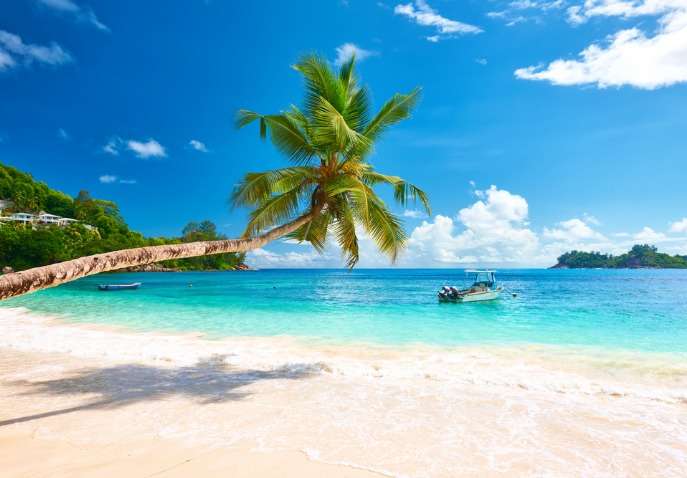


Established in 1996, Rani Jhansi Marine National Park covers about 256.1 sq km of islands and reefs in Ritchie’s Archipelago, east of South Andaman. This is the water around Havelock (Swaraj Dweep), Neil (Shaheed Dweep) and Henry Lawrence Island, and it holds one of the richest coral systems in the country, with dugong, sea turtles and reef fish. The core marine zones are restricted to protect the reef. Permitted snorkelling and diving happen at fringe sites around Ritchie’s Archipelago, booked through licensed dive operators on Havelock and Neil. There is no single ticket gate; access is via operator trips that already carry the necessary clearances.
| Location | Ritchie's Archipelago |
| Area | ~256.1 sq km |
| Established | 1996 |
| Signature wildlife | Coral, dugong, sea turtles |
| Can you visit? | Yes — diving at permitted fringe sites via licensed operators (Havelock/Neil) |


North Button Island National Park, established in 1987, is the northernmost of the three tiny Button Island parks in Ritchie’s Archipelago, covering roughly 0.44 sq km of forested island ringed by coral. Uninhabited and tightly protected, it is prized by divers for clear water, healthy reef and the chance of spotting dugong grazing on seagrass. You don’t land on the park itself. It is experienced from the water on permitted dive and boat trips run from Havelock and Neil, where operators hold the access clearances.
| Location | Ritchie's Archipelago |
| Area | ~0.44 sq km |
| Established | 1987 |
| Signature wildlife | Coral reefs, dugong |
| Can you visit? | Dive/boat only, no landing (from Havelock/Neil) |
Middle Button Island National Park, established in 1987, is the central park of the Button trio: about 0.64 sq km of uninhabited forested island and surrounding reef in Ritchie’s Archipelago. Like its neighbours it exists mainly to protect coral and marine life rather than to be walked on, so it is a dive-and-snorkel destination reached by boat from Havelock or Neil. Expect coral gardens, reef fish and quiet water. Landing is not generally permitted, and trips run only in the calm November to mid-May season.
| Location | Ritchie's Archipelago |
| Area | ~0.64 sq km |
| Established | 1987 |
| Signature wildlife | Coral reefs, reef fish |
| Can you visit? | Dive/boat only, no landing (from Havelock/Neil) |
South Button Island National Park, established in 1987, is the smallest national park in India, just 0.03 sq km. Despite the size it is a star dive and snorkel site: a single small forested island circled by a shallow coral lagoon known for clear visibility, a resident population of dugong and turtles, and easy reef life close to the surface. It is reached on permitted day trips from Havelock and Neil, where you snorkel or dive from the boat rather than landing. Calm seas from November to mid-May make it accessible.
| Location | Ritchie's Archipelago |
| Area | ~0.03 sq km |
| Established | 1987 |
| Signature wildlife | Coral, dugong, sea turtles |
| Can you visit? | Yes — day trips from Havelock/Neil (India's smallest national park) |
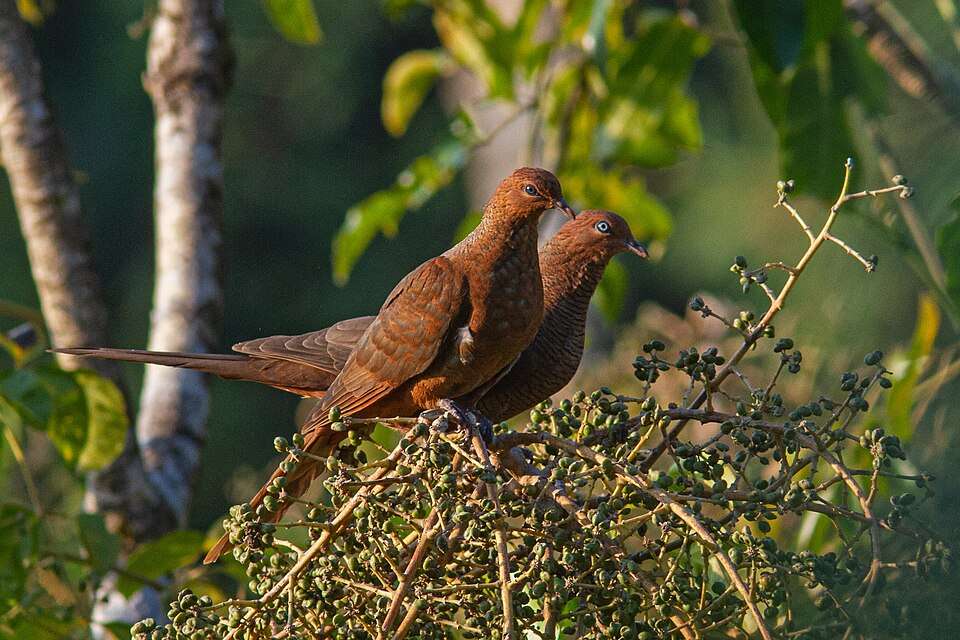
Campbell Bay National Park, established in 1992, covers about 426.2 sq km of northern Great Nicobar. It is the largest park on this list and one of the last great lowland rainforests in India. It shelters the saltwater crocodile, the Nicobar megapode, the long-tailed (crab-eating) macaque, the Nicobar pigeon and giant robber crabs, all within the Great Nicobar Biosphere Reserve. There is an important catch: the Nicobar group is a tribal reserve. Visiting tribal reserved areas is prohibited and general tourism is not permitted, so Campbell Bay is effectively closed to ordinary travellers and open only for research with special government clearance. Read about it for completeness, not as a place to plan a holiday around.
| Location | Great Nicobar |
| Area | ~426.2 sq km |
| Established | 1992 |
| Signature wildlife | Saltwater crocodile, Nicobar megapode, Nicobar pigeon |
| Can you visit? | No — tribal reserve, research access only |
Galathea National Park, established in 1992, lies in southern Great Nicobar and is the southernmost national park in India: about 110 sq km of rainforest and the rivers running down to Galathea Bay, one of the world’s most important leatherback turtle nesting beaches (nesting runs roughly November to April). It also protects the Nicobar megapode and saltwater crocodile. One point of confusion is worth clearing up. In January 2021 the Galathea Bay Wildlife Sanctuary and the park’s eco-sensitive zone were de-notified for the Great Nicobar development project, but the National Park itself remains notified, which is why the territory’s count is still 9, not 8. Like Campbell Bay, it sits in the Nicobar tribal-reserve zone and is not open to tourism.
| Location | Great Nicobar |
| Area | ~110 sq km |
| Established | 1992 |
| Signature wildlife | Leatherback turtle, Nicobar megapode, crab-eating macaque |
| Can you visit? | No — tribal reserve, research access only (southernmost NP) |
There are 9 national parks in the Andaman & Nicobar Islands. Seven lie in the Andaman group: Mahatma Gandhi Marine, Mount Manipur (formerly Mount Harriet), Saddle Peak, Rani Jhansi Marine, and the three Button Island parks (North, Middle and South). Two sit on Great Nicobar: Campbell Bay and Galathea. Alongside the parks, the territory holds 96 wildlife sanctuaries and one biosphere reserve, the Great Nicobar Biosphere Reserve, per the A&N Forest Department.
अंडमान निकोबार में कितने राष्ट्रीय उद्यान हैं? अंडमान और निकोबार द्वीप समूह में कुल 9 राष्ट्रीय उद्यान हैं: 7 अंडमान समूह में और 2 ग्रेट निकोबार पर। इनके साथ 96 वन्य जीव अभयारण्य (wildlife sanctuaries) और एक बायोस्फीयर रिज़र्व भी हैं।
Andaman Nicobar mein kitne national park hai? Andaman aur Nicobar dweep samuh mein kul 9 national park (rashtriya udyan) hain: 7 Andaman group mein aur 2 Great Nicobar par. Inke saath 96 vanya jeev abhyaran (wildlife sanctuaries) bhi hain.
Visiting an Andaman national park takes a little planning. Most are marine parks reached by boat, and the two Nicobar parks are off-limits. Here is how to do it in six steps:
The best window for all of Andaman’s national parks is November to mid-May, the dry season, when seas are calm and underwater visibility is at its best for the marine parks. December to April is the sweet spot for snorkelling and diving at South Button, the Button Islands and Mahatma Gandhi Marine. The southwest monsoon, roughly June to September, brings rough seas and frequent suspension of marine trips, so it is the weakest time for the water-based parks. Jolly Buoy and Red Skin alternate on a roughly six-month rotation, so one of the two is usually open even in the off-season, though rough seas can still cancel the boats. The rainforest trails of Saddle Peak and Mount Manipur stay green and dramatic through the rains. If turtles are the goal, leatherback nesting at Galathea Bay peaks November to April, though that park itself is not open to tourists.
Andaman & Nicobar’s nine national parks pack an outsized share of India’s marine wildlife into a small archipelago, from the smallest park in the country at South Button to the rainforests of Great Nicobar. For most travellers the realistic itinerary is the Andaman-group marine and trekking parks, built around Wandoor, Havelock and Diglipur. When you are ready to put it together, browse our Andaman tour packages, or read the wider Andaman travel guide to plan the rest of the trip around them.
There are 9 national parks in the Andaman & Nicobar Islands: 7 in the Andaman group and 2 on Great Nicobar in the Nicobar group. They range from Campbell Bay (about 426 sq km of Great Nicobar rainforest) to South Button Island, which at 0.03 sq km is the smallest national park in India. The territory also holds 96 wildlife sanctuaries and one biosphere reserve.
अंडमान और निकोबार द्वीप समूह में कुल 9 राष्ट्रीय उद्यान हैं: 7 अंडमान समूह में (महात्मा गांधी मरीन, माउंट मणिपुर, सैडल पीक, रानी झांसी मरीन और तीन बटन आइलैंड पार्क) और 2 ग्रेट निकोबार पर (कैंपबेल बे और गैलाथिया)। इनके अलावा यहाँ 96 वन्य जीव अभयारण्य और एक बायोस्फीयर रिज़र्व भी हैं।
अंडमान और निकोबार में 96 वन्य जीव अभयारण्य (wildlife sanctuaries) और एक बायोस्फीयर रिज़र्व (ग्रेट निकोबार) हैं, साथ ही 9 राष्ट्रीय उद्यान भी हैं। ये आँकड़े A&N वन विभाग के अनुसार हैं।
Yes. Every national park requires a Forest Department entry permit, usually bought at the range office or the departure jetty for marine parks. Indian nationals do not need the Restricted Area Permit (RAP) for the main Andaman islands (it only ever applied to foreign visitors), and the RAP is also relaxed for most foreign nationals, except citizens — or people of origin — of China, Pakistan and Afghanistan. The Nicobar parks sit in tribal reserves and are not open to tourism.
November to mid-May, during the dry season, when seas are calm and underwater visibility is highest. December to April is ideal for snorkelling and diving at the marine parks. The June to September monsoon brings rough seas that often suspend marine trips, so it is the weakest window for the water-based parks.
South Button Island National Park, in the Andaman & Nicobar Islands, is the smallest national park in India, just 0.03 sq km. It is a single tiny forested island ringed by a shallow coral lagoon, and despite its size it is one of the most rewarding snorkelling and diving sites in the archipelago, with resident dugong and turtles.
The Great Nicobar Biosphere Reserve, on Great Nicobar, is the territory's biosphere reserve and its richest biodiversity zone. It takes in the two Nicobar national parks, Campbell Bay and Galathea, and shelters the Nicobar megapode, saltwater crocodile, leatherback turtle, Nicobar pigeon and the giant robber crab. It was added to UNESCO's World Network of Biosphere Reserves in 2013. Because it sits inside a tribal reserve, it is closed to general tourism and open only for research with government clearance.
Yes, the marine parks are built for it. Mahatma Gandhi Marine National Park (Jolly Buoy and Red Skin islets) offers snorkelling and glass-bottom boat trips from Wandoor, while South Button, the Button Islands and Rani Jhansi sites are popular dive spots reached on permitted trips from Havelock and Neil. You snorkel or dive from the boat rather than landing on the protected islands.
The seven Andaman-group parks are open to permitted visitors, most accessibly Mahatma Gandhi Marine, South Button Island, Saddle Peak and Mount Manipur. The two Nicobar parks, Campbell Bay and Galathea on Great Nicobar, lie within a tribal reserve and are closed to general tourism, open only for research with special government permission.
Real reviews from real travelers who booked with us.
View All Reviews