8D / 7N
6% OFF


Your Region-by-Region Guide to Sri Lanka
The 30 best places to visit in Sri Lanka in 2026 cluster into five easy regions: the Cultural Triangle of ancient cities, the tea-covered Hill Country, the surf-and-sand South and West Coast, the quieter East and North, and a short run of world-class wildlife parks. The whole island is compact, about one and a half times the size of Kerala, so you can pair a 1,500-year-old rock fortress, a leopard safari and a whale-watching boat inside a single ten-day trip. This guide ranks the icons first, groups them by where they actually are so you plan a sane route, and adds the India-specific bits (visa, rough budget in rupees, flights, veg food) that most Western lists skip.
Key Takeaways
- Start in the Cultural Triangle (Sigiriya, Dambulla, Polonnaruwa, Anuradhapura), then drop into the Hill Country by the Kandy to Ella train, then finish on the south coast beaches.
- Go December to mid-April for the south and west coast and the Cultural Triangle; May to September suits the east coast (Trincomalee, Arugam Bay) instead.
- Ten to fourteen days covers the classic loop comfortably; seven days means picking two regions, not all five.
- Budget roughly Rs 60,000 to Rs 1,10,000 per person for a week, flights included, depending on season and hotel class.
- Indian passport holders need a Sri Lanka ETA (apply online before you fly); the flight from most metros is under 3.5 hours.
Sri Lanka at a glance: the 30 best places
Use this table to match a place to your dates and travel style, then read the full write-up in its region below.
| Place | Region | Best for | Best time to go |
|---|---|---|---|
| Sigiriya | Cultural Triangle | Rock fortress + frescoes | Dec to Apr |
| Dambulla Cave Temple | Cultural Triangle | Cave murals, Buddhist art | Dec to Apr |
| Polonnaruwa | Cultural Triangle | Ancient city by bicycle | Dec to Apr |
| Anuradhapura | Cultural Triangle | Sacred city, stupas, Bodhi tree | Dec to Apr |
| Mihintale | Cultural Triangle | Birthplace of Buddhism, views | Dec to Apr |
| Pinnawala Elephant Orphanage | On the Colombo-Kandy road | Elephants, families | Year round |
| Kandy & Temple of the Tooth | Hill Country | Culture, lake, Perahera | Jan to Apr, Aug |
| Nuwara Eliya | Hill Country | Tea estates, cool climate | Mar to May |
| Ella & Nine Arch Bridge | Hill Country | Scenic train, hikes | Jan to Apr |
| Horton Plains | Hill Country | World’s End hike | Jan to Mar |
| Adam’s Peak | Hill Country | Sunrise pilgrimage climb | Dec to May |
| Ravana Falls | Hill Country | Waterfall stop near Ella | Jan to Apr |
| Colombo | South & West Coast | City, shopping, food | Dec to Apr |
| Negombo | South & West Coast | Airport-side beach, lagoon | Dec to Apr |
| Bentota | South & West Coast | Watersports, resorts, honeymoon | Nov to Apr |
| Hikkaduwa | South & West Coast | Snorkelling, coral, surf | Nov to Apr |
| Galle Fort | South & West Coast | Dutch fort, cafes, sunset ramparts | Dec to Apr |
| Unawatuna | South & West Coast | Calm swimming bay | Nov to Apr |
| Mirissa | South & West Coast | Whale watching, nightlife | Nov to Apr |
| Tangalle | South & West Coast | Quiet wide beaches | Nov to Apr |
| Trincomalee | East & North | Clear-water beaches, diving | May to Sep |
| Pasikudah | East & North | Shallow calm bay | May to Sep |
| Arugam Bay | East & North | Surfing | May to Sep |
| Kalpitiya | North-West Coast | Dolphins, kitesurfing | Nov to Mar (kite May to Oct) |
| Jaffna | East & North | Tamil culture, temples, food | Year round |
| Yala National Park | Wildlife & Rainforest | Leopards, big game | Feb to Jul |
| Udawalawe National Park | Wildlife & Rainforest | Elephants, easy sightings | Year round |
| Minneriya National Park | Wildlife & Rainforest | The Gathering of elephants | Jul to Sep |
| Wilpattu National Park | Wildlife & Rainforest | Leopards, fewer crowds | Feb to Oct |
| Sinharaja Rainforest | Wildlife & Rainforest | Endemic birds, UNESCO rainforest | Jan to Apr, Aug to Sep |
Sri Lanka
Sri Lanka
Best Time
December - April
Select Package Type
Best Selling Packages


30 Best Places in Sri Lanka, Grouped by Region
The 30 places arranged into five regions - the Cultural Triangle, Hill Country, South and West Coast, East and North, and the wildlife parks - followed by a best-time-to-visit guide and a suggested 10-day route.
-
Sigiriya
-
Dambulla Cave Temple
-
Polonnaruwa
-
Anuradhapura
-
Mihintale
-
Pinnawala Elephant Orphanage
-
Kandy and the Temple of the Tooth
-
Nuwara Eliya
-
Ella and the Nine Arch Bridge
-
Horton Plains and World's End
-
Adam's Peak
-
Ravana Falls
-
Colombo
-
Negombo
-
Bentota
-
Hikkaduwa
-
Galle Fort
-
Unawatuna
-
Mirissa
-
Tangalle
-
Trincomalee
-
Pasikudah
-
Arugam Bay
-
Kalpitiya
-
Jaffna
-
Yala National Park
-
Udawalawe National Park
-
Minneriya National Park
-
Wilpattu National Park
-
Sinharaja Forest Reserve
Explore Popular Destination In Sri Lanka
01
Sigiriya
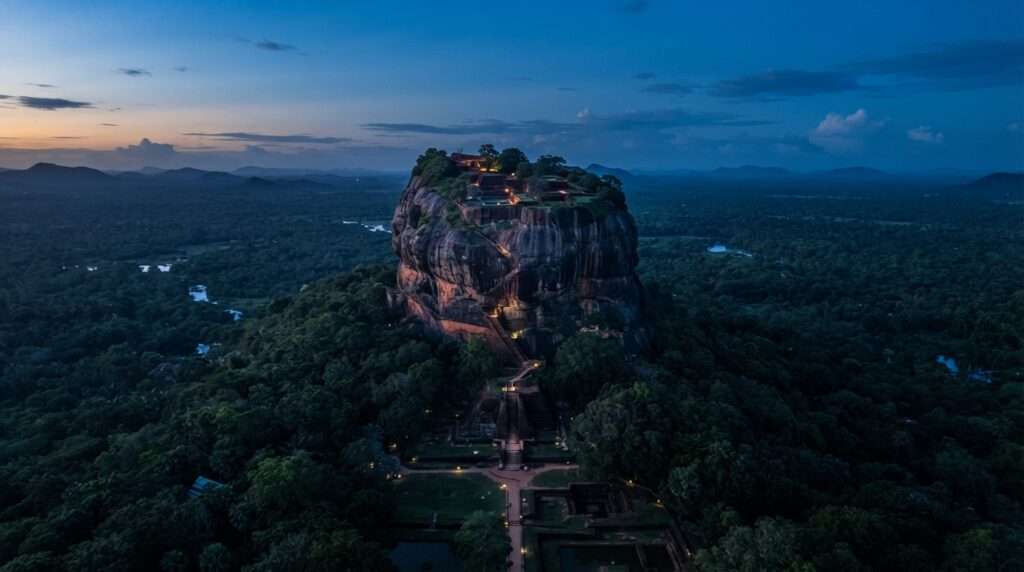
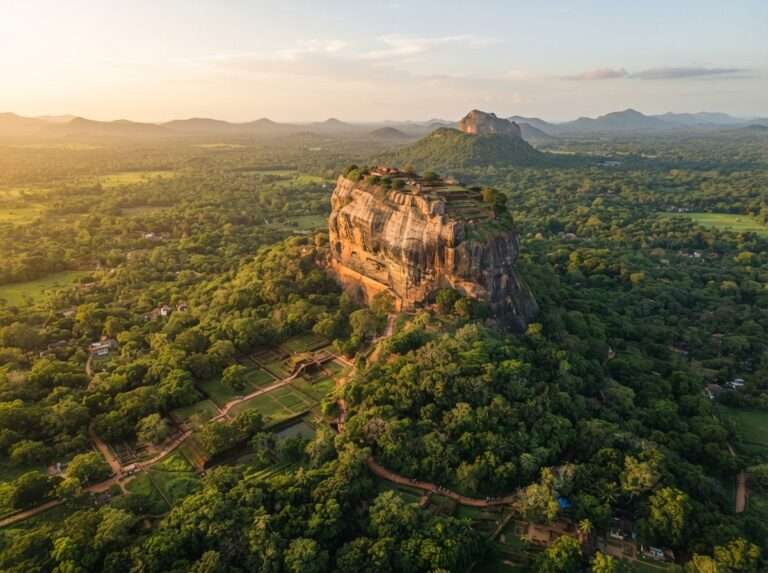
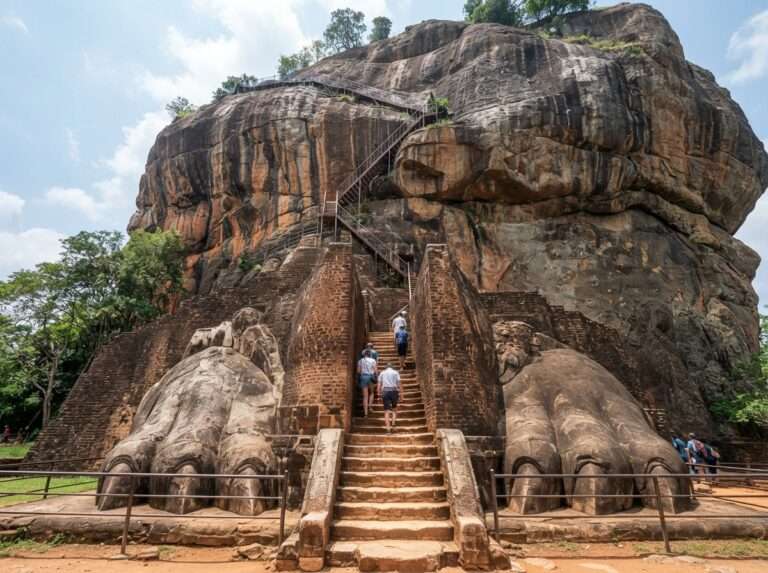
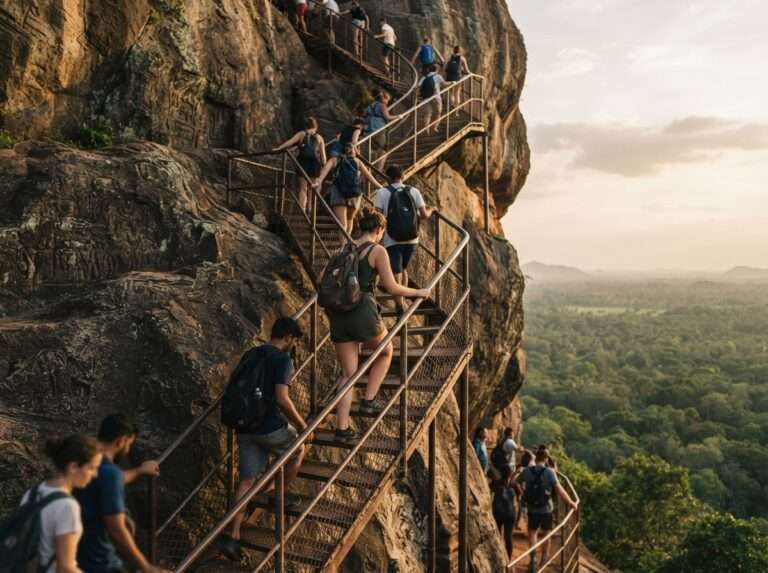
The flat, dry middle of the island holds four ancient capitals and some of the best Buddhist art in Asia. Base yourself in Sigiriya or Dambulla and you can see all of this in two or three days, mostly by road.
Cultural Triangle · UNESCO World Heritage Site
Sigiriya is the image most people carry of Sri Lanka: a sheer 200-metre column of rock with the ruins of a 5th-century royal palace on top. King Kashyapa built it as a fortress-capital around 477 CE, and the climb takes you past a sheltered gallery of frescoes (the famous cloud maidens) and the giant lion paws that gave the rock its name. It is a UNESCO World Heritage Site and it is busy, so start at opening time, roughly 7 am, before the stone heats up. Reaching the summit takes about 1.5 hours at a steady pace. If the queue is long or the midday crowds and heat put you off, climb Pidurangala next door instead: cheaper, quieter, and it gives you the postcard view of Sigiriya itself.
Related Tour Packages


❮
❯
02
Dambulla Cave Temple
Cultural Triangle · UNESCO World Heritage Site
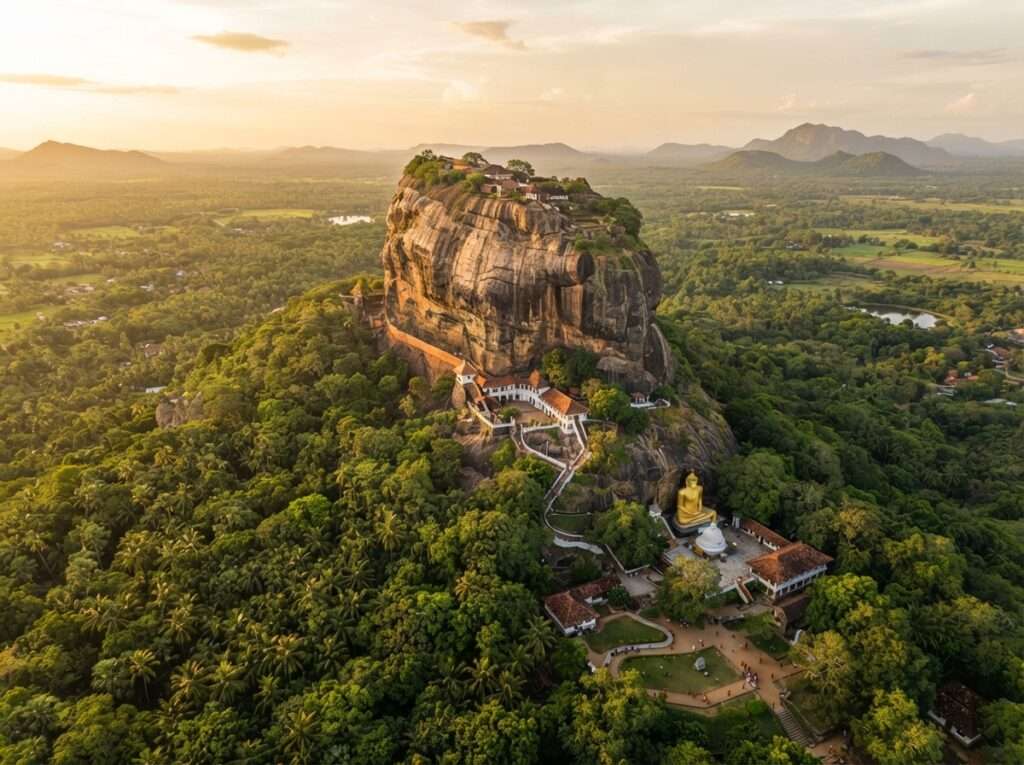
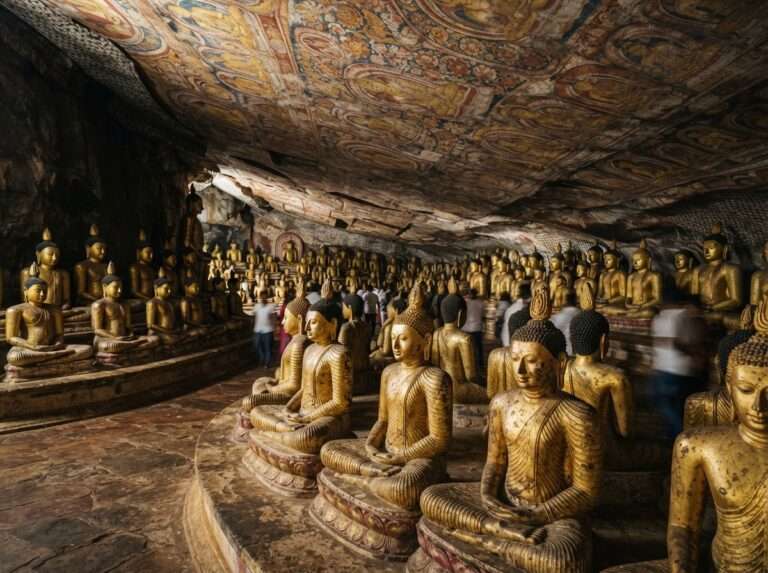
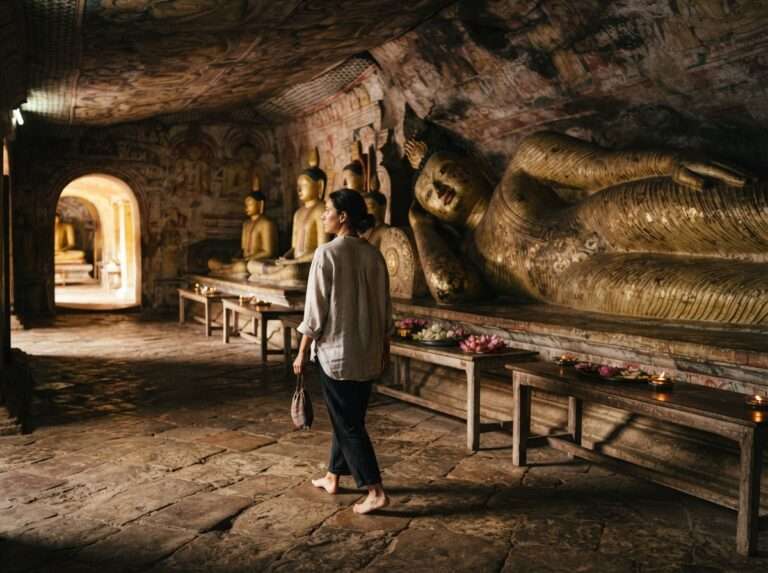
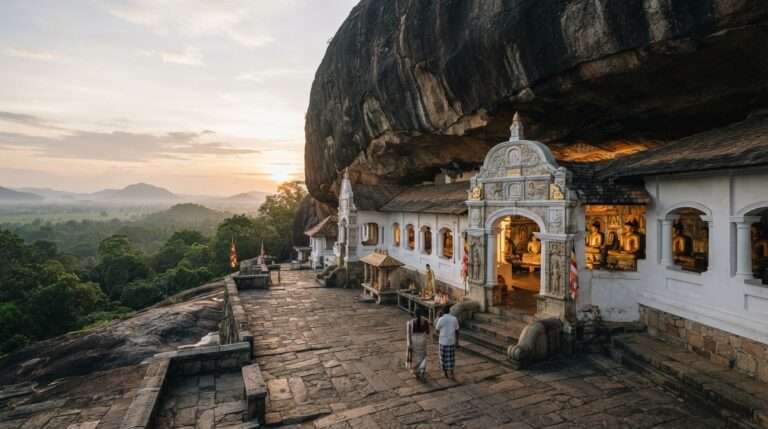
Fifteen kilometres from Sigiriya, the Dambulla Cave Temple is the largest and best-preserved cave temple complex in the country, and another UNESCO site. Five caves cut into a granite overhang hold more than 150 Buddha statues and ceilings painted end to end with murals, some of them two thousand years old. It still works as a living temple, so cover your shoulders and knees, and note that you buy your ticket at the ticket office at the base before you climb, keep your shoes on up the steps, and leave them at the counter at the top before entering the caves. Pair it with the Golden Temple at the base and allow about two hours. It sits right on the Kandy road, so most people stop here on the way between the Cultural Triangle and the hills.
Related Tour Packages


❮
❯
03
Polonnaruwa
Cultural Triangle · UNESCO World Heritage Site
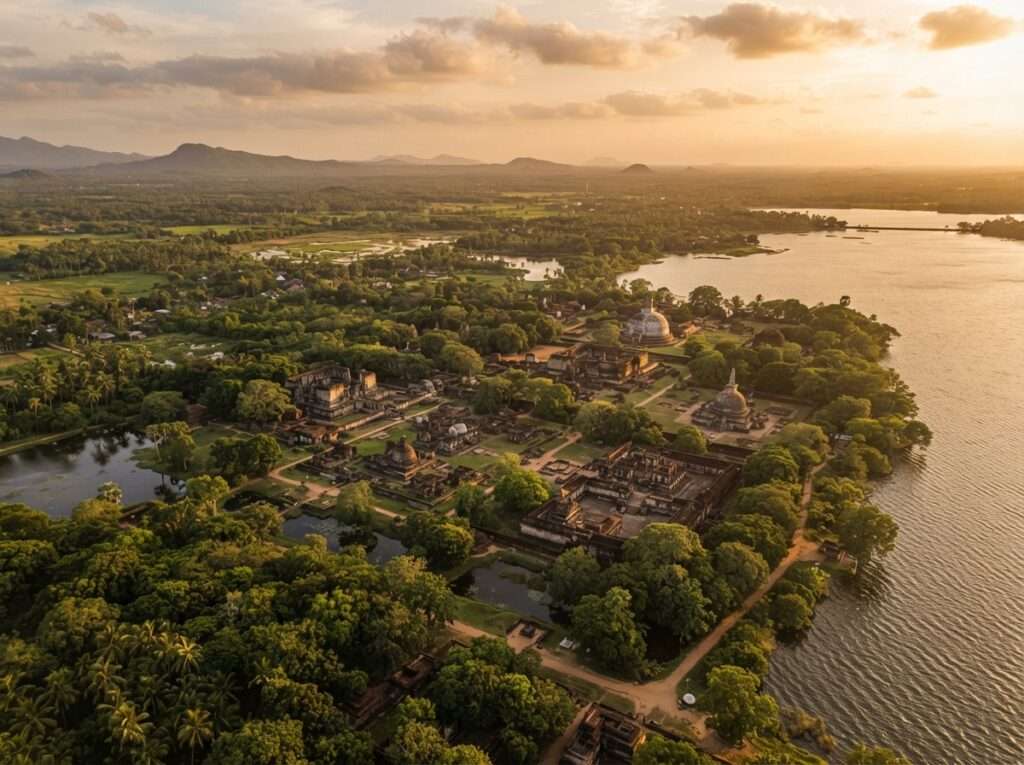
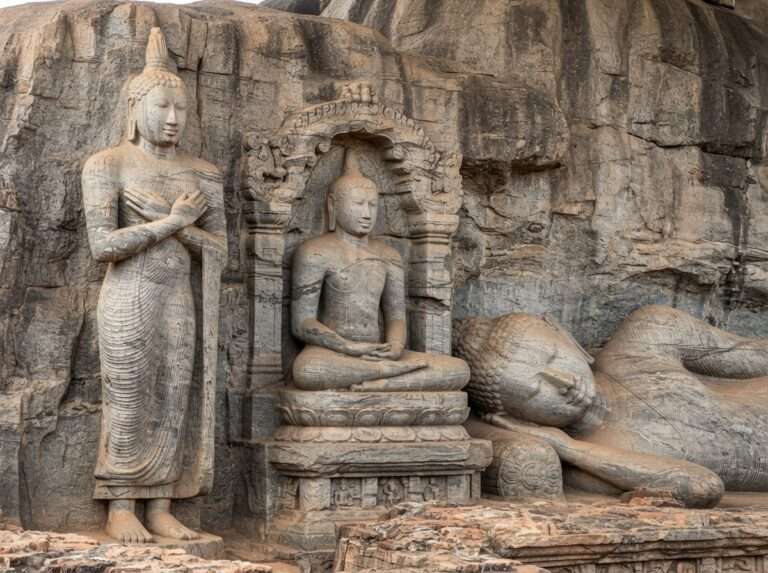
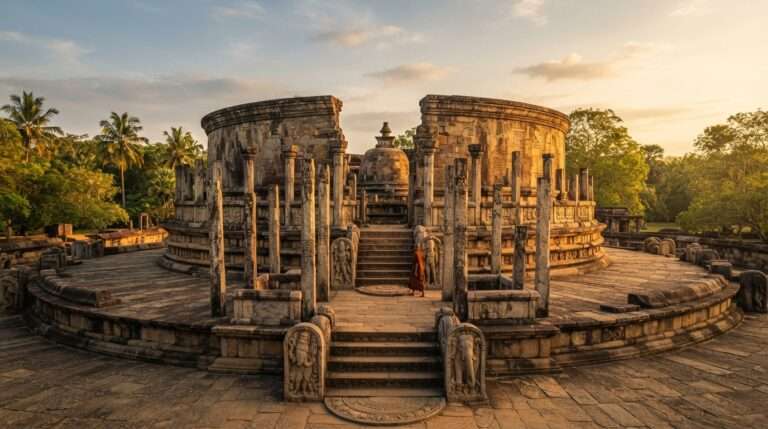
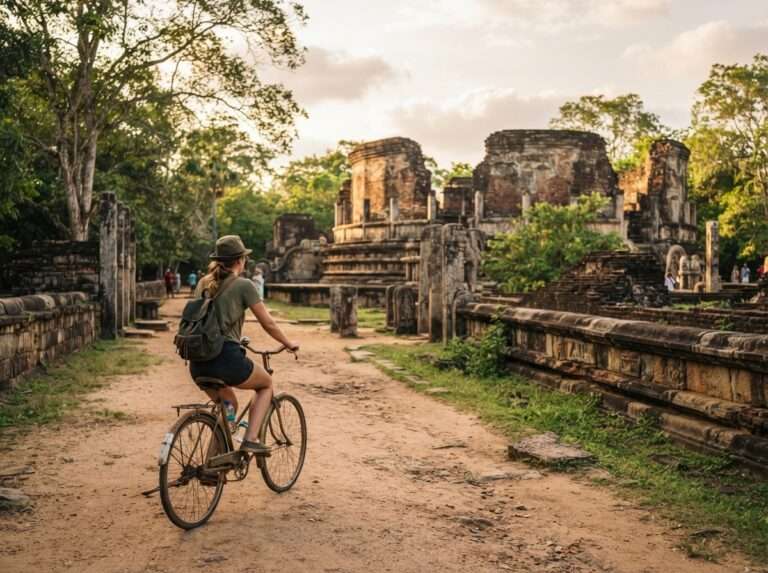
Polonnaruwa was the island’s capital in the 11th and 12th centuries, and its ruins are far more compact and intact than Anuradhapura’s. Hire a bicycle at the entrance and you can loop the whole archaeological park in half a day: the royal palace, the circular Vatadage, and the Gal Vihara, where four huge Buddha figures are carved straight out of one granite wall. The seated and reclining figures here are some of the finest stone sculpture in South Asia. Go early or late to dodge the midday heat, and carry water, as there is little shade between the monuments.
Related Tour Packages


❮
❯
04
Anuradhapura
Cultural Triangle · UNESCO World Heritage Site
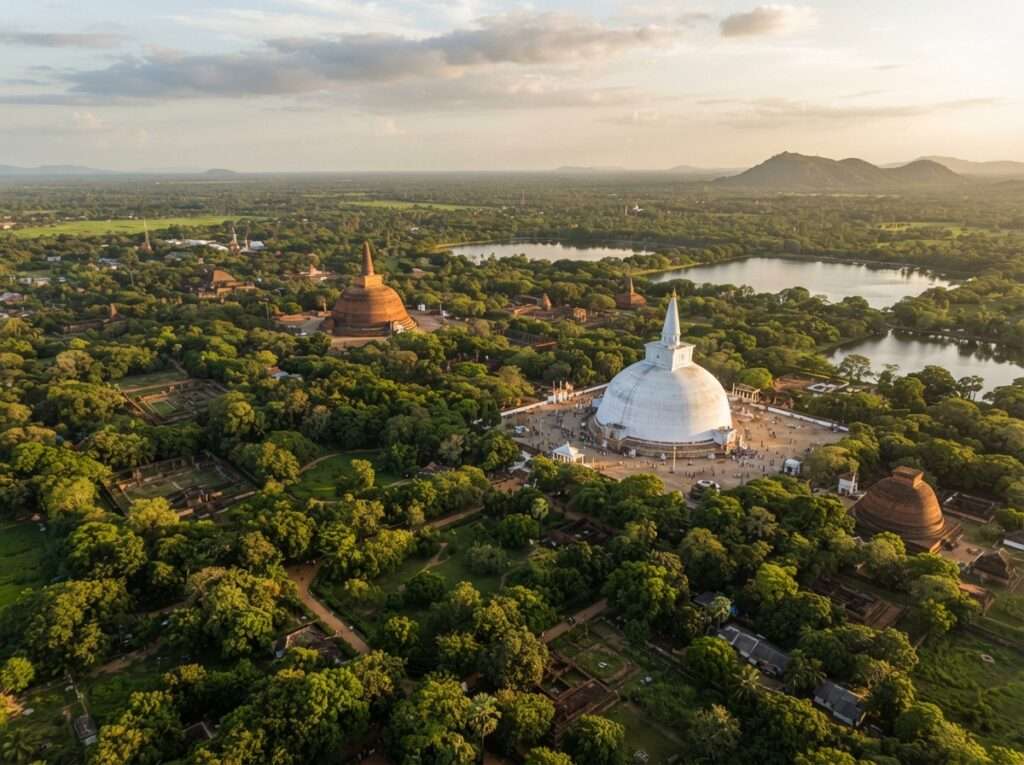
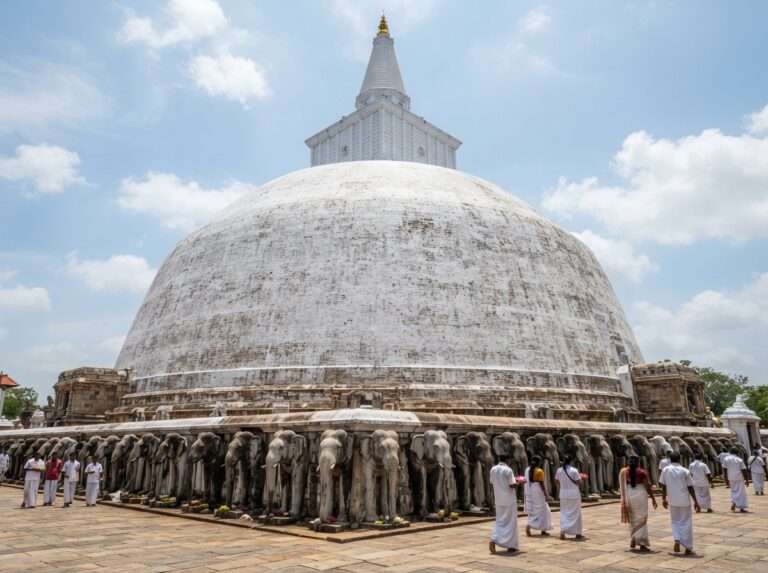
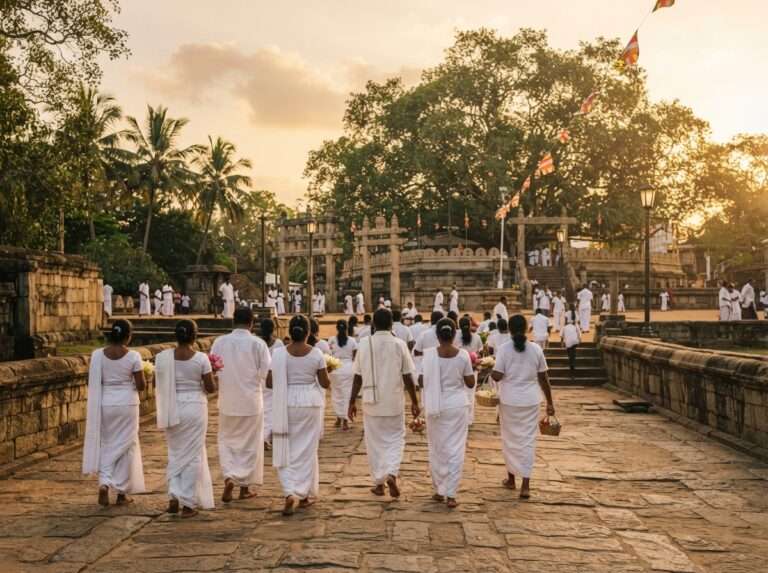
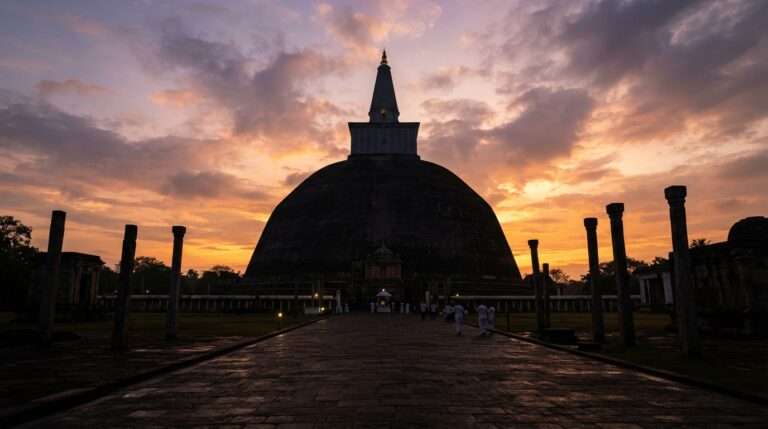
Anuradhapura was the first capital of Sri Lanka and the centre of Sinhalese Buddhism for over a thousand years. The site is spread out, so plan to cover it by tuk-tuk or car rather than on foot. The heart of it is the Sri Maha Bodhi, a sacred fig grown from a cutting of the tree under which the Buddha reached enlightenment, making it one of the oldest documented trees on earth. Around it stand enormous brick stupas, Ruwanwelisaya and Jetavanaramaya among them, that were among the tallest structures of the ancient world. This is the most devotional of the ancient cities, so dress modestly and expect pilgrims in white.
05
Mihintale
Cultural Triangle
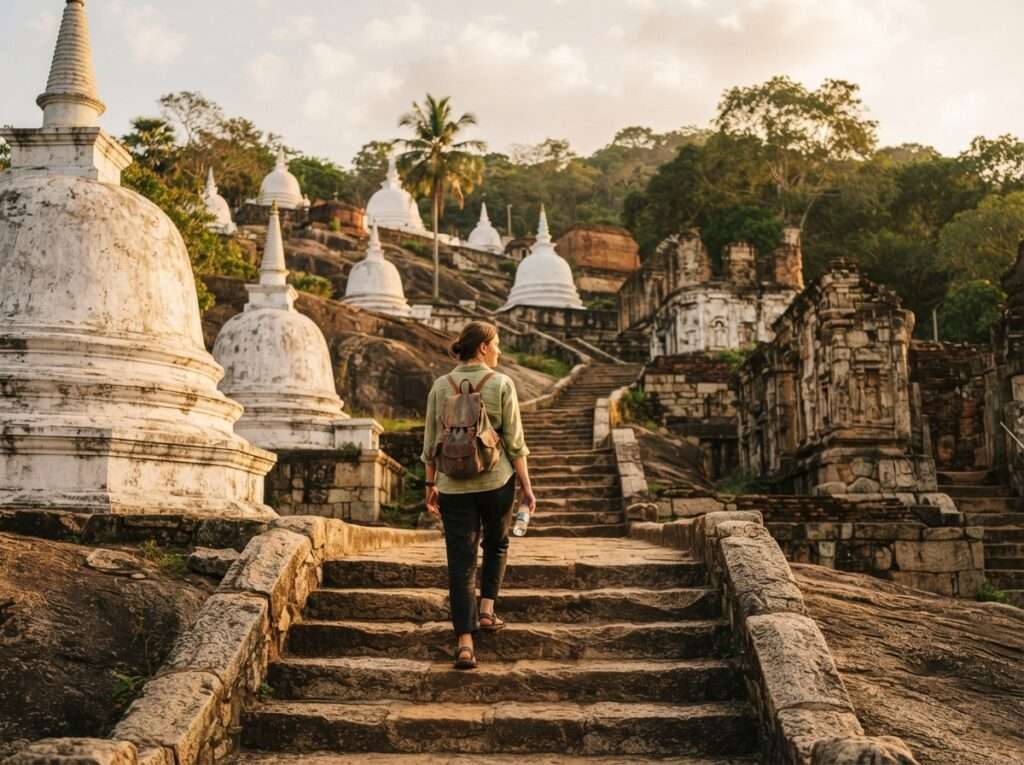
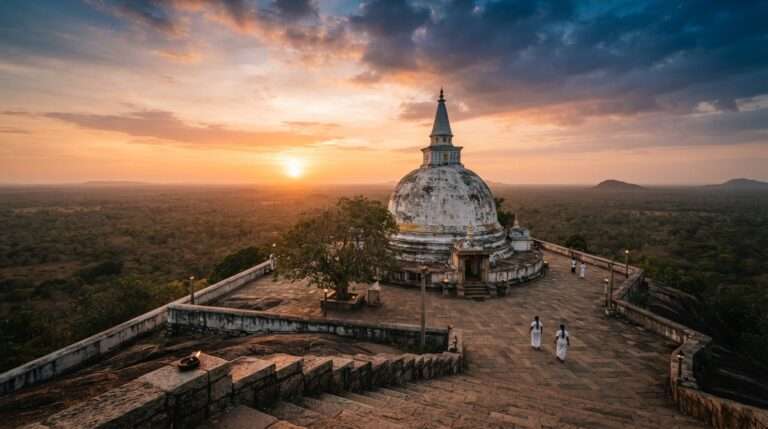
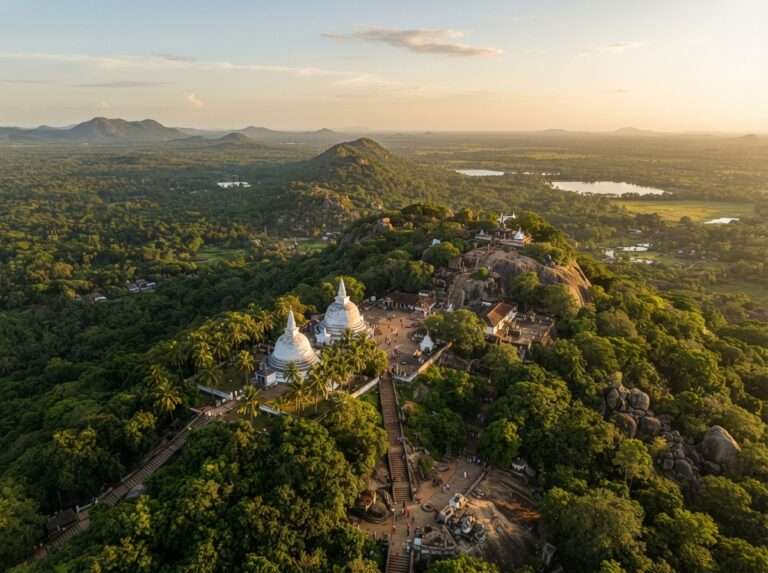
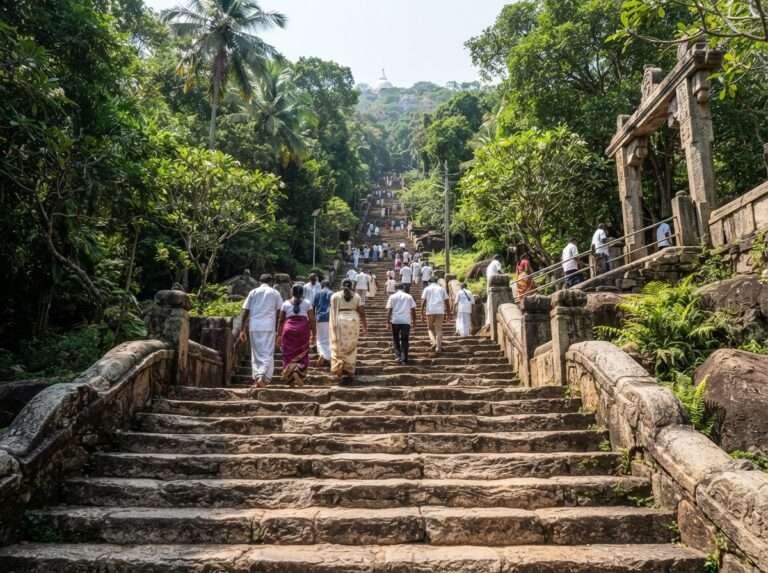
A short drive east of Anuradhapura, Mihintale is where Buddhism arrived in Sri Lanka. The story goes that the monk Mahinda met King Devanampiya Tissa here in 247 BCE and converted him, so Sri Lankans treat this hill as the religion’s birthplace on the island. A long flight of 1,840 granite steps climbs past dagobas and monastery ruins to a summit with a wide view over the dry-zone plains. It is an easy half-day trip from Anuradhapura and far less crowded than the big four, which is part of its appeal.
06
Pinnawala Elephant Orphanage
On the Colombo-Kandy road
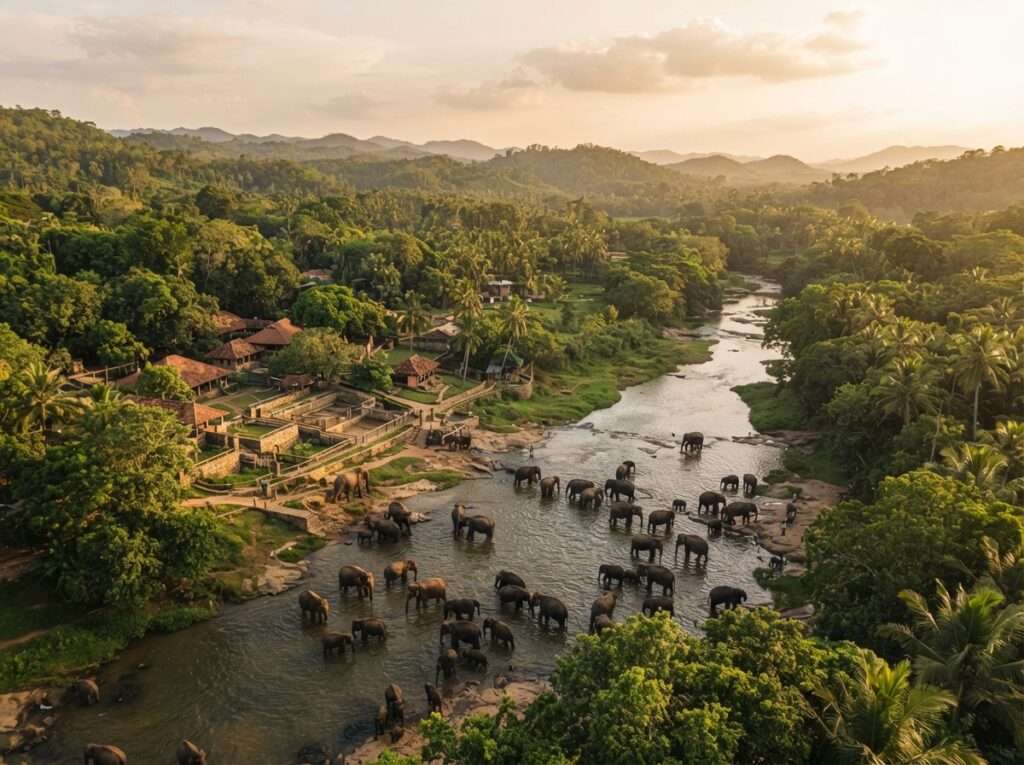
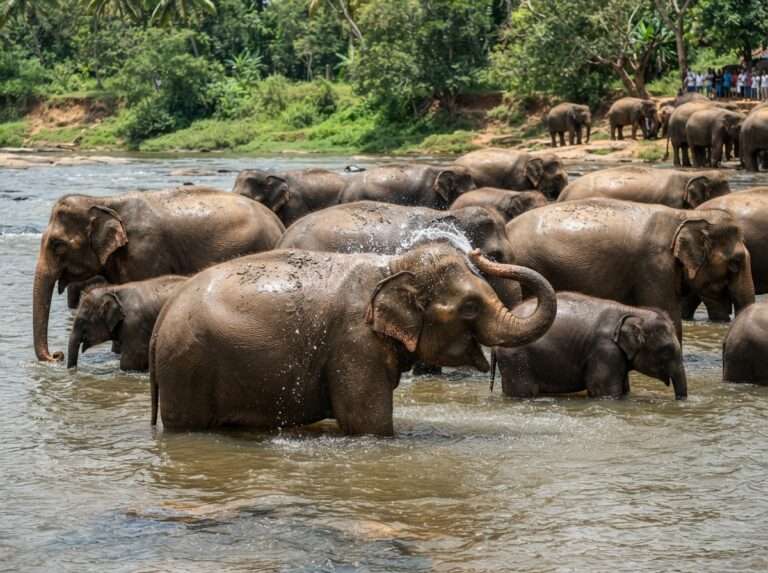
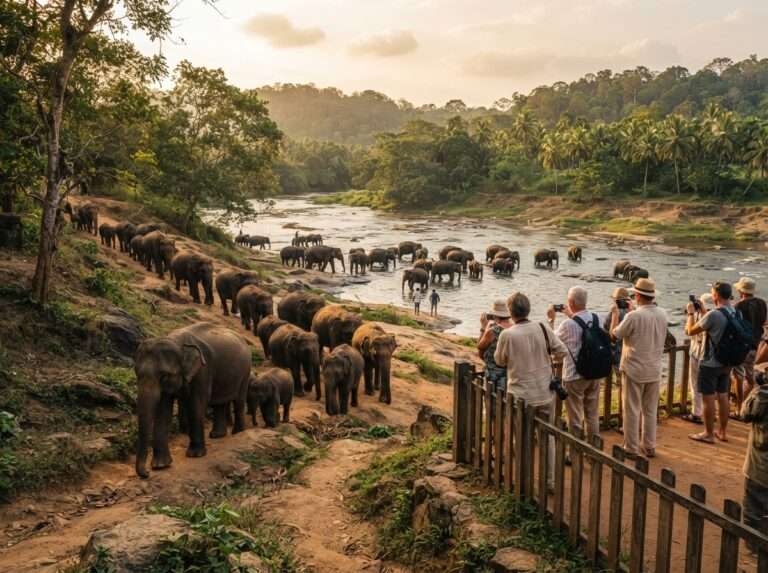
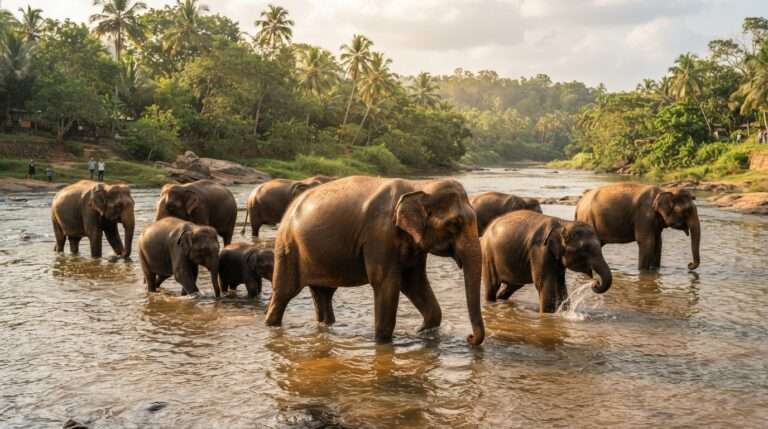
On the road between the airport and Kandy, Pinnawala is the easiest place in the country to see elephants up close, which makes it a favourite with families travelling with children. The state-run centre cares for orphaned and injured elephants, and the set-piece moment is the late-morning and afternoon walk down to the Maha Oya river, when the whole herd bathes together. Time your visit for a feeding or a river bath rather than the quiet hours in between. For elephants in the wild rather than in care, pair it later with Udawalawe or Minneriya.
07
Kandy and the Temple of the Tooth
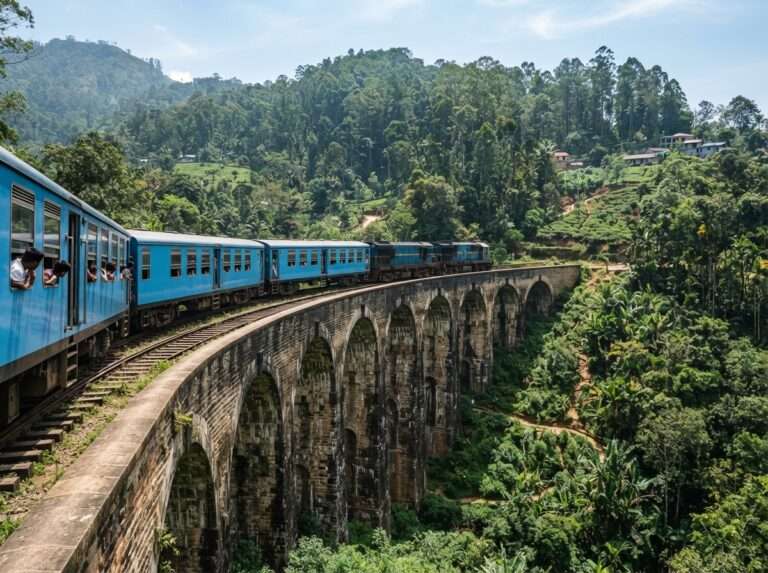
The centre of the island climbs into cool, tea-covered mountains, and the ride up is half the point. The Kandy to Ella train is regularly called one of the most scenic rail journeys in the world: roughly seven hours past waterfalls and tea estates, with the Nine Arch Bridge waiting just beyond Ella. Book a reserved seat well ahead in peak season: online bookings open 30 days out and the scenic Kandy-to-Ella seats sell out fast.
Hill Country · UNESCO World Heritage Site
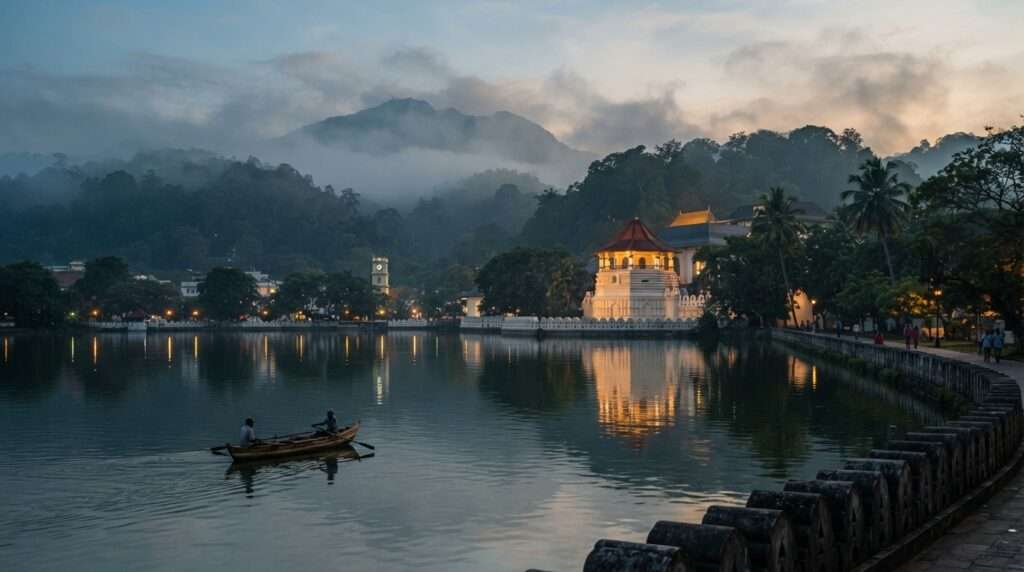
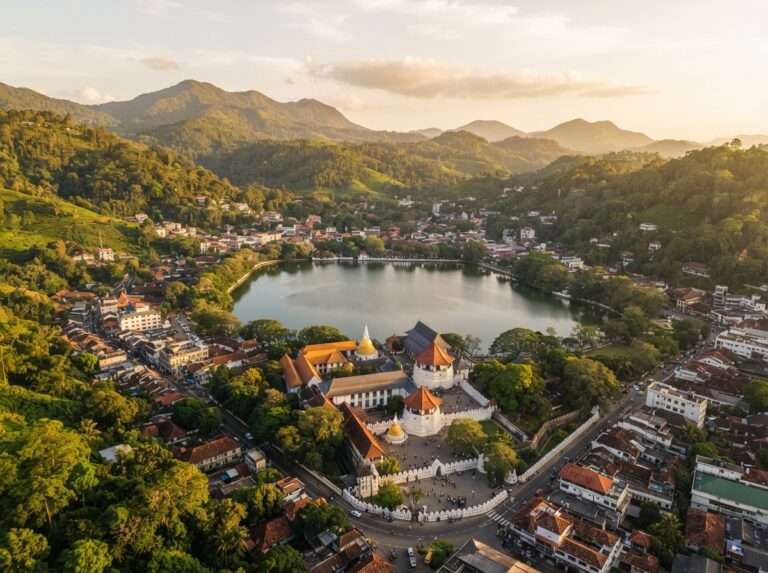
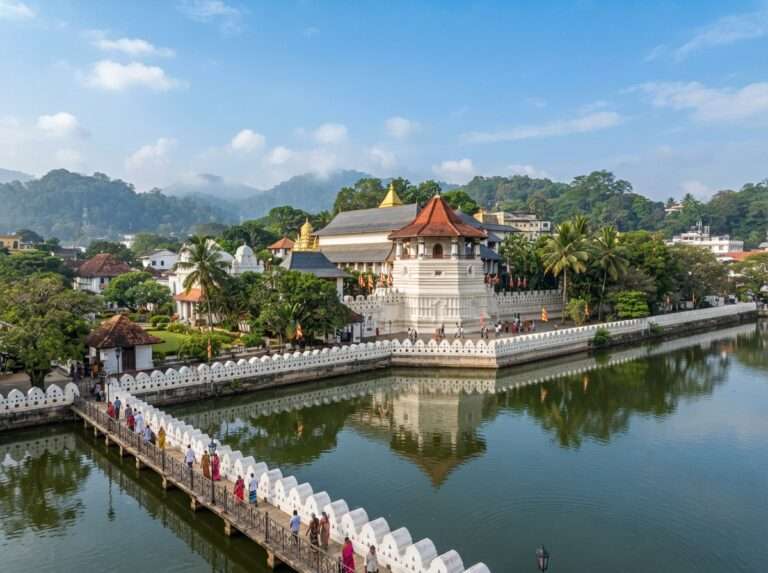
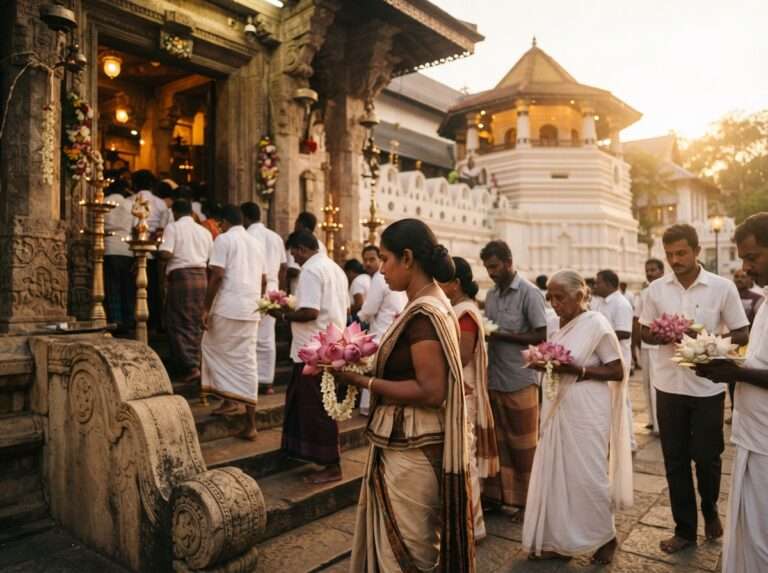
Kandy was the last independent Sinhalese kingdom and it is still the cultural capital of the island. Set around a lake in a ring of hills, its draw is the Temple of the Sacred Tooth Relic (Sri Dalada Maligawa), which holds a tooth of the Buddha and is the most important Buddhist site in the country. Visit during one of the daily pujas, when drummers play and the inner shrine opens, and dress to cover shoulders and knees. If your dates land in August, the Esala Perahera fills the streets with torch-lit processions of caparisoned elephants and dancers, one of Asia’s great festivals. Ringing the lake on foot takes about an hour.
08
Nuwara Eliya
Hill Country
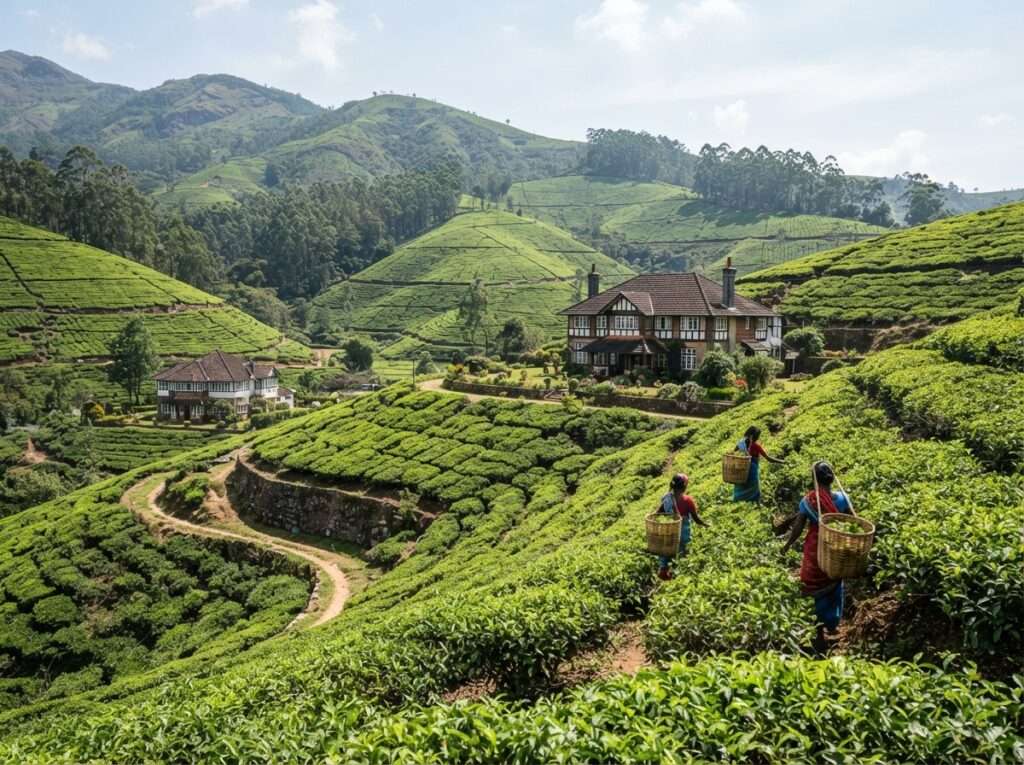
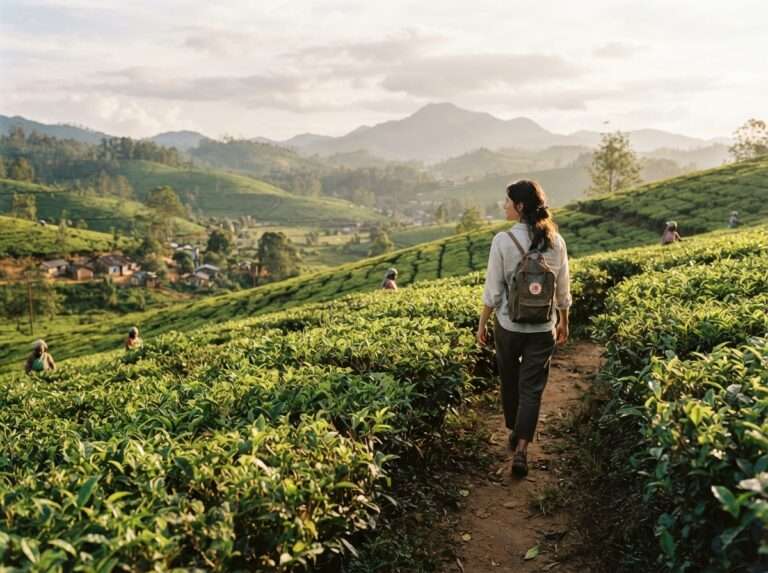
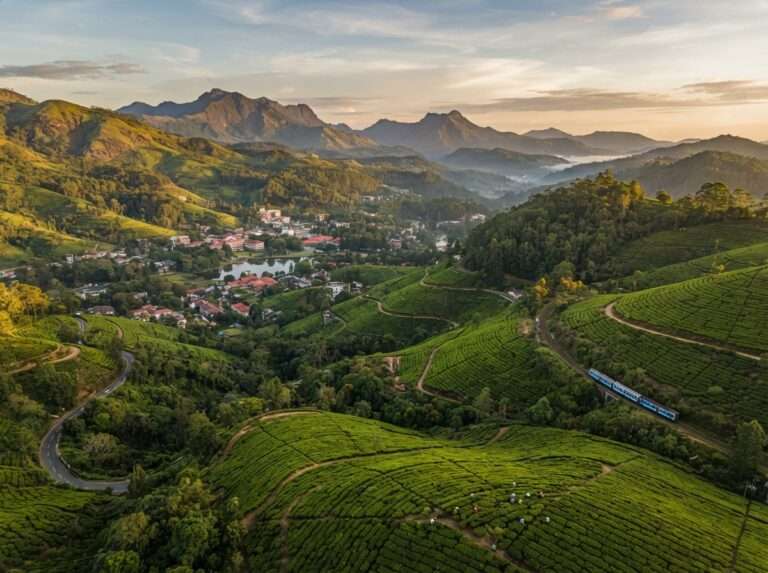
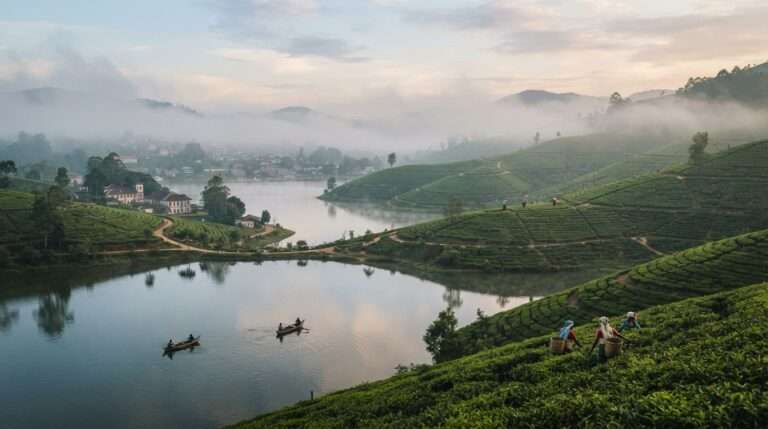
At 1,900 metres, Nuwara Eliya is the heart of Ceylon tea country and stays cool enough year round that the British called it Little England. The colonial-era bungalows, the racecourse and Gregory Lake give it an oddly out-of-place charm. This is the place to tour a working tea factory, walk the estate paths and buy single-estate tea at source. April brings the domestic season, when Colombo decamps here for horse racing and flower shows and hotels fill up fast. Pack a jacket, as evenings drop into single digits.
09
Ella and the Nine Arch Bridge
Hill Country
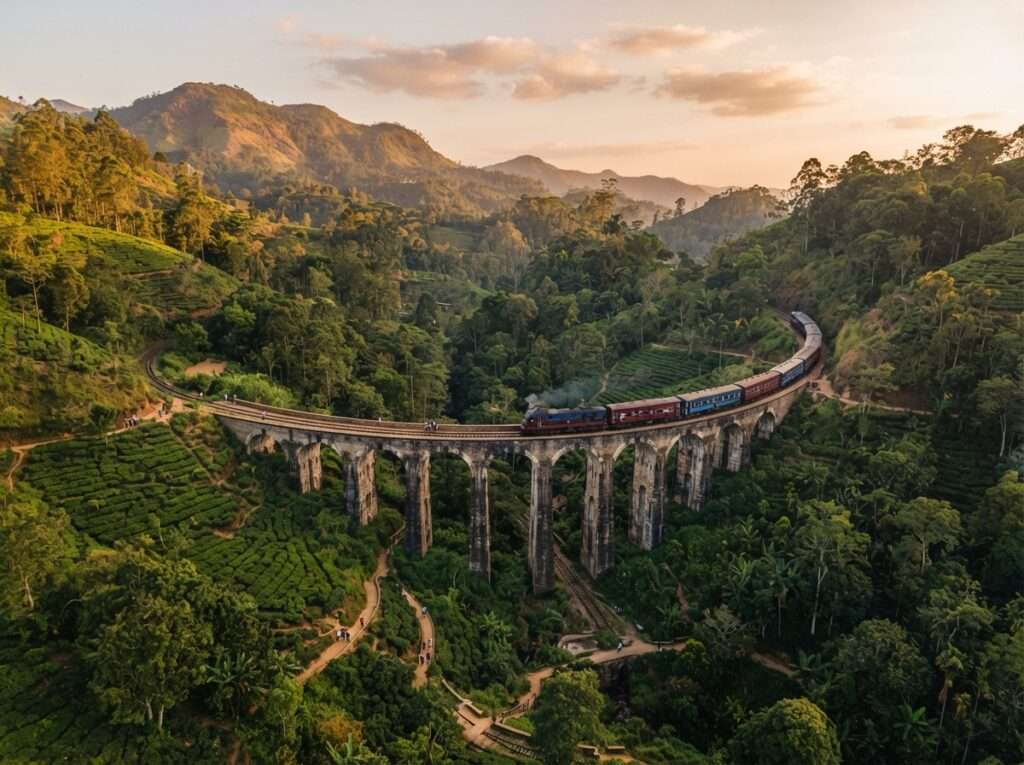
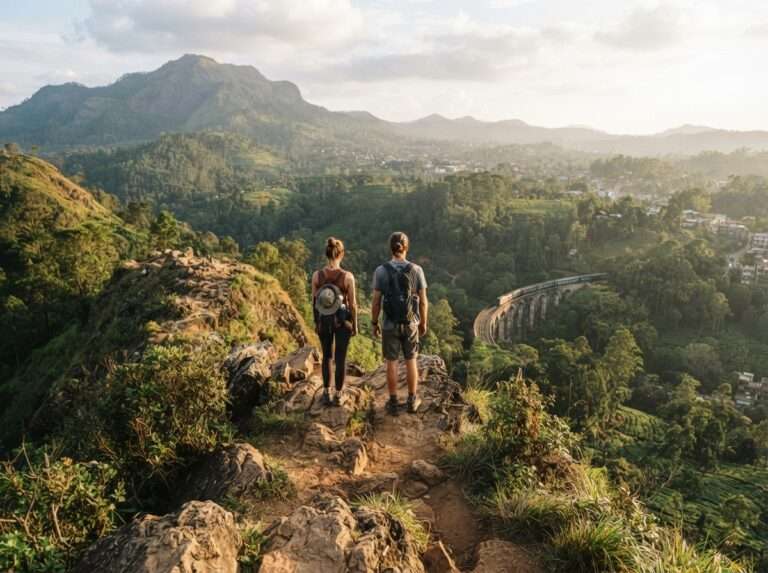
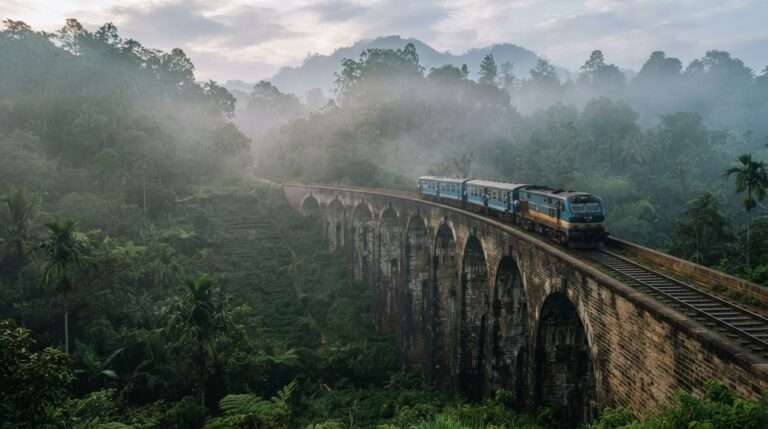
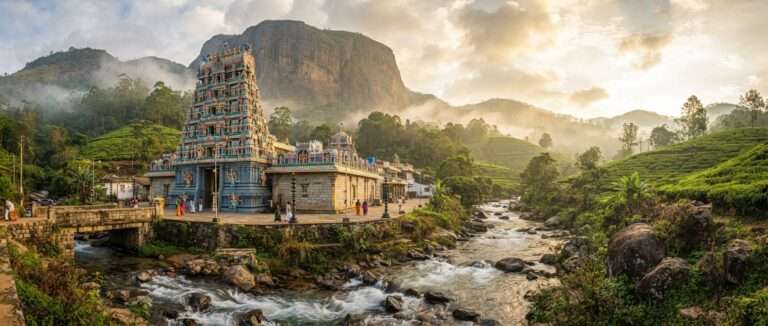
Ella is the backpacker-friendly hill town everyone uses as a base for walks, and for good reason. The Nine Arch Bridge, a graceful stone railway viaduct set in jungle just outside town, is the signature photo, best caught when a blue train crosses it (roughly every couple of hours). Little Adam’s Peak is an easy 45-minute climb for sunrise, while Ella Rock is a steeper two to three hour hike with bigger views. The town itself is small and walkable, full of cafes, and it marks the usual end of the scenic train line from Kandy.
10
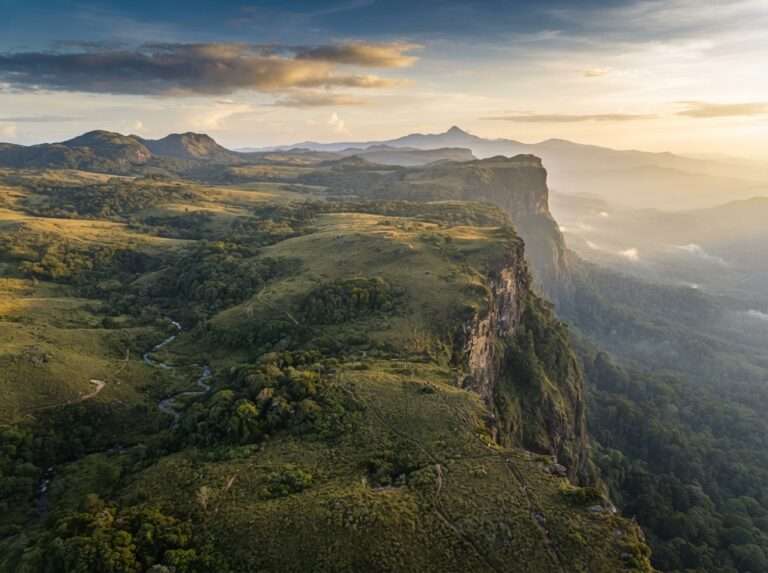
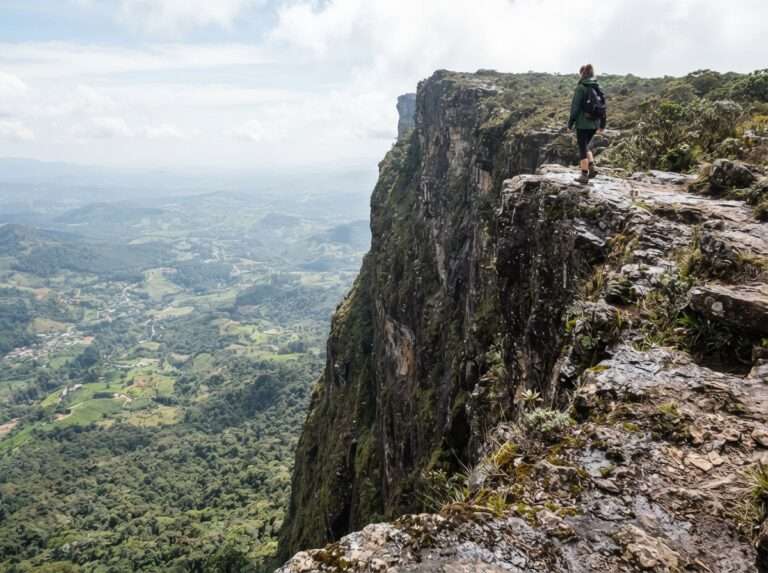
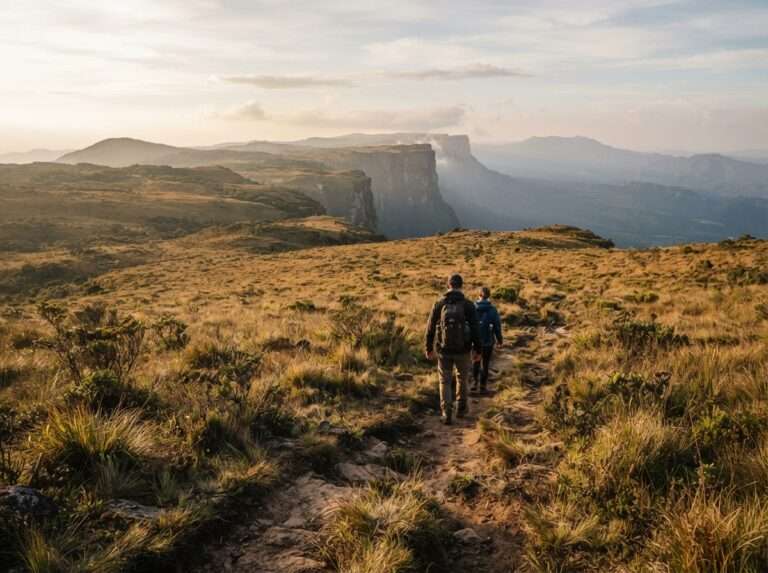
Horton Plains and World's End
Hill Country
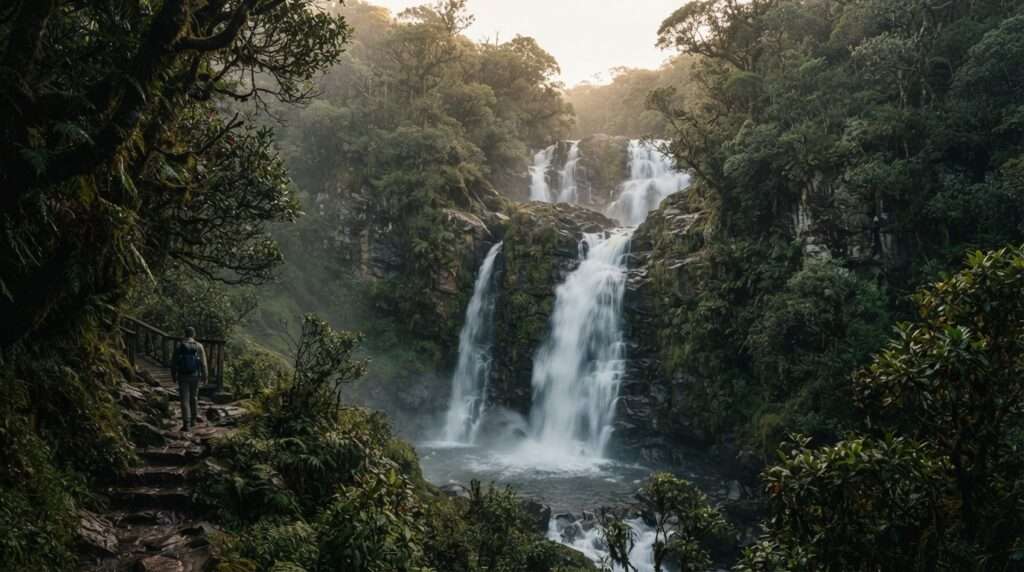
Horton Plains is a high windswept plateau and national park, and the reason to come is the World’s End hike: a 9-kilometre circular loop whose high point is World’s End, a cliff dropping almost 900 metres, with the plains falling away below you. The view clouds over by mid-morning, so you need to start at or before 7 am to see it clearly, which means a very early drive from Nuwara Eliya. The loop also passes Baker’s Falls and takes about three hours. Mornings are cold near freezing up here, so layer up.
Horton Plains bans single-use plastic and polythene, so rangers may check your bags at the gate; carry any snacks in a reusable container.
11
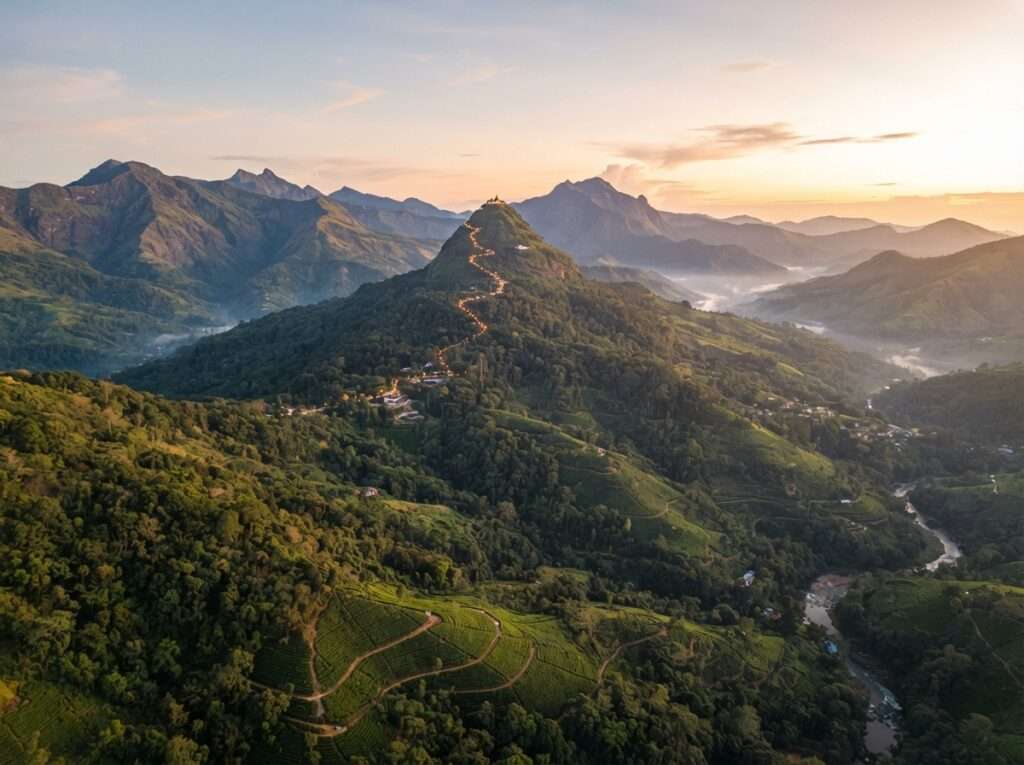
Adam's Peak
Hill Country
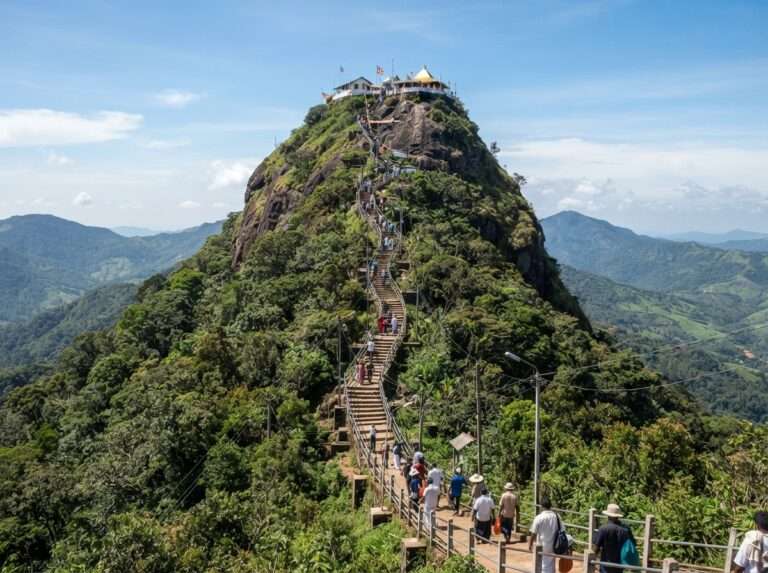
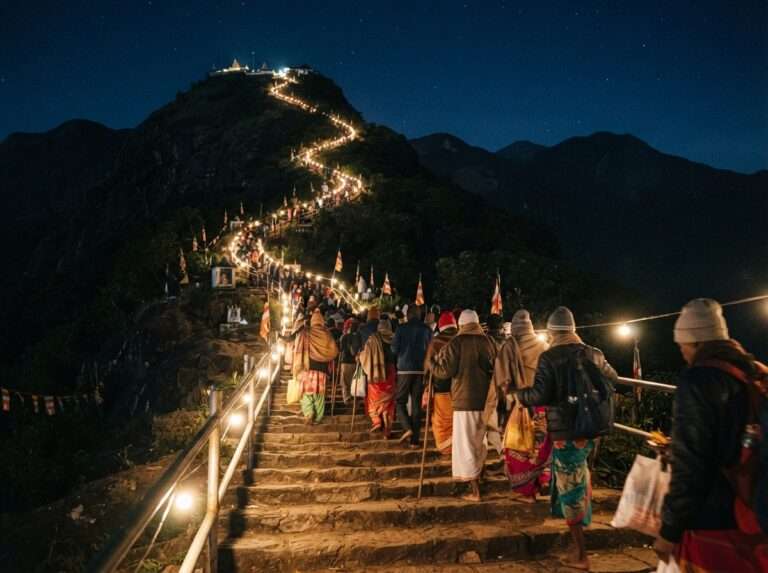
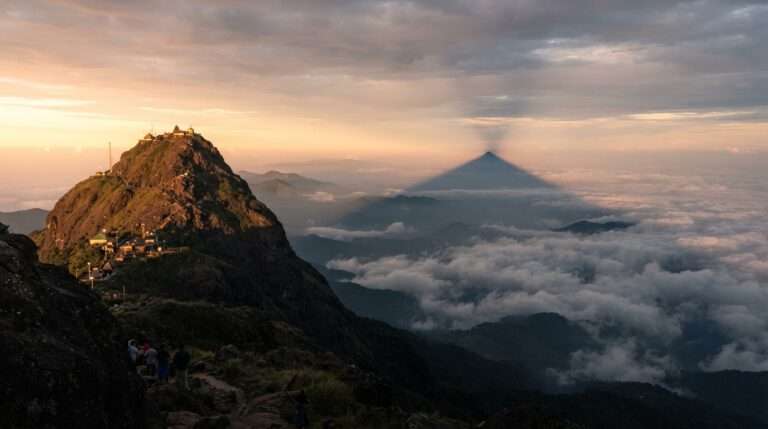
Adam’s Peak (Sri Pada) is a 2,243-metre cone sacred to Buddhists, Hindus, Muslims and Christians alike, thanks to the footprint-shaped mark at its summit. In the pilgrimage season, December to May, thousands climb through the night up thousands of lit steps to reach the top for sunrise, when the peak casts a perfect triangular shadow across the clouds. The climb takes most people three to five hours, so set out around 2 am. Outside the season the path is unlit and often wet, so go prepared or not at all.
12
Ravana Falls
Hill Country
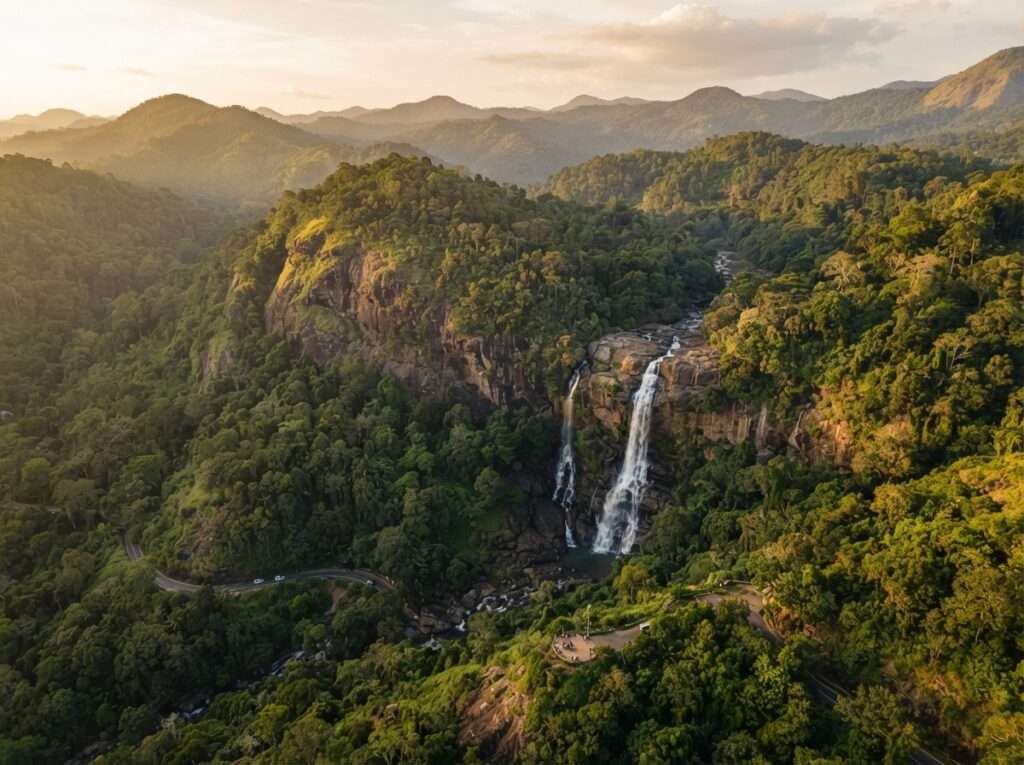
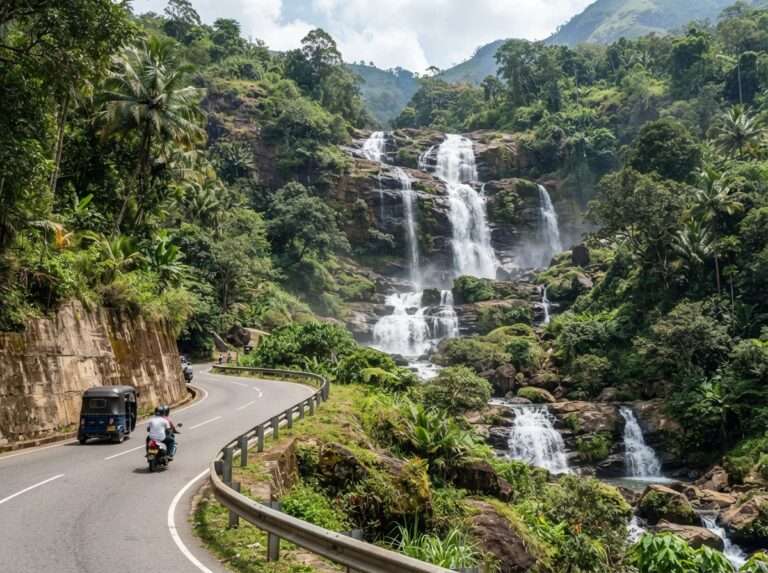
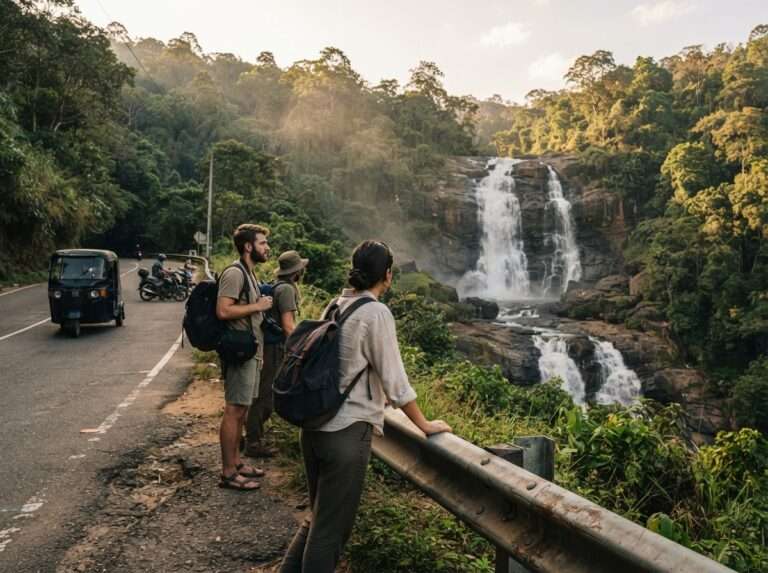
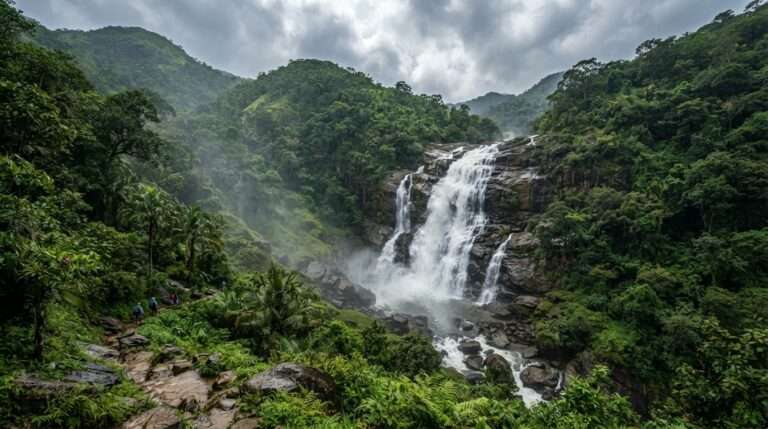
Just outside Ella on the Wellawaya road, Ravana Falls tumbles about 25 metres in wide tiers right beside the highway, which makes it the easiest waterfall stop in the hills. It is tied to the Ramayana legend: local tradition holds that King Ravana hid Sita in caves nearby. The flow is strongest just after the monsoon and thins in the dry months. It is a quick roadside stop rather than a destination in itself, so combine it with the Ella sights. For more cascades, see our guide to the best waterfalls in Sri Lanka.
13
Colombo
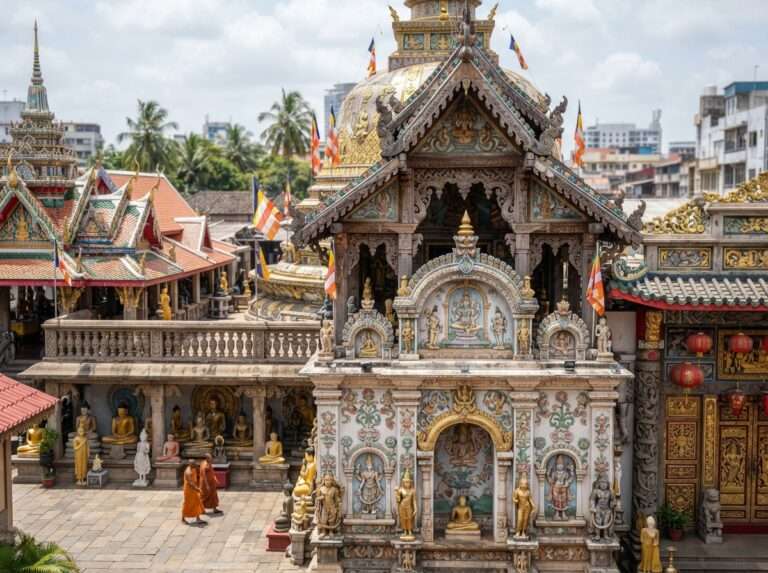
This is beach country, and the water is at its calmest and clearest from about November to April. You can string the whole coast together on the Southern Expressway, Colombo to Galle in roughly 90 minutes by car. For a deeper rundown of the sand, see our guide to the best beaches in Sri Lanka.
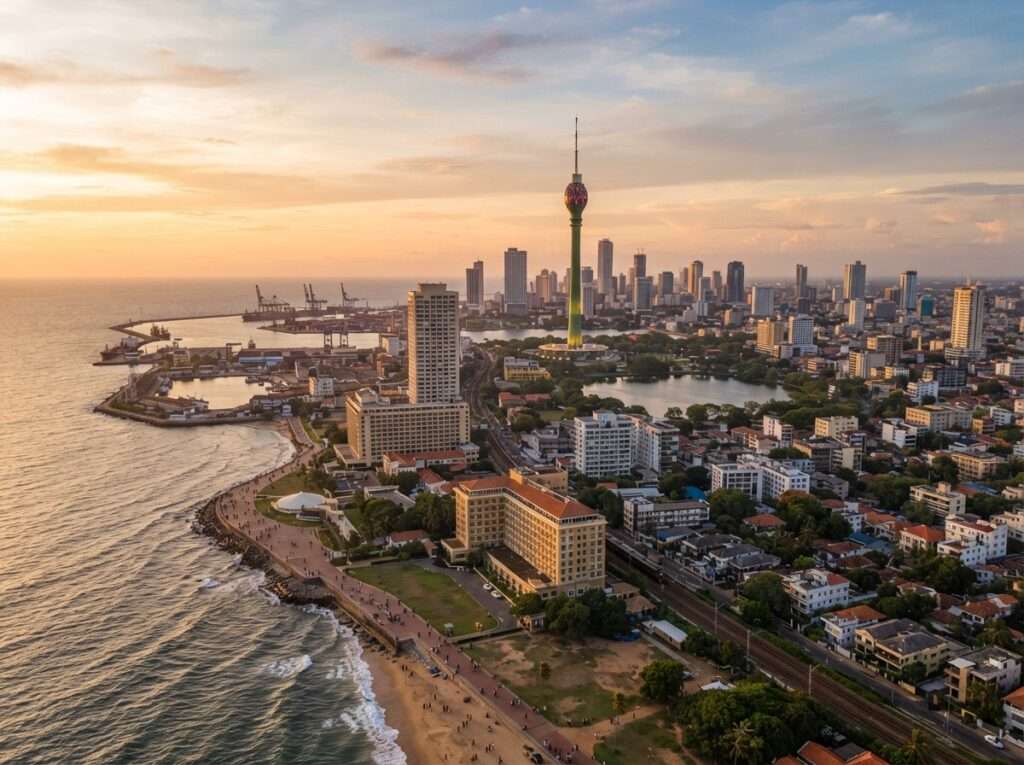
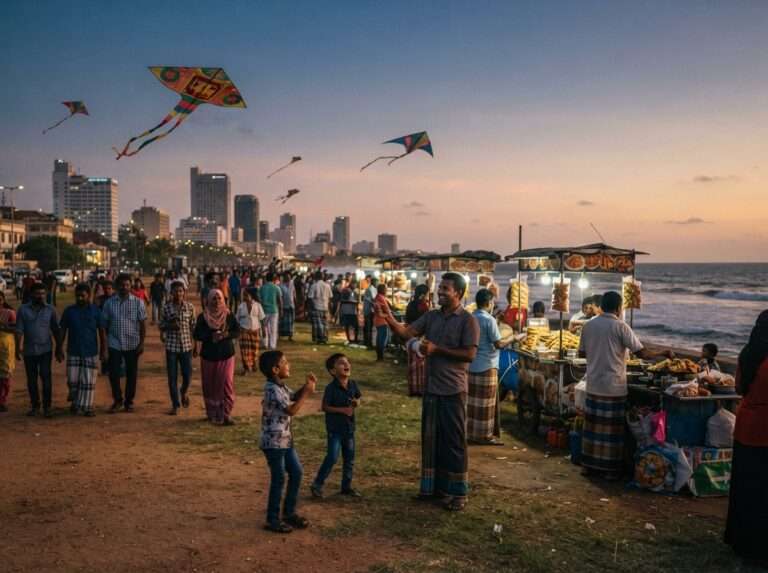
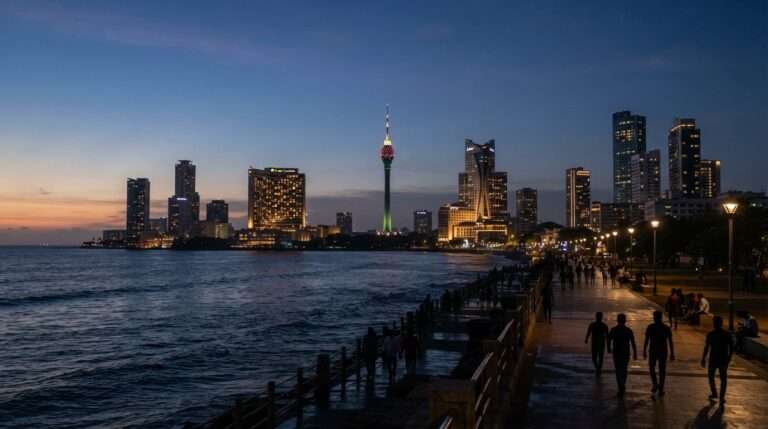
Most trips start and end in Colombo, and the capital is worth a day rather than a rushed transit. The seafront Galle Face Green fills with kite-flyers and street-food carts at dusk, the Gangaramaya Temple mixes Sri Lankan, Thai and Chinese styles, and the old Dutch Hospital precinct is now the best spot in the city for a meal. It is also where you shop: Pettah’s markets for the chaos, Barefoot and the Dutch Hospital boutiques for design, and the malls for brands. For a fuller city plan, read our guide to the best places to visit in Colombo.
14
Negombo
South & West Coast
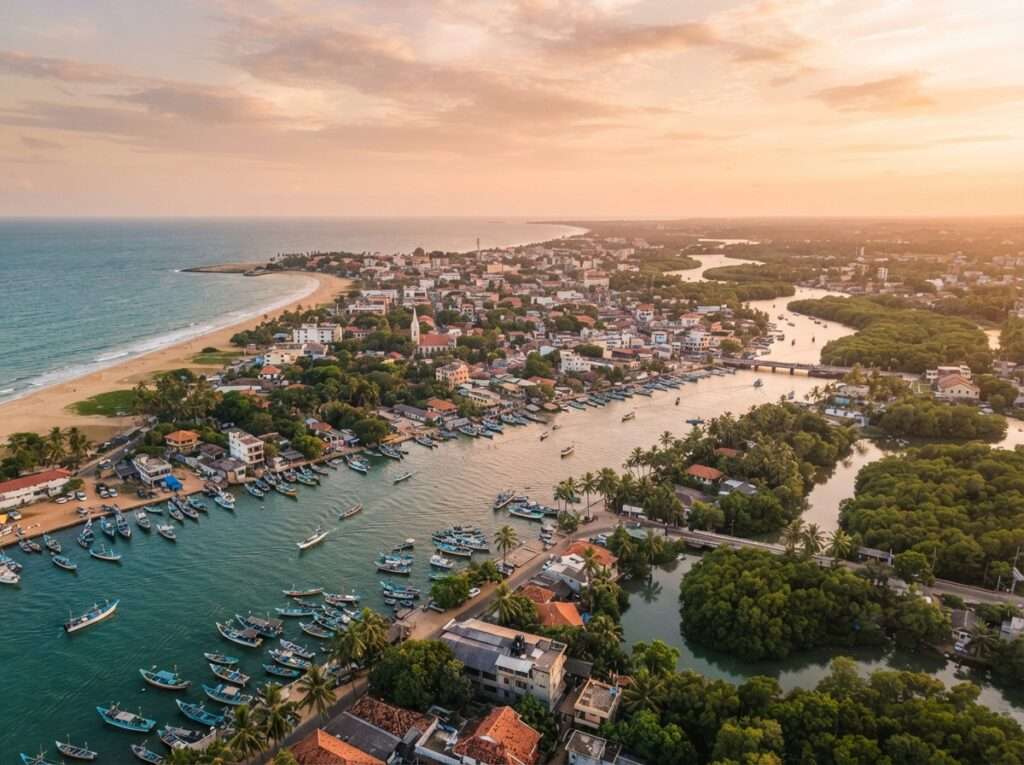
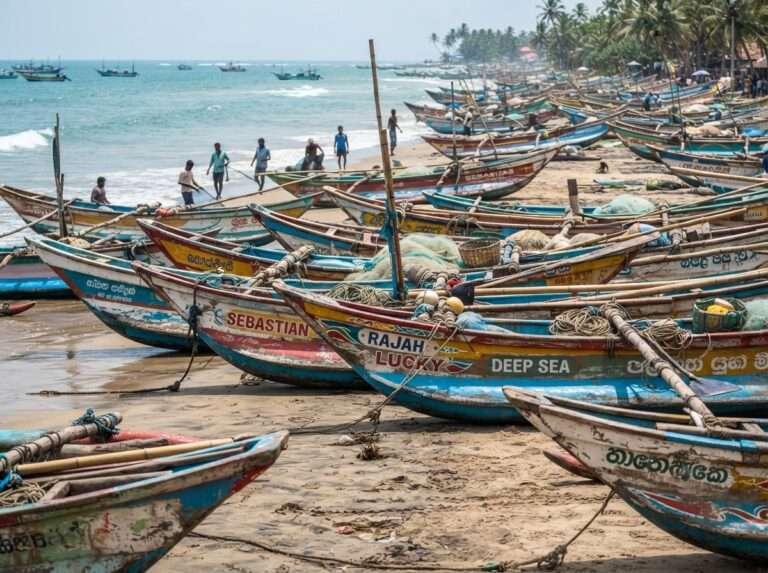
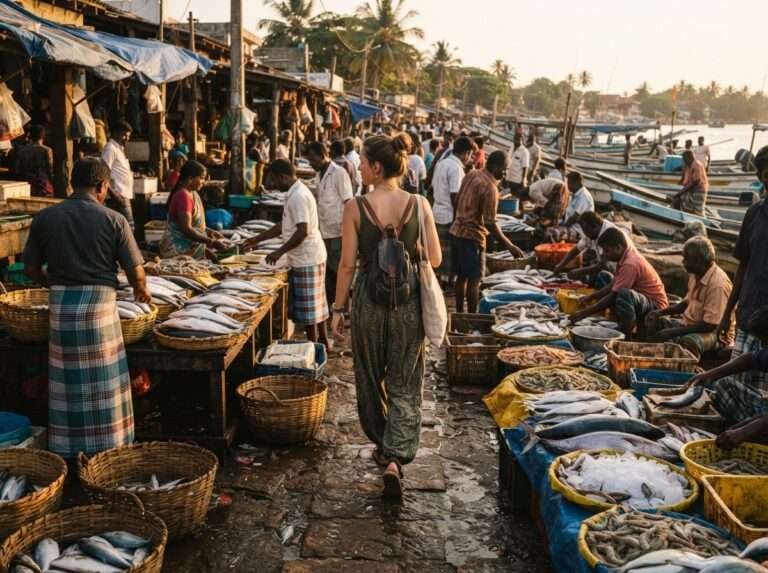
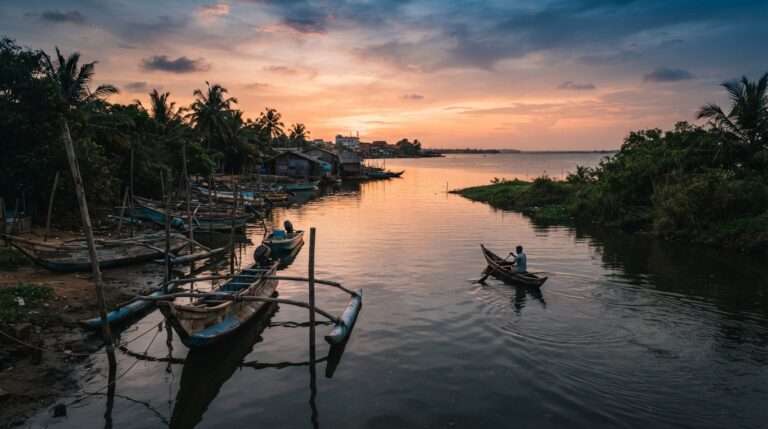
Negombo sits ten minutes from the international airport, which makes it the smart first or last night of a trip rather than battling Colombo traffic after a late flight. Beyond the convenience it has a genuine fishing-town character: the morning fish market, the old Dutch canal, and a long if unspectacular beach lined with seafood places. The lagoon is good for a short boat trip. Treat it as a soft landing into the island, not a highlight you build days around.
15
Bentota
South & West Coast
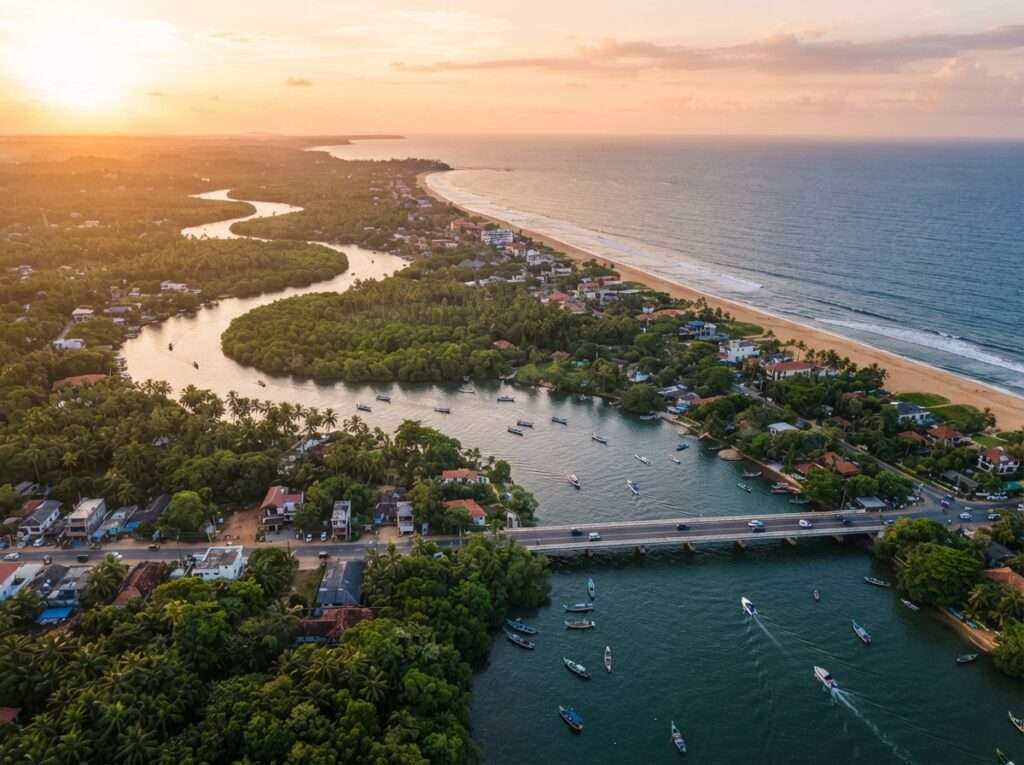
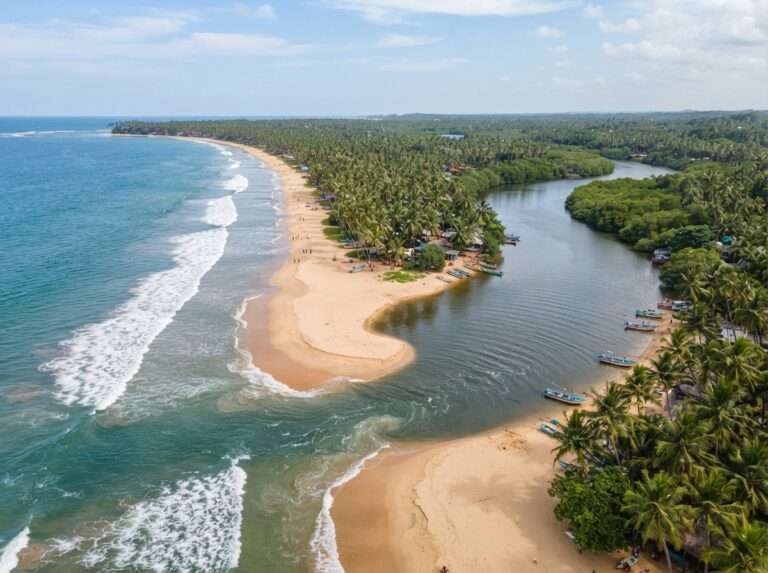
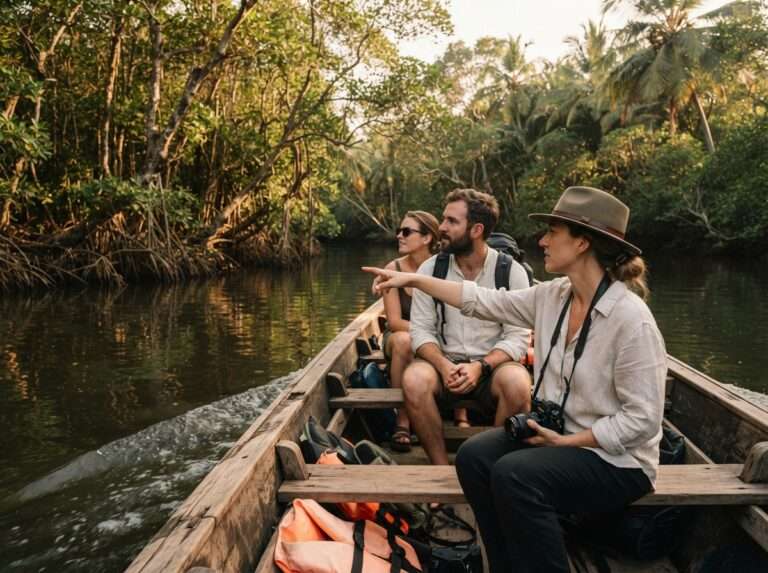
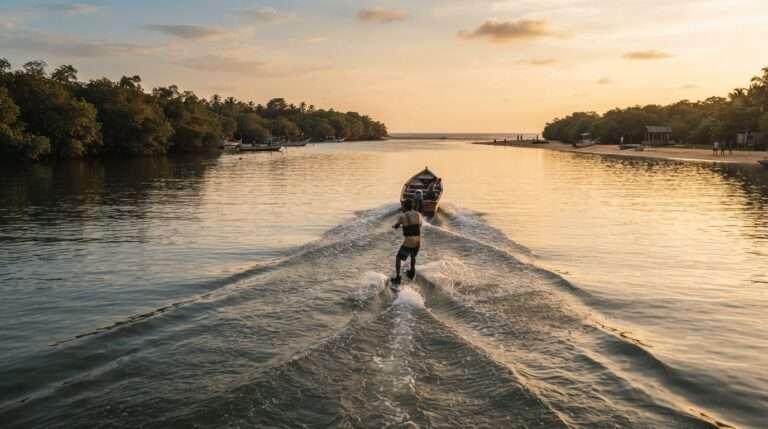
Bentota is the island’s watersports hub, where a river meets the sea and resorts line both. This is the place for jet-skiing, windsurfing, banana boats and a boat safari up the Bentota river through mangroves to spot monitor lizards and kingfishers. The combination of calm river, open beach and a cluster of good resorts makes it the favourite of honeymooners and first-time families alike. It is also the easiest beach base to reach, about an hour and a half from the airport down the expressway.
16
Hikkaduwa
South & West Coast
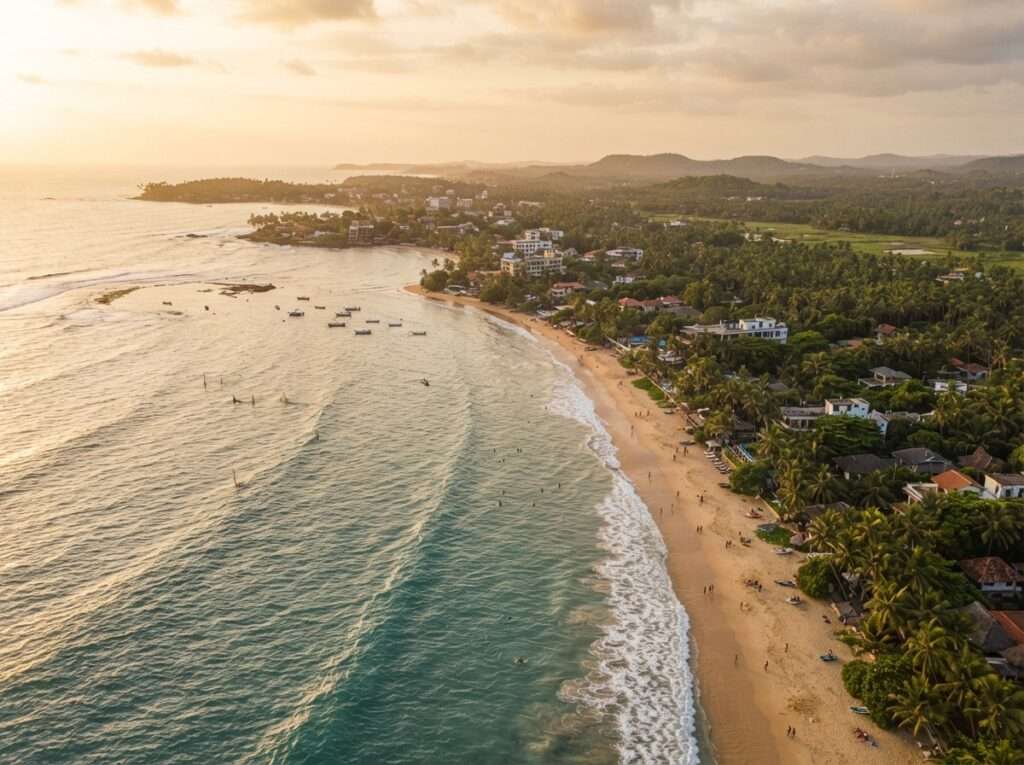
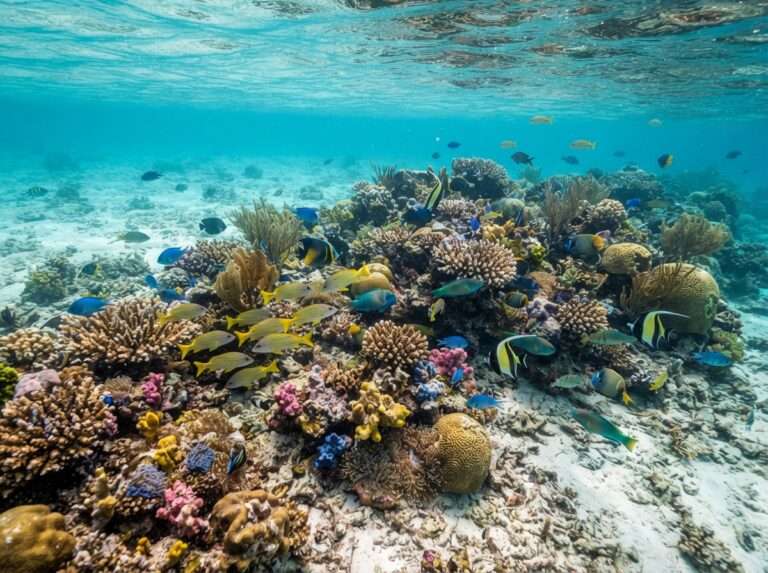
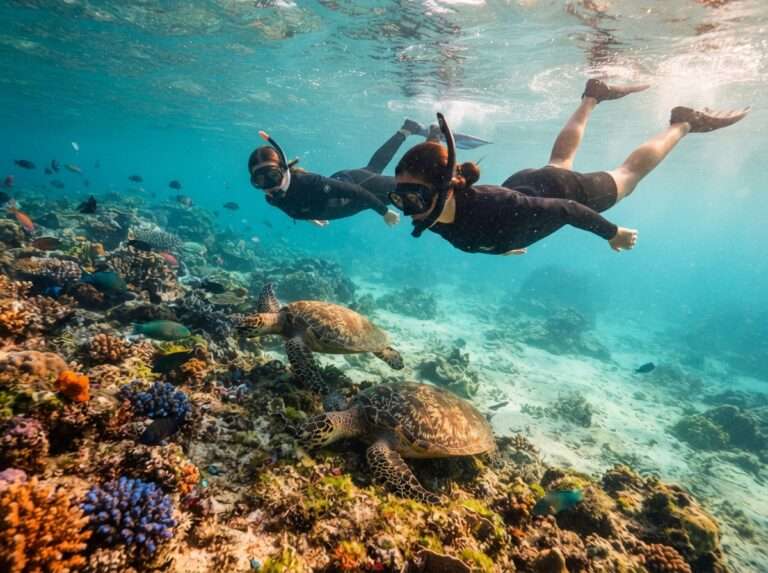
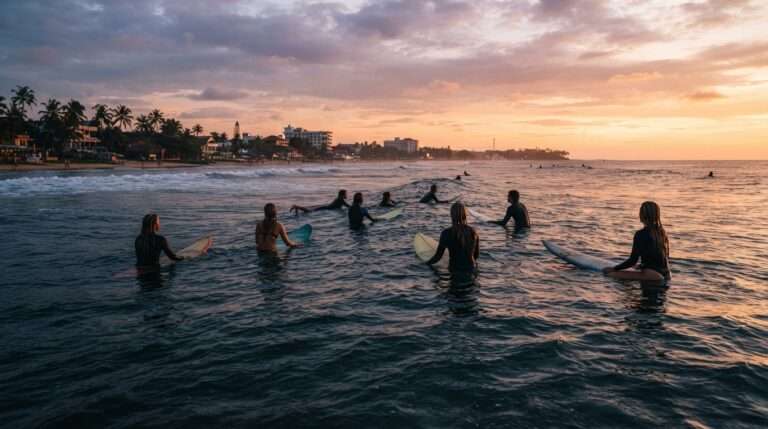
Hikkaduwa made its name as a surf-and-party town, but its quieter draw is the coral sanctuary right off the main beach, shallow enough to snorkel straight from the sand and see turtles grazing. Glass-bottom boats run for non-swimmers, and there are turtle hatcheries along the strip. The surf suits beginners and improvers from November to April. It is more built-up than the southern beaches, so come for the easy access and the reef rather than seclusion.
17
Galle Fort
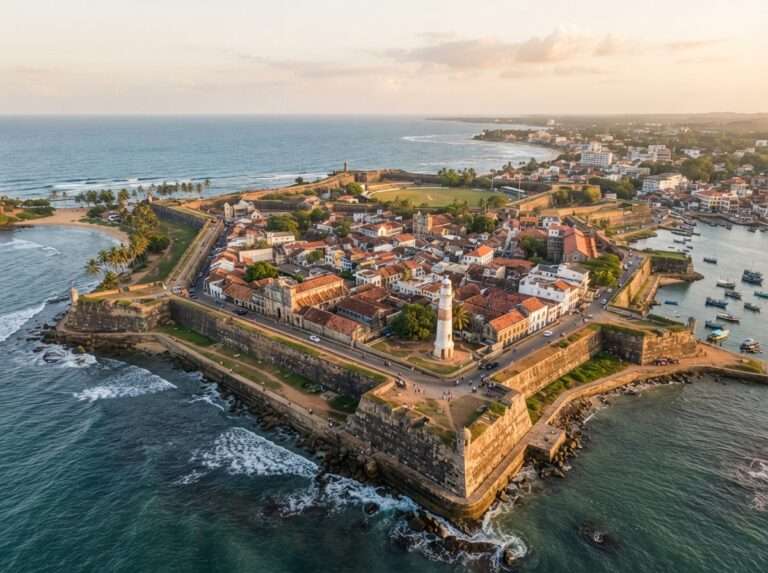
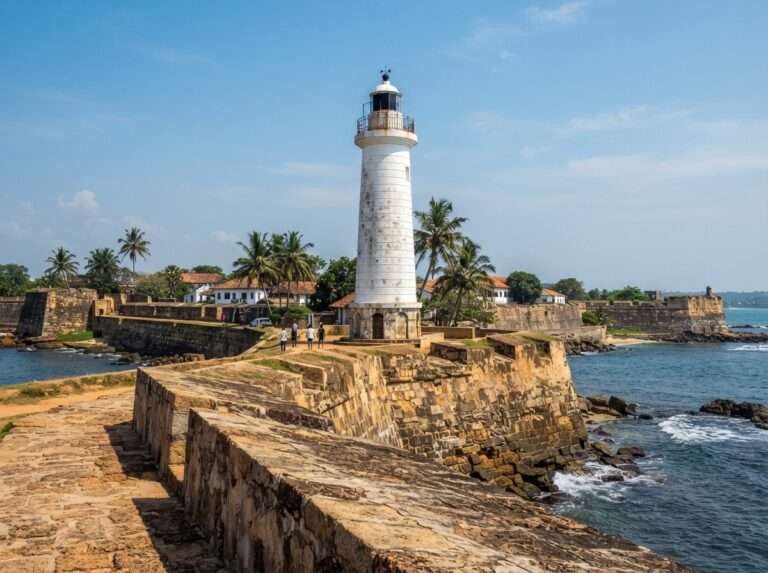
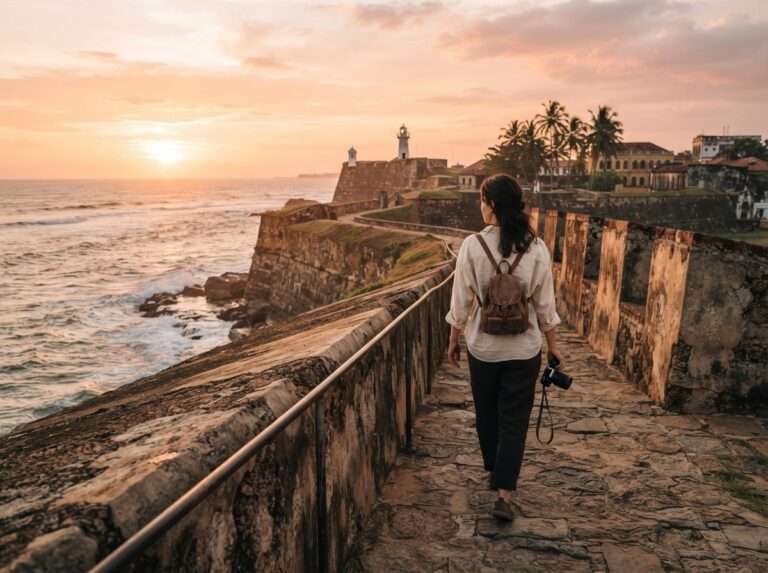
South & West Coast · UNESCO World Heritage Site
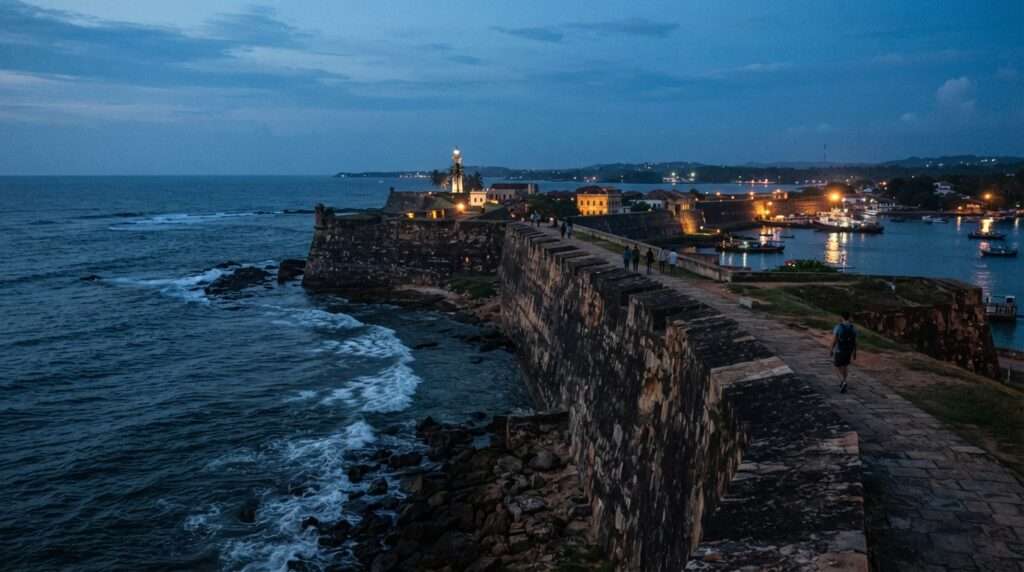
Galle Fort is the single most atmospheric town in Sri Lanka: a walled port the Dutch built in the 17th century, now a living neighbourhood of boutique hotels, cafes, galleries and churches inside honey-coloured ramparts. There is no big-ticket sight to tick off. The pleasure is walking the walls at sunset, ducking into the Maritime Museum and the old lighthouse, and letting the lanes pull you around. It is a UNESCO World Heritage Site and makes the best base for the whole south coast. Give it at least one full evening and morning.
18
Unawatuna
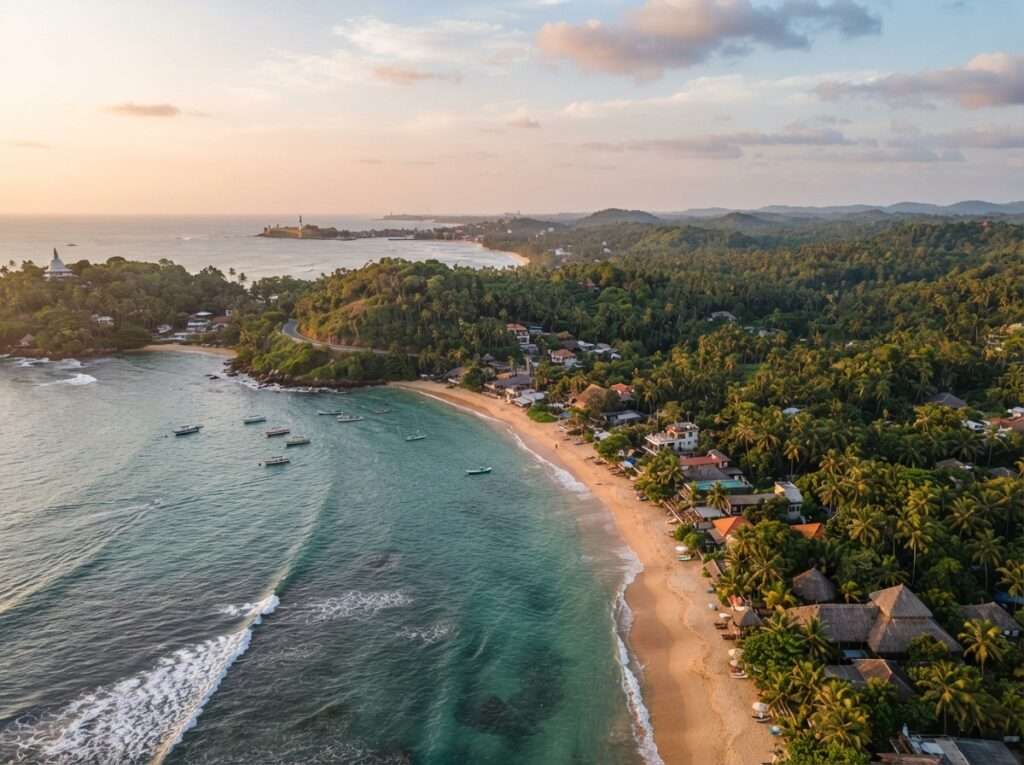
South & West Coast
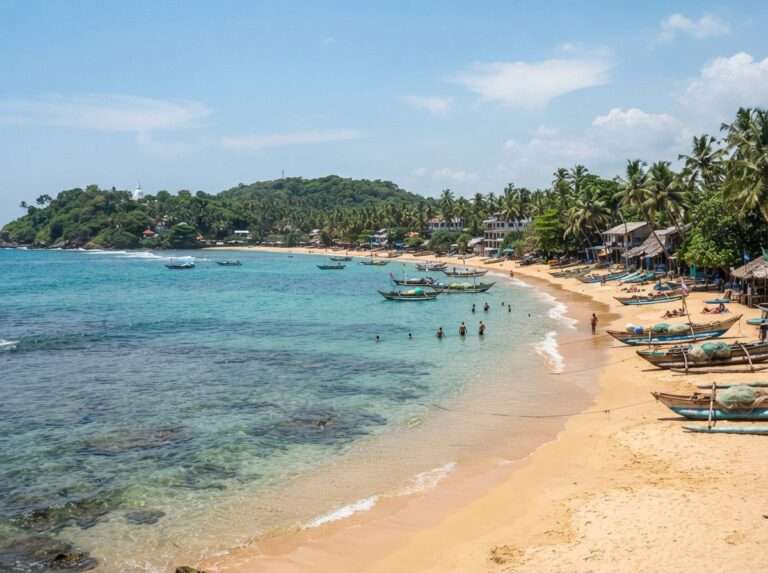
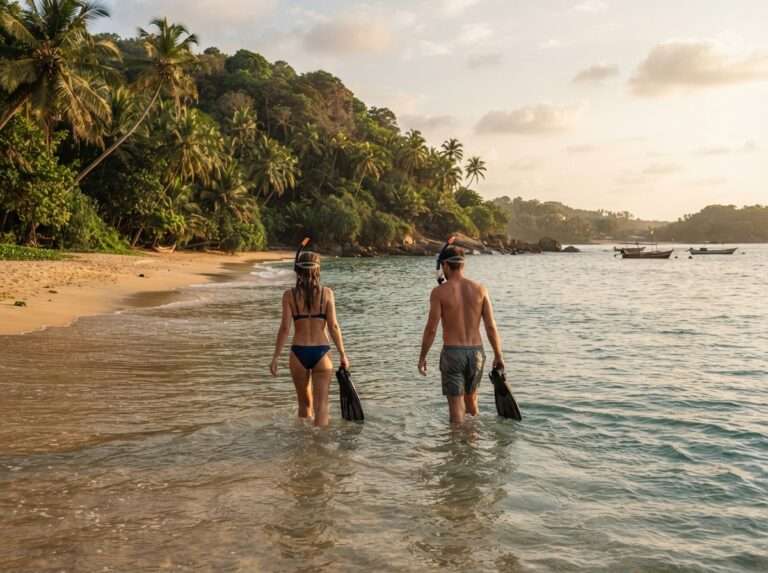
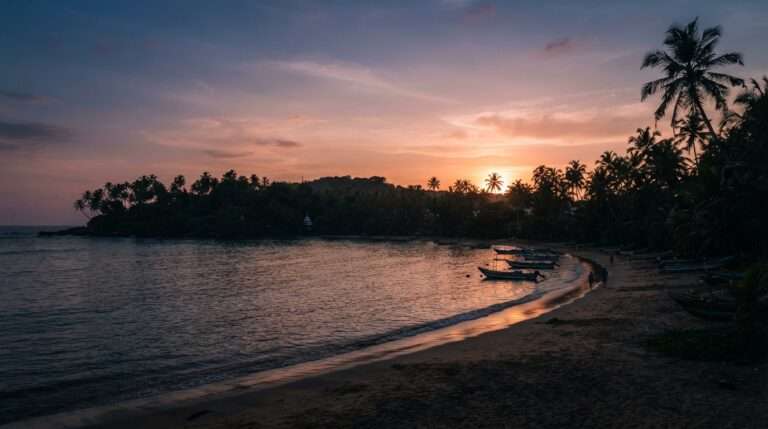
Just east of Galle, Unawatuna is a curved, reef-sheltered bay that is one of the safest places on the coast to swim, which is why families and first-timers gravitate here. The water is calm, the sand golden, and the palm-backed Jungle Beach around the headland is a short tuk-tuk or walk away for snorkelling. Cafes and guesthouses line the shore without overwhelming it. It pairs naturally with Galle Fort, ten minutes up the road, for a culture-plus-beach day.
19
Mirissa
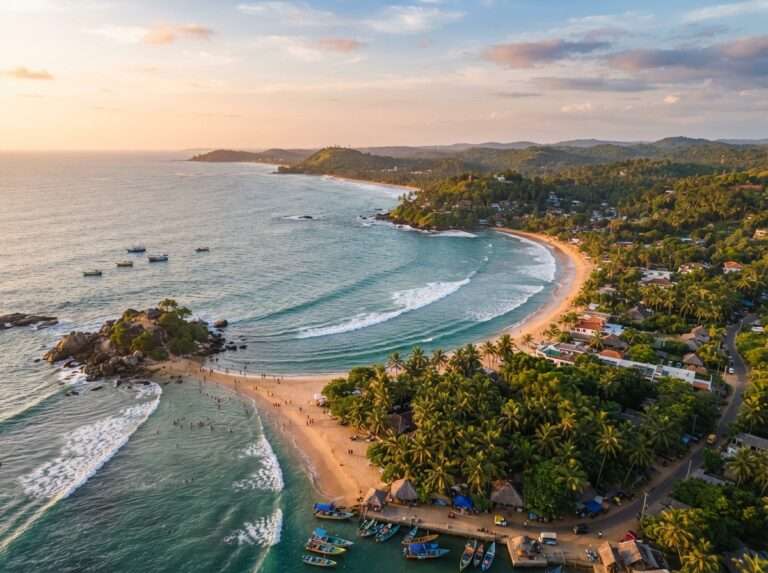
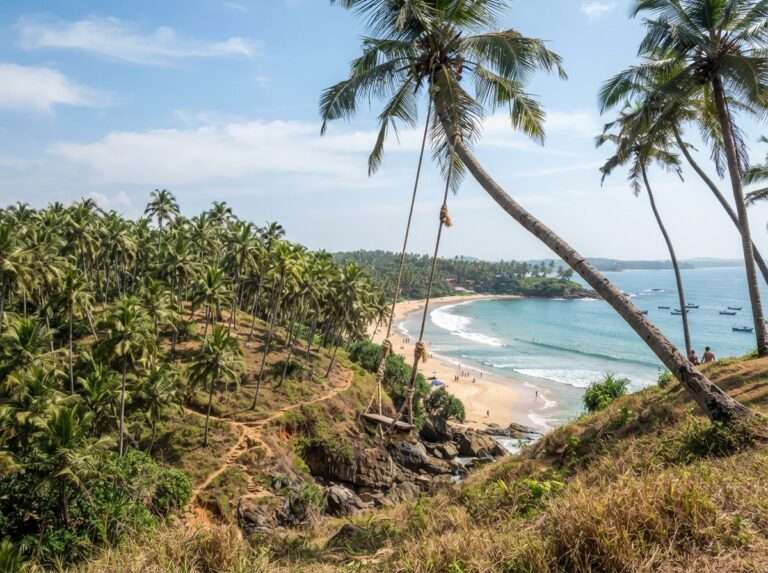
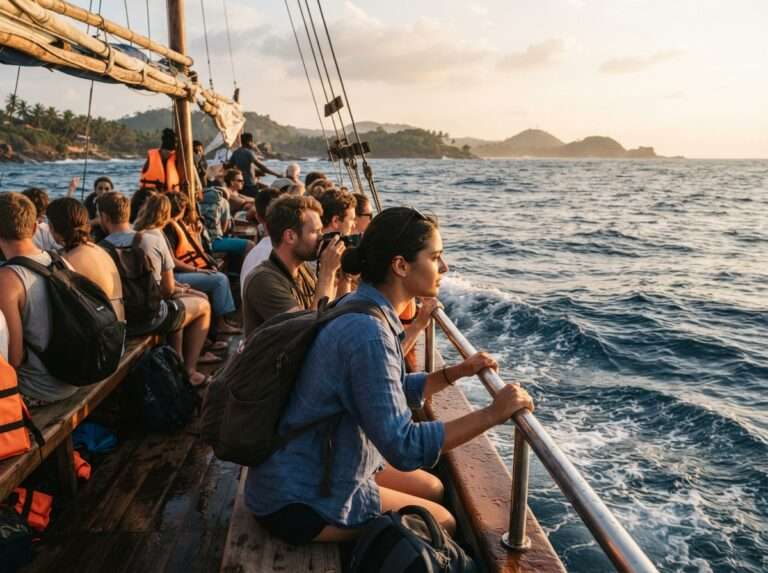
South & West Coast
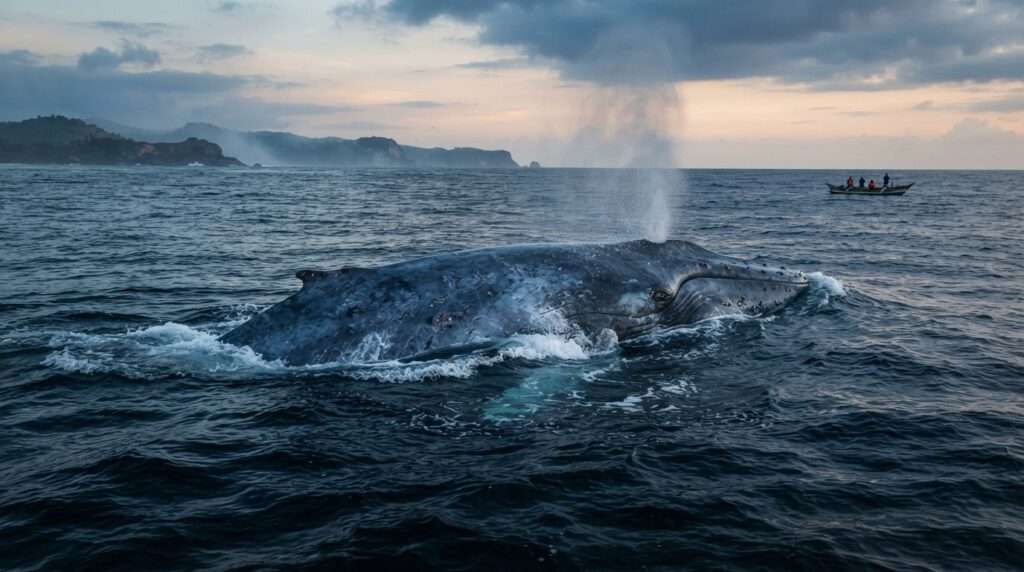
Mirissa is the whale-watching capital of Sri Lanka. Between roughly November and April, boats head out before dawn into the deep water off the south coast to find blue whales, the largest animals on earth, along with sperm whales and spinner dolphins. Choose an operator that keeps its distance and carries enough life jackets. Back on land, the crescent beach, the palm-tree swing and Coconut Tree Hill give Mirissa its easy, social evening scene. Seas can be rough early in the morning, so take a tablet if you are prone to seasickness.
20
Tangalle
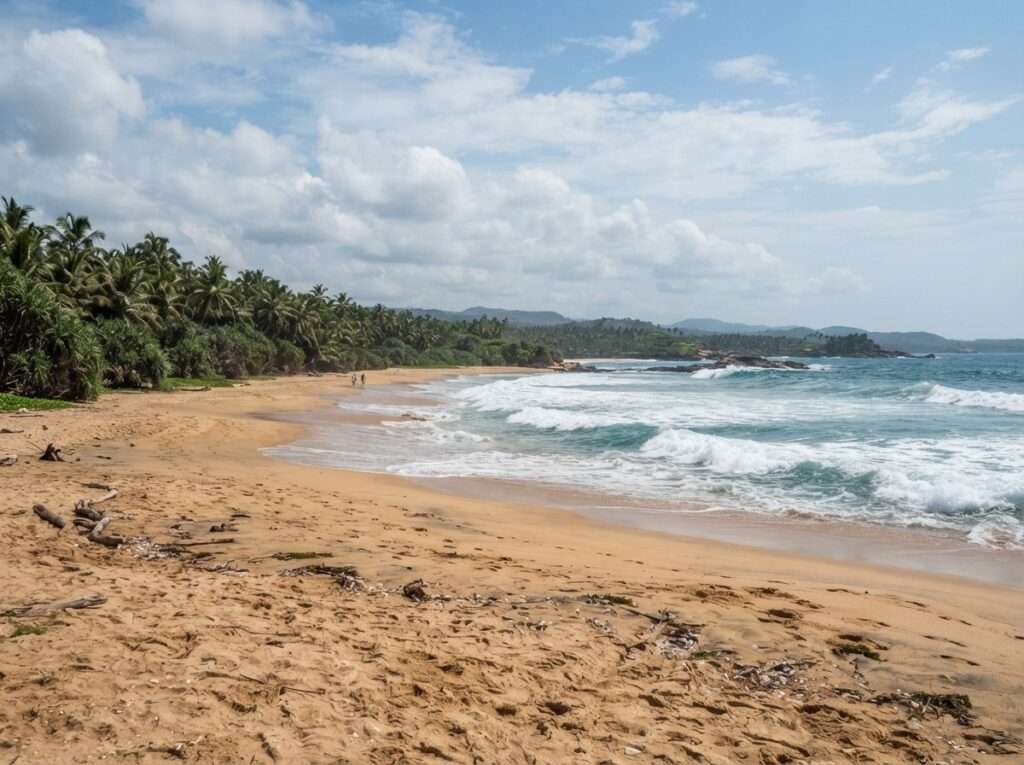
South & West Coast
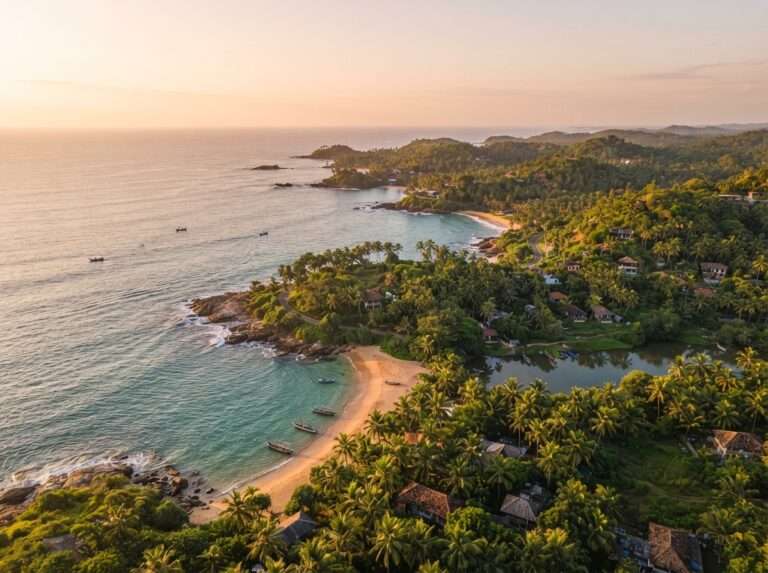
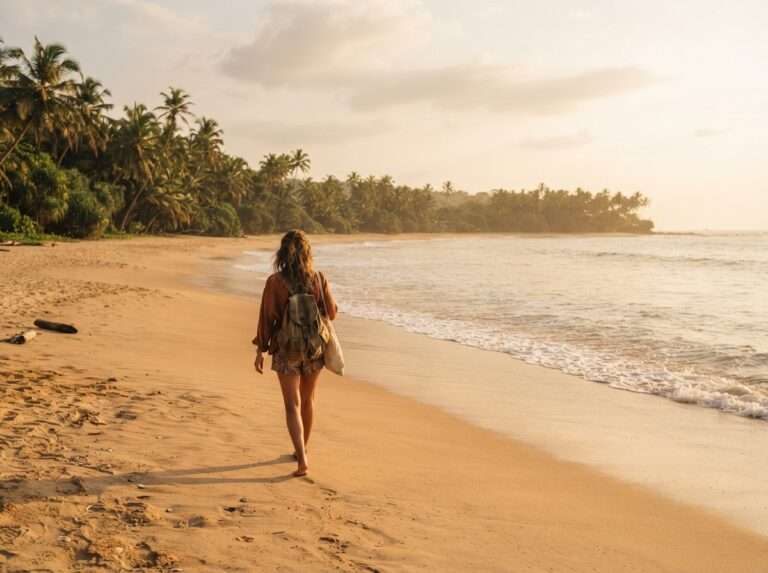
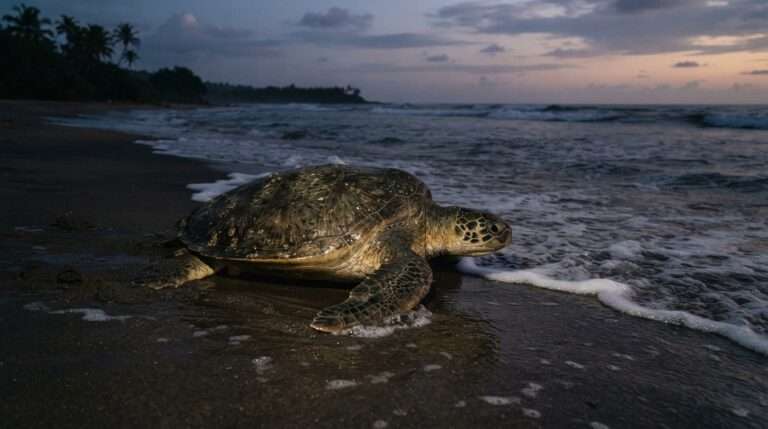
Tangalle is where the south coast finally empties out. The beaches here are wide, wild and far less developed than Unawatuna or Mirissa, which is exactly the point for travellers chasing quiet. Some stretches have a strong undertow and are better for walking than swimming, so ask locally before you dive in. Nearby are the Mulkirigala rock temple and the Rekawa turtle-nesting beach, where five species come ashore to lay eggs. Come here to slow down at the end of a trip.
21
Trincomalee
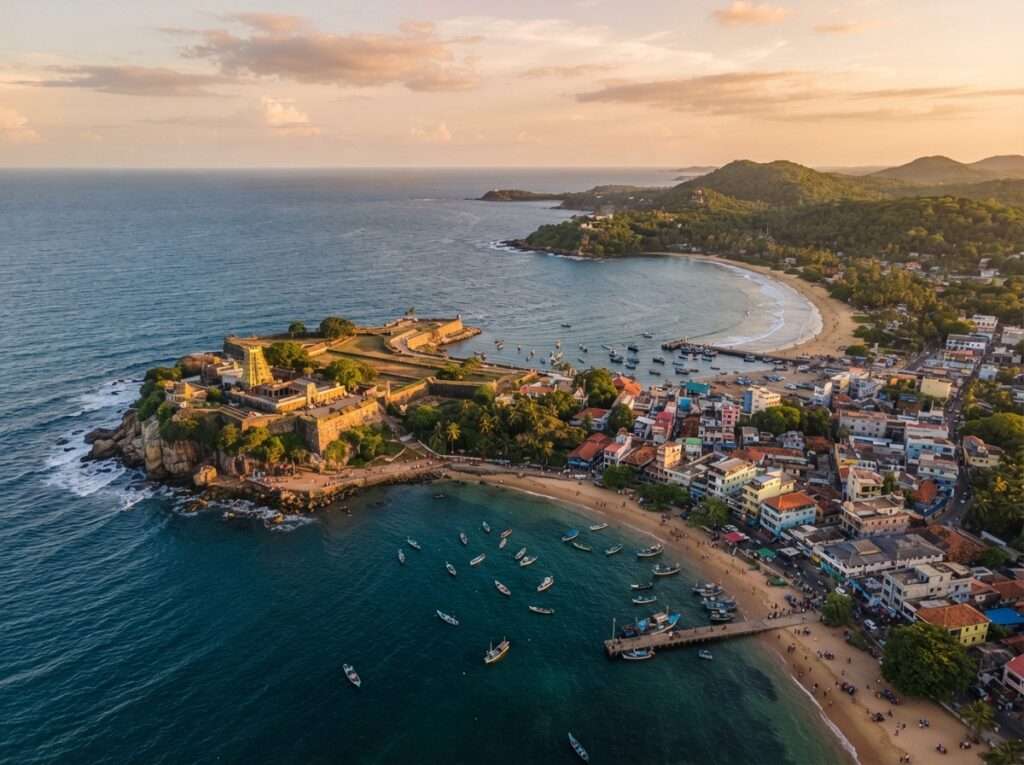
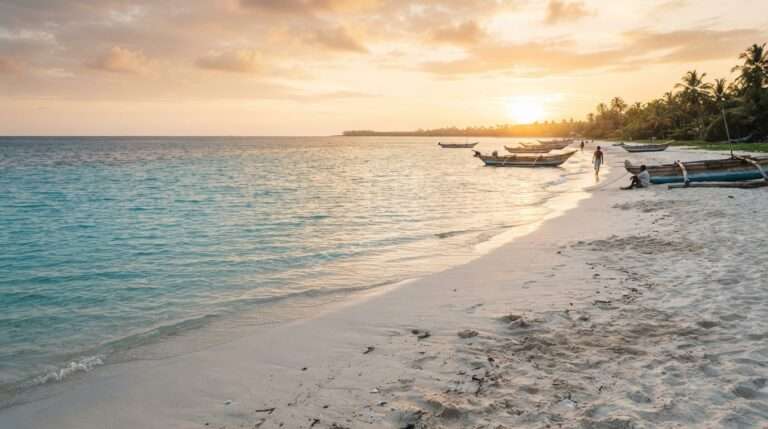
The east and north run on the opposite season to the rest of the island: roughly May to September is dry and calm here while the south is wet. This is the quieter, less touristed half of Sri Lanka, and all the better for it.
East & North
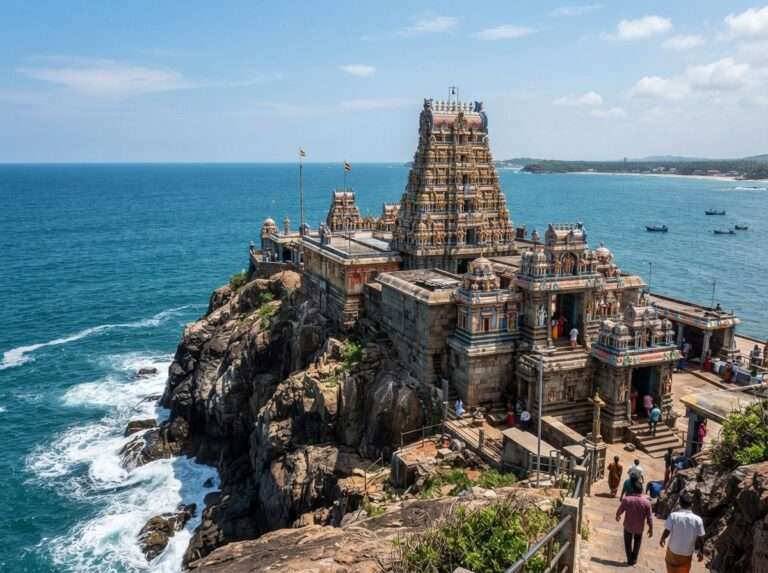
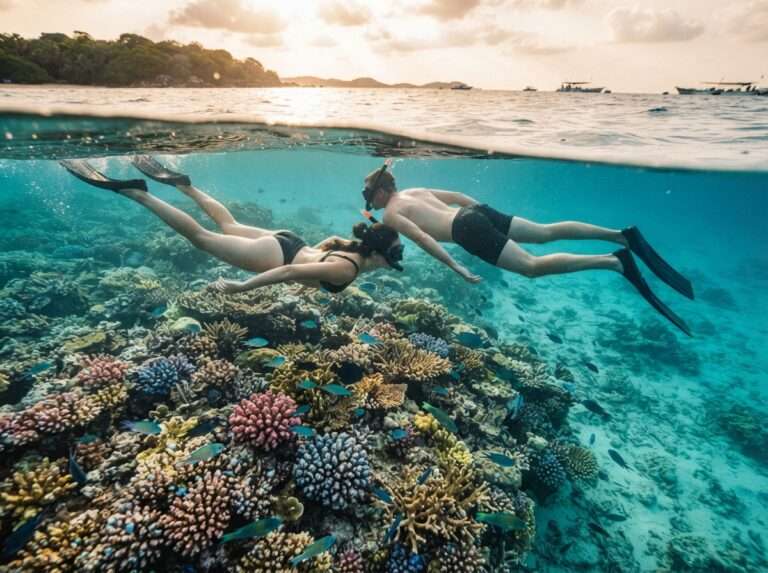
Trincomalee, on the northeast coast, has some of the clearest water and best beaches in the country at Uppuveli and Nilaveli, plus one of the finest natural harbours in the world. Off Nilaveli, Pigeon Island National Park is a short boat ride with live coral and reef sharks for snorkellers. In town, the Koneswaram temple sits dramatically on a cliff above the sea. The season here is May to September, the mirror image of the south coast, which makes Trinco the summer-holiday answer when the southern beaches are wet.
22
Pasikudah
East & North
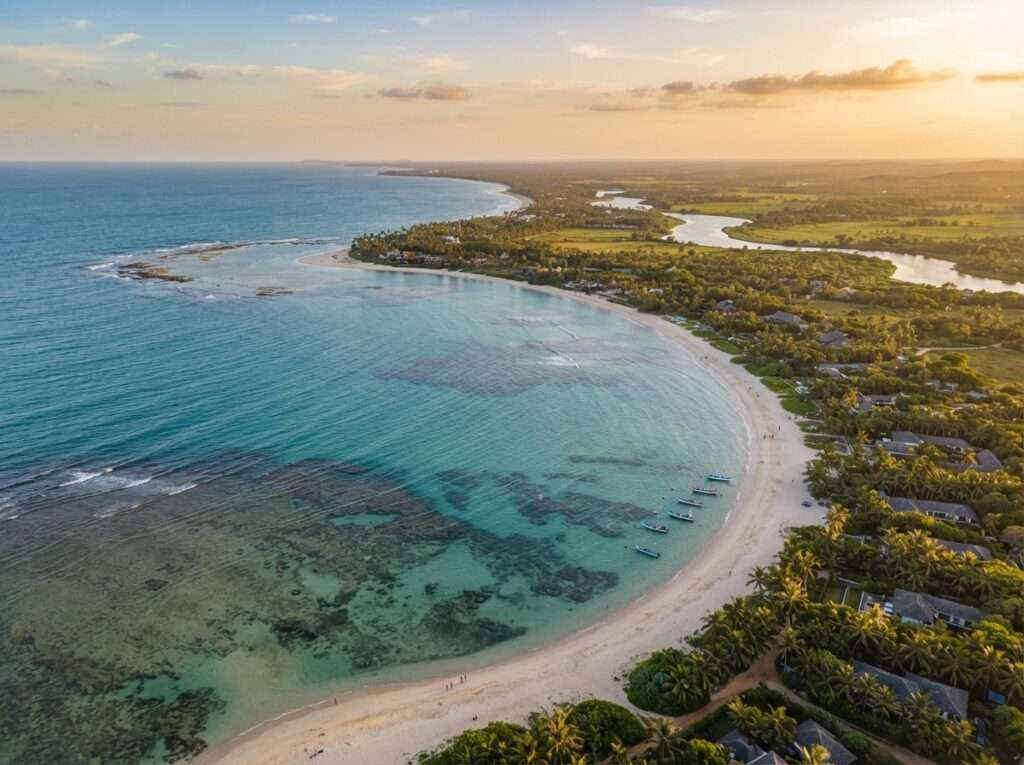
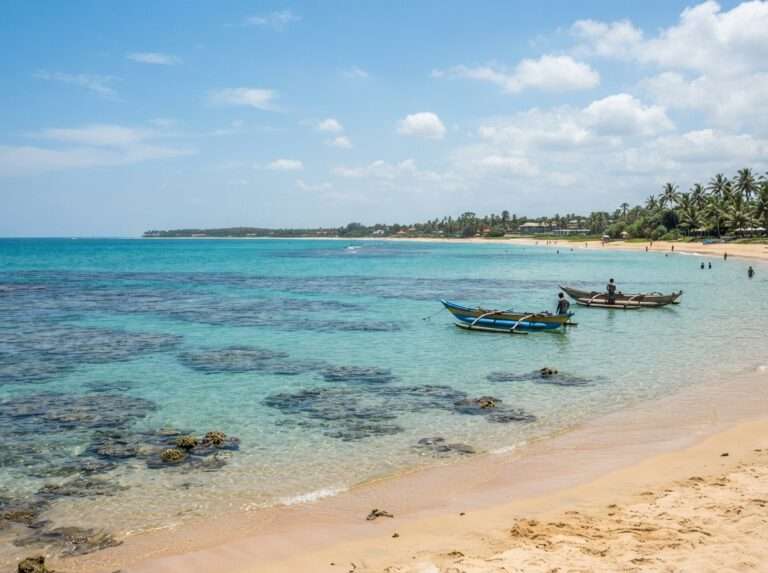
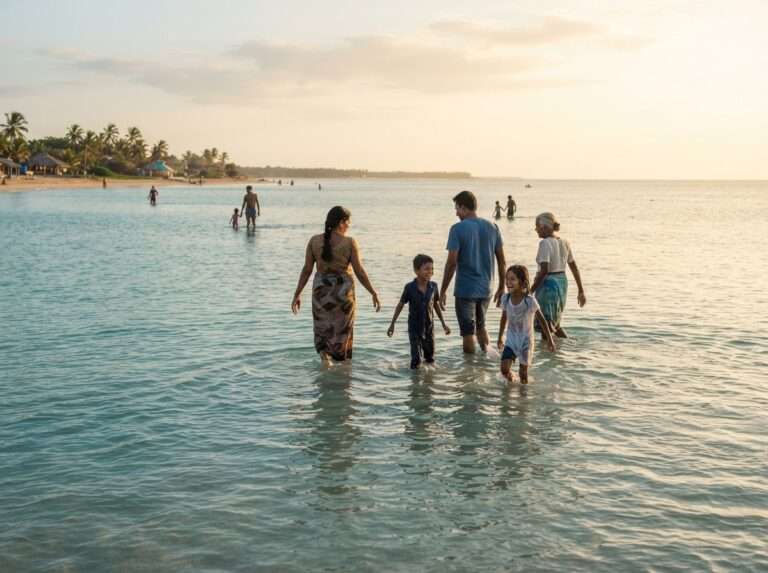
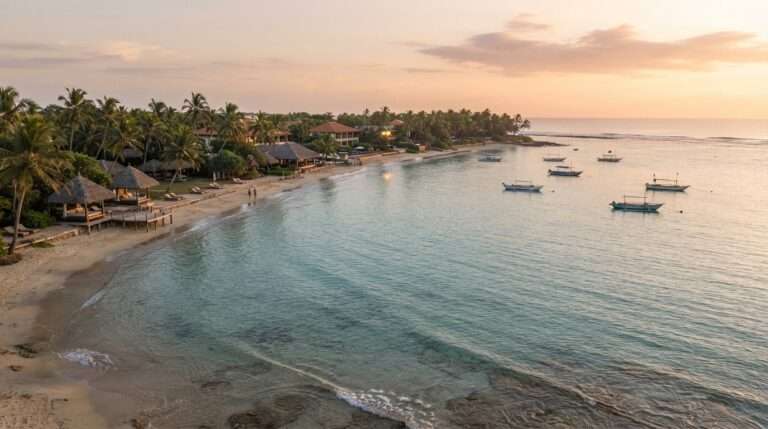
Pasikudah, south of Trincomalee, is built around one of the longest shallow-reef bays in the country: you can wade out a couple of hundred metres and the water barely reaches your chest. That makes it about the safest swimming beach in Sri Lanka and a genuinely easy choice for families with young children. A cluster of resorts lines the bay. Like the rest of the east, it is at its best from May to September.
23
Arugam Bay
East & North
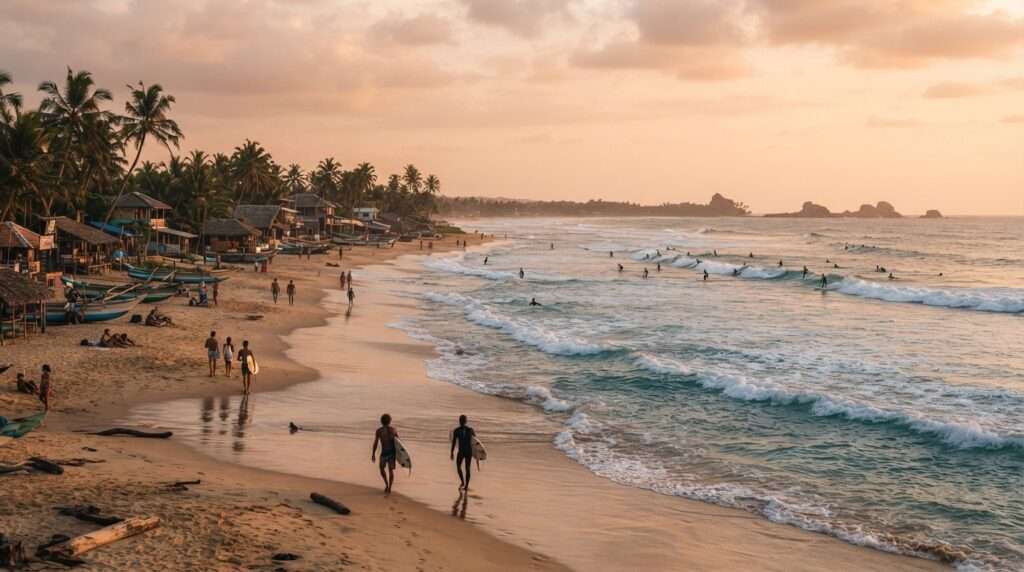
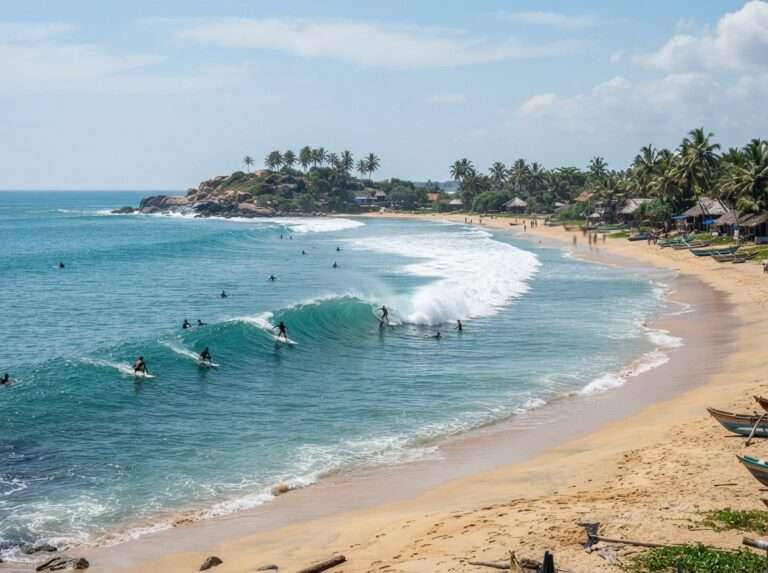
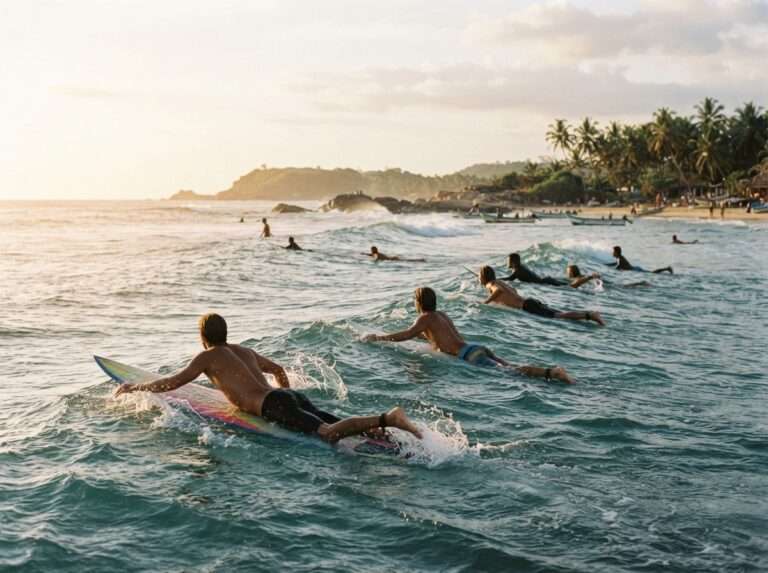
Arugam Bay on the southeast coast is one of Asia’s premier surf destinations. The long right-hand point break draws surfers from around the world between about May and September, and the laid-back strip of guesthouses and cafes has a travellers’ buzz without the crowds of the west coast. Beginners can learn on the gentler inside breaks while experts chase the main point. Even if you do not surf, it is a fine place to watch the lineup, spot elephants in nearby Kumana National Park, and do very little.
24
Kalpitiya
North-West Coast
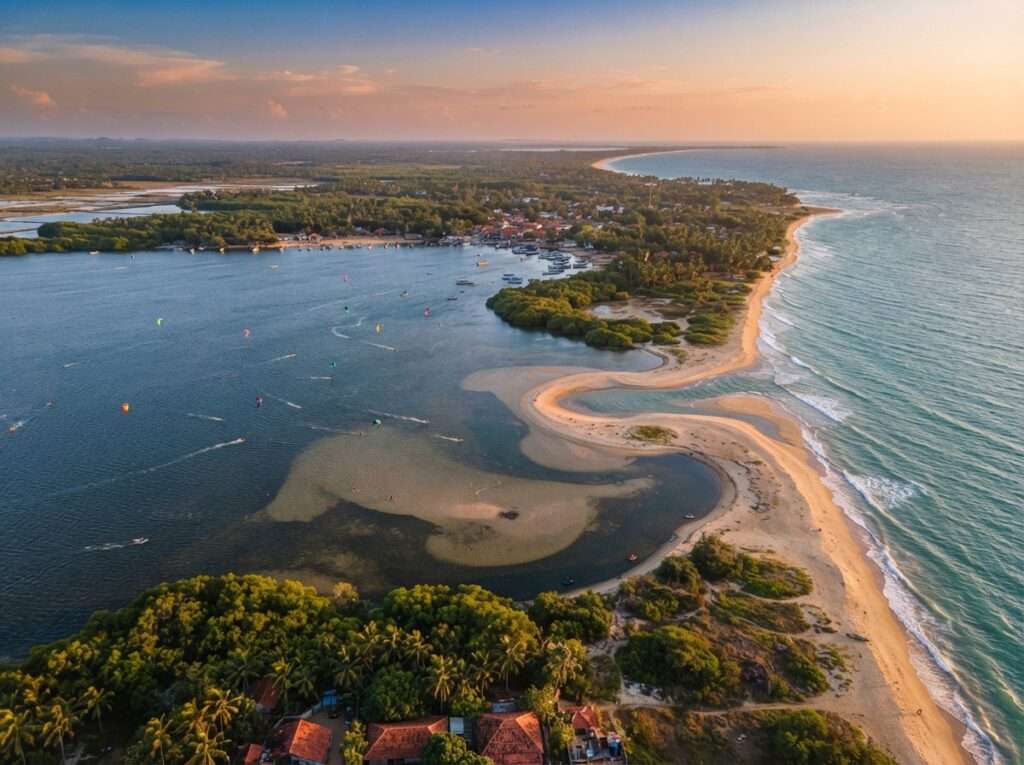
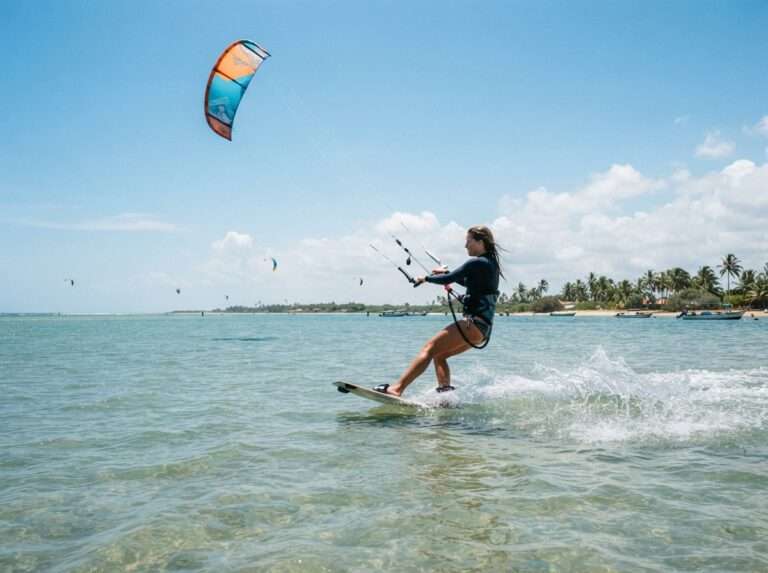
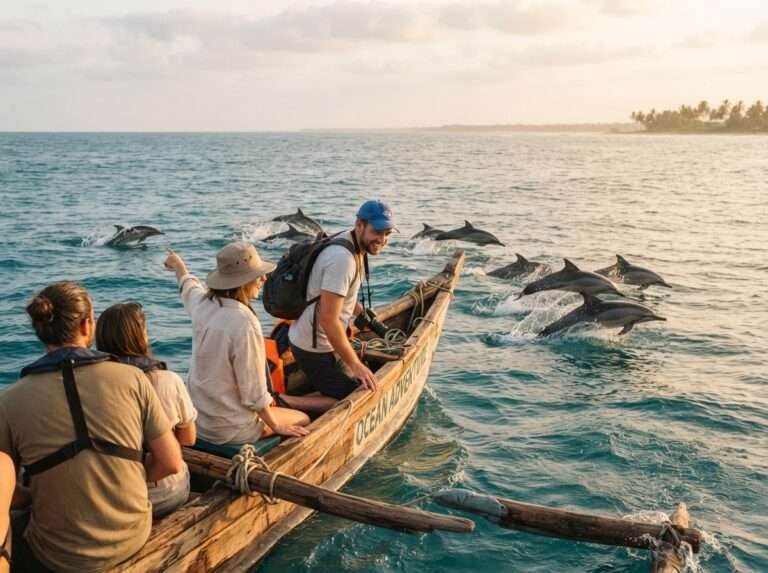
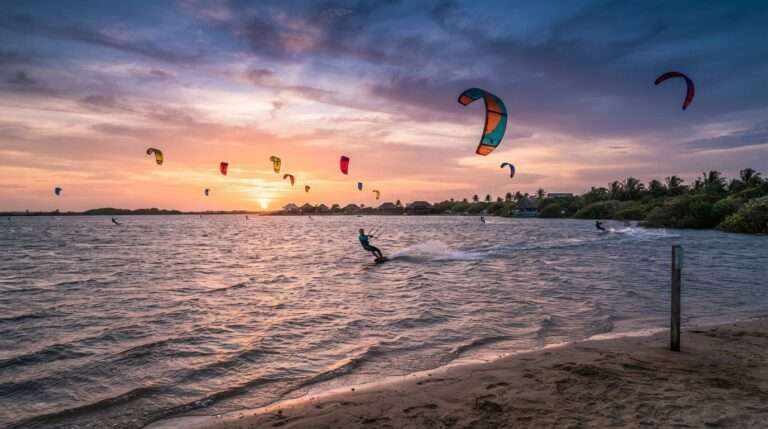
On the northwest coast, Kalpitiya has become the island’s adventure-watersports base. From November to March, large pods of spinner dolphins and, with luck, sperm and blue whales appear offshore, while the shallow lagoon has turned Kalpitiya into one of Asia’s top kitesurfing spots, with the windy kite season running roughly May to October. Add the Wilpattu park on its doorstep and it works as a wilder, quieter alternative to the packaged west-coast beaches.
25
Jaffna
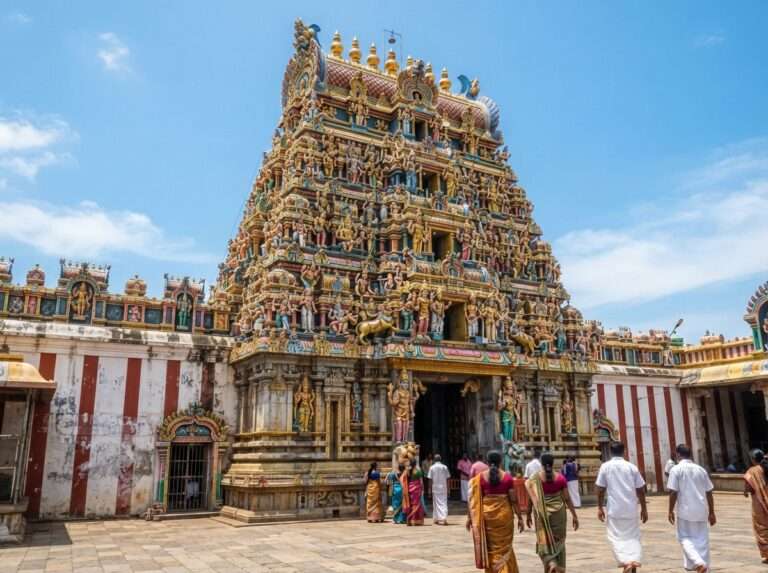
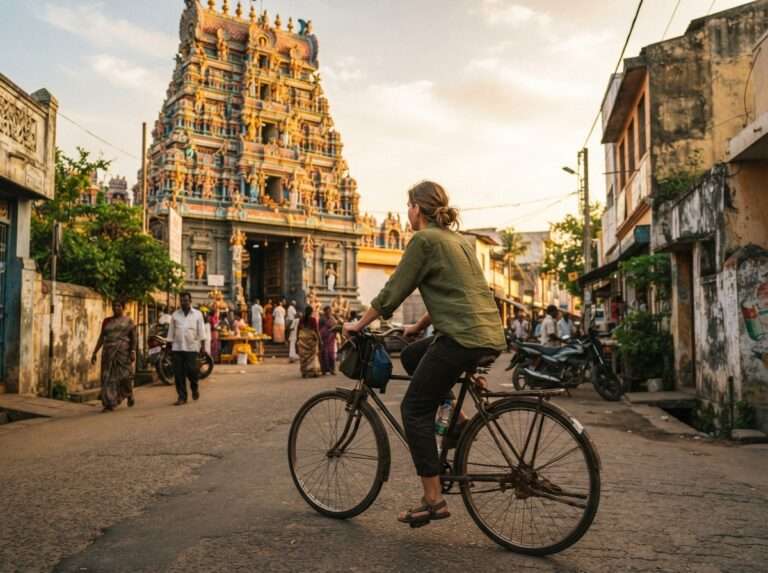
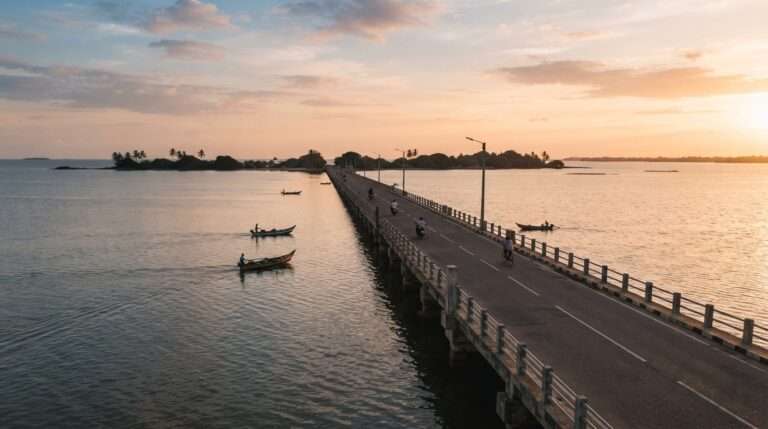
East & North
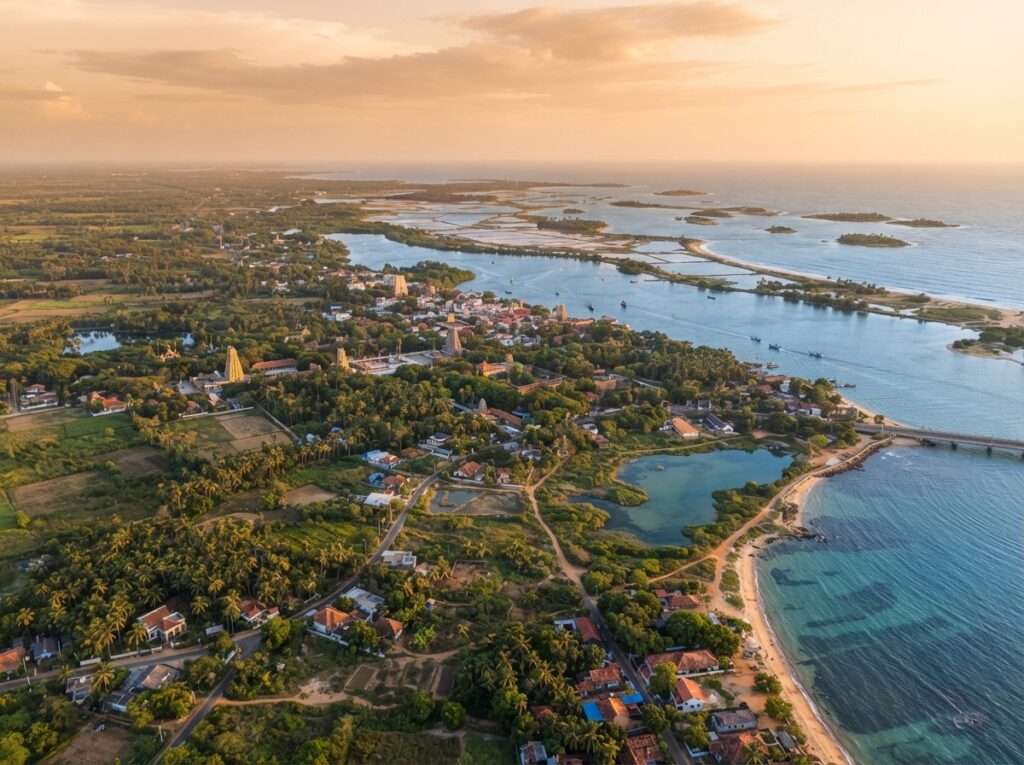
Jaffna, at the island’s northern tip, feels like a different country: Tamil, Hindu, and only recently reopened to tourism after the long civil war. The gold-and-red Nallur Kandaswamy temple is the spiritual centre, the islands off the peninsula reach out toward India, and the food (crab curry, dosa, palmyra sweets) is some of the best in Sri Lanka. It takes effort to reach, a long drive or the northern train from Colombo, but for travellers who want the island beyond the postcard, it is the most rewarding corner.
26
Yala National Park
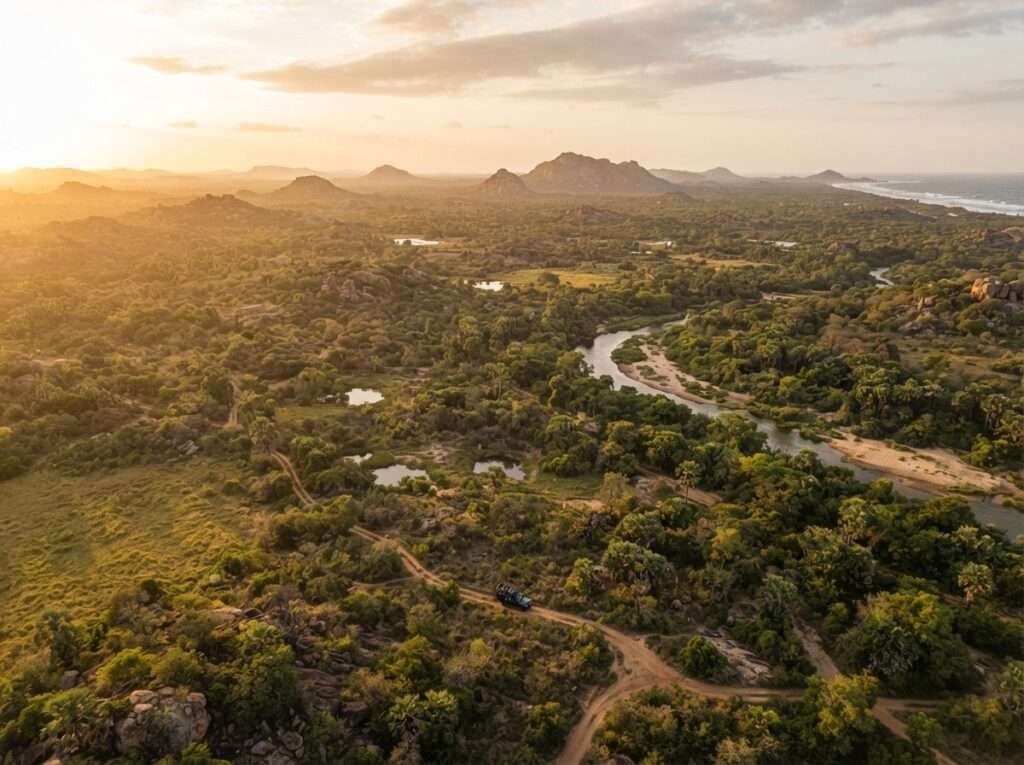
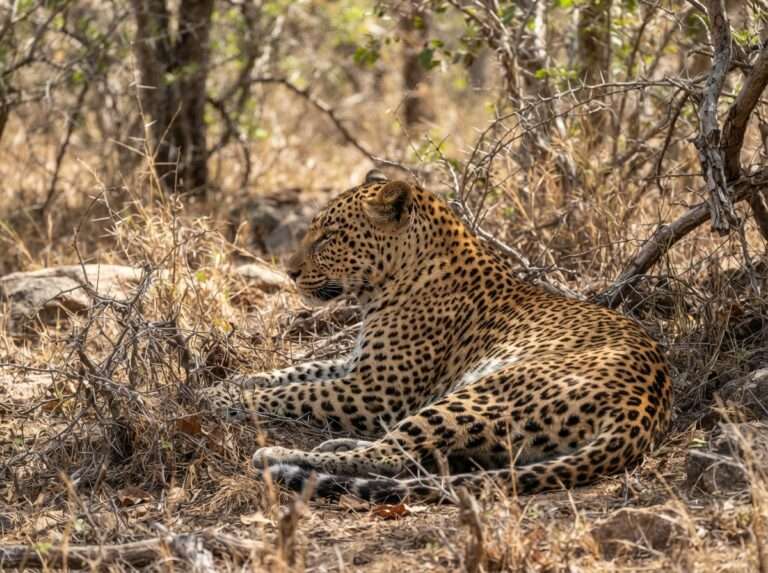
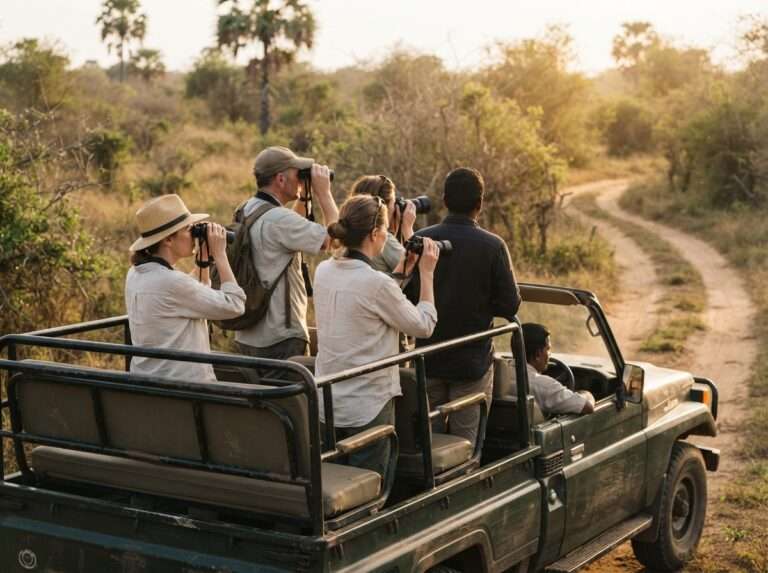
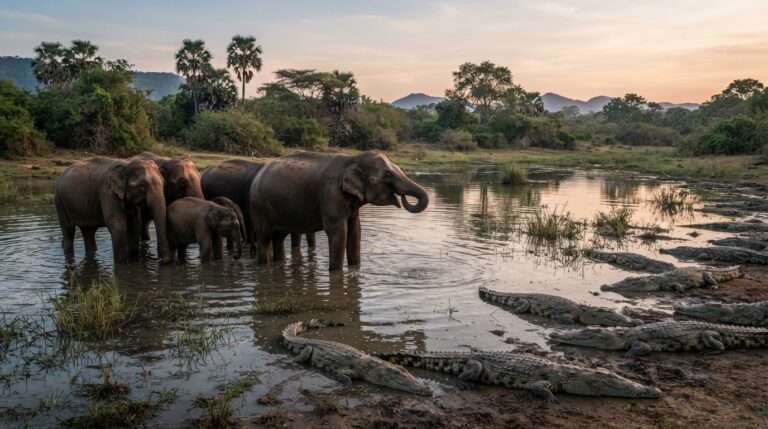
Sri Lanka packs an outsized amount of wildlife into a small island: leopards, elephants, sloth bears and some of the best birding in Asia. Safaris run as morning or afternoon jeep drives booked through your hotel or at the park gate.
Wildlife & Rainforest
Yala is the most famous park in the country and has one of the highest leopard densities in the world, which is why most people come. Block 1 is the busiest and the best for cats; an early-morning drive gives you the best odds before the jeeps pile in. Beyond leopards you will likely see elephants, crocodiles, buffalo and dozens of bird species. Block 1, the busiest sector, usually closes for about a month from mid-September to mid-October for drought while the other blocks stay open, and February to July is the prime window. Book a reputable driver, as Yala can get crowded at a sighting.
27
Udawalawe National Park
Wildlife & Rainforest
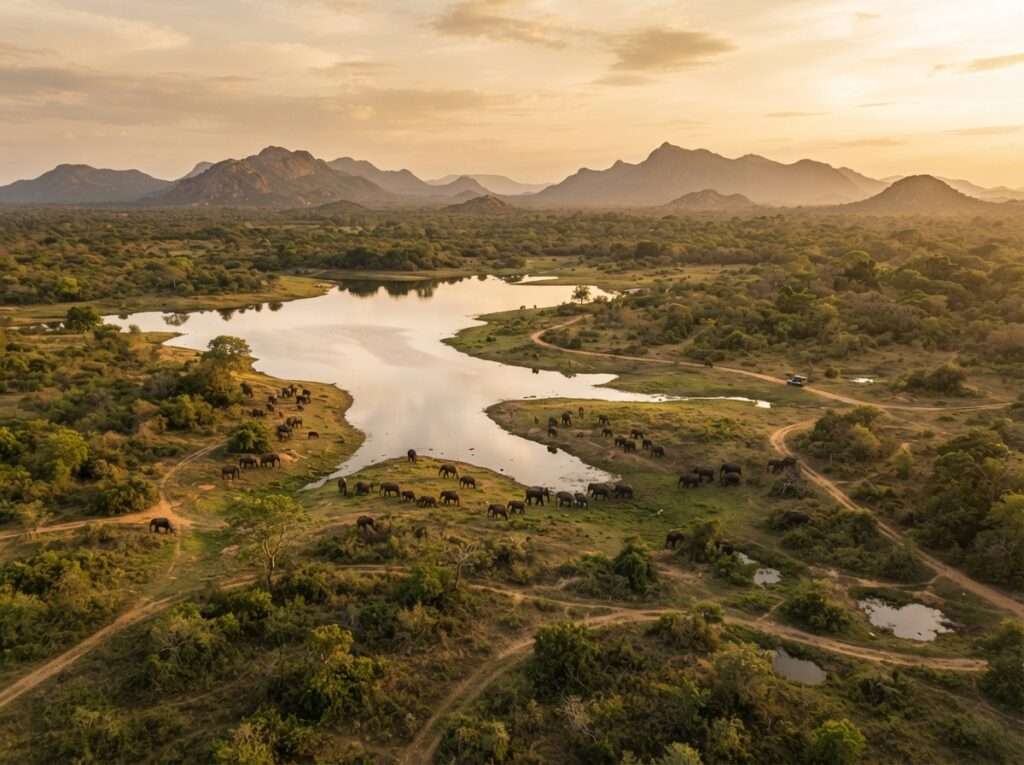
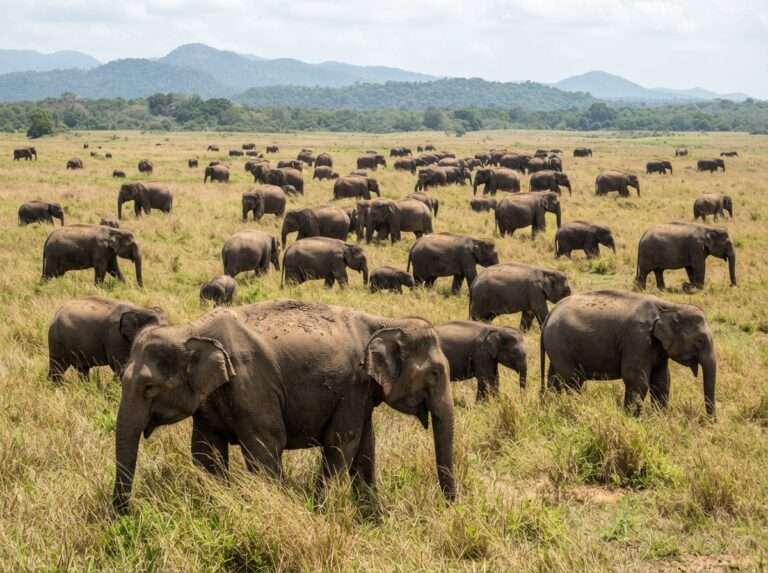
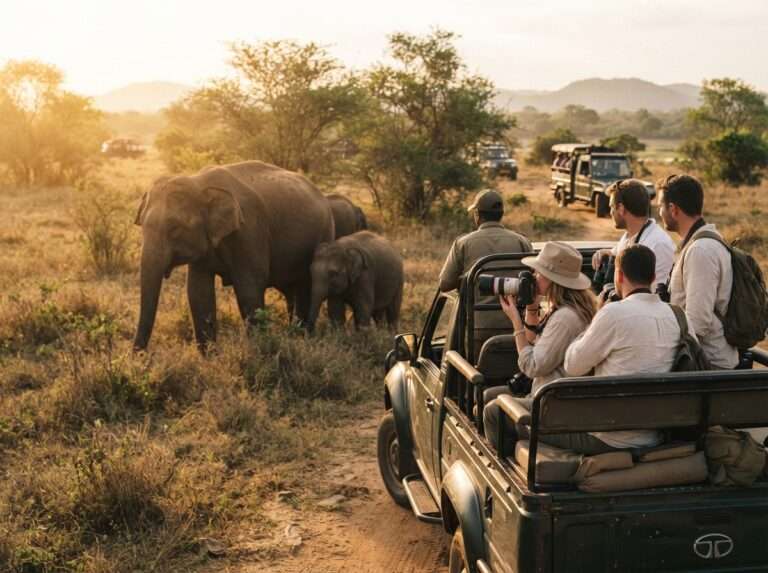
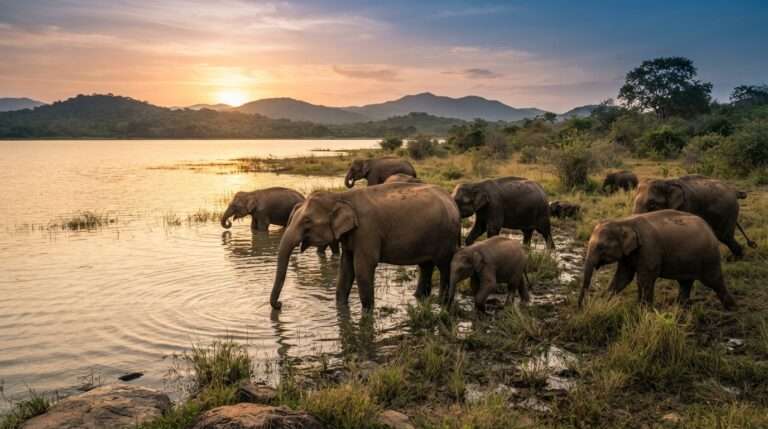
If Yala is about leopards, Udawalawe is about elephants, and it is the more reliable of the two for actually seeing them. Herds of a few hundred live around the reservoir, and sightings are close to guaranteed year round, which makes it the better pick for families and first-time safari-goers. The open grassland also means you see the animals clearly rather than catching a glimpse through scrub. Next to the park, the Elephant Transit Home cares for orphaned calves and holds public feedings through the day.
28
Minneriya National Park
Wildlife & Rainforest
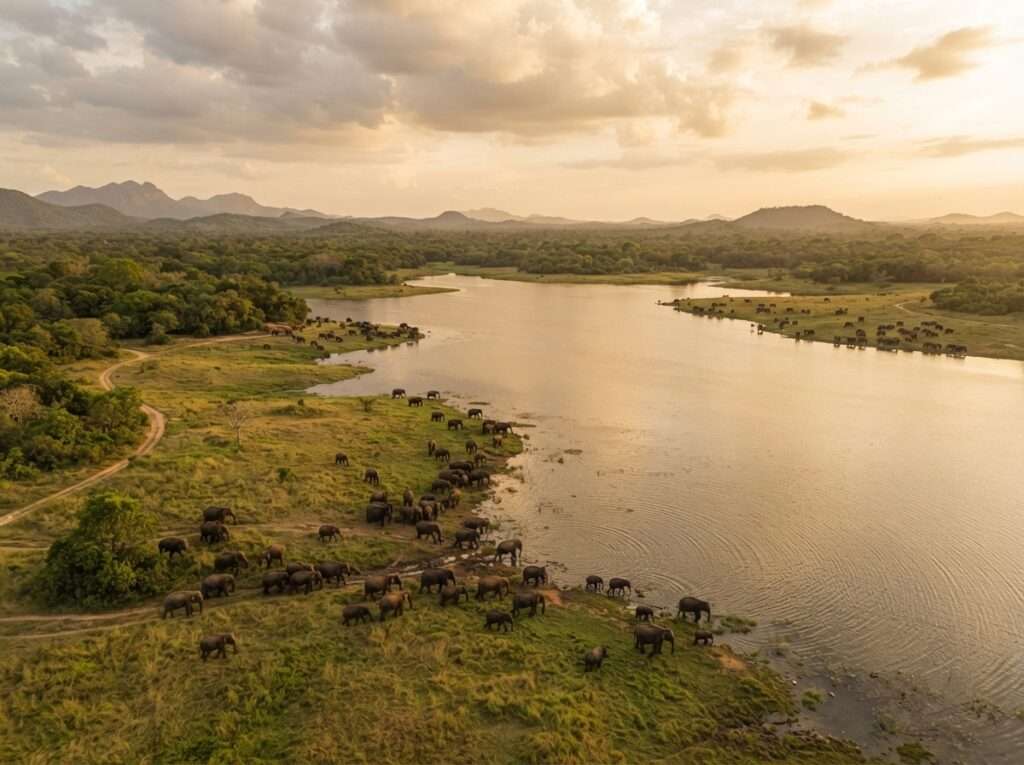
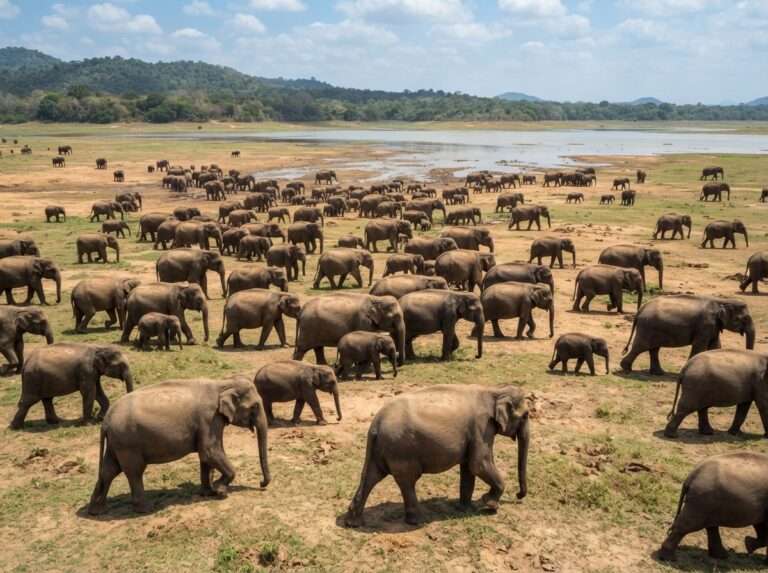
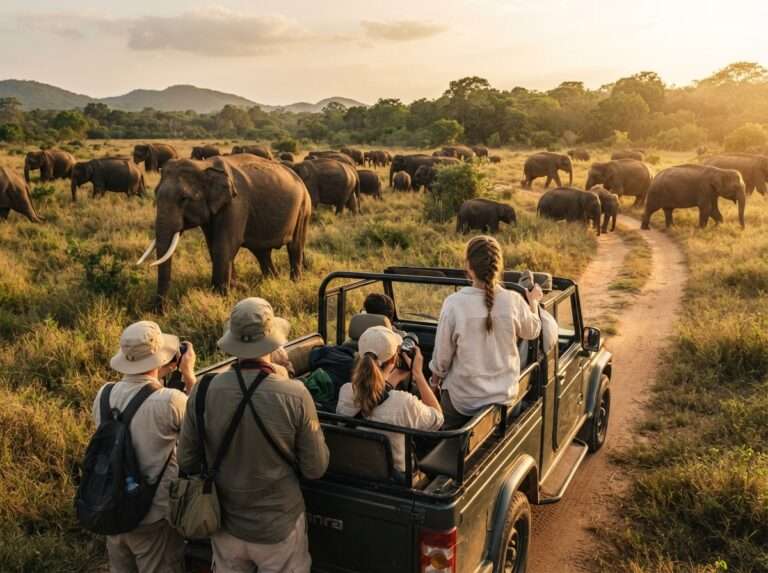
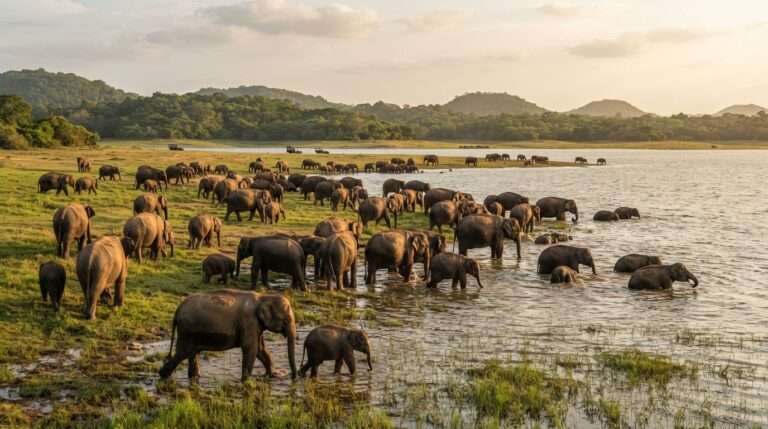
Minneriya, in the Cultural Triangle, hosts one of the great wildlife spectacles in Asia: the Gathering. From roughly July to September, as the surrounding waterholes dry up, hundreds of elephants converge on the receding Minneriya reservoir to feed and bathe, the largest seasonal gathering of Asian elephants anywhere. An afternoon jeep drive puts you among them. If Minneriya’s water is low in a given year the herds shift to neighbouring Kaudulla, and a good driver will know which park to choose that week.
29
Wilpattu National Park
Wildlife & Rainforest
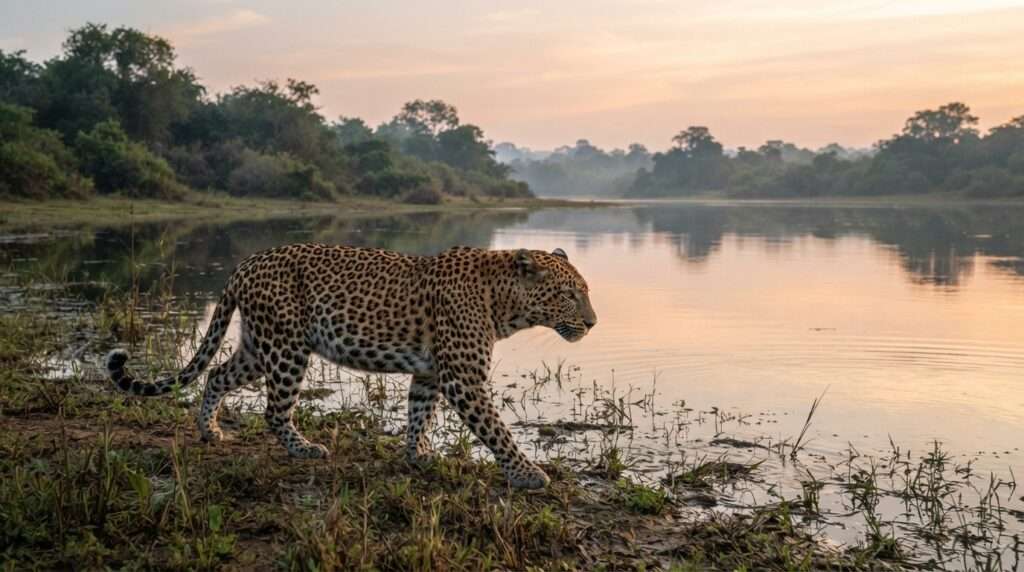
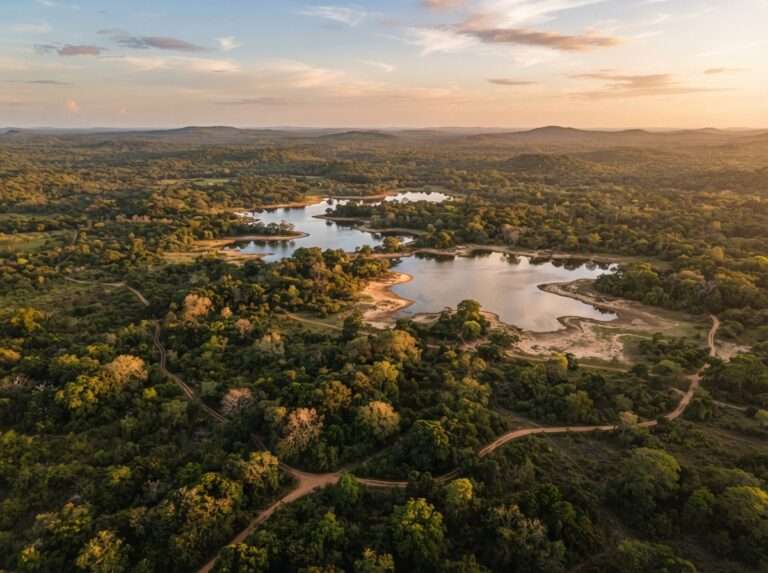
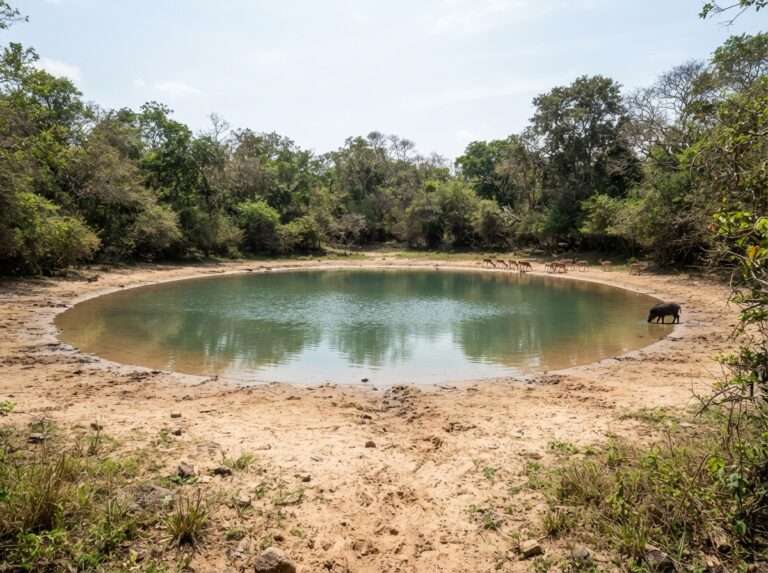
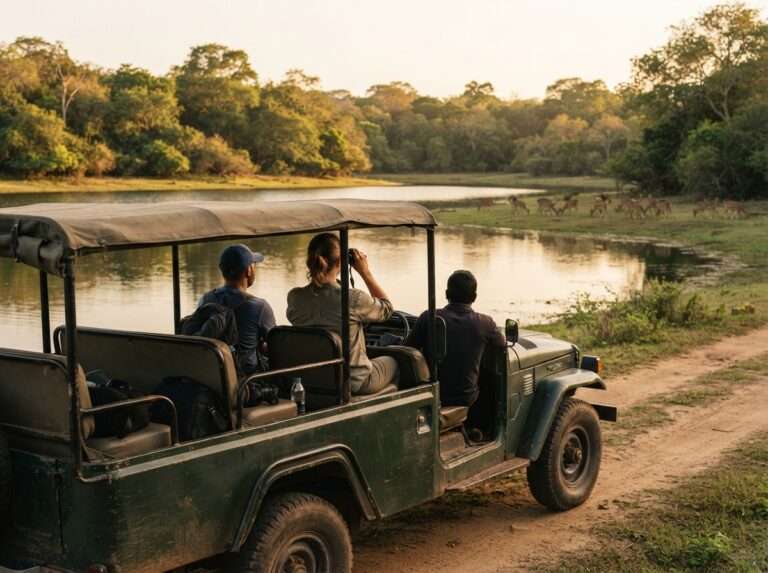
Wilpattu is the largest national park in Sri Lanka and, for a long time closed by the war, it still sees a fraction of Yala’s crowds. It is named for its villus, natural sand-rimmed lakes, and the landscape of lakes and forest is lovely in its own right. Leopards and sloth bears are the prizes here, and because there are fewer jeeps, a sighting feels wilder and more private. It pairs well with Anuradhapura or Kalpitiya, both close by.
30
Sinharaja Forest Reserve
Wildlife & Rainforest · UNESCO World Heritage Site
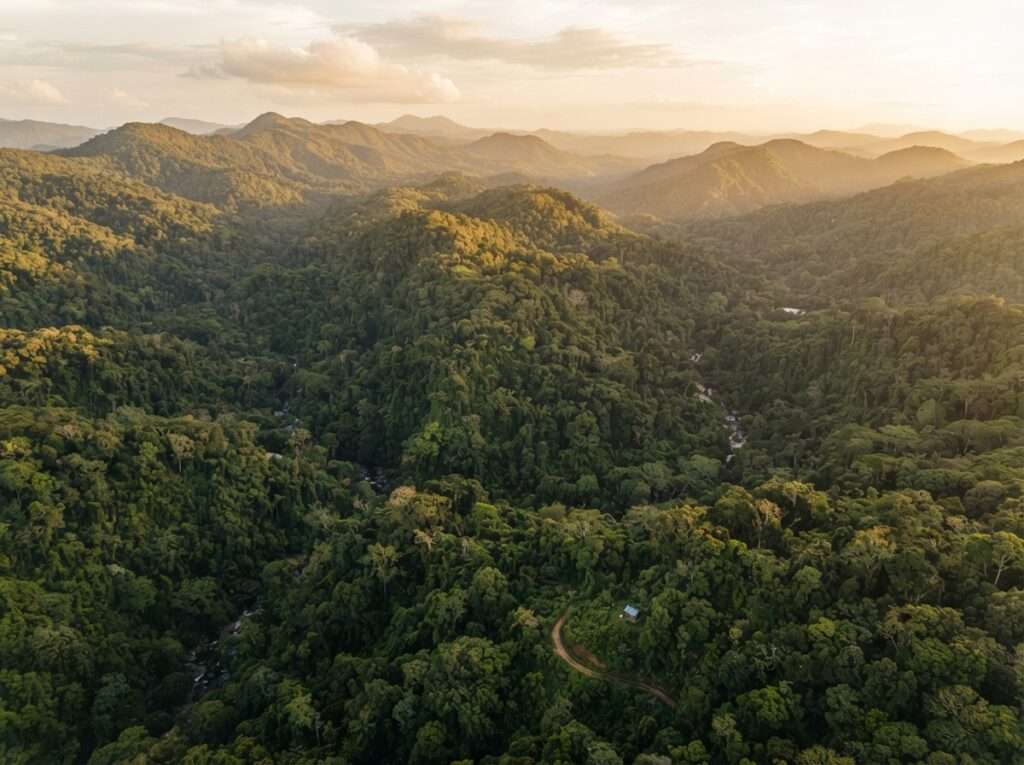
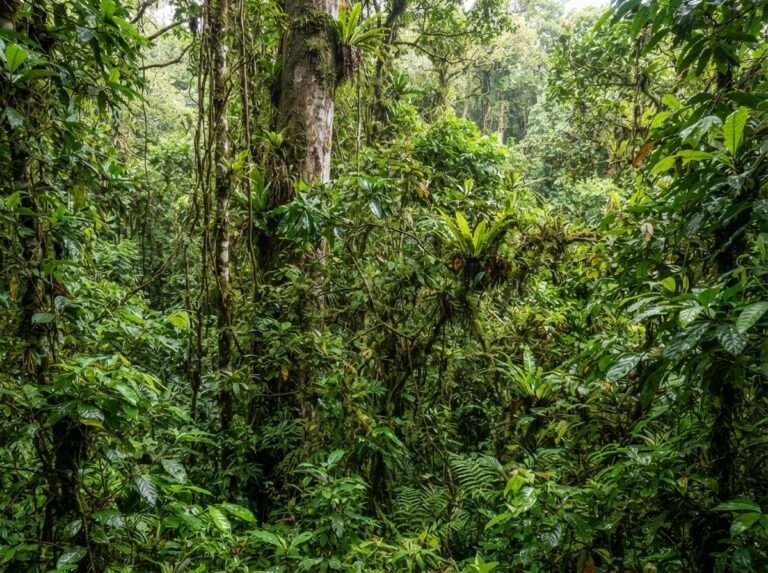
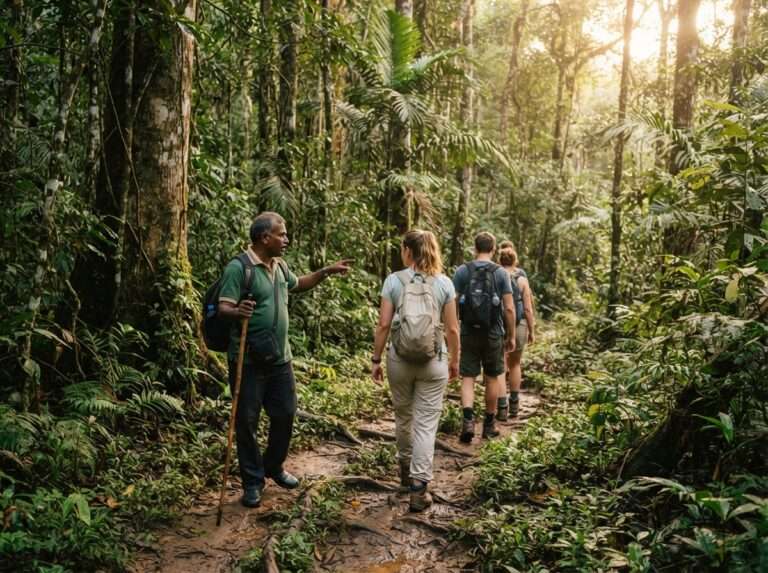
Sinharaja is the last large stretch of primary lowland rainforest in Sri Lanka and a UNESCO World Heritage Site. This is not a jeep safari but a guided walk on foot, and the reward is biodiversity: most of the island’s endemic birds, purple-faced langurs, rare amphibians and the mixed-species bird flocks that birders travel across the world to see. Take a licensed guide, expect leeches in the wet months, and come for the richness of it rather than for big-game thrills.
Best time to visit, how many days and a suggested route
Sri Lanka has two monsoons that hit opposite coasts, so there is no single best time, only a best time for where you are going.
December to mid-April is the main season for the west and south coasts (Bentota, Galle, Mirissa), the Cultural Triangle and the Hill Country. This is when the island is driest overall and when most first trips are built. May to September flips the map: the south and west turn wet while the east and north (Trincomalee, Pasikudah, Arugam Bay) become dry, calm and beautiful. In other words, you can have good beach weather in Sri Lanka in almost any month, you just move to the right coast.
How many days do you need?
- 5 to 6 days: pick two neighbouring regions, for example the Cultural Triangle plus the Hill Country, or the Hill Country plus the south coast. Do not try to see the whole island.
- 8 to 10 days: the classic loop, Cultural Triangle, Hill Country and south coast, with a safari dropped in. This is the sweet spot for most first trips.
- 12 to 14 days: add the east or north (Trincomalee or Jaffna), or slow the loop down and actually relax on the beach at the end.
A suggested 10-day route
Colombo or Negombo (arrival night) to Sigiriya and Dambulla (2 nights, climb the rock, see the caves, Minneriya safari) to Kandy (1 night, Temple of the Tooth) to Nuwara Eliya and Ella by the hill train, getting off at Nanu Oya for Nuwara Eliya (the last few kilometres up to town are by road), then rejoining the train for the scenic Nanu Oya-to-Ella leg (2 nights, tea country, Nine Arch Bridge, Horton Plains) to the south coast via Yala safari (1 night) to Galle, Unawatuna and Mirissa (2 nights, fort, beaches, whales) to Colombo for departure. It is a well-worn loop because it works: minimal backtracking, one region flowing into the next.
Planning from India
Flights from Delhi, Mumbai, Bengaluru and Chennai reach Colombo in under 3.5 hours, and Chennai is barely over an hour. Indian passport holders need a Sri Lanka ETA, which you apply for online before you fly. The currency is the Sri Lankan rupee, and a comfortable mid-range week runs roughly 60,000 to 1,10,000 Indian rupees per person including flights, depending on season and hotels. Vegetarian and Jain food is easy to find: rice and curry is largely veg-friendly, and most hotels and tourist restaurants cater to it without fuss. If you would rather have the route, hotels and safaris handled end to end, browse our Sri Lanka tour packages, or read the full Sri Lanka travel guide for destination-by-destination detail.
Planning your Sri Lanka trip
Few countries pack this much into so little ground: ancient cities, misty tea hills, leopards and blue whales, all within a few hours of each other. Pick two or three regions that match your dates, follow the season to the right coast, and you will not go wrong. When you are ready to turn this list into a real itinerary with hotels, transfers and safaris sorted, our Sri Lanka tour packages can build the whole trip around the places above, or you can tailor your own with help from a local expert.
FAQs
Frequently Asked Questions
December to mid-April is the best overall window, with dry weather on the south and west coasts, the Cultural Triangle and the Hill Country. If you are heading to the east or north (Trincomalee, Pasikudah, Arugam Bay), travel between May and September instead, when those coasts are dry and calm. Because the two monsoons hit opposite sides of the island, you can find good weather somewhere in Sri Lanka in almost any month.
Yes. Indian passport holders need a Sri Lanka ETA (Electronic Travel Authorisation), which you apply for online before you travel through the official ETA portal. It is quick to get and is usually issued for a short tourist stay with double entry. Visa rules and fees change from time to time, including occasional free-visa pilots, so check the current rule on the official government ETA site before you book your flights.
Eight to ten days is the sweet spot for a first trip: enough to cover the Cultural Triangle, the Hill Country and the south coast with a safari in between. With five or six days, pick just two neighbouring regions and skip the long drives. If you have twelve to fourteen days, add the east coast or Jaffna, or simply slow the classic loop down and spend longer on the beach at the end.
Sri Lanka is famous for Ceylon tea, its eight UNESCO World Heritage Sites, the rock fortress of Sigiriya, the Temple of the Sacred Tooth Relic in Kandy, and world-class wildlife, including the leopards of Yala and the elephant Gathering at Minneriya. It is also known for blue-whale watching off Mirissa, the scenic Kandy to Ella train, surf at Arugam Bay, and warm, inexpensive hospitality close to India.
Sri Lanka is generally a safe and welcoming destination for tourists, including families and solo women travellers, with low rates of serious crime against visitors. Normal precautions apply: watch your belongings in crowded markets, agree tuk-tuk fares or use a metered app in advance, and respect temple dress codes. Take care swimming, as some beaches have strong rip currents. Check your government's latest travel advisory before you go.
Sri Lanka is good value for Indian travellers. Flights are short and often inexpensive, and a comfortable mid-range week costs roughly Rs 60,000 to Rs 1,10,000 per person including airfare, depending on season and hotel class. You can spend far less with guesthouses, local buses and trains, or far more at luxury resorts. Food, local transport and site entry are affordable, though foreign-visitor ticket prices at the major heritage sites are the main recurring cost.
For scenery, the standouts are the tea-covered hills around Ella and Nuwara Eliya, the Nine Arch Bridge, the ramparts of Galle Fort at sunset, the plunge at World's End in Horton Plains, and the beaches of Mirissa, Tangalle and Nilaveli. The view of Sigiriya rock from neighbouring Pidurangala is one of the finest on the island. Each region has its own look, from dry-zone plains to misty highlands to palm-fringed coast.
The most important Buddhist sites are the Temple of the Sacred Tooth Relic in Kandy, the sacred city of Anuradhapura with its Sri Maha Bodhi tree and great stupas, the Dambulla Cave Temple, and Mihintale, where Buddhism first arrived on the island. Polonnaruwa's Gal Vihara rock sculptures and Adam's Peak, a pilgrimage climb sacred to several faiths, round out the list. Dress modestly and remove shoes and hats at all of them. Never turn your back on a Buddha statue to pose for a photo; it causes serious offence and is treated as an offence under local law.
A private car with a driver-guide is the most comfortable way to cover the island and is affordable by Indian standards, which is why most package trips use one. Trains are the exception worth planning for: the Kandy to Ella hill line is a highlight in its own right, so book a reserved seat for that leg. Tuk-tuks handle short local hops. Intercity buses are cheap but slow and crowded, better for the adventurous than for a tight itinerary.