5D / 4N
19% OFF
5D / 4N
19% OFF
Andaman Family Holiday For 4 Nights 5 Days
- Hotel
- Meals
- Sightseeing
- Transfers
₹23,574
₹18,990 /pp
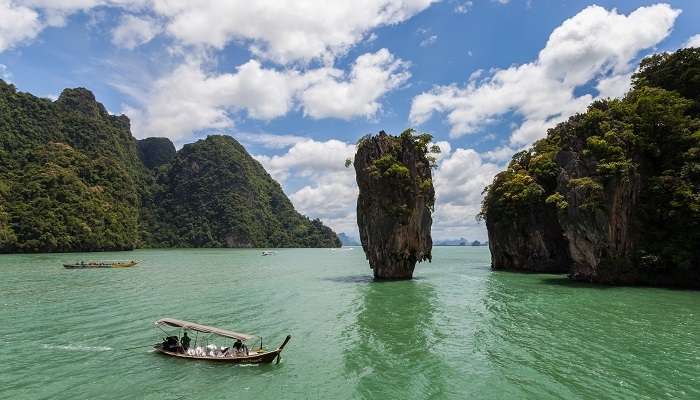


Yes, you can visit Andaman in July, and the rains buy you the islands at their greenest, emptiest and cheapest. July is the peak of the south-west monsoon, with daytime highs around 29 to 30C, roughly 300 to 400 mm of rain across about 17 wet days, and seas rough enough to suspend most open-water activities. Go in July for heritage Port Blair, lush island scenery and the year’s lowest package prices. Skip it if your trip depends on calm-water snorkelling or guaranteed inter-island ferries. This guide covers July’s weather, what is open versus closed, and the 10 best places to visit in Andaman & Nicobar in the monsoon, each with an honest note on how it holds up in the rain.
Top Andaman Packages you Must Explore
Best Time
October - May
Select Package Type


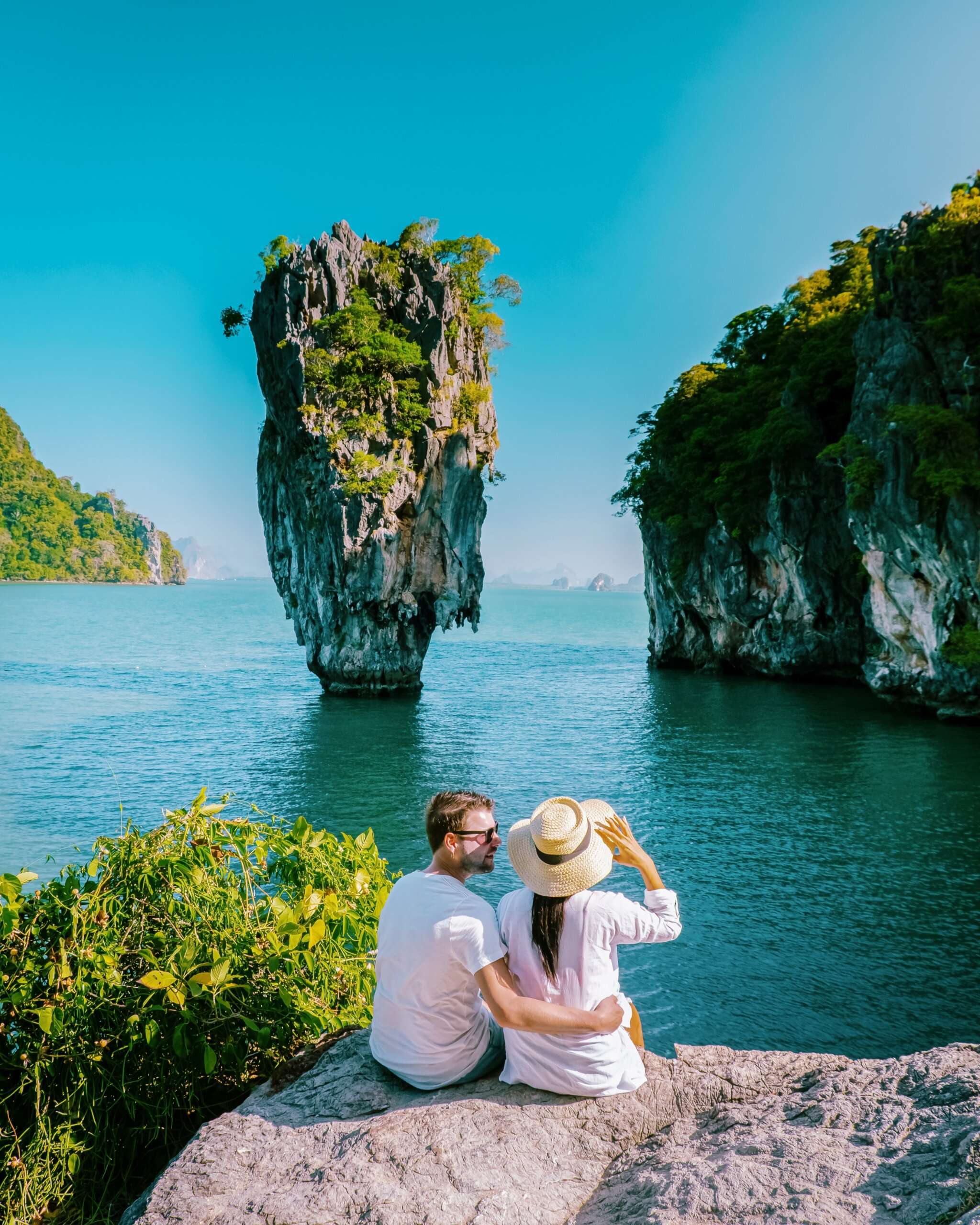
July is peak monsoon in Andaman & Nicobar. Expect around 30C, heavy rain (~300 to 400 mm over ~17 days) and rough seas, with the national-park snorkel boats closed and most water sports suspended or weather-dependent. It is worth it if you want lush-green islands, near-empty heritage sites and the lowest prices of the year. It is the wrong month if your trip hinges on calm-water snorkelling, scuba on demand or guaranteed inter-island ferries.
Our travel writers find July works best as a Port Blair-and-near-islands trip rather than an ambitious island-hopping one. The heritage sites, museums and short Ross Island hop stay reliable through the rain, the islands look their most green, and resorts run at off-season rates. That land-based, budget-friendly mix makes July a practical window for an Andaman family holiday, which leans on the Cellular Jail, Ross Island and Port Blair sights and keeps boat days as flexible add-ons.
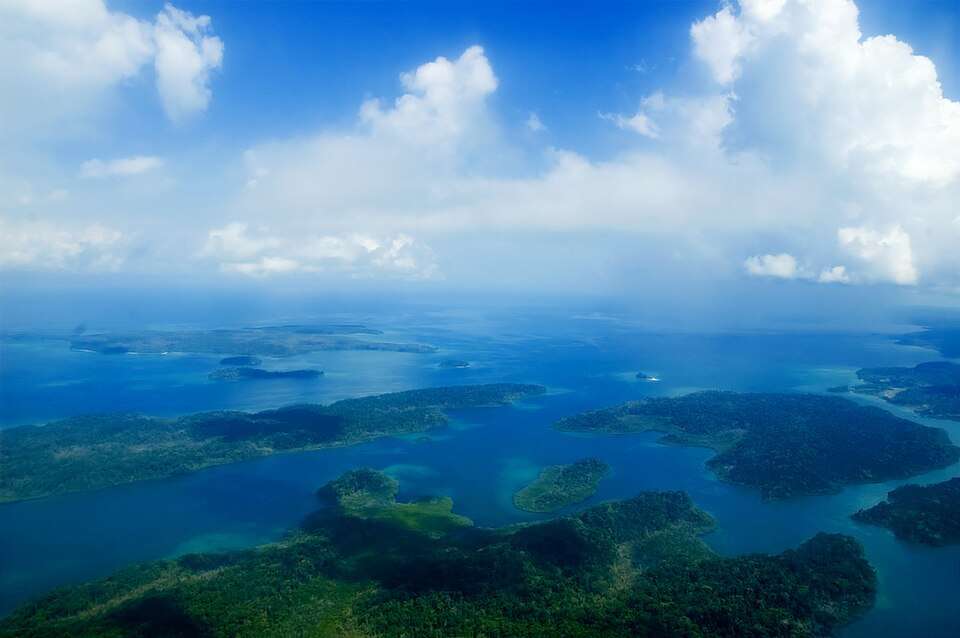
July sits squarely in the south-west monsoon (June to September). Days are warm and humid rather than hot, broken by frequent heavy showers and thunderstorms, and the Andaman Sea runs rough. Here is what to plan around.
| July weather metric | Typical value |
| Average high | ~29 to 30C |
| Average low | ~24 to 27C |
| Sea temperature | ~28 to 29C (warm) |
| Rainfall | ~300 to 400 mm (peak SW monsoon) |
| Rainy days | ~17 days |
| Humidity | ~81 to 84% |
| Sea & swell | Rough, peak south-west monsoon |
| Water sports & ferries | Most water sports suspended / weather-dependent; ferries run reduced, weather-permitting |
Figures are typical July averages for Port Blair (sourced from climate aggregators weather-and-climate.com and Weather Spark). Actual conditions swing day to day in the monsoon, so check a 3 to 5 day forecast before you book ferries or activities.
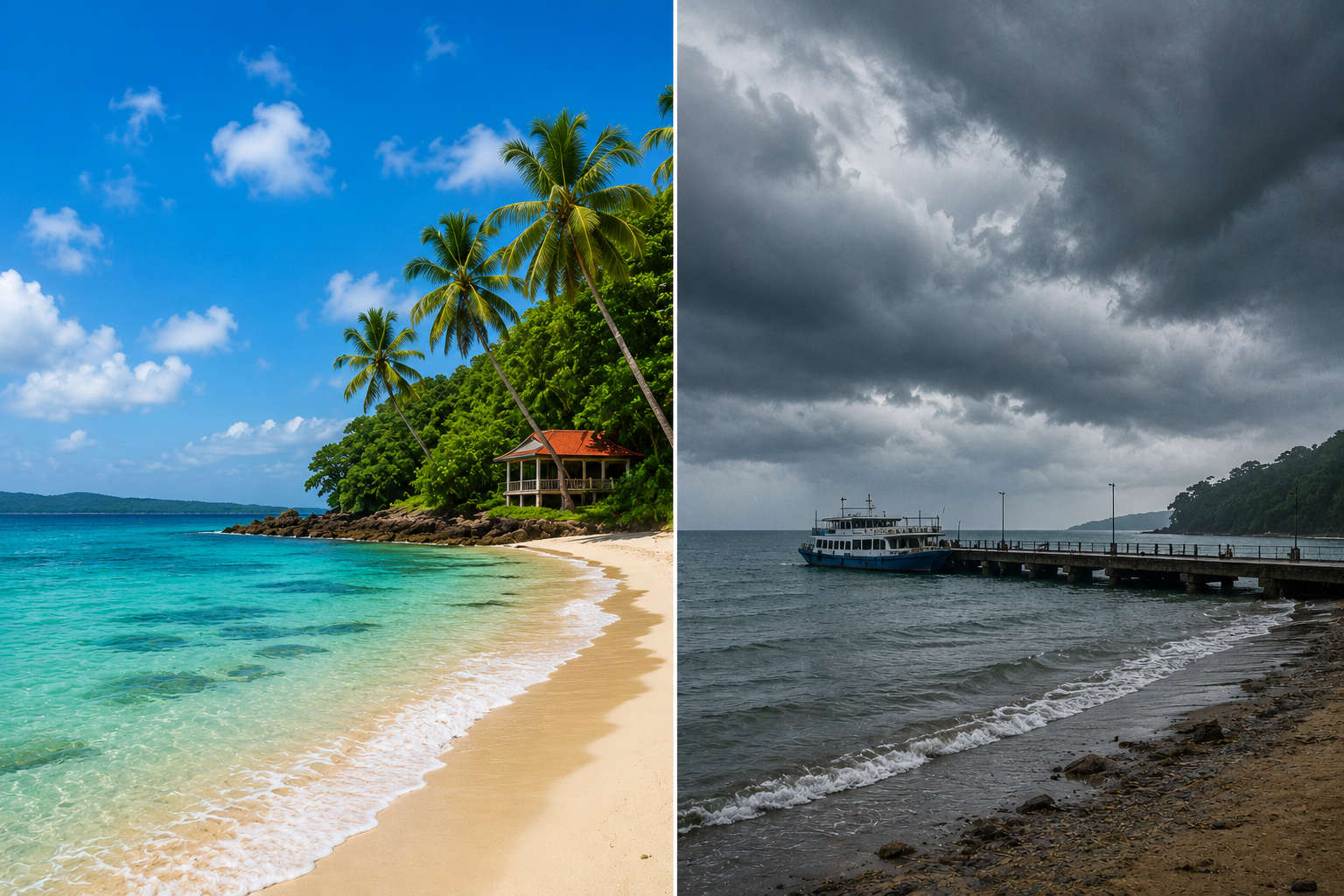
This is the single most useful thing to know before you go, and the question most monsoon guides skip. July does not close Andaman & Nicobar down, but it changes what you can realistically do. Port Blair’s heritage and indoor sights run normally. The water-based and far-island experiences are the ones that get curtailed, while a handful of green, land-based experiences are actually at their best now.
| Experience | Status in July (monsoon) |
| Cellular Jail, museums, temples (Port Blair heritage) | Open as normal, year-round |
| Cellular Jail light-and-sound show | Runs on dry evenings; can be paused in heavy rain |
| Chidiya Tapu (birding & sunset point) | Open all season; one of the best monsoon-friendly outdoor picks |
| Monsoon waterfalls (Wimberlygunj, Panchavati, White Surf) | At their fullest now; the most July-specific sight, access weather-dependent |
| Mangrove & creek kayaking (sheltered water) | Runs on calm days; sheltered creeks stay viable when the open sea does not |
| Ross Island (NSCB Dweep) day trip | Short ferry, runs weather-permitting |
| Inter-island ferries (Port Blair to Havelock to Neil) | Reduced & weather-dependent (e.g. Havelock to Neil ~1 vs 3 daily sailings) |
| Scuba diving (Havelock / Swaraj Dweep) | Calm early mornings only; reduced, not guaranteed |
| Jolly Buoy / Red Skin national-park snorkel boats | Closed June to October (reopen November) |
| Glass-bottom & semi-submarine (calm-water reef) | A calmer substitute for snorkelling; runs on calm days only |
| Baratang limestone caves / mud-volcano convoy | Weather-dependent; stops on cyclone alerts or heavy rain |
| Open-water swimming | Unsafe, rough seas; follow red-flag advisories |
The pattern is consistent. Heritage and indoor Port Blair is dependable, the islands and the open water are conditional. Scuba is the one exception worth flagging on the water side: it is not banned in July, but at Havelock it runs only on calm early mornings, so it is a maybe, not a plan.
It is worth turning the question around, because monsoon guides too often list only what is shut. Some things are genuinely better in July. Chidiya Tapu, the birding and sunset point about 25 km south of Port Blair, stays open all season and is at its greenest now. The waterfalls near Diglipur and Rangat in the north, White Surf and Panchavati among them, run at full flow only in the rains, which makes them the most July-specific sight on the islands. And where the open sea is off-limits, sheltered mangrove creeks stay kayak-friendly on calm days, and glass-bottom or semi-submarine rides give you the reef without needing calm-water snorkelling.
These are the 10 places that still reward a July visit, re-ordered so the all-weather, monsoon-robust sights come first and the conditional, water-dependent ones are flagged honestly. Use the quick table to match a place to the rain, then read the detail below.
| # | Place | Where | In July (monsoon) |
| 1 | Cellular Jail | Port Blair | All-weather, heritage & evening show |
| 2 | Anthropological Museum | Port Blair | All-weather, fully indoor |
| 3 | Vetrimalai Murugan Temple | Port Blair | All-weather, covered temple |
| 4 | Ross Island (NSCB Dweep) | 3 km off Port Blair | Short ferry, go on a dry, calm morning |
| 5 | Radhanagar Beach | Havelock (Swaraj Dweep) | Lush scenery & walks; no swimming |
| 6 | Wandoor Beach | South Andaman | Scenery only; marine-park boats closed |
| 7 | Bharatpur Beach | Neil (Shaheed Dweep) | Views & easy strolls; water sports limited |
| 8 | Red Skin Island | MG Marine NP | Conditional, snorkel boats closed Jun to Oct |
| 9 | Baratang Island | ~100 km from Port Blair | Conditional, convoy is weather-dependent |
| 10 | Mud Volcanoes | Baratang / Diglipur | Conditional, access stops in heavy rain |
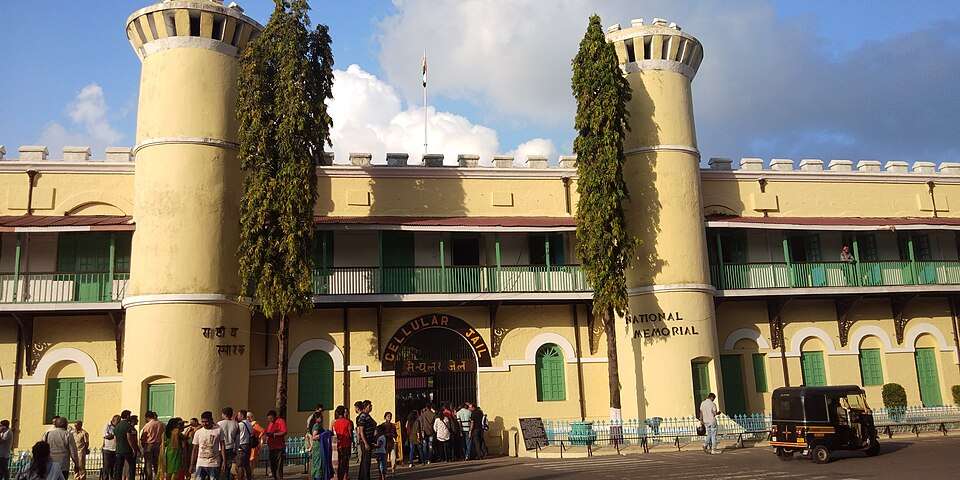

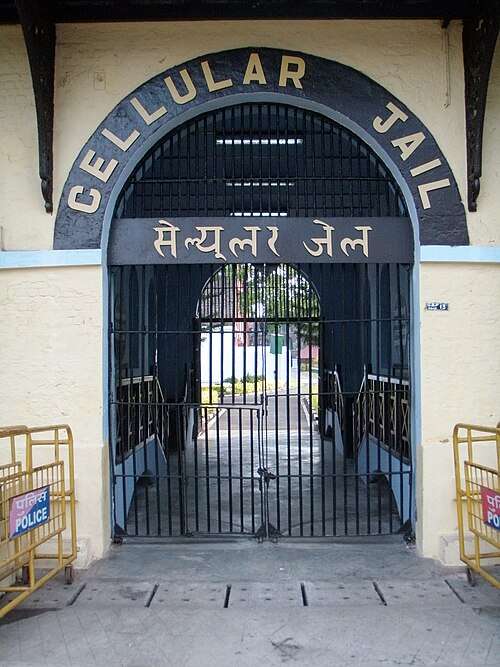
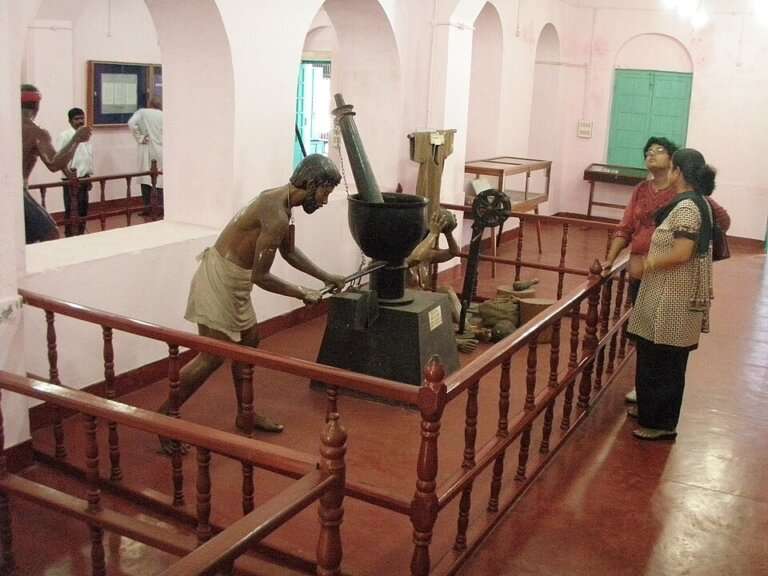
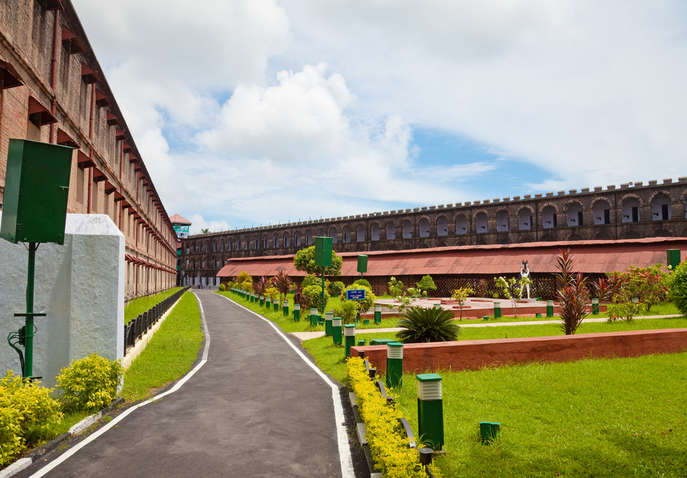
The Cellular Jail in Port Blair is the one sight that is genuinely better in the monsoon. It is largely covered, rarely crowded off-season, and on dry evenings the light-and-sound show on the role of this colonial-era prison in India’s freedom struggle still runs. Entry is a nominal INR 30, about 15 km of easy road from the airport. In July, this is fully recommended. Start your trip here; it is the most reliable stop on the list.
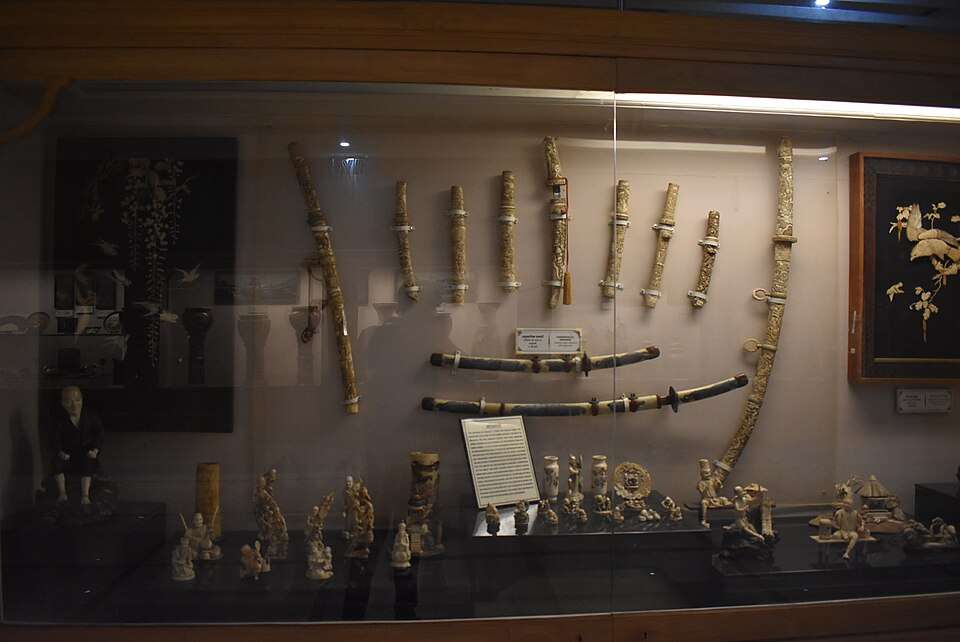
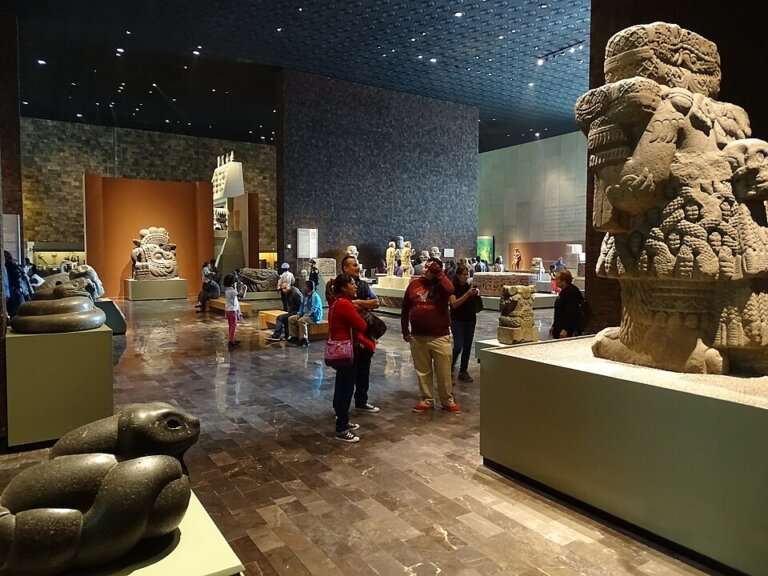


Founded in 1975, this Port Blair museum documents the islands’ indigenous communities, the Onge, Sentinelese, Jarawa, Great Andamanese, Shompen and Nicobarese, through tools, photographs, handicrafts and weapons. It is fully indoors, which makes it an obvious rain-day plan. Pair it with the Cellular Jail for an all-weather half-day in town.



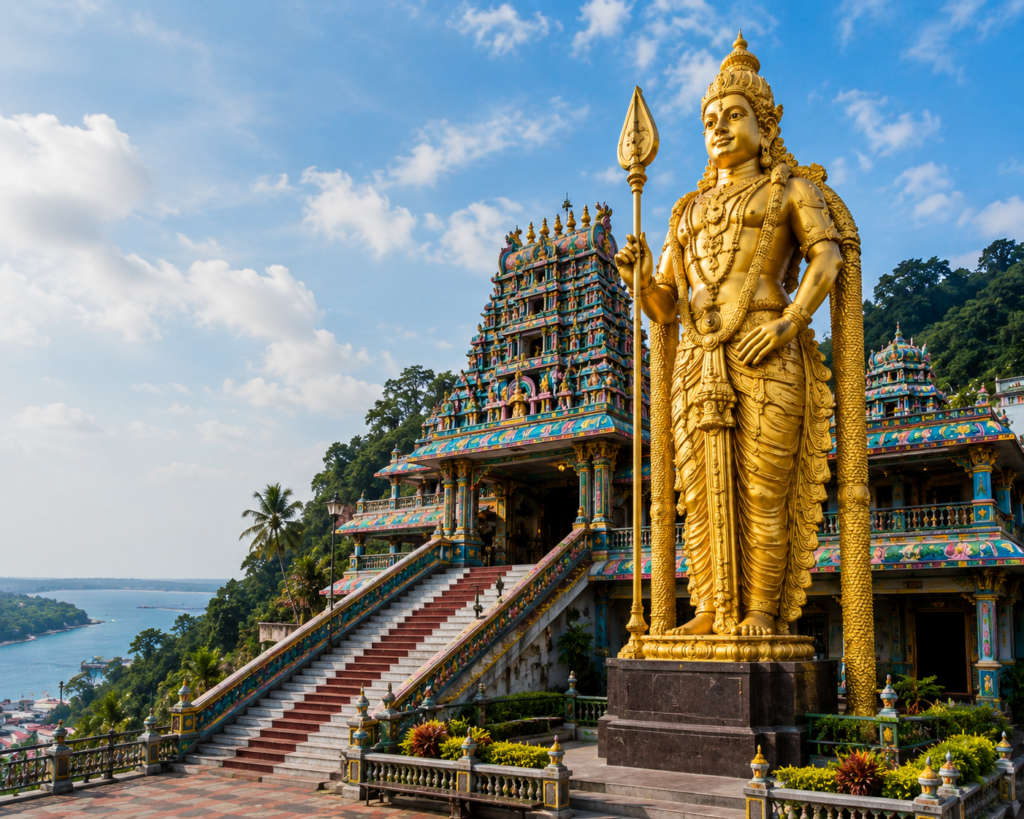



This Hindu temple in Port Blair, dedicated to Lord Murugan, was first established in 1932 and rebuilt after Independence in Dravidian style. It is a quick, covered visit that holds up in any weather, and it is easy to reach, a good cultural stop to fold into a Port Blair day, rain or not.


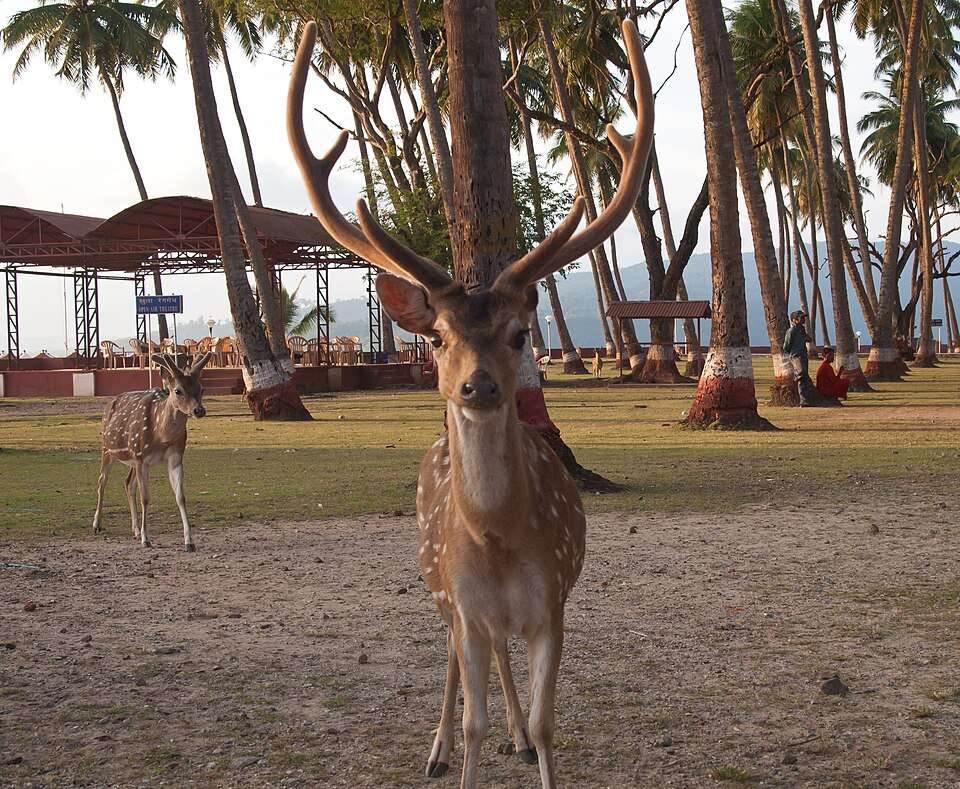
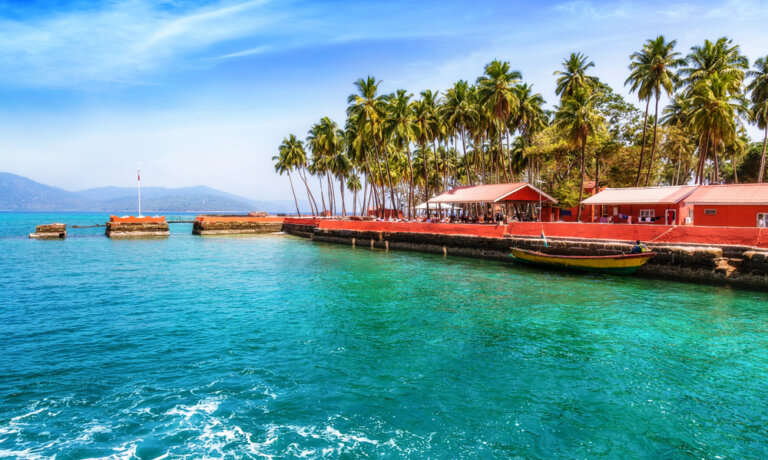
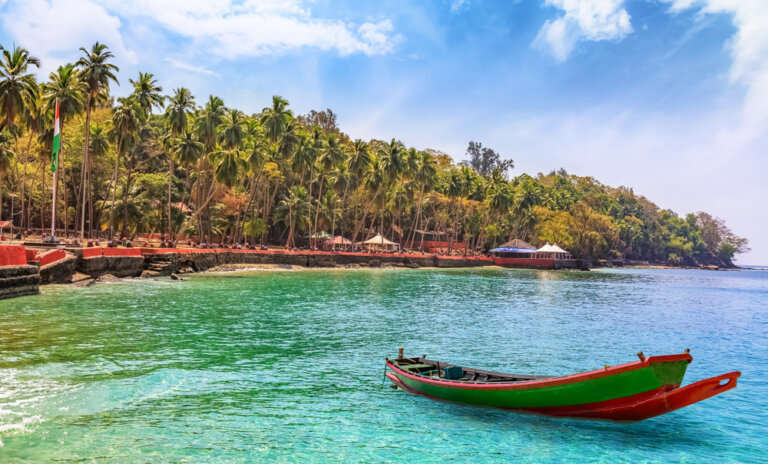
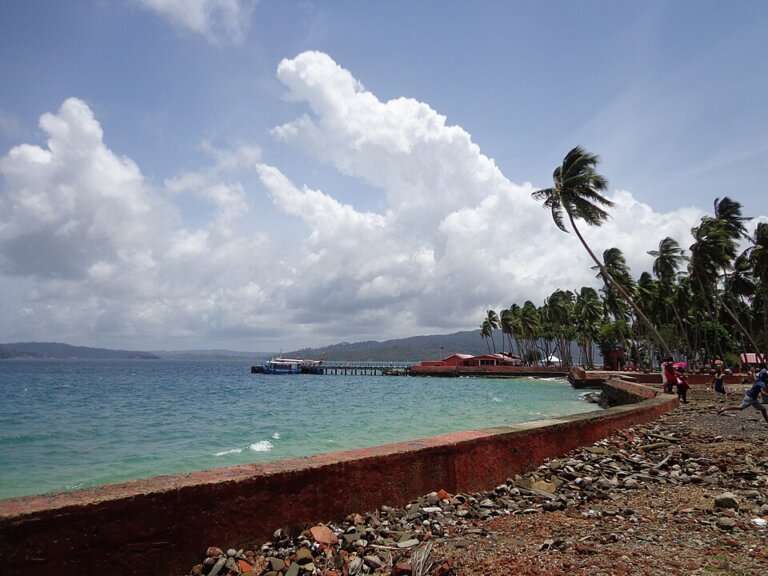
Just 3 km east of Port Blair, the former British administrative headquarters now sits half-reclaimed by jungle, with colonial ruins, a small museum, a cemetery and a 10-metre lighthouse over the Bay of Bengal. The boat ride is short, so it often runs even in the monsoon, but only on calm, dry mornings. Go on a clear morning, and check the day’s ferry status before you set out.
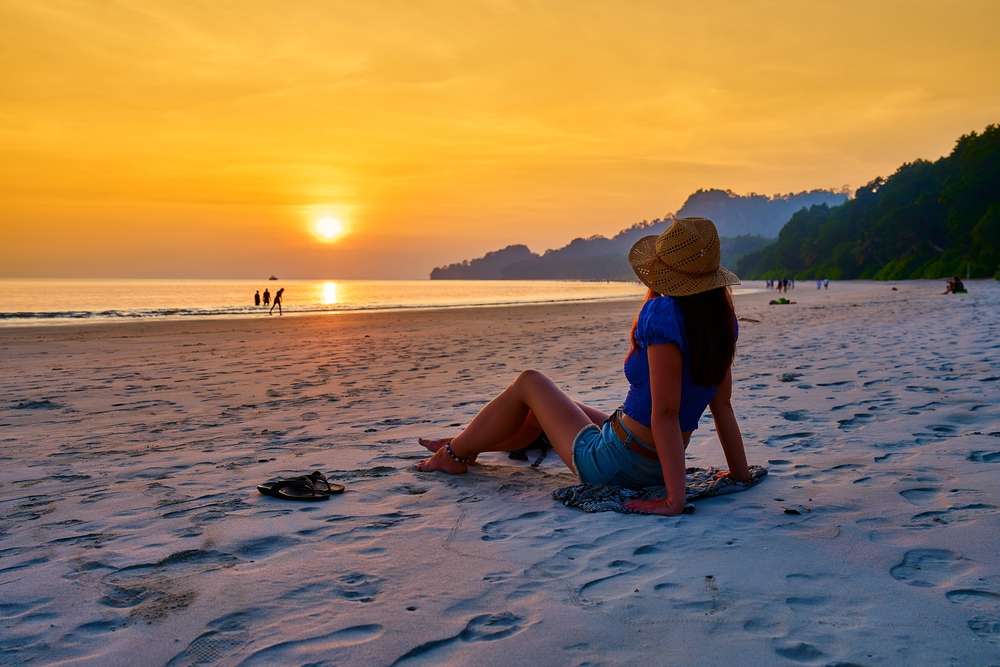


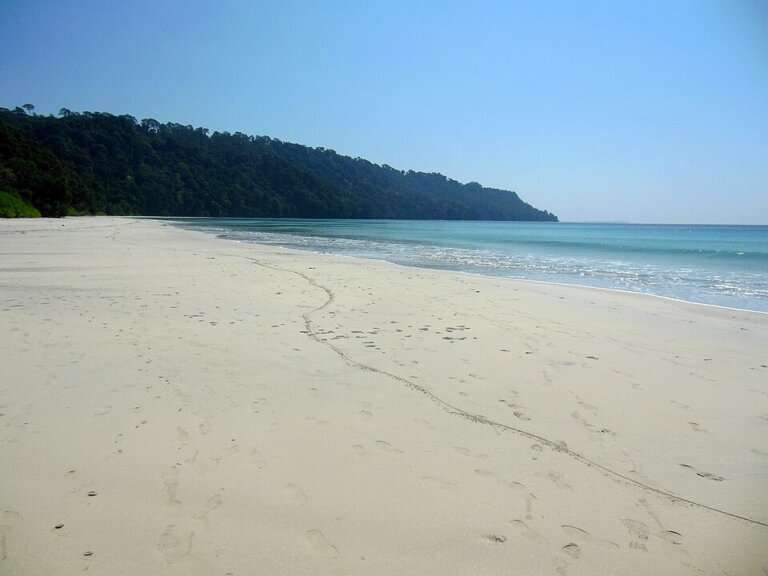
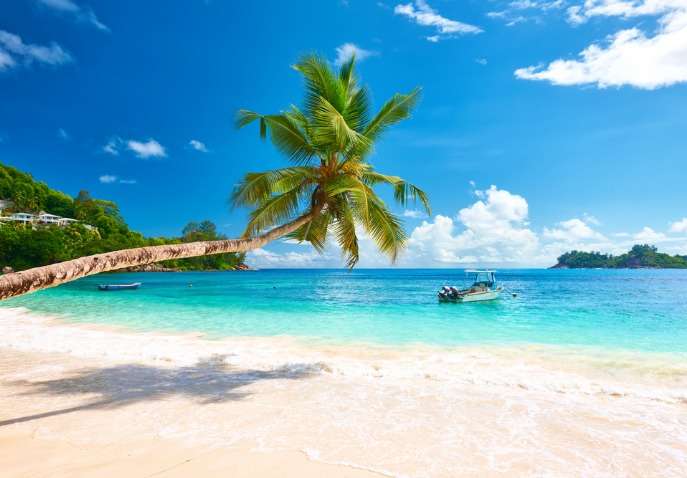
Radhanagar, long rated among Asia’s finest beaches, is at its most green and dramatic in the monsoon, with moody skies and an empty shoreline. But the sea is rough, and the coast guard is posted there for a reason. In July this is a walking-and-photography visit, not a swimming one. Come for the views, and stay out of the water.
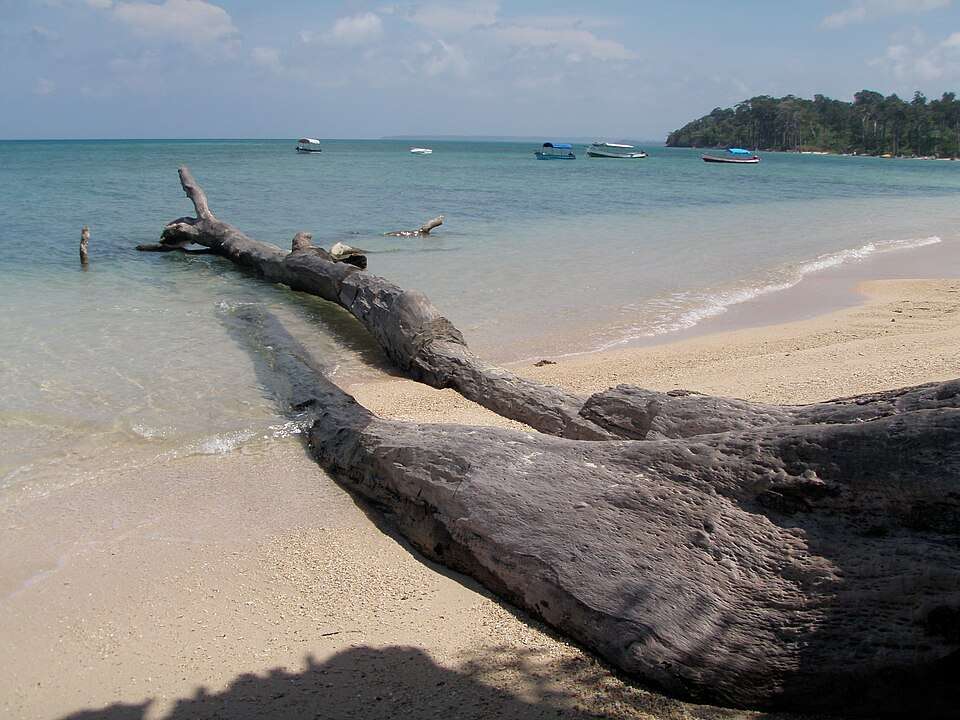
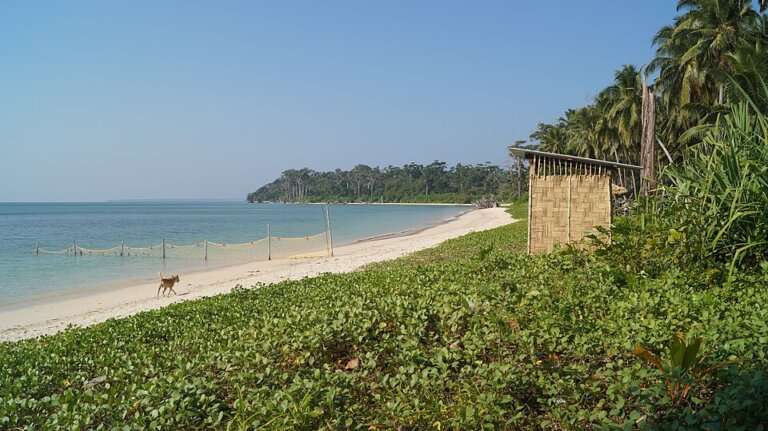
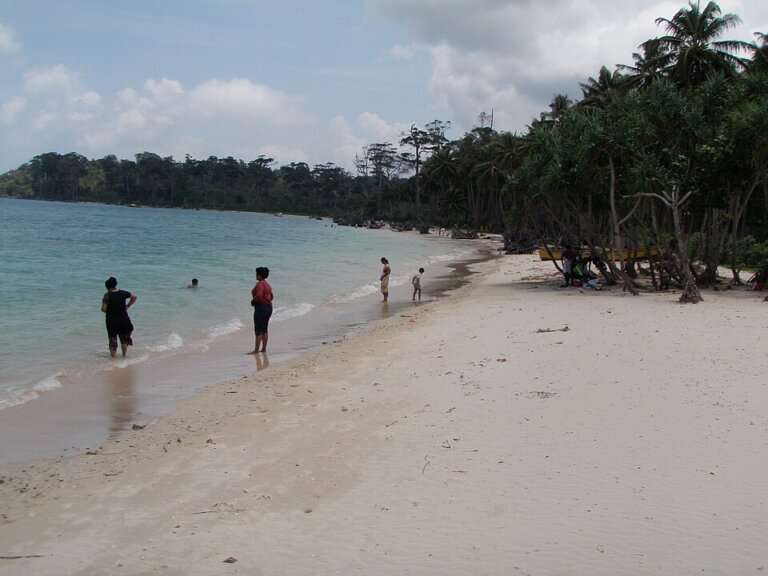
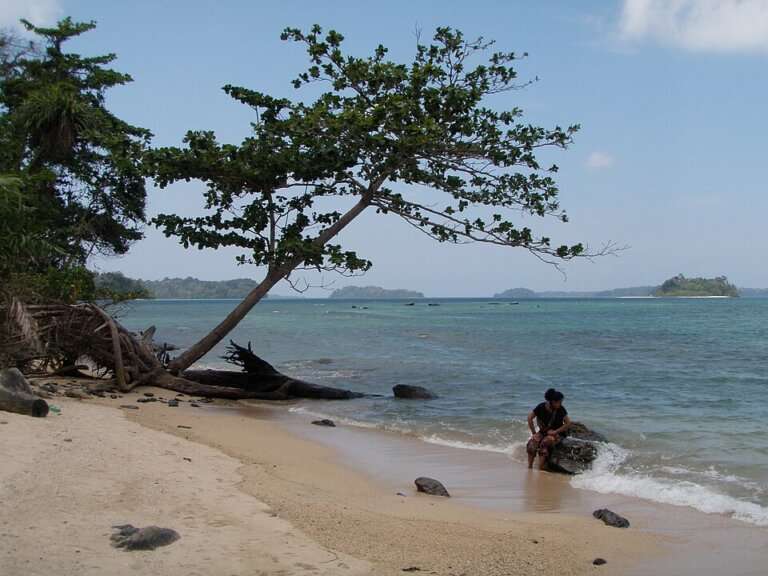
About 25 km from Port Blair, Wandoor is the gateway to Mahatma Gandhi Marine National Park. In peak season it is a snorkelling launch point. In July the national-park day boats to the coral islands are closed and swimming is unsafe, so it becomes a scenic, low-key beach stop. Visit for the setting; the snorkelling stays off until November.
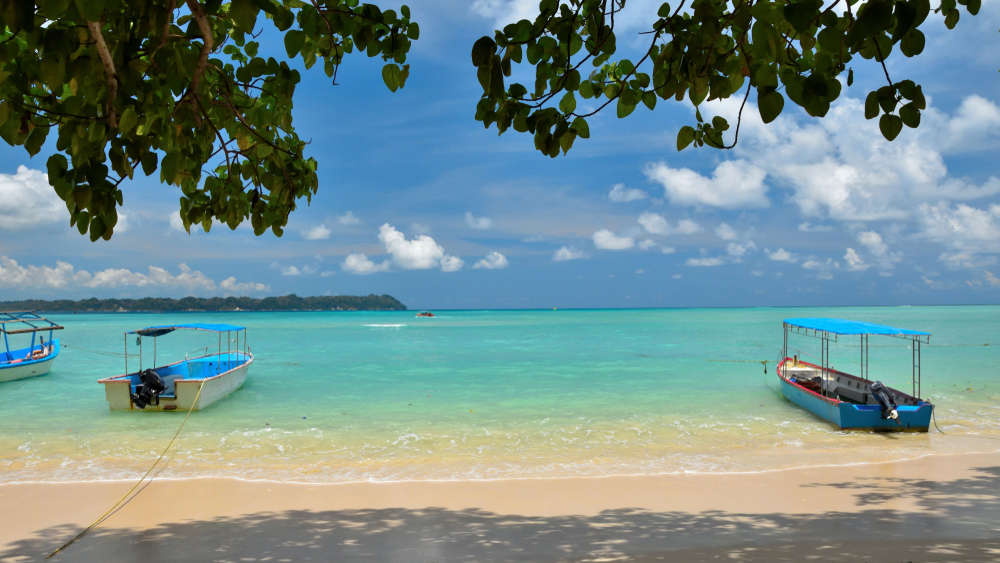
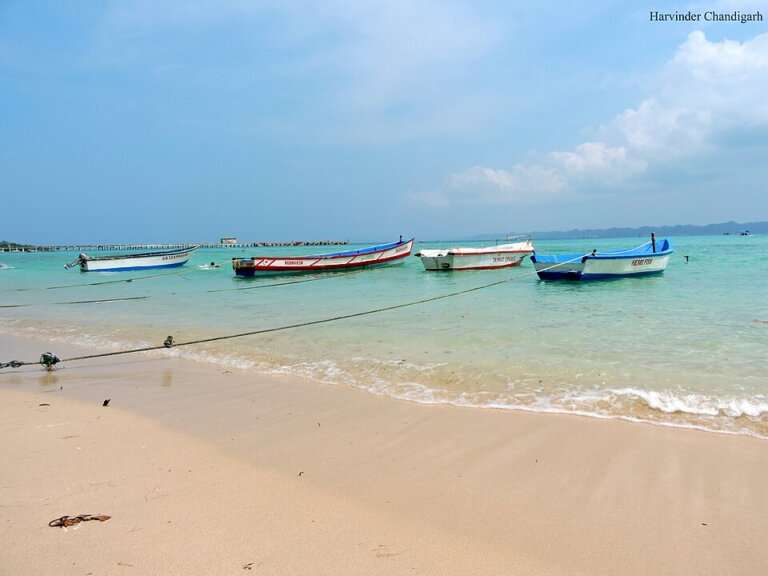
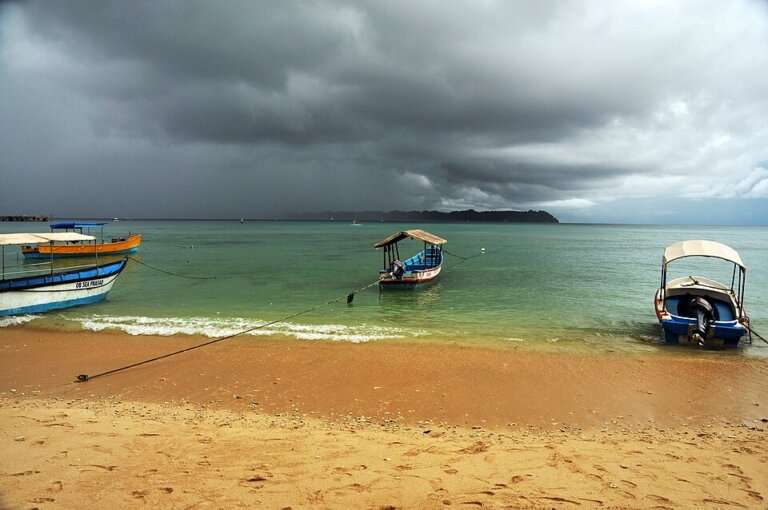
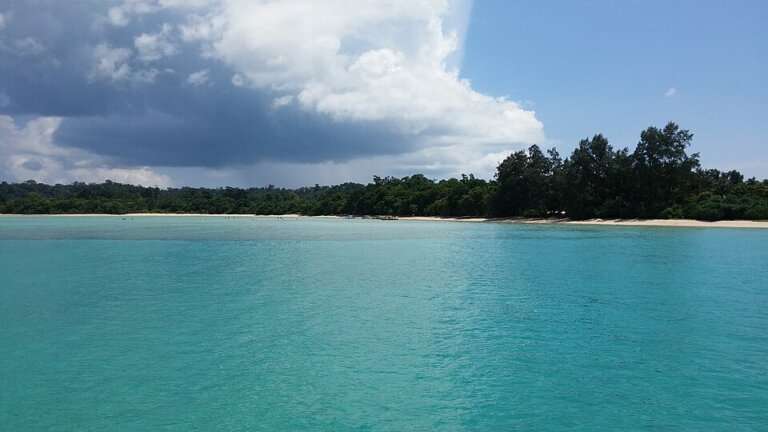
Bharatpur is a shallow, white-sand beach on Neil Island with Bay of Bengal views and, in season, glass-bottom boats. In July those water sports run only on calm days, but the beach itself is an easy, family-friendly stroll between showers, as long as the Port Blair to Neil ferry is running that day. It is pleasant for the scenery; just treat the water sports as a maybe.
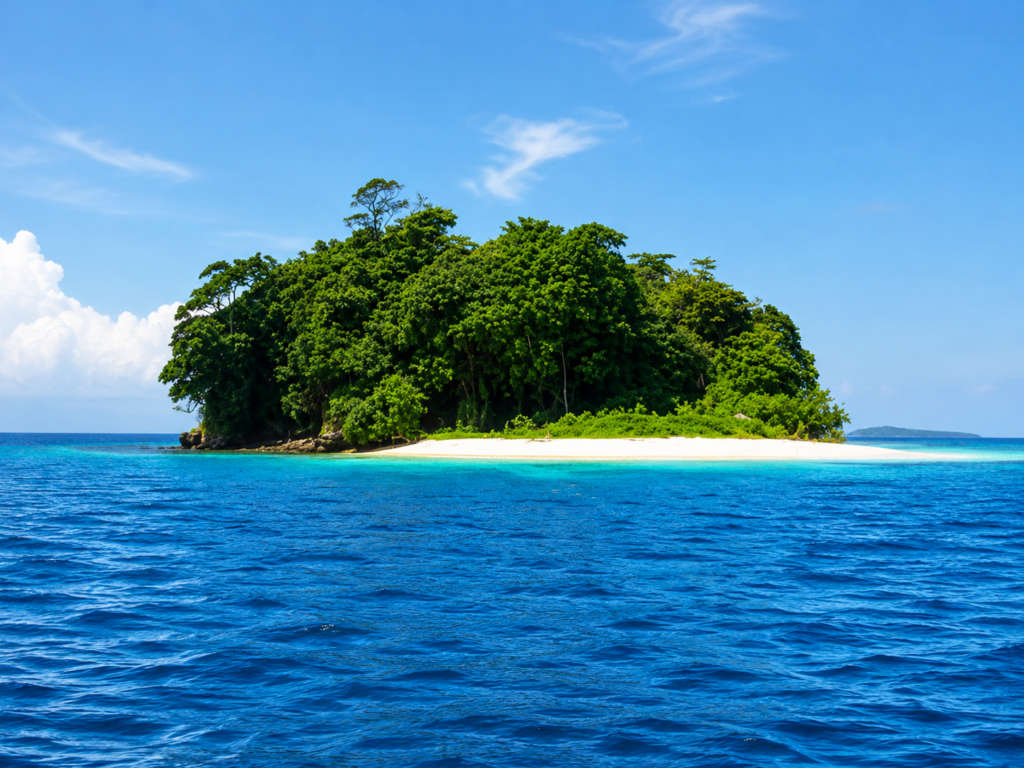
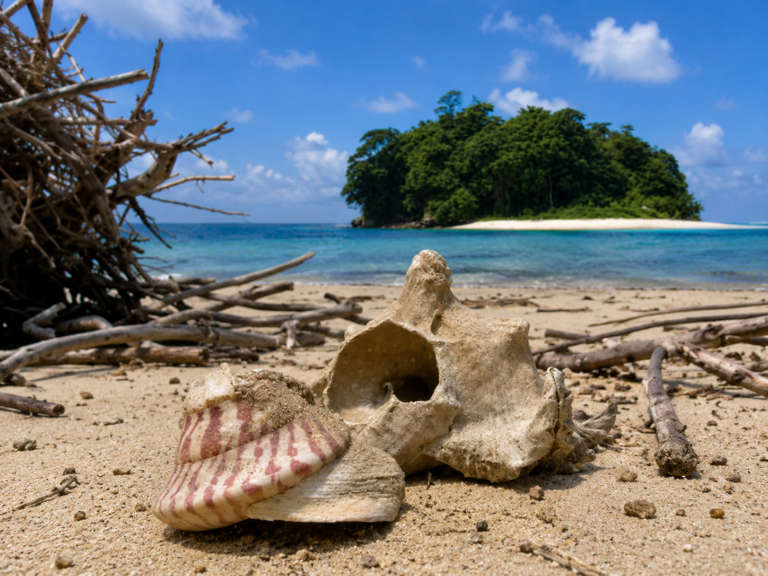
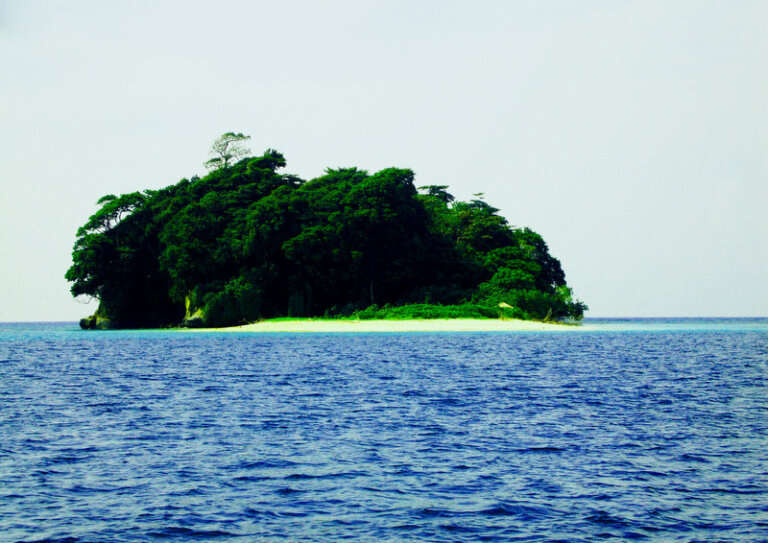
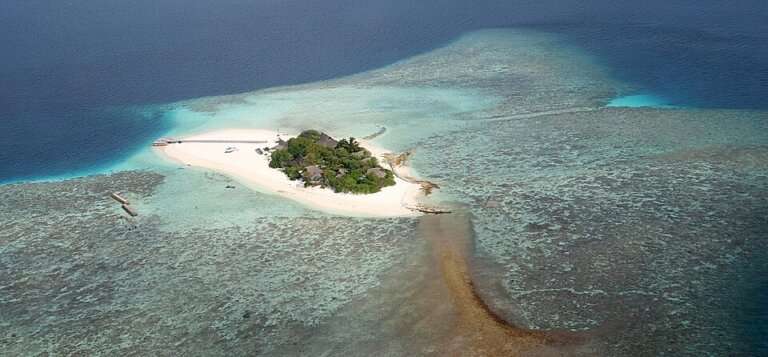
Around 30 km south-west of Port Blair inside Mahatma Gandhi Marine National Park, Red Skin is a coral-rich island usually visited for shallow-water snorkelling. The national-park snorkel boats are closed June to October, so in July it is a conditional, scenery-only pick, and often not reachable at all. Check before you plan a day around it. You are likely better off saving it for November onward.
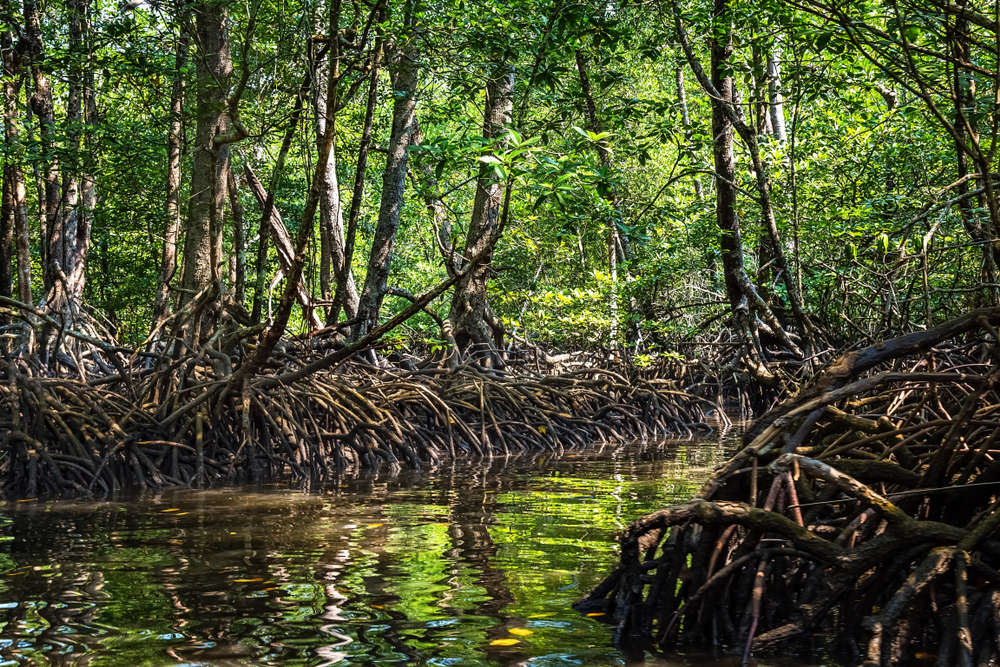

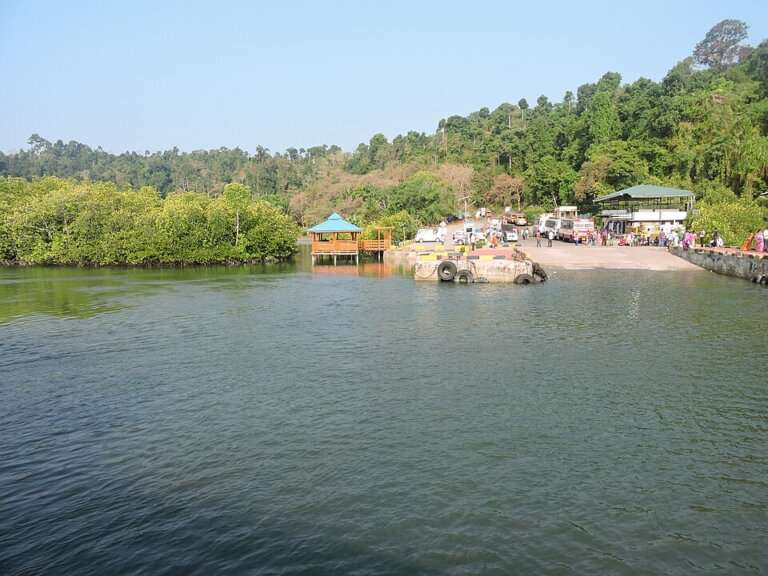
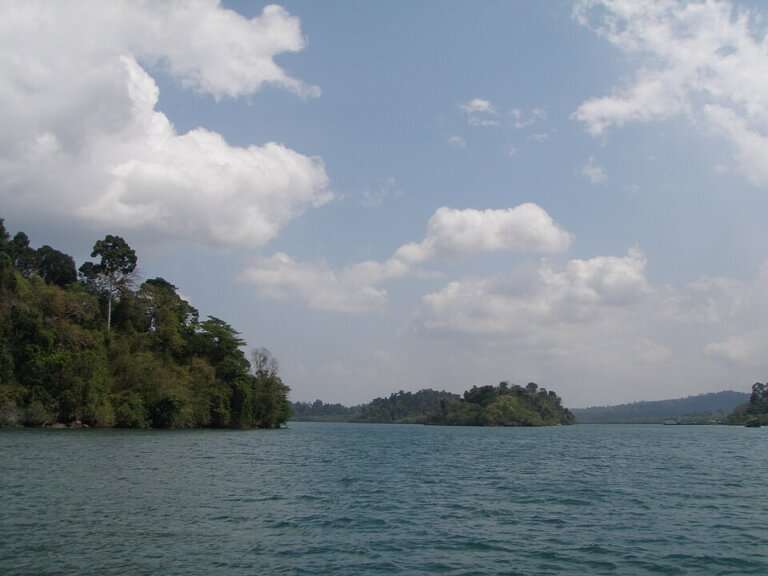
About 100 km from Port Blair, Baratang is reached by a road convoy through the Jarawa reserve plus a boat ride, out to mangrove creeks and limestone caves. The convoy and boat run on days without cyclone alerts or heavy forest-area rain, so it is genuinely possible in July, just never guaranteed. Go on a clear day with an early start, and keep a backup plan in your pocket.
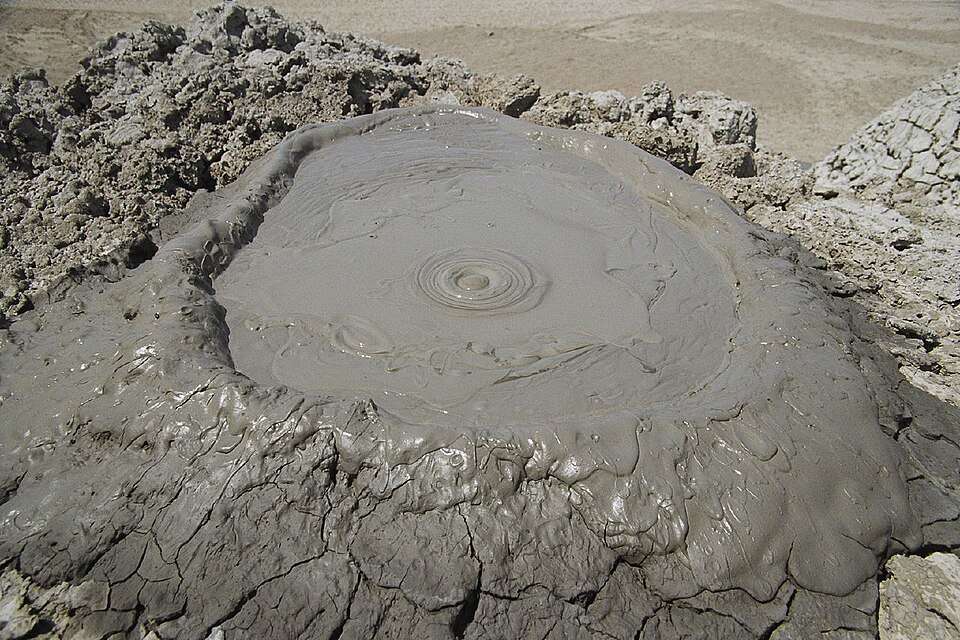
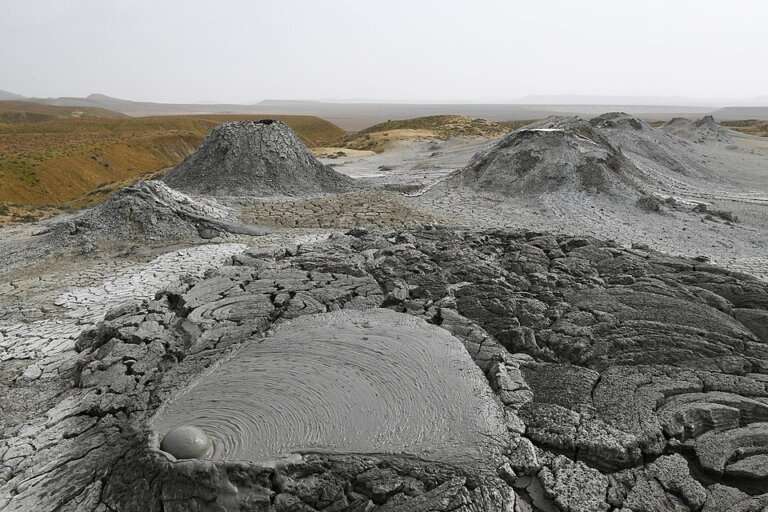
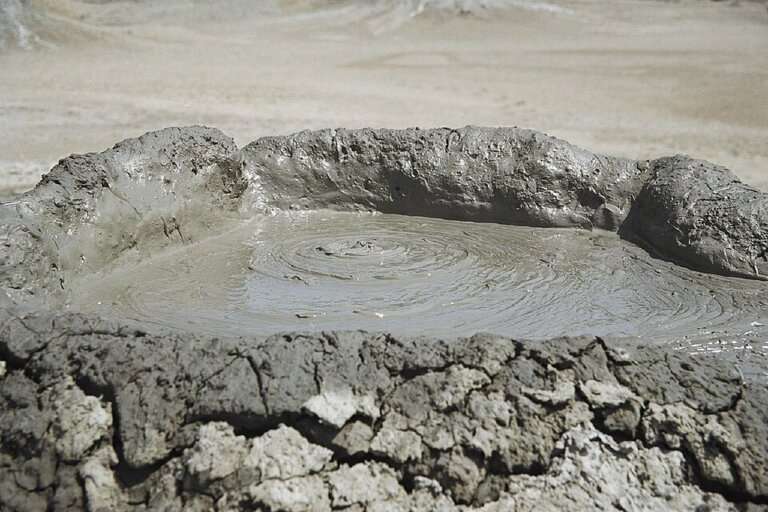
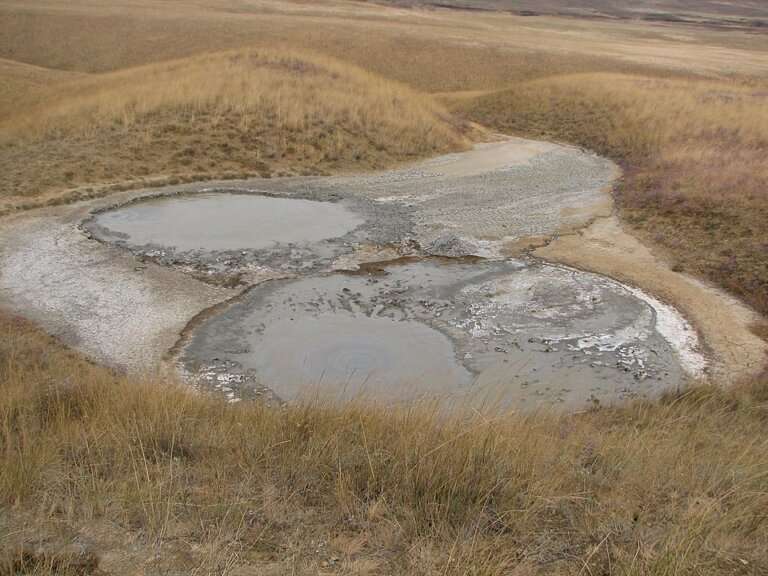
Andaman has more than 25 small mud volcanoes, mostly around Baratang and Diglipur, formed by escaping hydrocarbon and methane gases. They sit on the same weather-dependent Baratang route, and the trails close in heavy rain. Treat them as a conditional add-on to a Baratang day, not a trip you build around.
Want the greenest, most July-specific outing of all? Add Chidiya Tapu for birding and the sunset, or the northern waterfalls near Diglipur when the roads are clear. And if your dates are flexible, it is worth comparing the shoulder months either side. See our guides to Andaman in June and Andaman in August, the two monsoon months that bracket July, or the year-round places to visit in Andaman if you are still choosing when to travel.

July’s biggest draw is value. Because it is firmly off-season, hotels, resorts and tour packages run at the lowest rates of the year, often well below peak-winter prices, and the islands are close to empty. The trade-off is weather risk, which a few simple habits manage.
On price, July genuinely is the cheapest window to plan an Andaman trip. The catch is the weather, not the cost.
Step 1: Fly into Port Blair. Veer Savarkar International Airport is the single gateway. Monsoon flights can be delayed, so avoid tight same-day onward connections.
Step 2: Spend the first days on all-weather Port Blair. Cellular Jail, the Anthropological Museum, Murugan Temple and the Ross Island hop are the dependable core of a July trip, so schedule them first.
Step 3: Add islands as fair-weather bonuses. Book Havelock (Swaraj Dweep) or Neil (Shaheed Dweep) only with flexible dates, and check ferry status each morning before committing.
Step 4: Treat water sports as a maybe. Scuba runs on calm Havelock mornings only and the national-park snorkel boats are closed until November, so plan the trip so nothing depends on them.
Step 5: Keep a buffer day before your flight. Hold your last night in Port Blair so a cancelled ferry cannot make you miss your departure.
Step 6: Book early for the off-season rate. July carries the year’s lowest package prices, but ferries and the best-value rooms still sell out, so lock them in ahead.
July rewards the traveller who plans for the rain rather than against it. Lead with all-weather Port Blair, add the islands as fair-weather bonuses, and enjoy Andaman & Nicobar at their greenest and cheapest. When you are ready to turn this into a route, browse our Andaman tour packages, every one of which can be customised around monsoon-friendly sights and buffer days, or read our wider Andaman travel guide for ferries, islands and the best time to go.
Yes, if you go for the right reasons. July is peak monsoon, so it suits travellers who want lush-green islands, near-empty heritage sites, fewer crowds and the year's lowest prices. It is not the month for guaranteed snorkelling, calm-sea swimming or reliable island-hopping. For those, November to April is far better. Plan a Port Blair-and-near-islands trip with buffer days and July rewards you.
Andaman in July is warm and humid rather than hot. Daytime highs sit around 29 to 30C and nights around 24 to 27C, with the sea a warm 28 to 29C and humidity in the low 80s. The heat is moderate. It is the heavy monsoon rain (~300 to 400 mm over about 17 days) and the rough seas, not the temperature, that shape a July trip.
Port Blair's heritage and indoor sights run as normal, the Cellular Jail and its evening show, museums and temples, along with the short Ross Island ferry on calm mornings. Chidiya Tapu birding and the monsoon waterfalls are at their best. The water-based side is what gets cut back: inter-island ferries run thinner, weather-dependent schedules, the Jolly Buoy and Red Skin national-park snorkel boats are closed June to October, scuba runs only on calm Havelock mornings, and the Baratang convoy and water sports pause on rough or stormy days.
Scuba is not banned in July, but it is limited. At Havelock (Swaraj Dweep) it runs only on calm early mornings when visibility allows, and it is cancelled on rough-sea days, so it is a maybe rather than a plan. The national-park snorkel boats to Jolly Buoy and Red Skin are fully closed June to October. If diving is the point of your trip, travel between November and April instead.
Yes. July is the peak of the south-west monsoon, with roughly 300 to 400 mm of rain spread over about 17 wet days, frequent heavy showers and thunderstorms, and high humidity. Rain usually comes in bursts rather than all day, so trips are still possible, but you should carry rain gear, keep electronics waterproofed and build flexibility into the plan.
July is the best time for them. The monsoon is exactly what fills the northern waterfalls near Diglipur and Rangat, White Surf and Panchavati among them, so they run at full flow when they are only a trickle in the dry season. Access is on the same weather-dependent northern routes as Baratang, so go on a clear day with an early start and keep the plan flexible. It is the most genuinely July-specific sight on the islands.
Yes, and it is one of the few outdoor activities that is actually at its best now. Chidiya Tapu, the birding and sunset point about 25 km south of Port Blair, stays open through the monsoon, and the wet, green cover brings out endemic species such as the Andaman woodpecker and various parakeets. It is land-based and reachable by road, so it does not depend on the ferries or the sea state. Carry a rain cover for your camera and go early.
Rough. July is peak south-west monsoon, so the Andaman Sea is choppy with heavy swell, and open-water swimming is unsafe. Inter-island ferries still run but on reduced, weather-dependent schedules with a real chance of cancellation, and most open-sea water sports are suspended. Sheltered creeks and calm early mornings are the exceptions. Check the day's marine forecast and follow any red-flag advisories on the beaches.
Pack for warm, wet weather: a quick-dry rain jacket or poncho, a waterproof bag or pouch for phones and cameras, light breathable clothing, sandals with good grip for wet surfaces, and motion-sickness tablets for choppy ferry rides. Sunscreen still matters between showers, and a small umbrella plus a power bank are worth the space.
The off-season months of June to September are the cheapest to visit Andaman, and July sits right in that window. Hotels, resorts and tour packages run well below peak-winter rates, and flights are typically much cheaper than in the December to January high season. The trade-off is monsoon weather, so the savings come with rough seas and reduced water activities.
Five nights and six days is a comfortable length, and in July it pays to weight those days toward Port Blair and the nearby islands rather than an ambitious multi-island route. Add a spare buffer day before your flight home in case a ferry is cancelled on rough seas. If you want to reach the far north, eight or more days gives the weather room to cooperate.
Port Blair is the most reliable base in July. Its heritage sites and museums are all-weather, and Ross Island is a short hop away. Havelock (Swaraj Dweep) and Neil (Shaheed Dweep) are still beautiful and very green, but plan them with flexible dates because the ferries and water sports are weather-dependent. Save the far islands like Baratang for clear days.
Pack for warm, wet weather: a quick-dry rain jacket or poncho, a waterproof bag or pouch for phones and cameras, light breathable clothing, sandals with good grip for wet surfaces, and motion-sickness tablets for choppy ferry rides. Sunscreen still matters between showers, and a small umbrella plus a power bank are worth the space.
Yes, but on reduced, weather-dependent schedules. Government and private ferries between Port Blair, Havelock (Swaraj Dweep) and Neil (Shaheed Dweep) still run in the monsoon, though with fewer daily sailings than in peak season and the real chance of a cancellation on rough seas. Book ahead, check the day's status each morning, and keep a buffer day before your departure flight.
Real reviews from real travelers who booked with us.
View All Reviews