5D / 4N
19% OFF
5D / 4N
19% OFF
Andaman Family Holiday For 4 Nights 5 Days
- Hotel
- Meals
- Sightseeing
- Transfers
₹23,574
₹18,990 /pp



January is the single best month to visit the Andaman Islands. It sits in the heart of the peak dry season: daytime highs hold around 29-30 C, the sea stays calm at roughly 28 C, rainfall drops to about 40 mm across only 2-4 wet days, and underwater visibility opens up to 15-30 metres, the clearest water of the year for scuba and snorkelling. That mix of warm, dry, settled weather is exactly why the December to January window is the most-booked time on the islands. Below you will find the full January weather breakdown, the 12 best things to do in Andaman this month, what to pack, how many days you need, and what it costs, all anchored to January, not generic island advice.
Top Andman Packages you Must Explore
Best Time
October - May
Select Package Type


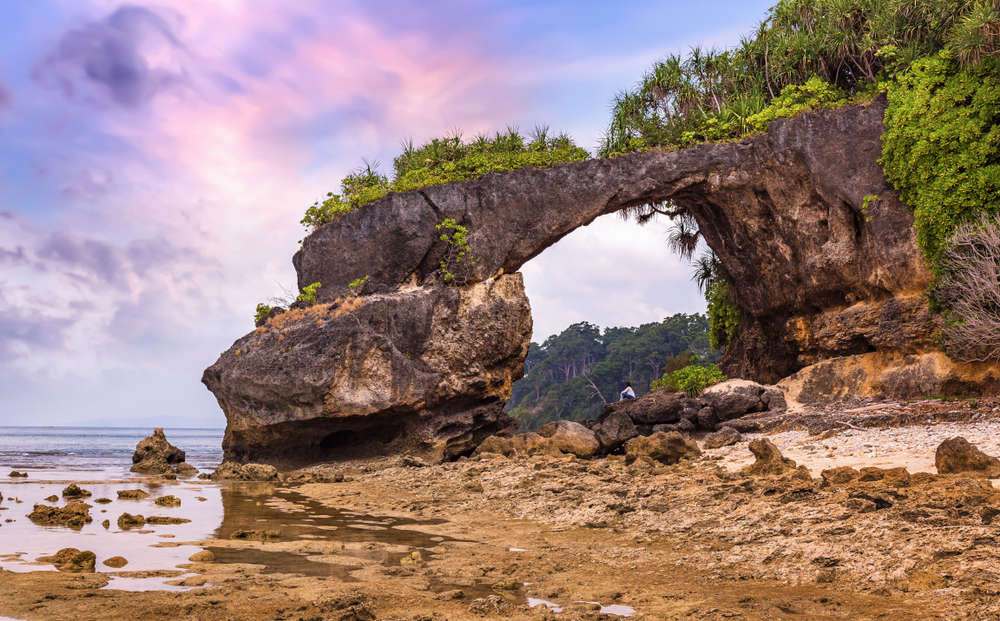
January is peak season in the Andamans for one simple reason: the weather is as good as it gets. The southwest monsoon is long gone, the seas are flat, and the humidity that defines the rest of the year eases to the mid-70s. For travellers, that gives three concrete advantages.
There is one more reason January stands apart. It hosts the Island Tourism Festival, the archipelago flagship cultural event, staged in Port Blair and across the islands from late December into mid-January with folk dance, local craft stalls, food and water-sport displays. If your dates line up, it is the liveliest time to be on the islands. January is also the heart of Olive Ridley turtle-nesting season in North Andaman and prime time for bioluminescent night kayaking, two experiences you can only pair with a January trip (both covered below).
The trade-off is crowds and price. January is the most popular month, so flights, ferries and the better hotels book out early. Plan and lock your dates well ahead.
For the same peak-season weather either side of January, see our guide to Andaman in December and the wider things to do in Andaman through the year. To shape the whole trip, the Andaman travel guide maps the full calendar.
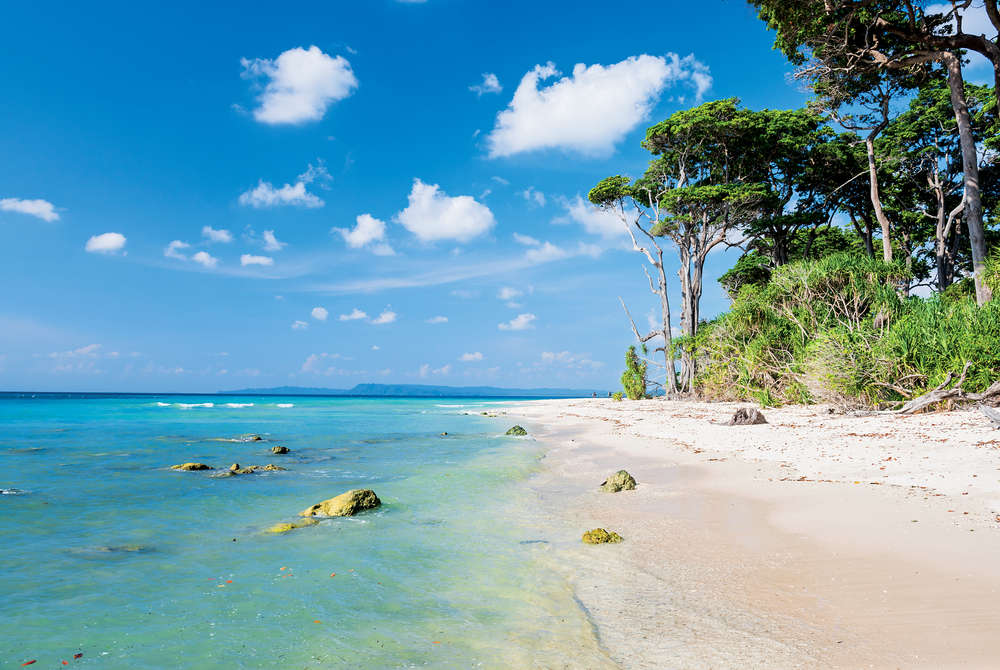
January is the driest, most settled month in the Andaman calendar. Days are warm and sunny, nights are mild, the sea is swim-warm, and rain is rare and brief. The table below is built from long-term Port Blair climate normals and Havelock sea-temperature records, the figures you should actually plan around.
| Metric | January value | Why it matters for your trip |
| Average daytime high | 29-30 C | Warm, sunny beach and boat days |
| Average nighttime low | 23-24 C | Mild evenings; carry one light layer |
| Sea temperature (Havelock) | ~28 C | Swim-warm; comfortable for long water sessions |
| Monthly rainfall | ~40 mm | Low; the driest stretch of the year |
| Rainy days | 2-4 days | Brief showers at most; rarely disrupts plans |
| Humidity | ~74% | Noticeably drier and more comfortable than summer |
| Underwater visibility | 15-30 m | Clearest water of the year for diving and snorkelling |
| Best for | Scuba, island hopping, beach days | Every signature activity is in season |
Source: Port Blair long-term climate normals and Havelock Island sea-temperature records. Pack for warm, dry days, carry a light layer for the evening breeze, and expect the calmest, clearest sea of the year.
Every signature Andaman experience is in season in January. The dry weather and calm seas mean water sports, island hops and open-sea rides all run at their best. Here are the 12 things worth building your January itinerary around, with where to do each.
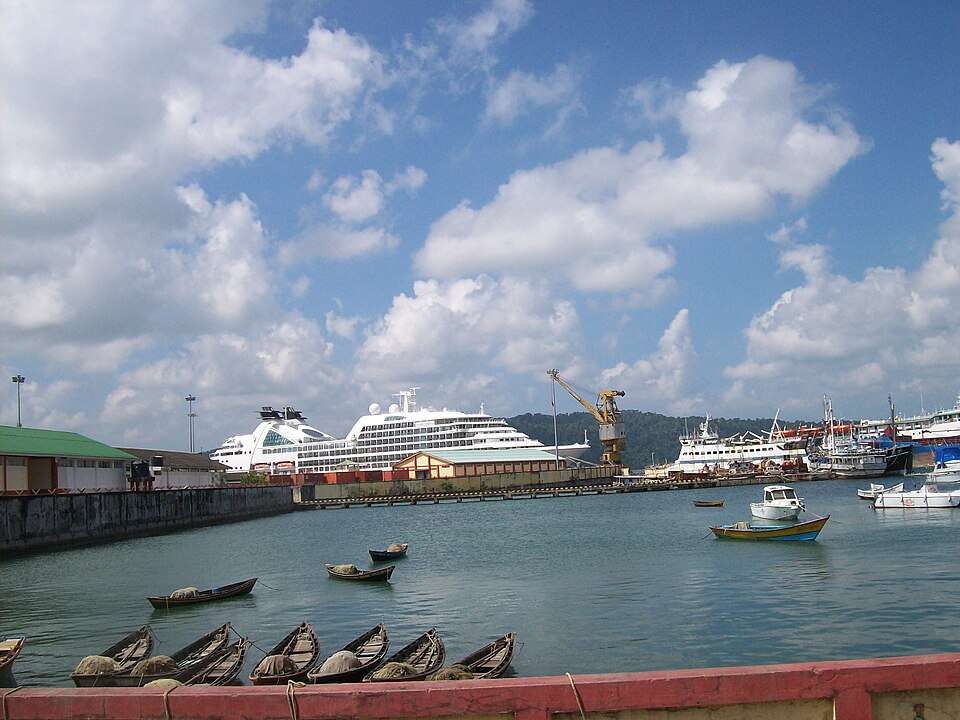
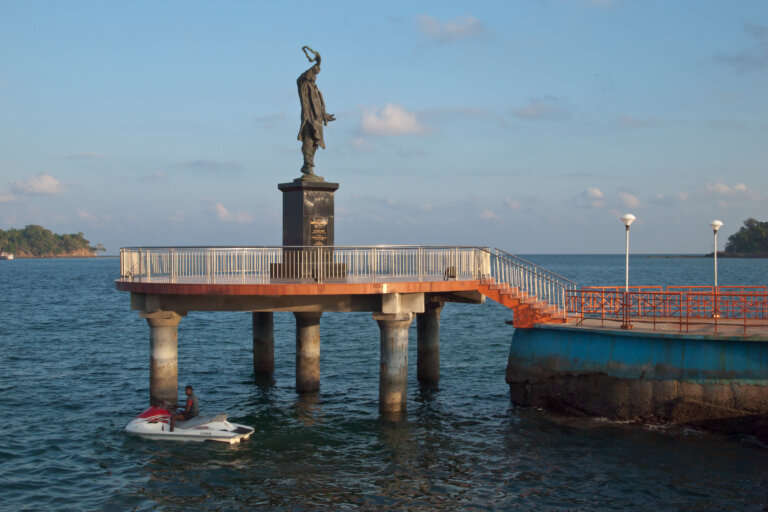
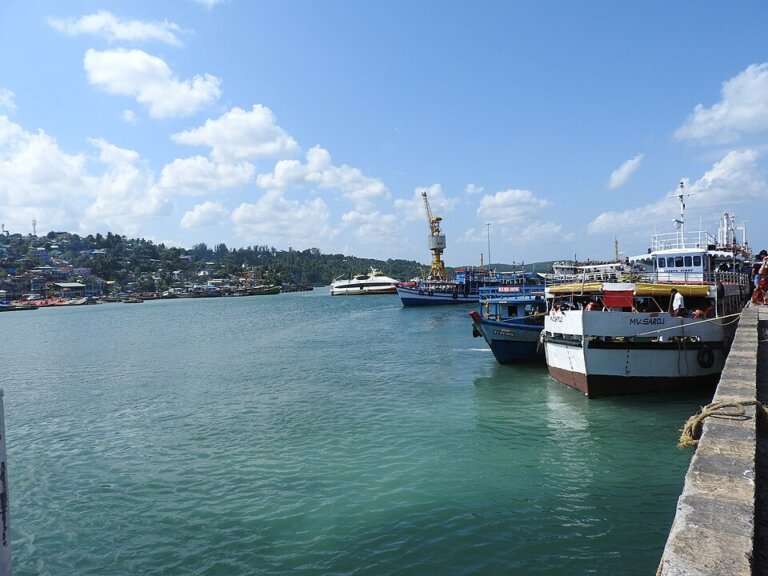
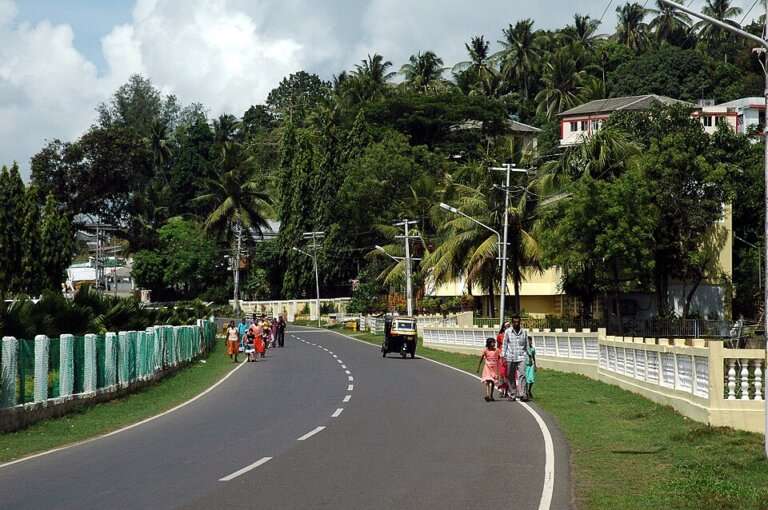
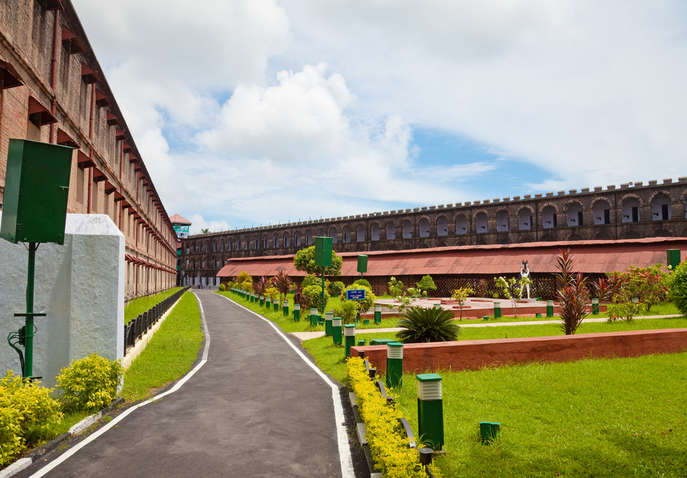
Start at the Cellular Jail and its evening light-and-sound show, then work through Corbyn’s Cove, Chatham and the Marine Museum. January clear skies make the harbour and Ross Island views their sharpest, and the cooler mornings are ideal for walking the historic sites before the midday sun.
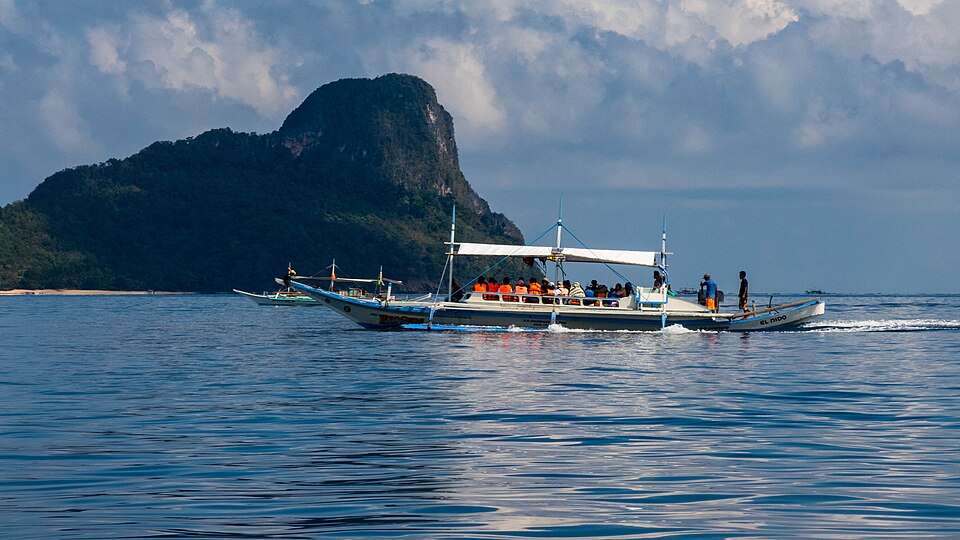
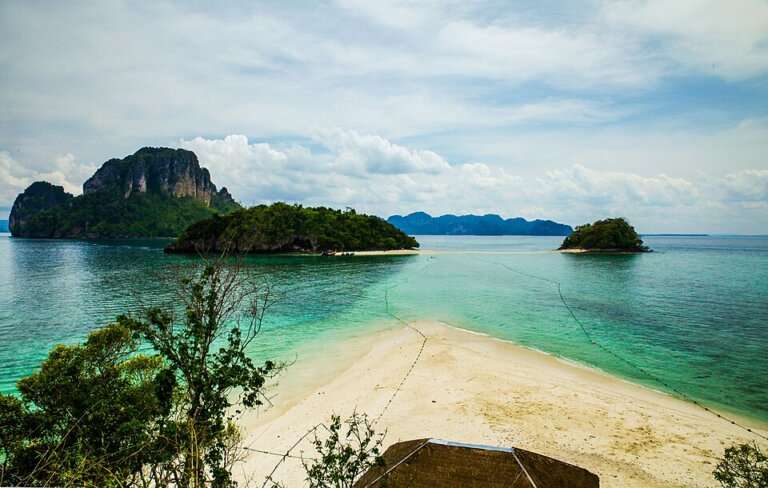

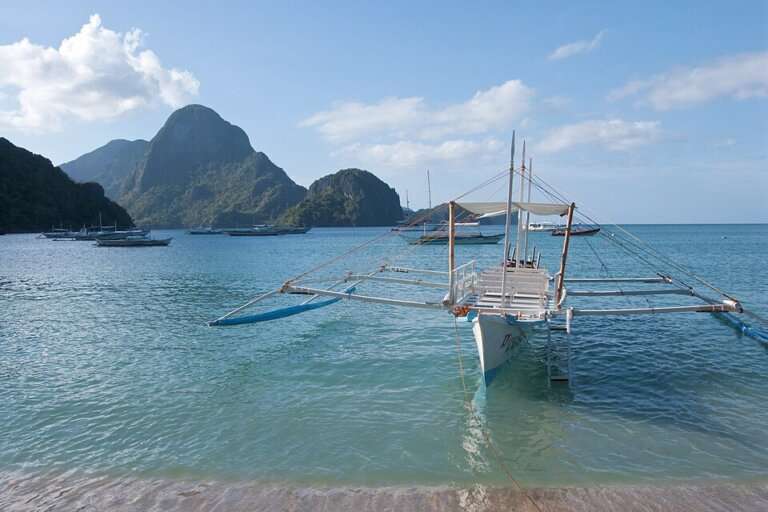
Base in Port Blair and fan out to Havelock (Swaraj Dweep), Neil (Shaheed Dweep), North Bay, Long Island and Baratang. On Havelock, make time for Radhanagar Beach (Beach No. 7), the wide, pale-sand curve most people picture when they think Andaman and a regular pick for Asia best-beach lists. January flat seas mean the inter-island ferries run reliably and the crossings are smooth, the single best month for an island-hopping circuit.

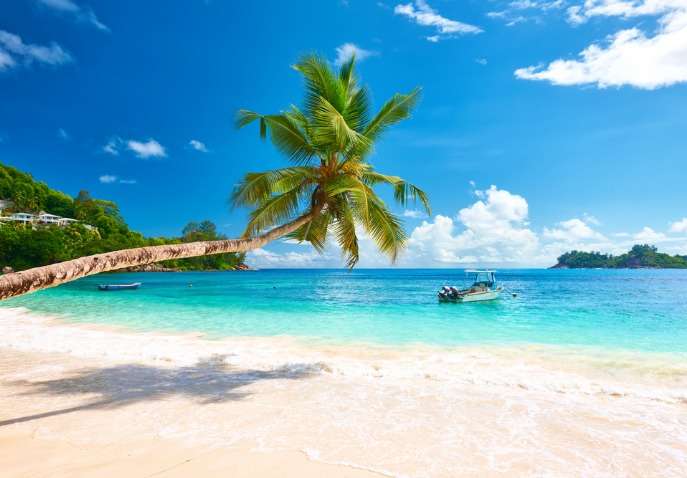

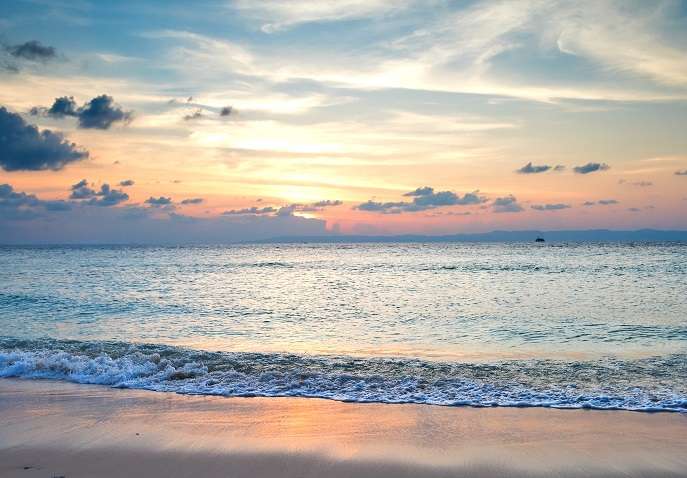

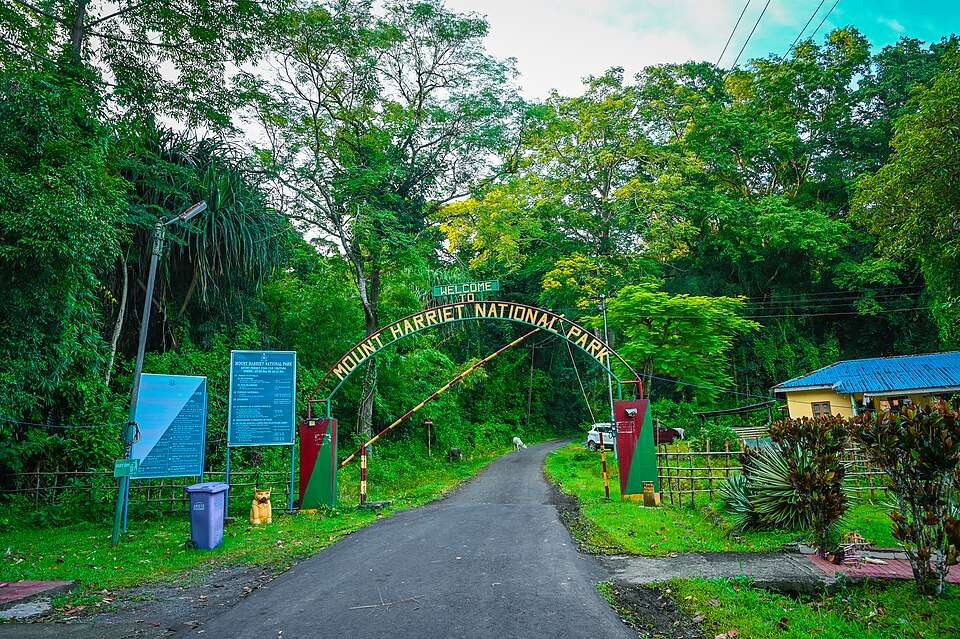


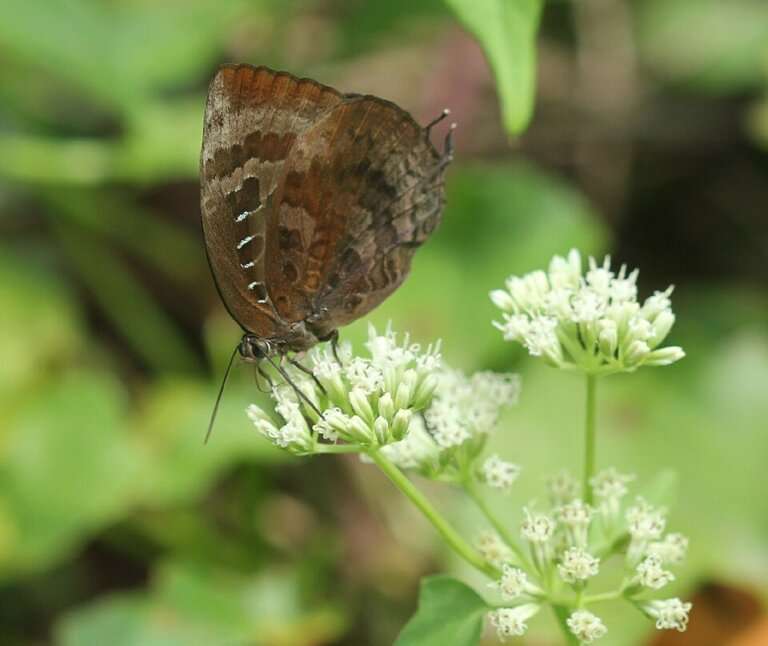
The trek up Mount Harriet (Mount Manipur) National Park near Madhuban rewards you with views over Port Blair harbour. January mild mornings and low humidity make the climb comfortable, and the dry trail is far easier underfoot than in the wet months.


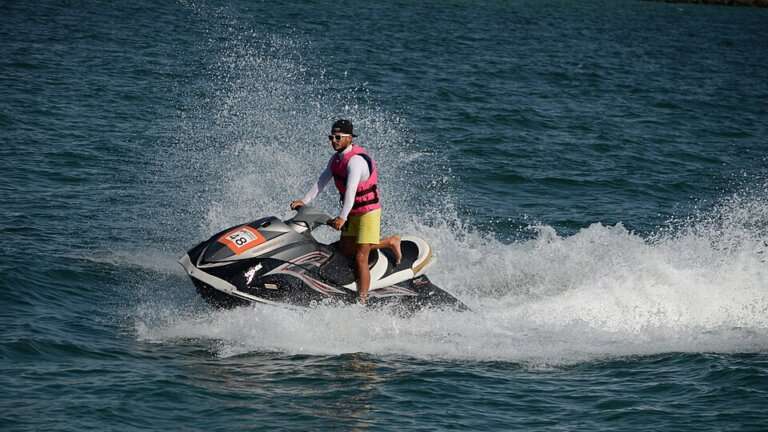

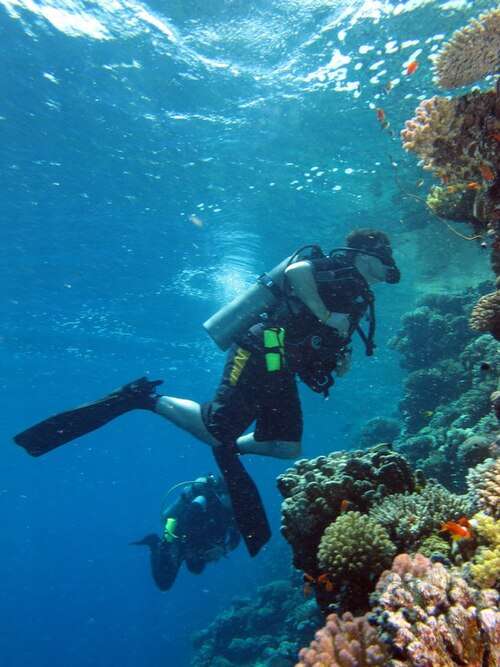
Sea walking, scuba, snorkelling, jet-skiing, banana-boat rides and parasailing all run off Havelock, North Bay and Jolly Buoy in the calm January water, with 15-30 m visibility that makes this the prime month for first-timers. Two extras are worth booking in advance: a glass-bottom boat at North Bay or Elephant Beach, which shows you the coral without getting wet and suits families and non-swimmers, and sea kayaking through the Havelock and Neil mangroves. Take the kayak out after dark on a moonless night and the water lights up with bioluminescent plankton, one of the quiet highlights of a January trip.
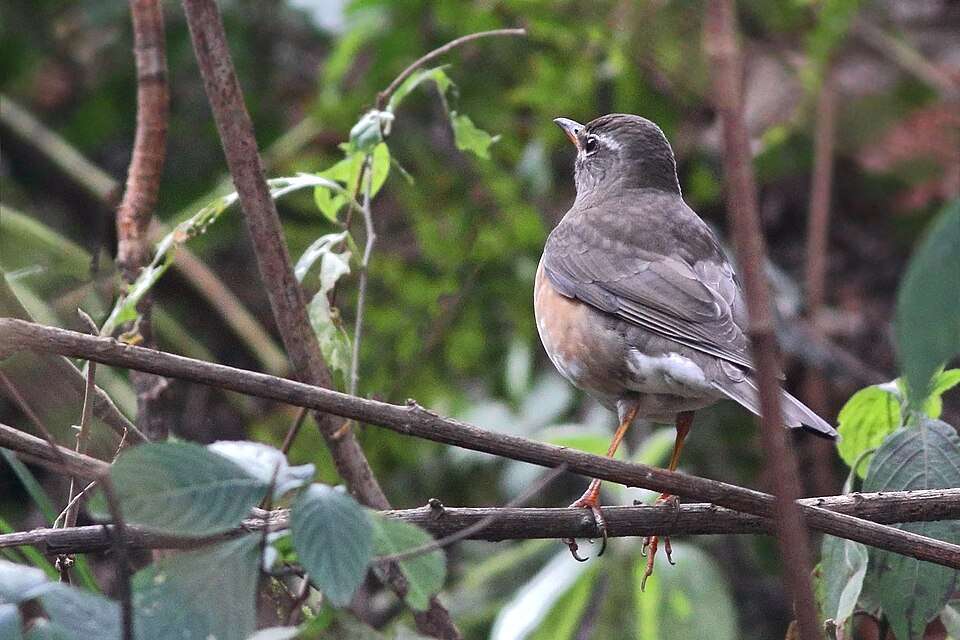
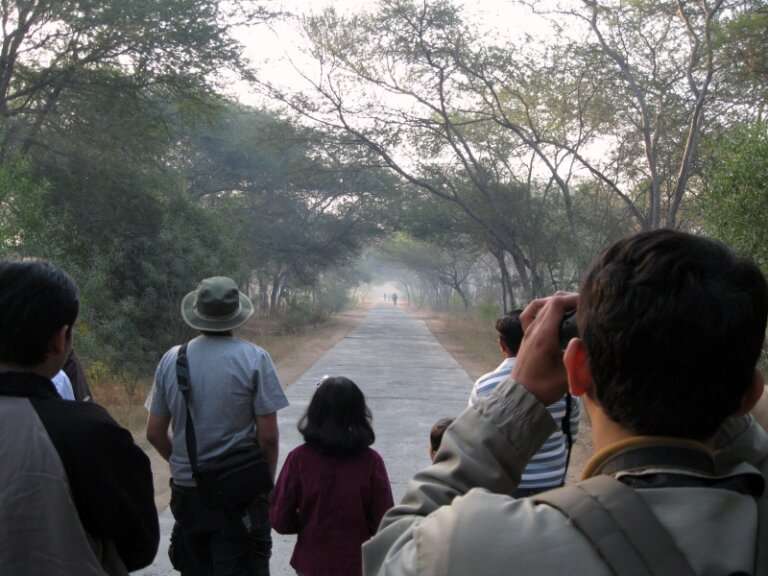
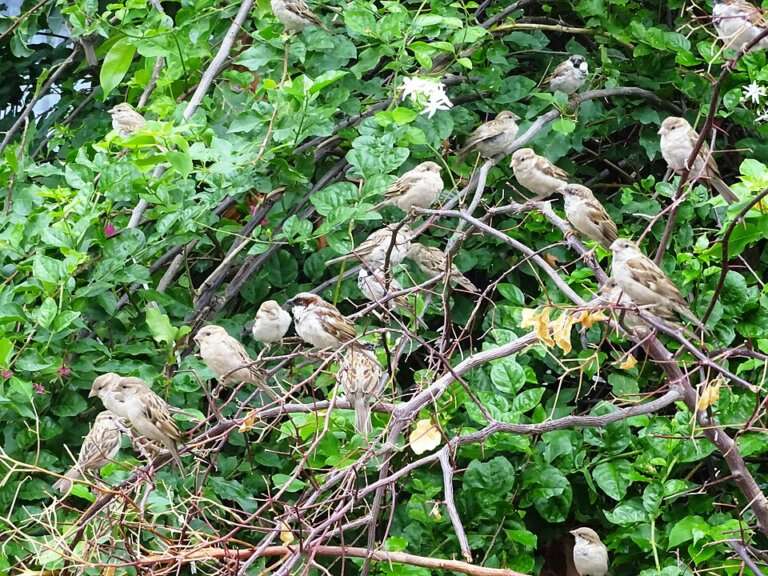
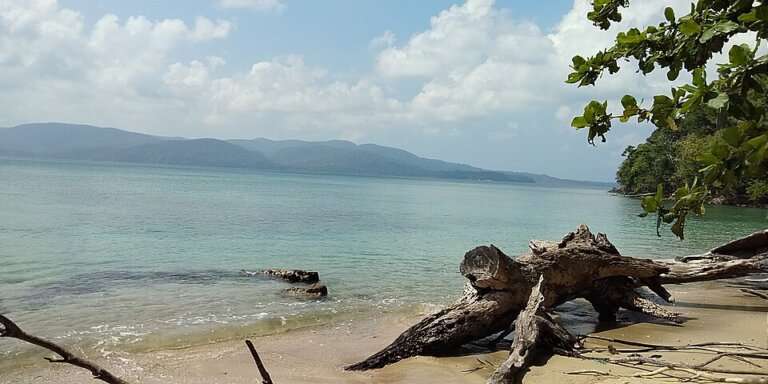
Chidiya Tapu, the southern tip of South Andaman, is the islands best bird-watching spot and a famous sunset point. January dry, clear evenings are perfect for spotting parakeets, sea eagles and the resident woodland species along the mangrove edges.
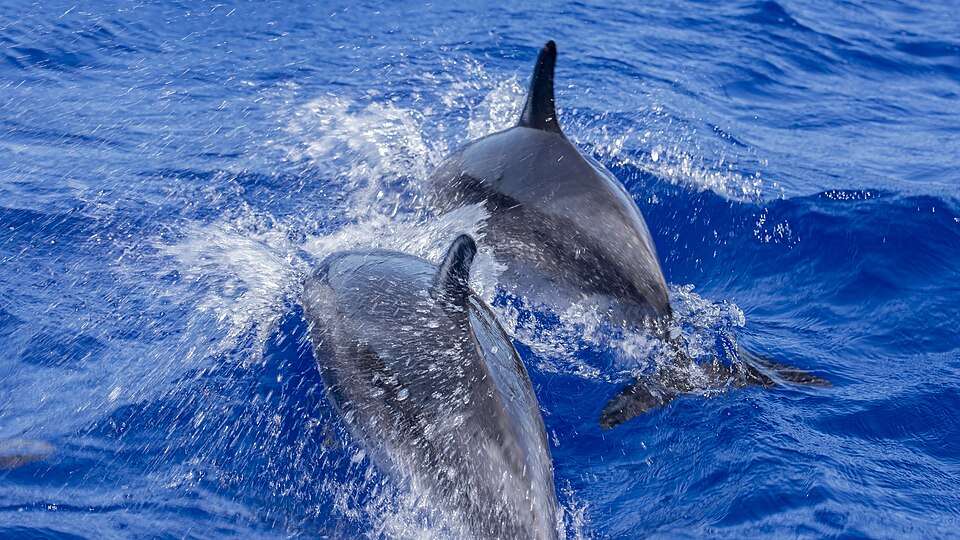
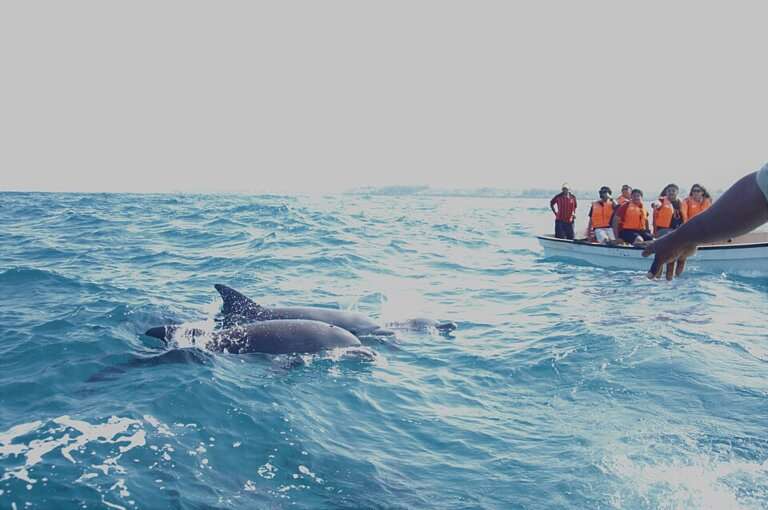
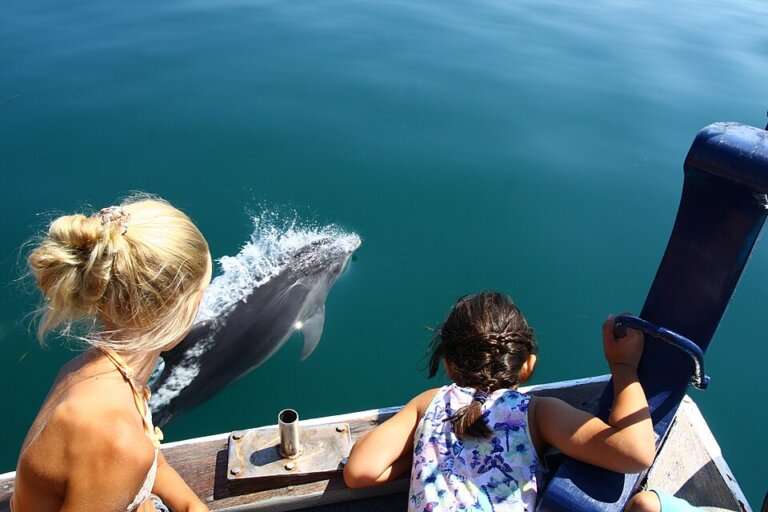
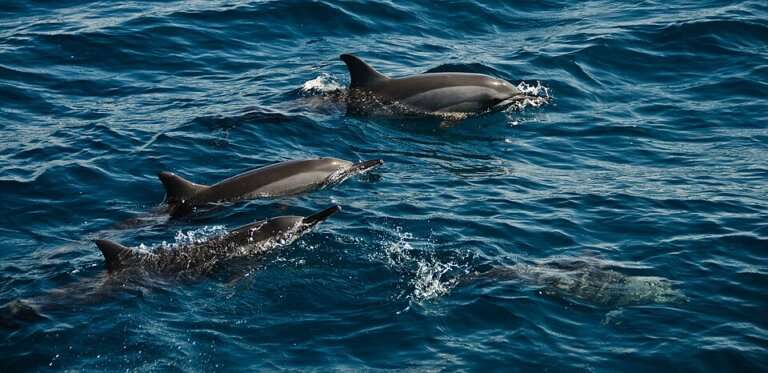
Boat trips out of Port Blair toward North Passage and the quieter bays regularly sight bottlenose and spinner dolphins. The calm January sea keeps boats steady and the animals close to the surface, so sightings are at their most reliable this month.
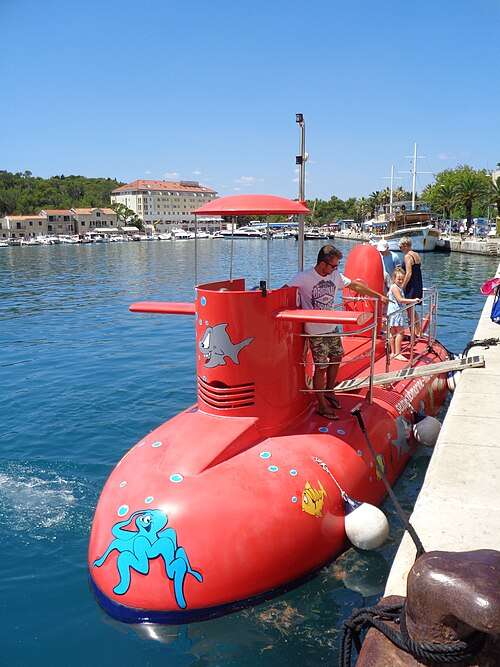
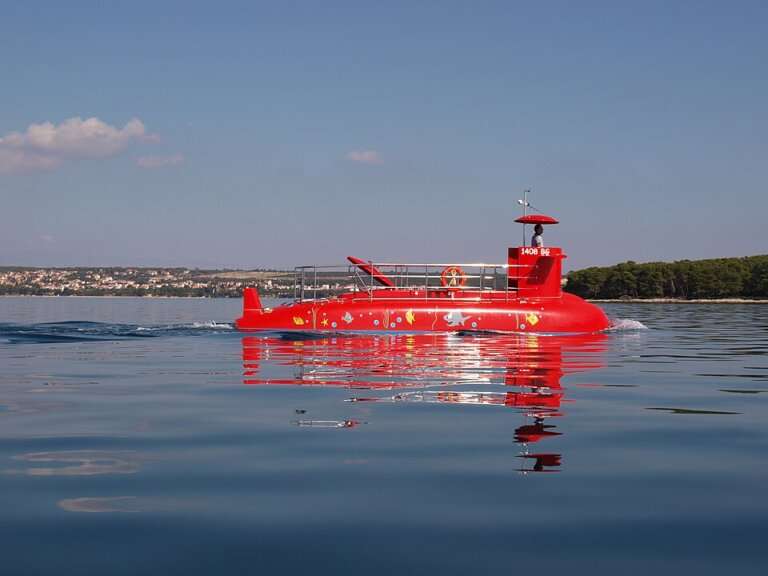

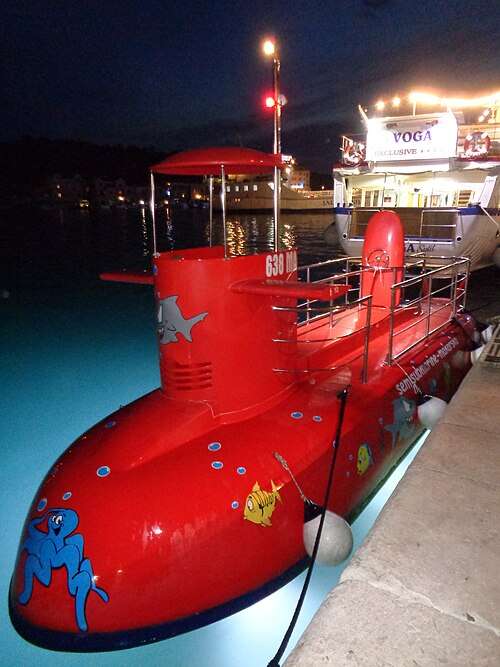
At North Bay, the semi-submarine takes you below the surface to see coral and reef fish without getting wet, ideal for families and non-swimmers. January high visibility means the coral gardens are at their most colourful through the viewing windows.
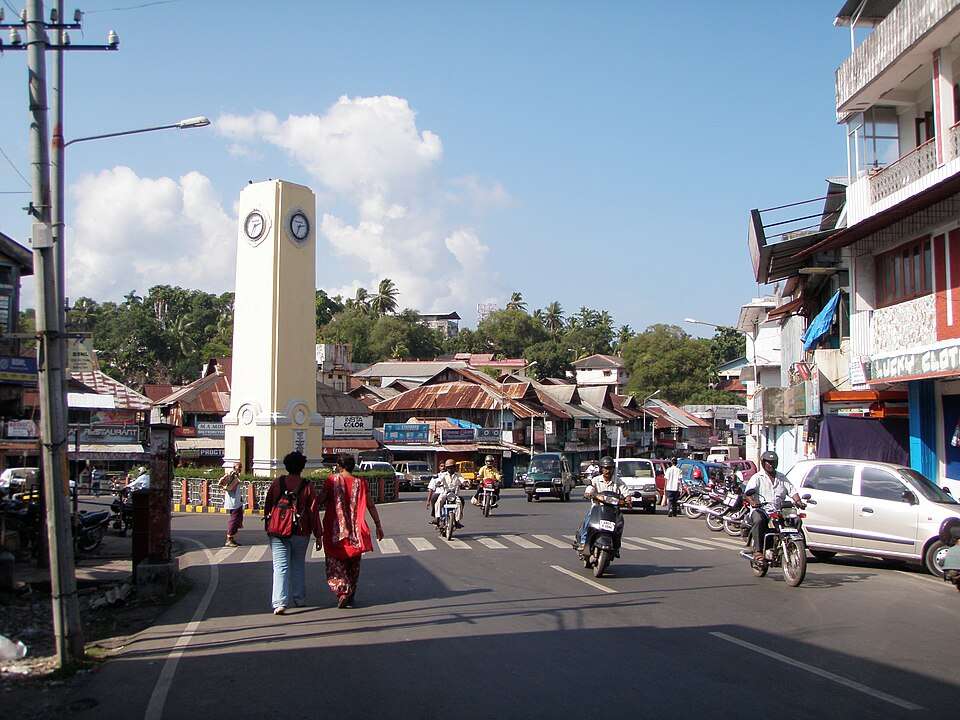
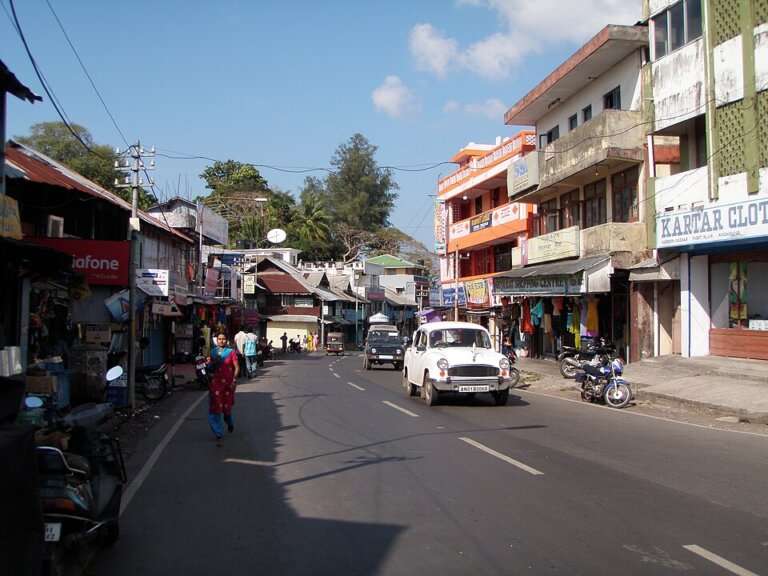


Port Blair main market is the place for souvenirs, shell craft, local spices and a feel for island life. The pleasant January weather makes an afternoon of browsing and street food comfortable rather than sweaty, a good rest-day activity between island trips.

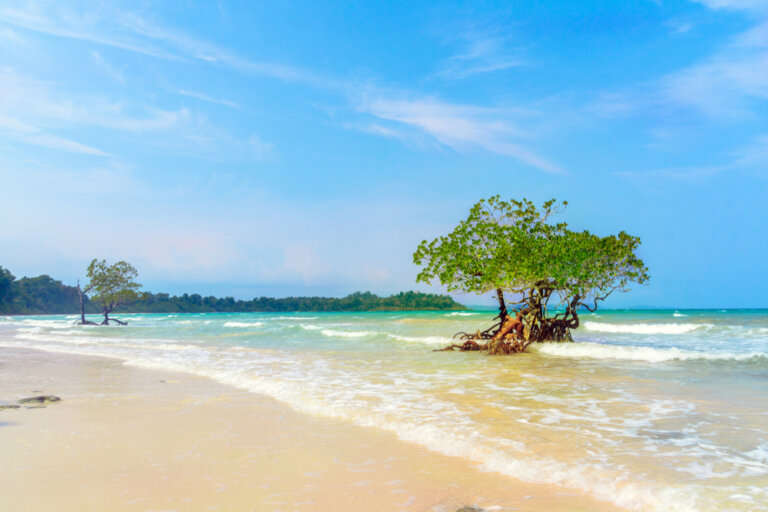
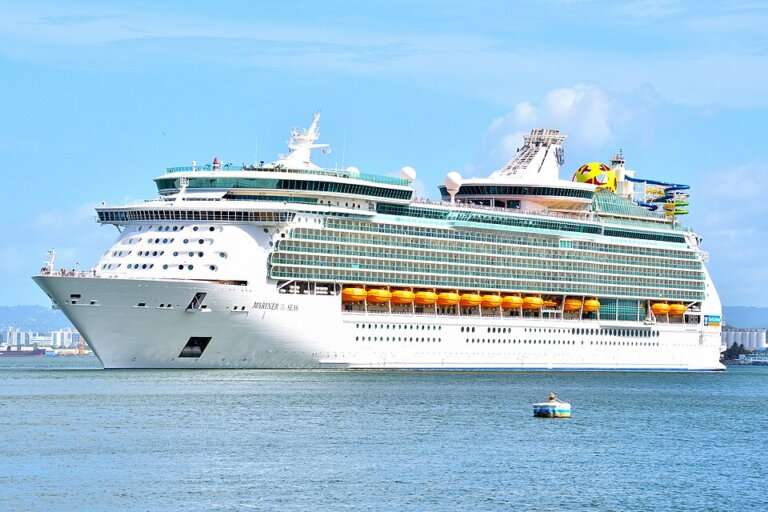
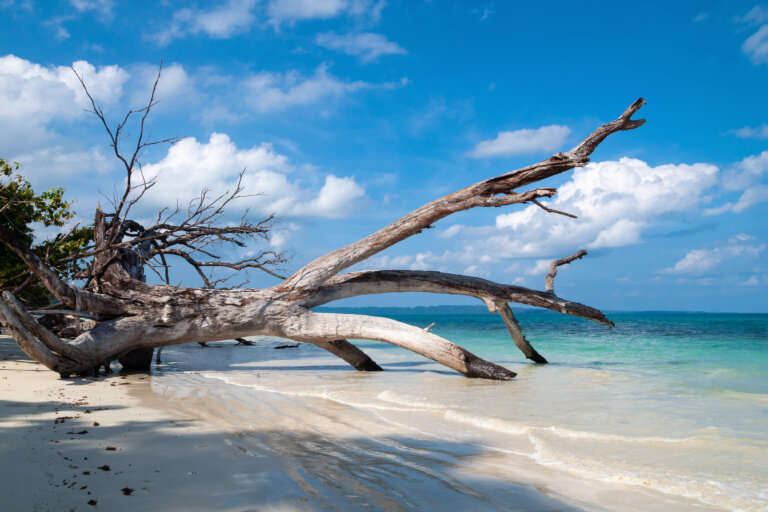
Private high-speed cruises and ferries make the Port Blair to Havelock run in comfort. With the January sea calm and flat, the crossing is smooth and the on-deck views are at their best. Havelock is also home to Radhanagar Beach and Kalapathar Beach, so the cruise doubles as the gateway to the islands two best-known stretches of sand. Book ahead, as peak-season sailings fill fast.


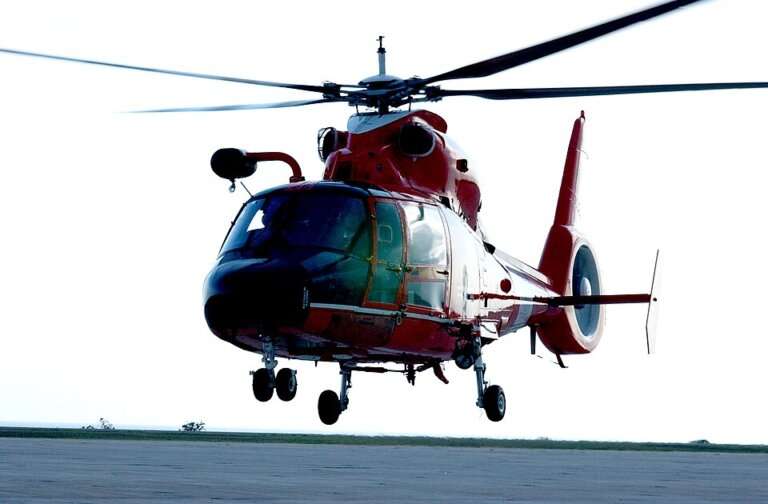
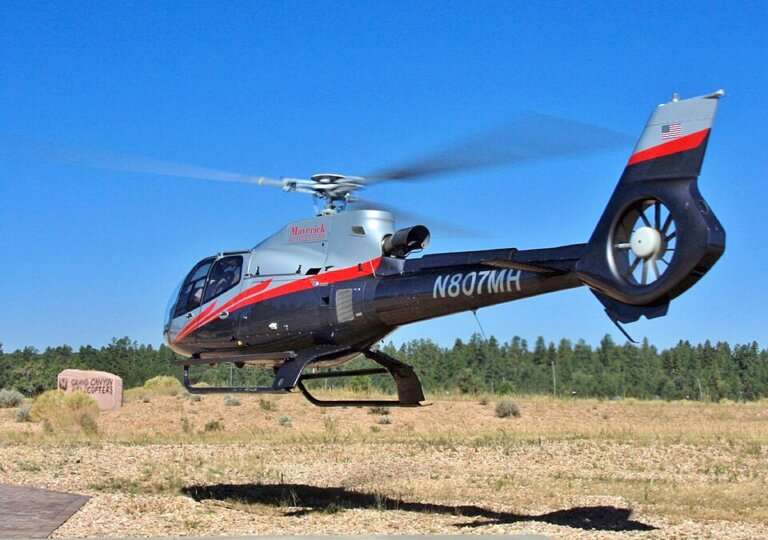
Inter-island helicopter services out of Port Blair give you an aerial view of the archipelago reefs and islets. January clear, low-cloud skies make for the cleanest visibility of the year from the air, a memorable splurge if your dates line up.




On Chatham Island, the Forest Museum and one of Asia oldest sawmills tell the story of the islands timber and ecology. It is a quick, weather-proof stop that pairs naturally with Port Blair sightseeing on a January city day.
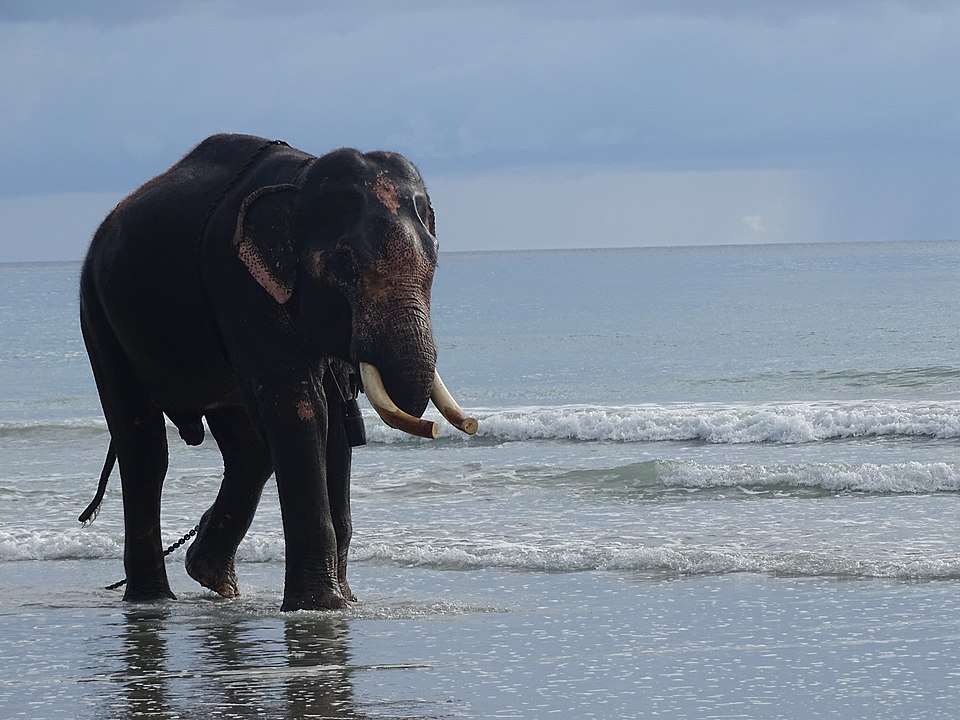
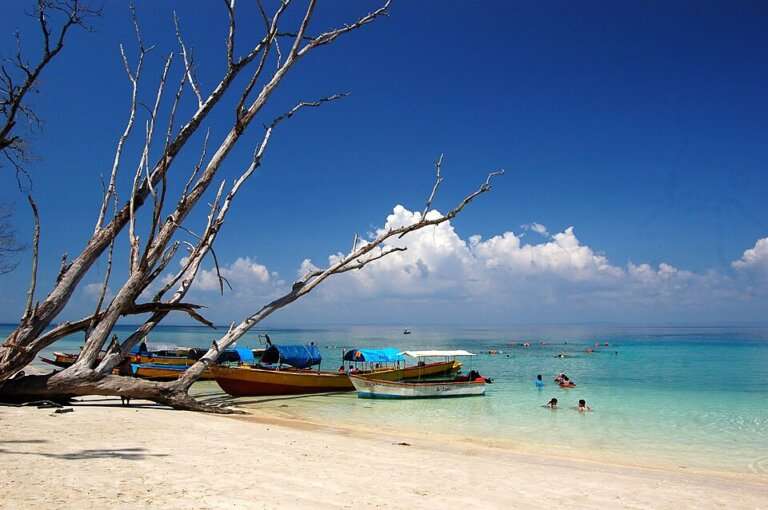
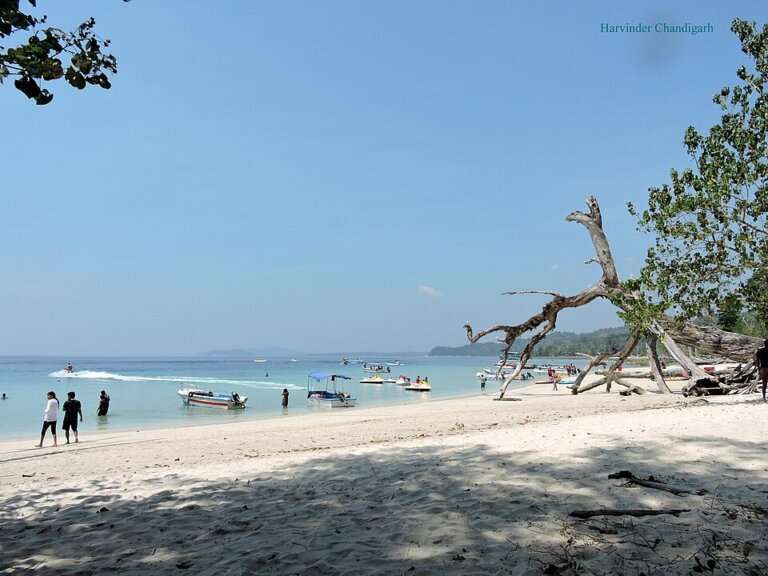
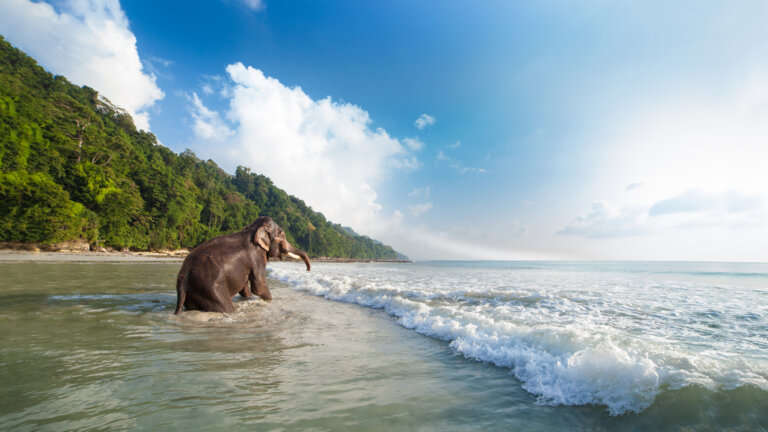
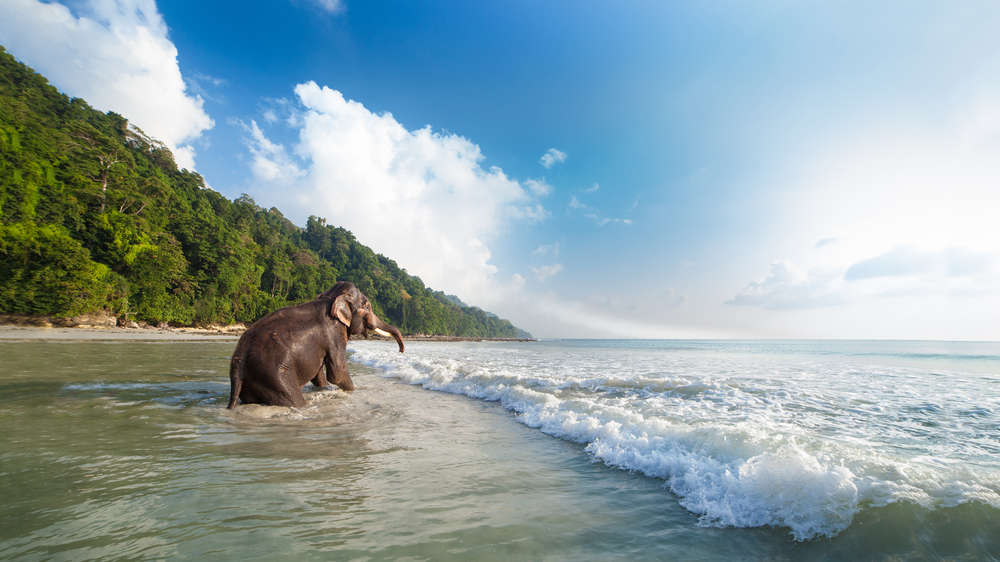
Reached by a short boat ride or jungle trek from Havelock, Elephant Beach is the islands go-to for snorkelling and beginner water sports over a shallow coral shelf. January clear, calm water makes the reef easy to see and the boat approach smooth.
Want all of this organised into one trip? Browse customisable Andaman tour packages that bundle the island hops, water sports and ferries for the January window.
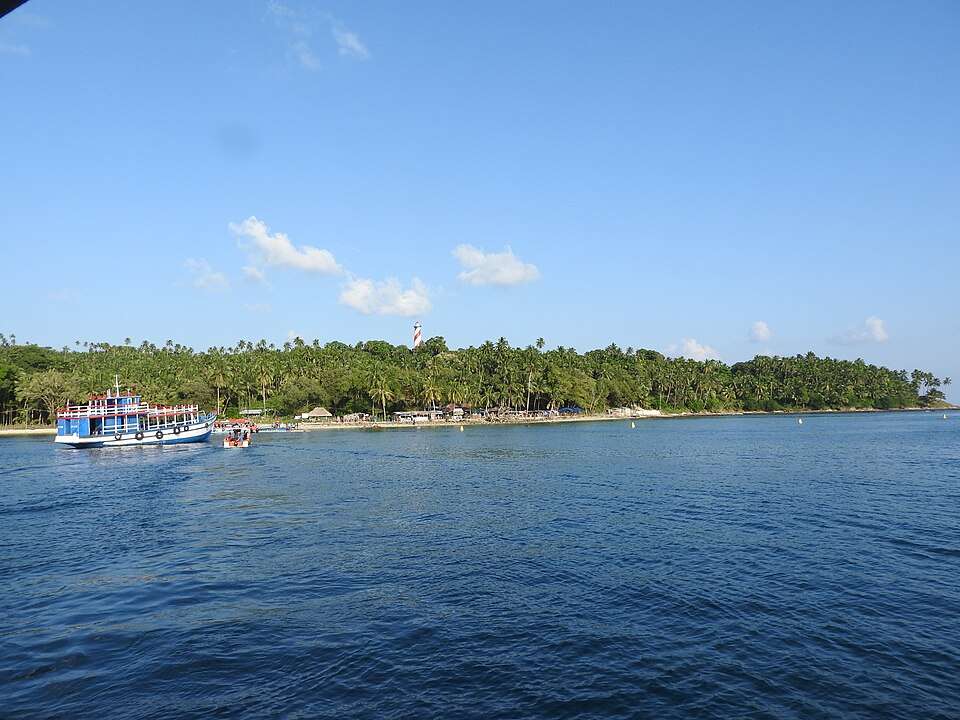
Most January itineraries stay in the South Andaman and Havelock cluster, but the calm, dry weather is exactly what makes the long haul up to Diglipur in North Andaman worth it. This is the quietest, most rewarding corner of the islands in peak season, and it holds three experiences you will not find further south.
Diglipur is a long day by road and ferry from Port Blair, so give it an overnight rather than a rushed day trip. Pair it with the Ross & Smith sandbar and the turtle beach and North Andaman becomes the standout leg of a longer January trip.
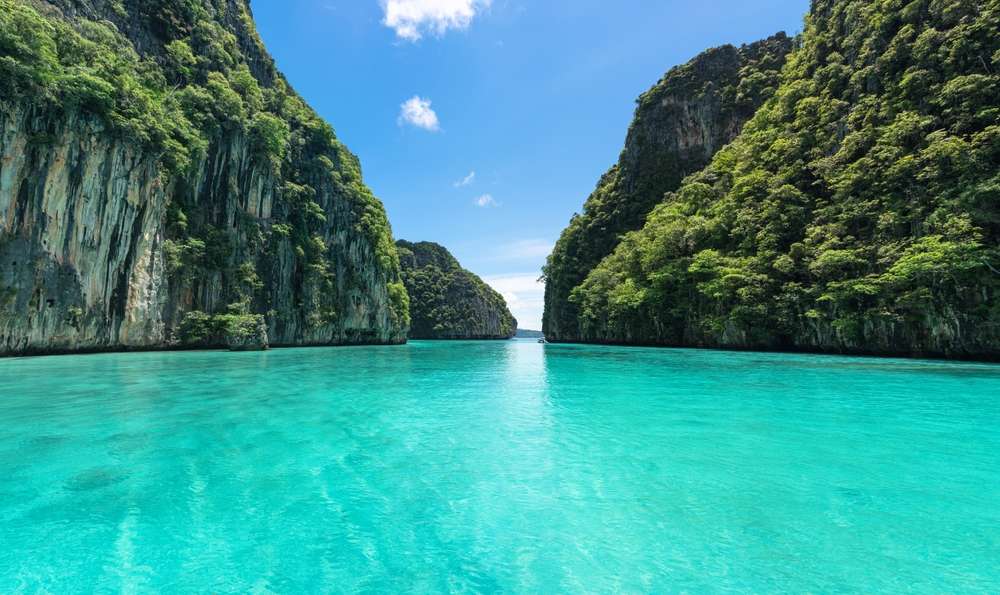
January sits at the centre of the peak season, but it helps to see where it falls against the months either side and the off-season. Use this matrix to decide if January is your month.
| Month | Weather | Crowds & price | Sea & diving | Best for |
| December | Dry, peak season, festive buzz | High, peaks at New Year | Calm, great visibility | Christmas and New-Year trips |
| January | Driest, calmest, ~29-30 C | High but eases after New Year | Best visibility (15-30 m) | Diving, island hopping, honeymoons |
| February | Dry, warm, settled | High, slightly easier than Jan | Calm, excellent diving | Beaches, water sports |
| June | Monsoon onset, humid, wet | Low, cheapest | Rougher, some ferries paused | Budget trips, green scenery |
Deciding between months? Compare with our Andaman in June and Andaman in August guides for the off-season, or Andaman in December for the festive peak right before January.

January is warm and dry, so packing is light, but the evening breeze and full sun on the water both catch people out. Cover these and you are set.
Leave the heavy rain gear behind. With only 2-4 wet days expected all month, a compact travel umbrella is more than enough.
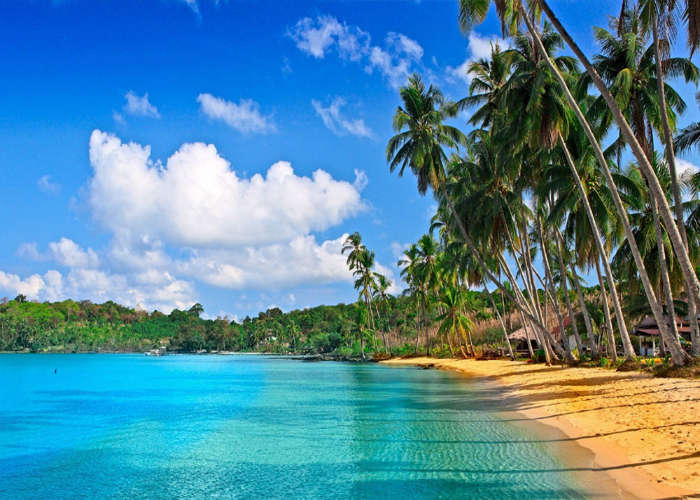
Five to six days is the sweet spot for a January Andaman trip: two days in and around Port Blair, two to three on Havelock, and a day on Neil. That covers the headline islands and the main water sports without rushing the ferry connections. With seven days you can add Baratang, the Diglipur and North Andaman leg, or a slower Havelock stay. With only three to four, focus on Port Blair plus a single overnight on Havelock.
On cost, January is peak season, so rates sit at the top of the year range. As an indicative guide, a budget 3N/4D land package (hotels, transfers and basic sightseeing, excluding flights) typically starts around Rs 12,000-18,000 per person, while a mid-range 5N/6D itinerary with island ferries and a few activities runs about Rs 22,000-35,000 per person. Scuba dives, sea walks and premium ferries are usually priced separately. Because January inventory moves fast, the best value goes to travellers who book early.
For current January rates and a trip built around your dates, see TravelTriangle Andaman tour packages. Every itinerary is customisable.
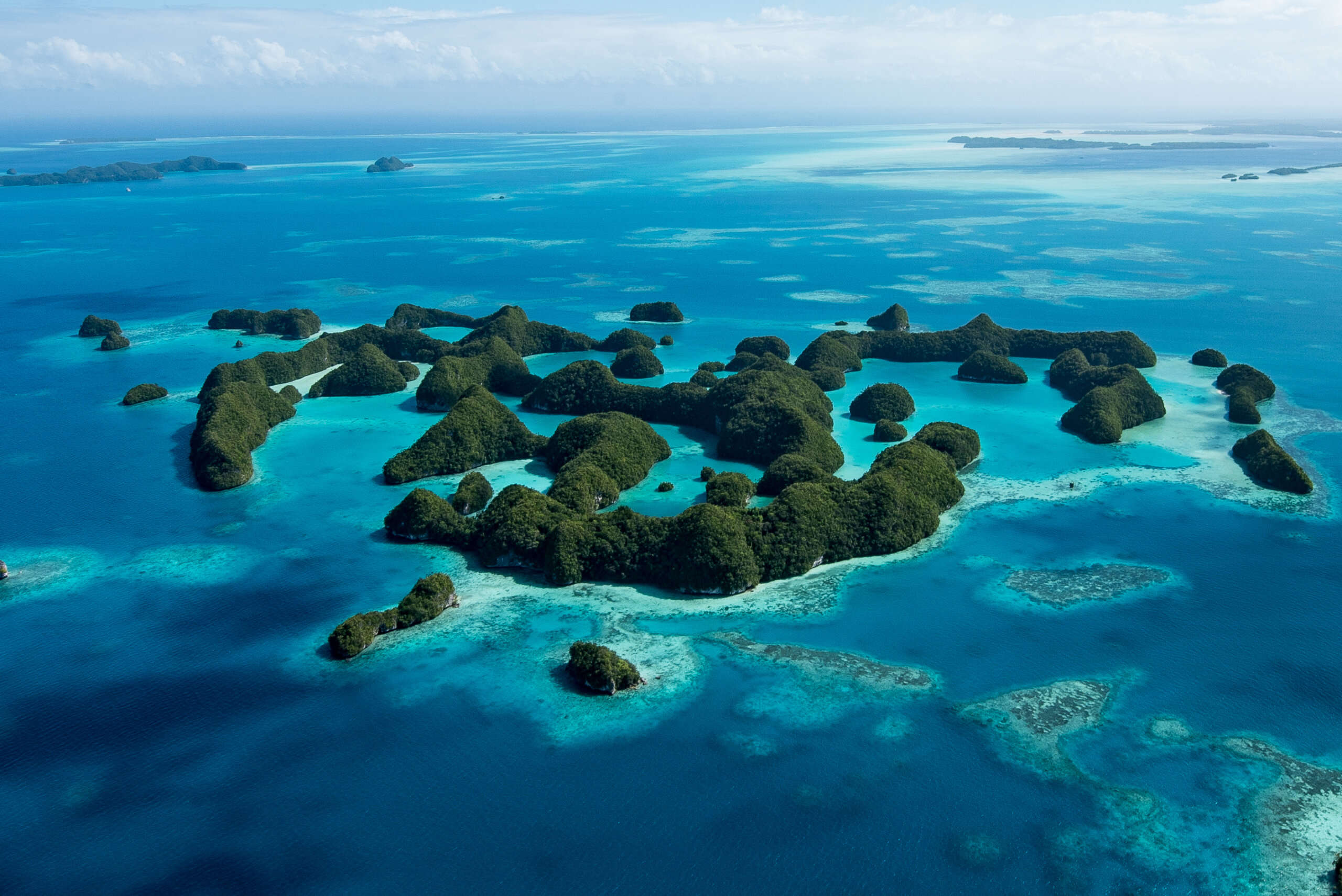
Most of an Andaman trip is spent moving between islands, and January is the easiest month to do it. The flat, dry-
Most of an Andaman trip is spent moving between islands, and January is the easiest month to do it. The flat, dry-season sea keeps the Port Blair to Havelock to Neil ferries running on time, and the open-sea islands that close in rough weather are all accessible.
season sea keeps the Port Blair-Havelock-Neil ferries running on time, and the open-sea islands that close in rough weather are all accessible.
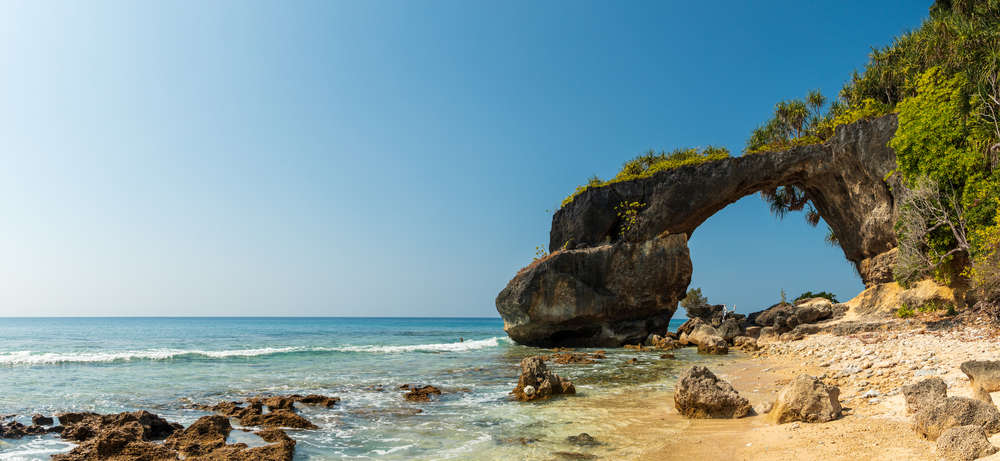
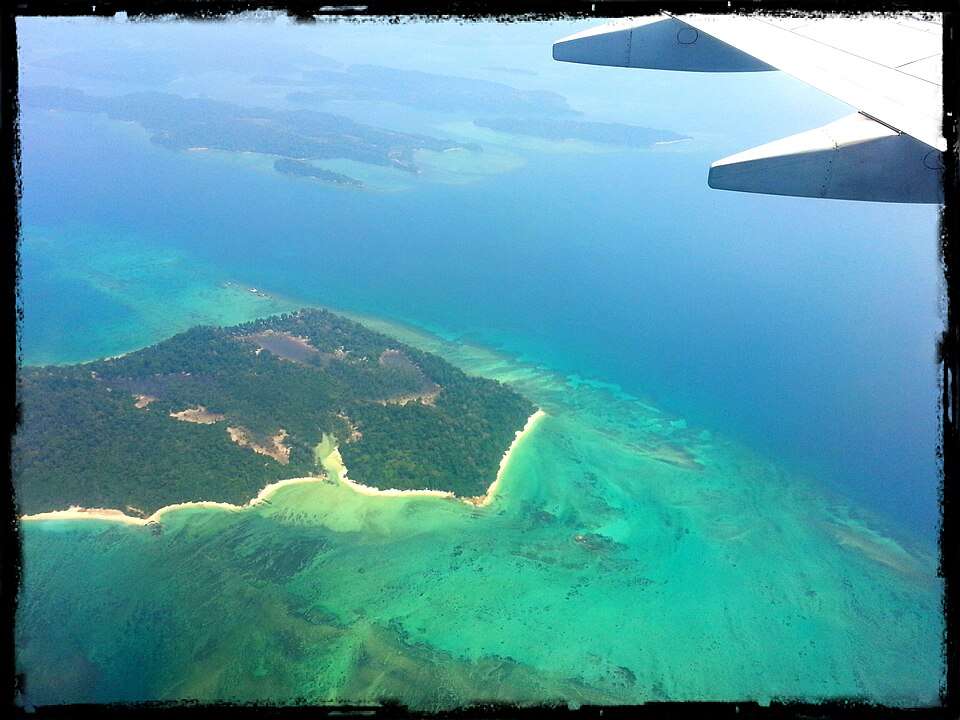
January gives you the Andamans at their best: dry, warm days, calm seas, the clearest water of the year and every island and activity fully in season. The only catch is that everyone else knows it too, so the peak-season islands reward travellers who plan and book early.
When you are ready to turn this into an itinerary, browse customisable Andaman tour packages or start with the wider Andaman travel guide to shape your trip around the January peak season.
January gives you the Andamans at their best: dry, warm days, calm seas, the clearest water of the year and every island and activity fully in season. The only catch is that everyone else knows it too, so the peak-season islands reward travellers who plan and book early. When you are ready to turn this into an itinerary, browse customisable Andaman tour packages or start with the wider Andaman travel guide to shape your trip around the January peak season.
January is peak season, so yes, the islands are at their busiest, especially in the first week after New Year. Flights, ferries and the better hotels book out early and prices sit at the top of the annual range. It rarely feels unpleasant, but you should reserve your dates, ferries and water sports well in advance to avoid sold-out slots.
January is the driest, most settled month. Expect daytime highs of 29-30 C, mild nights of 23-24 C, sea temperatures near 28 C, humidity around 74% and only about 40 mm of rain across 2-4 days. These figures come from long-term Port Blair climate normals, and they make January ideal for beaches, boats and diving alike.
Pack light: cottons and beachwear for the warm days, one light layer for the cooler 23-24 C evenings and breezy boat rides, reef-safe sunscreen, sunglasses and a hat, plus water shoes for rocky and coral entries. A dry bag and power bank help on ferry days. With only 2-4 wet days all month, a compact umbrella is enough, so skip the heavy rain gear.
January is peak season, so rates are at their yearly high. As an indicative guide, budget 3N/4D land packages (excluding flights) start around Rs 12,000-18,000 per person, and mid-range 5N/6D itineraries run about Rs 22,000-35,000 per person, with scuba and premium ferries priced separately. Booking early secures the best value, as peak-season inventory moves fast.
Yes, January is the best month for it. Dry-season visibility runs 15-30 m in the warmest, calmest water of the year, which makes scuba diving, snorkelling, sea walking and jet-skiing both safer and more rewarding. Havelock, Neil, North Bay and Elephant Beach all run water sports through the month, and conditions are especially forgiving for first-timers.
Five to six days is ideal: two around Port Blair, two to three on Havelock and a day on Neil, which covers the main islands and water sports without rushing ferries. Three to four days works for a Port Blair plus one-island taster, while seven days lets you add Baratang, Diglipur or a slower Havelock stay. In peak season, build in buffer time for ferry connections.
Very. January calm, dry-season sea is when the inter-island ferries run most reliably. Private high-speed services such as Makruzz and Nautika operate daily between Port Blair, Havelock and Neil. They do sell out in peak season, so book your seats a few days ahead and keep your itinerary flexible around the morning sailings.
No, the Andamans stay warm and tropical year-round. January days are around 29-30 C and nights cool only to 23-24 C, so it never gets cold. The most you will want is a light layer or shrug for the evening breeze and post-sunset boat rides. There is no need for warm clothing.
Yes. Jolly Buoy is open in January (it operates roughly 15 November to 15 May) and is one of the best snorkelling spots in the marine park. You need a forest-department permit and must follow the no-plastic rule. North Bay, near Port Blair, is open all month and is the easiest island for reef viewing, the semi-submarine and beginner water sports.
Yes. January is within the Olive Ridley turtle-nesting season in North Andaman, and Kalipur Beach near Diglipur is the best-known spot to watch it. Olive Ridley, Green, Hawksbill and Leatherback turtles nest here through roughly December to March, with January among the peak months, and a forest-department hatchery protects the eggs. Go with a local guide, keep lights and noise low, and never touch the turtles or nests.
The Island Tourism Festival is the Andaman flagship cultural event, staged in Port Blair and across the islands from late December into mid-January, so a January trip usually overlaps it. Expect folk dance, craft and food stalls, and water-sport displays. Exact dates shift each year, so confirm the current schedule with the A&N Administration before you fix your plans, and book early because it adds to peak-season demand.
Real reviews from real travelers who booked with us.
View All Reviews