16 Best Trek In Himachal Pradesh To Explore In 2026
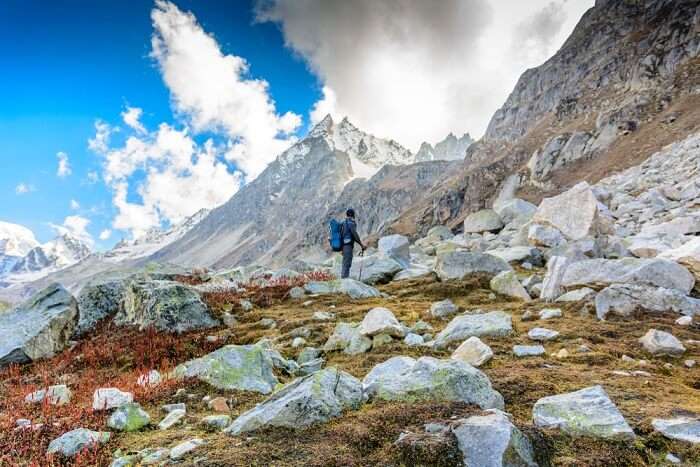
The imposing Himalayas inspired Rudyard Kipling to exclaim, ‘Surely the gods live here; this is no place for men’. Himachal Pradesh is legendary for the diversity of landscapes it traverses. There are forests, glacial lakes, snow-capped peaks, plains and stretches of ice formed from snow. Himachali villages dot the cliffs and are an extraordinary highlight of your trekking journey. Trekking in Himachal Pradesh is accessible from March to September. The trekking cost in Himachal Pradesh is not very high. Those who want more can take numerous sidewalks leading to waterfalls, valleys and still more summits.
We have shortlisted 16 routes for trekking in Himachal Pradesh that traverse some of the most humbling scenery on the planet. Just a disclaimer: these treks are for serious walkers. Keep this in mind before you set off for these spots:
- Triund Trek
- Hampta Pass Trek
- Bhrigu Lake Trek
- Kheerganga Trek
- Beas Kund Trek
- Kareri Lake Trek
- Pin Parvati Pass Trek
- Indrahar Pass Trek
- Deo Tibba Trek
- Chandrakhani Pass Trek
- Malana Village Trek
- Prashar Lake Trek
- Dainkund Trek
- Friendship Peak Trek
- Bhaba Pass Trek
- Sar Pass Trek
1. Triund Trek
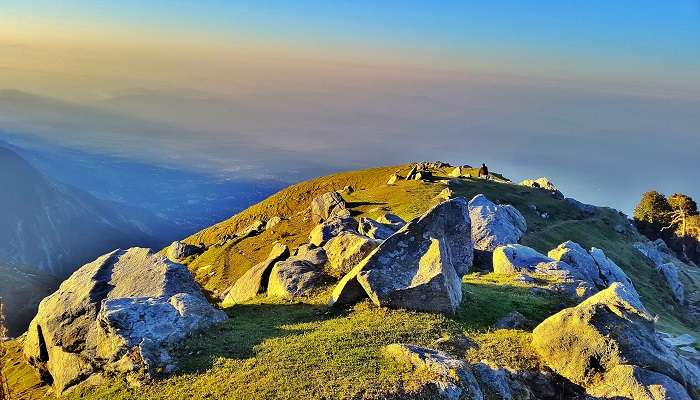
If you are looking for solo treks in Himachal, then you should definitely head to the trails of Triund and have a rendezvous with the mountains. The ranges of Dhauladhar look gigantic and wonderful. Enjoy camping beneath the stars in the night and have a bonfire. You will feel lucky to be in the presence of such scenery. There isn’t any place like Triund on earth. If you don’t believe us, check it out yourself.
Trekking Days: 2 days
Maximum Altitude: 9,350 ft
Difficulty Level: Easy
2. Hampta Pass Trek
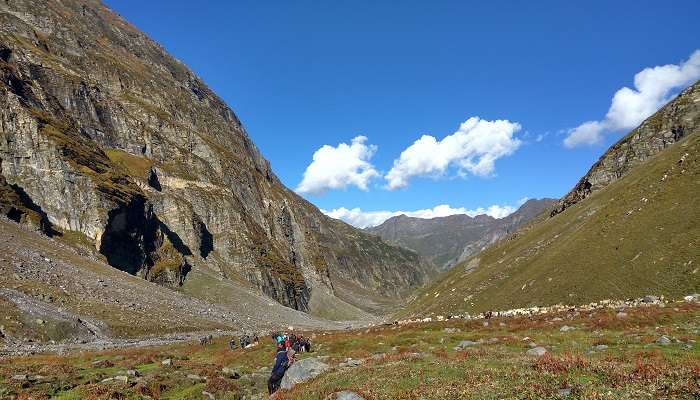
Hampta Pass gets its name from the Hamta Village, located in the Pir Panjal region. At 14000 feet, this place is mostly ventured by shepherds and a handful of trekkers. Surrounded by glaciers, rivulets, jagged mountains and meadows, Hampta Pass trek is one of the toughest treks in Himachal Pradesh. You cannot venture on this trek without the Himachal Pradesh trekking map.
Trekking Days: 5 days
Maximum Altitude: 13,500 ft
Difficulty Level: Easy to Moderate
3. Bhrigu Lake Trek
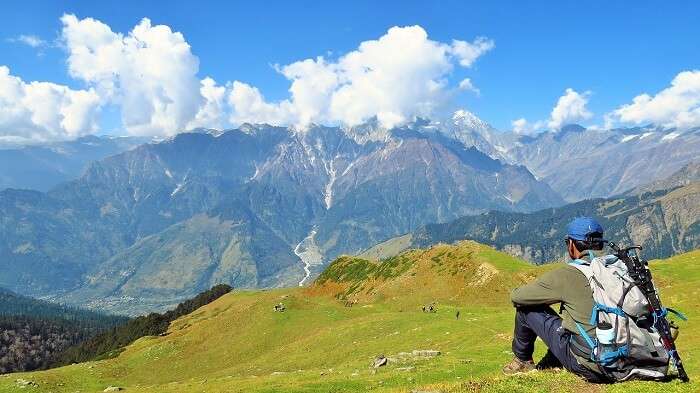
Located at an altitude of 14,000 ft, Bhrigu Lake trek will give you an ultimate high. There is no other Himalayan trek where you get to reach such an impressive in just two days. Since the ideal time to do this trek is during May-June, it is one of the best summer treks in Himachal Pradesh. It could be a little overwhelming for a beginner because the trails of this trek are a little too steep.
Trekking Days: 3 days
Maximum Altitude: 14,000 ft
Difficulty Level: Easy to Moderate
4. Kheerganga Trek
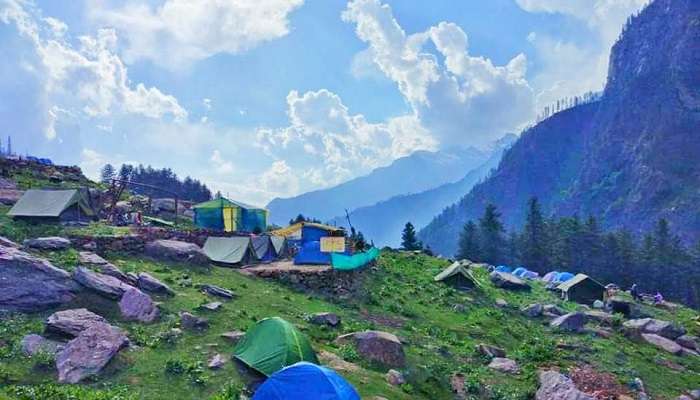
Kheer Ganga in Kasol is a beautiful, frothy-white mountain river. It falls from high up in the mountains, and the only way to reach it is via a short but arduous trek. The Kheer Ganga Trek is famed all over the country, with trekking enthusiasts raving about the beauty of it. The trek roughly is of no more than 12 km, and can be covered in no more than 5 or 6 hours if you take only a couple of short breaks.
Trekking Days: 1-2 days
Maximum Altitude: 9,711 ft
Difficulty Level: Easy
Himachal Holiday Packages On TravelTriangle




5. Beas Kund Trek
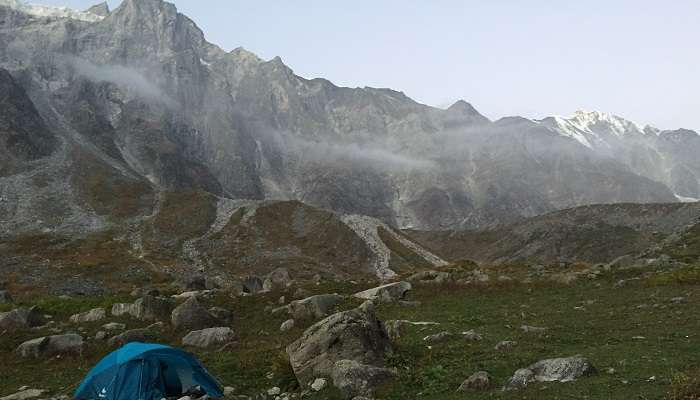
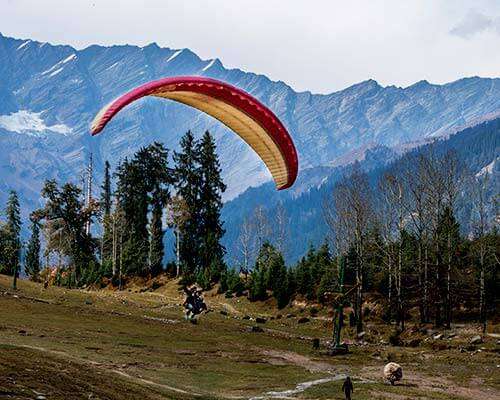
Located in the Dhauladhar Range of the Himalayas, Beas Kund is a beautiful place and of immense historical significance. To reach Beas Kund, one needs to complete a short trek. It is a 15 to 17 km trek which can be easily covered in three days. It is suitable for all age groups since it is not very strenuous. Also, you don’t need to be a pro at trekking to complete this journey. One can enjoy the scenic beauty at the campsites along the path.
Trekking Days: 2 days
Maximum Altitude: 12,139 ft
Difficulty Level: Easy
6. Kareri Lake Trek
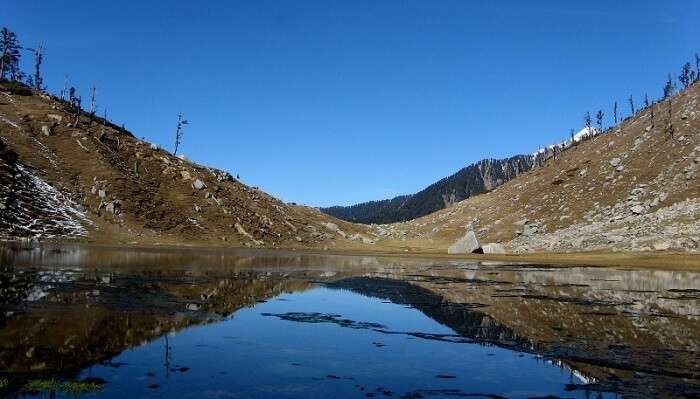
Trekking in Himachal is about escaping the monotonous and busy life back home. One such is the Kareri Lake Trek, which is perfect to witness the most exquisite and picturesque views of the natural marvels in their best form. Sitting in Kangra district, the Kareri Lake trek passes along trails with chir and chilgoza pines lining them proudly. The trees, the lake, the camps, and the open skies are truly paradisiacal for not only the nature lovers but also the shutterbugs out there, trying their hands at some brilliant landscape photography.
Trekking Days: 3 days
Maximum Altitude: 9600 ft
Difficulty Level: Easy to moderate
7. Pin Parvati Pass Trek
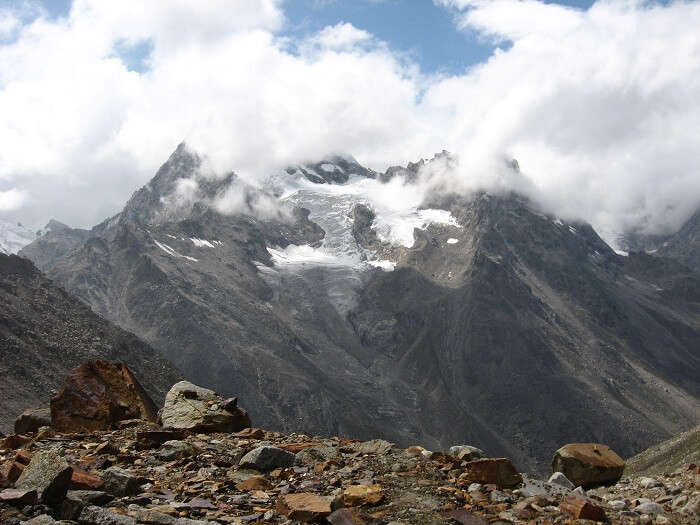
Pin Parvati is a great option for those looking for tough treks in Himachal. The trek takes you to an impressive height of 16,000 ft and offers you a mesmerizing landscape. It is not an ideal trek for beginners or novices, as the trail is difficult and challenging. Even experienced trekkers require good stamina to venture on this trek. You will go through high mountain passes, undulating meadows, snowy landscapes, and boulders. Since it is a 9-day trek,you should also be mentally prepared for it.
Trekking Days: 7-8 dyas
Maximum Altitude: 17,450 ft
Difficulty Level: Difficult
8. Indrahar Pass Trek, Mcleodganj
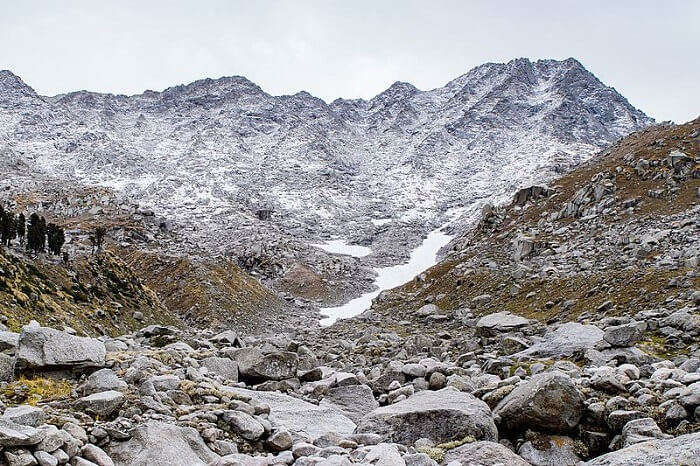
One of the best trekking places in Himachal is the Indrahar Pass trek, where you can get some captivating pictures of rustic Lahesh caves and enjoy panoramic views of Himalayan peaks and Dhauladhar peaks. The pass is between the Kangra and Chamba districts and is a challenging trek that has steep climbs and sharp ascents.
Trekking Days: 4 to 5 days
Maximum Altitude: 14,245 feet above sea level
Difficulty Level: Moderate to difficult
9. Deo Tibba Base Camp
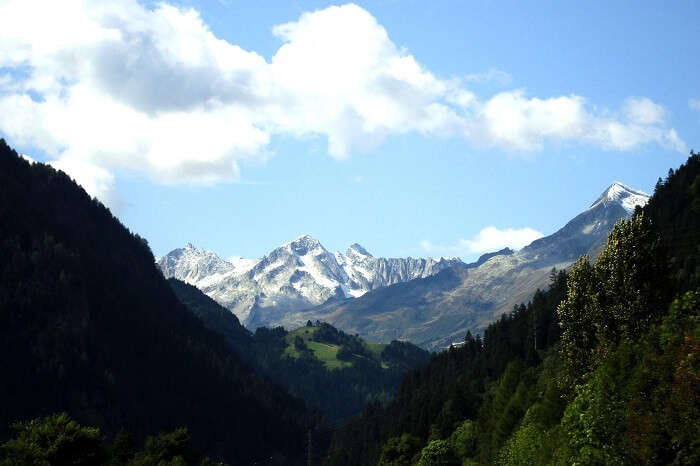
If you are feeling ambitious, then you can do the Deo Tibba Base Camp trek, which lies on the base of Deo Tibba mountain. Lying in a remote region, the trek offers you tasteful views of nature and mountain landscapes. You will come across various challenges on this trek, which will prepare you for more challenging mountain treks and expeditions. This trek is not appropriate for beginners as it requires strength and endurance.
Trekking Days: 5-6 days
Maximum Altitude: 20,000 ft
Difficulty Level: Difficult
10. Chandrakhani Pass Trek
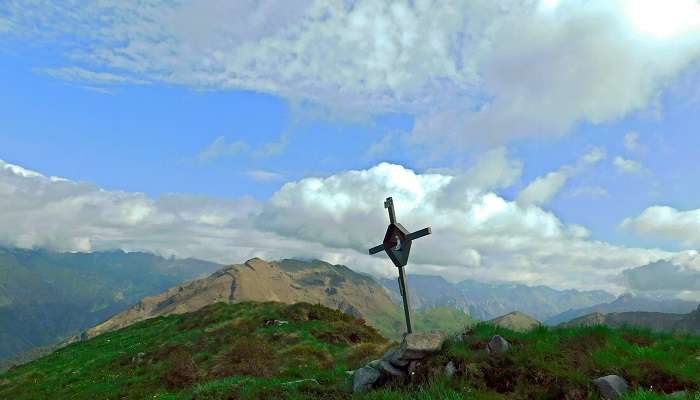
The Chandrakhani Pass Trek covers the beautiful view of Deo Tibba and Pirpanjal ranges. It stretches from an altitude of two thousand and fifty meters to three thousand six hundred and sixty meters. It is one of the moderate and low-altitude treks in Himachal Pradesh. The journey starts from Naggar and takes you through Rumsu, Ganachalani, and Celanti. Himachal Pradesh trekking couldn’t get any better than this.
Trekking Days: 3 days
Maximum Altitude: 12,000 ft
Difficulty Level: Easy
11. Malana Village Trek
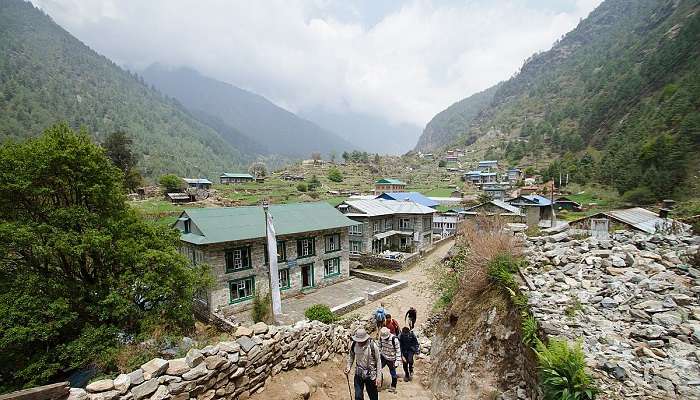
Starting from the village of Jari in Himachal, the Malana village trek is a 4-kilometer-long trail that takes you to one of the oldest villages in India. When you go visit the mountains, if there is one thing that you must do, is to take a long walk on the narrow winding paths that cut into the hearts of the hills. Travellers planning a trip to Kasol must experience the thrill of an enchanting walk from Kasol to Malana. The foggy mornings and the crisp mountain air will clear your mind. It is one of the most enriching weekend treks in Himachal.
Trekking Days: 6 days
Maximum Altitude: 10,000 ft
Difficulty Level: Moderate
12. Prashar Lake Trek
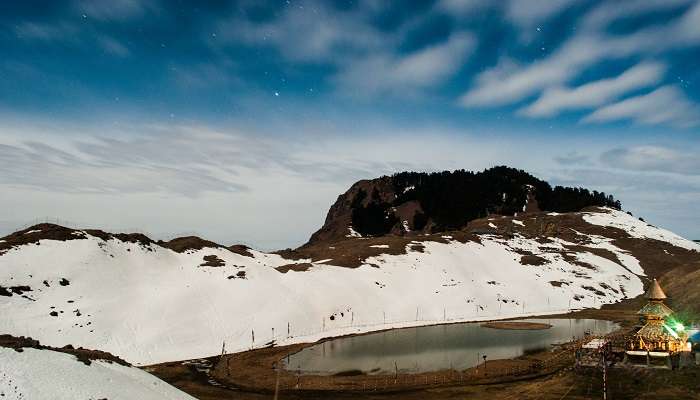
The imposing Dhauladhar ranges in Kullu Valley surround Prashar Lake. This trekking spot in Himalayas offers breathtaking 180 degree view of the Dhauladhar, Pir Pinjal and Kinnaur mountain ranges. To reach Prashar Lake, one can go through two routes- one is through Baggi village and the other from Jwalapur village. The trek through Baggi village is a bit difficult compared to that of the Jwalapur route. It is a perfect winter snow trek from Delhi.
Trekking Days: 1-2 days
Maximum Altitude: 8,960 ft
Difficulty Level: Easy
13. Dainkund Trek
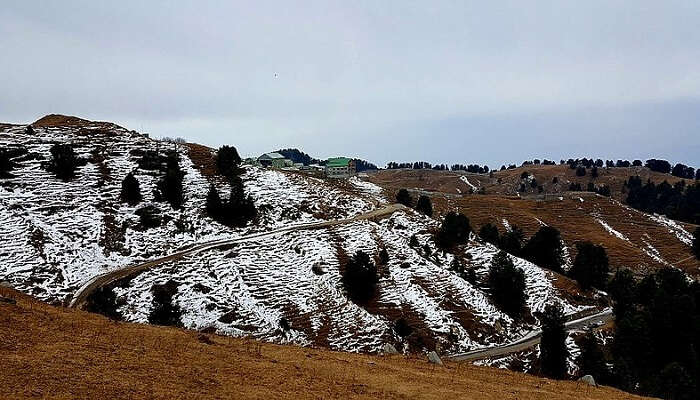
Being the highest peak in the entire region of Dalhousie, Dainkund Trek is perfect for all the thrill seekers out there seeking trails for trekking in Himachal. This peak offers a 360-degree view of the entire valley, leaving the spectator awe-inspired. This peak is also known as the singing peak, thanks to the melodious rhythms that the trees produce. From pine to oak, one can witness plenty of different species here. Apart from that, there is also a temple that sits atop, which further makes it serene.
Trekking Days: Day trek
Maximum Altitude: 9000 ft
Difficulty Level: Easy to moderate
14. Friendship Peak Trek
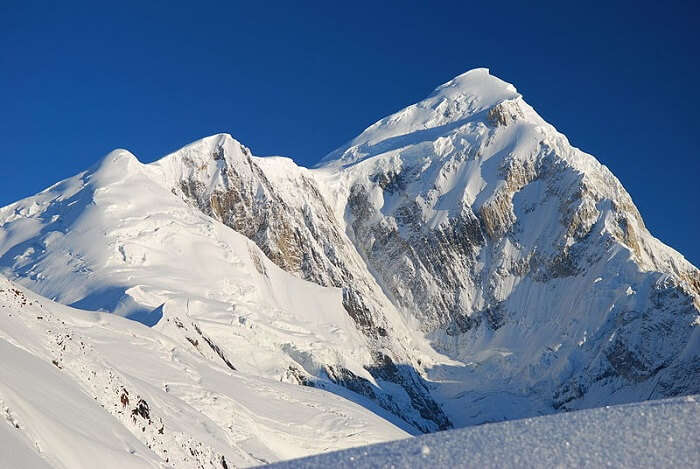
One of the finest trekking places in Himachal happens to be Friendship Peak Trek. Here, the trekkers will surely relish some of the most beautiful scenes and amazing views as it lies in the Pir Panjal range. The trek becomes very challenging at the higher altitudes, which begins from the Solang Valley and has gushing streams, a rich forest area and vibrant, colourful meadows.
Trekking days: 9 days
Maximum Altitude: 17,348 feet
Difficulty Level: Difficult
15. Bhaba Pass Trek
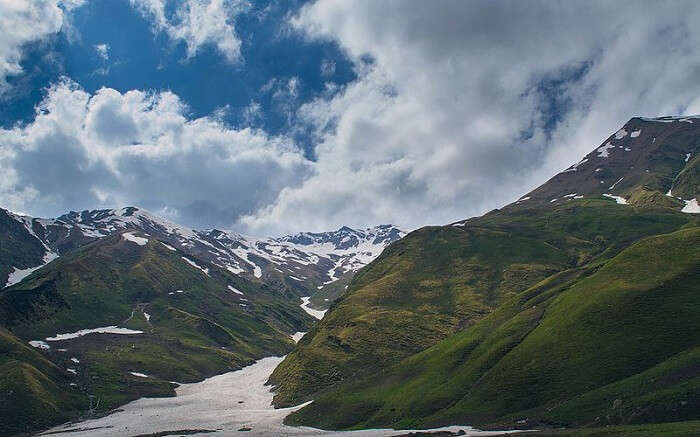
One of the best treks in Himachal is the Bhaba pass trek. Trekking places in Himachal are many, but the Bhaba Pass trek seems to be the most stunning of all, which starts from Shimla and ends at Manali. The trekkers who reach the top of the trek witness beautiful views and get a glimpse of the popular Pin Parvati pass. Enjoy your stay in one of the offbeat stays in Himachal.
Trekking Days: 4 to 5 days
Maximum Altitude: 16,000 feet
Difficulty Level: Moderate to difficult
16. Sar Pass Trek
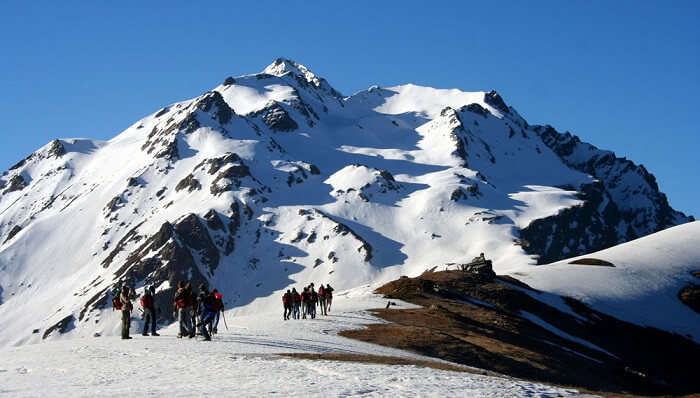
Another trek sprouting out from Kasol region is Sar Pass Trek, which offers mesmerizing views of the Himalayas. Everything about this trek is so special and charming, from the campsite to the alluring views. The trail is dotted with pine and deodar trees, and the meadows are blooming with flowers of various colors. Sar Pass really is a mystical tour in the mountains.
Trekking Days: 4-5 days
Maximum Altitude: 14,000 ft
Difficulty Level: Moderate to Difficult
Trekking in Himachal Pradesh is no walk in the park. It will challenge your physical strength and mental endurance and amplify your views of the place. These trekking routes in Himachal Pradesh push you to test your limits and show you the raw and rugged beauty of the lofty Himalayan ranges. It is not that hard to fall in love with this destination’s scenic beauty. Book your trip to Himachal Pradesh immediately with TravelTriangle to avail exciting deals. Share the highlights of your trekking trip with us in the comment section below!
For our editorial codes of conduct and copyright disclaimer, please click here.
Frequently Asked Questions
What is the most popular trek in Himachal Pradesh?
Himachal Pradesh is known for its fierce and adventuresome treks that keeps the adrenaline rush running. There are a few popular treks that one can try in Himachal Pradesh such as Hampta Pass, Deo Tibba Base Camp, Buran Ghati, Pin Parvati Pass, and Friendship Peak.
Where can I trek in Manali?
Manali is nothing less than paradise on earth for those who are seeking to engage in some thrilling treks. There are more than 20 trek trails that tourists can conquer such as Beas Kund Trek, Bhrigu Lake Trek, Deo Tibba Trek, Chandratal Lake Trek, and many more. The trek trails in Manali are for all kinds of travelers from beginners to professionals.
How do you trek to Kheerganga?
It is better to hire a guide when trekking to Kheerganga. One can set up their base camp at Kasol maximum by 10 in the morning. After reaching Barshiani, one can start their Kheerganga trek. It takes about 5 to 6 hours to complete the 12 km trek, depending upon the speed of the traveller.
What can you do in Kasol?
Kasol has slowly emerged as one of the most popular destinations to visit in Himachal Pradesh. There are numerous things that one can do in Kasol including trying out some amazing cafes, shopping, mingling with the locals, witnessing the scenic views, star gazing, camping, and much more.
Which is better Manali or Kasol?
The answer to this question lies in the tastes and preferences of travellers. If one is seeking a laid-back, relaxing vacation, then Kasol would definitely be a better option. However, if a traveller is looking for a luxurious vacation and utmost comfort, travelling to Manali would be advised.
What is there to do in Manali at night?
Manali gets alive at night. One of the most vibrant and lively towns of Himachal Pradesh, Manali is home to some of the hottest nightclubs and bars that travelers can go check out. Lazy Dog Lounge, La Plage, Chelsea Club, The Buzz, and Khyber are a few bars that one can visit to witness the nightlife of Manali.
Which is the most difficult trek in Himachal Pradesh?
One of the most challenging treks in Himachal Pradesh is the Pin Parvati Pass trek that is located at an elevation of 5,320 meters.
Which is the easiest trek in Himachal Pradesh?
There are numerous treks in Himachal Pradesh that are perfect for those who are just starting their journey of trekking. Triund Trek, Bhrigu Lake Trek, Kareri Lake Trek, and Prashar Lake Trek are a few of the easy treks.
Looking To Book A Holiday Package?
People Also Read:
Trekking In Sikkim Trekking In Uttarakhand Trekking In Coorg