
 4D / 3N
17% OFF
4D / 3N
17% OFF


Delhi to Kasol Road Trip: What You Need to Cover
A Delhi to Kasol road trip covers roughly 500 to 530 km and takes about 11 to 13 hours of driving. You run north on NH-44 to Chandigarh, then climb into the hills through Bilaspur, Mandi and Bhuntar before the road drops you at the Parvati River. Most travellers spread it over three to five days so the mountain stretch is driven in daylight. This guide maps the route leg by leg, the eight stops worth building in, what the drive costs by car, bus or cab, and a day-wise plan for both a quick weekend and a longer Parvati Valley loop. Every distance, fare and road note here was re-checked for the 2026 season, including the new rules at Kheerganga.
Key Takeaways
- Drive 500 to 530 km on NH-44 via Chandigarh, then NH-21 through Bilaspur, Mandi and Bhuntar; budget 11 to 13 hours behind the wheel.
- Split the trip over 3 to 5 days so the Mandi to Kasol mountain section is driven in daylight, not after dark.
- Go March to June or September to November; avoid mid-July to mid-September, when monsoon landslides hit the Mandi-Kullu stretch.
- Fly into Bhuntar (Kullu-Manali airport, KUU), about 31 km and an hour short of Kasol, or take a train to Chandigarh and drive the last 300 km.
- Plan Kheerganga as a day trek only: overnight camping has been banned since 2024, so start early and be down by mid-afternoon.
Go on a Delhi to Kasol Road Trip
Himachal
Best Time
March - June
Select Package Type
Delhi to Kasol Road Trip at a Glance
Here is the whole journey in one screen. If all you need is the door-to-door distance and timings, the deeper breakdown lives on our how-to-reach guide, linked just below.
| Detail | Delhi to Kasol |
| Distance by road | About 500 to 530 km (most sources cite around 520 km) |
| Driving time | 11 to 13 hours (closer to 14 with meal and photo halts) |
| Best route | NH-44 to Chandigarh, then NH-21 via Bilaspur, Mandi and Bhuntar |
| Nearest airport | Bhuntar / Kullu-Manali (KUU), about 31 km from Kasol |
| Nearest major railhead | Chandigarh, about 300 km by road from Kasol |
| Ideal trip length | 3 to 5 days |
| Best time to go | March to June and September to November |
Only after the distance and mode-by-mode timings? Our how to reach Kasol from Delhi guide breaks it all down without the road-trip detour.
The Route: Delhi to Kasol by Road
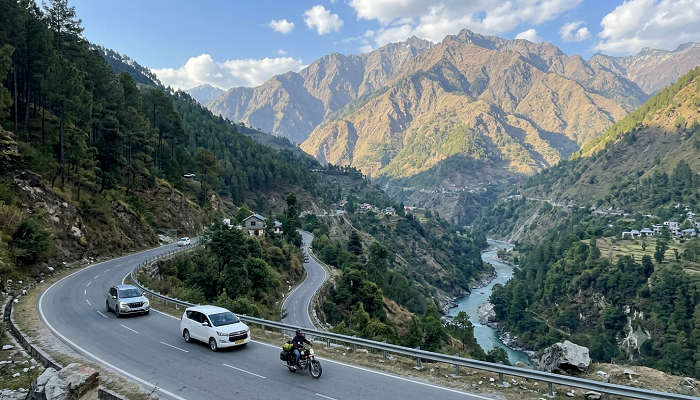
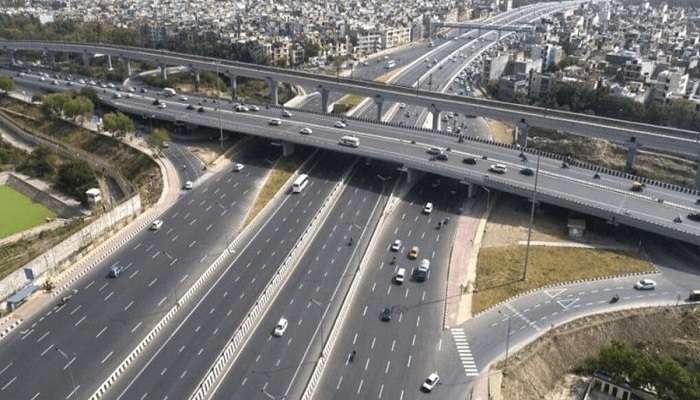
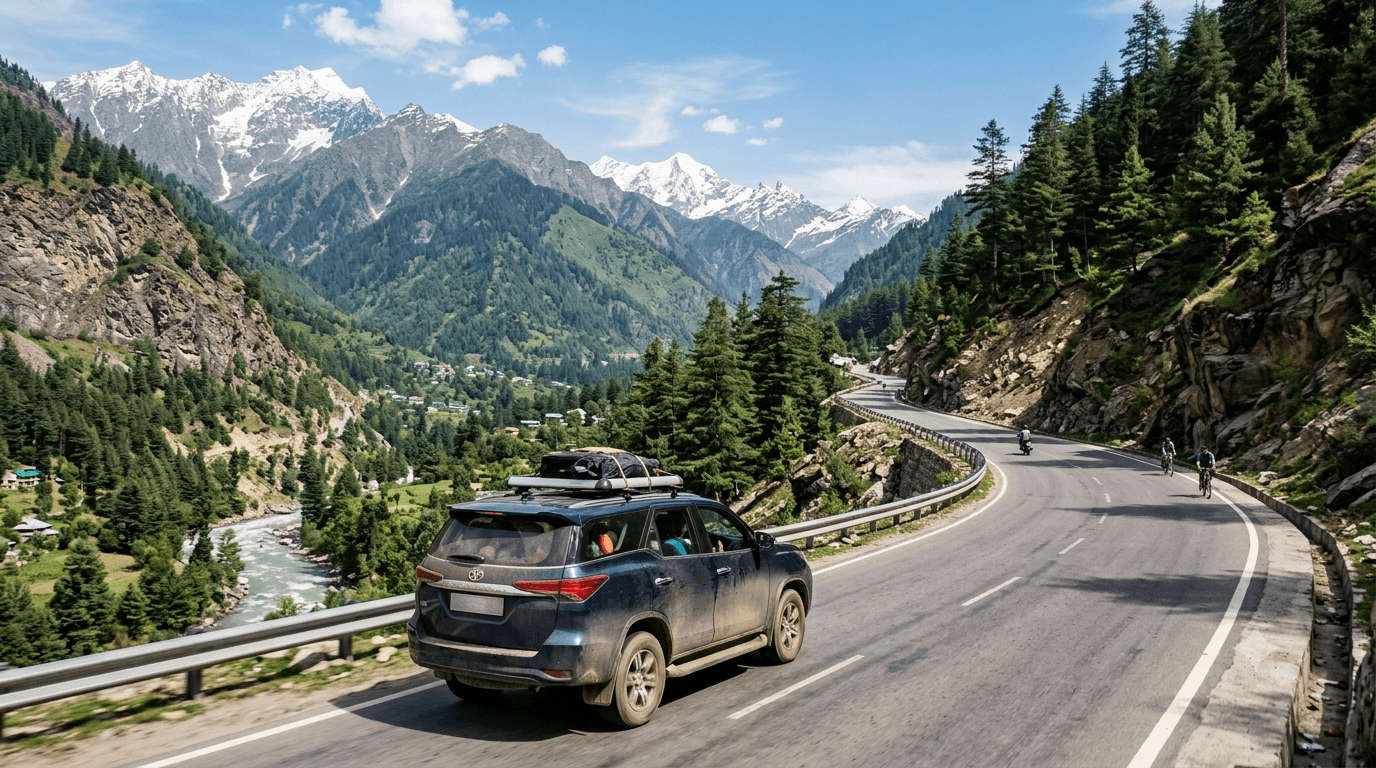
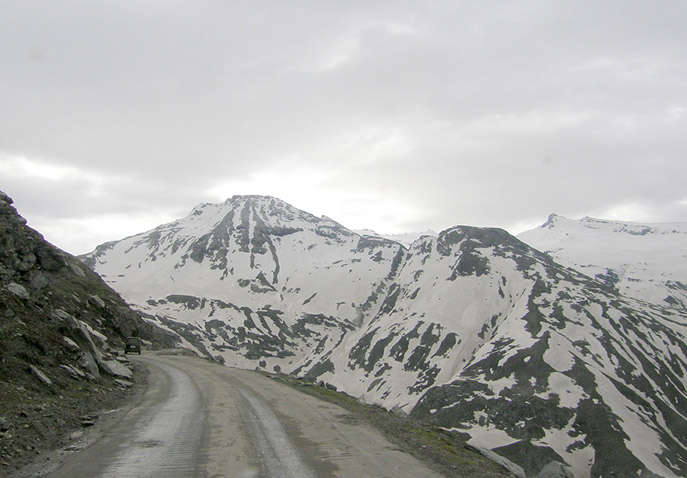
The drive splits neatly into two halves. The first is fast and flat: six-lane NH-44 out of Delhi, past Panipat, Karnal and Ambala, all the way to Chandigarh in three to four hours. The second half is where the road earns the trip. After Chandigarh you pick up NH-21, cross the Sutlej near Kiratpur Sahib, skirt the Gobind Sagar reservoir at Bilaspur, and climb into the Beas valley at Mandi. The final stretch runs through the Pandoh Dam and the narrow Beas river gorge to Bhuntar, then turns into the Parvati Valley for the last 34 km to Kasol.
One rule matters more than any other on this route: drive the Mandi to Kasol section in daylight. It is slow, winding and prone to rockfall in the rains, and the Pandoh gorge has almost no lighting after dark.
| Leg | Approx distance | Road notes |
| Delhi to Murthal | 50 km | Six-lane NH-44; the classic paratha breakfast halt |
| Murthal to Chandigarh | 200 km | Fast expressway past Panipat, Karnal and Ambala |
| Chandigarh to Bilaspur | 90 km | NH-21 via Kiratpur Sahib; four-laning in patches; Gobind Sagar views |
| Bilaspur to Mandi | 80 km | Tunnels open up; the Beas valley begins |
| Mandi to Bhuntar | 55 km | Pandoh Dam and the Beas gorge; drive this in daylight |
| Bhuntar to Kasol | 34 km | Turn into the Parvati Valley via Jari; narrow, slow, scenic |
Best 8 Stops on the Delhi to Kasol Road Trip
These are the halts our writers build in every time, in the order you reach them. Use the table to plan your timings, then read on for what each one is actually like.
| Stop | Why stop | How long |
| 1. Murthal | Butter parathas and chai to start the drive | 45 min breakfast |
| 2. Chandigarh | Rock Garden, Sukhna Lake, or a night halt | 2 hours or night 1 |
| 3. Mandi | Old riverside temples and a Sepu Vadi lunch | 1 hour |
| 4. Kullu Valley | Beas gorge, Pandoh Dam and river views | Photo stops |
| 5. Manikaran | Hot springs and gurudwara langar | 1 to 2 hours |
| 6. Kasol | Parvati River, cafes, your base for the valley | Your base |
| 7. Tosh | Highest village in the valley, big views | Half day |
| 8. Kheerganga | Day trek to a hot spring in an alpine meadow | Full day |
Explore Popular Destination In Himachal
01
Murthal
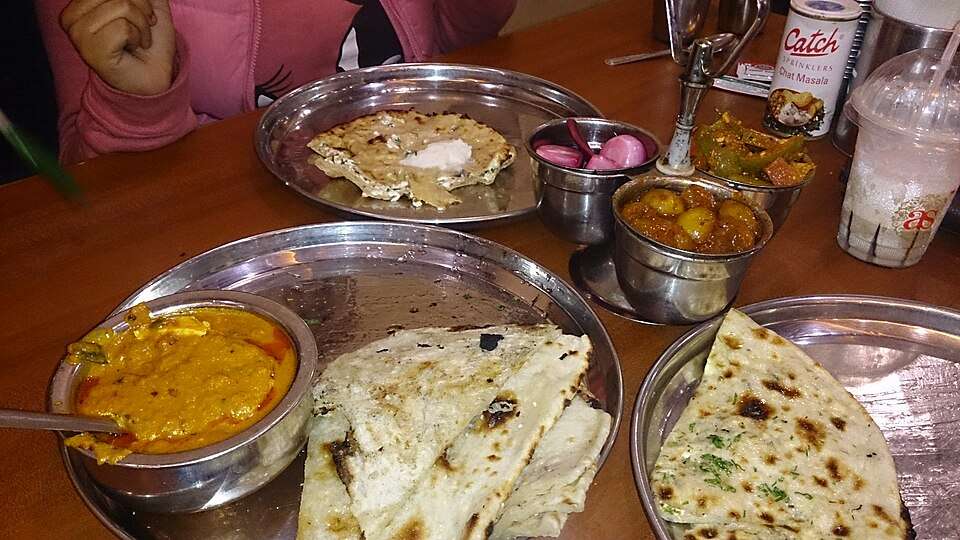
Barely an hour out of Delhi, Murthal is where the road trip really starts. Pull into any of the big dhabas on the highway for aloo and gobhi parathas loaded with white butter, a glass of lassi, and enough chai to see you to Chandigarh. It is open around the clock, so an early 5 to 6 am departure from Delhi lands you here for a proper breakfast before traffic builds.
Related Tour Packages

Himachal Tour Package from Delhi by Volvo (Shimla, Naldehra & Mashobra) - At a glance
₹9,043 (3D / 2N)
.jpg)

❮
❯
02
Chandigarh
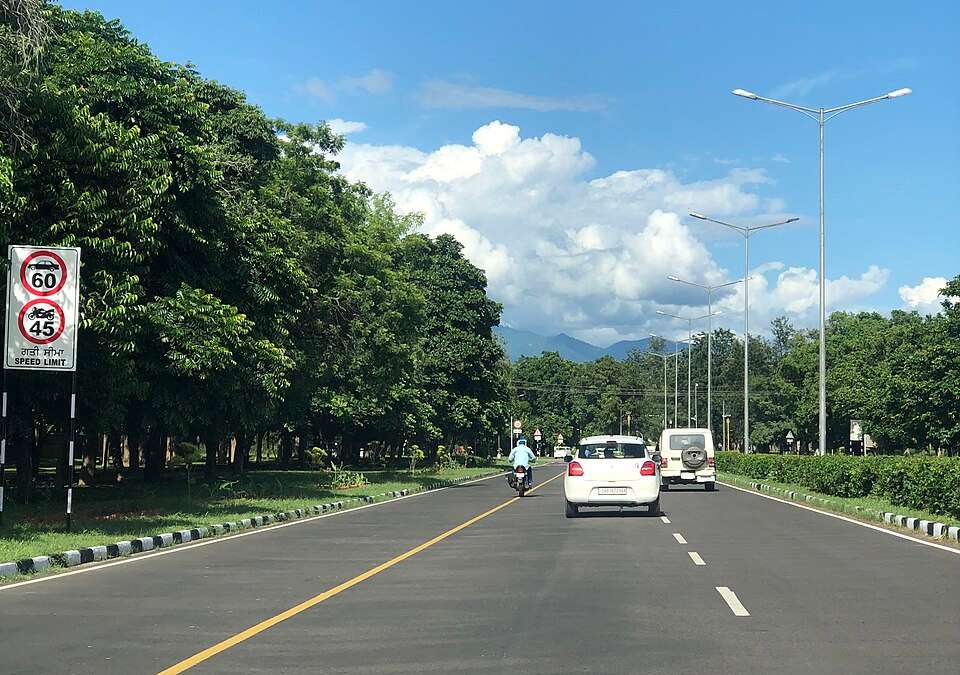
Chandigarh is the natural break between the plains and the hills, and a sensible place to spend night one if you left Delhi late. Le Corbusier’s planned city rewards an hour or two: walk the Rock Garden, built entirely from industrial and household waste, or sit by Sukhna Lake at sunset. Fill the tank and stock up on snacks here, because prices climb once you are in the mountains.
Related Tour Packages


❮
❯
03
Mandi
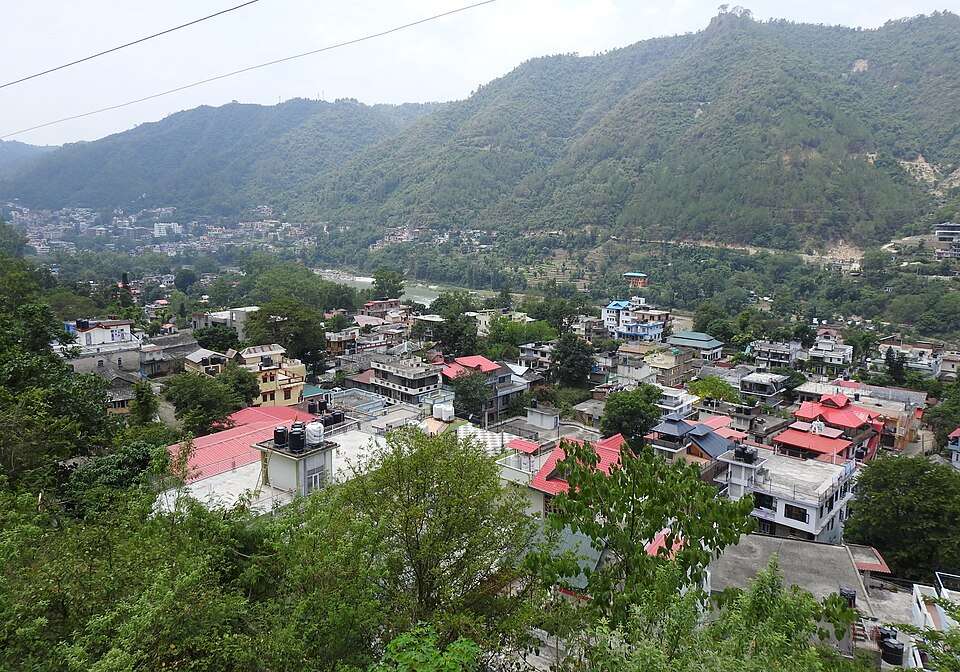
Roughly the midpoint of the drive, Mandi sits where the road meets the Beas and is often called the Varanasi of the hills for its old riverside temples. It is a good lunch stop: order Sepu Vadi, a Mandyali lentil-dumpling curry you will not find on the plains. Stretch your legs along the ghats, then push on, because the best driving is still ahead.
Related Tour Packages




❮
❯
04
Kullu Valley
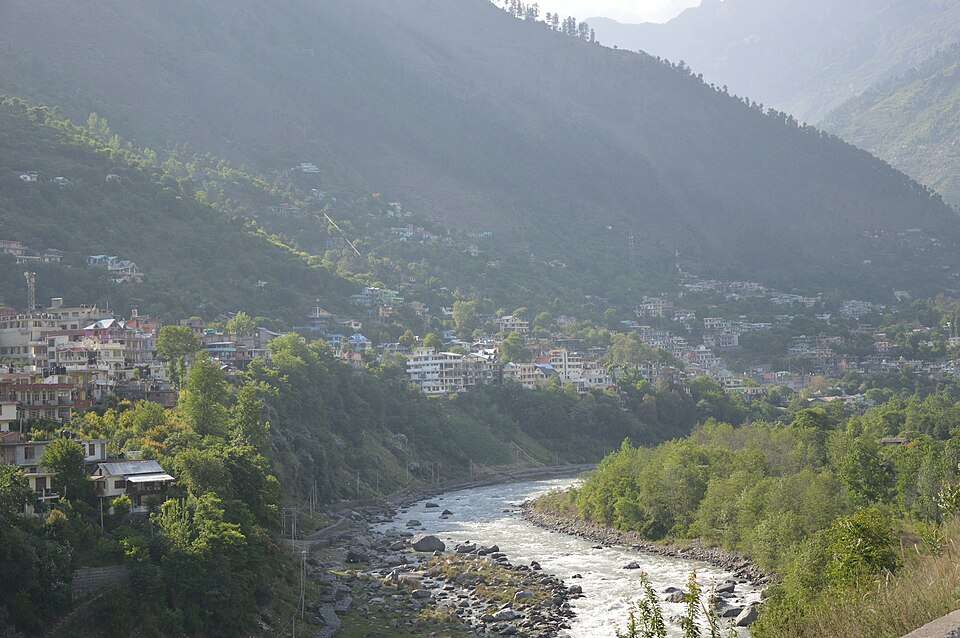
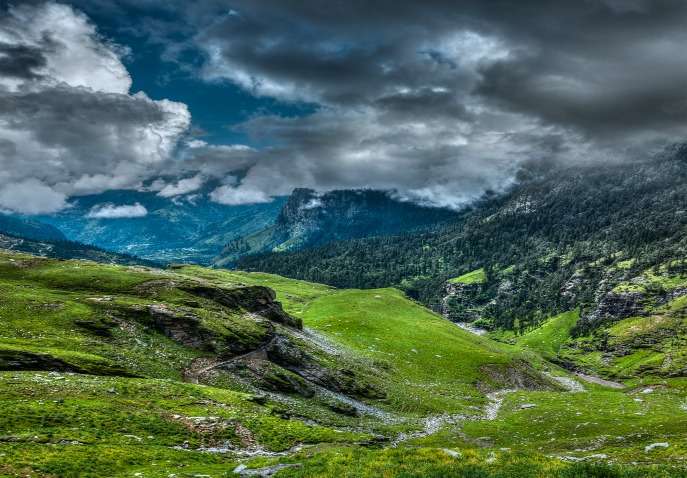
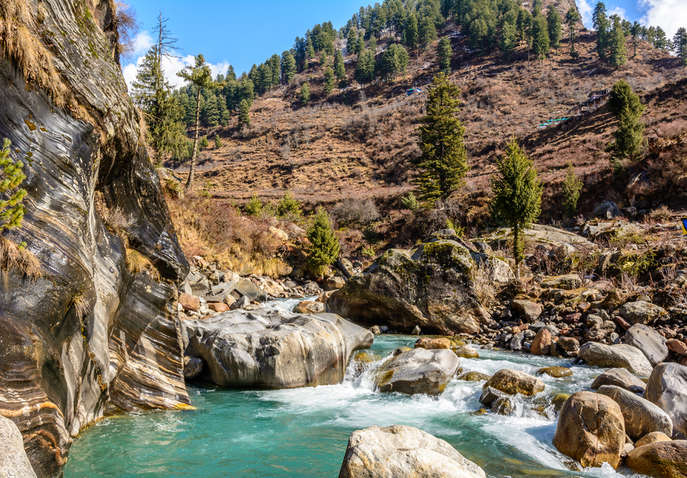
After Mandi the road threads the Pandoh Dam and the Beas river gorge, and the Kullu Valley opens up in green terraces and white water. This is the most photogenic hour of the whole drive. It is also where you pass Bhuntar, the valley’s gateway town and the site of the Kullu-Manali airport. Bhuntar has the last big fuel pumps and ATMs before Kasol, so top up here even if you do not need much.
Related Tour Packages


❮
❯
05
Manikaran
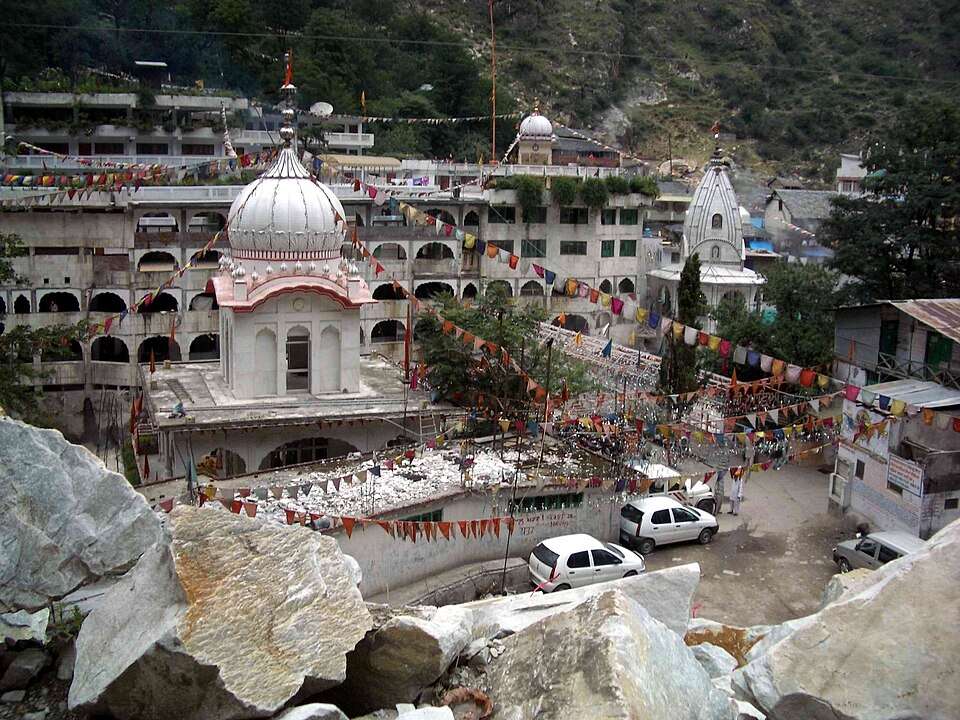
A short detour up the Parvati Valley from Bhuntar, Manikaran is known for natural hot springs so hot that the gurudwara and local dhabas cook rice and dal in them. Take a dip in the segregated bathing pools, eat at the langar, and see the gurudwara and the Shiva temple that share the site. It is a 1 to 2 hour stop and an easy add-on either on the way in or as a day trip from Kasol.
06
Kasol
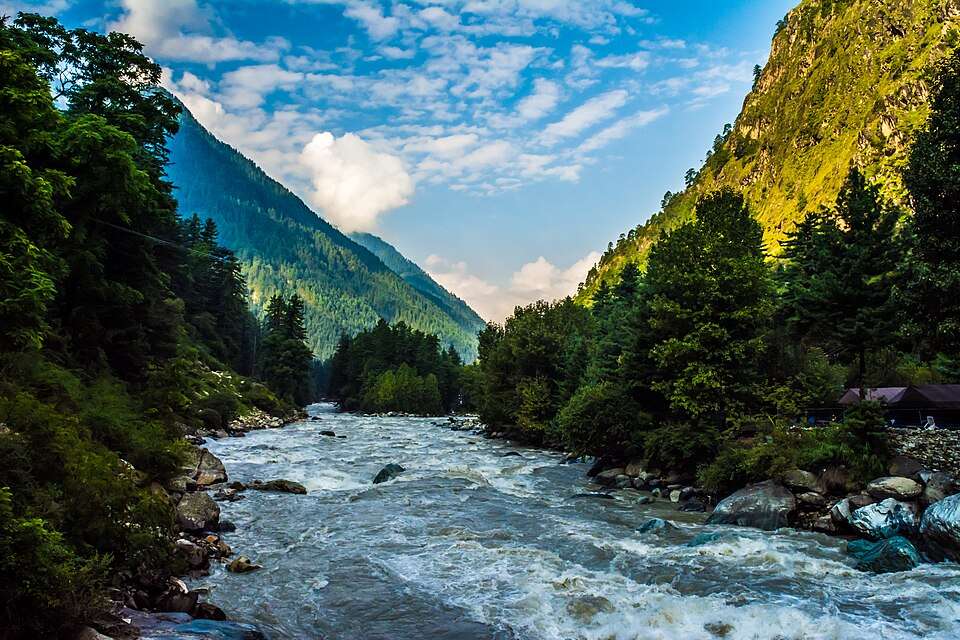
Kasol itself is a small riverside village strung along the Parvati, and it works best as your base for the valley rather than a one-night stop. Spend a slow morning at a riverside cafe, walk the 30 minutes across the river to Chalal for a quieter stretch of pine and rapids, and use the village to organise the treks and day trips around it. For a full list of things to do once you are settled in, see our guide below.
Planning what to do once you arrive? Read places to visit in Kasol, or browse Kasol tour packages if you would rather have the trip organised for you.
07
Tosh
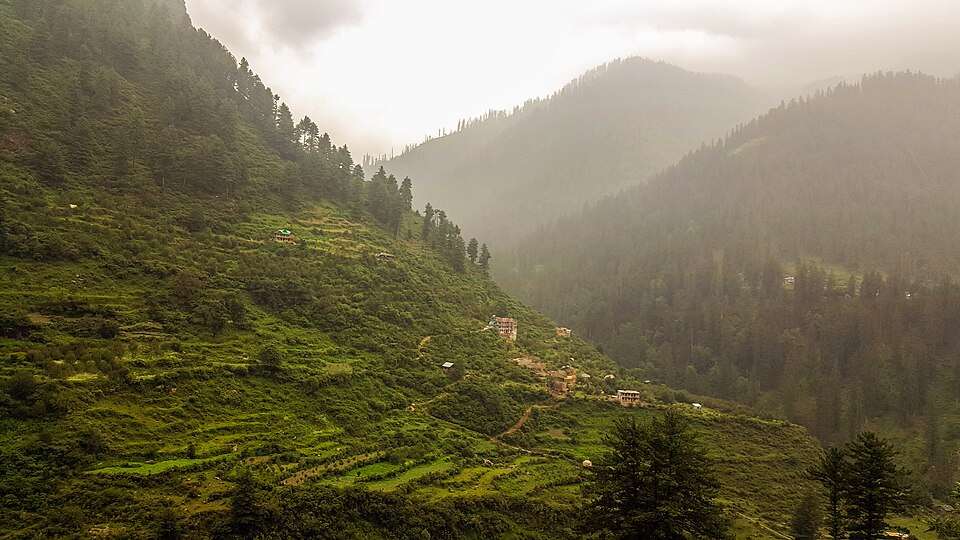
Tosh is the last motorable village in the upper Parvati Valley, reached by a short but steep drive beyond Barshaini. Park at the village lot and walk the final stretch up to the guesthouses, which look straight out at snow peaks and the river far below. It makes an easy overnight or a half-day trip from Kasol, and the sunset from the top of the village is worth timing your climb for.
08
Kheerganga
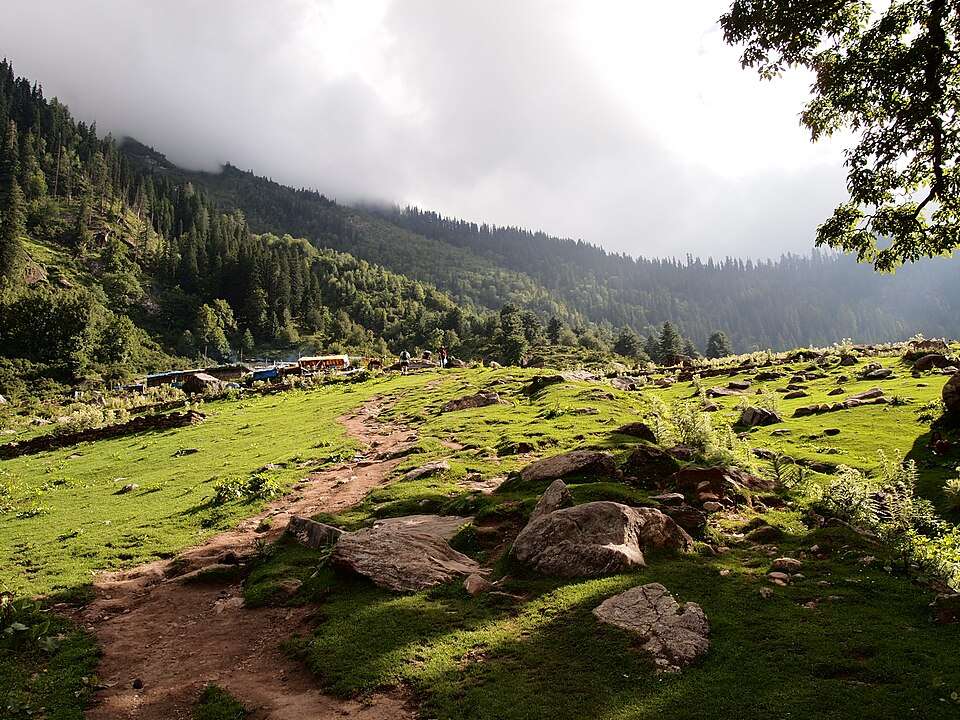
Kheerganga is the classic Parvati trek: about 12 km round trip from Barshaini through forest to a hot spring in an alpine meadow. One important change for 2026: it is now a day hike, not an overnight camp. The Himachal forest department banned overnight camping at the meadow in 2024 and the ban still stands, so start early, reach the spring by lunch, and head back down the same afternoon. Carry cash for the trek registration at the Barshaini check post.
How to Reach Kasol from Delhi: Car, Bus, Train and Flight
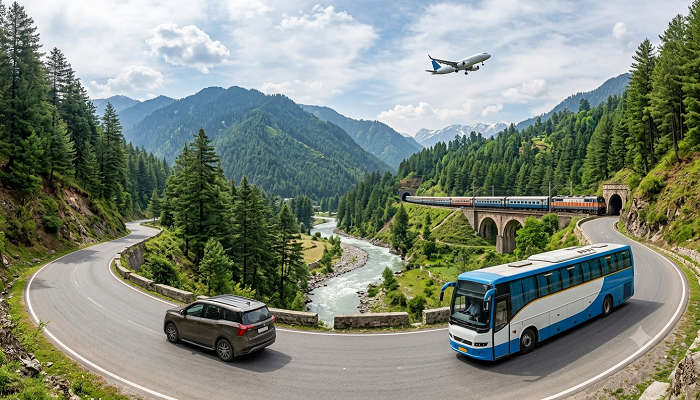
A self-drive road trip is the reason most people are reading this, but it is not the only way to reach Kasol. Here is how the four realistic options compare, so you can pick the one that fits your group and budget.
| Mode | Door-to-door time | Cost from (one way) | Best for | Notes |
| Self-drive car | 11 to 13 hrs | Rs 3,500 to 4,000 fuel and tolls | Flexibility and the stops | Best experience; drive Mandi to Kasol by day |
| Booked cab | 11 to 13 hrs | Rs 5,500 to 7,000 sedan | Groups who want no hassle | Confirm tolls and driver stay are included |
| Bus (Volvo / HRTC) | 12 to 14 hrs overnight | Rs 700 to 2,000 | Solo and budget travellers | Most drop at Bhuntar; local bus or cab 34 km on |
| Train + road | 8 to 9 hrs road after rail | Train fare + about Rs 3,000 onward | Long-distance riders | Rail to Chandigarh, then drive the last 300 km |
| Flight + cab | About 1 hr from Bhuntar | Airfare + about Rs 1,500 cab | Time-short travellers | Bhuntar has few flights; Chandigarh is the fallback |
For the full mode-by-mode breakdown, current bus timings and railhead options, see our dedicated how to reach Kasol from Delhi guide. This section keeps it short on purpose so the road trip stays the focus here.
Delhi to Kasol Trip Cost: Self-Drive, Cab and Bus
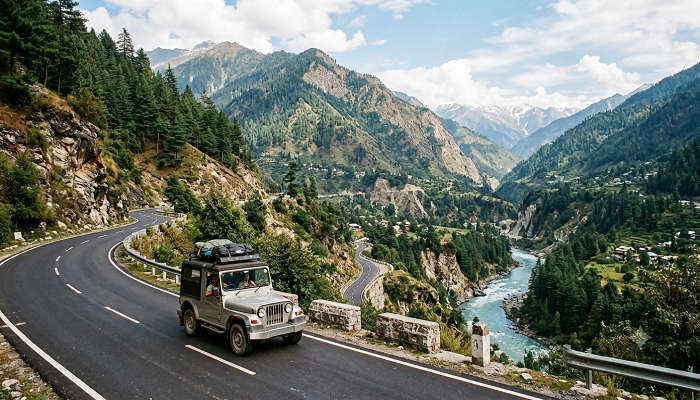
Think of the cost in two parts: getting there, and being there. Getting there is the cheap bit if you self-drive. Expect roughly Rs 3,500 to 4,000 in fuel one-way for a petrol car doing around 14 km a litre, plus another Rs 500 to 800 in tolls on the NH-44 plazas, paid by FASTag. Over a return trip that is about Rs 8,000 to 10,000 for the car, split across everyone on board.
Prefer not to drive? A one-way cab runs about Rs 5,500 to 7,000 for a sedan and more for an SUV or tempo traveller, though a good operator will fold tolls, state tax and the driver allowance into that number. Always confirm what is included before you book. The overnight bus is the budget pick at roughly Rs 700 for an ordinary seat up to about Rs 2,000 for a Volvo AC sleeper, and most buses set you down at Bhuntar rather than Kasol itself.
On the ground, Kasol runs cheap. Guesthouses start well under Rs 1,500 a night, riverside cafes are easy on the wallet, and the biggest variable cost is any organised trek. Budget a comfortable Rs 2,000 to 3,000 per person per day once you are in the valley, less if you are travelling in a group and sharing a room.
How to Plan Your Delhi to Kasol Road Trip (Step by Step)
Six steps take this from an idea to a booked trip.
- Pick your window first. March to June and September to November give you the best roads and clearest views; steer clear of the mid-July to mid-September monsoon.
- Leave Delhi by 5 to 6 am to clear the city traffic and reach Murthal for breakfast while the highway is still empty.
- Break the drive at Chandigarh or Mandi for night one so you tackle the Mandi to Kasol mountain section fresh and in daylight.
- Fill the tank at Bhuntar, the last big fuel stop and ATM point before you turn into the Parvati Valley.
- Base yourself in Kasol and run day trips out to Manikaran, Tosh and the Kheerganga trek rather than moving hotels every night.
- Book cabs and stays ahead in peak months, keep your FASTag topped up, and carry cash for the Barshaini trek registration.
3-Day and 4-5-Day Delhi to Kasol Itinerary
The 3-Day Weekend Plan
Tight but very doable if you leave Delhi at dawn on day one.
- Day 1: Delhi to Kasol. Early start, breakfast at Murthal, lunch at Mandi, reach Kasol by evening. Settle in and eat by the river.
- Day 2: Kasol and Manikaran. A slow morning in Kasol, the short walk to Chalal, then the hot springs and langar at Manikaran in the afternoon.
- Day 3: Tosh and drive back. A morning run up to Tosh for the views, then start the long drive home, breaking the mountain section before dark.
The 4 to 5-Day Parvati Valley Loop
The version to do if you can spare the time, folding in the day treks and a couple of the quieter villages.
- Day 1: Delhi to Kasol, with the Murthal and Mandi stops.
- Day 2: Kasol, Chalal and Manikaran hot springs.
- Day 3: Kheerganga day trek from Barshaini, back down by mid-afternoon.
- Day 4: Tosh overnight, or a walk to Grahan village; the more adventurous add a guided visit to Malana or the hamlets of Kalga and Pulga.
- Day 5: Drive back to Delhi, clearing the Mandi to Chandigarh stretch by early afternoon.
Best Time, Road Conditions and 2026 Travel Updates
Spring and early summer, March to June, are the sweet spot: the passes are open, the river is full, and the days are warm without the plains heat. Autumn, September to November, is the quieter twin, with clear skies and thinning crowds. Both give you dry, predictable driving on the mountain section.
The one window to avoid is the peak monsoon, from mid-July to mid-September. The Mandi to Kullu stretch, and the Pandoh gorge in particular, is landslide-prone in heavy rain, and closures can add hours or strand you overnight. If you must travel then, drive only in daylight and check road status before each leg.
Winter, December to February, is a different trip altogether: Kasol stays reachable but Tosh and Kheerganga get hard, and the valley turns white. If snow is what you are after, read how much snow Kasol gets and our guide to Kasol in winter before you set off.
Two things to know before you drive in 2026. First, the Kheerganga overnight-camping ban remains in force, so plan the trek as a day hike and carry cash for registration at Barshaini. Second, four-laning work continues in patches on the Kiratpur to Bilaspur to Mandi corridor, which can slow you on weekends and holidays, so build in a buffer. If you would rather skip the driving logistics entirely, a planned trip to Kasol takes all of it off your plate.
Enjoying the road-trip format? The Delhi to Manali road trip runs the same first half before branching north, and pairs naturally with this one for a longer Himachal loop.
Ready to Hit the Road?
A Delhi to Kasol road trip is one of the most rewarding weekends the north has to offer: a fast run to Chandigarh, a slow, beautiful climb through Mandi and Bhuntar, and a river valley full of hot springs and treks at the end of it. Get the timing right, drive the hills by day, and give yourself at least four days to do it justice. And if you would rather leave the driving and the bookings to someone else, browse our Kasol tour packages and make the valley the only thing you have to think about.
FAQs
Frequently Asked Questions About the Delhi to Kasol Road Trip
Kasol is about 500 to 530 km from Delhi by road, with most sources citing around 520 km via Chandigarh and Mandi. The exact figure shifts a little depending on your start point in Delhi and the route you take past Bilaspur. Plan for 11 to 13 hours of actual driving, or closer to 14 with meal and photo halts, which is why splitting the trip over two or more days is the comfortable way to do it.
A non-stop drive is 11 to 13 hours, and realistically 14 once you add breakfast at Murthal, lunch at Mandi and a few photo stops in the Kullu Valley. The first half to Chandigarh is fast highway; the second half through Mandi and Bhuntar is slow mountain road. Most travellers break the journey at Chandigarh or Mandi so the winding Mandi to Kasol section is driven in daylight rather than after dark.
Take NH-44 north from Delhi through Panipat, Karnal and Ambala to Chandigarh, then switch to NH-21 via Kiratpur Sahib, Bilaspur, Mandi and Bhuntar, turning into the Parvati Valley for the final 34 km to Kasol. This is the fastest and best-maintained line. The stretch from Mandi through the Pandoh Dam and the Beas gorge is the most scenic and the slowest, so save your daylight for it.
A one-way cab runs roughly Rs 5,500 to 7,000 for a sedan, with SUVs and tempo travellers costing more. A reputable operator will usually include tolls, state tax and the driver allowance in the quote, but this varies, so always confirm what is covered before you book. If you are self-driving instead, budget about Rs 3,500 to 4,000 in fuel one-way plus Rs 500 to 800 in tolls.
Yes, overnight buses run daily and are the cheapest way to reach the valley. Fares range from about Rs 700 for an ordinary seat to around Rs 2,000 for a Volvo AC sleeper, with private operators and HRTC both on the route. One catch: most buses drop you at Bhuntar rather than Kasol, so you finish the last 34 km by local bus or shared cab. The journey takes 12 to 14 hours.
Kasol has no railway station of its own. The practical railhead is Chandigarh, well connected to Delhi and about 300 km by road from Kasol, from where you drive or bus the last leg in 8 to 9 hours. Kiratpur Sahib is a newer station a little closer to the hills. Train-plus-road works best if you want to cover the plains overnight by rail and start the mountain drive fresh.
The nearest airport is Bhuntar, also called Kullu-Manali airport (KUU), about 31 km and an hour from Kasol by cab. It handles only limited small-aircraft flights, so seats are few and fares swing widely. Many travellers fly instead to Chandigarh, about 300 km away, and drive on. For a road trip, flying rather defeats the point, but it is the fastest option if your time is short.
Three days is the workable minimum: one to drive up, one in and around Kasol, and one to drive back. Four to five days is far more comfortable and lets you add the Kheerganga day trek, an overnight in Tosh, and a quieter village like Grahan or the hamlets of Kalga and Pulga. Any shorter and you spend more time on the road than in the valley.
Yes, the route is safe for a careful driver. The plains section to Chandigarh is easy highway; the mountain section from Mandi is winding and demands attention, especially around the Pandoh gorge. Keep your vehicle serviced, drive the hill roads only in daylight, and avoid the peak monsoon from mid-July to mid-September, when landslides are a real risk on the Mandi to Kullu stretch.
Indian travellers need no permit to visit Kasol. For the Kheerganga trek there is a small registration at the Barshaini check post, payable in cash, and the important 2026 rule is that overnight camping at Kheerganga remains banned. Plan it as a day hike, start early, and be back down by mid-afternoon. Foreign nationals should carry ID and check the latest local requirements before heading into the upper valley.
Aim for March to June or September to November. Spring and early summer bring open passes, a full river and warm days; autumn brings clear skies and fewer crowds. Both give you dry, predictable mountain driving. Avoid the mid-July to mid-September monsoon for landslide risk, and treat winter, December to February, as a snow trip: Kasol stays reachable, but Tosh and Kheerganga get tough.