4D / 3N
17% OFF
4D / 3N
17% OFF
Manali-Kasol Tour Package by Cab for Himachal (4D/3N) - At A Glance
- Hotel
- Meals
- Sightseeing
- Entry Tickets
- Cab Transfer
₹12,688
₹10,500 /pp
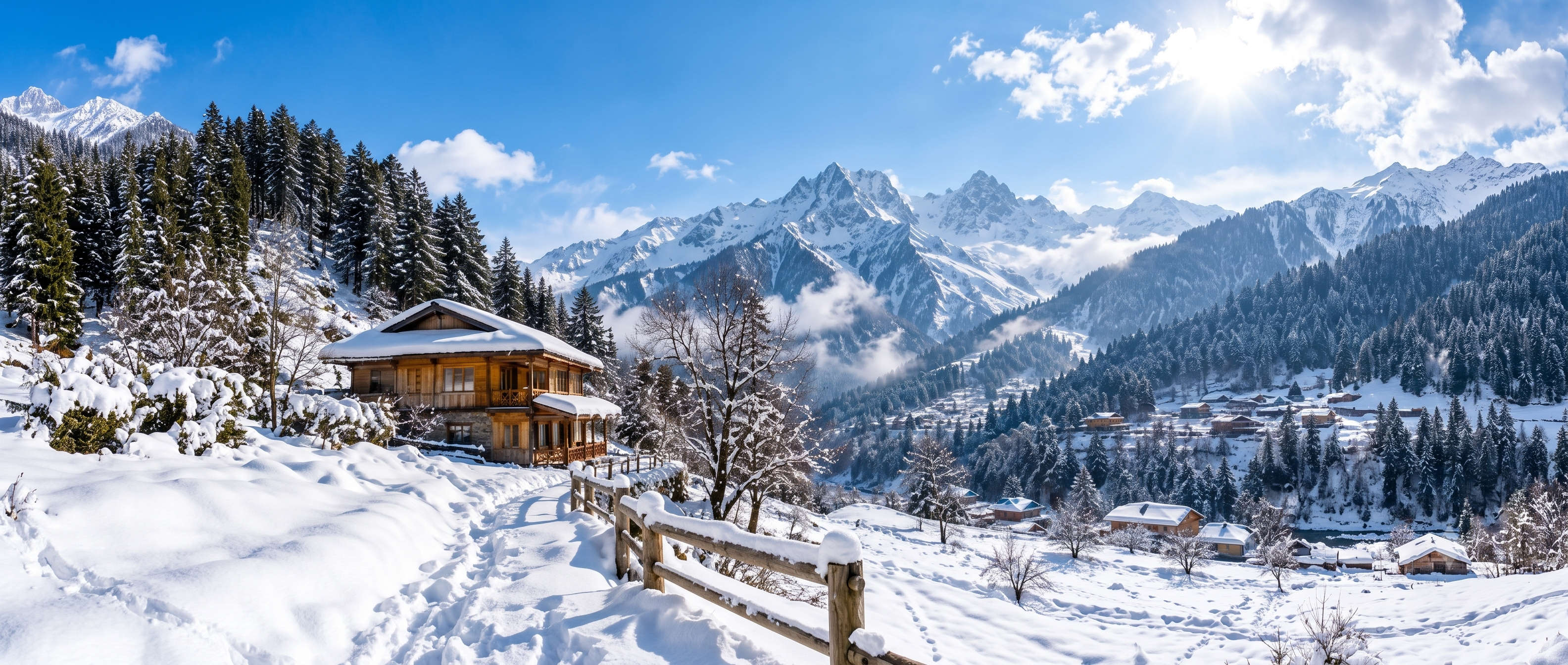


The best places to visit in Himachal in January are Shimla, Kufri, Manali and Solang Valley for reliable snow with easy access, plus Dalhousie, Khajjiar and Narkanda for quieter powder. Come January the state turns properly white. Days in the lower hills sit around 5 to 12°C, nights drop below freezing, and mid-month is when the heavy snow usually lands. What you gain in snow you trade in access, so a few high roads and passes stay shut. Below are 15 places worth the cold this month, with an honest read on weather, snowfall and how to reach each one.
Key Takeaways
Best Time
March - June
Select Package Type

3 Days & 2 Nights
₹9,043 /@pp
GET FREE QUOTE

.jpg?tr=w-600,h-300)

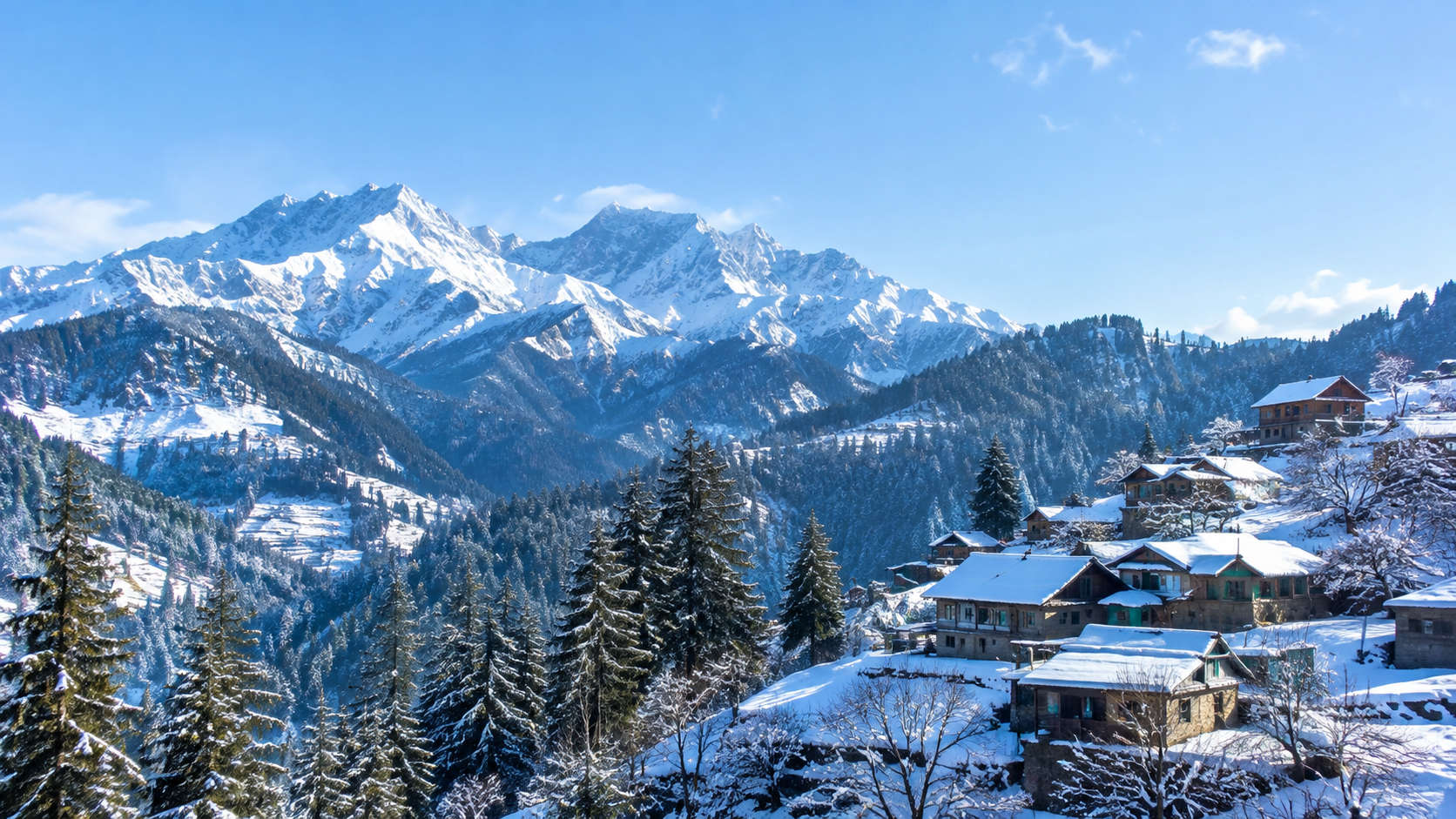
January is peak snow season in Himachal. If you have come to see snow fall, build a snowman with your kids, or ski a real slope, this is the month the mountains deliver. The apple towns above Shimla and the meadows around Dalhousie get a fresh coat most weeks, the crowds thin out after the New Year rush, and hotel rates drop from their December high. The trade-off is real cold and the odd blocked road. Plan around it and January rewards you with the version of Himachal that postcards are made of. For the full winter picture across the state, our Himachal tourism guide covers month-by-month weather and regions in more detail.
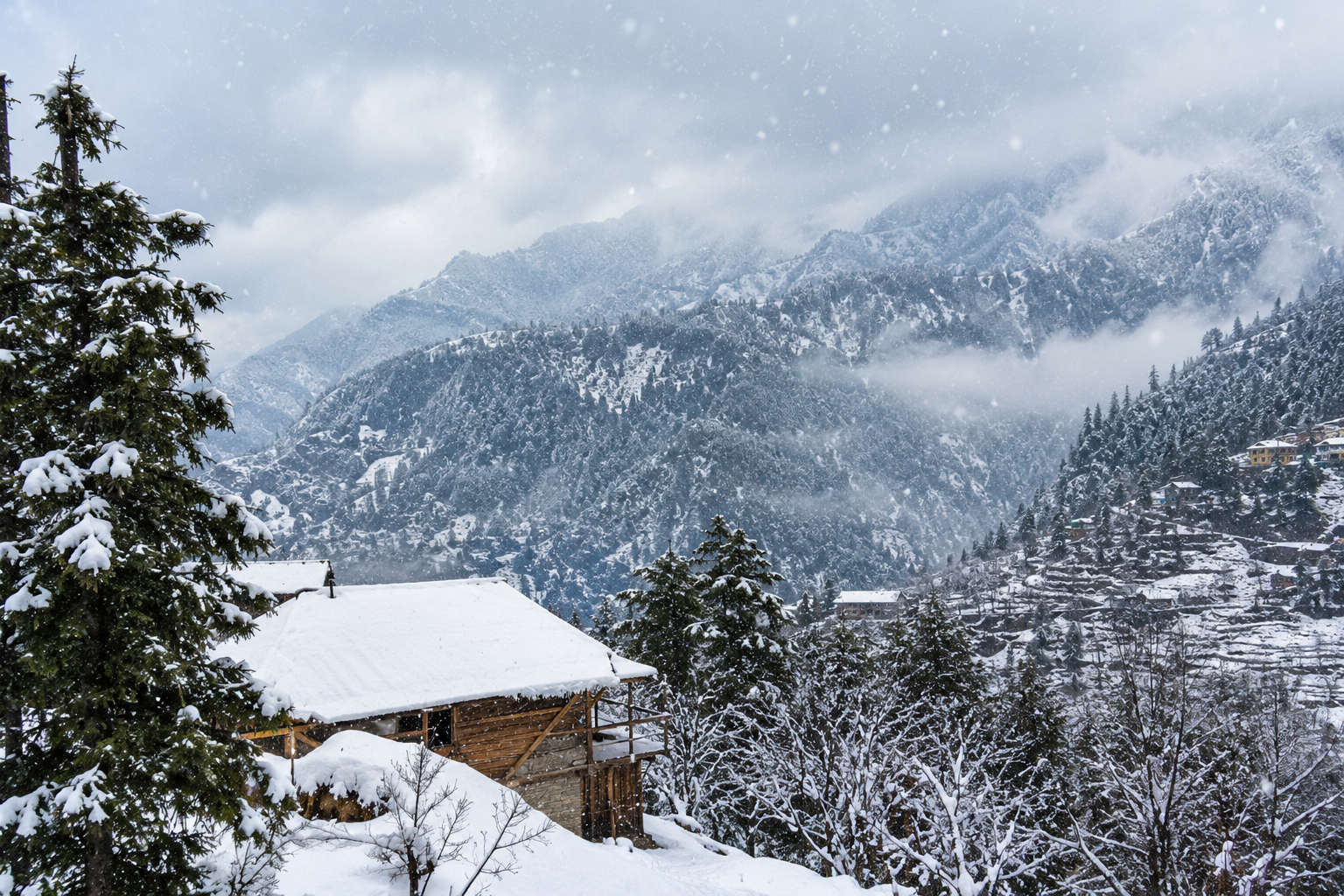
Himachal is not one climate in January. Where you go decides how cold you get and how much snow you see. Lower hill towns are chilly but manageable. Cross above 2,500 metres and you are in real winter. The high valleys are sub-zero all day. Use this zone table to pick a base that matches how much cold you actually want to handle.
| Altitude zone | Example places | Day (°C) | Night (°C) | January snow |
| Lower hills (1,300 to 2,200m) | Shimla, Dharamshala, Kasol, Dalhousie | 5 to 12 | -1 to 4 | Fresh snow on peaks, town snow mid-month |
| Mid hills (2,200 to 2,900m) | Kufri, Manali, Narkanda, Solang | 2 to 9 | -4 to 2 | Regular, settled snow, skiable slopes |
| High valleys (3,000m and up) | Spiti, Sangla-Kalpa, Rohtang, Hatu | -8 to 2 | -15 to -25 | Deep snow, several roads closed |
Figures are typical January ranges. Actual snow days vary week to week; check a live forecast before you travel.
Here is the quick-answer table first, so you can match a place to your trip at a glance. Full detail on each follows below.
| Place | Altitude / distance | Best for in January | Snow and access |
| Kheerganga | ~2,960m, 13km trek | Hot springs, hardy trekkers | Heavy snow, trek often shut |
| Dharamshala | ~1,500m | Culture, mild-cold base | Light snow on ridges, easy access |
| McLeod Ganj | ~2,082m | Cafes, Triund gateway | Snow above town, good access |
| Kasol | ~1,640m | Budget stays, river calm | Light snow, quiet in Jan |
| Manali | ~2,050m | Snow, skiing, families | Reliable snow at Solang, open |
| Dalhousie | ~2,000m | Colonial calm, couples | Snow at Dainkund, open |
| Khajjiar | ~1,950m | Snow meadow day-trip | Meadow turns to snow bowl |
| Parashar Lake | ~2,730m | Frozen lake, offbeat | Frozen, road often needs a trek |
| Spiti Valley | ~3,800m | Hardcore winter travel | Extreme cold, via Kinnaur only |
| Shimla | ~2,200m | Easy access, first-timers | Reliable snow mid-Jan, toy train |
| Kufri | ~2,720m | Sledding, honeymoon, kids | Snow point, busy weekends |
| Narkanda | ~2,700m | Skiing, quiet alternative | Ski slopes, fewer crowds |
| Hatu Peak | ~3,400m | Snow drive, temple views | Deep snow, 4×4 when clear |
| Rohtang Pass | ~3,978m | Photo stop (from Manali) | CLOSED in Jan, use Atal Tunnel |
| Triund | ~2,875m, 9km trek | Winter trek, camping | Snow line, guide advised |
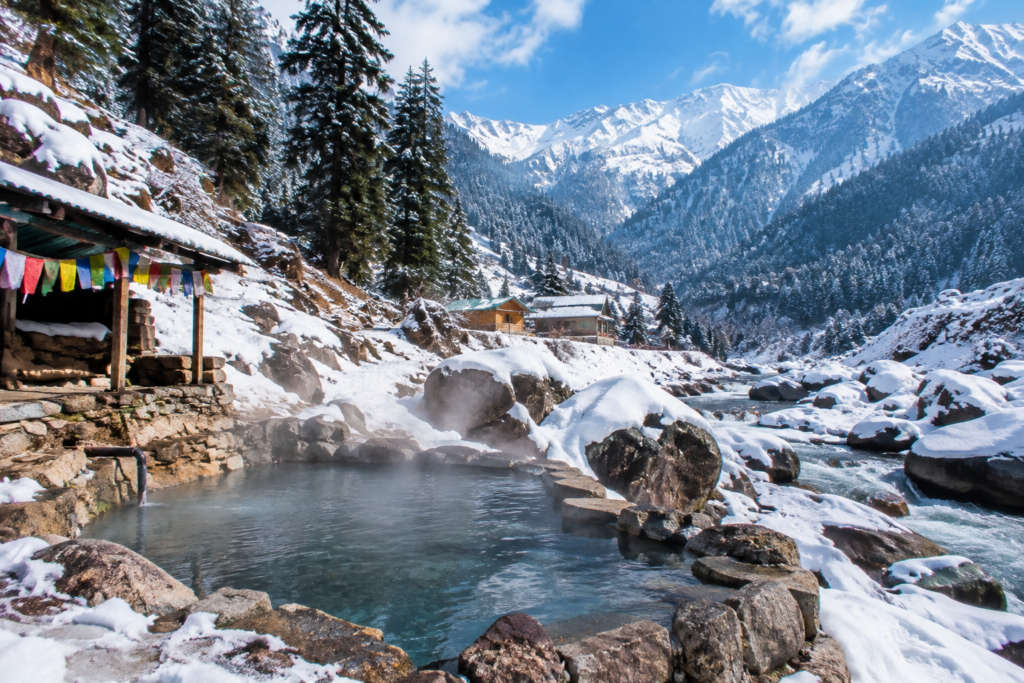
Kheerganga sits at roughly 2,960 metres in the Parvati Valley, at the end of a 13 km climb from Barshaini. The reward is a natural hot spring you can soak in while snow falls around you. Be honest with yourself about fitness and conditions: in deep January the upper trail is snowbound and guides often turn back, so many travellers base in Kasol and attempt only the lower Rudra Nag stretch. Go with a local guide or not at all after fresh snow.


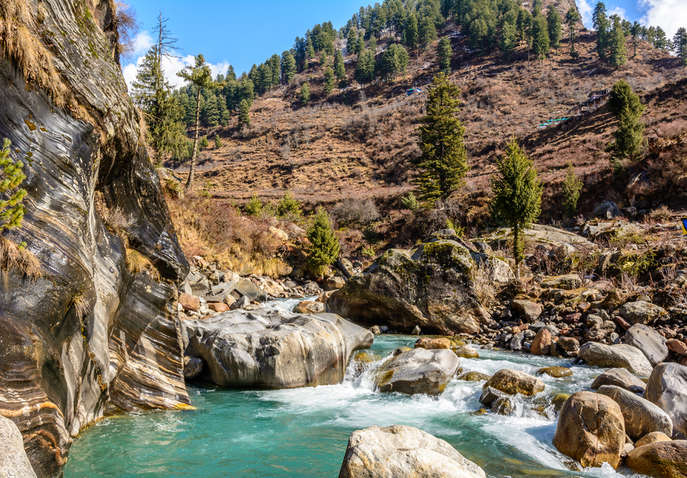
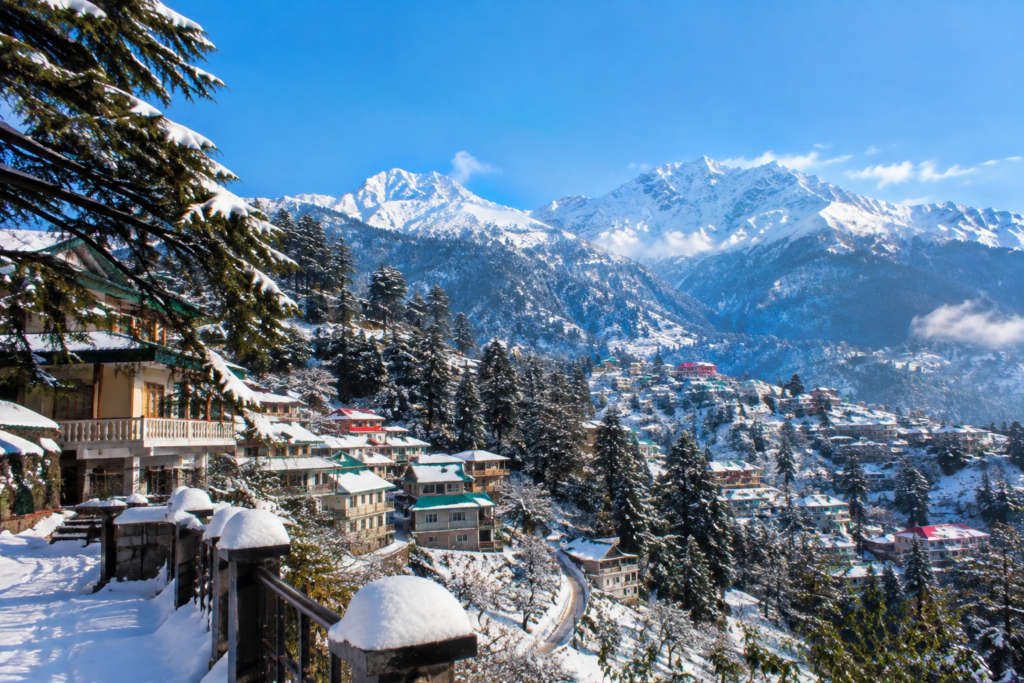
Home to the Dalai Lama and a large Tibetan community, Dharamshala at about 1,500 metres is one of the softer landings for a January trip. The town itself stays cold but rarely buried, while the ridges above turn white. Spend a morning at Namgyal Monastery, walk the pine trails, and use it as your base for McLeod Ganj and the Triund trek. Good pick if you want snow views without sub-zero days.


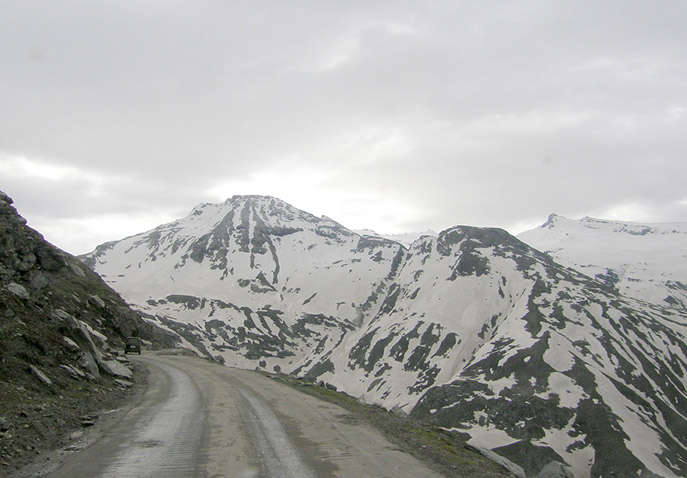


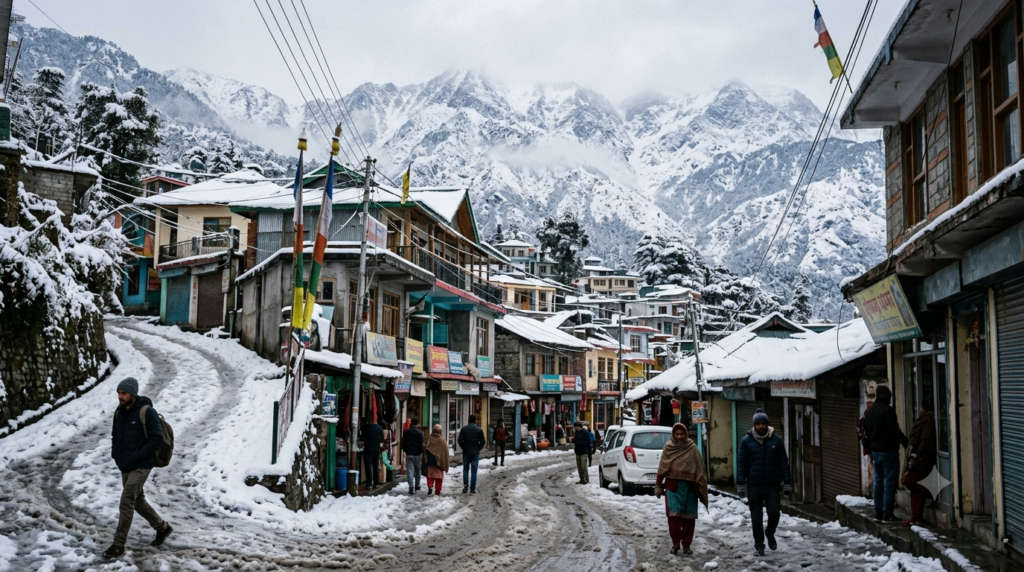
Just above Dharamshala, McLeod Ganj is Little Lhasa: Tibetan monasteries, prayer flags and some of the best momos in the state. In January the cafes are warm and half-empty, Bhagsu waterfall runs partly frozen, and the Triund trail is the main draw. The 9 km trek to Triund is doable when the path is clear, but hire a guide once snow sets in. This is the launch point for that walk.
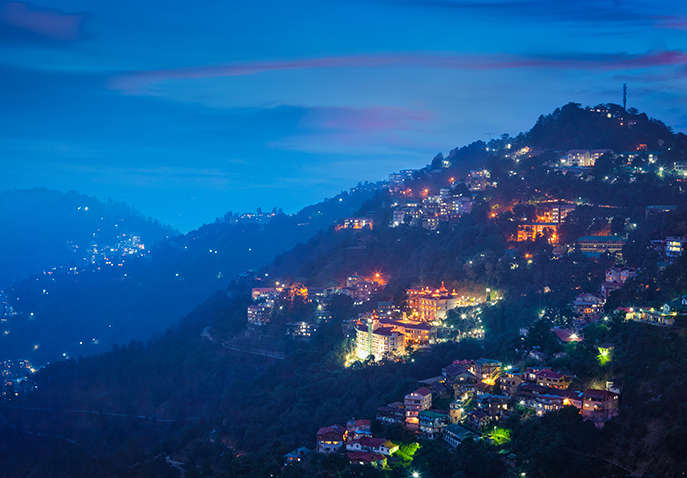


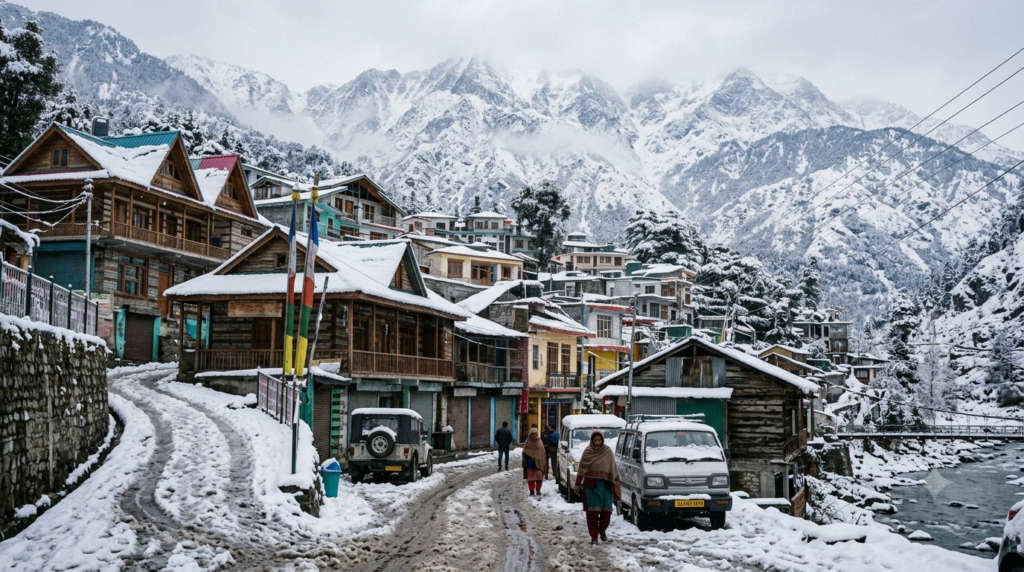
Kasol, at around 1,640 metres on the Parvati river, runs on Israeli cafes, cheap guesthouses and slow mornings. January is its quiet season, which is exactly the appeal: riverside rooms go for a fraction of summer rates and the valley is calm. It doubles as base camp for Tosh, Kheerganga and the higher Parvati treks. Expect light snow in town and heavier white up the valley.
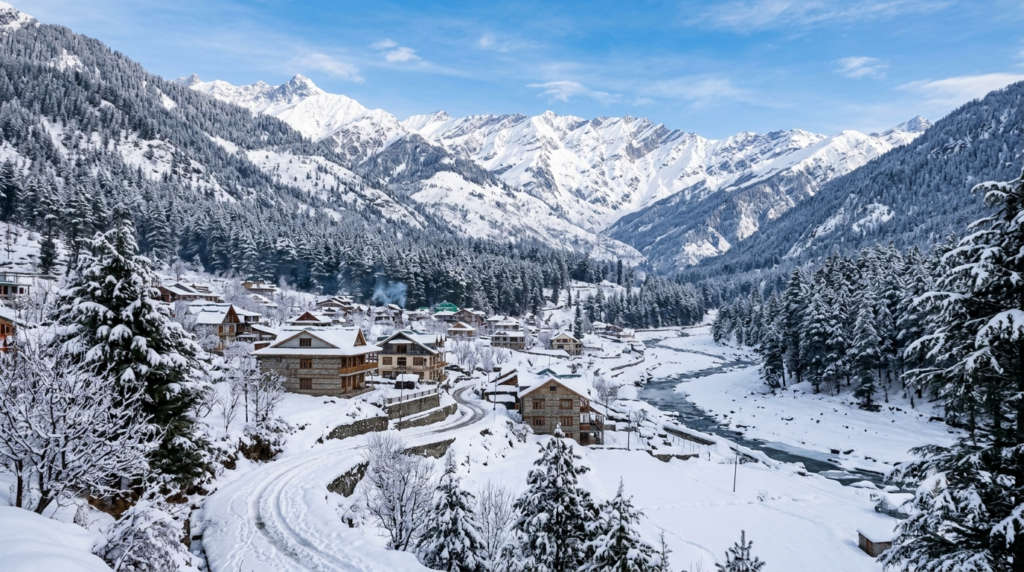
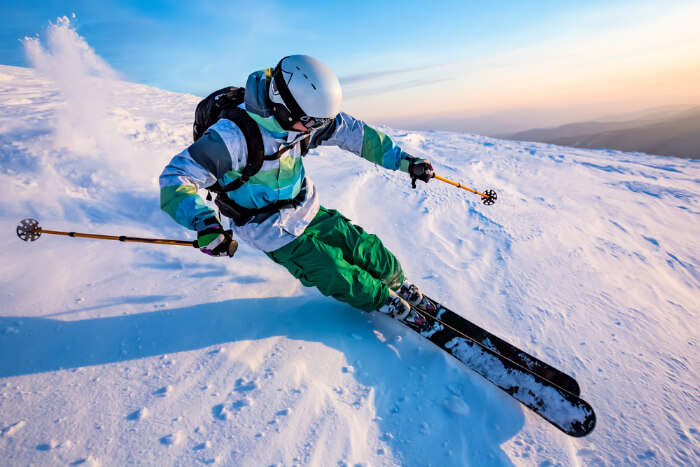
Manali is the January anchor for most snow trips. The town sits near 2,050 metres, but the real action is up at Solang Valley, around 2,560 metres, where skiing, snow tubing and cable-car rides run through the season. The Atal Tunnel stays open year-round and drops you into snow-blanketed Sissu in under an hour. For a full snow-season plan of the town, read our dedicated guide to Manali in January. It pairs adventure and access better than anywhere else this month.
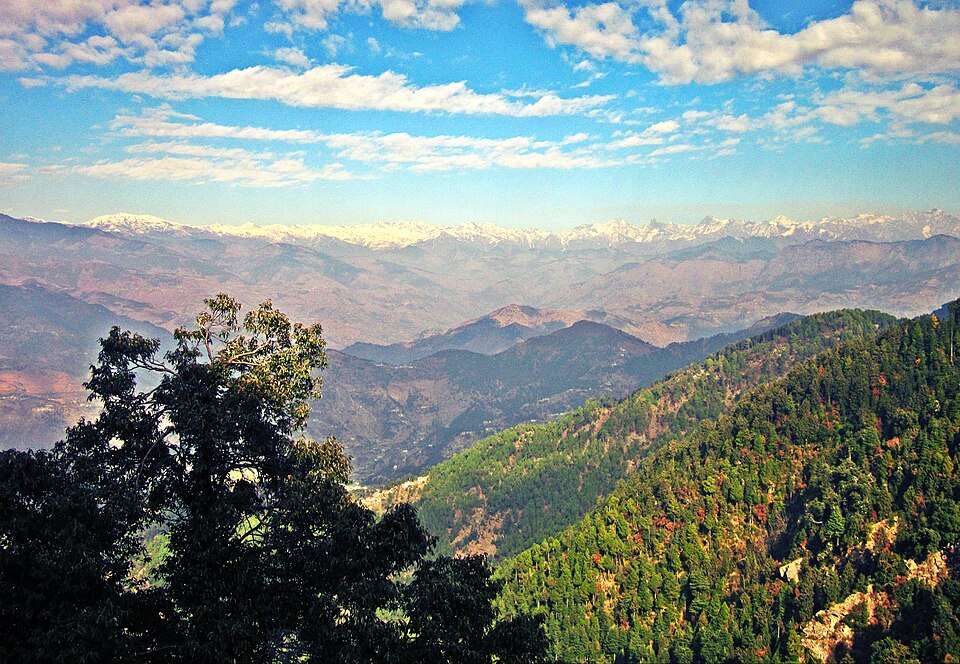
Dalhousie is the quieter, colonial-era alternative to Shimla, spread across five hills in the Dhauladhar range at about 2,000 metres. Deodar and pine forests, old churches and the snow point at Dainkund make it a calm base for couples. It sees fewer tour buses than Manali, so January feels unhurried. Pair it with a day trip to Khajjiar, which is 24 km away.
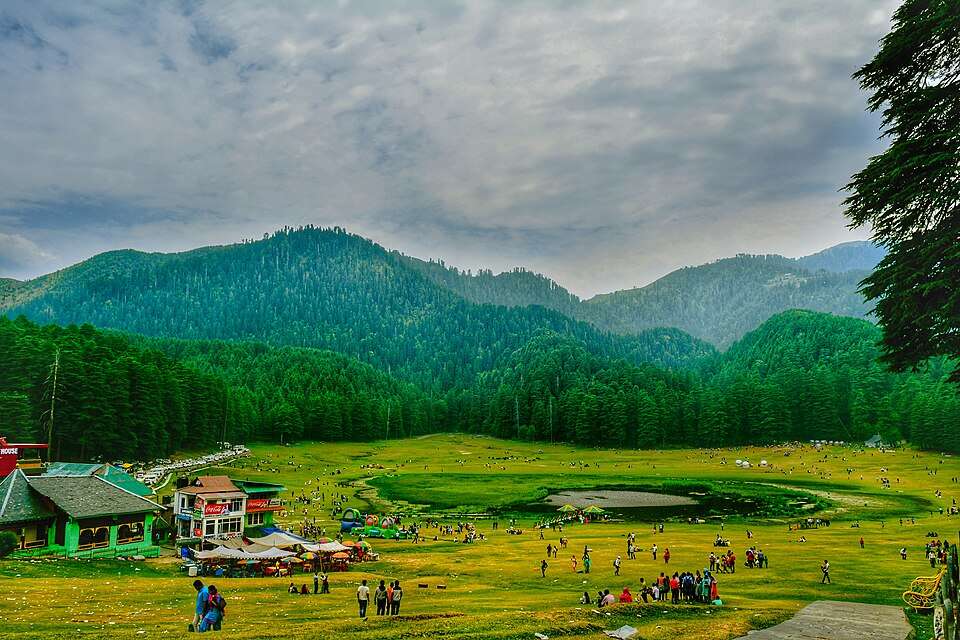
Often called mini Switzerland, Khajjiar is a wide grassy saucer ringed by deodar forest, 24 km from Dalhousie. In January that meadow becomes a shallow bowl of snow with a small frozen lake at its centre, perfect for a half-day of photos and snow play. There is little to keep you overnight, so most people visit as a day trip from Dalhousie or Chamba.
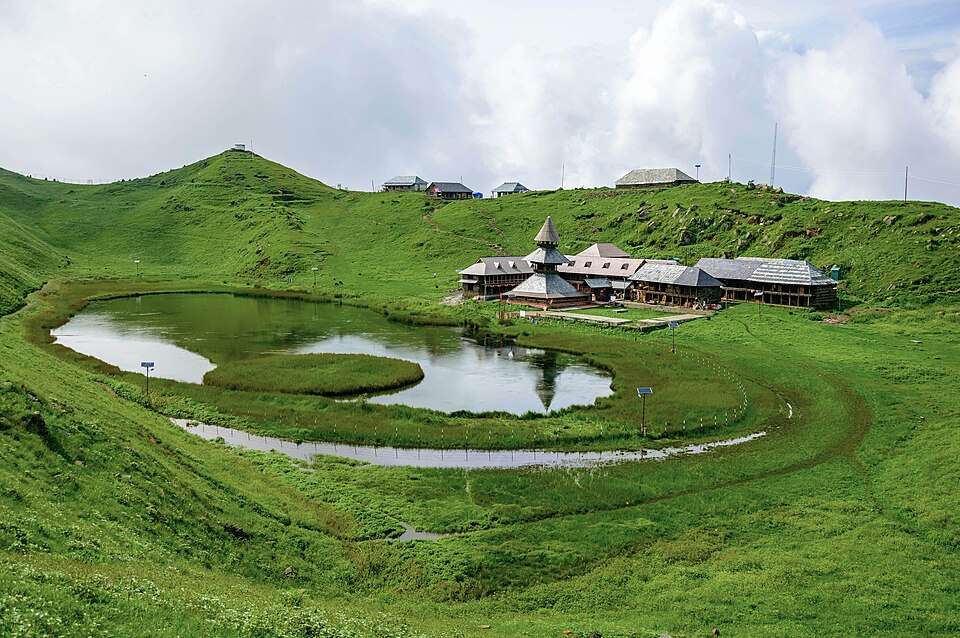
Parashar Lake, at about 2,730 metres roughly 50 km from Mandi, is one of the state’s genuine offbeat winter spots. A pagoda-style temple sits beside a lake that freezes over in December and January, backed by snow peaks. The catch is access: the road toward Bagi is often blocked by snow, and the final stretch turns into a short trek. Go with a driver who knows the current road state.
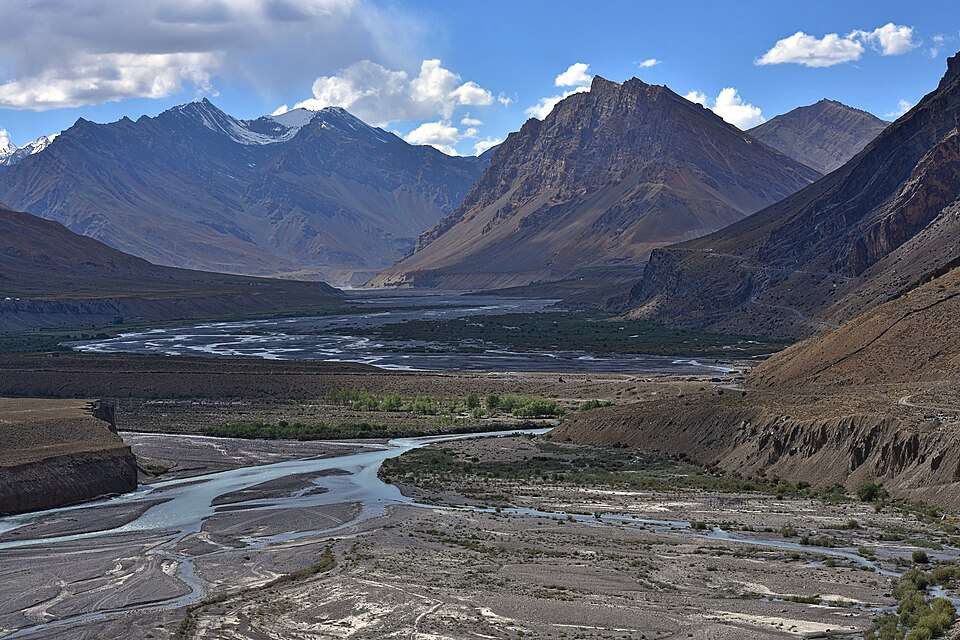
Spiti is a cold desert at around 3,800 metres, and January here is for serious winter travellers only. Daytime barely creeps above freezing and nights fall to -20°C or lower. The Manali route over Kunzum La is shut, so the only way in is the long Shimla-Kinnaur road to Kaza when it is open. Those who make it get frozen waterfalls, snow-leopard country and empty monasteries. Everyone else should save Spiti for summer.
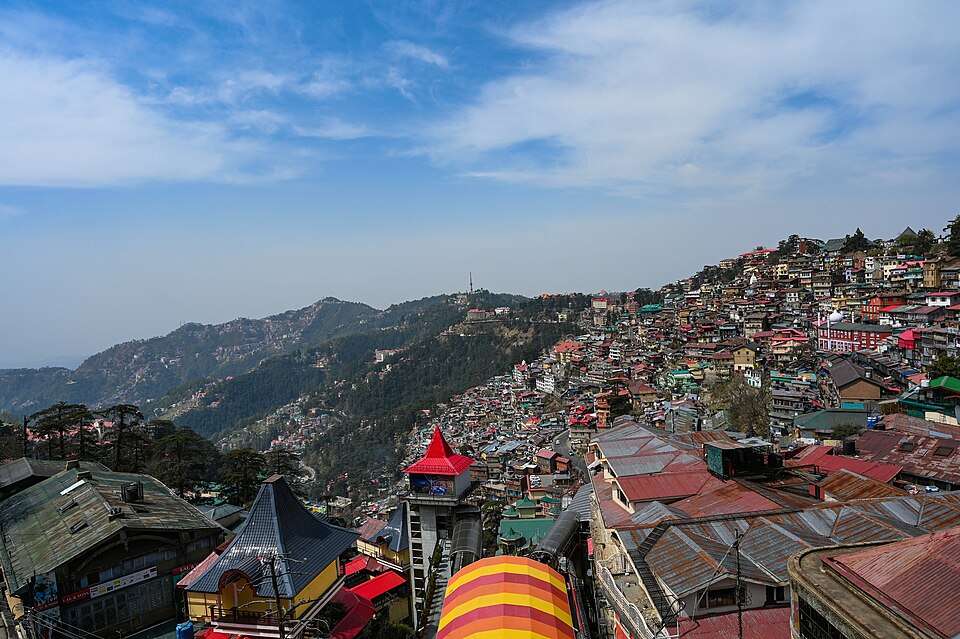
The old summer capital is the easiest January snow trip in Himachal. At about 2,200 metres, Shimla gets reliable snow by mid-month, and the ride up on the UNESCO-listed Kalka-Shimla toy train is worth building the trip around. Walk the Ridge and Mall Road, then head out to Kufri and Narkanda for deeper snow. First-timers and families should start here: infrastructure is solid and roads stay open.
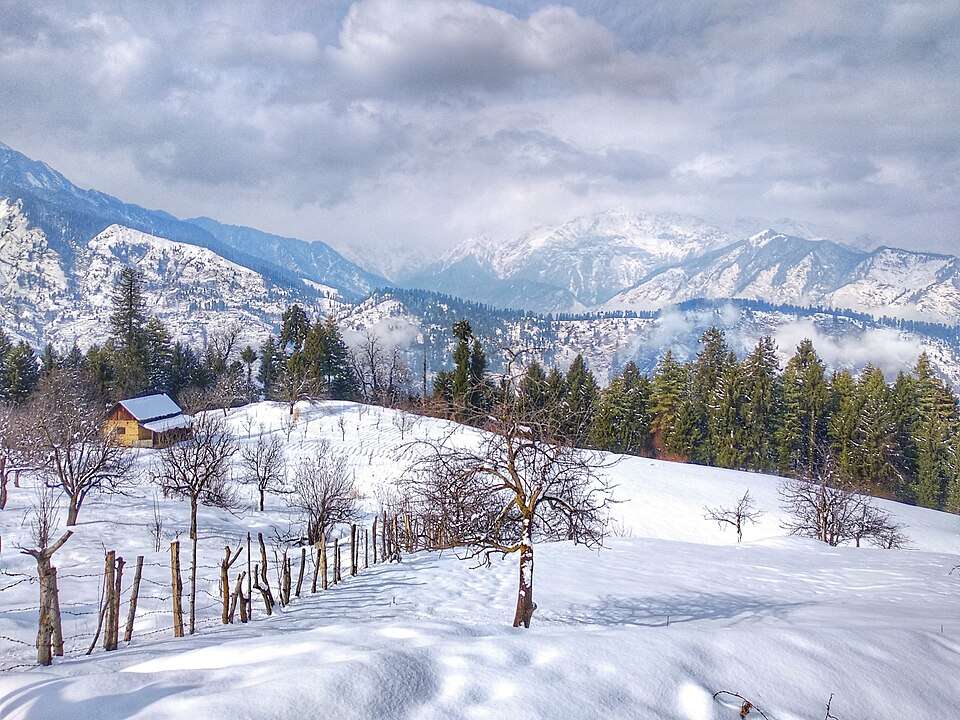
Kufri, 16 km from Shimla at roughly 2,720 metres, is the snow point most Shimla trips add on. Expect sledding, yak rides and a busy main slope on weekends, plus the Himalayan Nature Park nearby. It is touristy and it is crowded, but for kids seeing snow for the first time it does the job. Go early on a weekday to beat the queues.
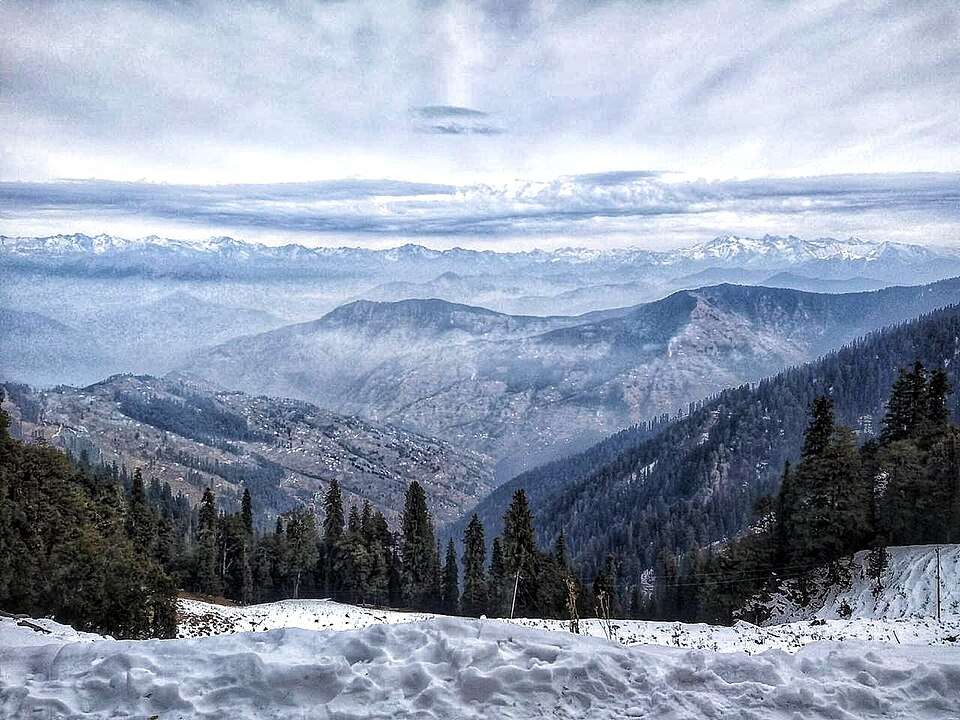
For skiing without the Kufri crowds, Narkanda is the smarter call. About 60 km from Shimla at 2,700 metres, it sits in apple country and has genuine ski slopes that open when snow is good. It is also the base for Hatu Peak. Quieter hotels, real powder and shorter lift lines make it a favourite of returning winter travellers.
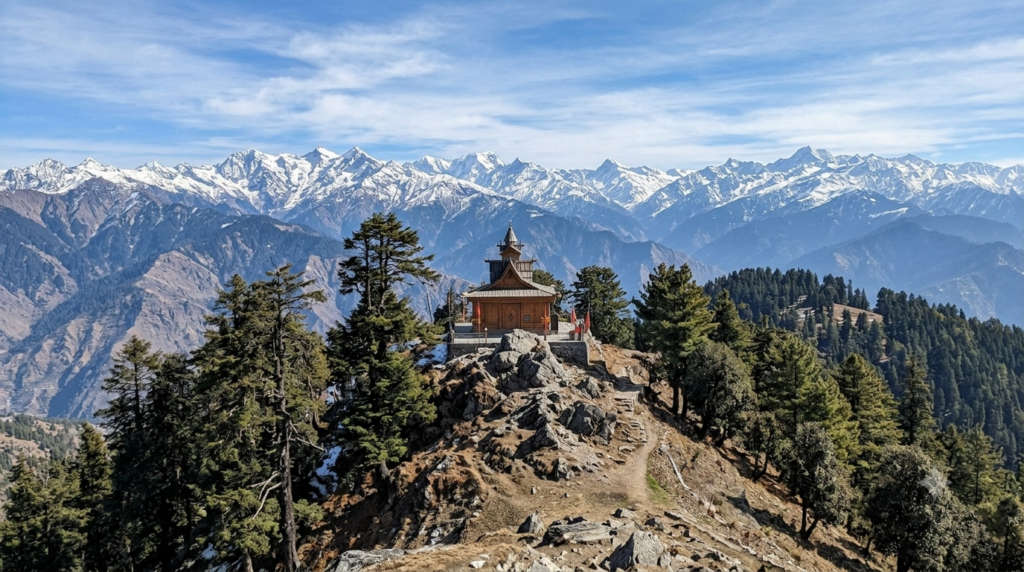
Above Narkanda at around 3,400 metres, Hatu Peak is a snow drive and short hike to the Hatu Mata temple, with valley views in every direction. It is roughly 70 km from Shimla. The road is only passable when it has been cleared, so you need a 4×4 and a clear-weather window. When conditions line up, it is one of the most rewarding half-days in the Shimla belt.
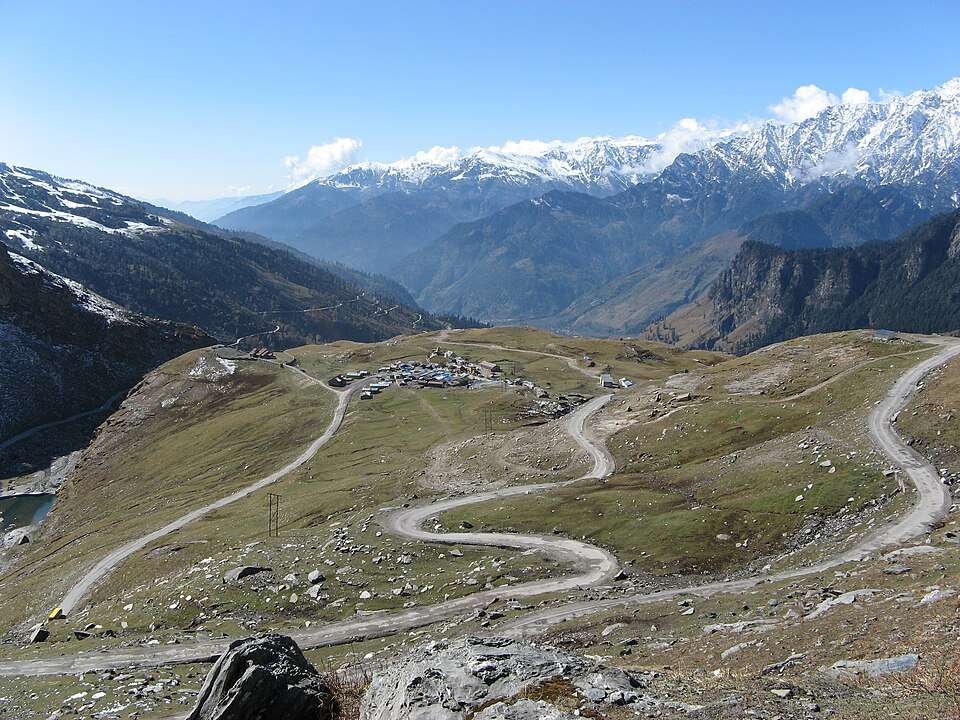
Be clear on this one: Rohtang Pass, at about 3,978 metres, is closed through January. You cannot cross it in winter, and anyone promising a Rohtang trip this month is selling you the Atal Tunnel instead, which is the right call. The tunnel carries you under the pass to Sissu and Lahaul year-round. For snow near Manali, stop at Gulaba or Solang rather than aiming for the pass itself.
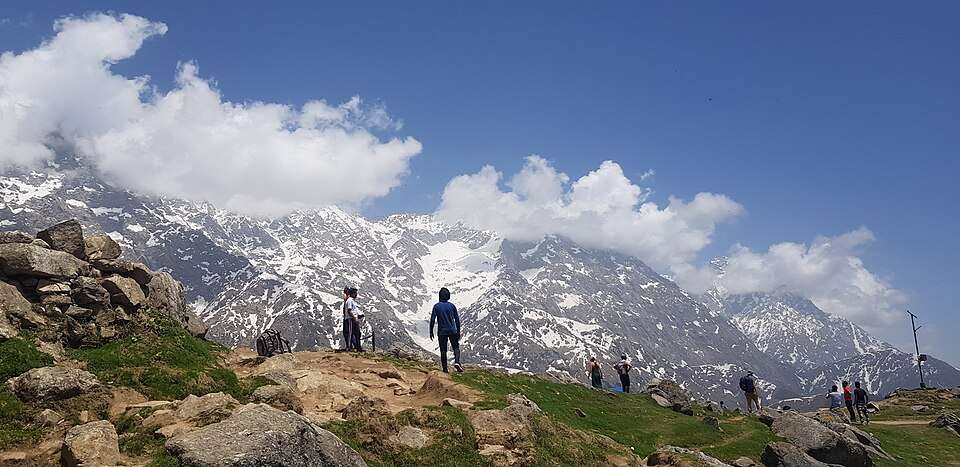
Triund is the accessible winter trek of the Dhauladhar: about 9 km and 2,875 metres, starting from McLeod Ganj. In January the upper trail wears a clean layer of snow and the ridge-top campsite looks straight across at the Dhauladhar wall. Day-hike it if you are fit, or camp overnight with a proper sleeping bag and a guide, because nights up there are brutally cold. Crampons help after fresh snow.
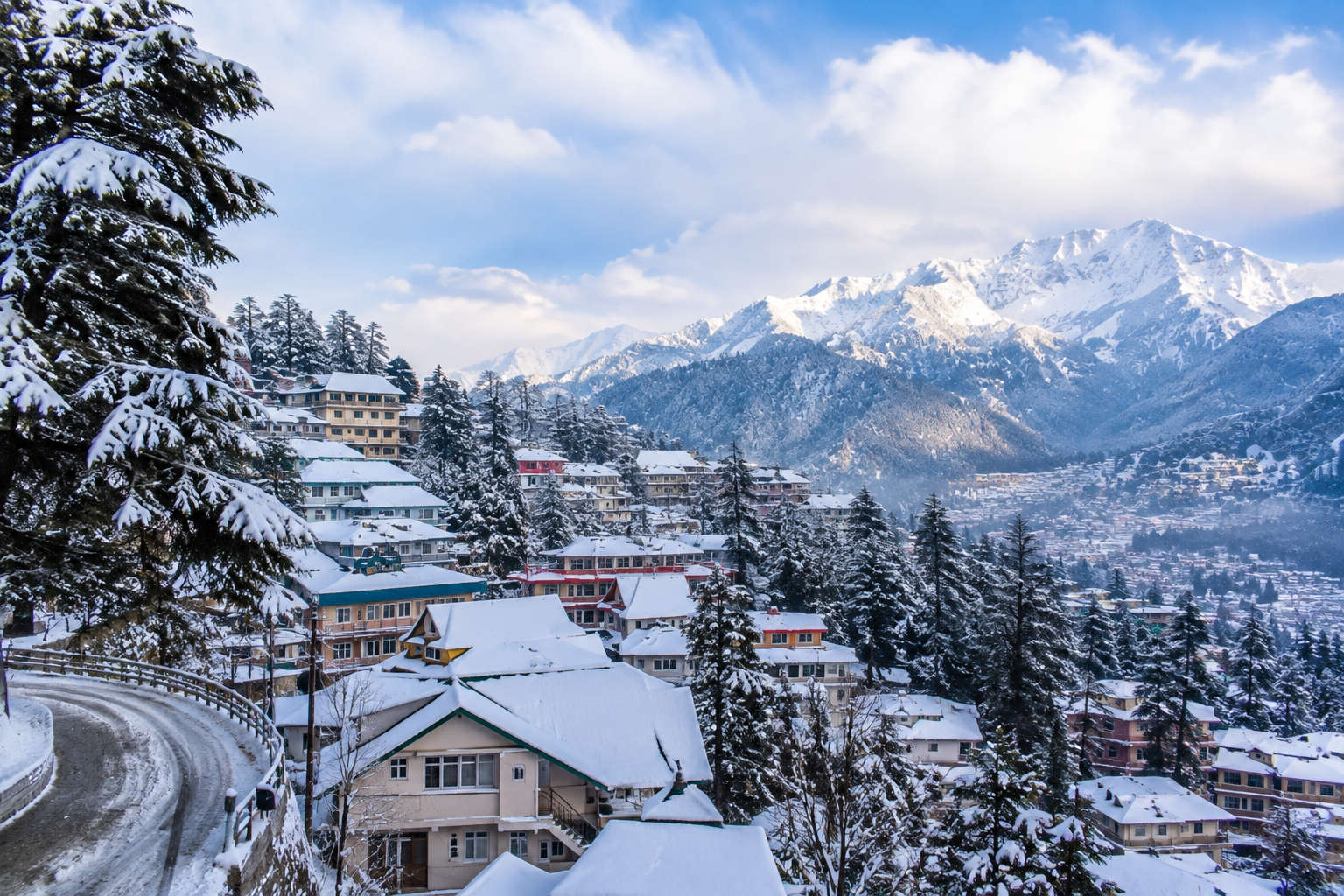
The two get compared endlessly, so here is the honest split for a January trip.
| Factor | Shimla (with Kufri) | Manali (with Solang) |
| Access in snow | Easier, roads stay open, toy train option | Good, highway open, occasional slowdowns |
| Snow reliability | Reliable mid-January at Kufri/Narkanda | Very reliable at Solang and Atal Tunnel side |
| Skiing | Beginner slopes at Kufri, better at Narkanda | Better runs and snow sports at Solang |
| Best for | First-timers, families, short trips | Adventure, honeymooners, snow-chasers |
| Crowds | Busy but spread out | Busy at Solang, town calmer than Dec |
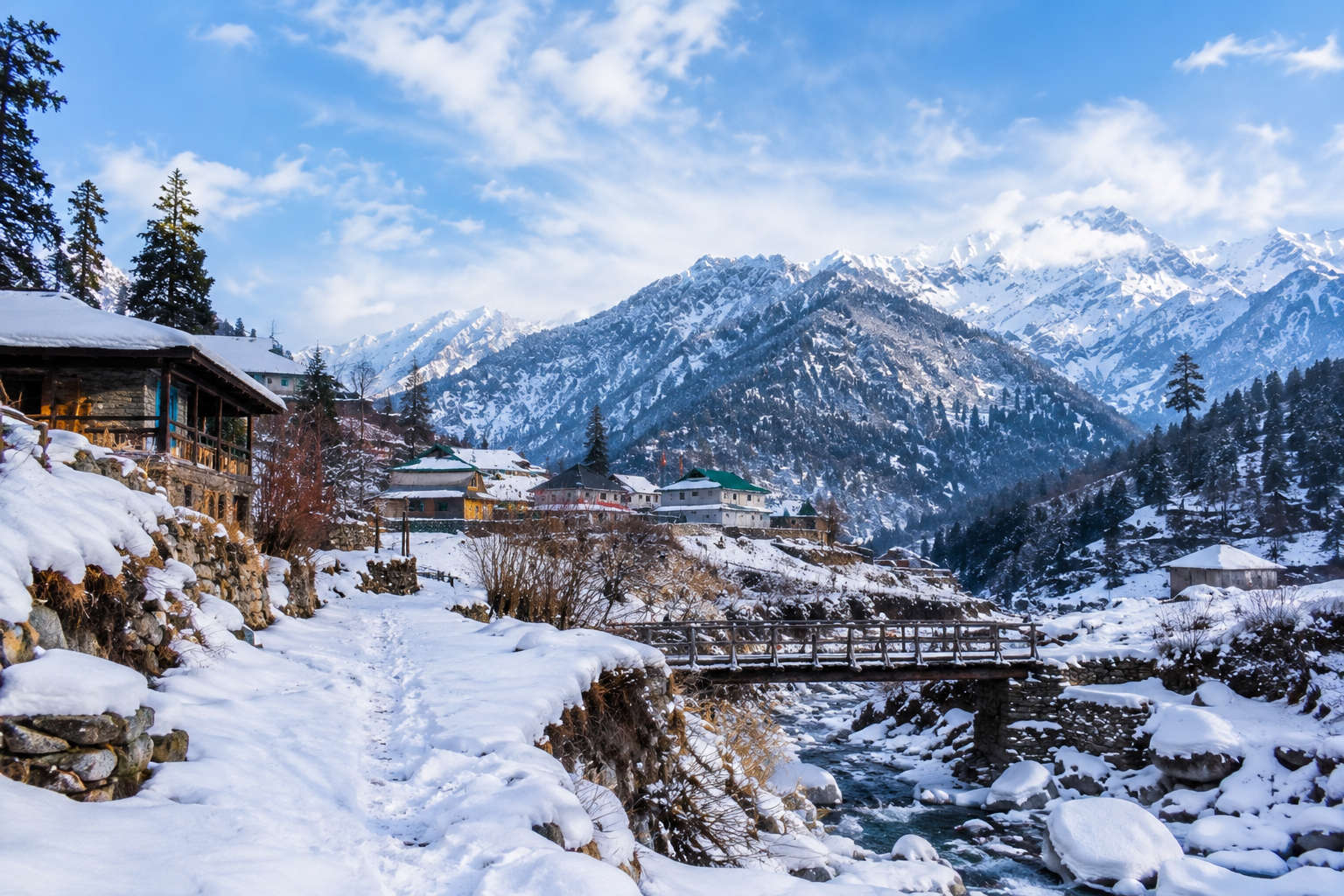
If the big hill stations feel too familiar, three quieter corners come into their own under snow. Jibhi, in the Banjar Valley at around 1,600 metres, is a cluster of wooden Himachali houses beside a stream, with a small waterfall that half-freezes and almost no crowds. Nearby Tirthan Valley, on the edge of the Great Himalayan National Park, trades sightseeing for trout streams, riverside cabins and complete quiet. Further east in Kinnaur, Sangla and Kalpa (around 2,700 to 2,960 metres) sit under Kinnaur Kailash with apple orchards buried in snow, reachable via the Shimla to Reckong Peo road when it is open. Tosh, above Kasol, rounds out the list for anyone already in Parvati Valley. These are the spots behind the “himachal offbeat places in january” searches, and they stay blissfully empty this month.
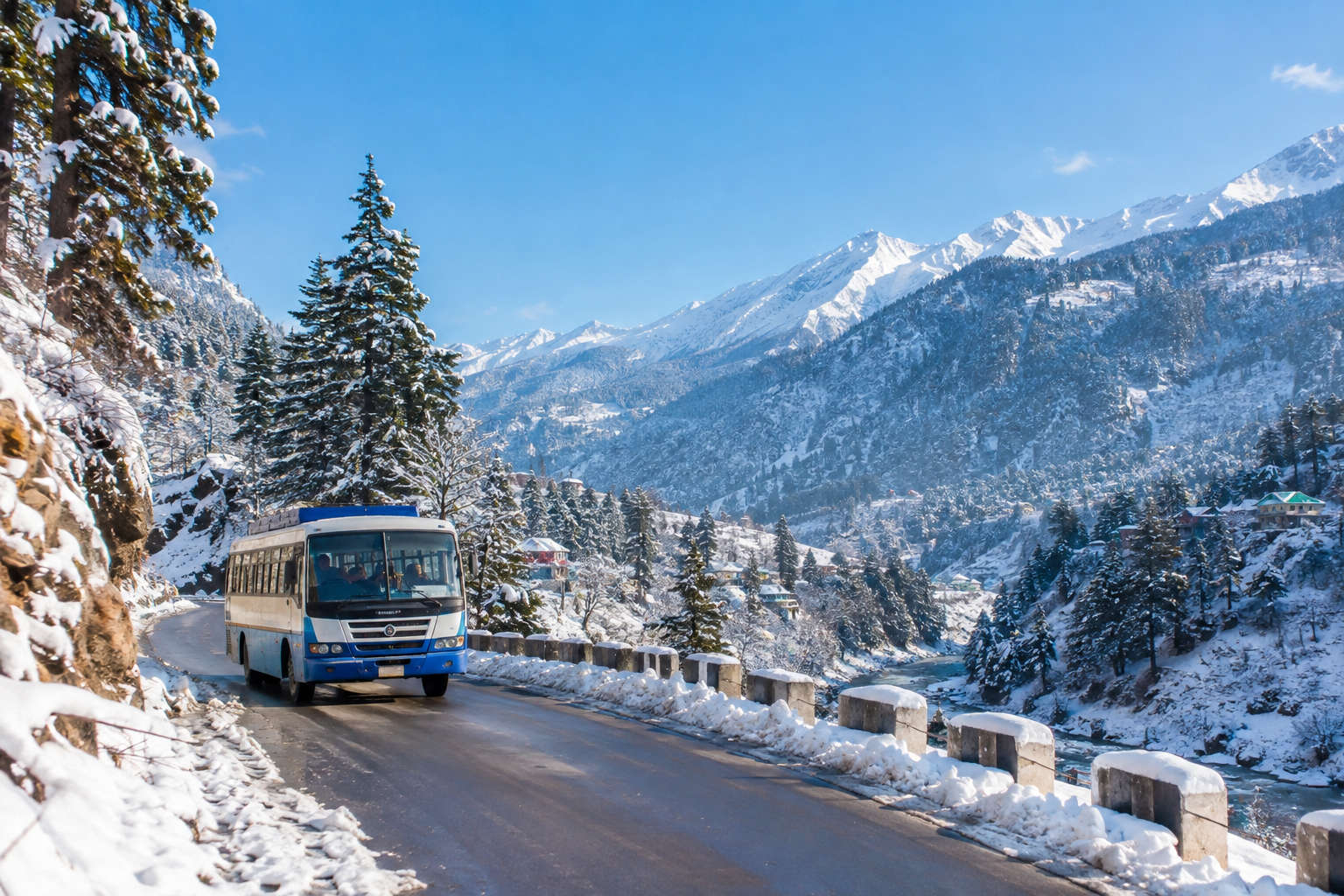
Getting to Himachal in winter is straightforward if you route through Chandigarh and check road status before the final climb. Here is how each mode works in January.
| Mode | How it works in January | Watch-out |
| By air | Chandigarh (IXC) is the all-weather gateway, ~110km from Shimla. Bhuntar/Kullu-Manali (KUU) is ~50km from Manali, Gaggal/Kangra (DHM) ~13km from Dharamshala. | Small hill airports face winter-fog delays, keep a buffer. |
| By train | Broad-gauge railheads at Chandigarh and Kalka. From Kalka, the UNESCO Kalka-Shimla toy train climbs to Shimla. | Toy train is slow, book seats ahead in peak weeks. |
| By road | NH5 to Shimla and the Chandigarh-Manali highway are kept open. HRTC and Volvo buses run from Delhi (ISBT Kashmere Gate). | Carry snow chains beyond the snowline, avoid night driving on ice. |
Pass status in January (the part that changes yearly): the Atal Tunnel stays open year-round and links Manali to Sissu and Lahaul, so you get high-altitude snow without a closed pass. Rohtang Pass is shut through winter. Kunzum La is closed too, which is why Spiti is only reachable via the Shimla-Kinnaur road this month. On the Kufri, Narkanda and Hatu routes, take a 4×4 with chains after fresh snow. Always confirm live status with the BRO or HP tourism advisories a day or two before you set out.
January in Himachal is a serious-cold trip, and the right kit is the difference between enjoying the snow and enduring it. Pack for layers, not bulk.
Time it with a festival if you can. Lohri, on 13 January, lights bonfires across the lower hills, and Makar Sankranti (locally Magha Saaji) on 14 January brings village fairs and holy dips despite the cold. Both add colour to a winter trip and rarely feature in the standard itineraries.
January hands you the snowiest, quietest and most affordable version of Himachal, as long as you pick one region, pack for real cold, and check the roads before you climb. Shimla and Manali make the safest first snow trip; Spiti and the offbeat valleys reward those who plan harder. When you are ready to turn this list into an actual itinerary with stays and transfers sorted, browse our Himachal tour packages and travel up with the cold handled for you.
No. Rohtang Pass is closed by heavy snow through winter and does not reopen until late spring. The good news is the Atal Tunnel stays open year-round and takes you under the pass to Sissu and Lahaul, so you still reach high-altitude snow safely from Manali.
Yes, with care. The Chandigarh-Manali highway is kept open and cleared, but stretches ice over at night. Carry snow chains, drive in daylight, and use an experienced local driver for the last leg. Many visitors simply take a Volvo bus from Delhi and skip the winter driving altogether.
Shimla is easier to reach, gets reliable mid-month snow at Kufri, and suits first-timers and families. Manali offers deeper snow and better skiing at Solang plus the Atal Tunnel. Choose Shimla for a relaxed, accessible trip and Manali for snow sports and adventure. See the comparison table above.
Yes, if snow is what you want. January is peak winter, with fresh snow across the hills, thinner crowds after New Year and lower hotel rates. The trade-off is sub-zero nights and a few closed high roads. Book heated stays and it is one of the best months to see Himachal white.
Layered thermals, a heavy down jacket, waterproof snow boots, gloves, a beanie and a muffler are non-negotiable. Add sunscreen and sunglasses for snow glare, a power bank, cash for the valleys, and slip-on traction spikes for icy paths. The full checklist is in the packing section above.
It depends on altitude. Lower hill towns like Shimla and Dharamshala see 5 to 12°C by day and around freezing at night. Mid hills like Manali and Kufri run a few degrees colder. High valleys such as Spiti fall to -15 to -25°C after dark, so pack accordingly for where you are headed.
Kufri, 16 km away, is the classic snow point with sledding and short slopes. For more snow and fewer crowds, drive on to Narkanda for skiing or up to Hatu Peak when the road is cleared. Fagu, between Shimla and Kufri, is a quieter alternative for a snow stop.
Only partly, and only for experienced winter travellers. The Manali route over Kunzum La is closed, so Kaza is reachable only via the long Shimla-Kinnaur road when it is open. Temperatures fall below -20°C and services are minimal. Most travellers are better off saving Spiti for the warmer months.
Families do best in Shimla-Kufri and the Dalhousie-Khajjiar belt, where snow is easy to reach and roads stay open. Honeymooners tend to love Manali with Solang for snow sports, or Kufri and Narkanda for quiet, snowy views. All four keep the cold manageable while still delivering the white landscape.
For the main hill stations, domestic travellers need no special permit. Some border stretches in Kinnaur and Spiti require an inner-line permit, which is easy to arrange locally. Foreign nationals should check the current rule for those specific areas before travelling, as requirements can change season to season.
Real reviews from real travelers who booked with us.
View All Reviews