
 8D / 7N
6% OFF


Why Tissa Is More Than a Bed for the Night Before Yala
The best things to do in Tissamaharama are a dawn jeep safari in Yala National Park (the main gate is about 20 km away), a sunset at the 2,000-year-old Tissa Wewa lake, the town’s four ancient stupas, birdwatching in Bundala and the 6.30 pm puja at Kataragama, 18 km up the road. Plan two full days.
Tissamaharama, or “Tissa”, is a small town in Sri Lanka’s Hambantota District that was the capital of the Ruhuna kingdom from the 3rd century BCE. Most visitors treat it as a place to sleep before a safari. That is a mistake. The lakes its kings built still water the paddy fields, crocodiles sun themselves on the banks, and painted storks roost in the trees along the lake. Everything below sits within about 80 km of the town, and most of it within 25. For the wider country, start with our Sri Lanka travel guide.
Key Takeaways
- Book a 6 am Yala jeep. Leave Tissa at 5 am to reach the Palatupana gate as it opens; animals are most active in the first two hours.
- Spend two days, not one. Day one for Yala, Kirinda and the lake, day two for Bundala, Sella Kataragama and Kataragama’s evening puja.
- Avoid mid-September to mid-October for Yala. Blocks 1 and 2 closed from 14 September to 15 October in 2026, and October to December brings most of the year’s rain.
- Budget from around LKR 18,000 to 25,000 per jeep for a half-day Block 1 safari, shared by up to six people, on top of the park ticket.
- Stay off the lake edges after dark. Mugger crocodiles live in Tissa Wewa, Yoda Wewa and Debara Wewa.
Things to Do in Tissamaharama at a Glance
The table gives each place’s distance from the Tissa clock tower, the time you need, the fee and the best time of day.
| Place | Type | Distance from Tissa | Time needed | Fee | Best time of day |
|---|---|---|---|---|---|
| Yala National Park | Leopard safari | About 20 km to Palatupana gate | Half day | Park ticket plus jeep | 6 am or 2.30 pm |
| Tissa Wewa | Ancient lake, boat ride | In town | 1 to 2 hours | Free; boat rides priced per boat | Sunset |
| Tissamaharama Raja Maha Vihara | Stupa and temple | About 1 km | 45 minutes | Free | Evening |
| Yatala Wehera | Stupa with museum | About 2 km | 45 minutes | Free | Morning |
| Sandagiri Stupa and Menik Wehera | Ruins | About 1 km (Menik Wehera about 2 km) | 30 minutes | Free | Late afternoon |
| Debara Wewa and Yoda Wewa | Lakes, birdlife | 2 to 4 km | 1 to 2 hours | Free | Early morning |
| Village tour and curd | Culture, food | Around town | 3 hours | Tour fee | Morning |
| Bundala National Park | Wetland birding | About 20 km west | Half day | Park ticket plus jeep | 3 pm |
| Wirawila Wewa | Lake, waterbirds | About 10 km west | 45 minutes | Free | Early morning |
| Sithulpawwa Rock Temple | Cave temple | About 25 km | 2 hours | Free | Morning |
| Kataragama Devalaya and Kiri Vehera | Pilgrimage | About 18 km north-east | 2 to 3 hours | Free | 6.30 pm puja |
| Sella Kataragama | River shrine | About 22 km | 1 hour | Free | Afternoon |
| Kirinda Temple and Beach | Rock temple, coast | About 10 km south | 1 to 2 hours | Free | Sunrise or sunset |
| Patanangala Beach | Coast inside Yala | Inside Block 1 | 20 minutes on safari | In Yala ticket | During a safari |
| Udawalawe National Park | Elephant safari | About 80 km | Full day | Park ticket plus jeep | 6 am |
Sri Lanka
Sri Lanka
Yala, Tissa Wewa, ancient stupas, Bundala and Kataragama, with distances, fees and a 2-day plan
Best Time
February - July
Select Package Type
Best Selling Packages


The 15 Best Places in and Around Tissa, Then How to Plan Your Stay
Fifteen sights within about 80 km of Tissamaharama, from the town's 2,000-year-old lake and stupas to Yala, Bundala and Kataragama, followed by safari choices, best months, how to get there, where to stay and a day-by-day plan.
-
Yala National Park
-
Tissa Wewa
-
Tissamaharama Raja Maha Vihara (Tissa Dagoba)
-
Yatala Wehera
-
Sandagiri Stupa and Menik Wehera
-
Debara Wewa and Yoda Wewa
-
Village Tour, Paddy Fields and Curd and Treacle
-
Bundala National Park
-
Wirawila Wewa and the Wirawila-Tissa Sanctuary
-
Sithulpawwa Rock Temple
-
Ruhunu Maha Kataragama Devalaya and Kiri Vehera
-
Sella Kataragama
-
Kirinda Temple and Beach
-
Patanangala Beach
-
Udawalawe National Park (Day Trip)
Explore Popular Destination In Sri Lanka
01
Yala National Park
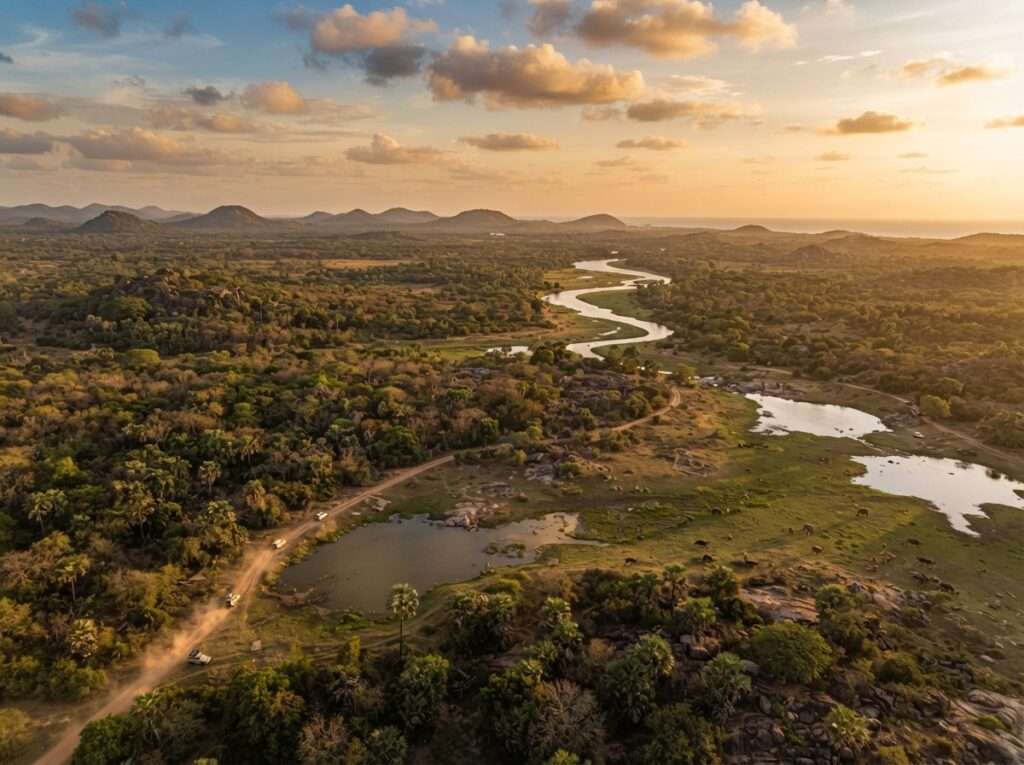
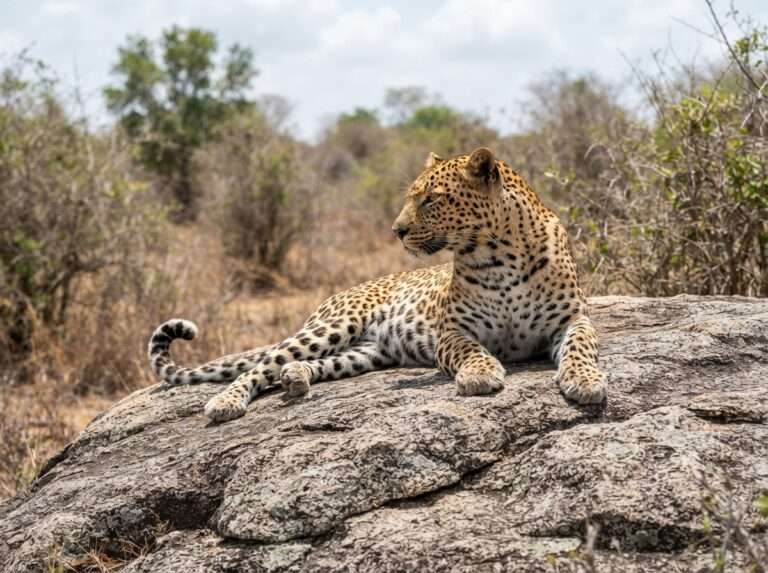
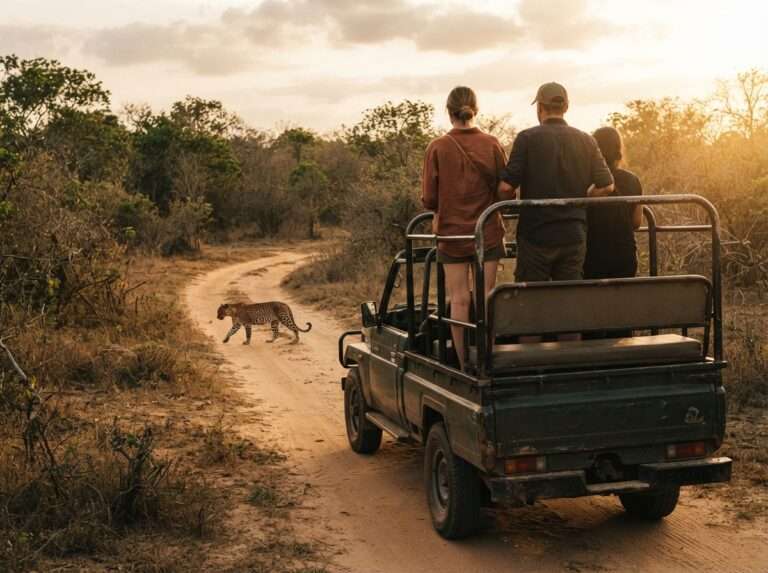
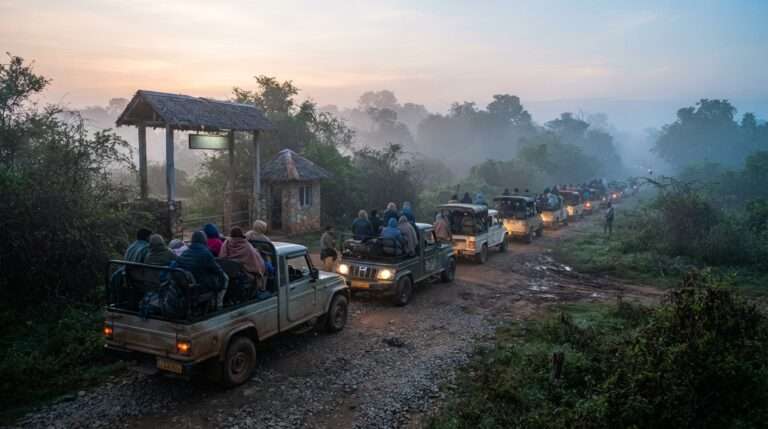
Yala is the reason Tissa has more guesthouses than a town its size should. The main Palatupana gate, which leads into Block 1, is about 20 km south-east of the clock tower, a 30 to 40 minute jeep ride along the coast road through Kirinda. Block 1 holds one of the highest leopard densities recorded anywhere, and on a good dry-season morning you can also see sloth bears, elephants, mugger crocodiles and peacocks fanned out on the track.
Every safari company in Tissa heads for the same gate at the same hour, so expect queues of jeeps at 6 am in peak season. If you would rather trade leopard odds for quiet, ask your driver about Block 5, where elephants are easier and jeeps are fewer. Yala’s fees, blocks and slot times change often, and we keep them current in our full Yala National Park safari guide.
For budgeting, the foreign adult ticket works out from around USD 35 to 45 at the Palatupana counter once the vehicle fee, service charge and VAT are added, and SAARC passport holders, including Indians, pay a lower rate.
| Location | Palatupana gate, about 20 km from Tissa via Kirinda |
| Timings | 6 am to 6 pm; morning and afternoon slots |
| Cost | Park ticket per person plus a jeep, from around LKR 18,000 to 25,000 per vehicle for a half day |
| Closed | Blocks 1 and 2, mid-September to mid-October (14 Sep to 15 Oct in 2026) |
| Do not miss | Leopard Rock area and the coast at Patanangala |
Related Tour Packages


❮
❯
02
Tissa Wewa
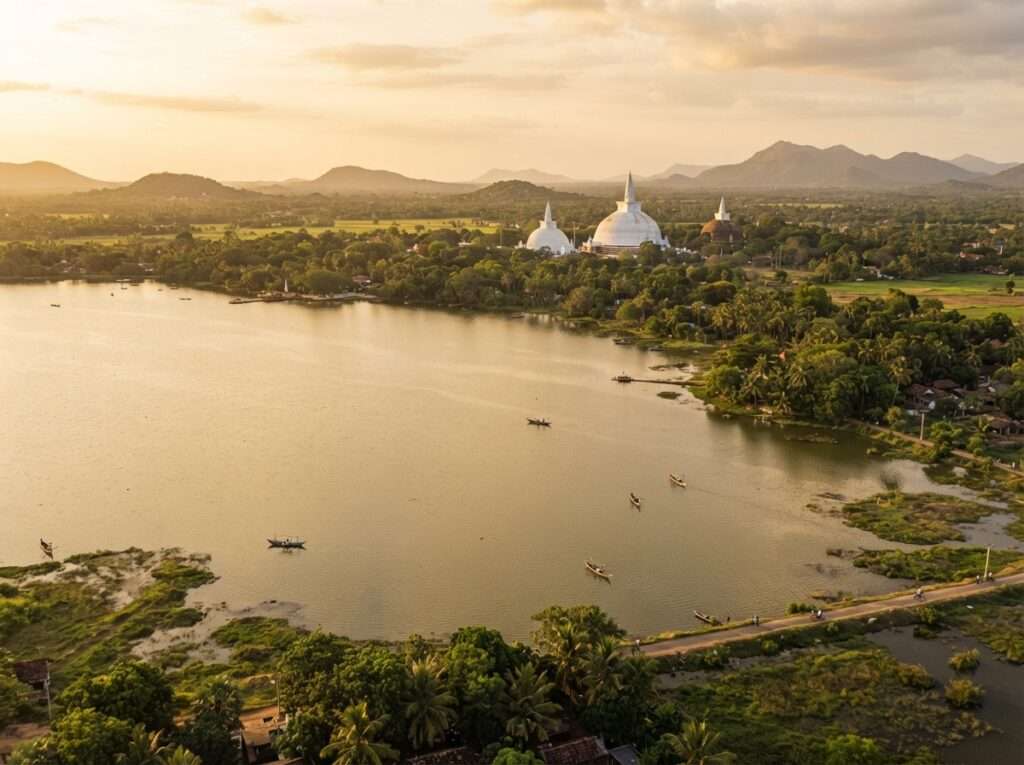
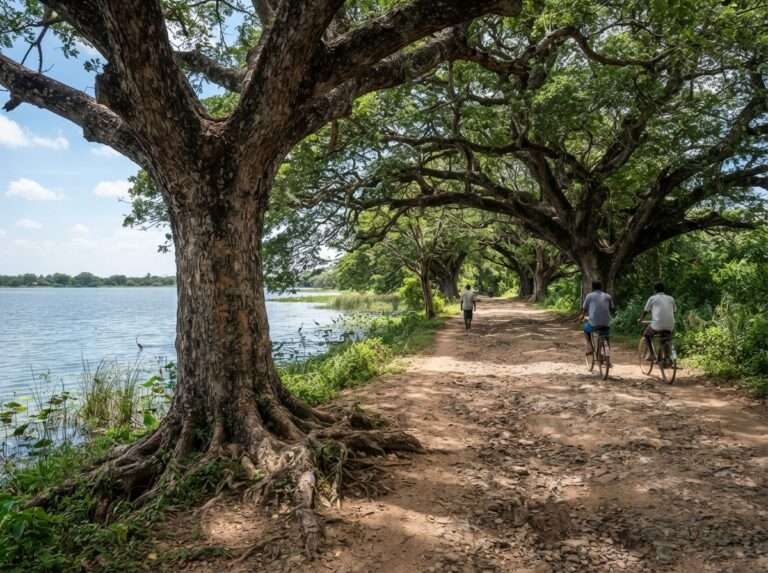
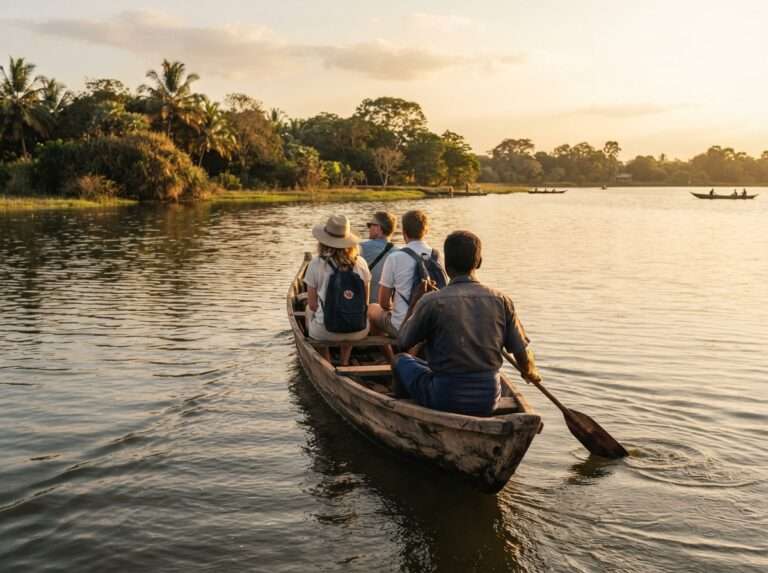
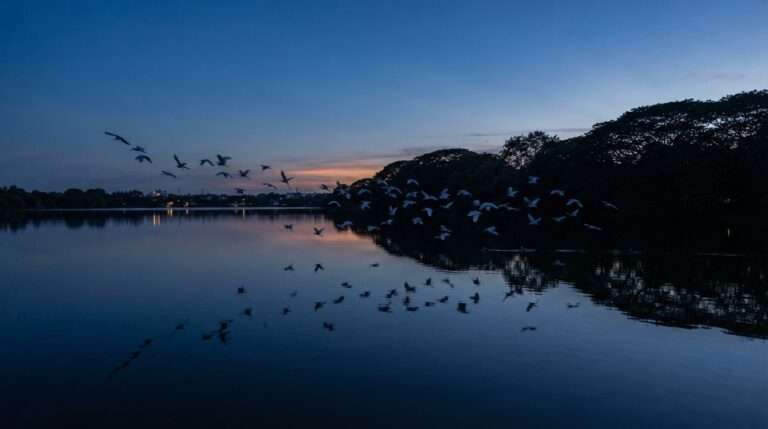
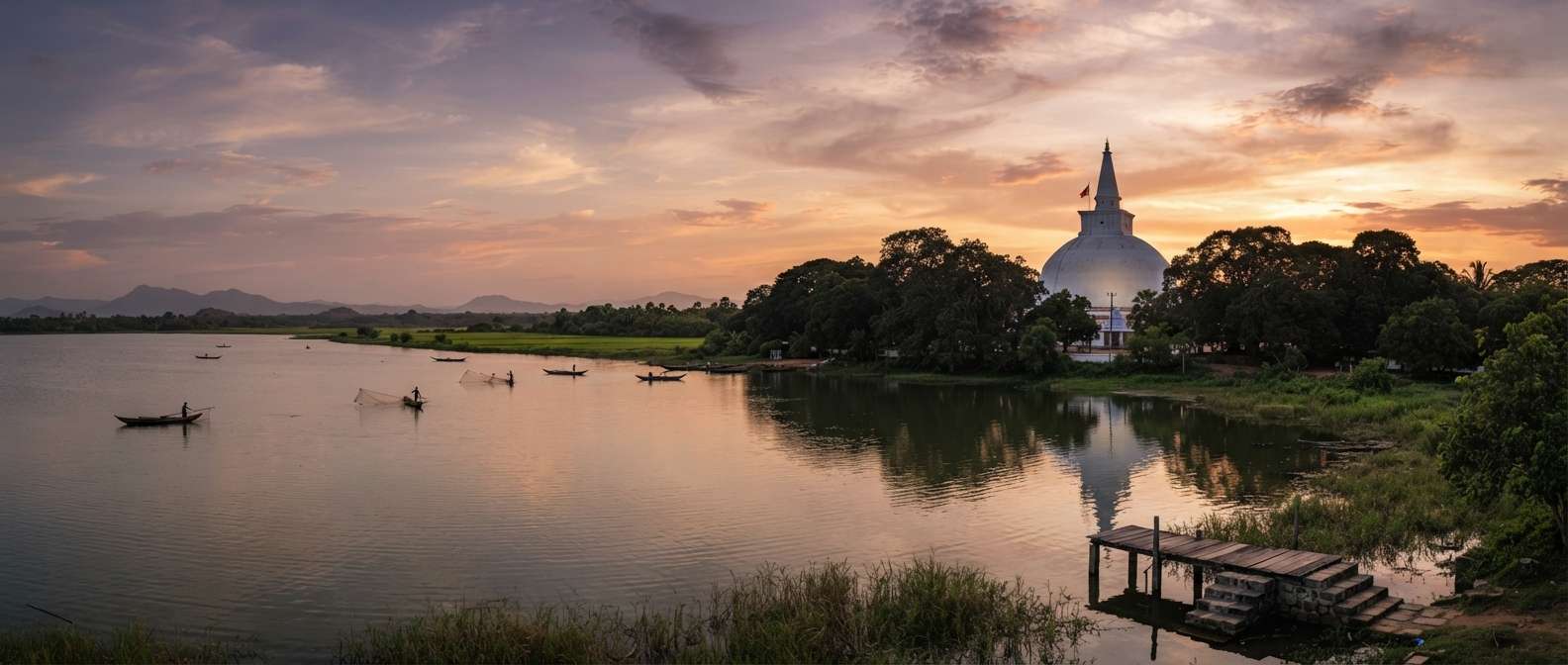
Tissa Wewa is the lake the town grew around. It is an artificial reservoir built as part of an irrigation system that dates back to the 3rd century BCE, and it still feeds the paddy fields that circle the town. The embankment (bund) road along its southern shore, shaded by old rain trees, is the place to be at about 5.30 pm. Fishermen pole out in narrow canoes, painted storks and egrets come in to roost on the dead trees in the shallows, and the white dome of the Tissa Dagoba catches the last light behind you.
Boatmen at the embankment take groups out for a 30-minute loop, priced for the whole boat rather than per person, depending on season and how hard you bargain. Agree the price before you step in. Do not swim or wade here. Mugger crocodiles live in the lake, and you will often see one lying motionless on the far bank.
| Location | Western edge of Tissa town, beside the main road |
| Entry fee | Free; boat rides priced per boat |
| Best time | 5 pm to sunset |
| Time needed | 1 to 2 hours |
| Tip | Walk the embankment towards the dagoba after the boat ride |
Related Tour Packages


❮
❯
03
Tissamaharama Raja Maha Vihara (Tissa Dagoba)
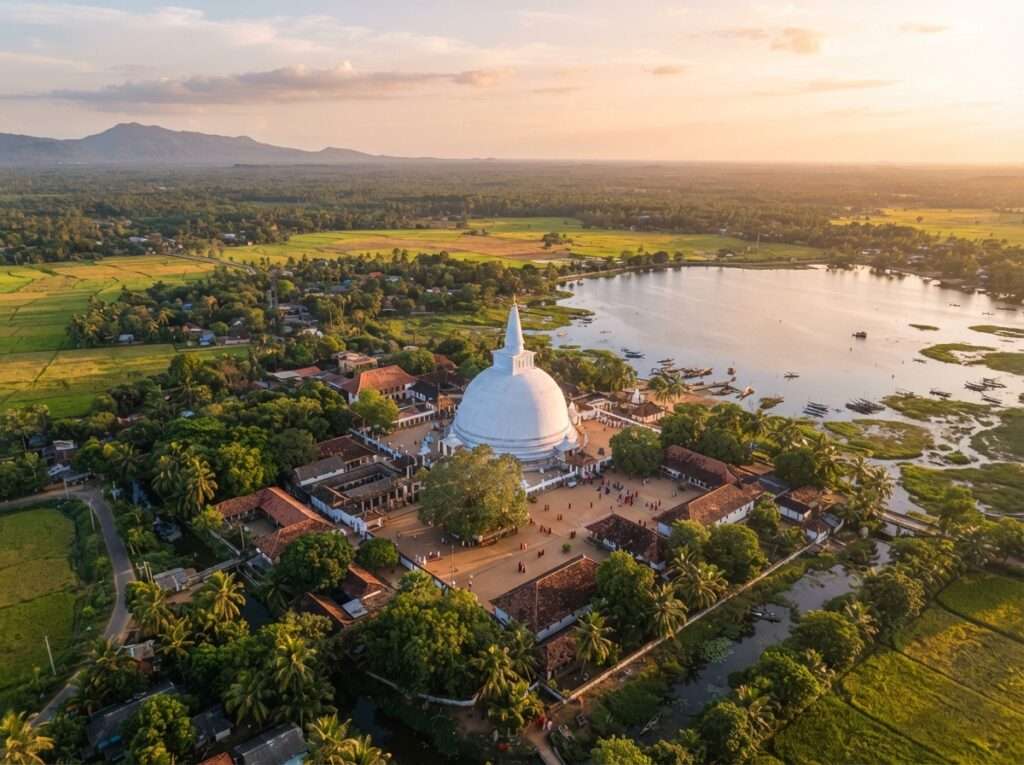
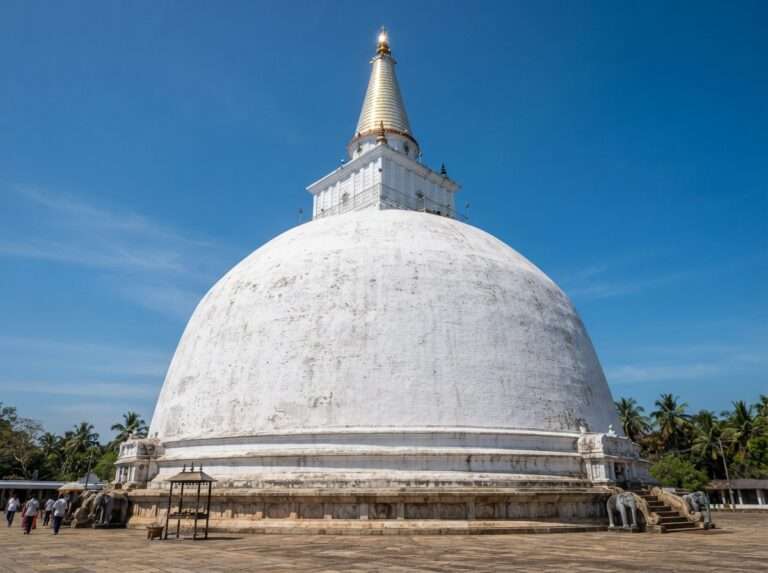
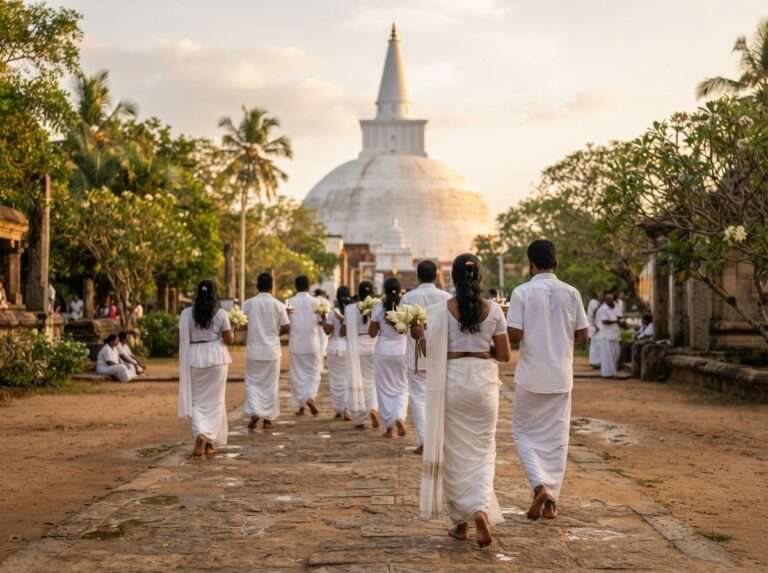
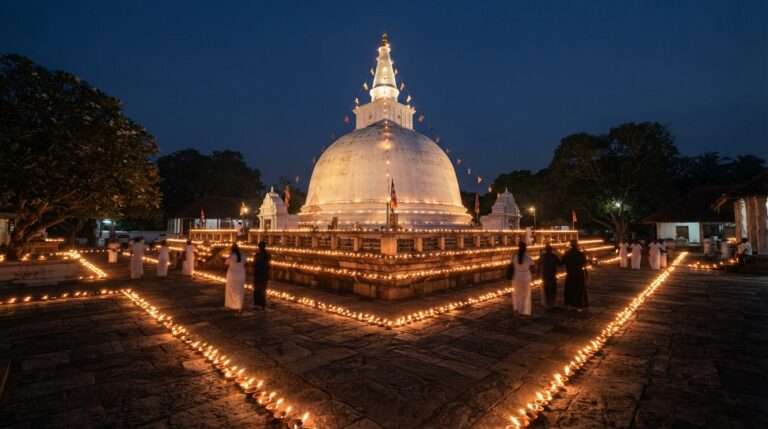
The Tissa Dagoba is the white stupa you see from almost everywhere in town. Tradition, recorded in Sri Lanka’s chronicles, credits its founding to King Kavantissa of Ruhuna in the 2nd or 3rd century BCE, and the temple counts it among the oldest Buddhist sites in the south. According to the Mahavamsa tradition the site was blessed by the Buddha on his third visit to the island, a belief that brings pilgrims here in large numbers on full-moon (Poya) days.
It is one of the largest stupas in southern Sri Lanka, not the largest in the country (that distinction belongs to the giants of Anuradhapura). Published heights vary from about 47 m to over 55 m, partly because restoration went on for decades in the 20th century. Visit after 6 pm, when families bring oil lamps and white lotus flowers and the chanting starts. Wear white or light colours, cover shoulders and knees, and leave shoes at the gate. The paving gets hot by midday, so mornings and evenings are kinder on bare feet.
| Location | Tissa town, about 1 km from the clock tower and a short walk from the lake |
| Entry fee | Free (donations welcome) |
| Dress code | Shoulders and knees covered; shoes and hats off on the terrace |
| Best time | 6 pm onwards, or a Poya day for the full ceremony |
| Time needed | 45 minutes |
Related Tour Packages


❮
❯
04
Yatala Wehera
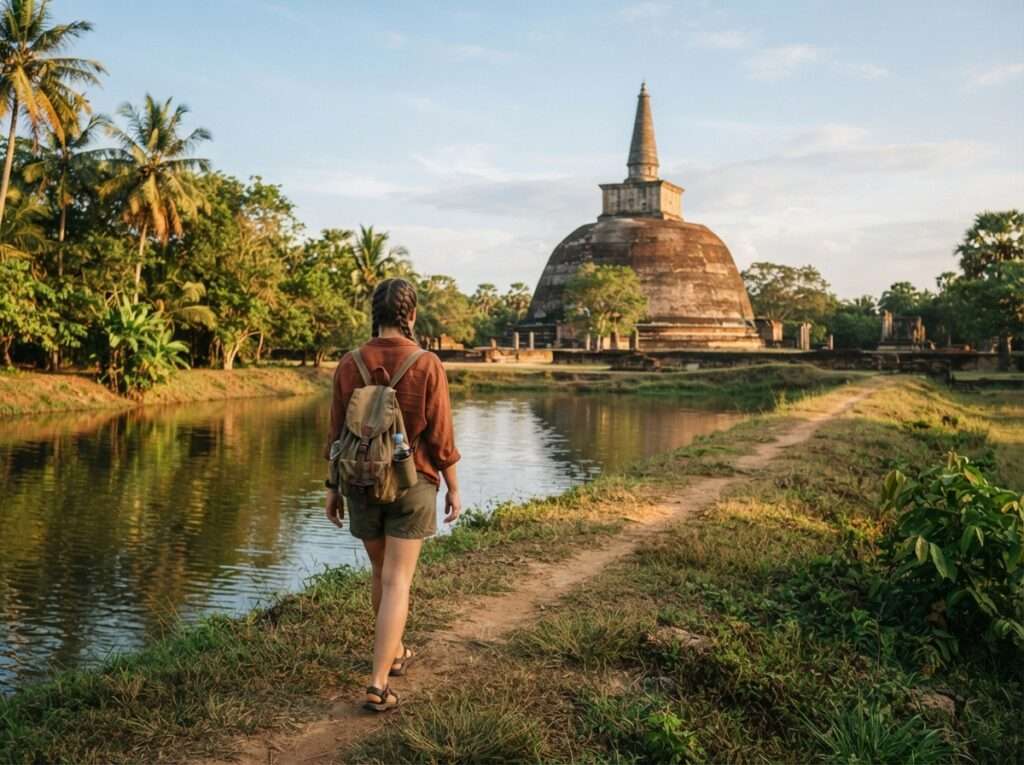
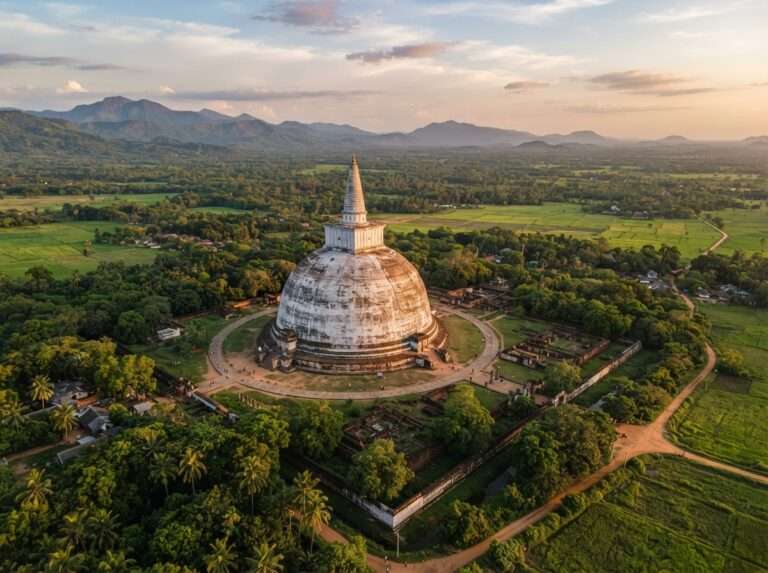
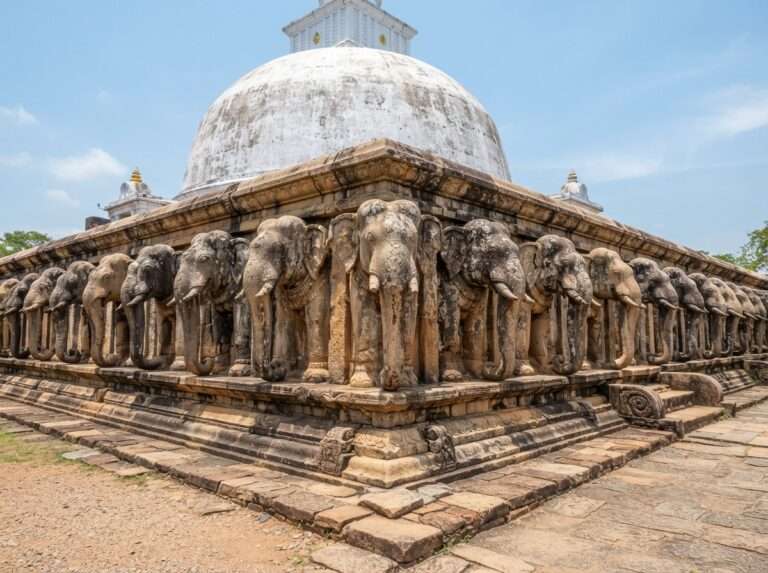
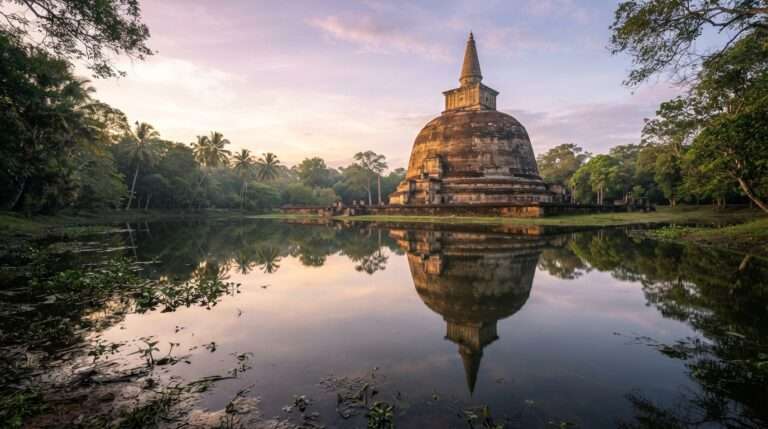
Yatala Wehera is the stupa most visitors drive past, and it is the most interesting of the town’s stupas. Dating to the 3rd century BCE, it stands on a square platform ringed by a wall of carved elephant heads and a moat, which makes it look closer to a small fortified shrine than a simple dome. Accounts differ on the builder. Some name a prince called Yatala Tissa, others King Mahanaga.
A small archaeological museum sits beside it, with Buddha statues, moonstones, coins and pottery dug up around Tissa. The museum is reported to open 9 am to 4 pm and to close on Tuesdays, with free entry. Yatala Wehera museum hours, closing day and fee with the Department of Archaeology] It takes about 20 minutes, and it explains what the town looked like when it was a royal capital better than any sign at the stupas.
| Location | Edge of Tissa town, about 2 km from the clock tower |
| Entry fee | Free |
| Museum hours | About 9 am to 4 pm; closed Tuesdays |
| Look for | The elephant-head wall around the platform |
| Time needed | 45 minutes with the museum |
05
Sandagiri Stupa and Menik Wehera
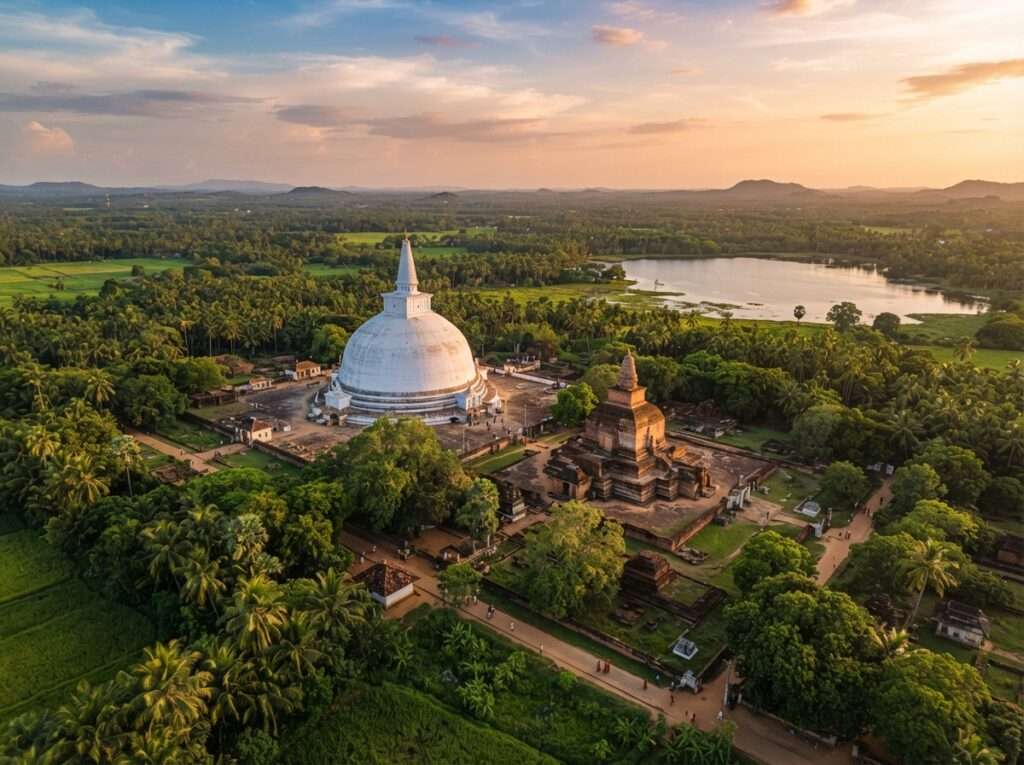
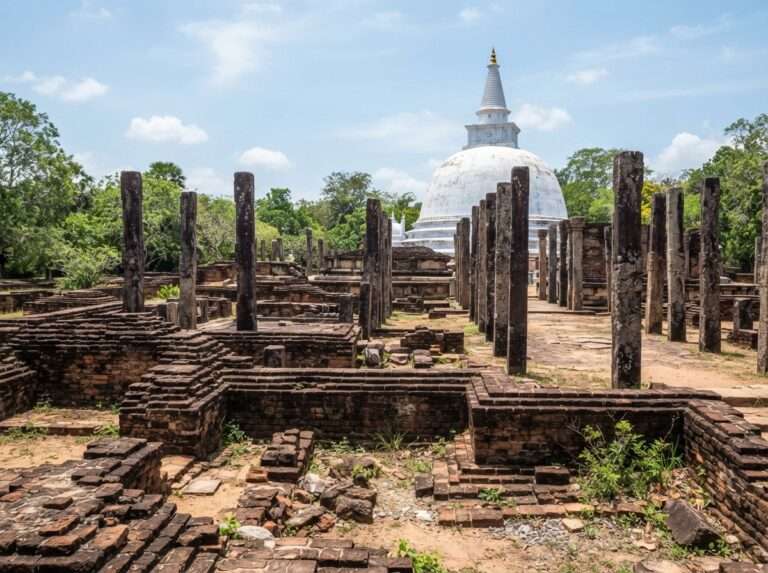
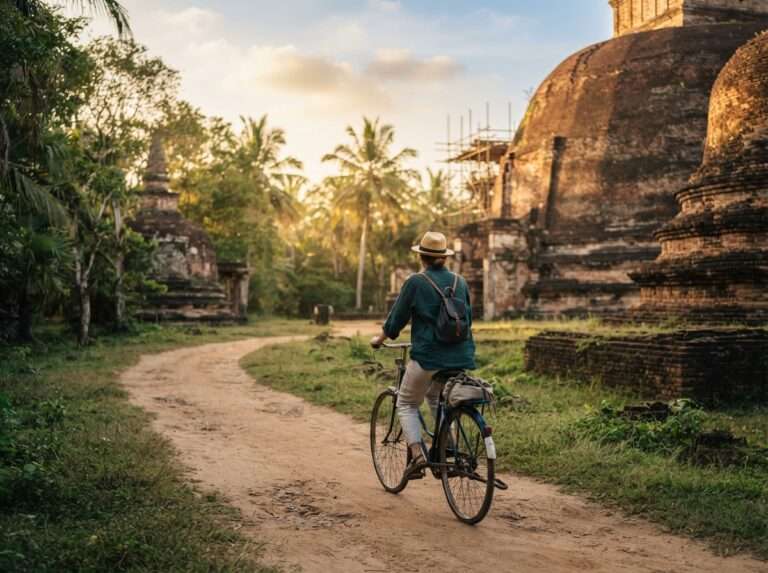
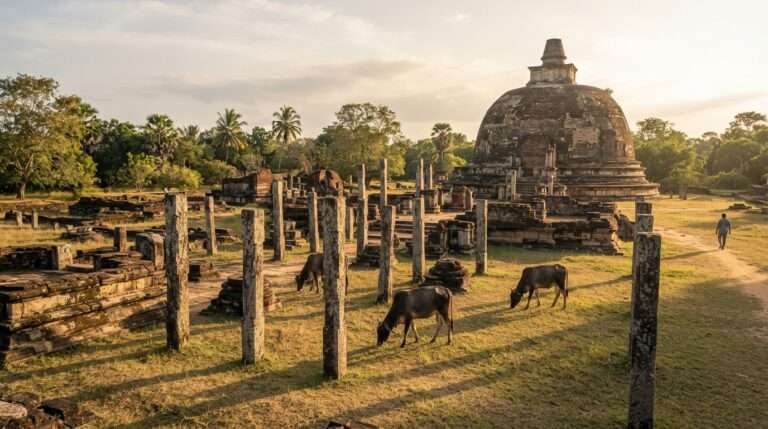
Sandagiri is a smaller, partly restored stupa a short walk from the Tissa Dagoba, also traditionally linked to King Kavantissa. Around it lie brick foundations, stone pillars and the outlines of old monastery buildings, and on a weekday afternoon you will likely have the place to yourself apart from a few grazing cattle. Menik Wehera, a ruined stupa and monastery site from the same early period, is on the other side of town beside Yatala Wehera, about 2.5 km away, so pair it with that visit instead.
Neither needs more than 15 minutes. Do them on foot or by bicycle as part of a loop with the Tissa Dagoba, finishing at the lake for sunset. The ruins give a sense of how far the old city spread. Excavations around Tissa have found stone-paved streets with drains and a hospital dating to the 1st or 2nd century CE.
| Location | Sandagiri: between the Tissa Dagoba and the Kataragama road, about 1 km from town. Menik Wehera: beside Yatala Wehera, about 2 km from town |
| Entry fee | Free |
| Best time | Late afternoon, before the lake sunset |
| Time needed | 30 minutes for both |
06
Debara Wewa and Yoda Wewa
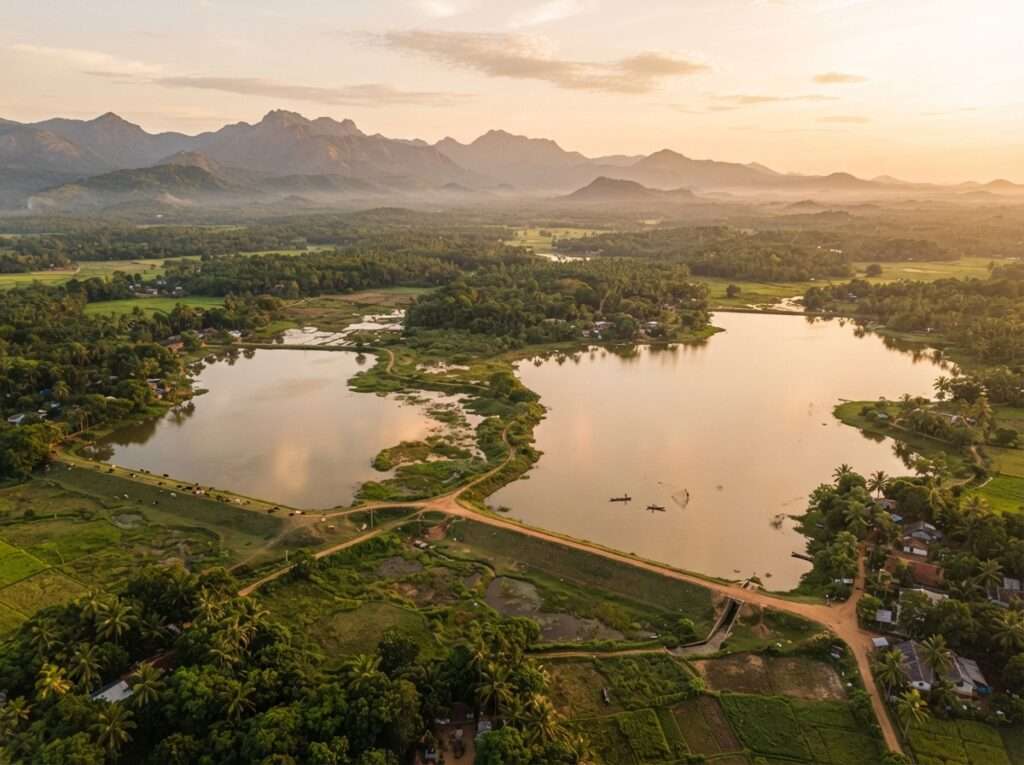
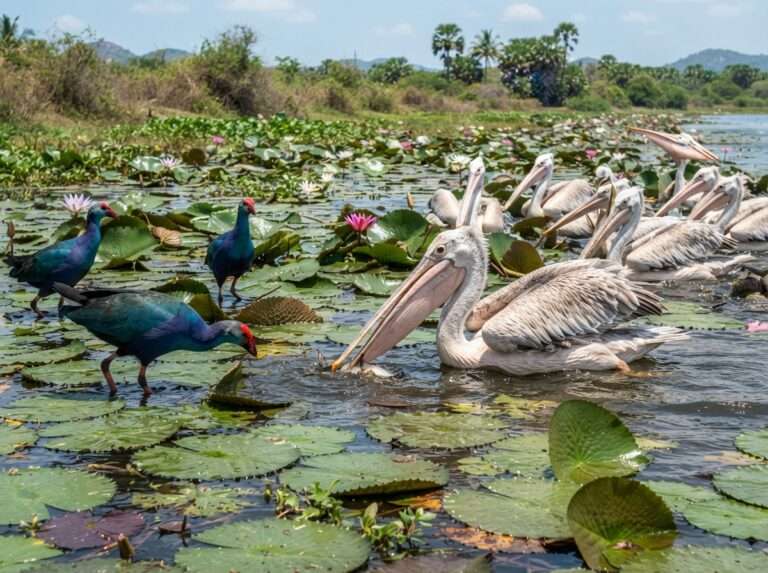
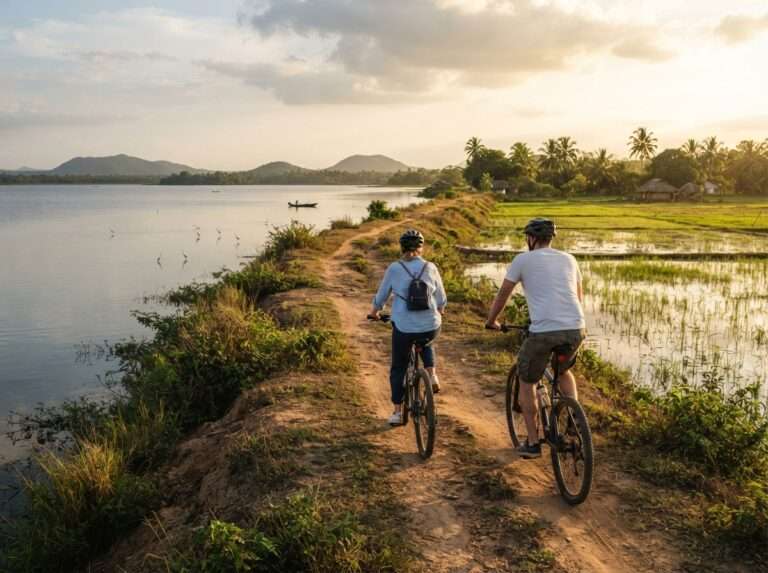
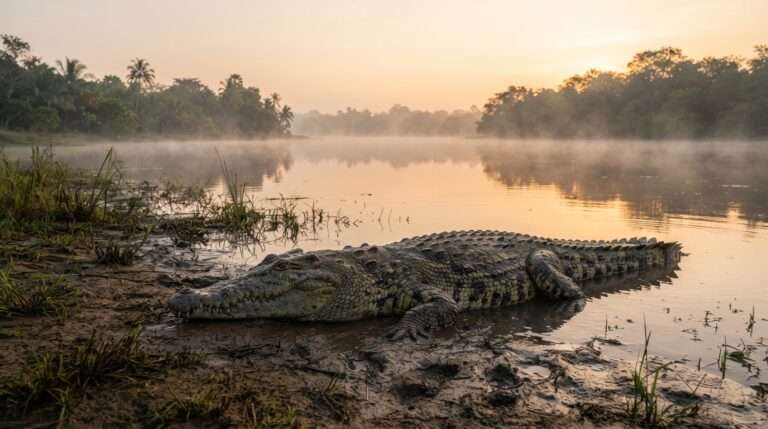
Tissa is ringed by old tanks, and two of the closest are the best for birds. Debara Wewa, about 2 km from town, is small and shallow, fringed with lotus and full of herons, purple swamphens, pelicans and cormorants in the early morning. Yoda Wewa (“giant’s tank”), a few kilometres further out, is broader and wilder, with crocodiles basking along the edges.
The flat roads between the lakes make a gentle bicycle loop of 10 to 15 km through paddy fields. Most guesthouses rent bikes for a few hundred rupees a day. Go at first light, carry water, and stay on the bunds rather than walking to the waterline.
| Location | Debara Wewa about 2 km, Yoda Wewa about 4 km from Tissa |
| Entry fee | Free |
| Best time | 6 am to 8 am |
| Getting there | Bicycle, tuk-tuk or on foot |
| Watch for | Painted storks, pelicans, crocodiles |
07
Village Tour, Paddy Fields and Curd and Treacle
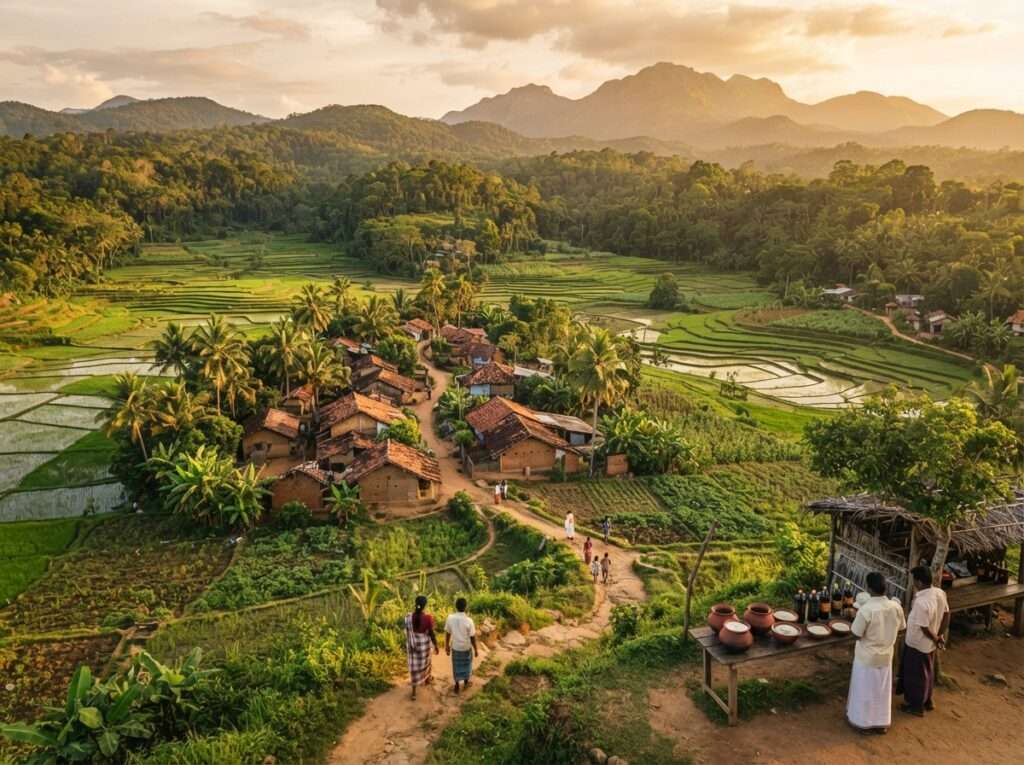
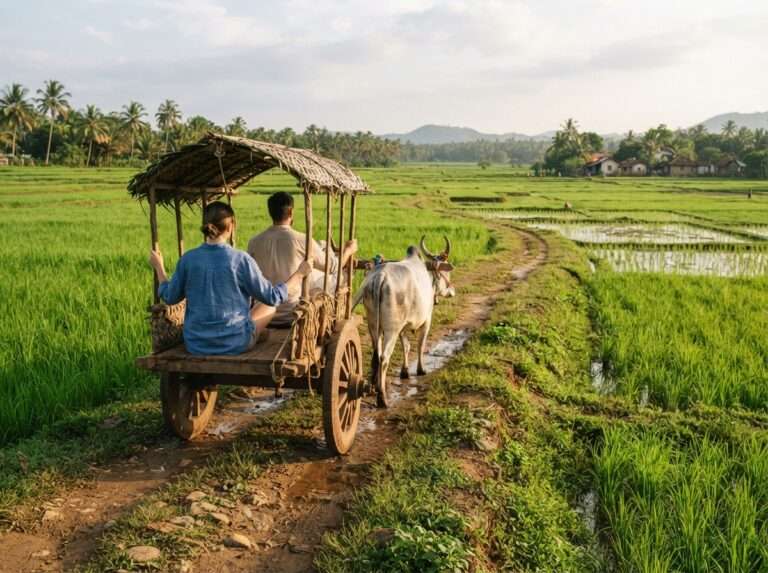
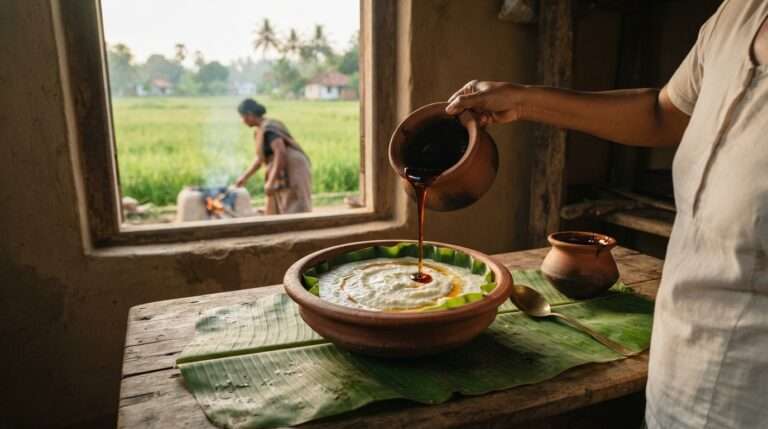
Tissa’s paddy fields, fed by the same tanks for two millennia, make a village morning one of the more rewarding things to do in Tissamaharama between safaris. Local operators run half-day tours that include a bullock-cart or tractor ride along the bunds, a visit to a farmer’s home, a lunch of rice and curry cooked on a wood fire and served on a lotus leaf, and a demonstration of how the south’s buffalo curd is made.
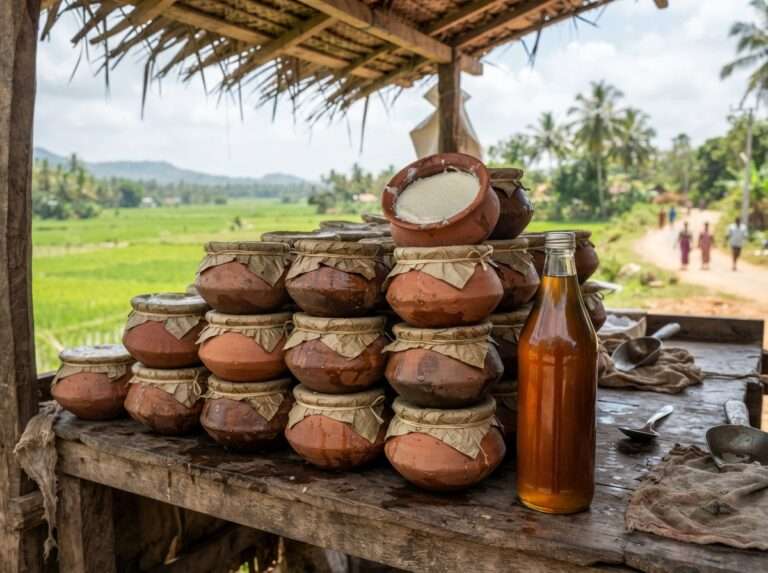
Curd and kithul treacle is the dish to try here. Thick, slightly sour buffalo curd sold in clay pots along the Tissa roads, with sweet palm syrup poured on top. You will see the pots stacked at roadside stalls on the way in. A pot is enough for two or three people.
| Location | Villages around Tissa; pick-up from your hotel |
| Duration | About 3 hours |
| Best time | Morning, after a dawn safari or before an afternoon one |
| Try | Buffalo curd with kithul treacle |
08
Bundala National Park
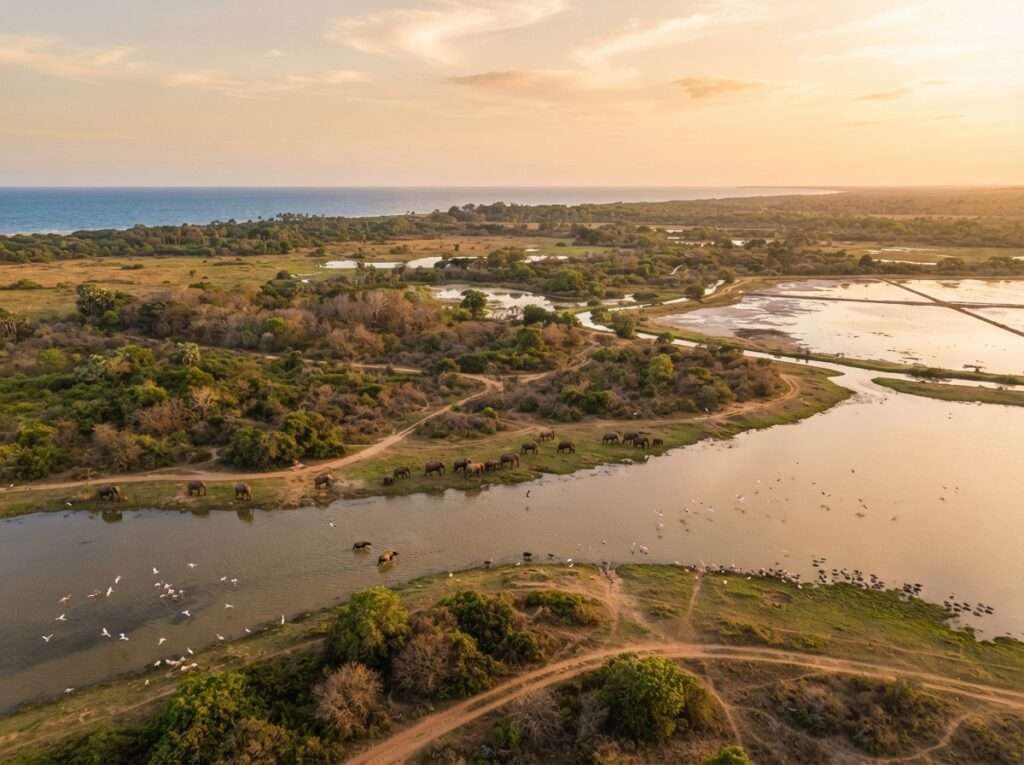
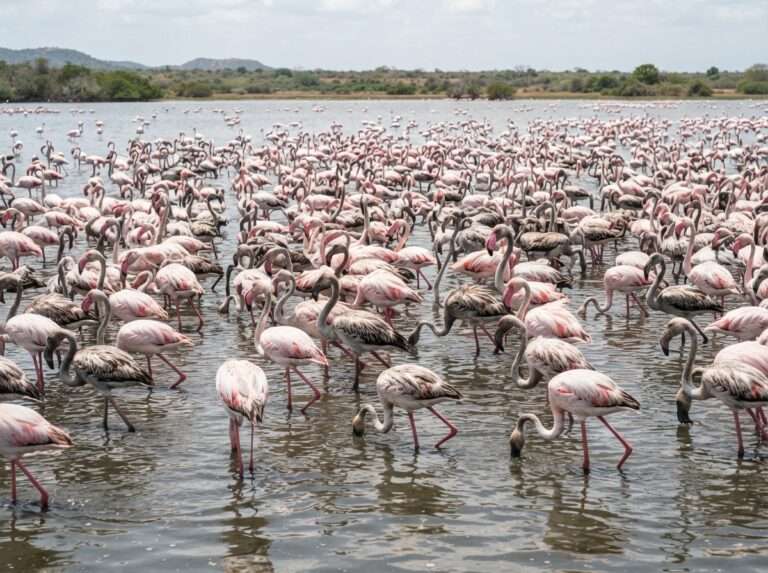
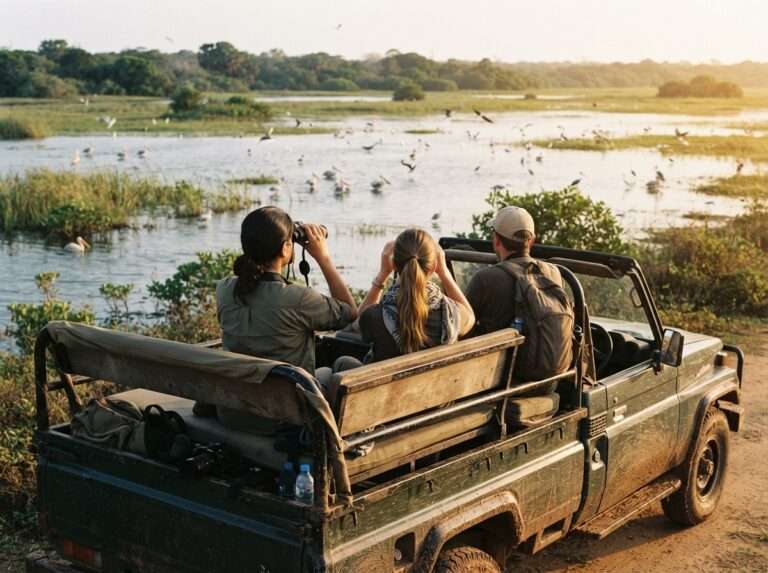
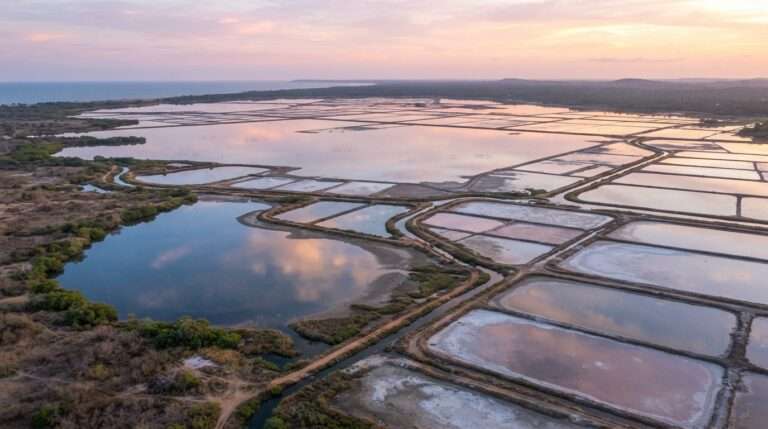
Bundala is the safari to do if you care about birds. It was Sri Lanka’s first Ramsar wetland (1991) and became a UNESCO biosphere reserve in 2005. Five shallow lagoons, salt pans and scrub hold 197 recorded bird species. From around October to March, migrants arrive, including flocks of greater flamingos that can number more than a thousand. You will also see mugger and saltwater crocodiles, and a few elephants live in the scrub.
The entrance is on the Hambantota road, about 20 km west of Tissa. Bundala is smaller, flatter and far less crowded than Yala, and an afternoon jeep from 3 pm catches the lagoons in soft light. The foreign ticket is reported at about USD 12 per adult before service charge and VAT. Our Bundala National Park guide covers the lagoons in more detail.
| Location | Off the A2, about 20 km west of Tissa |
| Timings | 6 am to 6 pm |
| Cost | About USD 12 per foreign adult plus charges, and a jeep from around LKR 12,000 to 15,000 |
| Best months | October to March for migrant birds and flamingos |
| Time needed | 3 to 4 hours |
09
Wirawila Wewa and the Wirawila-Tissa Sanctuary
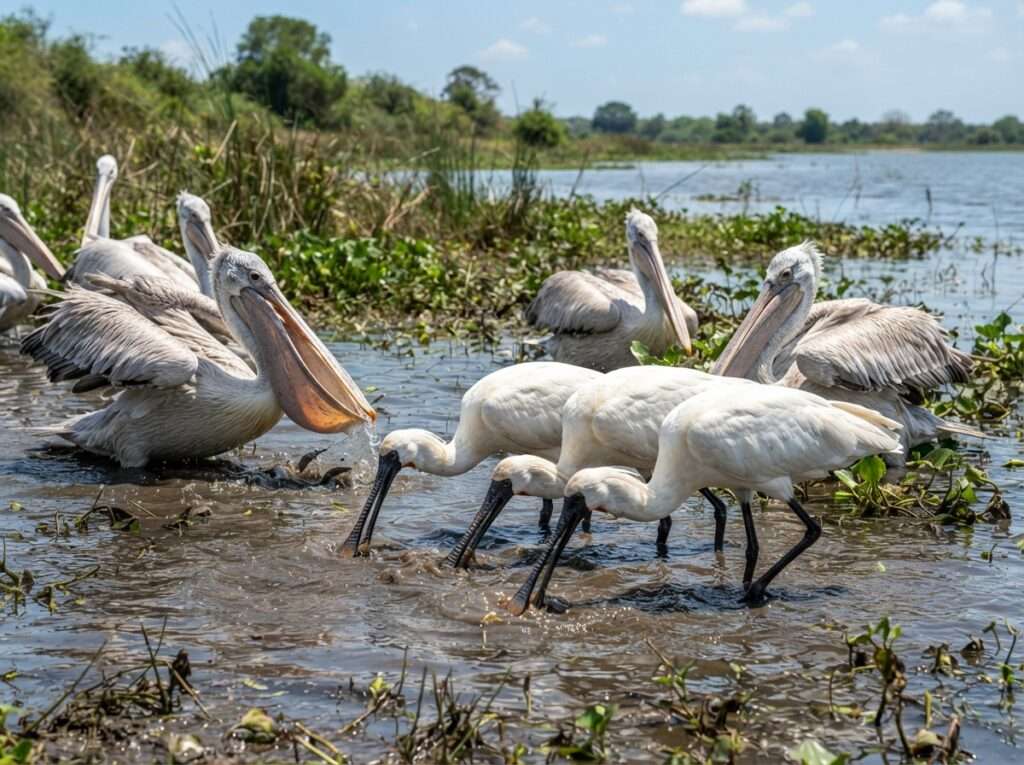
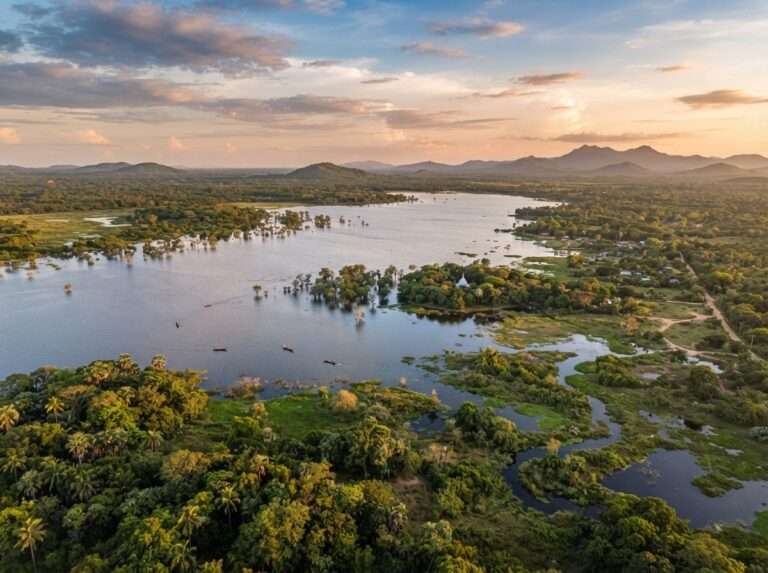
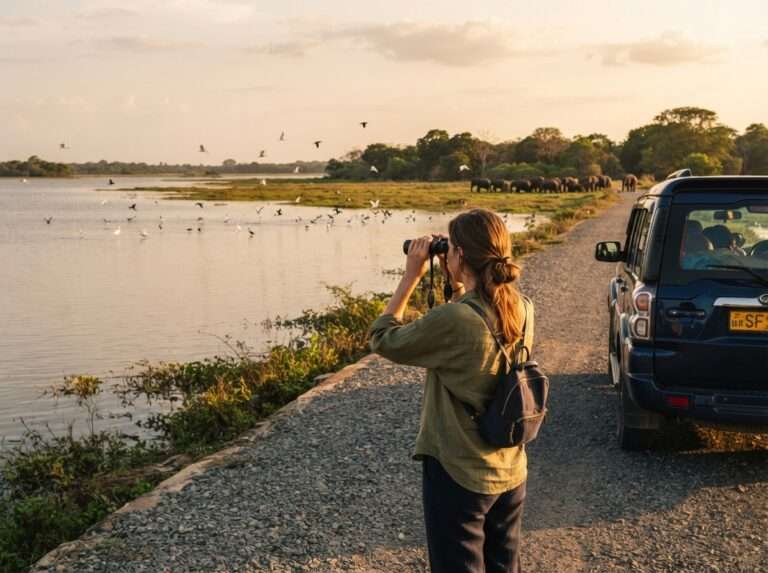
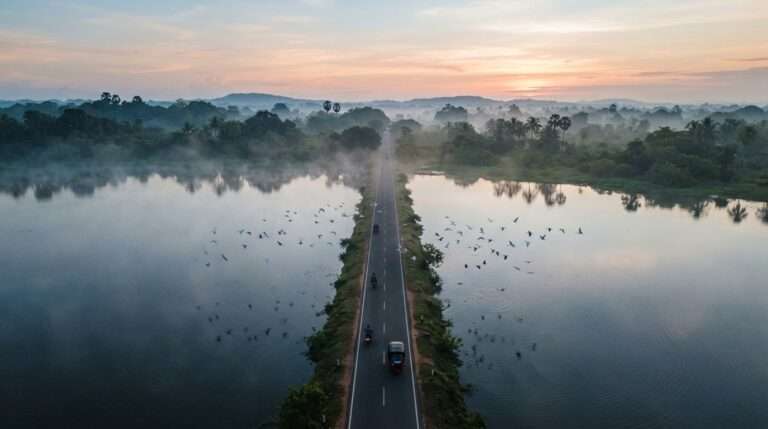
Wirawila (also spelt Weerawila) is a large tank about 10 km west of Tissa, on the road you take to Bundala or Hambantota. The causeway road runs straight across the water, so you can watch spoonbills, pelicans, herons and cormorants without leaving the car. The tanks around it are protected as a bird sanctuary, and in the early morning the trees on the far shore can be white with roosting egrets.
There is no gate and no fee. Ask your driver to pull over at the causeway on the way to Bundala. Fifteen minutes here with binoculars often turns up as many species as an hour in a park.
| Location | On the Tissa to Hambantota road, about 10 km west |
| Entry fee | Free |
| Best time | 6 am to 8 am |
| Tip | Combine it with an afternoon Bundala safari |
10
Sithulpawwa Rock Temple
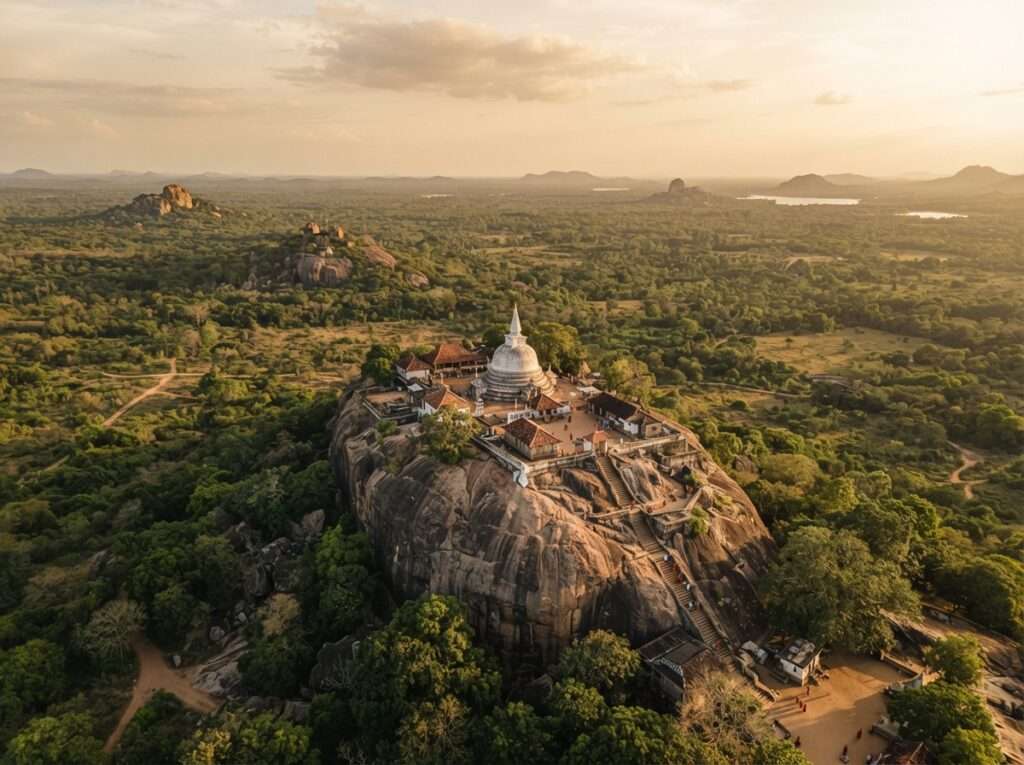
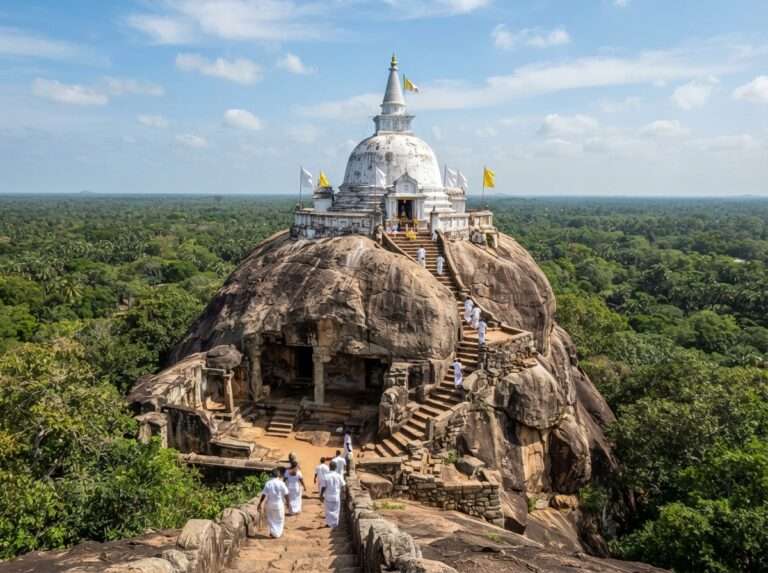
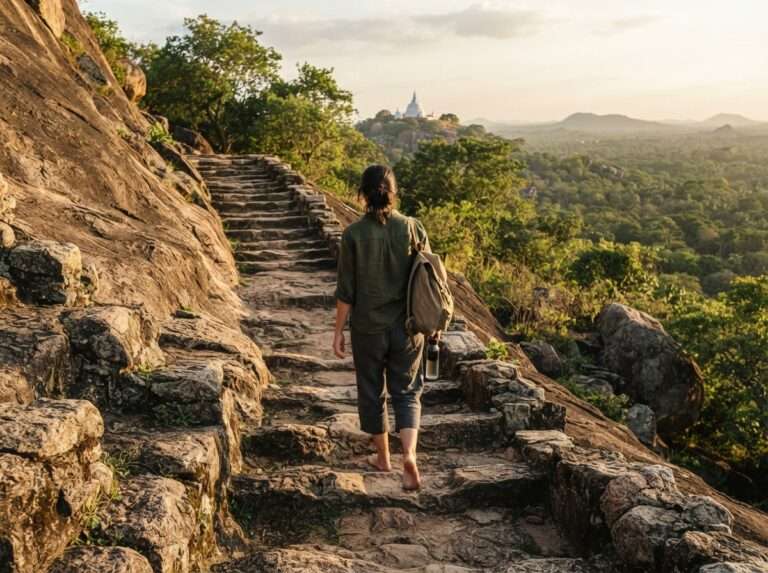
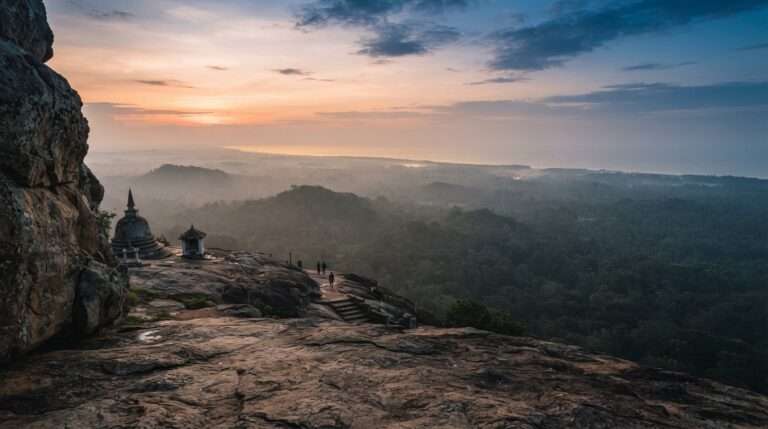
Sithulpawwa is a 2,000-year-old monastery spread over rock outcrops on the edge of Yala, roughly 25 km from Tissa. Its name translates as “hill of the quiet mind”, and for centuries it housed thousands of monks in caves cut beneath the boulders. Several caves still carry early Brahmi inscriptions, and one holds faded paintings and a reclining Buddha.
The climb to the stupa on top of the main rock is short but steep, and from the summit you look out across the Yala forest towards the sea. The approach road passes through scrub where elephants and peacocks are common, so drive it in daylight. Wear clothes that cover shoulders and knees and expect to go barefoot near the shrines. The rock gets very hot after 10 am.
| Location | Edge of Yala, about 25 km from Tissa |
| Entry fee | Free (donations welcome) |
| Best time | 7 am to 10 am |
| Time needed | A morning, including the drive and the climb |
| Watch for | Elephants on the access road |
11
Ruhunu Maha Kataragama Devalaya and Kiri Vehera
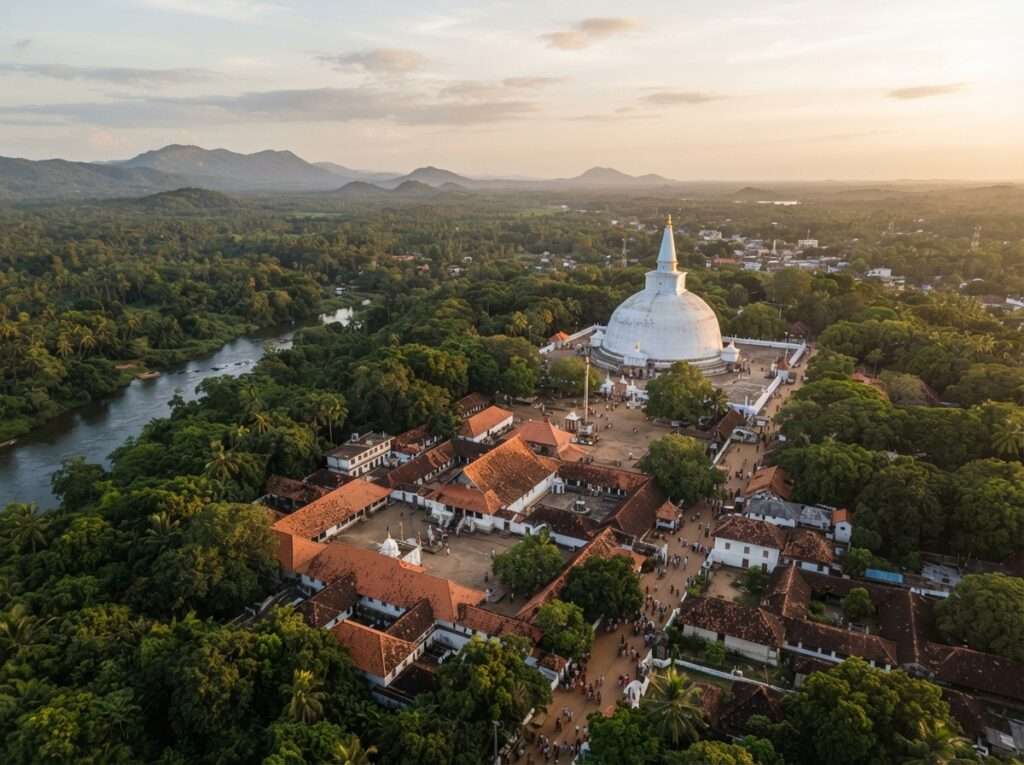
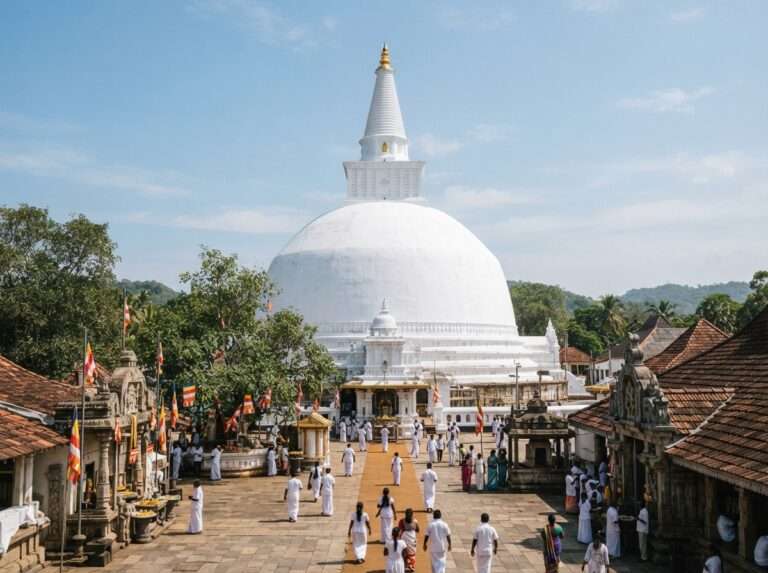
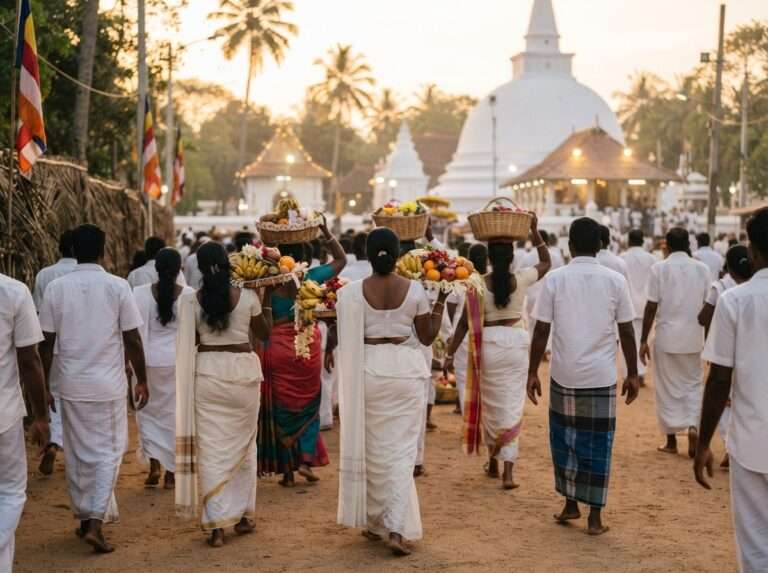
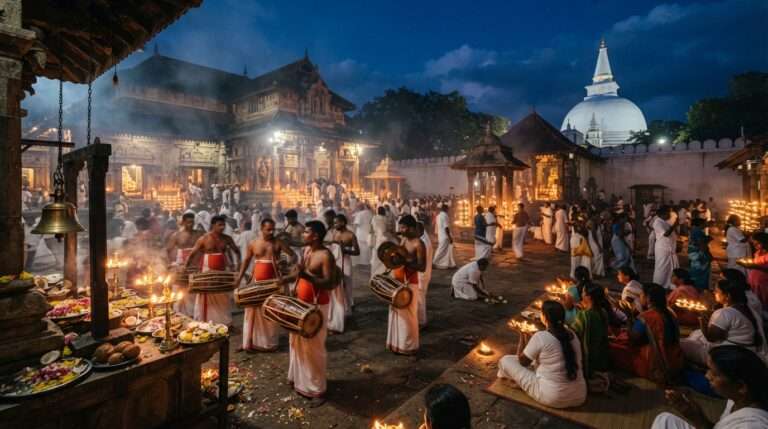
Kataragama, about 18 km north-east of Tissa, is one of the few places on earth where Buddhists, Hindus, Muslims and the Vedda people all worship at the same complex. The main shrine is dedicated to the god Kataragama, known to Tamil Hindus as Murugan or Skanda. You cross the Menik Ganga to reach the sacred grounds, pass the shrines of Ganesha and Vishnu, and walk on to the white Kiri Vehera stupa a short distance beyond.
Come for the evening puja at 6.30 pm, when drummers lead fruit-laden processions to the shrine and devotees smash coconuts on a stone to break obstacles. On weekdays there are also pujas at 4.30 am and 10.30 am. On Saturdays these are replaced by a single 9 am morning puja, and the 6.30 pm puja runs as usual. During the Esala festival (July or August) the town fills with pilgrims and fire-walkers. Our guide to places to visit in Kataragama covers the rest of the town, and the restaurants in Kataragama list helps if you stay for dinner.
| Location | Kataragama town, about 18 km (25 minutes) from Tissa |
| Entry fee | Free |
| Puja times | 4.30 am, 10.30 am and 6.30 pm; Saturdays 9 am and 6.30 pm |
| Dress code | White or light clothes; shoulders and knees covered; shoes off |
| Time needed | 2 to 3 hours with Kiri Vehera |
12
Sella Kataragama
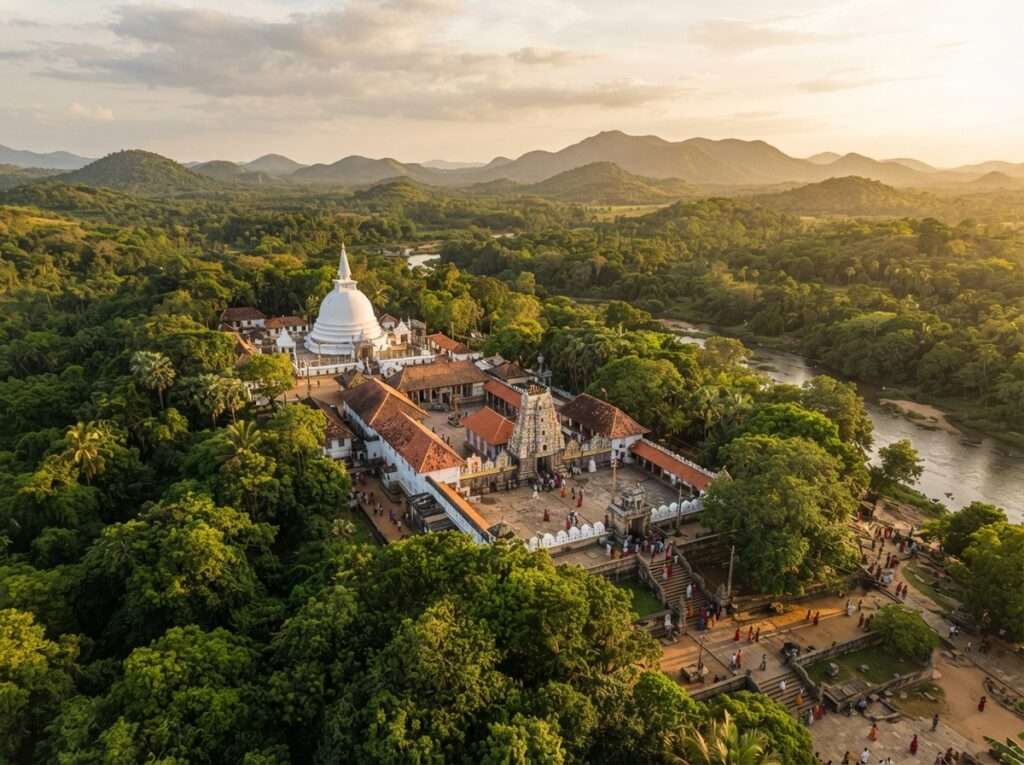
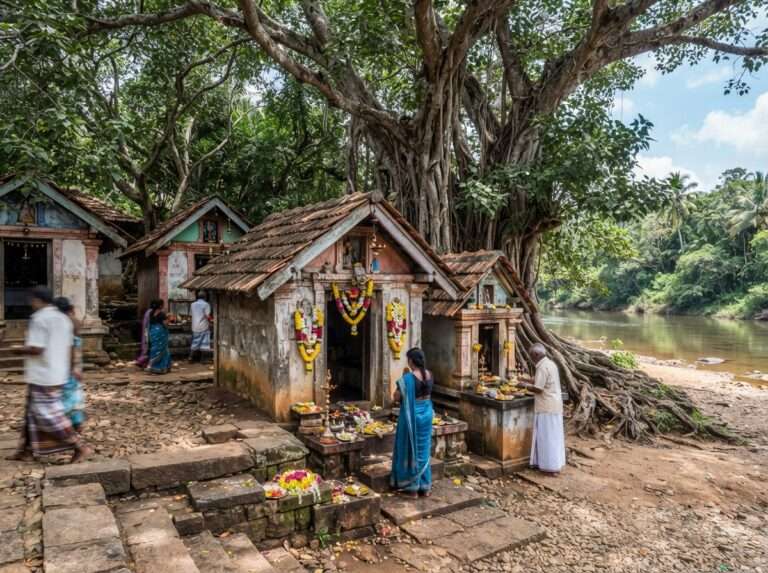
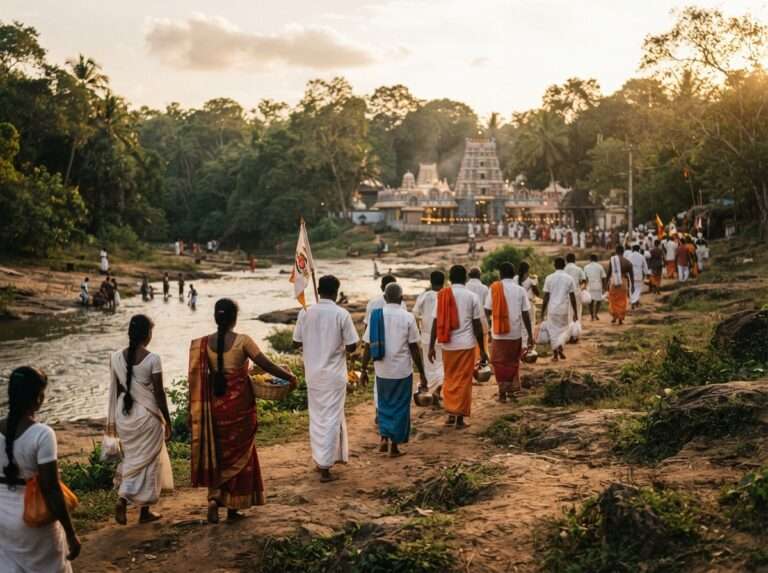
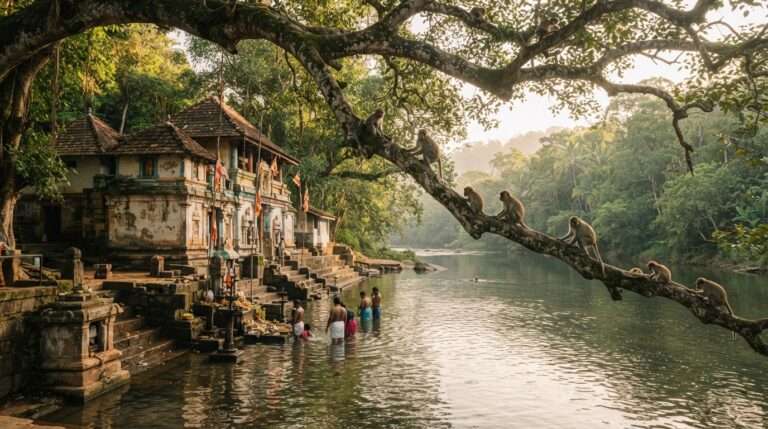
Sella Kataragama is a smaller riverside shrine about 4 km from Kataragama town, roughly 22 km from Tissa. It is dedicated to Ganesha and to Valli, the consort of the god Kataragama, and local tradition holds that this is where the god first met her. The setting is a big part of the appeal. Temple buildings sit under large trees on the bank of the Menik Ganga, with pilgrims bathing in the shallows and monkeys watching from the branches.
Visit in the afternoon before heading to the main Kataragama puja in the evening. It is quieter than the main complex, and easier for first-timers to take in.
| Location | On the Menik Ganga, about 4 km from Kataragama town |
| Entry fee | Free |
| Best time | Afternoon, before the 6.30 pm puja in Kataragama |
| Time needed | 1 hour |
13
Kirinda Temple and Beach
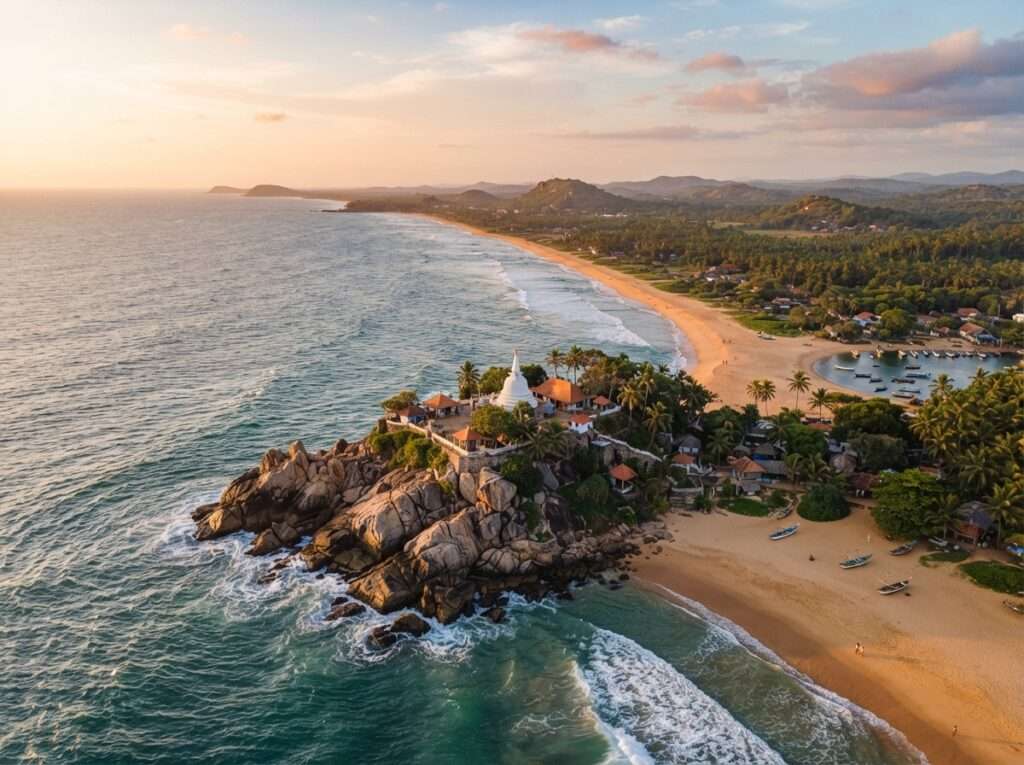
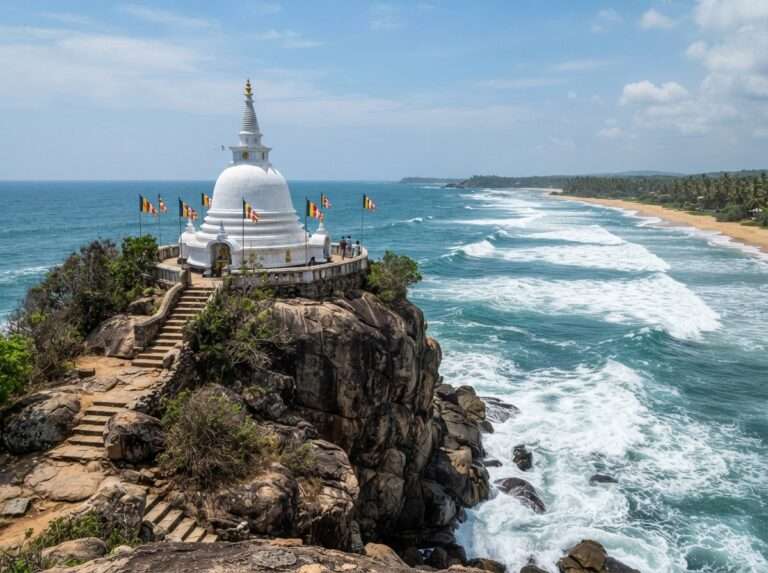
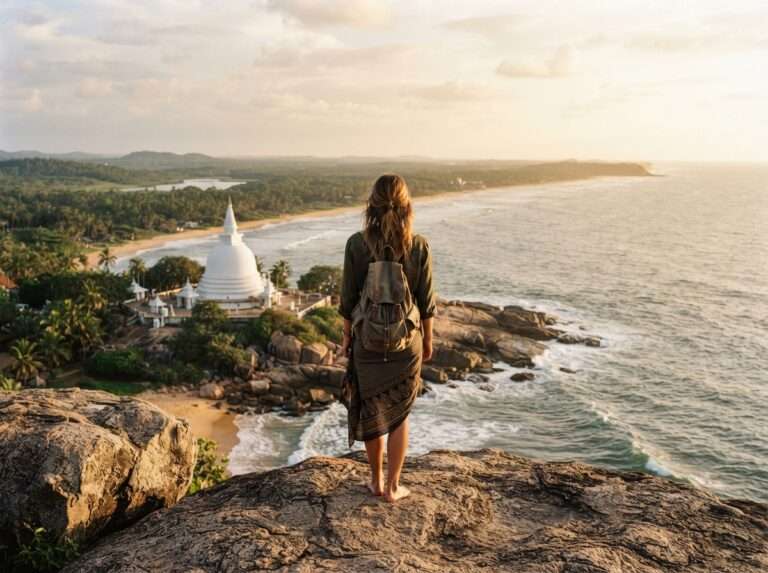
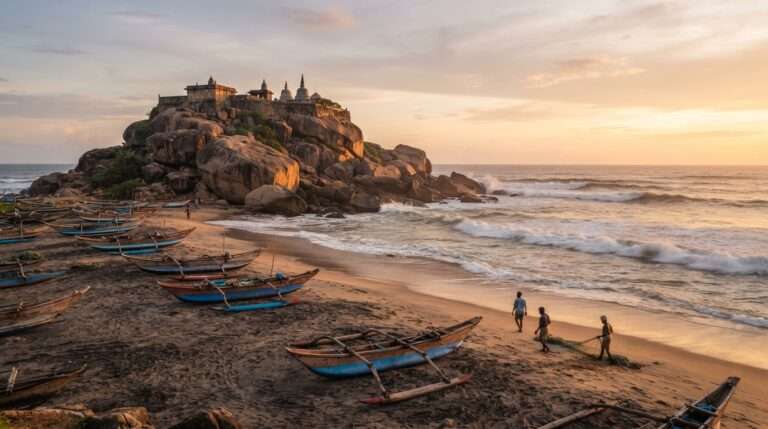
Kirinda is a fishing village about 10 km south of Tissa, and its temple sits on a granite outcrop right above the sea. Legend says Princess Viharamahadevi was set adrift by her father as an offering to calm the ocean, landed here, and went on to marry King Kavantissa of Ruhuna. Their son, Dutugemunu, became one of Sri Lanka’s most celebrated kings. A statue of the princess faces the water.
Climb to the stupa for the view over the coast towards Yala. The beach below is wide and wild but not for swimming, as currents are strong. Offshore lie the Great and Little Basses reefs and their lighthouses. They are diveable only in a short calm window around March and April, with operators from further west, since Kirinda has no dive centre. Kirinda also has several safari lodges and sits closer to the Yala gate than Tissa does.
| Location | Coast, about 10 km south of Tissa |
| Entry fee | Free |
| Best time | Sunrise or the hour before sunset |
| Swimming | Not advised; strong currents |
| Time needed | 1 to 2 hours |
14
Patanangala Beach
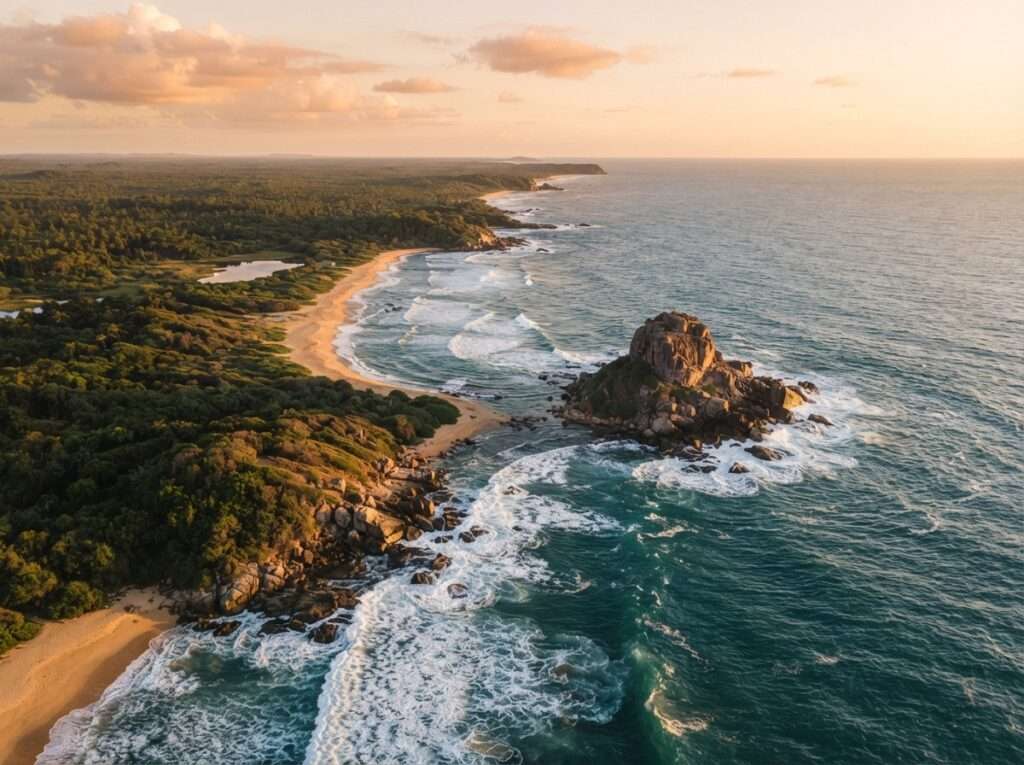
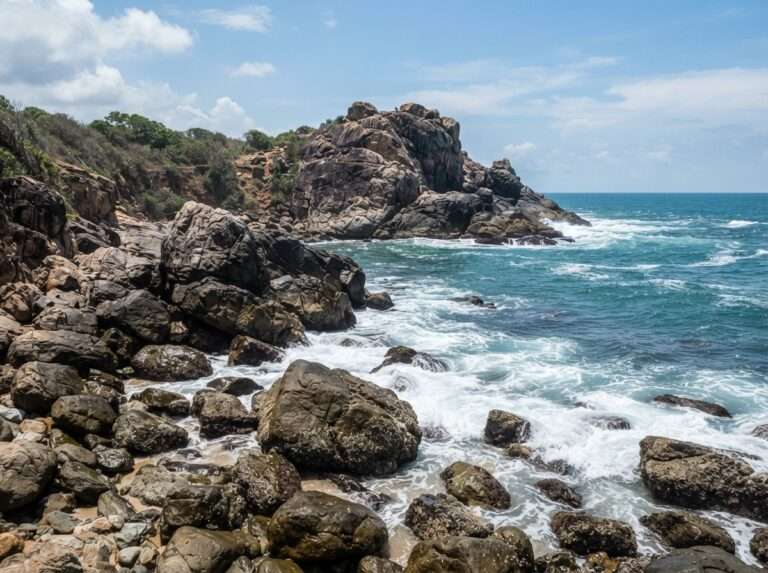
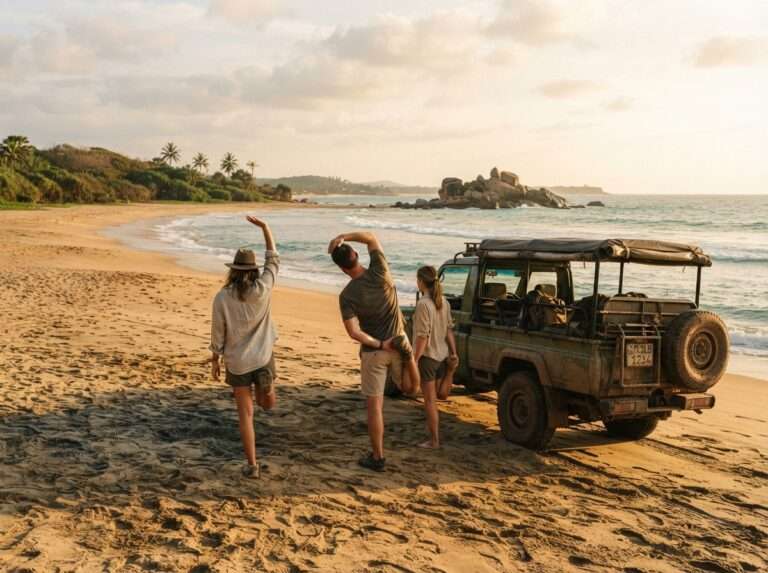
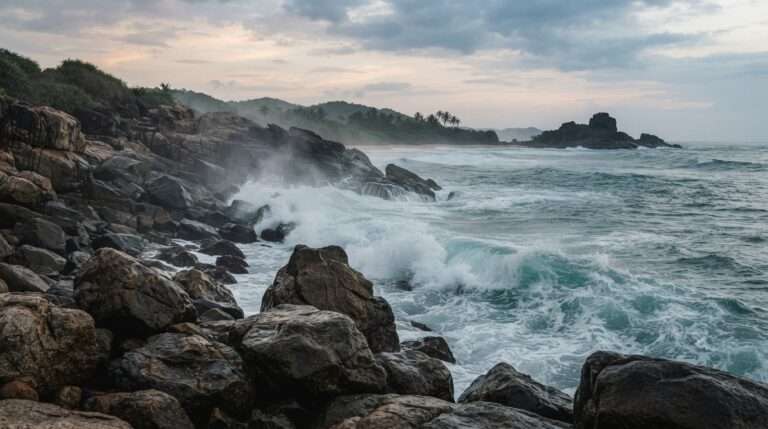
Patanangala is a rocky beach inside Yala’s Block 1, and most morning safaris stop here to let passengers stretch their legs. It is one of the few places in the park where you are allowed out of the jeep. The headland is dramatic, and a memorial marks the spot where the 2004 tsunami struck the park’s bungalow area and visitors lost their lives.
There is nothing to book separately. Ask your driver to include it, and stay inside the marked area since wild animals use the beach too.
| Location | Inside Yala Block 1, on the coast |
| Entry | Included in the Yala park ticket |
| Time needed | About 20 minutes during a safari |
| Note | Stay within the marked area near the memorial |
15
Udawalawe National Park (Day Trip)
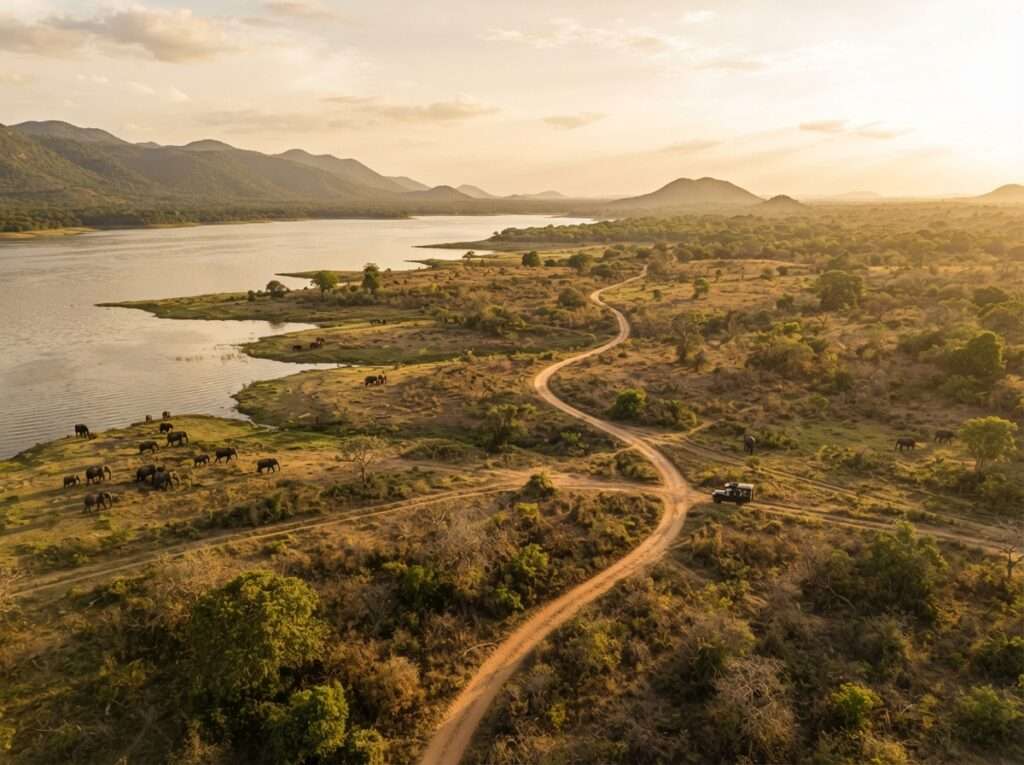
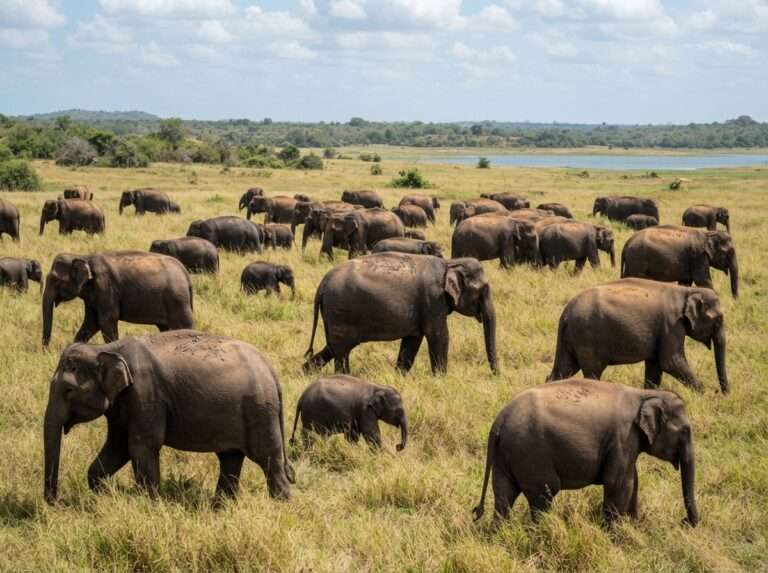
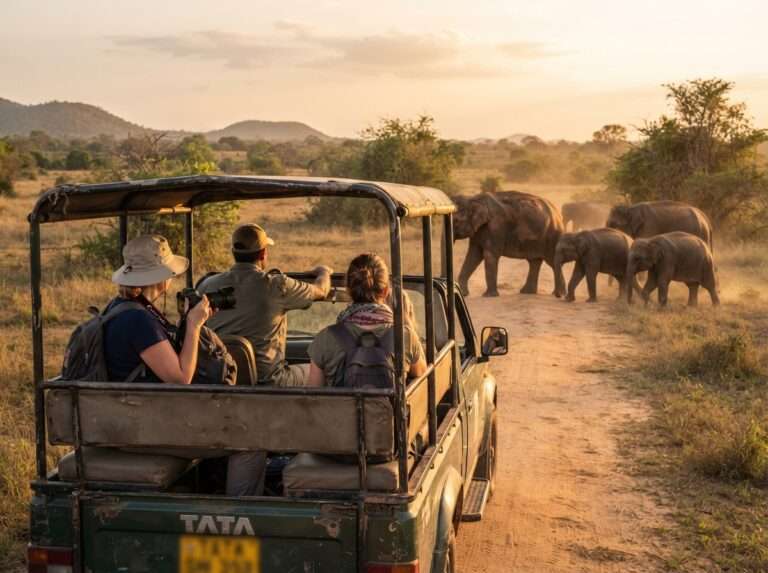
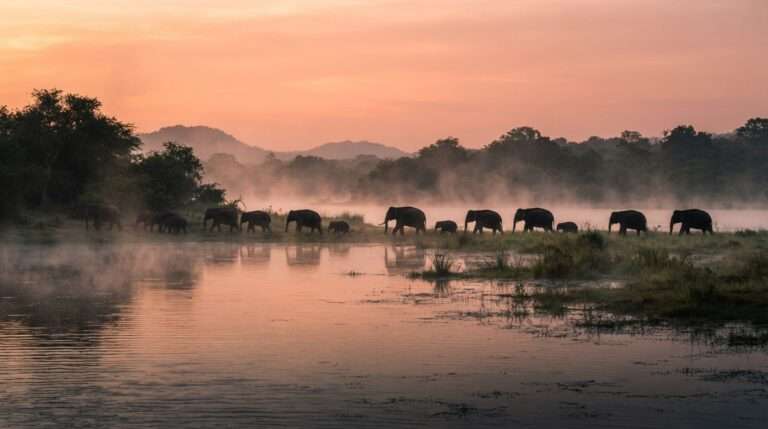
Udawalawe is about 80 km north-west of Tissa, around 1.5 to 2 hours by car, and it is the most reliable place in Sri Lanka to see wild elephants in large groups. The park’s open grassland around the reservoir makes them easy to spot, and herds of 30 or more are common in the dry months. It is a good alternative if Yala is closed, or a second safari if one morning of leopard-hunting was not enough.
Leave Tissa at 4.30 am for a 6 am start, or do it as a stop on the way to the hill country or the south coast. Our Udawalawe National Park guide has the details on gates and the elephant transit home nearby.
| Location | About 80 km (1.5 to 2 hours) north-west of Tissa |
| Cost | Park ticket per person plus a jeep |
| Best for | Elephant herds; open year-round |
| Time needed | Full day from Tissa, or a half-day stop en route |
Yala vs Bundala vs Udawalawe: Which Safari From Tissamaharama?
If you only have time for one safari from Tissa, choose by what you most want to see. Yala is for leopards, Bundala is for birds, and Udawalawe is for elephants. The table compares them from a Tissa base.
| Yala (Block 1) | Bundala | Udawalawe | |
|---|---|---|---|
| Main sightings | Leopard, sloth bear, elephant, crocodile | Flamingos and 197 bird species, crocodiles | Elephant herds, water buffalo, raptors |
| Drive from Tissa | 30 to 40 minutes | About 30 minutes | 1.5 to 2 hours |
| Crowding | Heavy at peak; jeeps queue at the gate before 6 am | Light | Moderate |
| Best months | February to July | October to March | Year-round, best in dry months |
| Closure | Mid-September to mid-October | None | None |
| Best slot | 6 am | 3 pm | 6 am |
| Best for | First-timers, leopard hunters | Birders, families wanting a calmer drive | Elephant photography, Yala-closure fallback |
Travellers who do two safaris in Tissa usually pair a dawn Yala drive with an afternoon in Bundala. It covers the two big draws of the area without repeating the same terrain. A third option is Lunugamvehera National Park to the north, which shares a boundary with Yala and sees very few jeeps. Your driver can arrange it, though sightings are less predictable.
Best Time to Visit Tissamaharama
The best time to visit Tissamaharama is February to July, when the dry zone is at its driest, water shrinks to a few waterholes in Yala, and animals are easiest to find. December and January are good too, with migrant birds at Bundala and the peak of foreign arrivals, though afternoon showers are common. Avoid mid-September to mid-October if Yala is the point of your trip. For the rest of the island, see our page on the best time to visit Sri Lanka.
| Month | Weather in Tissa | Yala Block 1 | Birding (Bundala) | Crowds |
|---|---|---|---|---|
| January | Warm, occasional showers | Open, good | Excellent, flamingos | High |
| February | Dry and hot | Open, very good | Very good | High |
| March | Dry and hot | Open, very good | Good, migrants leaving | Moderate |
| April | Hot, some pre-monsoon showers | Open, very good | Fair | High around Sinhala New Year |
| May | Hot, dry, windy | Open, very good | Fair | Low |
| June | Dry, windy | Open, excellent | Fair | Low |
| July | Dry | Open, excellent | Fair | Moderate; Kataragama festival period |
| August | Dry | Open, very good | Fair | Moderate; Kataragama festival period |
| September | Dry, hot | Closed from mid-month | Migrants arriving | Low |
| October | First heavy rains | Closed to mid-month | Good | Low |
| November | Wettest month | Open, green, fewer animals visible | Very good | Moderate |
| December | Rain easing | Open, good | Excellent | High over the holidays |
How to Reach Tissamaharama
Tissamaharama has no railway station, so you arrive by road. The fastest route from Colombo is the Southern Expressway towards Hambantota, then the A2 east. Mattala Rajapaksa International Airport (HRI) is the closest airport but has very few scheduled flights, so most international travellers land at Colombo (CMB) and drive.
| From | Distance | By car | By bus | Notes |
|---|---|---|---|---|
| Colombo | About 265 km | 4 to 5 hours via the Southern Expressway | 6 to 7 hours | Expressway buses from Makumbura to Matara or Hambantota, then a local bus |
| Colombo Airport (CMB) | About 300 km | 5 to 5.5 hours | Not practical | Car with driver is the usual choice |
| Galle | About 150 km | 2.5 to 3 hours | 4 to 5 hours | Coast road via Matara and Hambantota |
| Mirissa | About 115 km | About 2 hours | 3 to 4 hours | Change at Matara or Tangalle |
| Ella | About 90 km | About 2 hours | 2 to 3 hours | Via Wellawaya; direct buses in the morning |
| Kandy | About 210 km | 5 to 6 hours | 7+ hours | Via Ella or Nuwara Eliya; combine with the hill-country train |
| Mattala Airport (HRI) | About 35 km | 40 minutes | Not practical | Few scheduled flights |
If you are coming from the hill country, Ella to Tissamaharama is the classic link. The road drops through Wellawaya from tea estates to dry scrub in two hours, and most travellers book the Ella to Tissa leg with the same driver who takes them on to Yala. Check the status of the Kandy to Ella train before you plan around it, as sections of the hill line have been closed for repairs.
Our guide to places to visit in Ella covers the leg before this one, and places to visit in Hambantota covers the coast to the west.
How to Book a Yala Safari From Tissamaharama
Booking a Yala safari from Tissa takes about ten minutes once you know what to ask. Work through these six steps in order.
- Check the closure calendar. Blocks 1 and 2 close for about a month from mid-September. The Department of Wildlife Conservation announces the exact dates a week or two ahead.
- Pick a block and a slot. Block 1 from Palatupana for leopards, Block 5 for quiet and elephants. Choose the 6 am morning slot, or 2.30 pm if you can only do an afternoon.
- Book the jeep through your guesthouse or a known operator. Do it the evening before at the latest. In December and January, book two or three days ahead.
- Agree what the price covers in writing. Confirm on WhatsApp whether the jeep fee includes the park ticket, water, and hotel pick-up. Most Tissa quotes cover the jeep and driver only.
- Leave Tissa at 5 am with your passport and cash. You need your passport for the ticket rate, and rupees for the counter.
- Pay the park ticket at the Palatupana counter. This counter covers Blocks 1 and 2 only; Block 5 is entered and ticketed at its own gate on the Kataragama side, so confirm with your driver. Your driver usually queues for you. Then stay seated, keep noise down, and tip the driver and tracker at the end if the morning went well.
Getting Around Tissa
The town is small enough to walk between the lake, the clock tower and the bus stand. For anything further, tuk-tuks wait near the bus stand and the main junction. Short hops in town cost a few hundred rupees, and a half-day temple and lake loop by tuk-tuk is easy to negotiate with your guesthouse’s help. Bicycles are the best way to see Tissa Wewa, Debara Wewa and the ruins, since the land is flat and the distances short. Most guesthouses rent them. For safaris and Kataragama, you will need a jeep or car with driver, and most jeep drivers will do a Kataragama or Kirinda run on the way back from the park.
Where to Stay: Tissamaharama vs Kataragama vs Kirinda
Tissamaharama is the best base for most travellers. It has the widest choice of rooms, it is 30 to 40 minutes from the Yala gate, and everything in this guide is within reach. Kirinda suits travellers who want the coast and a shorter dawn drive. Kataragama suits pilgrims.
| Base | Distance to Palatupana gate | Room range | Best for | Downside |
|---|---|---|---|---|
| Tissamaharama | About 20 km, 30 to 40 minutes | Budget guesthouses to lake-view hotels | First-timers, two-park trips, food choice | Can feel like a transit town on the main road |
| Kirinda | About 12 km, 20 minutes | Safari lodges and beach camps | Beach plus safari, quieter nights | Fewer restaurants |
| Kataragama | About 35 km, 50 minutes | Pilgrim rest houses to mid-range hotels | The puja and the festival | Long drive to the gate; busy in July and August |
| Yala edge (Palatupana road) | Under 10 km | Upscale tented camps and resorts | Shortest dawn drive | Highest prices |
Lake-view rooms along Tissa Wewa get the best sunsets, while the guesthouses on the Kataragama road are cheaper and quieter. Our list of hotels near Tissamaharama has specific names for every budget.
Where to Eat in Tissa
Tissa eats simply. Rice and curry is the default lunch, often with lake fish, and the guesthouse kitchens are usually better than the restaurants on the main road. Order the night before if you want a home-cooked dinner. Look out for buffalo curd with kithul treacle at the roadside stalls, kottu roti at the evening stands near the bus stand, and fresh king coconut everywhere. Vegetarians eat well, since most curries are dhal, jackfruit, beans or pumpkin. If you want to try more of the island’s dishes, our guide to Sri Lankan cuisine is a good start.
Tissamaharama Itinerary: 1, 2 or 3 Days
Two days is the right length for Tissamaharama. One day is enough only if Yala is your sole goal.
One day. A 6 am Yala safari, back by 11 am. Lunch and a rest. Tissa Dagoba and Yatala Wehera at 4 pm, then sunset at Tissa Wewa.
Two days. The table below splits the two days into dawn, late morning, afternoon and evening, with each day’s sights grouped so you are not doubling back through Tissa.
| Time | Day 1 | Day 2 |
|---|---|---|
| Dawn | 6 am Yala safari, Block 1 | 6 am Bundala safari (dawn suits birders as well as the 3 pm slot), with Wirawila on the way |
| Late morning | Patanangala stop, then Kirinda Temple on the way back; in Tissa by noon | Back by 10 am; curd and treacle, then rest |
| Afternoon | Yatala Wehera and its museum, Sandagiri | Sella Kataragama by mid-afternoon, then on to Kataragama town |
| Evening | Sunset boat on Tissa Wewa, Tissa Dagoba lamps | Kataragama 6.30 pm puja and Kiri Vehera |
Three days. Add Sithulpawwa on a third morning, or an Udawalawe elephant safari on the way out towards the hill country. If you would rather have the jeeps, transfers and hotels arranged for you, our Yala safari tour packages build Tissa into a longer Sri Lanka route. Anything beyond three days here is better spent elsewhere, though Diyaluma Falls, about 70 km away near Koslanda via Wellawaya, makes a detour on the drive back to the hill country.
Visiting Tissamaharama From India
Indian travellers fly into Colombo from Chennai, Bengaluru, Mumbai, Delhi and other cities. Mattala is closer to Tissa but has very few scheduled flights, so plan around Colombo. Indian passport holders currently get a free 30-day Electronic Travel Authorisation, but you still have to apply on eta.gov.lk before you fly, and the scheme has changed several times, so check it the week you book. Our guide to the Sri Lanka visa for Indians covers the steps. Indian passport holders pay the SAARC rate at national parks, which is lower than the full foreign rate, so carry your passport on every safari. Kataragama means a great deal to Murugan devotees from Tamil Nadu and Kerala, and many Indian visitors build their Tissa stop around the evening puja. Vegetarian food is easy to find, and at about 3.5 Sri Lankan rupees to one Indian rupee, a half-day Yala jeep works out from around ₹5,100 to ₹7,100.
Planning Your Tissamaharama Trip
Tissamaharama rewards the traveller who stays a second day. The safari gets you here, but the lake at dusk, the 2,000-year-old stupas and the drums at Kataragama are what you will remember. Plan for February to July, book the 6 am jeep the night before, and give Bundala an afternoon. Distances, park rules and opening times in this guide were checked in November 2026 against Department of Wildlife Conservation notices and the sources listed below. When you are ready to put it into a full itinerary, browse our Sri Lanka tour packages and ask for a Yala stop in Tissa.
Sources and How This Guide Was Checked
About this guide. Distances, park rules and opening details on this page were checked in November 2026 against Department of Wildlife Conservation notices, the Wikipedia records for Tissamaharama and Bundala, and the sources listed at the end of this guide.
- Department of Wildlife Conservation, Sri Lanka: park notices, gates and ticket schedules
- Tissamaharama on Wikipedia: history, Ruhuna capital and the town’s tanks
- Bundala National Park on Wikipedia: Ramsar listing, biosphere reserve and bird counts
- Newsfirst, Yala Blocks 1 and 2 closure (September 2026): 2026 closure dates
- Ruhunu Maha Kataragama Devalaya: puja times
- German Archaeological Institute, Tissamaharama excavations: the ancient citadel and hospital
FAQs
FAQs About Things to Do in Tissamaharama
Quick answers on whether Tissa is worth it, Yala distance, days needed, where to stay, flamingos, crocodiles and closures.
Yes, especially if you are going to Yala. Tissa is the main base for the park and has its own sights: Tissa Wewa, a reservoir dating to the 3rd century BCE, four ancient stupas (the Tissa Dagoba, Yatala Wehera, Sandagiri and Menik Wehera), lakes full of birds and crocodiles, and Kataragama's evening puja 18 km away. A second night turns it from a place to sleep into a place to see.
Tissamaharama is famous as the gateway to Yala National Park and as the ancient capital of the Ruhuna kingdom from the 3rd century BCE. It is also known for Tissa Wewa, the large man-made lake at its centre, for the white Tissa Dagoba, and for the buffalo curd with kithul treacle sold in clay pots along its roads.
Two days is ideal. Day one covers a morning Yala safari, the stupas and a sunset at Tissa Wewa. Day two covers Bundala, Wirawila and the evening puja at Kataragama. One day works if you only want Yala. A third day lets you add Kirinda, Sithulpawwa or an Udawalawe elephant safari.
The Palatupana gate into Yala's Block 1 is about 20 km from Tissamaharama, a 30 to 40 minute jeep ride via Kirinda. Morning safaris leave Tissa at about 5 am to be at the gate when it opens at 6 am. A half-day jeep costs from around LKR 18,000 to 25,000 per vehicle, plus the park ticket per person.
Tissamaharama is better for most travellers. It is about 20 km from the Palatupana gate against roughly 35 km from Kataragama, and it has far more guesthouses, jeep operators and places to eat. Stay in Kataragama only if the temple and its 6.30 pm puja are the main purpose of your trip, or during the July and August festival.
February to July is the best time, when the dry season concentrates wildlife around Yala's waterholes and rain is rare. December and January are good for migrant birds at Bundala but busier. Avoid mid-September to mid-October if you want Yala's Block 1, which closed from 14 September to 15 October in 2026. November is usually the wettest month.
Ella is about 90 km from Tissamaharama. By car or tuk-tuk the drive takes about two hours via Wellawaya, descending from the hills into dry scrub. Local buses take two to three hours, usually with a change at Wellawaya, and some morning buses run through. Many travellers hire a driver for this leg and keep the same driver for the Yala safari transfers.
Take a 6 am Yala safari and be back by 11 am. After lunch, visit Yatala Wehera and its small museum, then the Tissa Dagoba and Sandagiri. End with a sunset boat ride on Tissa Wewa, agreeing the boat fare before you set off. If you have energy left, Kataragama's 6.30 pm puja is 25 minutes away.
Yes. Bundala National Park, about 20 km west of Tissa, hosts greater flamingos in flocks that can top a thousand birds, mainly from around October to March. Bundala was Sri Lanka's first Ramsar wetland and has 197 recorded bird species. An afternoon jeep from 3 pm gives the best light over the lagoons.
Yes, mugger crocodiles live in Tissa Wewa, Yoda Wewa and Debara Wewa, and you will often see them basking on the banks. Do not swim or wade in any of the Tissa lakes. A boat ride with a local boatman is safe, and the embankment walk is fine in daylight, but keep away from the water's edge after dark.
Yala's Blocks 1 and 2 close for about a month each year in the dry season. In 2026 they closed from 14 September to 15 October. Other blocks, such as Block 5, usually stay open, so a September safari is possible with lower leopard odds. Bundala and Udawalawe do not close and make good alternatives from Tissa.
Walk or cycle within town. Tissa is flat, and the lake, stupas and bus stand are within 2 km of each other. Tuk-tuks wait at the bus stand for longer hops and cost a few hundred rupees in town. For Yala, Bundala and Kataragama, hire a safari jeep or a car with driver through your guesthouse.