
 8D / 7N
6% OFF


Why Pinnawala Deserves More Than a Photo Stop
The best things to do in Pinnawala are watching 65 elephants walk down to the Maha Oya for their river bath at 10 am and 2 pm, seeing the herd fed at 9:15 am, and spending the afternoon at Pinnawala Open Zoo next door. Pinnawala is a small riverside village near Rambukkana in Kegalle District, about 90 km from Colombo and 40 km west of Kandy, so it sits right on the road most travellers take into the hills.
Most tours give it an hour. That is a mistake. Give Pinnawala the morning and you get the feeding, the river bath, a terrace lunch over the water and the zoo, and there are a dozen more things to do within an hour’s drive, from an 1832 roadside tower to a waterfall that tumbles down beside a railway tunnel. For the history and visitor rules of the orphanage itself, read our Pinnawala Elephant Orphanage guide.
Every fee, programme time and elephant count on this page was checked against the Department of National Zoological Gardens (nationalzoo.gov.lk) on 22 October 2026 and re-checked on 9 November 2026. Distances are approximate road distances from the orphanage gate.
Key Takeaways
- Reach the gate by 9:15 am. Fruit feeding starts then and the main herd heads to the river at 10:00 am.
- Pay the SAARC fare if you hold an Indian passport. That is USD 11.80 per adult (about ₹1,116), charged in Sri Lankan rupees.
- Watch the bath from the riverbank for free with your entry ticket. The Rs 885 bathing pass is optional and is cancelled on heavy-rain days.
- Plan 4 to 5 hours for the orphanage, lunch and Pinnawala Open Zoo. The orphanage alone takes 2 to 3 hours.
- Go between December and April. Pinnawala is in the wet zone, and May to November brings heavy afternoon rain.
Pinnawala Facts
| Fact | Detail |
|---|---|
| District and province | Kegalle District, Sabaragamuwa Province (not Kandy District) |
| Nearest town | Rambukkana, about 3 km |
| River | Maha Oya (also written Ma Oya) |
| Distance from Colombo | About 90 km, 2.5 to 3 hours by car on the A1 |
| Distance from Kandy | About 40 km, 1 to 1.5 hours by car |
| Nearest airport | Bandaranaike International (CMB), about 80 km |
| Nearest railway station | Rambukkana, on the Colombo to Kandy line |
| Elephants at the orphanage | 65 (27 male, 38 female) |
| Run by | Department of National Zoological Gardens, Sri Lanka |
| Orphanage hours | From 8:30 am daily, ticket counter closes 5:00 pm, grounds close 5:30 to 6:00 pm |
| Best months | December to April |
| Time needed | Half a day to a full day |
The map below shows the orphanage on the Maha Oya, with Rambukkana to the north, Kegalle to the south and the A1 running east through Mawanella and Kadugannawa towards Kandy.
Sri Lanka
Sri Lanka
15 things to do, bath and feeding times, 2026 fees for Indians and a one-day plan from Colombo or Kandy
Best Time
December - April
Select Package Type
Best Selling Packages


Things To Do In Pinnawala: 15 Picks From the River Steps to Kandy
The first seven are in Pinnawala village and are all within a short walk or tuk-tuk ride of each other. The other eight are on the roads around it and work as stops on a Colombo to Kandy drive.
-
Watch the Elephant River Bath in the Maha Oya
-
Fruit Feeding and Calf Bottle-Feeding at the Orphanage
-
Bathing Pass and Elephant Walk
-
Pinnawala Open Zoo
-
Lunch on a Riverside Terrace
-
Shop on Elephant Bath Road
-
Elephant-Dung Paper Workshop
-
Millennium Elephant Foundation, Randeniya
-
Elephant Freedom Project
-
Meeyan Ella Waterfall
-
Spice and Herbal Garden on the A1
-
Mahamevnawa Monastery, Polgahawela
-
Utuwankanda, Saradiel's Rock
-
Kadugannawa Pass and Dawson Tower
-
Kandy, Peradeniya and Ambuluwawa
Explore Popular Destination In Sri Lanka
01
Watch the Elephant River Bath in the Maha Oya
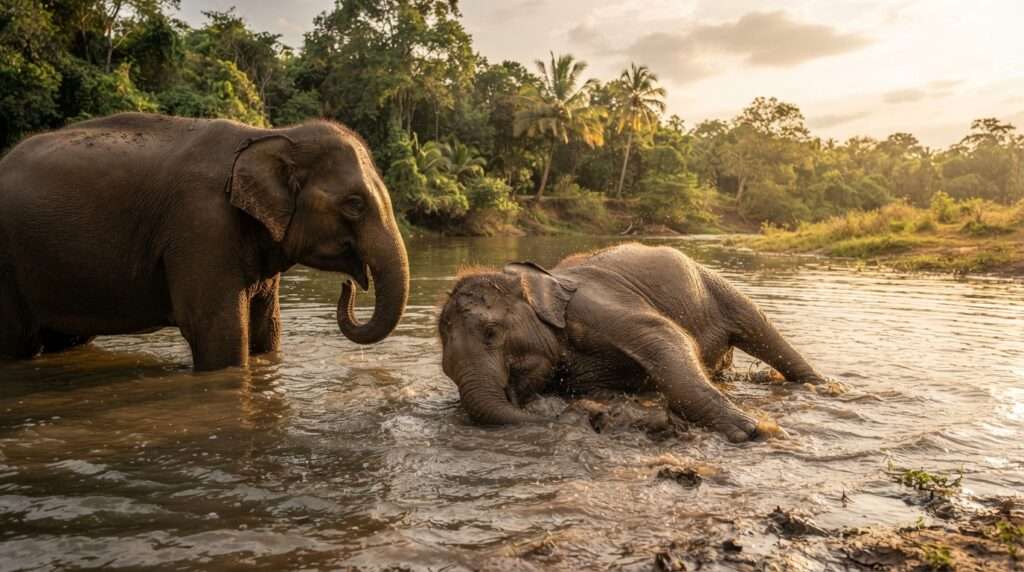
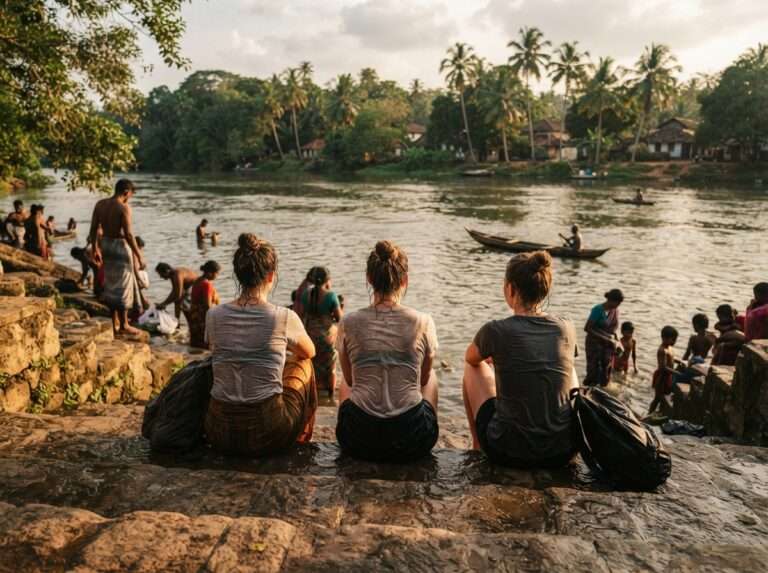
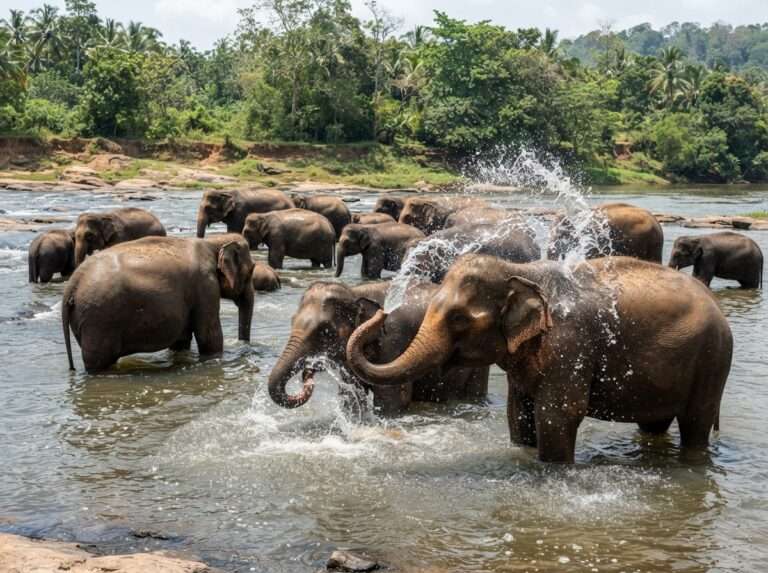
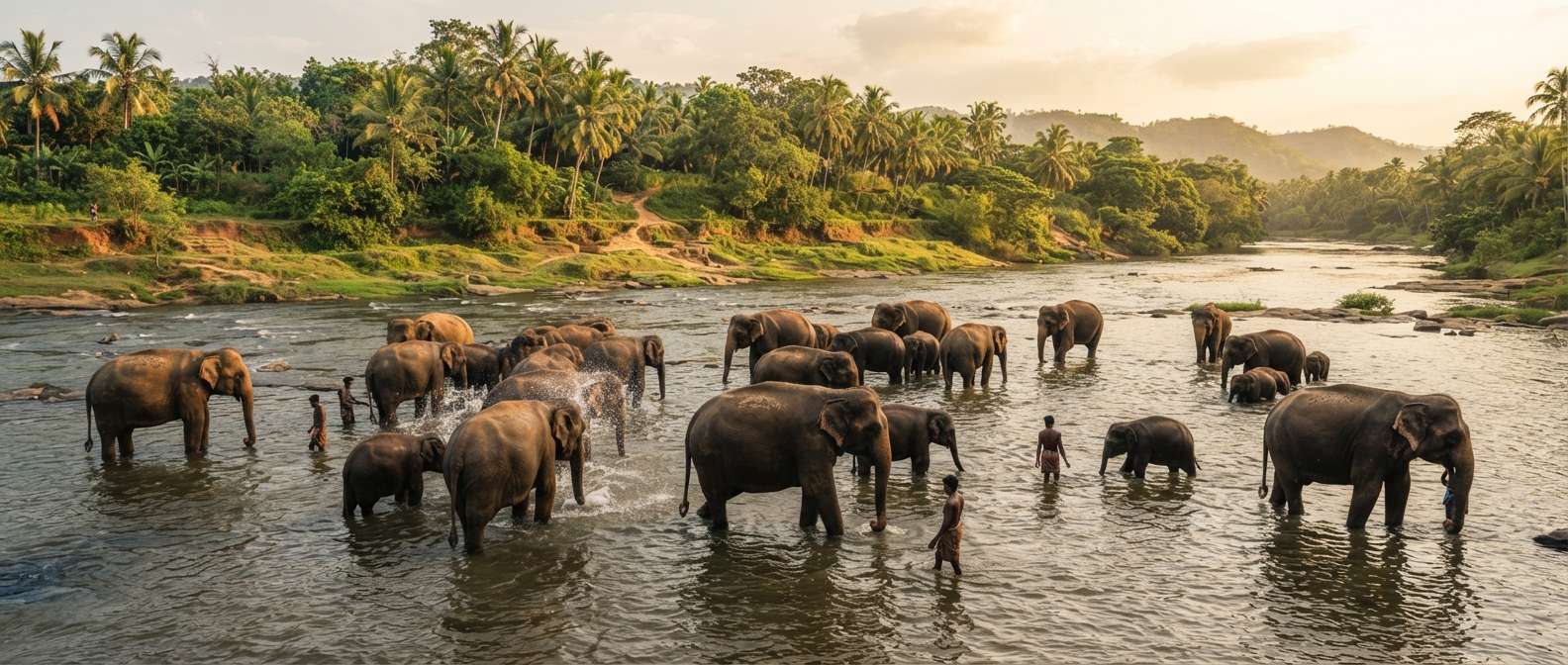
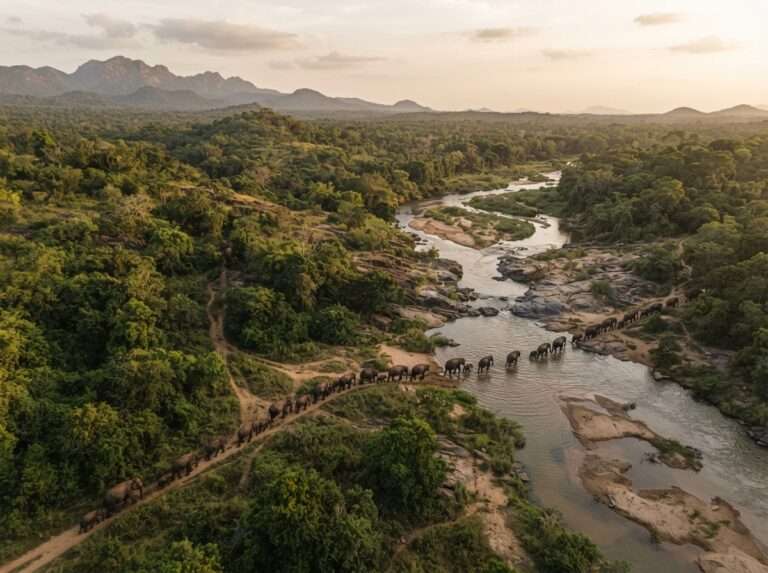
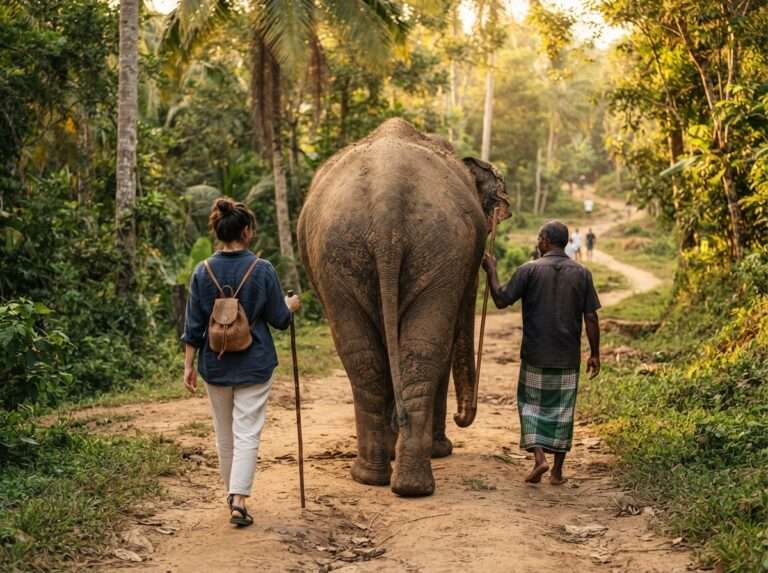
This is why people come. Twice a day the main herd is walked out of the orphanage, along a lane of shops, across the main road and down to the Maha Oya, where they spend close to two hours in the shallow water. Calves roll under their mothers, the big males stand mid-stream spraying themselves, and the mahouts wade between them with sticks they rarely use.
The morning session leaves at 10:00 am and is back by 12:00 pm. The afternoon session goes at 2:00 pm and returns at 4:00 pm. A smaller group of about seven younger elephants has its own baths at 8:30 am and 12:00 pm, so there is usually an elephant in the river from mid-morning on. Be on the riverbank steps or a restaurant terrace by 9:45 am. The herd walking down the lane is the moment everyone wants on camera, and the front row fills fast once the tour coaches arrive. Watching is included in your entry ticket. The minute-by-minute schedule is on our Pinnawala Elephant Orphanage timings page.
| Main herd bath | 10:00 am to 12:00 pm and 2:00 pm to 4:00 pm |
| Small herd bath | 8:30 am and 12:00 pm |
| Cost | Included in the orphanage ticket |
| Best spot | River steps or a terrace restaurant, by 9:45 am |
| Skip if | Heavy rain, when the river runs high and brown |
Related Tour Packages


❮
❯
02
Fruit Feeding and Calf Bottle-Feeding at the Orphanage
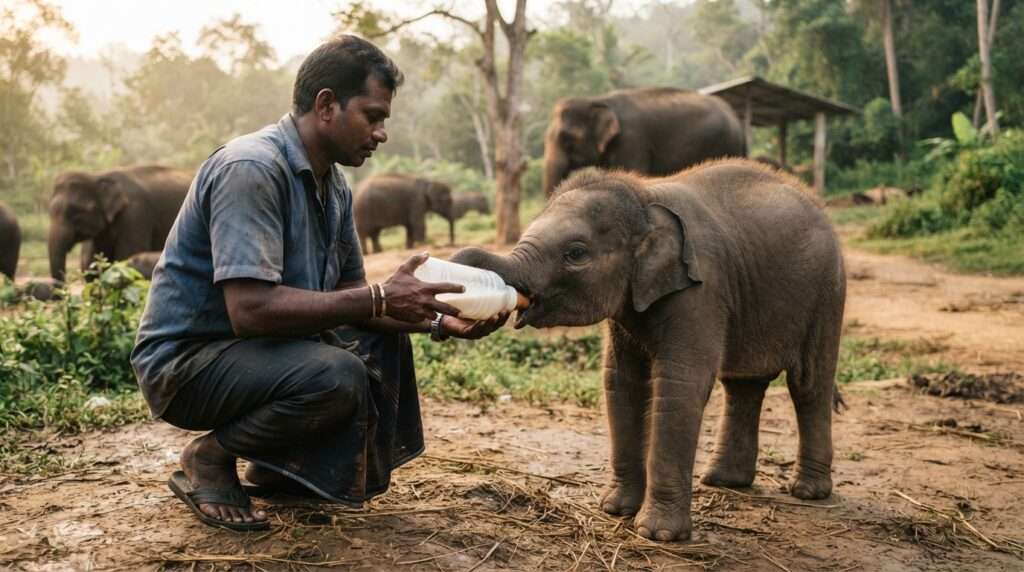
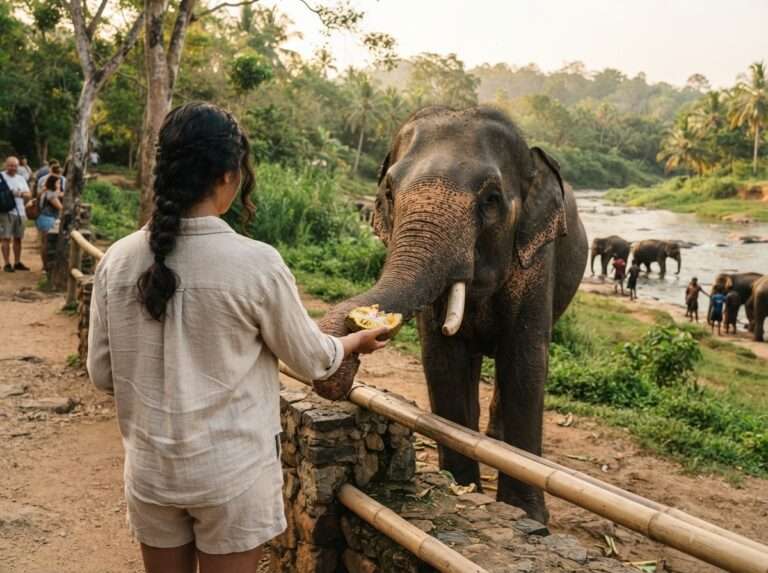
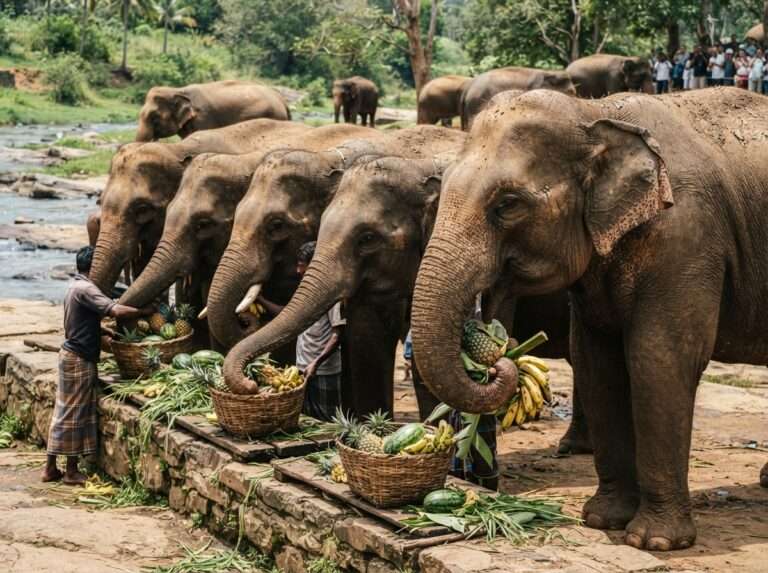
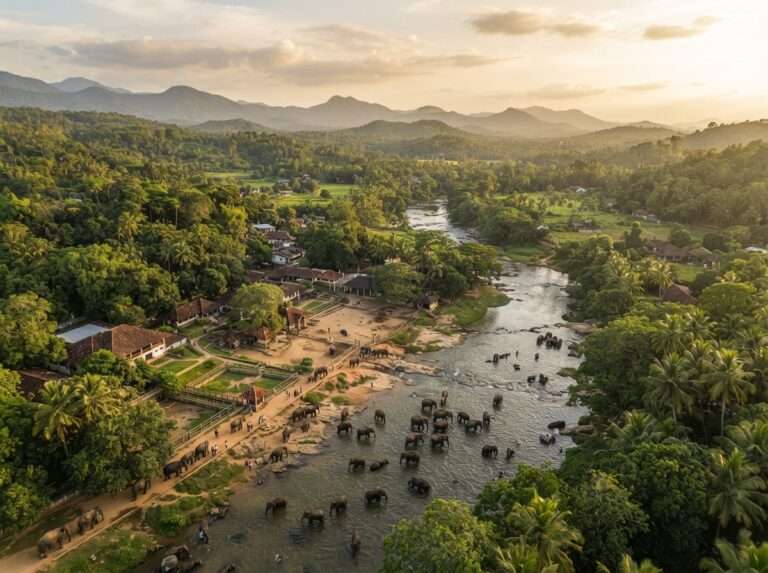
Pinnawala Elephant Orphanage was set up by the Department of Wildlife Conservation in 1975 for calves found orphaned or injured in the wild. The National Zoological Gardens took it over in 1978, and the first calf born at Pinnawala, Sukumali, arrived in 1984. The orphanage has since recorded 76 captive births, including its first twin calves in 2021, so many of today’s 65 elephants were born here. Feeding time is the one moment the whole herd is gathered in one place.
Fruit-basket feeding starts at 9:15 am. A basket costs Rs 590 (about ₹168) and you hand the fruit to an adult elephant under a keeper’s eye. Feeding runs until the day’s fruit is finished or 2:00 pm, whichever comes first, so buy early. The youngest calves are bottle-fed milk on their own rounds through the day, the main ones falling around 9:15 am and 1:15 pm. Watching the bottle-feeding is included in entry; whether visitors can hold a bottle changes, so ask at the counter.
| Fruit feeding | From 9:15 am until the fruit runs out |
| Fruit basket | Rs 590 (about ₹168) |
| Calf bottle-feeding | Around 9:15 am and 1:15 pm |
| Time needed | 30 to 45 minutes |
| Best for | Families with children |
Related Tour Packages


❮
❯
03
Bathing Pass and Elephant Walk
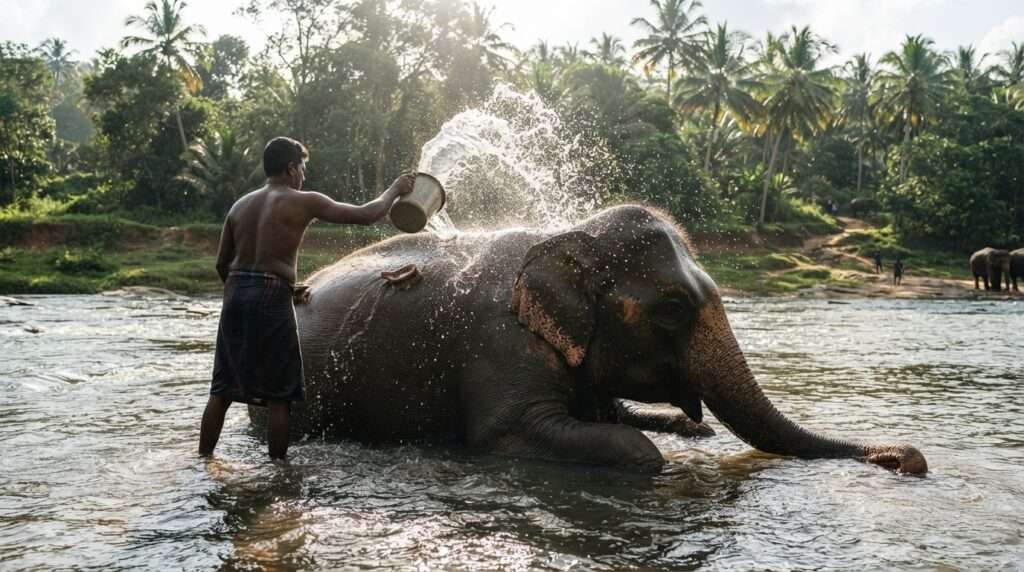
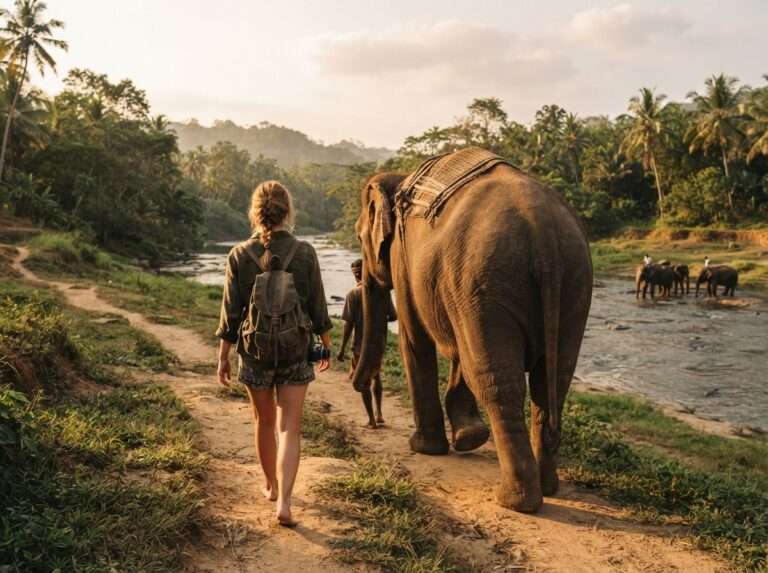
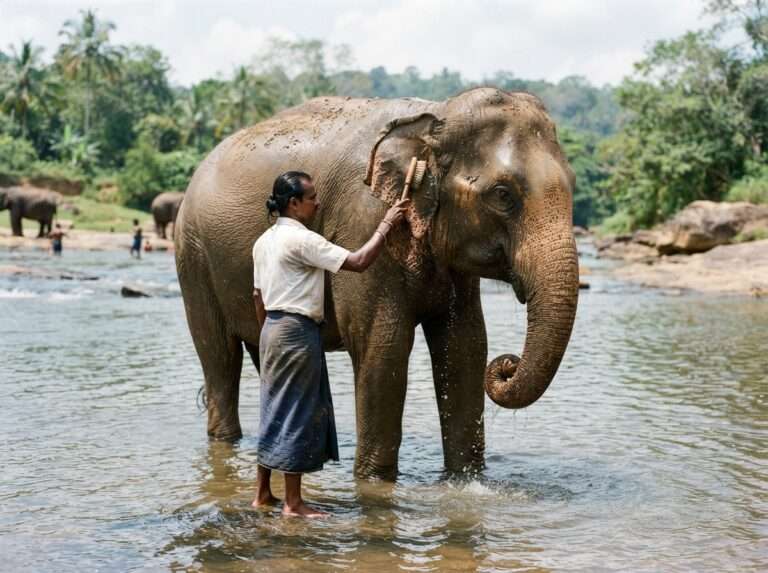
Pinnawala sells two hands-on add-ons. The bathing pass (Rs 885, about ₹252) gives you 10 minutes in the river beside an elephant and its mahout. It is sold at the eight issuing points by the Maha Oya from 9:15 to 11:45 am and 2:15 to 3:45 pm. The elephant walk (Rs 1,180, about ₹336) is exactly that, a 10-minute walk next to an elephant, sold at the entrance counter from 9:00 am to 2:00 pm. No riding is offered at the orphanage.
Bathing is called off without notice on days of heavy rain, so do not prepay anything for it on a wet monsoon day. Before you buy either, read the section on whether Pinnawala is ethical further down this page. Plenty of visitors decide the free view from the bank is the better experience.
| Bathing pass | Rs 885, 10 minutes, 9:15 to 11:45 am and 2:15 to 3:45 pm |
| Elephant walk | Rs 1,180, 9:00 am to 2:00 pm |
| Elephant rides | Not offered |
| Cancelled | On heavy-rain days, without notice |
Related Tour Packages


❮
❯
04
Pinnawala Open Zoo
Pinnawala Open Zoo: Key Details
| Detail | Information |
|---|---|
| Opened | 17 April 2015 |
| Area | 36 acres |
| Hours | From 8:30 am, last entry around 5:00 pm |
| Fee (SAARC adult / child) | USD 9.44 / USD 4.72 |
| Fee (foreign adult / child) | USD 11.80 / USD 5.90 |
| Time needed | 2 to 3 hours |
| Best for | Children, big-cat lovers |
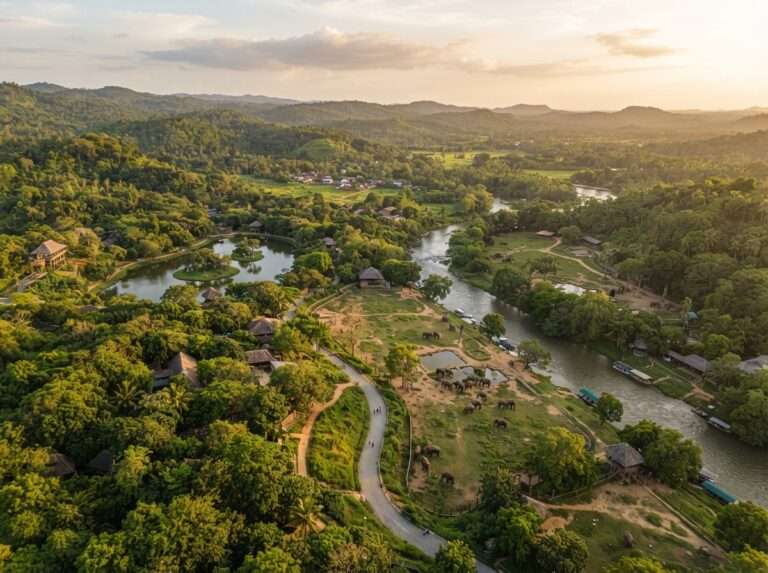
Sri Lanka’s first open-concept zoo opened on 17 April 2015 on 36 acres beside the Maha Oya, a five-minute tuk-tuk ride from the orphanage. It is run by the same department and is the reason to stay past lunch. Instead of cages, animals live in large planted enclosures behind moats and glass.
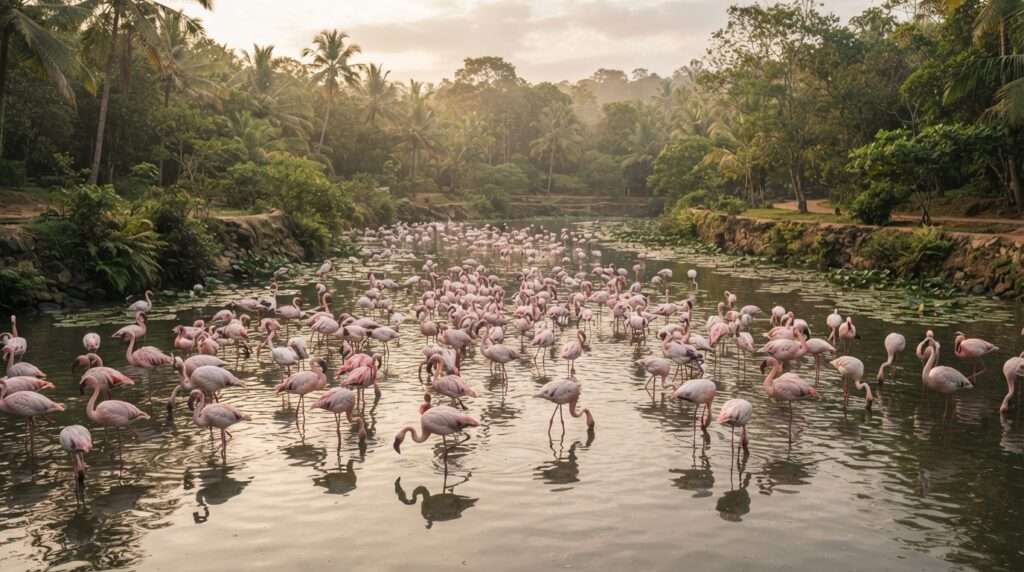
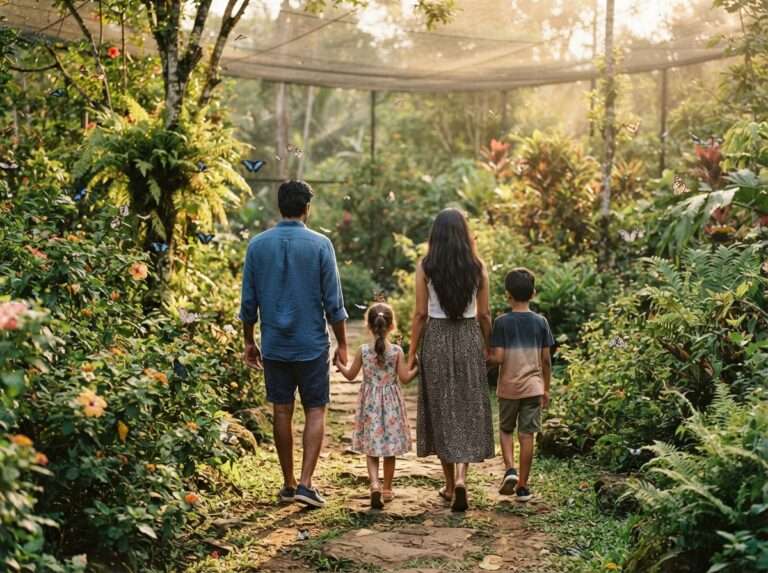
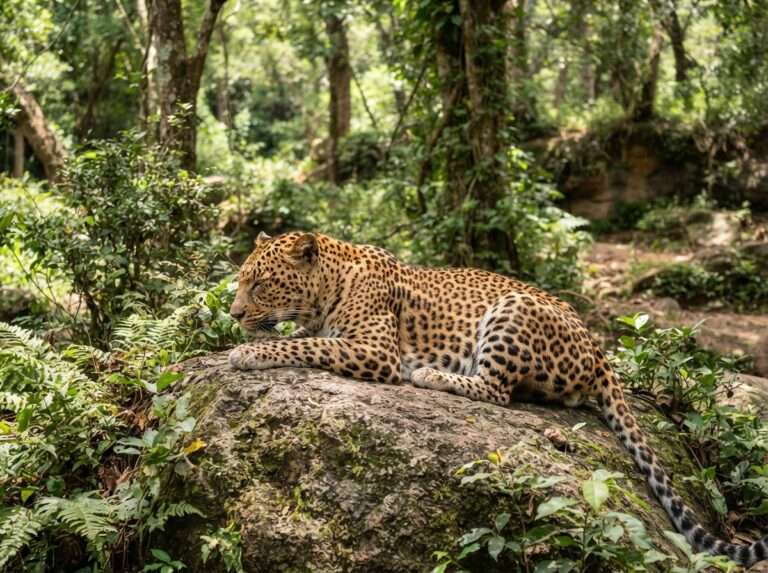
The star is the Sri Lankan leopard. The zoo runs a pioneering artificial-insemination breeding programme for this endangered sub-species. You will also see Bengal tigers, sloth bears, crocodiles and flamingos, and the zoo has the country’s largest open butterfly garden. The zoo also sells tickets for its feeding sessions, which children love. Leopard feeding and bird feeding cost Rs 250 each, crocodile feeding Rs 500, and a buggy cart around the grounds Rs 2,000.
SAARC adults, including Indians, pay USD 9.44 (about ₹893) and children USD 4.72. Other foreign adults pay USD 11.80. A combined orphanage and zoo ticket costs foreign adults USD 23.60. The official table lists the SAARC combo at USD 11.80, the same as the orphanage alone, so Indian visitors should confirm the combo price at the counter before paying, because it could mean the zoo costs you nothing extra.
05
Lunch on a Riverside Terrace
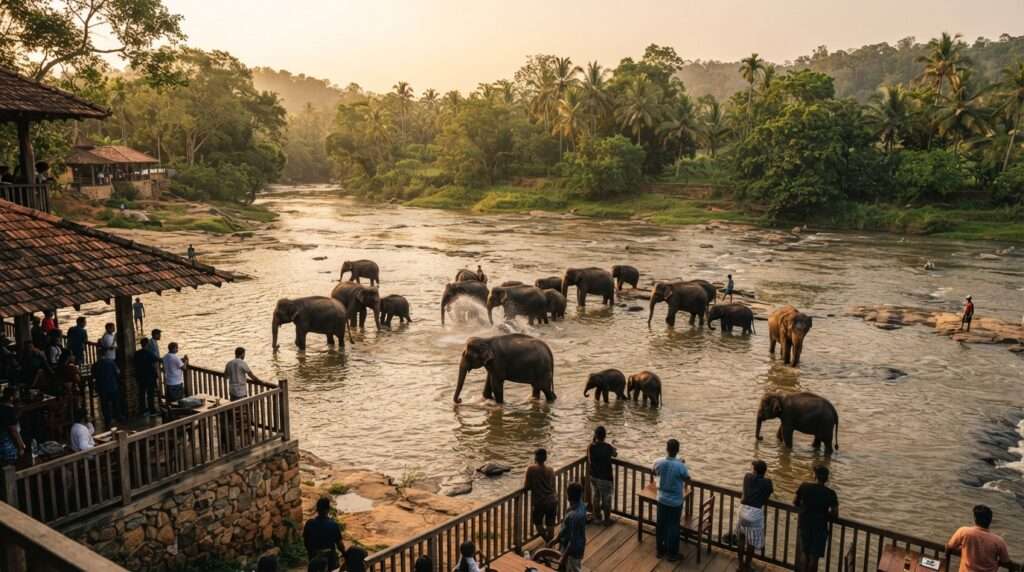
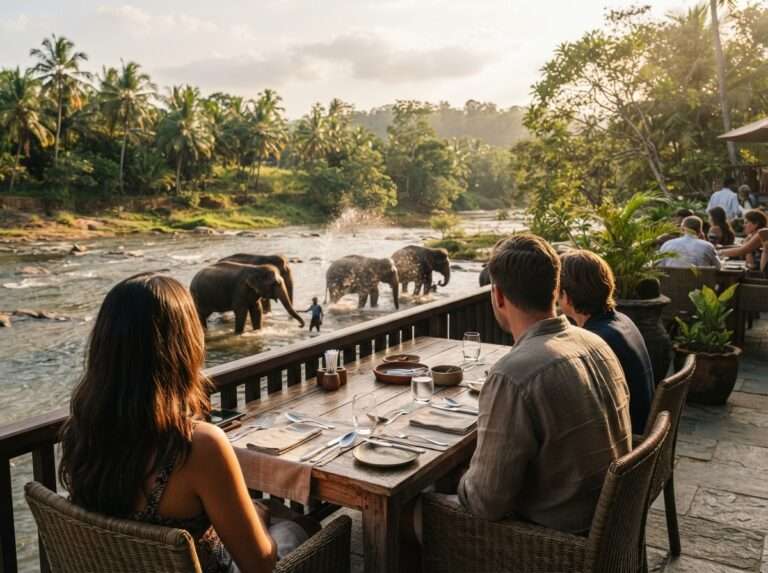
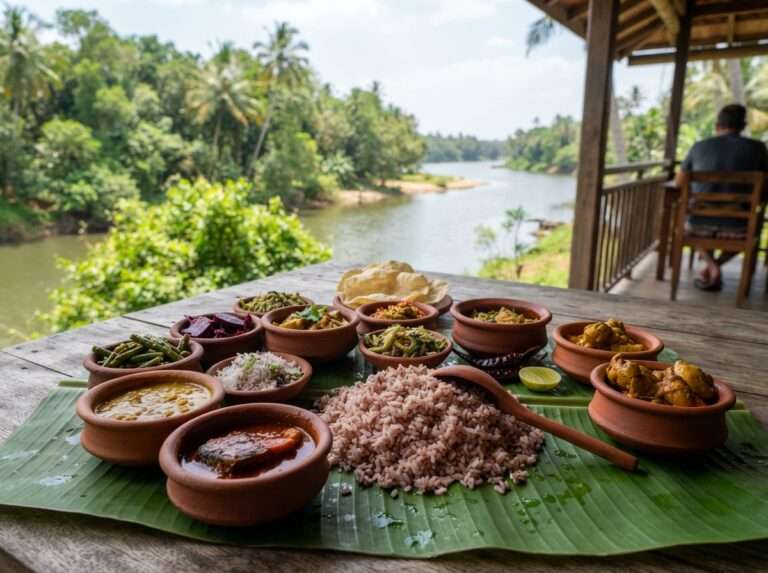
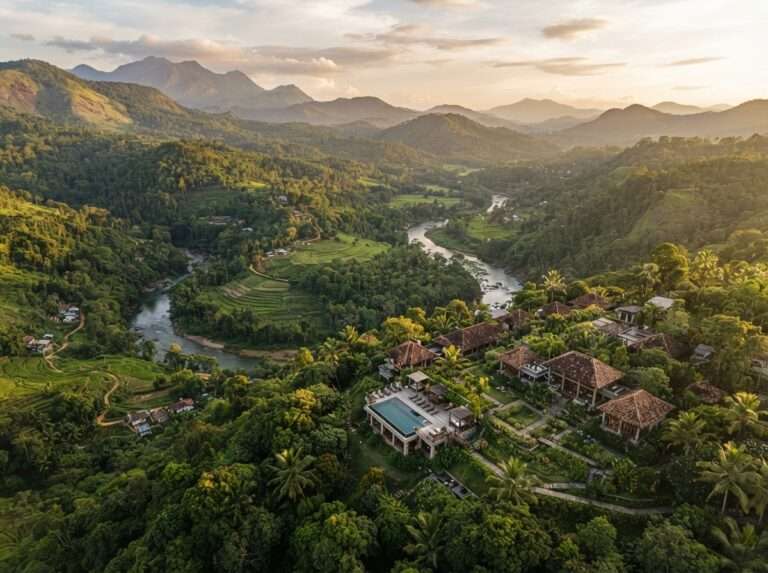
The hotels and restaurants lining the Maha Oya bank were built for one view, the herd bathing below. A table here is the best seat in Pinnawala, with shade and a cold drink, and the price of a meal is effectively your ticket to it. Most serve Sri Lankan rice and curry (rice with four or five vegetable, dhal and fish or chicken curries) plus a short list of fried rice and noodles for children.
Time it between the two baths. Arrive at 11:15 am for a front table during the end of the morning bath, or sit down at 1:30 pm to eat while the afternoon herd comes down at 2:00 pm. Vegetarian Indian travellers will find dhal, potato curry and coconut sambol on almost every rice and curry plate, so ask for it without the fish.
| Where | Riverbank restaurants on the bathing stretch of the Maha Oya |
| Best time | 11:15 am or 1:30 pm, overlapping a bath |
| Time needed | About 1 hour |
| Vegetarian options | Rice and curry without fish or meat |
06
Shop on Elephant Bath Road
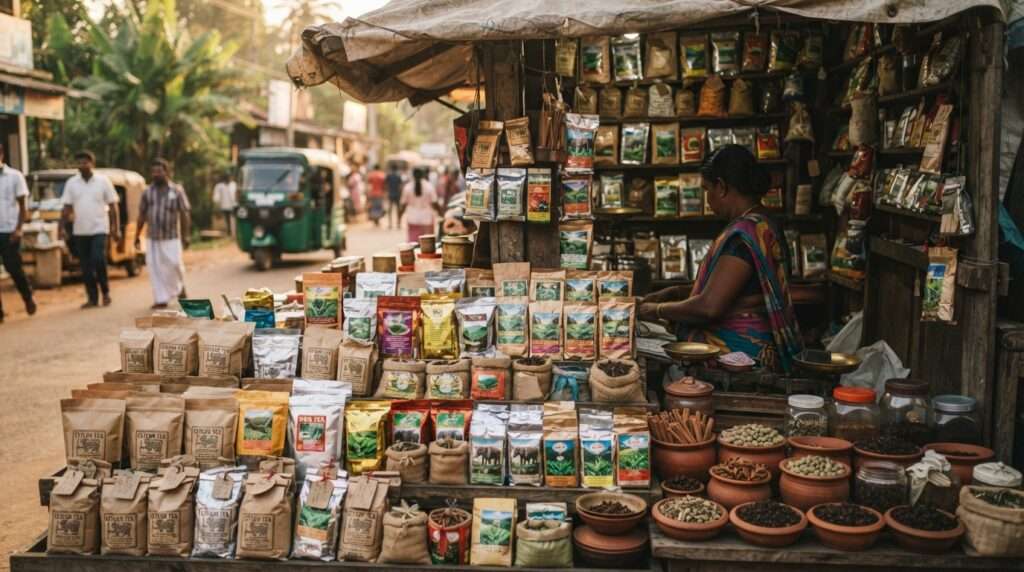
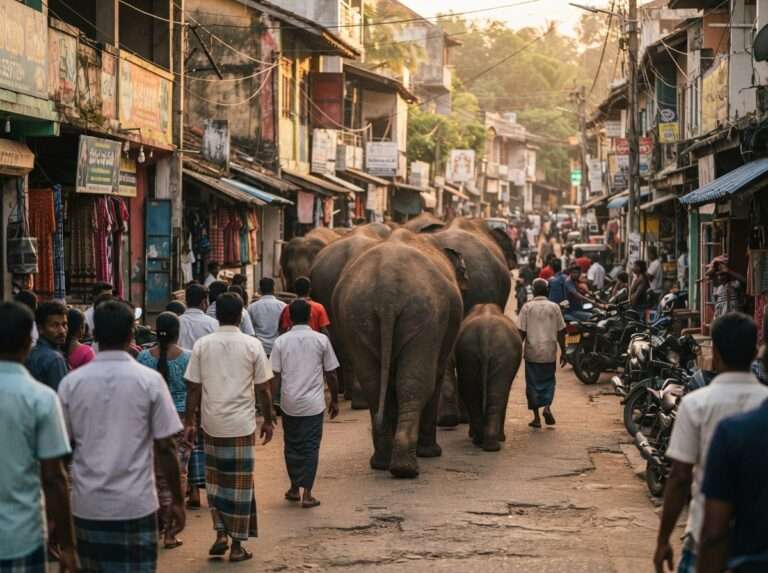
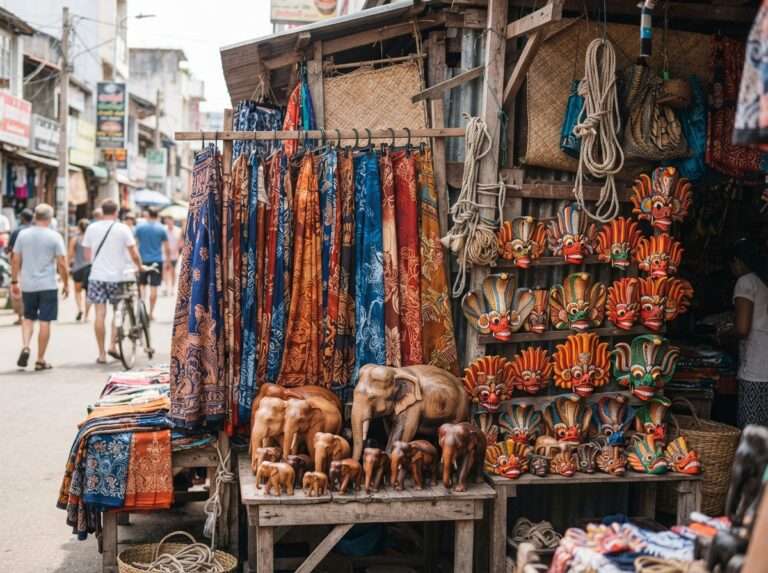
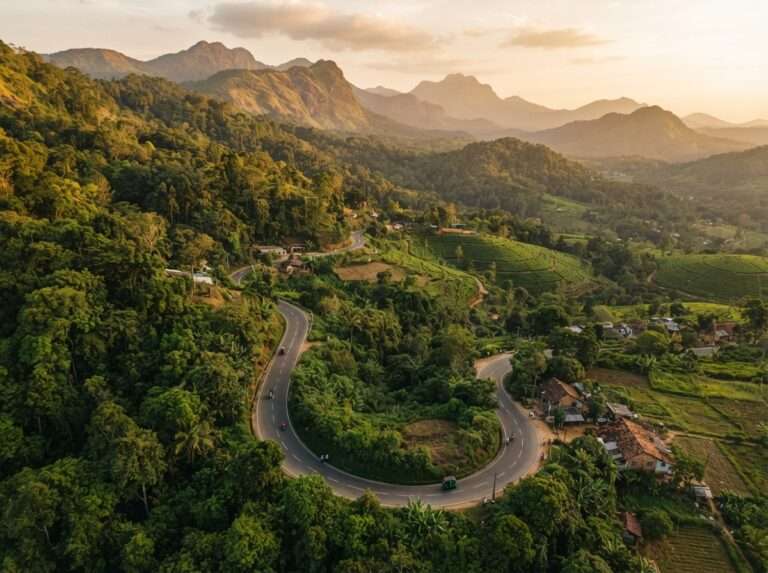
The lane the elephants walk down to the river doubles as Pinnawala’s shopping street. Stalls sell batik sarongs and wall hangings, carved wooden elephants, painted masks, packets of cinnamon and cardamom, Ceylon tea and notebooks made from elephant-dung paper. There is also a larger handicrafts emporium near the orphanage gate for fixed-price shopping.
Prices on the lane start high for tourists, so bargain politely and walk away if the number does not move. Shop after the morning bath, not before it. When the herd comes down the lane, stalls close their fronts and you will be asked to stand against the walls, and on crowded days keep your phone and wallet in a front pocket.
| Where | The lane between the orphanage and the river |
| What to buy | Batik, wooden elephants, masks, spices, tea, dung paper |
| Time needed | 30 minutes |
| Tip | Bargain on the lane; the emporium has fixed prices |
07
Elephant-Dung Paper Workshop
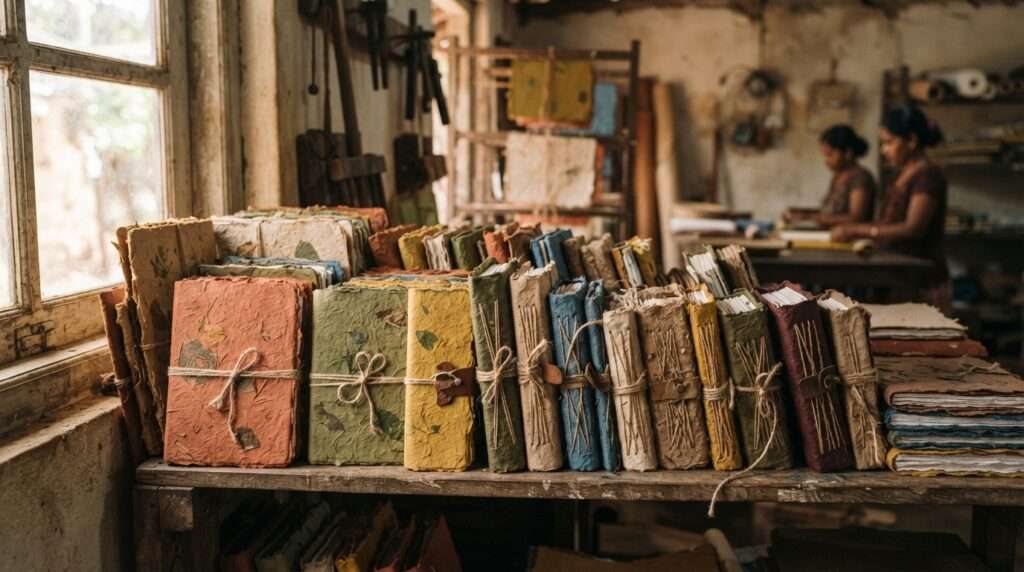
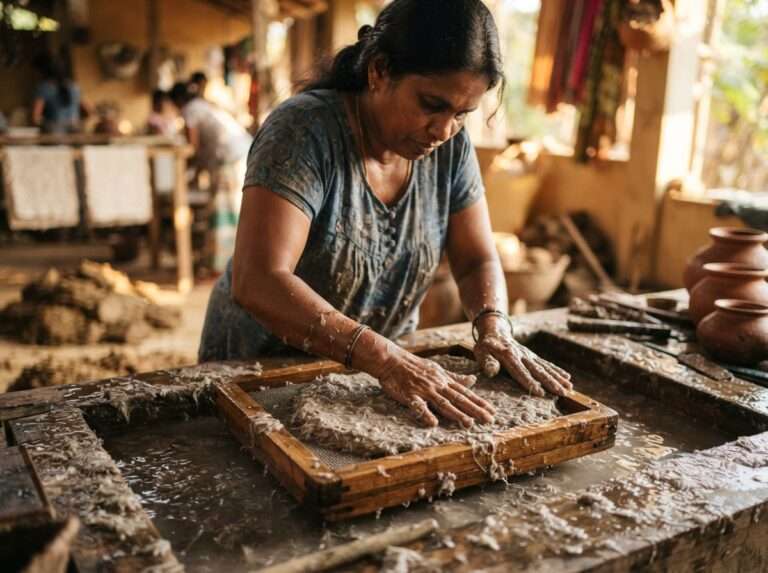
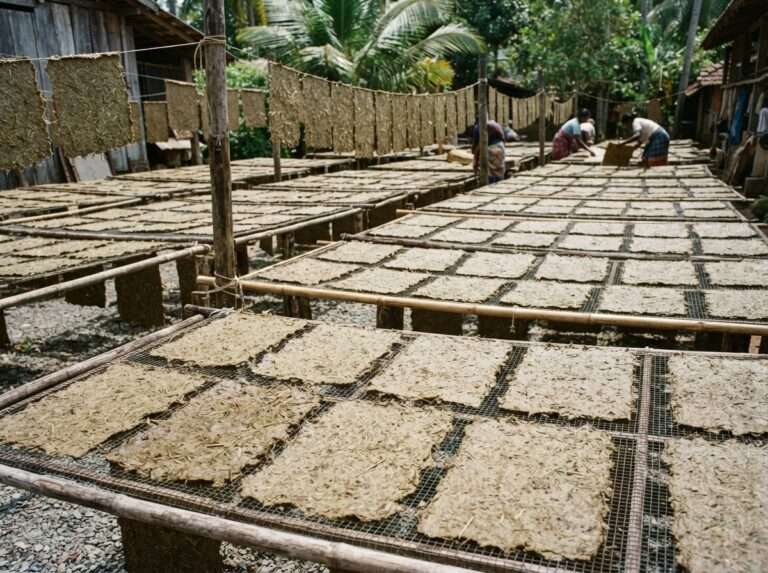
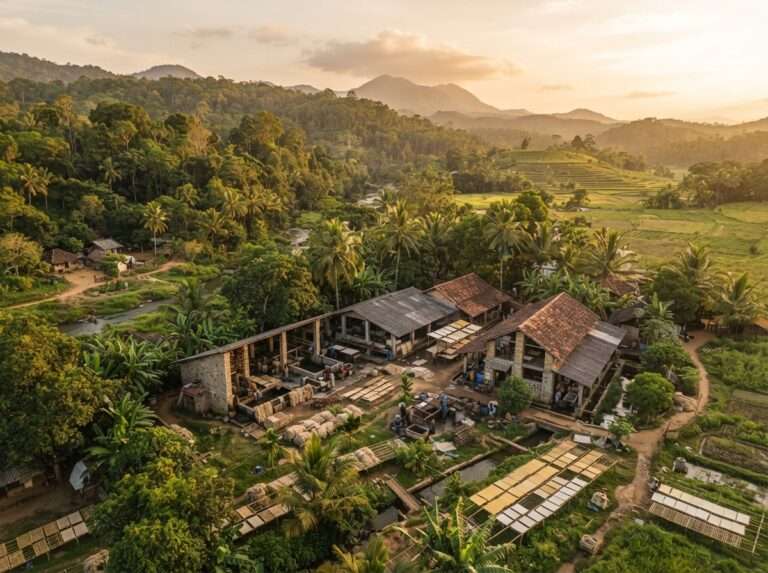
An elephant eats around 200 kg of plant matter a day and passes much of it out as fibre, which is exactly what paper needs. Pinnawala’s dung-paper makers wash, boil and pulp it, press it into sheets and dry them in the sun, and the result is a textured paper with no smell at all. Eco Maximus, the Kegalle company that made elephant-dung paper a Sri Lankan export, sells near the orphanage, and smaller workshops on the lane show the process.
A visit takes 20 to 30 minutes. Children enjoy it far more than the description suggests, and the notebooks are light enough to take home as gifts.
| Where | Near the orphanage and on Elephant Bath Road |
| Entry | Free; products extra |
| Time needed | 20 to 30 minutes |
| Best for | Children, souvenir shopping |
08
Millennium Elephant Foundation, Randeniya
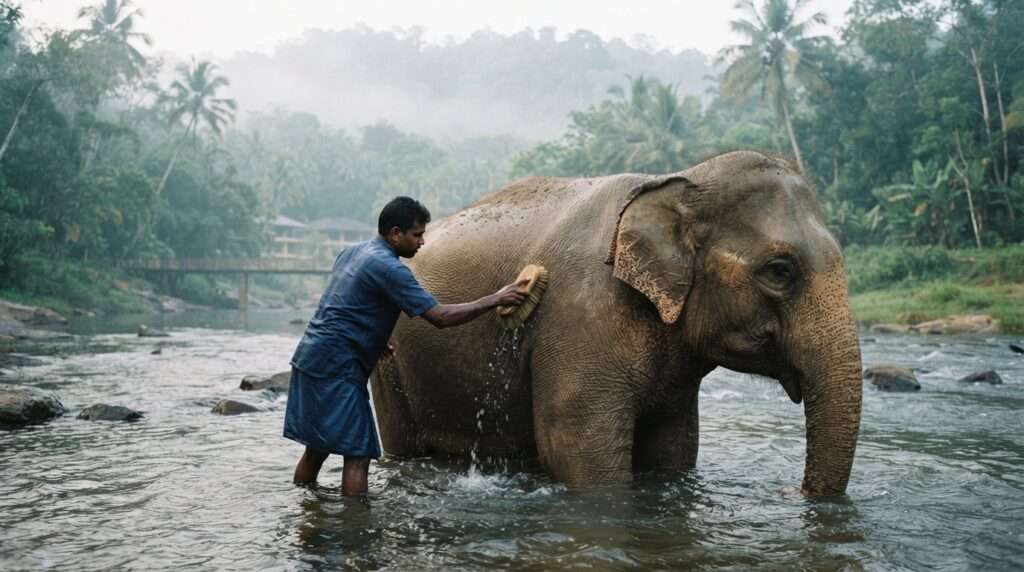
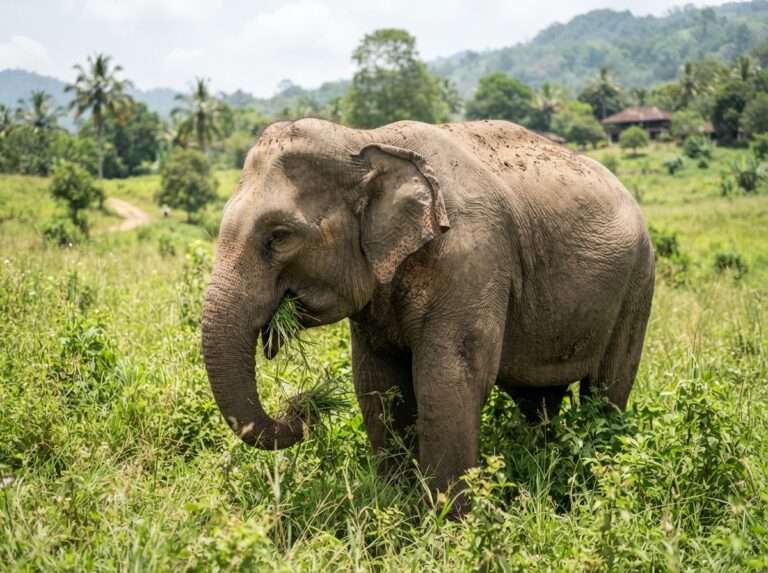
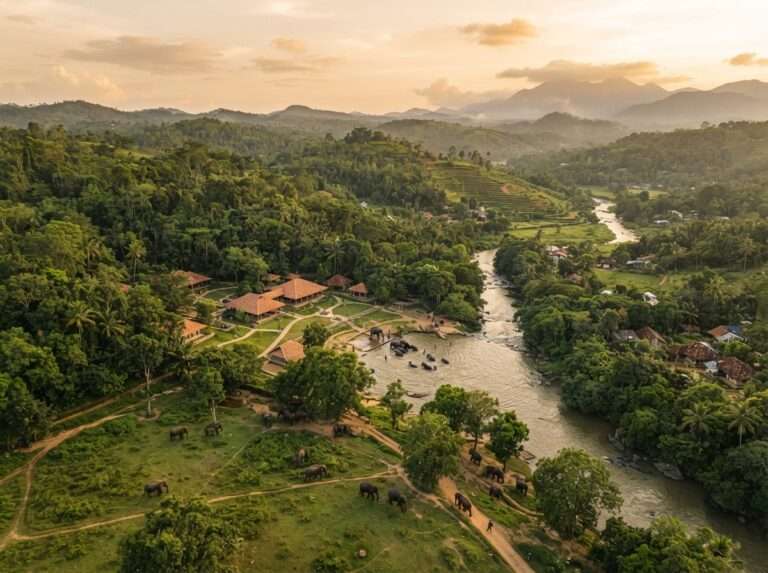
The Millennium Elephant Foundation is a private, non-profit elephant care centre set up in 1999 on the Samaragiri estate at Randeniya, about 3 km from Pinnawala on the Karandupona road. It looks after a much smaller group of retired working and rescued elephants than the orphanage, so visits are quieter and you can ask a keeper about each animal’s history.
The foundation introduced its elephant walk as an alternative to riding, but its own history says it still offers rides to help fund the elephants’ upkeep. Confirm the current programme when you book and pick observation and walking over a ride. Lonely Planet’s listing makes the same recommendation.
| Distance from the orphanage | About 3 km |
| Type | Private non-profit care centre |
| Time needed | 1.5 to 2 hours |
| Best for | A smaller, calmer elephant visit |
| Tip | Choose the walk, not a ride |
09
Elephant Freedom Project
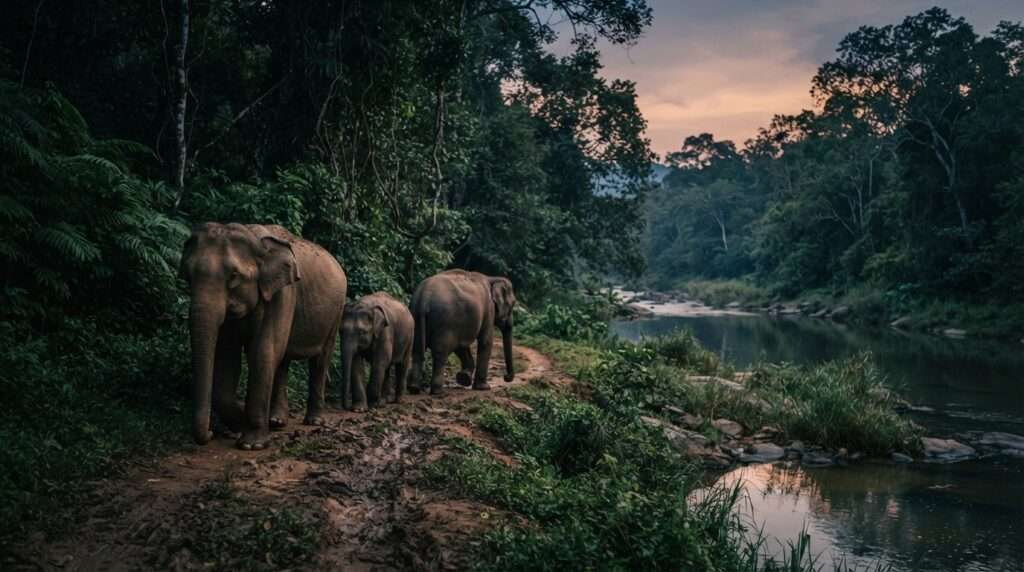
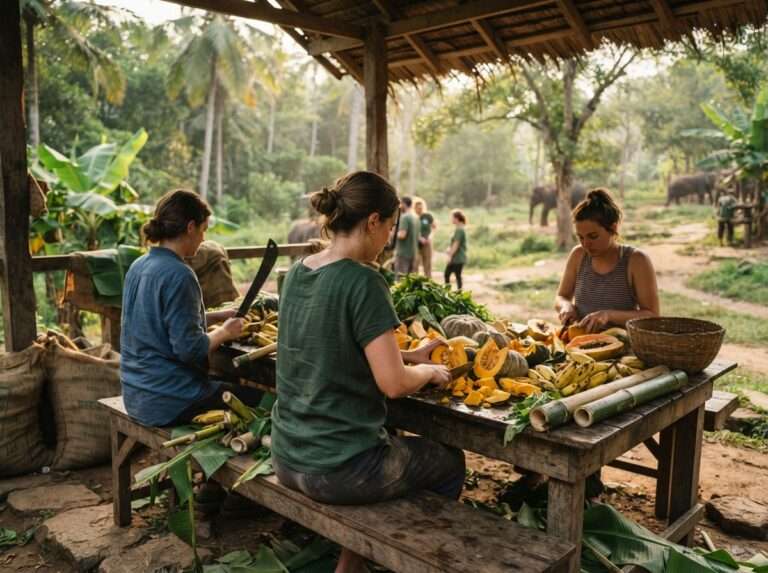
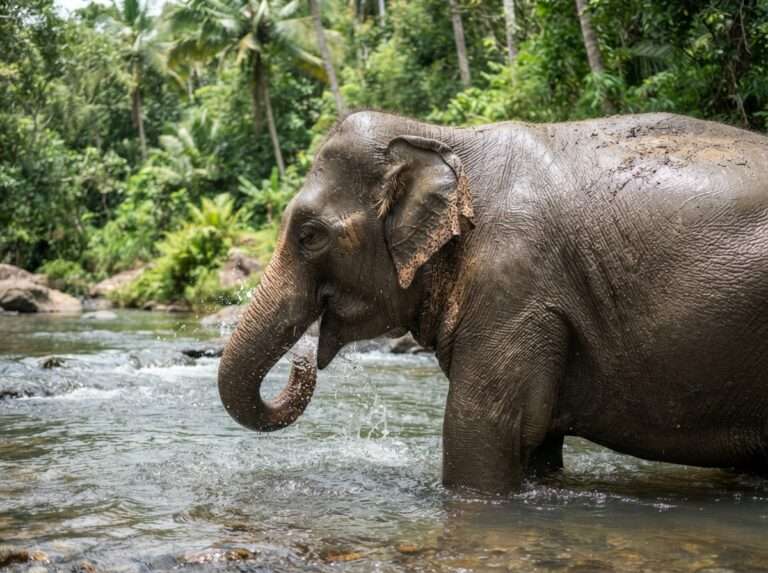
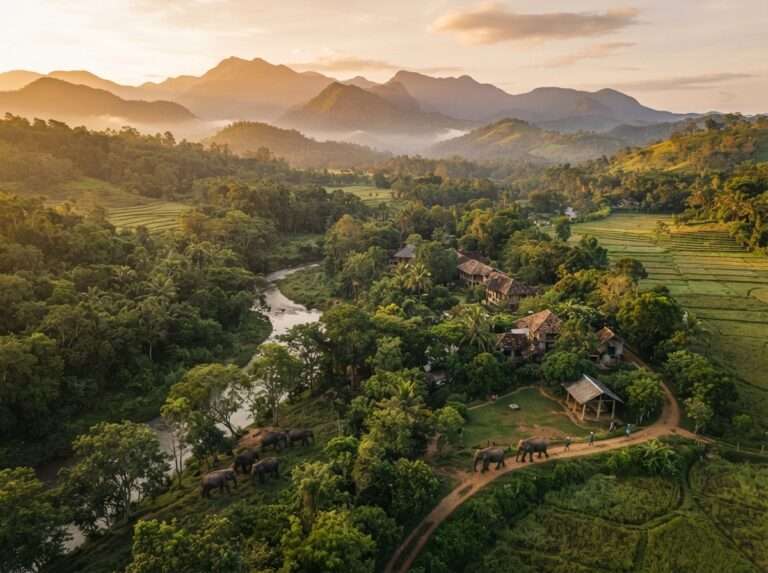
The Elephant Freedom Project is a family-run elephant shelter in the Kegalle area, a short drive from the orphanage. It pitches itself on what it does not do. There are no rides and no chains during the visit, and you spend time walking with the elephants, preparing their food and watching them bathe in the river.
Visits run as half days, full days or multi-week volunteer stays booked through placement sites. Read recent reviews before you pay, because one traveller has questioned how much of the fee reaches the mahouts. It is still the closest no-ride option to Pinnawala.
| Where | Kegalle area, near Pinnawala |
| Type | Family-run shelter, no rides |
| Format | Half day, full day or volunteer stay |
| Best for | Travellers who want contact without riding |
10
Meeyan Ella Waterfall
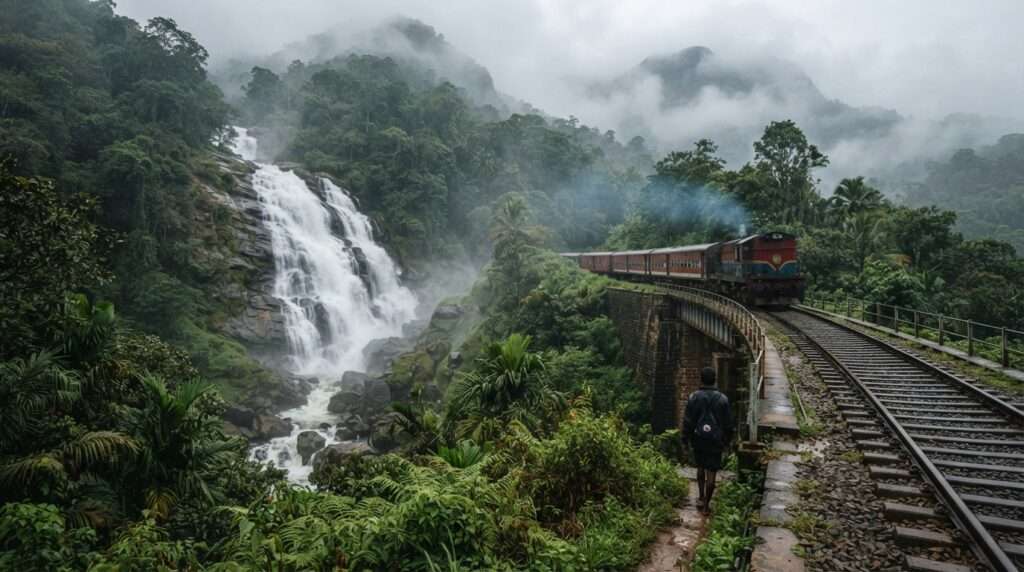
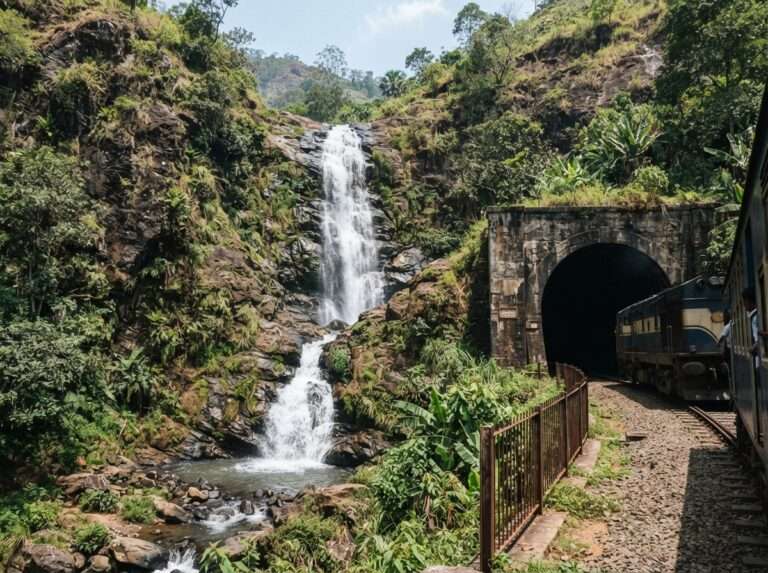
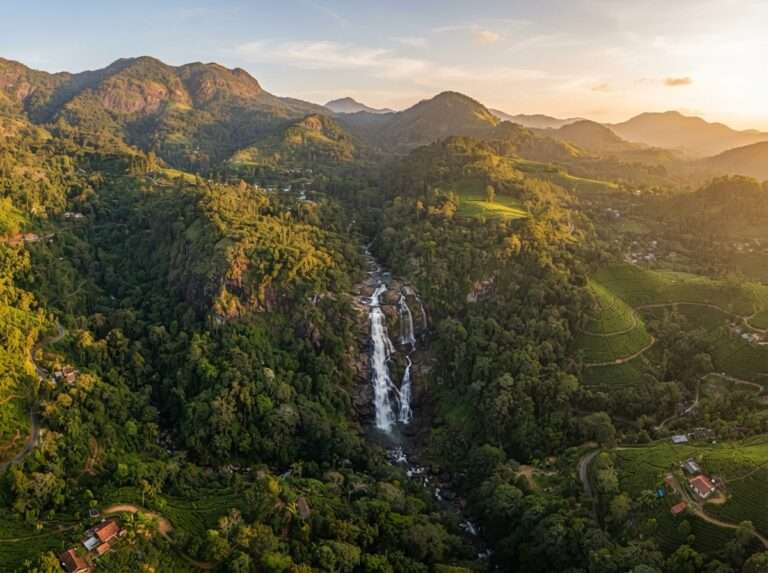
Meeyan Ella falls down the rock face beside the Colombo to Kandy railway near Ihalakotte station, on the steep stretch between Rambukkana and Kadugannawa, where the line runs through a tunnel cut into the rock beside the cascade. It is a local favourite rather than a tourist stop, so you are likely to have it to yourself on a weekday.
The easy way in is a tuk-tuk to the road nearest Ihalakotte, then a short walk on the village footpath. Do not walk along the railway tracks. It counts as trespass under Sri Lanka’s railway rules, and trains run through the day. The falls are fullest from October to December.
| Where | Near Ihalakotte railway station |
| Time needed | 1 to 1.5 hours |
| Best for | Photos, a quiet morning |
11
Spice and Herbal Garden on the A1
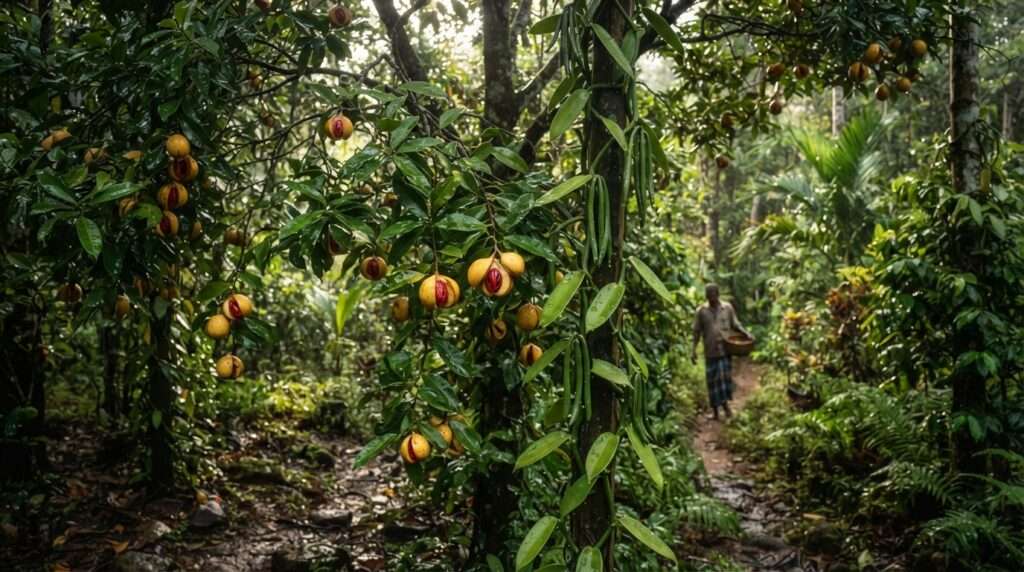
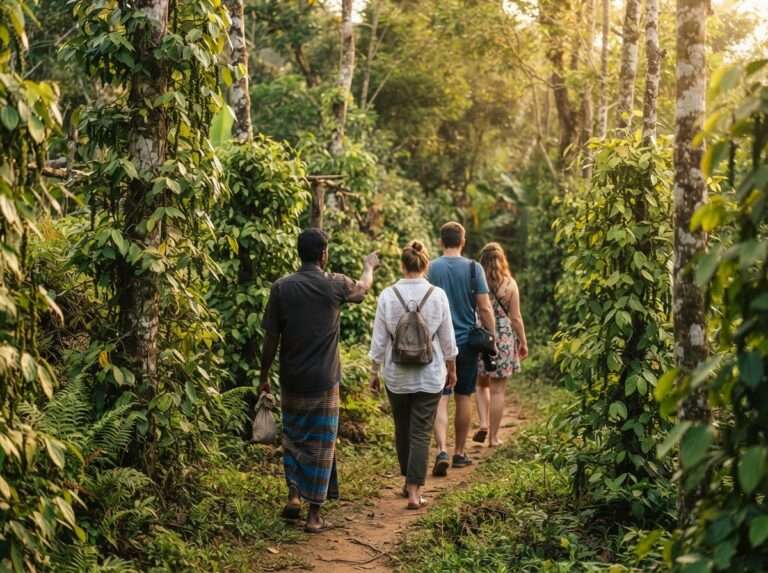
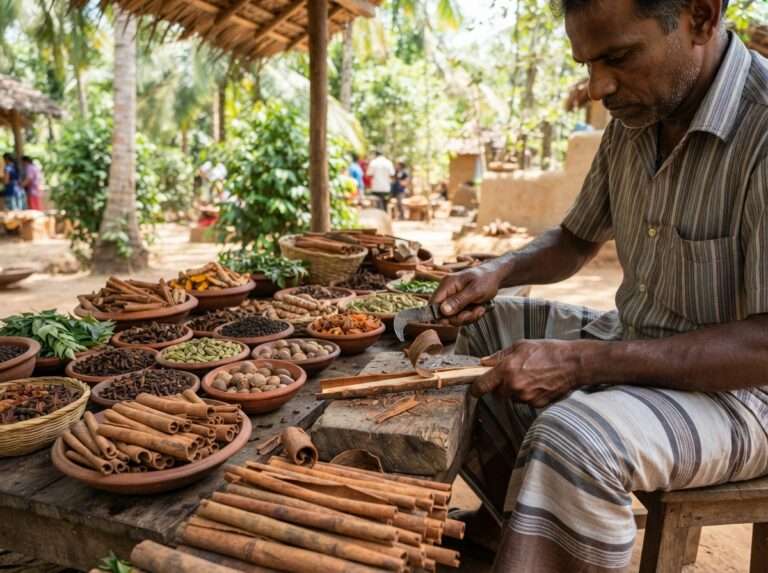
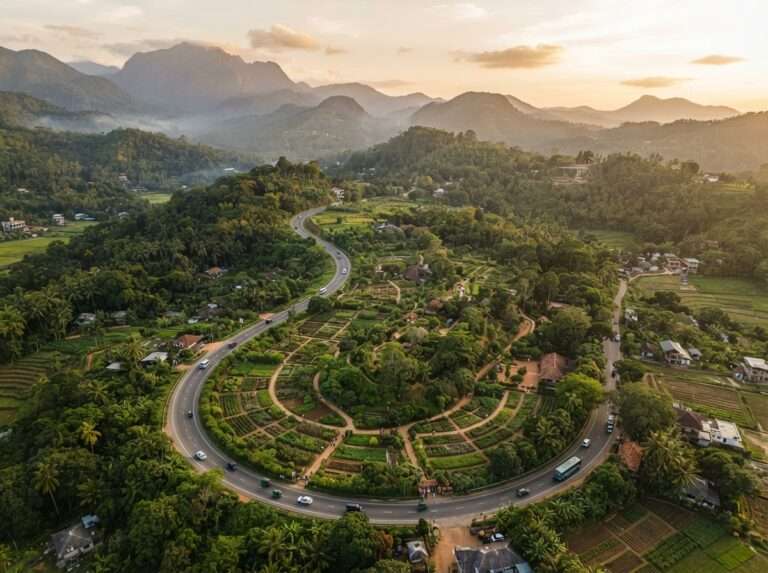
The A1 around Mawanella, on the drive from Pinnawala towards Kandy, is lined with spice and herbal gardens. Susantha Spice and Herbal Garden at Ganethenne, Hingula, on the Mawanella stretch of the A1, is the best known. A guide walks you past cinnamon (and shows you how its bark is peeled), cardamom, pepper vines, vanilla, nutmeg and Ayurvedic plants, and the tour ends with a short demonstration and a counter of oils and balms.
The walk is free. The sales pitch at the end is part of the deal and prices are higher than in a Kandy supermarket, so buying is optional and a tip for the guide is fine. It suits first-time visitors who want to see the spices Sri Lanka is known for growing.
| Where | A1 near Mawanella, Hingula |
| Entry | Free guided walk; products extra |
| Time needed | 45 minutes |
| Best for | First-timers, families |
12
Mahamevnawa Monastery, Polgahawela
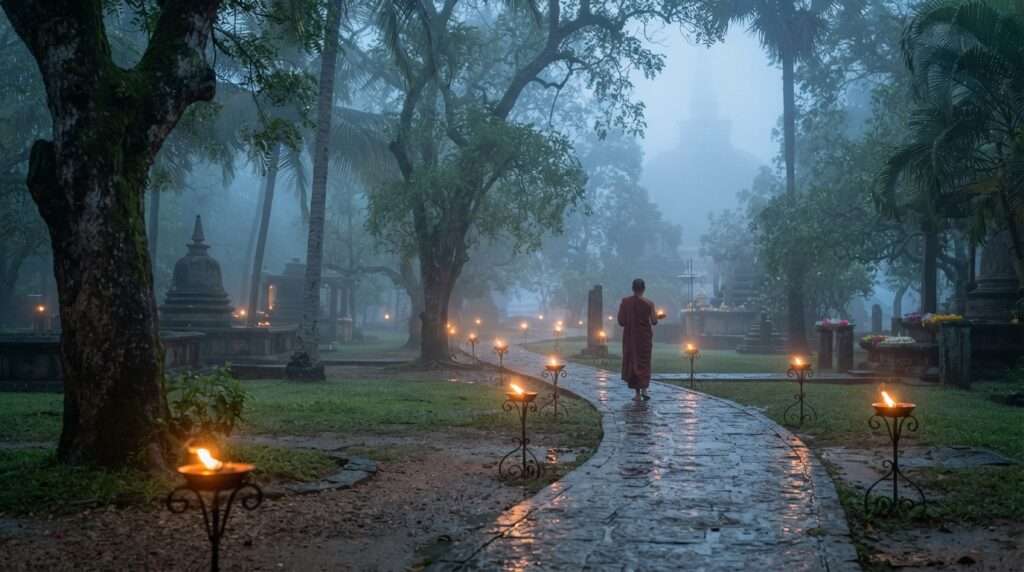
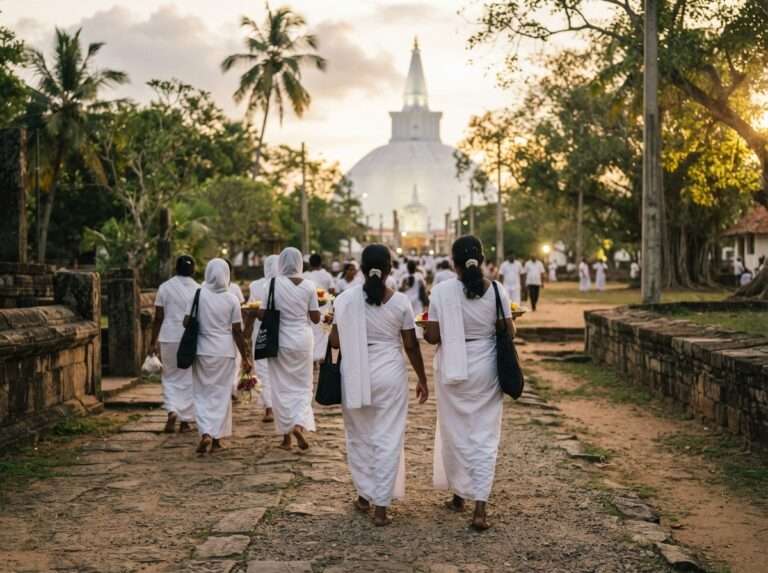
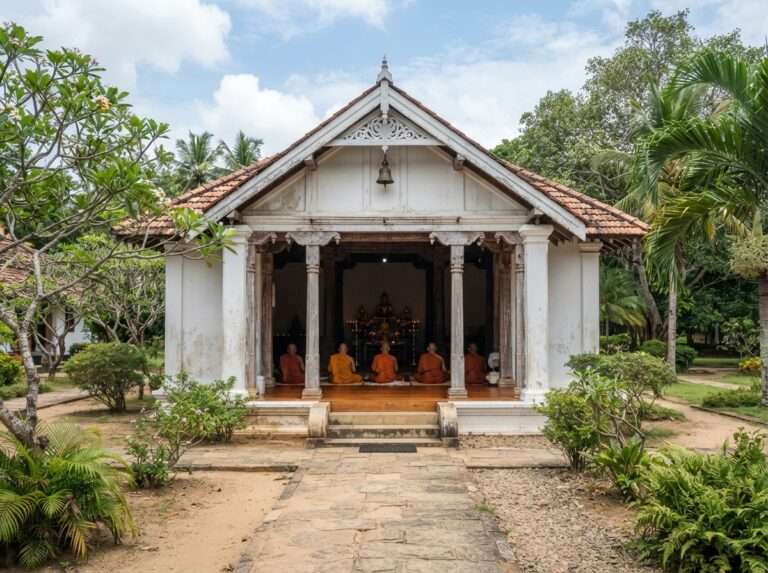
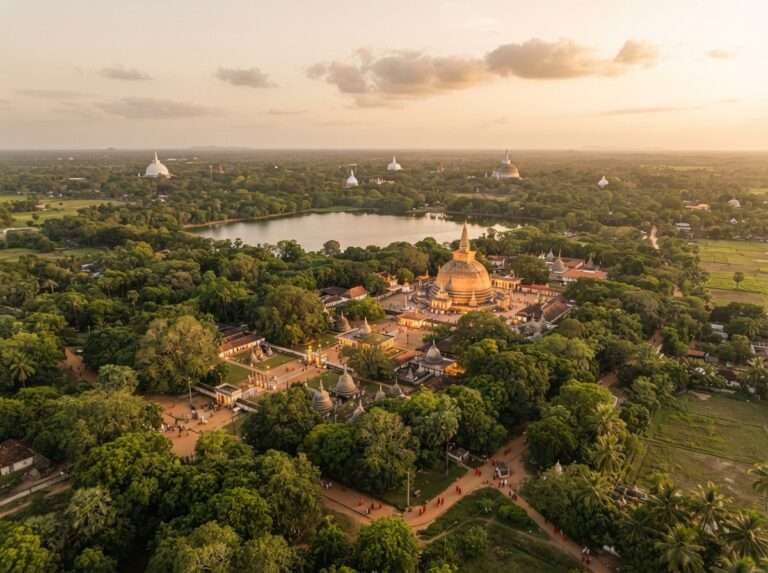
The main Mahamevnawa Buddhist Monastery at Waduwawa, Polgahawela, is about 15 km north of Pinnawala. It is the headquarters of one of Sri Lanka’s largest monastic orders, founded in 1999, and visitors come for the calm grounds, the white-robed lay devotees and the meditation halls rather than for old monuments.
Dress in white or light colours that cover shoulders and knees, take your shoes off where others do, and keep your voice down. Weekday mornings are the quietest. It pairs well with a train journey, since Polgahawela is a junction on the line.
| Distance from the orphanage | About 15 km |
| Entry | Free |
| Time needed | 1 hour |
| Dress code | Shoulders and knees covered, white preferred |
13
Utuwankanda, Saradiel's Rock
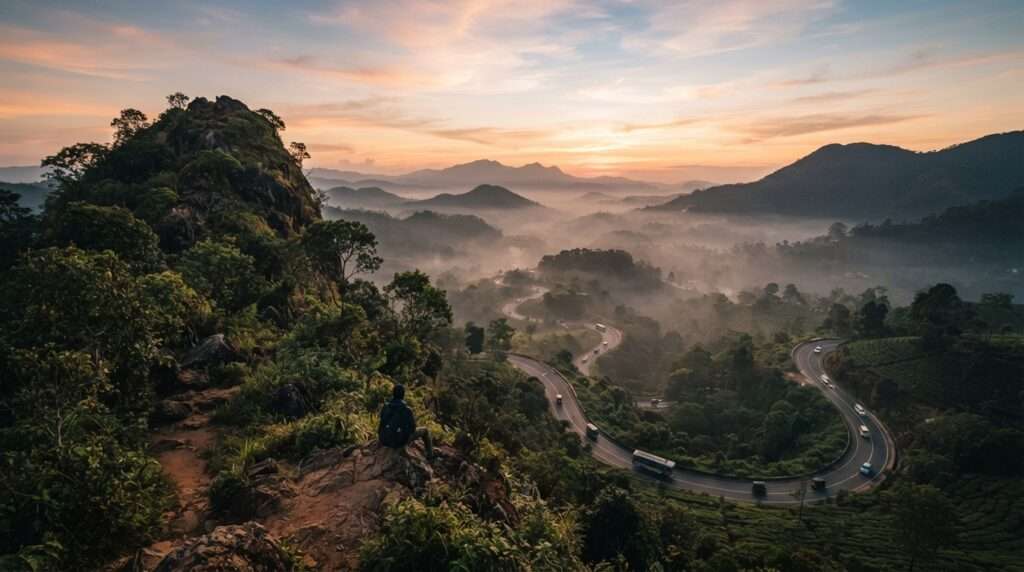
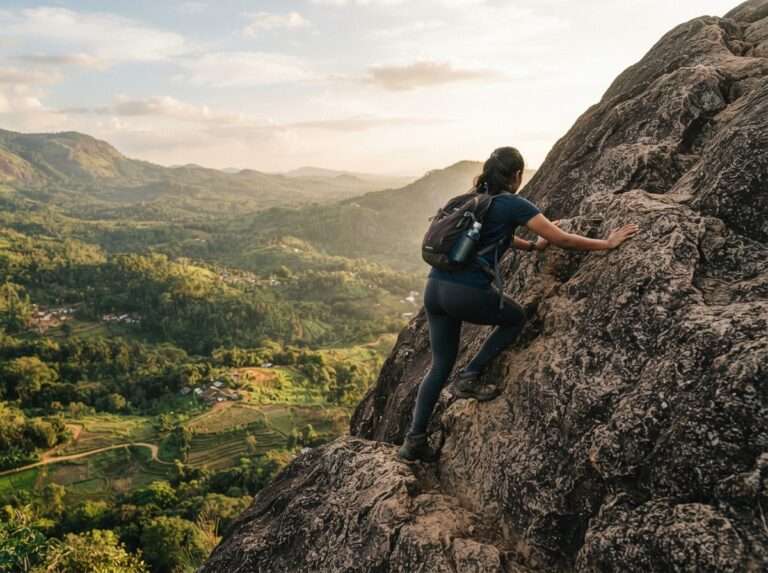
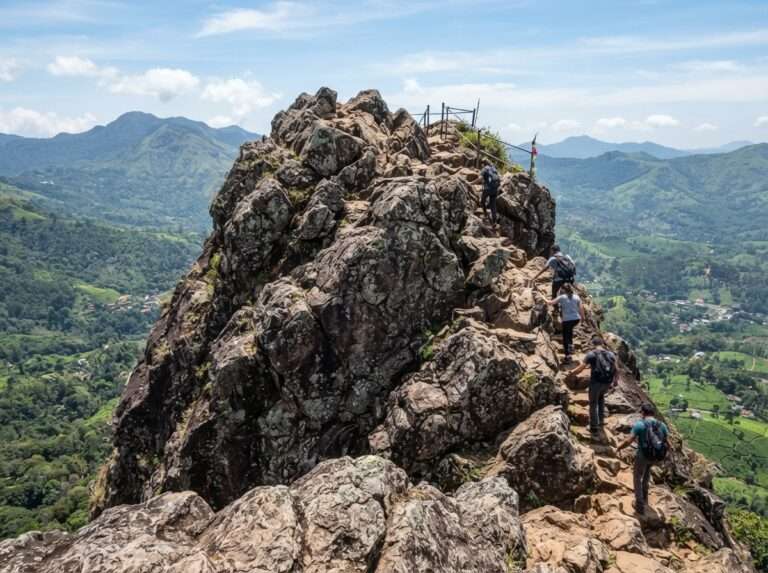
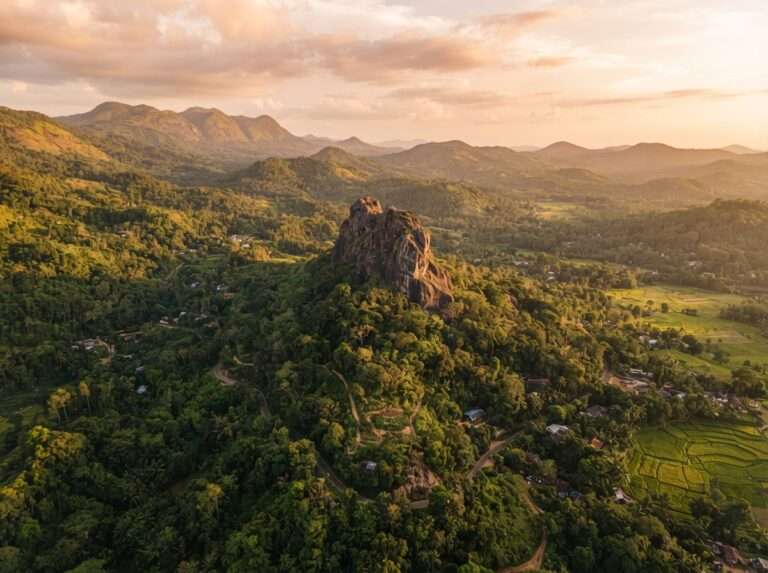
Utuwankanda is a rocky hill just off the A1 near Mawanella, about 12 to 14 km by road from Pinnawala, and it was the hideout of Deekirikevage Saradiel, the 19th-century outlaw remembered as Sri Lanka’s Robin Hood. He robbed coaches on the Colombo to Kandy road from up here and was hanged in 1864. A small Saradiel village museum sits near the base.
The last stretch to the summit is a 45-minute scramble over bare rock, rewarded with a view over the Kegalle hills and the A1 traffic far below. Wear shoes with grip, start by 7 am, and skip it on rainy or windy days, when the rock turns slippery. Falls on the rock are a real risk, so go with a local guide and stay on the usual route.
| Distance from the orphanage | About 12 to 14 km |
| Climb | About 45 minutes for the final section |
| Entry | Free |
| Best for | Fit walkers, history buffs |
| Avoid | Rain and wind |
14
Kadugannawa Pass and Dawson Tower
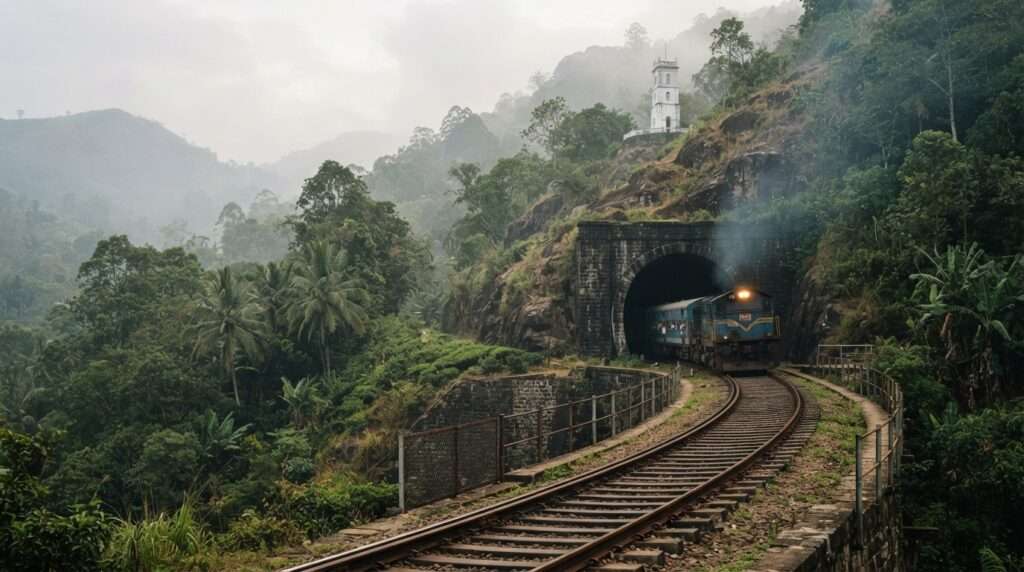
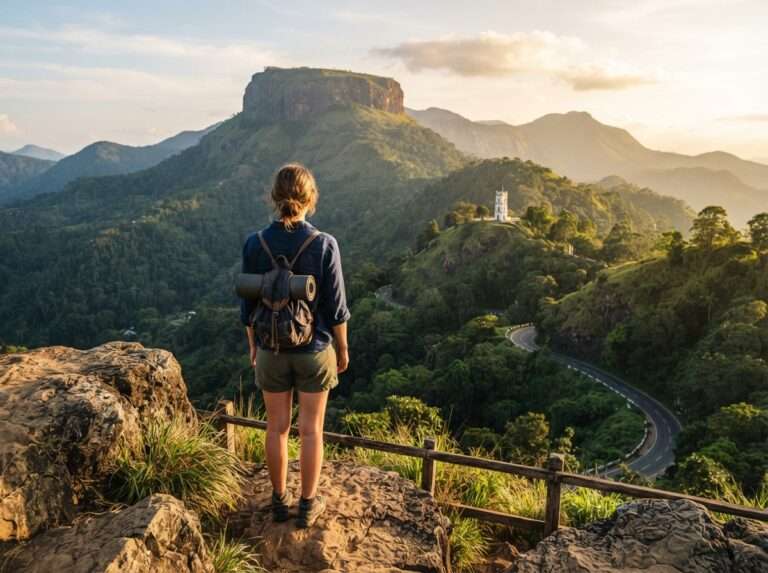
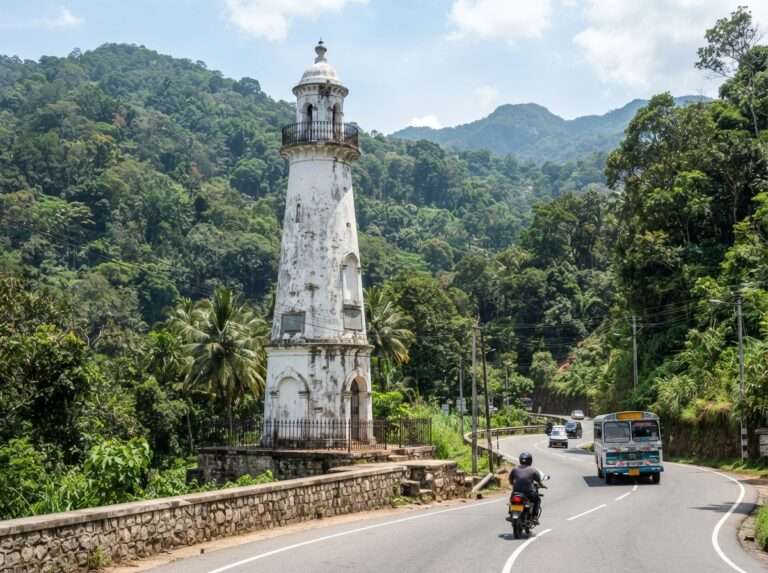
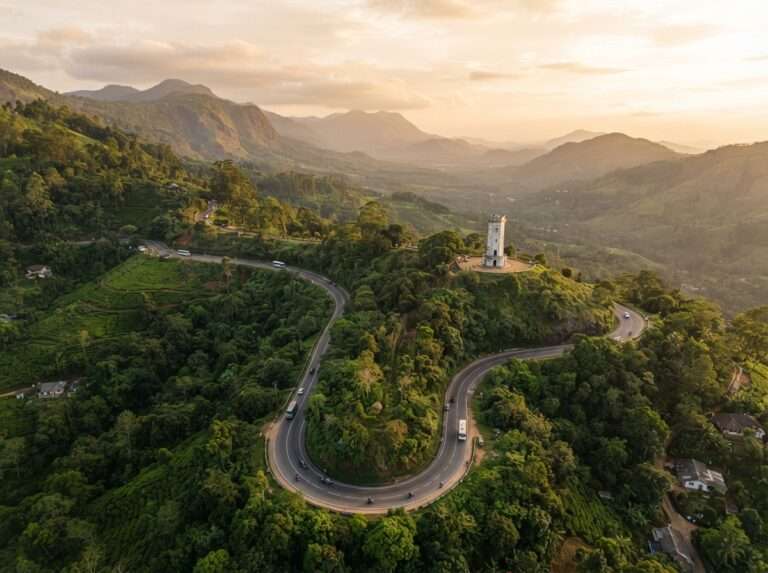
On the climb from Mawanella to Kandy, the A1 crosses the Kadugannawa Pass, about 22 to 24 km from Pinnawala. Pull over at Dawson Tower, a white memorial built in 1832 for Captain William Francis Dawson, the British engineer who built the Colombo to Kandy road. The narrow staircase inside is not always open to visitors, so ask on the spot rather than counting on the climb.
The roadside viewpoints just below show Bathalegala, known as Bible Rock for its flat top that looks like an open book. If you come by train instead, the line between Rambukkana and Kadugannawa is one of the steepest climbs on the island, with tunnels and drops along the hillside.
| Distance from the orphanage | About 22 to 24 km |
| Built | 1832 |
| Entry | Free |
| Time needed | 30 minutes to 1 hour |
| Best for | Views, a stretch on the Kandy drive |
15
Kandy, Peradeniya and Ambuluwawa
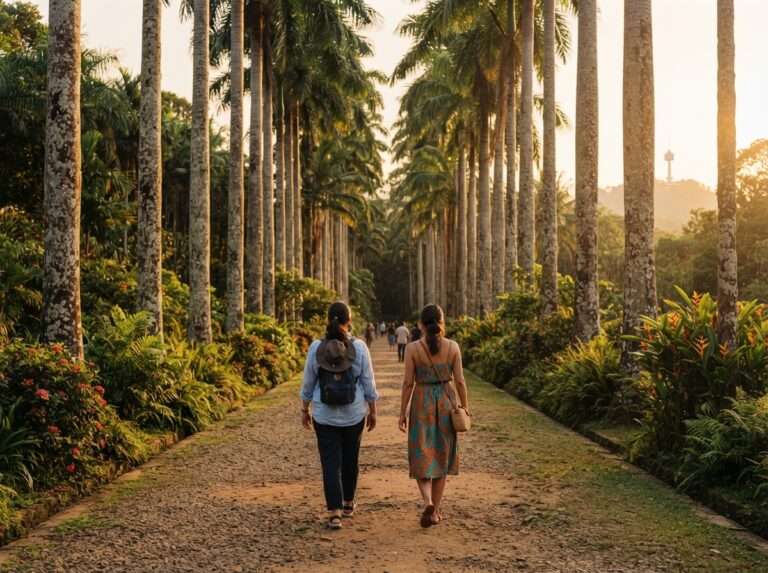
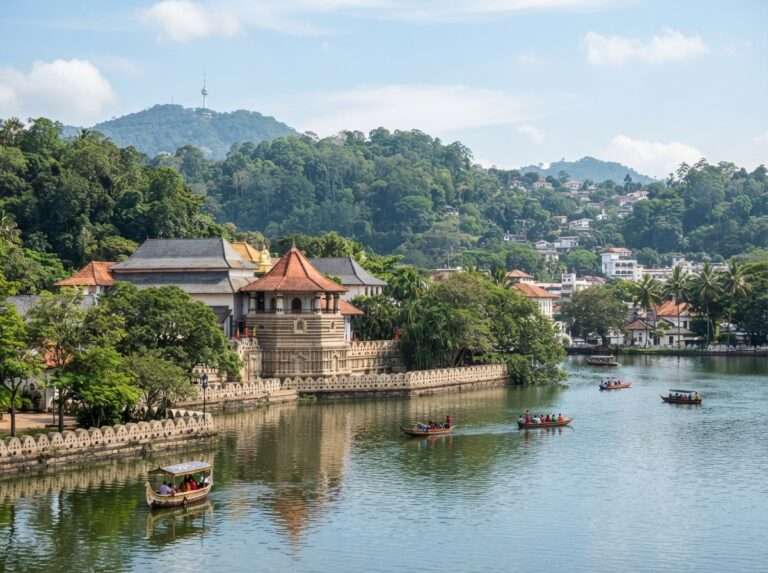
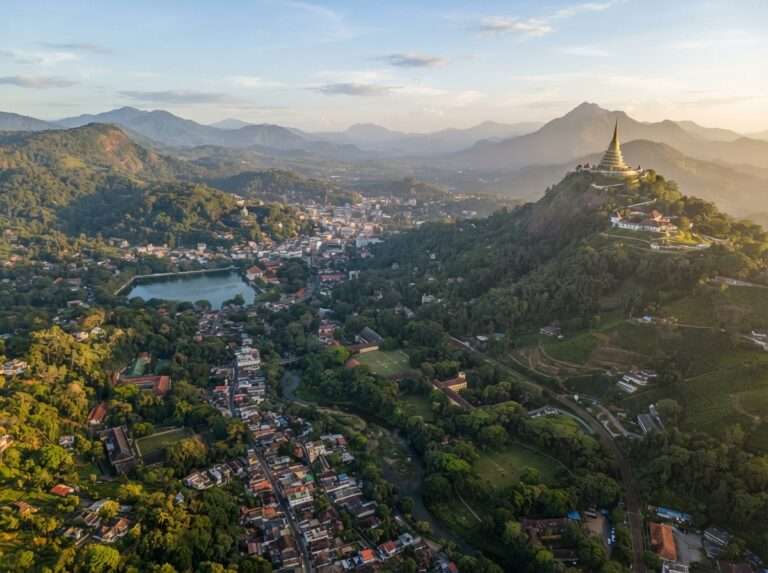
Kandy is about 40 km east, so most travellers end a Pinnawala day there. The Royal Botanical Gardens at Peradeniya come first, about 34 km from the orphanage and 6 km before Kandy, with 147 acres of orchid houses, a giant Java fig and avenues of palms. In Kandy itself, the Temple of the Tooth holds its evening puja around 6:30 pm, and the walk around Kandy Lake, built in 1807, fills the hour before it.
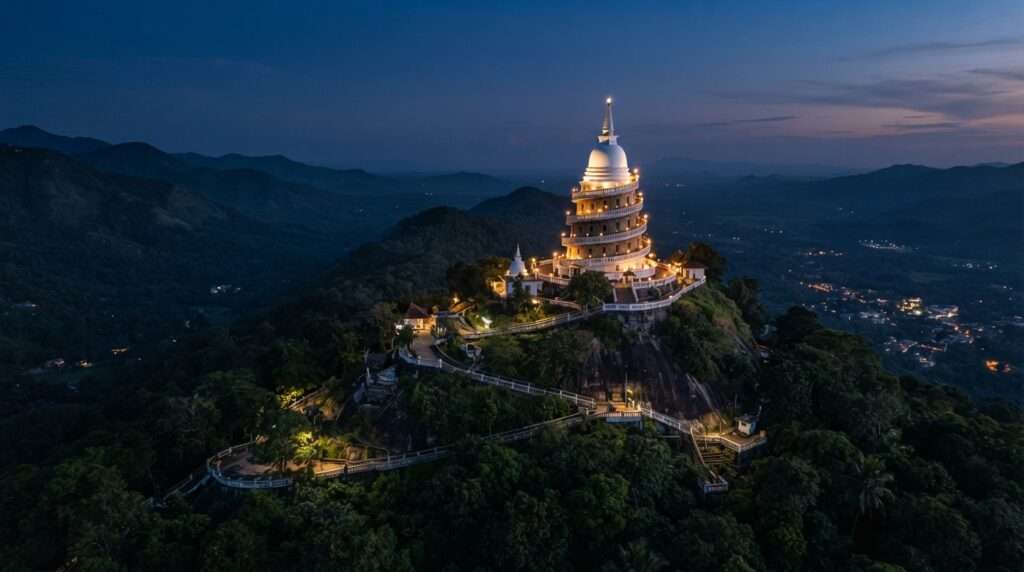
With a spare half day, carry on to Ambuluwawa near Gampola, roughly 40 to 45 km from Pinnawala by the Mawanella and Gampola road. A white spiral tower on the hilltop has a staircase that narrows as it climbs, with a 360-degree view of the hill country from the top. It is not for anyone who dislikes heights, and you should carry cash for the entry ticket. For more ideas in the city, see our list of things to do in Kandy.
| Distance from the orphanage | Peradeniya 34 km, Kandy 40 km, Ambuluwawa 40 to 45 km |
| Time needed | Half a day for Kandy and Peradeniya |
| Temple of the Tooth puja | Around 6:30 pm |
| Best for | Culture, an overnight stop |
Pinnawala Elephant Orphanage Timetable for 2026
The orphanage is open daily and runs to the same rhythm every day of the week. Plan around these times.
| Time | What happens |
|---|---|
| 8:30 am | Gates and ticket counter open |
| 8:30 am | Small herd taken to the river |
| 9:00 am to 2:00 pm | Elephant walk programme (paid) |
| 9:15 am | Fruit feeding starts; calf bottle-feeding round |
| 9:15 to 11:45 am | Morning bathing pass window (paid) |
| 10:00 am | Main herd walks to the Maha Oya |
| 12:00 pm | Main herd returns; small herd’s second bath |
| 1:15 pm | Calf bottle-feeding round |
| 2:00 pm | Main herd walks to the river again |
| 2:15 to 3:45 pm | Afternoon bathing pass window (paid) |
| 4:00 pm | Main herd returns |
| 5:00 pm | Ticket counter closes |
| 6:00 pm | Grounds close (the official site also lists 5:30 pm) |
Source: Department of National Zoological Gardens, checked 22 October 2026. Bottle-feeding times come from visitor reports and can shift, so confirm at the gate.
Pinnawala Entry Fees 2026 for Indians and Other Visitors
Every ticket is paid in Sri Lankan rupees, either at the counter or online at tickets.nationalzoo.gov.lk, the department’s own e-ticket site. Dollar fares are only the price label. There is no separate Indian fare; India is a SAARC member, so Indian passport holders pay the SAARC rate. Carry your passport, as the counter may ask to see it.
| Ticket | Adult | Child (3 to 12) | Adult in ₹ (approx.) |
|---|---|---|---|
| Orphanage, SAARC (incl. Indians) | USD 11.80 | USD 5.90 | ₹1,116 |
| Orphanage, other foreigners | USD 17.70 | USD 8.85 | ₹1,674 |
| Orphanage, Sri Lankans | Rs 295 | Rs 118 (under 12) | ₹84 |
| Open Zoo, SAARC | USD 9.44 | USD 4.72 | ₹893 |
| Open Zoo, other foreigners | USD 11.80 | USD 5.90 | ₹1,116 |
| Combo orphanage + zoo, foreigners | USD 23.60 | USD 11.80 | ₹2,232 |
| Combo orphanage + zoo, SAARC | Listed as USD 11.80 | Listed as USD 5.90 | Confirm at the counter |
The listed fares already include Sri Lanka’s 18% VAT (USD 15 + 18% = USD 17.70). Rupee figures use 1 USD = Rs 331.71 = ₹94.59 (22 October 2026), and the counter applies its own rate on the day. If another site quotes USD 15, LKR 2,800 or INR 410, it is showing the pre-VAT base or the tariff that ended in 2023. Full detail, including the family cost breakdown, is on our Pinnawala Elephant Orphanage entry fees page.
Paid programmes at the orphanage
| Programme | Price | Approx. ₹ | When |
|---|---|---|---|
| Fruit basket | Rs 590 | ₹168 | From 9:15 am |
| Bathing pass (10 minutes) | Rs 885 | ₹252 | 9:15 to 11:45 am, 2:15 to 3:45 pm |
| Elephant walk | Rs 1,180 | ₹336 | 9:00 am to 2:00 pm |
A family of two adults and two children on Indian passports pays USD 35.40 (about ₹3,349) for orphanage entry. Adding the zoo on separate tickets costs another USD 28.32 (about ₹2,679).
Is Pinnawala Ethical? What To Know Before You Go
Pinnawala is a captive facility, not a wildlife reserve, and it is worth knowing that before you buy a ticket. It began as a refuge for orphaned calves that could not survive in the wild, and many of its elephants were later born there under the breeding programme, so the herd has nowhere else to go. Supporters point to lifelong care for animals that would otherwise have died.
Welfare groups raise three concerns. Elephants are chained in their stalls during rest hours, crowds press close at bath time, and paid contact programmes put tourists right beside animals that are not fully predictable. Animal-welfare charities such as World Animal Protection raise the same points about captive elephant venues across Asia.
If welfare matters to you, three choices keep you on the right side of it. Watch the bath from the bank instead of buying a contact pass. Never ride an elephant, here or anywhere. And add one day in a national park to see elephants living wild. Our guide to elephant sanctuaries in Sri Lanka goes deeper.
Pinnawala vs Other Elephant Experiences in Sri Lanka
| Experience | Type | Contact | Distance from Pinnawala | Best for |
|---|---|---|---|---|
| Pinnawala Elephant Orphanage | Government captive herd of 65 | Optional paid bathing and walk | 0 km | Seeing a large herd up close, families |
| Millennium Elephant Foundation | Private non-profit, small group | Elephant walk; rides may still be sold | About 3 km | A quieter visit with keeper stories |
| Elephant Freedom Project | Family-run shelter, no rides | Walking, food preparation, watching the river bath | Kegalle area, near Pinnawala | Contact without riding |
| Elephant Transit Home, Udawalawe | Government rehab centre that releases calves to the wild | Viewing from a platform only | About 4.5 hours by road | Watching calves being prepared for release |
| Minneriya National Park | Wild herds, jeep safari | None | About 3.5 hours by road | The July to September “Gathering” of hundreds of elephants |
| Udawalawe National Park | Wild herds, jeep safari | None | About 4.5 hours by road | Year-round wild sightings |
The honest summary is that Pinnawala is the easiest place in Sri Lanka to see many elephants at once, and a safari is the better way to see them living free. Most Indian travellers on a week-long trip can fit in both. See our list of national parks in Sri Lanka to pick one that fits your route.
How Far Each Place Is From the Orphanage
Use this to decide what fits in your day. Road distances from the orphanage gate.
| Place | Distance | Drive time | Fits best |
|---|---|---|---|
| Pinnawala Open Zoo | Under 2 km | 5 minutes | Same morning or afternoon |
| Millennium Elephant Foundation | About 3 km | 10 minutes | Same day |
| Elephant Freedom Project | Kegalle area, near Pinnawala | Short drive; confirm when booking | Same day, half-day booking |
| Meeyan Ella | Near Ihalakotte station | Under 1 hour | Morning before the orphanage |
| Spice garden on the A1 | On the A1 near Mawanella | Under 1 hour | On the way to Kandy |
| Mahamevnawa, Polgahawela | About 15 km | 30 minutes | On the way from Kurunegala or by train |
| Utuwankanda | About 12 to 14 km | 35 minutes | Early morning climb |
| Dawson Tower, Kadugannawa | About 22 to 24 km | 45 minutes | On the way to Kandy |
| Peradeniya Botanical Gardens | About 34 km | 1 hour | Afternoon |
| Kandy | About 40 km | 1 to 1.5 hours | Evening and overnight |
| Ambuluwawa Tower | About 40 to 45 km | 1.5 to 2 hours | A second half day |
One-Day Pinnawala Itineraries From Colombo and Kandy
Colombo to Pinnawala to Kandy (one-way transfer day)
| Time | Plan |
|---|---|
| 6:30 am | Leave Colombo on the A1 (2.5 to 3 hours) |
| 9:15 am | Orphanage gate. Fruit feeding |
| 10:00 am | Main herd’s river bath from the steps |
| 11:15 am | Shop Elephant Bath Road, then a terrace lunch |
| 1:00 pm | Pinnawala Open Zoo |
| 3:00 pm | Drive east. Optional 45-minute spice garden stop on the A1 |
| 4:30 pm | Dawson Tower and the Bible Rock view at Kadugannawa |
| 5:30 pm | Check in at Kandy. Peradeniya’s gardens close at 5:00 pm, so see them the next morning |
| 6:30 pm | Temple of the Tooth evening puja |
Kandy round trip (half day plus)
| Time | Plan |
|---|---|
| 8:00 am | Leave Kandy (1 to 1.5 hours down the Kadugannawa Pass) |
| 9:15 am | Fruit feeding at the orphanage |
| 10:00 am | River bath |
| 12:00 pm | Riverside lunch |
| 1:30 pm | Millennium Elephant Foundation or the Open Zoo |
| 3:30 pm | Back towards Kandy, stopping at Dawson Tower |
| 5:00 pm | Kandy Lake walk |
Both days slot into the standard Colombo, Kandy, Nuwara Eliya route most of our Sri Lanka tour packages follow, and the driver can stop at Pinnawala on the transfer day at no extra distance.
How To Reach Pinnawala
By car. Pinnawala is about 90 km from Colombo on the A1 through Kegalle, 2.5 to 3 hours depending on traffic leaving the city. From Kandy it is about 40 km and 1 to 1.5 hours, with the Kadugannawa descent the slow part. A private car or a PickMe booking is the simplest option for families.
By train. Take the Colombo to Kandy line to Rambukkana, about 3 km from the orphanage, then a tuk-tuk to the gate. From Kandy the train takes about 1 hour 10 minutes. Older guides name Polgahawela as the nearest station, but Rambukkana is closer.
By bus. Colombo to Kandy buses stop at Kegalle, where local buses on the Rambukkana road pass Pinnawala. From Kandy, direct buses take about 90 minutes. Ask the conductor to confirm the bus goes through Pinnawala.
From the airport. Bandaranaike International Airport (CMB) at Katunayake is about 80 km away, 1.5 to 2 hours by car, so Pinnawala works as the first stop on day one if your flight from Chennai, Bengaluru, Mumbai or Delhi lands early. Full routes and fares are on how to reach Pinnawala Elephant Orphanage.
How to plan a half day at Pinnawala in 6 steps
- Pick December to April, when the wet-zone rains ease and bathing passes are rarely cancelled.
- Buy orphanage or combo tickets at tickets.nationalzoo.gov.lk with your passport number, or carry Sri Lankan rupees for the gate.
- Leave Colombo by 6:30 am or Kandy by 8:00 am so you reach the gate by 9:15 am.
- Buy a Rs 590 fruit basket at 9:15 am, when the whole herd is gathered.
- Take a spot on the river steps or a terrace by 9:45 am for the 10:00 am bath.
- Eat lunch by the river, then visit the Open Zoo or drive on to Kandy over the Kadugannawa Pass.
Indian passport holders also need a Sri Lanka ETA before flying. Our guide to the Sri Lanka visa for Indians explains how to apply.
Best Time To Visit Pinnawala
December to April is the best time. Pinnawala sits in Sri Lanka’s wet zone, which takes the southwest monsoon from May to September and inter-monsoon storms in October and November. Rain does not close the orphanage, but it does cancel bathing passes, swell the Maha Oya and turn the riverbank steps slick. January to March is the driest stretch, with afternoons in the low 30s °C.
| Months | Weather | What it means for your visit |
|---|---|---|
| December to April | Driest, sunny mornings | Best for the river bath and outdoor sights |
| May to September | Southwest monsoon showers | Mornings usually fine; bathing passes may be cancelled |
| October to November | Heaviest inter-monsoon rain | Afternoon storms; go early and pack a rain jacket |
Time of day matters more than month. Arrive by 9:15 am for the feeding and the 10:00 am bath, before the midday heat and the tour coaches. Weekdays are calmer than weekends, poya days and the December and April school holidays. Our best time to visit Sri Lanka guide covers the rest of the island.
Pinnawala Travel Tips and Visitor Rules
- Wear clothes you do not mind getting splashed, sandals with grip for the river steps, and sunscreen.
- Plastic and polythene are banned inside. Carry snacks in paper or a lunch box, as bags may be checked.
- No smoking, alcohol, pets, drums or speakers anywhere on the premises.
- Keep your distance from the elephants unless a mahout is guiding you, and never feed them food bought from street sellers.
- Mahouts sometimes ask for a tip after a photo. Tipping is your choice, not a fee.
- Ignore anyone near the gate offering tickets or guiding. The department says unofficial guides are not its staff.
- Draw Sri Lankan rupees in Colombo or Kandy. Small notes help at the stalls and for tuk-tuks.
- Sri Lanka keeps the same time as India (UTC+5:30), so nothing to adjust when you plan around the 10:00 am bath.
Sources
- Department of National Zoological Gardens, Pinnawala Elephant Orphanage: fees, programmes, herd count, history and schedule. nationalzoo.gov.lk/pinnawala-elephant-orphanage (checked 22 October and 9 November 2026)
- Department of National Zoological Gardens, Pinnawala Zoo: opening date, area, fees, special events. nationalzoo.gov.lk/pinnawala-zoo (checked 9 November 2026)
- National Zoological Gardens e-ticket service. tickets.nationalzoo.gov.lk
- Wikipedia: Pinnawala Elephant Orphanage, Millennium Elephant Foundation, Dawson Tower
- Lonely Planet: Millennium Elephant Foundation listing
- World Animal Protection: Taken for a Ride (2017), a report on elephants used in tourism in Asia
Plan Your Pinnawala Day
Pinnawala is worth a full morning, not a photo stop. Arrive by 9:15 am, watch the 10:00 am bath from the bank, and use the afternoon for the Open Zoo or the road up to Kandy past Dawson Tower. When you are ready to fit it into a wider trip, our Sri Lanka tour packages already route through Pinnawala on the Colombo to Kandy day, and the Sri Lanka travel guide covers everything else on the island.
FAQs
FAQs About Things To Do In Pinnawala
Pinnawala is famous for the Pinnawala Elephant Orphanage, run by Sri Lanka's Department of National Zoological Gardens and home to 65 elephants (27 male and 38 female). Twice a day, at 10:00 am and 2:00 pm, the main herd walks down a shop-lined lane to bathe in the Maha Oya river. The village is also home to Pinnawala Open Zoo, Sri Lanka's first open-concept zoo, opened in 2015.
The top things to do are watching the main herd's river bath, seeing fruit feeding at 9:15 am, visiting Pinnawala Open Zoo for its Sri Lankan leopards, eating lunch on a riverside terrace and shopping on Elephant Bath Road. Within 30 km you can add the Millennium Elephant Foundation, Meeyan Ella waterfall, a spice garden on the A1, Utuwankanda rock and Dawson Tower at Kadugannawa.
The main herd goes to the Maha Oya at 10:00 am and returns at 12:00 pm, then goes again at 2:00 pm and returns at 4:00 pm. A smaller group of about seven younger elephants bathes at 8:30 am and 12:00 pm. Reach the river steps by 9:45 am for a good view of the herd walking down the lane.
Indians pay the SAARC rate of USD 11.80 per adult and USD 5.90 per child aged 3 to 12, about ₹1,116 and ₹558 at the 22 October 2026 exchange rate. The fee is charged in Sri Lankan rupees, around Rs 3,915 per adult, at the counter or online at tickets.nationalzoo.gov.lk. Carry your passport so the SAARC rate is applied.
Yes. Foreign adults pay USD 23.60 and foreign children USD 11.80 for one ticket covering both sites. The official table lists the SAARC combo at USD 11.80 per adult and USD 5.90 per child, the same as the orphanage alone, so Indian visitors should confirm the price at the counter. Sri Lankans buy each site separately.
Plan 2 to 3 hours for the orphanage alone, enough for one feeding and one river bath. Allow 4 to 5 hours to add lunch by the river and Pinnawala Open Zoo. A full day lets you add nearby sights such as the Millennium Elephant Foundation, a spice garden and Dawson Tower on the drive to Kandy.
You can watch the calves being bottle-fed with milk, usually around 9:15 am and 1:15 pm, as part of your entry ticket. Whether visitors are allowed to hold a bottle changes from season to season, so ask at the counter on arrival. Fruit-basket feeding of the adult elephants is always available from 9:15 am for Rs 590.
No. Pinnawala Elephant Orphanage does not offer elephant rides. It sells a 10-minute bathing pass for Rs 885 and an elephant walk for Rs 1,180, both beside a mahout. Some private centres in the area have sold rides in the past, and responsible travellers should avoid elephant rides anywhere in Sri Lanka.
Pinnawala gives lifelong care to elephants that cannot live in the wild, but welfare groups criticise chaining during rest hours, crowding at bath time and paid contact programmes. If welfare matters to you, watch the river bath from the bank, skip rides and contact passes, and add a safari at Minneriya or Udawalawe to see elephants living wild.
Pinnawala is about 90 km from Colombo, 2.5 to 3 hours by car on the A1 through Kegalle. It is about 40 km west of Kandy, 1 to 1.5 hours by car or about 1 hour 10 minutes by train to Rambukkana, the nearest station, followed by a 3 km tuk-tuk ride.
December to April is the best season, when Sri Lanka's wet zone is driest and bathing passes are rarely cancelled. On any day, arrive by 9:15 am to catch fruit feeding and the 10:00 am river bath before the midday heat and the tour coaches. Weekdays are calmer than weekends and poya days.
Yes. Feeding time, the river bath and the Open Zoo's leopards, butterfly garden and Rs 250 bird-feeding session make Pinnawala one of the easiest family stops in Sri Lanka. Children aged 3 to 12 pay reduced fares, and the elephant-dung paper workshop is a short, unusual extra that most children enjoy.